



School theater programs create transformative experiences that build confidence, develop communication skills, and forge lifelong memories—yet unlike athletic achievements with trophies and record boards, drama club cast recognition often disappears when programs end and playbills are recycled. Theater directors face unique challenges preserving performance history: limited physical display space, difficulty showcasing dynamic performances through static photos, and the challenge of honoring diverse contributions from actors, crew, directors, and technical staff equally.
Outstanding theater productions represent hundreds of hours of rehearsal, technical preparation, and collaborative creativity. When schools fail to recognize these contributions permanently, they diminish performing arts’ institutional value compared to athletics, discount the dedication of students who invest as much time in theater as athletes spend in sports, and lose opportunities to inspire future students by showcasing program excellence and tradition.
Modern video wall technology solves these recognition challenges comprehensively. Digital displays preserve complete performances through video highlights, showcase diverse contributions from entire production teams, maintain unlimited cast and crew archives without space constraints, and create engaging multimedia experiences that capture theater’s visual and emotional impact far better than traditional plaques or photo collages.
This comprehensive guide explores effective drama club cast recognition strategies using video walls of fame, examining how schools preserve theater program history, honor student performers and crews, build performing arts culture, and implement recognition systems that celebrate theatrical achievement with the same prominence given to athletic accomplishments.

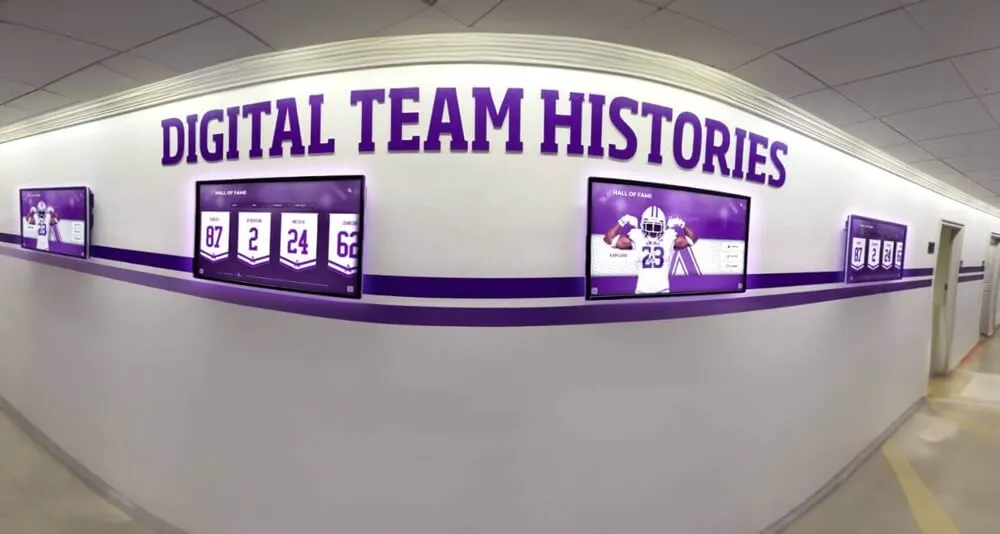
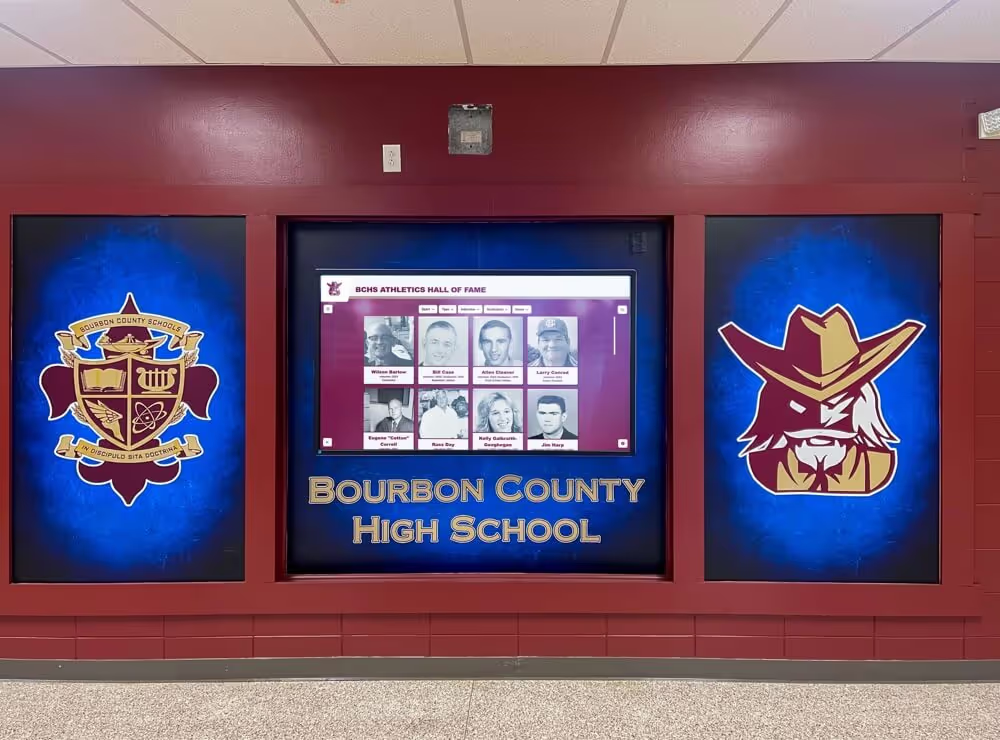
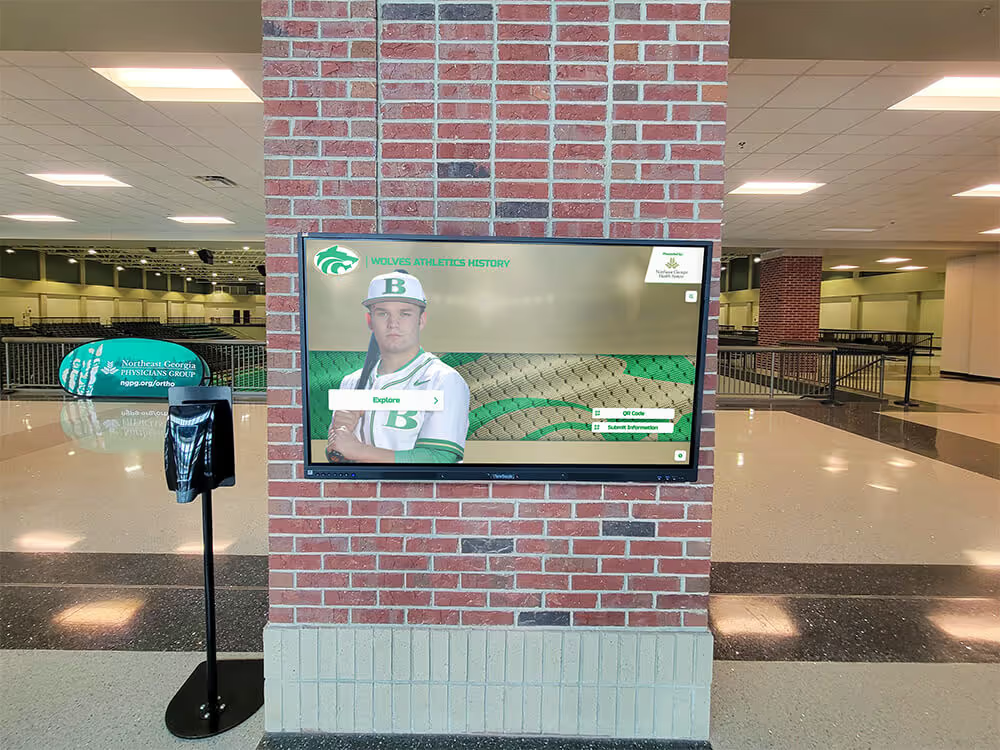
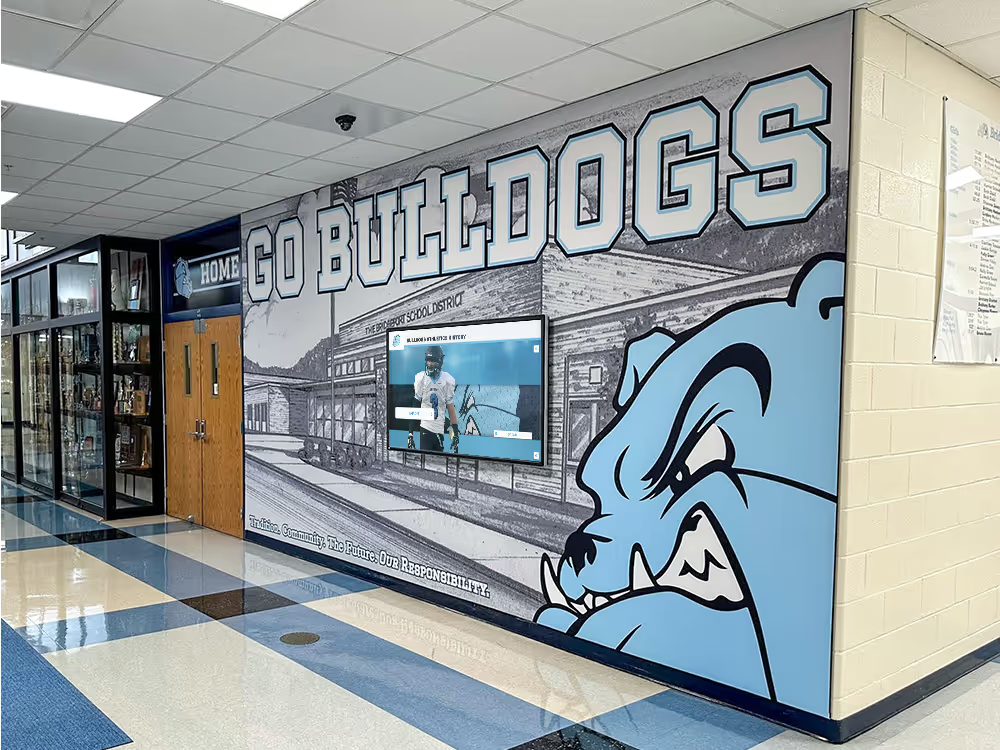
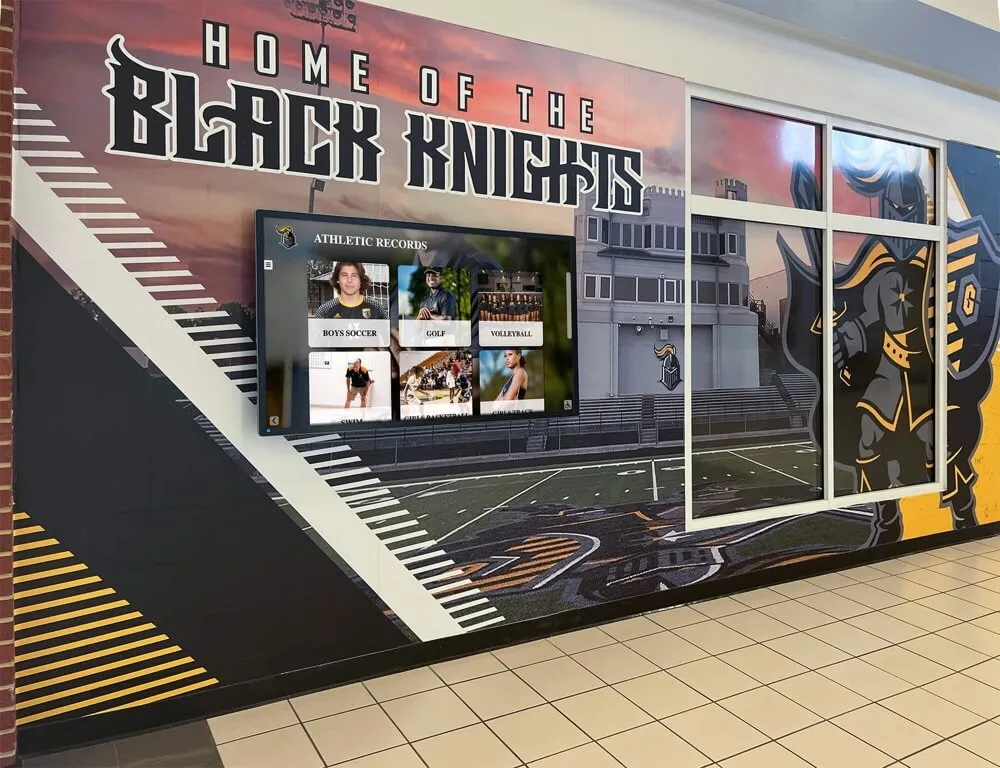
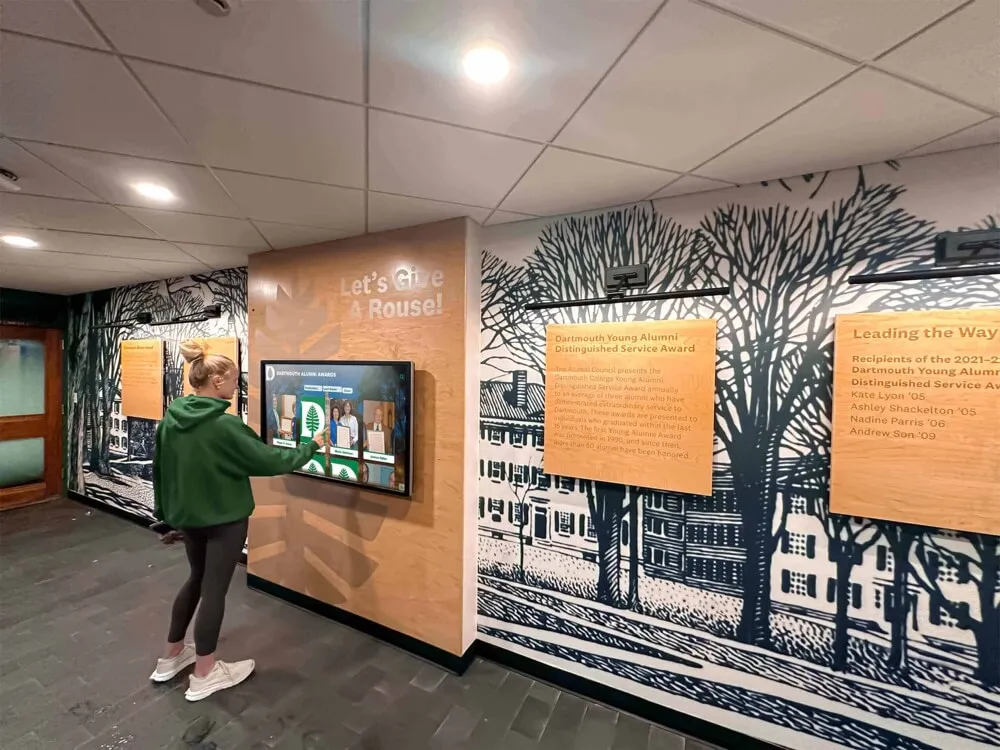
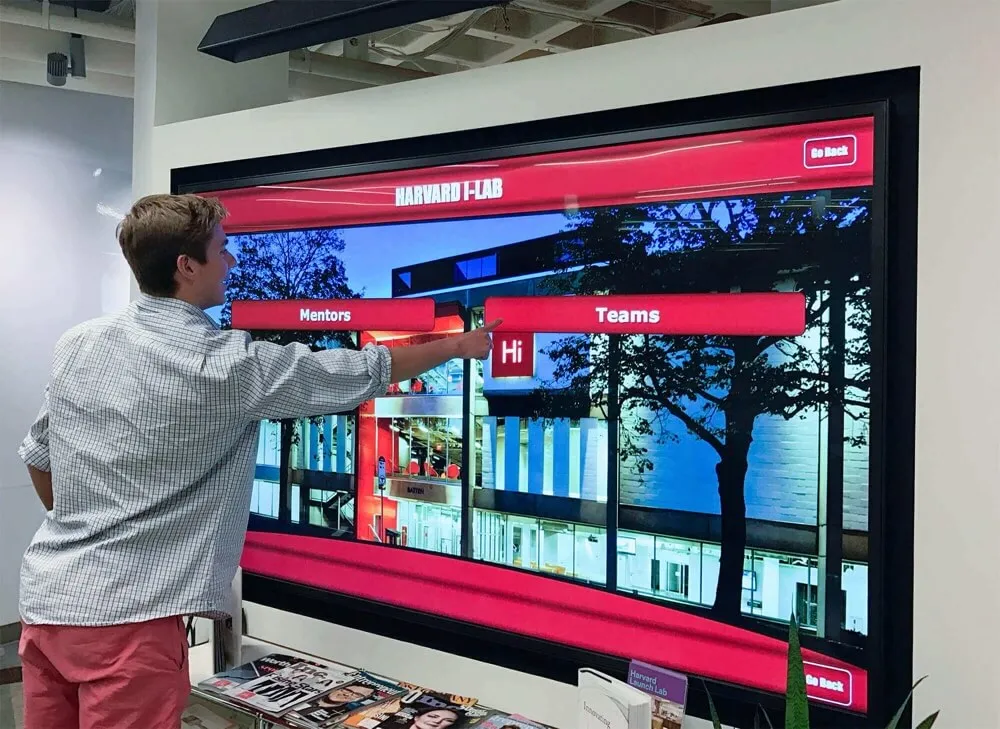
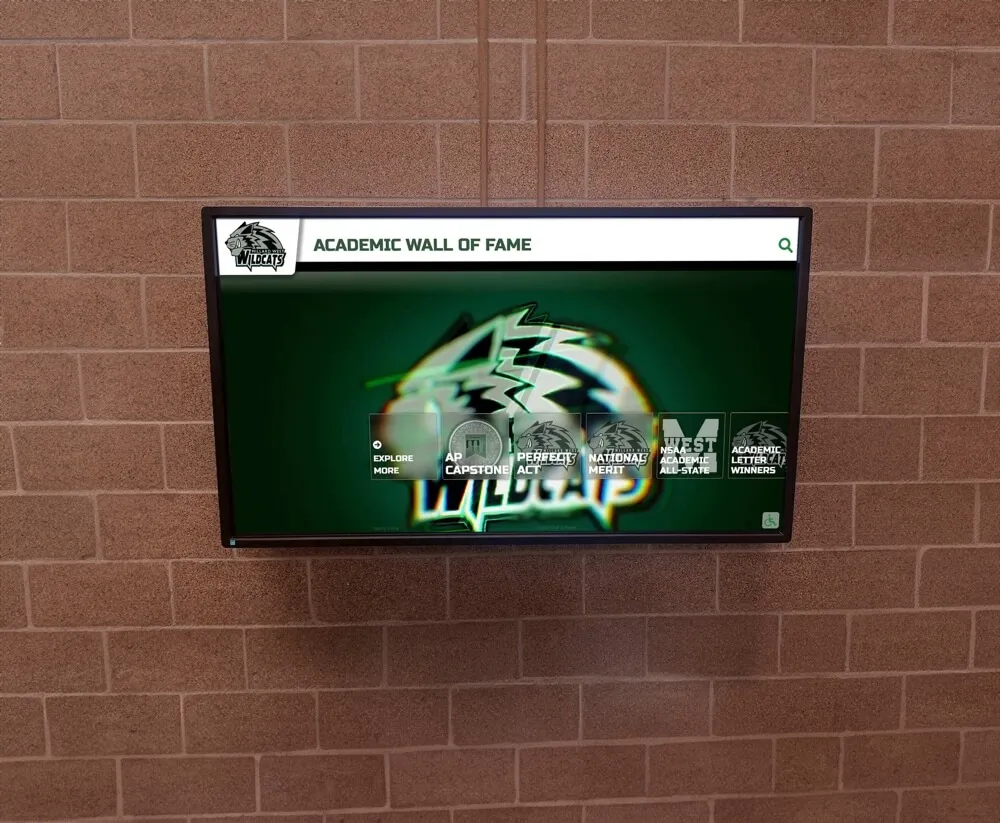
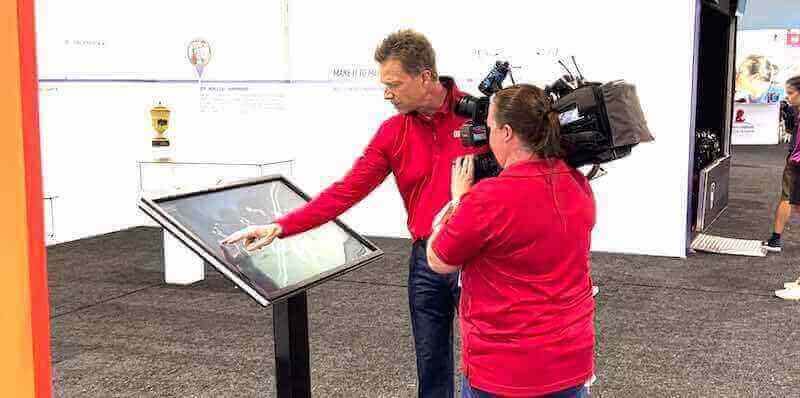
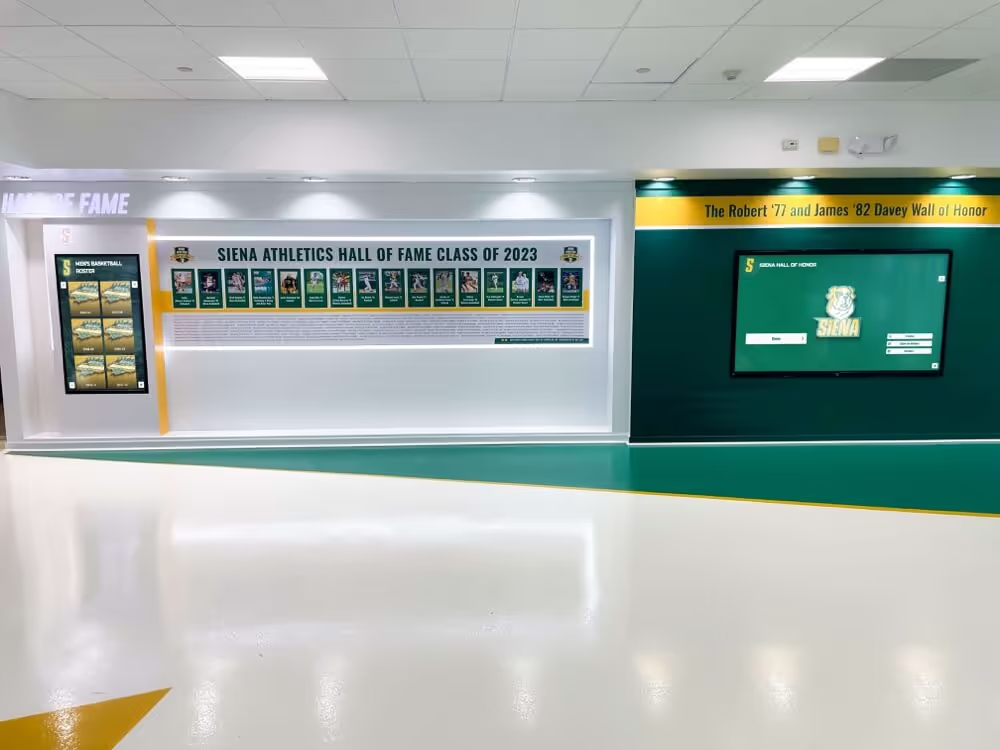
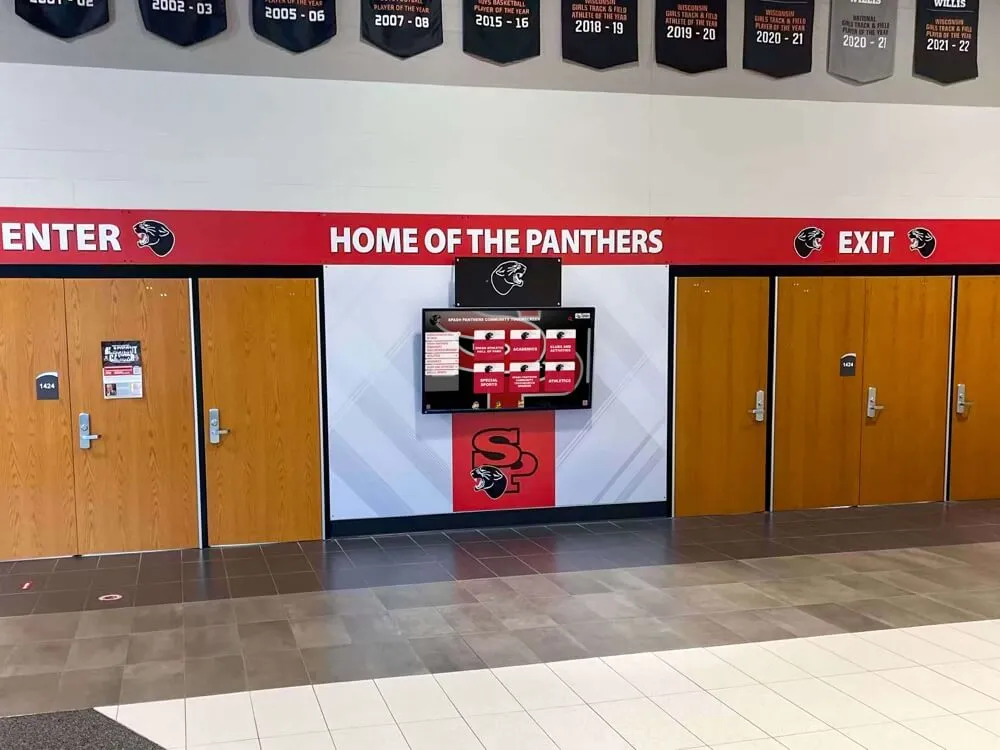
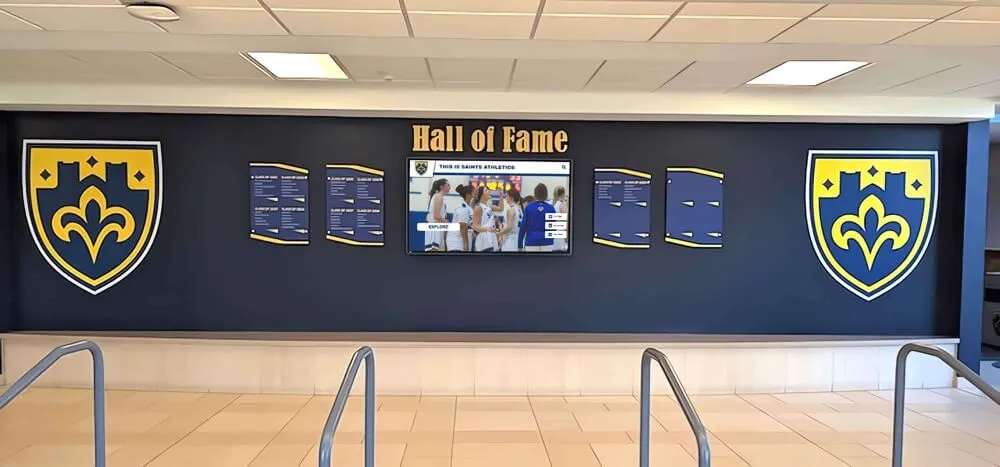
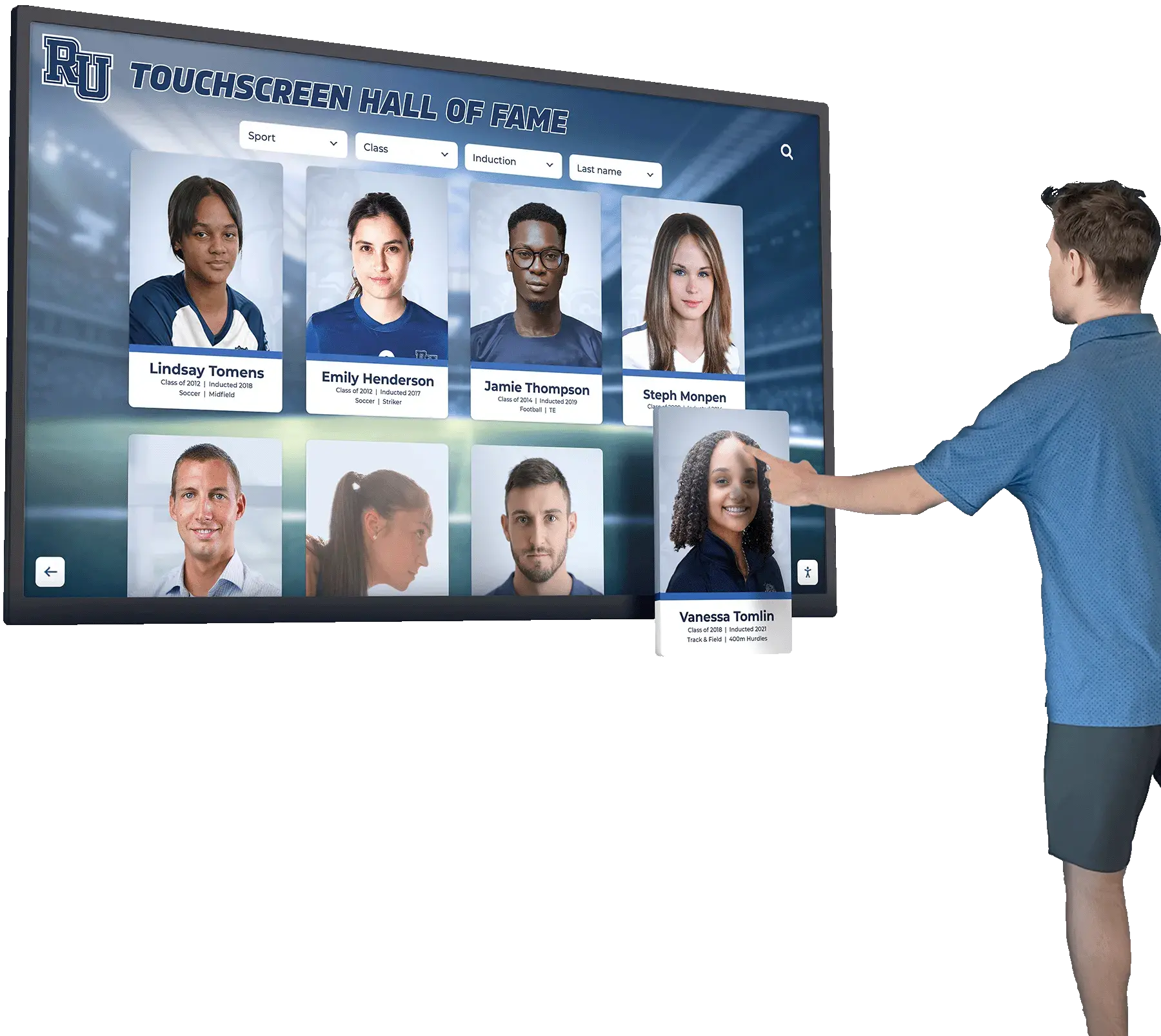
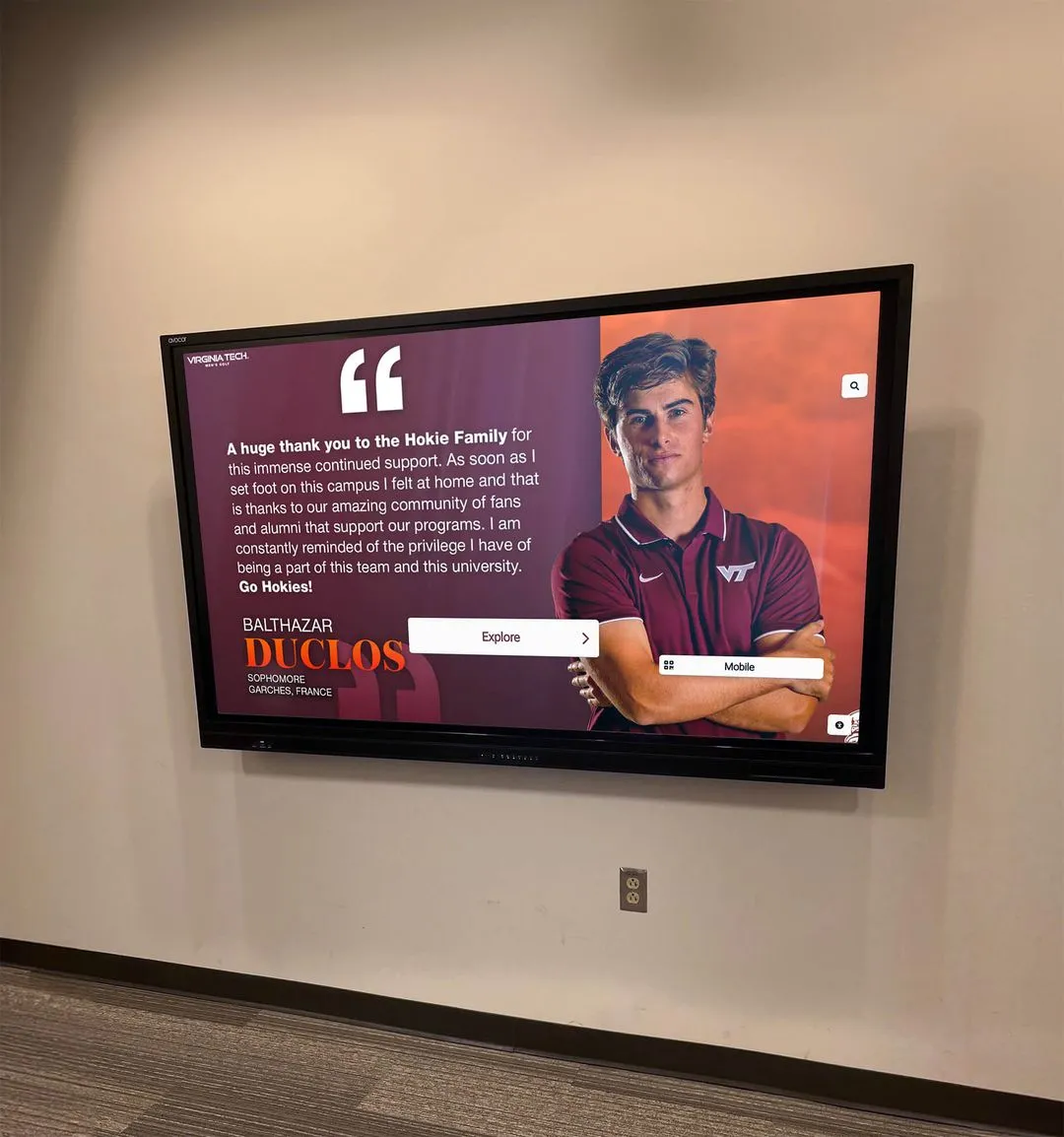
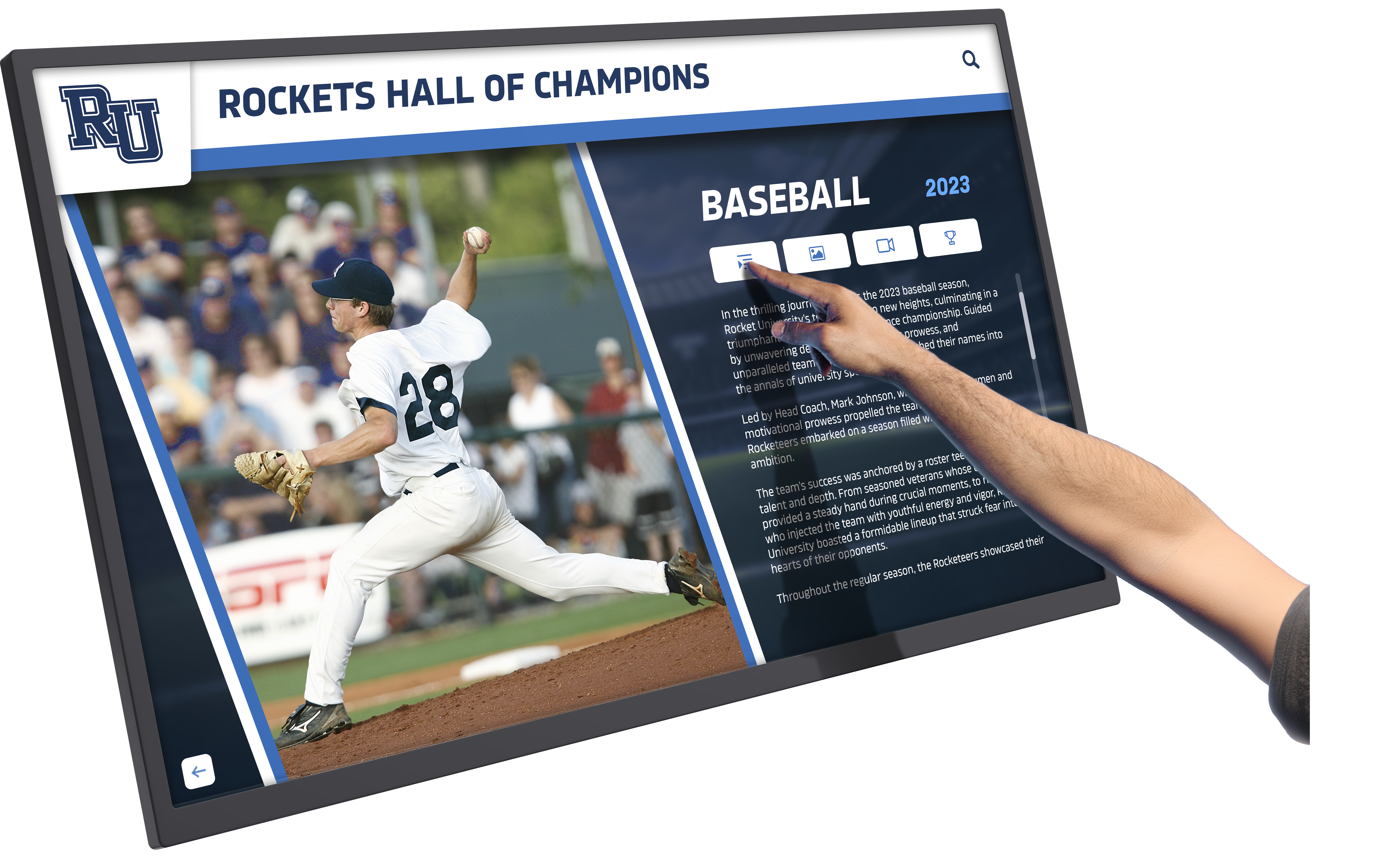
Interactive video walls transform static recognition into engaging experiences where visitors explore performance highlights, cast profiles, and production histories
Why Drama Club Cast Recognition Matters for School Theater Programs
Before examining specific implementation strategies, understanding why permanent theater recognition creates value helps schools prioritize performing arts alongside traditional athletic recognition programs.
The Hidden Value of Theater Program Recognition
Theater programs deliver measurable benefits that extend far beyond entertainment, yet often receive minimal institutional recognition compared to athletics:
Academic and Social Development Benefits
Research consistently demonstrates that students involved in theater programs show stronger outcomes across multiple domains:
- Higher grade point averages and standardized test scores compared to non-participants
- Improved verbal communication and public speaking confidence
- Enhanced emotional intelligence and empathy development
- Stronger collaboration skills and team-building capabilities
- Increased cultural awareness through diverse character portrayal
- Better college admission outcomes and scholarship opportunities
Despite these documented benefits, performing arts programs typically receive a fraction of the recognition infrastructure devoted to athletics. This disparity sends implicit messages about institutional priorities that affect program participation, community support, and student motivation.
Building Theater Program Culture and Tradition
Visible recognition creates tangible program culture that influences current and prospective participants:
When students see comprehensive performance history documented through video walls, they understand theater as a valued institutional tradition rather than a temporary extracurricular activity. Recognition demonstrates that contributions matter beyond opening night, encouraging deeper commitment and sustained participation throughout high school careers.
Permanent displays also create connections between current students and program alumni, building mentorship opportunities and demonstrating performance legacy that inspires excellence across generations.
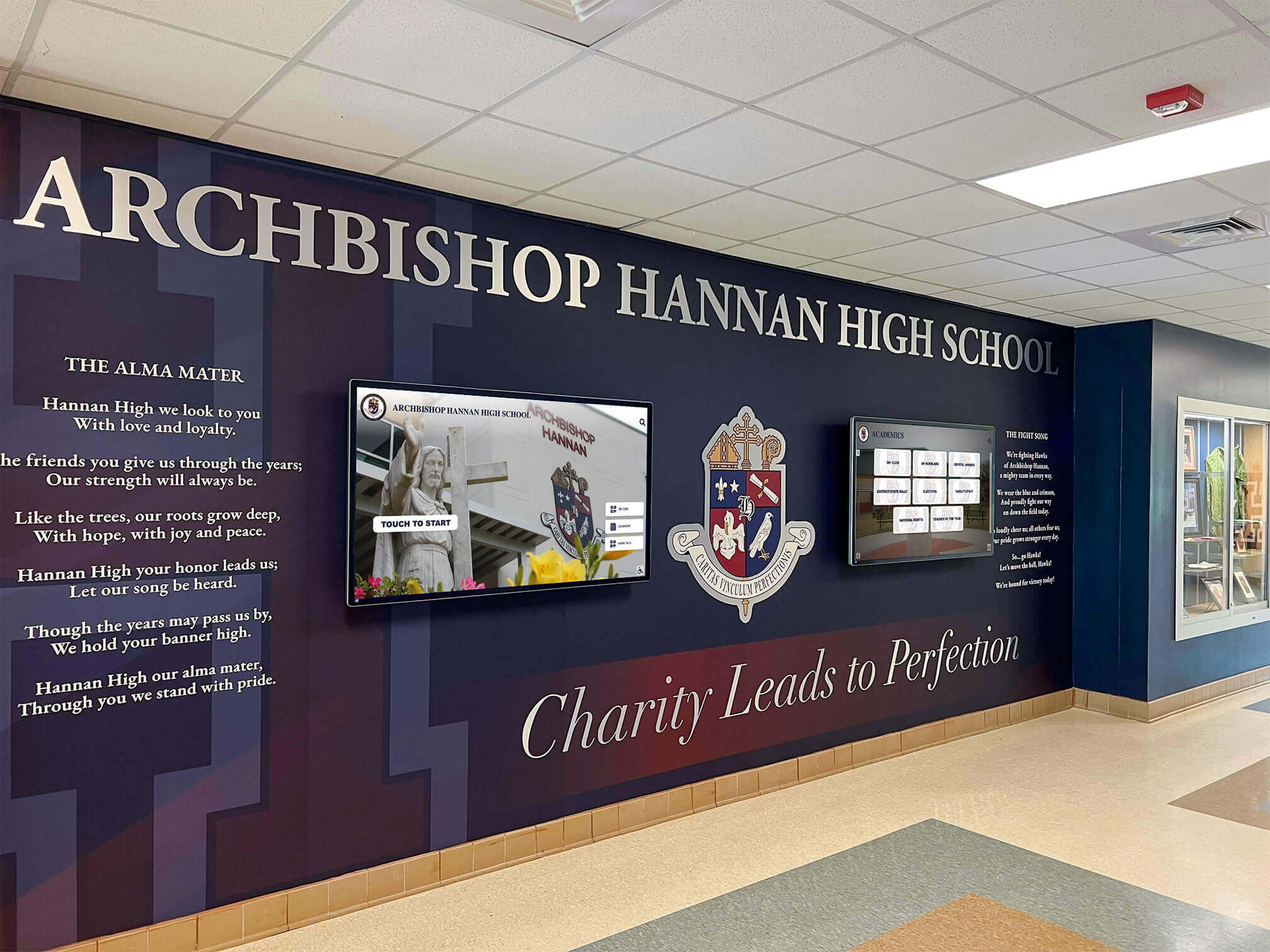
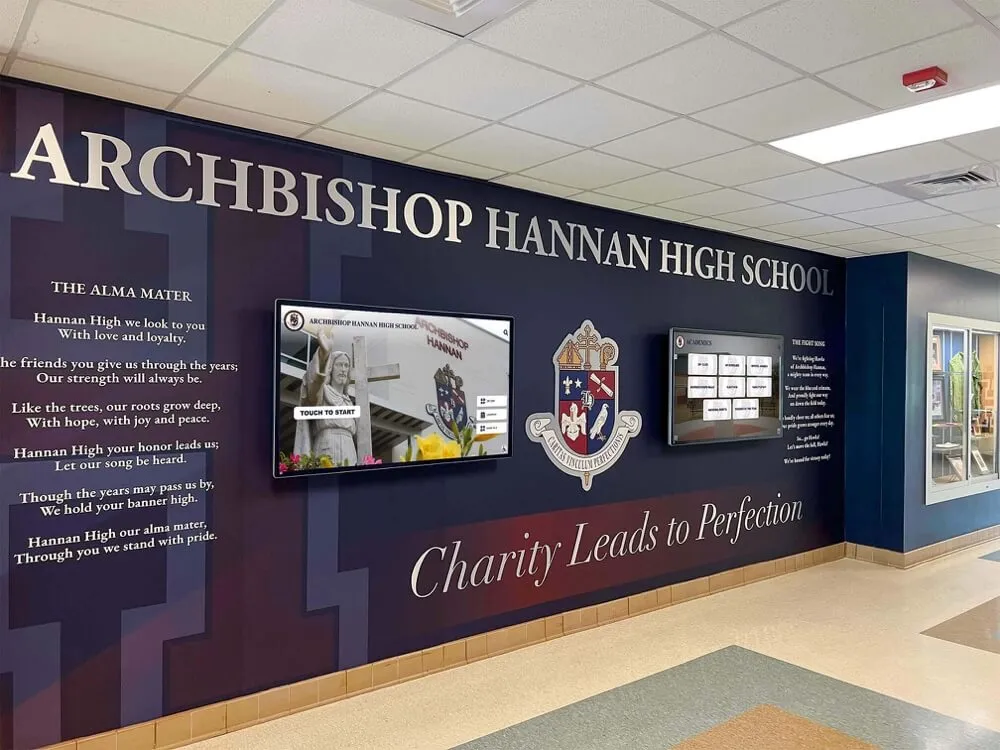
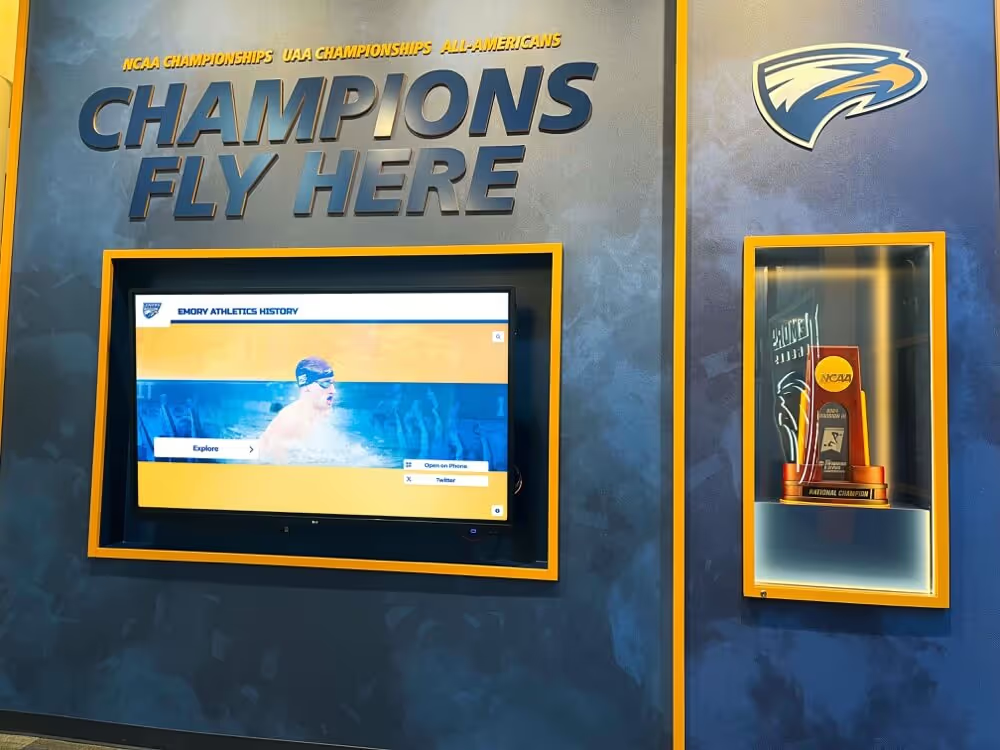
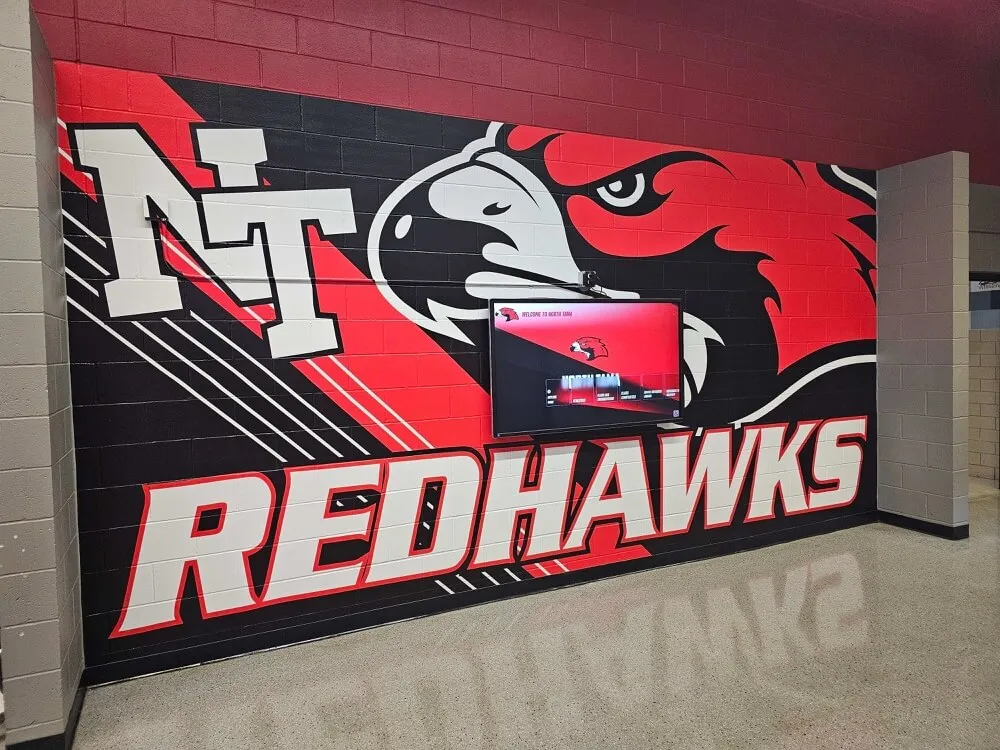
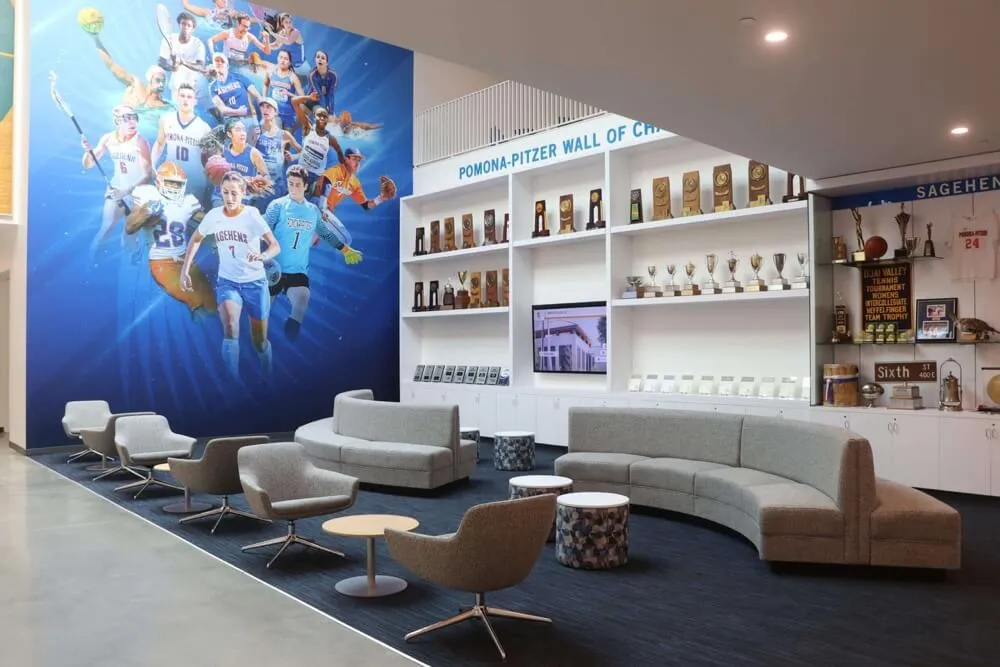
Professional theater recognition in prominent school locations demonstrates institutional commitment to performing arts excellence
Unique Recognition Challenges for Theater Programs
Theater recognition presents distinct challenges that traditional approaches struggle to address effectively:
The Performance Medium Problem
Unlike athletics where statistics and records provide objective achievement measures, theater excellence exists primarily in live performances that disappear after final curtain calls. Static photos capture moments but fail to convey the dynamic energy, emotional range, and technical execution that define outstanding performances.
Video documentation solves this fundamental challenge by preserving actual performance footage, allowing future audiences to experience past productions rather than simply reading about them. This visual medium naturally aligns with theater’s performative nature.
Recognizing Diverse Contribution Types
Theater productions require extensive collaboration beyond performers on stage:
- Actors playing lead roles, supporting characters, and ensemble members
- Technical crews managing lighting, sound, and stage effects
- Set designers and construction teams creating visual environments
- Costume designers and makeup artists establishing character aesthetics
- Student directors, stage managers, and assistant directors
- Orchestra members and musical accompanists
- Ticket sales, marketing, and front-of-house volunteers
Traditional recognition formats struggle to honor all contributors equally without creating overwhelming displays. Digital systems accommodate unlimited profiles organized through searchable databases that respect every role’s importance.
Space and Budget Constraints
Most schools lack dedicated theater facilities with significant display space for comprehensive recognition. When performing arts share cafeterias or multipurpose rooms with other activities, permanent physical installations become impractical.
Video walls require minimal physical footprint—typically a single large-format screen—while accommodating complete program histories spanning decades. This space efficiency makes comprehensive recognition achievable even in schools with limited facilities.
Recognition Equity: Performing Arts Deserve Athletic-Level Recognition
Schools routinely invest thousands in athletic trophy cases, digital record boards, and halls of fame displays. Theater programs deliver comparable student development benefits, require similar time commitments, and produce achievements worthy of equivalent institutional recognition.
When schools implement video walls that showcase theater accomplishments alongside athletic achievements, they demonstrate balanced appreciation for diverse student talents while expanding recognition infrastructure to reflect actual program participation rather than historical funding patterns.
Essential Elements of Effective Drama Club Video Walls of Fame
Successful theater recognition systems incorporate specific features that honor performing arts appropriately while creating engaging experiences for multiple audiences.
Performance Video Archives
The centerpiece of effective drama club recognition is comprehensive video documentation of actual productions:
Complete Production Archives
Schools should maintain video libraries including:
- Full-length recordings of entire productions from multiple years
- Curated highlight reels showcasing memorable scenes and performances
- Individual character spotlight clips featuring specific actors
- Behind-the-scenes rehearsal footage demonstrating preparation processes
- Technical execution videos highlighting lighting, sound, and set design
- Curtain call recordings capturing cast celebrations and audience reactions
Modern touchscreen displays allow visitors to browse production catalogs chronologically, search by show title or performer name, and watch selected clips directly on recognition displays or through web-accessible platforms extending recognition beyond physical locations.
Performance Quality Considerations
Video quality significantly impacts recognition effectiveness. Schools should invest in:
- Multi-camera setups capturing wide shots, medium closeups, and detail angles
- Professional audio recording ensuring dialogue clarity and music quality
- Adequate lighting for video capture during live performances
- Post-production editing creating polished final presentations
- Proper video format conversion ensuring long-term accessibility
While smartphone recordings preserve some performance history, dedicated video production creates archives worthy of permanent recognition that students proudly share with families and colleges.

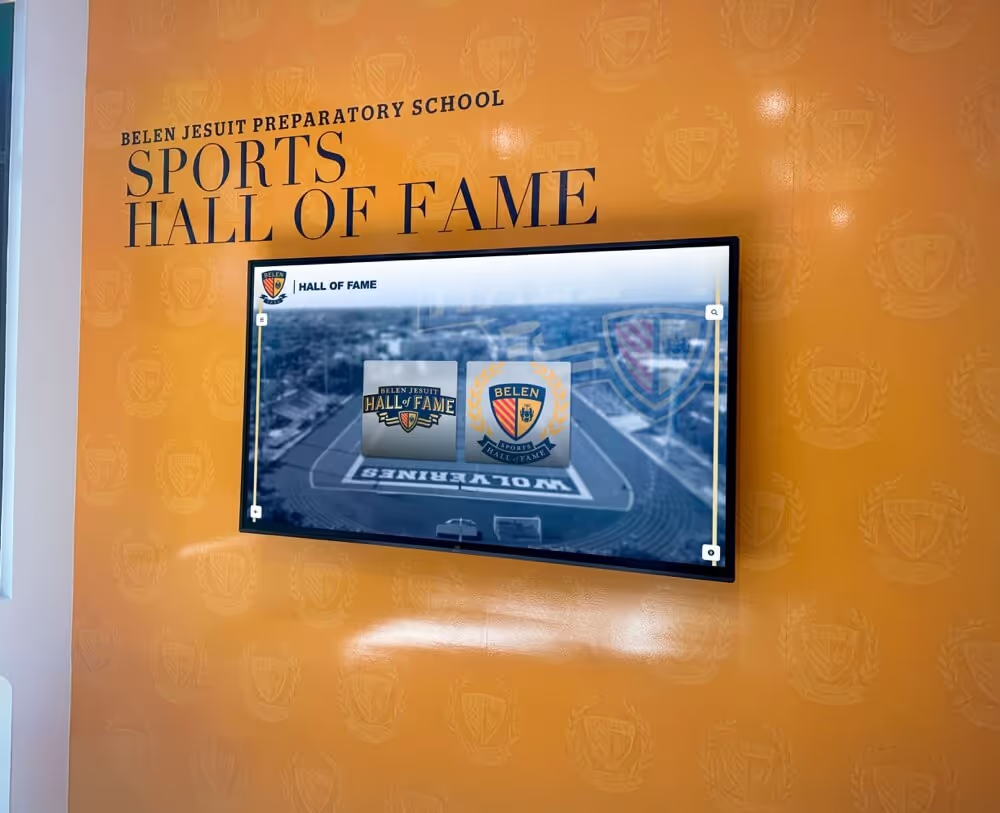
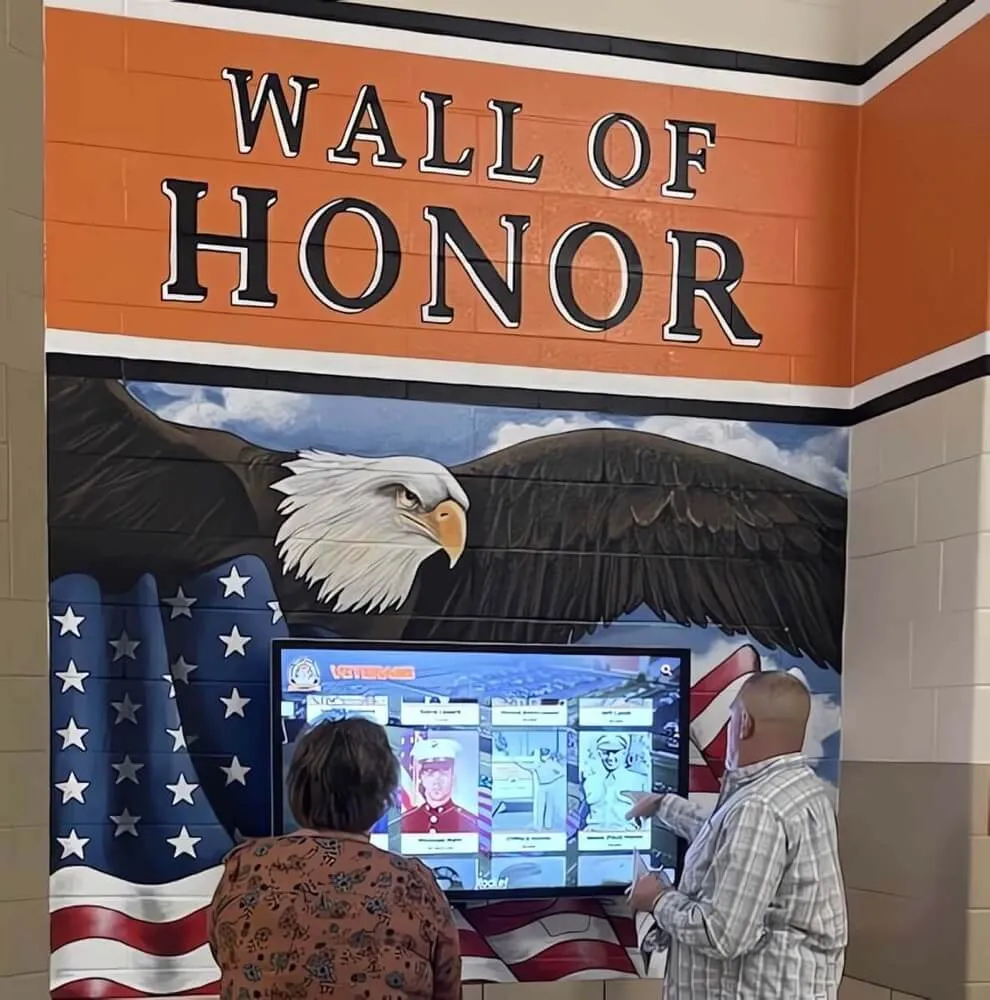
Searchable databases allow visitors to discover specific performers, crew members, or productions through intuitive touchscreen interfaces
Individual Cast and Crew Profiles
Beyond production videos, comprehensive recognition includes detailed profiles for all participants:
Actor and Performer Profiles
Individual recognition should feature:
- Student names, graduation years, and roles performed
- Performance photos in costume and character
- Video clips of signature scenes or musical numbers
- Character descriptions and performance notes
- Additional performing arts involvement (chorus, dance, speech)
- Post-graduation accomplishments in theater or related fields
Technical Crew Recognition
Equally important are profiles honoring behind-the-scenes contributors:
- Crew positions and production responsibilities
- Technical achievement highlights and innovations
- Photos documenting set construction and technical preparation
- Testimonials about collaboration and problem-solving
- Recognition of students who served multiple productions
This comprehensive approach demonstrates that theater success requires every role, validating contributions from students with diverse talents and interests rather than exclusively celebrating performers.
Production History and Program Statistics
Context and historical perspective enhance individual recognition by situating achievements within broader program narratives:
Show Archives and Production Databases
Complete production histories should include:
- Chronological listings of all productions by year and season
- Show titles, directors, performance dates, and cast sizes
- Production photos, programs, and promotional materials
- Attendance statistics and ticket sales records
- Special recognitions, awards, and competition results
- Guest artists, professional collaborations, and special events
Program Milestones and Traditions
Recognition displays should preserve significant program moments:
- Founding history and program development timeline
- Director biographies and teaching tenures
- Signature productions and recurring show traditions
- Facility improvements and theater renovations
- Community partnerships and touring performances
- Alumni who pursued professional theater careers
These contextual elements help current students understand program legacy while inspiring continued excellence and tradition building.
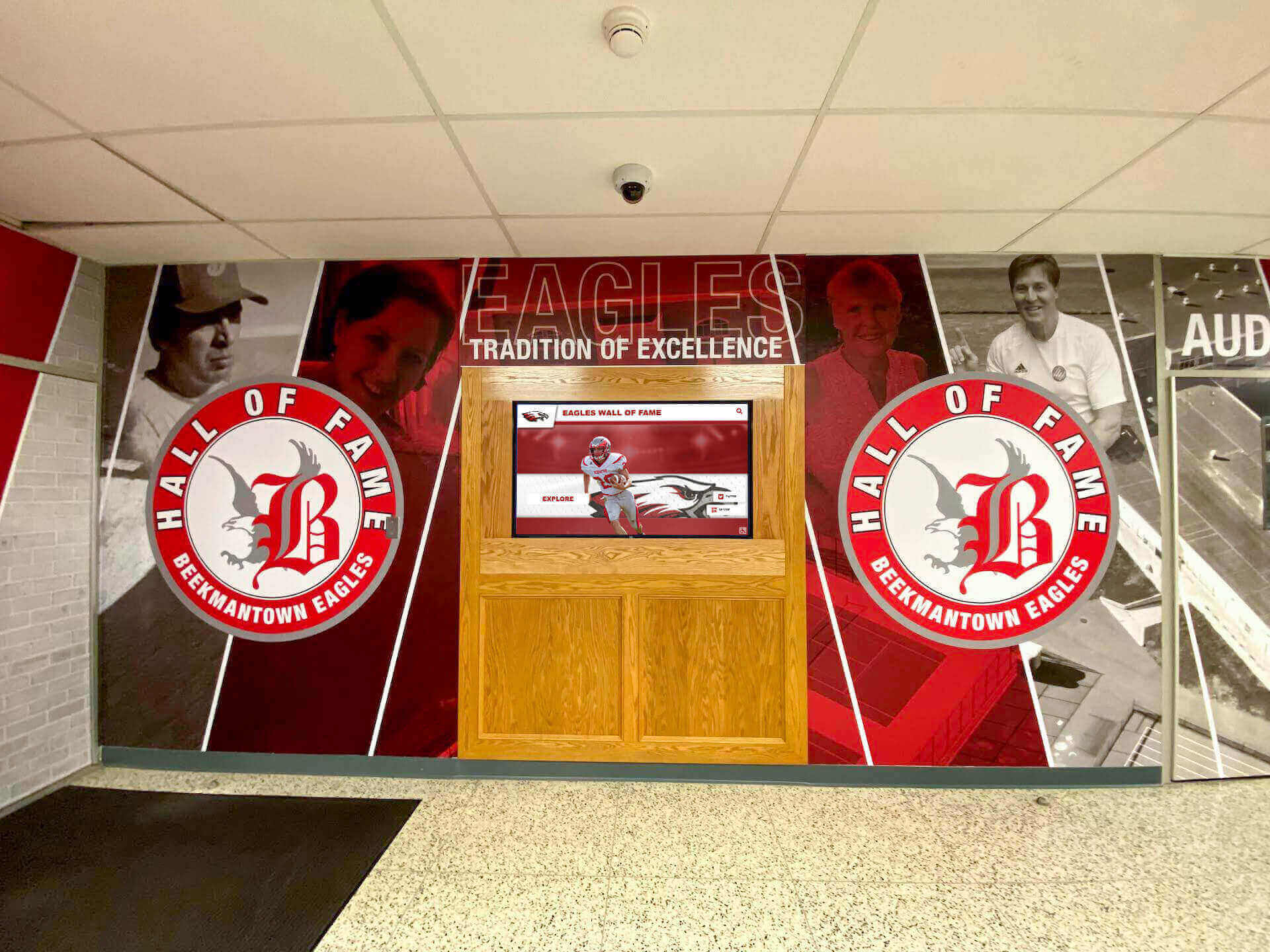
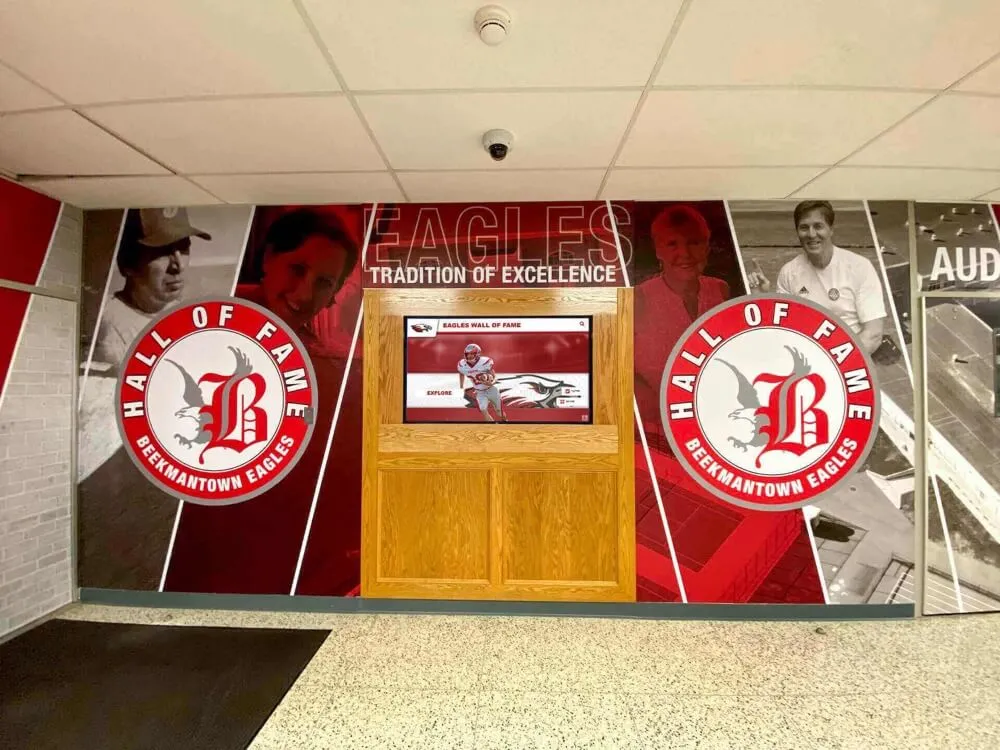
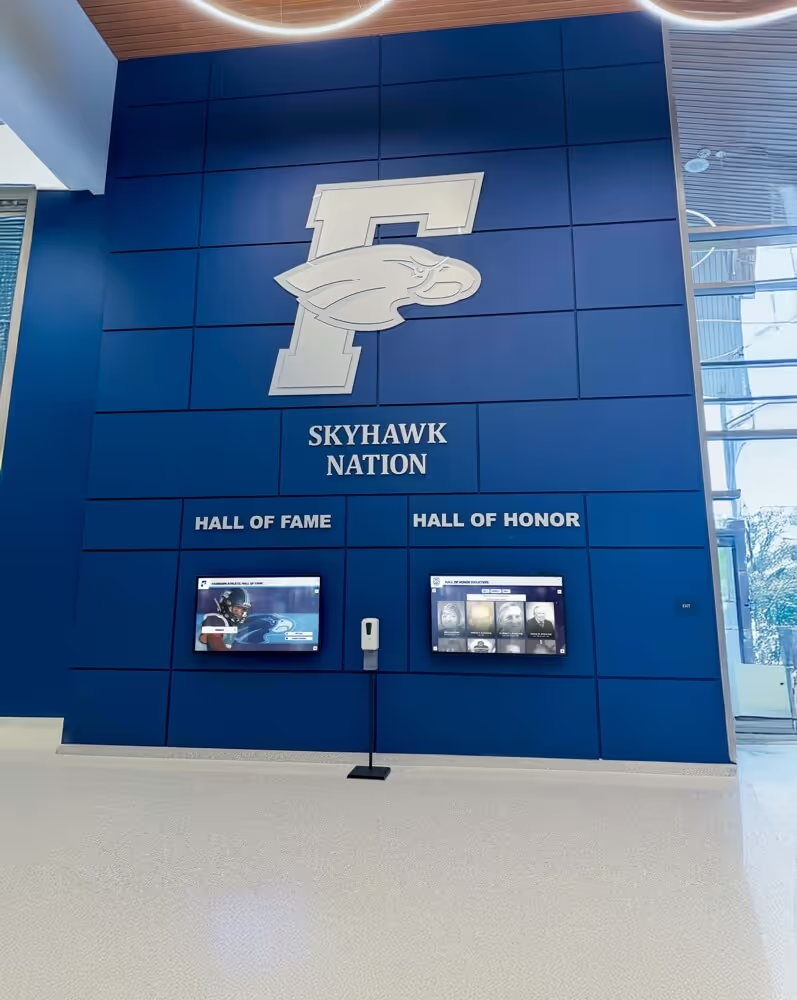
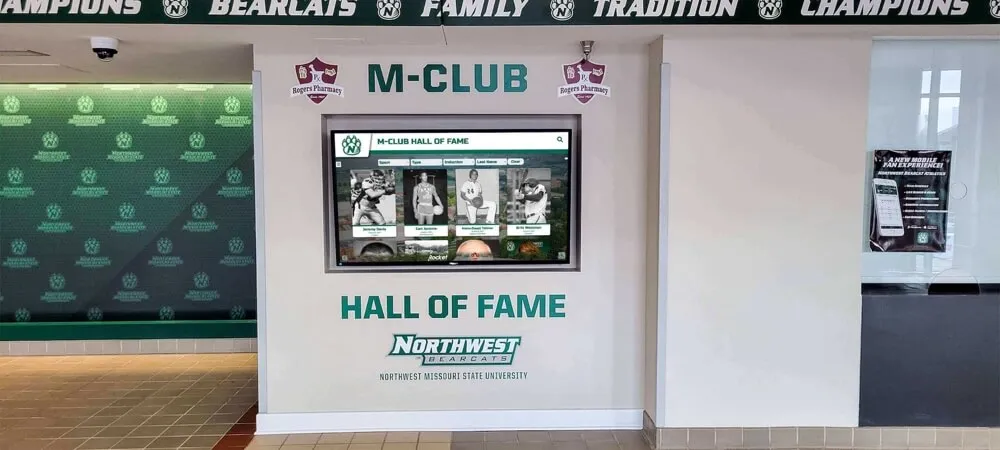
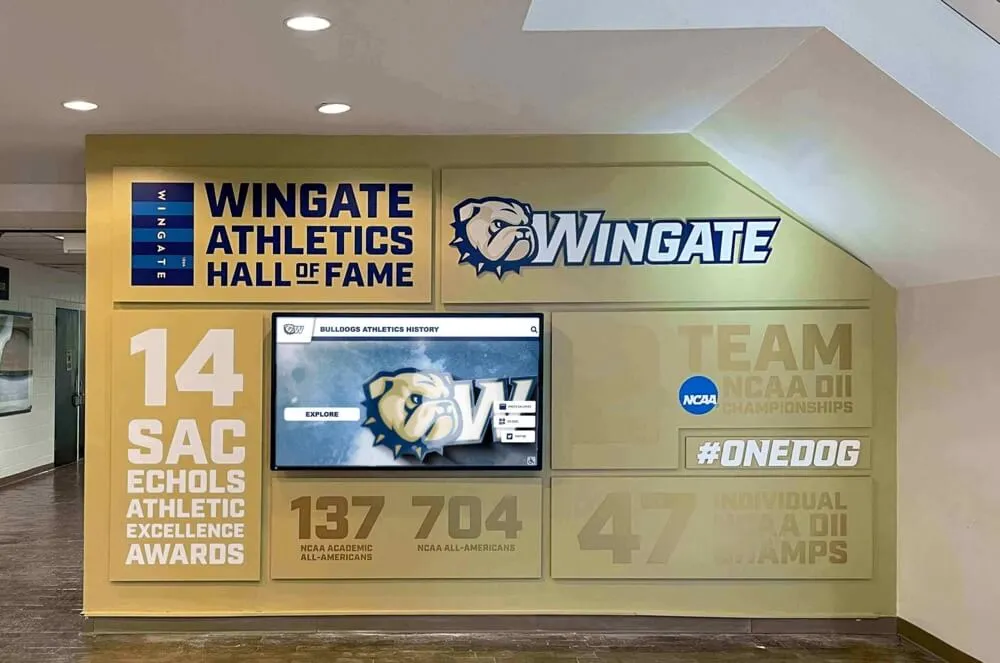
Prominent lobby installations demonstrate institutional commitment to performing arts while creating inspiring environments for current students
Implementing Video Wall Recognition for Drama Programs
Moving from concept to reality requires strategic planning that addresses technical requirements, content development, and ongoing maintenance.
Selecting Appropriate Display Technology
Hardware selection significantly impacts user experience and long-term sustainability:
Screen Size and Placement Considerations
Effective installations typically feature:
- 43-75 inch commercial-grade touchscreen displays for individual interaction
- Multiple screens for high-traffic areas with concurrent users
- Strategic placement in theater lobbies, performing arts hallways, or main building entries
- Appropriate viewing heights accommodating diverse user heights
- Ambient lighting control ensuring screen visibility without glare
- Architectural integration coordinating with existing design aesthetics
Unlike athletic trophy cases requiring extensive wall space, single large-format screens provide comprehensive recognition in compact footprints suitable for schools with limited dedicated performing arts facilities.
Commercial vs. Consumer Display Equipment
Schools should specify commercial-grade displays rather than consumer televisions:
- Extended warranties covering intensive daily use (typically 3-5 years)
- Higher brightness ratings maintaining visibility in well-lit environments
- Robust touchscreen interfaces surviving thousands of daily interactions
- Professional mounting systems ensuring secure installation
- Remote management capabilities for content updates and troubleshooting
- Enhanced cooling systems supporting continuous operation
While consumer displays cost less initially, commercial equipment delivers substantially longer service life and lower total cost of ownership.
Content Development and Organization
Hardware represents only half of effective recognition—thoughtful content development determines actual user engagement:
Video Editing and Production
Schools should plan systematic approaches to video content:
- Establish annual production video recording protocols
- Develop editing workflows creating highlight reels from full recordings
- Create standardized intro/outro sequences with production branding
- Organize video libraries using consistent naming and metadata
- Convert videos to appropriate formats for display hardware
- Implement quality control ensuring audio/video synchronization
Many schools partner with student media programs, creating authentic learning opportunities while developing recognition content through collaboration between performing arts and communications departments.
Database Structure and Information Architecture
Effective organization ensures visitors find relevant content efficiently:
- Chronological browsing by production year and season
- Alphabetical cast/crew directories with search functionality
- Show title indexes linking to complete production information
- Tag-based discovery connecting related performances and people
- Featured content rotation highlighting seasonal relevance
- Alumni update mechanisms allowing continued profile enhancement
Similar to interactive museum displays that organize historical content intuitively, theater recognition systems should accommodate multiple discovery pathways matching different user goals.
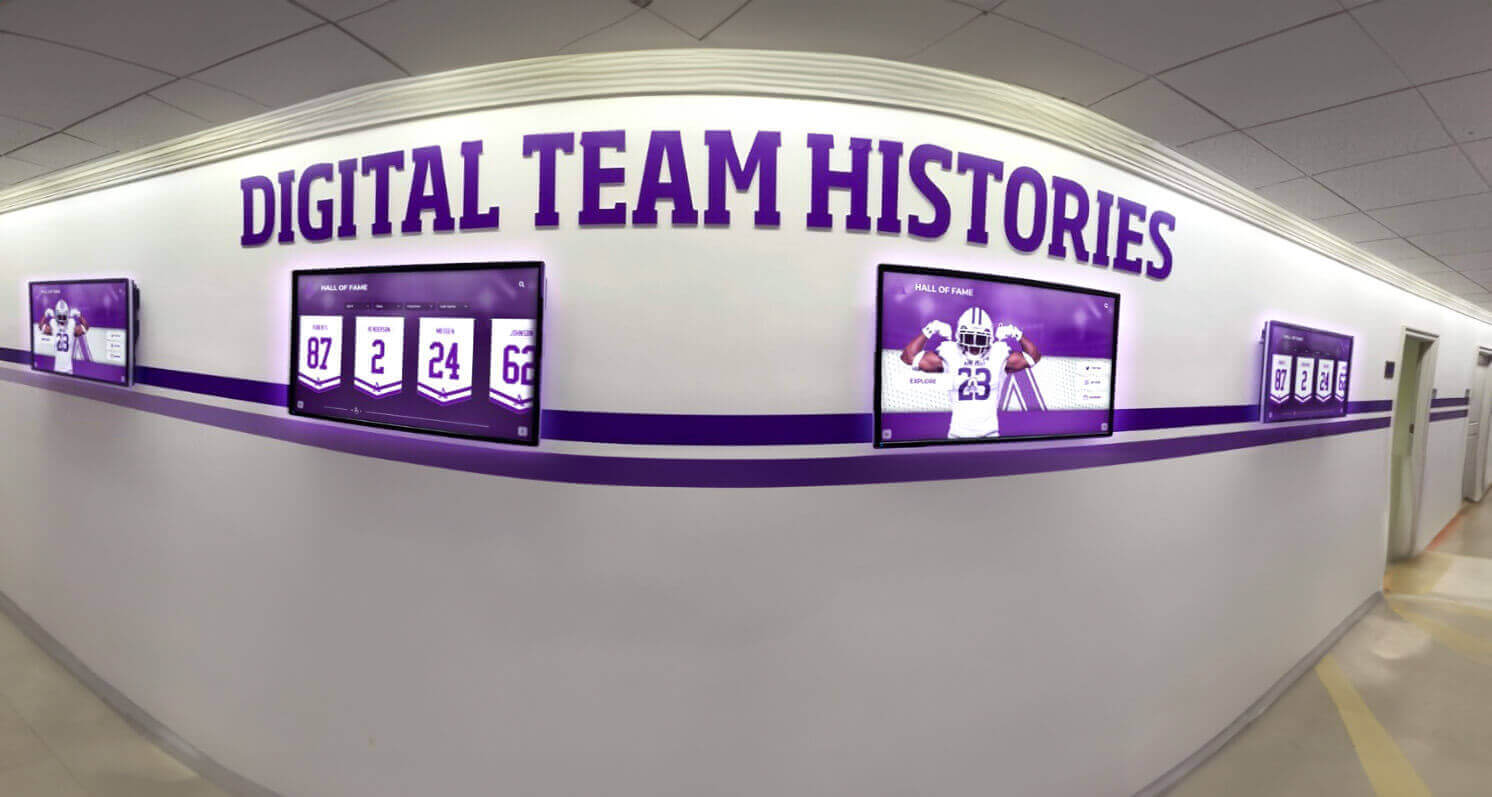
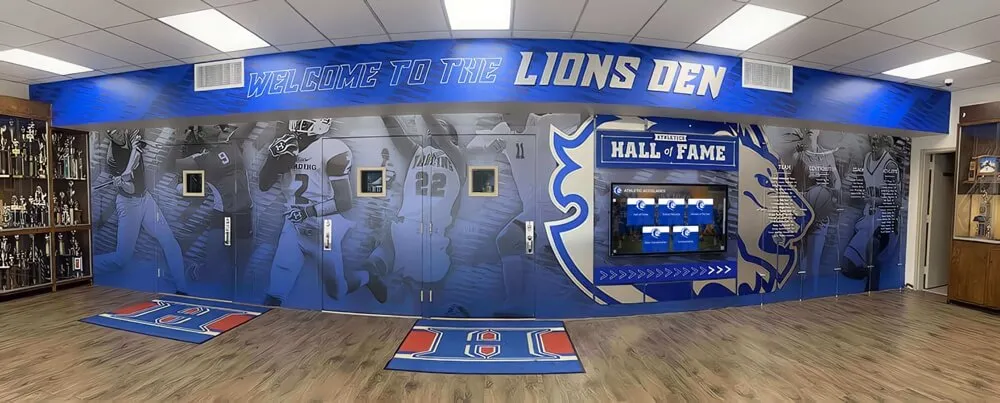
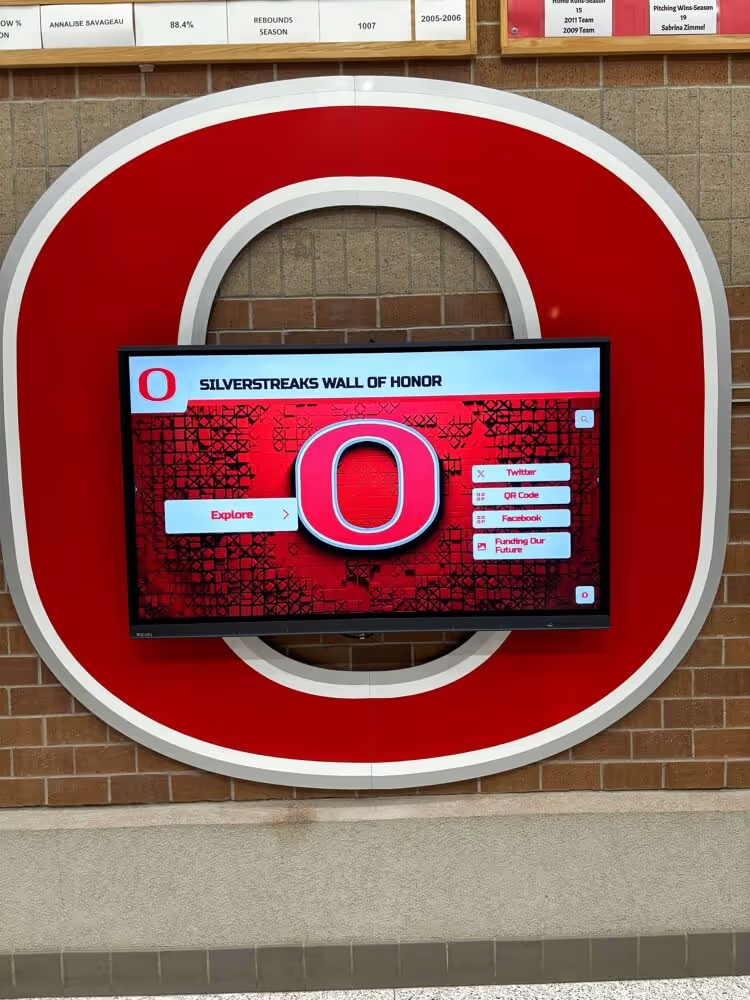
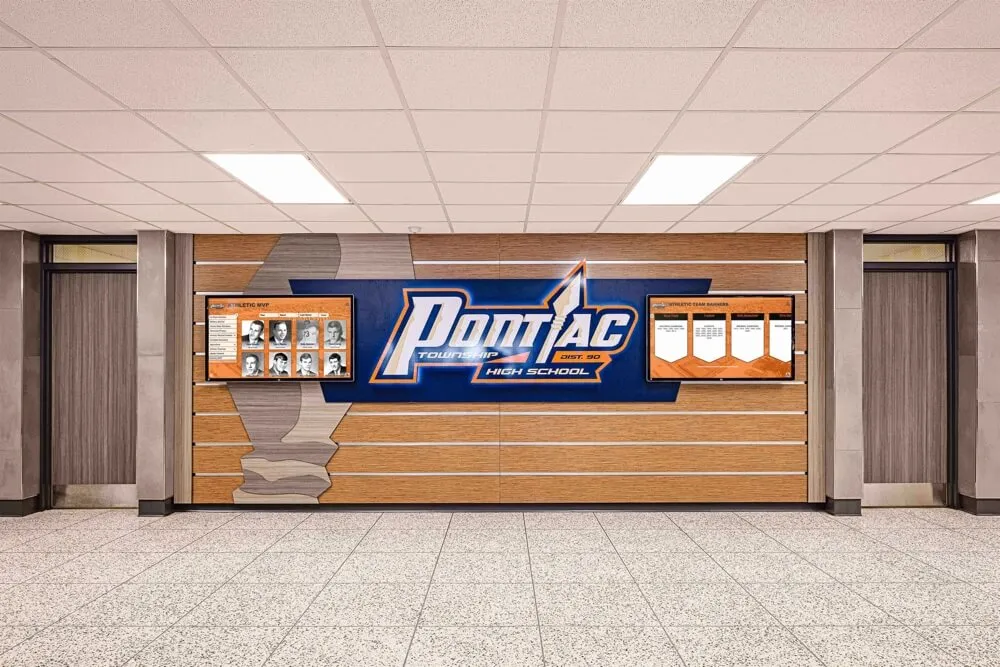
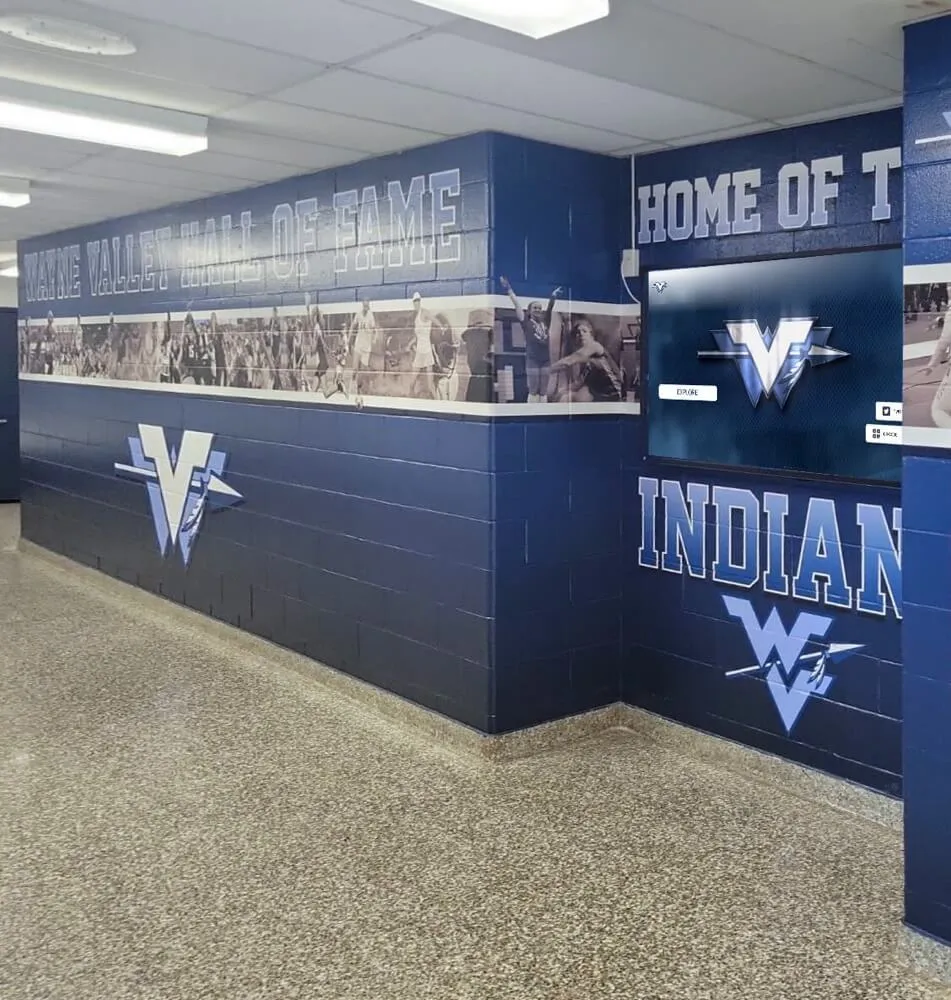
Hallway installations create consistent recognition visibility while accommodating large student populations exploring program histories simultaneously
Software Platforms and Content Management
Backend systems determine how easily schools maintain recognition content over time:
Cloud-Based vs. Local Management
Modern recognition platforms typically offer cloud-based content management:
- Web-accessible dashboards allowing updates from any location
- Remote content publishing without physical display access
- Multi-user accounts enabling distributed content responsibilities
- Automatic synchronization across multiple display locations
- Centralized backups protecting against local hardware failures
- Professional hosting eliminating school IT infrastructure requirements
Cloud-based systems particularly benefit drama programs where multiple people contribute content—directors managing production information, students uploading photos and videos, and administrators overseeing historical accuracy.
Ongoing Content Update Workflows
Sustainable recognition requires defined processes for continuous improvement:
- Annual production documentation immediately following performances
- Systematic graduate profile collection during senior year
- Regular historical content enhancement as materials are discovered
- Alumni outreach gathering post-graduation accomplishments
- Photo and video quality upgrades when better materials become available
- Periodic content audits identifying gaps and improvement opportunities
Schools achieving long-term recognition success typically designate specific roles (theater directors, student assistants, parent volunteers) responsible for content development rather than treating updates as occasional projects.
Recognition That Matches Theater’s Visual Impact
Theater succeeds through visual storytelling, dynamic performances, and emotional connection. Your drama club recognition should reflect these same qualities through video-rich displays that capture performance energy rather than static plaques listing names.
Explore how touchscreen recognition platforms transform performing arts recognition from forgettable text lists into engaging multimedia experiences students proudly share.
Building Comprehensive Theater Recognition Programs
Beyond basic cast listings, sophisticated recognition strategies honor the full breadth of theater program contributions and community impact.
Recognizing Technical Theater and Production Roles
Complete recognition acknowledges that outstanding theater requires far more than talented performers:
Lighting and Sound Design Recognition
Technical achievements deserve specific celebration:
- Individual lighting designer and operator profiles
- Photos and videos demonstrating lighting effects and cue execution
- Sound design documentation showing audio engineering choices
- Recognition of students who advance from crew to design leadership
- Technical innovation awards for creative problem-solving
- Equipment knowledge certifications and skill development tracking
Many students discover technical passions through theater production that lead to professional careers in event production, broadcasting, and entertainment technology—recognition validating these pursuits encourages continued technical program participation.
Set Design and Construction
Scenic design represents substantial creative and physical effort:
- Set designer profiles with concept sketches and finished photos
- Construction crew recognition documenting building processes
- Time-lapse video showing set development from concept to completion
- Material innovation and budget efficiency achievements
- Reusable set element libraries maximizing resource efficiency
- Collaboration documentation showing cross-departmental partnerships
Costume and Makeup Artistry
Character development extends beyond performance to visual presentation:
- Costume designer recognition with character-specific photos
- Makeup artist profiles demonstrating transformation techniques
- Before-and-after character development documentation
- Period research and historical accuracy achievements
- Budget management and costume sourcing creativity
- Collaboration with performers on character development
This comprehensive recognition demonstrates that theater success requires diverse talent, encouraging students with varying interests and skills to find meaningful performing arts involvement.

Professional portrait presentations honor individual contributions while maintaining visual consistency across comprehensive recognition displays
Documenting Director and Faculty Leadership
Long-term program success reflects dedicated faculty leadership deserving permanent recognition:
Director Profiles and Legacies
Comprehensive director recognition should include:
- Career biographies and educational backgrounds
- Complete production lists showing shows directed over entire tenures
- Educational philosophy statements and program goals
- Student testimonials about mentorship and inspiration
- Professional theater backgrounds and industry connections
- Program growth metrics demonstrating leadership impact
- Post-retirement emeritus status and ongoing involvement
Guest Artists and Professional Collaborations
Many programs benefit from external expertise:
- Visiting director residencies and workshop leadership
- Professional actor masterclasses and performance coaching
- Technical consultant partnerships for complex productions
- Community theater collaborations and joint productions
- University partnerships connecting high school programs with higher education
- Industry professional speaking engagements and career guidance
Documenting these relationships demonstrates program quality and community connections while inspiring students through exposure to professional theater pathways.
Theater Awards and Competition Recognition
External validation provides objective excellence measures:
State and Regional Competition Results
Many theater programs participate in competitive festivals:
- Individual acting, singing, and technical awards
- Ensemble performance recognitions and superior ratings
- Invitation-only festival participation achievements
- Judge comments and performance evaluations
- Regional and state advancement progressions
- National competition qualifications and results
Theater Honor Societies and Academic Recognition
Recognition should include:
- International Thespian Society inductions and point accumulation
- Thespian officer positions and leadership roles
- National Honor Society for Theatre Students memberships
- Theater scholarship awards and college acceptance achievements
- Outstanding student performer awards by year and category
- Director’s awards recognizing specific contributions and growth
These external recognitions provide validation beyond internal school acknowledgment, demonstrating program quality to prospective students and community supporters.
Funding Drama Club Recognition Displays
Budget constraints challenge many performing arts programs—strategic funding approaches make comprehensive recognition achievable:
Theater Booster and Parent Organization Fundraising
Parent support organizations provide natural funding sources:
Recognition Display as Fundraising Campaign Focus
Dedicated recognition campaigns create compelling asks:
- Specific dollar goals with clear deliverables (display hardware, software, installation)
- Visibility demonstrating tangible results from fundraising efforts
- Permanent impact honoring all future students beyond current participants
- Naming opportunities for major donors on display interfaces
- Memorial giving options honoring former students, directors, or supporters
- Multi-year commitment plans spreading costs across several fundraising cycles
Alumni Engagement and Giving Campaigns
Theater alumni often maintain strong emotional connections to programs:
- Targeted outreach to theater alumni highlighting recognition benefits
- Reunion giving campaigns coinciding with major production anniversaries
- Social media campaigns featuring historical production photos and videos
- Legacy giving opportunities allowing alumni to update their profiles
- Matching gift challenges from successful theater alumni
- Crowdfunding campaigns with tiered recognition levels
Grant Opportunities and Arts Education Funding
External funding sources specifically support performing arts infrastructure:
Arts Education Grant Programs
Multiple grant categories support recognition technology:
- State arts council technology grants for cultural documentation
- Educational foundation grants supporting arts program development
- Corporate foundation giving prioritizing arts education equity
- Community foundation grants for youth development programs
- National Endowment for the Arts educational partnerships
- Private foundation arts education initiatives
Grant applications should emphasize how recognition displays support documented educational outcomes, increase arts participation across diverse student populations, and preserve cultural heritage for future generations.
Budget-Conscious Implementation Strategies
Schools with immediate budget constraints can implement recognition incrementally:
Phased Implementation Approaches
Strategic sequencing makes recognition achievable:
- Start with single display in theater lobby or main hallway
- Begin with recent productions while gathering historical materials
- Utilize existing school video equipment before investing in professional gear
- Engage student volunteers for initial video editing and profile development
- Expand to additional display locations as fundraising allows
- Add premium features (web accessibility, mobile integration) in later phases
Combining Theater Recognition with Broader Display Infrastructure
Schools implementing comprehensive digital recognition across multiple programs achieve efficiency through shared infrastructure:
- Single hardware investment supporting athletics, performing arts, academics
- Shared content management platforms reducing subscription costs
- Common training and administrative procedures
- Coordinated fundraising presenting complete recognition vision
- Unified institutional branding across all recognition formats
Like Olympic achievements that inspire through visible documentation of extraordinary accomplishments, drama program recognition motivates current students by preserving and celebrating theater excellence.
Maximizing Drama Club Recognition Impact
Implementation represents just the beginning—strategic activation ensures recognition displays deliver maximum value:
Launch Events and Awareness Building
Introducing recognition displays creates opportunities to celebrate programs publicly:
Recognition Display Dedication Ceremonies
Formal launches generate excitement and awareness:
- Ribbon-cutting ceremonies during theater productions or arts festivals
- Alumni invitation creating reunion opportunities and engagement
- Student demonstration showcasing display features and navigation
- Media coverage highlighting school investment in performing arts
- Donor recognition acknowledging fundraising contributors
- Benchmark establishment for future content additions
Integration with Existing Theater Events
Connecting recognition to regular program activities builds usage:
- Opening night receptions in lobby areas near displays
- Pre-show arrival entertainment encouraging display exploration
- Intermission activities directing audiences to historical content
- Post-show celebrations featuring current production content
- Theater banquet centerpiece highlighting season achievements
- Parent night presentations demonstrating how families access content
Encouraging Regular Student and Community Engagement
Display success depends on continued usage rather than initial novelty:
Curriculum Integration and Educational Applications
Theater classes can leverage recognition displays pedagogically:
- Historical production analysis examining past performance choices
- Character development research watching previous actor interpretations
- Technical skill instruction using documented lighting, sound, and set examples
- Program tradition education connecting current students to institutional history
- Performance critique exercises analyzing strengths and improvement opportunities
- Career pathway exploration featuring alumni professional accomplishments
Community Access and Extended Visibility
Recognition impact extends beyond school populations:
- Web-accessible versions allowing exploration from any location
- Social media integration encouraging content sharing
- Alumni portal access for graduates maintaining program connections
- College application support providing documented performance portfolios
- Community event presentations showcasing program excellence
- New student recruitment during school tours and open houses
Effective recognition becomes living program documentation rather than static archive, actively supporting educational goals and community engagement.
Give Your Drama Program the Recognition It Deserves
Theater students dedicate thousands of hours developing talents, building confidence, and creating memorable performances that transform school communities. They deserve recognition infrastructure that matches their commitment—comprehensive, engaging, and permanent displays that honor all contributors while inspiring future generations.
Modern video wall technology makes professional-quality theater recognition achievable at every budget level. Whether you’re planning a complete recognition transformation or starting with a single display, the right approach preserves your program’s legacy while demonstrating institutional commitment to performing arts excellence.
Ready to explore how video walls can transform your drama club recognition?
Discover touchscreen recognition solutions designed specifically for performing arts programs and see how schools nationwide are celebrating theater achievements with the same prominence traditionally reserved for athletics.
Frequently Asked Questions About Drama Club Cast Recognition
How much does a drama club video wall of fame typically cost?
Complete installations typically range from $3,000-$8,000 for hardware (commercial-grade touchscreen display, mounting, installation) plus $50-$200 monthly for cloud-based software platforms. Costs vary based on screen size, installation complexity, and feature requirements. Many schools phase implementation, starting with a single display and expanding as fundraising allows. Budget-conscious options using existing displays with specialized software start around $1,500-$2,500.
How do schools collect video footage of past productions?
Start by requesting footage from families who recorded performances personally. Reach out to local media outlets who may have covered productions. Check with former directors or teachers who may have archives. Utilize social media requesting alumni share historical materials. Going forward, establish systematic recording protocols using school video equipment, student media programs, or contracted services. Even incomplete archives provide value—perfect documentation isn’t required to begin recognition.
Can recognition displays include students who don’t perform on stage?
Absolutely—comprehensive recognition should honor all contributors including lighting and sound crews, set builders, costume designers, makeup artists, stage managers, marketing teams, and student directors. Digital platforms accommodate unlimited profiles regardless of role type. Inclusive recognition demonstrates that theater success requires diverse talents, encouraging students with varying interests to participate meaningfully in performing arts programs.
How often should drama club recognition content be updated?
Add new production content immediately following each performance while memories and materials are readily available. Update individual student profiles annually during senior year to capture complete participation histories. Enhance historical content continuously as new materials are discovered or higher-quality recordings become available. Most cloud-based platforms allow instant updates from any location, making frequent content improvement practical without technical assistance.
Do video walls work for schools without dedicated theater facilities?
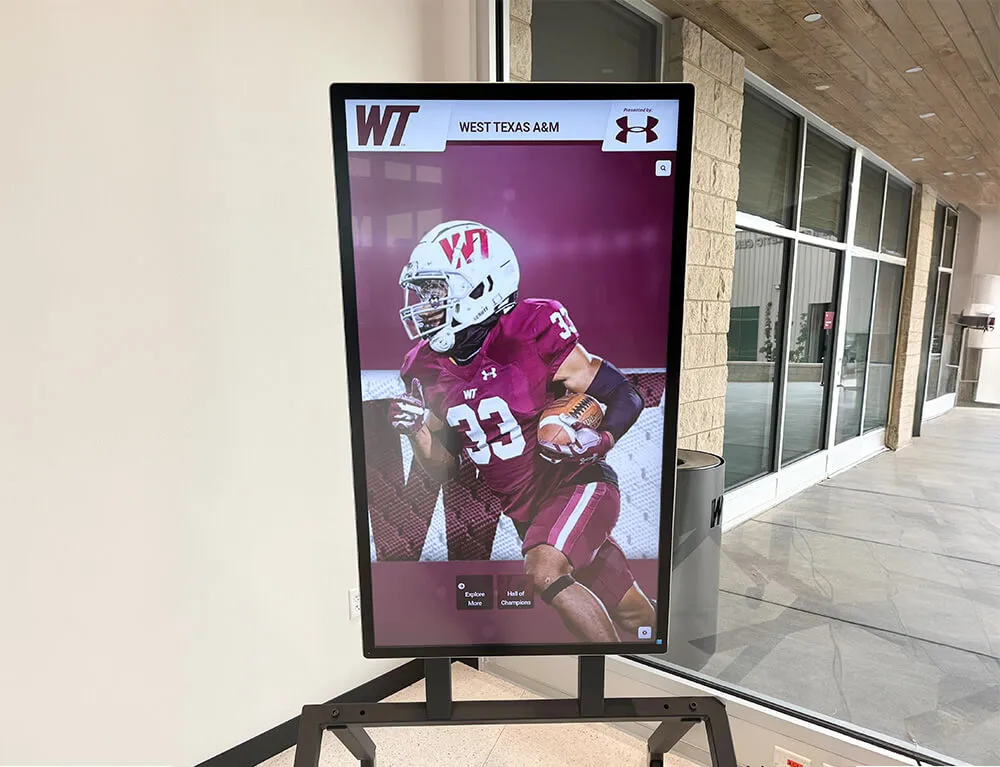
Yes—digital recognition requires minimal physical space, typically a single wall-mounted screen in a lobby, hallway, or multipurpose room. Schools sharing spaces for multiple activities particularly benefit from compact recognition solutions that don’t require extensive trophy case installations. Portable kiosk stands provide alternatives when permanent wall mounting isn’t practical. Web-accessible versions extend recognition beyond physical locations entirely.
Can drama students access recognition displays for college applications?
Modern platforms typically include web accessibility allowing students to share specific content URLs featuring their performances, profiles, and achievements. Some systems generate PDF portfolios compiling individual participation histories. These documented performance records strengthen college applications by providing concrete evidence of sustained arts involvement, leadership development, and creative achievement beyond self-reported activity lists.
How do schools balance recognition between lead roles and ensemble members?
Thoughtful systems honor contribution value rather than role prominence—ensemble members who participate in multiple productions often accumulate more comprehensive profiles than students performing single lead roles. Recognition should highlight unique contributions: reliability, versatility, ensemble support, growth trajectory, and collaborative spirit alongside performance achievements. Profile depth reflects actual involvement rather than role hierarchy, ensuring equitable recognition that validates all participation types.
Conclusion: Building Lasting Theater Program Legacy
Drama club cast recognition transforms performing arts from temporary extracurricular activities into valued institutional traditions deserving the same permanent celebration given to athletic accomplishments. Video walls solve theater’s unique recognition challenges by preserving actual performances through multimedia documentation, honoring diverse contribution types from performers to technical crews, accommodating unlimited historical archives without space constraints, and creating engaging experiences that match theater’s visual storytelling nature.
Schools implementing comprehensive theater recognition report measurably stronger program culture, increased student participation, enhanced community support, and deeper alumni connections. When students see their contributions documented professionally alongside academic and athletic achievements, they understand that performing arts matter institutionally—not just for entertainment, but as essential educational experiences developing communication, collaboration, creativity, and confidence.
Your drama program creates life-changing experiences for students every season. Make sure those transformations receive the lasting recognition they deserve through modern video wall technology that preserves, celebrates, and inspires performing arts excellence for generations.