



Donor recognition has evolved dramatically from engraved brass plaques to sophisticated interactive digital experiences that tell compelling stories about philanthropic impact. Organizations investing thousands in capital campaigns face a critical decision: how can they honor supporters meaningfully while addressing fundamental limitations that have plagued traditional recognition for generations—limited physical space forcing difficult decisions about which donors to display, expensive re-fabrication every time new contributors join, static presentations providing no context about impact, and installations that quickly become outdated?
This comprehensive 2026 guide examines everything organizations need to know about donor walls: from traditional physical plaques to modern interactive touchscreen systems, design best practices that maximize engagement, budget planning strategies, installation considerations, and proven approaches that strengthen donor relationships while inspiring continued generosity. Whether planning your first recognition program or upgrading existing installations, understanding the complete donor wall landscape enables informed decisions that honor supporters appropriately while advancing fundraising objectives.

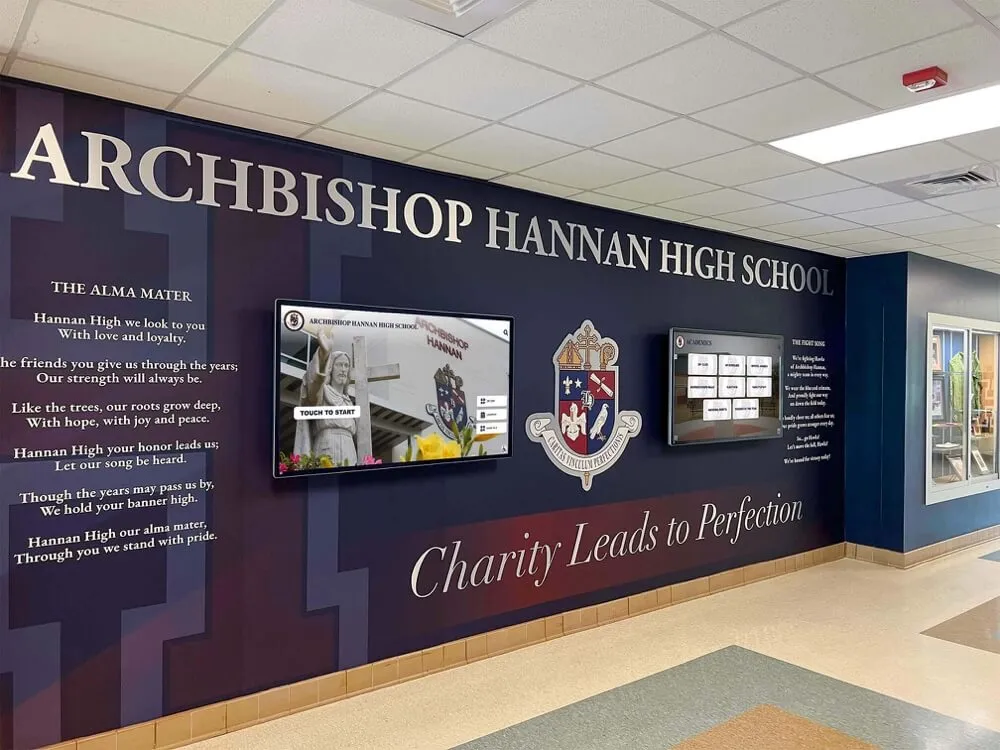
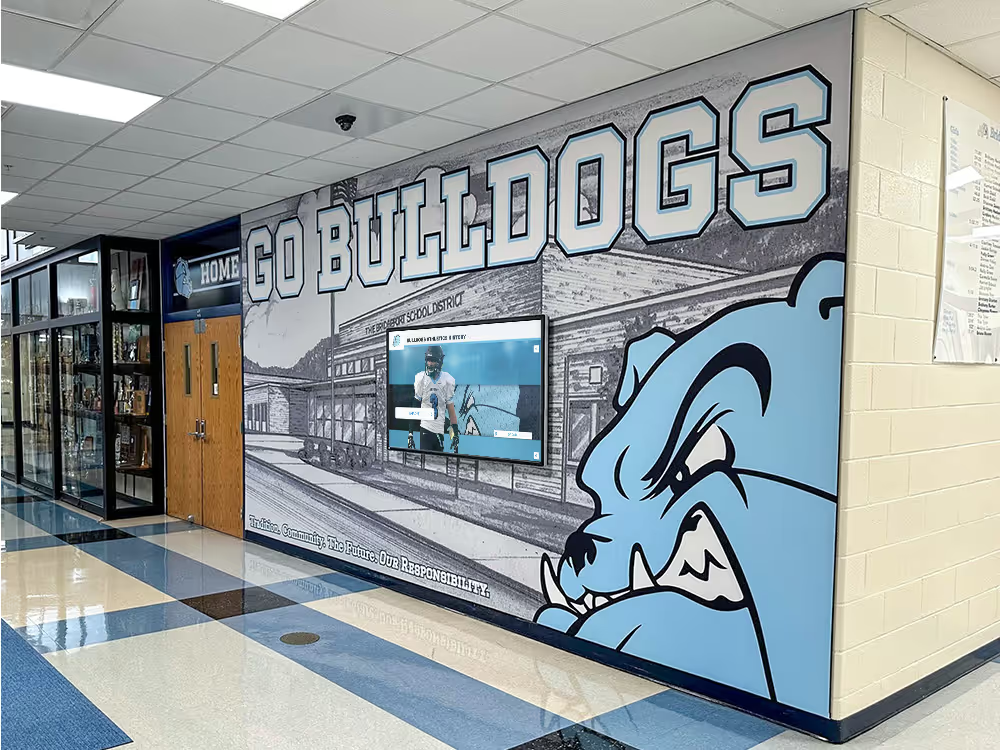
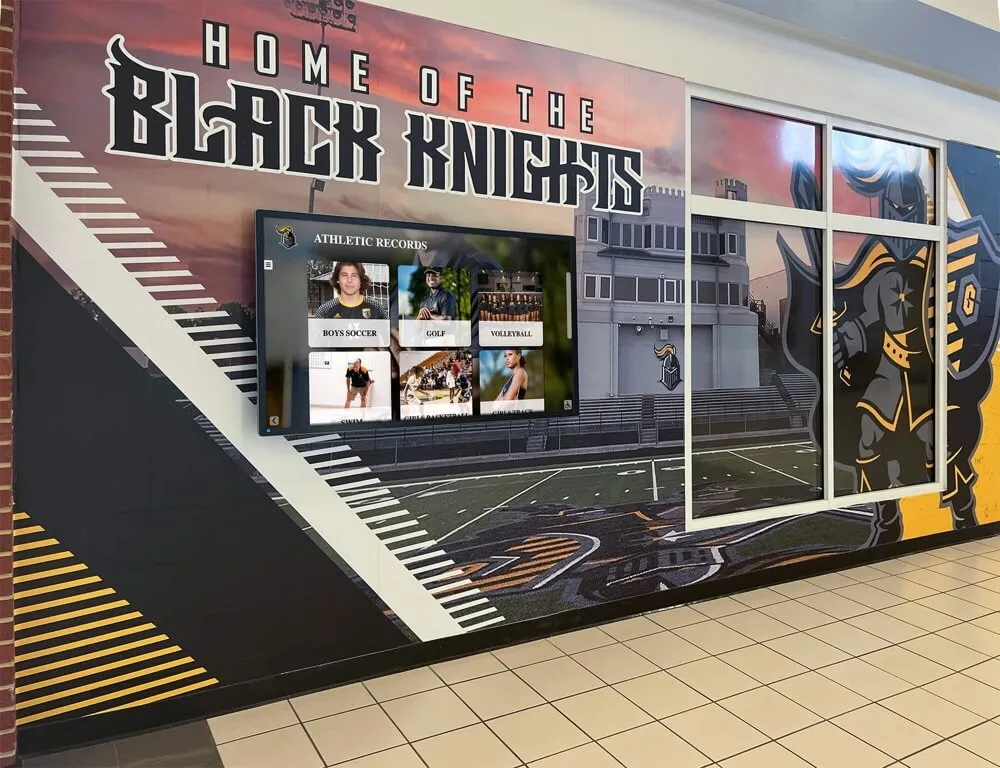
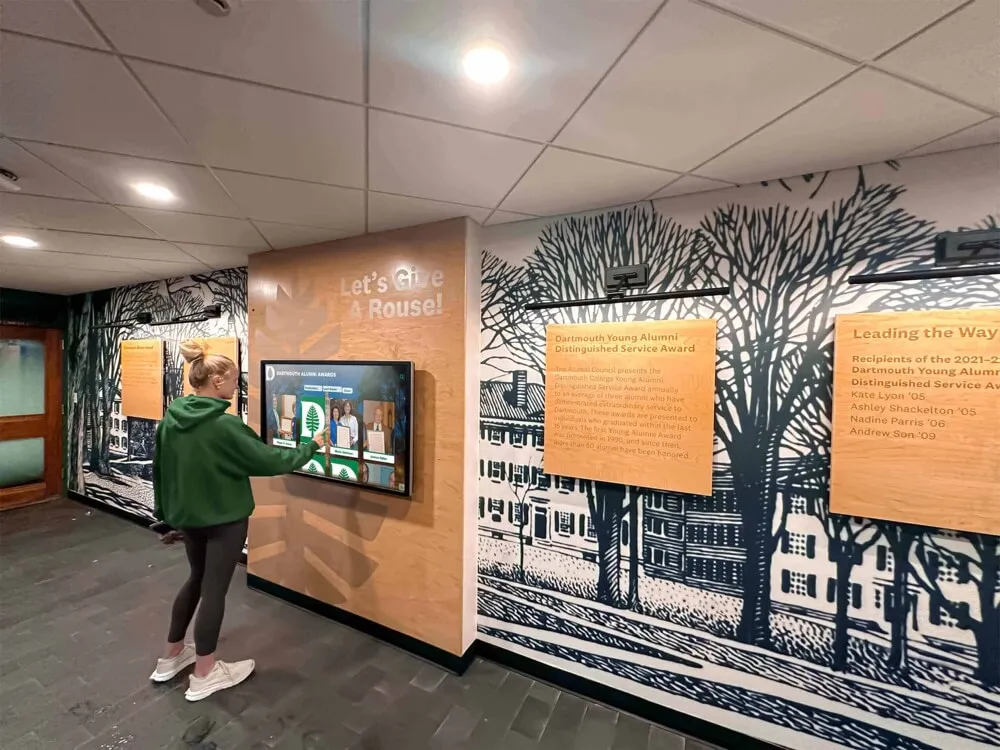
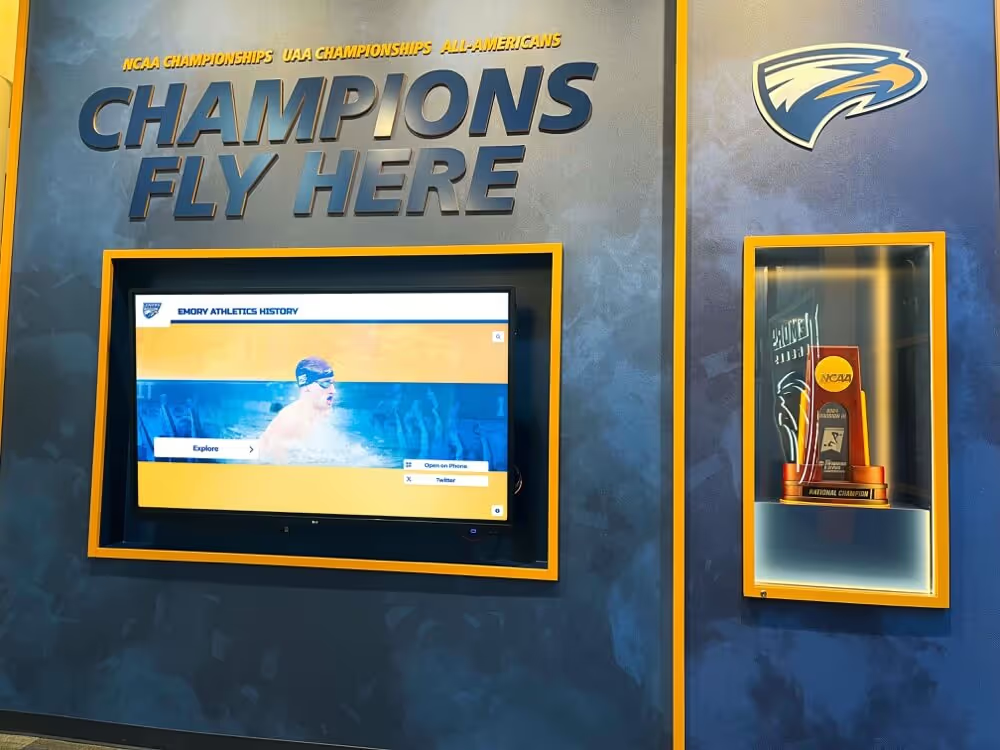
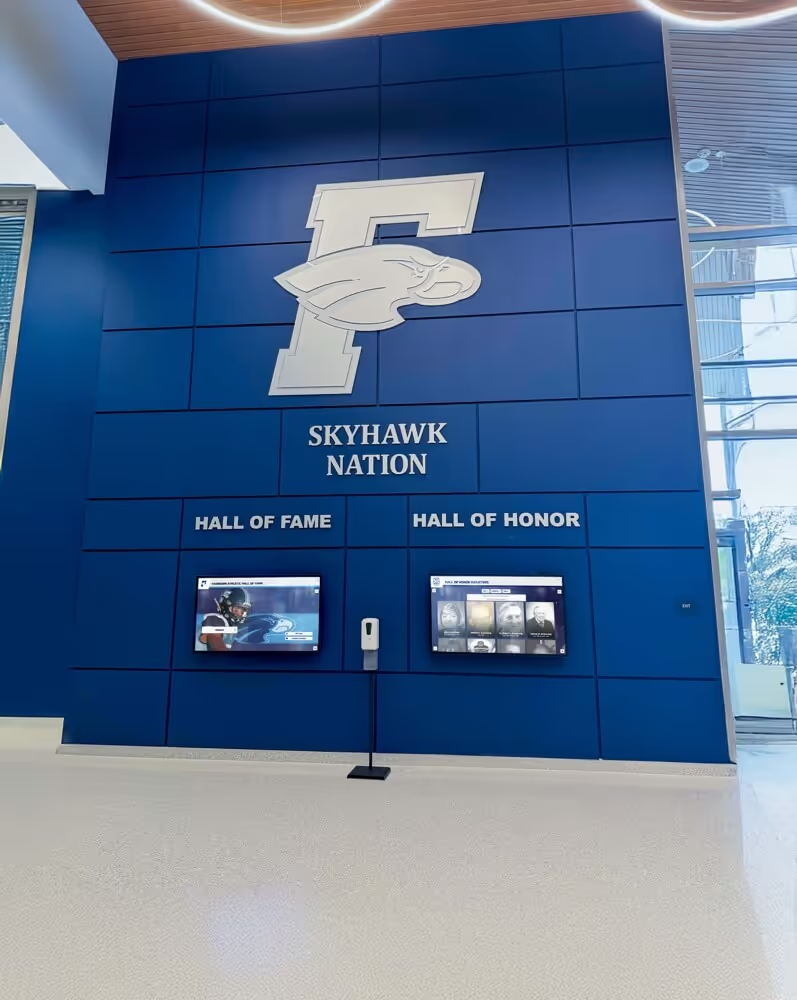
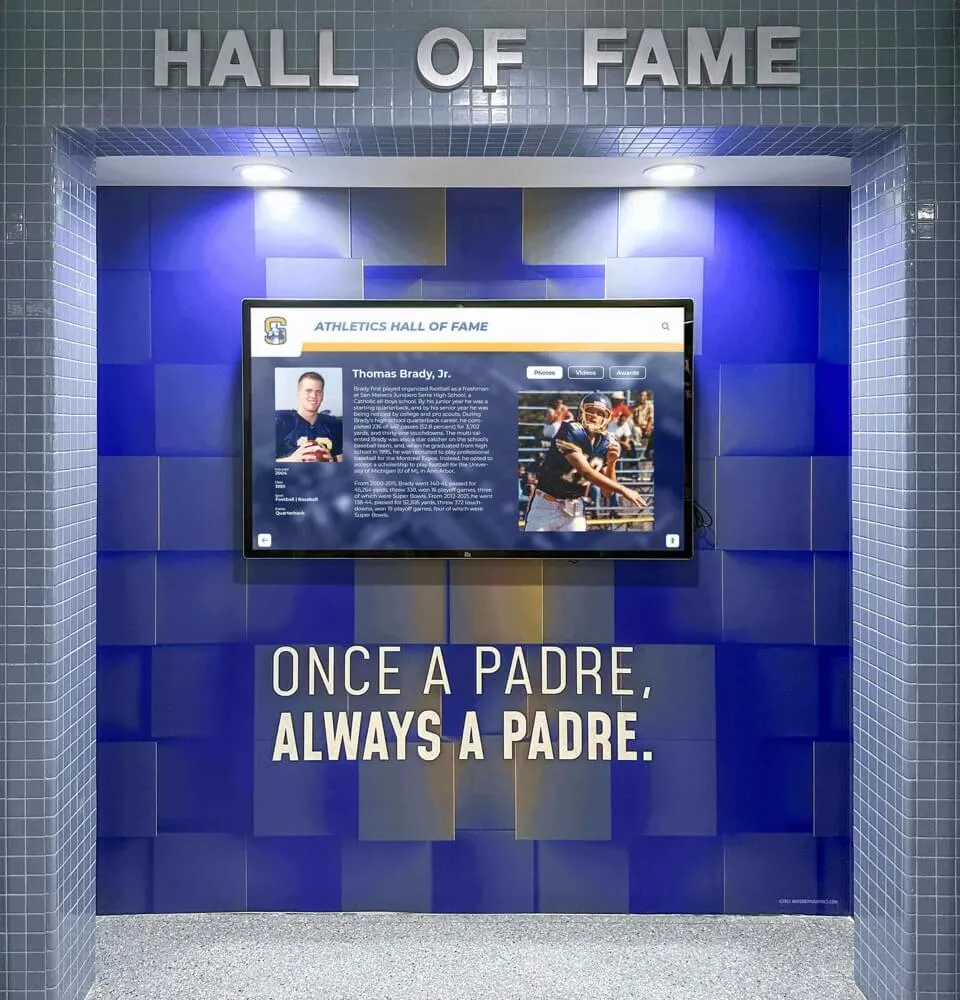
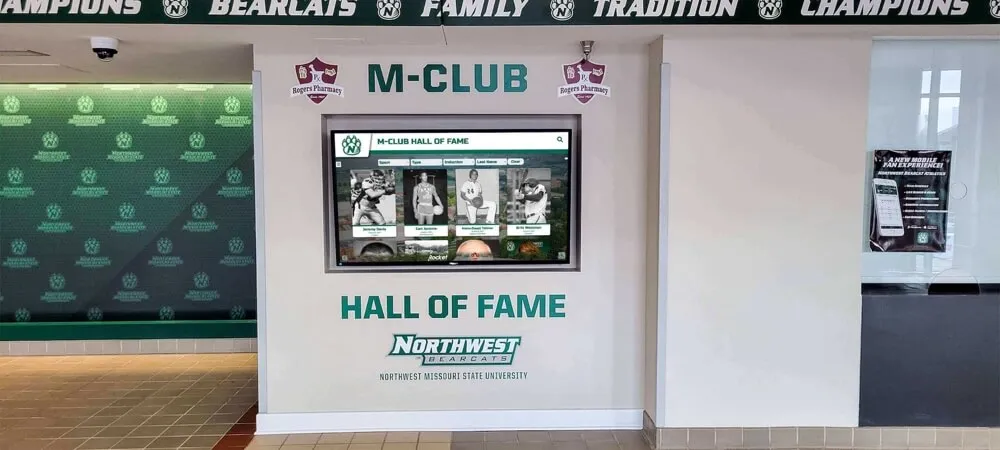
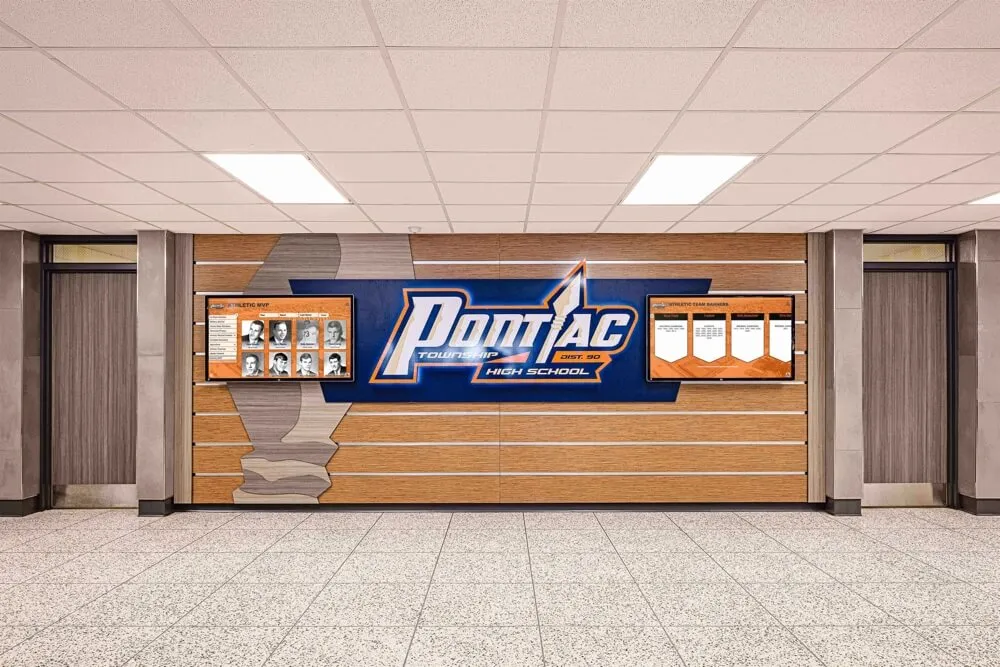
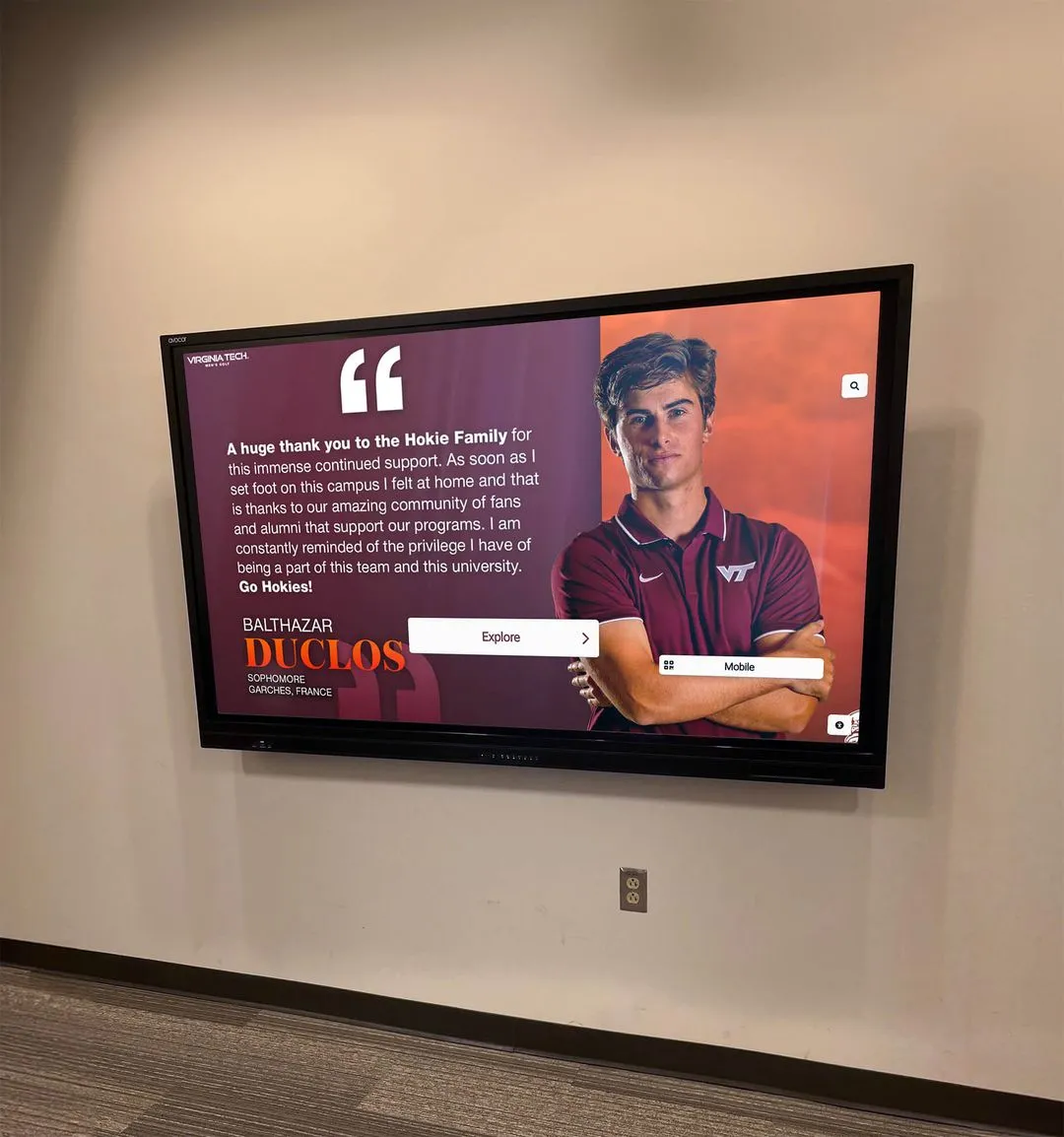
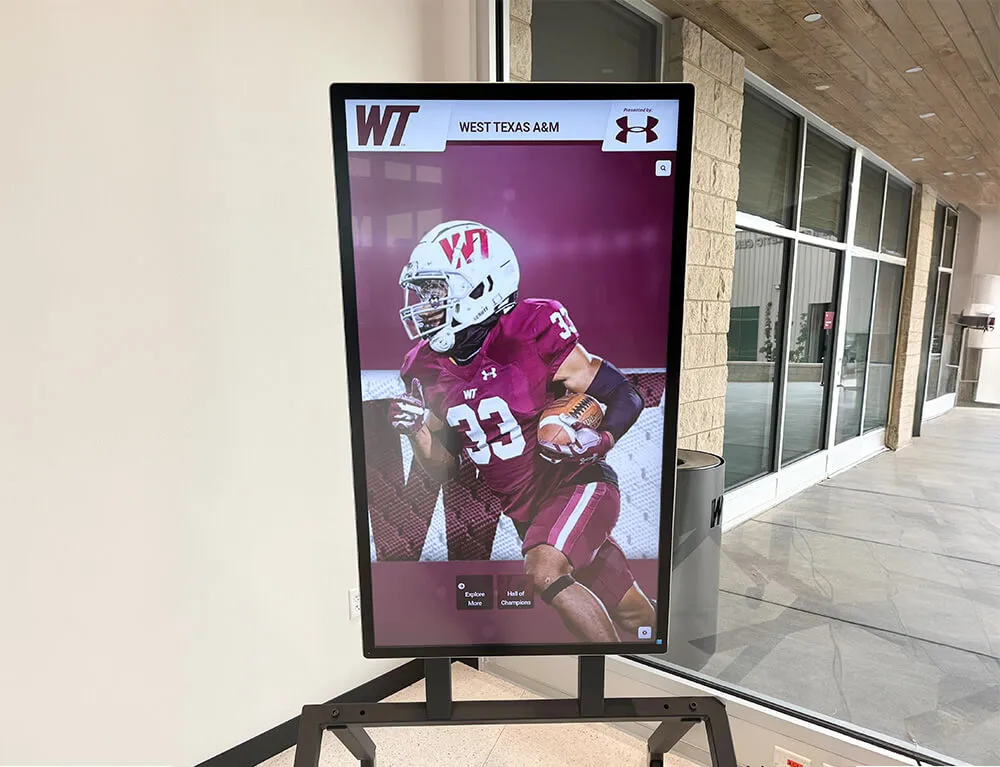
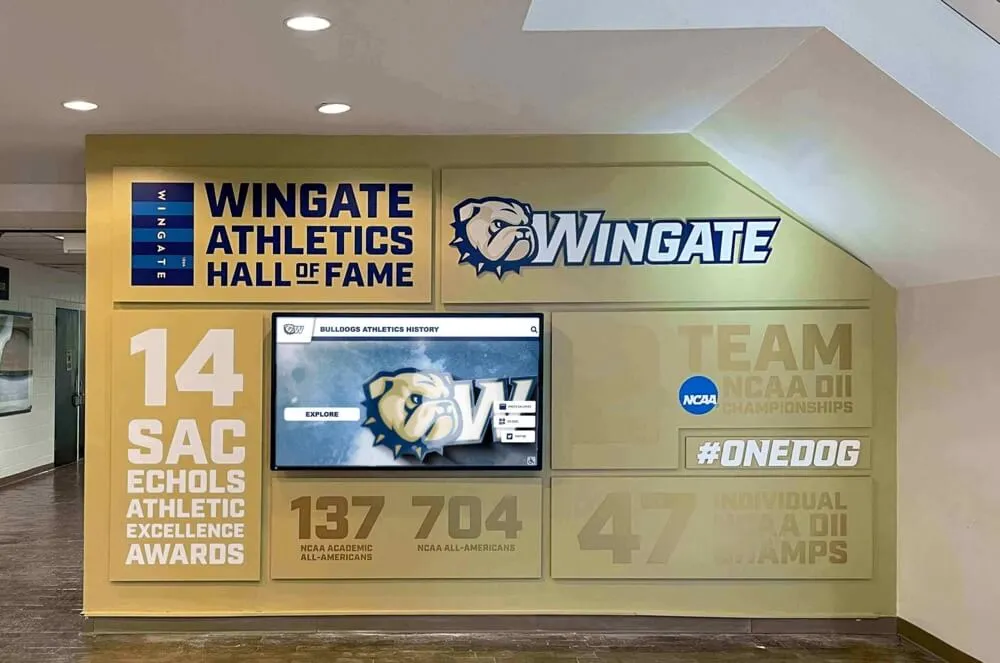
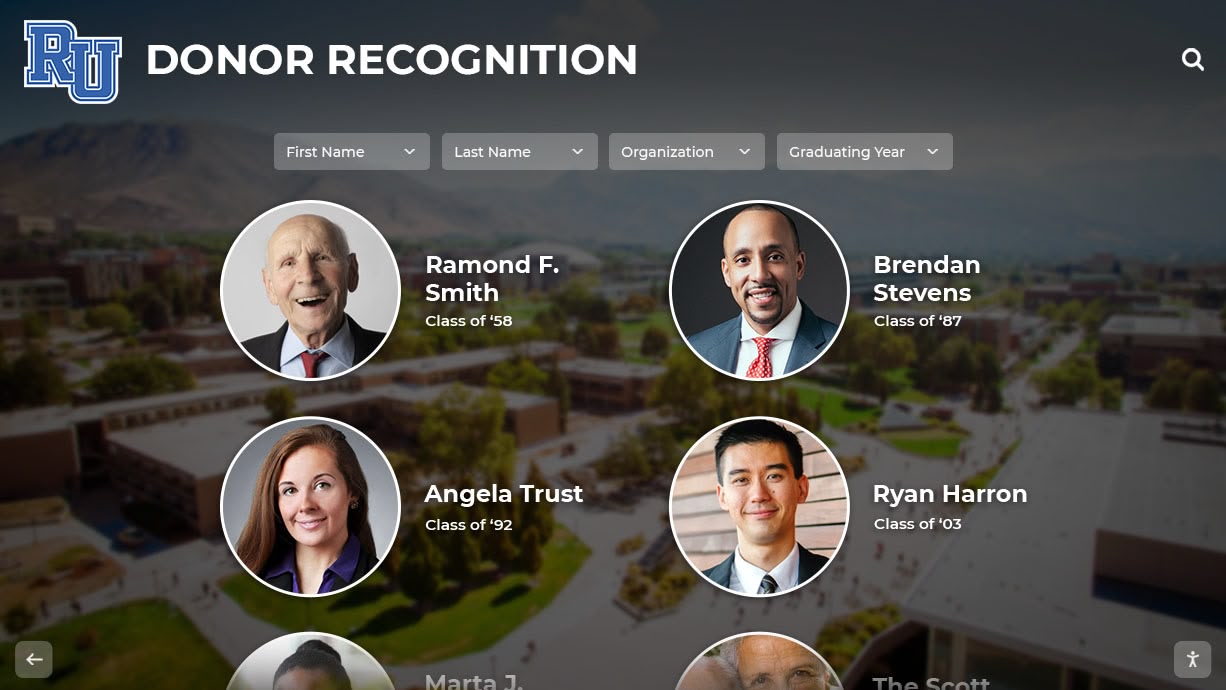
Contemporary donor walls transform recognition from simple name lists into immersive experiences celebrating philanthropic impact
Understanding Donor Walls: Definition and Purpose
Before exploring specific types and implementation strategies, understanding what donor walls accomplish and why they matter provides essential foundation for planning effective recognition programs.
What Are Donor Walls?
Donor walls are permanent recognition displays acknowledging individuals, families, corporations, and foundations who contribute financial support to organizations. These installations typically appear in high-traffic locations—building entrances, lobbies, development offices, or dedicated recognition spaces—ensuring maximum visibility among visitors, prospective donors, beneficiaries, and community members.
Traditional donor walls feature engraved plaques, etched glass, or printed panels displaying contributor names organized by giving levels or campaign affiliations. Modern digital approaches incorporate touchscreen displays, LED systems, or projection technology creating multimedia presentations that combine names with photographs, impact stories, video testimonials, and campaign documentation.
Core Functions Donor Walls Serve
Honoring Generosity
The primary purpose involves acknowledging supporters appropriately—expressing genuine appreciation for contributions enabling organizational missions. Effective recognition communicates that generosity matters, contributions create meaningful impact, and organizations value relationships beyond transactional fundraising.
Inspiring Future Giving
Beyond honoring existing donors, recognition displays influence prospective supporters exploring facilities during tours, events, or daily activities. Visible acknowledgment demonstrates organizational stewardship capacity, showcases transformational outcomes philanthropy enables, and creates aspirational examples inspiring similar generosity among visitors.
Demonstrating Accountability
Transparent recognition provides tangible evidence that contributions are valued and tracked appropriately. This accountability strengthens donor confidence, particularly important for major gift prospects evaluating where significant investments will be most appreciated and effective.
Building Community Identity
Recognition installations celebrate collective philanthropic culture, demonstrating that giving represents shared organizational values rather than isolated individual actions. This cultural reinforcement strengthens community bonds while normalizing generosity as expected participation rather than exceptional behavior.
Organizations that view donor walls as strategic stewardship tools rather than perfunctory acknowledgment achieve significantly superior fundraising outcomes compared to those treating recognition as administrative obligation.

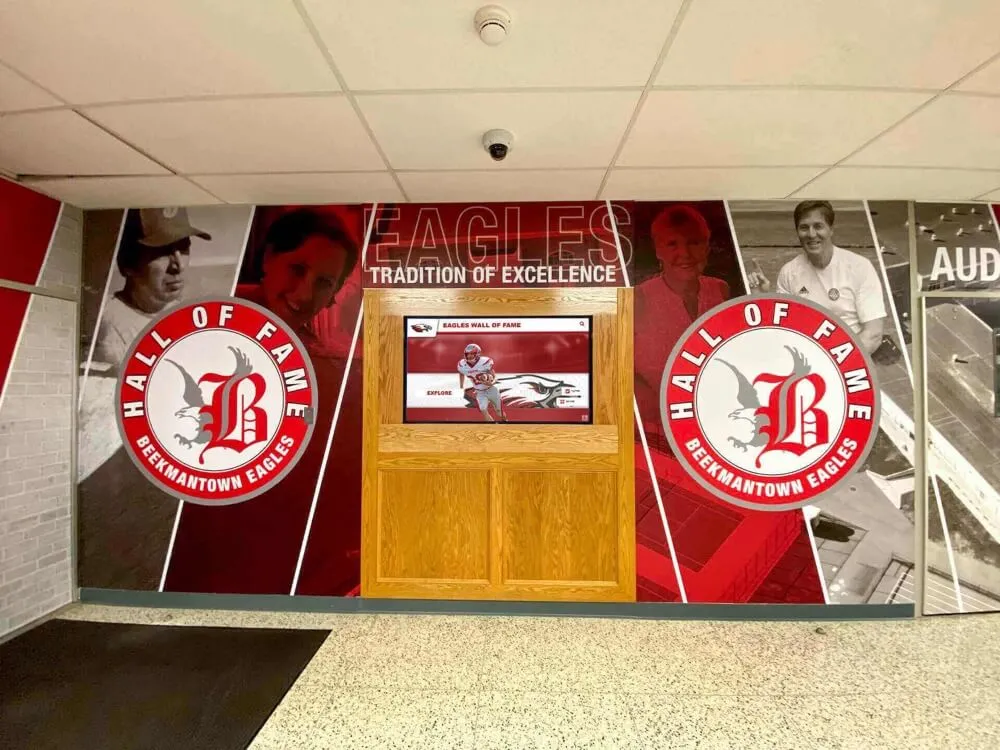
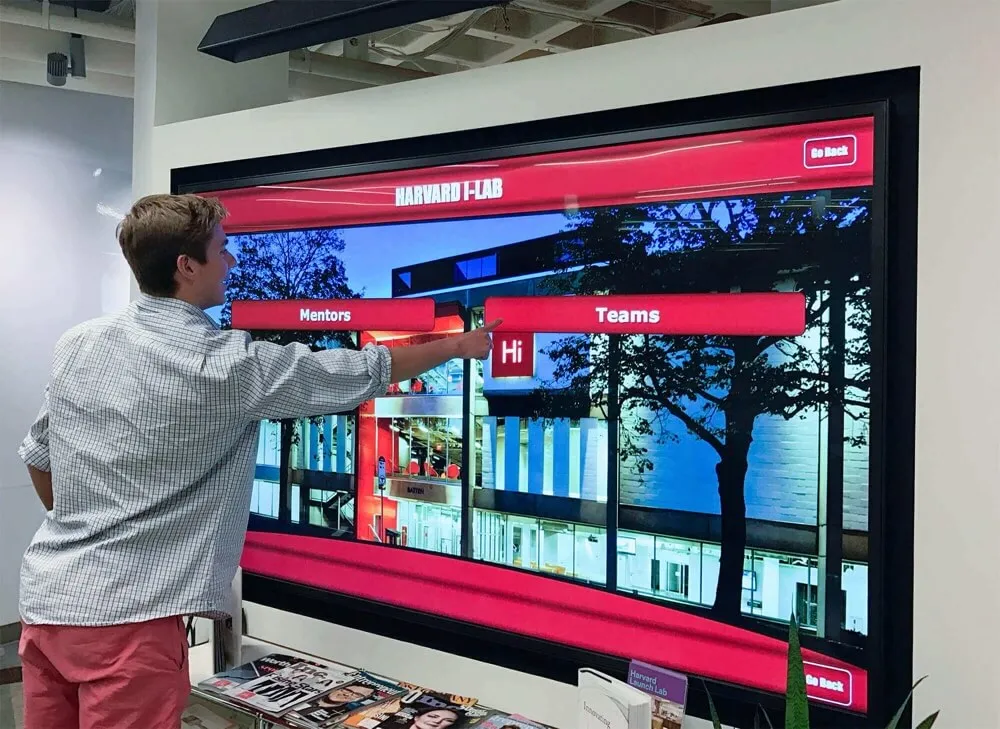
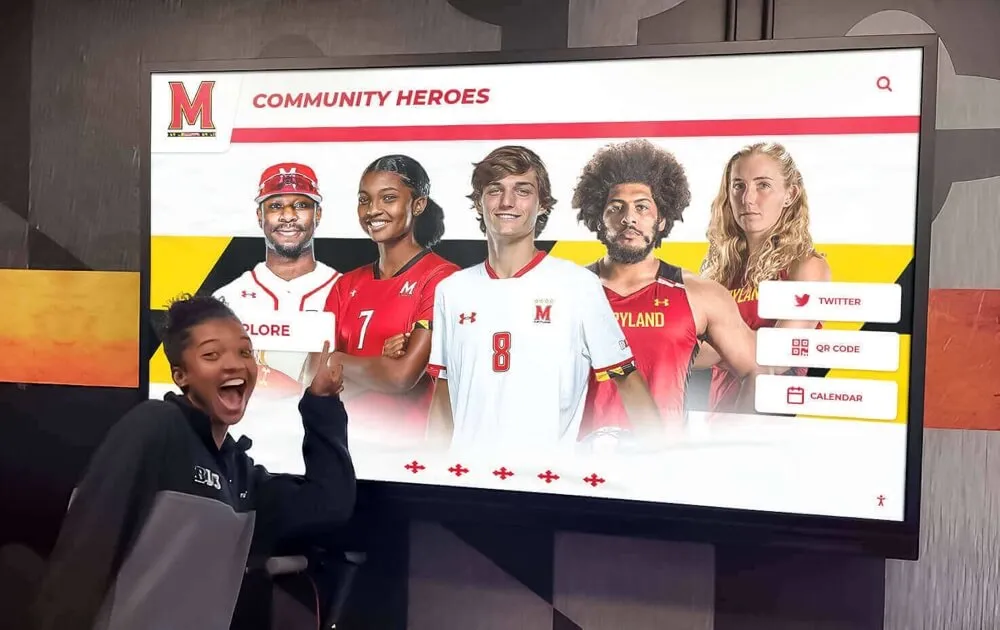
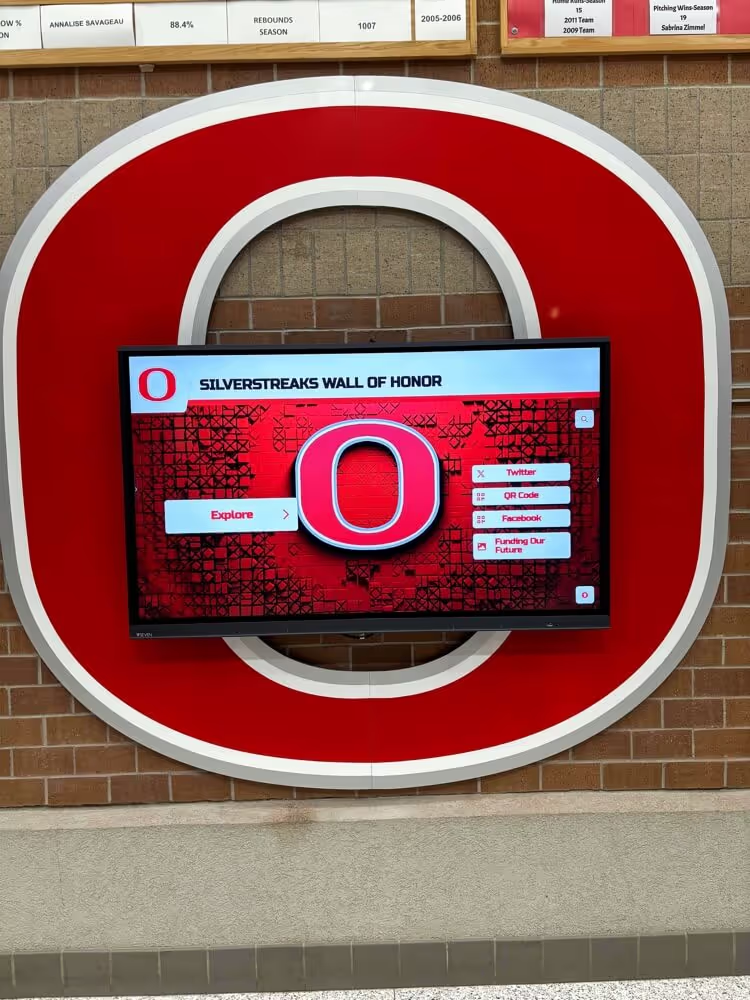
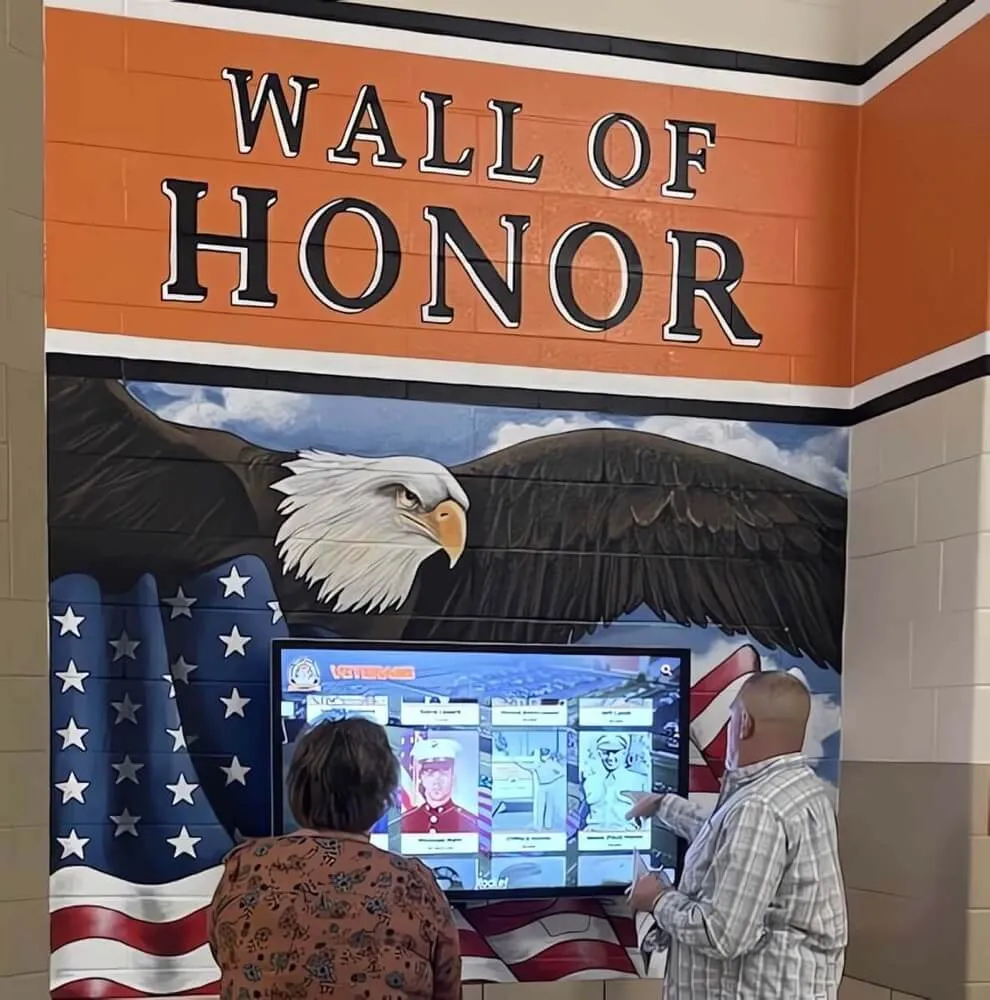
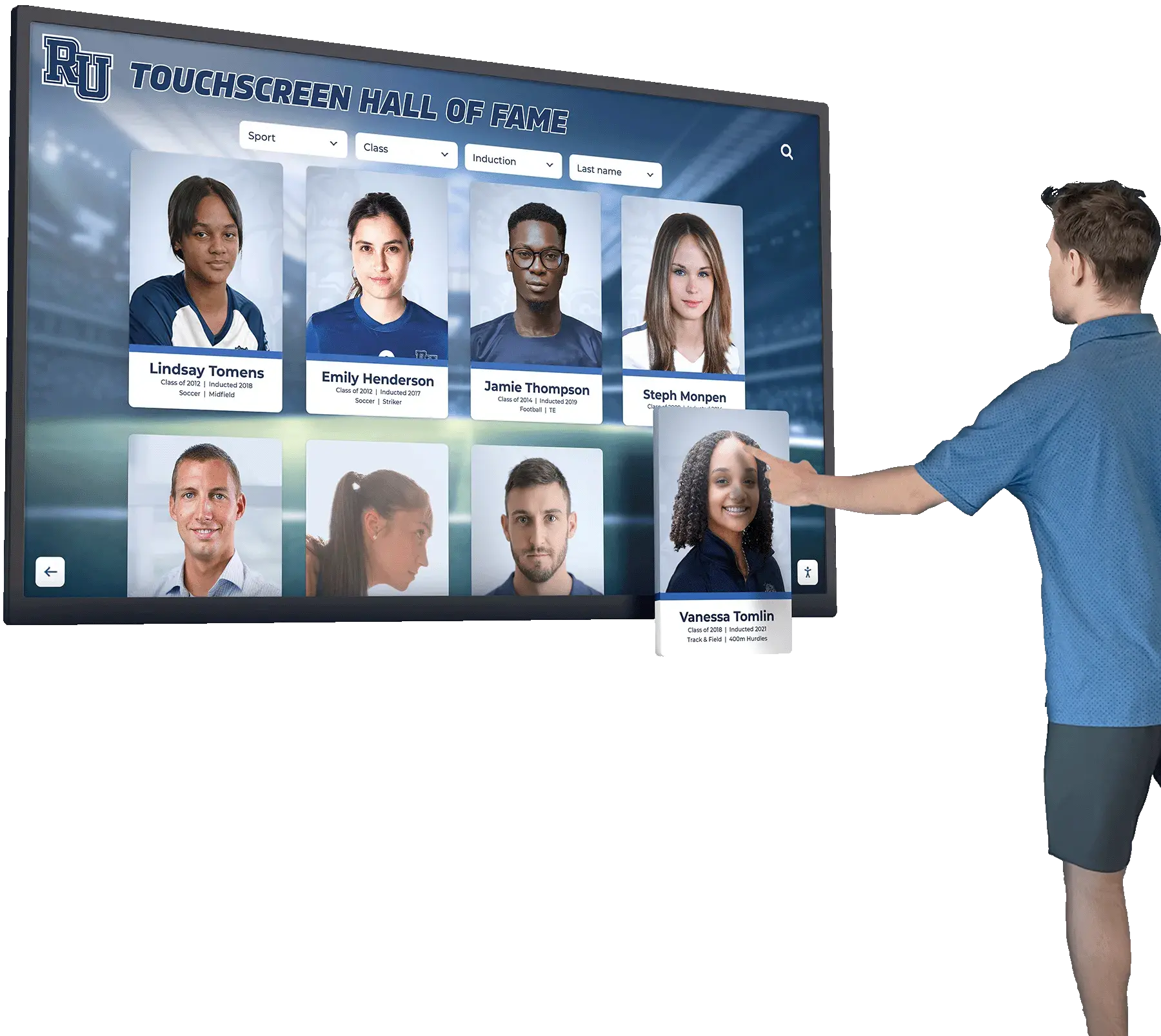
Interactive touchscreen systems invite exploration, transforming passive viewing into active discovery of donor stories
Types of Donor Walls: Traditional to Modern Interactive Systems
Understanding available recognition approaches enables organizations to select options aligned with institutional culture, budget constraints, technical capabilities, and donor preferences.
Traditional Physical Donor Walls
Engraved Metal Plaques
Brass, bronze, aluminum, or stainless steel plaques remain popular for their perceived permanence and formality. Individual plates mount on marble, wood, or metal backboards, typically organized by giving levels with larger plaques acknowledging major contributors and smaller formats for modest donations.
Advantages: Tangible permanence, formal aesthetic valued by traditional donors, no ongoing technical maintenance, proven longevity spanning decades.
Limitations: Fixed capacity filling eventually regardless of continued fundraising success, expensive updates requiring new fabrication and installation ($200-500 per plaque typical), inability to share impact stories or context, static presentations that never evolve, spatial hierarchies where contribution amounts determine physical prominence.
Typical Investment: $15,000-$75,000 for complete installations depending on size, materials, and donor capacity.
Engraved Glass or Acrylic
Etched or printed glass panels create elegant recognition with contemporary aesthetics. Backlighting adds visual interest while improving readability. Acrylic provides similar appearance at lower cost with reduced breakage risk.
Advantages: Modern aesthetic appealing to younger donors, excellent for architectural integration, lower material costs than premium metals.
Limitations: Same capacity and update constraints as metal plaques, potential durability concerns with acrylic scratching over time, limited information density on translucent materials.
Typical Investment: $10,000-$50,000 depending on scale and complexity.
Printed or Vinyl Recognition Panels
Large-format printing on rigid substrates or vinyl wall applications offer cost-effective recognition accommodating comprehensive donor lists. Graphics, photography, and organizational branding integrate easily.
Advantages: Lower initial costs, design flexibility, relatively easy updates by replacing panels.
Limitations: Perceived as less permanent or prestigious than engraved options, vulnerability to fading or physical damage, complete replacement required for updates rather than incremental additions.
Typical Investment: $5,000-$20,000 for professional installations.
Organizations increasingly recognize that traditional physical recognition, while valued by many established donors, creates impossible constraints as fundraising success continues: every wall eventually fills completely, forcing difficult decisions about which supporters to acknowledge while excluding others due to space limitations alone.

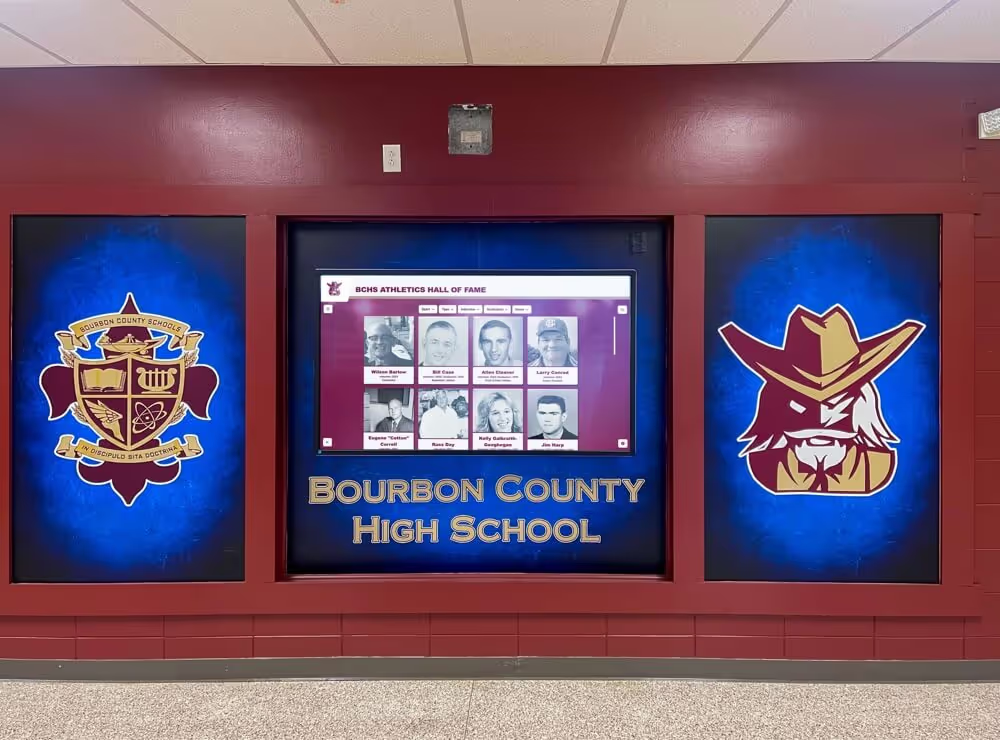
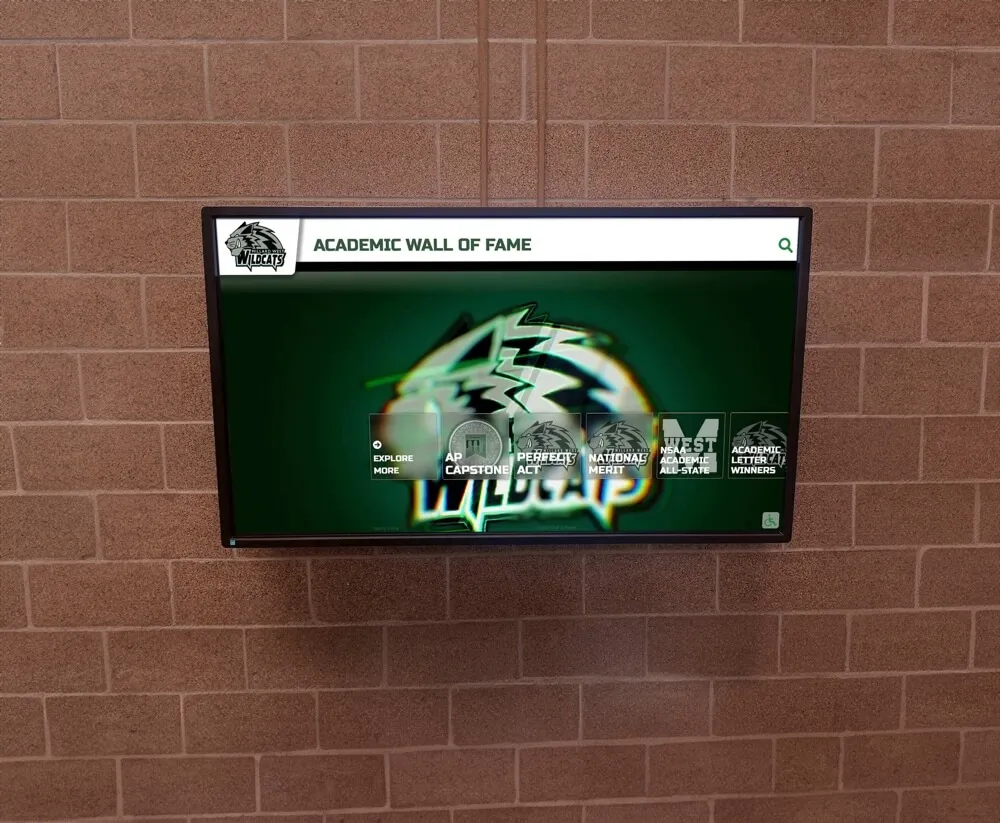
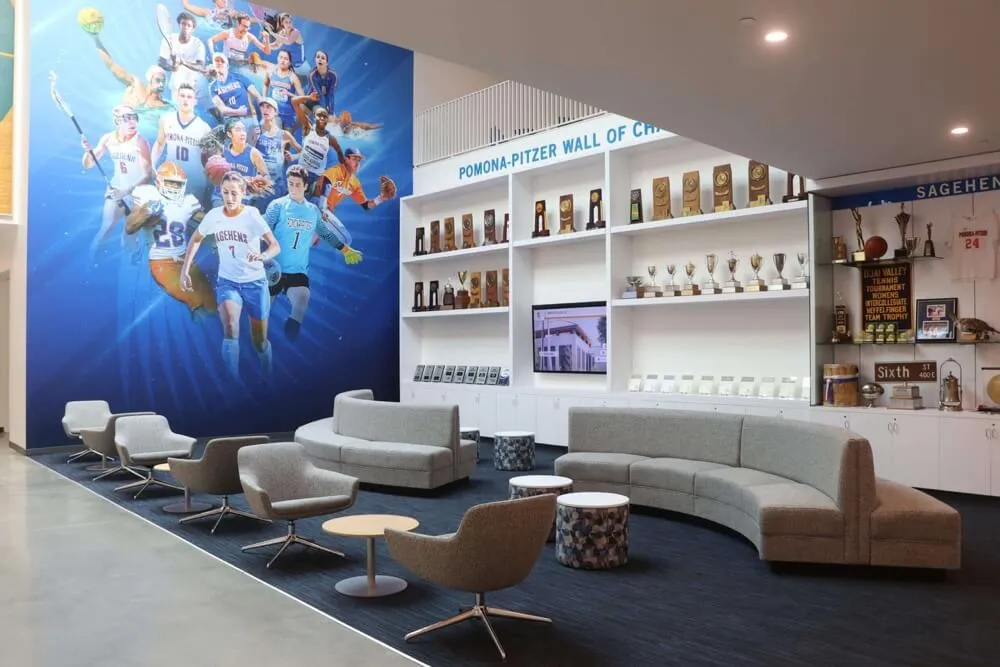
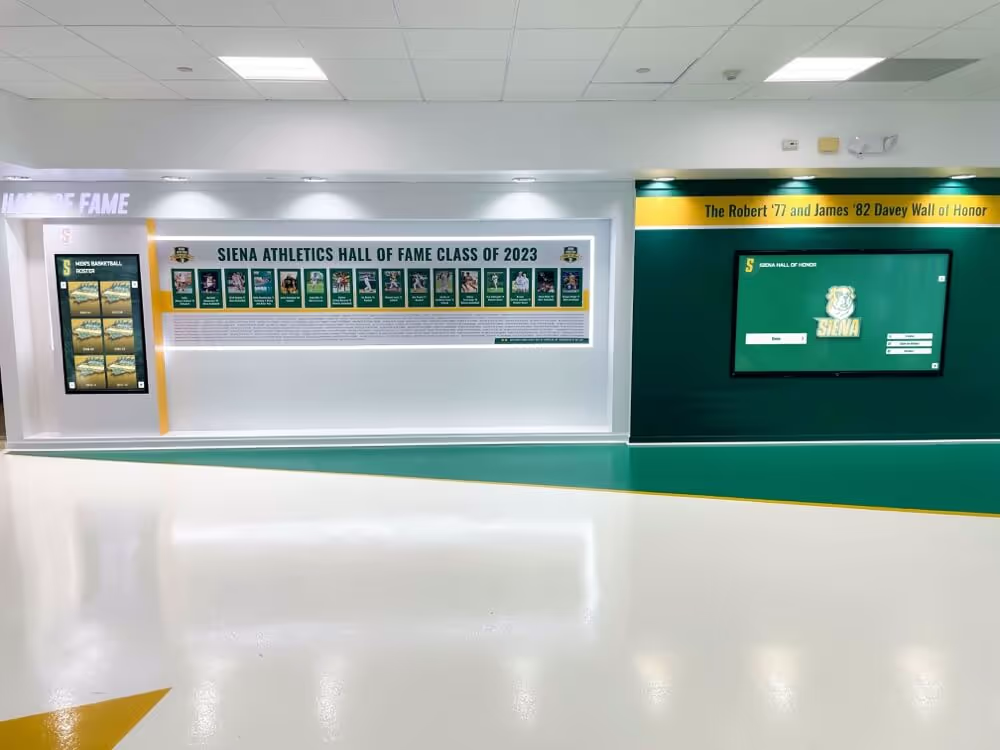
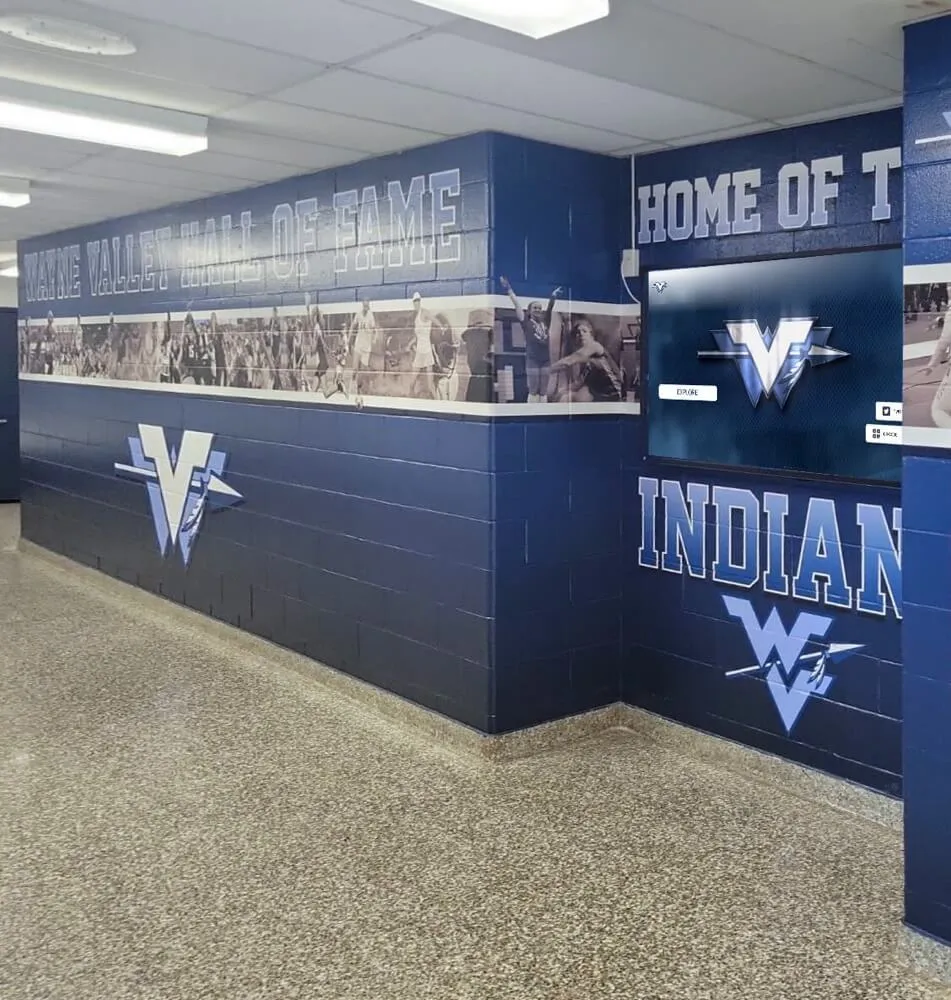
Professional installations become architectural elements within facilities, creating dignified recognition destinations
Digital Donor Recognition Displays
Standalone Digital Signage
Basic digital donor walls utilize commercial displays running slideshow presentations cycling through donor names, photographs, and campaign information. Content updates remotely through cloud management systems without physical modifications.
Advantages: Unlimited donor capacity accommodating comprehensive recognition, instant updates adding new contributors without fabrication delays, multimedia capability incorporating photos and videos, lower per-donor costs compared to individual plaques, content evolution improving recognition continuously.
Limitations: Requires ongoing technical management and content curation, potential donor preferences for traditional tangible recognition, dependency on reliable power and network connectivity, perception as less permanent than physical installations.
Typical Investment: $5,000-$15,000 per display including hardware and basic content management software, plus $1,000-$2,500 annually for platform subscriptions.
Interactive Touchscreen Systems
Advanced digital recognition incorporates touchscreen technology enabling visitors to search donor databases, explore individual profiles, discover campaign details, view impact documentation, and engage actively with content rather than passively watching automated presentations.
Advantages: All benefits of basic digital signage plus superior engagement through interactive exploration, searchable databases enabling visitors to find specific donors easily, comprehensive profiles accommodating rich biographical information and giving histories, analytics revealing how audiences interact with recognition, web accessibility extending reach beyond physical locations.
Limitations: Higher initial hardware costs for quality touchscreen displays, requires intuitive interface design ensuring accessibility for all users, ongoing content development maintaining profile quality and currency.
Typical Investment: $20,000-$55,000 per installation including commercial touchscreen hardware (43-75 inches typical), purpose-built donor recognition software, professional installation, and initial content development. Annual operational costs: $2,000-$5,000 for platform subscriptions and support.
Organizations implementing interactive touchscreen recognition consistently report 300-400% longer visitor engagement compared to static displays, while enabling comprehensive acknowledgment for unlimited supporters without ever facing capacity constraints. Solutions like Rocket Alumni Solutions provide specialized platforms designed specifically for donor recognition in educational institutions, nonprofits, and mission-driven organizations.
Projection and LED Wall Systems
Large-scale projection onto architectural surfaces or LED video wall installations create dramatic recognition showcasing donor names with dynamic graphics, photography, and video content. These approaches work particularly well for signature buildings or renovated facilities where recognition becomes integral architectural element.
Advantages: Exceptional visual impact and scale impossible with conventional displays, architectural integration as design feature rather than added equipment, flexibility updating content completely as needed.
Limitations: Significant upfront investment for projection or LED infrastructure, technical complexity requiring professional installation and ongoing management, environmental requirements for ambient lighting control (projection) or climate management (LED).
Typical Investment: $50,000-$200,000+ depending on scale and technology approach.
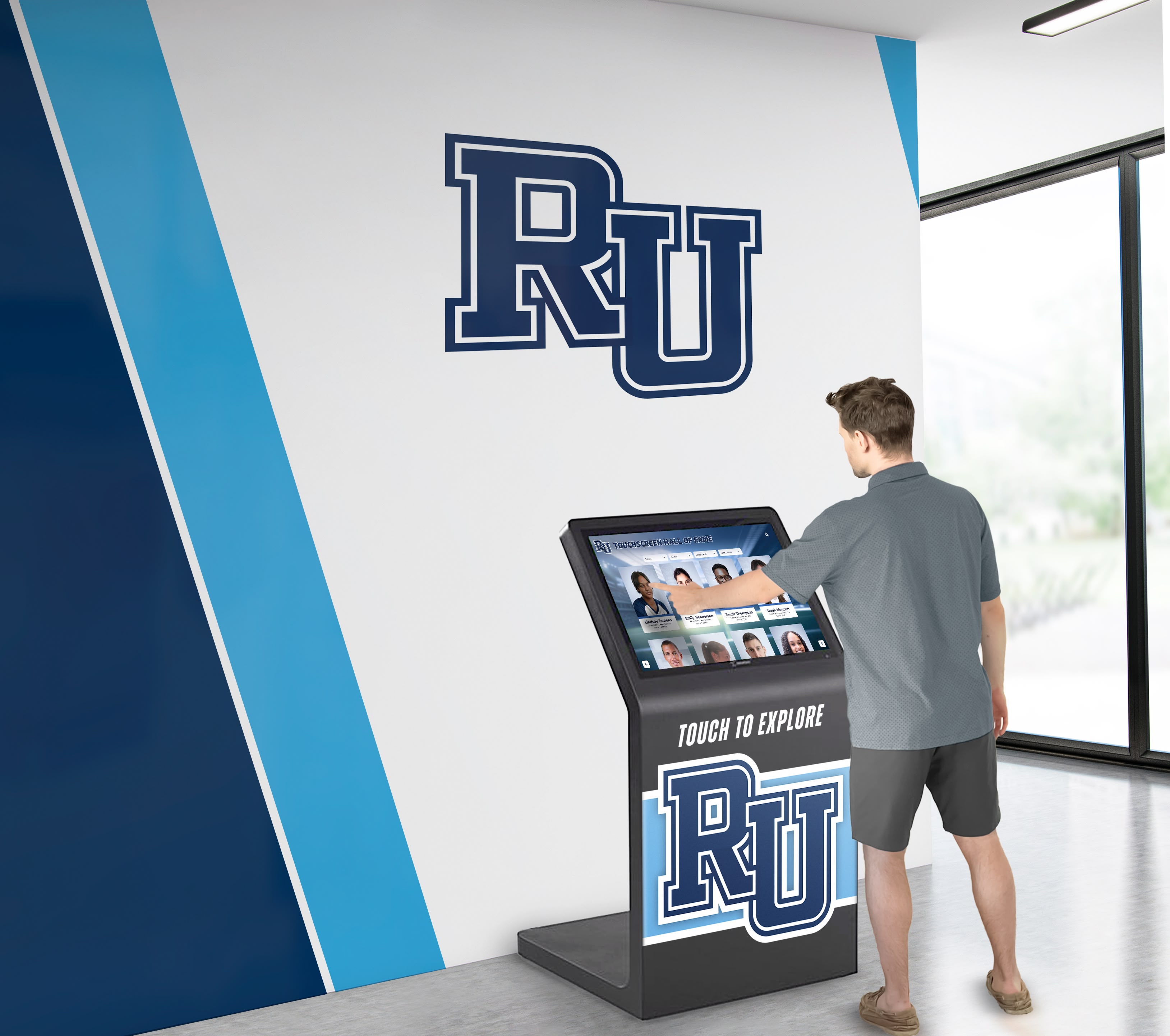
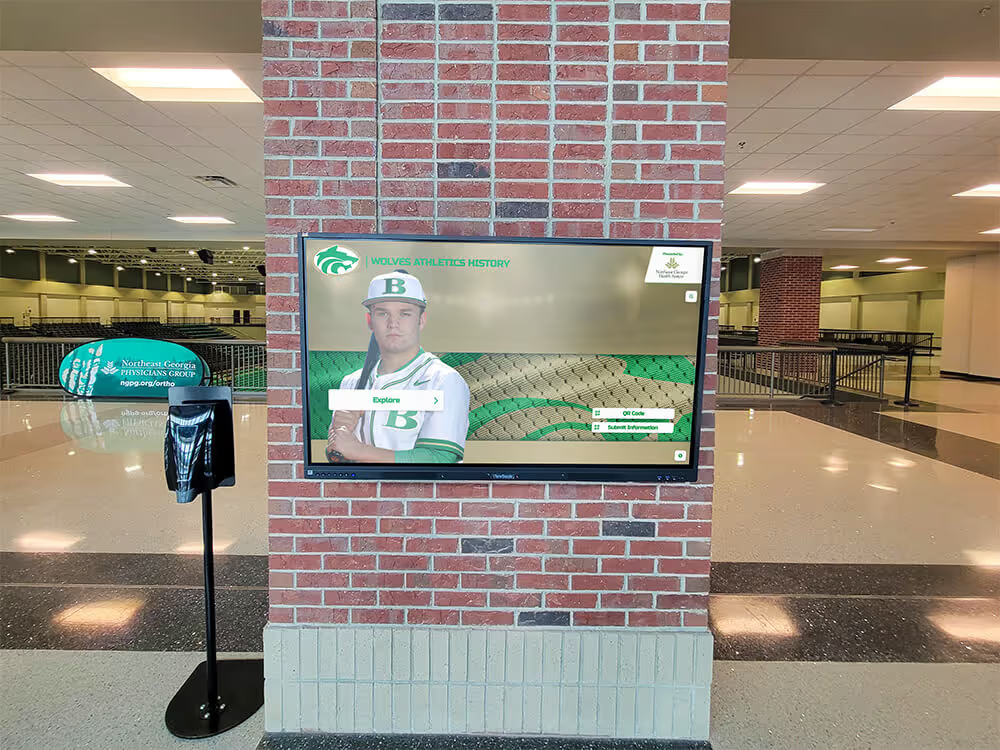
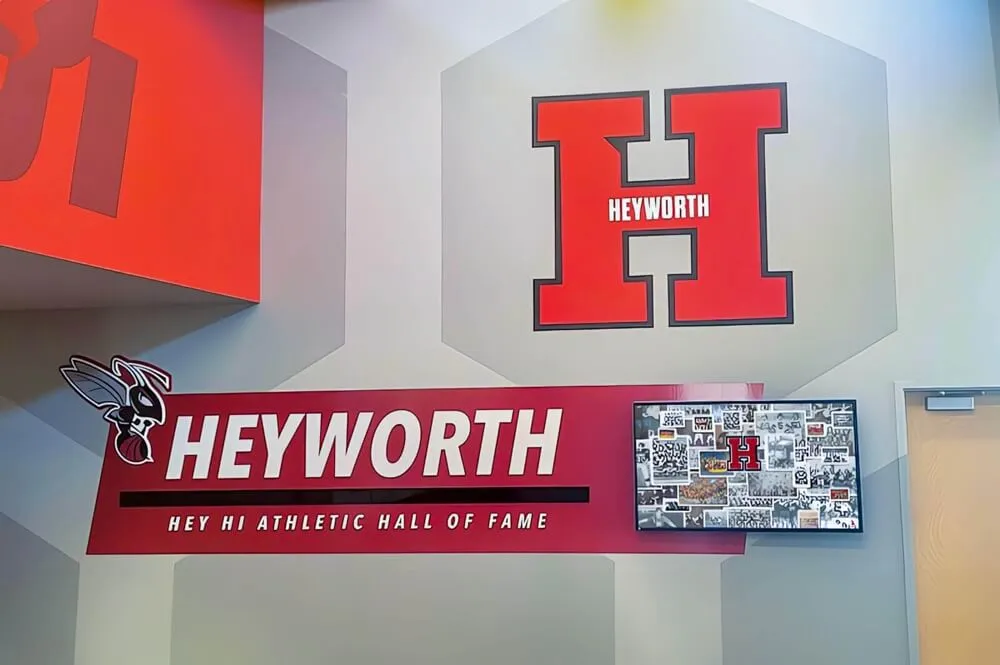
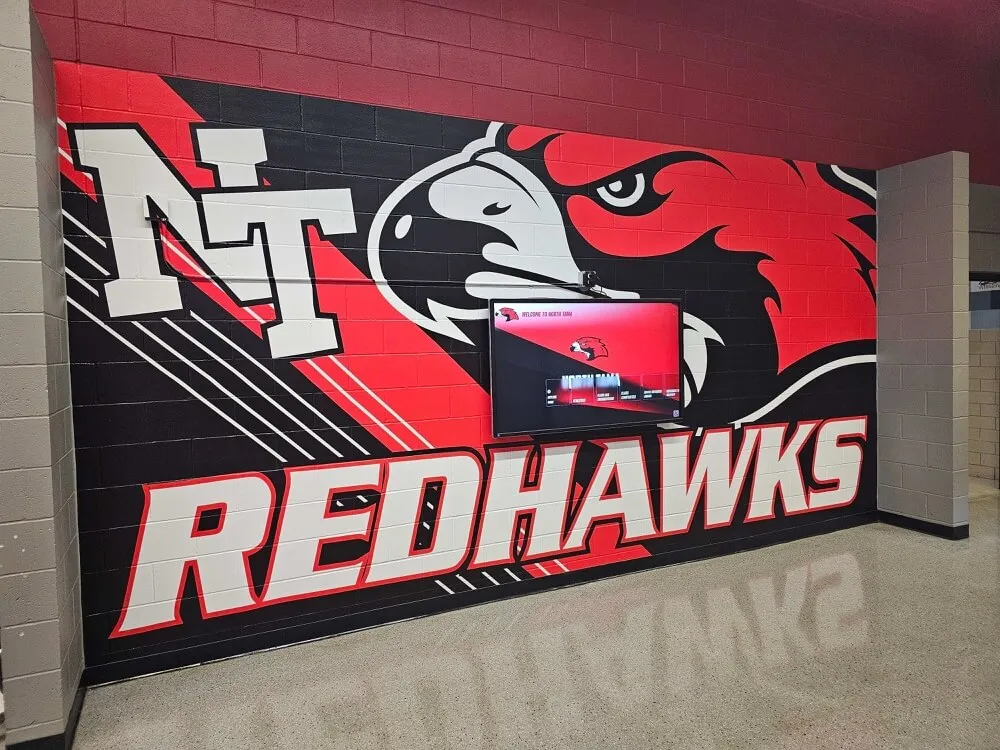
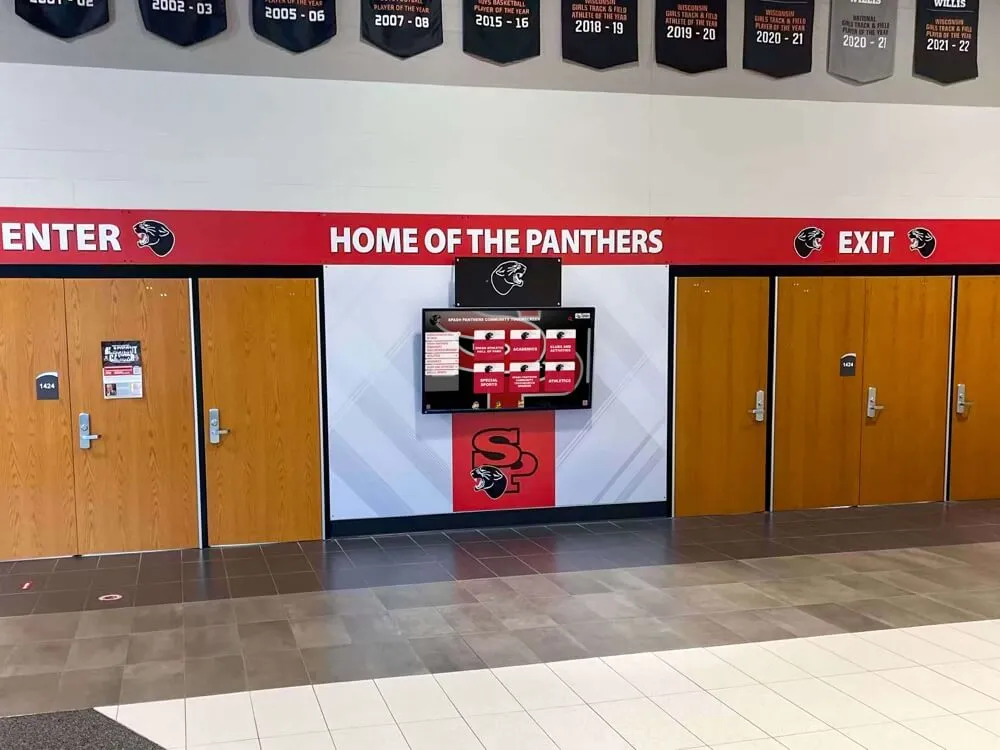
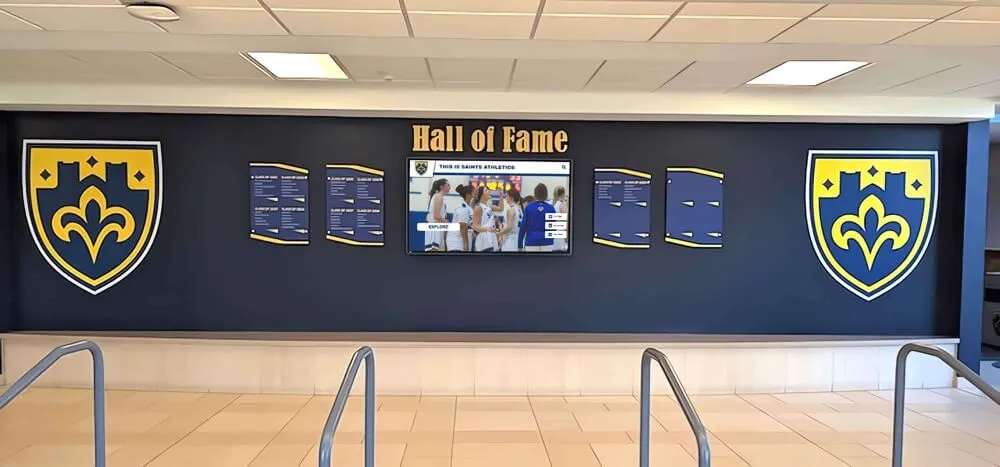
Strategic placement in high-traffic lobbies ensures maximum recognition visibility while creating natural exploration opportunities
Hybrid Recognition Approaches
Many organizations adopt combined strategies leveraging strengths of different approaches while mitigating individual limitations:
Traditional Plus Digital Combination
Maintain selective physical plaques for major campaigns, transformational gifts, or naming opportunities where donors specifically prefer tangible recognition, while implementing comprehensive digital systems acknowledging all contributors including those not accommodated by limited physical space.
This hybrid approach satisfies traditional donor preferences while solving capacity constraints, typically dedicating premier lobby locations to physical installations featuring largest contributors while positioning digital displays in complementary locations providing inclusive recognition.
Advantages: Honors diverse donor preferences, maximizes recognition comprehensiveness, communicates both permanence (physical) and innovation (digital).
Challenges: Requires careful integration ensuring approaches complement rather than compete, potential complexity managing two distinct recognition systems.
Typical Investment: $30,000-$100,000+ combining both elements.
Organizations considering donor wall investments should evaluate options based on institutional culture and donor demographics, physical space availability and architectural constraints, budget considerations for both initial implementation and ongoing maintenance, technical capabilities and staffing resources for digital system management, long-term fundraising strategy and anticipated campaign activity, and donor preference research gathered through surveys or focus groups.
Design Principles for Maximum Recognition Impact
Regardless of technology approach, thoughtful design significantly influences recognition effectiveness and donor perception of organizational stewardship capacity.
Strategic Placement and Visibility
High-Traffic Location Selection
Position donor walls where maximum audiences encounter recognition regularly: primary building entrances ensuring all visitors see acknowledgment immediately upon arrival, main lobbies and reception areas where community members gather, adjacent to specific facilities or programs funded by recognized contributions (creating direct visual connection between gifts and outcomes), development office areas where prospective donors meet with fundraising staff, and near elevators or stairways in multi-story buildings capturing attention during transitions.
Avoid relegating recognition to isolated or peripheral spaces communicating that donor acknowledgment represents afterthought rather than priority. Prominent placement demonstrates genuine appreciation while maximizing stewardship return on recognition investment.
Architectural Integration
Design recognition as intentional architectural element rather than equipment added to finished spaces. Coordinate with facilities planning during renovation or construction projects, ensuring recognition integrates seamlessly within overall aesthetic vision. Consider proportions relative to surrounding spaces—recognition that appears too small seems insignificant, while oversized installations may overwhelm environments inappropriately.
Professional designers can create custom surrounds, framing elements, or architectural features ensuring donor walls become distinguished focal points rather than standard displays mounted on walls.
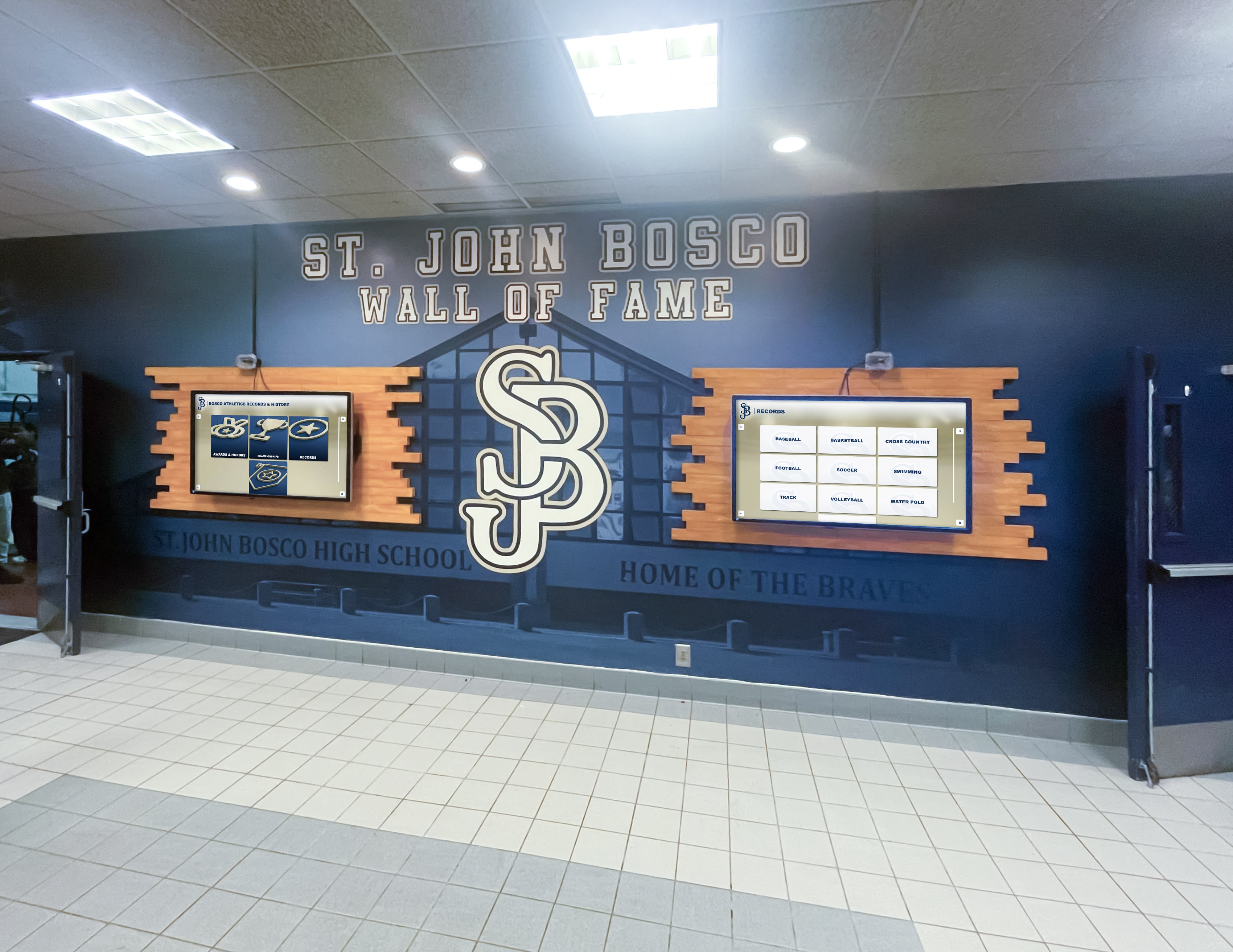
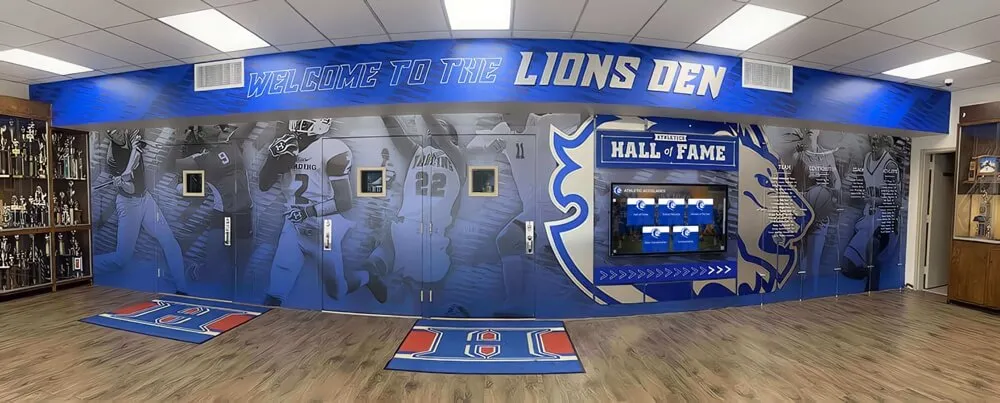
Multiple display installations accommodate different donor categories while maximizing recognition visibility
Content Organization and Hierarchy
Clear Recognition Structure
Organize donors through intuitive systems enabling visitors to understand acknowledgment logic easily:
- Giving Society Levels: Presidential Circle ($1M+), Leadership Society ($100K-$999K), Cornerstone Circle ($50K-$99K), Benefactors ($25K-$49K), Annual Champions ($1K-$24K)
- Campaign Organization: Capital projects, endowment funds, program initiatives, annual operations, planned giving
- Chronological Grouping: Recognition by campaign year or decade for historical perspective
- Recognition Type: Major gifts, sustained giving, volunteer leadership, memorial tributes, corporate partners
Avoid overly complex categorization creating confusion. Clear structure enables visitors to navigate recognition efficiently while understanding their own potential giving pathways.
Balanced Differentiation
Appropriately distinguish major contributors while ensuring all donors receive dignified acknowledgment. Digital platforms excel here—providing basic recognition for all supporters above modest thresholds while offering enhanced profiles for larger contributions through additional photographs, extended biographical information, impact stories, and video content.
This balance celebrates broad participation while appropriately honoring exceptional generosity—both critical for sustainable philanthropic culture.
Visual Design and Aesthetic Quality
Professional Presentation Standards
Recognition quality directly reflects institutional brand and stewardship culture. Invest in professional graphic design ensuring polished typography, cohesive color schemes aligned with organizational branding, high-resolution photography rather than amateur snapshots, consistent layouts creating unified appearance across all content, and appropriate white space preventing visual clutter and information overload.
Poor design quality undermines appreciation messages, potentially insulting donors through careless presentation. Professional execution demonstrates respect commensurate with supporter generosity.
Readability and Accessibility
Ensure recognition accommodates diverse audiences including adequate text sizes readable from typical viewing distances (minimum 24-36pt for display text, 60-72pt for headers), high contrast between text and backgrounds supporting readability in varied lighting, clear hierarchical typography distinguishing headers from body text, accessible color combinations for colorblind visitors, and appropriate mounting heights (48-54 inches to display center typical) enabling comfortable viewing for standing adults while meeting ADA requirements.
Digital systems should incorporate accessibility features: screen reader compatibility for visually impaired users, adjustable text sizes, high-contrast display modes, and touch targets sized appropriately for users with limited dexterity.
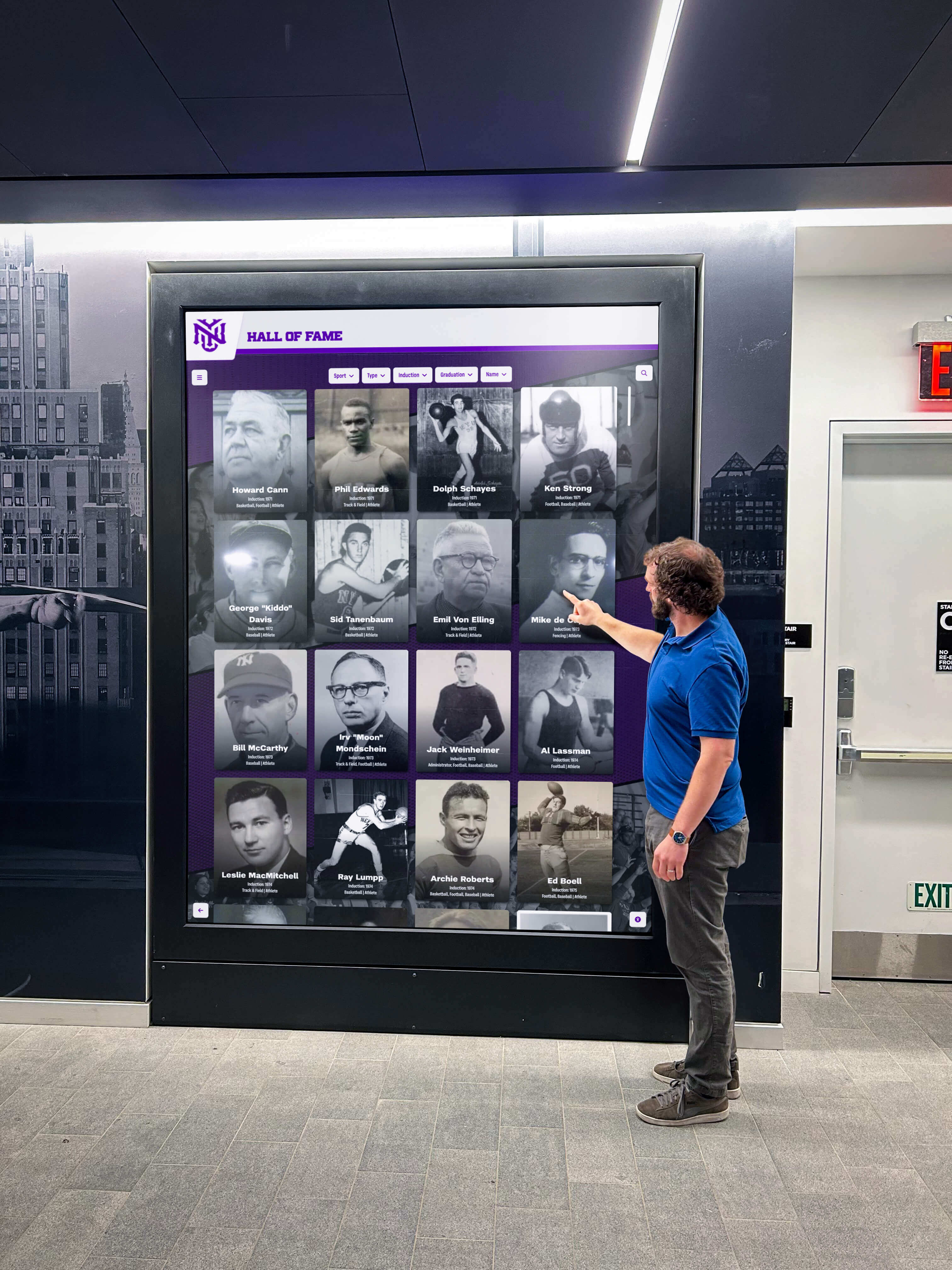
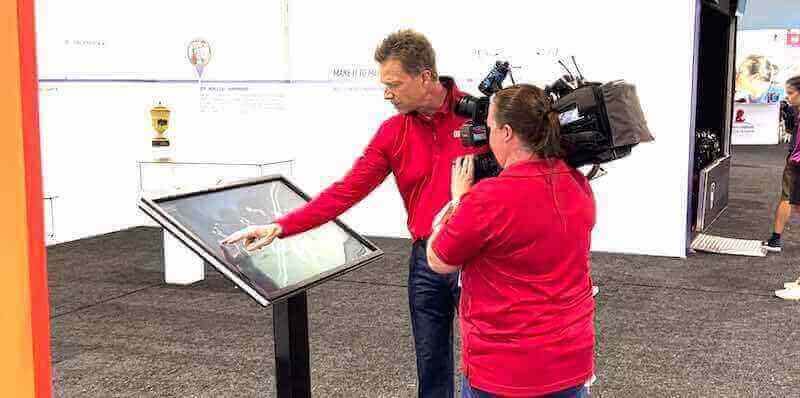
Intuitive interfaces encourage extended exploration, deepening visitor connections to philanthropic mission
Impact Storytelling Integration
The most compelling recognition emphasizes transformation enabled by philanthropy rather than focusing primarily on donor benevolence:
Connect Gifts to Outcomes
For each campaign or giving category, provide concrete impact documentation: specific student scholarship recipients supported, facility improvements completed, program launches enabled, community members served, measurable outcomes achieved, beneficiary testimonials expressing gratitude, and long-term sustainability enabled through endowment support.
This outcome focus transforms recognition from perfunctory name lists into inspirational narratives demonstrating that contributions create genuine change—directly addressing the fundamental question all prospective donors ask: will my gift truly make a difference?
Multimedia Enhancement
Leverage digital platforms’ capabilities incorporating high-resolution photography documenting programs and beneficiaries, video testimonials from scholarship recipients or program participants, before/after facility documentation, interactive timelines showing program evolution over time, quantitative data visualizations demonstrating reach and impact, and donor statements explaining personal motivations and connections to mission.
Research consistently shows multimedia impact narratives generate significantly longer engagement and stronger emotional connections compared to text-only name lists. Organizations implementing digital recognition with rich storytelling report measurably improved donor retention and increased giving among visitors exposed to recognition displays. Learn more about capital campaign donor recognition strategies that strengthen stewardship outcomes.
Budget Planning: Understanding Complete Investment Requirements
Realistic budget planning requires understanding both initial implementation costs and ongoing operational expenses ensuring sustainable recognition programs.
Initial Implementation Investment
Traditional Physical Recognition
Basic Installations: $10,000-$30,000
- Printed panels or basic engraved plaques
- Standard materials and fabrication
- Simple design and layout
- Installation on existing walls
- Capacity: 100-300 donors typically
Mid-Range Systems: $30,000-$75,000
- Quality engraved metal or glass plaques
- Custom design and organizational branding
- Professional installation with architectural integration
- Enhanced materials (bronze, marble backboards)
- Capacity: 300-500 donors typical
Premium Installations: $75,000-$200,000+
- Signature architectural recognition features
- Premium materials throughout (bronze, exotic woods, specialty glass)
- Extensive custom design and fabrication
- Complete architectural integration during construction
- Capacity: 500-1,000+ donors possible
Digital Recognition Systems
Basic Digital Signage: $5,000-$15,000 per display
- Commercial display (43-55 inches typical)
- Basic digital signage software
- Standard mounting
- Simple slideshow content
- DIY or basic installation
Interactive Touchscreen Recognition: $20,000-$55,000 per installation
- Commercial touchscreen display (50-75 inches)
- Purpose-built donor recognition software
- Professional installation and integration
- Initial content development and donor migration
- Training and onboarding support
Premium Interactive Systems: $55,000-$150,000+
- Multiple coordinated displays
- Large-format touchscreens (75+ inches)
- Custom software development and branding
- Comprehensive content production (photography, videography)
- Architectural integration and custom surrounds
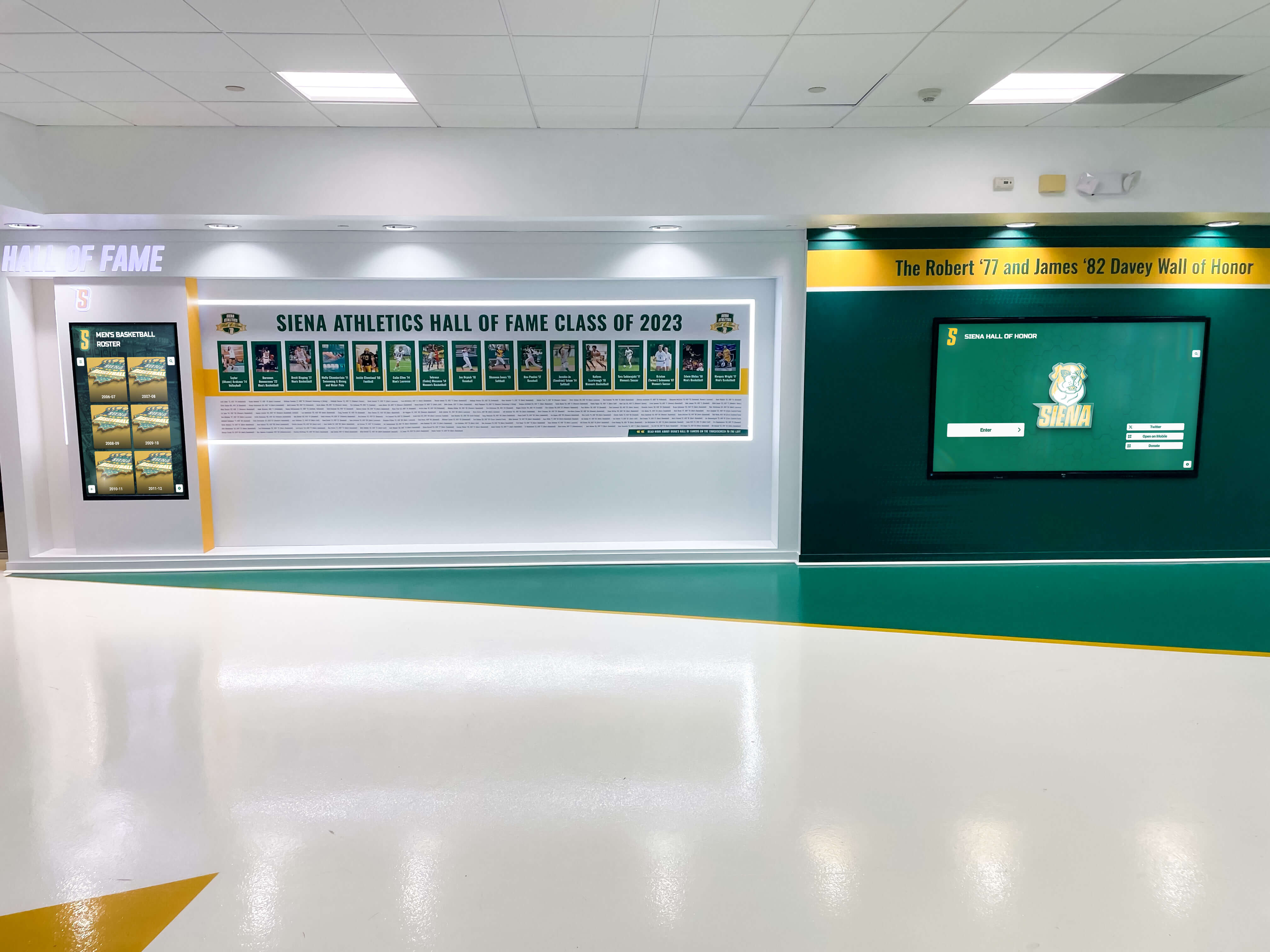
Professional installations honor donor generosity through thoughtful design and quality execution
Ongoing Operational Costs
Physical Recognition Maintenance
Annual costs: $2,000-$10,000+ depending on recognition activity
- New plaque fabrication as donors contribute ($200-500 per plaque)
- Installation coordination and labor
- Physical maintenance (cleaning, repair, replacement of damaged elements)
- Periodic reorganization accommodating new additions
- Complete redesign when capacity exhausted
Digital System Operations
Annual costs: $2,000-$5,000 typical
- Platform subscription fees ($1,500-$3,500 annually for most implementations)
- Content updates and new donor additions (staff time or contracted services)
- Technical support and troubleshooting
- Network connectivity and electrical costs (minimal, typically $100-300 annually)
- Periodic hardware maintenance or replacement (budget 5-7 year display lifecycles)
Comprehensive cost analysis reveals digital recognition often delivers superior long-term value despite higher initial investment: unlimited capacity eliminating expensive capacity expansions, instant updates without fabrication and installation costs, one-time hardware investment versus perpetual plaque manufacturing, lower per-donor costs as donor databases grow, and enhanced fundraising outcomes from superior engagement offsetting investments.
Return on Investment Considerations
While precise ROI calculations remain challenging, donor recognition generates measurable returns:
Quantifiable Benefits
Research and institutional reporting document: overall giving increases of 10-15% within 18-36 months following recognition improvements, donor retention rate improvements of 5-10 percentage points reducing costly acquisition needs, enhanced major gift cultivation as recognition demonstrates stewardship capacity, increased planned giving inquiries through legacy society visibility, and operational efficiencies eliminating continuous plaque fabrication cycles.
Strategic Value
Beyond measurable metrics: enhanced institutional reputation through modern professional recognition, improved donor satisfaction strengthening emotional connections, competitive advantages in fundraising environments where recognition quality influences decisions, and organizational capacity recognizing all supporters comprehensively rather than selectively due to space constraints.
Development professionals can help organizations model how improved recognition translates to increased revenue, typically demonstrating positive returns within 18-36 months while providing ongoing benefits perpetually. Explore comprehensive approaches in donor recognition best practices addressing strategic planning and financial justification.
Installation Process and Timeline Expectations
Understanding implementation workflows enables realistic project planning and stakeholder management throughout deployment.
Project Planning Phase (4-8 weeks)
Establish Recognition Philosophy
Before selecting technology or design, collaboratively address fundamental policy decisions: minimum contribution thresholds for various recognition levels, anonymous giving options and privacy settings, recognition timing standards and approval processes, handling of pledges before complete payment, naming opportunity criteria for major gifts, volunteer service and non-financial contribution acknowledgment, periodic policy reviews ensuring alignment with organizational values.
Form Implementation Committee
Convene cross-functional team including development leadership responsible for fundraising strategy and donor relations, facilities management handling physical installation and maintenance, IT staff supporting digital systems and network infrastructure, communications professionals ensuring brand consistency and messaging alignment, and key stakeholders including board members or major donors providing input on approaches.
Budget Approval and Funding
Secure necessary financial resources through campaign inclusion positioning recognition within broader initiatives, major gift solicitation from donors valuing recognition infrastructure, designated fundraising specifically for recognition systems, budget allocations from institutional reserves, or grant funding supporting organizational capacity building.
Design and Development Phase (8-16 weeks)
Content Strategy and Data Preparation
Compile comprehensive donor information: complete giving histories with dates and campaign affiliations, biographical information and professional backgrounds, high-resolution photographs (donor portraits or program images), impact documentation connecting gifts to outcomes, donor statements explaining motivations, volunteer involvement beyond financial contributions, and contact information for ongoing stewardship.
Organizations commonly underestimate data preparation work—plan adequate time preventing rushed implementations with incomplete information undermining recognition effectiveness.
Technology Selection and Procurement
For digital systems, evaluate platforms based on ease of use requiring minimal technical expertise, unlimited capacity without platform constraints, multimedia support for rich content, intuitive search and filtering, privacy controls, cloud architecture enabling remote management, web accessibility, integration with existing databases, comprehensive analytics, and proven vendor track record.
Design Development
Work with professional designers creating recognition layouts, visual branding and graphic treatments, content organization and hierarchy, donor profile templates, impact storytelling approaches, and architectural integration plans. Multiple design iterations incorporating stakeholder feedback ensure final approaches meet organizational needs and donor expectations.

Physical Installation
Traditional recognition: fabrication of plaques or panels (3-6 weeks typical), site preparation and wall mounting systems, professional installation and alignment, final finishing and cleaning.
Digital systems: site preparation including electrical and network infrastructure, display mounting using commercial-grade brackets, cable management concealing wiring, system configuration and content loading, testing ensuring reliable operation.
Content Population
Load donor data into systems, create individual profiles with photographs and biographical information, develop impact narratives and campaign documentation, establish search categories and filtering options, configure privacy settings and donor preferences, and conduct quality assurance reviewing all content for accuracy.
Training and Launch
Provide administrator training on content management, establish update workflows and responsibilities, create user documentation and reference materials, conduct soft launch testing with limited audiences, gather feedback and make refinements, and execute public announcement and donor communication about new recognition.
Ongoing Management (Continuous)
Regular Content Updates
Add new donors promptly following contributions (within 48-72 hours best practice), enhance existing profiles with additional impact documentation, correct errors or update information as circumstances change, refresh featured content maintaining dynamic presentations, and monitor analytics identifying popular content and engagement patterns.
Technical Maintenance
Monitor system operation ensuring continuous availability, apply software updates implementing new features and security patches, maintain hardware through cleaning and inspection, verify network connectivity and system performance, and coordinate technical support when issues arise.
Program Assessment
Track engagement metrics revealing recognition usage and effectiveness, gather qualitative feedback from donors and stakeholders, document fundraising trends potentially influenced by recognition, identify enhancement opportunities and content gaps, and conduct periodic comprehensive reviews ensuring recognition continues meeting objectives.
Organizations treating recognition as ongoing stewardship programs requiring continuous attention achieve far superior outcomes compared to those viewing donor walls as one-time installations requiring only occasional maintenance.
Common Challenges and Proven Solutions
Organizations frequently encounter specific obstacles during recognition planning and implementation—understanding these challenges and effective responses prevents common pitfalls.
Challenge: “Limited Physical Space”
Problem: Traditional recognition approaches quickly fill available wall space, forcing difficult decisions about which donors to acknowledge while excluding others solely due to capacity constraints.
Solution: Digital recognition systems eliminate space limitations entirely. Single touchscreen installations accommodate comprehensive acknowledgment for hundreds or thousands of supporters across multiple campaigns without ever requiring capacity decisions. Organizations commonly establish modest minimum thresholds ($100-500) for permanent recognition, then provide increasingly comprehensive profiles for larger contributions—honoring all donors appropriately.
Challenge: “Donor Preferences for Traditional Plaques”
Problem: Some major donors express preferences for tangible physical recognition based on familiarity and perceived permanence.
Solution: Implement hybrid approaches combining selective physical plaques for specific major campaigns alongside comprehensive digital recognition for broader donor populations. Emphasize permanence of digital platforms through vendor track records and institutional commitments. Demonstrate superior engagement and impact storytelling impossible with static installations. Offer donor choice allowing supporters to designate recognition preferences. Many initially skeptical donors become enthusiastic supporters after experiencing well-implemented digital recognition honoring them more comprehensively than physical plaques could.
Challenge: “Technical Expertise Concerns”
Problem: Organizations worry they lack sufficient technical capabilities to manage digital recognition systems effectively.
Solution: Modern platforms specifically address complexity concerns through cloud-based architecture requiring no server infrastructure, intuitive interfaces accessible to non-technical staff, bulk import tools migrating existing data efficiently, automated features eliminating manual tasks, comprehensive vendor training, and white-glove service options where providers manage content on behalf of organizations. Contemporary digital recognition typically requires less ongoing management than traditional plaques needing regular re-engraving coordination—averaging 2-4 hours monthly for routine updates once systems are established.

Strategic placement in signature locations communicates that donor recognition represents organizational priority
Maintain Current and Accurate Content
Establish workflows ensuring new donors receive recognition promptly—within 48-72 hours of contributions best practice. Implement approval processes catching errors before publication. Create content update schedules maintaining currency through regular review cycles. Enhance existing recognition continuously with additional impact documentation, updated photographs, recent outcomes, and expanded donor information. Respond quickly to donor requests for corrections or updates. Content quality and currency directly reflect organizational professionalism and stewardship commitment.
Leverage Recognition Throughout Development Activities
Reference recognition during fundraising solicitations, explaining how contributions will be acknowledged. Showcase recognition during facility tours and prospect visits, demonstrating stewardship capacity. Incorporate recognition content into donor newsletters and stewardship communications. Use recognition as cultivation tool, showing prospects examples of appropriate acknowledgment. Enable online recognition access, extending stewardship impact beyond physical display locations. This integration ensures recognition reinforces rather than replaces other development efforts.
Measure and Continuously Improve
Track quantitative metrics including interaction frequency, session duration, most-viewed content, and engagement patterns. Monitor fundraising indicators potentially influenced by recognition: giving trends, retention rates, average contribution sizes, upgrade rates, planned giving inquiries. Gather qualitative feedback from donors, prospects, and stakeholders about recognition experiences. Conduct periodic comprehensive assessments evaluating overall program effectiveness. Respond systematically to data and feedback, implementing improvements ensuring recognition evolves continuously. Organizations viewing recognition as dynamic programs achieve far superior outcomes compared to those treating displays as static installations.
Build for Sustainability
Plan recognition investments considering long-term operational requirements, not just initial implementation costs. Establish administrative workflows and responsibilities ensuring continuous management despite staff transitions. Maintain vendor relationships supporting ongoing technical needs. Create succession plans documenting processes and preserving institutional knowledge. Budget annually for recognition operations including content updates, technical support, and eventual hardware replacement. Design recognition programs sustainable perpetually rather than launching ambitious systems that deteriorate due to insufficient ongoing attention.
Future Trends Shaping Donor Recognition
Understanding emerging developments helps organizations plan recognition investments remaining relevant and effective long-term.
Artificial Intelligence and Personalization
Next-generation recognition systems will leverage AI personalizing content based on visitor interests and viewing patterns. Displays might detect individual donors (through facial recognition or smartphone presence) and highlight their specific contributions and impact. Predictive analytics could identify which content resonates most effectively with different audience segments, automatically optimizing presentations for maximum engagement. Natural language interfaces may enable conversational interaction where visitors ask questions about specific campaigns, donors, or programs rather than navigating menus.
Augmented Reality Integration
AR capabilities will enable virtual tours of funded facilities and programs accessible through smartphones or headsets. Visitors pointing devices at recognition displays might see overlay content: 3D facility models showing construction funded by campaigns, historical timeline visualizations demonstrating program evolution, beneficiary video testimonials appearing spatially within environments, or interactive data visualizations bringing impact statistics to life.
Social Integration and Community Building
Recognition platforms will connect more seamlessly with social networks, enabling easier content sharing and donor community formation. Online platforms might facilitate peer-to-peer encouragement where existing donors share personal giving motivations with prospects considering contributions. Gamification elements could celebrate giving milestones and anniversary recognitions. Virtual events might leverage recognition content for remote donor appreciation programming reaching distributed supporter bases.
Sustainability and Environmental Consciousness
As organizations prioritize environmental stewardship, recognition approaches emphasizing sustainability will gain favor. Digital recognition eliminates manufacturing processes producing physical plaques with significant environmental footprints. Energy-efficient display hardware consumes minimal power. Digital-first approaches reduce printed collateral throughout stewardship. Organizations will increasingly market recognition’s environmental benefits when explaining philosophy to environmentally conscious supporters—particularly resonant with younger donors prioritizing sustainability.
Advanced Analytics and Fundraising Intelligence
Recognition systems will provide increasingly sophisticated data revealing not just engagement patterns but predictive insights about donor behavior. Analytics might identify which impact stories correlate with increased giving, which recognition approaches drive highest retention, which donor segments engage most deeply with specific content types, or which facility locations generate maximum recognition exposure. This intelligence will inform both recognition optimization and broader development strategy.