



Understanding when and how to acknowledge donors represents one of the most critical yet frequently mishandled aspects of successful fundraising strategy. Research consistently shows that timing and methodology of donor recognition dramatically impact retention rates, with studies demonstrating that organizations acknowledging contributors within 48 hours experience significantly higher repeat giving compared to those taking weeks or months to express gratitude. Yet despite overwhelming evidence about recognition’s importance, countless institutions approach acknowledgment as an afterthought—sending generic thank-you letters weeks after contributions arrive, displaying outdated static plaques in forgotten hallways, or failing entirely to recognize supporters beyond perfunctory tax receipts.
This recognition gap creates devastating consequences for fundraising sustainability. According to the Association of Fundraising Professionals, donor retention rates hover around just 18-20%, meaning organizations lose approximately 80% of contributors after initial gifts. Lack of proper recognition consistently ranks among the top five reasons donors discontinue support, demonstrating that appreciation failures directly translate to lost revenue, reduced organizational capacity, and unsustainable development programs requiring constant acquisition of new supporters to replace those who disengage.
This comprehensive video walkthrough guide explores when and how to acknowledge supporters effectively through interactive digital recognition displays, strategic timing protocols, personalized appreciation approaches, and proven best practices that increase retention rates while inspiring continued generosity. We’ll demonstrate through visual examples how solutions like Rocket Alumni Solutions transform donor recognition from perfunctory obligation into strategic asset driving measurable fundraising success.
Effective donor recognition extends far beyond simple thank-you letters sent weeks after contributions. The most successful organizations create comprehensive appreciation ecosystems where supporters feel genuinely valued immediately upon giving, understand specific impact their contributions enable through visual storytelling, and develop emotional connections to missions through interactive experiences that transform one-time donors into lifetime champions providing sustained philanthropic support.

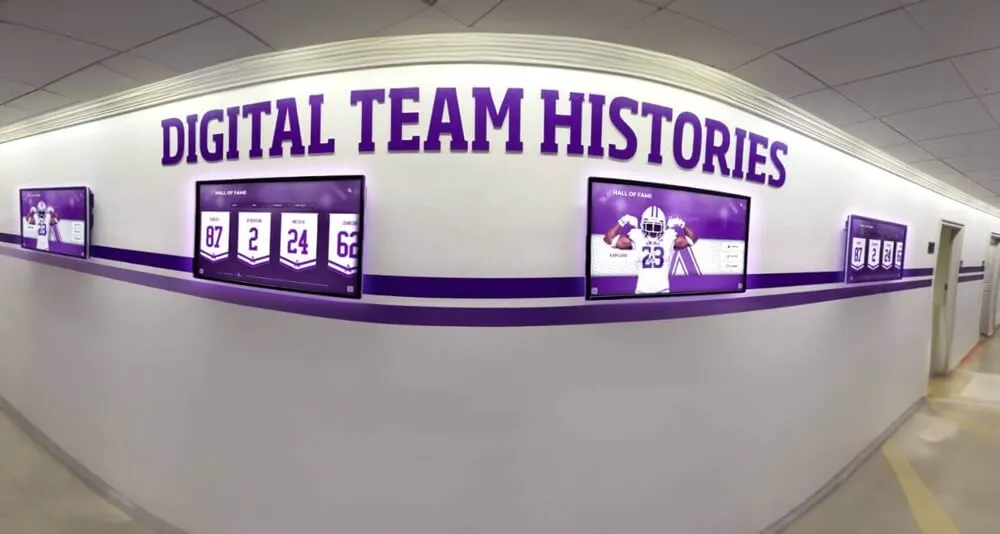
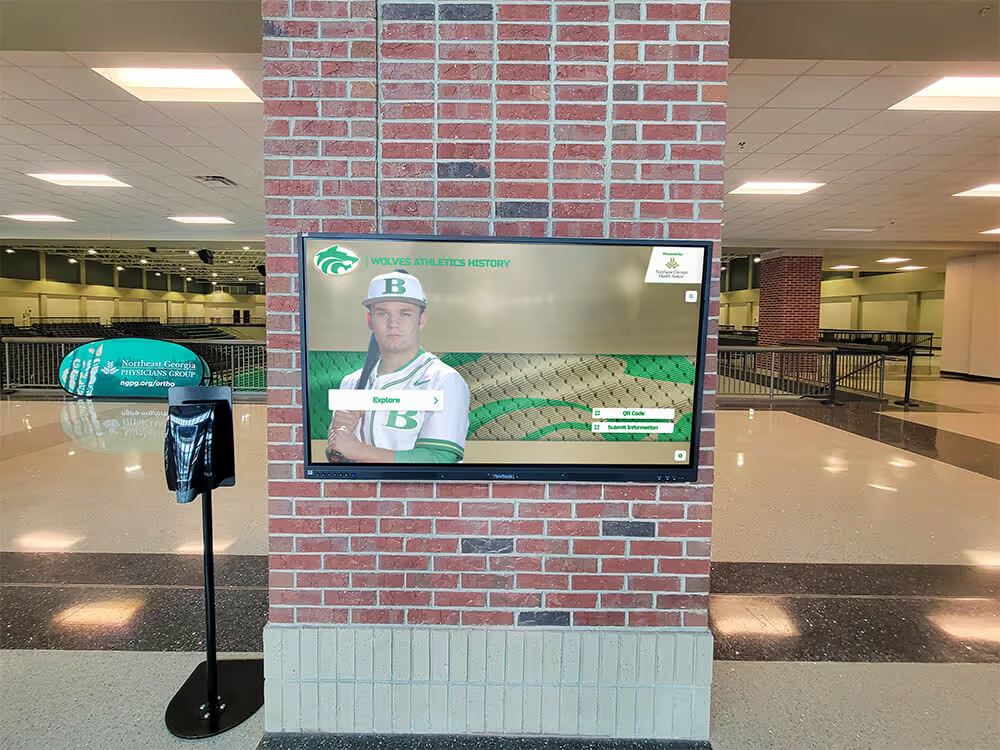
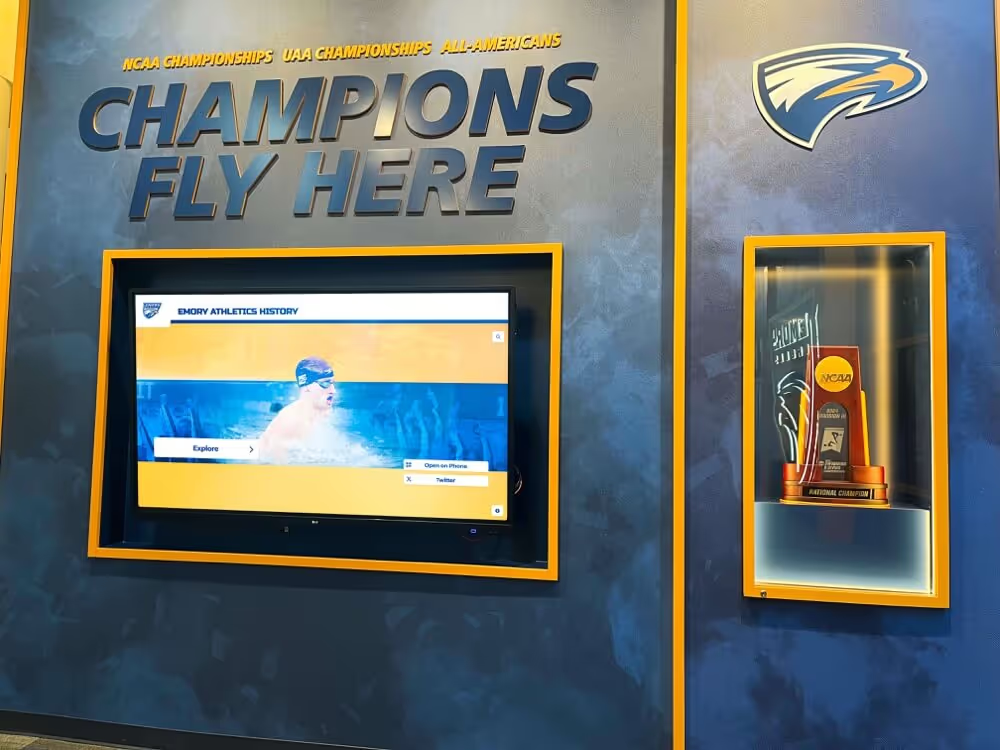
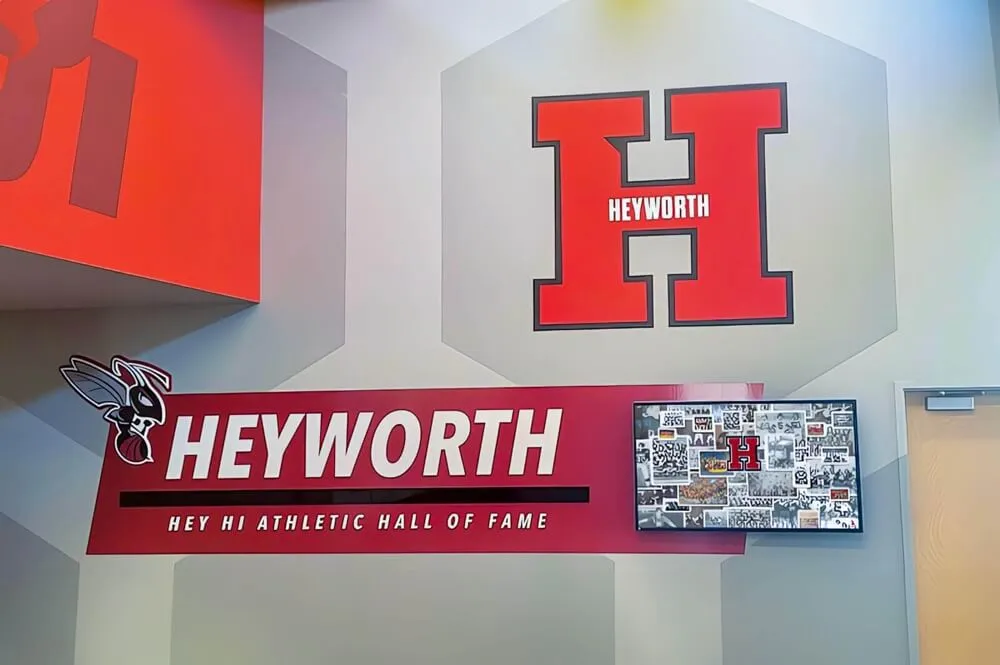
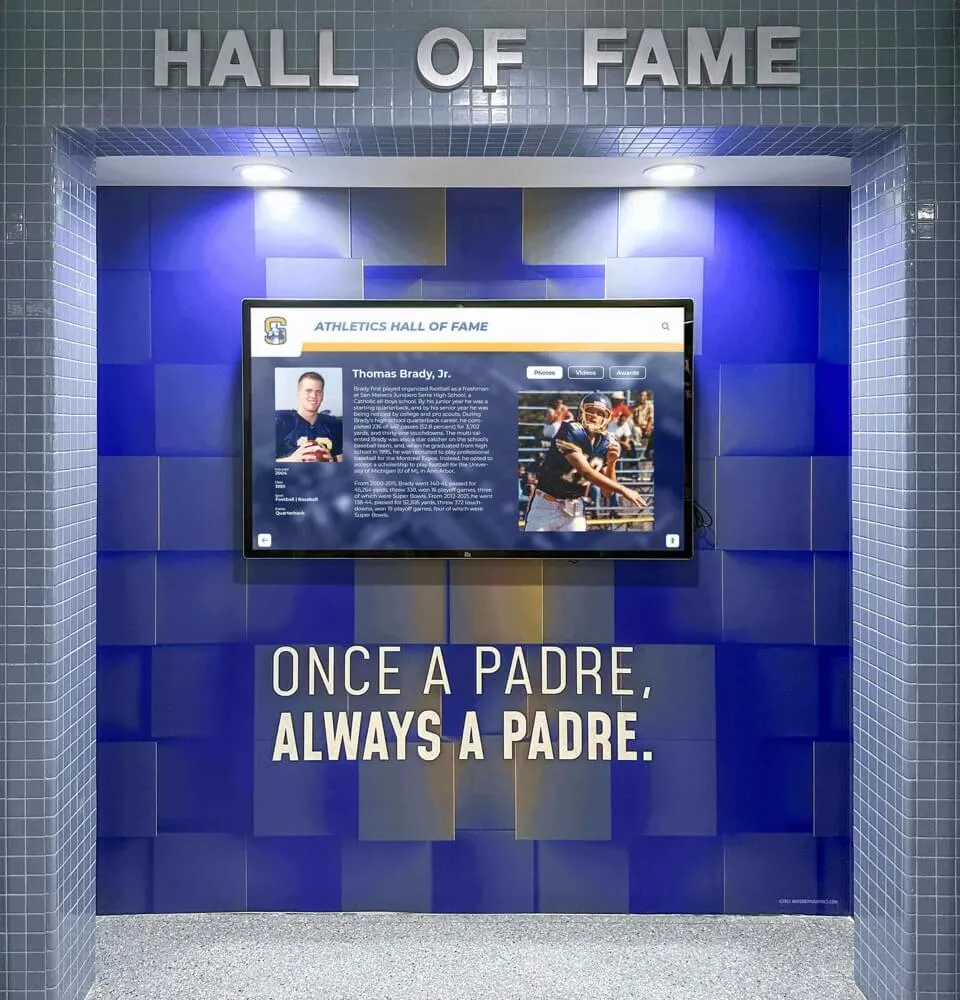
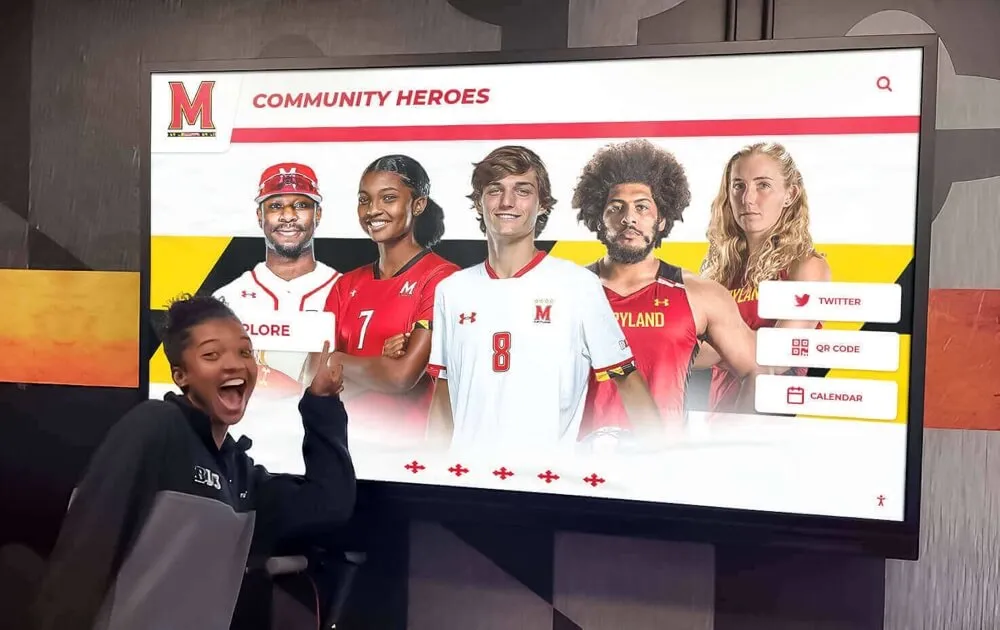
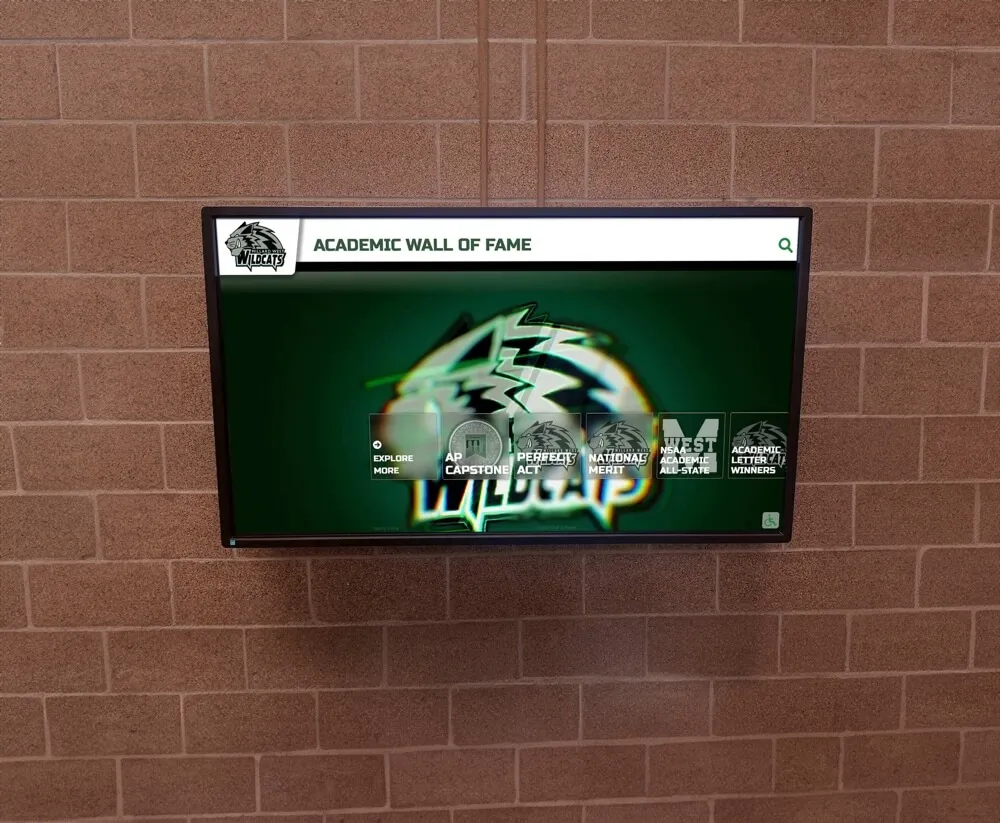
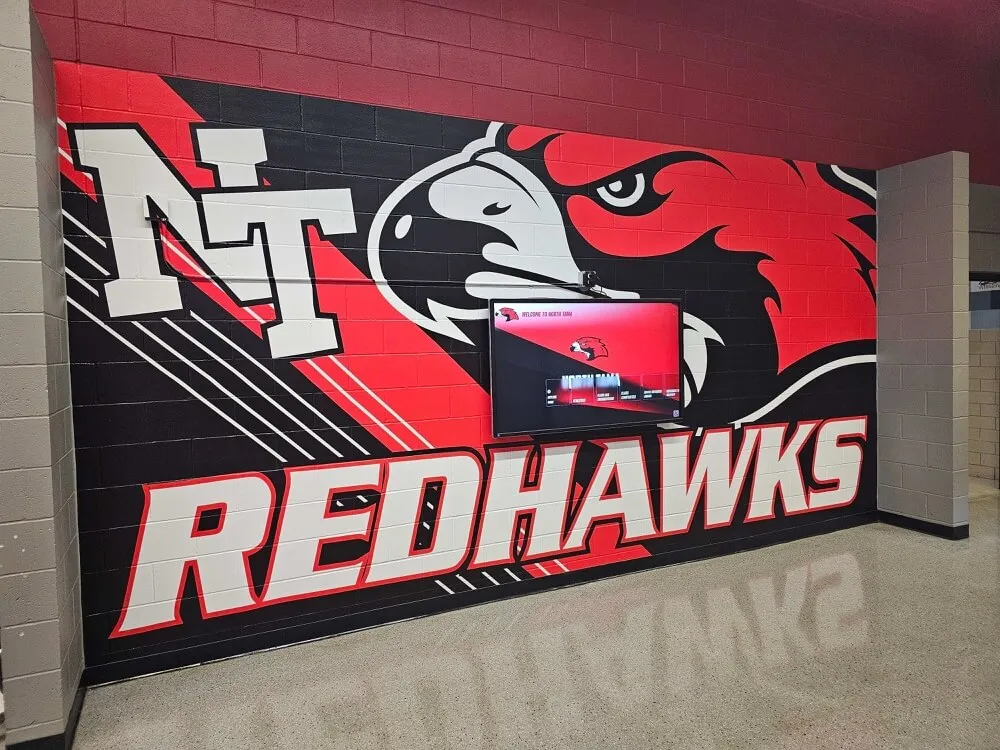
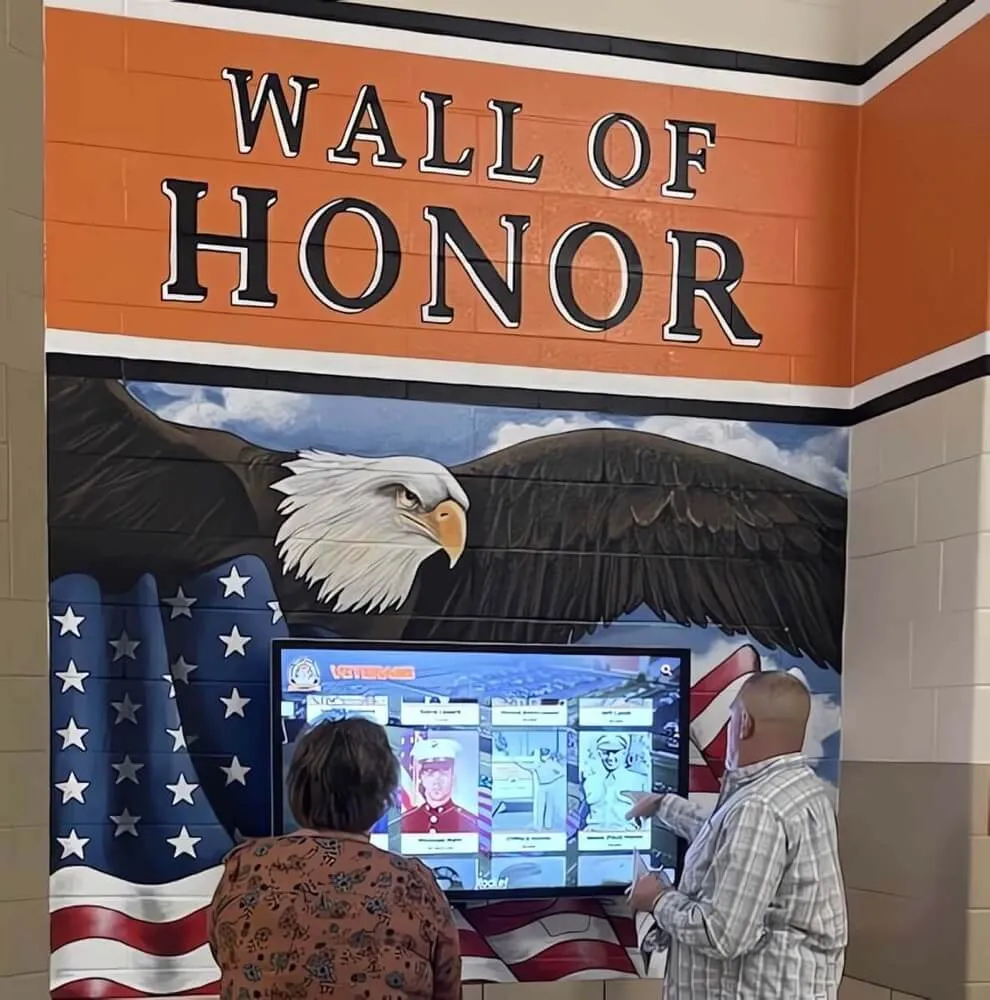
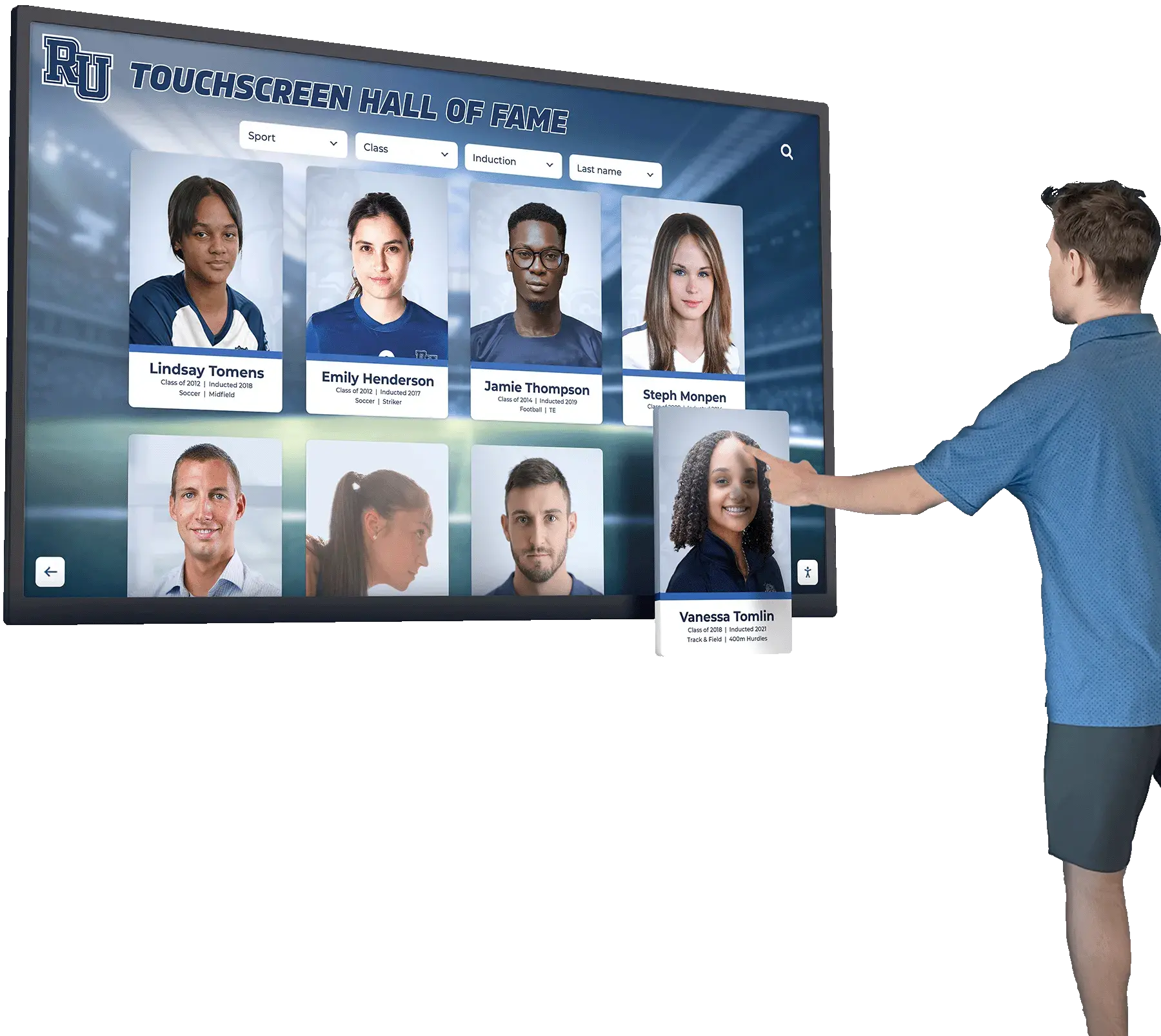
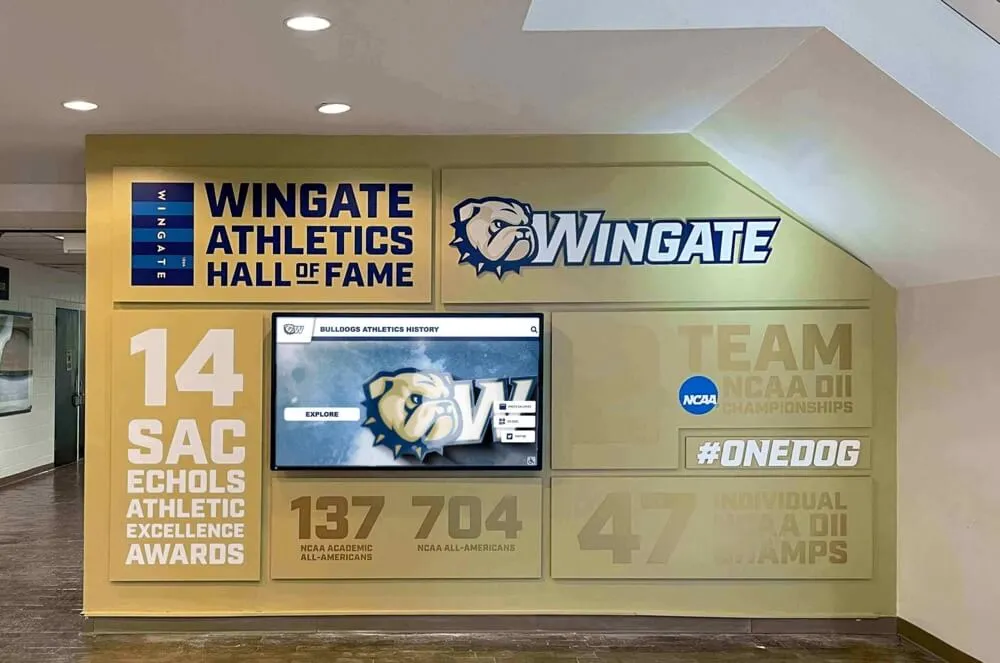
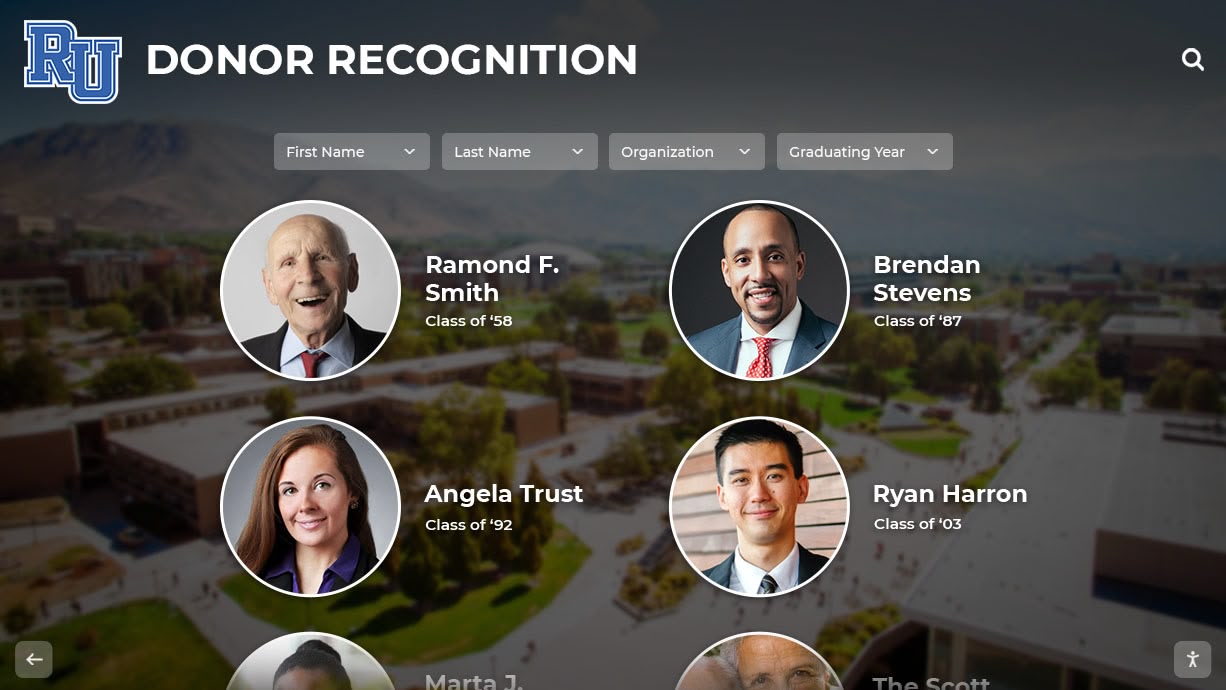
Interactive digital displays enable organizations to honor donors comprehensively while showcasing transformational impact through multimedia storytelling
The Critical Timing Question: When Should You Acknowledge Donors?
Before exploring how to recognize supporters effectively, understanding when acknowledgment should occur provides essential foundation for retention-focused appreciation strategies that achieve measurable results rather than checking perfunctory boxes.
The 48-Hour Recognition Standard
Leading development professionals and fundraising experts consistently recommend acknowledging donor contributions within 48 hours of receipt—demonstrating that gifts are valued, noticed immediately, and inspire prompt gratitude rather than being merely transactional entries in fundraising databases.
Why 48 Hours Matters Critically
Research on donor psychology reveals that acknowledgment timing creates disproportionate impact on supporter perception and future giving likelihood:
- Within 48 hours: Donors feel highly valued and experience positive reinforcement connecting generous actions with organizational appreciation
- Within 1 week: Recognition feels appropriate and thoughtful, meeting basic expectations
- Within 2-3 weeks: Acknowledgment seems adequate but unremarkable, representing minimum acceptable standard
- Beyond 1 month: Recognition feels perfunctory, afterthought, or obligatory rather than genuine appreciation
Organizations consistently meeting 48-hour standards experience measurably higher donor retention rates compared to those taking weeks or months to acknowledge contributions—typically showing 5-10 percentage point improvements in year-over-year retention that compound dramatically over time.
Implementing Automated Initial Acknowledgment
Technology enables immediate automated responses ensuring all donors receive preliminary thanks within minutes or hours of contributions:
Automated email receipts sent immediately upon online contributions provide tax documentation and basic appreciation, followed by personalized communication from development staff within 48-72 hours for contributions exceeding defined thresholds. Physical acknowledgment letters mailed within 48 hours for check contributions demonstrate equivalent promptness for non-digital giving channels.
According to research published by fundraising experts, automated workflows that ensure donors receive preliminary thanks within 24 hours, followed by personalized appreciation within 48-72 hours, represent current best practices for acknowledgment timing in 2025.
This layered approach balances efficiency with personalization—ensuring no supporter ever wonders whether contributions arrived while reserving staff time for meaningful outreach to donors warranting enhanced cultivation.
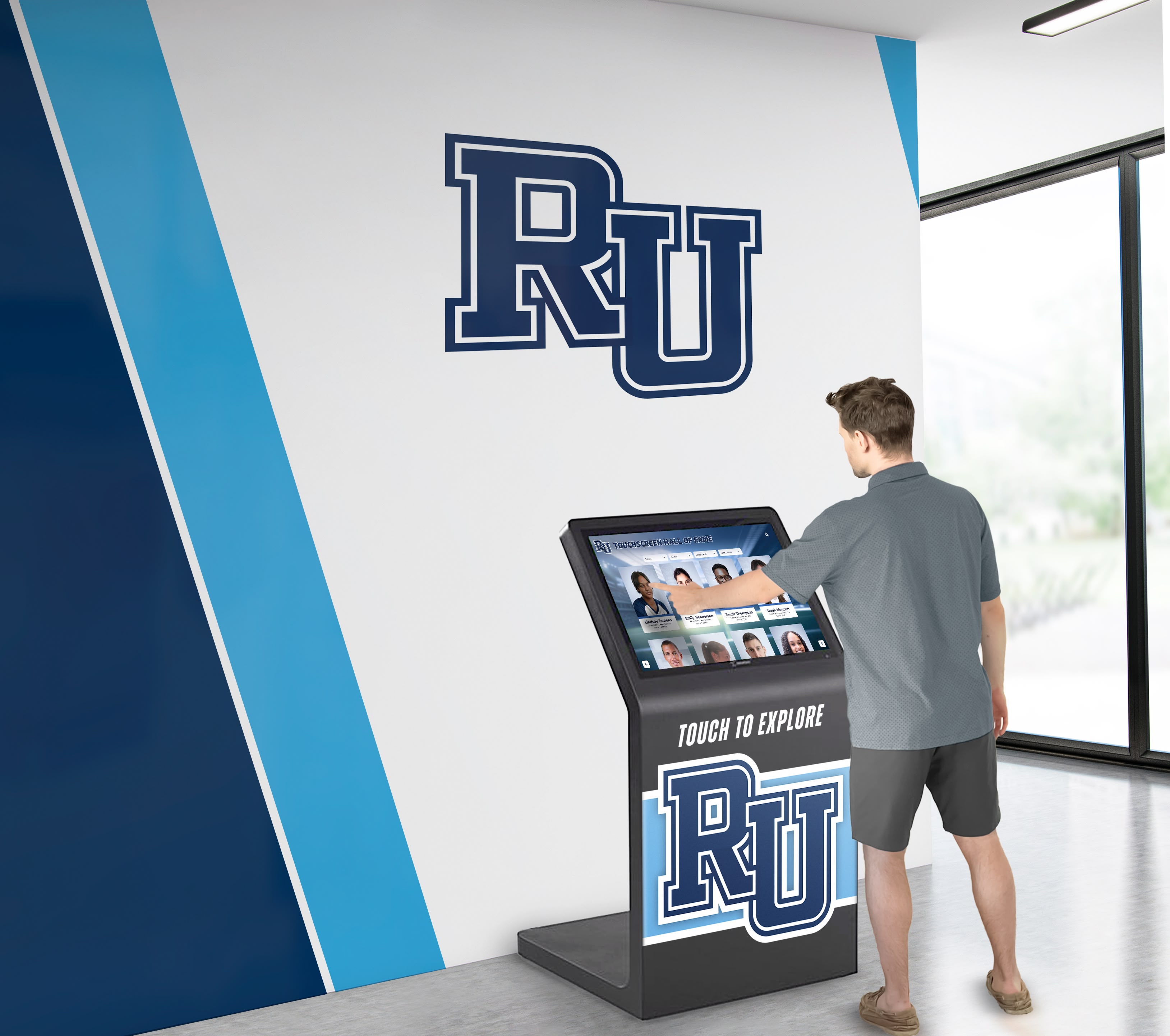
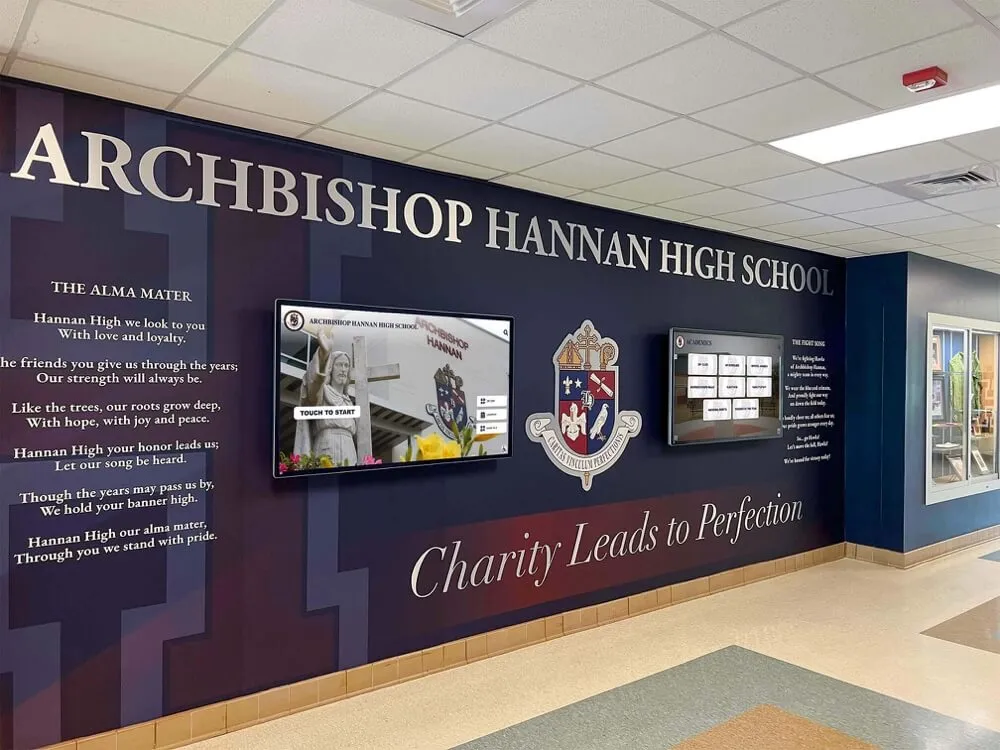
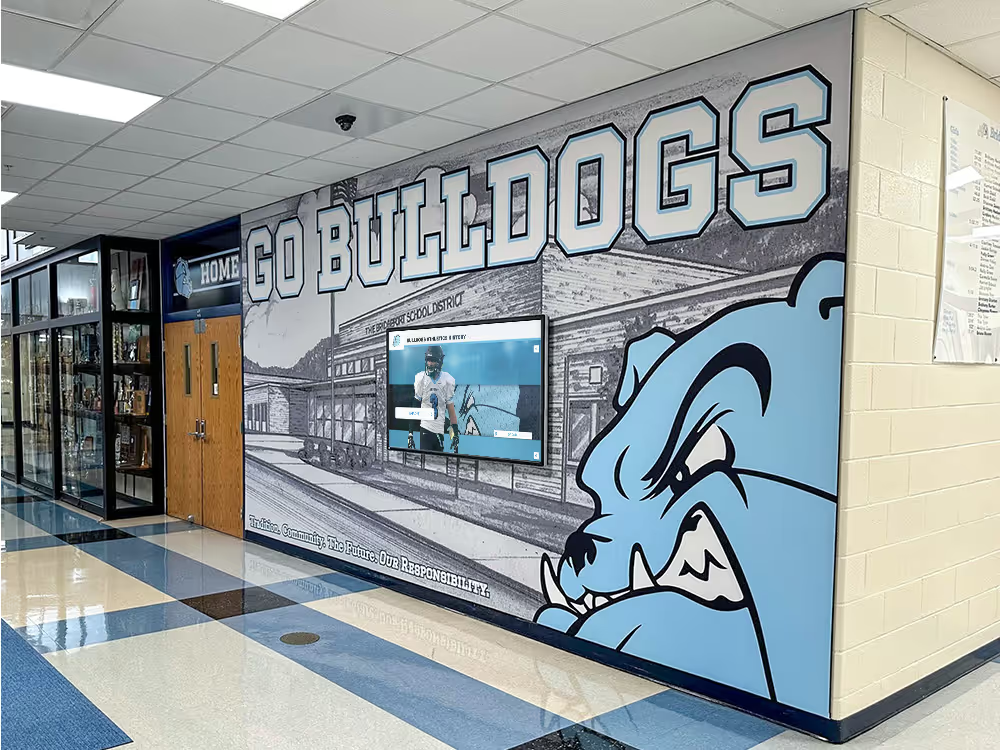
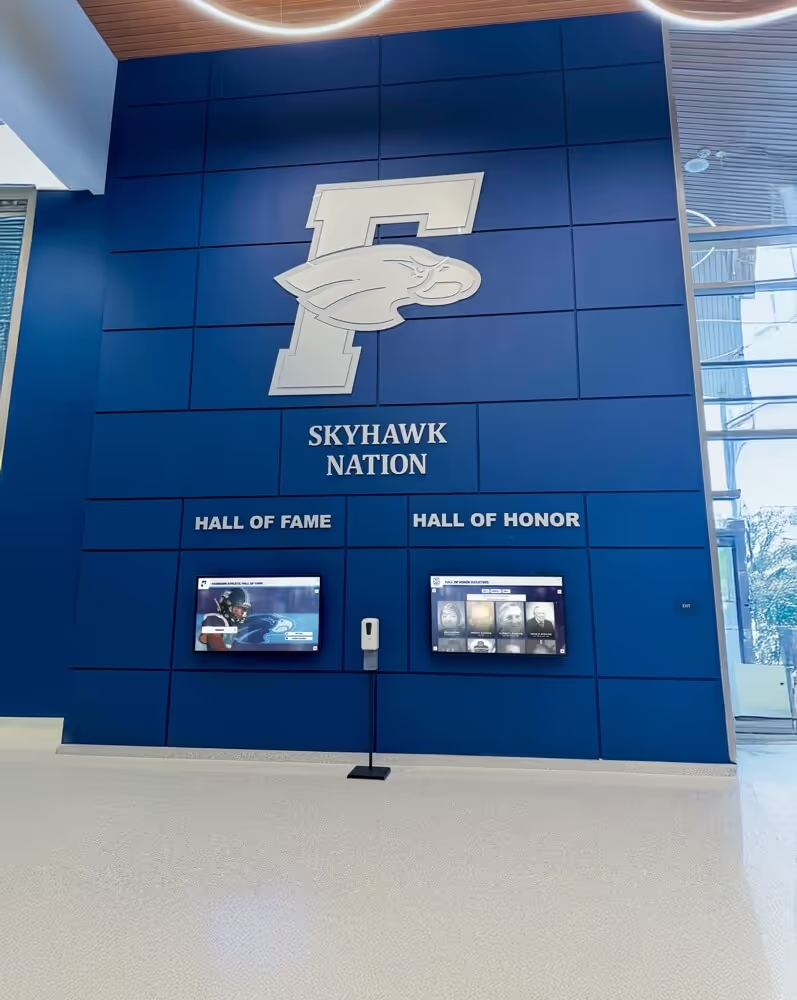
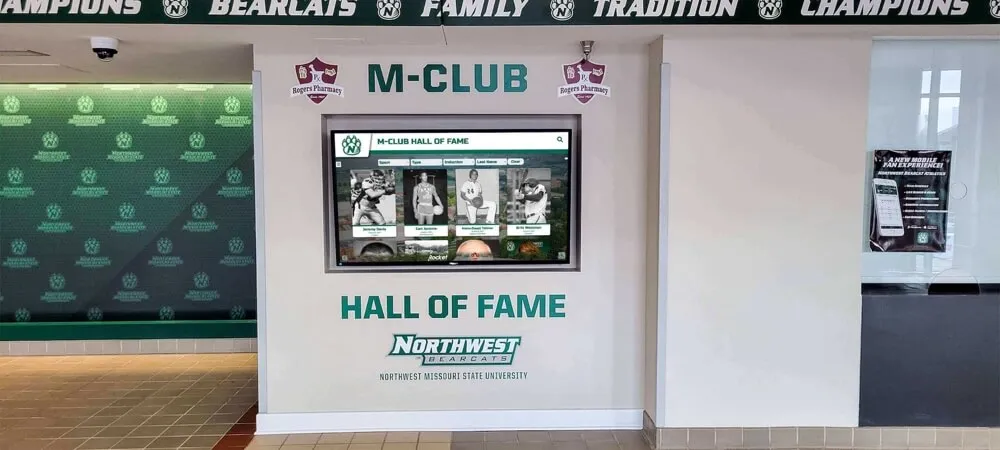
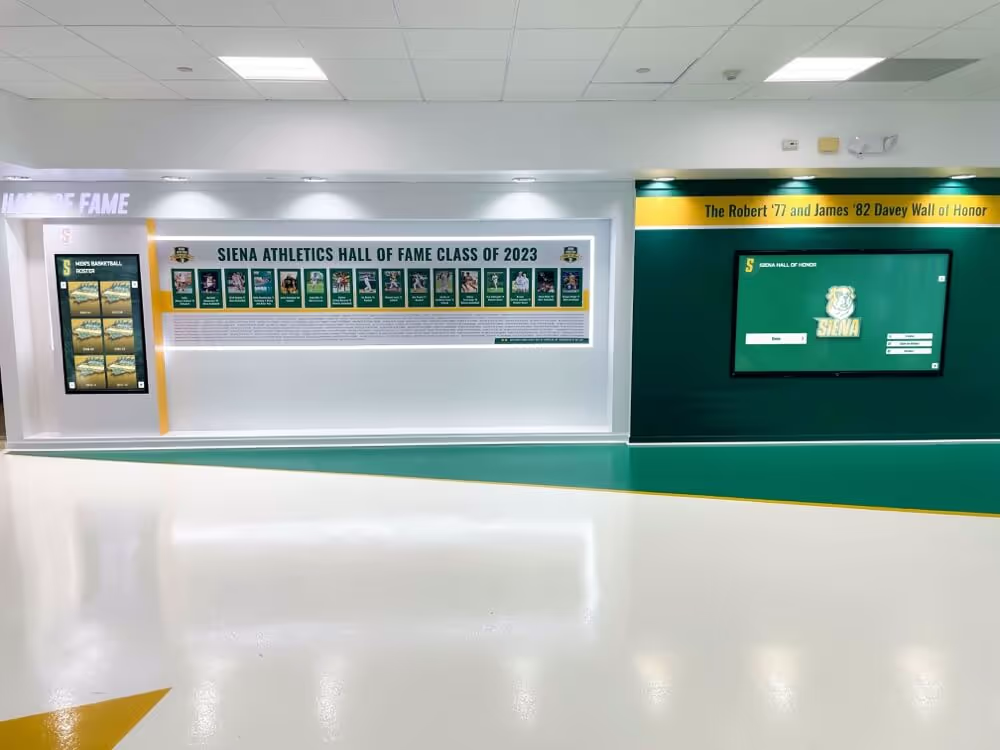
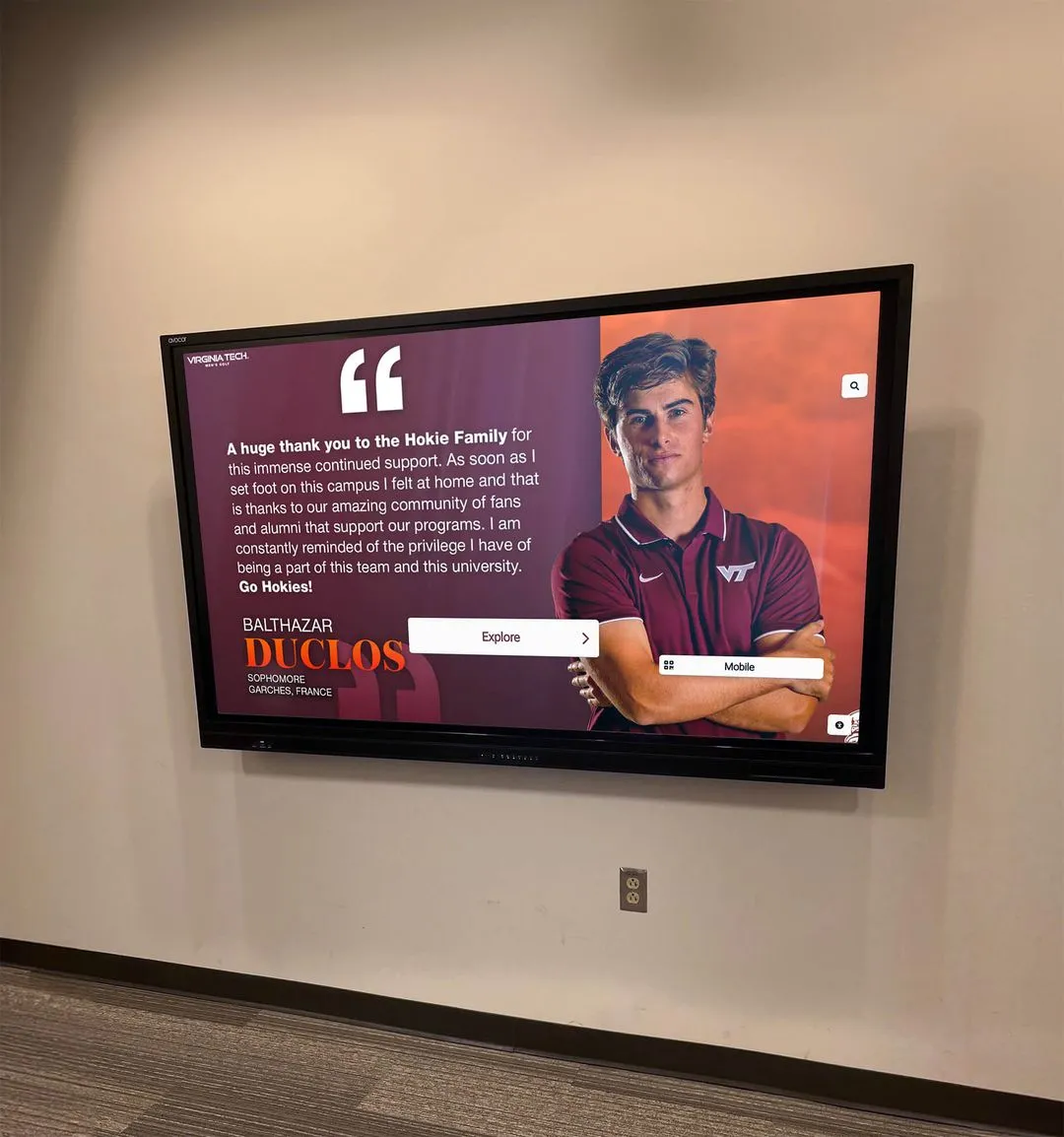
Strategic placement of recognition displays in high-traffic areas ensures maximum visibility while creating opportunities for immediate donor engagement following contributions
Tax Documentation Deadlines and Compliance Requirements
Beyond prompt appreciation, donor acknowledgment must satisfy IRS requirements for charitable contribution substantiation:
Legal Timeline Requirements
According to IRS guidance and nonprofit compliance experts, January 31, 2026 represents the practical deadline for ensuring donors have documentation needed to substantiate their 2025 charitable deductions. However, best practices suggest significantly faster timelines: organizations should aim to send receipts within the week in which gifts were received plus the next five business days.
Essential Documentation Components
Compliant acknowledgment letters must include:
- Organization’s legal name and federal tax identification number
- Contribution date and amount (or description of non-cash gifts)
- Statement whether any goods or services were provided in exchange for contribution
- Good faith estimate of value of any benefits received
- Statement that contribution is tax-deductible to extent permitted by law
Organizations using digital recognition displays can integrate compliance documentation seamlessly—automatically generating required receipts immediately upon contributions while planning permanent recognition display updates within standard 48-hour appreciation windows.
Ongoing Recognition Beyond Initial Acknowledgment
Strategic donor appreciation doesn’t end with initial thank-you letters. Sustained stewardship requires ongoing recognition maintaining engagement long after contributions:
Continuous Recognition Touchpoints
- Quarterly impact updates documenting cumulative results from donor support
- Annual giving statements summarizing yearly contributions and lifetime totals
- Milestone recognition celebrating multi-year giving anniversaries and cumulative thresholds
- Campaign progress reports showing how collective philanthropy advances toward goals
- Beneficiary testimonials from individuals whose lives donors have transformed
- Invitation to exclusive events providing insider access and peer recognition
- Addition to permanent recognition displays honoring contributors publicly
Research demonstrates that donors receiving regular ongoing recognition alongside immediate acknowledgment show dramatically higher retention rates compared to those receiving only initial thank-you communication—often experiencing 15-20 percentage point retention improvements that generate substantial lifetime value increases.
Learn about comprehensive recognition timing strategies in school gala fundraiser recognition guides that address both immediate and sustained appreciation approaches.
Video Walkthrough: How to Acknowledge Donors Through Interactive Displays
Beyond understanding when to recognize supporters, exploring how acknowledgment occurs reveals dramatic differences between perfunctory approaches and strategic recognition driving measurable retention improvements.
Traditional Recognition Limitations: What Doesn’t Work
Before examining effective interactive approaches, understanding conventional methods’ constraints provides context for why digital transformation matters critically:
Static Physical Plaques and Donor Walls
Traditional recognition typically features engraved brass, bronze, or acrylic plaques mounted on marble or wood surfaces displaying supporter names organized by giving levels. While these installations communicate permanence valued by some major donors, they face severe inherent limitations:
Strict space constraints force impossible decisions about which supporters receive visibility—eventually every wall fills completely regardless of continued fundraising success. Organizations facing capacity exhaustion must either remove historical recognition to accommodate new contributors, restrict acknowledgment only to largest gifts, or abandon permanent recognition for many deserving supporters.
Physical installations cannot be updated without expensive re-fabrication costing $200-500 per plaque, creating weeks or months of delay between contributions and acknowledgment appearing. Static presentations provide no information about impact or stories behind gifts, offering only names and sometimes giving levels without context inspiring prospective donors or deepening existing supporter connections.
Materials deteriorate over time as engravings fade and surfaces weather, creating recognition that degrades rather than improves with age. High per-donor costs make comprehensive recognition prohibitively expensive for organizations with broad donor bases exceeding hundreds or thousands of contributors.
Generic Thank-You Letters and Publications
Many organizations rely primarily on printed communication for donor recognition—annual reports listing contributors by giving level, newsletter acknowledgment sections, or campaign publications documenting major gifts. While these approaches provide tangible keepsakes and reach audiences beyond those visiting facilities, they suffer critical limitations:
Publications have limited shelf life and reach restricted audiences who receive them. Recognition provides no permanent visibility comparable to physical installations, disappearing after brief distribution periods. Lists of names organized by contribution amounts create uncomfortable hierarchies emphasizing financial capacity over philanthropic commitment without conveying impact or connection to missions.
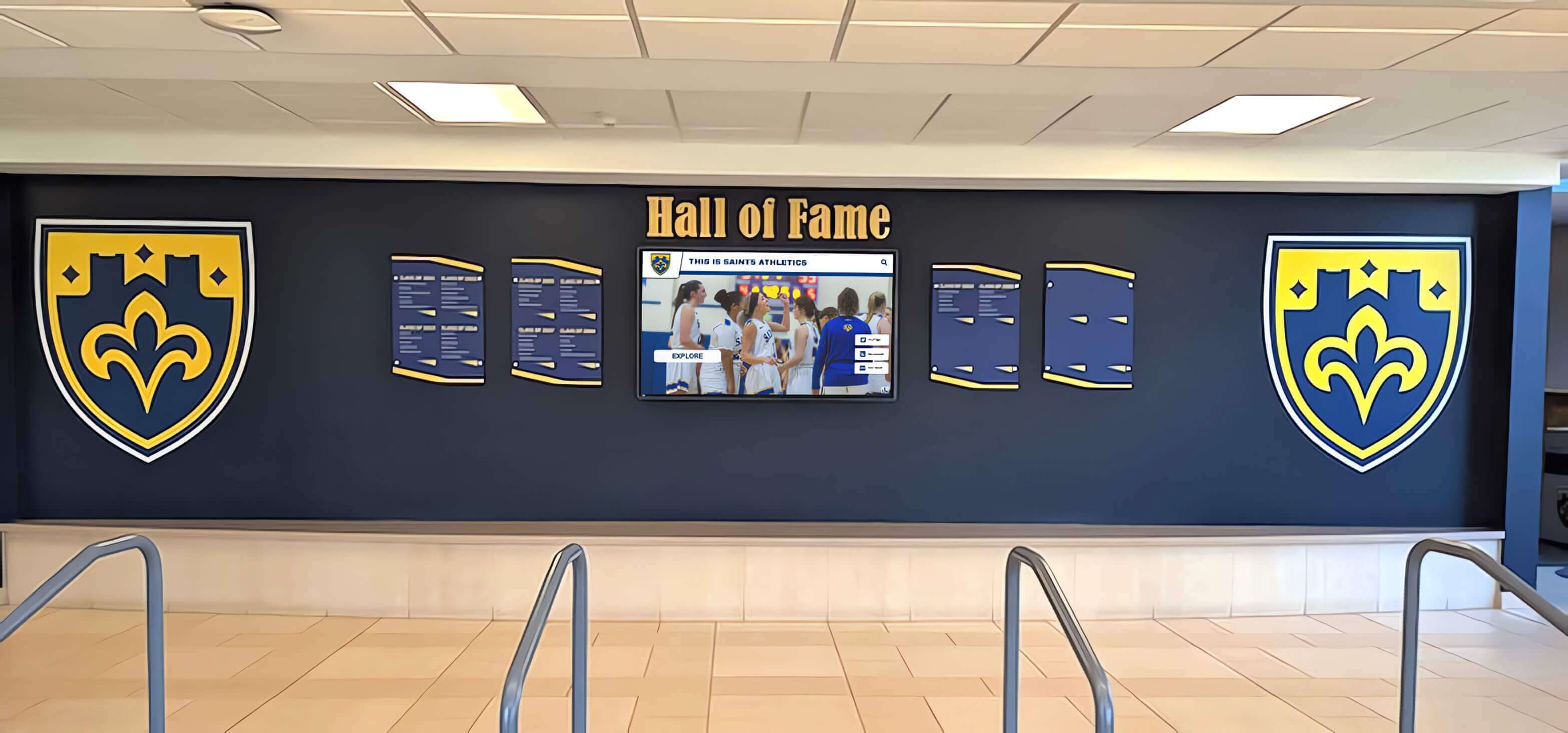
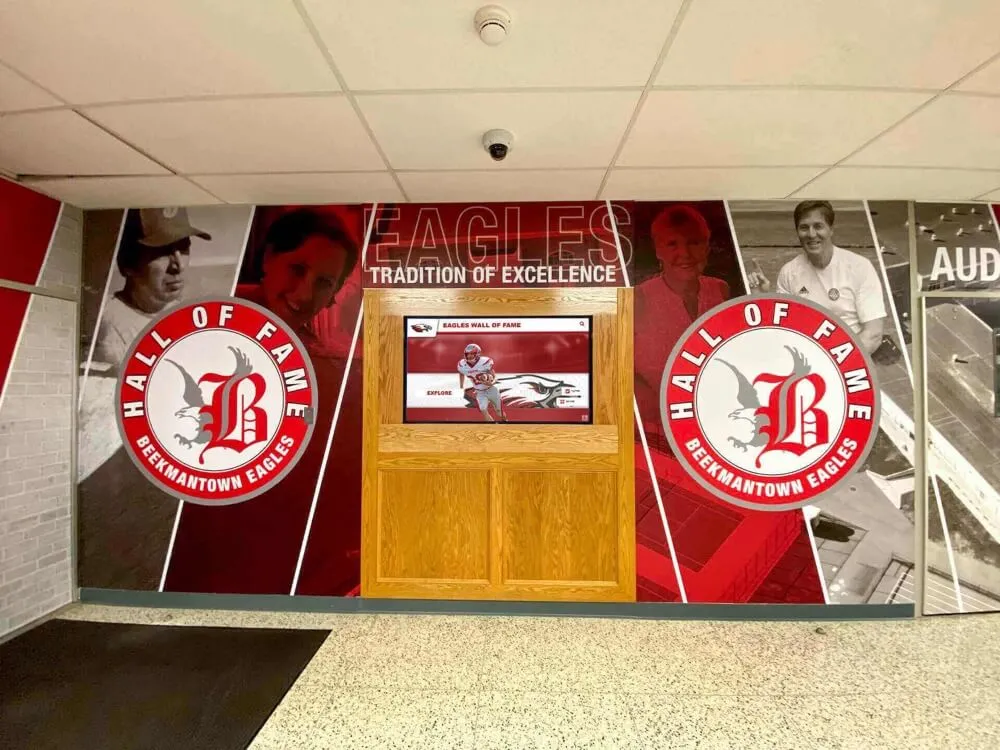
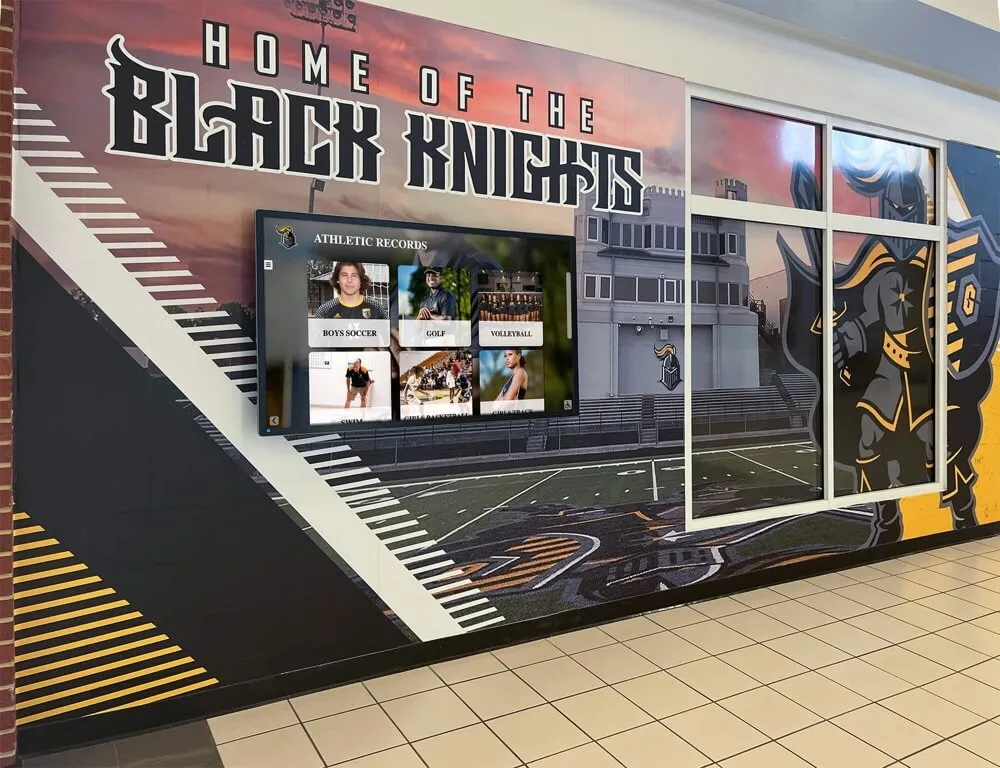
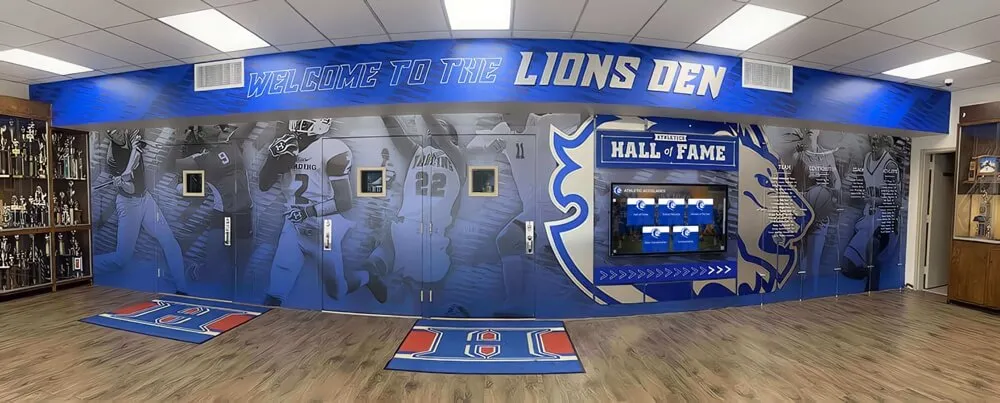
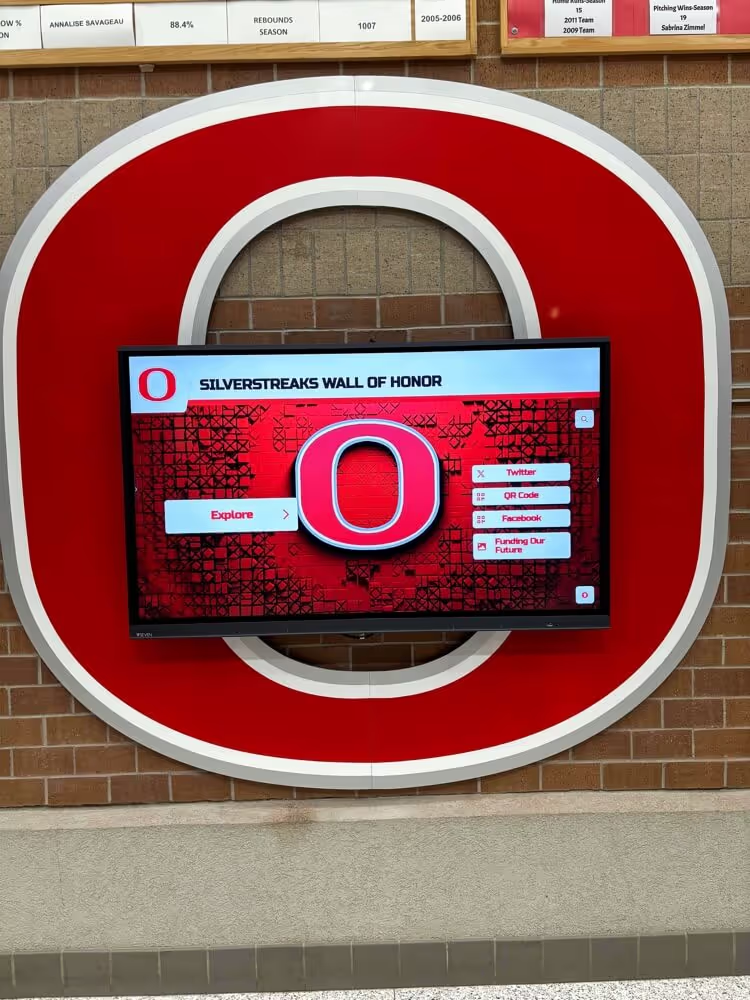
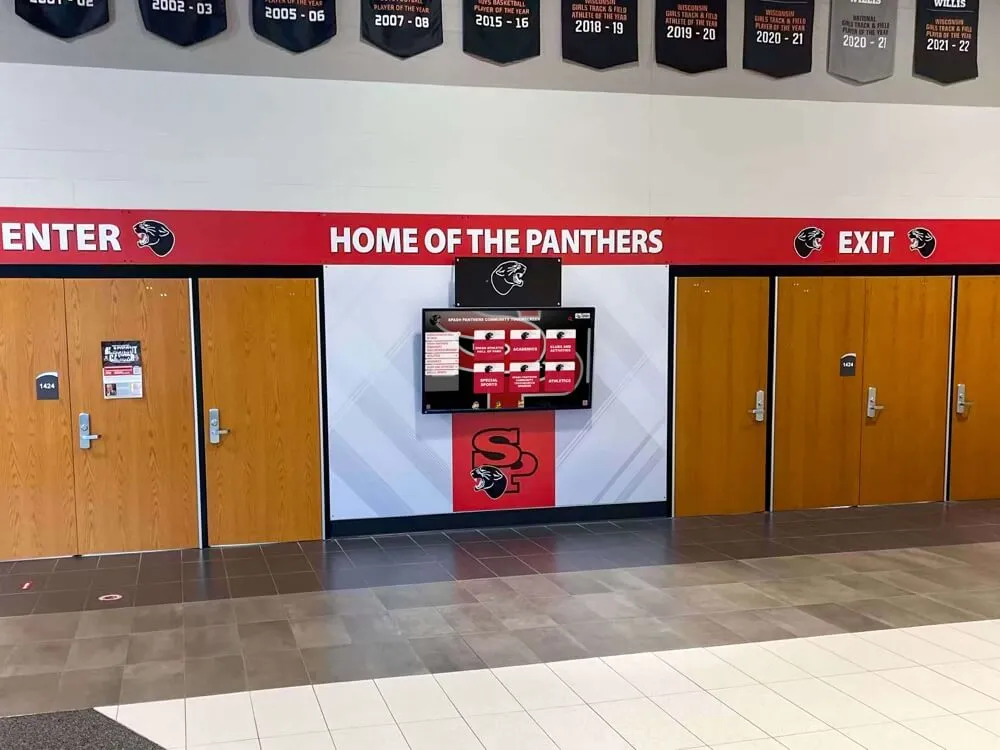
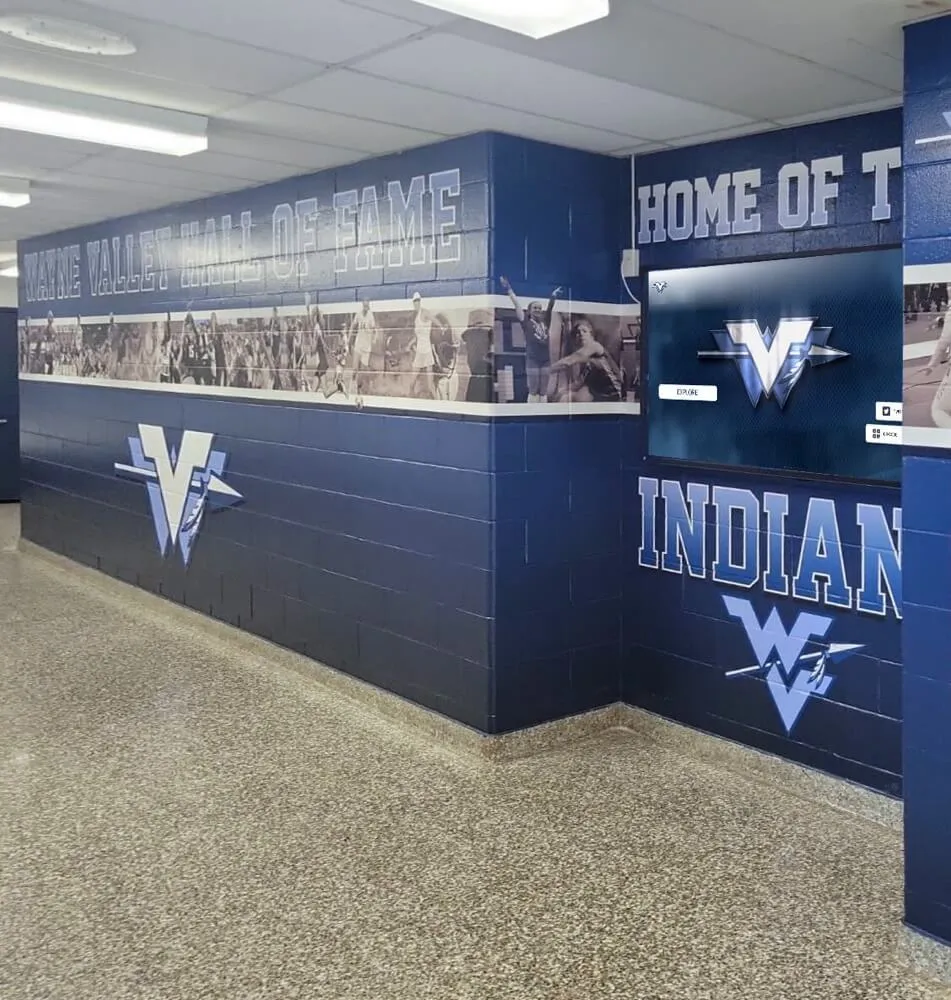
Many organizations successfully blend traditional recognition elements with modern digital displays, honoring heritage while embracing innovation that solves capacity constraints
Interactive Digital Recognition: The Modern Standard
Digital donor recognition displays fundamentally solve traditional limitations while creating enhanced engagement opportunities impossible with static installations:
Core System Components
Comprehensive digital recognition integrates multiple interconnected elements:
- Commercial-grade touchscreen displays (typically 43-75 inches) engineered for continuous operation in high-traffic public environments
- Cloud-based content management platforms enabling remote updates without physical display access
- Specialized donor recognition software organizing contributions with sophisticated database functionality
- Multimedia presentation capabilities incorporating high-resolution photos, videos, testimonials, and rich content
- Intuitive search and filtering interfaces enabling visitors to discover specific donors or explore by category
- Privacy controls allowing supporters to manage recognition preferences from full public acknowledgment to complete anonymity
- Web-accessible platforms extending recognition beyond physical installations to worldwide audiences
- Analytics systems revealing engagement patterns, popular content, and usage statistics demonstrating ROI
Solutions like Rocket Alumni Solutions provide purpose-built platforms specifically designed for donor recognition in educational institutions, nonprofits, healthcare organizations, and cultural institutions—making implementation accessible without requiring extensive technical expertise.
Unlimited Recognition Capacity
The most immediate advantage digital systems provide is elimination of space constraints that plague traditional installations:
Single touchscreen displays accommodate comprehensive recognition for thousands of donors across multiple campaigns, giving levels, and time periods—eliminating need to remove historical recognition when adding new contributors or make painful decisions about whose generosity receives limited physical display space.
This unlimited capacity enables inclusive “honor everyone who gives” approaches rather than exclusive “limited space forces selection” models that inherently disappoint some supporters through omission regardless of contribution meaningfulness. Organizations commonly establish modest thresholds ($100-500 minimum) and recognize all donors meeting criteria equally through searchable databases, while providing enhanced profile detail for larger investments.
Digital platforms provide equal representation regardless of contribution size—all donors appear with similar profile formats and accessibility through search functions, eliminating prominent spatial hierarchies where larger gifts receive disproportionate visibility. Organizations can still differentiate recognition appropriately through giving society designations, profile detail levels, or content richness while ensuring all supporters receive dignified acknowledgment.

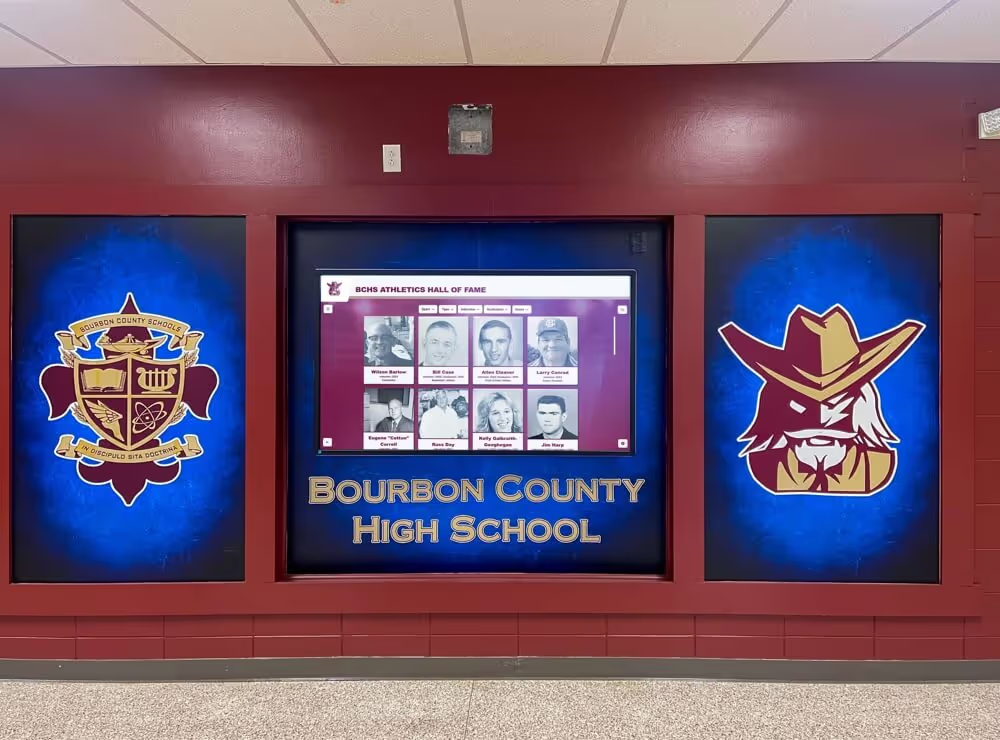
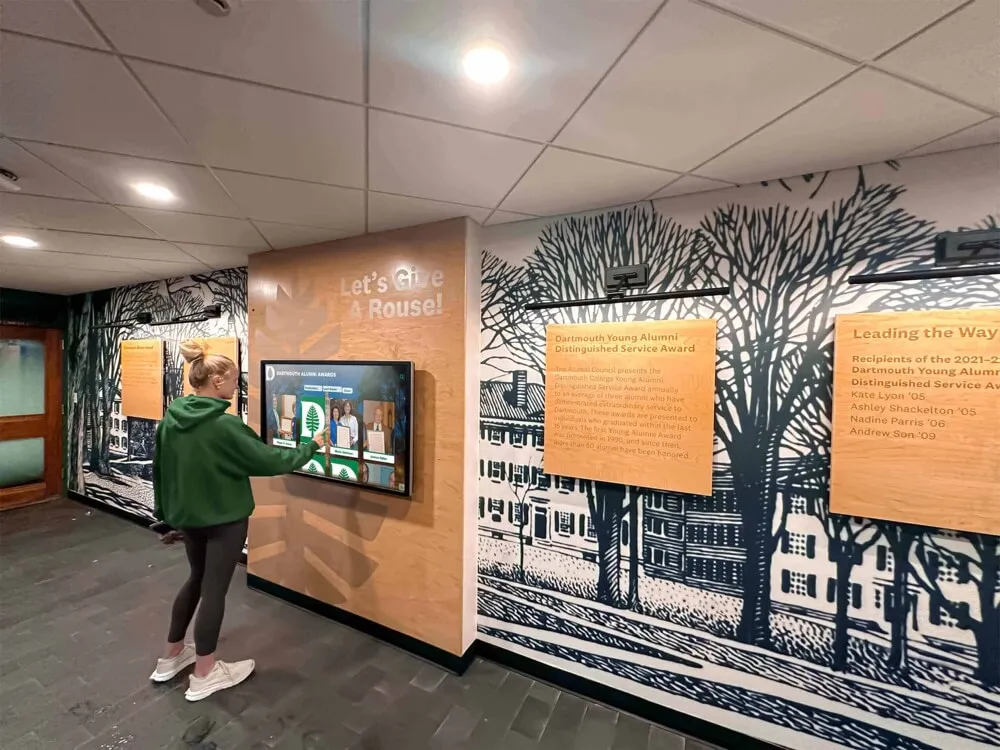
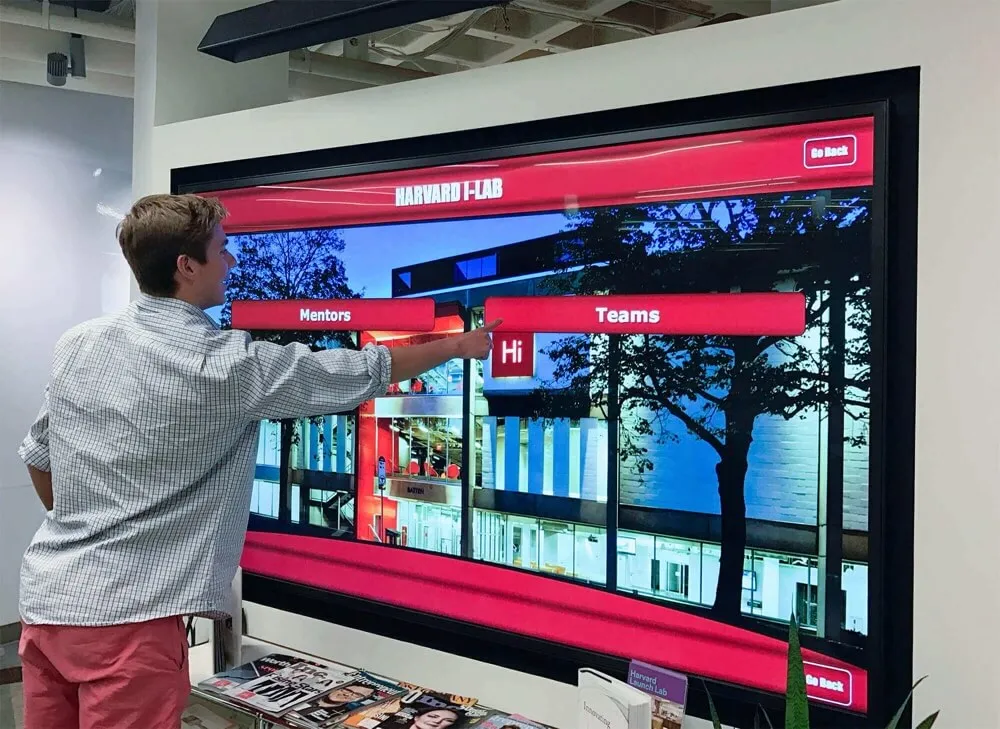
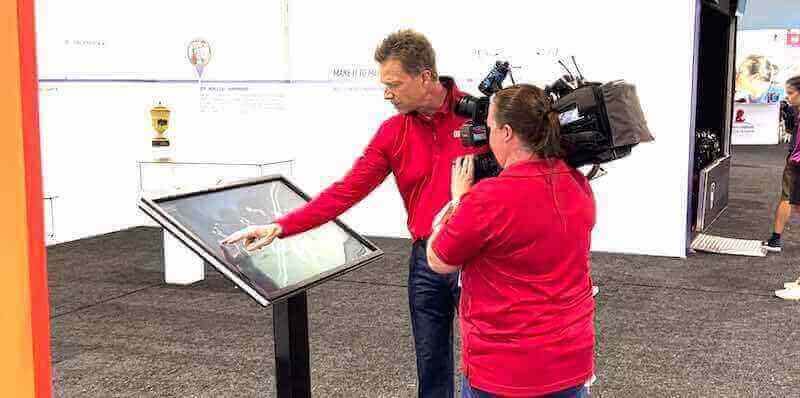
Interactive displays transform passive viewing into active exploration where visitors discover donor stories and impact narratives impossible with static plaques
Rich Multimedia Impact Storytelling
Beyond capacity, digital displays deliver recognition experiences qualitatively superior to static name lists:
Enhanced Content Capabilities
Comprehensive platforms accommodate diverse content types that connect donor generosity directly to transformational outcomes:
High-resolution photographs showing programs, facilities, and outcomes donor support enables create visual evidence of impact. Video testimonials from beneficiaries describing life transformation and expressing gratitude provide emotional connection impossible with text alone. Detailed project descriptions explain exactly what campaigns accomplished and which specific problems philanthropy solved.
Statistical documentation demonstrates measurable outcomes and reach—students supported, meals provided, research advances, preservation accomplished, community members served. Historical timelines show how sustained giving built programs over years or decades, honoring multi-year commitment. Interactive giving histories visualize donor commitment patterns and milestones, celebrating loyalty alongside contribution amounts.
Social sharing features enable donors to share recognition digitally with personal networks, amplifying appreciation and inspiring similar generosity among connections. Mobile-accessible platforms extend recognition access beyond facility visitors to worldwide audiences exploring contributions remotely.
Research on digital recognition consistently demonstrates that multimedia content incorporating impact stories generates 300-400% longer visitor engagement compared to simple name lists—creating recognition experiences that truly honor supporters while inspiring others toward similar generosity.
Campaign-Specific Recognition Organization
Effective digital recognition organizes content around specific fundraising initiatives rather than presenting undifferentiated donor lists:
Capital campaigns for facility construction or renovation receive dedicated sections showing project outcomes visually through before/after photos, construction timelines, and facility usage documentation. Endowment campaigns building long-term financial sustainability emphasize perpetual impact and compound returns from invested funds. Program campaigns funding specific initiatives connect donor support directly to measurable outcomes and beneficiary stories.
Annual giving recognition celebrates operational support that enables day-to-day mission delivery, emphasizing collective impact from broad participation. Comprehensive campaigns supporting multiple priorities simultaneously organize recognition by focus areas while honoring donors who provided unrestricted flexible funding. Planned giving acknowledgment honors legacy commitments even before estates settle, encouraging similar commitments from other supporters.
This organization helps donors understand specific impact of their contributions rather than viewing giving as undifferentiated institutional support—strengthening emotional connection while demonstrating stewardship sophistication.
Explore comprehensive digital recognition approaches in digital donor wall guides that address multimedia content strategy and campaign organization best practices.
Demonstrating Recognition Excellence: Video Tour Components
Showcasing donor recognition effectively through video walkthroughs or live demonstrations requires highlighting specific elements that differentiate strategic acknowledgment from perfunctory thank-you gestures:
Opening Scene: The Recognition Destination
Effective video demonstrations begin by establishing context—showing physical installation locations and architectural integration within facilities:
Camera Movement and Framing
Opening wide shot establishes display within lobby or high-traffic area, demonstrating prominent placement honoring donors appropriately. Slow camera approach mimics visitor experience discovering recognition upon entering facilities. Medium shots highlight screen quality, size, and professional mounting that communicates organizational commitment to recognition excellence.
Narration Prompts
Explain strategic placement ensuring maximum visibility among community members, prospective donors, and facility visitors. Emphasize professional installation quality reflecting organizational values and donor deserving of polished presentation. Note accessibility features including appropriate mounting heights, touch-responsive interfaces, and ADA compliance.

Professional installations create recognition destinations that become valued components of facility experience while honoring donor generosity appropriately
Navigation Demonstration: Intuitive User Experience
Video walkthroughs should demonstrate how easily visitors explore recognition without technical expertise:
On-Screen Actions
Show hand entering frame and tapping screen to wake display from attract mode. Navigate through main menu demonstrating clear categories—campaigns, giving societies, donor search, impact stories, recognition levels. Demonstrate search functionality by typing donor name and showing results appearing instantly.
Select individual donor profile and show smooth transition to detailed view containing photo, biographical information, giving history, personal statement, and associated impact documentation. Demonstrate intuitive back navigation enabling easy exploration without confusion or frustration.
Narration Elements
Emphasize interface simplicity suitable for users of all ages and technical comfort levels. Highlight large touch-friendly buttons, clear typography, and high-contrast design ensuring readability in varied lighting conditions. Note responsive touch feedback providing immediate confirmation of interactions. Explain how search functionality helps visitors find specific donors quickly while category navigation enables discovery browsing.
Impact Connection: Showing Donor-Funded Outcomes
The most compelling video demonstration moments connect donor generosity directly to transformational results:
Visual Storytelling Sequences
Show transition from donor profile to linked campaign or program page displaying rich multimedia documentation. Demonstrate video testimonial playback featuring beneficiary describing how donor support changed their life—emphasizing clear audio quality and professional captioning for accessibility.
Display photo galleries showing program activities, facility improvements, or community outcomes enabled by philanthropic investment. Show statistical dashboards visualizing measurable impact—students served, research advances, preservation accomplished, community members reached.
Script Elements for Narration
“Notice how each donor profile connects directly to specific impact outcomes—this isn’t just a name list, it’s a comprehensive story showing exactly how generosity transforms lives and advances organizational mission. Supporters exploring their own recognition see concrete evidence of their contributions’ lasting value, while prospective donors discover inspirational examples of meaningful philanthropy.”

Touch-enabled interfaces allow donors to explore detailed impact stories and outcomes their contributions enabled through intuitive navigation
Administrative Interface: Content Management Behind Scenes
While less glamorous than visitor-facing features, demonstrating management simplicity builds confidence among organizations evaluating digital recognition:
Screen Recording Sequences
Show cloud-based content management dashboard login from any device—desktop computer, laptop, tablet, or smartphone. Demonstrate adding new donor process: entering name, contribution details, biographical information, uploading photo, associating with campaign, and publishing profile—entire workflow completing in 2-3 minutes.
Show bulk import functionality enabling migration of hundreds or thousands of existing donors efficiently through CSV upload. Demonstrate content editing capability updating profiles instantly without technical support or approval delays. Show analytics dashboard revealing engagement metrics—session frequency, average duration, popular profiles, search patterns.
Key Messaging Points
Emphasize that no technical expertise is required—development staff without IT backgrounds manage systems successfully. Highlight elimination of physical plaque manufacturing, installation coordination, and facility access requirements that plague traditional recognition. Note cost efficiency: after initial investment, adding unlimited donors incurs no per-profile fabrication or installation expenses.
Explain cloud architecture advantages: automatic backups protecting content, software updates implementing new features automatically, synchronized multi-display management for distributed installations, and mobile administration enabling updates from anywhere.
Learn about comprehensive platform capabilities in digital recognition technology guides covering management interfaces and administrative workflows.
Best Practices Video Demonstrations: Personalization That Drives Retention
Beyond basic acknowledgment, demonstrating how organizations personalize recognition for different donor segments reveals strategic sophistication that improves retention measurably:
Segmented Recognition Strategies
Effective donor acknowledgment varies appropriately based on contribution characteristics:
Small Donor Recognition: Honoring Broad Participation
Video demonstrations should show how digital platforms enable comprehensive recognition of all contributors regardless of amount—addressing common criticism that organizations focus disproportionately on major gifts while neglecting sustained smaller supporters.
Show searchable database containing hundreds or thousands of donors with $100-1,000 annual contributions, each receiving complete profile with photo, biographical information, and impact connection. Demonstrate alphabetical organization rather than giving level hierarchy, emphasizing equal dignity regardless of contribution size.
Highlight collective impact storytelling showing how aggregate smaller gifts accomplish significant outcomes—“The 847 members of our Annual Giving Society provided $284,000 supporting student scholarships, enabling 23 students to complete degrees who otherwise would have withdrawn due to financial hardship.”
This inclusive approach strengthens organizational culture by communicating that all support matters—often motivating small donors to increase giving over time as they feel genuinely valued rather than peripheral to fundraising priorities.
Major Gift Recognition: Enhanced Stewardship
For significant contributions warranting special acknowledgment, demonstrate enhanced profile features:
Show comprehensive multimedia presentations combining multiple high-resolution photos, 2-3 minute video testimonials, detailed campaign documentation, and donor statements explaining personal motivations and connections to causes. Demonstrate facility naming recognition when applicable—showing how digital displays complement physical signage through additional context and storytelling impossible with building plaques alone.
Highlight giving history visualizations showing multi-year commitment patterns and cumulative lifetime totals celebrating sustained partnership. Show integration with planned giving recognition acknowledging legacy commitments alongside realized contributions.
Multi-Generational Legacy Recognition
Demonstrate how digital platforms celebrate family philanthropy spanning multiple generations:
Show linked profiles connecting parents, children, and grandchildren who all support organizations—creating visual family trees of generosity. Demonstrate timeline views showing how family commitment evolved over decades, honoring sustained multi-generational connection. Include historical photos and archival materials documenting family involvement across eras.
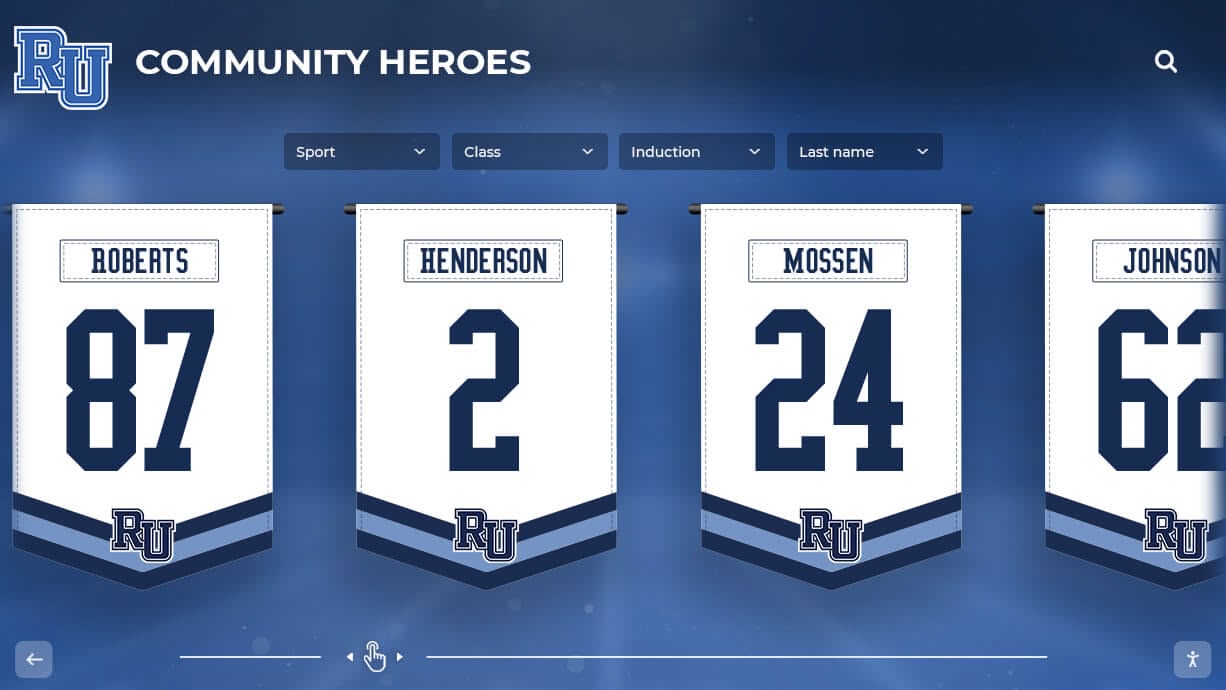
Creative recognition approaches celebrate collective community support while making all contributors feel valued regardless of gift size or giving history
Privacy Flexibility and Donor Preferences
Video walkthroughs should explicitly demonstrate how systems respect diverse recognition preferences:
Preference Options Demonstration
Show administrative interface offering donors clear choices during contribution process or through subsequent preference updates:
Full public recognition with name, photo, contribution information, and biographical details displayed prominently. Name-only recognition listing donor without specific contribution amounts or extensive personal information. Anonymous recognition acknowledging contribution in aggregate statistics without individual identification. Private recognition expressing appreciation only through direct communication with no public acknowledgment.
Demonstrate how easy donors modify preferences at any time—organizations shouldn’t assume all supporters desire identical recognition approaches. Show how privacy settings apply consistently across both physical touchscreen displays and web-accessible platforms.
Cultural and Religious Sensitivity
For organizations serving diverse communities, demonstrate awareness of cultural perspectives about public recognition:
Show examples from faith-based institutions balancing donor appreciation with theological teachings about anonymous giving. Demonstrate recognition language and imagery appropriate for multicultural audiences. Highlight accessibility features supporting visitors with visual, hearing, or mobility limitations.
This sensitivity demonstrates organizational sophistication while ensuring recognition honors all donors according to their values rather than imposing uniform approaches that may contradict some supporters’ beliefs.
Explore comprehensive recognition philosophy approaches in church interactive donor board guides that address faith-based considerations and theological perspectives on public acknowledgment.
Production Notes: Creating Effective Recognition Video Content
Organizations developing video tours, walkthroughs, or demonstrations of donor recognition systems should consider these technical and strategic elements:
Equipment and Technical Specifications
Camera and Lighting Requirements
Professional video quality requires minimum 1080p resolution, ideally 4K for displays supporting higher resolutions. Use stabilization equipment (gimbals, tripods, or shoulder rigs) eliminating shaky handheld footage that appears unprofessional. Employ three-point lighting when filming displays to eliminate glare while ensuring screen visibility and proper exposure.
Audio Considerations
Record clean narration using lavalier or shotgun microphones rather than camera-mounted mics that capture excessive ambient noise. Consider recording narration separately in controlled environments rather than on-location to ensure maximum clarity. Always include captions and transcripts supporting accessibility and environments where audio cannot play.
Screen Recording for Interface Demonstrations
Use high-quality screen recording software capturing touch interactions and administrative interfaces at full resolution. Highlight touch points visually through cursor emphasis or animated circles showing where interactions occur. Maintain comfortable pacing allowing viewers to absorb interface elements without feeling rushed.
Storytelling and Narrative Structure
Opening Hook (0-0:15)
Begin with compelling question or statement about donor recognition challenges: “What if you could honor every donor who’s ever supported your mission, tell their complete stories, show exactly what their generosity accomplished—all without space constraints or ongoing fabrication costs?”
Problem Establishment (0:15-1:00)
Briefly acknowledge traditional recognition limitations creating urgency: space constraints forcing exclusion, update impossibility without expensive re-fabrication, static presentations providing no impact context, deterioration over time.
Solution Demonstration (1:00-4:00)
Show interactive digital recognition solving each identified problem through visual proof: unlimited capacity accommodating all donors, instant cloud-based updates, rich multimedia storytelling, content that improves continuously.
Outcome Emphasis (4:00-5:00)
Connect features to fundraising results: improved retention rates, enhanced stewardship capacity, increased major gift cultivation success, stronger organizational culture celebrating philanthropy.
Call-to-Action (5:00-end)
Direct viewers toward next steps: booking live demonstration, exploring product information, contacting development consultants, requesting recognition program assessment.
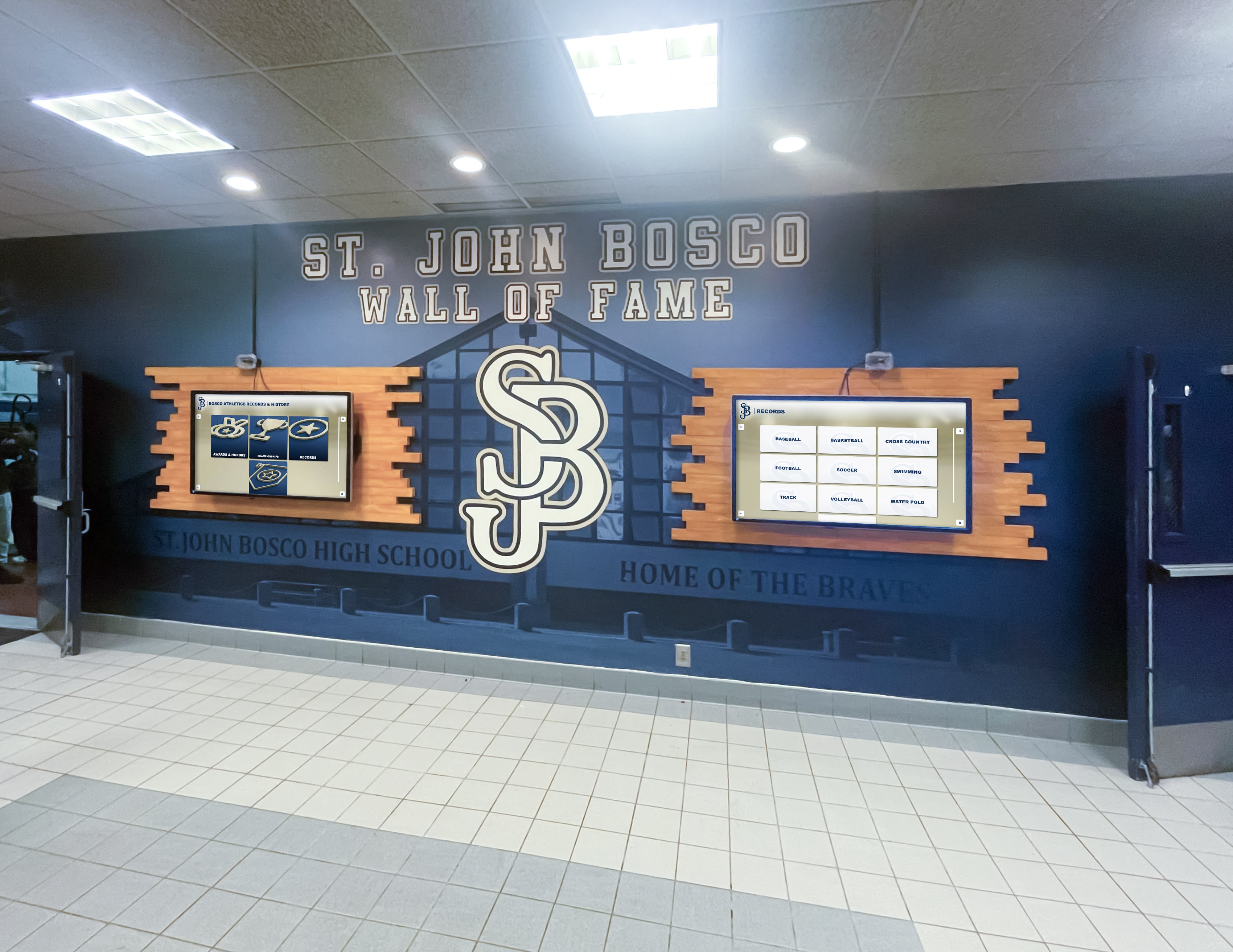
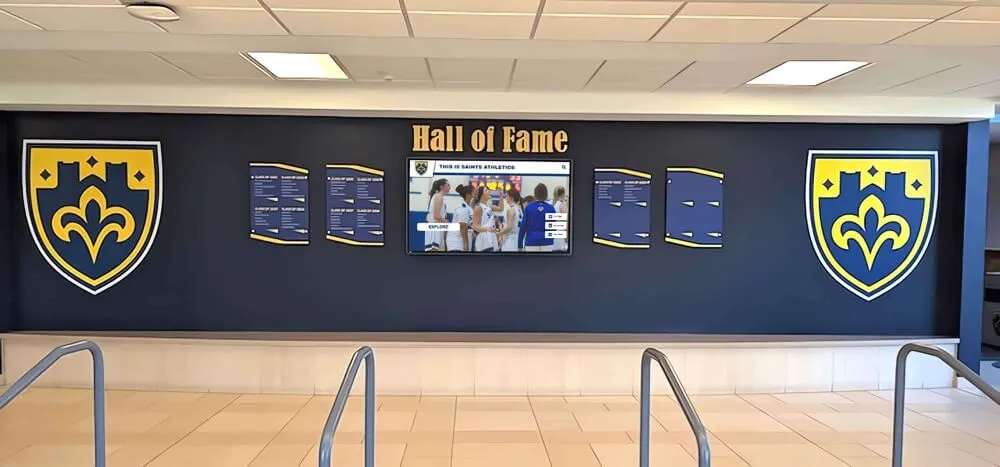
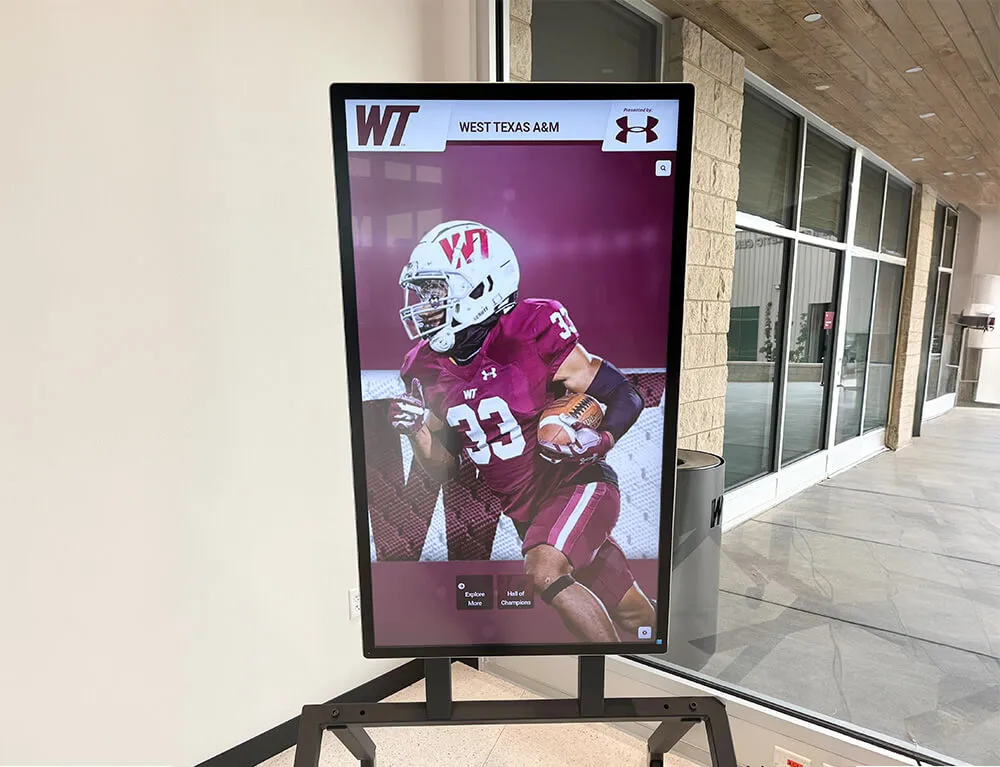
Multiple display installations provide recognition visibility throughout facilities while accommodating different donor categories and campaigns
Accessibility and ADA Compliance
Captioning and Transcripts
All video content must include accurate captions synchronized with audio for deaf and hard-of-hearing audiences. Provide complete transcripts enabling search engine indexing and supporting audiences preferring text formats. Consider descriptive audio tracks narrating visual elements for blind and low-vision audiences when displaying complex graphical content.
Display Accessibility Features
When filming physical installations, demonstrate ADA-compliant mounting heights enabling wheelchair users to reach touchscreens comfortably. Show adjustable text sizing allowing vision-impaired users to increase font sizes. Highlight high-contrast display modes supporting users with various visual conditions.
Digital Accessibility Standards
Ensure web-accessible platforms accompanying physical displays meet WCAG 2.1 AA standards minimum for keyboard navigation, screen reader compatibility, and alternative text for images. Demonstrate these features explicitly in video content showing organizations’ commitment to inclusive recognition.
Learn about comprehensive accessibility requirements in digital recognition display accessibility guides addressing legal compliance and inclusive design practices.
Measuring Recognition Program Success: Analytics Demonstrations
Video walkthroughs showcasing donor recognition should include segments demonstrating how organizations measure effectiveness and return on investment:
Quantitative Engagement Metrics
Analytics Dashboard Demonstrations
Show recognition platform analytics revealing concrete usage data supporting program justification:
Display interaction frequency charts showing total monthly sessions and growth trends following installation. Demonstrate average session duration metrics indicating depth of engagement—baseline 45-60 seconds for casual browsing, 2-4 minutes for donors exploring personal profiles and connected impact stories.
Show most-viewed donor profiles identifying popular content and inspiring additional contributions. Display search pattern analysis revealing how visitors navigate recognition—most users search specific names initially, then explore categories discovering additional supporters and stories.
Demonstrate peak usage time analysis informing optimal content update scheduling and event planning around high-traffic periods. Show geographic access data for web platforms demonstrating recognition reach extending far beyond facility visitors to nationwide or worldwide audiences.
Fundraising Impact Indicators
While causation requires careful analysis given multiple factors influencing donor behavior, showcase metrics potentially demonstrating recognition’s fundraising influence:
Year-over-year donor retention rate trends following recognition improvement implementation—commonly showing 5-10 percentage point increases within 18-36 months. Average contribution size changes and giving frequency improvements as donors feel more connected through comprehensive recognition. Upgrade rates documenting small donors increasing commitments as they feel genuinely valued.
Planned giving inquiries and legacy society growth potentially inspired by visible recognition celebrating sustained commitment. New donor acquisition statistics tracking recognition-driven referrals when existing supporters share acknowledgment with personal networks. Donor satisfaction survey responses about appreciation quality and institutional connection strength.
Qualitative Assessment Documentation
Testimonial Integration
Effective video demonstrations incorporate donor, staff, and stakeholder perspectives validating recognition quality:
Film brief testimonials from donors describing recognition experiences: “Seeing my contribution connected to specific student success stories made me realize the real impact of my giving—it wasn’t just writing a check, it was changing lives. That’s why I increased my annual support this year.”
Capture development staff observations: “Our major gift prospects consistently comment during facility tours about the comprehensive recognition displays—it demonstrates stewardship capacity that directly influences their contribution decisions.”
Include organizational leadership assessment: “Digital recognition transformed our fundraising culture. Now every donor receives appropriate acknowledgment regardless of contribution size, and we’re seeing the retention data prove it matters.”
Show beneficiary perspectives: “Knowing specific donors made my scholarship possible creates personal connection—I wrote thank-you letters to those supporters and stay in touch updating them on my progress.”
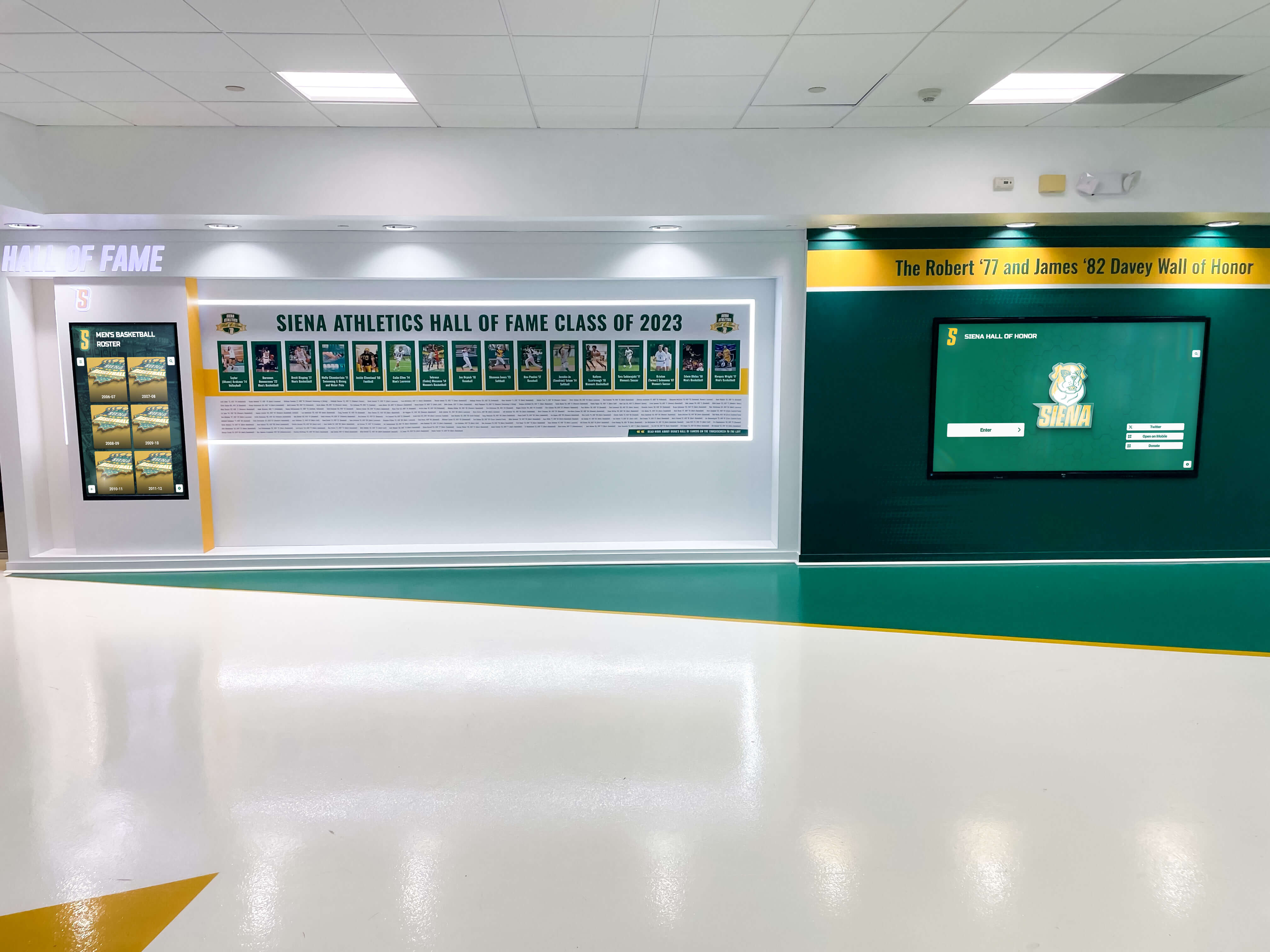
Comprehensive recognition installations become institutional landmarks celebrating community generosity while inspiring continued support through visible appreciation
Continuous Improvement Processes
Content Evolution Demonstrations
Show how recognition programs improve continuously rather than remaining static following initial implementation:
Demonstrate systematic quarterly content reviews identifying donor profiles needing enhancement through additional photos, updated impact documentation, or expanded biographical information. Show analytics-driven improvements where engagement data reveals popular content types and navigation patterns informing interface refinements.
Highlight regular addition of new impact documentation as donor-funded programs achieve milestones—keeping recognition current and demonstrating sustained value from philanthropic investments. Show correction workflows enabling prompt fixes when errors are discovered without expensive physical plaque replacement.
This evolution ensures recognition quality increases rather than degrading over time as physical installations weather—fundamental advantage distinguishing digital platforms from traditional approaches.
Explore comprehensive measurement frameworks in top sales performer recognition guides that address success metrics applicable across recognition contexts.
Implementation Planning: Video Walkthrough of Deployment Process
Organizations considering digital donor recognition benefit from seeing complete implementation journeys from planning through launch:
Phase 1: Strategic Planning and Needs Assessment (Weeks 1-4)
Key Activities to Document
Show cross-functional team meetings establishing recognition philosophy addressing contribution thresholds, privacy policies, recognition timing standards, and acknowledgment differentiation strategies. Film site assessment walks identifying optimal display locations based on traffic patterns, architectural integration opportunities, and visibility considerations.
Demonstrate technology evaluation process comparing platform capabilities, ease of use, vendor support quality, integration possibilities with existing donor databases, and total cost of ownership. Show budget development encompassing display hardware, recognition software, content development services, installation costs, and ongoing operational expenses.
Deliverables and Milestones
Document completed recognition policy manual establishing organizational guidelines. Show finalized site plans with marked display locations, electrical requirements, and network connectivity specifications. Present approved project budget with funding sources identified and secured.
Phase 2: Content Development and Data Preparation (Weeks 5-12)
Systematic Workflow Demonstrations
Show donor database audit process identifying data quality issues, missing information, and required cleanup before migration. Demonstrate donor outreach campaigns gathering biographical information, photographs, recognition preferences, and personal statements through questionnaires or interviews.
Film professional photography sessions capturing supporter portraits and program documentation. Show content writing workflows developing donor profiles, campaign descriptions, and impact stories following established templates ensuring consistency.
Demonstrate bulk data import processes migrating hundreds or thousands of existing donors efficiently while maintaining data integrity. Show quality assurance reviews ensuring all content meets organizational standards before publication.

Distributed recognition displays throughout facilities ensure maximum visibility while serving different audiences and donor categories
Phase 3: Technical Implementation and Installation (Weeks 13-16)
Installation Process Documentation
Film display hardware unboxing and quality inspection confirming equipment meets specifications. Show professional mounting installation including secure brackets, clean cable management concealing wiring, proper viewing height optimization, and level alignment ensuring polished presentation.
Demonstrate network connectivity configuration establishing reliable cloud platform access. Show software installation and initial configuration including organizational branding, navigation structure, and content architecture setup.
Film staff training sessions teaching development team members content management workflows, donor addition procedures, analytics interpretation, and troubleshooting common issues. Show creation of documentation and standard operating procedures supporting program sustainability.
Phase 4: Soft Launch and Refinement (Weeks 17-20)
Testing and Optimization
Show soft launch period where displays operate without major announcements, enabling testing with limited audiences before official debut. Demonstrate usability testing with diverse user groups identifying navigation confusion, readability issues, or interface improvements needed.
Film content refinement based on early engagement analytics and user feedback—adjusting navigation structure, enhancing popular content, removing unused features, and optimizing interface design based on actual usage patterns.
Show stakeholder preview events where leadership, major donors, and advisory committees explore recognition before public launch, providing feedback ensuring recognition meets quality standards and appropriately honors supporters.
Phase 5: Official Launch and Promotion (Week 21+)
Launch Event and Communication
Film official dedication ceremony unveiling recognition displays to broader community with donor attendance, leadership remarks, and celebration of philanthropic culture. Show donor notification communication campaign informing all recognized supporters about new recognition and inviting exploration.
Demonstrate integration with fundraising campaigns referencing recognition displays in solicitation materials, thanking new donors for joining honored supporters, and showing prospective contributors examples of comprehensive acknowledgment they’ll receive.
Show ongoing promotion through newsletters, social media, facility tours, and development communications ensuring recognition generates maximum visibility and fundraising impact.
Explore comprehensive implementation planning in advancement marketing team guides addressing deployment project management and change leadership.
Conclusion: Video-Enabled Recognition Excellence
Understanding when and how to acknowledge donors effectively separates organizations achieving sustainable fundraising success from those experiencing devastating retention failures that undermine mission capacity. The evidence overwhelmingly demonstrates that recognition timing, methodology, personalization, and comprehensiveness directly impact whether supporters continue giving or redirect generosity elsewhere—making strategic acknowledgment not merely courtesy but essential development infrastructure.
Organizations implementing best practices around donor recognition—acknowledging contributions within 48 hours, utilizing interactive digital displays enabling unlimited comprehensive recognition, connecting philanthropy to specific transformational outcomes through multimedia storytelling, respecting diverse recognition preferences, maintaining content excellence through ongoing stewardship, and measuring effectiveness through engagement analytics and retention metrics—consistently experience measurably superior fundraising results compared to those treating appreciation as afterthought or perfunctory obligation.
Book a Live TouchWall Video Demo
Discover how interactive digital recognition solutions can help your organization acknowledge supporters comprehensively, demonstrate genuine appreciation through rich multimedia storytelling, and build lasting relationships that drive sustained philanthropic support. Rocket Alumni Solutions provides purpose-built platforms designed specifically for educational institutions, nonprofits, healthcare organizations, and institutions committed to recognition excellence.
The most effective donor recognition programs share common characteristics: they acknowledge all supporters promptly regardless of contribution size, emphasizing that every gift matters toward collective mission achievement. They communicate specific impact showing exactly what generosity accomplishes rather than offering generic appreciation. They respect diverse recognition preferences from public celebration to complete anonymity based on supporter values. They integrate seamlessly with broader development strategies reinforcing cultivation and stewardship efforts.
They leverage modern digital technology solving traditional recognition limitations around capacity, updatability, engagement, and impact storytelling. And they evolve continuously based on donor feedback, engagement analytics, and demonstrated retention outcomes rather than remaining static following initial implementation.
Whether your organization is building its first formal recognition program or enhancing established donor acknowledgment systems with modern technology, remember that authentic gratitude and meaningful connection matter more than sophisticated features or expensive installations. Start with clear understanding of when acknowledgment should occur and why timing matters critically. Develop recognition approaches emphasizing how contributions transform lives and advance missions rather than simply listing donor names.
Create inclusive programs honoring all contribution types and sizes appropriately while differentiating acknowledgment commensurate with investment depth. Invest in quality content development making recognition compelling through professional photography, videography, and storytelling rather than treating digital displays as mere name databases. And commit to ongoing evolution based on donor feedback and measured retention outcomes ensuring recognition continuously improves rather than deteriorating over time.
Your donors have chosen to support your mission among countless worthy causes competing for philanthropic resources—they deserve recognition that honors their generosity appropriately while inspiring continued partnership. Strategic investment in thoughtful donor acknowledgment creates sustainable fundraising where supporters feel genuinely valued, understand exactly what their generosity accomplishes, develop emotional connections to missions, and commit to sustained giving that transforms organizational capacity to achieve lasting impact benefiting communities for generations.
Ready to see it in action? Explore how Rocket Alumni Solutions can help your organization create meaningful donor recognition programs that honor supporters comprehensively, demonstrate measurable appreciation impact through video walkthroughs and interactive experiences, and build sustainable philanthropic cultures generating reliable support enabling mission achievement. Book a live video demo today to discover when and how to acknowledge your supporters effectively.