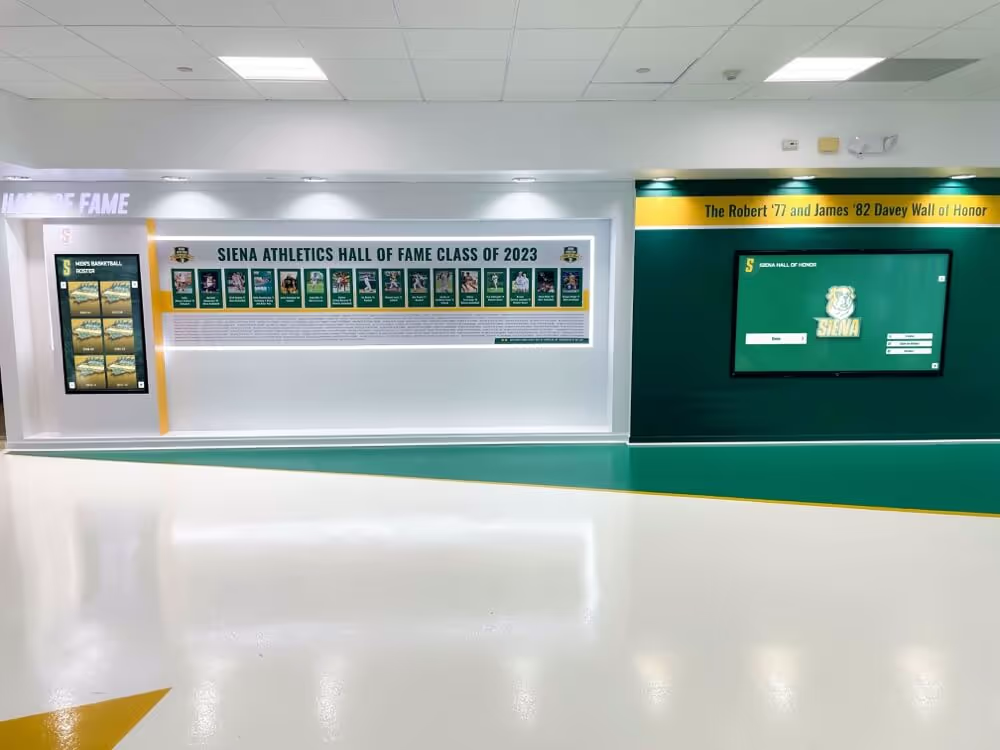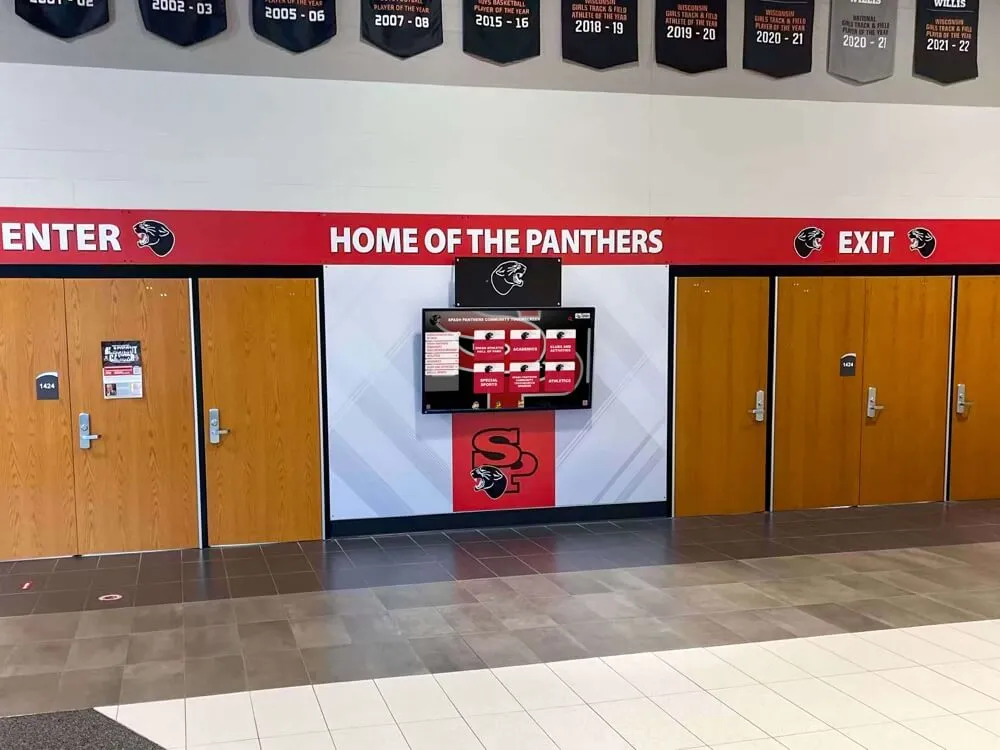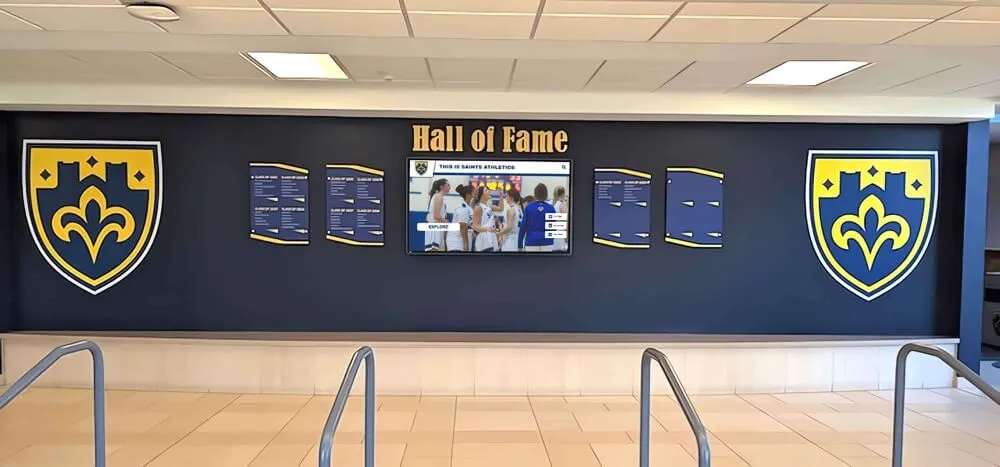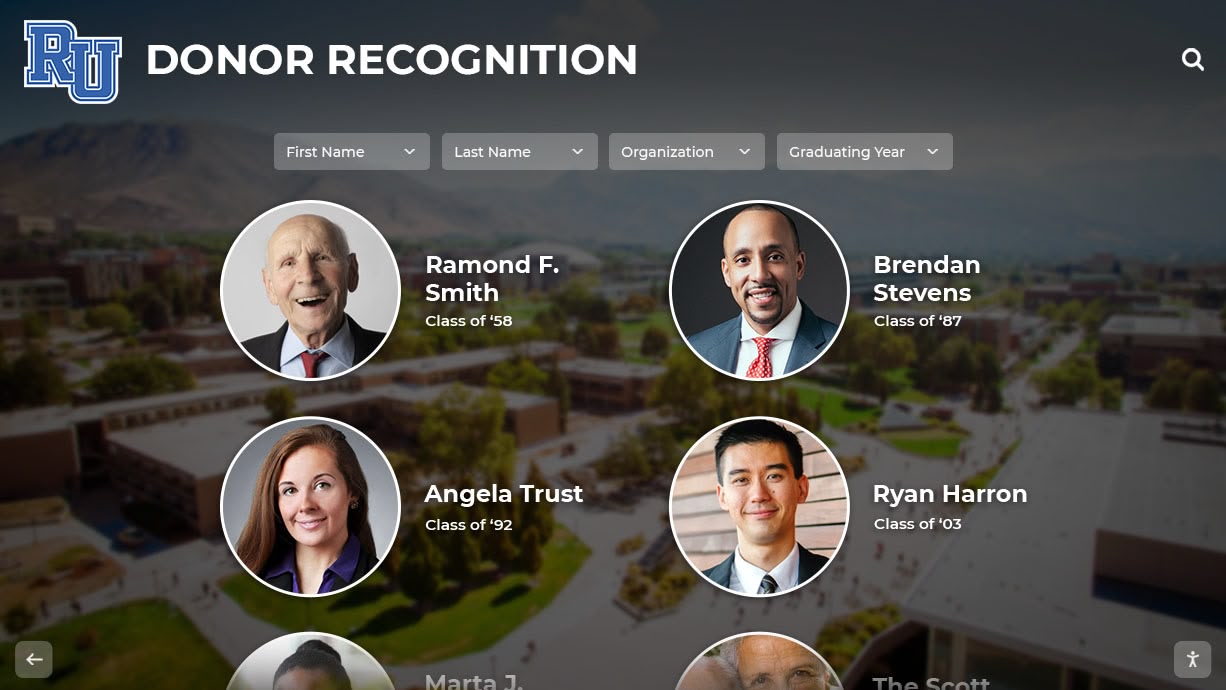




Donor recognition screens represent the future of philanthropic acknowledgment—transforming how schools, nonprofits, universities, and institutions honor supporters through interactive touchscreen displays that combine unlimited recognition capacity, compelling multimedia storytelling, and real-time updates that traditional physical plaques simply cannot match. As organizations compete for donor attention in increasingly crowded fundraising environments where retention rates remain persistently low and contributor expectations evolve toward more engaging, meaningful experiences, the shift from static brass nameplates to dynamic digital recognition platforms has accelerated dramatically across all sectors.
Traditional donor walls created impossible constraints that frustrated development professionals for decades: limited physical space forced heartbreaking decisions about which supporters deserved visible recognition, static engraved plaques couldn’t be updated without expensive re-fabrication when new donors contributed, name-only displays provided no context about transformational impact or stories behind generosity, and physical installations deteriorated over time while becoming progressively outdated. These limitations meant countless generous supporters received no permanent acknowledgment simply because wall space filled up—creating recognition gaps that undermined stewardship relationships while failing to inspire prospective donors through compelling impact communication.
This comprehensive video-focused guide explores how donor recognition screens solve these critical challenges while creating unprecedented opportunities for visual engagement, impact demonstration, and fundraising effectiveness. We’ll examine display technology fundamentals, video tour production approaches, content best practices, implementation strategies, and proven results from institutions that have successfully transformed donor recognition through interactive touchscreen platforms specifically designed for visual storytelling that converts viewers into supporters.
Modern donor recognition screens don’t simply replicate traditional plaques on digital displays—they fundamentally reimagine what donor acknowledgment can accomplish through video, motion graphics, and interactive exploration. The most effective implementations create immersive visual experiences where visitors discover supporter stories through video testimonials, explore transformational impact through photo galleries and documentary footage, connect emotionally with organizational missions through compelling narratives, and feel inspired toward their own generosity through visual demonstrations of community philanthropy impossible with conventional static approaches.
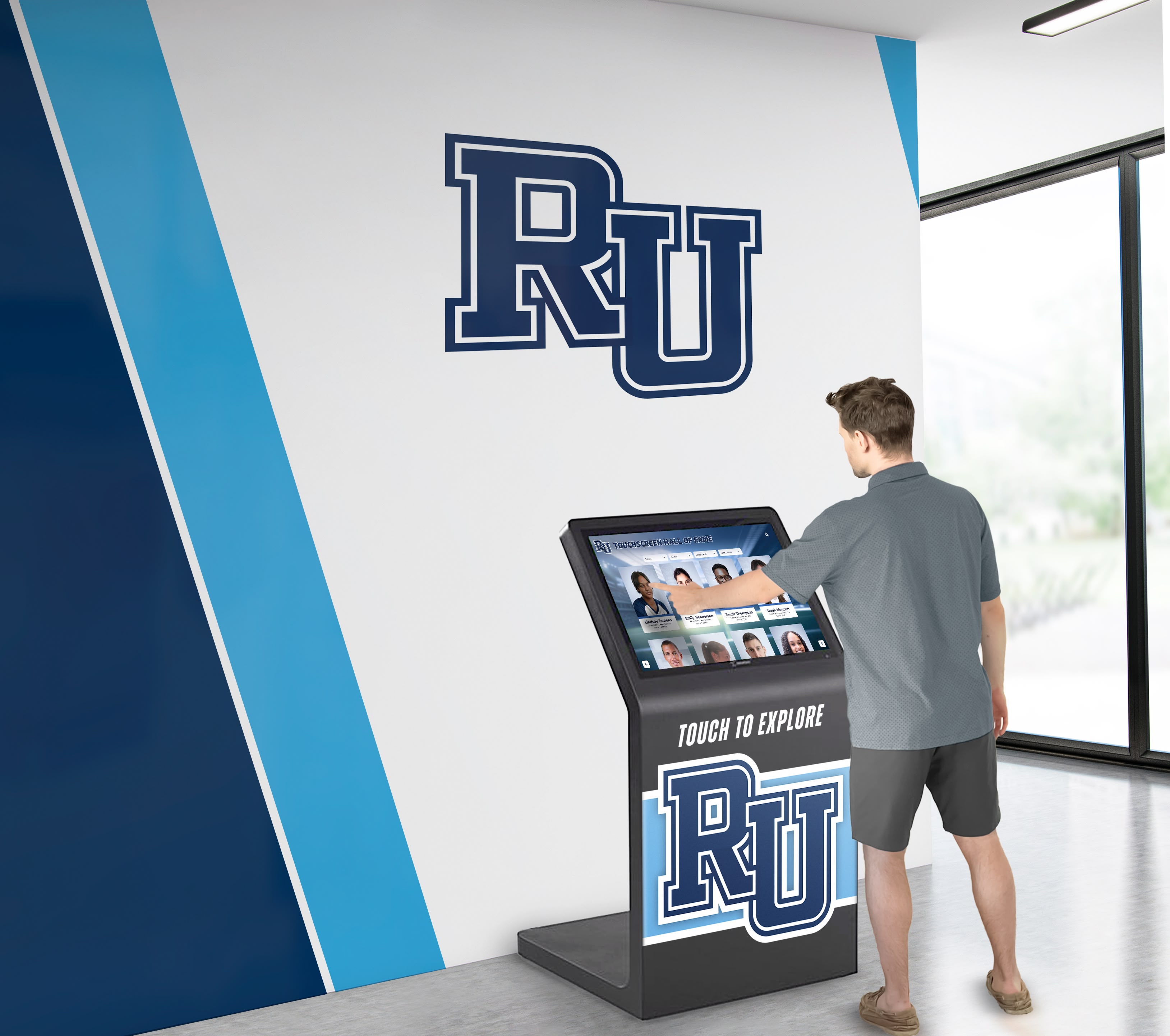
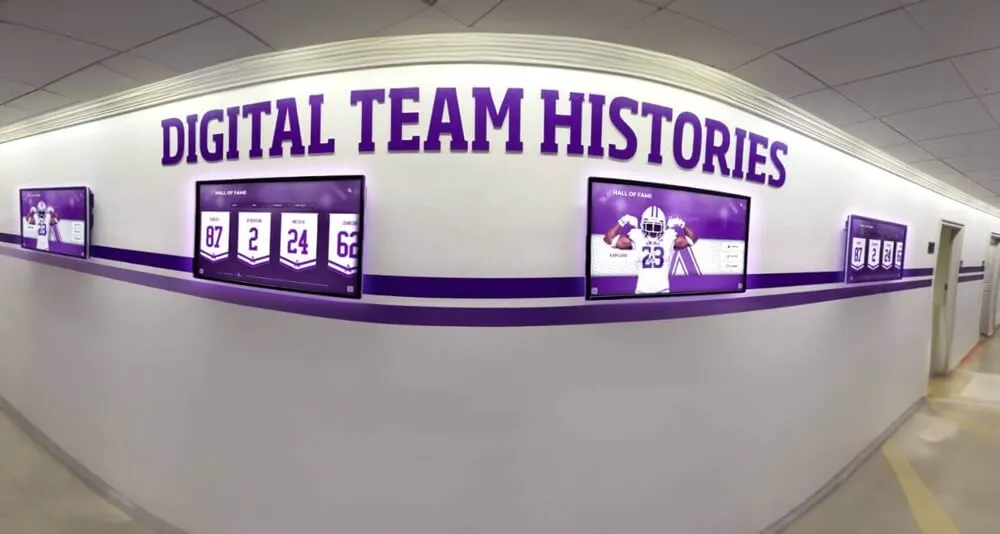
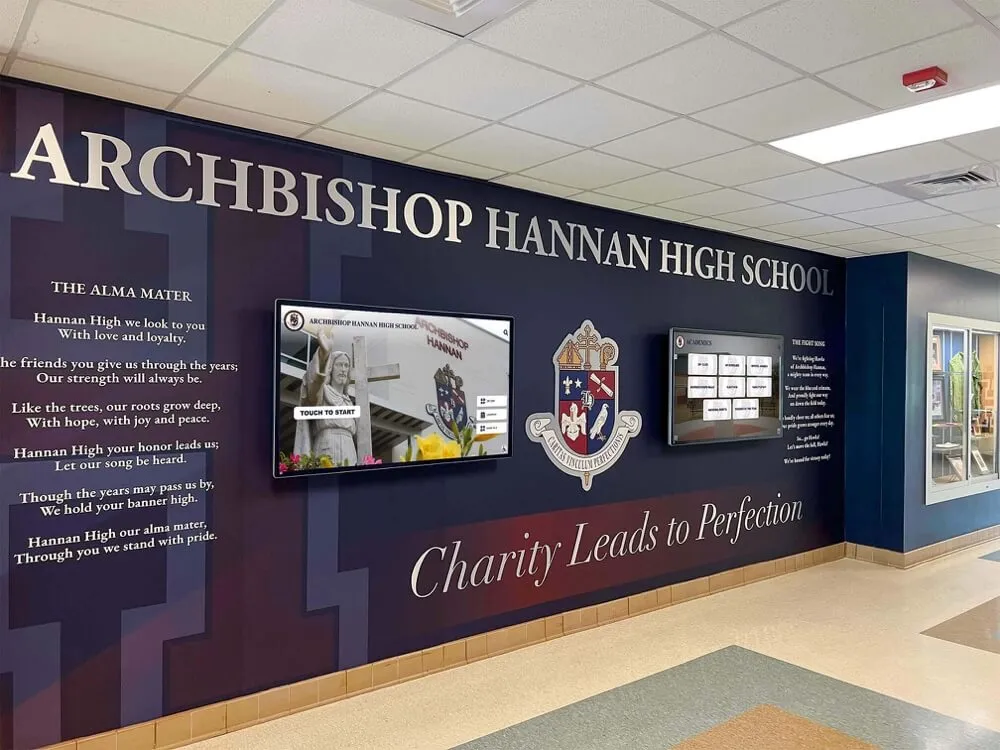
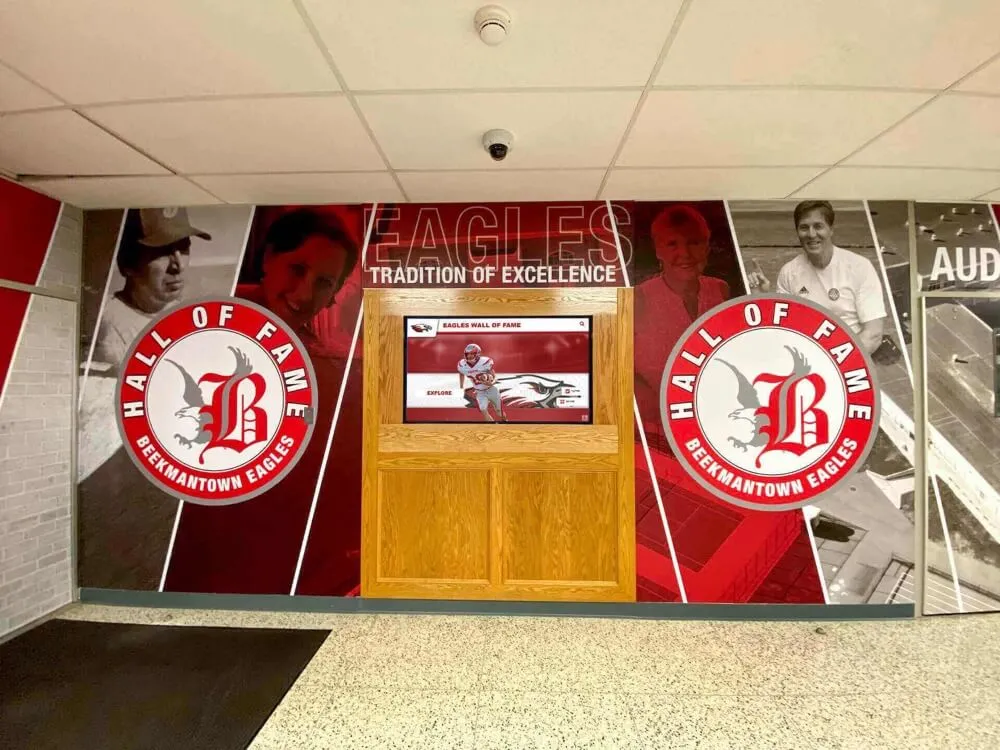
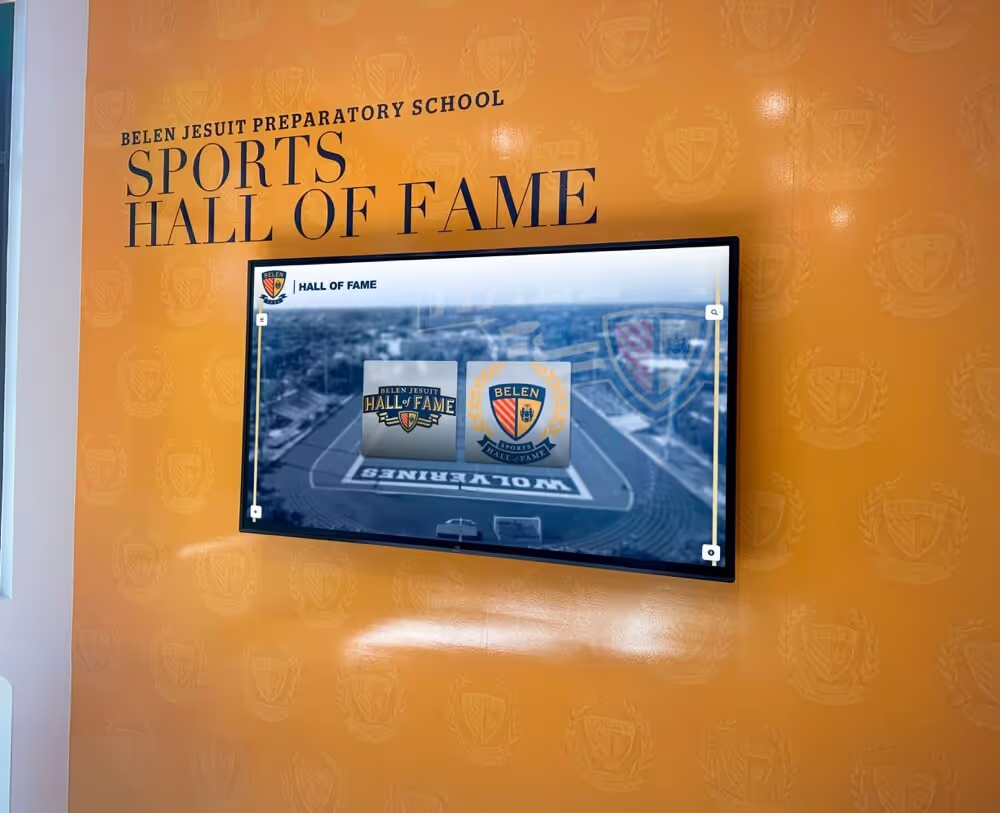
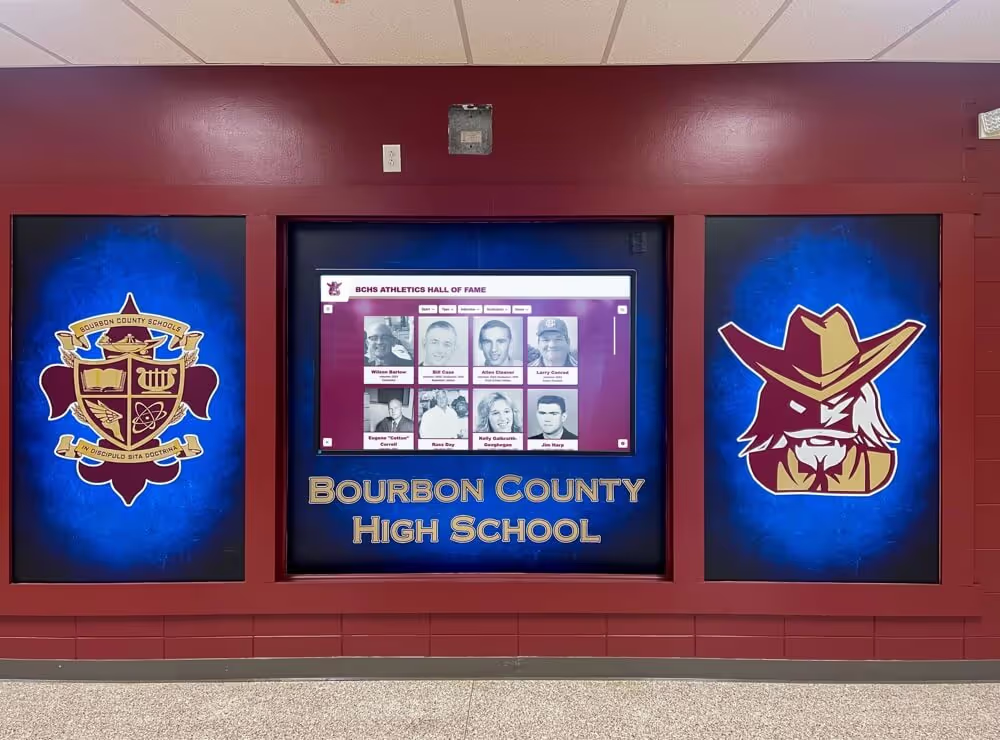
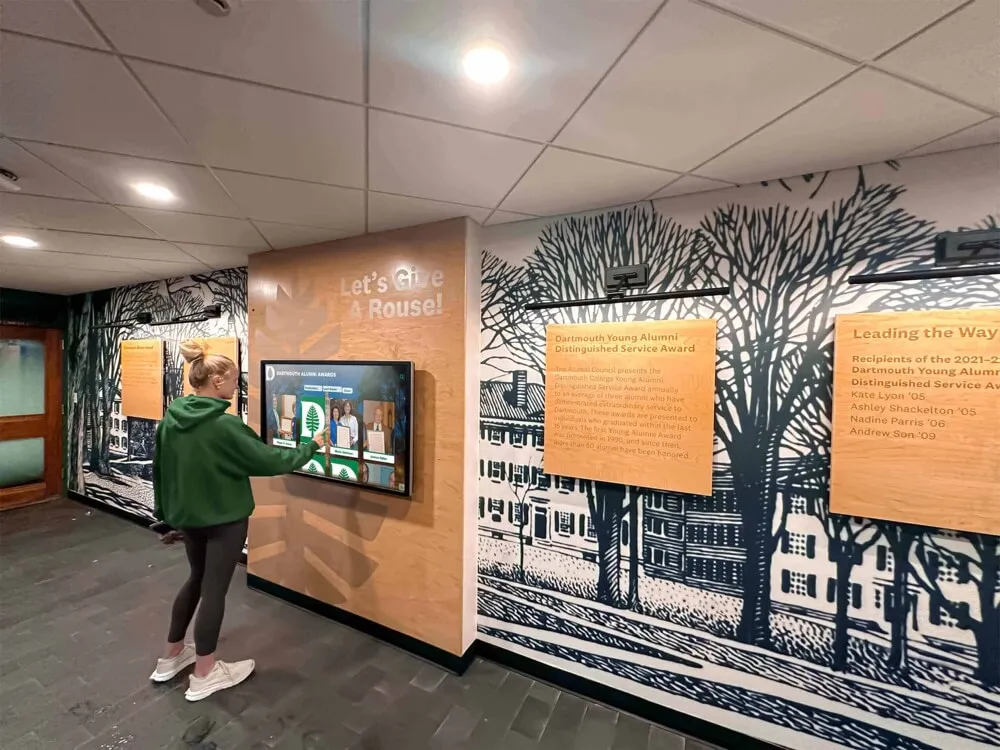
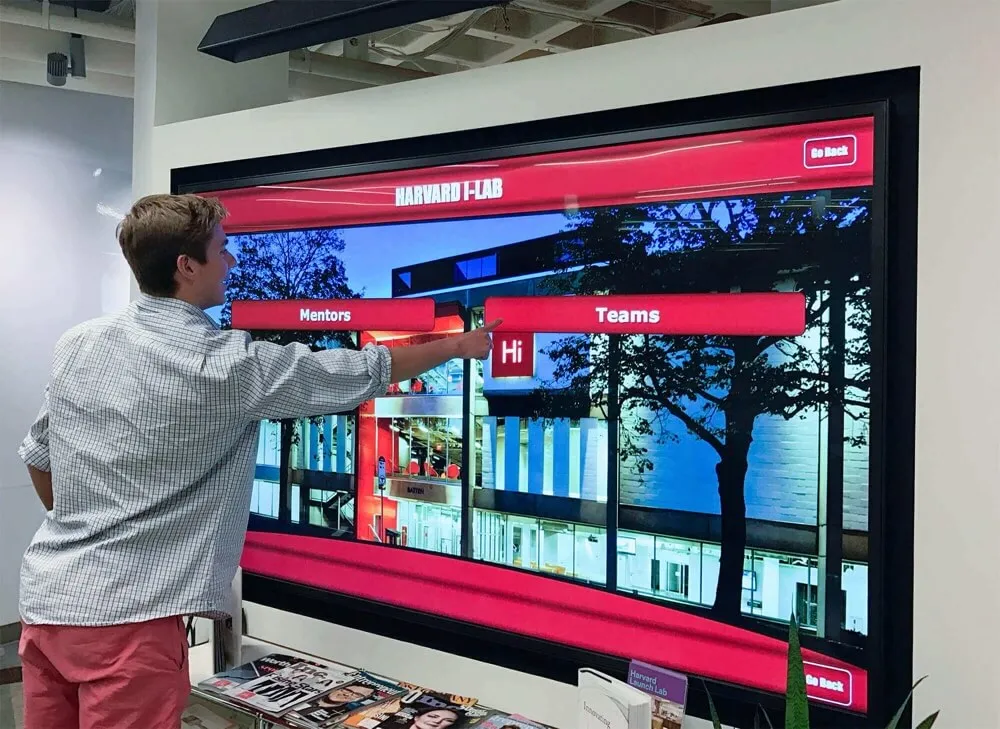
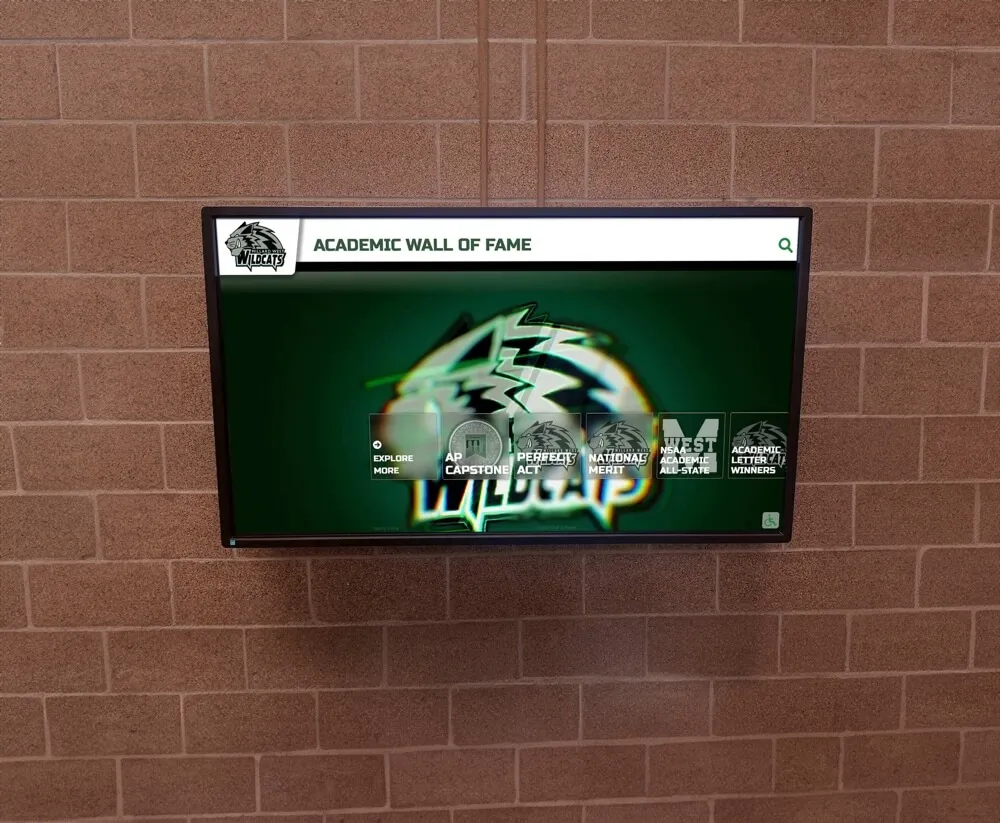
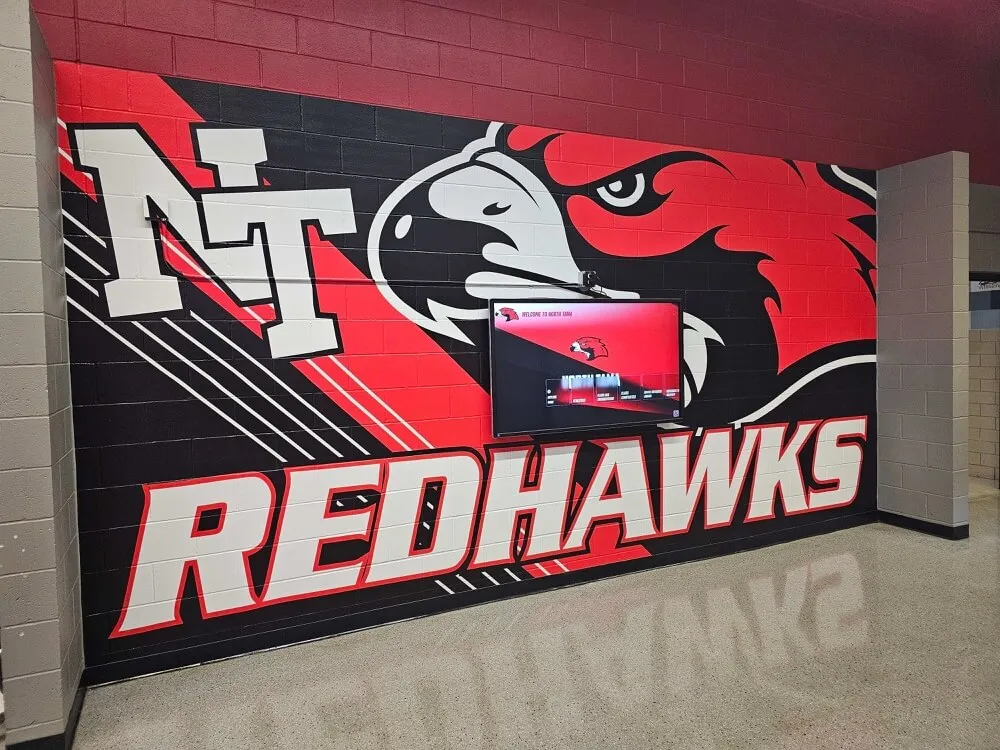
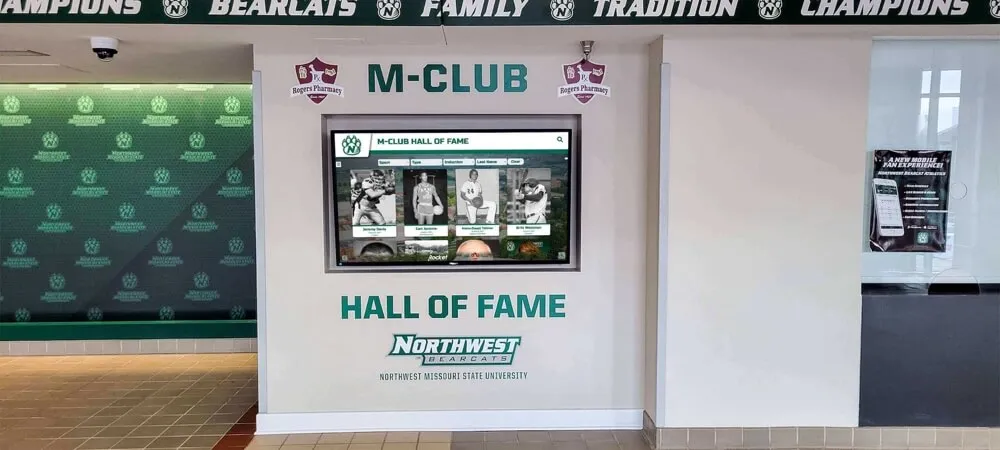
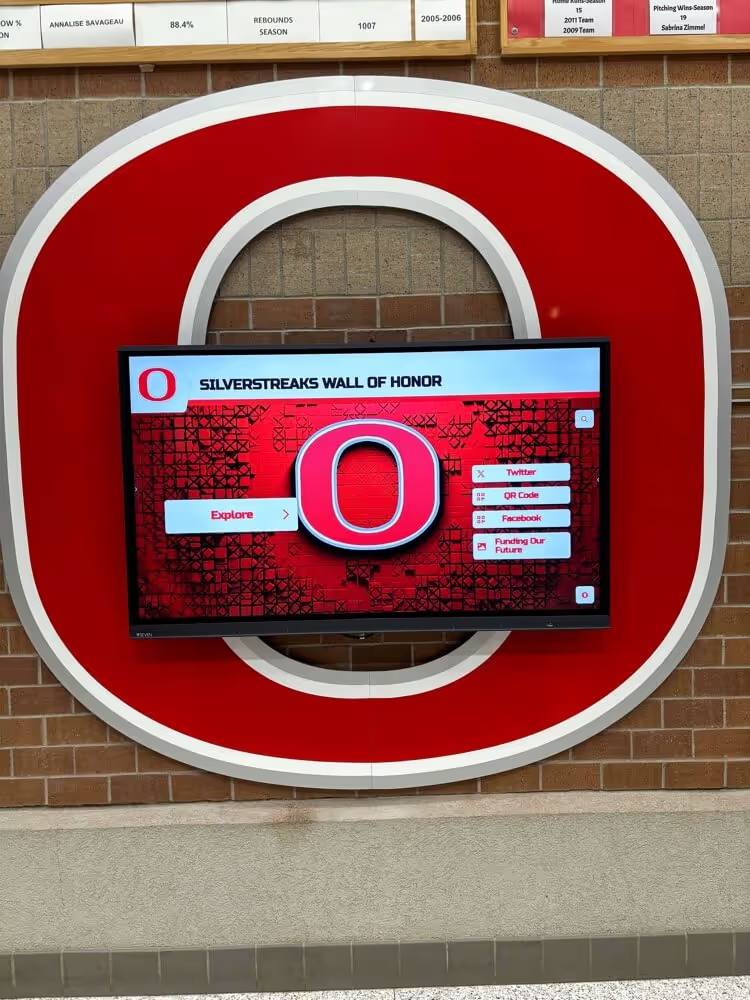
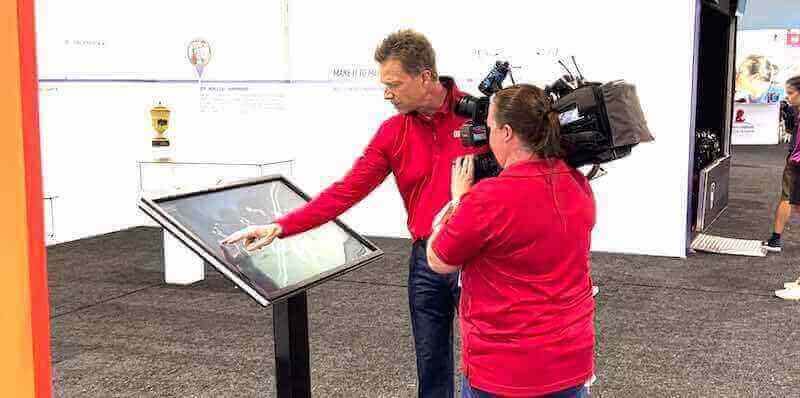
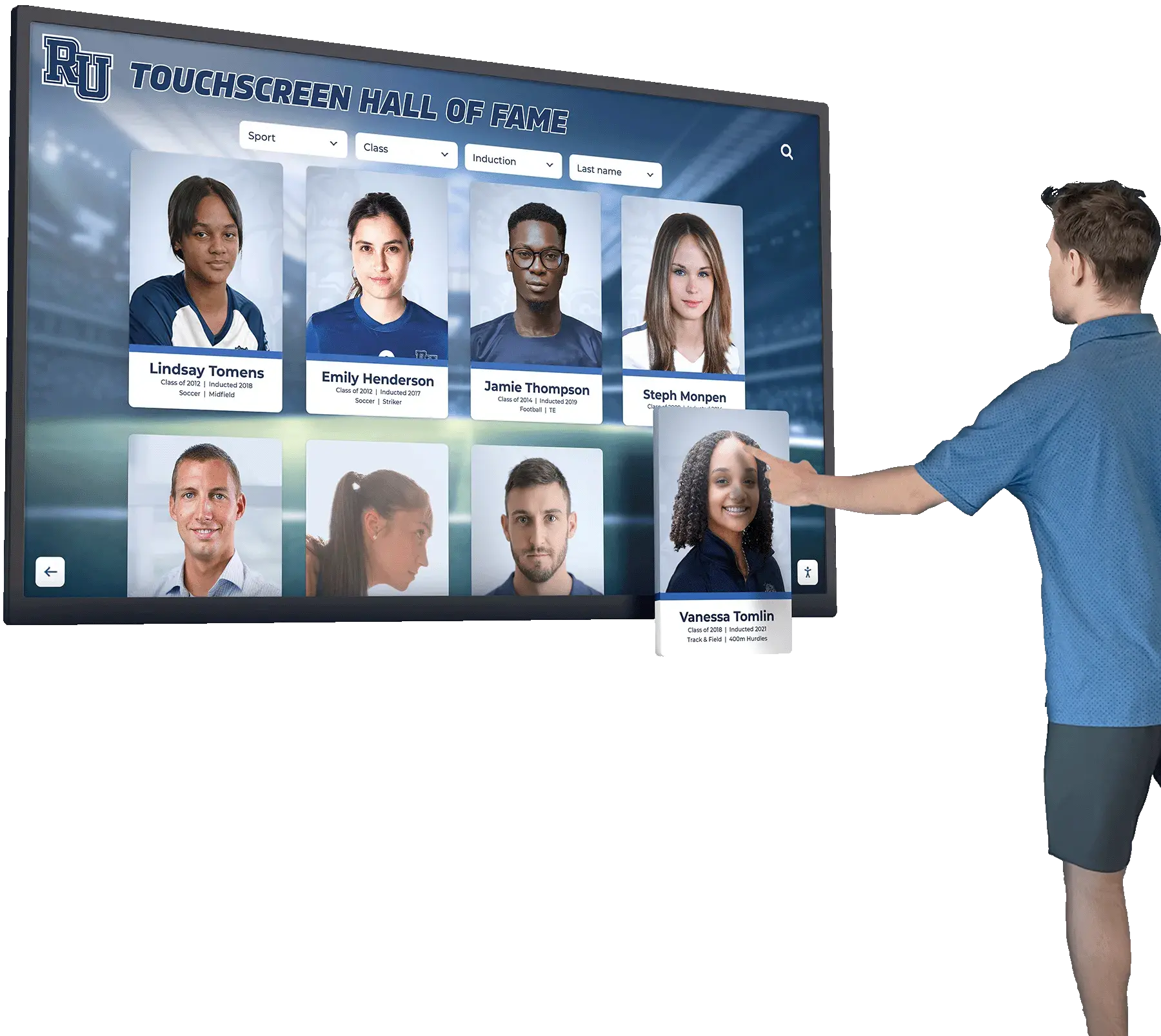
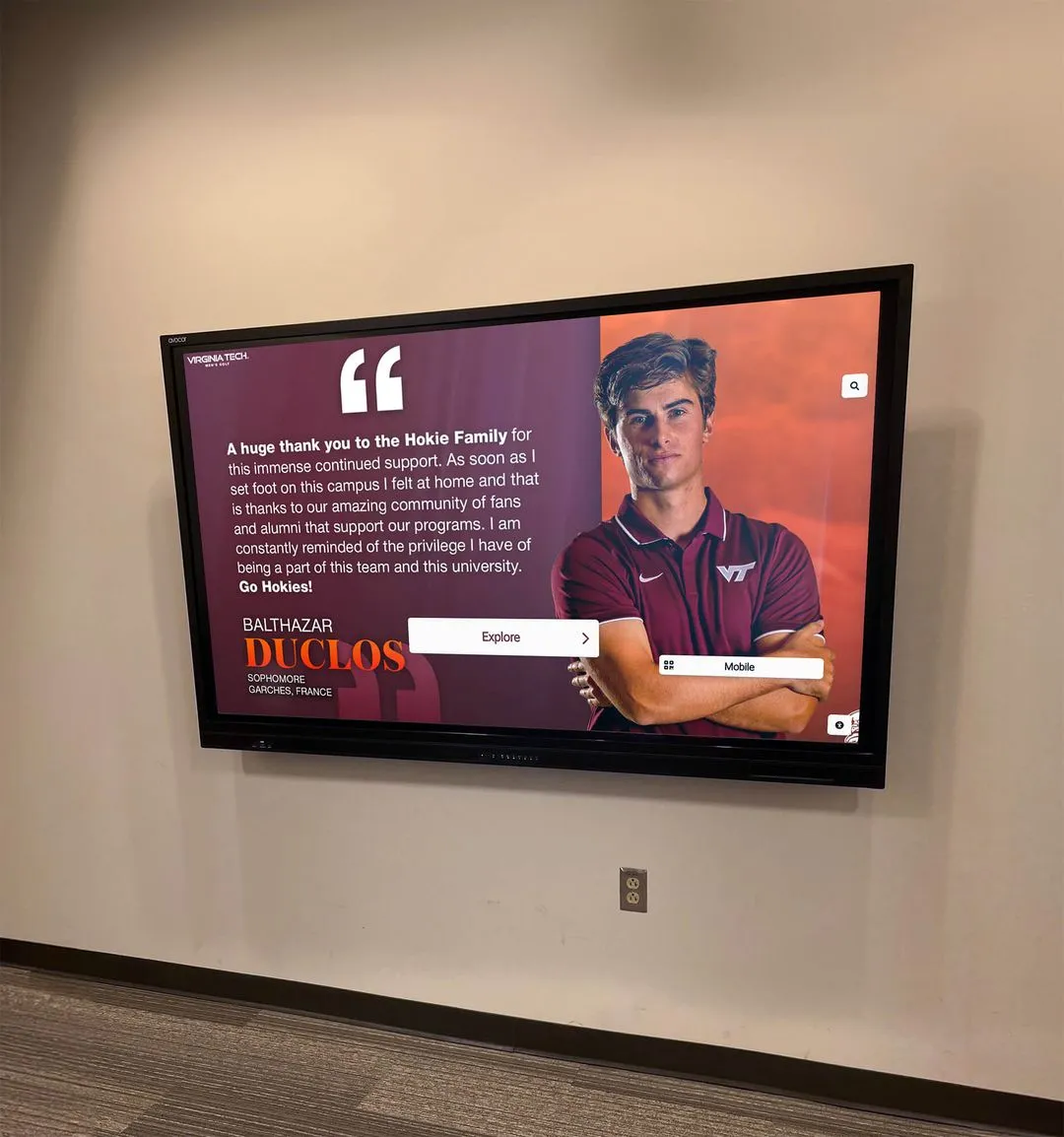
Modern donor recognition screens create engaging visual destinations where community members explore supporter stories through interactive touchscreen interfaces
Understanding Donor Recognition Screens: Definition and Core Components
Before exploring video production strategies and implementation approaches, understanding what donor recognition screens encompass and how they function provides essential foundation for evaluating display options and planning successful video-focused deployments.
What Are Donor Recognition Screens?
Donor recognition screens are commercial-grade interactive touchscreen display systems—typically ranging from 43 to 75 inches—that acknowledge donor contributions through multimedia presentations combining high-resolution photography, video testimonials, impact documentation, biographical profiles, giving histories, and campaign information. Unlike static traditional plaques displaying only engraved names and contribution levels, digital recognition screens create comprehensive visual supporter profiles accessible through intuitive touch-enabled search and filtering interfaces optimized for video playback and visual exploration.
Essential Screen System Components
Complete donor recognition screen solutions integrate multiple interconnected technical elements working together seamlessly:
- Commercial-grade touchscreen displays engineered specifically for continuous operation in high-traffic public environments
- Cloud-based content management systems enabling remote video uploads and updates without requiring physical display access
- Specialized donor recognition software organizing contributions with sophisticated database functionality and video playback capabilities
- High-resolution multimedia presentation capabilities supporting 1080p or 4K video content alongside photos and graphics
- Responsive touch interfaces optimized for video controls, allowing visitors to play, pause, and navigate content intuitively
- Robust search and filtering tools enabling visitors to discover specific donors or explore recognition by campaign category
- Privacy controls allowing supporters to manage their recognition preferences and visibility settings appropriately
- Web-accessible platforms extending recognition beyond physical installations to worldwide audiences through responsive video players
- Comprehensive analytics systems revealing engagement patterns, popular video content, session duration, and detailed usage statistics
- Seamless integration capabilities connecting with existing donor management databases, CRM systems, and video hosting platforms
Solutions like Rocket Alumni Solutions provide comprehensive platforms specifically designed for video-centric donor recognition in educational institutions, nonprofits, healthcare organizations, and cultural institutions—making implementation accessible without requiring extensive technical expertise, custom development, or professional video production teams for every update.
How Donor Recognition Screens Differ from Traditional Physical Recognition
Understanding fundamental distinctions between digital screens and traditional approaches clarifies the advantages driving widespread adoption across all institutional sectors:
Traditional Physical Recognition Limitations
Conventional donor walls typically feature engraved brass, bronze, or acrylic plaques mounted on marble, wood, or metal surfaces displaying supporter names organized by predetermined giving levels. These installations communicate permanence and formality valued by many major donors while creating visible acknowledgment in institutional facilities and lobbies.
However, physical recognition faces severe inherent constraints that become increasingly problematic over time: strict space limitations creating hard capacity ceilings that eventually fill completely, inability to update recognition without expensive fabrication and physical installation processes, static text-only presentations providing no visual impact context or storytelling capability, material deterioration requiring ongoing maintenance and eventual replacement, high per-donor costs ranging from $200 to $500+ for quality engravings and installation, and rigid spatial hierarchies where contribution amounts directly determine physical prominence and visibility in ways that feel exclusionary.
Digital Screen Advantages for Visual Storytelling
Donor recognition screens fundamentally solve traditional limitations while adding powerful new capabilities:
Unlimited recognition capacity accommodating thousands of donors without ever facing space constraints or difficult exclusion decisions, instant video content updates adding new contributors and impact stories immediately without manufacturing delays or installation costs, rich multimedia storytelling connecting gifts to transformational outcomes through compelling video testimonials and documentary footage, searchable databases enabling visitors to find specific supporters easily through intuitive touch interfaces, flexible privacy controls respecting diverse recognition preferences across donor segments, dramatic cost efficiency reducing per-donor expenses from hundreds of dollars to just pennies per profile, continuous content evolution improving recognition quality over time rather than accepting permanent static limitations, and multi-channel accessibility extending visibility far beyond physical locations through mobile-responsive web platforms that play video content seamlessly.
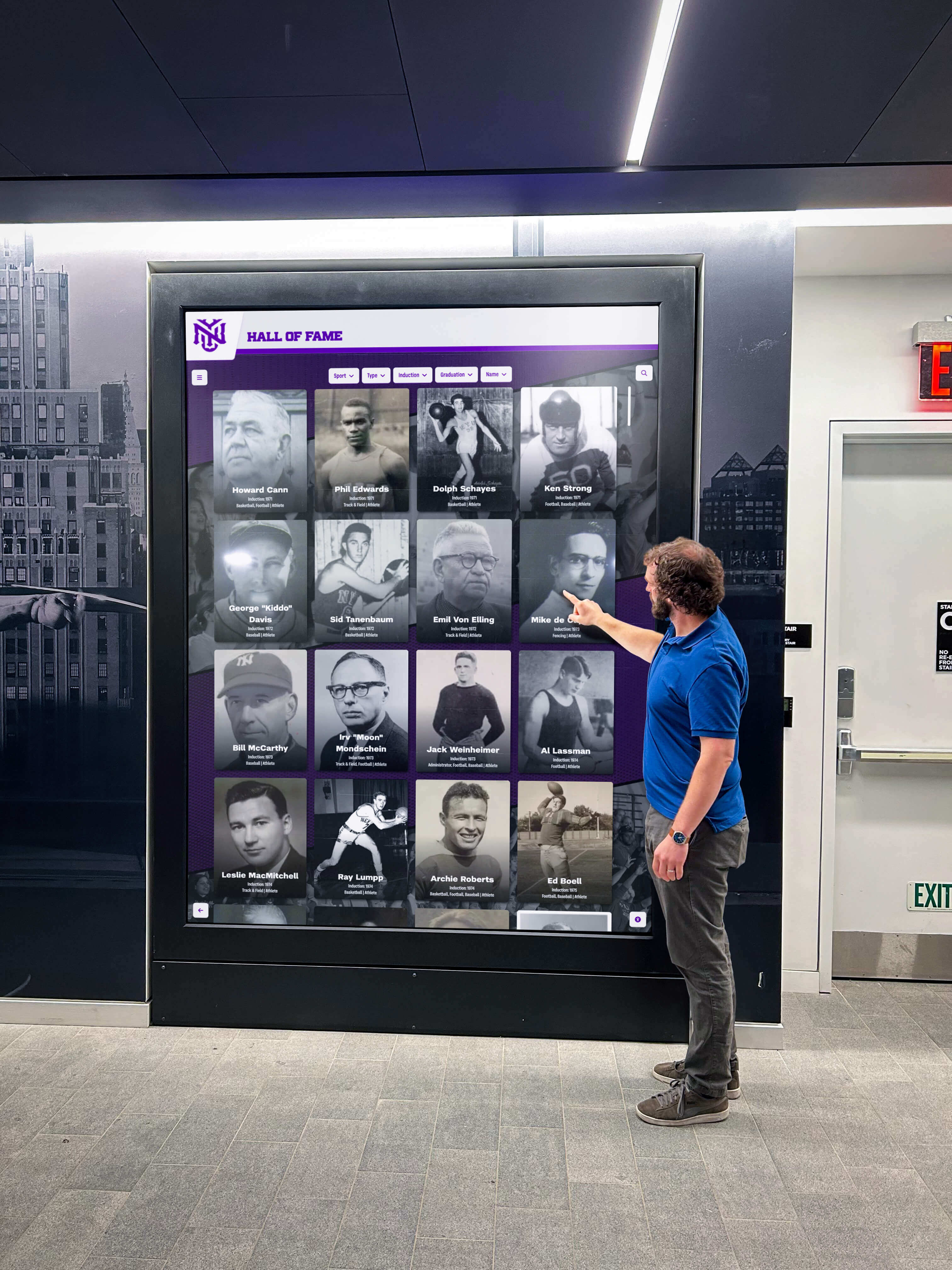
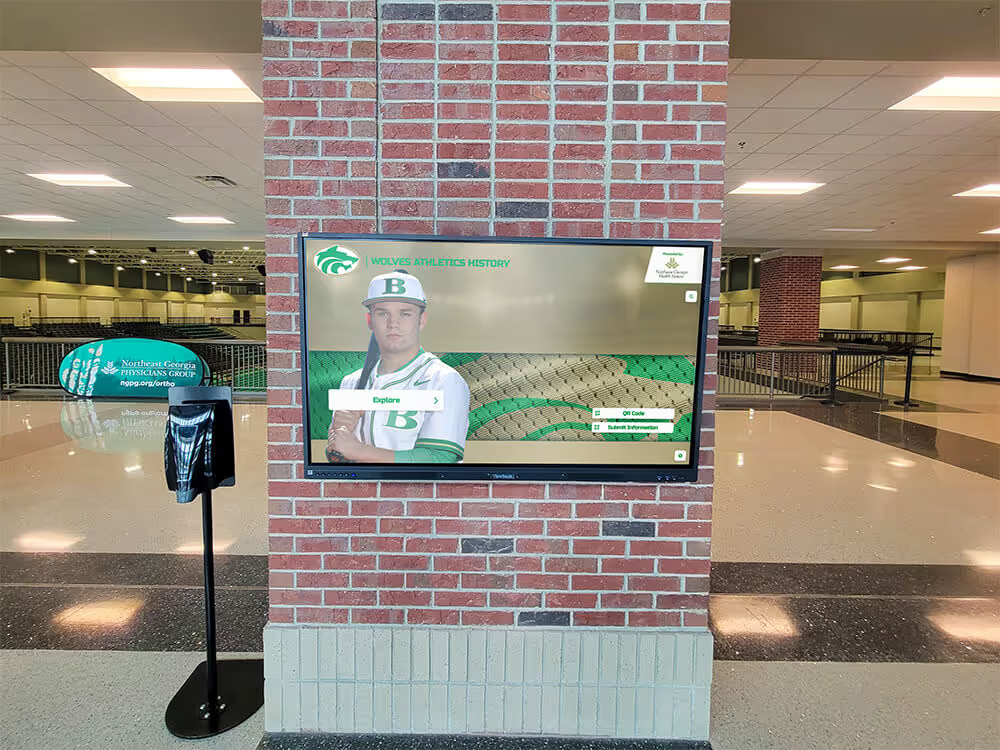
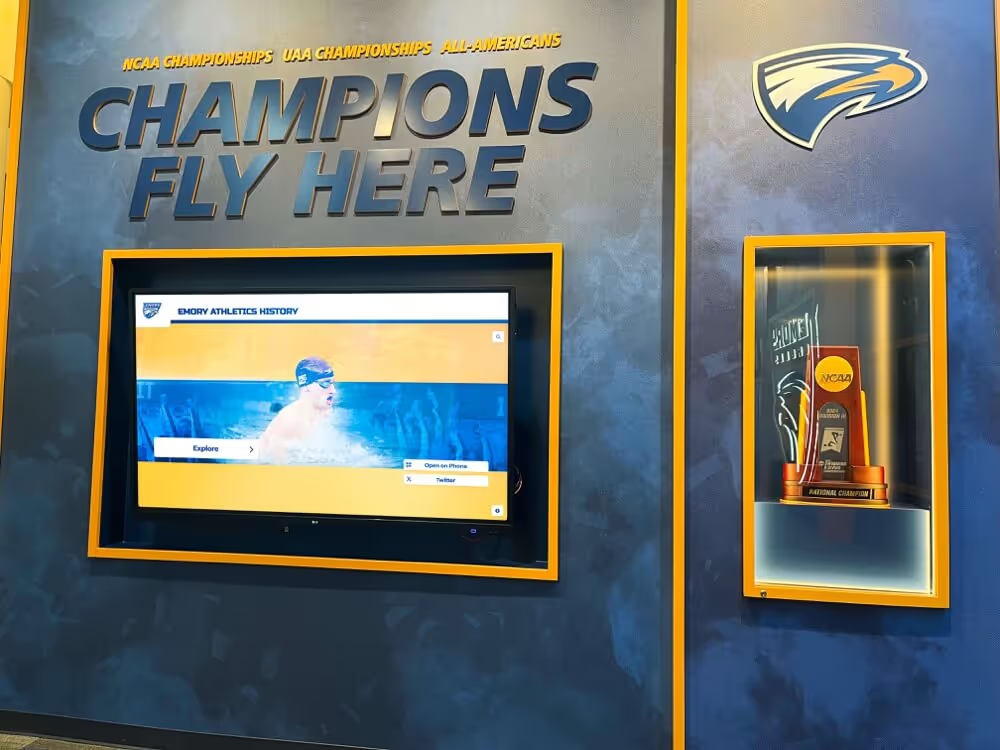
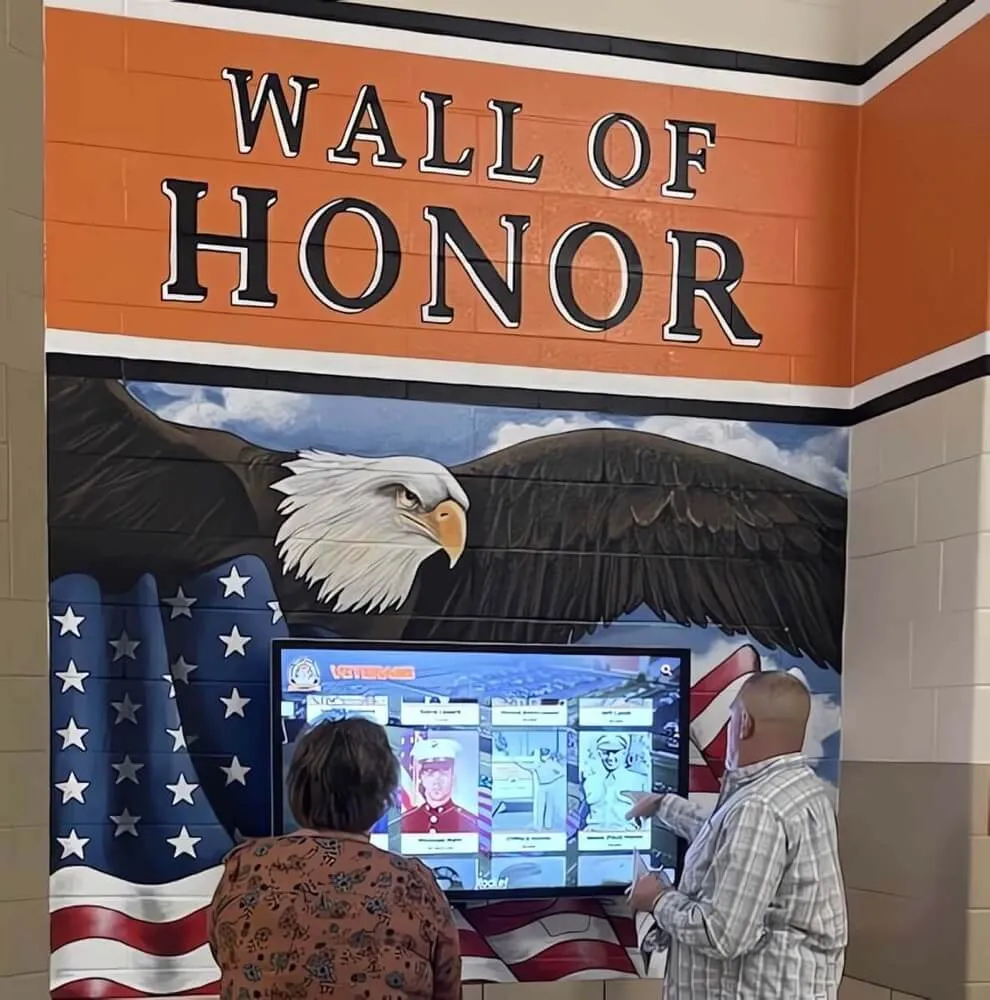
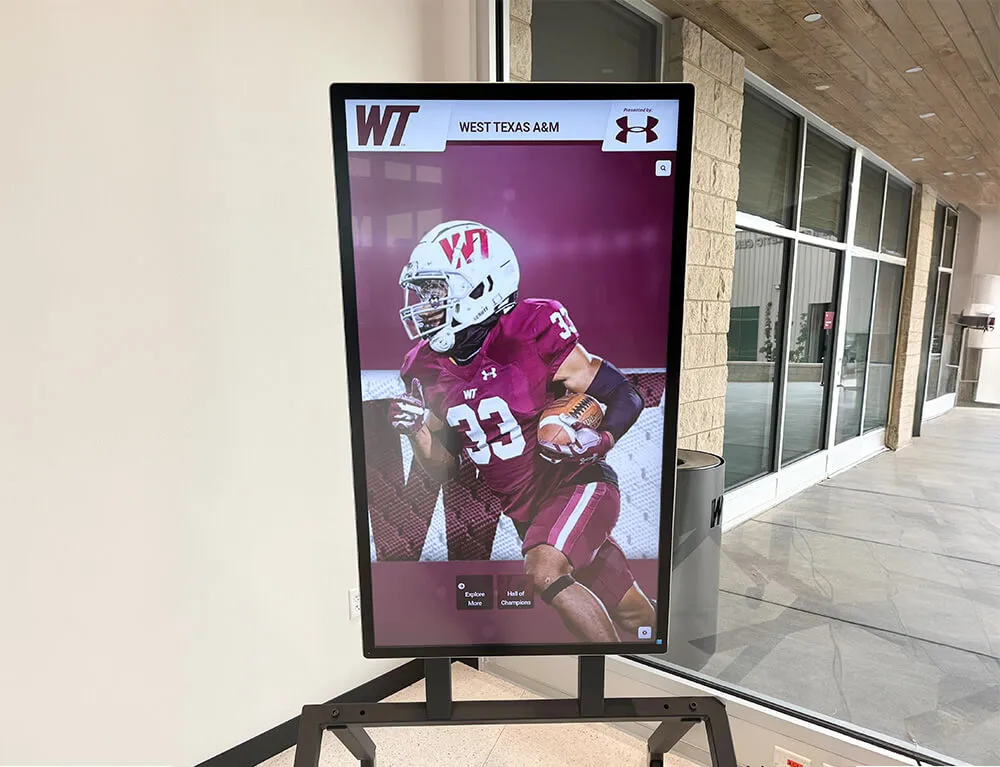
Touchscreen interfaces transform passive viewing into active video exploration where visitors discover detailed donor stories and impact narratives through immersive visual content
These advantages explain why leading institutions increasingly adopt digital recognition screens as their primary acknowledgment strategy while often maintaining selective traditional elements for specific major campaigns where donor preferences strongly favor physical installations. The ability to showcase video content creates emotional connections that static plaques simply cannot achieve—research consistently demonstrates that video testimonials generate 300-400% longer engagement compared to text-based recognition.
The Fundamental Problem Donor Recognition Screens Solve
Understanding specific challenges digital recognition screens address provides clarity about strategic value beyond surface-level technology appeal or multimedia capabilities.
Space Constraints and Recognition Capacity Crisis
The most immediate limitation traditional donor walls create involves finite physical space—a constraint that eventually forces impossible decisions:
The Recognition Capacity Problem
Universities, K-12 schools, healthcare systems, religious institutions, and nonprofits commonly face situations where decades of successful fundraising have filled every available wall surface with donor recognition. When new capital campaigns launch or additional annual giving supporters contribute meaningfully, development professionals confront heartbreaking dilemmas: Which existing donors should be removed to accommodate new contributors? Should recognition be restricted only to very largest gifts? How can organizations honor faithful $500 annual donors when limited space accommodates only $25,000+ campaign supporters?
These impossible dilemmas create recognition gaps with devastating consequences for stewardship relationships. Supporters who contribute meaningfully but receive no permanent acknowledgment feel undervalued and question whether organizations truly appreciate their generosity or simply view them as transactional revenue sources. Prospective donors touring facilities and seeing no available recognition space wonder if their future contributions will be similarly overlooked once current campaigns conclude. Development staff spend enormous time explaining recognition limitations and apologizing for capacity constraints rather than cultivating meaningful relationships focused on mission impact.
Digital Screen Solutions to Capacity Constraints
Donor recognition screens eliminate capacity problems entirely through unlimited digital storage. Single 55-inch touchscreen installations easily accommodate comprehensive recognition for hundreds or even thousands of supporters across multiple campaigns, giving societies, time periods, and contribution types—without ever facing space limitations requiring difficult exclusion decisions or heartbreaking removal of longtime faithful supporters.
This unlimited capacity enables inclusive recognition philosophies where every donor receives appropriate acknowledgment regardless of contribution size, creating organizational cultures celebrating broad philanthropic participation rather than exclusive focus on major gifts alone. Organizations implementing donor recognition screens commonly honor all contributors above modest thresholds ranging from $100 to $500 minimum while providing enhanced video profile content for larger investments—ensuring everyone feels valued appropriately.
Learn about comprehensive recognition approaches in digital donor walls addressing inclusive stewardship philosophies that strengthen fundraising culture.
Dynamic Video Content and Recognition Updates
Beyond capacity advantages, traditional physical recognition creates update burdens that become increasingly problematic as organizations grow:
Update Challenges with Physical Recognition
Every time new donors contribute during active campaigns, physical recognition requires fabricating new individual plaques costing $200-500 each, scheduling installation appointments coordinating multiple contractors and facility access, potentially reorganizing existing installations to accommodate additions, and waiting weeks or months between contributions and acknowledgment actually appearing on walls. These delays directly contradict fundraising best practices recommending prompt recognition within 48-72 hours of gifts to maximize donor satisfaction and retention.
Moreover, physical recognition becomes permanently frozen once installed. Organizations cannot enhance existing recognition with updated video testimonials from beneficiaries, correct spelling errors or outdated information without expensive complete re-fabrication, adapt presentations as programs evolve and achieve new milestones, or refresh content to maintain visual appeal. This permanent rigidity means recognition quality inevitably degrades over time rather than improving as organizations gain capacity and resources.
Digital Screen Update Advantages
Cloud-based donor recognition screens enable instantaneous video content updates from any internet-connected device without requiring physical access, specialized technical skills, or video production expertise for every update:
Adding new donors with video testimonials immediately upon contributions without any manufacturing or installation delays, enhancing existing profiles with additional impact videos, photo galleries, or documentary footage as content becomes available through ongoing programs, correcting information errors instantly without replacement costs or donor embarrassment, reorganizing recognition categories or filtering options based on evolving organizational needs and campaign priorities, continuously improving recognition quality through progressive content enhancement rather than accepting permanent static limitations, and scheduling automatic content rotations ensuring featured donor stories remain fresh and engaging for repeat visitors.
This update flexibility makes donor recognition screens sustainable for organizations with limited administrative resources and small development teams while ensuring acknowledgment remains current, accurate, and compelling perpetually. The ability to add video content progressively means organizations can start with basic recognition and enhance profiles systematically rather than needing perfect comprehensive content before launching recognition programs.

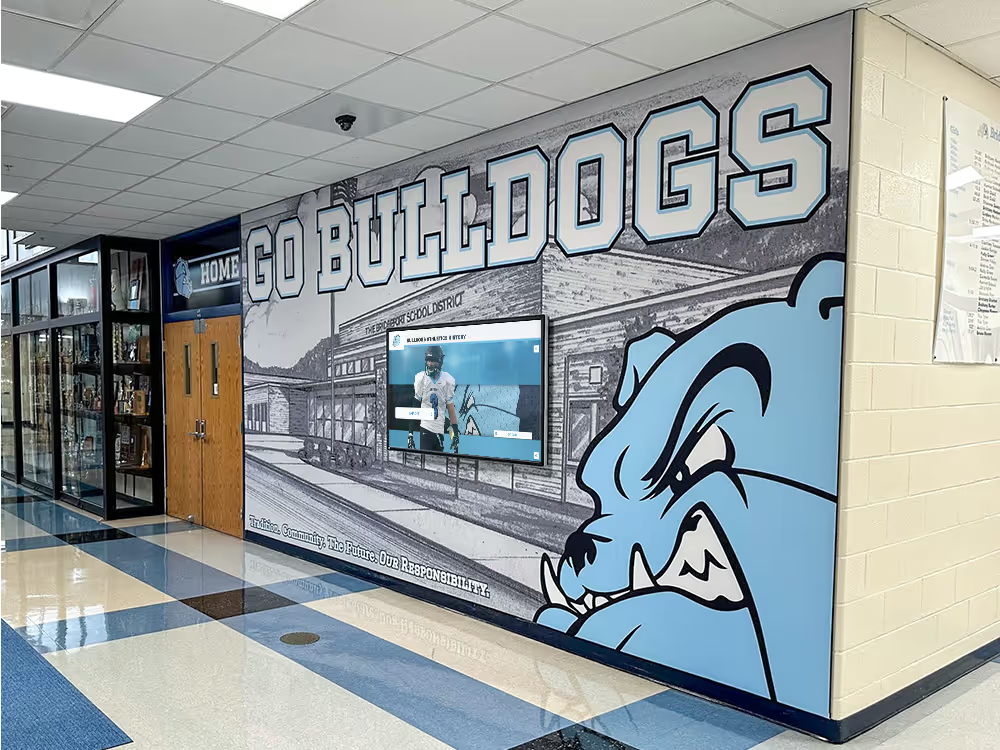
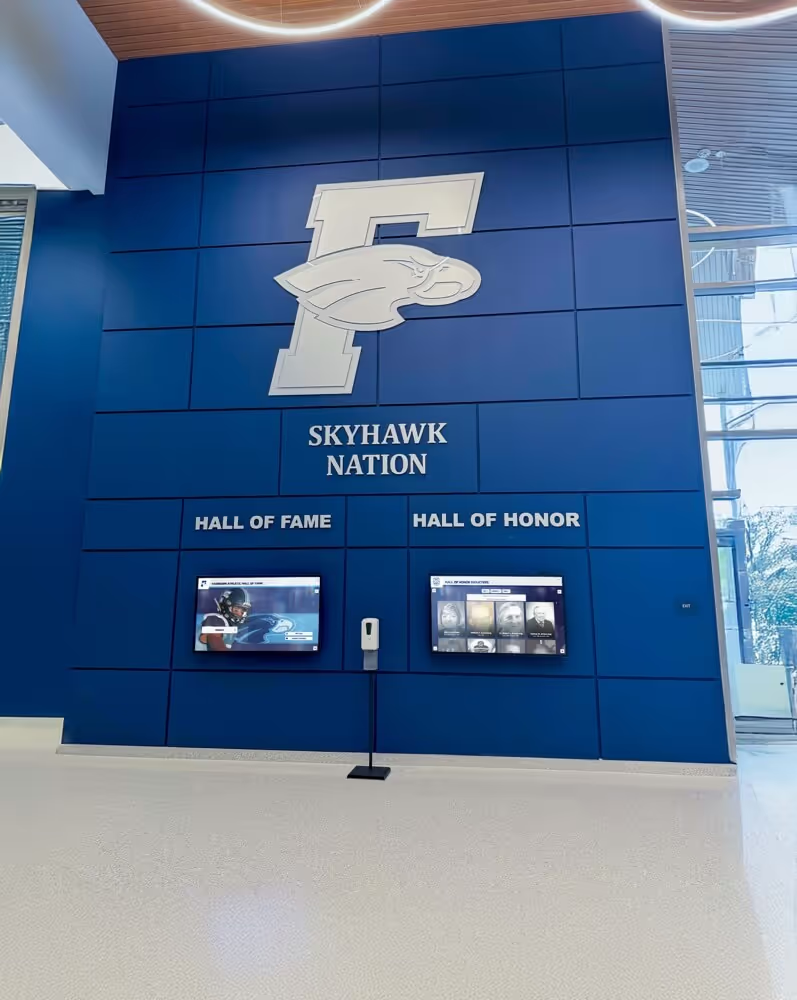
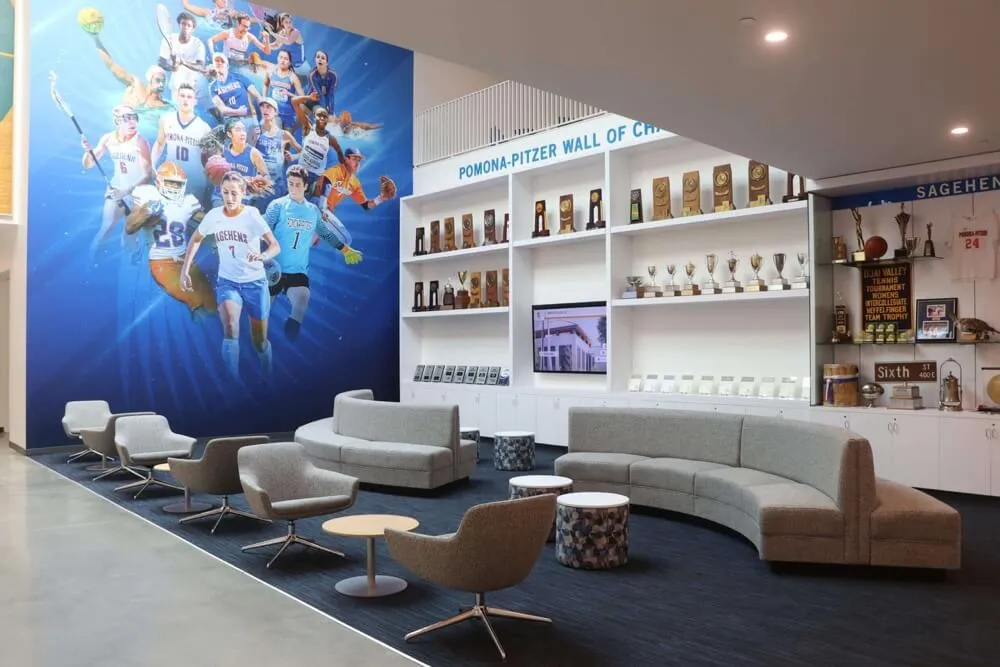
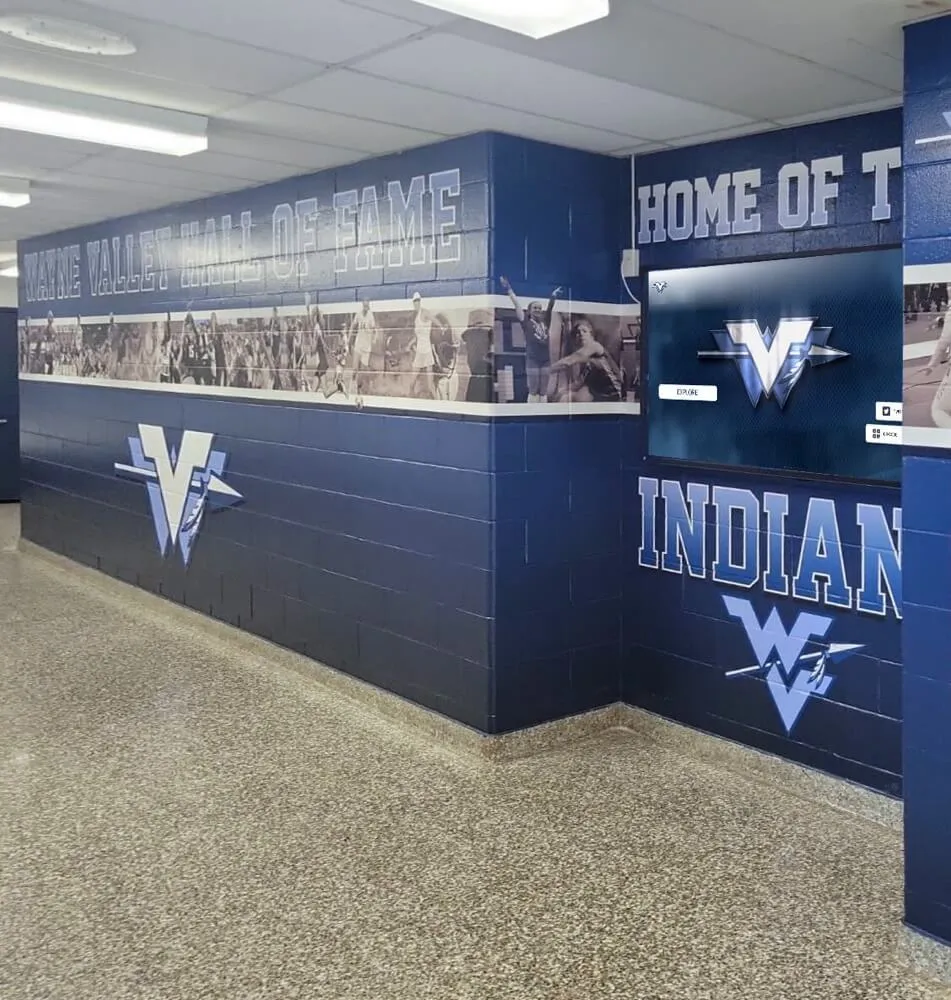
Strategic lobby placement ensures maximum visibility while creating recognition destinations that honor supporters through compelling video storytelling and interactive exploration
Video-Based Impact Storytelling and Donor Engagement
Perhaps most significantly, donor recognition screens fundamentally transform what acknowledgment communicates through powerful video capabilities:
Traditional Recognition Information Gaps
Physical plaques display engraved names, sometimes contribution amounts or giving levels, and occasionally brief dedication text—but provide absolutely no context about what contributions actually accomplished, which specific programs benefited from generosity, how lives transformed through philanthropic investment, or why supporters chose to give to your organization. This complete information vacuum means traditional recognition fails to inspire prospective donors touring facilities or deepen existing supporter connections to missions through emotional storytelling that drives continued engagement.
Digital Screen Video Impact Communication
Interactive donor recognition screens enable comprehensive video-based impact storytelling completely impossible with static installations:
High-quality video testimonials from scholarship recipients, program beneficiaries, and community members describing specific transformation and expressing genuine gratitude to supporters, detailed project documentation videos showing exactly what capital campaigns accomplished from groundbreaking through completion, professional photo galleries with narrated voiceovers showing facilities, programs, and measurable outcomes donor support enabled, statistical data visualization through motion graphics demonstrating community impact and program reach, historical video timelines showing how sustained giving built transformational programs over years or decades, donor video statements explaining personal motivations and deep connections to institutional causes, and ongoing progress update videos maintaining engagement as donor-funded initiatives achieve significant milestones and expand impact.
Research on digital recognition consistently demonstrates that rich video content incorporating impact narratives generates 300-400% longer visitor engagement compared to simple text-based name lists while creating significantly stronger emotional connections between supporters and organizational missions. According to nonprofit technology studies, video content increases donor retention by 25-35% compared to text-only recognition approaches. This deeper engagement translates directly to measurable fundraising outcomes: institutions report that prospective donors touring facilities and exploring video-rich recognition screens show measurably higher conversion rates averaging 15-20% increases and larger initial contributions compared to those encountering only traditional static plaques without visual storytelling.
Explore video storytelling approaches in Giving Tuesday donor recognition displays that drive year-end giving through compelling visual content.
Core Donor Recognition Screen Features and Video Capabilities
Understanding essential technical capabilities ensures evaluation of display solutions based on functionality delivering strategic visual recognition objectives rather than superficial technology features.
Professional Video Playback and Multimedia Support
Effective donor recognition screens require robust video capabilities supporting diverse content types:
Supported Video Formats and Specifications
Comprehensive platforms accommodate standard video formats including MP4, MOV, and WebM with H.264 or H.265 compression, full HD 1080p resolution as minimum standard with 4K support for premium installations, responsive aspect ratio handling supporting both landscape (16:9) and portrait (9:16) orientations, automatic transcoding optimizing uploaded videos for smooth playback without technical user intervention, and reliable streaming capabilities ensuring videos play smoothly without buffering delays that frustrate visitors.
Video Content Management Requirements
Organizations should evaluate how easily systems accommodate video content through simple upload interfaces allowing non-technical development staff to add videos without requiring IT involvement, bulk import capabilities for migrating large existing video archives efficiently during initial setup, automatic optimization ensuring fast loading regardless of original file sizes or formats uploaded, comprehensive content approval workflows when multiple administrators manage recognition across departments, thumbnail generation creating preview images automatically for video content, closed captioning support ensuring accessibility compliance for visitors with hearing disabilities, and version history enabling rollback if video updates create unintended display issues.
Technical barriers to video content management often mean recognition remains text-heavy despite multimedia capabilities—prioritize platforms specifically designed for easy video addition by development staff without requiring professional video production teams, specialized editing software, or extensive technical training for every content update.
Unlimited Donor Profiles with Rich Video Content
Comprehensive video-focused recognition requires accommodating diverse supporter information presentation formats:
Video Profile Components
Complete donor profiles optimized for video storytelling typically include professional video testimonials from donors explaining giving motivations (60-120 seconds ideal length), high-resolution photographs of supporters alongside supported programs and facilities, biographical information providing context about donors’ lives and professional backgrounds, detailed contribution histories showing giving patterns over time with visual timeline graphics, campaign affiliation documentation connecting gifts to specific transformational initiatives, video messages from program beneficiaries expressing gratitude and describing impact, volunteer involvement acknowledgment recognizing non-financial contributions through service, family legacy information for multi-generational supporters presented through family photo galleries, and memorial or tribute gift designations honoring loved ones through photo memorials and video remembrances.
Content Flexibility for Different Donor Segments
Digital screen platforms should accommodate varying profile detail levels appropriate for different supporter tiers: basic text acknowledgment for all contributors ensuring inclusive recognition above minimum thresholds, enhanced profiles with professional photography for sustained supporters and giving society members, comprehensive multimedia presentations with video testimonials for major gift donors warranting special recognition, and dedicated campaign-specific video content connecting contributions to particular transformational initiatives with documentary-style impact footage.
This flexibility enables organizations to recognize all donors appropriately while differentiating acknowledgment commensurate with contribution significance and relationship depth—all while maintaining consistent professional visual quality standards across all recognition categories.
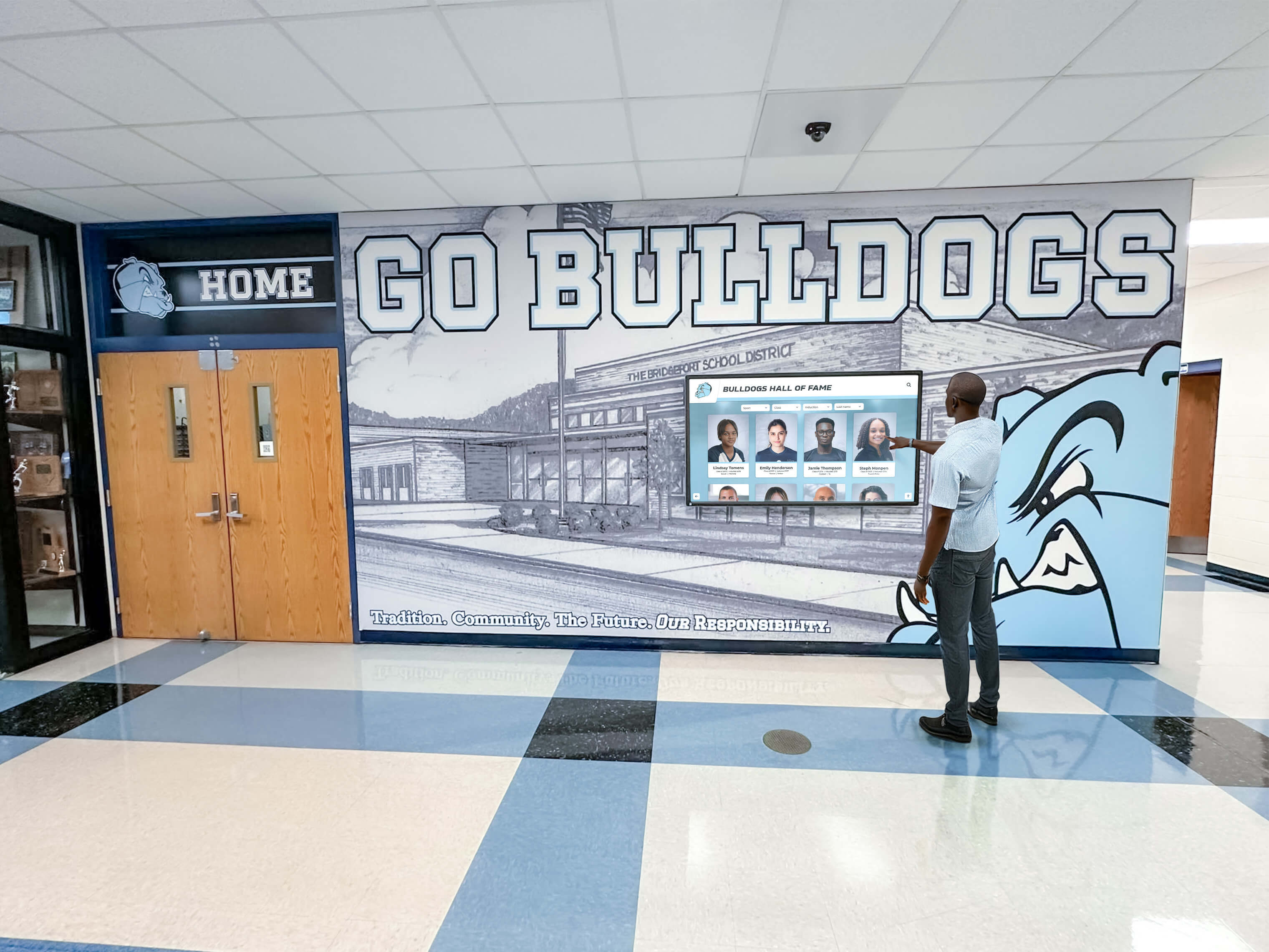
Intuitive video playback controls encourage deep exploration and extended engagement with donor stories and impact content through user-friendly touch interfaces
Intuitive Video Navigation and Content Discovery
Enabling visitors to find and play specific video content effectively requires sophisticated interface design optimized for touchscreen interaction:
Essential Video Navigation Features
Effective donor recognition screens provide multiple video discovery pathways: featured video rotations automatically highlighting diverse supporters on home screens, alphabetical search allowing quick donor location by name with video preview thumbnails, campaign or giving society filtering enabling exploration by specific initiatives with associated impact videos, time period navigation showing recognition organized chronologically with year-by-year video highlights, contribution level categories when appropriate for donor preferences with video testimonials at each tier, geographic filtering for institutions with widespread supporter bases organized by region, and curated video playlists combining related donor stories and impact documentation into compelling narrative sequences.
Video Playback User Experience
Interface design significantly impacts video engagement and accessibility. Leading platforms emphasize large touch-friendly video play buttons suitable for users of all ages and technical comfort levels, clear progress bars showing video duration and current position, intuitive playback controls enabling pause, rewind, and volume adjustment without confusion, closed caption toggles supporting accessibility requirements, responsive touch interfaces providing immediate visual feedback to all interactions, seamless transitions between video content and donor profile information, and consistent navigation enabling easy return to search without losing context or starting over completely.
Poor video interface design undermines even excellent content quality—organizations should prioritize user experience testing as highly as video production quality when evaluating donor recognition screen solutions.
Video Tour Production Strategies for Donor Recognition Screens
Creating compelling video content that honors donors appropriately while inspiring continued support requires systematic production approaches aligned with TouchWall.tv’s video demonstration mission:
Planning Video Content Strategy and Production Workflows
Content Type Categories
Effective video-based recognition incorporates diverse content types serving different strategic purposes:
Individual donor video testimonials (60-120 seconds) explaining giving motivations and personal connections to missions, beneficiary impact videos (90-150 seconds) describing program transformation and expressing gratitude to supporters, campaign overview documentaries (3-5 minutes) providing comprehensive context about transformational initiatives funded by philanthropy, facility tour videos showcasing spaces and infrastructure donor generosity created, program activity footage documenting ongoing operations and outcomes philanthropic support enables, historical retrospective videos celebrating organizational evolution and donor community over decades, and leadership message videos from presidents, board chairs, or development directors thanking supporters and casting vision.
Production Planning Considerations
Systematic video production requires advance planning addressing interview subject identification and scheduling coordination, location scouting for visually compelling backdrops representing organizational character, lighting and audio equipment ensuring professional quality without extensive technical infrastructure, scripting or interview question preparation balancing authenticity with clear messaging, release form collection ensuring legal permission to use footage, and realistic timeline estimation accounting for interview scheduling, filming, editing, and approval processes.
Organizations often achieve excellent results combining occasional professional videography for signature recognition content with regular staff-produced smartphone videos for routine updates—balancing production quality with sustainable ongoing content development capacity that maintains fresh recognition without requiring major budget allocations for every update.
Explore video production approaches in digital hall of fame video tours addressing content strategy and filming best practices.
Video Interview Best Practices for Donor Testimonials
Pre-Interview Preparation
Successful donor testimonial videos require thoughtful preparation: clearly communicate interview purpose and how footage will be used in recognition displays, provide general topic guidance without rigid scripts that feel inauthentic, choose comfortable familiar locations where donors feel relaxed rather than formal studio settings, schedule adequate time without rushing conversations that capture genuine emotion, and conduct technical tests ensuring audio quality and proper framing before recording begins.
Interview Execution Strategies
During filming, focus on authenticity over polish: begin with comfortable warm-up conversation before recording formal content, ask open-ended questions encouraging storytelling rather than yes/no responses, allow pauses and emotional moments rather than rushing through predetermined questions, capture genuine reactions and authentic personality rather than scripted corporate messaging, record multiple takes providing options during editing, and conclude with gratitude reinforcing that donor participation honors their generosity appropriately.
Essential Interview Questions
Effective donor testimonials typically address core narrative elements: What initially attracted you to support our organization? What specific program or initiative matters most personally to you? How have you seen your contributions make tangible difference? What would you tell someone considering supporting our mission? What does this organization mean to your family or professional legacy?
These questions yield authentic storytelling content that inspires prospective donors far more effectively than scripted promotional messaging focused on institutional priorities rather than donor perspectives and genuine motivations.
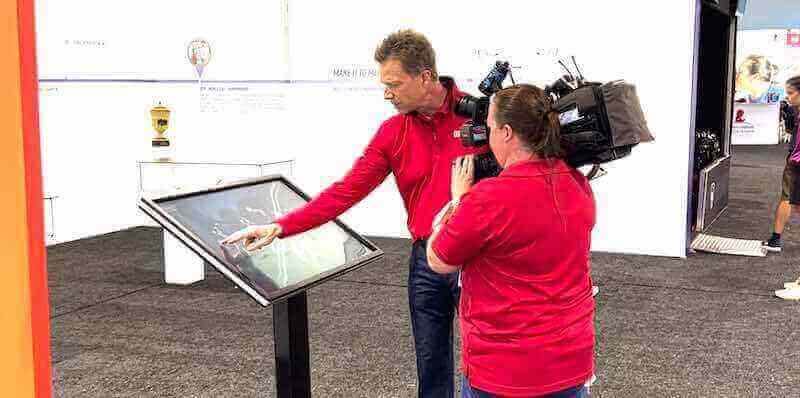
Professional video tours showcasing donor recognition screens serve dual purposes: honoring supporters through multimedia storytelling while demonstrating recognition capabilities to prospective donors considering their own contributions
Technical Video Production Standards for Recognition Displays
Video Resolution and Format Specifications
Professional recognition screen video content requires minimum technical standards: 1920x1080 Full HD resolution as baseline with 4K (3840x2160) preferred for large displays over 65 inches, 30fps frame rate minimum with 60fps preferred for smooth motion, appropriate aspect ratios matching display orientation (16:9 landscape standard, 9:16 portrait for vertical installations), H.264 or H.265 video codec with AAC audio codec ensuring broad compatibility, bitrate of 5-10 Mbps for 1080p and 15-25 Mbps for 4K maintaining quality without excessive file sizes, and total file sizes under 500MB per video enabling reasonable upload times and reliable streaming playback.
Audio Quality Requirements
Clear audio matters as much as video quality for effective testimonials: record audio separately using dedicated microphones rather than relying on camera built-in mics, minimize background noise through location selection and noise reduction post-processing, normalize audio levels ensuring consistent volume across all recognition videos, add subtle background music at -20dB to -30dB under dialogue enhancing emotional impact without overwhelming speech, and include closed captions supporting accessibility while enabling silent viewing in public spaces where audio cannot play.
Lighting and Composition Best Practices
Professional-looking video requires attention to basic cinematography principles: three-point lighting eliminating harsh shadows while creating depth, natural window light as cost-effective alternative to professional lighting equipment, rule of thirds composition positioning subjects off-center creating visual interest, appropriate background selection avoiding distracting elements while representing organizational character, eye-level camera positioning creating connection rather than looking up or down at subjects, and stable footage using tripods rather than handheld shots that appear amateurish.
These technical standards ensure video content honors donors appropriately through professional presentation quality while remaining achievable for organizations without extensive video production budgets or specialized equipment beyond quality smartphones and basic accessories.
Hardware Selection and Installation for Donor Recognition Screens
Appropriate display technology infrastructure ensures reliable video playback operation and optimal visual experiences:
Commercial-Grade Display Hardware Specifications
Essential Technical Requirements
Professional donor recognition screen installations require commercial displays specifically rated for continuous 16-24 hour daily operation (not consumer televisions designed for residential intermittent use averaging 4-6 hours daily), responsive capacitive touchscreen technology providing intuitive interaction (not inferior resistive touch requiring pressure), appropriate screen sizes for viewing distances and spatial constraints (43-55 inches for hallways, 55-75 inches for lobbies and large gathering spaces), sufficient brightness ranging from 450-700 nits depending on ambient lighting conditions, wide viewing angles ensuring readability from various positions throughout spaces, commercial-grade mounting options including wall-mounted, freestanding floor kiosks, or integrated architectural installations, reliable connectivity supporting cloud video content delivery (hardwired ethernet strongly preferred over WiFi for video streaming stability), and comprehensive warranty coverage spanning 3-5 years for commercial installations rather than standard 1-year consumer warranties.
Screen Size Selection for Video Content
Choosing appropriate display sizes significantly impacts video viewing experience: viewing distances in installation locations determine minimum comfortable screen sizes (larger 65-75 inch screens for lobbies with 10-15 foot distances, smaller 43-55 inch displays for narrow hallways with 5-8 foot viewing distances), video content detail visibility requiring adequate screen real estate for comfortable viewing without squinting, budget constraints as larger commercial displays cost significantly more per inch, and architectural proportions ensuring installations appear intentional and professionally integrated rather than afterthoughts or obviously retrofitted additions.
Most educational institutions and nonprofits find 55-65 inch displays optimal for primary donor recognition locations, providing sufficient screen size for comfortable video viewing and text readability without overwhelming available spaces or exceeding reasonable budget allocations for recognition infrastructure.

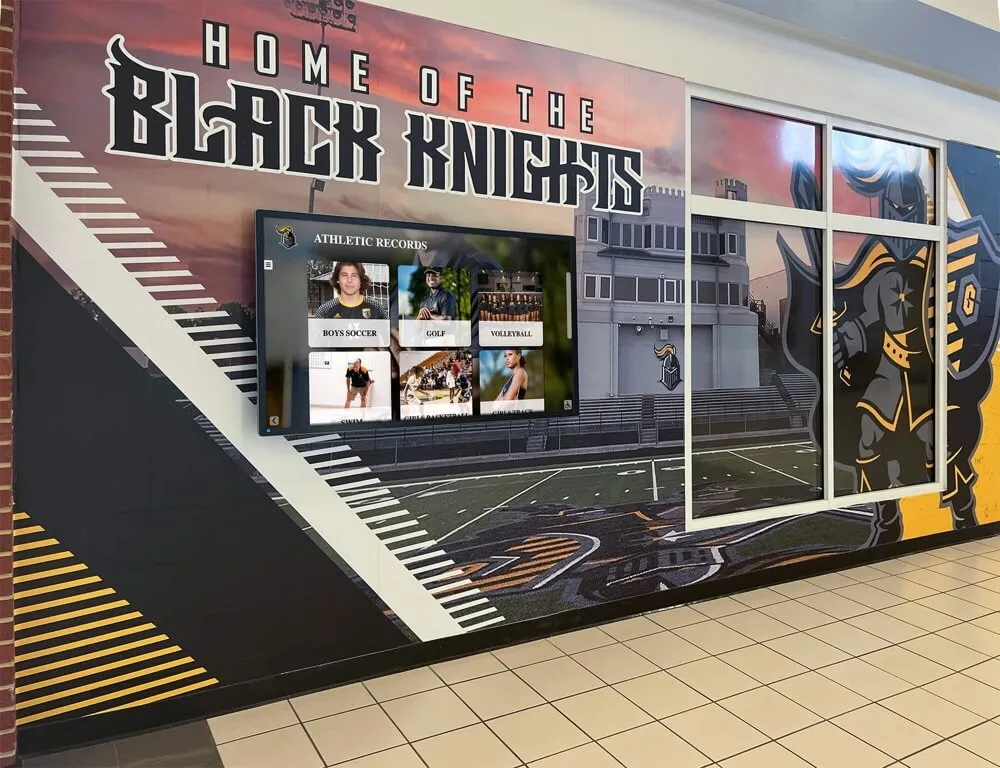
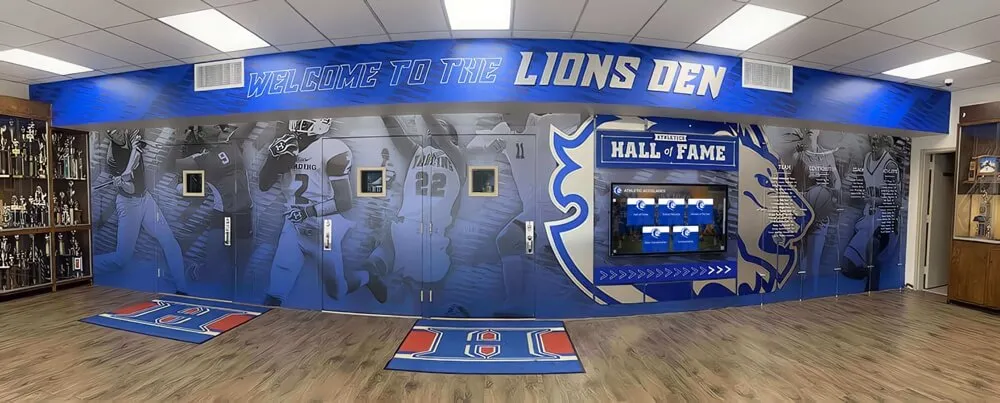
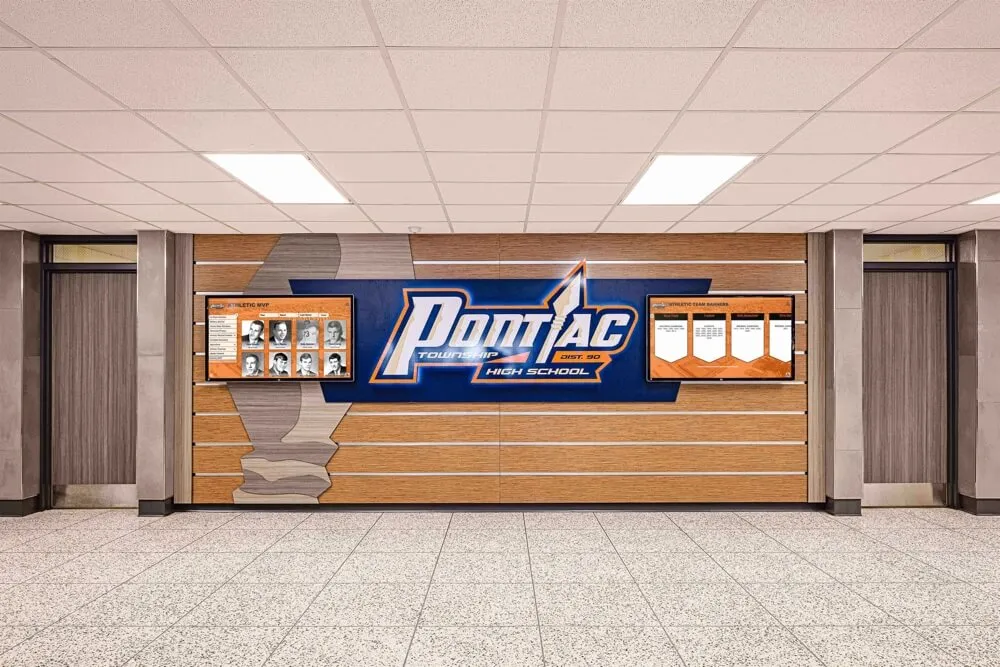
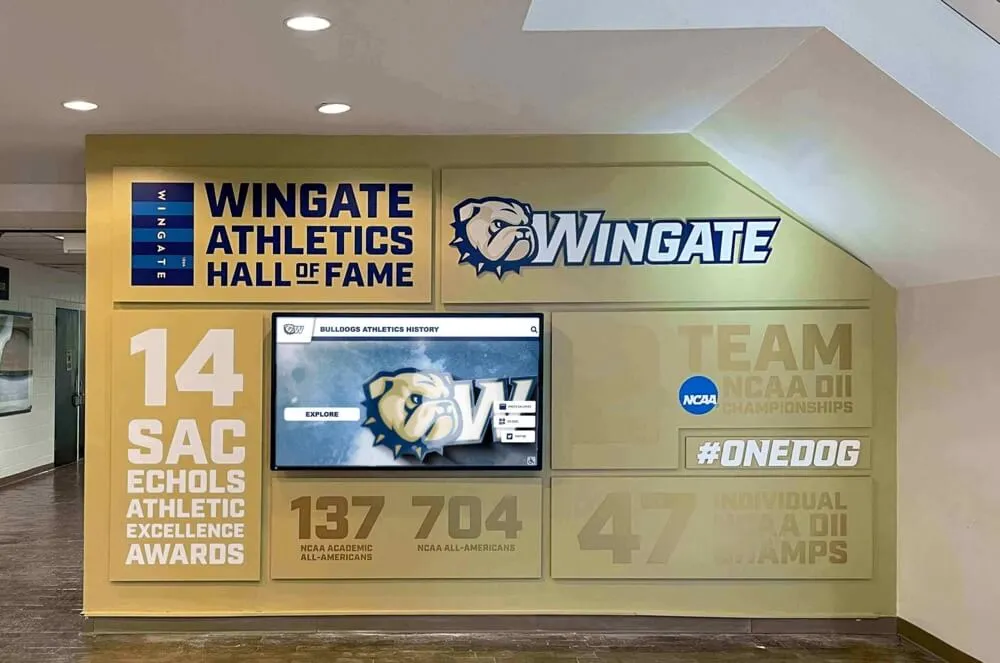
Professional installations create cohesive visual environments where multiple screens showcase different donor categories and impact videos throughout facilities
Strategic Screen Placement for Maximum Video Engagement
Display location dramatically affects video content visibility, engagement duration, and recognition impact:
Optimal Installation Locations
Primary building entrances and main lobbies ensuring all visitors encounter video recognition immediately upon arrival, development office reception areas where prospective donors meet with fundraising staff and can explore recognition during waiting periods, adjacent to specific programs or facilities funded by recognized campaigns creating direct visual connection between gifts and tangible outcomes, high-traffic gathering spaces including cafeterias, lounges, and common areas where community members congregate regularly and have time to watch video content, near elevators or stairways in multi-story facilities capturing attention during transition moments, and distributed locations throughout larger campuses reaching diverse audiences in athletics facilities, academic buildings, and residence halls.
Environmental Factors Affecting Video Display
Successful video screen installations account for lighting conditions ensuring screen visibility without excessive glare washing out displays, electrical infrastructure providing adequate dedicated power circuits preventing power fluctuations affecting playback, robust network connectivity supporting reliable high-bandwidth video streaming without buffering interruptions, physical security preventing theft or vandalism in vulnerable high-traffic public locations, appropriate climate control maintaining operating temperatures within manufacturer specifications, and ADA accessibility compliance ensuring displays meet requirements for mounting heights and interaction zones enabling use by visitors with disabilities.
Professional site assessments before installation prevent costly modifications later—invest in proper environmental evaluation ensuring screens function optimally for reliable video playback in actual operating conditions.
Explore technical implementation in touchscreen software guides addressing display infrastructure and connectivity requirements.
Creating Video Content Library for Donor Recognition
Building comprehensive video content requires systematic approaches balancing quality with sustainable production capacity:
Video Content Development Timeline and Workflow
Initial Content Development Phase
Launching donor recognition screens requires baseline video content: identify 10-15 diverse donors representing different contribution levels, giving motivations, and demographic segments for initial testimonial filming, schedule and conduct video interviews over 4-6 week period allowing adequate time for coordination, select 3-5 signature program impact stories for comprehensive documentary-style videos showcasing transformational outcomes, compile historical photo archives and footage creating video timeline retrospectives celebrating organizational evolution, record leadership welcome videos from president, board chair, and development director thanking supporters, and professionally edit all content ensuring consistent quality standards, proper captioning, and optimized file formats for reliable display playback.
Ongoing Content Enhancement Strategy
Sustainable recognition requires continuous video development: establish quarterly video production cycles adding 2-4 new donor testimonials per quarter, document major campaign milestones and program achievements through regular impact update videos, capture event footage from donor appreciation receptions and campaign celebrations, systematically enhance existing donor profiles adding video content as relationships deepen, refresh featured video rotations seasonally maintaining variety for repeat visitors, and archive all raw footage creating comprehensive video libraries supporting future documentary projects and historical retrospectives.
Organizations maintaining disciplined ongoing video production schedules build recognition programs that continuously improve rather than launching with initial content then allowing recognition to become stale through neglect—a common pitfall undermining long-term effectiveness.
Video Editing and Post-Production Standards
Essential Editing Techniques
Professional video recognition content requires thoughtful post-production: tight editing removing unnecessary pauses, verbal fillers, and redundant content while maintaining authentic feel, opening title cards identifying donors and providing context, lower-third graphics displaying donor names and giving levels during testimonials, subtle color grading ensuring consistent visual tone across all recognition videos, background music beds enhancing emotional impact at appropriate volume levels, smooth transitions between interview segments and supporting b-roll footage, end cards with calls-to-action encouraging viewers to learn more or consider contributing, and comprehensive closed captions ensuring accessibility compliance and supporting silent viewing.
Quality Control and Review Process
Before publishing video content to recognition screens, establish systematic review: technical quality checks verifying proper resolution, audio levels, and file format compatibility, content accuracy review ensuring donor names, contribution amounts, and program details are correct, brand consistency verification confirming videos align with institutional visual identity and messaging standards, accessibility compliance testing captions for accuracy and readability, and final donor approval securing permission to use content publicly especially for testimonial videos featuring identifiable individuals.
Thorough quality control prevents embarrassing errors that undermine recognition credibility and damage donor relationships through careless presentation of their generous contributions.
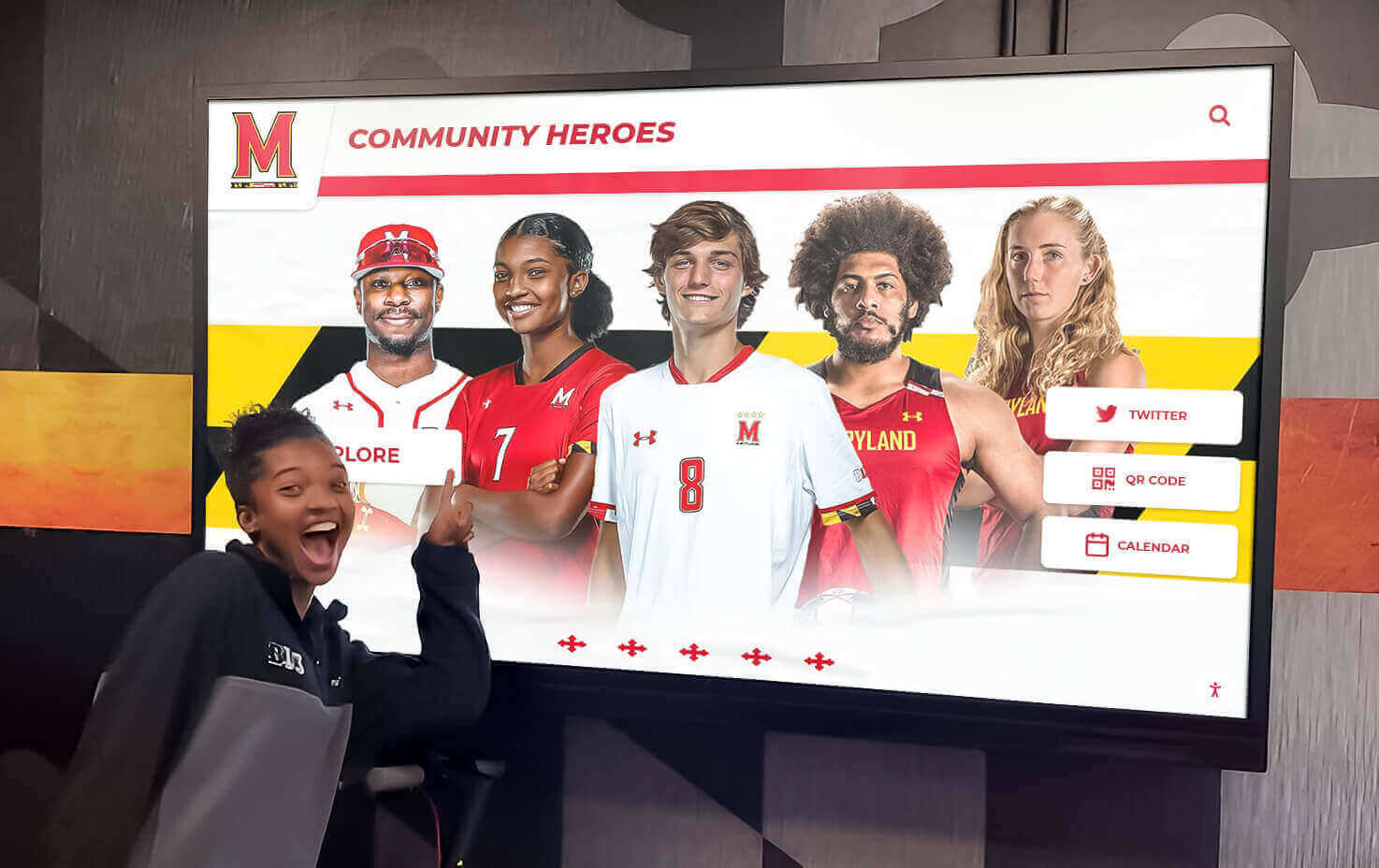
Video-rich recognition inspires next-generation supporters by showcasing philanthropic culture and community impact through engaging visual storytelling that resonates with younger audiences
Measuring Donor Recognition Screen Video Engagement Success
Assessment demonstrates video content effectiveness while identifying improvement opportunities ensuring recognition achieves intended objectives:
Video Performance Analytics and Engagement Metrics
Quantitative Video Metrics
Modern recognition screen platforms provide detailed video usage data: total video plays tracking how frequently visitors choose to watch content, average video completion rates revealing whether viewers watch entire videos or abandon early, most-viewed video content identifying popular donor stories and impact narratives, session duration showing total engagement time including video watching, peak viewing times informing optimal content update scheduling, replay rates indicating compelling content visitors choose to watch multiple times, and social sharing metrics when web platforms enable video content distribution beyond physical displays.
Organizations consistently report that video content generates 3-5x longer engagement compared to text-only recognition—visitors spend 5-8 minutes exploring video-rich displays versus 60-90 seconds with traditional static name lists, creating dramatically stronger emotional connections and stewardship impact.
Fundraising Impact Correlation
Beyond engagement metrics, track broader fundraising indicators potentially influenced by video recognition: overall giving trends following recognition screen deployment, donor retention rates year-over-year after video recognition launches, average contribution sizes and giving frequency among recognized supporters, upgrade rates as small donors increase commitments after seeing video impact documentation, new donor acquisition potentially inspired by video recognition visibility during facility tours, planned giving inquiries and legacy society growth correlated with video recognition of estate commitments, and donor survey responses about satisfaction and emotional connection to missions after engaging with video content.
While multiple factors influence fundraising outcomes, positive trends correlating with video recognition improvements strongly suggest programs contribute meaningfully to development objectives beyond simple transactional acknowledgment.
Qualitative Video Content Assessment
Stakeholder Feedback Collection
Regular qualitative feedback provides insights beyond quantitative analytics: donor testimonials about video recognition experiences and emotional impact of seeing their stories honored, development staff observations about prospect responses during facility tours when engaging with video content, organizational leadership assessment of recognition effectiveness and cultural impact, program beneficiary perspectives about connections between gifts and outcomes documented in videos, visitor comments about overall impressions and inspiration after watching recognition videos, and external consultant evaluation providing objective third-party assessments of video content quality and strategic effectiveness.
Continuous Video Improvement Processes
Effective recognition programs embrace systematic evolution: quarterly video content reviews identifying enhancement opportunities and outdated material requiring updates, annual comprehensive video library assessments evaluating overall program effectiveness and strategic alignment, donor advisory committees providing direct supporter input on video recognition preferences and content priorities, peer institution video content comparisons revealing innovation opportunities and best practices, and responsive iteration based on engagement analytics and qualitative feedback ensuring video recognition continuously improves rather than remaining static after initial implementation.
Organizations viewing recognition as dynamic video-focused programs requiring ongoing creative attention achieve far superior donor engagement outcomes compared to those treating digital screens as one-time technology installations requiring no further content management or creative development.
TouchWall.tv Video Tour Production for Donor Recognition Screens
Creating compelling video tours showcasing your donor recognition screen installation serves dual strategic purposes—honoring supporters through professional multimedia documentation while demonstrating recognition capabilities to prospective donors:
Video Tour Planning and Storyboarding
Tour Structure and Narrative Arc
Effective donor recognition screen video tours follow proven narrative structures: opening sequence establishing institutional context and recognition philosophy (15-30 seconds), wide shots showcasing physical display installation and architectural integration (30-45 seconds), demonstration of touchscreen interaction and navigation showing how visitors explore donor content (60-90 seconds), featured donor video testimonial excerpts highlighting compelling stories (90-120 seconds), impact documentation showing program outcomes donor support enabled (60-90 seconds), technical capability demonstration including search, filtering, and content discovery features (45-60 seconds), and closing call-to-action encouraging viewers to schedule facility tours or contribute (15-30 seconds).
Total video tour duration typically ranges from 4-7 minutes providing comprehensive coverage without excessive length that reduces completion rates.
Shot List and Production Requirements
Systematic video tour production requires detailed planning: wide establishing shots showing display in context of overall facility environment, medium shots capturing visitors naturally interacting with touchscreen content, close-up detail shots highlighting video playback quality and interface design, screen capture footage demonstrating actual recognition software and navigation, interview segments with development staff explaining recognition program philosophy and impact, donor testimonial excerpts showcasing content quality and emotional storytelling, program documentation footage showing facilities and activities philanthropic support enables, and b-roll supplementary footage providing editing flexibility and visual variety.
Professional video tours typically require 4-8 hours on-site filming plus 2-3 days editing and post-production work creating polished final presentations suitable for prominent placement on organizational websites, social media platforms, and donor communication materials.
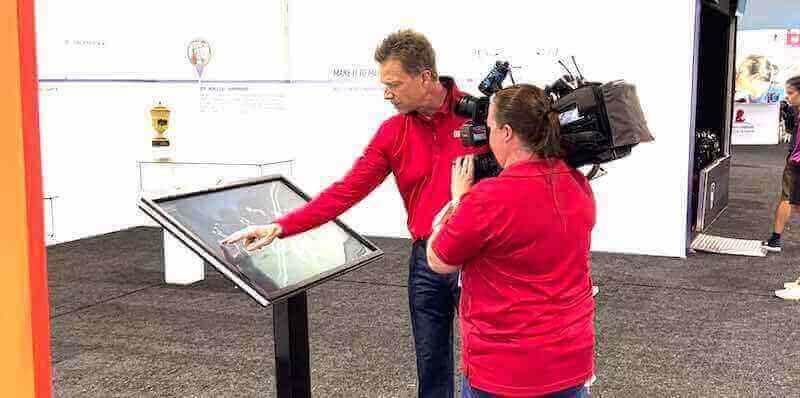
Professional video tour production captures donor recognition screens in action, creating compelling promotional content that demonstrates capabilities while honoring supporter community
Video Tour Distribution and Promotion Strategy
Multi-Channel Video Publishing
Maximize video tour reach through strategic distribution: prominent website homepage placement driving immediate visibility for all site visitors, dedicated recognition program landing pages providing comprehensive context and calls-to-action, YouTube publication with SEO-optimized titles, descriptions, and tags improving discoverability, social media posting across LinkedIn, Facebook, and Instagram with platform-specific formatting, email campaign distribution to donor lists and prospective supporters with compelling preview thumbnails, donor stewardship materials including annual reports and impact statements, and virtual tour integration for remote facility exploration supporting distant donor cultivation.
Video SEO and Metadata Optimization
Ensure video tour discoverability through proper optimization: descriptive titles incorporating relevant keywords like “donor recognition screen tour,” “digital recognition display,” and institutional name, comprehensive video descriptions explaining content and including relevant links to giving pages, appropriate category and tag selection on video hosting platforms, custom thumbnails featuring compelling screen imagery rather than random auto-generated frames, closed caption uploading supporting search indexing and accessibility, chapter markers enabling viewers to navigate to specific sections of interest, and engagement optimization through compelling opening hooks retaining viewer attention beyond critical first 10 seconds.
Properly optimized video tours become powerful evergreen marketing assets generating ongoing visibility, prospective donor education, and fundraising impact long after initial production investment.
Learn about comprehensive video strategies in high school reunion display videos addressing tour production and distribution best practices.
Common Donor Recognition Screen Implementation Challenges and Solutions
Organizations frequently encounter specific obstacles requiring thoughtful responses during planning and deployment:
“We Don’t Have Video Production Expertise or Equipment”
Addressing Video Capability Concerns
Many organizations feel intimidated by video production requirements for recognition screens. Effective responses include starting with smartphone video using modern devices capable of excellent 4K quality, investing in affordable basic accessories including tripods, clip-on microphones, and simple lighting improving production values dramatically, leveraging free or low-cost editing software like iMovie, DaVinci Resolve, or Premiere Rush, engaging communications or marketing staff who often possess video skills, utilizing student interns from nearby colleges studying film or communications providing cost-effective production support, contracting freelance videographers for occasional professional content while handling routine updates internally, and partnering with vendors like Rocket Alumni Solutions offering video production services as part of comprehensive recognition solutions.
Remember that authentic donor testimonials filmed on smartphones often resonate more powerfully than overly polished corporate productions feeling staged and inauthentic. Focus on genuine storytelling and emotional connection rather than technical perfection.
“Donors Prefer Traditional Physical Plaques Over Digital Screens”
Addressing Preference and Perception Concerns
Some major donors express initial preferences for traditional physical recognition based on familiarity and perceived permanence. Effective responses include combining approaches with selective physical plaques for specific major campaigns alongside comprehensive digital screen recognition for broader donor communities, emphasizing superior permanence of digital platforms through vendor track records and institutional commitments to ongoing maintenance, demonstrating dramatically superior engagement and video-based impact storytelling impossible with static installations, offering genuine donor choice allowing supporters to designate recognition preferences during solicitation conversations, showcasing successful video-rich implementations at peer institutions validating digital approaches within your sector, and inviting skeptical donors to advisory committees providing input on video content strategy and recognition program evolution.
Many initially skeptical donors become enthusiastic video recognition supporters after experiencing well-implemented touchscreen displays honoring them more comprehensively through multimedia storytelling than physical plaques ever could—particularly when they see their own video testimonials inspiring next-generation supporters.
“We’re Concerned About Technology Reliability and Maintenance”
Addressing Technical Reliability Concerns
Technology concerns require transparent discussion and risk mitigation: specifying commercial-grade displays from reputable manufacturers with proven reliability records in continuous operation environments, establishing comprehensive warranty coverage and vendor support agreements ensuring prompt service response, implementing remote monitoring systems alerting administrators immediately when issues arise, maintaining backup display units for critical locations ensuring recognition remains visible during repairs, partnering with local IT support providers or qualified AV integrators offering ongoing maintenance services, creating simple troubleshooting guides enabling basic issue resolution by non-technical staff, and setting realistic expectations understanding that occasional technical issues occur with all electronic systems but proper planning minimizes disruption impact.
Modern commercial touchscreen displays typically operate reliably for 50,000+ hours (5-7 years of continuous operation) before requiring replacement—comparable to or exceeding the lifespan of traditional physical recognition elements requiring periodic refinishing, re-engraving, and updating as supporter communities evolve.
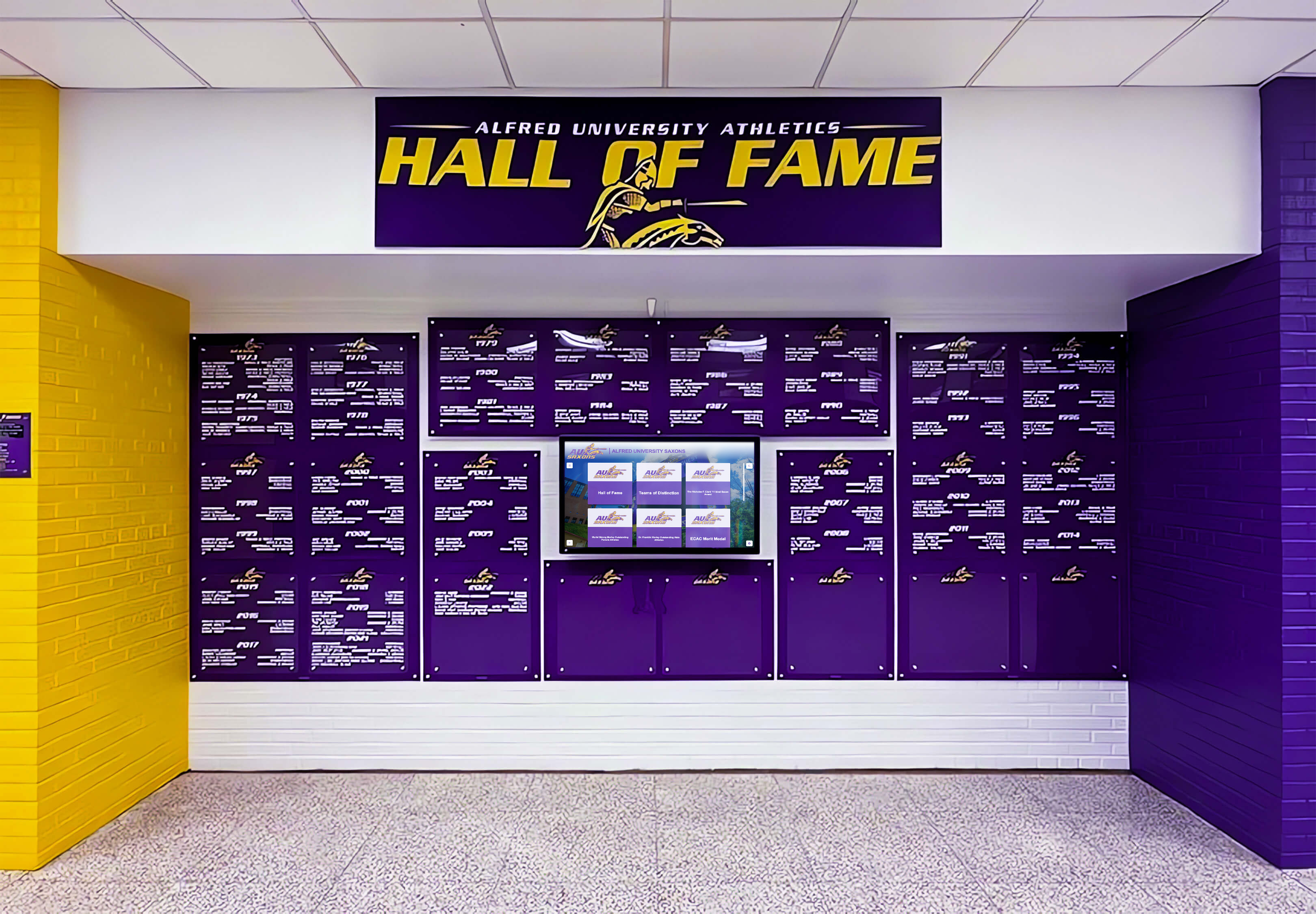
Quality commercial displays deliver years of reliable operation honoring donor communities through consistent high-quality video presentation and touchscreen interaction
Explore technical considerations in digital hall of fame buying guides addressing hardware selection and reliability planning.
Future Trends in Donor Recognition Screen Technology
Understanding emerging video technology developments helps organizations plan recognition screen investments remaining relevant long-term:
Enhanced Video Capabilities and Interactive Features
Next-Generation Video Technologies
Emerging capabilities expand recognition screen video possibilities: 8K ultra-high-resolution video displays providing extraordinary detail for large-format installations, HDR (High Dynamic Range) video supporting expanded color gamut and contrast for more lifelike presentation, 360-degree video content enabling immersive virtual facility tours showing donor-funded spaces, augmented reality video overlays blending physical environments with digital information layers, holographic video projection creating three-dimensional donor presentations without special glasses, AI-powered video personalization adapting content based on viewer demographics and interests detected through optional facial recognition, and interactive video branching allowing viewers to choose narrative paths exploring content matching their specific interests.
These innovations continue expanding what video-based recognition can accomplish while maintaining focus on genuine donor appreciation and authentic storytelling rather than technology novelty for its own sake.
Artificial Intelligence and Automated Video Production
AI-Enhanced Recognition Content
Artificial intelligence technologies increasingly support video recognition: automated video editing assembling raw footage into polished final products without manual editing expertise, AI-generated voiceover narration creating professional audio from text scripts, automated closed caption generation and translation supporting multilingual accessibility, intelligent content recommendations suggesting relevant donor stories and impact videos based on viewing patterns, predictive analytics identifying optimal video lengths and content formats maximizing engagement, and synthetic video generation creating animated explainer content from structured data without traditional filming.
While AI tools won’t replace authentic human storytelling and genuine donor testimonials, they can significantly reduce production barriers enabling smaller organizations to create compelling video recognition content without extensive budgets or specialized technical expertise.
Integration with Comprehensive Digital Ecosystems
Connected Recognition Platforms
Donor recognition screens increasingly integrate with broader institutional technology ecosystems: automatic donor data synchronization from advancement CRM platforms eliminating duplicate entry, real-time giving visualization showing campaign progress and recent contributions, social media integration enabling content sharing and donor community building, mobile app connectivity extending recognition access to smartphones and tablets, virtual reality integration supporting remote donor engagement and facility tours, livestream capabilities broadcasting recognition events and campaign celebrations, and comprehensive analytics dashboards combining recognition engagement data with fundraising performance metrics providing holistic development intelligence.
These connected capabilities transform donor recognition screens from standalone displays into comprehensive stewardship platforms supporting entire development program strategies and donor relationship lifecycles.
Conclusion: Transforming Donor Recognition Through Video-Powered Digital Screens
Donor recognition screens represent the future of philanthropic acknowledgment—moving beyond space-constrained static physical plaques toward unlimited dynamic video-rich platforms that honor supporters comprehensively while inspiring continued generosity through compelling visual storytelling impossible with traditional approaches. When implemented thoughtfully with genuine commitment to honoring all supporters appropriately through professional video content, demonstrating specific transformation enabled by gifts through documentary-style impact footage, maintaining recognition excellence through ongoing video production and content enhancement, and integrating recognition within comprehensive development strategies, digital touchscreen displays transform fundraising cultures where donors feel genuinely valued, understand exactly what their generosity accomplishes through visual proof, develop lasting emotional connections to missions through authentic video testimonials, and commit to sustained giving enabling organizational capacity to achieve transformational community impact.
The most successful donor recognition screen implementations share common video-focused characteristics: they recognize all contributors inclusively using scalable digital capacity rather than selecting only major donors due to space constraints, emphasize visual impact storytelling and video testimonials rather than simply listing donor names in text databases, provide intuitive touchscreen interfaces encouraging active video exploration rather than passive viewing, maintain current accurate content through systematic video production workflows and content refresh cycles, integrate thoughtfully within facilities as architectural focal points rather than obvious technology afterthoughts, and evolve continuously based on engagement analytics, donor feedback, and proven video content best practices from peer institutions implementing similar recognition programs.
Transform Your Donor Recognition Program with Video-Powered Touchscreen Displays
Discover how modern donor recognition screen solutions can help your organization honor supporters comprehensively through compelling video storytelling, demonstrate genuine appreciation through multimedia impact documentation, showcase transformational outcomes through documentary-style content, and build lasting relationships that drive sustained philanthropic support. Rocket Alumni Solutions provides comprehensive video-capable platforms designed specifically for educational institutions, nonprofits, healthcare organizations, and institutions committed to recognition excellence through visual engagement.
Book a Live TouchWall Video DemoWhether your organization is implementing first formal digital recognition program or enhancing established donor acknowledgment systems with modern video-capable touchscreen technology, remember that authentic gratitude communicated through genuine video testimonials and meaningful visual connection matter more than sophisticated features or expensive installations. Start with clear understanding of donor preferences and storytelling opportunities, develop video recognition approaches emphasizing specific measurable impact rather than perfunctory acknowledgment, create inclusive programs honoring all contribution types and sizes appropriately through scalable digital platforms, invest in sustainable video production workflows creating ongoing content enhancement rather than one-time launches, and commit to continuous evolution based on donor feedback, video engagement analytics, and demonstrated retention outcomes proving recognition effectiveness.
Your donors have chosen to support your mission among countless worthy causes competing for philanthropic resources—they deserve video-rich recognition that honors their generosity appropriately while inspiring continued partnership through compelling visual storytelling showcasing exactly what their contributions accomplish. Strategic investment in thoughtful comprehensive donor recognition screens creates sustainable fundraising where supporters feel genuinely valued through professional video presentations, understand transformation their giving enables through documentary impact footage, develop emotional connections to missions through authentic testimonials, and commit to sustained multi-year giving that transforms organizational capacity to achieve lasting community impact benefiting thousands for generations.
Ready to begin your video-powered donor recognition journey? Explore how Rocket Alumni Solutions can help your organization create meaningful donor recognition screen programs that honor supporters appropriately through professional video content, demonstrate measurable appreciation impact through compelling visual storytelling, showcase transformational outcomes through documentary-style productions, and build sustainable philanthropic cultures generating reliable support enabling mission achievement for decades to come through the power of video-enhanced digital recognition.