



Your donors deserve more than a generic thank-you letter. They’ve invested in your mission, believing in your organization’s potential to create meaningful change. Yet many schools, universities, nonprofits, and organizations struggle to recognize donors in ways that feel both genuine and memorable. The result? Supporters feel underappreciated, retention rates drop, and the opportunity to inspire continued giving slips away.
Effective donor recognition goes far beyond acknowledging financial contributions—it creates emotional connections, tells compelling stories about philanthropic impact, and transforms one-time contributors into lifelong advocates for your cause. When donors see their names honored alongside the tangible outcomes their gifts enabled, they understand their role in your organization’s success story and feel motivated to continue their support.
This comprehensive guide explores 25+ creative donor recognition ideas spanning traditional approaches, modern digital solutions, personalized experiences, and innovative strategies that deepen relationships with supporters while inspiring others to join your mission.
Every organization faces the challenge of recognizing supporters in ways that feel authentic, sustainable, and appropriately scaled to different contribution levels. Whether you’re honoring major gift donors, acknowledging annual fund contributors, or thanking corporate sponsors, the most effective recognition strategies share common characteristics: they’re timely, personalized, public when appropriate, and connected to the impact donors helped create.

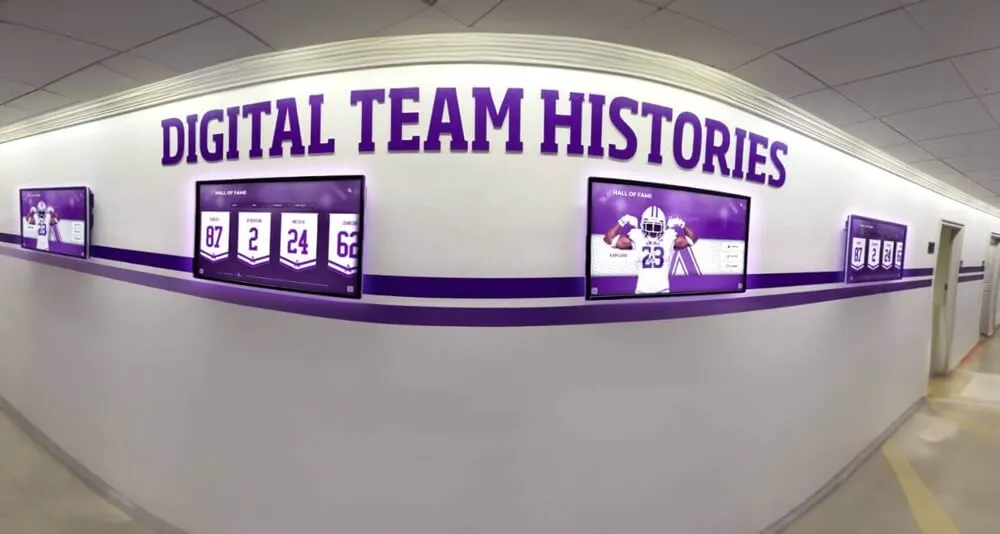
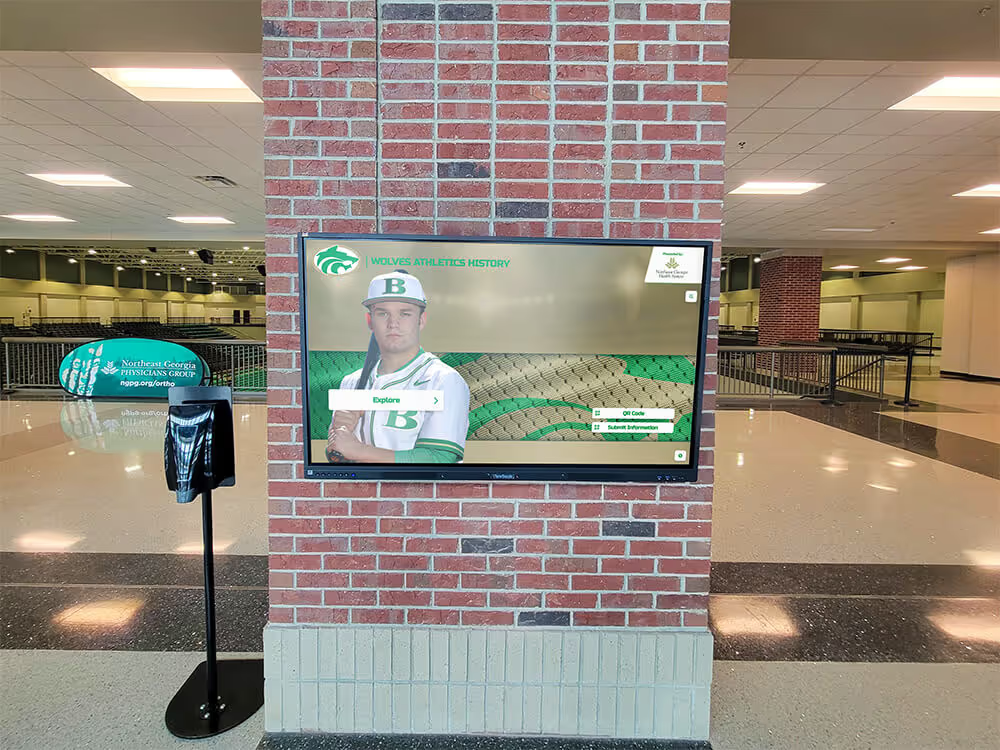
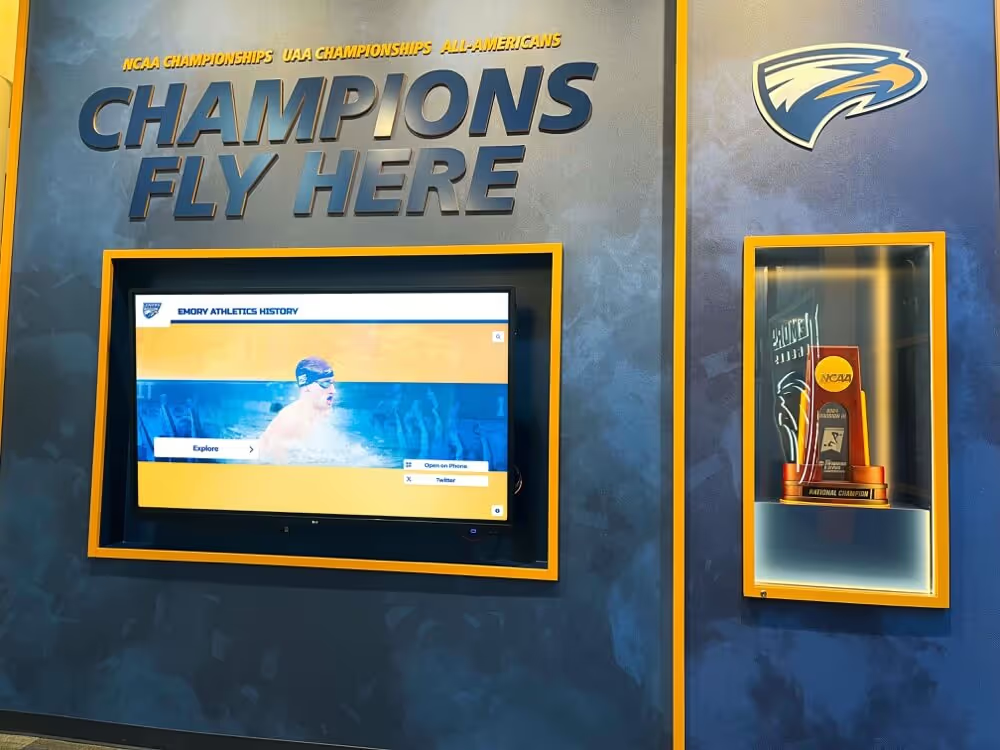
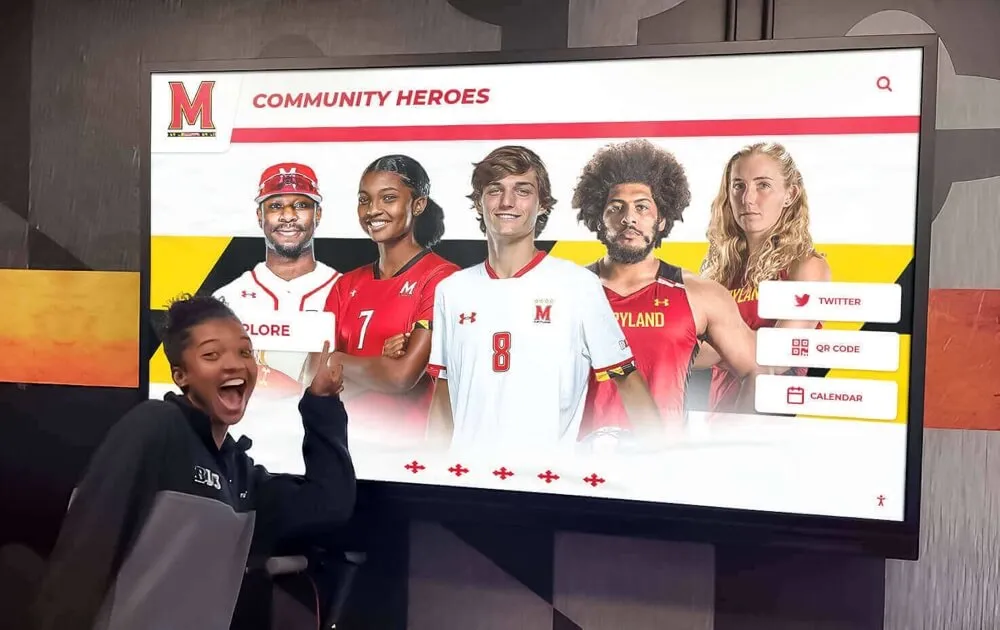
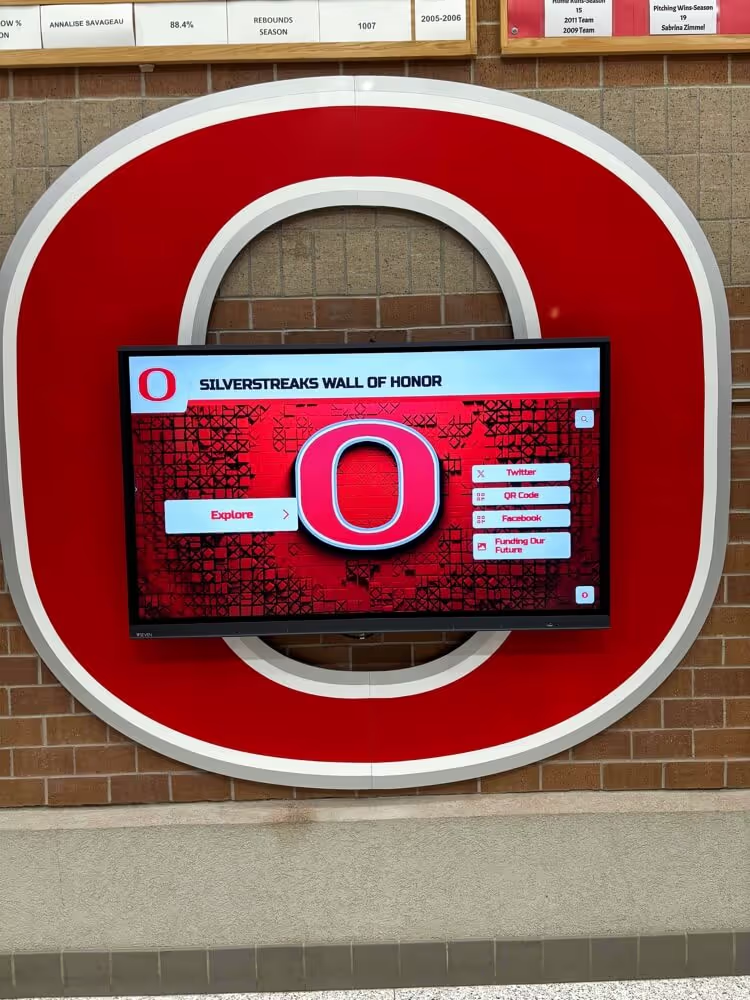
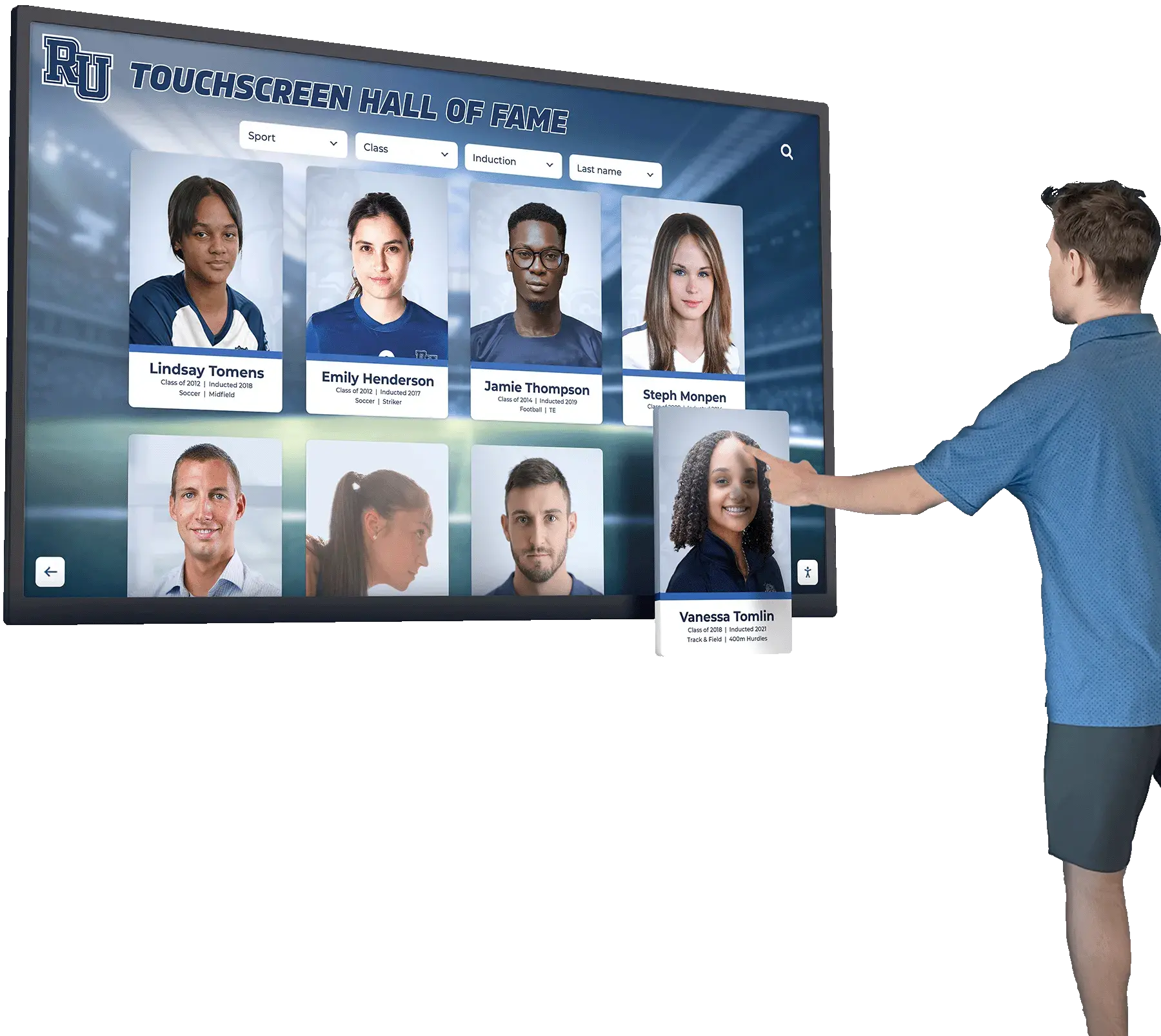
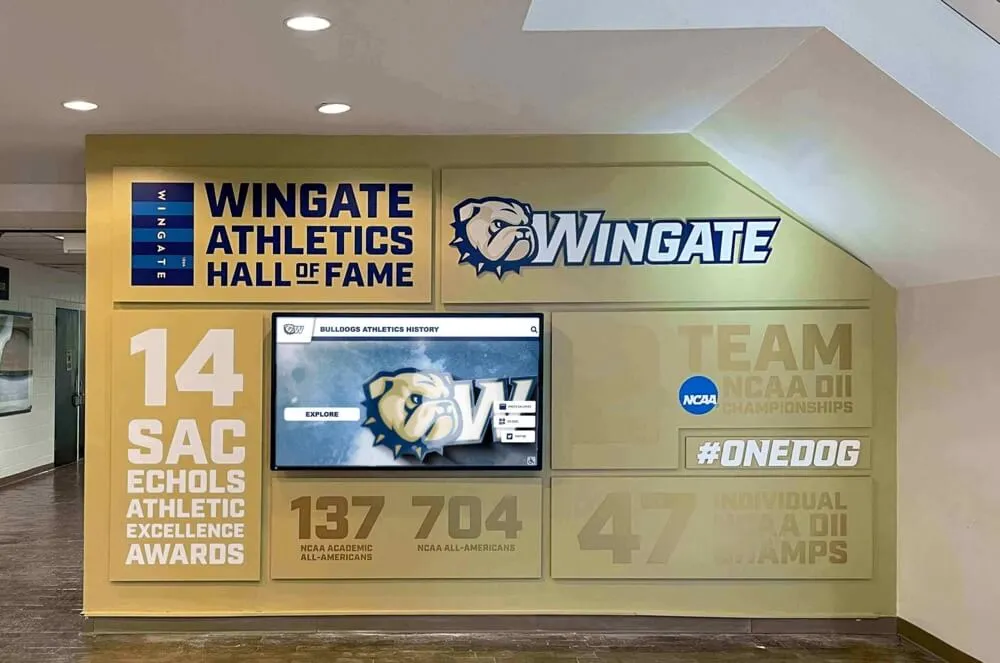
Modern donor recognition combines technology with storytelling to create engaging acknowledgment experiences
Traditional Donor Recognition Ideas
Some recognition approaches have stood the test of time because they create permanent, visible acknowledgment that donors can return to visit and share with family members.
1. Engraved Donor Walls
Classic bronze or brass plaques mounted on walls in prominent locations provide timeless recognition. Organize donors by giving levels, campaigns, or chronologically. While elegant, these installations have limited capacity and expensive update costs when new donors join.
2. Named Spaces and Buildings
For transformational gifts, naming opportunities offer the ultimate recognition. Library wings, athletic facilities, classrooms, gardens, or entire buildings can bear donor names, creating legacy recognition that lasts generations.
3. Brick and Paver Programs
Personalized engraved bricks or pavers in walkways, courtyards, or entrance areas allow many donors to participate at accessible price points. These tactile recognition pieces create collective donor communities while beautifying campus spaces.
4. Recognition Plaques and Certificates
Individual plaques or framed certificates presented to donors provide personal keepsakes they can display in homes or offices. Include gift details, impact statements, and organizational gratitude in professional presentations that donors value.
5. Physical Donor Books
Leather-bound books displayed in lobbies or libraries listing donor names by giving level create archival recognition. Update annually with new contributors, creating chronological records of philanthropic support.
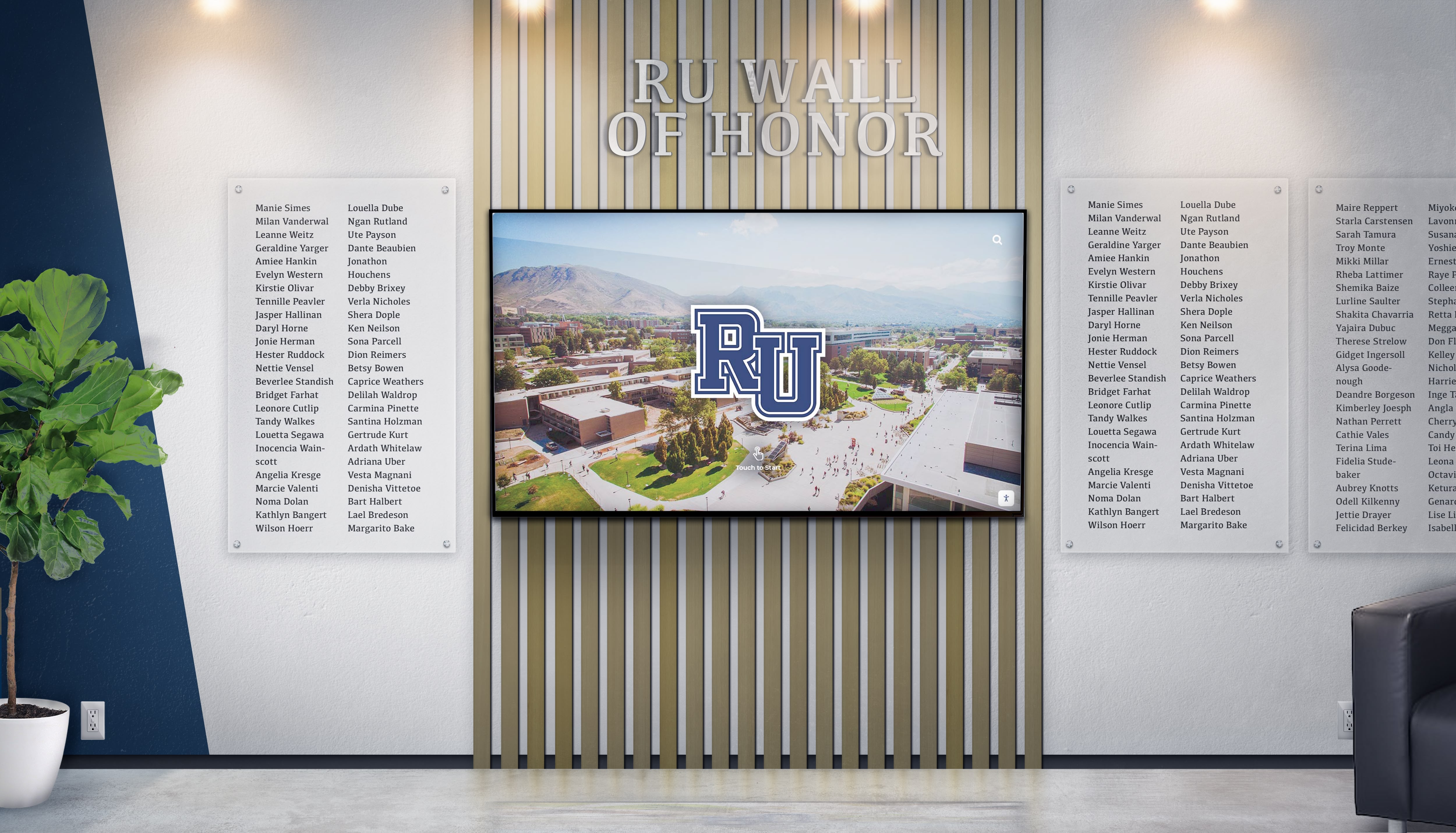
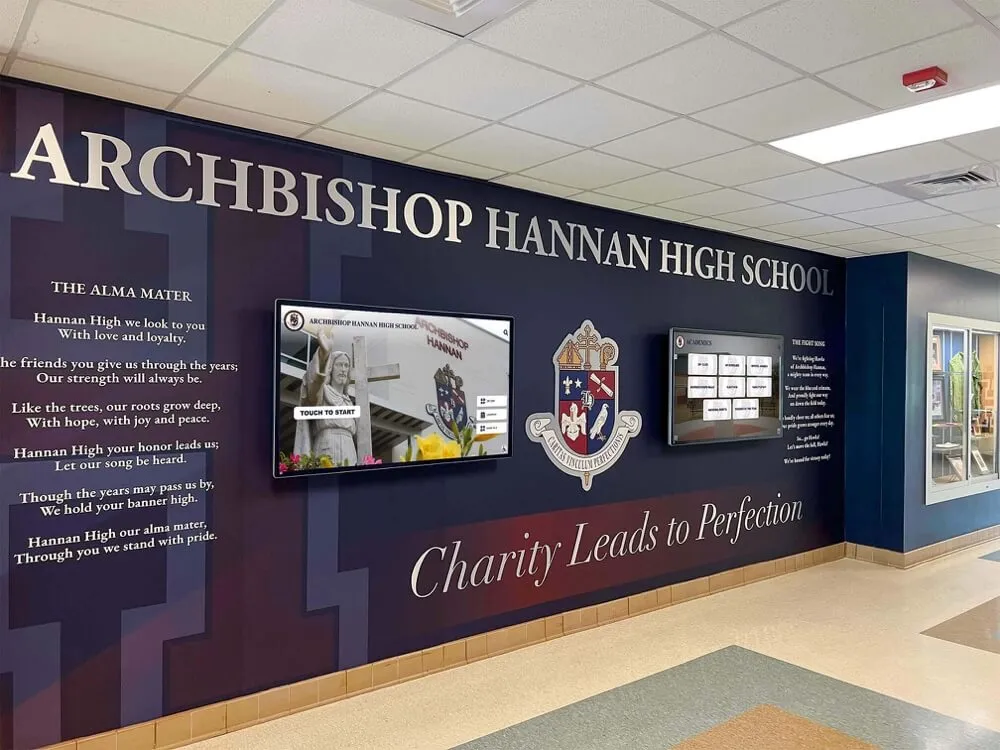
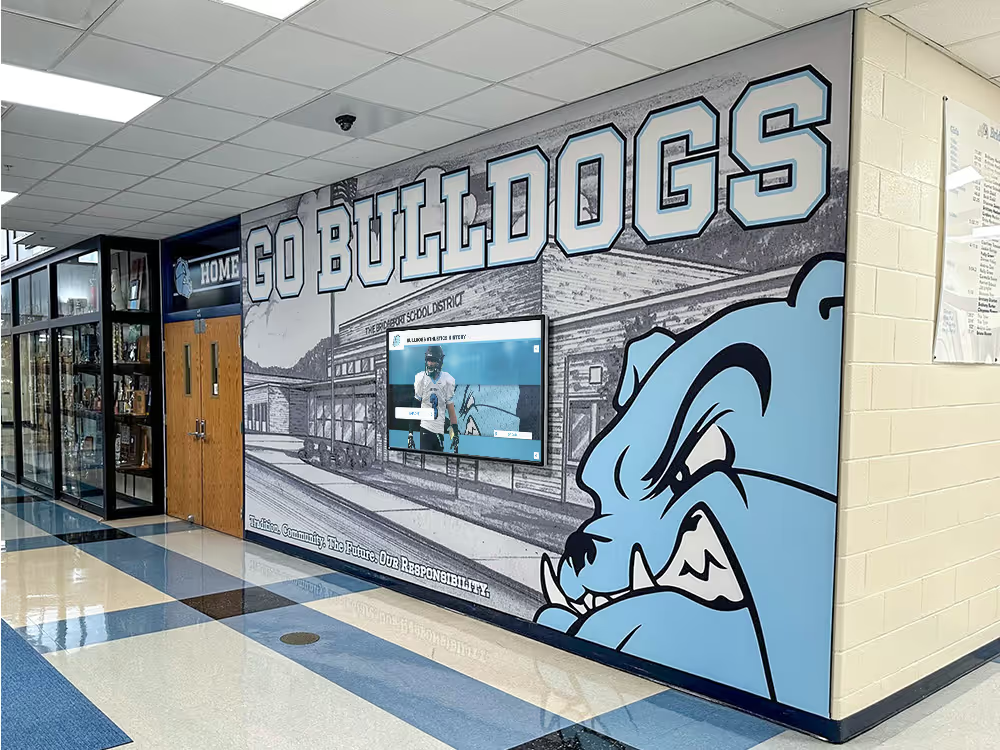
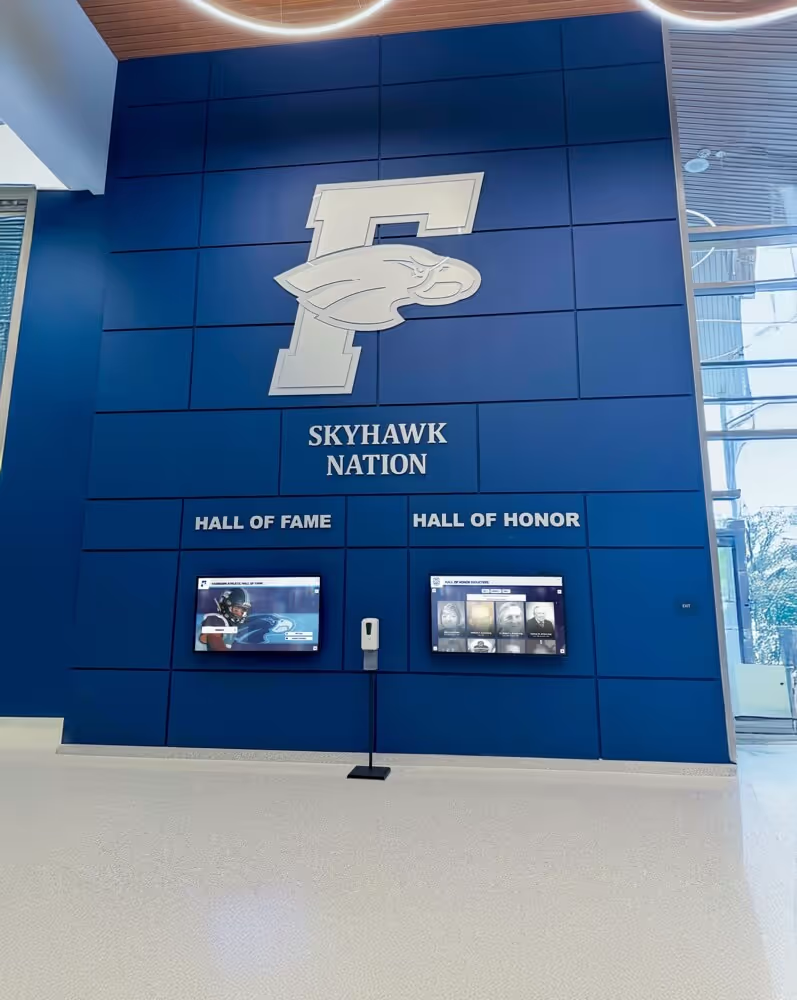
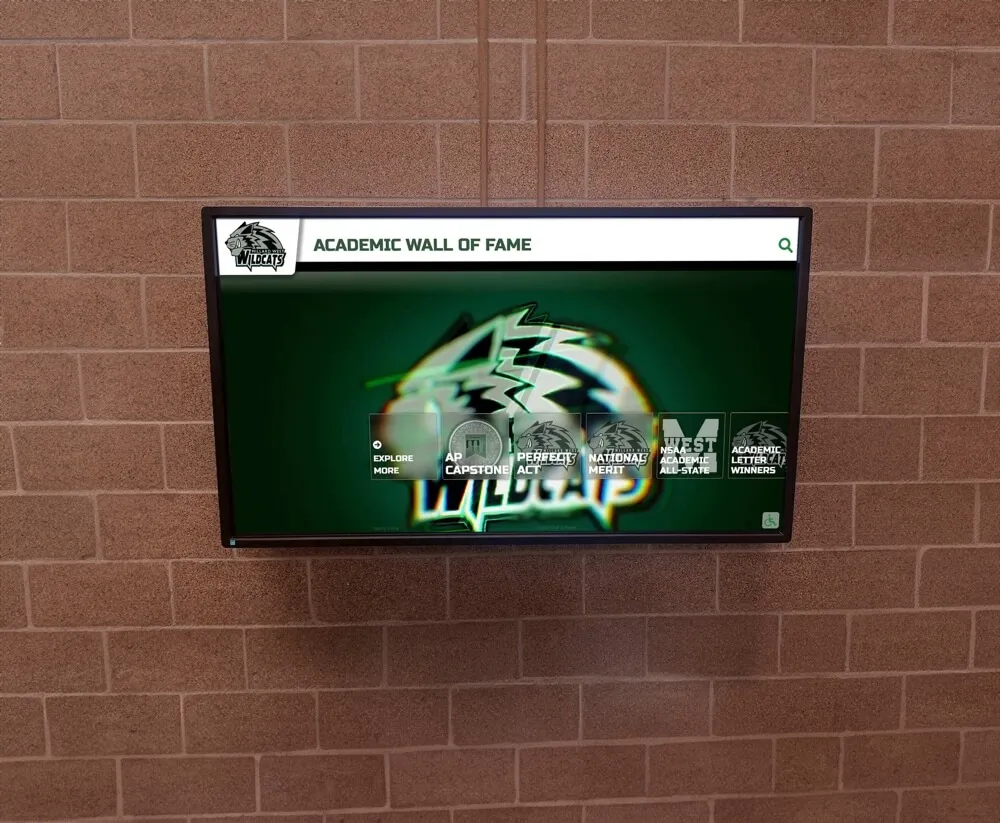
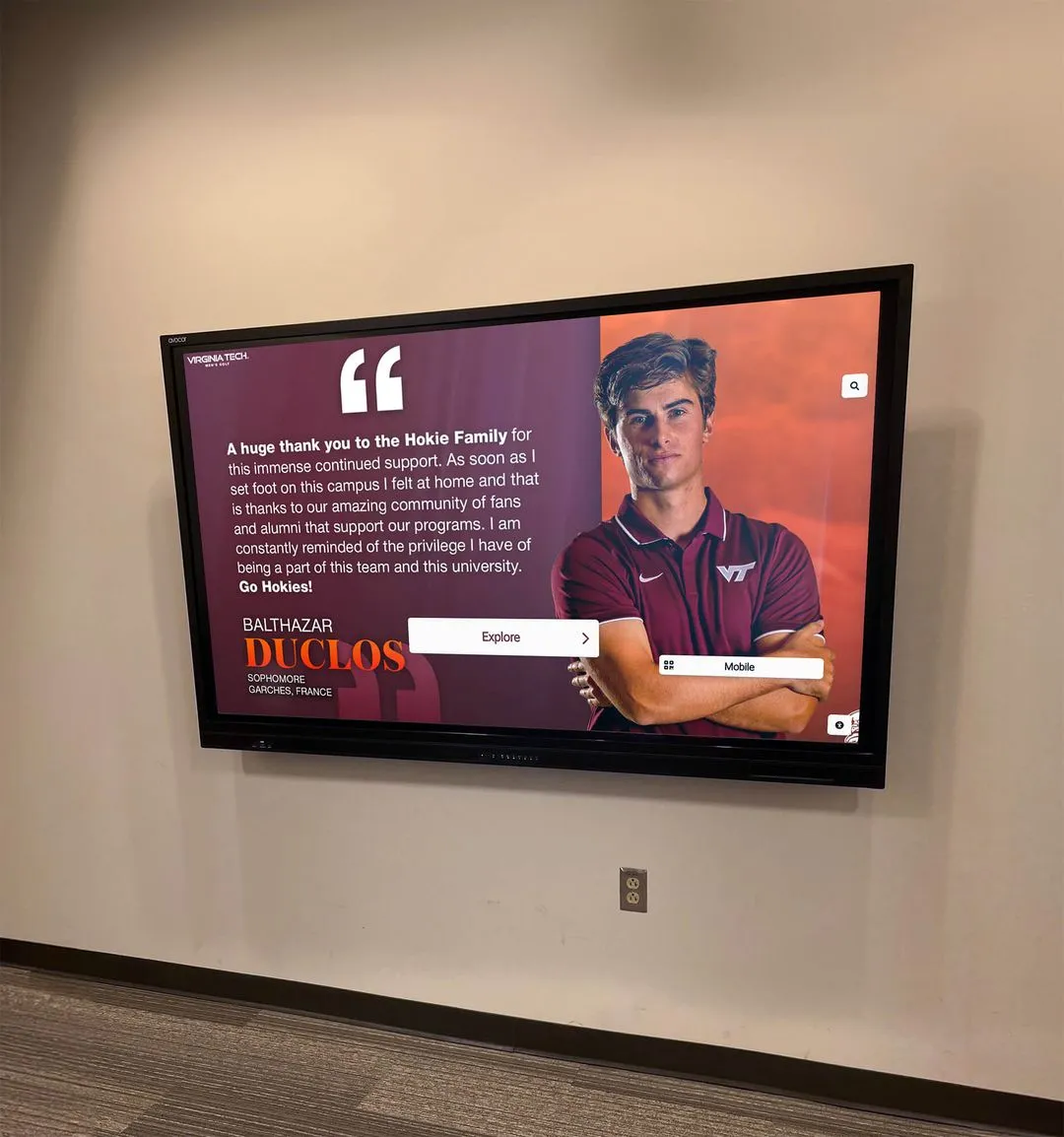
Combining physical and digital recognition creates both permanent and flexible acknowledgment
Digital and Interactive Donor Recognition
Technology enables dynamic, updatable recognition that tells richer stories about donor impact while accommodating unlimited growth.
6. Digital Donor Walls
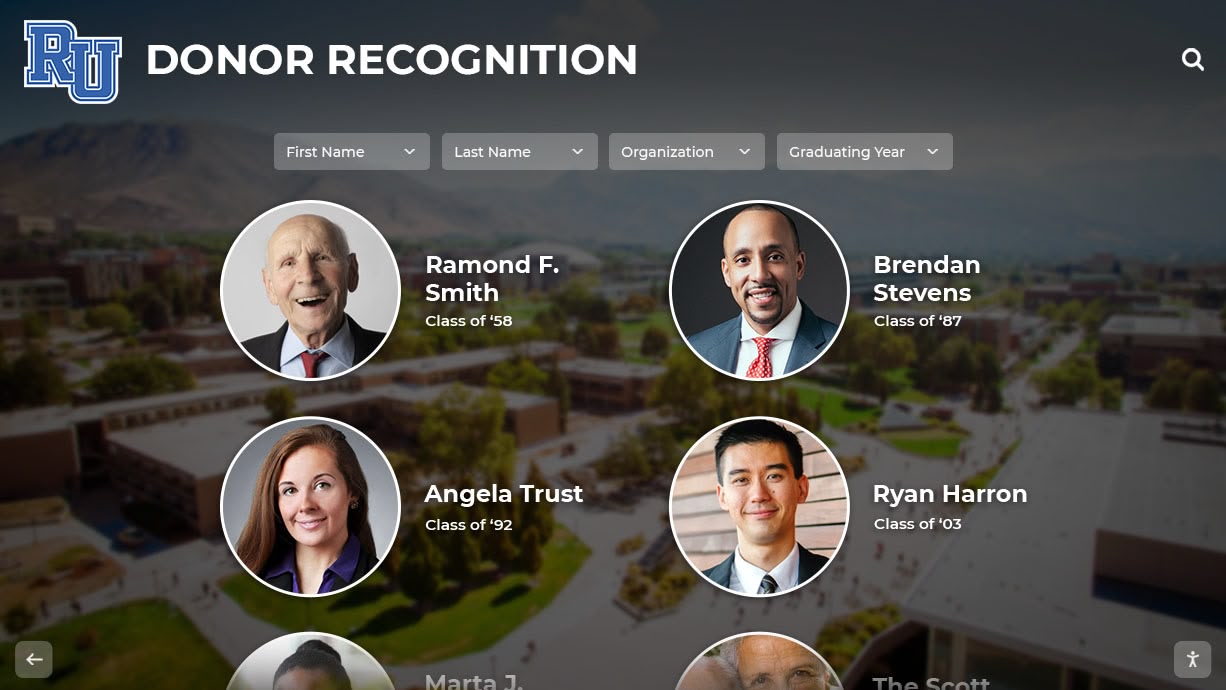
Interactive touchscreen displays provide unlimited recognition capacity with rich multimedia profiles including photos, videos, and impact stories. Solutions like Rocket Alumni Solutions offer cloud-based systems that update instantly without fabrication costs, allowing organizations to add new donors, update giving levels, and refresh content continuously.
Organizations exploring donor recognition wall ideas increasingly choose digital platforms for their flexibility, capacity, and ability to connect recognition with compelling impact storytelling.
7. Dual-Purpose Hall of Fame and Donor Displays
Many institutions need to recognize both achievements and philanthropy. Digital hall of fame displays that also work as donor walls provide unified platforms serving multiple recognition purposes, maximizing budget impact while honoring diverse contributors.
8. Mobile-Accessible Recognition
QR codes near physical displays or dedicated mobile apps allow donors to access recognition profiles on personal devices, share achievements with networks, and explore impact stories at their convenience. This extends recognition reach beyond those who physically visit your location.
9. Virtual Donor Recognition Websites
Dedicated online platforms present donor walls accessible globally, allowing supporters to view recognition from anywhere and easily share profiles via social media. Include search functionality, filters by giving level or campaign, and rich donor profiles with photos and testimonials.
10. Digital Donor Leaderboards
For competitive giving campaigns, real-time digital leaderboards displayed prominently create excitement and friendly competition. Update automatically as gifts are processed, showing progress toward campaign goals while recognizing top contributors.
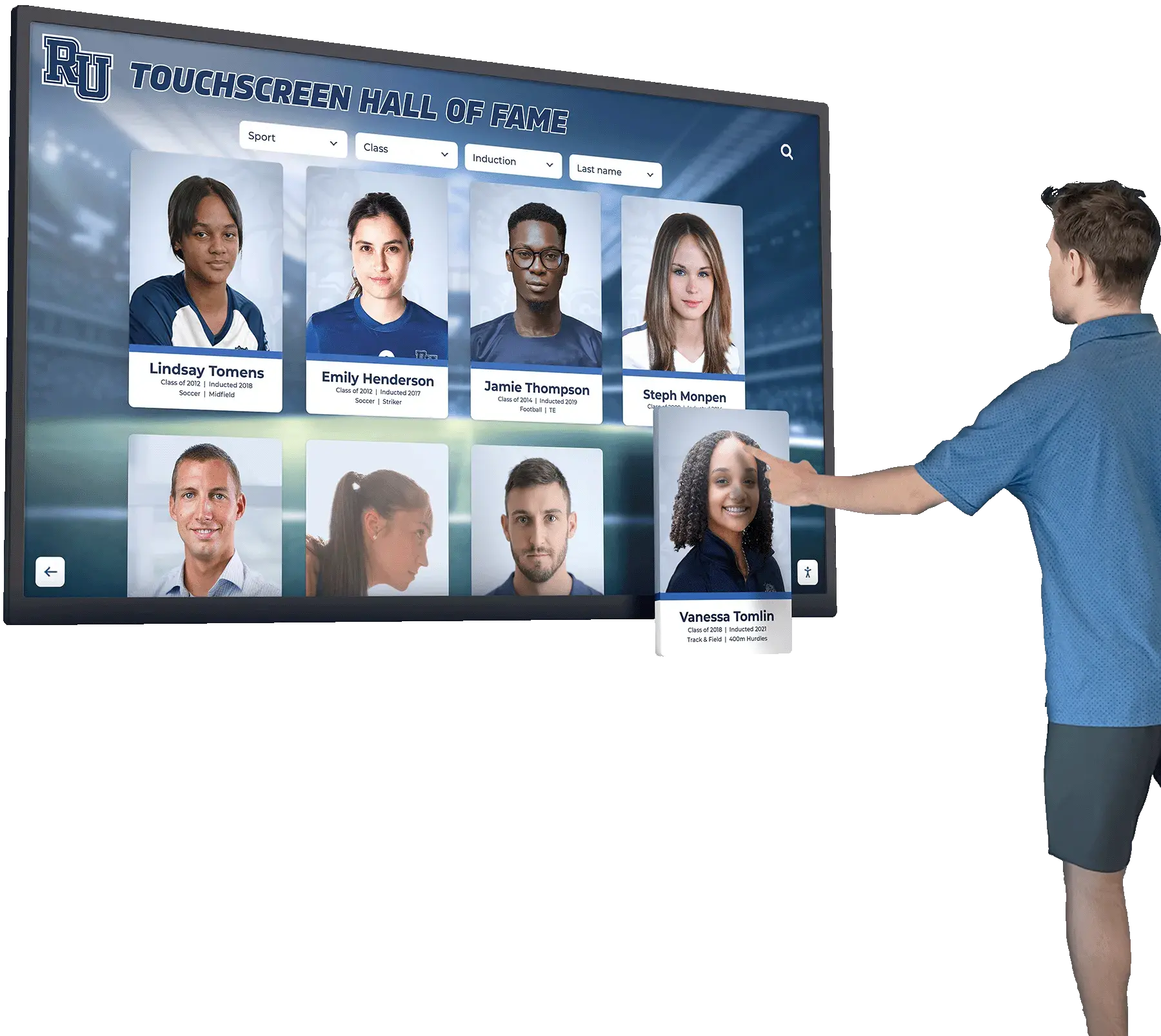
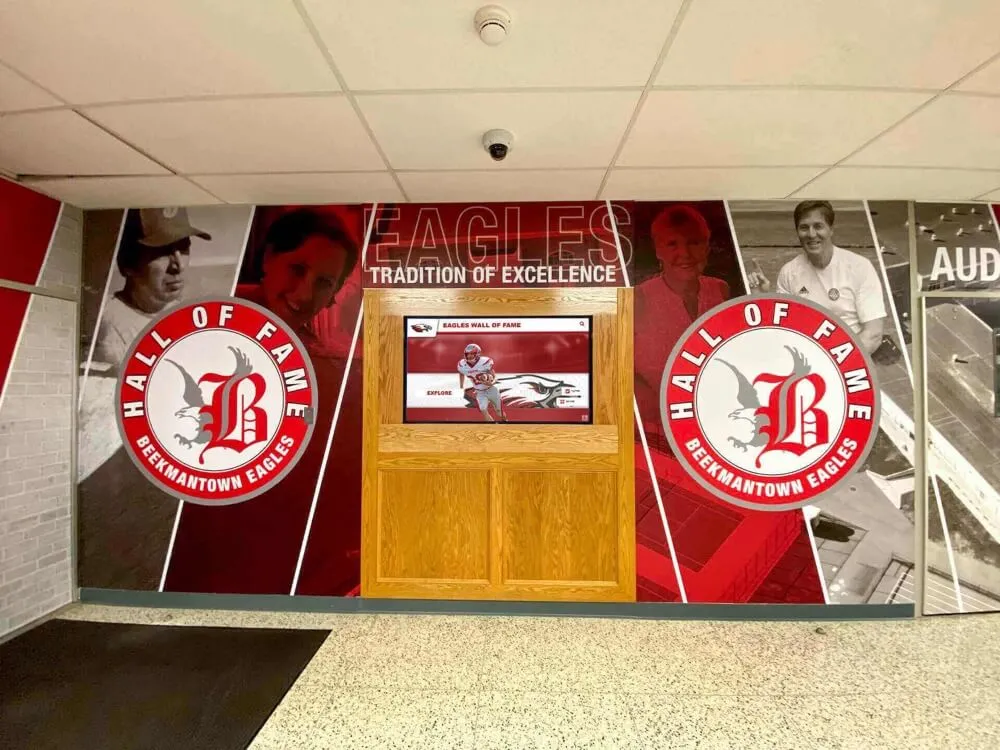
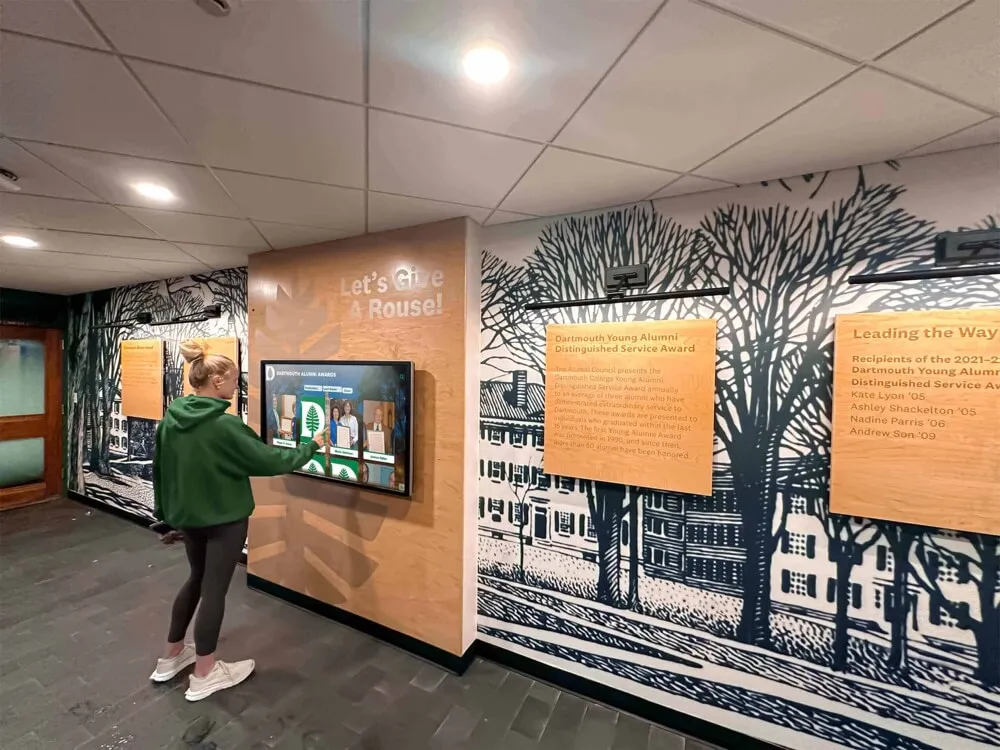
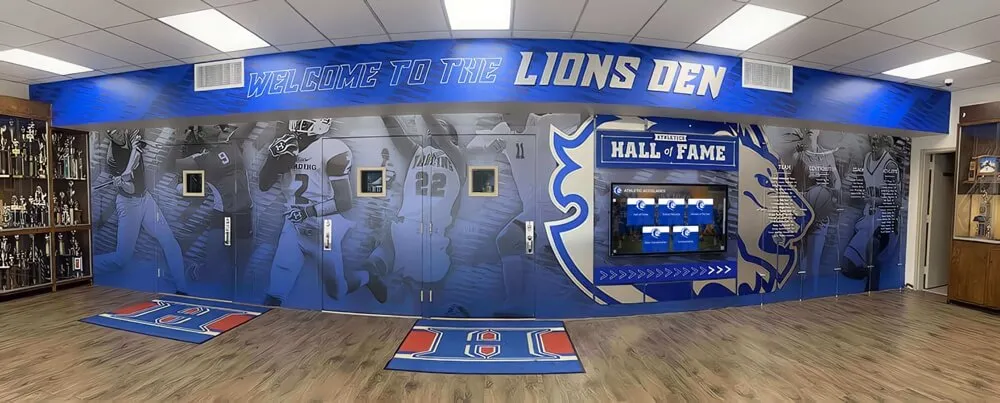
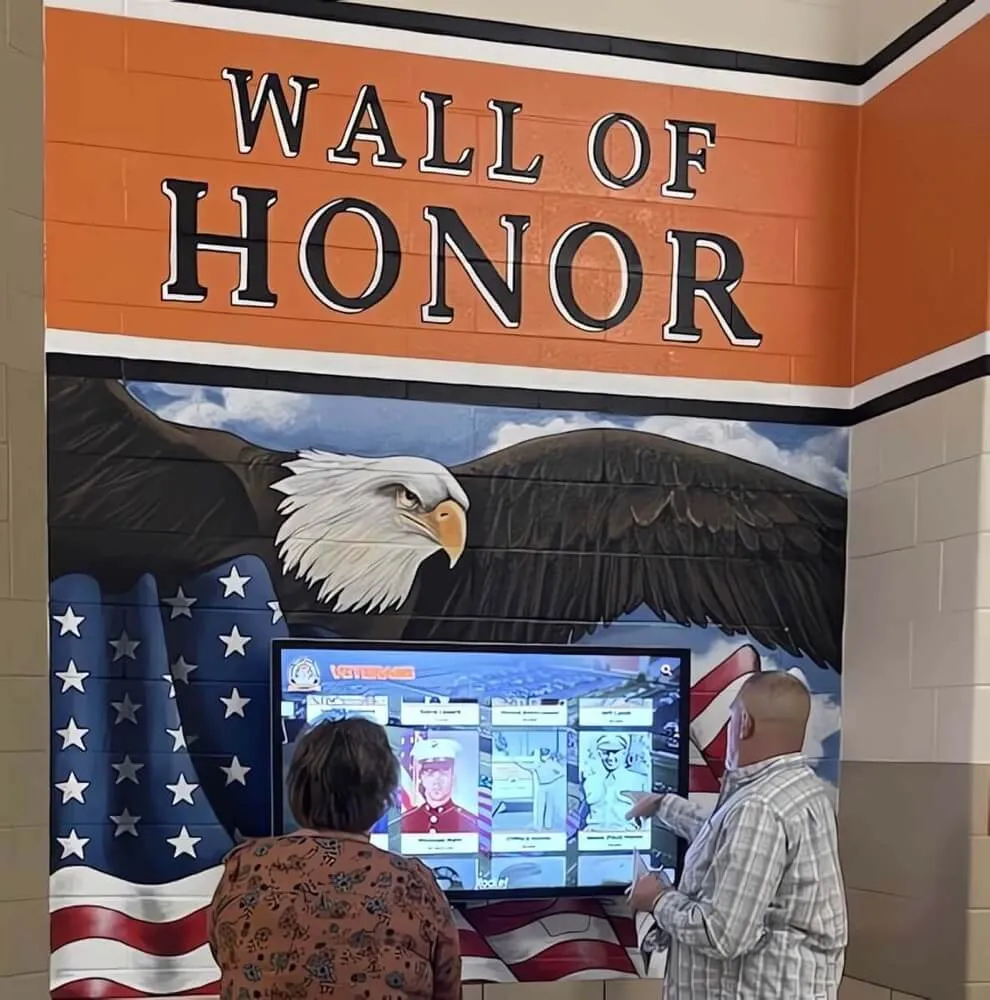
Touchscreen interfaces invite visitors to explore donor stories and understand philanthropic impact
Personalized Recognition Experiences
Individual touches demonstrate that you value donors as unique partners in your mission, not just funding sources.
11. Handwritten Thank-You Notes
Personal, handwritten notes from leadership, beneficiaries, or board members create intimate appreciation that email cannot replicate. Reference specific gift details and impact to show genuine attention.
12. Video Thank-You Messages
Short video messages from students, program participants, or those directly impacted by donations create emotional connections. Show donors exactly who they helped and how gifts made tangible differences in real lives.
13. Behind-the-Scenes Tours
Invite major donors to exclusive tours showing programs, facilities, or initiatives their gifts support. Arrange meetings with beneficiaries, staff, or program participants to create personal connections with impact.
14. Donor Appreciation Events
Host recognition events ranging from intimate dinners with leadership to large celebrations featuring program showcases, student performances, or impact presentations. Create opportunities for donors to connect with each other and organizational mission.
15. Birthday and Anniversary Recognition
Remember donors’ personal milestones with acknowledgment cards or small gifts. These thoughtful touches show you view supporters as valued individuals, not just funding sources.
Recognition Through Storytelling
Help donors see themselves as heroes in your organization’s success story by connecting their contributions to meaningful outcomes.
16. Impact Reports Featuring Donors
Create beautiful annual reports prominently featuring donor names alongside specific outcomes their gifts enabled. Use infographics, testimonials, and data visualization to demonstrate tangible results.
17. Donor Spotlights in Newsletters
Regular features highlighting individual donors, their motivations for giving, and programs they support create compelling content while recognizing contributors. Include photos and quotes that honor their generosity.
18. Social Media Recognition
Share donor appreciation posts on institutional social channels (with permission), tagging contributors and describing their support. This public acknowledgment extends reach to donors’ personal networks.
19. Program Naming Opportunities
Beyond building names, offer donors recognition through program naming: scholarships, endowed professorships, speaker series, competitions, or special initiatives that bear contributor names while supporting ongoing work.
20. Legacy Society Recognition
Create special recognition for planned giving donors who’ve included your organization in estate plans. Develop distinct naming (Heritage Society, Legacy Circle) with special events, communication, and permanent recognition for these transformational commitments.
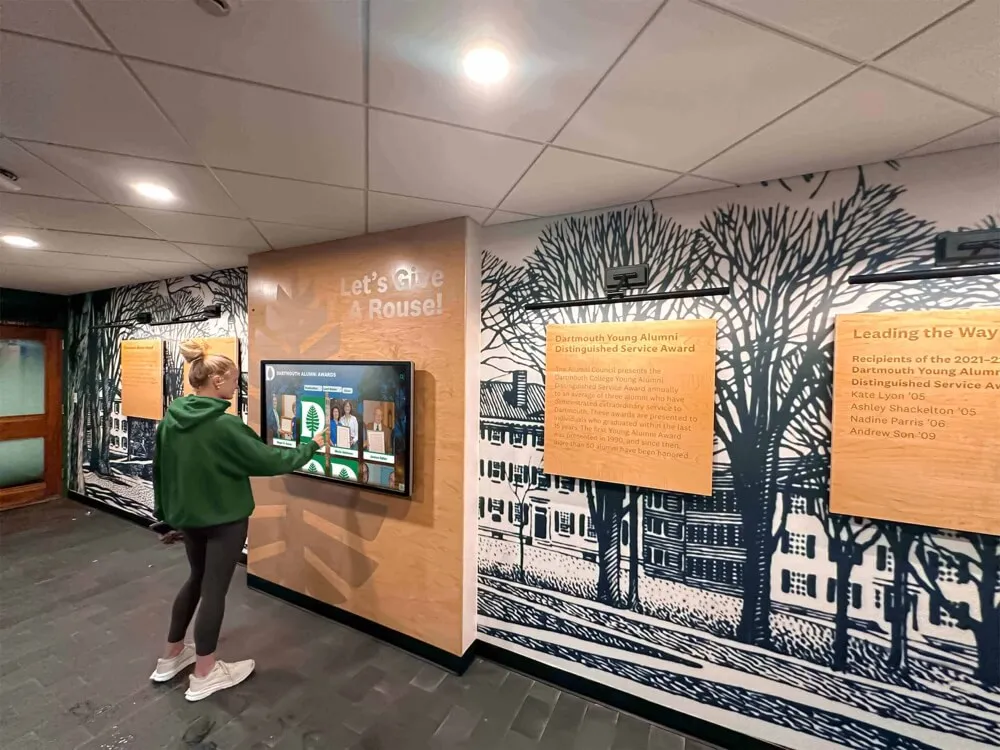
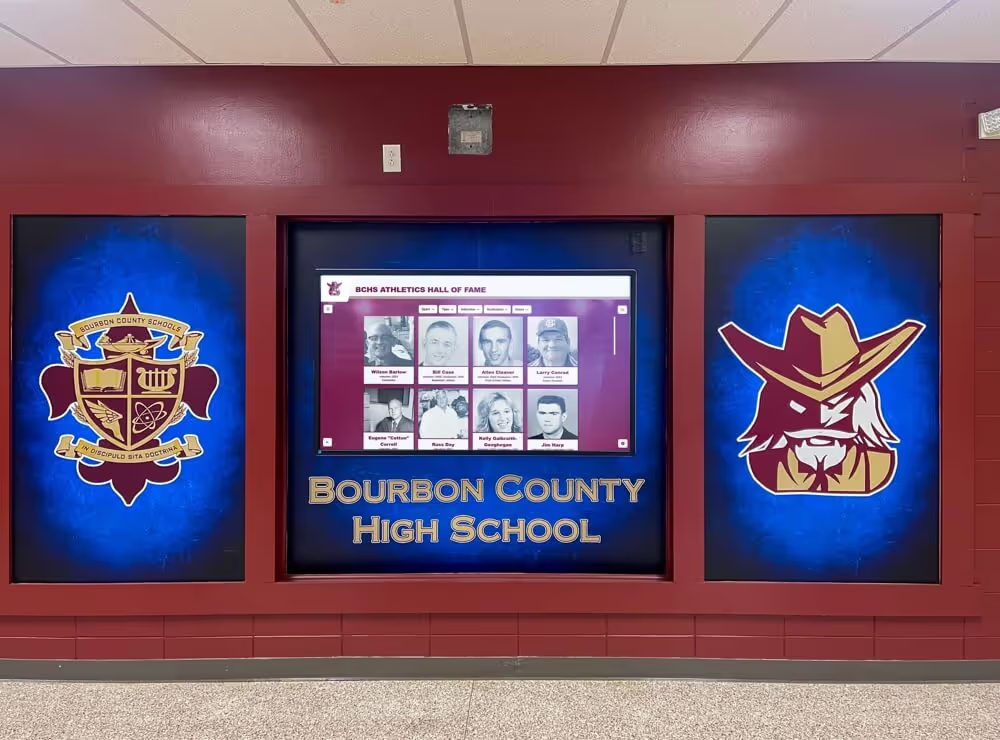
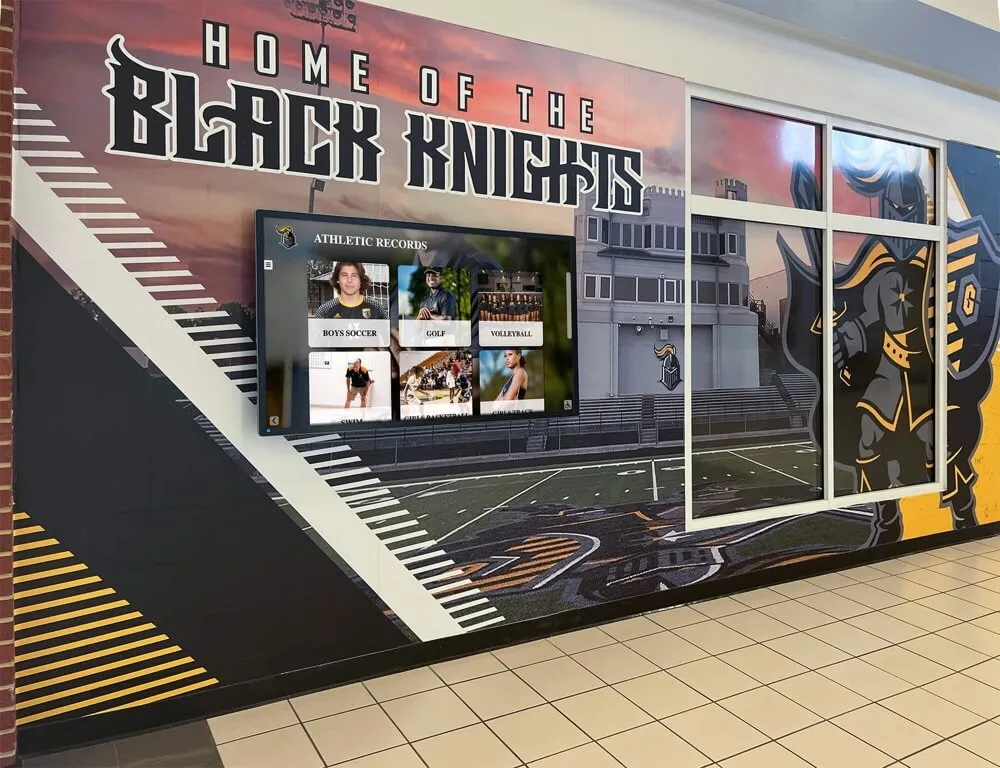
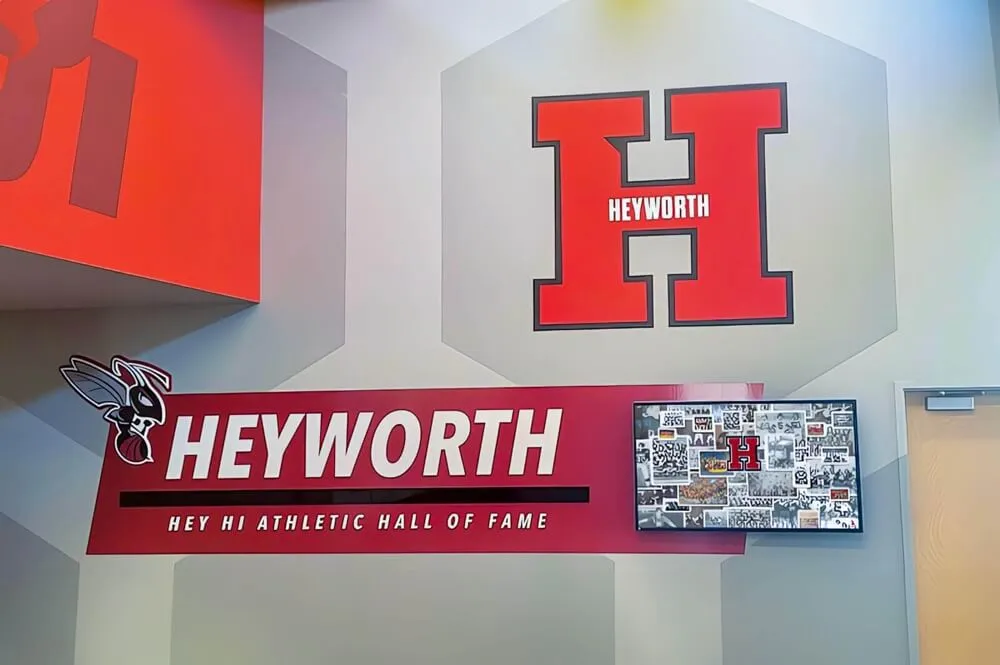
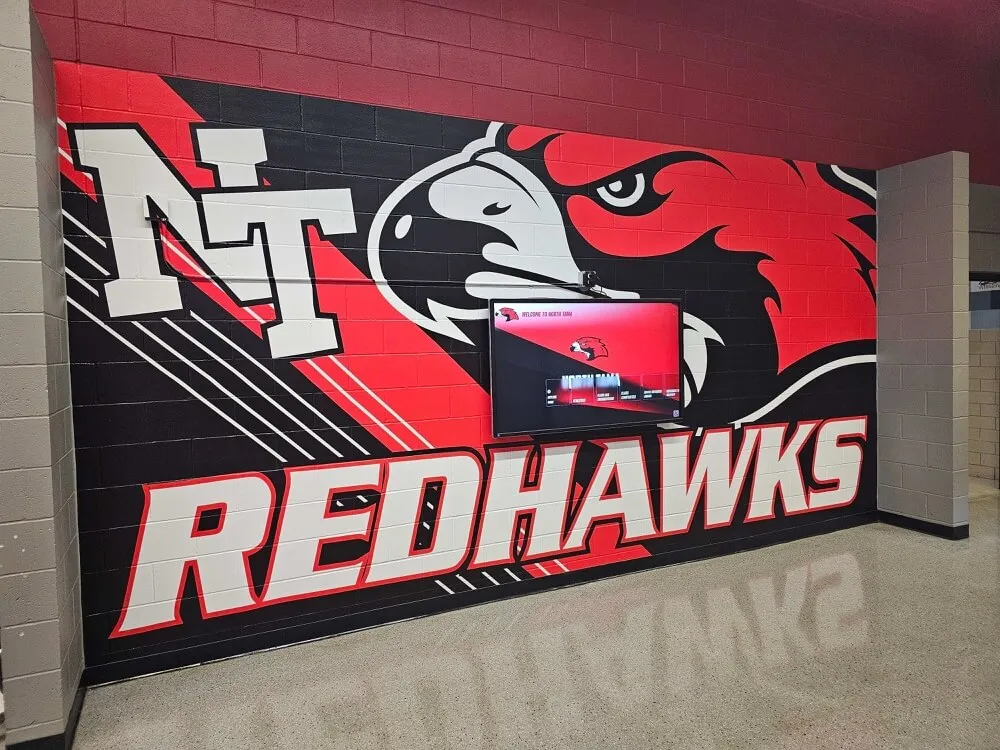
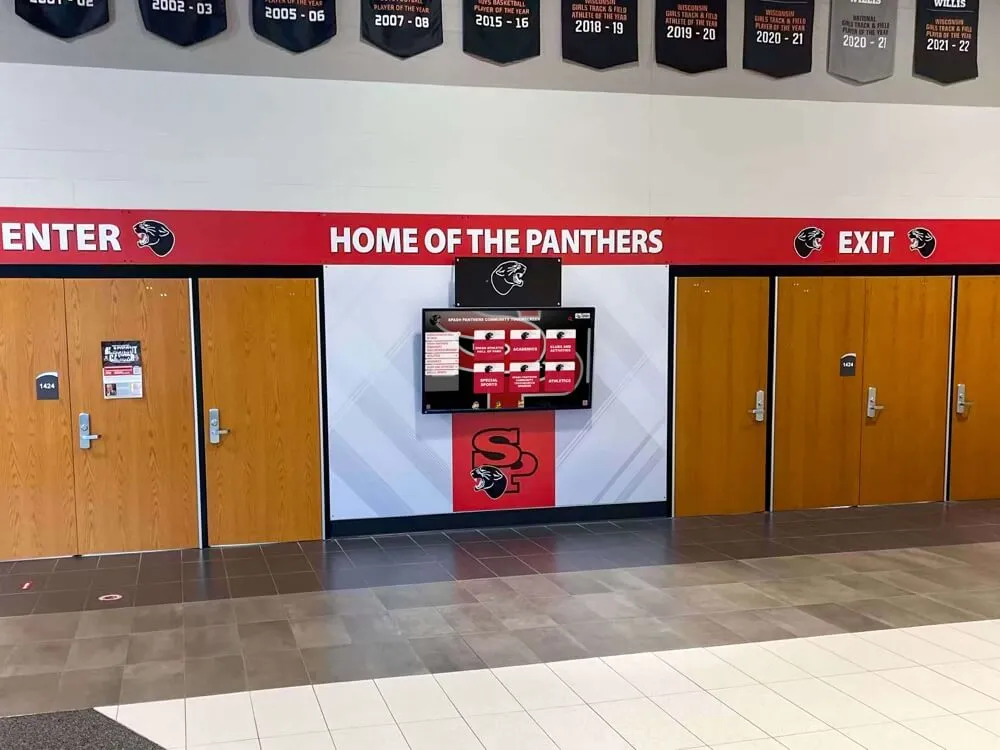
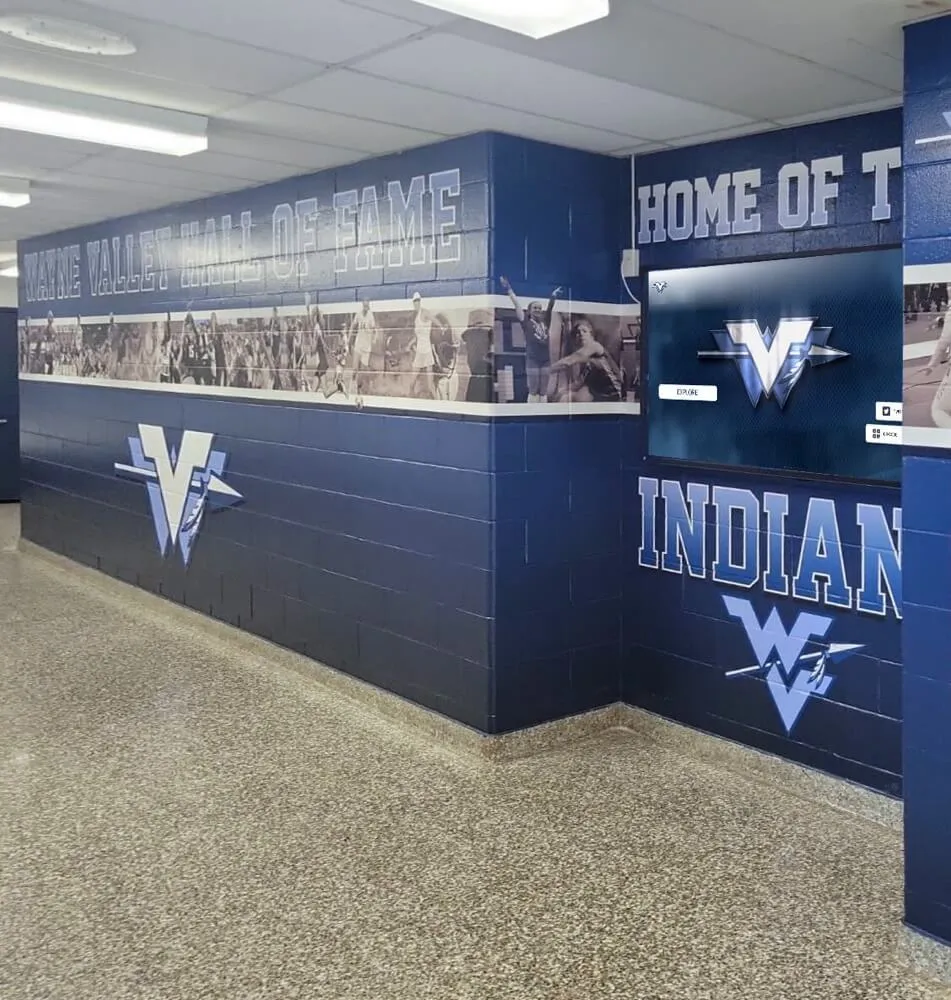
Strategic placement in lobbies and hallways ensures donor recognition reaches broad audiences
Tiered Recognition Systems
Structured giving levels with distinct recognition benefits encourage donors to increase contributions over time.
21. Named Giving Societies
Create tiered giving societies with compelling names reflecting institutional identity: Founder’s Circle ($50,000+), President’s Society ($25,000-$49,999), Dean’s Council ($10,000-$24,999), etc. Provide each level distinct recognition benefits proportional to contribution.
22. Cumulative Lifetime Recognition
Acknowledge total giving over time, not just single-year contributions. Donors who consistently give moderate amounts for decades deserve recognition comparable to large one-time gifts. Track lifetime giving and celebrate milestones.
23. Recognition at Multiple Giving Levels
Provide appropriate acknowledgment at every contribution level—from $25 annual fund gifts to million-dollar transformational contributions. Ensure all donors receive timely, genuine appreciation regardless of amount.
24. Corporate Sponsor Recognition
Acknowledge businesses differently than individual donors. Include company logos, describe partnership nature, and highlight corporate social responsibility alignment with organizational mission. For athletic programs or school recognition systems, corporate sponsors often appreciate prominent placement in high-traffic areas.
25. Anonymous Donor Recognition
Respect privacy preferences while still acknowledging gifts. Use phrases like “Anonymous Donor,” “A Friend of [Organization],” or allow donors to dedicate gifts “In Honor Of” others while keeping their own names private.
Ongoing Recognition and Stewardship
Recognition shouldn’t end after the initial thank-you—build lasting relationships through continuous appreciation.
26. Annual Donor Renewal Campaigns
Create special campaigns thanking and renewing existing donors before soliciting new gifts. Acknowledge loyalty, show cumulative impact, and demonstrate how continued support enables ongoing excellence.
27. Donor Advisory Committees
Invite significant contributors to participate in advisory groups providing input on programs, strategic direction, or campaign priorities. This involvement recognizes their commitment while deepening engagement.
28. Alumni Recognition Integration
For educational institutions, integrate donor recognition with alumni engagement programs. Highlight distinguished alumni who give back, creating models that inspire current students and other graduates.
29. Memorial and Tribute Recognition
Offer options for gifts honoring loved ones or celebrating milestones. Provide appropriate memorial recognition for gifts given in memory of deceased family members or friends, creating meaningful tributes that families appreciate.
30. Volunteer Recognition Alongside Donors
Many supporters contribute time as well as money. Recognize volunteer leadership, committee participation, and service alongside financial contributions, acknowledging that philanthropy takes many forms.
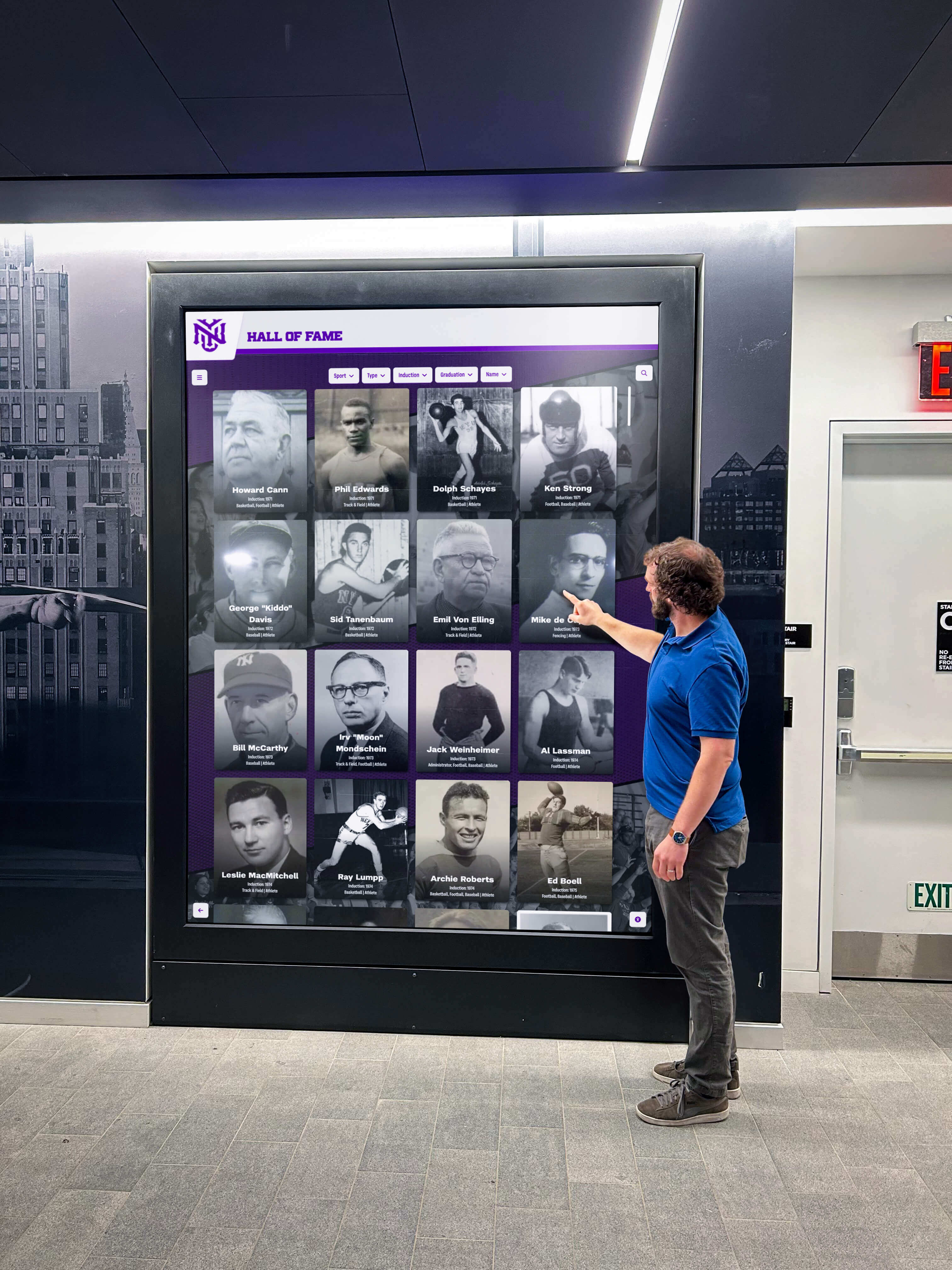
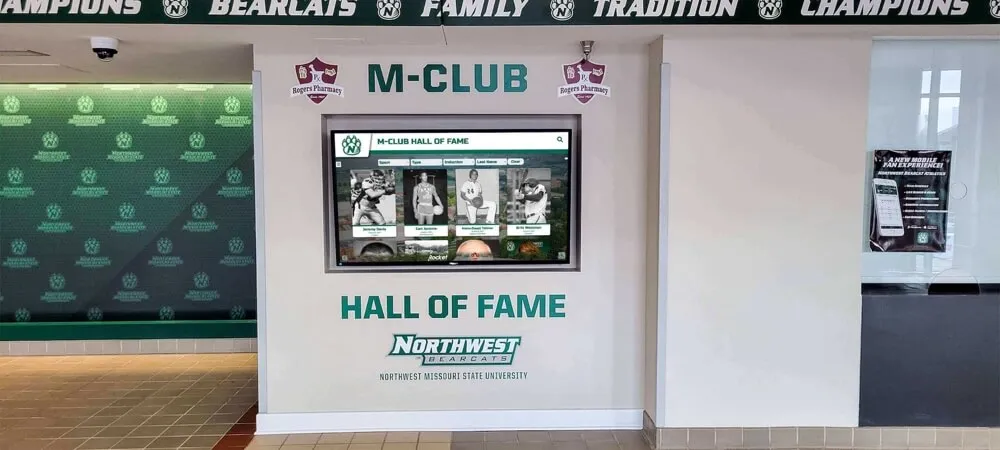
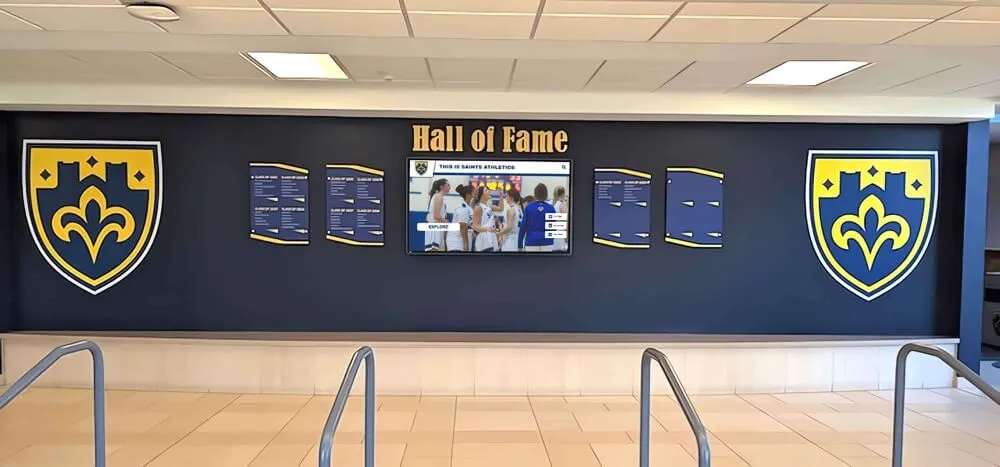
Interactive displays allow visitors to search for specific donors and understand giving opportunities
Implementing Effective Donor Recognition
Great ideas require thoughtful implementation to create recognition programs that genuinely strengthen donor relationships.
Start with Clear Recognition Policies
Develop written policies addressing:
- Recognition thresholds for different acknowledgment levels
- Timelines for recognition after gift receipt
- Naming opportunity guidelines and approval processes
- Privacy preference protocols
- Recognition duration and renewal terms
- Policies for controversial donors or gifts
Clear policies ensure consistency, fairness, and appropriate recognition across all donor interactions.
Match Recognition to Donor Preferences
Not all donors want the same recognition. Some prefer public acknowledgment, while others value privacy. Large events excite some supporters but overwhelm others who prefer intimate interactions. Survey donors about recognition preferences and customize approaches accordingly.
Create Recognition Timelines
Implement systematic timelines ensuring every donor receives appropriate, timely recognition:
- Same-day email confirmation for online gifts
- Personal phone call within 48 hours for major gifts
- Handwritten note within one week for all contributions
- Formal recognition (plaques, displays, publications) within specified timeframes
- Annual recognition updates acknowledging cumulative support
Prompt recognition demonstrates gratitude and professionalism while maximizing donor satisfaction.
Connect Recognition to Impact
The most meaningful acknowledgment connects contributions directly to outcomes. Don’t just thank donors—show them what their gifts accomplished:
- Scholarships funded and students supported
- Programs launched or expanded
- Facilities built or renovated
- Lives changed through services provided
- Communities strengthened by organizational work
This impact-focused recognition helps donors understand their essential role in creating positive change.
Plan for Long-Term Maintenance
Recognition systems require ongoing attention:
- Budget for updating physical displays as donor bases grow
- Assign staff responsibility for maintaining digital platforms
- Schedule regular reviews ensuring recognition accuracy
- Plan for technology updates and system evolution
- Document processes so recognition continues through staff transitions
Solutions like digital recognition displays eliminate many maintenance challenges through cloud-based systems that update remotely without physical access to displays.
Integrate Recognition Across Channels
Maximize recognition impact by acknowledging donors through multiple touchpoints:
- Physical displays in prominent campus locations
- Digital recognition accessible online
- Publications featuring donor spotlights
- Event recognition at gatherings and ceremonies
- Social media appreciation (with permission)
- Personal communication from leadership
This multi-channel approach ensures donors feel valued while inspiring others to join philanthropic efforts.
Measuring Recognition Effectiveness
Track metrics showing whether recognition strategies strengthen donor relationships:
- Donor retention rates comparing recognized versus unrecognized contributors
- Gift renewal percentages at different recognition levels
- Average time between repeat gifts
- Donor satisfaction survey responses
- Increased giving from donors who received enhanced recognition
- New donor acquisition influenced by visible recognition programs
Use these insights to refine recognition approaches and invest resources in strategies demonstrating the strongest impact on donor relationships and continued support.
Budget Considerations for Donor Recognition
Recognition investments vary dramatically based on approach and scale. Traditional physical donor walls typically cost $20,000-$60,000 depending on size, materials, and complexity—before considering future expansion costs as donor bases grow.
Digital recognition platforms offer compelling economics: comprehensive touchscreen systems with unlimited capacity typically range $8,000-$18,000 for hardware, software, installation, and training. With no per-name costs or fabrication fees for updates, these platforms often cost less than traditional approaches while providing superior flexibility and capacity.
Many organizations offset recognition costs through corporate sponsorship packages that include prominent acknowledgment in donor displays. When sponsors see value in digital recognition—full-color logos, enhanced profiles, website links, and high-traffic visibility—they often increase contributions, generating revenue that funds recognition infrastructure.
Budget a recognition investment as a percentage of fundraising goals: organizations typically allocate 3-7% of total development budgets to stewardship and recognition activities, understanding that appropriate acknowledgment directly influences retention and continued support.
Common Recognition Mistakes to Avoid
Even well-intentioned organizations make recognition missteps that diminish donor relationships:
Delayed Recognition: Waiting weeks or months to acknowledge gifts creates impressions of indifference. Prompt appreciation matters more than elaborate gestures.
Generic Acknowledgment: Template letters lacking personalization feel transactional. Reference specific gift details, acknowledge donor history, and customize communication.
Inconsistent Recognition: Treating comparable donors differently breeds resentment. Maintain fair, consistent recognition aligned with published policies.
Privacy Violations: Publishing names of donors who requested anonymity, sharing gift amounts without permission, or ignoring recognition preferences damages trust and may violate legal obligations.
Overcomplicated Systems: Recognition tiers with too many levels, confusing naming, or unclear benefits frustrate donors. Keep structures simple, logical, and easy to understand.
Static Recognition: Installing donor walls then never updating them suggests stagnant philanthropy and failing fundraising. Demonstrate vibrant, growing support through current recognition.
Impact Disconnect: Thanking donors without showing what gifts accomplished misses opportunities to deepen commitment. Always connect recognition to tangible outcomes.
Special Considerations for Different Organization Types
Recognition strategies should reflect organizational context and donor relationships.
Schools and Universities
Educational institutions balance recognizing alumni, parents, faculty, staff, community members, and corporate partners. Consider recognition that connects donors to specific programs (athletics, arts, scholarships) while maintaining institutional unity. Athletic hall of fame displays often integrate naturally with development recognition in athletic facilities.
Nonprofits and Foundations
Mission-driven organizations should align recognition with values and demonstrate how philanthropy creates community impact. Feature program beneficiaries, success stories, and measurable outcomes alongside donor acknowledgment.
Healthcare Organizations
Hospitals and medical centers often honor donors while maintaining patient privacy and professional medical environments. Recognition focused on treatment advances, equipment purchases, and lives saved resonates powerfully with healthcare donors.
Arts and Cultural Organizations
Museums, theaters, and cultural institutions frequently recognize donors through program sponsorship, exhibition naming, and patron circles tied to artistic programming. Creative recognition approaches that reflect institutional artistic identity feel particularly appropriate.
Religious Organizations
Churches, temples, and religious institutions balance recognizing generosity while maintaining humility and avoiding perceptions of wealth hierarchy. Recognition emphasizing community support and collective impact over individual prominence often fits these contexts best.
The Future of Donor Recognition
Recognition continues evolving as technology, generational preferences, and communication channels change:
Virtual Reality Experiences: Donors could virtually explore facilities their gifts built or programs they fund through immersive VR experiences.
Blockchain Verification: Cryptocurrency donations and NFT-based recognition certificates may create new acknowledgment approaches.
AI-Personalized Recognition: Systems analyzing donor preferences, communication history, and giving patterns could automatically customize recognition approaches for individual supporters.
Gamification Elements: Charitable giving apps incorporating achievement badges, milestone celebrations, and social sharing could make recognition more engaging for younger donors.
Real-Time Impact Dashboards: Donors accessing live data showing exactly how gifts are being utilized and outcomes being achieved create unprecedented transparency and connection.
Despite technological advances, fundamental recognition principles remain constant: timely, genuine, personalized acknowledgment that connects contributions to meaningful impact will always strengthen donor relationships regardless of delivery channels.

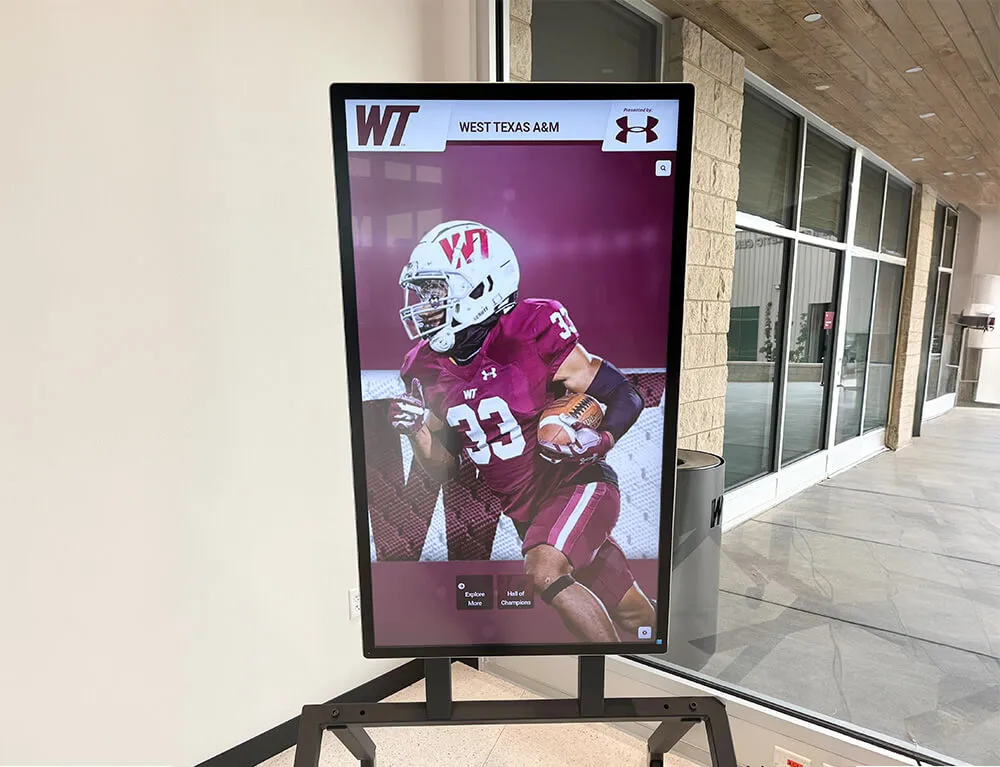
Modern recognition systems engage younger generations while honoring traditional donor stewardship values
Conclusion: Recognition as Relationship Building
Donor recognition, done thoughtfully, transcends simple acknowledgment to become relationship-building that transforms one-time contributors into lifelong philanthropic partners. When supporters see their names honored alongside tangible impacts their generosity enabled, when they receive personalized appreciation reflecting genuine gratitude, and when recognition helps them understand their essential role in organizational mission—they become deeply invested stakeholders who continue supporting your work for years or even decades.
The most effective recognition programs share common elements: they’re timely, demonstrating prompt appreciation; personalized, reflecting individual donor preferences and histories; connected to impact, showing what contributions accomplished; and sustainable, operating within budget constraints while accommodating growth. Organizations that invest thoughtfully in recognition infrastructure—whether traditional donor walls, modern digital platforms, or creative hybrid approaches—consistently see stronger retention, increased giving, and more vibrant philanthropic communities supporting their missions.
Your donors made your success possible. How you recognize their contributions directly influences whether they’ll continue that support, inspire others to join them, and become lasting advocates for your organization’s work. Choose recognition approaches aligned with institutional identity, donor preferences, and strategic fundraising goals, then implement them consistently with genuine gratitude permeating every interaction.
Ready to explore modern donor recognition solutions that combine traditional stewardship values with technology’s flexibility and capacity? Discover how Rocket Alumni Solutions helps schools, universities, and organizations create engaging digital recognition systems that honor supporters, demonstrate impact, and inspire continued generosity through unlimited, updatable donor acknowledgment platforms.