



Digital tools are revolutionizing how schools preserve, present, and teach history—transforming passive textbook learning into immersive experiences where students actively explore the past through interactive touchscreens, virtual reality simulations, augmented reality overlays, digitized primary source archives, and engaging multimedia platforms that make historical figures, events, and institutional heritage feel immediate and relevant to contemporary learners.
Walk into progressive schools today and you’ll discover history coming alive through technology: students using VR headsets to experience historical moments firsthand, interactive displays enabling exploration of centuries of institutional archives with simple touches, AI-powered tools helping learners analyze primary sources and historical photographs, gamified platforms making civics and historical decision-making engaging rather than tedious, and comprehensive digital recognition systems celebrating school heritage in ways that connect current students to proud traditions spanning generations.
Yet many educational institutions struggle to leverage these digital tools effectively—limited by technology budgets, uncertain about which platforms deliver genuine educational value versus gimmicky distractions, lacking staff expertise to implement sophisticated systems, or missing frameworks for digitizing and organizing historical materials making them accessible through modern interfaces. The gap between what’s possible with digital history tools and what most schools actually implement remains frustratingly wide.
This comprehensive guide explores the digital tools bringing history to life in educational settings, examining practical platforms and technologies that transform how schools teach history while preserving and presenting institutional heritage in ways that engage students, honor achievements, and ensure legacy survives for future generations to explore and learn from.
The most effective digital history tools serve dual purposes—supporting formal history education in classrooms while simultaneously preserving and celebrating institutional heritage that strengthens school culture and community connection. This integrated approach makes historical content work harder, delivering both curricular and cultural benefits from the same technology investments.

Digital archives preserve comprehensive institutional history through organized, searchable collections accessible to entire educational communities
Interactive Display Systems for Institutional Heritage
Before exploring specialized classroom tools, understanding how schools use digital displays to preserve and present institutional history provides context for the broader revolution in making history tangible and engaging through technology.
Touchscreen Heritage Displays
Making School History Accessible
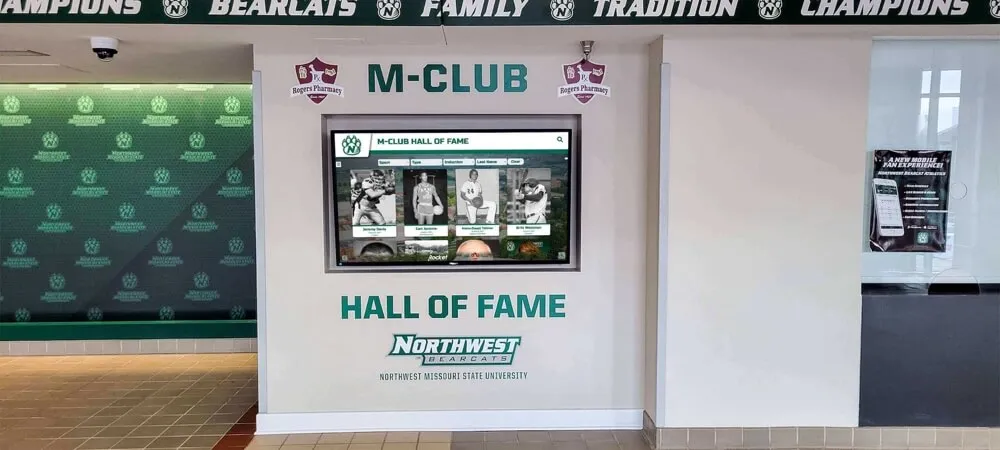
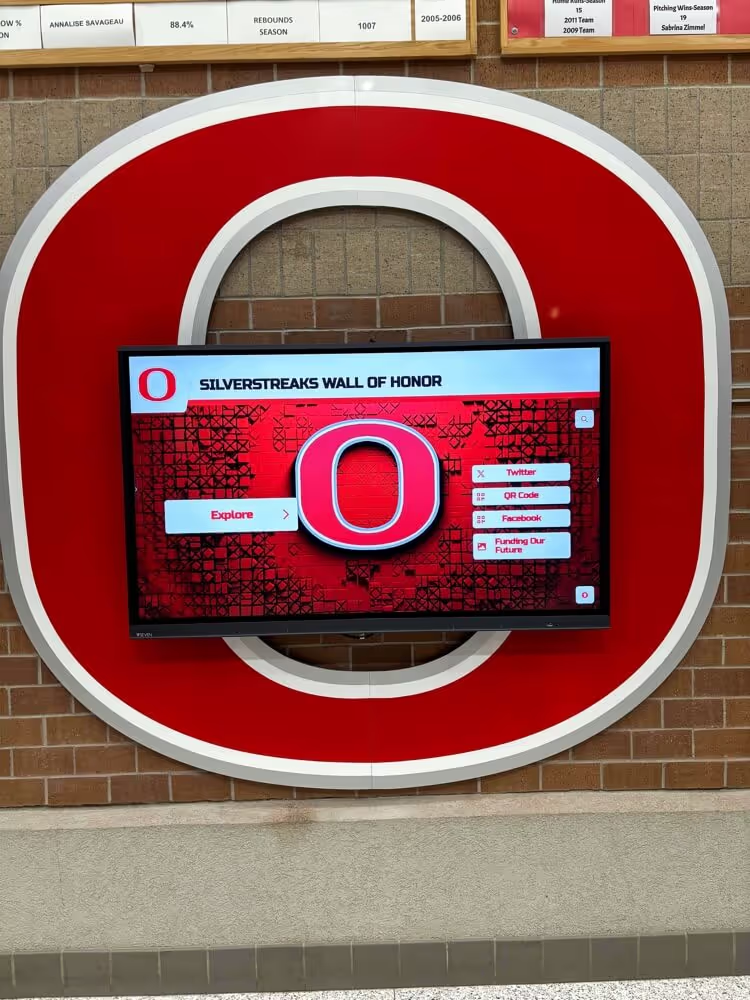
Interactive touchscreen displays represent one of the most impactful digital tools for bringing institutional history to life in educational settings, transforming how schools recognize achievements, preserve legacy, and connect current students to proud traditions.
Core Heritage Display Capabilities
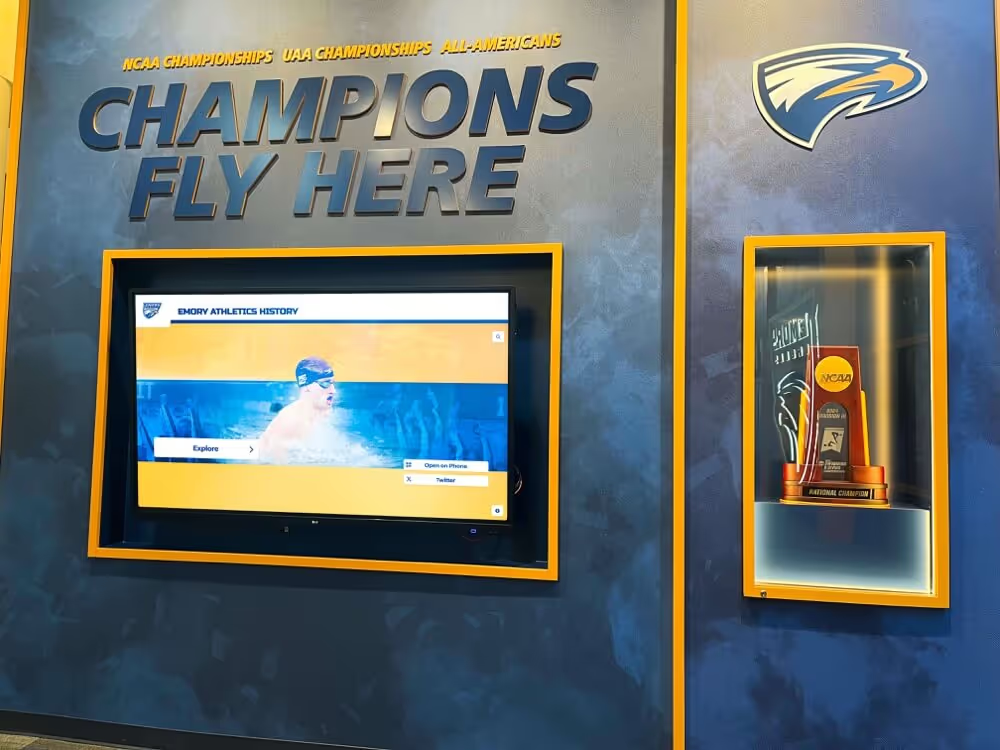
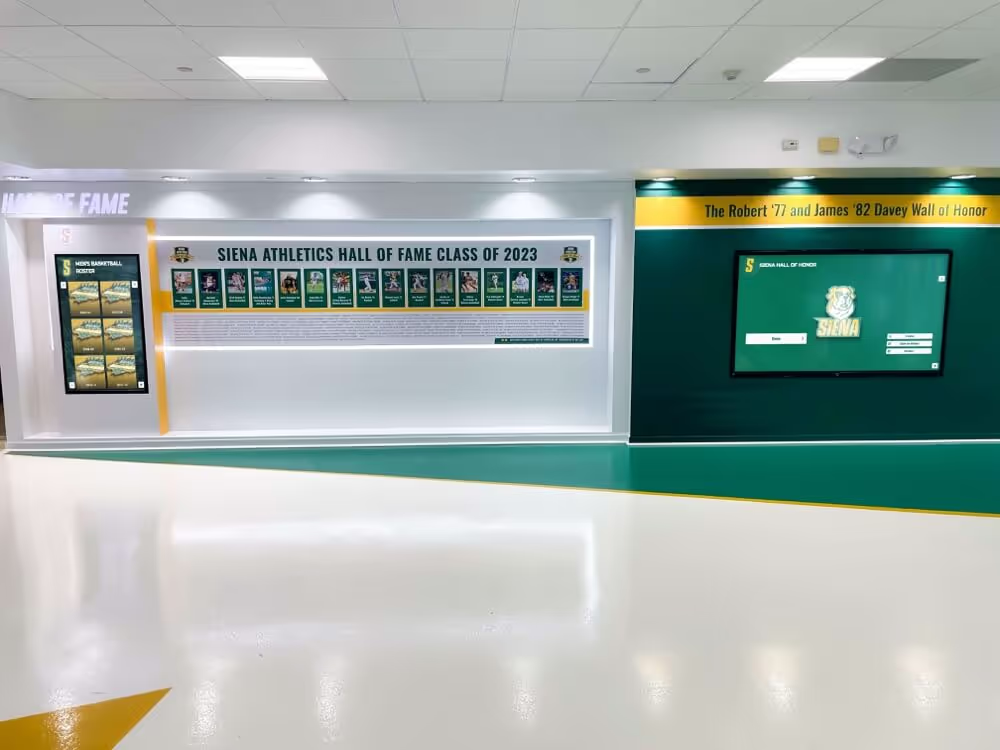
Modern touchscreen systems designed specifically for educational heritage like those from Rocket Alumni Solutions provide comprehensive platforms enabling schools to showcase unlimited historical content including decades of athletic achievements and championship memories, academic excellence across all programs and eras, distinguished alumni accomplishments demonstrating institutional impact, facility evolution showing campus development over time, arts performances and cultural celebrations, and complete yearbook archives making decades of school history searchable and explorable through intuitive interfaces anyone can navigate without training.
These purpose-built recognition displays serve educational objectives extending far beyond simple nostalgia. According to research on historical photos archive preservation, students who regularly engage with institutional history through interactive displays demonstrate stronger school pride, deeper understanding of institutional values and traditions, greater motivation to contribute their own achievements to ongoing legacy, and enhanced connection to alumni and community supporting educational missions.
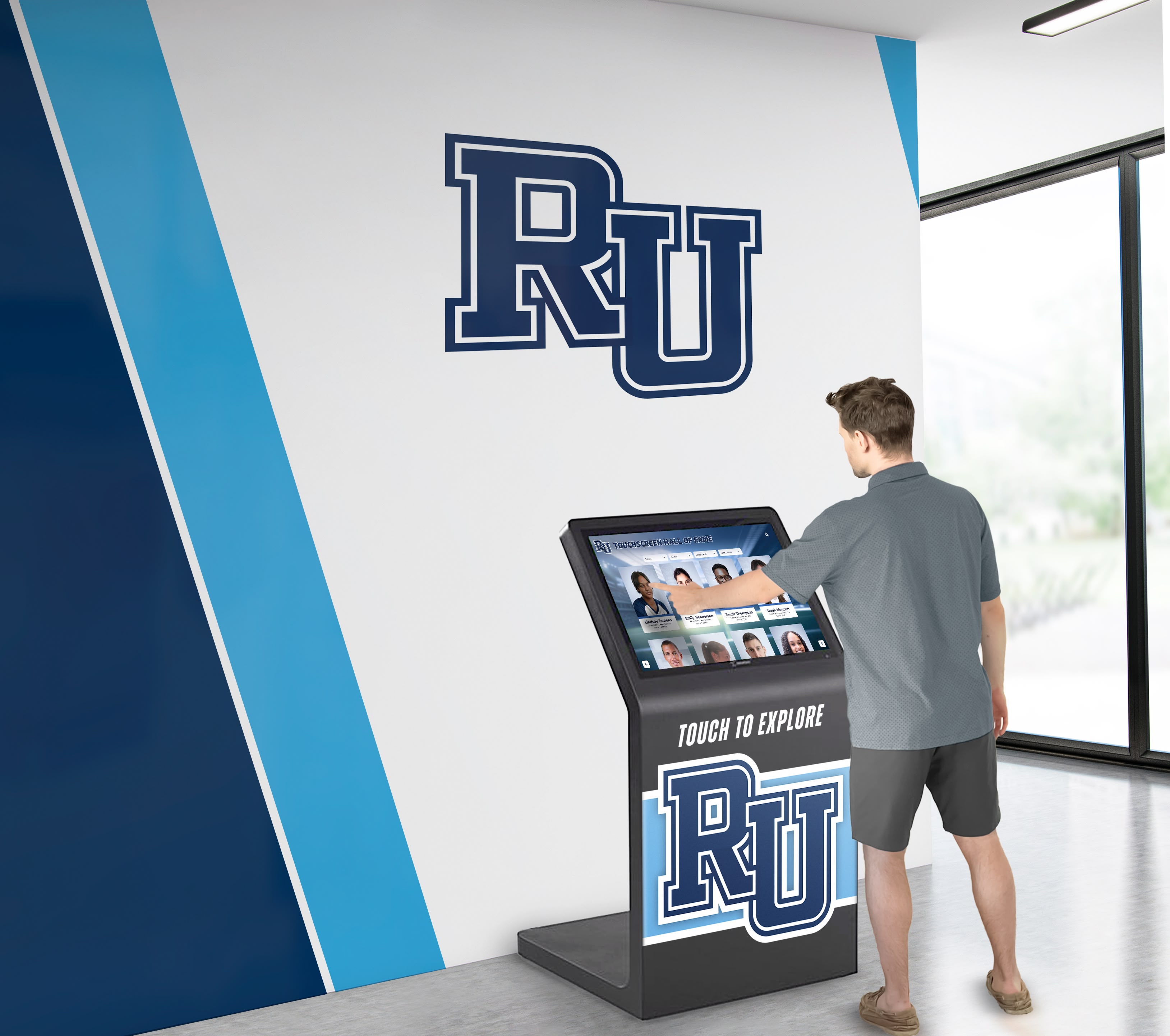
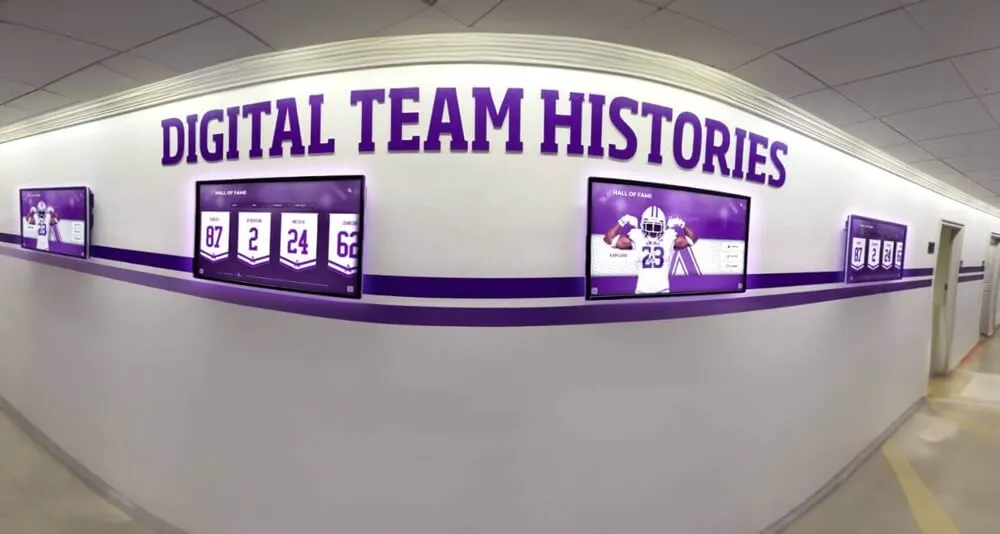
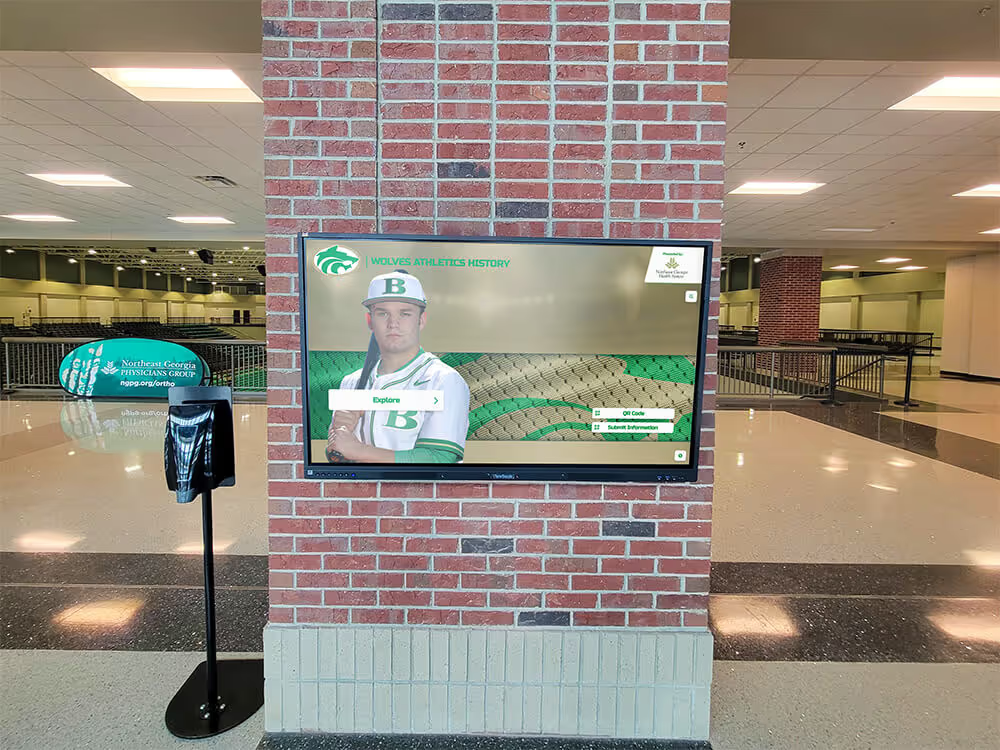
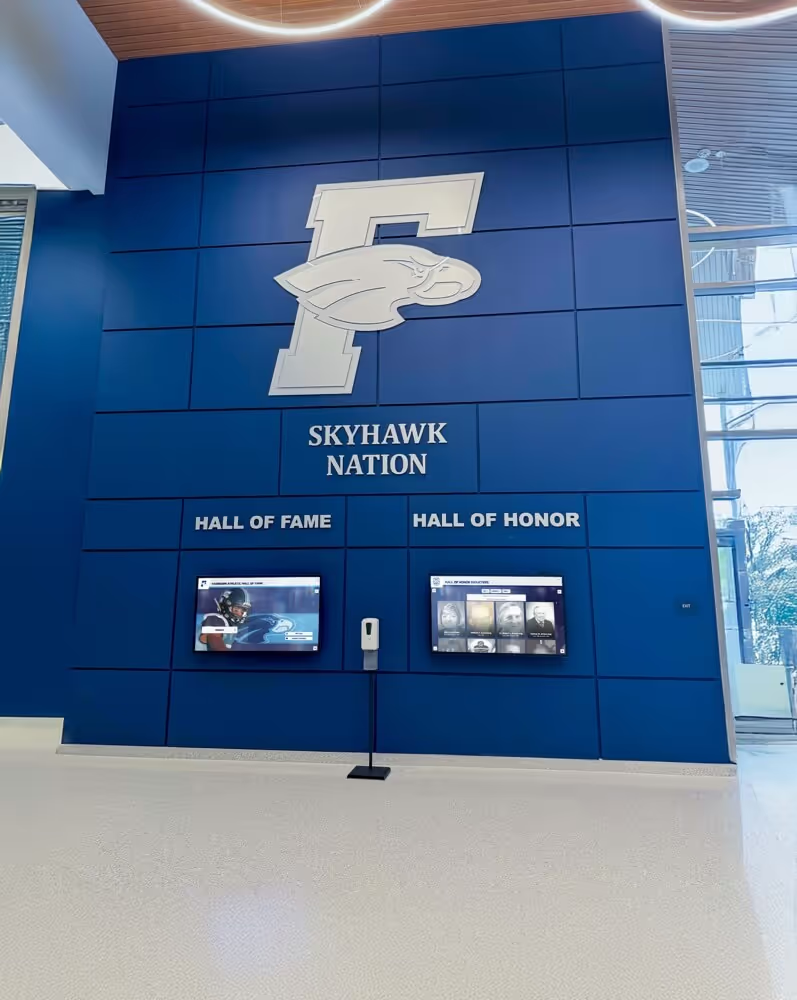
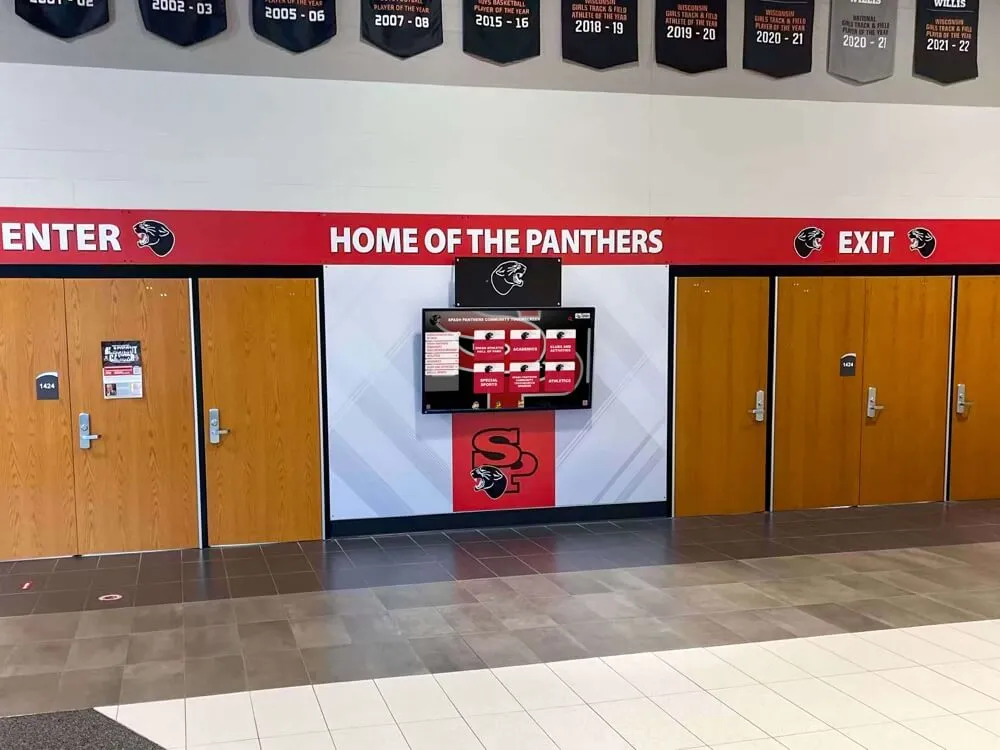
Strategic placement in high-traffic locations ensures institutional history reaches entire school community daily through engaging exploration experiences
Unlimited Capacity Transforming Recognition
Physical trophy cases and wall plaques impose strict capacity limits forcing schools into heartbreaking decisions about which tiny fraction of achievements receive visibility. Digital platforms eliminate these constraints entirely, enabling recognition of every deserving accomplishment across all programs and eras without removal decisions that inadvertently communicate some achievements matter more than others.
This unlimited capacity fundamentally changes school recognition philosophy from exclusive “limited space forces choices” approaches to inclusive “celebrate everyone” models that strengthen rather than divide communities. Solutions like digital hall of fame systems demonstrate how comprehensive historical presentation reinforces institutional values of equity and broad excellence across diverse achievement categories.
Cloud-Based Management Enabling Sustainability
The best heritage displays pair impressive presentation hardware with cloud-based content management systems requiring no technical expertise to operate. Staff can update displays remotely from any internet-connected device, add new achievements within minutes of occurrence, correct errors immediately when discovered, and enhance historical content as better photos or additional information surfaces over time—without requiring physical access to display locations or technical skills beyond basic web browsing.
This management simplicity proves critical for long-term success. Systems requiring technical expertise or on-site updates for every modification become administrative burdens that eventually lead to abandonment, leaving displays frozen showing increasingly outdated content. Cloud-based platforms with intuitive interfaces ensure heritage systems remain current and relevant indefinitely through regular updates integrated naturally into existing workflows.
Digital Historical Timeline Displays
Visualizing Institutional Evolution
Interactive timeline displays bring school history to life by showing institutional evolution across decades or centuries through engaging visual narratives that help students understand how current experiences connect to long traditions of excellence and community.
Timeline Presentation Features
Effective school historical timeline displays organize content chronologically enabling decade-by-decade exploration showing how schools evolved, highlight milestone moments defining institutional character and identity, document facility development through before/after photographs and construction images, track program growth demonstrating expanding educational opportunities, celebrate championship eras and periods of exceptional achievement, and connect historical figures across generations revealing relationships and shared experiences that strengthen community bonds across time.
Timeline interfaces transform overwhelming amounts of historical information into navigable narratives that help viewers understand patterns, appreciate progress, and recognize how individual achievements fit within broader institutional stories. Students exploring timelines discover that current teams compete in facilities built through campaigns they can trace historically, that traditions they experience today originated decades ago in specific circumstances, and that alumni they’ve never met share remarkably similar school experiences despite graduating generations apart.
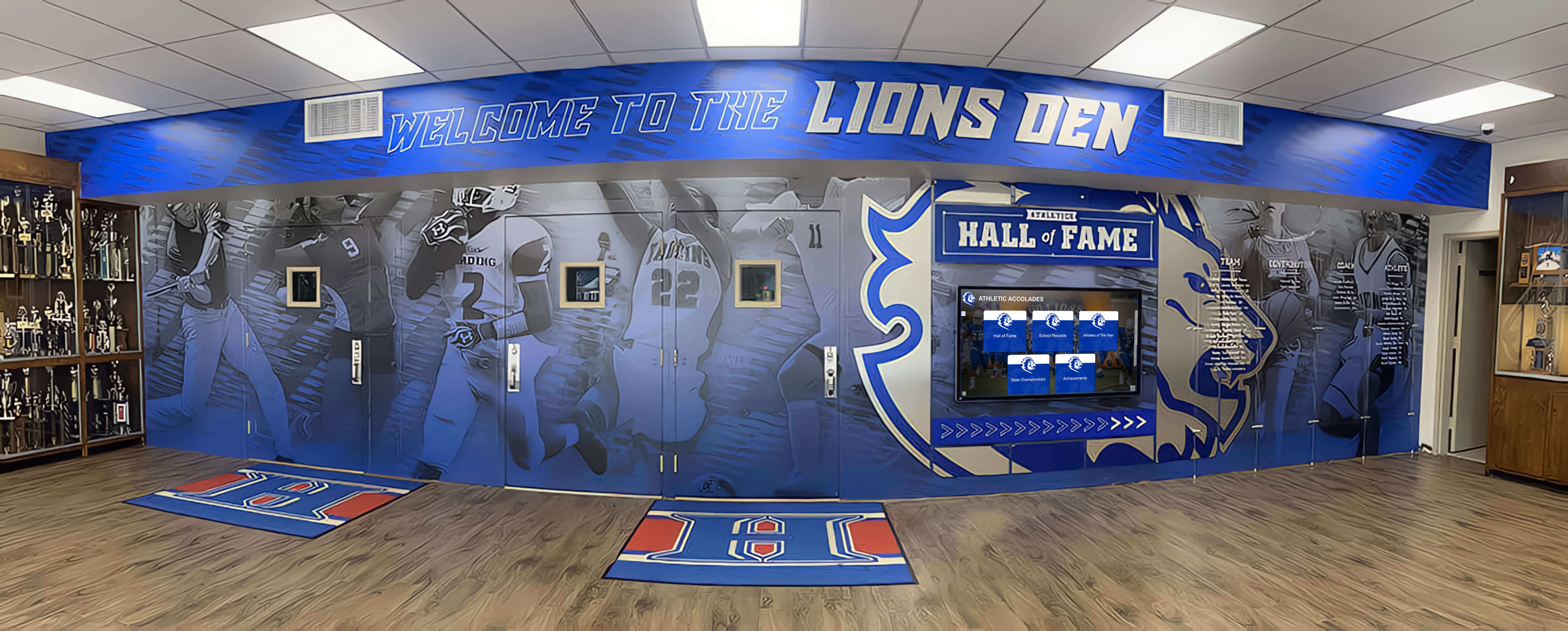
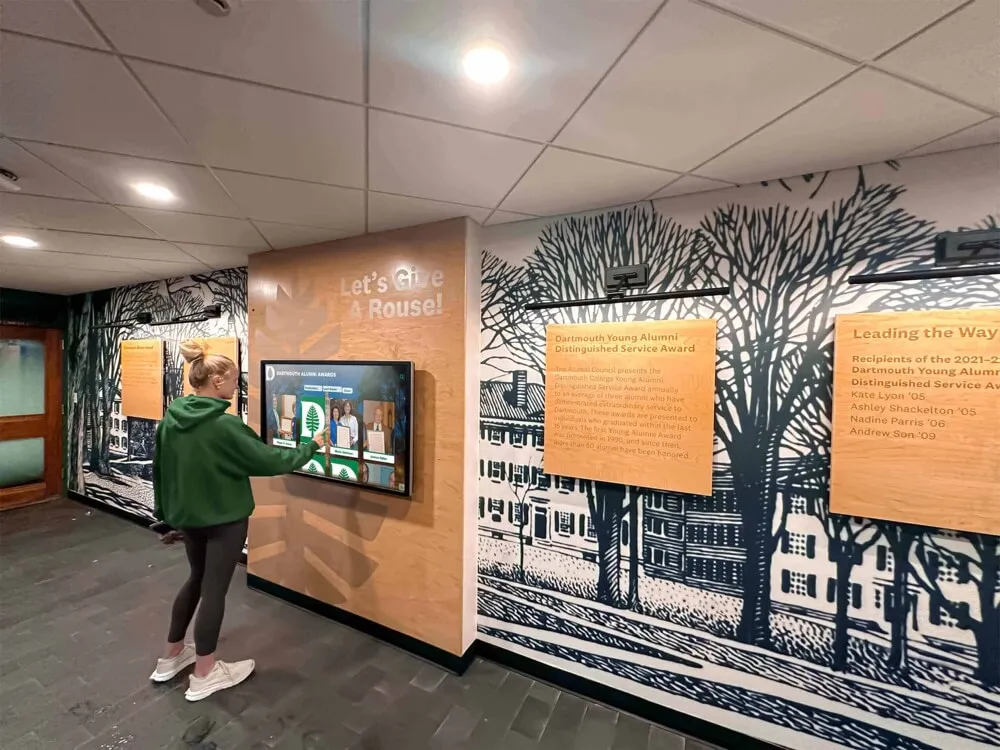
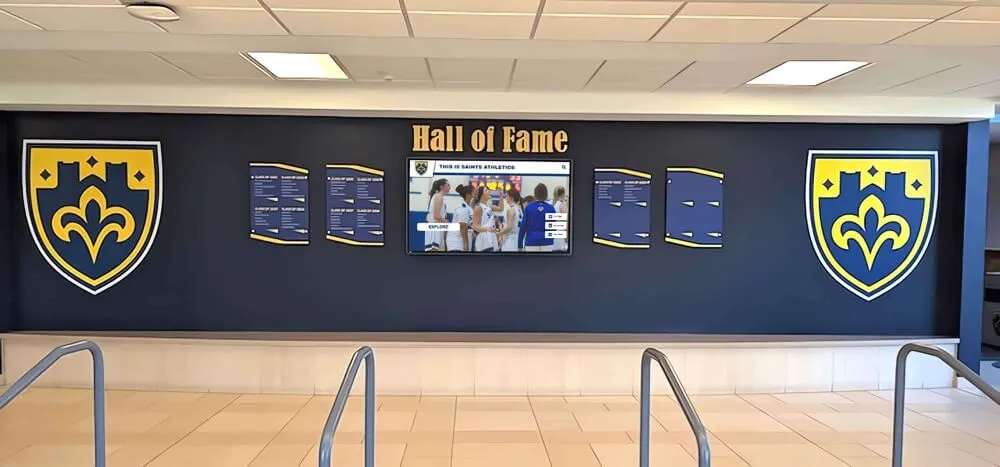
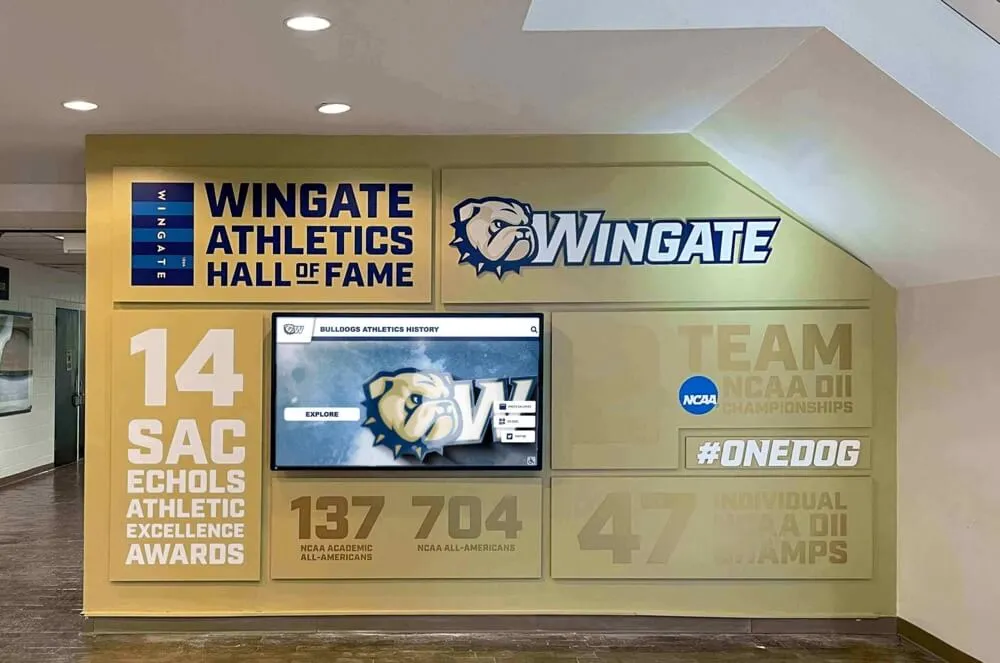
Integrated recognition environments combine traditional displays with digital technology creating comprehensive historical presentation spaces
Immersive Technologies Bringing Historical Moments to Life
Beyond institutional heritage, cutting-edge immersive technologies transform how students experience and understand historical events, periods, and figures through education that feels like direct participation rather than passive observation.
Virtual Reality Historical Experiences
Stepping Into History
Virtual reality represents perhaps the most dramatic digital tool for bringing history to life in classrooms, enabling students to virtually visit historical locations, witness significant events, and experience different time periods in ways textbooks and photographs simply cannot match.
Educational VR Applications
Leading VR platforms for history education include experiences where students explore ancient civilizations by virtually walking through historically accurate reconstructions of Rome, Egypt, Athens, and other archaeological sites, witness pivotal historical moments through immersive recreations placing learners directly into significant events and contexts, meet historical figures through interactive conversations powered by AI that enable students to ask questions and explore perspectives, experience different historical periods by virtually living aspects of daily life in various eras revealing how ordinary people experienced history, and examine historical artifacts and documents in detail impossible with textbook photographs or museum visits limited by protective glass barriers.
According to Edutopia’s research on digital history tools, Minecraft Education offers particularly engaging VR lessons teaching about pyramid construction, reconstructing UNESCO-recognized monuments in Syria, Iraq, and Afghanistan that students can explore virtually, and rebuilding historic sites like the Titanic interior enabling students to understand historical spaces through immersive exploration.
VR Implementation Considerations
While VR technology holds tremendous promise for history education, schools implementing these tools should understand practical realities including hardware costs ranging from $300-$1,000 per headset limiting classroom quantities, potential motion sickness affecting some students requiring alternative learning options, supervision requirements ensuring safe usage and preventing inappropriate content access, and ongoing content development needs as historical curriculum extends beyond currently available VR experiences.
Most successful implementations use VR selectively for high-impact historical moments and locations rather than attempting to VR-enable entire history curricula, maximizing technology investment by targeting experiences where immersion delivers unique educational value impossible through traditional approaches.

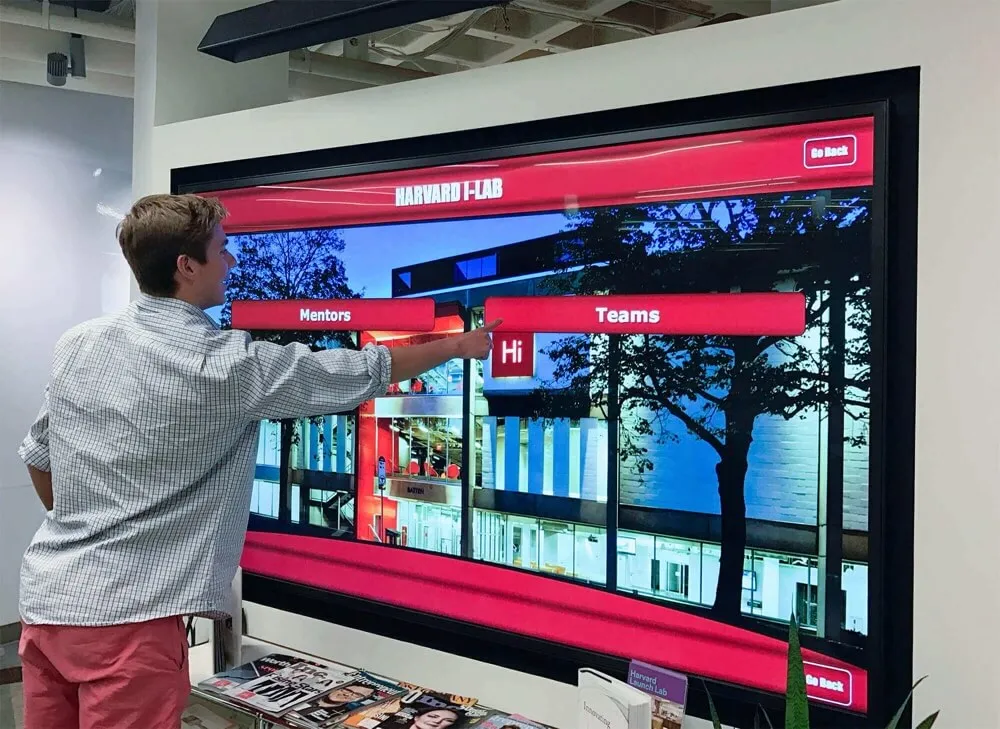
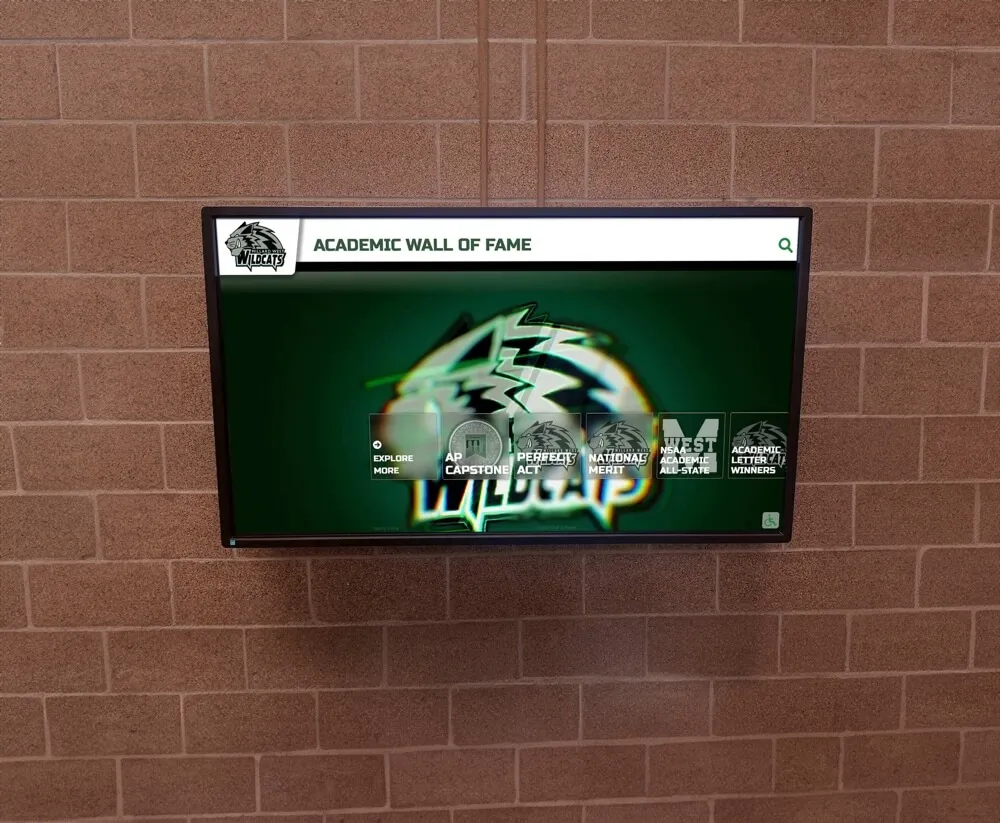
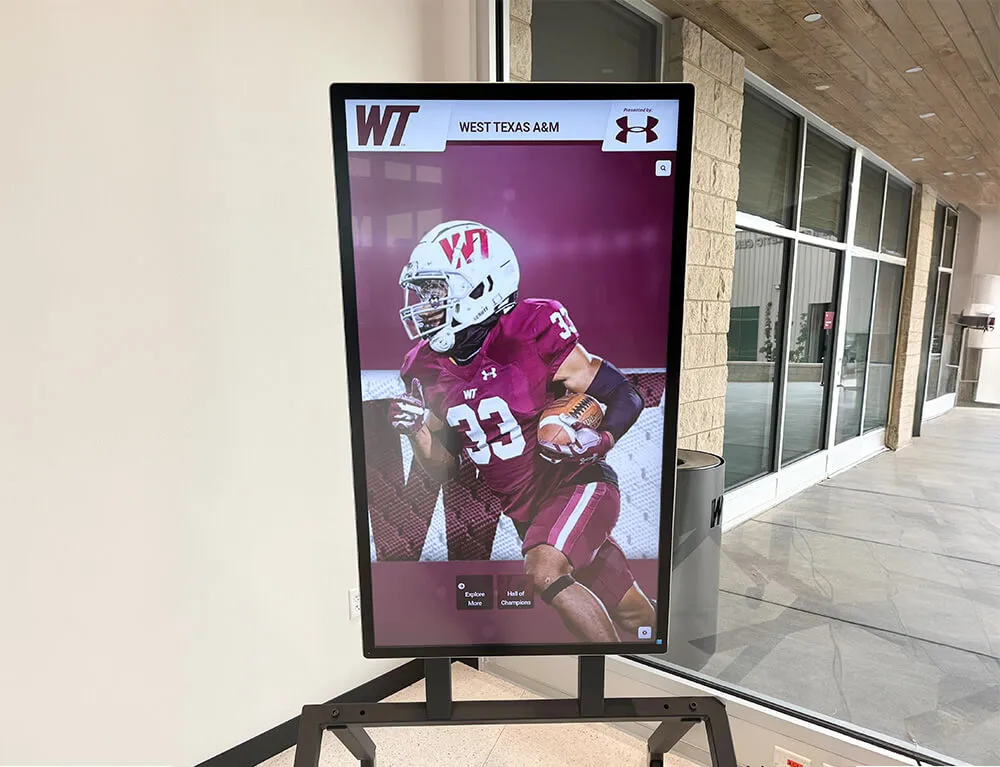
Dedicated interactive kiosks create immersive exploration spaces where students discover institutional history through engaging digital experiences
Augmented Reality Overlaying History on Present
Digital Layers Revealing Hidden History
Augmented reality brings history to life by overlaying digital information onto physical environments, enabling students to point smartphones or tablets at locations, objects, or images to reveal historical context, information, and multimedia content that would otherwise remain invisible.
AR Historical Applications
Educational institutions use AR to transform campus spaces into interactive history lessons where students point devices at buildings to see historical photographs showing original appearances and construction, at empty fields to visualize and learn about removed or demolished historical structures, at monuments to access multimedia content explaining historical significance and context, and at archival photographs to reveal identified individuals, event details, and related historical narratives connecting static images to comprehensive stories.
Museums and historical sites increasingly implement AR experiences enabling visitors to see historical figures appear in locations where they actually stood, witness historical events unfold in authentic settings, and access contextual information enriching understanding beyond what traditional plaques and labels can communicate. These same technologies scale to school environments, making entire campuses into living history lessons where digital tools reveal layers of heritage invisible to unaided observation.
Gamified AR Historical Exploration
Particularly effective for student engagement, AR scavenger hunt experiences transform history learning into active exploration where students receive challenges to find specific historical markers or locations on campus, scan markers with devices to unlock historical content and clues, answer questions demonstrating comprehension before advancing, and compete individually or in teams making historical discovery feel like engaging games rather than academic exercises.
These gamified approaches leverage students’ natural facility with mobile technology and preference for interactive experiences over passive lecture-based instruction, making history education feel current and engaging rather than dusty and irrelevant to contemporary learners.
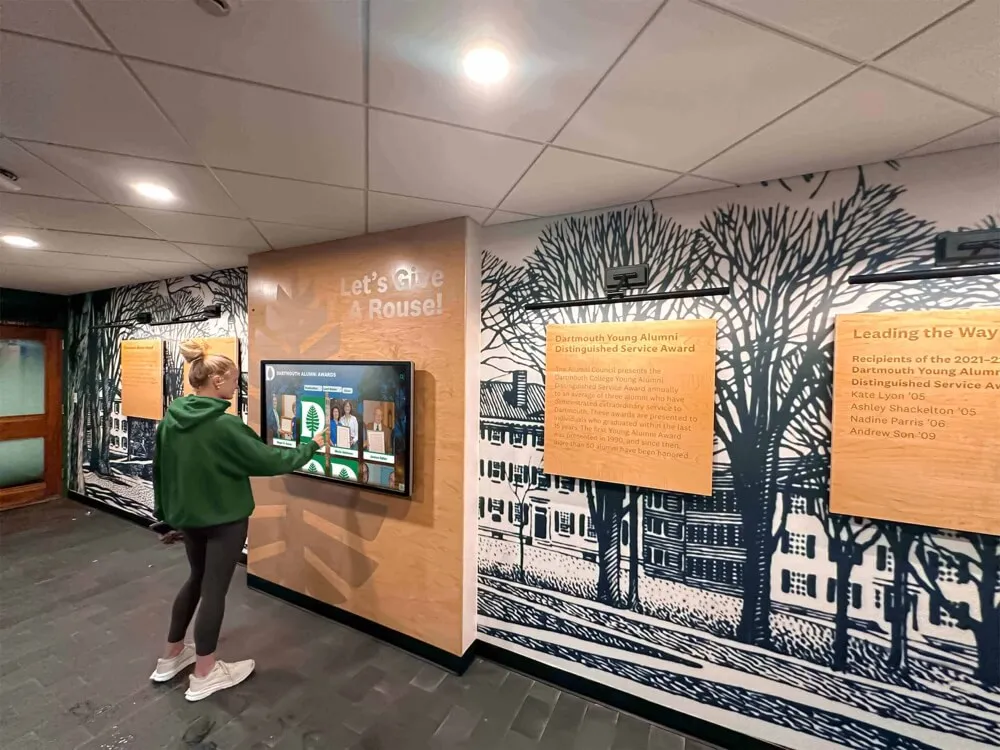
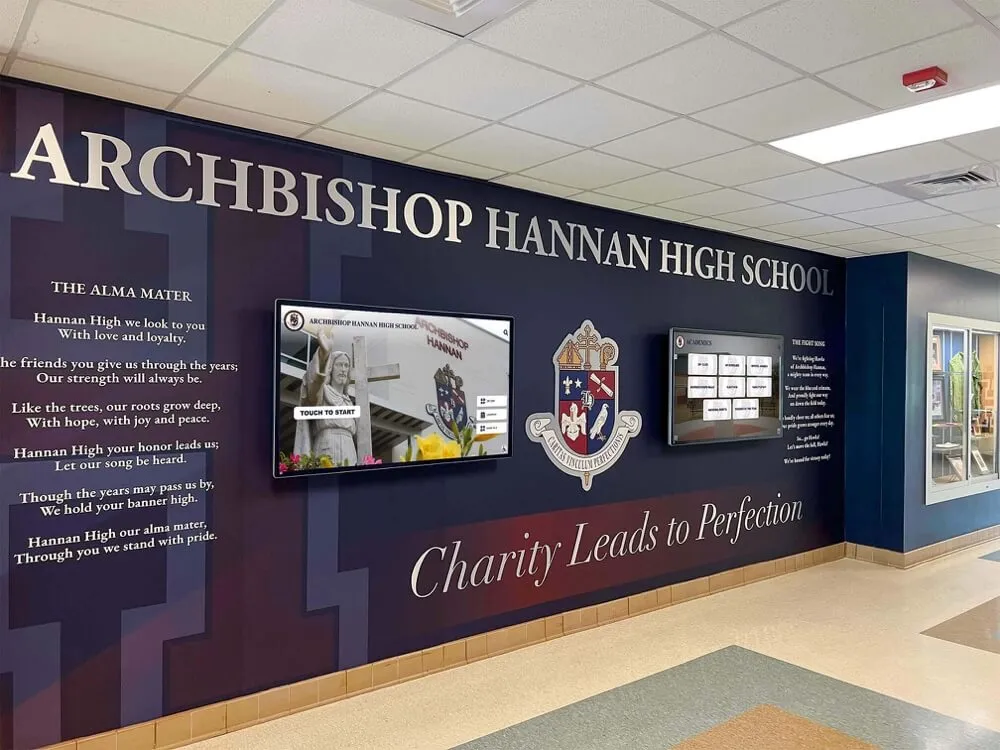
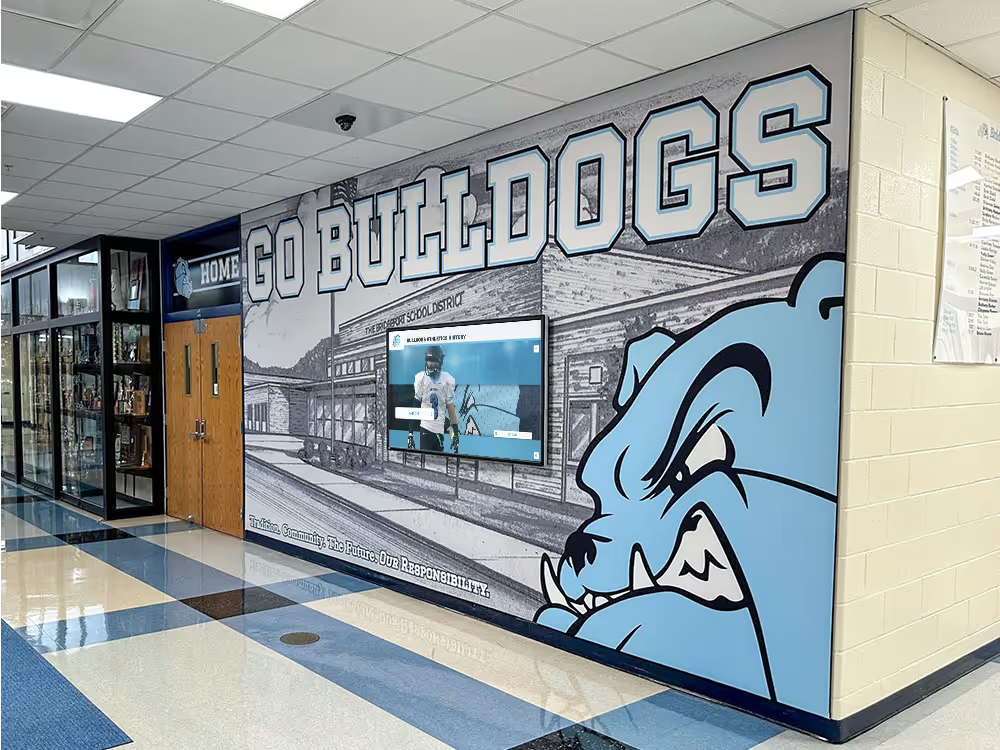
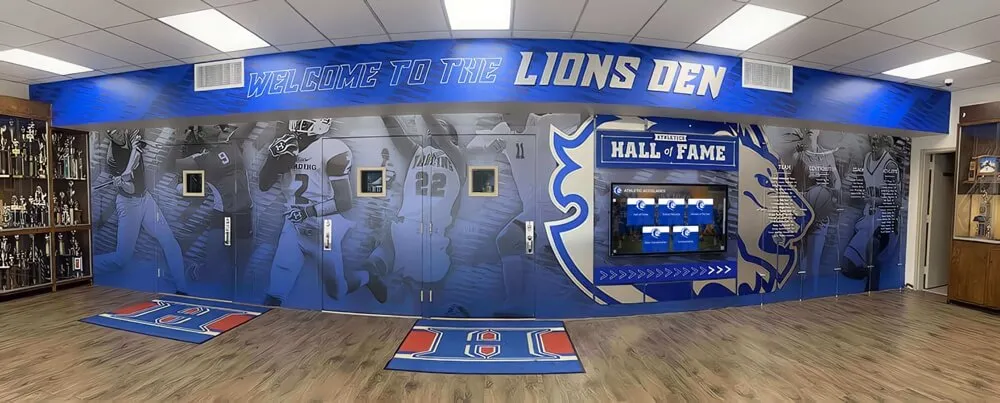
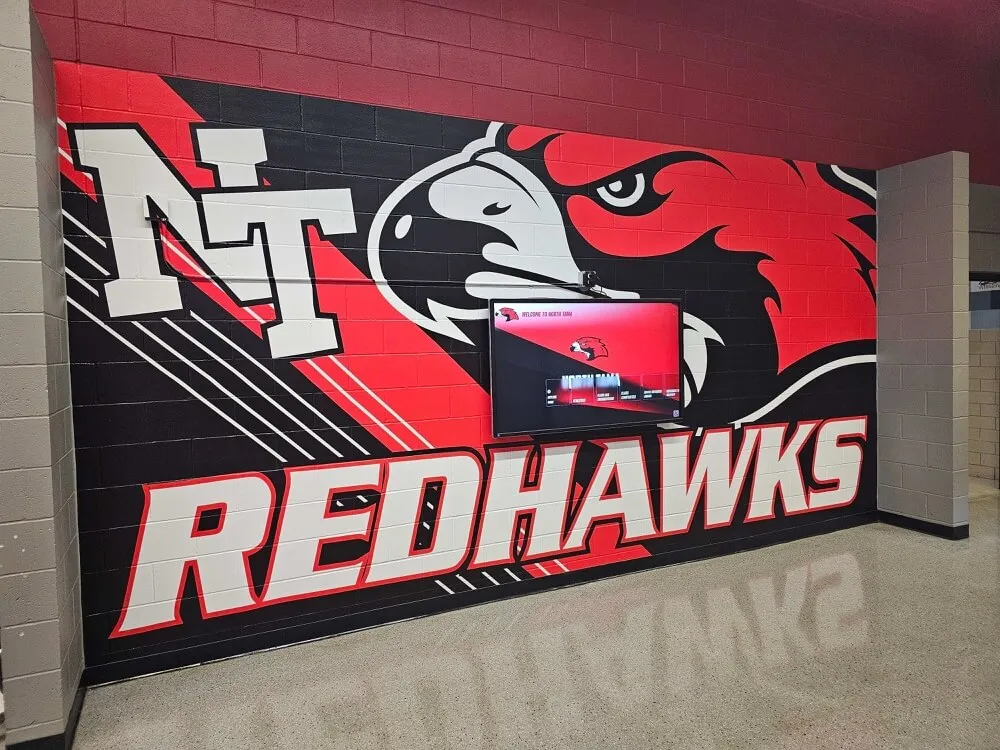
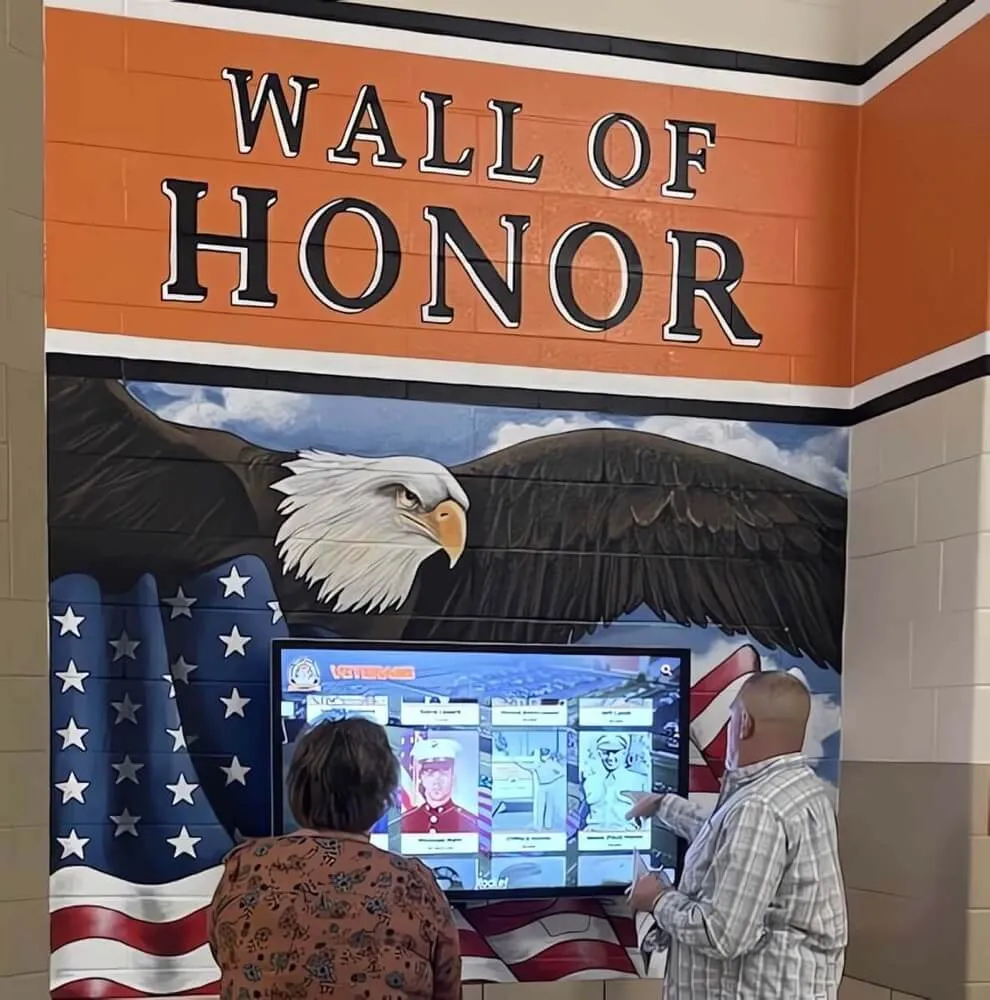
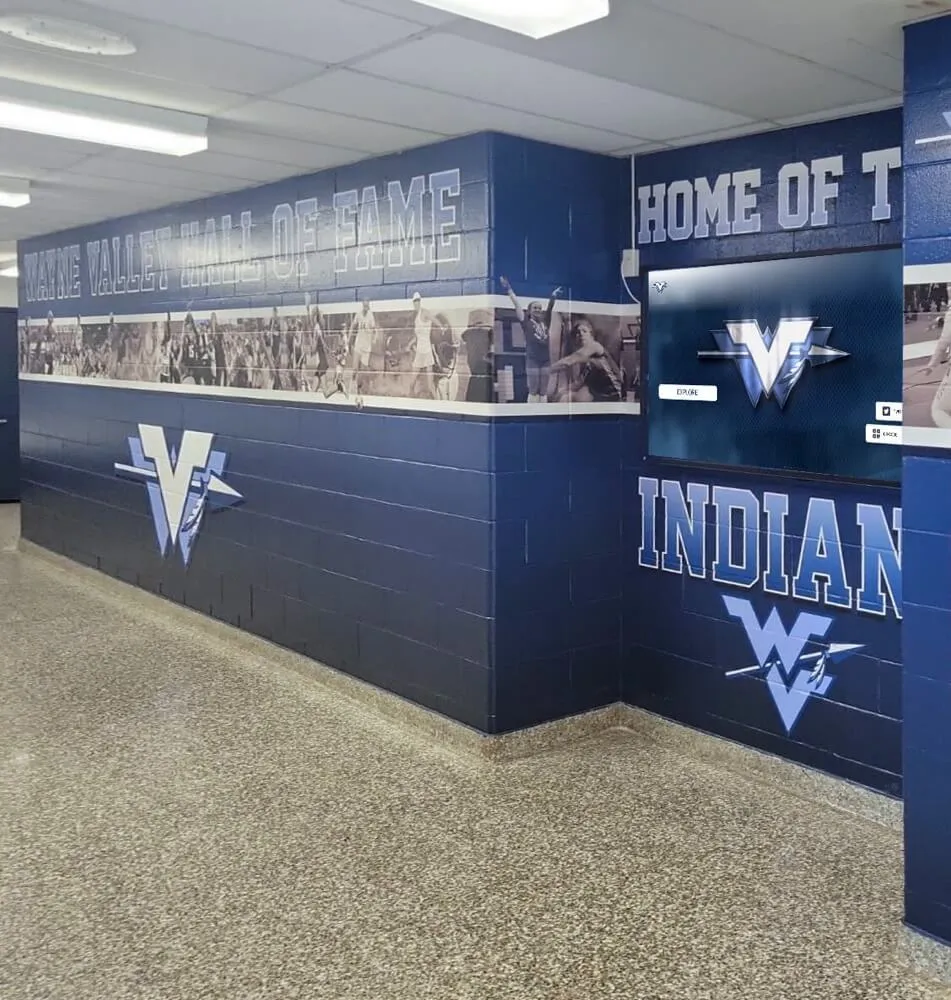
Integrated environments combining physical murals with digital interactivity create memorable spaces connecting visual impact with deep historical content
Digital Archives and Primary Source Platforms
Beyond immersive experiences, comprehensive digital archives make primary sources and historical materials accessible to students in ways that bring history to life through direct engagement with authentic historical evidence.
Digitized Document and Photograph Archives
Access to Authentic Historical Materials
Digital archiving platforms transform how students engage with primary sources by providing searchable access to historical documents, photographs, audio recordings, and other authentic materials that were previously accessible only through physical visits to archives or museums with limited collections.
National Digital Collections
The National Archives provides digitized documents, photographs, and audio recordings that bring history to life by offering students firsthand insights into significant events through actual historical evidence rather than secondary interpretations. Students can examine original letters written by historical figures, read actual government documents that shaped policy, view authentic photographs documenting events, and listen to historic audio recordings preserving voices from the past.
The Library of Congress Digital Collections similarly provide unprecedented access to millions of primary sources spanning American history, enabling students anywhere to explore materials previously accessible only through visits to Washington DC or through published excerpts selected by textbook authors. This democratization of primary source access fundamentally changes what’s possible in history education, making authentic historical engagement available to all students rather than only those with access to major research institutions.
Institutional Digital Archives
Schools implementing their own digital archives create similar value for institutional history, making decades or centuries of yearbooks, newspapers, photographs, and records searchable and explorable by current students, alumni, and communities. Comprehensive approaches to school history software and digital archives enable institutions to preserve complete heritage while making it accessible through intuitive interfaces that encourage regular engagement and exploration.
These institutional archives serve multiple purposes simultaneously—preserving irreplaceable materials facing physical deterioration, making history accessible beyond those who can physically visit campus, supporting educational curricula through local historical examples, and strengthening community connection by enabling alumni worldwide to explore and celebrate shared heritage.

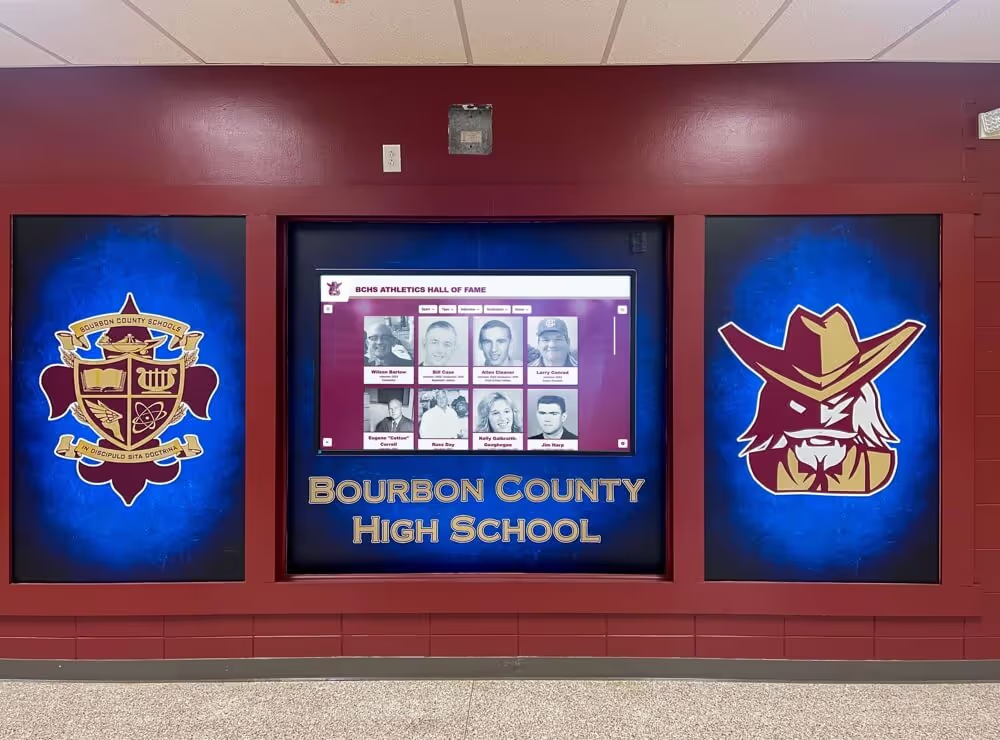
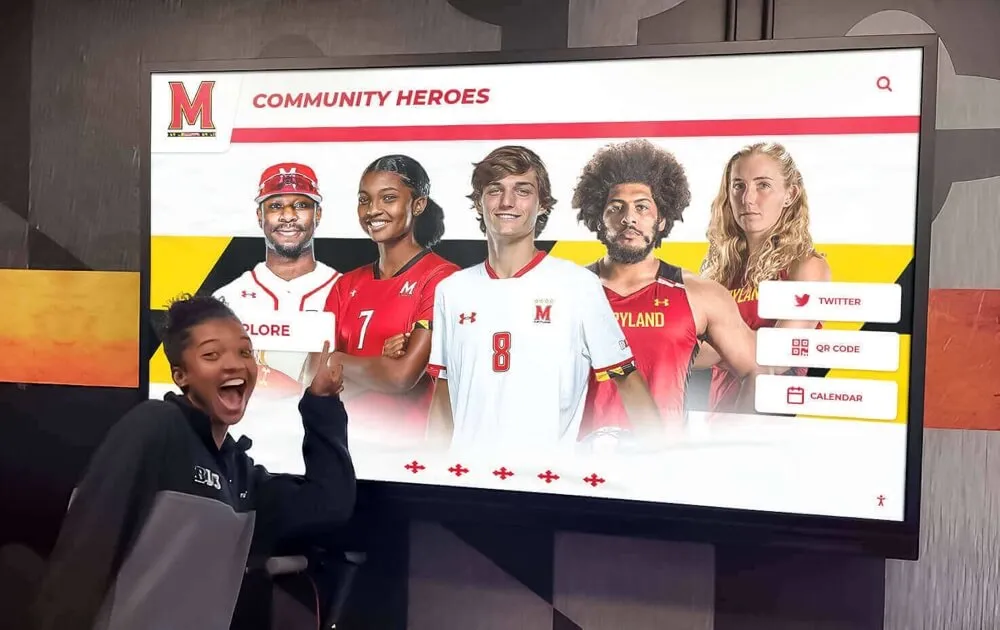
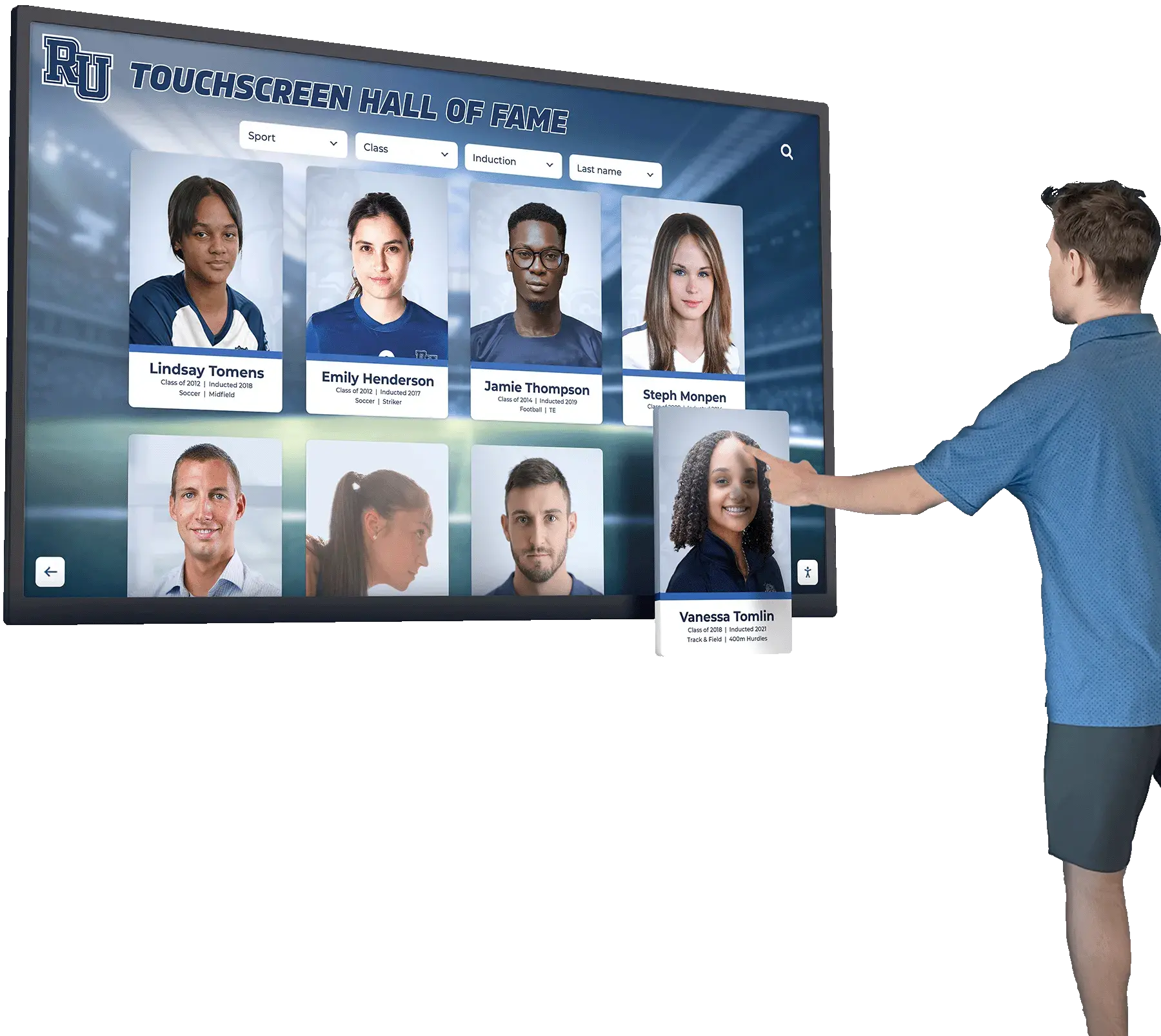
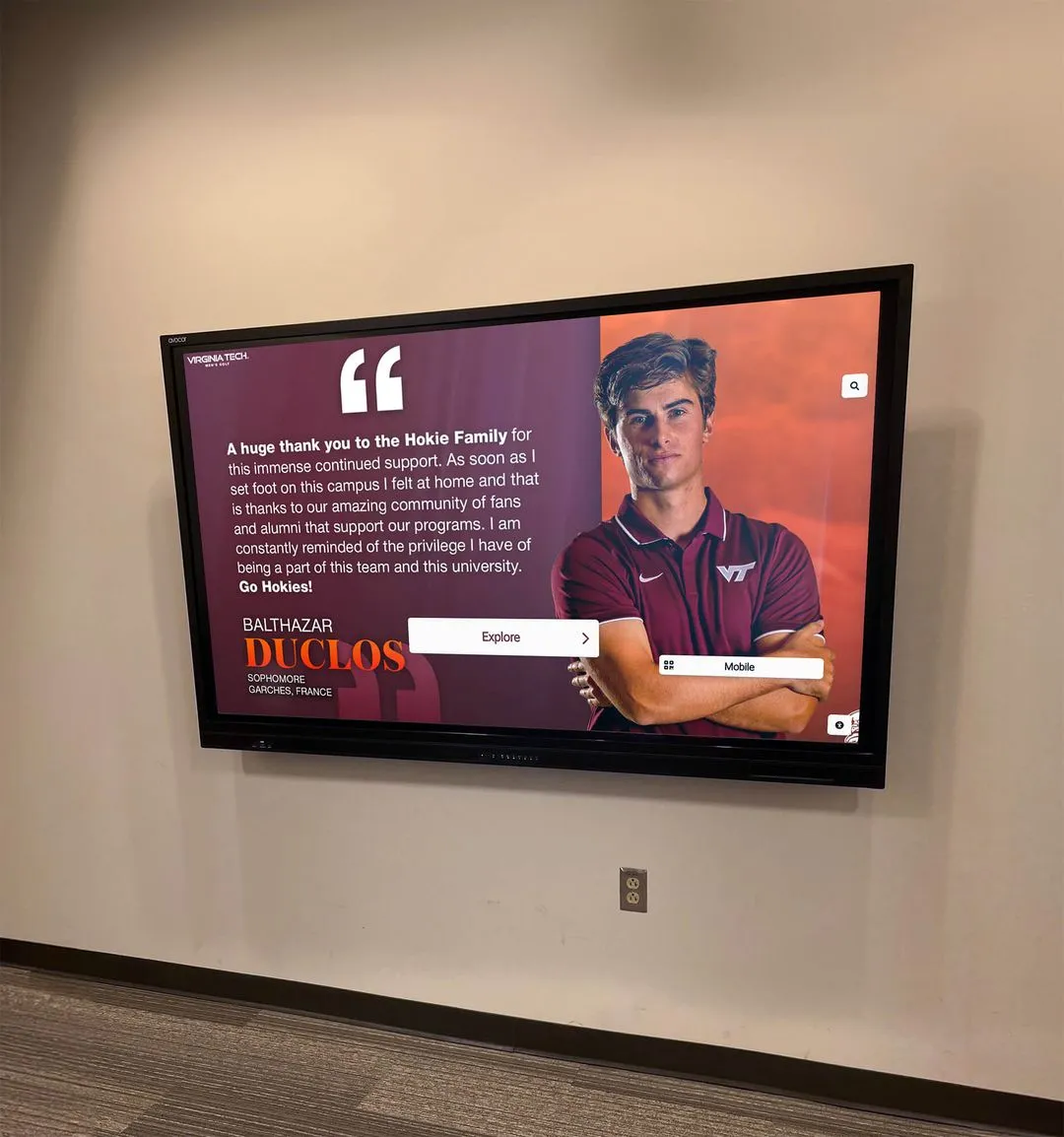
Card-based interfaces enable intuitive exploration of detailed historical profiles revealing comprehensive achievement documentation
Specialized Historical Mapping Platforms
Geographic Visualization of History
Digital mapping tools bring history to life by showing how geographic contexts shaped events, how territories changed over time, and how historical developments unfolded across space in ways static textbook maps cannot effectively communicate.
Interactive Historical Maps
According to Strikingly’s guide to interactive history learning tools, TimeMaps brings history to life through interactive visualizations allowing students to zoom in on specific regions, explore timelines showing how political boundaries and territorial control changed across different periods, and uncover detailed narratives about historical developments tied to specific geographic locations and contexts.
These interactive mapping platforms help students understand critical geographic dimensions of history including how geography influenced military strategies and battle outcomes, how trade routes connected civilizations and enabled cultural exchange, how territorial disputes drove conflicts and shaped political relationships, how environmental factors influenced human settlement patterns and civilization development, and how geographic features created natural barriers or corridors affecting historical development patterns across regions and time periods.
Campus Evolution Mapping
Schools can apply similar mapping approaches to institutional history, creating interactive campus maps showing facility development across decades through layered historical photographs, demolished or relocated structures students can visualize in original locations, athletic venue evolution from simple fields to modern complexes, and landscape changes documenting campus beautification and expansion revealing how current physical environments developed over time.
These institutional mapping projects make campus history tangible and visible, helping students understand that facilities they use daily have rich stories and that current environments resulted from decades of deliberate development rather than always existing in present form.
Gamified History Learning Platforms
One of the most effective categories of digital tools brings history to life by transforming learning into engaging gameplay that motivates students through challenge, competition, and narrative immersion rather than traditional instructional approaches.
Story-Driven Historical Games
Immersive Narrative Experiences
Educational games that embed historical learning within compelling narratives demonstrate remarkable effectiveness at engaging students with content that might otherwise feel dry or distant from their personal experiences and interests.
Leading Educational History Games
According to Edutopia’s roundup of digital history tools, Mission US features story-driven games with voice acting and animated cutscenes where students play as fictional children from real eras of American history and make difficult moral and strategic decisions that help them understand historical contexts, dilemmas, and perspectives through simulated participation rather than passive observation.
iCivics—a nonprofit founded by former Supreme Court Justice Sandra Day O’Connor—provides free civics games that engage middle school students with content about democratic processes, constitutional principles, and civic participation that might otherwise feel boring or abstract. By gamifying civics education, iCivics makes students active participants in learning about governmental systems and civic responsibilities rather than passive recipients of lectures about abstract concepts difficult for young learners to connect with their daily experiences.
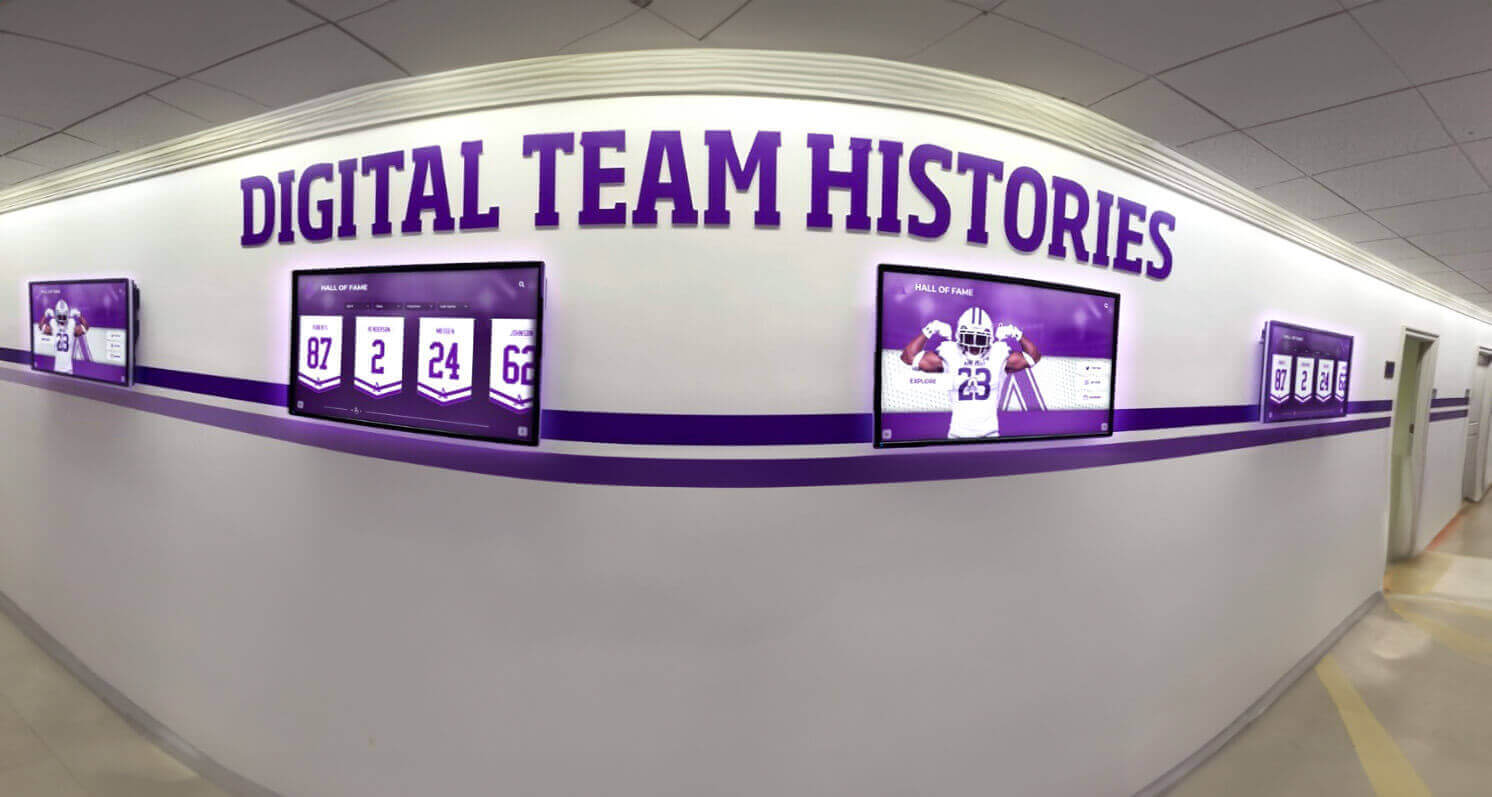
Multiple coordinated displays throughout facilities ensure comprehensive reach enabling diverse historical content presentation across different audience interests
Game Design Elements in History Education
Effective educational history games incorporate proven game design principles including narrative frameworks giving context and motivation for learning activities, challenge progression that begins accessible but becomes increasingly complex, meaningful choice where student decisions affect outcomes helping them understand historical contingency, immediate feedback showing consequences of decisions and reinforcing learning, and achievement systems recognizing progress and mastery motivating continued engagement.
These game elements transform history from subject students passively receive to experience they actively participate in, fundamentally changing engagement patterns and learning outcomes compared to traditional textbook and lecture-based instruction that fails to motivate many contemporary students accustomed to interactive digital experiences in entertainment contexts.
Simulation and Strategy Games
Decision-Making in Historical Context
Beyond narrative games, simulation and strategy games bring history to life by placing students in decision-making roles that help them understand historical challenges, tradeoffs, and dilemmas faced by leaders and ordinary people navigating complex situations with imperfect information and competing priorities.
Historical Simulation Benefits
Students playing historical simulation games develop deeper understanding that leaders faced difficult choices without perfect information about outcomes, that historical decisions involved tradeoffs among competing priorities rather than clear right answers, that resource constraints shaped what was possible limiting available options, that cultural contexts influenced what options seemed acceptable or possible, and that unintended consequences often resulted from well-intentioned decisions revealing complexity of historical causation.
These experiential lessons prove far more effective than lectures telling students “history is complicated” at developing nuanced historical thinking recognizing that easy moral judgments from comfortable present circumstances oversimplify genuine dilemmas faced by people making difficult decisions in uncertain circumstances with real consequences.
Artificial Intelligence Tools for Historical Analysis
Emerging AI capabilities create new possibilities for bringing history to life through analysis, visualization, and interaction impossible through traditional approaches or even earlier digital tools.
AI-Powered Historical Image Generation
Visualizing Pre-Photography History
One of the most innovative applications of AI in history education involves using image generation tools to help students visualize historical periods, figures, and contexts from before photography existed, making ancient and early modern history more tangible and relatable than text descriptions or artistic interpretations alone allow.
Critical Thinking Through AI Visualization
According to GovTech’s report on technology bringing history to life, AI image generators can drive critical thinking in history classrooms by generating images from before the dawn of photography, helping students visualize historical contexts while discussing questions about historical accuracy, interpretation, and representation that these AI-generated images raise.
This approach transforms AI from simple visualization tool into springboard for deeper discussion about how we know what we know about history, how visual representations shape understanding and perception, what gets included or excluded in historical narratives, and how contemporary perspectives influence interpretations of past events and contexts. Students learn simultaneously about historical content and about the nature of historical knowledge itself.
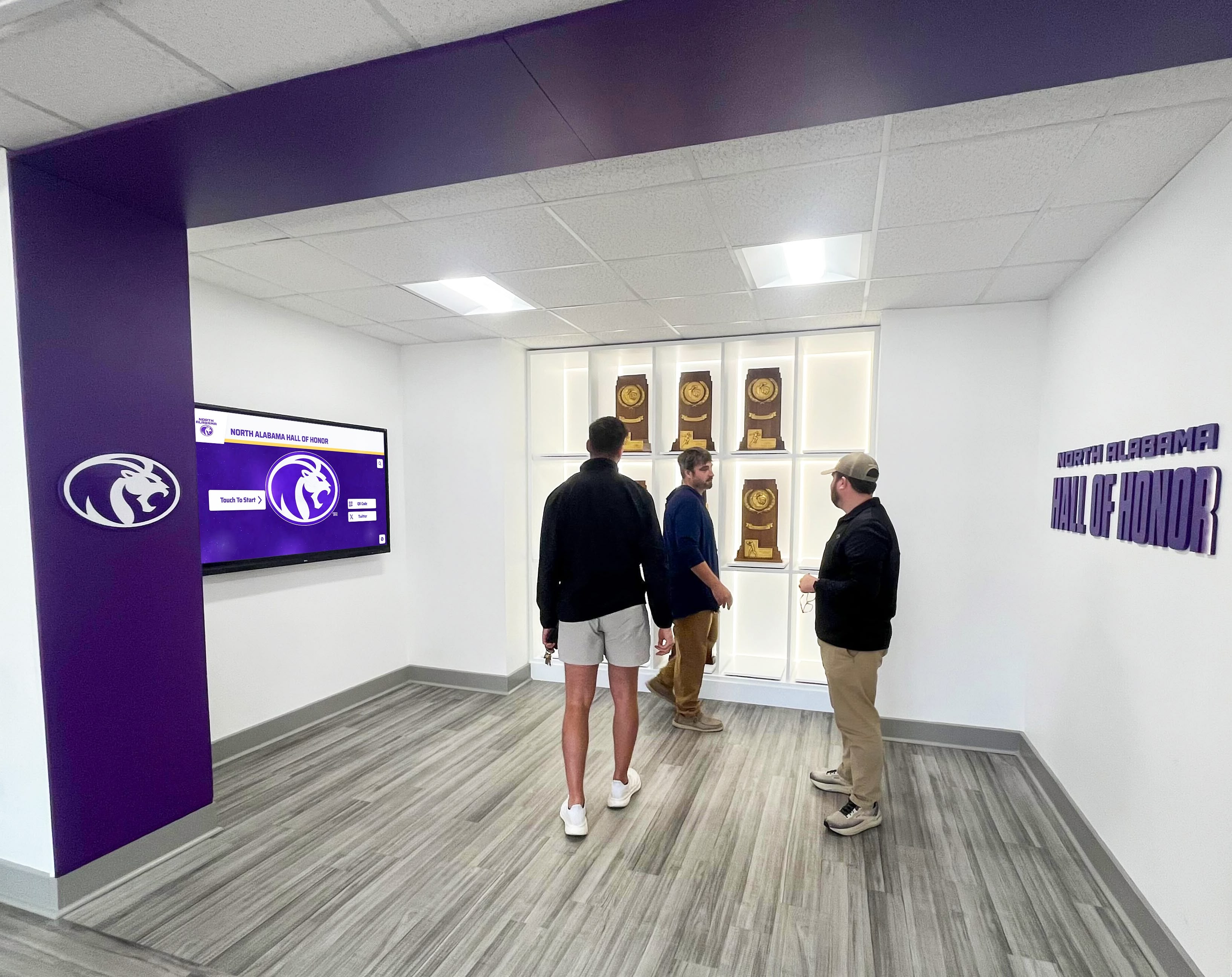
Successful heritage spaces create natural gathering places where communities connect around shared institutional pride and historical exploration
AI-Enhanced Primary Source Analysis
Intelligent Assistance for Historical Research
AI tools increasingly assist students in analyzing primary sources by helping identify relevant documents from large collections, highlighting key passages and themes within complex historical texts, suggesting connections between different sources revealing patterns and relationships, translating historical documents from foreign languages making international history more accessible, and providing contextual information helping students understand unfamiliar references, terminology, or circumstances that might otherwise prevent comprehension.
These AI capabilities make primary source analysis more accessible to broader student populations rather than only those with advanced reading skills or deep background knowledge, democratizing historical inquiry while teaching critical analysis skills through supported practice with authentic materials.
Ethical Considerations
Schools implementing AI tools for history education should address important ethical considerations including ensuring students understand AI limitations and potential inaccuracies, teaching critical evaluation rather than accepting AI outputs uncritically, discussing bias in AI training data and how it influences outputs, maintaining focus on genuine historical understanding rather than technology novelty, and preserving student agency in historical interpretation rather than outsourcing thinking to AI systems.
Used thoughtfully, AI tools enhance history education by making previously inaccessible content navigable and by raising important questions about knowledge, interpretation, and technological mediation. Used carelessly, they risk undermining critical thinking by providing easy answers that discourage genuine historical inquiry and analysis.
Implementing Digital History Tools in Educational Settings
Understanding available tools matters less than knowing how to implement them effectively in ways that deliver genuine educational value and sustainable operation over time rather than becoming unused novelties.
Technology Integration Planning
Strategic Selection and Deployment
Successful digital history tool implementation begins with clear objectives defining what schools hope to accomplish including specific learning outcomes for curricular history education, engagement goals for institutional heritage presentation, resource allocation balancing multiple competing priorities, staff capacity for implementation and ongoing management, and realistic timelines acknowledging that effective technology integration requires time for training, content development, and cultural adoption beyond simple hardware installation.
Schools implementing comprehensive digital recognition systems report that phased approaches beginning with high-impact initial installations while building toward more comprehensive implementation prove more successful than attempting simultaneous deployment across multiple areas without adequate preparation, training, or content development supporting effective utilization.
Budget Considerations
Digital history tool budgets should account for initial hardware costs including displays, VR headsets, or other physical equipment, software subscriptions for cloud-based platforms and educational applications, content development time for creating or digitizing historical materials, training ensuring staff can effectively utilize technology, ongoing technical support addressing inevitable issues and questions, and eventual hardware replacement as devices reach end of usable lifespans requiring upgrades.
Many schools find that starting with institutional heritage displays like those from Rocket Alumni Solutions provides immediate visible impact that builds support for broader digital history initiatives while serving multiple objectives simultaneously through platforms celebrating achievements, preserving legacy, engaging communities, and teaching institutional history through accessible interactive experiences.
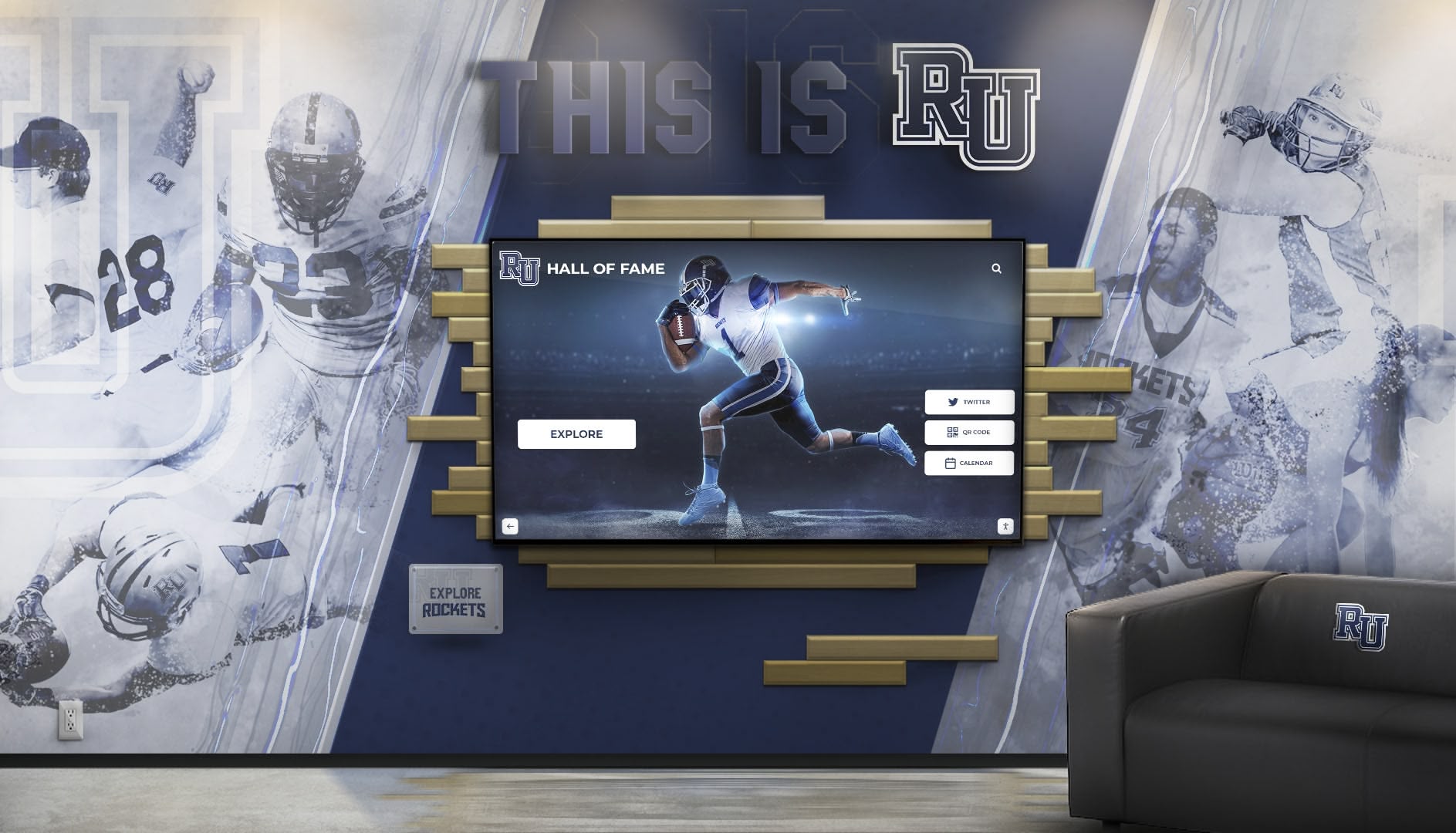
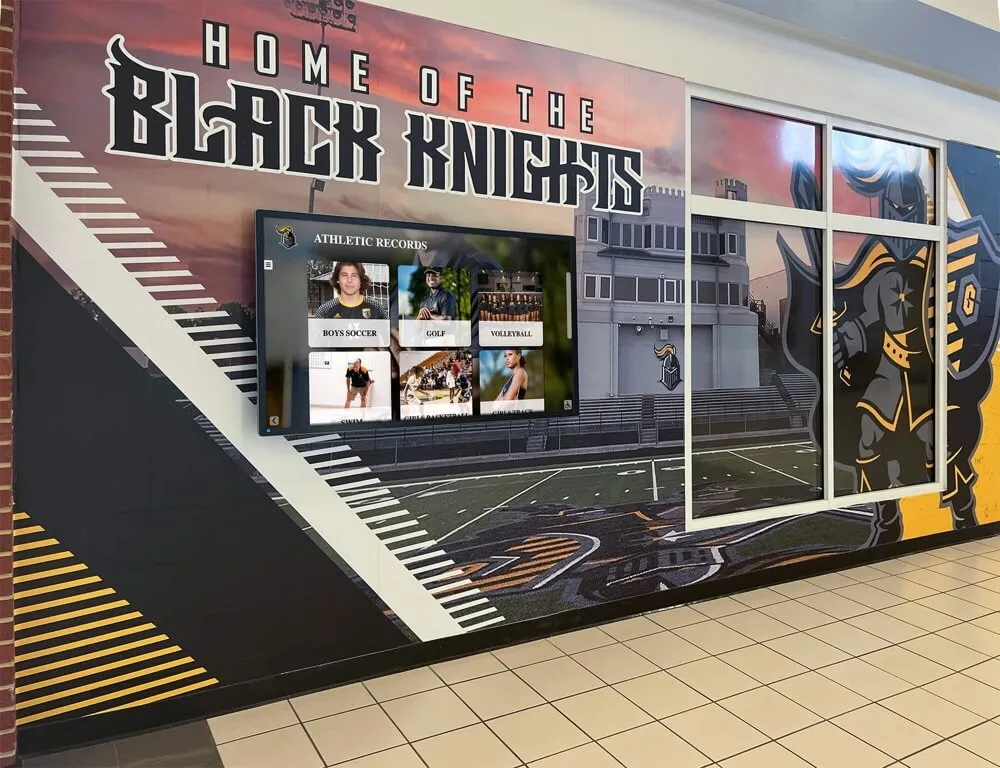
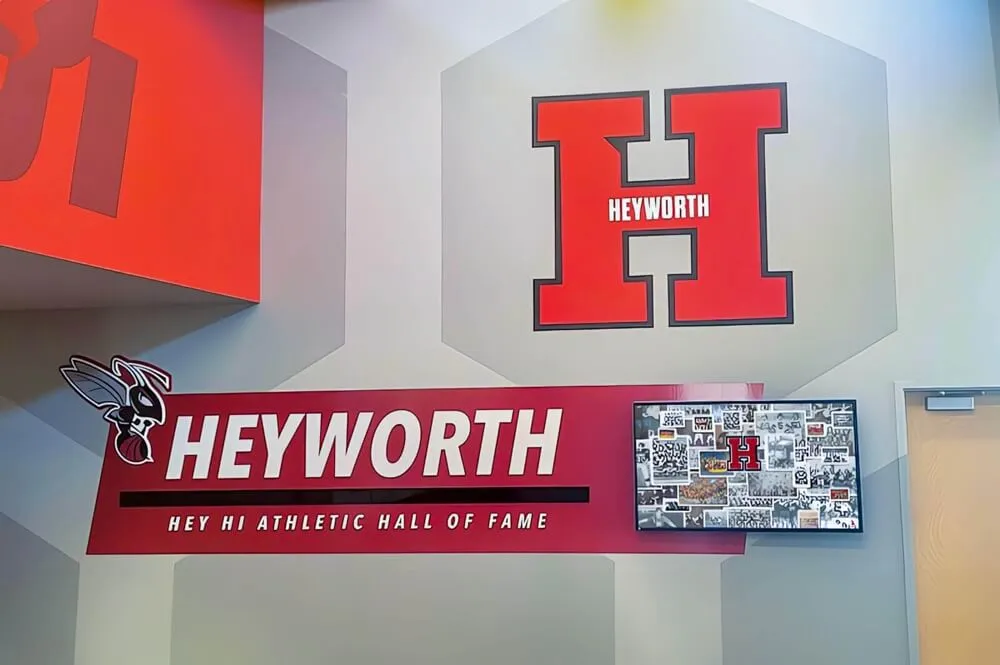
Professional installations combining murals, branding, and interactive displays create impressive recognition destinations showcasing institutional commitment to heritage
Professional Development and Training
Building Staff Capacity
Technology succeeds only when people can use it effectively, making professional development critical for digital history tool success rather than optional enhancement to hardware deployment.
Training Components
Effective professional development includes technical training on operating platforms and troubleshooting common issues, pedagogical training on integrating digital tools into effective lesson plans and historical inquiry activities, content development training on digitizing materials and creating engaging multimedia historical content, and ongoing support providing assistance when questions or challenges arise during implementation rather than only during initial training when teachers have no practical experience revealing actual support needs.
Schools report higher success rates when multiple staff members receive training rather than designating single technology champions who become bottlenecks when absent and whose departure can effectively end program utilization despite continued hardware availability.
Content Development and Curation
Creating Engaging Historical Content
Digital tools provide infrastructure, but engaging content determines whether platforms achieve intended educational objectives and sustained utilization versus becoming impressive technology showing limited or repetitive content that quickly bores users.
Historical Content Standards
Quality digital history content demonstrates factual accuracy verified through reliable sources, appropriate contextualization explaining significance rather than presenting isolated facts, inclusive representation showing diverse historical experiences and perspectives, engaging multimedia combining text, images, video, and audio in ways that maintain interest, proper attribution crediting sources and respecting intellectual property, accessibility features ensuring content serves students with different abilities and needs, and regular updates keeping content current and adding newly discovered materials ensuring continued reasons to engage with platforms over time.
For institutional heritage displays, systematic approaches to preserving historical photos and creating comprehensive digital archives ensure schools can showcase complete heritage rather than limited highlights determined more by what’s easily accessible than what’s historically significant or educationally valuable.

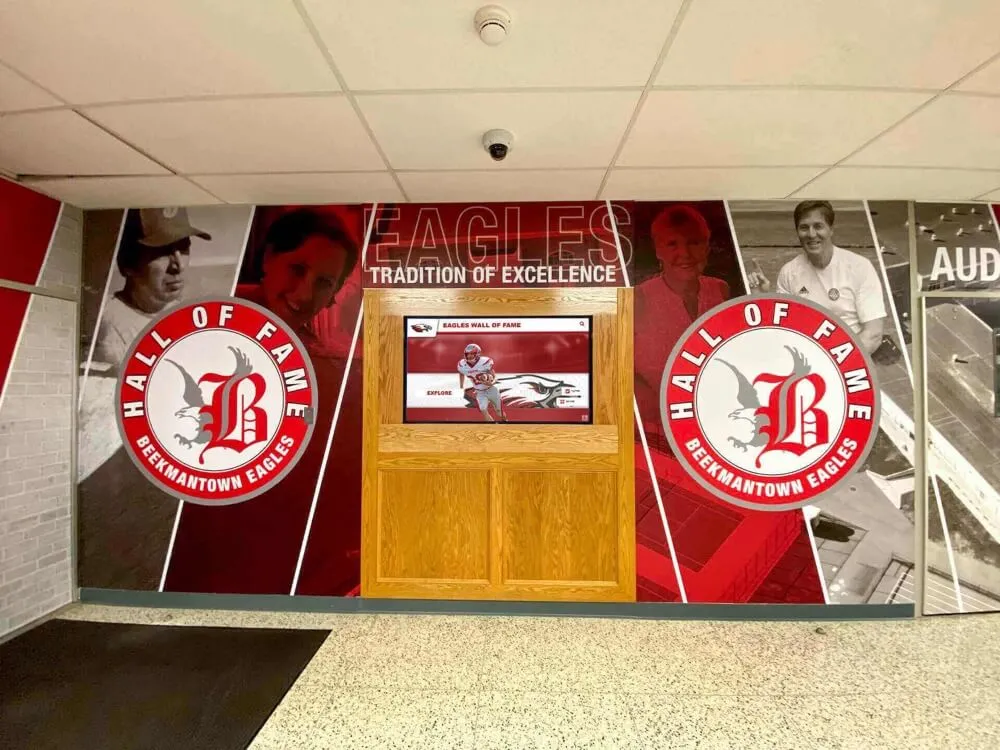
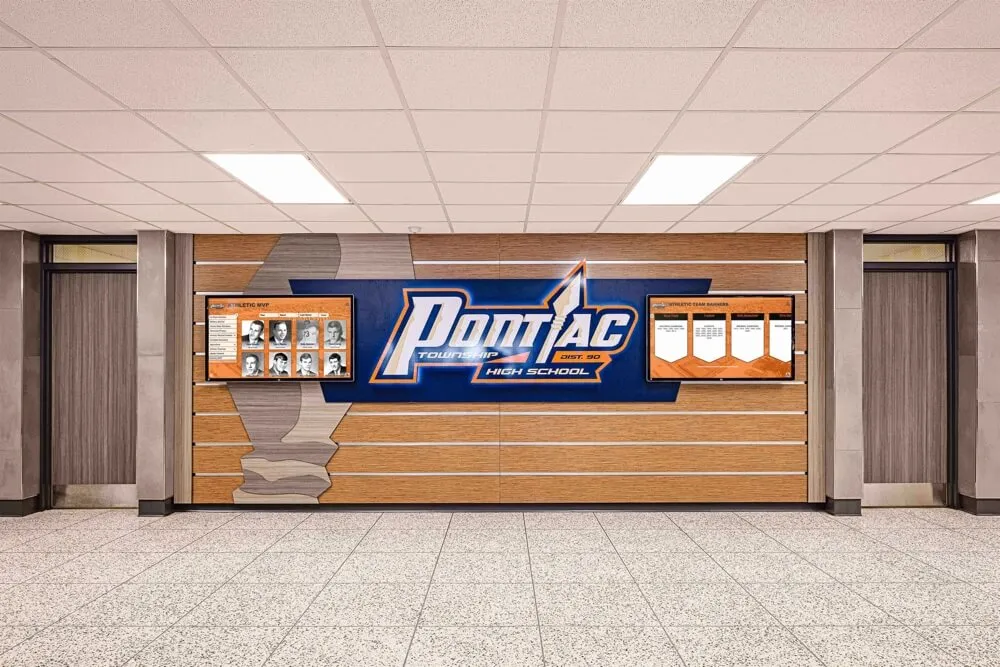
Coordinated design integrating murals, branding, and digital technology creates cohesive heritage environments throughout school facilities
Measuring Impact and Demonstrating Value
Assessment demonstrates whether digital history tools deliver intended educational and cultural outcomes or require strategic adjustments improving effectiveness and justifying continued investment.
Educational Outcome Assessment
Learning Impact Metrics
Schools implementing digital history tools should assess educational impacts through traditional measures including test scores and assessment results comparing classes using digital tools versus traditional approaches, assignment quality examining whether digital tool access improves historical analysis and writing, engagement indicators like participation rates and time-on-task measurements, and critical thinking demonstrations revealing whether students develop deeper historical understanding and analytical capabilities through technology-enhanced instruction.
Student Engagement Indicators
Beyond academic measures, engagement metrics reveal whether digital tools successfully make history more compelling including voluntary usage rates of optional resources and platforms, discussion quality and depth during classes using digital tools, project quality when students create digital history presentations, and student surveys about interest and perceived value of different instructional approaches revealing subjective experience alongside objective outcome measures.
These varied metrics provide comprehensive assessment revealing whether digital history tools deliver genuine educational value rather than simply adding technology for its own sake without improving learning outcomes or student experiences.
Heritage Display Engagement Metrics
Institutional History Platform Usage
Digital heritage displays provide concrete usage data impossible with traditional static plaques and trophy cases including touchscreen interaction frequency showing daily usage patterns, average session duration revealing engagement depth and content quality, most-viewed content identifying compelling narratives and popular topics, search patterns showing what community members seek in institutional history, and web portal analytics extending assessment beyond physical display interaction to include global online engagement with heritage content.
Schools implementing digital hall of fame systems consistently report dramatic engagement increases compared to traditional displays, with visitors spending 5-15 minutes exploring digital content versus seconds glancing at static plaques, demonstrating that technology genuinely enhances rather than simply replicating traditional recognition approaches.
Community Impact Assessment
Beyond usage numbers, qualitative indicators reveal cultural impacts including strengthened school pride and institutional connection, enhanced alumni engagement with current school community, greater appreciation for achievement across diverse programs, improved understanding of institutional history and traditions, and increased community celebration and awareness of ongoing achievements building on proud legacy revealed through comprehensive historical presentation.
Regular assessment enables continuous refinement ensuring digital history initiatives achieve intended goals while identifying enhancement opportunities keeping platforms relevant and valuable over time rather than becoming static implementations receiving no attention after initial launch enthusiasm fades.
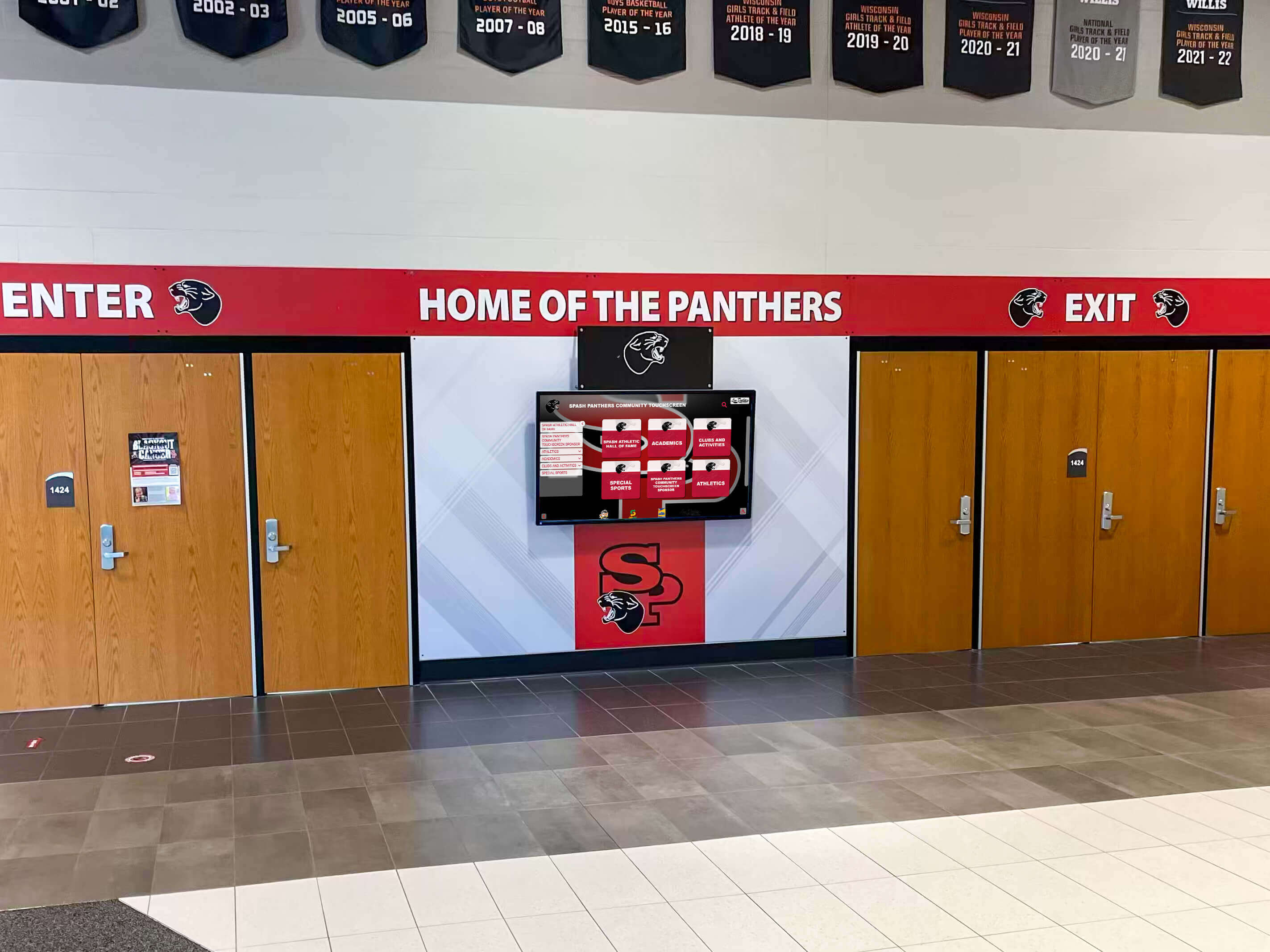
Entrance locations ensure every visitor encounters institutional history and achievement celebration reinforcing cultural priorities and values
Future Trends in Digital History Technology
Understanding emerging developments helps schools plan technology investments that remain relevant and valuable as capabilities evolve rather than becoming quickly obsolete requiring premature replacement.
Advances in Immersive Learning
Next-Generation VR and AR
Virtual and augmented reality technologies will continue evolving with higher resolution displays providing more realistic immersive experiences, wireless headsets eliminating cumbersome cables improving usability, reduced costs making classroom sets more financially accessible, expanded content libraries covering more historical periods and events, and AI-powered interactivity enabling more sophisticated exploration and questioning rather than scripted experiences with limited interaction possibilities.
According to research on global education trends in 2025, VR and AR will transform learning by bringing subjects such as history and science to life through immersive experiences that make abstract concepts tangible and distant events feel immediate, fundamentally changing how students experience and understand content that previously remained largely theoretical and disconnected from personal experience.
AI Evolution in Historical Education
Intelligent Historical Assistants
AI capabilities will increasingly enable more sophisticated historical inquiry through natural language conversations with historical figures powered by AI trained on primary sources, intelligent tutoring systems providing personalized historical instruction adapted to individual learning needs, automated primary source analysis helping students discover patterns across large document collections, predictive content recommendations connecting learners to relevant materials based on demonstrated interests, and multimodal analysis examining connections between textual, visual, and audio historical sources revealing relationships that single-medium analysis might miss.
These AI advances will make historical research and inquiry more accessible to broader student populations while enabling more sophisticated analysis than even expert historians can accomplish through unaided manual examination of vast historical source collections.
Continued Digital Archive Growth
Expanding Access to Historical Materials
Digital archive initiatives will continue expanding access to primary sources through continued digitization of museum, library, and institutional collections, improved search and discovery tools making vast collections more navigable, enhanced metadata and contextualization explaining significance and relationships, collaborative platforms enabling crowdsourced transcription and annotation, and linked data approaches connecting related materials across different archives creating comprehensive resources that reveal relationships obscured when collections remain siloed in separate institutional repositories.
These developments will make historical research that once required visits to multiple physical archives possible from any location with internet access, democratizing historical inquiry while enabling more comprehensive research examining materials that would be practically inaccessible through traditional approaches requiring extensive travel and time.
Conclusion: Technology Transforming Historical Connection
Digital tools are fundamentally transforming how history comes alive in educational settings—moving from passive textbook reading and lecture-based instruction toward immersive experiences where students actively explore the past through virtual reality simulations, interactive primary source analysis, gamified learning that makes historical decision-making tangible, and comprehensive digital archives making vast historical collections searchable and accessible from anywhere. These technology-enhanced approaches demonstrate consistently stronger student engagement, deeper historical understanding, and more sustained interest in historical inquiry compared to traditional instructional methods alone.
Simultaneously, purpose-built heritage platforms are revolutionizing how schools preserve, present, and celebrate institutional history—replacing overcrowded trophy cases and limited wall space with unlimited digital recognition systems that honor every deserving achievement across all programs and eras while creating engaging exploration experiences connecting current students to proud traditions and inspiring continued excellence. Solutions like Rocket Alumni Solutions demonstrate how modern technology transforms institutional heritage from neglected administrative burden into dynamic cultural asset strengthening school identity and community connection.
Bring Your School History to Life with Modern Technology
Discover how interactive heritage displays and comprehensive digital archive platforms can help you preserve institutional legacy, celebrate unlimited achievements, and create engaging exploration experiences that connect entire communities to your school's unique story and proud traditions.
Explore Digital Heritage SolutionsThe most effective implementations integrate both curricular and heritage dimensions—using the same technology investments to support formal history education in classrooms while simultaneously preserving and presenting institutional heritage throughout common spaces where all community members naturally encounter and engage with historical content during daily activities. This dual-purpose approach maximizes technology value while ensuring historical engagement becomes woven throughout institutional culture rather than confined to specific classes or isolated displays receiving limited attention.
When schools implement digital history tools thoughtfully—with clear objectives, adequate professional development, quality content development, and sustained management—they create powerful platforms that make history feel immediate and relevant rather than distant and abstract, that preserve irreplaceable institutional legacy while making it accessible and engaging, and that inspire current students through connection to proud traditions while ensuring their own achievements will receive appropriate recognition contributing to ongoing heritage that future generations will explore and appreciate.
Start wherever your current situation permits—whether comprehensive interactive heritage installations in main lobbies, VR experiences bringing pivotal historical moments to life in classrooms, digital archives making decades of institutional materials searchable and explorable, or gamified platforms making history education engaging rather than tedious. Then systematically expand toward more comprehensive ecosystems where technology serves both educational and cultural objectives, where history feels alive and relevant rather than dead and boring, and where every achievement receives recognition it deserves while inspiring future excellence continuing proud traditions you’re preserving and celebrating through thoughtful use of digital tools bringing history to life.
Your school possesses unique history worth preserving and powerful stories worth telling—institutional heritage demonstrating sustained excellence, individual achievements deserving celebration, and lessons from the past that should inform present and inspire future. With thoughtful implementation of modern digital tools, you can ensure these stories receive the documentation, presentation, and engagement they deserve, transforming history from dusty archives or overcrowded trophy cases into living traditions that strengthen culture, deepen connections, and inspire excellence for generations to come.
Ready to bring your school history to life through modern technology? Explore how interactive digital displays create engaging heritage experiences or discover comprehensive approaches to school history preservation that honor achievements while inspiring continued excellence through platforms designed specifically for educational environments.
Sources: