



Intent: demonstrate
High school class officers serve as the backbone of student leadership—organizing events, representing classmates, leading initiatives, and developing skills that shape future careers and civic engagement. These elected leaders dedicate countless hours to improving school culture, yet their recognition often remains limited to brief yearbook mentions, temporary bulletin board displays, or forgotten certificates filed away in boxes.
Most schools struggle with class officer recognition challenges. Traditional approaches—printed posters displayed only during elections, paper certificates with no lasting visibility, limited bulletin board space accommodating only current officers, static recognition that disappears after graduation—fail to honor leadership dedication appropriately or inspire younger students toward similar service. Meanwhile, the complete stories behind these elections—the platforms students ran on, initiatives they implemented, teams they built, and communities they served—remain untold beyond brief announcements.
This comprehensive video walkthrough demonstrates how digital showcase platforms preserve class officer legacies permanently while creating engaging recognition that inspires the next generation of student leaders. Discover visual demonstrations of systems that display unlimited officer profiles across all grade levels and years, showcase campaign platforms and leadership accomplishments, enable instant updates when new officers are elected, and create lasting tributes accessible long after students graduate.
Recognizing class officers extends beyond displaying names and titles—it creates systematic approaches that celebrate complete leadership journeys, document student government evolution, inspire current students pursuing similar service, and preserve institutional history through engaging presentations connecting past achievement to present aspirations. Schools excelling at student leadership recognition ensure every class officer receives visibility and celebration commensurate with their service commitment.

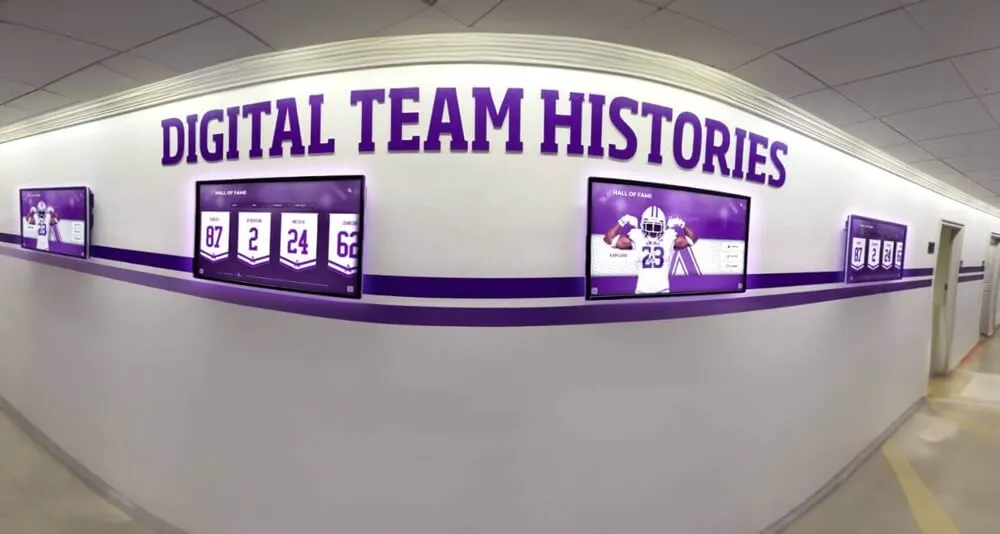
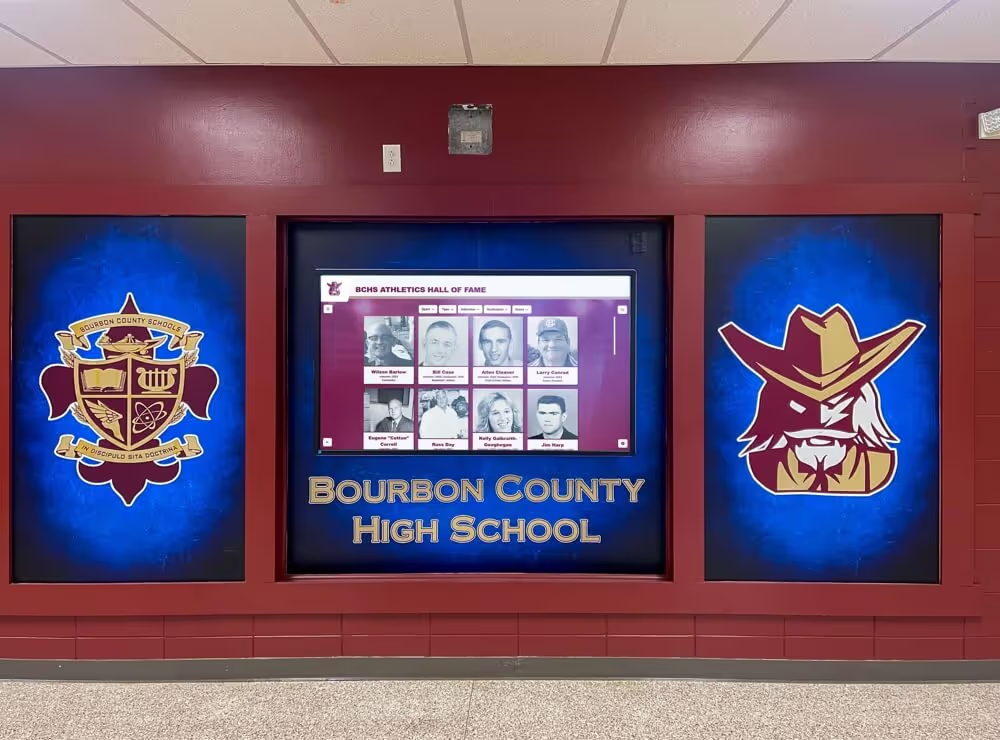
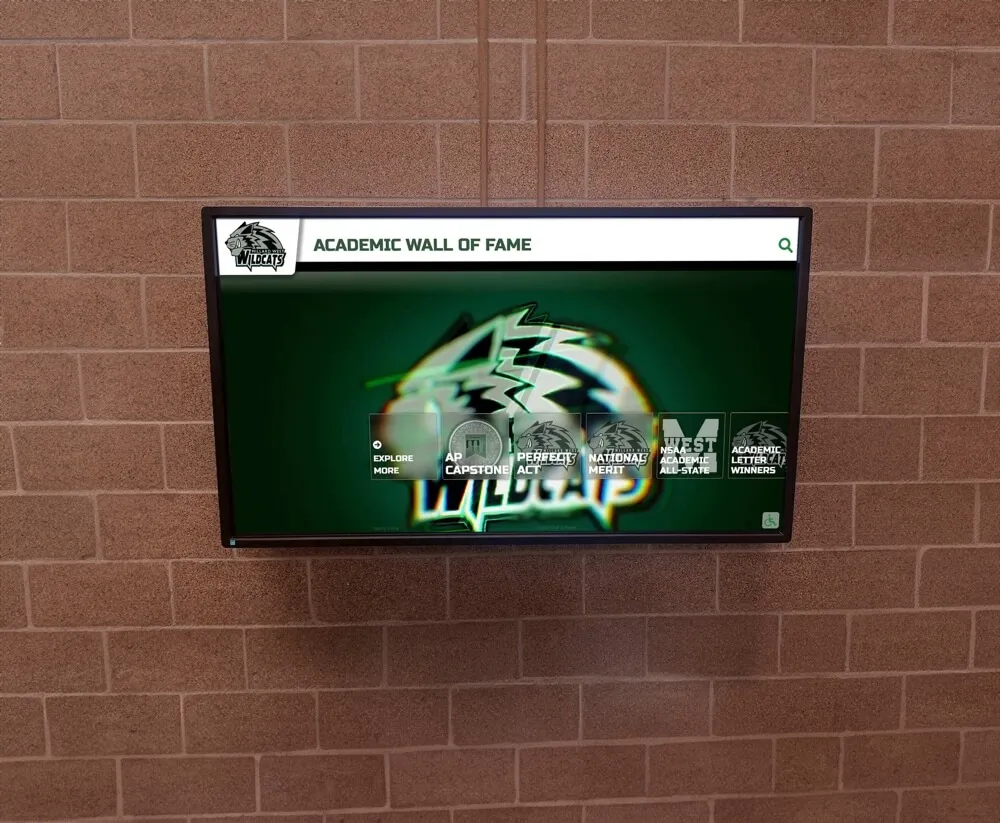
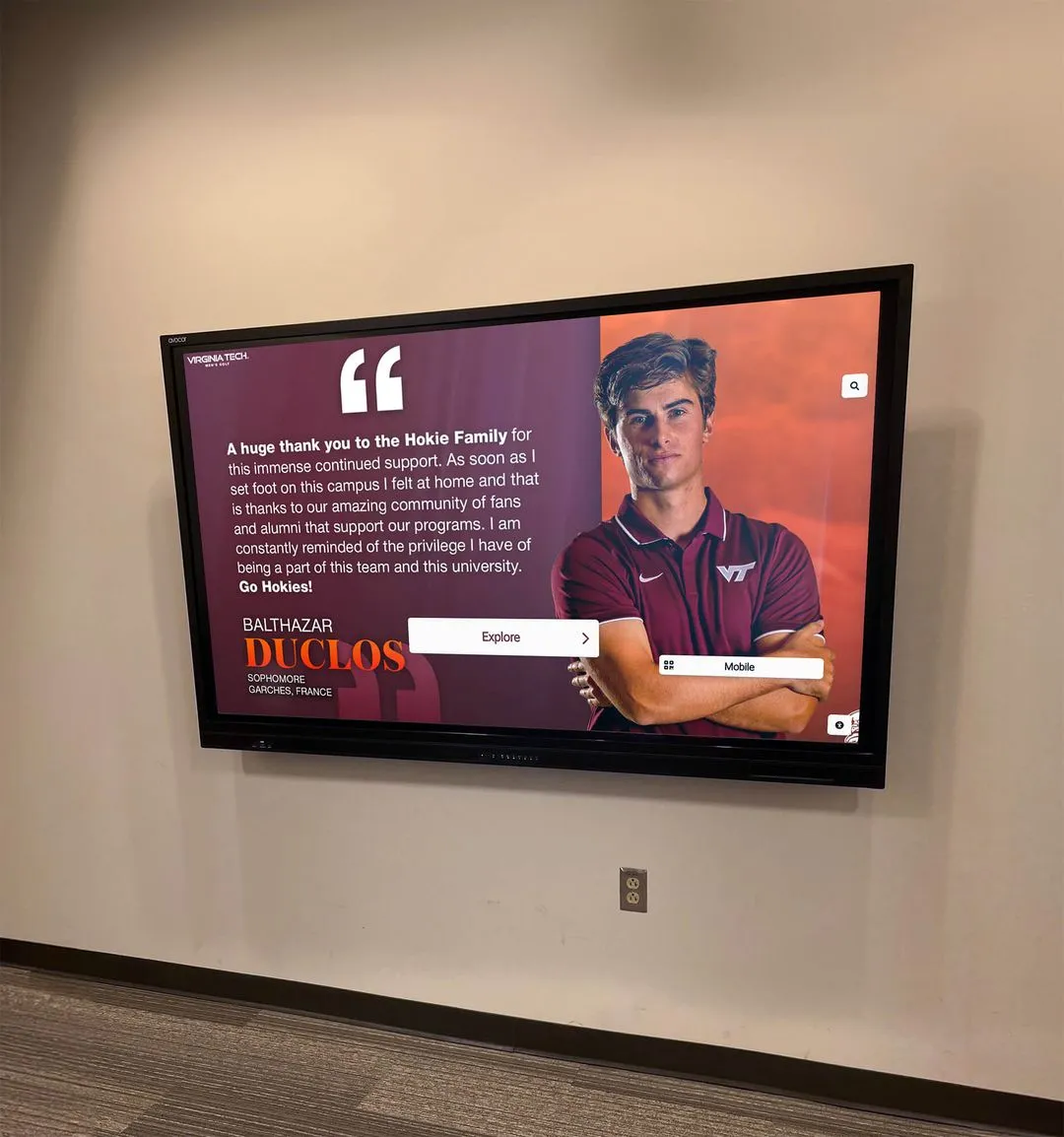
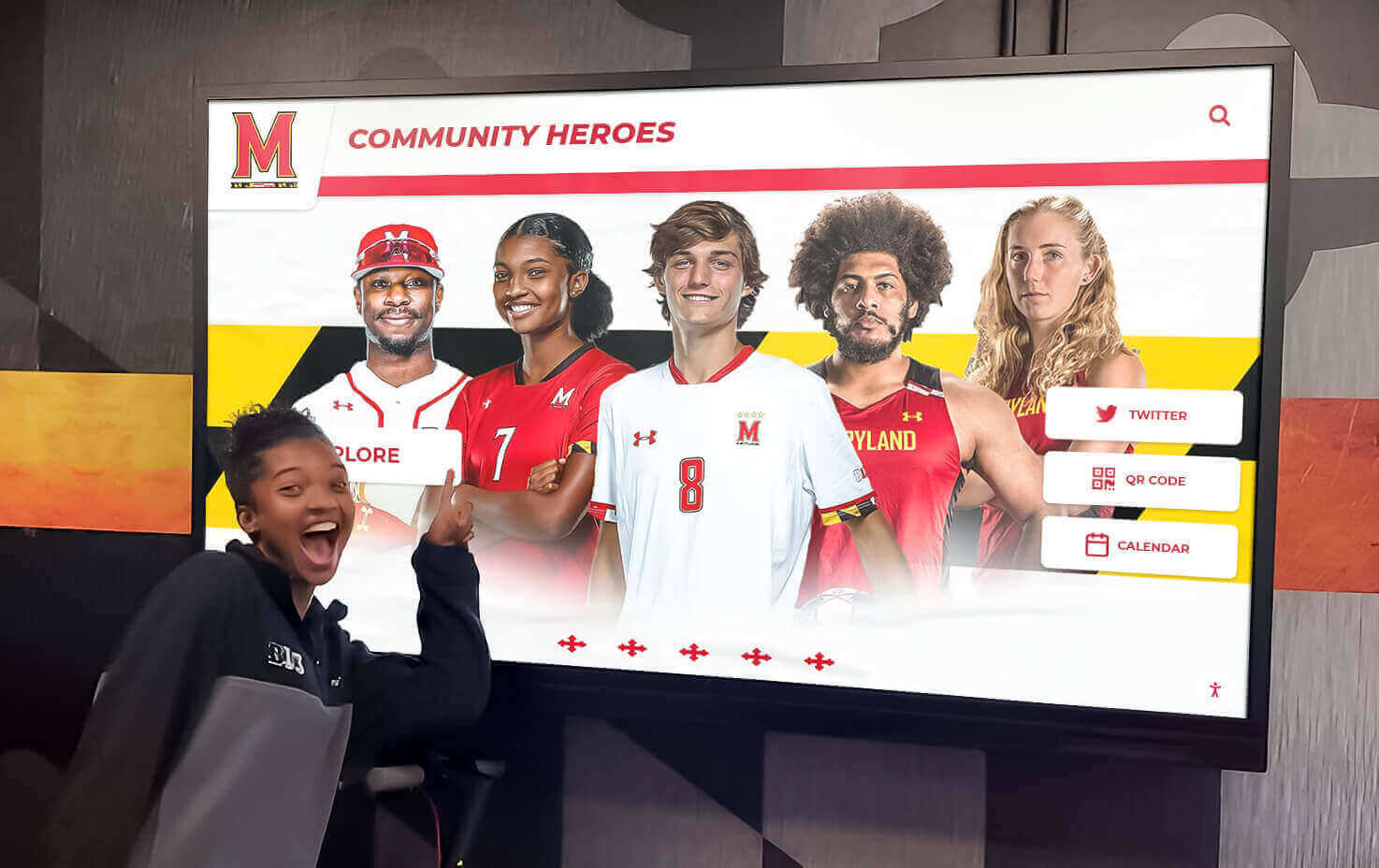
Digital displays make student leadership visible and celebrated throughout school communities
Understanding the Class Officer Recognition Challenge
Before exploring digital solutions, understanding why traditional class officer recognition consistently fails to achieve intended goals proves necessary for appreciating modern alternatives.
The Visibility Gap in Student Leadership Recognition
Class officer service typically suffers from severe visibility constraints that undermine recognition effectiveness in motivating participation and honoring dedicated service.
Limited Physical Recognition Options
Most schools rely on constrained recognition approaches. Printed election posters display only during campaign seasons then disappear immediately afterward. Yearbook photos reach only those who purchase yearbooks and actively page through them. Bulletin boards in single locations accommodate only current officers with no room for historical recognition. Paper certificates presented at ceremonies get filed away at home becoming invisible to broader communities. Outdated photos from previous years remain displayed without context about accomplishments or initiatives those leaders implemented.
These limitations create troubling patterns—student leaders work tirelessly throughout terms serving classmates and improving schools, yet recognition remains functionally invisible to vast majorities of school communities, disappearing completely within months of service ending.
Impact on Leadership Culture
When class officer recognition lacks visibility, schools experience predictable consequences affecting both current and future student leadership:
- Fewer students aspire to leadership roles they rarely see recognized or celebrated
- Student government becomes dominated by small, self-selecting groups lacking diversity
- Leadership positions feel unappreciated despite significant time commitments required
- Historical context about past student government accomplishments gets lost entirely
- Younger students lack visible role models demonstrating leadership pathways
- Alumni disconnect from current student leadership initiatives and programs
- School culture fails to position student government as prestigious or important
These challenges aren’t simply about recognition for its own sake—they fundamentally undermine schools’ ability to develop next generations of civic leaders and sustain vibrant, representative student government programs.
The Capacity and Update Challenge
Physical recognition displays face insurmountable capacity limitations that force difficult choices about which leaders receive recognition and which get forgotten.
Space Constraints
- Bulletin boards accommodate only one grade level or current year’s officers
- Adding new officers requires removing previous recognition entirely
- Large schools with four grade levels and multiple officer positions per class quickly overwhelm available space
- Different leadership positions compete for limited recognition real estate
- Historical leaders disappear from view within one or two years
- No ability to showcase leadership accomplishments beyond basic names and photos
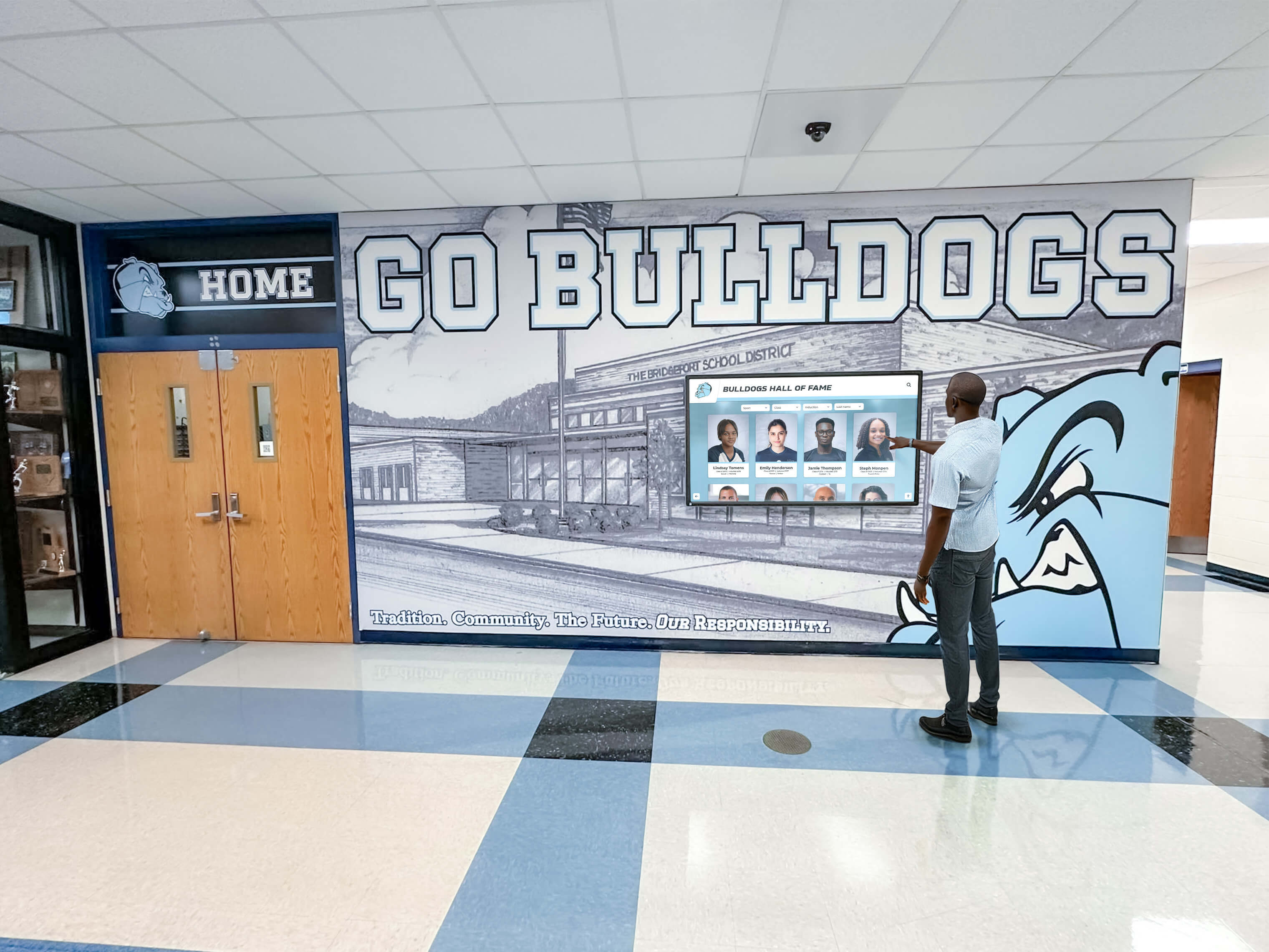
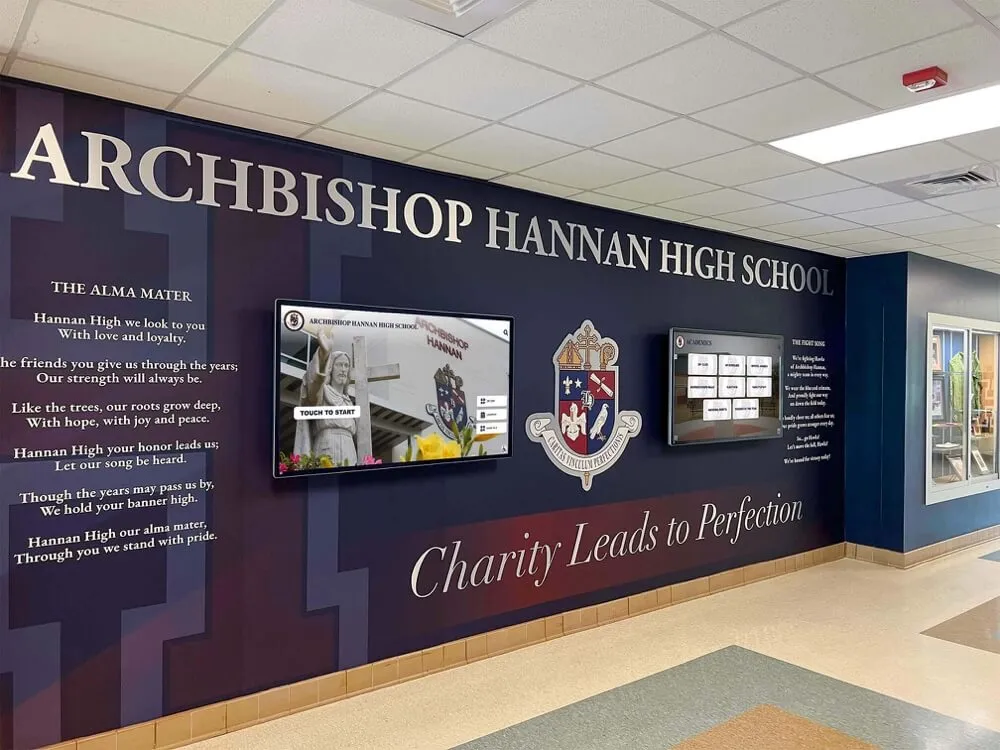
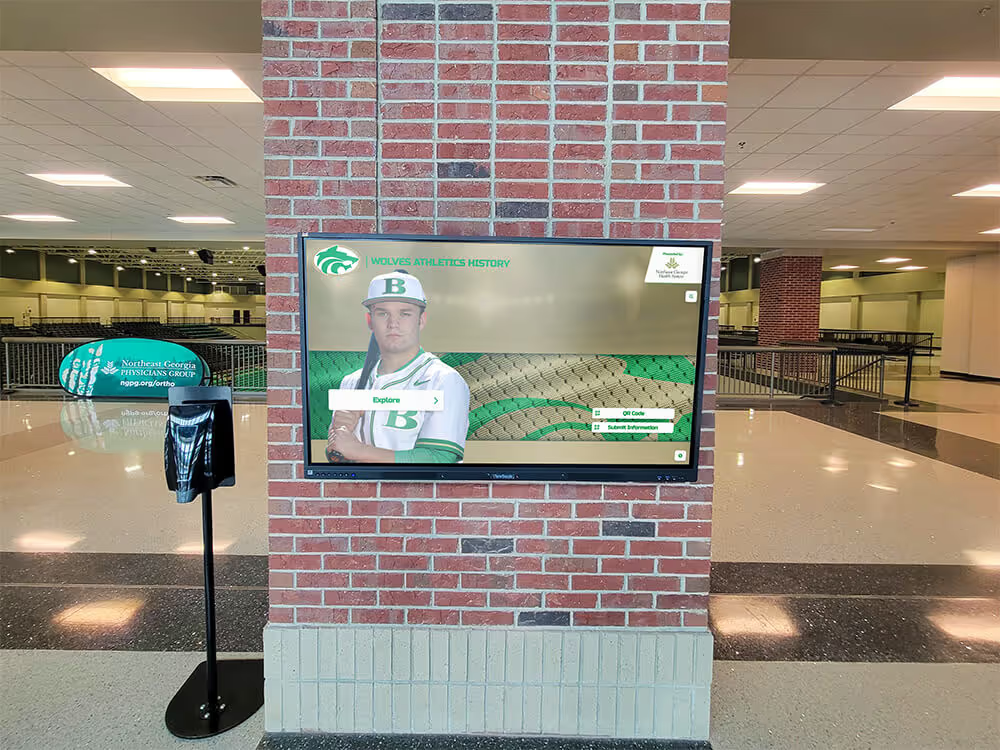
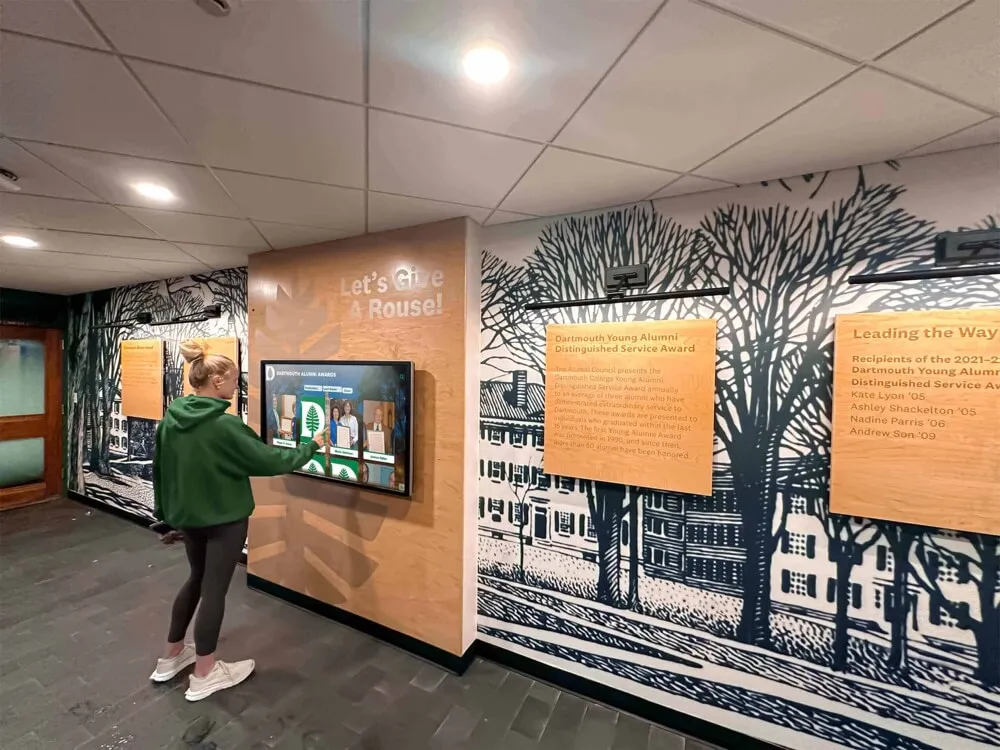
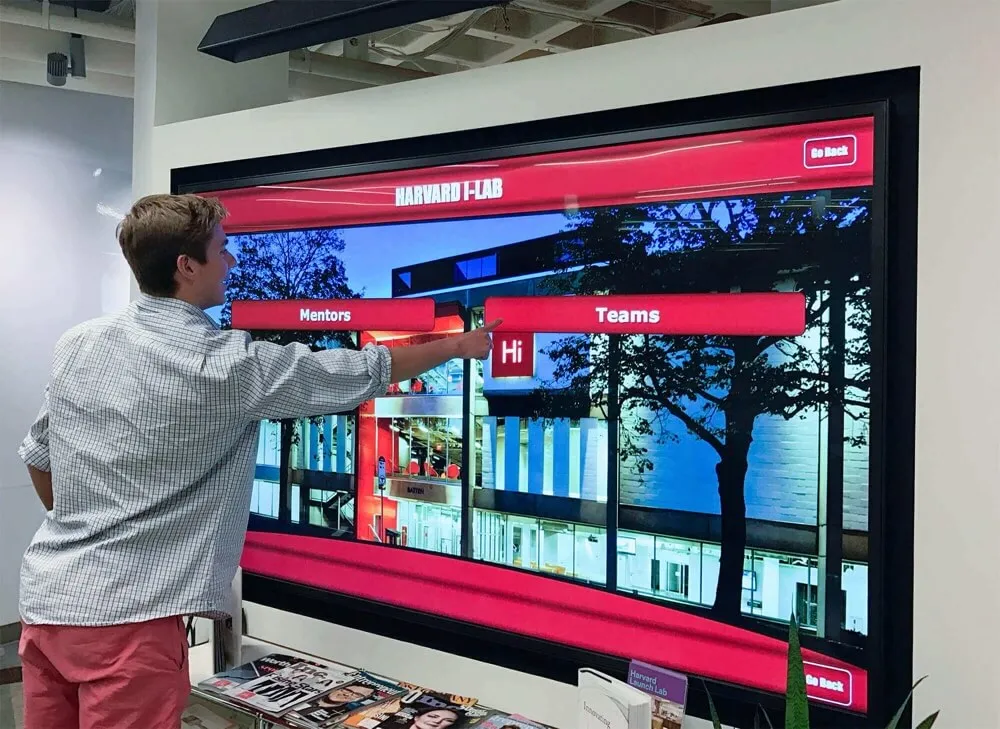
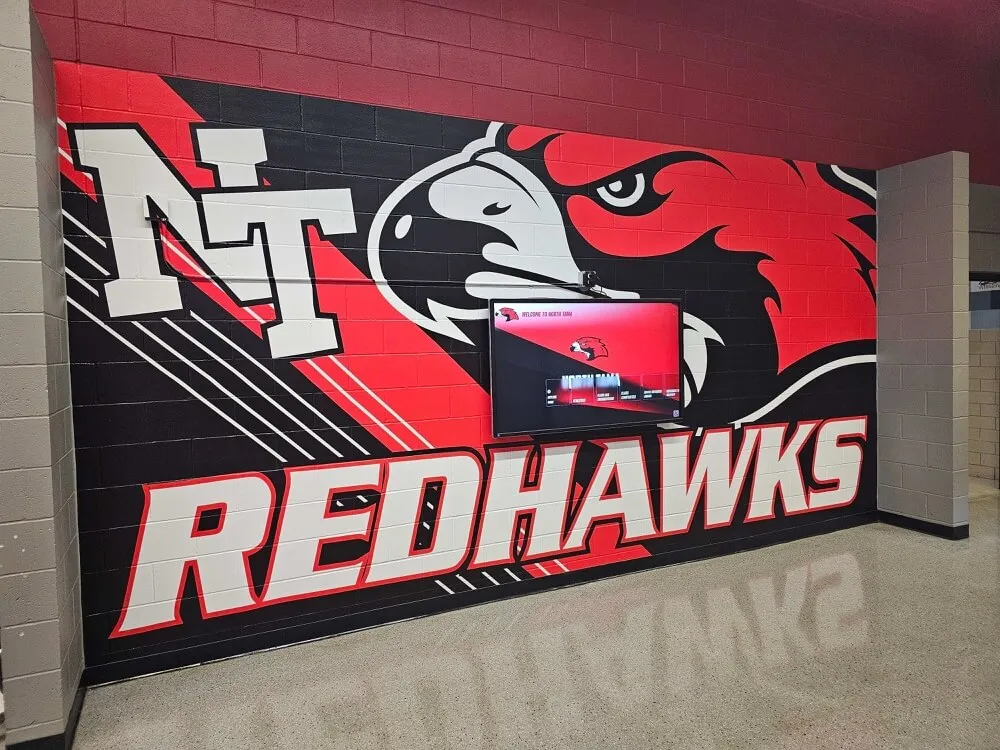
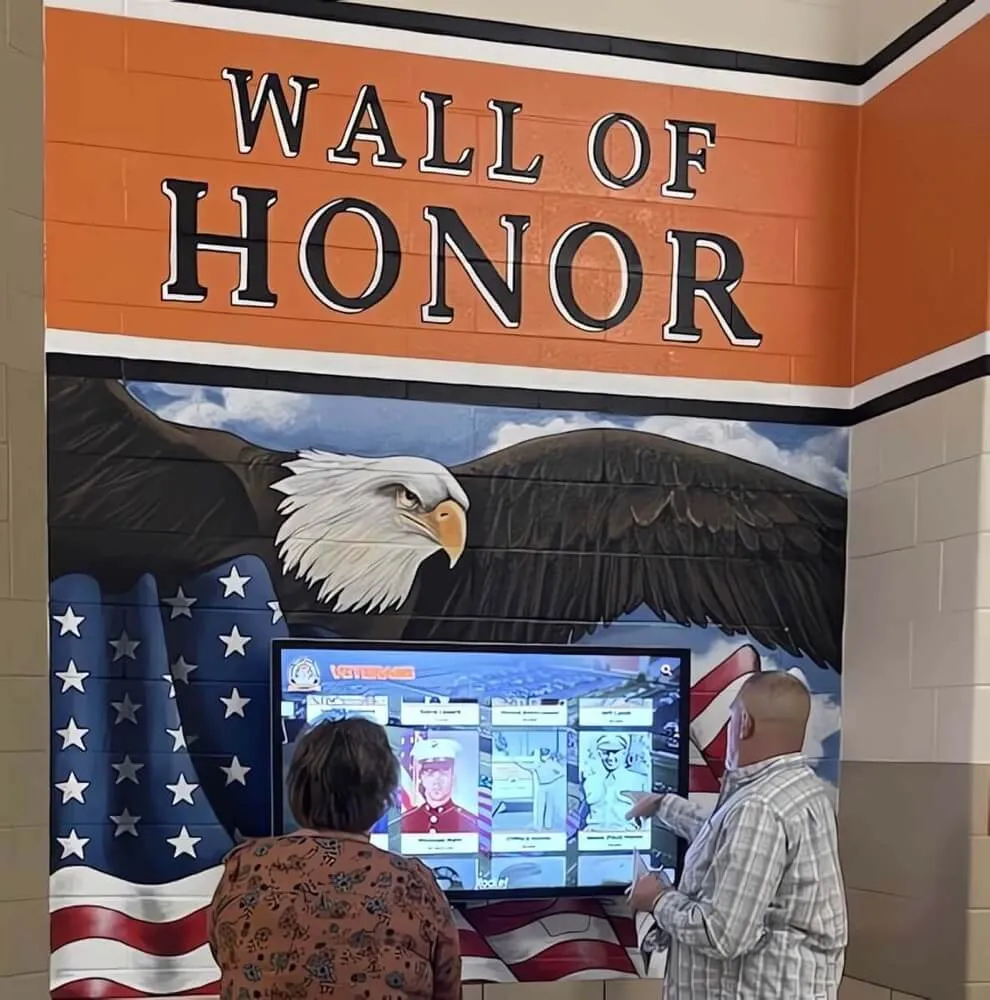
Interactive displays invite students to explore leadership opportunities and learn about class officers who came before them
Update Difficulties
Traditional displays also create maintenance burdens. Physical plaques require expensive replacement every election cycle. Printed materials need reprinting whenever officer rosters change. Mid-year changes to positions or resignations require difficult modifications. Updates about accomplishments or initiatives throughout terms remain impossible. Graduation necessitates complete display overhauls. Errors in names, titles, or photos remain permanently unless physically replaced at considerable expense.
These combined limitations explain why many schools abandon comprehensive class officer recognition entirely—traditional approaches simply don’t scale to meet realistic needs for recognizing student leadership appropriately across multiple grade levels and years.
Explore systematic approaches to student government recognition programs that honor leadership excellence comprehensively.
Digital Showcase Solutions for Class Officer Recognition
Modern digital showcase platforms eliminate traditional limitations while creating engagement opportunities impossible with static bulletin boards or printed posters.
Unlimited Recognition Capacity Across All Grade Levels
Digital displays solve the fundamental space constraint that plagues physical recognition systems designed for student leadership.
Comprehensive Leadership Documentation
Solutions like Rocket Alumni Solutions enable schools to showcase unlimited class officers across unlimited years without space constraints:
- Every class president, vice president, secretary, and treasurer from all four grade levels
- Complete student council rosters including all elected representatives and appointed positions
- Historical class officers connecting current programs to proud traditions spanning decades
- Multiple leadership roles for students serving in various capacities simultaneously across different organizations
- Student government committee chairs and specialized role holders contributing to broader governance
- Recognition organized by graduation year, grade level, position type, or custom categories
This unlimited capacity transforms recognition philosophy from “we can only recognize current officers” to “we celebrate everyone who ever served”—a fundamental shift honoring all leadership contributions equitably regardless of when service occurred.
Learn about comprehensive approaches in academic recognition programs guide demonstrating inclusive student celebration strategies.

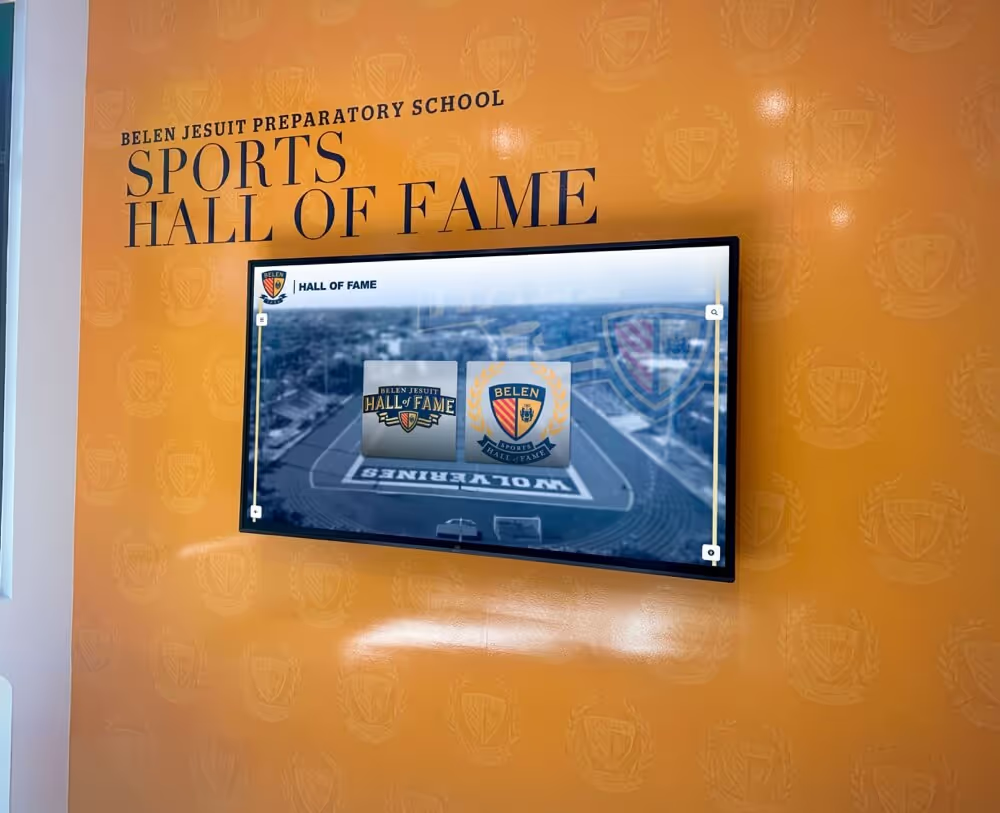
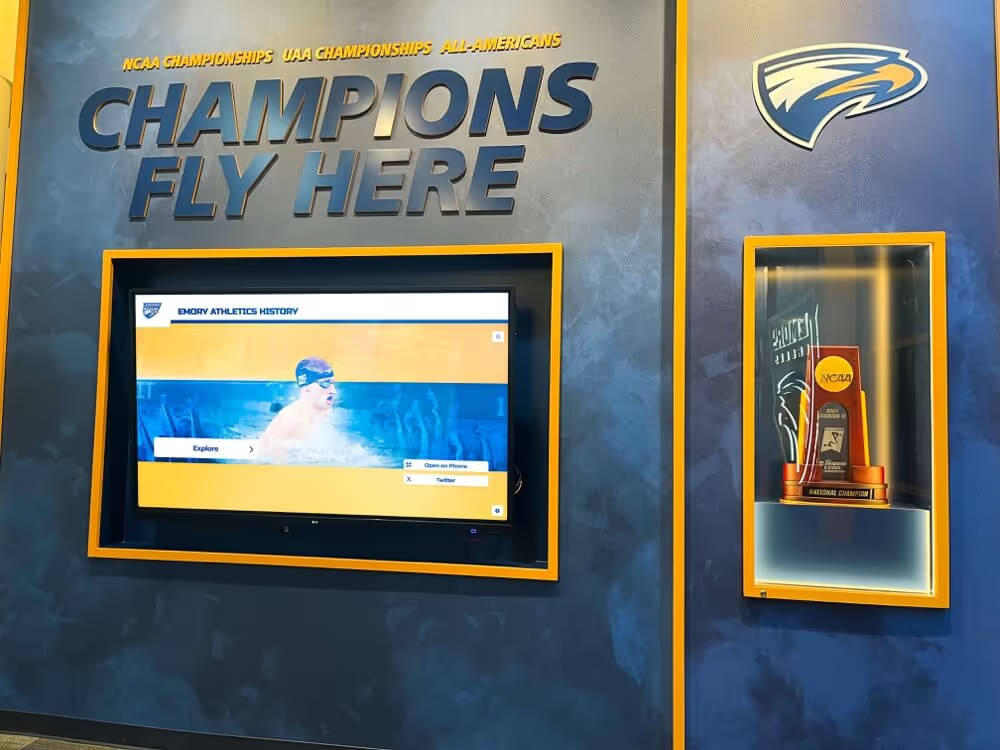
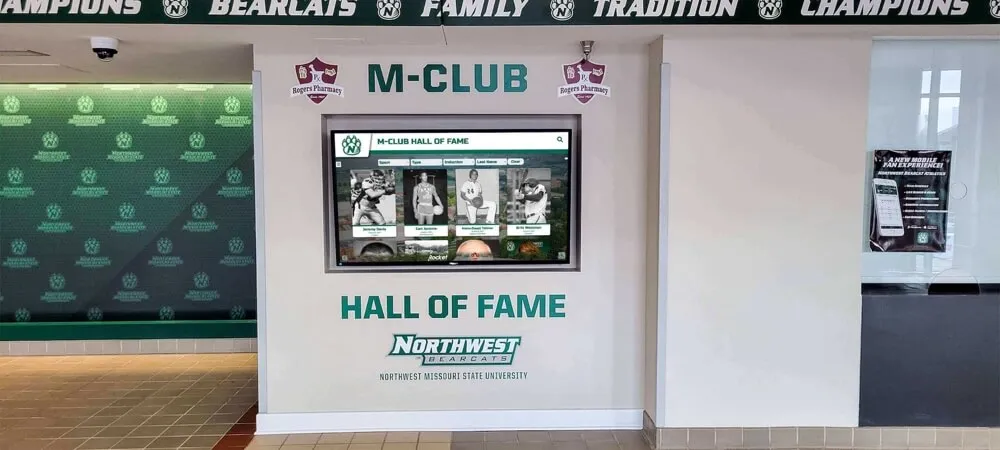
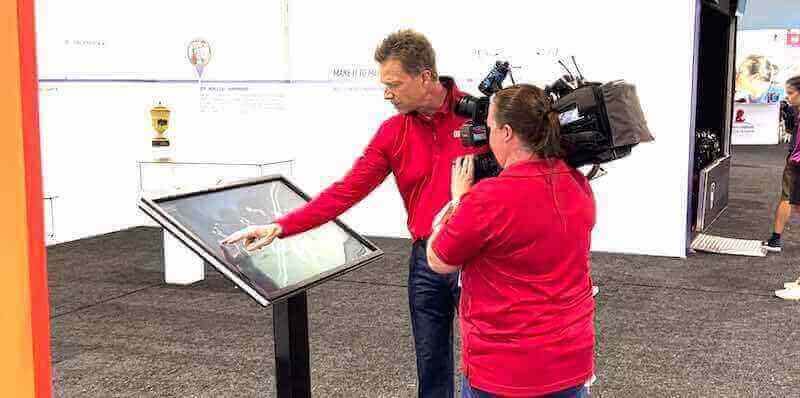
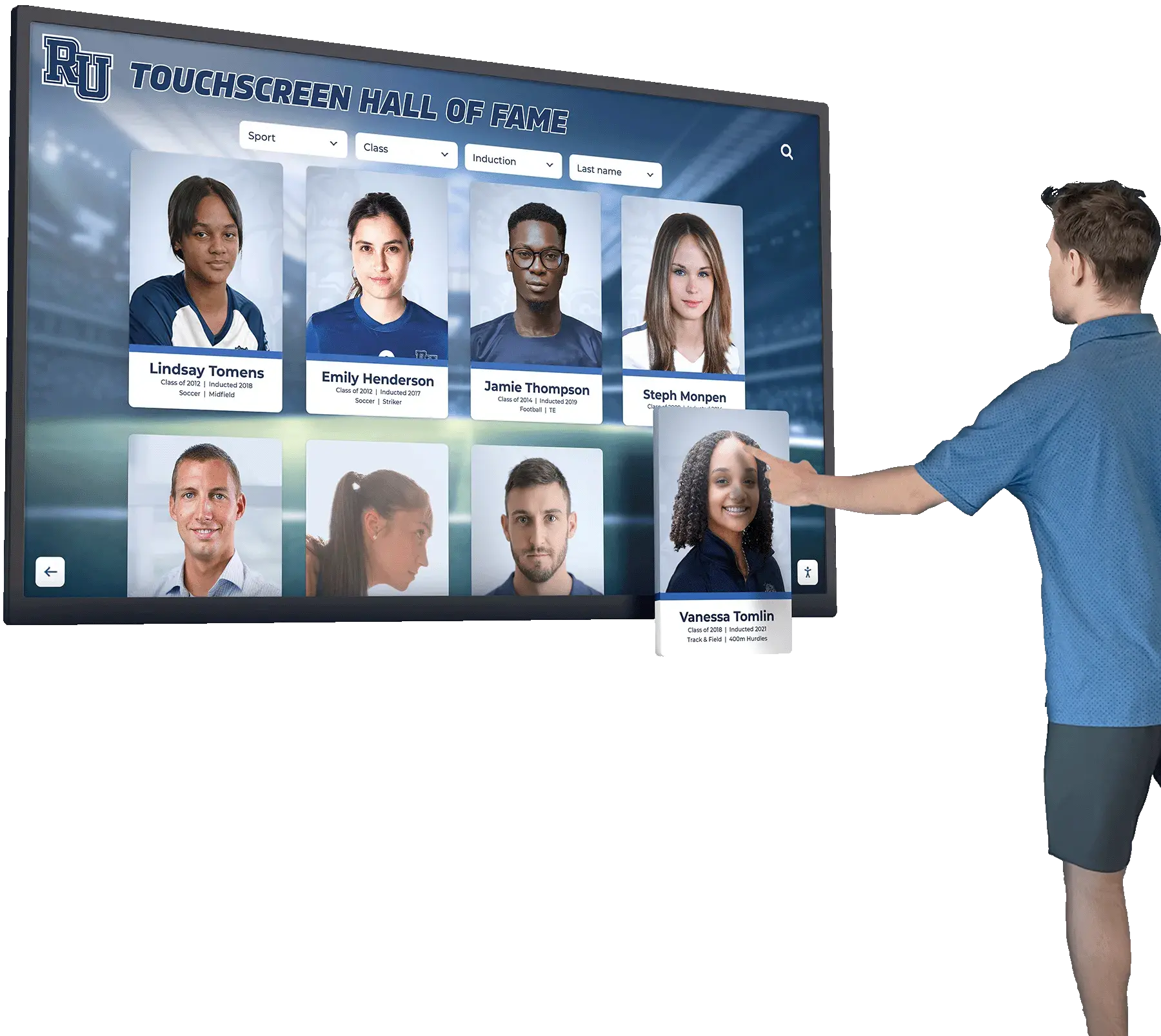
Intuitive touch interfaces enable exploring detailed individual profiles for every class officer across all years and grade levels
Rich Leadership Profiles and Initiative Documentation
Digital platforms showcase class officer service in dimensions impossible with simple name plaques or printed posters alone.
Enhanced Profile Components
Modern recognition systems integrate comprehensive information about each student leader creating engaging, meaningful tributes:
Core Profile Information
- High-quality photos capturing students in leadership contexts during service terms
- Grade level and specific officer position with clear title designation
- Terms served including election years and duration of service
- Campaign platforms and goals students ran on during elections
- Key accomplishments and initiatives implemented or led during terms
- Committee assignments and specific areas of focus or responsibility
- Collaboration with other student leaders, faculty advisors, and administration
Extended Recognition Features
- Video messages from leaders about their service experience and lessons learned
- Photo galleries from events organized, programs implemented, or initiatives launched
- Testimonials from classmates about leadership impact and positive contributions
- Connection to other achievements in athletics, academics, performing arts, or service
- Post-graduation updates about continued leadership in college programs and careers
- Alumni reflections on how class officer experience shaped personal development and values
These rich profiles transform simple recognition into compelling stories inspiring younger students while appropriately honoring the dedication and commitment effective leadership requires from student volunteers.
Interactive Exploration and Discovery Features
Digital displays engage students in ways static recognition never could through powerful interactive capabilities designed for exploration.
Search and Filter Capabilities
Modern platforms enable intuitive content discovery allowing personalized navigation:
- Students search by name to find specific leaders, classmates, or themselves
- Filter by grade level (freshman, sophomore, junior, senior) or specific graduation year
- View all officers from particular classes or graduating cohorts
- Explore leadership by position type (president, vice president, secretary, treasurer, representatives)
- Discover leaders who attended the same elementary or middle schools
- Find students who went on to specific colleges, universities, or career paths
- Compare current leaders to historical class officers from previous decades
Timeline and Historical Views
Visual timelines help students understand student government evolution and institutional leadership traditions:
- Decade-by-decade exploration of class officer history and student government development
- Visual progressions showing how leadership structures, positions, and responsibilities evolved
- Comparison views displaying multiple years or cohorts simultaneously for context
- Anniversary features highlighting milestone years or significant achievements in student government history
- Historical context connecting student initiatives to broader school developments and improvements
- Documentation of long-term projects spanning multiple leadership terms and graduating classes
These interactive capabilities create genuine engagement—students spend minutes exploring leadership displays versus seconds glancing at static posters, dramatically increasing recognition visibility and meaningful impact on school culture.
Discover enhanced recognition approaches in digital hall of fame guide with detailed implementation examples.
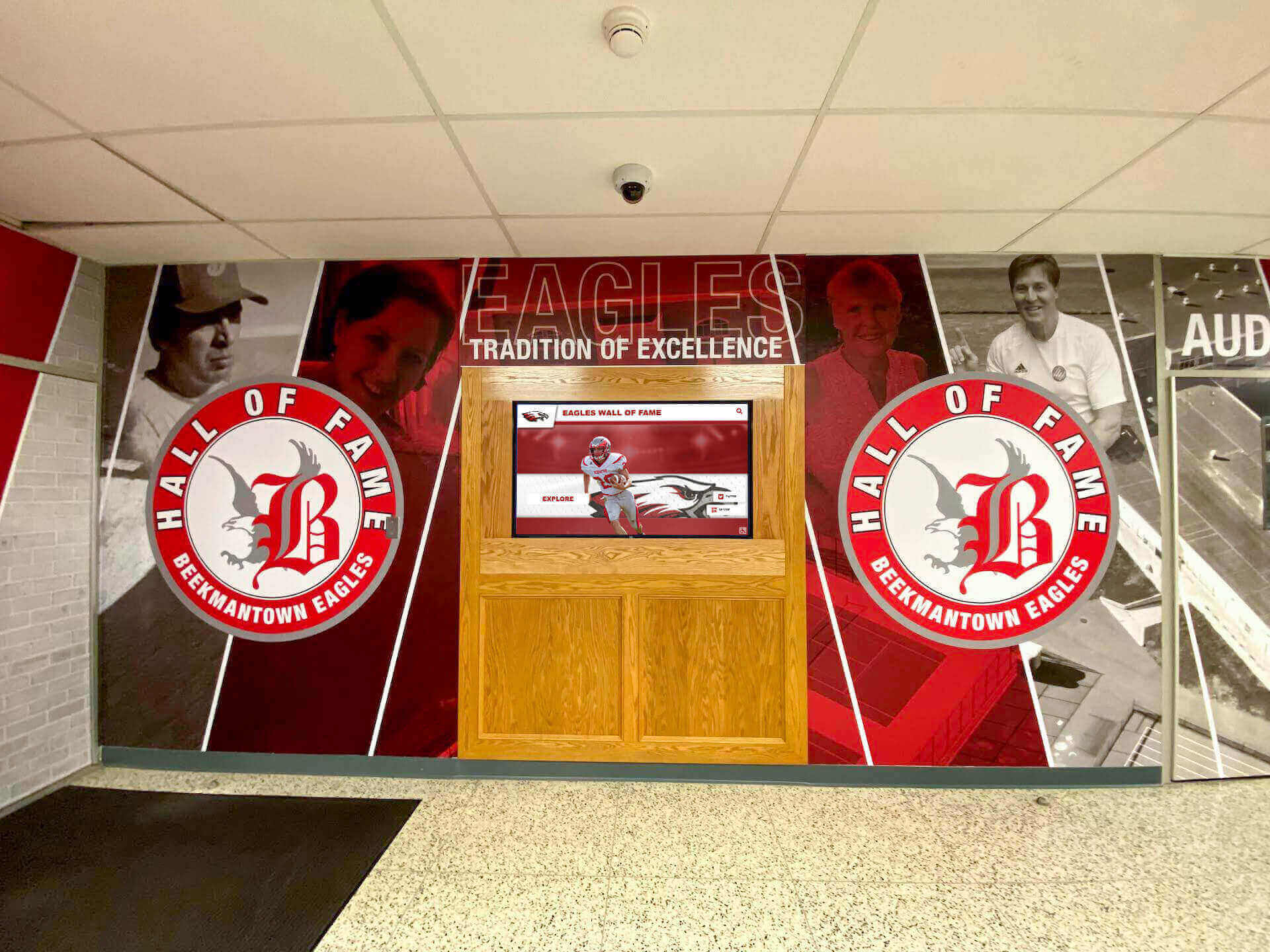
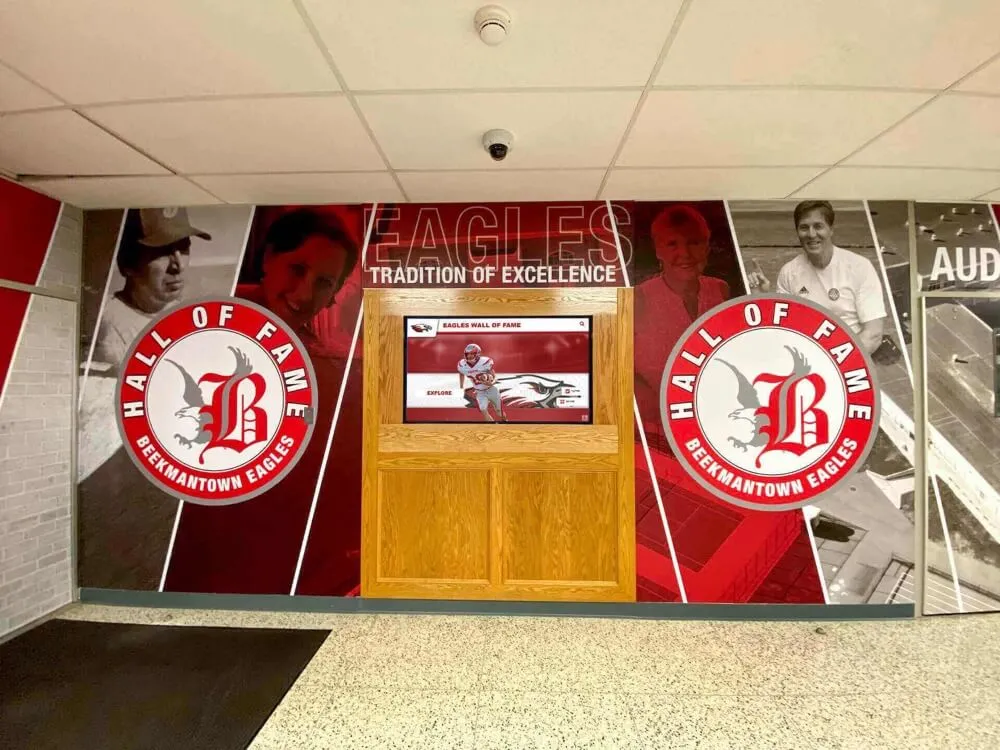
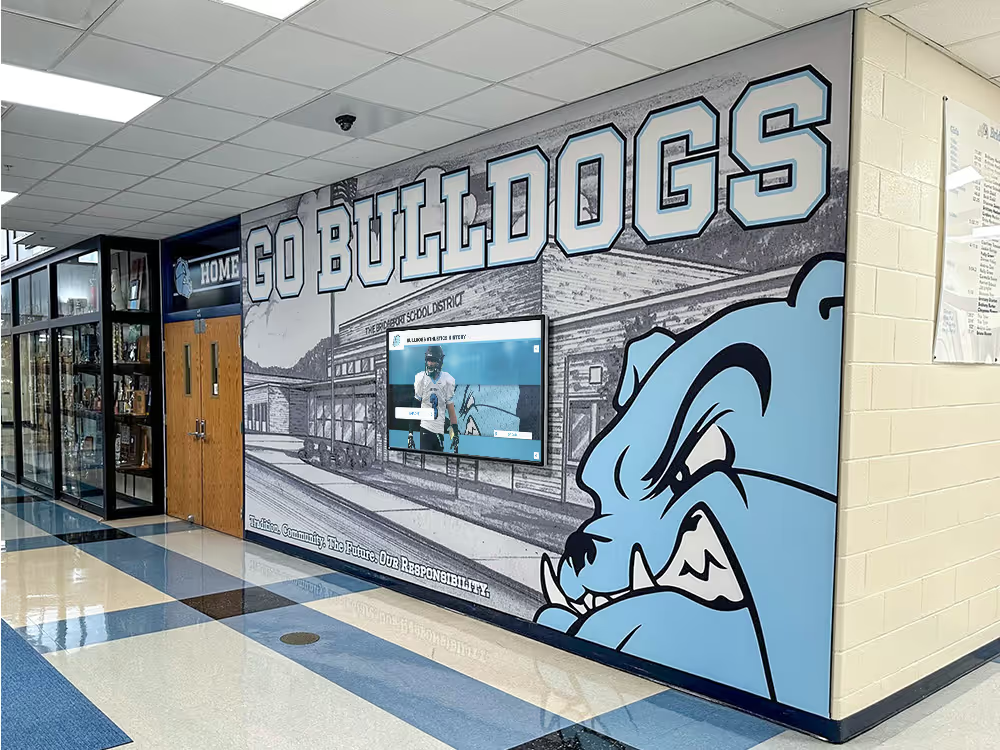
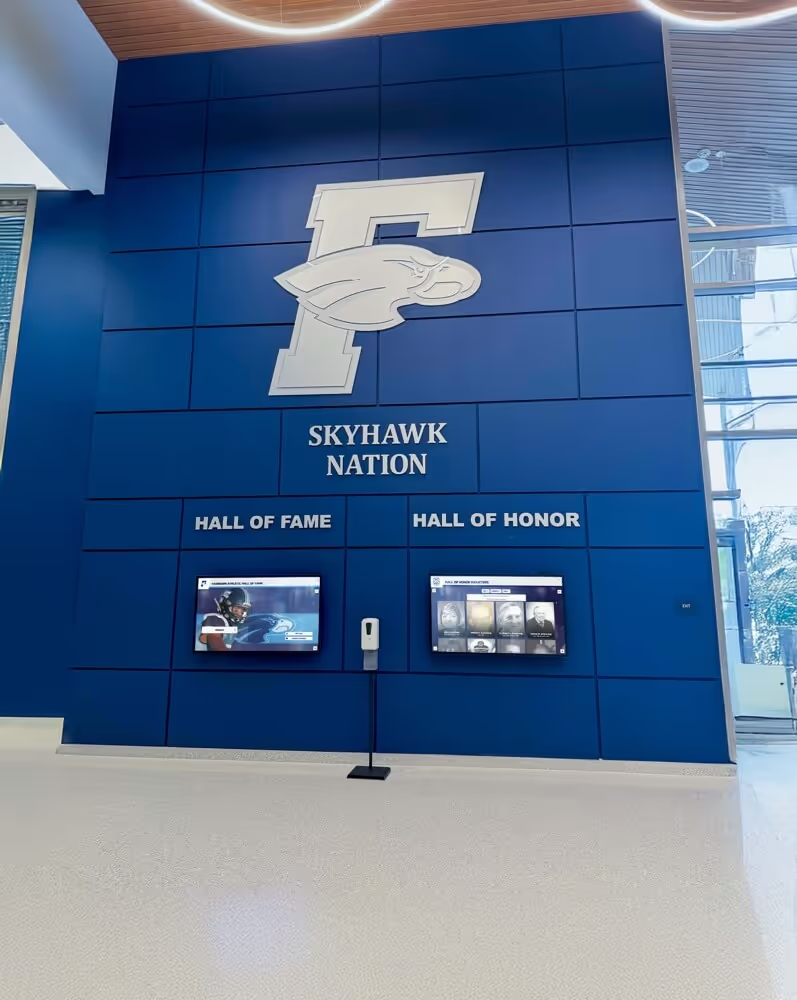
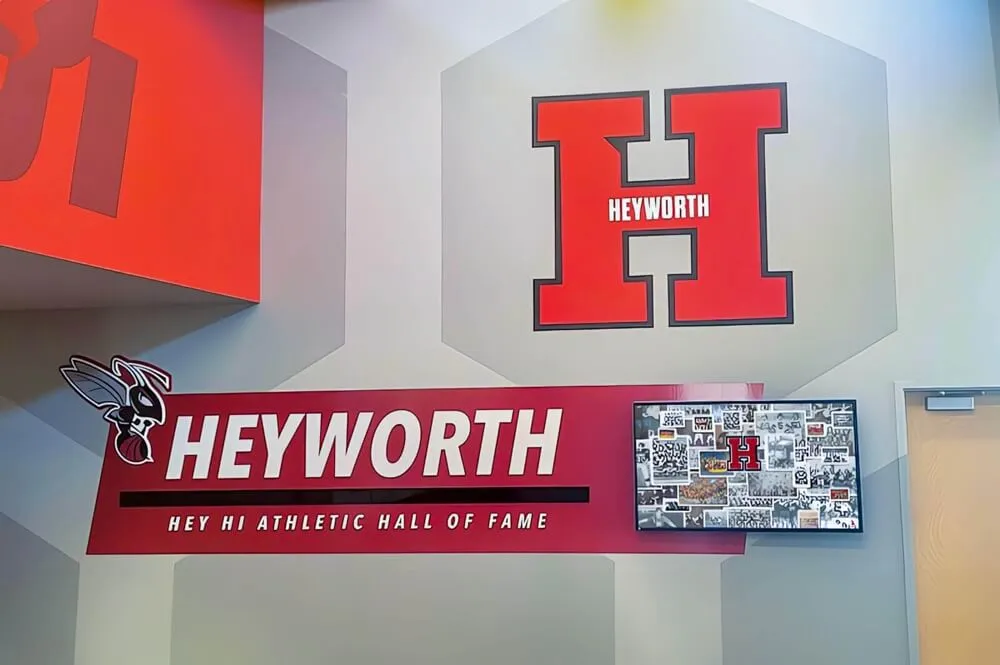
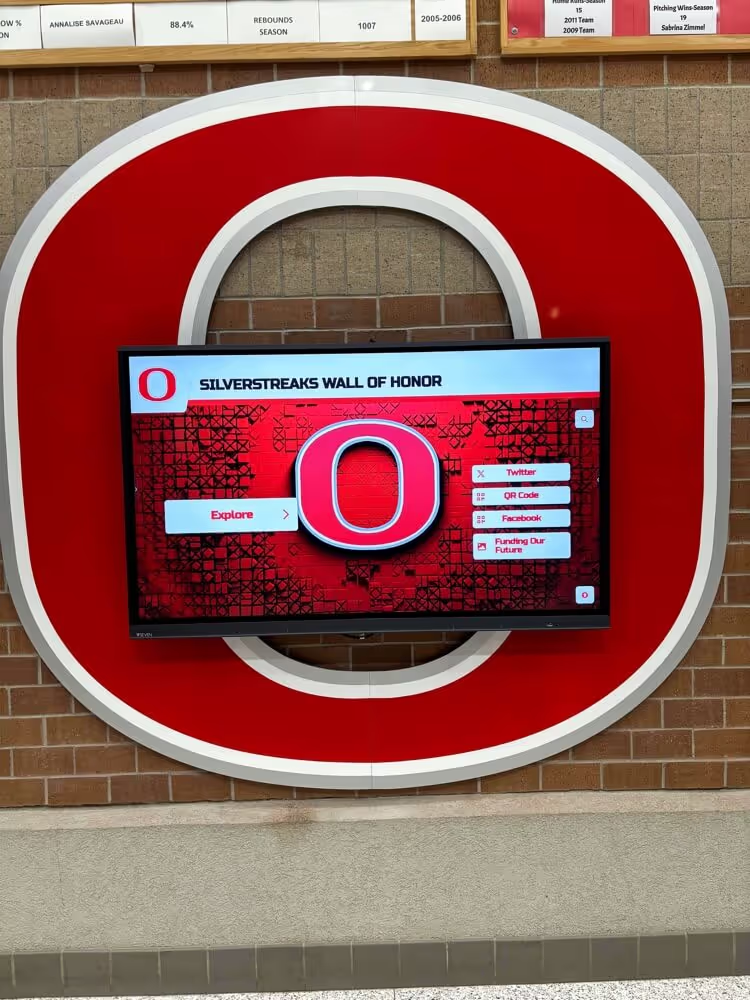
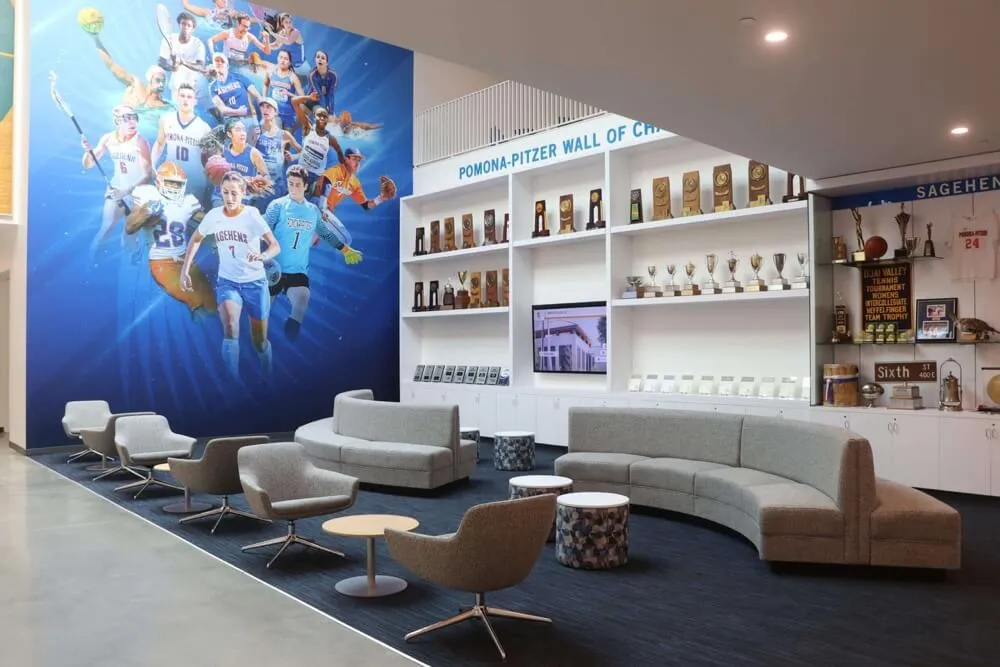
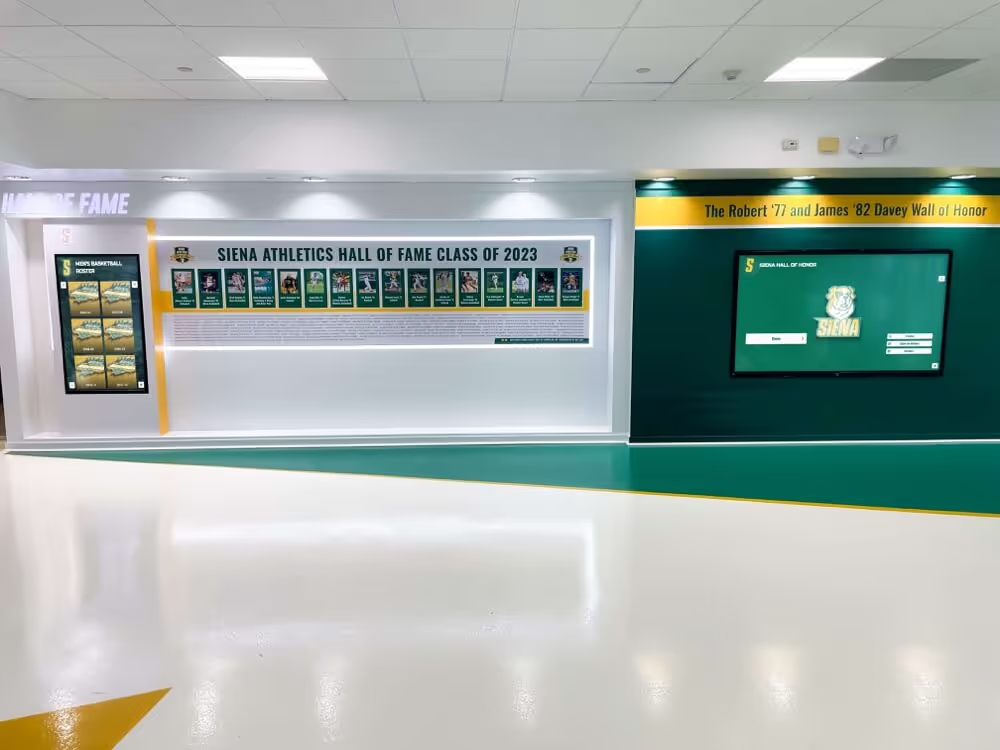
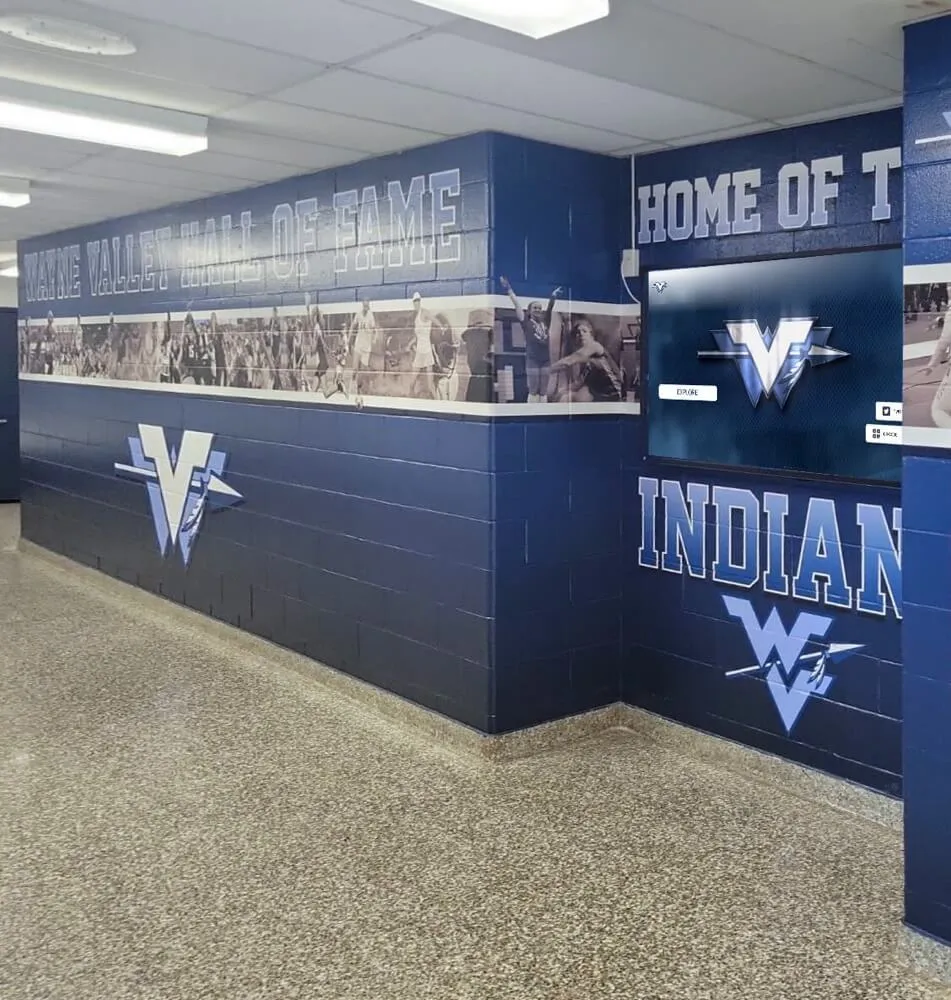
Main lobby installations create high-visibility leadership recognition ensuring all students, visitors, and community members understand student government importance
Implementation: Creating Comprehensive Officer Showcases
Successful implementation requires systematic planning addressing content strategy, technology selection, stakeholder engagement, and ongoing maintenance commitments.
Planning Your Student Leadership Recognition System
Defining Recognition Scope
Before selecting technology or creating content, clarify which leadership roles your digital showcase will include:
Traditional Class Officer Positions
- Class presidents for each grade level (freshman, sophomore, junior, senior classes)
- Class vice presidents supporting presidents and stepping into leadership as needed
- Class secretaries managing communications, documentation, and record-keeping
- Class treasurers overseeing budgets, fundraising, and financial management
- At-large class representatives serving on broader student government bodies
Expanded Leadership Recognition Options
Consider including additional leadership categories beyond traditional class officer roles:
- Student council representatives from homerooms or advisory groups
- Student body president and school-wide executive team members
- Committee chairs leading specific initiatives or focus areas
- Club presidents and organization leaders contributing to school community
- Peer mentorship program coordinators and active mentors
- Community service initiative leaders organizing volunteer opportunities
Comprehensive recognition demonstrates that leadership takes many forms throughout school communities, encouraging broader participation while honoring diverse service pathways that students pursue.
Content Development Strategies
Gathering Leadership Information Systematically
Systematic content collection ensures comprehensive recognition without overwhelming staff resources:
Current Leader Documentation
Create efficient processes for documenting active class officers:
- Professional photos taken at beginning of terms in consistent settings maintaining visual continuity
- Written profiles collecting campaign platforms, leadership goals, and service priorities
- Mid-term updates documenting initiatives launched, progress achieved, or challenges overcome
- End-of-term reflections capturing accomplishments, lessons learned, and advice for successors
- Video interviews or recorded messages sharing leadership experiences and perspectives
- Event photos showing leaders in action throughout terms at assemblies, fundraisers, or activities
- Recognition of specific achievements or particularly successful initiatives implemented during service
Historical Leader Research
Preserve institutional leadership legacy through systematic historical documentation:
- Yearbook research identifying past class officers and their positions across all available years
- School newspaper archives documenting leadership initiatives, elections, and accomplishments
- Faculty and staff institutional knowledge about memorable leaders or significant achievements
- Alumni outreach gathering stories, reflections, and additional context about service experiences
- Existing trophy, plaque, or bulletin board documentation providing baseline information
- School archive materials preserving historical student government documents, constitutions, or records
- Reunion event opportunities for gathering historical photos, stories, and reconnecting with alumni leaders
This systematic approach builds comprehensive recognition honoring both current excellence and historical leadership legacy spanning generations of student service.
Learn about content development in touchscreen augmented reality display guide with advanced presentation strategies.
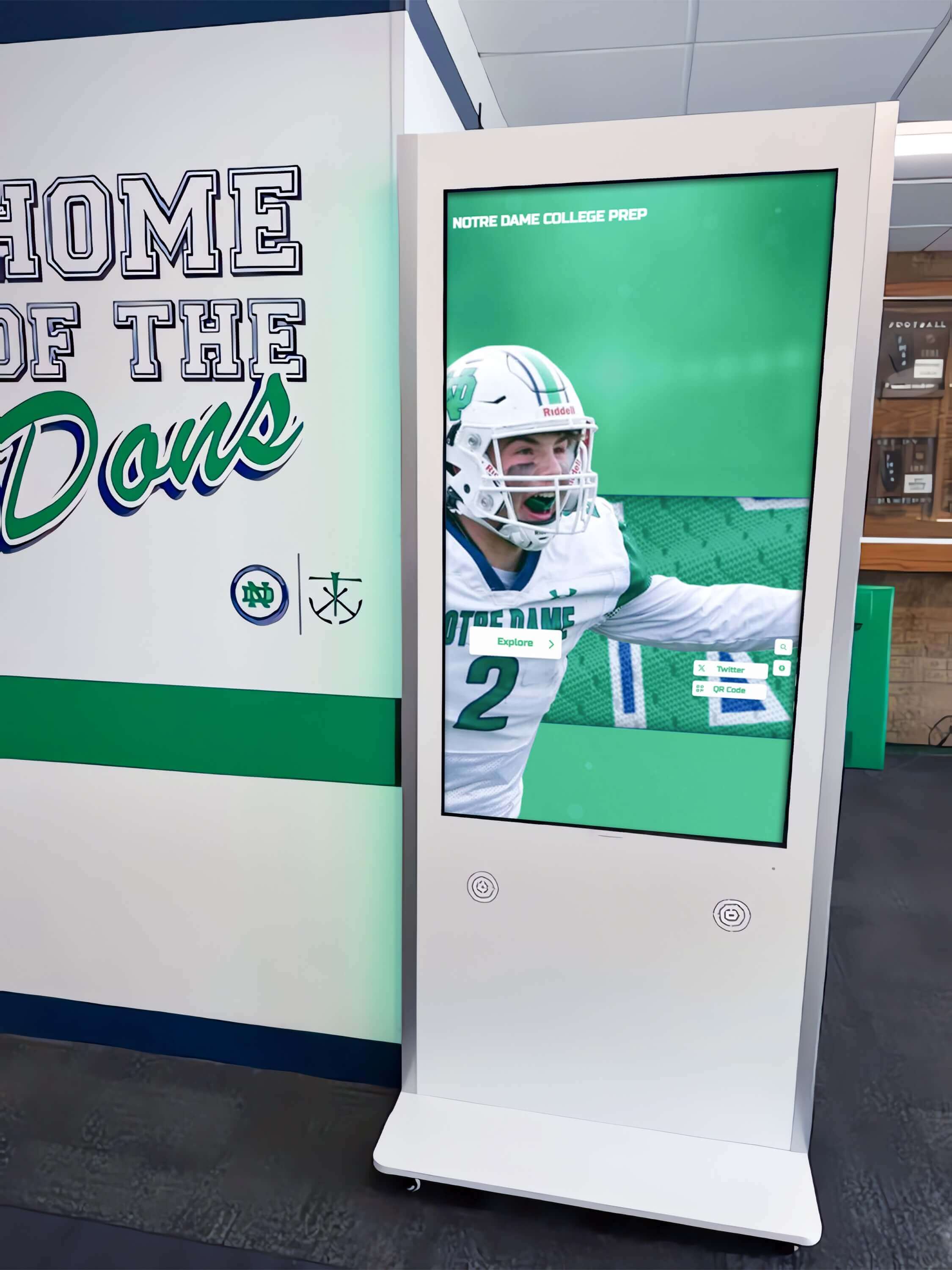
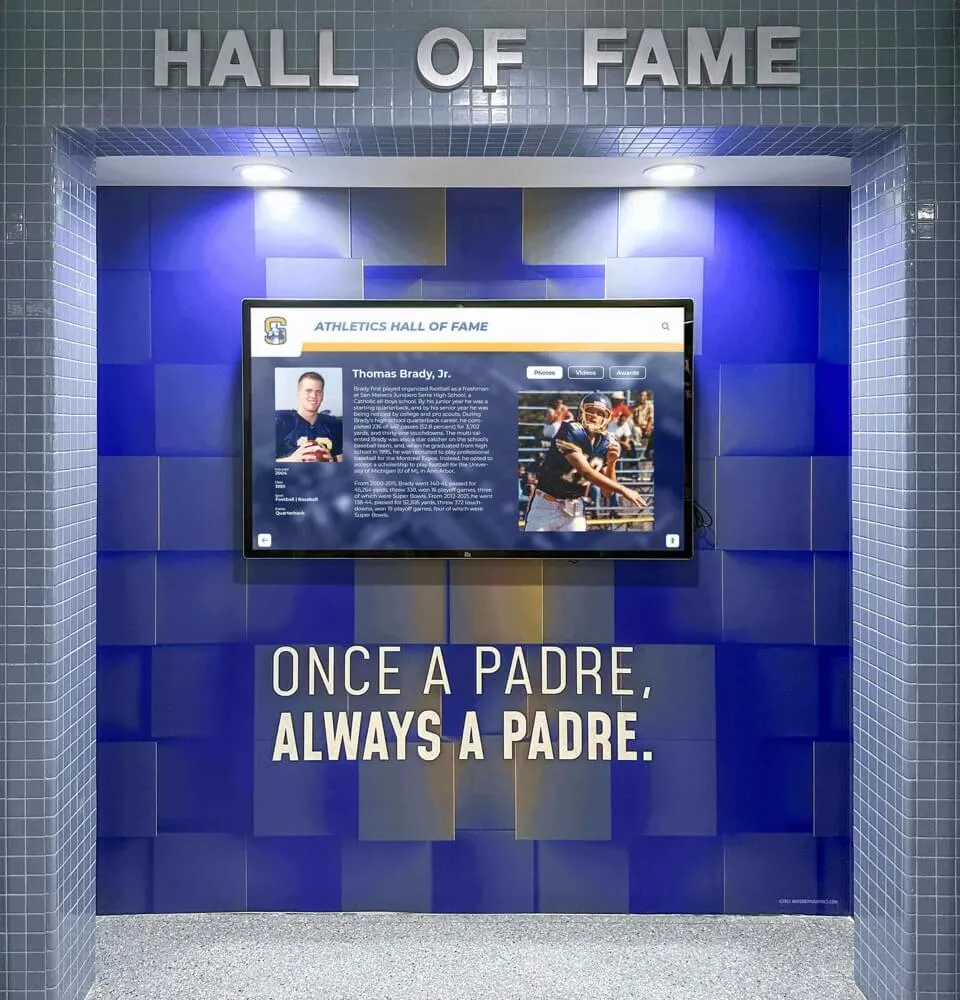
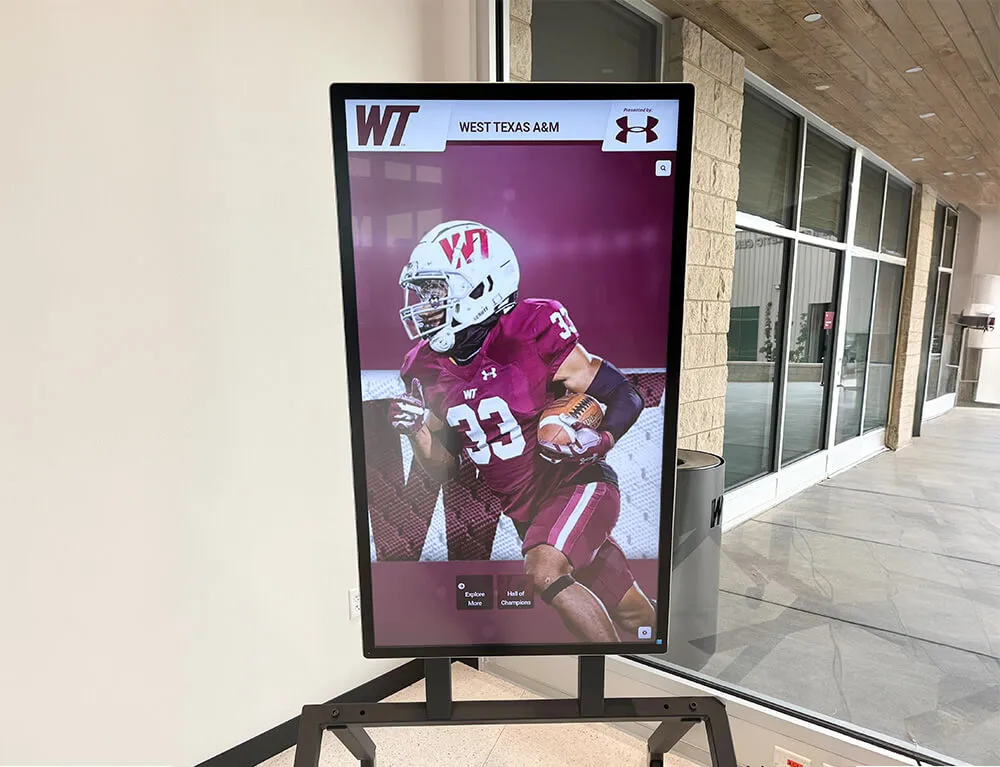
Freestanding kiosks create dedicated recognition destinations in high-traffic areas, inviting extended student exploration and discovery
Technology Platform Selection
Evaluating Digital Recognition Solutions
Class officer showcases require specific platform capabilities optimizing student leadership recognition experiences:
Essential Platform Features
- Cloud-based content management enabling updates from any device without technical expertise
- Intuitive interfaces allowing non-technical staff to manage content easily without extensive training
- Unlimited profile capacity supporting comprehensive historical recognition across all years
- Multiple media types integrating photos, videos, detailed text, and interactive elements
- Powerful search and filtering enabling easy leader discovery by multiple criteria
- Mobile-responsive design extending access beyond physical displays to remote audiences
- Role-based permissions allowing appropriate staff access while maintaining security
- Social sharing capabilities enabling organic promotion through student networks
- Privacy controls appropriate for student information and educational settings
- Regular platform updates and technical support ensuring ongoing functionality
Rocket Alumni Solutions Advantages
Platforms designed specifically for school recognition offer critical benefits over generic digital signage:
- Pre-built templates for student leadership recognition reducing setup time significantly
- Educational privacy compliance built into system architecture from inception
- Track record across hundreds of successful school implementations nationwide
- Deep understanding of unique student government recognition needs and challenges
- White-glove implementation support ensuring successful launches without technical burdens
- Ongoing training and support preventing display abandonment after initial enthusiasm
- Regular enhancements driven by educator feedback from active school users
- Favorable educational pricing reflecting realistic school budget constraints
These specialized capabilities justify investment in dedicated recognition platforms versus attempting to adapt generic digital signage systems lacking student leadership-specific features and educational expertise.
Hardware and Installation Considerations
Display Hardware Requirements
Effective class officer showcases require appropriate hardware specifications matching institutional environments:
Screen Specifications
- Size: 43-55 inches for typical hallway installations; 65+ inches for large lobbies or central locations
- Touch technology: Capacitive multi-touch providing responsive interaction without lag
- Resolution: Minimum 1080p full HD; 4K preferred for larger screens ensuring crisp text
- Brightness: 350-500 nits for typical indoor school environments with variable lighting
- Commercial-grade: Displays rated for extended daily operation in high-traffic areas
- Mounting: Wall-mounted or freestanding kiosks matching school aesthetics and available space
- Connectivity: Built-in Wi-Fi or ethernet supporting cloud content delivery and remote management
Strategic Placement Locations
Display effectiveness depends heavily on thoughtful placement in locations maximizing visibility:
- Main entrance lobbies where all students, staff, and visitors enter daily
- Cafeteria areas with extended dwell time during lunch periods encouraging exploration
- Outside student government offices, meeting spaces, or advisor classrooms
- Media centers or libraries where students gather during study periods
- Administrative corridors where parents, community members, and visitors congregate
- Multiple strategic locations throughout buildings ensuring redundant visibility to diverse audiences
Schools report highest engagement when displays appear where students naturally gather with time to explore rather than locations they rush past during brief class transitions.
Explore placement strategies in high school wall of fame guide with comprehensive installation frameworks.
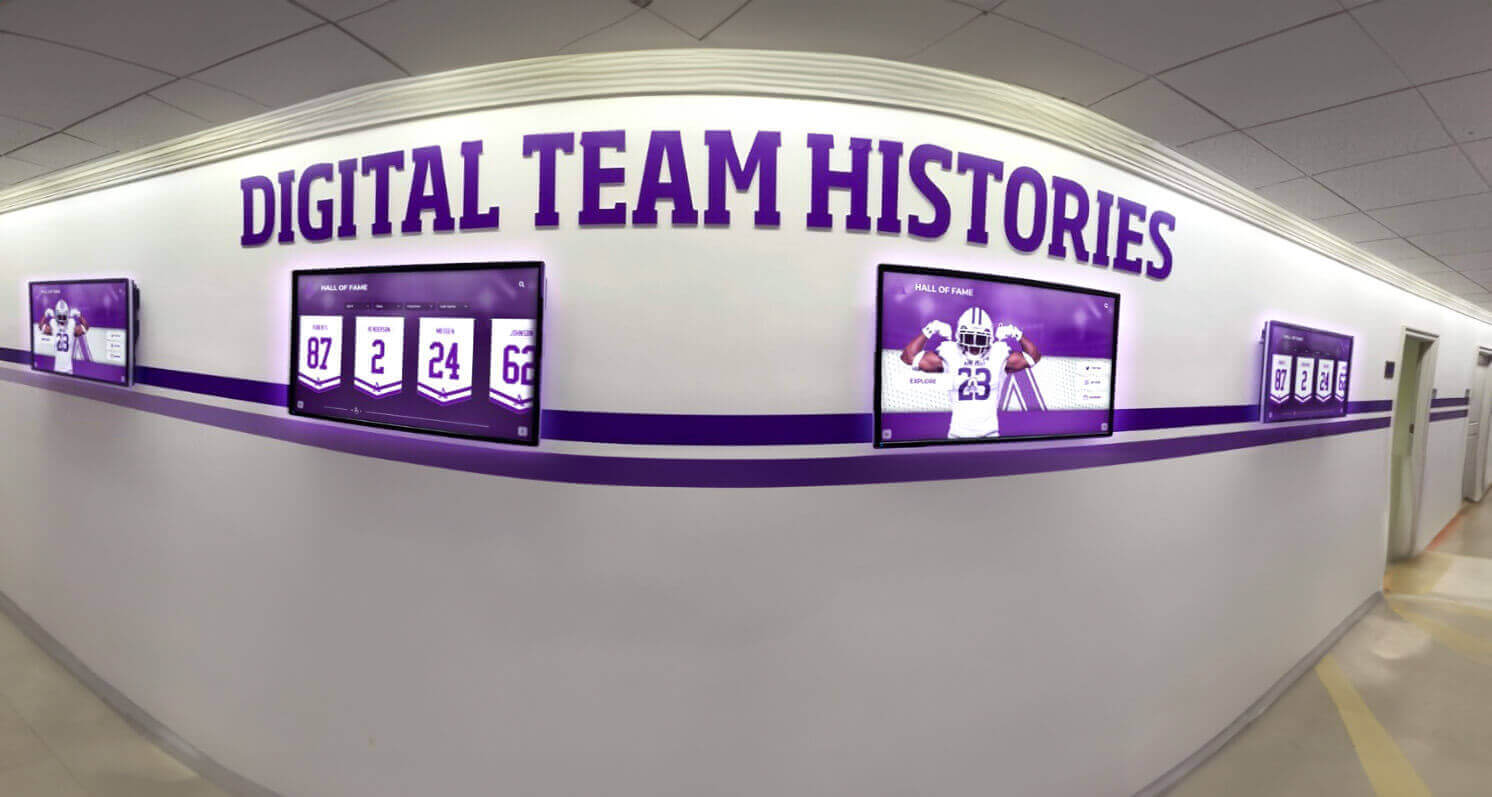
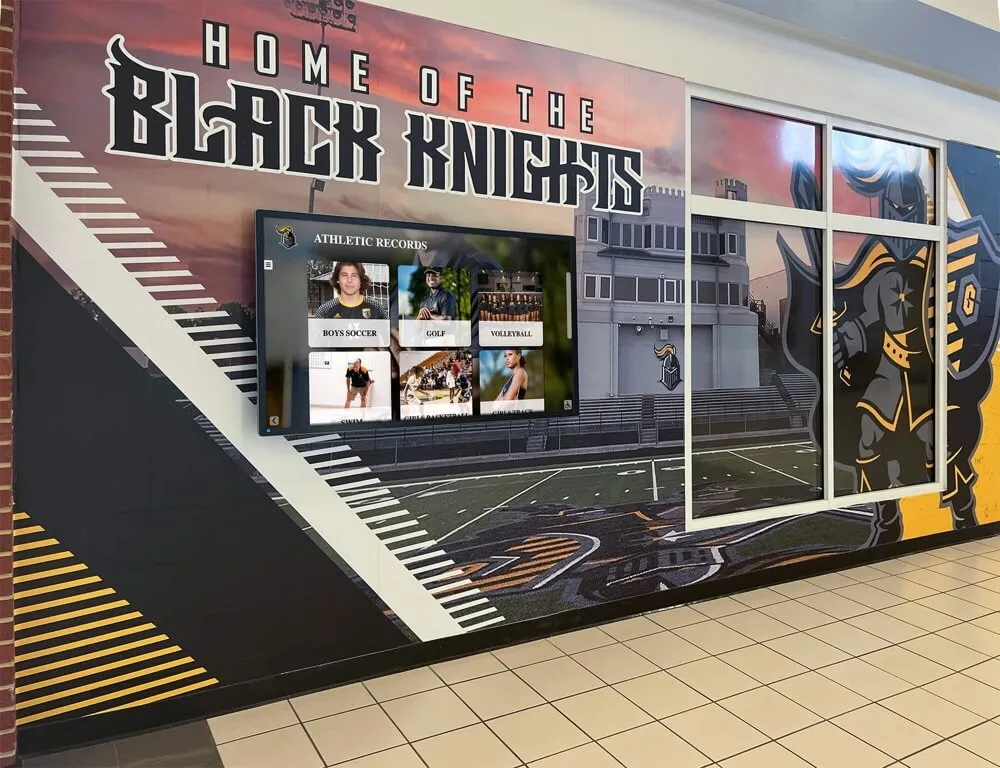
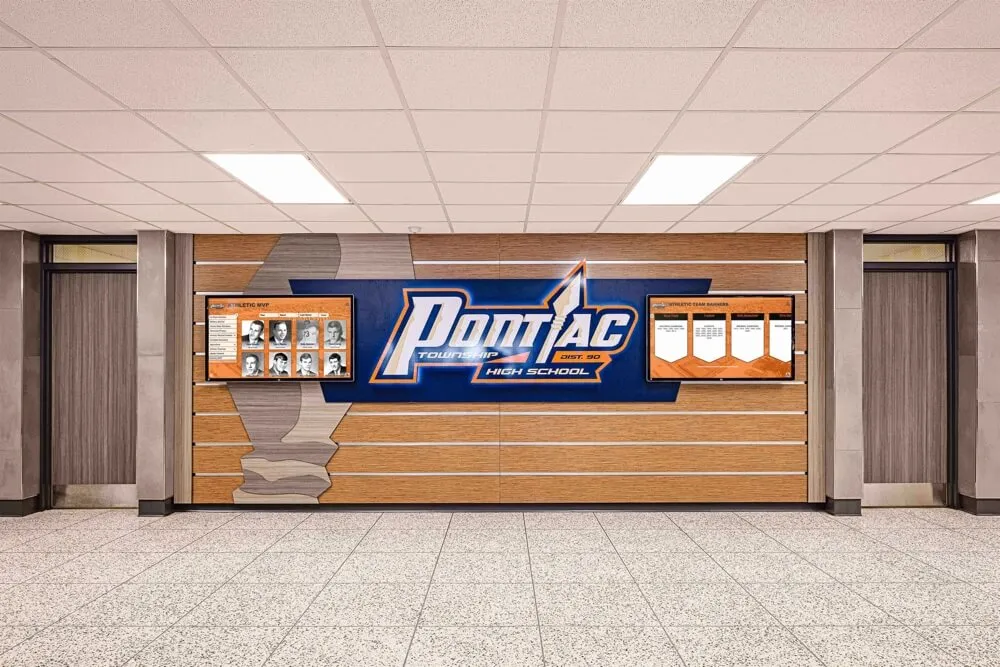
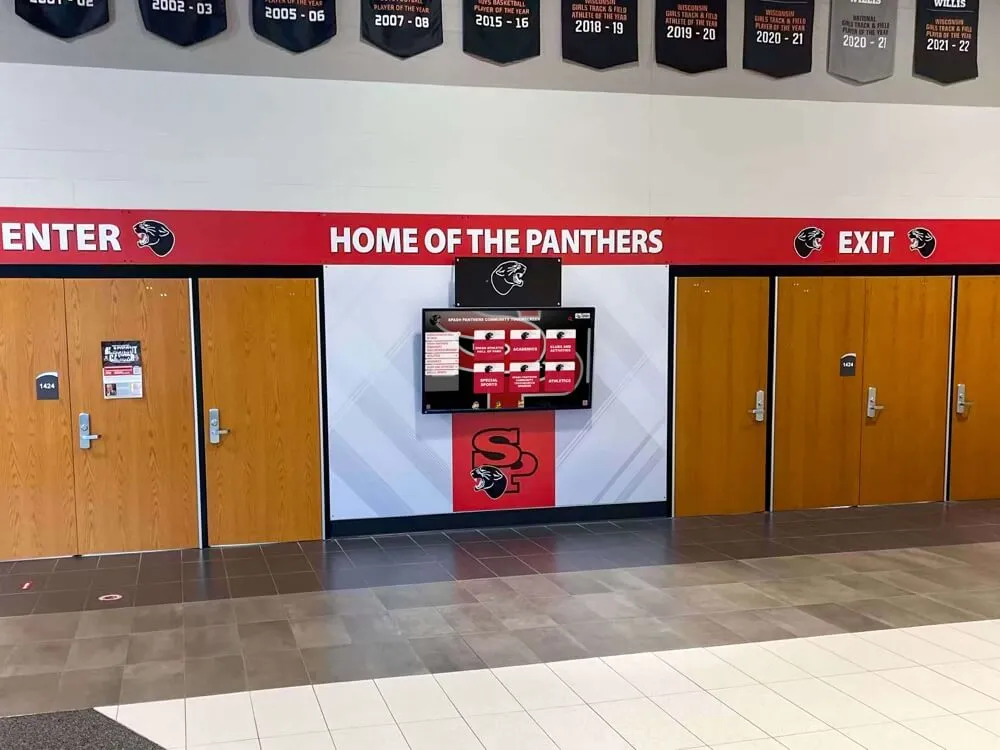
Coordinated display networks ensure recognition receives visibility throughout buildings rather than concentrating in single locations
Enhancing Student Leadership Recognition Programs
Digital showcase platforms enable recognition enhancements and engagement strategies impossible with traditional bulletin boards or static displays.
Campaign and Election Integration
Election Season Features
Digital displays can actively support democratic student government processes throughout election cycles:
Candidate Profiles During Elections
- Detailed candidate profiles including platforms, qualifications, and relevant experience
- Video position statements or recorded speeches addressing student body priorities
- Campaign promises and proposed initiatives candidates commit to implementing if elected
- Student questions submitted to candidates with recorded or written responses
- Comparison views enabling side-by-side candidate evaluation before voting
- Clear voting information including dates, locations, ballot access instructions, and eligibility
- Real-time or near-real-time election results after voting closes celebrating winners
This integration transforms displays from simple recognition into active civic education tools demonstrating democratic principles while engaging broader student participation in governance processes.
Historical Election Context
Connect current elections to institutional traditions providing context for student democracy:
- Previous election results and voter participation rates showing engagement trends
- Historical campaign platforms showing evolution of student priorities over decades
- Past initiative outcomes demonstrating what student government actually accomplished
- Documentation of particularly close, controversial, or significant elections from school history
- Recognition of governance changes, constitutional amendments, or structural reforms over time
This context helps students understand student government as ongoing institutional legacy they’re continuing rather than isolated annual elections disconnected from broader traditions.
Leadership Development Connection
Pathways to Leadership
Use recognition displays to actively cultivate future student leaders by demystifying leadership paths:
Leadership Journey Documentation
- Profiles showing how current leaders developed skills before running for office
- Documentation of stepping-stone positions or experiences leading to major elected roles
- Testimonials from leaders about their development experiences and growth through service
- Resources explaining how to get involved in student government at various levels
- Information about leadership training, workshops, or development programs available
- Mentorship connections between experienced leaders and aspiring future candidates
Leadership Skills Spotlight
Explicitly highlight transferable skills students develop through class officer service:
- Communication skills developed through representative roles and constituent interaction
- Project management experience from initiative implementation and event coordination
- Conflict resolution abilities gained through governance work and mediation
- Public speaking confidence built through presentations, speeches, and assemblies
- Collaboration skills developed through committee work and coalition building
- Advocacy capabilities strengthened through representing classmates to administration
This explicit connection between leadership service and skill development helps students understand tangible benefits of participation beyond simple resume-building or college applications.
Explore development approaches in debate team achievement board with transferable recognition strategies.
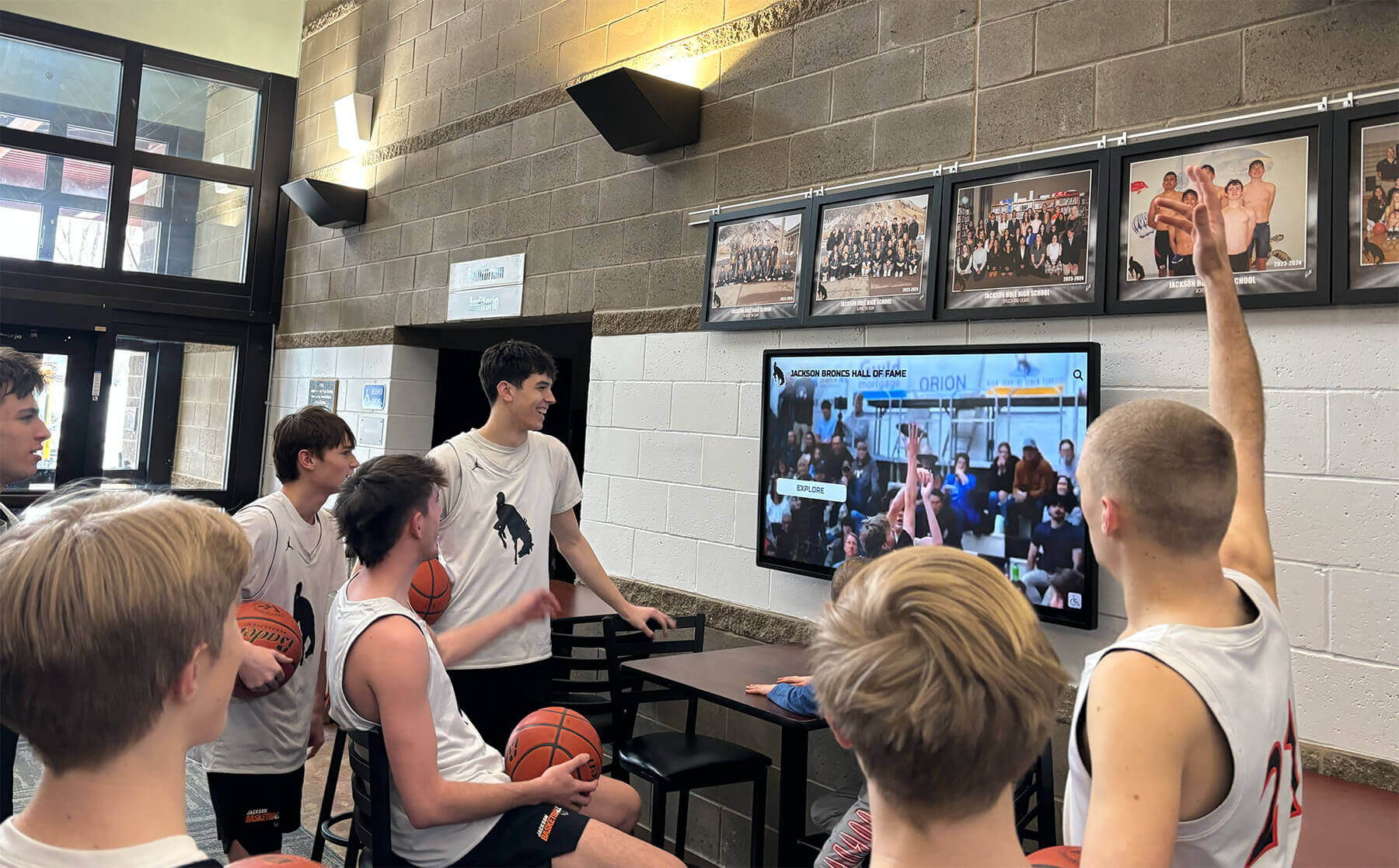
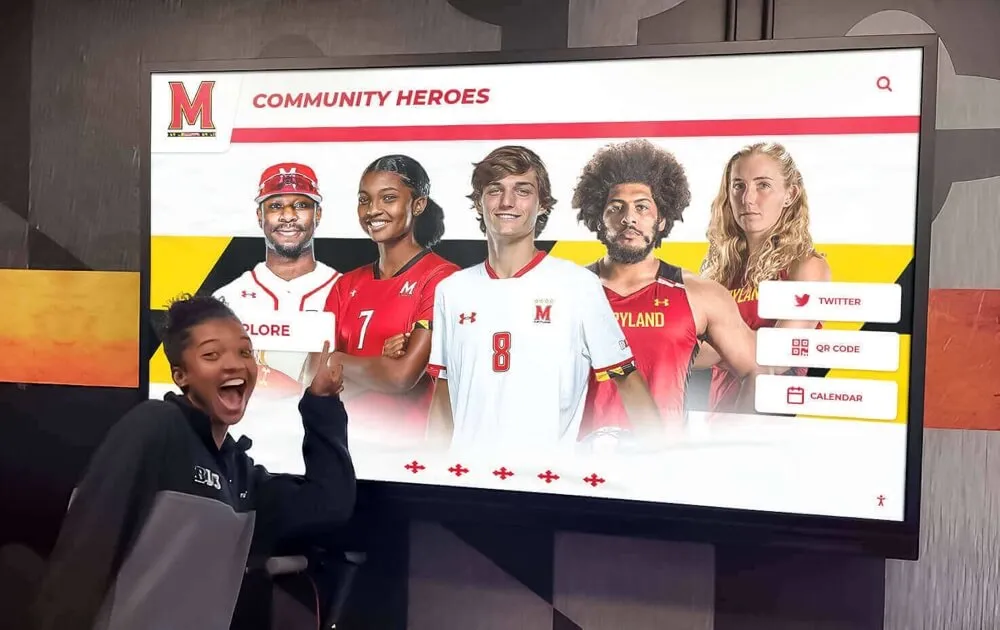
Displays become natural gathering spaces where students explore leadership together, strengthening peer interest in student government service
Connecting Leadership to Post-Secondary Success
College and Career Connections
Document how class officer experience translates to future success demonstrating real-world value:
Alumni Leadership Updates
- College acceptances and scholarships received by former class officers
- Student government participation in college for alumni continuing leadership
- Career achievements leveraging leadership skills developed during high school service
- Alumni reflections on how class officer experience shaped professional paths and values
- Professional leadership roles held by distinguished alumni in various fields
- Return visits from successful alumni encouraging current leaders and sharing experiences
Leadership Impact Documentation
Present evidence-based connections between student government and future success:
- Statistics about class officer alumni outcomes compared to general population
- Documentation of skills employers seek that leadership service develops systematically
- Success stories demonstrating leadership’s long-term benefits across diverse career paths
- Testimonials from colleges about student government experience value in admissions
- Research connecting student leadership participation to college persistence and completion
This evidence-based approach helps students and families understand class officer service as meaningful development opportunity with lasting benefits rather than simple extracurricular checkbox or resume filler.
Best Practices for Class Officer Recognition
Effective digital showcases require thoughtful implementation addressing common pitfalls while maximizing engagement and positive cultural impact.
Equity and Inclusivity in Leadership Recognition
Ensuring Representative Leadership Visibility
Recognition should reflect and actively encourage leadership diversity throughout student bodies:
Demographic Representation
- Regularly analyze whether leadership recognition reflects school demographics proportionally
- Identify underrepresented populations in student government and address barriers
- Feature diverse leaders prominently to encourage broader participation from all groups
- Document initiatives specifically focused on inclusive leadership and representative governance
- Celebrate leaders from various backgrounds, experiences, and perspectives explicitly
- Avoid inadvertent patterns privileging certain student populations over others in visibility
Multiple Leadership Pathways
- Recognize formal elected positions alongside informal leadership roles contributing to communities
- Celebrate behind-the-scenes work and committee members alongside high-profile officers
- Acknowledge students who participated briefly alongside long-term multi-year leaders
- Feature students who led single initiatives alongside those holding ongoing positions
- Value different leadership styles and approaches equally without imposing narrow definitions
This inclusive approach demonstrates that leadership opportunities exist for all students regardless of background, encouraging broader participation enriching student government with diverse perspectives and experiences.
Privacy and Appropriate Student Information
FERPA Compliance and Student Privacy
Student leadership recognition must respect educational privacy regulations and family preferences:
Appropriate Information Display
- Obtain proper consent for public recognition displays before publication
- Provide clear opt-out mechanisms for students or families preferring privacy
- Limit displayed information to directory-appropriate data following school policies
- Avoid sensitive personal information in public displays accessible to broad audiences
- Implement secure systems preventing unauthorized access, modification, or data breaches
- Conduct regular policy review ensuring continued compliance as regulations evolve
Balancing Recognition and Privacy
Some students may feel uncomfortable with public recognition despite serving in leadership roles. Respect these preferences while still honoring service through:
- Anonymous recognition of leadership accomplishments without identifying specific individuals
- Private acknowledgment options for privacy-preferring students through other channels
- Aggregate celebration of student government success emphasizing team over individuals
- Focus on initiative outcomes rather than specific leaders when requested by families
Schools should consult legal counsel and follow district policies ensuring recognition approaches comply with relevant privacy laws and institutional guidelines.
Sustainability and Long-Term Management
Establishing Sustainable Processes
Recognition quality depends on consistent long-term management beyond initial implementation enthusiasm:
Administrative Structure
- Designate specific staff members responsible for leadership recognition management
- Create backup administrators preventing single points of failure during transitions
- Establish clear processes for gathering information immediately after elections
- Schedule regular content updates throughout leadership terms at predetermined intervals
- Develop comprehensive documentation for future administrators ensuring continuity
- Include recognition management in relevant job descriptions with protected time
Update Cadence
- Add new leaders immediately after elections while excitement and momentum remain high
- Mid-term updates capturing initiative progress, accomplishments, or significant events
- End-of-term updates documenting complete leadership legacies before graduation
- Annual comprehensive reviews ensuring historical accuracy and content quality remain intact
- Real-time recognition of particularly significant achievements or milestones throughout terms
Budget Planning
Sustainable recognition requires appropriate resource allocation:
- Initial hardware and software investment: $5,000-$15,000 per display location
- Annual platform licensing or subscription: $1,000-$3,000 depending on features
- Content development time: 20-40 hours annually for updates and enhancements
- Hardware maintenance and eventual replacement planning with 5-7 year lifecycles
- Enhancement budget for expanding recognition scope or adding features over time
These investments deliver value across multiple institutional objectives—leadership development, student engagement, alumni connection, cultural building, and civic education—making per-objective costs reasonable when benefits are assessed comprehensively.
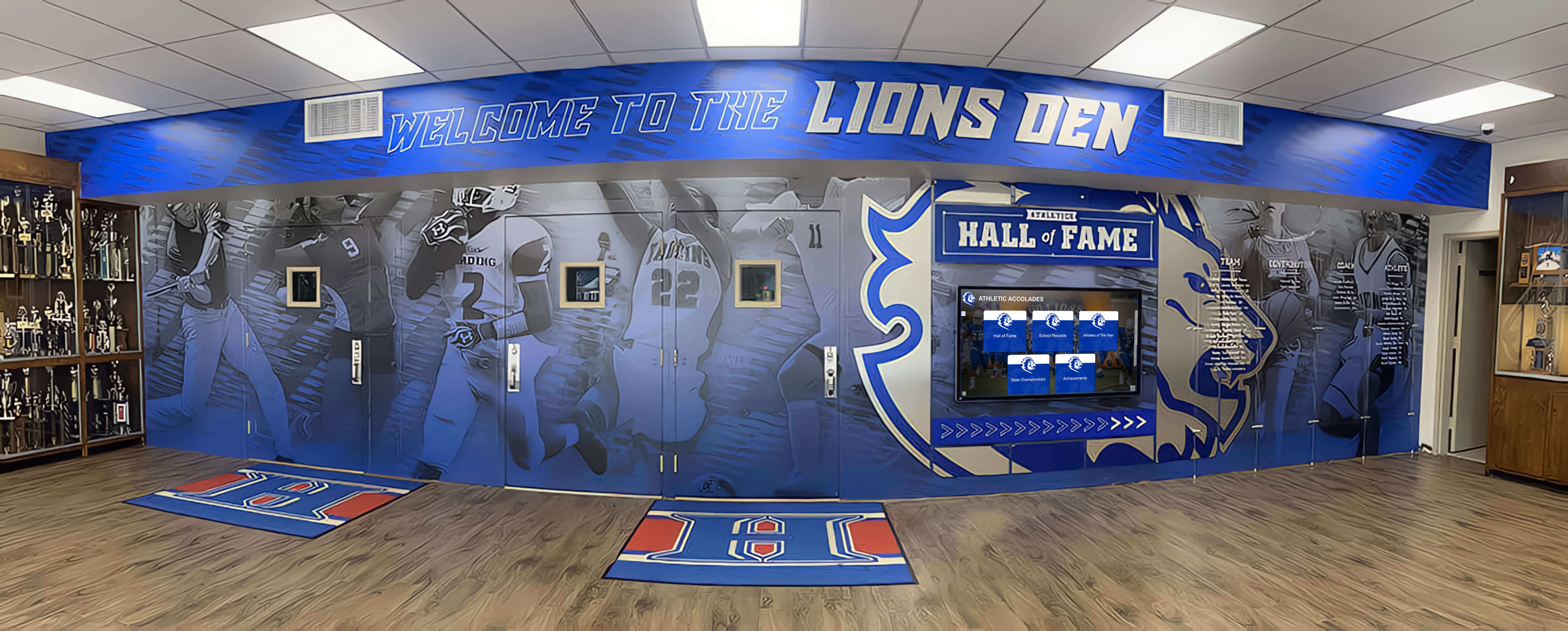
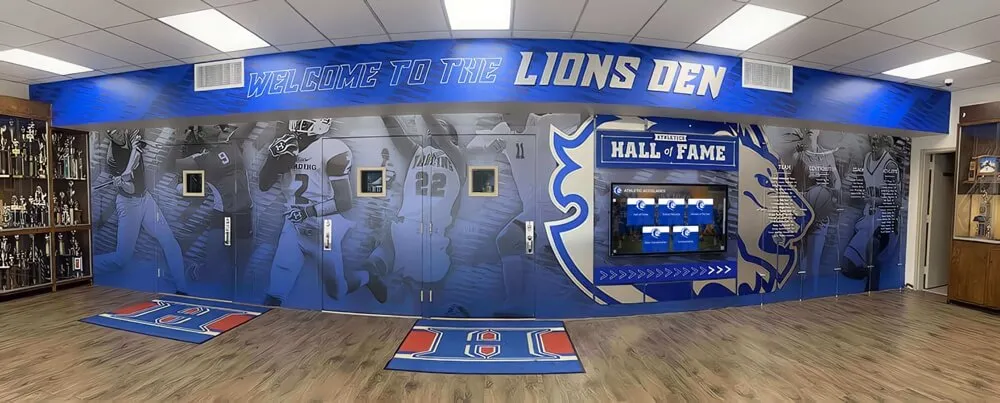
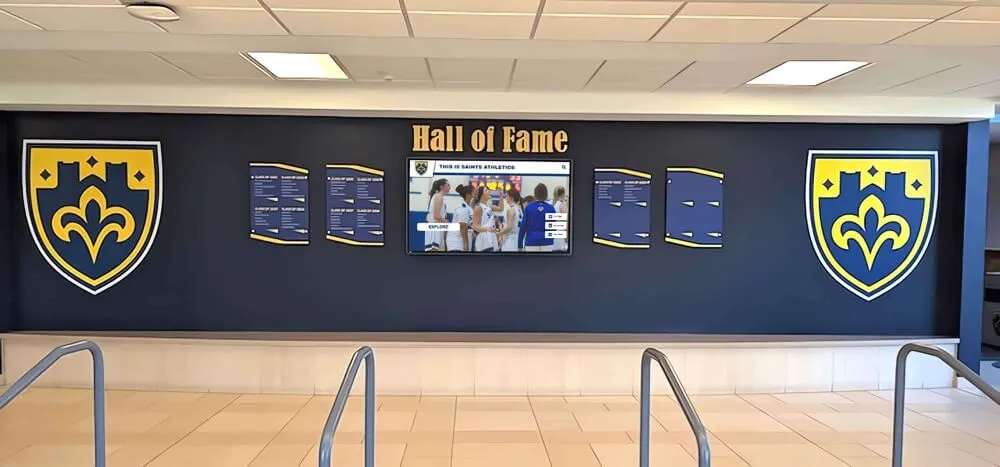
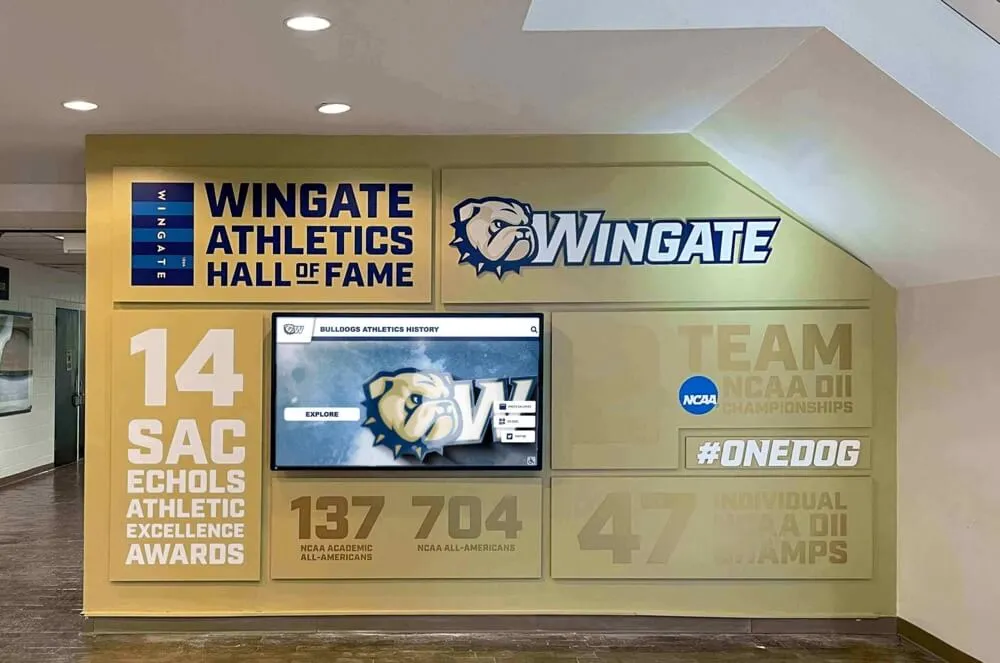
Integrated recognition spaces combining traditional elements with digital displays create destinations celebrating complete institutional leadership legacy
Measuring Impact and Success
Assessment demonstrates recognition value while identifying improvement opportunities ensuring showcases achieve intended goals.
Quantitative Engagement Metrics
Digital Analytics
Modern platforms provide concrete engagement data impossible with traditional bulletin boards:
Measurable Indicators
- Display interaction frequency revealing daily usage patterns and peak engagement times
- Average session duration showing engagement depth versus superficial viewing
- Most-viewed leader profiles identifying community interest patterns and popular cohorts
- Search patterns revealing what information visitors actively seek when exploring
- Peak usage times informing content scheduling and feature promotion strategies
- Social sharing frequency demonstrating organic promotion through student networks
- Web platform traffic showing remote access patterns from home or mobile devices
These metrics reveal whether displays generate intended engagement or require strategy adjustments to improve effectiveness.
Student Government Participation Outcomes
Leadership Application Trends
Track whether recognition positively affects student government participation rates:
Participation Indicators
- Number of candidates running for elected positions over time compared to baselines
- Demographic diversity of leadership candidates and elected officers across categories
- Application rates for appointed student government positions and committees
- Student awareness of leadership opportunities and application processes based on surveys
- Younger students’ expressed interest in future leadership roles through polls or focus groups
- Family engagement with student government programs increasing due to visibility
Election Engagement Metrics
- Voter participation rates in student elections compared to previous years
- Attendance at candidate forums, information sessions, and campaign events
- Student knowledge about candidate platforms assessed through informal surveys
- Community awareness of election results and newly elected leaders
- Media coverage of student government elections and initiatives in school publications
Positive trends in these metrics suggest recognition displays effectively inspire broader student leadership participation and strengthen democratic culture.
Qualitative Impact Assessment
Stakeholder Feedback
Regular feedback provides insights beyond quantitative metrics revealing experiential quality:
Feedback Sources
- Student leader surveys about recognition experience, perceived value, and satisfaction
- Younger student perceptions of leadership visibility, attractiveness, and accessibility
- Faculty advisor observations about student government engagement and culture changes
- Family feedback on leadership recognition visibility and understanding of student roles
- Alumni responses to enhanced connection opportunities and institutional engagement
- Community member reactions during school visits and open house events
Cultural Impact Indicators
Observable changes demonstrate recognition influence on institutional culture:
- Increased general student awareness of student government activities and accomplishments
- Enhanced respect for elected leaders among broader student body populations
- Improved perception of student government significance and importance to school culture
- Greater institutional commitment to supporting leadership programs with resources
- Strengthened connection between current students and alumni leaders across generations
- More inclusive leadership culture celebrating diverse participation across all populations
Regular assessment enables continuous refinement ensuring recognition achieves intended goals while identifying enhancement opportunities for improvement.
Real-World Implementation Examples
Understanding successful implementations provides practical insights for schools planning class officer recognition projects.
Small School Single-Display Implementation
Budget-Conscious Approach
Schools with limited resources can implement effective recognition strategically through phased approaches:
Phased Implementation Strategy
- Start with single display in main entrance lobby reaching all students daily
- Focus initially on current leaders and recent 3-5 years building from present backward
- Use existing yearbook photos minimizing new photography costs during startup
- Leverage student government members for content development reducing staff burden
- Expand historical coverage gradually over subsequent years as time and resources allow
- Add second display when funding becomes available based on demonstrated first-display value
This approach makes digital class officer recognition accessible even for schools with constrained budgets while establishing foundation for future expansion as value becomes evident.
Large School Multi-Display System
Comprehensive Recognition Network
Large schools benefit from coordinated displays distributed throughout extensive facilities:
Strategic Distribution
- Main entrance lobby serving all students, staff, and visitors entering building
- Student government office area or designated meeting room creating dedicated leadership space
- Cafeteria or commons space with extended dwell time during lunch periods
- Library or media center encouraging exploration during study time and research
- Administrative corridor where parents, community members, and visitors frequently gather
Coordinated Content Strategy
- Unified platform managing all displays from central cloud-based system
- Location-specific featured content matching display context and audience
- Cross-location navigation enabling complete exploration starting from any screen
- Consistent design and branding maintaining institutional visual identity
- Distributed management allowing student government input and participation in content
Large implementations require additional coordination but deliver proportionally greater impact by reaching all student populations in contexts matching their natural gathering patterns and behaviors.
Learn about comprehensive recognition in teacher of the year award showcase applicable to multiple recognition contexts.
Future Trends in Leadership Recognition Technology
Understanding emerging developments helps schools plan investments remaining relevant and effective long-term.
Enhanced Interactivity and Features
Next-Generation Capabilities
Emerging technologies will expand recognition possibilities significantly:
Future Features
- Artificial intelligence personalizing content based on individual user interests and interactions
- Voice interaction enabling hands-free navigation for accessibility and convenience
- Augmented reality overlaying historical leader information on physical school spaces
- Advanced analytics revealing detailed engagement patterns informing strategy
- Integration with student information systems enabling automated updates reducing manual work
- Mobile app synchronization extending exploration beyond physical displays to personal devices
- Virtual forums connecting current students with alumni leaders for mentorship
These innovations will continue expanding digital recognition advantages over static traditional approaches while creating new engagement opportunities.
Social Media Integration
Enhanced Sharing and Connection
Modern students engage heavily through social platforms creating integration opportunities:
Social Integration Features
- One-click sharing of leadership profiles to student social media accounts
- Instagram and TikTok integration showcasing leader video messages and campaigns
- Social media campaigns celebrating newly elected leaders generating organic excitement
- Hashtag tracking aggregating student government social content automatically
- Alumni leader connection through professional networks like LinkedIn
This integration meets students where they already engage while extending recognition visibility beyond physical campus boundaries to broader networks.
Conclusion: Celebrating Student Leadership Through Modern Recognition
Class officers represent the most engaged, dedicated, and civically-minded students in school communities—young people who voluntarily commit significant time to representing classmates, improving school culture, organizing meaningful events, and developing leadership skills serving them throughout life. Yet for too long, recognition for these remarkable student leaders has been limited by static bulletin boards, temporary printed posters, and brief yearbook mentions failing to honor their contributions appropriately or inspire future generations toward similar service.
Digital showcase technology transforms class officer recognition from limited acknowledgment into dynamic, engaging, and permanent celebration of student leadership excellence. Interactive touchscreens eliminate space constraints enabling schools to honor unlimited leaders across unlimited years and grade levels. Rich multimedia profiles showcase not just names and titles but complete leadership stories including campaign platforms, implemented initiatives, documented accomplishments, and personal reflections. Cloud-based management enables real-time updates keeping recognition current while dramatically reducing administrative burden. Web-based access extends recognition beyond campus enabling families and alumni worldwide to celebrate student leadership.
These capabilities don’t simply replicate traditional recognition digitally—they fundamentally enhance recognition by enabling richer storytelling, broader accessibility, deeper engagement, and permanent preservation ensuring no leader’s service disappears due to space limitations or graduation. Schools implementing digital class officer showcases honor student leaders more comprehensively than bulletin boards alone while inspiring younger students toward leadership service through visible, compelling examples of students just like them making real differences in school communities.
Solutions like Rocket Alumni Solutions enable schools to celebrate class officer excellence through unlimited digital capacity, interactive exploration features, and engaging multimedia presentations that honor every leader appropriately while inspiring the next generation of student government participants and civic leaders.
Ready to transform your class officer recognition and inspire the next generation of student leaders? Book a demo to discover how digital showcase platforms create comprehensive, accessible student leadership archives that celebrate service appropriately while building stronger student government culture throughout your school community.