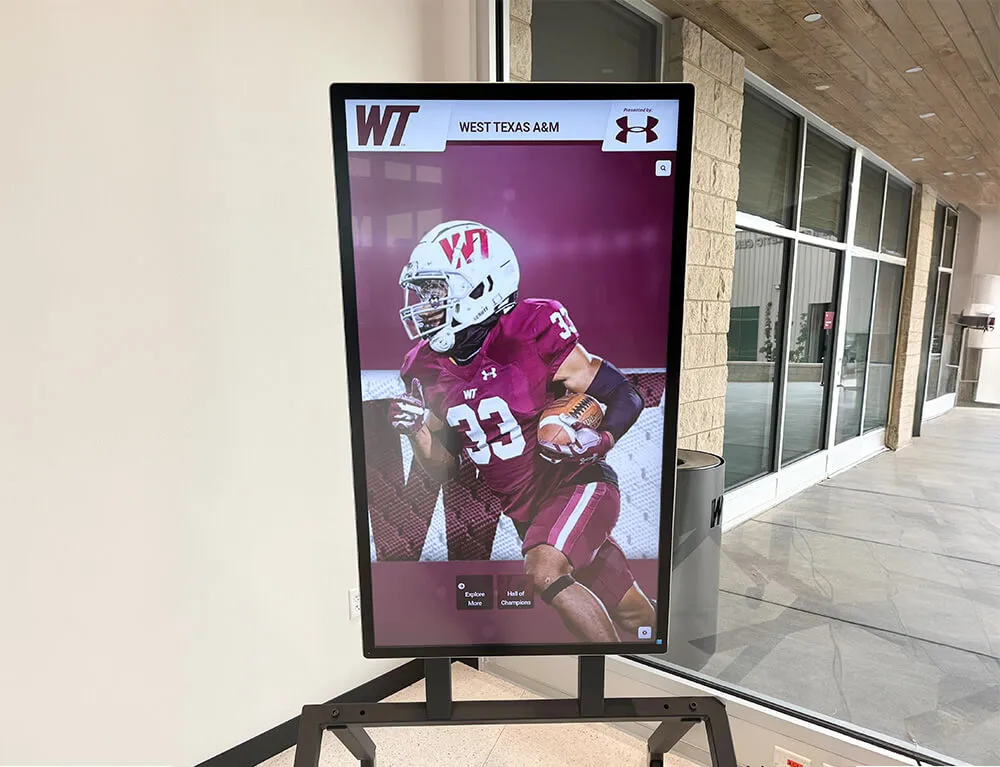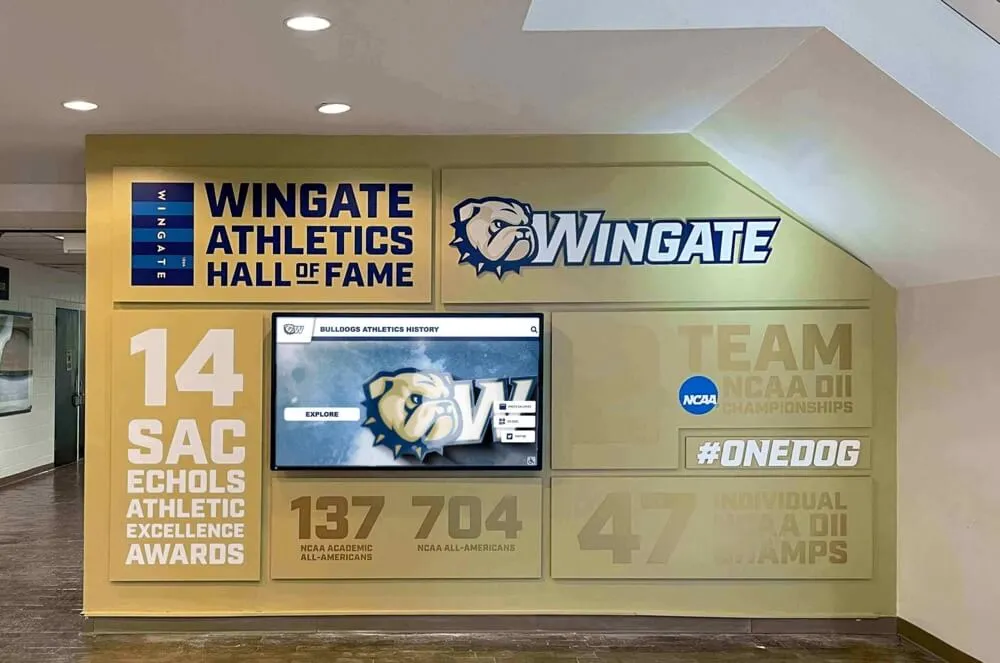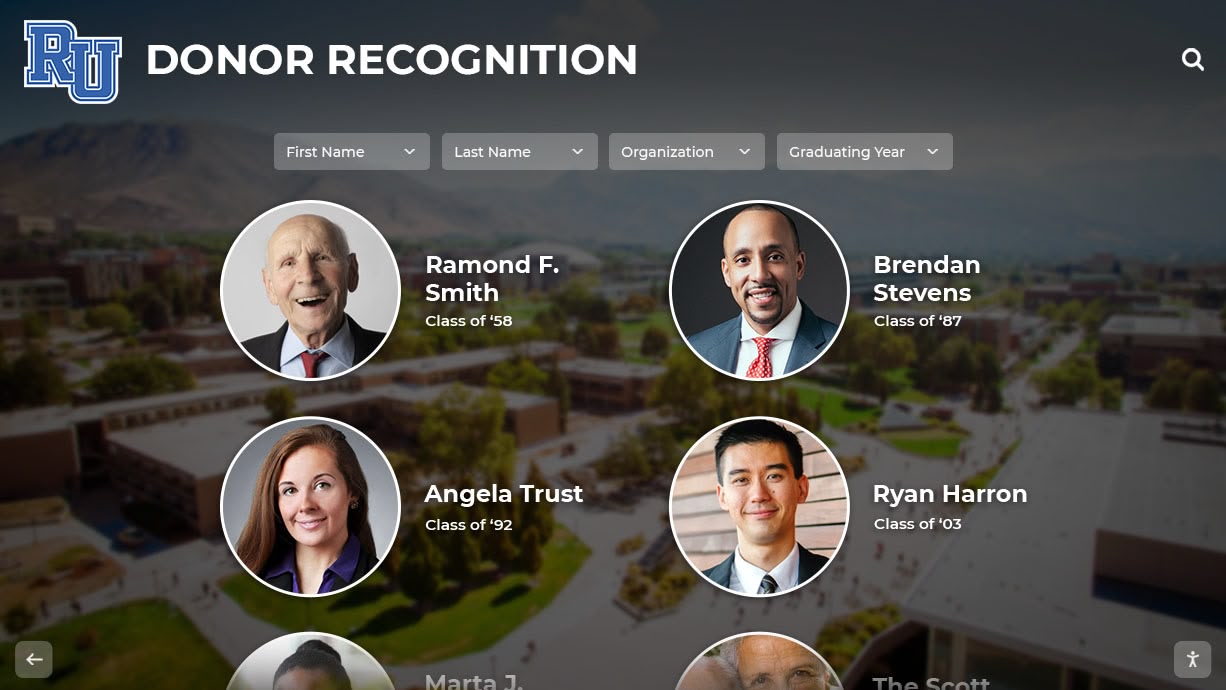




Many schools, universities, athletic programs, and nonprofit organizations face a common challenge: limited wall space for recognition, tight budgets, and the need to celebrate multiple audiences—athletes, donors, sponsors, and community supporters—without cluttering hallways with separate installations. The question frequently arises whether a single digital display can serve multiple recognition purposes simultaneously, and the answer is a resounding yes.
Modern digital recognition platforms are specifically designed to function as dual-purpose systems, serving as both hall of fame displays and donor walls within the same installation. These systems go far beyond simple screen sharing—they offer sophisticated content management capabilities that allow organizations to organize, categorize, and present different recognition types in ways that feel natural and appropriate for each audience. Whether displaying championship teams, honoring major donors, or thanking corporate sponsors, these platforms handle sponsor recognition through dedicated profiles, flexible giving level displays, privacy controls, and integration with existing fundraising databases.
This guide explores how dual-purpose digital recognition systems work, what features enable effective sponsor recognition, implementation strategies for maximizing a single display across multiple purposes, and real-world considerations for schools and organizations evaluating whether combined systems meet their needs.
Organizations have long struggled with the physical and financial reality of traditional recognition: trophy cases fill up, wall space runs out, and each new recognition need requires a separate physical installation with its own budget, design process, and maintenance requirements. When an athletic department wants to add a hall of fame while the development office needs a donor wall, institutions historically faced the prospect of two separate projects competing for limited space and funding.

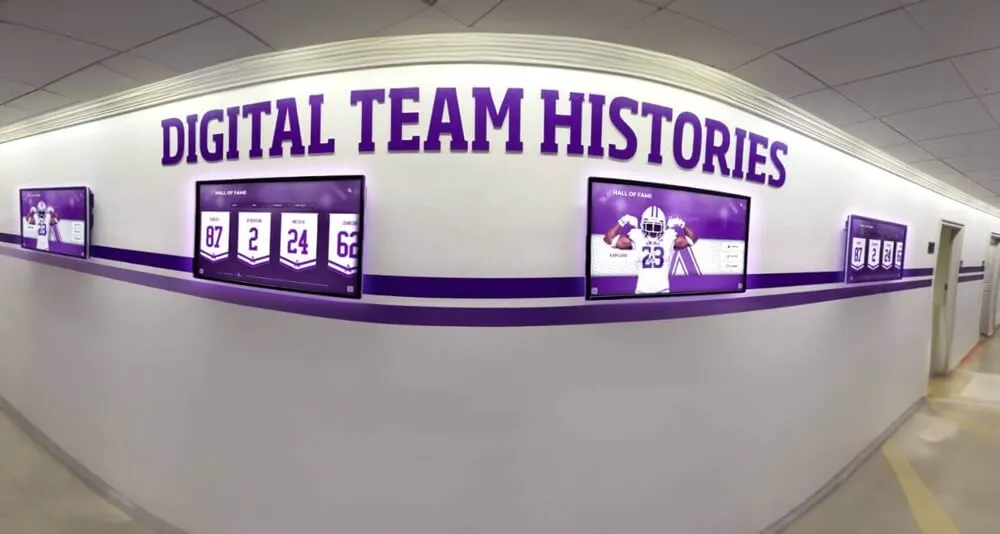
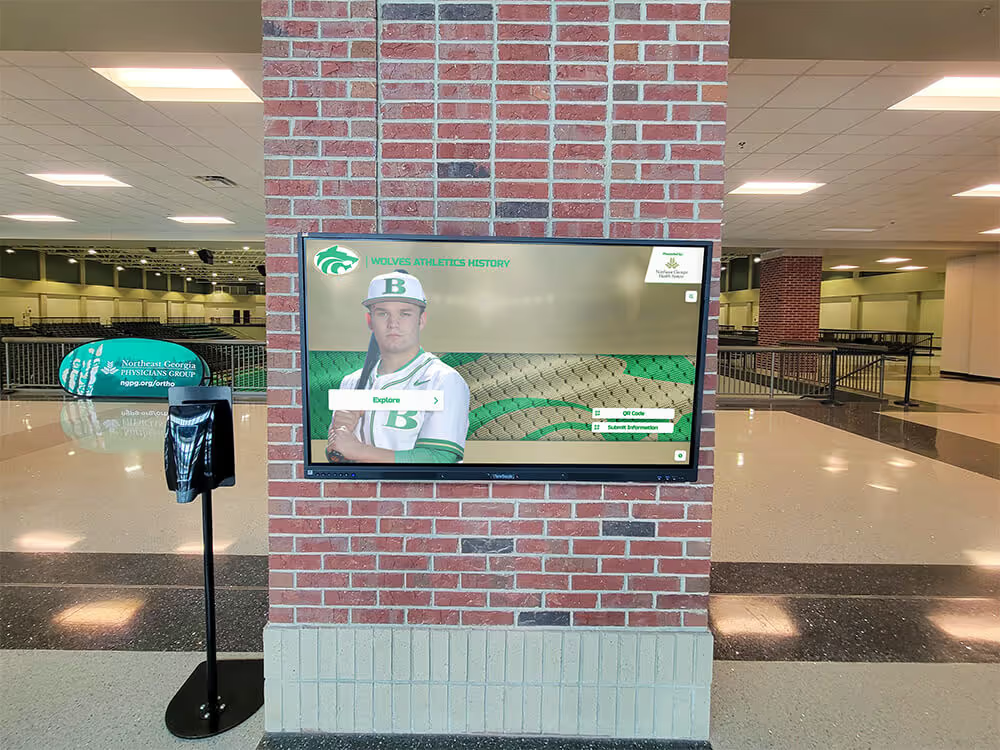
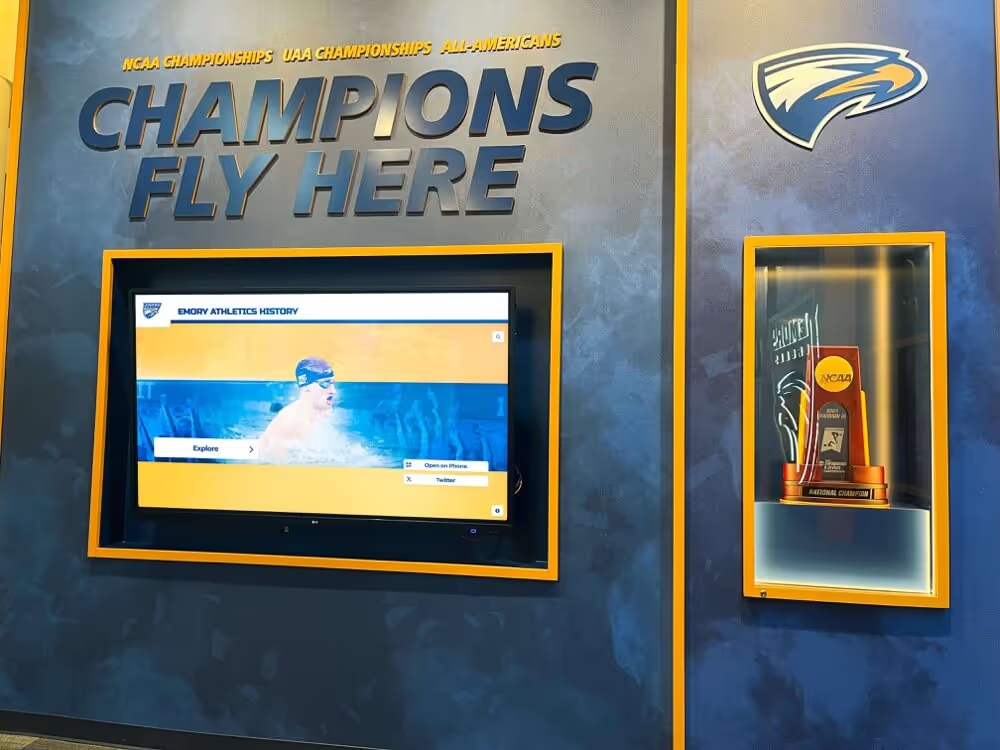
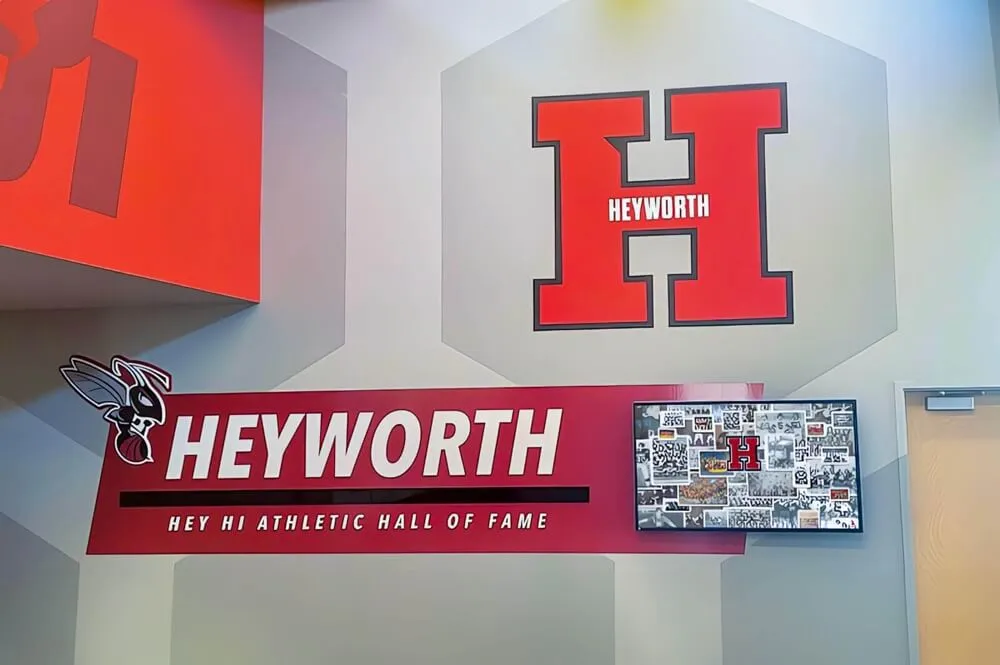
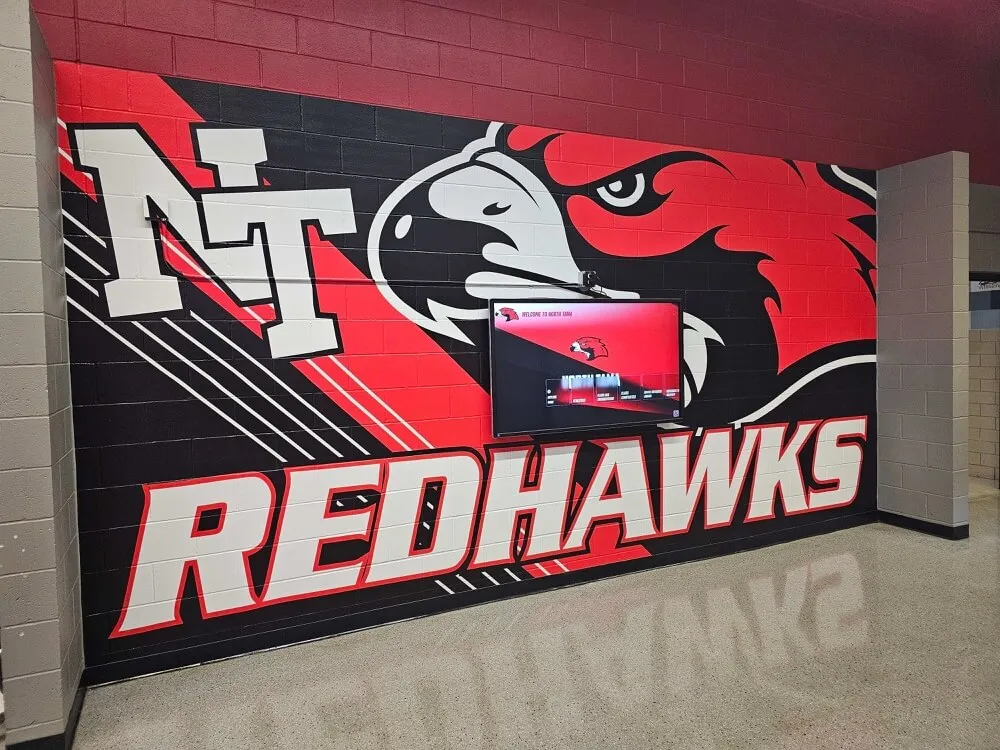
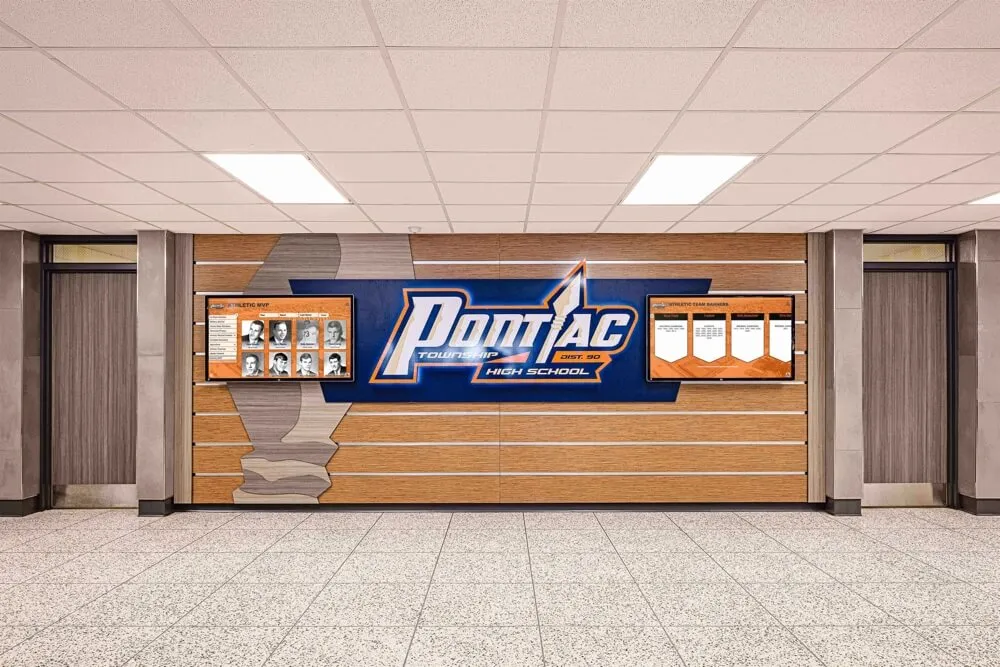
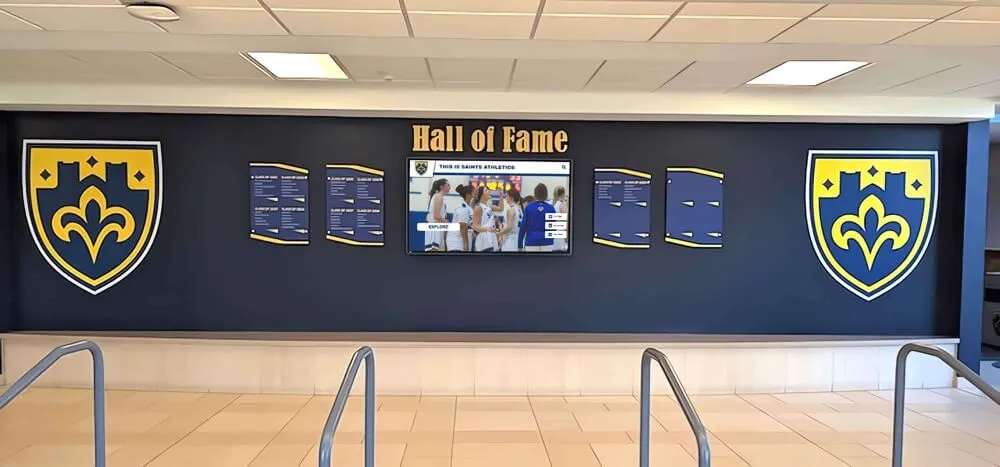
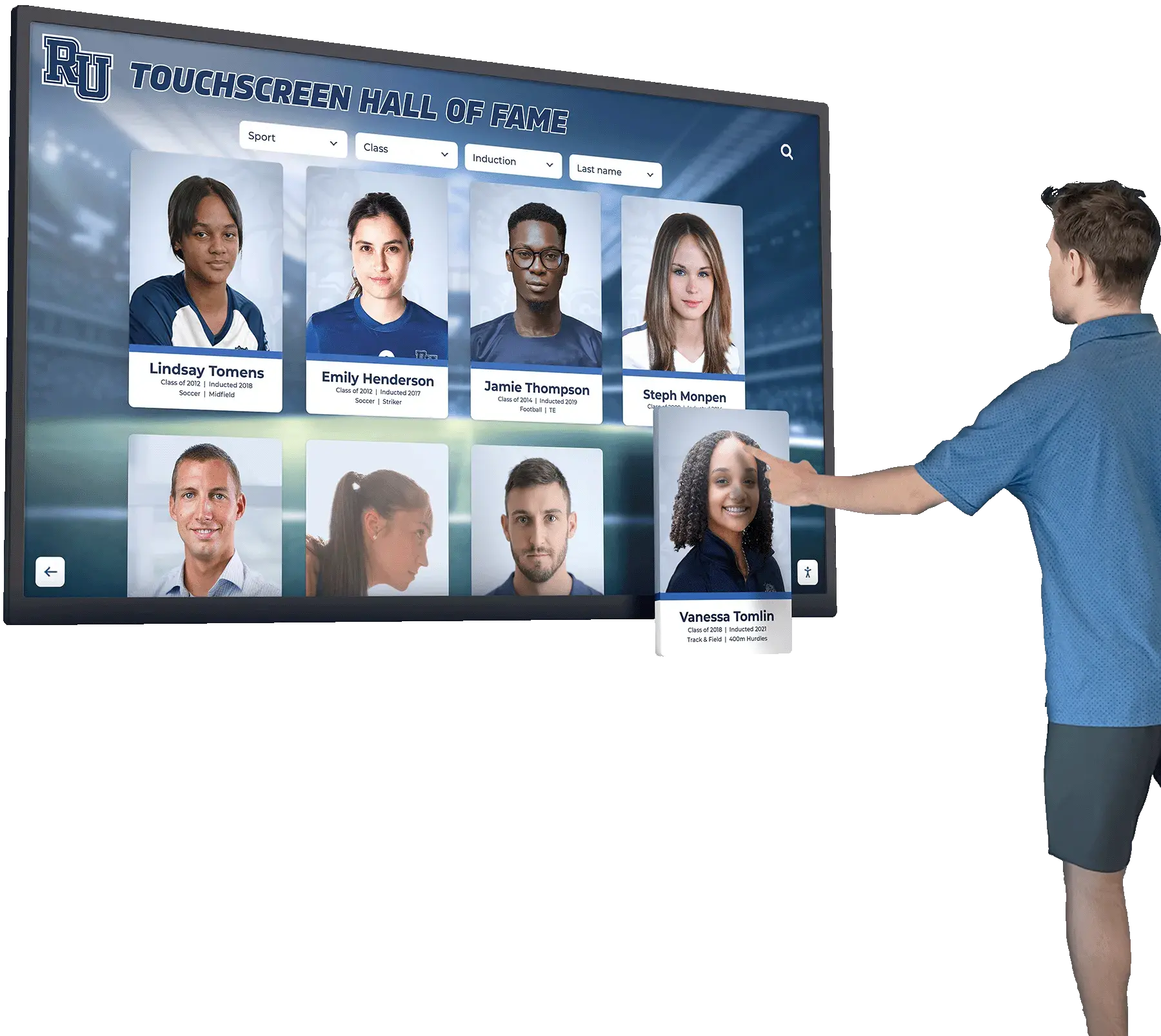
A single touchscreen display can house unlimited recognition categories, from athletic achievements to donor contributions
The Fundamentals of Dual-Purpose Digital Recognition
Understanding how modern recognition platforms handle multiple content types within a single system provides essential context for evaluating whether dual-purpose displays meet specific institutional needs.
How Single Displays Manage Multiple Recognition Types
Digital recognition platforms organize content through hierarchical category structures that keep different recognition types logically separated while maintaining easy navigation between them. Unlike physical walls where all content exists simultaneously in limited space, digital systems store unlimited content in cloud databases and present it through interfaces that visitors can easily navigate.
Content Organization Architecture
Most platforms structure content through nested categories that might include:
- Main navigation: Hall of Fame, Donor Recognition, Sponsors, History, Achievements
- Subcategories under Hall of Fame: Athletic, Academic, Faculty, Alumni, Community
- Subcategories under Donor Recognition: Giving Societies, Major Gifts, Campaign Recognition, Memorial Gifts
- Subcategories under Sponsors: Corporate Partners, Team Sponsors, Event Sponsors, Program Supporters
Visitors interact with touchscreen displays to browse categories that interest them, drilling down through logical hierarchies to discover specific individuals or organizations. This separation ensures donors don’t feel grouped inappropriately with athletic achievements, while athletes receive recognition distinct from financial contributions.
Interface Design Considerations
Effective dual-purpose systems employ visual design that clearly distinguishes different recognition types:
Different color schemes for athletic versus donor content, distinct card or tile layouts appropriate to each category, varying amounts of information density based on content type, and consistent branding that ties everything together as parts of institutional identity.
Digital platforms like Rocket Alumni Solutions provide template libraries specifically designed for different recognition types, allowing organizations to maintain visual consistency while clearly differentiating between athletic halls of fame, donor walls, sponsor recognition, and other content categories without requiring custom design work.
Database Flexibility and Content Management
The technical foundation enabling dual-purpose recognition lies in sophisticated database systems that accommodate diverse data types while maintaining appropriate relationships and associations.
Flexible Data Fields
Recognition databases must support varied information depending on content type:
For athletic recognition: sport, position, years active, statistics, championships, records, coaching notes, and career highlights. For donor recognition: giving history, contribution amounts, giving levels, society memberships, naming opportunities, campaign designations, and privacy preferences. For sponsor recognition: sponsorship type, contribution level, contract terms, logo specifications, website links, and renewal status.
Quality platforms provide customizable field structures that adapt to specific organizational needs rather than forcing institutions into rigid templates that don’t reflect how they actually organize recognition data.
Privacy and Visibility Controls
Dual-purpose systems require granular control over what information displays and under what circumstances:
Donors may prefer contributions acknowledged at cumulative levels rather than showing specific gift amounts, some sponsors require logo placement while others prefer text-only recognition, certain individuals may request private recognition not visible on public displays, and seasonal content like event sponsors may need scheduled visibility windows.
Solutions like digital donor walls incorporate comprehensive privacy controls allowing per-record visibility settings that respect diverse recognition preferences while maintaining public engagement capabilities.
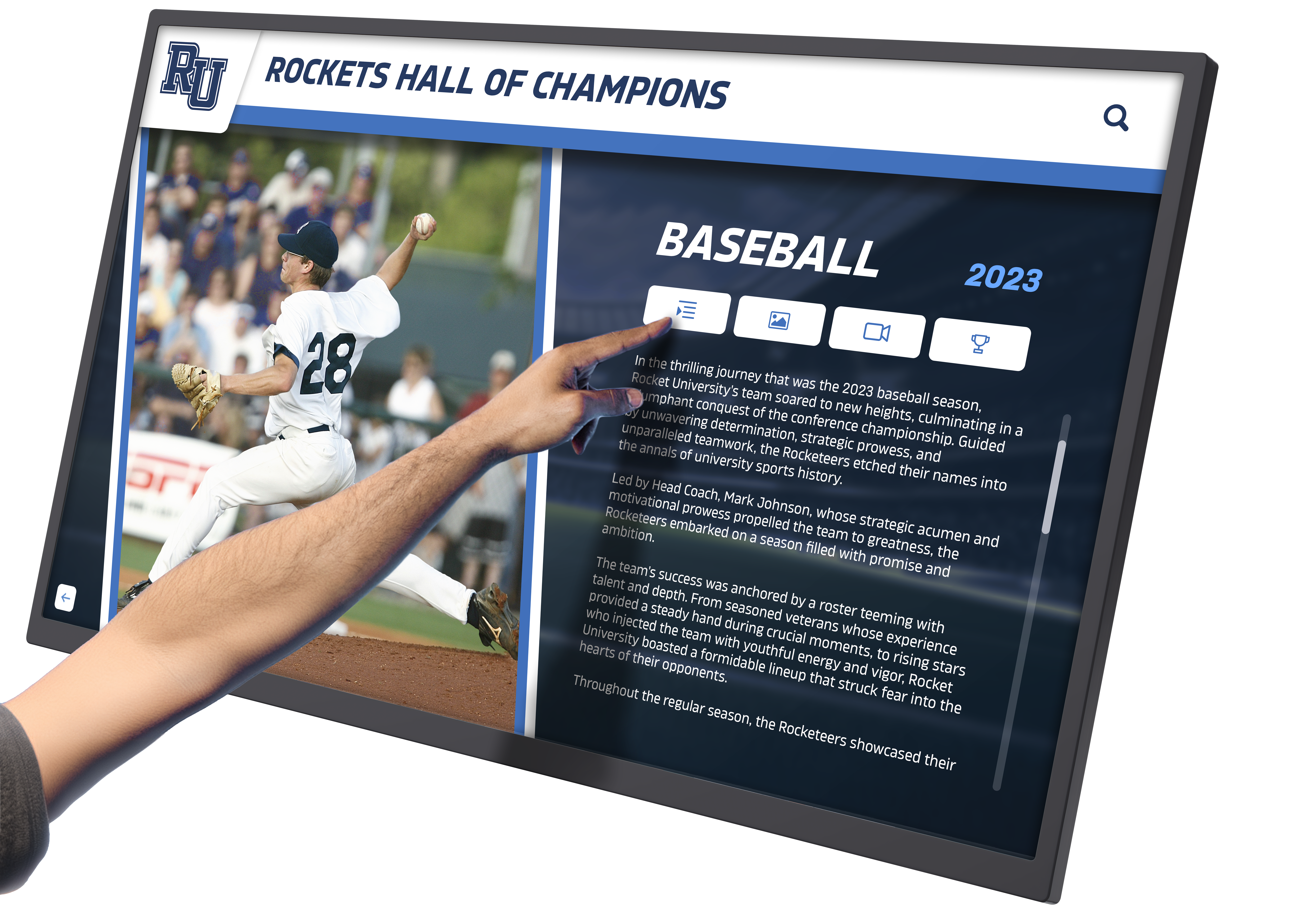
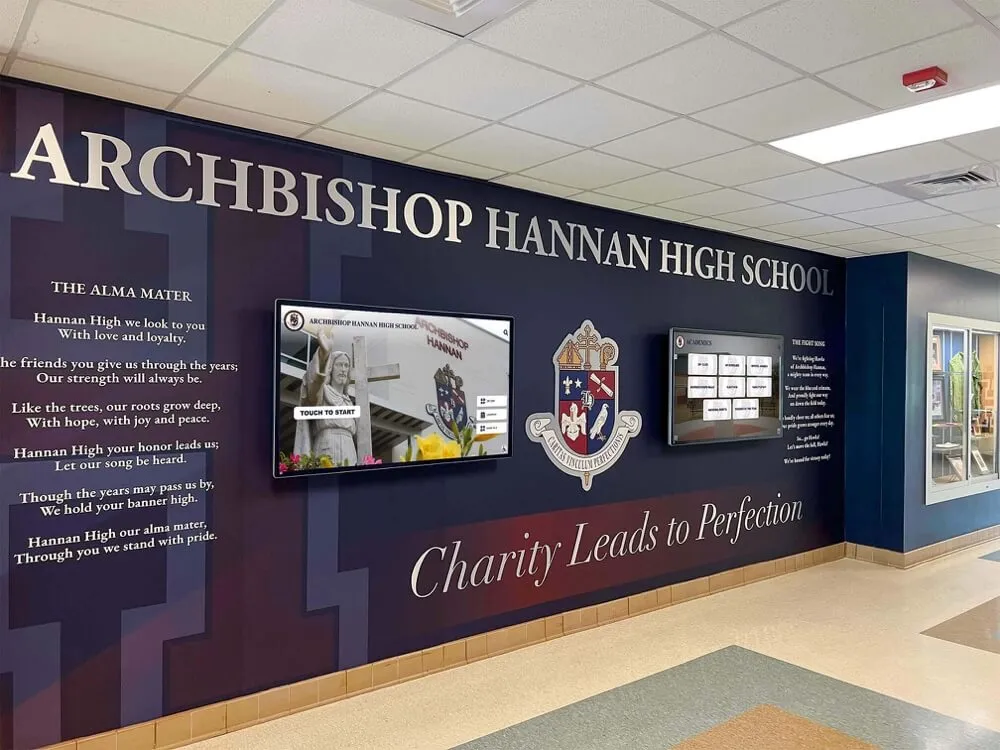
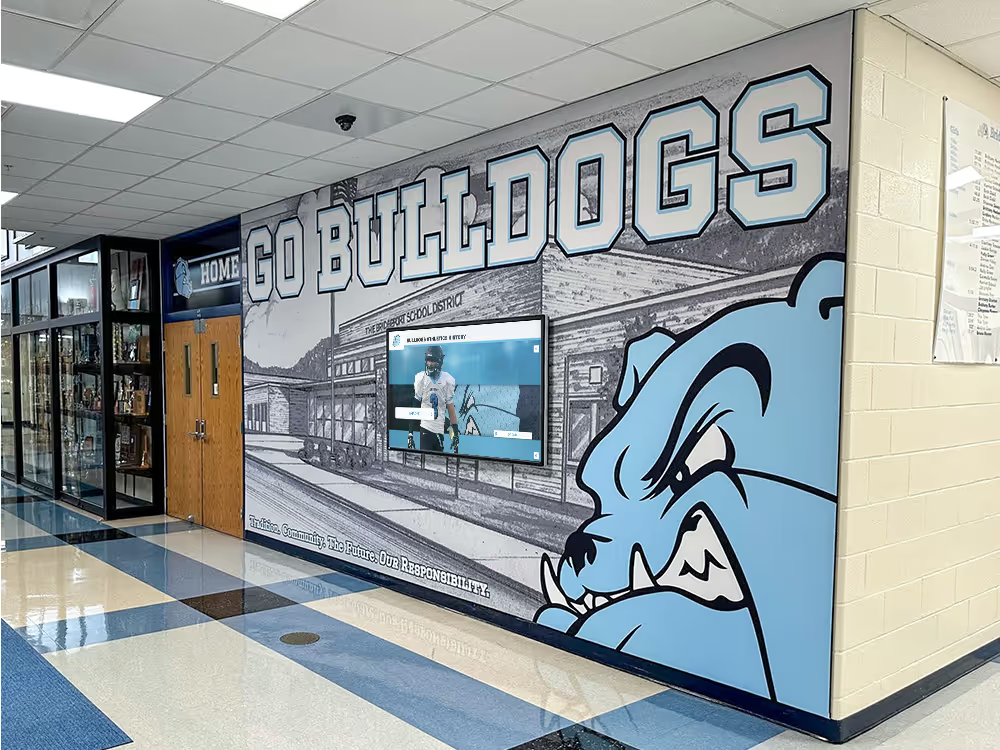
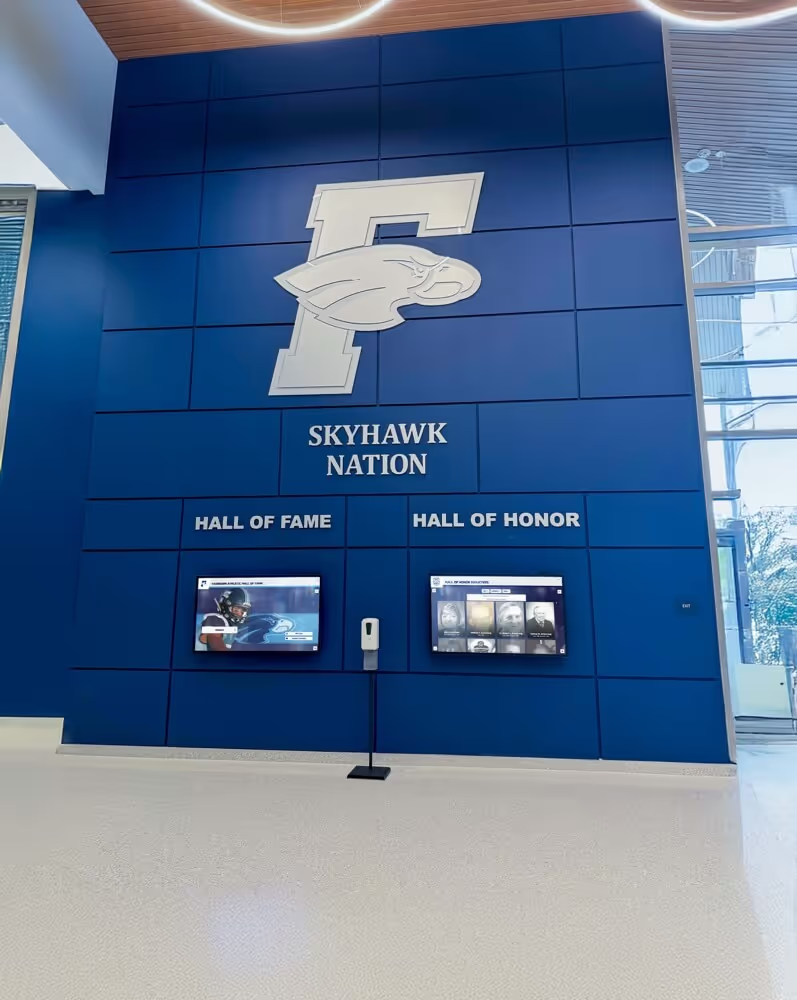
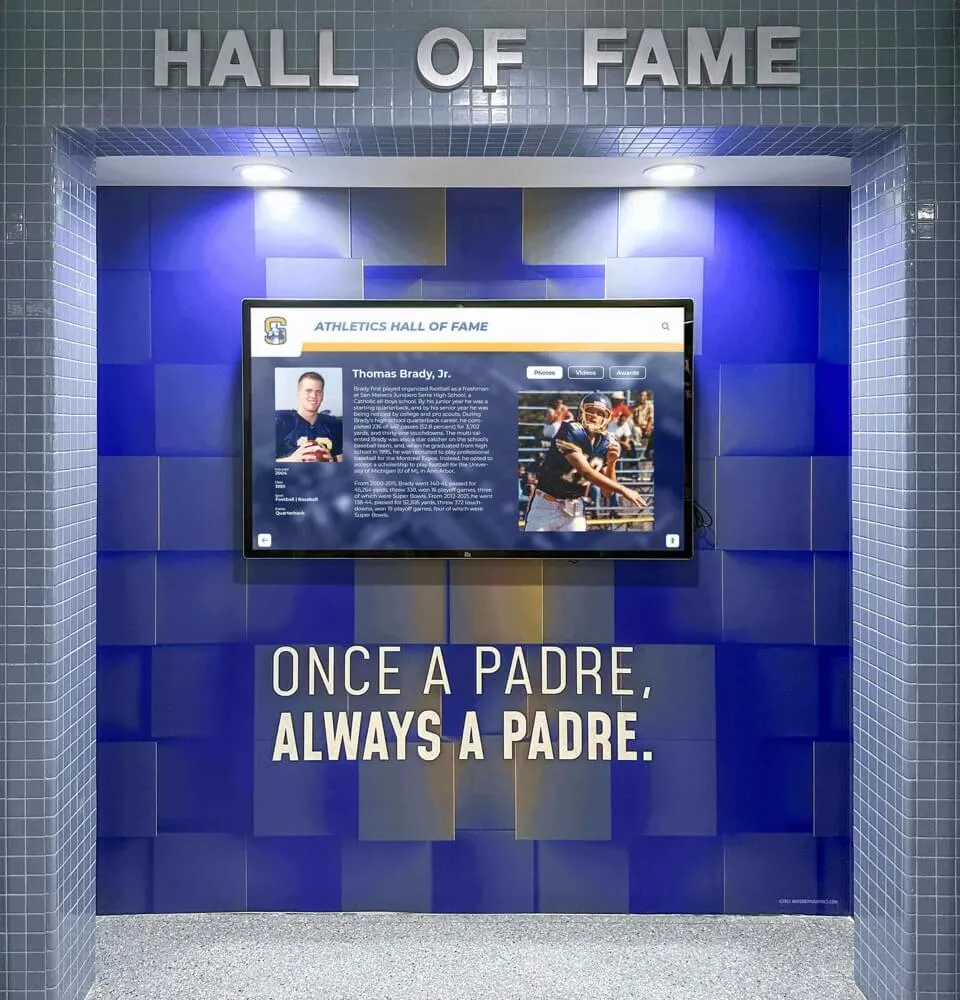
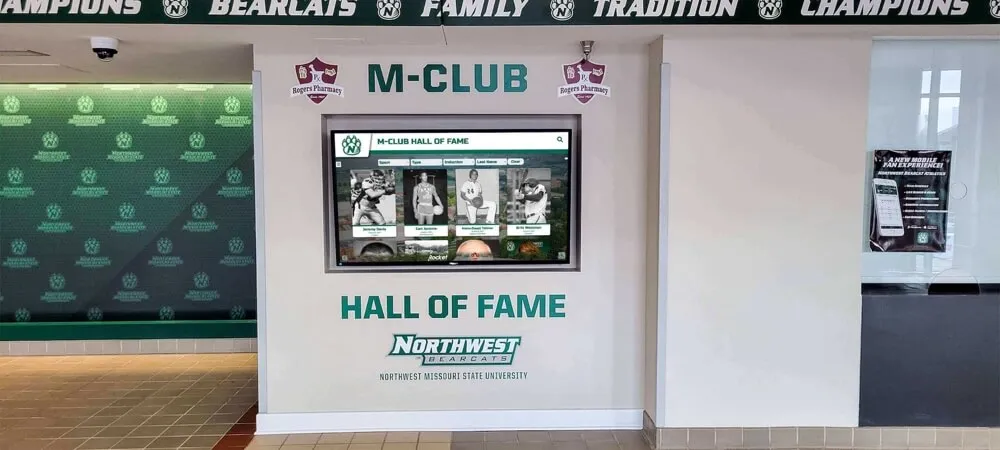
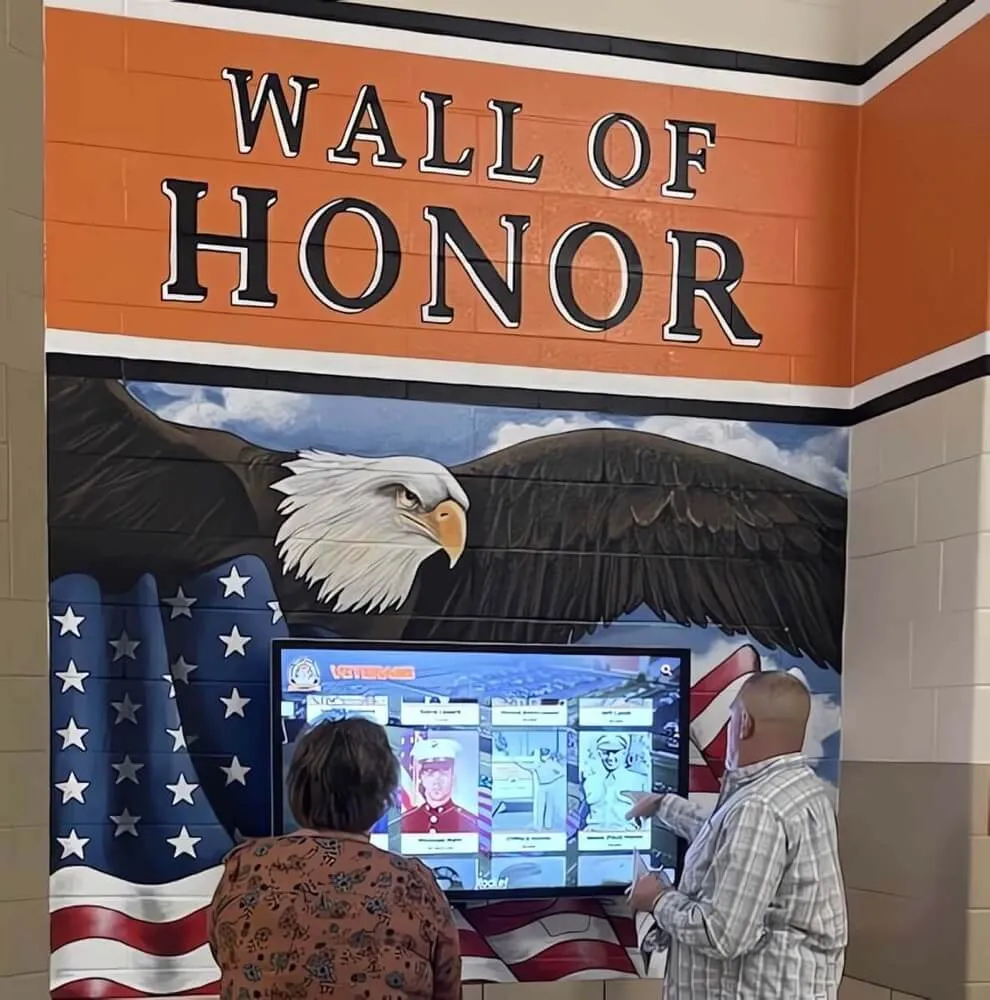
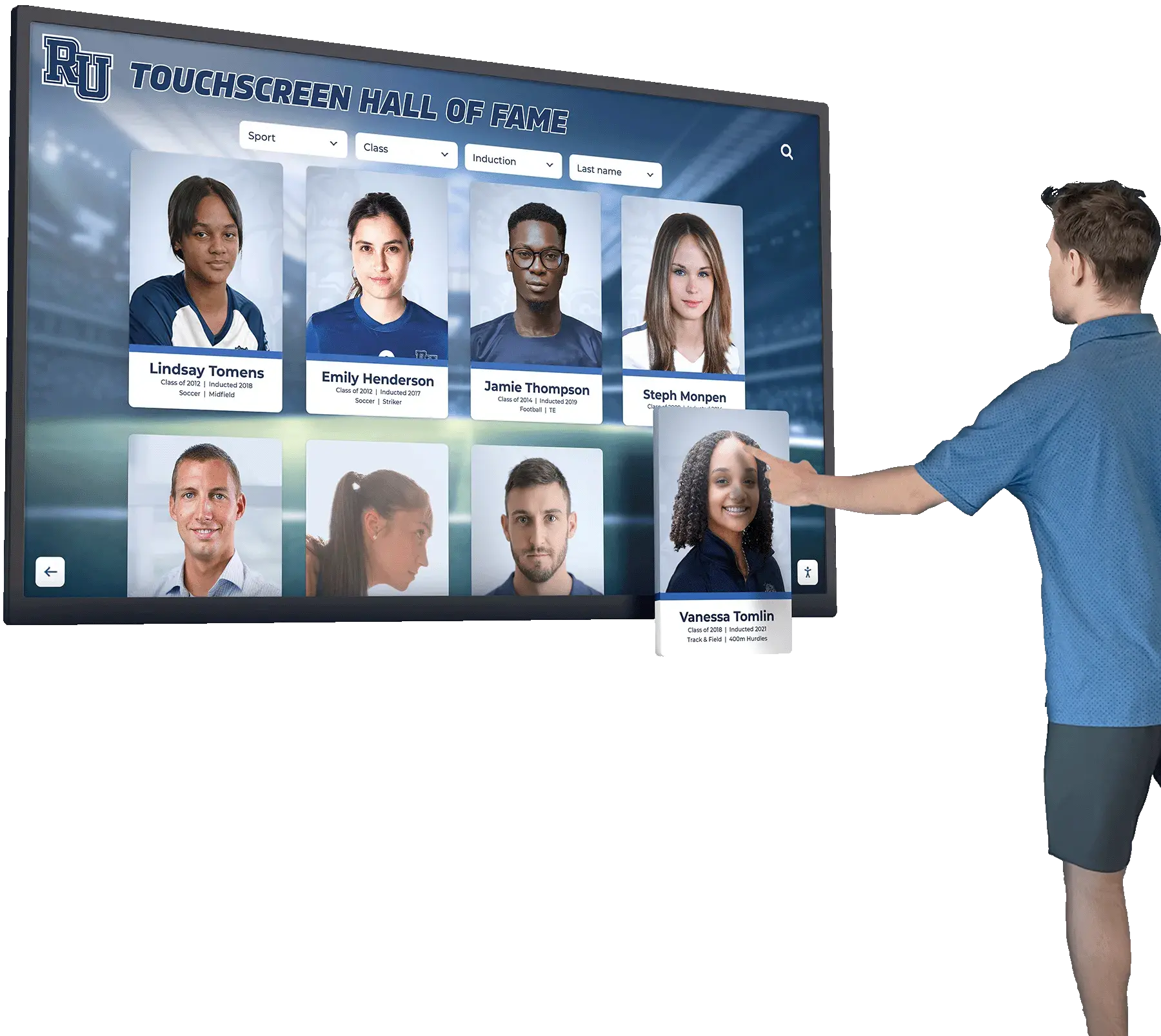
Clear navigation allows visitors to switch between athletic achievements, donor recognition, and sponsor acknowledgment
Sponsor Recognition Features in Dual-Purpose Systems
Organizations considering dual-purpose displays particularly need to understand how these systems handle sponsor recognition, as this functionality often determines whether a single installation can meet all recognition needs.
Sponsor Profile Components
Effective sponsor recognition requires more than simple name listings—it demands comprehensive profiles that appropriately acknowledge contributions while providing value to sponsoring organizations.
Essential Sponsor Information Fields
Complete sponsor profiles typically include:
Organization name and logo with high-resolution graphics suitable for large displays, sponsorship level or category clearly indicating contribution tier, contact information including websites, phone numbers, and email addresses when appropriate, sponsorship term showing current support period or historical relationship, contribution description explaining what the sponsor supports, and acknowledgment statements expressing gratitude in institutional voice.
More detailed implementations add testimonial quotes from sponsors about why they support the institution, photos of sponsor representatives at events or with students/athletes, impact statements showing outcomes enabled by sponsorship support, and historical timelines for long-term sponsors demonstrating ongoing relationship evolution.
Logo and Branding Management
Corporate sponsors often have specific requirements for how logos appear, making brand guideline compliance essential:
Color accuracy maintaining precise corporate color specifications, minimum size requirements ensuring logos remain legible, clear space rules preventing visual crowding with other elements, and approved logo variations using correct versions for different backgrounds or contexts.
Quality recognition platforms provide logo management tools that store multiple versions of each sponsor logo (full color, single color, reversed, etc.) and automatically select appropriate versions based on background colors or design contexts—maintaining brand integrity without requiring manual adjustment for every appearance.
Giving Level and Tier Recognition
Sponsors and donors often receive recognition differentiated by contribution levels, requiring systems that clearly communicate giving hierarchies without feeling overly transactional.
Recognition Level Strategies
Organizations typically structure sponsor recognition through named tiers:
Title sponsor levels ($50,000+), platinum partners ($25,000-$49,999), gold sponsors ($10,000-$24,999), silver supporters ($5,000-$9,999), bronze contributors ($2,500-$4,999), and team/program sponsors (varies by program).
Digital displays accommodate these structures through visual differentiation: larger profile cards for higher tiers, prominent placement in category listings, enhanced profiles with more content and images, and special recognition sections highlighting top supporters.
The key advantage of digital recognition displays over physical donor walls is flexibility to restructure giving levels as campaigns evolve without expensive re-fabrication—simply update the database and recognition tiers adjust instantly.
Cumulative vs. Annual Recognition
Organizations must decide whether sponsor recognition reflects current-year contributions only, cumulative giving over time, or both. Dual-purpose systems accommodate various approaches:
Separate sections for “2025-2026 Sponsors” showing current support and “Historic Supporters” acknowledging past contributions, filters allowing visitors to view current sponsors, lifetime contributors, or combined lists, and badges or icons indicating multi-year sponsors versus new supporters.
This flexibility allows recognition strategies to evolve as relationships develop without requiring new installations or fundamental system changes.
Integration with Fundraising Systems
The most powerful dual-purpose recognition platforms integrate directly with existing fundraising databases, eliminating duplicate data entry and ensuring recognition accuracy.
CRM and Donor Database Connections
Leading recognition systems connect with common fundraising platforms:
Raiser’s Edge, Blackbaud CRM, Salesforce Nonprofit Cloud, DonorPerfect, Bloomerang, and similar donor management systems through automated data synchronization.
These integrations automatically update recognition displays when development offices process new gifts, donors upgrade giving levels, sponsors renew commitments, or recognition preferences change—maintaining current acknowledgment without requiring manual coordination between development staff and whoever manages display content.
Privacy and Compliance Considerations
Sponsor recognition must respect privacy preferences and legal compliance requirements:
FERPA protection for student donor information in educational contexts, donor anonymity requests honored in public recognition, opt-out preferences respected for public visibility, and data security maintaining confidential donor information appropriately.
Quality systems like Rocket Alumni Solutions incorporate comprehensive privacy controls at the database level, ensuring that public displays show only information donors have explicitly authorized while protecting sensitive contribution details from public view.
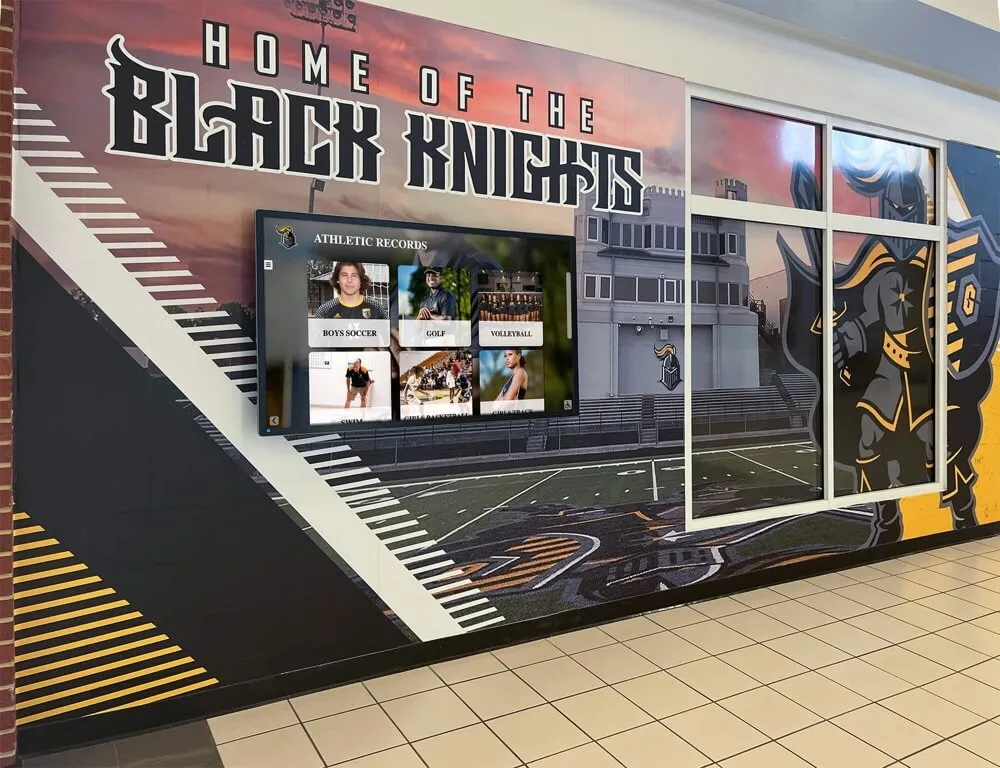
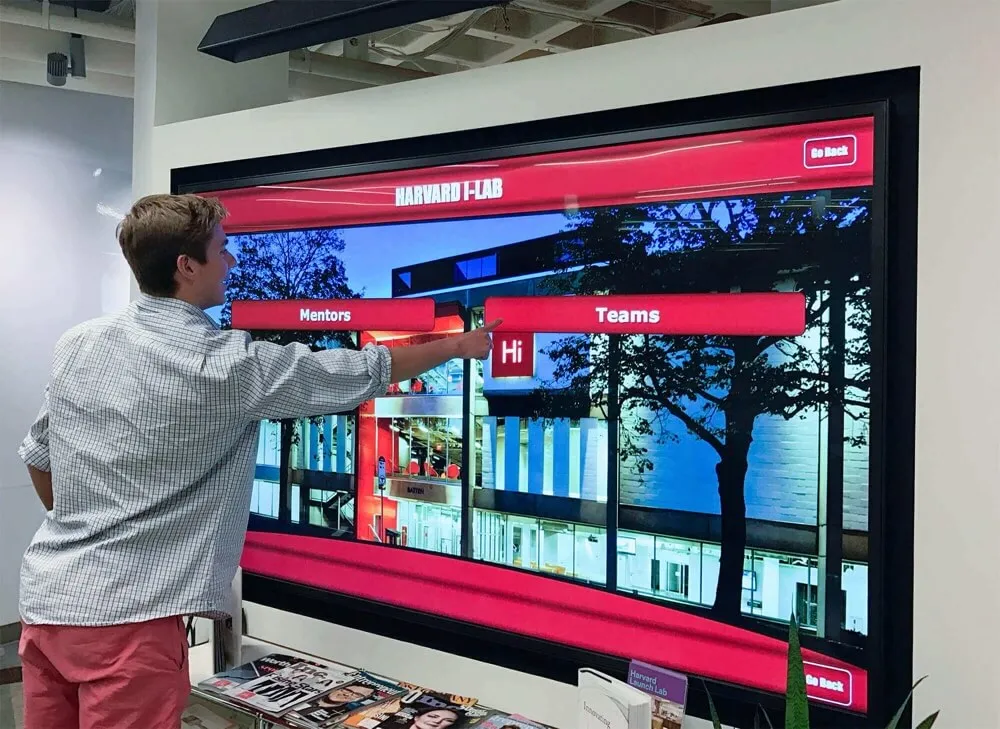
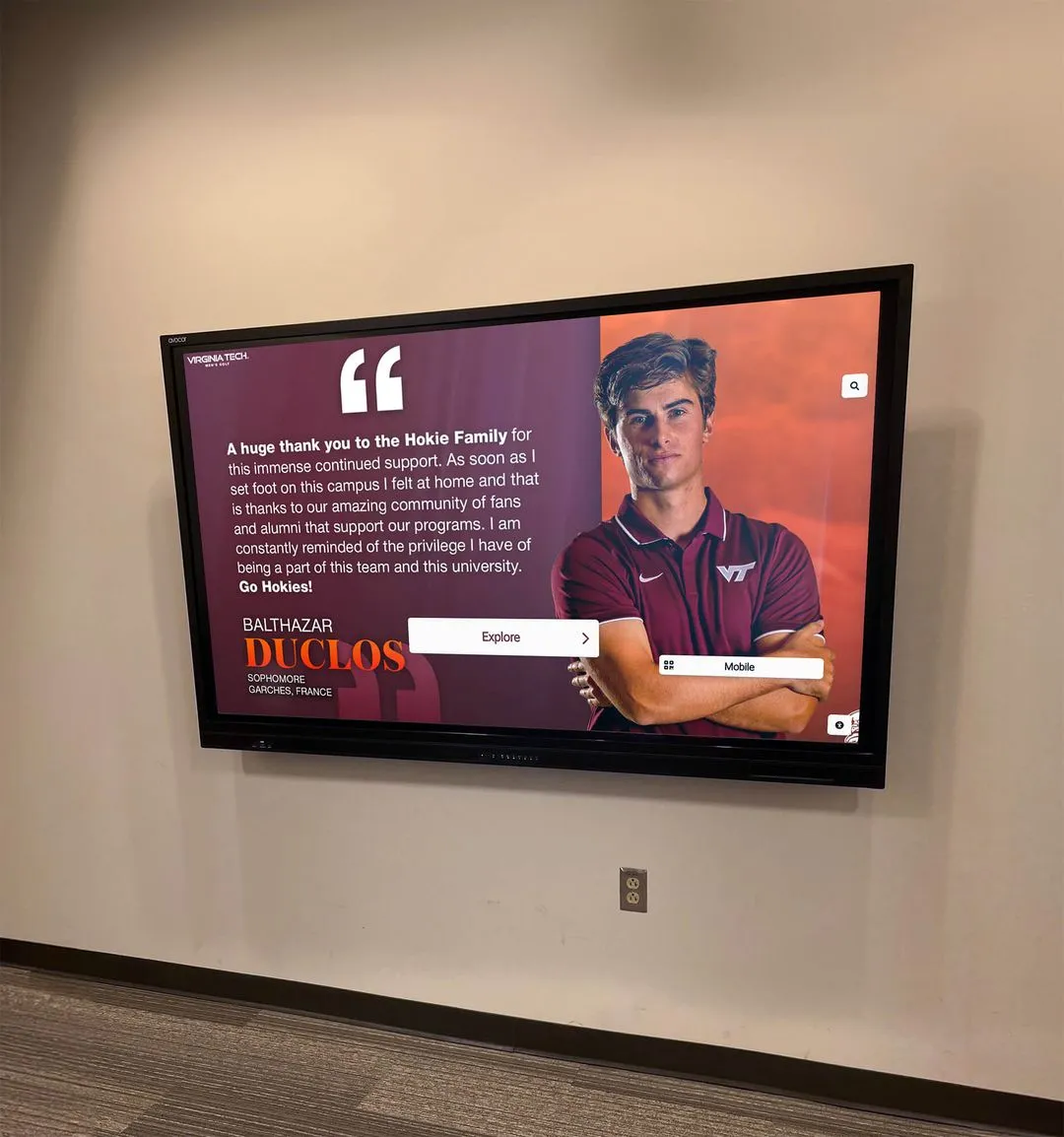
Sponsor profiles include logos, contribution details, and impact statements acknowledging support
Practical Implementation: Making Dual-Purpose Displays Work
Understanding capabilities provides foundation, but successful implementation requires thoughtful planning about content balance, navigation design, and maintenance workflows.
Content Balance and Navigation Structure
The primary challenge with dual-purpose systems involves organizing diverse content types so each audience finds relevant recognition easily without feeling overwhelmed by unrelated content.
Home Screen Design Strategies
The initial screen visitors encounter determines whether they engage successfully with content:
Clear category tiles prominently displaying main recognition types (Hall of Fame, Donors & Sponsors, School History, etc.), visual differentiation using distinct colors, icons, or imagery for each category, text labels clearly communicating what each section contains, and logical organization placing most-used categories in prominent positions.
Some institutions create separate “attract mode” content that cycles through featured recognition from all categories when displays aren’t being actively used, encouraging passersby to approach and interact. When someone touches the screen, it transitions to the main navigation menu allowing deliberate browsing.
Clear Category Hierarchies
Navigation structure should mirror how people naturally think about recognition:
Athletic Hall of Fame > Sport > Era > Individual Athletes makes sense for sports recognition. Donor Recognition > Giving Society > Contribution Level > Individual Donors works for development content. Sponsors & Partners > Corporate Sponsors > Support Level > Company Profiles organizes business recognition.
Avoid overly deep hierarchies requiring excessive clicking to reach individual profiles—three levels (main category > subcategory > individual profile) typically provides sufficient organization without frustrating users.
Display Placement and Audience Considerations
Where dual-purpose displays install significantly impacts what content balance makes sense and how visitors engage.
High-Traffic Public Spaces
Lobbies, main hallways, and entrance areas see diverse audiences:
Students, families, visitors, donors, sponsors, and community members all pass through these spaces with varying interests and available time. Content in high-traffic areas should focus on visual appeal and quick engagement—eye-catching featured content, prominent category navigation, and efficient search tools for visitors looking for specific individuals or organizations.
Development Office and Donor Spaces
Displays near development offices, foundation wings, or designated donor areas might feature giving recognition more prominently:
More prominent placement of donor and sponsor categories in navigation hierarchies, featured content highlighting major campaigns and transformational gifts, enhanced detail in donor profiles including impact stories and gift utilization, and comfortable seating encouraging extended exploration.
Athletic Facilities
Gymnasiums, locker rooms, and training facilities primarily serve athletic audiences:
Hall of fame and athletic achievement content featured prominently, team sponsor recognition appearing within relevant sport categories, donor recognition acknowledging supporters of athletic programs specifically, and motivational content showing records and achievements.
The advantage of digital platforms lies in content customization—organizations can deploy multiple displays in different locations with each emphasizing different content categories while all pulling from the same central database, ensuring recognition consistency while optimizing relevance for location-specific audiences.
Maintenance Workflows and Content Updates
Dual-purpose systems only remain effective when content stays current, requiring clear processes for ongoing maintenance.
Assigning Content Ownership
Different departments naturally own different recognition types:
Athletic directors or coaches typically manage hall of fame inductions and athletic achievements, development offices own donor and sponsor recognition, principal offices may handle faculty recognition, and historical societies or archive staff maintain institutional history content.
Clear ownership prevents recognition gaps where deserving individuals or organizations don’t get added because everyone assumes someone else is handling it. Formal annual review processes ensure each category receives attention even when responsible staff members change.
Update Frequency and Scheduling
Different content types have different update rhythms:
Hall of fame inductions typically occur annually, donor recognition updates continuously as gifts are processed, sponsor acknowledgment changes seasonally as contracts renew, and historical content grows occasionally as archives expand.
Quality content management systems accommodate these varied schedules through flexible permissions allowing different staff members to update their areas independently without requiring technical expertise or central coordination for every minor change.

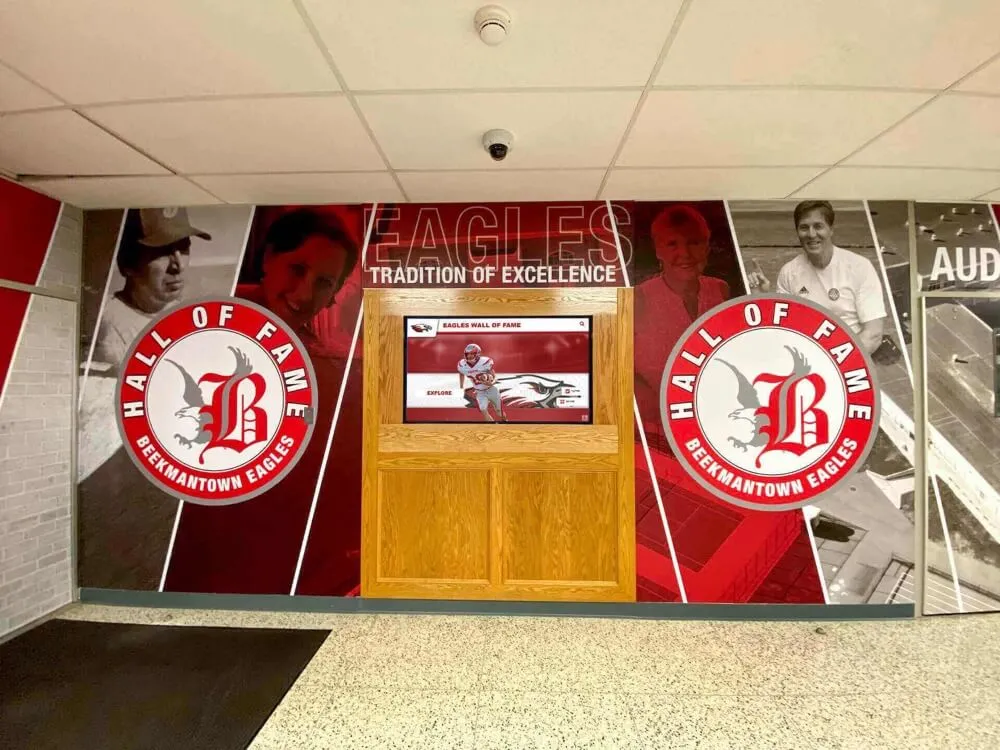
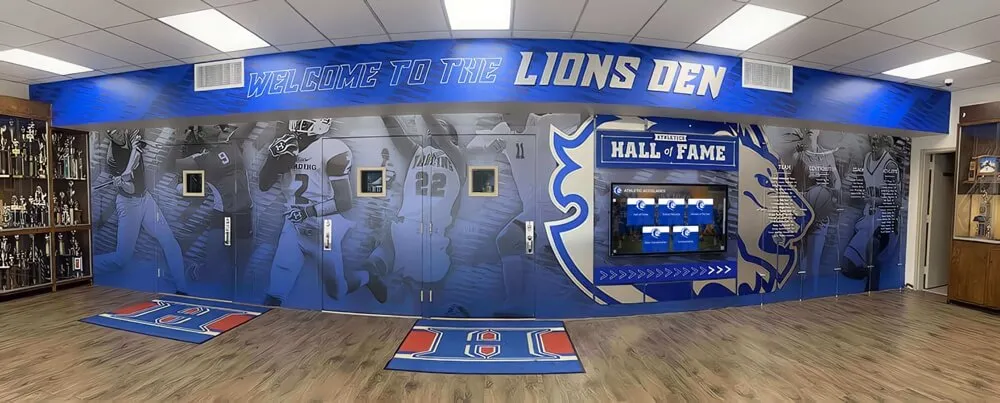
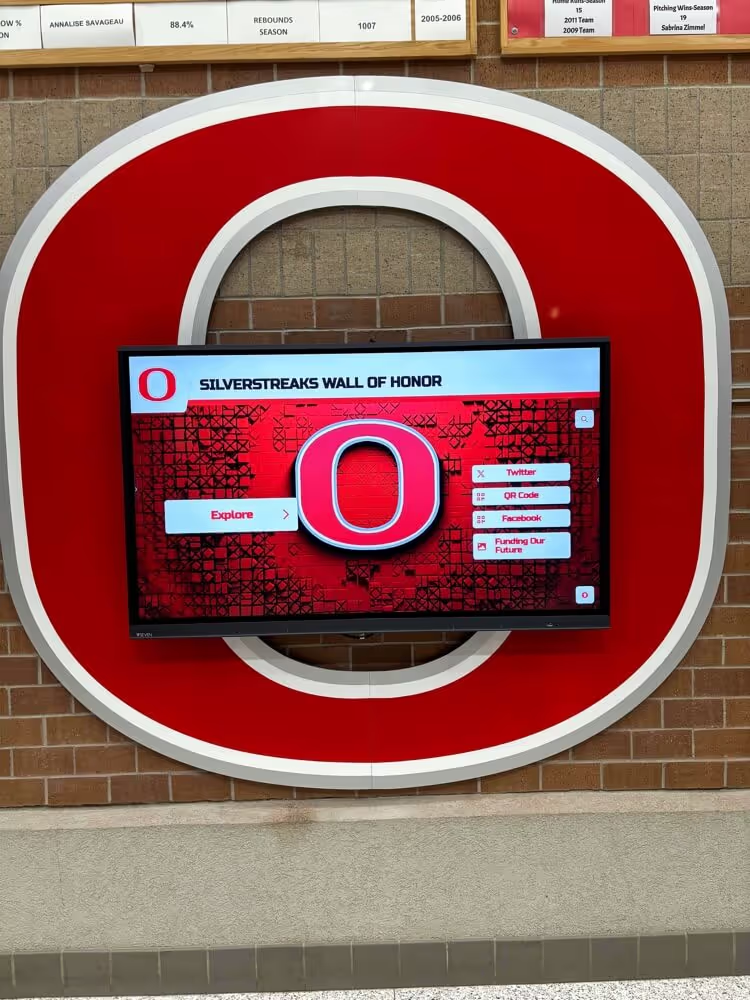
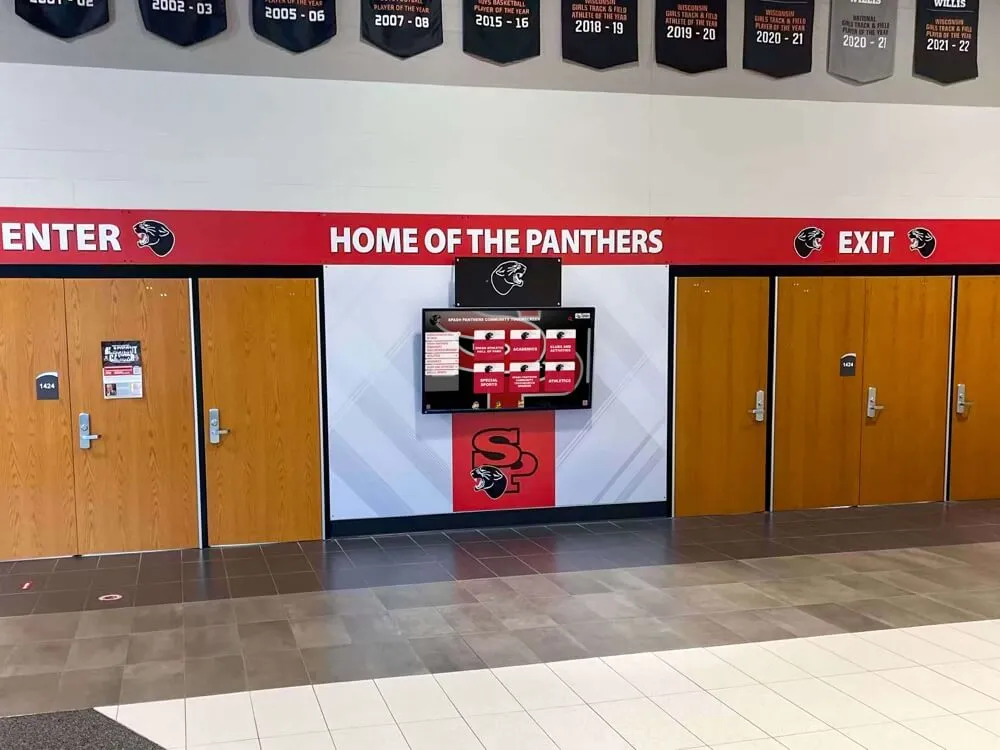
Strategic placement in high-traffic areas maximizes visibility for all recognition types
Budget Considerations for Combined Recognition Systems
The financial case for dual-purpose displays often proves compelling compared to separate physical installations for each recognition need.
Cost Comparison: Combined vs. Separate Systems
Traditional physical recognition for multiple purposes requires independent installations with cumulative costs:
An athletic hall of fame with engraved plaques, display cases, and wall graphics might run $15,000-$40,000. A separate donor wall with tiered brass plaques costs $20,000-$60,000 depending on capacity. Additional sponsor recognition signage adds $5,000-$15,000.
Combined costs for comprehensive physical recognition across all categories commonly reach $40,000-$115,000 for initial installation alone—before considering future expansion costs when space fills up or recognition needs to be updated.
Dual-Purpose Digital System Economics
A single high-quality touchscreen recognition system accommodating all content types runs $8,000-$18,000 for:
Commercial-grade 55-65" touchscreen display with mounting hardware, cloud-based content management system with unlimited capacity, professional design templates for all recognition types, initial content loading and design customization, and training for staff who will manage ongoing updates.
This single investment replaces multiple physical installations while providing unlimited recognition capacity, instant updates without fabrication costs, and flexibility to add new recognition categories as needs evolve.
Many organizations implementing school recognition systems find that the budget saved by combining athletic and donor recognition into a single digital platform can fund the entire project while still costing less than separate physical installations.
Offsetting Costs Through Sponsor Revenue
Dual-purpose digital systems often generate revenue that offsets implementation costs through sponsor acknowledgment opportunities.
Sponsor Packages and Recognition Tiers
Organizations frequently structure sponsorship packages that include digital recognition:
Premier sponsors ($10,000+) receive enhanced profiles with logos, photos, videos, and prominent placement in sponsor categories. Supporting sponsors ($5,000-$9,999) get standard profiles with logos and contribution acknowledgment. Team sponsors ($2,500-$4,999) receive recognition within relevant sport or program categories.
The value proposition for sponsors improves dramatically with digital recognition: their logos appear in high-resolution color rather than small text listings, profiles can include website links driving traffic to their businesses, and recognition capacity expands without limit as more sponsors participate.
Digital vs. Physical Recognition Value
Sponsors increasingly prefer digital acknowledgment over traditional options:
Year-round visibility rather than just during events, professional presentation with full-color logos and branding, ability to update information as businesses evolve, analytics showing how many people viewed their profiles, and online accessibility extending reach beyond physical location visitors.
Organizations can leverage these advantages in sponsor solicitation, positioning digital recognition as premium acknowledgment that benefits sponsors more than traditional signage while generating revenue that funds recognition systems.
Advanced Features: Maximizing Dual-Purpose Effectiveness
Beyond basic dual-purpose functionality, advanced capabilities enhance how combined systems serve multiple audiences effectively.
Search and Filtering Capabilities
As recognition databases grow to include hundreds or thousands of athletes, donors, sponsors, and other honorees across multiple categories, search functionality becomes essential.
Comprehensive Search Tools
Effective systems provide:
Full-text search finding individuals or organizations by name, search filters narrowing results by category, era, sport, giving level, or other attributes, “people also viewed” suggestions connecting related profiles, and search history allowing visitors to return to previously viewed content easily.
Athletic directors searching for specific championship teams, donors looking for classmate recognition, and sponsors wanting to confirm their profile accuracy all benefit from robust search rather than requiring extensive clicking through category hierarchies.
Multimedia Integration
Text-based recognition feels appropriate for some contexts, but compelling storytelling often requires richer media.
Video Testimonials and Impact Stories
Sponsor recognition becomes particularly powerful when including:
Video statements from organization representatives explaining why they support the institution, student testimonials sharing how sponsor support impacted their experiences, footage from sponsored events or programs showing support in action, and before/after comparisons demonstrating transformation enabled by sponsorship.
These elements transform sponsor recognition from transactional acknowledgment into compelling advocacy content that reinforces sponsor decisions while potentially inspiring additional support from viewers.
Platforms like digital signage systems designed for recognition applications support embedded video within profiles, allowing rich multimedia storytelling without requiring custom development or complex technical implementation.
Mobile and Web Extensions
Physical touchscreen displays provide one recognition channel, but extending content to mobile and web platforms multiplies reach and engagement.
QR Code Access
Strategic QR codes near displays allow visitors to:
Pull up the same recognition content on personal devices, share specific profiles with friends and family, access content from anywhere rather than only at physical location, and save favorite profiles for later reference.
This mobile extension proves particularly valuable for donor and sponsor recognition, allowing contributors to easily share their recognition with colleagues, family members, and social networks—amplifying acknowledgment reach far beyond those who happen to walk past the physical display.
Dedicated Recognition Websites
The most comprehensive implementations pair physical displays with web platforms presenting the same recognition database online:
Donors can verify recognition accuracy from home, prospective sponsors can preview how acknowledgment appears before committing support, alumni exploring from distant locations can discover classmates and teammates, and families can share links to specific athlete or donor profiles through social media.
This multi-channel approach maximizes recognition value for all participants while justifying premium sponsor packages based on broader visibility than physical-only recognition provides.
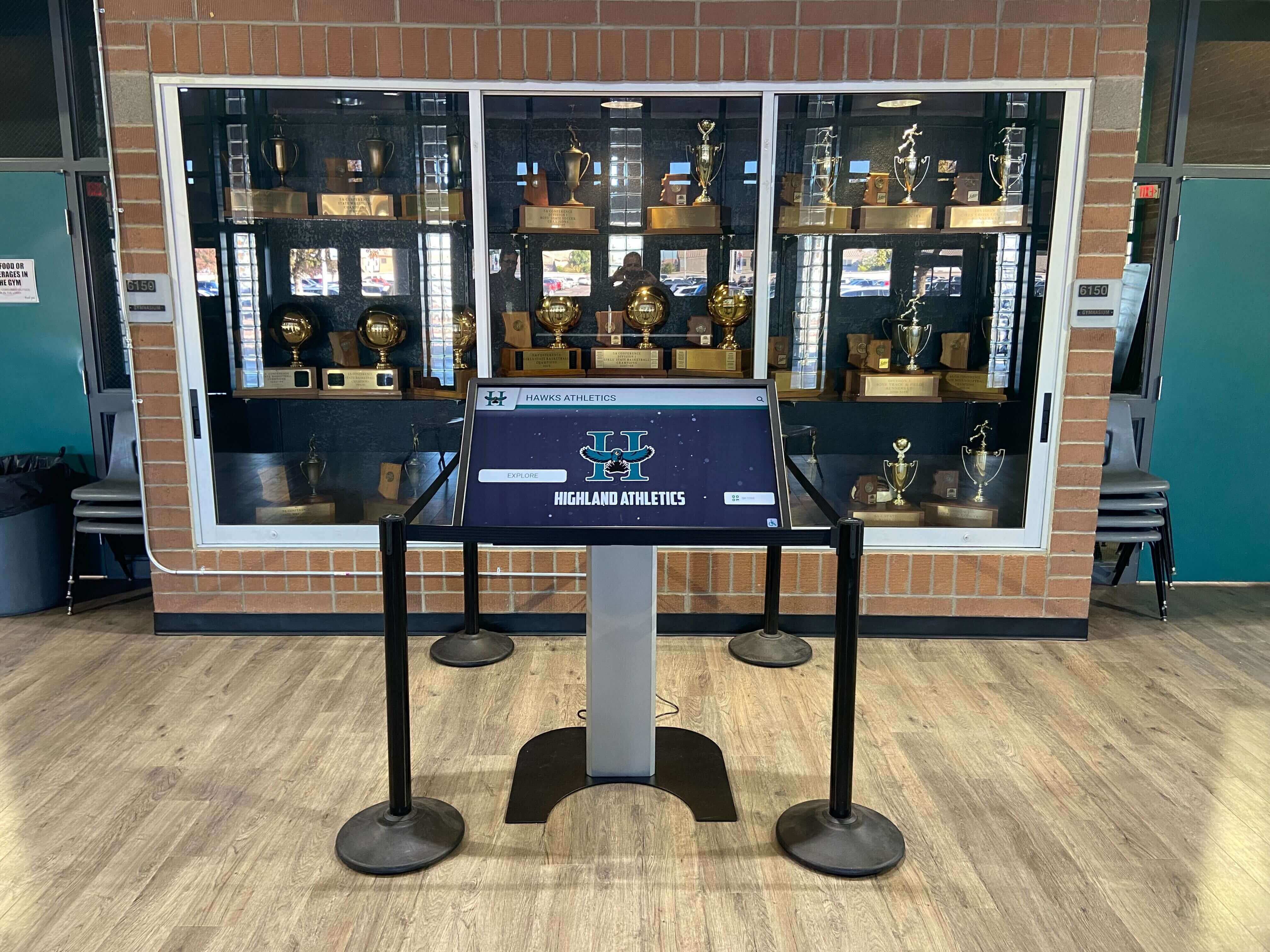
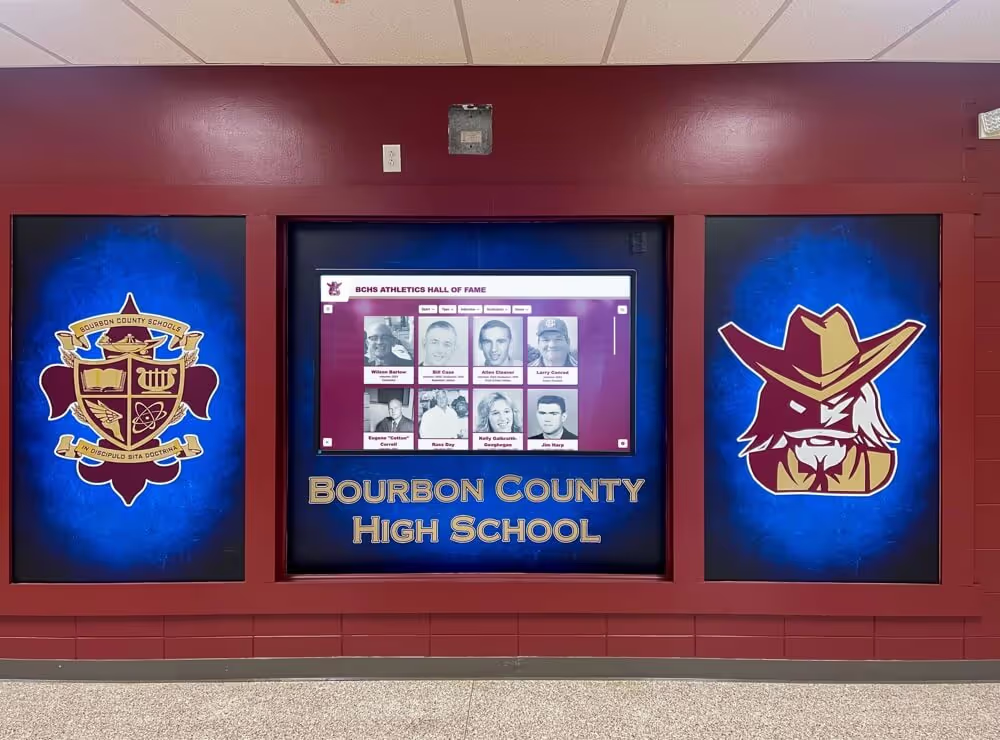
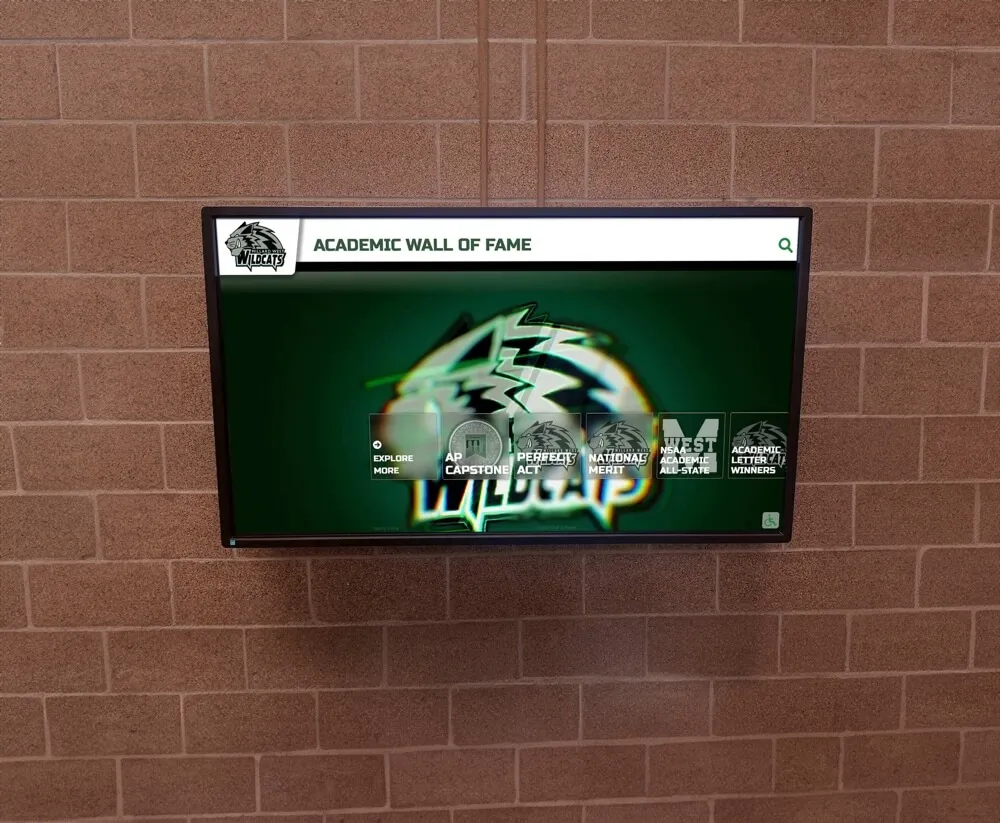
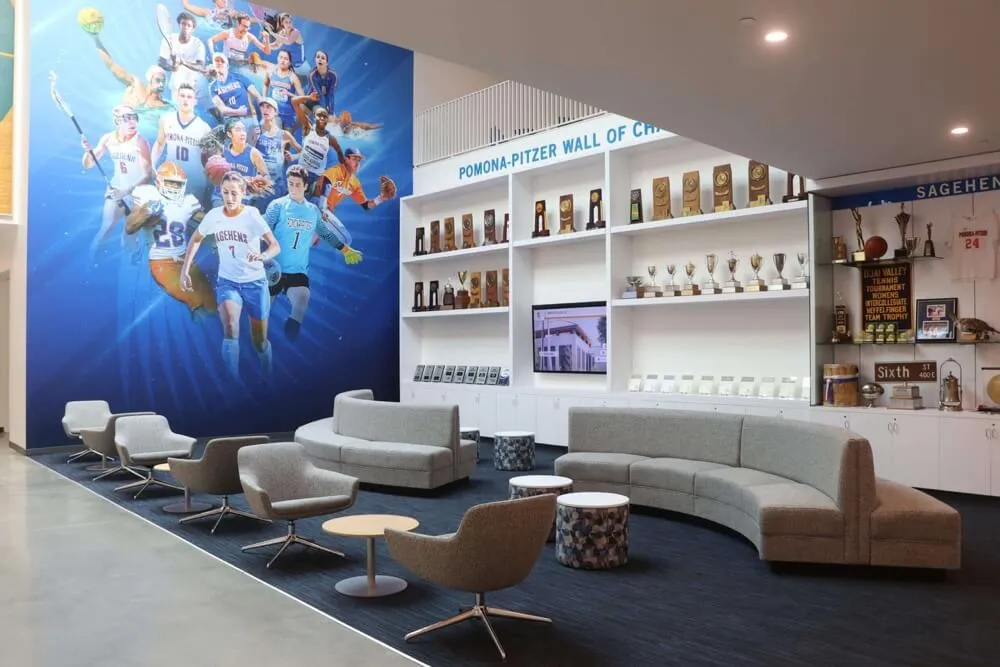
Digital systems work alongside existing physical recognition while adding unlimited capacity
Common Questions and Implementation Considerations
Organizations evaluating dual-purpose recognition systems frequently have specific questions about practical implementation details.
Can One Display Really Serve All Recognition Needs?
The short answer is yes for most K-12 schools, small colleges, and regional organizations with recognition databases under 1,000 individuals and organizations combined. Larger institutions may benefit from multiple displays in different locations, each emphasizing different content categories while all accessing the same central database.
The key consideration involves navigation complexity: if reaching specific content requires visitors to click through five or six menu levels, the interface becomes frustrating. Well-designed systems keep any content accessible within two or three clicks from the home screen through thoughtful category organization and effective search tools.
How Do You Prevent One Category from Dominating?
Content balance management depends primarily on database organization and featured content selection rather than technical limitations:
If athletic recognition includes 200 hall of fame members while donor recognition acknowledges 50 contributors, the athletic section will naturally be larger. However, home screen navigation can give equal prominence to both categories, featured content can rotate through both recognition types equally, and layout designs can present each category comparably regardless of relative size.
The goal isn’t forcing artificial parity but rather ensuring each audience finds their relevant content easily and feels appropriately recognized regardless of how many other categories exist.
What Happens When Organizations Need More Capacity?
Digital systems accommodate growth seamlessly:
Adding new hall of fame inductees, recognizing additional donors, acknowledging new sponsors, and expanding into new recognition categories all happen through database entries in the content management system rather than physical expansion projects.
Organizations commonly start with core categories (athletics, donors, history) and expand over time to add faculty recognition, academic achievements, volunteer acknowledgment, memorial tributes, and other content types as needs evolve—all within the same system infrastructure without requiring additional display hardware.
How Often Should Content Update?
Update frequency varies by category:
Hall of fame inductions typically occur annually with formal ceremonies requiring organized updates, donor recognition should update within days of gift processing to provide timely acknowledgment, sponsor profiles need revision when contracts renew or organizational information changes, and historical content grows episodically as archives expand.
Cloud-based systems enable updates from any internet-connected computer without requiring physical access to displays, allowing responsible staff members to maintain their content areas independently on schedules appropriate to each recognition type.
Making the Decision: Is a Dual-Purpose System Right for Your Organization?
Evaluating whether combined recognition makes sense requires considering specific institutional circumstances.
Ideal Candidates for Combined Systems
Dual-purpose digital recognition works particularly well for:
Schools and universities with multiple recognition needs competing for limited space and budget, athletic programs seeking to honor athletes while acknowledging sponsors who fund operations, nonprofit organizations recognizing both program participants and financial supporters, and institutions with existing physical recognition that has reached capacity limits.
Organizations where development offices and athletic departments collaborate effectively on shared priorities typically implement dual-purpose systems most successfully, as these projects inherently require coordination between traditionally separate departments.
Situations Favoring Separate Systems
Some circumstances suggest maintaining distinct recognition installations:
Very large institutions where athletic and donor audiences rarely overlap, situations where donor preferences strongly favor traditional physical recognition, contexts where development offices have separate facilities from athletic programs with different traffic patterns, and cases where departmental politics make shared projects challenging.
Even in these situations, organizations commonly find that deploying multiple digital displays—one emphasized toward athletic content, another toward donor recognition—still provides better value and flexibility than separate physical installations while maintaining appropriate audience segmentation.
Starting Small and Expanding Over Time
Organizations uncertain about dual-purpose effectiveness can implement phased approaches:
Begin with primary recognition need (athletic hall of fame or donor wall), add secondary content categories once initial installation proves successful, expand to additional displays in other locations as budgets allow, and connect all displays to shared databases ensuring consistent recognition across locations.
This staged implementation reduces initial commitment while providing flexibility to expand as organizational confidence and budgets grow.
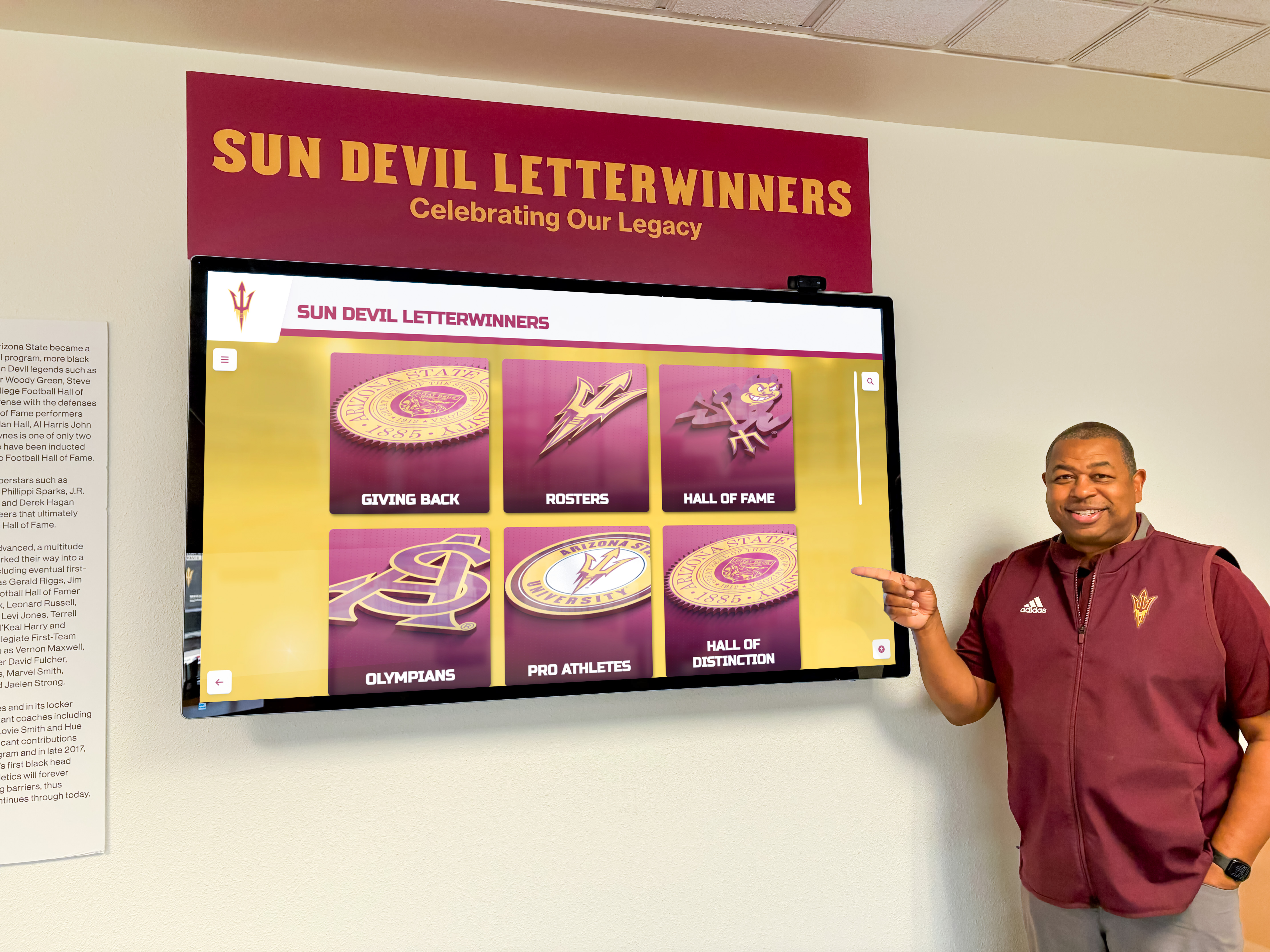
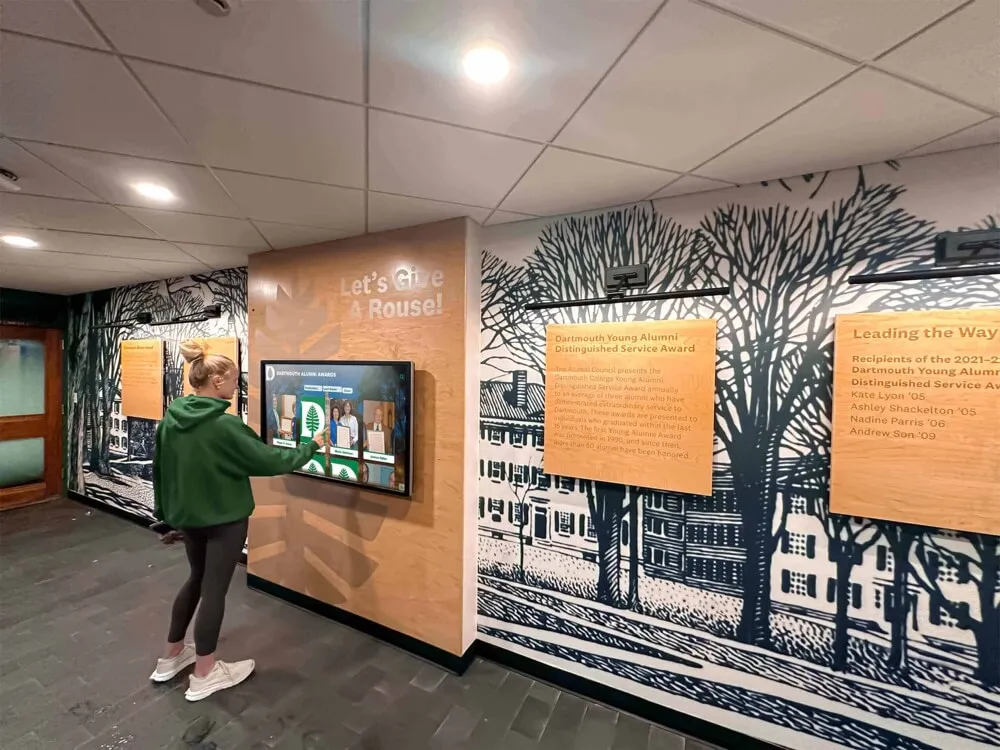
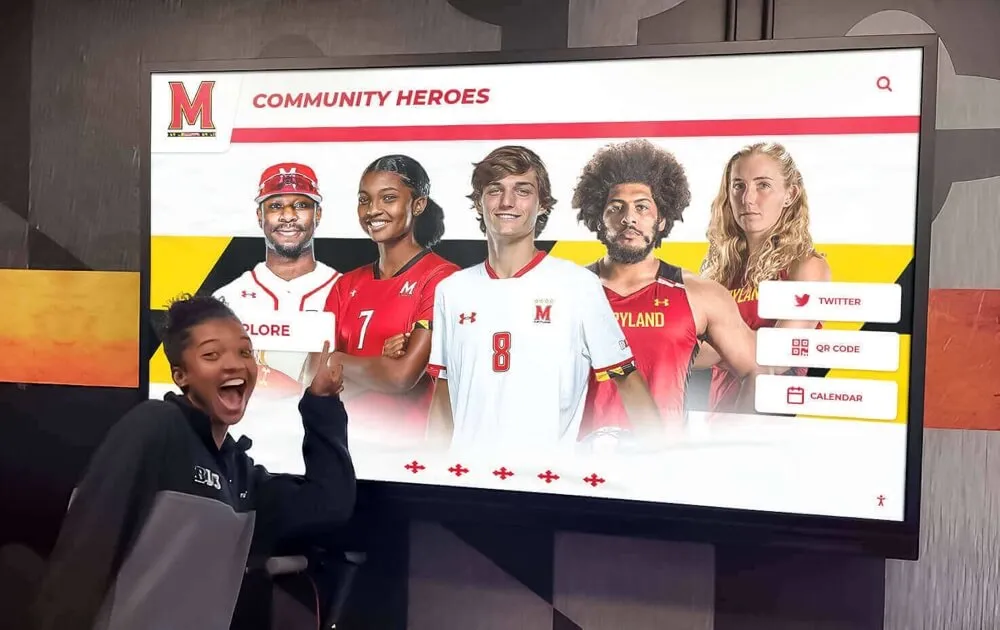
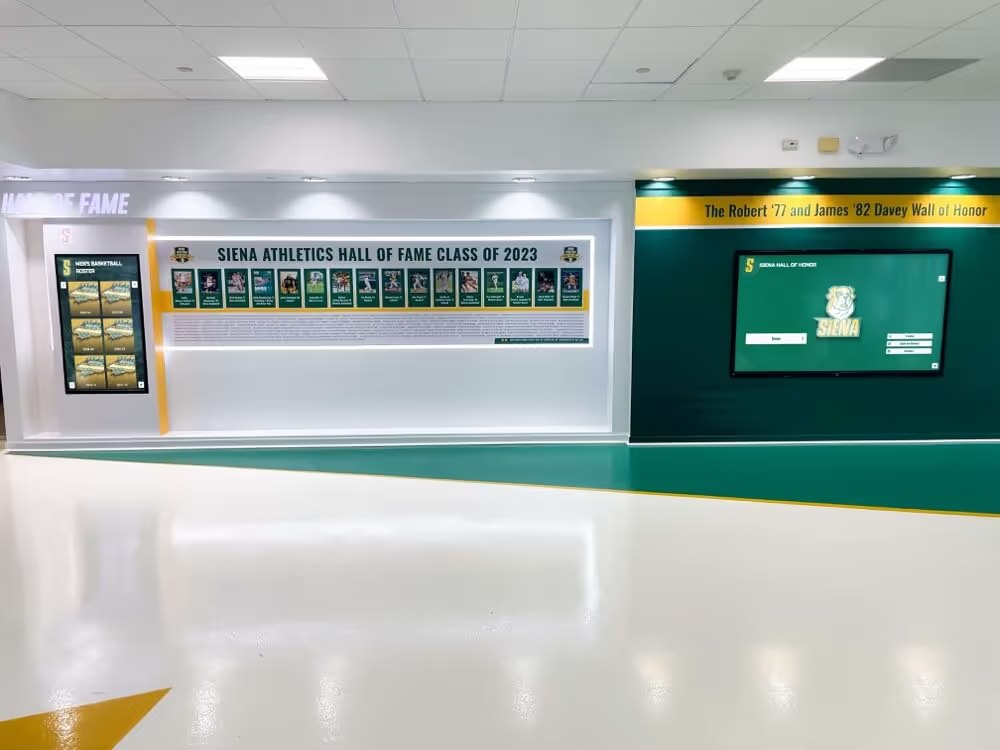
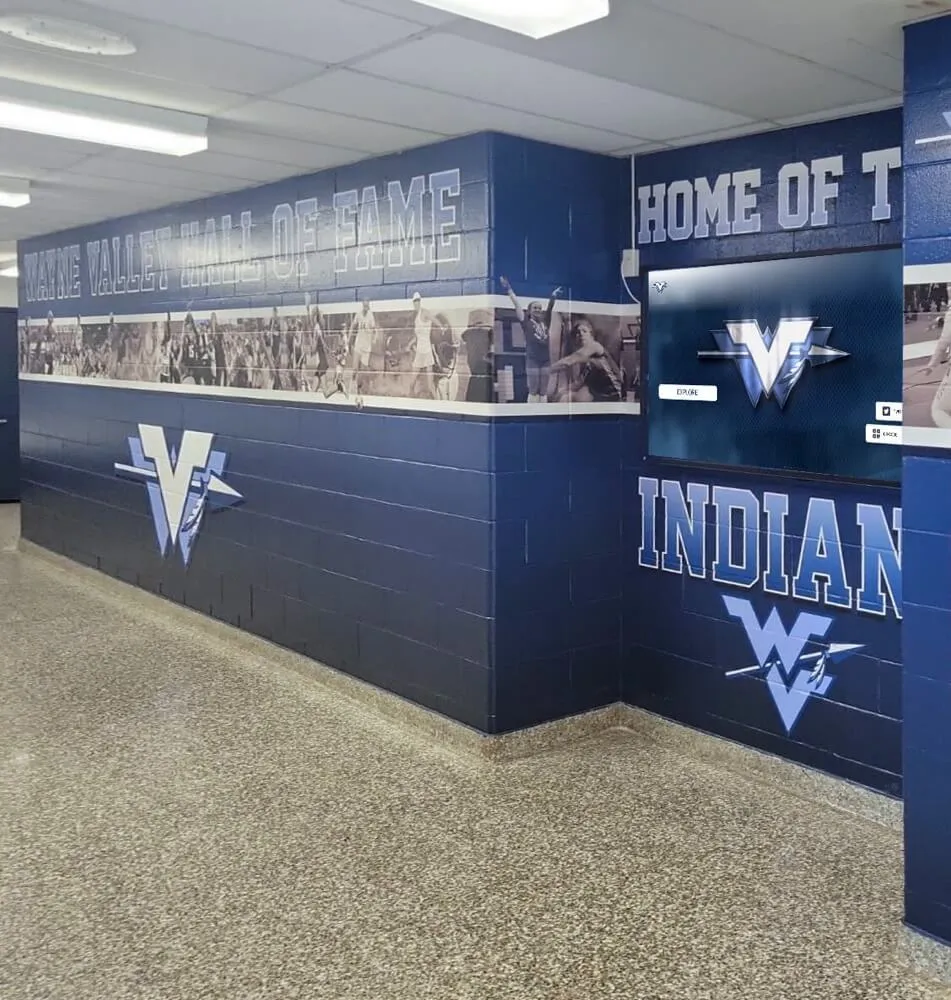
Universities increasingly adopt digital systems serving multiple recognition purposes within unified platforms
Conclusion: The Future of Multi-Purpose Recognition
Digital recognition platforms have fundamentally changed what’s possible for schools, universities, athletic programs, and organizations seeking to honor athletes, acknowledge donors, thank sponsors, and celebrate institutional history within unified, manageable systems.
The question “can one display serve as both hall of fame and donor wall” increasingly shifts to “why would we maintain separate recognition systems when integrated platforms provide better experiences for everyone?” The flexibility, capacity, update efficiency, and budget advantages of dual-purpose digital recognition have made these systems the standard approach for institutions implementing new recognition projects.
Organizations considering recognition initiatives face genuine choices about whether to invest in traditional physical installations, adopt digital platforms, or combine both approaches. The most successful implementations thoughtfully consider institutional culture, audience preferences, budget realities, and long-term recognition needs rather than making technology decisions based solely on novelty or tradition.
For many schools and organizations, dual-purpose digital recognition provides the optimal balance: one well-designed system that appropriately honors all recognition audiences, fits within typical institutional budgets, accommodates unlimited future growth, and creates engaging experiences that make people actually want to interact with recognition content rather than passively glancing at static plaques.
Ready to explore how dual-purpose digital recognition could work for your school or organization? Talk to our team to see examples of combined hall of fame and donor wall implementations serving athletic departments, development offices, and institutional advancement teams through unified digital platforms.