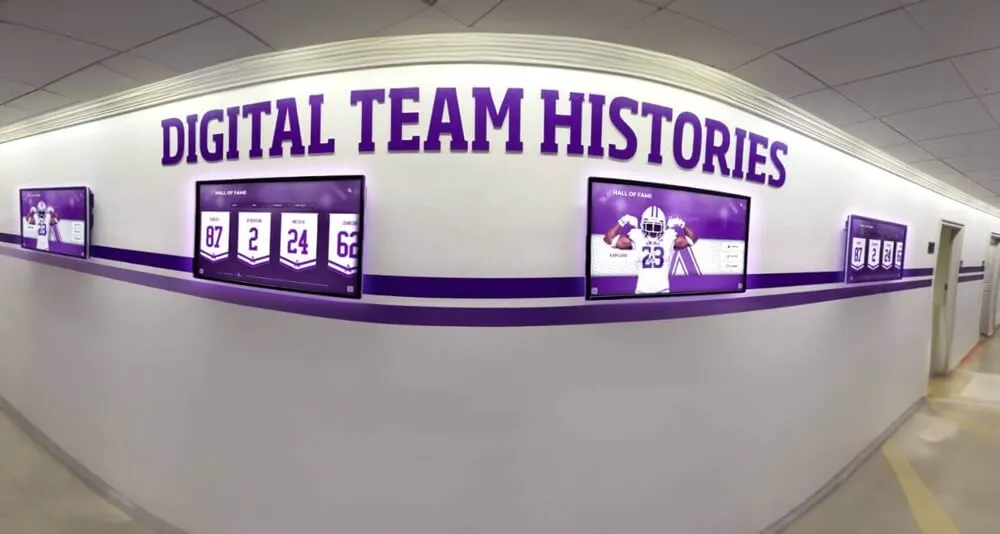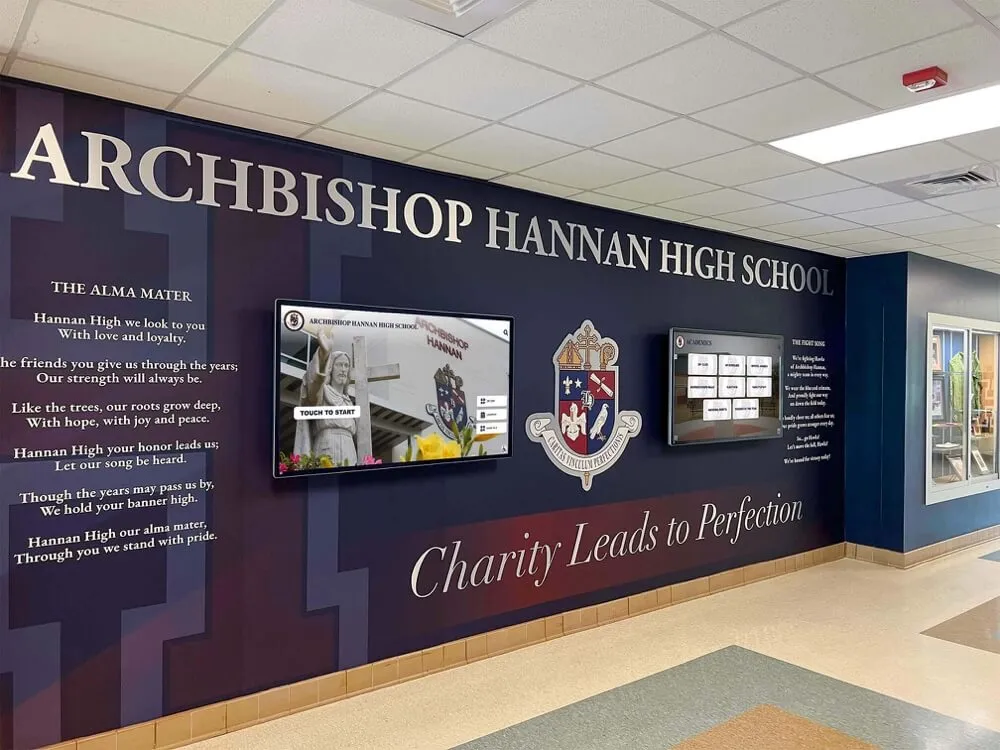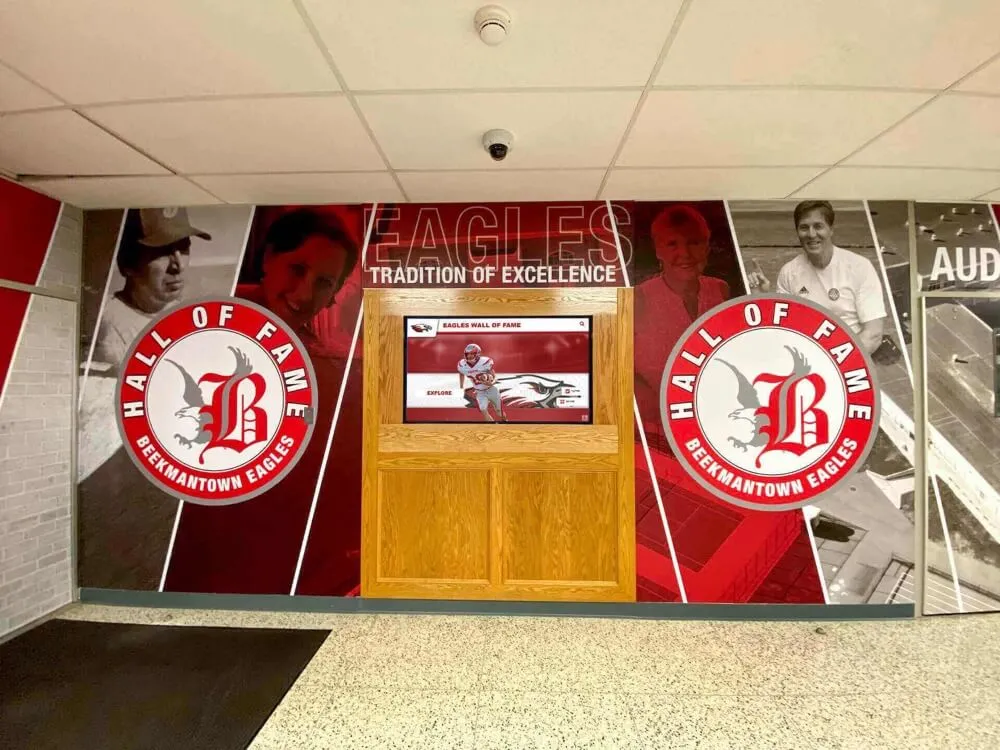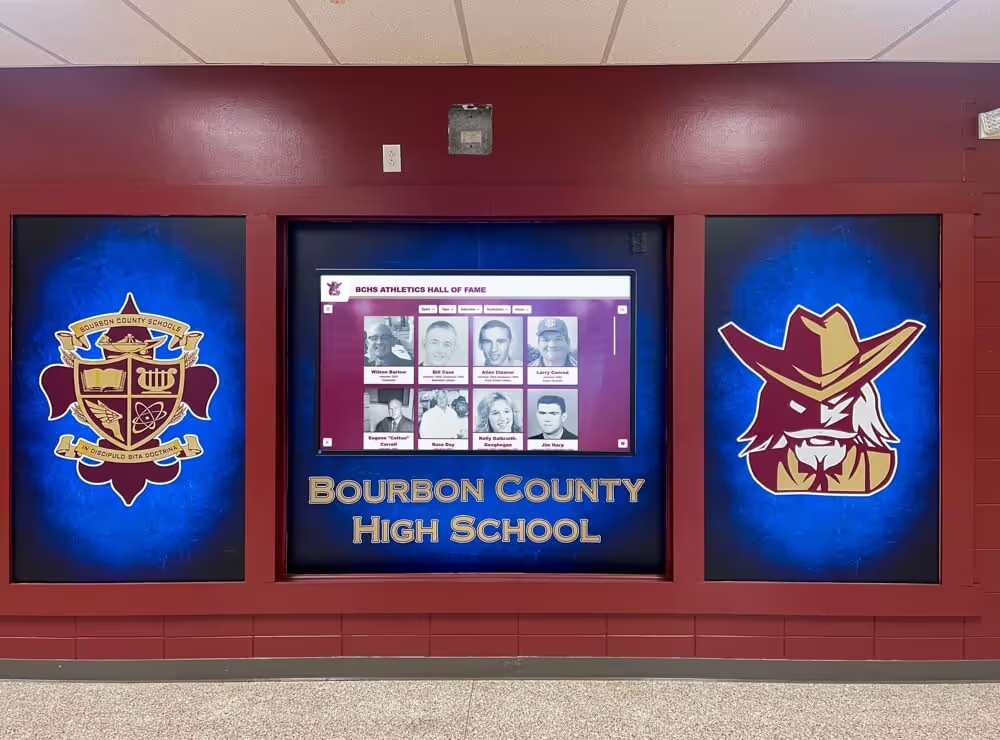




School hallways across the country face a common challenge: how to meaningfully celebrate student achievement when trophy cases overflow, wall space disappears, and administrators struggle to keep recognition displays current. Every year brings new championship teams, academic scholars, and distinguished alumni deserving acknowledgment, yet physical space remains fixed while achievements continue accumulating.
Digital hall of fame displays and traditional trophy cases represent two fundamentally different approaches to recognition in educational settings. Traditional trophy cases feature physical plaques, trophies, and memorabilia displayed behind glass, while digital hall of fame displays use interactive touchscreen technology to showcase unlimited achievements through photos, videos, and detailed profiles that users can explore at their own pace.
This guide examines the practical differences between these recognition methods, comparing space requirements, cost structures, maintenance demands, engagement capabilities, and flexibility to help schools, athletic programs, and educational institutions make informed decisions about how to celebrate achievement most effectively given their specific constraints and objectives.
Walk through most high schools and you’ll encounter trophy cases that tell a familiar story: championship trophies from decades past crammed together, individual achievement plaques stacked behind team awards where they remain invisible, and aging displays that haven’t been updated in years because the physical work required makes routine updates impractical.

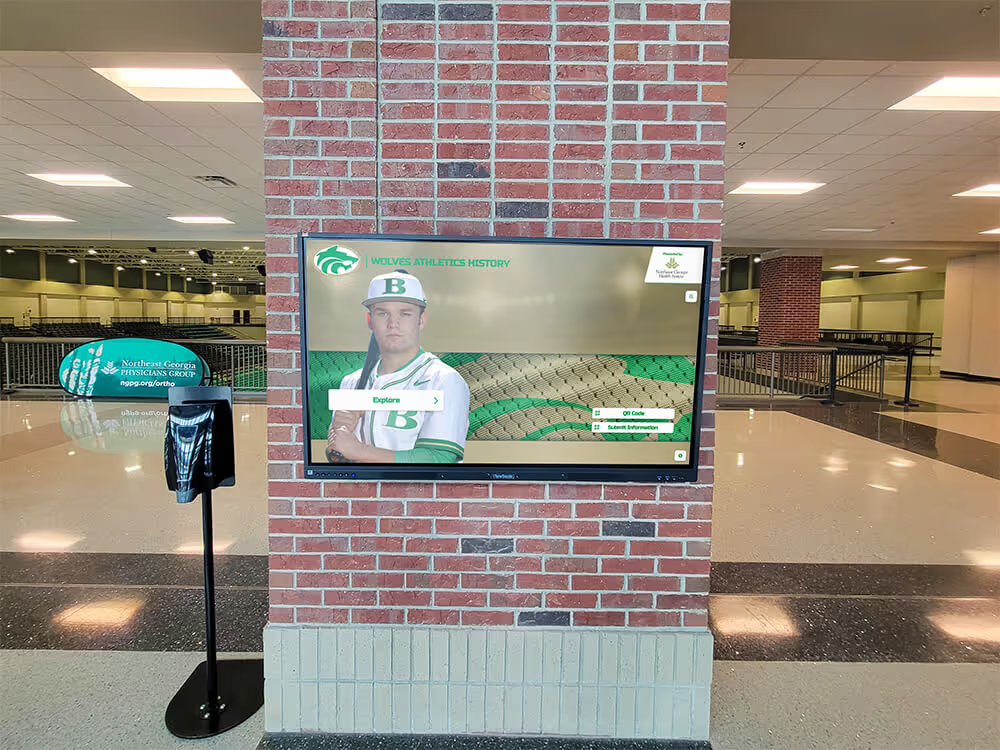
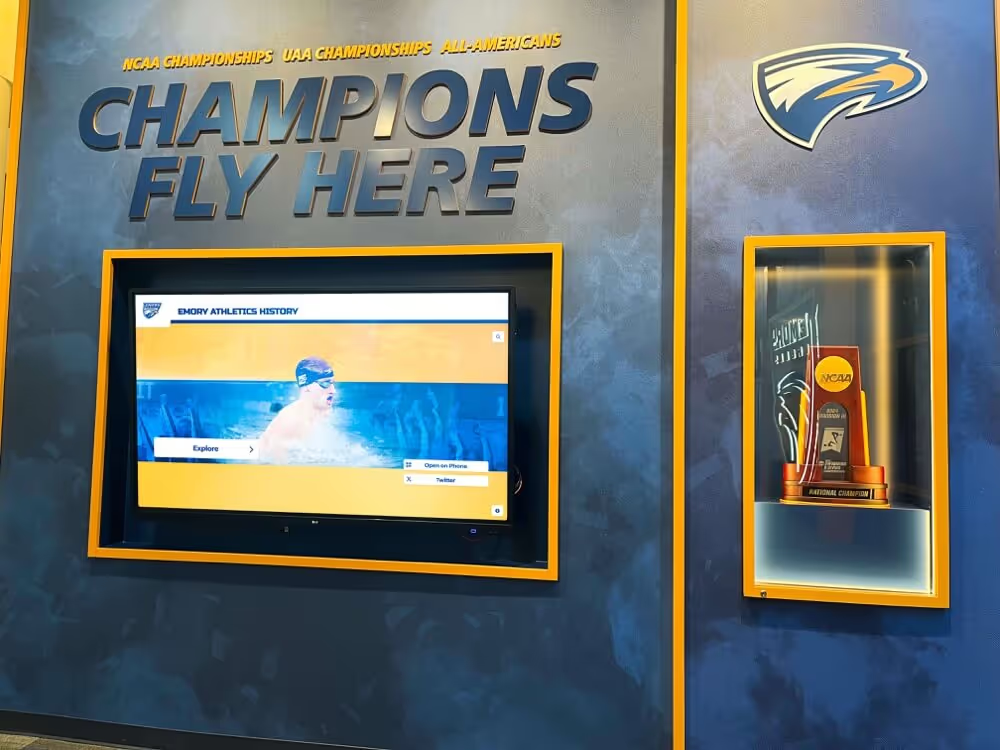
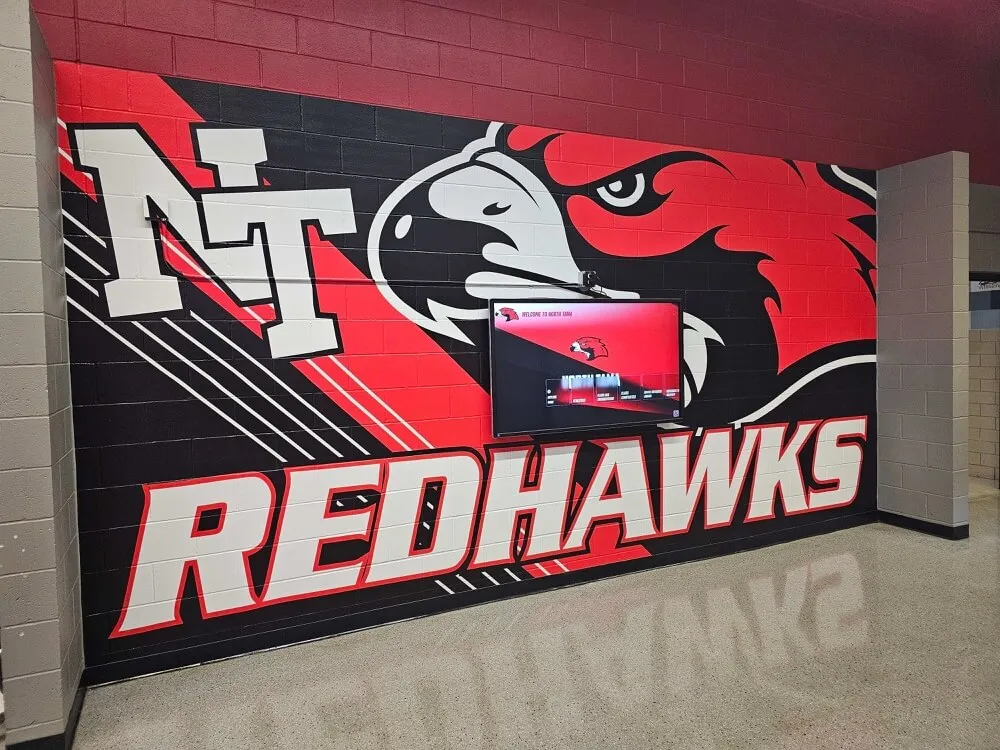
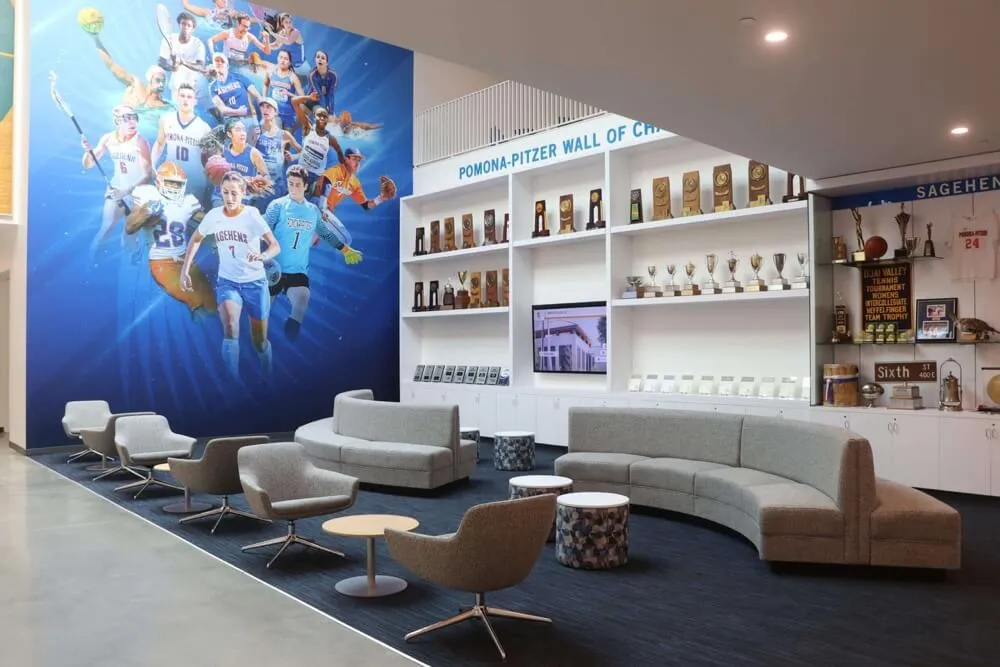
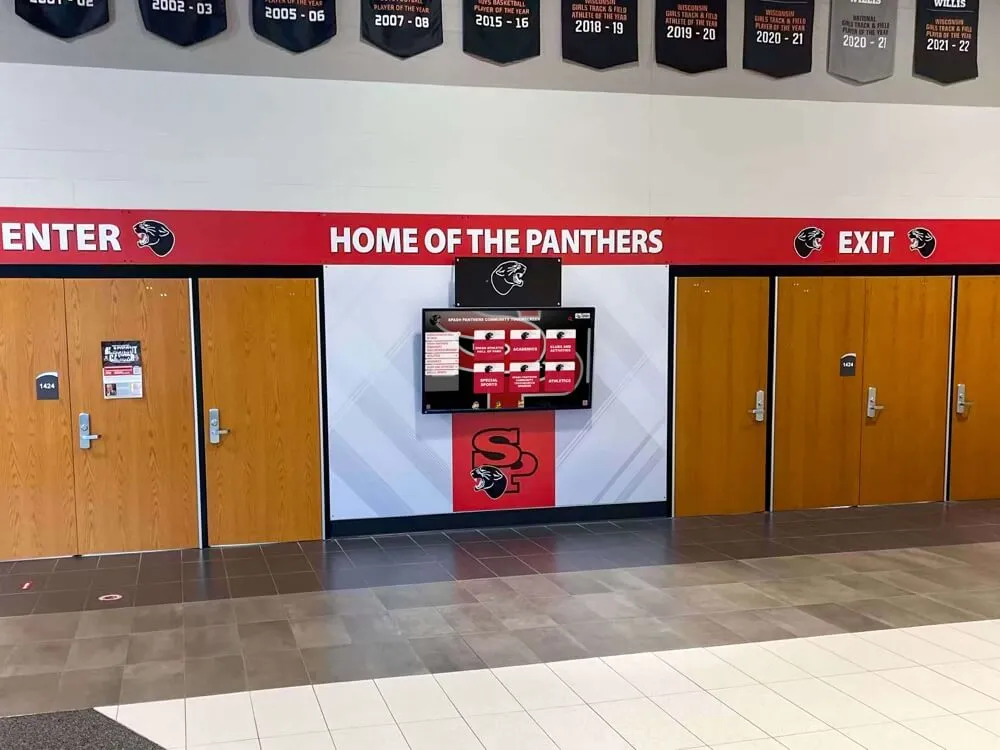
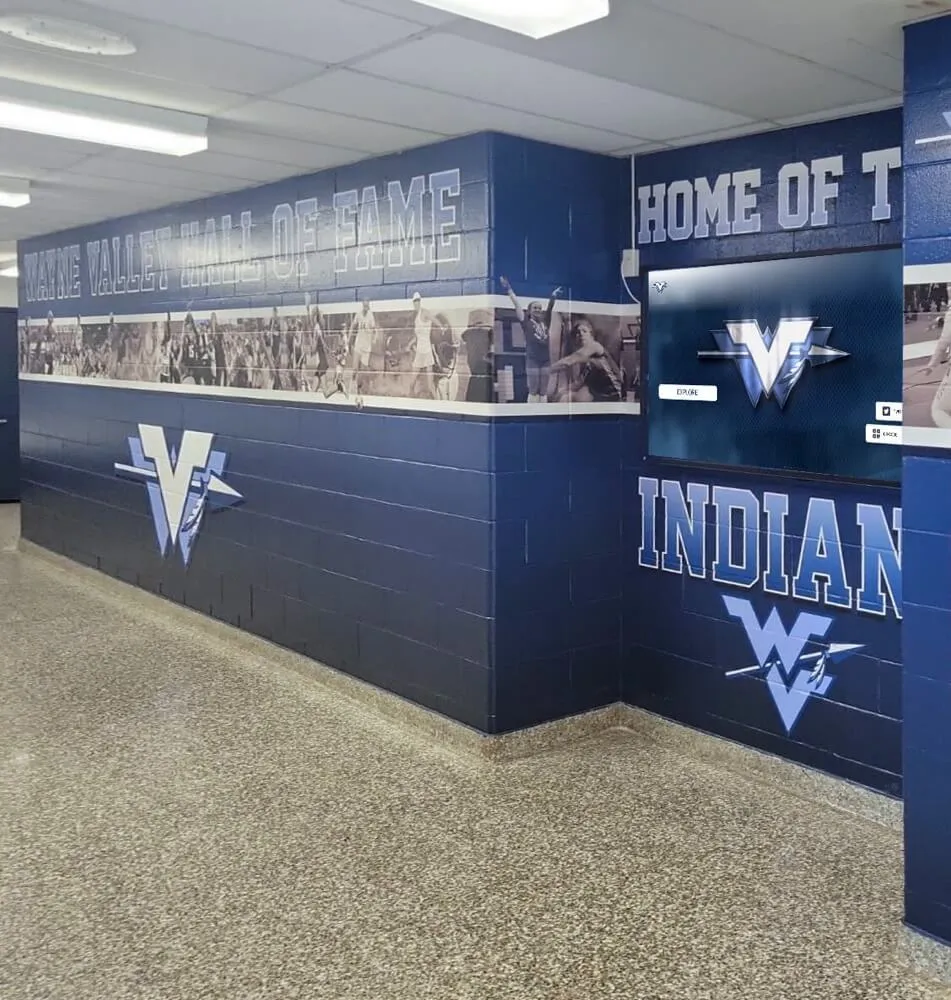
Many schools are transitioning from traditional trophy cases to modern recognition solutions
Understanding Traditional Trophy Cases
Traditional trophy cases have served as recognition cornerstones in educational institutions for generations, providing visible celebration of achievement in high-traffic school spaces.
How Traditional Trophy Cases Work
Conventional trophy cases follow established patterns that most people recognize instantly from their own school experiences.
Physical Structure and Components
Traditional recognition displays typically feature:
- Glass-fronted cabinets protecting trophies, plaques, and memorabilia from dust and damage
- Interior shelving organizing awards by category, year, or achievement level
- Lighting systems illuminating displays to draw attention and improve visibility
- Locked access requiring keys and physical presence for any content changes
- Wall-mounted or floor-standing construction occupying dedicated hallway or lobby space
- Engraved plaques providing permanent text documenting achievements and honorees
These physical displays present fixed information that remains unchanged unless someone physically accesses the case, removes existing items, and installs new recognition materials.
Content Limitations of Physical Trophy Cases
Space constraints create immediate and persistent challenges for traditional recognition displays.
Capacity Constraints
Physical trophy cases face inherent limitations:
- Fixed shelf space accommodating only specific numbers of trophies and plaques
- Dimensional restrictions limiting the size of items that fit in available space
- Overcrowding issues as achievements accumulate faster than display capacity grows
- Difficult access requiring physical presence and case access for every update
- Storage requirements for surplus trophies and plaques when cases fill beyond capacity
- Removal decisions forcing administrators to choose which historical achievements to eliminate when adding new recognition
According to facilities managers at schools across the country, trophy cases typically reach capacity within 5-7 years of installation, forcing difficult choices about which achievements remain visible and which must be removed or relocated to less prominent locations.
The Challenge of Maintaining Traditional Displays
Physical trophy cases require ongoing maintenance that many schools underestimate during initial installation.
Maintenance Requirements
Conventional displays demand:
- Regular cleaning of glass surfaces that show fingerprints, dust, and smudges
- Interior dusting protecting trophies and plaques from accumulating dirt
- Lighting maintenance replacing burnt-out bulbs and repairing electrical components
- Lock maintenance ensuring security hardware continues functioning properly
- Physical updates coordinating installation whenever recognition changes occur
- Climate control preventing humidity damage to awards and memorabilia in some environments
Schools implementing digital signage kiosk solutions find that maintenance requirements decrease substantially compared to traditional physical displays requiring hands-on attention.
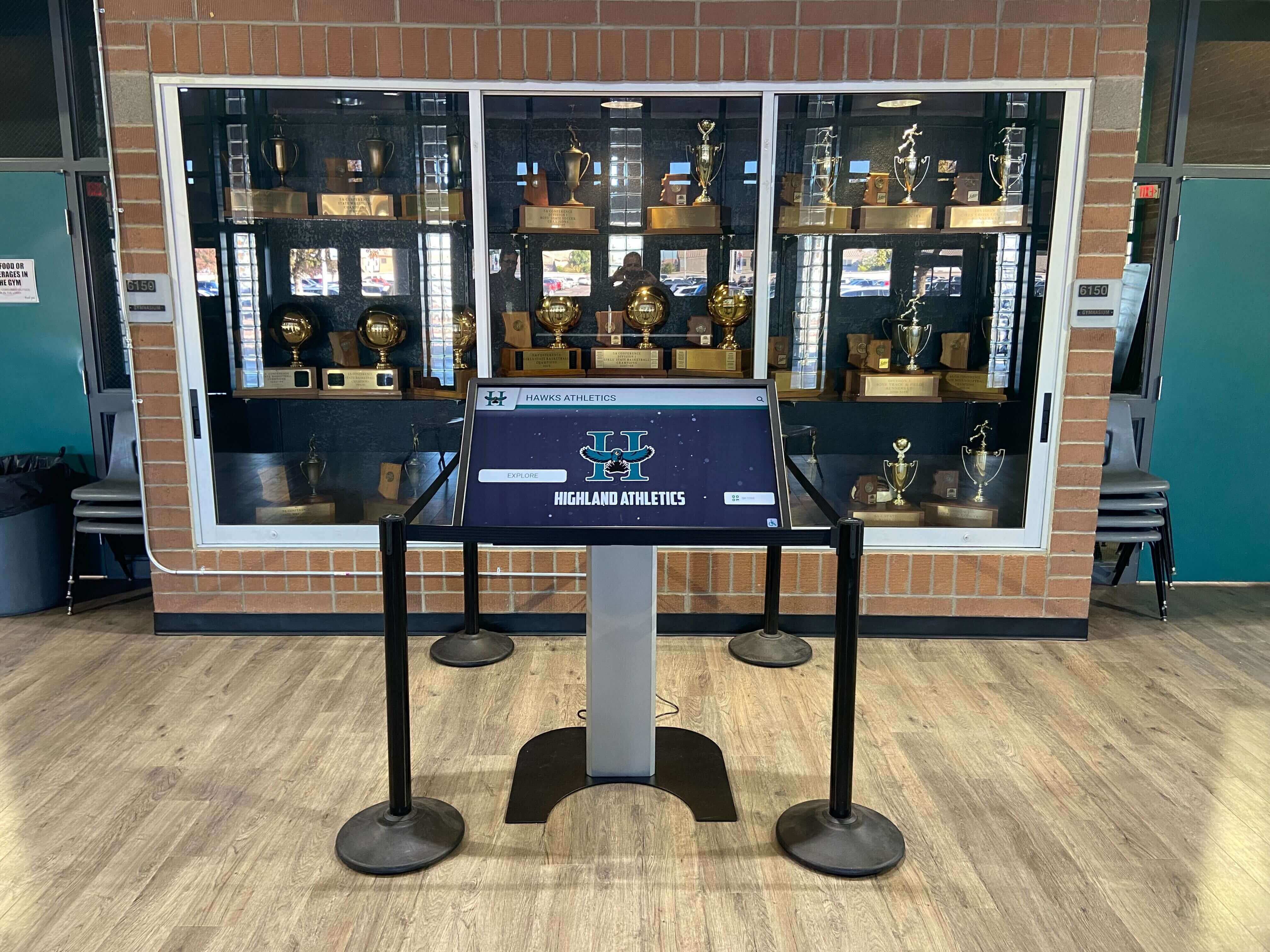
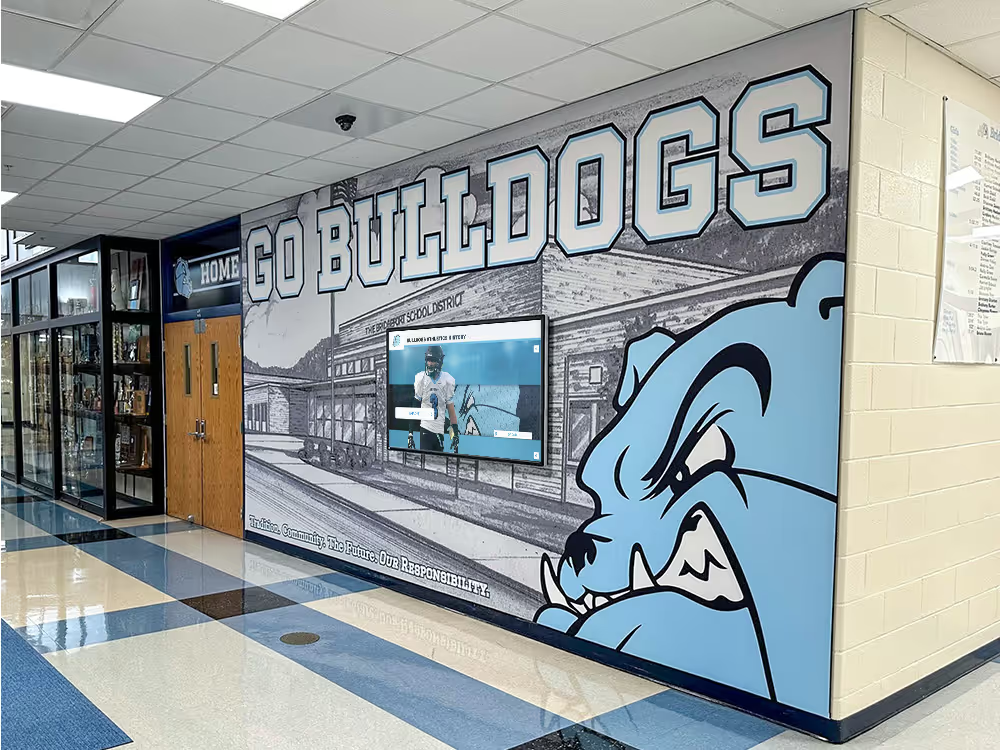
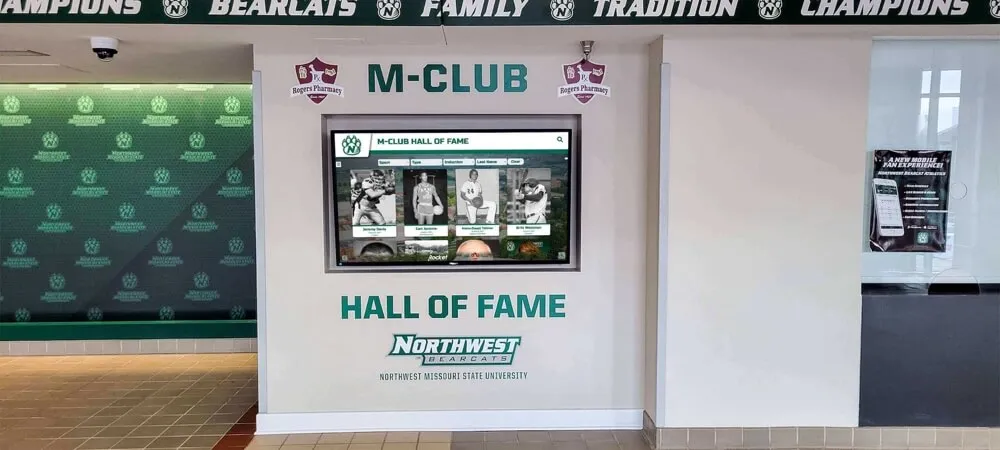
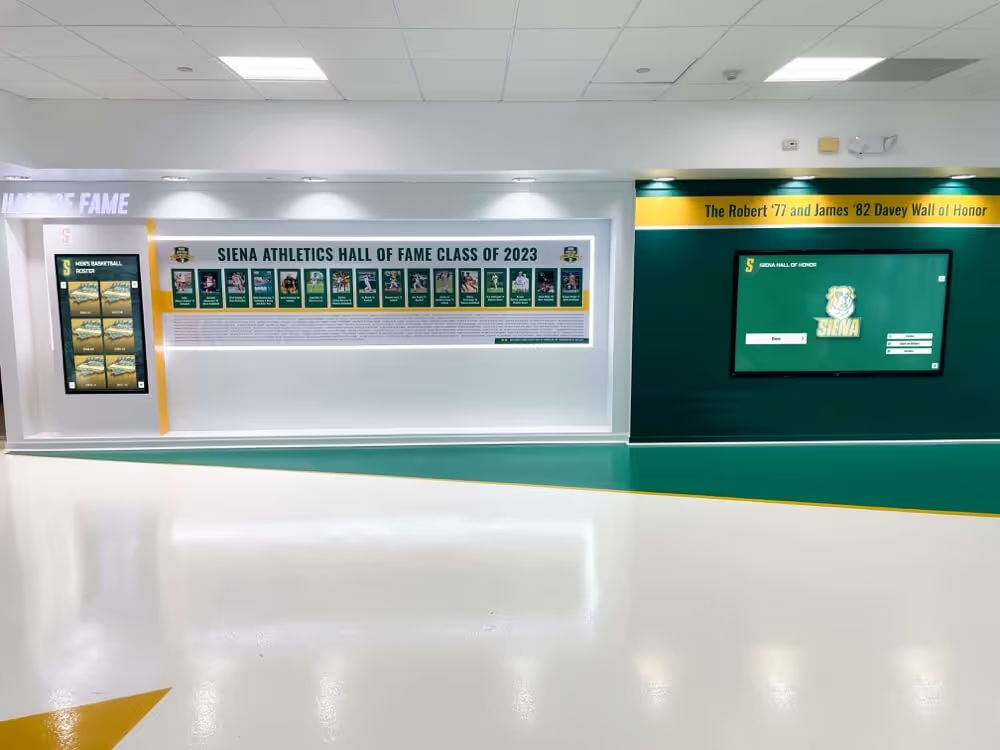
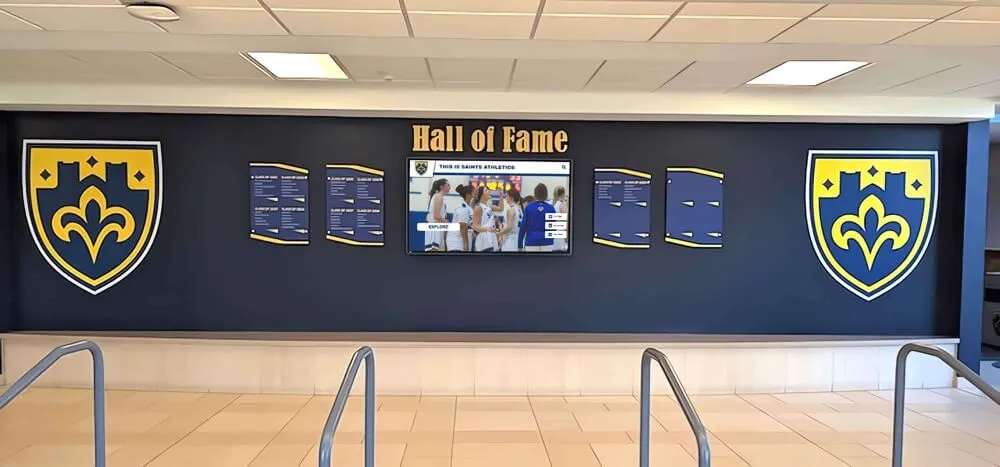
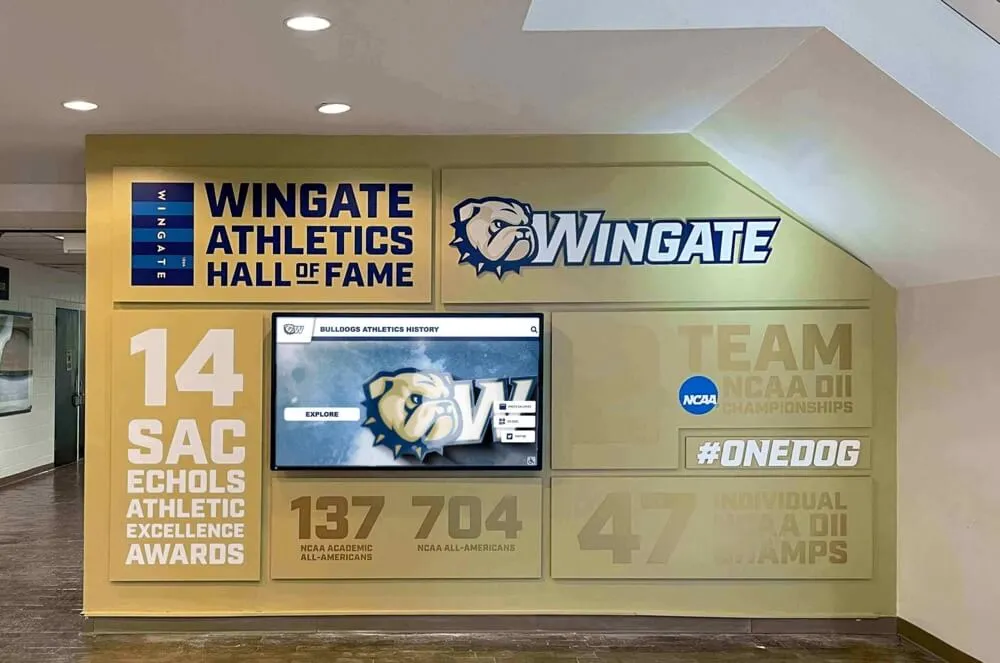
Some schools integrate digital displays with existing trophy cases for enhanced recognition
Understanding Digital Hall of Fame Displays
Digital hall of fame displays represent modern recognition technology designed specifically to address limitations inherent in traditional physical trophy cases.
How Digital Hall of Fame Displays Work
Interactive touchscreen systems function fundamentally differently than conventional trophy cases.
Technology Components
Digital recognition platforms consist of:
- Commercial-grade touchscreen displays designed for continuous operation in high-traffic environments
- Cloud-based content management systems enabling remote updates from any internet-connected device
- Interactive software platforms allowing users to browse, search, and explore recognition content
- Multimedia integration combining photos, videos, biographical information, and achievement statistics
- Network connectivity linking displays to centralized content databases
- Automated content delivery pushing updates to displays without requiring physical access
These systems operate continuously, displaying recognition content that users can explore through touch interaction, discovering detailed information impossible to present in physical trophy cases with limited space.
Unlimited Content Capacity
Digital platforms eliminate physical space constraints that plague traditional trophy cases.
Capacity Advantages
Digital systems provide:
- Unlimited profile storage accommodating thousands of honorees without capacity concerns
- Comprehensive achievement documentation including full statistics, photos, and biographical details
- Historical preservation maintaining all past recognition indefinitely without removal
- Multiple category support celebrating athletics, academics, arts, activities, and alumni simultaneously
- Detailed storytelling providing context and depth impossible with simple plaques
- Searchable databases allowing instant location of specific individuals or achievements
A single touchscreen display occupies roughly the same wall space as a traditional trophy case but can showcase recognition equivalent to hundreds of physical plaques that would require dozens of trophy cases if displayed conventionally.
Schools implementing comprehensive recognition platforms discover that unlimited capacity transforms recognition from a zero-sum decision about who fits into available space into an inclusive approach celebrating every deserving achievement.
Remote Content Management
Cloud-based management eliminates physical access requirements that complicate traditional trophy case updates.
Management Capabilities
Modern platforms enable:
- Web-based administration from any computer or mobile device with internet access
- Multiple user permissions allowing coaches, teachers, and administrators to contribute content
- Scheduled publishing coordinating recognition announcements with ceremonies and events
- Template-driven workflows simplifying content creation through guided processes
- Bulk import tools accelerating initial setup and annual updates
- Instant deployment with changes appearing immediately after approval without physical installation
Athletic directors report spending 15-20 minutes updating digital recognition displays compared to hours or days required for traditional plaques involving vendor coordination, manufacturing, shipping, and physical installation.

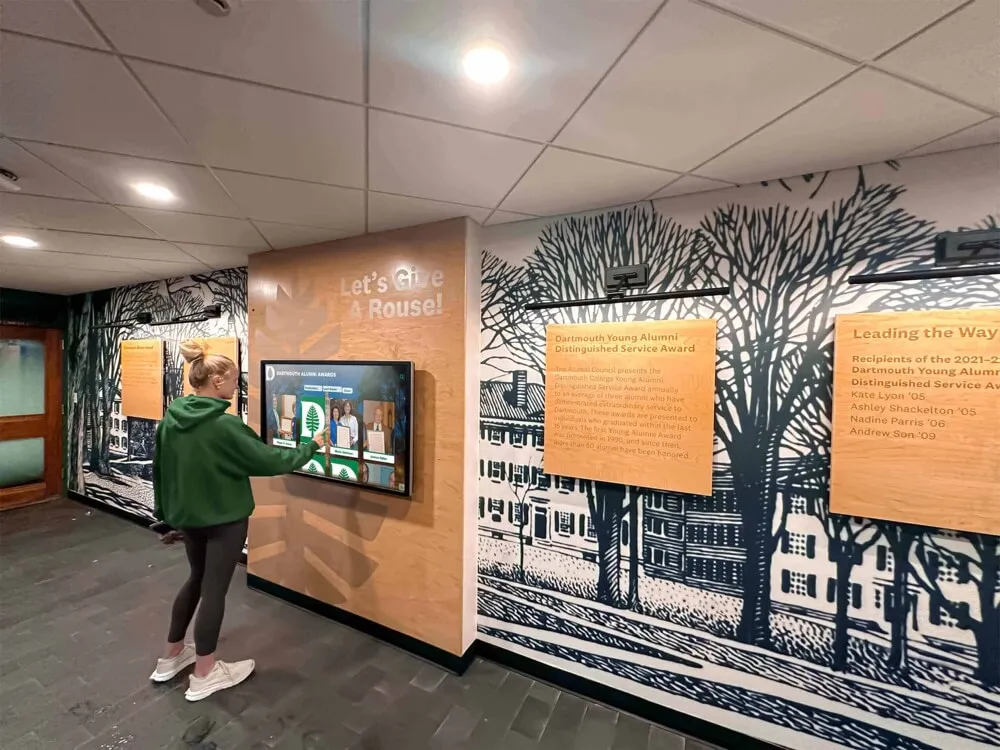
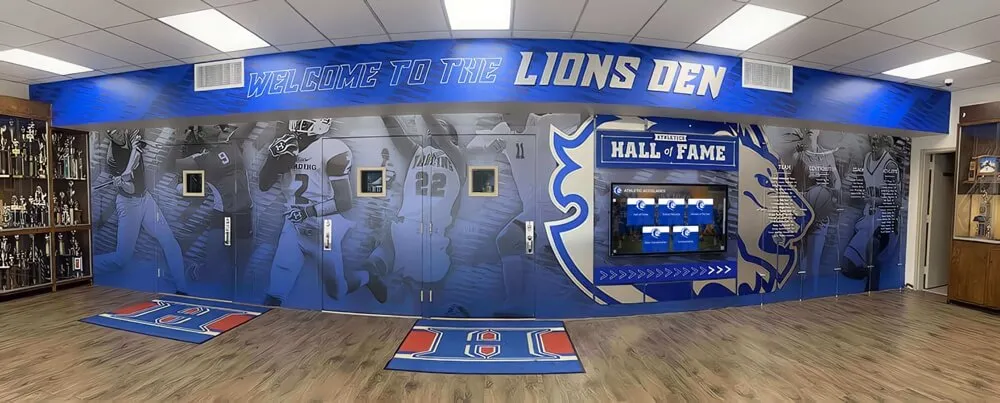
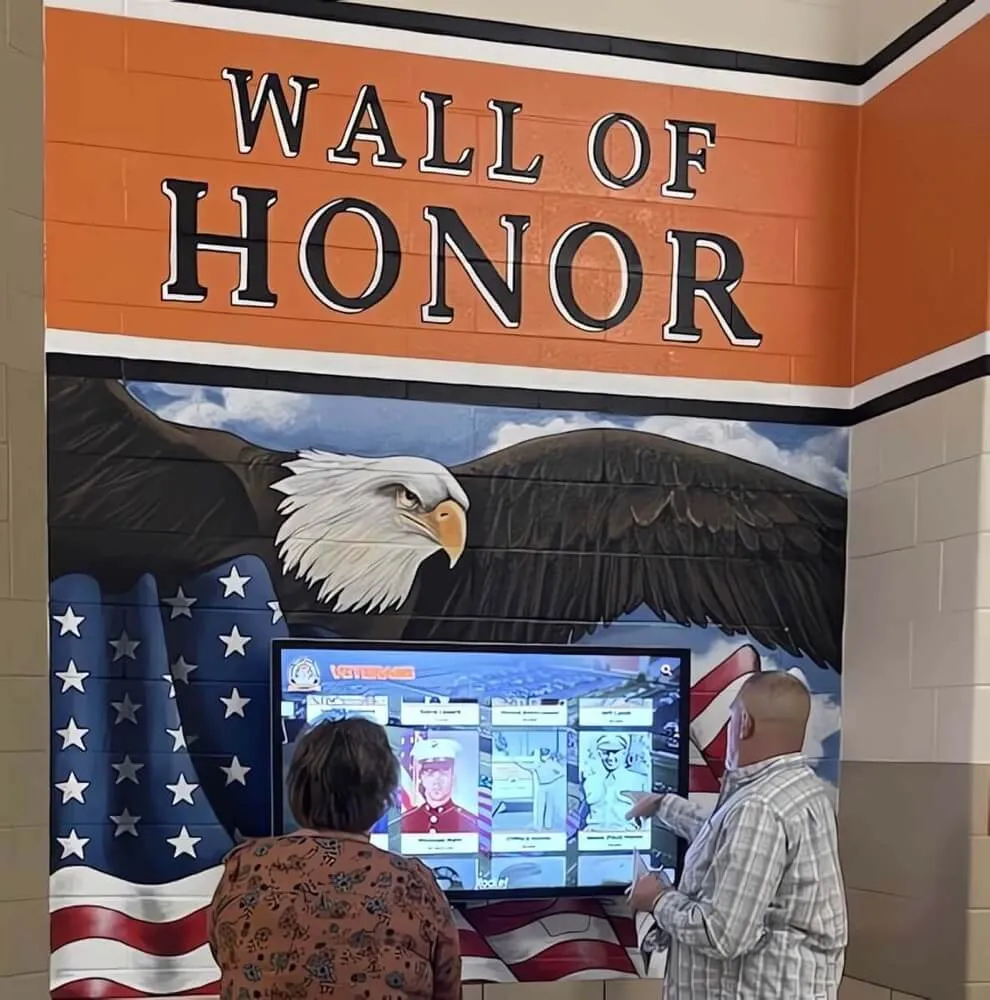
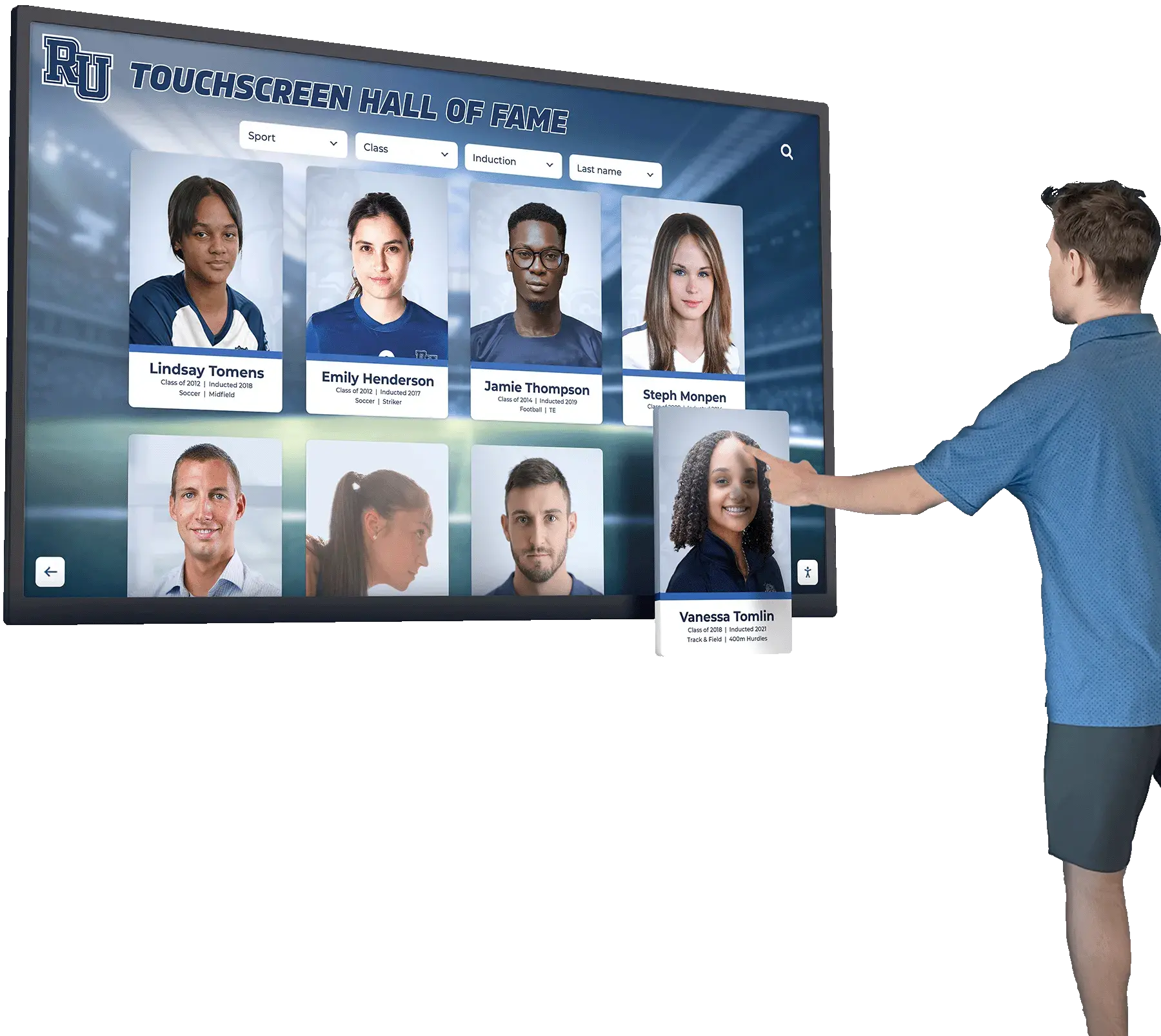
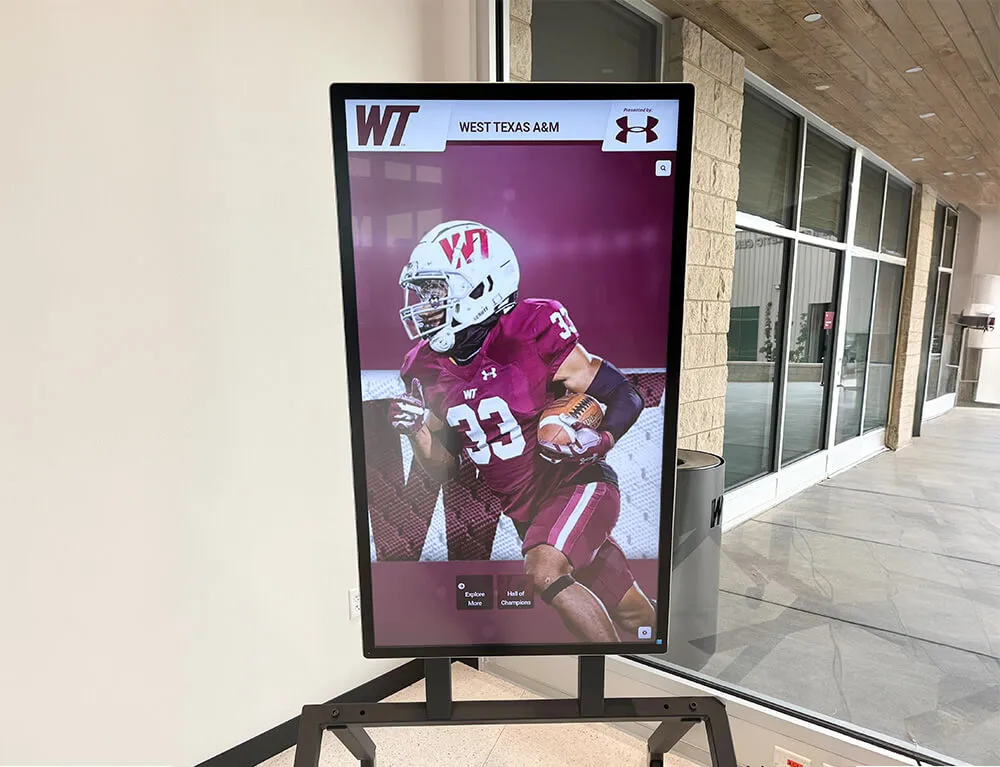
Interactive displays allow users to explore detailed achievement information at their own pace
Space and Capacity Comparison
Physical space represents one of the most significant practical differences between traditional trophy cases and digital recognition displays.
Space Requirements for Traditional Trophy Cases
Physical displays demand substantial hallway or lobby space that many schools struggle to provide.
Traditional Space Needs
Conventional trophy cases require:
- 6-12 linear feet of wall space for standard glass-fronted cabinets
- Floor clearance extending 2-3 feet from the wall for viewing and maintenance access
- Multiple cases as achievements accumulate beyond single-case capacity
- Dedicated locations in high-visibility areas already competing for limited space
- Sufficient depth for shelving trophies and larger recognition items
- Electrical access for interior lighting systems
As recognition needs grow, schools must either install additional trophy cases consuming more precious hallway space, or make difficult decisions about removing historical recognition to accommodate current achievements.
Space Efficiency of Digital Displays
Interactive touchscreen systems deliver exponentially more recognition capacity within equivalent or smaller physical footprints.
Digital Space Advantages
Touchscreen displays provide:
- Single compact installation occupying 3-5 square feet of wall space
- Minimal protrusion extending only 2-4 inches from the wall surface
- Unlimited virtual capacity within the same physical footprint regardless of honoree quantity
- Multiple location deployment displaying identical content across different spaces simultaneously
- Flexible positioning in lobbies, hallways, athletic facilities, or academic buildings
- Clean aesthetics without visual clutter from overcrowded physical displays
Schools report that replacing four traditional trophy cases with two digital displays provides recognition capacity equivalent to twenty trophy cases while actually freeing up hallway space for other purposes.
Educational institutions implementing touchscreen digital hall of fame walls find that space efficiency allows recognition expansion without facility renovations or difficult decisions about removing existing displays.
Cost Comparison
Understanding total cost of ownership requires examining both initial investment and ongoing expenses over the useful life of recognition systems.
Traditional Trophy Case Costs
Physical displays involve upfront installation expenses plus continuing costs for updates and maintenance.
Initial Investment
Traditional recognition requires:
- $2,000-$8,000 per trophy case depending on size, materials, and lighting features
- Installation labor for wall mounting and electrical connections
- Initial plaques and trophies documenting historical achievements
- Multiple cases as recognition needs exceed single-case capacity
Ongoing Expenses
Continuing costs include:
- $40-$150 per plaque for each new achievement requiring recognition
- Engraving services adding honoree information to recognition materials
- Manufacturing delays with 2-4 weeks typical between ordering and receiving plaques
- Installation labor mounting new recognition and reorganizing display layouts
- Maintenance supplies for cleaning glass and interior surfaces
- Lighting replacement as bulbs burn out over time
Over a ten-year period, schools typically spend $15,000-$35,000 per trophy case including the initial installation plus ongoing recognition materials and maintenance.
Digital Hall of Fame Display Costs
Interactive recognition platforms involve different cost structures emphasizing subscription-based access rather than per-item manufacturing expenses.
Initial Investment
Digital systems require:
- $3,000-$7,000 per display for commercial-grade touchscreen hardware
- Installation services for mounting and network configuration
- Content development including historical achievement documentation and media
- Platform subscription for software access and cloud hosting
Ongoing Expenses
Continuing costs include:
- $1,200-$3,600 annual subscription for unlimited recognition profiles and updates
- No per-honoree charges regardless of how many individuals receive recognition
- Technical support included in subscription pricing
- Platform updates with regular feature enhancements
- Minimal maintenance limited to screen cleaning and routine monitoring
Over a ten-year period, schools typically spend $15,000-$40,000 per digital display including hardware, subscriptions, and minimal maintenance—comparable to traditional trophy cases but providing capacity equivalent to dozens of physical cases rather than a single cabinet.
Schools implementing digital record boards discover that cost per recognized individual drops dramatically with digital platforms as honoree quantity increases, while traditional approaches see costs rise linearly with each new plaque.

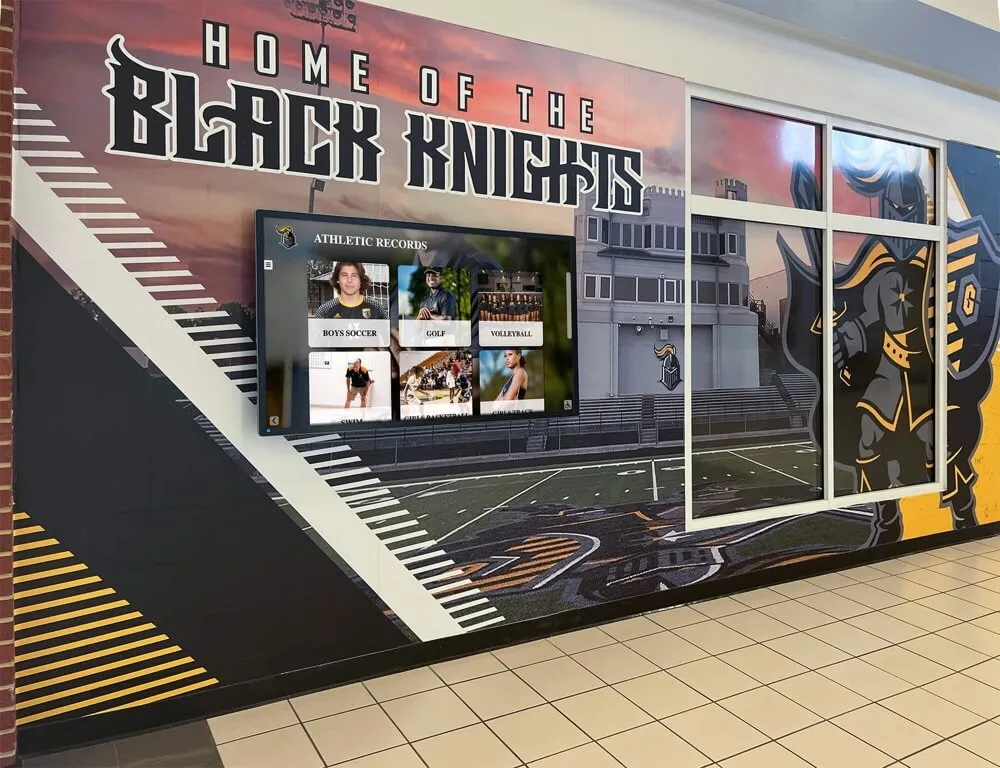
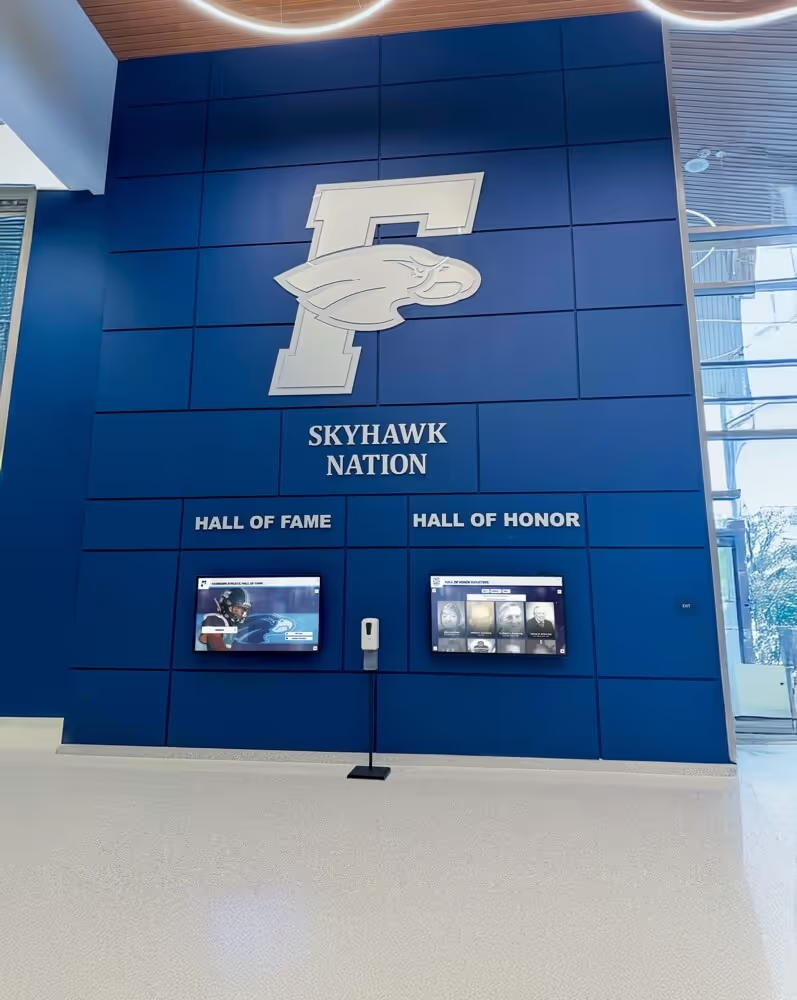
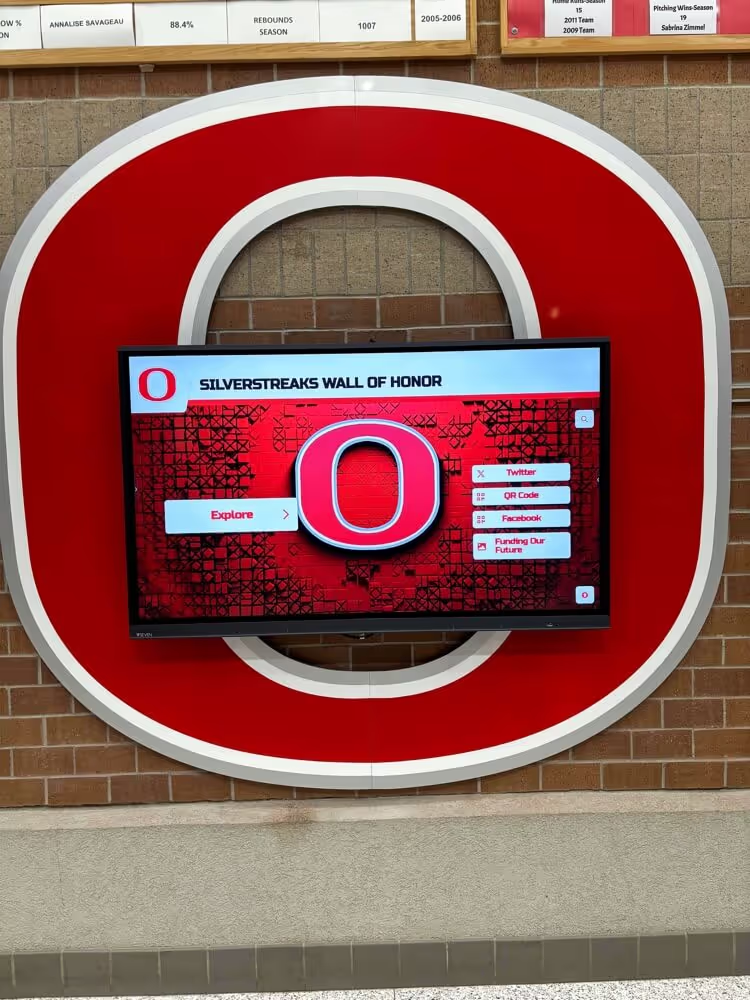
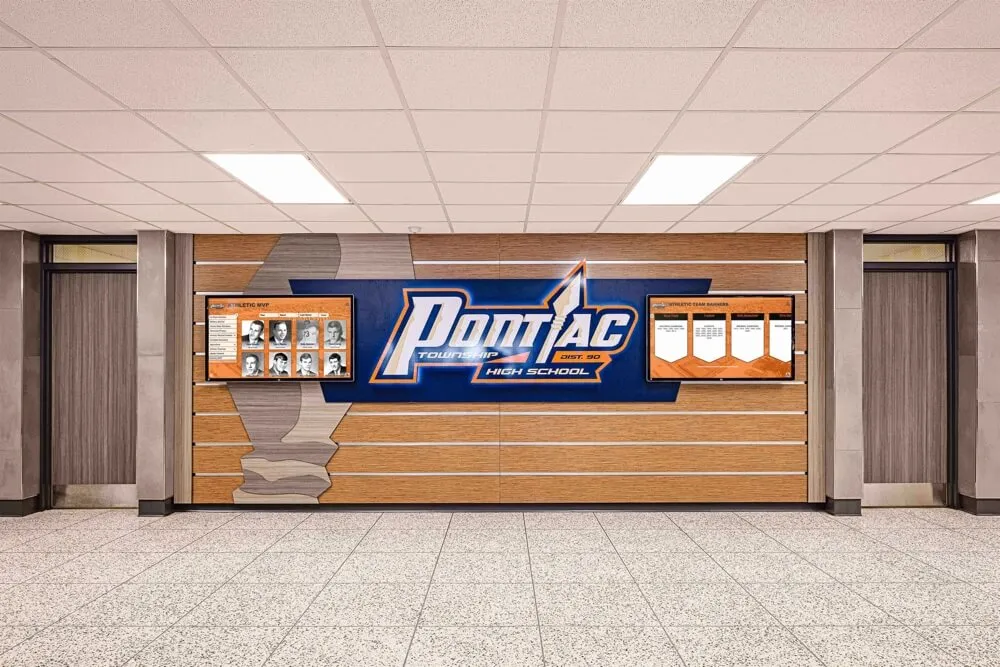
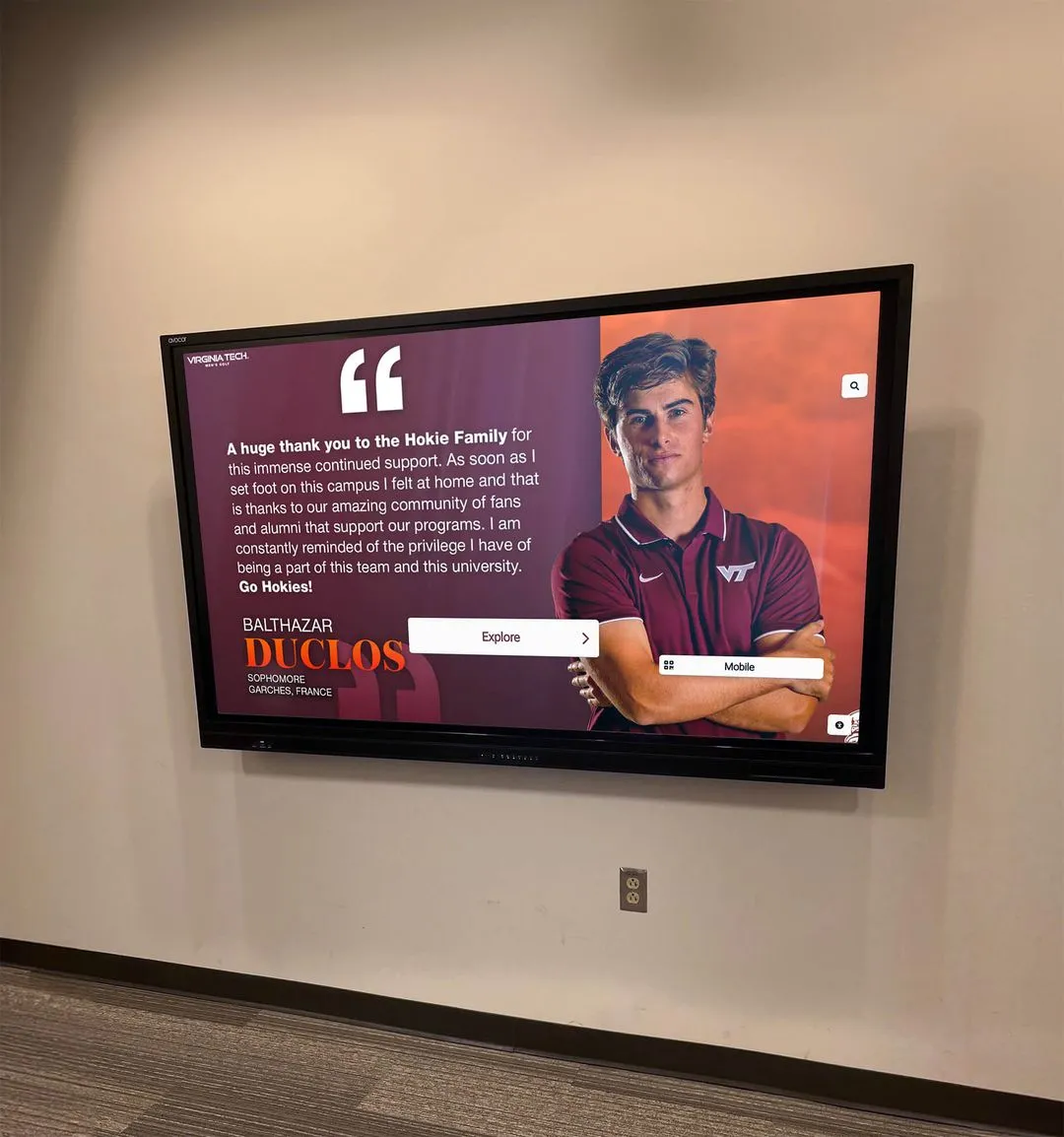
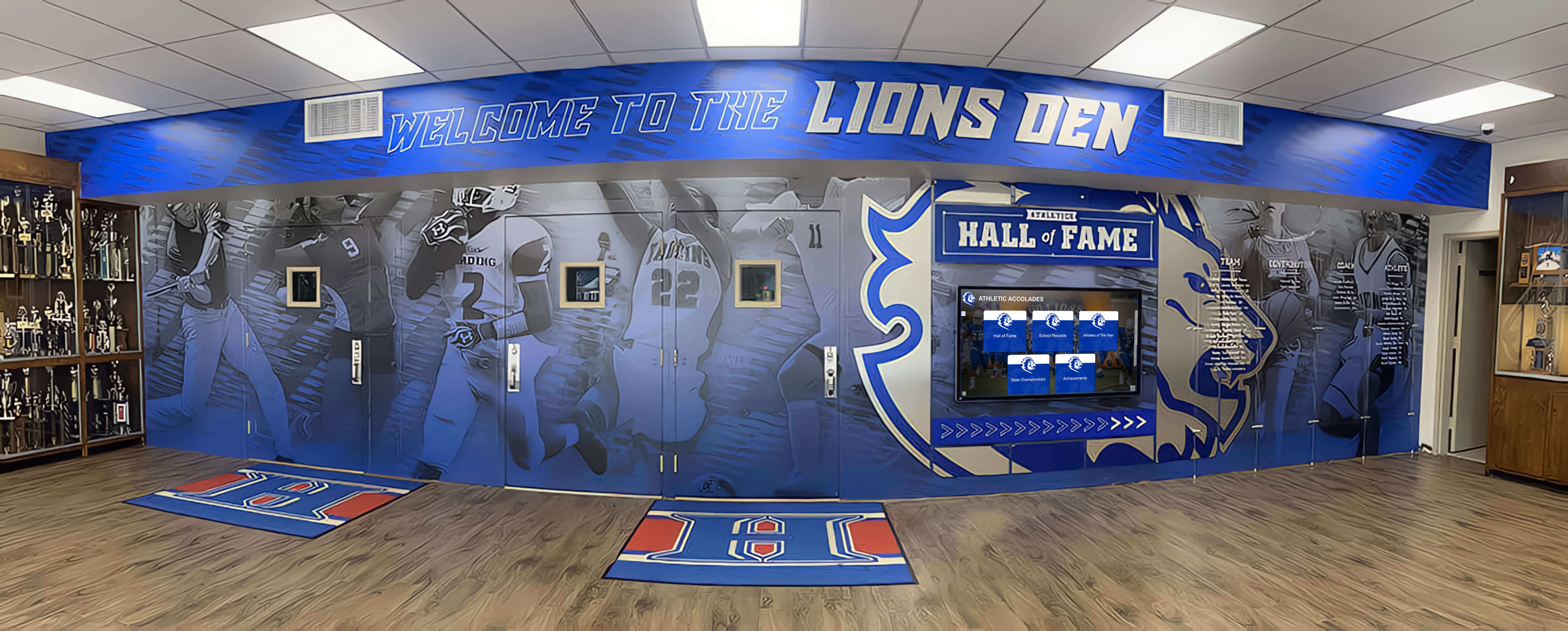
Modern recognition systems complement traditional school aesthetics while expanding capacity
Maintenance and Update Requirements
The practical work required to maintain and update recognition systems significantly impacts long-term sustainability.
Traditional Trophy Case Maintenance
Physical displays demand regular hands-on attention to remain presentable and current.
Routine Maintenance Tasks
Trophy cases require:
- Weekly glass cleaning removing fingerprints, dust, and smudges from high-traffic areas
- Monthly interior cleaning dusting trophies, plaques, and shelving surfaces
- Quarterly deep cleaning including lighting fixtures and hard-to-reach areas
- Annual hardware inspection checking locks, hinges, and structural integrity
- Periodic reorganization as recognition accumulates and display layouts need adjustment
- Lighting maintenance replacing bulbs and repairing electrical components when failures occur
These maintenance tasks require either dedicated custodial time or pull staff members from other responsibilities for physical trophy case upkeep.
Traditional Update Process
Adding new recognition to physical displays involves multiple steps and considerable time.
Update Workflow
Traditional recognition requires:
- Achievement documentation collecting information about honorees
- Plaque ordering contacting vendors and placing orders
- Engraving approval reviewing proofs and confirming accuracy
- Manufacturing wait allowing 2-4 weeks for production and shipping
- Physical installation accessing trophy cases and mounting new plaques
- Display reorganization adjusting layouts to accommodate new items
- Case relocking securing displays after updates complete
This process means recognition often lags achievements by weeks or months, with awards earned in November sometimes not appearing in displays until February or March.
Digital Display Maintenance
Interactive touchscreen systems require dramatically less physical maintenance than traditional trophy cases.
Simplified Maintenance
Digital platforms need:
- Weekly screen cleaning using simple glass cleaner on touchscreen surfaces
- Monthly visual inspection confirming displays operate correctly
- Automatic software updates applied remotely without requiring physical access
- Network monitoring ensuring consistent connectivity
- Minimal physical intervention compared to traditional trophy case upkeep
Total maintenance time for digital displays typically amounts to 15-20 minutes monthly compared to 2-3 hours required for equivalent traditional trophy case maintenance.
Digital Update Process
Remote content management eliminates physical access requirements and manufacturing delays.
Simplified Update Workflow
Digital recognition enables:
- Achievement documentation collecting honoree information and photos
- Content entry adding profiles through web-based management interface
- Review and approval confirming accuracy before publishing
- Instant deployment with recognition appearing immediately after approval
- No manufacturing delays eliminating weeks-long waiting periods
- No physical installation with updates occurring remotely
This process means recognition can appear the same day achievements occur, with championship teams celebrated immediately after winning rather than waiting weeks for plaques to arrive.
Educational programs implementing digital trophy walls report that immediate recognition capability increases engagement and ensures timely celebration while achievements remain fresh and exciting.
Engagement and Interactivity
How users interact with recognition displays significantly impacts whether those systems actually engage viewers or simply fade into background scenery.
Limited Engagement with Traditional Trophy Cases
Physical displays offer passive viewing experiences that rarely capture sustained attention.
Engagement Limitations
Traditional trophy cases provide:
- Static presentation with fixed information that never changes
- Limited detail restricted to what fits on small plaques and nameplates
- No interaction beyond looking through glass at displayed items
- Difficult reading when plaques sit too far from glass or viewing angles prove challenging
- Quick glances with viewers typically spending 5-10 seconds scanning displays
- Fading attention as familiar displays become invisible background elements over time
Most people walk past trophy cases without stopping, with sustained engagement rare except during specific contexts like school tours or immediately after new recognition appears.
Interactive Engagement with Digital Displays
Touchscreen systems transform passive viewing into active exploration.
Enhanced Engagement
Digital platforms enable:
- Touch interaction with users actively exploring content through screen navigation
- Searchable databases allowing instant location of specific individuals or achievements
- Detailed profiles providing comprehensive information about each honoree
- Multimedia content including photos, videos, statistics, and biographical details
- Discovery experiences encouraging exploration beyond specific search objectives
- Extended dwell time with users typically engaging for 2-5 minutes per session
- Repeat engagement as displays present different featured content on regular rotation
Schools report that digital displays become gathering points where students, parents, and visitors actively explore recognition rather than simply glancing at static displays while passing through hallways.
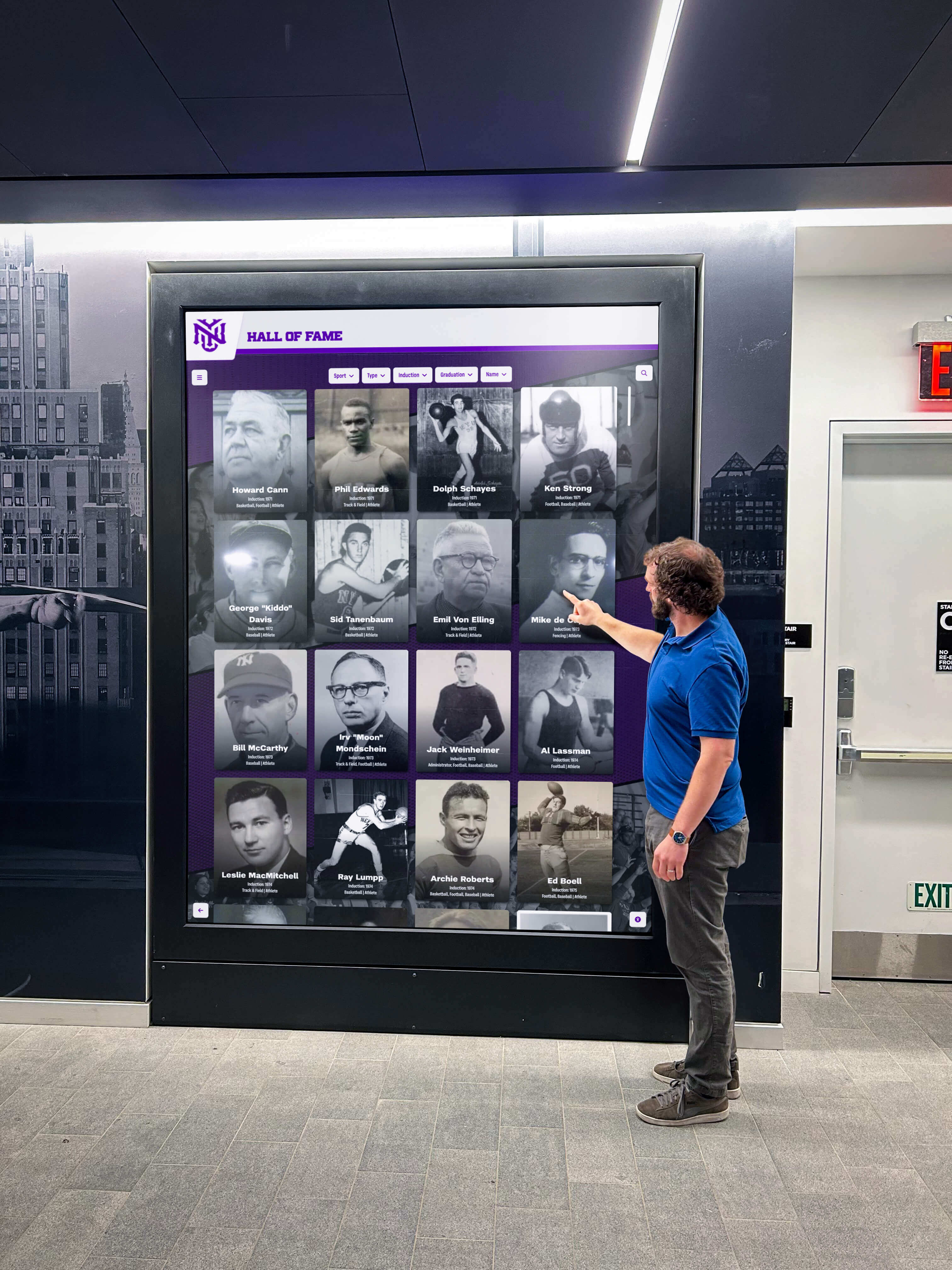
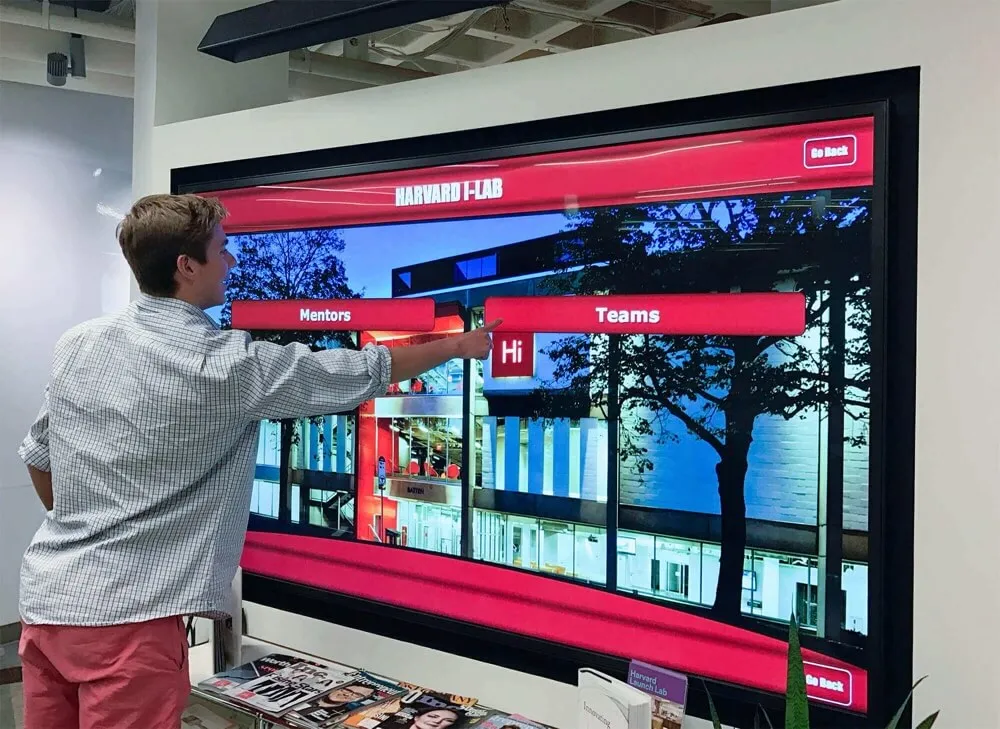
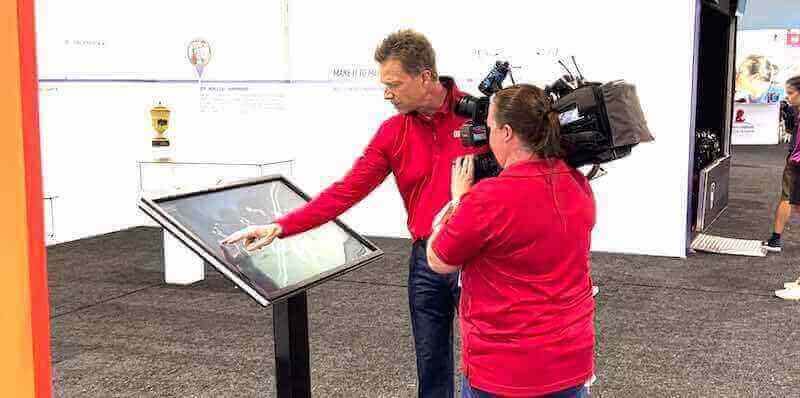
Interactive displays encourage active exploration rather than passive viewing
Storytelling Capabilities
The depth of information systems can present dramatically affects recognition quality.
Traditional Storytelling Limitations
Physical plaques typically include:
- Name and year as basic identification
- Achievement title in brief form
- Limited statistics if space allows
- No contextual information about significance or background
- No visual documentation beyond the trophy or plaque itself
This minimal information leaves viewers without context for understanding achievement significance or connecting with honorees as individuals.
Digital Storytelling Capabilities
Interactive platforms support:
- Complete biographical profiles with detailed background information
- Photo galleries documenting careers and specific achievements
- Video highlights capturing performances and memorable moments
- Comprehensive statistics presenting career achievements and records
- Historical context explaining significance within program traditions
- Personal quotes sharing honoree perspectives and memories
- Related content connecting individuals with teams, coaches, and eras
This comprehensive storytelling transforms recognition from simple name documentation into meaningful celebration that helps current students understand traditions and connect with institutional history.
Organizations implementing student recognition award displays find that detailed storytelling increases the perceived value of recognition from brief acknowledgment to meaningful celebration that families and students genuinely appreciate.
Flexibility and Scalability
Recognition needs change over time as programs grow, achievements accumulate, and institutional priorities evolve.
Limited Flexibility of Traditional Trophy Cases
Physical displays resist change once installed.
Inflexibility Challenges
Traditional systems face:
- Fixed capacity that cannot expand without purchasing additional cases
- Permanent installation making relocation difficult and expensive
- Rigid categorization with physical organization determining what fits where
- Removal requirements forcing elimination of historical recognition when space fills
- Difficult reorganization requiring physical labor to adjust display layouts
- Commitment to existing structure with changes requiring significant investment
Schools implementing traditional trophy cases effectively make decisions about recognition capacity and organization that prove difficult to modify as needs evolve over subsequent decades.
Comprehensive Flexibility of Digital Systems
Cloud-based platforms adapt easily to changing requirements.
Flexibility Advantages
Digital solutions provide:
- Unlimited capacity expansion accommodating growth without system modification
- Easy reorganization adjusting categories and navigation through software changes
- Content repurposing displaying same recognition across multiple physical locations
- Template modifications updating visual presentation without content recreation
- Feature additions with platform updates adding new capabilities over time
- Category flexibility creating new recognition types as programs develop
This flexibility means schools make recognition decisions based on merit rather than capacity constraints, with systems adapting to serve evolving needs rather than forcing programs to conform to system limitations.
Scalability Considerations
Growth requirements differ substantially between recognition approaches.
Traditional Scalability Limits
Physical trophy cases scale through:
- Additional case purchases at $2,000-$8,000 per unit
- More hallway space for each new installation
- Increased maintenance proportional to number of cases
- Linear cost growth as recognition needs expand
Digital Scalability Advantages
Interactive platforms scale through:
- Unlimited content addition within existing subscriptions
- Additional display deployment replicating same content across multiple screens
- Consistent maintenance regardless of content volume
- Minimal cost increase as recognition quantity grows
Schools implementing recognition programs expecting substantial growth over time find digital platforms accommodate expansion more naturally and economically than traditional approaches requiring physical capacity additions.
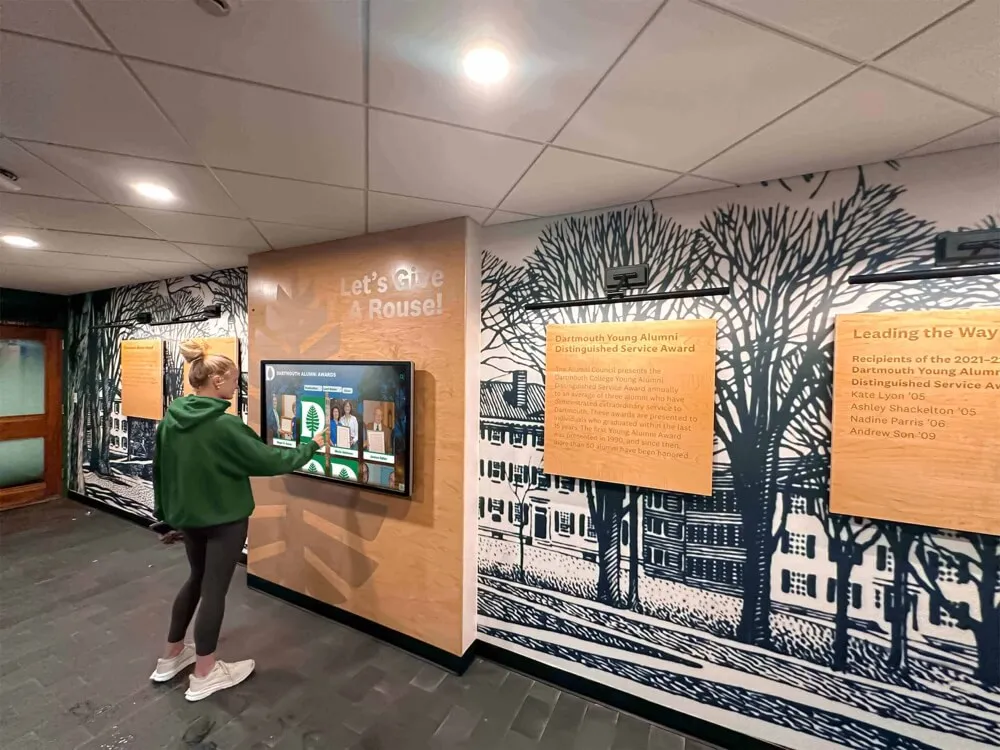
Digital platforms accommodate unlimited recognition growth within compact installations
Accessibility and Inclusivity
Modern recognition systems should serve all community members regardless of physical abilities or learning differences.
Accessibility Challenges with Traditional Trophy Cases
Physical displays present barriers for some users.
Accessibility Limitations
Traditional trophy cases face:
- Height placement making some plaques difficult to see for wheelchair users or shorter individuals
- Glass reflection creating visibility challenges depending on lighting conditions
- Text size with small engraving difficult to read from viewing distances
- Static presentation offering no alternative formats for users with vision limitations
- Physical proximity requirements necessitating presence in specific hallway locations
These limitations mean some community members cannot fully access recognition that traditional trophy cases present.
Enhanced Accessibility with Digital Displays
Interactive platforms incorporate accessibility features addressing diverse user needs.
Accessibility Features
Modern systems provide:
- Adjustable text sizing allowing users to increase content legibility
- Screen reader compatibility enabling audio presentation of content
- Multiple content formats presenting information through text, images, and video
- Optimal height mounting positioning controls within accessible reach ranges
- High contrast modes improving visibility for users with vision limitations
- Multiple language support presenting content in languages community members speak
- Web access extending recognition beyond physical displays for remote viewing
These features ensure that all community members can engage with recognition regardless of physical abilities, learning differences, or language backgrounds.
Digital recognition platforms like Rocket Alumni Solutions prioritize accessibility, ensuring recognition systems serve entire communities rather than creating barriers that exclude some members from celebrating institutional achievements.
Environmental and Practical Considerations
Sustainability and practical operation affect long-term viability of recognition investments.
Environmental Impact of Traditional Trophy Cases
Physical recognition involves manufacturing, shipping, and disposal considerations.
Environmental Factors
Traditional approaches create:
- Plaque manufacturing consuming materials and energy
- Engraving processes involving chemicals and waste production
- Shipping impacts transporting individual plaques from manufacturers
- Disposal requirements when outdated recognition materials require removal
- Ongoing material consumption as each new achievement requires new physical items
- Replacement cycles as trophy cases age and require eventual replacement
While individual impacts may seem small, cumulative effects across decades of operation and hundreds of plaques add up to substantial environmental footprints.
Sustainability Advantages of Digital Systems
Cloud-based platforms minimize physical resource consumption.
Environmental Benefits
Digital solutions offer:
- No per-honoree manufacturing eliminating ongoing material consumption
- Long equipment lifespan with commercial displays operating 10-15 years
- Digital content storage replacing physical plaque manufacturing
- Reduced shipping limited to initial hardware installation
- Software updates adding features without physical replacement
- Energy efficiency with modern displays consuming 50-100 watts during operation
Schools prioritizing sustainability find that digital recognition systems align better with environmental commitments than traditional approaches requiring continuous manufacturing of physical recognition materials.
Hybrid Approaches
Many institutions discover that combining traditional and digital recognition delivers benefits of both approaches.
Complementary Recognition Strategies
Thoughtful implementation can honor tradition while adding modern capabilities.
Effective Hybrid Models
Schools successfully combine:
- Championship trophies remaining in traditional displays for three-dimensional impact
- Individual recognition moving to digital platforms providing unlimited capacity
- Historic trophy cases preserved for sentimental and traditional value
- New recognition flowing to digital systems addressing capacity limitations
- Main lobby featuring traditional displays for visual impact
- Additional locations using digital displays extending recognition throughout facilities
This hybrid approach respects tradition and community attachment to familiar trophy cases while addressing practical limitations through digital expansion.
Transition Strategies
Schools moving from purely traditional to hybrid or fully digital recognition can manage transitions thoughtfully.
Transition Planning
Successful transitions involve:
- Stakeholder communication explaining rationale and benefits before implementation
- Gradual adoption beginning with new recognition while maintaining existing displays
- Historical documentation photographing and archiving traditional displays before changes
- Trophy preservation finding appropriate homes for physical awards when removing cases
- Community input gathering feedback about what traditional elements matter most
- Flexible implementation adjusting plans based on community response and preferences
Schools implementing trophy display case alternatives find that thoughtful transition planning maintains community support while addressing recognition system limitations that everyone acknowledges need solutions.
Making the Right Choice for Your Institution
Different schools face unique circumstances affecting which recognition approach serves their needs most effectively.
When Traditional Trophy Cases Make Sense
Physical displays work well in specific contexts.
Traditional Trophy Case Advantages
Schools benefit from traditional approaches when:
- Limited achievements fit comfortably within existing trophy case capacity
- Minimal growth expectations suggest recognition needs will remain stable
- Strong traditional preference exists among community stakeholders
- Budget constraints make initial digital investment challenging despite long-term savings
- Trophy preservation represents a high priority for specific awards
- Supplementary recognition will use digital platforms reducing trophy case pressure
For very small schools with modest recognition programs and strong attachment to traditional methods, conventional trophy cases may continue serving adequately for years.
When Digital Displays Provide Better Solutions
Interactive platforms address limitations most schools eventually encounter.
Digital Display Advantages
Schools benefit from digital approaches when:
- Capacity limitations already constrain recognition or will soon
- Multiple programs compete for finite trophy case space
- Administrative efficiency matters given limited staff time
- Engagement priorities emphasize active participation over passive viewing
- Growth expectations suggest recognition needs will expand substantially
- Flexibility requirements anticipate changing recognition categories and priorities
- Comprehensive recognition across athletics, academics, arts, and activities matters
- Modern presentation aligns with institutional technology commitments
For most schools serving more than 200-300 students with active athletic and academic programs, digital recognition platforms provide capabilities traditional trophy cases simply cannot match regardless of budget or installation quantity.
Decision-Making Process
Schools should evaluate recognition investments systematically.
Evaluation Framework
Consider these factors:
- Current capacity - Do existing displays accommodate current recognition needs?
- Growth trajectory - How will recognition requirements change over 5-10 years?
- Budget reality - What resources are available for initial investment and ongoing costs?
- Administrative capacity - How much staff time can support recognition management?
- Community priorities - What matters most to students, parents, and alumni?
- Space constraints - What physical locations can accommodate recognition displays?
- Technology comfort - How does the school community perceive digital solutions?
- Existing systems - What recognition infrastructure already exists?
This structured evaluation clarifies which approach addresses actual institutional needs rather than following assumptions about what recognition systems should look like based on familiar traditional models.
Educational institutions exploring interactive recognition systems discover that comprehensive platform comparisons reveal capabilities and limitations more effectively than relying on familiarity with existing traditional approaches.
Getting Started with Recognition System Changes
Schools ready to enhance recognition capabilities can take practical steps toward implementation.
Assessment and Planning
Successful recognition investments begin with clear understanding of current situations and future needs.
Initial Steps
Schools should:
- Inventory existing recognition documenting what currently works and what frustrations exist
- Define objectives clarifying what successful recognition should accomplish
- Involve stakeholders gathering input from athletics, academics, administration, and community
- Establish budget parameters identifying available resources and funding sources
- Survey peer institutions learning from schools with similar characteristics
- Research providers exploring platforms designed specifically for educational recognition
- Request demonstrations seeing systems in operation before making commitments
This planning foundation ensures recognition investments address genuine needs with broad community support rather than implementing technology without clear purpose or stakeholder buy-in.
Implementation Support
Schools benefit from working with recognition providers offering comprehensive implementation assistance.
Support Services
Professional implementations include:
- Planning consultation clarifying technical requirements and optimal configurations
- Content development assistance gathering historical achievement information and media
- Installation coordination managing hardware setup and network configuration
- Staff training ensuring confident content management
- Launch support troubleshooting initial operation challenges
- Ongoing technical assistance addressing questions and issues as they arise
Purpose-built recognition platforms like Rocket Alumni Solutions focus specifically on educational and athletic recognition rather than generic digital signage applications, ensuring features, workflows, and support align with how schools actually use recognition systems.
Ready to transform how your school celebrates achievement while addressing space limitations and administrative challenges that traditional trophy cases create? Book a demo to explore interactive recognition platforms designed specifically for educational institutions, or learn more about comprehensive school recognition strategies that create engaging environments celebrating every student achievement across athletics, academics, arts, and activities.