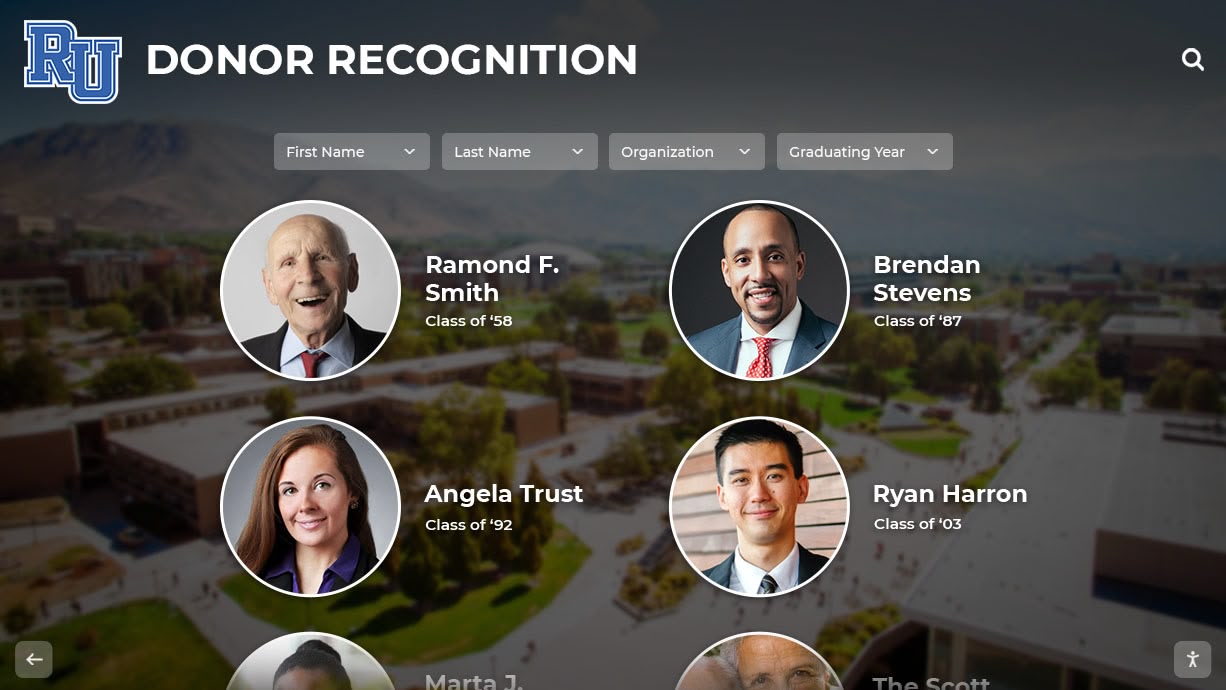




Intent: demonstrate
Donor recognition has evolved dramatically from static brass plaques to dynamic, interactive digital experiences that tell compelling stories about philanthropic impact. Traditional recognition approaches—engraved names on crowded walls, physical plaques with limited capacity, static displays that quickly become outdated—fail to capture the transformational power of giving or inspire continued generosity from prospective supporters.
Yet development professionals struggle with impossible constraints: limited wall space forcing difficult decisions about which donors to recognize, expensive re-fabrication costs every time new contributors join campaigns, inability to update recognition with impact stories or program outcomes, and static presentations that communicate donor names without connecting gifts to meaningful change in communities served.
This video-focused walkthrough demonstrates how digital donor recognition systems solve these critical challenges while creating unprecedented opportunities for engagement, stewardship, and fundraising effectiveness. Discover visual demonstrations of touchscreen platforms that honor unlimited supporters, showcase transformational impact through multimedia storytelling, enable instant updates without fabrication costs, and create inspiring recognition environments that deepen emotional connections between donors and organizational missions.
Organizations that successfully recognize donors don’t simply display names—they tell stories about how generosity transforms lives, communities, and institutions. According to research from the Association of Fundraising Professionals, donors who feel genuinely appreciated are 3.5 times more likely to give again compared to those who receive perfunctory acknowledgment. Digital recognition platforms enable this deeper appreciation through rich multimedia presentations impossible with conventional approaches.

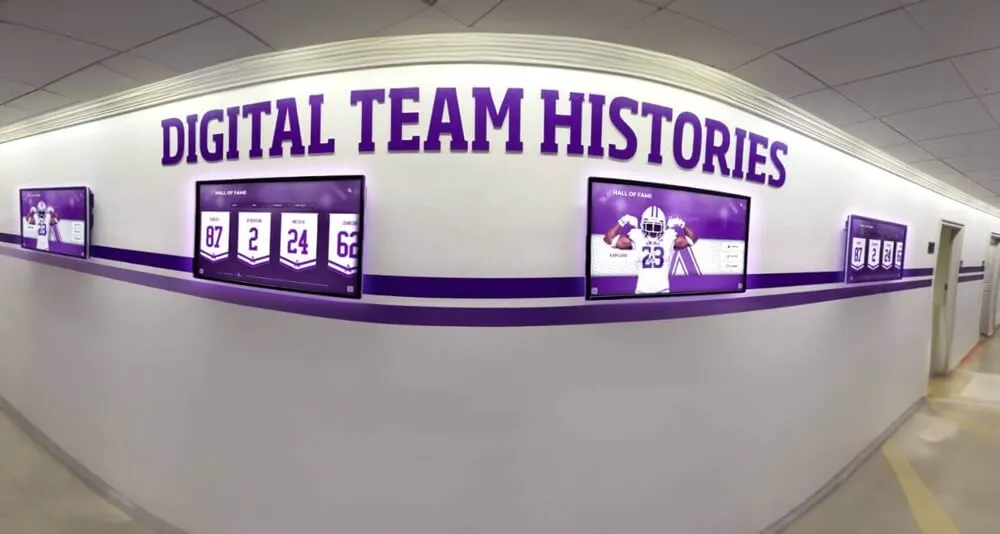
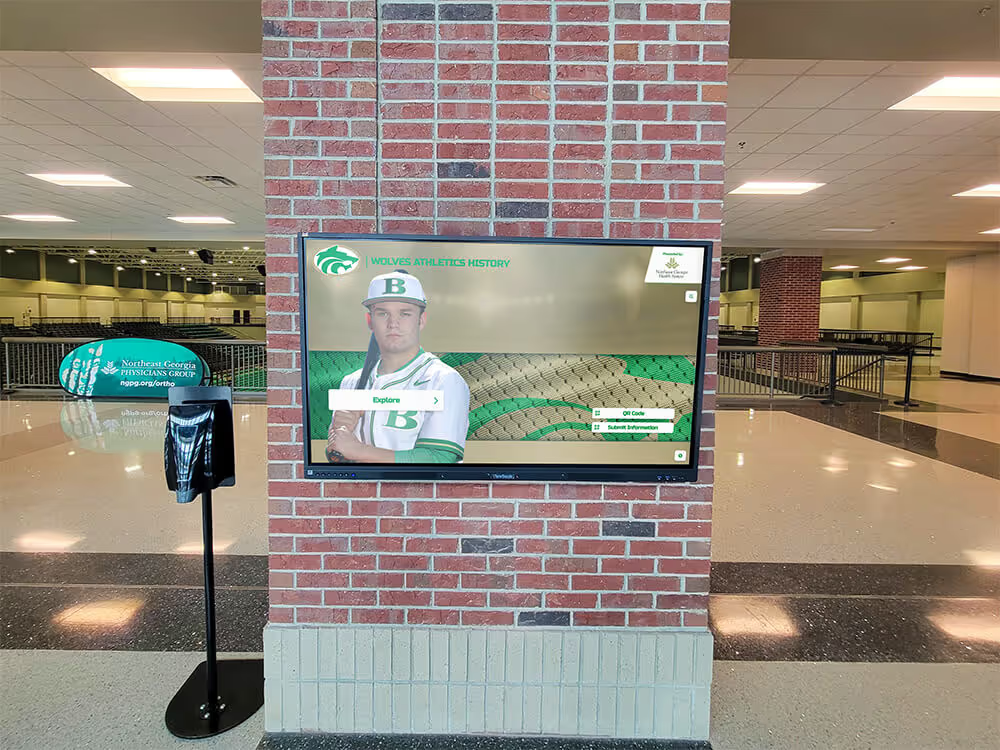
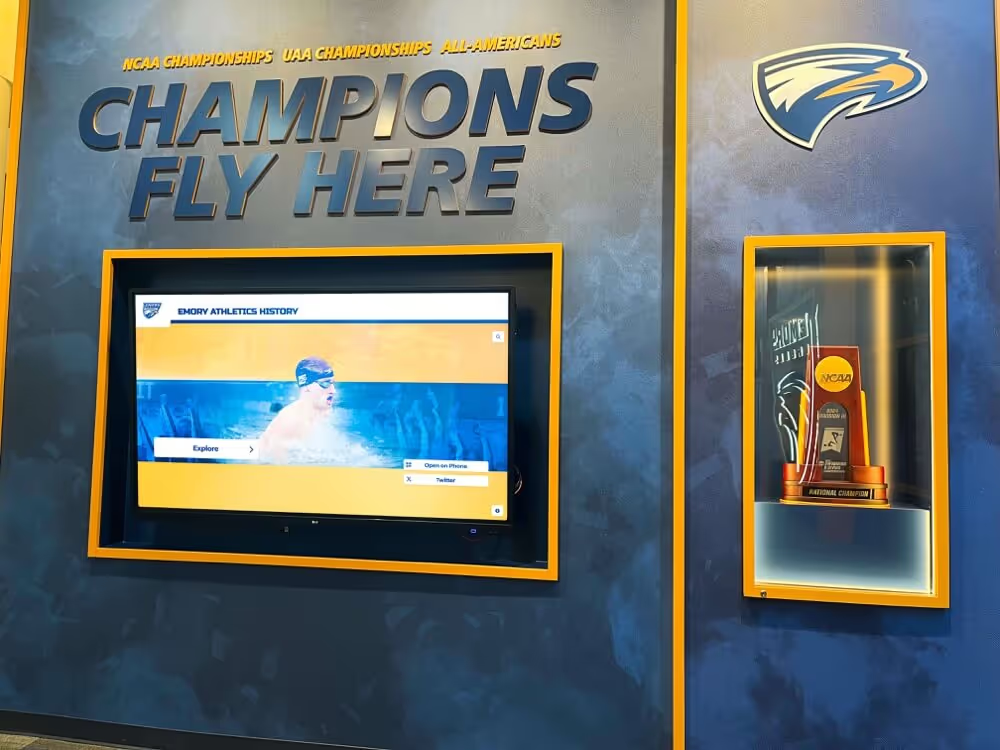
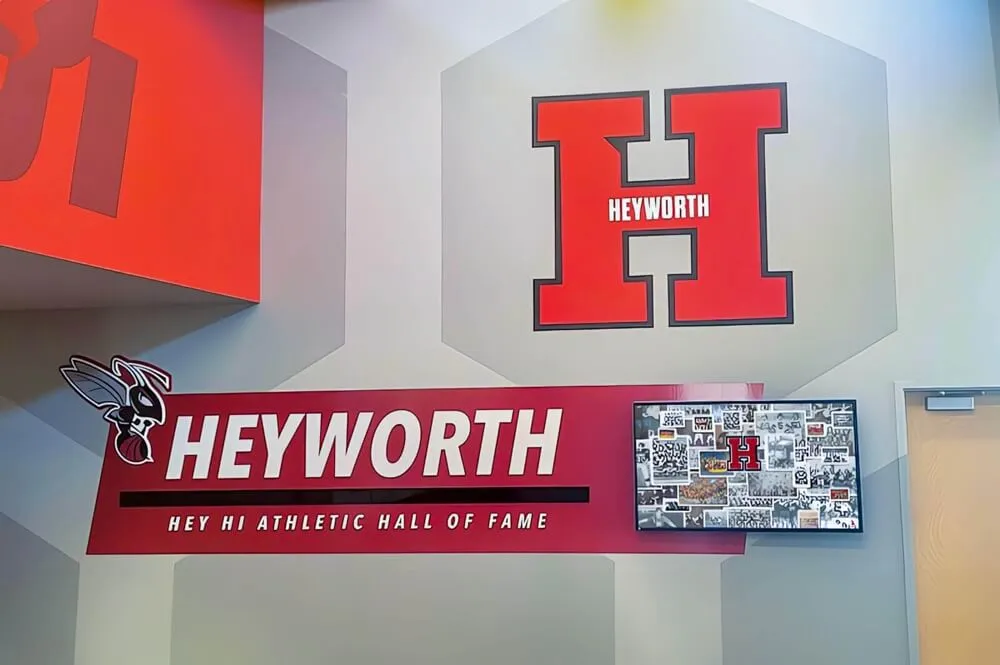
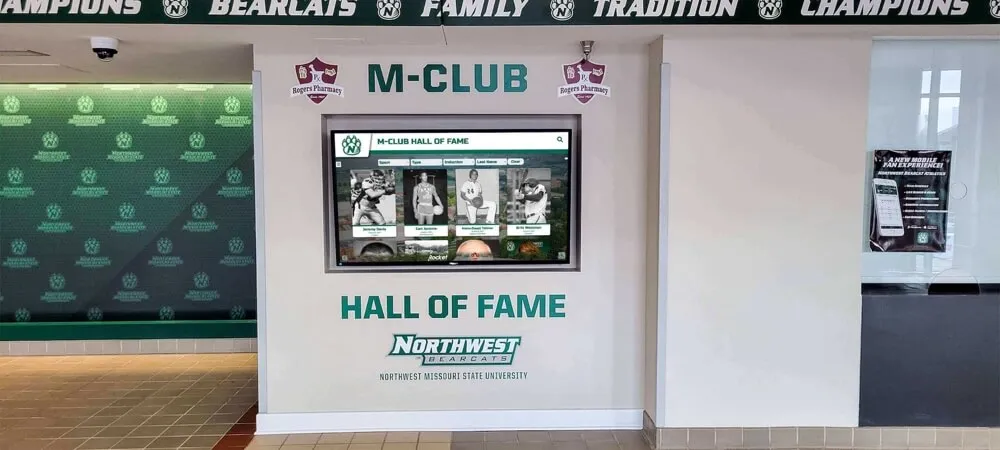
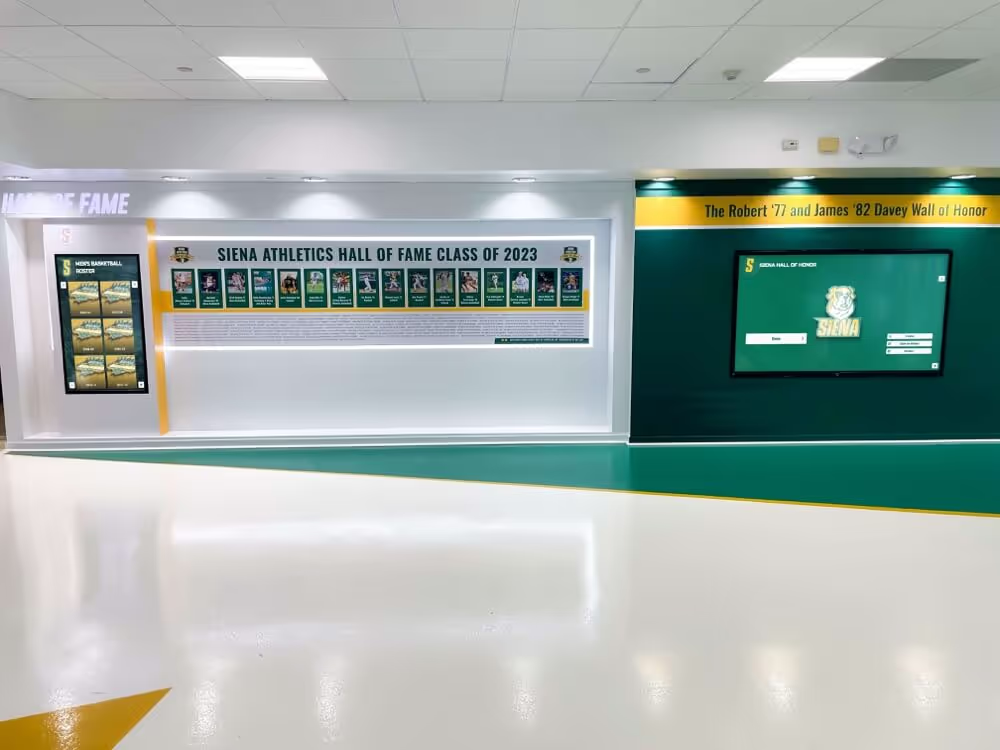
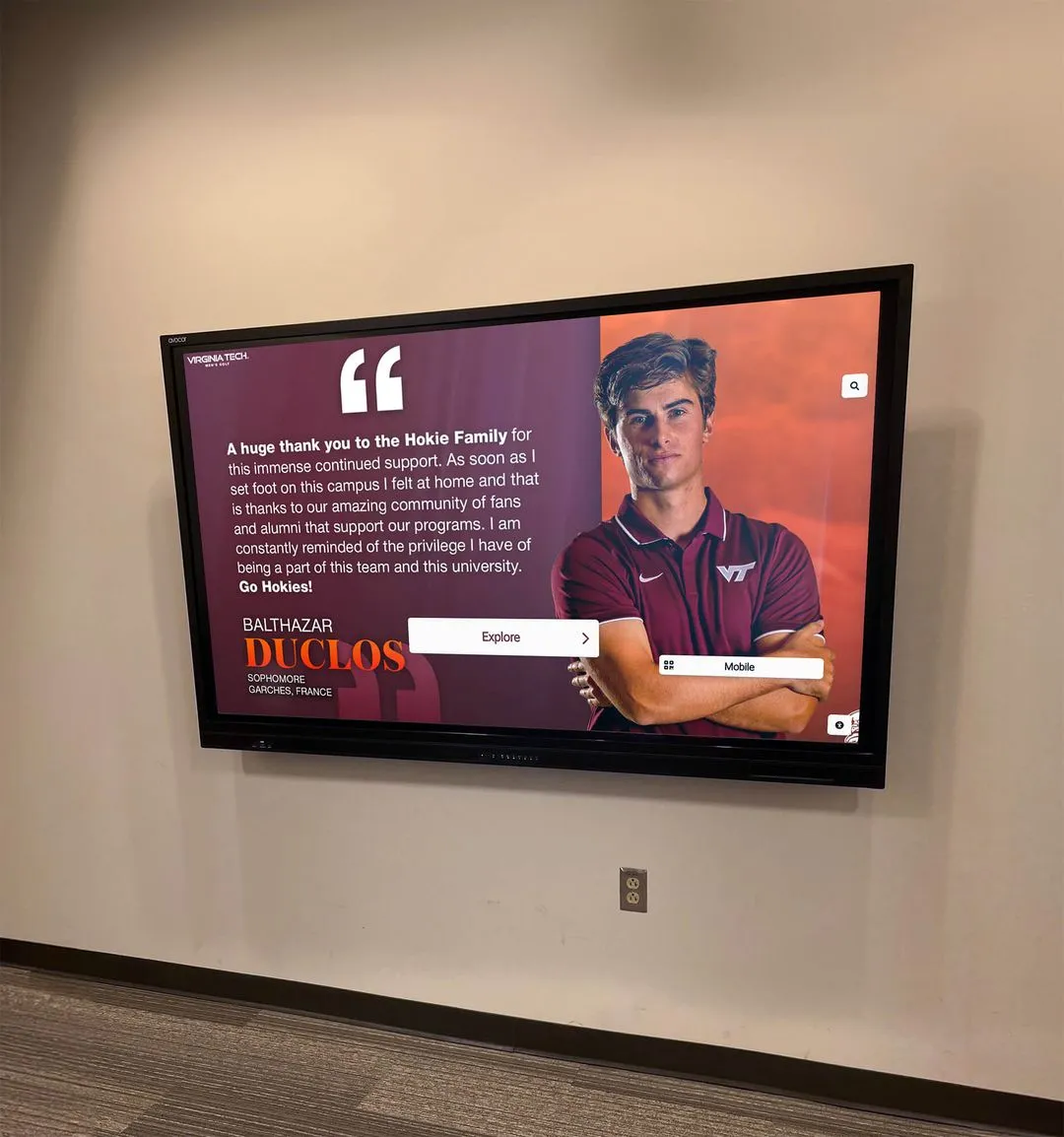
Digital donor walls transform recognition from name lists into immersive storytelling experiences celebrating philanthropic impact
Video Specifications: Digital Donor Recognition System Demonstration
Before exploring the walkthrough content, understanding the technical specifications helps organizations assess feasibility and plan implementation.
| Specification | Details |
|---|---|
| Video Length | 5:45 minutes |
| Aspect Ratio | 16:9 (1920×1080 landscape) |
| Target Platform | Institutional lobbies, development offices, web embed, prospective donor tours |
| Key Demonstration | Unlimited donor capacity, multimedia storytelling, campaign organization, impact visualization |
| Primary Features | Searchable database, giving societies, real-time updates, web accessibility, analytics dashboard |
| Accessibility | Closed captions, high-contrast mode, screen-reader compatible navigation |
This walkthrough demonstrates a comprehensive donor recognition installation operating in a university advancement center, showing both automated content rotation and interactive exploration capabilities that allow visitors, staff, and prospective donors to engage with philanthropic stories.
Scene-by-Scene Breakdown: Digital Donor Recognition Walkthrough
The following timestamp-indexed breakdown details the on-screen actions, visual transitions, and narration prompts that compose the complete video demonstration.
Scene 1: Establishing Shot – Main Recognition Display (0:00 – 0:30)
Visual Elements:
- Camera opens on institutional lobby featuring 65-inch vertical-orientation touchscreen
- Screen displays “Campaign for Excellence – Honoring Our Supporters” header with organizational branding
- Scrolling recognition showcases donor portraits with names, giving levels, and campaign affiliations
- Elegant transitions between donor profiles every four seconds
On-Screen Action:
- Display automatically cycles through giving societies: Leadership Circle ($100,000+), Cornerstone Society ($50,000-$99,999), Benefactors Circle ($25,000-$49,999)
- Each donor profile shows high-resolution photograph, contribution summary, and campaign designation
- Date stamp shows “Updated: December 2024” indicating current recognition
- Subtle animation draws attention without overwhelming professional presentation
Narration Prompt: “Traditional donor recognition faces impossible constraints—limited wall space, expensive fabrication, inability to update or tell impact stories. Digital recognition systems solve these challenges while creating unprecedented opportunities for engagement. At [Institution Name], every supporter receives appropriate acknowledgment regardless of contribution size, with unlimited capacity ensuring comprehensive recognition across all campaigns, giving societies, and time periods. Interactive platforms transform donor walls from static name lists into immersive storytelling experiences that inspire continued generosity.”

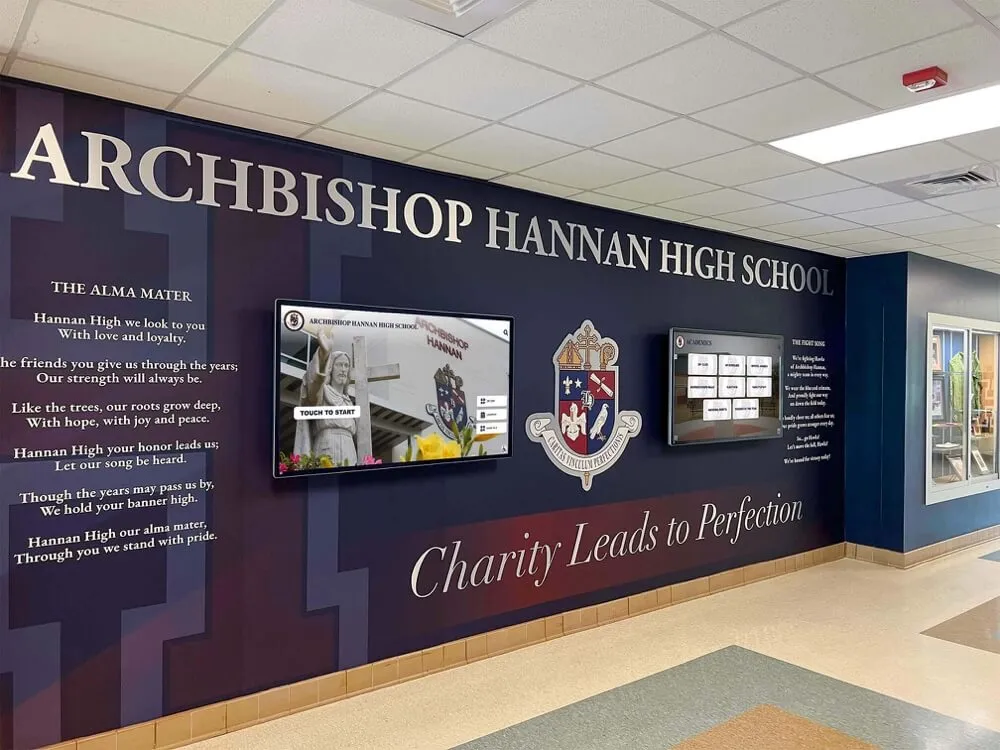
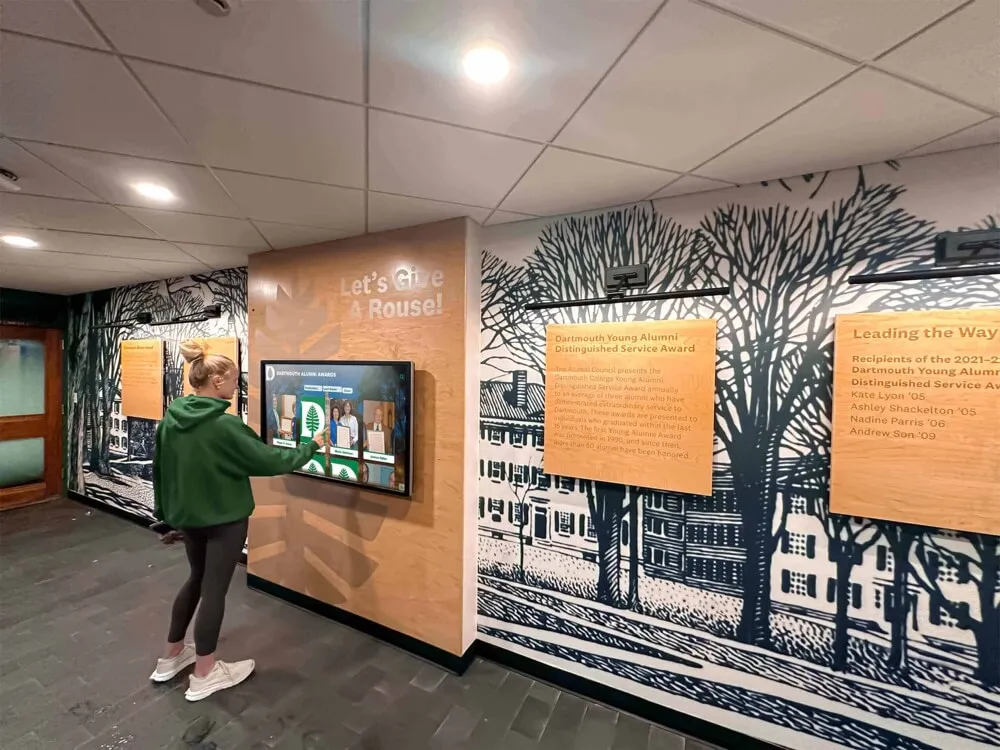
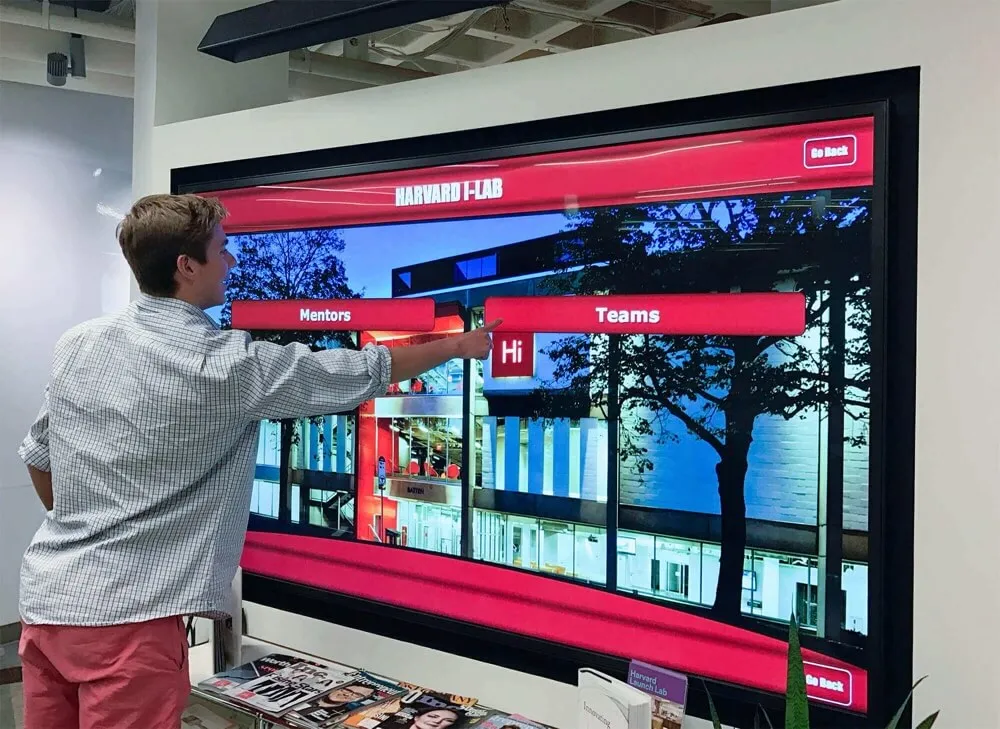
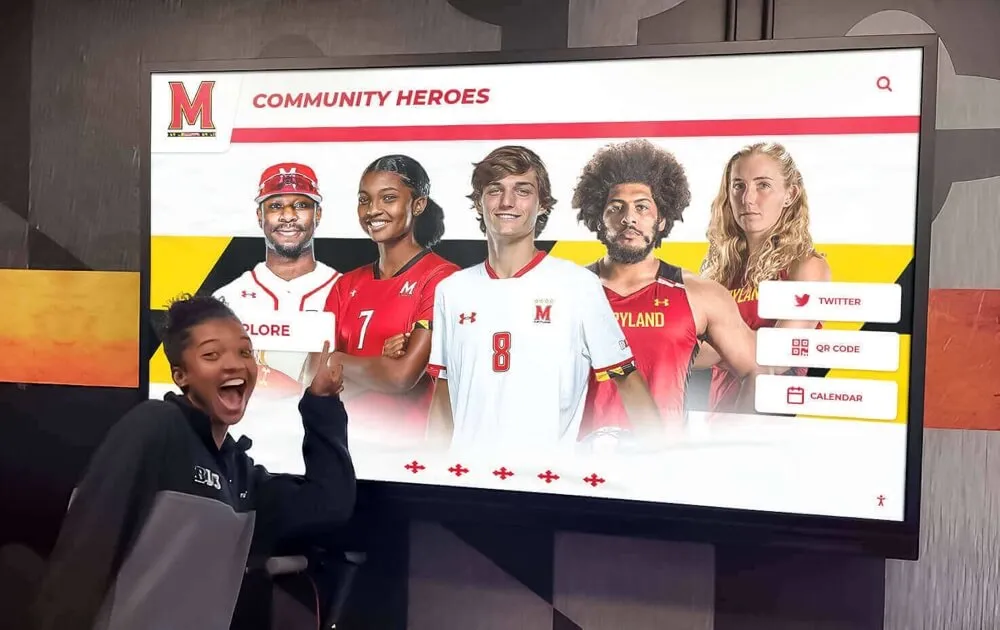
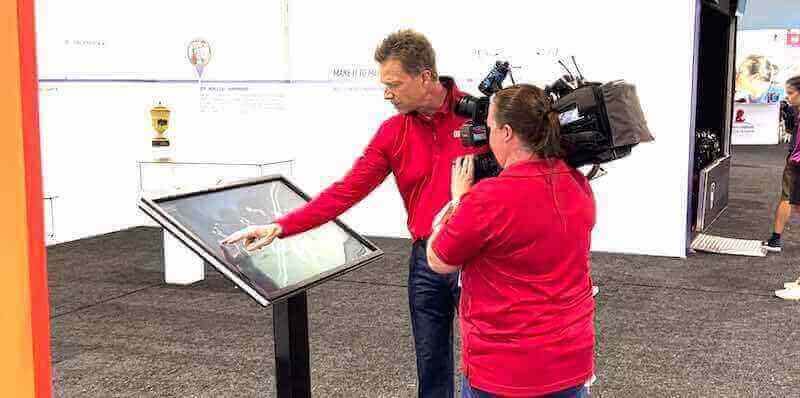
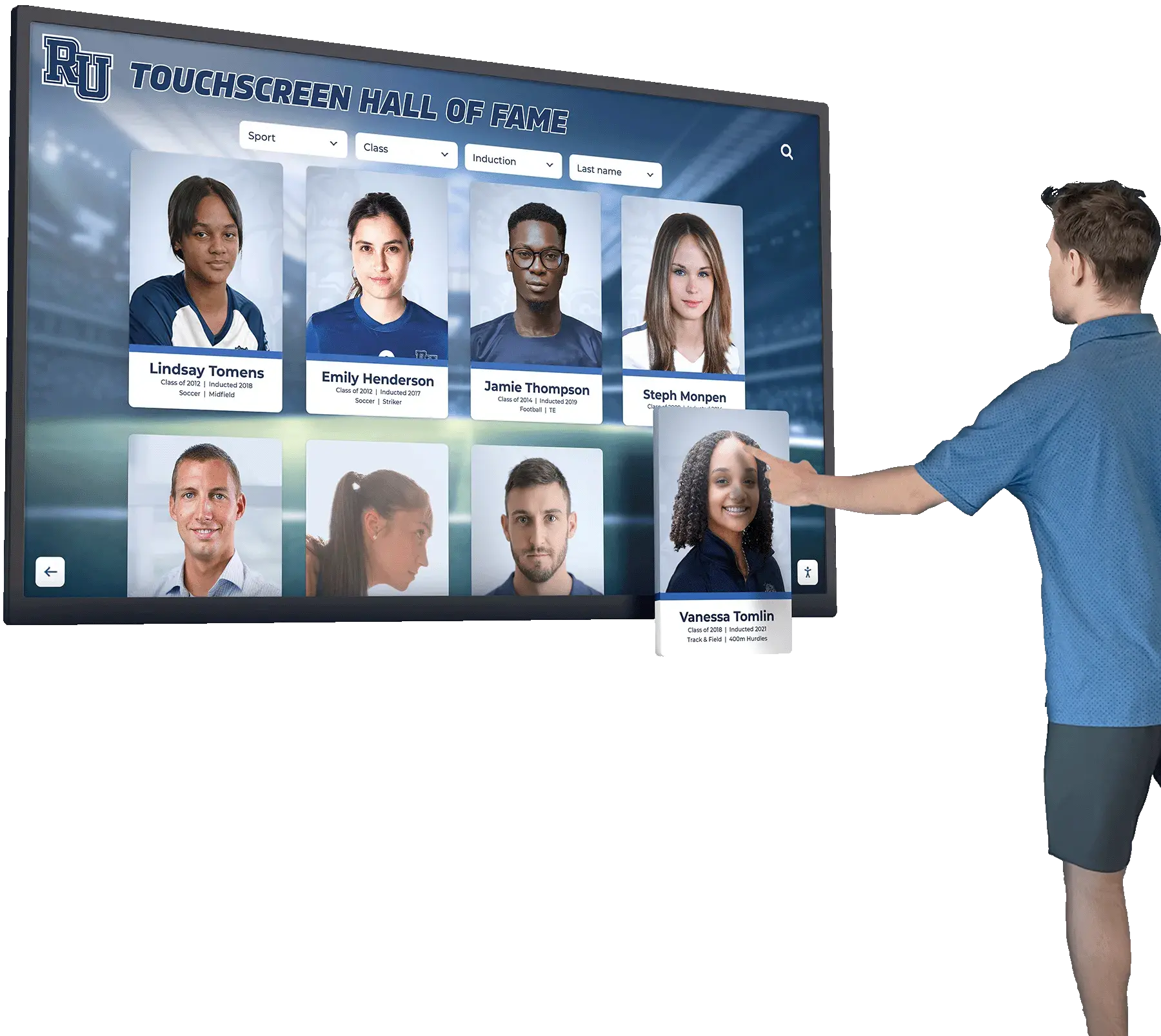
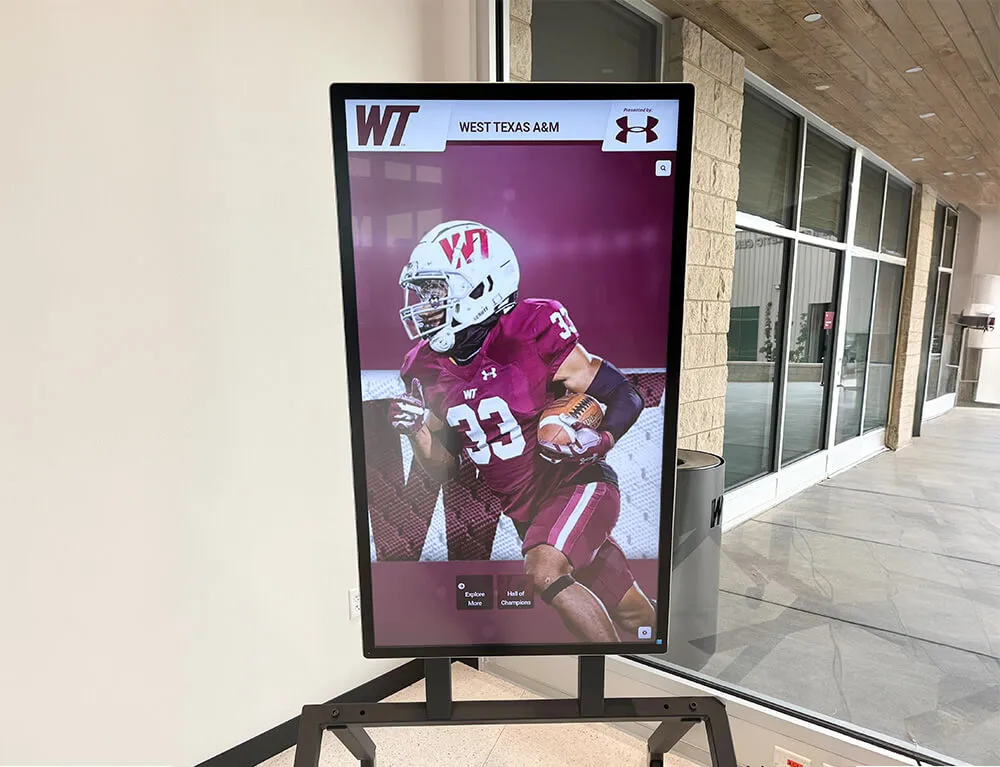
Touchscreen interfaces invite exploration, transforming passive viewing into active discovery of donor stories and impact
Scene 2: Touch Interaction – Exploring Individual Donor Profiles (0:31 – 1:30)
Visual Elements:
- Hand enters frame and taps on donor profile from Leadership Circle
- Screen transitions smoothly to comprehensive donor page with expanded content
- Profile displays donor portrait, biographical information, complete giving history, and personal statement
- Campaign affiliations organized by category: Capital Campaign, Annual Giving, Endowment Support, Program Initiatives
On-Screen Action:
- Timeline visualization shows donor’s philanthropic journey: initial gift (2015), sustained annual support, major campaign commitment (2020), recent endowment contribution (2024)
- Cumulative giving total displayed prominently: $250,000 over nine years
- “Why I Give” section features donor’s personal statement explaining motivation and connection to mission
- Photo gallery showcases program outcomes and facilities enabled by donor’s generosity
- Related content links connect to impact stories and beneficiary testimonials
Narration Prompt: “Unlike static plaques displaying only names and amounts, interactive digital recognition enables comprehensive donor storytelling. Touch any profile to explore complete giving histories, understand personal motivations behind philanthropy, discover specific programs and initiatives each gift supported, and see visual documentation of transformational impact. This depth of recognition honors the complete donor relationship rather than reducing supporters to database entries—creating meaningful acknowledgment that strengthens emotional connections and inspires continued engagement with organizational missions.”
Scene 3: Campaign Organization and Impact Visualization (1:31 – 2:45)
Visual Elements:
- Navigation transitions to “Campaign for Excellence” section
- Dashboard displays campaign overview: $45 million raised toward $50 million goal
- Progress visualization uses interactive thermometer with milestone markers
- Campaign categories expandable: Student Scholarships ($15M), Faculty Excellence ($10M), Facility Renovation ($12M), Program Enhancement ($8M)
On-Screen Action:
- User taps on “Student Scholarships” category
- Display transitions to impact visualization showing 850 students supported through donor-funded scholarships
- Grid layout presents student testimonial videos, academic achievement data, and graduation outcomes
- Individual scholarship profiles acknowledge specific donors who established endowments
- “Meet the Students” section features photo gallery with brief stories about scholarship recipients
Narration Prompt: “Connecting gifts to outcomes transforms recognition from perfunctory acknowledgment to compelling impact storytelling. Campaign organization enables donors to see exactly what their contributions accomplished—not abstract fundraising totals, but specific students supported, programs launched, facilities renovated, and communities transformed. Prospective donors exploring recognition displays during facility tours encounter powerful evidence that contributions create measurable change, directly addressing the fundamental question every supporter asks: will my gift make a difference?”
Scene 4: Giving Societies and Recognition Tiers (2:46 – 3:30)
Visual Elements:
- Navigation menu transitions to “Giving Societies” section
- Display shows tiered recognition structure with visual hierarchy
- Society levels: Presidential Society ($1M+), Leadership Circle ($100K-$999K), Cornerstone Society ($50K-$99K), Benefactors Circle ($25K-$49K), Annual Giving Champions ($1K-$24K)
On-Screen Action:
- Each society level expandable to show current members
- Member profiles organized alphabetically with search functionality
- Society benefits and special recognition outlined for each tier
- Historical tracking shows membership growth over five-year period
- Special designation for legacy society members who included institution in estate plans
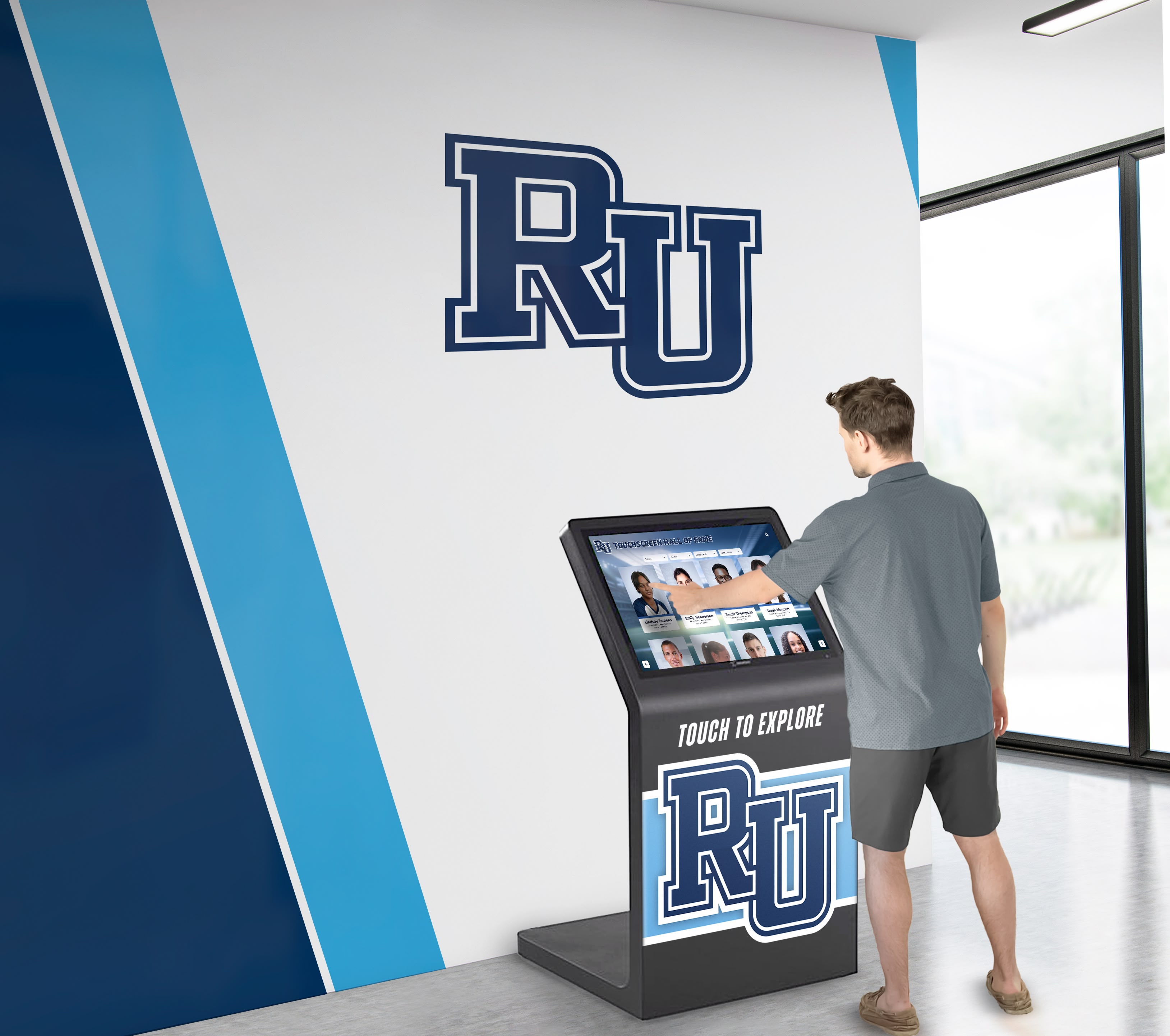
Strategic placement ensures recognition visibility while creating natural exploration opportunities during facility visits
Narration Prompt: “Structured giving societies create clear philanthropic pathways while recognizing supporters at appropriate levels. Digital platforms accommodate unlimited members across all tiers—solving the capacity constraints that forced traditional displays to recognize only largest donors while excluding others. Every contributor receives dignified acknowledgment commensurate with their generosity, building inclusive philanthropic cultures where all support matters. Prospective donors see themselves reflected in recognition, understanding exactly where their potential contributions would position them while aspiring toward higher society membership through continued giving.”
Scene 5: Search Functionality and Content Discovery (3:31 – 4:15)
Visual Elements:
- User returns to main menu and selects “Search Donors” option
- On-screen keyboard appears with large, touch-friendly buttons
- Search field accepts text input: user types “Johnson”
- Results display shows eight donors with surname “Johnson”
On-Screen Action:
- Filter options refine results by campaign, giving level, time period, or geographic location
- User selects “Johnson, Robert & Patricia” from results
- Profile loads showing couple’s combined giving history spanning 32 years
- Multi-generational recognition highlights family philanthropy: parents, children who are also donors, and grandchildren who received scholarships
- Family legacy narrative explains values driving sustained support across generations
Narration Prompt: “Intuitive search capabilities enable visitors to discover specific donors quickly—particularly valuable during reunion events, donor appreciation gatherings, and prospective supporter tours when staff want to highlight relevant recognition examples. Searchable databases eliminate the frustrating experience of scanning endless static plaques hunting for specific names. Family legacy features celebrate multi-generational philanthropy, demonstrating that values of giving pass through families while inspiring others toward similar sustained engagement. This personalized exploration creates intimate recognition experiences impossible with conventional approaches.”
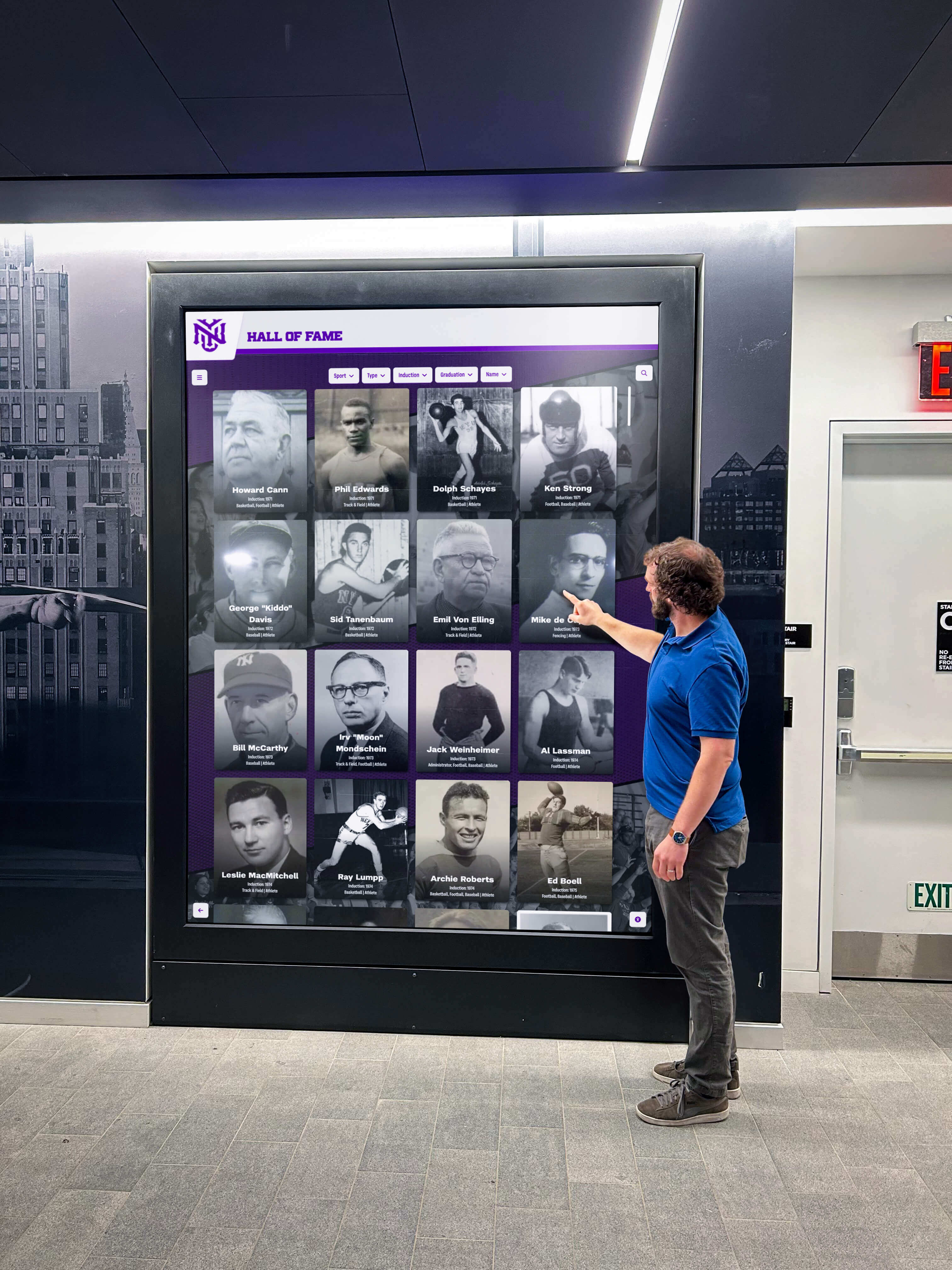
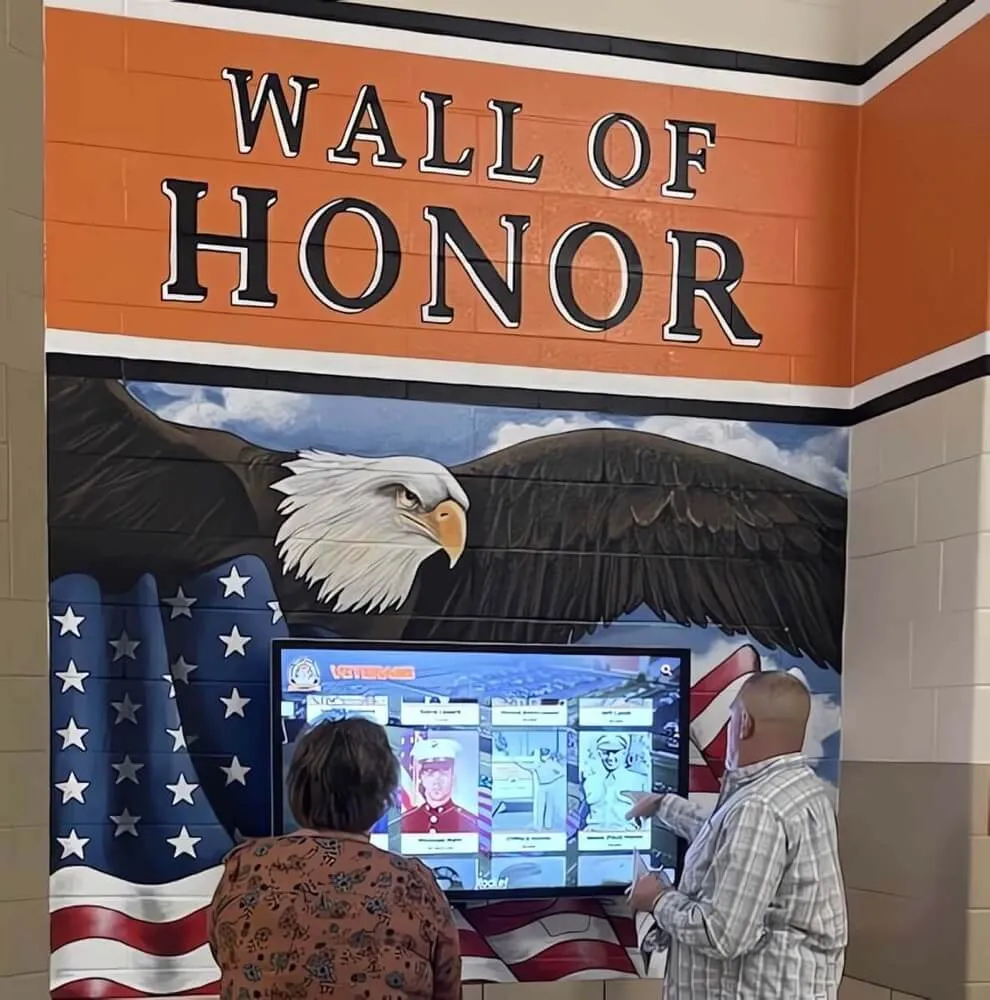
Engaging interfaces encourage extended exploration, deepening visitor connections to organizational mission and philanthropic culture
Scene 6: Mobile QR Code and Web Accessibility (4:16 – 5:00)
Visual Elements:
- Camera zooms to QR code displayed in screen corner
- Smartphone enters frame scanning code
- Mobile browser opens to mirror recognition interface
- Phone screen shows identical functionality: searchable donors, campaign information, impact stories
On-Screen Action:
- User navigates mobile version, exploring same donor profiles and campaign content
- Social sharing button enables posting recognition to Facebook, LinkedIn, Twitter
- “Inspired to Give?” call-to-action links directly to secure online donation platform
- Email option allows sending specific donor stories or impact examples to friends and family
- Analytics footer shows recognition engagement: “This display has been explored 3,847 times since installation”
Narration Prompt: “QR code integration and web accessibility extend recognition impact far beyond physical display locations. Alumni exploring recognition during campus visits can continue engagement from home, sharing compelling stories with family members and prospective donors. Development staff use mobile access during donor meetings, showcasing recognition examples relevant to prospect interests and capacity. Online recognition reaches global audiences including distant alumni, parents, emeritus faculty, and prospective supporters who may never visit campus physically. This multi-channel approach maximizes stewardship value while inspiring giving among audiences who encounter recognition through various touchpoints.”
Scene 7: Administrative Content Management (5:01 – 5:45)
Visual Elements:
- Screen transitions to administrative backend interface
- Cloud-based dashboard shows content management system
- Simple form interface for adding new donor recognition
- Fields include: donor name, contribution amount, campaign affiliation, giving society, biographical information, photo upload, personal statement
On-Screen Action:
- Administrator demonstrates adding new major gift donor
- System automatically calculates appropriate giving society based on contribution level
- Photo uploads through simple drag-and-drop interface
- Preview mode shows exactly how recognition will appear on public display
- “Publish” button updates live display instantly—no fabrication or installation delay
- Analytics dashboard reveals recognition engagement patterns: peak usage times, popular content, average session duration
Narration Prompt: “Cloud-based content management eliminates technical barriers that prevented organizations from maintaining current recognition. Development staff update displays within minutes of receiving gifts—no fabrication delays, no installation appointments, no expensive re-engraving when information changes. Intuitive interfaces require no specialized training, enabling any team member to add donors, enhance profiles with impact stories, or correct information as circumstances evolve. Real-time analytics reveal how audiences engage with recognition, informing content strategy and demonstrating stewardship program effectiveness. This administrative simplicity ensures recognition remains current, accurate, and compelling perpetually.”

Administrative interfaces enable instant updates without technical expertise, ensuring recognition remains current as campaigns progress
Transcript: Full Narration for Accessibility
For viewers requiring complete transcript access, the following text captures all spoken narration throughout the video demonstration:
Opening (0:00): “Traditional donor recognition faces impossible constraints—limited wall space, expensive fabrication, inability to update or tell impact stories. Digital recognition systems solve these challenges while creating unprecedented opportunities for engagement. At [Institution Name], every supporter receives appropriate acknowledgment regardless of contribution size, with unlimited capacity ensuring comprehensive recognition across all campaigns, giving societies, and time periods. Interactive platforms transform donor walls from static name lists into immersive storytelling experiences that inspire continued generosity.”
Individual Profiles (0:31): “Unlike static plaques displaying only names and amounts, interactive digital recognition enables comprehensive donor storytelling. Touch any profile to explore complete giving histories, understand personal motivations behind philanthropy, discover specific programs and initiatives each gift supported, and see visual documentation of transformational impact. This depth of recognition honors the complete donor relationship rather than reducing supporters to database entries—creating meaningful acknowledgment that strengthens emotional connections and inspires continued engagement with organizational missions.”
Campaign Impact (1:31): “Connecting gifts to outcomes transforms recognition from perfunctory acknowledgment to compelling impact storytelling. Campaign organization enables donors to see exactly what their contributions accomplished—not abstract fundraising totals, but specific students supported, programs launched, facilities renovated, and communities transformed. Prospective donors exploring recognition displays during facility tours encounter powerful evidence that contributions create measurable change, directly addressing the fundamental question every supporter asks: will my gift make a difference?”
Giving Societies (2:46): “Structured giving societies create clear philanthropic pathways while recognizing supporters at appropriate levels. Digital platforms accommodate unlimited members across all tiers—solving the capacity constraints that forced traditional displays to recognize only largest donors while excluding others. Every contributor receives dignified acknowledgment commensurate with their generosity, building inclusive philanthropic cultures where all support matters. Prospective donors see themselves reflected in recognition, understanding exactly where their potential contributions would position them while aspiring toward higher society membership through continued giving.”
Search Discovery (3:31): “Intuitive search capabilities enable visitors to discover specific donors quickly—particularly valuable during reunion events, donor appreciation gatherings, and prospective supporter tours when staff want to highlight relevant recognition examples. Searchable databases eliminate the frustrating experience of scanning endless static plaques hunting for specific names. Family legacy features celebrate multi-generational philanthropy, demonstrating that values of giving pass through families while inspiring others toward similar sustained engagement. This personalized exploration creates intimate recognition experiences impossible with conventional approaches.”
Web Accessibility (4:16): “QR code integration and web accessibility extend recognition impact far beyond physical display locations. Alumni exploring recognition during campus visits can continue engagement from home, sharing compelling stories with family members and prospective donors. Development staff use mobile access during donor meetings, showcasing recognition examples relevant to prospect interests and capacity. Online recognition reaches global audiences including distant alumni, parents, emeritus faculty, and prospective supporters who may never visit campus physically. This multi-channel approach maximizes stewardship value while inspiring giving among audiences who encounter recognition through various touchpoints.”
Content Management (5:01): “Cloud-based content management eliminates technical barriers that prevented organizations from maintaining current recognition. Development staff update displays within minutes of receiving gifts—no fabrication delays, no installation appointments, no expensive re-engraving when information changes. Intuitive interfaces require no specialized training, enabling any team member to add donors, enhance profiles with impact stories, or correct information as circumstances evolve. Real-time analytics reveal how audiences engage with recognition, informing content strategy and demonstrating stewardship program effectiveness. This administrative simplicity ensures recognition remains current, accurate, and compelling perpetually.”
Understanding Digital Donor Recognition Technology
To design effective recognition systems, organizations benefit from understanding how digital platforms function and what distinguishes sophisticated implementations from basic digital signage.
Core Technology Components
Hardware Infrastructure:
Modern donor recognition requires commercial-grade touchscreen displays engineered for continuous operation rather than consumer televisions designed for intermittent residential use. These professional displays feature capacitive touch technology supporting intuitive multi-touch gestures, brightness levels suitable for varying ambient lighting conditions, viewing angles ensuring visibility from multiple positions, and mounting options including wall-mounted installations, freestanding kiosks, or architectural integration.
Display sizes typically range from 43 to 75 inches depending on viewing distances and installation locations. Larger lobbies with significant space between displays and primary viewing positions require 65-75 inch screens for comfortable readability, while smaller waiting areas or hallway installations function effectively with 43-55 inch displays.
Software Architecture:
Purpose-built donor recognition platforms provide specialized functionality distinct from generic digital signage systems. Cloud-based architecture enables remote content management from any internet-connected device without requiring physical access to displays. Dedicated donor databases organize supporters with sophisticated taxonomy supporting campaign affiliations, giving societies, contribution histories, privacy preferences, and biographical information.
Content management interfaces designed for non-technical users enable development staff to add donors, upload photos and videos, create impact stories, and update recognition without requiring IT department involvement. Template systems ensure consistent branding and professional presentation while allowing customization matching institutional identity.

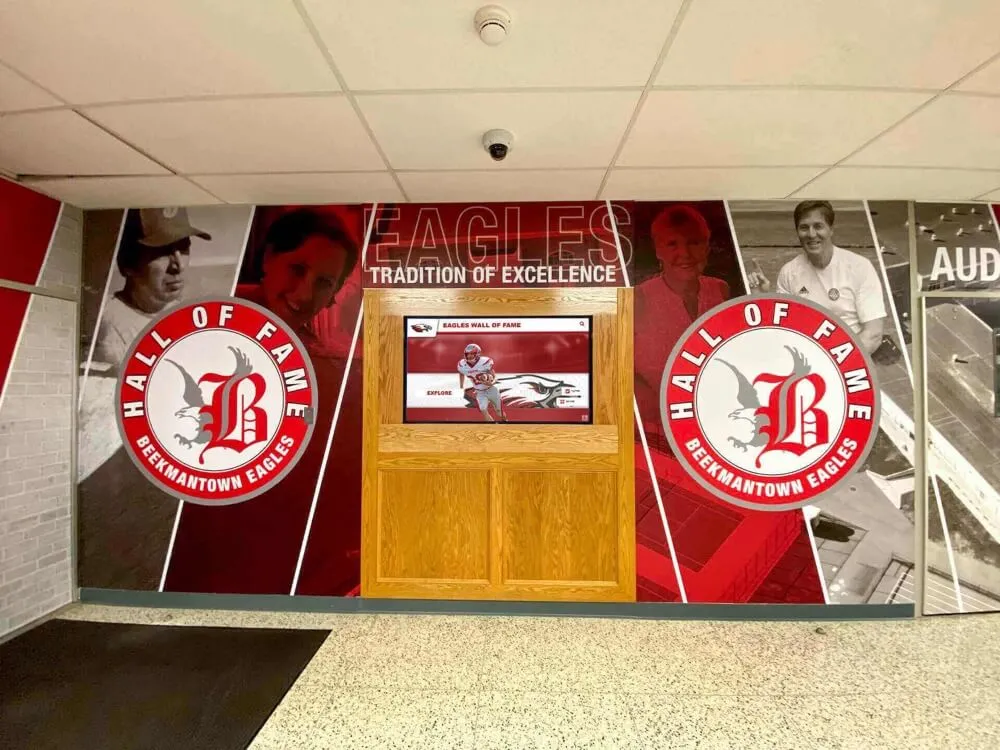
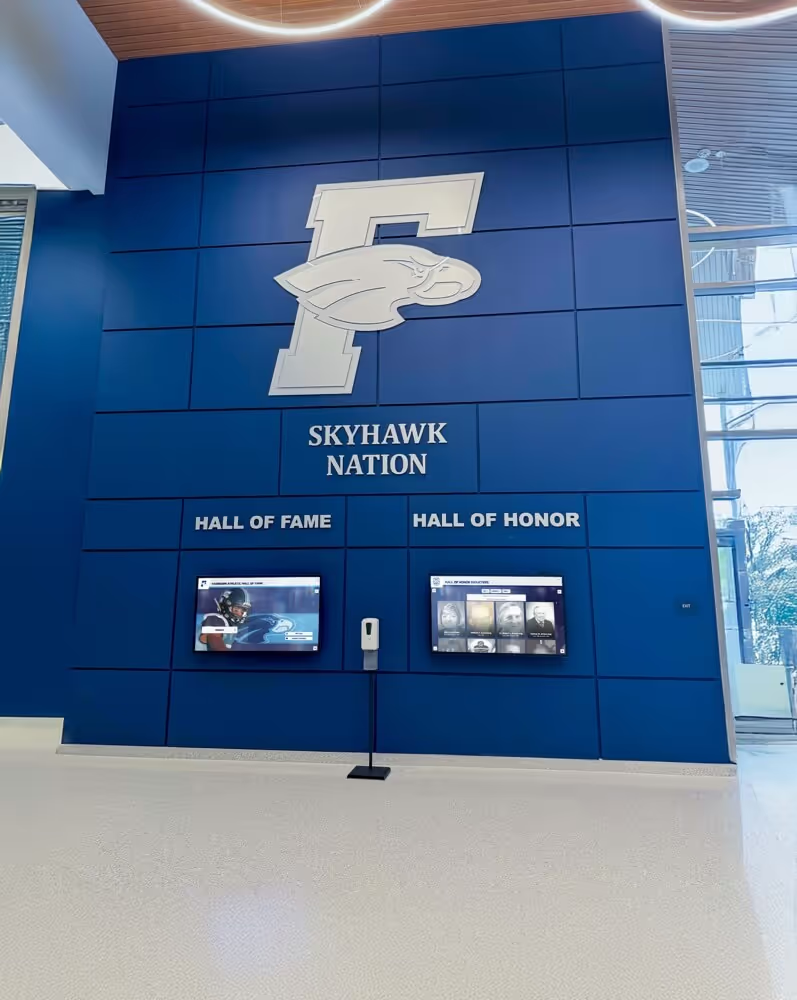
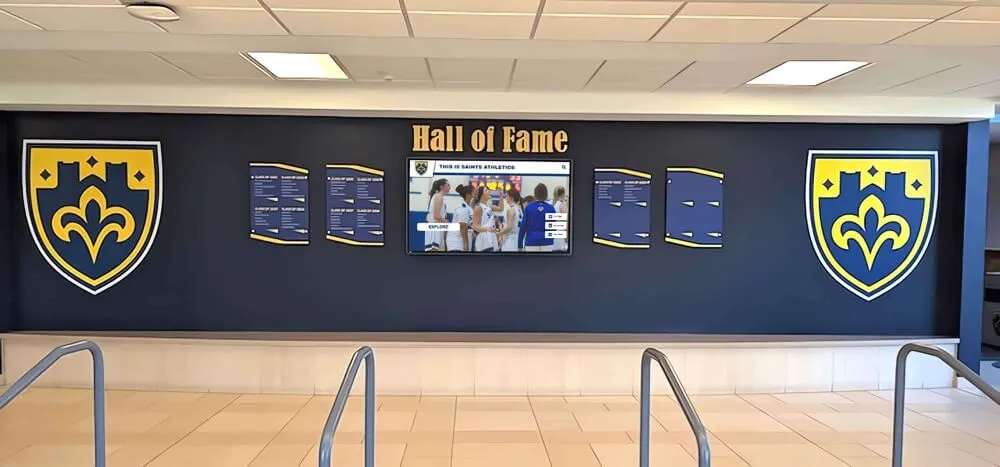
Professional installations become architectural elements within facilities, creating dignified recognition destinations honoring supporter generosity
Key Platform Capabilities
Unlimited Recognition Capacity:
Perhaps the most transformative advantage digital systems provide involves eliminating space constraints that plague traditional recognition. Single touchscreen installations accommodate comprehensive acknowledgment for hundreds or thousands of donors across multiple campaigns, time periods, and contribution levels—without ever facing capacity limitations requiring difficult exclusion decisions.
This unlimited capacity enables inclusive recognition philosophies where every supporter receives appropriate acknowledgment regardless of gift size. Organizations commonly establish modest minimum thresholds ($100-$500) for permanent recognition, then provide increasingly comprehensive profiles for larger contributors—honoring all donors appropriately while differentiating recognition commensurate with contribution significance.
Multimedia Storytelling:
Traditional plaques communicate names and perhaps giving levels—missing opportunities to connect gifts with transformational outcomes. Digital platforms enable rich multimedia presentations incorporating high-resolution photography documenting programs and facilities donor support enabled, video testimonials from beneficiaries expressing gratitude and describing personal impact, interactive timelines visualizing how sustained giving built programs over decades, quantitative data demonstrating measurable outcomes, and narrative storytelling explaining specific challenges addressed through philanthropic investment.
Research consistently demonstrates that impact-focused recognition generates 3-4 times longer visitor engagement compared to simple donor name lists while creating significantly stronger emotional connections between supporters and organizational missions. This deeper engagement translates directly to fundraising outcomes—prospective donors encountering compelling impact stories show measurably higher conversion rates and larger initial contributions.
Real-Time Updates:
Cloud-based systems enable instant recognition additions within minutes of receiving contributions—critical for stewardship best practices recommending acknowledgment within 48-72 hours of gifts. Development staff simply log into content management dashboards, enter donor information, upload photos, and publish recognition immediately without fabrication costs, installation appointments, or administrative delays.
This update flexibility extends beyond adding new donors. Organizations continuously enhance existing recognition with supplementary impact documentation as programs achieve outcomes, correct errors or update information without replacement expenses, reorganize content reflecting campaign evolution and priorities, and improve recognition quality over time rather than accepting permanent limitations inherent in fabricated plaques.
Explore comprehensive technology considerations in digital recognition display guides addressing platform architecture and capabilities.
Production Notes: Technical Considerations for Recognition Video Content
For organizations and institutions planning to create their own video demonstrations or seeking to understand production requirements, these technical details inform realistic planning.
Equipment and Setup Requirements
Display Hardware Specifications:
- 65-inch 4K commercial touchscreen display rated for 16+ hours daily operation
- Capacitive touch technology supporting responsive multi-touch interaction
- 500 nits brightness suitable for lobby lighting conditions
- Portrait orientation mounting for optimal content layout
- Commercial warranty coverage (5 years minimum for institutional installations)
Recording Equipment:
- Professional camera: Sony A7 IV or equivalent mirrorless system with 4K recording
- Lens selection: 24-70mm f/2.8 for flexible framing and focal lengths
- Sturdy tripod with fluid head enabling smooth panning and camera movements
- External shotgun microphone for clear narration capture without ambient noise
- Wireless lavalier microphone option for presenter-style demonstrations
Lighting Configuration:
- Three-point lighting setup minimizing touchscreen glare and reflections
- LED panel lights with adjustable color temperature (5600K daylight balance preferred)
- Softbox diffusion reducing harsh shadows and creating professional appearance
- Practical lighting elements visible in background adding depth and environmental context
Filming Best Practices
Display Interaction Capture:
- Film at 24fps minimizing screen refresh rate artifacts and flicker
- Shutter speed set to 1/50s creating natural motion blur
- Reduce display brightness 10-15% below maximum to prevent blown highlights in camera
- Use polarizing filter on camera lens to control reflections on touchscreen surface
Camera Angles and Framing:
- Wide establishing shot showing display within architectural context of installation location
- Medium shot emphasizing display content and user interaction
- Close-up of hand touching specific interface elements demonstrating navigation
- Over-shoulder perspective replicating actual user viewing angle and experience
- Pull-back reveal showing broader facility context and institutional environment
Audio Production:
- Record narration in acoustically treated environment separate from visual filming
- Maintain consistent microphone distance using pop filter for clean vocal capture
- Edit narration audio first, then sync precisely to visual sequences during post-production
- Capture room tone at location for natural ambient sound underlays
- Mix narration prominently while keeping background audio subtle
Post-Production and Accessibility
Editing Workflow:
- Assemble visual sequences following detailed script and scene outline
- Sync pre-recorded narration to appropriate visual demonstrations using markers
- Add text overlays highlighting key features, benefits, or important information
- Include smooth transitions between scenes (cross-dissolve typically 0.5-1.0 seconds)
- Color grade footage ensuring consistent appearance across all shots
- Export multiple versions: full-length demonstration, condensed highlight reel, social media snippets
Caption and Accessibility Requirements:
- Generate closed captions meeting WCAG 2.1 AA accessibility standards
- Include speaker identification when multiple voices present in audio
- Describe significant on-screen actions not covered by spoken narration
- Provide complete time-stamped transcript as separate document or in video description
- Test captions for timing accuracy ensuring text appears synchronized with audio
Export Specifications:
- Master file: ProRes 422 HQ codec at 1920×1080, 24fps frame rate
- Distribution file: H.264 MP4 at 1920×1080, 24fps, 8-10 Mbps bitrate
- Audio: AAC stereo format at 256kbps, 48kHz sample rate
- Embed comprehensive metadata: title, description, keywords, copyright information, contact details
Organizations lacking internal video production capabilities can partner with digital recognition providers who often offer complete video demonstration services as part of implementation support packages, reducing the burden on internal staff.
Strategic Implementation: Planning Digital Donor Recognition
Beyond understanding video demonstrations, organizations planning actual installations benefit from considering practical implementation factors that determine long-term success and fundraising impact.
Establishing Recognition Philosophy
Core Policy Decisions:
Before selecting technology platforms, development leadership should collaboratively address fundamental recognition questions: What minimum contribution thresholds warrant permanent recognition versus annual acknowledgment only? How will multi-year pledges be recognized before complete payment? What privacy options will accommodate donors preferring anonymous giving? How should memorial gifts and planned giving commitments be acknowledged? What approval processes ensure information accuracy before publication? How frequently will recognition be reviewed and updated?
Balancing Inclusion and Differentiation:
Organizations navigate inherent tension between recognizing all supporters inclusively and acknowledging that larger contributions warrant enhanced recognition. Effective approaches provide basic acknowledgment for all donors above modest thresholds ($250-$1,000 typical minimums), enhanced profiles for giving society members and sustained multi-year supporters, comprehensive multimedia presentations for major gift donors warranting special recognition, and featured content for transformational contributions enabling signature programs—all while ensuring equal search accessibility regardless of contribution size.
This balanced philosophy builds philanthropic cultures celebrating broad participation while appropriately honoring exceptional generosity—both critical for sustainable fundraising and long-term organizational health.
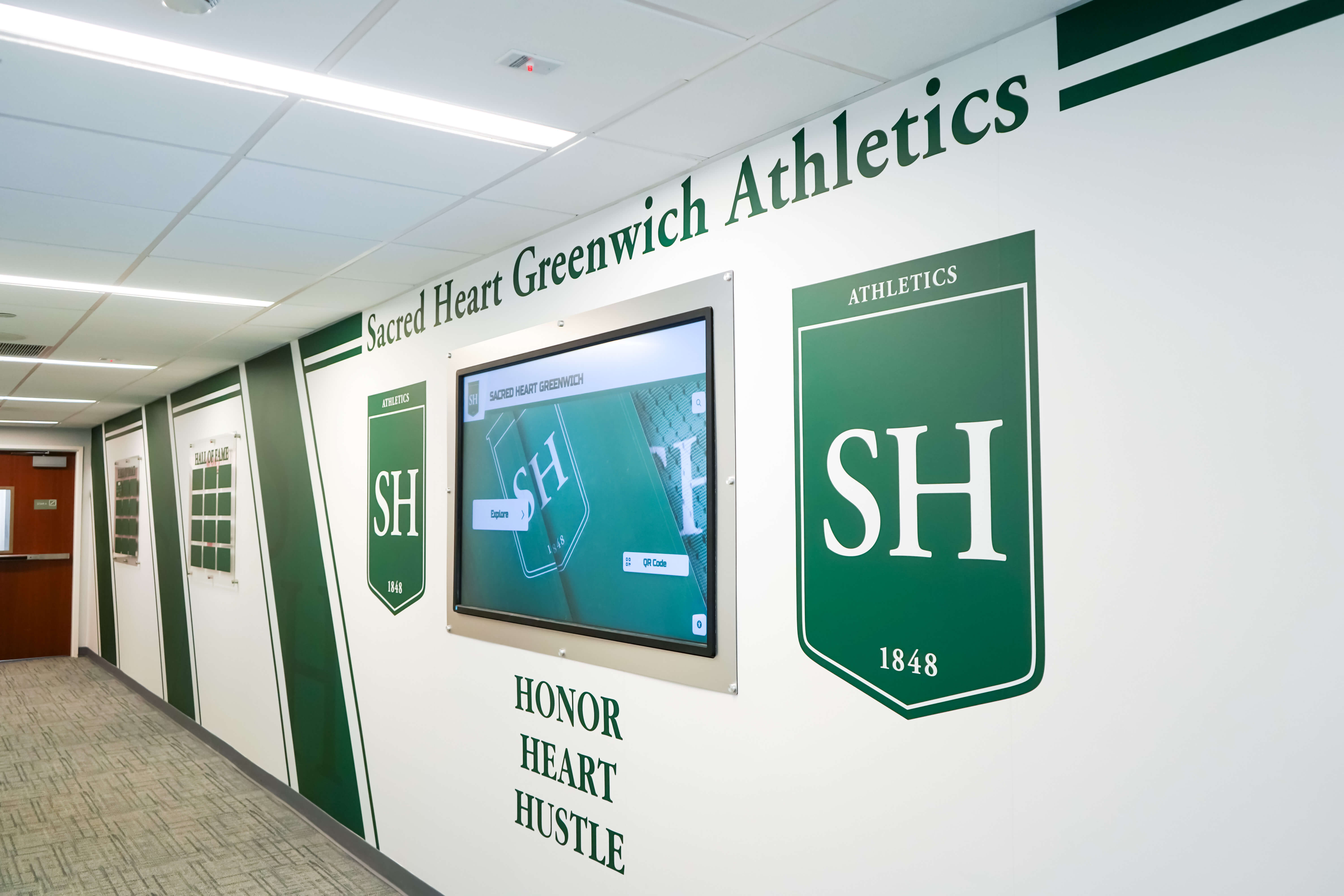
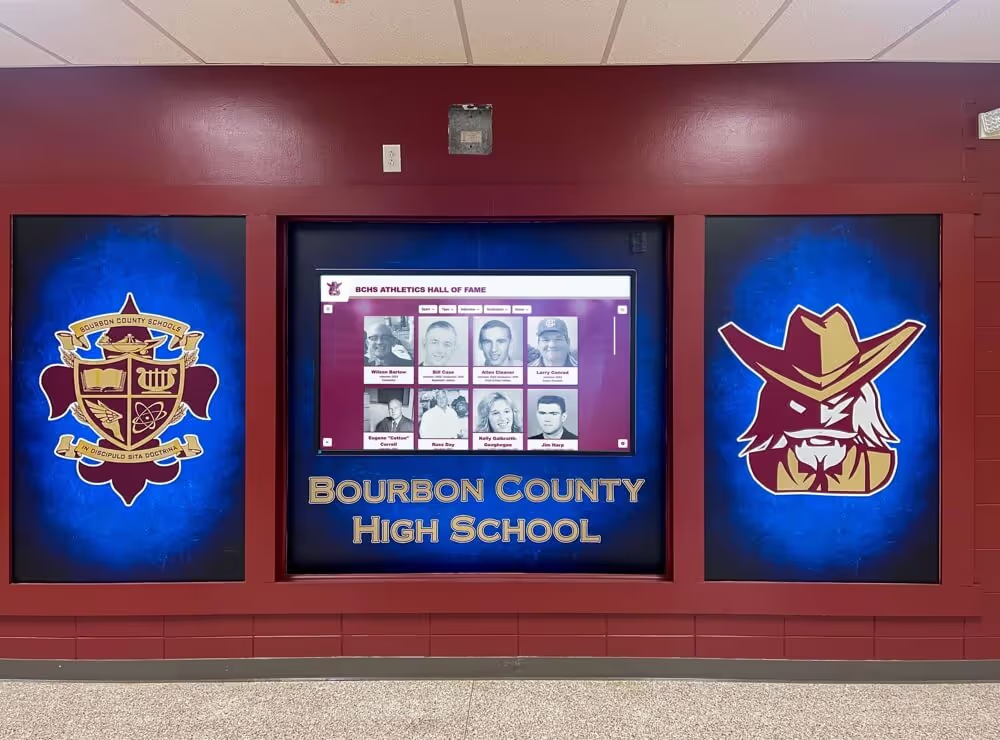
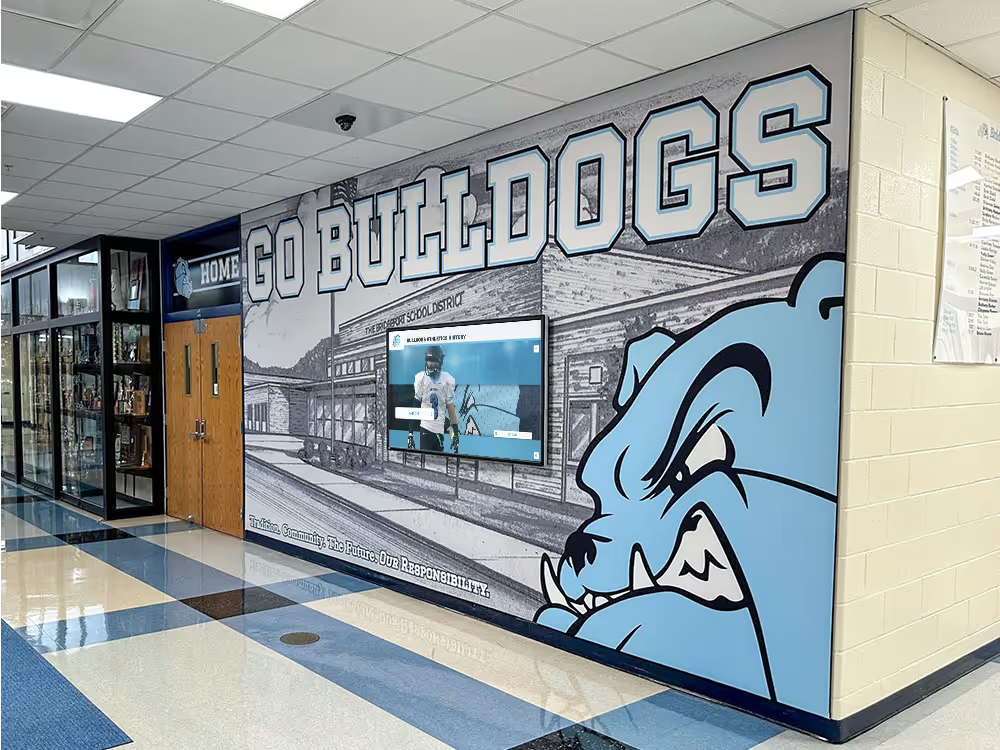
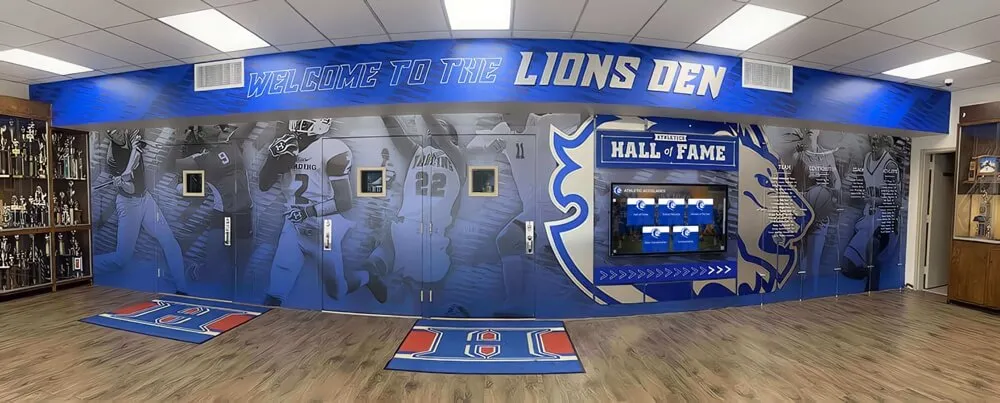
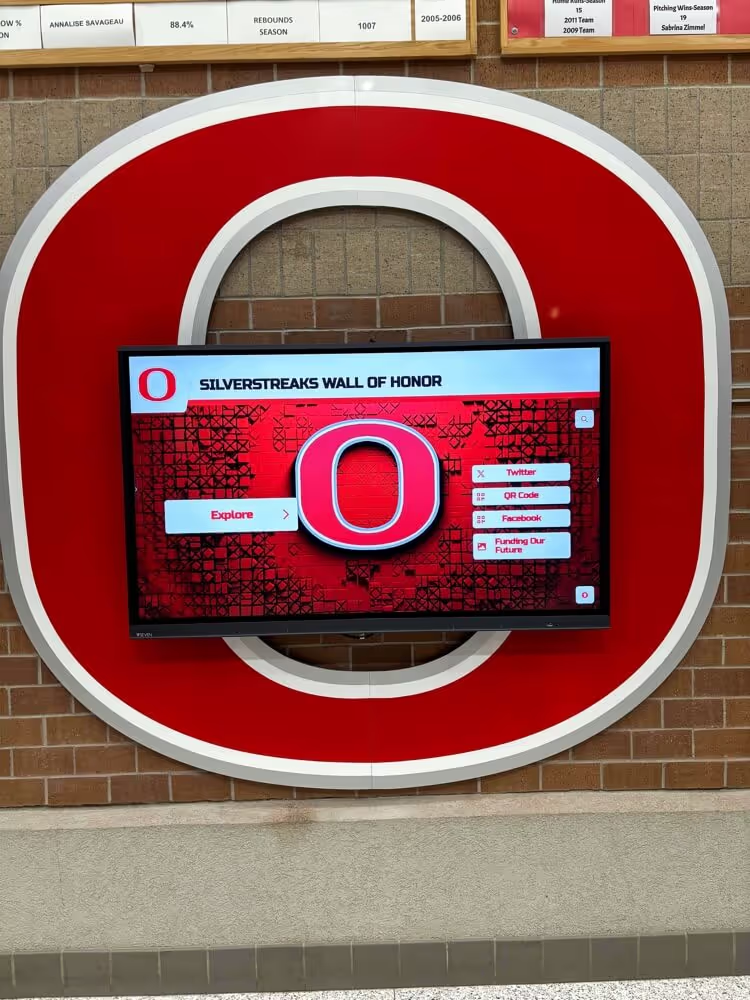
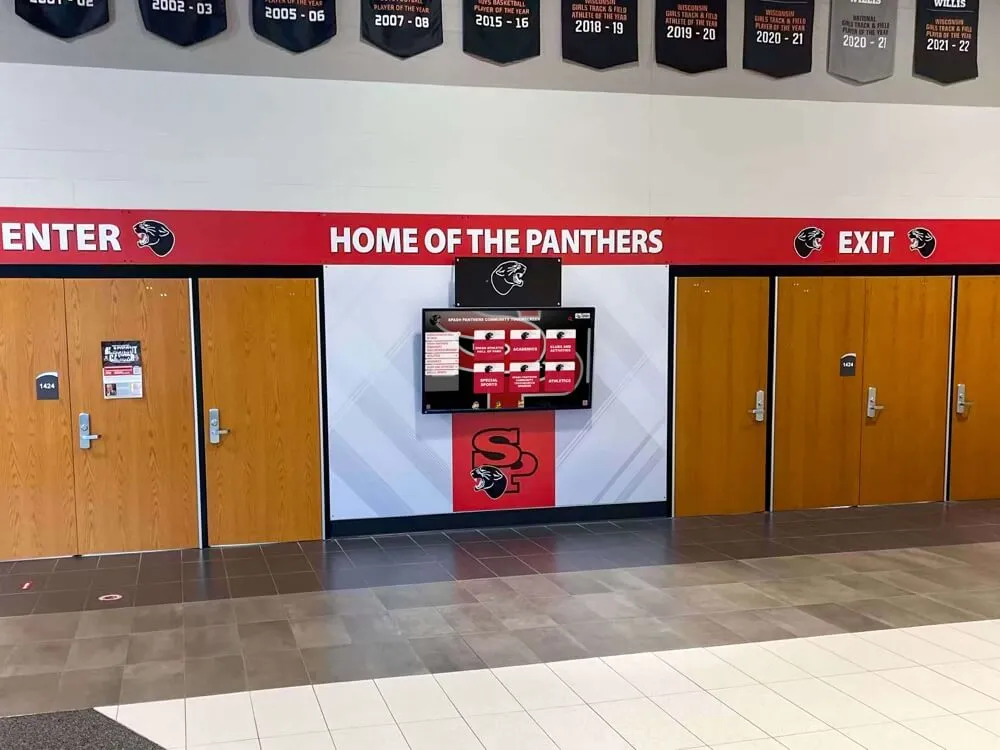
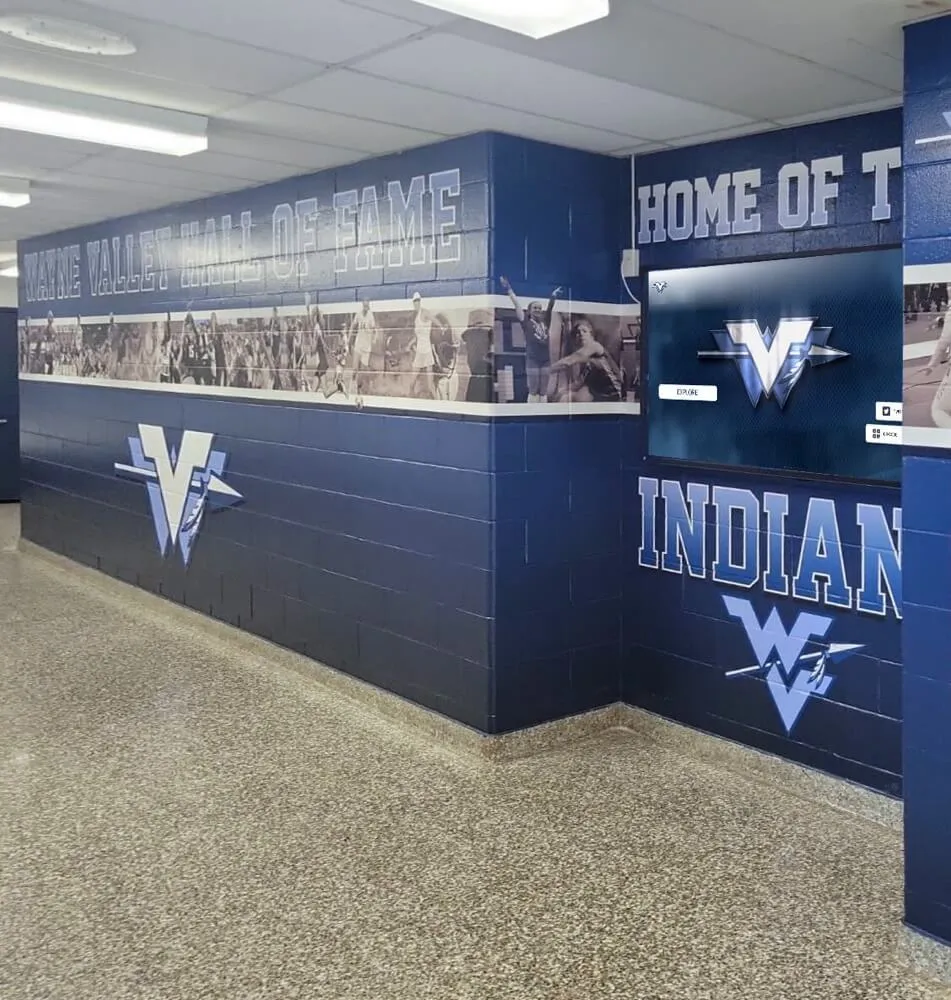
Hallway installations ensure recognition visibility in high-traffic areas where community members encounter donor acknowledgment regularly
Content Strategy and Data Preparation
Essential Donor Information:
Comprehensive recognition requires systematic data collection and organization. Development teams should compile complete donor records including legal names and preferred name variations, detailed giving histories with dates and campaign affiliations, biographical information and professional backgrounds, high-resolution photographs (donor portraits or program images), impact documentation connecting specific gifts to measurable outcomes, donor statements explaining motivations and personal connections to mission, volunteer involvement and leadership roles beyond financial contributions, family relationships for multi-generational supporters, and contact information supporting ongoing stewardship communication.
Migration and Organization:
Organizations typically source recognition content from advancement databases and CRM platforms, historical campaign records and physical files, direct donor outreach through biographical questionnaires, professional photography from events and programs, beneficiary testimonials and impact documentation, and institutional archives for legacy donor recognition. Plan adequate time for content development—institutions commonly underestimate preparation work required, leading to rushed implementations with incomplete information that undermine recognition effectiveness.
Systematic data collection before technology deployment ensures recognition launches with compelling content rather than treating displays as shells gradually populated over months or years. Phased approaches remain valid when necessary, but organizations should prioritize comprehensive initial content over rapid deployment with sparse profiles.
Learn about systematic content approaches in donor recognition program guides addressing data strategy and profile development.
Physical Installation and Placement
Optimal Display Locations:
Recognition effectiveness depends heavily on strategic placement within institutional facilities. Primary locations include main building entrances and lobbies ensuring all visitors encounter recognition immediately, development office areas where prospective donors meet with fundraising staff during cultivation, adjacent to specific programs or facilities funded by recognized campaigns (creating direct visual connection between gifts and outcomes), gathering spaces where community members congregate regularly, and near elevators in multi-story buildings capturing attention during waiting periods.
Environmental Considerations:
Successful installations account for lighting conditions ensuring screen visibility without excessive glare from windows or fixtures, electrical infrastructure providing adequate power through dedicated circuits, network connectivity supporting cloud platform access and content updates, physical security preventing theft or vandalism in vulnerable locations, climate control maintaining appropriate operating temperatures for electronics, and accessibility compliance ensuring displays meet ADA requirements for mounting heights and interaction zones.
Professional site assessments before installation prevent costly modifications after deployment. Facilities managers, IT staff, and development professionals should collaboratively evaluate proposed locations ensuring recognition functions optimally in actual environmental conditions while maintaining aesthetic integration within architectural design.
Explore installation best practices in recognition display planning guides addressing placement strategy and technical requirements.
Measuring Recognition Program Effectiveness
Assessment demonstrates stewardship value while identifying improvement opportunities ensuring recognition achieves intended fundraising and relationship-building objectives.
Quantitative Engagement Metrics
Display Analytics:
Modern recognition platforms provide concrete usage data revealing how audiences interact with content. Essential metrics include interaction frequency showing total sessions and trends over time, average session duration indicating depth of engagement versus superficial viewing, most-viewed donor profiles identifying popular content and effective storytelling examples, search patterns revealing how visitors navigate recognition databases, peak usage times informing optimal content update scheduling, return visitor rates demonstrating sustained interest beyond initial encounters, and geographic access data for web platforms extending beyond physical displays.
Fundraising Impact Indicators:
Organizations track broader metrics potentially influenced by recognition including overall giving trends following recognition deployment, donor retention rates comparing year-over-year patterns, average contribution sizes and giving frequency changes, upgrade rates as smaller donors increase commitment levels, planned giving inquiries potentially inspired by legacy society visibility, new donor acquisition during periods of improved recognition, and donor satisfaction survey responses about institutional connection and appreciation.
While multiple factors influence fundraising outcomes simultaneously, positive trends correlating temporally with recognition improvements suggest programs contribute meaningfully to development objectives beyond simple acknowledgment. Rigorous assessment requires baseline data collection before recognition implementation, enabling comparative analysis demonstrating change attributable to enhanced stewardship.
, mounting systems and professional installation services ($2,000-$5,000 per location ensuring proper electrical, network integration, and aesthetic presentation), recognition platform software including setup, customization, and initial administrator training ($5,000-$15,000 for comprehensive donor management systems), content development including donor data migration, profile creation, photography, and multimedia production ($3,000-$10,000 depending on donor volume and content complexity), and contingency reserves for unexpected requirements or scope expansion (10-15% of total planned budget).
Total initial investment for single display installations typically ranges from $20,000-$55,000 for comprehensive implementations. Larger-scale deployments with multiple coordinated displays achieve per-unit cost reductions through volume pricing and shared content development, potentially reducing per-display costs by 15-25% for installations featuring three or more displays.
Ongoing Operational Expenses:
Sustainable recognition requires annual operational budget for platform subscriptions and cloud services hosting content and enabling remote management ($1,500-$3,500 for most institutional implementations depending on donor volume and feature utilization), content updates and new donor additions (staff time allocation or contracted services if outsourced), technical support and troubleshooting assistance, extended hardware warranty coverage beyond initial periods, and periodic hardware refresh or upgrades as displays age (typically 5-7 year replacement cycles for commercial-grade equipment used in continuous operation).
Organizations should plan $2,000-$5,000 annually for ongoing recognition program management and technical support—notably less than cumulative costs of manufacturing, installing, and maintaining traditional physical plaques over equivalent time periods when accounting for repeated fabrication and installation fees.
Return on Investment
Quantifiable Benefits:
While precise ROI calculations remain challenging due to multiple simultaneous variables influencing fundraising outcomes, research and institutional reporting document measurable returns following recognition improvements. Common positive outcomes include increased overall giving within 18-36 months of recognition deployment (typically 10-15% increases among institutions tracking comparative data), improved donor retention rates reducing costly new donor acquisition requirements (retention improvements of 5-10 percentage points frequently reported), enhanced major gift cultivation as professional recognition demonstrates organizational stewardship capacity, increased planned giving inquiries through legacy society visibility and compelling storytelling, and operational efficiencies from eliminating physical plaque manufacturing cycles and installation coordination.
Qualitative Advantages:
Beyond measurable metrics, digital recognition delivers strategic benefits including enhanced institutional reputation through modern, professional acknowledgment systems, improved donor satisfaction and emotional connection to mission demonstrated in feedback and surveys, competitive advantages in fundraising environments where recognition quality influences contribution decisions among prospects considering multiple worthy organizations, and organizational capacity to recognize supporters comprehensively rather than selectively due to space constraints—building inclusive philanthropic cultures.
Development professionals can model how improved recognition translates to increased revenue based on donor retention improvements, average gift increases, and new donor acquisition inspired by recognition visibility. Most organizations implementing comprehensive digital recognition document positive financial returns within 18-36 months while providing ongoing stewardship benefits perpetually.
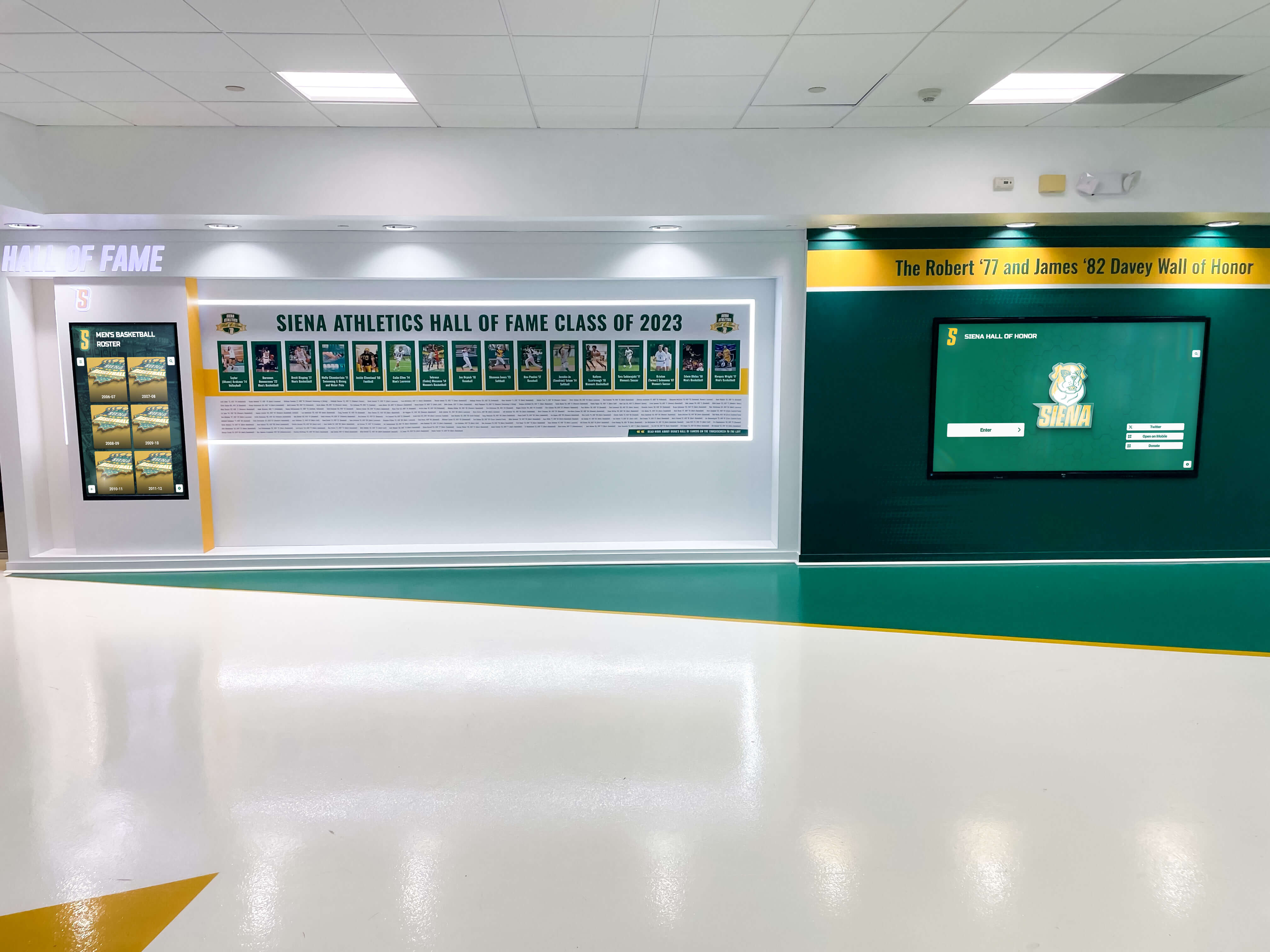
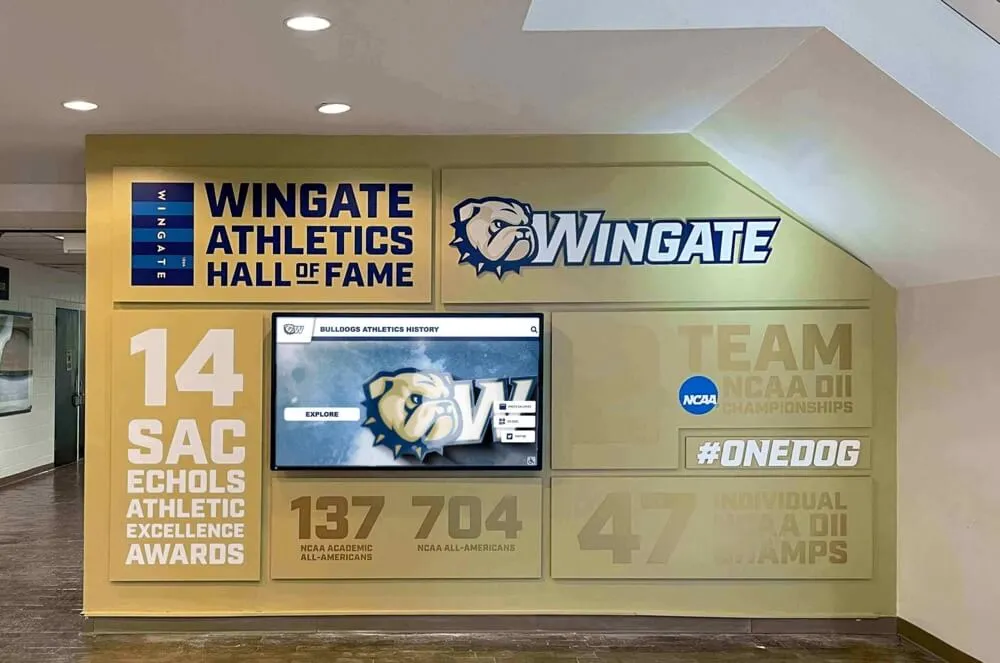
Professional recognition installations become institutional landmarks celebrating philanthropic support and inspiring continued generosity
Explore financial planning approaches in recognition program budgeting guides addressing investment justification and funding strategies.
Common Implementation Challenges and Solutions
Organizations frequently encounter specific obstacles requiring thoughtful responses during recognition planning and deployment.
“Donors Prefer Traditional Physical Plaques”
Addressing Preference Concerns:
Some major donors express preferences for traditional physical recognition based on familiarity and perceived permanence. Effective responses include implementing hybrid approaches combining selective physical plaques for specific major campaigns alongside comprehensive digital recognition for broader donor populations, emphasizing permanence of digital platforms through vendor track records and institutional commitment statements, demonstrating superior engagement and impact storytelling impossible with static installations through facility tours and demonstrations, offering donor choice allowing supporters to designate recognition format preferences when contributing, and showcasing successful implementations at peer institutions validating digital approaches and addressing unfounded concerns.
Many initially skeptical donors become enthusiastic supporters after experiencing well-implemented digital recognition that honors them more comprehensively and meaningfully than physical plaques ever could, particularly when they discover search functionality enabling easy profile discovery by family members and impact stories connecting their generosity to specific outcomes.
“We Lack Technical Expertise to Manage Digital Systems”
Simplification Strategies:
Modern platforms specifically address technical complexity concerns through cloud-based architecture requiring no server infrastructure or specialized IT maintenance, intuitive drag-and-drop interfaces accessible to non-technical development staff without programming knowledge, bulk import tools migrating existing donor data efficiently from spreadsheets or databases, automated features eliminating repetitive manual management tasks, comprehensive vendor training ensuring successful adoption and ongoing competency, and white-glove service options where recognition providers manage content updates on behalf of organizations lacking internal capacity.
Organizations consistently report that contemporary digital recognition platforms require far less ongoing administrative burden than traditional physical plaques needing regular re-engraving coordination, installation scheduling, and physical inventory management. Typical management time averages 2-4 hours monthly for routine updates once systems are established and staff develop familiarity with content management interfaces.
“Our Donor Database Needs Improvement Before Implementation”
Progressive Enhancement Approaches:
Incomplete or inconsistent donor information shouldn’t prevent recognition deployment. Effective strategies include phased content development starting with best-documented donors then systematically enhancing profiles as additional information becomes available, direct donor outreach campaigns gathering biographical information and photographs through questionnaires or interviews, establishing basic recognition profiles ensuring all contributors receive acknowledgment while more comprehensive multimedia content develops over time, engaging volunteer committees assisting with research and data collection, and utilizing professional services offering data migration and profile development when internal capacity limitations exist.
Perfect data rarely materializes—organizations should begin with available information and commit to continuous enhancement rather than indefinitely delaying recognition awaiting comprehensive content that may never achieve completeness without recognition platform motivation.
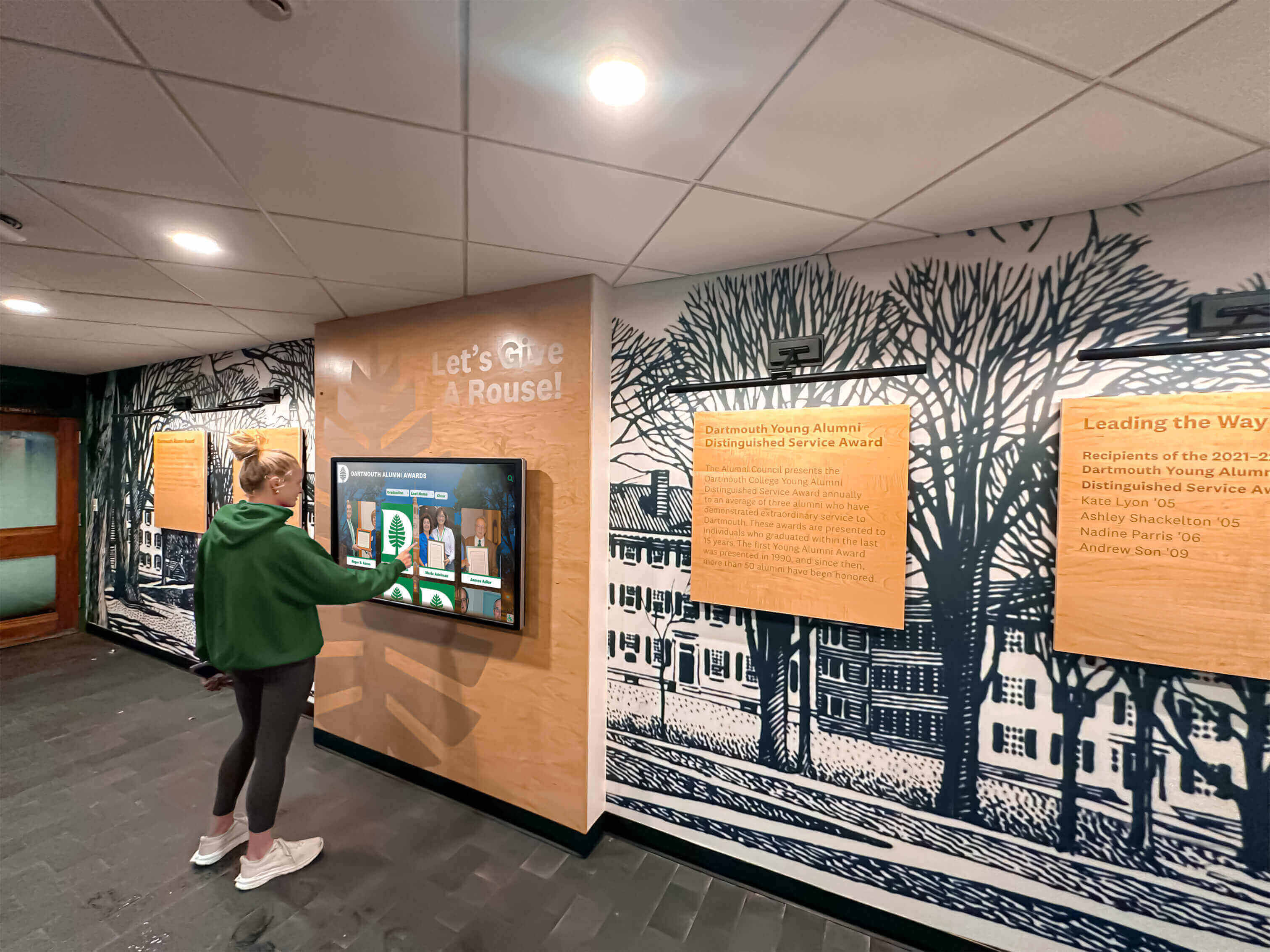
Accessible, engaging recognition inspires next-generation supporters by showcasing philanthropic culture and community impact
Learn about common obstacles and proven solutions in recognition implementation guides addressing frequent challenges organizations encounter.
Selecting Recognition Technology Partners
Choosing implementation vendors significantly impacts both deployment success and long-term satisfaction with recognition programs.
Essential Vendor Evaluation Criteria
Critical Partner Characteristics:
Organizations should assess potential technology partners based on proven track record with similar institutions in comparable sectors (education, healthcare, religious organizations, cultural institutions), comprehensive platform capabilities meeting all functional requirements without requiring extensive customization, ease of use validated through demonstrations and reference site visits, reliable technical support with documented response time commitments and service level agreements, transparent pricing without hidden fees or unexpected ongoing costs, training programs ensuring successful staff adoption and ongoing competency, long-term vendor viability indicated by company stability and existing customer base size, integration capabilities connecting with advancement databases and CRM platforms, active product development roadmap demonstrating continued innovation and platform evolution, and customer references available for candid feedback conversations about actual implementation experiences.
Key Vendor Questions:
How many clients have you implemented in our specific sector and what is your retention rate? What training and onboarding processes support new clients during initial deployment? What technical support is included in standard pricing, and what are guaranteed response times for critical issues? How frequently do you release platform updates, and what drives your feature development priorities? What are common reasons clients leave, and how do you address dissatisfaction? Can we visit reference installations and speak directly with peer institution users? What integration capabilities exist for connecting with our existing donor management systems and CRM platforms? What happens if we decide to migrate to different solutions in future—can we export our complete data?
Thorough due diligence before vendor selection prevents costly mistakes and ensures partnerships supporting long-term recognition success rather than short-term expedient decisions based primarily on initial purchase price.
Explore vendor selection frameworks in recognition technology evaluation guides addressing partnership criteria and assessment approaches.
Future Trends in Digital Donor Recognition
Understanding emerging developments helps organizations plan recognition investments remaining relevant and effective long-term.
Advanced Interactive Capabilities
Next-Generation Features:
Emerging technologies continue expanding recognition possibilities including artificial intelligence personalizing content based on visitor interests and viewing patterns, augmented reality experiences enabling virtual tours of funded facilities and programs, voice interaction supporting hands-free navigation for improved accessibility and convenience, biometric recognition offering personalized experiences for registered donors visiting campuses, real-time giving displays showing campaign progress during active fundraising periods, social network integration enabling easier content sharing and donor community connection, and interactive giving interfaces allowing immediate contributions directly through recognition displays linking acknowledgment to donation opportunities.
These innovations widen advantages digital platforms provide over static traditional approaches while creating increasingly engaging experiences that deepen donor relationships and inspire continued philanthropic support.
Sustainability Considerations
Environmental Benefits:
As institutions prioritize environmental sustainability, digital recognition offers distinct advantages including eliminating manufacturing processes producing physical plaques with significant environmental footprints, reducing ongoing material consumption from continual re-fabrication as recognition expands over years, utilizing energy-efficient display hardware consuming minimal power during operation, and adopting digital-first approaches reducing printed collateral and physical materials throughout donor stewardship processes.
Some institutions explicitly market digital recognition’s environmental benefits when explaining recognition philosophy to environmentally conscious supporters—particularly resonant messaging with younger donors prioritizing sustainability in their philanthropic decision-making and institutional affiliation choices.

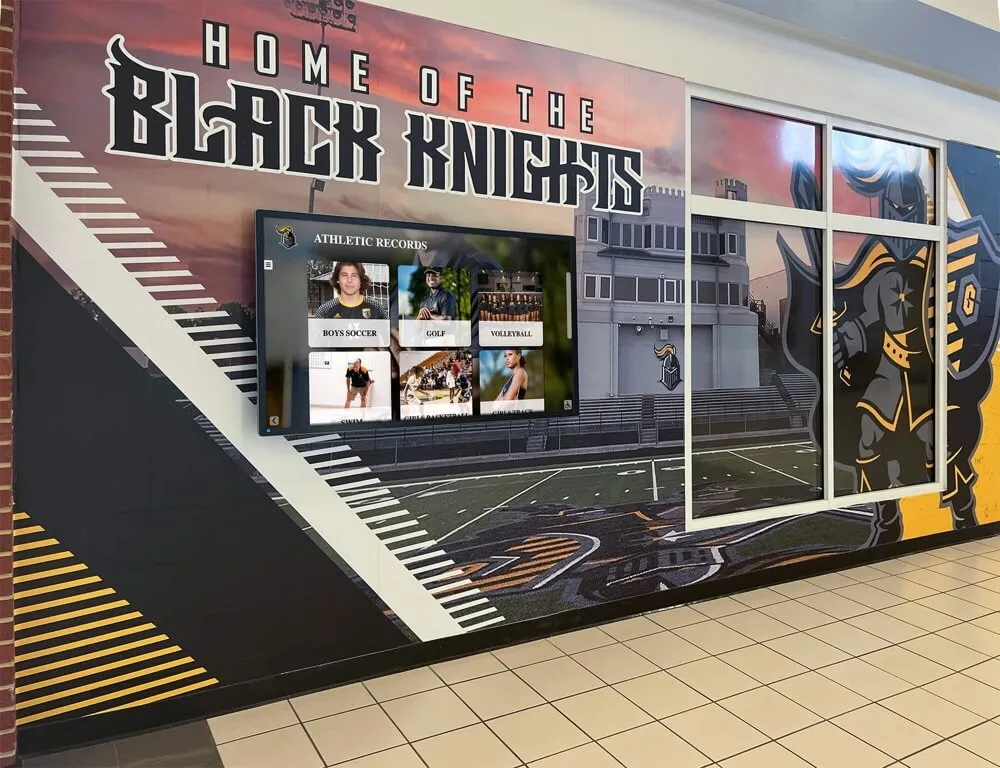
Distributed recognition installations throughout facilities ensure maximum visibility while serving diverse audiences and program areas
Explore emerging innovation in recognition technology trend guides covering future developments and strategic planning considerations.
See Digital Donor Recognition in Action
Discover how leading institutions transform donor stewardship through interactive recognition systems that honor supporters comprehensively, showcase transformational impact, and build lasting philanthropic relationships. Schedule a video demonstration exploring features, functionality, and implementation processes for digital donor recognition platforms designed specifically for educational institutions, nonprofits, healthcare organizations, and mission-driven organizations.
Book a Live Recognition DemoConclusion: Transforming Donor Stewardship Through Digital Innovation
Digital donor recognition represents fundamental reimagining of how organizations honor supporters—moving beyond space-constrained, static physical plaques toward unlimited, dynamic, engaging platforms that celebrate generosity comprehensively while inspiring continued philanthropy through compelling impact storytelling. When implemented thoughtfully with genuine commitment to comprehensive supporter acknowledgment, meaningful impact communication, content excellence, and strategic integration within broader development programs, digital recognition systems transform fundraising cultures where donors feel genuinely valued, understand exactly what their contributions accomplish, develop lasting emotional connections to organizational missions, and commit to sustained giving enabling transformational impact.
The most successful digital donor recognition implementations share common characteristics: they recognize all contributors inclusively rather than selecting only major donors due to space constraints, emphasize specific outcomes and measurable impact rather than simply listing donor names without context, provide intuitive interfaces encouraging extended exploration and emotional engagement, maintain current, accurate content reflecting organizational commitment to stewardship excellence, integrate thoughtfully within facilities as intentional architectural elements rather than afterthought technology additions, and evolve continuously based on analytics, stakeholder feedback, and proven best practices from peer institutions.
Through video demonstrations, implementation walkthroughs, and practical planning guidance, organizations can envision how modern recognition technology transforms donor stewardship. Strategic investment in thoughtful, comprehensive digital donor recognition creates sustainable fundraising ecosystems where supporters receive acknowledgment proportional to their generosity, prospective donors encounter compelling evidence that contributions create meaningful change, organizational values around philanthropy become tangibly visible throughout facilities, and development programs benefit from enhanced cultivation tools demonstrating stewardship capacity to prospects evaluating where their philanthropic investments will be most valued and effective.
When recognition systems honor all supporters appropriately while connecting gifts to transformational outcomes through rich multimedia storytelling, organizations build philanthropic cultures generating reliable support enabling mission achievement for generations. Your donors have chosen to support your cause among countless worthy organizations competing for limited philanthropic resources—they deserve recognition that celebrates their generosity meaningfully while inspiring continued partnership toward shared goals that transform lives and communities.
Ready to transform your donor recognition program? Explore how Rocket Alumni Solutions helps institutions create meaningful digital recognition experiences that honor supporters comprehensively, demonstrate measurable appreciation impact, showcase transformational outcomes, and build sustainable philanthropic cultures generating reliable support enabling mission fulfillment for decades to come.