



Building dedications represent milestone moments for educational institutions and nonprofit organizations—opportunities to celebrate transformational facility investments, honor generous supporters, and bring communities together around shared accomplishments. Yet many administrators approach these one-time events without systematic planning, resulting in logistical challenges, missed recognition opportunities, and ceremonies that feel rushed or underwhelming compared to the significance of what’s being celebrated.
A successful dedication ceremony requires coordinating numerous moving pieces: venue preparation and technical setup, donor recognition that honors contributors appropriately, program flow that maintains audience engagement, unveiling moments that create genuine excitement, and follow-up activities that extend celebration beyond the formal event. Research from advancement professionals indicates that well-executed dedication ceremonies strengthen donor relationships, inspire future giving, and create lasting positive associations between supporters and the facilities their generosity enabled.
This comprehensive planning guide provides administrators with systematic frameworks for organizing dedication ceremonies that appropriately honor major institutional investments while celebrating the donors, leaders, and community members who made these facilities possible.
The stakes for dedication ceremonies extend beyond single events. According to research from the Association of Fundraising Professionals, donors whose gifts receive thoughtful public acknowledgment through ceremonies and permanent recognition demonstrate 2.8 times higher likelihood of making subsequent major gifts compared to those receiving only private acknowledgment. Well-executed dedications transform financial transactions into meaningful relationships while inspiring others toward similar generosity.

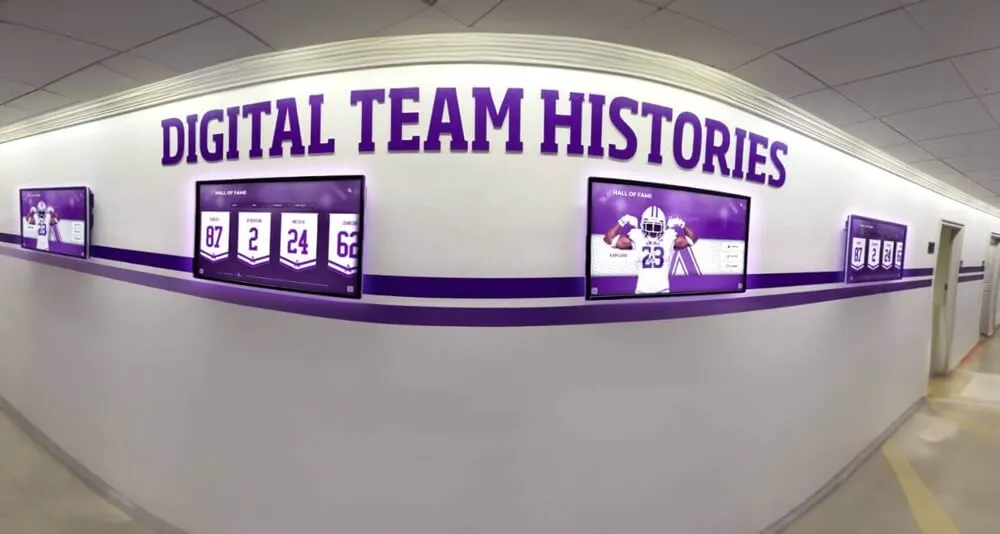
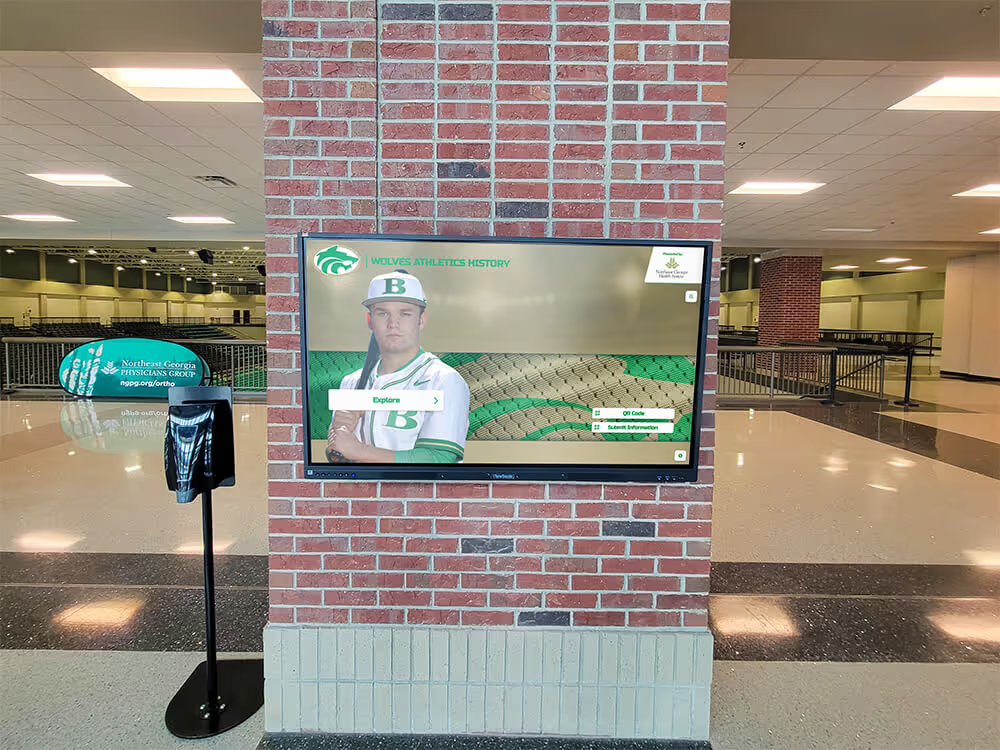
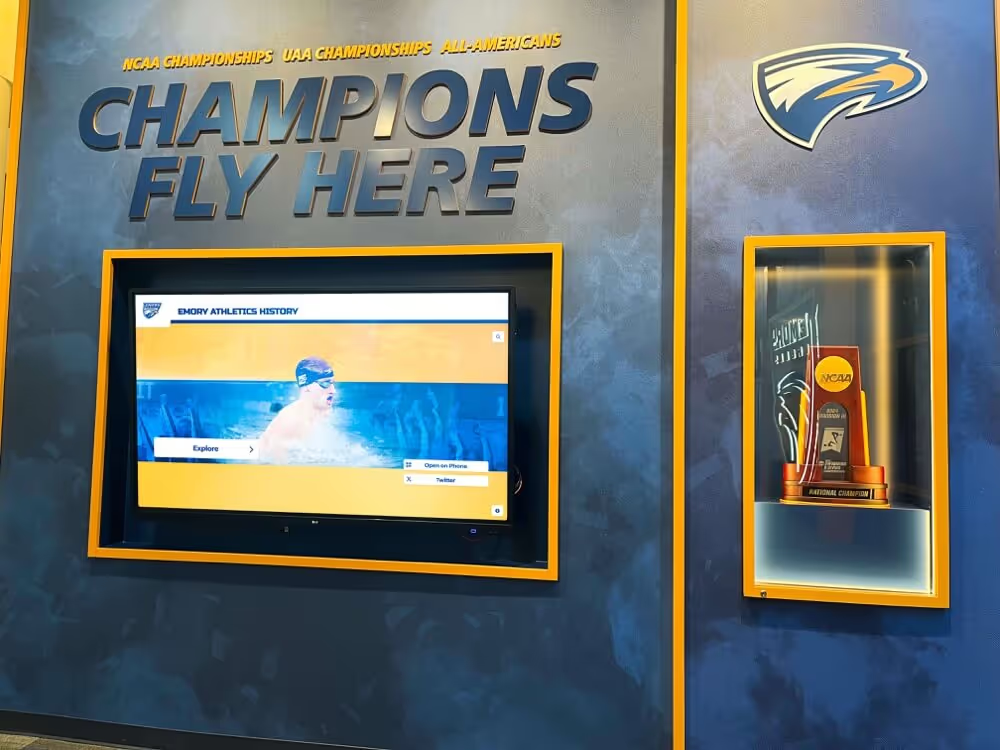
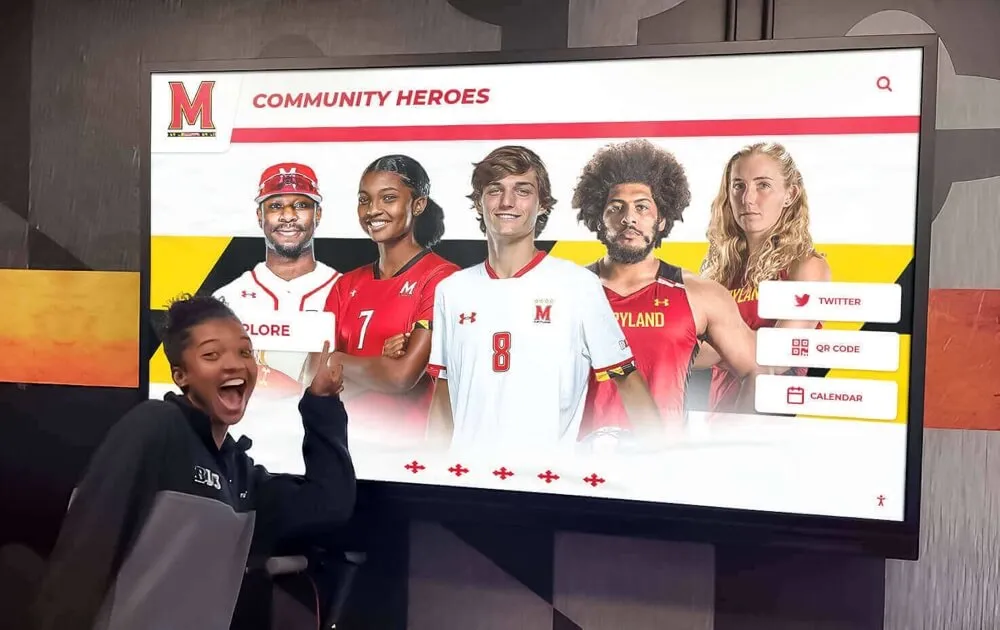
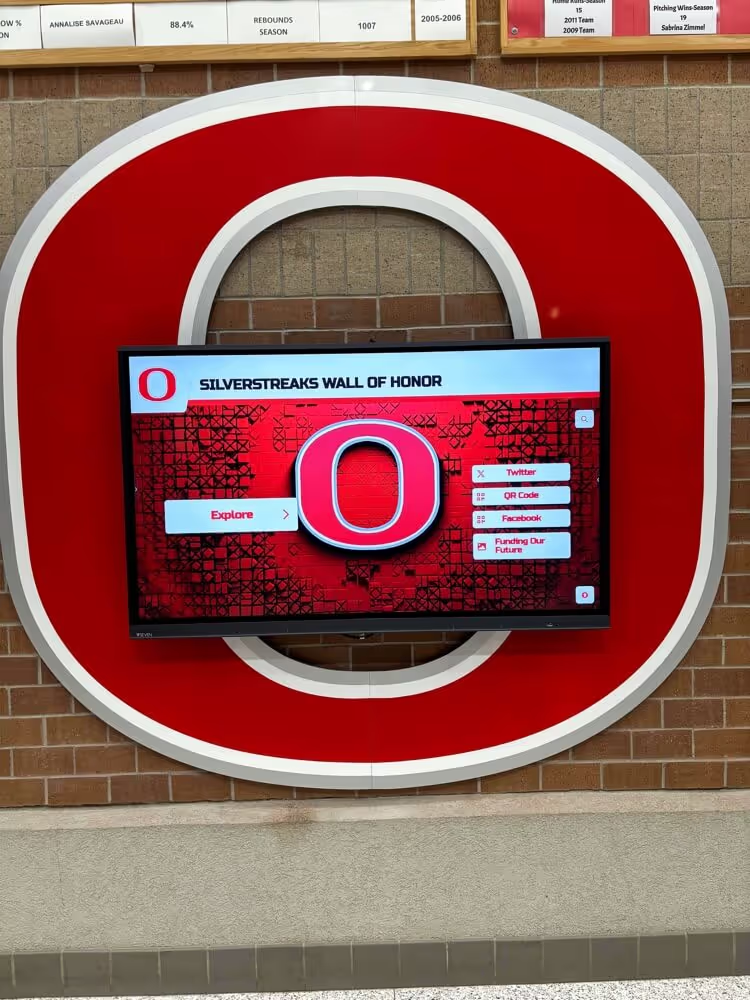
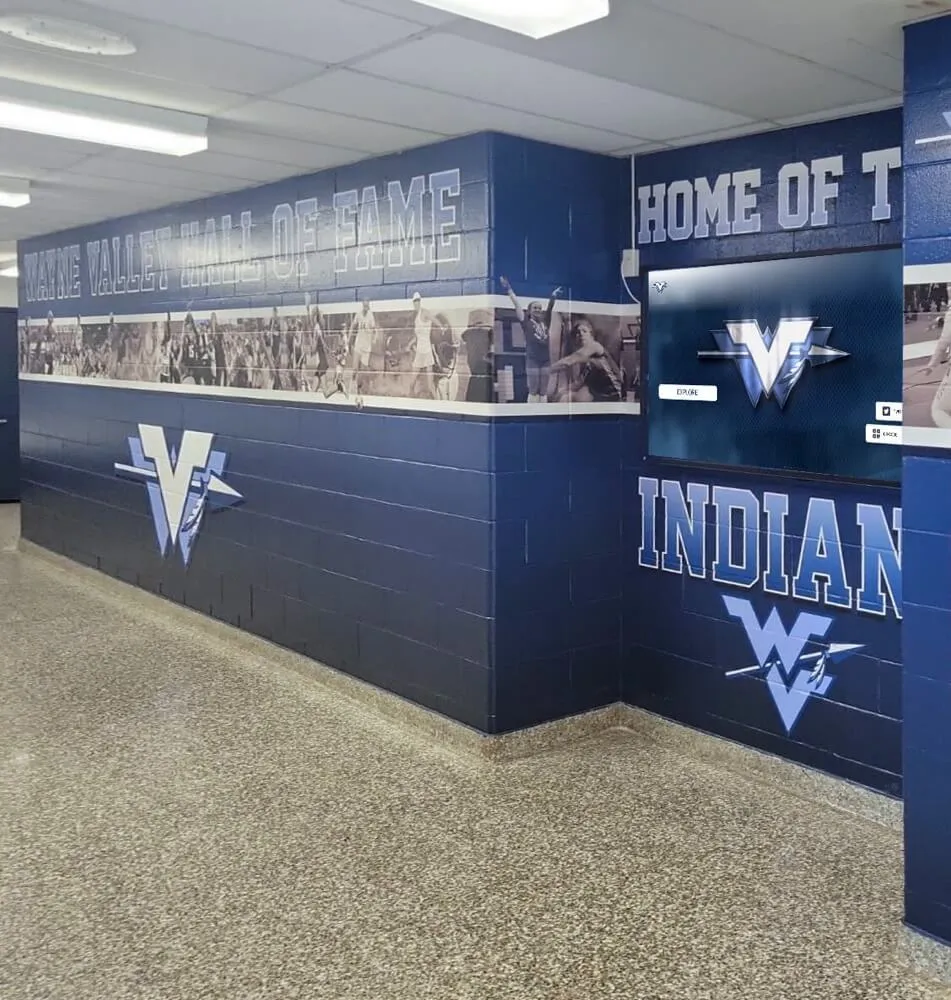
Modern dedication ceremonies integrate digital recognition displays enabling attendees to explore donor contributions and facility impact interactively
Understanding Dedication Ceremony Fundamentals
Before diving into tactical planning details, understanding what makes dedication ceremonies meaningful helps administrators design events achieving intended objectives.
What Distinguishes Dedication Ceremonies from Other Events
Dedication-Specific Characteristics
Dedication ceremonies differ from general recognition events, groundbreakings, or ribbon cuttings through several distinctive features: they celebrate completed facilities ready for full community use, they acknowledge financial contributions and community support that enabled construction, they formally assign facility names honoring major donors or institutional figures, they mark significant institutional milestones representing years of planning and fundraising, and they create permanent recognition documenting contributions for future generations.
These characteristics require planning approaches different from standard school assemblies or donor appreciation events—dedications combine celebration, gratitude, commemoration, and future vision in single comprehensive programs.
Typical Dedication Occasions
Organizations most commonly plan dedication ceremonies for new building construction including academic facilities, athletic complexes, performance venues, and administrative centers; major renovations transforming existing facilities with substantial investment; facility naming opportunities honoring transformational gifts or distinguished institutional figures; recognition walls or donor displays creating permanent acknowledgment spaces; and commemorative installations like sculptures, gardens, or memorial elements.
Each dedication type requires appropriate ceremony scale and format reflecting the significance of what’s being dedicated and the community interest it generates.
Primary Stakeholder Groups
Key Ceremony Participants
Successful dedication planning identifies and accommodates all stakeholder groups with vested interests in celebrations:
Donor Recognition
Major gift donors whose contributions funded facility construction or renovation deserve prominent ceremony roles and appropriate public acknowledgment commensurate with contribution significance, campaign donors at various giving levels who collectively enabled project completion, legacy donors whose estate gifts or endowment contributions support ongoing operations, and corporate or foundation partners providing substantial grants.
Institutional Leadership
Board members, trustees, or governing body representatives who approved projects and often contributed personally, executive administrators including presidents, superintendents, or executive directors who championed initiatives, development professionals who orchestrated fundraising campaigns, and facility committee members who guided planning and design decisions.
Community Members
Students, faculty, and staff who will use facilities daily and whose needs drove design decisions, families and alumni with emotional connections to institutions and interest in continued excellence, local community members and neighbors affected by construction and interested in institutional growth, and elected officials or civic leaders whose support facilitated approvals or public funding.
This stakeholder diversity requires ceremonies balancing formal recognition protocols with inclusive community celebration.

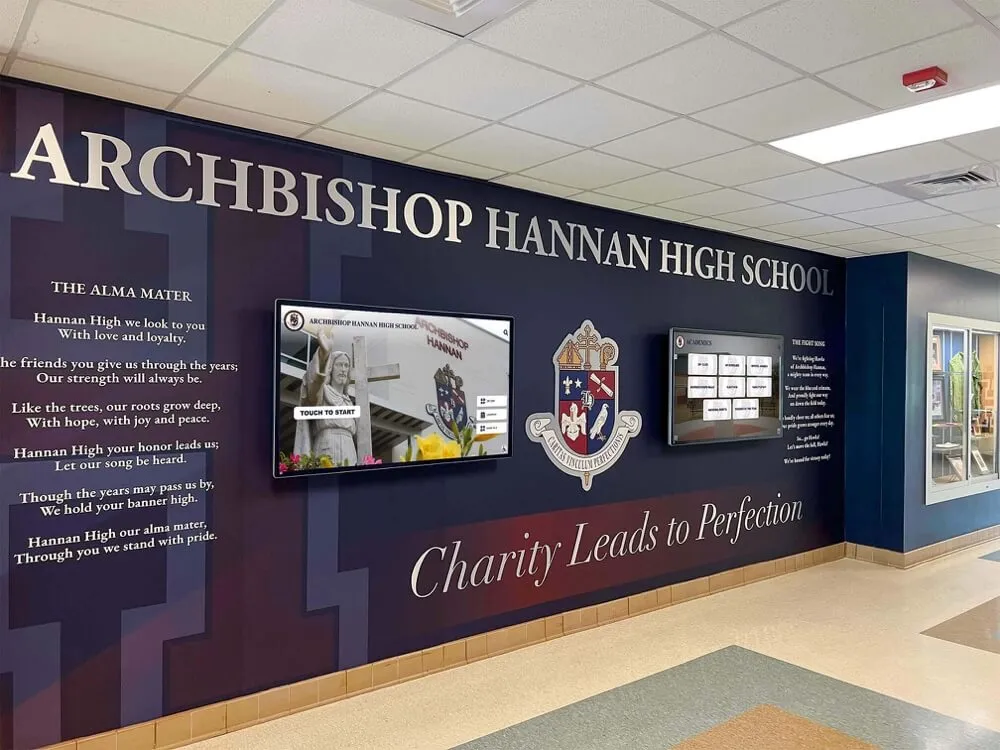
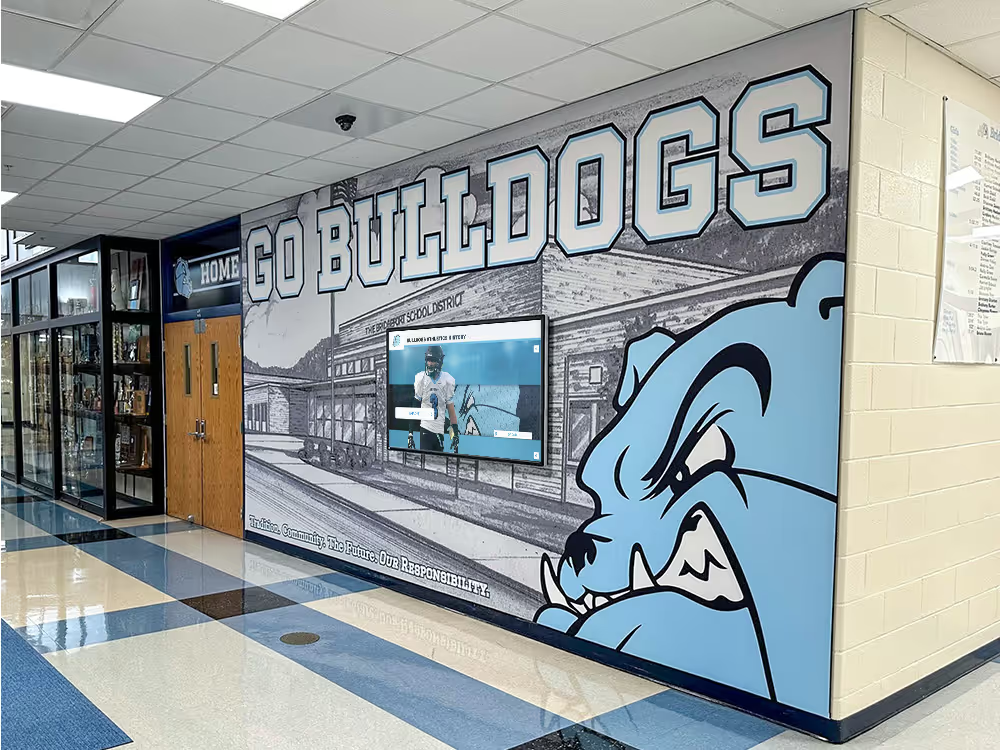
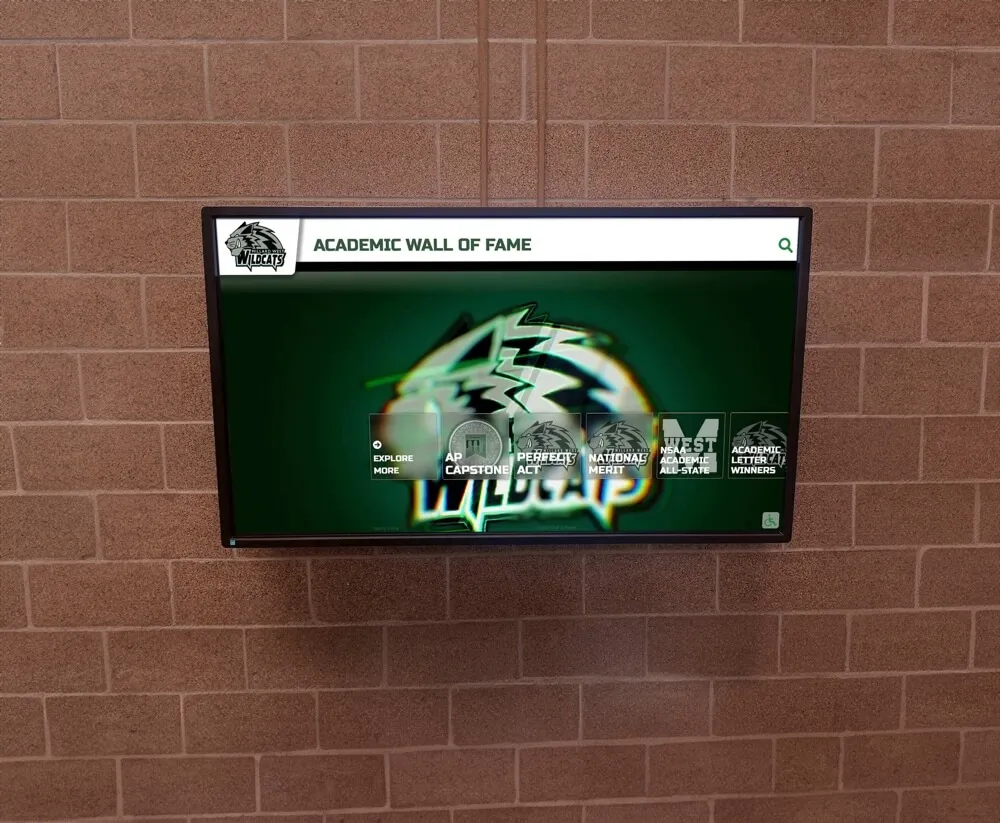
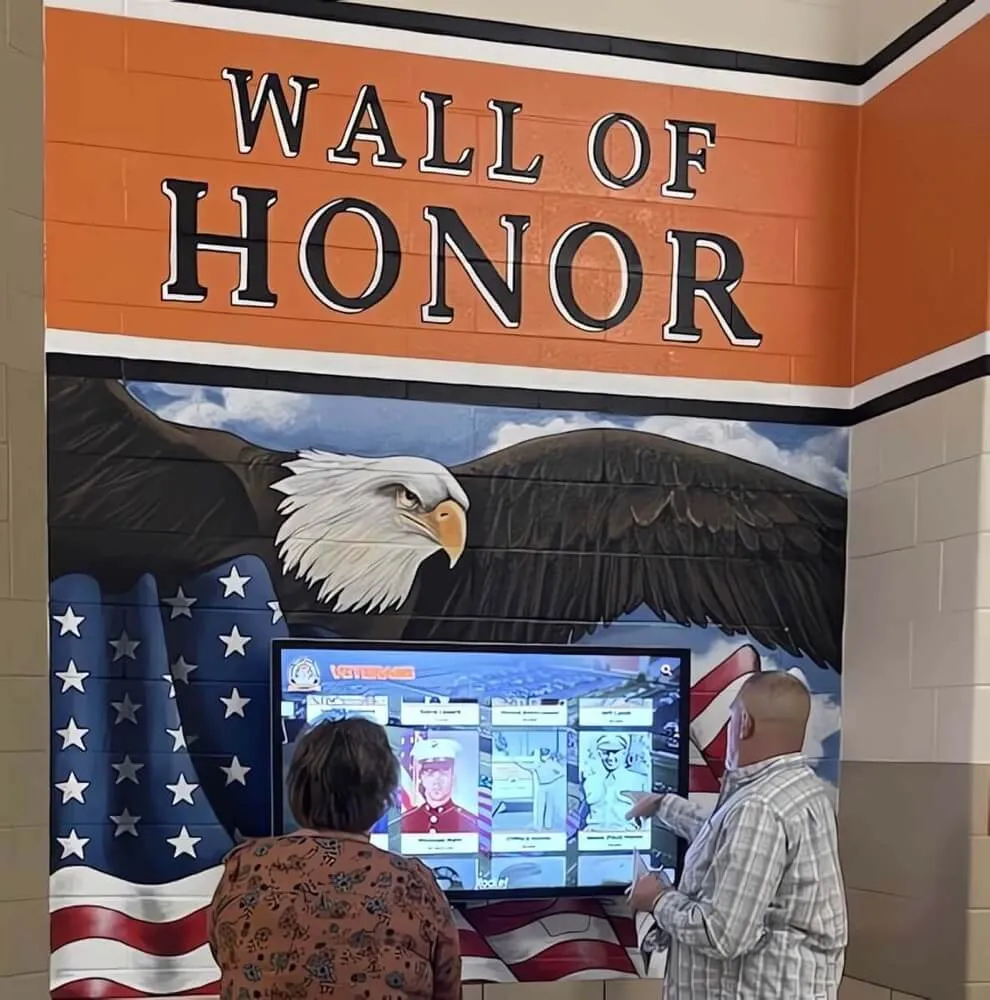
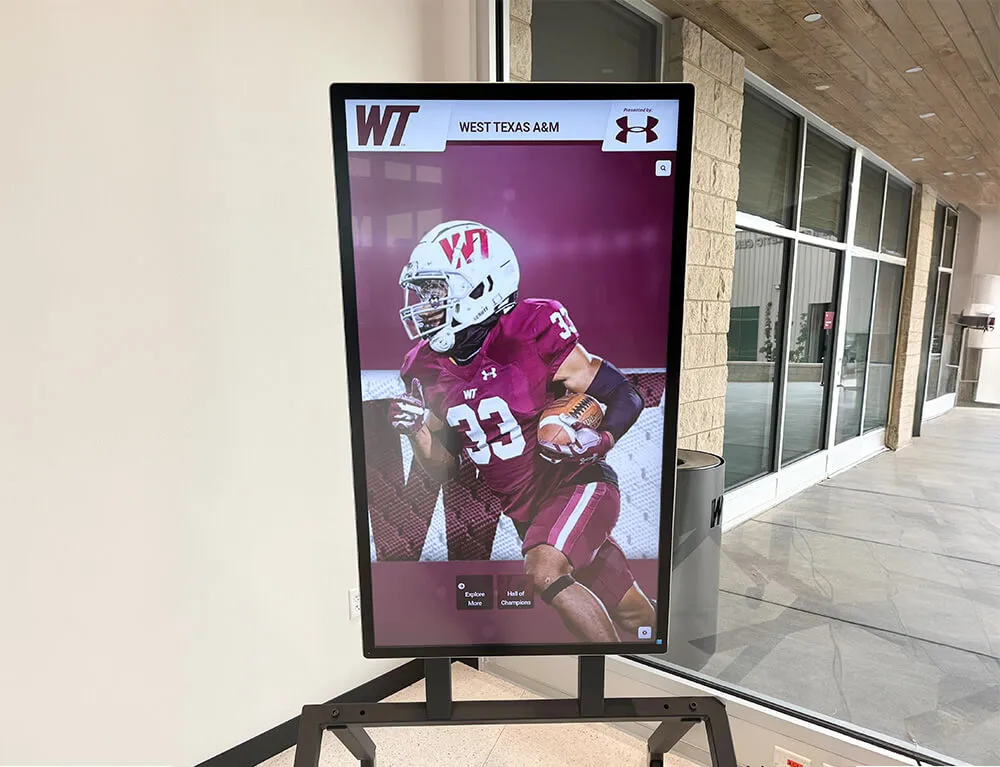
Permanent recognition installations unveiled during dedication ceremonies create lasting acknowledgment visible to all facility users
Establishing Dedication Ceremony Timeline
Systematic planning prevents last-minute challenges while ensuring all logistical elements receive appropriate attention.
Recommended Planning Timeline
12-16 Weeks Before Ceremony
Initial planning phase establishes foundation: form planning committee with representation from advancement, facilities, communications, and event management; confirm ceremony date coordinating with construction completion, weather considerations, and major donor schedules; establish preliminary budget including venue preparation, catering, recognition materials, and contingency reserves; begin donor invitation list development identifying all individuals and organizations deserving recognition; and engage design professionals for signage, programs, and recognition materials.
8-12 Weeks Before Ceremony
Development phase creates ceremony content and structure: finalize program format including speaking roles, musical elements, and special presentations; design and order permanent recognition elements like plaques, donor walls, or digital displays; develop printed materials including formal invitations, programs, and facility information; coordinate technical requirements for audio, video, and lighting; and confirm catering and hospitality arrangements.
4-8 Weeks Before Ceremony
Production phase brings plans to life: mail formal invitations to all stakeholders with RSVP tracking; conduct site visits confirming venue readiness and identifying last-minute needs; rehearse unveiling mechanisms ensuring smooth execution; finalize speaker remarks and talking points; and prepare backup contingency plans for weather or technical issues.
1-4 Weeks Before Ceremony
Final preparation ensures smooth execution: confirm attendance numbers and adjust seating or catering accordingly, conduct complete ceremony walkthrough with all participants, prepare name badges, gift bags, or recognition items, brief all speakers and program participants, finalize media coordination including press releases and photography arrangements, and complete venue setup and decoration.
Learn about comprehensive event planning approaches in planning galas for schools and nonprofits with timeline frameworks applicable to dedication ceremonies.
Coordinating with Construction Completion
Managing Construction Uncertainty
Building projects rarely finish exactly on schedule, creating challenges for ceremony planning:
Flexibility Strategies
Select ceremony dates with construction buffer allowing 2-4 weeks between substantial completion and dedication, establish clear facility readiness criteria including final inspections, certificate of occupancy, and punch-list completion, develop communication protocols keeping planning team informed of construction status changes, maintain flexible vendor contracts allowing date adjustments if construction delays occur, and prepare alternate venue options if facility completion extends beyond acceptable waiting period.
This flexibility prevents choosing between dedicating unfinished facilities or canceling ceremonies after extensive planning and stakeholder commitments.
Phased Dedication Approaches
Some institutions schedule smaller soft opening events when facilities first become operational, then plan larger formal dedication ceremonies once landscaping, furnishings, and all finishing touches complete—maximizing facility usability while ensuring dedication showcases fully completed spaces.
Designing Effective Ceremony Programs
Thoughtful program structure maintains audience engagement while appropriately honoring all contributors.
Program Length and Flow
Optimal Ceremony Duration
Research on audience attention and event satisfaction suggests dedication ceremonies should target 45-75 minute programs for general audiences. Longer programs risk audience fatigue particularly if ceremonies occur outdoors in uncomfortable weather, involve standing rather than seated attendance, or schedule during typical meal times. Shorter programs under 30 minutes may feel rushed and inadequate for significant milestone celebrations.
Typical Program Components
Opening and Welcome (5-10 minutes) Processional music or performance as guests gather and ceremony begins, welcome remarks from master of ceremonies or institutional leader, acknowledgment of distinguished guests and dignitaries, opening prayer or invocation if institutionally appropriate, and brief overview of program flow and ceremony significance.
Recognition and Acknowledgment (15-25 minutes) Major donor recognition with speaking opportunities for principal contributors, campaign leadership acknowledgment thanking development committee members, construction team introduction recognizing architects, contractors, and project managers, institutional leader remarks placing facility in strategic context, and video presentations showcasing facility features or construction journey.
Facility Dedication (10-15 minutes) Formal dedication resolution read by board chair or senior administrator, building naming announcement if honoring specific donors or figures, unveiling of commemorative plaques, donor walls, or recognition displays, ribbon cutting or other symbolic acts marking official opening, and facility blessing or dedicatory prayer if appropriate.
Closing and Transition (5-10 minutes) Musical or performance element celebrating occasion, invitation to facility tours or reception, closing remarks expressing gratitude and vision for facility’s future, and dismissal with clear direction to post-ceremony activities.
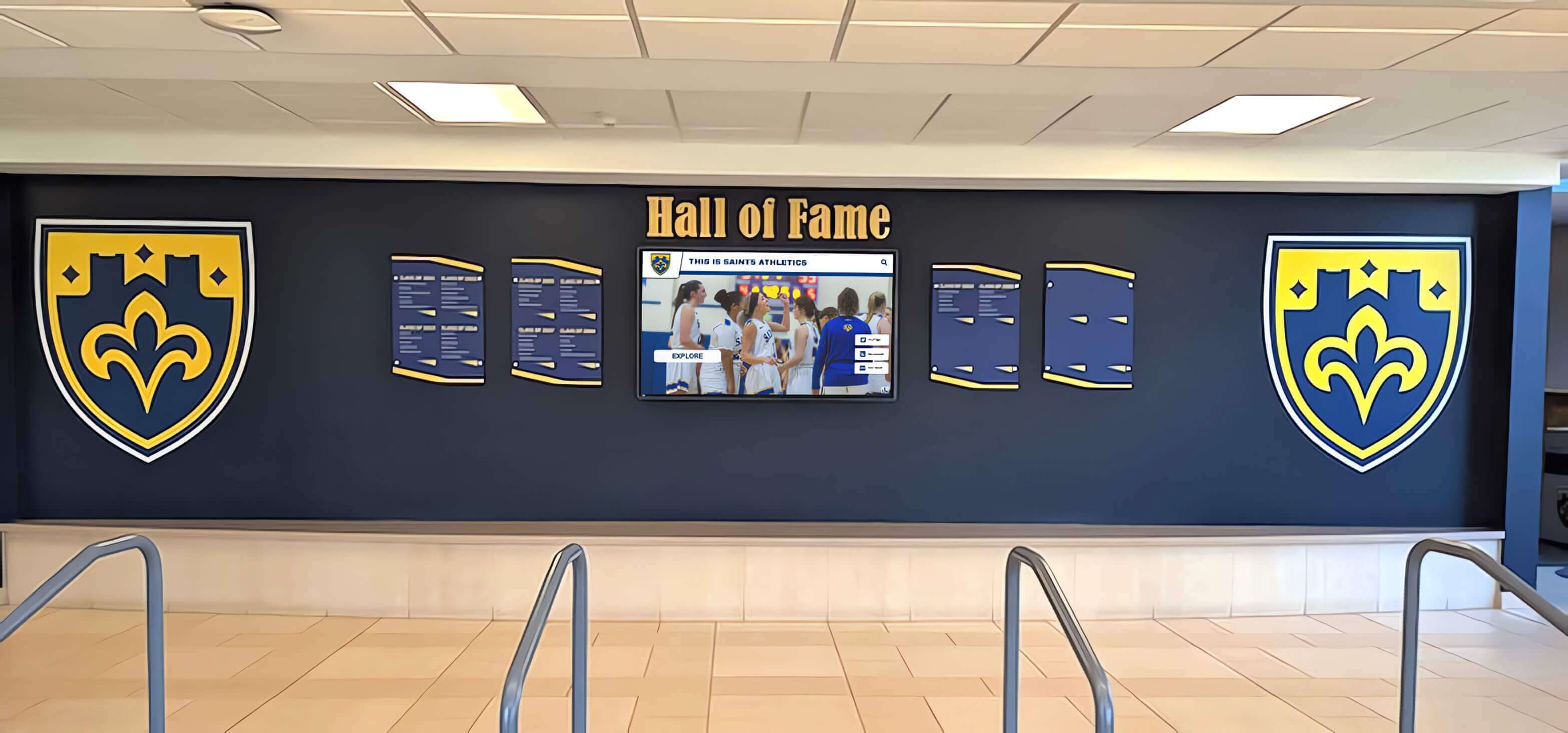
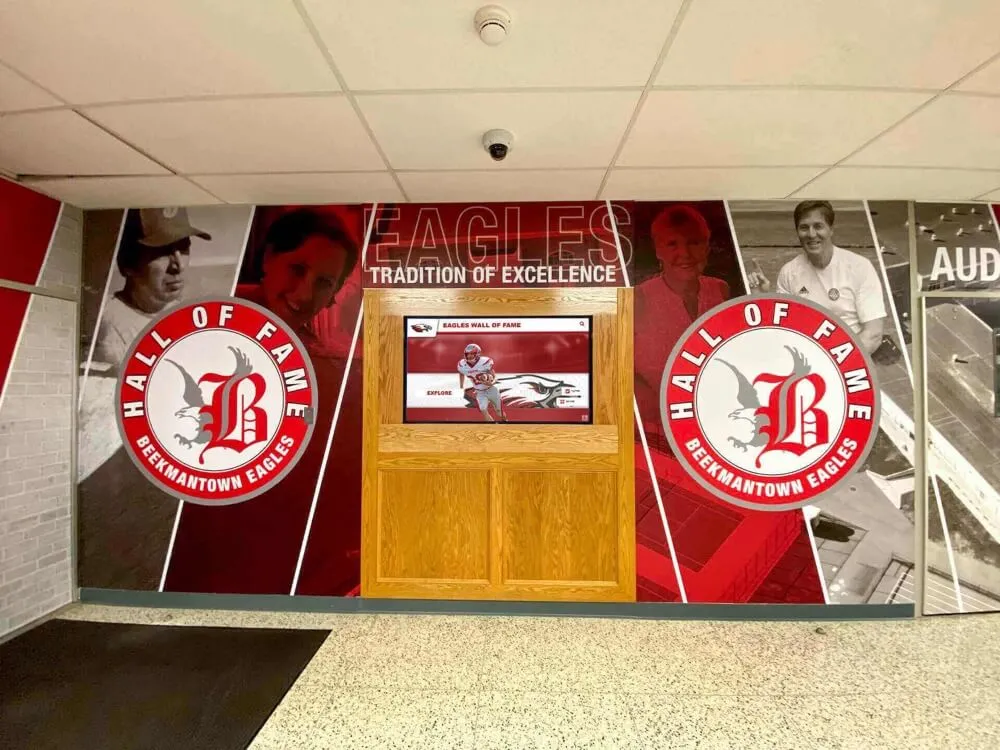
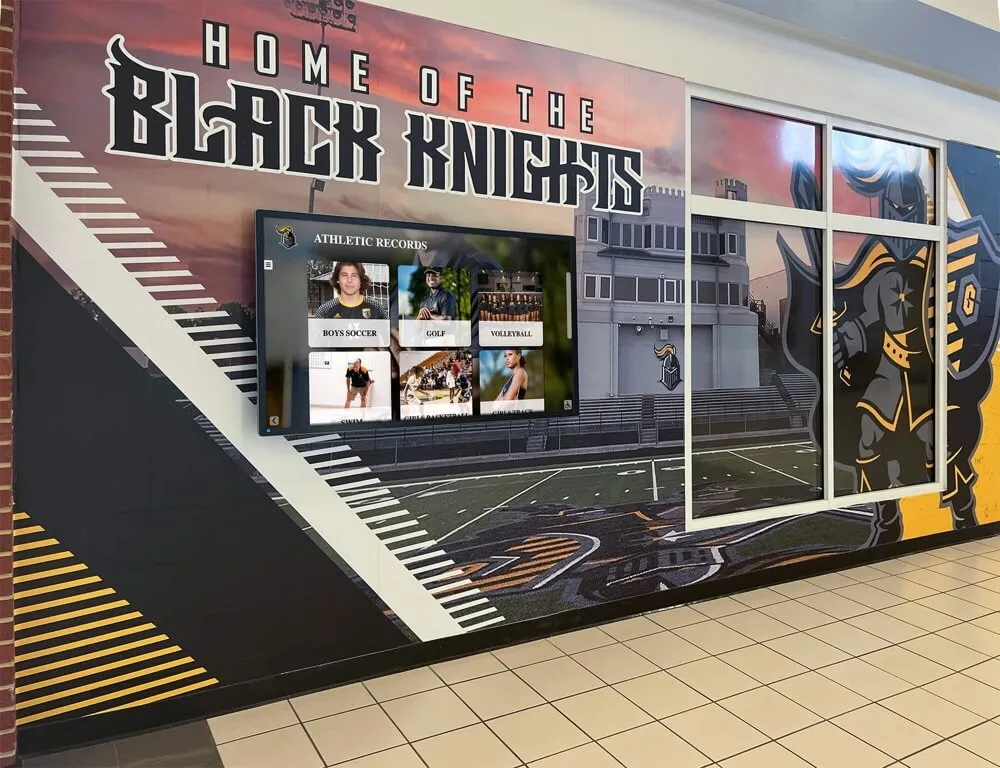
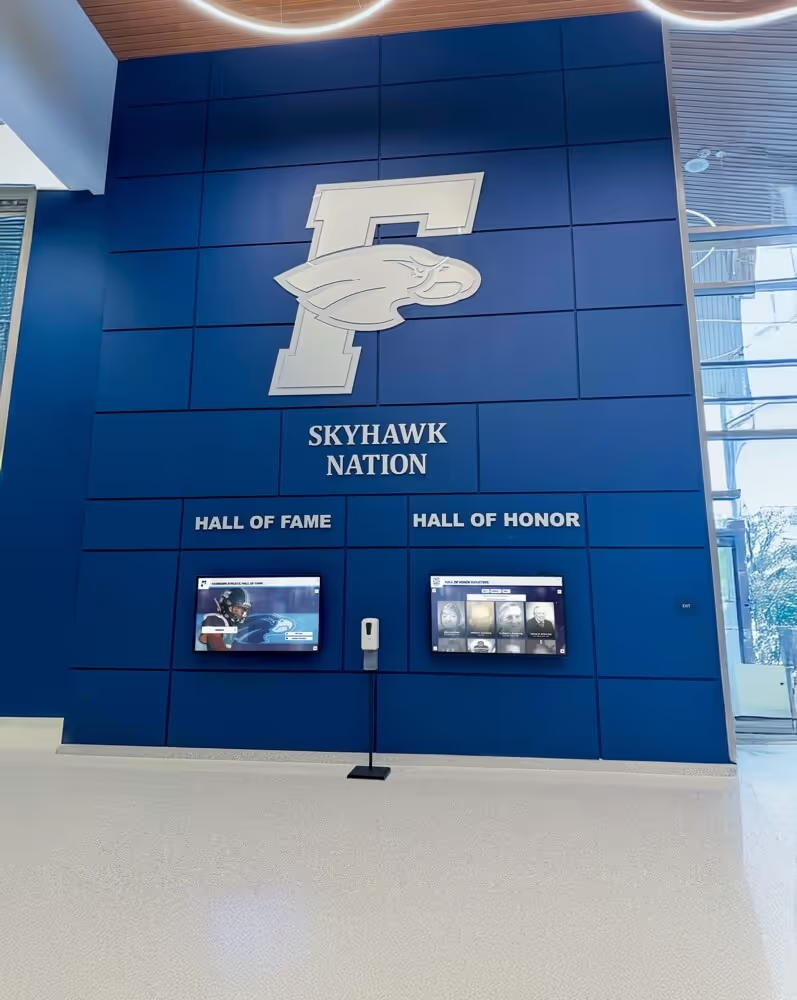
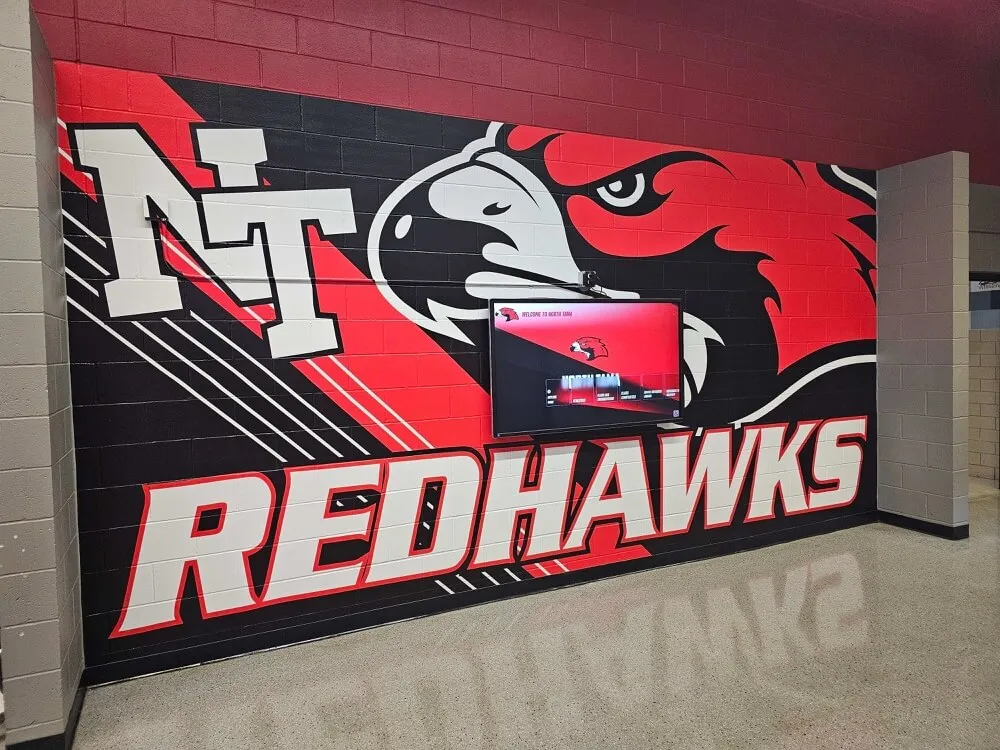
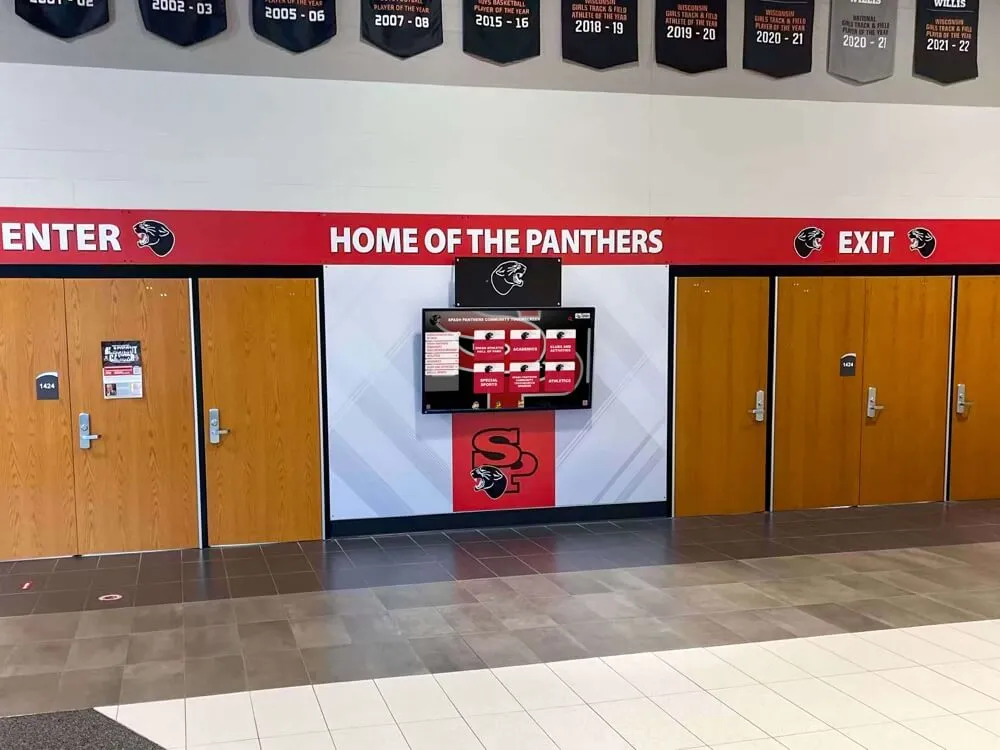
Strategic lobby installations create natural ceremony backdrops while providing permanent recognition visible to all facility visitors
Managing Speaker Roles and Remarks
Selecting Appropriate Speakers
Speaker selection significantly impacts ceremony tone and effectiveness:
Primary Speaking Roles
Executive administrator providing institutional perspective and strategic vision, major donor representative sharing personal connection to project and motivation for support, board or governing body leader officiating formal dedication and authorizing facility naming, project architect or construction leader describing design vision and construction achievement, facility user representative—student, faculty member, or program participant—describing anticipated impact, and distinguished guest like elected official or community leader connecting facility to broader mission.
Limit total speakers to 4-6 individuals preventing excessive length while ensuring diverse perspectives.
Speaker Preparation and Coordination
Guidelines for Effective Remarks
Set clear time limits (3-5 minutes for most speakers, 7-10 minutes for keynote) with advance notification and gentle enforcement, provide talking point guidance ensuring remarks complement rather than repeat each other, schedule rehearsal time confirming audio equipment functionality and speaker comfort, prepare backup printed copies of all remarks in case technology fails, and coordinate recognition acknowledgment preventing multiple speakers attempting to thank same individuals.
Brief speakers that dedication remarks should emphasize gratitude, vision, and impact rather than detailed technical descriptions or inside institutional politics—audiences connect with stories and inspiration more than administrative minutiae.
Creating Memorable Recognition Moments
How donors and contributors are acknowledged significantly impacts ceremony meaning and future relationship development.
Donor Recognition Best Practices
Tiered Acknowledgment Approaches
Comprehensive dedication ceremonies recognize contributors at multiple levels:
Recognition Tiers
Naming donor for whom facility is named receives most prominent recognition including extended speaking opportunity, formal facility naming announcement, commemorative plaque unveiling, and featured positioning in all materials and coverage. Major campaign contributors above specified thresholds ($25,000-$100,000 typical) receive individual acknowledgment by name during ceremony, recognition in printed programs, inclusion in permanent donor recognition displays, and special seating or VIP treatment.
Campaign supporters at lower giving levels receive collective acknowledgment through donor list publications, inclusion in digital recognition platforms, and invitation to general dedication attendance. Recognition should reflect contribution significance while ensuring all supporters receive appropriate gratitude.
Avoiding Recognition Mistakes
Common errors that undermine donor relationships: mispronouncing donor names (verify pronunciation with development officers beforehand), omitting significant contributors from acknowledgment, creating perception of favoritism by recognizing some donors extensively while barely mentioning others at similar giving levels, over-focusing on financial contributions while ignoring volunteer leadership or in-kind support, and acknowledging donors generically without specific examples of what their support enabled.
These mistakes often stem from inadequate coordination with advancement offices who maintain comprehensive donor relationships and can provide essential recognition guidance.
Explore comprehensive donor acknowledgment in donor recognition wall examples and best practices with recognition frameworks.
Unveiling and Ceremonial Elements
Creating Dramatic Reveals
Physical unveiling moments create memorable ceremony highlights:
Effective Unveiling Approaches
Covered donor recognition walls or plaques revealed at appropriate program moment by naming donors or institutional leaders, ribbon cutting across facility entrance ceremonially opening building for first official use, cornerstone or dedicatory plaque installation with formal laying ceremony, digital recognition display activation showcasing comprehensive donor acknowledgment, and commemorative tree planting or garden dedication creating living memorials.
Technical Unveiling Coordination
Ensure covering materials release smoothly without embarrassing fumbling, position unveiling moment where all audience members have clear sightlines, coordinate photographer positioning capturing donor reactions and reveal moments, time unveiling to coincide with music crescendo or dramatic pause for maximum impact, and have backup team member ready to assist if covering doesn’t release cleanly.
Rehearse unveiling mechanics thoroughly—few ceremony moments are more awkward than donors struggling with stubborn fabric or malfunctioning mechanisms while audiences wait uncomfortably.

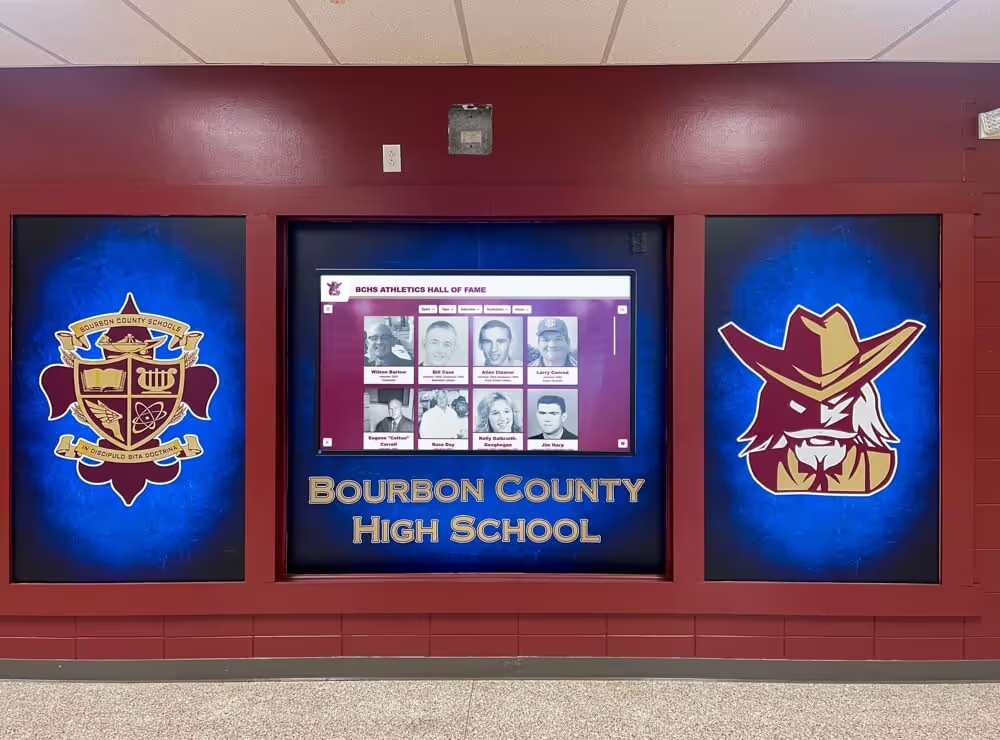
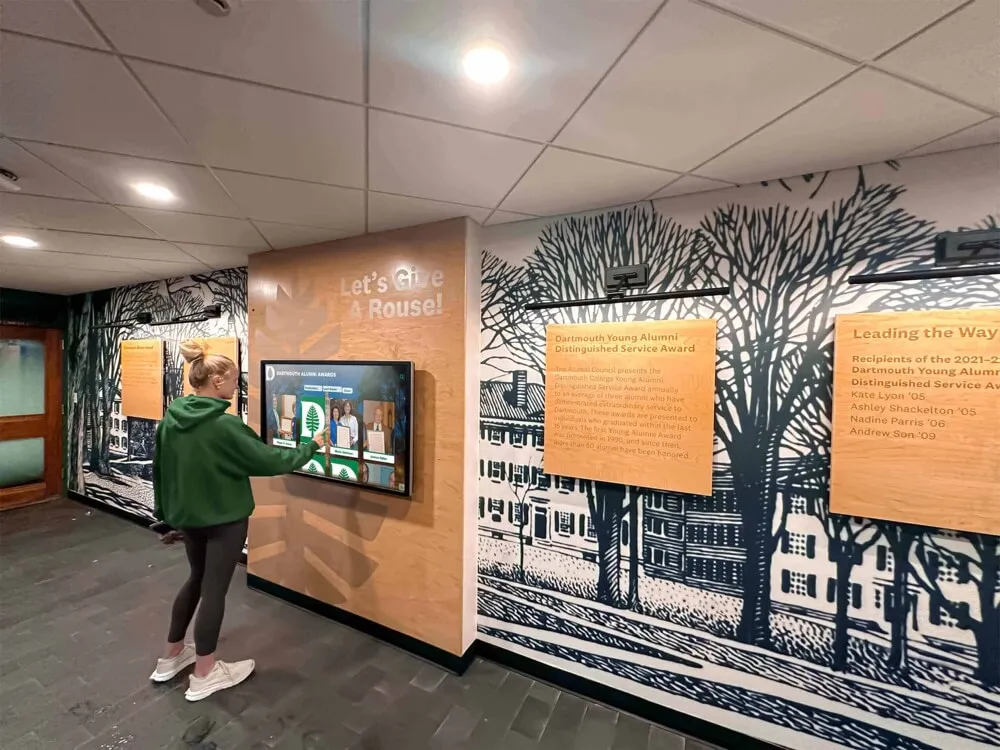
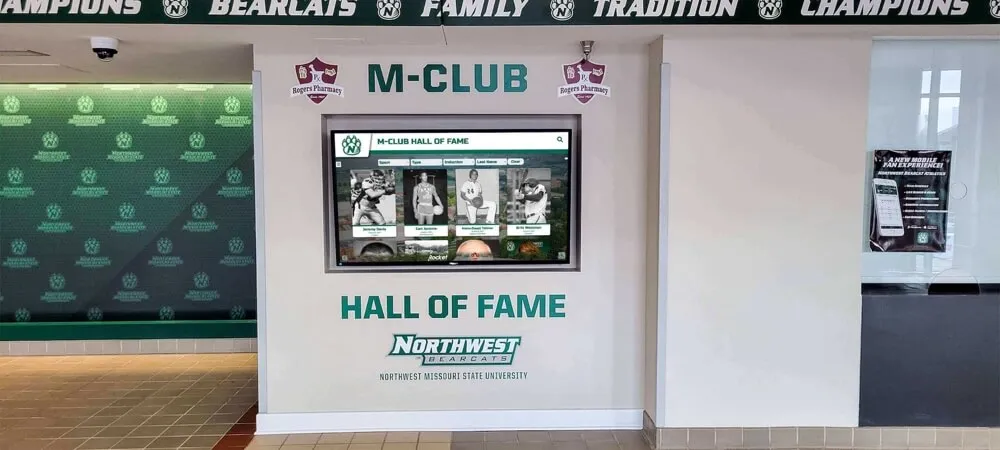
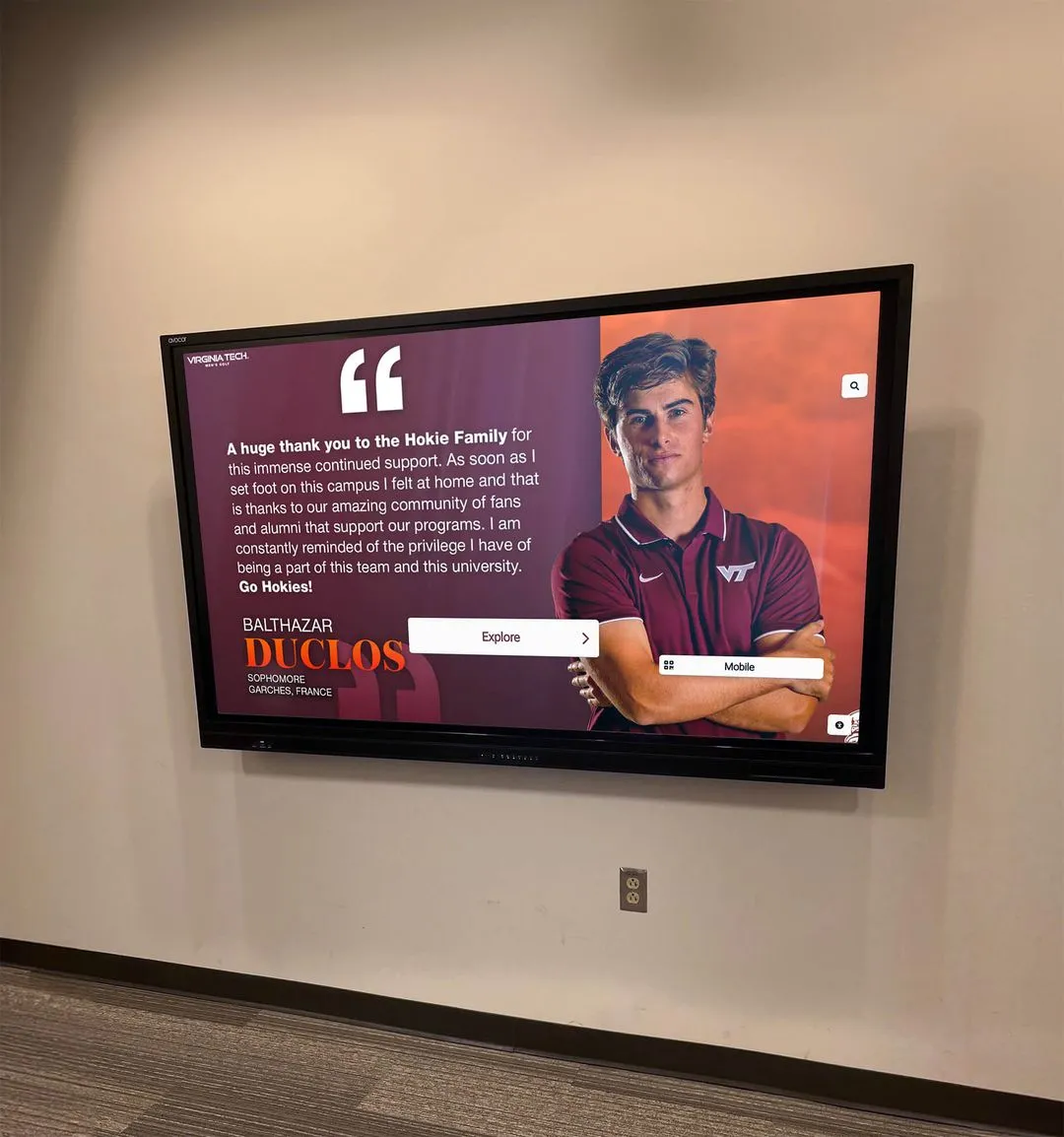
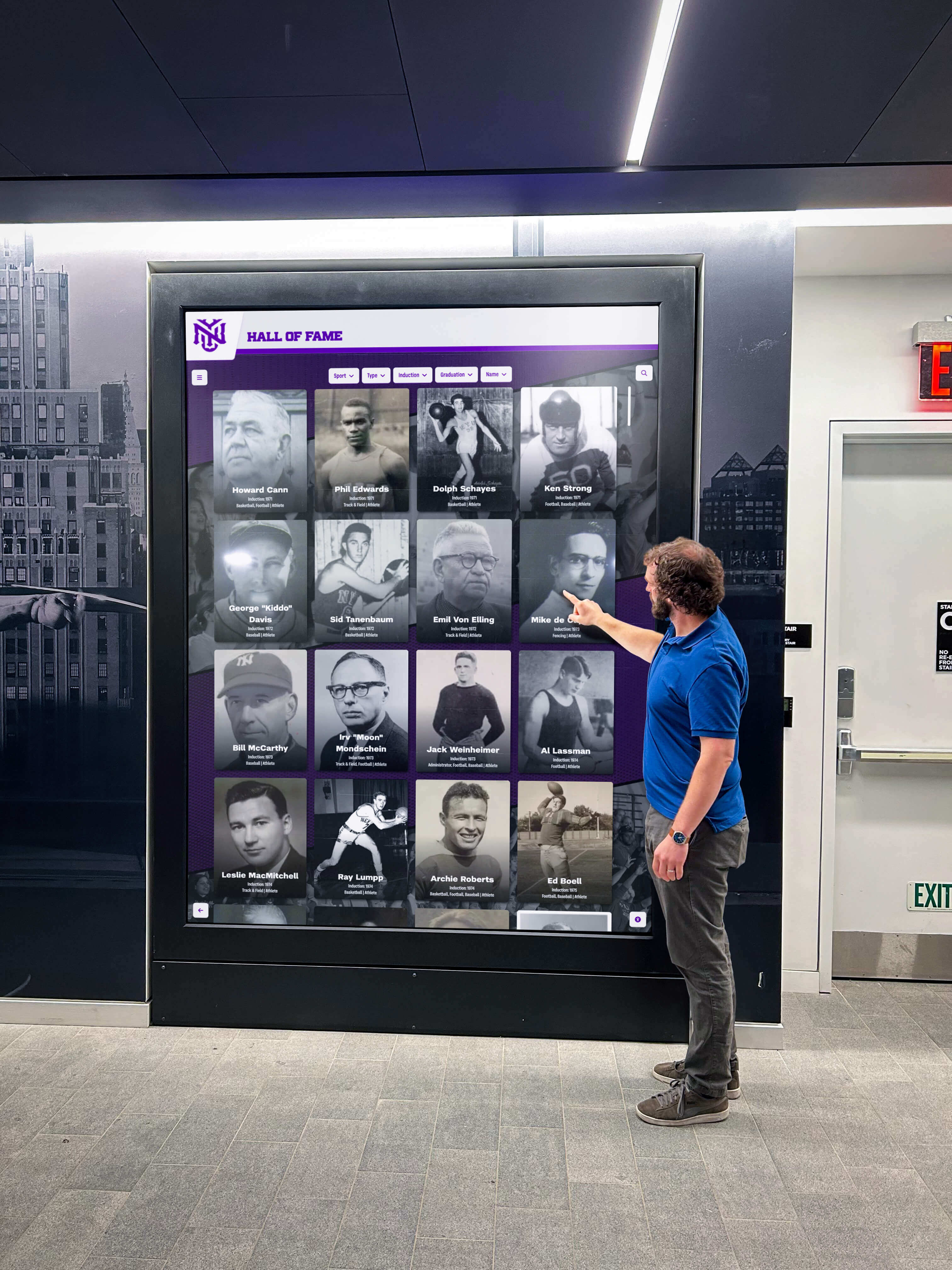
Interactive digital displays enable ceremony attendees to explore comprehensive donor recognition immediately following formal dedication
Integrating Digital Recognition Technology
Modern dedication ceremonies increasingly incorporate digital displays providing dynamic recognition capabilities beyond traditional plaques.
Digital Donor Walls and Recognition Displays
Technology Advantages for Dedications
Interactive touchscreen recognition systems offer several benefits for dedication ceremonies and ongoing acknowledgment:
Digital Recognition Benefits
Unlimited recognition capacity accommodating hundreds or thousands of contributors without physical space constraints, multimedia content including donor photos, impact videos, and detailed contribution histories, searchable databases enabling ceremony attendees to easily find themselves or family members, real-time updates allowing recognition additions immediately as campaigns continue, and cost-effective expansion eliminating expensive re-fabrication required when adding names to traditional plaques.
Solutions like Rocket Alumni Solutions enable organizations to recognize every campaign contributor appropriately—from major naming donors to $100 supporters—creating inclusive acknowledgment impossible with space-limited physical plaques.
Ceremony Integration Strategies
Display Activation Timing
Some institutions unveil digital recognition displays during dedication ceremonies as featured program elements, creating dramatic reveals when major donors activate displays for first time. Others install and populate displays before dedications, allowing ceremony attendees to explore recognition interactively during pre-ceremony receptions and post-dedication tours. Both approaches work effectively depending on specific ceremony contexts and technology installation timelines.
Pre-Ceremony Content Development
Digital recognition requires advance content preparation: compile comprehensive donor lists with accurate names and contribution details verified by advancement staff, gather donor photographs securing appropriate permissions for public display, develop brief donor profiles or testimonials describing motivations for support, create impact content showing what contributions funded and accomplished, and test all display functionality ensuring smooth operation during ceremony.
This preparation typically requires 4-8 weeks allowing time for data collection, content development, and system configuration.
Learn about recognition technology in unique donor wall ideas for recognizing supporters with modern display approaches.
Balancing Traditional and Digital Recognition
Hybrid Recognition Strategies
Many organizations implement complementary recognition combining traditional and digital elements:
Integrated Approaches
Prominent physical plaque or inscription honoring naming donor with traditional permanence and gravitas, digital touchscreen display providing comprehensive recognition for all campaign contributors at every level, printed donor lists in ceremonial programs acknowledging everyone present at dedication, and web-based recognition extending acknowledgment to online audiences unable to attend in-person ceremonies.
This multi-format approach accommodates different stakeholder preferences while maximizing recognition reach and impact.

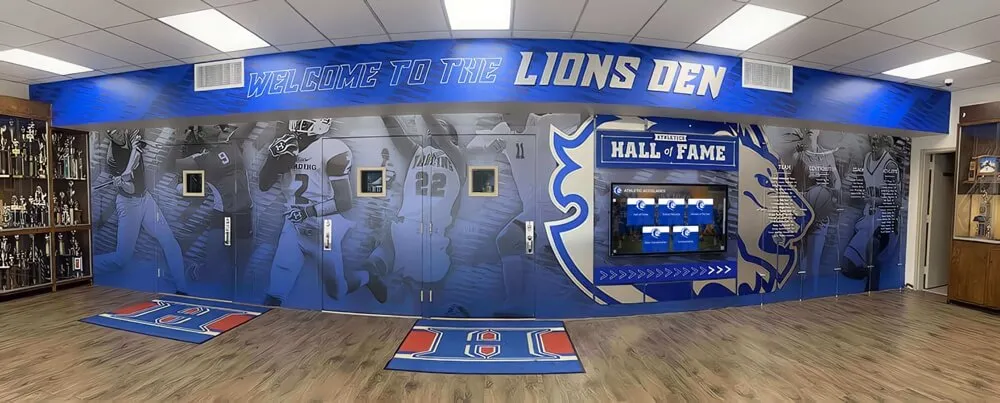
Coordinated physical and digital recognition creates comprehensive acknowledgment honoring all contributors appropriately
Venue Setup and Logistical Coordination
Physical ceremony execution requires careful attention to environmental details ensuring smooth experiences.
Indoor vs. Outdoor Dedication Ceremonies
Location Considerations
Indoor Dedications
Indoor ceremonies offer climate control eliminating weather concerns, reliable audio-visual equipment with existing infrastructure, comfortable seating for extended programs, accessible facilities for guests with mobility needs, and professional atmosphere appropriate for formal occasions. Limitations include capacity constraints potentially excluding some community members, less visual connection to dedicated facility if ceremony occurs in separate location, and scheduling conflicts if facility isn’t fully operational.
Outdoor Dedications
Outdoor dedications provide immediate connection to dedicated facilities visible as ceremony backdrop, essentially unlimited capacity accommodating large community gatherings, festival atmosphere creating celebratory energy, photo opportunities with building as dramatic visual element, and symbolic appropriateness of dedicating outdoor spaces like athletic fields, courtyards, or campus commons. Challenges include weather dependency requiring detailed contingency planning, audio amplification complexity in open spaces, guest comfort concerns in extreme temperatures, and limited accessibility for some guests.
Many institutions compromise by scheduling outdoor dedications with indoor backup venues confirmed if weather proves uncooperative.
Technical Setup Requirements
Essential Infrastructure
Audio-Visual Systems
Professional sound reinforcement ensuring all attendees hear speakers clearly regardless of venue size or ambient noise, wireless microphones for all speakers eliminating cable trip hazards, large-screen displays if showing video content or presentation slides, adequate audio for musical elements or recorded content, and backup equipment ready for immediate deployment if primary systems fail.
Environmental Considerations
Adequate seating or standing areas with clear sightlines to ceremony focal point, weather protection like tents or canopies for outdoor events, temporary electrical distribution supporting audio, lighting, and display equipment, signage directing guests to parking, registration, and ceremony locations, and accessible accommodations including accessible parking, seating, and restroom facilities.
Safety and Logistics
Security personnel if expecting large crowds or high-profile guests, first aid station or medical support for extended outdoor events, parking management preventing congestion and directing overflow, and crowd control barriers defining ceremony spaces and protecting sensitive areas or equipment.
Engage facilities management early in planning ensuring all technical requirements are identified, coordinated, and tested before ceremony day.
Pre-Ceremony and Post-Ceremony Activities
Dedication events extend beyond formal programs through surrounding activities enhancing overall experiences.
Pre-Ceremony Hospitality
Creating Welcoming Experiences
Reception Components
Arrival area with greeters providing directions and welcoming attendees, registration table distributing programs, name badges, or commemorative items, refreshment service with beverages and light appetizers encouraging early arrival, background music creating appropriate atmosphere, and photo opportunities at recognition displays or with facility backdrops.
VIP Hospitality
Major donors and distinguished guests often receive special pre-ceremony hospitality: private reception providing exclusive gathering space before public program, facility preview tours showcasing spaces before general dedication, personalized name badges or seating cards indicating honored guest status, dedicated parking or valet service, and staff liaison providing concierge assistance addressing needs.
This differential treatment acknowledges significant contributions while making principal donors feel appropriately valued.
Learn about comprehensive hospitality approaches in banquet program templates and awards ceremony guides with event management frameworks.
Post-Ceremony Tours and Celebrations
Extending Celebration Beyond Formal Program
Facility Tour Coordination
Guided tours led by administrators, faculty, or students describing facility features and intended uses, self-guided exploration with signage explaining spaces and design elements, demonstration of facility capabilities—scientific equipment, performance features, athletic amenities, or interactive technology, and access to previously restricted areas satisfying curiosity about completed spaces.
Tours transform dedications from passive ceremonies into interactive experiences where attendees develop personal connections to facilities.
Reception and Celebration
Post-ceremony receptions provide informal socializing opportunities: refreshment service appropriate for time of day and budget (light appetizers, full meals, dessert receptions), comfortable gathering spaces encouraging conversation among donors, administrators, and community members, continued access to recognition displays for exploration and photo opportunities, and background music or entertainment maintaining festive atmosphere.
These informal elements often generate more meaningful relationship building than formal ceremony components allow.
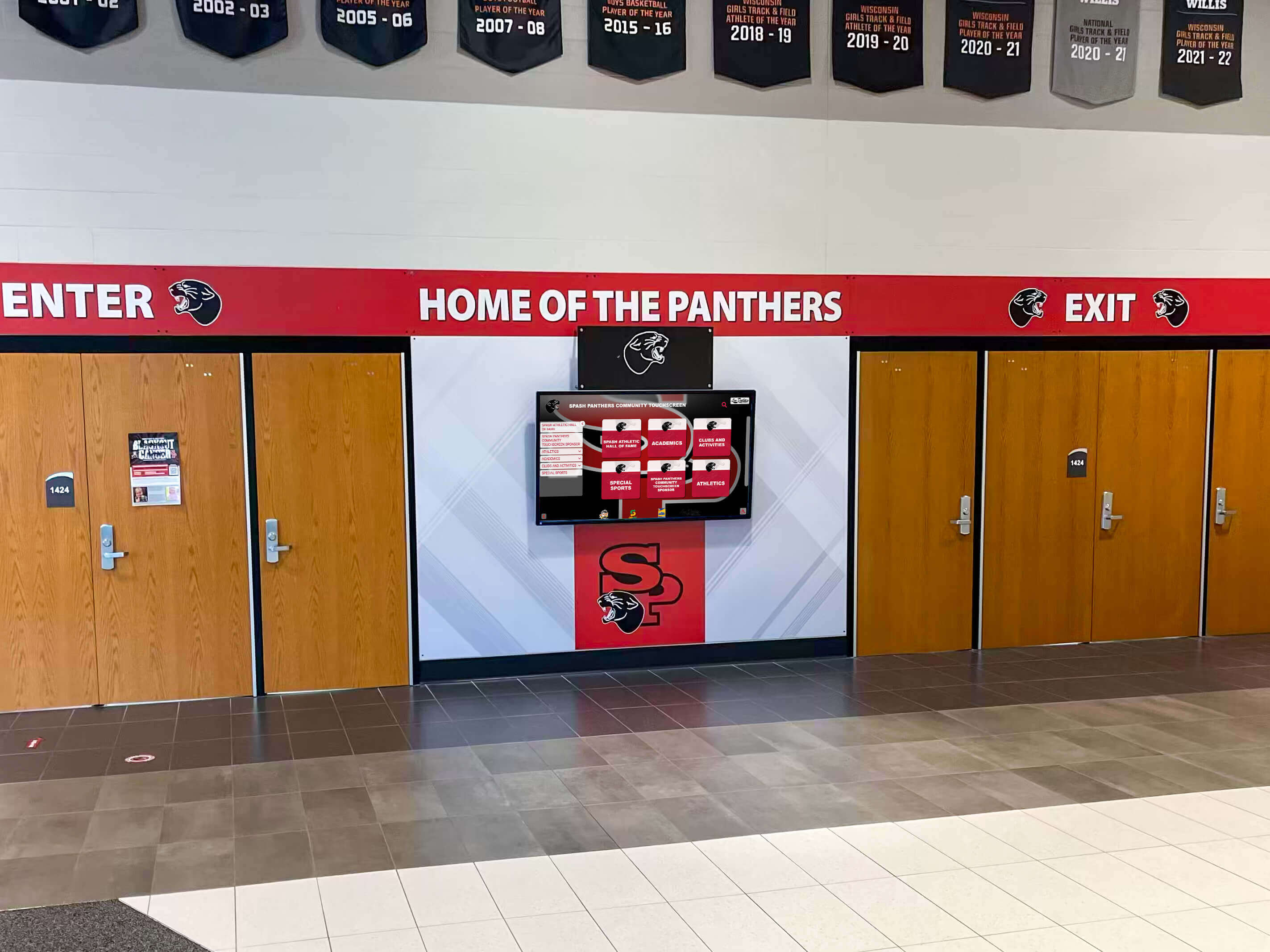
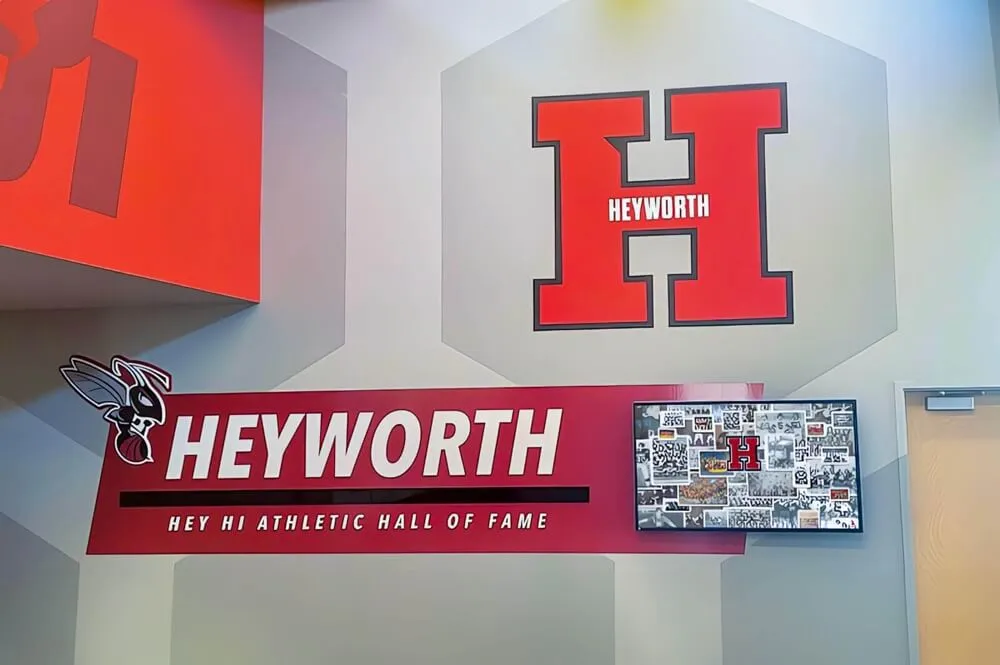
Strategic entrance installations ensure all facility visitors encounter dedication recognition regularly
Communication and Marketing Strategies
Strategic communication extends dedication ceremony impact beyond attendees.
Invitation Management
Stakeholder Identification
Comprehensive invitation lists include all campaign donors regardless of contribution size, board members and governing body representatives, facility design and construction team members, campus community members with facility connections, alumni and families interested in institutional progress, community neighbors and civic leaders, elected officials and government representatives, media representatives covering education or community news, and facility users including students, faculty, and program participants.
Cast invitations broadly—dedications celebrate community-wide accomplishments deserving inclusive attendance.
Invitation Timeline and Format
Send save-the-date notifications 8-12 weeks before ceremony allowing calendar reservation, distribute formal printed invitations 4-6 weeks prior with RSVP instructions, send email reminders 1-2 weeks before with logistics and parking information, and provide day-before reminders to confirmed attendees with final details.
Formal printed invitations communicate ceremony significance while digital communications provide practical logistics efficiently.
Media Relations and Coverage
Generating Positive Publicity
Press Engagement Strategy
Advance media advisories announcing ceremony date, time, and significance distributed 2-3 weeks prior, press releases with dedication details and quotes from institutional leaders distributed 1 week before ceremony, media invitations encouraging coverage attendance and offering interview access, press kits with facility photos, donor information, and institutional background, and post-ceremony follow-up providing coverage-ready photos and ceremony highlights.
Local media coverage extends dedication recognition far beyond ceremony attendees while building positive institutional visibility.
Social Media Integration
Live posting during ceremonies sharing photos, quotes, and highlights in real-time, ceremony livestreaming enabling virtual attendance for distant stakeholders, hashtag campaigns encouraging attendee participation and content sharing, post-ceremony content including photo galleries and video highlights, and ongoing recognition content celebrating facility impact and donor contributions.
Digital communication extends ceremony reach while creating permanent online documentation of dedication moments.
Budget Planning and Resource Allocation
Realistic budget planning ensures ceremonies achieve quality appropriate to facilities being dedicated.
Typical Dedication Ceremony Costs
Budget Categories
Venue and Facilities ($500-$5,000) Tent or canopy rental for outdoor events, tables, chairs, and staging equipment, temporary electrical and lighting systems, climate control if needed for comfort, and site preparation and cleanup.
Recognition Materials ($2,000-$25,000) Permanent plaques or dedicatory markers, donor recognition walls or displays, digital recognition system hardware and software, ceremonial programs and printed materials, and commemorial gifts for honorees or speakers.
Hospitality and Catering ($1,500-$10,000) Reception refreshments and beverages, catering service and equipment, table linens and serviceware, and decorative elements and centerpieces.
Audio-Visual and Production ($1,000-$8,000) Sound system and microphones, video recording and livestreaming, photography and videography services, lighting equipment and operation, and presentation equipment for slideshows or videos.
Event Coordination and Staffing ($500-$5,000) Professional event coordination services, parking and security personnel, setup and breakdown labor, and signage and directional materials.
Marketing and Communications ($500-$3,000) Invitation design and printing, press release distribution, photography for media and publications, and social media promotion.
Total typical dedication ceremony budgets: $6,000-$56,000
Most educational and nonprofit institutions execute successful dedication ceremonies in the $15,000-$35,000 range, balancing professional quality with reasonable stewardship of organizational resources.
Cost Management Strategies
Maximizing Value
Leverage existing institutional resources like campus facilities, audio-visual equipment, and maintenance staff, engage volunteers from donor or alumni communities for coordination assistance, coordinate with development campaigns incorporating ceremony costs in project budgets, seek in-kind donations from local businesses or supporters for catering, printing, or services, and prioritize spending on permanent recognition elements providing lasting value over consumable ceremony components.
Strategic cost management enables impressive ceremonies without excessive expense while directing resources toward elements providing enduring recognition value.
Explore investment frameworks in donor recognition plaque ideas comparing traditional and modern options with budget considerations.
Special Ceremony Considerations
Different dedication contexts require adapted approaches.
Academic Building Dedications
Educational Facility Focus
Academic building dedications emphasize educational mission and student impact: student speakers describing anticipated learning experiences, faculty presentations connecting facilities to programmatic excellence, demonstrations of equipment or capabilities unique to spaces, emphasis on how facilities advance institutional educational objectives, and forward-looking vision about student success facilities will enable.
These dedications balance donor recognition with educational mission emphasis appropriate to academic contexts.
Athletic Facility Dedications
Sports-Focused Celebrations
Athletic facility dedications incorporate competitive and team elements: coach remarks describing training advantages facilities provide, athlete performances like national anthem singers or ceremonial first pitches, championship recognition celebrating historic program success, emphasis on competitive excellence and student-athlete development, and community building around athletic programs and school spirit.
Athletic dedications often attract larger general community attendance than academic buildings, requiring different scale and atmosphere.
Discover athletic recognition in trophy display case ideas for showcasing school achievements with facility context.
Memorial Dedications
Honoring Individuals
Facilities dedicated in memory of deceased individuals require sensitive recognition: family involvement in ceremony planning and speaking roles, biographical content celebrating individual’s life and connection to institution, tone balancing celebration of individual with forward-looking facility purpose, appropriate memorial elements like dedicatory plaques or commemorative gardens, and recognition that facilities honor memories while serving future generations.
Memorial dedications emphasize how individuals’ legacies live on through facilities serving communities in perpetuity.
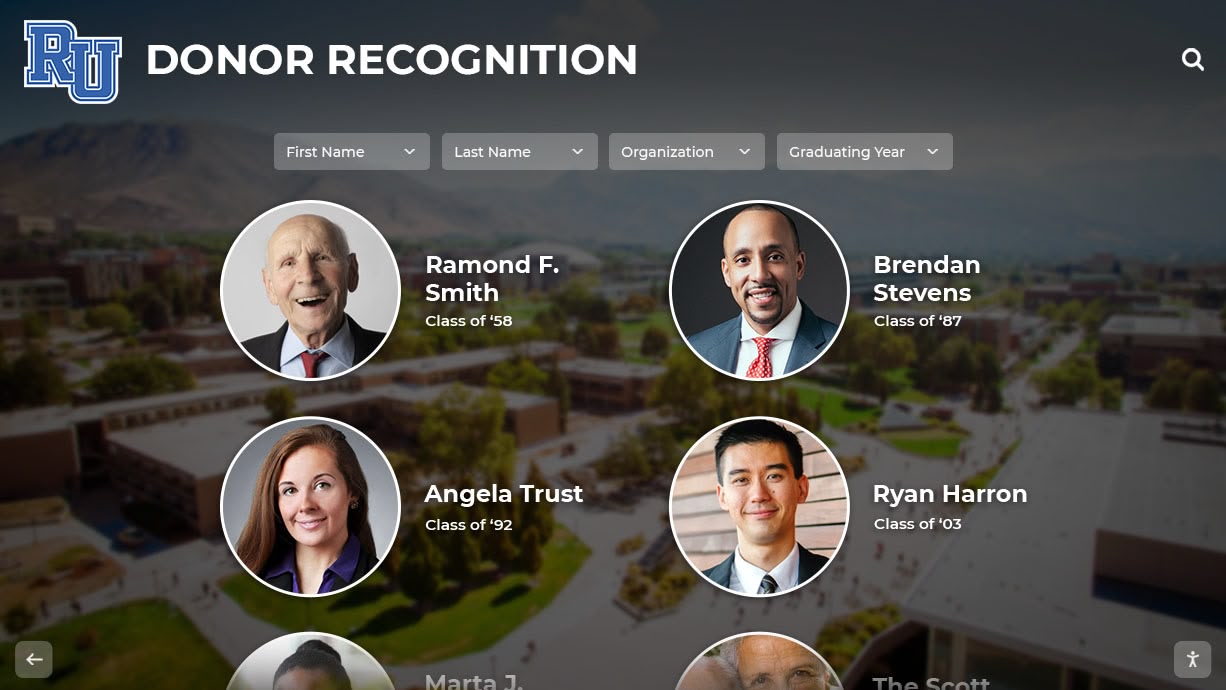
Memorial dedications create lasting tributes connecting individual legacies to institutional mission and community service
Post-Ceremony Follow-Up
Strategic follow-up extends dedication ceremony impact while strengthening donor relationships.
Stewardship Communication
Gratitude and Impact Reporting
Personal thank-you letters to all major donors within one week of ceremony, photo albums or commemorative books documenting ceremony provided to principal donors, video highlights distributed to all attendees and posted online, media coverage compilation shared with donors and stakeholders, and ongoing facility impact updates describing how spaces serve communities.
Systematic follow-up demonstrates that recognition extends beyond single ceremonies to lasting gratitude.
Measuring Dedication Success
Assessment Frameworks
Attendance metrics comparing actual turnout to invitation list, donor satisfaction surveys assessing ceremony experience and recognition appropriateness, media coverage analysis measuring publicity reach and message effectiveness, relationship impact tracking subsequent donor engagement and giving patterns, and facility utilization monitoring ensuring spaces achieve intended community benefit.
These assessments inform continuous improvement for future dedications while demonstrating dedication program value to institutional leadership.
Transform Your Dedication Ceremonies with Modern Recognition Technology
Discover how digital donor recognition displays enhance building dedications by enabling unlimited contributor acknowledgment, multimedia storytelling, and permanent recognition visible long after ceremonies conclude. Rocket Alumni Solutions provides comprehensive platforms designed specifically for educational institutions and nonprofit organizations planning facility dedications.
Explore Recognition SolutionsConclusion: Creating Dedication Ceremonies That Inspire
Exceptional dedication ceremonies honor facility milestones appropriately while strengthening donor relationships that sustain organizational excellence for generations. Through systematic planning addressing timeline management, donor recognition, program flow, technical coordination, and follow-up stewardship, administrators create celebration events that donors and community members remember as meaningful acknowledgment of their support.
The frameworks explored in this guide provide practical approaches for designing ceremonies appropriate to your specific institutional context, facility type, and community culture. From intimate memorial dedications to large-scale community celebrations opening transformational facilities, fundamental principles remain consistent: recognize contributors appropriately and comprehensively, maintain audience engagement through varied program elements, create memorable ceremonial moments worthy of milestone significance, and leverage technology enabling recognition extending far beyond single events.
Modern dedication planning increasingly incorporates digital recognition technology that solves traditional limitations while creating enhanced donor engagement. Solutions like Rocket Alumni Solutions enable organizations to honor every campaign contributor appropriately regardless of space constraints, showcase comprehensive impact through multimedia storytelling, update recognition continuously as campaigns progress, and provide interactive exploration experiences where ceremony attendees discover connections and inspiration.
Your dedication ceremony represents a singular opportunity to celebrate transformational facility investments while honoring the generous supporters who made them possible. Strategic planning ensuring ceremonies appropriately acknowledge contributions, engage communities meaningfully, and create lasting positive associations between donors and the facilities they enabled transforms obligatory institutional rituals into relationship-building experiences that inspire continued support sustaining missions for decades.
Ready to enhance your dedication ceremony planning? Explore how Rocket Alumni Solutions can help you create comprehensive donor recognition systems that integrate seamlessly with dedication ceremonies while providing permanent acknowledgment celebrating supporter generosity in perpetuity.