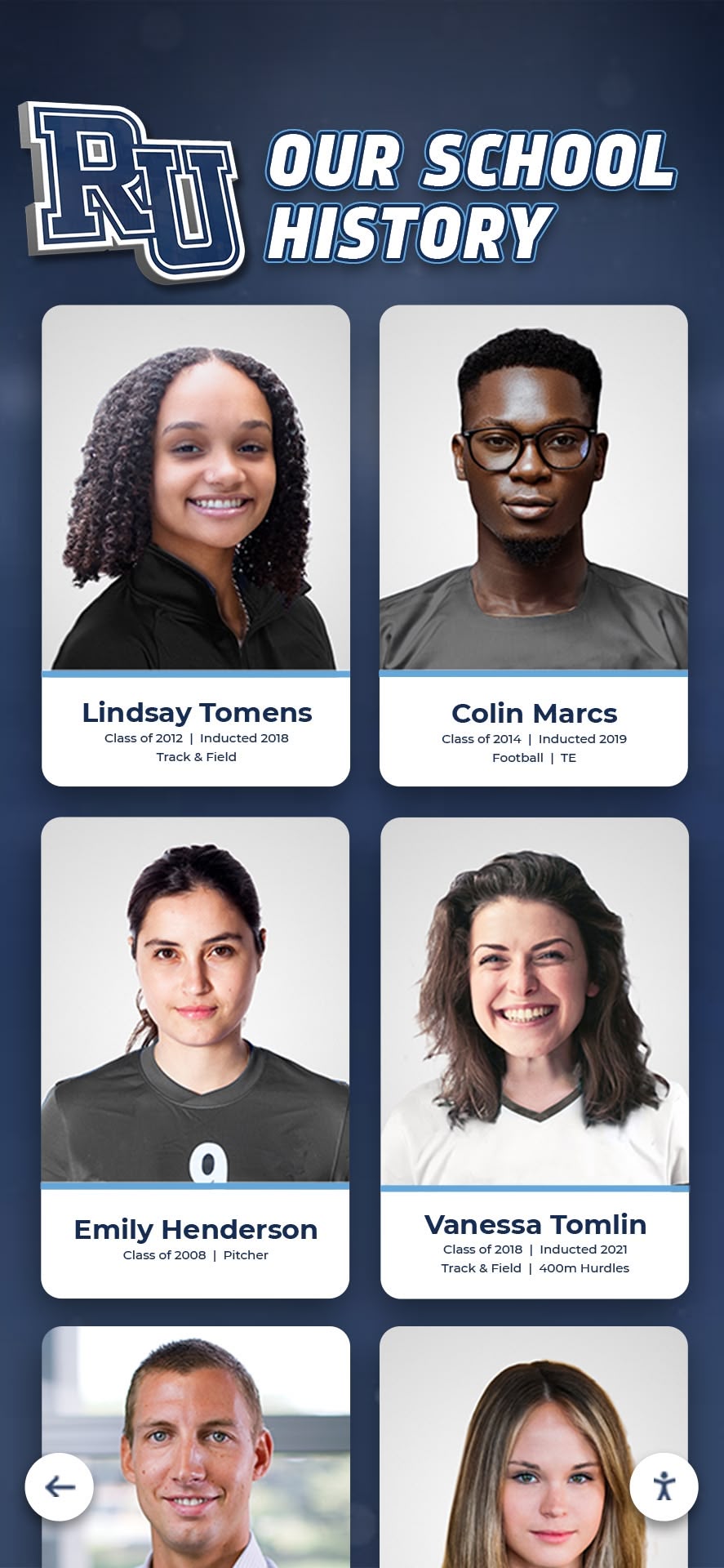




When prospective families visit your school’s website or walk through your hallways, they’re not just looking at facilities and curriculum—they’re trying to imagine what daily life feels like for students, teachers, and the entire community. Static brochures and generic mission statements can’t capture the authentic energy, traditions, and personality that define your school’s unique culture.
The most effective way to communicate “a day in the life” at your school combines three powerful storytelling elements: photo galleries documenting real events and activities throughout the year, visual timelines showing how your institution has evolved and grown, and detailed About Us profiles that introduce the people who make your school special. Together, these components create an immersive digital experience that brings your school’s story to life in ways that inspire prospective students while celebrating current achievements and honoring historical legacy.
Modern digital display solutions enable schools to showcase these elements through interactive touchscreens in lobbies and hallways, mobile-friendly web platforms accessible anywhere, and dynamic content that updates easily throughout the school year—transforming how institutions share their stories with internal and external audiences.
Schools with compelling visual storytelling create stronger connections with every constituency they serve: prospective families see authentic evidence of vibrant school culture, current students recognize themselves in institutional narratives, alumni maintain deeper bonds through visible preservation of their contributions, and donors understand the lasting impact of their support through documented program success stories.

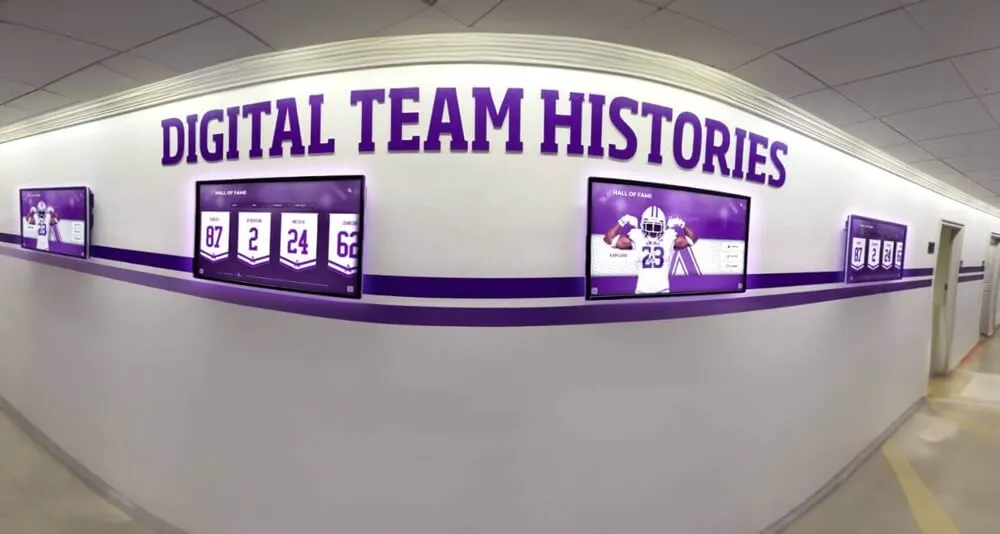
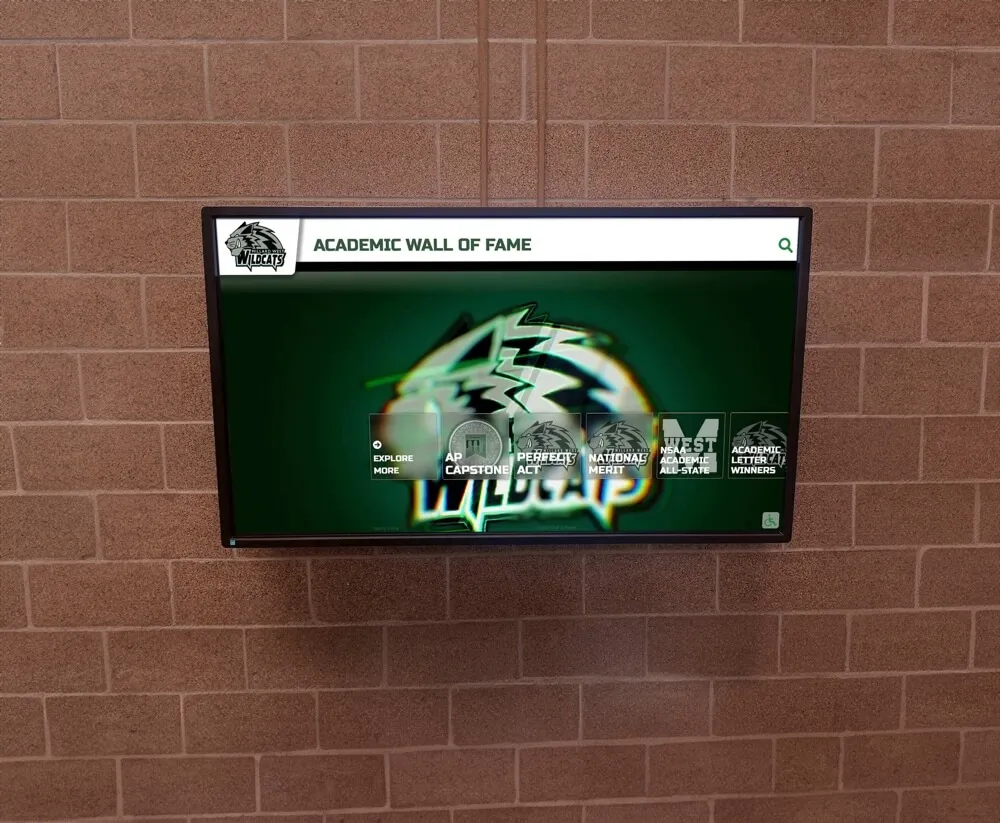
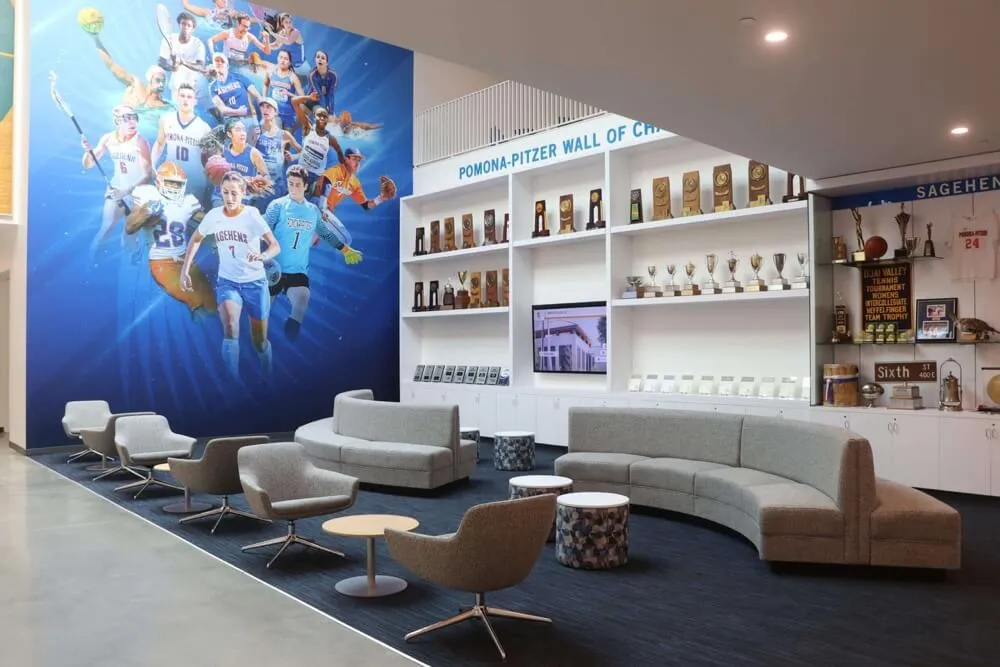
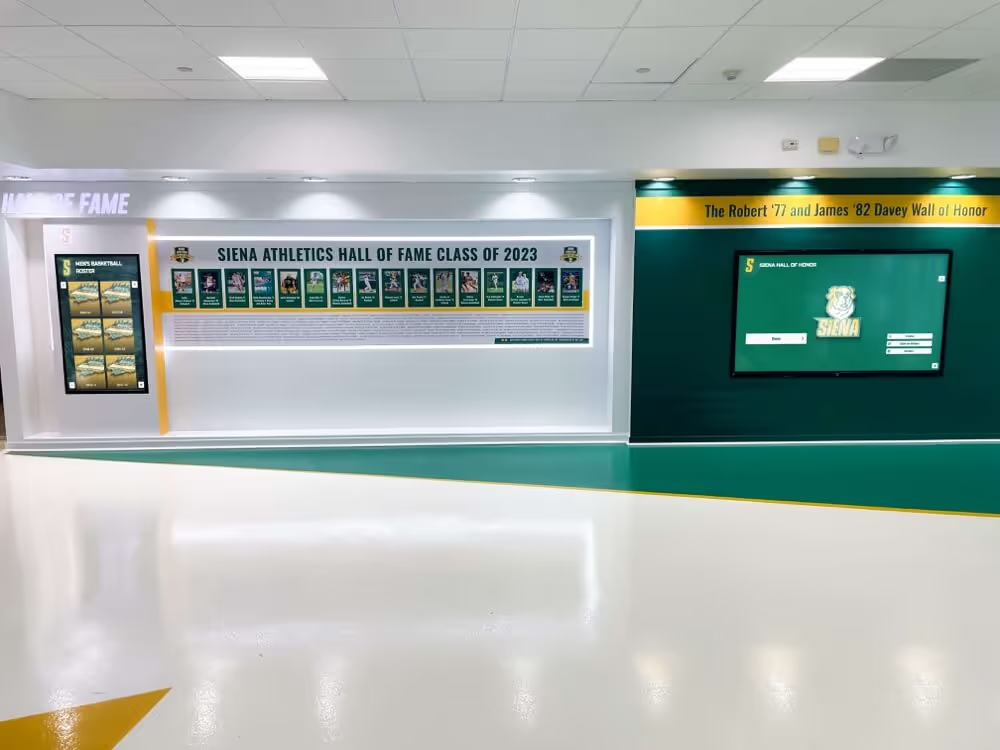
Comprehensive visual documentation preserves authentic moments from school life across years and activities
Why “Day in the Life” Content Matters for Schools
Before investing resources in developing photo galleries, timelines, and profiles, understanding the strategic value these elements deliver helps build stakeholder support and guide implementation priorities.
Creating Authentic Connection with Prospective Families
Traditional marketing materials describe schools through carefully crafted statements about educational philosophy and program offerings. While informative, these descriptions rarely answer the questions families care most about: What does a typical day actually look like? What kinds of experiences will my child have? What makes this school’s culture unique?
Visual Storytelling Answers Questions Words Cannot
Photo galleries from real events throughout the year provide prospective families with evidence rather than promises. Images of students engaged in science experiments, performing in theater productions, competing in athletic events, collaborating on group projects, celebrating cultural traditions, and participating in service activities communicate school culture more effectively than any mission statement.
According to education marketing research, visual content increases engagement by 80% compared to text-only materials, and families consistently report that authentic photographs influence their school selection decisions more heavily than written descriptions.
Building Trust Through Transparency
Schools that openly share everyday moments—not just polished highlight reels—build trust with prospective families. Showing the full spectrum of school life, including quiet study time, casual lunch periods, and behind-the-scenes preparation for major events, demonstrates confidence in your program and helps families accurately assess whether your culture aligns with their values and expectations.
Strengthening Current Student Pride and Belonging
Students who see themselves represented in their school’s storytelling develop stronger institutional identification and pride:
Validation Through Visibility
When students encounter photographs documenting their activities, achievements, and contributions throughout school facilities, they experience validation that their participation matters and is valued. Digital recognition displays showcasing student involvement across diverse programs and activities reinforce that excellence takes many forms and every contribution enriches school community.
Creating Aspirational Examples
Current students who view photo galleries and profiles from recent years see concrete examples of opportunities available to them. Underclassmen discover clubs and activities they might not have known existed, students identify role models whose achievements inspire their own goals, and entire student bodies develop shared understanding of traditions and experiences that define their school’s unique character.
Maintaining Alumni Connection and Engagement
Graduates maintain stronger connections to institutions that visibly honor their contributions within ongoing institutional narratives:
Seeing Yourself in School History
Alumni who return to campus—whether physically or digitally—naturally seek evidence of their own school experiences. Interactive timeline displays and searchable photo archives enabling graduates to locate themselves and their classmates create powerful emotional connections that sustain long-term engagement and support.
Understanding Continuity and Change
Alumni appreciate seeing how schools have evolved since their graduation while recognizing enduring traditions that connect their experiences to current student life. Comprehensive visual documentation helps graduates understand their place in larger institutional stories spanning decades, strengthening identification with schools whose missions extend far beyond any individual’s tenure.
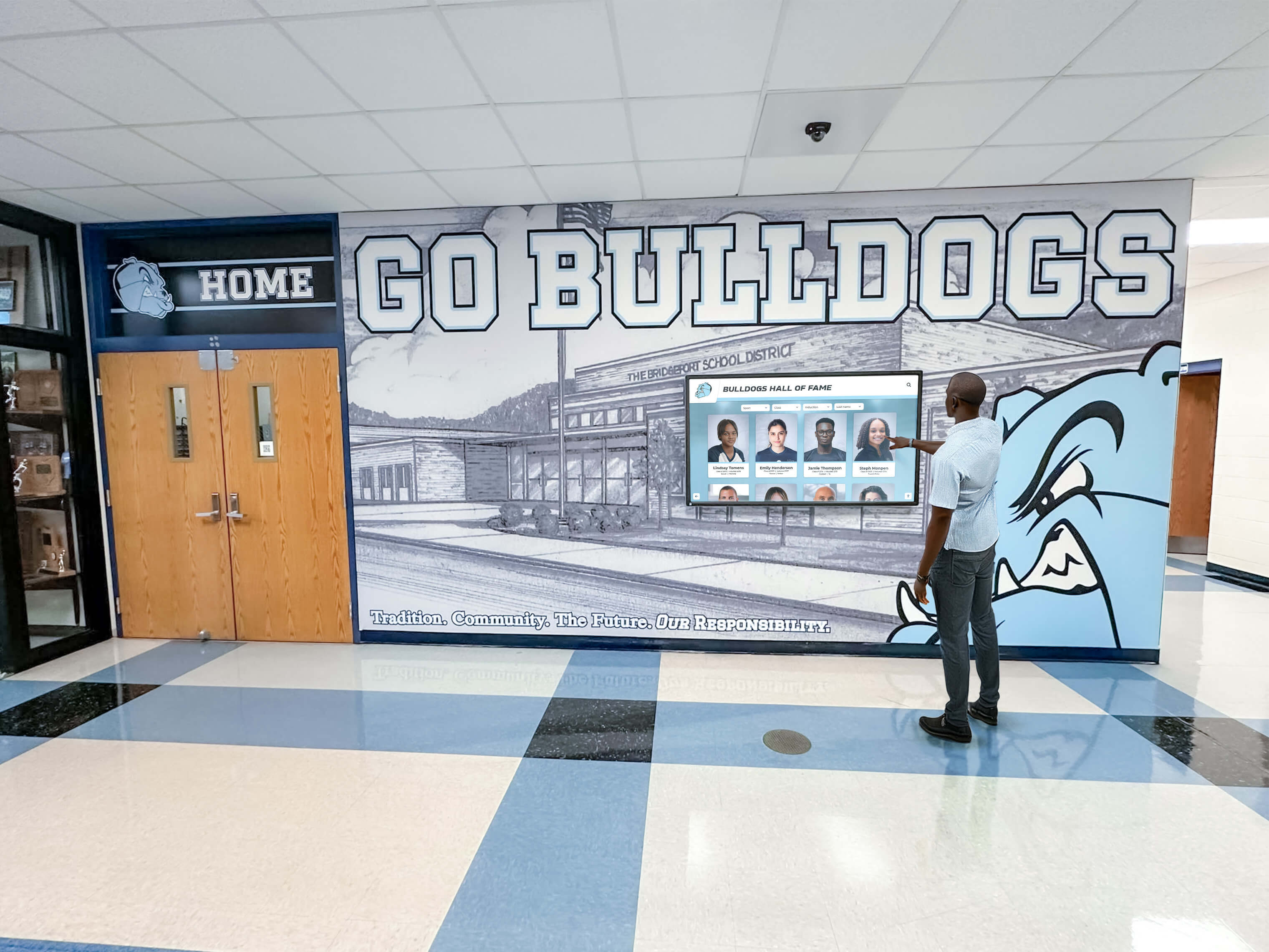
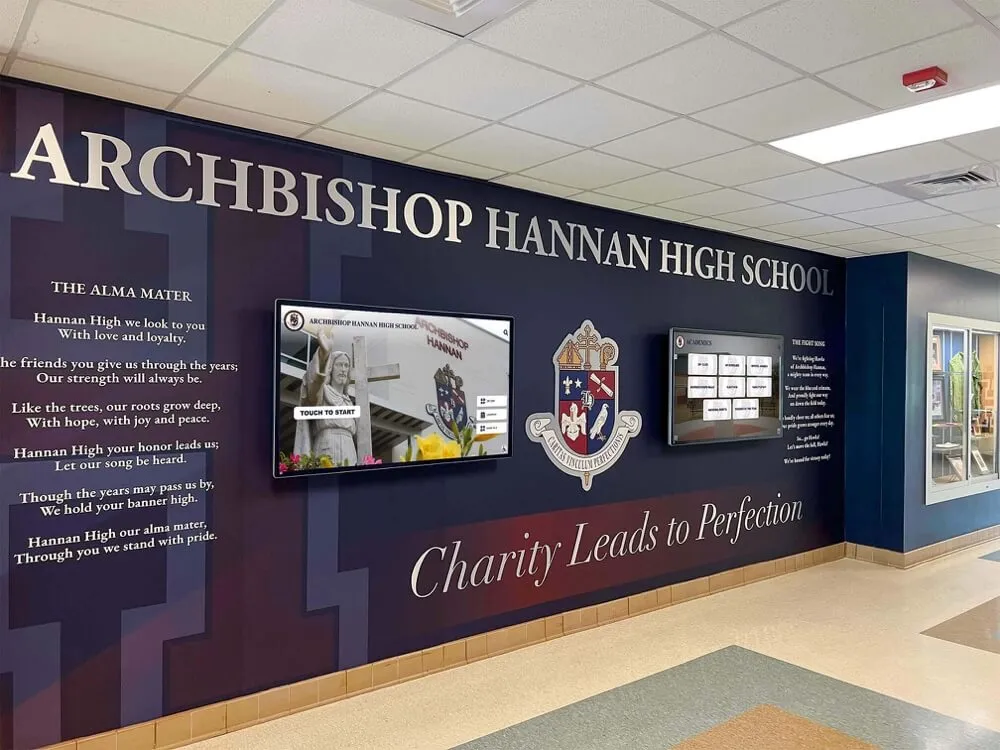
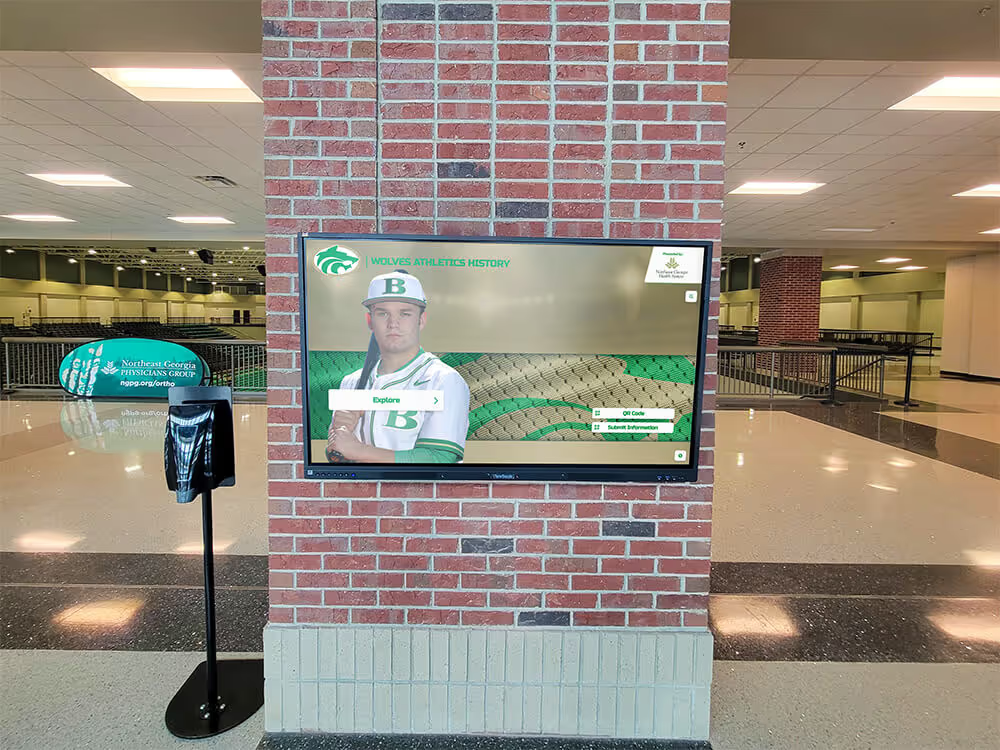
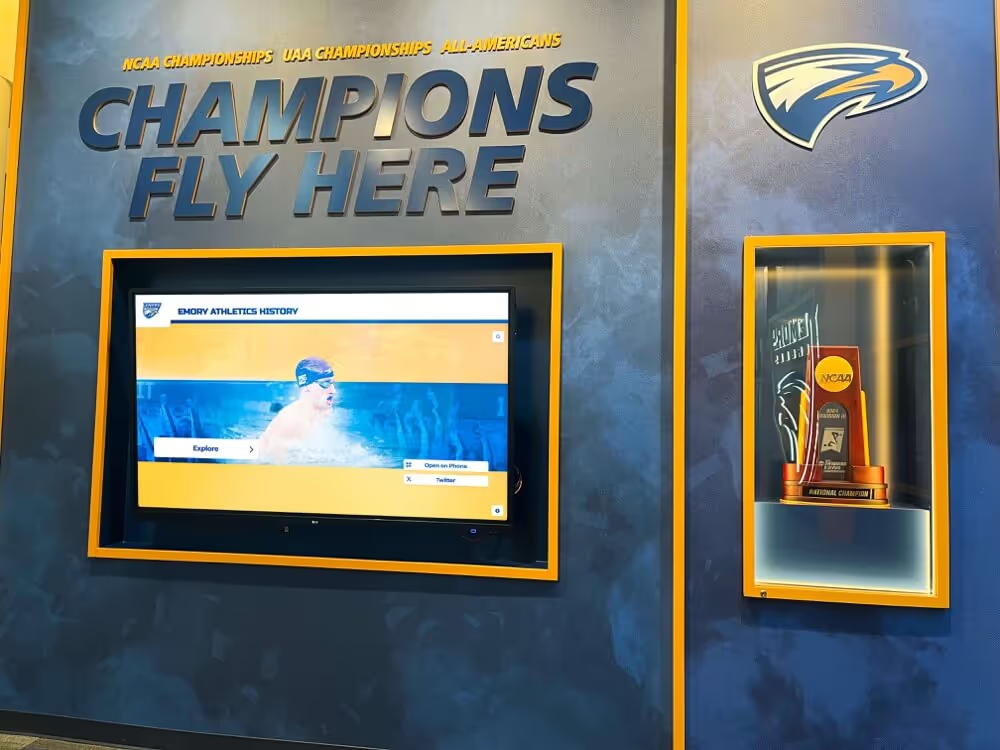
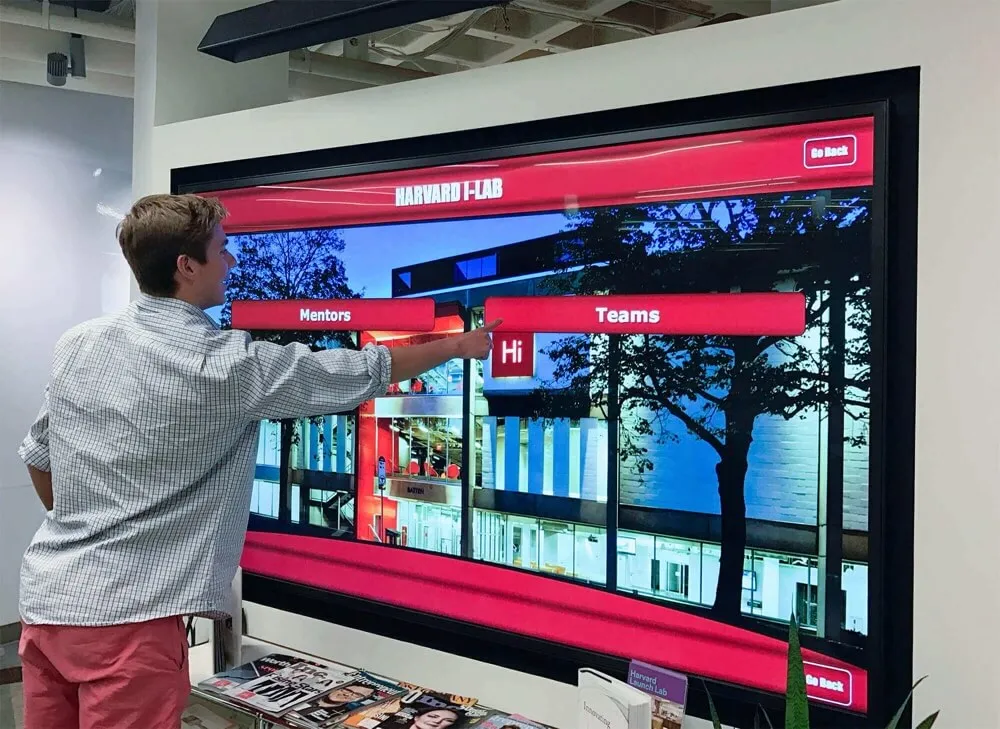
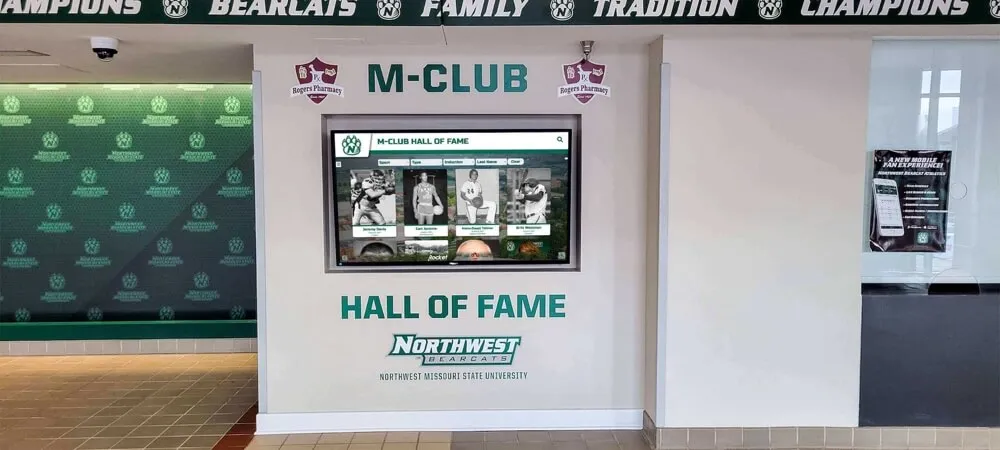
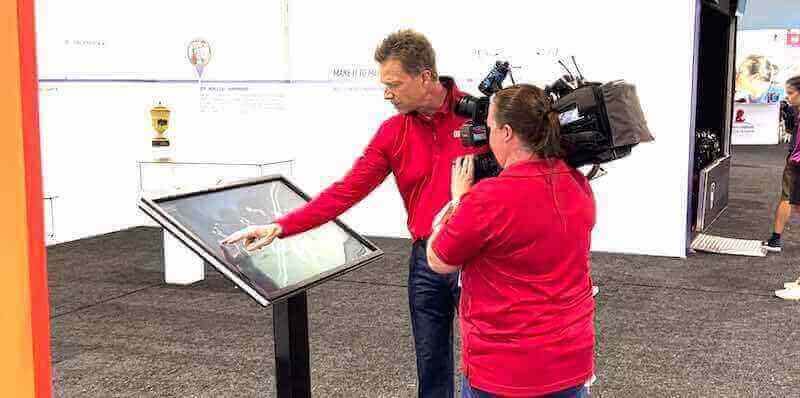
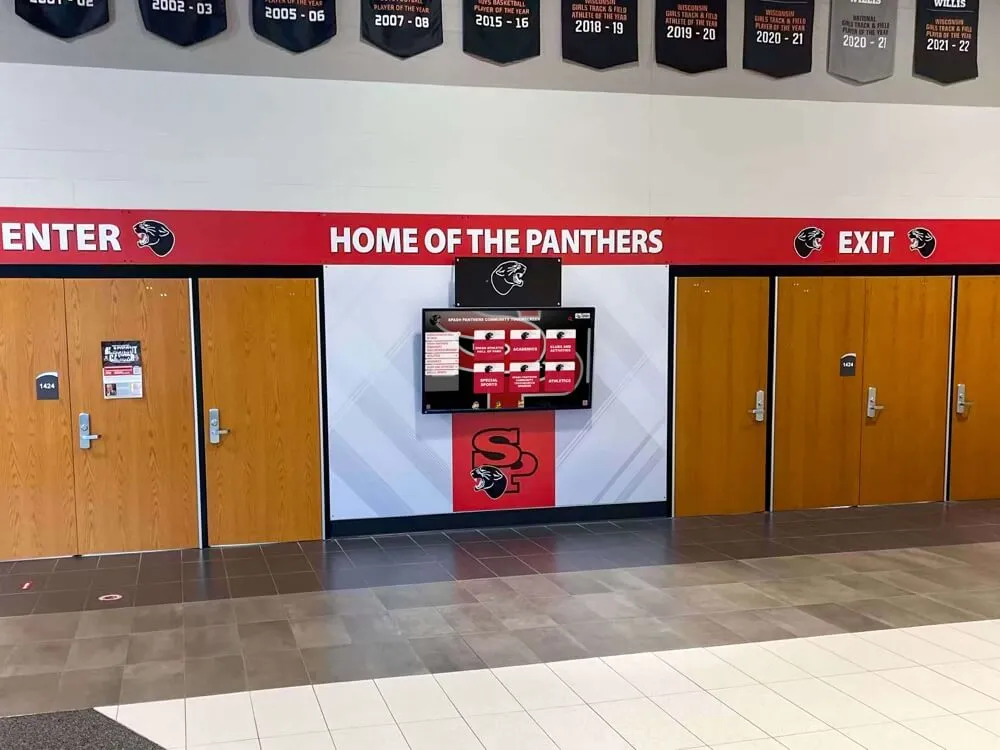
Interactive touchscreen displays make school history and current activities accessible to students, families, and visitors
Building Effective Photo Galleries of School Events
Comprehensive photo documentation of school life throughout each year creates invaluable archives while serving immediate marketing and community-building purposes.
Identifying Events Worth Documenting
Academic Year Coverage Strategy
Build systematic photo documentation covering:
- Major school-wide events: Opening convocations, homecoming celebrations, prom, graduation ceremonies, award assemblies, holiday programs
- Athletic competitions: Home games across all sports, championship matches, senior nights, signing days, team celebrations
- Performing arts productions: Theater performances, concerts, dance recitals, talent shows, both onstage action and behind-the-scenes preparation
- Academic competitions: Debate tournaments, robotics competitions, science fairs, math competitions, academic bowl matches
- Service projects: Community service days, fundraising events, volunteer activities, partnership programs with local organizations
- Cultural celebrations: International festivals, heritage months, religious observances, diversity programs
- Daily student life: Classroom activities, lunch periods, student collaboration, club meetings, informal gatherings
- Faculty and staff: Teachers in classrooms, coaches at practice, administrators interacting with students, support staff contributions
Balancing Scheduled and Candid Moments
The most authentic photo galleries combine posed group shots from formal events with candid photographs capturing genuine interactions and unscripted moments. While championship trophy presentations deserve documentation, the post-victory celebrations in locker rooms often communicate emotional significance more powerfully than formal poses.
Technical Considerations for Quality Photo Documentation
Photography Standards
- Resolution: Minimum 1920x1080 for digital displays; higher resolution enables future repurposing
- Lighting: Adequate lighting for clear faces and details; avoid harsh shadows or overexposure
- Composition: Follow basic framing principles; capture context beyond tight closeups
- Focus: Sharp focus on primary subjects; slightly blurred backgrounds acceptable
- Variety: Multiple angles and perspectives of important moments; wide shots establishing context plus detail shots showing emotion
Storage and Organization
Systematic organization prevents photo archives from becoming chaotic collections:
- Consistent naming conventions:
YYYY-MM-DD_EventName_Description_###.jpg - Metadata tagging: Event type, participants, location, date, photographer
- Hierarchical folder structure: School year > semester/quarter > month > event
- Backup procedures: Multiple copies in different physical locations and cloud storage
- Rights documentation: Photo permissions for students and event participants
Schools implementing digital yearbook platforms benefit from integrated photo management systems that simplify organization while enabling easy public display of appropriate images.
Creating Engaging Photo Gallery Presentations
Thematic Organization
Organize photos by meaningful categories enabling intuitive exploration:
- Chronological browsing: View events by month, quarter, or semester
- Department collections: Athletics, fine arts, academics, student life, community service
- Event-specific galleries: Individual events with comprehensive coverage from start to finish
- Student journey collections: Following specific grade levels or student groups across year
- Tradition documentation: Annual recurring events shown across multiple years for comparison
Interactive Features That Enhance Engagement
Modern digital platforms transform static photo galleries into interactive experiences:
- Search and filtering: Find photos by date range, event type, participant name, or keyword
- Zoom capabilities: Examine details in high-resolution images
- Social sharing: Enable community members to share favorite images on social media
- Download options: Allow personal downloads of appropriate images for family use
- Comment and tagging: Community members identify individuals and add context to historical photos
Solutions like Rocket Alumni Solutions provide specialized platforms designed specifically for educational photo galleries, combining intuitive organization with interactive features that engage diverse audiences from prospective students to distant alumni.
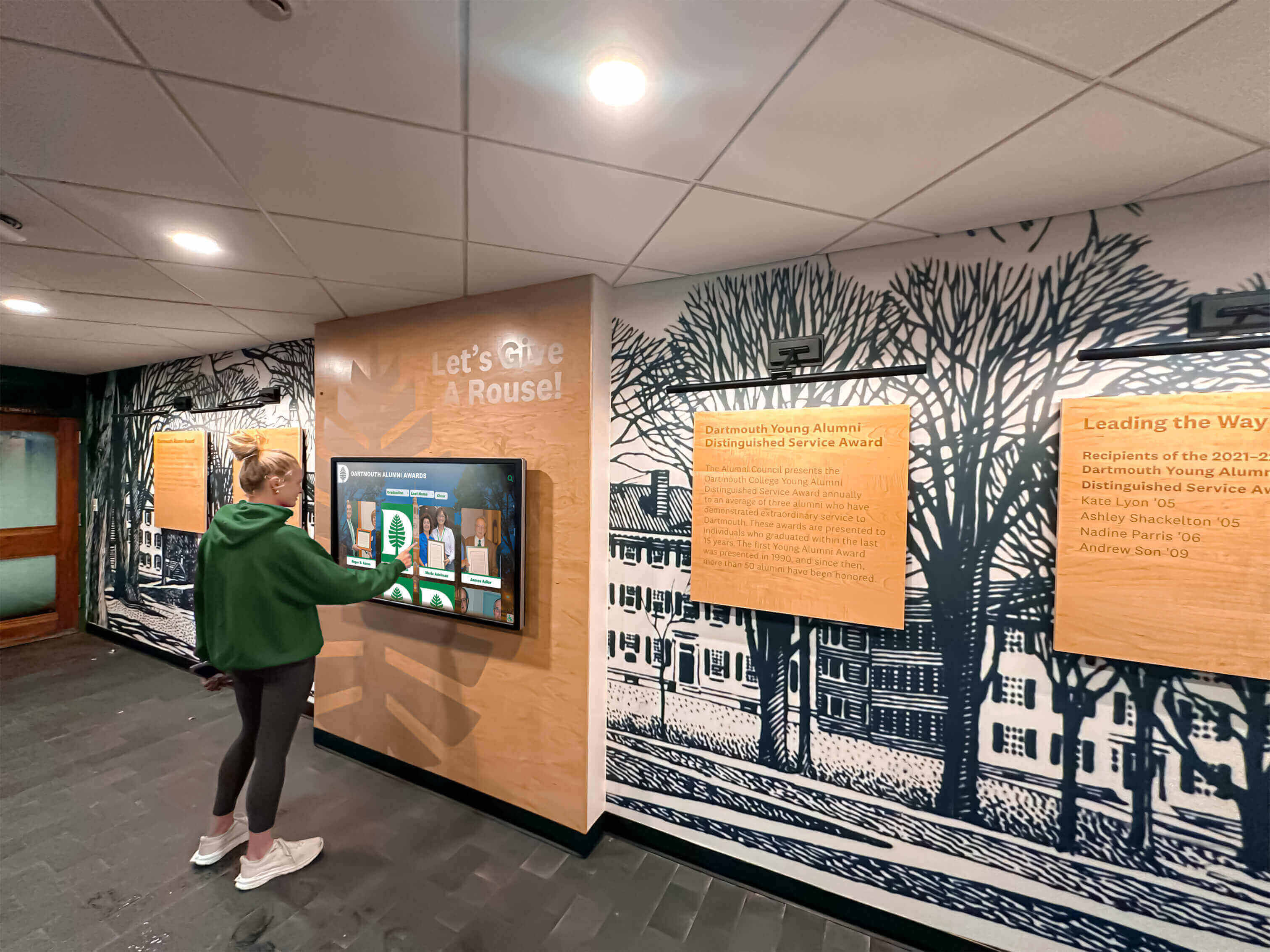
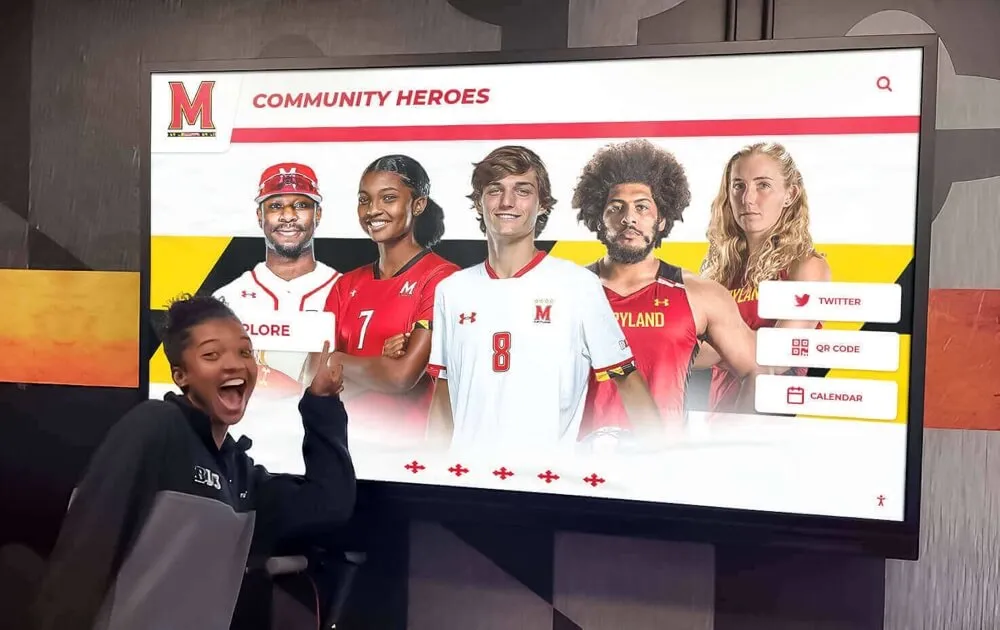
Students naturally engage with interactive displays showcasing school activities and achievements
Developing Compelling Historical Timeline Displays
Visual timelines transform abstract institutional history into concrete narratives showing how schools evolved to become the communities they are today.
Essential Timeline Content Categories
Foundational Milestones
- School founding and original mission
- First graduating class and early traditions
- Facility construction and campus expansion
- Accreditation and recognition milestones
- Leadership succession and administrative evolution
- Significant program additions or curriculum changes
Academic Excellence Documentation
- Notable academic achievements and national recognition
- Distinguished alumni in various fields
- Faculty accomplishments and innovations
- Research partnerships and academic collaborations
- Curriculum evolution reflecting educational philosophy development
- Technology integration milestones
Athletic Heritage
- Championship seasons and tournament victories
- Record-breaking athletic achievements
- Conference membership changes and competitive evolution
- Notable coaches and their program impact
- Facility improvements and athletic program growth
- Professional athletes from your institution
Cultural and Community Evolution
- Tradition establishment and evolution
- Diversity and inclusion milestones
- Community partnership development
- Facilities and campus transformation
- School size and demographic changes
- Significant cultural moments and institutional responses
Comprehensive school history timeline displays integrate these diverse content categories showing institutional development across multiple dimensions simultaneously.
Timeline Design Principles
Visual Hierarchy and Organization
Effective timelines balance comprehensiveness with readability:
- Decade or era segmentation: Group related years enabling pattern recognition
- Color coding by category: Visual distinction between academic, athletic, facilities, and cultural milestones
- Varying detail levels: Brief entries for minor events; expanded content for transformational moments
- Multimedia integration: Photos, videos, and documents supplementing text descriptions
- Interactive drill-down: Overview timeline with ability to explore eras in greater detail
Connecting Past to Present
Strong historical timelines explicitly link heritage to current institutional characteristics:
- Show how current programs emerged from historical foundations
- Identify enduring traditions connecting decades of students
- Trace facility evolution from original buildings to current campus
- Document leadership philosophy continuity across different eras
- Connect historical achievements to contemporary excellence
Making History Accessible
Digital timeline displays provide advantages impossible with traditional wall-mounted presentations:
- Unlimited content capacity: Comprehensive documentation without physical space constraints
- Easy updates: Add current year’s milestones immediately after they occur
- Multiple access points: Campus touchscreens, web platforms, mobile apps
- Personalized exploration: Users navigate to content matching their specific interests
- Searchable archives: Find specific events, people, or time periods instantly

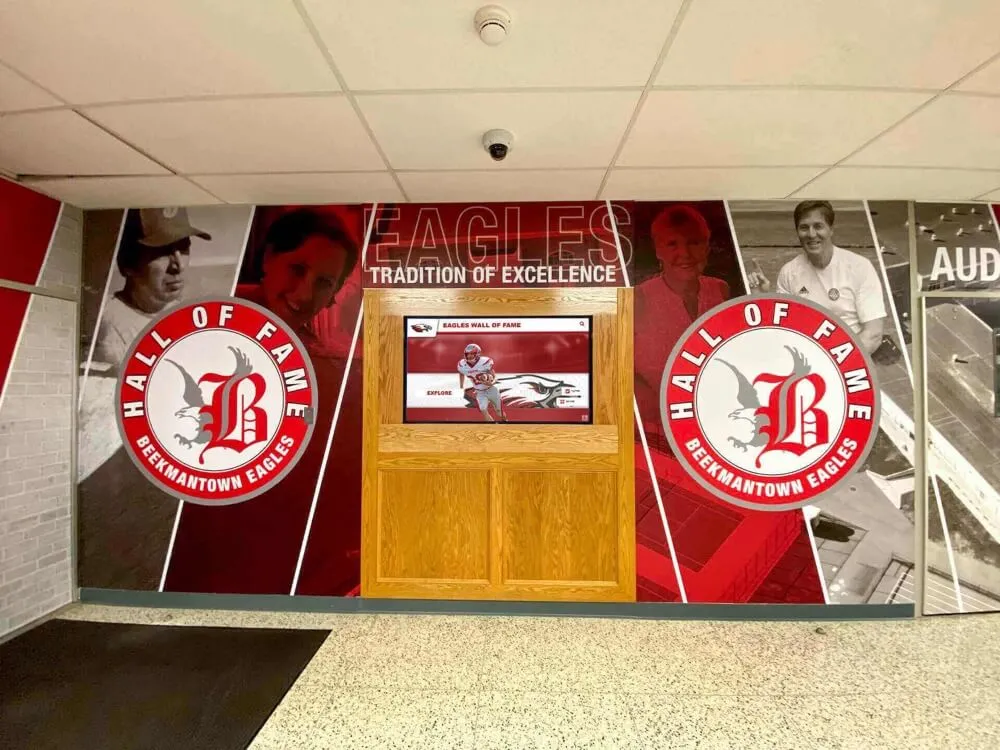
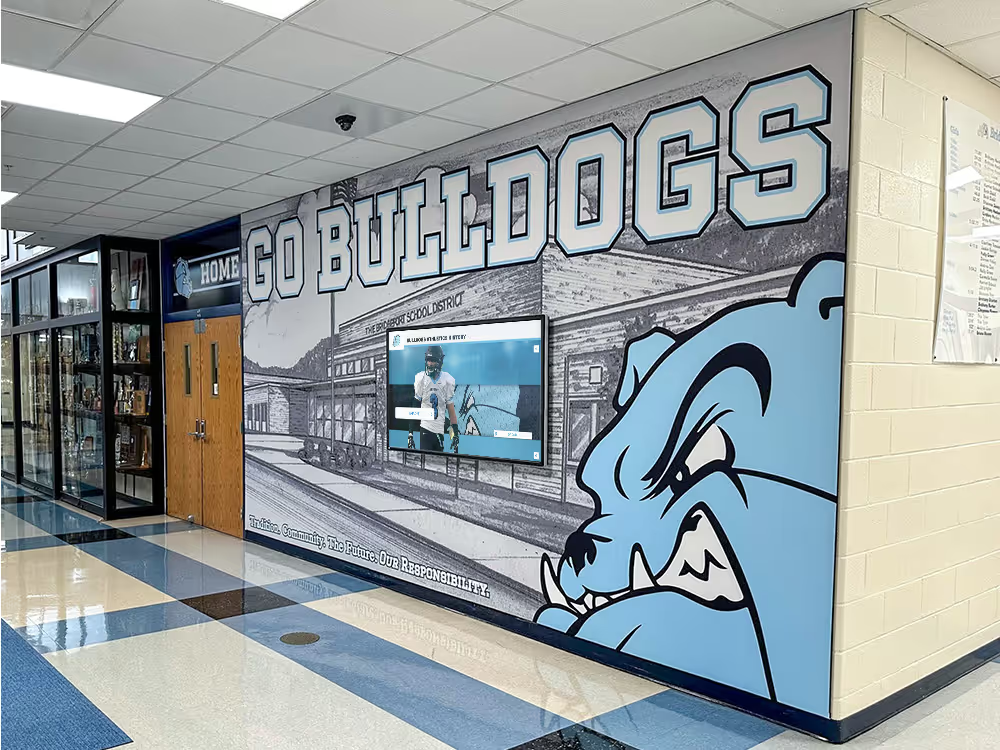
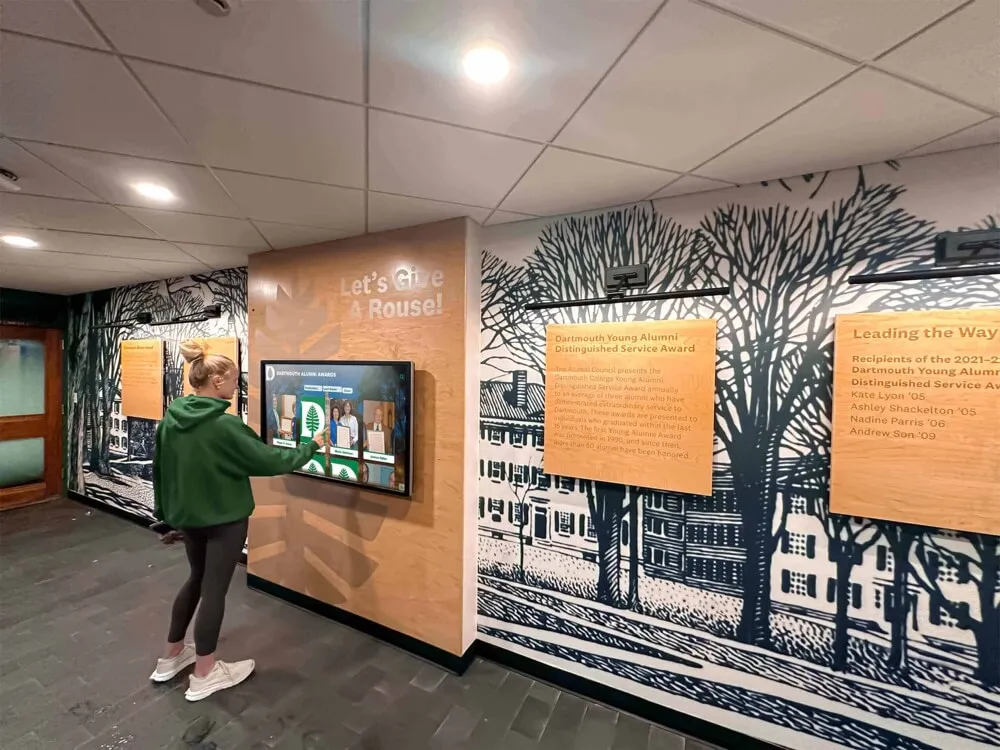
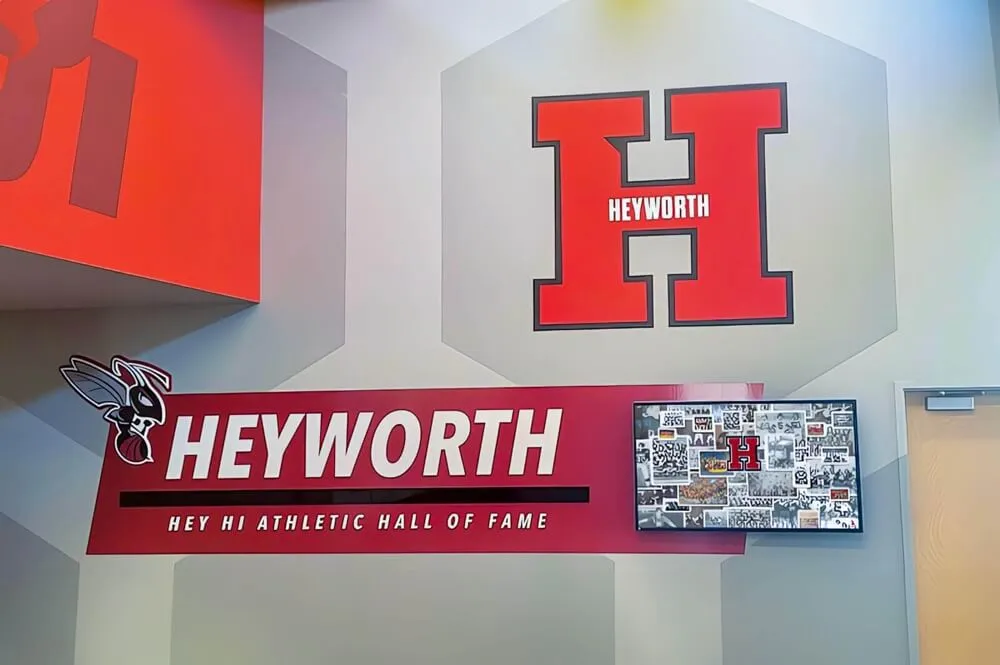
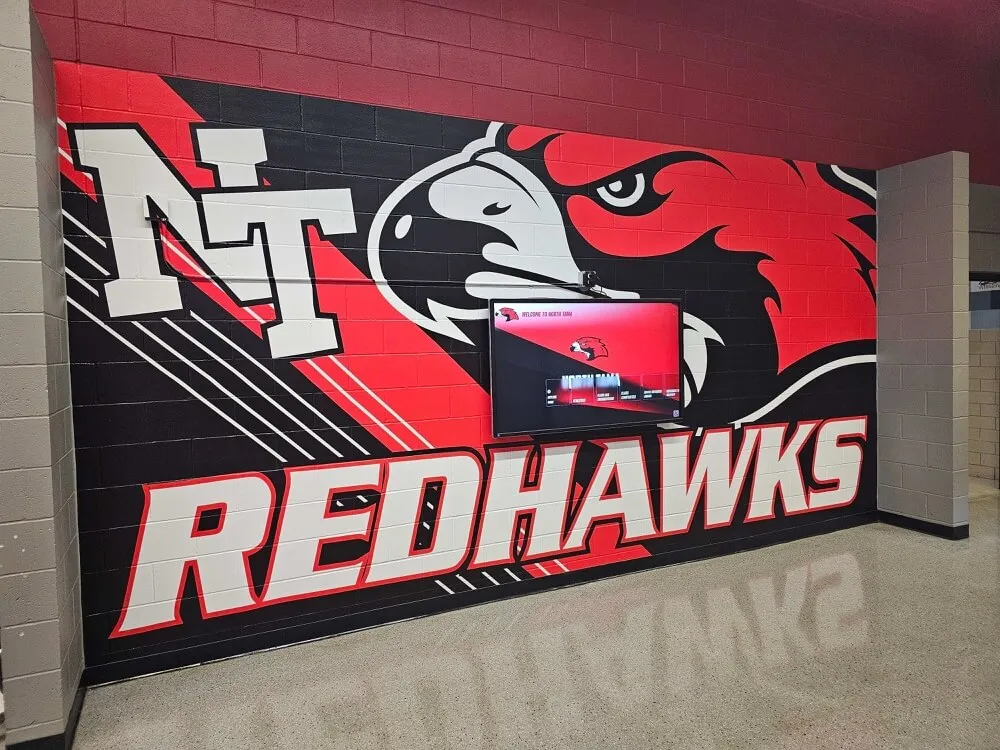
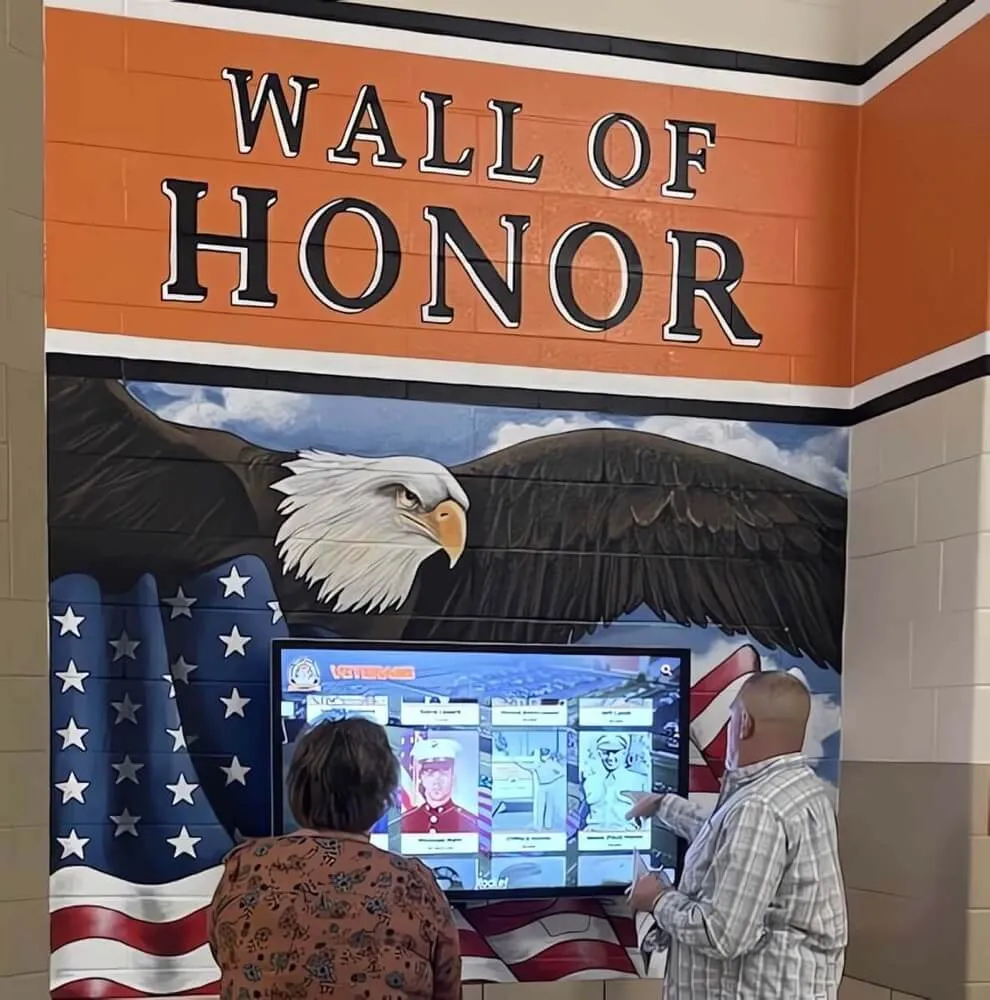
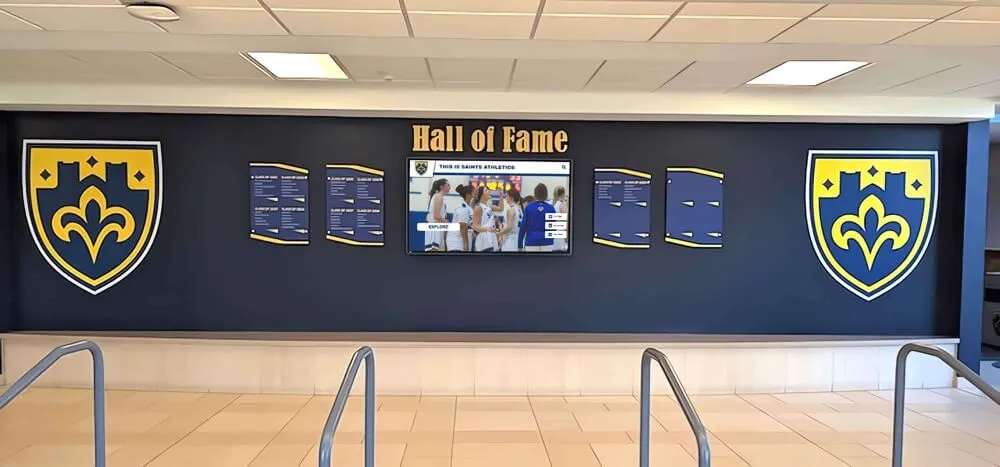
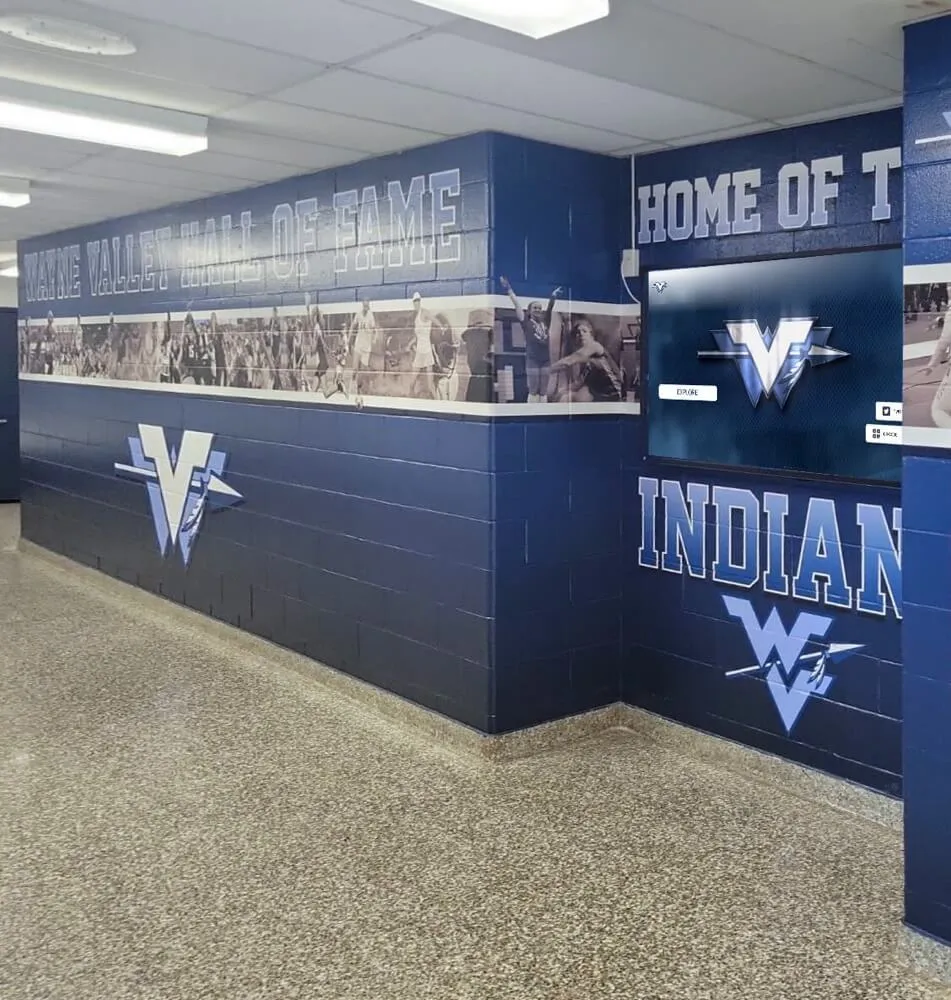
Integrated environments combine traditional murals with digital displays showcasing both heritage and current achievements
Technical Implementation Options
Physical Interactive Displays
Touchscreen kiosks positioned strategically throughout campus create engaging timeline access points:
- Main lobby installations: Welcome visitors with institutional story overview
- Library or media center: Support research and historical exploration
- Alumni gathering spaces: Facilitate reunion reminiscence and discovery
- Athletic facilities: Connect current programs to championship heritage
Web-Based Timeline Platforms
Online accessibility extends timeline reach beyond campus boundaries:
- Mobile-responsive design for smartphone and tablet access
- Integration with school websites and communications
- Social sharing enabling organic promotion
- QR codes connecting physical locations to detailed digital content
Hybrid Approaches
The most comprehensive implementations combine physical displays for high-impact campus presence with web access for global reach, enabling all constituencies to engage with institutional history in their preferred formats.
Learn about best school history software solutions that facilitate timeline creation and management for educational institutions.
Creating Impactful About Us Profiles
Detailed profiles introducing key people in your school community bring institutional character to life in ways generic descriptions cannot.
Who Deserves Profile Features
Current Community Members
- School leadership: Principals, assistant principals, division heads
- Faculty spotlights: Department chairs, veteran teachers, innovative educators
- Staff recognition: Counselors, librarians, support staff making daily impact
- Student leaders: Student government, club presidents, community ambassadors
- Parent volunteers: PTA leaders, booster club organizers, regular volunteers
Distinguished Alumni
- Professional achievement in various fields
- Community service and philanthropic leadership
- Creative and artistic accomplishments
- Entrepreneurial success stories
- Public service and civic leadership
- Athletic excellence at collegiate or professional levels
Historical Figures
- Founding leaders and early educators
- Transformational administrators who shaped institutional direction
- Beloved teachers remembered across generations
- Alumni whose achievements brought recognition to institution
- Community members who supported school through significant contributions
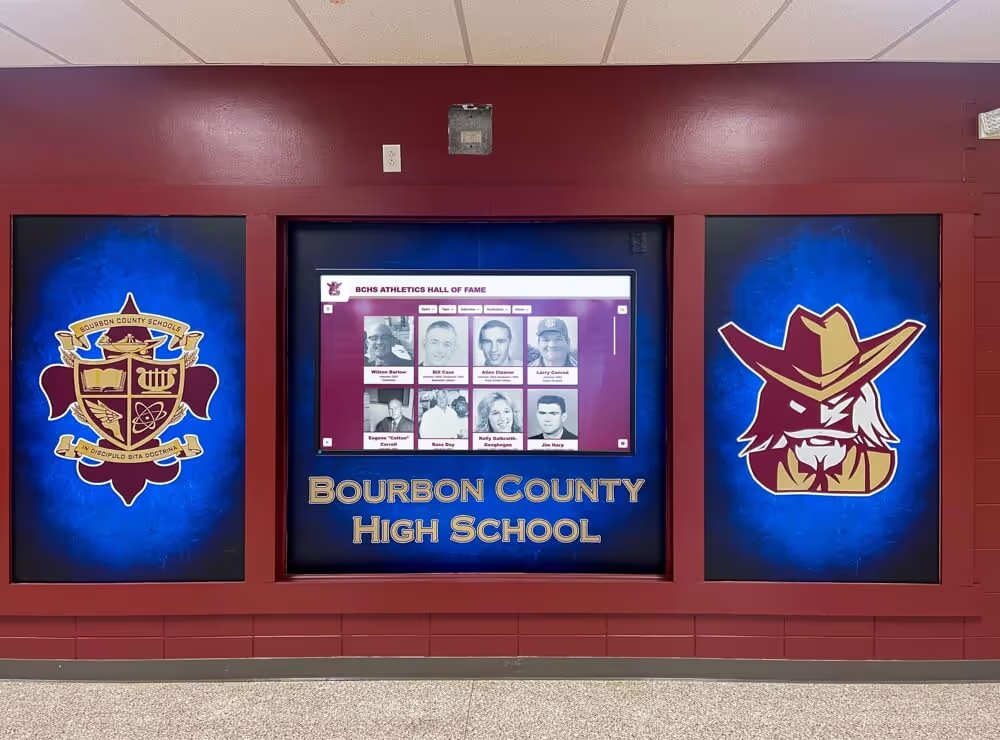
Comprehensive alumni profile systems enable schools to recognize hundreds or thousands of individuals across categories without physical space limitations.
Profile Content Elements
Essential Biographical Information
- Full name and any relevant titles or credentials
- Years of association with institution (graduation year, employment period)
- Primary role or notable position
- Current location or professional affiliation
- Educational background beyond your institution
Compelling Narrative Content
Move beyond basic facts to tell engaging stories:
Personal Journey
- How they came to your institution
- Memorable experiences or formative moments
- Challenges overcome or obstacles addressed
- Key relationships or mentors who influenced their path
- Moments when they realized their calling or passion
Impact and Achievement
- Specific accomplishments while at your institution
- Recognition received or awards earned
- Innovations they introduced or programs they built
- Students they taught or teams they coached
- Legacy they created or traditions they established
Connection to School Values
- How institutional mission shaped their development
- Values learned that guide current work or life
- Advice they would give current students
- What their school experience means to them today
- Why they remain connected to institutional community
Multimedia Enhancement
Rich profiles incorporate diverse content types:
- High-quality portrait photographs (current and historical)
- Video interviews sharing personal reflections
- Photo galleries documenting career or school years
- Achievement documentation through certificates or publications
- Social media links for ongoing connection
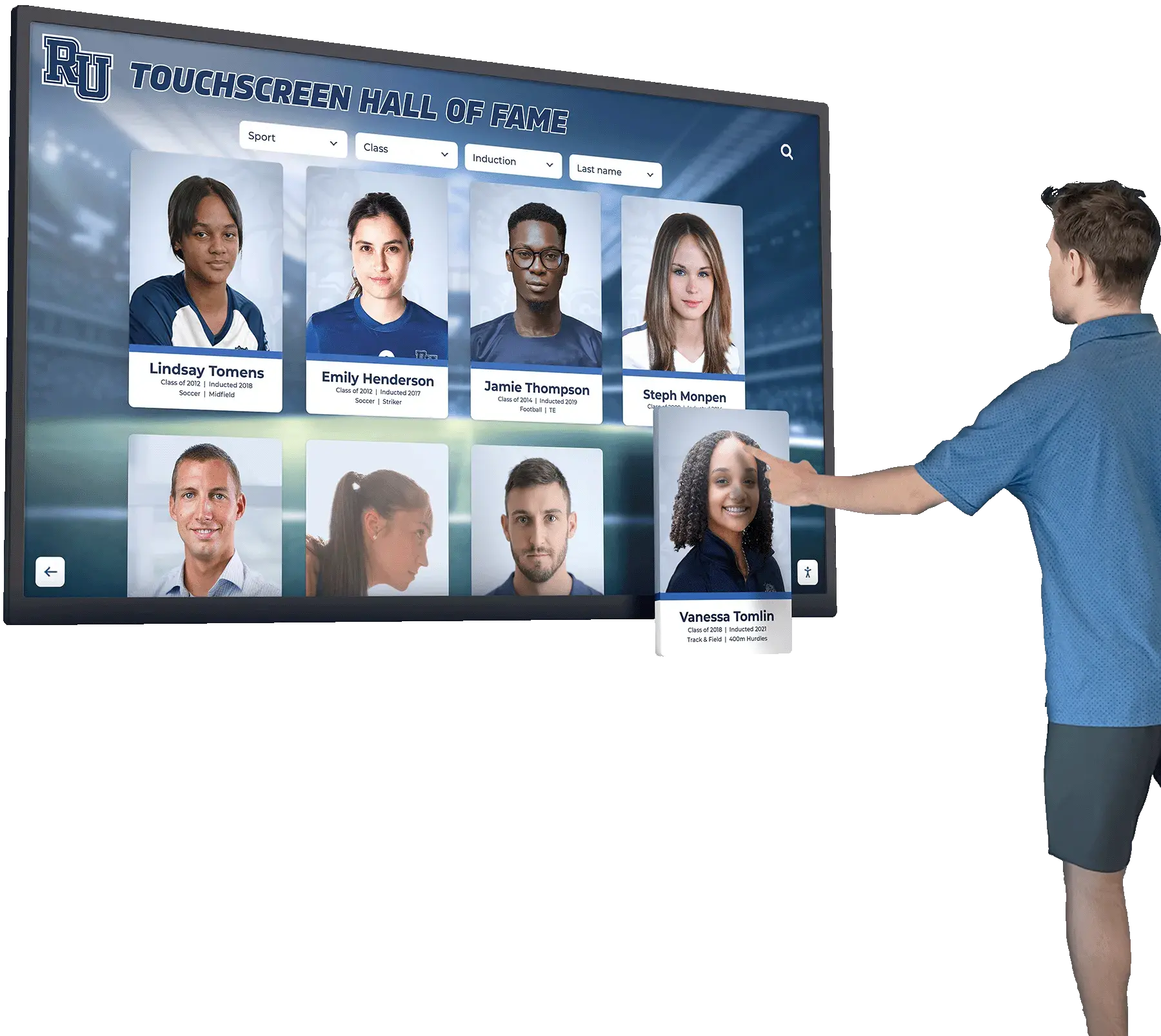
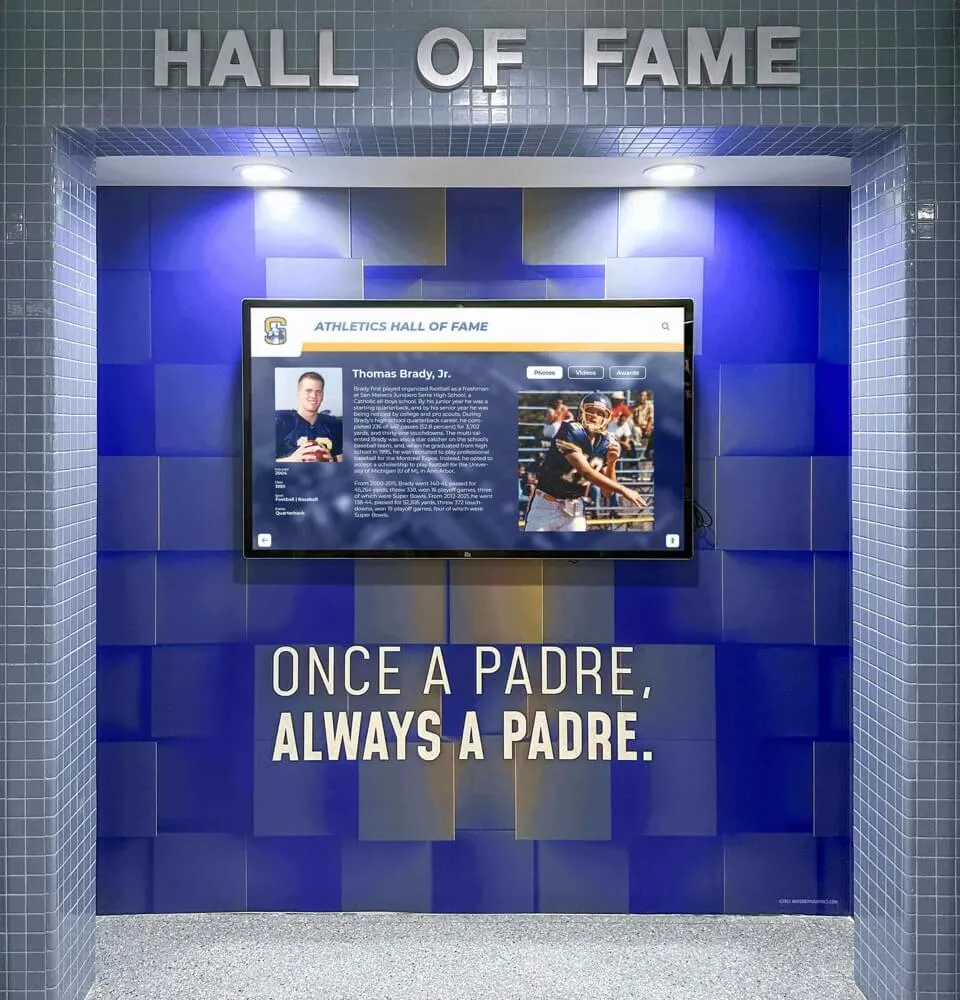
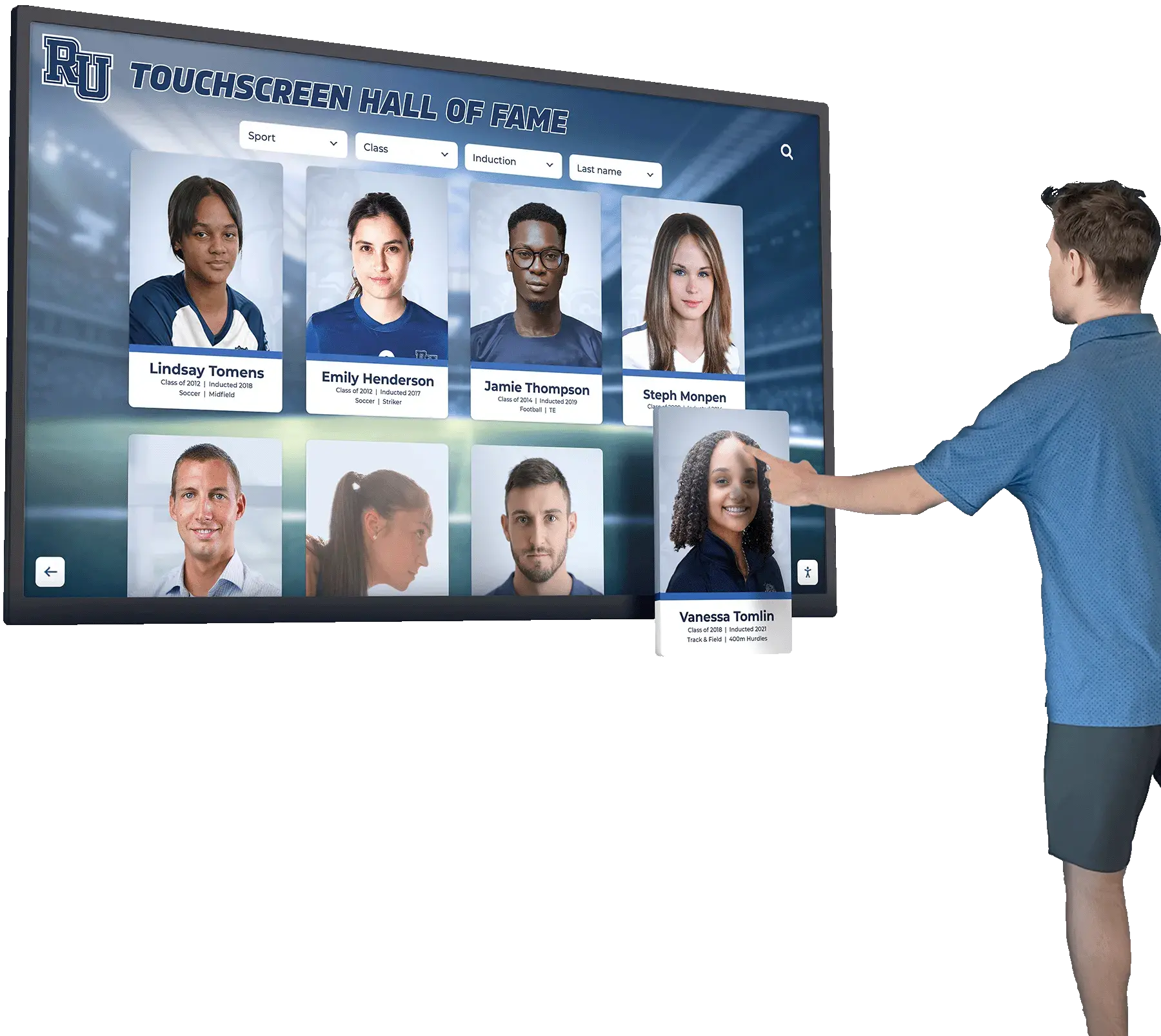
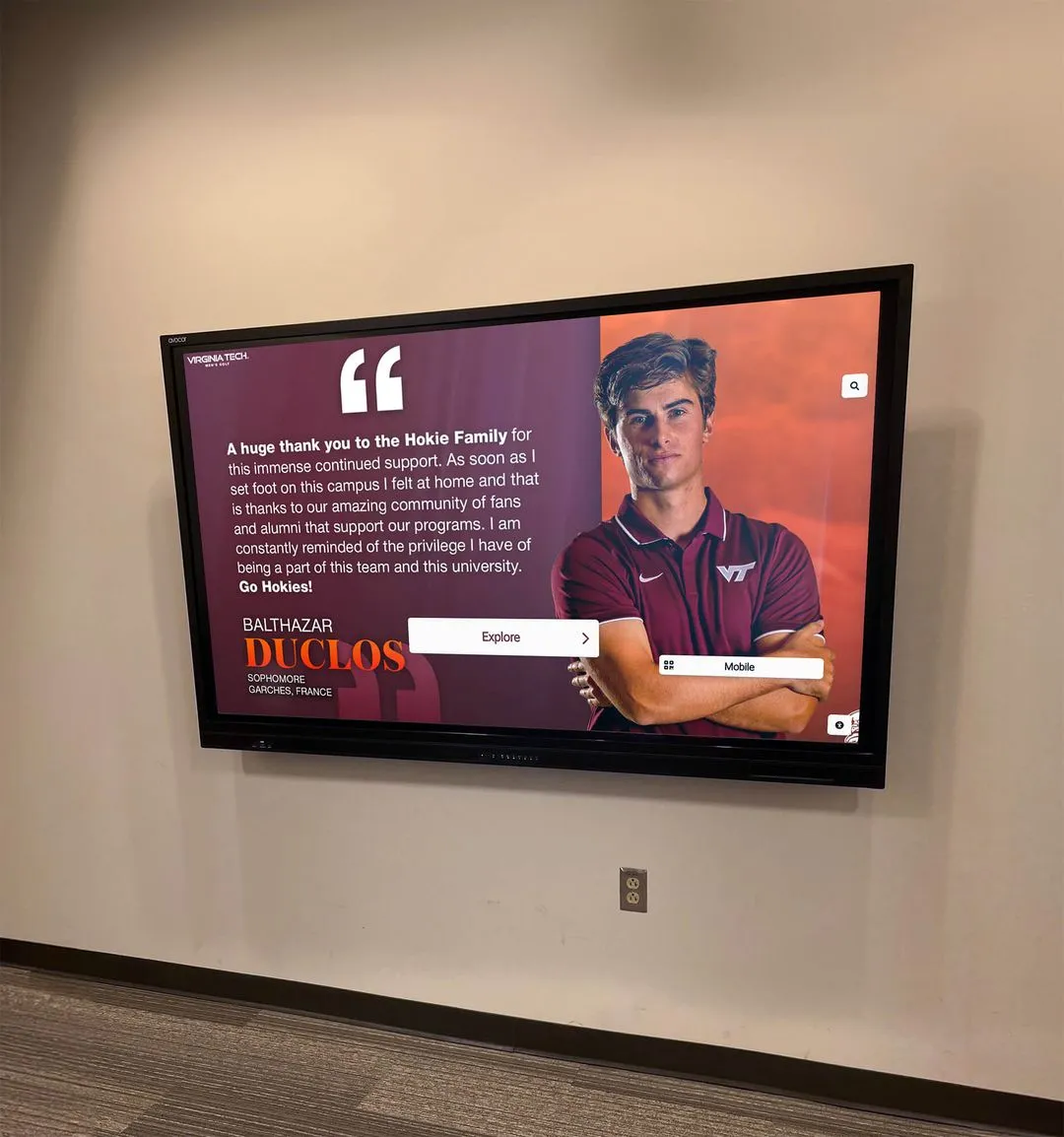
Interactive profile displays enable deep exploration of individual stories and achievements
Profile Presentation Strategies
Organized Navigation
Enable intuitive profile discovery through multiple pathways:
- Alphabetical directory: Find specific individuals quickly
- Chronological browsing: Explore by graduation year or employment era
- Category filtering: Athletics, academics, arts, service, leadership
- Achievement-based: Hall of fame, distinguished alumni, current leaders
- Search functionality: Locate profiles by name, keyword, or achievement
Creating Connections Between Profiles
Strong profile systems reveal relationships and patterns:
- Link teammates or classmates in related profiles
- Connect students to teachers who mentored them
- Show multi-generational families attending institution
- Highlight alumni who became faculty or trustees
- Connect current students following similar paths as historical figures
Regular Updates and Additions
Maintain profile relevance through systematic practices:
- Add new distinguished alumni as achievements warrant
- Update current community member profiles annually
- Feature rotating “profile of the month” in communications
- Encourage alumni to submit updated information
- Enhance historical profiles with newly discovered materials
Integrating All Three Elements: A Comprehensive Storytelling System
The most powerful school storytelling platforms integrate photo galleries, timelines, and profiles into unified systems where each element enhances the others.
Creating Natural Content Connections
Event Photos Link to Profiles
Photos from championship games connect to athlete profiles, performance photos link to performer bios, and graduation photos connect to senior profiles—enabling seamless navigation between visual documentation and personal stories.
Timeline Entries Connect to Detailed Content
Timeline milestones serve as gateways to expanded content: clicking championship entries accesses full team rosters and photo galleries, facility opening entries show construction photo series, and tradition establishment entries explain evolution across decades.
Profiles Reference Historical Context
Individual profiles connect to relevant timeline periods showing what else was happening during their years at school, placing personal stories within broader institutional narratives that provide context and meaning.
Leveraging Technology Platforms
Purpose-Built Solutions vs. Generic Tools
While general content management systems can host photos and text, specialized platforms designed specifically for educational storytelling deliver significant advantages:
Integrated Recognition Features
- Templates optimized for athlete, student, faculty, and alumni profiles
- Automatic organizational hierarchies matching academic structures
- Search and filtering designed for educational content discovery
- Privacy controls appropriate for student information
- Analytics revealing engagement patterns for continuous improvement
Solutions like Rocket Alumni Solutions provide comprehensive platforms specifically addressing educational institutions’ unique storytelling needs, combining photo galleries, timeline displays, and profile management within unified systems accessible through both physical touchscreens and web platforms.
Multi-Channel Access
Modern storytelling platforms deliver content through multiple channels:
- Interactive touchscreens in high-traffic campus locations
- Mobile-responsive websites accessible worldwide
- QR code connections bridging physical and digital experiences
- Social media integration extending organic reach
- Email communication featuring highlighted content
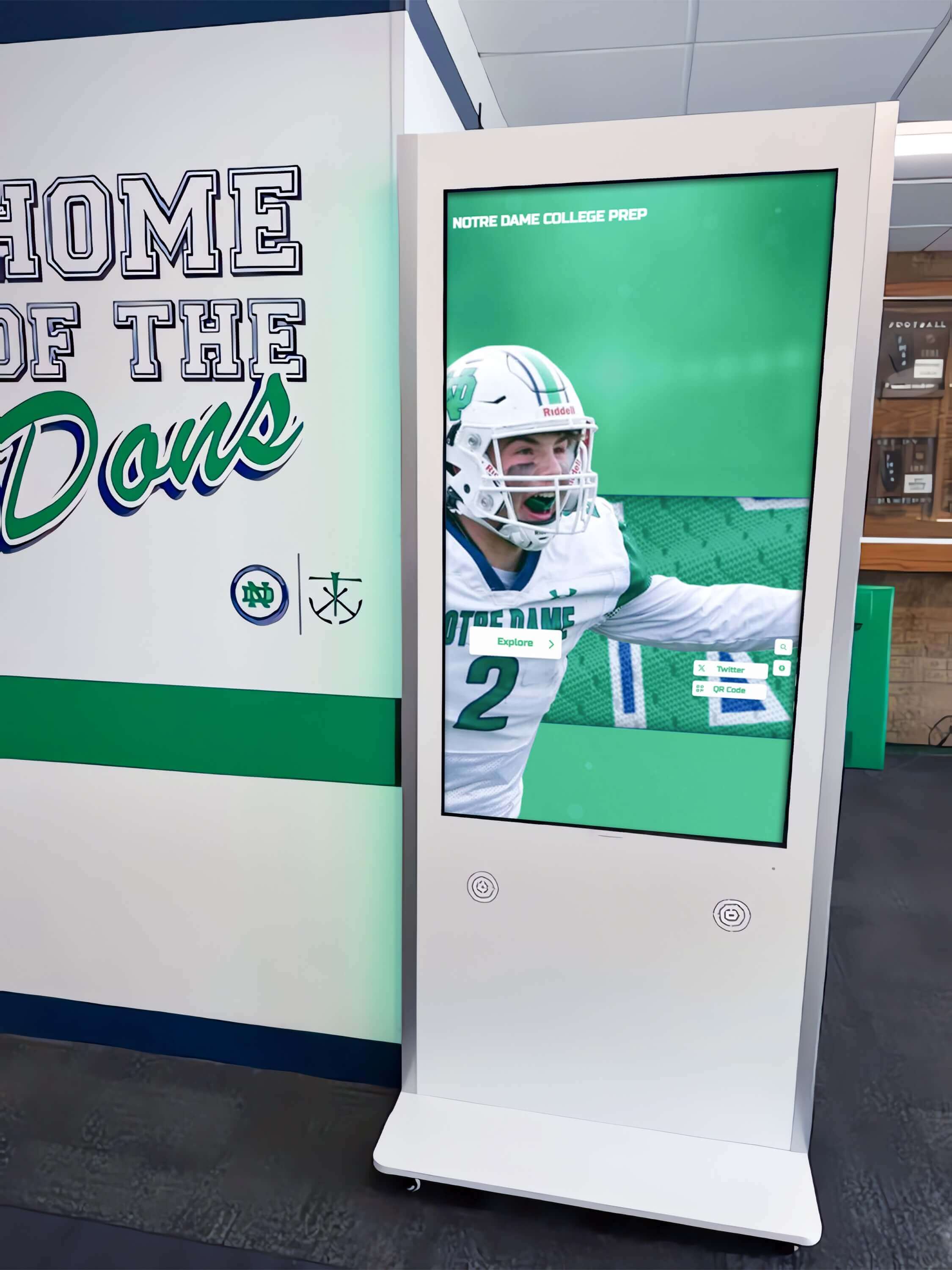
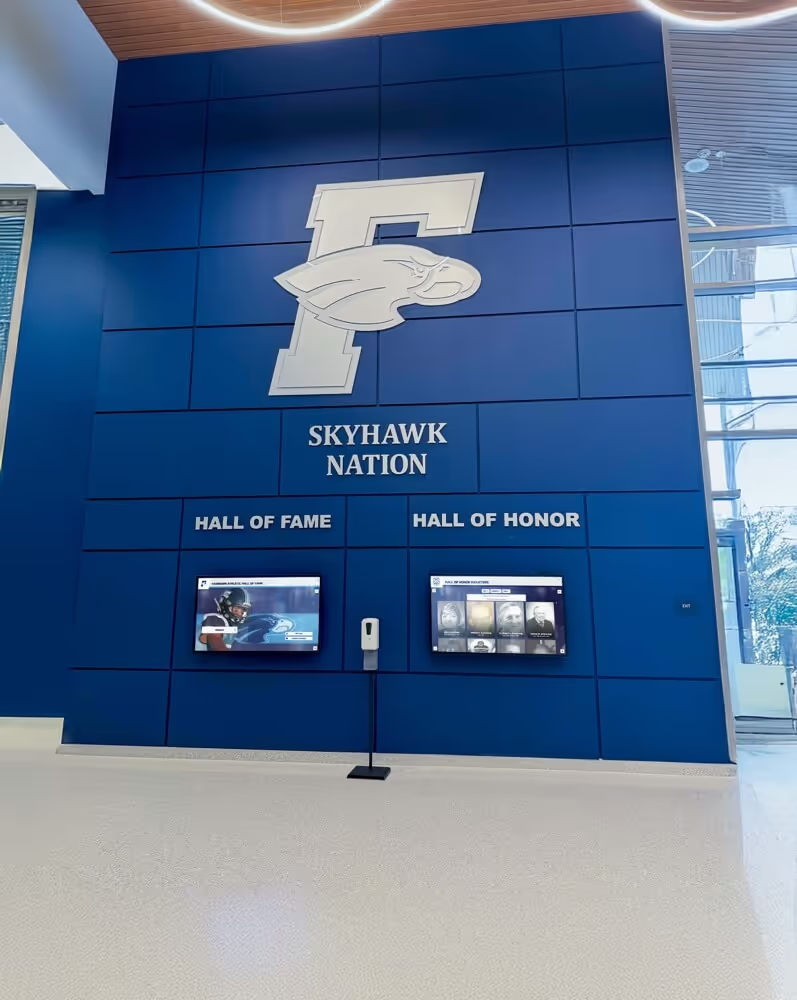
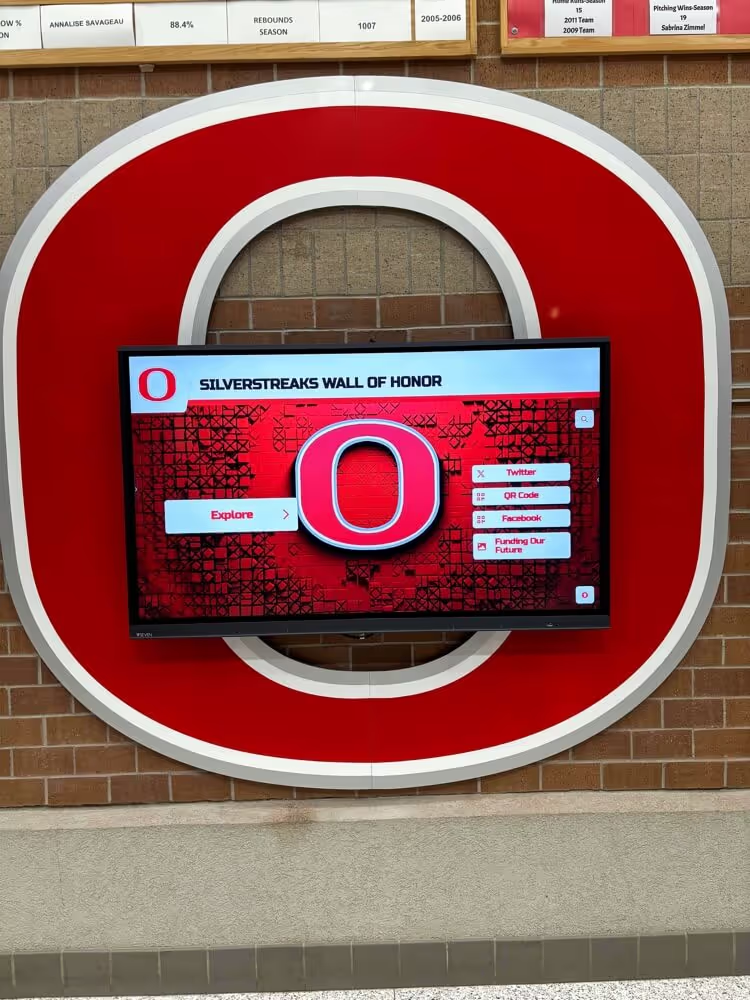
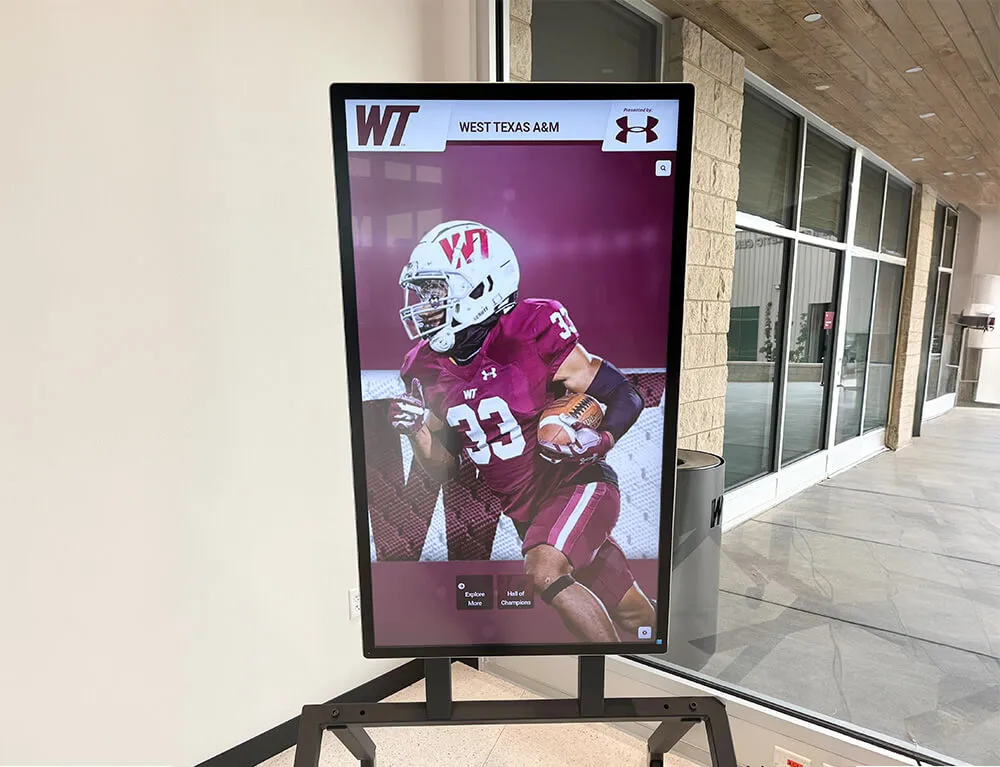
Strategically placed interactive kiosks create natural exploration opportunities throughout campus facilities
Implementation Planning
Phase 1: Foundation Building
Begin with highest-priority content creating immediate impact:
- Recent photo galleries (current and previous school year)
- Essential timeline covering major institutional milestones
- Featured profiles of key current leadership and distinguished alumni
- One strategically placed interactive display for proof of concept
Phase 2: Historical Expansion
Systematically expand content backward through institutional history:
- Digitize historical yearbooks and photo collections
- Develop comprehensive timeline covering all decades
- Add historical profiles from available materials
- Enhance existing content with multimedia elements
Phase 3: Ongoing Operations
Establish sustainable practices maintaining content relevance:
- Regular photo documentation of all significant events
- Annual timeline updates adding current year’s milestones
- Periodic new profile additions recognizing recent achievements
- Systematic enhancement of existing content with new information
Marketing and Promoting Your Storytelling Content
Creating compelling content delivers value only when target audiences know it exists and understand how to access it.
Launch Campaigns
Internal Community Promotion
- Student assembly or advisory presentations demonstrating features
- Faculty and staff training on directing stakeholders to content
- Parent newsletter features highlighting specific content
- Campus tours integrating storytelling displays into visit experiences
External Audience Outreach
- Admissions materials featuring storytelling platforms prominently
- Alumni communication announcing searchable archives
- Press releases to local media about innovative heritage preservation
- Social media campaigns highlighting interesting discoveries
Ongoing Engagement Strategies
Regular Content Features
Maintain awareness through systematic promotions:
- Weekly social media highlighting specific photos, timeline entries, or profiles
- Monthly newsletter spotlights on interesting historical discoveries
- Quarterly feature stories about distinguished alumni or significant milestones
- Annual retrospectives reviewing past year’s documented activities
Community Participation Programs
Transform passive content consumption into active engagement:
- Photo identification campaigns where community members tag individuals
- Alumni information update initiatives maintaining profile accuracy
- Historical knowledge collection through oral history projects
- Community contribution opportunities for photos and memorabilia
Integration with School Events
Connect storytelling content to live programming:
- Reunion activities centered on exploring classmate profiles and photos
- Fundraising campaigns leveraging relevant historical content
- Anniversary celebrations featuring comprehensive timeline explorations
- New family orientations introducing storytelling platforms as community resources
Explore student recognition strategies that incorporate photo galleries and profile displays into broader recognition programs.
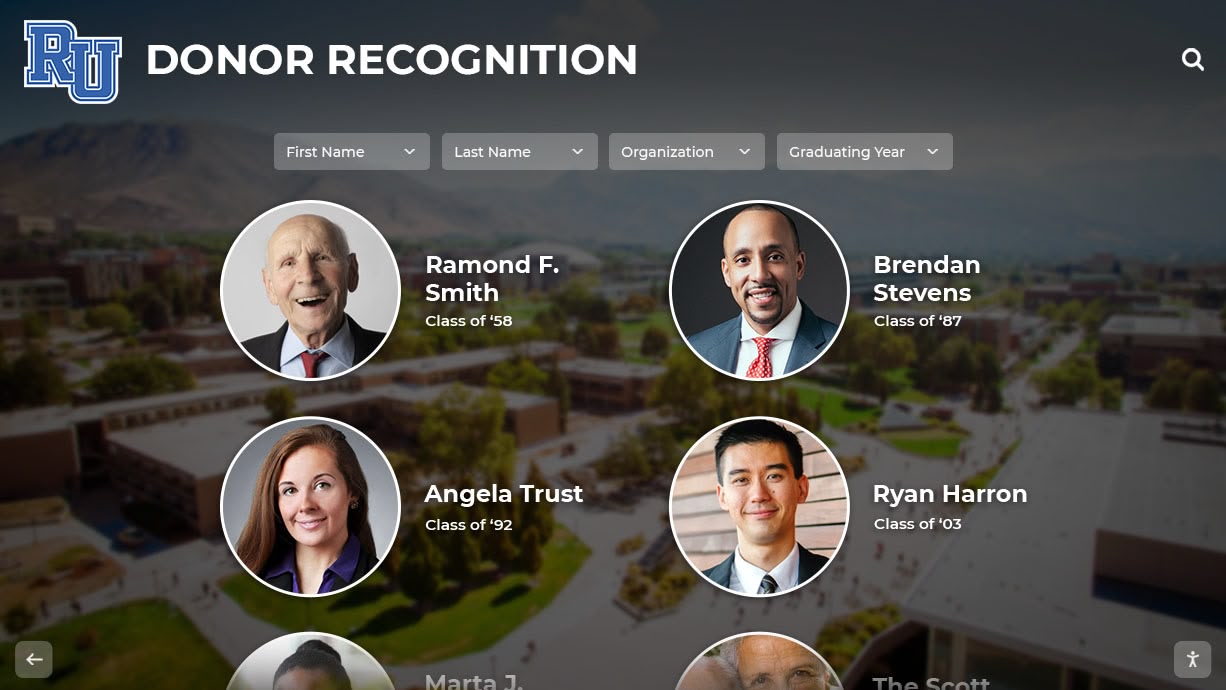
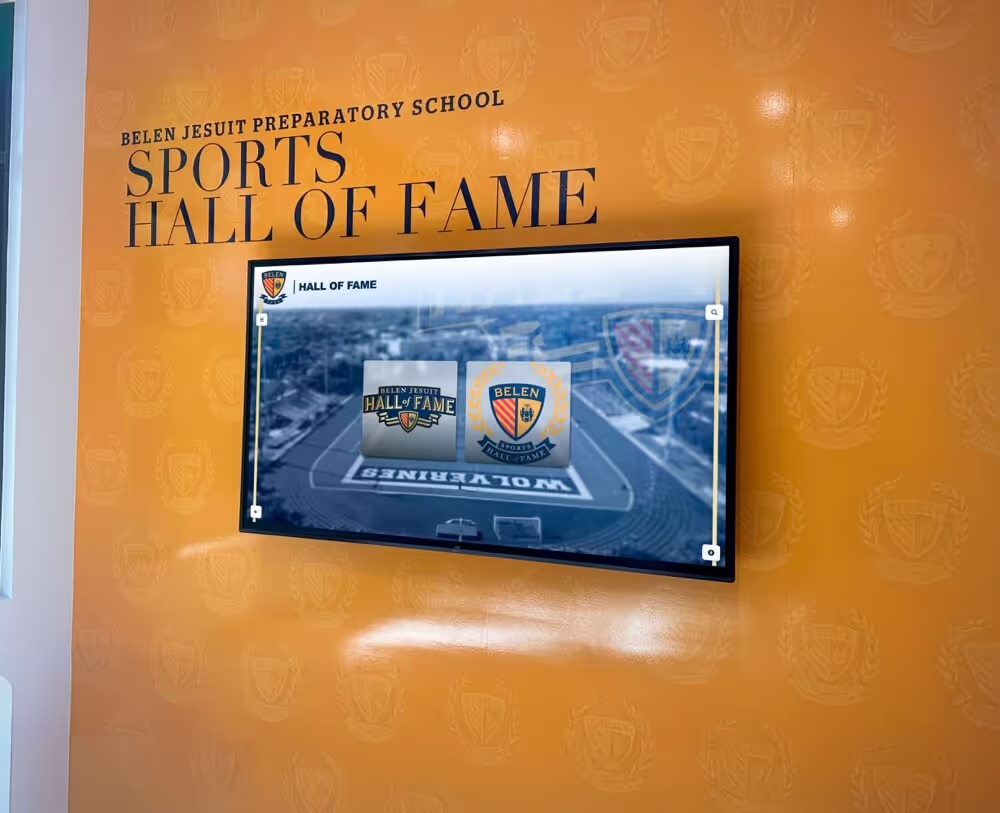
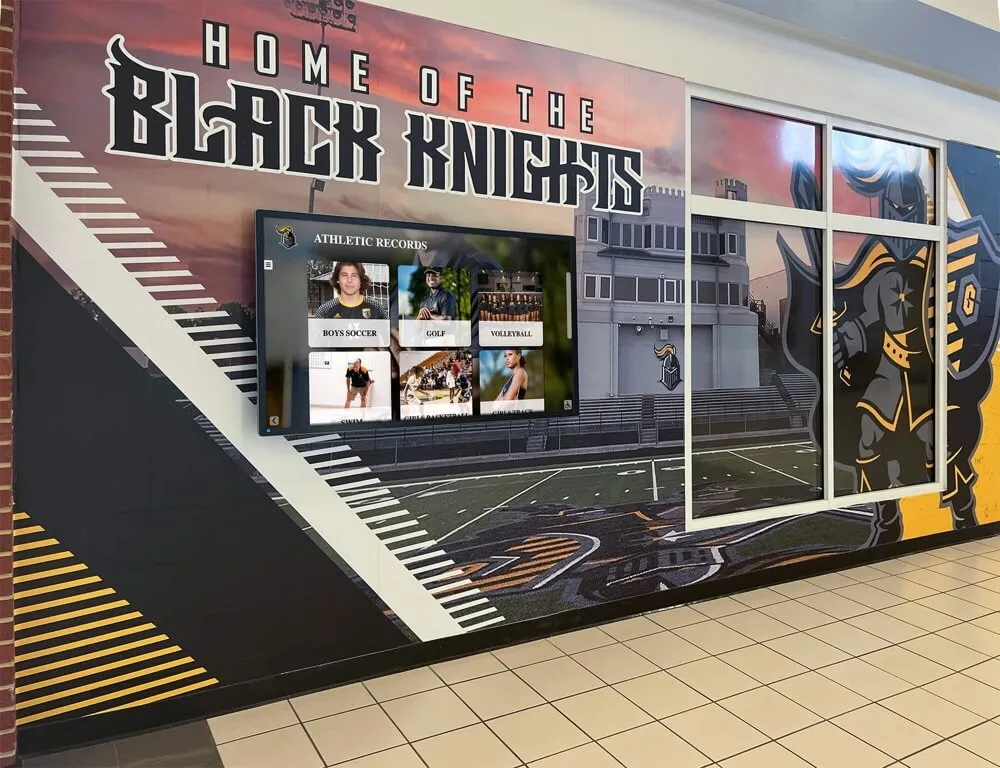
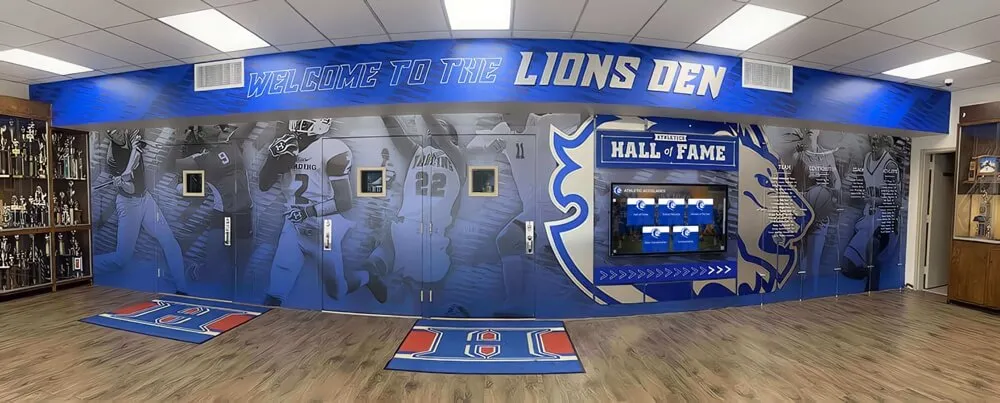
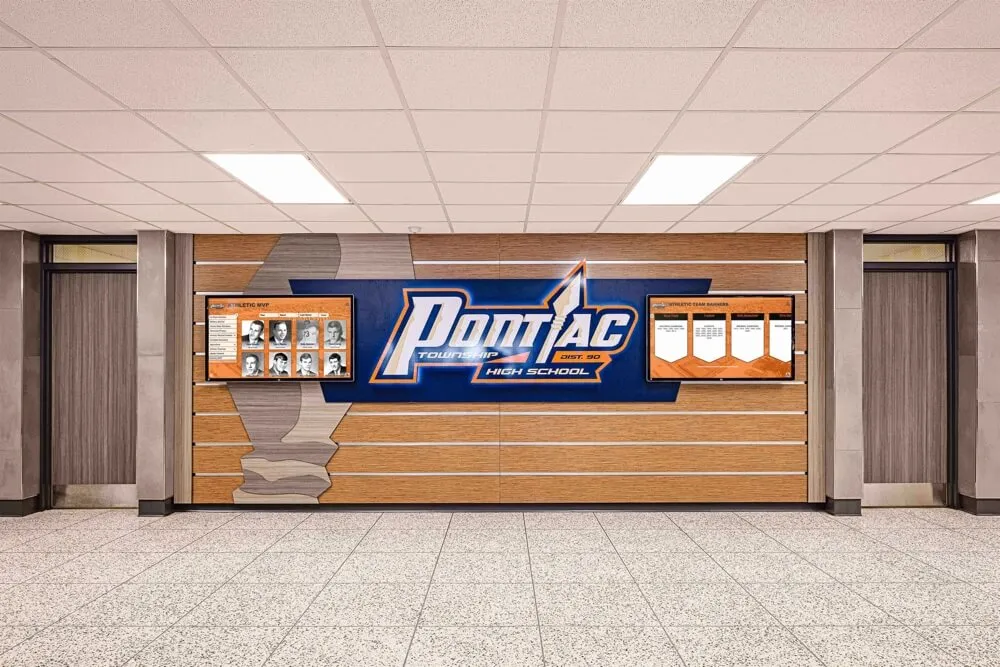
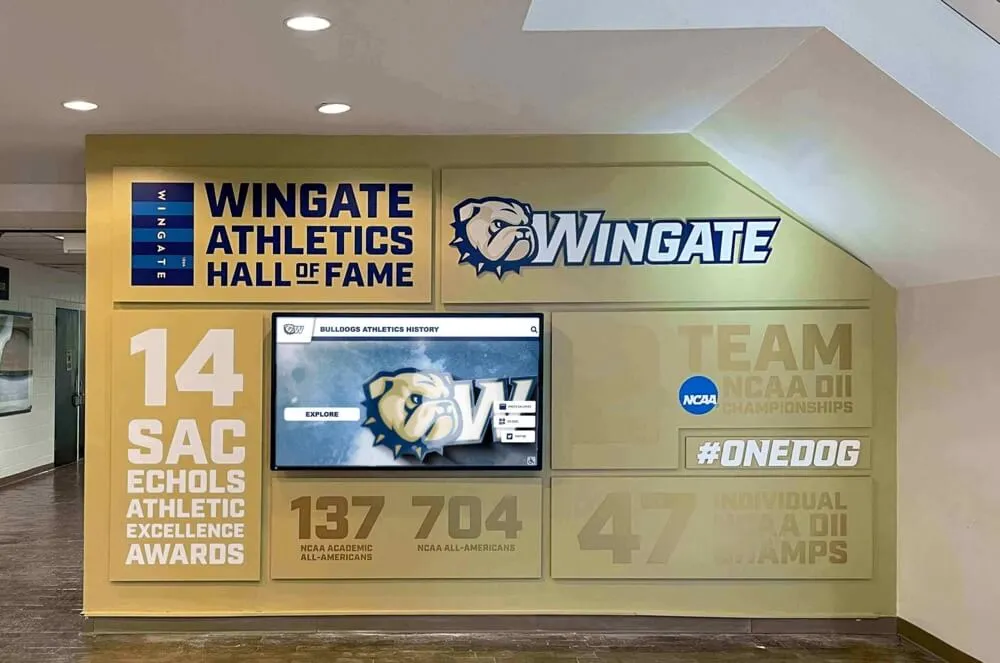
Modern displays blend contemporary design with historical imagery creating visually impressive installations
Measuring Success and Demonstrating Value
Systematic assessment demonstrates storytelling initiatives’ return on investment while identifying opportunities for continuous improvement.
Quantitative Engagement Metrics
Digital Platform Analytics
Modern systems provide detailed usage data revealing exactly how audiences engage:
- Unique visitors and session frequency showing reach
- Average session duration indicating engagement depth
- Most-viewed content identifying popular subjects
- Search patterns revealing audience interests
- Return visitor rates demonstrating sustained engagement
- Geographic distribution showing where audiences access content
Conversion Indicators
Connect storytelling to institutional priorities:
- Prospective family enrollment decisions influenced by content
- Alumni giving increases correlated with heritage engagement
- Volunteer participation driven by profile recognition
- Social media sharing extending organic reach
- Media coverage generated by interesting historical discoveries
Qualitative Impact Assessment
Stakeholder Feedback
Regular feedback collection provides insights beyond quantitative metrics:
- Prospective family testimonials about decision factors
- Student reflections on institutional pride and belonging
- Alumni responses to seeing themselves in school history
- Faculty observations about enhanced community connection
- Community feedback about transparency and accessibility
Cultural Indicators
Long-term changes demonstrate broader institutional impact:
- Increased community awareness of school heritage
- Enhanced institutional pride among all constituencies
- Stronger alumni connections to current programs
- More inclusive recognition culture celebrating diverse contributions
- Elevated expectations for documentation and visibility
Best Practices for Sustainable Operations
Creating effective storytelling systems requires ongoing commitment extending beyond initial enthusiasm.
Organizational Structure
Designated Responsibilities
Clear ownership ensures consistent content development and maintenance:
- Primary coordinator overseeing entire storytelling program
- Department liaisons providing content from their areas
- Student workers or volunteers supporting photo documentation
- Alumni office staff managing profile updates and engagement
- Technology support maintaining systems and troubleshooting
Workflow Processes
Systematic procedures maintain content quality and consistency:
- Event photography protocols ensuring comprehensive coverage
- Photo review and selection criteria balancing volume and quality
- Metadata tagging standards enabling effective searchability
- Regular content review schedules identifying enhancement opportunities
- Security and privacy procedures protecting student information
Technology Management
Platform Selection Criteria
Choose systems supporting long-term institutional needs:
- Educational-specific features addressing unique requirements
- Intuitive administration requiring minimal technical expertise
- Reliable vendor support understanding institutional contexts
- Scalability accommodating growth and feature additions
- Integration capabilities with existing institutional systems
- Reasonable total cost of ownership including support and training
Hardware Considerations
Interactive display installations require appropriate specifications:
- Commercial-grade touchscreens rated for continuous daily operation
- Appropriate size for viewing distances and space constraints
- Professional installation ensuring security and reliability
- Network connectivity supporting content updates and analytics
- Strategic placement maximizing visibility and accessibility
Ready to Bring Your School's Story to Life?
Discover how Rocket Alumni Solutions can help you create engaging photo galleries, interactive timelines, and compelling profiles that showcase your school's unique culture, heritage, and community through intuitive digital displays and web platforms.
Book a DemoBudget Planning
Sustainable Funding Models
Ensure long-term viability through appropriate resource allocation:
Initial Investment Components
- Platform licensing or subscription ($3,000-$10,000 annually)
- Display hardware for campus installations ($8,000-$25,000 per location)
- Professional installation and setup ($1,500-$5,000)
- Initial content development (staff time or external services)
- Training and change management support
Ongoing Operational Costs
- Annual platform subscriptions and support
- Regular photo documentation (staff or contractor time)
- Content management and updates (staff allocation)
- Hardware maintenance and eventual replacement
- Promotional materials and campaigns
Revenue Offset Opportunities
Some schools partially fund storytelling initiatives through:
- Sponsorship opportunities on display interfaces
- Alumni profile advertising or recognition levels
- Event documentation services for families
- Licensing historical content to external parties
- Fundraising campaigns leveraging heritage content
Conclusion: Showcasing Daily Life Creates Lasting Impact
Every school possesses unique stories worth preserving and sharing—the moments of discovery when concepts finally make sense, championship victories celebrated together, artistic performances demonstrating months of preparation, friendships formed across diverse backgrounds, and countless small interactions that collectively define school culture and community. Making these authentic moments visible through comprehensive photo galleries, historical timelines, and personal profiles transforms abstract institutional identity into tangible narratives prospective families can evaluate, current students can experience pride in, and alumni can remain connected to across decades.
The schools that tell their stories most effectively combine systematic documentation of contemporary life with preservation of historical heritage, recognizing that today’s activities become tomorrow’s history requiring intentional capture and curation. While the task of building comprehensive storytelling systems might seem overwhelming initially, starting with manageable scope and expanding systematically creates momentum while demonstrating value that justifies continued investment.
Modern technology makes sophisticated visual storytelling accessible to schools of all sizes and resource levels. Solutions like Rocket Alumni Solutions provide integrated platforms combining photo management, timeline displays, and profile systems within unified interfaces accessible through both physical touchscreens and web platforms—enabling institutions to create professional storytelling experiences without requiring extensive technical expertise or infrastructure investment.
Your school’s daily life—the energy in hallways between classes, dedication in practices and rehearsals, focus during challenging academic work, joy in celebrations and traditions, and connections formed between community members—deserves documentation that honors authentic experience while inspiring future students to write their own chapters in your ongoing institutional story.
Begin where current circumstances allow, whether documenting this year’s major events comprehensively, digitizing historical photo collections preserving institutional memory, or creating profiles recognizing your most distinguished alumni. Each step protects memories, strengthens community bonds, and builds storytelling capacity serving your institution for generations.
Ready to showcase your school’s authentic “day in the life” through engaging photo galleries, interactive timelines, and compelling profiles? Explore how digital recognition solutions designed specifically for educational institutions can help you preserve heritage, celebrate achievement, and inspire prospective students through powerful visual storytelling platforms that bring your unique school culture to life.