



High school athletic programs nationwide face mounting pressure—parents expect college-preparatory experiences, student-athletes demand facilities and resources matching what they see at elite programs, college recruiters evaluate not just individual talent but the developmental environments that shaped athletes, and community supporters increasingly compare local programs to regional competitors and national models showcased across social media.
Walk into top-tier high school athletic facilities today and you’ll encounter environments rivaling college programs—professional locker rooms, advanced training equipment, nutrition programs, mental performance coaching, sophisticated video analysis systems, and comprehensive digital recognition displays celebrating achievements while building program culture. These schools understand that creating collegiate experiences for high school athletes extends far beyond simply copying college facilities—it requires intentional culture-building, professional development systems, family engagement strategies, and sustainable infrastructure that prepares student-athletes for next-level success while strengthening current program competitiveness and community support.
This comprehensive guide explores how high schools can create authentic collegiate experiences for student-athletes regardless of budget constraints or facility limitations—examining facility enhancements that deliver maximum impact, recognition systems that build championship culture, athlete development programs addressing physical and mental preparation, family engagement strategies supporting college recruitment, and sustainable implementation approaches that transform athletic programs into elite developmental environments preparing students for collegiate athletics and lifelong success.
Creating a collegiate athletic experience at the high school level represents more than facilities investment—it’s about establishing professional standards, developmental focus, and cultural expectations that prepare student-athletes for college demands while building programs that attract top talent, inspire community pride, and develop young people who succeed both in athletics and life beyond competition.

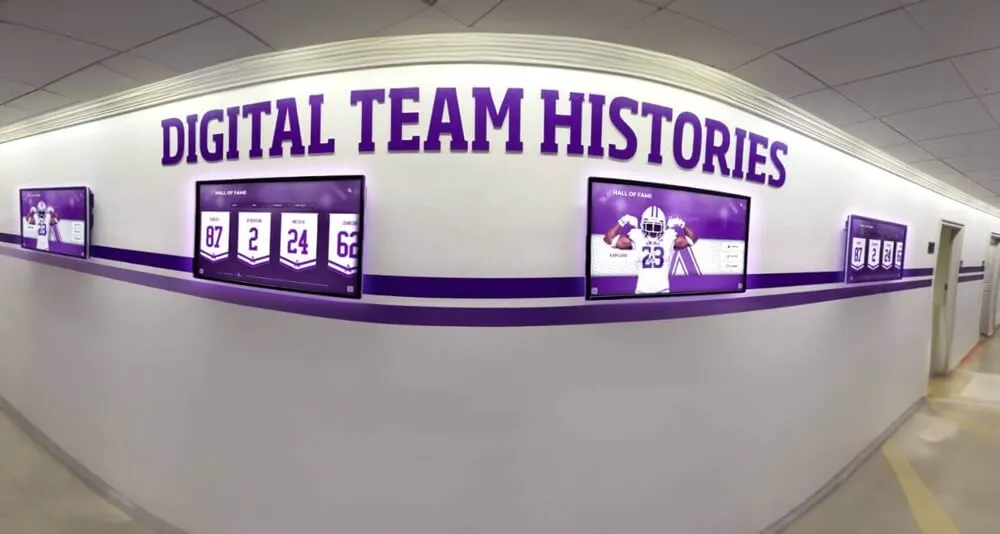
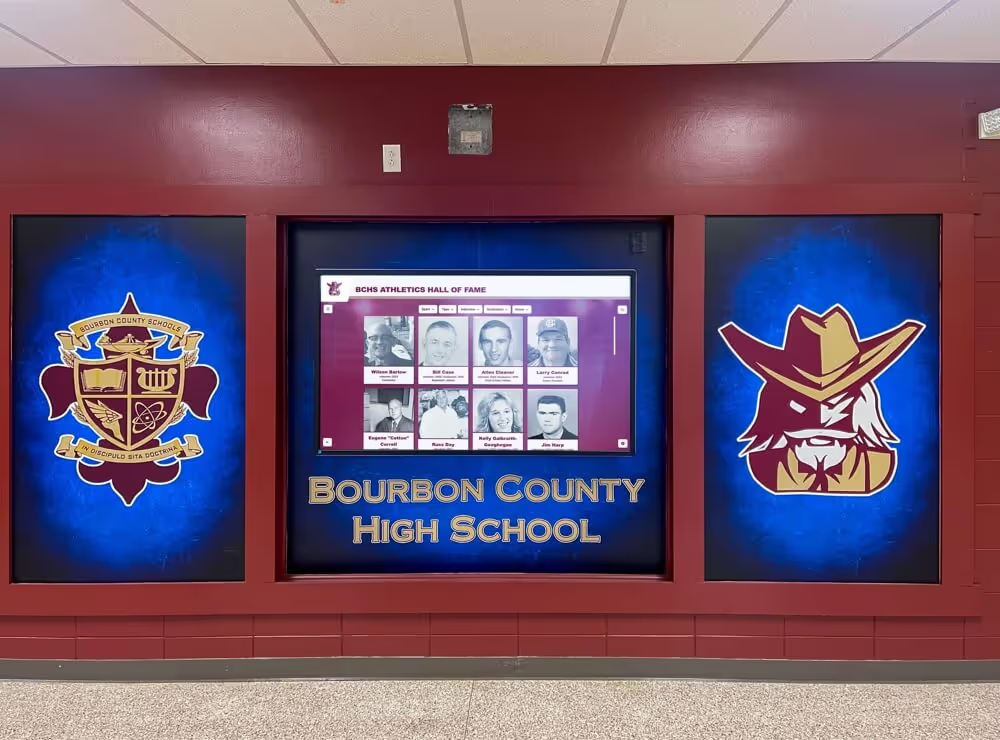
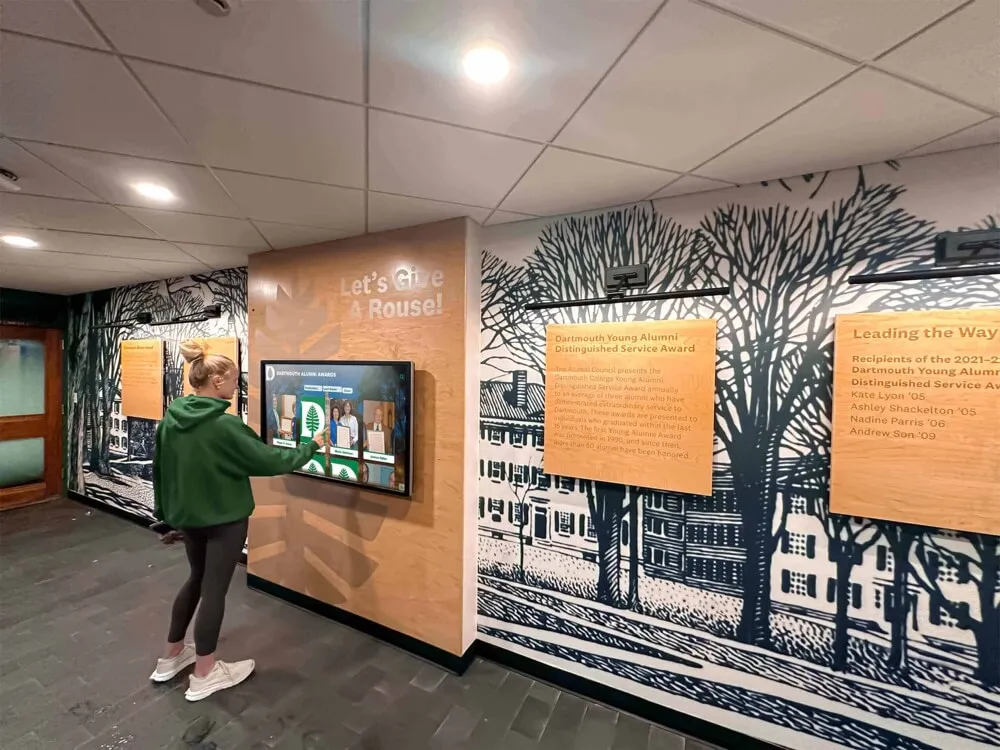
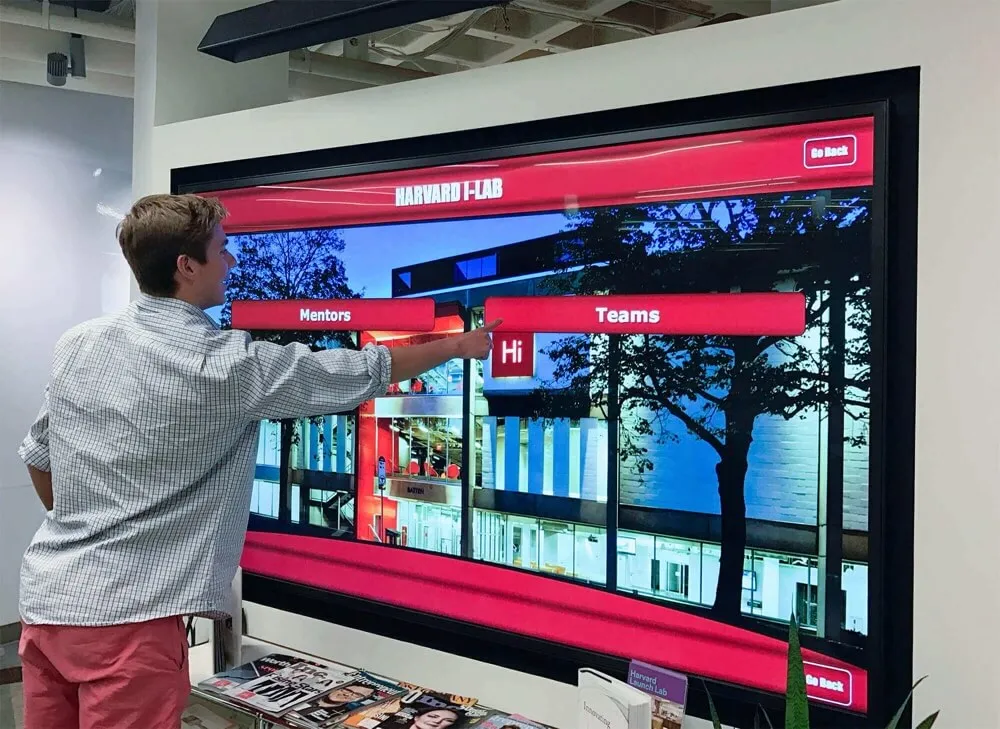
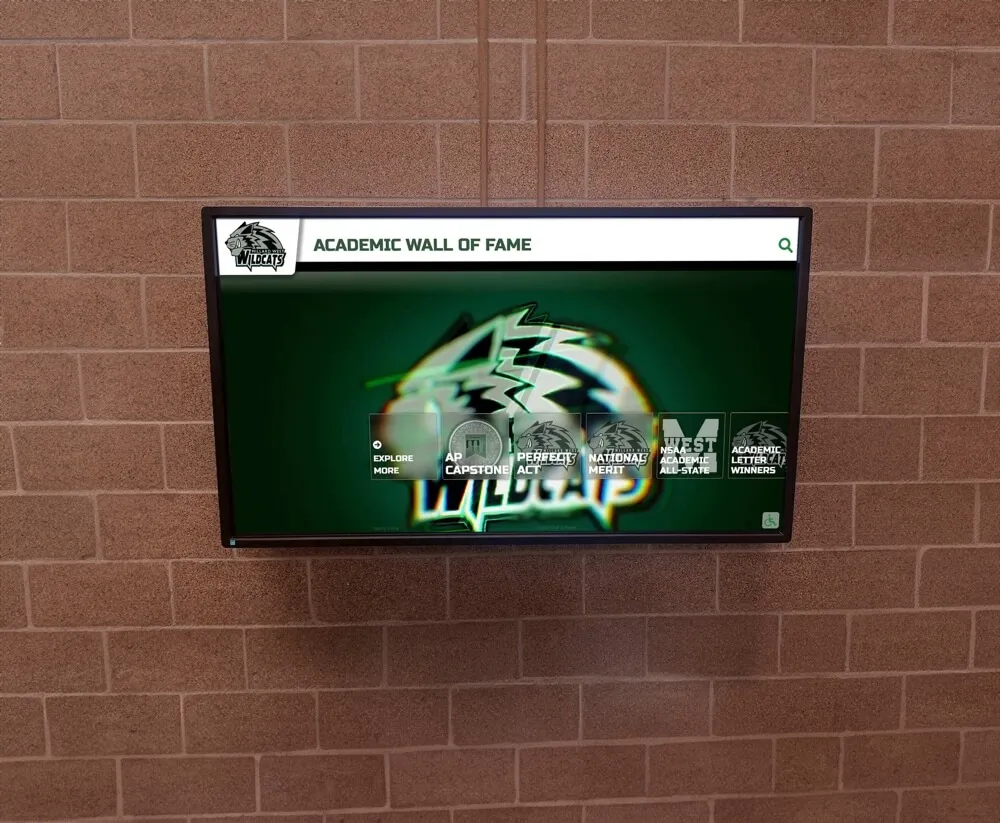
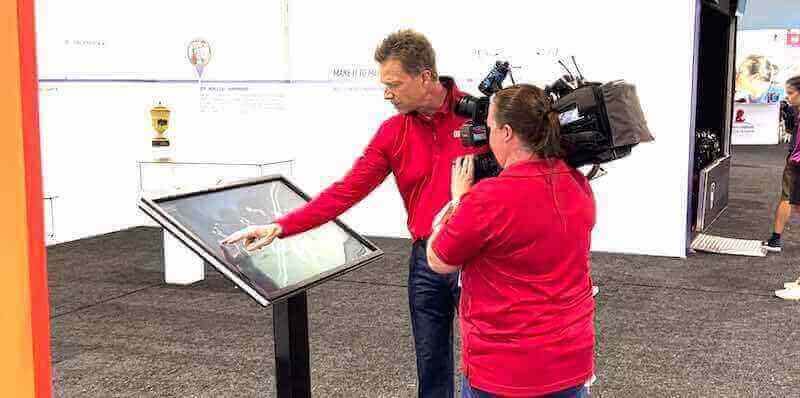
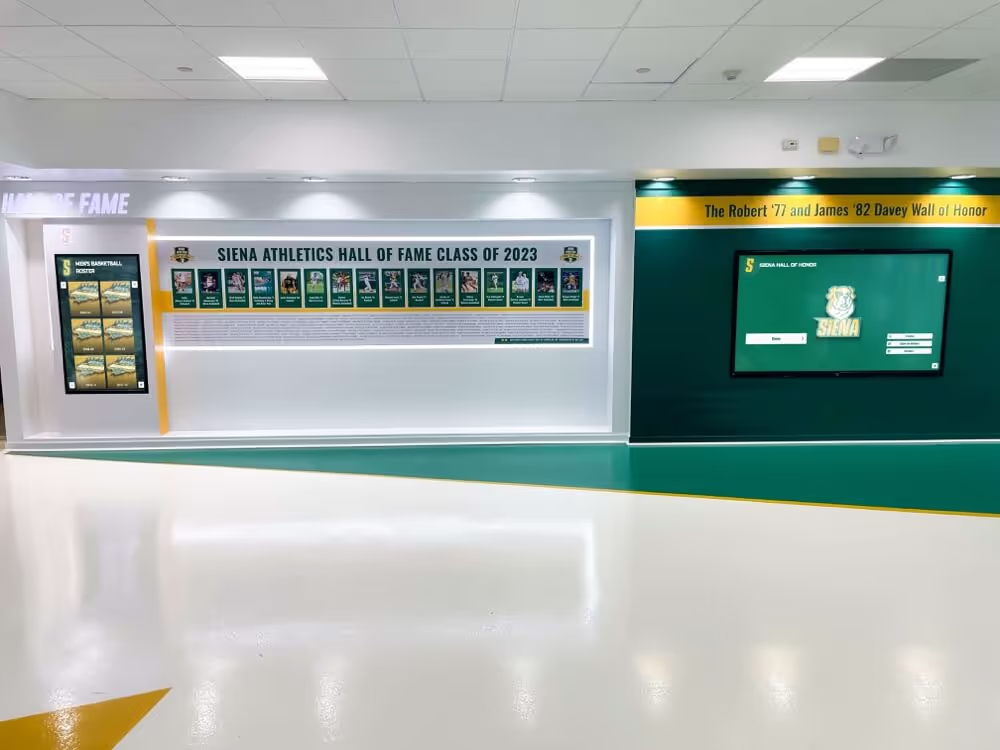
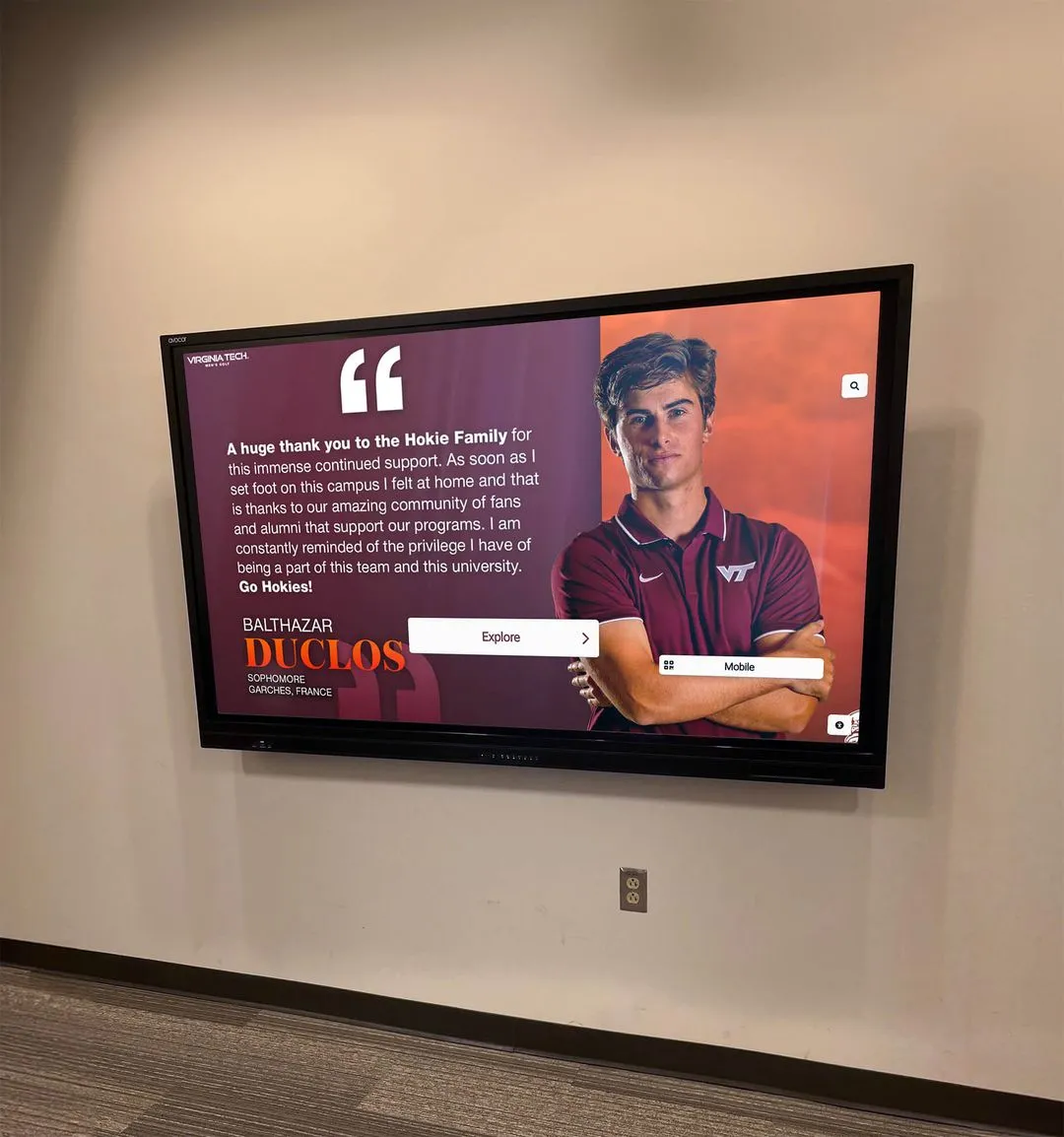
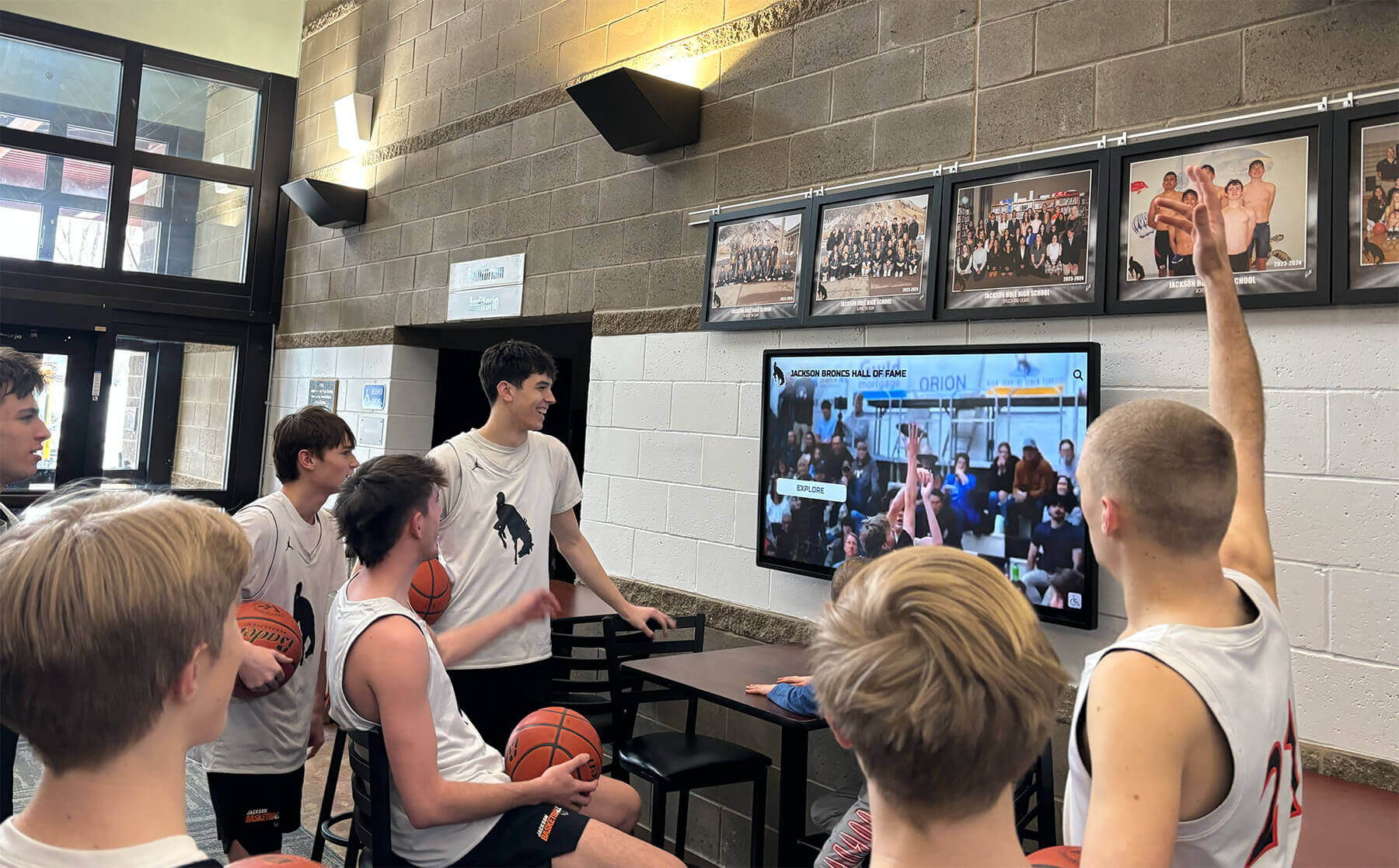
Modern high school programs use digital displays to create professional environments where athletes engage with performance analysis and program traditions
Understanding the Collegiate Experience: What High School Athletes Need
Before implementing specific initiatives, understanding what constitutes an authentic collegiate athletic experience—and why it matters for high school student-athletes—provides essential foundation for programmatic decisions.
Core Elements of Collegiate Athletic Programs
College athletic departments operate differently than high school programs across multiple dimensions that impact athlete development and experience:
Professional Infrastructure and Support Systems
Collegiate programs provide dedicated strength and conditioning coaches designing sport-specific training programs, sports medicine staff including athletic trainers present at all practices and competitions, nutrition counseling and meal planning supporting performance optimization, academic support services ensuring student-athletes maintain eligibility, mental performance coaching addressing competitive psychology and stress management, and career development resources preparing athletes for life after competition.
High schools typically lack resources for comprehensive support services—most have part-time athletic trainers serving entire districts, minimal strength and conditioning expertise beyond what coaches provide, and limited mental health resources despite increasing athlete stress and anxiety. Creating collegiate experiences requires identifying which support elements deliver maximum developmental impact within realistic resource constraints.
Advanced Technology and Performance Analysis
College teams routinely use video analysis systems recording all practices and games, performance tracking technology monitoring training loads and recovery, statistical analysis software identifying performance patterns, and digital recognition systems celebrating achievements while building program culture. These technologies provide objective performance feedback helping athletes identify improvement areas, track progress quantitatively, and develop analytical mindsets essential for college-level competition.
Many high schools still rely on coaches’ subjective observations and basic statistics—missing opportunities for data-driven athlete development that collegiate programs consider standard practice.
Championship Culture and Professional Standards
Perhaps most significantly, elite college programs establish cultural expectations around commitment, preparation, accountability, and team-first mentality that distinguish championship organizations from recreational programs. Athletes understand that college athletics represents full-time commitment alongside academic responsibilities—requiring time management, discipline, and sacrifice that high school programs must begin cultivating to prepare students for college demands.
This cultural foundation proves more important than any facility or equipment—programs with basic resources but strong cultures consistently outperform those with excellent facilities but undeveloped team standards and expectations.
Learn about building championship environments through athletic digital storytelling that communicates program values and expectations.

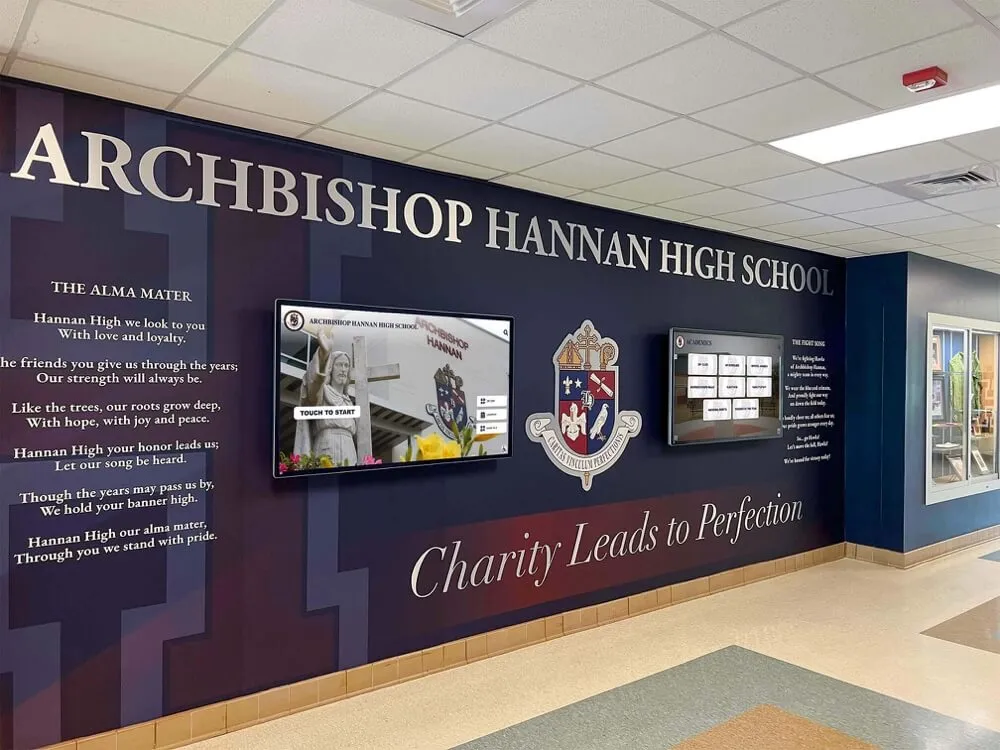
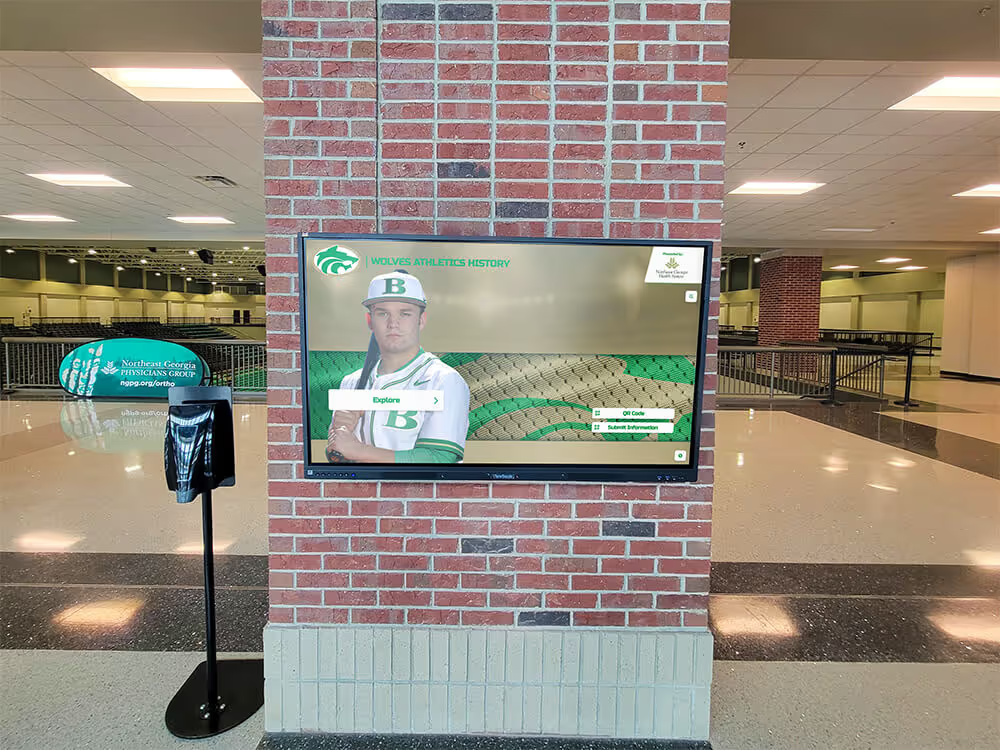
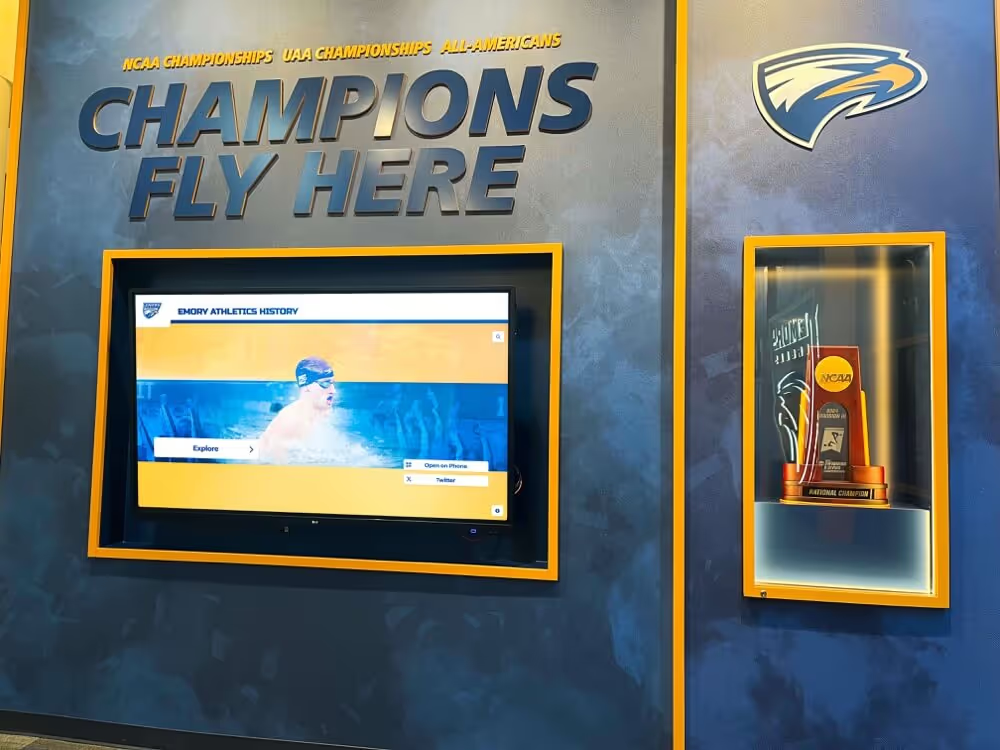
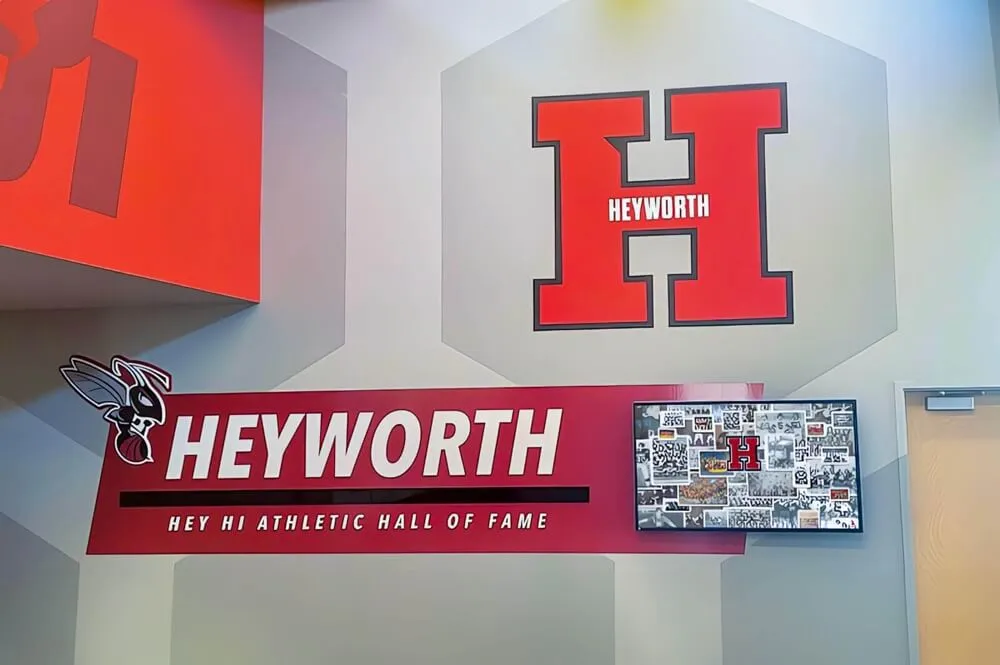
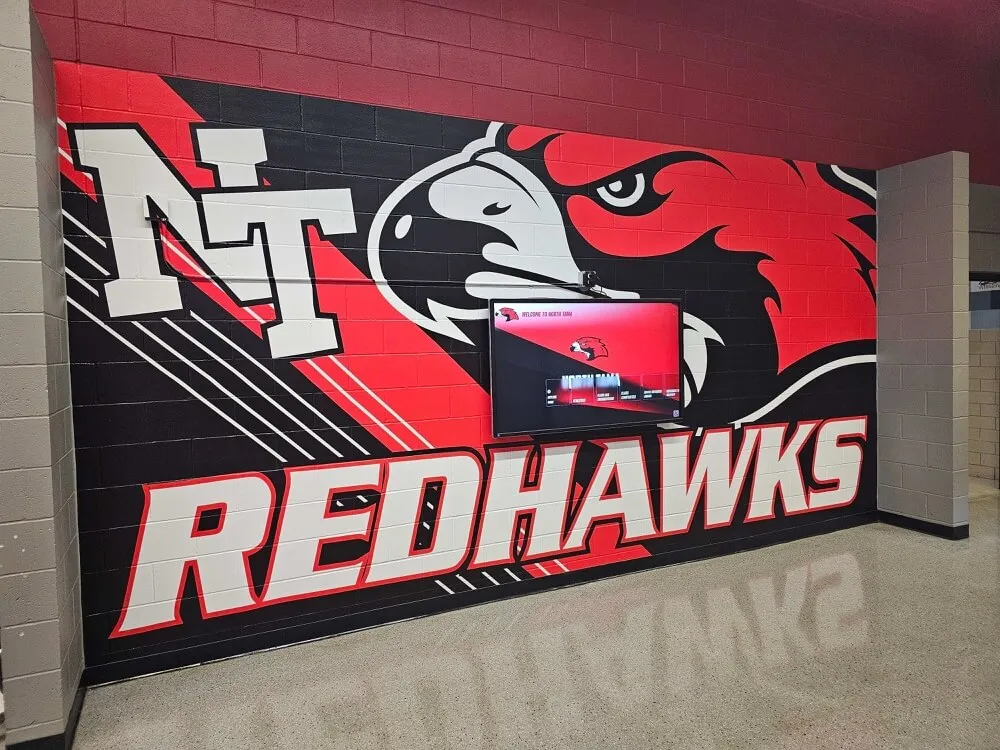
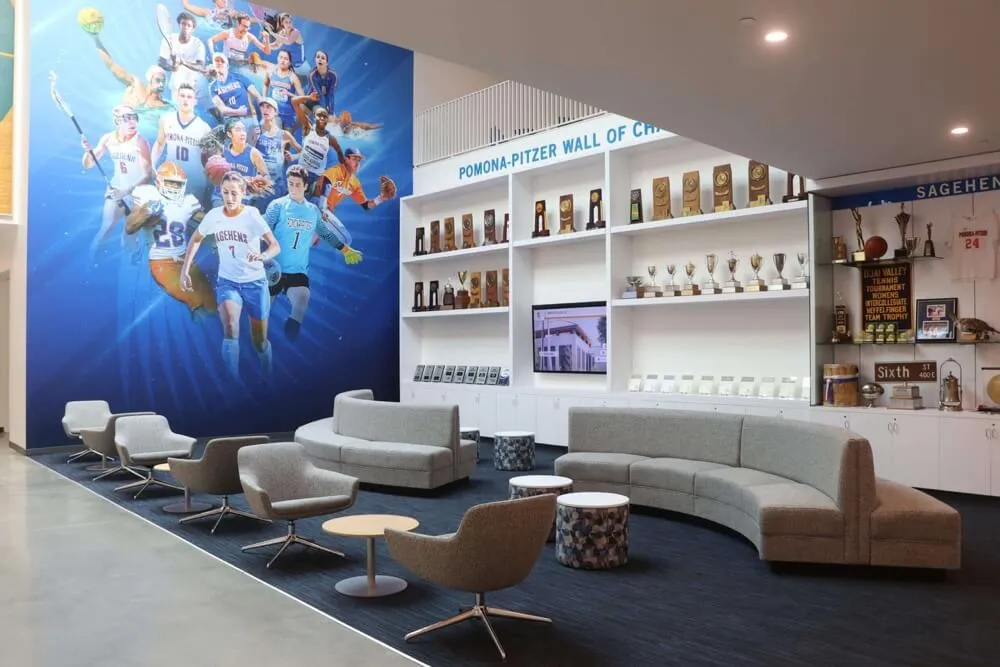
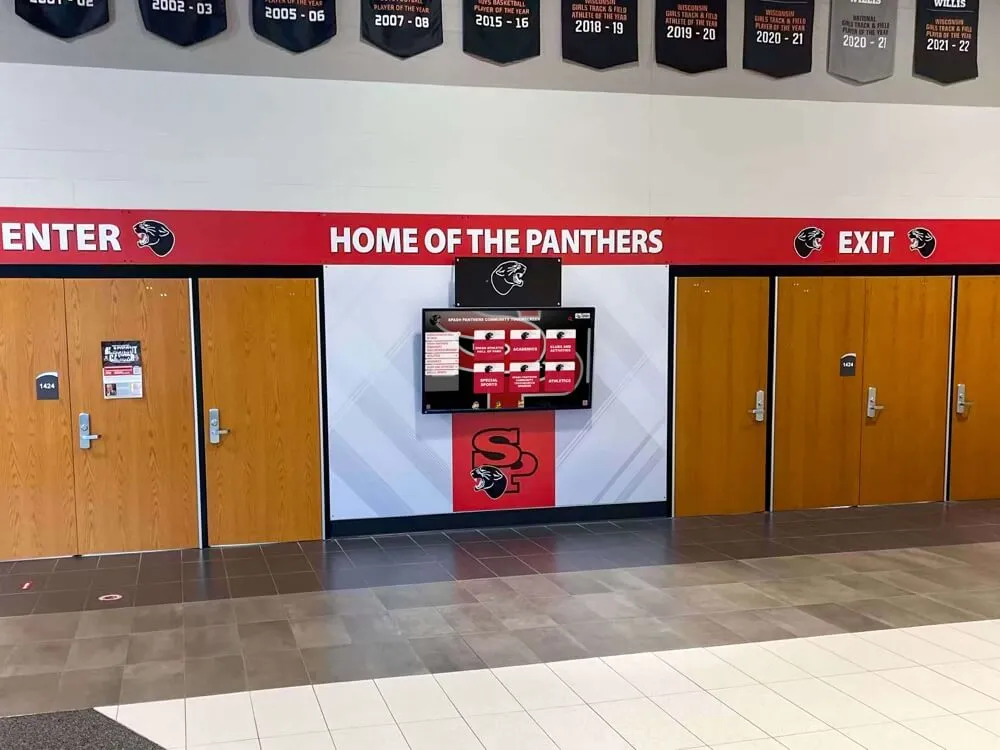
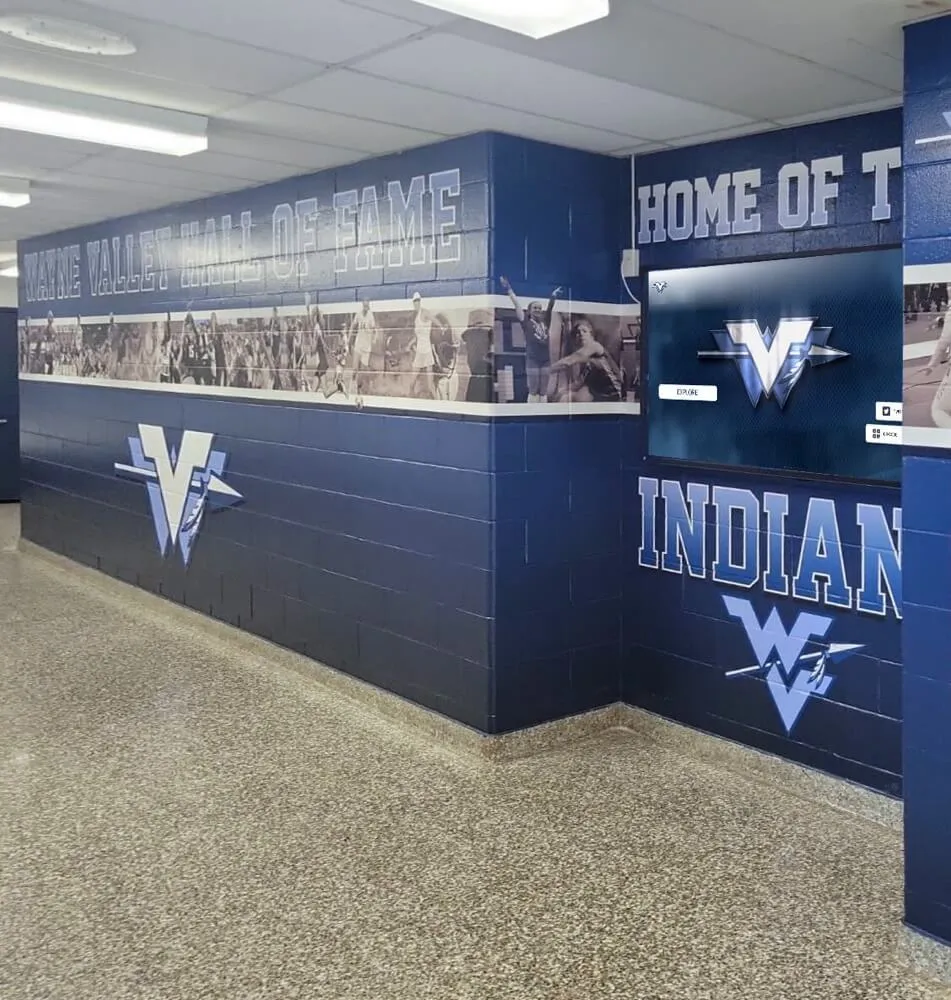
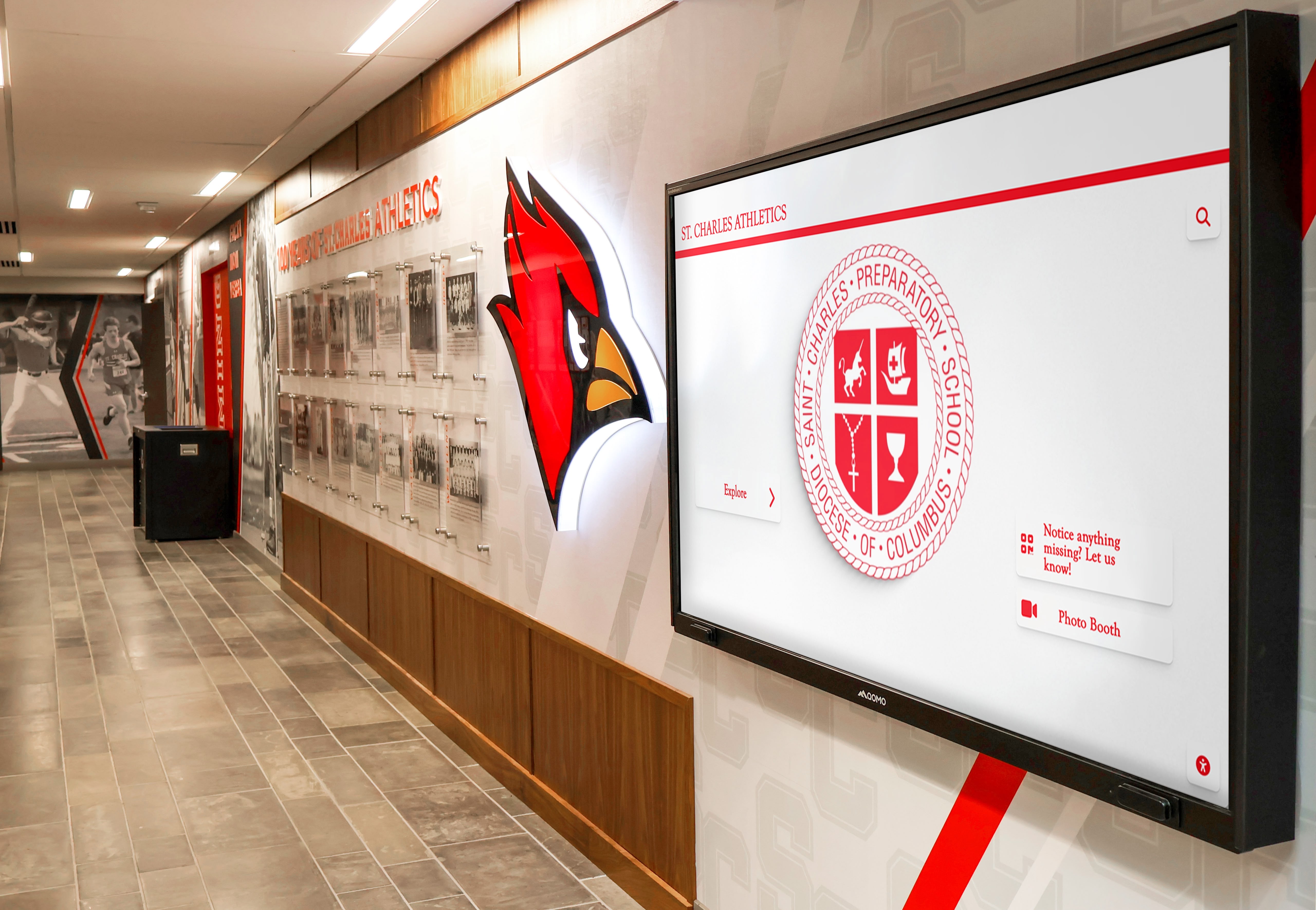
Professional athletic environments communicate high expectations and celebrate achievement through integrated recognition systems
Why Collegiate Experiences Matter for High School Athletes
Creating college-level environments at the high school level delivers multiple benefits extending beyond simply impressing recruits or parents:
College Readiness and Transition Success
Student-athletes experiencing collegiate-style programs during high school arrive at college with realistic expectations, established routines, developed discipline, and familiar operational structures—reducing transition stress that causes many freshmen to struggle academically, athletically, and socially. Research on college athlete retention consistently demonstrates that students from comprehensive high school programs adapt more quickly, experience fewer academic difficulties, and persist through challenges more successfully than those from minimally structured programs offering little preparation for collegiate demands.
Enhanced Recruitment Visibility and Opportunities
College coaches recruiting student-athletes evaluate developmental environments alongside individual talent—recognizing that athletes from professional programs with strong coaching, proper training methodologies, and comprehensive support systems typically possess better fundamentals, advanced understanding, and college-readiness compared to equally talented athletes from less developed programs. High schools creating collegiate experiences position their student-athletes competitively in recruitment processes while demonstrating to college coaches that their programs develop players properly.
Improved Current Performance and Competitiveness
Beyond long-term college preparation benefits, collegiate-level systems improve immediate high school performance through better training methodologies, injury prevention and management, performance optimization, and stronger team culture. Programs implementing comprehensive approaches consistently see competitive improvements—winning more games, advancing deeper in playoffs, and developing more athletes performing at high levels.
Community Pride and Program Support
Professional facilities and comprehensive programs generate community enthusiasm supporting fundraising, booster engagement, and broader program sustainability. Parents choosing where to live increasingly factor school quality into decisions—and athletic program quality significantly influences families with student-athletes. Communities take pride in elite athletic programs, view them as important institutional assets, and support them through challenging economic periods when less-valued programs face cuts.
The Reality Gap: High School Resource Constraints
While understanding collegiate programs’ comprehensive nature helps identify aspirational goals, high schools must acknowledge realistic limitations preventing direct replication of college models:
Budget Limitations
College athletic departments at Division I schools operate on budgets measured in millions annually—with major programs exceeding $100 million total budgets. High school athletic departments typically receive $150,000-$500,000 annually across all sports combined. This 200-1000x budget disparity necessitates strategic prioritization—high schools cannot simply copy collegiate programs at scale but must identify highest-impact elements implementable within realistic constraints.
Staffing and Expertise Gaps
Colleges employ full-time specialized staff for every support function—dedicated strength coaches, multiple sports medicine personnel, mental performance consultants, academic advisors, video coordinators, and recruiting coordinators. High schools typically rely on volunteer coaches holding full-time non-coaching jobs, part-time athletic trainers serving entire districts, and minimal support staff. Creating collegiate experiences requires systems that don’t depend on unrealistic staffing models while still delivering core developmental benefits.
Facility Constraints
Many schools operate in decades-old facilities lacking modern amenities, limited space preventing dedicated strength training areas, inadequate technology infrastructure, and deferred maintenance creating safety concerns before program enhancement becomes feasible. While facility improvements deliver significant benefits, creating collegiate experiences cannot wait for comprehensive facility renovations that may never receive funding—programs need strategies creating professional environments within existing infrastructure.
Understanding these constraints prevents unrealistic expectations while focusing efforts on high-impact initiatives achievable within available resources—transforming programs incrementally rather than attempting wholesale changes requiring unavailable funding.
Facility Enhancements That Create Professional Athletic Environments
Strategic facility improvements deliver disproportionate impact creating collegiate atmospheres even when comprehensive renovations remain financially unattainable:
Digital Recognition and Program History Displays
Perhaps the most cost-effective facility enhancement involves implementing comprehensive digital recognition systems showcasing program achievements, celebrating individual excellence, and communicating championship culture throughout athletic facilities:
Interactive Touchscreen Recognition Systems
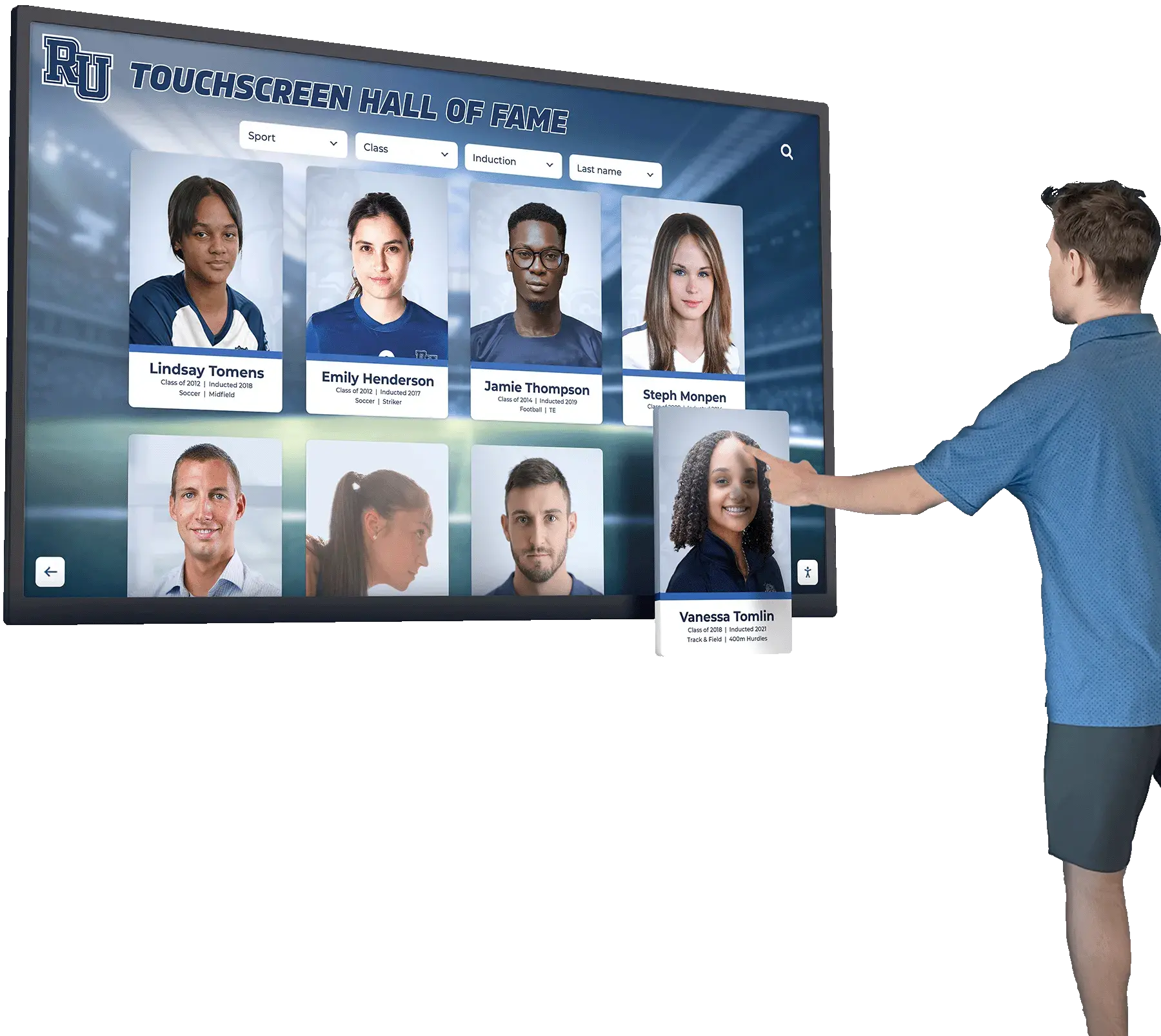
Modern digital recognition platforms like Rocket Alumni Solutions provide unlimited capacity celebrating athletic achievements, academic excellence, distinguished alumni, team championships, individual records, and program history through interactive touchscreens installed in athletic facility lobbies, hallways, and common areas. These systems enable athletes to explore complete program legacies, understand traditions they’re joining, see performance standards for their positions, and connect current teams to historical excellence.
Unlike static trophy cases with limited space, digital recognition accommodates unlimited content—growing indefinitely as programs add achievements without requiring physical expansion or equipment removal. Cloud-based management enables coaches and administrators to update recognition instantly from any device, keeping content perpetually current without specialized technical expertise or physical access to displays.
Championship Culture Communication
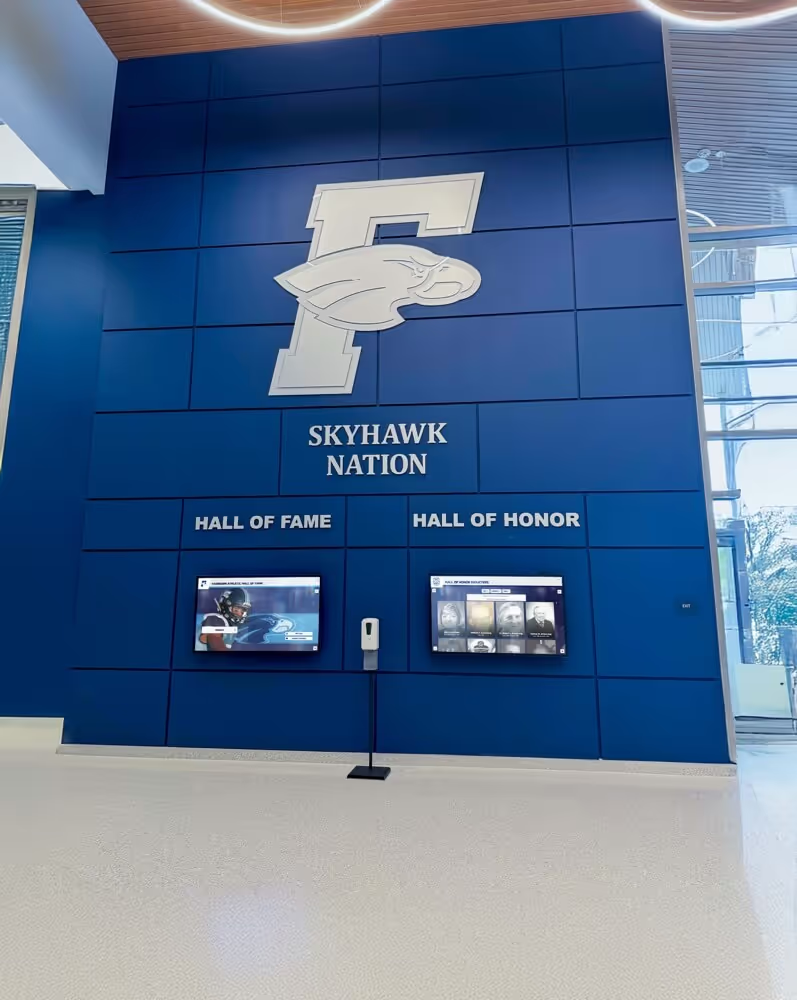
Recognition displays communicate program expectations and standards visually—new athletes touring facilities immediately understand that the program values excellence, documents achievement comprehensively, and maintains institutional memory spanning decades. This cultural messaging proves more powerful than verbal explanations, creating environments where championship mentality feels natural rather than imposed.
Programs can feature sport-specific record boards highlighting standards athletes aim to surpass, hall of fame inductees representing career excellence expectations, championship team documentation showing competitive success patterns, and academic achievement recognition demonstrating that student-athlete excellence extends beyond competition to classroom performance.
Explore comprehensive recognition approaches through digital hall of fame implementation guides addressing athletic facility installations.

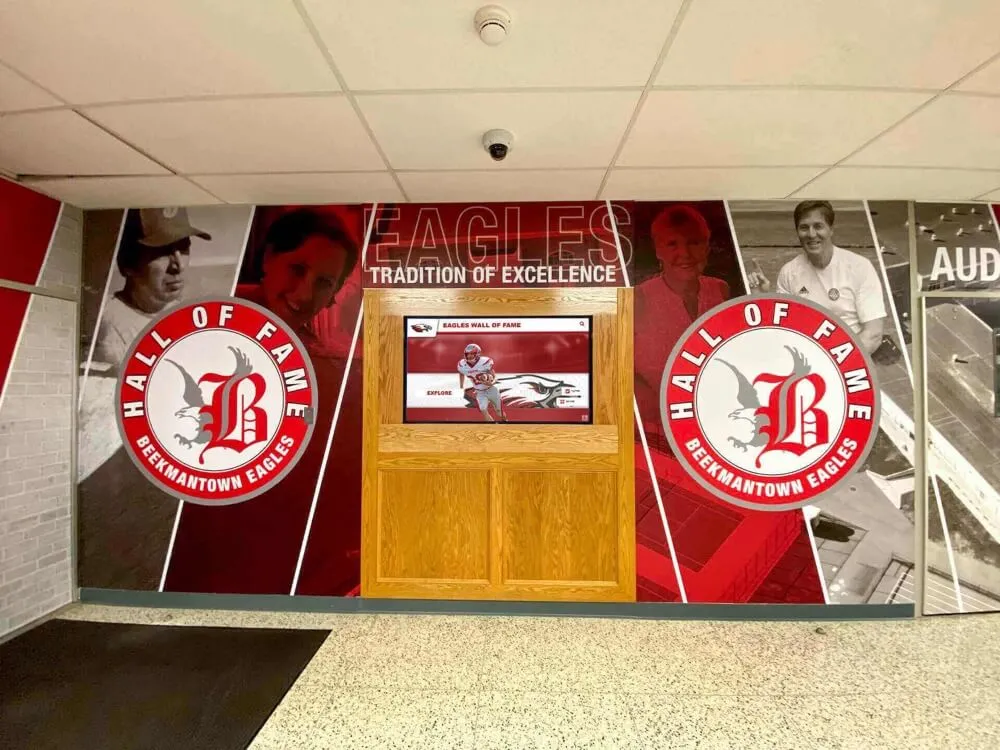
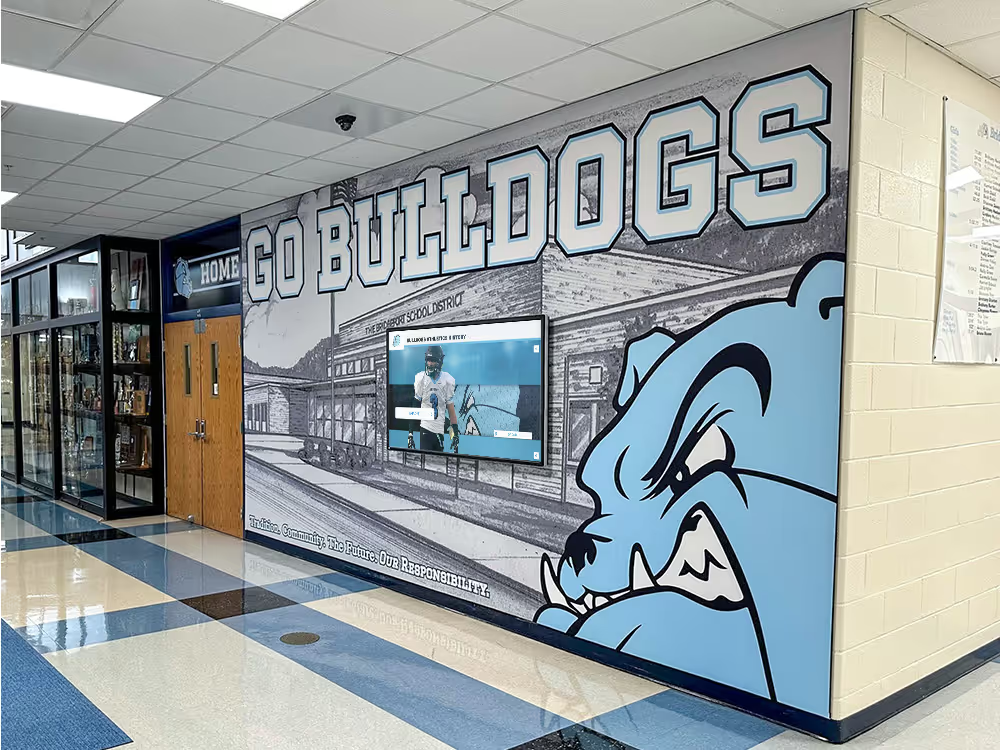
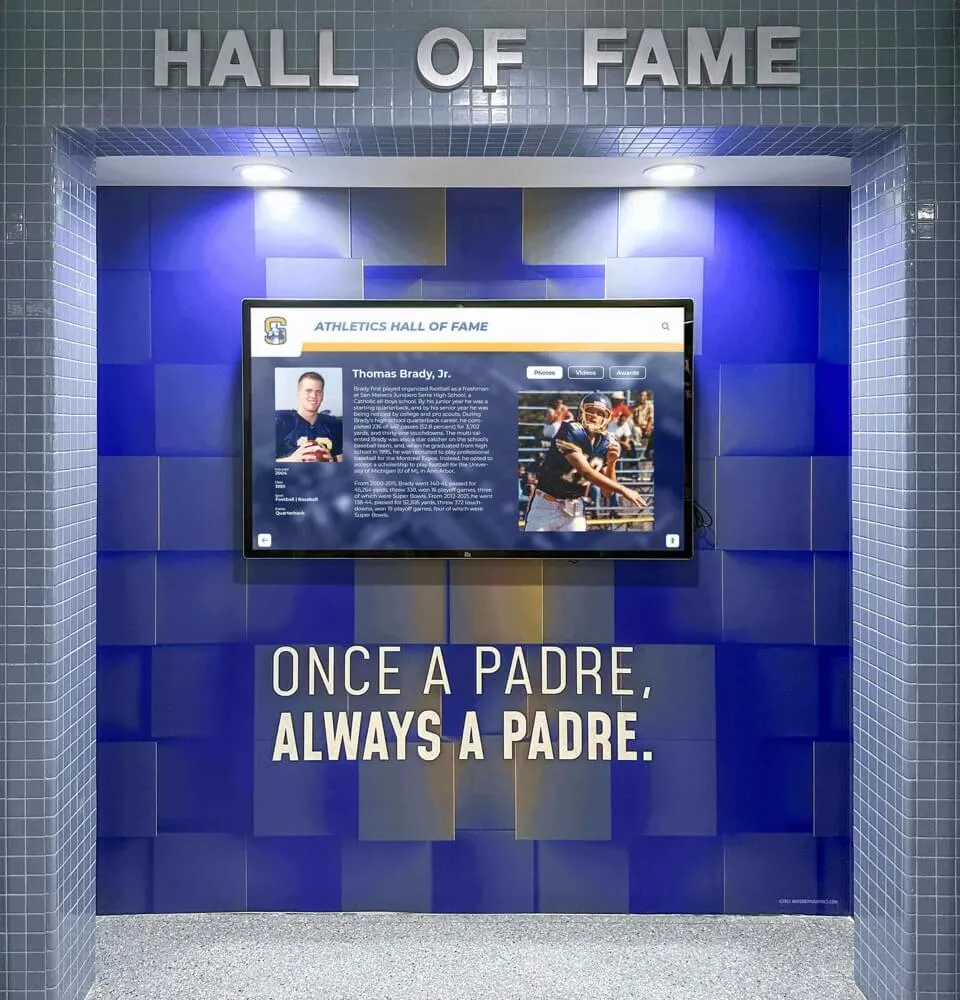
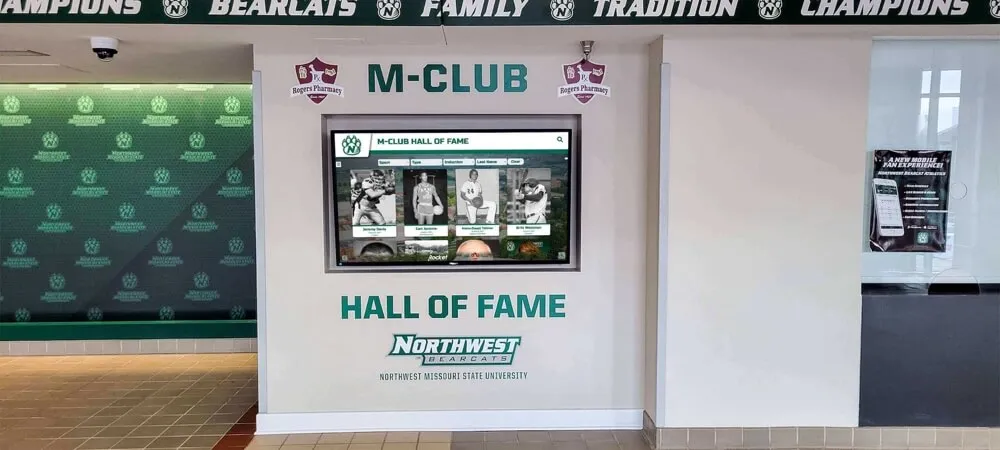
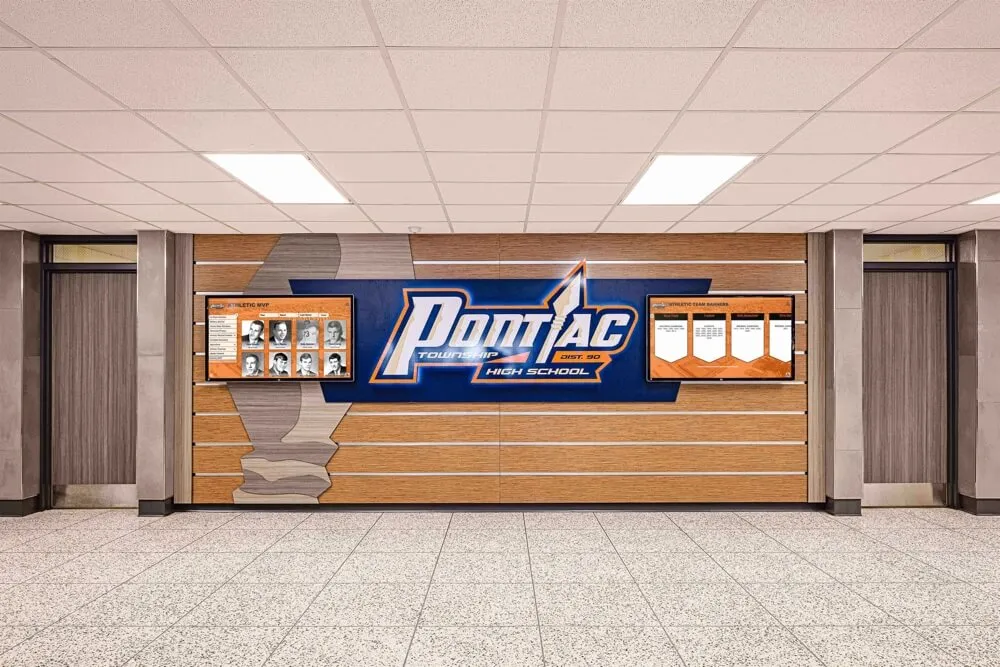
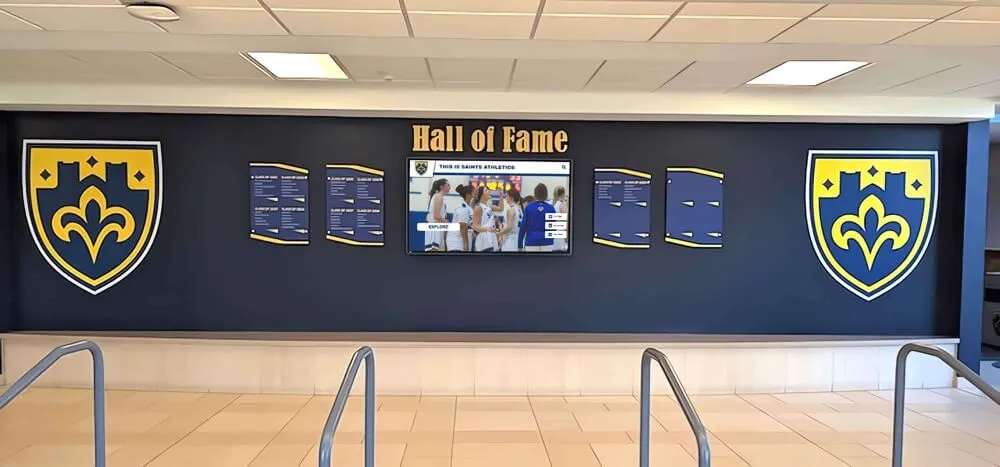
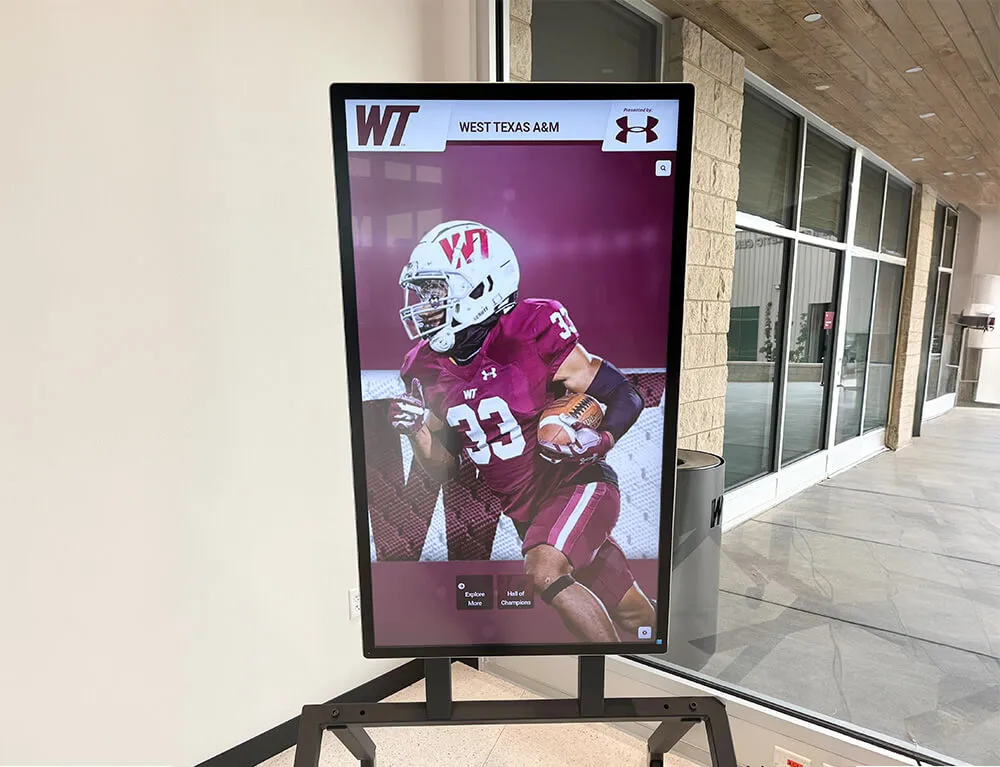
Integrated recognition systems create professional environments communicating program excellence and championship expectations
Cost-Effective Implementation
Digital recognition systems represent relatively modest investments compared to major facility renovations—comprehensive interactive installations typically cost $8,000-$18,000 for hardware, software, installation, and initial content development. For programs with tighter budgets, basic digital displays with cloud-based content management start around $3,000-$5,000, while even poster-based or vinyl wall graphics create professional recognition environments for $500-$2,000.
This investment accessibility makes recognition one of the first steps schools should pursue when creating collegiate environments—delivering immediate visual transformation, supporting culture development, and providing recognition infrastructure that lasts decades with minimal ongoing costs beyond occasional content updates.
Professional Locker Room Standards
Even modest locker rooms can feel collegiate through intentional design choices and operational standards:
Organizational Systems and Personalization
Assign each athlete designated locker space with nameplates, establish equipment storage systems maintaining organization, implement cleaning standards requiring athletes to maintain spaces, and create team areas for position groups or leadership councils. These organizational structures communicate professional expectations—athletes learn to maintain personal responsibility for equipment and spaces, practice habits translating directly to college team environments.
Visual Identity and Motivation
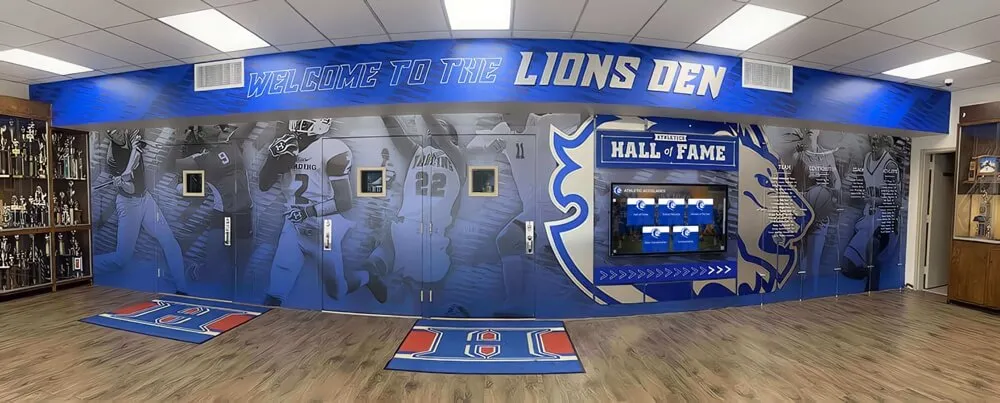
Use team colors, logos, and motivational messaging throughout locker spaces creating immersive environments. Many programs display team slogans, core values, inspirational quotes from successful alumni, and photographs celebrating championship moments or outstanding individual achievements. These visual elements reinforce program identity and values, creating emotional connection to team mission and historical legacy.
Technology Integration
Install display screens in locker rooms showing practice schedules, training programs, academic calendars, upcoming competitions, and motivational video content. Many programs use locker room displays to show game highlights, college recruitment information, and athlete development resources. This technology creates communication infrastructure supporting program operations while demonstrating organizational sophistication matching collegiate standards.
Weight Room and Training Facility Improvements
Strength and conditioning facilities significantly influence athlete development and program perception:
Equipment Quality and Maintenance
Prioritize functional equipment in good repair over quantity—well-maintained basic equipment communicates program professionalism more effectively than expansive outdated facilities with broken machines. Establish maintenance schedules, create cleaning expectations requiring athletes to wipe equipment after use, and organize spaces logically by training function (Olympic lifting areas, general strength zones, mobility spaces).
Professional Programming and Documentation
Display training programs on whiteboards or digital screens, maintain workout tracking systems where athletes log exercises and progress, create position-specific programming addressing sport demands, and establish form expectations emphasizing proper technique over maximum weight. These systems demonstrate that training follows intentional methodologies rather than occurring haphazardly—preparing athletes for structured collegiate strength programs.
Safety Standards and Supervision
Implement clear safety rules, require supervision during training sessions, establish equipment usage policies, and create emergency protocols. Professional safety standards prevent injuries while communicating that the program values athlete welfare—building trust with families concerned about training risks.
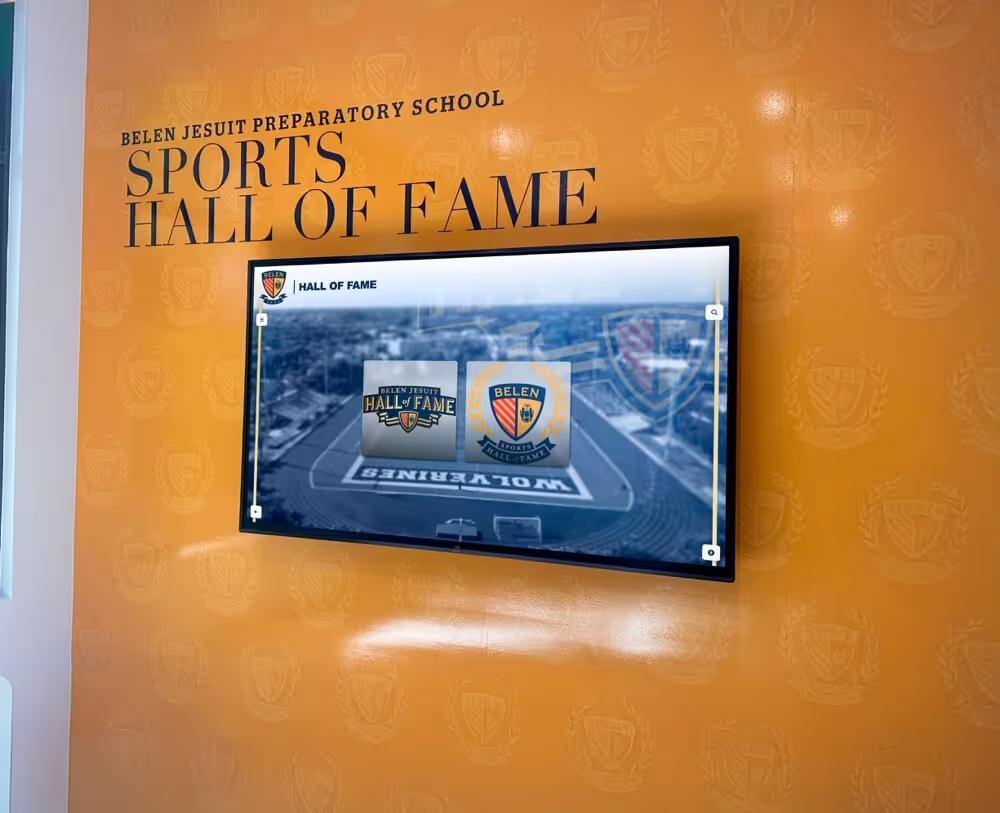
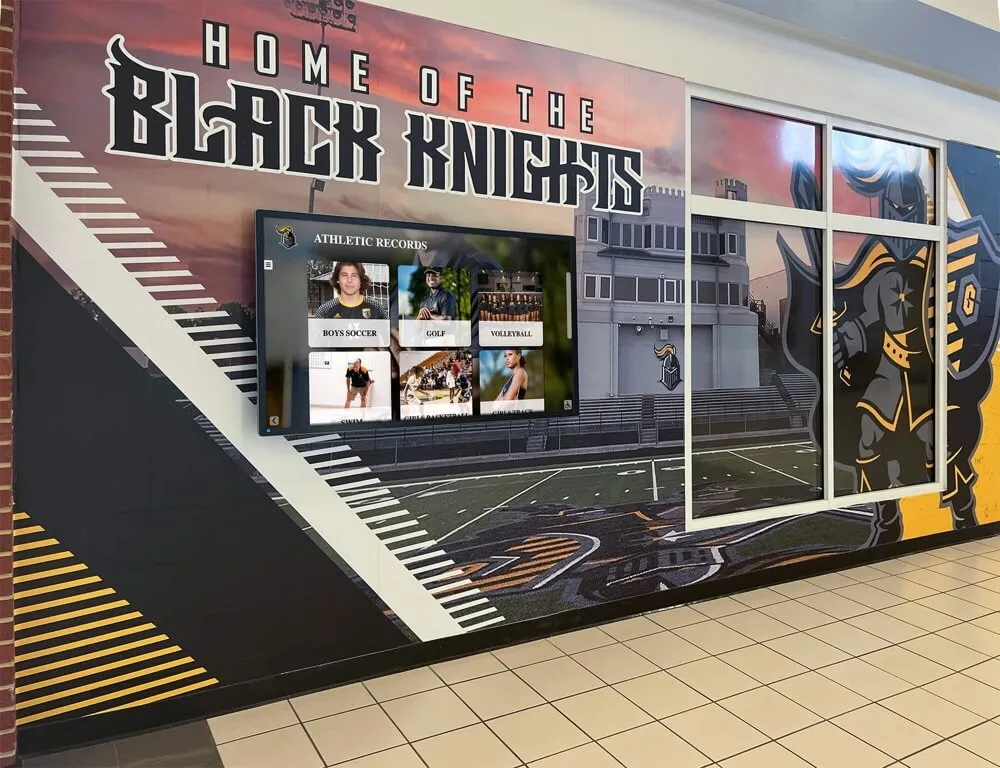
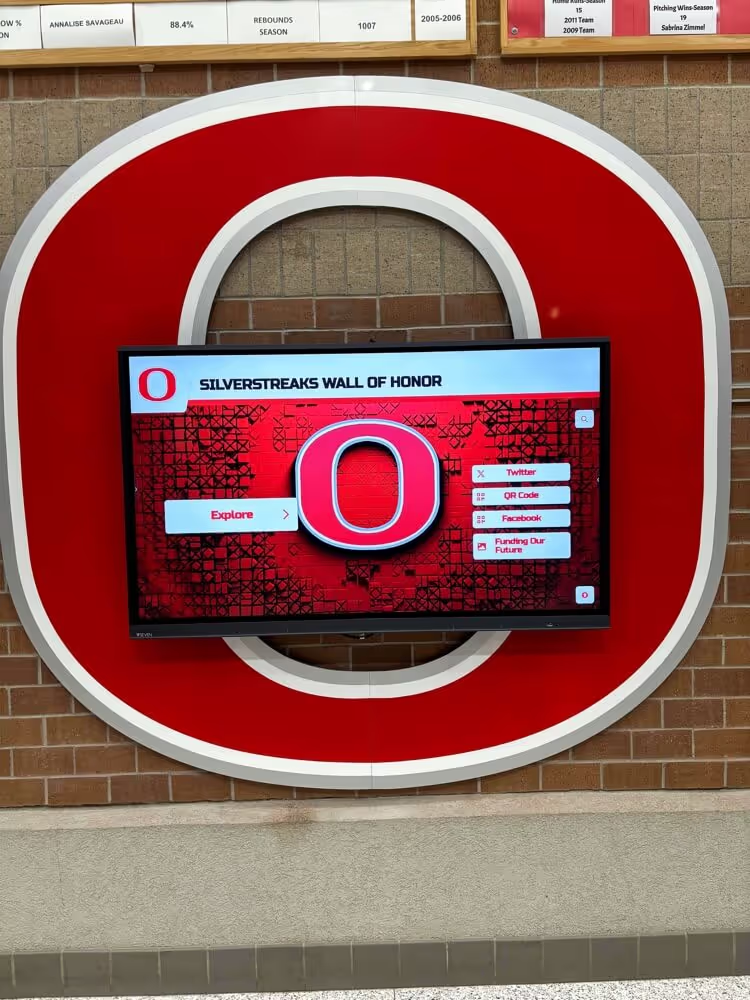
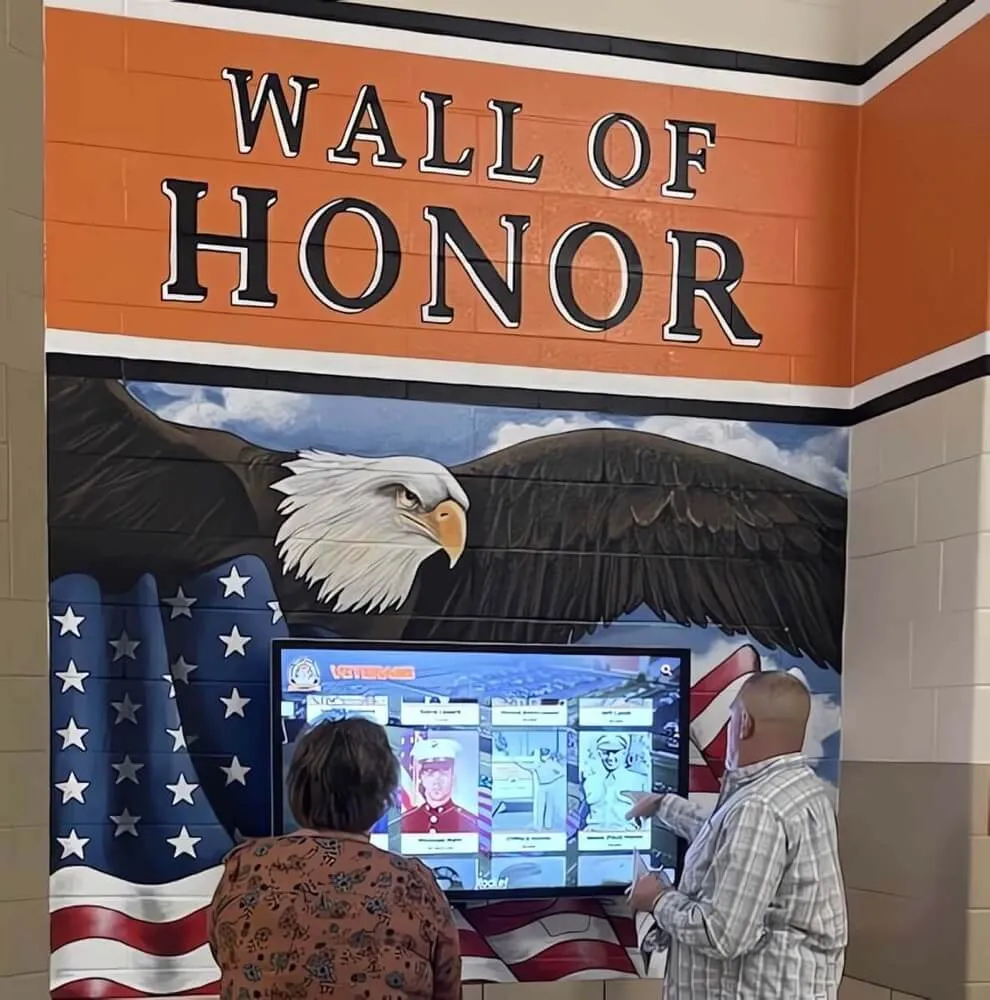
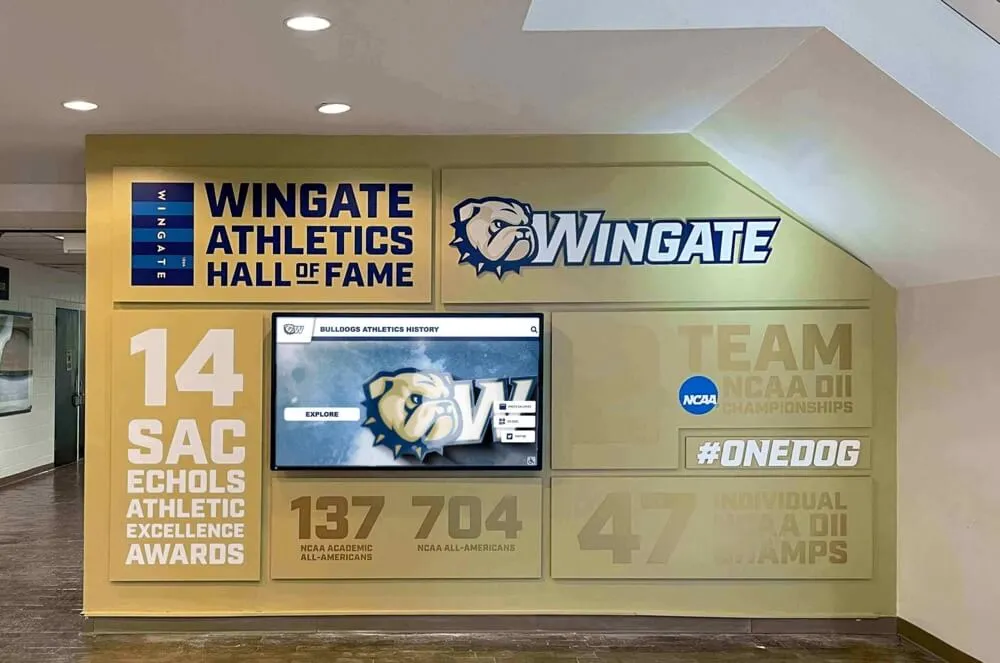
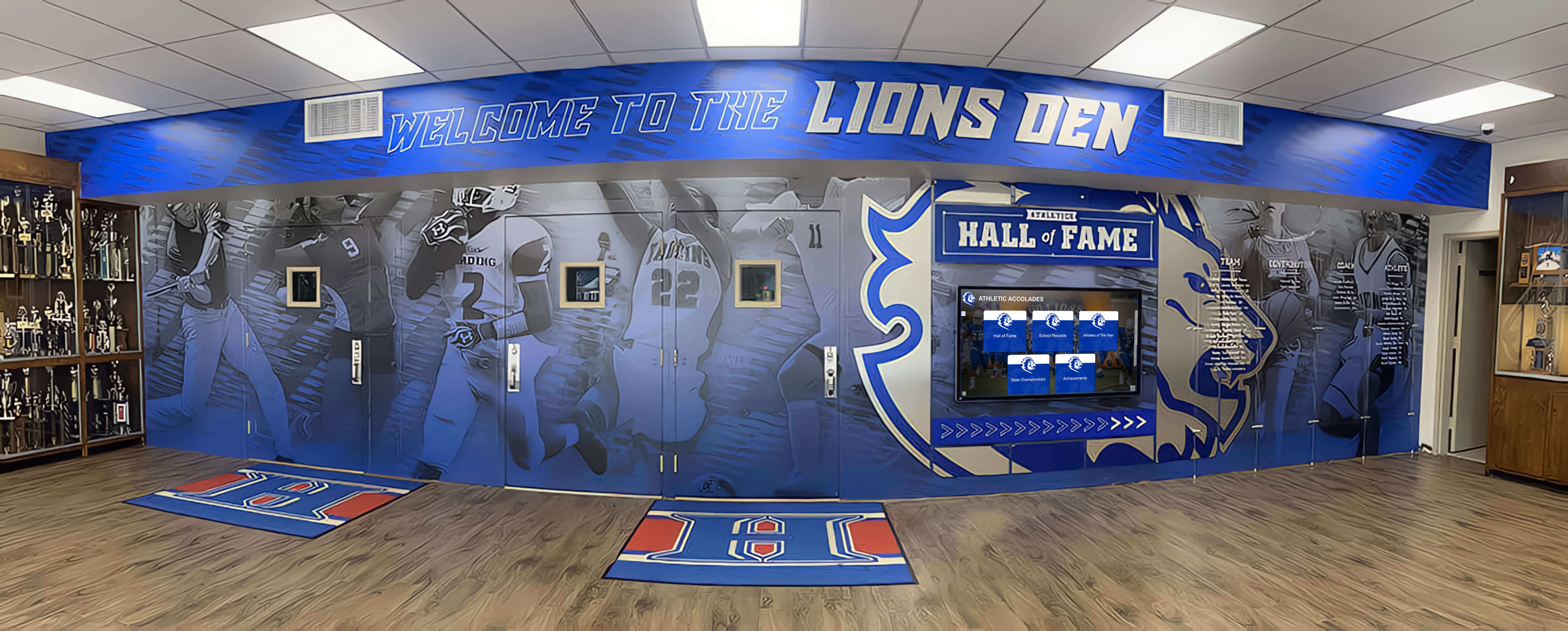
Professional athletic facilities integrate technology and visual identity creating environments supporting athlete development
Video Analysis and Performance Technology
Technology integration distinguishes elite programs from basic recreational athletics:
Game and Practice Film Review
Invest in video systems recording competitions and practices, establish film review sessions where athletes analyze performance, create video libraries organizing footage by opponent and situation, and teach athletes to identify technical adjustments from video analysis. Many effective systems use basic cameras and free software—sophisticated analysis doesn’t require expensive commercial platforms when coaches and athletes learn to use available tools effectively.
College coaches consistently report that recruits from programs emphasizing video analysis arrive with superior tactical understanding, better self-awareness about technical strengths and weaknesses, and more advanced film study habits compared to athletes from programs lacking video infrastructure.
Performance Metrics and Data Tracking
Track relevant performance metrics specific to each sport—sprint times, vertical jump measurements, throwing velocities, batting averages, shooting percentages, or other quantifiable skills. Maintain historical databases showing athlete progression over seasons, establish team records motivating competitive pursuit, and use data to inform training priorities and evaluate program effectiveness.
Data-driven approaches communicate professionalism while providing objective feedback helping athletes understand improvement areas and celebrate concrete progress—building confidence and motivation through quantified achievement.
Creating Collegiate Atmosphere Through Environmental Design
Physical environment significantly impacts how athletes perceive program quality and professionalism:
Consistent Visual Identity
Apply team colors, logos, and branding consistently throughout all athletic spaces—locker rooms, training facilities, competition venues, and common areas. This visual consistency creates cohesive identity communicating organizational intentionality and attention to detail that distinguishes professional programs from disjointed recreational athletics.
Cleanliness and Maintenance Standards
Establish high cleanliness expectations, implement regular maintenance schedules addressing facility issues promptly, eliminate clutter and disorganization, and create systems ensuring facilities remain presentable. Clean, well-maintained basic facilities feel more collegiate than expansive neglected spaces communicating that programs don’t value their environments or athletes using them.
Strategic Lighting and Acoustics
Address lighting quality ensuring adequate visibility, consider acoustic treatments in areas where communication matters, and create comfortable environments athletes want to spend time in beyond required activities. These seemingly minor environmental factors significantly impact how spaces feel—affecting athlete motivation, focus, and sense of program professionalism.
Learn about comprehensive facility design through athletic recognition environment guides addressing integrated athletic spaces.
Building Championship Culture and Team Standards
Physical facilities provide foundation, but authentic collegiate experiences require intentional culture development establishing professional expectations and championship mentalities:
Defining Program Core Values and Standards
Elite programs operate from clearly articulated values governing decision-making, behavior expectations, and cultural norms:
Establishing Non-Negotiable Standards
Identify 3-5 core values central to program identity—common examples include commitment, discipline, accountability, team-first mentality, academic excellence, community service, and sportsmanship. These values must be authentic, consistently modeled by coaches and leadership, and enforced through consequences when violated. Empty slogans without behavioral standards undermine culture rather than strengthening it.
Communicate values through multiple channels—displaying them prominently in facilities, discussing them regularly in team meetings, referencing them when making decisions, and celebrating examples of athletes embodying them. This repetition ensures values become internalized rather than remaining abstract concepts athletes ignore.
Creating Accountability Systems
Establish clear expectations around attendance, punctuality, effort, preparation, and conduct. Implement consequences when standards are violated—ensuring accountability applies equally regardless of athlete talent or status. Nothing destroys program culture faster than different standards for star players versus role players—creating resentment and cynicism that undermines team cohesion.
Many programs implement team councils or leadership groups responsible for peer accountability—empowering athletes to address issues before coaches must intervene. This athlete-led accountability mirrors collegiate environments where veteran players enforce team standards and cultural expectations.
Developing Team Leadership Structures
Collegiate programs rely on athlete leadership—high schools must cultivate these same structures:
Senior Leadership Councils
Form captains or leadership councils responsible for cultural stewardship, conflict mediation, and serving as liaison between athletes and coaches. Establish selection processes emphasizing character and commitment rather than purely athletic achievement—communicating that leadership positions reward those modeling program values consistently.
Provide leadership training addressing communication skills, conflict resolution, accountability conversations, and team motivation. Many schools partner with local colleges, leadership development organizations, or coaching associations to deliver professional development preparing student leaders for responsibilities.
Mentorship Programs
Create formal mentorship pairings matching upperclassmen with incoming athletes, establishing relationships supporting freshman transition and cultural transmission. Upperclassmen teach program expectations, athletic preparation, time management, academic strategies, and social integration—accelerating new athlete development while reinforcing veterans’ understanding through teaching others.
These mentorship structures mirror collegiate programs where freshmen learn from veteran teammates about program expectations, training approaches, and success strategies—creating developmental continuity that strengthens as classes progress through programs together.
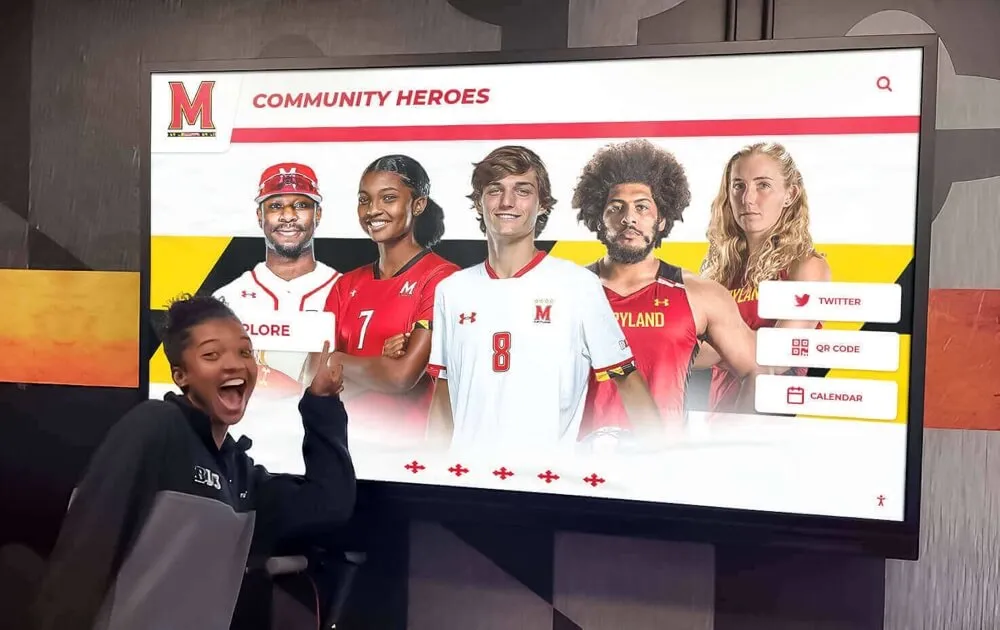
Comprehensive athletic environments integrate team culture, achievement celebration, and program history creating spaces inspiring excellence
Academic Excellence Integration
College-preparatory athletic programs emphasize academic achievement alongside competitive success:
Academic Support Systems
Establish study hall requirements for student-athletes, implement grade monitoring systems identifying struggling athletes early, create tutoring connections when athletes need additional support, and recognize academic achievement equally to athletic accomplishments. Celebrate academic all-conference selections, honor roll designations, and college admissions successes alongside championship victories and individual athletic awards.
This academic emphasis communicates that athlete identity encompasses student responsibilities—preparing athletes for collegiate environments where academic failures create eligibility problems ending athletic careers regardless of competitive talent.
Time Management and Organizational Skills
Teach student-athletes to manage complex schedules balancing academics, athletics, social lives, and family responsibilities. Many programs use planners or digital calendars, require athletes to document assignment due dates and test schedules, and check academic preparation regularly. These organizational habits prove essential for college success where athletes lack parental oversight ensuring responsibility management.
Building Community Engagement and Program Pride
Elite programs connect athletes to broader communities, creating support networks and institutional pride:
Alumni Network Development
Maintain contact with program alumni, invite former athletes to speak with current teams, celebrate alumni college and professional success, and create mentorship connections between current athletes and recent graduates navigating college athletics. These alumni relationships provide role models, advice, networking opportunities, and tangible examples that program developmental approaches create college-ready athletes.
Digital recognition systems facilitate alumni engagement by maintaining comprehensive historical records, celebrating distinguished alumni publicly, and providing platforms where former athletes stay connected to current programs—strengthening traditions linking generations through shared program experiences.
Parent and Family Engagement
Communicate regularly with families about program expectations, athlete development, college preparation processes, and team activities. Hold parent meetings explaining athletic training philosophies, academic support approaches, and college recruitment realities. Engage families as partners supporting athlete development rather than treating them as external audiences requiring minimal communication.
Families appreciating program professionalism, developmental focus, and clear communication become strongest advocates—supporting fundraising, recruiting peers to programs, and providing institutional stability through leadership transitions that inevitably occur in school athletics.
Explore comprehensive community engagement through alumni recognition program guides addressing connection strategies.
Athlete Development Systems Preparing Students for College Athletics
Beyond facilities and culture, systematic development programs distinguish elite preparatory programs from basic recreational athletics:
Comprehensive Strength and Conditioning Programs
Structured training programs form developmental foundation for college-ready athletes:
Periodized Training Approaches
Implement year-round training programs with distinct phases—off-season strength building, pre-season power development, in-season maintenance, and post-season recovery and rehabilitation. This periodization matches collegiate training methodologies while teaching athletes that development occurs systematically over months and years rather than through random occasional workouts.
Design sport-specific programs addressing unique demands of each activity—basketball programs emphasizing explosive power and conditioning differ significantly from football strength priorities or cross country aerobic development. This specialization demonstrates sophisticated understanding of athletic development while preparing athletes for college programs where training aligns precisely with competitive demands.
Injury Prevention and Movement Quality
Emphasize proper movement patterns, mobility development, and injury prevention exercises alongside traditional strength training. Teach athletes to recognize warning signs of overtraining or developing injuries, implement recovery protocols, and understand that training smart matters more than training maximally. These lessons prove critical for college athletics where injury management determines career success and longevity.
Mental Performance and Psychological Preparation
Elite athletic preparation addresses mental dimensions alongside physical development:
Competitive Mindset Development
Teach athletes to manage competitive pressure, maintain focus during adversity, respond constructively to failure, and perform consistently regardless of external circumstances. These mental skills determine college success as much as physical capabilities—college coaches consistently report that mental toughness distinguishes successful college athletes from those who struggle despite superior physical talent.
Implement visualization techniques, pre-performance routines, self-talk strategies, and mindfulness practices helping athletes control mental states. Bring mental performance consultants to speak with teams when resources permit, or have coaches learn basic sport psychology principles they can teach athletes directly.
Stress Management and Well-Being
Address holistic athlete wellness including sleep hygiene, nutrition fundamentals, stress management, and mental health awareness. College athletics creates substantial stress through competitive pressure, time demands, social challenges, and academic expectations—athletes lacking coping strategies struggle significantly. High school programs preparing athletes for these challenges through proactive skill development create competitive advantages while supporting athlete welfare comprehensively.
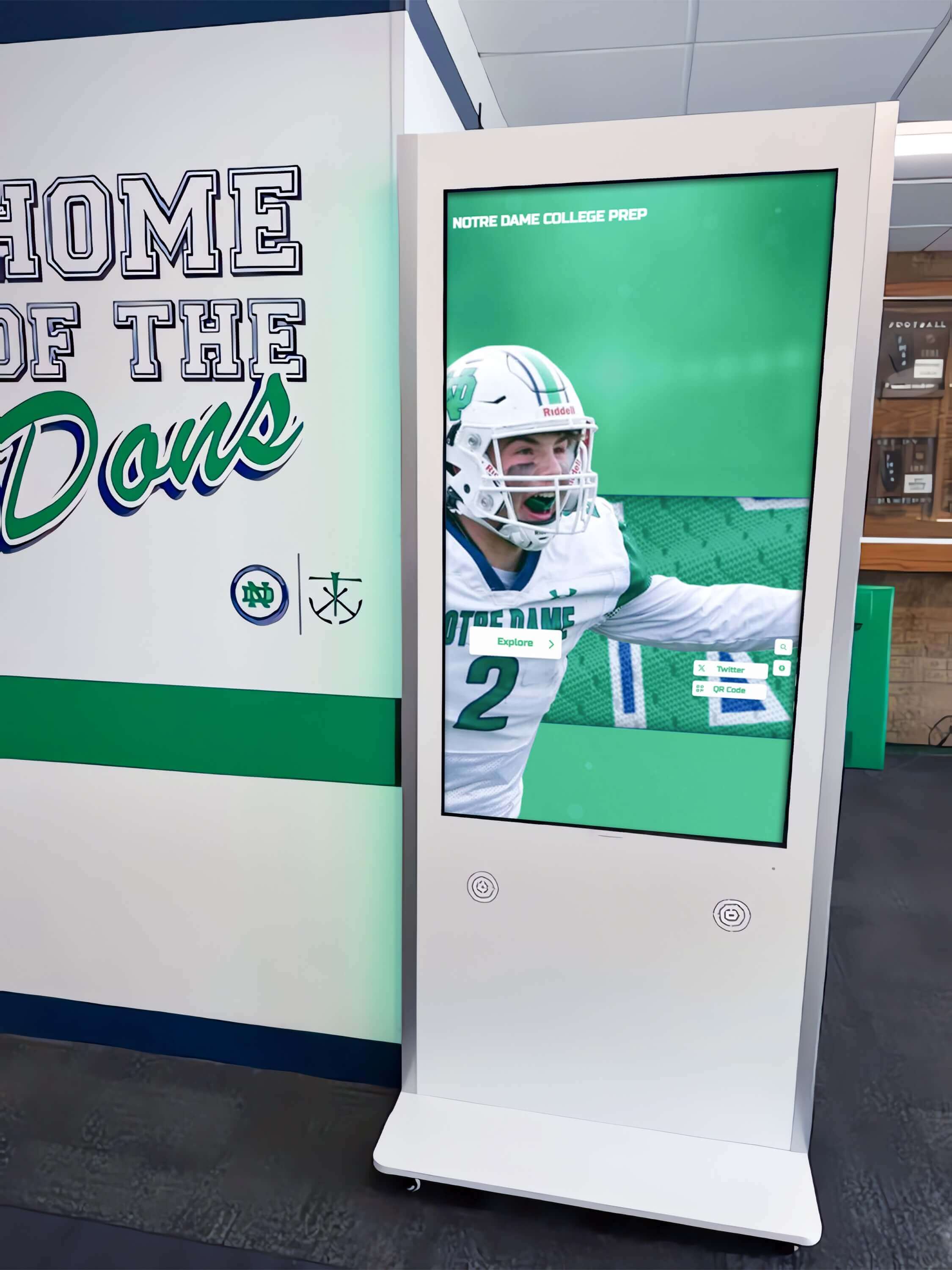
Technology integration throughout athletic facilities creates professional environments supporting comprehensive athlete development
Skills Development and Technical Refinement
Intentional technical development separates elite programs from those focused only on winning games:
Individualized Skills Training
Provide position-specific instruction addressing technical development beyond team practice time. Create small group sessions where athletes receive focused coaching on specific skills, implement skill progressions teaching foundational movements before advanced techniques, and document individual development goals athletes pursue throughout seasons.
College coaches recruiting athletes evaluate technical fundamentals and coachability as heavily as current competitive performance—recognizing that athletes with strong foundations and good coaching adapt more quickly to college systems than those lacking technical development despite superior natural ability.
Video-Based Technical Analysis
Use video review to identify technical strengths and improvement areas, compare athlete movements to optimal models, and track technical changes over time. Video provides objective feedback helping athletes see precisely what adjustments improve performance—accelerating technical development compared to verbal coaching alone.
College Recruitment Education and Support
Programs supporting college recruitment aspirations strengthen relationships with families while helping athletes navigate complex processes:
Recruitment Process Education
Teach athletes and families about college athletic divisions, scholarship realities, recruitment timelines, NCAA eligibility requirements, and communication strategies with college coaches. Many families lack understanding of recruitment processes, creating unrealistic expectations or missing opportunities through ignorance of rules and timelines.
Host recruitment workshops, provide written resources explaining processes clearly, invite college coaches to explain what they evaluate in recruits, and connect families with recent program alumni who successfully navigated recruitment to colleges matching various competitive levels.
Recruitment Portfolio Development
Help athletes create recruiting materials including highlight videos, athletic resumes, academic transcripts, and coach contact information. Teach athletes how to communicate professionally with college coaches, what information coaches want, and how to market themselves effectively while remaining authentic.
These support systems demonstrate program investment in athletes’ futures beyond high school—building loyalty and appreciation from families while strengthening program reputation among college coaches who appreciate working with high schools preparing athletes well for recruitment processes.
Learn about recruitment support through college signing day recognition guides celebrating college commitments appropriately.
Technology Integration Creating Professional Athletic Operations
Strategic technology adoption distinguishes professionally-run programs from operationally basic athletics:
Communication and Information Management Systems
Effective communication infrastructure supports complex program operations:
Team Communication Platforms
Implement messaging systems (TeamSnap, Remind, or similar platforms) centralizing communication about schedules, practices, competitions, and program information. Establish communication protocols defining response expectations, ensuring families receive important information consistently, and reducing miscommunication that creates frustration and organizational inefficiency.
Professional communication systems demonstrate operational sophistication while providing practical benefits—reducing time coaches spend answering individual questions, ensuring consistent messaging to all athletes and families, and creating documentation of important communications.
Digital Scheduling and Calendar Systems
Maintain comprehensive online calendars showing practice schedules, competition dates, facility reservations, team events, and important deadlines. Integrate calendars with parent and athlete devices, update schedules promptly when changes occur, and provide visibility into long-term planning helping families manage complex schedules around athletic commitments.
Performance Tracking and Analytics
Data-driven approaches create objective feedback supporting athlete development:
Training Load Monitoring
Track athlete training volumes, competition demands, and recovery status preventing overtraining while ensuring adequate preparation. Simple systems using spreadsheets or basic applications provide actionable insights without requiring expensive commercial platforms—teaching athletes to monitor their bodies and communicate effectively about training stress and readiness.
College athletes must learn to manage training loads and communicate with coaches about physical status—high school programs teaching these skills prepare athletes for collegiate self-advocacy essential for injury prevention and performance optimization.
Statistical Analysis and Performance Metrics
Maintain comprehensive statistics beyond basic scorebook requirements—tracking efficiency metrics, situational performance, consistency indicators, and other data revealing performance patterns. Teach athletes to interpret statistics objectively, identify improvement areas from data, and understand how performance metrics inform coaching decisions.
This analytical approach mirrors college athletics where video coordinators and analysts provide detailed statistical reports coaches use for game planning and player evaluation—preparing athletes for data-rich environments where self-awareness about statistical strengths and weaknesses supports development conversations.
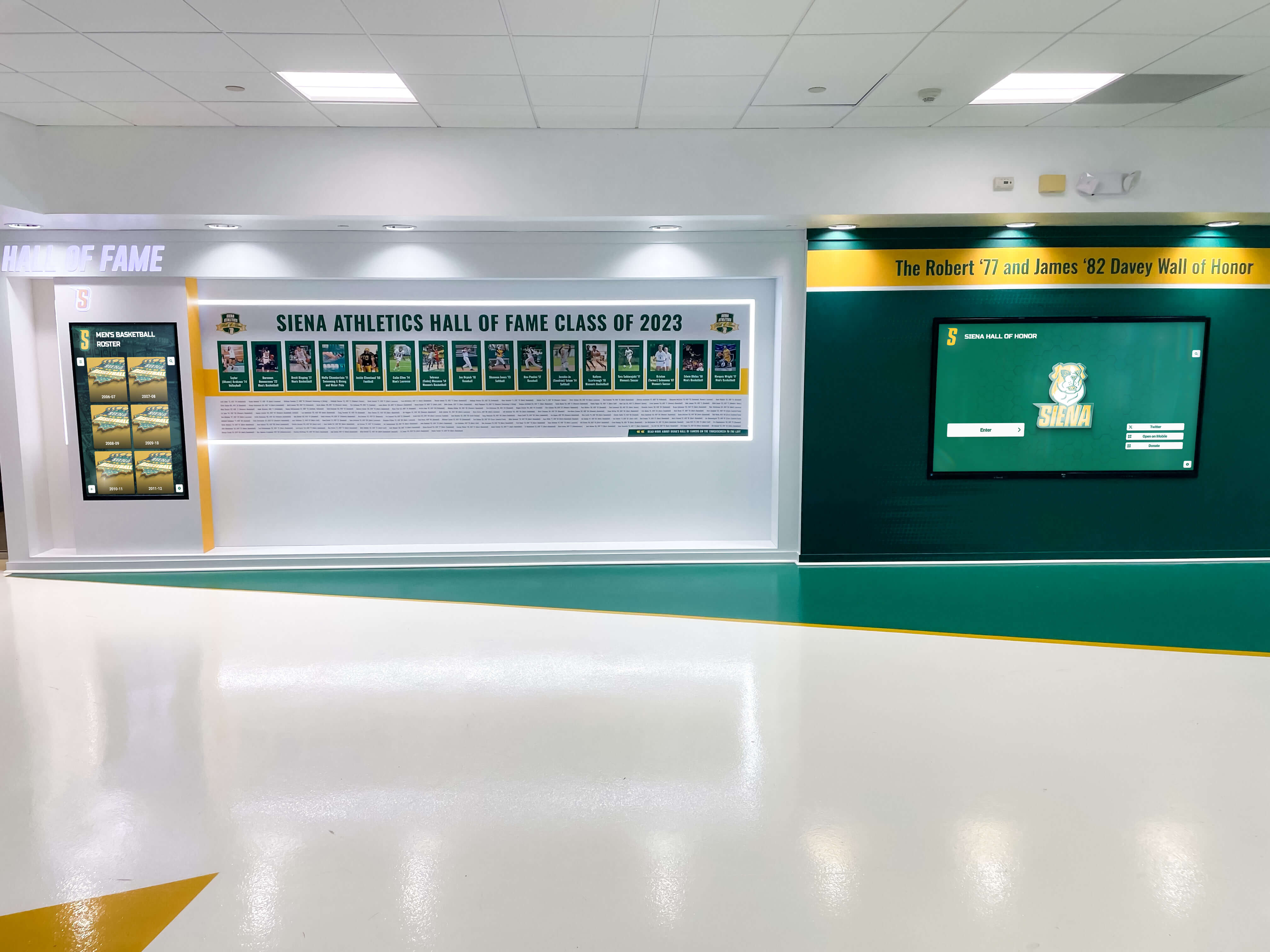
Statistical tracking and achievement documentation create professional environments emphasizing objective performance measurement
Social Media and Digital Presence
Strategic digital presence supports recruitment, community engagement, and program marketing:
Professional Social Media Management
Maintain active social media presence showcasing athlete achievements, celebrating team success, sharing training content, and communicating program culture. Post regularly and consistently, use high-quality photography and videography, tell compelling stories beyond scores and statistics, and engage authentically with community audiences.
College coaches routinely research recruits through social media—programs with professional digital presence create positive impressions while athletes from programs lacking digital sophistication may appear to come from less serious developmental environments regardless of actual program quality.
Digital Recruiting Promotion
Use social media and program websites to promote athletes to college coaches, share recruiting information and highlights, celebrate college commitments and signing days, and maintain alumni networks tracking former athletes’ college careers. This recruitment support helps athletes gain visibility while demonstrating program commitment to athlete futures beyond high school.
Sustainable Implementation: Building Collegiate Programs Within Realistic Resources
Understanding aspirational goals proves meaningless without practical implementation strategies addressing resource constraints:
Phased Implementation Approaches
Transform programs incrementally rather than attempting comprehensive changes requiring unrealistic resources:
Year 1: Cultural Foundation and Basic Systems
Focus initial efforts on establishing core values, creating accountability structures, implementing basic communication systems, starting performance tracking, and developing leadership infrastructure. These foundational elements require minimal financial investment while creating cultural platforms supporting all subsequent enhancements.
Launch digital recognition displays celebrating existing achievements and communicating program history—relatively modest investments ($3,000-$15,000) delivering immediate environmental transformation and cultural communication.
Year 2: Training Program Development and Technology Integration
Implement structured strength training programs, begin systematic video analysis, enhance performance tracking systems, and expand technology infrastructure. These developments build on cultural foundations while providing tangible developmental improvements athletes and families notice.
Year 3+: Facility Enhancements and Comprehensive Support Services
Pursue larger facility improvements, expand support services (mental performance, academic support, sports medicine), implement advanced technology systems, and develop comprehensive alumni and community engagement programs. These investments become feasible once programs demonstrate success from earlier phases—building credibility supporting fundraising for more substantial initiatives.
Funding Strategies for Program Enhancement
Creative funding approaches make collegiate-level programs financially sustainable:
Booster Organization Development
Cultivate active booster clubs raising funds specifically for program enhancements beyond operating budgets. Position recognition displays, technology investments, and facility improvements as specific fundraising projects with clear goals and timelines—making abstract appeals concrete through tangible outcomes donors can see and appreciate.
Corporate Partnerships and Sponsorships
Develop relationships with local businesses supporting programs through sponsorships, equipment donations, or service provision. Recognize corporate partners through facility signage, digital displays, and social media acknowledgment—providing visibility justifying business investment while generating resources supporting program development.
Alumni Engagement and Giving Programs
Build systematic alumni fundraising targeting former athletes proud of program experiences and wanting to support current student-athletes. Digital recognition systems facilitate alumni connection by maintaining historical records, celebrating distinguished alumni publicly, and creating ongoing touchpoints keeping former athletes engaged with programs.
Explore fundraising approaches through donor recognition strategy guides addressing athletic program development.
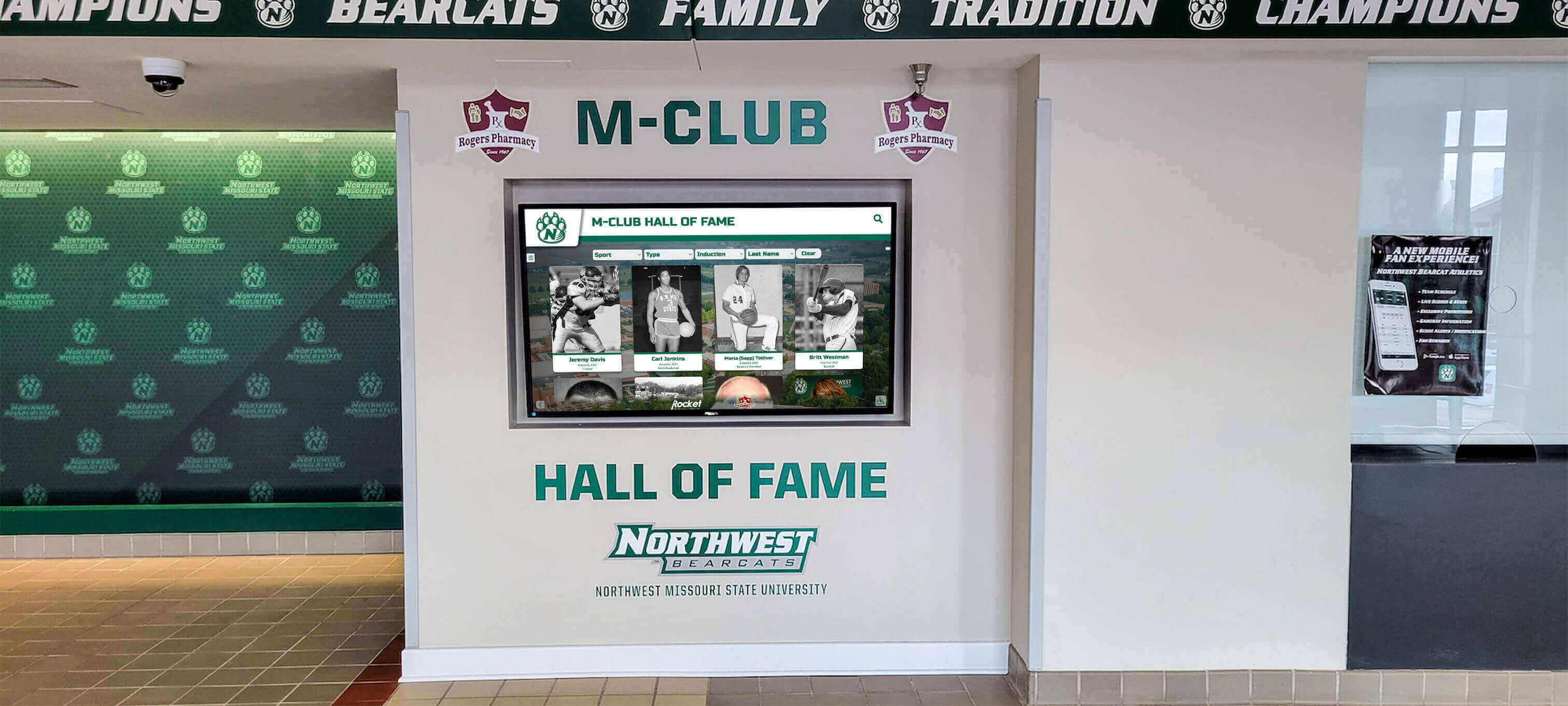
Comprehensive recognition systems create professional environments while providing infrastructure supporting fundraising and community engagement
Measuring Success and Demonstrating Program Value
Assessment frameworks justify continued investment while identifying improvement opportunities:
Athlete Development Outcomes
Track college athletic participation rates among program graduates, monitor college retention and success patterns, document scholarship awards and athletic financial aid, and survey athletes about college preparedness attributable to high school program experiences. These outcomes demonstrate developmental effectiveness while providing recruiting tools attracting families seeking college-preparatory programs.
Competitive Performance Improvements
Monitor win-loss records, playoff advancement, conference championships, and individual achievement patterns over time. While winning isn’t the only success measure, competitive improvements typically correlate with effective developmental programs—validating that enhanced training, culture, and support systems translate to on-field success.
Community Engagement and Support
Assess booster participation and fundraising trends, monitor social media engagement and program visibility, track facility usage by youth programs and community groups, and evaluate community survey responses about athletic program quality. Strong community support indicates program value appreciation while providing sustainable funding through booster organizations and community partnerships.
Conclusion: Creating Sustainable Excellence Through Collegiate-Level High School Programs
Creating authentic collegiate athletic experiences for high school student-athletes requires more than copying college facilities or implementing isolated initiatives—it demands comprehensive culture development, systematic athlete development, strategic technology integration, and sustainable operational structures that prepare students for college athletics while building championship programs serving current student-athletes excellently.
The most successful programs share common characteristics regardless of budget size or facility quality: they establish clear values and high expectations that athletes embrace and embody, implement systematic training and development programs addressing physical, technical, mental, and academic dimensions, invest in recognition infrastructure celebrating achievement while communicating program culture, engage families and alumni as developmental partners supporting athlete growth, utilize technology strategically to create professional operations and objective performance feedback, and build sustainable funding models and community support ensuring program excellence survives leadership transitions.
Ready to Transform Your High School Athletic Program?
Discover how digital recognition displays can help you create collegiate athletic environments that celebrate achievement, communicate championship culture, support athlete development, and build community pride—all while providing infrastructure that grows with your program for decades. Rocket Alumni Solutions provides purpose-built platforms specifically designed for high school athletic recognition.
Explore Athletic Recognition SolutionsWhether your athletic program is beginning the journey toward collegiate-level experiences or enhancing established developmental systems, remember that authentic transformation requires sustained commitment extending beyond single seasons or coaches’ tenures. Start with cultural foundations and affordable technology investments like digital recognition displays that immediately impact how athletes, families, and communities perceive program professionalism. Build systematically over multiple years, adding developmental systems and facility enhancements as resources permit and early successes justify continued investment. Measure outcomes documenting how enhanced training, stronger culture, and professional standards create college-ready athletes and competitive championship programs. And maintain relentless focus on student-athlete development—remembering that collegiate experiences matter not as ends themselves but as means preparing young people for college success and lifetime achievement extending far beyond athletic competition.
Your student-athletes deserve programs investing in their comprehensive development, preparing them intentionally for college athletics and lifelong success, and celebrating their achievements through professional recognition honoring their commitment and excellence. The frameworks explored throughout this guide provide practical pathways transforming athletic programs incrementally within realistic resource constraints—creating elite developmental environments where today’s high school athletes receive college-preparatory experiences positioning them for tomorrow’s success.
Ready to begin building your collegiate-level high school athletic program? Explore how Rocket Alumni Solutions can help you create comprehensive digital recognition systems celebrating athletic excellence, communicating championship culture, and building professional environments that prepare student-athletes for college athletics and beyond.