



Athletic achievement often shines brightest not in unbroken winning streaks, but in the courage required to overcome adversity. The Comeback Player of the Year award represents one of the most meaningful recognitions in sports—honoring athletes who have faced significant challenges, demonstrated extraordinary resilience, and returned to excellence after injury, illness, or difficult circumstances. These stories inspire entire teams, energize fan bases, and remind us that character matters as much as talent.
Schools, clubs, and athletic programs across all levels recognize comeback players because their journeys embody values that transcend sports: perseverance through hardship, mental toughness during rehabilitation, dedication to improvement despite setbacks, and the courage to compete again after facing fear or doubt. Research consistently demonstrates that recognition of resilience-based achievement significantly impacts team culture, creating environments where athletes feel supported through challenges rather than discarded when facing difficulties.
This comprehensive guide explores every dimension of Comeback Player of the Year recognition—from defining clear selection criteria and managing fair evaluation processes to creating meaningful presentations, preserving comeback stories permanently, and leveraging these narratives to strengthen athletic program culture for years to come.
Whether you’re establishing comeback recognition for the first time or enhancing existing award programs, the frameworks in this guide provide actionable strategies for honoring resilience appropriately while celebrating the extraordinary dedication required to overcome adversity and compete again at the highest levels.

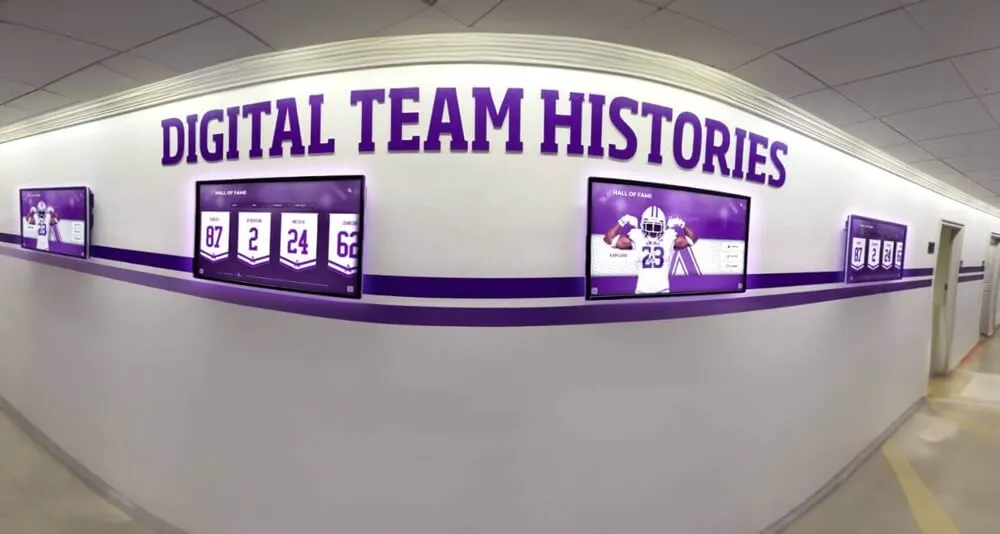
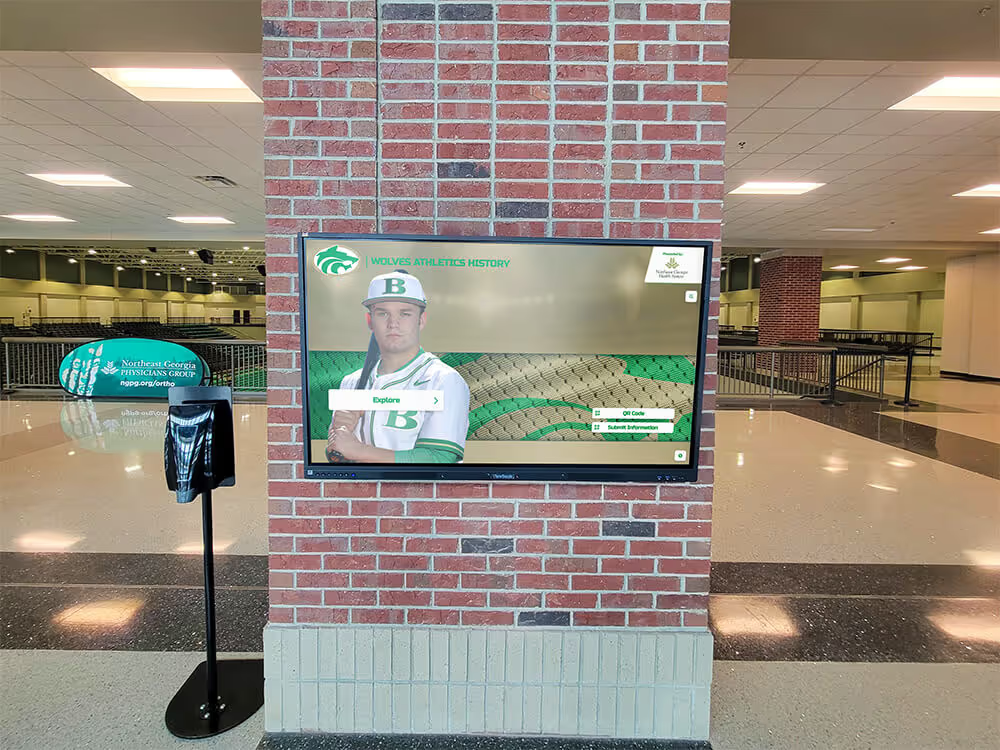
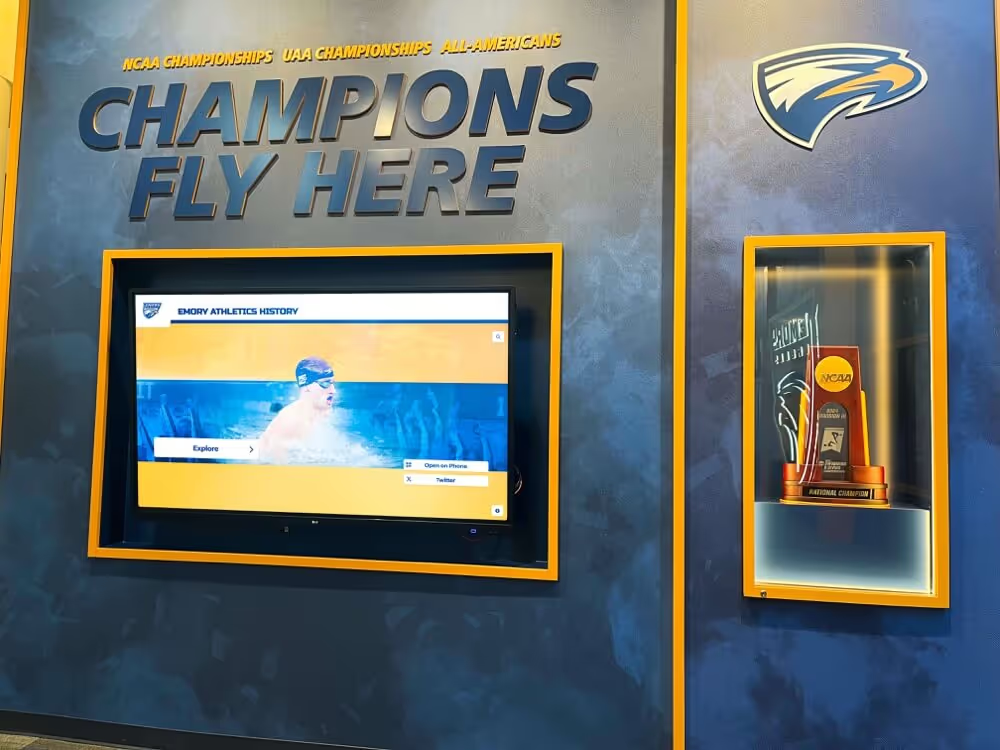
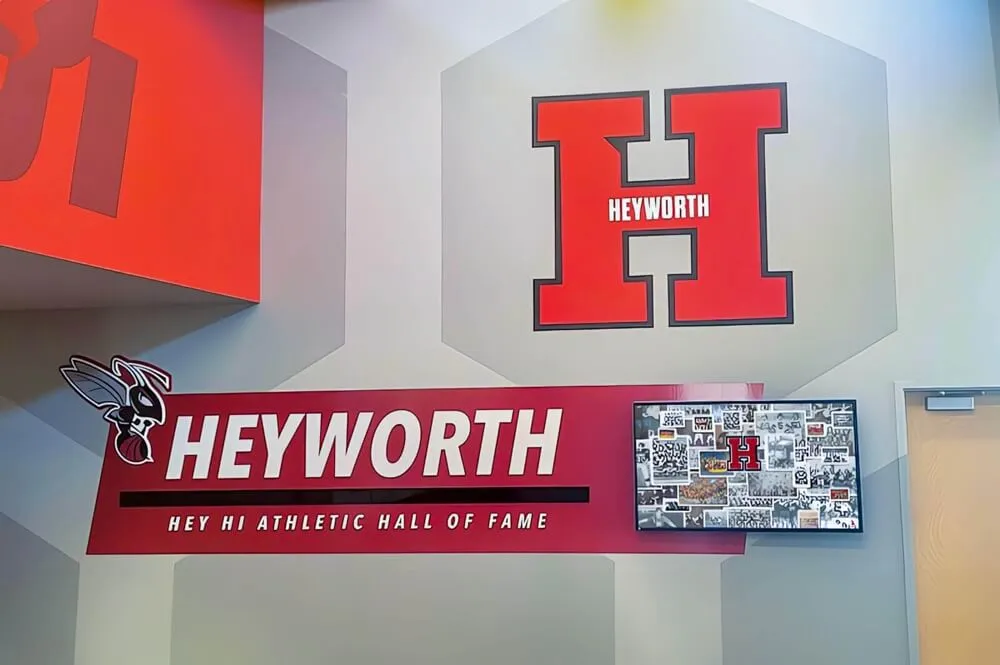
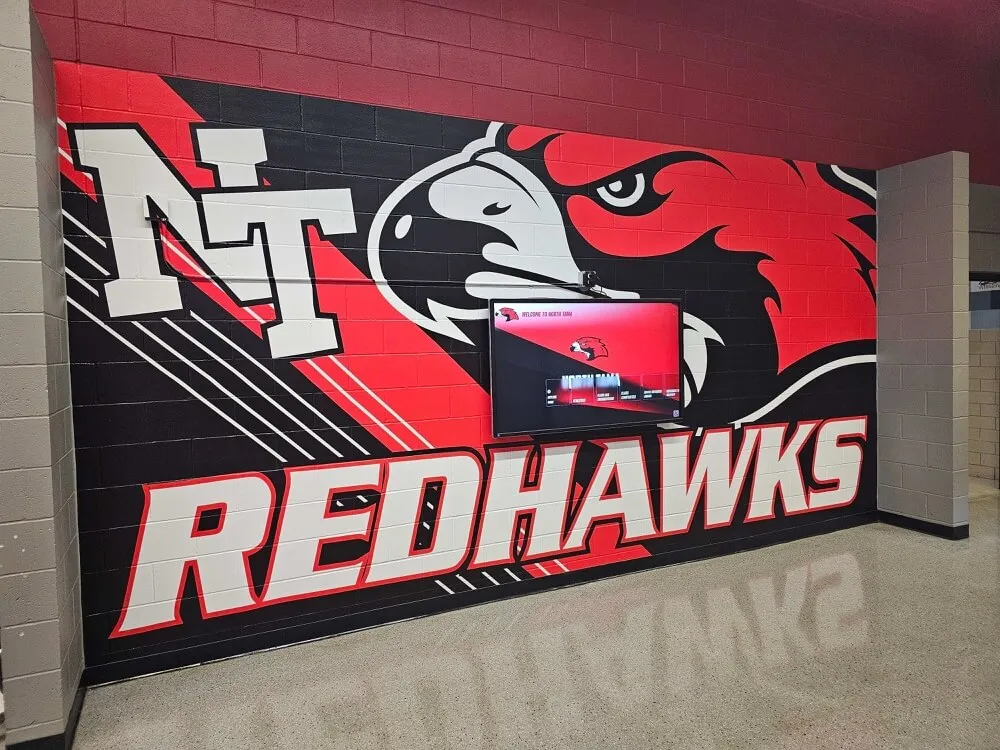
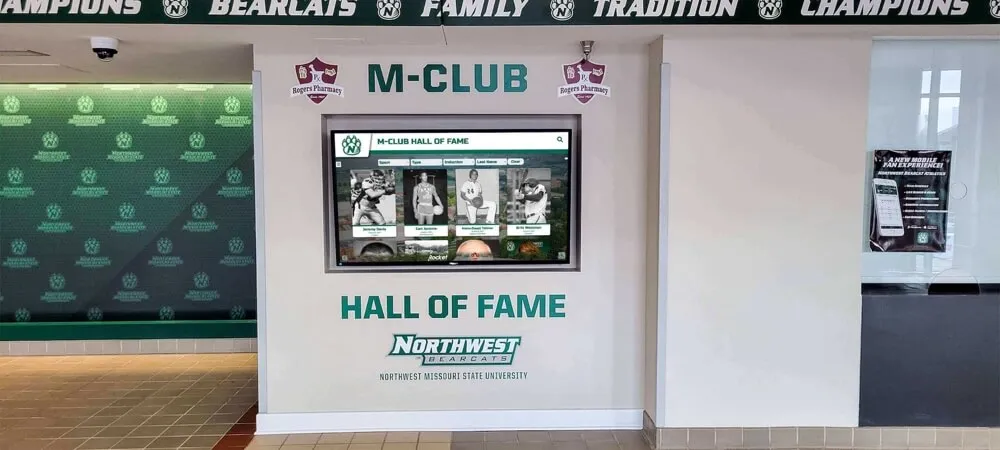
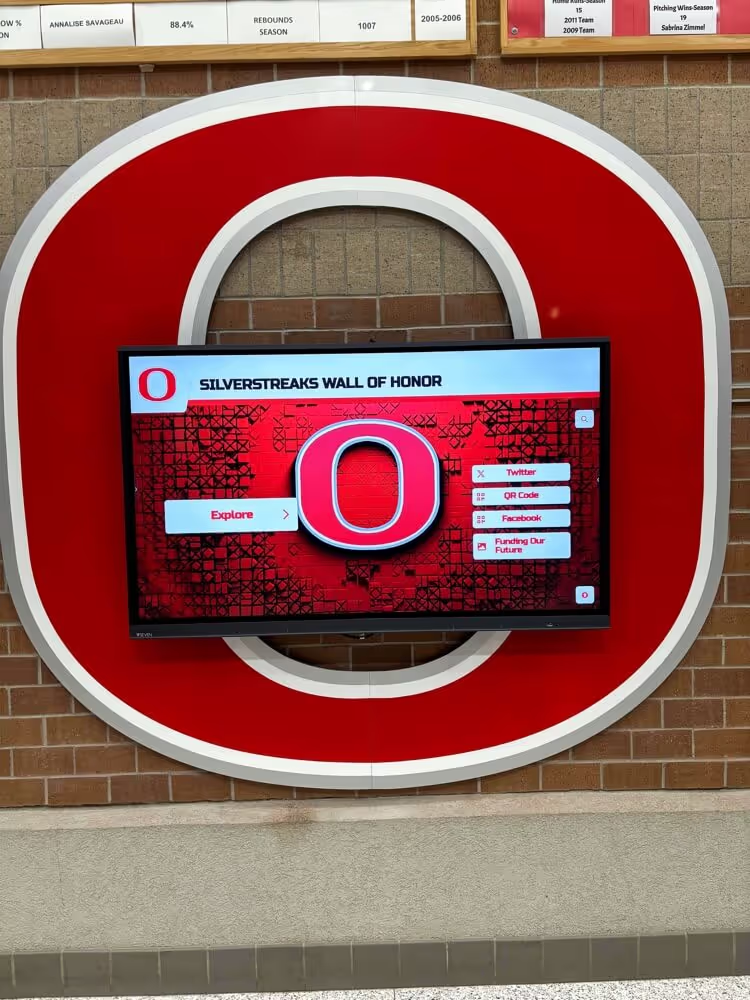
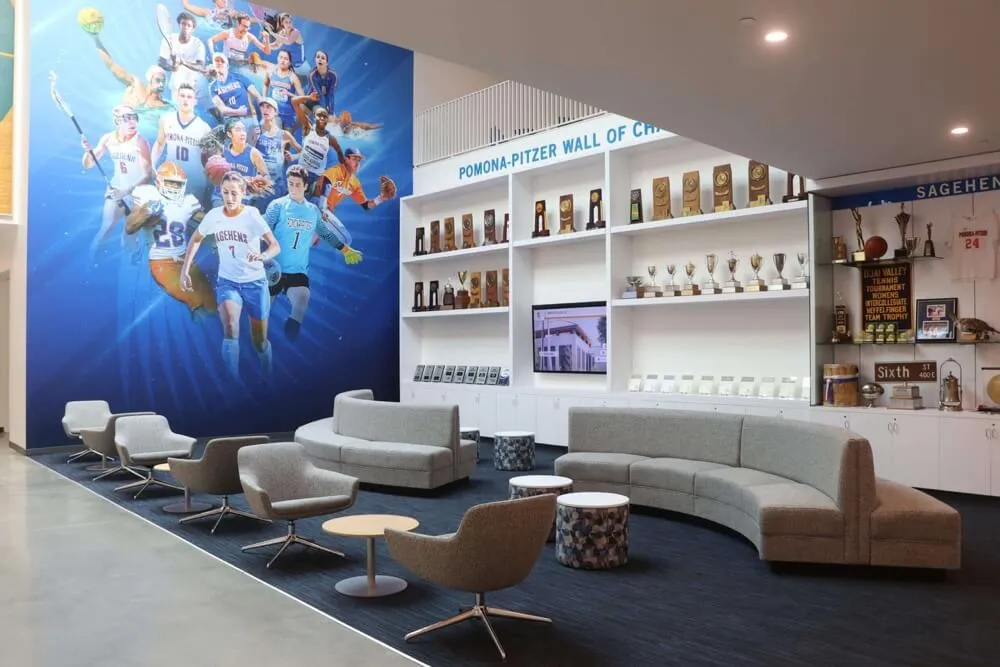
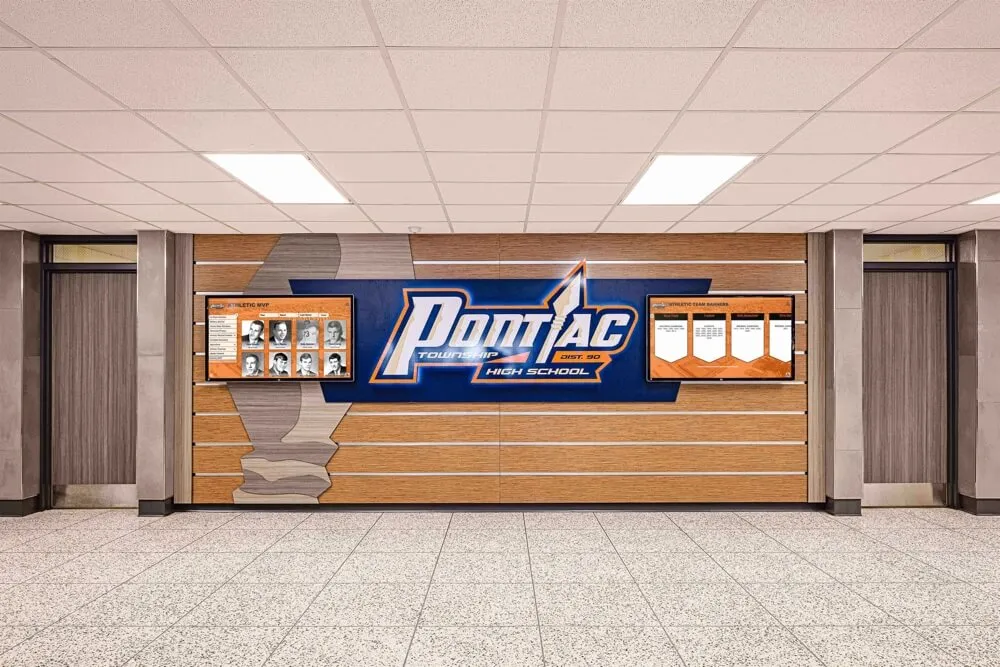
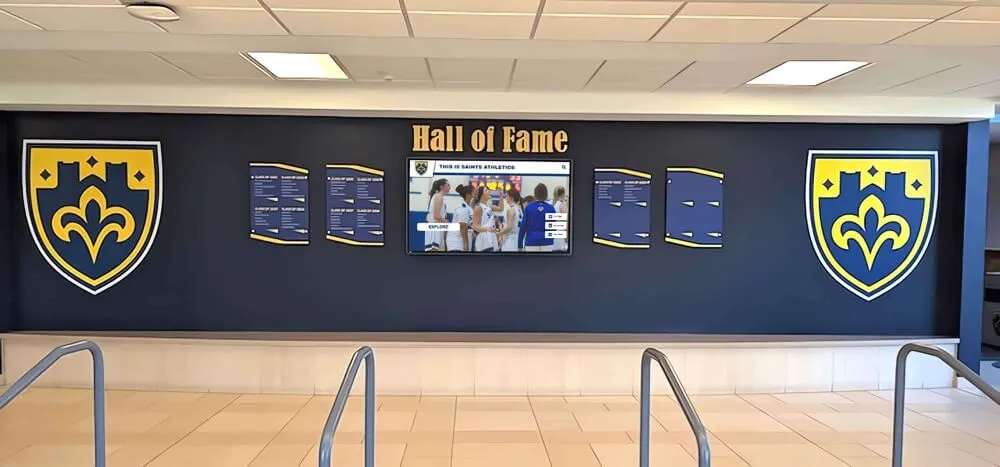
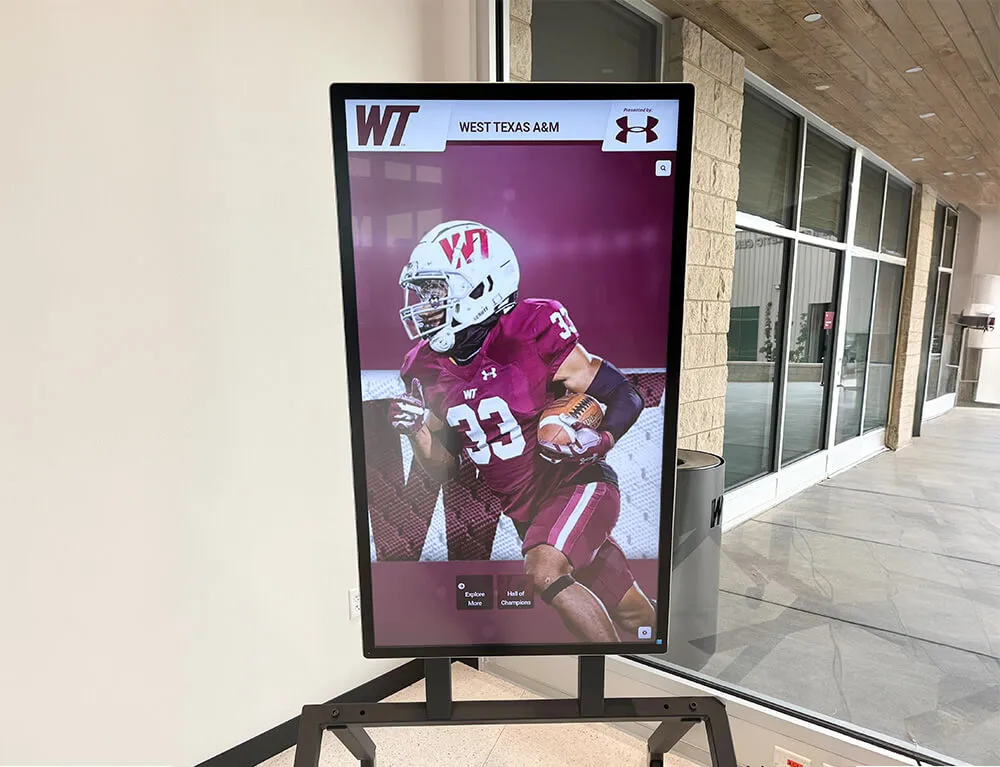
Digital recognition displays permanently preserve comeback stories, celebrating athletes who overcame adversity to achieve excellence
Understanding Comeback Player Recognition
Before establishing selection criteria or presentation approaches, understanding what distinguishes comeback recognition from other athletic awards helps programs create meaningful acknowledgment that genuinely honors resilience and recovery.
Defining “Comeback” in Athletic Context
The term “comeback” encompasses various challenging circumstances requiring extraordinary effort to overcome:
Injury Recovery and Return
The most common comeback narrative involves athletes returning from significant injuries:
- Serious single injuries requiring surgery and extended rehabilitation (ACL tears, shoulder reconstructions, fractures)
- Multiple injuries creating compounding challenges across seasons
- Career-threatening injuries where return seemed uncertain
- Injuries requiring complete skill reconstruction or technique adaptation
- Long-term rehabilitation processes testing mental toughness and dedication
- Overcoming fears about reinjury when returning to competition
Injury comebacks demonstrate physical resilience through months of painful rehabilitation, mental toughness sustaining motivation during recovery, trust in healing processes and medical guidance, and courage facing competition again after traumatic injury experiences.
Illness and Health Challenges
Medical conditions requiring recovery and adaptation:
- Serious illnesses requiring treatment and recovery time
- Chronic conditions requiring ongoing management while competing
- Mental health challenges requiring treatment and support
- Concussions and traumatic brain injuries with extended protocols
- Health scares creating uncertainty about athletic futures
- Conditions requiring significant lifestyle adjustments
Health-related comebacks showcase vulnerability and courage sharing medical challenges publicly, dedication maintaining conditioning during treatment limitations, resilience adapting to permanent changes or restrictions, and perspective about sport’s role in complete life balance.
Performance Decline and Recovery
Athletes overcoming extended performance struggles:
- Significant statistical drops after previously successful seasons
- Loss of starting positions or playing time due to performance issues
- Extended slumps affecting confidence and team roles
- Technical or mechanical breakdowns requiring complete rebuilds
- Psychological barriers affecting performance consistency
- Career crossroads where continued participation seemed questionable
Performance comebacks demonstrate self-awareness acknowledging problems rather than denying them, humility accepting reduced roles while working toward improvement, work ethic attacking skill development with renewed focus, and mental strength maintaining belief despite extended struggles.
Learn about comprehensive athletic recognition in digital athletic recognition awards guide celebrating diverse achievements.
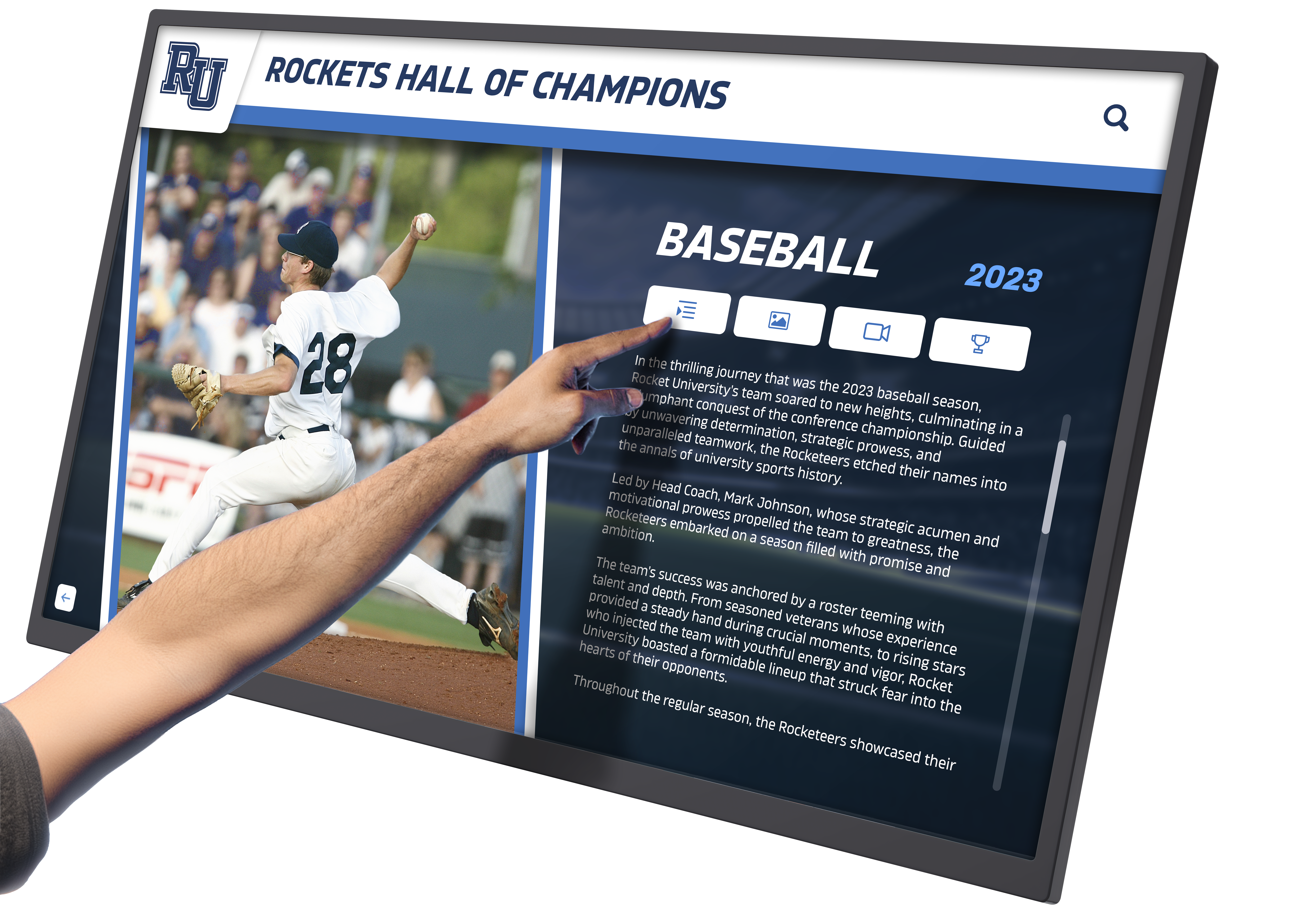
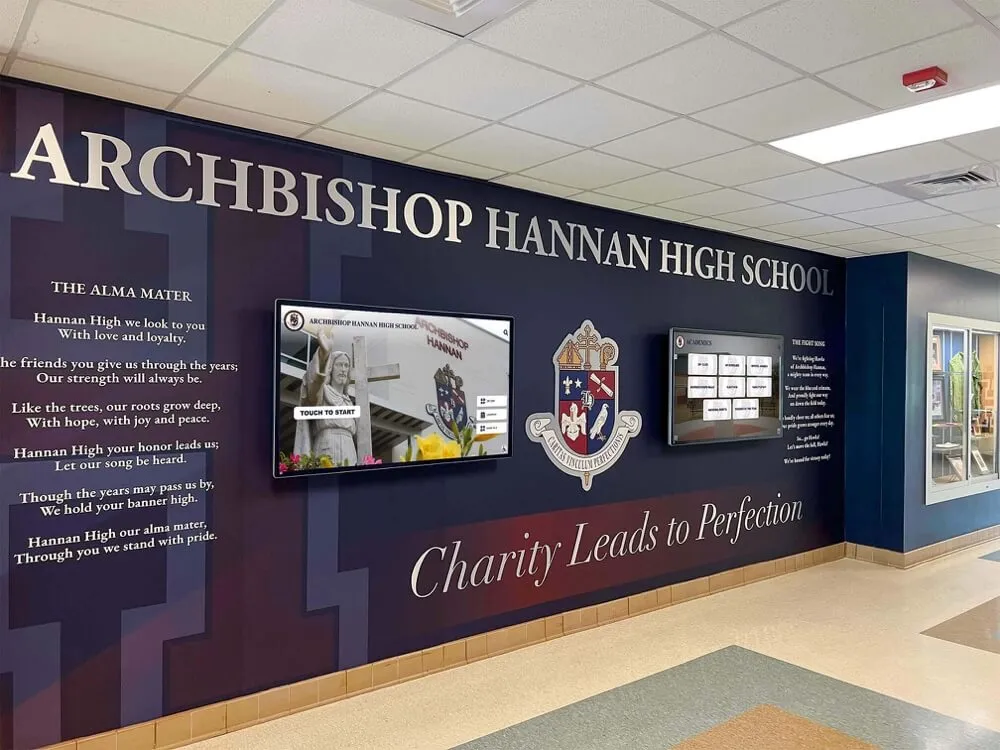
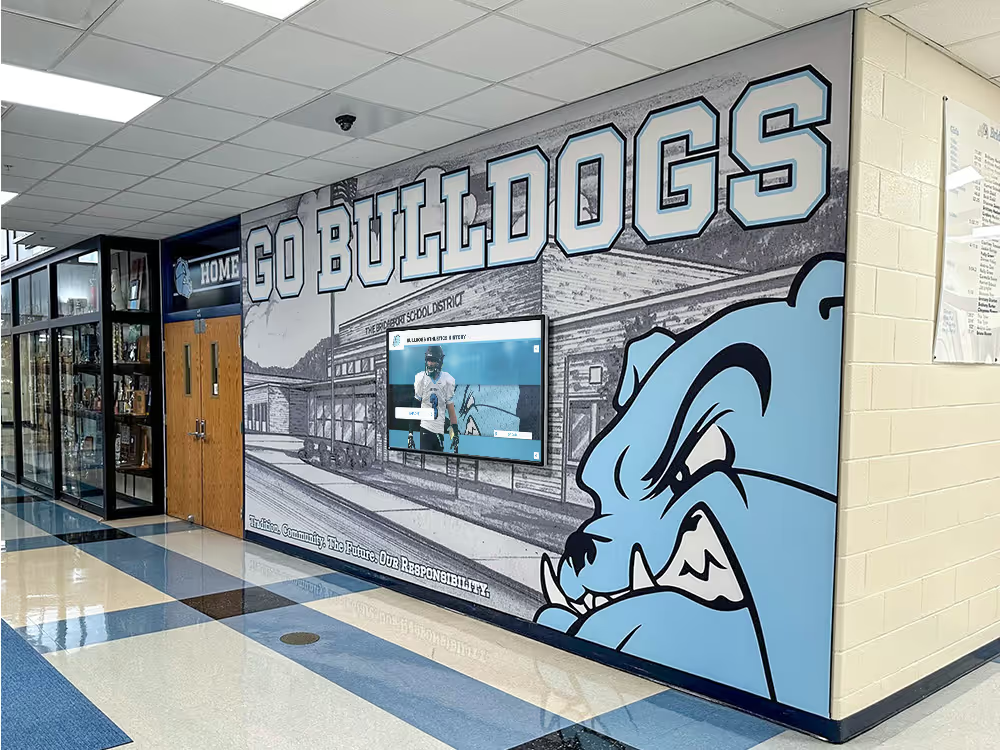
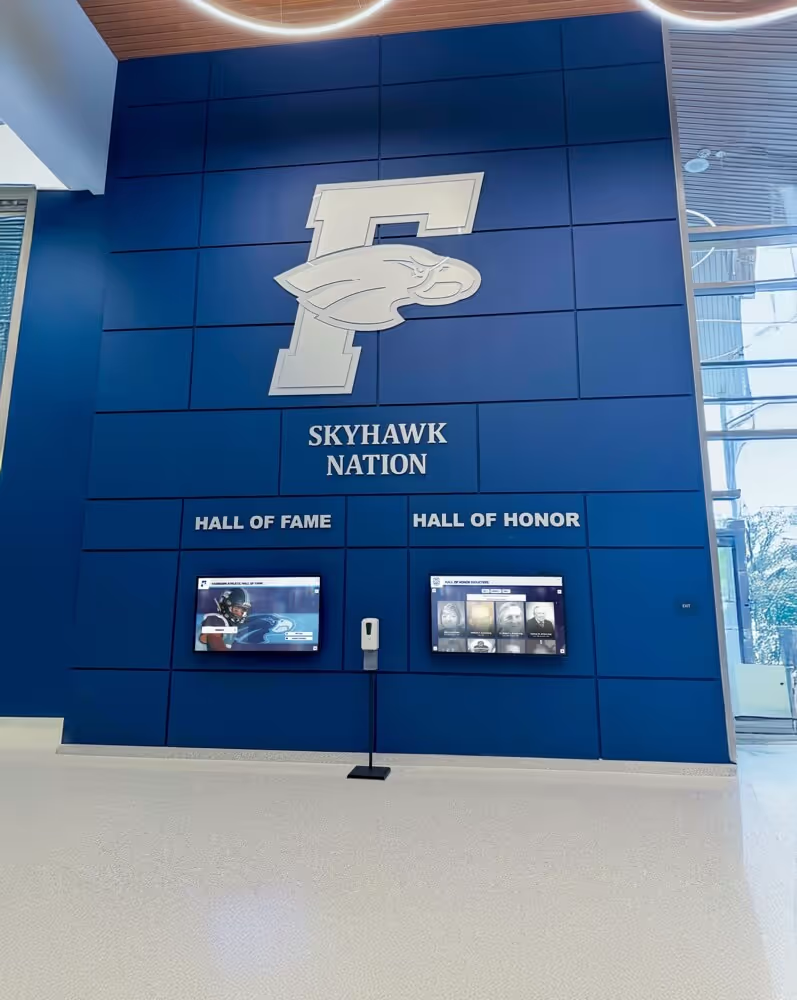
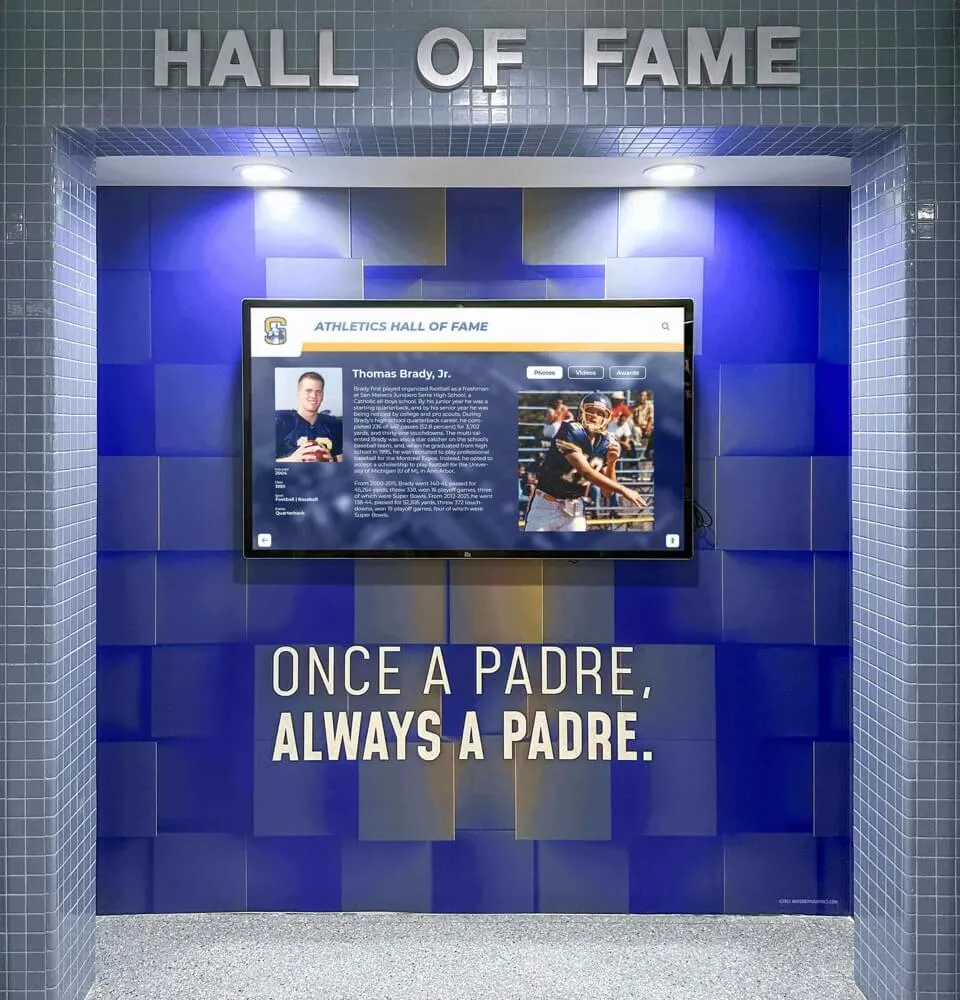
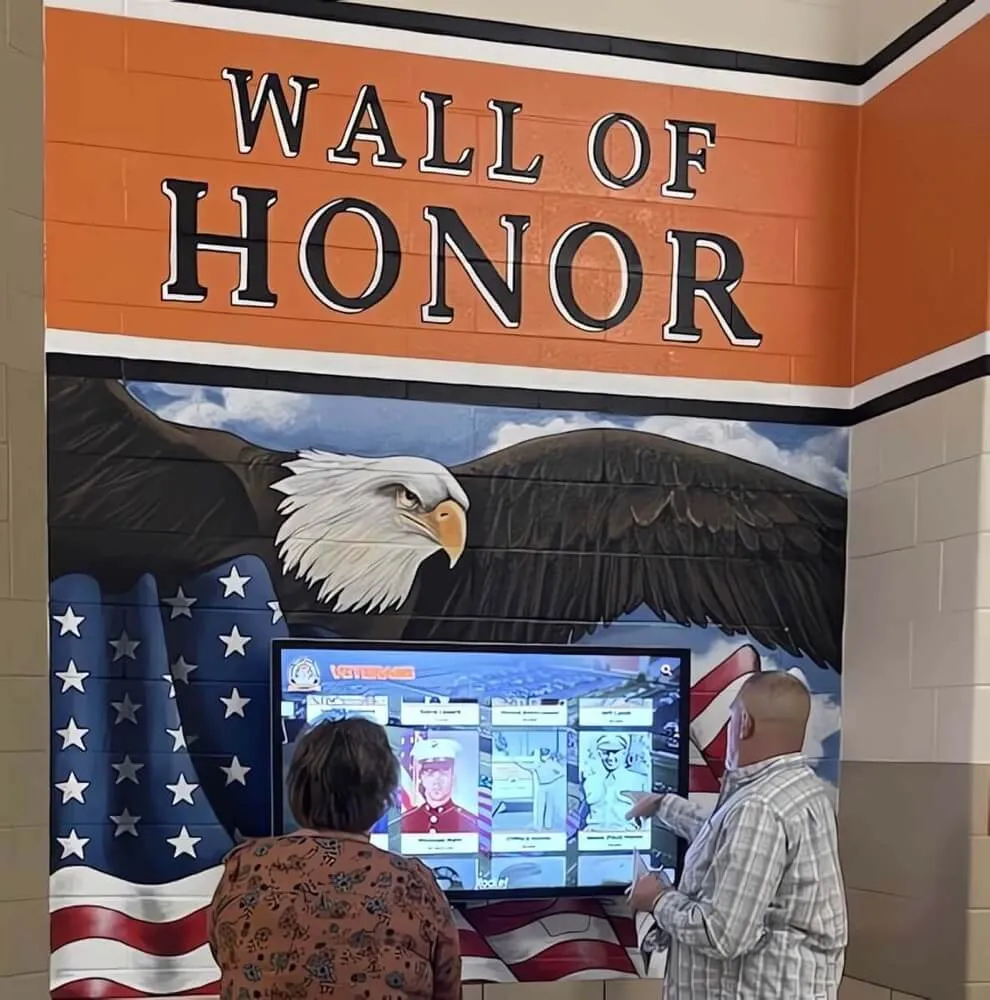
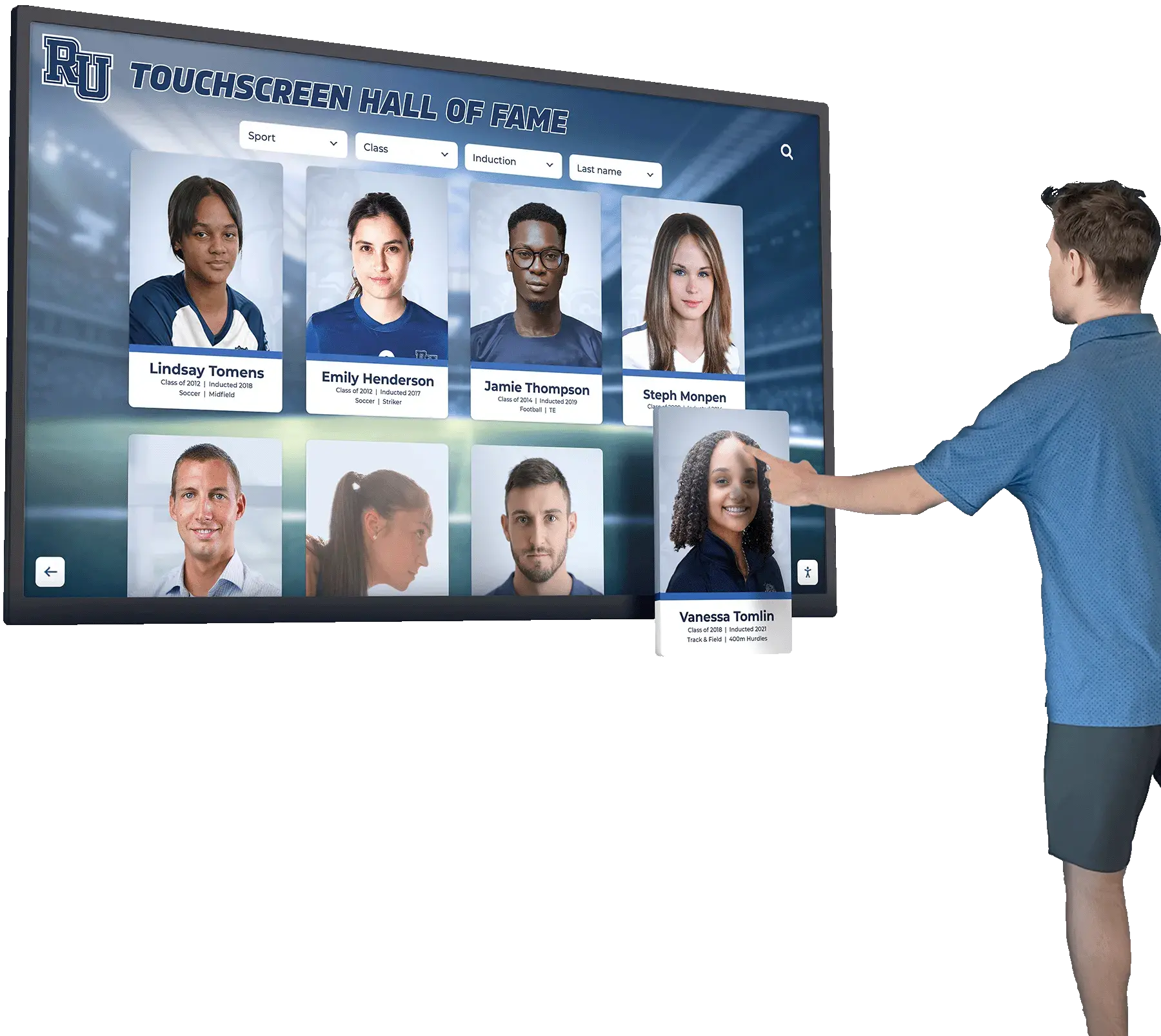
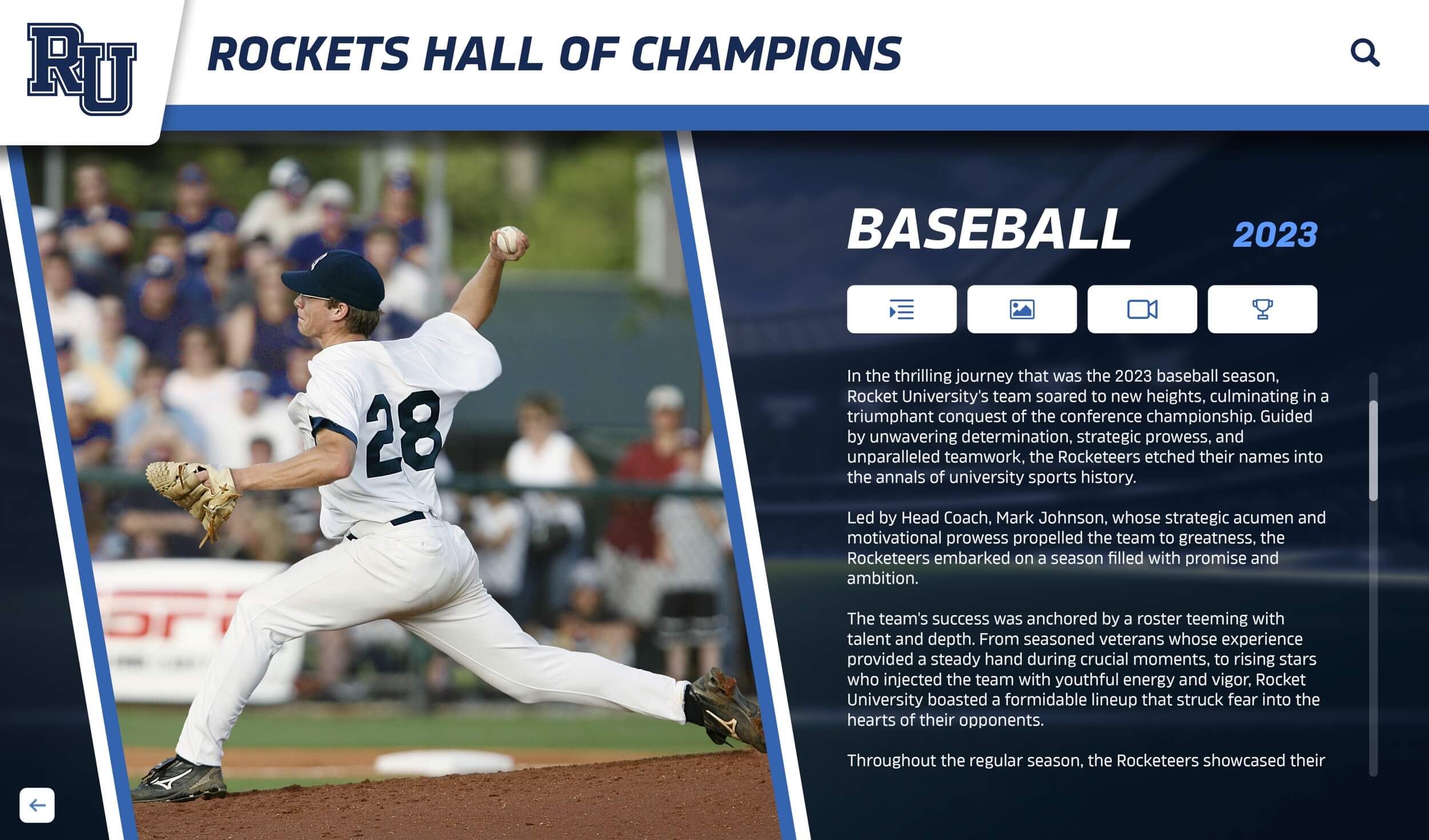
Interactive recognition systems enable showcasing complete comeback narratives with photos, statistics, and recovery journey details
Personal or Family Adversity
External challenges affecting athletic participation:
- Family crises requiring athlete attention and support
- Academic struggles threatening eligibility or participation
- Financial hardships creating barriers to continued competition
- Personal losses or grief affecting focus and performance
- Major life transitions creating uncertainty and disruption
- External pressures competing with athletic commitments
External adversity comebacks reveal character prioritization and balance, support systems enabling continued participation, community assistance helping athletes navigate challenges, and perspective about sport providing stability during difficult periods.
Team or Program Challenges
Systemic difficulties affecting individual athletes:
- Coaching changes requiring adaptation to new systems
- Team culture issues creating difficult environments
- Program struggles or losing seasons testing motivation
- Transfer considerations or commitment questions
- Reduced team resources affecting individual development
- Organizational instability creating uncertainty
Team-based comebacks demonstrate loyalty staying committed despite easier alternatives, leadership helping teammates navigate shared challenges, perspective separating controllable factors from external circumstances, and investment in long-term program success over short-term personal advantage.
Why Comeback Recognition Matters
Honoring resilience through formal recognition produces significant cultural and motivational benefits extending well beyond individual recipients.
Validating Invisible Effort
Recovery work happens largely out of sight:
- Rehabilitation sessions occurring during off-hours when teammates practice
- Mental health treatment not visible to casual observers
- Academic remediation happening behind the scenes
- Family support work preventing athletic participation
- Physical therapy and conditioning replacing regular practice time
- Emotional processing and recovery invisible to others
Comeback awards bring hidden effort into visibility, validating work that statistics don’t capture, acknowledging that recovery requires extraordinary dedication, recognizing that returning matters as much as never leaving, and celebrating character demonstrated through private struggle.
Creating Supportive Culture
Programs honoring comebacks communicate values about adversity:
- Athletes facing challenges receive support rather than replacement
- Temporary setbacks don’t define long-term identity or value
- Program commitment extends beyond just winning production
- Mental health and physical health receive equal respect
- Vulnerability and struggle create connection rather than weakness
- Recovery processes deserve celebration not just final outcomes
This cultural messaging attracts athletes seeking programs that value complete persons rather than just athletic production, retains athletes facing challenges who might otherwise transfer or quit, builds team cohesion through shared support of struggling teammates, and creates environments where asking for help becomes acceptable rather than stigmatized.
Explore team culture development in athletic banquet planning guide celebrating comprehensive achievements.
Inspiring Current and Future Athletes
Comeback stories provide powerful motivation:
- Athletes facing current challenges see recovery pathways through others’ experiences
- Younger athletes learn that adversity doesn’t end athletic careers
- Teams develop resilience seeing teammates overcome difficulties
- Programs build traditions of perseverance through documented comebacks
- Communities connect emotionally to vulnerability and triumph narratives
- Recruits recognize programs that support athletes through challenges
Story-driven inspiration creates significantly more impact than generic motivational messaging, with research demonstrating that specific comeback narratives produce measurably stronger persistence during difficult training periods.
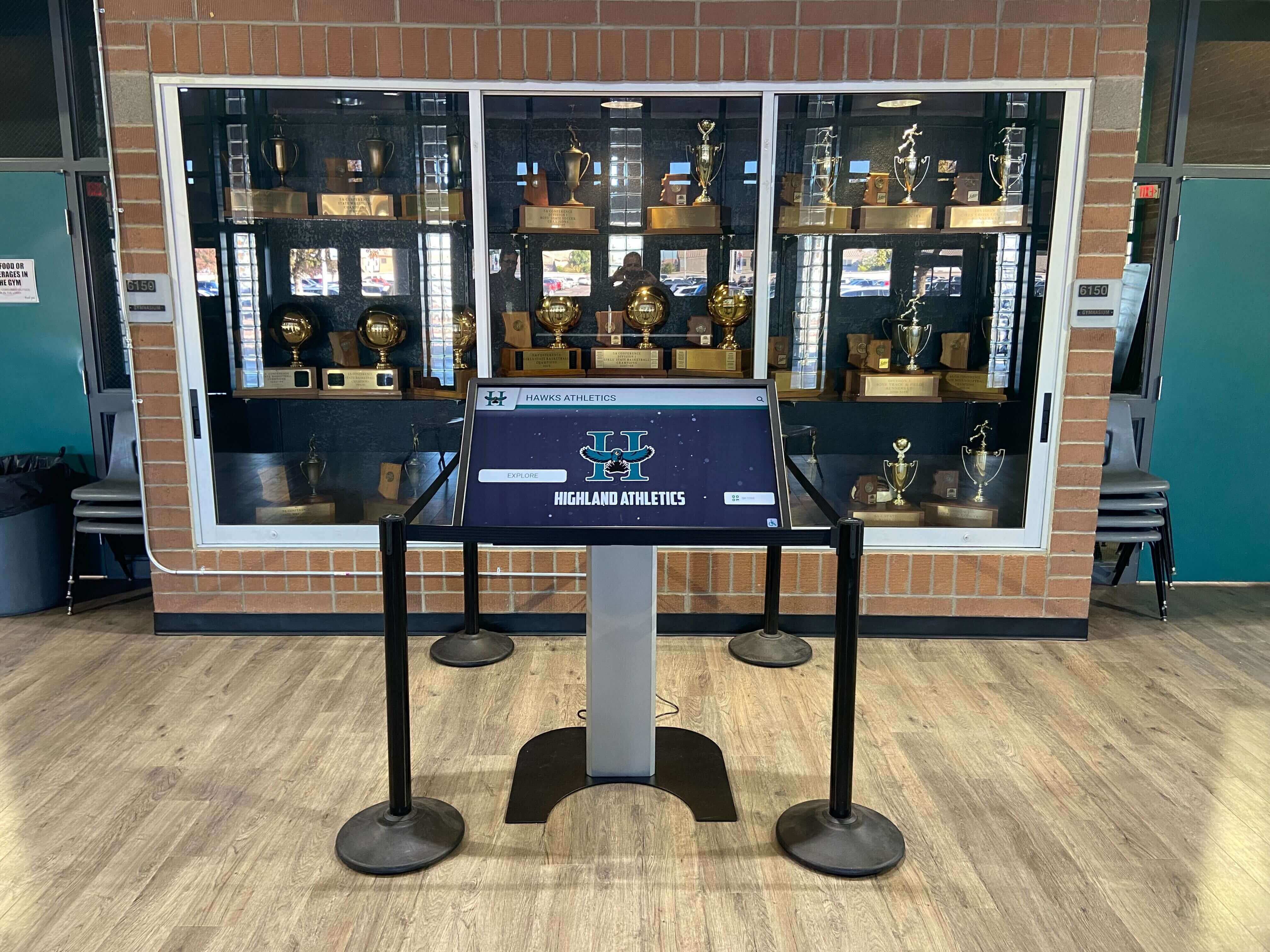
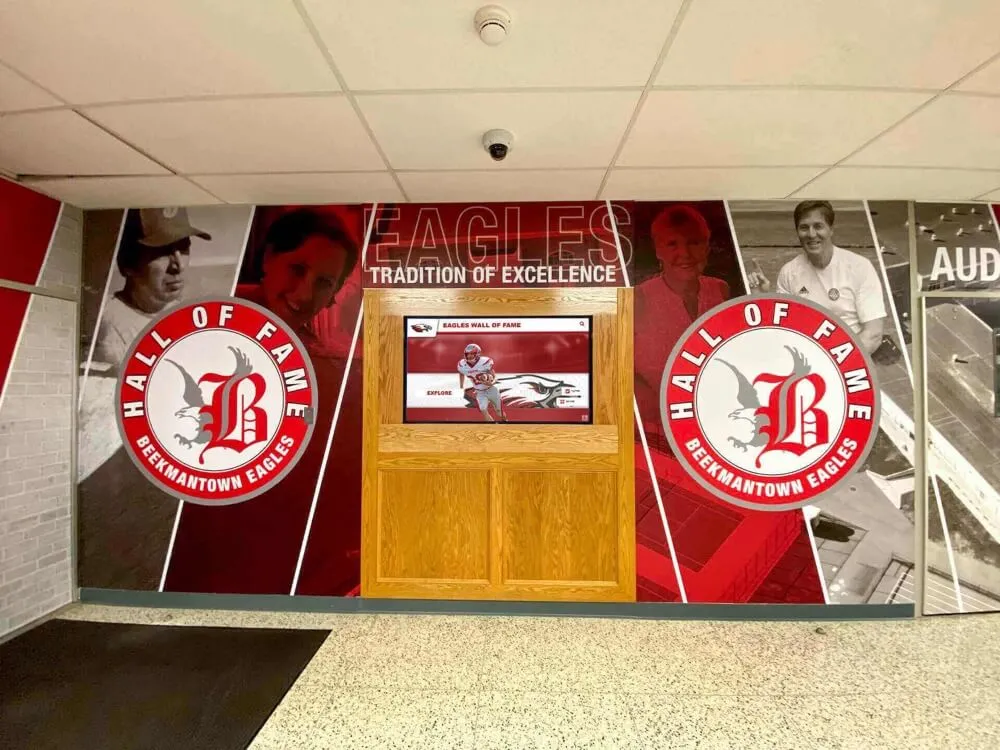
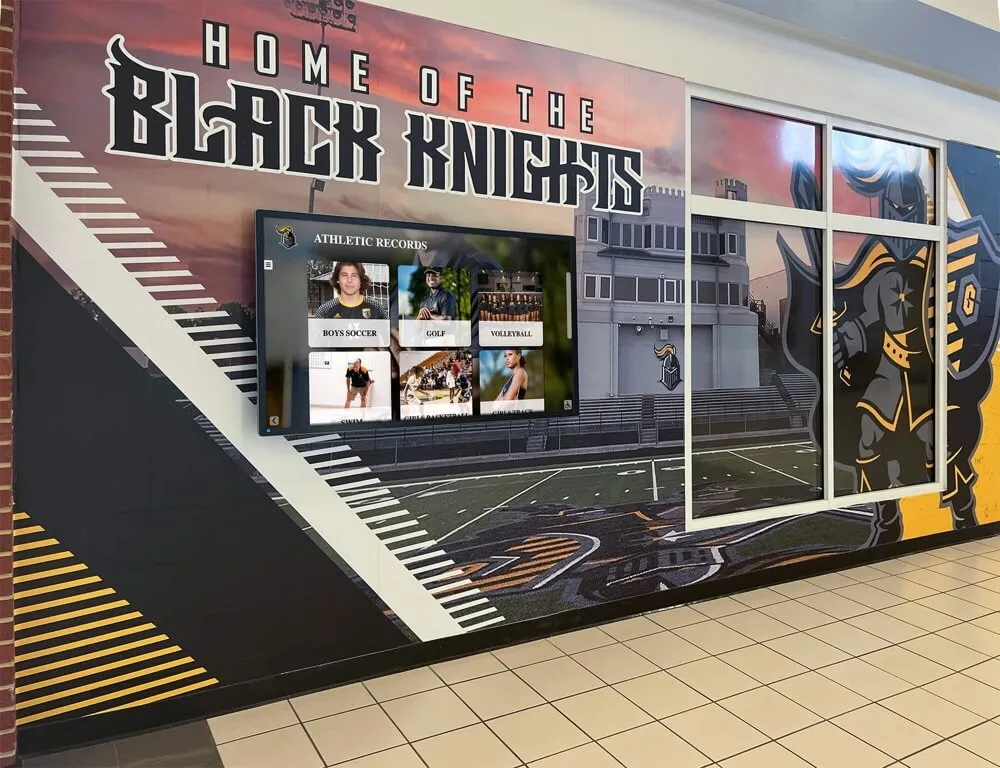
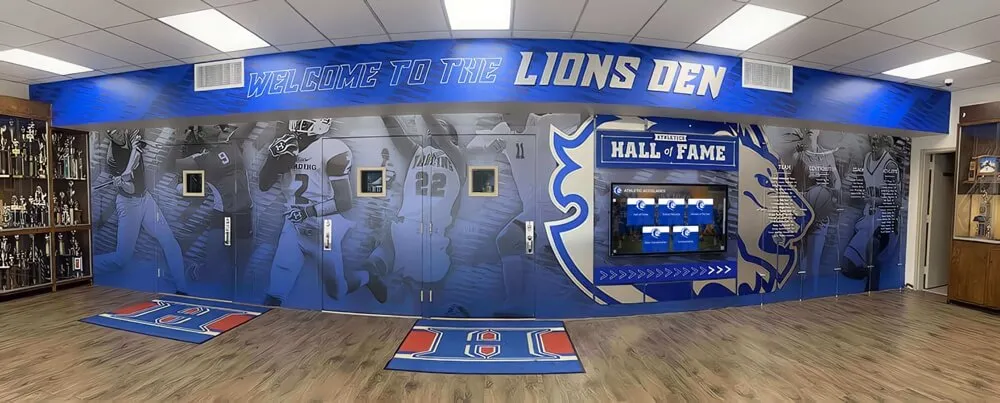
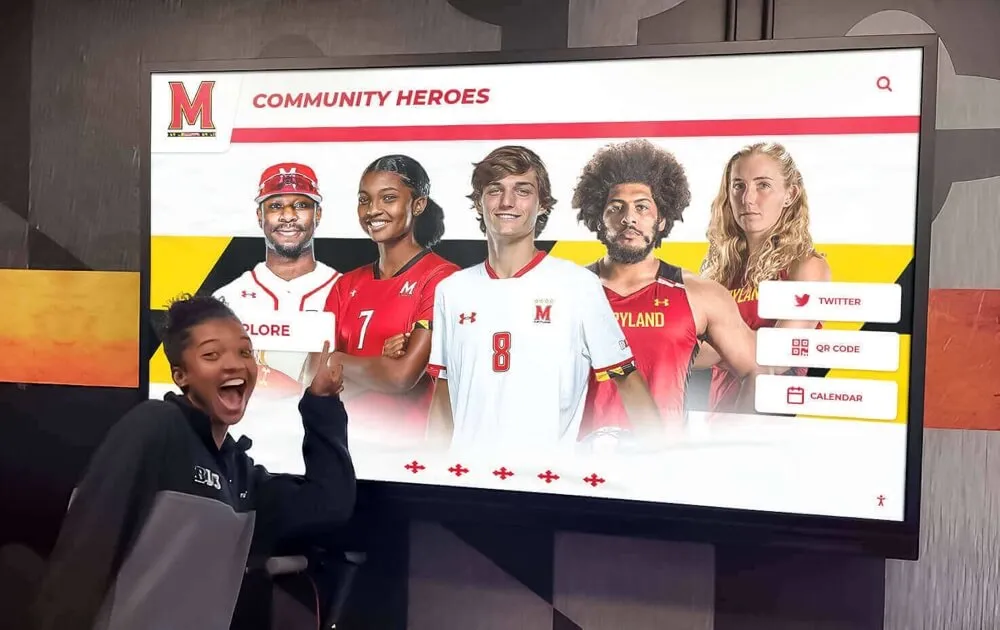
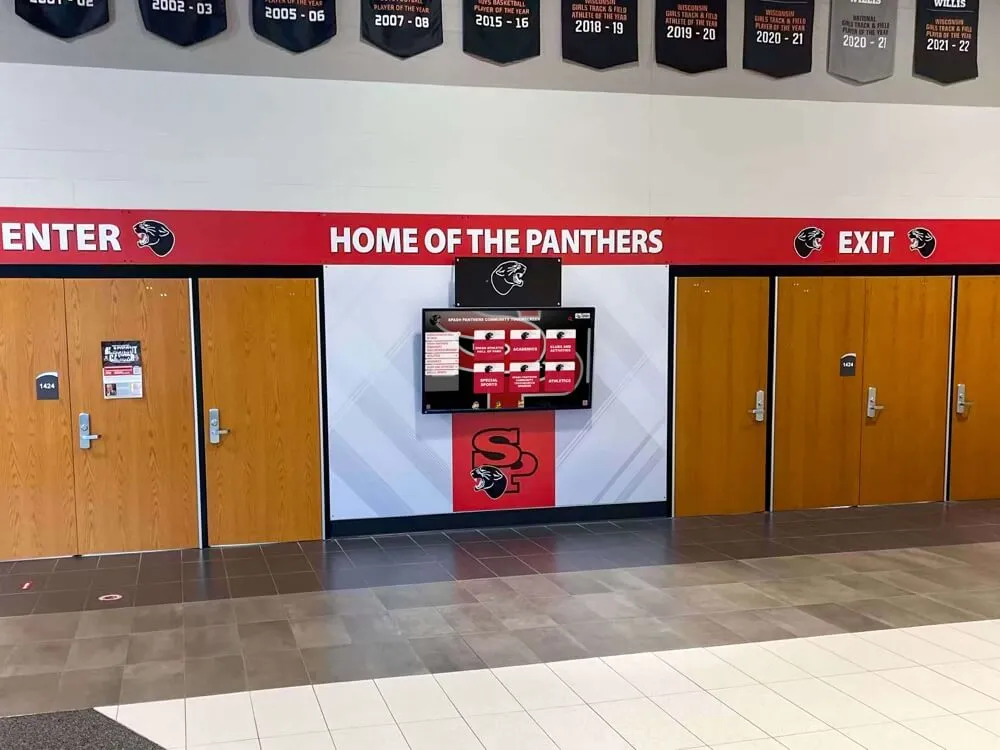
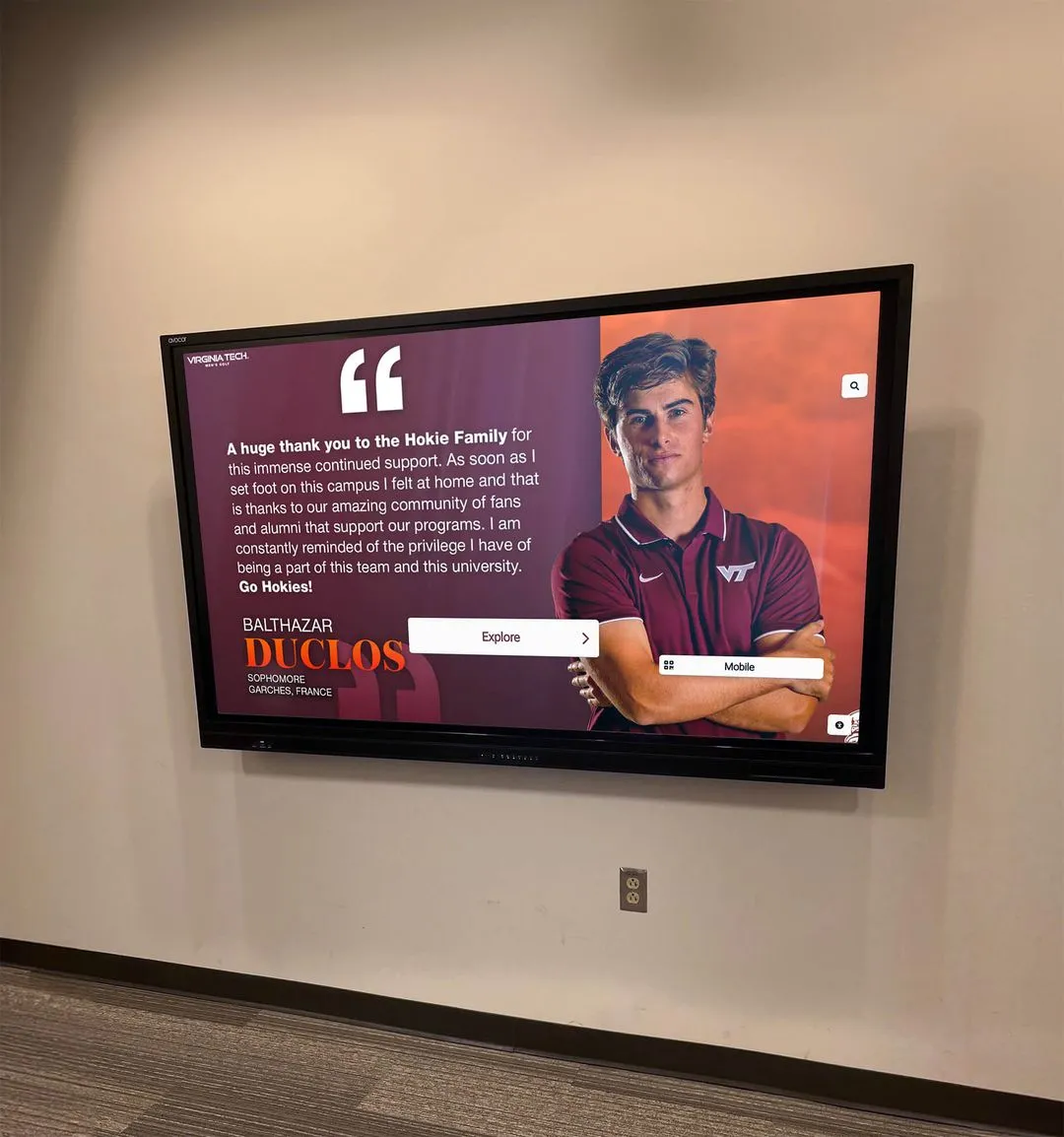
Strategic placement of recognition displays ensures comeback stories inspire current athletes during daily training and competition
Broadening Recognition Beyond Statistics
Traditional awards emphasize measurable performance:
- Most Valuable Player honors statistical excellence
- All-Conference selections recognize competitive achievement
- Championship recognition celebrates winning outcomes
- Statistical leaders receive acknowledgment for production
- Performance-based awards dominate recognition programs
Comeback awards balance statistical emphasis with character recognition, honor effort and dedication alongside results, acknowledge that value extends beyond just playing time and production, celebrate journeys as much as destinations, and create recognition opportunities for athletes who may never lead statistical categories.
This breadth prevents programs from becoming purely results-focused environments where only elite performers feel valued.
Establishing Clear Selection Criteria
Transparent, well-defined criteria ensure comeback recognition maintains credibility while enabling fair evaluation of diverse adversity circumstances.
Minimum Qualification Standards
Basic eligibility requirements create appropriate comeback award boundaries:
Previous Performance Baseline
Candidates should demonstrate established capability before adversity:
- Prior season or career statistics establishing competitive baseline
- Previous starting status or significant role documentation
- Historical achievement providing comparison point for decline
- Recognized talent or potential before challenges emerged
- Sufficient track record distinguishing comeback from normal development
This requirement differentiates genuine comebacks from standard improvement among inexperienced athletes. First-year athletes showing improvement don’t typically qualify as comeback candidates because they lack established baseline from which they recovered.
Significant Adversity Documentation
Legitimate challenges that reasonably affected performance:
- Medical documentation for injury or illness claims (maintaining appropriate privacy)
- Clear timeline showing when adversity occurred and duration
- Observable impact on practice attendance, playing time, or statistics
- Testimony from coaches, trainers, or support staff confirming challenges
- Reasonable connection between circumstances and performance changes
Requiring documentation prevents athletes claiming vague “struggles” to compete for recognition without genuine hardship. However, privacy considerations demand sensitivity about specific details shared publicly.
Documented Return to Competition
Evidence of actual comeback completion:
- Return to regular practice and competition participation
- Statistical or performance recovery toward previous levels
- Regained playing time or role comparable to pre-adversity status
- Coach confirmation of competitive readiness and contributions
- Season-long sustained performance rather than single-game flashes
This standard ensures awards recognize completed comebacks rather than ongoing recovery processes. Athletes still working toward full return deserve support and acknowledgment without necessarily qualifying for formal comeback recognition yet.
Learn about athletic recognition criteria in student recognition awards guide with evaluation frameworks.
Minimum Participation Threshold
Sufficient involvement demonstrating genuine comeback:
- Returned participation for substantial portion of season (typically 50%+ of remaining games)
- Regular practice attendance and engagement
- Meaningful competition minutes rather than token appearances
- Contribution to team success through performance or leadership
- Full medical clearance and competitive readiness (not limited participation due to restrictions)
Brief returns before reinjury or minimal participation despite clearance don’t typically constitute full comebacks worthy of season-ending recognition.
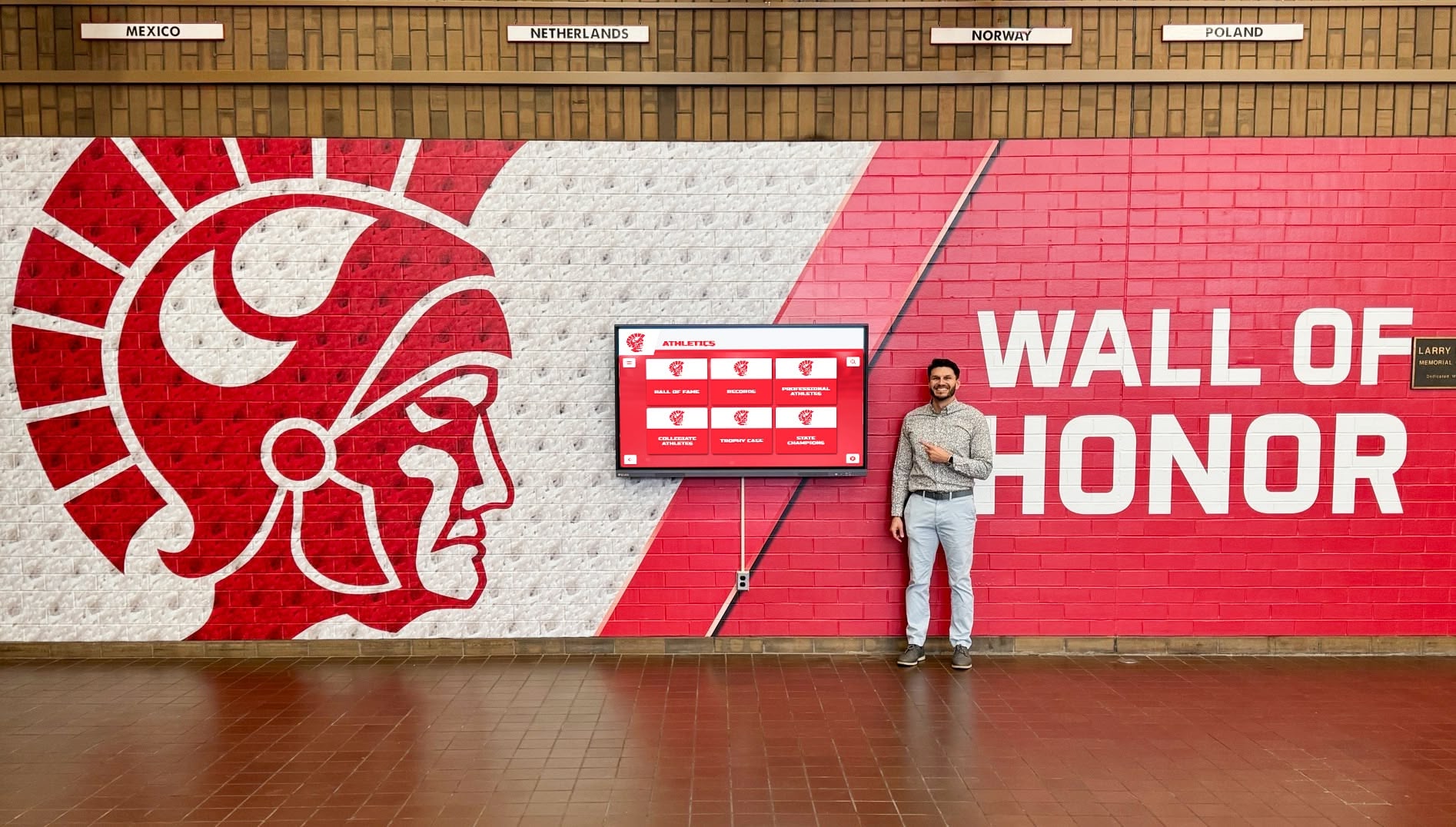
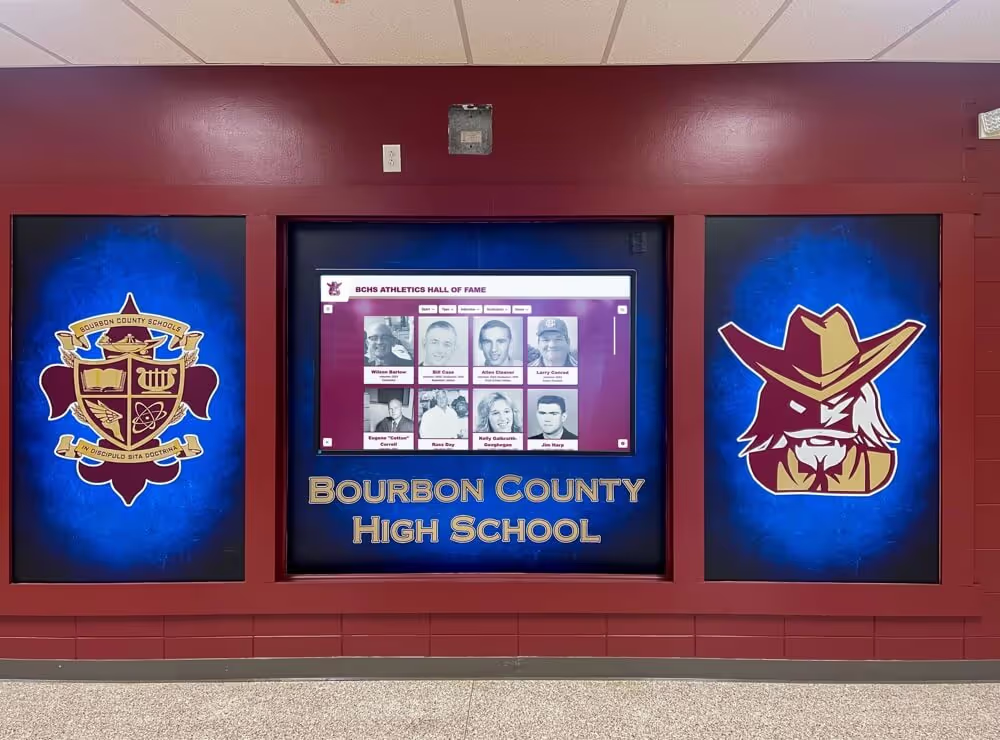
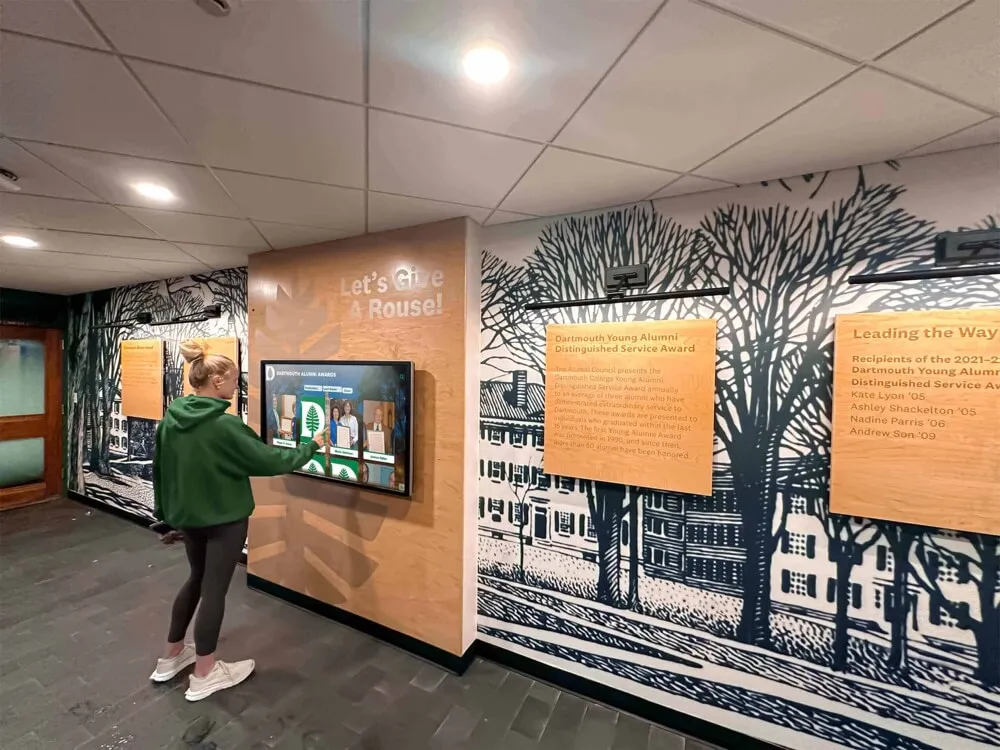
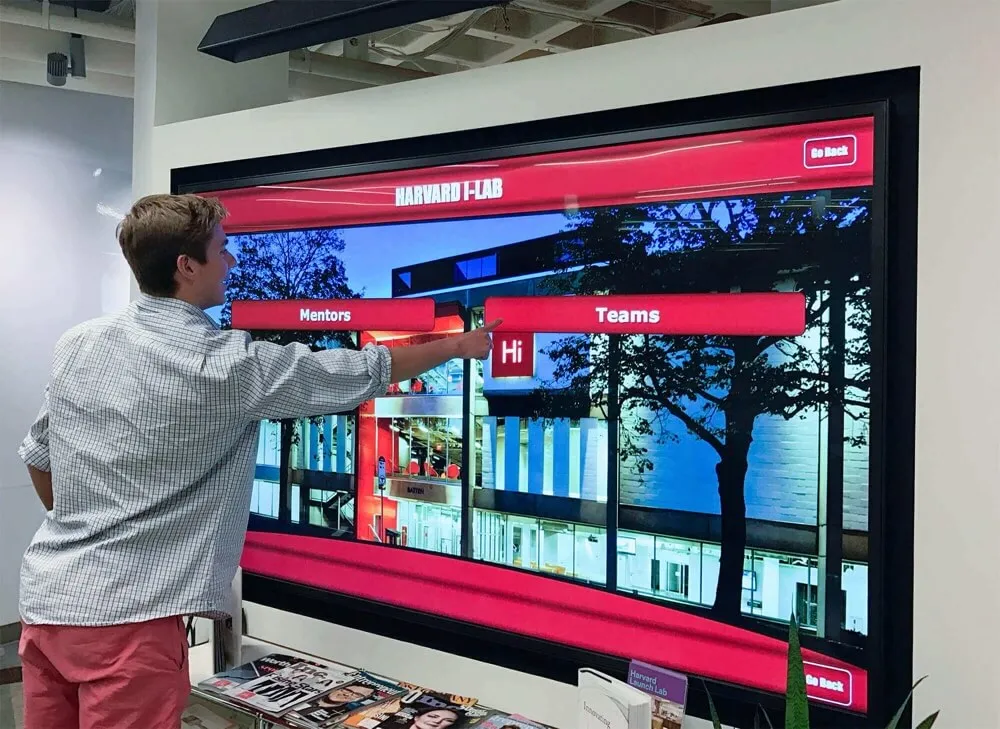
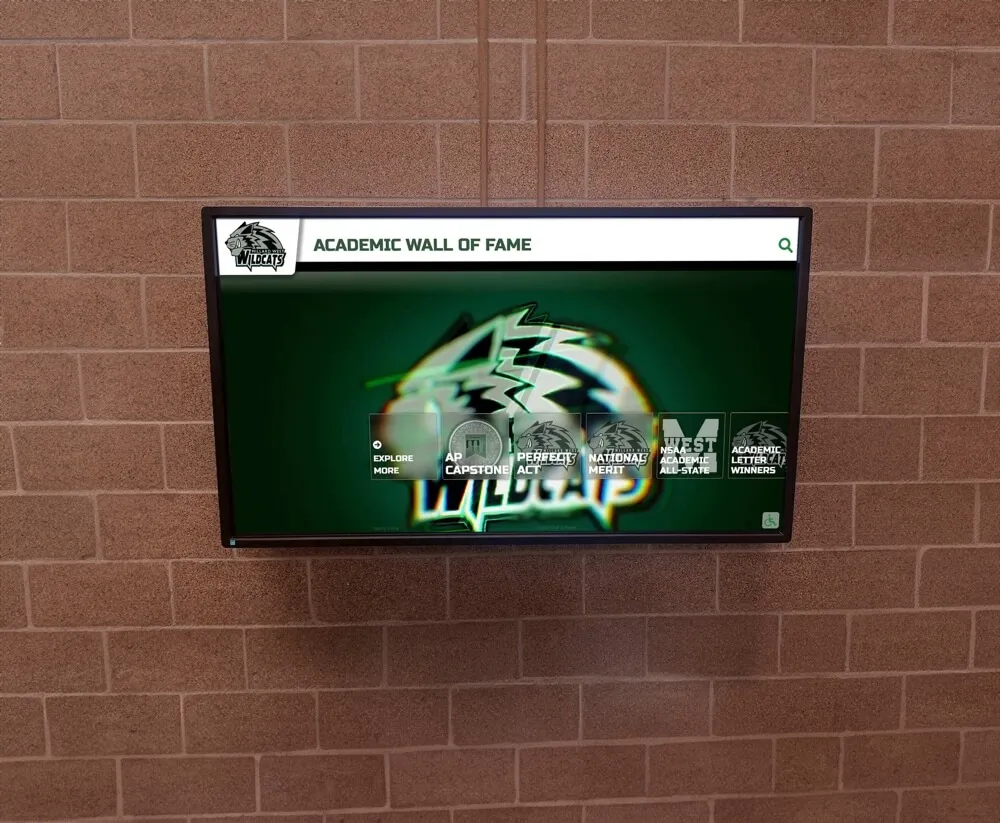
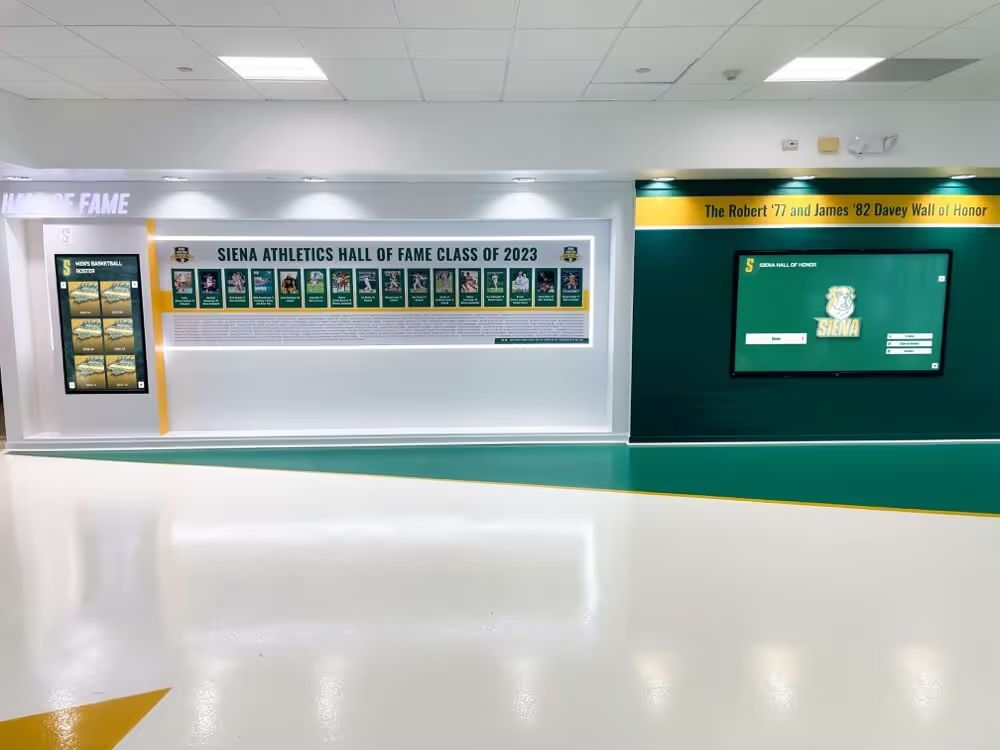
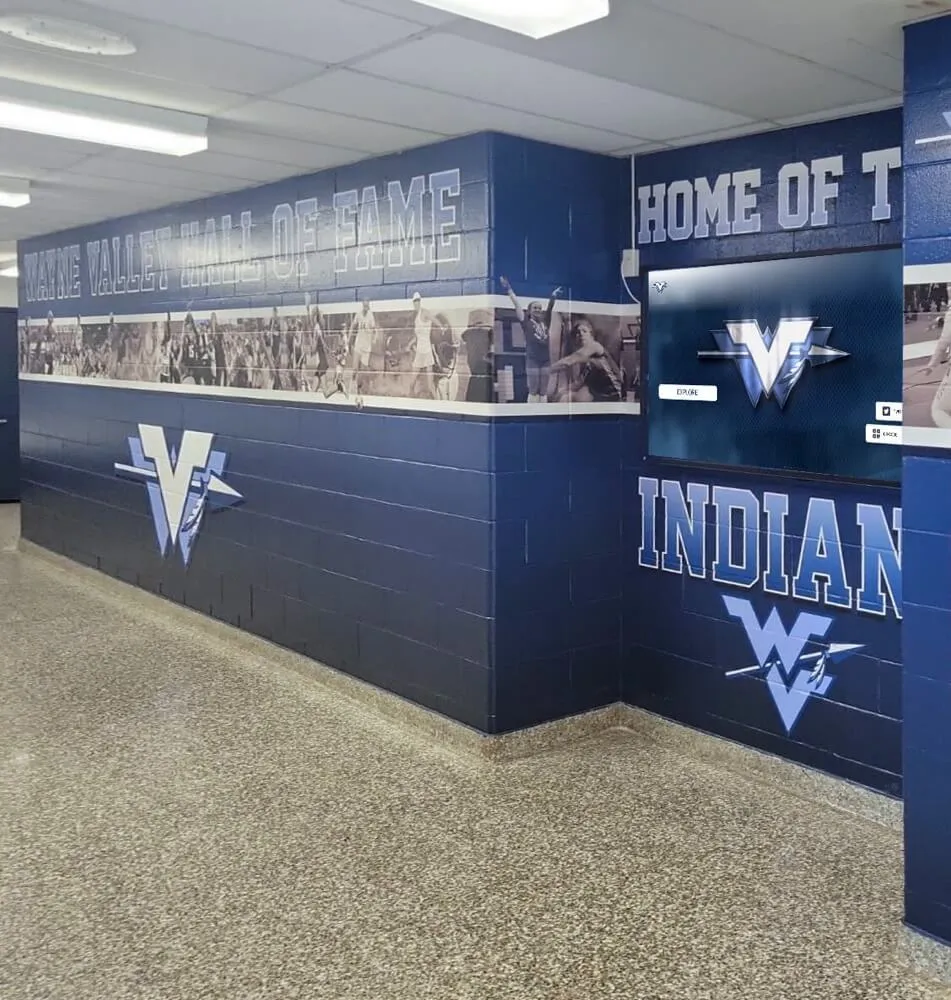
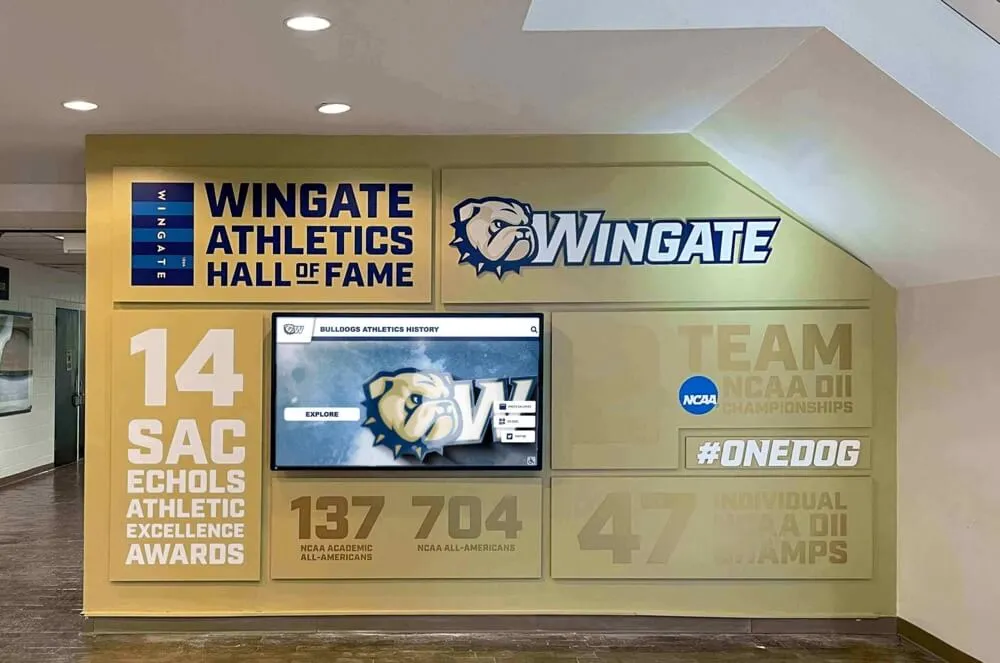
Permanent recognition displays preserve comeback narratives alongside traditional performance achievements, celebrating complete athletic excellence
Evaluation Dimensions and Weighting
Beyond minimum qualifications, effective evaluation considers multiple dimensions of comeback quality:
Adversity Severity (20-30% of evaluation)
- Life-threatening vs. serious vs. moderate challenge scope
- Expected recovery timeline and typical return rates for specific adversity type
- Number of challenges faced simultaneously or sequentially
- Impact on daily life beyond just athletic participation
- Objective measures of difficulty (surgery requirements, treatment duration, statistical impact)
More severe adversity creating greater challenges reasonably receives higher recognition when recovery occurs. An athlete returning from career-threatening injury demonstrates more remarkable comeback than athlete returning from minor sprain.
Recovery Process Quality (25-35% of evaluation)
- Dedication to rehabilitation and recovery protocols
- Attitude and work ethic throughout recovery period
- Timeline compared to typical recovery for similar adversity
- Overcoming setbacks or complications during recovery
- Inspiration provided to teammates during rehabilitation
- Support and encouragement offered despite inability to compete
How athletes approach recovery matters as much as outcome. Athletes maintaining positive attitudes, supporting teammates despite inability to participate, and attacking rehabilitation demonstrate character regardless of final performance level upon return.
Performance Recovery (20-30% of evaluation)
- Statistics or performance relative to pre-adversity baseline
- Playing time or role recovery
- Consistency of performance upon return
- Peak performances demonstrating full capability restoration
- Team contributions beyond just individual statistics
- Improvement trajectory suggesting continued development
Performance level upon return provides objective evidence of comeback completion. However, expecting identical pre-adversity statistics may be unrealistic depending on adversity severity, requiring evaluators to consider reasonable recovery expectations.
Inspirational Impact (15-25% of evaluation)
- Effect on team culture and morale
- Story resonance with teammates, fans, and community
- Motivation provided to others facing challenges
- Leadership demonstrated through vulnerability and perseverance
- Public acknowledgment of support received
- Graciousness and perspective about recovery journey
Comeback recognition differs from pure performance awards by including inspirational value. Stories creating meaningful cultural impact through vulnerability, perseverance narratives, and gratitude deserve recognition even when statistical recovery remains incomplete.
Explore recognition program design in cross country awards guide with evaluation criteria.
Handling Complex Selection Scenarios
Real-world comeback evaluation frequently encounters difficult judgment calls requiring policy guidance:
Multiple Strong Candidates
When several athletes demonstrate impressive comebacks:
- Consider recognizing multiple comeback athletes in different categories (injury vs. personal adversity vs. performance recovery)
- Award primary “Comeback Player” with “Honorable Mention” or “Resilience Recognition” for others
- Alternate recognition between sports or seasons if school-wide programs
- Focus on athletes whose stories provide greatest inspirational value
- Consider timing, with earlier-season returns having longer performance windows than late-season recoveries
Programs benefit from multiple comeback recognition categories preventing artificial limitation to single honoree when multiple athletes demonstrate extraordinary resilience.
Comeback vs. Normal Development
Distinguishing genuine recovery from standard improvement:
- Freshmen or first-year athletes showing improvement typically represent development not comeback
- Athletes with limited prior participation lack baseline for comparison
- Performance increases without documented adversity don’t constitute comebacks
- Natural athletic maturation and skill development differ from recovery
- Positional changes or role adjustments without prior challenge aren’t comebacks
Clear communication about baseline requirements prevents misunderstanding about who qualifies as legitimate comeback candidate.
Incomplete or Partial Recoveries
When athletes return but don’t reach previous performance levels:
- Consider adversity severity when evaluating reasonable recovery expectations
- Weight recovery process quality and inspirational impact more heavily
- Recognize that simply returning to competition after certain adversities represents remarkable achievement
- Acknowledge courage competing at any level after traumatic experiences
- Evaluate team contributions beyond just individual statistics
The most inspiring comebacks sometimes involve athletes who never fully regain previous capability but demonstrate extraordinary character simply returning to competition.
Privacy and Sensitivity Concerns
Balancing recognition with appropriate discretion:
- Mental health challenges deserve celebration but require athlete consent about details
- Family adversity may be too personal for public recognition without permission
- Medical specifics should remain private unless athlete chooses to share
- Consider anonymous or category-based recognition when privacy concerns exist
- Always secure athlete approval before public recognition and story sharing
Comeback recognition should honor rather than exploit vulnerability, requiring sensitivity about what details appropriately become public.
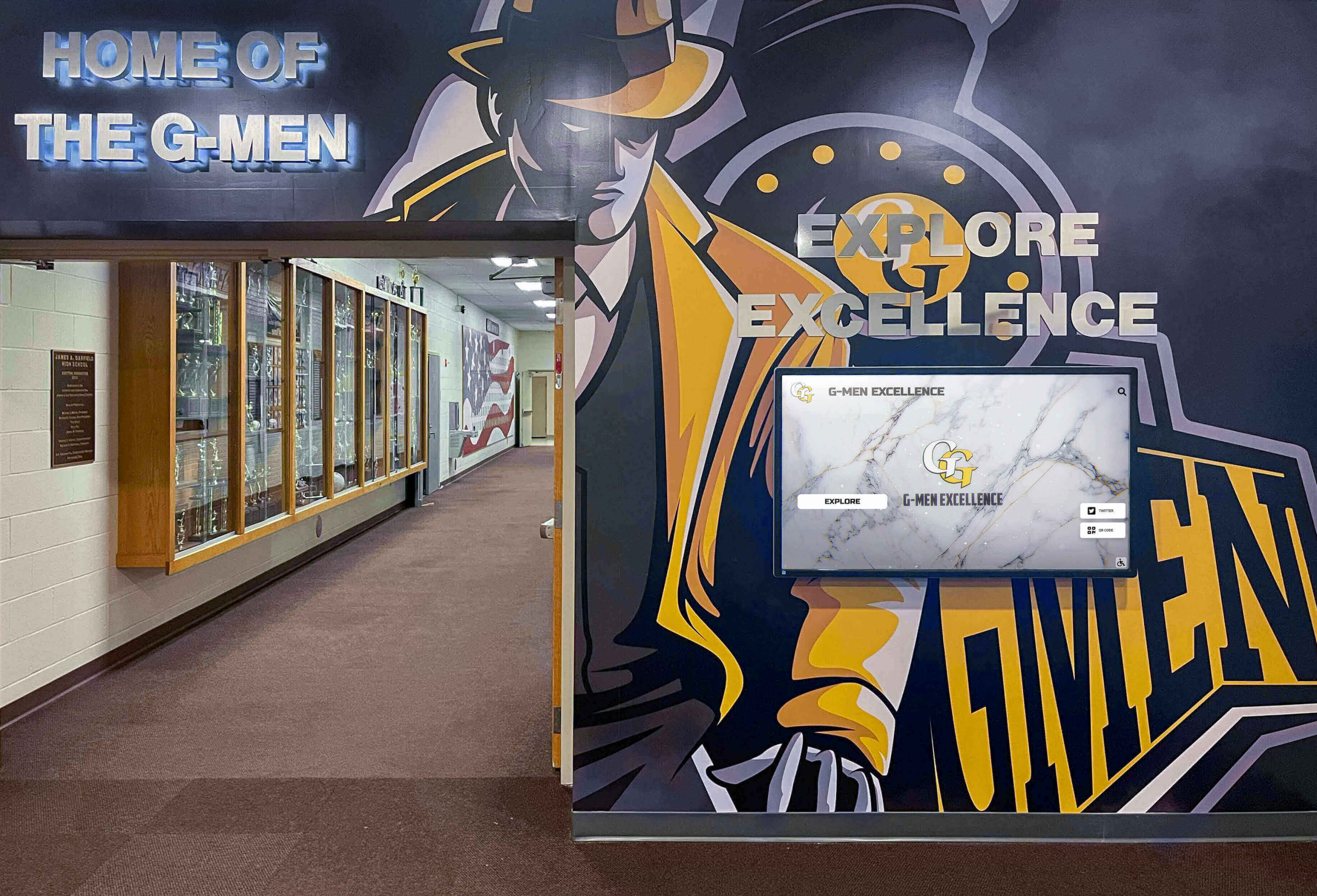
Professional recognition installations create appropriate environments for celebrating both triumph and the adversity that makes comebacks meaningful
Selection Process and Committee Management
Systematic evaluation processes ensure fair, credible comeback player selection while managing the sensitivity inherent in assessing personal challenges.
Committee Composition
Diverse perspectives produce better-informed comeback evaluation:
Essential Committee Members
- Head coach providing performance context and recovery observation
- Athletic trainer offering medical perspective and rehabilitation insight
- Athletic director ensuring consistency with program values and recognition standards
- Previous comeback award recipient providing athlete perspective on recovery challenges
- School counselor or support staff contextualizing non-athletic adversity (when appropriate and with privacy protection)
- Team captain or senior leader offering peer perspective on inspirational impact
Smaller committees (5-7 members) enable more intimate deliberation about sensitive personal circumstances compared to large groups where privacy concerns may limit candid discussion.
Expertise Representation
Different adversity types benefit from specific expertise:
- Medical staff for injury-recovery comebacks providing recovery difficulty context
- Mental health professionals for psychological challenge comebacks (with appropriate privacy protocols)
- Academic support staff for academic adversity comebacks
- Community liaisons for family or external challenge comebacks
- Position coaches offering specialized technical performance evaluation
Not every expertise area needs representation for every deliberation. Rather, committees should include relevant expertise matching specific candidates’ circumstances.
Nomination and Documentation Process
Systematic information gathering enables informed deliberation:
Nomination Procedures
- Open nomination period with publicized deadlines and criteria
- Nomination form capturing essential information (adversity type, timeline, recovery documentation)
- Supporting materials (medical documentation when appropriate, statistical comparisons, testimonials)
- Nominator relationship to candidate (coach, teammate, athlete self-nomination)
- Privacy permission securing athlete approval for recognition consideration
- Verification process confirming basic eligibility before committee review
Information Compilation
Prepare comprehensive candidate profiles for committee:
- Statistical comparison showing pre-adversity, during-adversity, and post-recovery performance
- Timeline documenting when adversity occurred and recovery progression
- Testimony from coaches about performance impact and recovery dedication
- Trainer or medical staff input about rehabilitation process (maintaining appropriate privacy)
- Teammate perspectives on inspirational impact and team contribution
- Candidate statement describing experience and challenges overcome (if willing)
Thorough documentation enables committee members to evaluate candidates they may not have observed closely throughout seasons.
Learn about nomination systems in golf awards ideas with creative recognition approaches.
Deliberation and Decision Process
Structured evaluation produces fair, defensible selections:
Pre-Deliberation Preparation
- Distribute candidate profiles 1-2 weeks before committee meeting
- Provide scoring rubrics or evaluation frameworks
- Remind committee about privacy obligations and sensitivity requirements
- Clarify decision timeline and announcement plans
- Establish voting procedures and majority requirements
Committee Deliberation Meeting
- Opening context: Review comeback recognition purpose and evaluation criteria
- Individual candidate review: Discuss each nominee systematically using consistent framework
- Comparative discussion: Consider nominees relative to each other and previous recipients
- Adversity context: Evaluate challenge severity and recovery reasonableness
- Inspirational assessment: Discuss cultural and motivational impact
- Privacy considerations: Confirm appropriateness of public recognition for each candidate
- Preliminary voting: Identify consensus candidates and those requiring deeper discussion
- Final deliberation: Address concerns or questions about leading candidates
- Final selection: Vote to determine recipient(s) using established procedures
Post-Selection Steps
- Confidential notification to selected athlete before public announcement
- Secure permission for specific story details in public recognition
- Plan recognition announcement timing and format
- Prepare remarks or presentation materials highlighting comeback narrative
- Coordinate with family for ceremony attendance
- Develop communication strategy for broader announcement
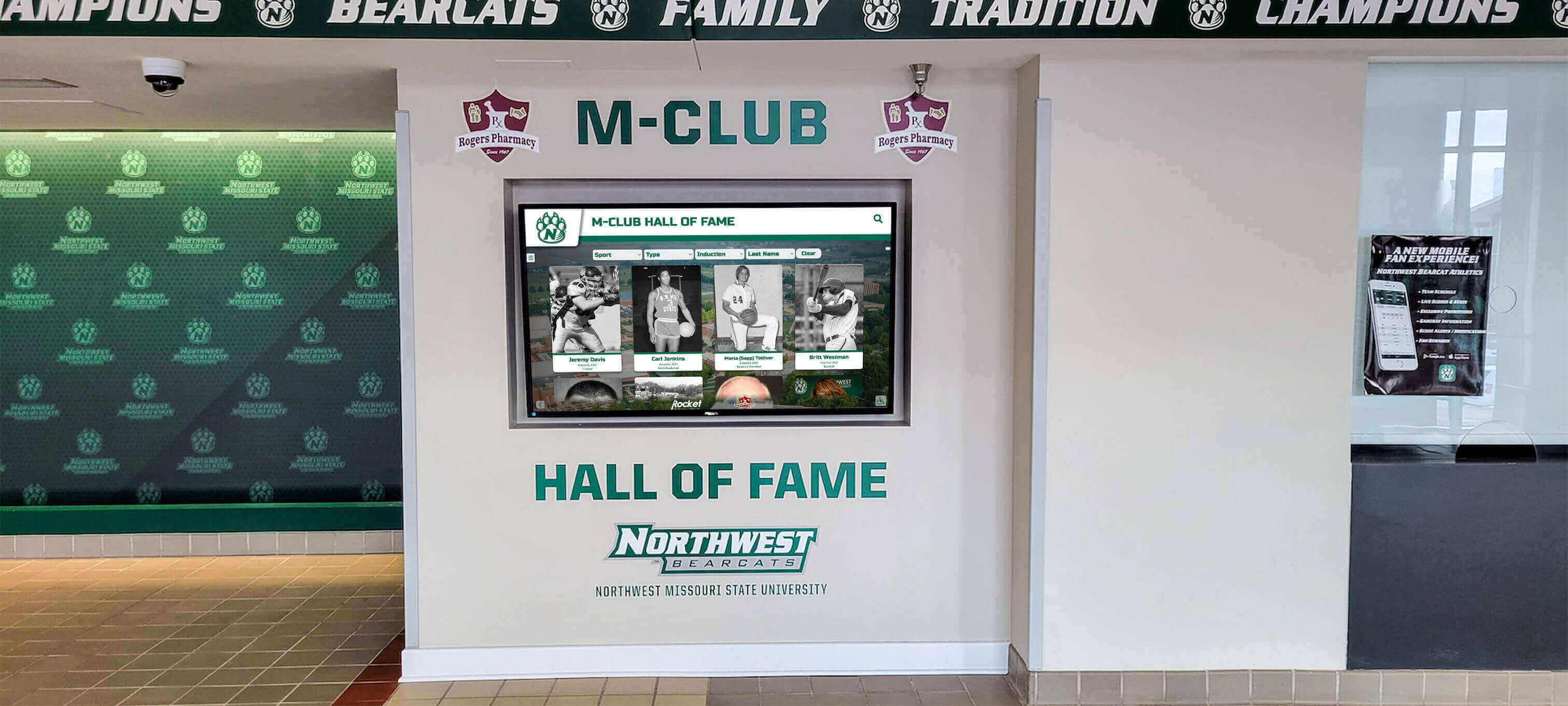
Integrated recognition environments combine traditional trophy displays with modern digital storytelling celebrating complete comeback narratives
Creating Meaningful Recognition Presentations
How comeback recognition is delivered significantly impacts meaning and cultural influence beyond just announcing winner names.
Awards Ceremony Integration
Strategic timing and format maximize comeback recognition impact:
Optimal Timing Selection
- End-of-season banquets: Comprehensive team celebrations with family attendance enabling full story sharing
- Senior nights: Particularly appropriate for graduating athletes whose complete high school journeys include recovery
- Homecoming or rivalry games: High-profile events creating audience for inspirational narratives
- School-wide assemblies: Cross-sport recognition reaching broader student body
- Athletic banquet events: Multi-sport celebrations honoring resilience across programs
Timing should balance honoree preference with recognition visibility, avoiding scenarios where intimate personal stories become public without athlete readiness for that exposure.
Presentation Format Options
Video Tribute Approach
Professional multimedia presentations create powerful emotional resonance:
- 3-5 minute video documenting comeback journey from adversity through recovery
- Before-adversity footage or photos showing baseline performance
- Recovery process documentation (when appropriate and with permission)
- Interviews with athlete, coaches, trainers, teammates, or family
- Return-to-competition footage demonstrating recovery completion
- Emotional music and production creating appropriate gravitas
- Concluding with current success and future outlook
Video tributes enable telling complete stories in controlled timeframes while creating permanent records preservable through digital recognition displays and social sharing.
Personal Remarks and Testimony
Direct athlete voice provides authentic perspective:
- Coach introduction providing context and describing observed recovery
- Athlete remarks describing challenge, recovery process, and gratitude
- Teammate testimonial describing inspirational impact
- Trainer or support staff perspective on dedication demonstrated
- Family member remarks (when appropriate) about support journey
- Q&A format enabling deeper story exploration in appropriate settings
Personal remarks create intimacy and authenticity that video productions cannot fully capture, though they require athlete comfort with public speaking and vulnerability.
Recognition Item Presentation
Physical awards create tangible lasting acknowledgment:
- Custom trophy or plaque specifically designed for comeback recognition
- Different award design than performance-based recognition (emphasizing character over statistics)
- Engraving including adversity overcome and recovery timeline
- Certificate detailing specific comeback narrative and achievement
- Photo with presenter, trophy, and backdrop for documentation
- Display in athletic facility recognition area alongside other awards
Physical awards become cherished possessions representing struggle as much as triumph.
Discover ceremony planning in senior night poster ideas with creative recognition approaches.
Storytelling Best Practices
Effective comeback narratives balance inspiration with sensitivity:
Essential Story Elements
Complete comeback stories should include:
- Baseline context: Who athlete was before adversity (performance, role, trajectory)
- Challenge description: What happened and when, creating clear understanding of difficulty faced
- Impact acknowledgment: How adversity affected athlete (performance decline, absence, struggle)
- Recovery journey: Dedication demonstrated during rehabilitation or recovery process
- Support recognition: Who helped athlete overcome challenges (teammates, trainers, family, community)
- Return documentation: How athlete worked back to competition and contributions upon return
- Current status: Where athlete stands now and outlook going forward
- Inspirational meaning: What comeback represents for team, program, and others facing challenges
Privacy and Sensitivity Guidelines
Appropriate story boundaries:
- Secure explicit athlete permission before sharing specific adversity details
- Avoid graphic medical descriptions or traumatic injury details
- Respect mental health privacy unless athlete specifically chooses public advocacy
- Keep family adversity appropriately vague unless family approves specifics
- Focus on recovery and resilience more than adversity details
- Enable athlete review and approval of public remarks before ceremony
- Provide “anonymized” recognition option for extremely sensitive circumstances
The goal involves celebrating recovery without exploiting vulnerability or creating discomfort for honorees who may feel pressured to share more than comfortable.
Balancing Emotion and Celebration
Appropriate tonal management:
- Acknowledge struggle honestly without dwelling on lowest moments
- Celebrate recovery triumph as primary focus
- Maintain hope and optimism about future possibilities
- Avoid overly dramatic productions that feel exploitative
- Include humor and lightness where appropriate to athlete personality
- Balance solemnity with joy about successful return
- Emphasize gratitude and forward focus in athlete remarks
Comeback recognition should feel inspiring and uplifting rather than heavy or uncomfortable, celebrating human resilience rather than fixating on suffering.
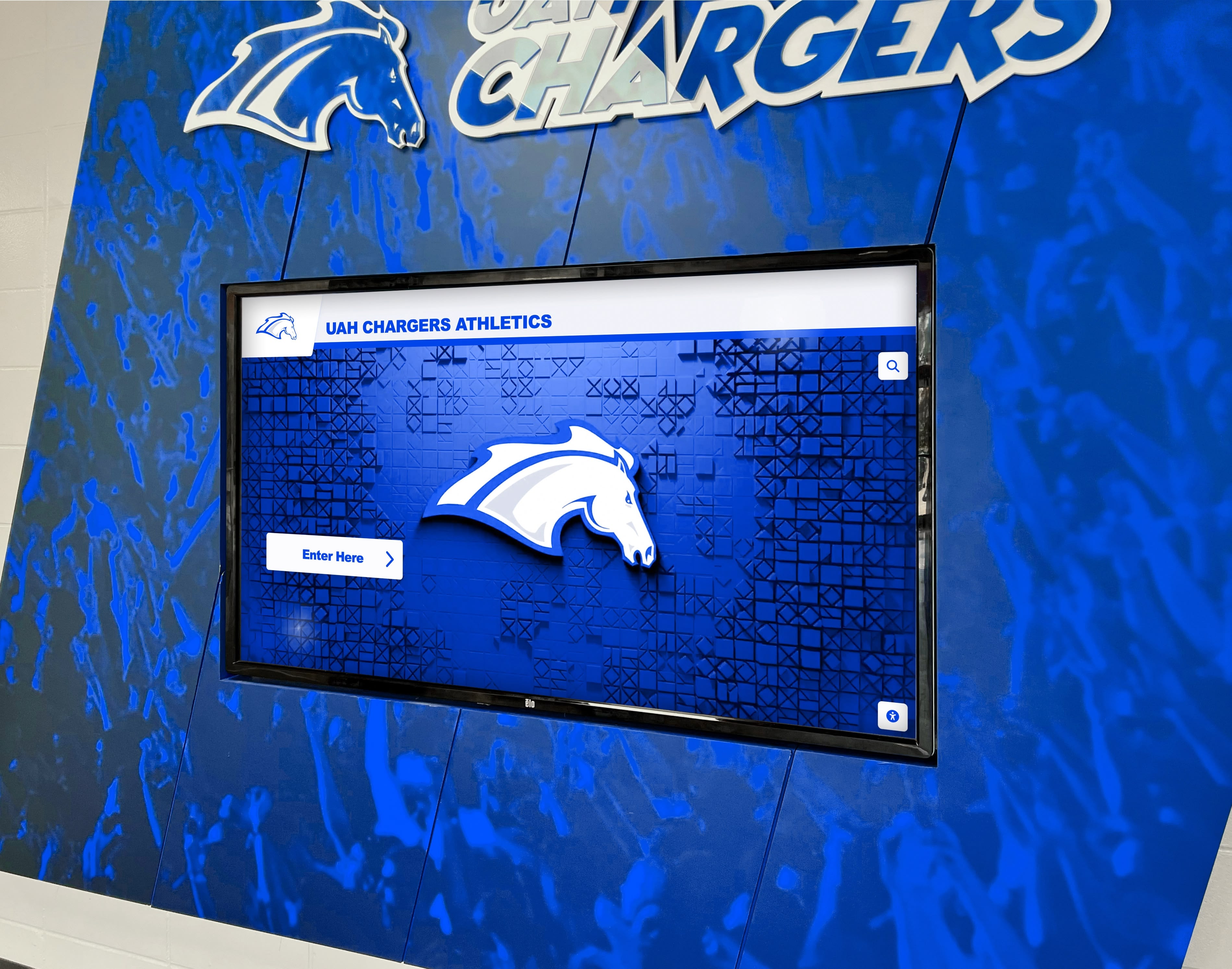
Professional digital displays enable showcasing comeback stories with appropriate depth while maintaining honoree control over specific details shared
Leveraging Digital Recognition Technology
Modern platforms extend comeback recognition impact well beyond single ceremony events through permanent documentation and ongoing accessibility.
Permanent Comeback Story Preservation
Solutions like Rocket Alumni Solutions provide lasting recognition infrastructure:
Comprehensive Profile Documentation
Digital platforms enable rich comeback narrative preservation:
- Complete statistical comparison showing pre-adversity, during-challenge, and post-recovery performance
- Photo galleries documenting athletic journey from success through challenge to return
- Timeline visualization showing injury date, recovery milestones, and return progression
- Video highlights of post-comeback performances and achievements
- Written narrative describing challenge faced and recovery journey (with athlete-approved details)
- Testimonials from coaches, teammates, or support staff
- Current status and post-athletic career updates
Permanent Accessibility
Long-term availability creates ongoing inspirational value:
- Touchdown kiosks in athletic facilities where current athletes encounter stories daily
- Web-based platforms accessible to alumni, families, and community worldwide
- Social sharing enabling broad distribution beyond immediate team community
- Search functionality allowing visitors to find comeback stories specifically
- Integration with broader athletic recognition showcasing comeback alongside other achievements
- Historical archives preserving program culture across decades
- Mobile-responsive access ensuring availability across devices
Explore digital recognition platforms in touchscreen kiosk solutions guide with implementation strategies.
Strategic Content Updates
Dynamic platforms enable ongoing story enhancement:
Progressive Documentation
Comeback stories continue beyond initial recognition:
- Post-graduation updates showing continued success or career development
- College or professional athletic achievements following high school comeback
- Life perspective reflections years after recovery
- Engagement with current athletes facing similar challenges
- Evolution from award recipient to mentor for others in recovery
- Long-term health outcomes demonstrating full recovery
Progressive documentation demonstrates that comebacks represent beginnings rather than endings, with recognition ceremony marking moment in longer journey.
Anniversary Recognition
Strategic temporal commemoration:
- Annual recognition of comeback anniversary dates
- 5-year or 10-year comeback retrospective features
- Reunion events bringing previous comeback recipients together
- Guest speaker opportunities for comeback honorees addressing current teams
- Documentary-style content revisiting historic program comebacks
- Tradition-building through consistent comeback recognition patterns
Anniversary recognition reinforces that overcoming adversity creates lasting program identity rather than fleeting seasonal acknowledgment.

Interactive displays enable visitors exploring comeback narratives in detail, discovering inspirational stories at their own pace and interest
Inspiring Current Athletes Through Stories
Strategic content placement maximizes motivational impact:
Training Facility Integration
Where athletes work daily:
- Prominent displays in weight rooms and training areas
- Featured comeback stories during rehabilitation seasons
- Rotation of different comeback narratives preventing habituation
- QR codes enabling deeper story exploration from workout areas
- Inspirational quotes from comeback recipients about perseverance
- Visual reminders that recovery happens in these same spaces
Strategic placement ensures athletes undergoing rehabilitation encounter inspiration from those who successfully navigated similar journeys.
Pre-Game Motivation
Competition-day inspiration:
- Locker room displays featuring comeback stories before games
- Video montages incorporating comeback themes into pre-game motivation
- Coach references to specific comeback examples during pregame talks
- Jersey number connections when comeback recipients’ numbers remain significant
- Pregame recognition when comeback recipients attend as alumni
Competition moments provide natural opportunities to invoke resilience narratives, reminding current athletes that perseverance through difficulty creates lasting pride.
Recruitment and Program Marketing
Attracting athletes who value culture:
- Recruitment materials featuring comeback stories demonstrating program support
- Virtual tour integration showcasing recognition displays and culture
- Social media content celebrating resilience alongside competitive success
- Parent messaging emphasizing support systems for athletes facing challenges
- Prospective athlete testimonials discovering comeback recognition traditions
Athletes and families seeking programs that value complete person development respond strongly to comeback recognition, seeing evidence that challenges don’t end athlete value or support.
Learn about recruitment strategies in digital hall of fame guide showcasing program culture effectively.
Building Comeback-Supportive Program Culture
Recognition represents one element of comprehensive culture valuing resilience and supporting athletes through adversity.
Creating Support Systems
Proactive structures helping athletes navigate challenges:
Athletic Training and Medical Integration
Professional support infrastructure:
- Full-time athletic trainers providing injury evaluation and rehabilitation
- Established relationships with sports medicine physicians and specialists
- Clear injury protocols communicated to all athletes and families
- Mental health resources integrated with physical health support
- Nutrition and conditioning guidance supporting recovery processes
- Regular wellness checks identifying athletes struggling before crises develop
Quality medical support enables successful comebacks by providing expert guidance throughout recovery journeys.
Mental Health and Counseling Resources
Psychological support systems:
- School counselors aware of athlete-specific challenges and schedules
- Sports psychology consultation for performance and recovery mental aspects
- Peer support programs connecting athletes facing similar challenges
- Crisis intervention protocols for acute mental health needs
- Reduced stigma through program-wide mental health education
- Confidential support options respecting athlete privacy
Mental health significantly impacts both physical recovery and performance-related comebacks, making psychological support essential rather than supplementary.
Academic Support During Adversity
Educational assistance:
- Tutoring and academic support maintaining eligibility during challenges
- Communication with teachers about circumstances affecting performance
- Modified schedules accommodating medical appointments or treatment
- Extended deadlines and reasonable accommodations during crises
- Academic advisors helping athletes balance school and recovery
- Clear eligibility monitoring preventing unexpected disqualification
Academic struggles frequently accompany or cause athletic adversity, making educational support systems critical for comprehensive athlete wellbeing.
Family Communication and Involvement
Partnership with support systems:
- Regular communication about injury status, treatment plans, and timelines
- Family inclusion in major medical decisions and treatment approaches
- Parent education about how to support recovering athletes
- Family counseling resources when home situations create challenges
- Transparent information about return-to-play criteria and safety protocols
- Appreciation for family support roles in enabling successful recoveries
Families frequently provide majority of recovery support, making partnership essential for comeback success.
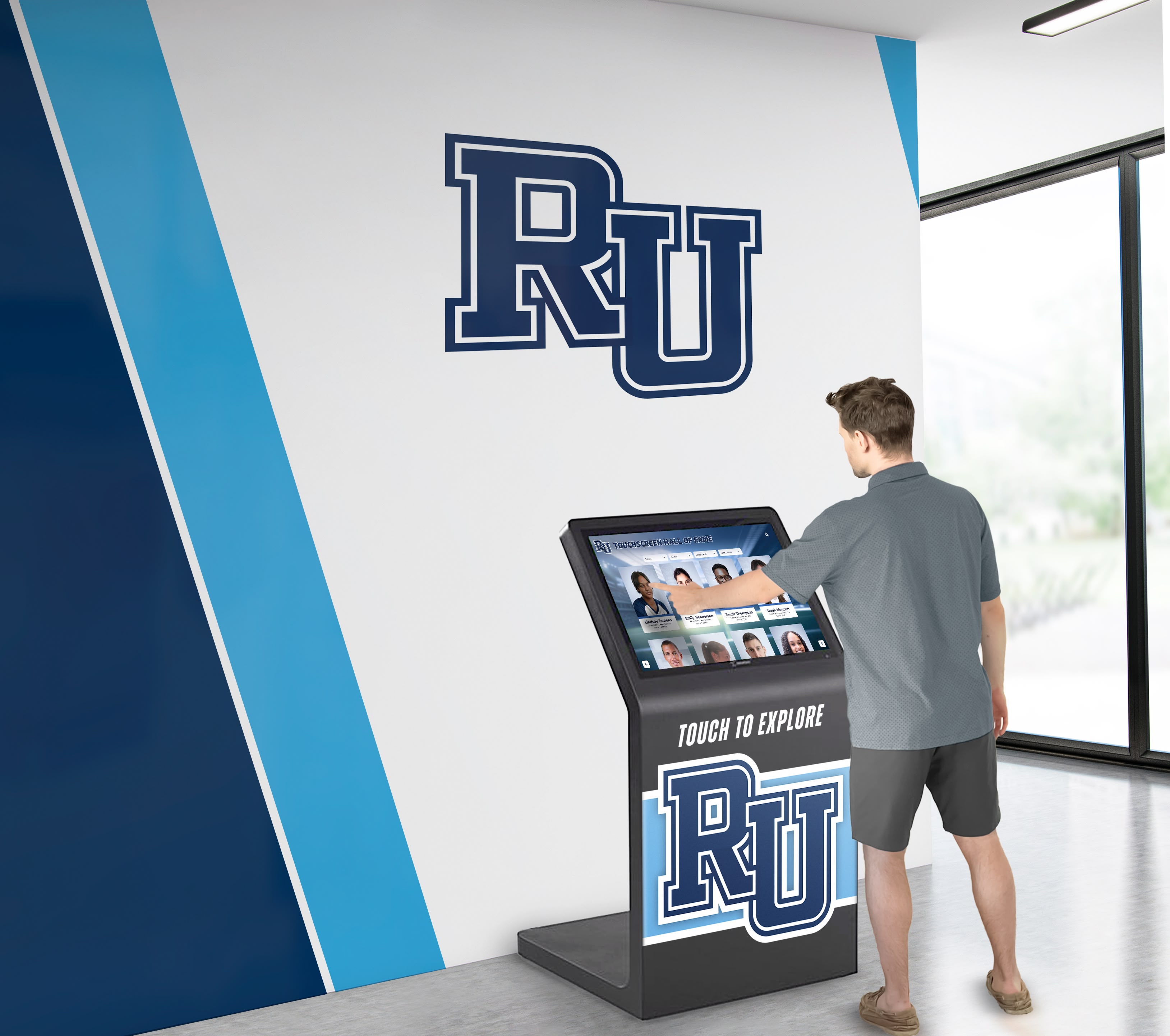
Accessible recognition displays in high-traffic areas ensure comeback stories reach entire school community, normalizing resilience narratives
Team Culture Development
Peer environment significantly influences recovery experiences:
Teammate Education
Preparing teams to support recovering athletes:
- Education about specific injuries or challenges teammates face
- Appropriate ways to provide encouragement during rehabilitation
- Inclusion strategies keeping injured athletes engaged with team
- Avoiding minimization or dismissal of struggles teammates share
- Respecting privacy while offering support
- Celebrating recovery milestones throughout rehabilitation
Educated teammates provide better support while avoiding inadvertently harmful comments or behaviors.
Leadership Development
Senior athletes modeling support:
- Captains and leaders checking in regularly with recovering teammates
- Public acknowledgment of rehabilitation effort and dedication
- Integration of injured athletes in leadership activities despite inability to compete
- Vocal team support during return-to-competition processes
- Modeling vulnerability by sharing own challenge experiences
- Zero tolerance for exclusion or mockery of athletes facing adversity
Leadership sets tone determining whether teams truly support resilience or merely offer superficial acknowledgment.
Inclusive Practice Culture
Maintaining connection during inability to compete:
- Modified roles enabling injured athletes to participate in practice activities
- Equipment management, coaching assistance, or analysis responsibilities
- Regular communication from coaches despite unable to play
- Video analysis or scout team roles maintaining tactical involvement
- Continued team meeting and travel inclusion when appropriate
- Gradual reintegration during return-to-play progressions
Athletes who remain connected to teams during recovery return more smoothly than those who feel separated during absences.
Coaching Philosophy and Communication
Coach attitudes fundamentally shape program culture around adversity:
Redefining Athletic Value
Broadening worth beyond just playing time:
- Verbal acknowledgment that injuries don’t diminish athlete value
- Consistent communication with injured athletes despite competition inability
- Recognition of rehabilitation as parallel training requiring similar dedication
- Career perspective emphasizing long-term health over short-term results
- Transparent discussion about return-to-play decision factors
- Consistent treatment regardless of athlete competitive status
Coaches who continue investing equally in injured athletes communicate authentic values that athletes trust even during their own challenges.
Growth Mindset Application
Framing adversity as development opportunity:
- Discussing challenges as building character and mental toughness
- Emphasizing that elite athletes inevitably face and overcome adversity
- Highlighting comeback stories from professional and Olympic athletes
- Connecting current struggles to future resilience capacity
- Focusing on controllable effort and attitude during recovery
- Celebrating incremental progress throughout rehabilitation
Growth mindset framing helps athletes interpret adversity as temporary obstacle rather than permanent limitation or career-ending failure.
Explore coaching approaches in coaches appreciation recognition guide honoring leadership excellence.
Transparent Communication
Honest dialogue about challenges and timelines:
- Clear explanation of injury severity and realistic recovery expectations
- Regular updates about rehabilitation progress and return-to-play criteria
- Honest discussion about performance concerns when relevant
- Open dialogue about role changes or playing time adjustments
- Accessible coaching staff for athlete questions and concerns
- Family inclusion in major discussions about athlete wellbeing
Transparency builds trust enabling athletes to accept difficult realities and commit to necessary recovery processes rather than rushing return or denying problems.
Measuring Comeback Recognition Impact
Systematic assessment demonstrates program value while identifying opportunities for improvement.
Quantitative Success Indicators
Participation and Retention Metrics
- Athlete retention rates after injury or adversity compared to programs without comeback recognition
- Return-to-competition percentages after various injury or challenge types
- Transfer rates during or following adversity periods
- Multi-year participation persistence following recovery
- Recruitment interest from athletes researching program culture
Higher retention and return rates suggest effective support systems and culture encouraging athletes to persevere through challenges.
Recognition Program Engagement
- Comeback story views and interaction with digital recognition displays
- Social media engagement when comeback content is shared
- Alumni requests to add comeback narratives to historical profiles
- Community responses to comeback recognition announcements
- Media coverage of comeback stories and recognition
Engagement metrics demonstrate whether comeback recognition resonates beyond just ceremony attendees to influence broader culture.
Recovery Timeline Analysis
- Rehabilitation duration compared to typical timelines for specific injuries
- Complication rates during recovery processes
- Adherence to treatment protocols and rehabilitation recommendations
- Mental health intervention rates and outcomes during adversity
- Academic performance maintenance during challenge periods
Clinical metrics reveal whether support systems tangibly improve recovery outcomes beyond just recognition ceremony experiences.
Qualitative Impact Assessment
Athlete Perspective
Direct feedback from comeback recipients:
- Meaningful aspects of recognition experience
- Support system effectiveness throughout recovery
- Cultural atmosphere regarding athletes facing challenges
- Comfort level with story sharing and public recognition
- Long-term impact of comeback recognition on identity and perspective
- Recommendations for supporting future athletes facing adversity
Athlete voices provide most authentic assessment of whether programs genuinely support recovery or merely celebrate outcomes superficially.
Team Culture Evaluation
Broader cultural indicators:
- Teammate support quality during others’ adversity periods
- Stigma levels around injury, mental health, or performance struggles
- Athlete willingness to report injuries or request help
- Team cohesion and relational quality
- Leadership demonstration by athletes not in spotlight
- Communication openness between athletes and coaching staff
Culture assessment reveals whether comeback recognition reflects genuine values or represents isolated ceremony moments disconnected from daily experience.
Program Reputation
External perceptions:
- Recruitment messaging from prospective athletes attracted by support culture
- Family satisfaction with adversity support throughout experiences
- Alumni testimonials about formative challenge experiences
- Feeder program coach observations about prepared athletes face adversity
- Community perception of program character and values
- Media narratives about program culture beyond just wins
Reputation indicators demonstrate whether comeback recognition creates distinguishing program identity valued by stakeholders.

Comprehensive recognition environments celebrate both competitive success and the resilience required to overcome adversity along the way
Conclusion: Honoring Resilience That Defines Character
Comeback Player of the Year recognition represents far more than another award category adding variety to end-of-season banquets. These honors celebrate the extraordinary resilience, mental toughness, dedication, and courage that distinguish character from mere talent—acknowledging that returning to competition after significant adversity requires strength that elite athletic ability alone cannot provide. When programs establish meaningful comeback recognition with clear criteria, sensitive selection processes, powerful storytelling, and permanent preservation through modern digital displays, they create cultural traditions that support athletes through inevitable challenges while inspiring everyone who encounters these remarkable narratives.
The frameworks explored in this guide provide actionable approaches for implementing comeback recognition across competitive levels and program scales—from establishing transparent eligibility standards and managing evaluation committees to creating moving ceremony presentations and leveraging digital technology ensuring comeback stories inspire for decades rather than disappearing after single-night acknowledgment. Whether launching comeback recognition for the first time or enhancing existing programs, these strategies help athletic directors, coaches, and administrators honor resilience authentically while strengthening support systems that enable successful recoveries.
Preserve Comeback Stories Permanently
Discover how digital recognition solutions like Rocket Alumni Solutions enable showcasing Comeback Player of the Year stories with comprehensive profiles, photo galleries, videos, and narratives that inspire current athletes while honoring resilience permanently across your program history.
Explore Athletic Recognition SolutionsEvery athlete who demonstrates the courage to overcome injury, illness, personal adversity, or performance struggles deserves recognition that validates the invisible effort required for recovery. Traditional trophy cases and forgotten certificate presentations fail to honor these remarkable journeys appropriately or preserve inspirational narratives for future athletes who will inevitably face their own challenges. Modern digital recognition platforms eliminate these limitations through unlimited content capacity, multimedia storytelling, permanent accessibility, and strategic placement ensuring comeback stories reach athletes exactly when inspiration matters most.
Start wherever your current situation demands—whether establishing comeback recognition criteria for the first time, improving selection transparency, enhancing ceremony presentations, or implementing digital preservation ensuring stories inspire permanently. Each improvement compounds cultural impact, gradually transforming programs into communities where adversity becomes expected part of athletic journeys rather than shameful failure, where asking for help feels acceptable rather than weak, and where returning to competition after struggle earns recognition as meaningful as championship performances.
Your athletes’ resilience deserves recognition systems celebrating the complete excellence required for sustained athletic achievement—acknowledging that careers include setbacks requiring extraordinary character to overcome. With thoughtful planning, sensitive implementation, and commitment to comprehensive support extending beyond single ceremony moments, you can create comeback recognition traditions that become defining program characteristics attracting athletes and families seeking environments that value complete human development rather than just competitive production.
Ready to transform your athletic recognition program? Explore how Rocket Alumni Solutions helps schools and athletic programs create permanent digital recognition showcasing comeback stories alongside traditional achievements, building culture that celebrates resilience while inspiring current athletes facing their own challenges through powerful evidence that recovery and return are always possible.