



Every September, millions of college alumni across America participate in a colorful tradition that transforms offices, social media feeds, and community spaces into a sea of school colors. College Colors Day—observed annually on the first Friday after Labor Day—has evolved from a simple alumni celebration into a sophisticated engagement opportunity where schools leverage digital storytelling, social media campaigns, and permanent recognition displays to convert one spirit day into year-round pride and connection.
The tradition began in 2004 when the Collegiate Licensing Company launched College Colors Day to unite alumni nationwide in celebrating their alma maters simultaneously. What started as an informal “wear your colors” initiative has matured into a strategic alumni engagement moment where universities compete for social media visibility, fundraising momentum, and community participation through carefully orchestrated campaigns that extend far beyond a single Friday.
For schools serious about alumni engagement, College Colors Day represents more than casual Fridays with school t-shirts—it’s a measurable testing ground for digital engagement strategies, an annual checkpoint for assessing alumni pride levels, and a natural entry point for introducing alumni to year-round recognition platforms that keep institutional connections alive long after graduation.
This comprehensive guide explores why College Colors Day matters for schools, how institutions turn this tradition into strategic alumni engagement opportunities, and how digital recognition displays extend single-day celebrations into permanent pride-building tools that alumni interact with throughout the year.

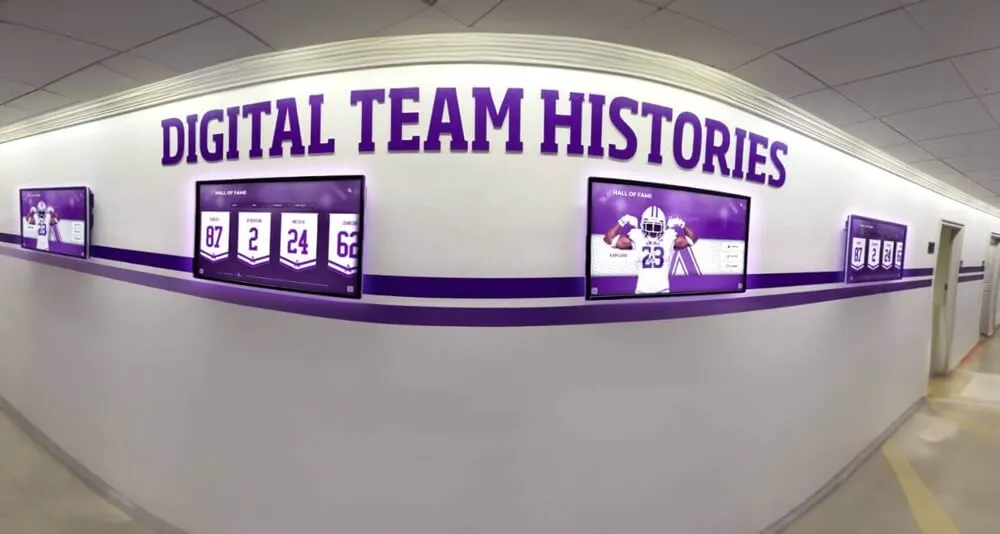
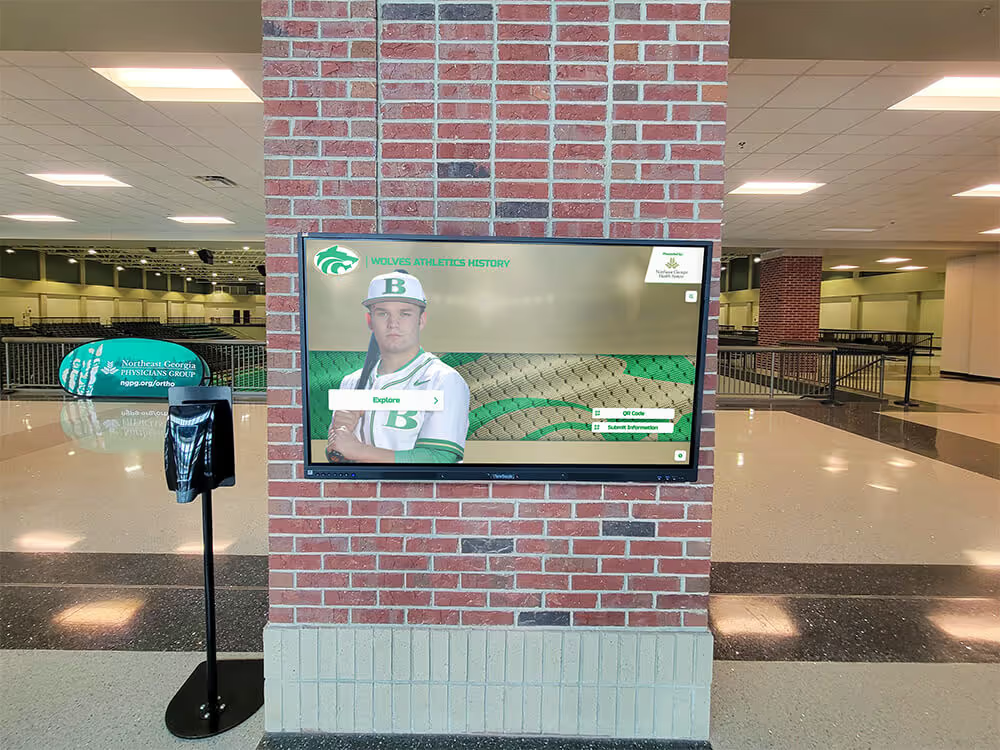
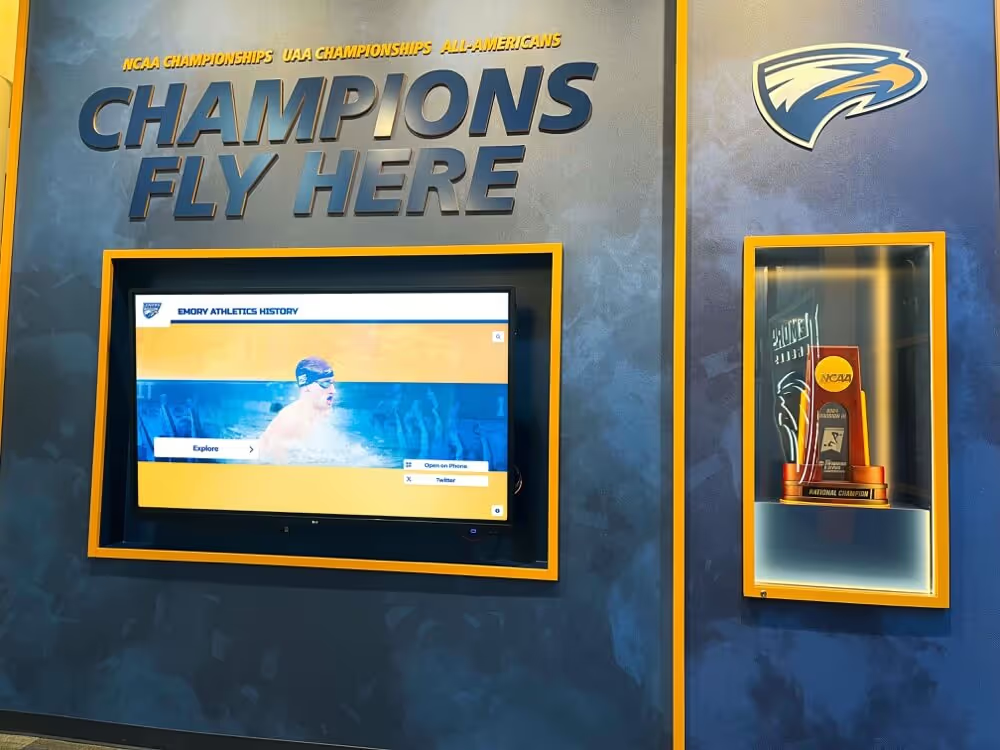
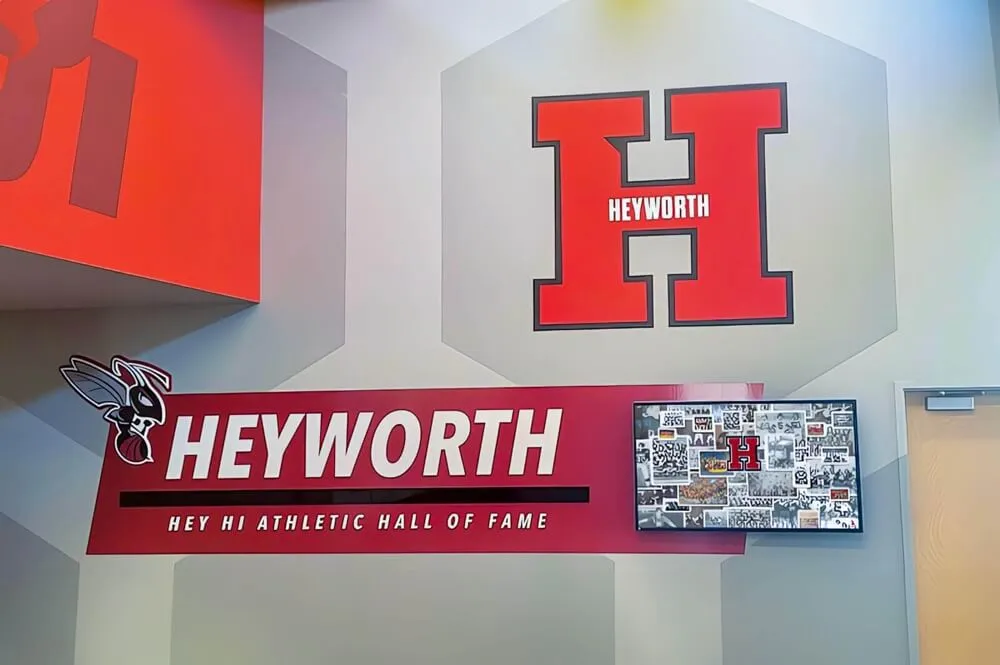
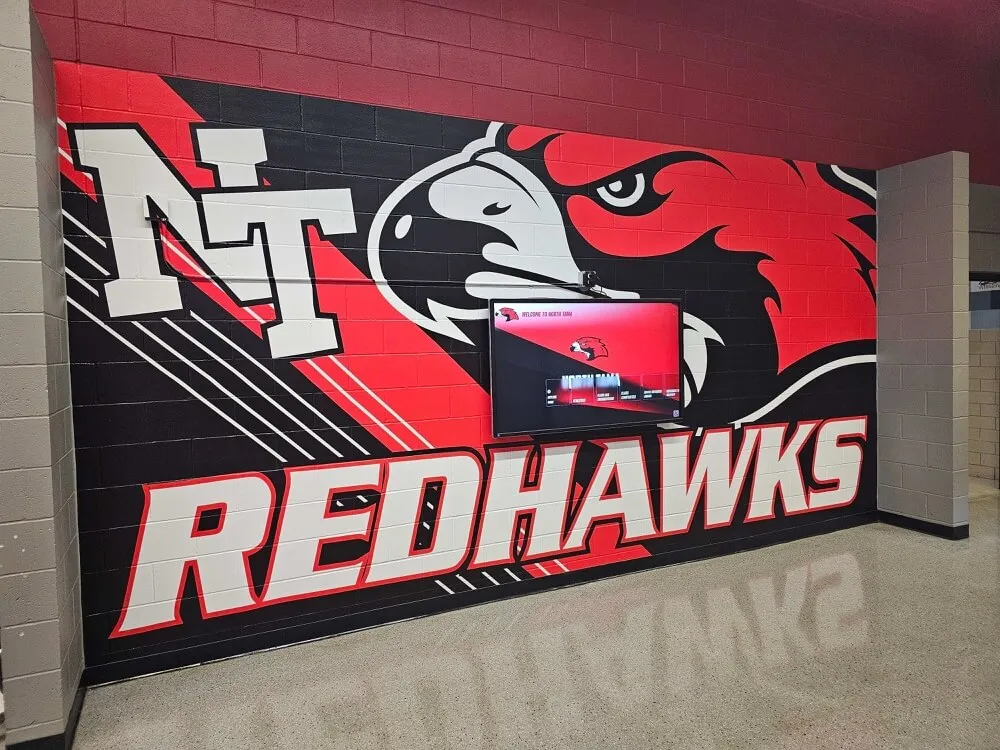
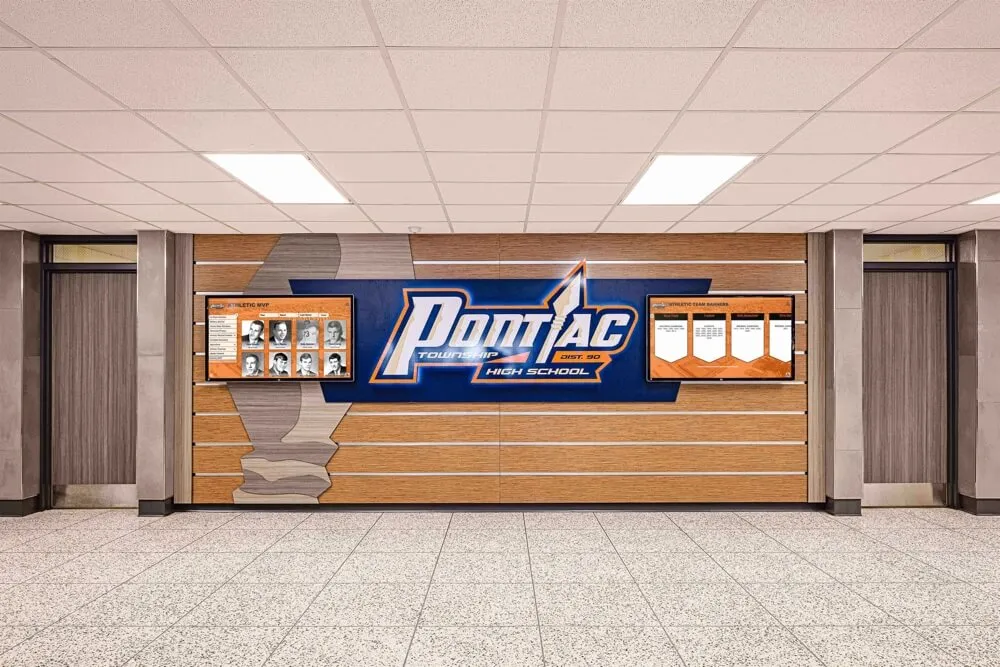
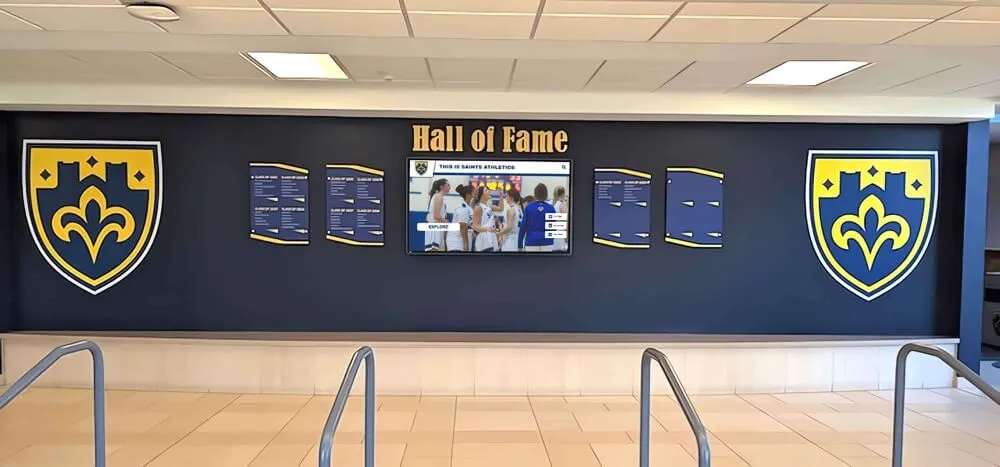
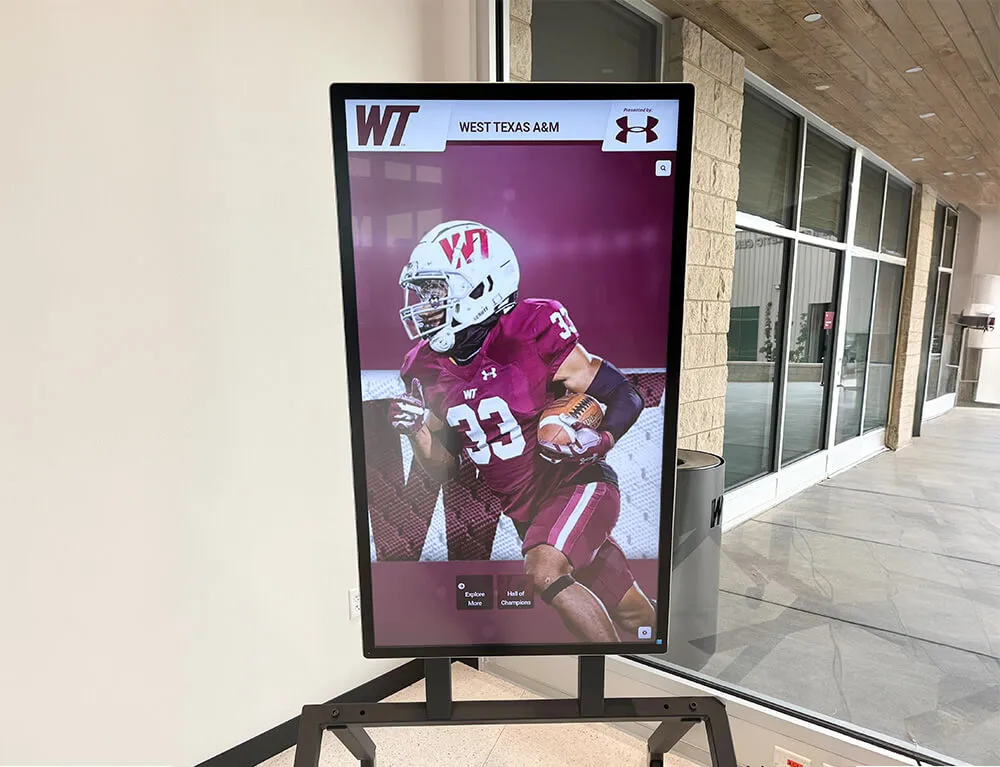
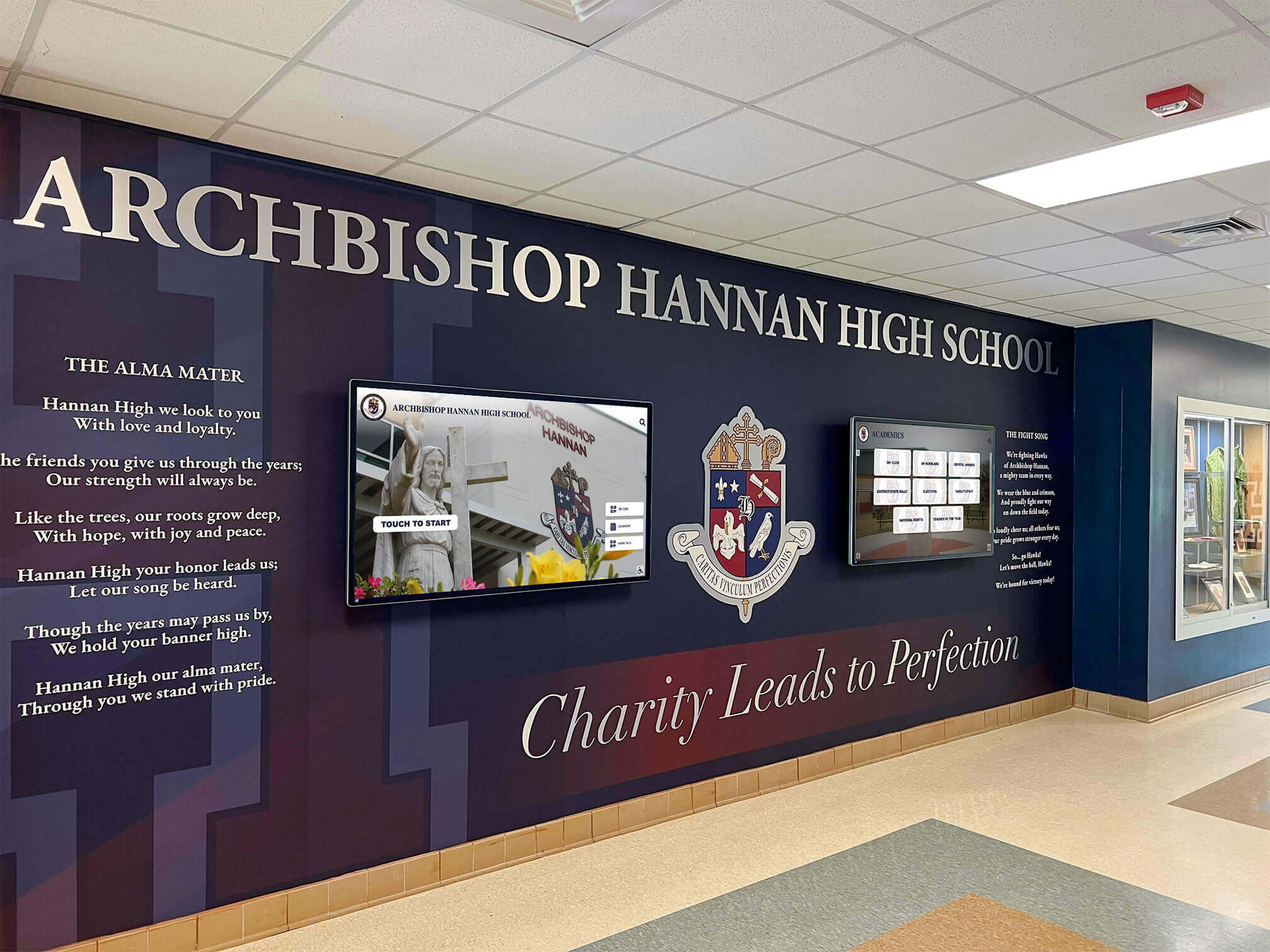
School colors serve as instant visual identifiers that trigger alumni pride and institutional belonging—digital displays showcase these colors year-round
Understanding College Colors Day: Origins and Evolution
Before implementing College Colors Day campaigns, schools benefit from understanding how this tradition evolved from casual spirit day into strategic alumni engagement opportunity.
The History Behind College Colors Day
From Corporate Initiative to National Tradition
College Colors Day emerged from the collegiate licensing industry rather than grassroots alumni movements:
The Collegiate Licensing Company (CLC) launched College Colors Day in 2004 as a promotional initiative encouraging alumni to wear licensed apparel featuring their school colors and logos. The original concept aimed to increase awareness and sales of officially licensed collegiate merchandise while creating a unified national moment celebrating college pride. Early participation remained modest, concentrated primarily among recent graduates already active in alumni networks and social media early adopters willing to share photos online.
The tradition gained momentum through the 2010s as social media platforms provided natural distribution channels for colleges to promote participation, alumni to share photos and stories, and peer networks to encourage involvement through visible participation. By 2015, College Colors Day participation had expanded beyond recent graduates to include multigenerational alumni, corporate offices hosting spirit days, K-12 schools encouraging teacher participation, and local businesses decorating with university colors.
Current Scale and Participation
Today, College Colors Day reaches significant scale across American higher education:
Thousands of colleges and universities actively promote College Colors Day through official communications, social media campaigns, and campus events. Millions of alumni participate annually by wearing school colors to work, sharing photos on social media, attending alumni gatherings, visiting campus, or making donations timed to the celebration. Corporate participation has become standard practice with many employers designating College Colors Day as casual dress opportunity or hosting internal competitions for most spirited departments.
Why College Colors Day Matters for Schools
Measurable Alumni Engagement Checkpoint
College Colors Day provides quantifiable assessment of alumni pride and engagement levels:
Schools track social media engagement metrics including hashtag usage, photo submissions, reach, and sentiment analysis. Email open rates and click-through rates for College Colors Day communications provide benchmarks against standard alumni outreach. Participation levels across graduating class years reveal engagement patterns and identify classes needing additional attention. Geographic participation mapping shows where alumni concentrations demonstrate strong pride versus regions requiring cultivation. Year-over-year growth or decline in participation signals overall alumni relations health.
These metrics create concrete data points helping alumni relations offices justify budgets, test messaging strategies, and demonstrate value to institutional leadership—rare quantifiable outcomes in relationship-building work that typically relies on anecdotal evidence.
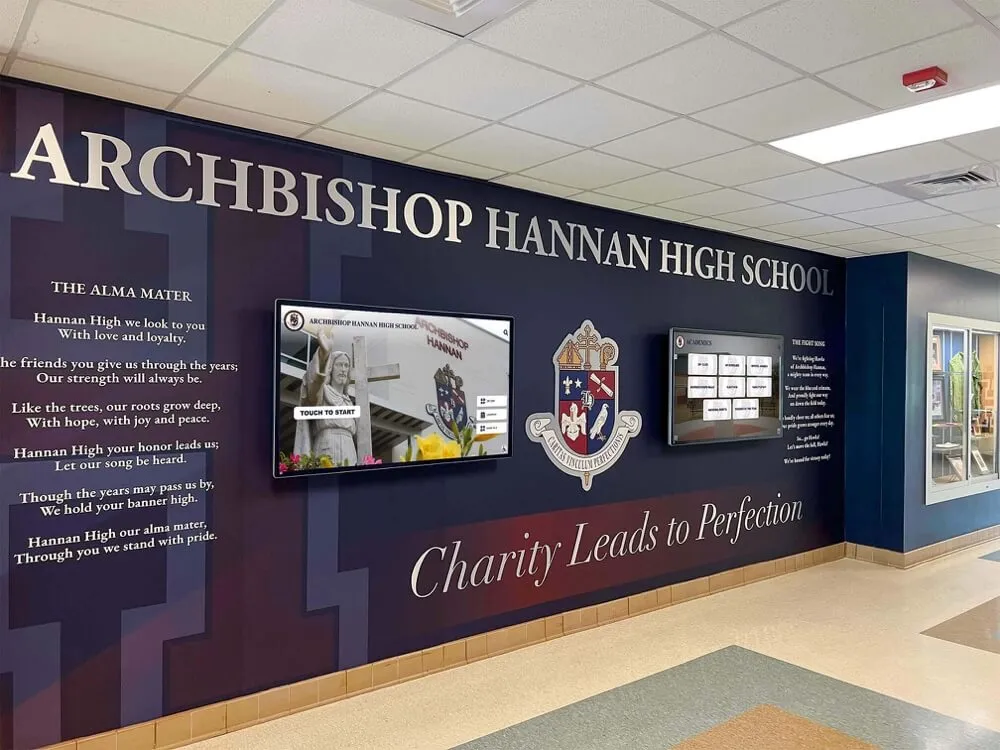
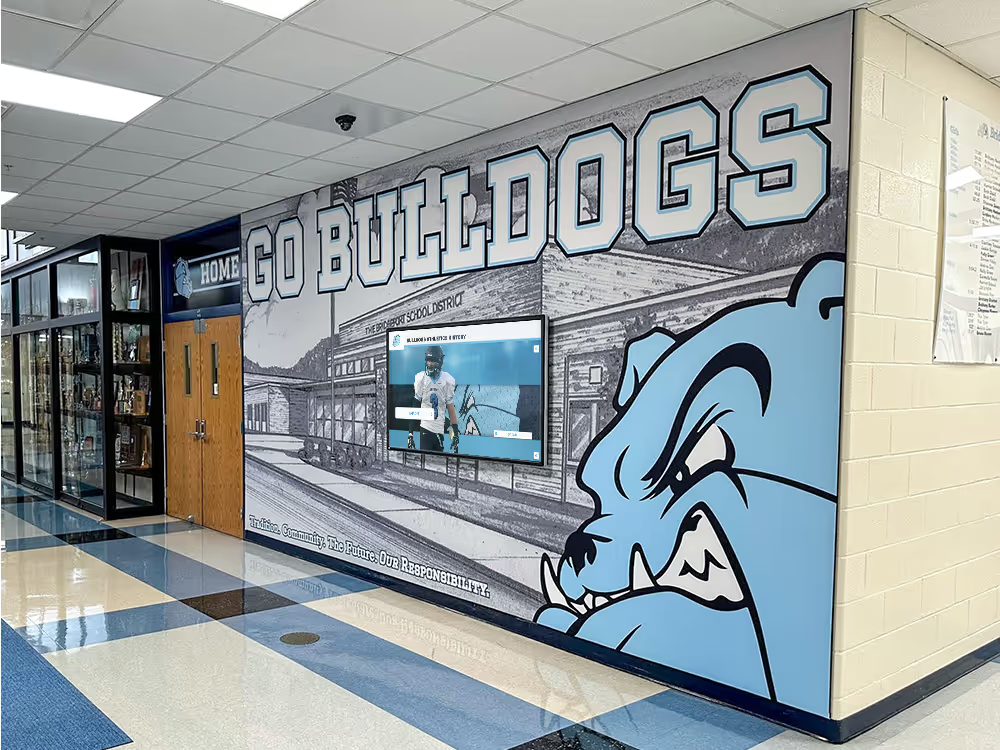
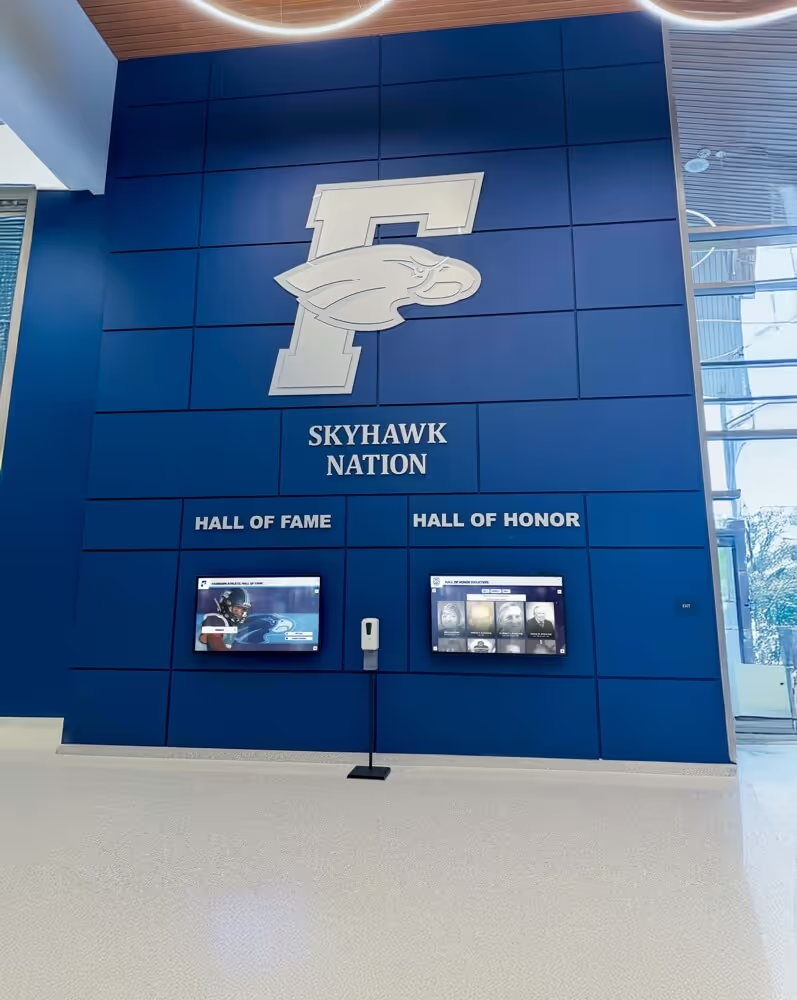
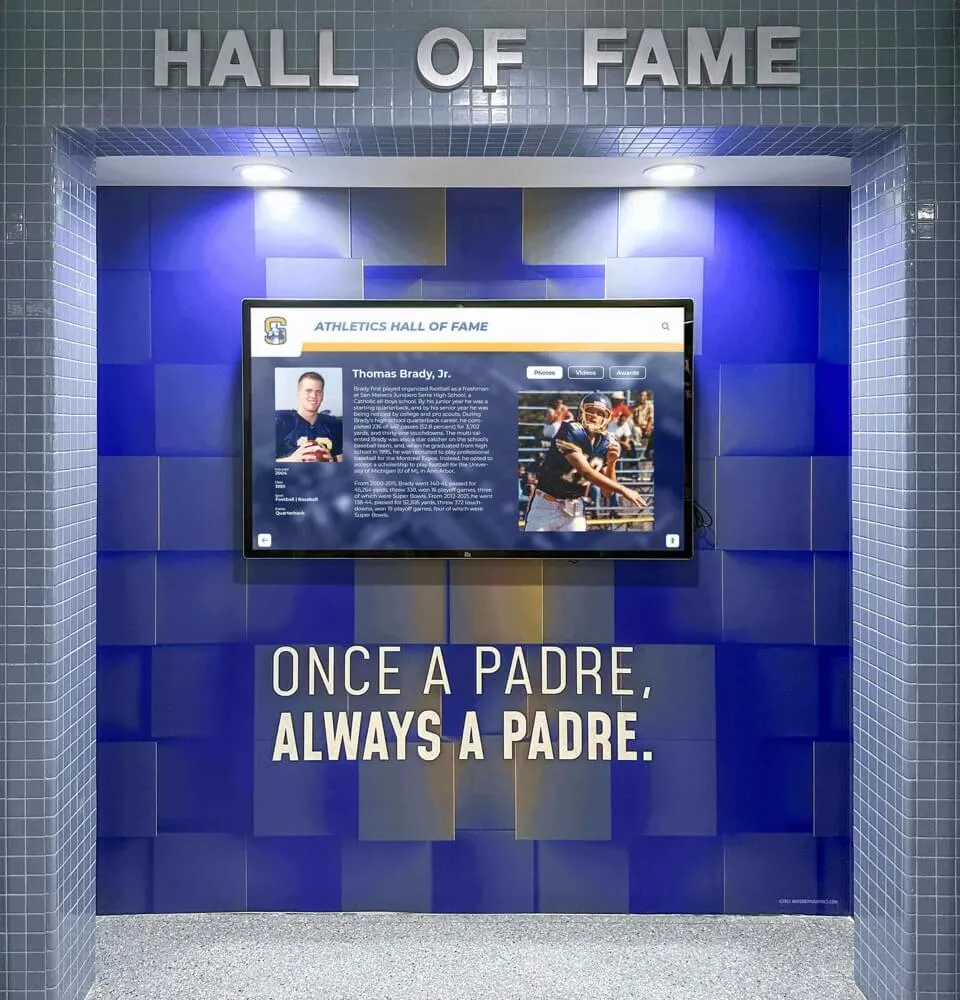
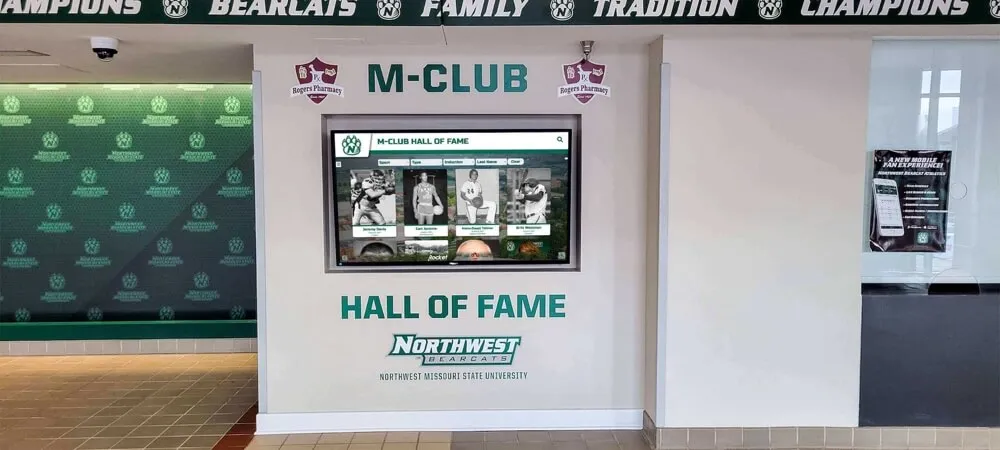
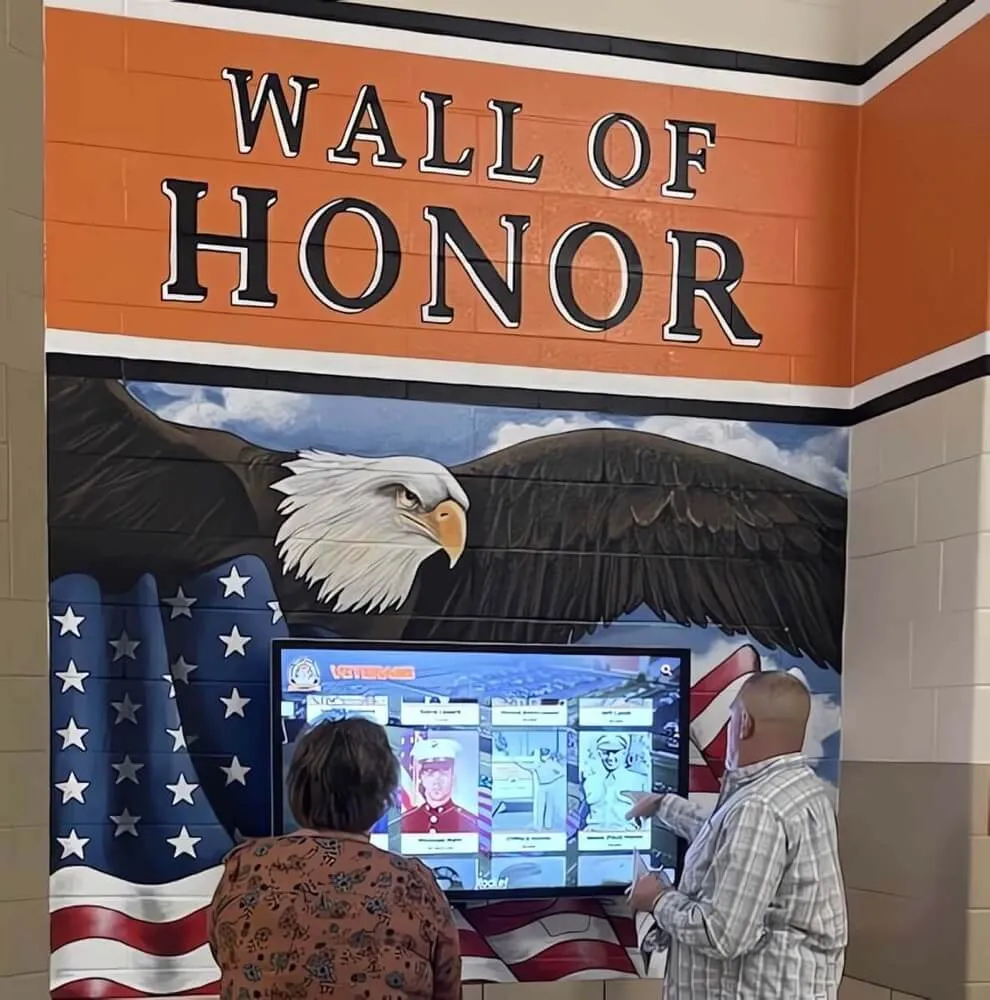
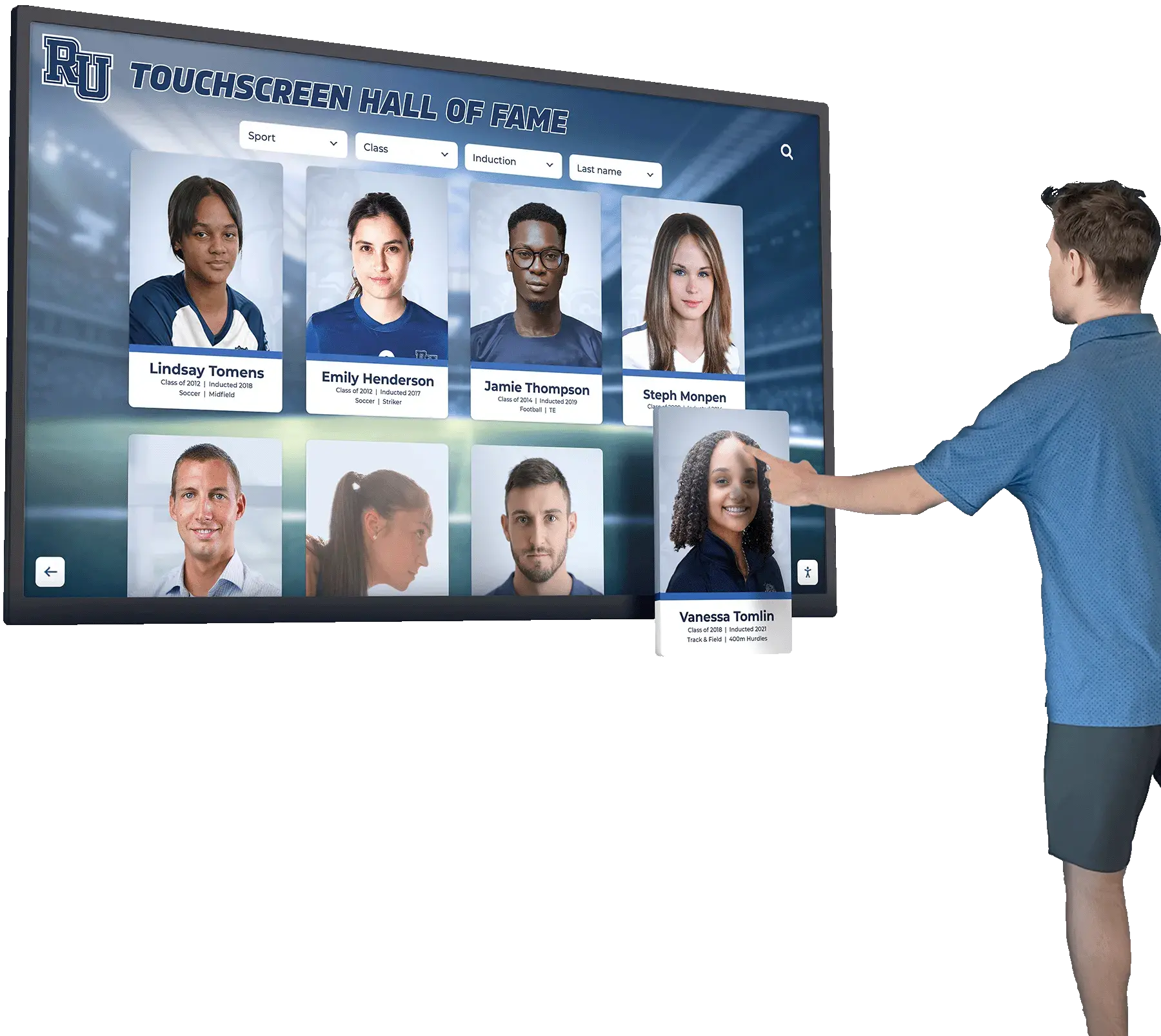
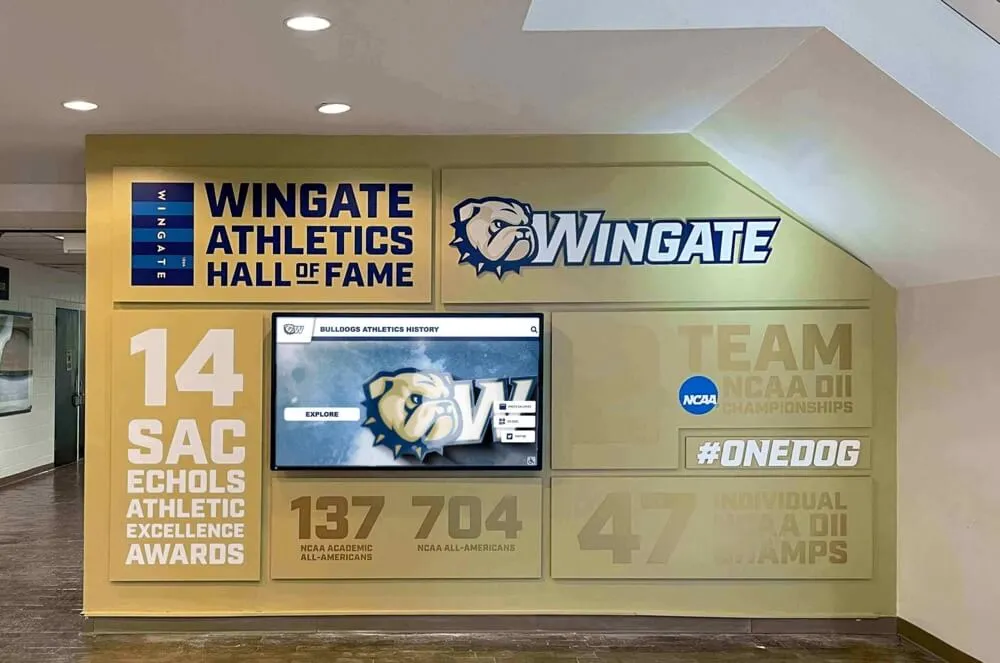
Digital recognition platforms extend College Colors Day momentum by giving alumni year-round opportunities to engage with institutional pride and heritage
Low-Barrier Participation Opportunity
College Colors Day succeeds because participation requires minimal effort:
Alumni need only wear colors they likely already own rather than attend events, donate money, volunteer time, or complete complex actions. Social media sharing takes seconds rather than hours of commitment. Participation feels celebratory rather than obligatory or transactional. The tradition includes natural peer visibility creating social proof and encouraging participation. Timing after Labor Day avoids competing with summer vacations, start-of-school chaos, or major holidays.
This accessibility makes College Colors Day an ideal “gateway engagement” activity for inactive alumni who haven’t participated in years—simple enough to overcome inertia, visible enough to create reconnection, and positive enough to open doors for subsequent deeper engagement.
Natural Fundraising and Event Promotion Window
Strategic schools leverage College Colors Day momentum for adjacent initiatives:
Annual giving campaigns align solicitations with College Colors Day when pride runs high and alumni already focus attention on their alma maters. Campus events including homecoming previews, athletic contests, and reunion planning announcements receive natural promotion through College Colors Day communications. Admissions offices engage legacy families discussing college choices with high school students. Career services promote alumni networking events and mentorship programs to alumni already demonstrating institutional pride. Athletic departments drive ticket sales, streaming subscriptions, and merchandise revenue.
Rather than creating standalone initiatives competing for alumni attention, smart institutions bundle complementary asks into College Colors Day momentum maximizing return on communication investment.
How Schools Turn College Colors Day into Strategic Engagement Campaigns
Successful College Colors Day execution requires planning, creativity, and integration with broader alumni relations strategies rather than simply sending reminder emails on Thursday before the event.
Pre-Event Campaign Building (4-6 Weeks Before)
Multi-Channel Promotional Approach
Effective College Colors Day campaigns begin building awareness and excitement weeks in advance:
Email campaigns start with “Save the Date” messages four to six weeks before College Colors Day, followed by weekly reminders increasing in frequency and urgency. Each message includes specific participation ideas beyond wearing colors—social media challenges, photo contests, donation matches, event registrations, or campus visits. Social media campaigns introduce College Colors Day hashtags, share throwback photos, spotlight individual alumni, preview planned activities, and build countdown momentum. Website takeovers feature College Colors Day prominently on homepages, alumni portals, and giving pages. Alumni chapter communications engage regional volunteer leaders promoting local gatherings aligned with the national moment.
This multi-touch approach ensures the tradition reaches alumni through multiple channels rather than depending on single messages easily missed in crowded inboxes.
Creating Shareable Content Assets
Schools provide alumni easy-to-share content encouraging participation and visibility:
Branded graphics featuring school colors, logos, and “College Colors Day” messaging give alumni professional assets for social media profiles, cover photos, and posts. Photo frames and filters for Instagram, Facebook, and Snapchat let alumni brand selfies with school identity. Video messages from university presidents, athletic coaches, faculty favorites, or celebrity alumni create emotional hooks encouraging sharing. User-generated content from previous years demonstrates participation possibilities and celebrates past involvement. Participation toolkits provide employees sample communications for encouraging colleagues and organizing office spirit days.
By removing creative burdens and providing ready-made assets, schools dramatically increase participation rates compared to expecting alumni to create content from scratch.
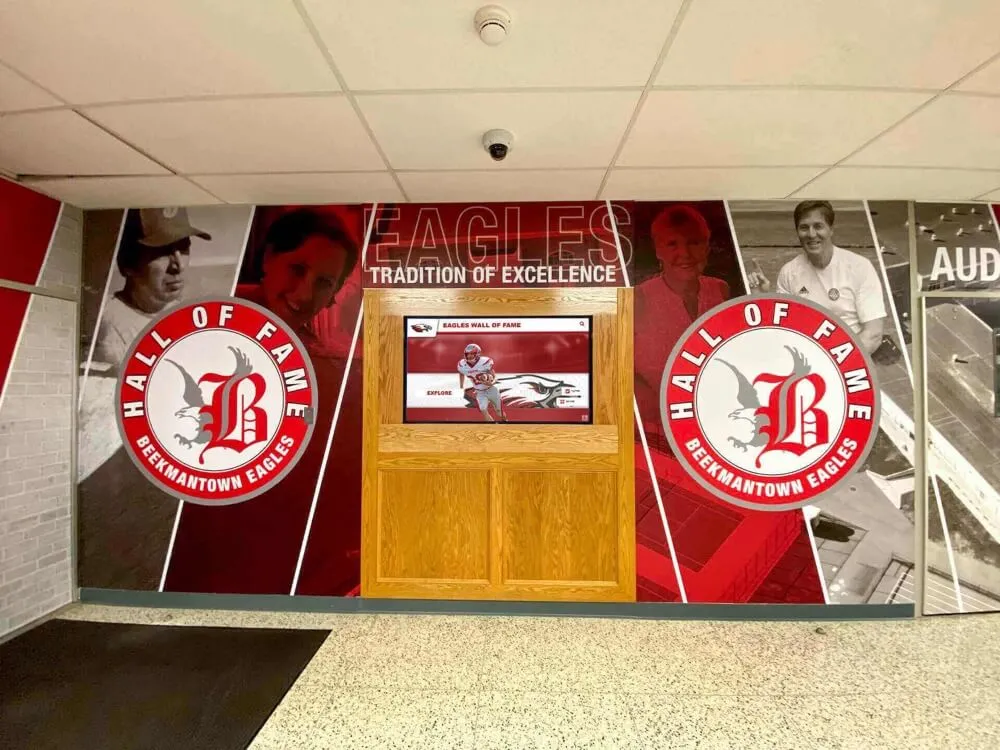
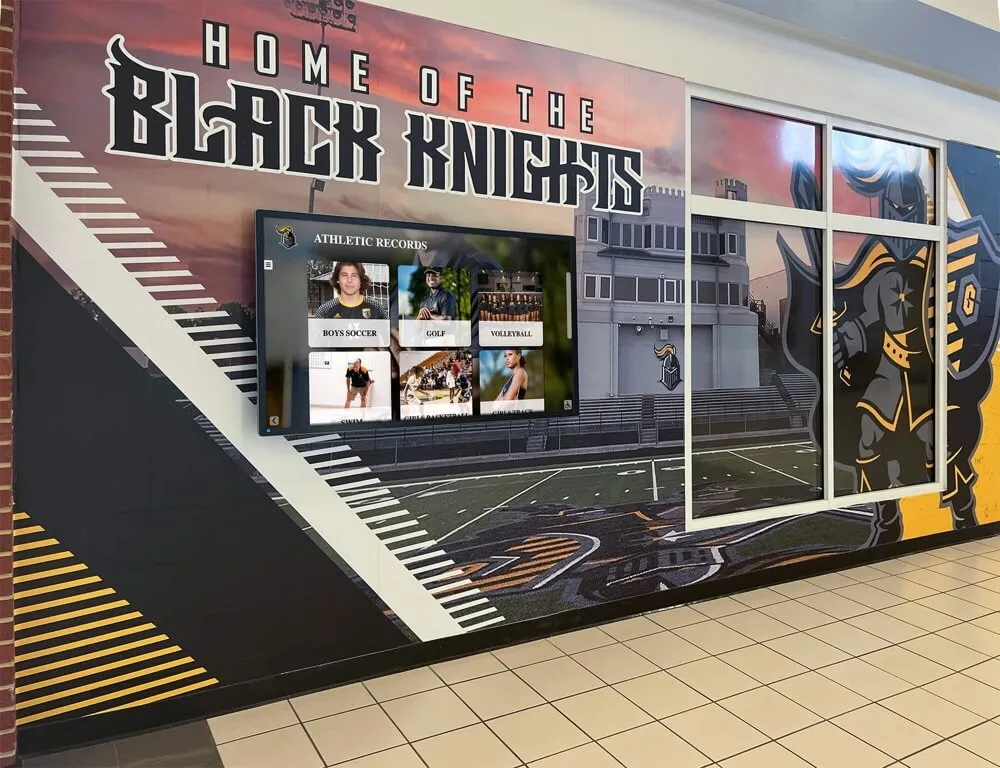
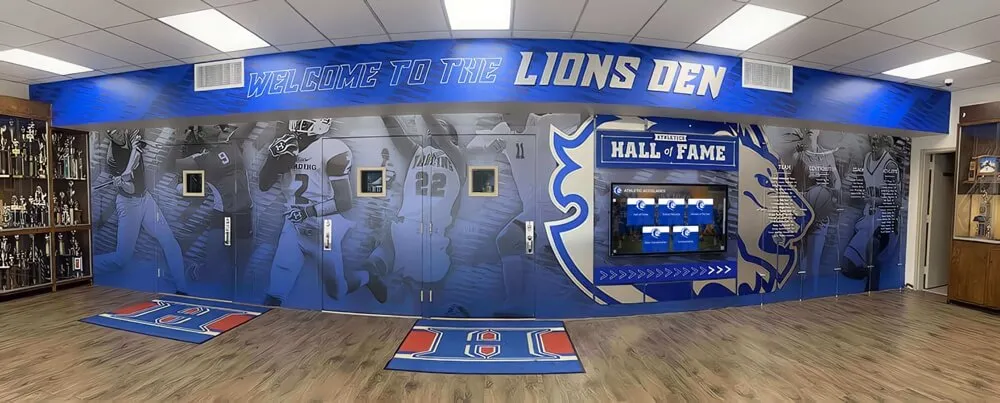
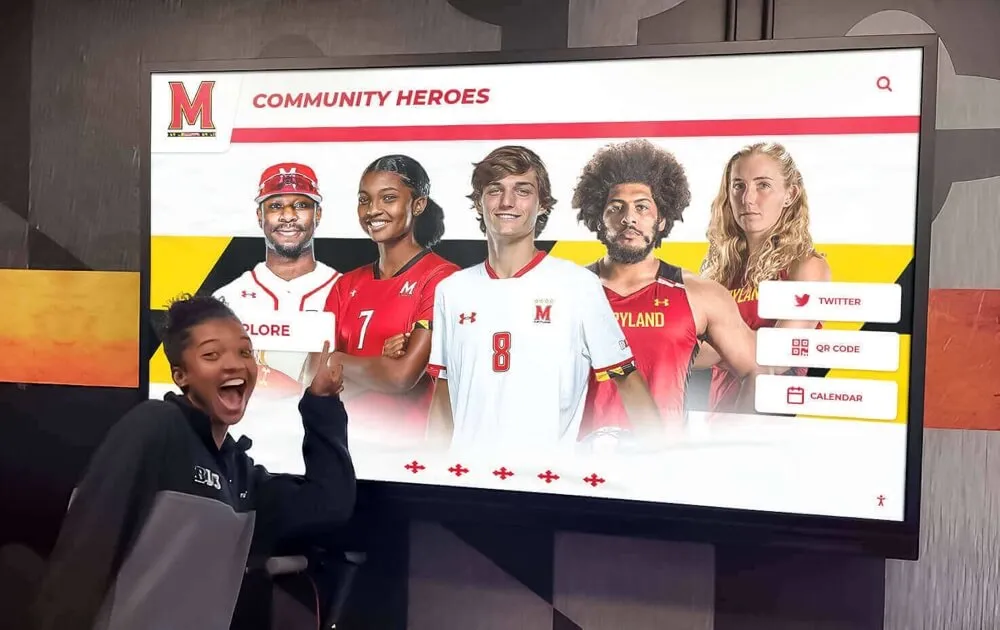
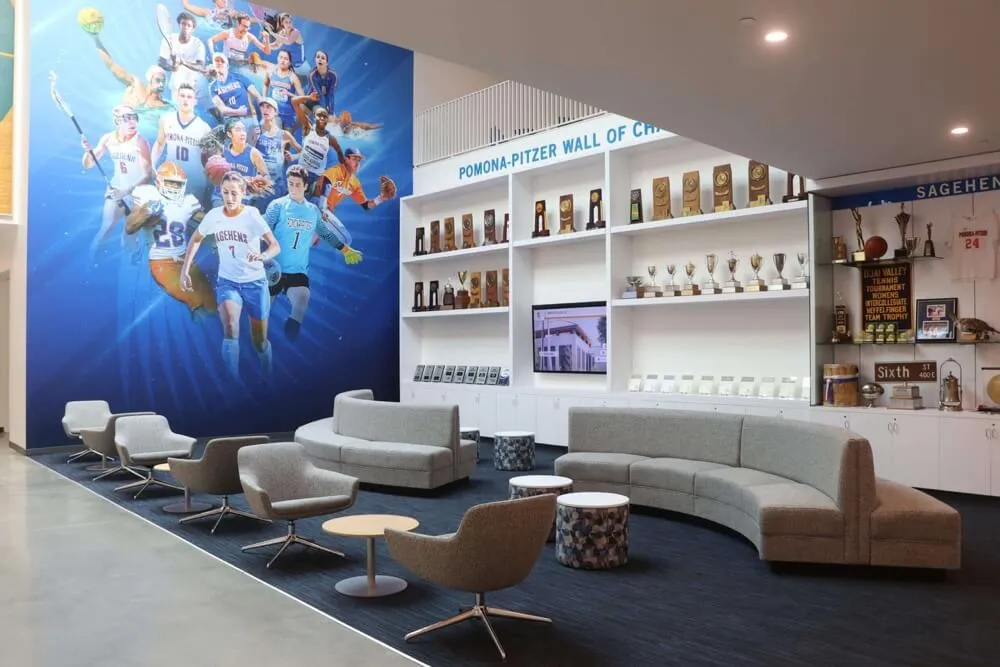
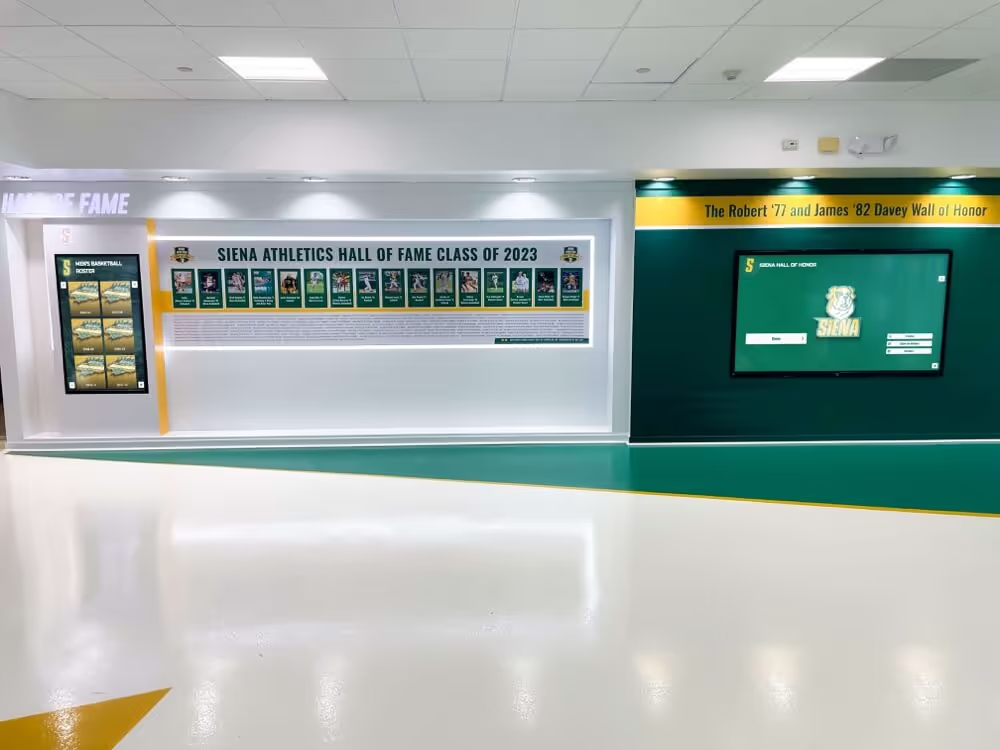
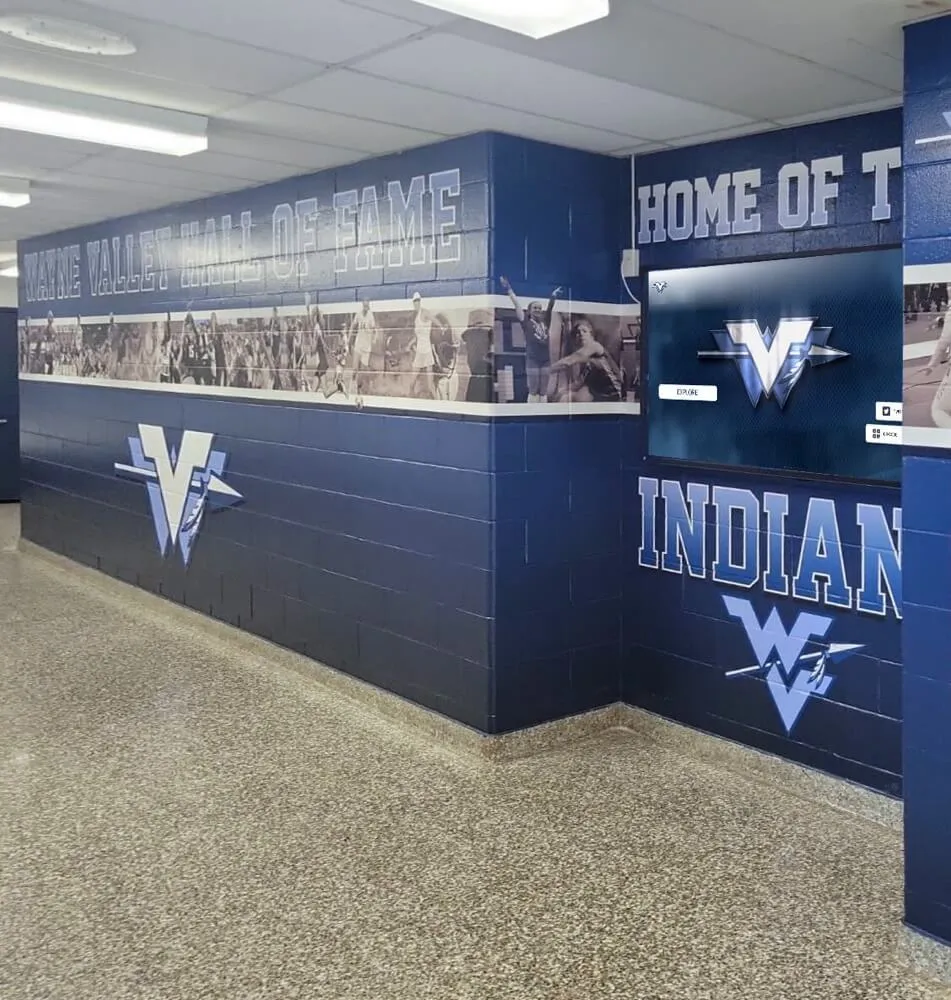
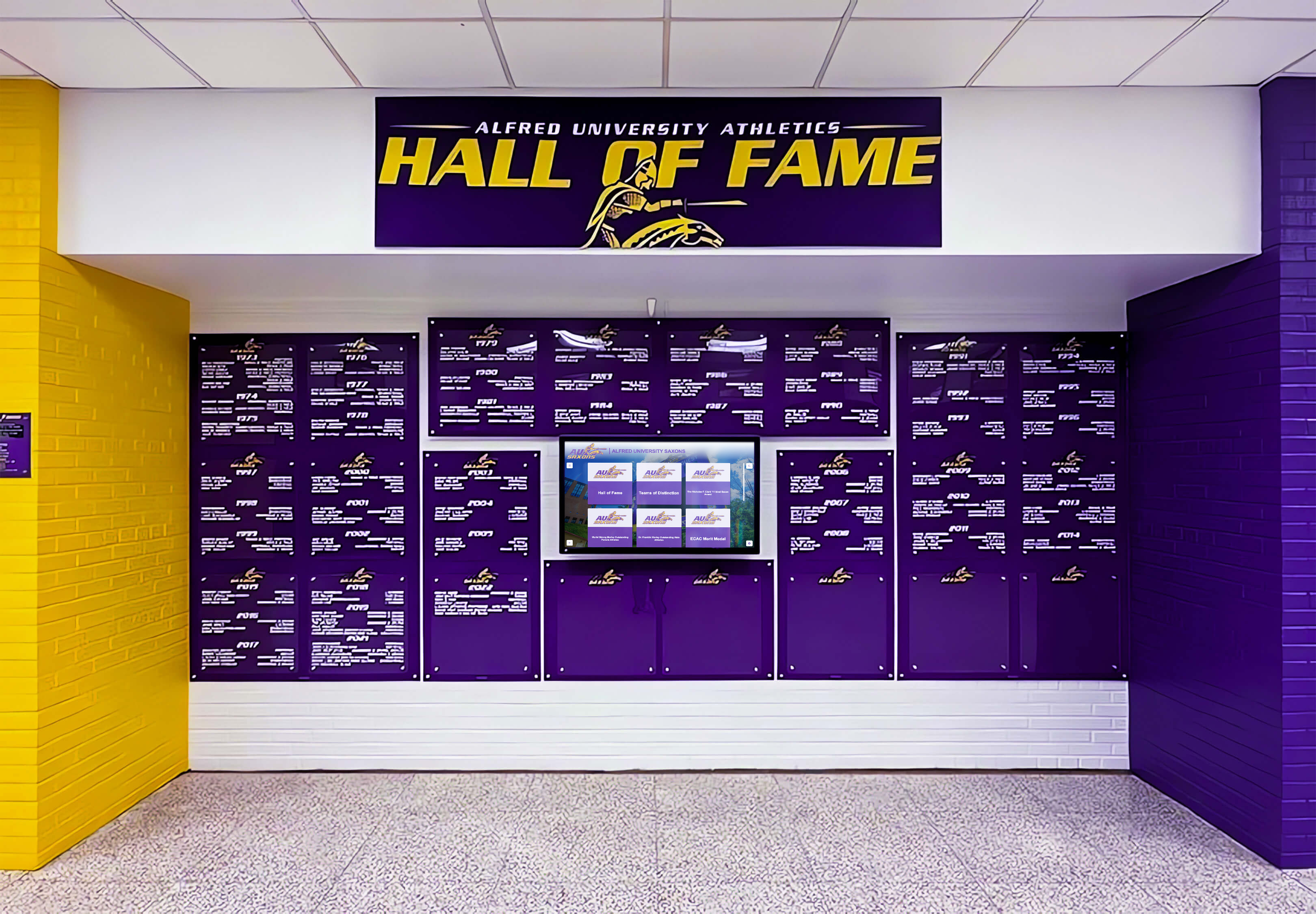
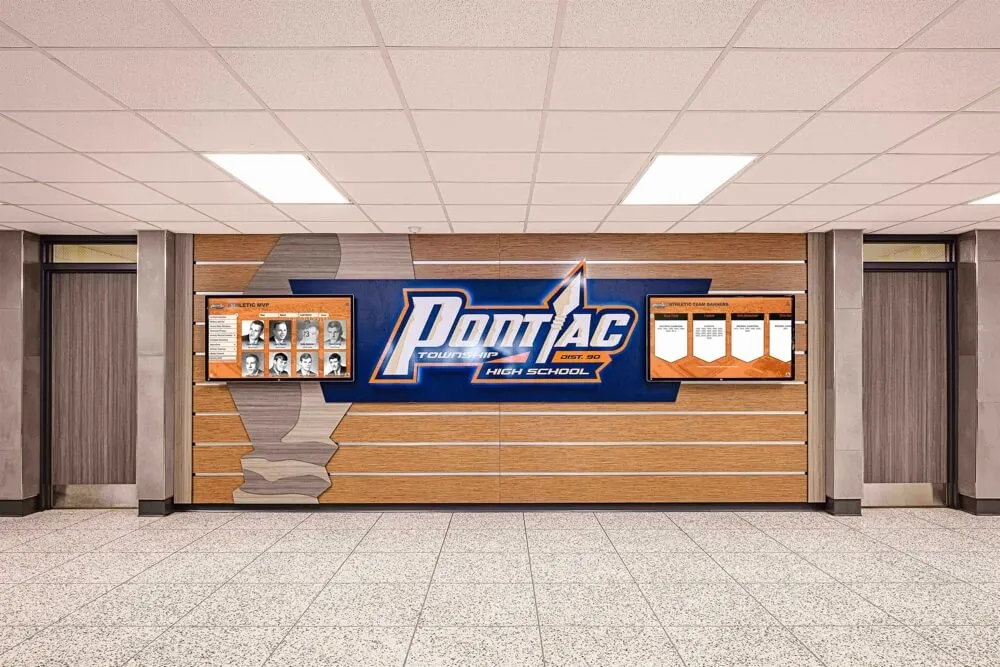
Permanent installations featuring school colors and digital displays create impressive pride-building environments extending far beyond single-day celebrations
Day-of Execution and Real-Time Engagement
Social Media Command Center Approach
Schools maximize College Colors Day impact through active real-time engagement:
Dedicated teams monitor social media throughout the day tracking hashtags, engagement rates, and participation patterns. Real-time responses to alumni posts including likes, comments, shares, and reposts create visibility and encourage additional participation. Live content streams throughout the day including campus tours, athletic practice footage, classroom visits, or administrative messages maintain momentum. Leaderboard updates for participation contests, fundraising thermometers, or engagement challenges create competitive energy. Alumni spotlights feature compelling individual stories, notable participants, or creative displays throughout the day.
This active approach transforms College Colors Day from passive participation into dynamic conversation where alumni feel seen, appreciated, and connected to broader community celebration.
On-Campus Activation and Video Documentation
Physical campus activities create content opportunities and demonstrate institutional commitment:
Campus building lighting in school colors provides dramatic visual content for social sharing and local media coverage. Student gatherings including photo opportunities, giveaways, food events, or pep rallies generate authentic energy captured in photos and videos. Faculty participation campaigns encourage professors wearing school colors in classes creating student-shareable moments. Administrative visibility including presidents, deans, and department heads participating demonstrates top-down commitment. Strategic video documentation captures these moments for creative yearbook content and year-round marketing materials.
Even schools unable to host large events benefit from documenting whatever participation occurs—informal gatherings, individual administrators in colors, decorated offices, or small student groups all provide shareable content demonstrating institutional spirit.
Post-Event Follow-Through and Relationship Building
Converting Participation into Deeper Engagement
The real value of College Colors Day emerges in post-event follow-through:
Thank-you communications acknowledging participation include specific next-step invitations rather than generic gratitude. Photo galleries celebrating participation are shared widely through email, social media, and alumni portals with tagging functionality ensuring individuals find themselves. Participation data informs segmentation for subsequent communications—active participants receive different messaging than non-participants. Contest winners and notable participants receive recognition and prizes extending positive associations. Non-participants receive gentle messages highlighting what they missed and encouraging future participation.
Schools treating College Colors Day as relationship-building opportunity rather than one-day event see dramatically higher year-over-year participation growth and increased engagement in subsequent alumni activities.
Measuring Success and Informing Strategy
Post-event analysis provides insights improving future campaigns and informing broader alumni strategy:
Social media metrics including impressions, reach, engagement rates, hashtag usage, and sentiment analysis benchmark performance against prior years and peer institutions. Email performance data reveals which messages, subject lines, and calls-to-action resonated strongest. Participation patterns by class year, geography, degree program, and demographic categories identify strong and weak segments. Fundraising results quantify financial value of timing campaigns to College Colors Day. Survey feedback from participants and non-participants provides qualitative insights into barriers, motivations, and preferences.
This data-driven approach transforms College Colors Day from feel-good tradition into strategic tool with measurable ROI and continuous improvement capabilities.
Extending College Colors Day into Year-Round Pride Building
The most sophisticated schools recognize College Colors Day as annual peak in year-round pride-building strategies rather than isolated event—digital recognition displays play central roles in these extended approaches.
Digital Displays as Permanent Pride Touchpoints
From Single Day to Every Day Visibility
While College Colors Day concentrates alumni attention for 24 hours, digital recognition displays extend pride-building throughout the year:
Interactive touchscreen displays installed in high-traffic campus locations including student unions, athletics facilities, alumni centers, and academic buildings provide constant visibility for school achievements, history, and traditions. These platforms showcase content including alumni event highlights, athletic accomplishments, academic achievements, donor recognition, and historical milestones—all presented in branded environments featuring prominent school colors.
Digital displays create year-round College Colors Day experiences where current students, visiting alumni, prospective students, and campus guests constantly encounter school pride rather than limiting celebrations to single September Friday.
Showcasing Alumni Achievement Stories
Digital recognition platforms excel at humanizing alumni success and maintaining connections:
Alumni network-building tools integrated with touchscreen displays let institutions showcase professional accomplishments, career milestones, community service, and personal achievements of graduates across all class years. Interactive features allow visitors to search by graduation year, major, career field, or geographic location discovering alumni connections and stories. Photo galleries and video content bring alumni experiences to life through multimedia storytelling. Regular content updates ensure fresh stories appear continuously rather than static displays growing stale.
These platforms transform abstract “alumni engagement” concepts into concrete visual demonstrations of how the institution shaped successful graduates—powerful messaging for current students, prospective families, and returning alumni alike.
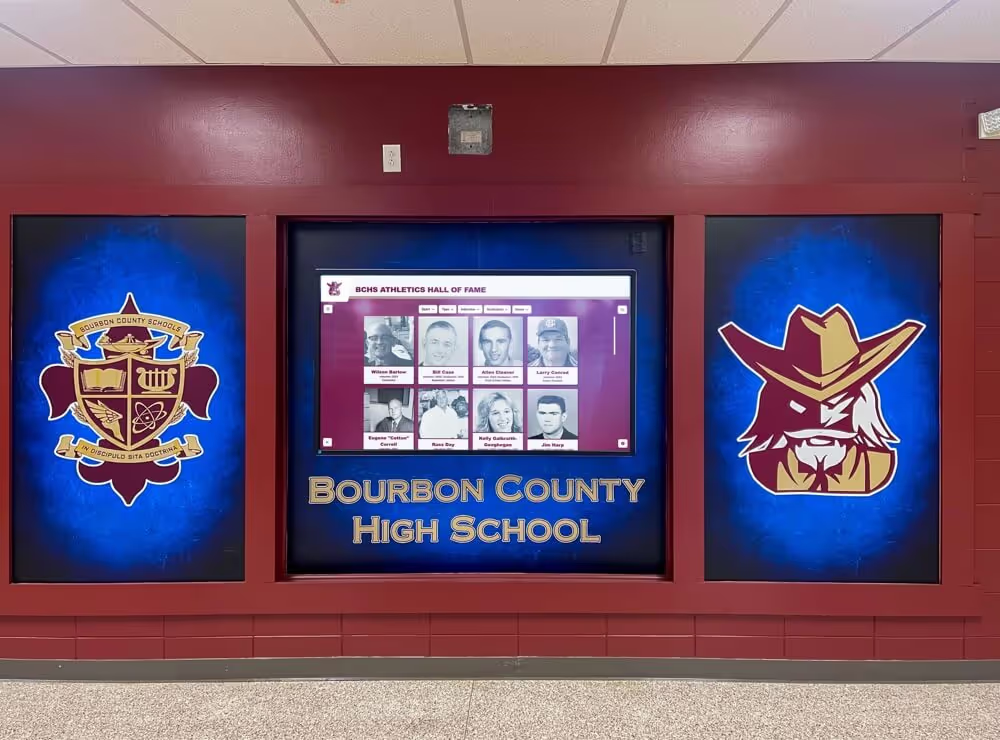
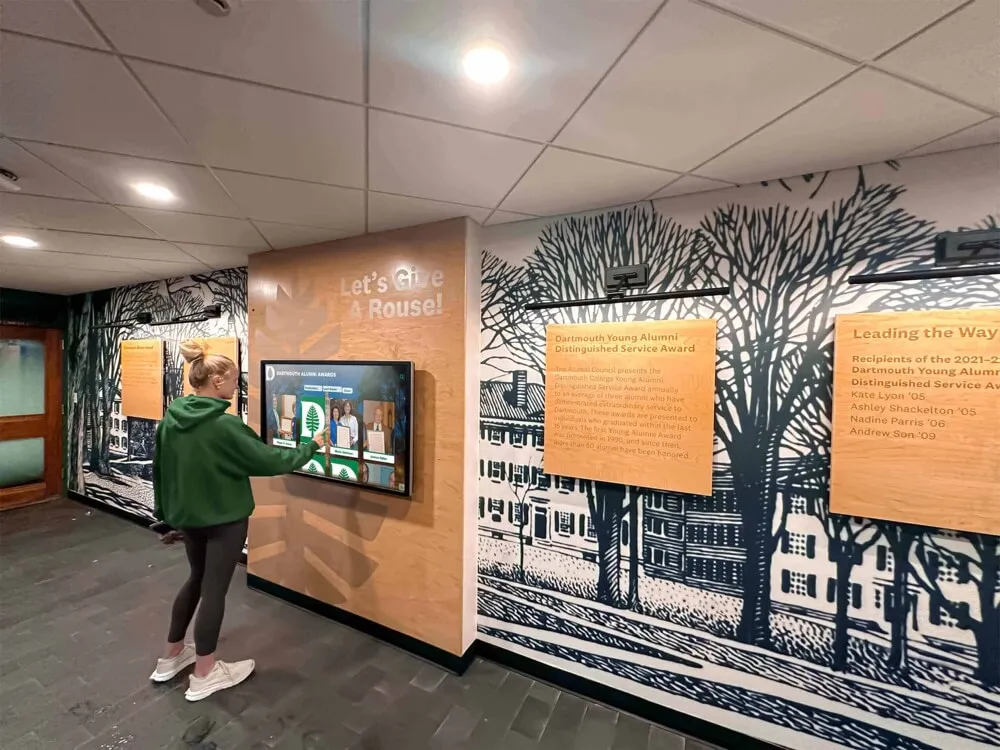
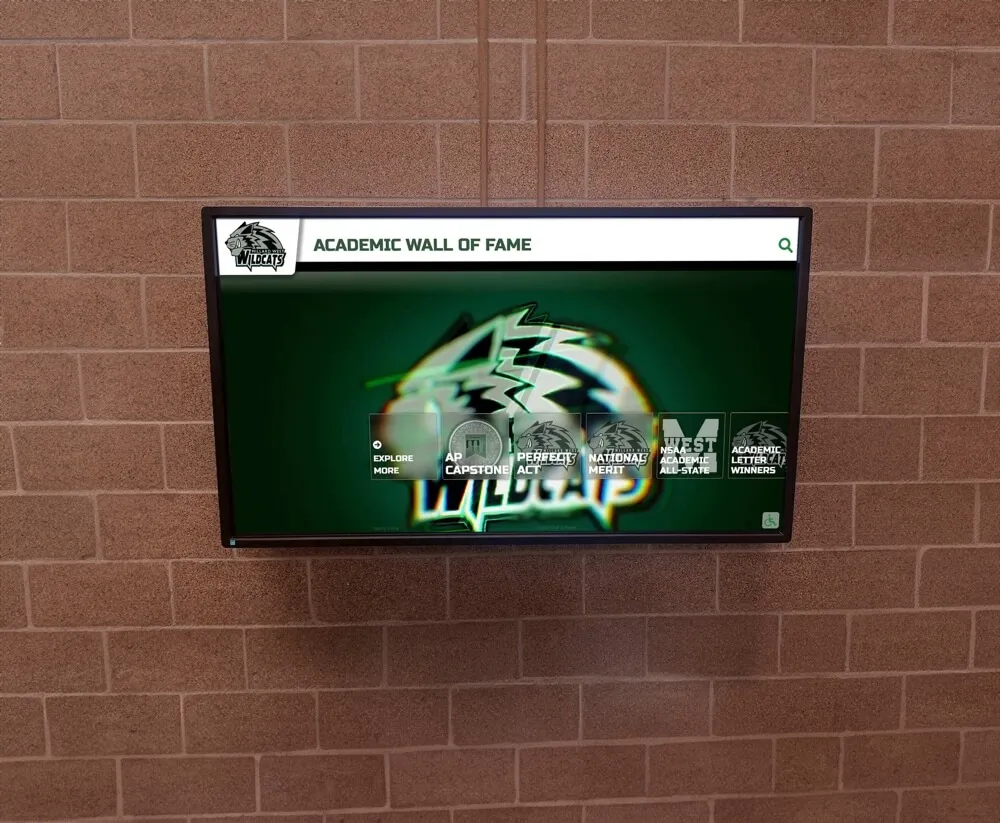
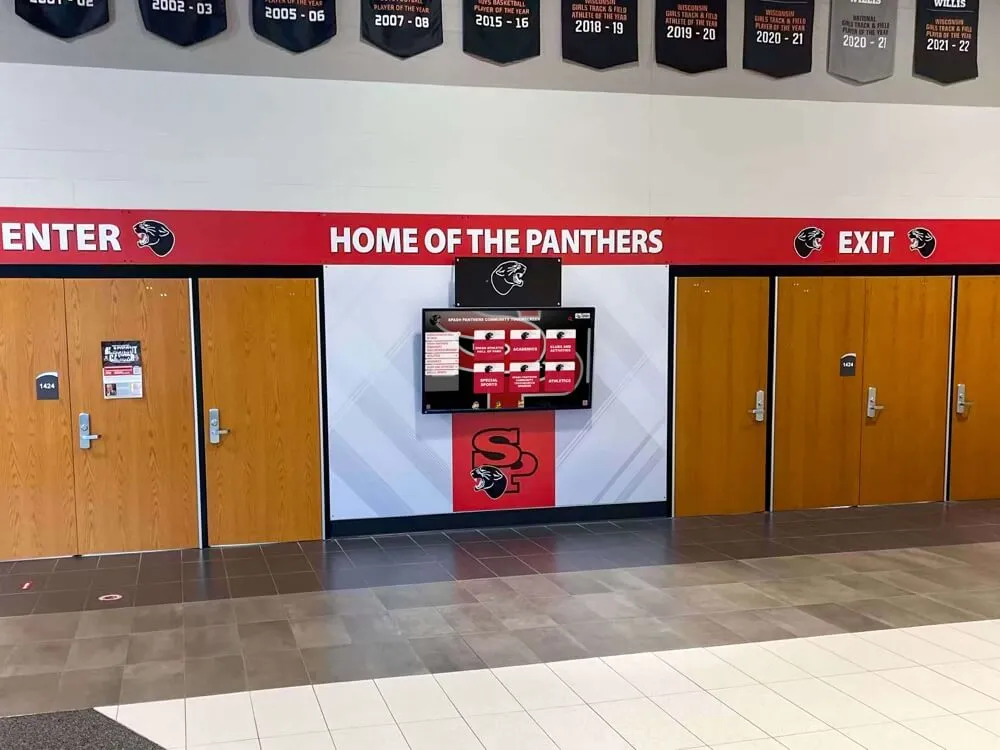
Recognition displays featuring school colors create daily reminders of institutional pride and achievement—extending spirit day energy throughout the entire year
Integrating Physical and Digital Recognition Strategies
Creating Immersive Pride Environments
Sophisticated institutions combine traditional and digital recognition creating comprehensive pride-building spaces:
Wall graphics featuring school colors, historical photos, and achievement timelines provide dramatic backdrops for digital displays creating cohesive branded environments. Trophy cases, championship banners, and traditional plaques complement rather than compete with digital touchscreens—physical artifacts demonstrate heritage while digital platforms add interactivity, searchability, and dynamic content. Strategic placement in high-traffic areas including building entrances, gathering spaces, and event venues ensures maximum exposure. Branded environments serve as natural backdrops for class reunion gatherings, prospective student tours, and social media photo opportunities.
These immersive environments create memorable experiences reinforcing institutional pride every time students, alumni, or visitors encounter them—far more powerful than isolated recognition approaches.
Leveraging QR Codes for Extended Engagement
Digital displays integrated with mobile technologies extend engagement beyond physical campus visits:
QR codes displayed on recognition screens enable visitors to instantly access additional content, submit their own stories, share content on social media, or connect with featured alumni. Mobile-optimized alumni directories let visitors continue exploring after leaving campus. Photo-sharing prompts encourage visitors to post pictures with recognition displays using College Colors Day hashtags extending visibility. Virtual tour integration lets prospective students and distant alumni explore recognition displays remotely. Analytics tracking from QR code scans provides data on which content resonates and which graduates attract most interest.
This omnichannel approach ensures pride-building extends beyond campus visits into ongoing digital relationships maintained through mobile devices alumni carry constantly.
Content Strategies for Continuous Engagement
Building Year-Round Communication Cadence
Effective alumni engagement requires consistent touchpoints extending College Colors Day momentum throughout all twelve months:
Monthly content themes create structure for communications and digital display updates—September focuses on College Colors Day and fall sports, October highlights homecoming and alumni achievements, November celebrates giving season, and patterns continue year-round. Weekly social media content maintains visibility between major events using school colors as consistent visual branding. Alumni event programming spaces throughout calendar year rather than concentrating efforts around single moments. Regular digital display updates ensure fresh content appears consistently rewarding repeat visitors.
This disciplined approach prevents the boom-bust cycle where alumni receive communication bursts around major events followed by months of silence—consistency builds stronger long-term relationships than sporadic intensive campaigns.
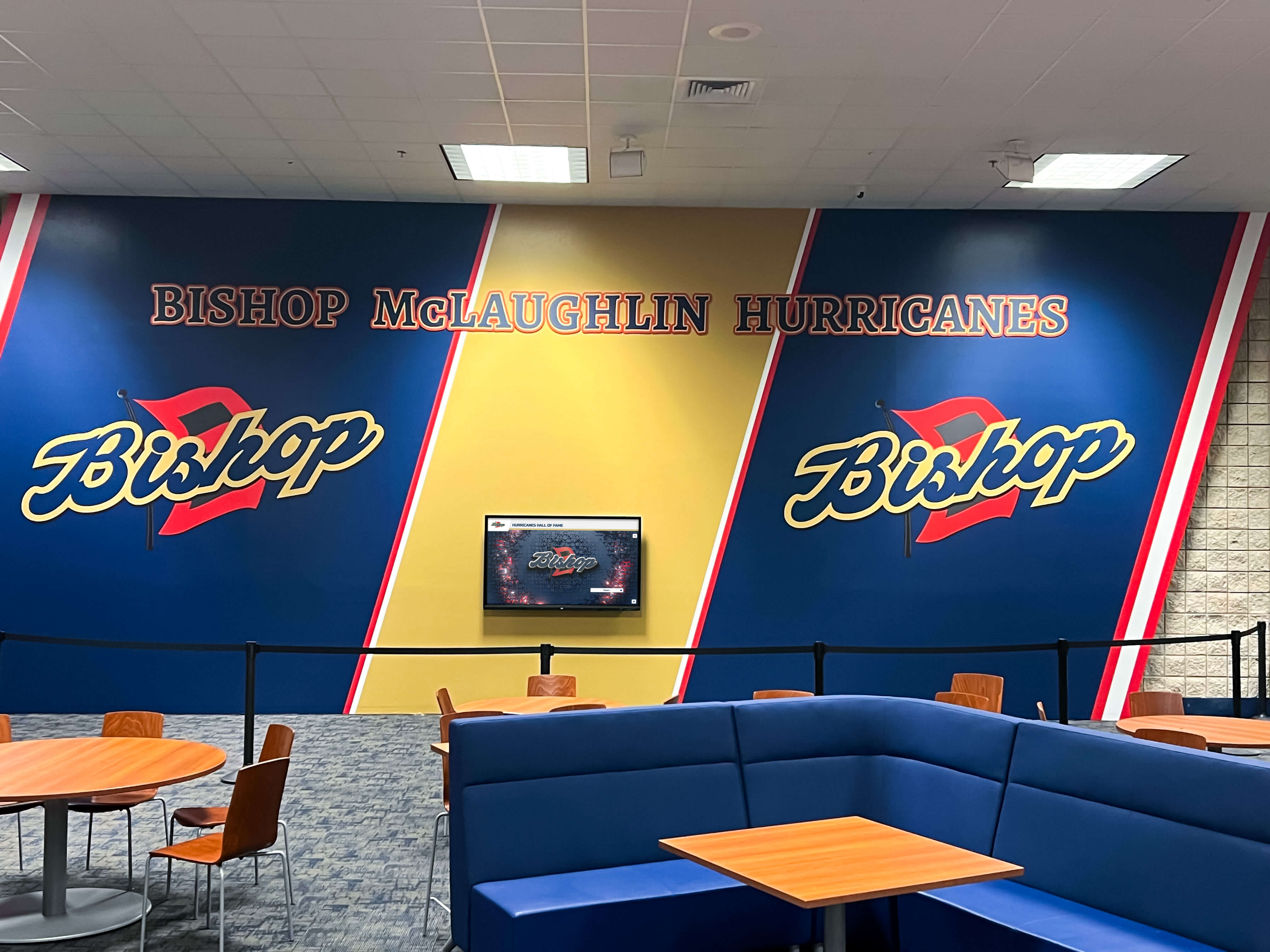
School colors integrated throughout campus environments create subconscious pride reinforcement—students and alumni encounter institutional identity in every space
Practical Implementation: Getting Started with College Colors Day Campaigns
Schools new to strategic College Colors Day campaigns can implement these approaches incrementally rather than requiring massive upfront investment.
Year One: Establishing Foundation
Minimum Viable College Colors Day Campaign
Schools can launch effective College Colors Day participation with modest resources:
Create simple promotional campaign consisting of three to four email messages sent to alumni database in weeks leading to College Colors Day. Establish official hashtag combining institution name with #CollegeColorsDay (e.g., #GoBlue CollegeColorsDay). Post daily reminders and participation encouragement on official social media accounts for week before event. Dedicate staff member or team to monitor and engage with social media on College Colors Day itself. Capture photos of any campus participation including administrators, faculty, students, or facilities dressed in colors. Send post-event thank you message with photo gallery celebrating participation.
This foundational approach requires minimal budget while establishing baseline metrics, testing messaging, and building internal processes for more sophisticated future campaigns.
Measuring and Learning
First-year success focuses on data collection and learning rather than aggressive participation targets:
Document total social media posts using official hashtag, reach and impressions generated, email open and click-through rates, types of participation observed, and anecdotal feedback from participants. Compare metrics to peer institutions where data is available. Survey small sample of participants and non-participants understanding motivations and barriers. Identify what worked well and what fell flat informing next year’s approach.
This learning orientation prevents disappointment from unrealistic first-year expectations while creating roadmap for continuous improvement.
Year Two and Beyond: Scaling Sophistication
Adding Strategic Complexity
Second-year campaigns build on first-year foundation adding sophisticated elements:
Introduce participation contests with prizes encouraging photo submissions, creative displays, or department competitions. Add fundraising component with donation matches tied to participation milestones or class year challenges. Expand to pre-event and day-of campus activities creating content opportunities. Recruit alumni chapter volunteers organizing regional gatherings aligned with College Colors Day. Partner with athletics for ticket promotions, watch parties, or athlete appearances. Coordinate with 100+ alumni event concepts creating comprehensive engagement calendar.
Each year builds incrementally on prior success rather than attempting comprehensive transformation immediately—sustainable improvement beats unsustainable heroic efforts.
Investing in Permanent Infrastructure
As College Colors Day campaigns mature, schools recognize value in permanent pride-building infrastructure:
Digital recognition displays provide year-round alumni engagement platforms extending single-day celebrations into daily institutional pride. Professional photography and videography capabilities enable high-quality content creation for social media, websites, and displays. Alumni database systems with sophisticated segmentation enable targeted communications and personalized engagement. Mobile apps and virtual platforms extend campus experiences to distant alumni. Strategic facility improvements create impressive spaces worthy of social media sharing and donor recognition.
These infrastructure investments compound returns over time—initial costs enable years of enhanced engagement impossible with annual campaign-only approaches.
Video Documentation and Visual Storytelling Strategies
College Colors Day provides natural opportunity for video content creation supporting year-round engagement strategies and showcasing institutional pride visually.
Planning Compelling College Colors Day Video Content
Strategic Video Concepts Worth Producing
Video content captured during College Colors Day serves multiple purposes across annual communication calendars:
Campus participation montages combine footage of students, faculty, staff, and visitors wearing school colors throughout campus creating energetic celebration highlights. These 60-90 second videos work perfectly for social media sharing, website features, and next year’s promotional materials showing prospective participants what they missed.
Alumni video messages collect short clips from alumni sharing favorite school memories, explaining what their colors mean to them, or encouraging fellow graduates to participate. These authentic testimonials create emotional connections impossible through institutional messaging alone while demonstrating widespread participation and enthusiasm.
Time-lapse installations document building lighting, campus decoration, or gathering crowd growth throughout College Colors Day showing dynamic transformation from ordinary Friday to extraordinary celebration. These visual spectacles perform exceptionally well on social media driving shares and engagement.
Behind-the-scenes content follows administrators, event coordinators, or social media teams preparing for and executing College Colors Day showing institutional commitment and humanizing organizational efforts. This content builds appreciation for alumni relations work while demonstrating professionalism and care invested in celebrations.
President or chancellor messages featuring top leadership wearing school colors and speaking directly to alumni strengthen institutional connection and demonstrate that College Colors Day matters at highest organizational levels. Short, authentic messages outperform overly polished productions.
Video Production Specifications for Maximum Impact
Technical Considerations
Effective College Colors Day video content requires attention to production quality without demanding Hollywood budgets:
Mobile device cameras now provide sufficient quality for most social media video content—expensive equipment is unnecessary for authentic storytelling. Natural lighting during daytime outdoor filming typically exceeds artificial lighting setups for this content type. Stabilization tools including gimbals or simply propping phones against stable surfaces prevent distracting shaky footage. External microphones dramatically improve audio quality—clear sound matters more than perfect visuals for viewer retention. Shoot in landscape orientation for versatility across platforms, or create platform-specific vertical content for Instagram Stories and TikTok. Keep individual video segments short (under 90 seconds) for social media algorithms and viewer attention spans.
Editing and Post-Production
Post-production transforms raw footage into compelling shareable content:
Add text overlays identifying speakers, locations, or key messages ensuring accessibility and context for viewers watching without sound. Include school colors prominently in lower thirds, transitions, and graphic elements reinforcing color association. Background music featuring fight songs, alma maters, or upbeat instrumental tracks creates emotional energy and brand connection. Captions enable accessibility and accommodate the majority of mobile social media users who watch without sound. Final export in platform-specific formats and aspect ratios maximizes quality and algorithm favorability.
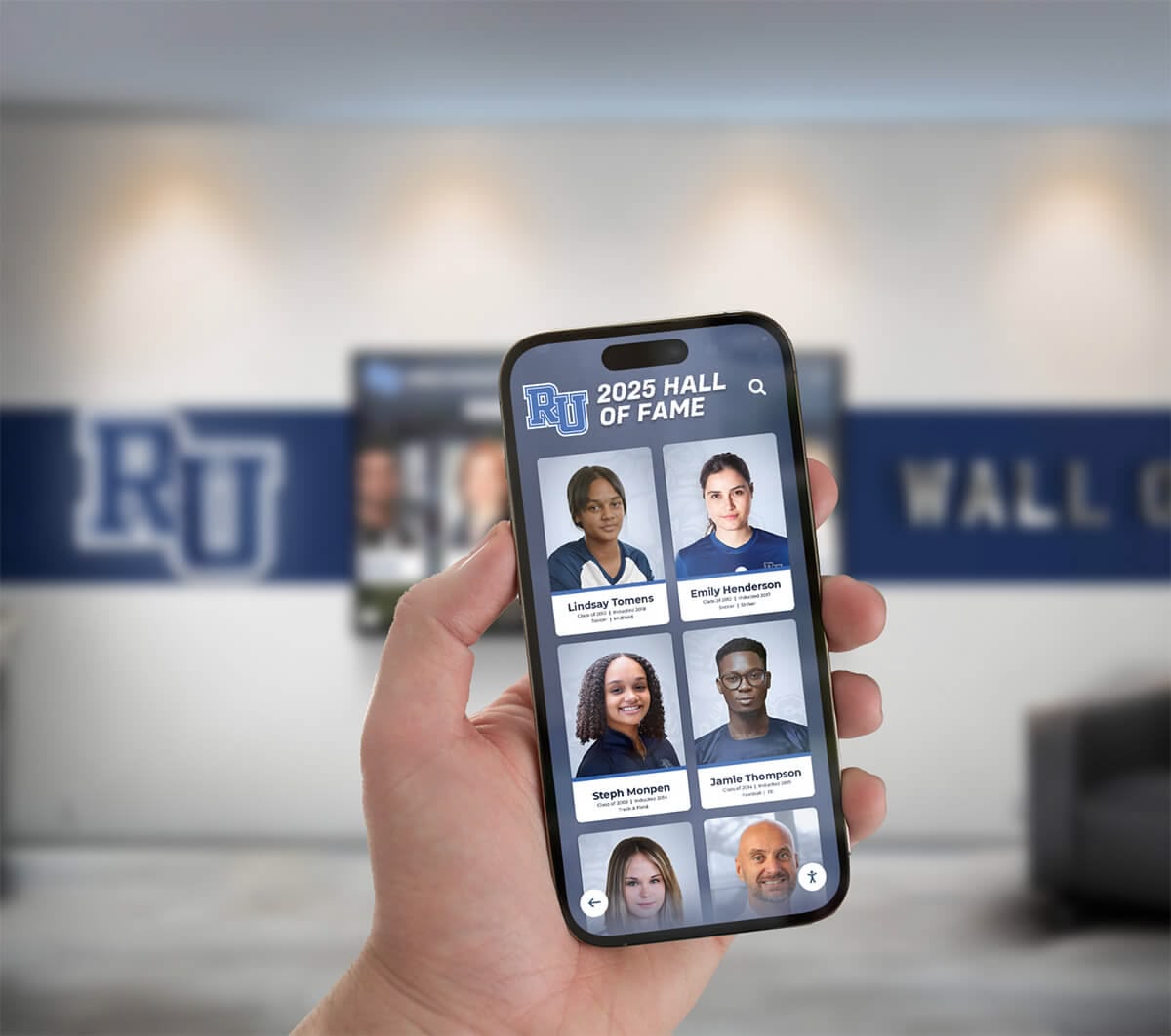
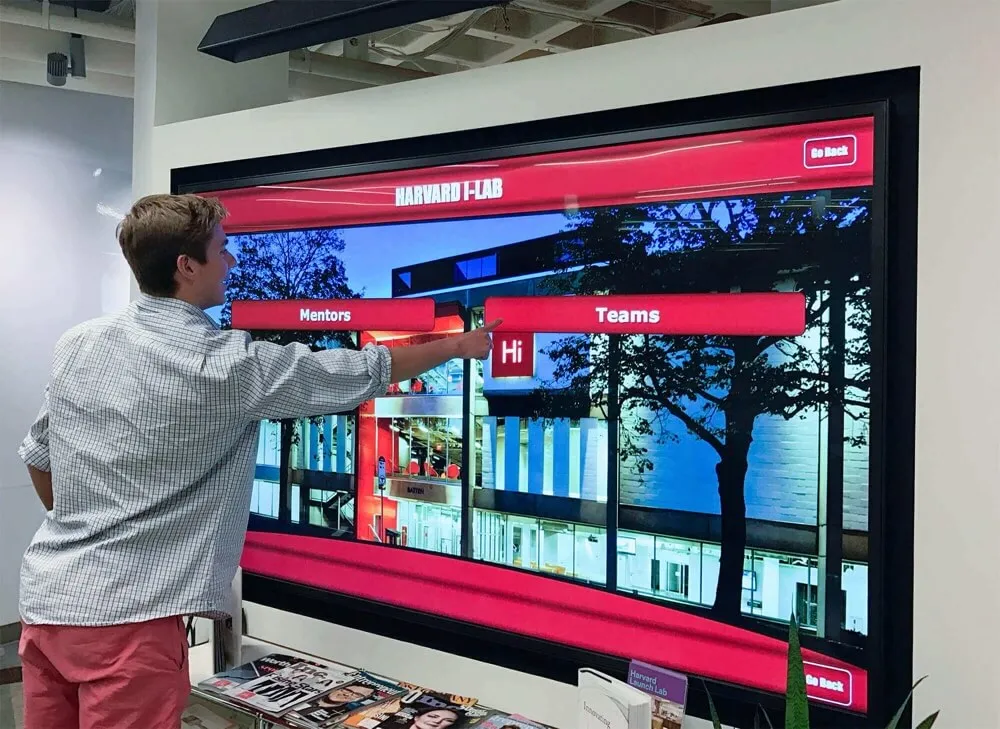
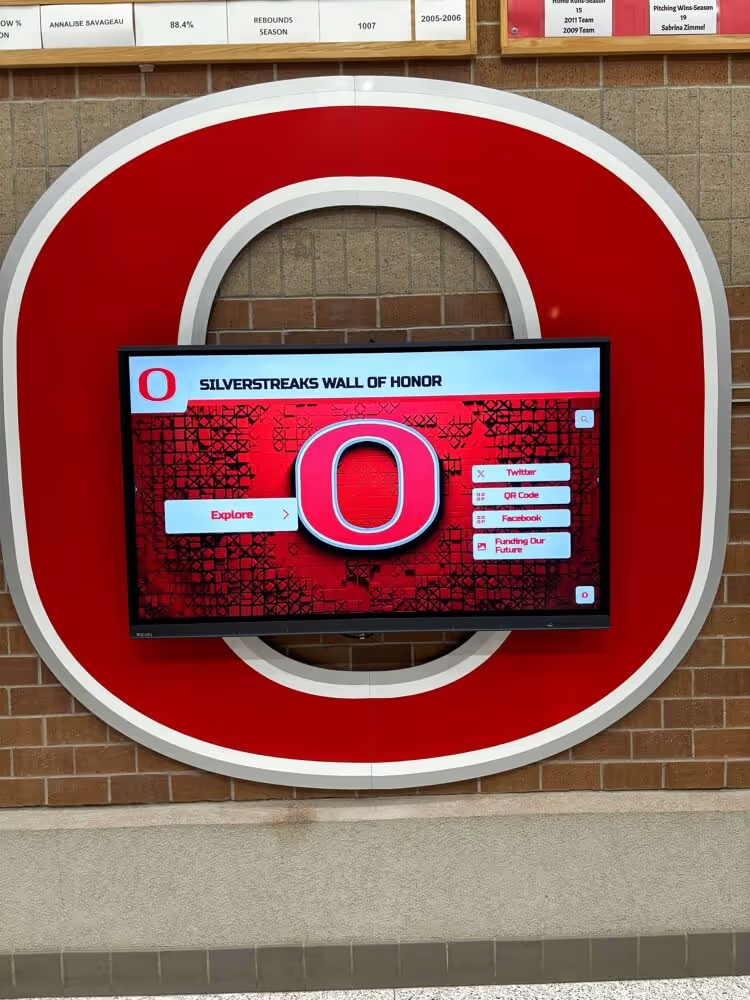
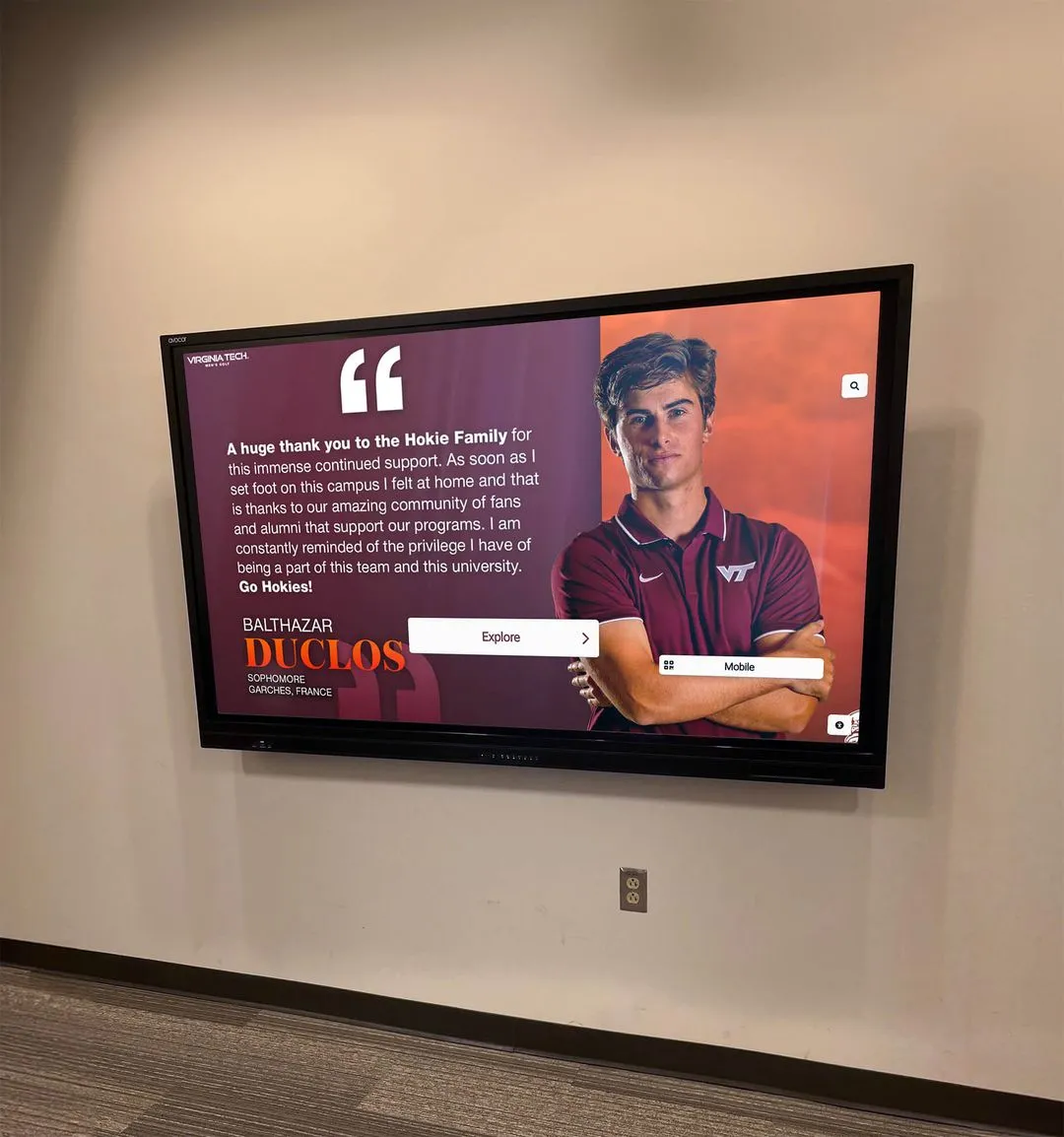
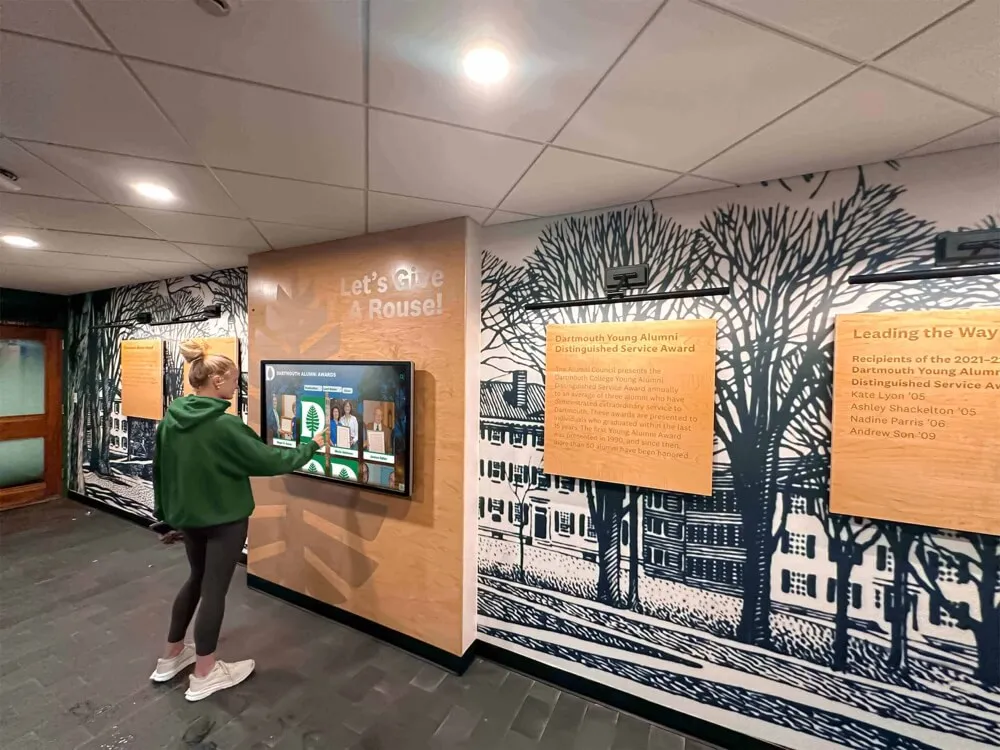
Mobile-integrated recognition platforms let alumni engage with institutional pride remotely—QR codes bridge physical displays with digital content accessible year-round
Distribution Strategy and Video Performance Optimization
Multi-Platform Publishing Approach
Single video assets should serve multiple platforms through strategic adaptation:
Native uploads to each social platform (Facebook, Instagram, Twitter, LinkedIn, TikTok) perform better algorithmically than shared links. Platform-specific edits optimize for each audience and format—LinkedIn receives professional messaging while TikTok gets energetic quick cuts. Strategic posting times based on platform analytics maximize initial engagement critical for algorithm visibility. Paid promotion budgets even modest amounts applied to top-performing organic content dramatically extend reach. Email newsletter embeds drive traffic to hosted video pages rather than attaching large files. Website homepage features showcase videos to all visitors during and after College Colors Day.
Measuring Video Performance
Video analytics provide insights improving future content and informing broader strategy:
View counts and completion rates reveal which content formats and topics resonate strongest. Engagement metrics including likes, comments, shares, and saves indicate content that motivates audience action. Traffic sources show which distribution channels drive most views. Audience demographics identify whether content reaches intended segments. Year-over-year comparisons track growth and improvement. Qualitative comment analysis reveals sentiment and specific reactions informing messaging refinement.
Common Challenges and Solutions for College Colors Day Campaigns
Even well-planned College Colors Day initiatives encounter obstacles—anticipating common challenges and preparing solutions increases success likelihood.
Overcoming Low Participation and Awareness
The Silent Majority Problem
Many schools discover that despite careful planning, participation remains lower than hoped during first years:
Root causes: Alumni databases contain outdated contact information limiting message delivery. Inactive alumni don’t regularly check email or follow social media accounts. Messaging fails to clearly explain participation opportunities or value proposition. Competition from work demands, family obligations, and other priorities. Lack of peer visibility—alumni don’t see others participating so assume it’s not important. Weak emotional connection to alma mater especially among graduates who had mediocre experiences or attended primarily for degree credential.
Solutions: Improve database hygiene through regular verification campaigns and append services. Test multiple communication channels including mail, text messages, and chapter volunteer outreach. Simplify participation to absolute easiest actions—just wear colors, no complex requirements. Showcase participation from prior years demonstrating this is established tradition worth joining. Create class year challenges or regional competitions introducing friendly competition. Focus initial efforts on naturally engaged segments (recent graduates, donors, event attendees) creating visible core participation that attracts broader involvement over time.
Managing Resource Constraints
Doing More with Less
Smaller schools or under-resourced alumni offices struggle allocating staff time and budget to College Colors Day campaigns:
Resource-efficient approaches: Recruit student volunteers, interns, or work-study staff handling social media monitoring and content creation. Leverage free or low-cost design tools including Canva for graphics rather than custom design services. Repurpose content from prior years reducing annual creation burden. Partner with athletics, admissions, or development offices sharing costs and responsibilities. Use automation tools for email scheduling and social media posting reducing day-of workload. Focus efforts on highest-return activities rather than attempting comprehensive campaigns.
The most resource-efficient approach involves creating reusable systems and templates in year one that require only minor updates in subsequent years—initial investment enables sustainable long-term execution.
Measuring ROI and Demonstrating Value
Justifying Investment to Leadership
Alumni relations offices face pressure demonstrating tangible return on College Colors Day investment:
Quantifiable metrics: Social media impressions, reach, and engagement provide concrete numbers showing visibility. Email performance benchmarks demonstrate communication effectiveness. Participation growth year-over-year shows momentum and increasing engagement. Donation revenue tied to College Colors Day campaigns quantifies financial return. Media coverage including local news, social media influencers, or national college sports outlets demonstrates reputation value. Cost-per-engagement calculations compare College Colors Day to other alumni engagement tactics. Benchmark comparisons to peer institutions provide context for performance evaluation.
Qualitative value: Alumni testimonials and survey responses document emotional impact and connection building. Staff morale benefits from successful visible initiatives. Recruitment and admissions value from demonstrating vibrant alumni network. Corporate partnership opportunities emerging from employer participation. Foundation for broader alumni engagement strategy—participants in College Colors Day more likely to attend events, volunteer, and donate subsequently.
Transforming Single-Day Celebration into Year-Round Alumni Engagement Platform
The ultimate success measure for College Colors Day campaigns isn’t participation on that single September Friday—it’s whether the tradition serves as gateway converting inactive alumni into engaged community members throughout entire years.
Schools achieving this transformation recognize College Colors Day as annual milestone in comprehensive award recognition strategies rather than isolated event. They invest in permanent recognition infrastructure including digital displays, branded campus spaces, and sophisticated communication platforms enabling consistent alumni engagement. They create content calendars extending College Colors Day themes throughout calendar years. They measure success not just by single-day participation but by subsequent engagement in events, giving, volunteering, and relationship depth.
Most importantly, they recognize that school colors represent more than athletic affiliation or aesthetic preference—they symbolize belonging, shared experience, achievement, and identity formation during transformative life stages. When schools treat colors with appropriate significance and create multiple touchpoints reinforcing that symbolic power, single-day celebrations naturally expand into lasting pride and engagement.
College Colors Day works because it taps into fundamental human needs for belonging, identity, and connection. Schools that understand this psychology and intentionally design experiences satisfying those needs transform September traditions into powerful year-round alumni engagement engines that benefit institutions, graduates, and communities for generations.
Start Building Your College Colors Day Strategy
Rocket Alumni Solutions specializes in helping schools create permanent pride-building infrastructure extending College Colors Day celebrations into year-round engagement. Our interactive touchscreen displays, branded recognition walls, and digital storytelling platforms transform how institutions showcase achievements, honor alumni, and build lasting connections.
Whether you’re launching your first strategic College Colors Day campaign or looking to enhance existing traditions with permanent digital recognition displays, we’ll help you create impressive environments and engagement tools that alumni interact with every day—not just one Friday each September.
Discover how Rocket Alumni Solutions can help transform your College Colors Day tradition into year-round alumni pride through interactive displays and digital recognition platforms designed specifically for educational institutions.