College Colors Day: Why Schools Use This Tradition to Celebrate Alumni and School Pride
- Home /
- Blog Posts /
- College Colors Day: Why Schools Use This Tradition to Celebrate Alumni and School Pride
The Easiest Touchscreen Solution




Live Example: Rocket Alumni Solutions Touchscreen Display
Interact with a live example (16:9 scaled 1920x1080 display). All content is automatically responsive to all screen sizes and orientations.
Every September, millions of people across North America pull out their college sweatshirts, dust off varsity jackets, and proudly wear their school colors for College Colors Day—a tradition that has evolved from a simple Friday celebration into a powerful alumni engagement opportunity that forward-thinking schools leverage year-round.
College Colors Day, celebrated annually on the Friday before Labor Day, represents one of the most visible expressions of school pride and alumni connection. What began as a grassroots movement to celebrate collegiate identity has transformed into a strategic touchpoint where schools, universities, and even high schools engage alumni networks, strengthen community bonds, and demonstrate the lasting power of institutional identity.
The most innovative schools recognize that College Colors Day isn’t just about wearing colors for a single day—it’s the launching point for comprehensive alumni pride campaigns that utilize digital recognition displays, social media engagement, storytelling initiatives, and year-round visibility programs. These institutions understand that the same pride that motivates alumni to wear school colors in September can be channeled into deeper engagement when supported by thoughtful recognition strategies and modern technology.
This comprehensive guide explores why College Colors Day matters to schools and alumni associations, how the tradition has evolved into a broader engagement strategy, and practical approaches for transforming a single spirit day into year-round alumni pride campaigns using digital displays, recognition programs, and community-building initiatives that keep school spirit alive long after graduation day.

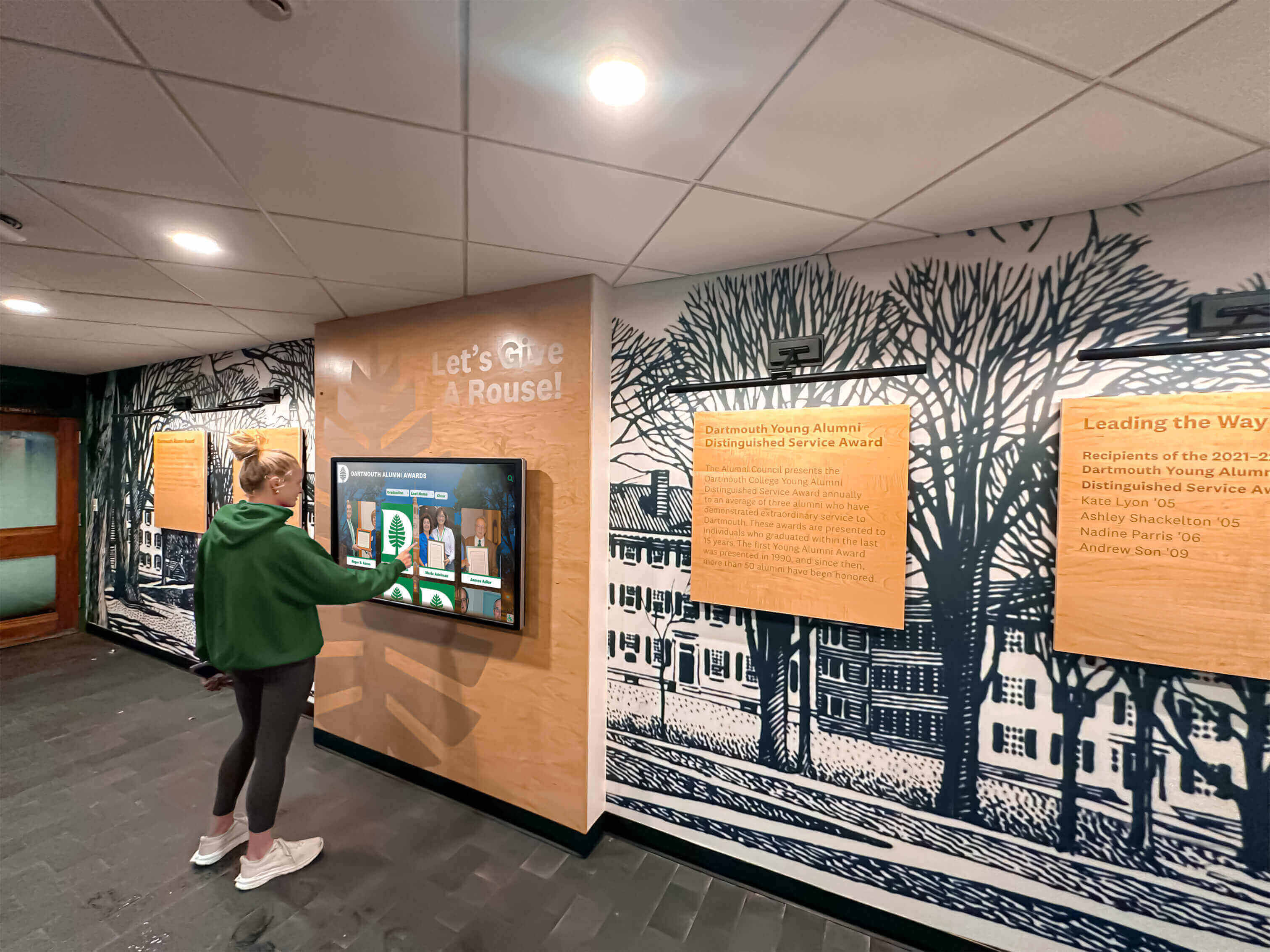
Interactive alumni displays create year-round engagement opportunities that extend far beyond single-day spirit celebrations like College Colors Day
Understanding College Colors Day: Origins and Evolution
Before exploring how schools leverage this tradition for alumni engagement, understanding the history and current scope of College Colors Day provides essential context for strategic participation.
The History of College Colors Day
College Colors Day emerged in 2004 as a simple but powerful idea: dedicate one Friday each September when everyone wears their college colors to celebrate school pride and the start of the academic year.
From Grassroots Movement to National Tradition
The tradition didn’t begin with universities or athletic conferences—it started with college sports fans and alumni who recognized the need for a unified celebration of collegiate identity:
- 2004: College Colors Day founded as a grassroots initiative celebrating collegiate athletics and school pride
- Early Growth: Athletic departments, alumni associations, and college bookstores embraced the concept, promoting participation through social media and campus events
- Mainstream Adoption: Major corporations including ESPN, Walmart, and Coca-Cola began sponsoring College Colors Day initiatives, expanding visibility beyond traditional alumni networks
- High School Expansion: Recognizing similar pride dynamics, high schools adopted the tradition, celebrating their own colors and building school spirit among students and alumni
- Year-Round Evolution: Forward-thinking institutions began using College Colors Day as the kickoff for sustained alumni engagement campaigns rather than isolated events
Today, College Colors Day reaches tens of millions of participants annually, spanning elementary schools through major universities, professional workplaces, and even international alumni chapters wearing their alma mater’s colors from distant continents.
Why Schools Participate in College Colors Day
Educational institutions embrace College Colors Day for reasons extending far beyond a single Friday of visible spirit.
Alumni Network Activation
College Colors Day provides a low-barrier entry point for alumni engagement:
Schools can reach both deeply engaged alumni who attend every homecoming and distant graduates who haven’t connected with their alma mater in decades. Wearing colors requires minimal commitment, creating participation opportunities for alumni unable to attend events or make financial contributions. The tradition triggers nostalgia and positive associations, reminding alumni of formative experiences and community belonging. Social media amplification allows alumni worldwide to participate simultaneously, creating virtual community across geographic distance. And importantly, initial participation in simple activities like wearing colors creates pathways toward deeper engagement in mentorship programs, fundraising campaigns, and campus events.
Many schools discover that alumni who participate in College Colors Day show higher rates of engagement with subsequent communications, attend more events, and demonstrate increased likelihood of eventually supporting fundraising initiatives—not because of the colors themselves, but because participation reactivates their sense of connection to institutional identity.
Community Visibility and Institutional Pride
Beyond alumni engagement, College Colors Day creates broader community impact:
When thousands of alumni wear school colors simultaneously, they create visible demonstrations of institutional reach and influence. Local businesses notice when significant portions of their workforce wear the same colors, raising awareness of the institution’s community presence. Media coverage of large-scale participation generates publicity and reinforces institutional brand identity. Current students see tangible evidence that school connections extend beyond graduation, strengthening their own identification with institutional community. And high participation rates create social proof encouraging non-participants to join future celebrations.
Institutions with strong alumni association programs leverage College Colors Day as visible demonstration of alumni network strength and community engagement success.
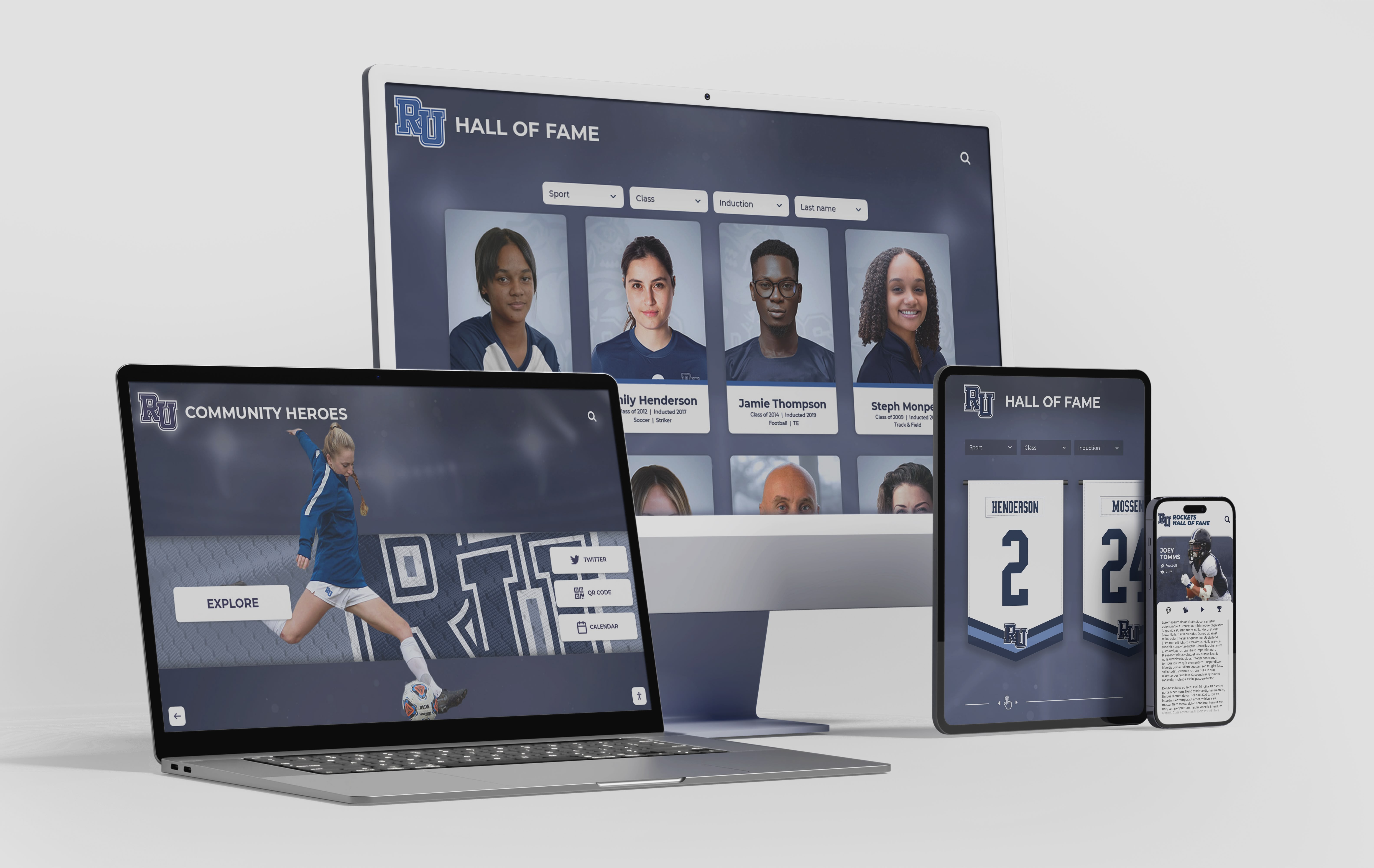
Modern alumni engagement extends across digital platforms, creating accessible recognition that alumni can access from anywhere during College Colors Day and throughout the year
The Connection Between Pride and Lasting Engagement
Understanding the psychology behind wearing school colors reveals why seemingly simple traditions create pathways toward deeper alumni relationships.
Identity Signaling and Social Connection
When alumni wear school colors, they’re engaging in identity signaling—communicating aspects of their self-concept to others:
Wearing colors publicly declares “this institution is part of who I am,” reinforcing personal connection to school identity. Alumni often encounter fellow graduates when wearing colors, creating unexpected social connections and shared experience moments. Pride expression through visible symbols strengthens psychological commitment through behavioral consistency—people who act in ways consistent with identity subsequently strengthen that identity. And public displays invite conversations about college experiences, activating positive memories and emotional connections to alma maters.
Research in organizational psychology demonstrates that identity-based behaviors like wearing institutional symbols predict subsequent engagement with those organizations—suggesting College Colors Day participation genuinely strengthens alumni relationships rather than merely reflecting existing commitment.
From Single-Day Tradition to Year-Round Strategy
The most sophisticated schools recognize that College Colors Day success depends on what happens the other 364 days of the year:
Schools that maintain visible campus recognition through digital hall of fame displays create consistent alumni pride touchpoints that make College Colors Day participation feel like joining ongoing celebration rather than isolated event. Institutions that regularly share alumni achievement stories through social media and digital platforms provide continuous reasons for pride beyond athletic victories. Schools that create accessible alumni databases and searchable recognition systems enable graduates to explore their own inclusion in institutional history, deepening personal connection. And programs that facilitate alumni networking and community building transform abstract institutional pride into concrete relationships with fellow graduates.
College Colors Day becomes exponentially more effective when it’s the most visible manifestation of year-round alumni engagement rather than the only touchpoint schools create for graduate connection.
How Schools Maximize College Colors Day for Alumni Engagement
The difference between schools that use College Colors Day as a checkbox activity versus those that transform it into meaningful engagement lies in strategic planning and comprehensive execution.
Pre-Event Alumni Mobilization
Effective College Colors Day participation begins weeks before the Friday celebration, with targeted outreach that builds anticipation and maximizes visibility.
Multi-Channel Communication Campaigns
Successful schools coordinate messaging across every platform alumni use:
Email campaigns begin 3-4 weeks before College Colors Day, reminding alumni of the date, explaining participation methods, and sharing registration links for photo submissions or social media contests. Social media teaser content builds excitement through countdown posts, throwback photos from previous years, and featured alumni stories creating emotional connection. Alumni association chapters receive toolkits including graphics, suggested social posts, and ideas for local watch parties or gatherings on College Colors Day. Corporate alumni groups get advance notice to coordinate workplace participation, including information for submitting group photos or organizing lunch gatherings. And campus digital displays begin featuring College Colors Day information, creating awareness among current students while demonstrating institutional commitment to the tradition.
Schools with sophisticated digital signage systems update campus displays dynamically, showcasing College Colors Day promotions alongside regular recognition content.
Creating Participation Incentives
While many alumni wear colors purely from pride, thoughtful incentives significantly increase participation rates:
Photo contests with prizes for best individual photos, largest group photos, most creative displays, or most distant geographic location create friendly competition and content generation. Social media hashtag campaigns encourage sharing with branded hashtags, with schools featuring selected posts on official channels and digital displays. Recognition promises such as inclusion in College Colors Day alumni galleries on campus displays or websites provide lasting visibility. Charitable tie-ins where schools donate to causes for every photo submitted or hashtag used add meaning beyond individual participation. And exclusive access offers like special content, behind-the-scenes tours, or early ticket access for highly participatory alumni chapters create tangible benefits.
The most effective incentives generate content schools can use in ongoing engagement while making participants feel their involvement creates value beyond personal satisfaction.

Permanent recognition installations in high-traffic hallways create daily pride touchpoints that make special traditions like College Colors Day feel like natural expressions of ongoing school spirit
Day-Of Activation and Real-Time Engagement
The actual College Colors Day Friday requires coordinated execution across campus, digital platforms, and alumni networks to maximize participation visibility and create memorable experiences.
Campus-Based Activities
Schools create visible on-campus celebrations that current students experience while documenting for alumni audiences:
All-campus photos where students, faculty, and staff gather in school colors create impressive visual documentation shared across digital platforms and featured on recognition displays. Special assemblies or pep rallies generate energy while creating content for social media and alumni communications. Student organization competitions for best-decorated spaces, most spirited groups, or highest participation rates activate campus engagement. Athletic department participation including special practice gear, stadium displays, or athlete social media posts connects College Colors Day to sports traditions. And campus digital displays feature real-time social media feeds showing alumni participation worldwide, demonstrating global community to current students.
Physical campus activities provide content fueling digital engagement while creating traditions current students will eventually continue as alumni.
Digital Platform Activation
The majority of College Colors Day participation happens off-campus, requiring strong digital infrastructure to capture and amplify:
Real-time social media monitoring identifies alumni posts using official hashtags, enabling immediate engagement through likes, shares, and featured selections. Instagram and Facebook Stories compilation creates 24-hour highlight reels showing participation across geographic locations and alumni generations. Live streaming of campus events allows distant alumni to participate virtually in celebrations they can’t attend physically. Interactive digital displays on campus and websites showcase submitted photos in rotating galleries, providing visibility for participant contributions. And alumni database updates ensure College Colors Day participants receive appropriate follow-up communications and recognition.
Schools that excel at College Colors Day treat it as a digital event that happens to include physical participation rather than a physical event with some digital documentation.
Post-Event Follow-Through and Sustained Engagement
The most common missed opportunity in College Colors Day strategy occurs after the Friday celebration ends—when many schools simply stop communicating until the next year.
Immediate Post-Event Communication
The weekend immediately following College Colors Day represents prime engagement opportunity:
Thank-you communications sent Saturday or Sunday express gratitude while participation emotions remain fresh, including links to photo galleries, video compilations, or participation statistics demonstrating community scale. Participation highlights featuring selected photos, impressive group submissions, or touching individual stories extend recognition beyond the single day. Impact reports showing total participants, geographic reach, social media impressions, or charitable contributions resulting from the event demonstrate collective accomplishment. Next-step invitations provide pathways toward deeper engagement like upcoming events, volunteer opportunities, or giving campaigns—capitalizing on activated alumni connection. And winner announcements for any contests or drawings provide closure while generating additional social sharing.
This immediate follow-through maintains momentum rather than allowing engagement to evaporate with the weekend.
Converting Pride into Programs
Strategic schools use College Colors Day as the launching point for year-round initiatives:
Alumni spotlight series beginning in September and continuing monthly feature graduates exemplifying school values, with stories shared through social media, emails, and interactive campus displays showcasing alumni achievements. Mentorship program promotions capitalize on activated pride to recruit both mentors and mentees for structured programs connecting alumni with current students. Homecoming campaigns build on College Colors Day momentum, positioning homecoming as the in-person continuation of September’s virtual celebration. Giving Tuesday preparation uses College Colors Day as the first touchpoint in multi-month donor cultivation sequences culminating in end-of-year fundraising. And digital recognition updates add College Colors Day participation photos and content to permanent alumni galleries on touchscreen displays and websites, creating lasting visibility.
The schools seeing strongest return on College Colors Day investment view it as Chapter One of a twelve-month engagement story rather than a standalone event.
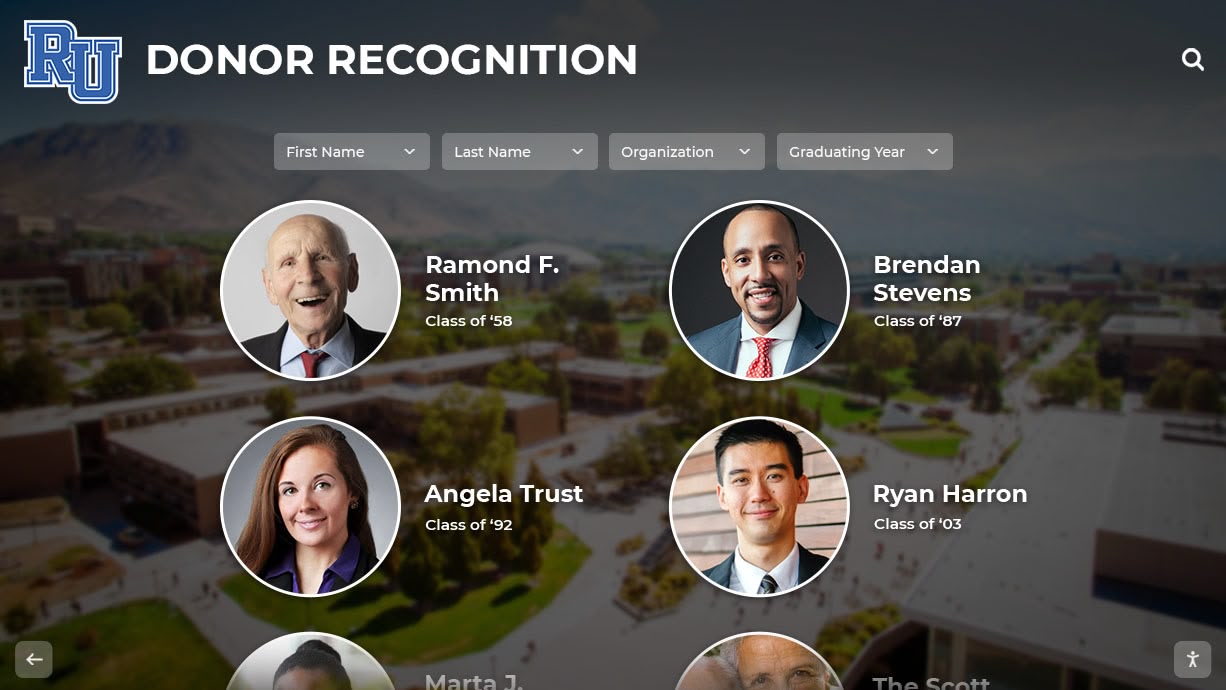
Comprehensive recognition systems that showcase alumni achievements create pride that makes traditions like College Colors Day feel personally meaningful rather than generic celebrations
Leveraging Digital Displays for Year-Round College Pride
While College Colors Day happens one Friday each September, the technology enabling year-round alumni pride operates 365 days annually—creating the infrastructure that makes single-day traditions feel like natural expressions of ongoing institutional culture.
Interactive Touchscreen Alumni Recognition
Modern touchscreen displays transform how schools maintain alumni visibility and encourage pride between annual College Colors Day celebrations.
Permanent Alumni Galleries
Interactive displays create accessible, always-on alumni recognition:
Searchable databases allow visitors to explore alumni by graduation year, achievement category, sport, academic program, or geographic location—enabling personal discovery rather than passive viewing. Rich multimedia profiles include photos spanning college years through current professional life, achievement descriptions, video interviews, and links to external resources or social media. Regular content updates ensure displays remain current as alumni achieve new accomplishments, with College Colors Day participation photos added annually to individual profiles. Accessibility from anywhere through web-based versions means alumni can explore their own inclusion or discover classmates from distant locations, extending engagement beyond physical campus visits. And social sharing features allow alumni to share their display profiles across personal social media, generating pride and encouraging peers to explore their own inclusion.
These permanent recognition systems create the ongoing pride foundation that makes College Colors Day participation feel meaningful—alumni wear colors representing institutions that demonstrably value and showcase their continued connection.
Schools implementing touchscreen building directories often integrate alumni recognition features, creating dual-purpose installations serving wayfinding and engagement functions.
Achievement-Based Recognition Categories
Effective digital alumni displays organize recognition around achievement themes that resonate with diverse graduate populations:
Athletic hall of fame sections honor varsity athletes, individual sport records, championship teams, and coaching legacies—creating natural connections to College Colors Day’s athletic heritage. Academic excellence categories showcase valedictorians, scholarship recipients, research achievements, and academic competition winners—ensuring non-athlete alumni see themselves represented. Professional achievement galleries feature entrepreneurial successes, industry leaders, public servants, and creative professionals—demonstrating diverse pathways to impact. Community service recognition highlights volunteers, nonprofit leaders, educators, and those making local impact—valuing contributions beyond professional or financial success. And special collections for distinguished alumni, military service, faculty honorees, or memorial tributes provide comprehensive community representation.
This multi-category approach ensures all alumni find reasons to take pride in their institutional affiliation regardless of their particular college experience focus.
Integrating College Colors Day Content into Permanent Displays
Strategic schools don’t treat College Colors Day as separate from alumni recognition infrastructure—they integrate it seamlessly into year-round systems.
Annual College Colors Day Galleries
Permanent displays include dedicated sections showcasing participation history:
Year-by-year photo collections from each College Colors Day create visual timeline of tradition growth and community evolution. Featured submissions highlighting particularly creative, distant, or impressive participation examples provide inspiration for future celebrations. Participation statistics showing geographic reach, total participants, and growth over time demonstrate community scale. Video compilations combining submitted content into annual highlight reels create emotional connection and nostalgia. And interactive elements allowing display visitors to submit their own College Colors Day photos directly from touchscreens enable ongoing contribution throughout the year.
These permanent installations transform College Colors Day from a social media moment into institutionalized tradition with visible campus presence.
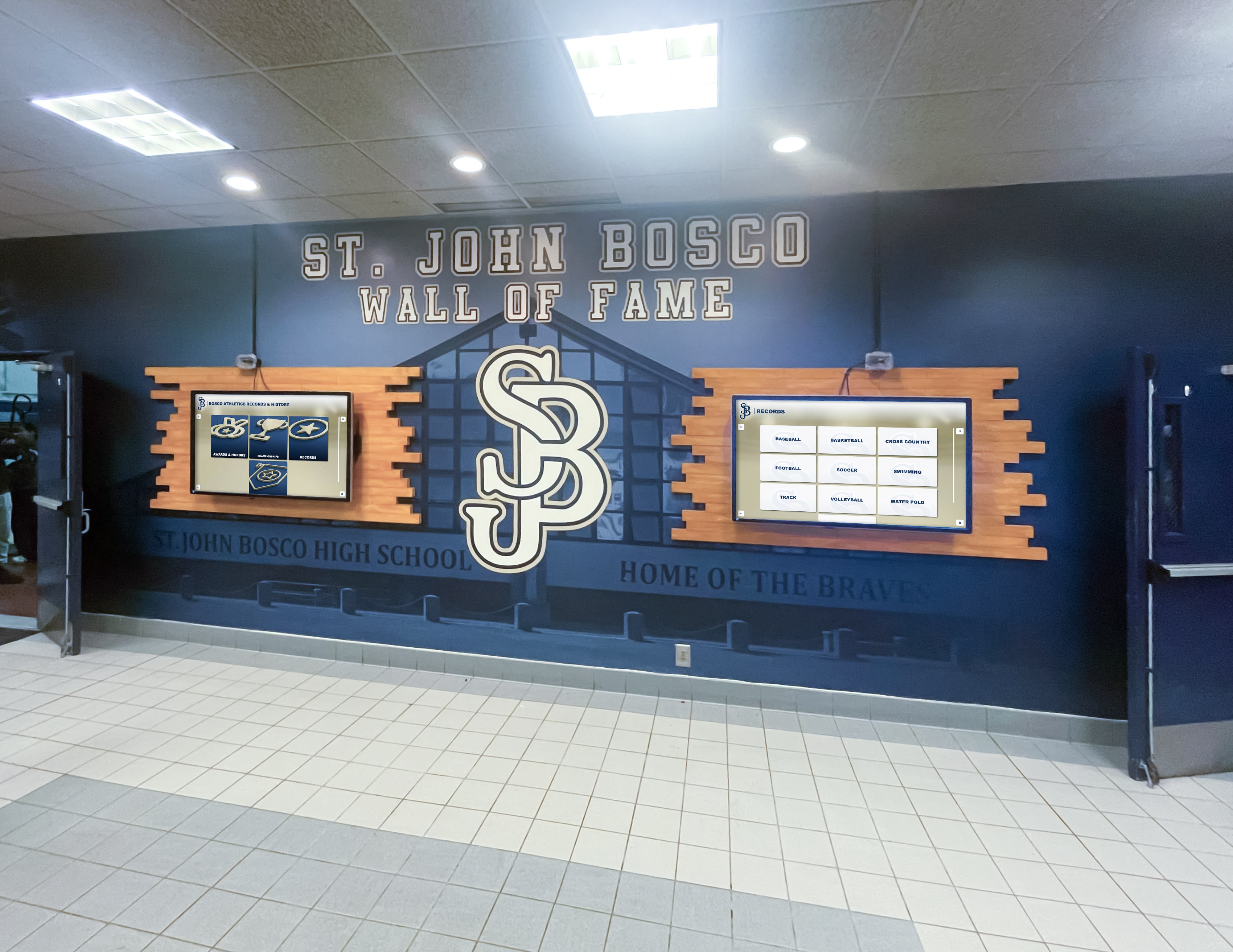
Multiple-screen installations create immersive recognition environments that can simultaneously showcase different alumni content including annual tradition participation like College Colors Day
Cross-Promotion Between Pride Events
Digital displays create connections between College Colors Day and other spirit traditions:
Homecoming countdown features beginning in September link College Colors Day momentum to fall’s signature alumni weekend. Athletic season highlights connect College Colors Day’s Friday timing to weekend games, showcasing team histories and creating continuous spirit flow. Alumni weekend promotion uses College Colors Day as early touchpoint for spring reunion season marketing. Giving campaign messaging positions financial support as another expression of the pride demonstrated through wearing colors. And student recruitment content shows prospective students the vibrant alumni community they’ll join, using College Colors Day participation as evidence of lasting school connections.
This integrated approach makes each pride expression reinforce others rather than competing for limited alumni attention.
Mobile and Web Extensions
Physical campus displays represent only one component of comprehensive digital recognition strategy—web and mobile access extends reach to alumni who may never visit campus again.
Accessible Online Alumni Directories
Web-based recognition systems provide anywhere access to alumni communities:
Responsive design ensures alumni explore recognition content from smartphones during work breaks, tablets at home, or desktop computers in offices. Social authentication allows alumni to claim their profiles, update information, or submit photos—creating ongoing engagement opportunities and ensuring accuracy. Search and filter capabilities enable alumni to find former roommates, teammates, classmates, or fellow major graduates—facilitating reconnection. Export and sharing features let alumni download their own recognition content or share to social media, generating organic promotion. And analytics tracking shows schools which alumni profiles receive most views, which content generates greatest engagement, and which features drive return visits—informing continuous improvement.
Many schools implementing digital alumni hall of fame experiences discover that web access generates significantly more total engagement than physical campus displays despite the latter’s visibility advantages.
College Colors Day Mobile Participation Tools
Mobile-optimized systems reduce participation friction:
Photo upload forms accessible from smartphones allow immediate sharing from wherever alumni wear their colors rather than requiring later computer uploads. Hashtag guidance and social media integration provide one-click sharing to Instagram, Facebook, Twitter, or LinkedIn with pre-populated captions and tags. Geolocation features create automatic “most distant participant” contests and generate global participation maps. Alumni profile reminders prompt users to update their information during high-engagement periods like College Colors Day. And push notification capabilities enable real-time updates about participation milestones, photo feature selections, or contest results.
Reducing participation to “take photo, tap upload, done” removes barriers that prevent willing but busy alumni from contributing.
Comprehensive College Colors Day Campaign Planning
Schools achieving exceptional College Colors Day results follow structured planning processes that begin months before September and continue through year-end follow-up.
Timeline and Planning Calendar
Strategic planning ensures coordinated execution across all departments and channels.
Summer Planning Phase (June-July)
Effective campaigns begin during summer when many alumni departments have capacity before fall event season:
Cross-functional team assembly brings together alumni relations, marketing communications, athletics, student affairs, and IT for coordinated planning. Goal setting establishes measurable targets for participation numbers, social media impressions, photo submissions, new alumni database registrations, or fundraising integration. Content planning maps all communications from initial announcements through post-event follow-up, ensuring message consistency. Technology preparation updates digital displays, tests photo submission systems, reviews website integration, and ensures mobile optimization. Sponsor and partner outreach secures bookstore discounts, local business promotions, or corporate partnerships enhancing participation value. And incentive finalization determines contest structures, prizes, charitable tie-ins, or recognition approaches motivating engagement.
This summer investment prevents September scrambling while ensuring sophisticated rather than improvised execution.
Pre-Event Promotion Phase (August-Early September)
The month before College Colors Day focuses on awareness building and participation commitment:
Announcement communications launch in early August, introducing the initiative, providing participation instructions, and building initial excitement. Social media campaigns begin regular posting schedule including historical content, alumni stories, countdown posts, and participation instructions. Campus display content transitions to College Colors Day promotion, showcasing tradition history and encouraging current student participation. Email series provides multiple touchpoints across August and early September—not assuming single messages reach all alumni. Media outreach contacts local news organizations, alumni magazines, and relevant publications about participation initiatives. And early participant features begin showcasing alumni who commit to participation early, creating social proof and momentum.
Strategic promotion treats College Colors Day as a month-long campaign rather than a Friday event, building anticipation that increases actual participation rates.
Schools with sophisticated school hallway decor strategies integrate College Colors Day promotion into broader campus environment design supporting school pride.
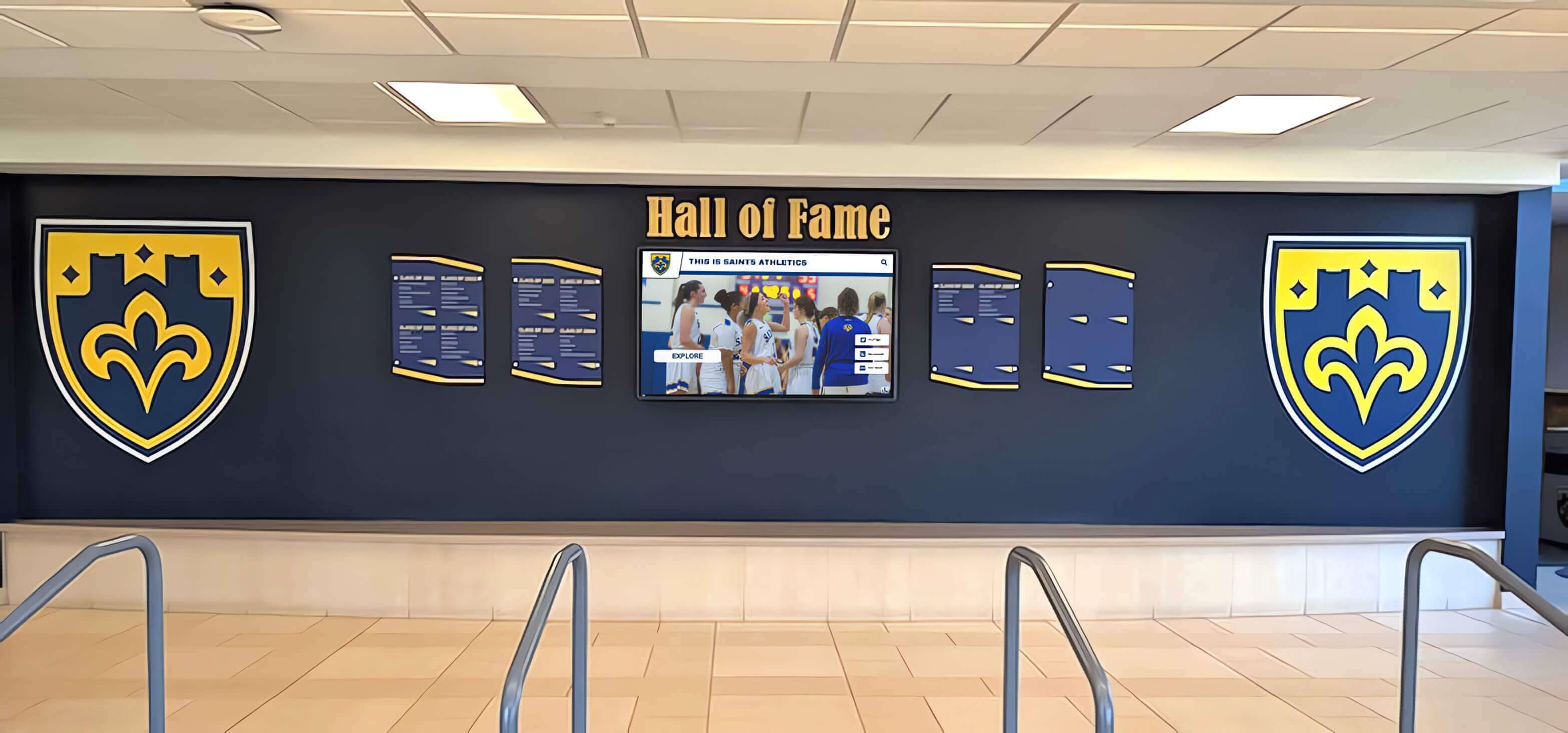
Professional lobby installations create impressive environments where College Colors Day celebrations feel like natural expressions of institutionalized pride rather than isolated events
Measuring Success and ROI
Effective College Colors Day programs establish metrics enabling evaluation and continuous improvement.
Quantitative Participation Metrics
Numbers provide objective assessment of campaign reach:
Total participants calculated from photo submissions, social media hashtag uses, event registrations, or self-reported survey responses establish baseline participation scale. Year-over-year growth compares current participation against previous years, demonstrating trend direction and campaign effectiveness improvement. Geographic reach measuring number of states, countries, or cities represented shows community distribution. Social media impressions quantify total potential audience reach across all platforms and posts. Website traffic spikes during campaign period indicate digital engagement levels. New alumni database registrations show acquisition of previously unengaged graduates. And email engagement rates demonstrate message resonance through open rates, click-through rates, and conversion metrics.
These quantitative measures provide accountability and identify specific improvement opportunities.
Qualitative Engagement Indicators
Numbers alone miss important success dimensions requiring qualitative assessment:
Content quality evaluation examines whether submissions show genuine enthusiasm versus obligatory participation. Participation diversity analysis determines whether engagement crosses demographic groups or concentrates among particular alumni segments. Sentiment analysis of social media comments and email responses reveals emotional tone and connection quality. Long-term relationship impact tracks whether College Colors Day participants show increased engagement in subsequent months. Alumni feedback through surveys or direct communication provides insight into experience quality and improvement suggestions. And staff and volunteer feedback reveals operational efficiency and execution challenges requiring attention.
Combining quantitative and qualitative metrics provides comprehensive understanding of campaign effectiveness.
Continuous Improvement and Year-Over-Year Evolution
The most successful College Colors Day programs evolve annually based on results analysis and changing alumni expectations.
Post-Event Evaluation Process
Structured evaluation immediately following each College Colors Day captures learnings while experiences remain fresh:
Results review comparing outcomes against established goals identifies successes worth repeating and shortfalls requiring attention. Stakeholder debrief sessions gather perspectives from all departments involved in planning and execution. Participant feedback analysis examines survey responses, social media comments, and direct communications for patterns and insights. Technology performance assessment reviews whether submission systems, display updates, and digital infrastructure performed as intended. Cost-benefit analysis examines resource investment relative to participation outcomes and subsequent engagement impact. And competitive analysis explores what peer institutions did effectively, identifying potential approaches for adoption.
This systematic evaluation prevents repeating mistakes while identifying proven successes for expansion.
Innovation and Experimentation
Long-term program success requires willingness to test new approaches:
Pilot programs try limited-scope innovations like new social media platforms, alternative incentive structures, or experimental content formats before full commitment. A/B testing compares different messaging approaches, timing strategies, or participation mechanisms to identify highest-performing options. Technology trials evaluate emerging platforms or tools that might enhance participation or reduce friction. Alumni segment targeting tests whether personalized approaches for different graduation eras, geographic regions, or engagement levels improve results. And integration experiments explore connections between College Colors Day and other initiatives like homecoming, giving campaigns, or student recruitment.
Treating some College Colors Day elements as experiments rather than established tradition enables continuous improvement while maintaining proven core components.
Beyond College Colors Day: Building Year-Round Pride Culture
The ultimate College Colors Day success metric isn’t September participation—it’s whether the tradition strengthens year-round alumni pride and engagement.
Creating Continuous Pride Touchpoints
Schools maintaining strong alumni connections provide regular reasons for pride between September celebrations.
Regular Alumni Spotlights and Stories
Consistent storytelling keeps alumni achievements visible:
Monthly feature profiles showcasing diverse alumni accomplishments across professional, personal, and community dimensions create regular engagement touchpoints. Milestone celebrations recognizing reunion years, career achievements, or personal accomplishments provide personalized communication opportunities. Historical retrospectives sharing “this month in school history” content generate nostalgia and connection to institutional legacy. Student success stories highlighting current student achievements remind alumni their school continues excellence traditions. And behind-the-scenes content offering insider perspectives on campus changes, programs, or initiatives satisfy alumni curiosity about their alma mater’s evolution.
These regular communications make alumni feel connected to living, evolving institutions rather than static memories from graduation day.
Integrated Digital Recognition Infrastructure
Technology enabling College Colors Day participation should support comprehensive alumni engagement:
Interactive touchscreen displays in campus locations create always-accessible alumni recognition that campus visitors, students, and returning alumni encounter regularly. Web-based alumni directories provide home access to recognition content, enabling exploration from anywhere at any time. Social media integration allows easy sharing of alumni achievements, recognition content, and institutional pride. Mobile applications deliver personalized notifications about classmates, upcoming events, or relevant school news. And email newsletters provide curated content matching individual alumni interests based on stated preferences or engagement history.
This multi-platform infrastructure ensures alumni encounter pride-building content through whatever channels they prefer using.
Connecting Pride to Purpose
The most meaningful alumni engagement transforms abstract pride into concrete contributions benefiting current students and institutional mission.
From Spirit to Service
Strategic programs channel alumni pride toward valuable participation:
Mentorship programs connect engaged alumni with current students in their fields, providing career guidance while strengthening alumni-student relationships. Guest speaker opportunities invite accomplished alumni to share professional journeys with students, creating visible success models. Recruitment support enlists proud alumni to attract prospective students through informal conversations, formal recruitment events, or student hosting. Internship and job placement assistance leverages alumni career positions to create opportunities for current students. And volunteer initiatives engage alumni in campus projects, community service, or organizational governance—providing meaningful contribution beyond financial support.
These participation options demonstrate that school pride isn’t merely sentimental—it’s foundation for valuable ongoing relationships benefiting all community members.
Strategic Fundraising Integration
While College Colors Day shouldn’t be purely fundraising focused, pride naturally connects to philanthropic support:
Giving campaigns positioned as pride expressions rather than obligation align with College Colors Day messaging and emotional tone. Recognition for donors through the same digital displays and platforms showcasing all alumni creates visibility and appreciation. Impact storytelling demonstrating how gifts improve student experiences provides concrete pride justification. Participation options at multiple giving levels ensure financial contribution accessibility across alumni economic circumstances. And stewardship communications expressing gratitude and reporting gift impact strengthen donor relationships while validating pride-based giving decisions.
Alumni who feel genuine pride in institutional identity and accomplishments give more generously, more consistently, and with more satisfaction than those approached purely through guilt or obligation.
Many institutions implementing donor wall designs discover that prominent recognition encourages additional giving by demonstrating institutional appreciation and creating aspirational models.
Technology Solutions Supporting College Colors Day Success
While College Colors Day existed before modern digital platforms, contemporary technology dramatically enhances participation scale, reduces administrative burden, and enables integration with comprehensive alumni engagement systems.
Comprehensive Digital Display Systems
Professional touchscreen installations provide the infrastructure supporting year-round pride building that makes College Colors Day meaningful.
Essential System Capabilities
Effective digital recognition platforms include:
Easy content management allowing non-technical staff to add College Colors Day submissions, update alumni information, or create special displays without IT intervention. Multimedia support enabling photos, videos, audio recordings, and interactive elements creating rich alumni presentations. Searchable databases allowing visitors to explore alumni by multiple criteria including graduation year, achievements, activities, or last name. Social media integration enabling content sharing and potentially direct submission from social platforms. Analytics tracking which content receives most engagement, how visitors navigate systems, and what features drive return interaction. Cloud-based management allowing remote content updates from anywhere rather than requiring physical campus access. And mobile responsiveness ensuring alumni can explore recognition from smartphones, tablets, or computers.
These technical capabilities transform static recognition into dynamic engagement platforms supporting diverse pride initiatives including College Colors Day.
Photo Submission and Management Systems
College Colors Day generates potentially thousands of photo submissions requiring efficient handling:
Automated submission forms collect photos along with metadata like participant names, graduation years, locations, and captions without manual data entry. Moderation workflows enable review before publication, ensuring appropriate content while maintaining submission enthusiasm. Batch processing tools allow efficient tagging, categorization, and organization of large photo volumes. Integration with digital displays automatically feeds approved submissions to campus recognition systems, website galleries, and social media accounts. Storage and archiving systems preserve annual College Colors Day collections for historical reference and multi-year comparisons. And participant communications provide automatic confirmation emails, selection notifications, or feature alerts without manual messaging.
Efficient systems allow schools to encourage high-volume participation without overwhelming staff capacity.
Schools implementing comprehensive digital hall of fame systems typically include robust content management capabilities supporting both permanent alumni recognition and special event participation like College Colors Day.
Social Media Management and Analytics
Given College Colors Day’s heavily digital nature, social platform sophistication significantly impacts success:
Hashtag monitoring tools track all uses of campaign hashtags across platforms, identifying content for engagement or featuring. Social listening capabilities detect school mentions even without hashtags, discovering organic participation and conversation. Scheduling systems plan and automate posting throughout campaign period, ensuring consistent presence without constant manual publishing. Engagement analytics measure reach, impressions, engagement rates, and audience demographics across platforms. Influencer identification finds high-reach alumni whose participation can amplify campaign visibility. And unified dashboards consolidate data from multiple platforms, providing comprehensive performance views without switching between separate analytics systems.
These tools transform social media from ad-hoc posting into strategic campaign component with measurable results.
Conclusion: From Single Day to Sustainable Pride
College Colors Day succeeds not because millions wear school colors on a September Friday, but because that visible moment represents something deeper—the enduring connection between individuals and the institutions that shaped their lives, the communities where they discovered themselves, and the traditions they now carry forward as alumni.
The schools treating College Colors Day as isolated event miss its greatest potential. But those recognizing it as the visible peak of year-round pride building discover something more valuable: a tradition that activates dormant alumni relationships, strengthens institutional culture, creates pathways toward deeper engagement, and demonstrates that college identity isn’t merely four-year experience but lifelong community membership.
Strategic College Colors Day success requires:
Infrastructure supporting year-round recognition through digital displays, accessible alumni directories, and regular communication maintaining visibility between September celebrations.
Integrated campaign planning connecting College Colors Day to homecoming, giving initiatives, reunion programs, and other alumni engagement touchpoints rather than treating it as standalone event.
Technology enabling participation through mobile-optimized submission systems, social media integration, and digital platforms reducing friction between pride feeling and pride expression.
Follow-through converting participation into relationships through thoughtful post-event communication, next-step opportunities, and sustained engagement building on activated connections.
Recognition demonstrating institutional appreciation via permanent display inclusion, featured selections, and visible gratitude for participation strengthening alumni sense of value to their alma maters.
And most importantly, authentic pride justification through institutional excellence, student success, community impact, and genuine alumni accomplishment recognition—because sustained pride requires substance worth celebrating, not just nostalgia for past experiences.
The future of College Colors Day lies not in larger participation numbers but in deeper understanding of what those numbers represent: alumni who still identify with school communities decades after graduation, who feel genuine pride in institutional accomplishments, who want connection with fellow graduates, and who are ready to contribute when schools provide meaningful participation pathways.
For schools ready to transform College Colors Day from social media moment into comprehensive alumni pride campaign, the opportunity has never been greater—and the technology supporting that transformation has never been more accessible or effective.
Build Year-Round Alumni Pride With Interactive Recognition
Ready to transform College Colors Day participation into sustained alumni engagement? Rocket Alumni Solutions creates interactive touchscreen displays and digital recognition systems that showcase alumni achievements 365 days per year—building the pride that makes special traditions like College Colors Day feel personally meaningful.
Our comprehensive platforms include searchable alumni directories, multimedia achievement profiles, College Colors Day participation galleries, social sharing integration, mobile accessibility, and easy content management—everything you need to maintain alumni visibility and strengthen community connections between September celebrations.
Discover how interactive alumni recognition creates year-round pride and engagement →
Live Example: Rocket Alumni Solutions Touchscreen Display
Interact with a live example (16:9 scaled 1920x1080 display). All content is automatically responsive to all screen sizes and orientations.