



College ambassador programs transform enthusiastic students into institutional advocates who represent their schools at admissions events, campus tours, alumni gatherings, and community outreach initiatives. These carefully selected student leaders become the authentic voices prospective students trust, the campus culture champions alumni remember fondly, and the engagement drivers who connect diverse stakeholders to institutional missions.
Yet many schools struggle to build ambassador programs delivering measurable impact beyond basic tour-giving duties. Ineffective programs suffer from unclear selection criteria, minimal training investment, limited ambassador recognition, poor impact documentation, and missed opportunities connecting ambassador work to broader institutional priorities in enrollment, advancement, and student success.
The most successful college ambassador programs share common characteristics: strategic recruitment identifying diverse, passionate student leaders; comprehensive training developing professional communication skills; meaningful responsibilities building authentic institutional knowledge; systematic impact measurement documenting program value; and robust recognition systems celebrating ambassador contributions while inspiring future participants.
This comprehensive guide explores how colleges and universities build effective ambassador programs that develop student leaders, enhance institutional reputation, support strategic enrollment and advancement goals, and create lasting alumni connections—while showcasing innovative approaches for recognizing ambassador achievements through permanent, accessible displays that honor their service long after graduation.

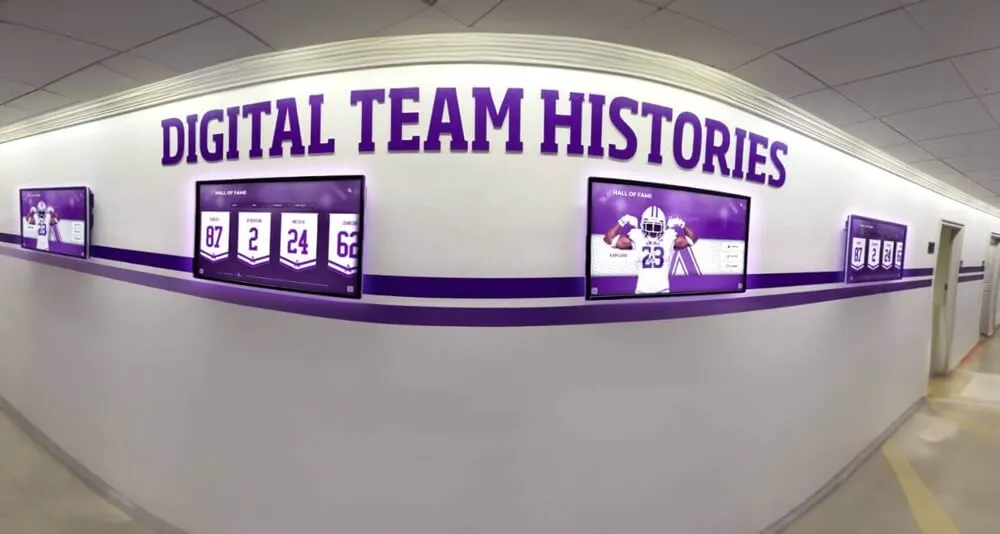
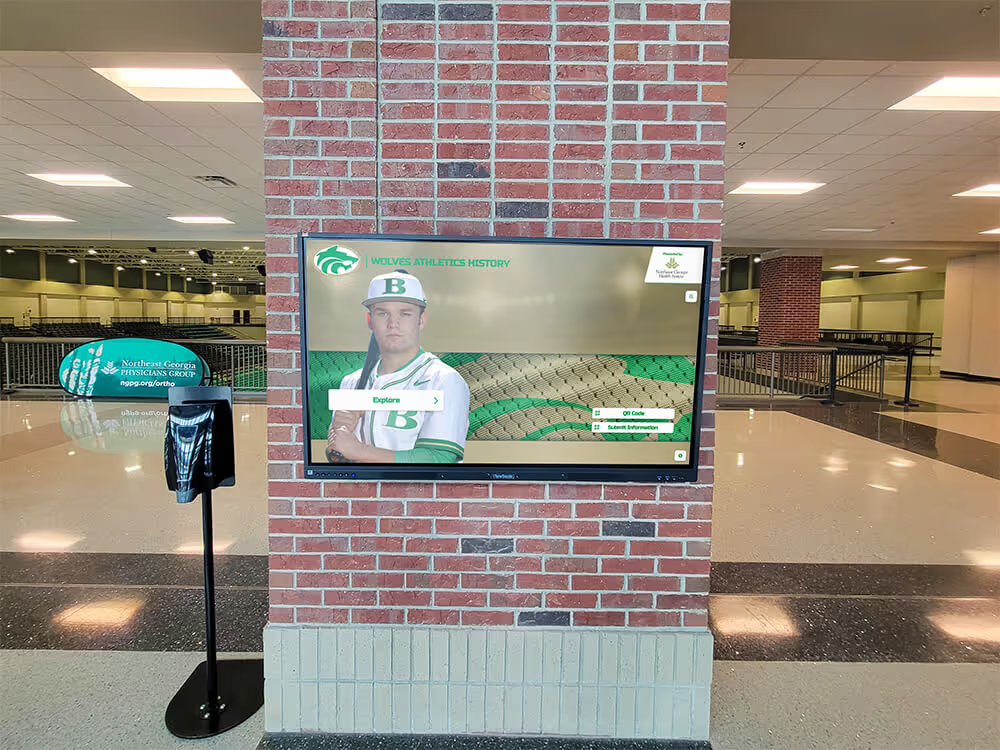
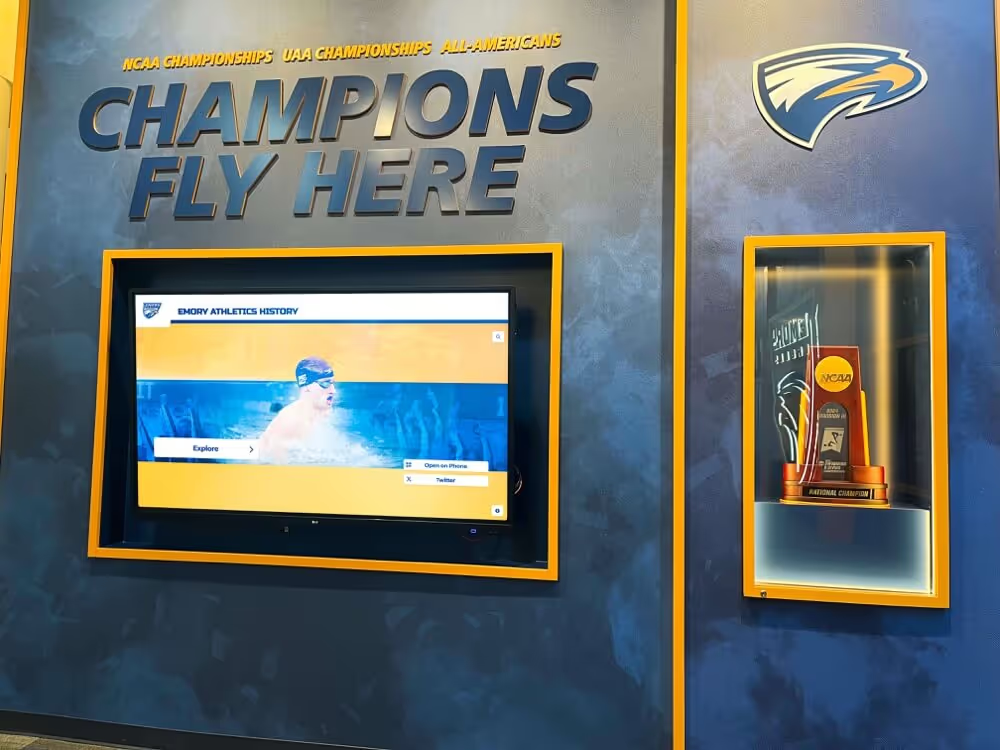
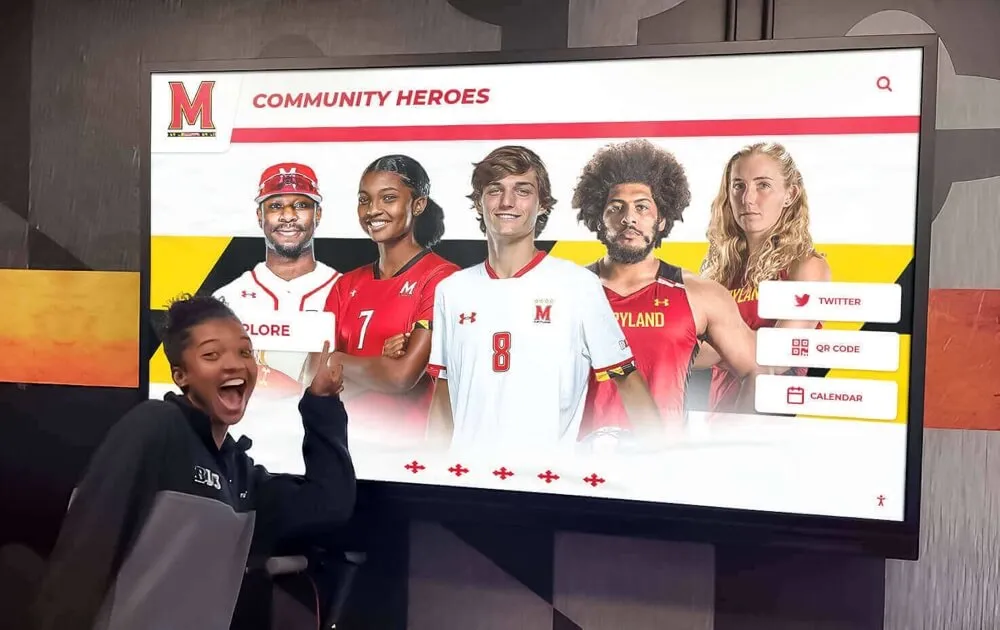
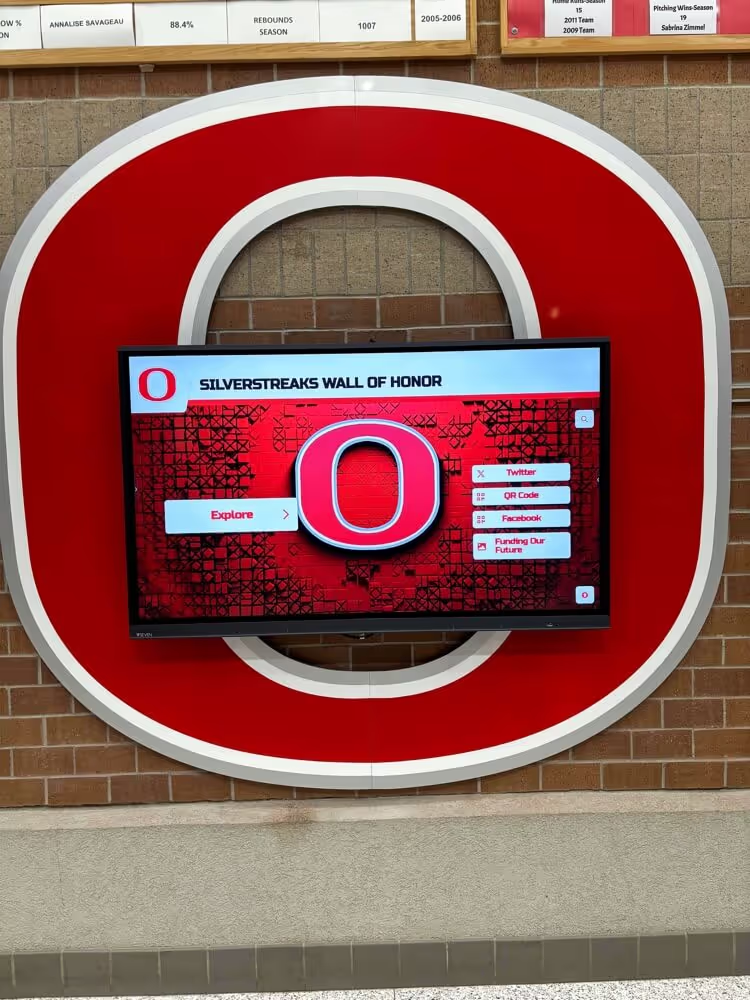
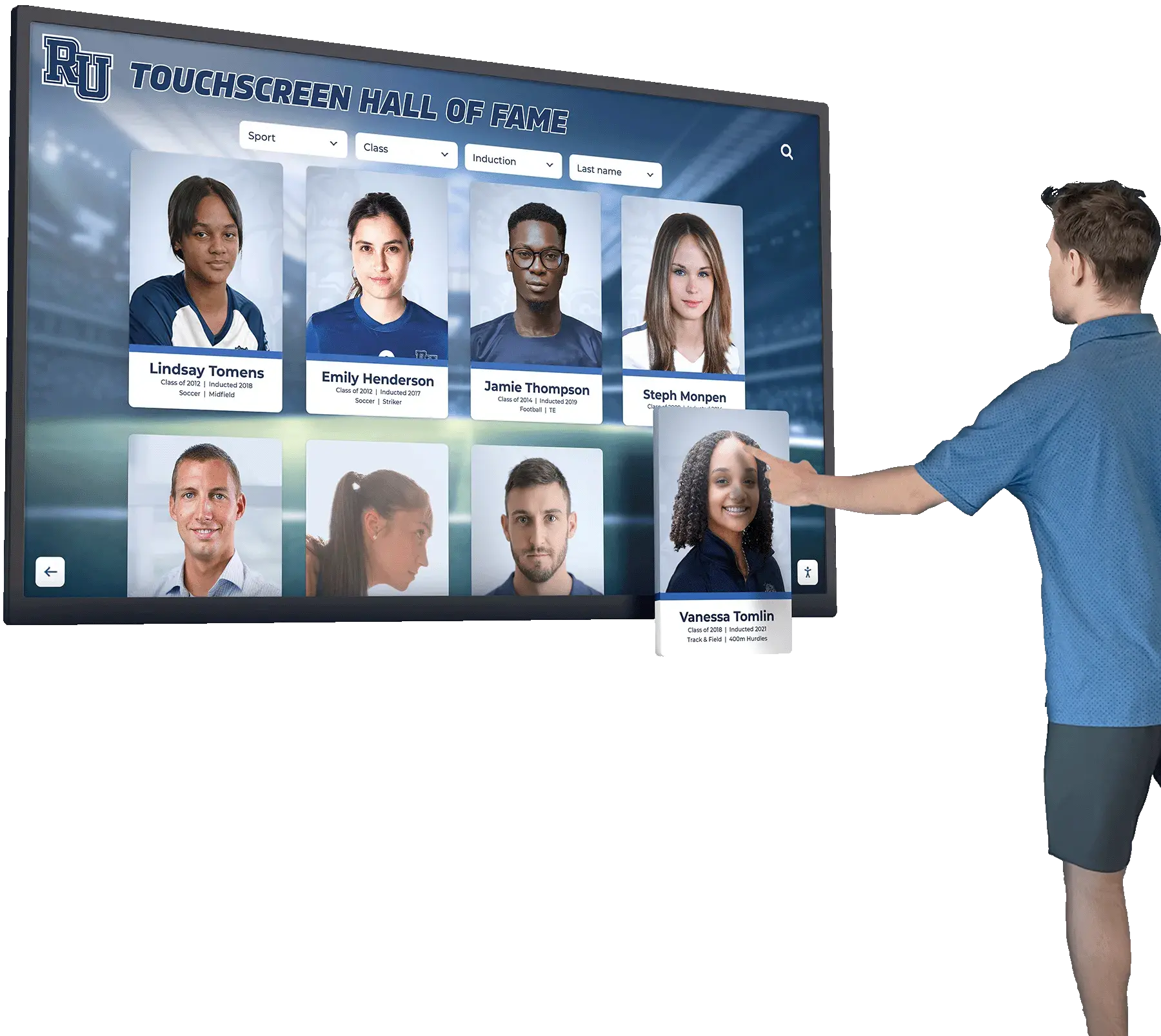
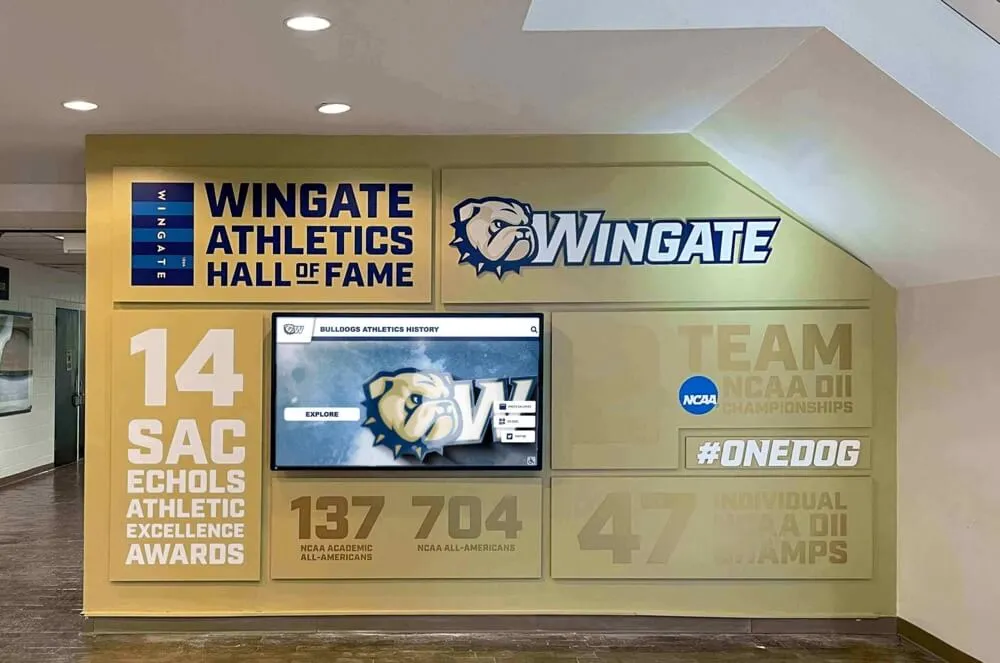
Modern campus recognition systems enable students to discover ambassador profiles and leadership pathways through intuitive interactive experiences
Understanding College Ambassador Programs: Purpose and Strategic Value
Before building or improving ambassador initiatives, understanding what these programs accomplish strategically helps institutions design experiences delivering genuine value for students, prospective enrollees, alumni communities, and institutional advancement priorities.
Defining College Ambassador Programs
College ambassador programs encompass various formats across institutions but share fundamental purposes. Student ambassadors serve as official institutional representatives connecting prospective students, current campus community members, alumni, donors, and external stakeholders to university experiences, opportunities, and cultures.
Core Ambassador Responsibilities
Ambassador duties vary by institution but typically include several interconnected functions. Ambassadors lead campus tours for prospective students and families, sharing authentic student perspectives on academic programs, campus life, residential experiences, and extracurricular opportunities. They participate in admissions events including open houses, accepted student days, scholarship weekends, and yield programs designed to convert admitted students to enrolled enrollments.
Many programs extend beyond admissions support. Ambassadors represent institutions at alumni events, helping graduated students reconnect with campus while modeling current student engagement. They assist with donor cultivation events, showcasing institutional impact through personal academic journeys and career preparation experiences. They participate in community outreach initiatives, building town-gown relationships and enhancing local institutional reputation.
Strong programs leverage ambassadors for social media content creation, producing authentic student-generated perspectives on campus life reaching prospective students where they actually spend time online. Ambassadors conduct information sessions on specialized topics, host prospective student panels, serve as overnight hosts during campus visits, and mentor newly admitted students transitioning to enrollment.
Strategic Institutional Benefits
Well-designed ambassador programs deliver measurable value across multiple institutional priorities. For enrollment management, authentic peer perspectives influence prospective student decision-making more powerfully than any admissions counselor presentation. Research consistently demonstrates that prospective students trust current student voices above all other information sources when evaluating college options.
For advancement, ambassadors humanize institutional impact for donors and alumni, translating abstract giving outcomes into tangible student success stories. For student affairs, ambassador programs develop transferable leadership competencies, professional communication skills, and institutional knowledge benefiting participants throughout careers while strengthening campus engagement and retention.
For institutional reputation, ambassadors extend university reach into communities, markets, and populations otherwise difficult to access through traditional marketing channels. They provide scalable engagement capacity, enabling institutions to interact personally with thousands of prospective students, alumni, and community members annually without proportional staff expansion.
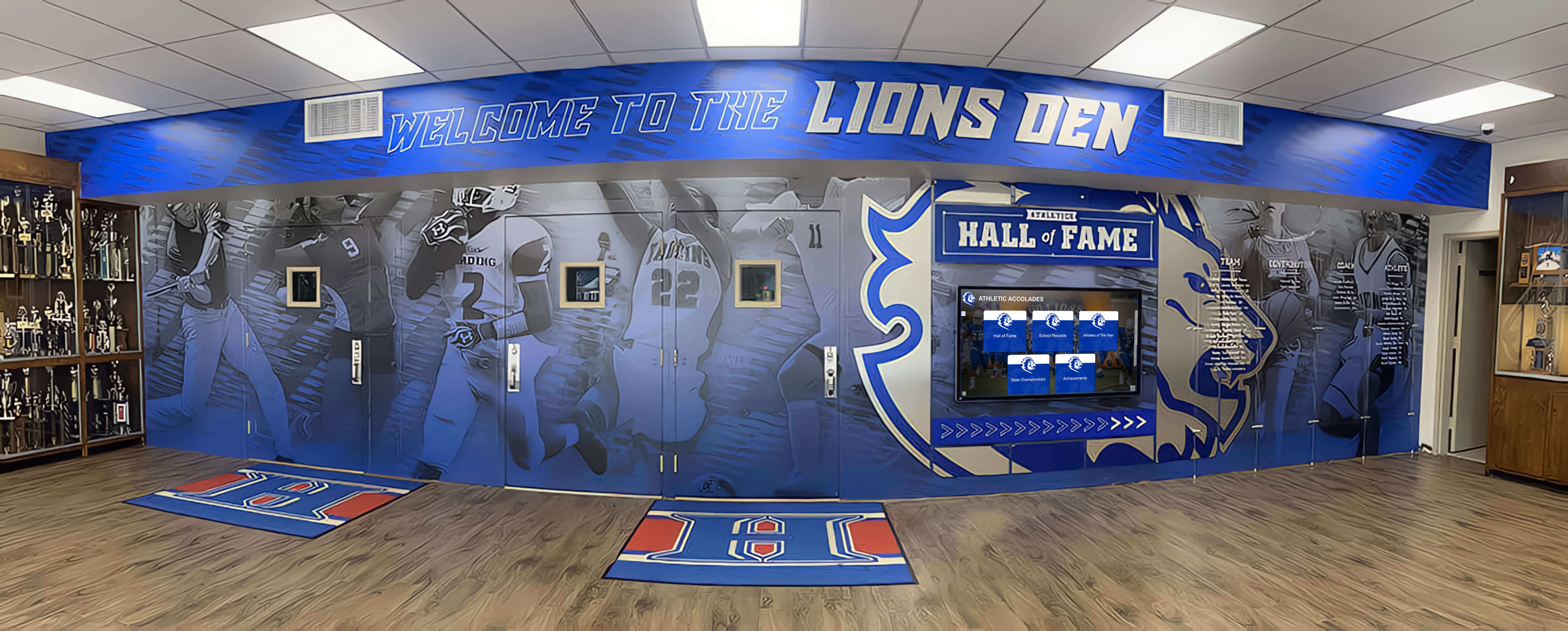
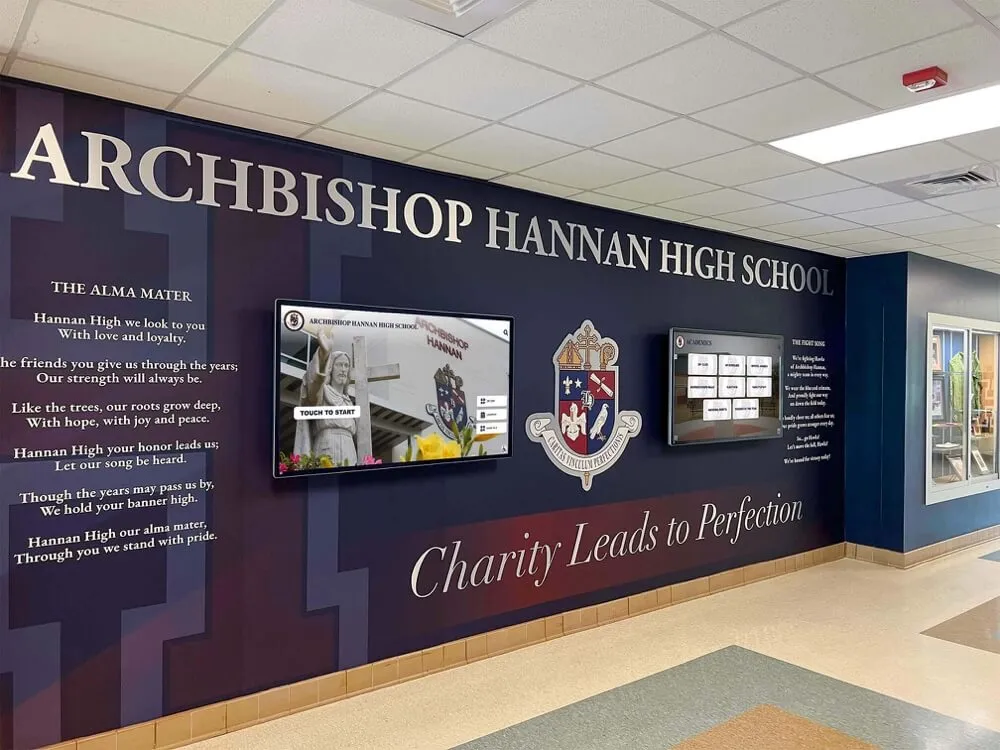
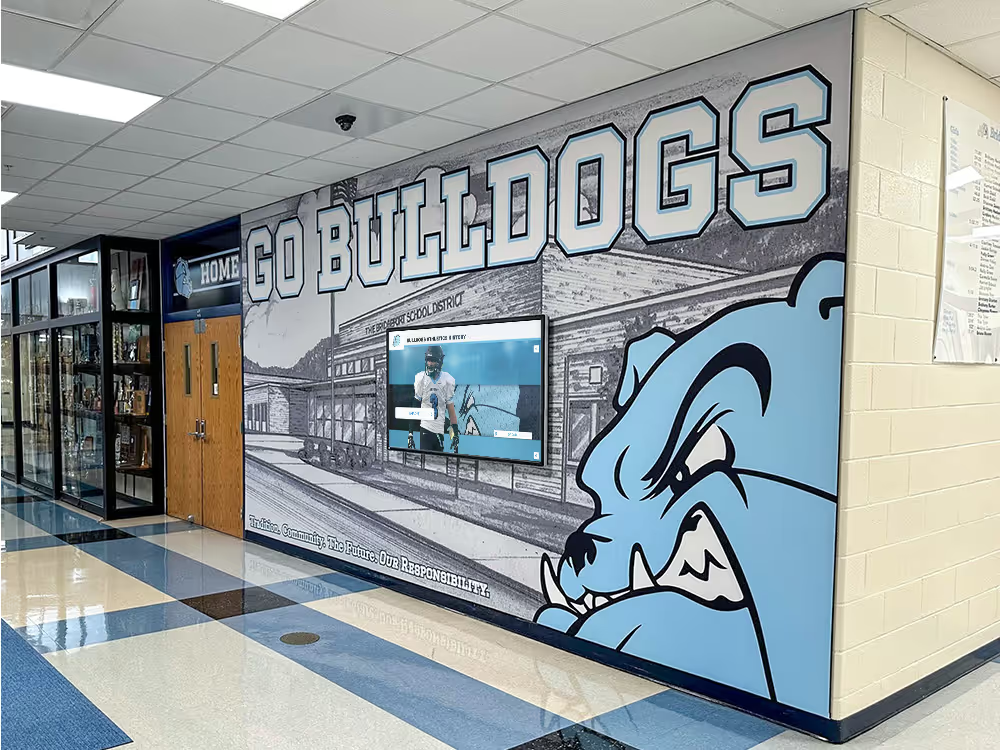
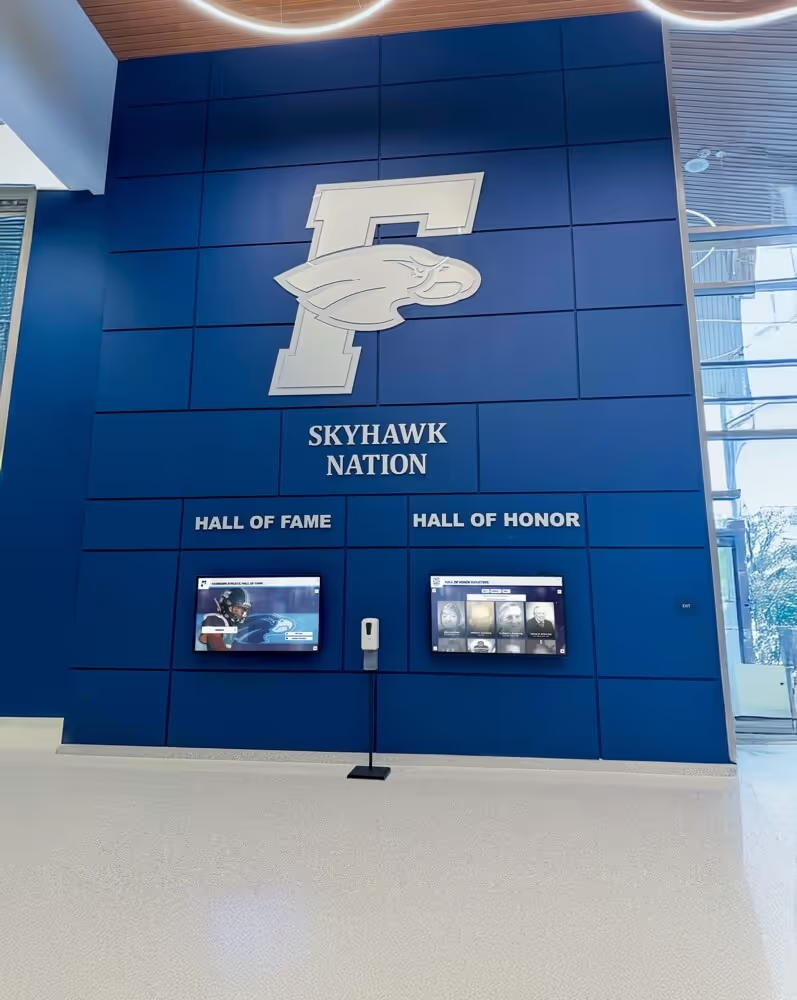
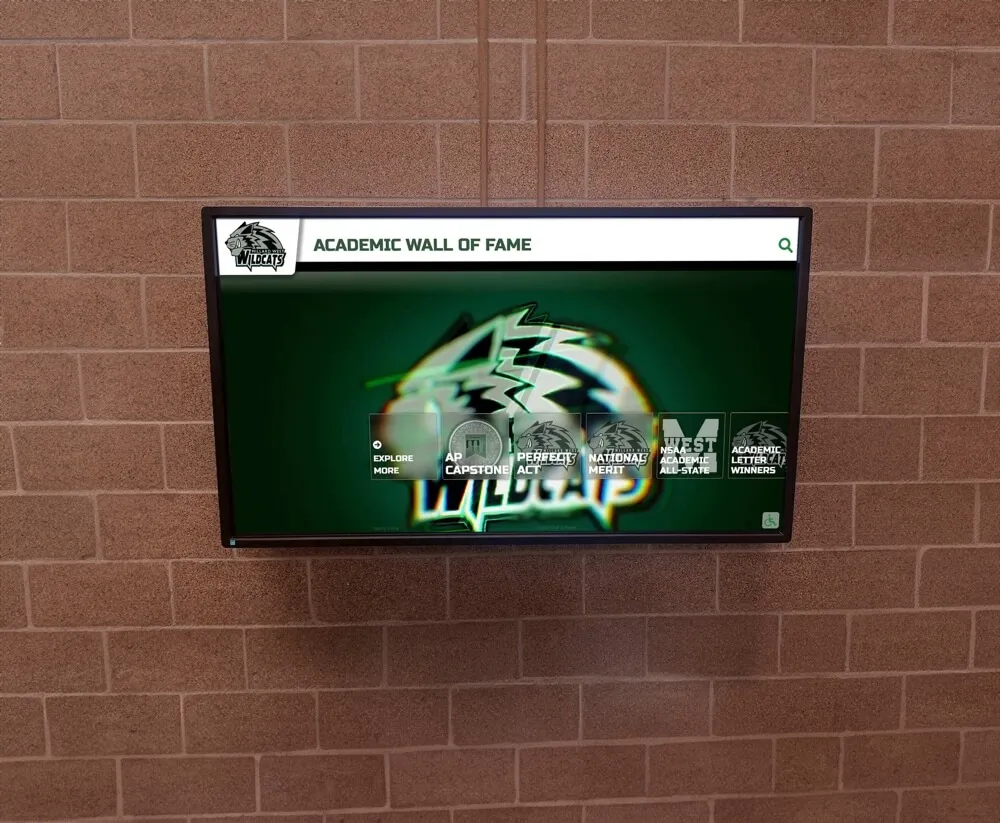
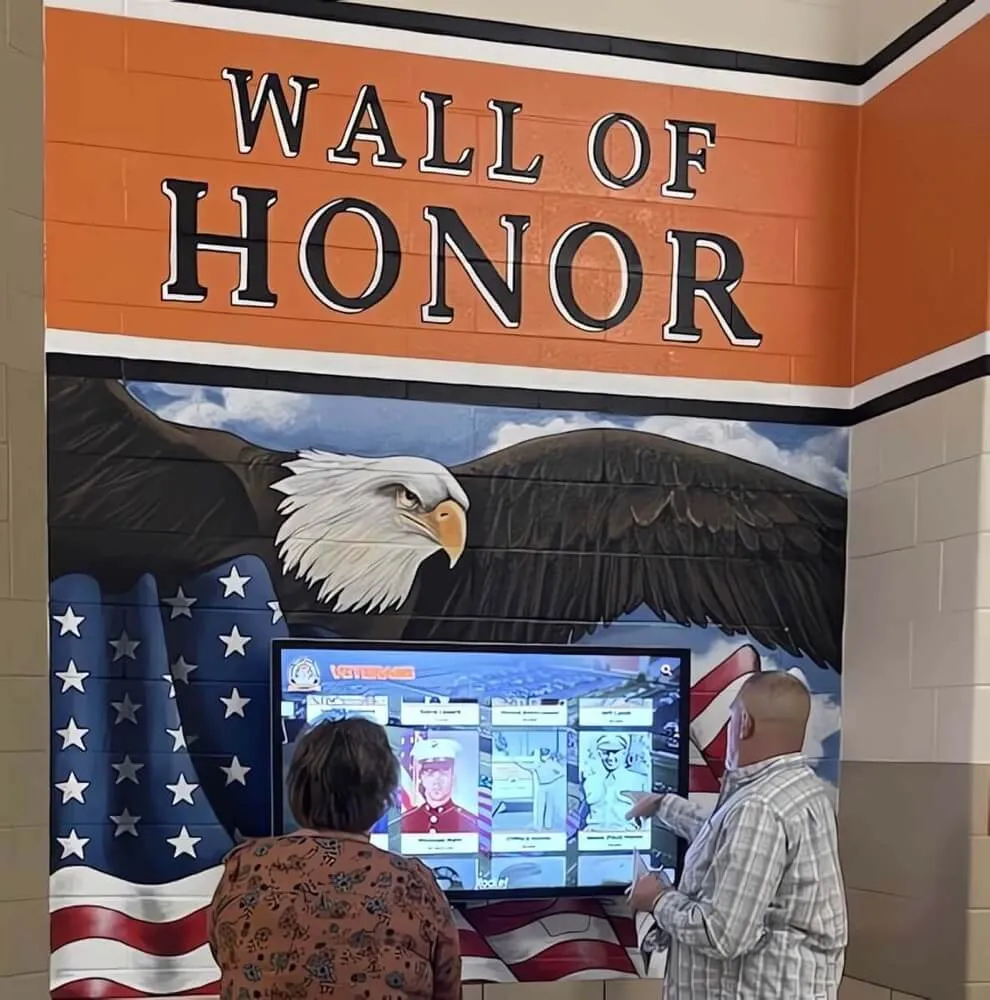
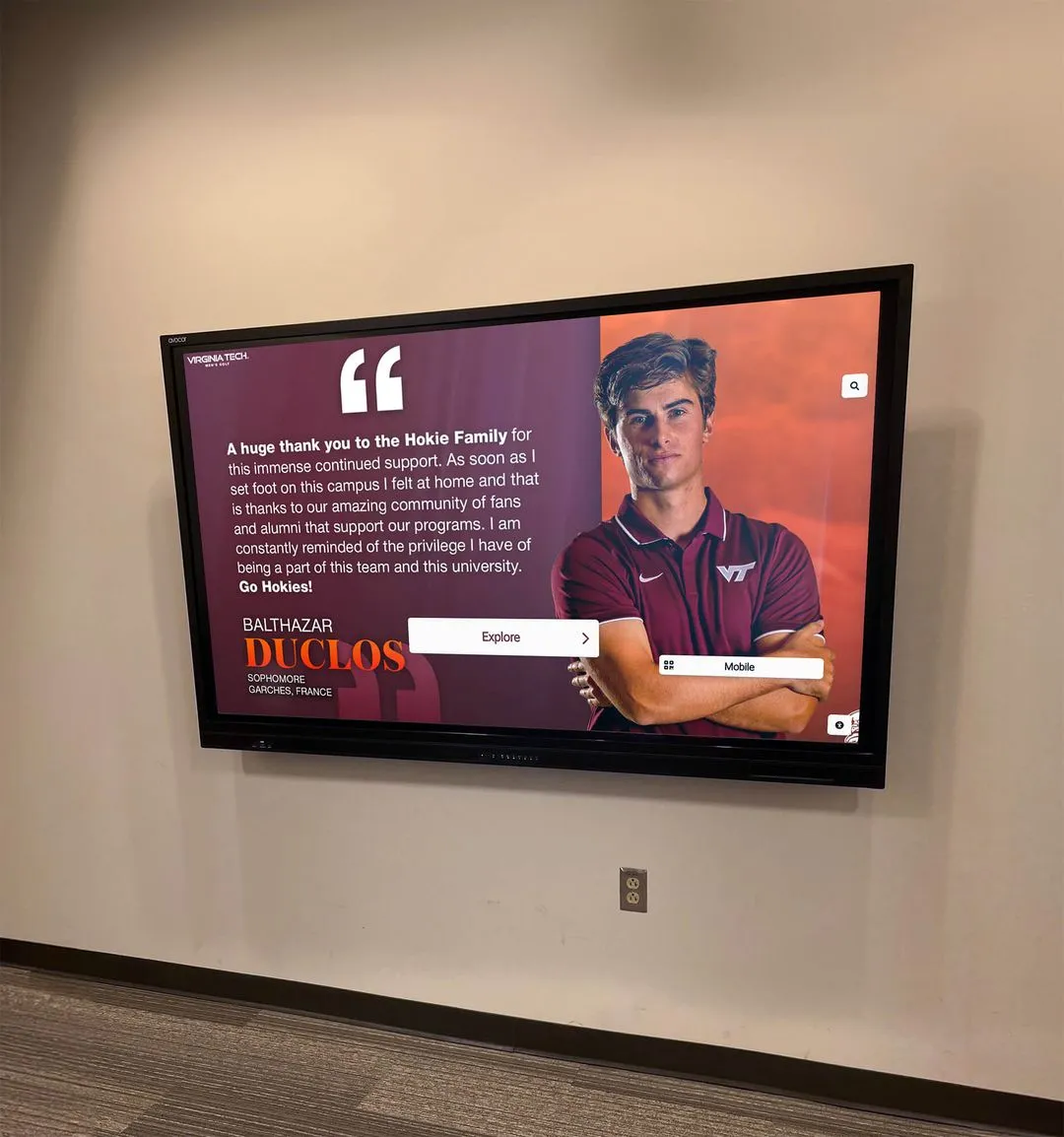
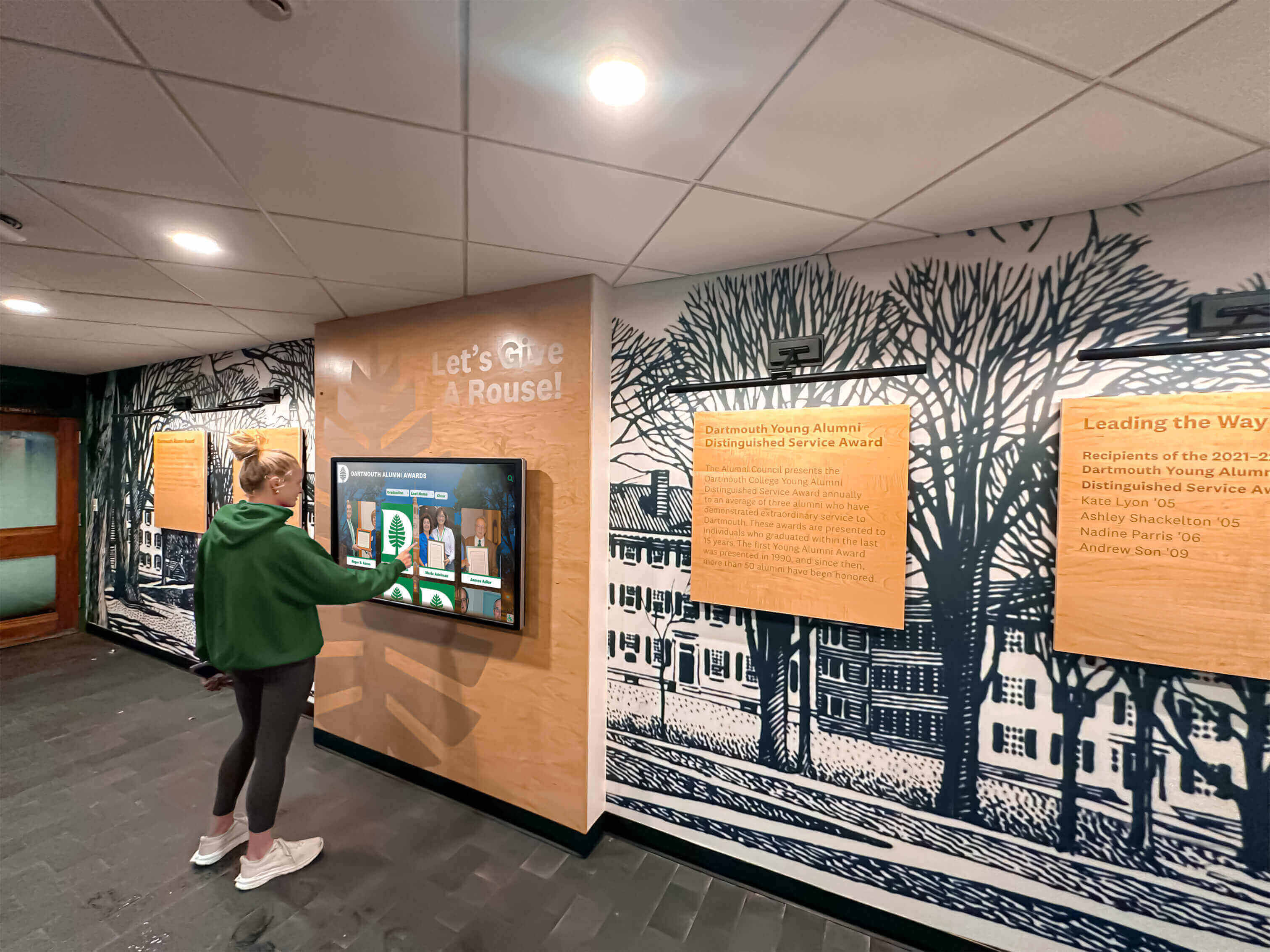
Strategic placement of student leader recognition in high-traffic campus areas inspires participation while celebrating ambassador contributions
Ambassador Program Models Across Institution Types
Effective ambassador programs adapt to institutional contexts, student populations, and strategic priorities while maintaining core elements of selection, training, responsibility, and recognition.
Admissions-Focused Models
Traditional ambassador programs primarily support enrollment management through campus tours and admissions events. These programs typically recruit 15-50 students representing diverse majors, backgrounds, and campus involvement profiles. Ambassadors work 5-10 hours weekly during academic semesters with increased commitments during peak visitation periods.
Selection emphasizes communication skills, campus knowledge, enthusiasm, and authentic storytelling ability. Training focuses on tour routes, talking points balancing institutional messaging with personal narrative, handling difficult questions, and representing institutional values professionally.
Admissions-centered programs work well for institutions prioritizing enrollment growth, yield improvement, or recruiting specific student populations. They provide focused scope enabling clear impact measurement through visitor satisfaction surveys and admitted student conversion tracking.
Comprehensive Leadership Development Models
Broader programs position ambassador experiences as holistic leadership development opportunities extending beyond admissions support. These initiatives integrate ambassadors into alumni relations, advancement events, community outreach, student recruitment, peer mentoring, and campus programming.
Programs typically select 30-100 students through competitive application processes emphasizing leadership potential, diverse representation, and commitment to comprehensive institutional service. Ambassadors participate in formal leadership curriculum including workshop series on public speaking, professional networking, emotional intelligence, conflict resolution, and career preparation alongside their service responsibilities.
Comprehensive models work well for institutions emphasizing student development outcomes, leadership pipeline creation, or coordinated engagement across enrollment, advancement, and student affairs divisions. They require greater administrative infrastructure but deliver deeper participant transformation and broader institutional value.
Specialized Ambassador Programs
Many institutions maintain multiple ambassador programs serving distinct purposes: athletic ambassadors supporting recruiting visits and game day operations, diversity ambassadors focused on underrepresented student outreach, graduate program ambassadors serving professional program marketing, honors program ambassadors showcasing high-achieving student experiences, and international student ambassadors representing global perspectives.
Specialized programs enable targeted messaging and authentic representation for specific student populations while creating focused training and clear impact measurement. However, they risk fragmenting student leadership opportunities and creating coordination challenges. Effective institutions balance specialized expertise with cross-program collaboration ensuring ambassadors understand full institutional scope beyond their designated focus areas.
Discover comprehensive student recognition approaches in academic recognition programs applicable to leadership development initiatives.
Building Effective Ambassador Programs: Selection and Recruitment
Strategic recruitment identifying passionate, diverse student leaders forms the foundation for impactful ambassador programs. Thoughtful selection criteria and inclusive recruitment approaches determine program quality and institutional representation authenticity.
Defining Selection Criteria
Clear, explicit selection criteria ensure consistent ambassador quality while communicating program expectations to applicants. The most effective criteria balance institutional needs with student readiness indicators.
Essential Competencies and Characteristics
Communication excellence represents the fundamental ambassador skill. Effective ambassadors articulate thoughts clearly in both prepared and spontaneous contexts, adjust communication styles for varied audiences, listen actively to prospective student questions and concerns, and convey genuine enthusiasm without appearing scripted or performative.
Institutional knowledge extends beyond memorizing facts. Strong ambassadors understand academic program structures, student support services, campus culture, residential experiences, extracurricular opportunities, and community contexts well enough to answer questions naturally while acknowledging knowledge limits honestly when appropriate.
Professionalism manifests through punctuality, reliability, appropriate attire for varied contexts, representing institutional values consistently, maintaining confidentiality, and demonstrating emotional maturity when handling challenging situations or difficult personalities encountered during ambassador duties.
Authenticity matters profoundly. The most effective ambassadors share genuine personal experiences rather than reciting marketing messages, acknowledge institutional limitations honestly while emphasizing strengths, represent themselves accurately rather than attempting to embody idealized student stereotypes, and connect personally with diverse prospective student backgrounds and interests.
Commitment requires sustained availability throughout academic terms. Ambassador programs need consistent participation during peak recruitment seasons, flexibility for weekend and evening events, multi-semester engagement enabling experience development, and ability to balance ambassador responsibilities with academic obligations and other involvements effectively.
Diversity and Representative Selection
Ambassador programs must represent institutional diversity comprehensively. Prospective students, families, alumni, and donors benefit from encountering ambassadors reflecting varied majors across colleges and departments, geographic origins including in-state, out-of-state, and international students, racial and ethnic backgrounds, gender identities and expressions, socioeconomic backgrounds including first-generation college students, military-connected students, and transfer students.
Representative selection enables authentic connection between ambassadors and the diverse populations they engage. First-generation prospective students connect powerfully with current first-generation ambassadors who understand unique challenges and opportunities. Students from specific regions relate to ambassadors from similar areas who can discuss regional cultural adjustments and connection-building strategies.
Institutions committed to inclusive excellence prioritize ambassador diversity systematically rather than assuming representative selection happens organically. This requires intentional outreach to underrepresented student populations, partnership with cultural centers and identity-based student organizations, explicit diversity criteria in selection rubrics, and ongoing assessment ensuring ambassador demographics reflect overall student body composition.
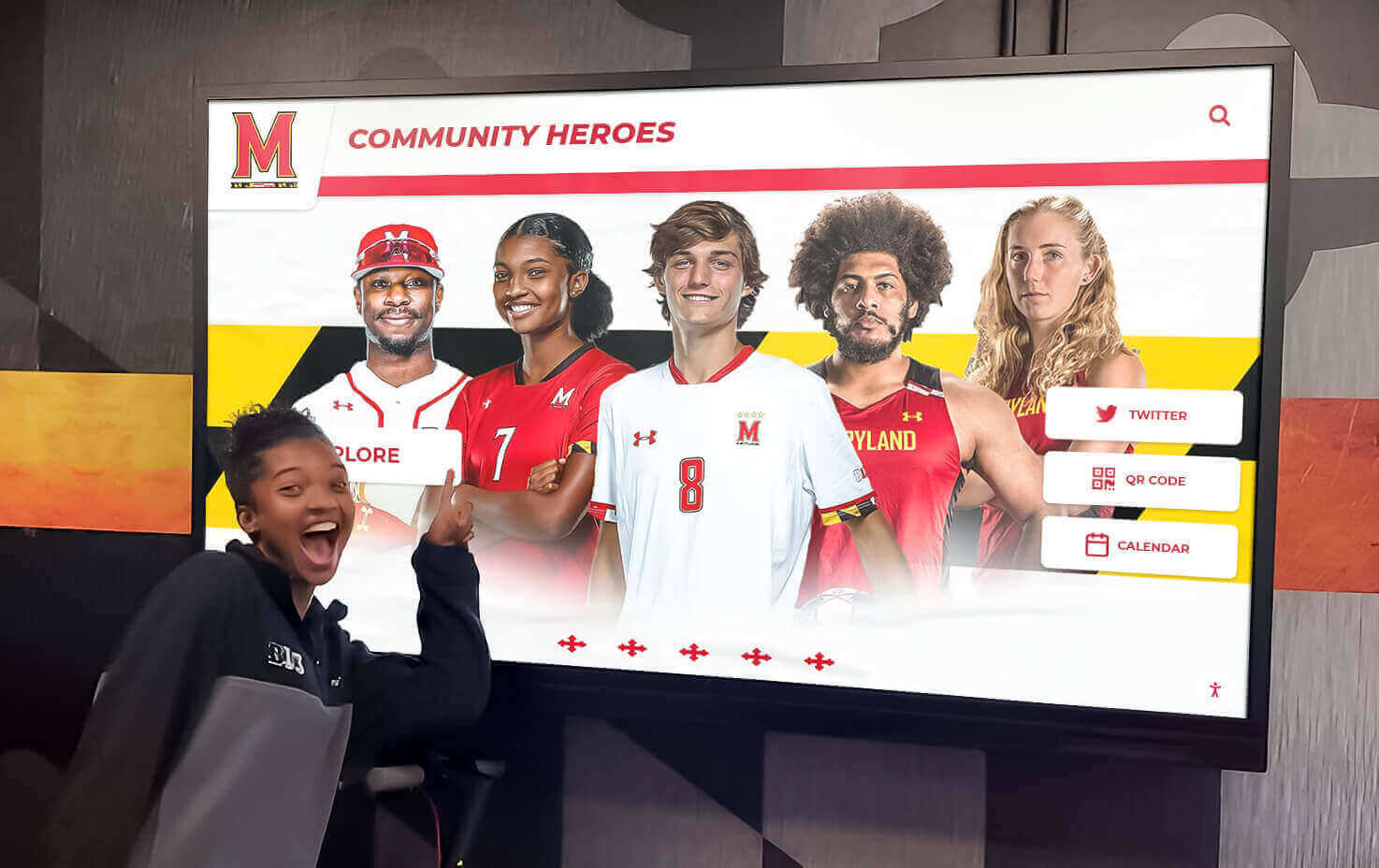
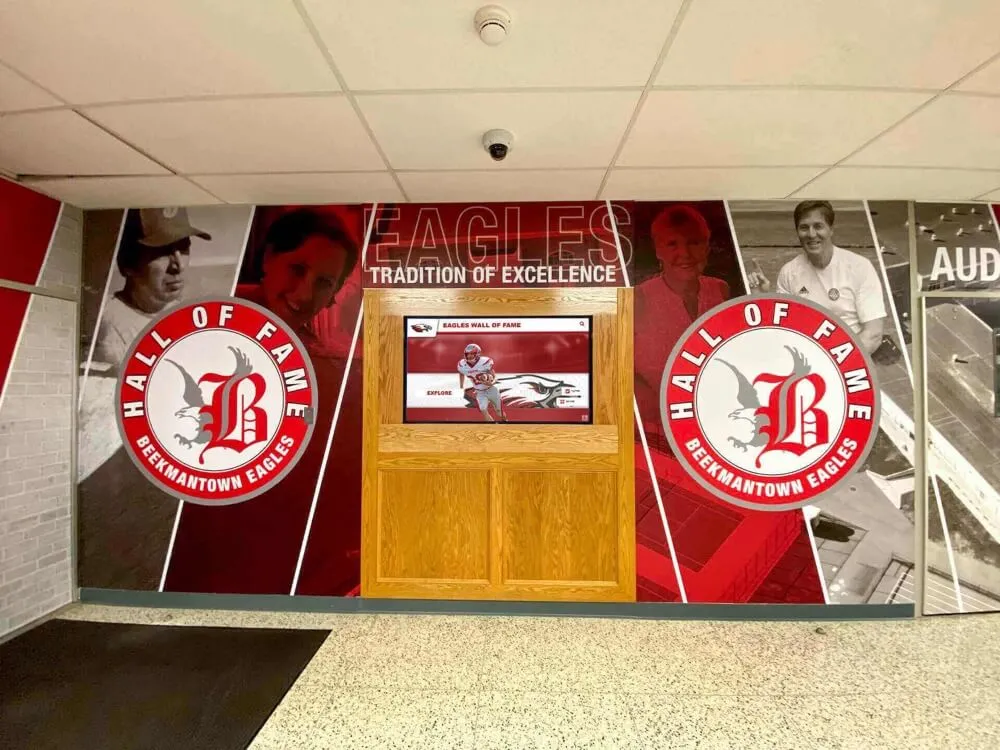
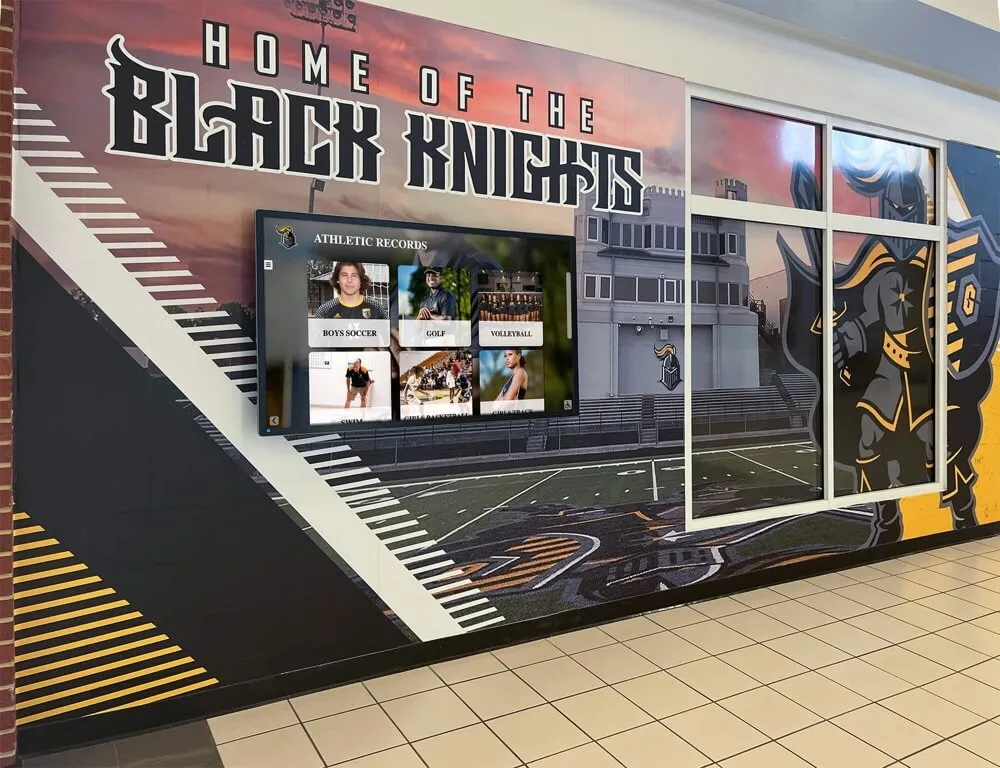
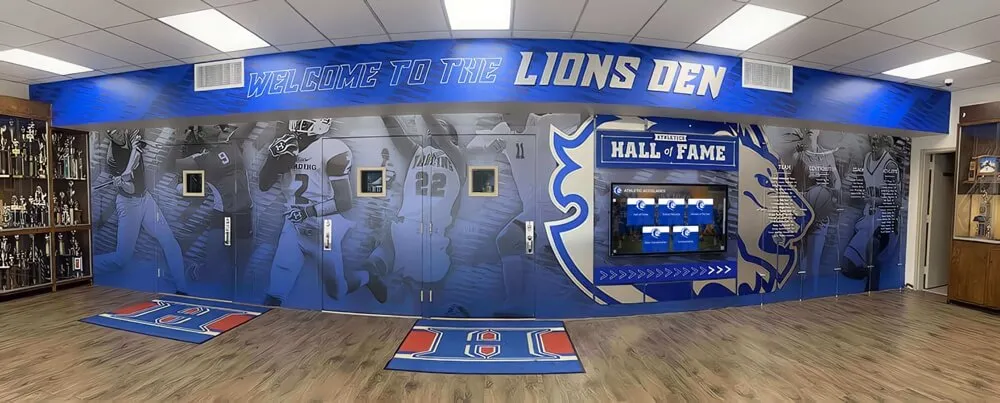
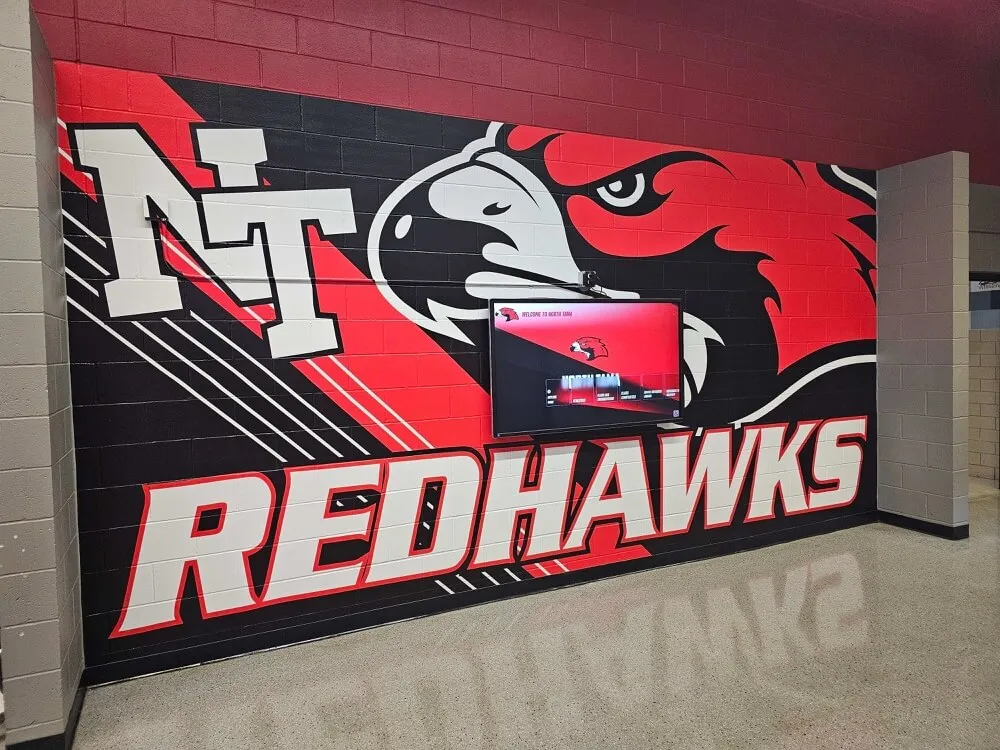
Interactive displays featuring diverse student leader profiles inspire broader participation while celebrating varied contributions to campus community
Application and Selection Processes
Structured application and selection processes ensure fair evaluation while identifying candidates demonstrating ambassador potential most effectively.
Application Components
Comprehensive applications gather information enabling holistic candidate assessment. Written statements reveal communication quality, personal motivation, and reflective capacity. Effective prompts ask applicants to describe transformational campus experiences and why these mattered personally, explain what prospective students should know about the institution from authentic student perspectives, and discuss how personal backgrounds and experiences would enhance ambassador program diversity.
Resume or involvement summaries document campus engagement, leadership experiences, work history demonstrating responsibility, and academic standing. Video submissions increasingly supplement written applications, particularly valuable for assessing presentation skills, enthusiasm, and on-camera presence important for ambassadors creating digital content.
References from faculty, staff advisors, or student organization leaders provide external perspective on applicants’ character, reliability, communication skills, and leadership potential. Short recommendation forms with specific prompts yield more useful information than generic letters.
Interview and Selection Methods
Multi-stage selection processes evaluate candidates thoroughly while respecting student and staff time. Initial application review screens for basic qualification and identifies strong candidates for continued consideration. Group interview sessions enable efficient candidate assessment while evaluating interpersonal dynamics and collaborative capacity important in ambassador teams.
Individual interviews provide deeper exploration of candidate experiences, motivations, and fit. Effective interview questions ask candidates to share stories demonstrating key competencies rather than hypothetical scenarios. Sample prompts include describing situations where candidates explained complex information to someone unfamiliar with topics, handled disagreements or conflicts diplomatically, represented organizations or groups in official capacities, and demonstrated flexibility when original plans changed unexpectedly.
Practical assessment components reveal real-time ambassador skills. Mock tour segments with evaluation rubrics assess presentation ability, information accuracy, question handling, and authentic communication. Impromptu question response scenarios evaluate thinking-on-your-feet capacity and grace under pressure ambassadors regularly encounter.
Selection committee composition influences evaluation quality and equity. Diverse committees including current ambassadors, admissions staff, student affairs professionals, and occasionally alumni or faculty representatives bring multiple perspectives to candidate assessment while modeling the inclusive community ambassadors will represent.
Managing Selective Processes Thoughtfully
Highly selective programs risk elitism or homogeneity without intentional inclusion efforts. Clear, transparent criteria and evaluation rubrics reduce bias while ensuring consistent candidate assessment. Holistic review considers varied leadership expressions and experiences rather than privileging traditional involvement patterns that often reflect access advantages.
Alternative involvement opportunities for strong applicants not selected as ambassadors prevent talent waste and maintain candidate goodwill. Some institutions establish tiered programs with different time commitments and responsibilities, enabling broader participation while maintaining core ambassador program selectivity.
Constructive feedback for unsuccessful applicants, when possible, transforms rejection into developmental experience. Brief explanations of selection decisions and encouragement to reapply after strengthening specific areas demonstrate institutional investment in student growth beyond program acceptance.
Learn about developing student leadership pipelines in student mentorship programs with recognition approaches.
Training Ambassador Excellence: Curriculum and Development
Comprehensive training distinguishes transformational leadership programs from basic volunteer coordination. Strategic training develops competencies ambassadors need while fostering community, clarifying expectations, and building institutional knowledge.
Initial Training Foundations
Intensive onboarding establishes essential knowledge and skills before ambassadors engage in representative responsibilities. Effective initial training addresses multiple interconnected areas through immersive, interactive learning experiences.
Institutional Knowledge and Campus Resources
Ambassadors must understand academic offerings comprehensively across all colleges and departments, including popular majors, distinctive program features, faculty research areas, internship and experiential learning opportunities, graduate program pathways, and specialized centers or institutes. They need familiarity with student support services including academic advising structures, tutoring and writing centers, career development resources, counseling and health services, and financial aid processes.
Campus life knowledge encompasses residential experiences, dining options, recreation and fitness facilities, student organization landscape, cultural and social programming, religious and spiritual life resources, and transportation options. Understanding admissions processes, requirements, and timelines enables ambassadors to direct prospective students appropriately for detailed information beyond their scope.
Rather than memorizing comprehensive institutional information, effective training helps ambassadors understand where to find answers, who to connect prospective students with for specialized questions, and how to acknowledge knowledge limits gracefully while committing to follow-up when needed.
Communication and Presentation Skills
Professional communication training develops ambassadors’ natural strengths while addressing skill gaps. Public speaking fundamentals cover voice projection and clarity, pacing and strategic pausing, eye contact and body language, managing nervous energy productively, and engaging audiences of varied sizes from intimate one-on-one conversations to large group presentations.
Storytelling frameworks help ambassadors craft compelling personal narratives balancing institutional messaging with authentic experience. Effective training teaches ambassadors to structure stories with clear arcs, include concrete details making experiences vivid and relatable, connect personal experiences to broader institutional values and opportunities, and adjust narrative depth and focus based on audience interests and time constraints.
Question-handling strategies prepare ambassadors for the diverse inquiries they’ll encounter. Training includes active listening techniques ensuring full question comprehension, strategies for answering questions outside ambassadors’ expertise honestly, approaches for handling controversial topics or institutional challenges diplomatically, and methods for redirecting inappropriate questions while maintaining positive interactions.
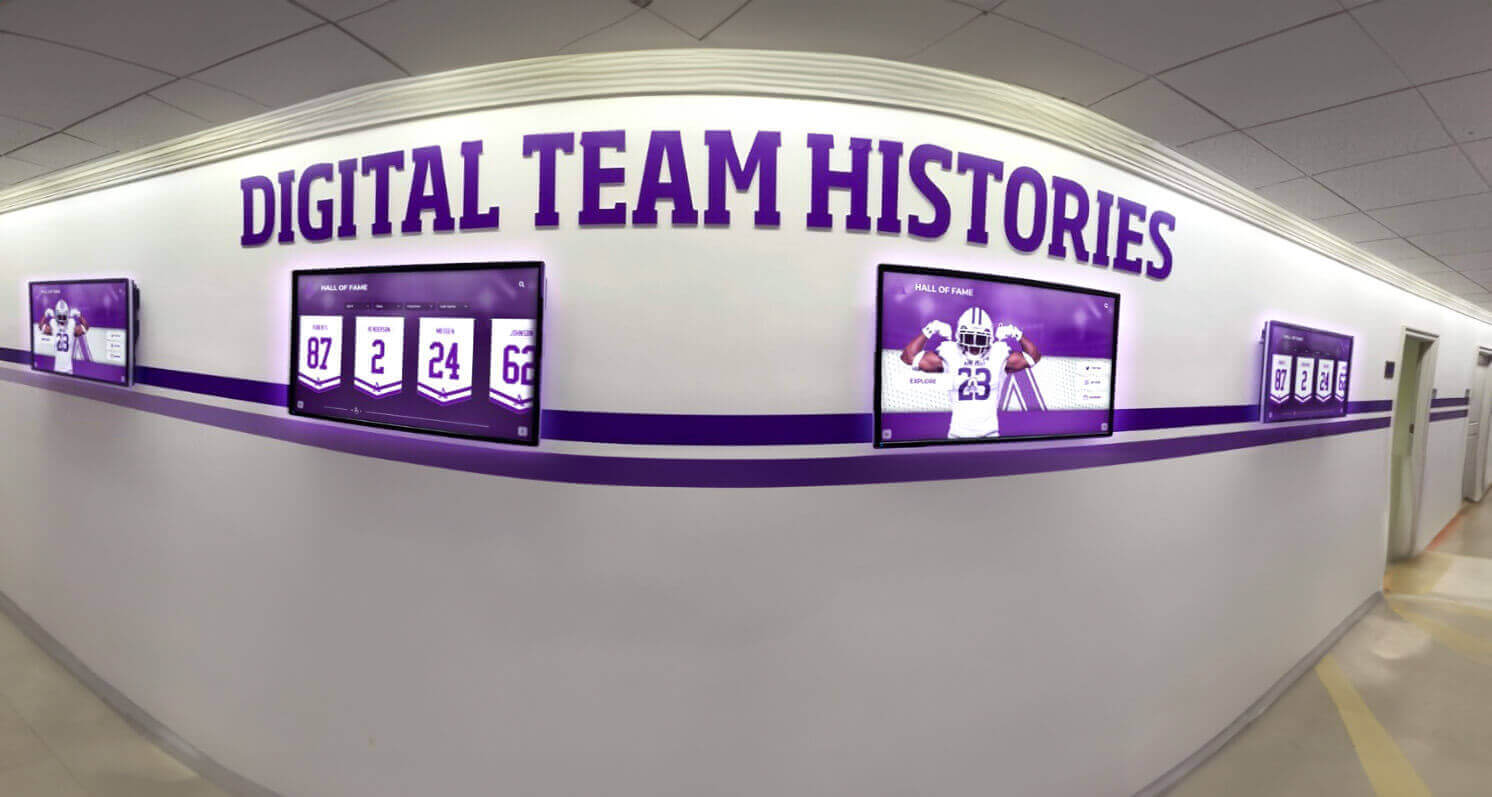
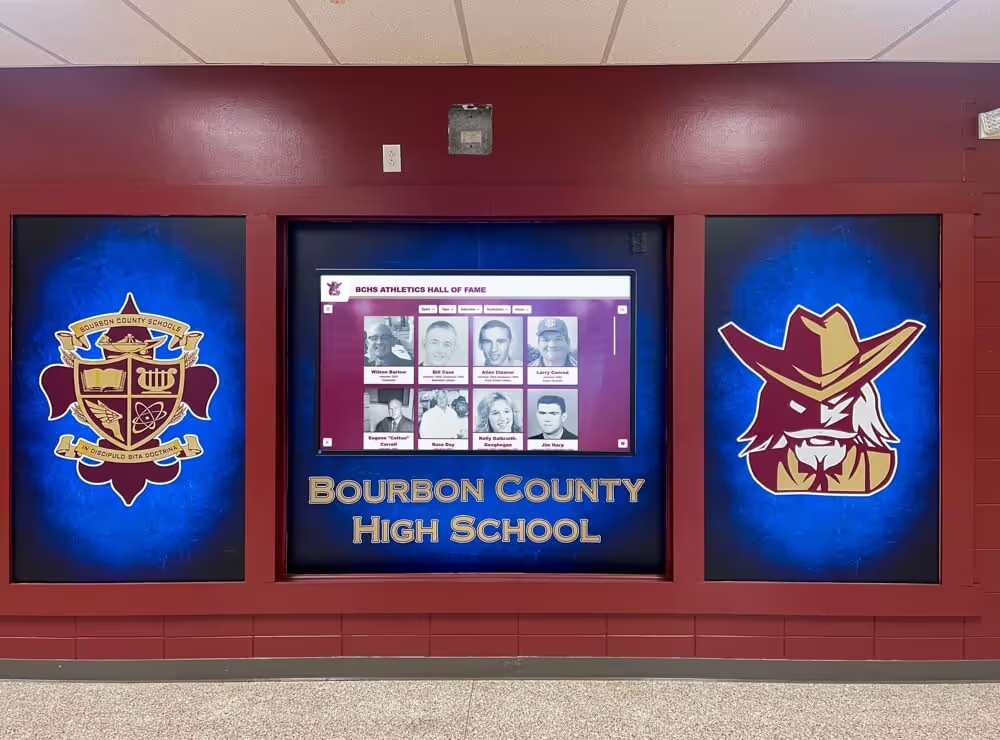
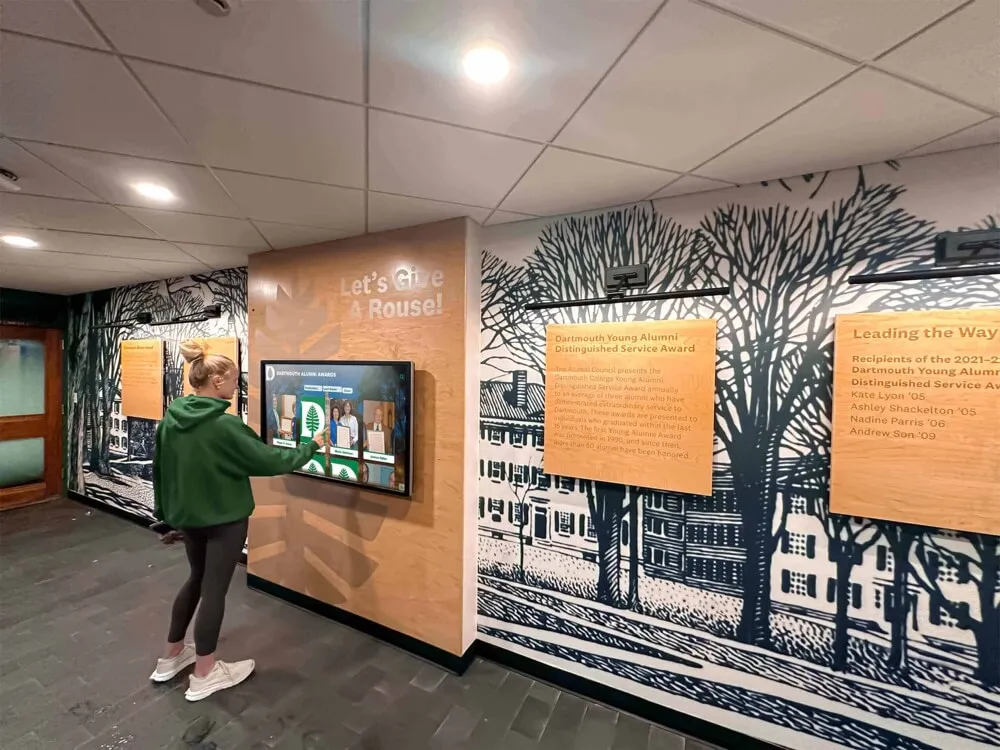
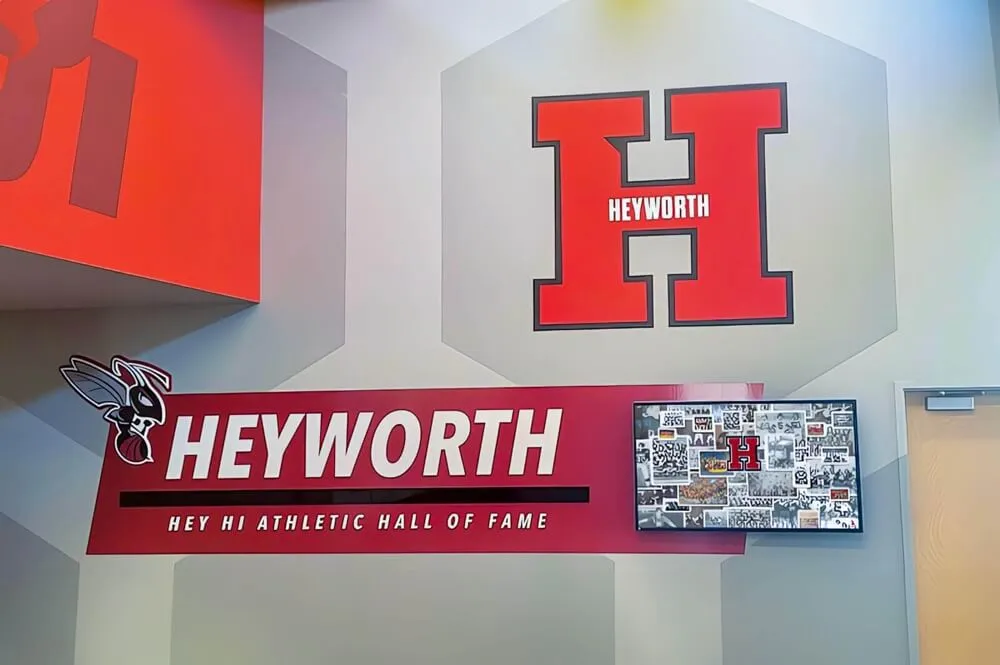
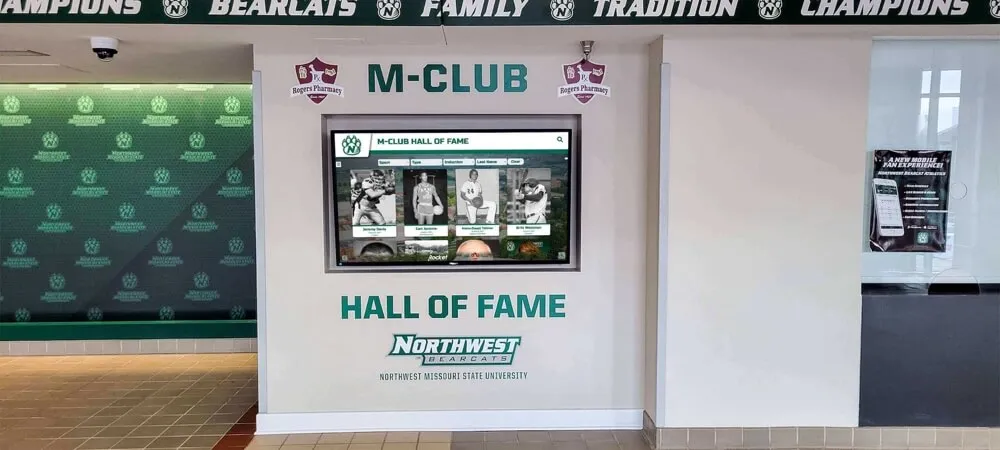
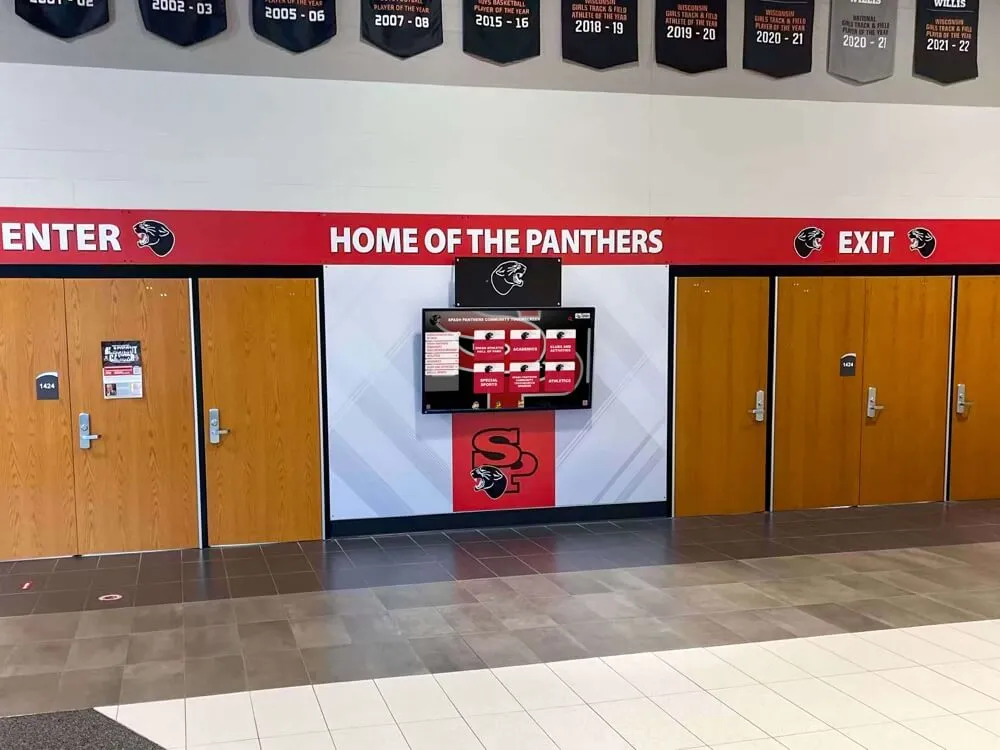
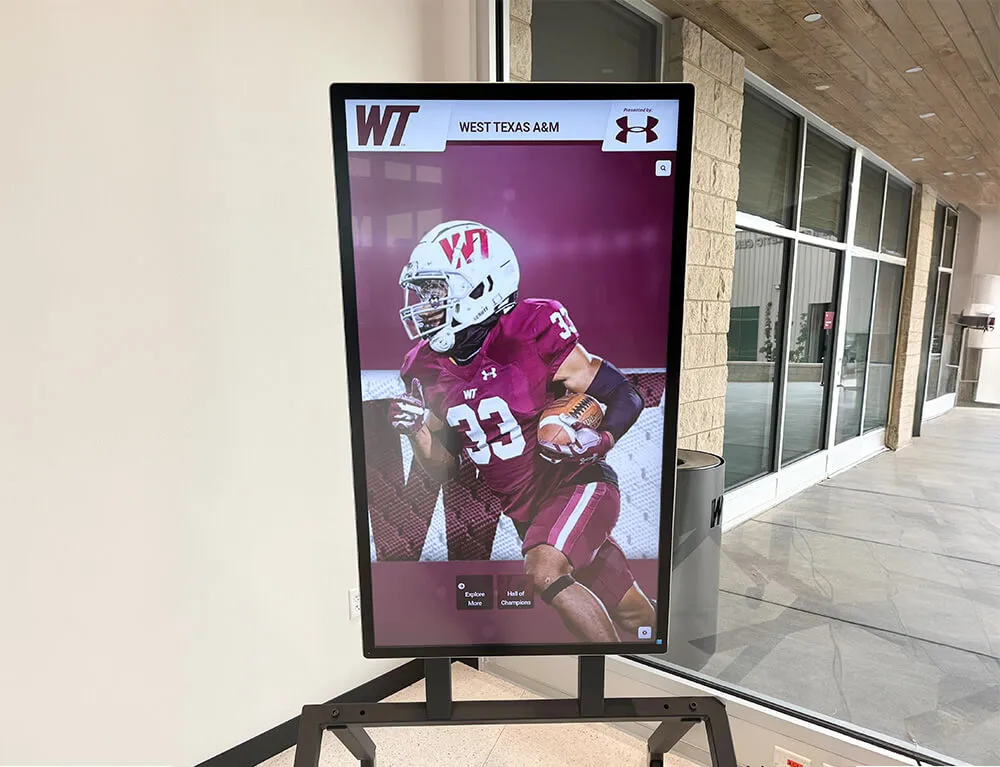
Permanent digital recognition in high-visibility campus locations celebrates ambassador contributions while providing ongoing inspiration
Ongoing Development and Advanced Training
Continuous learning sustains ambassador engagement while deepening competencies throughout multi-semester or multi-year participation.
Advanced Skill Development
Progressive training beyond initial onboarding develops sophisticated capabilities. Advanced communication workshops address tailoring messages for specific audiences including international families, first-generation college students, parents with concerns about safety or value, and prospective students with specialized academic or extracurricular interests.
Leadership development curriculum builds transferable professional competencies. Topics include emotional intelligence and self-awareness, giving and receiving constructive feedback effectively, conflict resolution and difficult conversation navigation, inclusive leadership and cultural competency, time management and boundary-setting, and personal branding and professional networking.
Digital content creation training prepares ambassadors for social media and multimedia responsibilities. Sessions cover photography and videography basics for creating engaging content, writing compelling captions and short-form content, understanding platform-specific best practices for Instagram, TikTok, and other channels, and maintaining authenticity while representing institutions officially.
Specialized Training Tracks
Experienced ambassadors benefit from specialized development aligned with specific responsibilities or interests. Alumni event ambassadors receive training on advancement priorities, donor relations fundamentals, alumni engagement strategies, and connecting current student experiences to institutional impact narratives for philanthropic audiences.
Social media ambassadors develop expertise in content strategy, analytics interpretation, community management, and personal brand building alongside institutional representation. Leadership team members including ambassador program coordinators, mentors, or specialty area leaders participate in training on delegation, team motivation, program assessment, and administrative responsibilities.
Reflective Practice and Feedback Integration
Regular reflection transforms ambassador experiences into developmental learning. Structured debrief sessions following major events enable ambassadors to share challenging moments, discuss effective strategies, process emotional responses to difficult situations, and learn from peers’ varied experiences. Individual check-ins with program coordinators provide personalized feedback, address specific growth areas, recognize individual contributions, and maintain ambassador motivation throughout terms.
Peer observation and feedback systems create learning communities where ambassadors attend each other’s tours or presentations, provide constructive observations using structured rubrics, share effective techniques discovered through practice, and build collective program quality through collaborative improvement.
Explore comprehensive student development in how to network with alumni with relationship-building strategies applicable to ambassador programs.
Maximizing Ambassador Impact: Responsibilities and Engagement
Strategic responsibility design ensures ambassador programs deliver institutional value while providing meaningful experiences for participating students. Effective programs balance core duties with flexibility enabling ambassador creativity and ownership.
Core Ambassador Responsibilities
Well-designed programs establish clear expectations while allowing personalization based on ambassador strengths and interests.
Campus Tours and Admissions Events
Traditional tour leadership remains central to most ambassador programs. Effective tours balance comprehensive campus exposure with engaging storytelling, highlighting both signature facilities and everyday student spaces, connecting physical locations to student experiences and opportunities, and adapting routes and emphasis based on visitor interests and time constraints.
Ambassadors should develop signature tour styles reflecting authentic personalities rather than memorizing scripts. Training should establish essential information coverage while encouraging personal narrative integration, teaching ambassadors to read audiences and adjust pacing dynamically, and emphasizing interactive engagement rather than one-directional information presentation.
Admissions event participation extends beyond tours. Ambassadors serve on prospective student panels answering questions about campus life, academics, and opportunities. They facilitate small group discussions during yield events helping admitted students envision themselves as enrolled students. They host overnight visits providing authentic glimpses into residential life, academic culture, and social experiences.
Alumni and Advancement Engagement
Ambassador participation in alumni events creates intergenerational connection while showcasing current institutional impact. At reunions, ambassadors lead campus tours highlighting changes since alumni attended, participate in panels discussing contemporary student experiences, and engage alumni in conversations about how their time on campus shaped careers and lives.
For donor cultivation events, ambassadors provide authentic testimony about how philanthropy impacts current students tangibly. Rather than scripted speeches, effective programs prepare ambassadors to share genuine stories about scholarships enabling enrollment, facility improvements enhancing learning, or program innovations creating opportunities, while connecting these to donor generosity explicitly.
Ambassador involvement in advancement work requires specialized training on donor relations sensitivity, appropriate gratitude expression, understanding philanthropic motivations, and maintaining boundaries between authentic sharing and discomfort with fundraising asks directed at students.
Digital Content Creation and Social Media
Modern ambassador programs increasingly leverage student-generated content for authentic institutional marketing. Ambassadors create Instagram stories and posts showcasing daily campus life, TikTok videos highlighting traditions or student experiences, blog posts exploring specific campus topics in depth, and video testimonials addressing common prospective student questions.
Effective digital ambassador strategies establish content calendars ensuring consistent posting, provide creative guidelines maintaining brand consistency while enabling authentic voice, train ambassadors on visual storytelling and content quality basics, and empower ambassador creativity rather than over-controlling messaging.
Content creation responsibilities should include ambassador compensation or substantial program credit rather than expecting free labor producing institutional marketing materials. Clear intellectual property agreements and content usage rights protect both institutional and student interests.
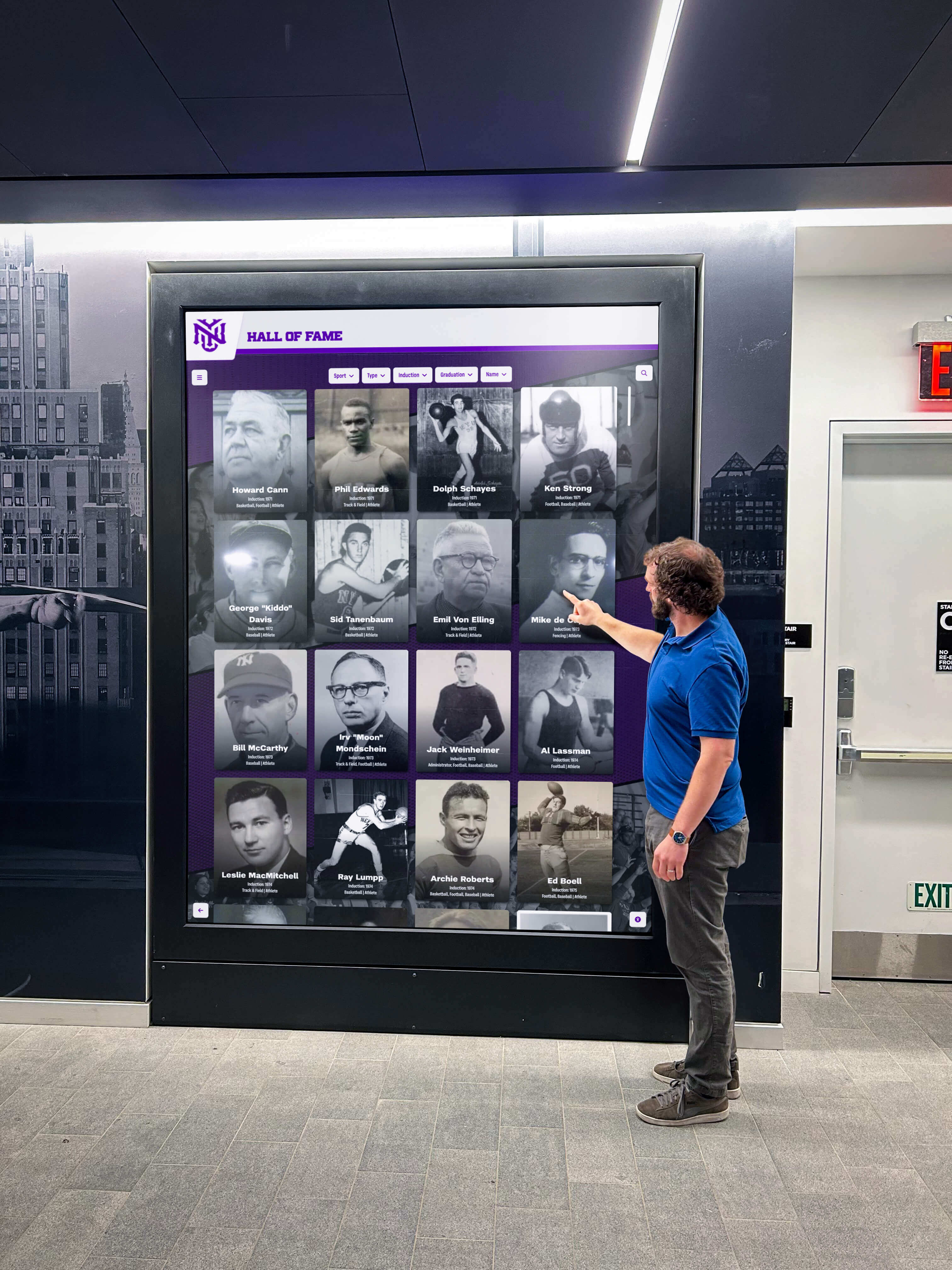
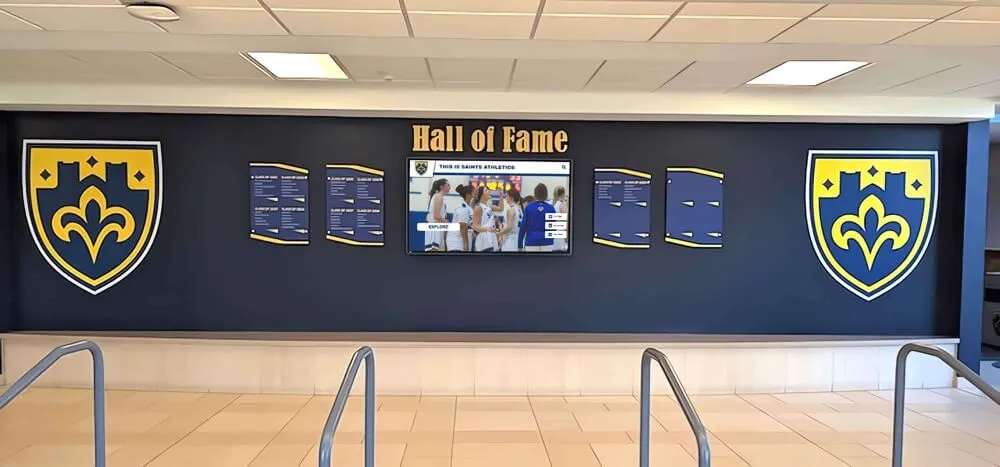
Strategically placed interactive displays enable visitors to discover ambassador profiles while learning about campus leadership opportunities
Program Structure and Time Commitment
Sustainable programs balance meaningful ambassador involvement with academic and personal life demands while delivering consistent institutional value.
Time Expectations and Scheduling
Reasonable time commitments prevent ambassador burnout while ensuring reliable availability. Typical programs require 5-10 hours weekly during academic terms including scheduled tour shifts, event participation, and training sessions, with flexibility for exam periods and academic deadlines reducing expectations temporarily, increased availability expectations during peak recruitment seasons with advance notice, and multi-semester commitments enabling experience depth and community development.
Structured scheduling systems prevent last-minute staffing scrambles while respecting ambassador time. Digital scheduling platforms allow ambassadors to indicate availability, view upcoming opportunities, and claim shifts matching their schedules, with sufficient advance notice enabling academic and personal planning, and clear expectations about minimum participation thresholds ensuring fair contribution across all ambassadors.
Compensation and Recognition
Ambassador program compensation varies across institutions from purely volunteer participation to substantial paid positions. Common models include hourly wages comparable to other campus employment, stipends providing fixed compensation per semester regardless of hour variations, course credit for programs integrated with academic learning outcomes and reflective requirements, and scholarship awards recognizing ambassador service contribution to institutional advancement.
Programs without financial compensation require other meaningful value propositions including prestigious program reputation enhancing resumes, substantial leadership development training providing transferable skills, exclusive access to institutional leaders and speakers, priority registration for popular courses or events, and comprehensive recognition celebrating contributions visibly.
Mixed compensation models serve different responsibility levels. Core ambassador duties receive hourly compensation while specialized leadership roles earn additional stipends, or base participation is volunteer with paid opportunities for digital content creation, event coordination, or program leadership positions.
Community Building and Ambassador Support
Strong programs cultivate ambassador cohesion and belonging beyond transactional service delivery. Regular community gatherings including social events, meal opportunities, and celebration rituals strengthen relationships while preventing isolation. Peer mentoring systems connect experienced ambassadors with new members, providing guidance, encouragement, and institutional knowledge transfer.
Recognition throughout tenures sustains motivation. Monthly spotlights celebrating individual ambassador contributions, peer nomination systems for ambassador excellence awards, and public acknowledgment during campus events demonstrate ongoing appreciation rather than relegating recognition exclusively to program conclusion.
Professional development opportunities beyond ambassador-specific training add value. Access to career preparation workshops, networking events with alumni in students’ career interest areas, and connections to internship or employment opportunities through advancement or admissions networks reward ambassador participation with concrete career advancement support.
Discover effective team recognition in best ways to increase school pride with community-building strategies.
Measuring Ambassador Program Impact
Systematic impact assessment demonstrates program value to institutional stakeholders while identifying improvement opportunities ensuring ambassador initiatives achieve intended outcomes.
Quantitative Impact Metrics
Measurable data provides objective evidence of ambassador program contributions across institutional priorities.
Enrollment and Admissions Impact
For programs supporting enrollment management, quantitative assessment tracks prospective student engagement including number of campus tours conducted annually, total prospective students and family members reached, admitted student event participation rates, and overnight visit programs hosted.
Conversion metrics connect ambassador engagement to enrollment outcomes. Institutions with sophisticated CRM systems can track yield rates for admitted students who attended ambassador-led tours compared to those who didn’t, enrollment rates from students who had overnight host experiences, and conversion rates from students who attended ambassador-facilitated panels or events.
Survey data captures ambassador influence on college decisions. Post-enrollment questionnaires asking what factors most influenced enrollment decisions consistently identify campus visits and interactions with current students among top factors, providing indirect but meaningful evidence of ambassador impact.
Alumni and Advancement Engagement
Ambassador participation in advancement creates measurable engagement outcomes. Event attendance rates, alumni satisfaction scores from gatherings featuring ambassadors, social media engagement on posts featuring student ambassadors, and donor renewal rates among those who interacted with ambassadors at cultivation events all indicate program value.
More sophisticated assessment tracks whether donors who meet ambassadors increase giving levels in subsequent years, whether alumni who engage with ambassadors at events maintain stronger institutional connection, and whether advancement staff report ambassadors effectively humanizing institutional impact in donor conversations.
Ambassador Development Outcomes
Student learning and development assessment measures program impact on participants themselves. Pre- and post-program surveys using validated instruments measure changes in public speaking confidence, leadership self-efficacy, intercultural competency, and career readiness competencies.
Practical skill assessment tracks improvement through rubric-based evaluation of tour or presentation quality comparing early-program and late-program performance, self-assessment reflections identifying personal growth areas, and supervisor observations documenting skill development throughout participation.
Career outcomes provide long-term impact evidence. Alumni surveys examining whether ambassador alumni attribute career success to program experiences, tracking ambassador alumni career trajectories compared to general student populations, and documenting employer feedback about ambassador alumni work-readiness demonstrate sustained program value beyond enrollment.

Comprehensive campus recognition systems celebrate diverse student leadership including ambassadors alongside athletic and academic achievers
Qualitative Program Assessment
Rich qualitative data complements quantitative metrics by capturing program nuances and improvement opportunities.
Participant Feedback and Testimonials
Regular ambassador feedback through focus groups, individual interviews, and open-ended survey responses reveals program strengths and challenges. Effective assessment asks ambassadors what experiences provided greatest value, what training or support could improve effectiveness, how program participation influenced personal development, where ambassadors encountered challenges or felt unprepared, and what they wish they’d known before joining programs.
Alumni ambassador perspectives provide retrospective assessment. Former participants several years post-graduation offer valuable insights about which program elements proved most valuable long-term, how ambassador experiences influenced career trajectories or graduate school success, and what current programs should emphasize or change based on hindsight.
Stakeholder Perceptions
Multiple stakeholder groups provide important program quality indicators. Prospective student and family feedback through post-visit surveys asking about ambassador effectiveness, helpfulness, knowledge, and authenticity reveals how effectively ambassadors represent institutions to critical audiences.
Admissions counselor observations about ambassador preparation, professionalism, and impact provide frontline staff perspectives on program quality. Alumni and donor feedback about ambassador participation in advancement events indicates whether ambassadors effectively support institutional advancement priorities.
Faculty perspectives on ambassador professionalism during campus events, academic program knowledge accuracy, and representation of institutional values contribute to comprehensive quality assessment.
Continuous Improvement Integration
Assessment value comes from improvement integration, not mere data collection. Regular program reviews examining assessment data systematically, identifying patterns in feedback across multiple sources, prioritizing improvement areas based on impact and feasibility, and implementing changes with evaluation of effectiveness create cycles of continuous enhancement.
Transparent communication about how feedback influences program changes demonstrates that assessment serves genuine improvement rather than performative compliance. Telling ambassadors how their input shaped training modifications, schedule changes, or new opportunities builds trust while encouraging ongoing honest feedback.
Explore comprehensive program assessment in athletic facility management with evaluation frameworks applicable to ambassador programs.
Recognizing Ambassador Contributions: Traditional and Innovative Approaches
Meaningful recognition honors ambassador service while inspiring future participation. The most effective programs combine immediate appreciation with lasting acknowledgment celebrating contributions beyond program conclusion.
Traditional Recognition Methods
Conventional approaches provide important foundation for ambassador appreciation while addressing diverse recognition preferences.
Ceremonial Recognition Events
End-of-year celebrations or recognition ceremonies provide formal acknowledgment of ambassador contributions. Effective events feature individual recognition naming each ambassador with brief contribution highlights, certificates or awards commemorating participation and service, special recognition for multi-year ambassadors or leadership roles, and opportunities for ambassadors to share reflections on experiences and growth.
Ceremonies gain meaning through intentional audience inclusion. Inviting families celebrates ambassadors’ accomplishments with loved ones who supported participation. Including institutional leaders like presidents, provosts, or admissions deans signals that ambassador work matters institutionally. Alumni ambassador participation creates intergenerational connection while modeling sustained institutional engagement.
Rather than obligatory feel-good events, effective ceremonies emphasize genuine gratitude and specific impact. Sharing enrollment statistics ambassadors influenced, reading moving testimonials from prospective students or alumni about ambassador interactions, and connecting ambassador work explicitly to institutional mission achievement demonstrates concrete value of their service.
Physical Recognition and Awards
Tangible recognition items provide lasting reminders of ambassador experiences. Traditional approaches include engraved plaques or trophies acknowledging participation years and contributions, framed certificates suitable for home or office display, personalized gifts reflecting ambassador program or institutional identity, and letters of recommendation or endorsements for employment or graduate programs.
More creative physical recognition includes custom apparel like embroidered blazers, polos, or jackets identifying ambassadors visibly on campus, professional headshots and bio materials for career preparation use, published feature stories in institutional magazines or alumni publications, and legacy items like bricks or trees in campus spaces bearing ambassador names.
Physical recognition gains value through quality rather than quantity. A single high-quality, personalized item conveys more genuine appreciation than numerous generic tokens. Giving ambassadors choice in recognition preferences respects different values and needs while ensuring recognition feels personally meaningful.
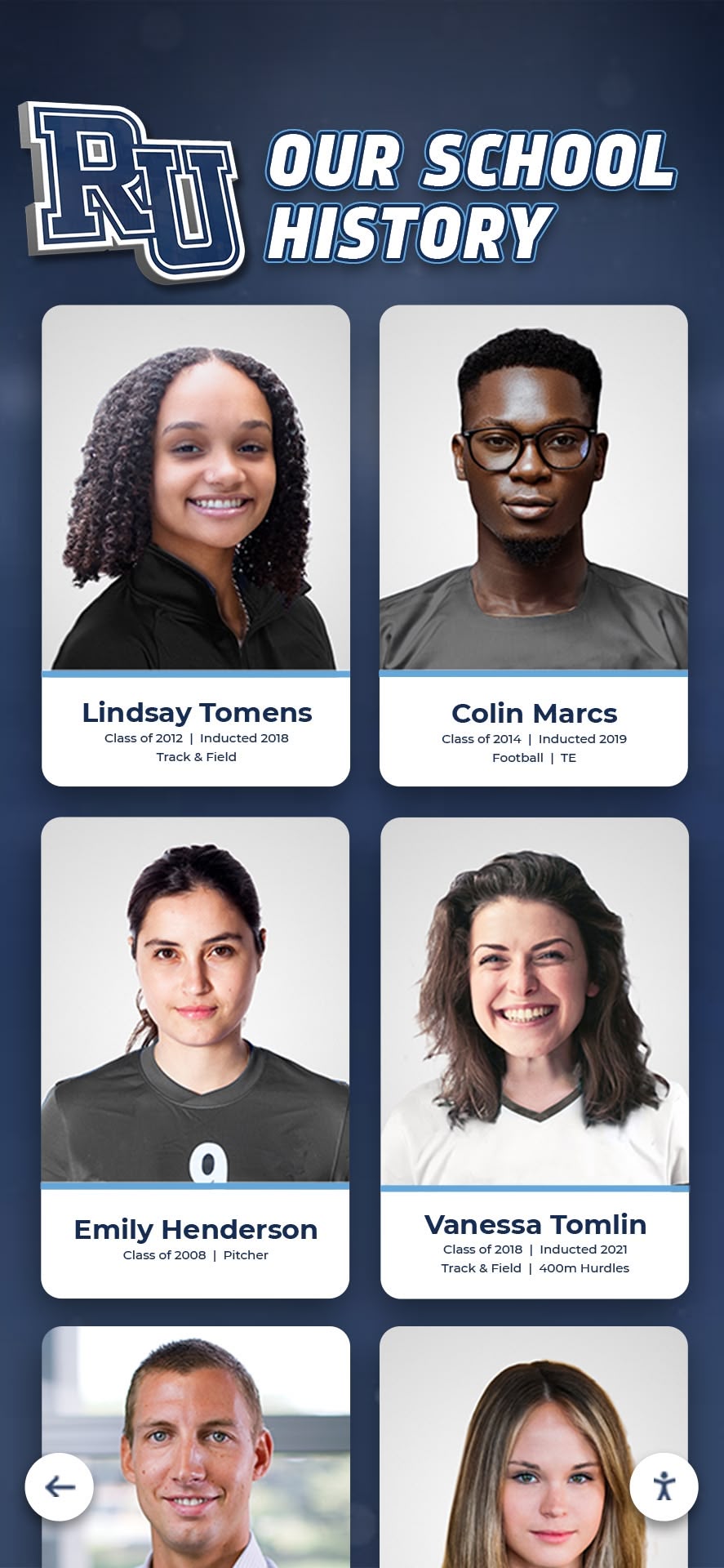
Organized presentation of student leader profiles creates comprehensive recognition spanning complete program histories
Digital Recognition and Permanent Visibility
Modern technology enables recognition formats impossible with traditional approaches, creating permanent, accessible celebration honoring ambassadors indefinitely while providing ongoing inspiration for future student leaders.
Digital Ambassador Profiles and Directories
Web-based ambassador recognition platforms create searchable, comprehensive databases showcasing current and alumni ambassadors. Rich digital profiles include professional photos, academic and involvement information, ambassador roles and responsibilities, personal statements about why they serve as ambassadors, and contact information enabling networking opportunities.
Enhanced profiles incorporate multimedia content impossible in physical displays: video clips of ambassadors sharing campus perspectives or career advice, photo galleries documenting ambassador experiences at events and programs, written reflections on personal growth through ambassador participation, and post-graduation updates tracking career accomplishments and continued institutional connection.
Digital directories provide powerful recruitment tools. Prospective ambassadors exploring programs browse current ambassador profiles to understand who participates and what experiences ambassadors have, search for ambassadors with similar backgrounds or interests providing relatable connection, and gain realistic understanding of program expectations and opportunities through authentic student voices.
Interactive Touchscreen Recognition Displays
Physical campus installations using interactive touchscreen technology bring digital recognition flexibility to high-traffic locations where students, visitors, alumni, and community members naturally gather. Modern recognition systems like those provided by Rocket Alumni Solutions combine professional display hardware with intuitive content management enabling institutions to showcase ambassador programs comprehensively.
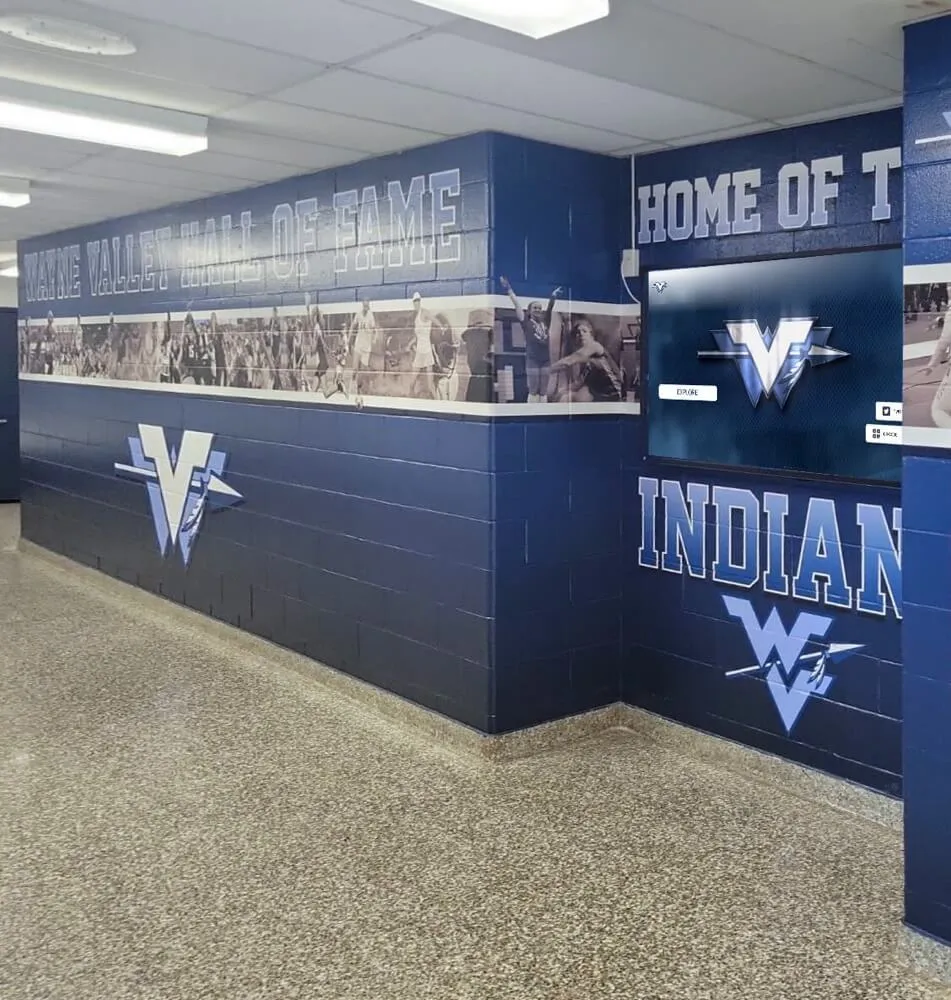
Strategic display placement maximizes impact. Admissions office lobbies ensure prospective student visitors discover ambassador programs during campus visits. Main campus entries and student union locations reach entire campus community while demonstrating institutional investment in student leadership. Alumni centers and advancement spaces connect current student leaders to alumni while showcasing engagement opportunities for graduated students.
Interactive systems solve traditional recognition limitations comprehensively. Unlimited digital capacity accommodates every ambassador across program history without space constraints that force difficult inclusion decisions. Instant content updates add new ambassadors immediately upon selection, incorporate updated photos or information throughout participation, and track post-graduation accomplishments maintaining sustained connection.
Rich multimedia recognition creates engaging exploration experiences impossible with static plaques. Searchable databases enable visitors to find ambassadors by name, major, hometown, involvement areas, or graduation year. Filtering functions surface specific ambassador populations like first-generation students, international students, or students from particular academic colleges, helping prospective students find relatable representatives.
Social Media and Digital Storytelling
Public recognition through institutional social media channels celebrates ambassadors while creating authentic marketing content. Ambassador spotlight series featuring regular posts highlighting individual ambassadors, their campus experiences, and advice for prospective students combine recognition with enrollment marketing effectively.
Video testimonial series enable ambassadors to share experiences through powerful storytelling formats reaching audiences far beyond campus. Short-form content for Instagram, TikTok, or YouTube showcases ambassador personalities while providing prospective student insights. Long-form podcast or interview series creates deeper exploration of ambassador journeys, challenges, and growth.
User-generated content campaigns encourage ambassadors to share own experiences through personal social channels using institutional hashtags, creating organic reach while celebrating ambassador perspectives authentically. Reposting ambassador content to official institutional accounts provides recognition while expanding content capacity.
Showcase Your Student Leaders with Permanent Digital Recognition
Discover how Rocket Alumni Solutions helps colleges and universities create stunning interactive displays celebrating ambassador programs, student leadership, and campus engagement. Professional touchscreen systems combined with intuitive content management ensure every ambassador receives comprehensive recognition accessible to campus communities, prospective students, and alumni perpetually.
Explore Digital Recognition SolutionsRecognition Integration with Campus Systems
Ambassador recognition gains power through integration with broader campus recognition and engagement infrastructure rather than existing in isolation.
Comprehensive Student Leadership Recognition
Ambassador programs often represent one element within broader student leadership ecosystems including student government, orientation leaders, resident assistants, peer mentors, and student organization officers. Integrated recognition systems celebrating diverse leadership forms create comprehensive leadership culture rather than siloed program promotion.
Multi-program displays showcase ambassador contributions alongside other leadership pathways, helping students discover varied opportunities. Cross-program recognition events celebrate collective student leadership impact while building collaborative relationships across programs. Unified digital platforms house all leadership programs providing single destination for exploring campus leadership landscape.
Integrated approaches prevent competition between programs for recognition resources and visibility while demonstrating institutional commitment to leadership development broadly rather than privileging particular programs.
Alumni Engagement Connection
Powerful recognition systems connect current ambassadors to alumni ambassador communities, creating sustained engagement pipelines extending far beyond graduation. Alumni ambassador directories enable current students to network with graduated ambassadors for career advice, internship opportunities, and mentorship relationships.
Reunion programming featuring ambassador panels bringing together ambassadors across decades creates intergenerational community while providing historical institutional perspective. Alumni giving campaigns highlighting ambassador program impact leverage recognition systems showcasing how programs shaped career trajectories, encouraging philanthropic support ensuring future students access similar experiences.
Progressive institutions invite alumni ambassadors to participate in current program activities—returning for training sessions to share career insights, attending ambassador recognition events maintaining community connection, and contributing to ambassador scholarship funds enabling participation regardless of financial circumstances.
Discover comprehensive engagement strategies in alumni engagement software features applicable to ambassador recognition systems.
Overcoming Common Ambassador Program Challenges
Even well-designed programs encounter predictable challenges. Anticipating obstacles and implementing proactive solutions prevents problems while building program resilience.
Recruitment and Retention Challenges
Overcoming Homogeneous Applicant Pools
Programs often attract similar applicant demographics repeatedly, limiting representative diversity. Intentional outreach addresses this challenge through partnerships with cultural centers and identity-based student organizations, targeted information sessions for underrepresented populations, explicit diversity commitments in marketing materials, ambassador visits to first-year seminars and orientation programs reaching broad student populations, and peer-to-peer recruitment where current ambassadors personally invite diverse students to apply.
Removing unnecessary barriers expands applicant pools. Reconsidering GPA requirements that may screen out students with heavy work obligations or care responsibilities, offering flexible participation options accommodating varied student schedules, providing compensation enabling students without financial cushion to participate, and emphasizing that ambassador success depends on authenticity and enthusiasm rather than traditional leadership credentials make programs more accessible.
Preventing Mid-Year Attrition
Ambassador departures mid-year disrupt program capacity and community cohesion. Retention strategies include realistic expectation-setting during recruitment preventing surprises about time commitments, regular individual check-ins identifying challenges before they prompt withdrawal, flexibility accommodating temporary schedule changes during challenging academic periods, meaningful community building fostering connection and belonging, and recognition throughout participation rather than exclusively at program conclusion.
Exit interviews with departing ambassadors identify systemic challenges enabling program improvements benefiting future participants.
Training and Quality Consistency
Maintaining Standards Across Large Ambassador Corps
Programs with many ambassadors risk quality inconsistencies as individual training needs vary and supervisory capacity stretches thin. Tiered leadership structures with experienced ambassadors mentoring newer participants distribute training responsibility while developing advanced leadership skills. Standardized evaluation rubrics with regular observation and feedback ensure consistent quality expectations across all ambassadors.
Peer learning communities create continuous improvement cultures where ambassadors share effective practices, troubleshoot challenges collaboratively, observe each other’s tours or presentations providing constructive feedback, and collectively develop program excellence rather than depending solely on coordinator expertise.
Balancing Authenticity with Institutional Messaging
Ambassadors must represent institutional values and priorities authentically while sharing genuine experiences including occasional frustrations or limitations. Effective training addresses this complexity by establishing core messages and facts requiring consistent communication across all ambassadors, identifying appropriate ways to acknowledge institutional challenges honestly, preparing ambassadors to redirect inappropriate questions diplomatically, and emphasizing personal narrative integration rather than memorized scripts enabling authentic voice.
Regular message updates prevent information drift as institutional programs and policies evolve. Monthly ambassador newsletters highlighting campus updates, changes to academic programs or services, and talking points for addressing current topics maintain current knowledge without requiring constant training refreshers.
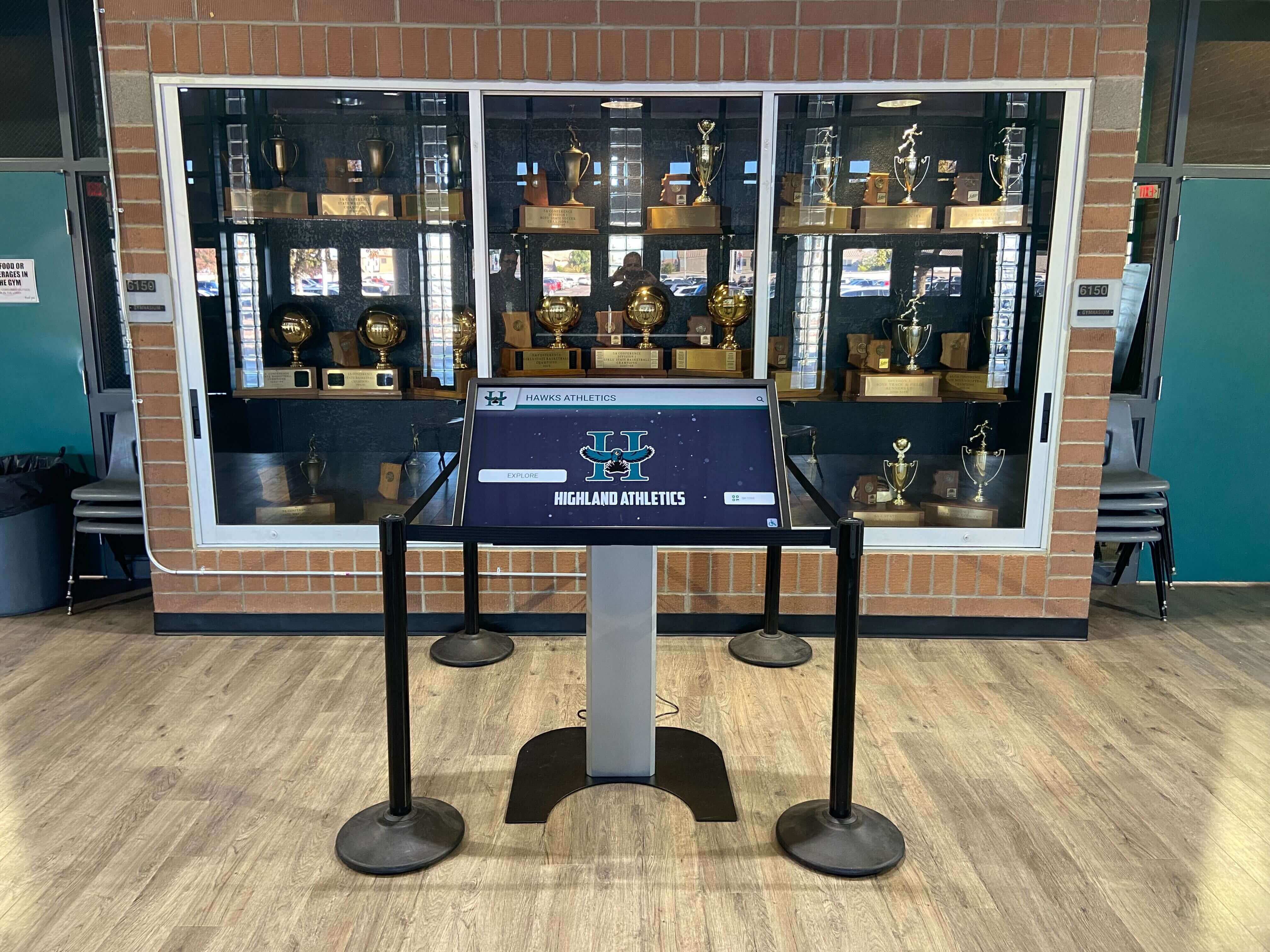
Strategic integration of interactive technology into traditional campus spaces modernizes recognition while maintaining institutional heritage
Measuring and Communicating Value
Demonstrating ROI to Skeptical Stakeholders
Ambassador programs require resource investment sometimes questioned by budget-conscious administrators. Building stakeholder buy-in requires connecting ambassador work explicitly to strategic priorities, quantifying outcomes through enrollment conversion tracking and donor engagement metrics, sharing testimonial evidence from prospective students, families, and donors about ambassador impact, comparing program costs to outsourced alternatives like professional tour providers, and highlighting student development outcomes demonstrating educational value beyond service delivery.
Regular reporting communicating program activities, achievements, and impact maintains visibility while demonstrating accountability for resource investment.
Attribution Challenges in Complex Enrollment Systems
College choice involves numerous influences making definitive ambassador impact attribution difficult. Sophisticated assessment acknowledges this complexity while building compelling evidence through visitor feedback surveys immediately following ambassador interactions, post-enrollment studies asking enrolled students about influence factors, longitudinal tracking comparing outcomes for students with varying ambassador engagement levels, and qualitative research exploring how ambassador interactions influenced decision-making processes.
Combined evidence from multiple sources builds compelling if not definitive cases for program impact despite attribution complexity.
Learn about tracking leadership development systematically in school history management software with comprehensive documentation approaches.
Future Directions: Evolving Ambassador Programs
Successful programs continuously evolve with changing student populations, institutional priorities, and engagement technologies. Forward-thinking institutions position ambassador programs for sustained impact by anticipating trends and adapting strategically.
Technology Integration and Virtual Engagement
The pandemic accelerated virtual engagement adoption that continues shaping ambassador work. Hybrid programs combine traditional in-person tours and events with virtual alternatives including live video tours reaching geographically distant prospective students, asynchronous video content enabling on-demand campus exploration, virtual chat sessions providing real-time question answering, and social media engagement meeting prospective students in digital spaces they naturally inhabit.
Ambassador training increasingly includes digital communication competencies, video presence and on-camera presentation skills, social media strategy and authentic content creation, and navigating online community management and engagement.
Technology enables previously impossible recognition scale and accessibility. Interactive displays in physical campus spaces combined with mobile-responsive web platforms extend ambassador recognition globally, creating opportunities for alumni ambassadors worldwide to maintain visibility and connection regardless of geographic distance from campus.
Expanding Ambassador Roles and Impact
Progressive programs extend ambassador influence beyond traditional admissions and alumni engagement into peer mentoring connecting new students with ambassador guides throughout first-year transitions, academic success coaching leveraging ambassadors as supplemental support for students facing challenges, diversity and inclusion initiatives positioning ambassadors as belonging and equity advocates, and community outreach representing institutions in local schools, community organizations, and civic spaces.
Expanded roles require additional training and support but multiply program value while creating richer leadership development experiences for participating students.
Systematic Career Preparation Integration
Forward-thinking programs explicitly frame ambassador experiences as career preparation, helping students articulate professional competencies developed through participation. Structured reflection connects ambassador experiences to specific workplace skills, portfolio development guidance helps ambassadors document achievements for employment applications, alumni ambassador networks facilitate career mentoring and job search support, and employer partnership cultivation creates recruitment pipelines leveraging ambassador program reputation for developing prepared graduates.
Ambassador alumni advancing in careers become powerful program advocates while exemplifying transformational impact beyond campus tours or event participation.
Conclusion: Building Ambassador Programs with Lasting Impact
College ambassador programs represent far more than tour guides or event helpers—they’re strategic institutional investments developing student leaders, supporting enrollment and advancement priorities, and creating authentic connections between institutions and diverse stakeholder communities. The most effective programs balance careful selection with inclusive recruitment, comprehensive training with authentic expression, meaningful responsibilities with sustainable commitments, and systematic assessment with continuous improvement.
As institutions compete for enrollment, philanthropic support, and reputation distinction, ambassador programs provide irreplaceable authenticity. Prospective students trust peer voices above glossy marketing materials. Alumni connect emotionally with current student stories reminding them why institutions matter. Donors see tangible evidence that contributions change lives when meeting students directly benefiting from their generosity.
Investing in ambassador recognition demonstrates that institutions value student leadership genuinely rather than exploiting free labor for marketing purposes. Permanent recognition through traditional ceremonies, physical awards, and innovative digital platforms celebrates contributions while inspiring future participation—creating sustainable pipelines developing leaders who remain institutional advocates throughout lives and careers.
Whether you’re building a new ambassador program or strengthening an existing initiative, the principles explored throughout this guide provide frameworks for creating experiences that transform both participating students and the institutions they represent. Strategic recruitment, comprehensive training, meaningful responsibility, systematic assessment, and robust recognition combine to create programs delivering profound impact extending far beyond campus tours into genuine leadership development and lifelong institutional connection.
Ready to create permanent recognition celebrating your student ambassador contributions? Rocket Alumni Solutions provides interactive digital display solutions specifically designed for showcasing student leadership programs including ambassadors, orientation leaders, peer mentors, and diverse campus engagement initiatives—combining professional touchscreen hardware with intuitive content management systems enabling institutions to honor unlimited students while preserving complete program history accessible to campus communities, prospective students, and alumni worldwide.