Walking into your guidance counselor’s office to discuss college applications, you hear a number that suddenly feels incredibly important: your class rank. You’re ranked 47th out of 312 students. But what does that actually mean? How was it calculated? Why do colleges care? And most importantly—can it change, and does it really matter as much as everyone says it does?
For generations, class rank has served as one of the most straightforward measures of academic achievement—a single number supposedly capturing where you stand among your peers. Parents reference it at dinner tables. Guidance counselors mention it during college planning sessions. Universities request it on application forms. Students stress about it throughout high school, watching their ranking fluctuate with each semester’s grades.
Yet behind this seemingly simple number lies a surprisingly complex calculation system that varies dramatically from school to school. Some institutions use weighted rankings that reward challenging course selections. Others employ unweighted systems treating all A grades equally. A growing number of schools have eliminated class rank entirely, citing concerns about excessive competition and the limitations of reducing four years of academic work to a single ordinal position.
Understanding how class rank works—and why it matters—helps students, parents, and educators make informed decisions about course selection, college applications, scholarship opportunities, and ultimately, how schools recognize and celebrate academic excellence.

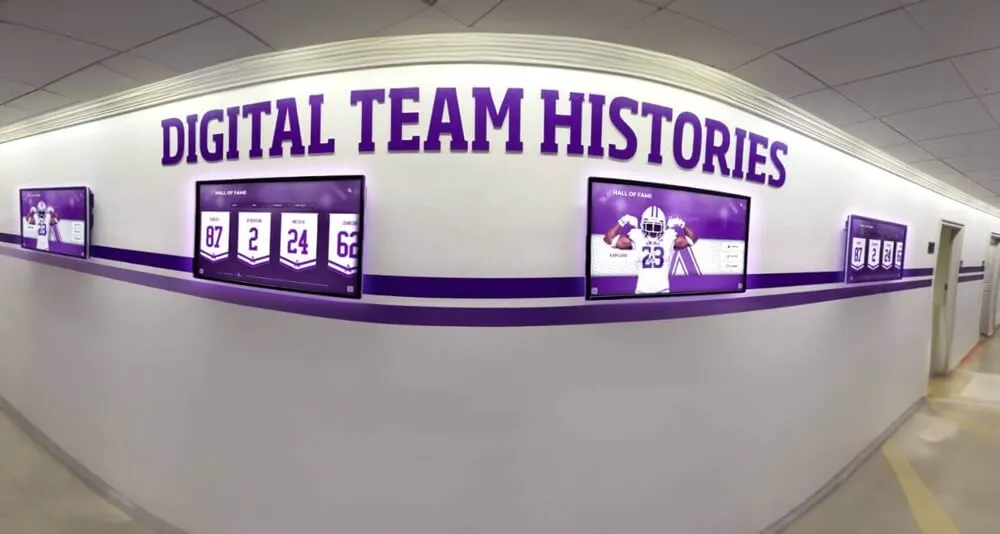
Schools recognize top academic achievers through honor roll designation and class ranking systems
What Is Class Rank? The Fundamental Definition
Class rank represents a student’s academic standing relative to their graduating classmates, expressed as a numerical position ordered from highest to lowest academic achievement.
Basic Class Rank Structure
In its simplest form, class rank answers one question: where does this student’s academic performance place them among their peers?
Core Ranking Principles
A student ranked 1st has achieved the highest cumulative grade point average in their graduating class. A student ranked 2nd holds the second-highest GPA. This continues sequentially through the entire class until the final ranking position corresponding to the student with the lowest cumulative GPA.
The ranking pool includes only students within the same graduating cohort. A junior’s performance doesn’t affect senior rankings, and vice versa. Each graduating class represents a separate ranking population.
Most schools calculate class rank using cumulative GPA across all high school years included in the calculation, though the specific years incorporated (freshman through senior, or just sophomore through senior) varies by institution.
The Numbers Behind Rankings
Class rank translates most clearly into percentile standing—showing what percentage of classmates a student outperformed academically.
Understanding Percentile Rank
A student ranked 10th in a class of 200 students occupies the top 5% (10 ÷ 200 = 0.05 or 5%). They outperformed 95% of their classmates academically.
Similarly, a student ranked 50th in a class of 200 falls within the top 25% (50 ÷ 200 = 0.25 or 25%), having outperformed 75% of their graduating class.
Percentile rank often matters more than absolute position. Being ranked 25th sounds less impressive than 5th—until you realize the first represents a class of 500 students (top 5%) while the second comes from a class of 40 students (top 12.5%).
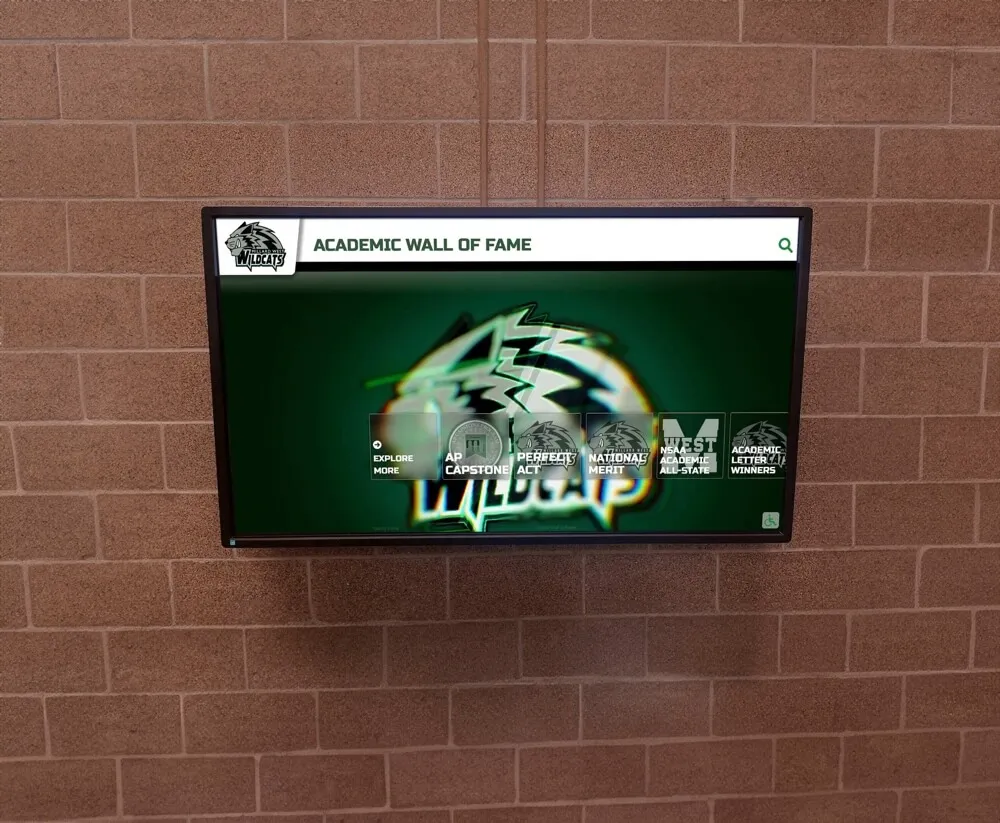
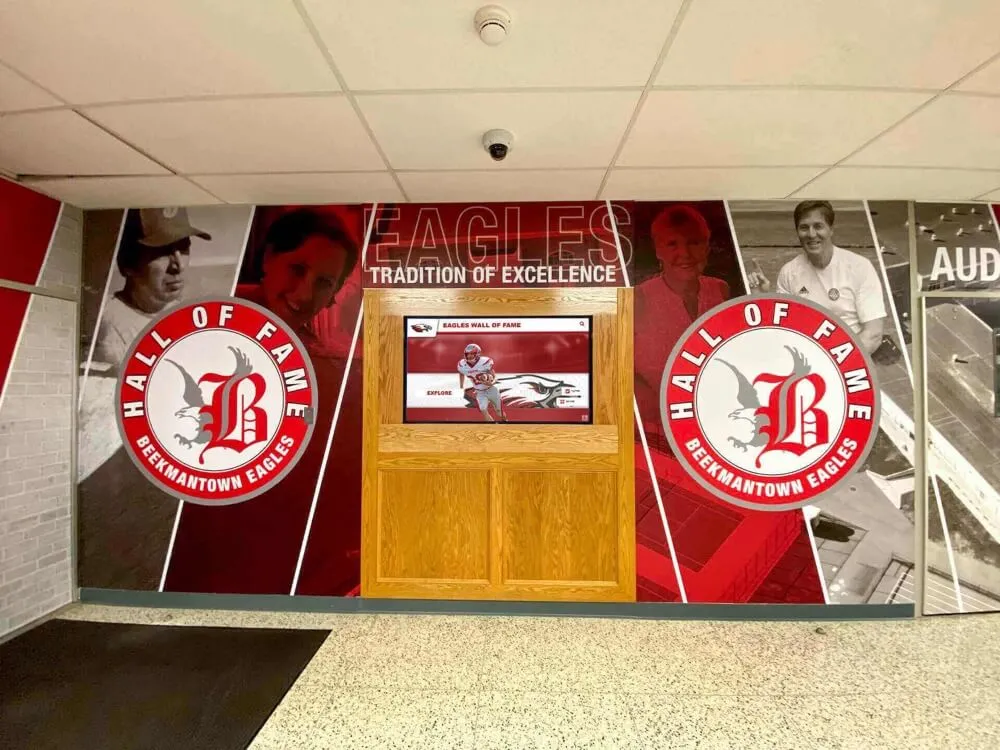
Modern recognition systems celebrate academic excellence beyond simple numerical rankings
Weighted vs. Unweighted Class Rank
The distinction between weighted and unweighted ranking systems creates dramatically different outcomes for students taking challenging coursework.
Unweighted Ranking Systems
Unweighted systems calculate rank using standard GPA scales where an A equals 4.0 regardless of course difficulty. A student earning straight A’s in regular-level courses achieves the same 4.0 GPA as a student earning straight A’s in Advanced Placement, International Baccalaureate, or honors courses.
This approach creates a fundamental tension: should students take more challenging courses if doing so might lower their GPA and class rank compared to peers taking easier classes?
Weighted Ranking Systems
Weighted systems add quality points to grades earned in advanced courses, typically adding 0.5-1.0 points for honors classes and 1.0 points for AP or IB courses. An A in an AP course might equal 5.0 instead of 4.0, while a B equals 4.0 instead of 3.0.
This approach rewards academic rigor by acknowledging that earning a B in AP Calculus represents a more challenging achievement than earning an A in standard math.
Schools using weighted systems often report both weighted and unweighted rankings to provide complete academic context for colleges reviewing applications.
Learn how schools celebrate top academic achievement recognition including valedictorians, honor students, and scholarship recipients.
How Schools Calculate Class Rank: The Methodology
While the concept of ranking students by academic performance seems straightforward, the actual calculation process involves numerous variables and decisions affecting final outcomes.
GPA Calculation as the Foundation
Class rank begins with Grade Point Average calculation—converting letter grades into numerical values that can be averaged and compared.
Standard GPA Scale
- A = 4.0
- B = 3.0
- C = 2.0
- D = 1.0
- F = 0.0
Some schools use plus/minus systems adding or subtracting 0.3 points (A- = 3.7, B+ = 3.3), while others use whole letter grades only.
Cumulative GPA Calculation
Schools calculate cumulative GPA by averaging all course grades across all years included in the calculation, typically weighting by credit hours:
Cumulative GPA = (Sum of Grade Points × Credit Hours) ÷ Total Credit Hours
A student who earned an A (4.0) in a 1-credit course and a B (3.0) in a 1-credit course would have a 3.5 GPA: (4.0 + 3.0) ÷ 2 = 3.5.

Comprehensive academic records document student achievement over their entire high school career
Which Courses Count Toward Class Rank?
Schools make varying decisions about which courses factor into ranking calculations, significantly impacting final results.
Core vs. Elective Courses
Most schools include all courses in GPA calculations—core academic subjects (English, math, science, social studies, foreign language) as well as electives (art, music, physical education, career/technical education).
However, some institutions exclude certain courses from ranking calculations:
- Physical education and health classes
- Teacher assistant or office aide periods
- Pass/fail courses without letter grades
- Courses taken at other institutions (dual enrollment, summer school)
- Courses repeated for grade improvement (sometimes only the higher grade counts)
These exclusions aim to focus rankings on academic coursework while preventing strategic gaming of the system through easy elective selection.
Weighted Course Categories
Schools employing weighted ranking typically designate specific course levels qualifying for additional quality points:
Honors Courses (+0.5 or +1.0 quality points)
- Honors English, Math, Science, Social Studies
- Advanced foreign language courses
- Accelerated or enrichment sections
Advanced Placement Courses (+1.0 quality points)
- College Board AP courses across all subjects
- Culminate in standardized AP exams
International Baccalaureate Courses (+1.0 quality points)
- IB diploma program courses
- Both Higher Level (HL) and Standard Level (SL)
Dual Enrollment Courses (varies by school)
- College courses taken during high school
- Some schools add quality points, others don’t include in GPA
The specific quality point additions vary by district policy. Some schools add 1.0 point for both honors and AP courses, while others differentiate between them (0.5 for honors, 1.0 for AP/IB).
Recalculation Timing and Updates
Class rank represents a moving target throughout high school, recalculated at regular intervals as students complete coursework.
Typical Recalculation Schedule
- End of freshman year: initial ranking based on one year’s performance
- End of sophomore year: cumulative ranking incorporating two years
- End of junior year: ranking through three years (most important for college applications)
- Mid-senior year: updated ranking including first semester senior grades
- End of senior year: final ranking determining valedictorian, salutatorian, and final standings
The junior year ranking holds particular importance because students submit most college applications during fall of senior year, before first-semester grades are available. This ranking appears on transcripts sent to universities and factors into scholarship competitions with academic standing requirements.
Some schools report rankings at each semester rather than annually, providing more frequent updates but also creating more volatility as individual course grades impact standings more immediately.
Explore how schools recognize honor roll achievement beyond class rank through semester and annual recognition programs.
Why Class Rank Matters: College Admissions and Beyond
Understanding class rank’s purpose helps explain why schools calculate it and why students and families pay such close attention to these numbers.
College Admissions Considerations
Class rank provides colleges with context for understanding applicants’ academic achievement relative to their specific school environments.
The Contextual Value
A 3.7 GPA means different things at different high schools. Grade inflation affects some schools more than others. Course difficulty varies across institutions. Grading standards differ.
Class rank helps admissions officers understand whether that 3.7 GPA represents top-tier achievement at a competitive school (ranked 15th out of 400 students) or middle-of-the-pack performance at a less rigorous institution (ranked 180th out of 320 students).
Admissions Weight
According to the National Association for College Admission Counseling’s annual State of College Admission report, class rank factors into holistic admissions decisions, though its weight has declined over recent decades as more high schools eliminate ranking systems.
Highly selective universities consider class rank alongside GPA, standardized test scores, course rigor, essays, recommendations, and extracurricular activities. Less selective institutions may use class rank more mechanically, setting minimum percentile thresholds for admission consideration.

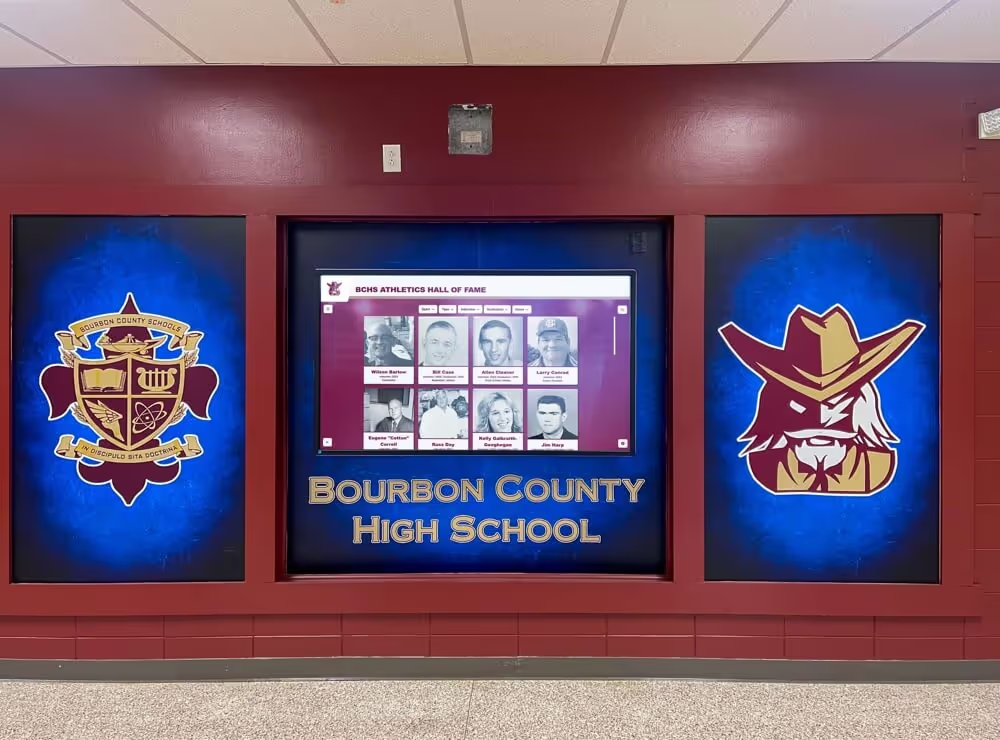
Modern recognition systems allow exploration of individual student achievements and academic histories
Automatic Admissions Programs
Several states employ automatic admissions policies guaranteeing state university admission to students graduating within specific class rank percentiles.
Texas Top 10% Rule Texas students graduating in the top 10% of their high school class receive automatic admission to any Texas public university, including highly competitive institutions like the University of Texas at Austin.
California Eligibility in Local Context (ELC) California guarantees admission to the UC system (though not specific campuses) for students ranking in the top 9% of their high school class.
These policies make class rank consequential for students seeking guaranteed admission to competitive public universities in their home states.
Scholarship Eligibility Requirements
Many merit-based scholarships use class rank thresholds as qualifying criteria, making rankings directly financially significant.
Institutional Scholarships
Universities frequently tier merit scholarship amounts based on class rank and test scores:
- Presidential scholarships: top 5% of class + 1400 SAT
- Dean’s scholarships: top 10% of class + 1300 SAT
- Academic scholarships: top 25% of class + 1200 SAT
Private Scholarships
External scholarship programs often specify rank requirements:
- National Merit Scholarship: based partly on Selection Index scores that correlate with high class rank
- Coca-Cola Scholars: preference for top 10% students
- Local community foundation awards: frequently require top 25% standing
State-Funded Programs
Some state scholarship programs include class rank criteria:
- Florida Bright Futures: tier levels based on GPA and class rank percentiles
- Georgia HOPE Scholarship: combines GPA thresholds with rank considerations
- Louisiana Taylor Opportunity Program for Students (TOPS): includes class rank requirements at higher award tiers
For students competing for significant scholarship funding, class rank differences of even a few positions can translate into thousands of dollars in college financial aid over four years.
Discover approaches to celebrating scholarship recipients and merit-based achievement in your school community.
Valedictorian and Salutatorian Recognition
The most visible consequence of class rank comes in determining the highest academic honors: valedictorian (rank 1) and salutatorian (rank 2).
Traditional Recognition
Valedictorians typically receive:
- Speaking role at graduation ceremony delivering the valedictory address
- Special recognition in graduation programs and school publications
- School-specific awards or scholarships designated for top graduates
- Permanent recognition in school halls of fame or honor roll displays
- Enhanced prestige on college applications and resumes
Salutatorians receive similar recognition, often delivering the salutatory (welcoming) address at graduation.
Multiple Valedictorians
Increasingly, schools face situations where multiple students graduate with identical top GPAs, creating ties for valedictorian. Different schools handle this differently:
Some designate all tied students as co-valedictorians, sharing honors equally. Others use tiebreakers (additional decimal places in GPA calculations, specific course grades, or alphabetical order). Some eliminate valedictorian designation entirely when ties occur.
Local Prestige and Internal Recognition
Beyond college admissions and scholarships, class rank carries social significance within school communities.
Academic Recognition Programs
Schools celebrate high-ranking students through:
- Honor roll programs recognizing top performers each semester
- Academic awards ceremonies highlighting top scholars
- Physical or digital displays showcasing achievers
- National Honor Society membership (often requiring top 15% standing)
- Academic letter programs parallel to athletic letters
Community Recognition
Local media often publicize valedictorians and top graduates. Community organizations sponsor awards for top-ranking students. Families celebrate academic milestones. School pride often centers partly on producing high-achieving graduates.
For students, families, and educators, class rank serves as a tangible measure of academic success that extends beyond abstract grade point averages to create meaningful recognition of sustained excellence throughout high school.
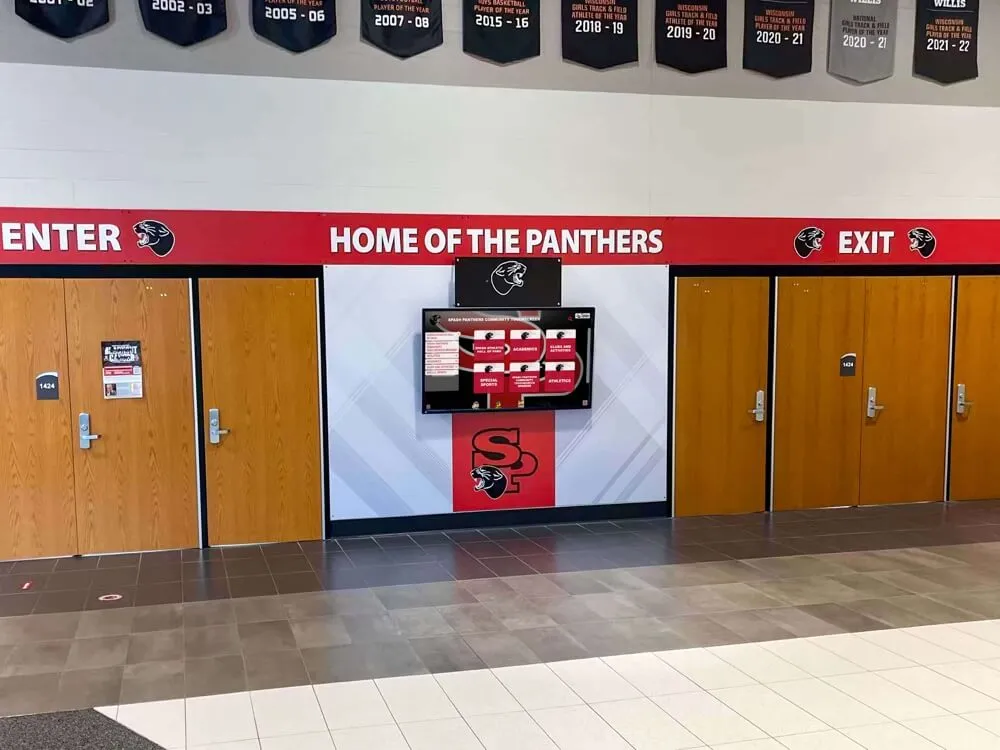
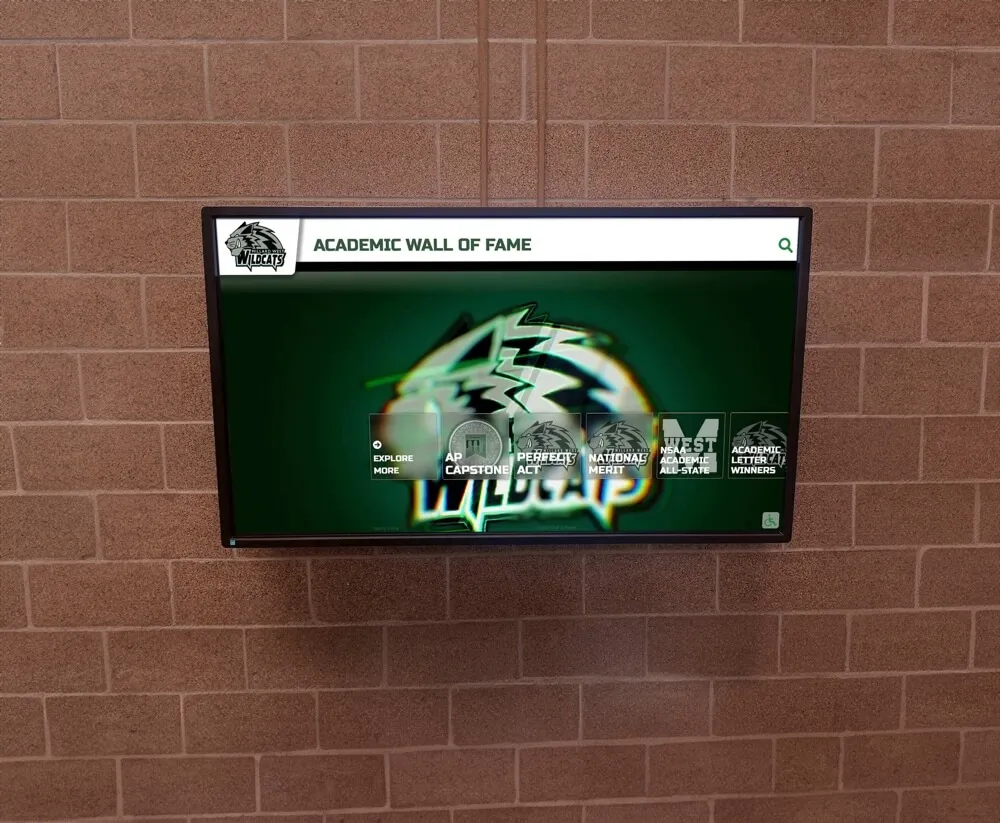
Schools increasingly use digital displays to celebrate academic achievement, honor roll students, and top scholars
The Growing Movement Away From Class Rank
Despite its long history and continued relevance for college admissions and scholarships, a significant portion of American high schools have eliminated class rank entirely in recent years.
Why Schools Drop Rankings
Multiple factors drive the trend away from ranking students numerically.
Academic Dishonesty and Strategic Course Selection
When class rank carries high stakes for college admissions and scholarships, some students and families make educational decisions based on rank optimization rather than learning:
- Avoiding challenging courses that might lower GPA
- Taking study halls instead of interesting electives that might impact GPA
- Dropping courses mid-semester when grades appear marginal
- Transferring schools strategically to improve rank
- Grade disputes focused on rank implications rather than learning
Schools find that ranking systems can inadvertently discourage academic risk-taking and genuine intellectual curiosity in favor of GPA protection strategies.
Mental Health and Competition Concerns
The stress of competing for rank positions—where hundredths of GPA points separate students—creates anxiety without necessarily improving education quality. Students ranked 10th versus 11th receive virtually identical educations but experience the psychological difference between “top 10” and “not quite top 10.”
This competitive pressure intensifies in smaller schools where a single B in one course might drop a student several ranking positions, or in high-achieving communities where dozens of students pursue valedictorian status.
Limitation of Ordinal Ranking
Class rank reduces four years of complex academic work to a single number. It doesn’t capture:
- Significant improvement or decline over time
- Difficulty of student schedules beyond weighted calculations
- Breadth versus depth of learning
- Individual circumstances affecting performance
- Non-academic achievement and character development
A student ranked 45th who challenged themselves with the most rigorous curriculum available may have accomplished more than a student ranked 15th who took easier courses for GPA optimization—yet the ranking suggests otherwise.

Modern recognition approaches celebrate achievement across multiple dimensions beyond single numerical rankings
Equity Considerations
Students with learning differences, family responsibilities, work obligations, or other circumstances may achieve impressive academic success while not ranking as highly as peers without these challenges. Ranking systems don’t account for context or obstacles overcome.
Weighted ranking systems, while attempting to reward rigor, can disadvantage students at schools with limited AP/IB course offerings compared to well-resourced schools with extensive advanced course catalogs.
Alternative Approaches Schools Use
Schools eliminating class rank typically replace it with alternative methods of recognizing academic achievement and providing college admissions context.
Decile or Quintile Reporting
Rather than specific numerical ranks, schools report broader categories:
- Decile reporting: top 10%, second 10%, third 10%, etc.
- Quintile reporting: top 20%, second 20%, third 20%, etc.
- Simple top percentages: top 5%, top 10%, top 25%, top 50%
This approach provides colleges with general academic standing information while reducing the intense competition and stress associated with specific ranking positions.
GPA Distribution Reporting
Schools provide colleges with GPA distribution data showing where an applicant’s GPA falls within the school’s overall distribution without assigning specific ranks. A profile might show that the student’s 3.8 GPA places them above 85% of their classmates without specifying whether they ranked 23rd or 27th in a class of 200.
Latin Honors Designations
Some schools replace valedictorian/salutatorian with Latin honors awarded to all students meeting GPA thresholds:
- Summa Cum Laude: 3.9+ GPA
- Magna Cum Laude: 3.7-3.89 GPA
- Cum Laude: 3.5-3.69 GPA
This approach allows multiple students to achieve the highest recognition rather than creating a single winner, while still identifying top academic performers.
Enhanced Course Rigor Reporting
Instead of weighted rankings, schools provide detailed information about course rigor, documenting the most challenging courses each student completed. Guidance counselors complete college application forms indicating whether each student’s schedule represented “most rigorous,” “very rigorous,” or “average” compared to what their school offers.
Discover how digital recognition displays allow schools to celebrate achievement while moving beyond traditional ranking limitations.
College Response to Ranking Elimination
As more high schools eliminate class rank, colleges have adapted their evaluation processes.
Holistic Review Emphasis
Universities increasingly emphasize that they never relied solely on class rank, conducting holistic reviews considering multiple factors. When rank is unavailable, they focus more heavily on:
- Actual GPA and grade trends over time
- Course rigor based on school profile and counselor input
- Teacher recommendations providing qualitative assessment
- Essays revealing intellectual curiosity and character
- Standardized test scores (when required/submitted)
- Extracurricular achievements demonstrating leadership and commitment
School Profile Documents
Colleges request school profiles—documents describing the high school’s curriculum, grading policies, student demographics, standardized test distributions, and college attendance patterns. These profiles help admissions officers understand applicant achievements within specific school contexts even without class rank.
Test-Optional Movement Intersection
The trend toward test-optional admissions policies (accelerated during COVID-19) has eliminated another numerical comparison point. Combined with rank elimination, this requires colleges to rely more heavily on qualitative assessment and broader achievement contexts—arguably leading to more nuanced, individualized application review.
Strategies for Students and Parents Regarding Class Rank
Understanding how class rank works and why it matters enables students and families to make informed decisions throughout high school.
Strategic Course Selection
Balancing academic challenge, personal interest, and GPA impact requires thoughtful planning.
Freshman and Sophomore Years
Early high school provides opportunities to establish strong GPAs while exploring interests:
- Take honors courses in subject areas matching strengths and interests
- Build strong foundational GPAs before junior year’s more competitive courses
- Explore electives without excessive concern for GPA impact
- Establish study habits supporting success in rigorous coursework
Junior Year Balance
Junior year critically impacts both college admissions and class rank:
- Select the most rigorous schedule you can handle successfully (colleges evaluate course rigor)
- Don’t overload beyond capacity—struggling in six AP courses hurts more than succeeding in three or four
- Recognize that at weighted-rank schools, a B in AP often equals or exceeds an A in regular courses
- Maintain balance between challenge and achievement—colleges want to see both rigor and success
Senior Year Considerations
Senior course selection still matters even though many colleges see applications before first-semester grades:
- Continue challenging coursework—colleges rescind admissions for dramatic senior year decline
- Balance college application workload with academic commitments
- If rank matters for scholarships or honors, first-semester senior grades factor into final standings
- Consider dual enrollment for college credit if it doesn’t negatively impact weighted rank

Interactive systems allow students to explore academic achievement histories and recognize diverse accomplishments
Understanding Your School’s Specific System
Schools vary dramatically in ranking methodologies, making it essential to understand your specific institution’s approach.
Questions to Ask Guidance Counselors
- Does our school report class rank to colleges? If not, what information is provided instead?
- Is ranking weighted or unweighted? What quality points are added for honors, AP, and IB courses?
- Which courses count toward GPA/rank calculation? Are electives included?
- When is rank calculated and reported? What timeframe appears on transcripts sent to colleges?
- How many students typically graduate in the top 10%? Top 25%?
- Are there specific scholarship programs or automatic admissions benefits tied to class rank?
- What GPA is typically required for valedictorian/salutatorian? How are ties handled?
Understanding these specifics helps families make informed decisions about course selection and set realistic expectations about ranking outcomes.
When Class Rank Isn’t Everything
Even at schools that calculate and report rank, it represents just one factor among many in academic success and college admissions.
Course Rigor Often Outweighs Rank
Selective colleges consistently indicate they prefer students who challenged themselves with rigorous coursework over those who optimized for GPA by avoiding difficult classes. A student ranked 15th who took the most challenging schedule available often has stronger college prospects than a student ranked 5th who achieved that position through strategic course avoidance.
Holistic Achievement Matters
Colleges seek students who will contribute to campus communities, not just accumulate the highest GPAs:
- Leadership in extracurricular activities
- Depth of commitment to specific interests
- Community service and positive impact
- Unique talents, perspectives, and experiences
- Intellectual curiosity and genuine love of learning
- Character qualities including resilience and integrity
Individual Circumstances Provide Context
Students overcoming significant obstacles while achieving solid (not necessarily top-ranked) academic records often impress admissions committees more than students with perfect grades but limited challenges. Essays, recommendations, and personal statements provide opportunities to explain context that numbers alone cannot capture.
Learn about comprehensive approaches to academic recognition programs celebrating achievement across multiple dimensions.
Modern Recognition of Academic Excellence Beyond Rankings
As schools reconsider traditional class rank systems, many implement more comprehensive approaches to celebrating academic achievement that honor excellence while reducing destructive competition.
Multi-Dimensional Achievement Recognition
Rather than single numerical rankings, progressive schools recognize academic excellence across various categories and achievement types.
Honor Roll Programs
Semester-based honor roll recognition celebrates consistent achievement:
- High Honor Roll (typically 3.7-4.0 GPA)
- Honor Roll (typically 3.3-3.69 GPA)
- Consistent achievement across multiple semesters
Honor roll systems acknowledge strong performance without the fine gradations that create intense ranking competition. All students meeting criteria receive recognition rather than competing for limited positions.
Subject-Area Excellence
Recognizing top achievement in specific disciplines celebrates varied strengths:
- Departmental awards (English, Mathematics, Science, Social Studies, World Languages, Arts)
- Subject-specific honor societies (Rho Kappa for social studies, Mu Alpha Theta for mathematics)
- AP Scholar awards recognizing excellence across multiple AP examinations
- Competition achievements (Math Olympiad, Science Fair, History Day)
This multidimensional approach acknowledges that students excel in different areas rather than reducing achievement to single overall rankings.
Improvement and Growth Recognition
Some schools specifically honor significant improvement:
- Most improved GPA awards
- Academic comeback recognition for students overcoming struggles
- Grade-level improvement from freshman to senior year
- Subject-specific improvement awards
These programs acknowledge that growth and resilience matter as much as absolute achievement levels.

Comprehensive recognition systems celebrate academic achievement across multiple categories and achievement types
Digital Recognition Systems for Academic Achievement
Modern technology enables schools to celebrate academic excellence more comprehensively and sustainably than traditional static displays allow.
Unlimited Recognition Capacity
Digital recognition platforms like Rocket Alumni Solutions overcome physical space limitations, allowing schools to recognize:
- Every honor roll student each semester without space constraints
- All academic award recipients across departments and achievement categories
- Historical high achievers including past valedictorians and honor students
- Special recognitions like perfect attendance, academic improvement, and subject excellence
- Scholarship recipients and college acceptances celebrating post-secondary success
Traditional bulletin boards quickly run out of space, forcing schools to limit recognition or remove previous achievements. Digital systems provide unlimited capacity, ensuring every deserving student receives appropriate celebration.
Searchable, Interactive Achievement Histories
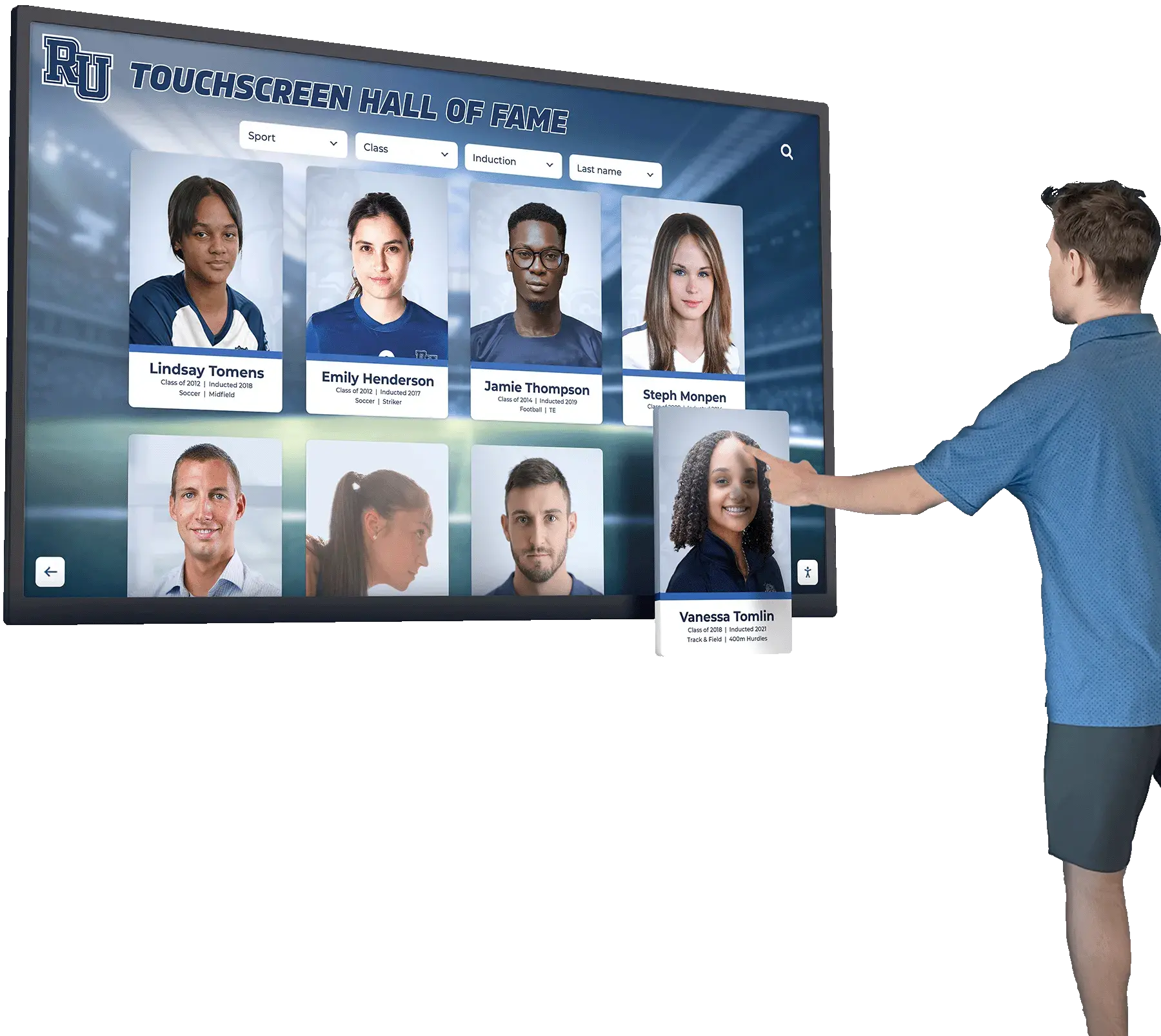
Digital touchscreens allow students, families, and visitors to:
- Search for specific students to view their complete academic achievements
- Filter by graduation year to see historical honor students
- Browse by achievement type (honor roll, scholarships, departmental awards)
- Explore family legacies—finding parents, siblings, and relatives previously recognized
- Share recognition digitally with extended family unable to visit campus
This interactivity creates engagement that static displays cannot match while making academic achievement permanently accessible rather than temporarily posted.
Immediate Updates Without Physical Maintenance
Traditional recognition displays require:
- Printed materials updated each semester
- Physical labor replacing outdated content
- Storage of removed recognition materials
- Costs of printing and mounting each update
- Delays between achievement and recognition visibility
Digital systems update immediately through cloud-based content management, allowing administrators to add new honor roll students, academic award recipients, and achievement updates within minutes—without physical labor, printing costs, or recognition delays.
Equitable Recognition Across All Achievement Types
Digital platforms celebrate academic achievement alongside athletic, artistic, and civic accomplishments within unified recognition systems. Students see their academic honors displayed with the same prominence and interactivity as athletic championships or performing arts achievements, reinforcing institutional commitment to honoring excellence across all student endeavors.
Explore how interactive kiosk systems create comprehensive recognition experiences celebrating achievement across academic, athletic, and extracurricular domains.
Celebrating Academic Community Rather Than Individual Competition
Forward-thinking recognition approaches emphasize collective achievement and school academic culture rather than individual ranking competition.
Academic Team Recognition
Highlighting teams and groups celebrating collaborative excellence:
- Academic competition teams (Quiz Bowl, Science Olympiad, Debate, Math Team)
- Collectively earned achievements (school average ACT/SAT, AP pass rates)
- National recognition programs (National Blue Ribbon Schools, AP Honor Roll)
- College acceptance achievements across the entire senior class
This framing positions academic success as community achievement rather than zero-sum competition where one student’s success diminishes another’s standing.
Historical Context and Tradition
Connecting current students with academic legacy:
- Past valedictorians and salutatorians across school history
- Distinguished alumni achieving post-secondary success
- Historical honor roll students and scholarship recipients
- Academic traditions and milestone celebrations over time
Digital systems make it easy to preserve and share this rich history, helping students understand they’re part of ongoing academic traditions larger than individual ranking positions.
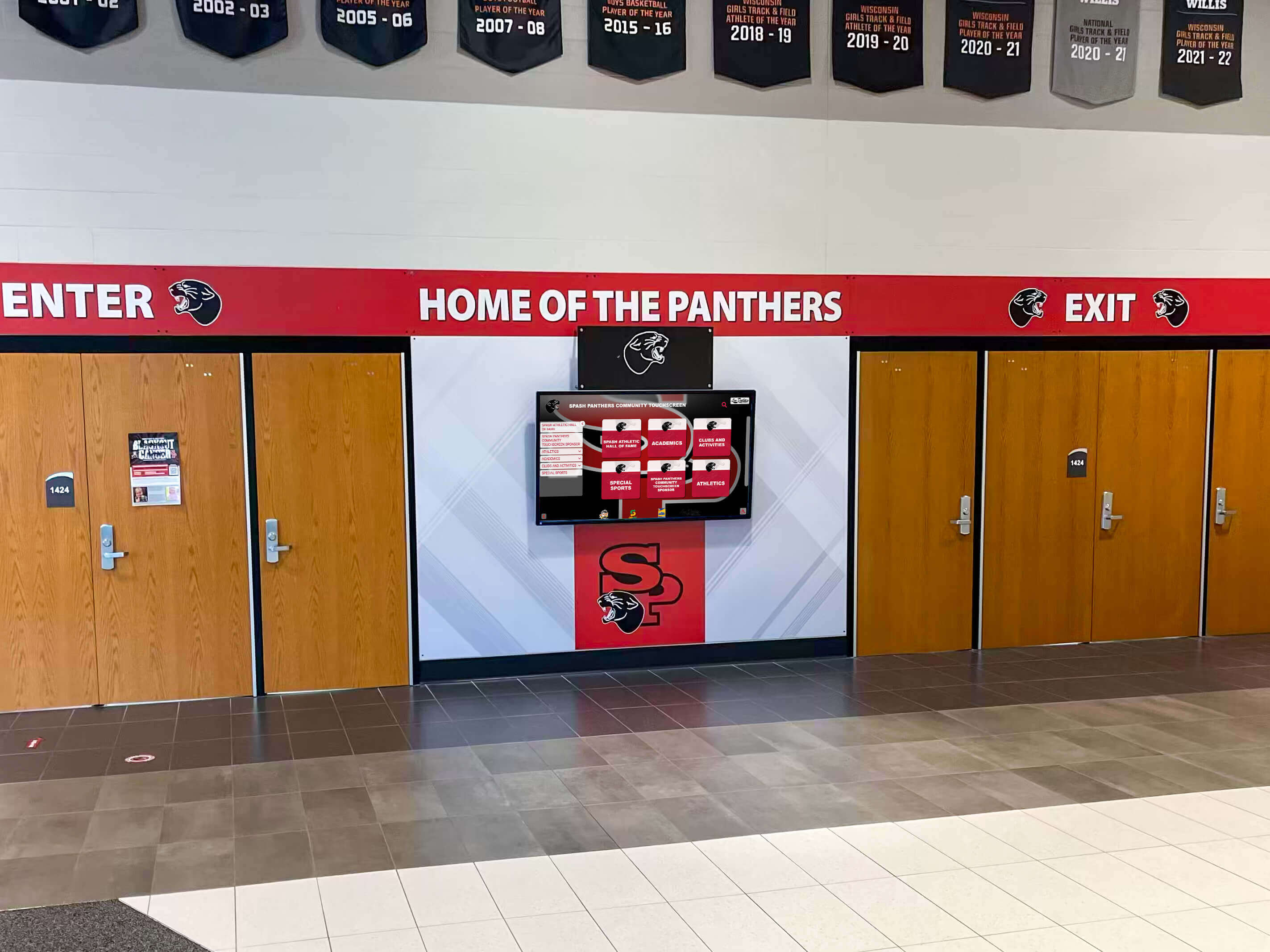
Entrance displays welcome students with recognition celebrating community-wide academic achievement
Practical Considerations for Schools Managing Class Rank Systems
For schools maintaining class rank systems, careful policy development and transparent communication help maximize benefits while minimizing unintended negative consequences.
Establishing Clear, Consistent Policies
Written policies publicly available to students, families, and staff prevent disputes and ensure fairness.
Essential Policy Components
- Specific GPA calculation methodology (weighted vs. unweighted, plus/minus systems)
- Complete list of courses included and excluded from calculations
- Quality point additions for honors, AP, IB, and dual enrollment courses
- Timing of rank calculations and when they appear on transcripts
- Procedures for handling ties in valedictorian/salutatorian determination
- Grade dispute resolution processes
- Transfer student integration into ranking system
- Impact of courses taken outside school (summer school, online courses, dual enrollment)
Publishing these policies in student handbooks and on school websites—and reviewing them during freshman orientation—ensures all families understand the system from the beginning.
Supporting Healthy Academic Culture
School leadership influences whether ranking systems motivate productive achievement or fuel destructive competition.
Positive Messaging About Achievement
Administrators and counselors should consistently emphasize:
- Challenge yourself appropriately rather than optimizing GPA through course avoidance
- Learning and growth matter more than ranking positions
- Many paths to success exist—rank is one measure among many
- Colleges conduct holistic reviews considering far more than rank
- Your classmates are collaborators and community members, not just competitors
Proactive Counseling
Guidance counselors help students navigate ranking systems thoughtfully:
- Course selection advice balancing challenge, interest, and realistic workload
- College planning focusing on holistic fit rather than rank-driven school selection
- Scholarship guidance identifying opportunities beyond class rank requirements
- Perspective when rank doesn’t meet student or family expectations
- Alternative paths to recognition and achievement validation
Celebrating Broadly
Schools maintaining ranking should simultaneously celebrate achievement across multiple dimensions—ensuring academic recognition extends far beyond valedictorian and top 10 positions to honor consistent achievement, improvement, subject-specific excellence, and diverse accomplishment types.
Transparent Communication When Considering Rank Elimination
Schools contemplating eliminating class rank benefit from inclusive stakeholder input and careful planning.
Stakeholder Engagement
Involve multiple perspectives:
- Students currently in the ranking system who will be affected
- Parents with varying perspectives on competition and achievement
- Teachers across departments observing ranking impact on course selection and learning
- Guidance counselors managing college application processes and student stress
- Alumni who experienced the previous system and can provide longitudinal perspective
- College admissions representatives explaining how they’ll evaluate students without rank
Pilot Approaches
Some schools implement gradual transitions:
- Begin with freshman classes while maintaining rank for current upperclassmen
- Trial decile reporting alongside specific rankings before full elimination
- Provide both ranked and unranked transcripts allowing students to choose what colleges receive
- Implement enhanced course rigor reporting and achievement documentation before removing numerical rankings
Communication Plans
Clearly explain:
- Why the change is being considered (educational philosophy, student wellbeing, alignment with college admission trends)
- What will replace rankings (alternative recognition approaches, college application support)
- How current students in the ranking system will be affected
- What research and input informed the decision
- Timeline for implementation and opportunity for stakeholder feedback
Learn how schools implement comprehensive academic recognition approaches celebrating achievement at multiple levels and across varied dimensions.
The Future of Class Rank and Academic Recognition
As educational priorities evolve and technology enables new recognition approaches, class rank systems continue adapting to serve students, schools, and colleges more effectively.
National Trends in Ranking Practices
Understanding broader movements helps individual schools make informed local decisions.
Ranking Decline in Competitive Private Schools
Many elite private schools eliminated class rank years ago, believing holistic college admissions made numerical rankings unnecessary while recognizing that competition for top positions created unhealthy school cultures. Their college placement success without rankings has influenced public schools considering similar moves.
Public School Variation
Public schools show more variation, with some maintaining traditional systems due to:
- State automatic admissions programs requiring rank for qualification
- Community expectations and traditions around valedictorian recognition
- Scholarship programs with rank-based eligibility criteria
- Less confidence that colleges will fairly evaluate their students without numerical context
Community College and Career Preparation Contexts
Schools with significant populations pursuing career/technical education, military service, or direct workforce entry often maintain simpler ranking systems since these paths typically don’t involve selective college admissions processes where holistic review prevails.
Technology-Enabled Recognition Evolution
Digital platforms enable recognition approaches that weren’t feasible with traditional physical systems.
Real-Time Achievement Tracking
Modern systems can display current honor roll standings, GPA distributions, and academic achievement leaders updated continuously rather than at semester or year end—providing immediate recognition and motivation.
Personalized Achievement Profiles
Rather than reducing students to single ranking numbers, comprehensive digital profiles can showcase:
- Complete course history showing rigor and breadth
- Semester-by-semester grade trends revealing improvement
- Specific achievement categories (perfect attendance, subject awards, competition results)
- Individual narratives explaining achievement context and goals
- Post-secondary plans connecting achievement to future aspirations
This individualized approach recognizes that each student’s academic journey is unique rather than directly comparable through simple ordinal ranking.

Modern interactive systems create personalized recognition experiences celebrating individual achievement journeys
Alumni Connection and Mentorship
Digital recognition platforms can connect current students with alumni who achieved similar honors, attended similar colleges, or pursued similar careers—transforming recognition from backward-looking celebration to forward-looking mentorship and guidance.
A current honor roll student interested in engineering can explore profiles of past high achievers who succeeded in engineering programs, creating meaningful connections between recognition and future planning.
Balancing Recognition, Motivation, and Wellbeing
The ultimate goal of academic recognition systems—including but not limited to class rank—is supporting student learning, growth, and development while maintaining healthy school environments.
Recognition Serves Learning
The best recognition systems:
- Celebrate genuine achievement and meaningful accomplishment
- Motivate continued effort and intellectual curiosity
- Provide clear feedback connecting effort to results
- Acknowledge diverse strengths and achievement types
- Support rather than undermine student wellbeing and mental health
- Foster collaborative learning communities rather than destructive competition
Flexibility for Individual Context
Different schools serve different communities with varying needs, values, and post-secondary pathways. What works for a competitive suburban high school feeding elite universities may not suit a rural school where most graduates attend community colleges or enter skilled trades. Recognition systems should align with community values and student needs rather than following universal formulas.
Ongoing Evaluation and Adjustment
Schools benefit from regularly assessing whether their recognition approaches—including class rank decisions—serve current students effectively or require updating to reflect evolving educational priorities, college admission realities, and understanding of adolescent development and motivation.
Key Takeaways: Understanding and Navigating Class Rank
Whether your school calculates class rank or has eliminated numerical rankings, several core principles help students, parents, and educators navigate academic achievement recognition effectively.
For Students:
- Understand your school’s specific ranking methodology, weighting system, and calculation timing
- Challenge yourself with rigorous coursework rather than optimizing GPA through strategic course avoidance—colleges notice and value academic courage
- Recognize that rank represents one measure among many in college admissions and scholarship consideration
- Focus on genuine learning, intellectual growth, and personal development rather than fixating on ranking positions
- Seek recognition across multiple dimensions—departmental awards, subject honors, improvement recognition, and community achievement
- Remember that classmates are collaborators and community members, not just competitors for ranking positions
For Parents:
- Help students understand class rank’s relevance and limitations without over-emphasizing its importance
- Support appropriate academic challenges aligned with student capabilities and interests
- Maintain perspective—many successful people graduated outside the top 10% of their high school classes
- Celebrate your student’s individual achievements and growth rather than comparing to peers
- Advocate for comprehensive recognition approaches honoring diverse achievement types
- Trust that colleges conduct thoughtful holistic reviews even when numerical rankings aren’t available
For Educators:
- Establish clear, consistent, transparent policies governing ranking calculations and reporting
- Communicate regularly with students and families about how rankings work and why they matter (or don’t)
- Celebrate achievement broadly across multiple categories and recognition types
- Consider whether your ranking system serves current students effectively or requires updating
- Help students focus on learning and growth rather than ranking optimization
- Support comprehensive college counseling emphasizing holistic application strength beyond rankings
For School Leaders:
- Regularly evaluate whether ranking systems align with educational mission and student wellbeing
- Engage stakeholders meaningfully when considering ranking policy changes
- Implement recognition systems—digital or traditional—that celebrate achievement comprehensively
- Ensure academic recognition receives prominence equal to athletic and extracurricular achievements
- Communicate clearly with colleges about how your school provides academic context with or without rankings
- Foster school cultures where academic achievement is celebrated without destructive competition

Modern recognition systems celebrate the full spectrum of student achievement across academic, athletic, and community dimensions
Conclusion: Ranking as One Tool in Comprehensive Recognition
Class rank has served American high schools for generations as a straightforward measure of relative academic achievement. It provides useful context for college admissions, determines prestigious valedictorian honors, and creates clear motivation for academic excellence. For many students and schools, ranking systems work well—celebrating achievement without negative consequences.
Yet rank represents just one approach to recognizing and understanding academic success. Its limitations have become increasingly apparent: reducing complex educational journeys to single numbers, creating potentially destructive competition, encouraging strategic course selection over genuine learning, and failing to capture individual growth or achievement context.
The trend toward ranking elimination reflects evolving understanding of adolescent development, learning motivation, and college admissions realities. Schools increasingly recognize that comprehensive, multidimensional achievement recognition serves students better than single numerical rankings—celebrating diverse excellence while maintaining healthy learning environments.
Whether your school maintains traditional rankings, reports broader percentiles, or has eliminated numerical standings entirely, the goal remains constant: recognizing genuine academic achievement in ways that honor student accomplishment, motivate continued growth, and support educational communities focused on learning rather than competition.
Modern digital recognition systems enable this vision by providing unlimited capacity to celebrate achievement across multiple dimensions, creating interactive experiences that engage students and families, and preserving academic legacies that connect current students with institutional traditions. These platforms overcome the physical limitations of traditional displays while supporting more nuanced, comprehensive recognition approaches than single ranking numbers allow.
As you navigate class rank—whether as a student working toward academic goals, a parent supporting your child’s education, or an educator designing recognition systems—remember that numbers provide context but never tell complete stories. Behind every ranking position stands a unique individual with distinctive strengths, challenges overcome, lessons learned, and potential yet unrealized. The best recognition systems honor both measurable achievement and the immeasurable qualities that define genuine educational success.
Ready to implement comprehensive academic recognition that celebrates achievement beyond traditional rankings? Explore how Rocket Alumni Solutions can help your school honor honor roll students, valedictorians, scholarship recipients, and academic achievers across all categories through interactive digital displays that engage your community and preserve your academic legacy for generations to come.