



A civil air patrol orientation flight is one of the most memorable experiences in a cadet’s journey through the program—the moment when classroom aerospace education and ground-based training give way to actually being airborne in a general aviation aircraft. For many cadets, that first flight is a defining personal milestone: a tangible demonstration that the skills they’ve been developing are leading somewhere real.
Yet the ceremonies and recognition surrounding these flights often receive far less attention than the flights themselves. Squadrons focus, rightly, on logistics, safety, and training—but the opportunity to mark orientation flight milestones with structured celebration, lasting recognition, and school-community visibility is often missed. Schools and squadrons that invest in recognizing cadet achievements at every stage, including the milestone of completing orientation flights, build stronger cadet culture, deeper parent engagement, and programs that attract serious recruits.
This guide explores the meaning behind CAP orientation flight milestones, the range of ways schools and squadrons celebrate them, and how modern digital recognition tools are helping programs preserve and display cadet achievement in ways that inspire the next generation of cadets.
Orientation flights are far more than a perk of the program—they are a practical expression of Civil Air Patrol’s core mission of aerospace education, and completing them marks real growth in a cadet’s commitment and capability. When schools and squadrons treat these milestones with appropriate ceremony and lasting recognition, they communicate to cadets and families that the achievement matters.

Aerospace curiosity is at the heart of every CAP cadet's journey — orientation flights transform that curiosity into direct experience with flight
What Is a Civil Air Patrol Orientation Flight?
Civil Air Patrol is the official auxiliary of the United States Air Force, operating one of the largest fleets of single-engine aircraft in the country. Among the CAP Cadet Program’s defining activities are orientation flights—actual aircraft flights provided to cadets as part of their aerospace education experience.
Glider and Powered Orientation Flights
CAP offers cadets access to both powered orientation flights in small general aviation aircraft and glider orientation flights through its network of glider programs. Each provides a distinct flying experience:
Powered orientation flights take place in CAP’s fleet of Cessna aircraft and similar single-engine planes. A CAP senior member pilot takes the cadet aloft, providing firsthand experience with the principles of flight that cadets study in their aerospace curriculum. Many cadets get the opportunity to handle the controls briefly—an experience that frequently sparks a lifelong passion for aviation.
Glider orientation flights introduce cadets to engineless, soaring flight—a fundamentally different experience that emphasizes aerodynamics, thermal lift, and the silent discipline of unpowered aviation. Glider programs operate through CAP’s network of composite and cadet squadrons with access to soaring facilities.
Both types of orientation flights are structured experiences, not casual rides. Cadets prepare for their flights with pre-flight briefings, learn about aircraft systems and cockpit procedures, and debrief afterward—building the kind of aviation literacy that forms the foundation of serious aerospace careers.
The Place of Orientation Flights in the Cadet Program
The CAP Cadet Program is built around a progression of achievements in four areas: aerospace education, leadership, character development, and physical fitness. Orientation flights sit within this progression as experiential milestones that reward cadet advancement and reinforce the program’s aerospace identity.
The Wright Brothers Award—one of the foundational early milestones in the CAP Cadet Program—recognizes cadets who have achieved specific foundational goals across the program’s four areas. Orientation flights are woven into the fabric of cadet achievement at multiple points, making them not just recreational experiences but markers of genuine programmatic progress.
For squadrons based at or affiliated with schools, each orientation flight milestone becomes an opportunity to celebrate cadet achievement within the broader school community—connecting aerospace education to the school’s overall culture of student recognition.
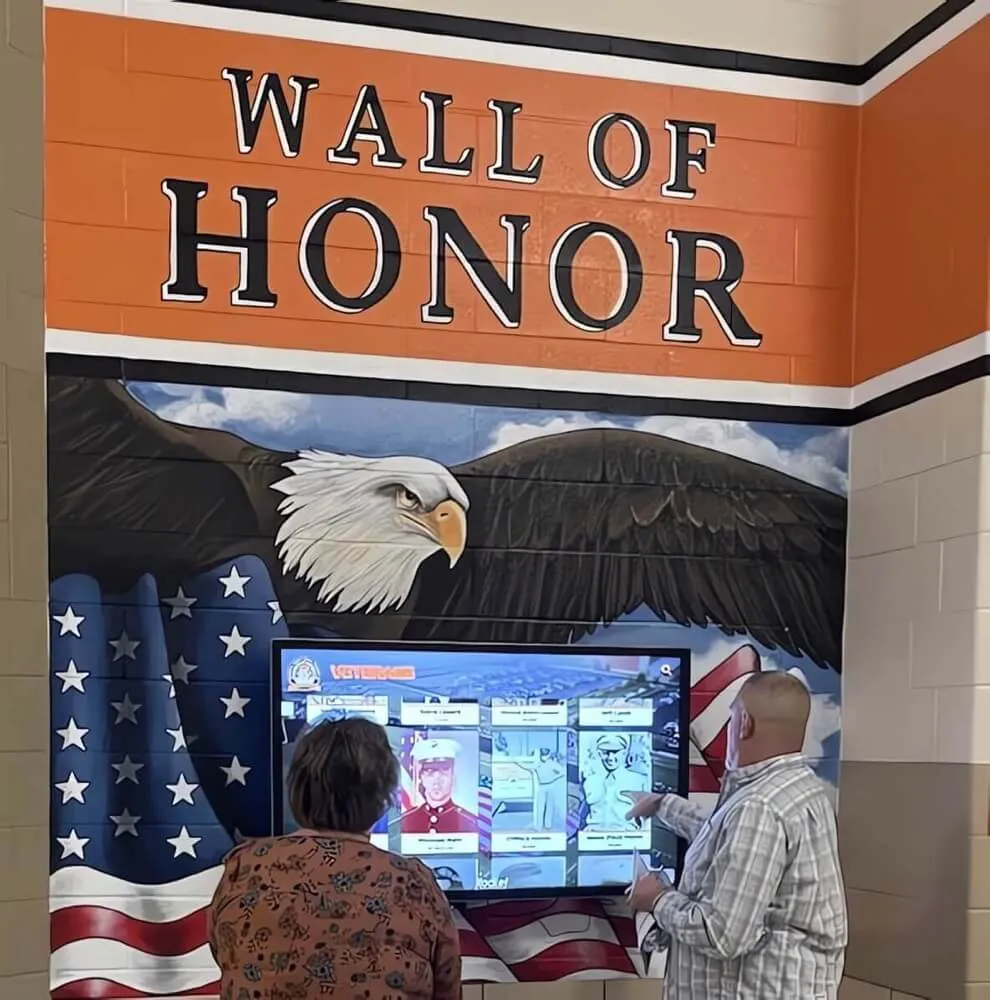
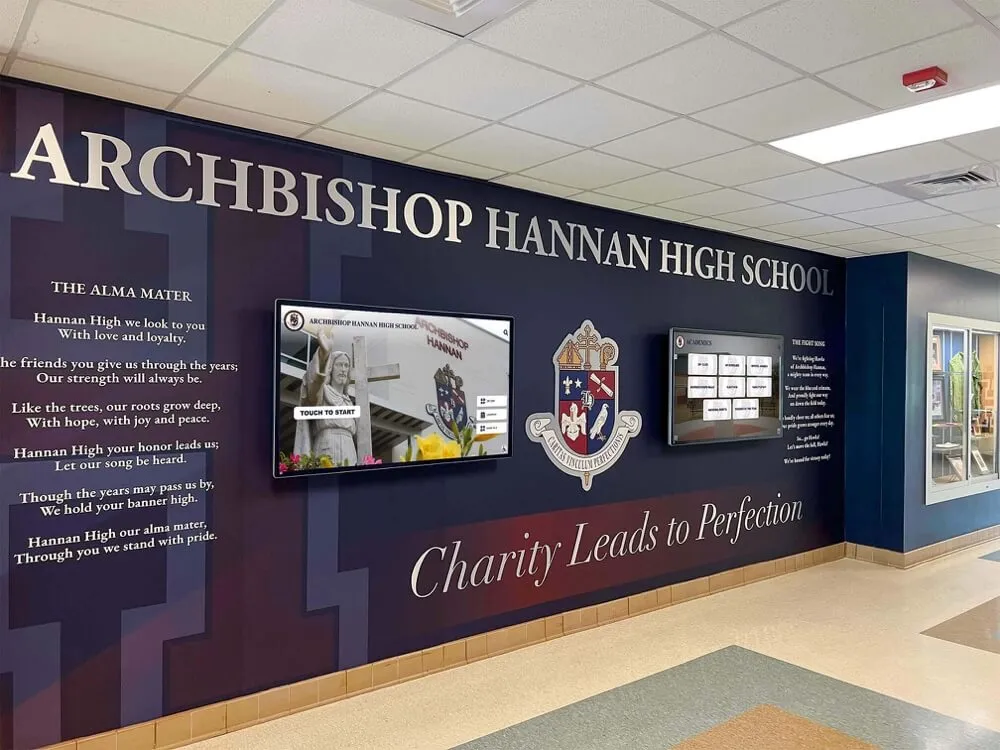
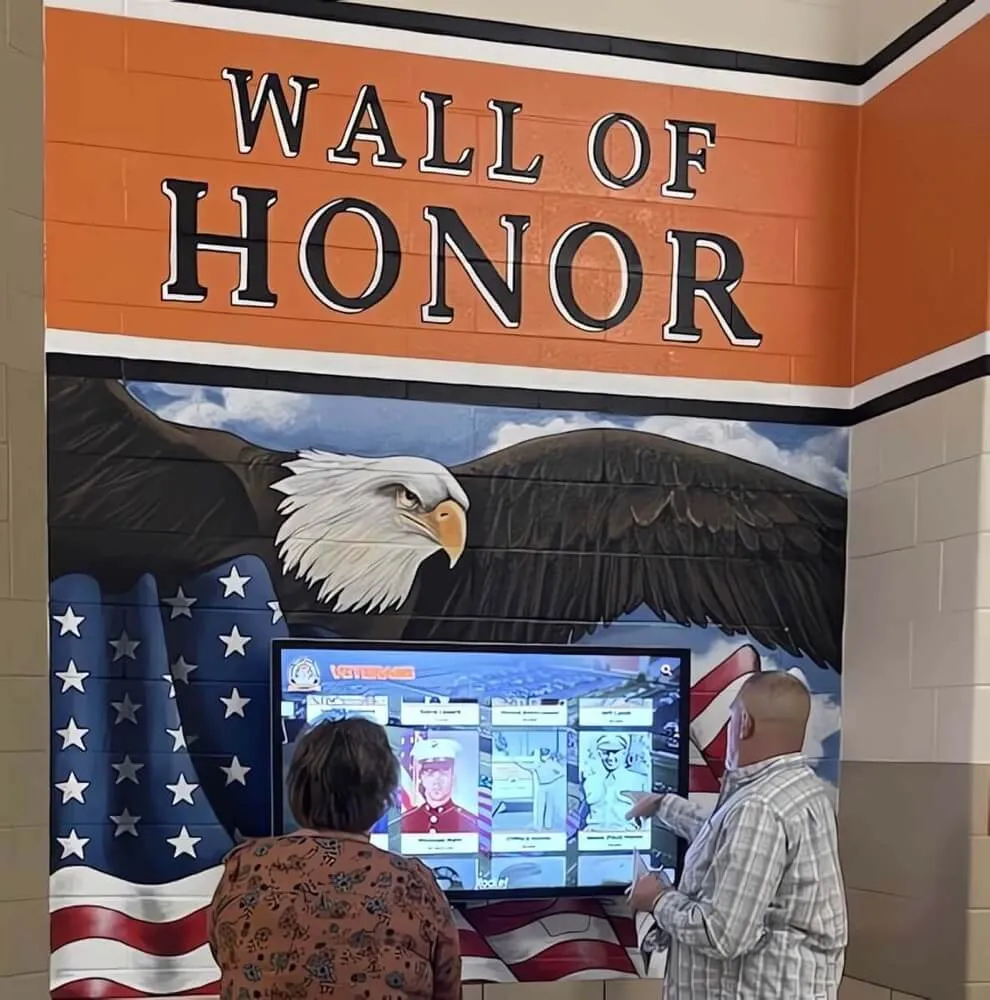
Patriotic recognition displays reflect the service-oriented values central to Civil Air Patrol's cadet development mission
Why Orientation Flight Recognition Matters
Before diving into specific celebration strategies, it’s worth understanding why deliberately recognizing orientation flight milestones produces better program outcomes than simply logging the flight and moving on.
Recognition Reinforces Cadet Identity
The most effective cadet programs build a strong sense of identity among their members—a sense that being a CAP cadet is a meaningful distinction, not just an after-school activity. Publicly recognizing each orientation flight milestone, especially the first, reinforces that identity by making achievement visible to the cadet’s peers, family, and school community.
When a cadet’s first orientation flight is acknowledged at a squadron meeting, posted in the school’s recognition display, or celebrated with a brief ceremony in front of fellow cadets, that cadet’s investment in the program deepens. They become not just a participant but a recognized achiever—which is a fundamentally different psychological relationship to the program.
Families Engage More Deeply with Recognized Milestones
Parents and family members who see their cadet’s achievements recognized publicly develop stronger relationships with the program. They become advocates, donors to squadron fundraising, and supporters of the kind of community visibility that helps programs grow.
For school-based squadrons in particular, connecting cadet achievement to the school’s broader recognition culture—honor rolls, athletic displays, club achievement boards—integrates the program into the fabric of school life in ways that benefit both the squadron and the school’s reputation for recognizing diverse student achievement. Academic recognition programs that go beyond grades and test scores are increasingly important to schools trying to celebrate the full range of what students accomplish.
Orientation Flights Inspire Recruiting
Word-of-mouth recruiting is the lifeblood of most CAP squadrons. When orientation flight achievements are visible—celebrated at school events, displayed on digital boards, shared through squadron social media—they become the most compelling possible advertisement for the program to students who haven’t yet joined.
A middle school student who sees a CAP cadet from their school recognized for completing an orientation flight is seeing concrete proof that “students like me can actually fly planes.” That visual evidence is worth more than any flyer or information table.
How Squadrons and Schools Celebrate Orientation Flight Milestones
The range of ways CAP programs recognize orientation flight achievements runs from informal squadron traditions to formally integrated school recognition programs. The most effective approaches combine both.
Squadron-Level Ceremonies
The most immediate and consistent recognition happens at the squadron level. Well-run squadrons develop traditions around orientation flight recognition that cadets anticipate and remember:
Formation announcements allow commanders to formally recognize cadets who have completed orientation flights since the last meeting, calling them forward in front of the assembled squadron. This public acknowledgment, brief as it may be, carries significant weight for cadets who have worked to reach this milestone.
Logbook and certificate presentation gives the recognition a tangible, lasting form. CAP issues certificates for various achievements; presenting them formally—rather than simply handing them over—transforms a piece of paper into a ceremony.
Senior member reflections give experienced pilots and staff members the opportunity to share what their own orientation flight memories meant to them, connecting the current cadet’s experience to the program’s longer history.
Photo documentation at the aircraft, immediately after the flight while the cadet is still in flight gear, produces images that families treasure and that programs can use for recognition displays, social media, and newsletters.
School Integration Ceremonies
Squadrons affiliated with schools have access to a larger recognition infrastructure—assemblies, morning announcements, athletic and achievement display cases, and administrative acknowledgment channels—that can amplify orientation flight recognition far beyond what any squadron meeting could achieve alone.
Schools that treat CAP orientation flight milestones with the same visibility given to athletic letters or academic honors send a powerful message: that service-oriented, aerospace-minded achievement is valued equally with more traditional student accomplishments.
Integration approaches that work:
- Including orientation flight completions in weekly achievement announcements
- Displaying cadet photos and achievement details on school digital recognition boards
- Presenting orientation flight recognitions at school awards assemblies alongside academic and athletic honors
- Adding CAP cadet achievements to hallway display cases that families see during school events
- Featuring cadets in school newsletters and social media celebrating orientation flight milestones
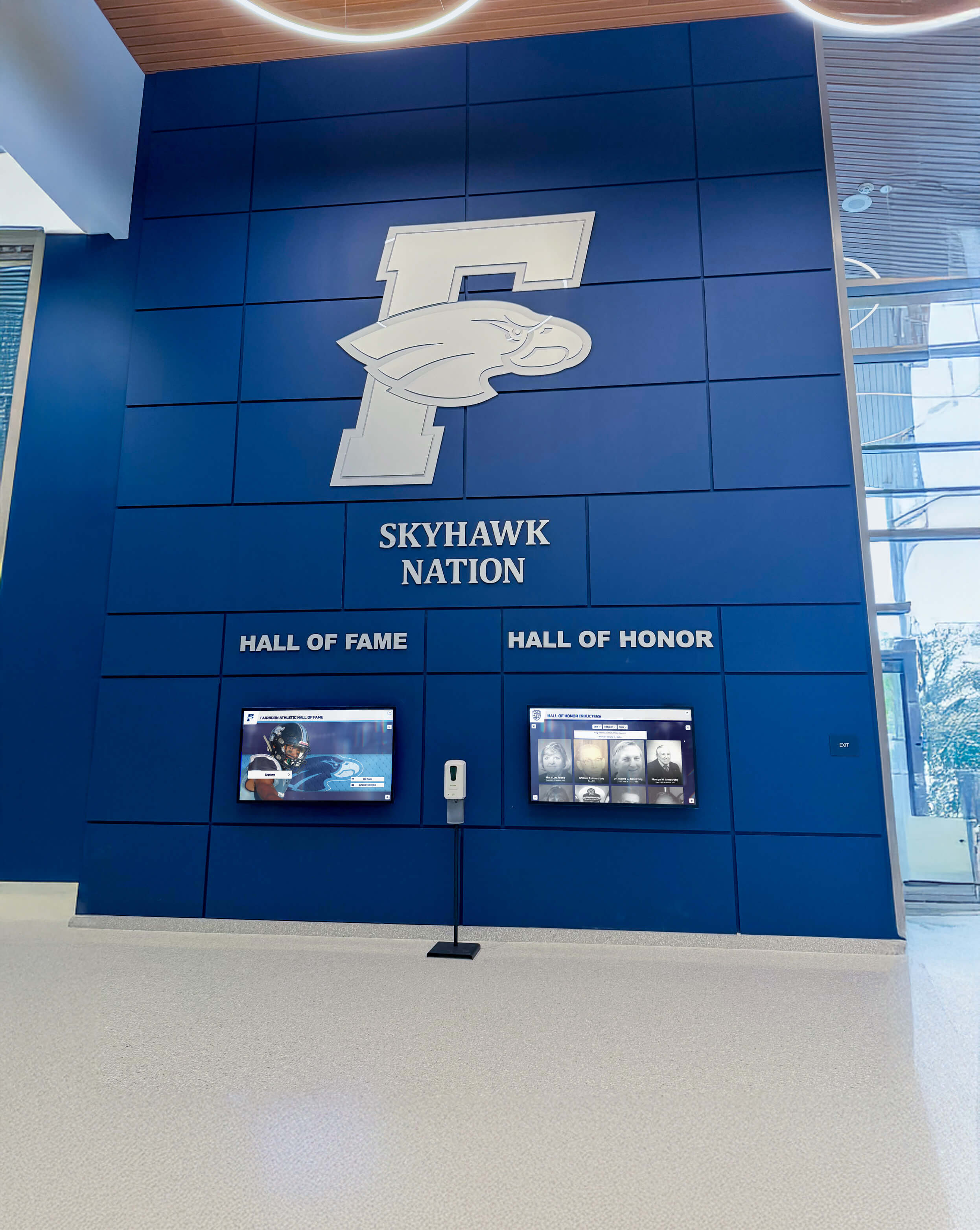
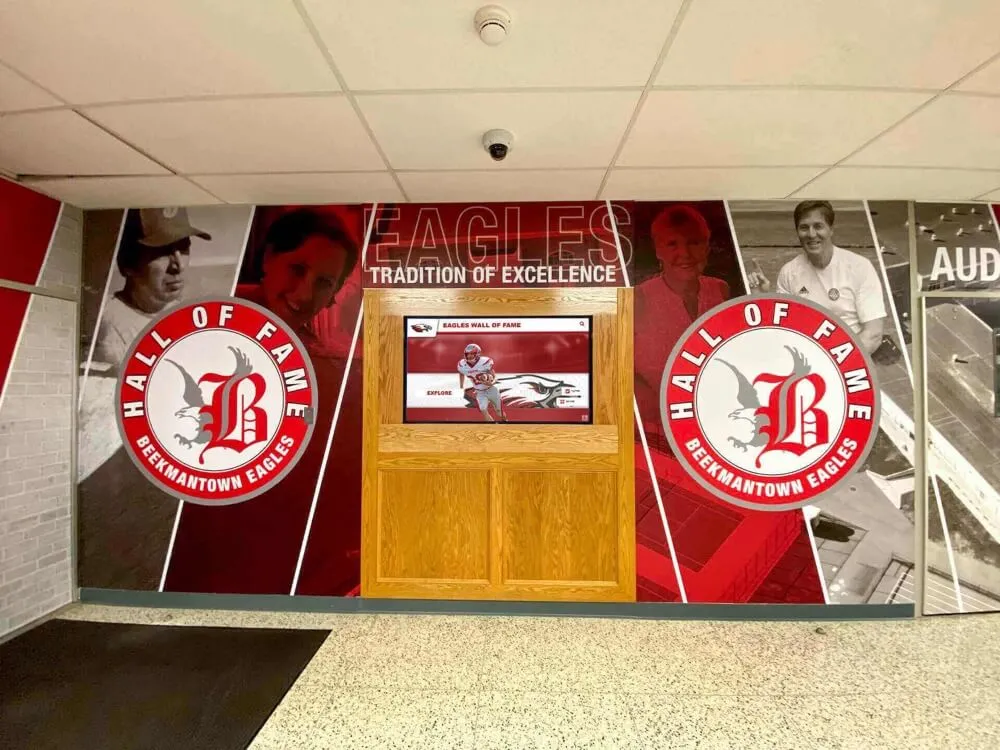
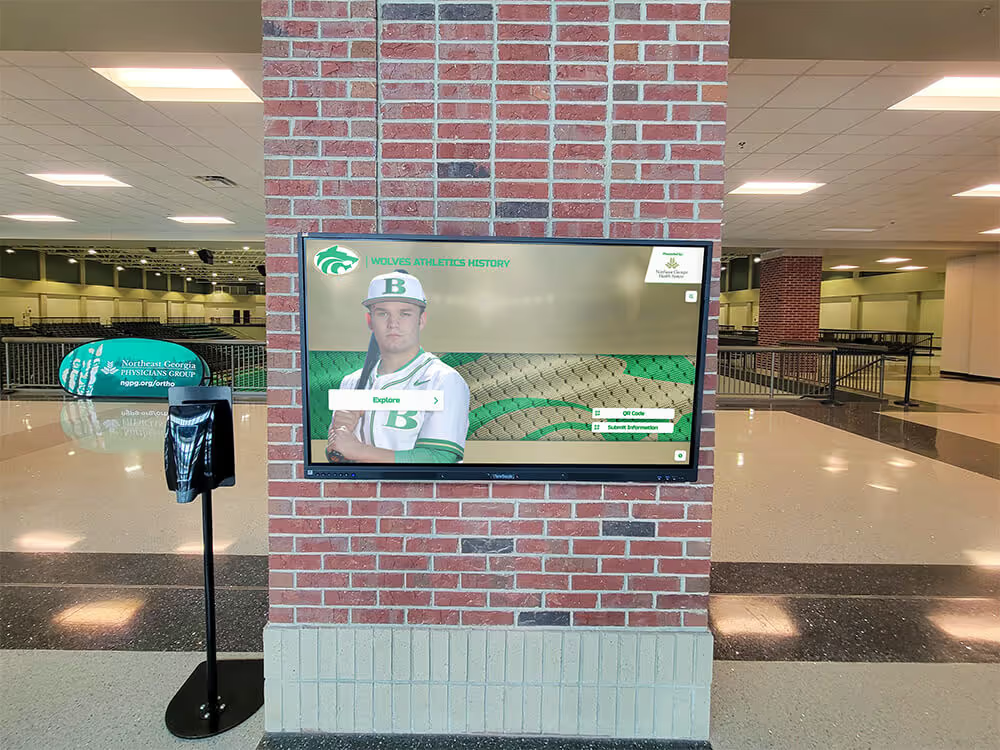
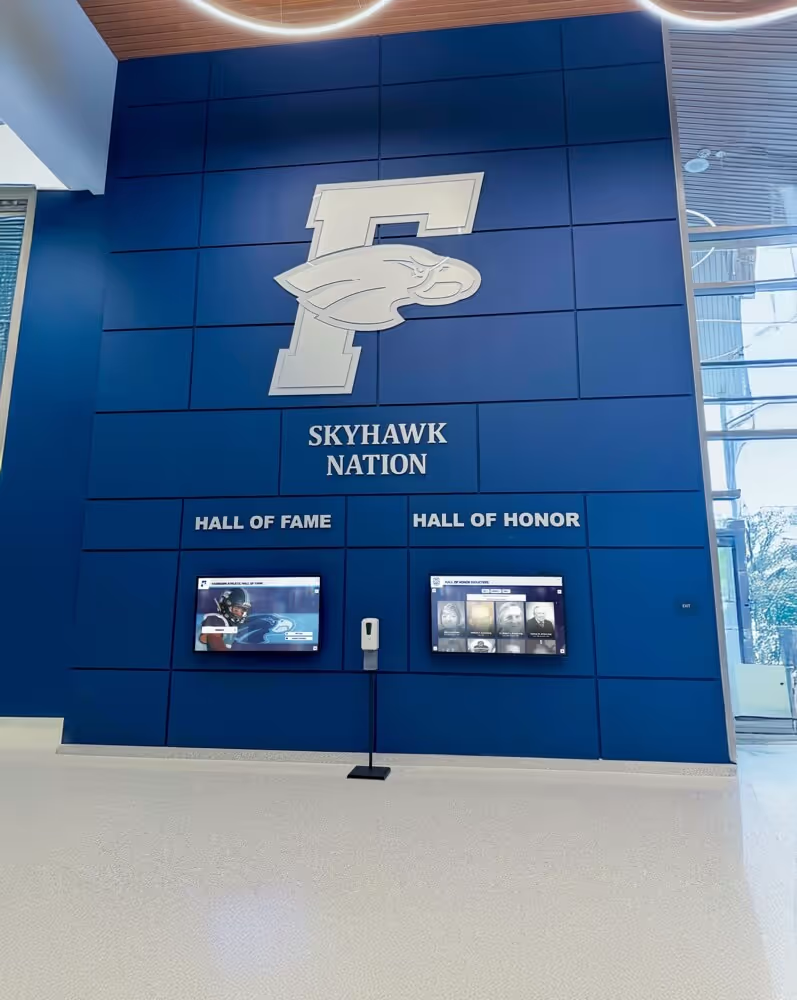
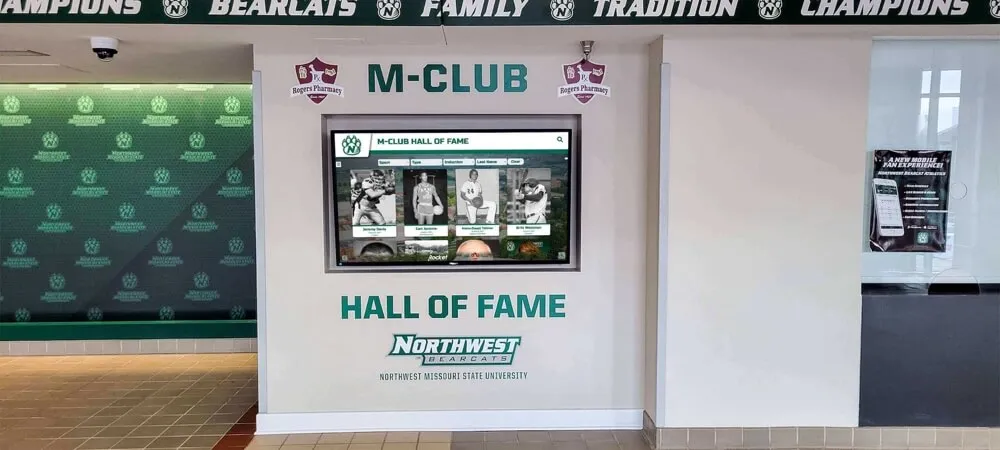
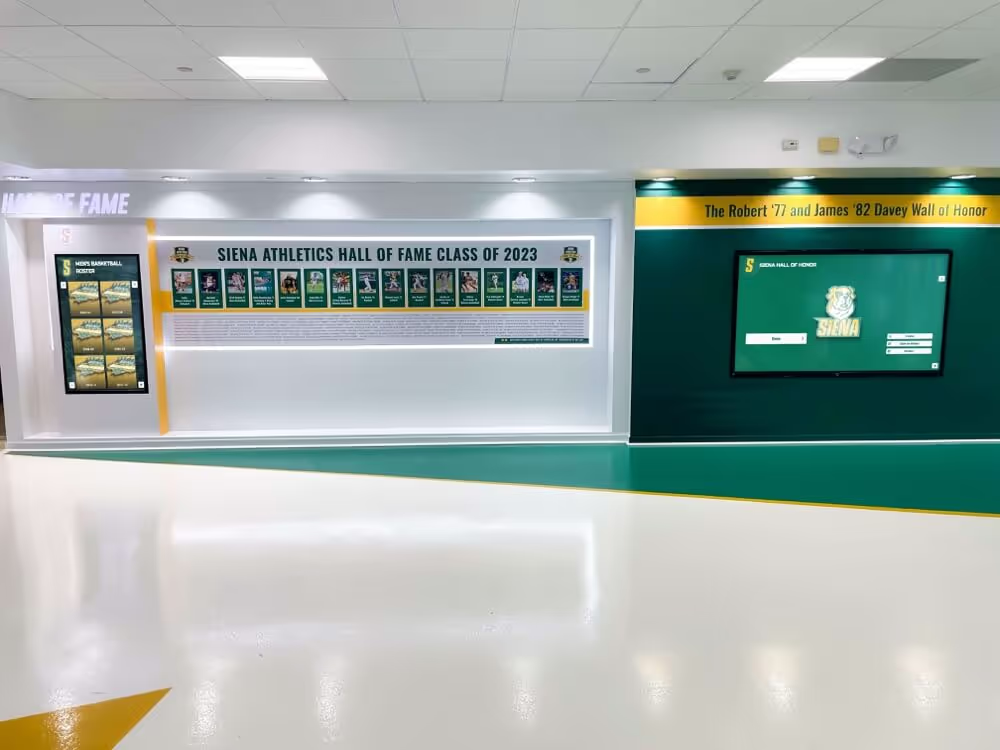
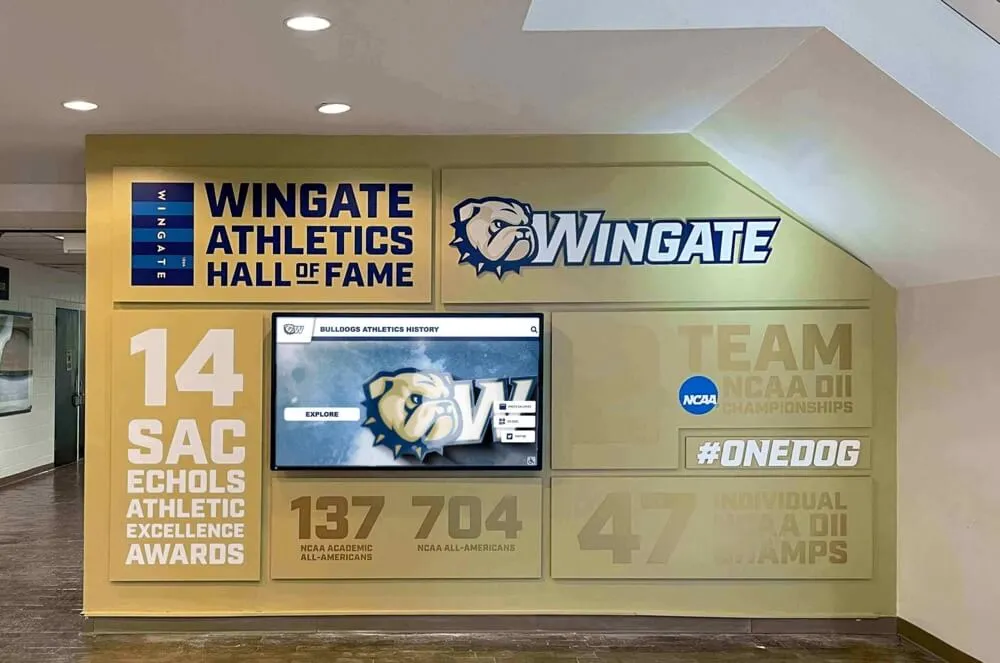
Prominent lobby displays make cadet achievement visible to the entire school community—students, staff, families, and visitors
Community Events and Airshow Recognition
For squadrons with access to airfields, orientation flight completion ceremonies held at the airfield itself—where families can watch cadets pre-flight the aircraft, complete their flights, and receive recognition in view of the aircraft they just flew—create experiences far more memorable than any indoor ceremony.
These events serve multiple purposes simultaneously: they celebrate current achievers, they demonstrate the program’s capabilities to prospective cadets and their families, and they strengthen relationships between the squadron and the aviation community that supports it.
Planning effective recognition events requires coordinating ceremonies, materials, and venues in ways similar to any awards program. The guidance in award ceremony planning resources applies directly to the kind of milestone celebration that makes orientation flight recognition meaningful and memorable.
Digital Recognition for CAP Cadet Achievements
One of the most significant gaps in how many schools and squadrons currently recognize cadet achievements—including orientation flight milestones—is the lack of lasting, accessible digital recognition. Physical certificates and momentary announcements celebrate achievement at a single point in time; digital displays create ongoing, visible recognition that compounds over years.
Why Digital Displays Are Uniquely Suited to Cadet Programs
CAP cadet programs produce a continuous stream of individual achievements across dozens of cadets over years of squadron operation. Managing that recognition through physical displays alone creates logistical challenges: space constraints, the difficulty of updating trophy cases, and the tendency for older achievements to become invisible as new ones accumulate.
Digital recognition displays solve all three problems:
Unlimited capacity: A digital display can show every cadet who has completed an orientation flight across the program’s entire history without any physical space constraint. A cadet who flew their first O-flight five years ago is just as accessible as one who flew last month.
Easy updates: Squadron staff or school administrators can add new achievement records, photos, and cadet profiles through a web-based content management system without touching the physical display. When a cadet completes their first powered orientation flight on a Saturday, their recognition can be live on the school’s display by Monday morning.
Rich documentation: Digital displays allow each cadet’s orientation flight milestone to include not just their name but the aircraft they flew in, the date, a photo at the aircraft, and any personal note about the experience—creating a record that is genuinely meaningful rather than just a name on a list.
For schools looking to understand how to implement and manage recognition content across all of their student achievement programs, touchscreen content management for school recognition displays covers the practical steps involved in keeping recognition current and meaningful.
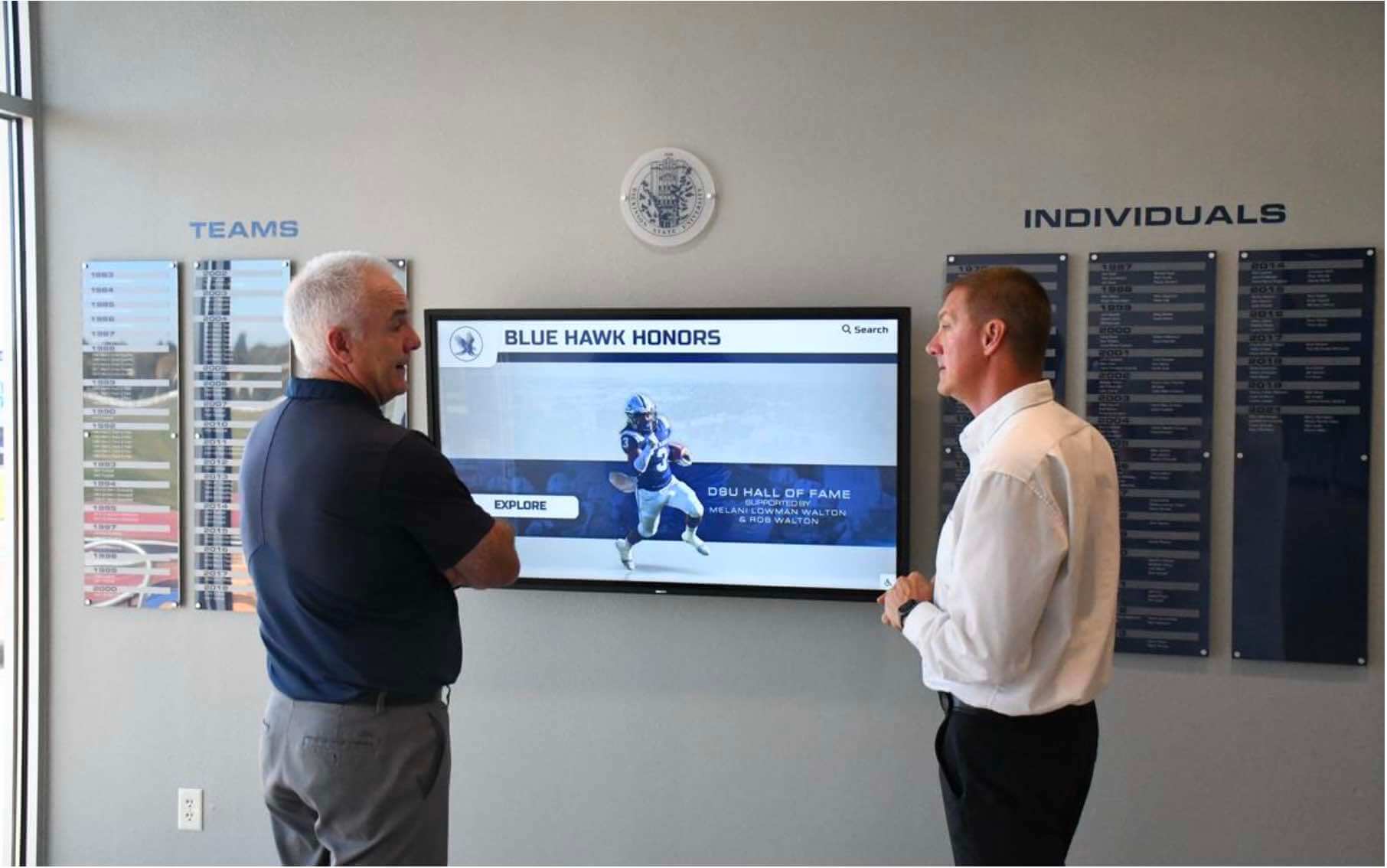
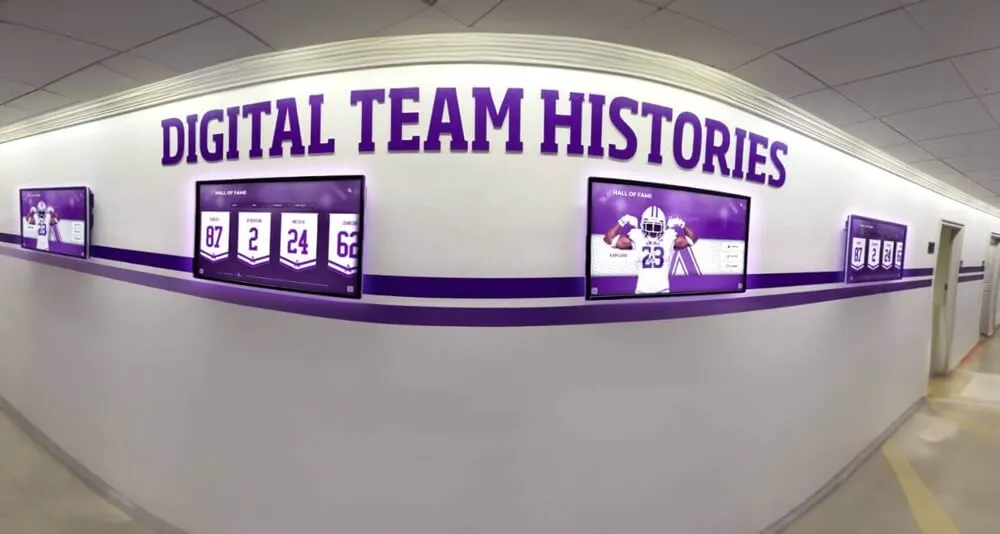
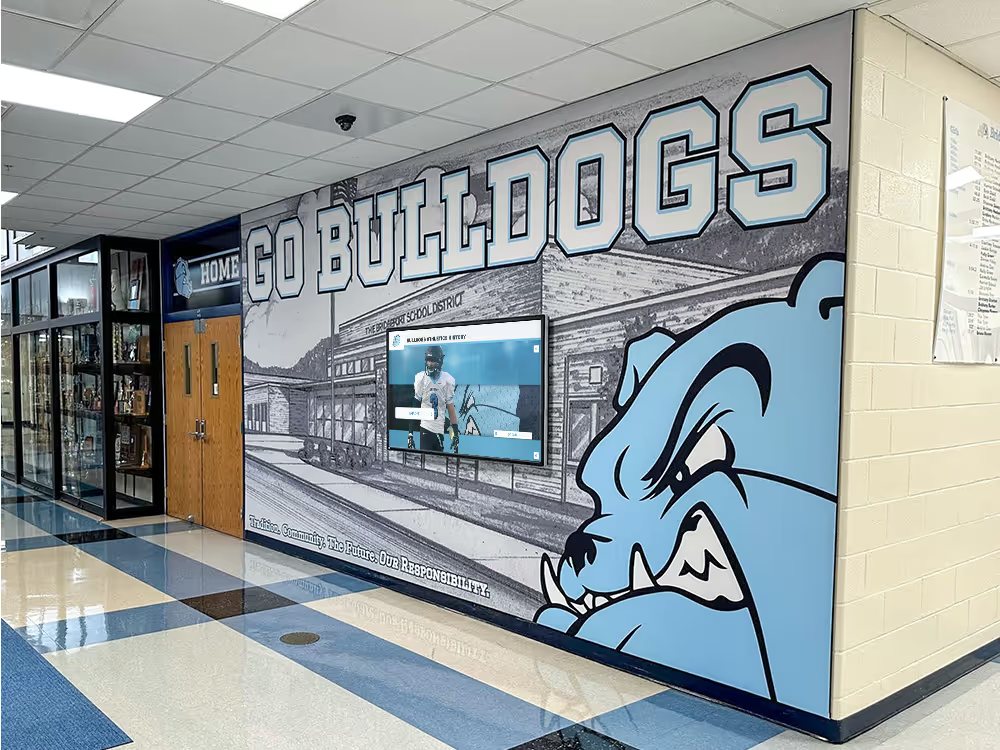
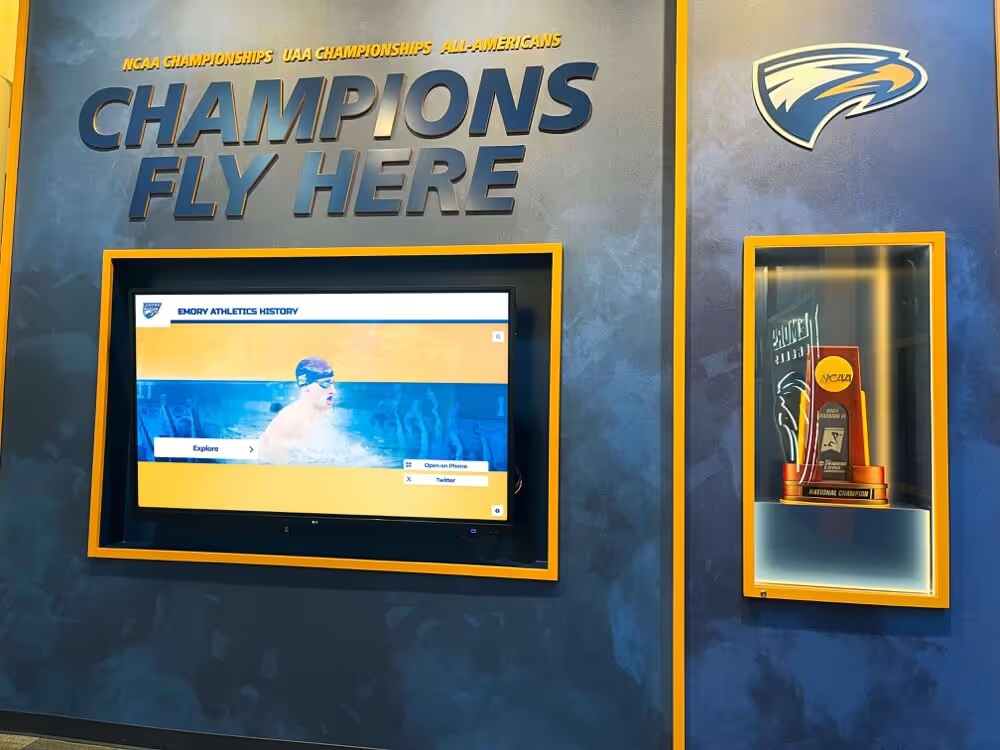
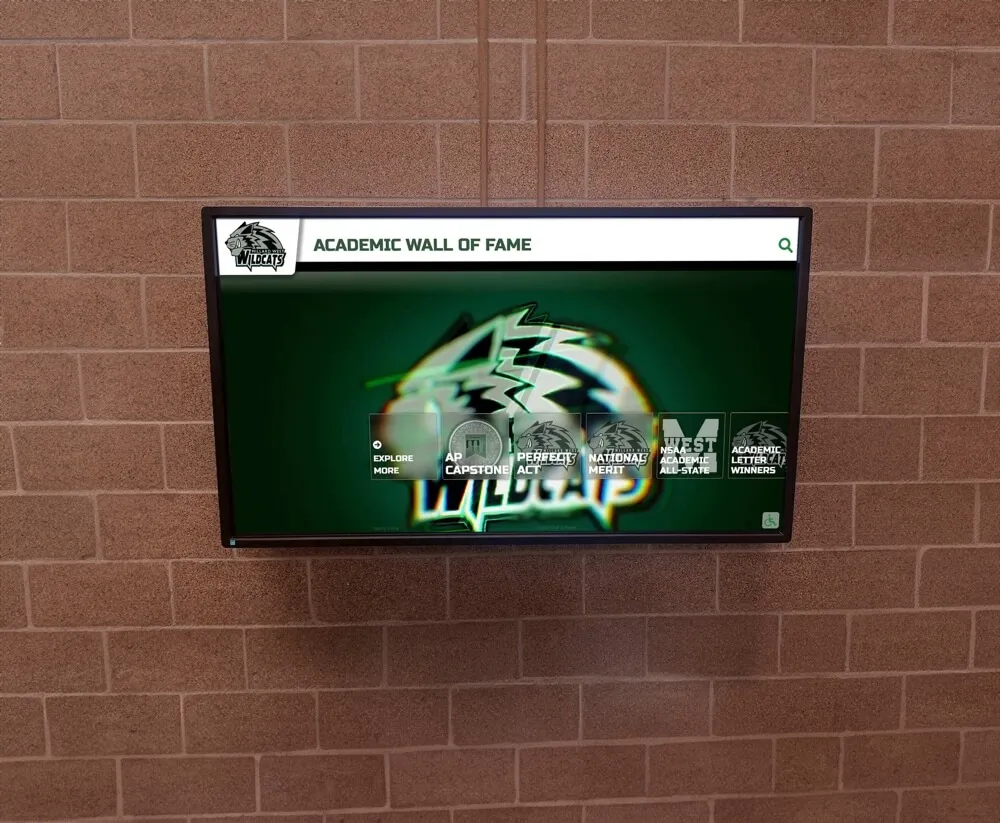
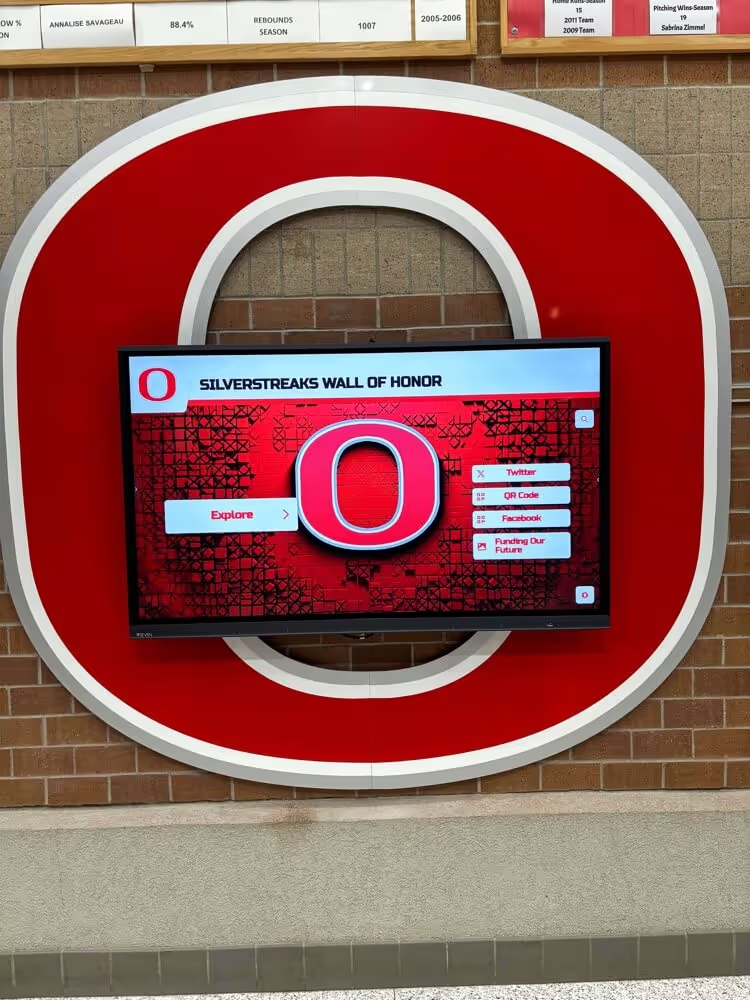
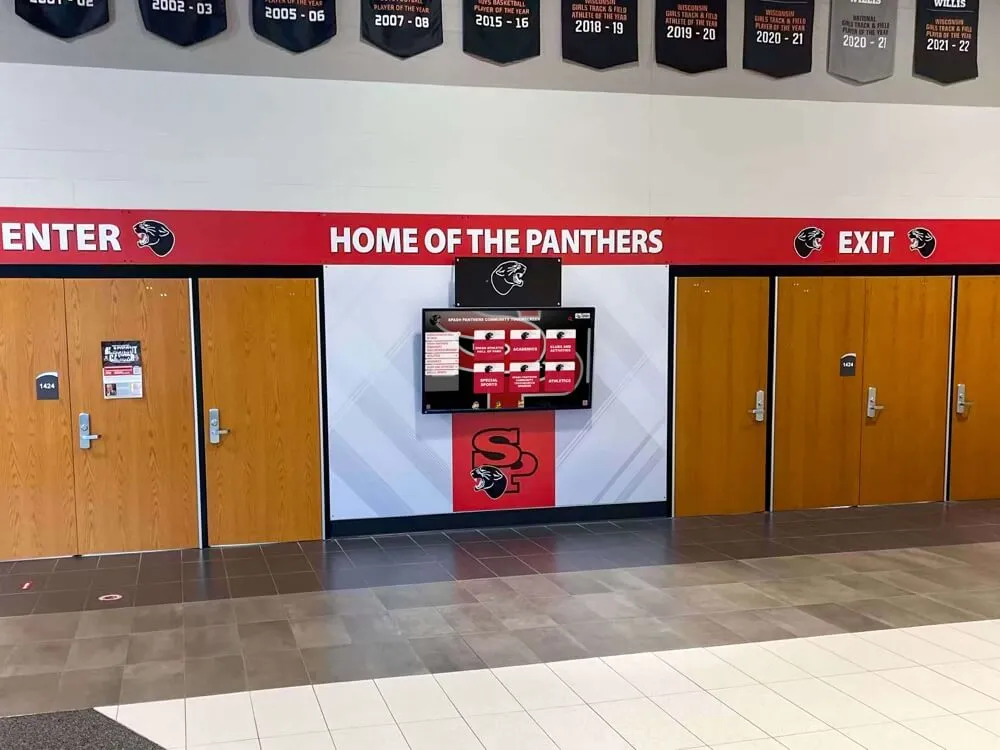
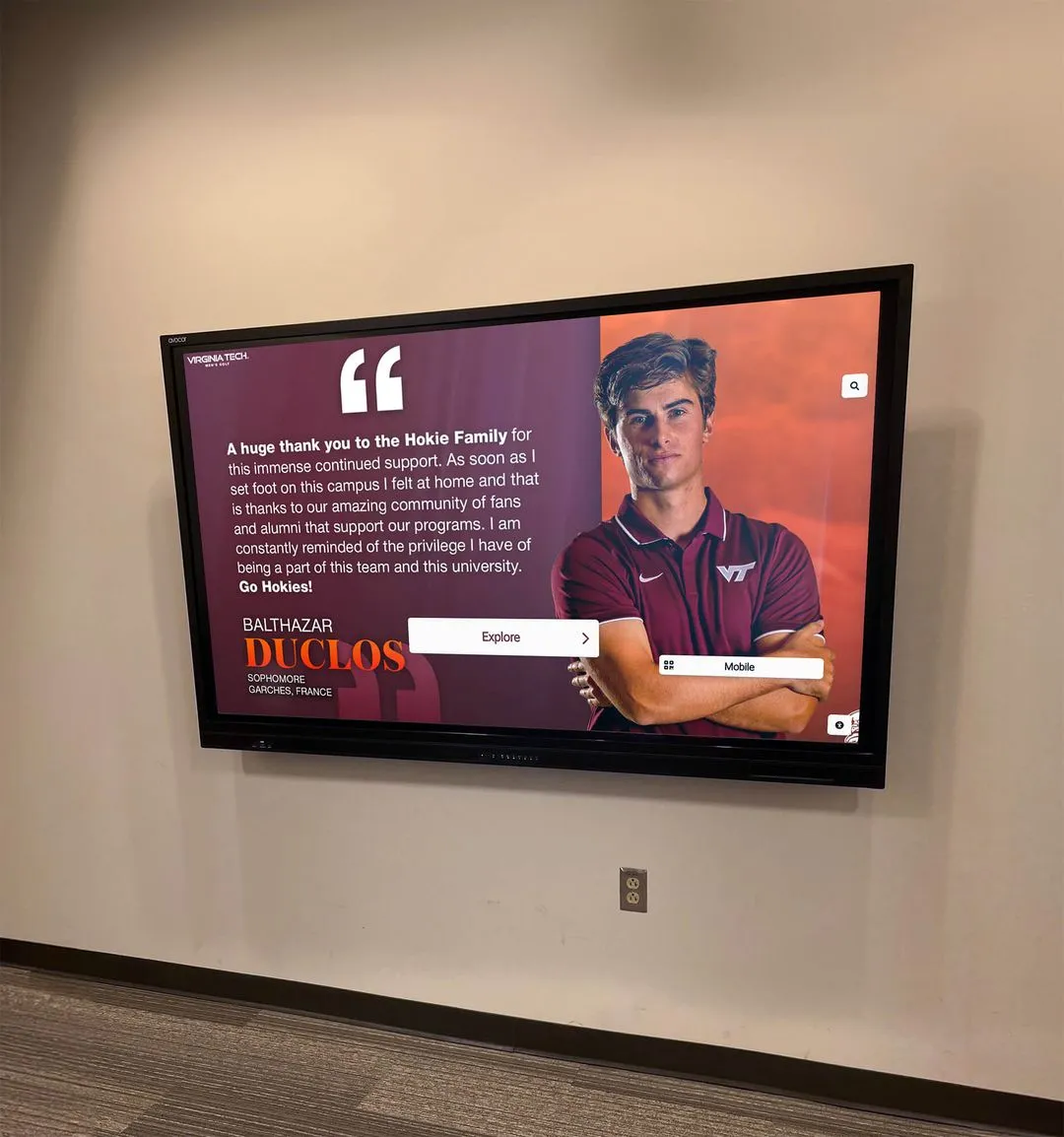
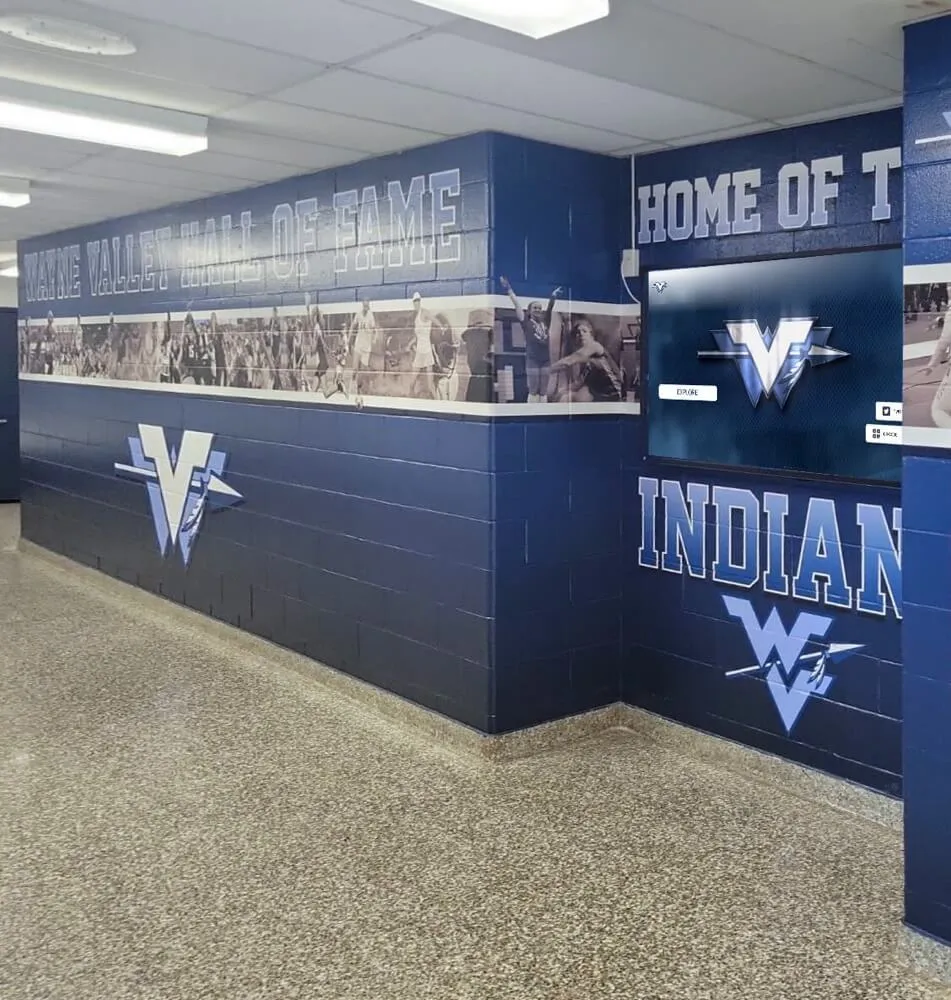
School hallway displays that showcase cadet achievements make programs like CAP visible to the entire student body throughout the year
What to Include in a CAP Cadet Digital Recognition Display
A well-designed digital recognition system for CAP cadet programs goes beyond simply listing names. The most effective displays create complete cadet achievement profiles that document the full progression through the program:
Orientation flight records: For each cadet, documenting powered and glider orientation flights completed, with dates and (where available) pilot names and aircraft tail numbers, creates a record that cadets and families can point to with pride for years.
Award progression timeline: The CAP Cadet Program uses a structured award system, and displaying a cadet’s progression—from the Wright Brothers Award through later achievements—gives observers an immediate sense of the commitment and accomplishment involved.
Photos at aircraft: If there’s a single image that communicates what CAP achievement means to families and prospective cadets, it’s a smiling cadet in front of the aircraft they just flew. Building an archive of these photos is among the highest-value documentation investments any squadron can make.
Cadet testimonials: Brief quotes from cadets about what their first orientation flight meant to them—“I didn’t expect to feel so calm once we were in the air” or “I knew I wanted to be a pilot the moment we cleared the runway”—humanize the achievement and make the display compelling to browsers who don’t already know the program.
Program history: For established programs, a digital display can document the program’s history of cadet achievements over years or decades, showing prospective cadets and their families that this is a serious, sustained program with a track record of developing real aviation enthusiasm.
For schools thinking about how to structure recognition programs that cover multiple types of student achievement—from athletics to academics to JROTC and cadet programs—resources on end-of-year student awards beyond academics offer frameworks for building comprehensive, equitable recognition systems.
Placement and Visibility Strategies
Where a school places its CAP cadet recognition display significantly affects how well it serves the program’s goals:
Main lobby or entrance: Maximum visibility to families visiting for events, prospective students, and community members. A cadet recognition display in the main lobby communicates that the school values this kind of achievement.
Near athletic and activities displays: Placing cadet recognition alongside athletic letter displays, academic honor boards, and club achievement cases signals that cadet achievement is valued on the same level as more traditional student recognition categories.
Near JROTC or aerospace classroom: A display near the squadron’s home classroom or meeting space serves both as a daily reminder to current cadets of what the program offers and as an orientation tool for students considering joining.
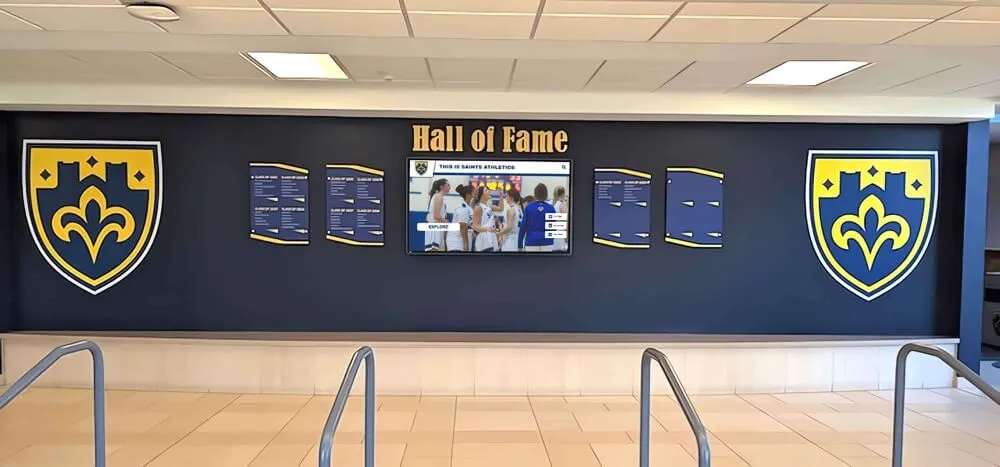
Shared achievement wall: Many schools are moving toward unified achievement walls that combine athletics, academics, performing arts, community service, and specialized programs like CAP in a single display. These integrated displays send a powerful message about the school’s values and avoid siloing achievement recognition in ways that limit each program’s visibility.
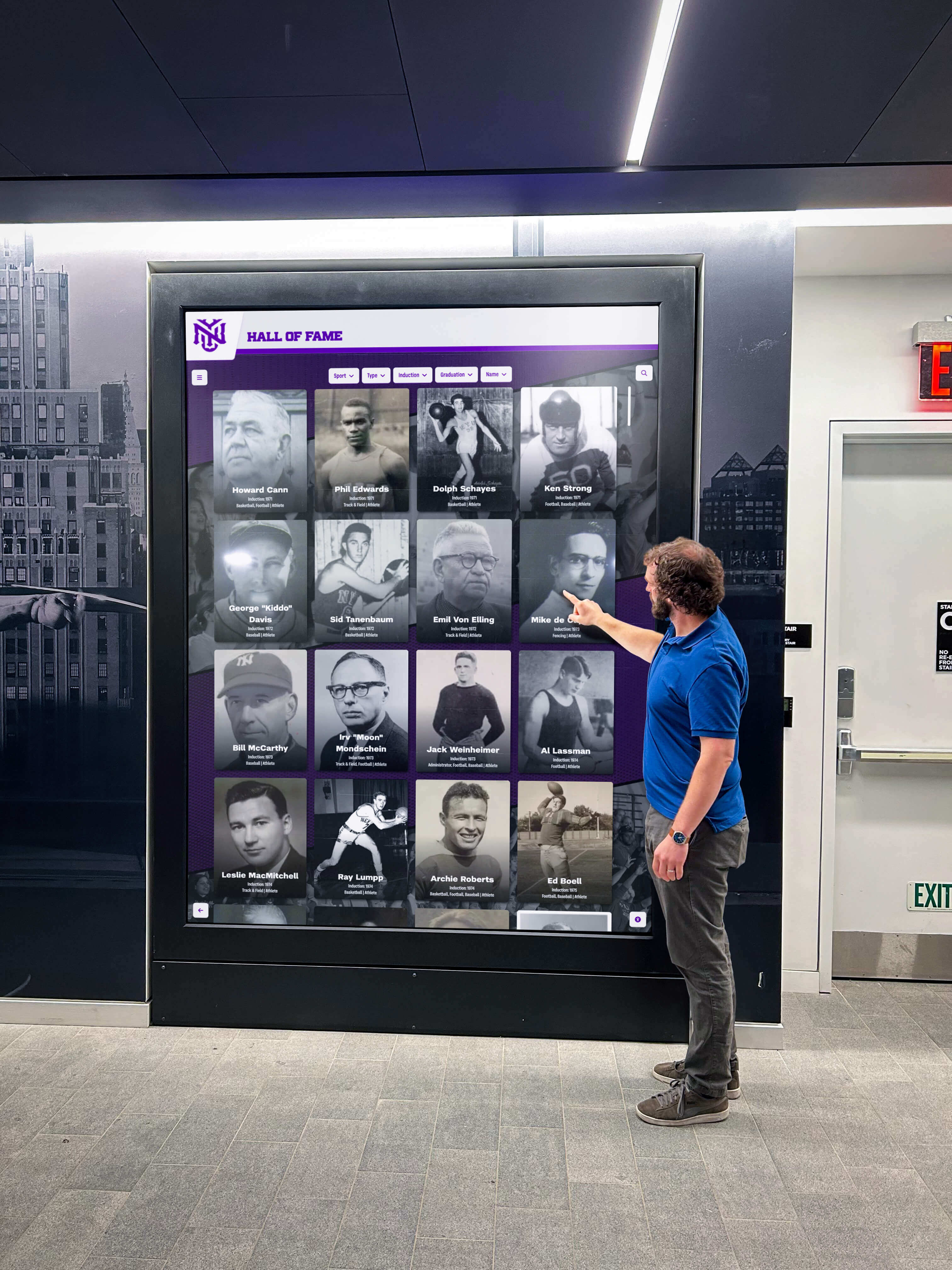
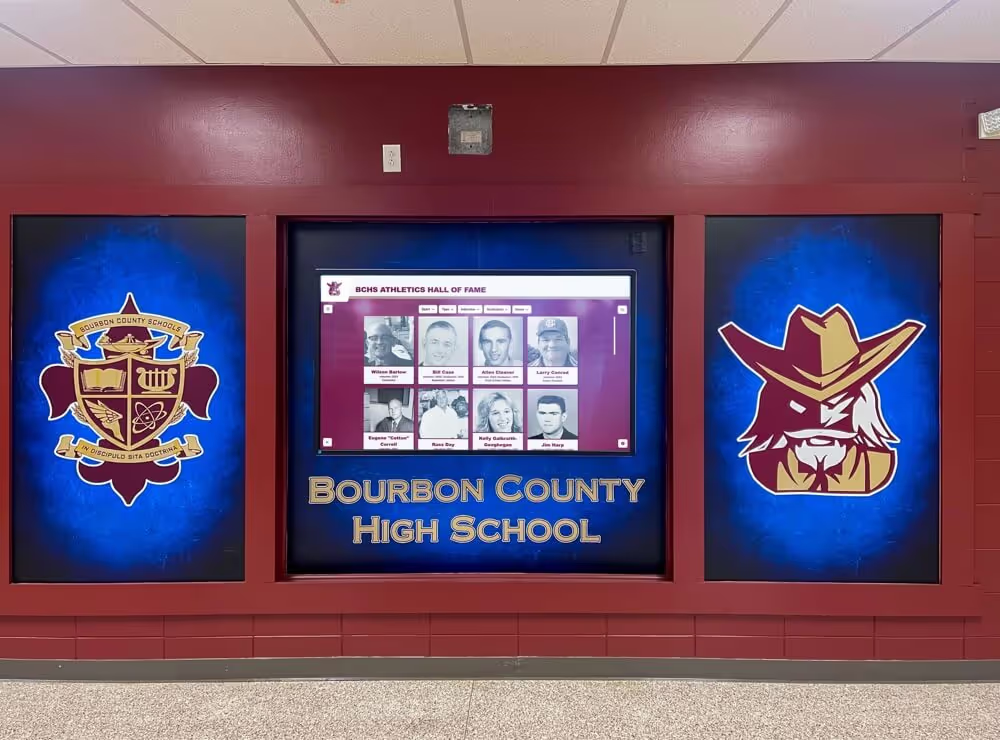
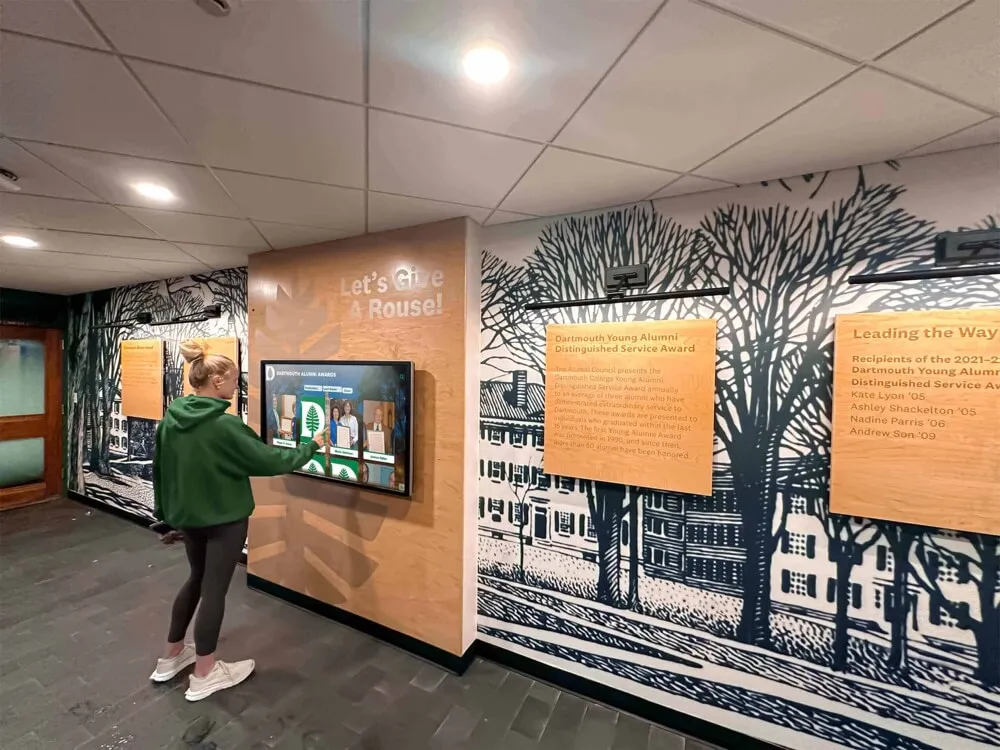
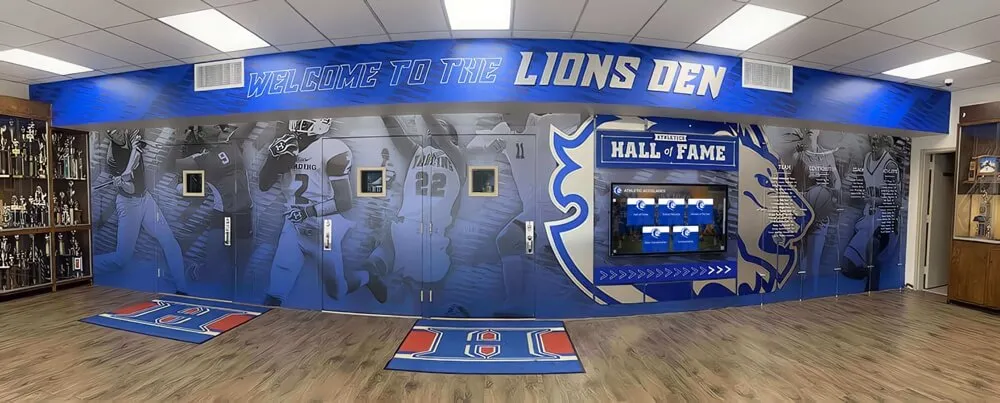
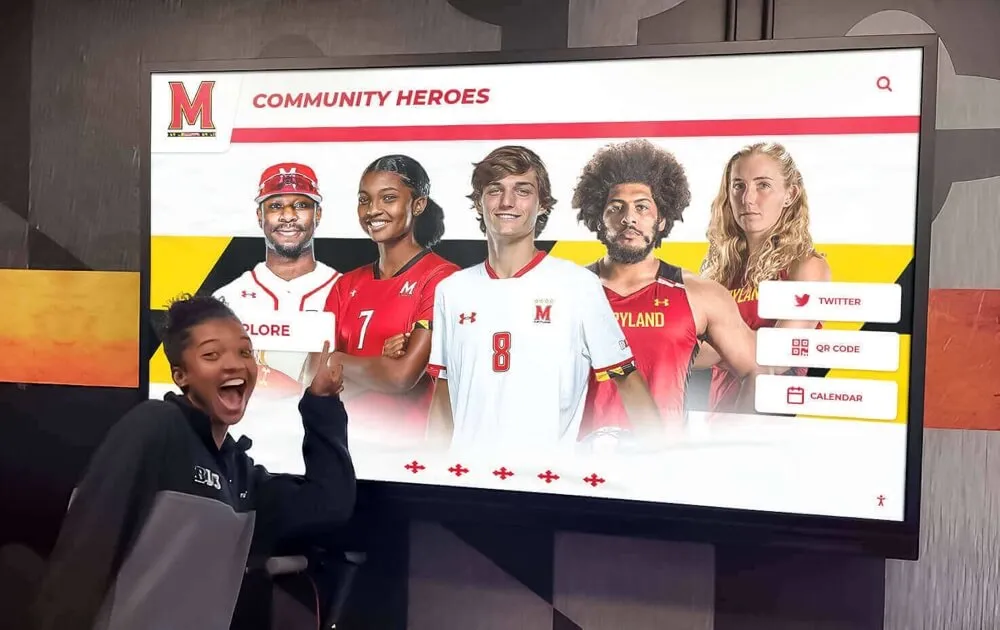
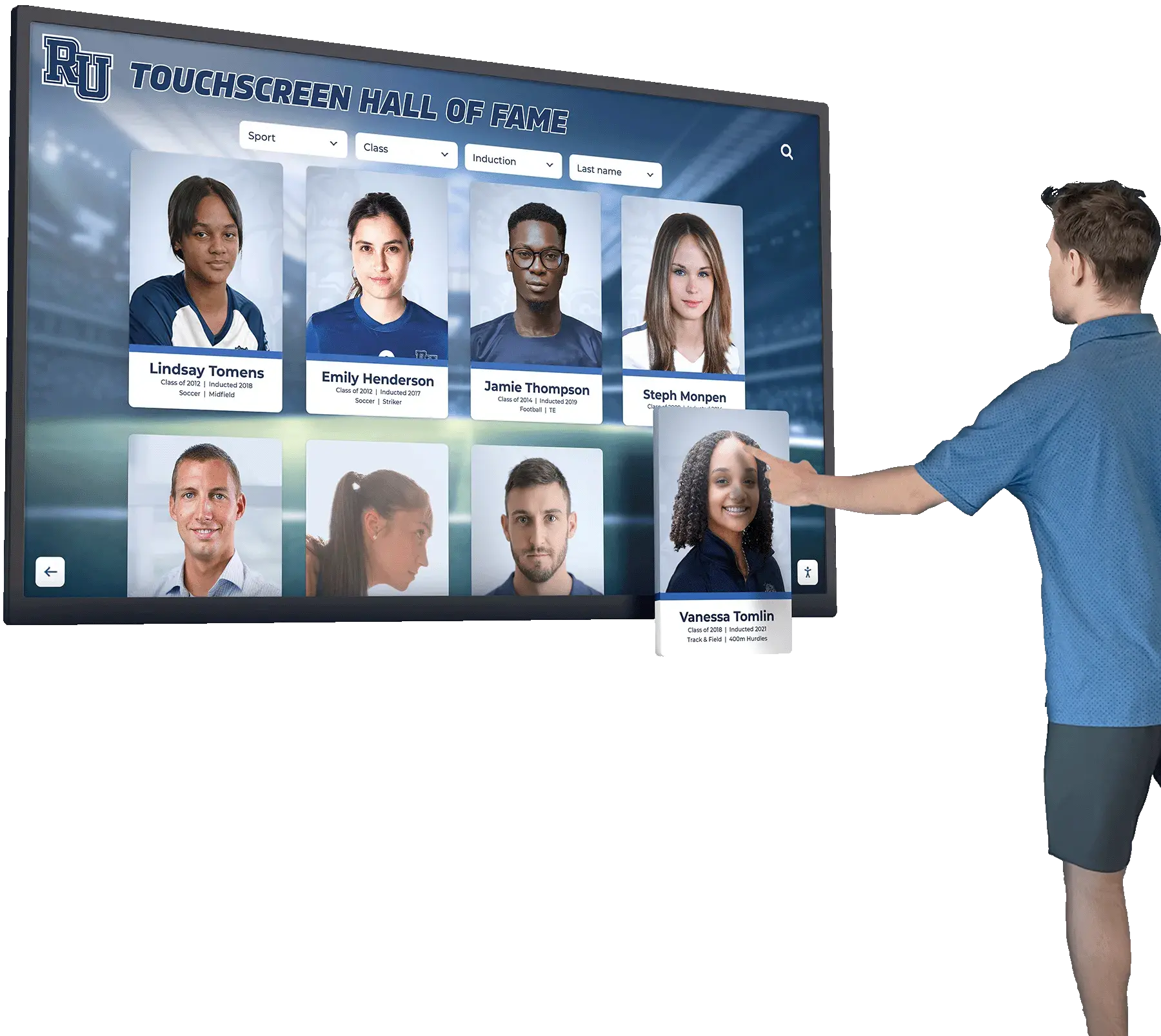
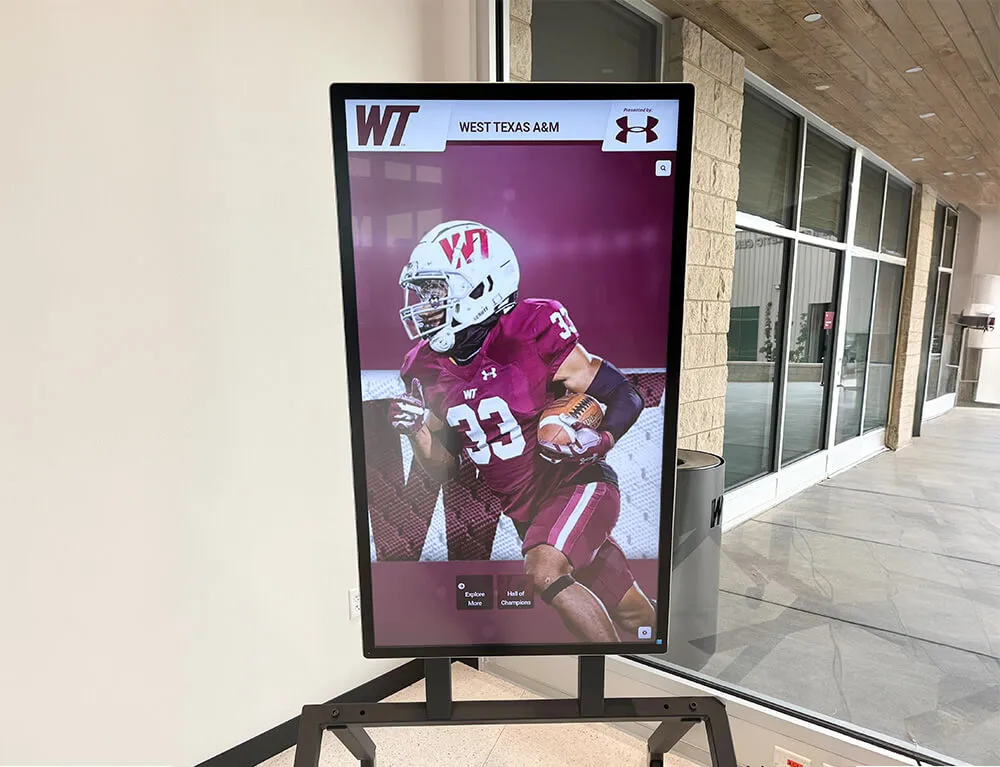
Interactive displays in school lobbies give visitors, families, and prospective cadets direct access to achievement records and cadet profiles
Building a Long-Term Achievement Archive
One of the most underutilized opportunities for CAP squadrons affiliated with schools is the development of a long-term cadet achievement archive—a systematic record of every cadet’s orientation flights, awards, and program milestones that persists across commander turnover, staff changes, and school transitions.
Why archives matter for squadron continuity:
Programs lose institutional memory during leadership transitions. When a long-serving commander retires, the informal knowledge of who flew what, when, and what it meant tends to leave with them. A formal achievement archive prevents this loss and gives incoming leaders a foundation to build on.
Alumni continuity: Cadets who complete orientation flights and earn their early awards often go on to ROTC programs, military service, and aviation careers. A program that maintains an accessible archive of their cadet achievements can reconnect with alumni who become valuable mentors, recruiters, and donors to the program.
Connecting Cadet Recognition to School Awards Programs
Schools that are most successful at recognizing CAP orientation flight milestones typically integrate cadet achievements into existing school-wide recognition structures rather than treating CAP as a standalone program with its own separate recognition system.
End-of-Year Recognition Events
Most schools hold end-of-year awards assemblies that recognize athletic, academic, and extracurricular achievement. Advocating for CAP orientation flight milestones to be included in these events—with the same ceremony given to athletic letters or honor society inductions—significantly raises the profile of the program.
Administrators who understand the range of student achievement typically want to include programs like CAP in broader recognition events but often need squadron commanders to advocate clearly and provide structured information about what achievements are being recognized and why they matter. The high school end-of-year awards planning guide is a useful resource for school administrators building comprehensive recognition programs that include programs like CAP.
Donor and Booster Recognition Connections
CAP squadrons at schools often rely on booster organizations and community donors for support. Connecting orientation flight recognition to donor engagement—helping donors see the direct impact of their support on cadet opportunities—creates a virtuous cycle: donors who see cadets publicly recognized for the experiences they helped fund become more invested in the program’s success.
Schools with active booster programs supporting JROTC and cadet organizations have found that sharing cadet achievement stories with donor communities significantly improves fundraising outcomes. Booster club fundraising ideas explores creative approaches for organizations looking to build community financial support for programs like CAP.
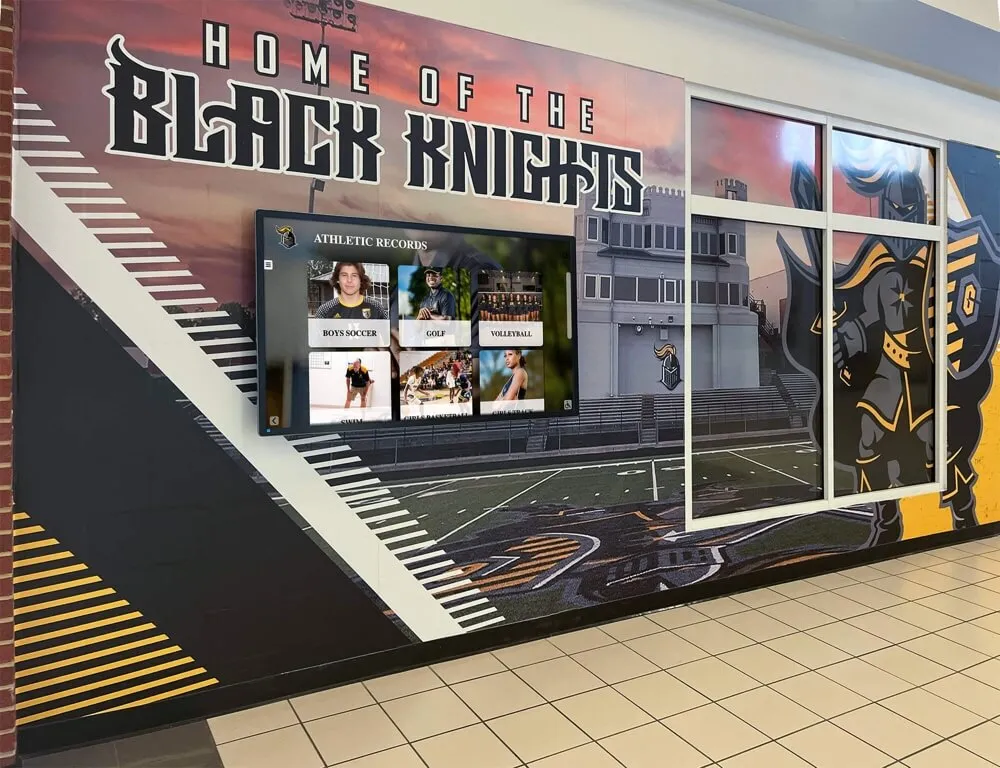
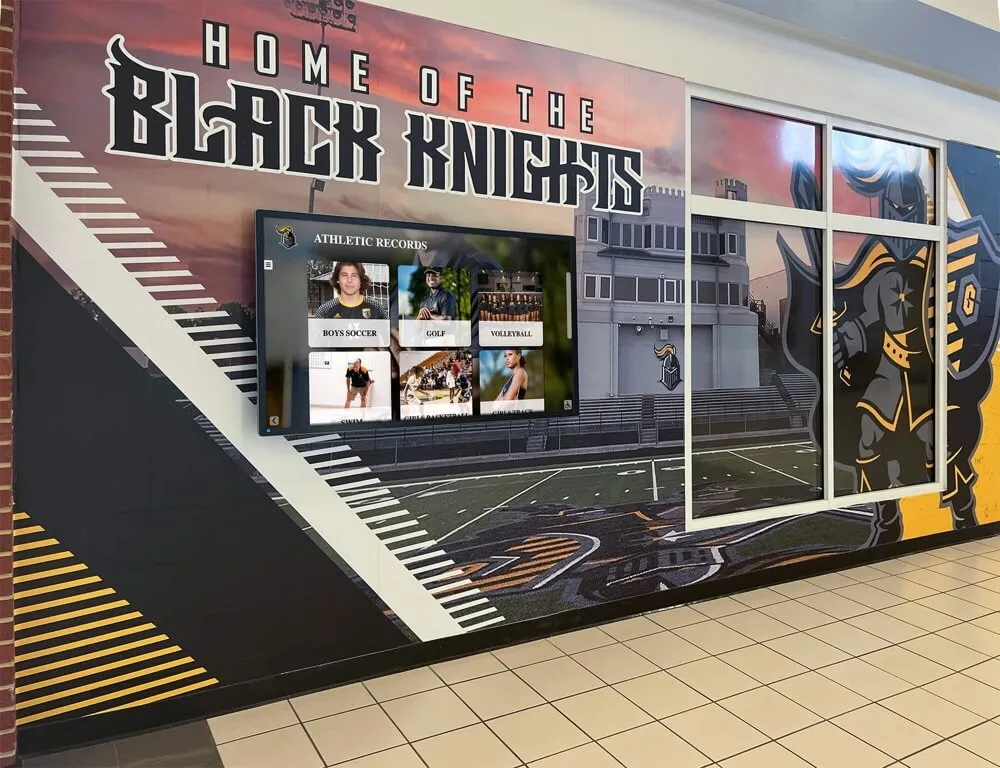
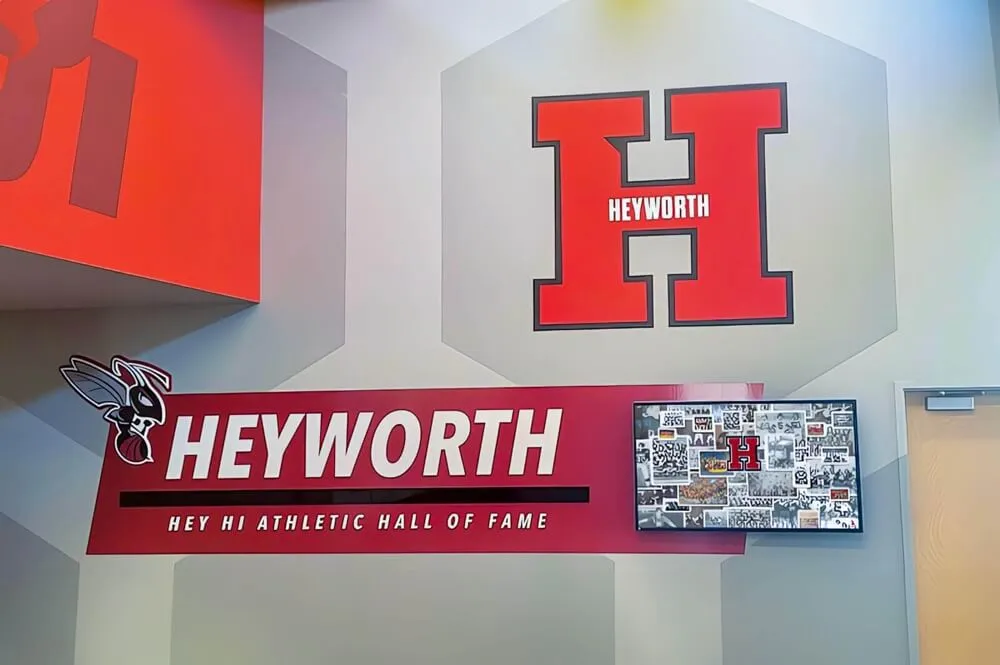
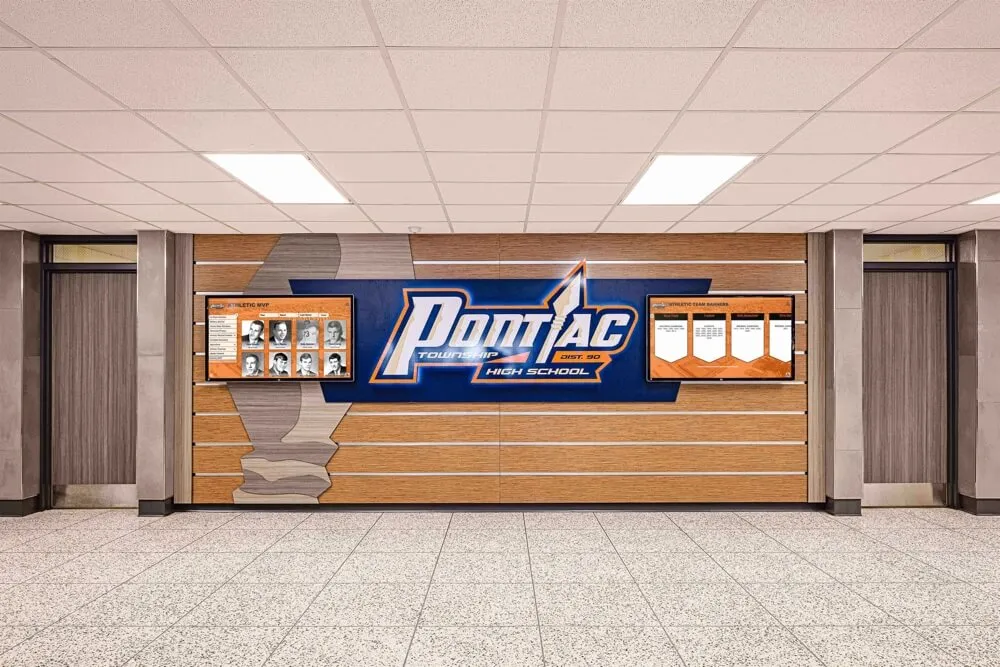
Hallway recognition systems that integrate diverse student achievement types—including cadet milestones—reflect schools that value the full range of what students accomplish
Hall of Fame Eligibility and Lasting Legacy
For CAP cadets who go on to significant aerospace or military careers—astronauts, Air Force pilots, aviation pioneers—the records of their early cadet orientation flights and program achievements become pieces of a larger story worth preserving in a school’s hall of fame or legacy display.
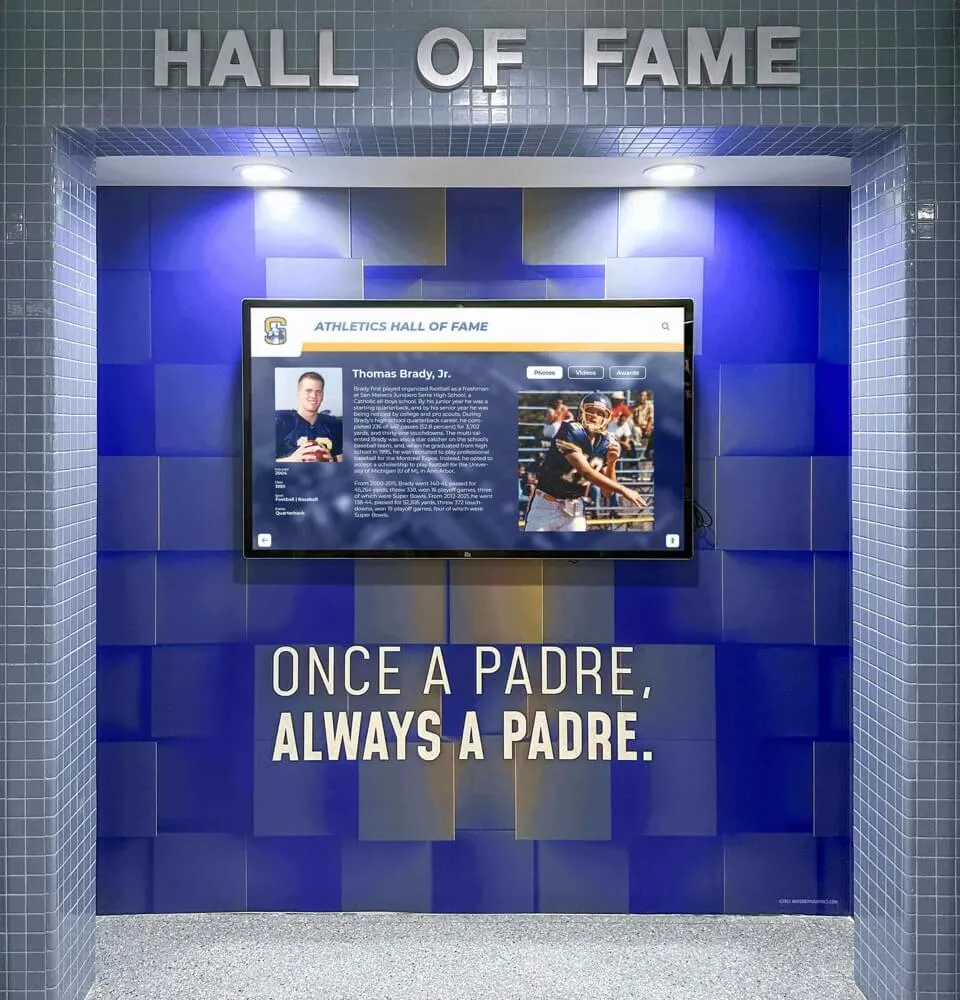
Schools with dedicated hall of fame programs increasingly recognize that aerospace and military achievement belongs alongside athletic and academic accomplishment in these permanent tributes. Best ways to honor school history covers approaches to building recognition systems that capture diverse forms of achievement for lasting institutional celebration.
Practical Steps for Implementing CAP Orientation Flight Recognition
For squadron commanders and school administrators ready to improve how orientation flight milestones are recognized, here is a practical implementation sequence:
Step 1: Document What You Have
Before building new recognition systems, audit existing cadet achievement records. How far back do your orientation flight logs go? What photos exist? What certificates have been issued? Even partial records are a starting point for building a more comprehensive archive.
Step 2: Establish a Documentation Protocol
Going forward, create a consistent protocol for documenting every orientation flight: who flew, on what date, in what aircraft, with which senior member pilot, and include a photo at the aircraft whenever possible. A simple shared folder with consistent file naming conventions is sufficient to start; more sophisticated digital platforms can organize this data more effectively once the habit of documentation is established.
Step 3: Identify School Integration Opportunities
Talk to school administrators about existing recognition channels: Can CAP orientation flight completions be added to weekly announcement scripts? Is there space on an achievement display board in the lobby or hallway? Could cadet achievements be featured at the end-of-year awards ceremony?
School administrators who are unfamiliar with CAP often respond positively once they understand that orientation flights represent genuine achievement that took real work and commitment to earn. The key is framing the request in terms they already understand—comparable to athletic letters, honor society inductions, or service learning recognition.
Step 4: Explore Digital Display Options
For programs ready to invest in lasting, visible recognition infrastructure, modern digital display platforms provide exactly the kind of flexible, updatable recognition system that works for ongoing cadet achievement documentation.
The most effective platforms for school cadet recognition are those designed specifically for educational institutions—systems that non-technical staff can update remotely, that display beautifully at large scale in school lobbies and hallways, and that accommodate the range of content (photos, achievement records, cadet profiles, program history) that makes cadet recognition genuinely compelling.
Platforms like Rocket Alumni Solutions offer interactive touchscreen wall systems designed for schools and educational institutions—giving programs the ability to display comprehensive cadet achievement archives in high-visibility school spaces, updated remotely as new milestones are earned. For schools looking at how digital showcase systems work in practice for student recognition, that content demonstrates the approach applied to different student groups.
Step 5: Celebrate Loudly and Consistently
Recognition that happens once and then disappears has limited impact. Programs that consistently celebrate each orientation flight milestone—at squadron meetings, at school events, on digital displays, through social media—build cultures where achievement is expected and honored.
Consistency matters more than scale. A brief, sincere acknowledgment at every squadron meeting, combined with a persistent digital record of each milestone, compounds into a recognition culture that cadets notice, families appreciate, and prospective members find compelling.
Inspiration from Related Recognition Programs
Schools and squadrons navigating the challenge of recognizing unique program achievements aren’t starting from scratch—there’s substantial guidance available from programs that face similar recognition challenges.
JROTC programs, debate teams, robotics squads, and other achievement-based programs that don’t fit neatly into athletic or academic recognition categories have all worked through the challenge of building visible, lasting recognition within school environments designed primarily around sports and grades. Their approaches—from end-of-year inclusion in awards assemblies to dedicated digital displays to hall of fame integrations—are directly applicable to CAP orientation flight recognition.
Inspirational messages and recognition content for student achievement displays offers language and framing approaches that work well for specialized achievement programs like CAP, where the achievement itself may not be immediately legible to general observers.
Build Lasting Recognition for Your CAP Cadets
Rocket Alumni Solutions builds interactive touchscreen display systems for schools and educational institutions—giving programs like CAP the ability to showcase cadet orientation flight milestones, award progressions, and program histories in high-visibility school spaces. Update content remotely as new achievements are earned, and create recognition that persists long after any single ceremony.
Explore Digital Cadet Recognition DisplaysA civil air patrol orientation flight is one of those experiences that cadets carry with them for the rest of their lives—the moment they first left the ground in an aircraft and understood, physically and emotionally, what they were working toward. The recognition programs that schools and squadrons build around these milestones don’t need to be elaborate to be meaningful. Consistent, visible, lasting acknowledgment of genuine achievement is what turns a good program into a great one—and what turns cadets into lifelong advocates for aerospace education.