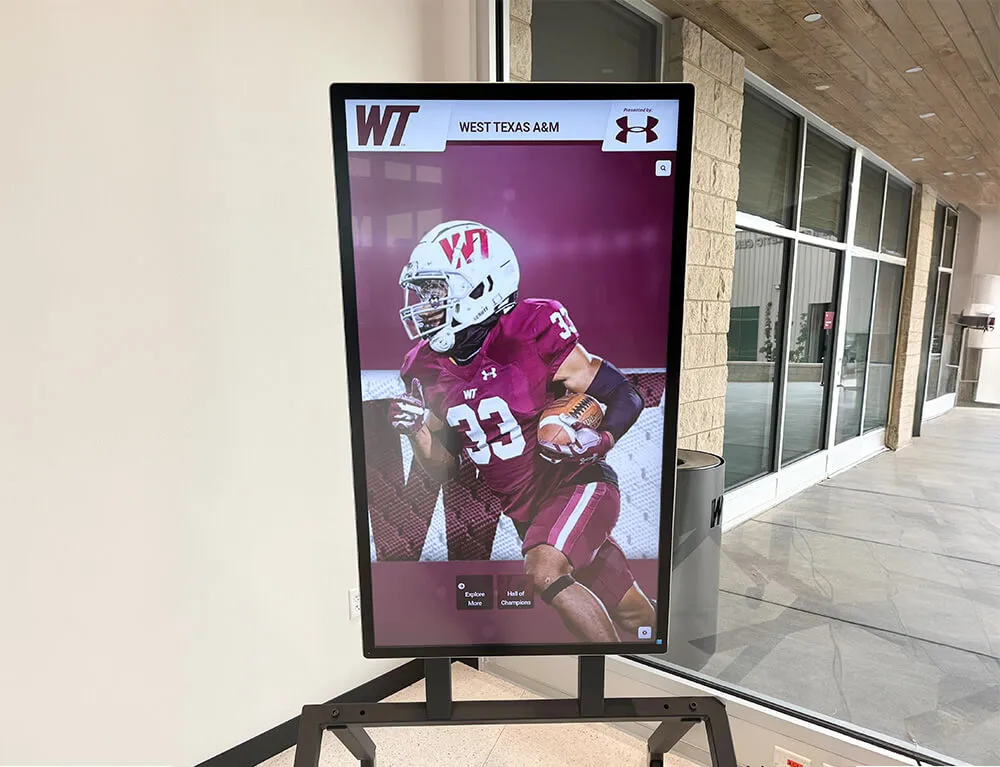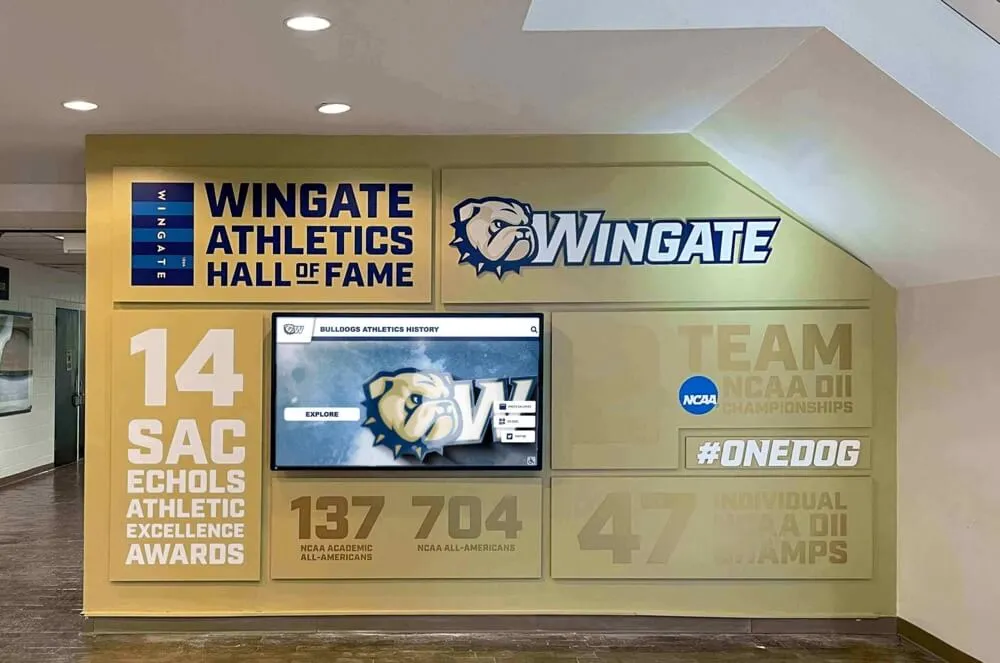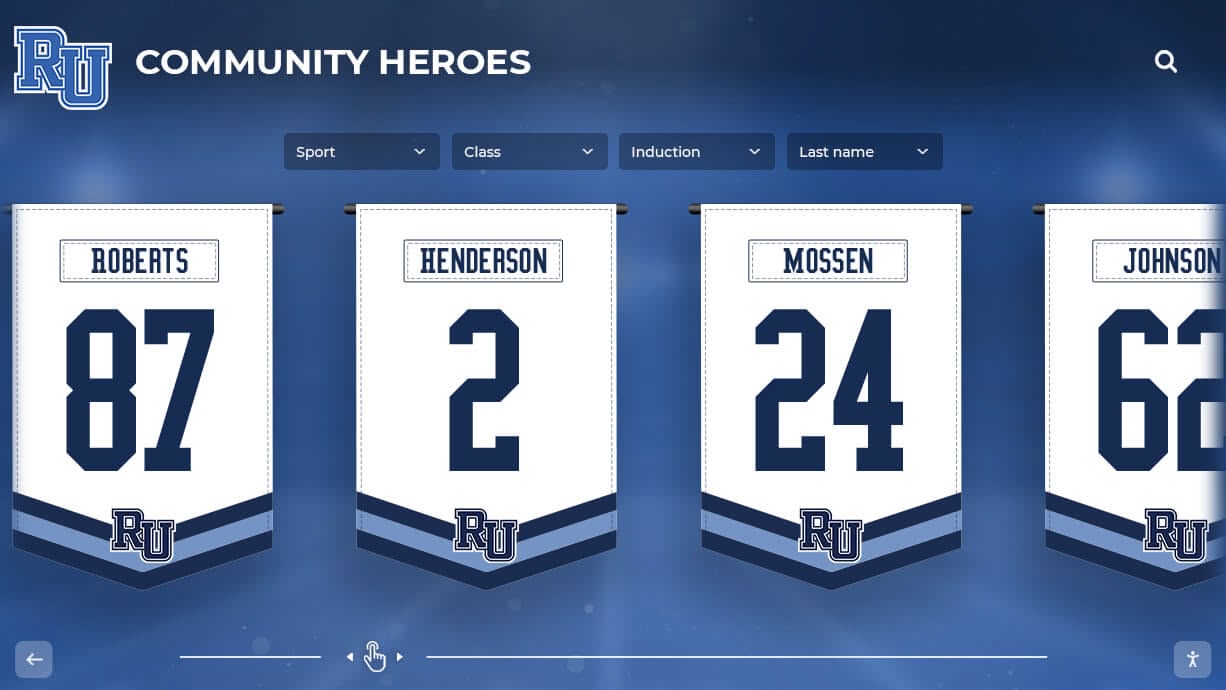




A championship banner storage guide is one of those institutional documents most athletic programs never think to create until something goes wrong — a banner pulled from a box before a renovation looks faded and creased beyond recognition, or a staff member discovers that three rolled banners in the storage room have no labels and no one alive in the department knows what they represent. Proper storage between display cycles, facility renovations, and gymnasium transitions is the step that determines whether a school’s physical championship record survives intact or deteriorates quietly in a climate-uncontrolled room.
This guide covers the complete workflow: pre-storage condition inspection, cleaning by material type, rolling and folding techniques, labeling and inventory requirements, environmental storage conditions, photography and digitization before storage, and the retrieval protocols that bring banners back to display without damage. Each section includes the specific details facilities staff, athletic directors, and advancement teams need to do this work correctly the first time.
This guide addresses general best practices for institutional property management. It does not constitute professional conservation advice. For banners with significant historical value or material complexity, consult a textile conservator before attempting cleaning or storage.

Physical championship banners carry institutional history that must be protected not only while they hang but during every period of storage between displays
Why Championship Banner Storage Deserves a Written Protocol
Championship banners are among the most durable physical records a school athletic program maintains — but “durable” does not mean indestructible, and most of the damage banners sustain happens not during display but during storage. A banner folded incorrectly and stacked under equipment develops permanent crease lines that remain visible after re-hanging. A banner stored in a humid utility room develops mildew staining within a single off-season. A banner stored without a label becomes an institutional mystery when the staff members who placed it there have moved on.
The stakes extend beyond aesthetics. A championship record that survives in deteriorated or unidentifiable form is one that cannot be honored at alumni events, used in advancement conversations, or integrated into a hall of fame nomination. Schools that treat their athletic records with the same institutional care they apply to academic and donor records — a standard reflected in approaches like the best digital tools for honoring athletics, donors, and school history — tend to have athletic histories that remain accessible and credible across leadership transitions and facility changes.
A written storage protocol costs very little to create and protects an institutional asset that cannot be replaced.
Step 1: Pre-Storage Condition Inspection
Before any banner goes into storage, document its current condition. This step protects the institution: it creates a baseline record of the banner’s state before storage, which becomes critical if the banner is damaged while in storage and ownership or liability questions arise.
Condition Rating System
| Rating | Definition |
|---|---|
| Excellent | No fading, tears, or soil; text and graphics fully legible; grommets intact |
| Good | Minor surface dust or slight fading; fully legible; grommets intact |
| Fair | Visible fading or light soiling; fully legible; one or more grommets may be worn |
| Poor | Significant fading, staining, or structural damage; legibility compromised |
| Illegible | Text or key graphics no longer readable from normal viewing distance |
Inspect each banner under good lighting. Check all four edges for fraying or separation from the reinforcement tape. Examine each grommet — loose or missing grommets should be documented, and banners with safety-relevant structural damage should be repaired before storage or flagged for replacement evaluation.
Photograph every banner in full before removing it from display. Use a consistent setup: photograph flat against a neutral wall or floor, use the same camera distance, and capture the full banner in one frame. These photographs become part of the banner’s permanent record.
Step 2: Inventory Documentation Before Storage
A banner placed in storage without a complete inventory entry is a banner that may never be reliably retrieved. Record the following for every banner entering storage:
| Field | Required Detail |
|---|---|
| Sport | Full name — “Boys Varsity Wrestling,” not “Wrestling” |
| Championship type | Conference, regional, district, sectional, state, national |
| Year | Academic year (2019–20) or calendar year, used consistently across all records |
| Classification | Division or enrollment class if applicable to the championship |
| Condition at storage | Use rating from Step 1 |
| Date placed in storage | Specific date, not just the academic year |
| Storage location | Room, cabinet, shelf, bin, or container identifier |
| Placed by | Name of staff member responsible |
| Known issues | Any documented errors, damage, or open questions |
| Photograph reference | File name or archive location of the pre-storage photograph |
Maintain this inventory in a shared institutional file — not in a single staff member’s personal notes or a spreadsheet stored only on one computer. Athletic departments that connect their physical inventory to the same systems they use for digital hall of fame recognition tools create a unified institutional record where the physical and digital championship histories remain synchronized.
Step 3: Clean the Banner Before Storage
Storing a dirty banner accelerates deterioration. Soil, dust, and organic residue attract pests and promote mold growth, particularly in storage environments where temperature and humidity are not tightly controlled. Cleaning before storage — not after — is the correct sequence.
Determine the banner material first. Most school championship banners fall into one of three categories:
Nylon or polyester fabric banners are the most common. These are machine-woven synthetic fabrics with screen-printed or dye-sublimated graphics. They are water-tolerant and relatively forgiving.
Vinyl banners (also called PVC banners) are rigid, heavier, and often used for outdoor or gymnasium floor displays. They require different handling than fabric.
Sewn-appliqué or embroidered banners are typically older banners from programs with longer histories. These have layered fabric construction and require more careful handling.
Cleaning by Material Type
Nylon and polyester fabric banners:
- Shake the banner outdoors to remove loose surface dust
- Spot-clean any visible soil with a soft cloth lightly dampened with cool water and a small amount of mild dish soap — never use bleach or solvents
- Rinse any cleaned area with clean water on a second cloth to remove soap residue
- Hang the banner flat to air-dry completely before rolling or folding — moisture sealed into a stored banner promotes mildew
- Do not machine-wash or immerse championship banners; the printing process is not designed for full submersion
Vinyl banners:
- Wipe down both surfaces with a soft cloth or sponge dampened with warm water
- For persistent grime, a mild all-purpose cleaner diluted with water is acceptable — test on a small, inconspicuous corner first
- Dry completely with a clean cloth before rolling
- Do not fold vinyl banners — vinyl develops permanent crease cracks at fold lines
Sewn-appliqué or embroidered banners:
- Brush gently with a soft-bristled brush to remove surface dust — do not apply water to older sewn appliqué work without guidance from a textile conservator
- Vacuum on a low-suction setting through a fine mesh screen held slightly above the surface, if dust accumulation is significant
- Consult a textile conservator before any wet cleaning of banners older than approximately 20–25 years or those with unknown fiber content
Step 4: Roll, Don’t Fold
For fabric and vinyl banners, rolling is always preferred over folding. Folds create stress lines that weaken fibers over time and leave permanent crease marks that remain visible after re-hanging. A rolled banner maintained in proper storage conditions returns to display in essentially the same condition it left.
How to roll a banner correctly:
- Lay the banner flat on a clean, dry surface — a gymnasium floor, a large table, or a clean tarp
- Roll from the bottom edge upward, keeping the printing surface facing outward (away from the core); this prevents the printed surface from cracking against itself
- Use an acid-free cardboard tube or PVC pipe as the rolling core — tube diameter of 3–4 inches is appropriate for most banners; larger banners benefit from a wider core
- Roll slowly and evenly, keeping tension consistent across the width to prevent one side from rolling tighter than the other
- Roll the banner loosely enough that it does not crush under its own weight — the goal is to support the shape, not compress it
- Once rolled, wrap the exterior in acid-free tissue paper or unbleached muslin cloth before placing it in its storage container
For older or fragile banners: Place a layer of acid-free tissue paper between every few layers as you roll to cushion the fabric and prevent dye transfer between layers.
When rolling is not possible: If a banner is too large or too rigid to roll safely, fold it with padding. Place a sheet of acid-free tissue paper along each fold line before creasing, fold as few times as possible, and store flat rather than stacking other items on top.
Step 5: Label Every Stored Banner
A roll of fabric in a storage room communicates nothing. Every stored banner must be labeled before it goes into storage, with the label visible from outside the container.
Minimum label information:
- Sport and championship type
- Year
- Current condition rating
- Date placed in storage
- Inventory record reference number
Use a tag that can withstand the storage environment — laminated card stock or a weather-resistant label rather than standard adhesive paper labels, which deteriorate quickly in variable humidity. Attach the label to the rolled banner itself with a loop of archival-quality twill tape, and also label the outside of the container or bag the banner is stored in.
If banners are stored in a shared space, post a printed inventory list on the door or on the inside of the storage cabinet so any staff member can identify what is stored without handling the rolls.
Step 6: Choose the Right Storage Container
The storage container is the banner’s last line of defense against the environment. Choose containers based on how long the banner will be stored and what environmental conditions the storage space offers.
Short-term storage (weeks to months, in a climate-controlled space):
- A clean canvas or muslin bag is sufficient for fabric banners
- Plastic storage bags or tubes with ventilation holes prevent moisture buildup
- Avoid sealed plastic bags in spaces with any humidity variation — trapped moisture promotes mildew faster than open storage
Long-term storage (seasons to years, in a variable-condition space):
- Clamshell boxes with acid-free lining offer the best protection for fabric banners
- PVC tubes with end caps work well for rolled banners — drill small ventilation holes if the space has humidity variation
- Avoid cardboard boxes without acid-free lining for long-term storage — cardboard is acidic and transfers compounds to fabric over time that accelerate deterioration
- Never use cedar chests or strongly aromatic wood storage for textile items — the aromatic oils that repel insects can also affect synthetic fibers and dyes over time
Step 7: Control Storage Environment Conditions
The storage environment determines more about a banner’s long-term condition than any other single factor. Ideal conditions for textile banner storage:
| Parameter | Recommended Range |
|---|---|
| Temperature | 60–70°F (15–21°C), stable |
| Relative humidity | 45–55%, stable |
| Light exposure | Minimal to none — UV causes dye fading even in storage |
| Air circulation | Gentle, consistent — prevents moisture pockets |
| Pest exposure | None — monitor for insects and rodents |
What to avoid:
- Attics: Temperature extremes and humidity swings are severe in most school attic spaces; never use attics for championship banner storage
- Basements: Flooding risk and chronic humidity variation make basements a poor choice unless actively climate-controlled
- Boiler rooms or mechanical rooms: Heat variation and particulate contamination from HVAC equipment deteriorate textiles rapidly
- Exterior storage units: Uninsulated exterior structures are subject to the same environmental extremes as attics
- Hallway storage closets near exterior walls: These experience more temperature and humidity variation than interior spaces
The ideal space is an interior climate-controlled room — an athletic office storage area, a dedicated records room, or a facilities storage space that serves other institutional document and asset storage purposes. Schools that recognize the importance of controlled-environment storage for athletic records often apply similar standards to the preservation of alumni and donor recognition materials, creating a consistent institutional standard across all recognition assets.
If no climate-controlled space is available, a portable dehumidifier placed in the storage room during humid months substantially reduces the most common form of banner deterioration.
Step 8: Photograph and Digitize Before Storage
Sending a championship banner into storage without a high-quality digital record is a preservation gap that no amount of good physical storage practice can fix. The photograph creates the institutional record that survives regardless of what happens to the physical object.
Photography checklist before storage:
- Photograph the full banner flat against a neutral surface with consistent, even lighting — avoid flash reflections on vinyl or laminated banners
- Photograph both front and back
- Photograph any known damage, staining, or errors at close range for documentation
- Photograph any text-heavy sections (roster names, coaching staff, category details) at a resolution sufficient to read individual names
- Record the camera settings or use a consistent reference object (a ruler or color card) in at least one photograph for scale
File management:
- Save photographs in a lossless format (TIFF preferred for archival purposes, high-quality JPEG acceptable)
- Name files systematically: Sport_ChampionshipType_Year_Front.jpg, Sport_ChampionshipType_Year_Back.jpg
- Store files in at least two locations — the primary institutional record system and a backup (cloud storage, external drive, or server backup)
- Link the photograph file names to the banner’s inventory record
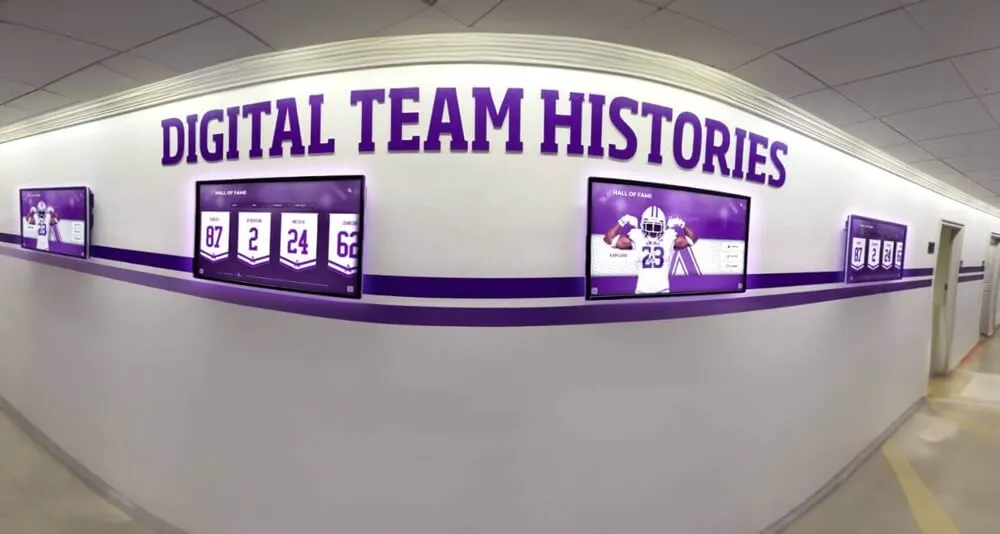
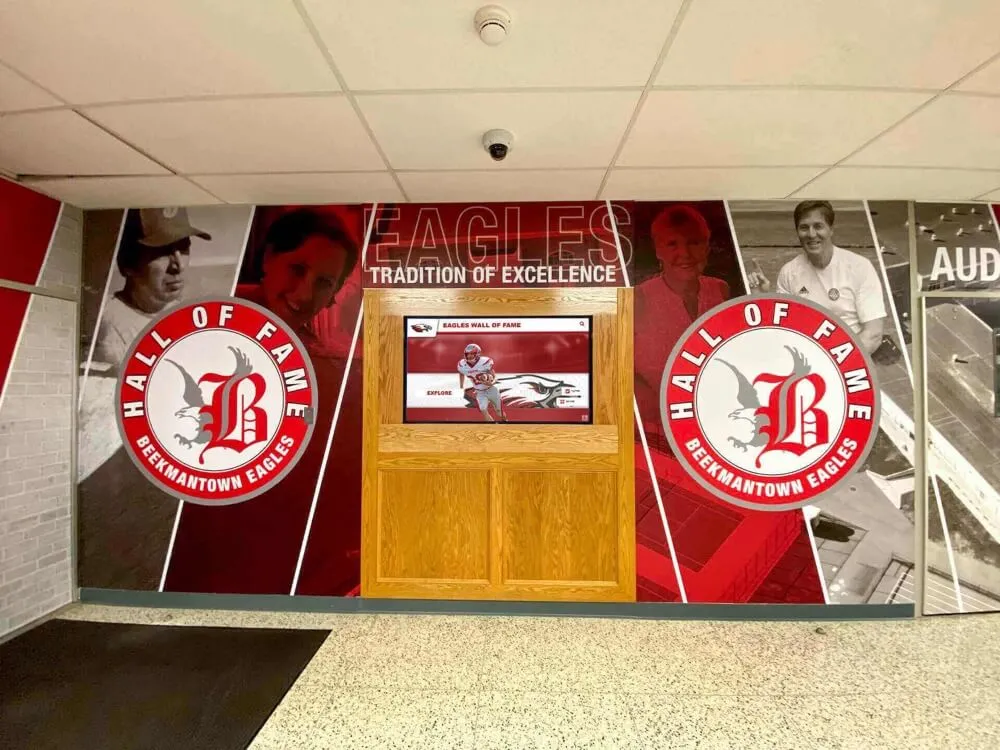
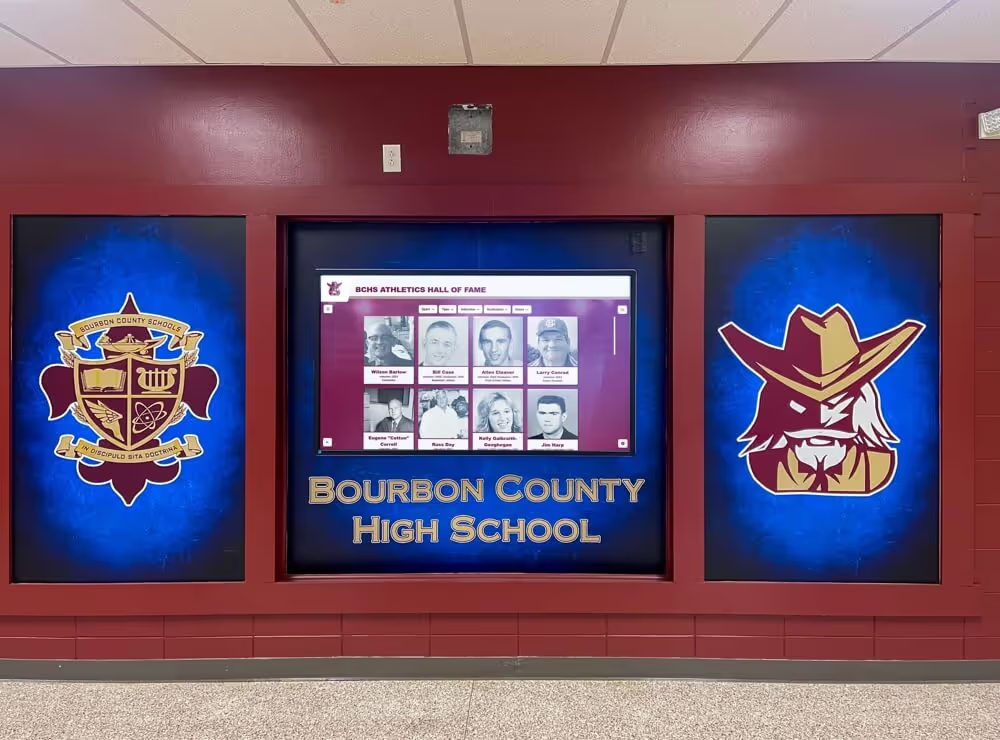
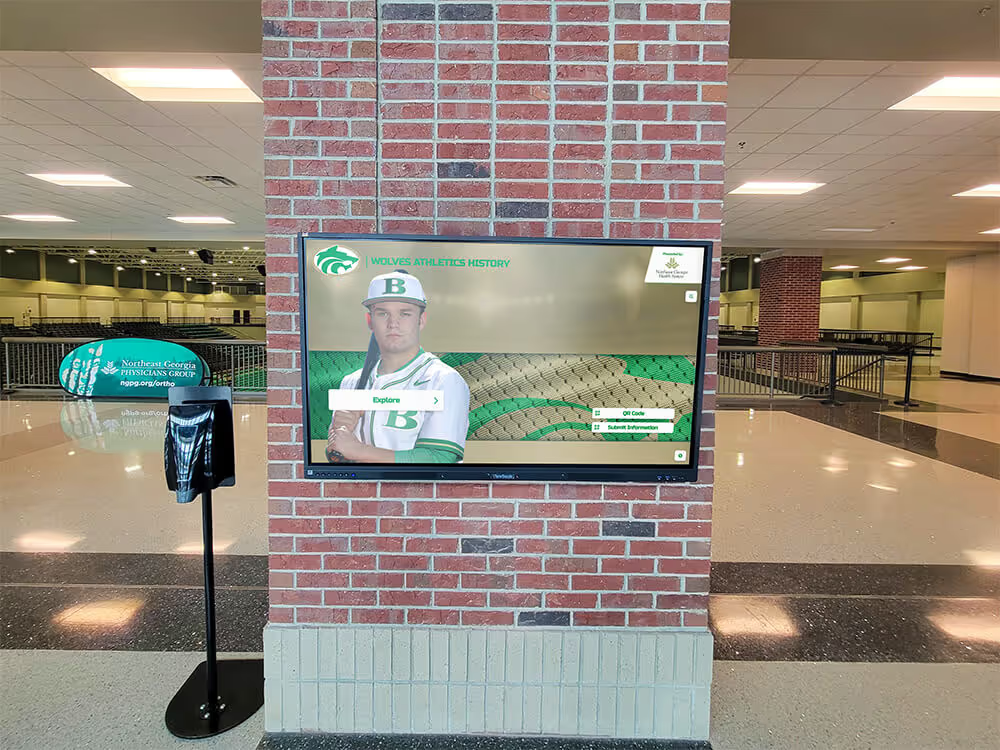
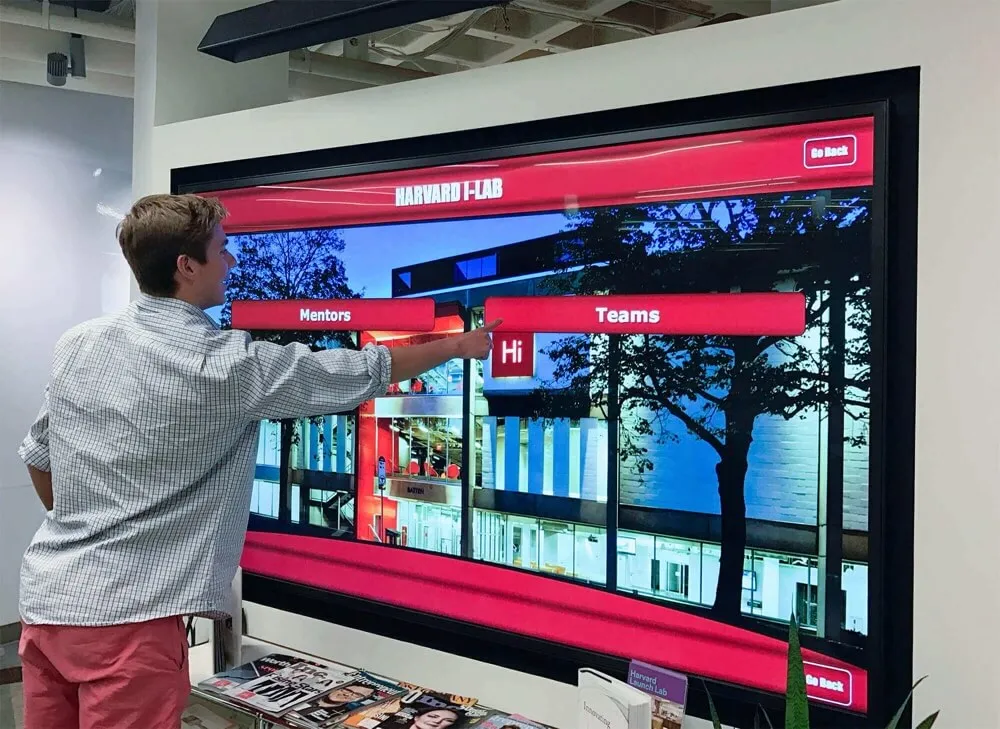
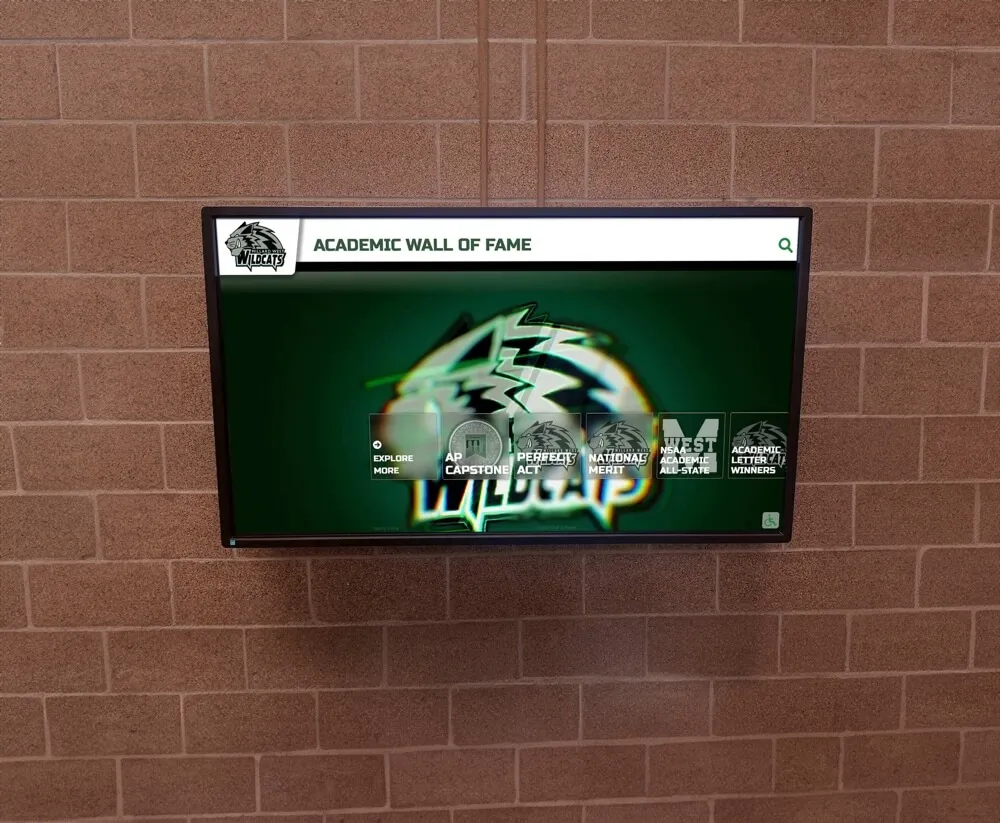
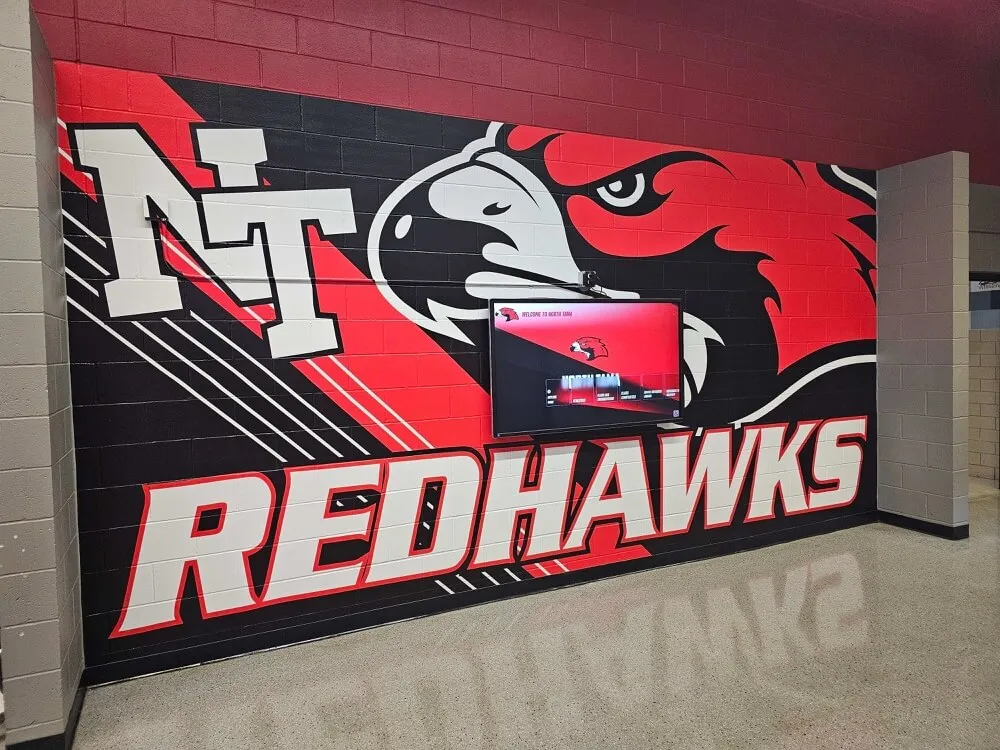
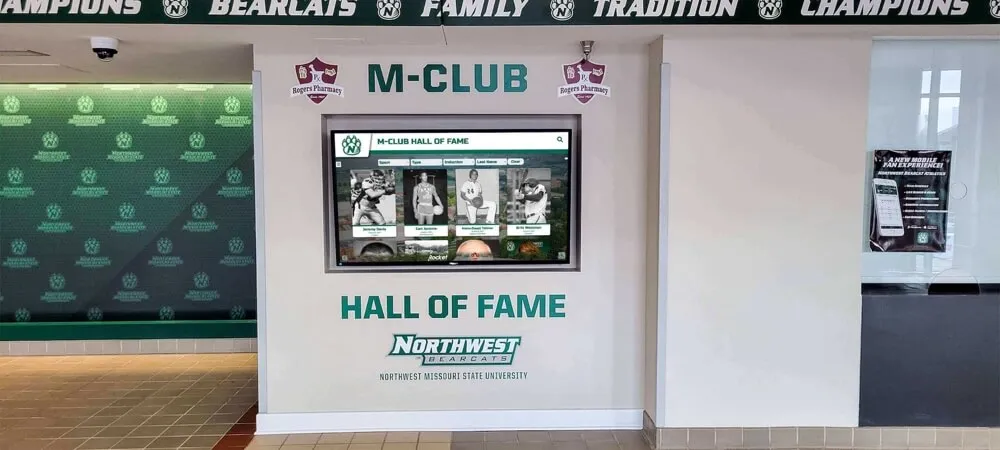
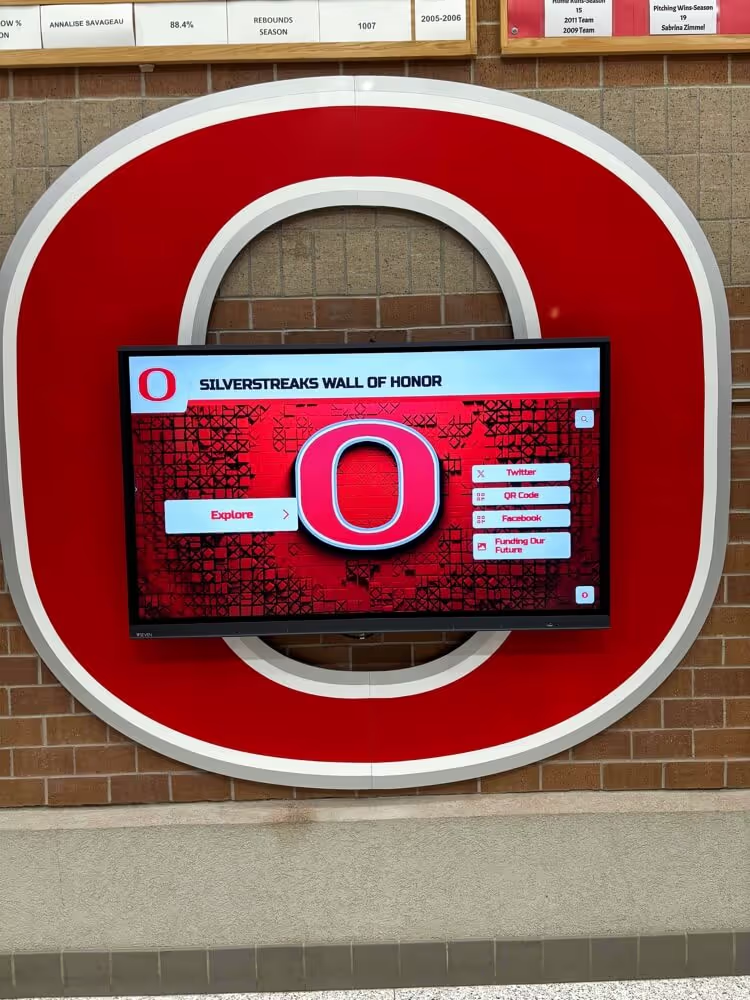
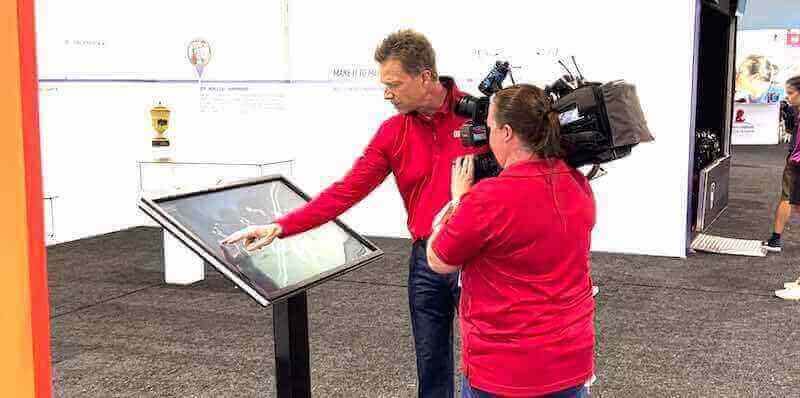
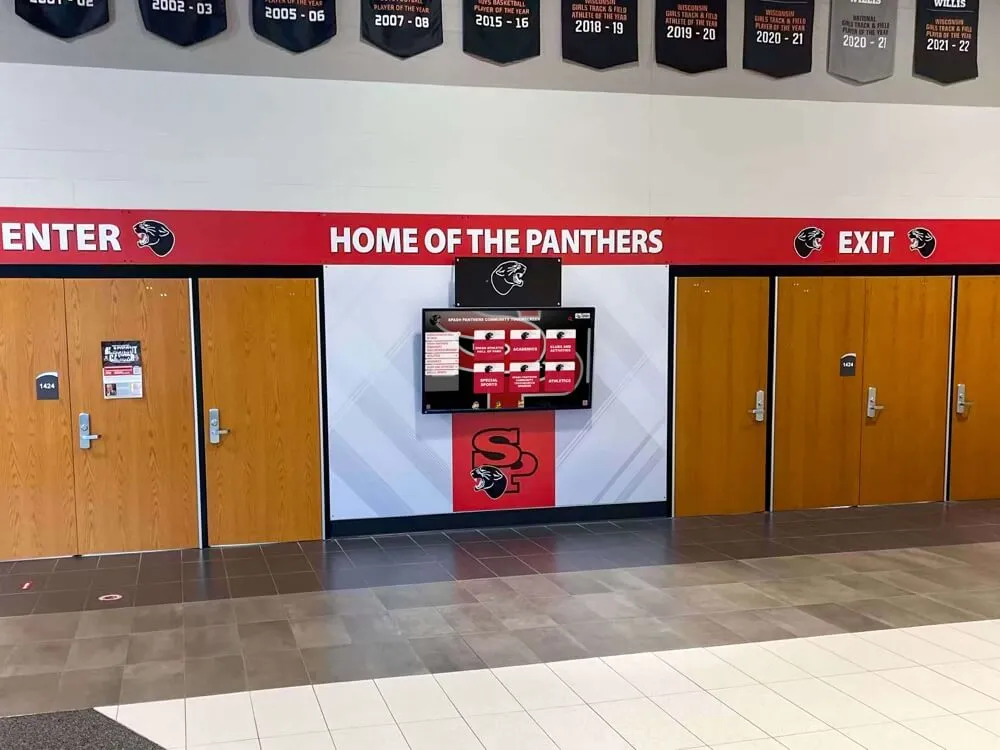
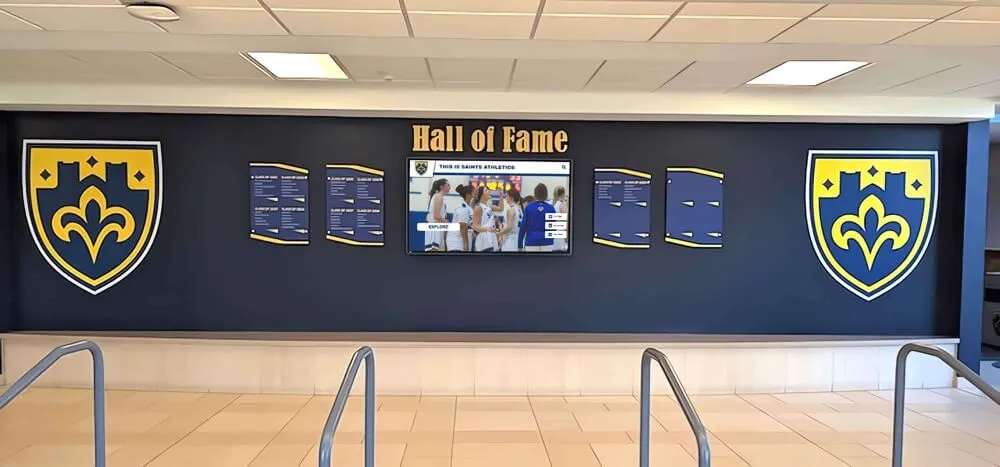
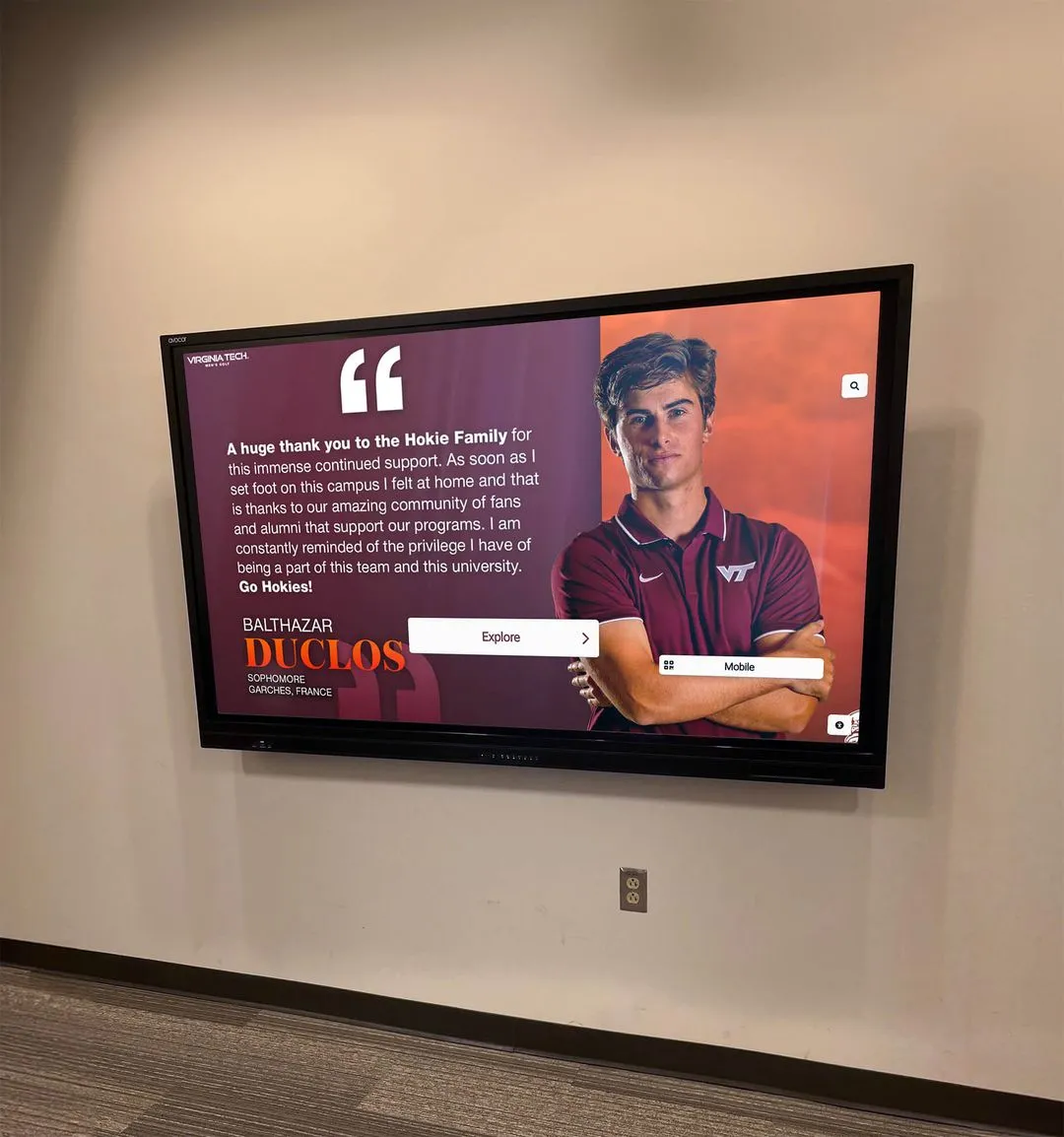
The digitized record serves purposes well beyond insurance documentation. When advancement staff are preparing donor materials that reference championship seasons, when reunion committees are building event presentations, or when hall of fame committees are evaluating nominee records, a high-quality photograph of the original banner is often exactly the asset they need — one that a properly labeled digital archive makes immediately retrievable. Schools exploring how to make championship and alumni records more broadly accessible often review approaches like the museum-quality touchscreen history displays that make digitized records visible to any visitor without physical handling of the originals.
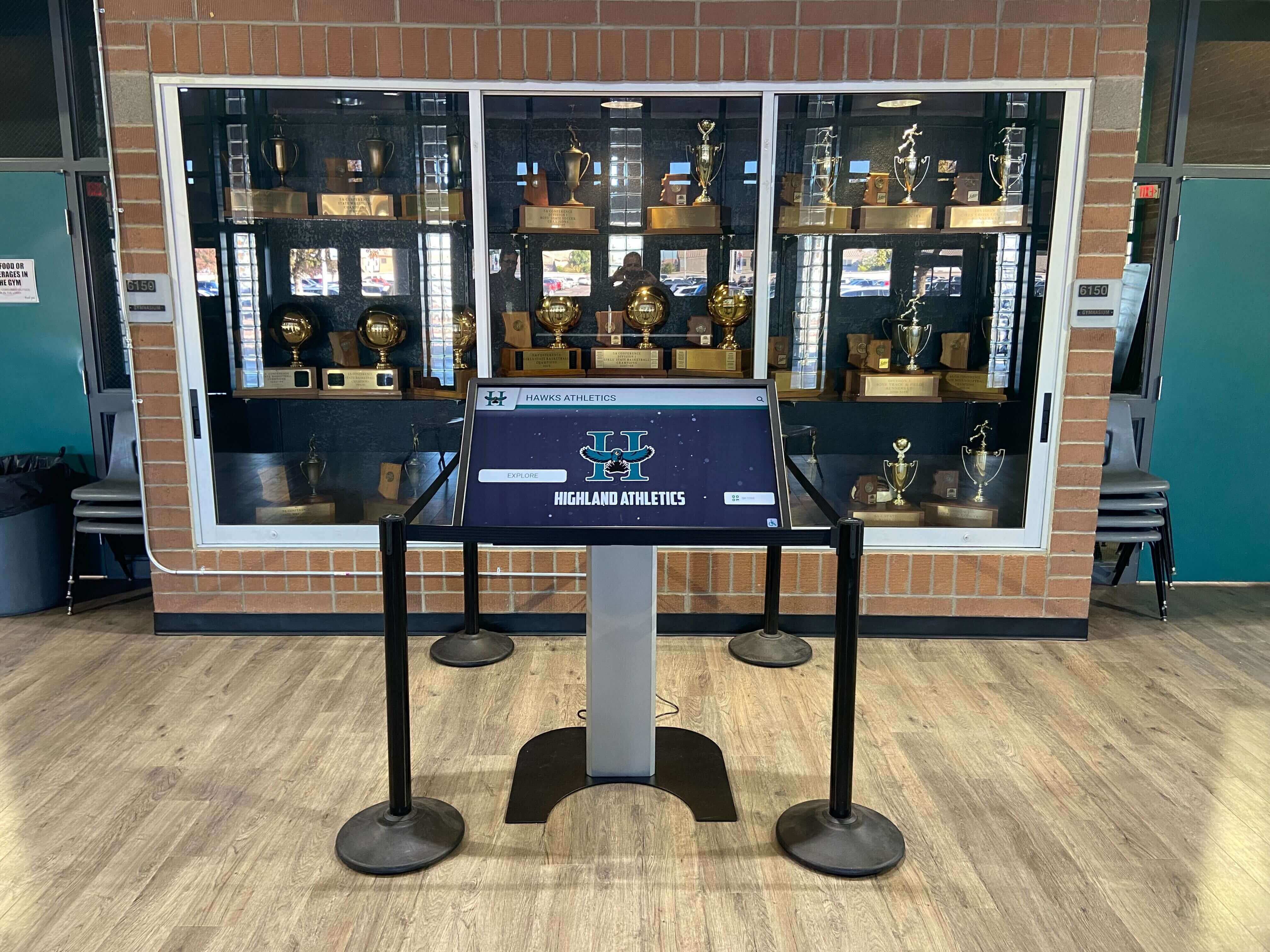
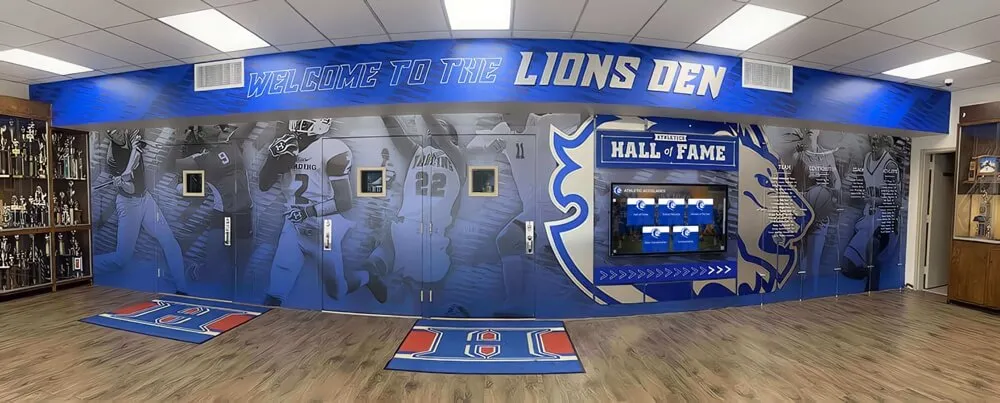
A digitized championship record integrated into an interactive display remains accessible during any period of physical banner storage, renovation, or transition
Step 9: Annual Storage Inspection
Storing a banner correctly is not a one-time action — it requires periodic inspection to verify that storage conditions have not caused deterioration and that the inventory remains accurate.
Annual inspection checklist:
- Verify that the storage environment temperature and humidity are within the recommended range — use a simple thermometer/hygrometer if no automated monitoring is in place
- Inspect each stored banner visually without unrolling (check for visible moisture, pest activity, or container damage)
- Unroll and inspect any banner that has been in storage for three or more years, or any banner where the container shows signs of moisture or damage
- Update inventory records with current condition ratings
- Verify that all photograph files are accessible in the institutional archive system
An annual inspection catches problems — a dehumidifier that failed, a container that was compromised by a roof leak, a pest infestation in the corner of a storage space — at a stage when intervention can still protect the banner. The same principle applies to any institutional record system: regular verification is what distinguishes a maintained archive from a collection of items that haven’t been checked since they were stored.
Step 10: Retrieval and Re-Display Protocol
The return trip from storage to display is where additional damage often occurs — rushing the process, attempting to hang a banner before it has unrolled to its natural shape, or discovering a label error at the last minute before a ceremony.
Retrieval checklist:
- Pull the inventory record before retrieving the banner to confirm the correct item
- Remove the banner from storage at least 24–48 hours before re-hanging — allow it to unroll naturally at room temperature before hanging
- Inspect the banner upon retrieval and compare its condition to the condition recorded at storage
- Document any new damage or deterioration discovered at retrieval
- Update the inventory record: remove the banner from stored status and note the date and location of re-display
If a banner will be re-hung permanently after a period of storage, this is also the right moment to re-photograph it in its returned-to-display state, confirm that the inventory record is current, and verify that the digital archive photograph remains accessible and linked to the correct record.
Pre-Storage Checklist Summary
Pre-Storage Preparation
- Conduct condition inspection and assign rating (Excellent / Good / Fair / Poor / Illegible)
- Photograph the full banner front and back at high resolution
- Photograph any damage, errors, or notable details at close range
- Complete the inventory record (sport, championship type, year, condition, location, staff member)
- Clean the banner using the appropriate method for its material type
- Allow the banner to dry completely before rolling or folding
Storage
- Roll the banner print-side out on an appropriately sized acid-free core
- Wrap the exterior in acid-free tissue paper or muslin before placing in the container
- Select a storage container appropriate for the expected storage duration and environment
- Label the banner roll with minimum identifying information and attach securely
- Label the storage container on the exterior
- Place the banner in the designated climate-appropriate storage location
- Add or update the inventory entry with the storage location and date
Digital Record
- Save photograph files using the institutional naming convention
- File photographs in the primary digital archive and confirm backup
- Link photograph file names to the banner’s inventory record
- Confirm that the championship record appears in the school’s digital archive system
Connecting Stored Banners to a Living Digital Record
A championship banner in storage is physically invisible to the students, parents, alumni, and visitors who walk through a school’s athletic spaces every day. The physical object is protected, but the institutional record it represents is inaccessible — unless the school maintains a digital archive that keeps every championship visible regardless of whether the banner is currently hanging.
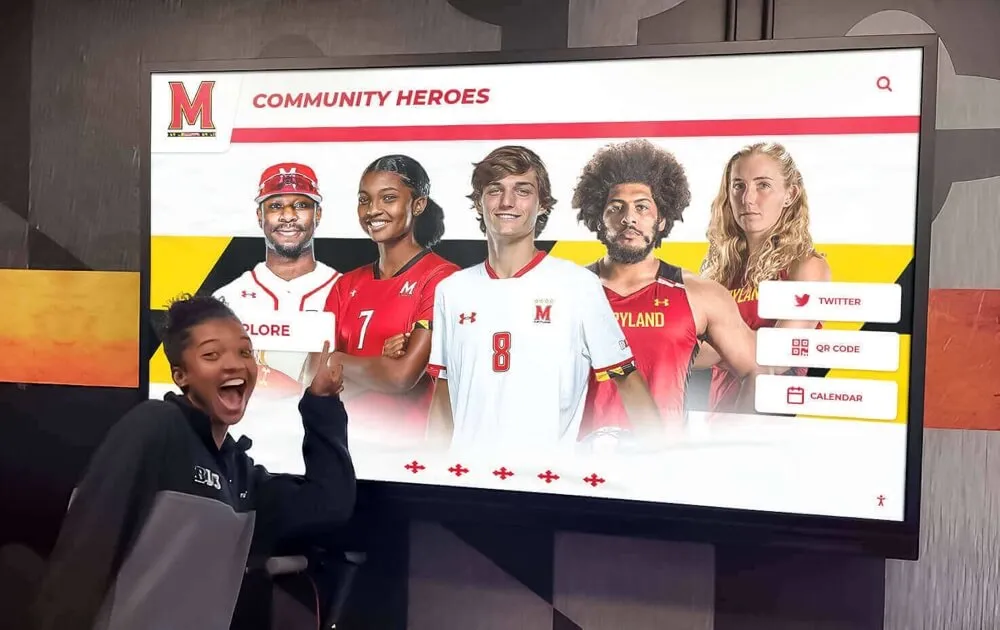
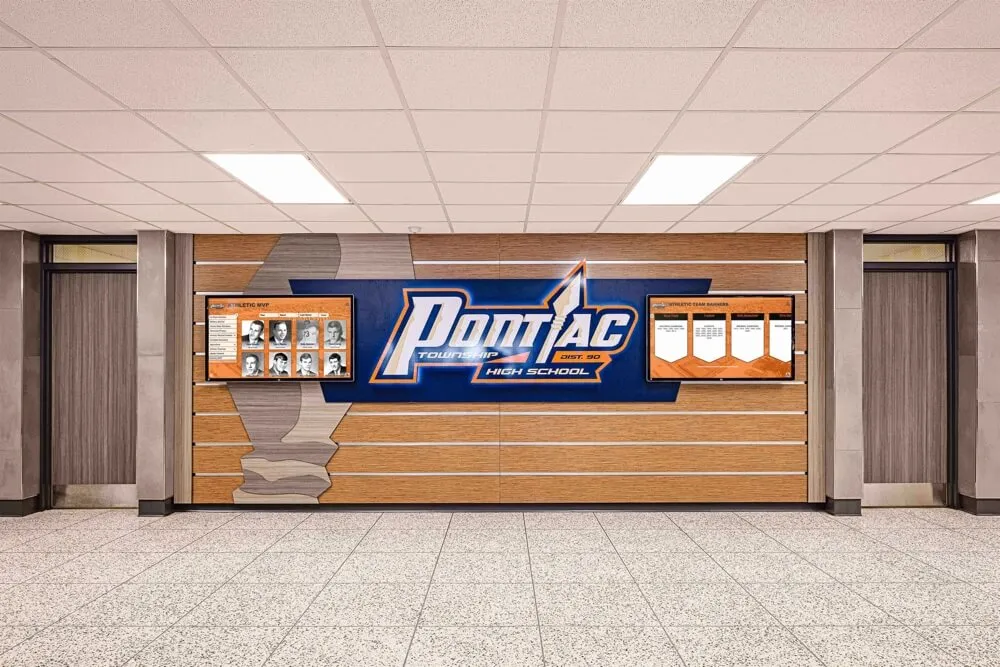
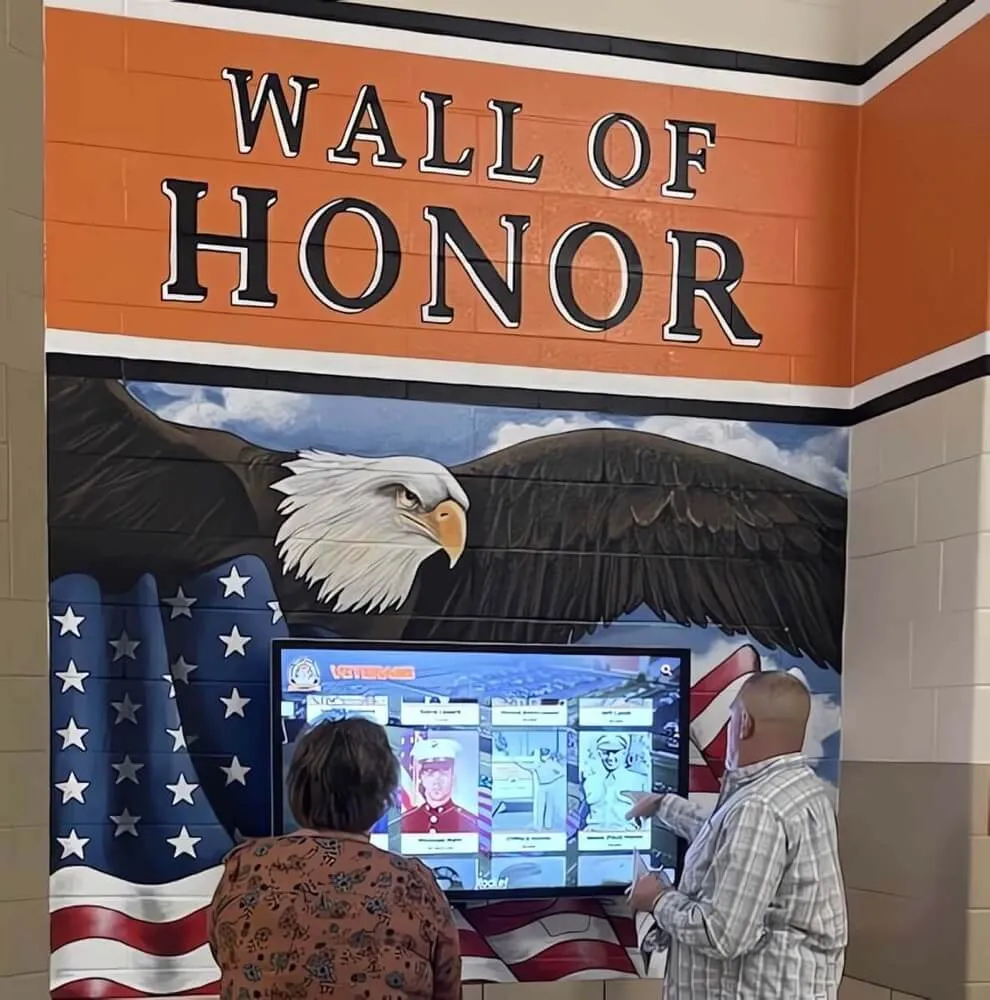
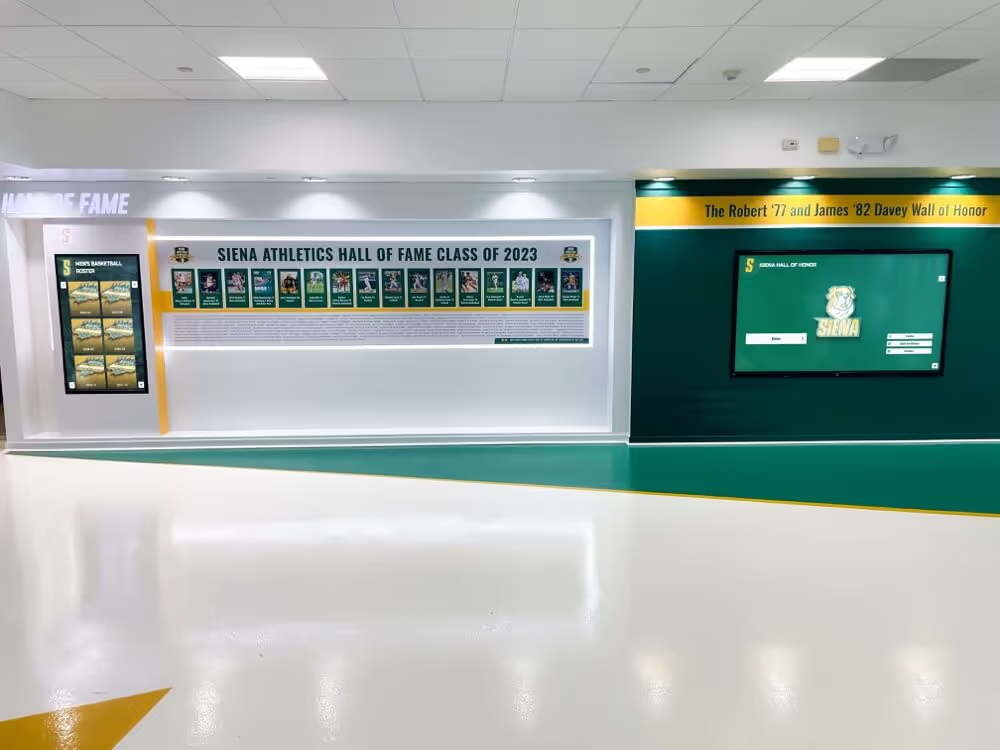
Schools that pair rigorous storage protocols with interactive digital recognition systems ensure that no championship disappears from institutional memory during renovations, space reconfigurations, or storage transitions. The complete championship history — including banners that are stored, retired, or from programs that have since changed — remains accessible to anyone who uses the digital display.
Understanding which recognition platforms best support this kind of comprehensive, searchable athletic history is part of planning effective long-term stewardship. Resources covering high school state championship display options and the tools that support school athletic and hall of fame recognition programs give athletic directors and advancement teams a reference point for evaluating how their physical storage practices can connect to a broader digital recognition strategy.
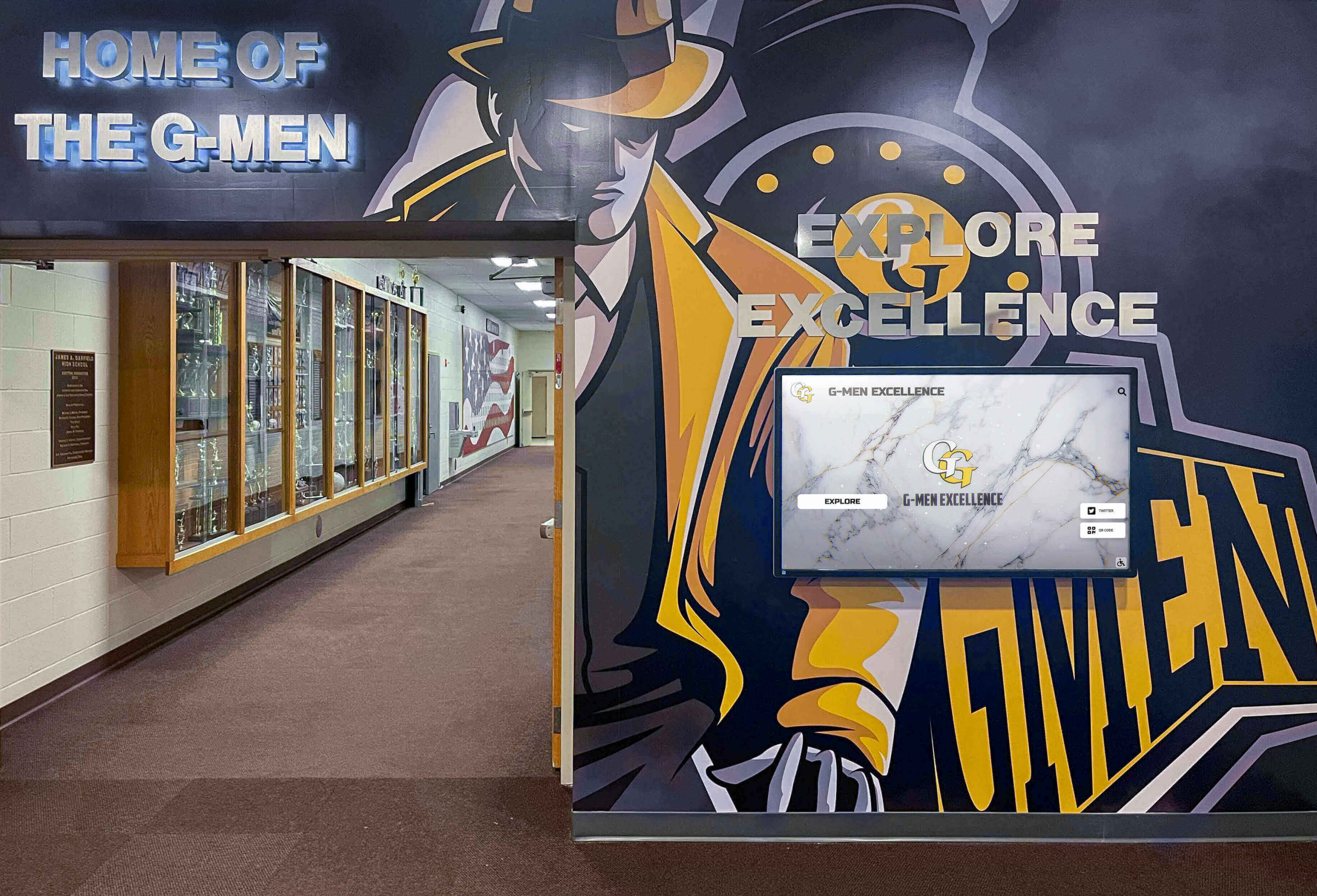
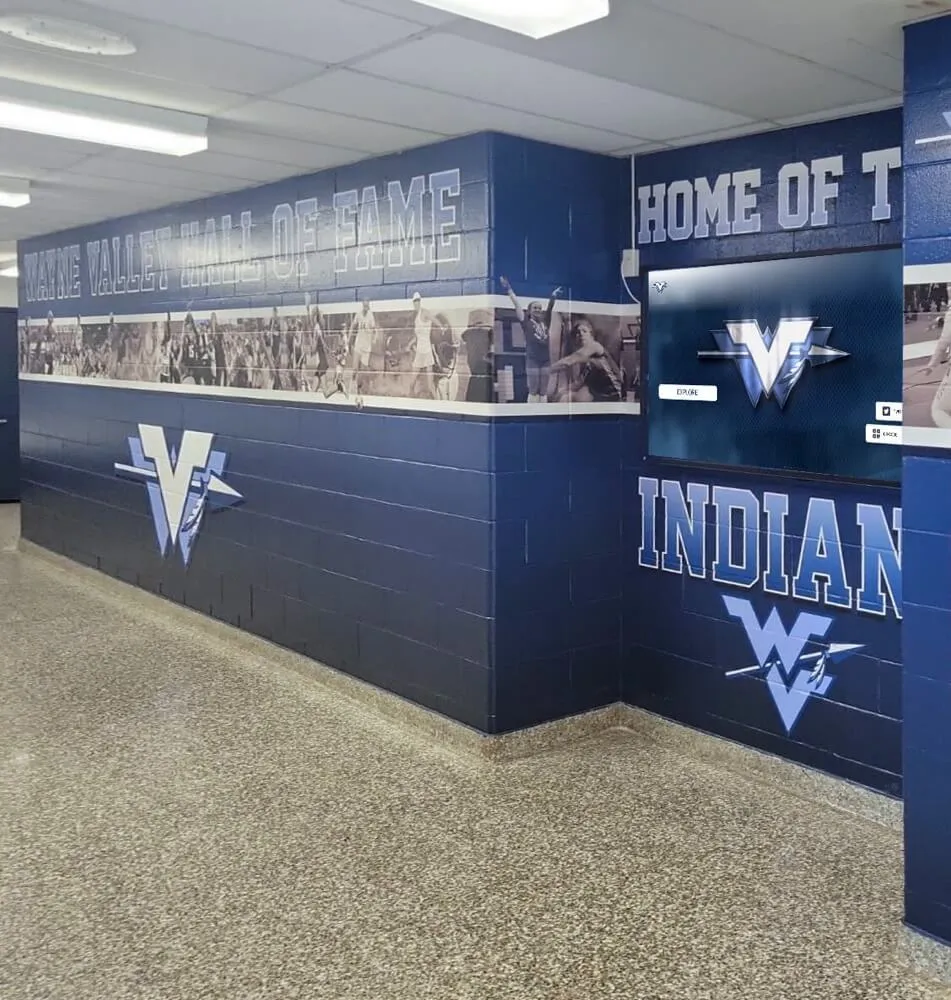
Integrated physical and digital recognition ensures the full championship record is visible and searchable even during facility transitions or storage periods
Frequently Asked Questions
Should championship banners be rolled or folded for storage? Roll fabric banners whenever possible. Rolling distributes stress evenly across the material and prevents the permanent crease lines that folding produces. Use an acid-free cardboard tube or PVC pipe as the core and roll print-side out. Fold only when a banner is too large or too stiff to roll safely, and use acid-free padding at every fold line.
What temperature and humidity should be maintained for stored championship banners? Target 60–70°F (15–21°C) and 45–55% relative humidity. Stability matters as much as the specific value — a storage room that holds 65°F and 50% relative humidity consistently is better for banners than one that fluctuates between 55°F and 80°F across seasons. Avoid attics, basements, and exterior storage structures, which are difficult to hold within stable ranges.
How long can a nylon or polyester championship banner be stored safely? Nylon and polyester banners stored at appropriate temperature and humidity, rolled correctly in acid-free materials, can remain in good condition for many decades. The most common causes of deterioration in stored synthetic banners are moisture exposure (causing mildew and dye migration) and UV light exposure (causing fading), both of which proper storage prevents.
Do championship banners need to be cleaned before storage? Yes. Storing a dirty banner allows soil and organic material to degrade the fabric or vinyl over time and creates conditions that attract pests. Clean fabric banners with a slightly damp cloth and mild soap, rinse, and air-dry completely before rolling. Do not machine-wash or immerse championship banners.
What should be done with a stored banner that has no label and cannot be identified? Do not discard it. Photograph the banner thoroughly and attempt identification through primary sources: school yearbooks, athletic department permanent records, state association databases, and long-tenured staff or alumni who may recognize the banner. If the banner cannot be identified through any source, store it with a notation of its unknown status and the date it was found, and continue to maintain it until identification is possible.
How often should stored championship banners be inspected? At minimum, annually. For banners stored in spaces with variable environmental conditions — any space without active climate control — inspect every six months. Any banner that has been in storage for three or more years should be fully unrolled and inspected at the next annual review.
When should a championship banner be evaluated for professional textile conservation rather than standard storage? Consider professional consultation when: the banner is more than 30–40 years old, the fiber content is unknown or it includes hand-stitched or painted elements, cleaning is needed but the material is fragile or unclear, or the banner has significant institutional or historical value that warrants museum-grade preservation rather than general storage protocols.
Should digital photographs of stored banners be kept even after the physical banner is re-hung? Yes. The photograph is part of the permanent record, not a temporary stand-in. It documents the banner’s condition at a specific point in time, provides a reference for reordering if the banner is ever lost or damaged, and becomes part of the digital archive that preserves the championship record beyond the life of any physical object.
Keep Every Championship in the Record — Permanently
Rocket Alumni Solutions builds interactive touchscreen systems that preserve your school’s complete championship archive — including every banner currently in storage, retired from display, or from seasons before current staff arrived. Every title, every roster, every season: searchable and accessible to anyone who walks through your doors.