



Catholic parishes face an unprecedented shift in how parishioners prefer to give. According to recent studies, less than 30% of younger Catholics regularly carry cash or checks to Mass, yet these same individuals donate generously to causes through digital platforms they use daily. This generational shift creates a critical challenge: parishes risk losing substantial contributions not because parishioners lack generosity, but because traditional collection baskets and envelope systems don’t align with how modern families manage finances and make payments.
Walk through most Catholic churches today and you’ll encounter familiar limitations in donation methods: collection baskets passed during Mass that many attendees can’t contribute to because they don’t carry cash, envelope systems requiring advance planning that younger families find inconvenient, limited giving opportunities outside Sunday Mass when visitors or occasional attendees want to support the parish, and no convenient options for spontaneous giving during special appeals, mission campaigns, or after particularly moving homilies that inspire immediate generosity.
This comprehensive guide explores how Catholic Church digital donation touchscreen kiosks solve these persistent challenges through modern giving technology that honors traditional stewardship values while meeting contemporary parishioner preferences. These touchscreen solutions enable convenient cashless giving, increase overall contributions, accommodate diverse payment methods, and create opportunities for both recurring support and spontaneous generosity—all while maintaining the dignity and reverence appropriate for sacred spaces.
Modern digital donation technology doesn’t replace the spiritual dimensions of sacrificial giving—it removes barriers preventing willing parishioners from contributing conveniently in ways that align with how they manage finances in 2025. Catholic parishes implementing thoughtful giving kiosk solutions report contribution increases of 20-40% while serving younger families, visitors, and all parishioners who appreciate convenient digital giving options alongside traditional methods.

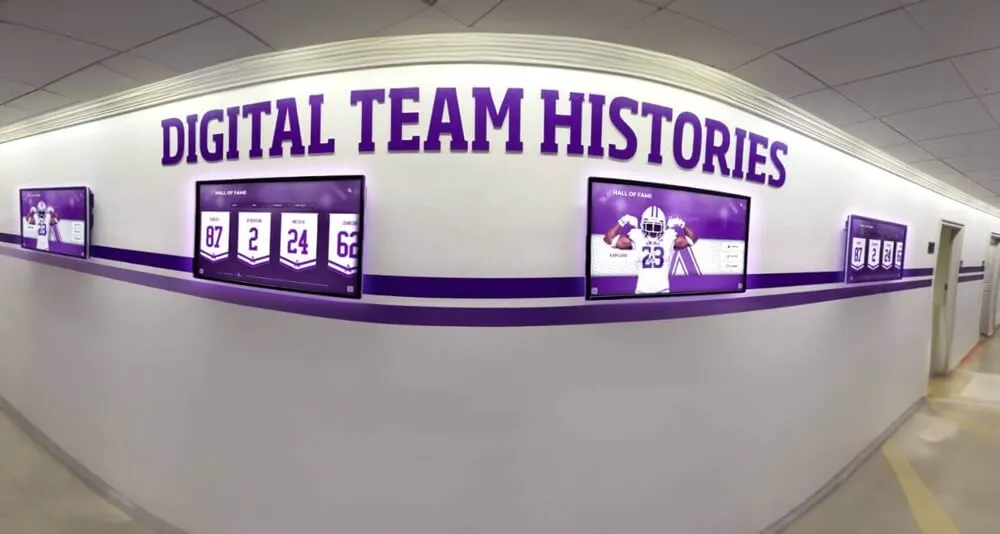
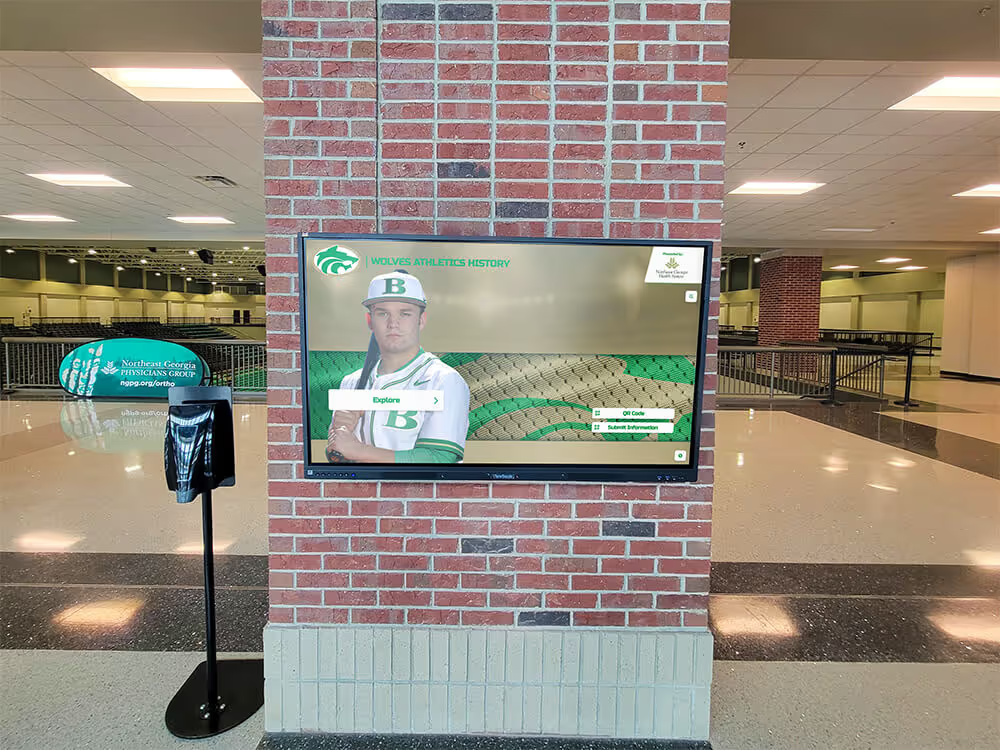
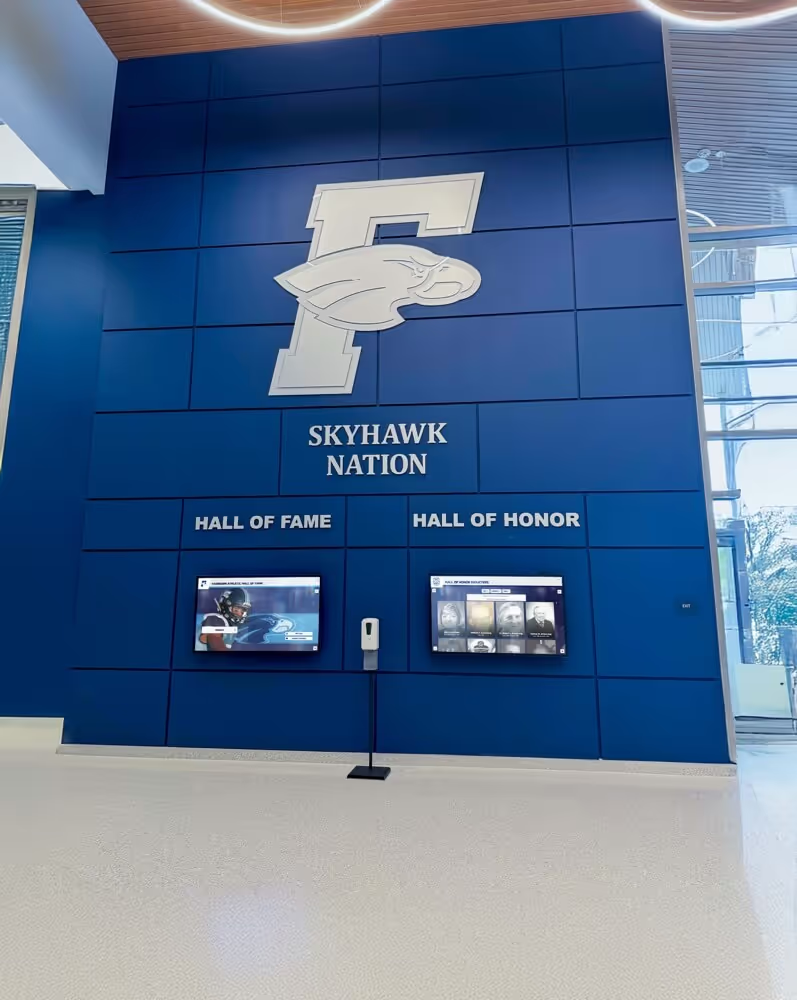
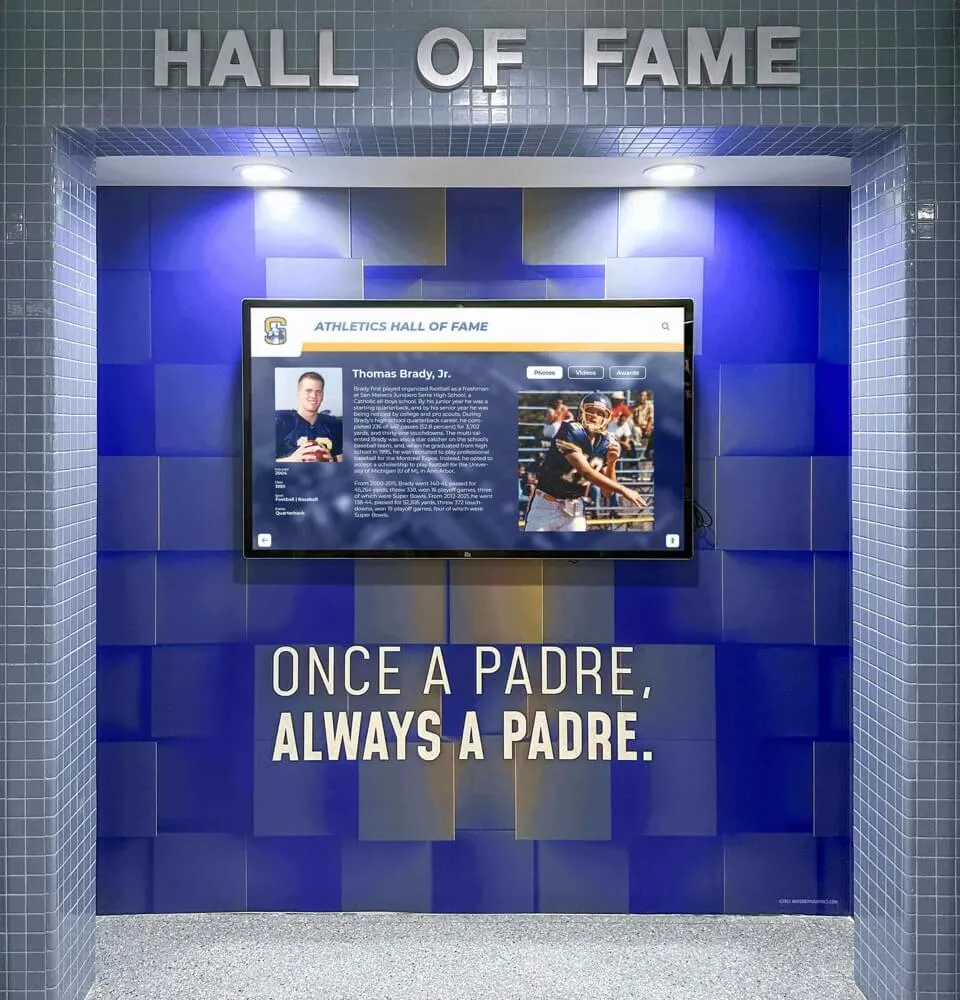
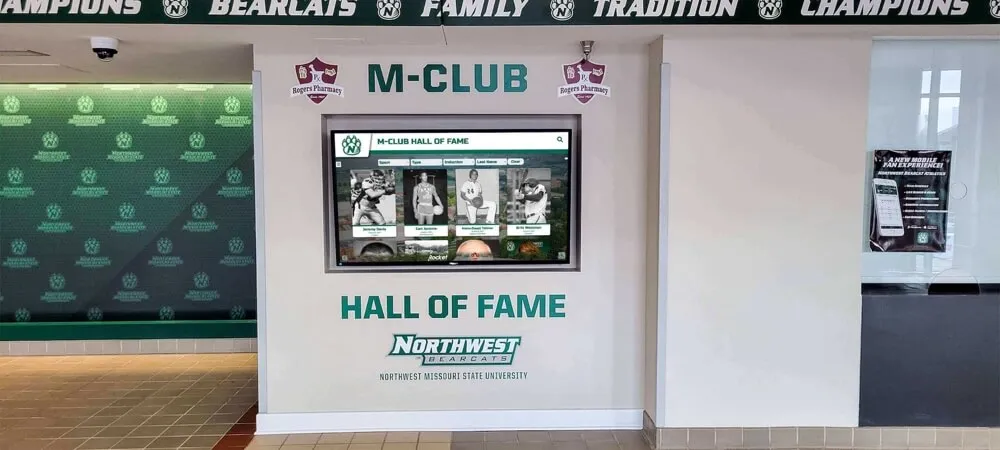
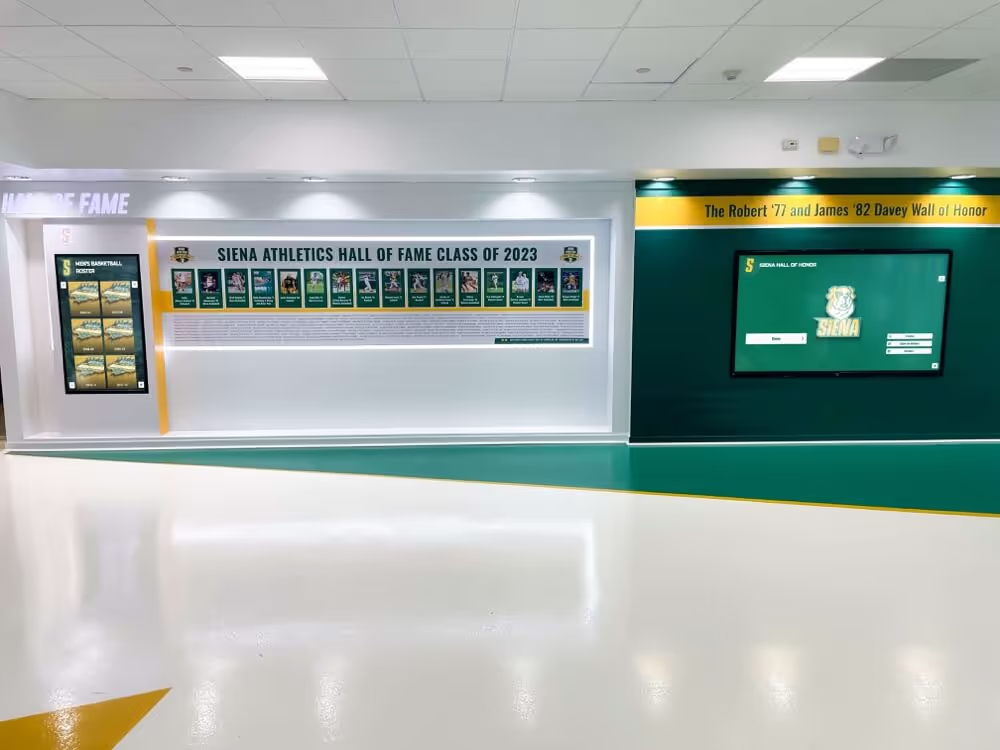
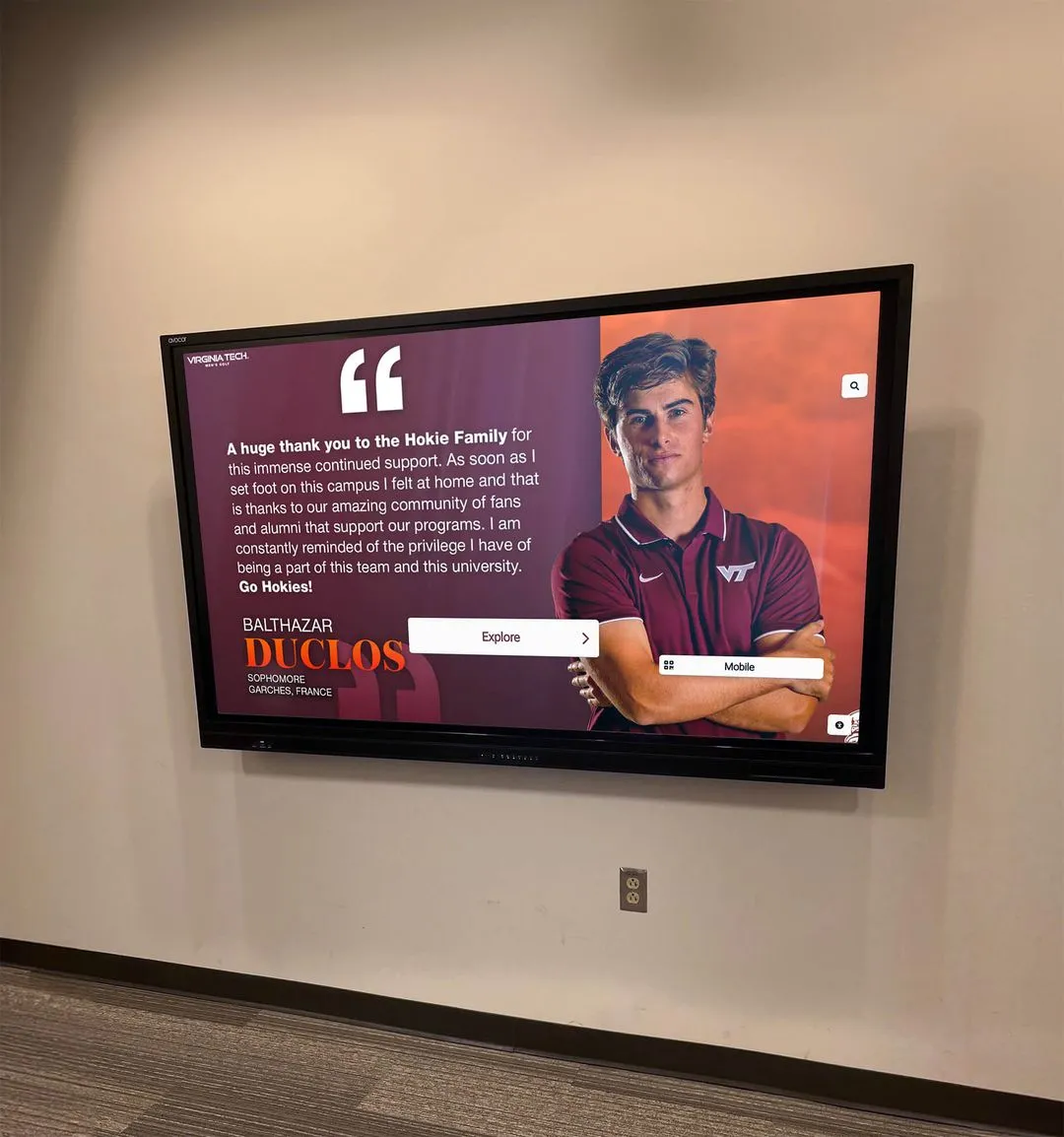
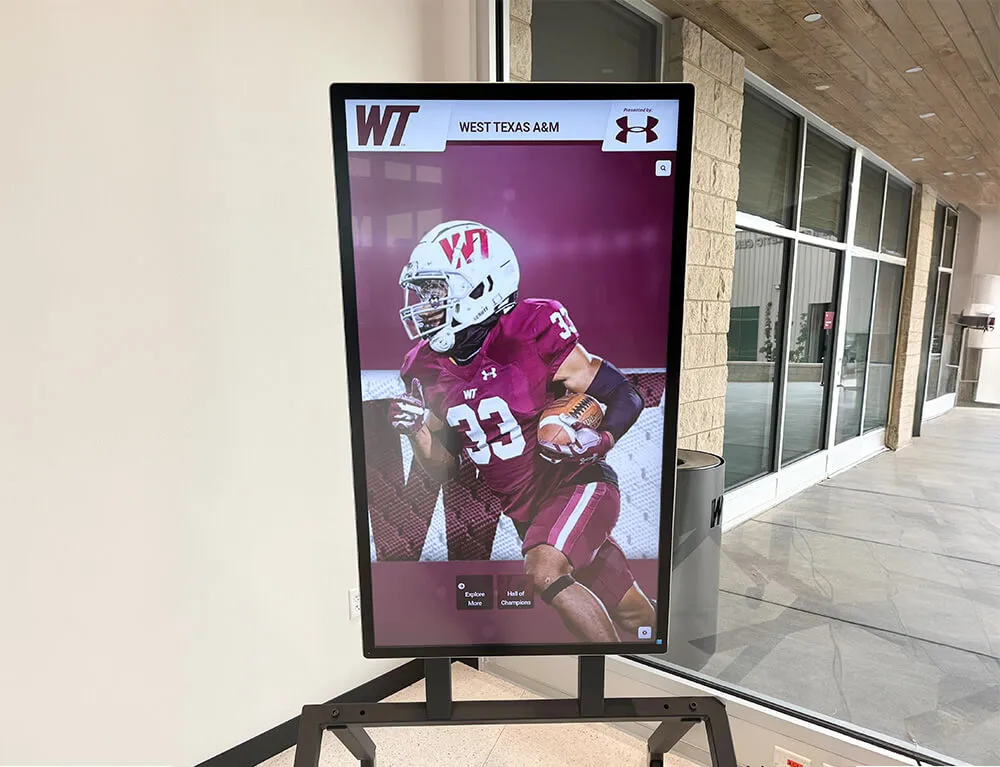
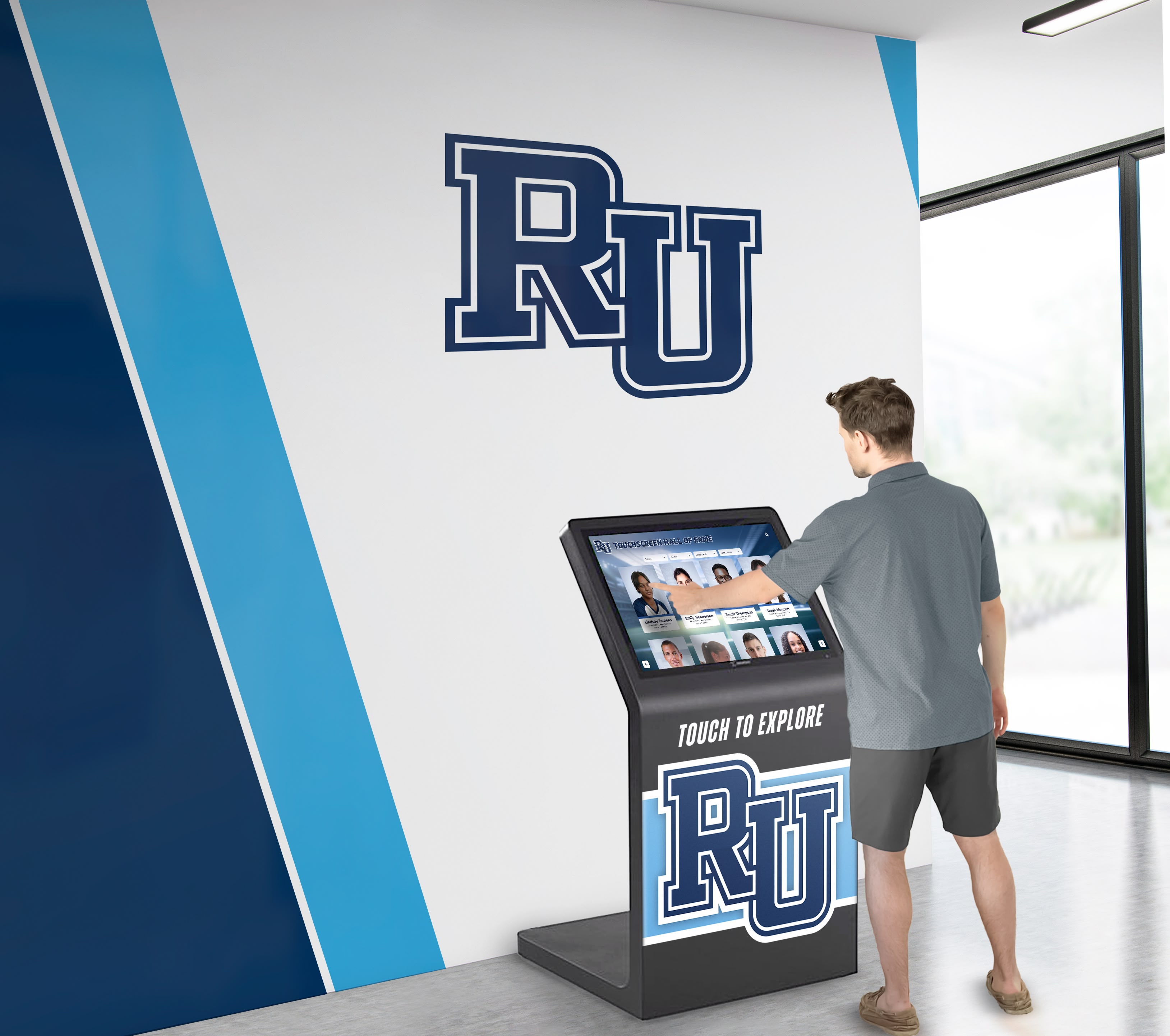
Modern touchscreen giving kiosks provide convenient donation options in church lobbies and gathering spaces
Understanding Catholic Church Digital Donation Touchscreens
Before implementing specific giving kiosk solutions, understanding what digital donation technology encompasses and how it serves Catholic parish needs provides essential foundation for approaches that honor both practical stewardship requirements and spiritual values around sacrificial giving.
What Are Church Giving Kiosks?
Catholic Church digital donation touchscreen kiosks are physical stations featuring intuitive touchscreen interfaces paired with secure card readers that enable parishioners to make contributions using credit cards, debit cards, contactless payments, mobile wallets like Apple Pay and Google Pay, and sometimes even traditional cash or check processing.
Core Kiosk Components
Effective church giving kiosks integrate several key elements working together seamlessly:
- Commercial touchscreen display: Professional-grade screens (typically 15-32 inches) designed for public use and extended operation
- Secure payment processing: PCI-compliant card readers accepting multiple payment types including tap, swipe, and chip cards
- Intuitive giving software: User-friendly interfaces requiring no technical knowledge or staff assistance
- Multiple fund designation: Options allowing donors to direct contributions toward specific parish needs (general fund, missions, building maintenance, school support)
- Recurring giving setup: Capability for parishioners to establish automatic monthly or weekly contributions
- Receipt generation: Immediate email or text receipts providing tax documentation and transaction confirmation
- Cloud management system: Remote platform enabling parish staff to monitor donations, update fund options, and manage settings
These integrated components create complete giving solutions that feel as familiar and secure as ATM transactions or retail self-checkout systems parishioners use regularly in daily life.
How Digital Giving Serves Catholic Stewardship Values
Some Catholic leaders initially express concerns that modern giving technology might diminish the spiritual significance of sacrificial contributions or reduce visible participation in collection liturgy. However, thoughtfully implemented digital giving actually strengthens traditional stewardship values:
Preserving Sacrificial Giving
Digital donations don’t reduce sacrifice—they simply modernize payment methods while maintaining genuine generosity. Parishioners who contribute $50 digitally make the same financial sacrifice as those giving $50 cash, with identical impact on family budgets and parish ministries the funds support.
Supporting Liturgical Participation
Parishes implementing giving kiosks consistently maintain traditional collection during Mass, positioning digital options as complementary rather than replacement methods. Kiosks located in narthex areas or fellowship halls enable contributions before or after services without disrupting liturgical flow, while supporting parishioners who prefer digital giving can still participate in collection by placing commitment cards in baskets—maintaining visible participation and communal aspects of offertory procession.
Enabling Consistent Discipleship
Recurring giving features support consistent stewardship discipline. According to research on charitable giving patterns, donors who establish recurring contributions give 42% more annually than those making equivalent one-time gifts, while maintaining support more consistently across months when circumstances might otherwise interrupt giving patterns. For Catholic parishes emphasizing stewardship as spiritual practice rather than merely fundraising tactic, this consistency deepens discipleship formation around faithful generosity regardless of momentary feelings or circumstances.
Learn about comprehensive church technology approaches in church interactive donor boards that honor parish generosity.

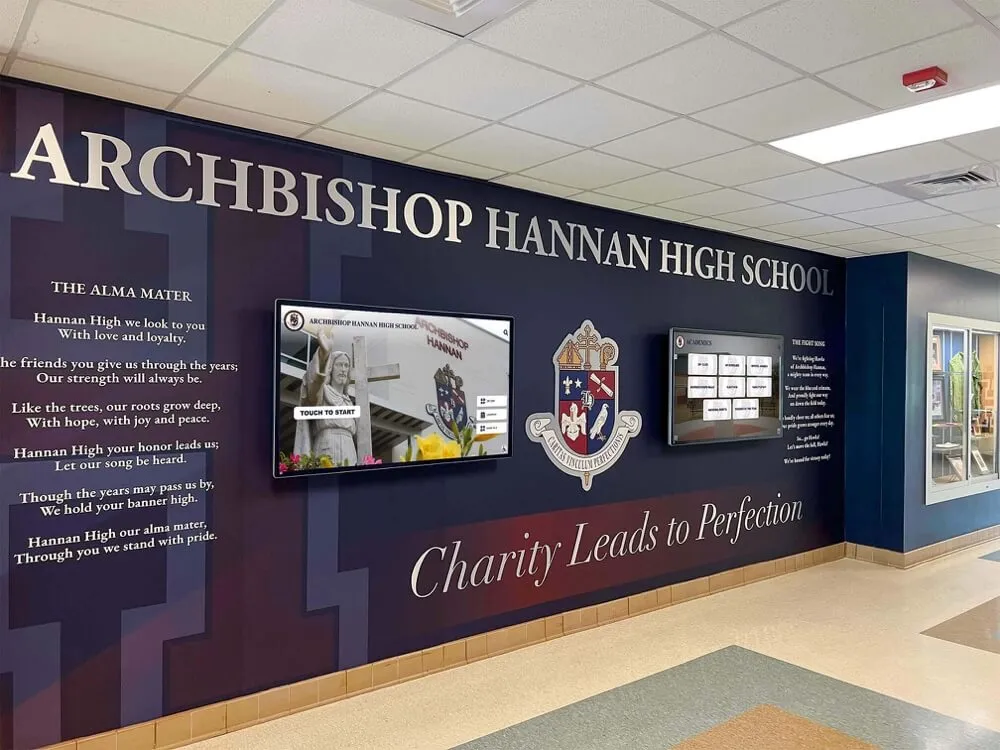
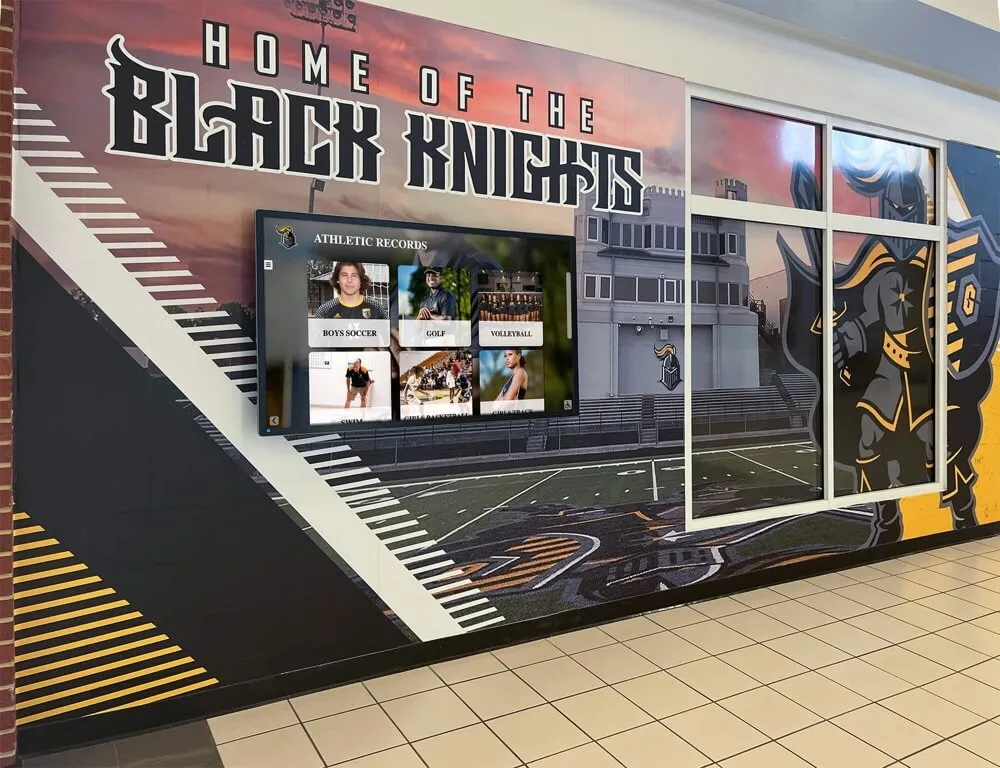
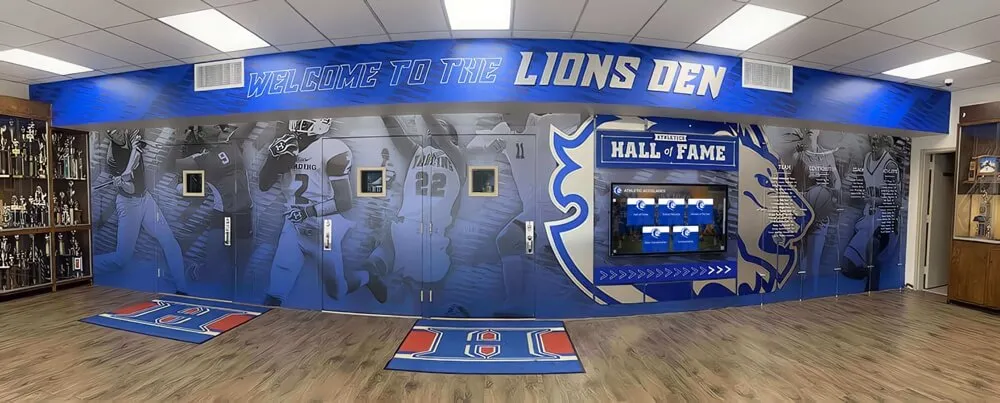
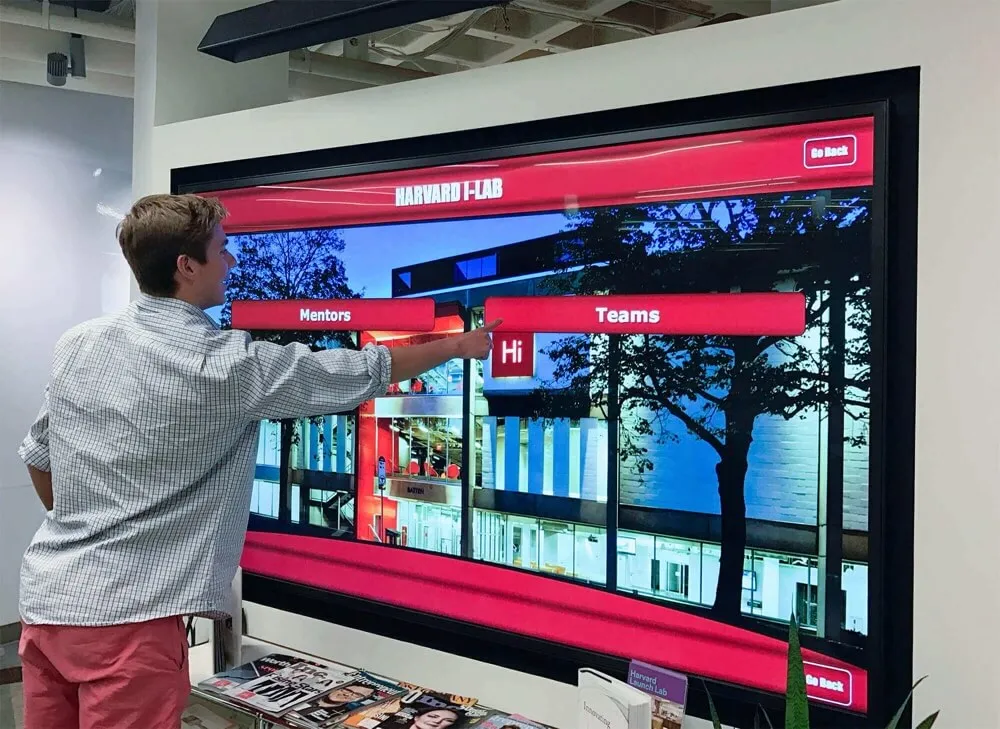
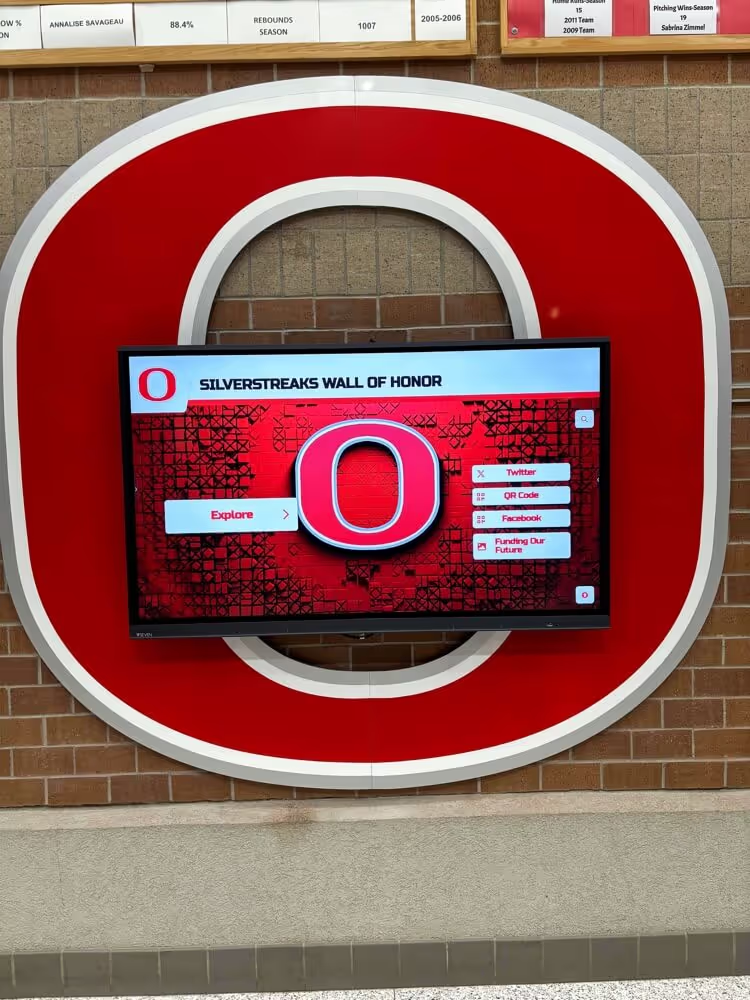
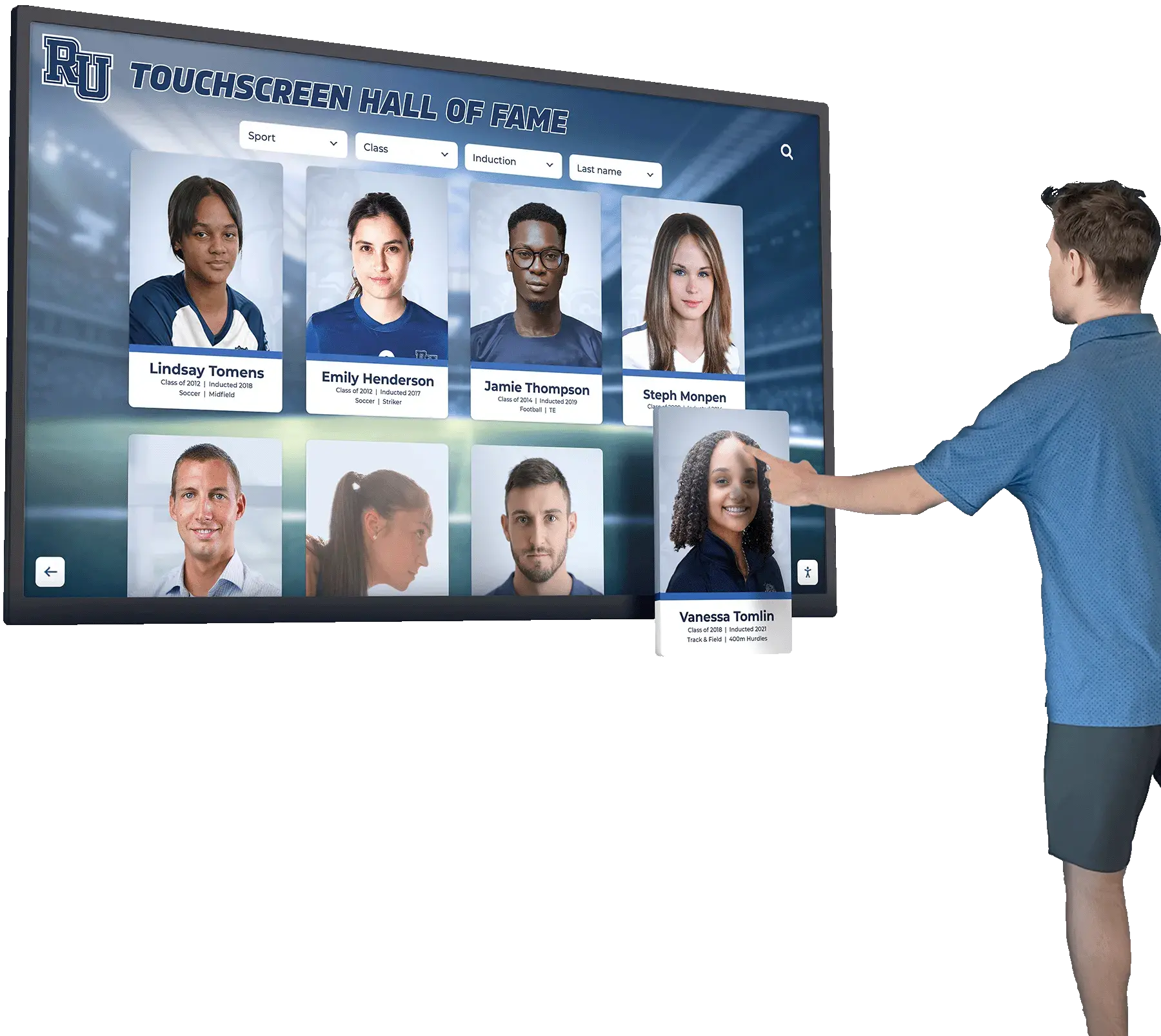
Intuitive touch interfaces make digital giving accessible to parishioners of all ages and technical comfort levels
Key Benefits of Digital Donation Touchscreens for Catholic Parishes
Understanding specific advantages helps parish leadership evaluate whether giving kiosk investments align with local needs and ministry priorities.
Significant Contribution Increases
Catholic parishes implementing digital giving kiosks consistently report substantial donation growth:
Documented Financial Impact
According to aggregated data from parish giving technology providers, churches typically experience 15-30% increases in overall contributions during the first year after implementing comprehensive digital giving solutions including kiosks. This growth comes from multiple sources: younger parishioners who rarely carried cash now contributing regularly through convenient digital methods, visitors and occasional attendees making spontaneous gifts they couldn’t previously offer, increased average contribution amounts as digital giving removes the constraint of “whatever cash I happen to have in my wallet,” and improved consistency as recurring giving smooths the seasonal fluctuations that plague reliance on weekly collection alone.
These increases aren’t temporary novelty effects—parishes report sustained elevated giving as digital options become normalized within stewardship culture and newer parishioners establish giving patterns through methods they find convenient from their first experiences with the community.
Supporting Special Appeals and Capital Campaigns
Digital kiosks prove particularly valuable during special collections and fundraising campaigns. When parishes conduct second collections for missions, diocesan appeals, or special needs, kiosks enable immediate response from parishioners moved by appeals but not carrying sufficient cash for meaningful contributions. Campaign-specific fund designations allow targeted giving toward capital projects, while progress displays showing campaign goals and current totals create compelling calls to action for parishioners entering or leaving church facilities.
Convenience for Modern Parishioners
Catholic families in 2025 manage finances primarily through digital methods, making cash-based giving increasingly inconvenient:
Removing Barriers to Generosity
Digital giving kiosks eliminate common obstacles that inadvertently reduce contributions. Families no longer need to remember to stop at ATMs before Mass or keep specific cash amounts available for collection. Parents attending services with active children appreciate completing contributions quickly through familiar payment methods rather than managing cash and envelopes while supervising kids. Young adults who’ve conducted virtually all financial transactions digitally throughout their lives find giving kiosks far more natural than writing checks or managing envelope systems designed for previous generations’ preferences.
24/7 Availability
Unlike collections limited to Mass times, giving kiosks placed in accessible church areas enable contributions whenever parishioners visit facilities. Parents dropping children at religious education programs can contribute conveniently. Individuals visiting for personal prayer during weekdays find giving opportunities. Wedding guests or funeral attendees unfamiliar with parish envelope systems can make memorial contributions easily. This expanded accessibility captures giving opportunities traditional collection misses entirely.
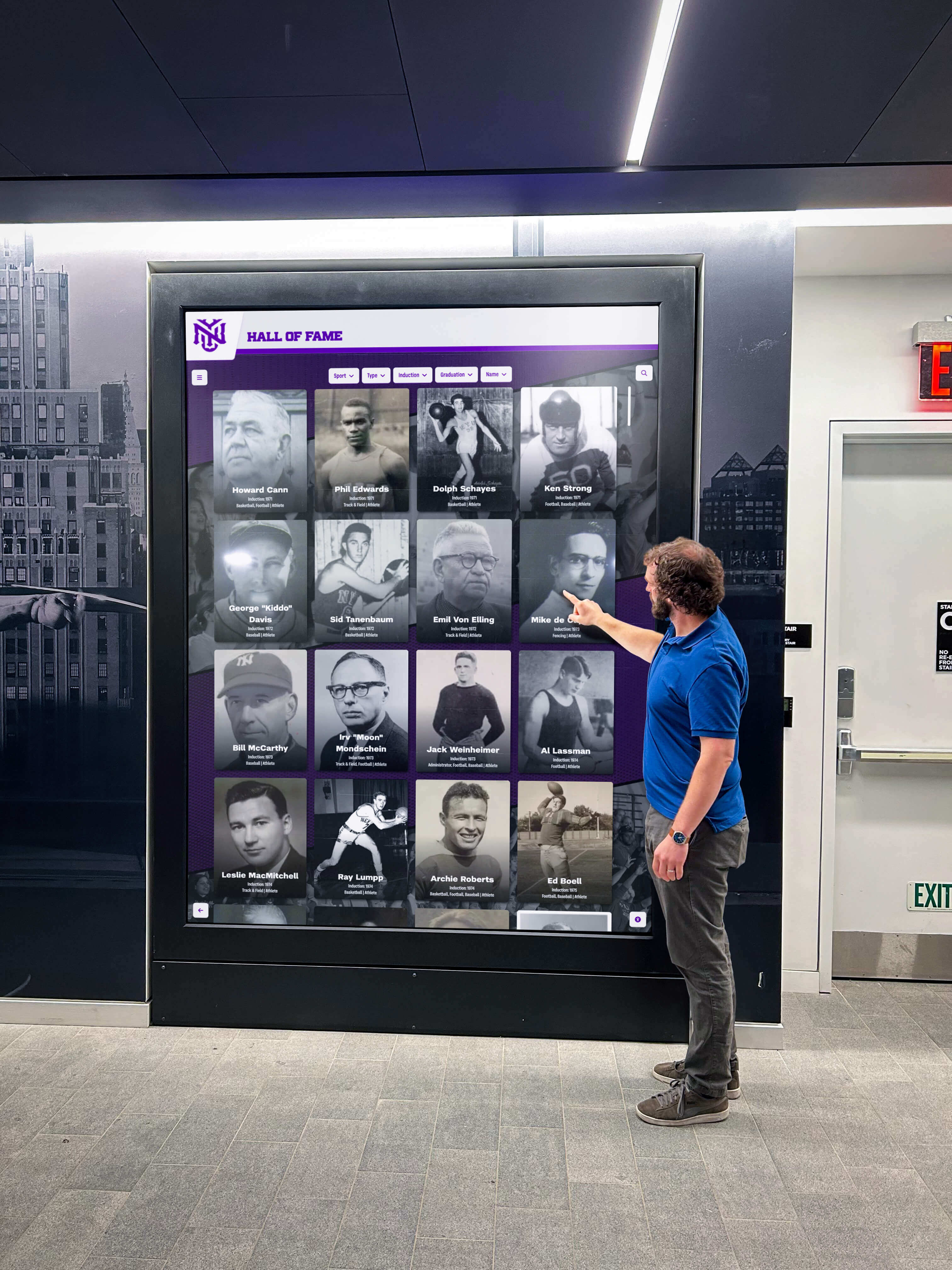
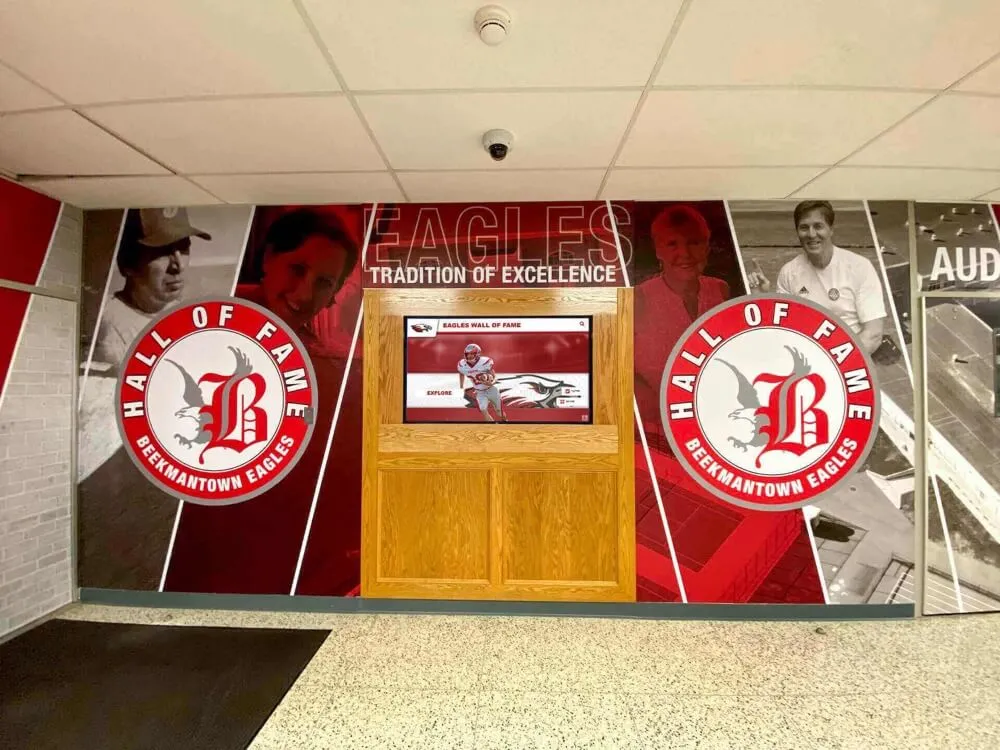
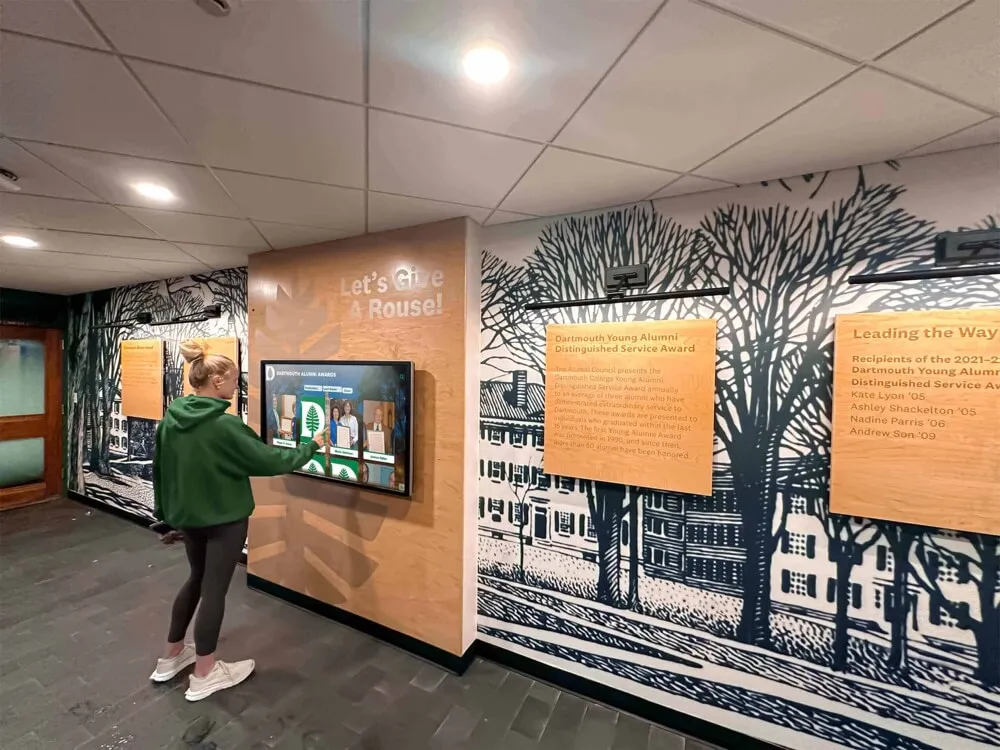
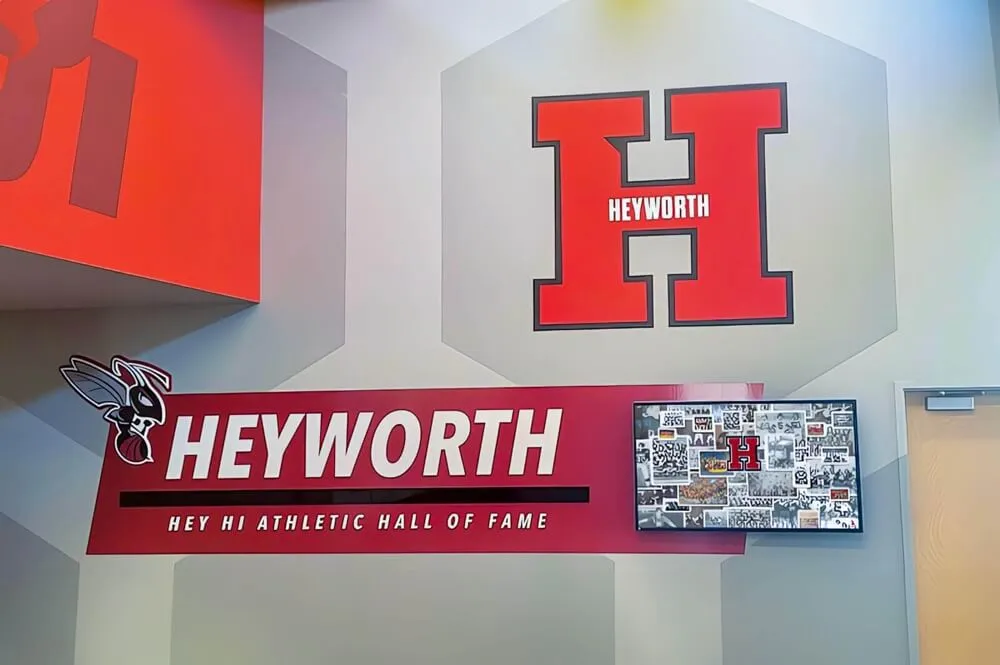
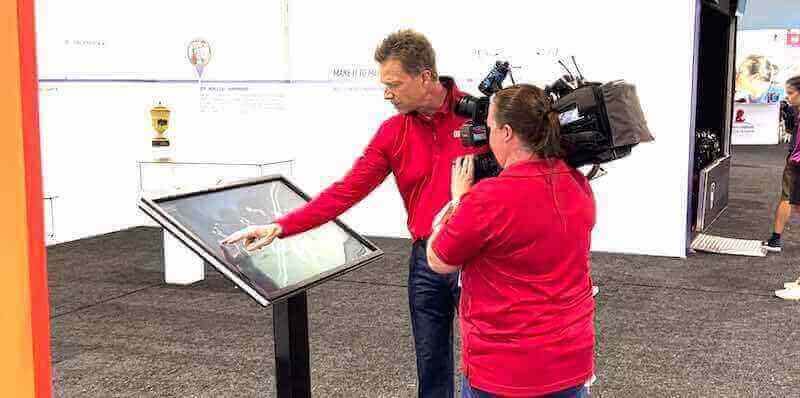
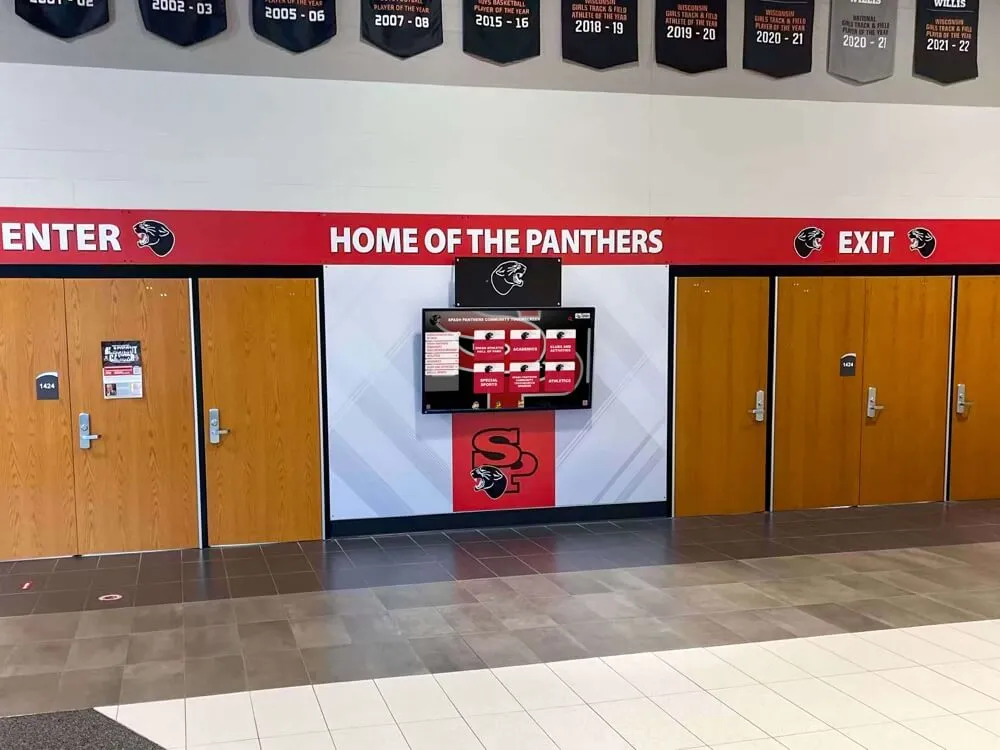
Strategic placement in high-traffic areas provides convenient access while maintaining appropriate dignity
Multiple Payment Options and Flexibility
Modern giving kiosks accommodate diverse payment preferences parishioners use in daily life:
Comprehensive Payment Acceptance
- Credit and debit cards: Traditional card payments via chip, swipe, or manual entry
- Contactless tap payments: Quick transactions using tap-to-pay card features
- Mobile wallets: Apple Pay, Google Pay, and Samsung Pay for smartphone-based giving
- ACH bank transfers: Direct bank account debits for those preferring this method
- Hybrid solutions: Some advanced kiosks even accommodate cash or check processing for parishioners transitioning to digital methods
This payment diversity ensures every parishioner finds convenient options regardless of personal preferences or financial management approaches.
Designated Fund Contributions
Well-designed giving kiosks enable contributors to direct donations toward specific parish priorities that resonate with personal interests or needs. Common fund designations include general parish operating budget, religious education and youth ministry programs, building maintenance and capital improvements, mission and outreach ministries, school support and scholarship funds, and special collections (diocesan appeals, emergency relief, specific causes). This designation capability empowers parishioners to support parish areas most meaningful to them personally while providing parish leadership with valuable data about congregational priorities and interests informing future ministry planning.
Explore diverse giving approaches in corporate sponsorship recognition demonstrating flexible support options.

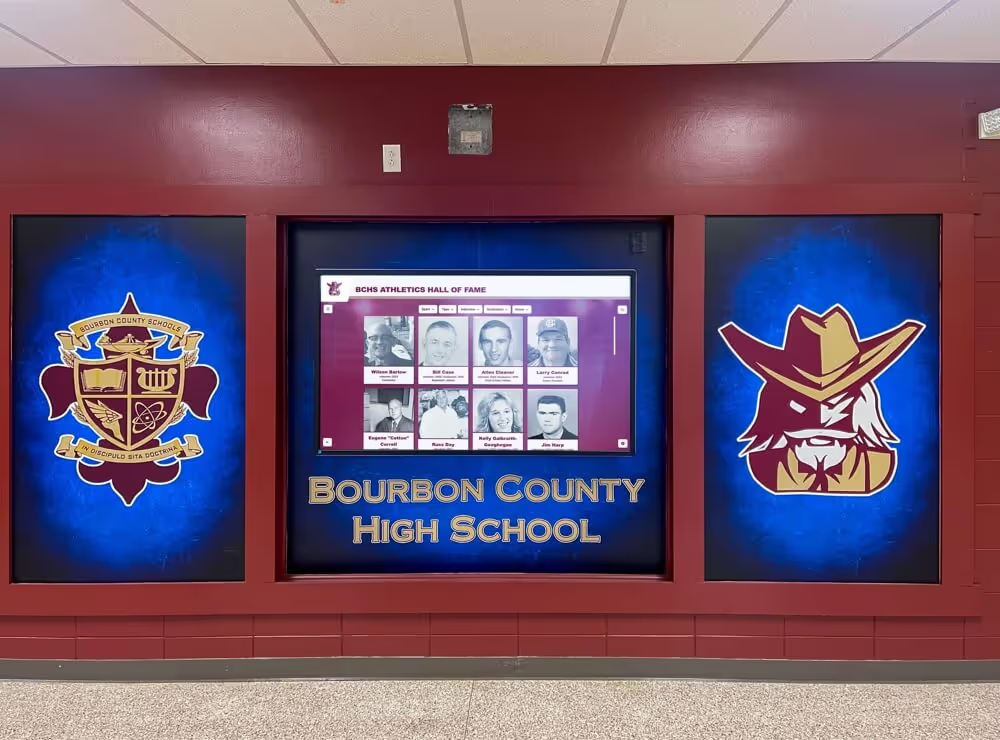
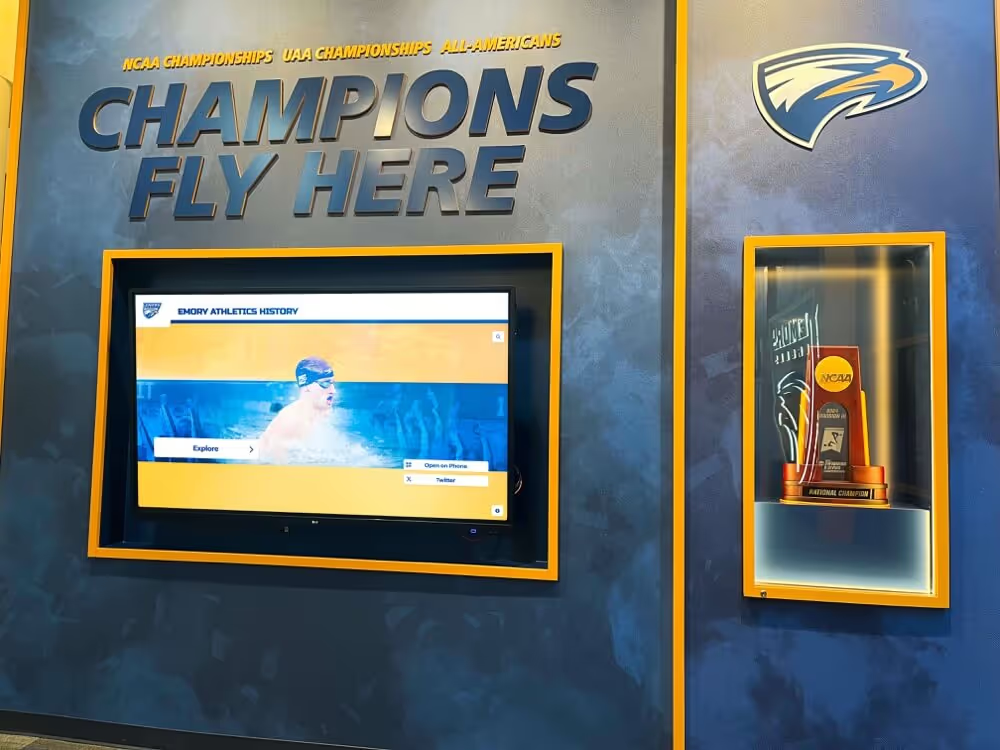
Clear fund designation options help parishioners direct contributions toward ministries they care about most
Recurring Giving and Stewardship Consistency
One of digital giving’s most valuable features supports sustained discipleship formation:
Automated Recurring Contributions
Giving kiosks enable parishioners to establish automatic recurring donations—weekly, monthly, or whatever frequency aligns with personal preferences and budget cycles. This automation serves both practical and spiritual purposes: parishioners ensure consistent support even when traveling, ill, or otherwise unable to attend Mass regularly; families smooth giving across budget cycles rather than depending on weekly decisions that may vary based on momentary financial situations; parishes gain more predictable revenue enabling better budget planning and ministry capacity; and individuals develop giving as spiritual discipline maintained through commitment rather than only emotional response or convenience.
Data Shows Recurring Giving Impact
Research across charitable organizations consistently demonstrates that donors who establish recurring gifts contribute 42-57% more annually than those giving equivalent amounts through one-time contributions. For Catholic parishes, this translates to potentially hundreds of thousands in additional annual support from the same parishioner base simply by making sustained giving more convenient through digital automation.
Security and Accountability
Modern giving technology provides security exceeding traditional cash handling:
PCI Compliance and Data Protection
Reputable church giving kiosk solutions maintain PCI DSS (Payment Card Industry Data Security Standard) compliance—the same rigorous security standards governing all card payment processing. This compliance ensures parishioner payment information is encrypted during transmission, never stored on kiosk devices themselves, processed through secure payment gateways, protected against unauthorized access or data breaches, and managed according to financial industry best practices protecting sensitive information.
Improved Financial Accountability
Digital giving creates comprehensive transaction records supporting parish financial accountability. Every contribution generates detailed documentation including donor identification (when provided), exact amount and date, designated fund allocation, payment method used, and receipt generation for tax purposes. This documentation provides parish finance councils and auditors with clear giving records, eliminates the “counting room” security concerns associated with large cash handling, reduces honest errors in contribution recording, and supports accurate tax acknowledgment for all parishioners.
Selecting the Right Digital Giving Kiosk for Your Catholic Parish
Not all giving kiosk solutions serve Catholic parish needs equally well, making thoughtful selection critical for successful implementation.
Essential Features for Catholic Parishes
When evaluating giving kiosk options, prioritize capabilities specifically valuable for Catholic church contexts:
Liturgical Fund Compatibility
Kiosk software should easily accommodate Catholic-specific giving categories including Sunday collections, Holy Day obligations, special diocesan collections, mission appeals, capital campaigns, memorial and tribute gifts, religious education fees, and sacramental offerings. Look for systems allowing unlimited custom fund categories with clear naming and descriptions helping parishioners understand exactly what each option supports.
Intuitive Interface for All Ages
Catholic parishes serve diverse congregations spanning multiple generations with vastly different technology comfort levels. Effective kiosks feature large, clear touchscreen buttons and text readable by older parishioners, simple navigation requiring no training or technical knowledge, language options serving multilingual parishes, accessibility features for parishioners with visual or mobility limitations, and consistent interfaces matching familiar payment experiences from retail and banking contexts.
The goal is making giving so intuitive that anyone capable of using an ATM can contribute confidently without staff assistance or embarrassing confusion.
Recurring Giving Management
Look for kiosks enabling parishioners to establish, modify, or cancel recurring contributions directly through the interface without requiring parish office assistance. This self-service capability reduces administrative burden while empowering parishioners to manage their giving preferences conveniently.
Learn about user-friendly technology selection in interactive touchscreen software guide covering interface design principles.
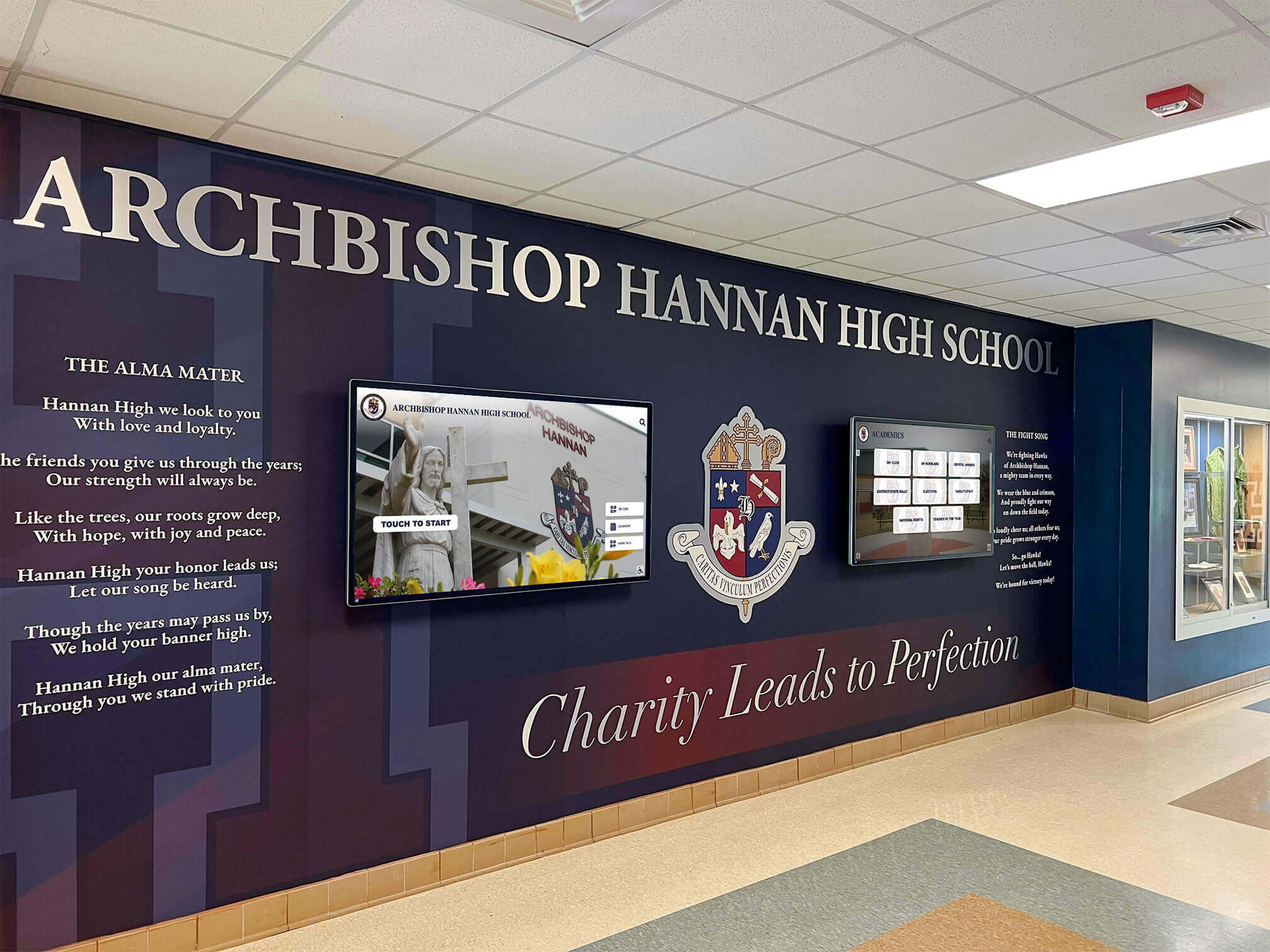
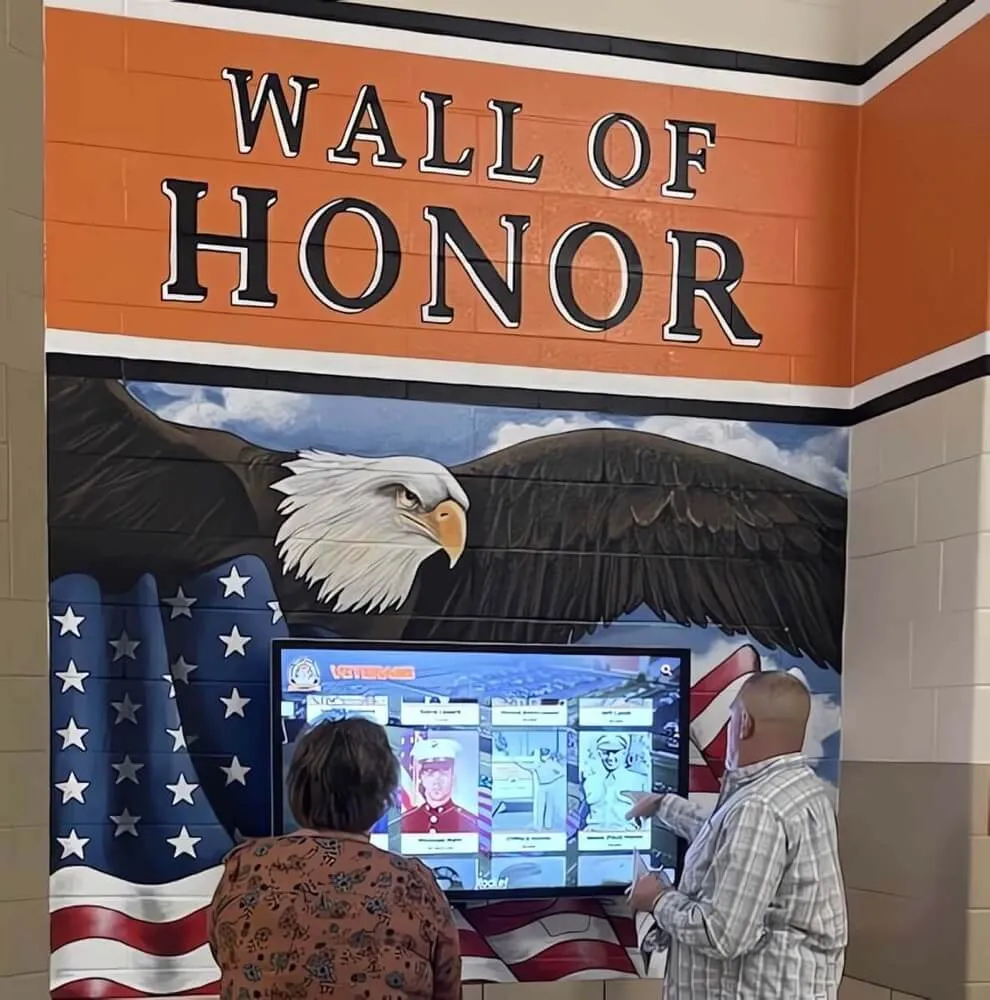
Professional installations integrate seamlessly with church architecture and aesthetic traditions
Hardware Considerations
Physical kiosk specifications significantly impact user experience and long-term reliability:
Display Size and Format
Church giving kiosks typically range from 15.6 inches (compact tabletop or wall-mounted units) to 21.5 or 32 inches (freestanding floor kiosks with greater visibility and presence). Larger displays provide better visibility in spacious lobbies and accommodate more accessible interfaces for older users, while smaller units fit constrained spaces and feel less visually prominent in traditional church environments where some parishes prefer subtlety.
Mounting and Placement Options
Consider available installation formats:
- Freestanding floor kiosks: Eye-catching presence ideal for large narthex areas
- Wall-mounted displays: Space-efficient options for smaller entry areas
- Tabletop units: Portable solutions that can move to different locations for special events
- Outdoor-rated enclosures: Weather-resistant options for covered outdoor areas
Commercial-Grade Durability
Unlike consumer tablets or displays, church giving kiosks should feature commercial-grade components designed for continuous operation in public environments. Look for screens rated for 16+ hours daily operation, vandal-resistant enclosures protecting against accidental or intentional damage, secure mounting preventing theft, weatherproofing if kiosks will be exposed to elements, and multi-year warranties supporting long-term investments.
Software Platform Selection
The giving software powering kiosks matters as much as physical hardware:
Parish Management System Integration
If your parish uses comprehensive management software for member records, sacramental tracking, or contribution management, prioritize giving kiosks that integrate with these existing systems. Seamless integration enables automatic synchronization of contributions to parishioner giving records, unified reporting across all giving channels (kiosks, online, traditional), single database reducing duplicate data entry, and coordinated tax receipt generation incorporating all contribution methods.
Cloud-Based Management
Modern giving platforms should offer cloud-based administration enabling parish staff to monitor donations in real-time from any internet-connected device, update fund options and campaigns remotely, generate contribution reports and analytics, manage recurring giving settings, and provide technical support without requiring on-site service visits.
Vendor Support and Reliability
Evaluate giving kiosk providers based on implementation support and training, ongoing technical assistance availability, software updates and feature improvements, payment processing reliability and uptime, and responsive customer service when issues arise.
Parishes implementing giving technology often lack extensive IT resources, making vendor support critical for sustained success rather than abandoned installations that frustrated staff can’t manage effectively.
Explore comprehensive technology evaluation in best touchscreen software for Mac covering platform selection criteria.
Budget and Total Cost of Ownership
Understanding complete costs helps parishes plan realistic investments:
Initial Investment Components
Catholic parishes should budget for kiosk hardware ($3,000-$8,000 depending on size and features), giving software platform and setup ($1,000-$3,000 for initial configuration), payment processing equipment and security compliance ($500-$1,500), professional installation if required ($500-$2,000 depending on mounting complexity), and initial marketing materials explaining new giving options to parishioners ($300-$800).
Ongoing Operational Costs
Sustainable budgeting includes payment processing fees (typically 2.2-3.0% of transaction values plus $0.30 per transaction), software platform subscriptions if applicable ($50-$150 monthly for cloud services), internet connectivity supporting cloud-based systems, periodic hardware maintenance or replacement (budget 5-7 year replacement cycles), and staff time for kiosk management and donor support.
Return on Investment
While giving kiosks require financial investment, parishes consistently report positive return through increased contributions. If a parish implementing a $6,000 kiosk system experiences even a 10% increase in annual giving from a $200,000 contribution base, the additional $20,000 in annual revenue covers the entire investment within 4-6 months while continuing to generate incremental support indefinitely.
Most parishes report contribution increases of 15-30% within the first year, making giving kiosks among the most cost-effective stewardship investments available.
Strategic Implementation: Launching Digital Giving Successfully
Thoughtful rollout significantly impacts how parishioners receive and adopt new giving technology.
Placement and Physical Installation
Kiosk location dramatically affects visibility, accessibility, and usage:
Optimal Church Locations
Strategic placement positions kiosks where parishioners naturally encounter them:
- Narthex or gathering spaces: Main entries where everyone passes during arrival and departure
- Fellowship halls: High-traffic social areas after Mass or during parish events
- Near religious education areas: Convenient for parents dropping off or collecting children
- Administrative corridors: Accessible to visitors conducting business at parish offices
- Outside worship spaces: Visible to those attending services without disrupting liturgical environments
Consider parishioner traffic patterns and sight lines ensuring kiosks are noticeable without requiring deliberate searches while maintaining appropriate dignity and avoiding excessive commercial appearance in sacred spaces.
Aesthetic Integration
Physical installation should honor church architectural traditions:
Install kiosks in ways complementing rather than clashing with existing design elements, choose enclosure colors and finishes harmonizing with church interiors, ensure mounting appears permanent and professional rather than temporary or makeshift, provide adequate lighting for screen visibility without creating harsh glare, and maintain appropriate scales where kiosks don’t visually dominate or overwhelm traditional church elements.
The goal is making technology feel like intentional enhancement rather than jarring intrusion—maintaining reverence while providing modern functionality.
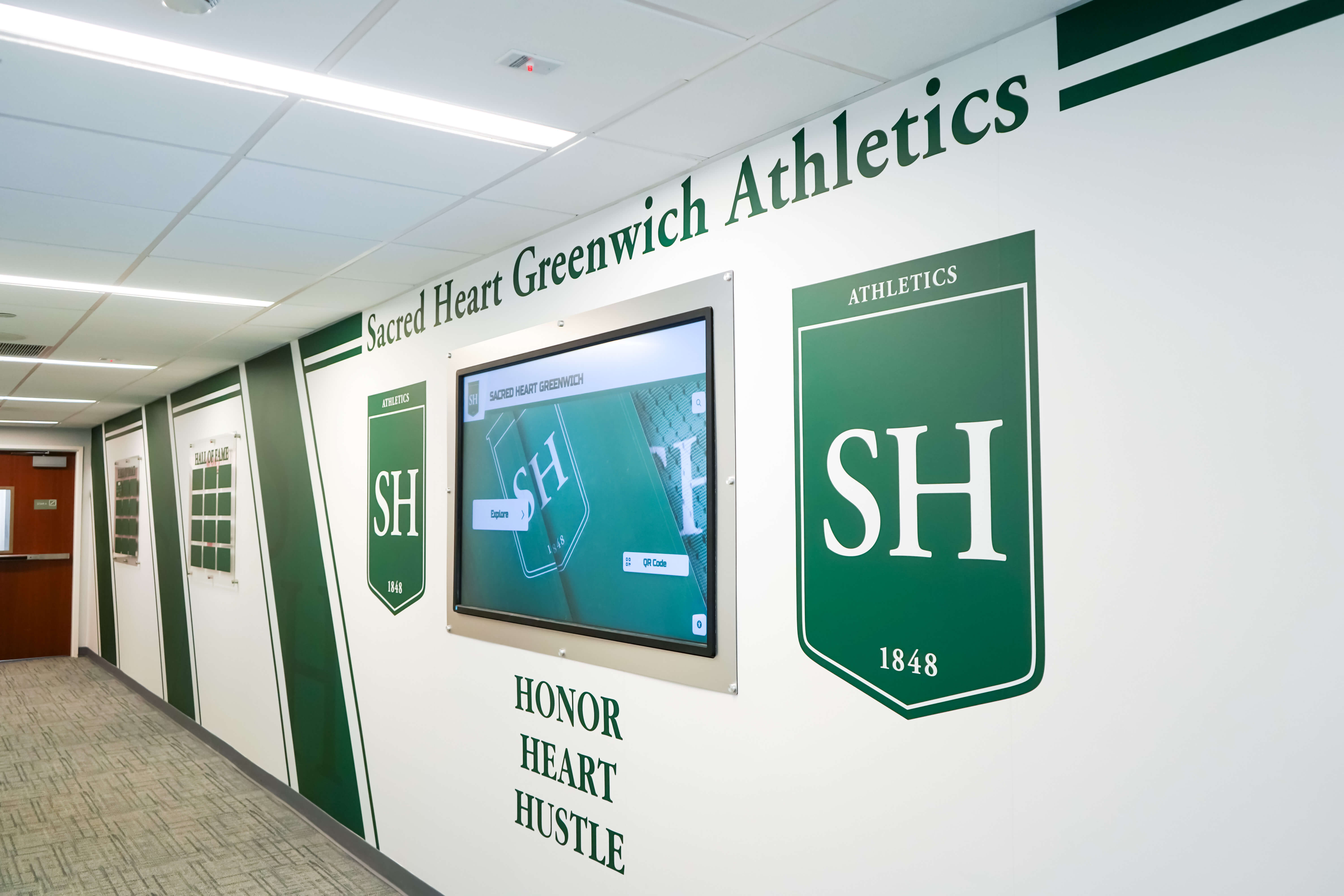
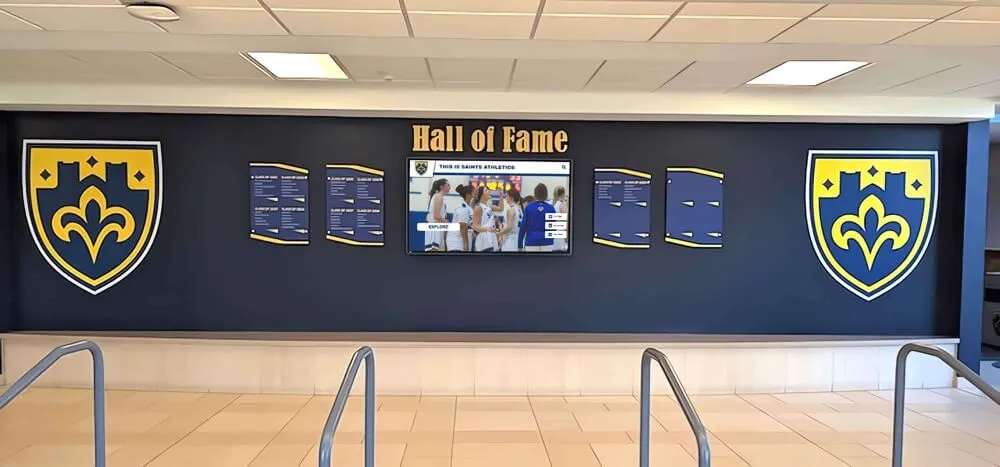
Thoughtful installations honor architectural heritage while incorporating modern technology appropriately
Parishioner Education and Communication
Successful adoption requires systematic communication introducing digital giving:
Multi-Channel Announcement Strategy
Launch giving kiosks through coordinated messaging across parish communication channels:
Bulletin Announcements: Include clear explanations of new giving options in printed and digital bulletins for several weeks before and after launch. Explain what kiosks are, where they’re located, how to use them, what payment methods they accept, and why the parish implemented this stewardship enhancement.
Homily and Verbal Announcements: Request that priests or deacons briefly mention new giving options during announcements, framing them as tools supporting faithful stewardship rather than merely fundraising conveniences.
Website and Social Media: Create dedicated pages explaining digital giving with photos of kiosks, usage instructions, frequently asked questions, and testimonials from early adopters. Share updates on social platforms serving younger parishioners most likely to embrace digital options enthusiastically.
Signage Near Kiosks: Place clear instructional signs adjacent to kiosks with simple visual guides walking users through the giving process step-by-step. Include sample screenshots or diagrams showing touchscreen navigation.
Personal Demonstrations: During initial launch weeks, position volunteers near kiosks offering to demonstrate the giving process for curious but uncertain parishioners. These personal guides dramatically accelerate adoption by reducing anxiety about unfamiliar technology.
Addressing Theological Concerns
Some parishioners may express concerns that digital giving diminishes spiritual significance or reduces visible liturgical participation. Prepare responses addressing these concerns thoughtfully:
Emphasize that giving method doesn’t affect spiritual sacrifice—digital and cash contributions represent identical financial commitments and generosity. Clarify that traditional collection continues unchanged, with digital options complementing rather than replacing liturgical practices. Explain that kiosks serve parishioners who genuinely prefer digital methods while respecting those who value traditional approaches. Acknowledge that younger families and visitors often cannot participate in collection without convenient digital alternatives, making technology more inclusive rather than exclusionary.
Frame digital giving as stewardship evolution similar to parishes transitioning from cash-only collection to accepting envelopes, checks, and eventually online giving—consistent progression honoring timeless values through contemporary methods.
Learn about effective launch strategies in digital recognition display launch guide with communication approaches.
Training Parish Staff and Volunteers
Beyond parishioner education, ensure staff can support digital giving confidently:
Essential Staff Training Topics
Provide comprehensive training covering how to access cloud administration dashboard and monitor contributions, basic troubleshooting for common kiosk issues (frozen screens, connectivity problems, receipt printer malfunctions), how to update fund designations and campaigns, generating contribution reports and data exports, managing recurring giving changes when parishioners request modifications, and whom to contact for technical support beyond local troubleshooting capabilities.
Volunteer Ambassador Program
Recruit tech-comfortable parishioners to serve as “digital giving ambassadors” who can demonstrate kiosks to others, answer questions during initial rollout period, troubleshoot minor issues, gather feedback about user experience, and model digital giving adoption encouraging peers.
These ambassadors dramatically accelerate community acceptance by providing peer support rather than only official institutional messaging.
Integrating Digital Giving with Traditional Parish Stewardship
Kiosks function most effectively as components within comprehensive stewardship programs rather than isolated technology installations.
Maintaining Collection Liturgy
Continue traditional collection during Mass while positioning kiosks as complementary options:
Collection Participation Strategies
Many digitally-giving parishioners still appreciate visible participation in offertory collection. Provide commitment cards parishioners can place in collection baskets symbolizing their digital contributions, maintaining liturgical involvement even when not contributing cash at that moment. Periodic announcements can thank those supporting parish through all methods, normalizing diverse giving approaches while maintaining collection liturgy centrality.
Comprehensive Giving Options
Position kiosks within broader giving ecosystem:
Multiple Method Availability
Catholic parishes should offer diverse giving channels serving different preferences:
- Traditional envelopes: For parishioners preferring scheduled giving via weekly envelopes
- Cash and check collection: Maintaining familiar participation methods during liturgies
- Online giving portals: For contributions from home via parish website
- Mobile apps: Smartphone-based giving for maximum convenience
- Text-to-give: Simple SMS-based donations during special appeals
- Giving kiosks: On-site digital options at parish facilities
- Planned giving: Legacy contributions through bequests and estate planning
This comprehensive approach ensures every parishioner finds convenient options regardless of age, preferences, or technological comfort levels.
Explore integrated approaches in religious worship touchscreen displays demonstrating faith community technology.
Stewardship Formation Beyond Transactions
Digital giving technology should support spiritual formation around generosity:
Educational Integration
Use giving kiosk implementation as opportunity for broader stewardship catechesis. Homilies and adult formation programs can address Catholic teaching about sacrificial giving, proportional contributions, and generosity as spiritual discipline. Parish communications can explore biblical foundations for tithing and financial stewardship. Kiosk interfaces might include brief inspirational messages about generosity or scripture passages connecting giving to faith formation.
Impact Communication
Modern giving platforms provide data demonstrating exactly how contributions support parish ministries. Share this impact information regularly through testimonials from ministry recipients, photographs and stories from programs donor support enables, statistical updates showing parishioners served through various ministries, financial transparency reports explaining budget allocations, and progress updates toward capital campaign or special project goals.
This impact communication strengthens the connection between generous giving and tangible ministry outcomes, inspiring continued support while demonstrating faithful stewardship of parishioner contributions.
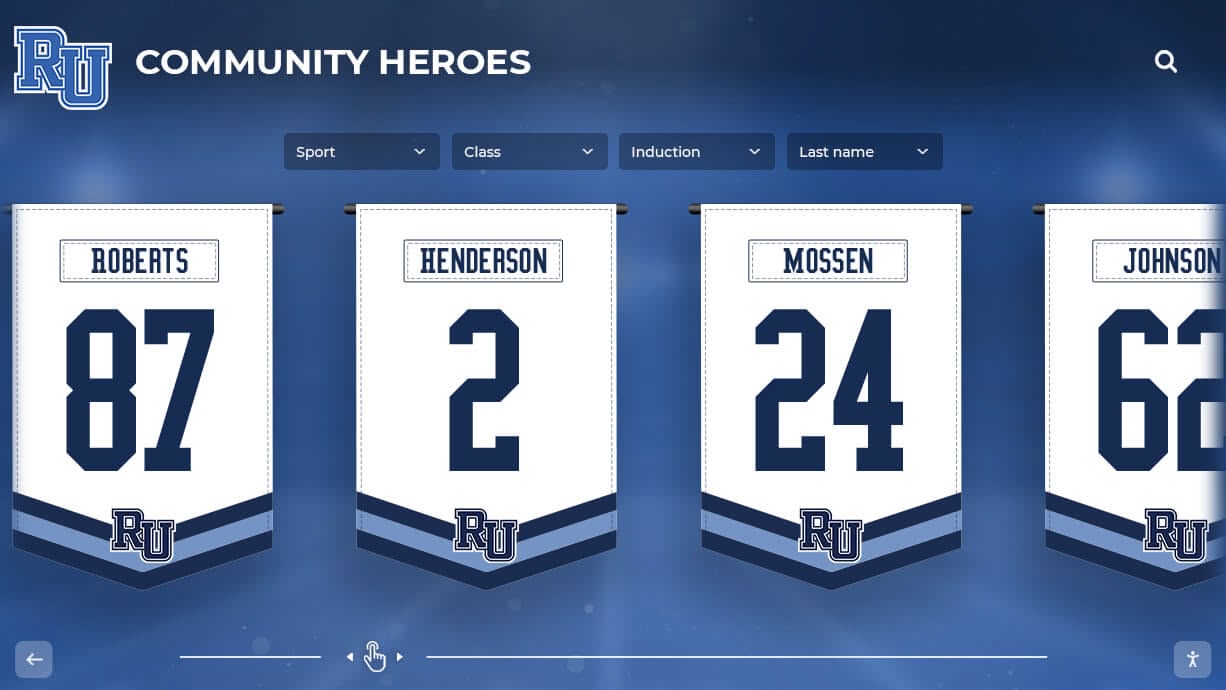
Visible recognition of parish generosity and ministry impact inspires continued stewardship commitment
Measuring Success and Optimizing Digital Giving
Assessment demonstrates whether giving kiosks achieve intended objectives while identifying improvement opportunities.
Key Performance Indicators
Track metrics revealing digital giving impact:
Financial Performance Metrics
Monitor total contributions through kiosks monthly and annually, average gift amount via digital channels compared to traditional collection, number of unique donors using kiosks, recurring gift establishment rates, and overall parish giving trends comparing pre-and post-implementation periods.
Usage Pattern Analysis
Examine transaction volume by day of week and time, fund designation preferences revealing parishioner priorities, payment method preferences (card vs. contactless vs. mobile wallet), seasonal giving patterns and special collection performance, and donor retention among those using digital giving compared to traditional methods.
Parishioner Adoption
Track percentage of parish households using any digital giving method, demographic patterns in digital giving adoption, feedback from parishioner surveys about giving experience, and growth in younger family participation following implementation.
Optimization Strategies
Continuously refine digital giving based on data and feedback:
Fund Designation Refinement
Regularly review which funds parishioners support most enthusiastically, adding new categories for special needs or campaigns, removing underutilized designations that create unnecessary complexity, and providing clearer descriptions for funds with ambiguous names or purposes.
Interface Improvements
Gather feedback about user experience, simplifying navigation if parishioners report confusion, adjusting text size or contrast for improved visibility, updating language options based on parish demographics, and implementing suggested enhancements from frequent users.
Marketing Adjustments
Refresh communication based on adoption patterns, targeting demographics showing lower usage with tailored messaging, emphasizing benefits resonating most with hesitant adopters, and celebrating early adopters who model digital giving for peers.
Addressing Common Questions and Concerns
Catholic parishes evaluating digital giving frequently raise specific questions deserving thoughtful responses.
“Won’t This Reduce Collection During Mass?”
Impact on Traditional Giving
Research across churches implementing comprehensive digital giving consistently shows that contributions during Mass collection remain stable or increase slightly rather than decreasing. This counterintuitive result occurs because digital options serve primarily parishioners who couldn’t conveniently contribute through collection (those without cash, visitors unfamiliar with envelope systems), rather than cannibalizing existing giving patterns.
Many parishioners continue participating in collection liturgy while also establishing recurring digital contributions, resulting in net increases rather than simply shifting existing giving between channels.
“What About Older Parishioners Who Aren’t Tech-Savvy?”
Serving Diverse Comfort Levels
Digital giving kiosks complement rather than replace traditional giving methods. Parishes implementing kiosks continue accepting envelopes, cash, and checks indefinitely, ensuring parishioners uncomfortable with technology face no pressure to adopt new methods.
However, many parishes report that older parishioners appreciate digital options more than leadership anticipated. Seniors who regularly use ATMs, grocery self-checkout, and smartphone banking often find giving kiosks equally intuitive. The key is maintaining patient demonstrations and volunteer support during initial rollout, helping hesitant adopters gain confidence through successful first experiences.
“Is Digital Giving Secure?”
Payment Security Standards
Reputable church giving kiosks maintain the same rigorous PCI DSS security standards governing all card payment processing. Parishioner payment information is encrypted during transmission, never stored on kiosk devices, processed through secure payment gateways used by major retailers and financial institutions, and protected by security measures equivalent to online shopping or banking.
Digital giving is substantially more secure than cash contributions that can be lost, stolen, or miscounted during traditional handling processes.
“What Are the Tax Implications?”
Tax Documentation and Receipts
Digital giving platforms generate immediate electronic receipts documenting contributions for tax purposes. These receipts include all IRS-required information: donor identification, contribution date and amount, parish tax ID number, statement of goods or services received (typically none for regular contributions), and fund designation if applicable.
For parishioners itemizing deductions, digital giving provides superior tax documentation compared to cash contributions that often lack detailed records. Year-end giving summaries consolidate all digital contributions automatically, simplifying tax preparation.
“Will This Make Church Feel Too Commercial?”
Maintaining Sacred Atmosphere
Thoughtful implementation addresses aesthetic concerns through professional installations that complement church architecture, kiosk placement in gathering spaces rather than worship sanctuaries themselves, design choices emphasizing dignity and permanence rather than temporary commercial appearance, clear messaging framing kiosks as stewardship tools rather than mere payment terminals, and continued emphasis on collection liturgy maintaining traditional worship practices.
Many parishes find that professional giving kiosks actually enhance rather than diminish dignity by demonstrating organizational competence, providing convenient service to parishioners, eliminating makeshift alternative approaches (like passing payment terminals during collection), and modernizing stewardship without compromising reverence.
Explore thoughtful institutional technology in interactive church information display guide balancing tradition and innovation.
Future Trends in Church Digital Giving
Understanding emerging developments helps parishes plan investments remaining relevant long-term.
Advanced Giving Features
Next-Generation Capabilities
Future giving kiosks will likely incorporate biometric authentication for instant recurring gift processing, artificial intelligence personalizing giving suggestions based on past patterns, voice interfaces enabling hands-free navigation for accessibility, augmented reality visualizations showing ministry impact of various contribution levels, and real-time campaign progress displays creating social proof encouraging immediate giving.
Integration with Parish Systems
Connected Technology Ecosystems
Digital giving increasingly integrates with comprehensive parish management: automatic synchronization with member databases and contribution records, connection with event registration systems for combined giving and participation, coordination with volunteer management platforms recognizing time and treasure together, integration with church apps providing unified digital parish experience, and analytics platforms revealing comprehensive stewardship insights across all giving channels.
Mobile-First Giving Expansion
Smartphone-Centric Solutions
While kiosks serve important roles at physical parish locations, mobile giving via smartphones continues expanding rapidly. Forward-thinking parishes implement comprehensive strategies combining fixed kiosks providing on-site convenience, mobile apps enabling giving from anywhere, text-to-give for spontaneous contributions during appeals, QR codes in bulletins and signage for instant smartphone access, and mobile wallet integration (Apple Pay, Google Pay) throughout all channels.
This mobile-first approach serves younger parishioners who conduct virtually all financial transactions via smartphones while maintaining kiosk convenience for in-person giving preferences.
Conclusion: Embracing Modern Stewardship While Honoring Tradition
Catholic Church digital donation touchscreen kiosks represent far more than technological upgrades to collection baskets—they function as essential stewardship tools removing barriers that inadvertently prevent willing parishioners from supporting ministries they value deeply. When implemented thoughtfully with genuine commitment to serving diverse parishioner preferences while maintaining appropriate reverence and liturgical traditions, digital giving solutions strengthen parish financial sustainability while supporting spiritual formation around generous, consistent, sacrificial giving as fundamental expression of Catholic discipleship.
The most successful parish giving programs share common characteristics: they offer comprehensive giving options serving all preferences and comfort levels, maintain traditional collection liturgy while positioning digital methods as complementary enhancements, communicate impact clearly connecting contributions to tangible ministry outcomes, provide intuitive technology requiring no special knowledge or training, and continuously evolve based on parishioner feedback and demonstrated stewardship results.
Transform Your Parish Giving Experience
Discover how digital donation touchscreen solutions can help your Catholic parish serve generous parishioners more effectively, increase contributions supporting vital ministries, and build sustainable stewardship cultures honoring both tradition and contemporary needs. Solutions like Rocket Alumni Solutions provide comprehensive platforms designed for faith communities.
Explore Giving SolutionsWhether your parish is implementing first digital giving option or enhancing established programs, remember that authentic stewardship and meaningful ministry connection matter more than sophisticated technology or elaborate installations. Start with clear understanding of your parish community’s preferences and needs, implement giving solutions serving diverse parishioners respectfully and conveniently, maintain traditional liturgical practices while embracing contemporary methods, communicate impact demonstrating how contributions support real ministry transformation, and commit to ongoing evolution based on community feedback and measured stewardship outcomes.
Your parishioners want to support the ministries that serve your community and advance the Gospel—they simply need convenient options aligning with how modern families manage finances and make payments in 2025. Strategic investment in thoughtful digital giving creates sustainable stewardship where generous Catholics can contribute conveniently through methods that honor both sacrificial giving values and contemporary preferences, ensuring your parish maintains financial capacity to fulfill its ministry mission for generations to come.
Ready to begin? Explore how Rocket Alumni Solutions can help your Catholic parish create meaningful digital giving experiences that honor traditional stewardship values while serving contemporary parishioner needs through convenient, secure, effective touchscreen kiosk solutions that increase contributions and strengthen faithful generosity.