



Intent: demonstrate | A comprehensive video tour walkthrough showcasing how admission teams integrate interactive storytelling into campus tours, using touchscreen displays to share compelling narratives about student success, institutional history, and campus culture that create emotional connections influencing enrollment decisions.
Campus tours represent one of the most critical touchpoints in the student recruitment journey—the moment when prospective students and families move from digital research to physical experience, forming impressions that directly influence enrollment decisions. Traditional campus tours rely heavily on tour guide narratives supplemented by static signage and printed materials that struggle to convey the depth of institutional excellence, student experience richness, and campus culture vibrancy that truly distinguish institutions from competitors.
With interactive storytelling platforms like Rocket Alumni Solutions, admission teams transform campus tours from routine facility walkthroughs into immersive narrative experiences that showcase student achievement journeys, preserve and share institutional heritage across generations, enable prospective families to connect with relevant stories matching their interests, and create memorable emotional moments that influence enrollment decisions long after tours conclude.
This video tour guide demonstrates exactly how admission teams integrate interactive campus storytelling into recruitment experiences, creating engaging touchpoints that communicate institutional value while differentiating your campus from competitor institutions prospective students visit during their college search journey.
Modern admission teams recognize that prospective students don’t simply evaluate facilities and academic programs—they seek compelling evidence that your institution will support their success, provide meaningful experiences, and connect them with communities sharing their values and aspirations. Interactive storytelling addresses these deeper needs through narratives demonstrating how current students and alumni achieved their goals at your institution.

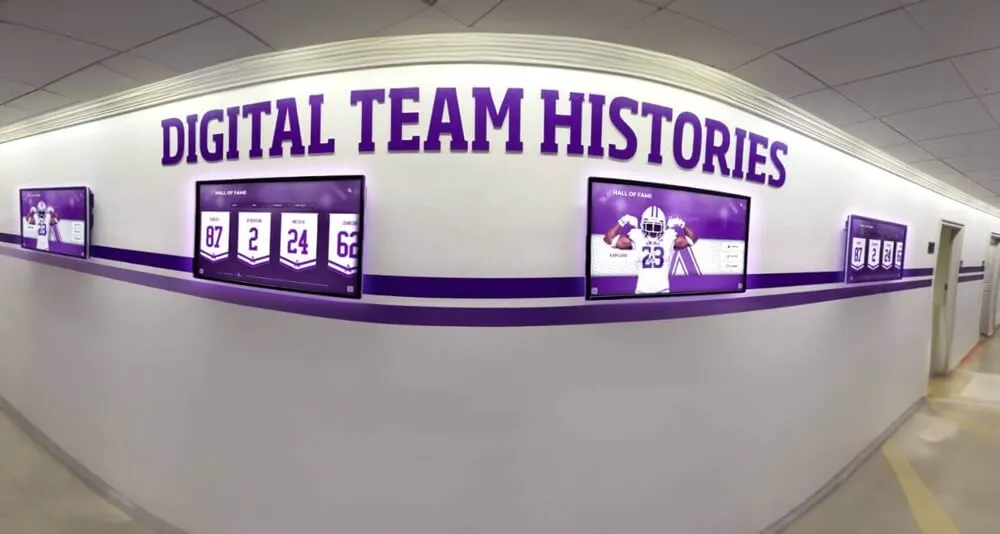
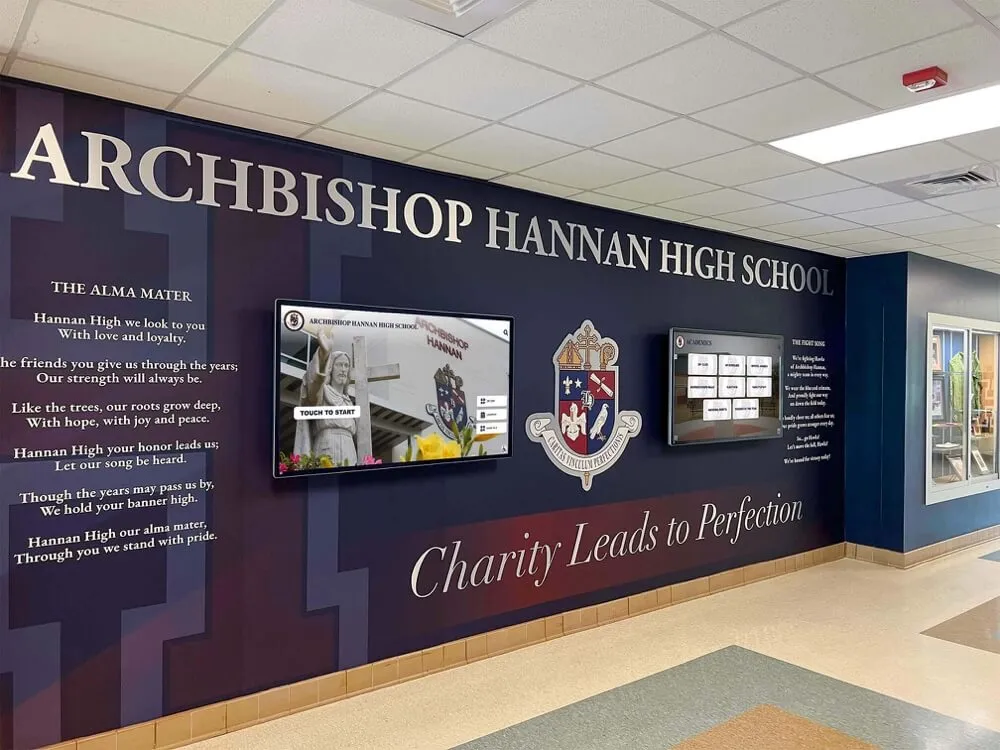
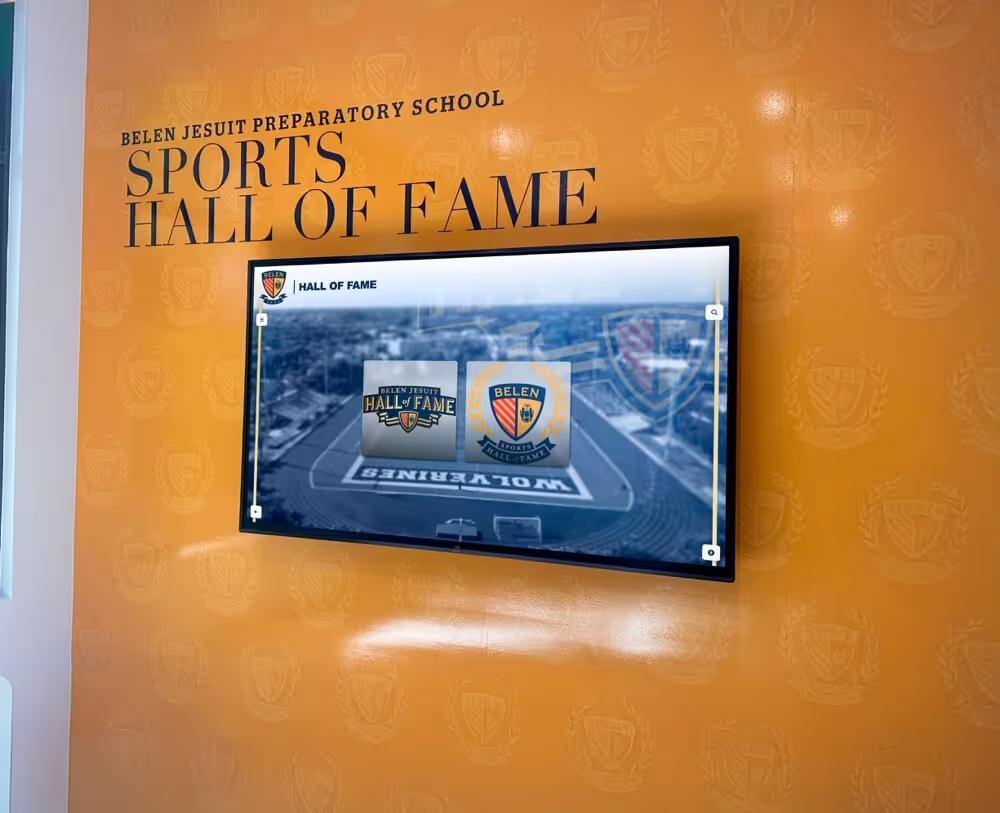
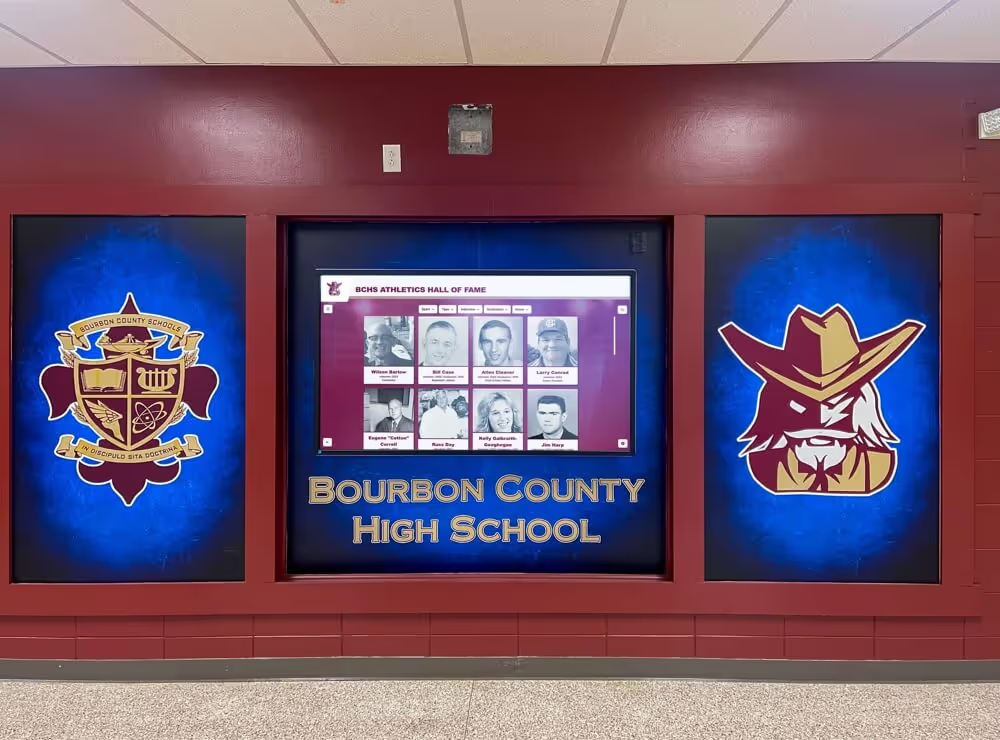
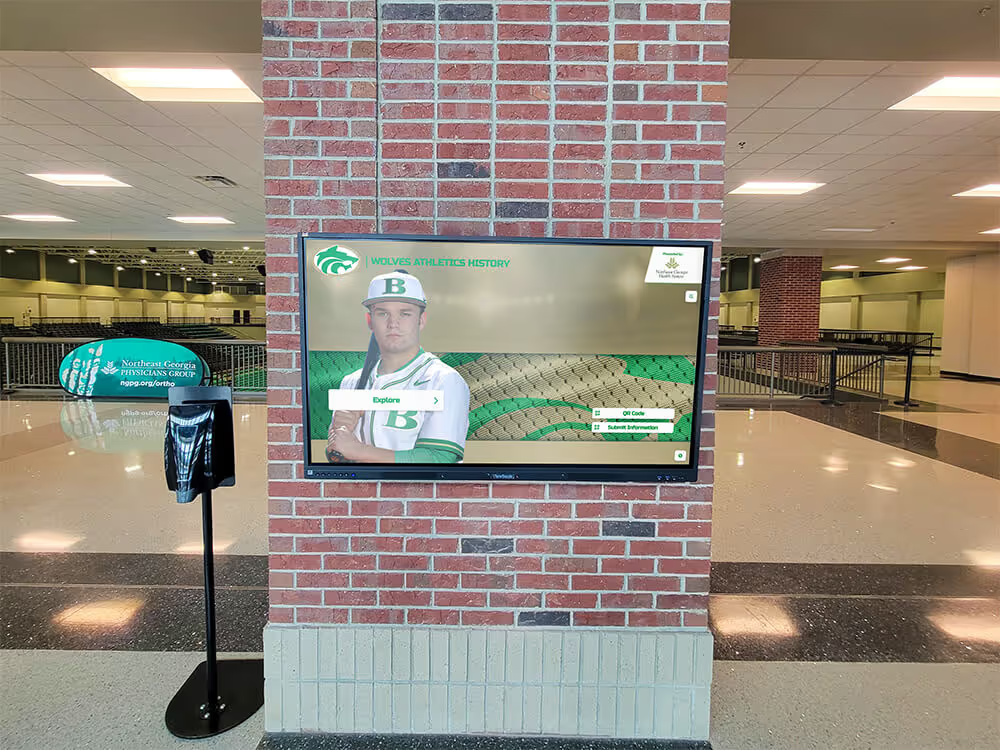
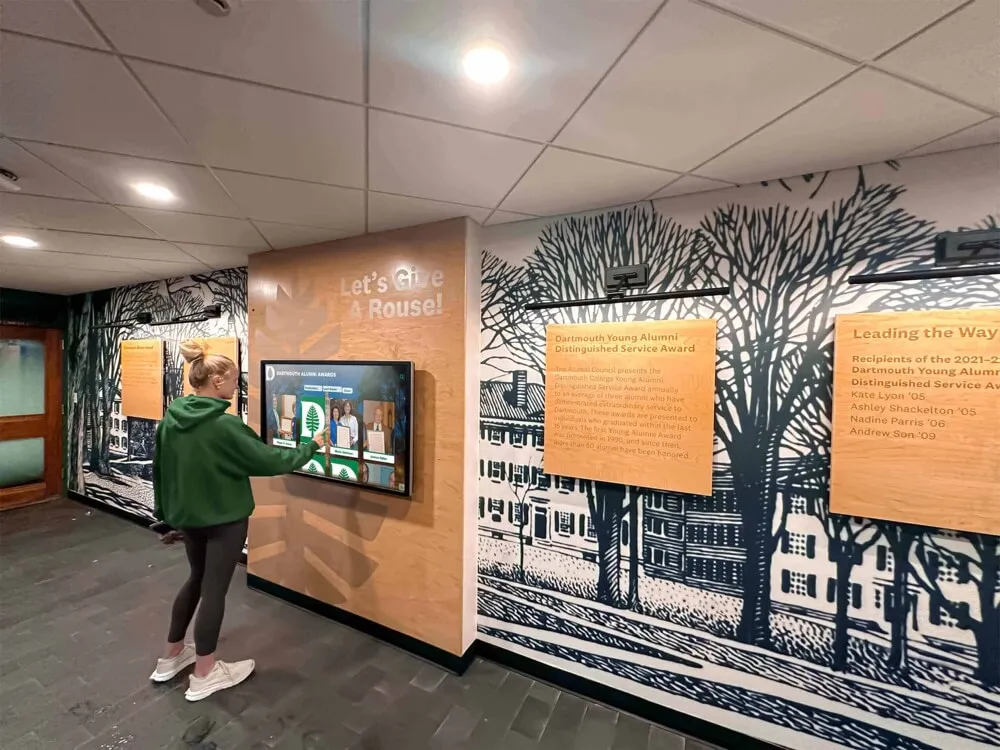
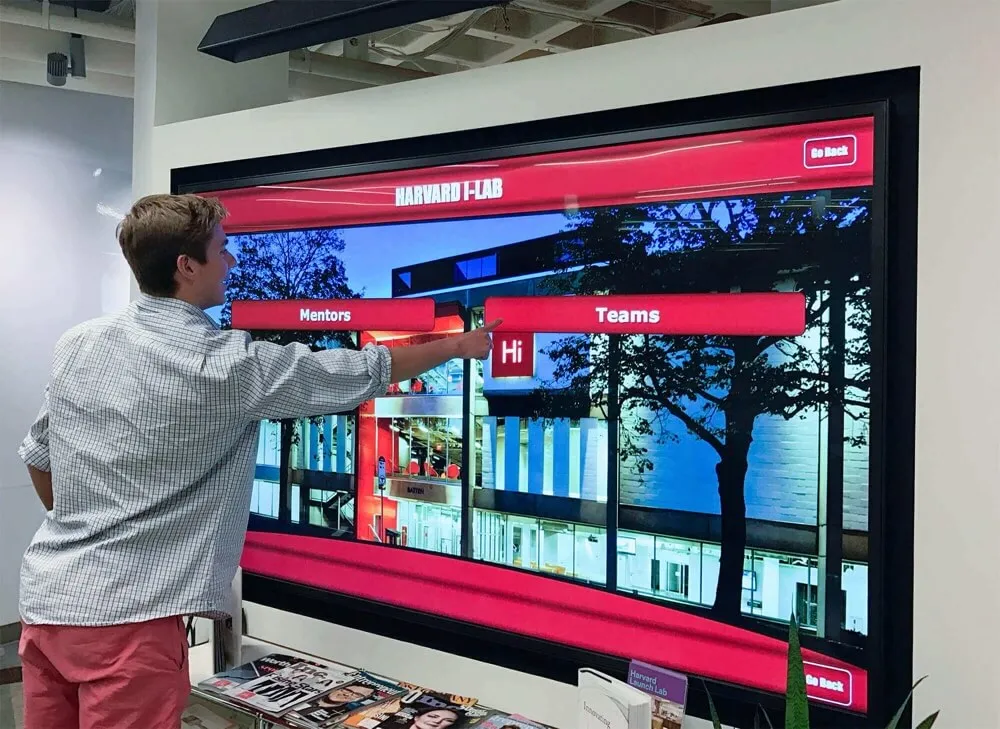
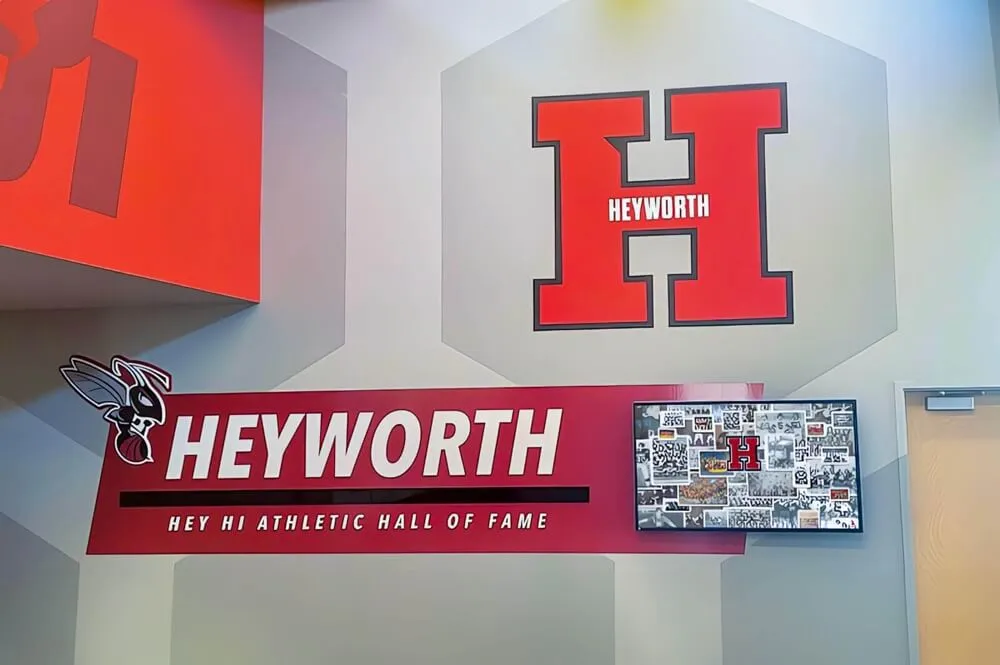
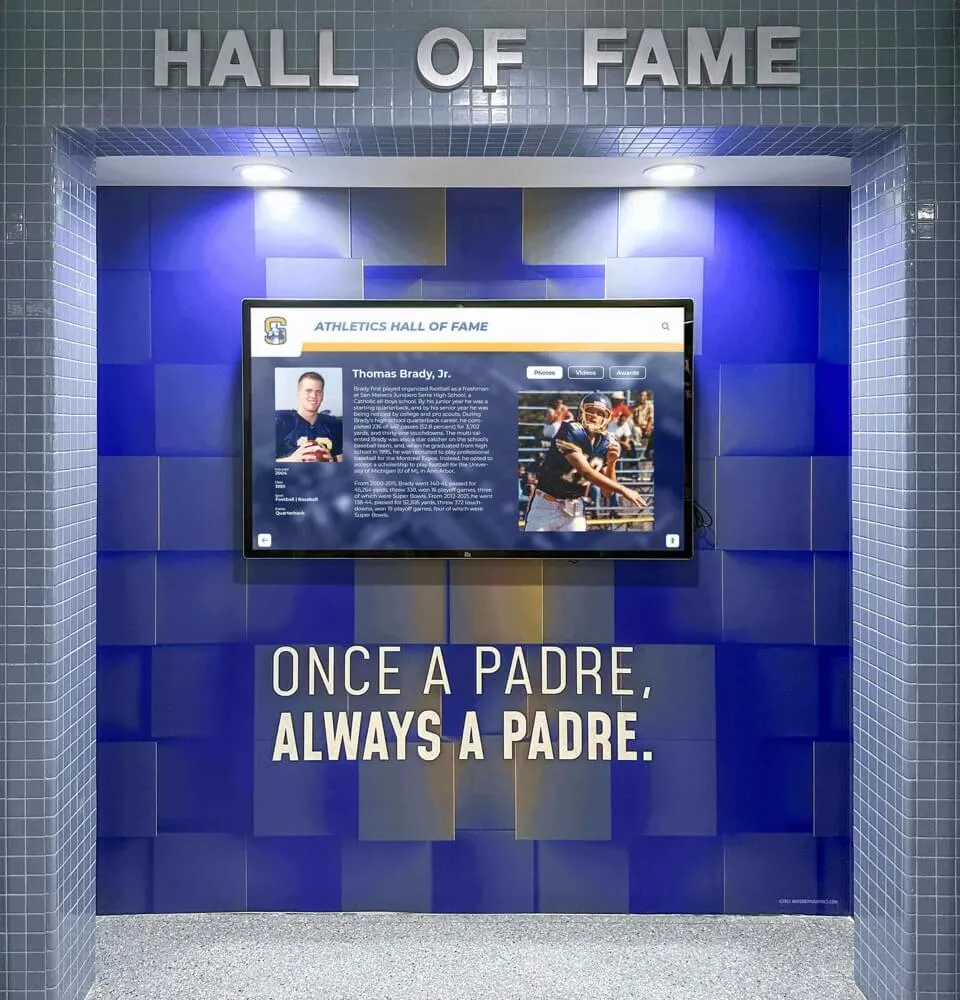
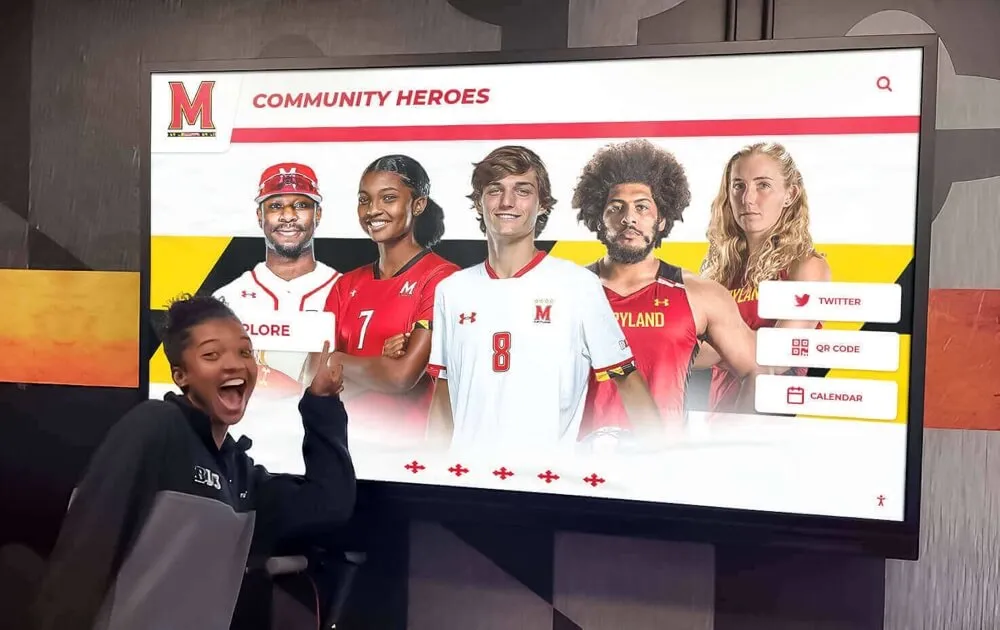
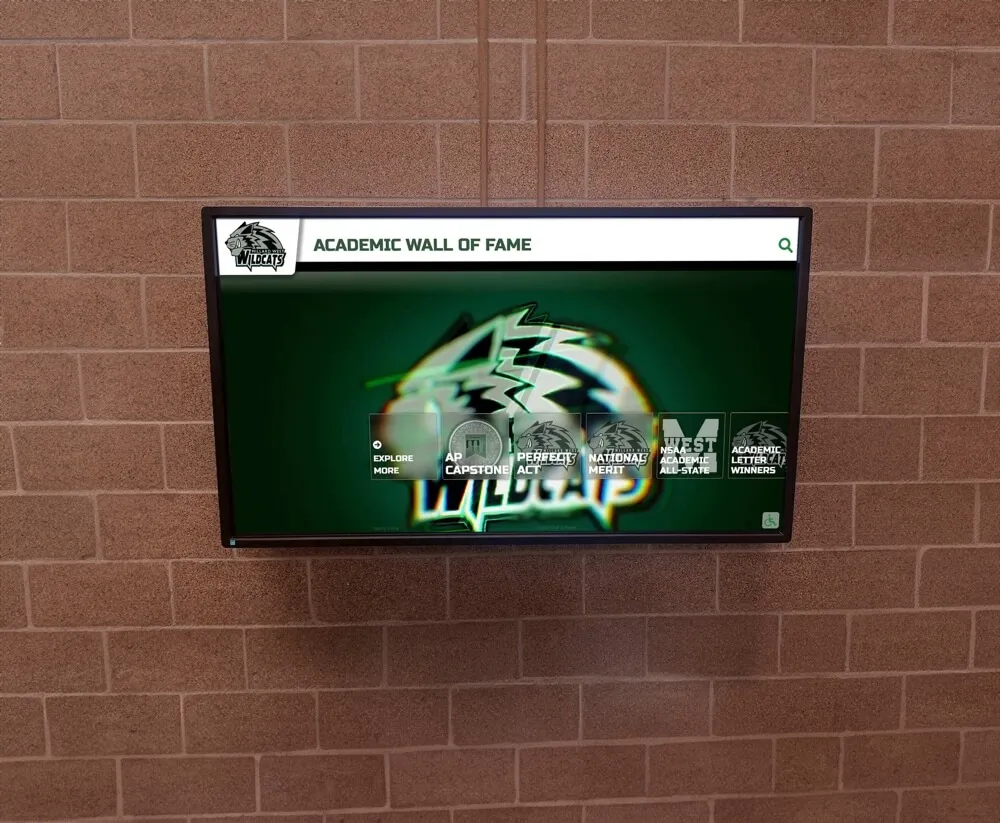
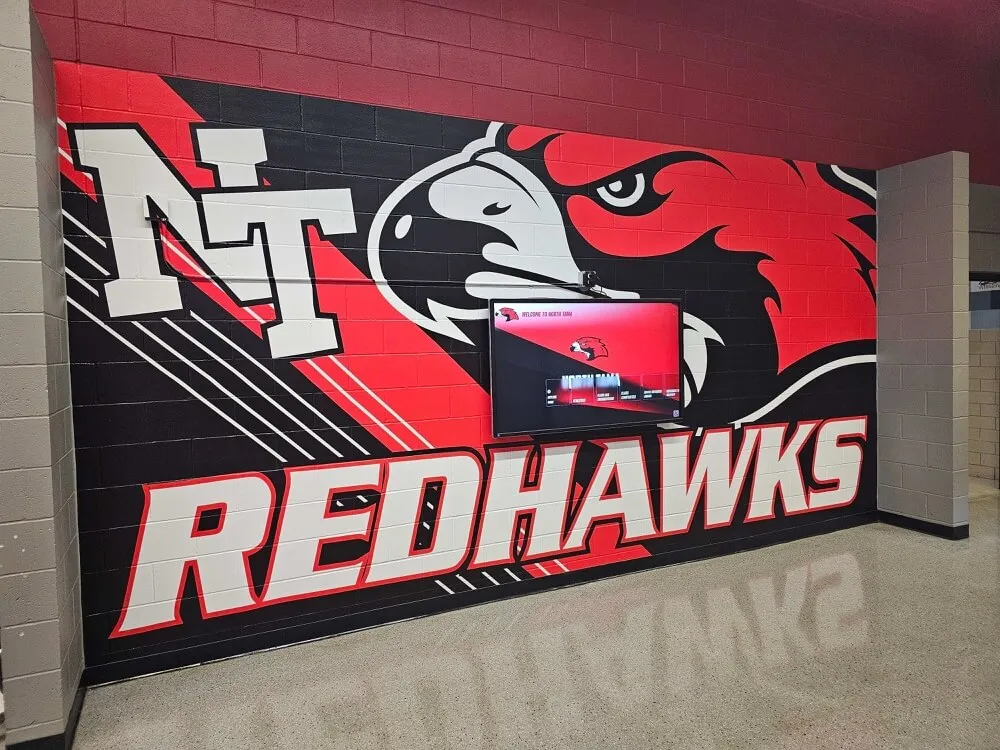
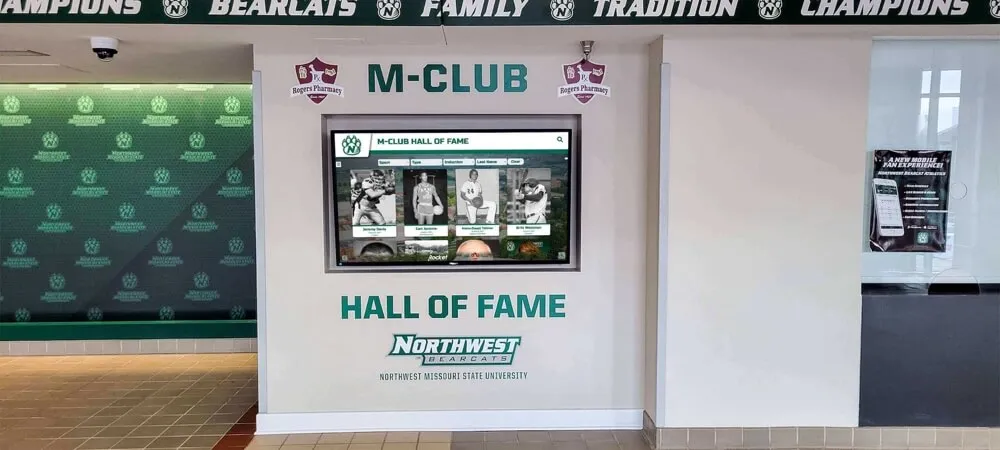
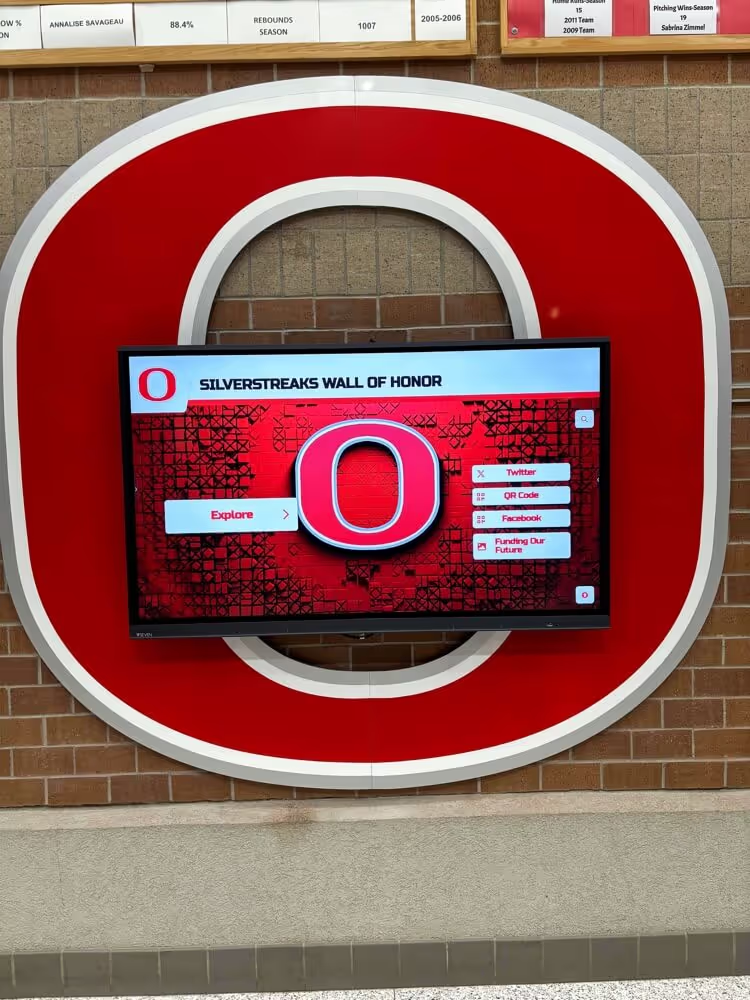
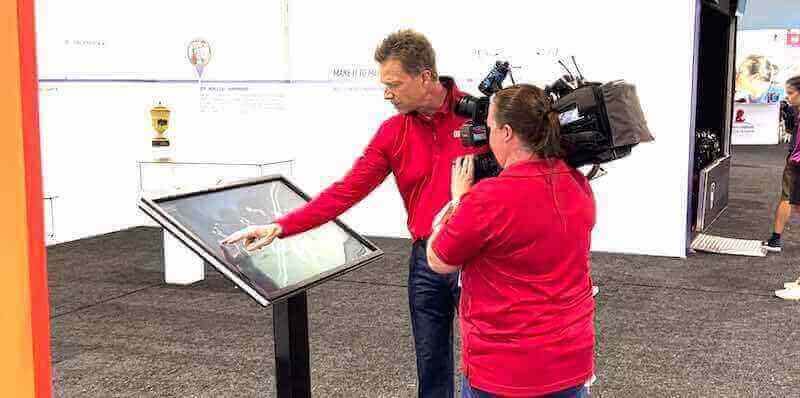
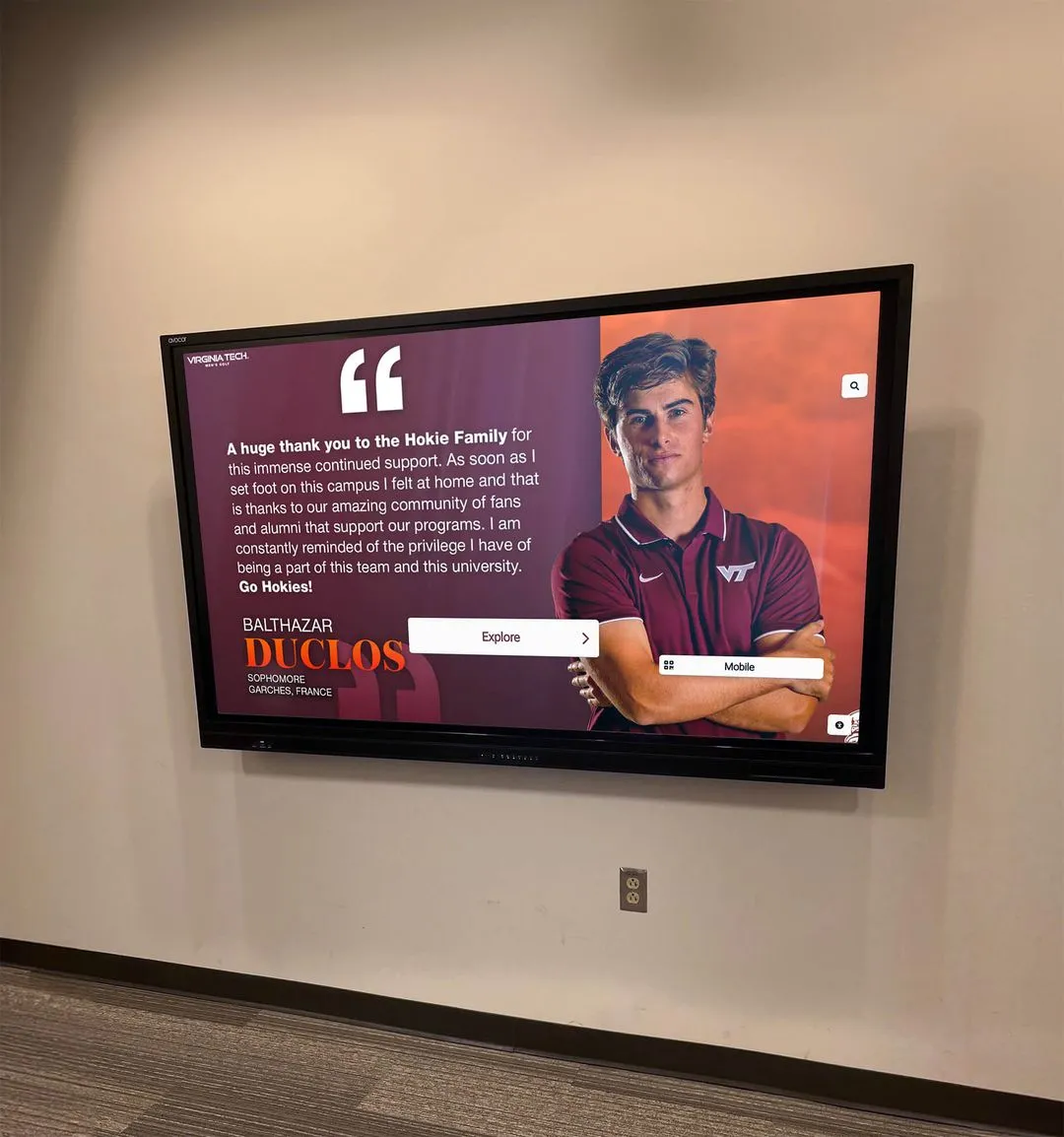
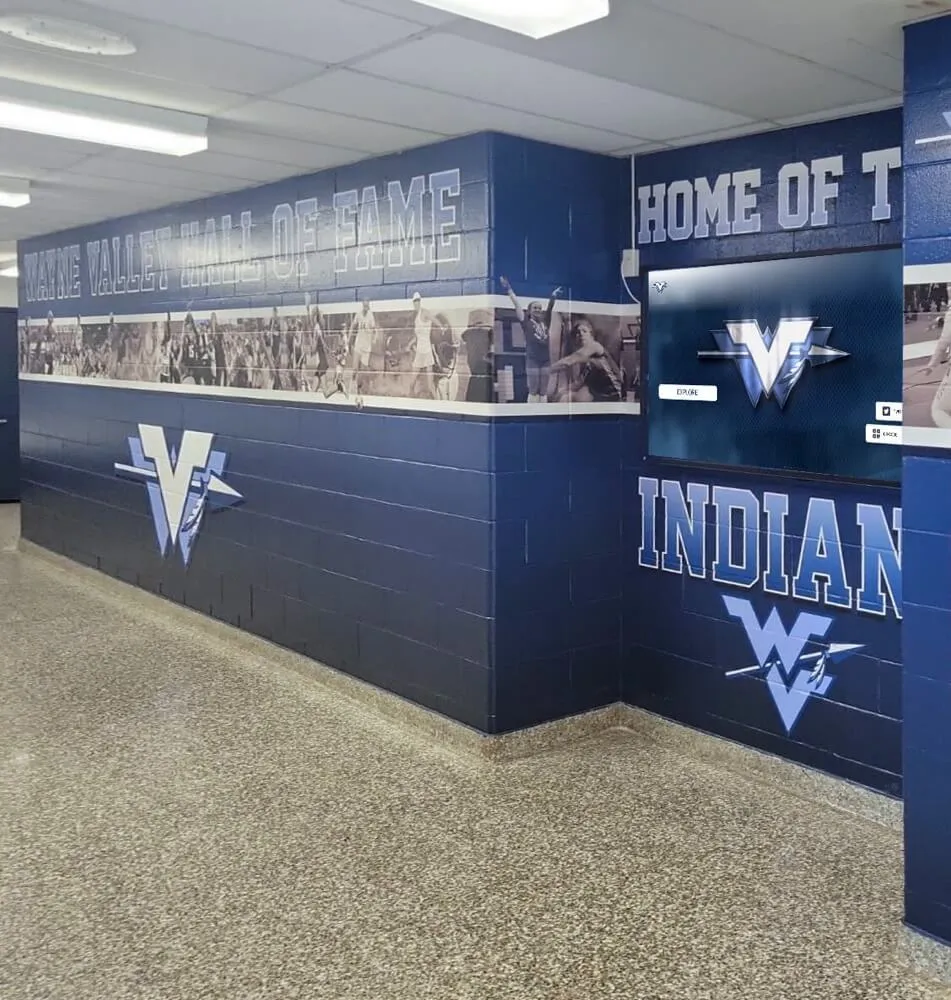
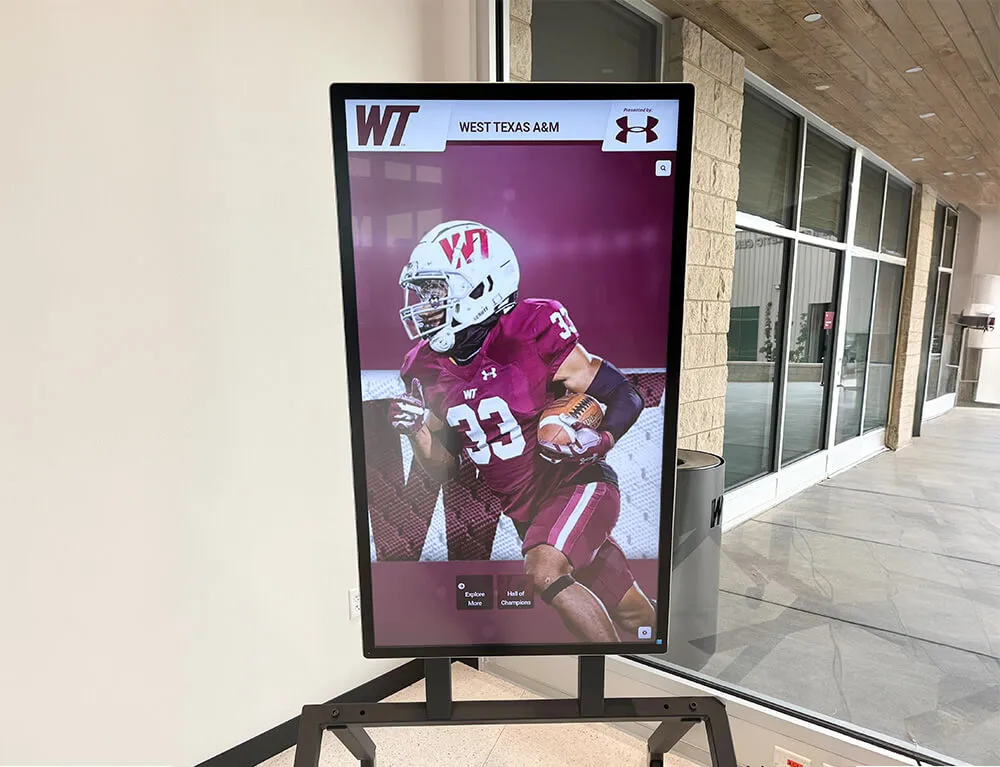
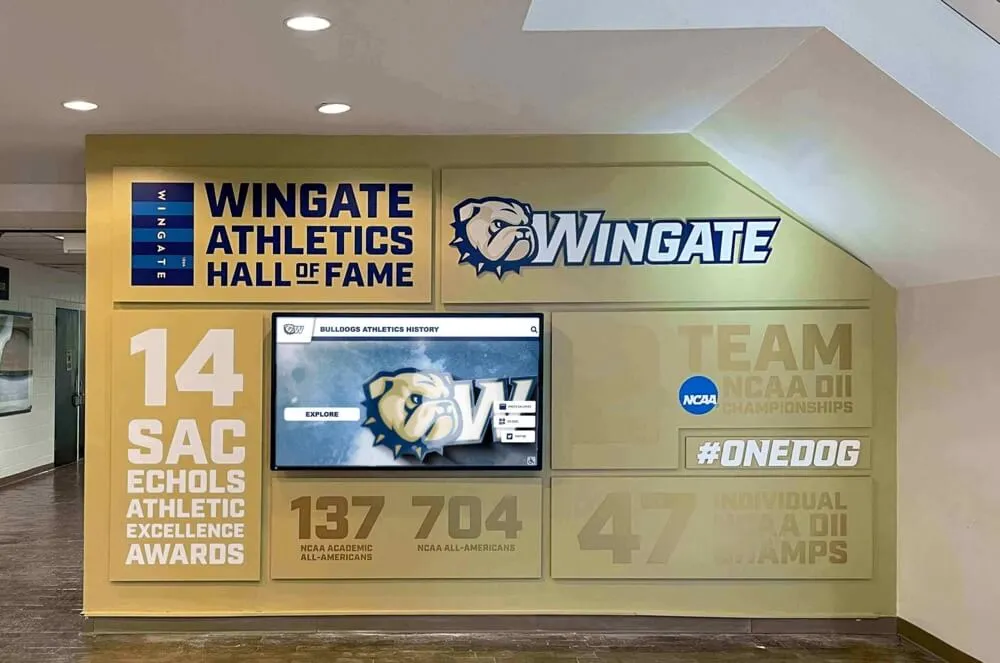
Interactive storytelling displays positioned throughout campus enable prospective students to explore success stories, institutional heritage, and campus culture at their own pace during tours and independent campus visits
Video Tour Overview: Interactive Campus Storytelling for Admissions
This comprehensive walkthrough demonstrates how admission teams integrate interactive storytelling into campus tours, positioning touchscreen displays at strategic locations that enhance recruitment narratives while enabling self-directed exploration supporting diverse prospective student interests and family decision-making processes.
Video Specifications and Target Platform
| Specification | Details |
|---|---|
| Video Length | 12-16 minutes comprehensive demonstration |
| Aspect Ratio | 16:9 (1920x1080 HD; 4K preferred) |
| Target Platform | Embedded web player, admissions websites, virtual tour platforms, recruitment presentations |
| Accessibility | Full closed captions, audio description track |
| Streaming Format | Adaptive bitrate MP4 for all devices |
Tour Structure: Scene-by-Scene Breakdown
This video tour follows a prospective student family through a campus visit enhanced by interactive storytelling:
- Traditional Campus Tour Limitations (60-90 seconds) - Establishing why static tours miss engagement opportunities
- Welcome Center Interactive Storytelling Hub (120-180 seconds) - First impressions with narrative introduction
- Student Success Story Exploration (180-240 seconds) - Browsing achievement journeys matching prospective interests
- Academic Excellence Demonstration (120-180 seconds) - Program strengths through faculty and student testimonials
- Campus Heritage and Tradition (120-180 seconds) - Historical narratives building institutional pride
- Alumni Network Visualization (90-120 seconds) - Career outcomes and mentorship connections
- Strategic Tour Stop Integration (120-180 seconds) - Multiple campus locations enhancing guided narratives
- Self-Directed Campus Exploration (90-120 seconds) - Independent discovery outside scheduled tours
- Mobile Extension and Follow-Up (60-90 seconds) - Continued engagement after campus visits
Each scene demonstrates how interactive storytelling solves specific admission challenges while building comprehensive understanding of narrative-driven recruitment approaches that differentiate campus tours from competitor institutions.
Learn about comprehensive campus engagement in campus tour directory touchscreen displays with wayfinding and storytelling integration strategies.
Scene 1: Traditional Campus Tour Limitations (00:00-01:30)
Visual Elements: Montage showing common campus tour challenges—tour guides trying to engage groups with varying interests, families struggling to remember details from multiple campus visits, static plaques and displays prospective students walk past without reading, and one-size-fits-all narratives failing to address individual student priorities and family concerns.
Narration Script: “Campus tours play a decisive role in college selection—research shows that 95% of prospective students who visit campuses report that tours significantly influence their enrollment decisions, with in-person visits remaining the most trusted information source despite extensive digital research preceding campus trips.
Yet most institutions struggle with fundamental tour limitations that dilute recruitment effectiveness. Tour guides working with diverse groups—engineering prospects alongside theater majors, first-generation students with parents unfamiliar with college experiences, local families touring multiple campuses weekly—must deliver generalized narratives failing to address specific interests and priorities that actually drive individual enrollment decisions.
Static displays throughout campus containing rich institutional stories, remarkable student achievements, and compelling program differentiators receive minimal attention during tours. Prospective families pass historic plaques, trophy cases celebrating championships, donor recognition walls honoring benefactors, and departmental showcase boards without stopping—missing narratives that could significantly influence their perception of institutional excellence and community engagement.
Information retention proves remarkably poor when families tour multiple campuses during intensive college search periods. Details blur together across institutions, making it difficult for students and parents to remember specific program strengths, unique opportunities, and distinguishing campus qualities that should differentiate your institution from competitors when families make enrollment decisions weeks or months after visits.
Today we’ll explore how interactive storytelling transforms campus tours from rushed facility walkthroughs into immersive narrative experiences that prospective students control, personalize, and remember—creating emotional connections that influence enrollment decisions while enabling admission teams to communicate institutional value more effectively than traditional tour approaches allow.”
On-Screen Action:
- Tour guide speaking to large group with visibly disengaged families
- Prospective students walking past displays without stopping
- Parents taking notes trying to remember details from multiple tours
- Static signage and plaques receiving minimal attention
- Text overlay: “Generic Narratives • Limited Engagement • Poor Retention • Missed Opportunities”
Production Notes: Capture authentic campus tour footage showing genuine engagement challenges. Establish problems clearly before presenting interactive storytelling solution. Maintain viewer engagement while demonstrating why current approaches fail to maximize recruitment effectiveness despite tour importance in enrollment decisions.
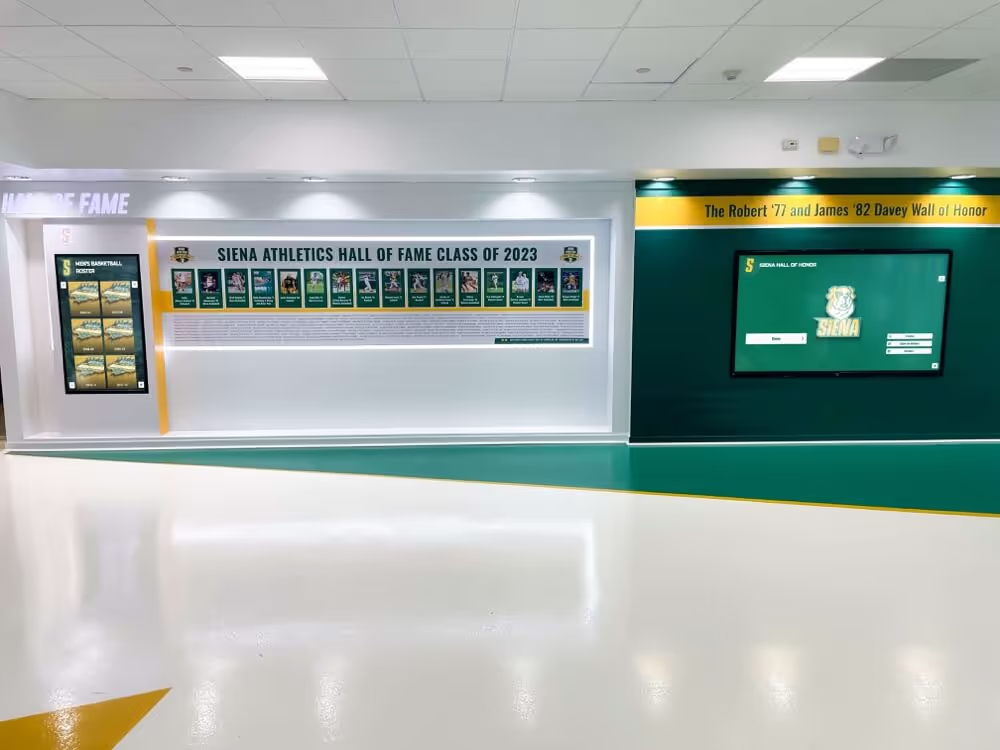
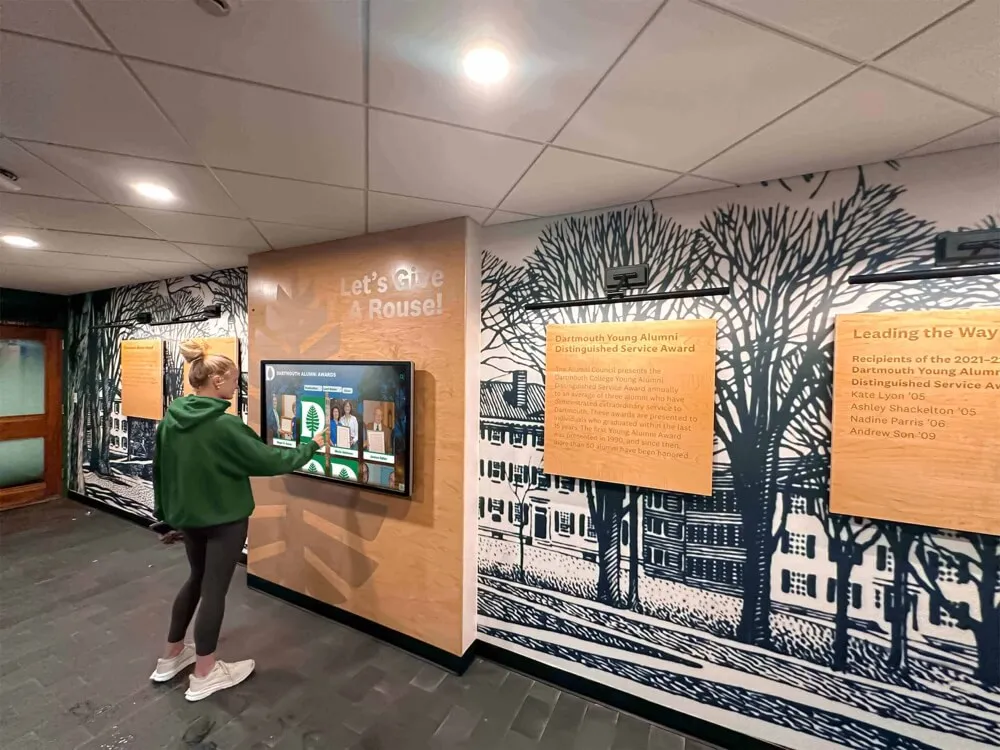
Traditional static displays throughout campus contain compelling stories that prospective students typically walk past without engaging, representing missed recruitment opportunities
Scene 2: Welcome Center Interactive Storytelling Hub (01:30-04:30)
Visual Elements: Smooth transition revealing admission office welcome center with prominent interactive storytelling display, showing waiting families naturally gravitating toward touchscreen while queue forms before scheduled tour begins.
Narration Script: “Welcome to the future of campus recruitment storytelling. This interactive display positioned prominently in our admission welcome center transforms how prospective students and families engage with institutional narratives before, during, and after formal campus tours.
Notice how families waiting for scheduled tours naturally approach the touchscreen display—no prompting required. The intuitive interface invites exploration through clear navigation: ‘Student Success Stories,’ ‘Academic Excellence,’ ‘Campus Heritage,’ ‘Alumni Achievements,’ and ‘Virtual Campus Experience.’ Unlike printed viewbooks sitting on coffee tables, interactive storytelling captures genuine attention during critical pre-tour moments when families form initial campus impressions.
Watch this prospective engineering student navigate to ‘Student Success Stories’ and filter by major interest. Within seconds, he’s exploring profiles of current engineering students and recent graduates—reading about their research experiences, internship placements, post-graduation outcomes, and personal reflections about choosing your institution over competitor schools they also considered. These authentic peer narratives prove significantly more influential than institutional marketing copy or tour guide generalizations.
His parents simultaneously explore ‘Financial Aid Stories’ on their smartphones after scanning the QR code displayed prominently. They’re reading about students from similar socioeconomic backgrounds who successfully financed their education through scholarship combinations and work-study programs—addressing affordability concerns that might otherwise prevent application submission regardless of program quality or campus appeal.
This pre-tour engagement fundamentally changes the tour experience. When the scheduled tour begins, families already understand key institutional strengths, have identified specific questions they want guides to address, and possess baseline knowledge enabling deeper conversation than generic introductory narratives typically allow. Tour guides transition from basic information delivery to meaningful dialogue about fit, opportunities, and student experience quality.”
On-Screen Action:
- Families entering admission welcome center and noticing interactive display
- Student navigating to major-specific success stories with engaged interest
- Parents using QR code to transfer content to personal devices
- Multiple families exploring different sections simultaneously
- Text overlays: “Intuitive Navigation • Personalized Content • Pre-Tour Engagement • Family Activation”
- Admission counselor observing productive family engagement
Production Notes: Capture genuine prospective student interaction showing organic engagement without staging. Demonstrate how intuitive interface requires no explanation or staff assistance. Show diverse families exploring different content matching their specific interests and concerns demonstrating personalization impossible with traditional printed materials.
Discover engagement strategies in interactive announcements feed with dynamic campus communication approaches.
Scene 3: Student Success Story Exploration (04:30-08:30)
Visual Elements: Deep dive into student success story section demonstrating comprehensive profiles including photos, academic journeys, research experiences, internships, campus involvement, post-graduation outcomes, and personal reflections about institutional choice and college experience.
Narration Script: “Let’s explore student success stories in detail—the most powerful recruitment tool institutions possess yet traditionally the most difficult to communicate effectively during brief campus tours.
The prospective student selects a current senior engineering major whose profile opens revealing comprehensive narrative. Here’s Maya Chen, a first-generation student from a suburban public high school who initially questioned whether she belonged at a competitive engineering program. Her story traces four years from uncertain freshman to confident senior heading to graduate school with full fellowship.
Notice the multimedia richness: photos from her research lab, video clips from conference presentations, samples of her published work, screenshots of internship projects at major technology companies, and most compellingly, her personal reflection video addressing questions prospective students commonly ask: ‘How did you overcome imposter syndrome? How accessible are professors? Is the workload manageable? How did you find research opportunities as an underclassman?’
These authentic peer narratives prove exponentially more influential than institutional marketing materials or tour guide generalizations. Prospective students trust current student and recent alumni voices describing actual experiences, challenges they encountered, support systems that helped them succeed, and realistic outcomes achievable through institutional programs and resources.
Browse additional engineering student stories—here are twelve current students and recent graduates with diverse backgrounds, specializations, and post-graduation pathways. International students discussing cultural adjustment and community building. Transfer students reflecting on academic transition experiences. Students balancing athletics with rigorous engineering coursework. First-generation students navigating college with limited family guidance. Every profile addresses different concerns prospective students bring to campus visits.
The comparison and exploration capability transforms recruitment effectiveness. Prospective students identify peers sharing their backgrounds, concerns, and aspirations—seeing themselves reflected in current student success creates powerful ‘students like me succeed here’ messaging impossible to achieve through generalized tour narratives attempting to resonate with every visitor simultaneously.
Parents gain critical insights into institutional support quality, career preparation effectiveness, and realistic outcomes their investment might generate—addressing decision-making criteria beyond academic reputation and campus aesthetics that influence family enrollment support and financial commitment.”
On-Screen Action:
- Navigate to detailed student profile with comprehensive multimedia content
- Play video testimonial addressing prospective student common concerns
- Browse multiple student profiles showing diversity of experiences and outcomes
- Filter stories by major, background, interests, and post-graduation pathways
- Show family discussing story details and relating content to their situation
- Demonstrate mobile transfer capability for continued exploration after tour
- Text overlays: “Authentic Narratives • Peer Voices • Diverse Pathways • Multimedia Rich • Trust Building”
Production Notes: Feature actual student content with proper permissions and authentic narratives. Demonstrate emotional connection prospective families form with peer stories. Show how diverse student representation addresses varied visitor concerns and backgrounds. Emphasize trust and authenticity impossible with polished marketing materials lacking genuine student voice.

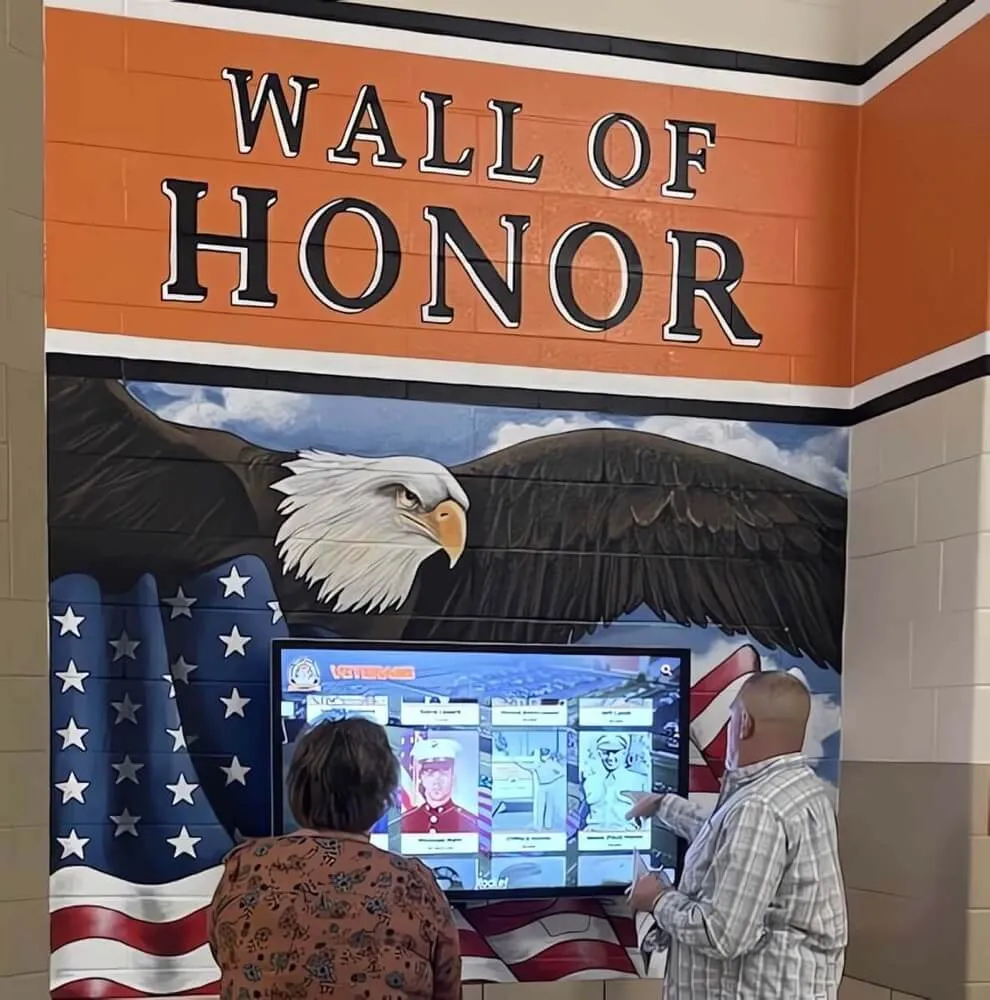
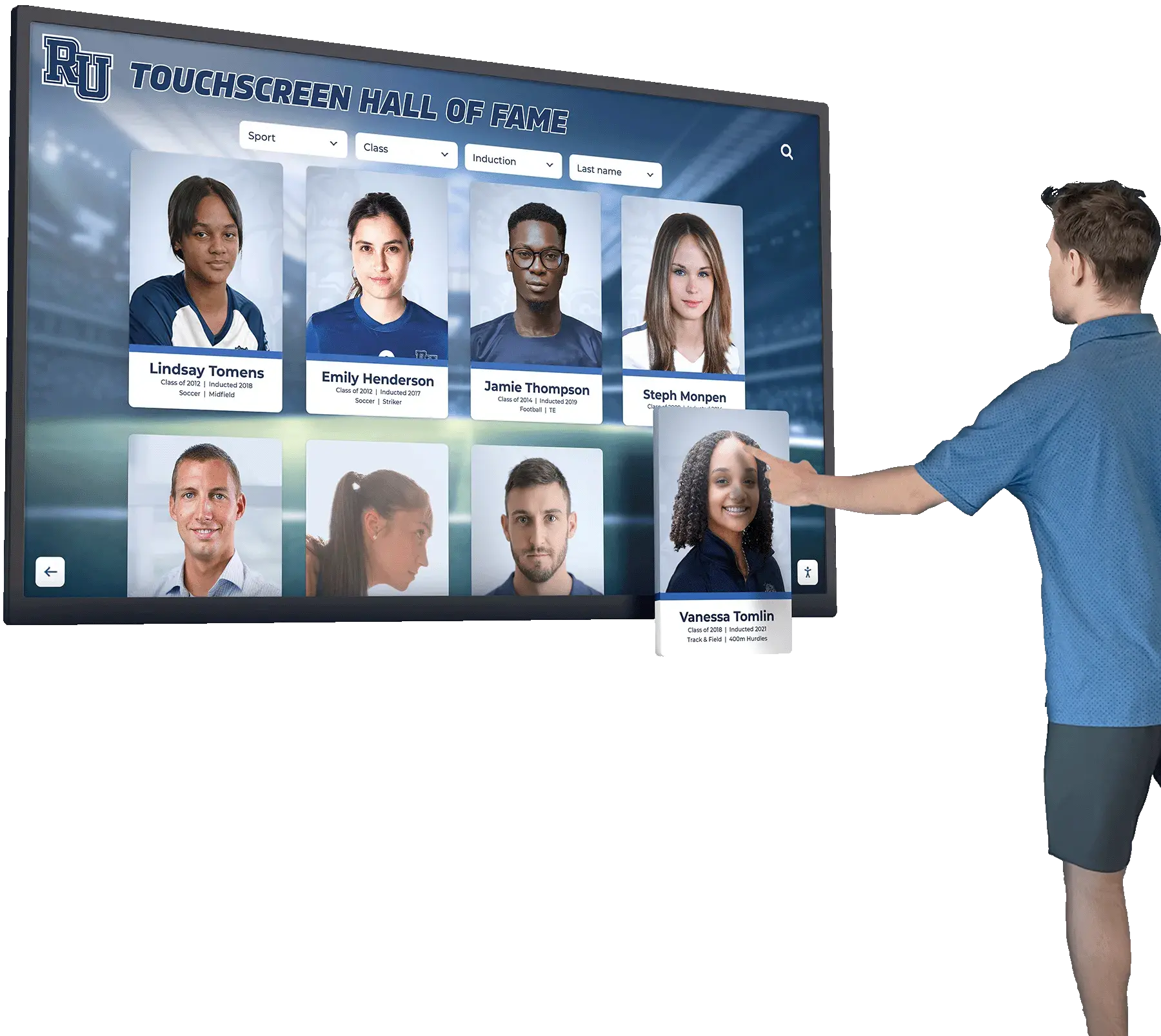
Intuitive interfaces enable prospective students to explore detailed success stories featuring peers sharing their backgrounds, interests, and aspirations creating powerful identification and institutional belonging
Explore student recognition approaches in alumni recognition programs with comprehensive showcase strategies.
Scene 4: Academic Excellence Demonstration (08:30-11:30)
Visual Elements: Demonstration of academic program showcases featuring faculty achievements, research opportunities, unique program differentiators, facilities and resources, and student-faculty collaboration examples that distinguish programs from competitor institutions.
Narration Script: “Prospective students evaluating multiple institutions need clear evidence of academic program quality beyond rankings and reputation. Interactive storytelling enables demonstration of program excellence through faculty accomplishments, student research engagement, unique institutional resources, and distinctive opportunities unavailable at competitor schools.
Navigate to ‘Academic Excellence’ and select ‘Engineering Programs.’ Immediately visible are program differentiators: specialized research facilities unique to your institution, industry partnership programs providing exclusive internship pipelines, innovative curriculum approaches addressing emerging field needs, and student research publication rates demonstrating undergraduate scholarly engagement uncommon at peer institutions.
Explore faculty profiles showcasing research active professors accessible to undergraduates. Here’s Dr. Rodriguez whose sustainable energy research involves undergraduate team members from freshman year—unusual opportunity at research universities where graduate students typically monopolize faculty research engagement. His profile includes videos explaining research projects in accessible language, examples of undergraduate contributions to published papers, and testimonials from students describing mentorship experiences influencing their academic and career trajectories.
The program comparison feature proves particularly valuable when prospective students apply to multiple institutions offering similar majors. View the engineering program comparison tool: distinctive resources available here, exclusive industry partnerships competitor schools lack, smaller class sizes in critical courses, research opportunities accessible to all students versus competitive application processes elsewhere, and four-year graduation rates demonstrating program structure supporting timely completion despite curriculum rigor.
These concrete program differentiators address family questions tour guides often struggle to answer definitively: Why should students choose your engineering program over competitor institutions also offering ABET-accredited degrees? What unique opportunities justify potentially higher tuition costs? What evidence demonstrates program quality beyond marketing claims and ranking positions?
The self-service exploration format enables depth impossible during time-constrained tours. Prospective students interested in mechanical engineering specialization explore specific faculty, facilities, and student project examples. Those considering biomedical engineering investigate different content. Computer engineering prospects examine yet different resources. Personalized exploration addresses individual interests comprehensively while tour guides maintain schedule managing large group logistics.”
On-Screen Action:
- Navigate to academic program showcase section
- Display program differentiators with supporting evidence and examples
- Explore faculty profile with research descriptions and student testimonials
- Show program comparison tool highlighting competitive advantages
- Demonstrate specialization-specific content matching prospective student interests
- Display facilities tour with 360-degree views and equipment showcases
- Text overlays: “Evidence-Based Excellence • Faculty Accessibility • Unique Resources • Competitive Advantages • Specialized Depth”
Production Notes: Show authentic program content demonstrating genuine differentiators versus marketing generalizations. Emphasize evidence and specificity that build credibility. Capture prospective families discovering information genuinely influencing their program evaluation and institutional comparison. Balance institutional pride with factual presentation that maintains integrity and trustworthiness.
Learn program showcase strategies in digital storytelling athletic programs with comprehensive narrative approaches.
Scene 5: Campus Heritage and Tradition (11:30-14:30)
Visual Elements: Demonstration of institutional history section featuring founding narratives, tradition evolution, notable alumni achievements across generations, historic photographs and documents, and community impact stories building pride and emotional institutional connection.
Narration Script: “Beyond current programs and contemporary student experiences, prospective families seek institutional heritage demonstrating longevity, stability, and enduring commitment to educational mission—qualities suggesting their investment in your institution will remain sound throughout four-year degree completion and beyond.
Navigate to ‘Campus Heritage’ revealing institutional founding story. Here’s the 1887 establishment narrative with historic photographs, founding documents, original mission statements, and evolution story showing how institutional values adapted across decades while maintaining core educational commitments. This historical depth communicates stability and permanence—qualities particularly valued by families making significant educational investments during uncertain economic periods.
Explore ‘Traditions’ showcasing annual events, ceremonial practices, and community rituals distinguishing campus culture. Homecoming celebration traditions spanning over a century. Commencement ceremonies evolving while maintaining historic elements. Academic honor society induction rituals creating meaningful milestone celebrations. These tradition narratives help prospective students envision themselves participating in campus life beyond classroom academic experiences.
The ‘Notable Alumni’ section demonstrates long-term institutional impact through graduate success across fields and generations. Filter by decade showing alumni achievement continuity: pioneers from early graduating classes who built industries and served communities, mid-century graduates who achieved leadership positions and made scholarly contributions, recent alumni securing competitive post-graduate positions and launching ventures. This multi-generational success evidence suggests institutional educational quality remains consistently strong across time.
Geographic alumni distribution maps show where graduates live and work—important information for students considering specific regional career interests or families concerned about job placement geographic limitations. Click any region revealing alumni concentration, employer partnerships, regional alumni network chapters offering mentorship and networking, and career placement statistics demonstrating geographic reach matching student aspirations.
Historic moments showcase institutional resilience and values in action: responses to societal challenges, pioneering academic initiatives, infrastructure expansions supporting enrollment growth, community service traditions, and institutional values demonstration through crisis responses. These narratives build emotional connections and pride—prospective students imagining themselves joining legacy extending generations while contributing their unique stories to ongoing institutional heritage.”
On-Screen Action:
- Navigate to institutional founding story with historic photographs and documents
- Explore tradition showcases with multimedia celebration documentation
- Browse notable alumni organized by decade and achievement field
- Display geographic alumni distribution maps with regional concentration details
- Show historic milestone moments demonstrating institutional values and resilience
- Play video compilations showing tradition evolution across decades
- Demonstrate family emotional engagement with heritage narratives
- Text overlays: “Institutional Heritage • Multi-Generational Success • Values Demonstration • Community Pride • Legacy Connection”
Production Notes: Balance nostalgia with contemporary relevance showing heritage informing present rather than remaining isolated history. Feature diverse alumni representation across generations, fields, and backgrounds. Demonstrate how heritage narratives build emotional institutional connections influencing enrollment decisions beyond rational program evaluation. Capture prospective families discussing traditions they could imagine participating in creating belonging anticipation.
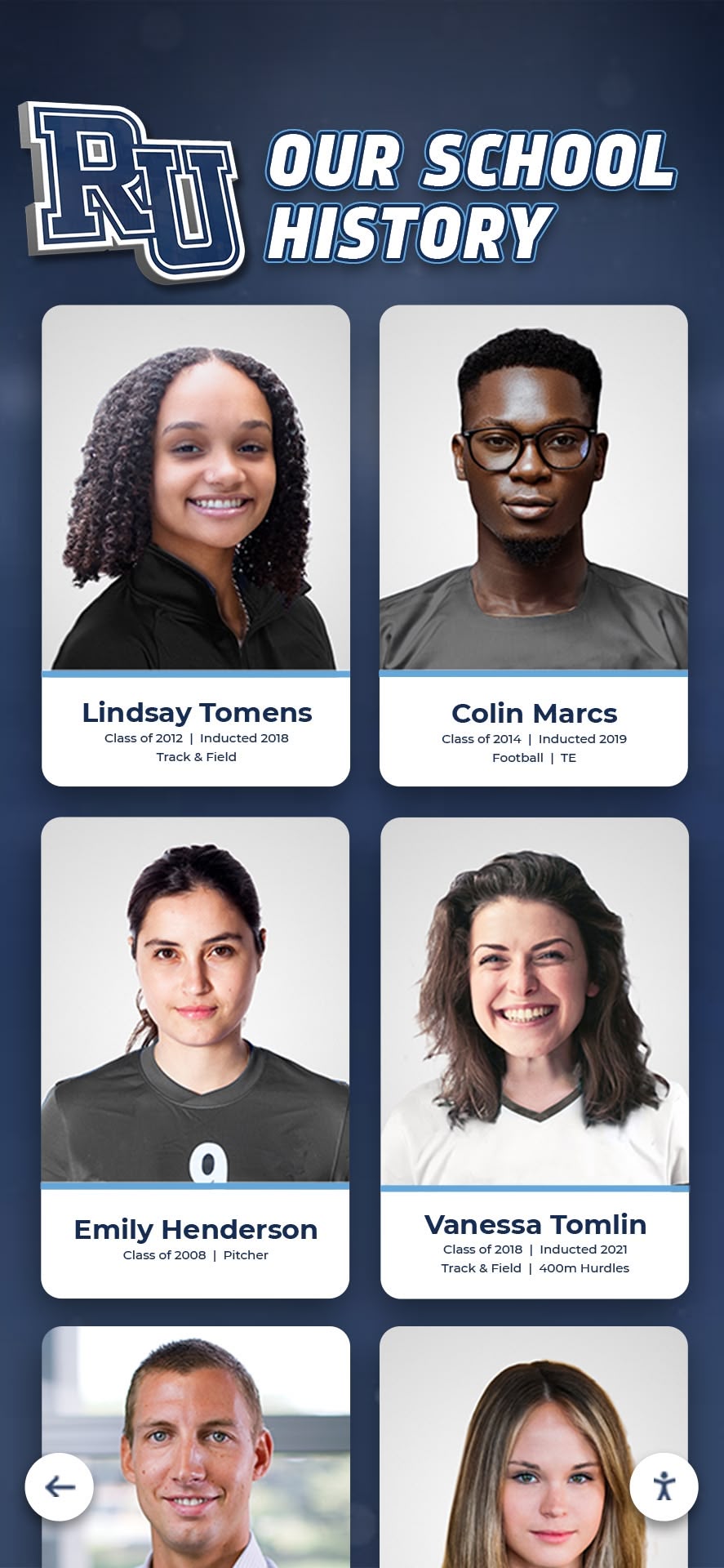
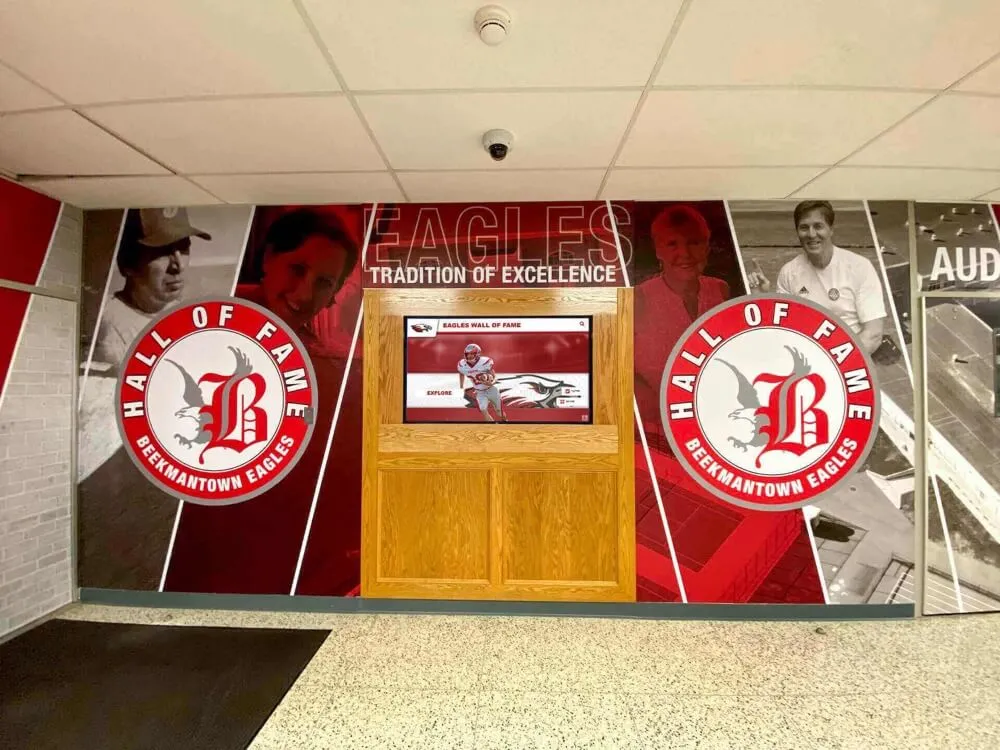
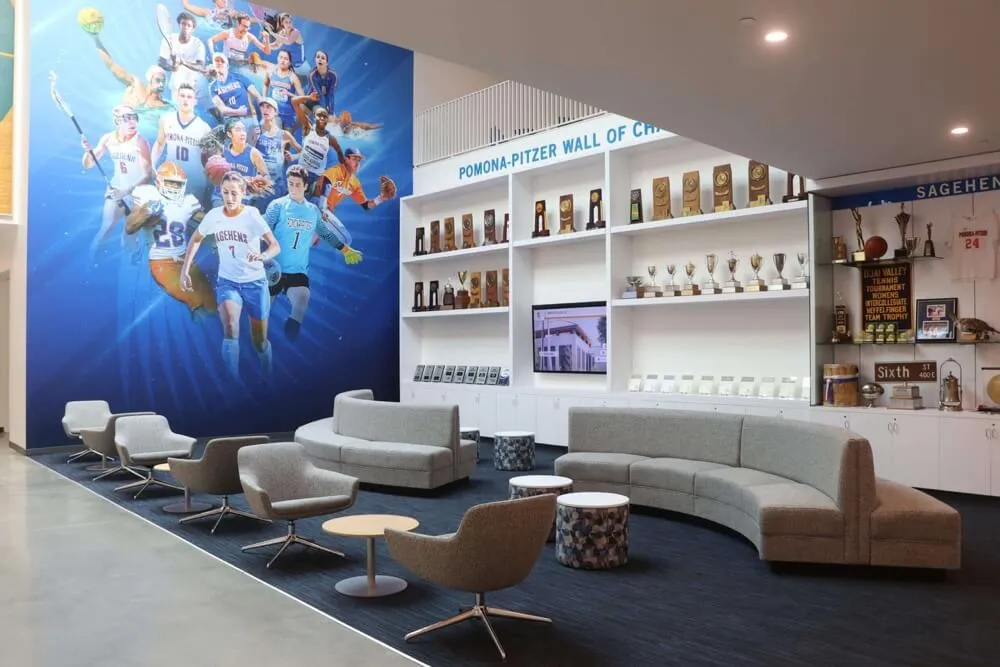
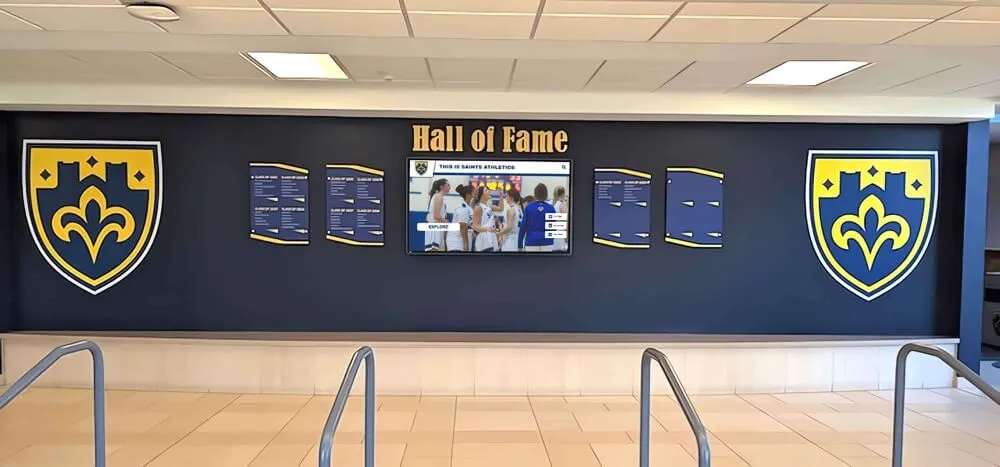
Digital archives preserve institutional heritage across generations enabling prospective students to understand rich traditions they'll join while building emotional connections to campus legacy
Discover heritage preservation in school historical timeline with comprehensive institutional storytelling approaches.
Scene 6: Alumni Network Visualization (14:30-16:30)
Visual Elements: Behind-the-scenes demonstration of alumni network showcase featuring career pathways, mentorship connections, industry representation, post-graduation outcomes data, and geographic distribution proving value of institutional network extending beyond degree credential.
Narration Script: “Career preparation and post-graduation outcomes increasingly influence enrollment decisions as students and families weigh educational investment return. Alumni network visualization demonstrates institutional value extending far beyond degree completion while building confidence in career support quality.
Navigate to ‘Alumni Achievements’ revealing comprehensive network representation. The industry distribution visualization shows where graduates work across sectors: technology companies, healthcare organizations, educational institutions, government agencies, non-profit organizations, entrepreneurial ventures, and graduate programs. This diversity demonstrates educational preparation quality enabling success across varied career pathways rather than narrow field specialization limiting options.
Filter by graduation decade showing career progression patterns. Recent graduates in entry-level positions and graduate programs. Five-year alumni advancing to mid-career roles with increased responsibility. Ten-year graduates achieving senior positions and specialized expertise. Twenty-year alumni in executive leadership and influential positions. This progression evidence demonstrates long-term career support and network value persisting decades beyond graduation.
The mentorship connection feature proves particularly compelling to prospective students uncertain about career clarity and professional network access. Browse alumni who volunteered for student mentorship organized by industry, functional role, and geographic location. Click any mentor revealing their career journey, advice for current students, willingness to provide informational interviews, and connection through institutional platform.
This visible mentorship access addresses common prospective student concern: ‘If I attend here, will I have connections helping me secure internships and jobs, or will I struggle competing against students from institutions with stronger networks?’ The evidence of thousands of engaged alumni offering guidance proves institutional commitment to career support extending far beyond campus career services office.
Career outcomes data presented transparently builds credibility while demonstrating realistic expectations. View engineering graduate outcomes: first-destination statistics showing employment and graduate school placement within six months, average starting salaries compared to national benchmarks, employer partners regularly recruiting graduates, and alumni career satisfaction survey results reflecting on educational preparation quality years after graduation.
The geographic network distribution shows alumni concentration by region and city—critical information for students considering specific geographic career interests. Strong alumni presence in desired cities suggests networking advantages, institutional reputation recognition, and potential mentor access facilitating career entry in competitive markets.”
On-Screen Action:
- Navigate to alumni network visualization with industry distribution
- Display career progression patterns across graduation decades
- Browse mentorship directory with alumni volunteer profiles
- Show career outcomes data with transparent first-destination statistics
- Display geographic network maps with regional concentration
- Demonstrate prospective student exploring alumni in career field of interest
- Show parent reviewing employment outcomes and salary data
- Text overlays: “Network Value • Career Pathways • Mentorship Access • Outcomes Transparency • Long-Term Support”
Production Notes: Present authentic outcomes data maintaining integrity rather than selective statistics creating unrealistic expectations. Show how alumni network visualization addresses family concerns about career preparation return on investment. Demonstrate mentorship accessibility creating confidence in long-term support. Balance optimism with realism building trust through transparent honest presentation.
Explore alumni engagement in alumni where are they now spotlight with comprehensive career showcase strategies.
Scene 7: Strategic Tour Stop Integration (16:30-19:30)
Visual Elements: Tour of multiple campus locations showing strategic interactive storytelling displays positioned at key tour stops enhancing guided narratives, enabling extended exploration, and accommodating diverse group interests during scheduled tours.
Narration Script: “Strategic display placement throughout campus enables admission teams to integrate interactive storytelling into guided tours, transforming static tour stops into dynamic engagement opportunities that accommodate diverse visitor interests while maintaining tour schedule and group logistics.
The tour guide leads families to the student union building—central campus hub and typical tour stop. Notice the interactive display positioned prominently in the main lounge. The guide introduces it briefly: ‘While I describe student life programs, feel free to explore student organization information, event calendars, and current student reflections about campus community.’ This invitation enables self-directed exploration while the guide continues general narrative for attentive listeners.
Watch how families naturally separate based on interests. Parents exploring residential life information addressing housing concerns. Prospective students browsing club sport and intramural offerings. Siblings accompanying families exploring campus dining options. The multi-user touchscreen accommodates simultaneous exploration without requiring tour subdivision or extended stops disrupting schedule flow.
Move to the academic quad where the guide pauses at the engineering building. Another interactive display positioned near the entrance showcases departmental information: faculty research areas, laboratory facilities, student project galleries, industry partnership programs, and capstone design examples. The engineering-interested student spends five focused minutes exploring program-specific content while the guide continues general campus narrative for families with different academic interests.
This integration approach solves persistent tour challenge: how to address diverse visitor interests during time-constrained group tours without boring families with irrelevant information or rushing past content highly relevant to specific prospects. Interactive storytelling enables self-service deep dives into interests while tour guides maintain efficient schedules covering essential campus locations.
At the athletic facility, another display showcases student-athlete success balancing competitive athletics with academic rigor. Families with athletic recruitment interests explore sport-specific information, academic support resources, and student-athlete testimonials while tour guides address general questions about campus recreation opportunities serving non-athlete students.
The cumulative effect proves powerful: prospective students engage with content directly relevant to their interests across multiple campus locations, gaining personalized campus understanding impossible through one-size-fits-all tour narratives, while tour guides maintain structured schedules ensuring all families see essential campus facilities within time constraints parents and students balance during intensive college search schedules visiting multiple institutions.”
On-Screen Action:
- Tour guide introducing interactive display at student union tour stop
- Families separating to explore different content areas simultaneously
- Engineering-interested student deeply engaging with department showcase
- Parents exploring residential life while student browses activities
- Athletic recruit families investigating student-athlete support resources
- Tour continuing efficiently with self-service exploration enabling personalization
- Multiple campus locations showing consistent storytelling integration
- Text overlays: “Strategic Placement • Diverse Interests • Schedule Efficiency • Self-Service Depth • Personalized Engagement”
Production Notes: Capture authentic tour environment showing natural integration without forced staging. Demonstrate how displays solve real tour challenges around diverse interests and time constraints. Show families genuinely engaged with content relevant to their specific concerns while tour maintains flow. Emphasize multiplier effect of multiple campus location displays building comprehensive understanding.
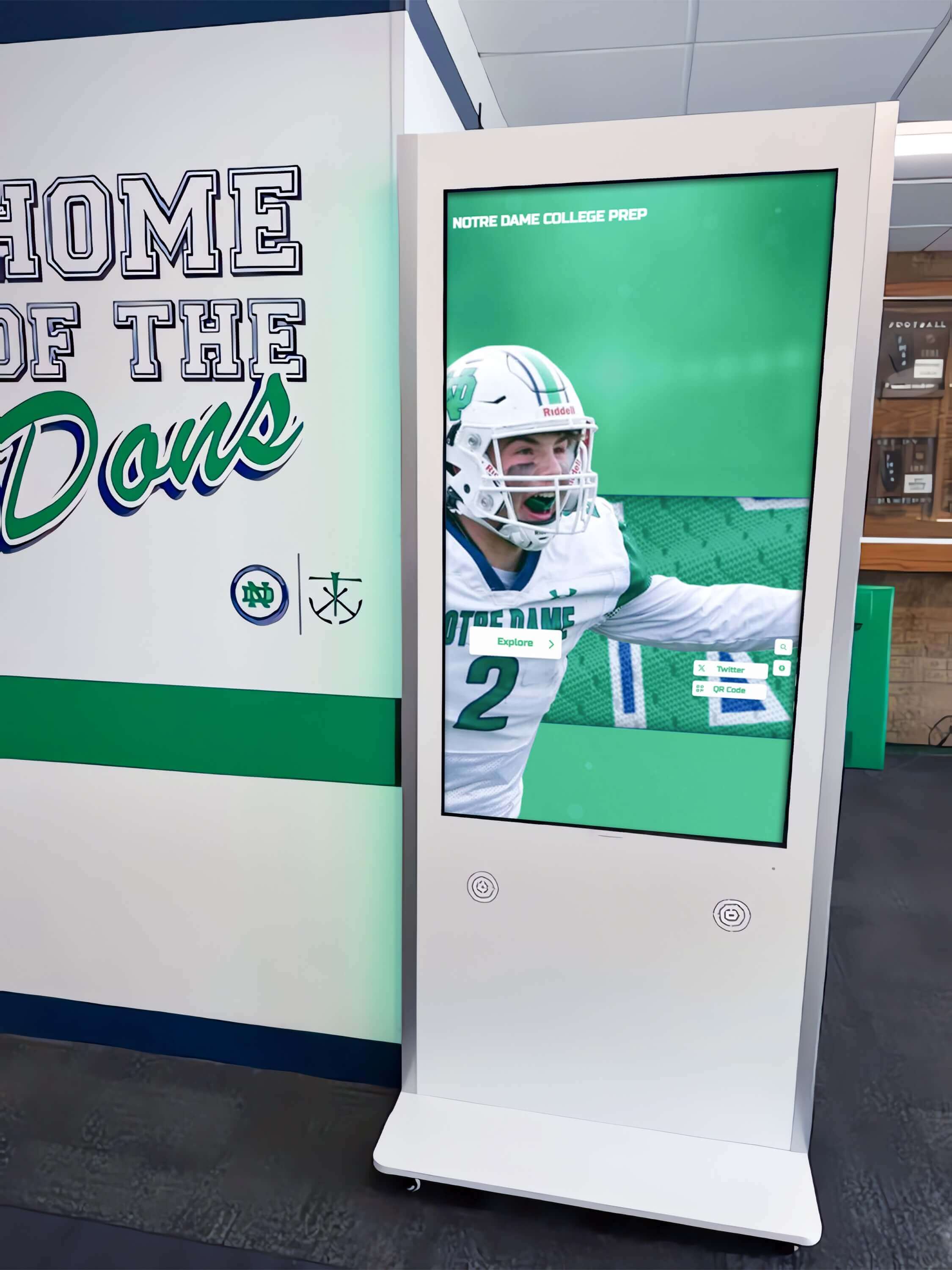
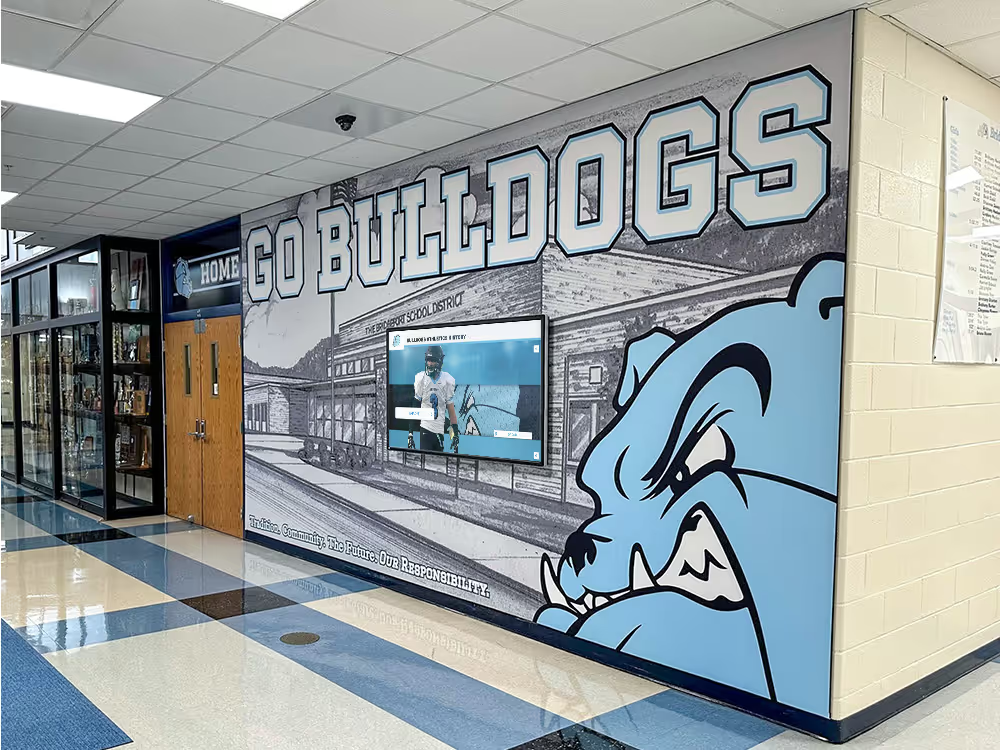
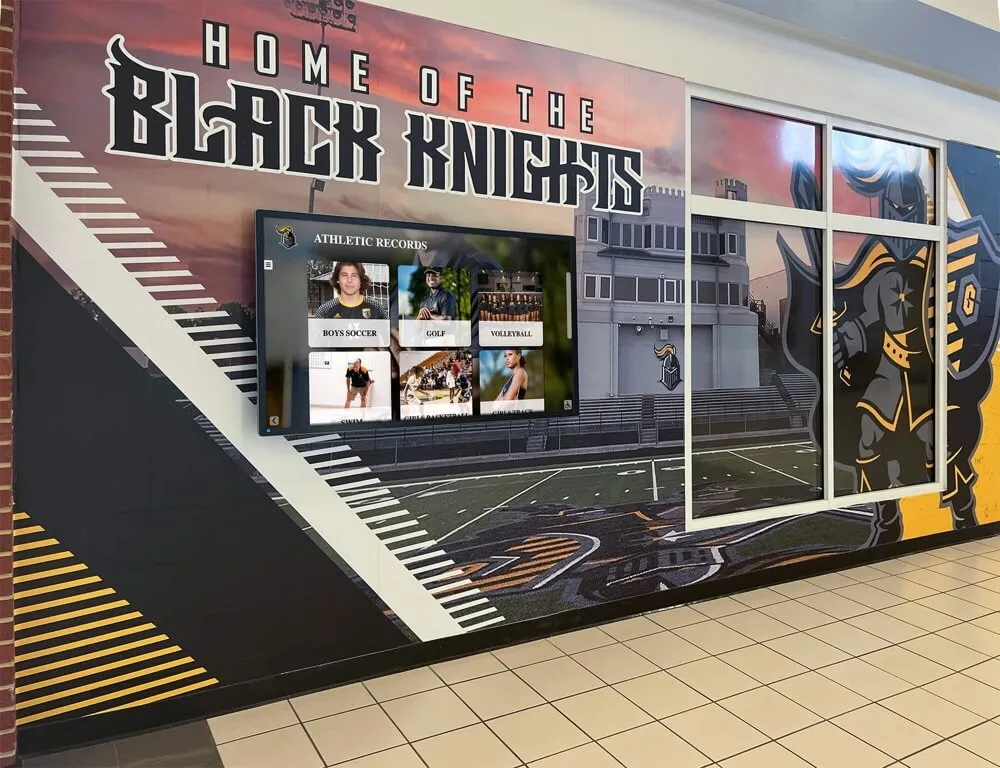
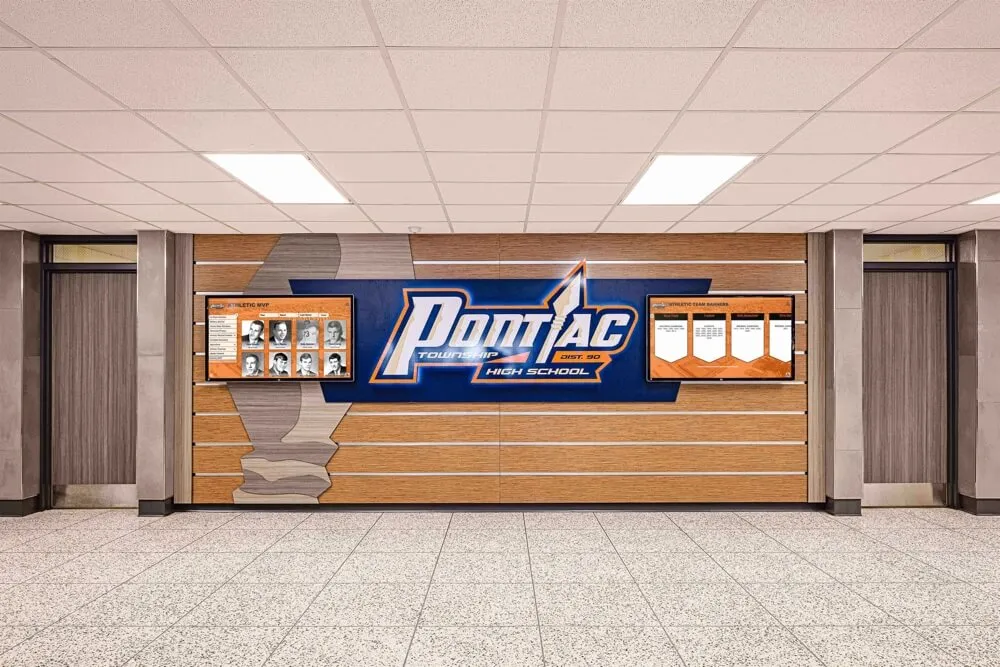
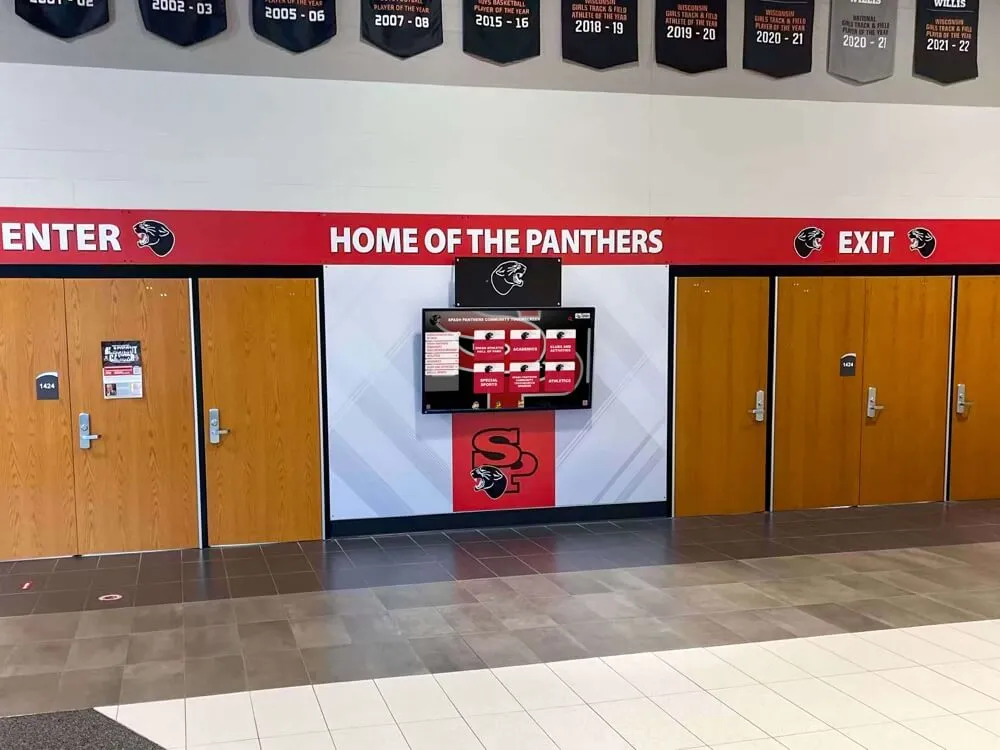
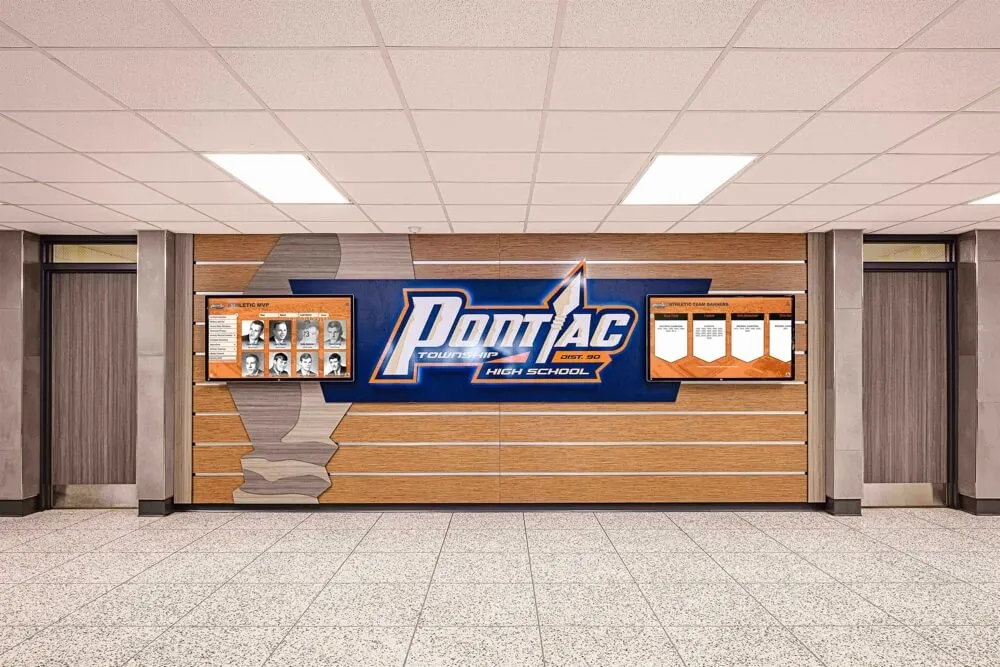
Strategically positioned displays at key tour stops enable personalized exploration accommodating diverse family interests while tour guides maintain efficient schedules
Learn campus integration strategies in exciting hallway displays schools with comprehensive installation approaches.
Scene 8: Self-Directed Campus Exploration (19:30-21:30)
Visual Elements: Demonstration of self-guided campus visits showing families exploring campus independently without scheduled tours, using interactive storytelling displays for wayfinding, information gathering, and institutional understanding during informal preliminary visits or extended post-tour exploration.
Narration Script: “Not every campus visit occurs during scheduled admission office tours. Prospective students conducting preliminary visits before formal application submission, families arriving outside tour schedule hours, and visitors extending exploration after tours conclude all benefit from interactive storytelling enabling productive self-directed campus engagement.
Watch this family arriving during summer break when scheduled tours run limited schedules. They enter the admission building finding it closed but notice the outdoor interactive display positioned prominently near the entrance. Within minutes, they’re exploring comprehensive campus information: virtual tour capabilities with building descriptions and interior photographs, student success stories organized by interest area, academic program overviews with distinctive features and outcomes, campus life videos showing authentic student experiences, and maps with self-guided tour route suggestions.
This self-service access prevents lost recruitment opportunities when formal tours aren’t available. Families driving through regions visiting multiple campuses over break periods can still gain substantial institutional understanding influencing whether they return for formal tours or submit applications. The alternative—arriving to find admission offices closed with no engagement options—often results in negative impressions and eliminated application consideration regardless of actual program quality.
After their scheduled tour concludes, another family remains on campus for extended independent exploration. The daughter wants deeper engineering program investigation than group tour time allowed. She uses displays in the engineering building to explore specific laboratories, view student research project galleries, watch faculty interviews explaining specialized facilities, and review capstone design examples demonstrating senior year culminating experiences.
Her parents explore financial aid information on their phones after scanning display QR codes, reading detailed scholarship descriptions, net price calculator explanations, and financial aid timeline information addressing concerns the tour guide couldn’t fully answer during brief Q&A period. This extended engagement substantially increases enrollment probability—families leave campus with comprehensive understanding and confidence rather than lingering questions creating application hesitation.”
On-Screen Action:
- Family encountering outdoor display outside closed admission office
- Self-directed exploration of virtual tour and campus overview content
- Prospective student conducting deep program investigation after tour
- Parents using mobile devices to explore financial aid details
- Families leaving campus with satisfied understanding versus confusion
- Display analytics showing extensive self-service usage outside tour hours
- Text overlays: “Self-Service Access • Preliminary Visits • Extended Exploration • Independent Discovery • 24/7 Engagement”
Production Notes: Show authentic self-directed usage scenarios demonstrating value beyond scheduled tours. Emphasize recruitment opportunity capture that would otherwise be lost. Demonstrate family satisfaction and confidence building through comprehensive accessible information. Balance self-service capability with value of personal interactions and scheduled tour experiences.
Learn self-service approaches in campus tour directory touchscreen with comprehensive wayfinding strategies.
Scene 9: Mobile Extension and Follow-Up (21:30-22:30)
Visual Elements: Overview of mobile platform showing how storytelling content extends beyond campus visits through responsive web platforms, QR code transfers, email sharing, and continued engagement supporting decision-making processes occurring weeks or months after campus tours conclude.
Narration Script: “Campus visit influence extends far beyond tour day as families process information, compare institutions, and make enrollment decisions over weeks or months. Mobile platform extension ensures stories that resonated during visits remain accessible supporting continued engagement and decision-making.
Every interactive display prominently features QR codes enabling instant content transfer to personal devices. Prospective students who connected with particular student success stories, parents wanting to review financial aid information, or families interested in specific programs simply scan codes accessing identical content on phones, tablets, or laptops for continued exploration after leaving campus.
The mobile-responsive platform displays perfectly across devices enabling productive engagement anywhere: in hotel rooms comparing notes after visiting multiple campuses that day, during family discussions at home weighing institutional options, while completing applications requiring institutional-specific essay responses, and when reviewing final enrollment decisions after acceptance letters arrive.
Email sharing functionality enables families to forward compelling stories to others involved in decision-making: extended family members providing financial support, high school counselors advising on institutional fit, mentors familiar with specific career fields evaluating program quality, and friends whose opinions influence student preferences and enrollment confidence.
Analytics demonstrate extensive post-visit engagement—families spending substantial time re-exploring content weeks after tours, returning to specific student stories resonating with their situations, reviewing program comparison data during application submission, and sharing content with decision-influencers unable to attend campus visits. This continued engagement proves interactive storytelling influence persisting far beyond initial tour day impressions.”
On-Screen Action:
- Prospective student scanning QR code transferring content to smartphone
- Family reviewing campus stories on tablet in hotel room evening after tour
- Parent sharing student success story via email to relative
- Mobile analytics showing extensive post-visit platform usage
- Timeline graphic showing engagement from initial tour through enrollment decision
- Text overlays: “QR Transfer • Mobile Access • Continued Engagement • Email Sharing • Decision Support”
Production Notes: Balance digital engagement with importance of human interaction and campus visit authenticity. Show how technology extends rather than replaces personal recruitment experiences. Demonstrate genuine post-visit usage patterns proving lasting influence. Emphasize decision support during extended enrollment process extending months beyond initial campus visits.
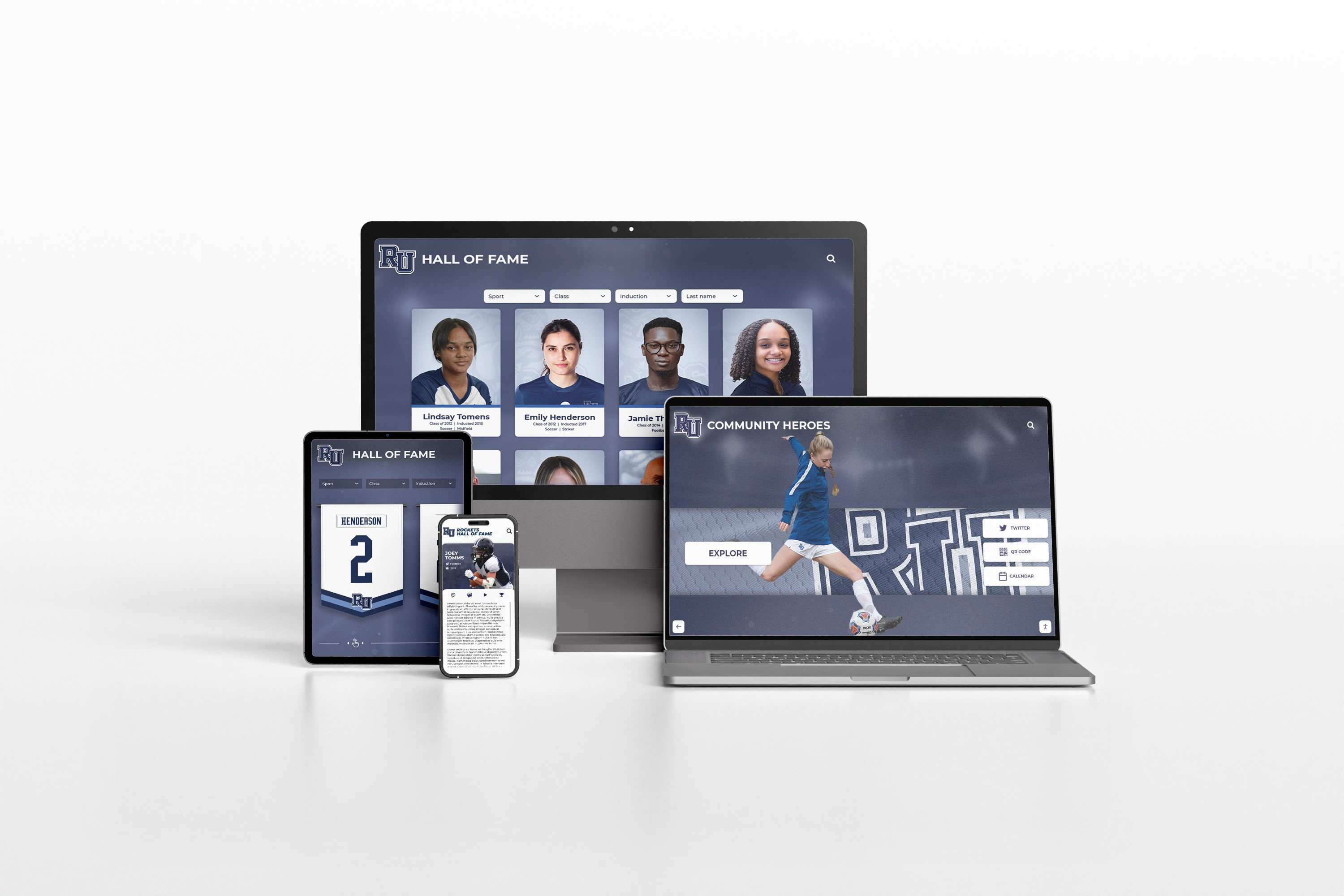
Mobile-responsive platforms extend campus storytelling beyond tour day enabling continued family engagement supporting enrollment decision-making over weeks and months
Production Equipment and Technical Specifications
Professional video tours require appropriate equipment creating polished demonstrations effectively communicating interactive campus storytelling capabilities and admission team integration.
Camera Equipment
Primary Camera: Professional video camera or mirrorless system (Sony A7 series, Canon R series) shooting 4K 60fps minimum. Extra resolution enables digital stabilization and editing flexibility without quality loss during post-production.
Lens Selection: 24-70mm f/2.8 zoom provides versatility for wide campus shots, medium close-ups on family interactions, and detail captures of touchscreen navigation. Prime lenses (35mm f/1.4, 50mm f/1.2) offer superior low-light performance for interior campus spaces with mixed lighting.
Stabilization: Gimbal stabilizer (DJI Ronin, Zhiyun Crane) enables smooth camera movement following tour groups through campus. Slider for controlled linear movements highlighting display features. Professional tripod for static observation shots showing extended family engagement.
Lighting Approach
Key Lighting: LED panels (Aputure, Godox) with adjustable color temperature matching ambient campus conditions. Soft diffusion creating even light without harsh shadows on family faces during interaction shots.
Display Lighting: Careful exposure balancing screen brightness with ambient lighting preventing blown-out displays. Polarizing filter reduces screen glare. Slightly underexpose displays by 1/3 stop maintaining content visibility and readability.
Natural Light Management: Shoot during consistent lighting periods avoiding sunrise/sunset transitions. Scout locations identifying problematic windows requiring flagging or schedule adjustments.
Audio Recording
Narration Recording: Professional USB condenser microphone (Blue Yeti, Rode NT-USB, Shure MV7) in treated environment recording voice-over separately from video ensuring broadcast quality suitable for institutional marketing.
Location Audio: Wireless lavalier microphones (Rode Wireless GO II) capturing tour guide and family audio during authentic tour demonstrations. Boom microphone for ambient campus sound providing environmental context.
Audio Processing: Normalize levels to -3dB peak, noise reduction removing background hum, compression for consistent volume, and subtle EQ enhancing voice clarity for parent and administrator audiences.
Closed Captioning and ADA Compliance
Caption Requirements: Professional closed captions with accurate spelling, proper punctuation, and timing synchronized precisely with audio meeting educational accessibility standards and federal compliance requirements.
Audio Description: Separate audio track describing visual elements for visually impaired viewers including on-screen actions, family reactions, navigation demonstrations, and important visual information not covered by standard narration.
Transcript Document: Complete written transcript available as downloadable document enabling search indexing, reference during admission team meetings, and comprehensive accessibility for all stakeholders.
Measuring Interactive Storytelling Impact on Admissions
Beyond video engagement metrics, institutions should assess interactive storytelling effectiveness on actual recruitment outcomes and enrollment decisions.
Visitor Engagement Metrics
Display Interaction Rates: Track touchscreen usage during and outside scheduled tours showing prospective family engagement levels. High interaction rates indicate compelling content and intuitive interfaces successfully capturing attention.
Content Exploration Depth: Monitor which sections families explore most extensively—student success stories, academic programs, campus heritage, alumni networks—revealing recruitment messaging resonating strongest with target audiences.
Session Duration: Measure average engagement time at each display location identifying high-value positioning and content performing exceptionally well versus areas requiring optimization.
Enrollment Correlation Analysis
Campus Visit Conversion: Compare application submission rates from families using interactive storytelling during tours versus control groups receiving traditional tours alone measuring technology impact on application intent.
Enrollment Yield: Track enrollment rates among accepted students who engaged with interactive storytelling versus those who didn’t, controlling for academic credentials and demographic factors isolating technology influence.
Decision Factor Attribution: Survey enrolled students about factors influencing enrollment decisions, tracking specific mentions of interactive campus stories, student testimonials encountered, or self-service information access influencing institutional choice.
Admission Team Feedback
Tour Guide Assessment: Gather tour guide perspectives on interactive storytelling integration—whether displays enhance tours, enable better diverse group management, reduce repetitive question burden, and improve overall tour effectiveness.
Counselor Observations: Document admission counselor insights about family feedback, whether prospective students reference stories during follow-up contacts, and if storytelling access correlates with application completion and enrollment commitment.
Process Efficiency: Assess whether interactive storytelling reduces admission team workload answering repetitive questions, enables more strategic counselor time allocation, and improves prospect-to-enrollment conversion efficiency through better informed family decision-making.
Conclusion: Storytelling as Competitive Admissions Advantage
Video tours demonstrate how interactive campus storytelling transforms admissions from transactional information delivery into emotional engagement creating institutional connections that influence enrollment decisions throughout extended college search and selection processes.
Transform Your Campus Tours with Interactive Storytelling
Discover how admission teams integrate interactive storytelling displays creating compelling narrative experiences that differentiate your campus while influencing enrollment decisions through authentic student voices and institutional heritage.
Book Your Live DemoThe comprehensive demonstration explored in this guide showcases how storytelling technology addresses fundamental admission challenges: engaging diverse prospective families with varying interests during time-constrained tours, communicating institutional excellence through authentic student and alumni voices, demonstrating program quality and distinctive resources differentiating from competitors, building emotional connections to heritage and tradition, and enabling self-directed exploration supporting individual decision-making processes.
From student success stories creating peer identification to academic excellence demonstrations to alumni network visualization proving long-term value, interactive platforms solve persistent recruitment challenges while creating experiences meeting modern family expectations shaped by digital technology in daily life.
Ready to enhance your admission recruitment strategy? Explore how Rocket Alumni Solutions provides comprehensive interactive storytelling systems combining professional hardware, intuitive content management, multimedia capabilities, and ongoing support ensuring your campus tours create memorable experiences influencing enrollment decisions while communicating institutional value more effectively than traditional tour approaches allow.
Discover additional recruitment strategies in student mentorship alumni discovery showcasing comprehensive connection approaches, or explore digital archives schools colleges demonstrating institutional preservation supporting recruitment narratives.