



Athletic booster clubs fuel the dreams of student-athletes across America—bridging the gap between what school budgets provide and what competitive programs truly need. Whether you’re funding new equipment, team travel, facility improvements, or scholarships, successful fundraising transforms athletic programs from adequate to exceptional, creating opportunities that shape young lives far beyond the playing field.
The most effective booster club fundraisers do more than simply raise money—they build community, strengthen program culture, engage parents and alumni, and create sustainable revenue streams that support athletics year after year. From time-tested classics like concession stands and car washes to innovative digital campaigns and major donor cultivation, successful boosters implement diverse fundraising portfolios generating reliable income while maintaining community goodwill.
This comprehensive guide explores proven booster club fundraiser ideas that work—covering traditional events, creative innovations, corporate partnerships, digital campaigns, and major gift strategies. Whether your booster club is launching its first campaign or seeking fresh ideas to enhance established fundraising, you’ll discover practical approaches that maximize revenue while building the community support essential for long-term athletic program success.
Every dollar your booster club raises represents an investment in student-athletes—providing the resources that enable them to compete, develop skills, build character, and create memories lasting a lifetime. Let’s explore fundraising strategies that turn community support into tangible opportunities for the young athletes who depend on your organization’s success.

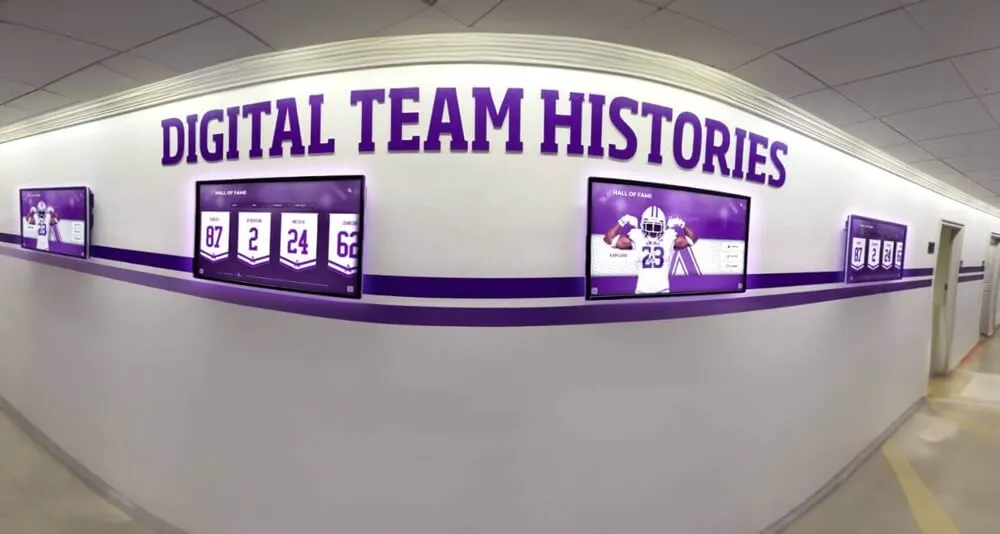
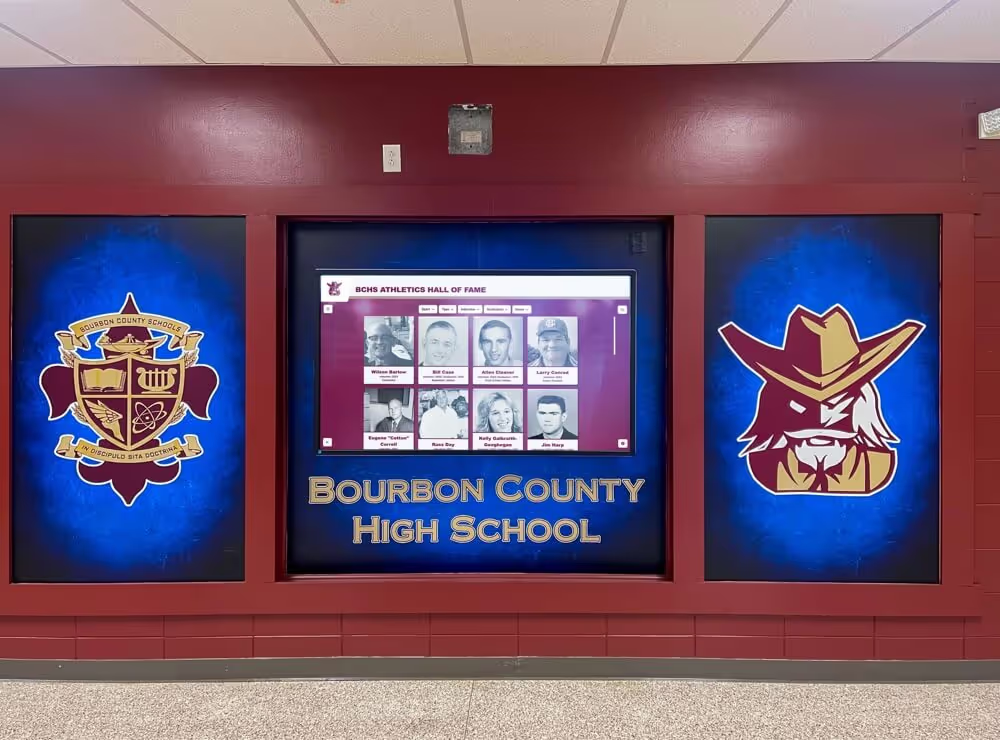
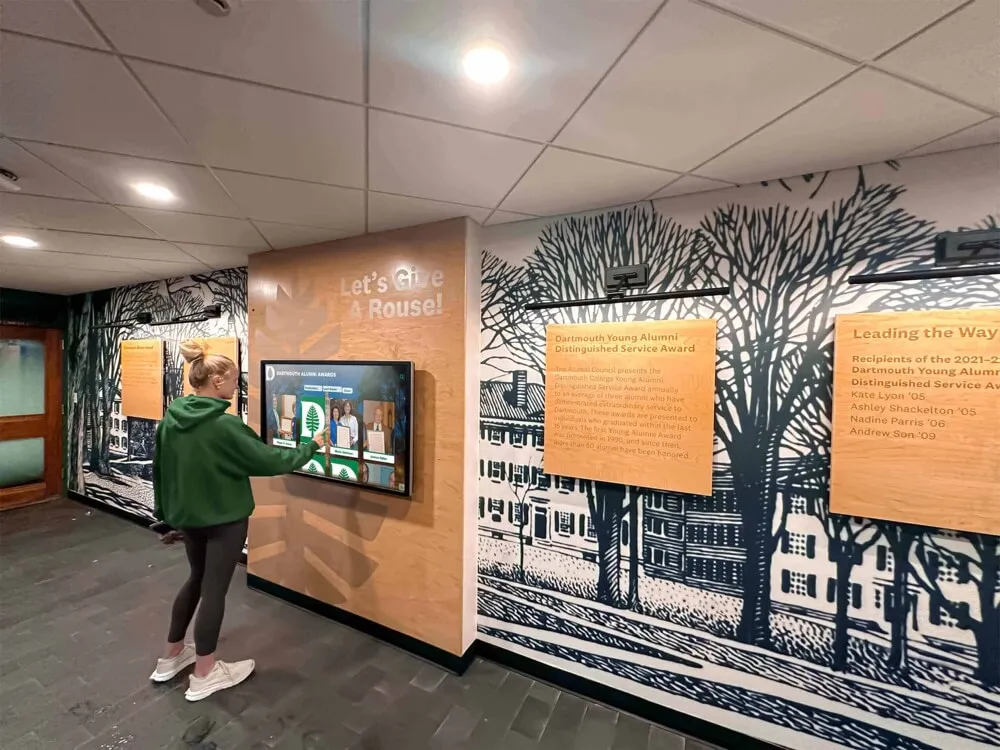
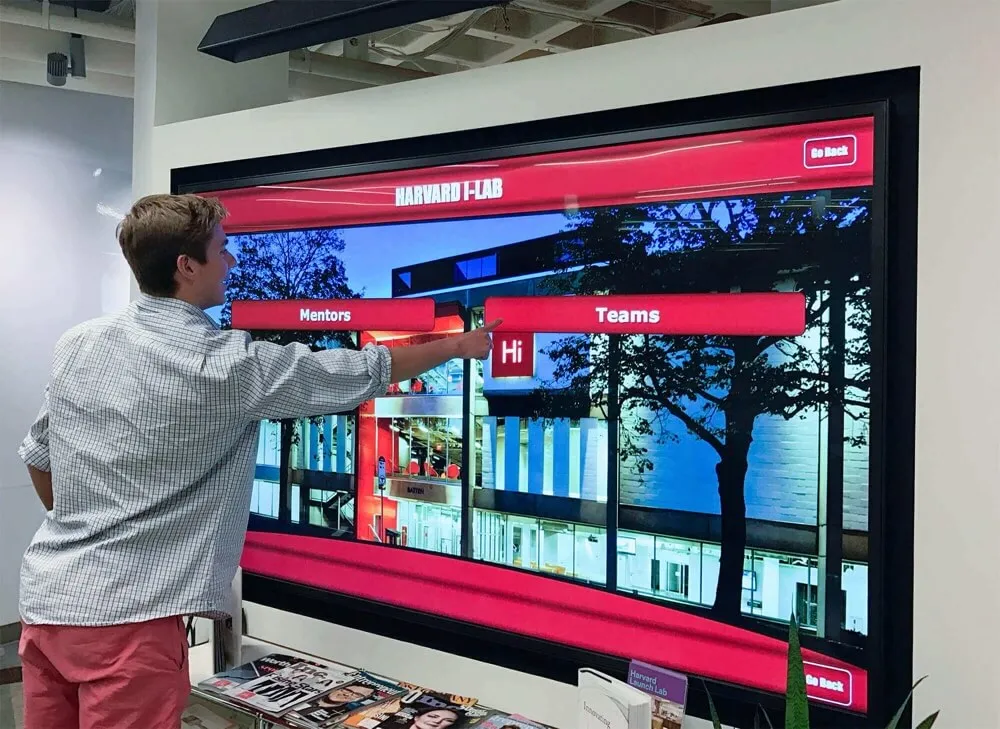
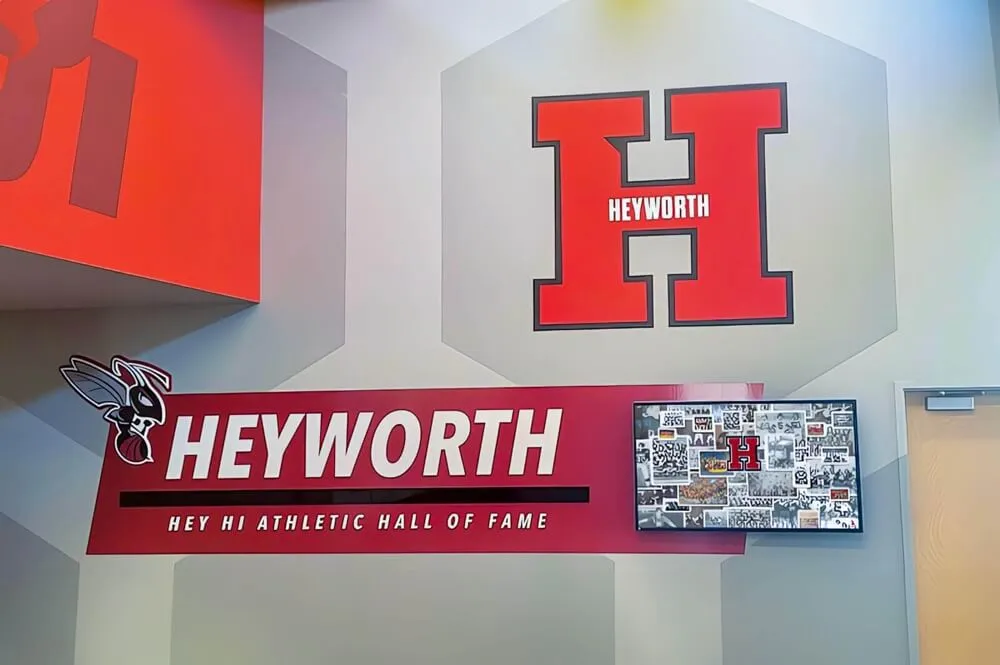
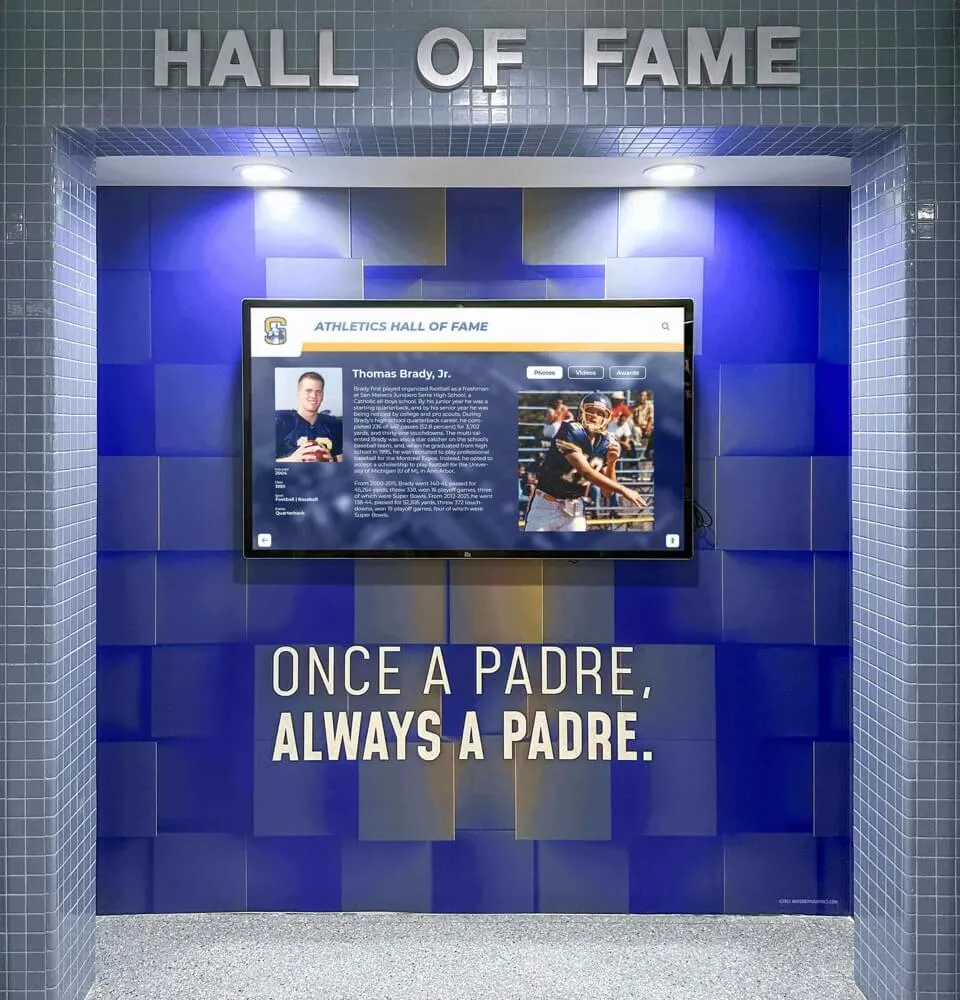
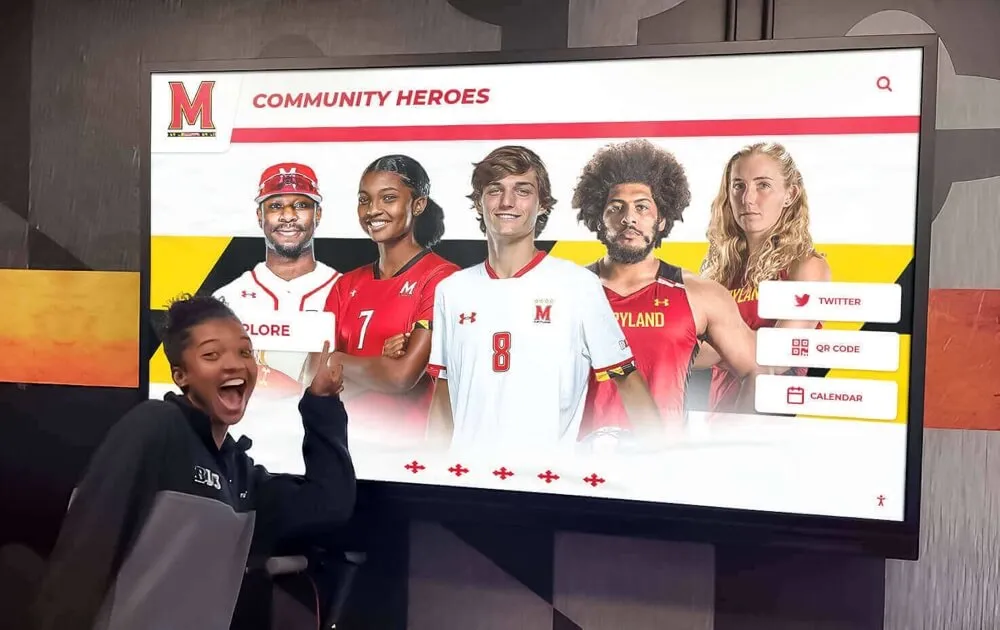
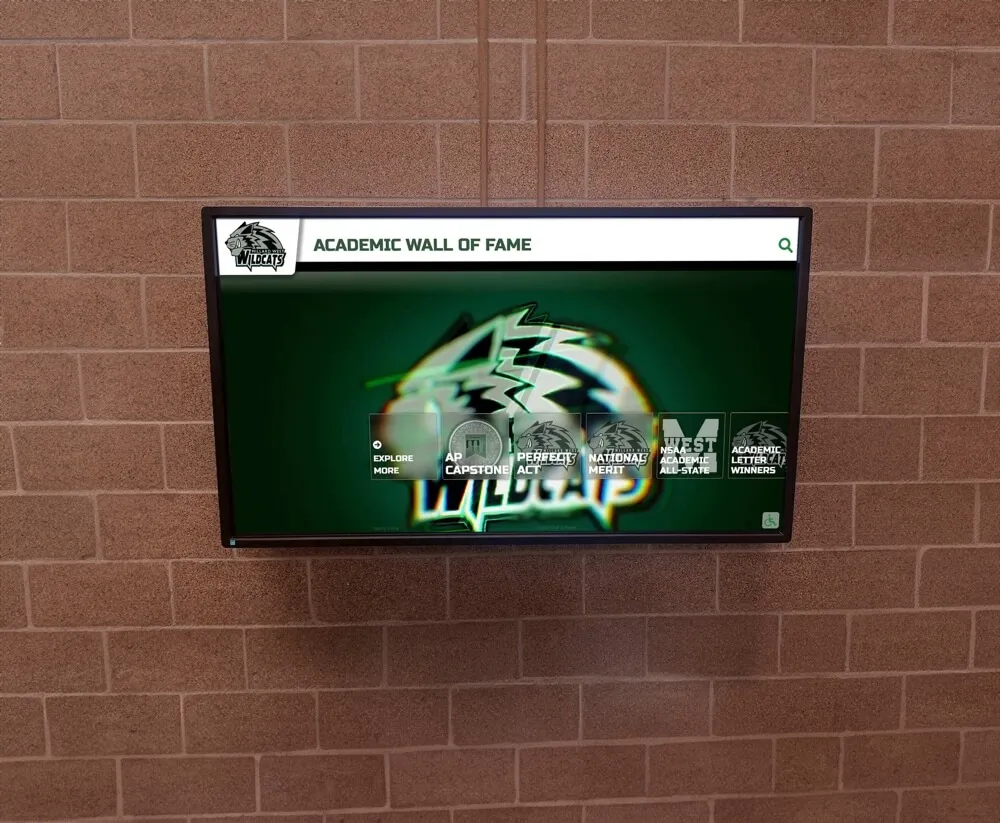
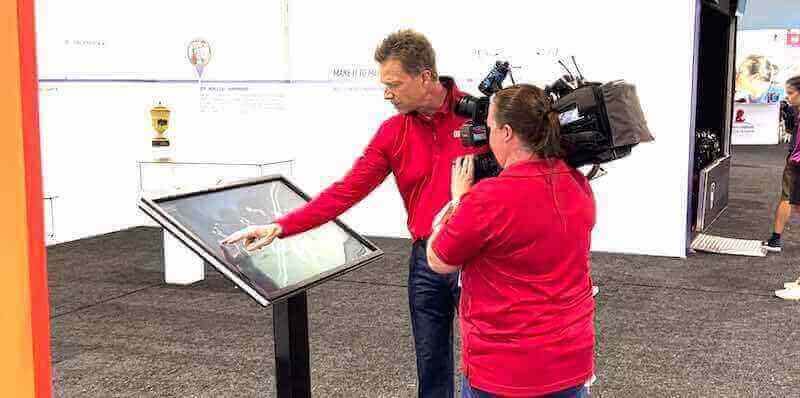
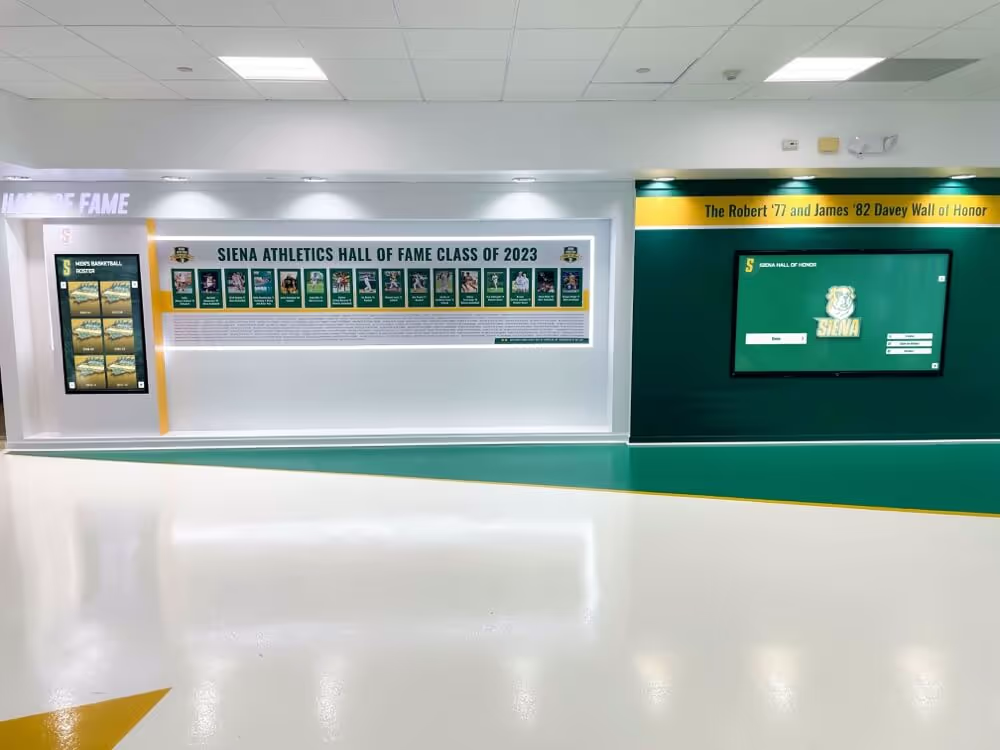
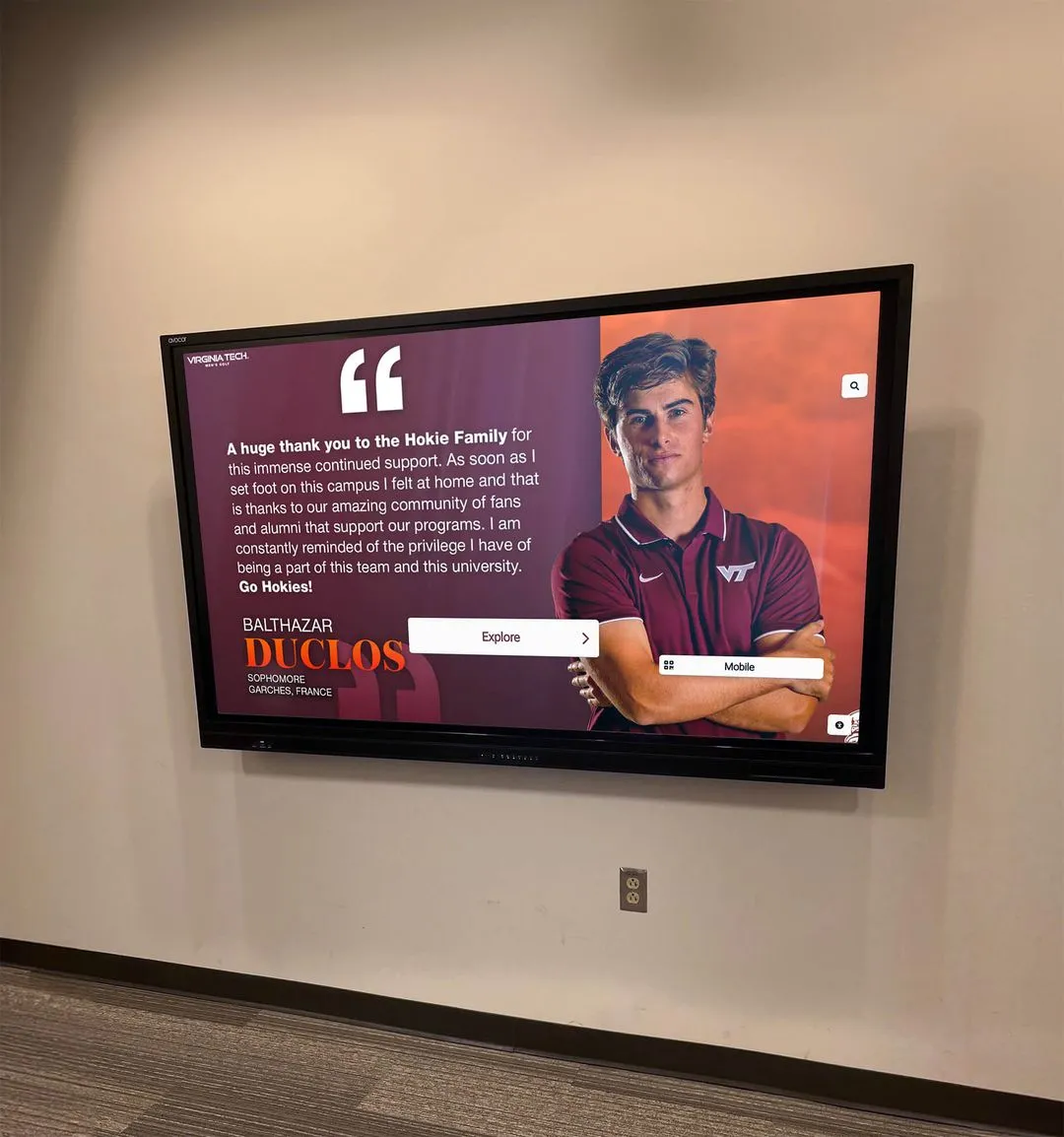
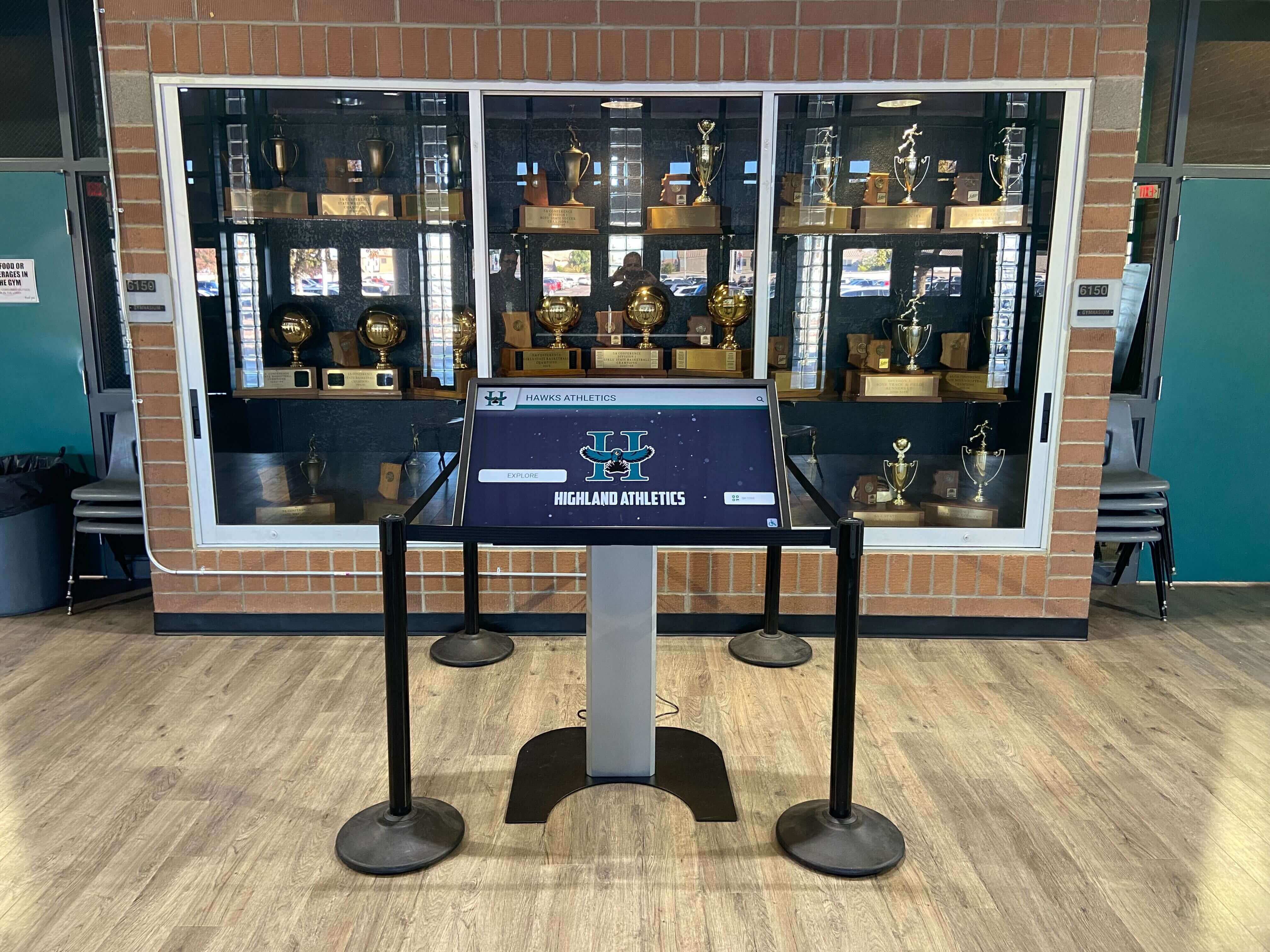
Modern recognition displays showcase how fundraising support translates into athletic achievements, inspiring continued community investment
Understanding the Booster Club Fundraising Landscape
Before diving into specific fundraiser ideas, understanding the broader fundraising environment helps booster clubs develop strategic approaches that maximize results while avoiding common pitfalls.
The Critical Role of Athletic Booster Clubs
Athletic booster clubs exist because school budgets alone cannot fund the full scope of opportunities competitive programs require. While school districts typically cover basic coaching salaries, facility maintenance, and minimal equipment replacement, boosters fill critical gaps enabling programs to excel.
What Booster Clubs Fund
Most athletic boosters direct fundraising revenue toward:
- Equipment and uniforms: Replacing worn gear, purchasing specialized equipment, and outfitting teams with quality apparel that builds program pride
- Facility improvements: Upgrading scoreboards, installing new turf, renovating locker rooms, and enhancing training facilities
- Team travel: Funding tournament participation, transportation, lodging, and meals for competitive events beyond local schedules
- Coaching supplements and support staff: Providing stipends attracting quality coaching talent or funding assistant positions school budgets don’t cover
- Recognition and awards: Purchasing trophies, hosting banquets, and creating permanent displays celebrating athletic achievement
- Scholarships: Supporting graduating seniors continuing their education
Athletic directors consistently report that booster funding enables 30-50% of their total program offerings—demonstrating how volunteer fundraising efforts directly translate into expanded student-athlete opportunities.
Common Booster Club Fundraising Challenges
Understanding typical obstacles helps organizations develop strategies addressing these realities proactively:
Volunteer Fatigue and Burnout
Most booster clubs operate entirely through parent volunteers juggling full-time careers, family responsibilities, and fundraising commitments. The same dedicated core group often shoulders excessive responsibility, leading to burnout that threatens organizational sustainability. Successful boosters intentionally distribute workload, cultivate new leadership, and avoid over-reliance on a few individuals carrying disproportionate burdens.
Fundraising Saturation in Communities
Modern families face constant fundraising requests—from schools, sports teams, scouts, churches, and countless other organizations. “Fundraiser fatigue” is real, with community members becoming desensitized to appeals and participation declining when organizations fail to offer compelling value or unique engagement opportunities. Standing out requires creativity, clear communication about fund usage, and fundraisers providing genuine value beyond simple ask-and-give transactions.
Budget Constraints and Financial Pressure
The very programs needing most fundraising support often serve communities with limited financial capacity. Balancing aggressive fundraising goals with realistic assessment of community resources prevents over-asking that damages relationships or creates inequitable participation barriers. Successful boosters implement diverse fundraising portfolios—combining events requiring monetary donations with volunteer-focused opportunities enabling all families to contribute meaningfully regardless of financial circumstances.
Coordination Across Multiple Sports Programs
Schools where individual sports operate separate booster organizations face unique coordination challenges—preventing over-saturation of the same community donor base, maintaining equity across programs commanding different fundraising capacity, and avoiding unhealthy competition between boosters nominally working toward common athletic department goals. Clear communication, shared calendars, and coordinated strategies help multi-booster environments function cooperatively rather than competitively.
Learn more about effective donor coordination in booster club donor recognition displays that honor supporters appropriately while inspiring continued giving.

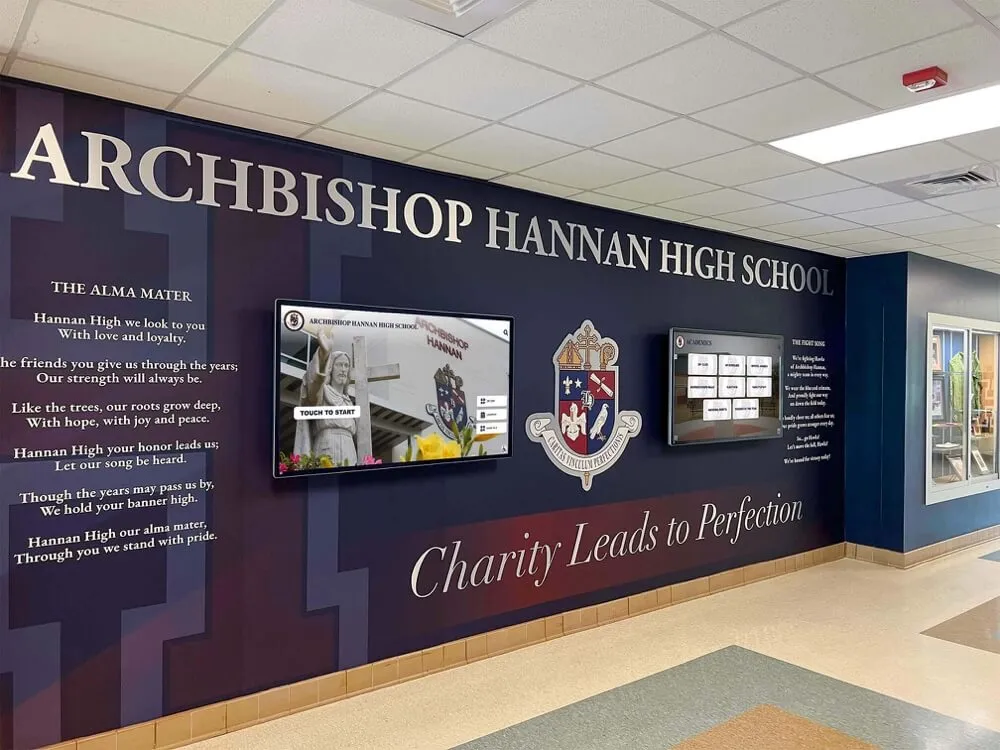
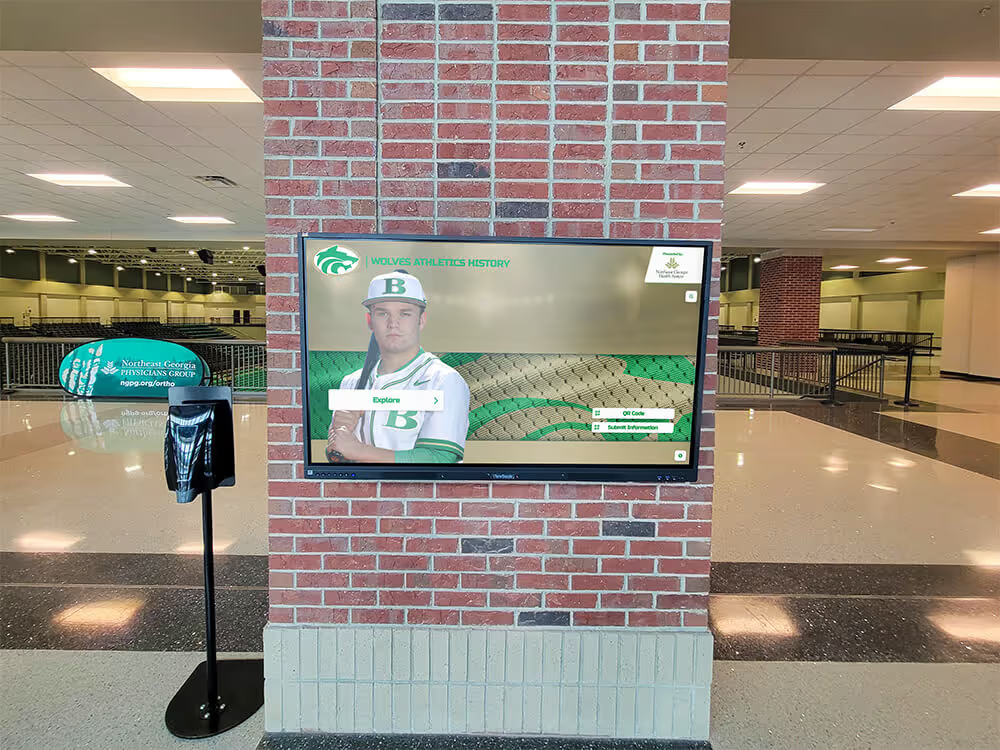
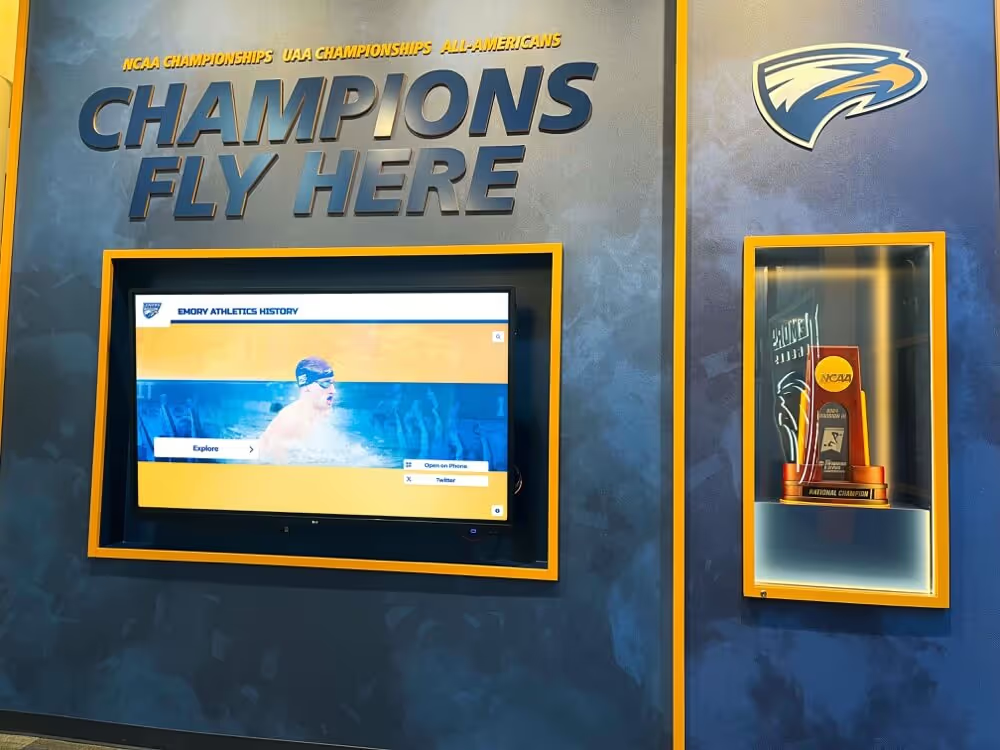
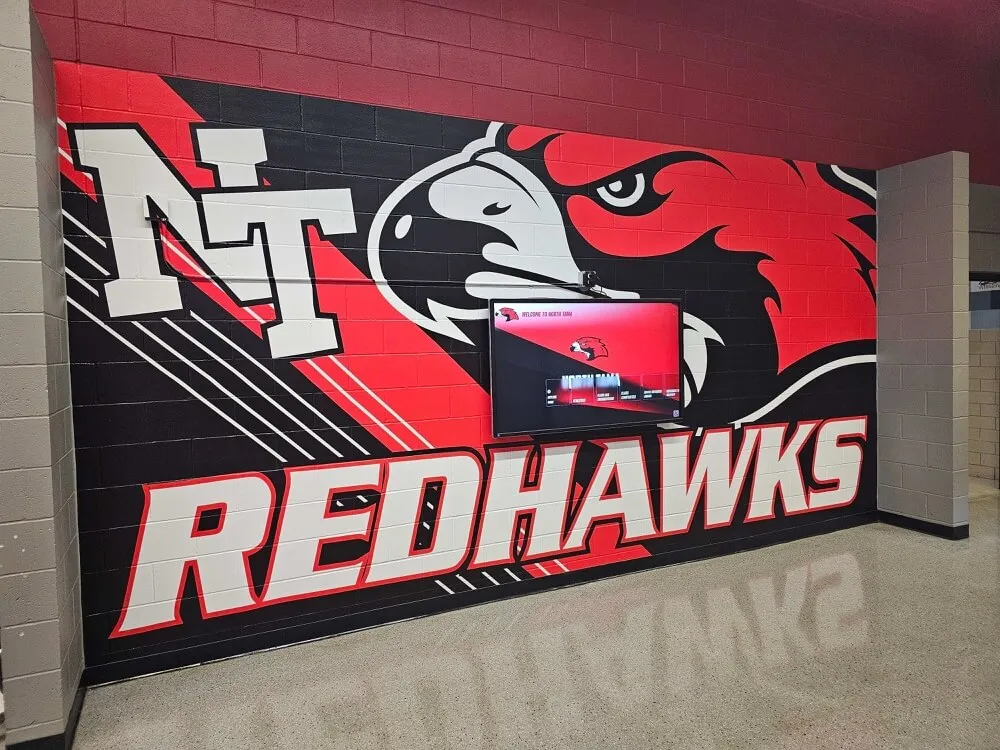
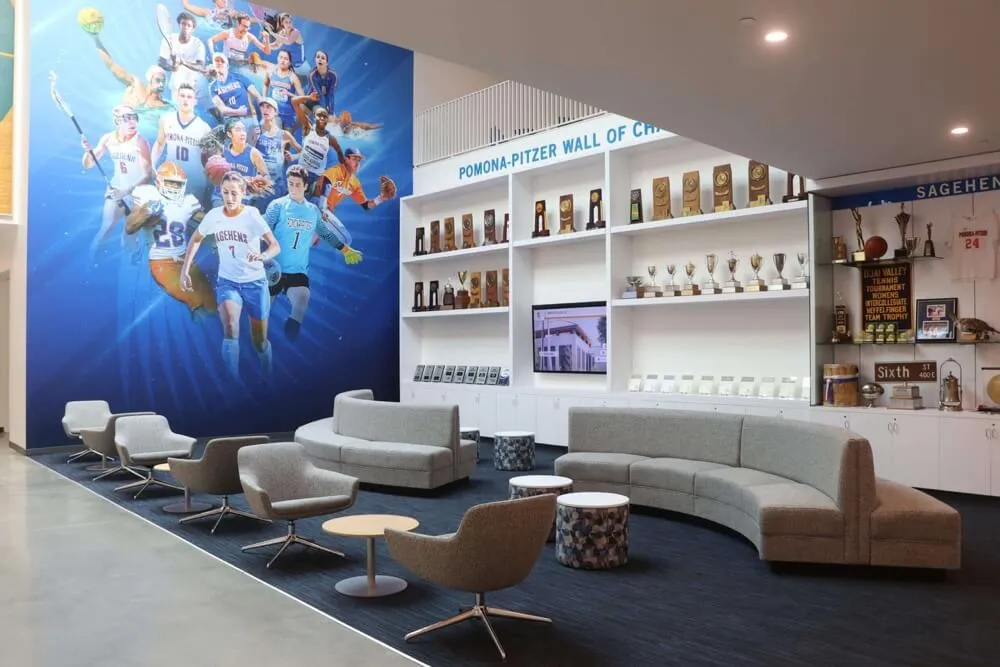
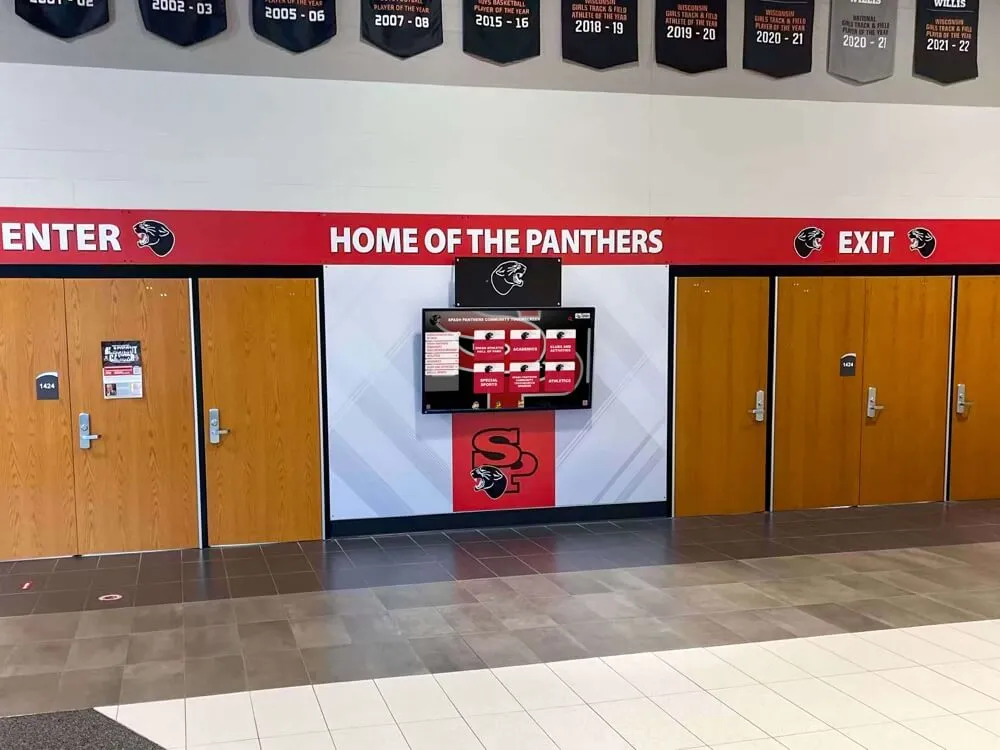
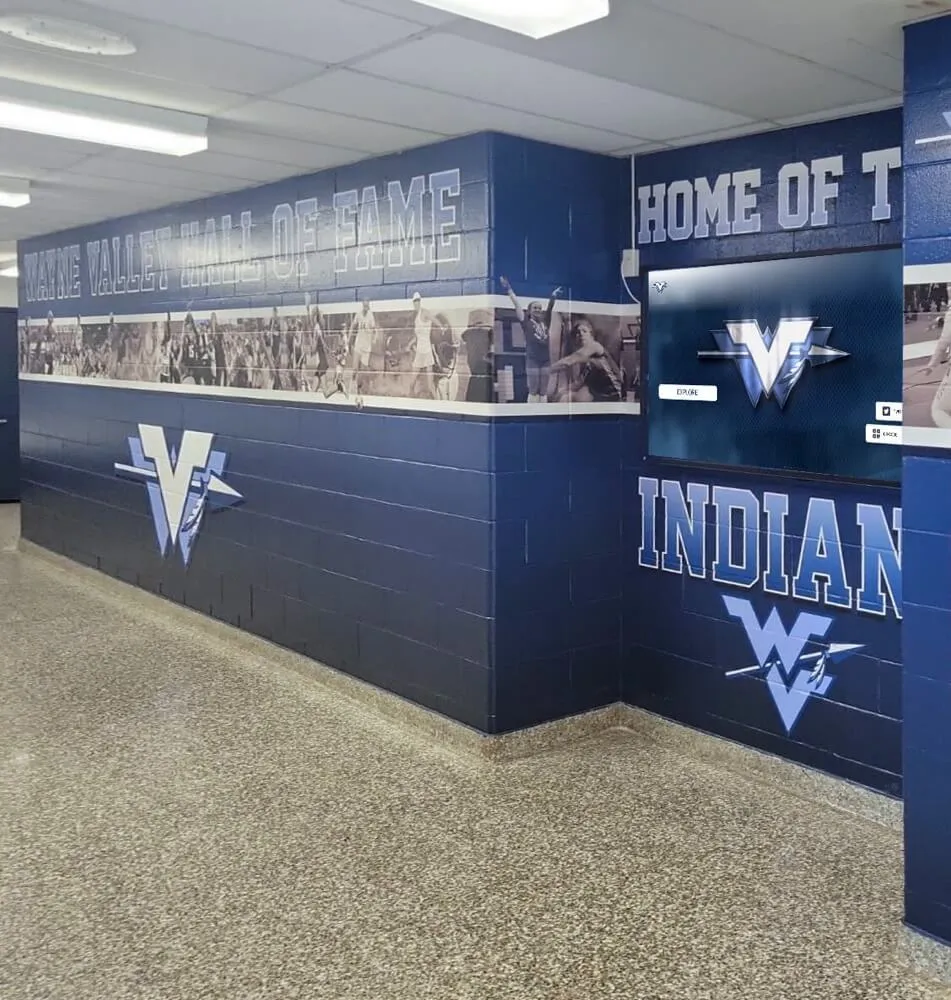
Recognition installations demonstrate fundraising impact, showing community members how their support enables student-athlete success
Traditional Booster Club Fundraising Events That Still Work
Some fundraising approaches have proven effective for decades because they provide genuine community value while generating reliable revenue. These traditional events form the foundation of most successful booster fundraising portfolios.
Concession Stand Operations
Athletic event concessions represent perhaps the most common and reliable booster revenue source—capturing a captive audience already attending games and willing to purchase food and beverages during events.
Concession Success Strategies
Diverse Menu Offerings
Successful concession operations balance classic stadium favorites with items addressing diverse preferences:
- Hot dogs, hamburgers, and bratwurst providing familiar options
- Pizza slices and nachos offering quick, popular choices
- Candy, chips, and snacks for light options
- Bottled water, soft drinks, and sports drinks
- Coffee and hot chocolate for cold weather events
- Healthier alternatives like fruit, granola bars, or wraps appealing to health-conscious customers
Pricing for Profitability
Concession margins typically range 60-75%, requiring strategic sourcing and pricing:
- Purchasing inventory through bulk retailers or restaurant supply companies rather than retail grocery stores
- Calculating food costs and setting prices delivering target margins while remaining competitive
- Offering combo deals encouraging higher average transactions
- Accepting credit cards and mobile payments increasing purchase likelihood
- Clearly displaying prices preventing customer confusion or dissatisfaction
Volunteer Management
Rotating volunteer schedules prevent burnout while engaging entire booster community:
- Creating season-long schedules distributed across families rather than overburdening core volunteers
- Providing clear instructions and training for new volunteers ensuring consistent operations
- Designating experienced “shift captains” supervising less experienced helpers
- Recognizing volunteer contributions through tracking and appreciation programs
- Making concession duty an expected norm for all team families rather than optional commitment
Well-managed concession operations can generate $500-2,000 per major event, translating to substantial annual revenue for boosters operating stands regularly throughout athletic seasons.
School Spirit Wear and Apparel Sales
Team apparel sales combine fundraising with community pride-building—enabling supporters to visibly demonstrate school spirit while generating booster revenue.
Apparel Program Approaches
Pre-Order Campaigns
Reducing inventory risk through advance ordering:
- Establishing ordering windows (typically 2-3 weeks) before production
- Accepting payment with orders eliminating accounts receivable challenges
- Working with screen printers or embroidery companies producing custom orders
- Coordinating delivery before major events (homecoming, playoffs, senior night)
- Offering diverse products (t-shirts, hoodies, hats, bags, blankets) appealing to varied preferences
Online Spirit Stores
Modern platforms simplify year-round apparel sales:
- Partnering with vendors managing online stores, inventory, production, and fulfillment
- Receiving percentage of sales as passive revenue without managing operations
- Offering perpetual availability rather than limited campaign windows
- Enabling alumni and distant family members to purchase and support programs
- Providing automatic revenue sharing without manual order processing
Pop-Up Sales at Events
Capitalizing on game day attendance:
- Setting up temporary sales tables at well-attended events
- Accepting cash, cards, and mobile payments
- Displaying samples and taking orders for popular items
- Offering immediate pickup of stocked inventory
- Capturing impulse purchases from enthusiastic fans during exciting games
Successful apparel programs can generate $5,000-25,000+ annually depending on school size and program popularity, while simultaneously building visible community support and program brand recognition.
Discover how spirit wear campaigns connect with broader school pride initiatives in building school pride creative ideas that strengthen community identity.
Sponsorship and Advertising Programs
Corporate and business sponsorships provide significant revenue while building mutually beneficial community partnerships.
Sponsorship Opportunity Types
Event Title Sponsorships
Exclusive naming rights for specific events or programs:
- Tournament sponsorships naming weekend competitions after supporting businesses
- Season sponsorships associating companies with entire sport seasons
- Facility naming opportunities for major donors funding significant improvements
- Program sponsorships supporting specific teams or activities
- Typical investment levels: $2,500-$10,000+ depending on visibility and exclusivity
Stadium and Facility Signage
Visible recognition throughout athletic venues:
- Fence and wall banners surrounding fields and courts
- Scoreboard sponsorships displaying business logos prominently
- Concession stand and restroom signage in high-traffic areas
- Press box and announcer booth naming recognition
- Digital rotating advertisements on electronic boards
- Typical annual costs: $500-$3,000 per sign depending on size and placement
Program and Media Sponsorships
Recognition through event materials and communications:
- Game program advertisements reaching attendees
- Website and social media sponsor recognition
- Email newsletter sponsor callouts
- Public address announcements thanking sponsors
- Playoff program and postseason material inclusion
- Typical costs: $250-$1,500 annually depending on prominence
Creating Compelling Sponsorship Packages
Successful booster sponsorship programs offer clear value propositions:
- Tiered levels providing options for businesses with varying budgets
- Combining multiple recognition opportunities in packages
- Quantifying exposure through attendance data and reach statistics
- Emphasizing community goodwill and brand association benefits
- Making renewal easy through consistent communication and service
- Providing professional recognition materials and promised visibility
Comprehensive sponsorship programs can generate $15,000-75,000+ annually for established programs in communities with engaged business sectors, providing relatively stable revenue requiring primarily relationship management rather than intensive event execution.

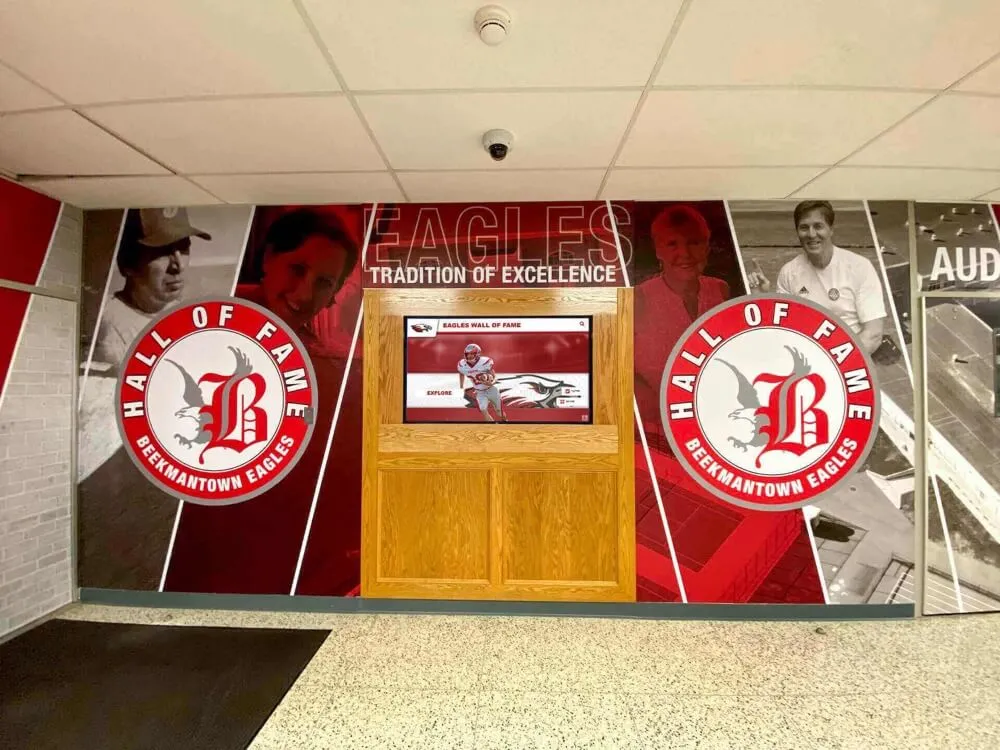
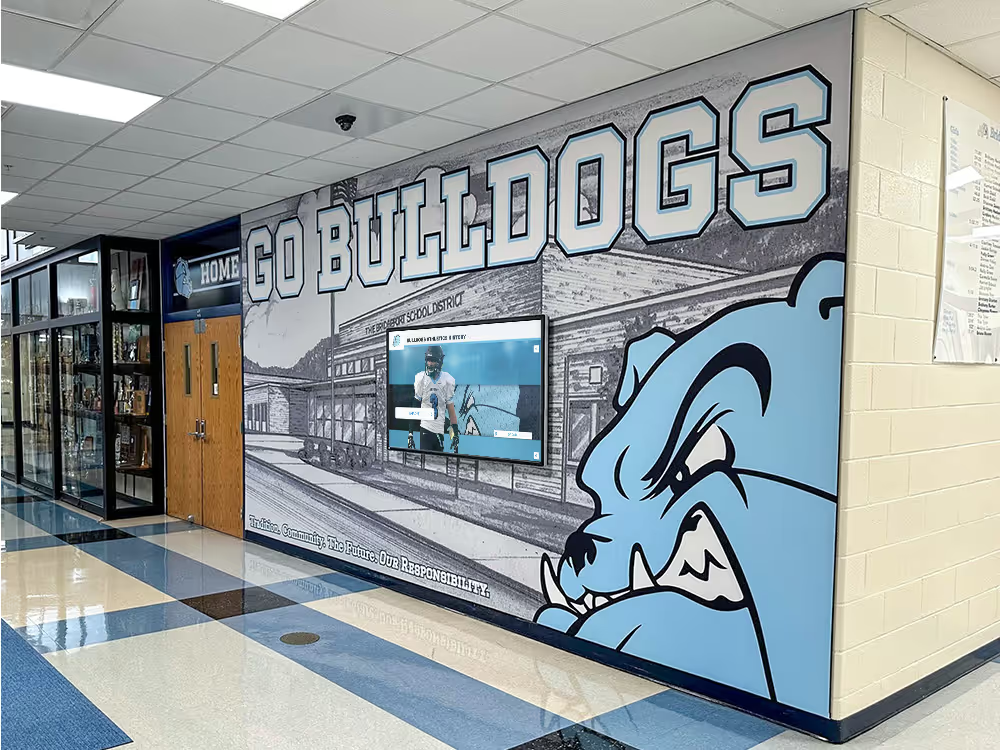
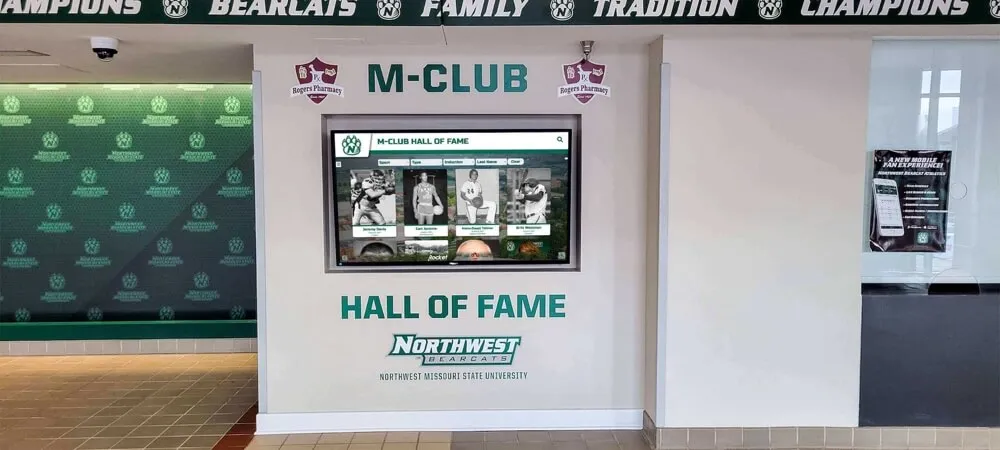
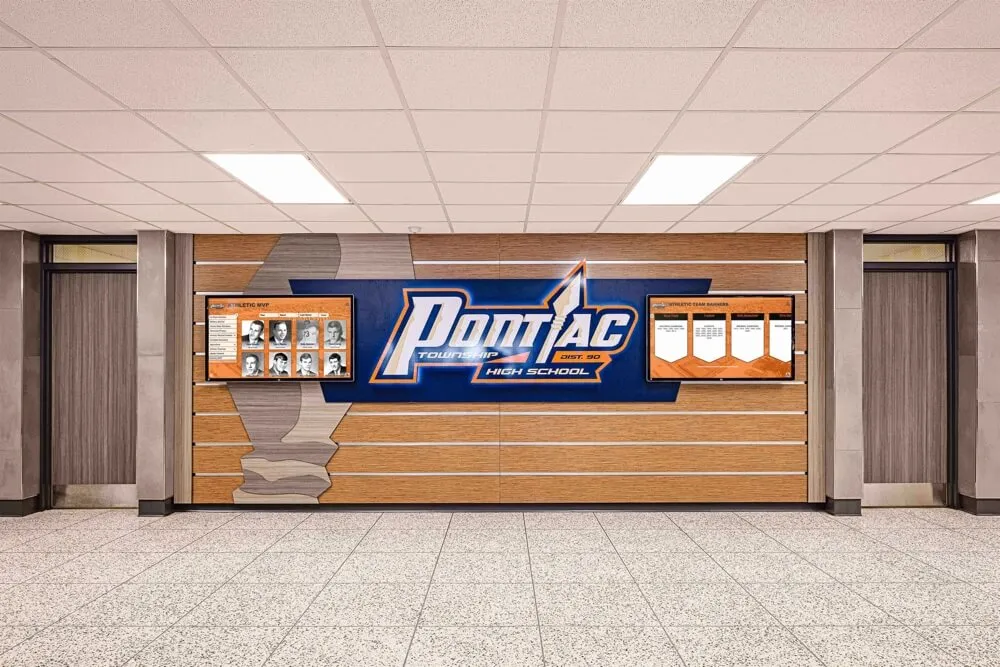
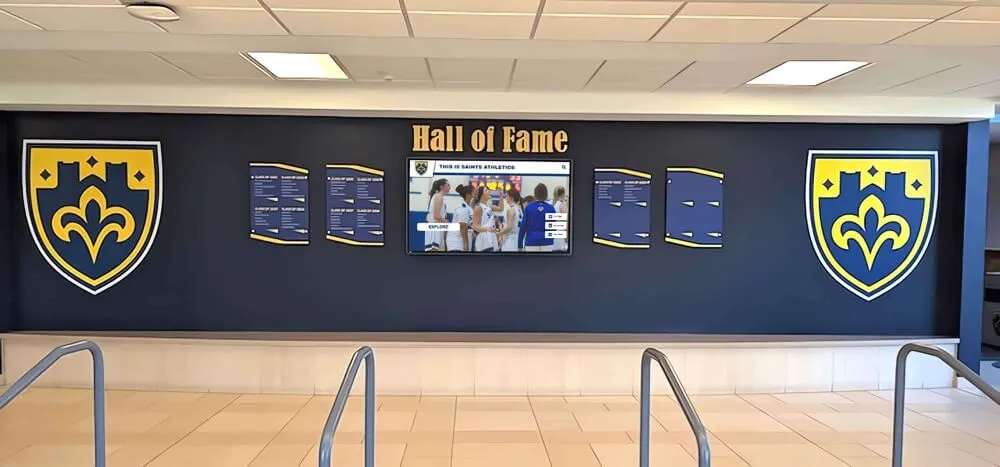
Professional sponsor recognition installations demonstrate organizational credibility while providing businesses valuable community visibility
Classic Fundraising Events
Time-tested event formats continue generating revenue while building community engagement.
Golf Tournaments
Golf outings attract business and individual supporters in social, competitive environments:
- Four-person scramble formats accessible to varied skill levels
- Corporate foursomes and individual player registration options
- Multiple revenue streams: registration fees, hole sponsorships, contests, silent auctions, dinner packages
- Volunteer requirements manageable with proper planning
- Weather contingency planning essential
- Typical net revenue: $8,000-$30,000+ depending on participation and sponsorship
Banquets and Galas
Formal dinner events celebrating athletics while fundraising:
- End-of-season team banquets charging modest per-person fees
- All-sports recognition galas honoring achievements across programs
- Auction integration (silent and live) maximizing revenue
- Guest speakers (coaches, athletes, media personalities) adding entertainment value
- Corporate table sponsorships providing premium revenue tier
- Typical net revenue: $5,000-$20,000 depending on attendance and auction success
Community Events
Family-friendly activities generating both revenue and goodwill:
- Fun runs and 5K races with registration fees and sponsorships
- Carnivals and field days with admission and activity charges
- Movie nights in gyms or outdoor spaces with concessions
- Skills clinics taught by coaches and athletes
- Holiday photo opportunities with Santa, bunnies, or mascots
- Typical net revenue varies widely: $1,000-$10,000 depending on scale and attendance
The most successful booster clubs implement 4-6 major fundraising events annually, creating diverse revenue streams while avoiding over-reliance on any single approach.
Learn about event planning coordination in sports banquet ideas that combine recognition with fundraising opportunities.
Innovative Modern Fundraising Approaches
While traditional events remain valuable, creative modern fundraising strategies help booster clubs stand out in crowded charitable landscapes and reach supporters through contemporary channels.
Digital Fundraising Campaigns
Online platforms expand fundraising reach beyond immediate geographic communities while simplifying donation processes.
Crowdfunding Campaigns
Platforms like GoFundMe, Classy, or GiveButter enable:
- Specific project campaigns (new scoreboard, facility renovation, championship travel)
- Compelling visual storytelling through photos and videos
- Social sharing multiplying reach through supporter networks
- Progress tracking creating urgency as campaigns approach goals
- Donor recognition options acknowledging contributions publicly
- Mobile-friendly giving reducing friction in donation process
Social Media Challenges
Viral campaigns engaging communities creatively:
- Participation challenges where supporters complete activities, share content, and donate
- Matching gift campaigns where major donors match community contributions
- Giving day competitions between schools or communities
- Video testimonials from athletes explaining program impact
- Countdown campaigns building excitement before major events
Text-to-Give Programs
Simplifying impulse donations at events:
- Short code texting enabling immediate donations from mobile devices
- Announced during games capturing enthusiastic moments
- No need for cash, cards, or apps—just text messages
- Small suggested amounts ($5-25) encouraging broad participation
- Automated receipts and donor data capture
Digital campaigns work particularly well for reaching alumni, parents of graduated athletes, and community members unable to attend physical events but willing to support programs remotely.
Product Fundraisers with Modern Twists
Traditional product sales updated for contemporary markets.
Restaurant and Food Partnerships
Local restaurants provide revenue while driving customer traffic:
- Percentage nights where businesses donate portions of designated evening sales
- Discount cards sold by boosters providing year-long savings at participating restaurants
- Meal prep companies sharing profits from team orders
- Food truck events where vendors donate percentages to boosters
- Minimal booster effort required compared to event execution
Subscription Box Partnerships
Modern product fundraising through curated experiences:
- Coffee subscriptions with portions benefiting boosters
- Snack box programs where teams sell memberships
- Flower and plant delivery subscriptions
- Local artisan product collections
- Monthly deliveries creating ongoing revenue versus one-time sales
Discount Card Programs
Community partnership cards providing value while fundraising:
- Businesses contribute discounts exclusive to card holders
- Cards sold for $10-25 providing $200+ in potential savings
- Easy sales process for volunteers and families
- Benefits local businesses through increased customer traffic
- Multi-year use extending value proposition
Modern product fundraising succeeds when offerings provide genuine value—enabling supporters to view purchases as beneficial transactions rather than purely charitable asks.
Experiential Fundraising Events
Creating memorable experiences supporters value beyond simple donations.
Parent-Athlete Competitions
Lighthearted competitive events building community:
- Parent-athlete games in basketball, volleyball, or softball
- Skills competitions testing parents against student-athletes
- Admission charges and concessions generating revenue
- Photography opportunities families treasure
- Building program culture through shared fun experiences
Coach’s Challenges and Dares
Incentivizing giving through entertaining consequences:
- Pledging to complete unusual activities if fundraising goals met
- Ridiculous costume games or publicity stunts
- Head-shaving or hair-dyeing commitments
- Sleeping on school roofs or in parking lots overnight
- Social media content creating viral engagement
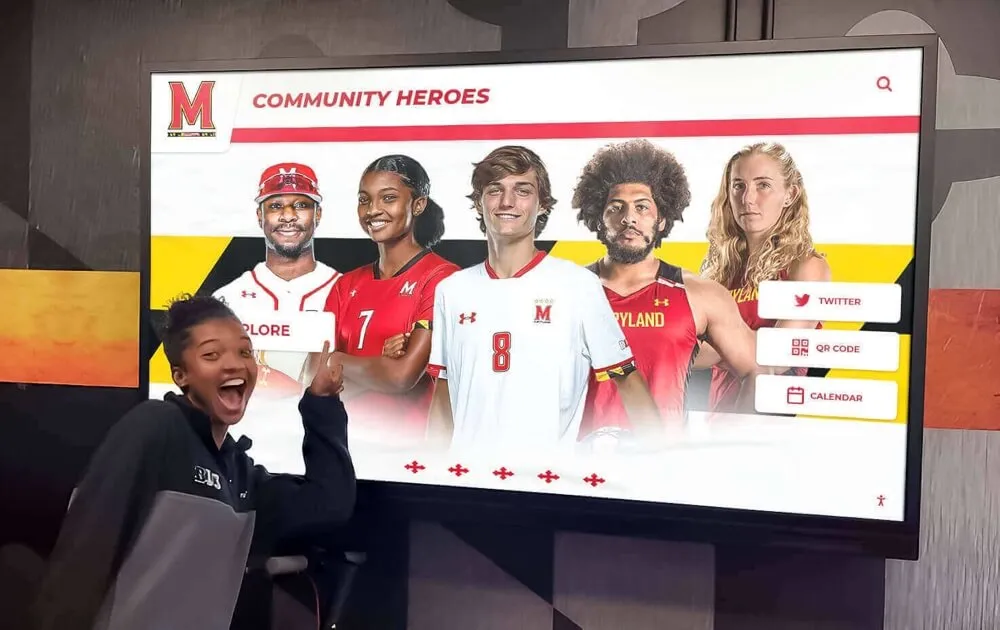
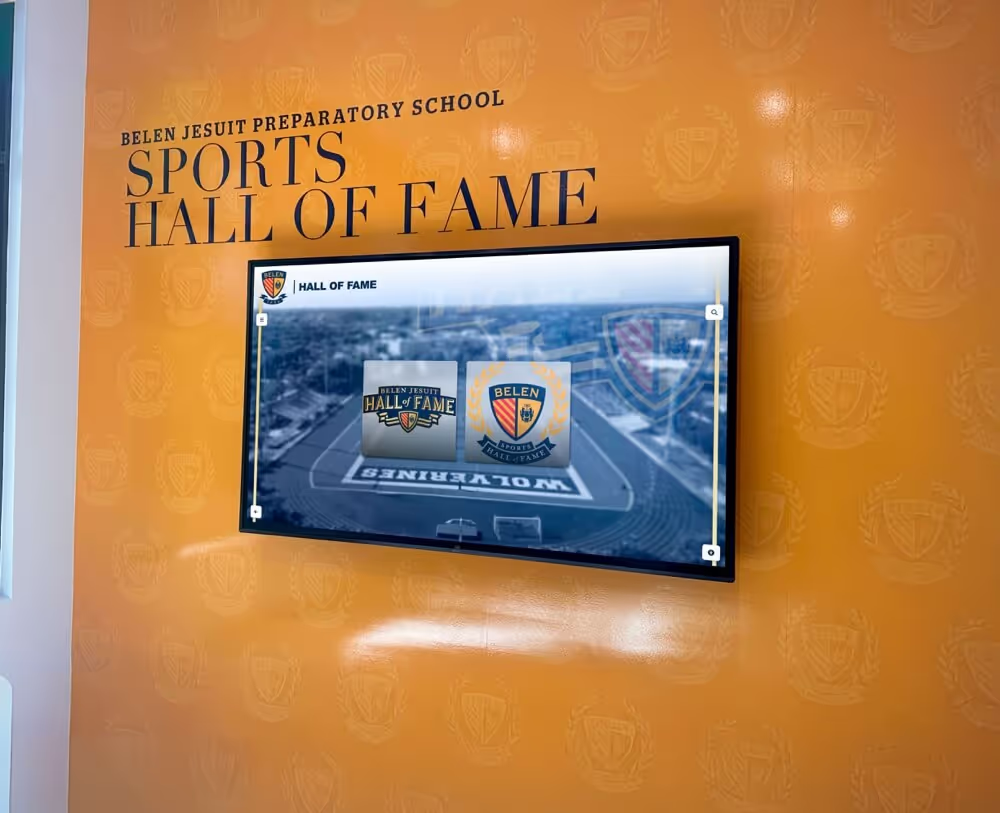
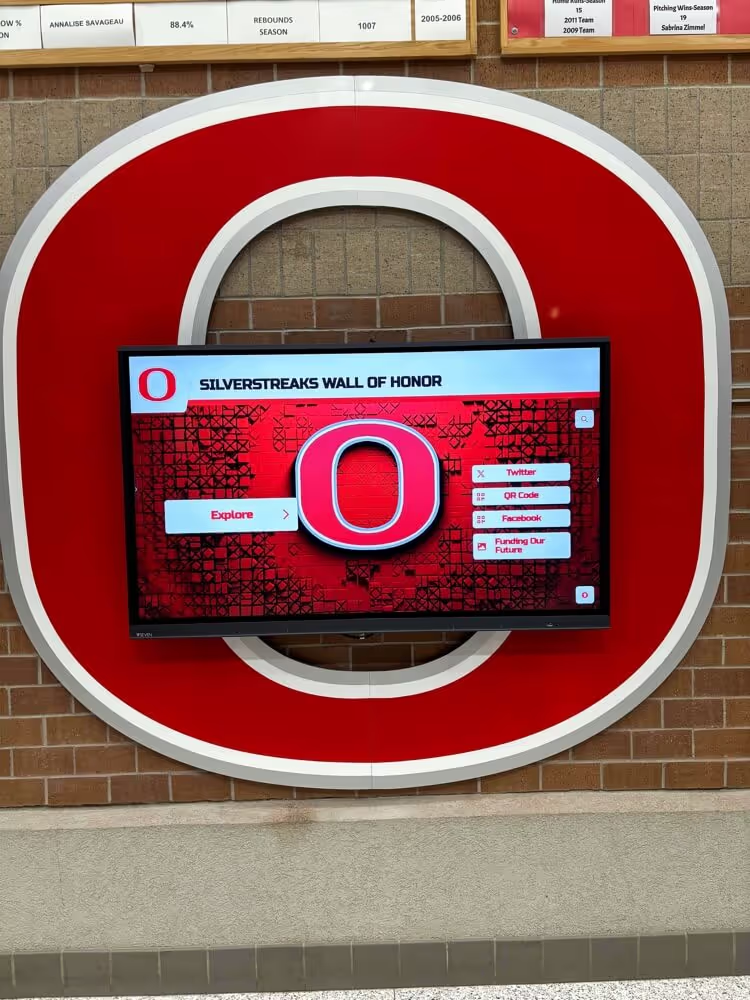
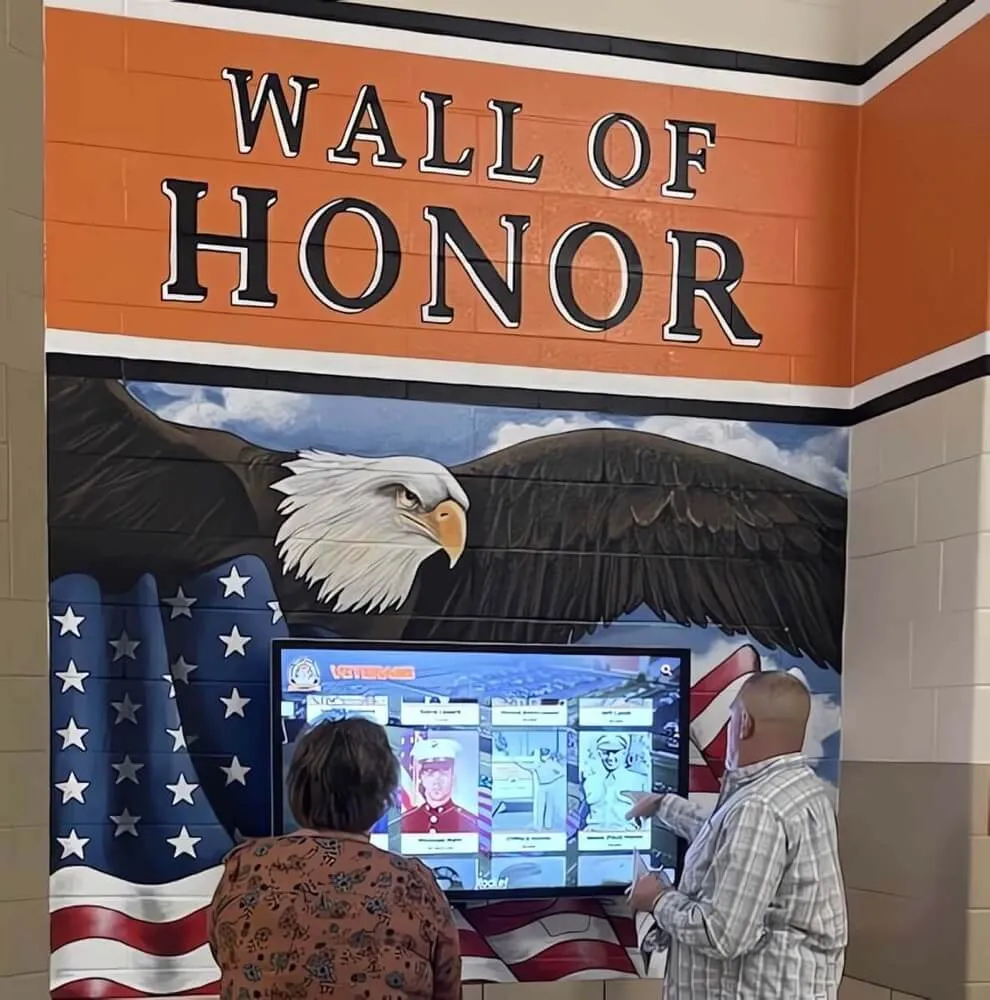
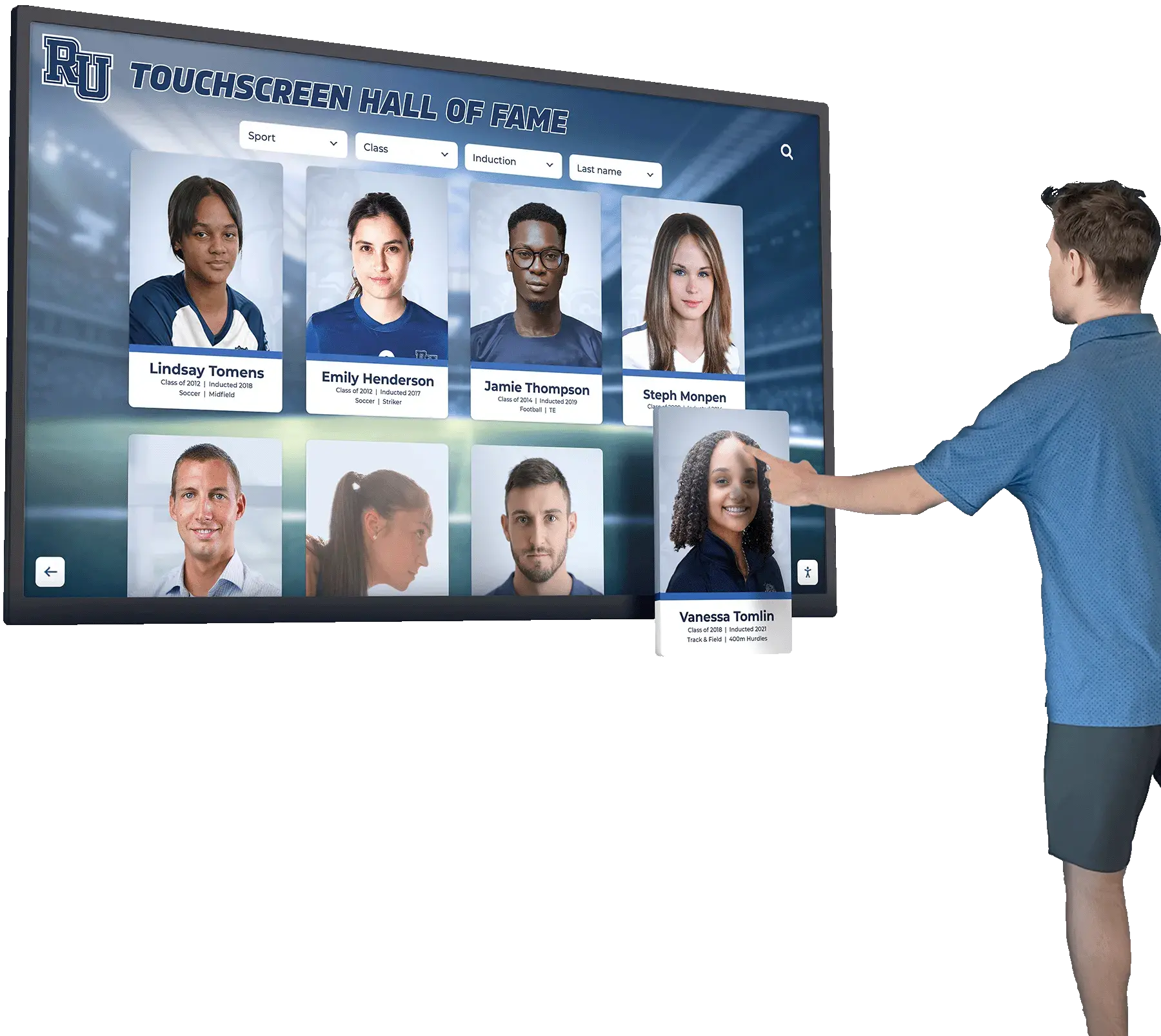
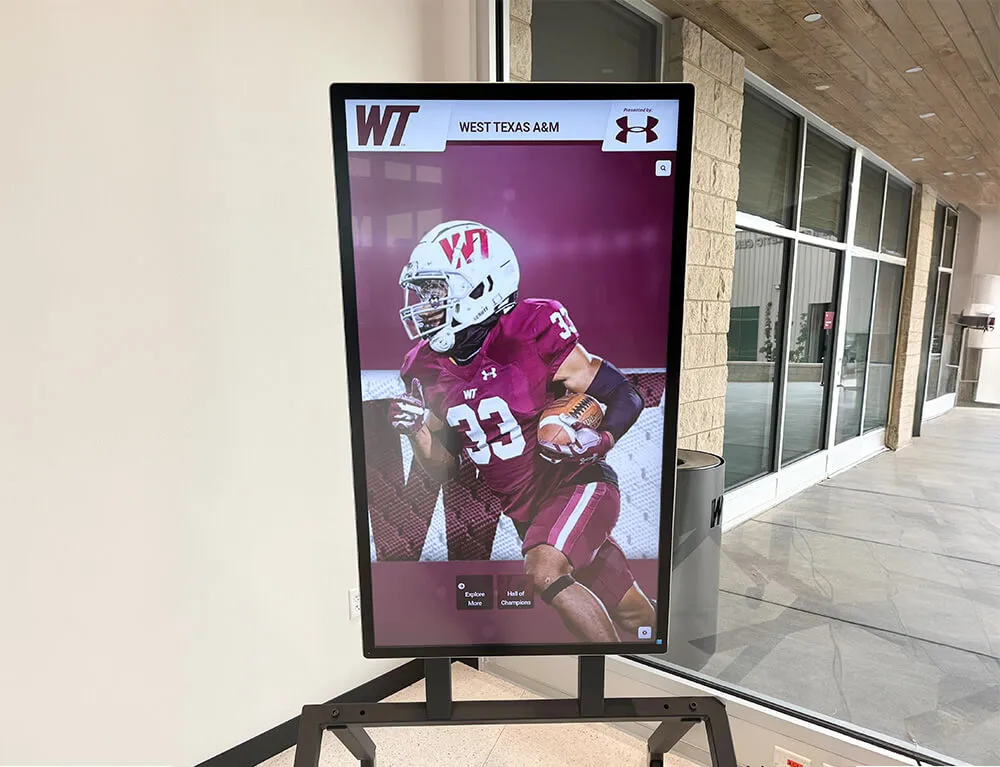
Interactive displays engage young athletes with program legacy while demonstrating how community support enables their opportunities
VIP Experiences and Access
Premium offerings for most committed supporters:
- Sideline or courtside seating for major games
- Meet-and-greet opportunities with coaches and athletes
- Behind-scenes facility tours and locker room access
- Recognition ceremonies and exclusive receptions
- Parking privileges or premium tailgate locations
These experiential approaches work particularly well when promoting on social media, creating content that generates organic reach and engagement beyond traditional fundraising audiences.
Corporate Matching Gift Programs
Leveraging employer programs multiplying individual donations.
Identifying Matching Opportunities
Many corporations match employee charitable contributions:
- Educating supporters about employer matching programs
- Providing necessary nonprofit documentation for matching requests
- Simplifying submission processes through clear instructions
- Tracking matched gifts and acknowledging both donor and employer
- Promoting matching as donation multiplication strategy
Strategic Cultivation of Corporate Employees
Targeting supporters whose employers offer generous matching:
- Researching major local employers and their matching policies
- Personalizing outreach to employees of matching-eligible companies
- Featuring matching gift success stories inspiring others
- Making matching submission as simple as possible
- Recognizing both employee donors and matching companies publicly
Effective matching gift programs can increase total donations by 15-30% through relatively minimal additional effort once systems are established.
Explore corporate partnership approaches in donor wall ideas creating impactful recognition displays that honor business supporters appropriately.

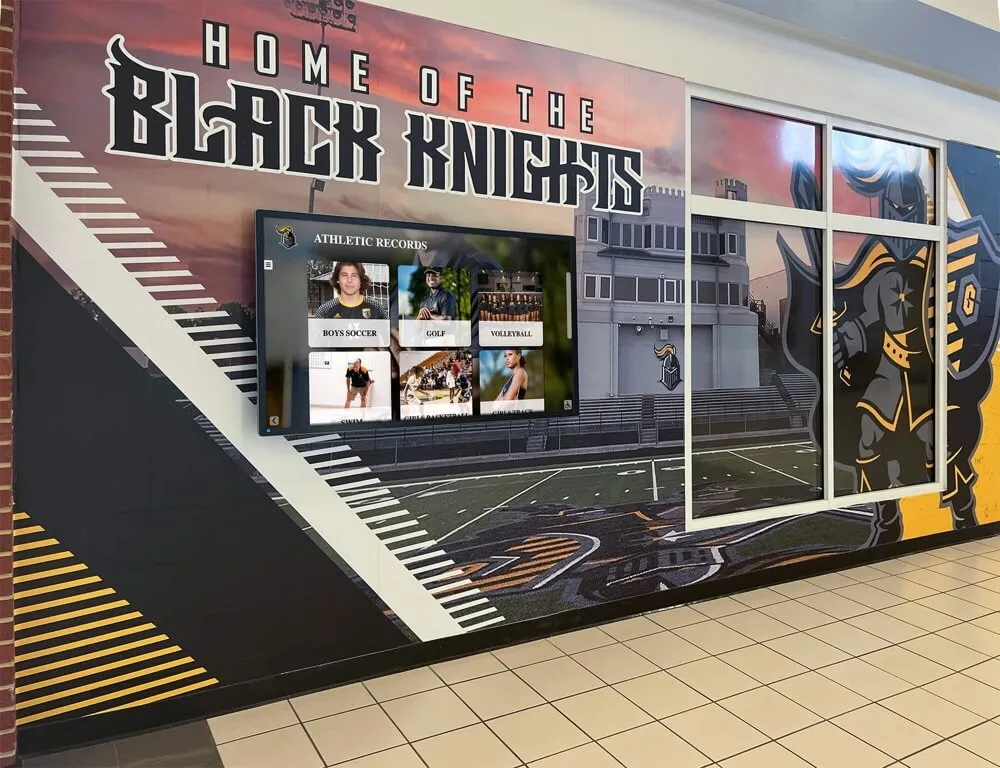
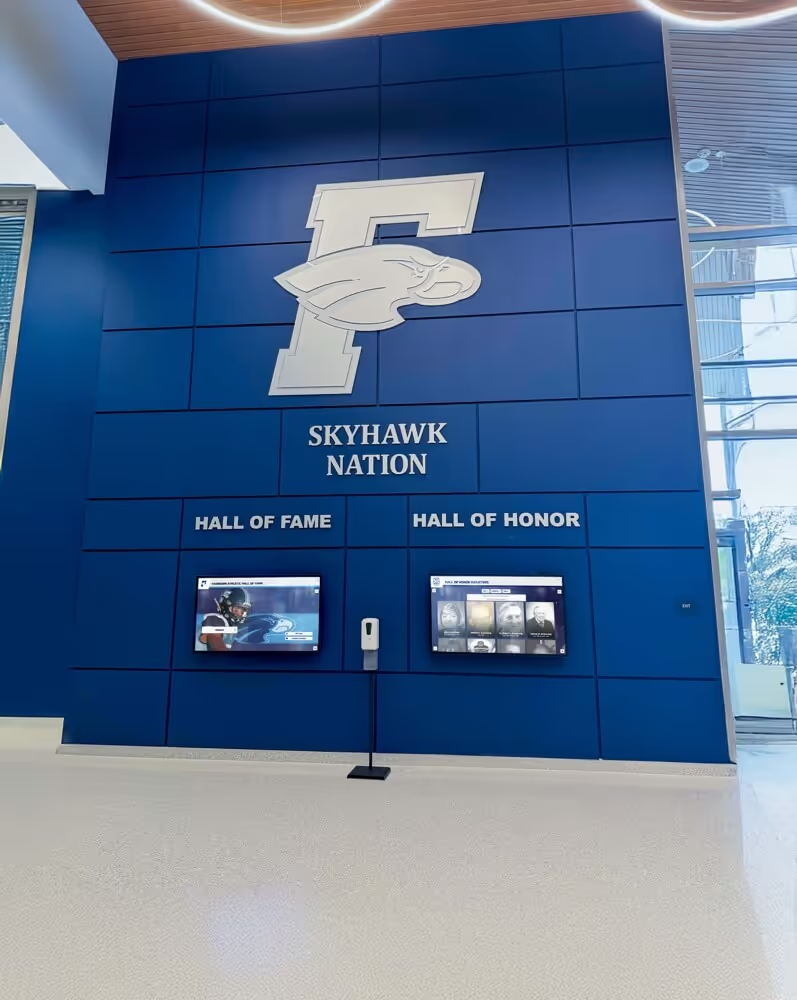
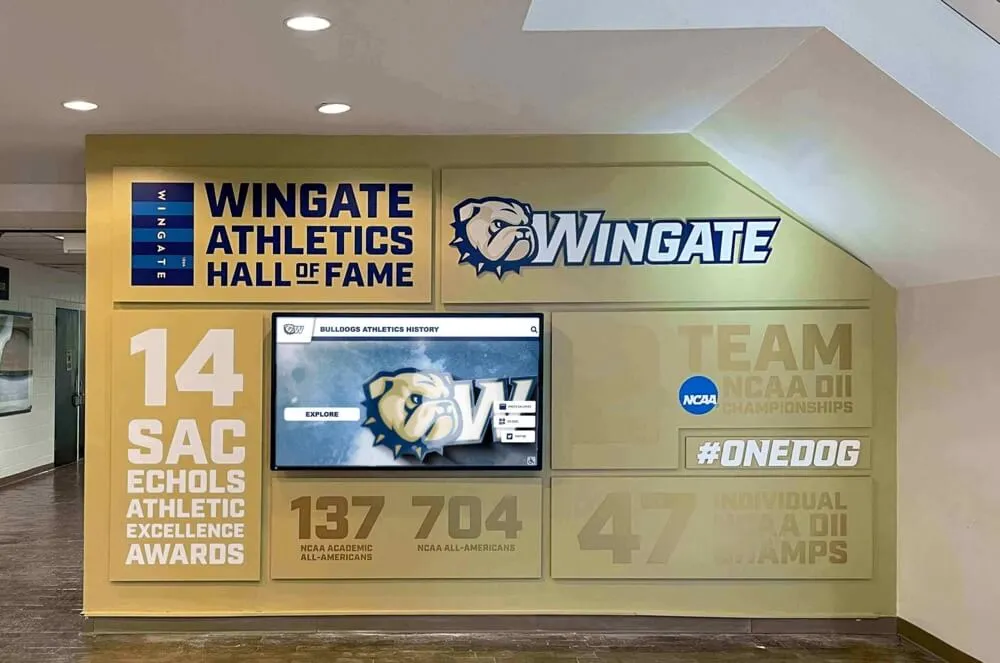
Comprehensive recognition environments celebrate both competitive success and community partnerships that make excellence possible
Major Gifts and Capital Campaigns
While annual fundraising events generate operational revenue, major gifts and capital campaigns fund transformational improvements creating lasting program impact.
Developing Major Donor Prospects
Major gifts typically start at $1,000-$5,000 for high school boosters, scaling to $10,000-$100,000+ for significant facility projects.
Identifying Potential Major Donors
Likely prospects include:
- Successful alumni who benefited from athletic programs
- Parents and grandparents of current or former athletes
- Local business owners with community connections
- Previous donors with increasing giving patterns
- Community members passionate about specific sports
- Families honoring loved ones through memorial gifts
Cultivation Strategies
Building relationships preceding solicitation:
- Inviting prospects to games and special events
- Providing facility tours showcasing needs and opportunities
- Sharing stories about program impact on student-athletes
- Involving prospects in program planning and vision
- Offering recognition opportunities aligned with giving levels
- Building authentic relationships beyond transactional asks
Making the Ask
Soliciting major gifts requires thoughtful approaches:
- Face-to-face conversations rather than impersonal letters or emails
- Specific project proposals with clear budgets and timelines
- Explaining impact and legacy their gifts create
- Offering flexible payment schedules for larger commitments
- Discussing recognition opportunities honoring contributions
- Following up promptly with formal proposals and appreciation
Capital Campaign Planning
Multi-year campaigns funding major projects.
Campaign Feasibility and Goals
Successful campaigns require:
- Clear case for support articulating specific needs and outcomes
- Realistic goal setting based on donor capacity assessment
- Defined timeline (typically 2-5 years for major campaigns)
- Leadership gift commitments securing significant early support
- Professional counsel when pursuing substantial goals ($500,000+)
- Board and volunteer commitment to campaign success
Recognition and Naming Opportunities
Incentivizing major gifts through permanent recognition:
- Facility naming rights for transformational gifts
- Room and space dedications within buildings
- Field, court, or equipment naming opportunities
- Recognition walls documenting campaign supporters
- Plaques and permanent installations honoring contributions
Digital recognition solutions like Rocket Alumni Solutions enable flexible donor acknowledgment—showcasing capital campaign contributors prominently while easily accommodating additional recognition as campaigns progress and new gifts arrive, solving the capacity constraints that traditional physical donor walls face.
Stewardship and Impact Reporting
Maintaining donor relationships post-gift:
- Regular updates on project progress
- Inviting donors to groundbreakings, dedications, and celebrations
- Sharing stories about how improvements benefit student-athletes
- Acknowledging donors publicly through multiple channels
- Making donors feel genuinely appreciated and valued
- Cultivating continued support beyond initial campaign gifts
Major gift fundraising requires patience and relationship-building, but transformational contributions enable facility improvements and endowments creating permanent programmatic elevation impossible through annual operational fundraising alone.
Learn about recognizing major donors appropriately in donor recognition wall ideas that honor significant contributions.
Creating Sustainable Fundraising Systems
One-time successful fundraisers help, but sustainable booster clubs develop systems generating consistent revenue year after year while preventing volunteer burnout.
Building Year-Round Fundraising Calendars
Strategic scheduling prevents over-concentration and volunteer exhaustion.
Balancing Fundraising Throughout the Year
Successful calendars typically include:
- Fall: Major events capitalizing on football season attendance and enthusiasm
- Winter: Indoor events and holiday-themed fundraisers
- Spring: Golf tournaments, fun runs, and outdoor activities
- Summer: Camps, clinics, and planning for upcoming seasons
- Spacing major events 6-8 weeks apart preventing saturation
- Aligning events with sports seasons when parent engagement peaks
Coordinating Across Multiple Sports
Schools with separate sport-specific boosters need:
- Shared calendars preventing competing events
- Agreed-upon scheduling protocols
- Joint events where appropriate
- Clear communication about community asks
- Collaborative rather than competitive approaches
Establishing Fundraising Traditions
Annual recurring events build institutional knowledge:
- Same events at consistent times each year
- Communities anticipating and planning for traditional fundraisers
- Volunteer roles and processes refined through repetition
- Marketing simplified through established recognition
- Reduced planning burden leveraging previous years’ experiences
Implementing Efficient Operational Systems
Reducing administrative burden enables sustainable volunteer management.
Fundraising Software and Platforms
Technology streamlines operations:
- Online donation processing reducing cash handling
- Donor databases tracking contributions and relationships
- Communication platforms managing volunteer coordination
- Accounting systems ensuring financial transparency
- Recognition systems honoring supporters appropriately
Volunteer Management and Succession Planning
Preventing burnout through shared responsibility:
- Distributing tasks across broad volunteer base
- Creating specific role descriptions with limited scope
- Recruiting and training new leaders before transitions
- Documenting processes ensuring institutional knowledge transfer
- Celebrating and recognizing volunteer contributions regularly
Financial Transparency and Reporting
Building trust through clear communication:
- Regular financial reports to membership
- Clear explanations of fund allocation and usage
- Annual summaries demonstrating fundraising impact
- Public recognition of revenue sources
- Professional audits or reviews when appropriate
Sustainable systems enable booster clubs to maintain fundraising effectiveness despite inevitable volunteer transitions, ensuring program support continues regardless of specific personalities leading organizations.
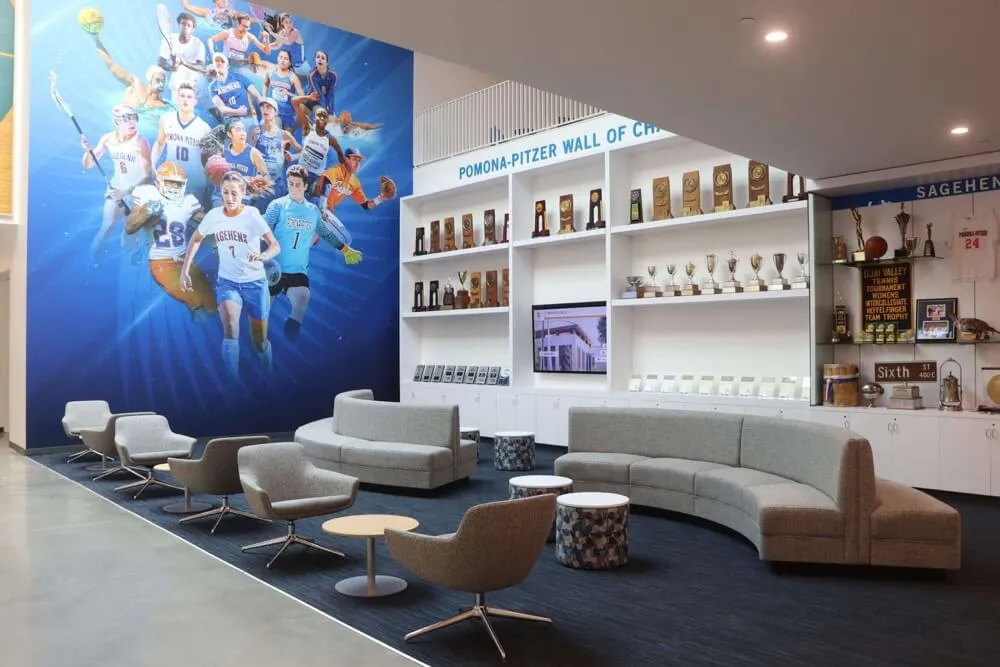
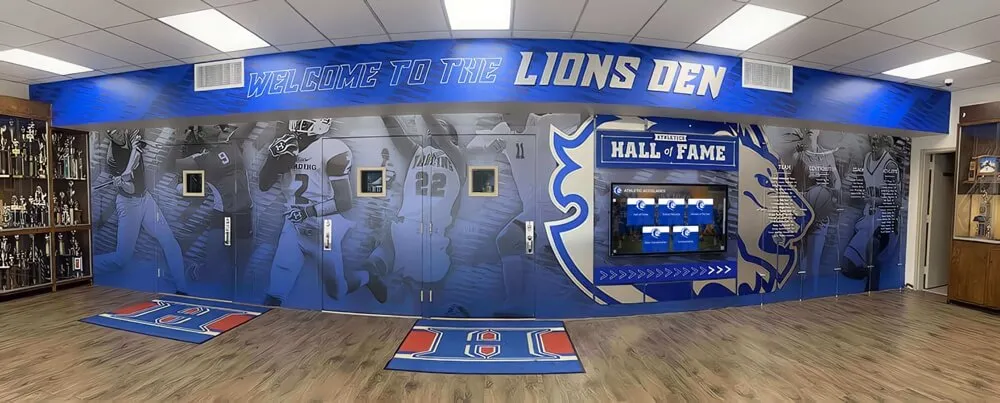
Permanent recognition installations demonstrate long-term organizational commitment while inspiring continued community support
Maximizing Donor Recognition and Stewardship
Effective fundraising extends well beyond simply asking for support—thoughtful recognition and stewardship transform one-time donors into lifetime supporters.
The Power of Appropriate Recognition
Research consistently demonstrates that donor recognition increases giving retention by 25-40%, with properly acknowledged supporters contributing again at substantially higher rates than those whose gifts go unrecognized beyond transactional receipts.
Recognition Tier Strategies
Most successful booster clubs implement giving societies:
- Named recognition levels at different contribution thresholds ($100, $250, $500, $1,000, $2,500, $5,000+)
- Benefits varying by level (program listing, website recognition, permanent display inclusion, exclusive events)
- Clear communication about what each level supports
- Aspirational naming encouraging increased giving
- Inclusive baseline ensuring all supporters receive acknowledgment
Multi-Channel Recognition Approaches
Diverse acknowledgment methods reach supporters through preferred channels:
- Personal thank-you notes for significant contributions
- Public recognition at athletic events
- Program and publication listings
- Website and social media features
- Email newsletters highlighting supporters
- Permanent displays in athletic facilities
Leveraging Digital Recognition Displays
Modern recognition technology transforms how booster clubs honor supporters while inspiring additional giving.
Benefits of Digital Donor Recognition
Solutions like Rocket Alumni Solutions provide athletic boosters:
Unlimited Recognition Capacity
Traditional donor walls fill quickly, forcing difficult decisions about which supporters merit limited space. Digital platforms accommodate unlimited donors—honoring everyone from $25 contributors to major capital campaign benefactors without physical space constraints.
Compelling Multimedia Content
Beyond simple name listings, digital recognition showcases:
- Donor profiles explaining why families support athletics
- Photos connecting supporters to specific athletes or teams
- Impact stories demonstrating what contributions fund
- Video testimonials from student-athletes thanking supporters
- Historical context showing multi-year giving patterns
Flexible Updates and Additions
Cloud-based management enables:
- Immediate recognition additions as new gifts arrive
- Easy corrections when errors discovered
- Enhanced content added as materials become available
- Seasonal featured donor rotation
- Remote management from any internet-connected device
Extended Reach Beyond Physical Displays
Web-accessible platforms provide:
- Recognition visible to alumni and supporters worldwide
- Social sharing amplifying acknowledgment organically
- Mobile accessibility ensuring recognition reaches diverse audiences
- Integration with booster websites and communications
- Analytics revealing engagement patterns
Inspiring Future Giving
Visible recognition creates social proof:
- Demonstrating broad community support normalizing giving
- Showcasing participation motivating others to contribute
- Connecting donations to tangible program improvements
- Building cultures where athletic support becomes community norm
Strategic recognition investments generate returns far exceeding costs through increased donor retention, larger gift sizes, and broader participation—making donor acknowledgment fundamentally revenue-generating rather than purely expense items.
Learn more about comprehensive donor recognition in nonprofit donor wall guides with strategies applicable to athletic boosters.
Ongoing Stewardship Beyond Recognition
Maintaining donor relationships creates sustained support.
Impact Communication
Demonstrating how gifts make difference:
- Regular updates showing funded equipment in use
- Student-athlete testimonials about opportunities enabled
- Facility improvement progress documentation
- Championship and achievement celebration
- Statistical program growth data
- Stories personalizing abstract contributions
Engagement Opportunities
Creating connections beyond financial transactions:
- Inviting donors to special events and recognitions
- Providing facility tours showing improvements
- Meet-and-greet opportunities with athletes and coaches
- Advisory roles in program planning when appropriate
- Volunteer opportunities complementing financial support
Appreciation Beyond Obligation
Genuine gratitude building authentic relationships:
- Thanking donors multiple times through varied channels
- Personalizing communication rather than template approaches
- Celebrating donor milestones and anniversaries
- Surprising supporters with unexpected appreciation
- Viewing donors as partners rather than transactional funders
Effective stewardship transforms donors into ambassadors—supporters who not only give themselves but actively recruit others to join them in investing in athletic programs, multiplying fundraising impact exponentially.
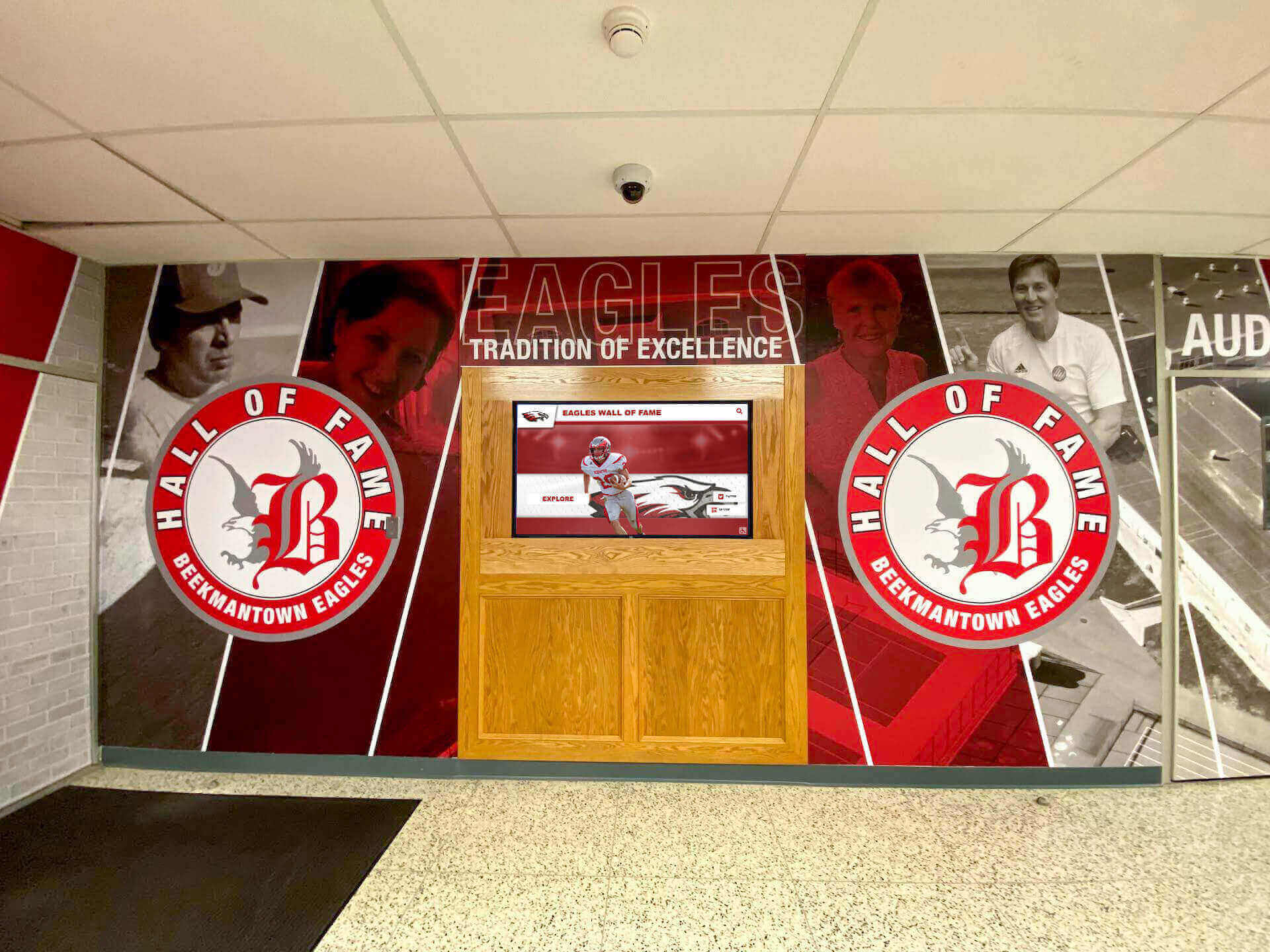
Prominent lobby installations ensure every facility visitor encounters recognition, reinforcing community appreciation and inspiring continued support
Legal and Ethical Fundraising Considerations
Responsible booster clubs understand legal requirements and ethical obligations governing charitable fundraising.
Nonprofit Compliance and Regulations
Most booster clubs operate as 501(c)(3) tax-exempt organizations or under school district umbrella, creating specific compliance requirements.
Essential Legal Requirements
- Maintaining current 501(c)(3) status through annual IRS filings
- Providing donation receipts meeting IRS documentation standards
- Operating within articles of incorporation and organizational bylaws
- Separating booster finances from personal accounts
- Maintaining adequate insurance coverage for activities and events
- Following state charitable solicitation registration requirements
- Adhering to school district policies governing booster operations
Financial Management Best Practices
- Multiple signature requirements for checks and expenditures
- Regular financial reports to boards and membership
- Annual audits or financial reviews
- Transparent budgeting and expense documentation
- Clear fund restriction policies
- Appropriate investment of reserves
- Professional tax preparation ensuring compliance
Working with School Districts
Most boosters must coordinate with schools:
- Understanding and following district booster policies
- Coordinating facility usage and scheduling
- Aligning fundraising with school calendars and priorities
- Communicating regularly with athletic directors
- Respecting boundaries between booster and school responsibilities
Ethical Fundraising Practices
Legal compliance represents the minimum—ethical fundraising builds trust essential for sustained support.
Transparency and Accountability
Donors deserve clear understanding of fund usage:
- Honest communication about fundraising goals and needs
- Specific descriptions of what contributions fund
- Regular reporting demonstrating promised use
- Admitting mistakes and addressing concerns directly
- Public financial summaries showing revenue and expenses
Inclusive Participation
Ensuring all families can contribute meaningfully:
- Offering volunteer opportunities alongside financial asks
- Avoiding policies creating economic participation barriers
- Never tying playing time or opportunities to family giving
- Providing scholarship or assistance programs when appropriate
- Celebrating diverse contribution types equally
Avoiding Coercive Practices
Fundraising should inspire, not pressure:
- Never mandating specific donation amounts
- Avoiding public pressure tactics embarrassing non-participants
- Respecting varied family financial circumstances
- Providing genuine value in product fundraisers
- Maintaining appropriate boundaries in solicitation
Respecting Donor Intent
Honoring designated gifts builds trust:
- Using restricted donations only for specified purposes
- Communicating with donors if circumstances change
- Providing refunds if commitments cannot be fulfilled
- Documenting donor preferences clearly
- Respecting anonymity requests
Ethical fundraising builds reputations enabling sustained success—communities continue supporting organizations they trust while withdrawing from those perceived as manipulative or irresponsible.
Conclusion: Building Booster Club Fundraising Excellence
Successful athletic booster club fundraising combines strategic planning, diverse revenue streams, community engagement, efficient operations, and genuine stewardship—creating sustainable systems that support student-athletes year after year while strengthening the community bonds that make programs special.
The most effective booster clubs understand that fundraising success extends far beyond simply asking for money. They create value through engaging events, build relationships through authentic communication, demonstrate impact through transparent reporting, and honor supporters through thoughtful recognition. They diversify revenue sources rather than depending on single fundraisers, develop efficient systems preventing volunteer burnout, and maintain ethical standards building community trust essential for long-term success.
Maximize Your Fundraising Impact Through Recognition
Discover how digital recognition solutions like Rocket Alumni Solutions help athletic boosters honor supporters effectively, inspire continued giving, and demonstrate fundraising impact—creating permanent displays celebrating community investment in student-athlete success while eliminating the space constraints that limit traditional donor walls.
Explore Digital Recognition SolutionsWhether your booster club is launching its first fundraising campaign or enhancing established programs, remember that sustainable success requires balancing multiple approaches—combining traditional events providing reliable revenue with innovative strategies reaching new audiences, pairing transactional fundraising with relationship cultivation, and matching aggressive fundraising with thoughtful stewardship ensuring donors feel genuinely valued rather than simply solicited.
Start where you are with resources you have—implementing one or two new strategies this year while strengthening existing approaches. Document processes enabling smooth volunteer transitions, celebrate successes building momentum and enthusiasm, learn from challenges improving future efforts, and always connect fundraising to mission—reminding everyone that every dollar raised, every donor thanked, and every supporter recognized ultimately serves one purpose: creating opportunities for student-athletes to compete, grow, and succeed in ways that shape their lives far beyond athletic fields.
Your booster club has the power to transform athletic programs through committed fundraising—turning community support into tangible resources that enable student-athletes to pursue excellence, develop character, and create memories lasting a lifetime. With strategic planning, creative approaches, ethical practices, and genuine appreciation for supporters who make it all possible, you can build fundraising programs sustaining athletic excellence for generations of student-athletes depending on your organization’s success.
Ready to enhance your booster club’s donor recognition? Explore how Rocket Alumni Solutions can help you create comprehensive recognition displays that honor supporters appropriately, inspire continued giving, and demonstrate the powerful impact of community investment in student-athlete success.