



Bleacher renovation represents one of the most impactful investments schools can make in their athletic programs, transforming outdated gymnasium seating into modern facilities that prioritize spectator comfort, safety, and engagement. Well-designed bleacher systems create welcoming environments where families want to attend games, students feel excited about school spirit, and communities gather to celebrate athletic achievement in comfortable, accessible spaces.
Yet most school gymnasiums operate with bleacher systems installed decades ago—uncomfortable wooden seats causing spectators to leave early, narrow aisles creating safety concerns during emergency evacuations, inadequate accessibility forcing wheelchair users and elderly community members to watch from inconvenient floor positions, and outdated facilities that communicate neglect rather than pride. These aging bleacher systems don’t just create discomfort; they actively discourage attendance, limit revenue potential from ticket sales and concessions, and undermine the fan experience that makes high school athletics meaningful.
This comprehensive guide explores bleacher renovation ideas that address every aspect of gymnasium seating—from structural safety and ADA compliance to spectator comfort, revenue generation, and creating the kind of electric atmosphere where teams genuinely feel home-court advantage.
Whether you’re replacing bleachers that have reached the end of their functional lifespan or upgrading systems to meet modern expectations for comfort and accessibility, the strategies in this guide help athletic directors, facilities managers, and administrators create seating solutions that serve your school community for decades to come.

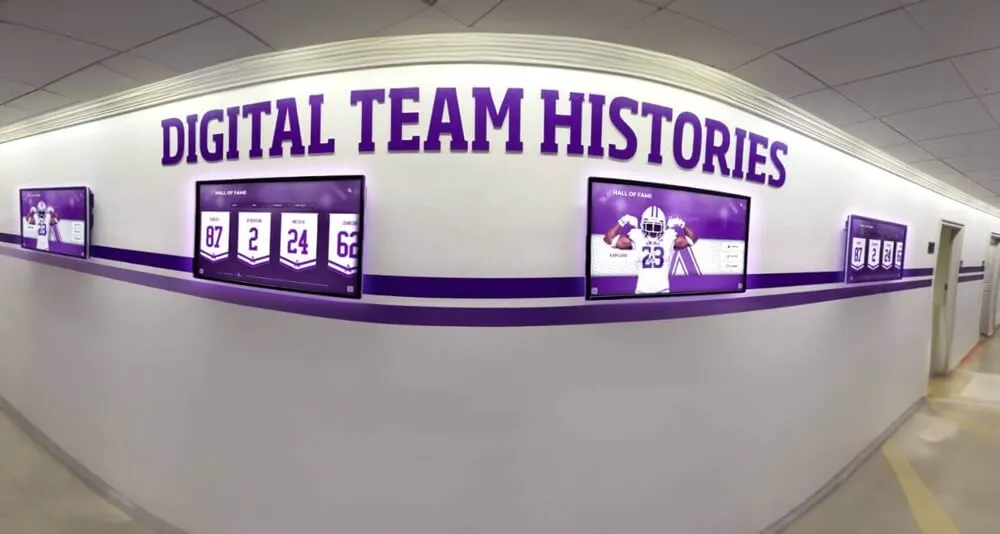
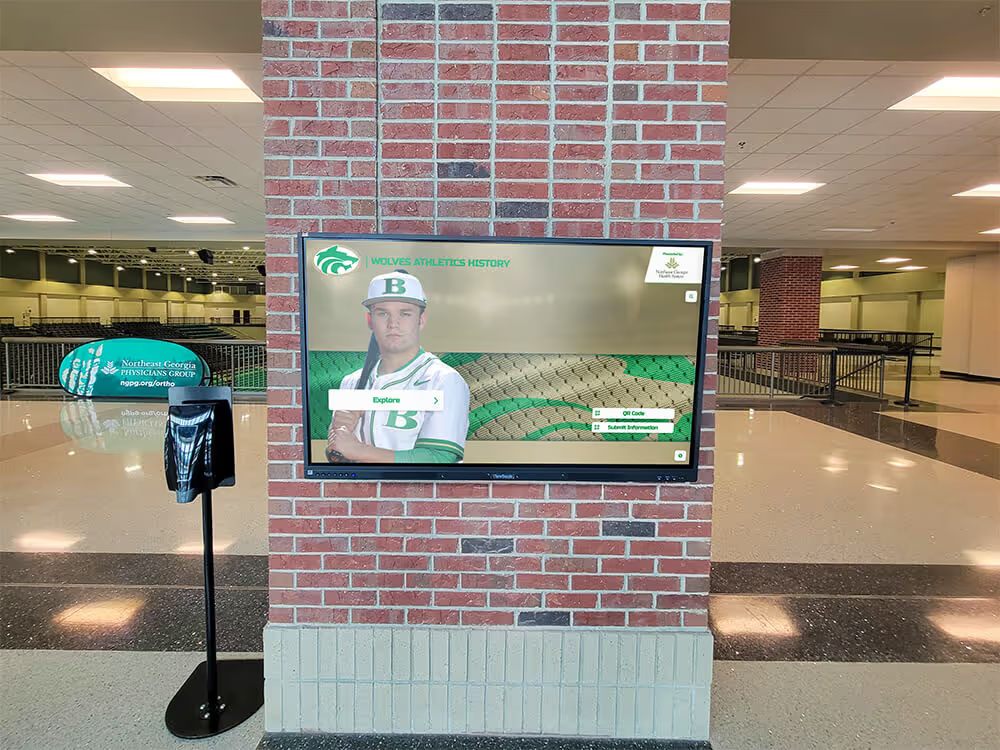
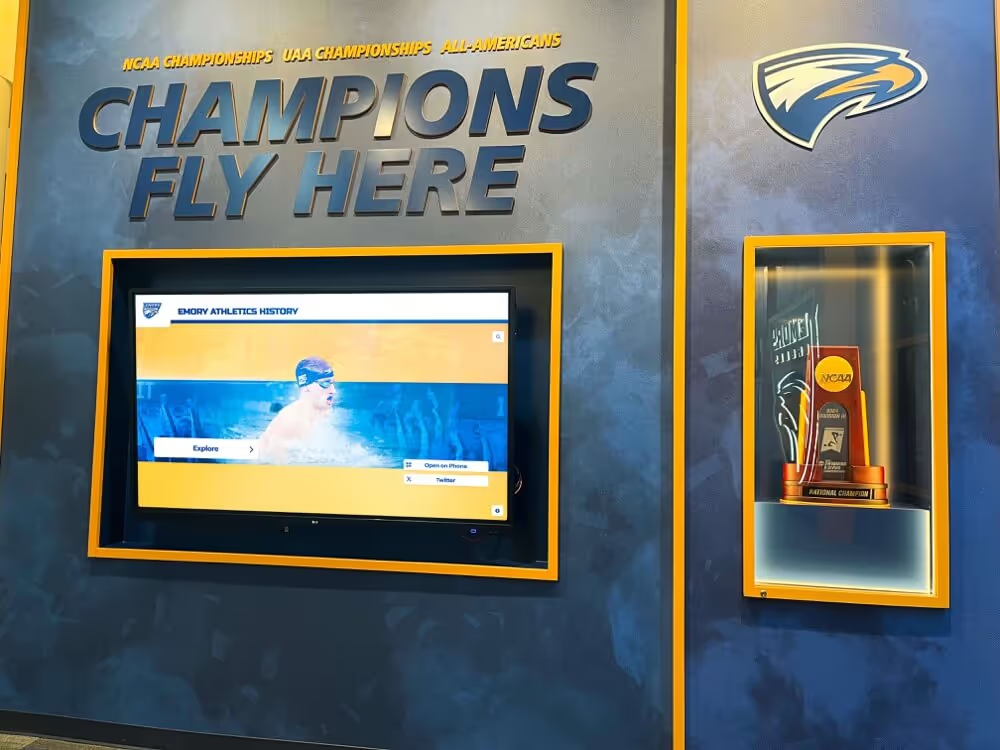
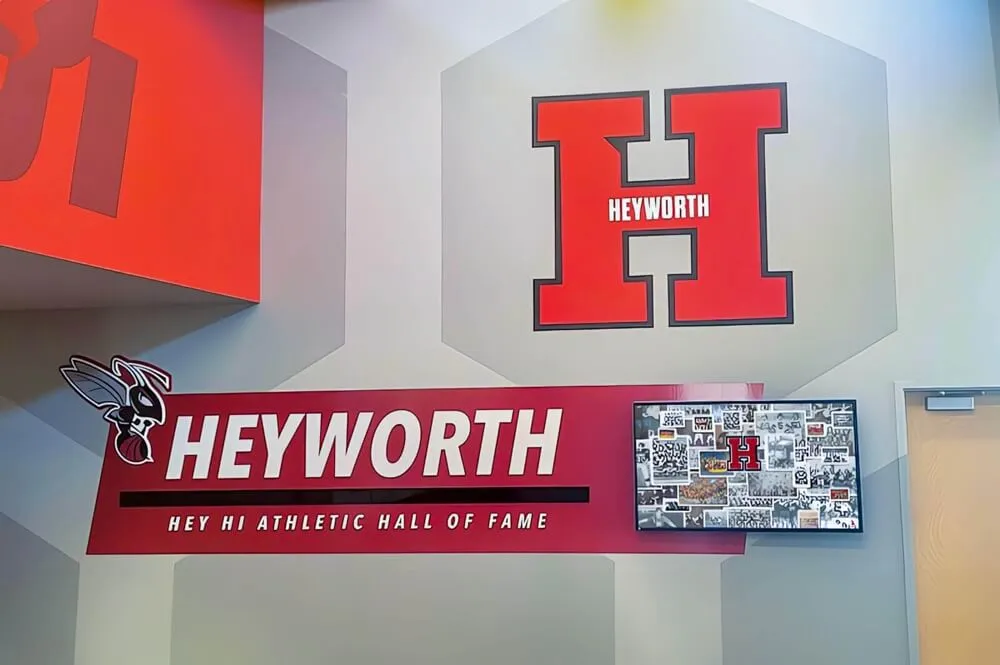
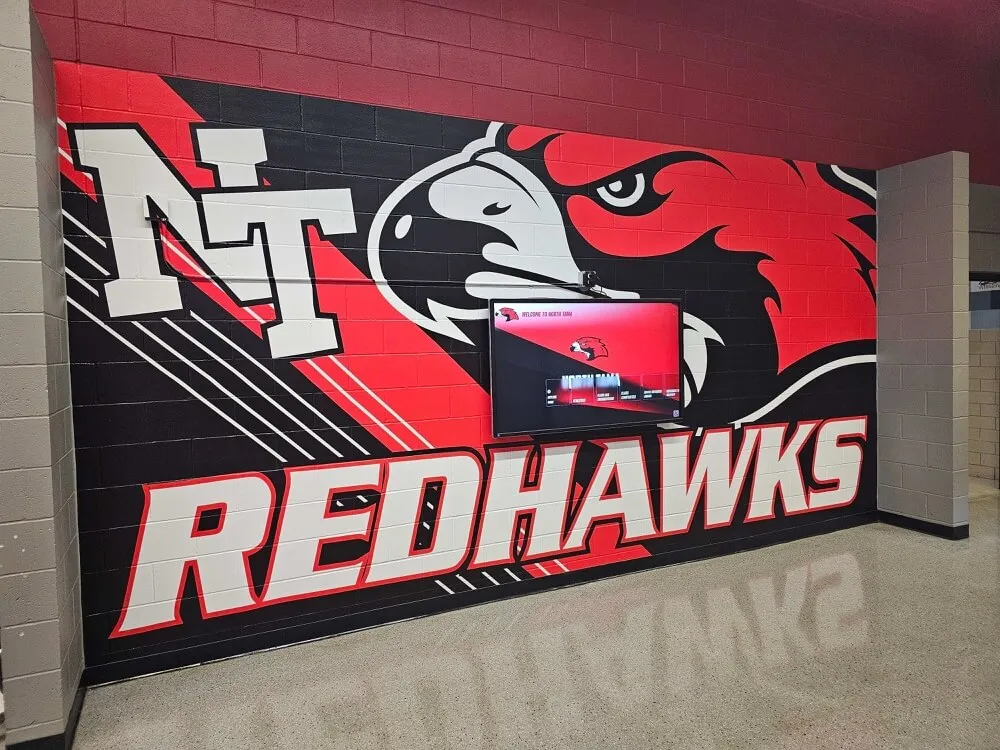
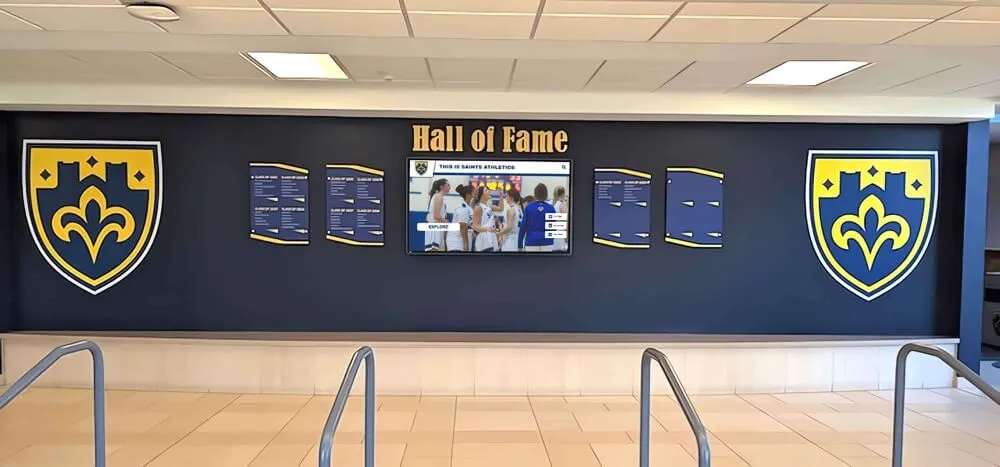
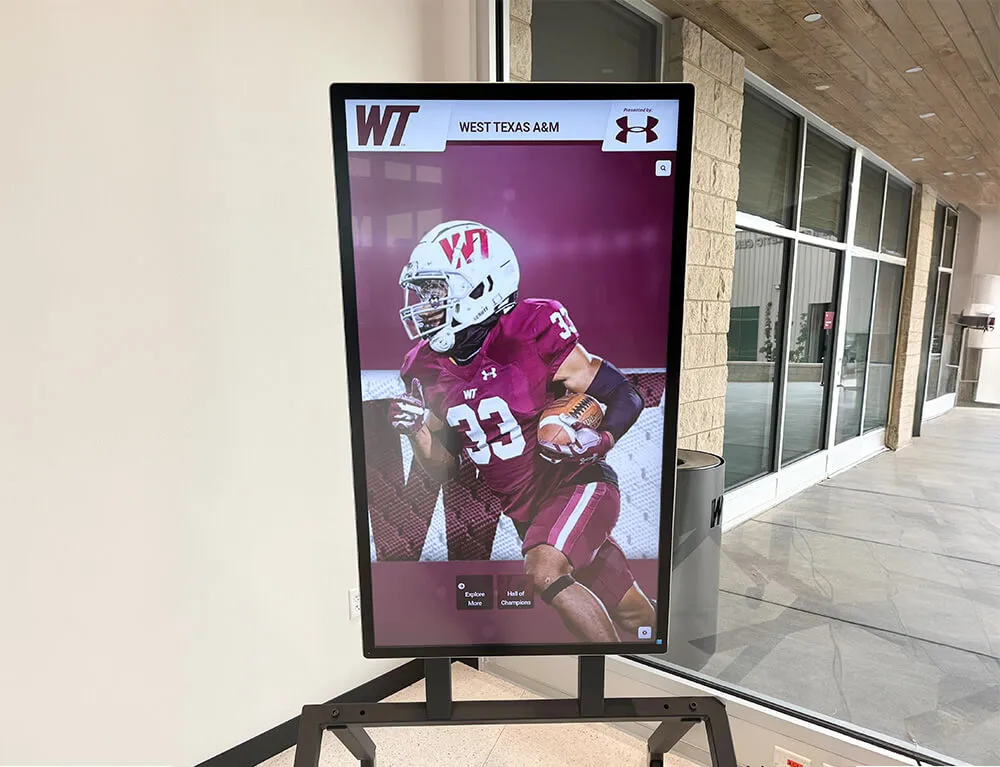
Modern gymnasium environments combine comfortable seating with engaging recognition displays creating complete fan experiences beyond the game itself
Understanding When Bleacher Renovation Becomes Necessary
Before exploring specific renovation approaches, understanding the factors that signal the need for bleacher upgrades helps administrators prioritize projects and secure funding.
Safety and Structural Concerns
The most critical renovation drivers involve structural integrity and safety compliance that cannot be delayed or compromised.
Structural Deterioration Indicators
Bleacher systems typically last 30-40 years when properly maintained, but several warning signs indicate immediate attention is required:
Visible rust on structural support members indicating corrosion that compromises load capacity, loose or missing bolts in connection points creating instability during use, cracked or splintered wood planks presenting injury hazards to spectators, sagging or uneven deck surfaces suggesting underlying structural failure, unstable guardrails and handrails that fail to provide adequate fall protection, and deteriorating understructure elements hidden from view but critical to overall system integrity.
When structural engineers identify any of these conditions during routine inspections, renovation or replacement typically becomes mandatory rather than optional.
Safety Code Compliance Issues
Building codes and safety standards have evolved significantly since many existing bleacher systems were installed. Modern requirements include:
Adequate aisle widths ensuring emergency evacuation capacity for maximum occupancy loads, proper guardrail height and strength specifications preventing spectator falls, sufficient spacing between rows allowing reasonable egress during emergencies, non-slip surface treatments reducing fall hazards on walking surfaces, proper anchoring systems preventing bleacher collapse or movement, and emergency lighting ensuring visibility during power failures or evening events.
Schools operating bleacher systems not meeting current code requirements face liability exposure that far exceeds renovation costs should injuries occur during events.
Accessibility and ADA Compliance
Federal accessibility requirements have fundamentally changed how schools must accommodate spectators with disabilities.
ADA Seating Requirements
The Americans with Disabilities Act mandates specific wheelchair seating provisions based on total spectator capacity:
Facilities seating 300-500 spectators must provide at least six wheelchair positions, while venues accommodating 501-5,000 spectators require six positions plus one additional position for each 150 seats exceeding 500. These wheelchair positions must be distributed throughout the seating area providing choice of admission price and viewing angle rather than segregating accessible seating in less desirable locations.
Beyond wheelchair positions, ADA compliance requires companion seating adjacent to each accessible space allowing families to sit together, accessible routes from parking areas to seating locations without stairs or excessive slopes, appropriate sightlines ensuring wheelchair users can see over standing spectators, and accessible restroom facilities within reasonable distances of accessible seating areas.
Many older gymnasium bleacher configurations cannot achieve ADA compliance without significant renovation or replacement incorporating dedicated accessible seating platforms.
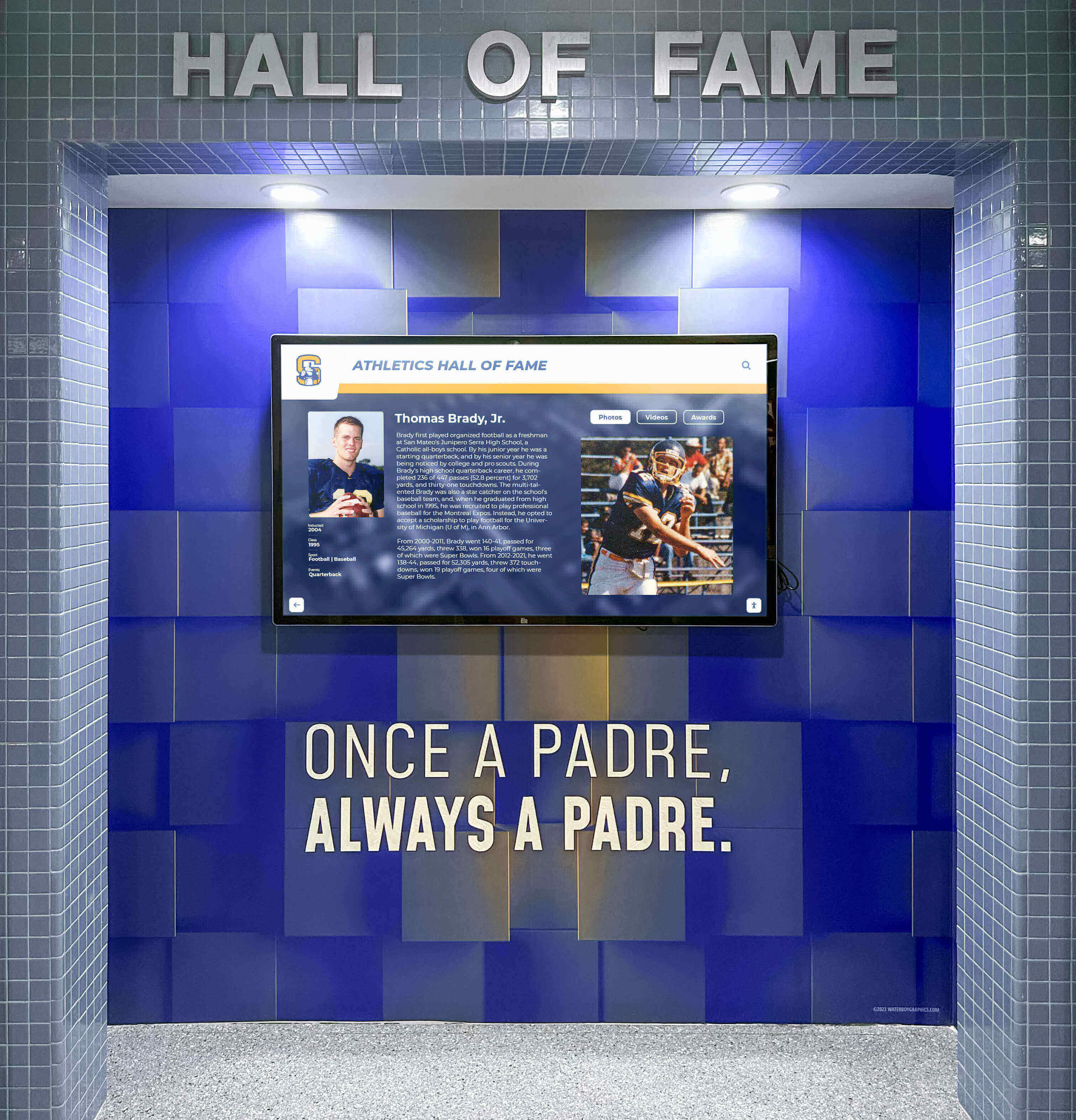
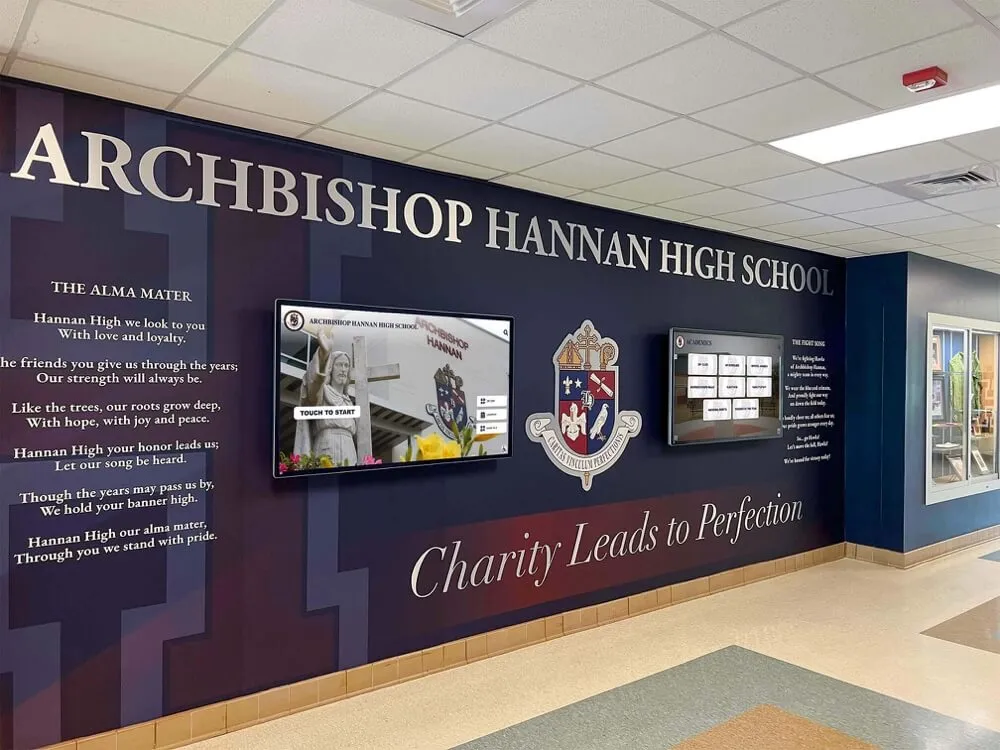
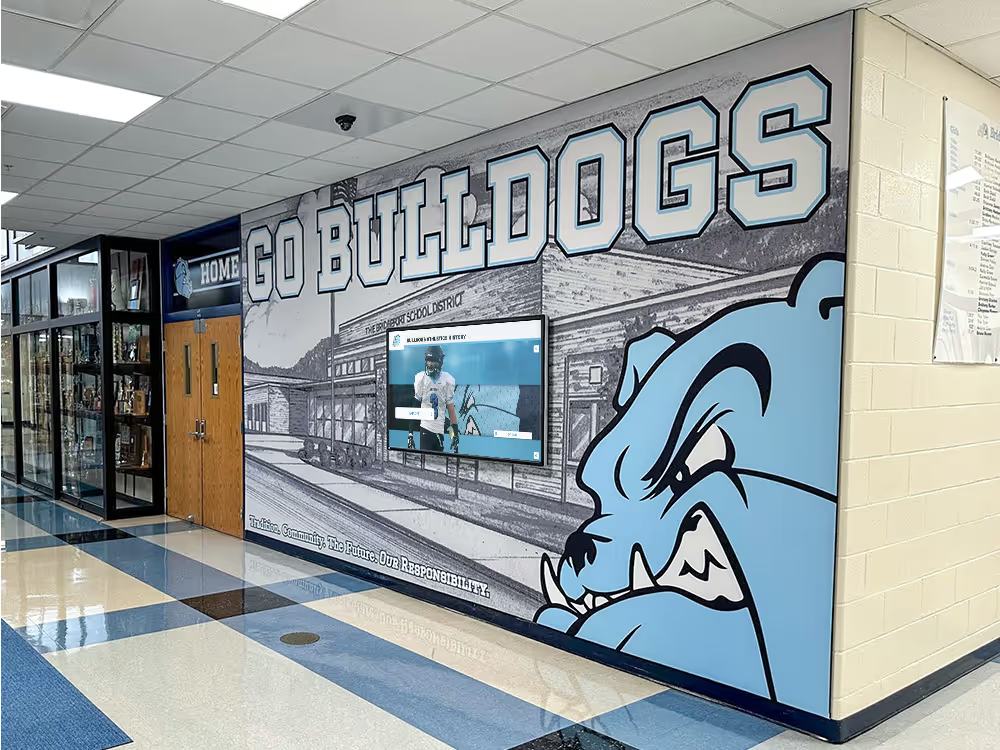
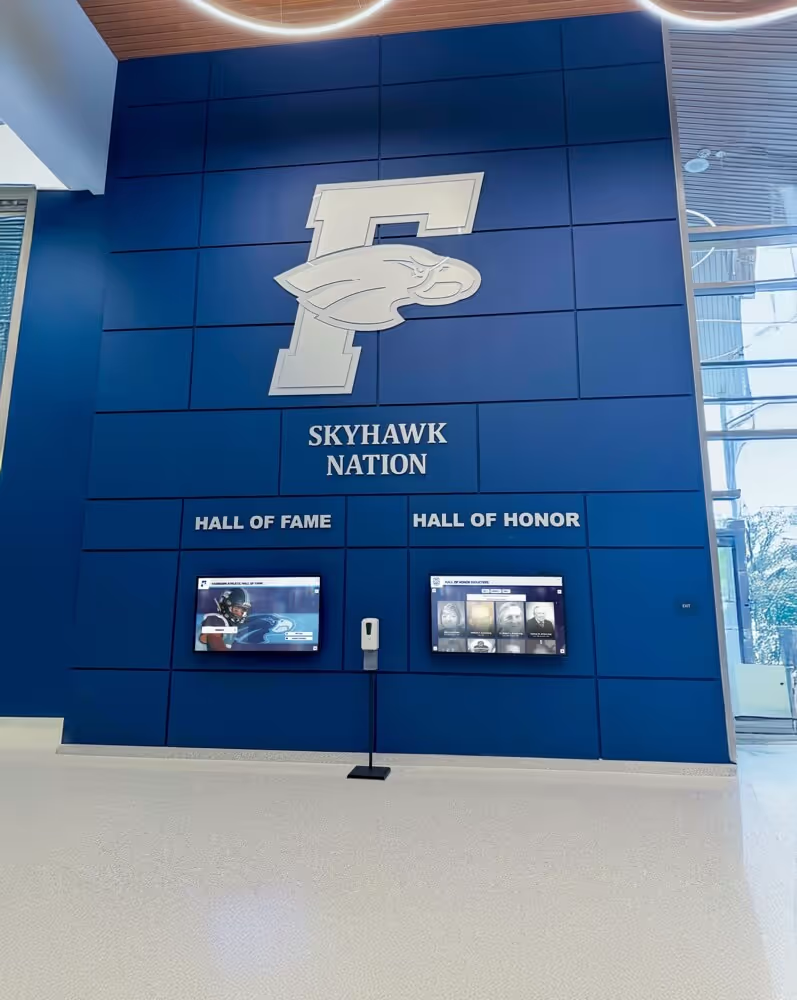
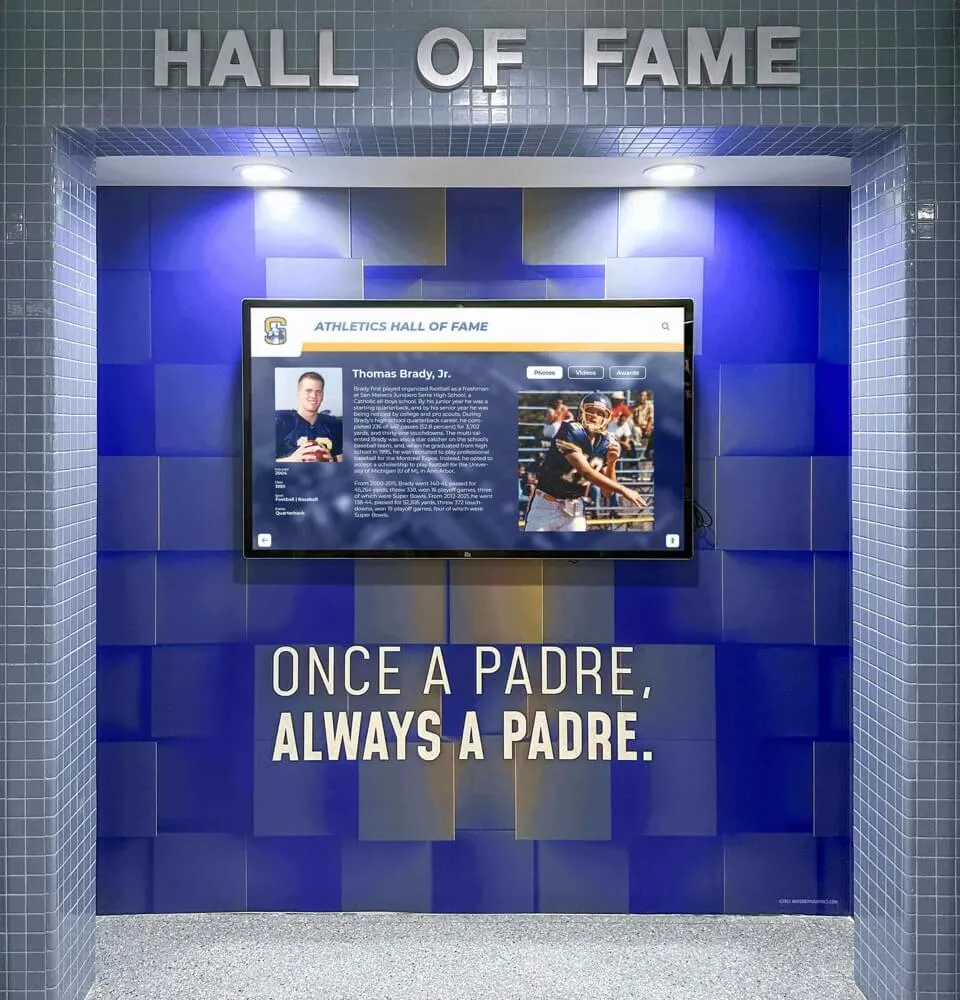
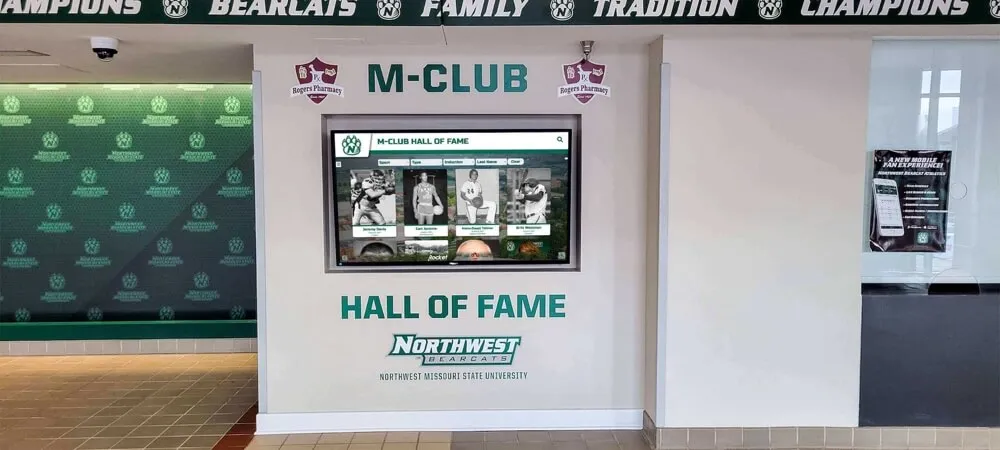
Strategic placement of recognition displays in circulation areas surrounding gymnasiums extends the fan experience beyond seating areas
Comfort and Modern Expectations
Beyond structural safety and accessibility compliance, spectator expectations for comfort have changed dramatically, and outdated bleacher systems directly impact attendance.
Spectator Comfort Factors
Today’s school families compare gymnasium seating experiences to professional sporting venues, movie theaters, and entertainment facilities featuring comfortable seating:
Seat backs providing lumbar support for spectators sitting through multiple games or tournament days, adequate seat width accommodating modern adult dimensions rather than 1970s specifications, sufficient legroom between rows allowing spectators to sit without knees against the back of the row ahead, padded seating surfaces reducing fatigue during extended events, temperature considerations including heating for cold gymnasiums and ventilation for summer events, and concession accessibility allowing spectators to obtain refreshments without missing significant game time.
Research from athletic directors consistently demonstrates that uncomfortable seating reduces attendance duration—families arrive later and leave earlier when bleachers cause physical discomfort, directly impacting the atmosphere that provides home-court advantage.
Learn about comprehensive facility improvements in student engagement strategies schools that create welcoming environments.
Bleacher System Types and Renovation Options
Different bleacher configurations offer distinct advantages depending on gymnasium size, budget constraints, and usage patterns.
Telescopic Retractable Bleacher Systems
Retractable bleacher systems provide the most versatile gymnasium space utilization by allowing seating to be stored when not needed.
Advantages of Telescopic Systems
Modern telescopic bleachers offer multiple benefits for schools seeking maximum facility flexibility:
Floor space reclamation allowing gymnasiums to host physical education classes, assemblies, dances, and community events without permanent seating obstructions, improved safety through powered operation eliminating manual setup hazards, consistent setup ensuring proper aisle alignment and structural integrity with each deployment, integrated ADA platforms that extend automatically as part of the bleacher system, and modern comfort features including contoured seating, backrests, and appropriate spacing.
Telescopic systems typically cost $150-$300 per seat installed, representing significant investment but providing functionality impossible with fixed bleacher systems.
Operational Considerations
Schools considering telescopic bleacher renovation should understand maintenance requirements:
Annual inspections of mechanical systems ensuring safe operation throughout the system’s lifespan, periodic lubrication of moving components preventing premature wear, staff training for proper operation preventing operator error that could damage systems, electrical power requirements for motorized operation, and acoustic treatments addressing the noise of bleacher extension and retraction.
Despite these maintenance needs, telescopic systems typically provide 25-30 years of reliable service when properly maintained.
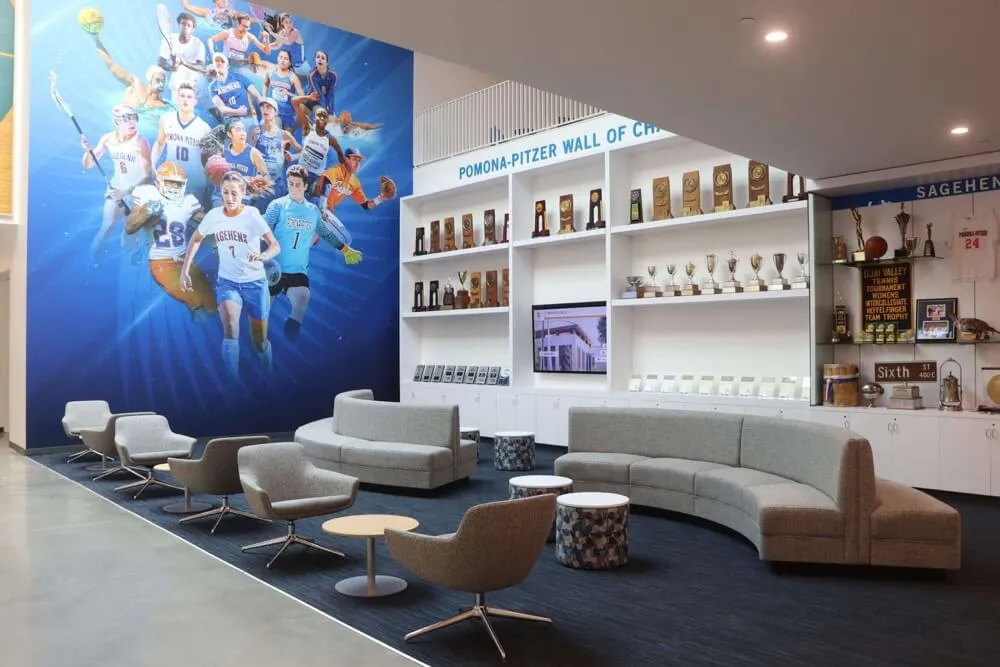
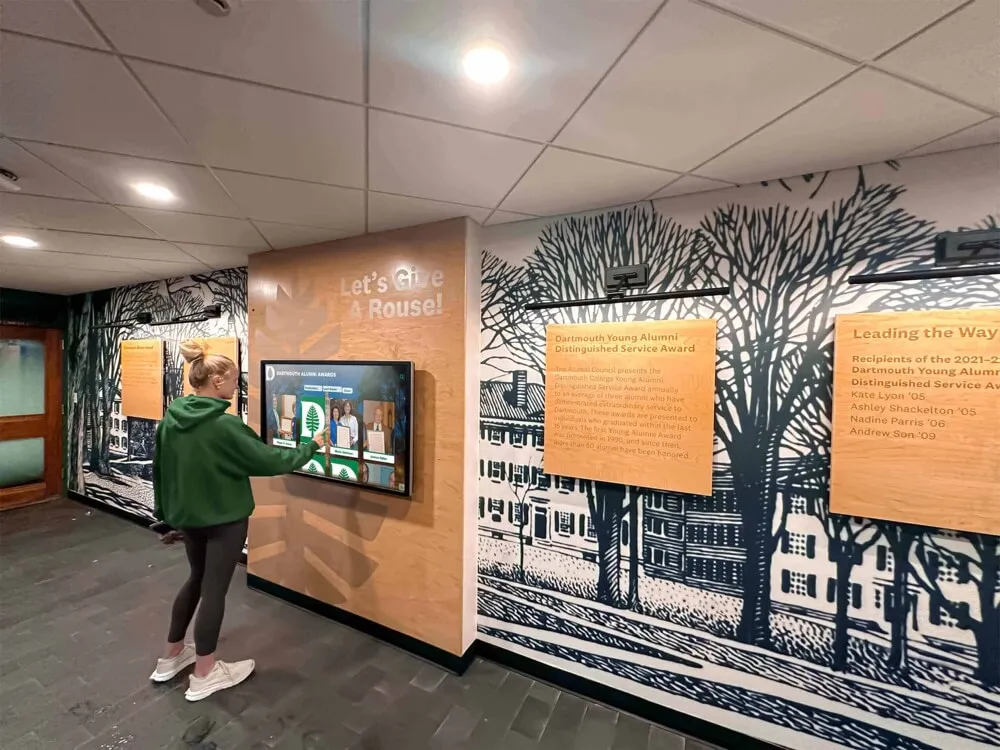
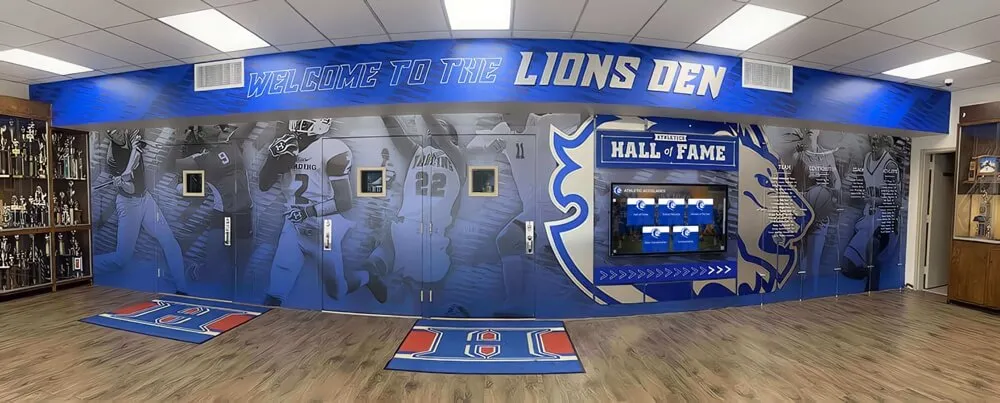
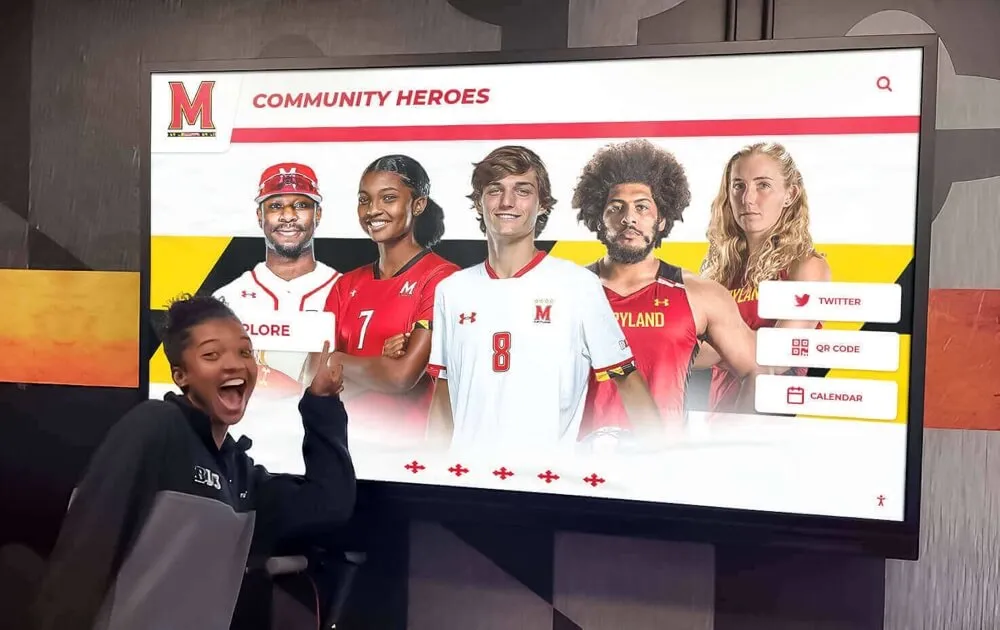
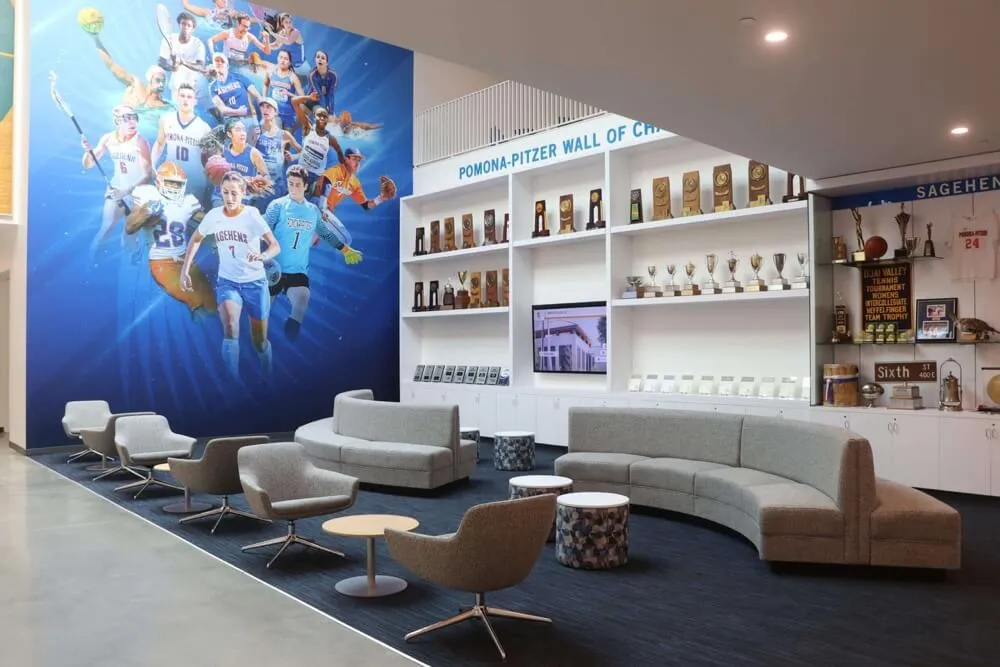
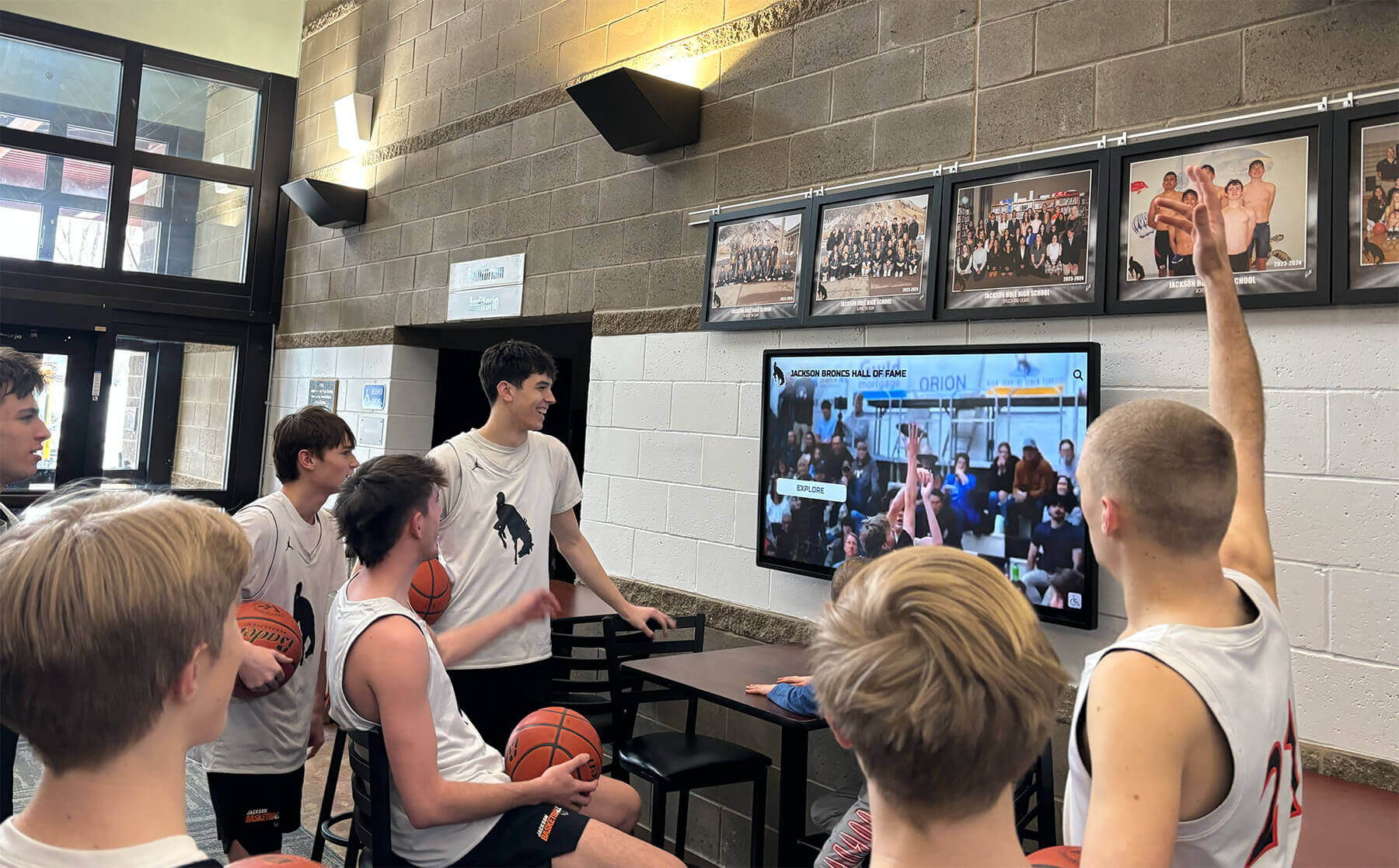
Creating adjacent lounge areas with comfortable seating and recognition displays provides alternatives for spectators seeking breaks from bleacher seating
Fixed Bleacher Systems
Permanent bleacher installations offer the most cost-effective solution for gymnasiums where seating remains in place year-round.
Fixed Bleacher Advantages
For schools where floor space flexibility is less critical, fixed bleachers provide several benefits:
Lower initial cost typically ranging from $75-$150 per seat installed compared to telescopic alternatives, enhanced structural stability through permanent anchoring, simplified maintenance without complex mechanical systems, greater customization options for team branding and aesthetics, and space beneath bleachers that can be utilized for storage, concessions, or equipment rooms.
Fixed systems work particularly well in dedicated competition gymnasiums where seating doesn’t interfere with daily physical education programming conducted in separate practice facilities.
Modern Fixed Bleacher Features
Contemporary fixed bleacher systems have evolved significantly beyond the basic wooden bench seating of previous generations:
Contoured aluminum or plastic seats replacing flat wooden planks, integrated seatbacks improving comfort for spectators, modular construction allowing future expansion or reconfiguration, powder-coated finishes in school colors creating cohesive branding, aluminum construction eliminating wood decay and reducing maintenance, and incorporated ADA seating platforms seamlessly integrated into overall bleacher design.
These improvements create fixed bleacher experiences approaching the comfort of retractable systems at substantially lower investment.
Hybrid and Portable Solutions
Some gymnasiums benefit from combining permanent and portable seating to optimize capacity and flexibility.
Strategic Seating Mix
Hybrid approaches might include:
Fixed bleachers on one side of the gymnasium providing 60-70% of typical capacity, portable bleacher sections stored in equipment rooms and deployed for championship games or tournaments, floor seating areas using portable chair systems for premium ticketing and accessibility, and standing room areas for student sections creating energetic atmosphere without permanent seating infrastructure.
This mix optimizes daily functionality while maintaining capacity for peak attendance events that occur only a few times per season.
Comfort and Safety Upgrades
Beyond choosing between bleacher system types, specific upgrades significantly improve spectator experience and safety.
Seating Comfort Enhancements
Modern bleacher renovation should prioritize features that encourage spectators to arrive early and stay late.
Seat Design Improvements
Several upgrade options dramatically improve comfort compared to traditional bench seating:
Contoured Seat Backs Individual seatbacks attached to bleacher benches provide lumbar support transforming comfort during games lasting two hours or longer. Schools report that seatback additions alone increase average attendance duration by 15-20 minutes per event as families no longer rush to leave due to discomfort.
Padded Seating Options While full-bleacher padding may exceed budget constraints, strategic padding in premium seating sections or booster club areas creates differentiated experiences that can generate additional revenue through premium ticket pricing or fundraising opportunities.
Wider Seat Spacing Increasing space between rows from older 18-inch standards to modern 24-26 inch dimensions eliminates the cramped feeling that makes bleacher seating unpleasant. While reducing total capacity, the improved experience typically increases actual attendance offsetting theoretical capacity reduction.
Temperature Management In cold gymnasiums, adding radiant heating elements beneath bleacher areas or providing portable heated seating platforms dramatically improves winter event attendance. Similarly, improved ventilation or portable cooling units make summer basketball tournaments more comfortable.

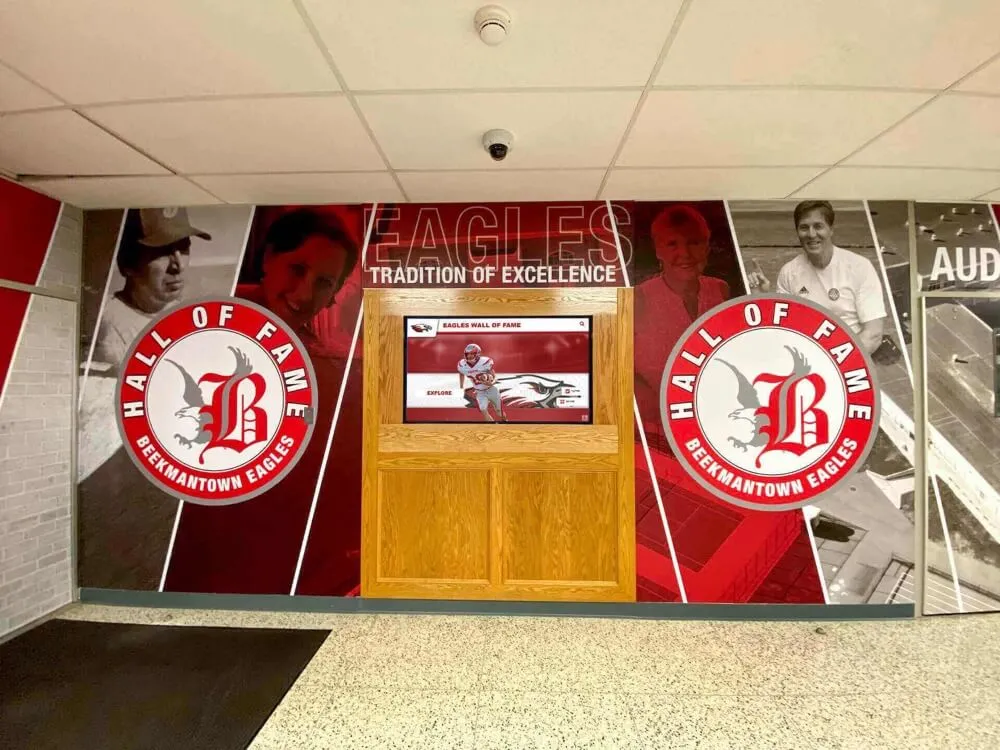
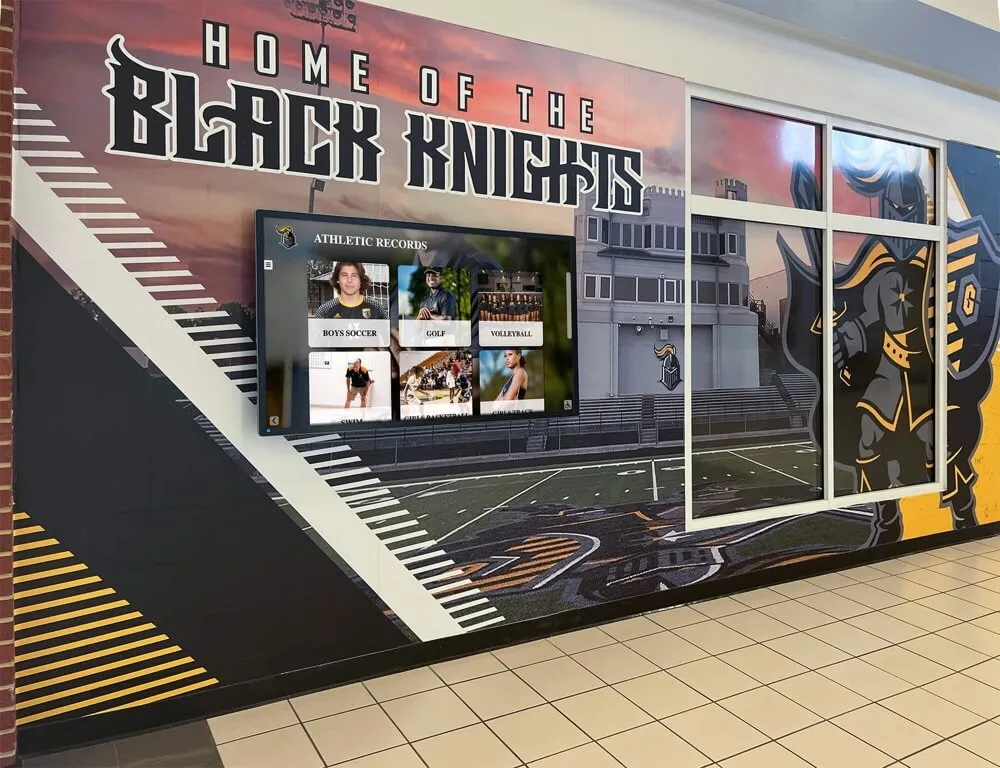
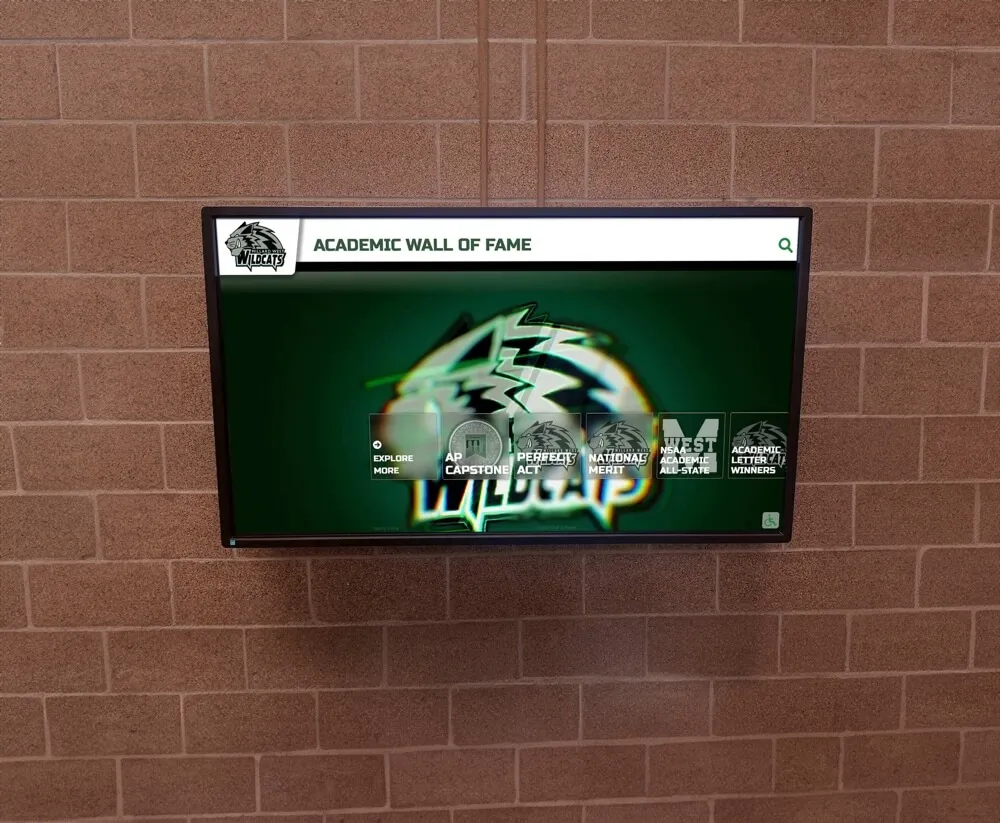
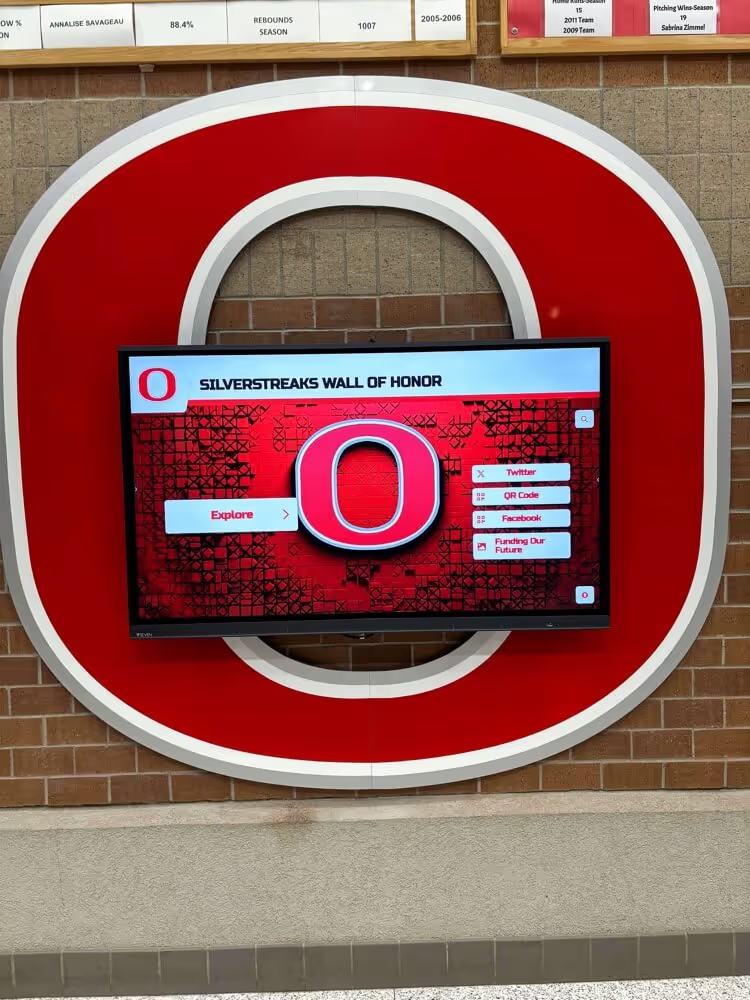
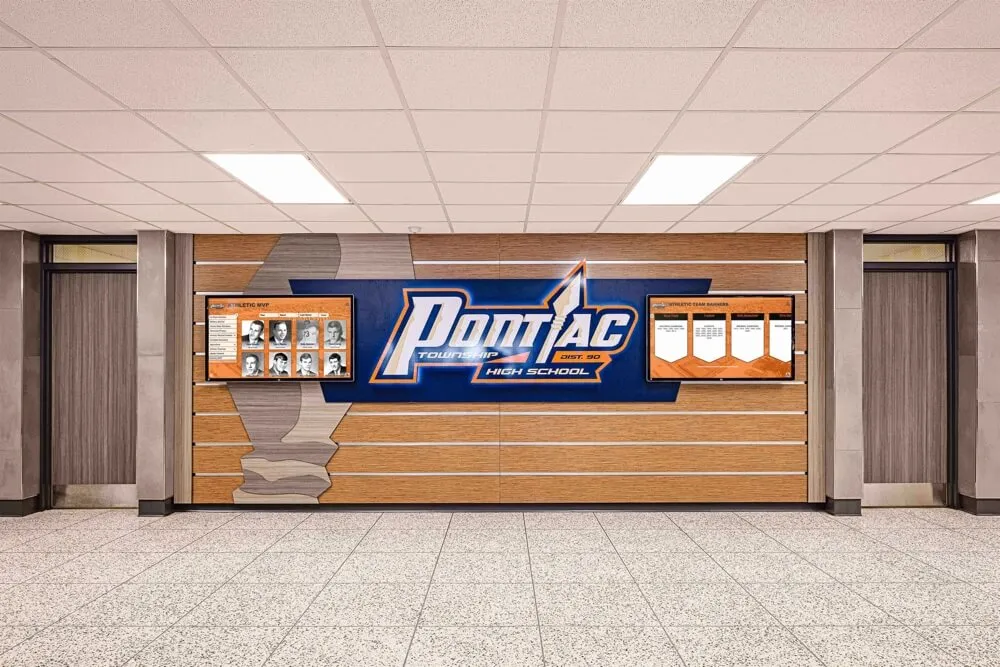
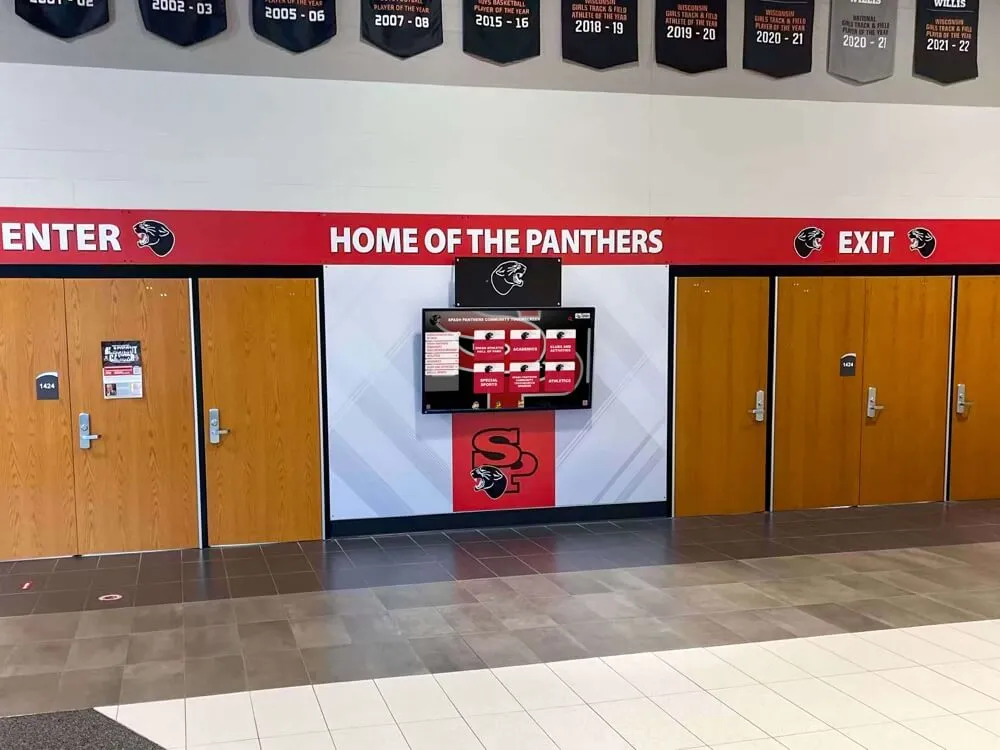
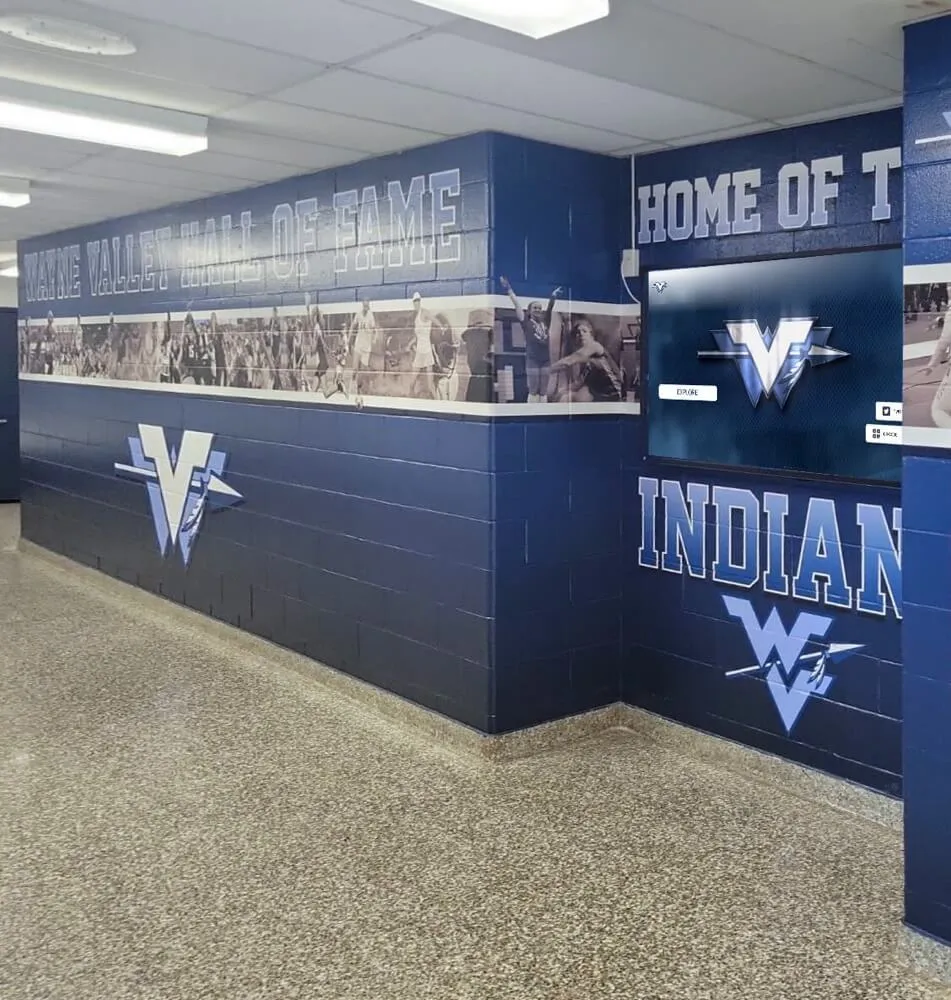
Coordinated hallway displays celebrating athletic records enhance the overall gymnasium environment beyond seating improvements alone
Safety and Accessibility Features
Code compliance and spectator safety must be integrated into every bleacher renovation project.
Critical Safety Elements
Guardrails and Handrails Proper guardrails at least 42 inches high must protect spectators on elevated bleacher sections, while continuous handrails assist spectators navigating aisle stairs. These features prevent falls that represent the most common gymnasium injury category.
Aisle Width and Marking Modern codes typically require minimum 36-inch aisle widths for primary egress routes and 30 inches for secondary aisles. High-contrast aisle marking using reflective or photoluminescent tape ensures visibility during emergency evacuations.
ADA Integration Rather than afterthought accessible seating platforms clearly distinguishable from main bleacher systems, integrated ADA design incorporates wheelchair positions naturally throughout seating areas with level access and companion seating creating inclusive experiences.
Surface Treatments Non-slip walking surfaces on bleacher aisles and steps prevent falls particularly when spectators track in moisture during wet weather or winter events.
Creating Enhanced Fan Experiences Through Facility Improvements
Modern bleacher renovation extends beyond seating itself to encompass the complete gymnasium environment affecting spectator experience.
Digital Recognition and Engagement
Contemporary gymnasiums increasingly incorporate interactive displays that celebrate athletic achievement and engage spectators before, during, and after games.
Interactive Recognition Displays
Strategic placement of touchscreen recognition systems in gymnasium lobbies, concourses, and concession areas provides several benefits:
Pre-game entertainment as early-arriving spectators explore athlete profiles, team histories, and championship records, halftime engagement giving spectators something meaningful to do during breaks rather than simply visiting restrooms and concessions, post-game connection allowing community members to linger and celebrate after victories rather than immediately dispersing, and year-round visibility ensuring recognition remains accessible even when games aren’t occurring.
These digital systems can showcase current season statistics, historical records, hall of fame inductees, and championship teams creating comprehensive athletic program storytelling. Learn more about implementing these systems in athlete recovery wellness hub comprehensive guide.
Recognition Wall Integration
Coordinating bleacher renovations with recognition wall installations creates cohesive facility improvements:
Lobby walls celebrating conference championships and state tournament appearances, hallway displays featuring athlete profiles and record holders, entry walls welcoming visitors with program history and tradition, and concourse areas showcasing season highlights and upcoming events.
This comprehensive approach transforms gymnasiums from simple game venues into celebration spaces honoring athletic excellence year-round.
Explore recognition approaches in baseball record boards demonstrating effective athletic display strategies.
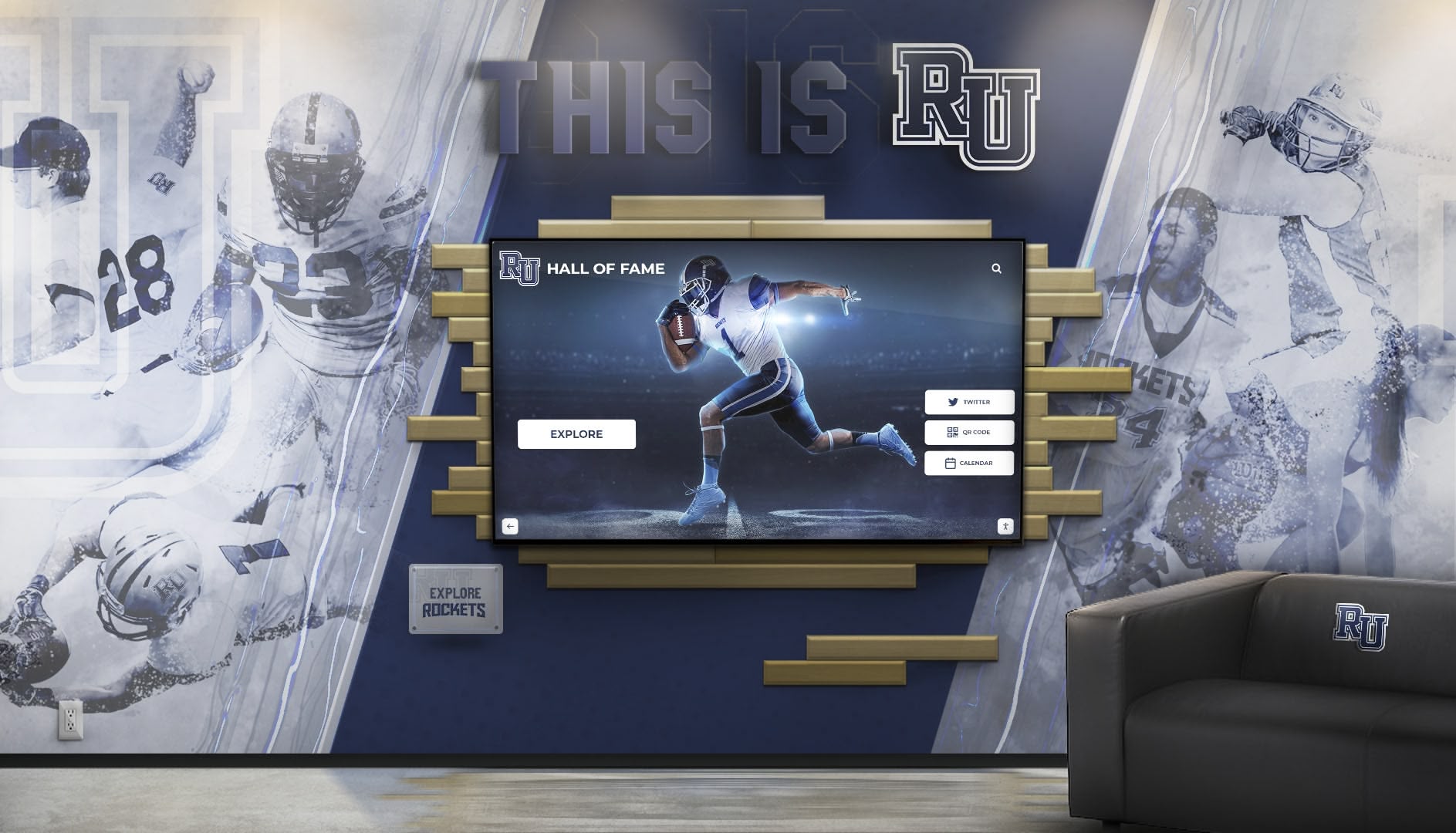
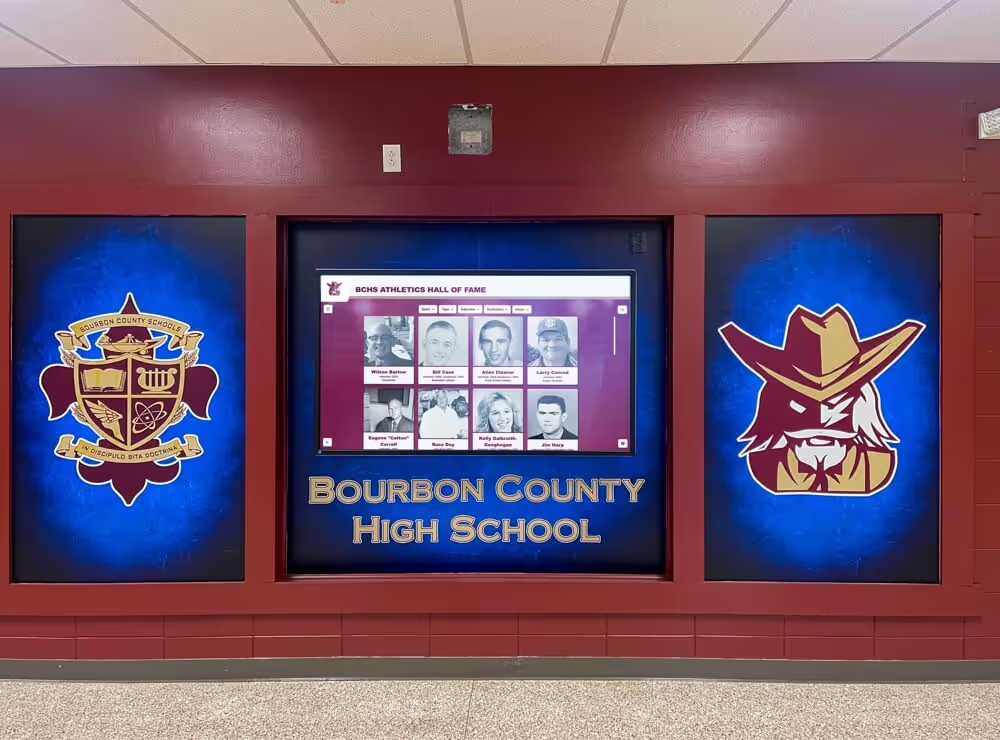
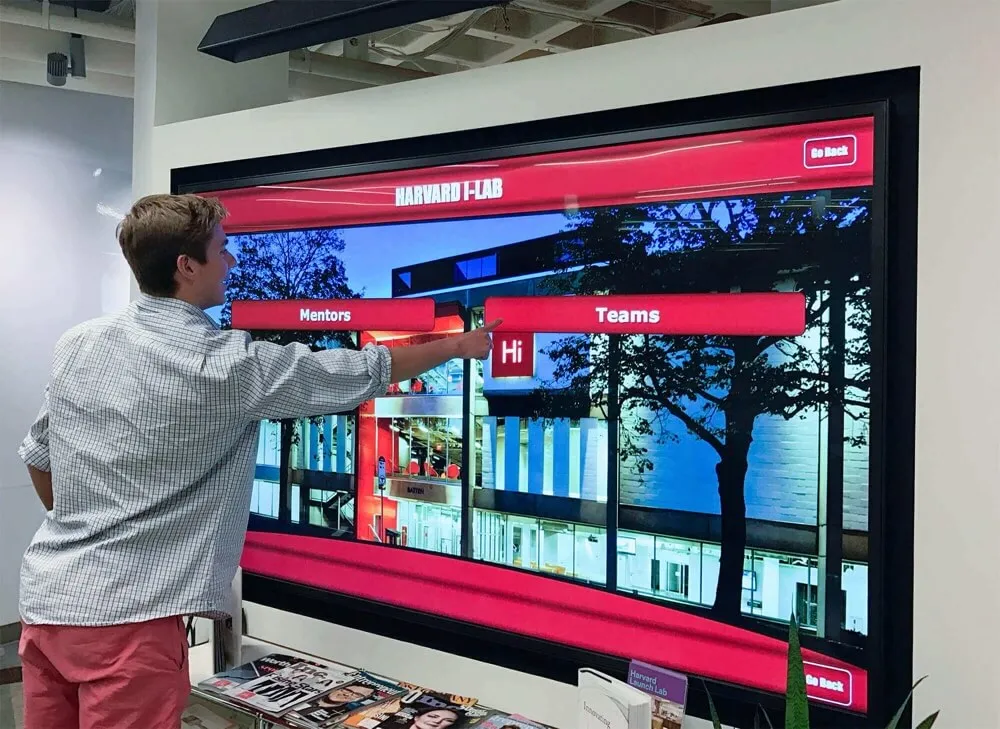
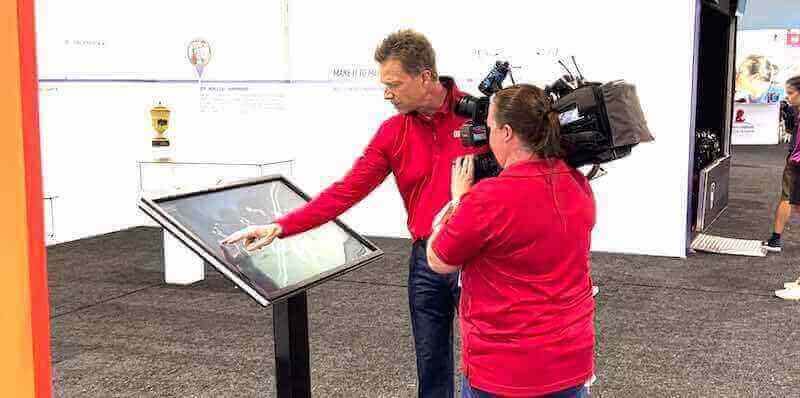
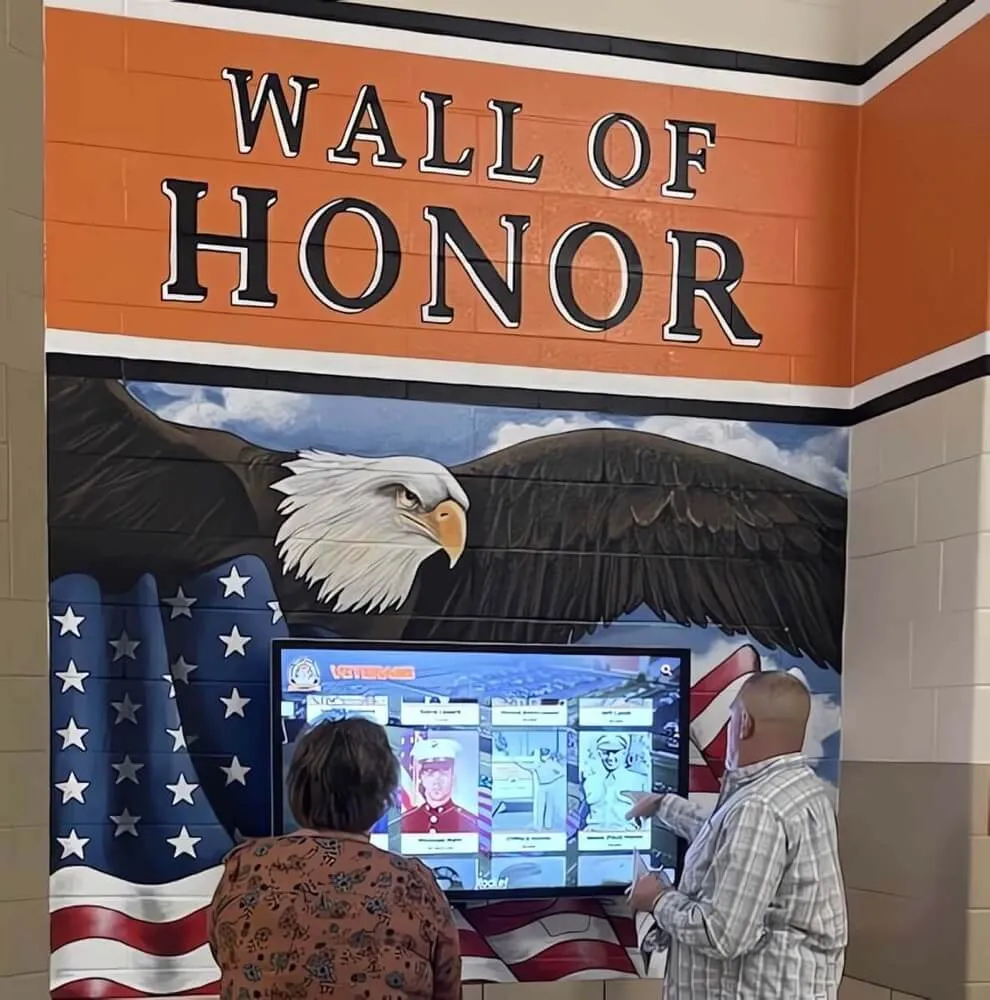
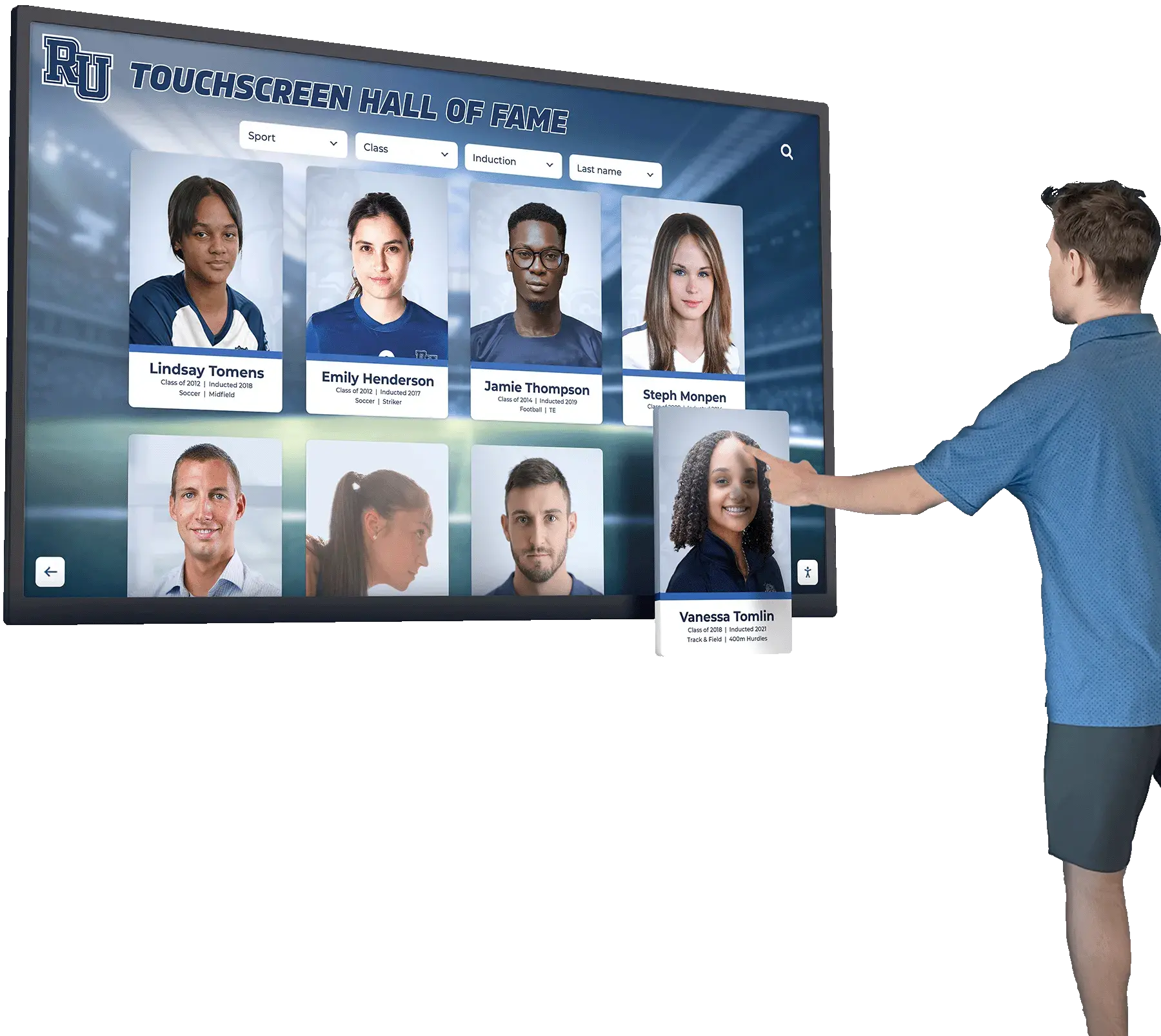
Combining bleacher renovations with interactive recognition displays creates complete facility improvements rather than isolated seating upgrades
Concessions and Hospitality Improvements
Spectator comfort extends beyond seating to include convenient access to refreshments and facilities.
Concession Area Planning
When renovating bleachers, schools should consider coordinated concession improvements:
Strategic concession locations allowing spectators to obtain refreshments without missing extended game time, expanded menu options beyond basic candy and drinks, improved food safety and storage capabilities, point-of-sale technology speeding transactions and reducing lines, and adequate space preventing concession area congestion that creates safety hazards.
Athletic directors report that concession revenue typically increases 30-50% when facilities improve from basic fold-out tables to proper concession stands with adequate equipment and visibility.
Restroom Accessibility
Gymnasium restroom capacity directly impacts spectator comfort and satisfaction. Renovation projects should assess whether existing restroom facilities adequately serve increased attendance that better bleacher systems generate. Insufficient restroom capacity creates excessive wait times driving spectators away before games end, particularly during tournaments with back-to-back games drawing large crowds.
Technology Integration
Modern gymnasiums incorporate technology enhancing both spectator experience and operational efficiency.
Audiovisual Improvements
Coordinating bleacher renovation with audiovisual upgrades creates complete facility transformations:
Updated scoreboards with video display capabilities showing replays and highlights, improved sound systems ensuring clear announcements throughout seating areas, Wi-Fi connectivity allowing spectators to share experiences on social media, and streaming capabilities enabling remote viewing for community members unable to attend in person.
These technology improvements increase both in-person attendance and virtual engagement expanding program reach beyond physical gymnasium capacity.
Lighting Enhancements
Modern LED lighting systems offer multiple advantages over older gymnasium lighting:
Improved visibility for both players and spectators enhancing game experience, energy efficiency reducing ongoing operational costs, instant-on capability eliminating warm-up delays, programmable systems creating dramatic pre-game presentations, and broadcast-quality lighting for video streaming and recording.
Combining lighting improvements with bleacher renovations maximizes construction disruption by addressing multiple systems during single closure periods.
Funding Strategies for Bleacher Renovation Projects
Gymnasium bleacher renovation represents significant capital investment, but multiple funding approaches make projects achievable even for districts with limited budgets.
Capital Campaign and Fundraising
Many schools successfully fund bleacher renovations through dedicated fundraising campaigns targeting specific community groups.
Naming Rights and Recognition
Bleacher renovation campaigns can offer recognition opportunities generating major donations:
Gymnasium naming rights for transformational gifts funding complete renovation projects, bleacher section naming recognizing donations at multiple contribution levels, individual seat dedications allowing families to purchase memorial or honorary seats, and recognition walls acknowledging all donors contributing to successful campaigns.
These strategies transform necessary facility improvements into relationship-building opportunities strengthening connections with alumni, parents, and community members.
Booster Club Partnerships
Athletic booster clubs represent natural partners for bleacher renovation funding. Many organizations focus annual fundraising efforts on specific facility improvements with bleacher upgrades providing visible, impactful projects demonstrating donor investment value.
Explore fundraising approaches in awards touchscreen complete guide showing recognition program possibilities.
Bond Initiatives and Capital Budgets
Larger bleacher renovation projects often become components of broader facility improvement initiatives.
Including Renovations in Bond Packages
When districts pursue facility improvement bonds, bleacher renovation should be included in comprehensive project scopes:
Combine with other gymnasium improvements like floor resurfacing, roof replacement, or HVAC upgrades creating efficient construction timelines, demonstrate community benefit through improved accessibility and safety justifying public investment, and include as part of district-wide facility assessment addressing deferred maintenance across multiple buildings.
Bond-funded projects typically achieve more comprehensive renovation than piecemeal approaches constrained by annual budgets.
Phased Renovation Approaches
Schools unable to fund complete bleacher replacement in single projects can implement strategic phasing:
Year one focus on critical safety repairs and code compliance issues that cannot be deferred, year two address one side of gymnasium replacing worst condition bleachers, year three complete remaining bleacher areas achieving consistent quality throughout facility, and concurrent years add comfort features like seatbacks, padding, and recognition displays as budget allows.
This phased approach maintains project momentum while accommodating annual budget constraints.
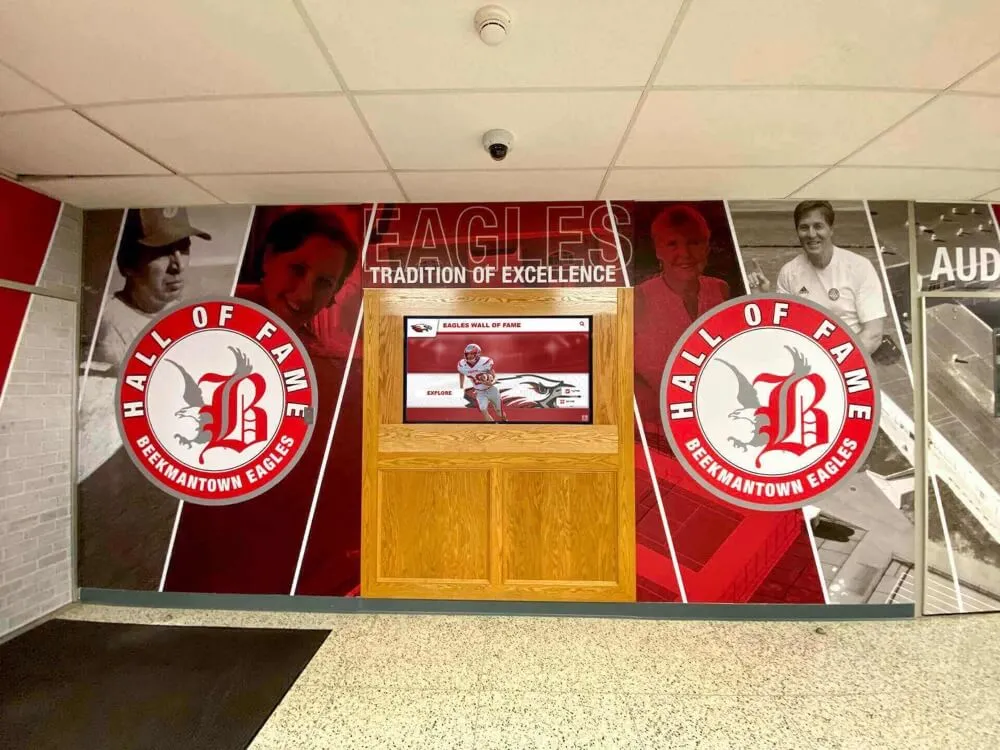
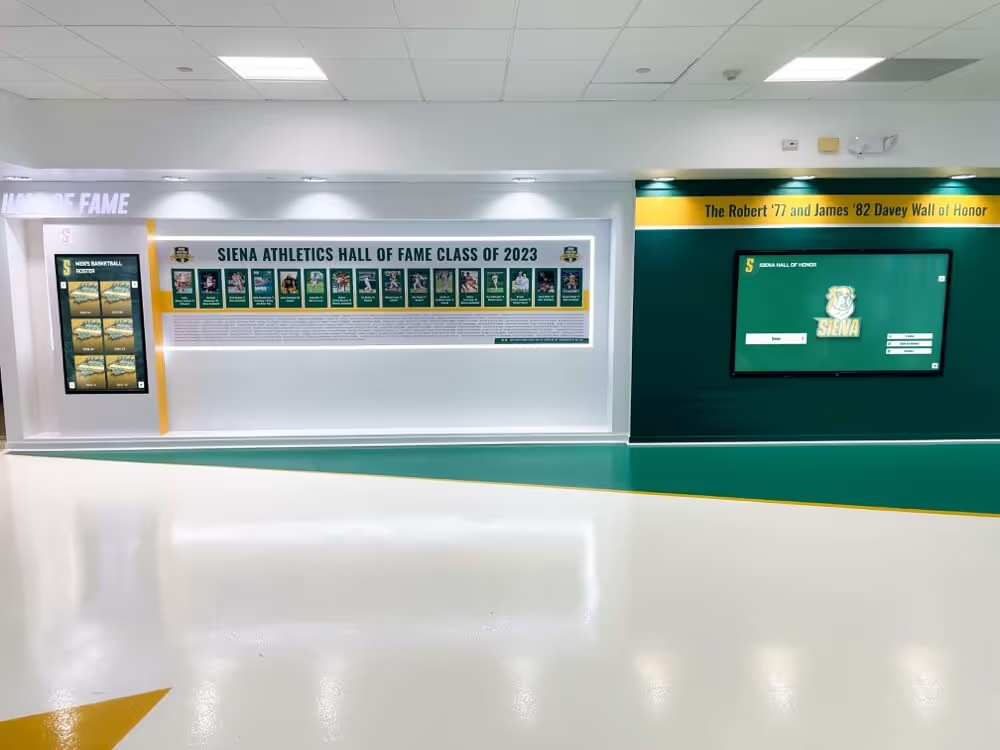
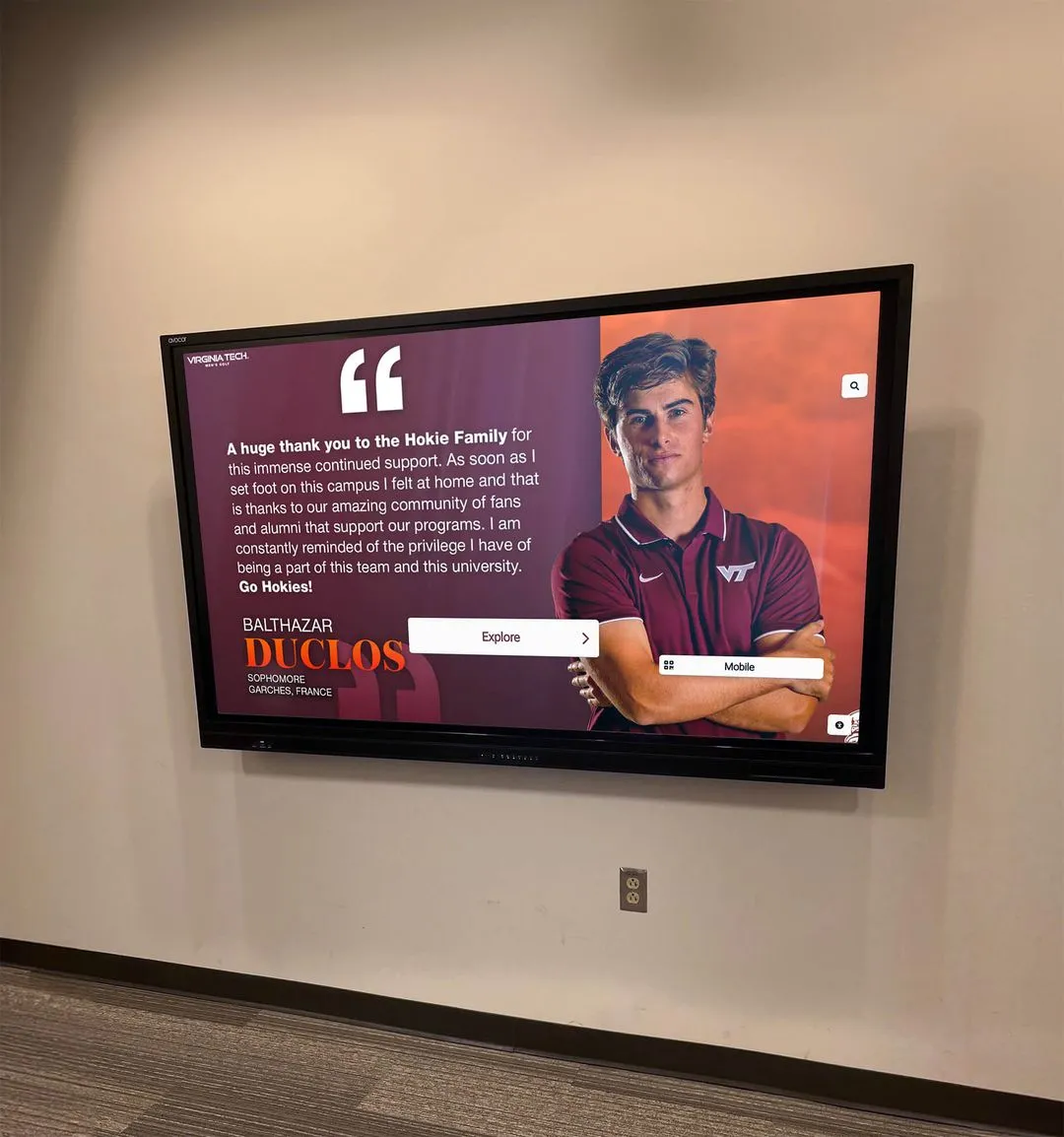
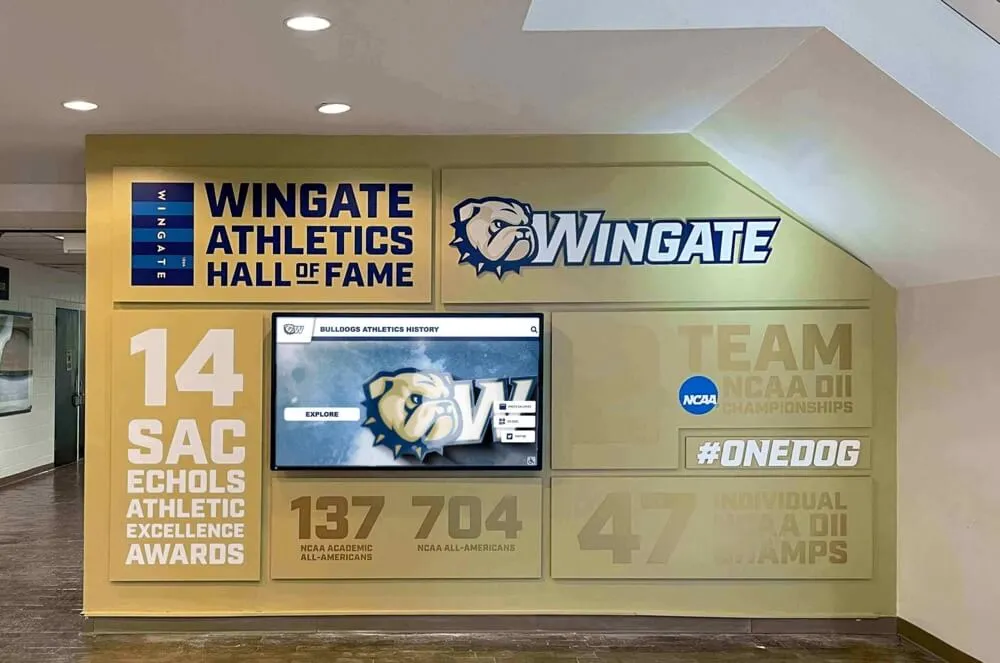
Championship recognition displays complement bleacher renovations by celebrating the achievements that make home games meaningful experiences
State Funding and Grant Programs
Several state and federal programs provide funding assistance for school facility improvements including bleacher renovation.
Facility Improvement Grants
State education departments often maintain facility improvement grant programs supporting:
Safety and accessibility projects addressing code compliance and ADA requirements, energy efficiency improvements when renovation includes LED lighting or HVAC upgrades, rural school facility grants recognizing the challenges small districts face maintaining adequate facilities, and competitive grants rewarding innovative approaches creating model facilities.
Athletic directors should work with district grant coordinators identifying available programs and preparing competitive applications.
Athletic Facility Grants
Some states maintain dedicated athletic facility improvement programs recognizing the community value of quality sports facilities. These grants often prioritize projects demonstrating broad community use beyond school athletics, such as gymnasiums hosting youth leagues, club sports, and community recreation programs.
Planning and Implementation Best Practices
Successfully executing bleacher renovation requires careful planning addressing project timing, contractor selection, and community communication.
Project Timing and Scheduling
Gymnasium bleacher renovation creates significant facility disruption requiring strategic timing.
Optimal Renovation Windows
Most schools schedule bleacher projects during summer months:
Maximum available time for construction completion before fall sports seasons begin, adequate weather conditions for major construction work, minimal disruption to physical education programming and athletic practices, and sufficient contractor availability when many firms focus on school projects.
However, summer scheduling creates competitive bidding environments. Schools beginning planning in fall or winter often secure better contractor pricing and guaranteed summer construction slots.
Construction Timeline Expectations
Typical bleacher renovation timelines include:
Complete replacement of fixed bleachers: 6-8 weeks from demolition through final inspection, telescopic bleacher installation: 8-12 weeks due to complexity of mechanical systems, partial renovation focusing on specific sections: 3-4 weeks per section allowing phased approaches, and associated improvements like recognition displays and concession upgrades: 2-4 weeks typically completed concurrently.
These timelines assume normal conditions without unexpected complications like structural issues discovered during demolition.
Contractor Selection
Choosing experienced bleacher contractors significantly impacts project success and long-term performance.
Qualification Criteria
Schools should evaluate contractors based on:
Specific bleacher installation experience rather than general construction background, manufacturer partnerships ensuring access to quality systems and warranties, safety record demonstrating commitment to worker and spectator protection, insurance coverage adequate for school project requirements, references from similar school projects allowing verification of performance, and financial stability ensuring contractor will remain available for warranty service.
Selecting contractors based solely on lowest bid price often results in inferior outcomes when inexperienced firms underbid projects.
Contract Requirements
Bleacher renovation contracts should clearly specify:
Complete scope of work including demolition, installation, inspection, and cleanup, material specifications ensuring required quality standards, project timeline with milestone completion dates, payment schedule tied to verifiable completion stages, warranty provisions covering both materials and workmanship, safety requirements and procedures during construction, and coordination requirements with other trades working on associated improvements.
Clear contract terms prevent misunderstandings that create disputes and delays.
Community Communication
Transparent communication throughout renovation projects maintains community support and manages expectations.
Stakeholder Engagement
Athletic directors should provide regular updates to:
Parents and booster club members who support athletic programs, student athletes who will benefit from improved facilities, coaches whose programs depend on quality home venues, school board members who approved funding, and broader community members who attend games and events.
Communication strategies might include project update newsletters, construction progress photos on social media, facility tours allowing stakeholders to view work in progress, and celebration events when projects complete allowing community recognition of improvements.
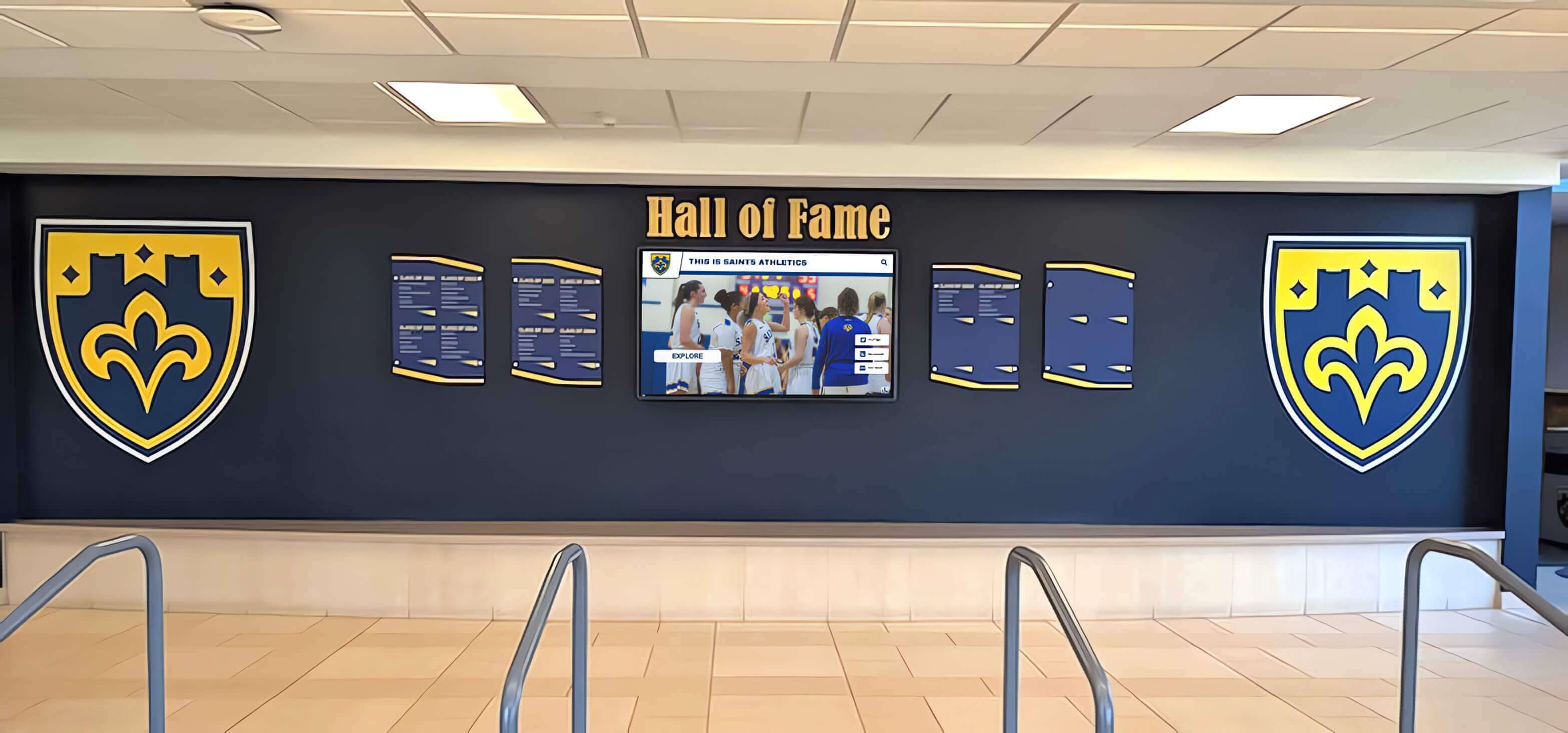
Thoughtful lobby designs coordinate bleacher improvements with recognition displays creating cohesive athletic facility environments
Long-Term Maintenance and Sustainability
Successful bleacher renovation extends beyond initial installation to include ongoing maintenance ensuring long-term performance.
Maintenance Programs
Establishing systematic maintenance programs protects bleacher investments and ensures continuous safe operation.
Routine Maintenance Requirements
Different bleacher types require specific maintenance attention:
Telescopic Systems Annual professional inspections of mechanical systems, lubrication of moving components every six months, electrical system testing, emergency stop function verification, and structural integrity assessment.
Fixed Bleachers Annual inspection of anchoring systems and structural connections, tightening loose bolts and hardware, inspection of walking surfaces for damage or deterioration, guardrail stability verification, and addressing any rust or corrosion on metal components.
All Systems Cleaning to remove debris accumulation, inspection of non-slip surfaces for wear, verification that safety signage remains visible, and prompt repair of any damage identified during inspections.
Schools should budget $5-$10 per seat annually for routine bleacher maintenance.
Performance Monitoring
Tracking bleacher system performance helps identify issues before they become serious problems.
Inspection Protocols
Establish regular inspection schedules:
Pre-season inspections before fall sports begin ensuring systems are ready for use, mid-season checks during periods of heavy use, post-season inspections after basketball season identifying any damage requiring off-season repair, and annual comprehensive professional inspections by qualified structural engineers.
Documented inspections create records demonstrating proper facility maintenance and identifying trends suggesting evolving issues.
Creating Complete Gymnasium Experiences
The most successful bleacher renovations view seating improvements as components of comprehensive gymnasium transformations that enhance every aspect of the fan experience.
Coordinated Facility Improvements
Rather than isolated bleacher replacement, consider comprehensive renovation addressing multiple facility elements:
Seating comfort and accessibility creating welcoming spectator environments, recognition displays celebrating program history and inspiring current athletes, concession and hospitality areas providing convenient refreshments, lighting and audiovisual systems enhancing game atmosphere, and entrance and lobby areas creating positive first impressions.
This comprehensive approach transforms gymnasiums from basic athletic venues into destination facilities where communities gather to celebrate achievement. Discover comprehensive facility approaches in statewide hall of fames comprehensive guide.
Building Lasting Community Connections
Quality athletic facilities strengthen school-community relationships extending far beyond game days.
Well-designed gymnasiums with comfortable seating, engaging recognition displays, and welcoming environments become sources of community pride—spaces where families want to spend Friday nights, where alumni return to reconnect with school traditions, and where students develop lasting memories of school spirit and athletic achievement.
These connections translate directly to sustained support for athletic programs, increased participation in booster clubs, stronger alumni engagement, and community advocacy when schools face challenges or seek additional resources.
For schools exploring recognition display options that complement bleacher renovations, learn about comprehensive solutions in high school awards ceremony ideas and academic recognition programs guide.
Moving Forward with Your Bleacher Renovation
Bleacher renovation represents significant investment in your school’s athletic program and community gathering spaces. By prioritizing spectator comfort, ensuring accessibility and safety compliance, incorporating recognition elements that celebrate athletic excellence, and planning comprehensive improvements rather than isolated fixes, schools create gymnasium environments that serve communities effectively for decades to come.
The gymnasiums that generate the most enthusiasm and attendance aren’t necessarily those with the most expensive seating systems—they’re facilities where every element communicates that the school values its athletes, respects its spectators, and takes pride in providing quality experiences worthy of the community support that makes high school athletics meaningful.
Ready to explore how digital recognition displays can complement your bleacher renovation project by celebrating athletic achievement throughout your gymnasium? Discover how Rocket Alumni Solutions creates interactive touchscreen displays that transform gymnasium lobbies, hallways, and concourses into year-round celebration spaces honoring your program’s history, championships, and outstanding athletes.