



Birthday recognition programs represent one of the simplest yet most impactful forms of personal acknowledgment in schools, workplaces, and community organizations. These celebrations communicate a fundamental message: “You are valued as an individual, not just for your contributions but for who you are.” When implemented thoughtfully, birthday recognition strengthens organizational culture, improves retention, boosts morale, and creates memorable moments that deepen emotional connections to institutions.
Yet many organizations struggle to implement birthday recognition effectively. Celebrations often feel perfunctory or generic, fail to reach remote or distributed teams, get overlooked during busy periods, or create unintended exclusions. Meanwhile, opportunities to leverage modern technology—from digital displays to automated systems—that make recognition more consistent, inclusive, and impactful remain unexplored.
This comprehensive guide explores evidence-based strategies for creating birthday recognition programs that genuinely celebrate individuals while implementing practical approaches—from traditional celebrations to digital displays—that maximize recognition impact across diverse organizational contexts.
Birthday recognition, when designed thoughtfully and implemented consistently, creates powerful cultural statements about institutional values while providing concrete moments where individuals feel genuinely seen and appreciated. The most successful programs combine multiple recognition channels with modern technology, ensuring birthday celebrations deliver meaningful emotional impact while remaining sustainable long-term.

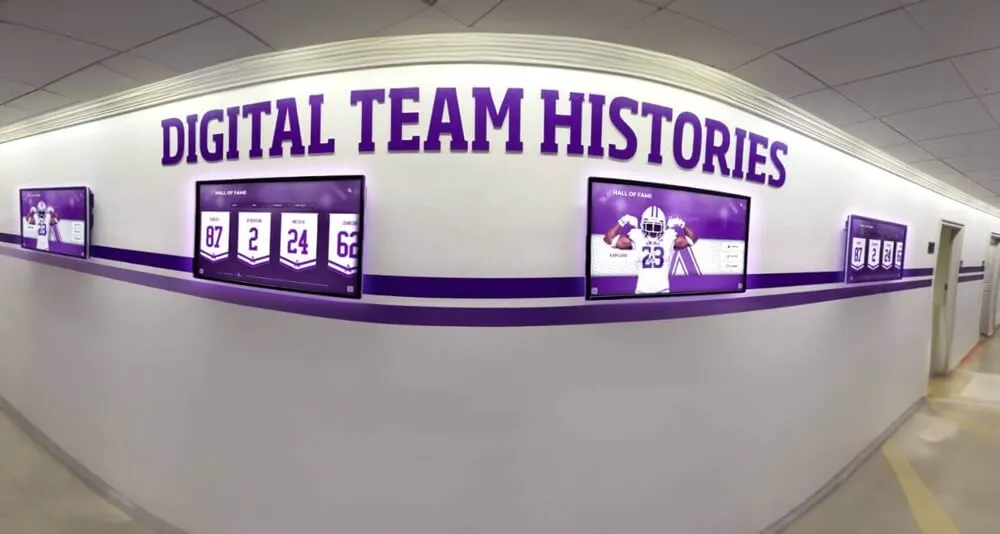
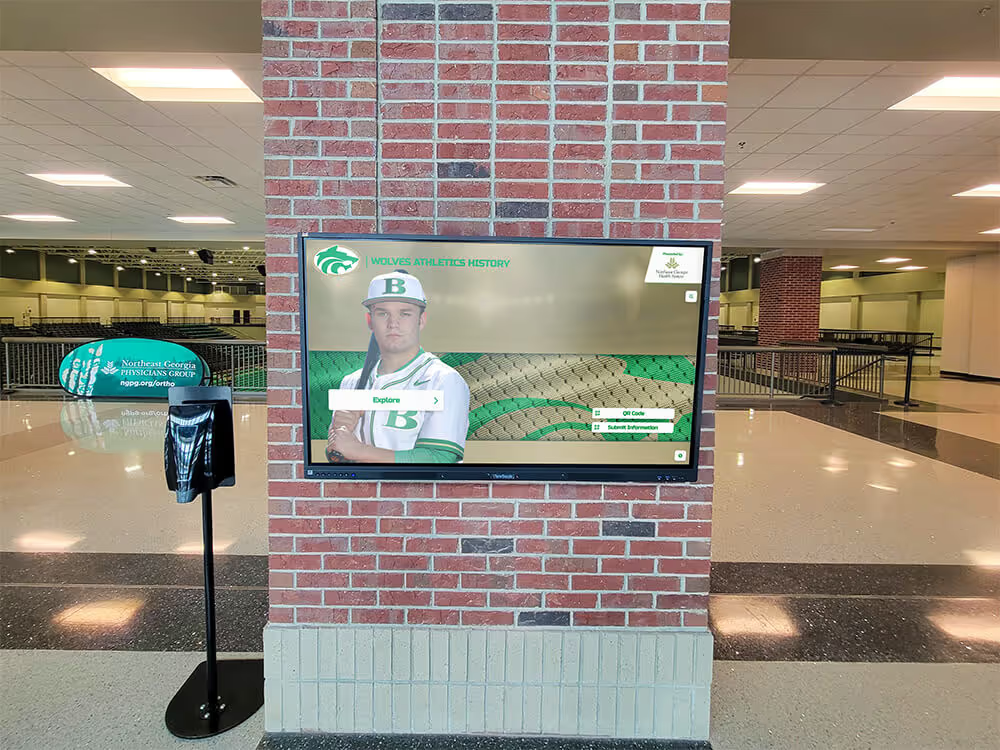
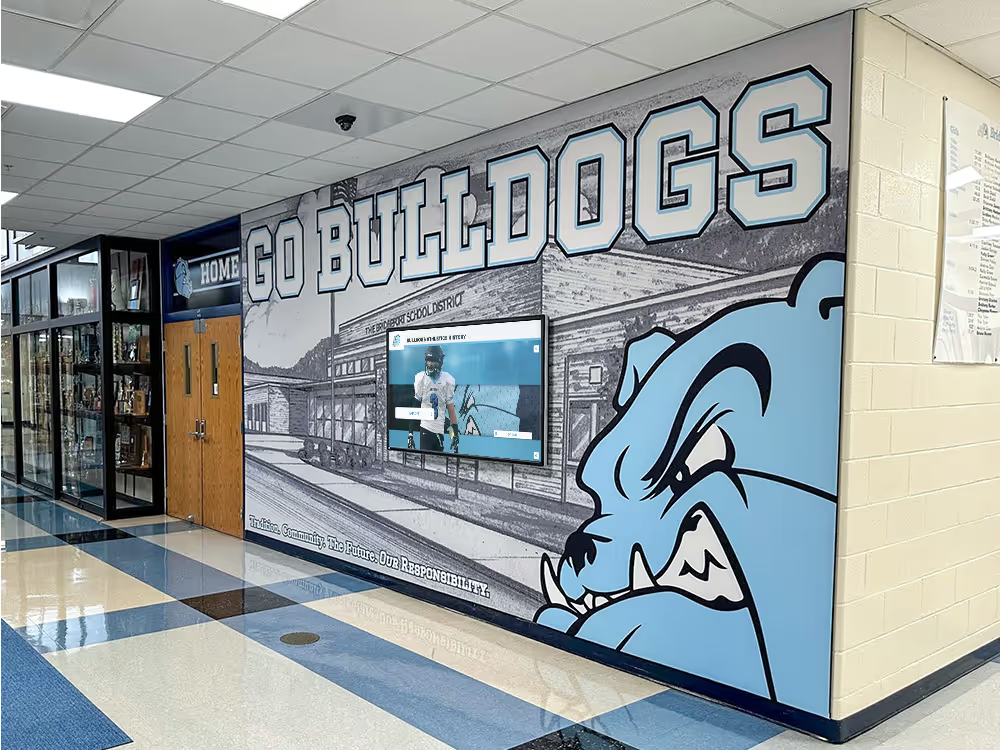
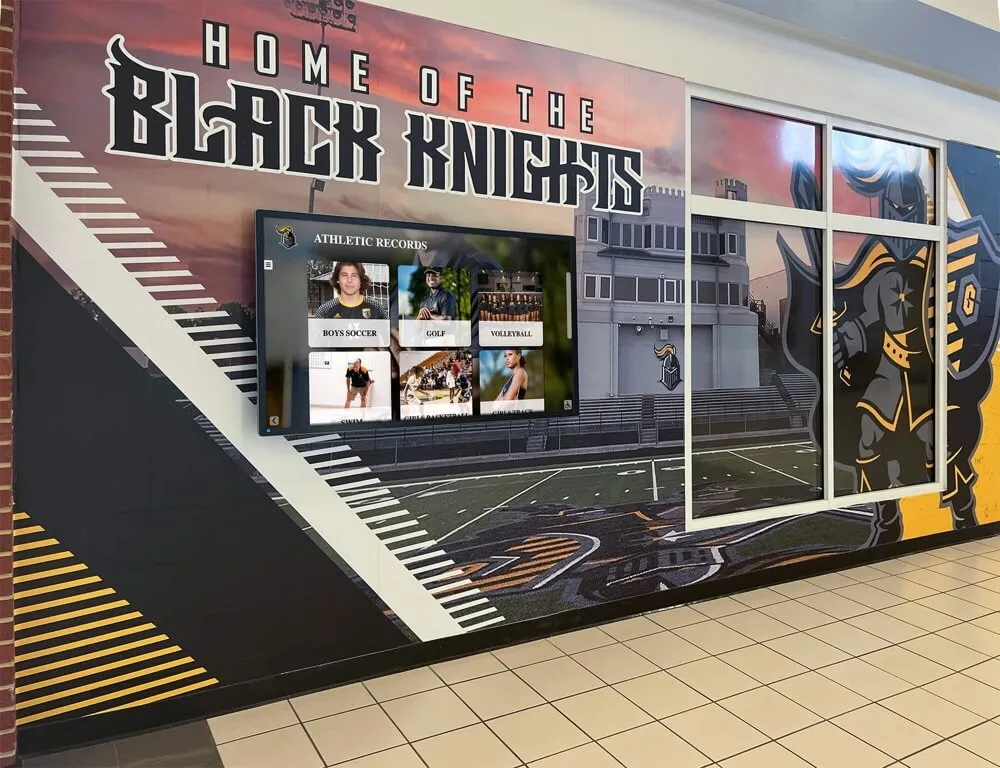
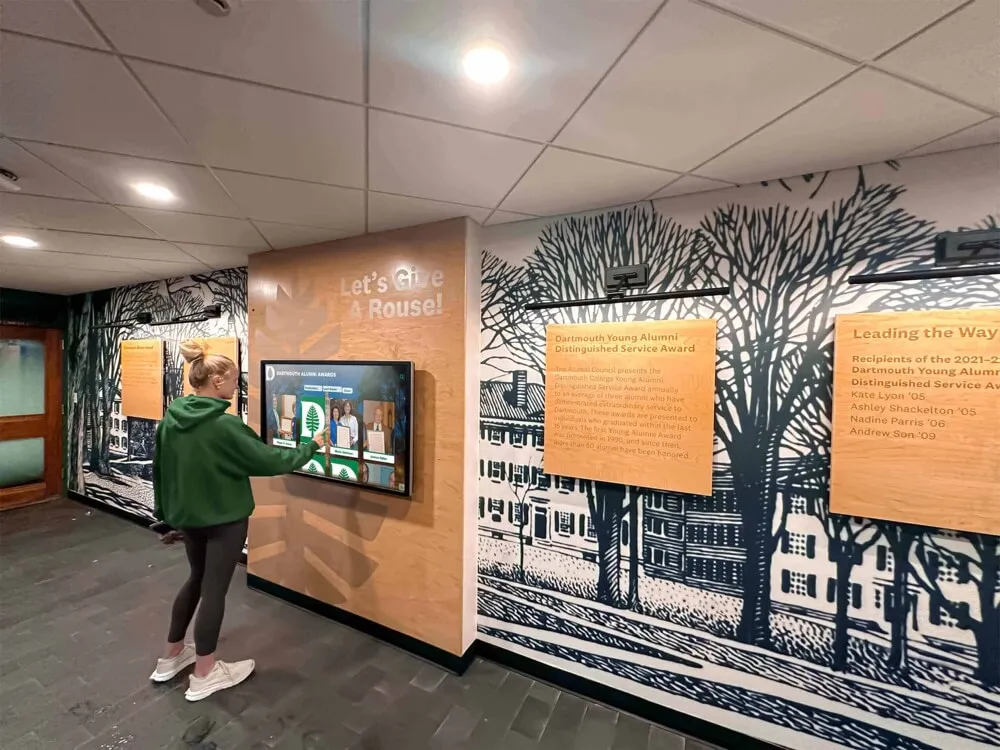
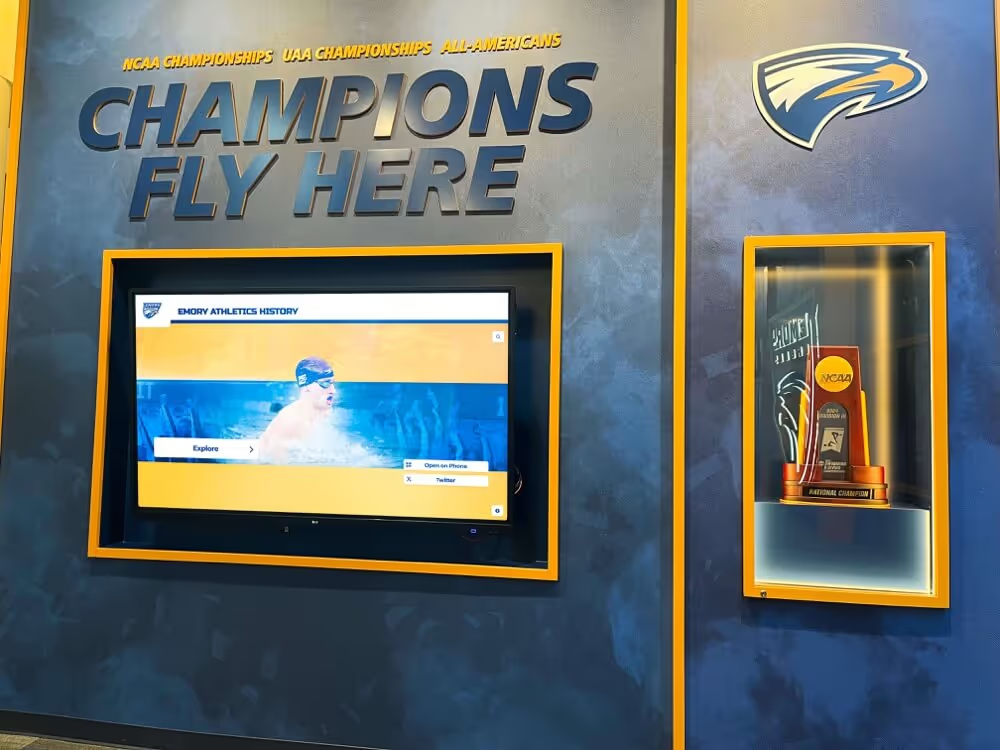
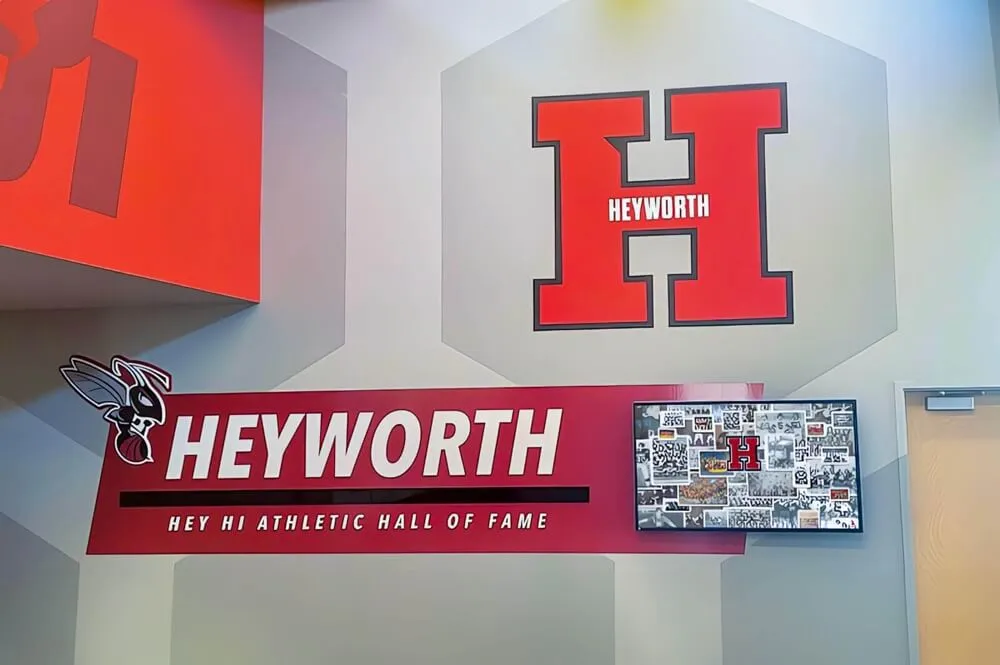
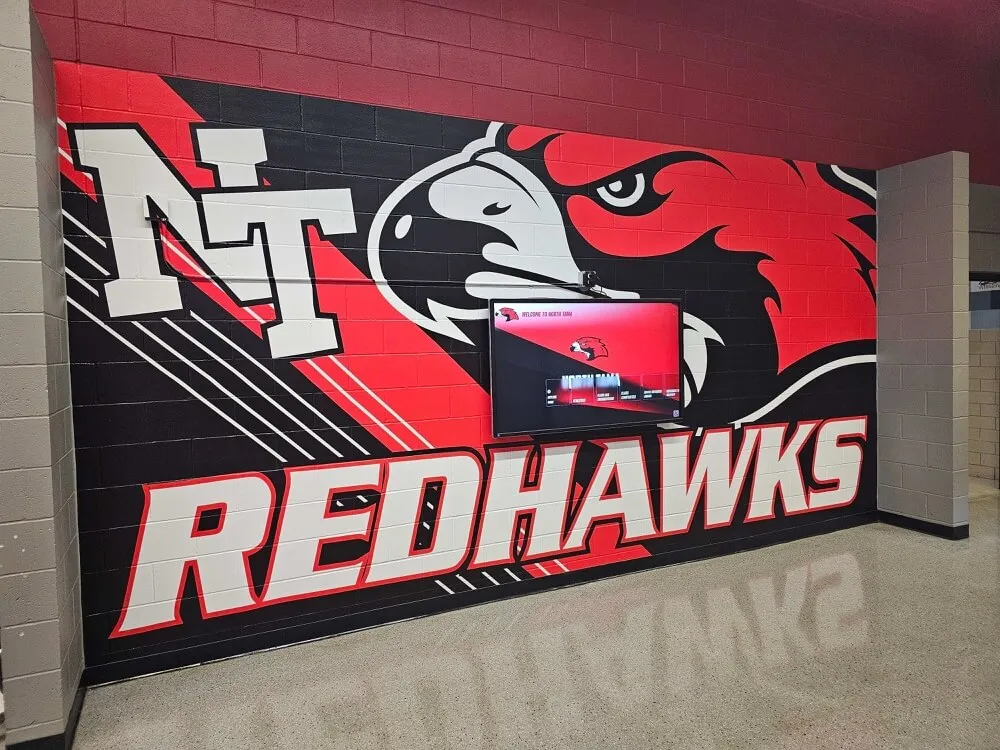
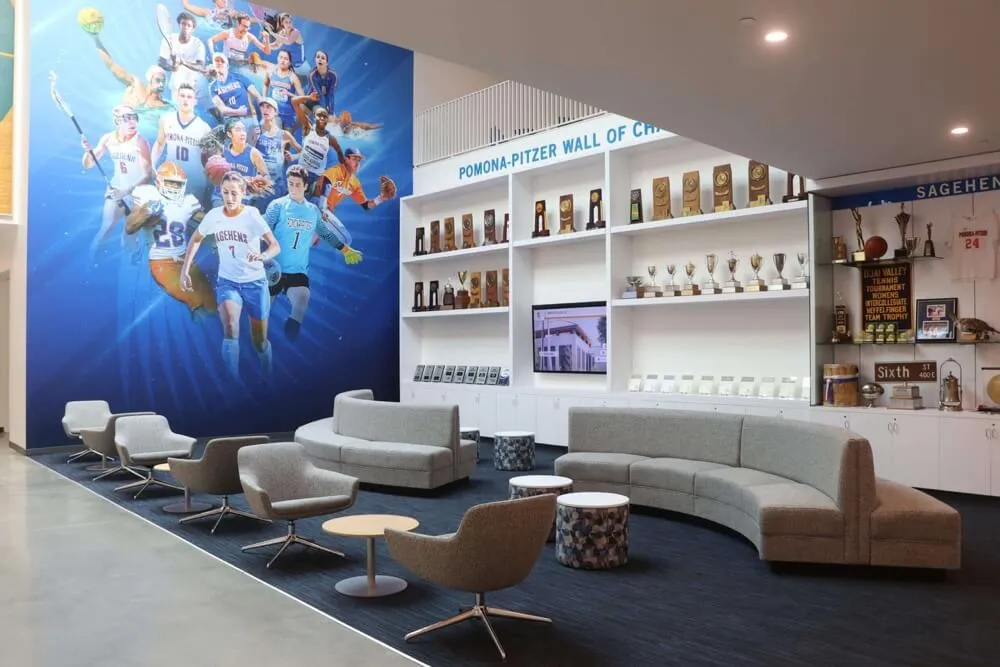
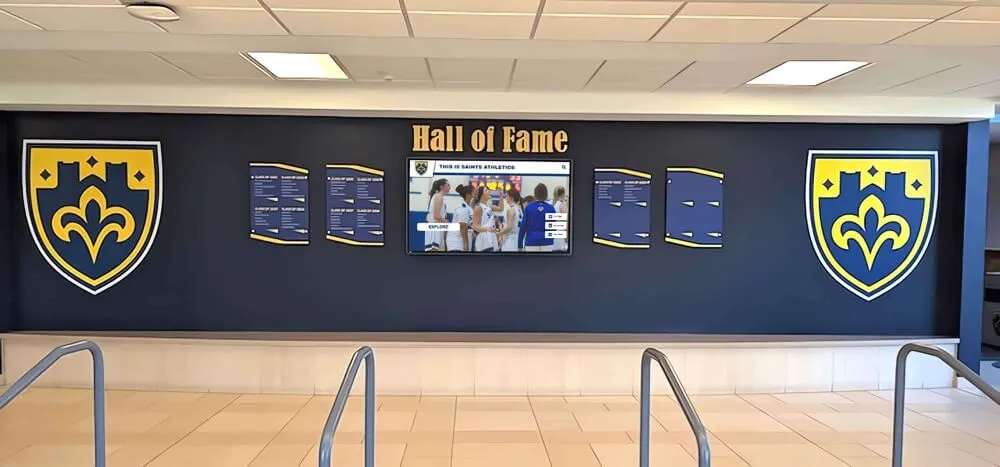
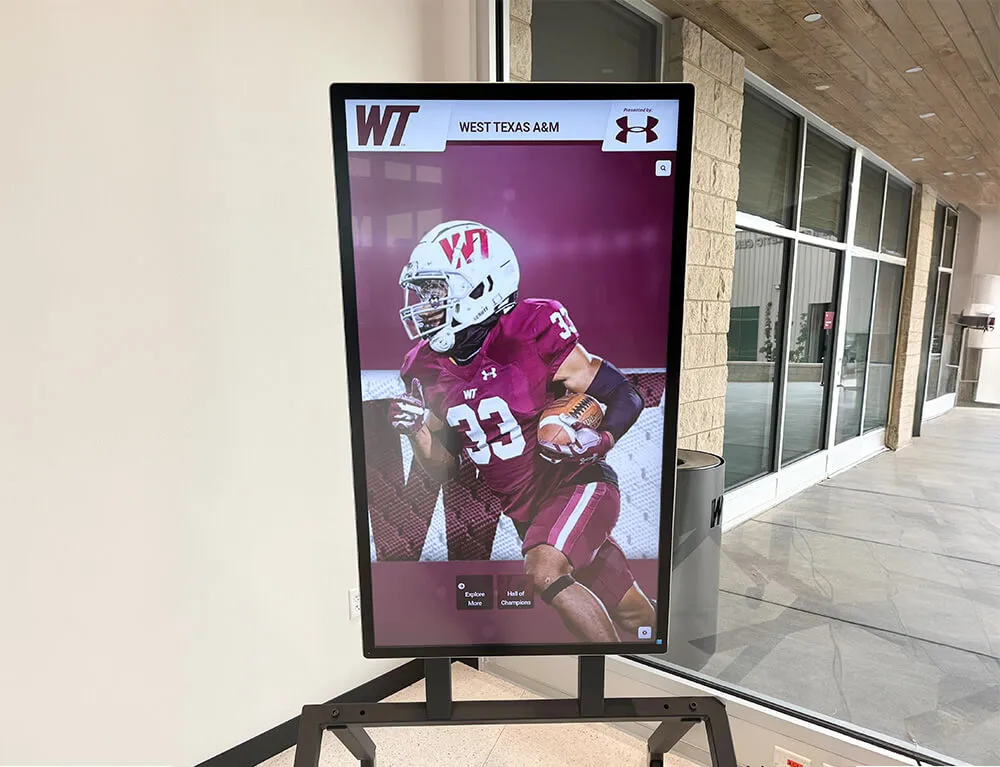
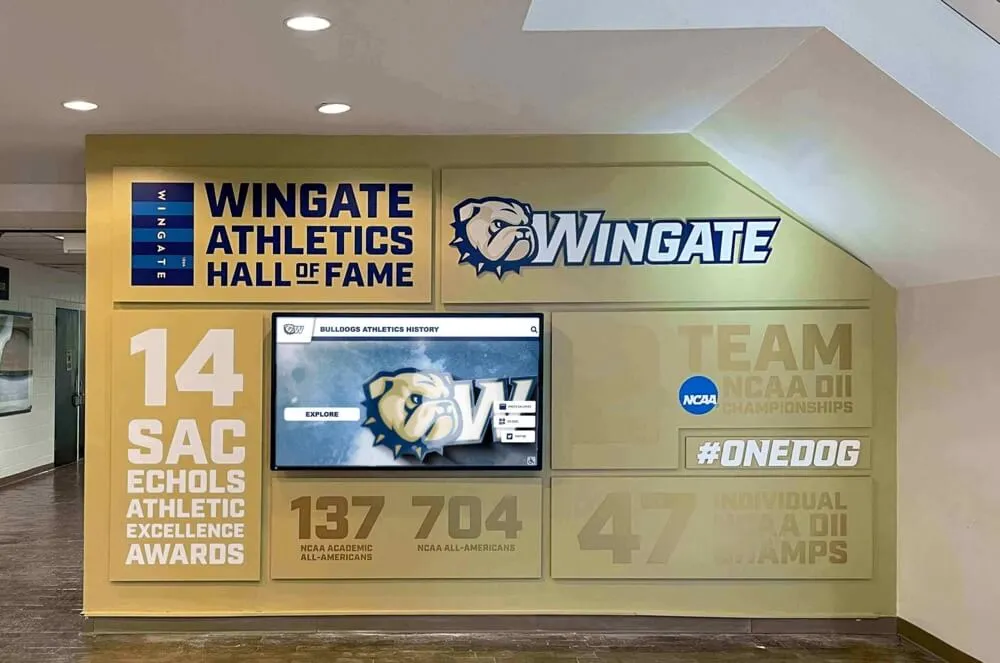
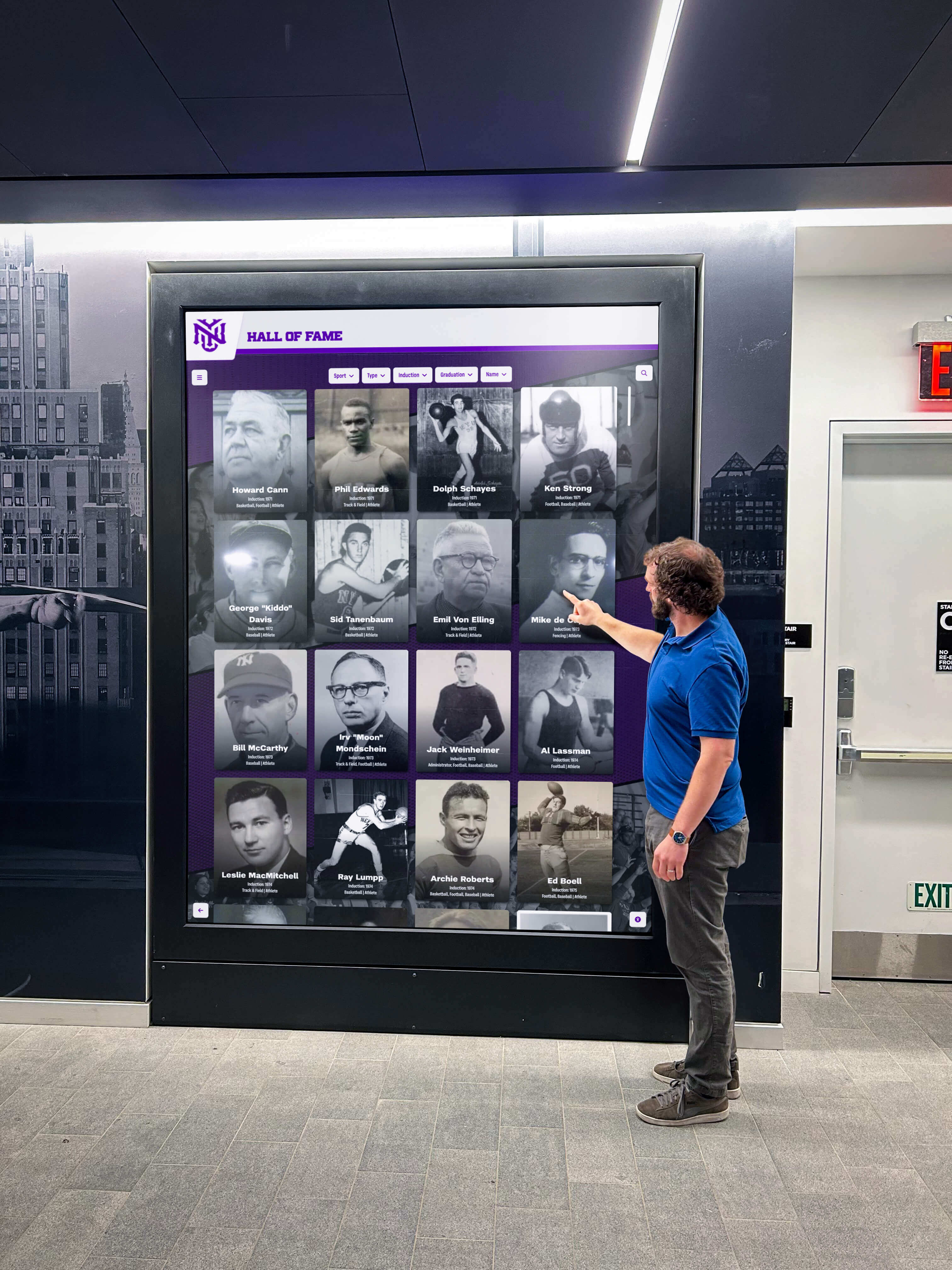
Modern digital displays enable year-round recognition of birthdays and personal milestones
The Strategic Value of Birthday Recognition Programs
Understanding how birthday recognition serves multiple organizational objectives helps leaders design programs delivering maximum returns on modest investments of time and resources.
Recognition’s Impact on Employee Retention and Workplace Morale
The workplace faces unprecedented challenges in employee engagement and retention that make strategic recognition more critical than ever to organizational stability.
Recognition’s Documented Impact on Retention
According to research compiled by Nectar, companies with strong recognition programs see 31% lower voluntary turnover, while 66% of employees say they would leave their job if they didn’t feel appreciated. Perhaps most compelling: 78% of respondents believed that employee recognition positively impacted employee retention.
Birthday recognition contributes to this retention impact by creating personal touchpoints where employees feel individually valued beyond their work output. These moments build emotional connections that influence stay-versus-leave decisions during career reflection periods.
Morale and Job Satisfaction Benefits
The same research demonstrates that 89% of employees who were recognized for their hard work reported higher job satisfaction, while 87% feel that meaningful recognition impacts job satisfaction. Simple recognition gestures like birthday acknowledgment contribute to these satisfaction levels by demonstrating organizational attention to employee well-being and individual personhood.
Perhaps most significantly, 82% of employed adults consider recognition an important part of their happiness at work, and the same percentage feel happier as a result. This happiness translates directly into productivity—happier workers are 13% more productive according to workplace research.
Birthday Recognition’s Role in School Culture and Student Well-Being
In educational settings, birthday recognition serves unique purposes extending beyond simple celebration to support social-emotional learning and inclusive community building.
Social-Emotional Learning Opportunities
Birthday celebrations in classrooms provide structured opportunities for students to practice important social skills including expressing appreciation and congratulations to peers, participating in group celebrations fostering belonging, learning about diverse cultural birthday traditions, and developing calendar and mathematical concepts through birthday tracking.
According to educators implementing SEL (Social-Emotional Learning) birthday recognition, these celebrations communicate “I see you, you are important to me, and I want to celebrate you”—messages particularly powerful during times when students may struggle with mental health or feelings of invisibility.
Community Building Through Personal Recognition
Birthday celebrations create natural community-building moments that strengthen organizational cohesion and interpersonal relationships.
Breaking Down Hierarchical Barriers
Birthdays provide rare opportunities where organizational hierarchies temporarily flatten—executives receive the same recognition as entry-level staff, principals celebrate alongside students, senior faculty share birthday months with new hires. This equality in celebration reinforces that every person matters regardless of position or tenure.
Creating Shared Experiences and Traditions
Organizations with consistent birthday recognition develop shared traditions that create institutional memory and community identity. Monthly birthday celebrations, annual birthday boards, or digital displays showcasing all birthdays become touchstones that community members anticipate and remember years later.
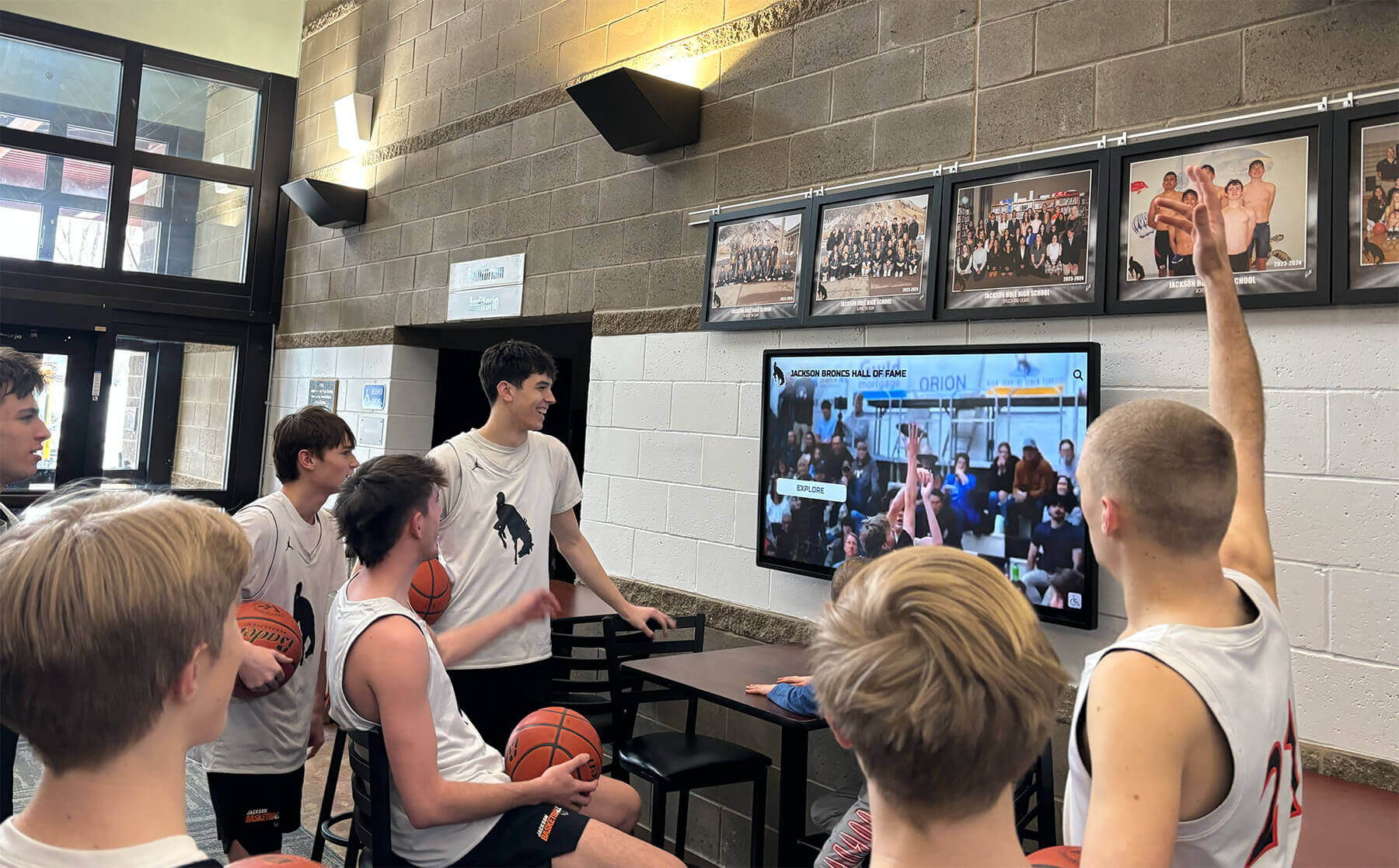
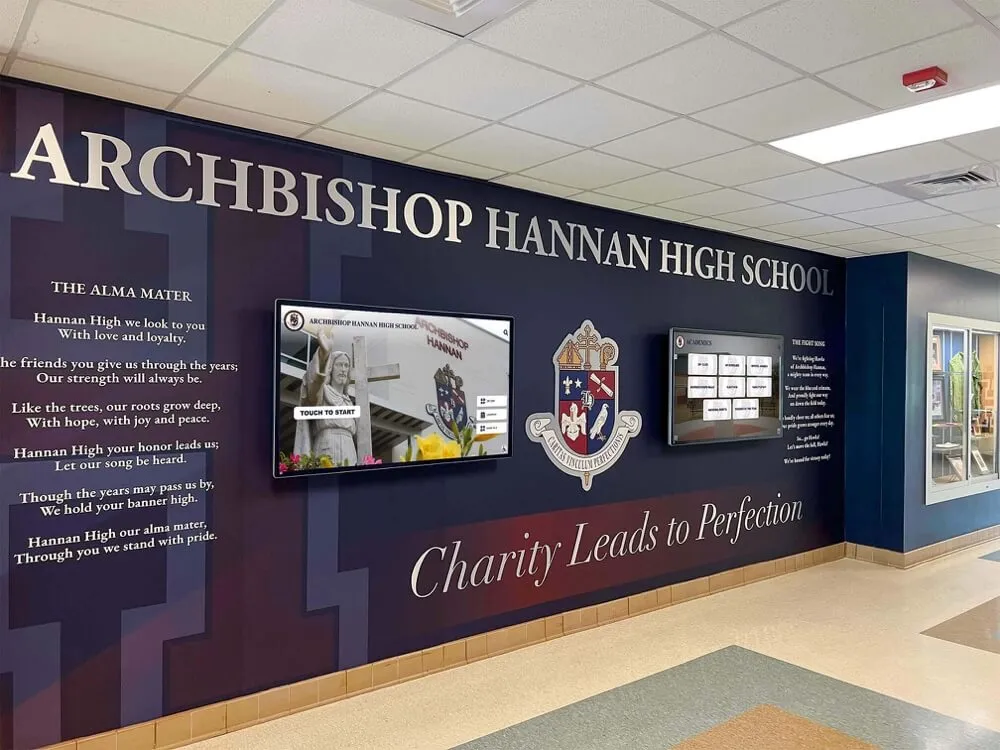
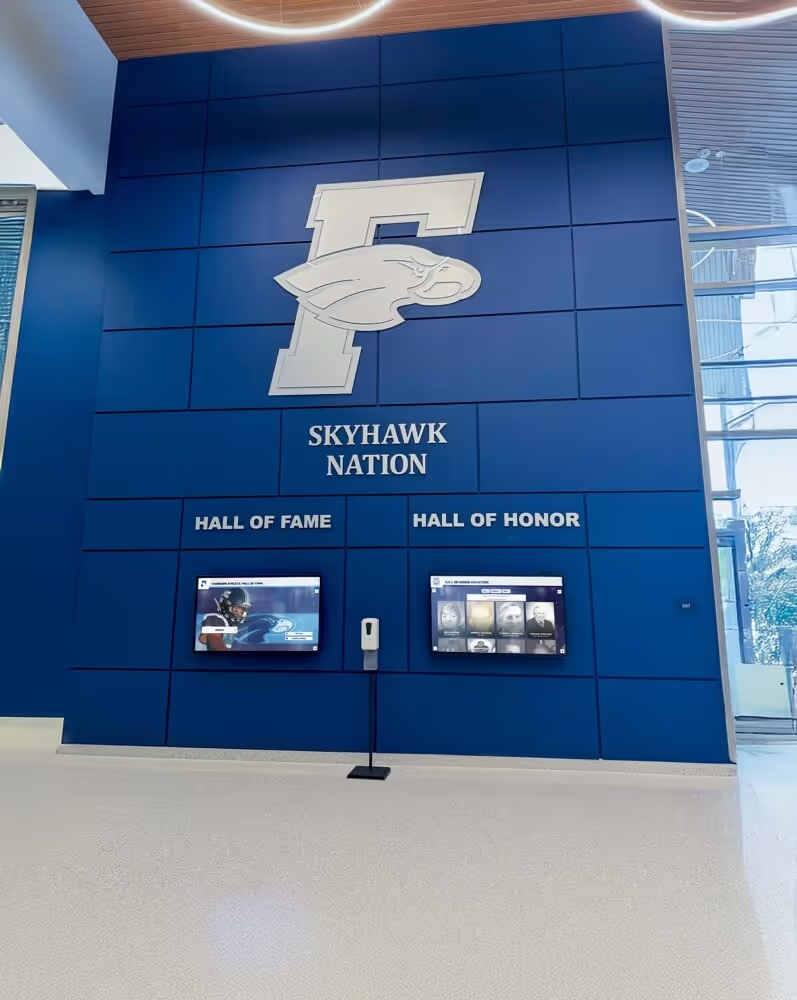
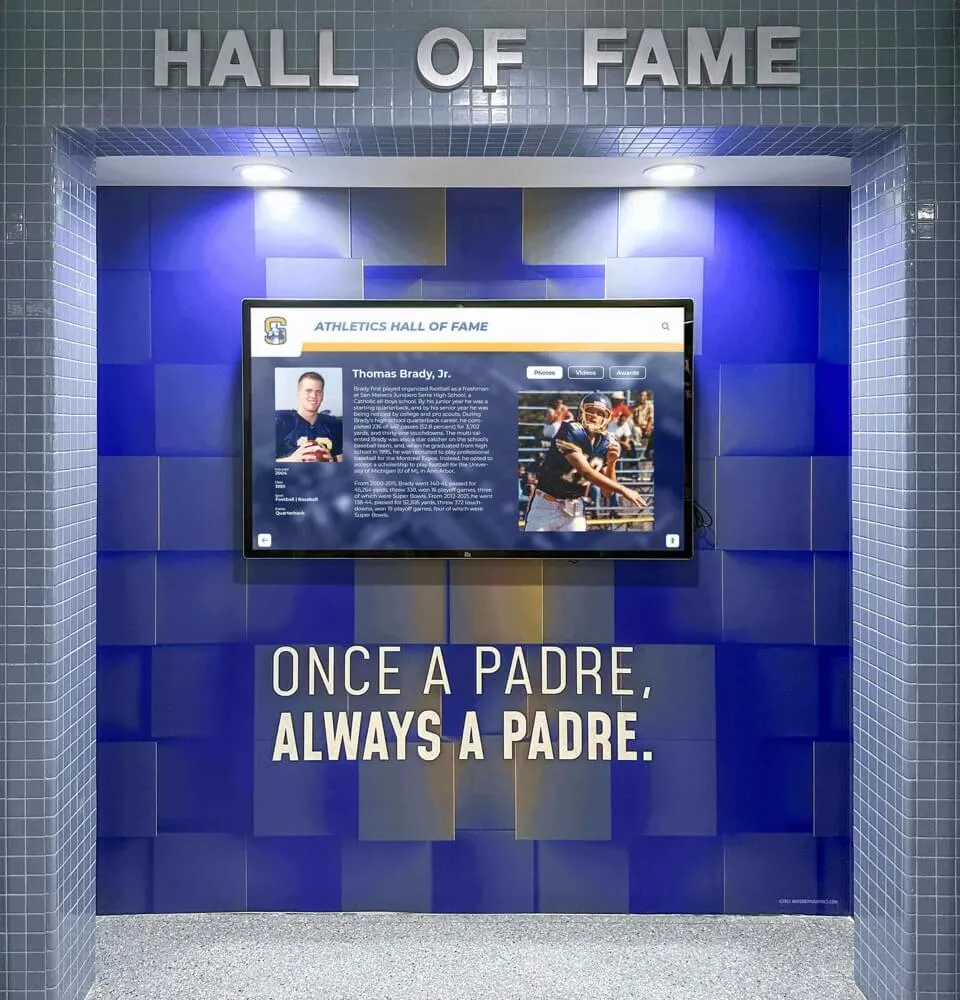
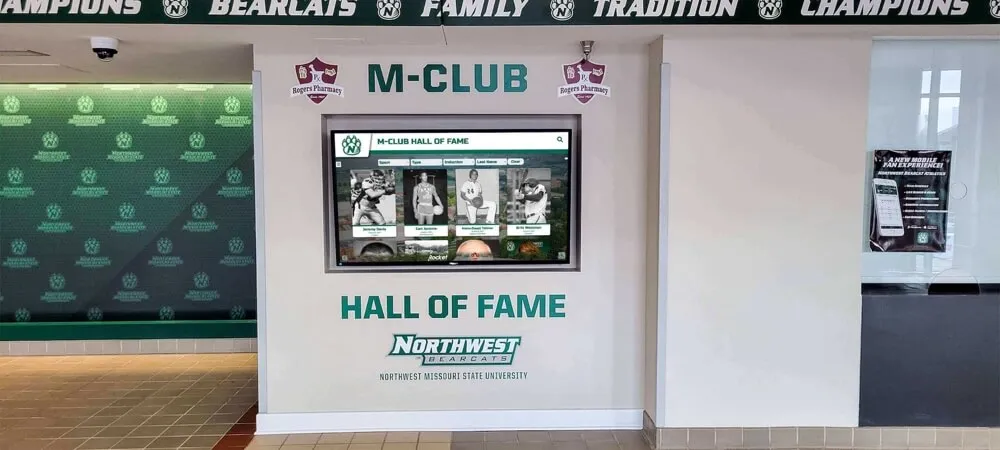
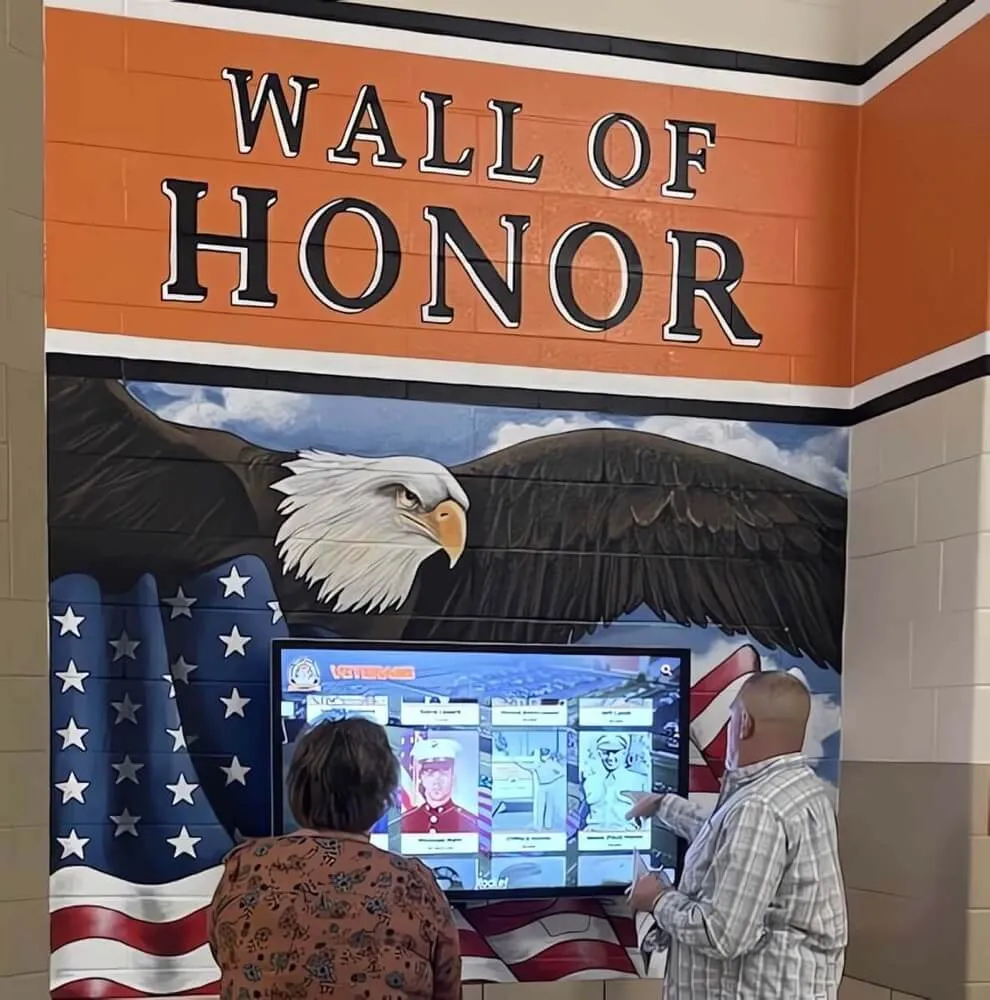
Recognition displays create gathering spaces where communities celebrate together
Cost-Effectiveness of Birthday Recognition Programs
Compared to many recognition initiatives, birthday programs deliver substantial impact relative to required investment, making them accessible to organizations regardless of budget constraints.
Birthday recognition requires minimal financial resources—simple acknowledgments cost nothing beyond time and attention. Even enhanced celebrations with modest budgets ($10-50 per person) deliver disproportionate emotional impact because the personalization and thoughtfulness matter more than monetary value.
The return on investment proves substantial when considering retention impact alone. If birthday recognition contributes even modestly to the 31% turnover reduction associated with strong recognition programs, the cost savings from reduced recruitment and training expenses far exceed program expenses.
Designing Effective Birthday Recognition Programs
The credibility and impact of birthday recognition depend on thoughtful design ensuring celebrations feel genuine, inclusive, and appropriate to organizational context.
Establishing Inclusive Recognition Policies
Effective programs balance celebration with sensitivity to diverse perspectives, preferences, and circumstances that make birthday recognition more complex than it initially appears.
Privacy and Consent Considerations
Not everyone wants public birthday recognition. Some individuals prefer privacy, have religious or cultural reasons for not celebrating birthdays, or associate birthdays with difficult personal experiences.
Best practices include offering opt-in rather than opt-out approaches where possible, providing options for public versus private acknowledgment, respecting religious and cultural preferences without requiring justification, allowing age disclosure to remain optional, and honoring requests for no celebration without pressure or questions.
This consent-based approach ensures recognition enhances rather than diminishes personal comfort and dignity.
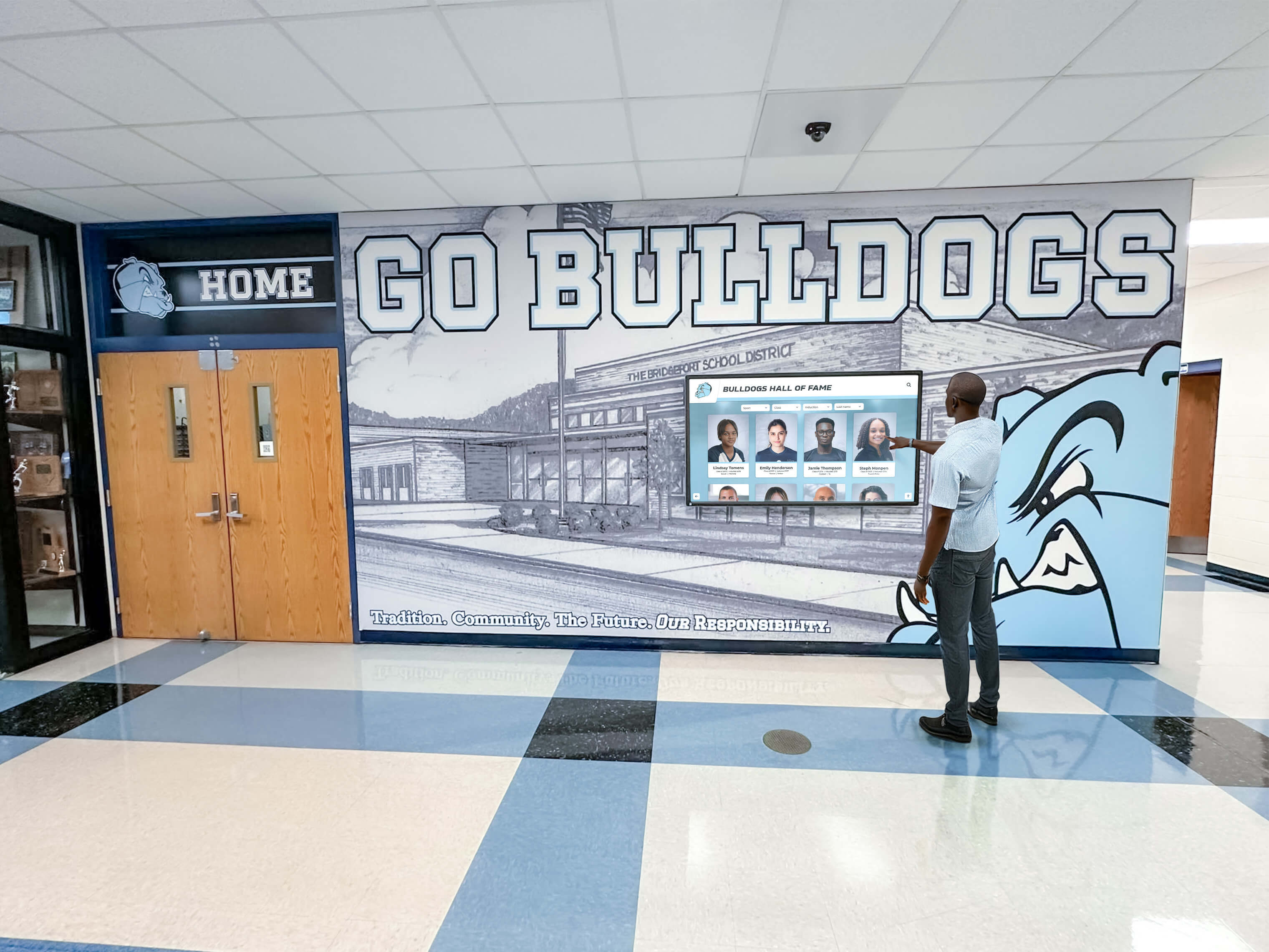
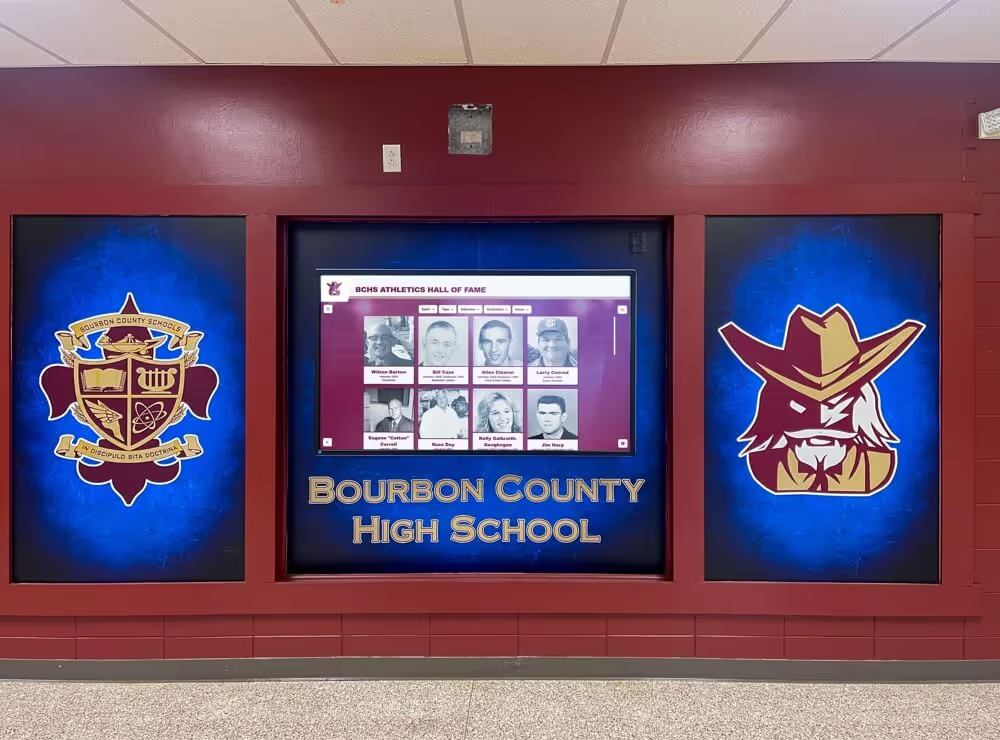
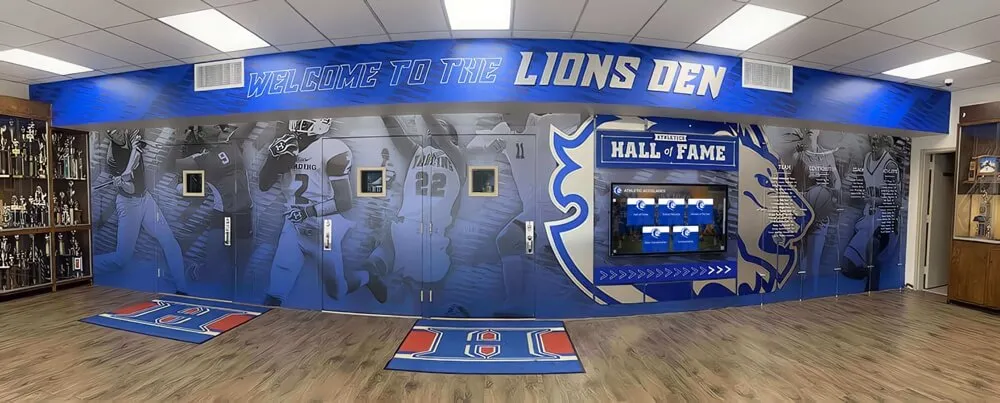
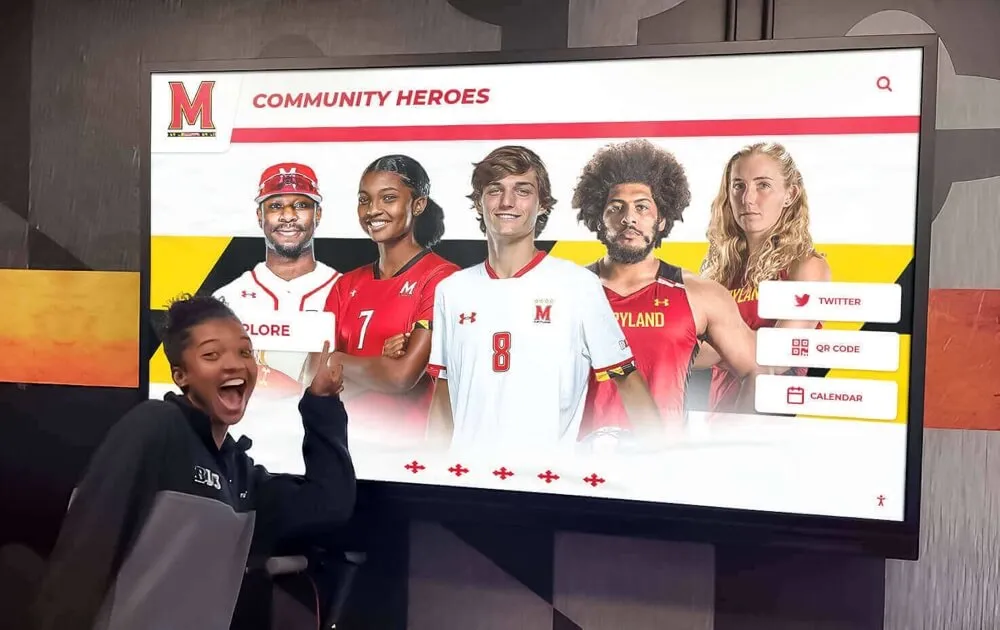
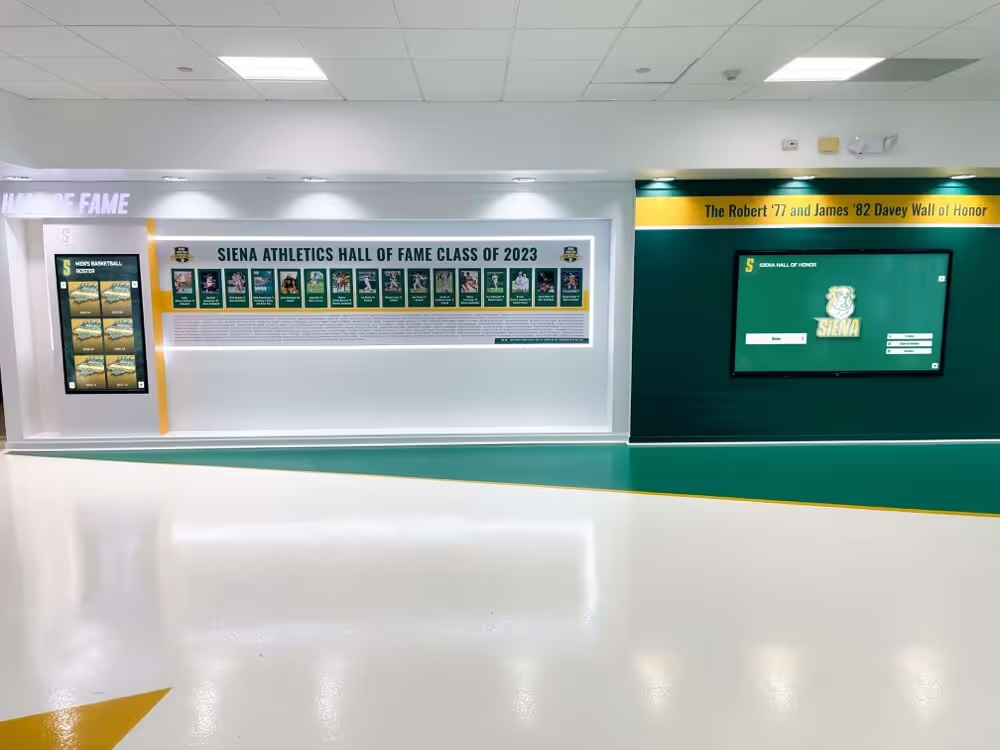
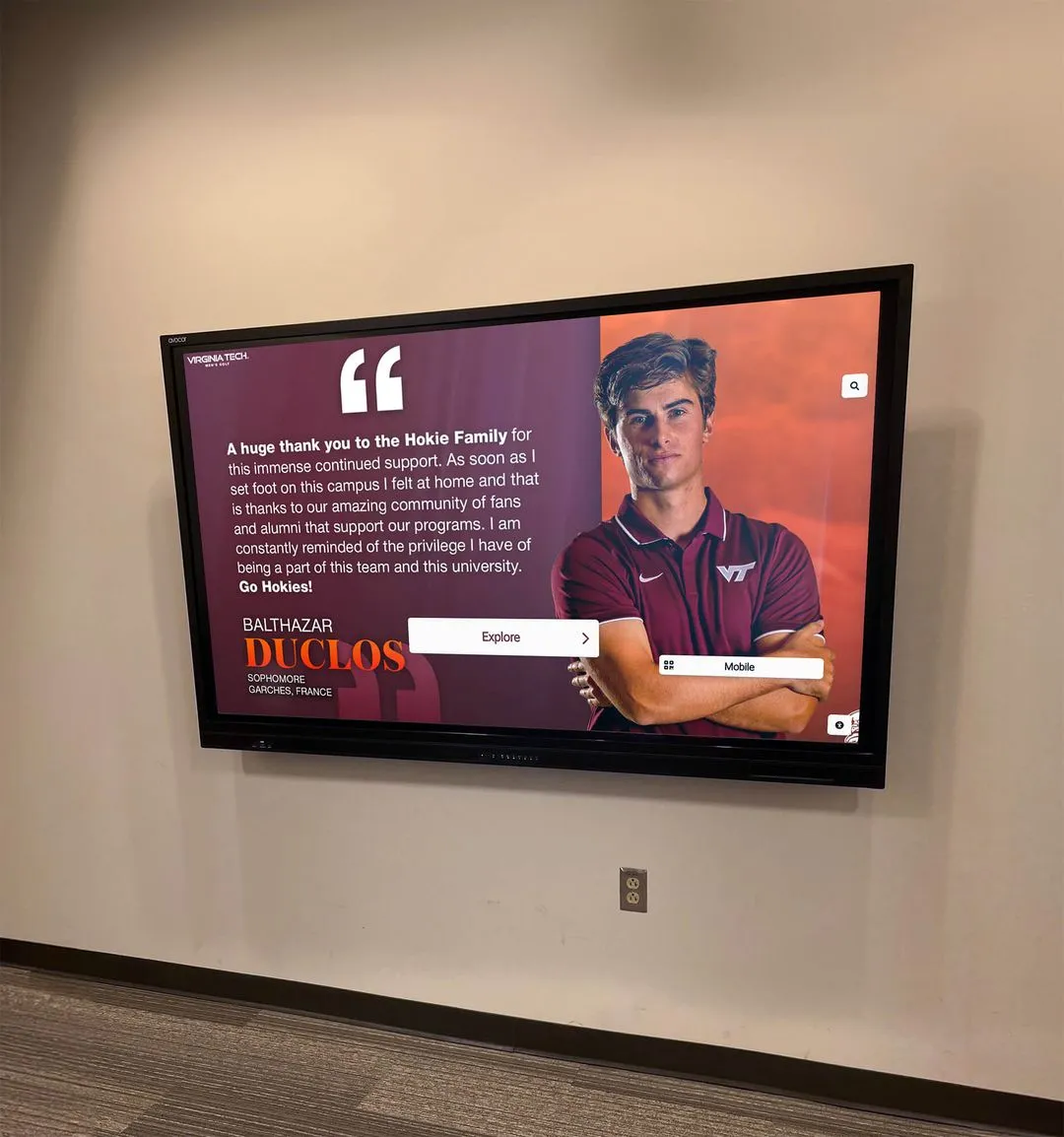
Digital recognition systems enable personalized, respectful acknowledgment of individual preferences
Cultural Sensitivity and Inclusivity
Organizations serving diverse populations must recognize that birthday traditions vary significantly across cultures, religions, and communities.
Some considerations include awareness that certain faiths (like Jehovah’s Witnesses) don’t celebrate birthdays, recognition that birthday traditions differ dramatically across cultures, understanding that summer birthdays create challenges in school settings, acknowledgment that milestone birthdays hold varying significance across cultures, and sensitivity to circumstances where birthday celebrations may be painful (recent losses, difficult family situations).
Inclusive programs communicate that participation is welcomed but never required, offer alternative recognition for those who don’t celebrate birthdays, incorporate diverse cultural birthday traditions when appropriate, and create flexibility accommodating varied preferences and circumstances.
Collecting and Managing Birthday Information
Systematic data collection and management form the foundation of consistent, accurate birthday recognition.
Information Collection Methods
Organizations need efficient systems for gathering birthday information including onboarding paperwork for new employees or students, annual information update forms, self-service portals where individuals manage their own data, parent-provided information for minor students, and human resources or student information systems integration.
Collection should clarify whether providing birthday information is optional, how information will be used and who will have access, options for privacy levels (public, team-only, private), and how individuals can update preferences later.
Data Privacy and Security
Birthday information constitutes personal data requiring appropriate protection. Organizations should limit access to information to those with legitimate need, secure storage in protected systems or databases, clear policies about acceptable use, compliance with relevant privacy regulations (FERPA for schools, GDPR where applicable), and straightforward processes for updating or removing information.
Proper data management prevents privacy breaches while enabling consistent recognition program implementation.
Creating Tiered Recognition Approaches
Sophisticated programs offer multiple recognition levels allowing individuals to choose comfort levels while enabling organizations to scale efforts appropriately.
Basic Acknowledgment Level
Minimum recognition might include birthday listed on organizational calendar or display, private message or card from supervisor/teacher, name mentioned in newsletter or morning announcements, or small token like sticker or certificate for students.
These lightweight approaches require minimal resources while ensuring everyone receives at least basic acknowledgment.
Standard Celebration Level
Typical recognition could include group celebration with cake or treats, public acknowledgment at meetings or gatherings, birthday card signed by team members or classmates, small gift or gift card, or special privileges (dress down day, choice of activity, preferred parking spot).
This mid-level recognition creates memorable moments without requiring excessive resources or planning.
Enhanced Recognition Level
Premium recognition for milestones or special circumstances might include catered lunch or special meal, significant gifts or experiences, extended time off or special privileges, public tributes with photos and accomplishments, or fundraising for causes the person values.
Enhanced recognition for milestone birthdays (30th, 40th, 50th) or significant organizational tenures demonstrates that longevity and major life events receive special appreciation.
Traditional Birthday Recognition Approaches
Time-tested celebration methods remain effective when implemented thoughtfully and consistently, particularly in organizations with strong in-person cultures.
Classroom and School Birthday Celebrations
Educational settings have developed numerous approaches for celebrating student birthdays that balance inclusion, practicality, and educational value.
Birthday Bulletin Boards and Displays
Traditional classroom birthday boards typically include monthly sections listing all birthdays, student photos arranged by birth month, decorative themes (cakes, balloons, seasonal images), and space for birthday wishes or notes from classmates.
According to current educational resources for 2025, popular themes include “Falling into Birthdays” tree displays with leaves labeled with student names, under-the-sea themes using jellyfish templates, and SEL-focused displays that function as both birthday celebration walls and recognition boards supporting social-emotional learning.
These physical displays create persistent visual reminders of upcoming celebrations while teaching calendar concepts and building classroom community.
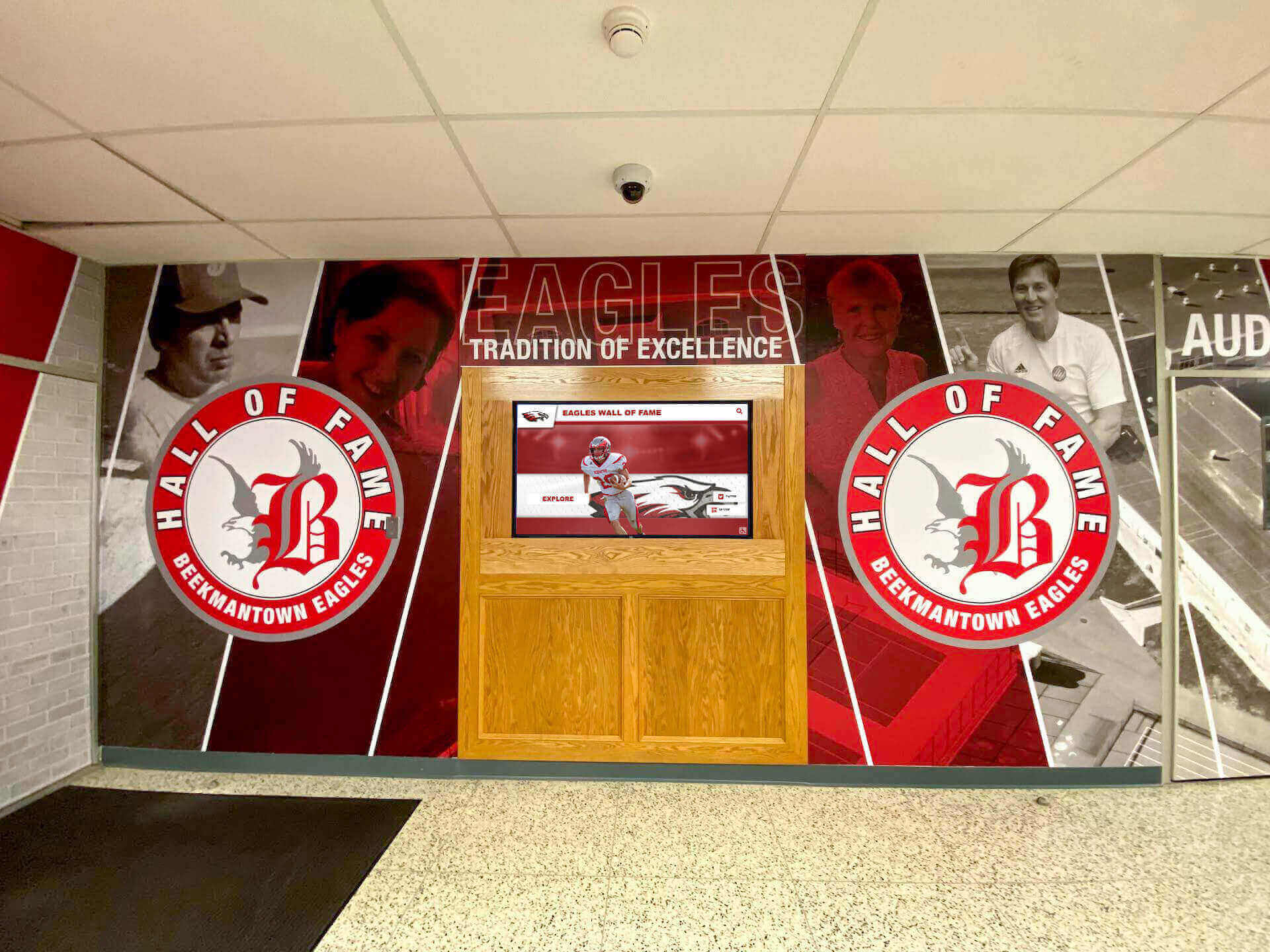
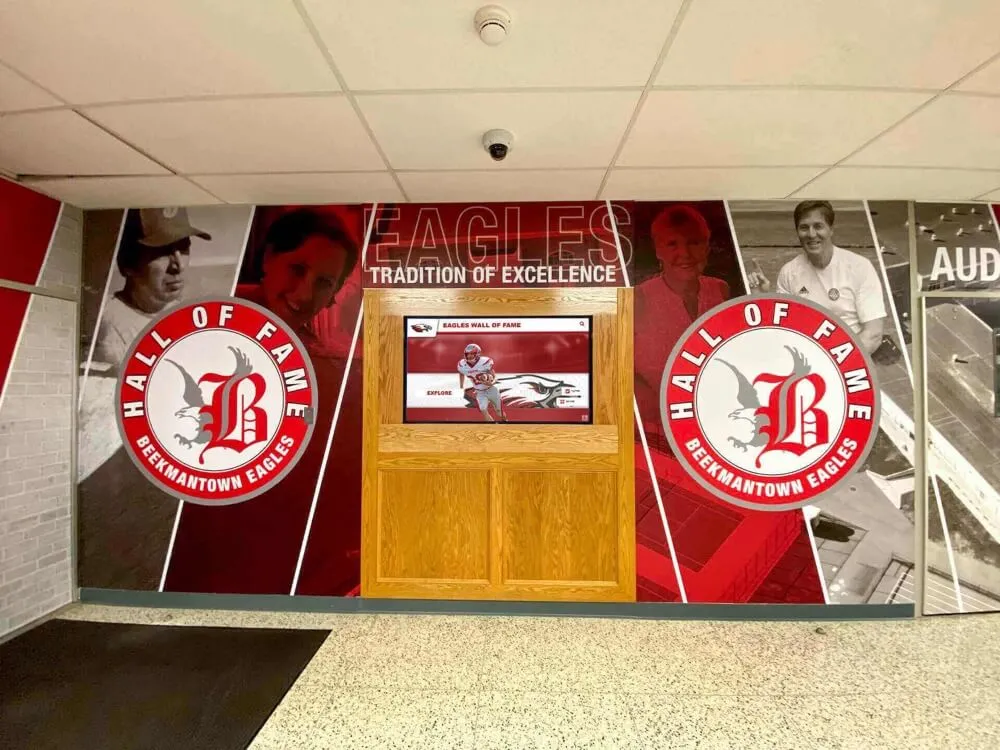
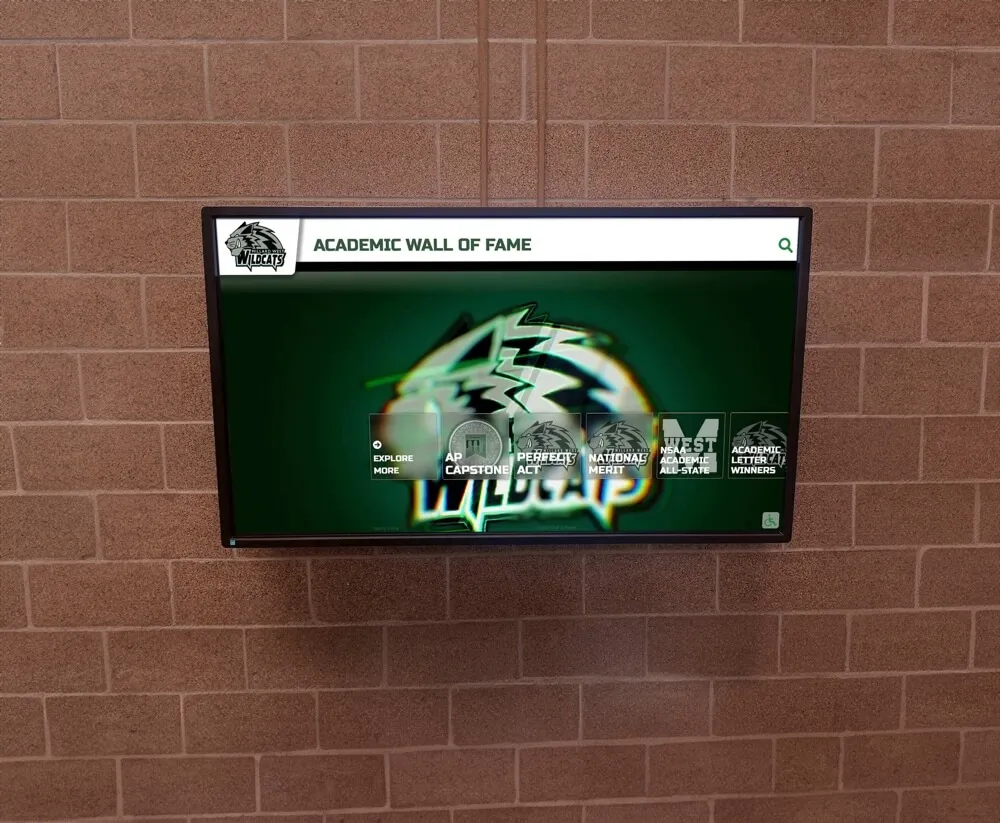
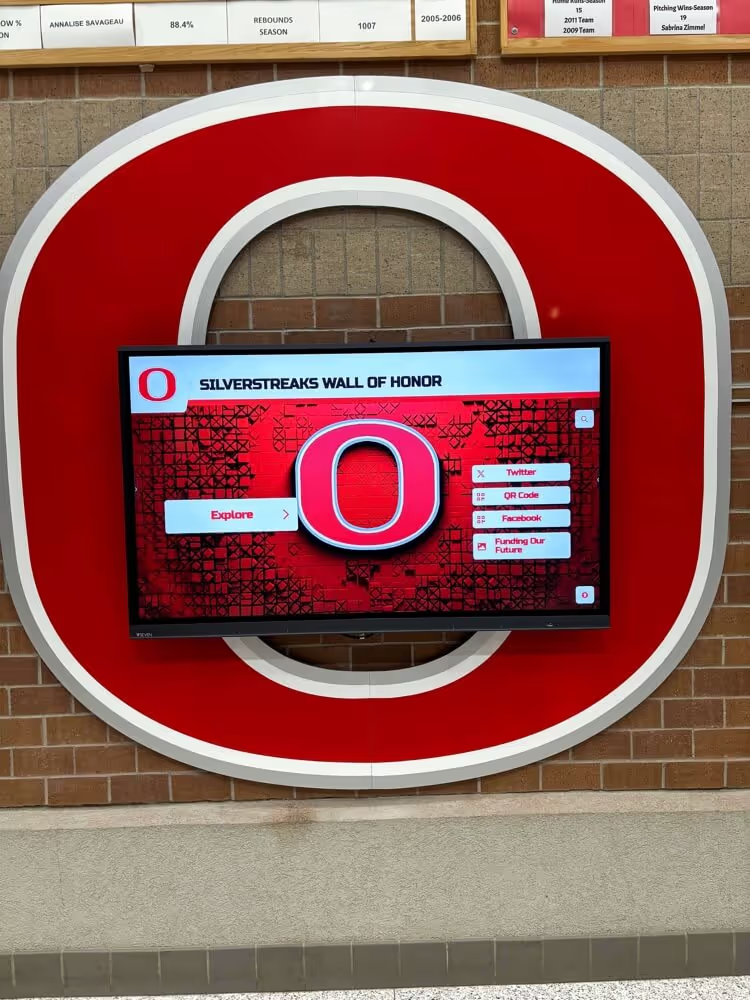
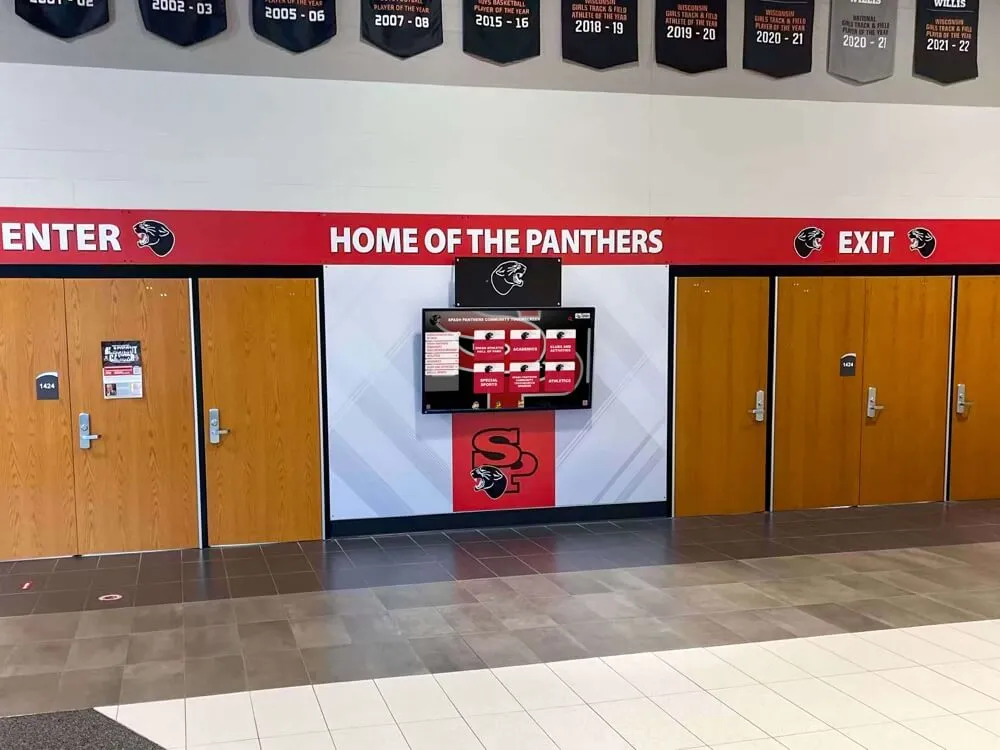
Prominent recognition displays in main entrances celebrate students throughout the year
Classroom Birthday Celebrations
Traditional in-class celebrations might include singing “Happy Birthday” as class ritual, sharing special snacks or treats (with allergy considerations), reading favorite book chosen by birthday student, wearing birthday crown or special badge, serving as line leader or having special classroom privileges, or sharing “birthday interview” where student answers fun questions.
With younger elementary grades and pre-K, birthday celebrations serve as classroom events to practice social skills while providing opportunities to discuss math and calendar concepts such as counting days until birthdays.
Summer Birthday Accommodations
Schools face unique challenges recognizing students with summer birthdays when school isn’t in session. Creative solutions include half-birthday celebrations during school year, end-of-year celebration for all summer birthdays, “unbirthday” party concept inspired by Alice in Wonderland, choosing celebration day during school year, or digital recognition continuing through summer break.
These accommodations ensure students with summer birthdays receive equitable recognition comparable to peers with school-year birthdays.
Workplace Birthday Recognition Traditions
Professional environments have developed birthday recognition approaches balancing celebration with workplace appropriateness and efficiency.
Monthly Birthday Celebrations
Many workplaces consolidate recognition by celebrating all monthly birthdays together with advantages including reduced planning burden compared to individual celebrations, easier scheduling with one designated date monthly, cost efficiency through shared cake or refreshments, and community building as entire teams gather regularly.
Common formats include monthly breakfast or lunch gathering, afternoon break with cake and refreshments, decorated common area with birthday board, group card signed by all team members, and brief recognition of each birthday person.
This batched approach maintains consistency while remaining manageable for organizers.
Individual Birthday Acknowledgments
More personalized recognition might include birthday card signed by manager and team members, email announcement to department or organization, small gift card or company swag, flexible scheduling or early departure, decorated workspace with balloons or decorations, or lunch with manager or team.
According to workplace recognition best practices for 2025, these individual touchpoints feel more personal than group celebrations while requiring modest time investment when distributed across the year.
Virtual and Remote Birthday Recognition
With increasingly distributed workforces, organizations need strategies for celebrating remote employees’ birthdays including virtual meeting celebrations with digital cake, e-cards or digital cards signed by team members, online gift cards or deliveries to home, social media shout-outs or recognition posts, or scheduled video call from manager or team.
Remote recognition requires intentionality since distance makes it easier for birthdays to pass unnoticed. Automated systems and calendar reminders become particularly valuable for distributed teams.
Community Organization Birthday Approaches
Churches, clubs, volunteer organizations, and community groups use birthday recognition to strengthen member connections and demonstrate care.
Recognition approaches might include monthly birthday listings in newsletters, birthday cards from organization leadership, recognition during meetings or services, birthday board in common areas, or milestone birthday celebrations for significant ages.
Community organizations often face challenges tracking member birthdays consistently. Solutions like digital recognition displays help organizations maintain visible, current birthday information while celebrating members year-round.
Modern Digital Birthday Recognition Solutions
Technology dramatically expands birthday recognition possibilities while addressing limitations of traditional approaches, enabling consistent celebration regardless of organizational size or distribution.
Interactive Digital Display Systems
Modern digital recognition platforms transform birthday acknowledgment through engaging, visible systems accessible to entire communities.
Permanent Digital Recognition Walls
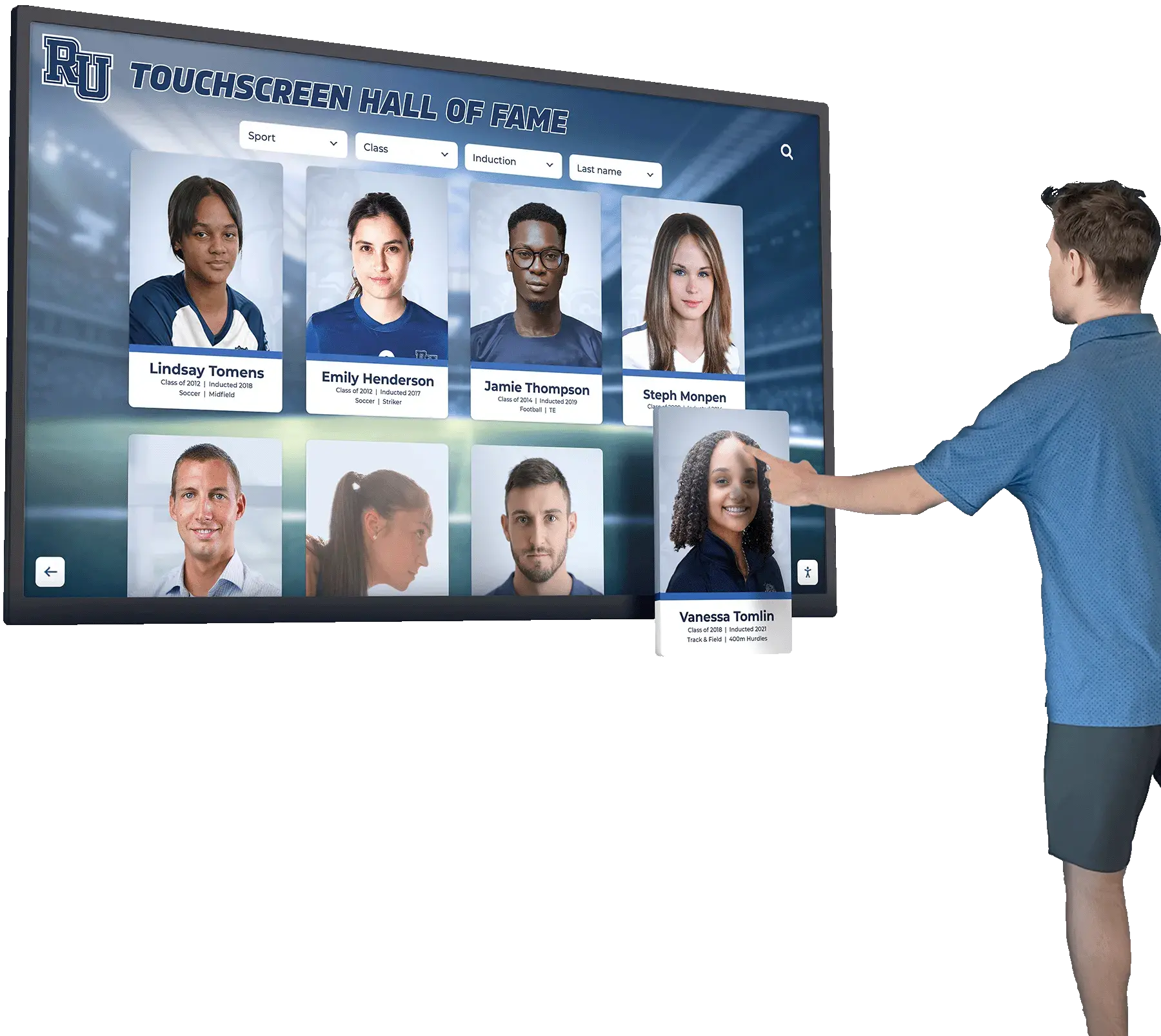
Solutions like Rocket Alumni Solutions create interactive birthday recognition through lobby displays showcasing current month birthdays, searchable databases showing all upcoming birthdays, individual profile pages with photos and biographical information, automated content rotation highlighting different birthdays, and integration with broader recognition programs.
Digital systems address traditional limitations by eliminating space constraints that limit how many people can be recognized, enabling immediate updates without reprinting physical materials, supporting rich multimedia content creating emotional engagement, providing 24/7 accessibility through web-based platforms, and reducing long-term costs compared to continually printing materials.

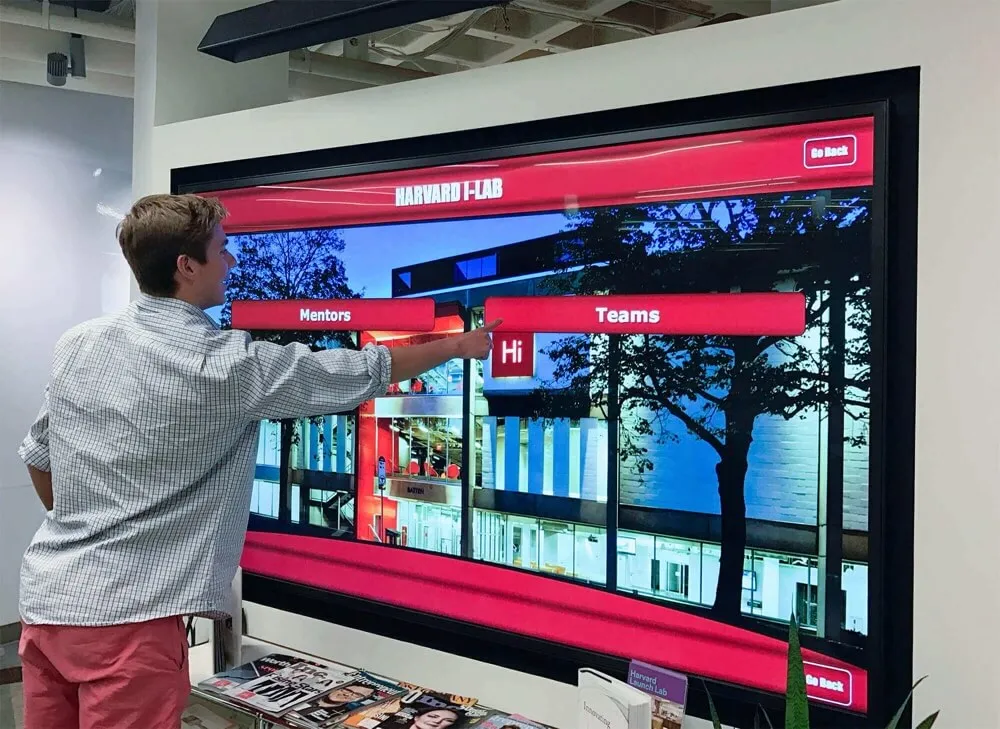
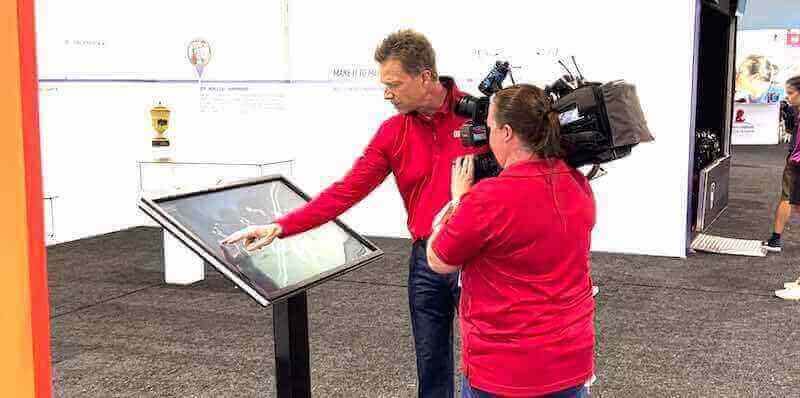
Interactive touchscreen systems enable rich, engaging birthday recognition experiences
Content Management and Automation
Modern platforms provide user-friendly systems enabling non-technical staff to add birthdays and profiles easily, schedule birthday content to appear automatically, manage permissions ensuring appropriate access, integrate with existing HR or student information systems, and preview recognition displays before publishing.
This management ease ensures birthday recognition remains current without requiring IT expertise or constant manual updates.
Learn more about touchscreen software solutions designed specifically for community recognition and engagement.
Web-Based Recognition Extensions
Comprehensive digital systems extend beyond physical displays to include web-accessible birthday calendars viewable from anywhere, mobile-responsive interfaces for smartphones and tablets, email or text reminders about upcoming birthdays, social media integration enabling sharing and celebration, and analytics showing engagement with birthday recognition.
This extended reach multiplies recognition impact compared to displays accessible only to people physically present at specific locations during limited hours.
Automated Birthday Recognition Systems
Purpose-built software eliminates the manual tracking and reminder burden that often causes birthday recognition to fail during busy periods.
Recognition Platform Features
Specialized systems provide automated birthday reminders to managers and HR, triggered birthday email or message sending, integration with communication platforms (Slack, Teams, email), customizable birthday announcement templates, scheduling features enabling advance preparation, and reporting showing recognition completion rates.
According to workplace recognition technology research, platforms like Bonusly include automated birthday awards, ensuring consistent recognition even when human administrators are overwhelmed or distracted.
Implementation Considerations
When selecting birthday recognition technology, organizations should evaluate ease of use for administrators and recipients, integration capabilities with existing systems, customization options matching organizational culture, privacy and security features, cost relative to organizational size and budget, and vendor support and reliability.
Proper platform selection ensures technology enhances rather than complicates birthday recognition, enabling sustainable programs that remain effective long-term.
Social Media and Digital Communication
Modern communication channels enable creative birthday recognition approaches reaching distributed communities effectively.
Internal Communication Platforms
Organizations using Slack, Microsoft Teams, or similar platforms can create dedicated birthday channels, automated birthday announcements with photos and fun facts, virtual confetti or celebration animations, peer-to-peer birthday messages and reactions, and integration with recognition point systems.
These informal channels enable spontaneous celebration while ensuring visibility across distributed teams.
External Social Media Recognition
When appropriate and with permission, organizations might share birthday posts celebrating employees or students on Instagram, Facebook, or LinkedIn, birthday video compilations or photo collages, community hashtags aggregating birthday wishes, and stories or temporary posts maintaining freshness.
External recognition demonstrates organizational pride in community members while enabling wider circles of friends and family to participate in celebrations.
Explore how elementary school recognition programs leverage similar digital approaches to celebrate student achievements and milestones consistently.
Enhancing Birthday Recognition with Personalization
Generic recognition feels perfunctory; personalized celebration demonstrates genuine attention and care that creates memorable experiences.
Gathering Personal Preferences and Interests
Thoughtful programs collect information enabling customized recognition aligned with individual preferences.
Organizations might gather data about favorite treats or foods (considering allergies), preferred celebration styles (public versus private), hobbies and interests enabling relevant gifts or acknowledgments, milestone birthdays deserving enhanced recognition, and family or cultural traditions to honor or avoid.
Simple preference surveys or onboarding questions enable this personalization without requiring excessive research or guesswork for each birthday.

Detailed personal profiles enable truly customized birthday recognition experiences
Customized Birthday Messages and Acknowledgments
Personal messages feel dramatically more meaningful than generic greetings when they reference specific contributions, characteristics, or relationships.
Effective personalized messages might mention recent accomplishments or contributions, reference shared experiences or inside jokes, acknowledge specific qualities or strengths, connect to individual goals or aspirations, or include personal notes from specific colleagues or classmates.
Taking 5-10 minutes to craft genuinely personal messages creates disproportionate emotional impact compared to form-letter greetings that could apply to anyone.
Incorporating Peer Recognition and Testimonials
The most meaningful birthday recognition often comes from peers rather than supervisors or administrators.
Programs might enable colleague or classmate birthday video messages, team members contributing to birthday cards with personal notes, peer testimonials about the birthday person’s impact, collaborative gifts or contributions, or surprise messages from unexpected connections.
Facilitating peer participation transforms birthday recognition from top-down acknowledgment into genuine community celebration demonstrating authentic appreciation from those who work alongside the honored individual daily.
Addressing Birthday Recognition Challenges
Even well-designed programs encounter predictable challenges requiring proactive strategies and systematic solutions.
Budget Constraints and Cost Management
Organizations with limited resources need creative approaches delivering meaningful recognition without excessive spending.
Low-Cost High-Impact Strategies
Effective budget-friendly recognition includes handwritten cards requiring only time and thought, public verbal acknowledgment costing nothing, special privileges (choice of music, preferred parking, flexible scheduling), peer recognition facilitated through existing communication channels, and digital recognition displays with one-time setup costs.
The most effective recognition emphasizes thoughtfulness and personalization rather than monetary value. A heartfelt handwritten note often means more than an expensive generic gift.
Crowdsourced Celebration Funding
When budgets don’t support birthday celebrations, voluntary participation models work well including voluntary contributions to birthday funds, rotating responsibility where team members take turns organizing, potluck approaches where participants bring items to share, or business partnerships providing donated goods or discounts.
These approaches distribute costs while maintaining consistent recognition.
Tiered Recognition Based on Tenure or Milestones
Resource-constrained organizations might provide basic recognition for all birthdays, enhanced recognition for milestone birthdays (30th, 40th, 50th), special recognition for significant organizational tenure anniversaries, and additional recognition for first birthdays with organization.
This tiered approach allocates limited resources to moments with highest impact while ensuring everyone receives at least basic acknowledgment.
Maintaining Consistency and Follow-Through
Birthday recognition fails most often not from bad intentions but from inconsistent execution when competing priorities distract attention.
Systematic Planning and Responsibility Assignment
Sustainable programs require clear designation of who manages birthday tracking and reminders, who organizes celebrations or sends acknowledgments, who updates birthday displays or communications, how responsibilities transfer during vacations or transitions, and documentation enabling continuity during personnel changes.
Written procedures and checklists prevent recognition from depending entirely on individual memory or initiative.
Automated Reminders and Tracking Systems
Technology eliminates the consistency problem through automated birthday reminders to responsible parties, calendar integration ensuring visibility, recurring tasks or workflows triggered by birthdays, dashboard views showing upcoming birthdays requiring preparation, and completion tracking ensuring no one is missed.
These systems convert birthday recognition from memory-dependent tasks into systematic processes that persist regardless of individual attention spans.
Regular Program Audits and Adjustments
Quarterly or annual reviews should assess whether all birthdays are being recognized consistently, recognition feels meaningful rather than perfunctory, budget allocations remain adequate, responsible parties have necessary resources, and program adjustments address identified gaps.
Systematic evaluation prevents gradual program erosion that occurs when recognition becomes routine and attention drifts.
Ensuring Equity and Preventing Favoritism
Birthday recognition must feel genuinely equitable or it becomes source of resentment rather than appreciation.
Organizations should maintain consistent recognition standards regardless of position or popularity, ensure equivalent investment per person unless justified by tenure or milestones, prevent situations where popular individuals receive elaborate celebration while others are forgotten, provide transparent criteria explaining any differential recognition, and solicit feedback identifying perceived inequities.
Regular auditing of birthday recognition patterns helps identify unintentional favoritism before it damages morale and program credibility.
Integrating Birthday Recognition with Broader Programs
The most effective recognition integrates birthday acknowledgment with comprehensive cultures celebrating people consistently rather than isolated annual events.
Connection to Overall Recognition Ecosystems
Birthday programs should anchor broader recognition including work anniversary celebrations, achievement recognition, peer appreciation programs, retirement tributes, and milestone event acknowledgments (weddings, graduations, births).
Comprehensive programs ensure community members receive appropriate recognition throughout their entire lifecycles within organizations rather than recognition concentrating only on birthdays.
Solutions like digital recognition displays create unified platforms celebrating birthdays alongside professional achievements, service milestones, and diverse contributions.
Alumni and Community Engagement
Birthday recognition creates natural engagement opportunities extending beyond current community members.
Organizations might invite alumni to update birthday information maintaining connections, feature alumni milestone birthdays in communications, create birthday reunion opportunities connecting same-month birthdays, showcase both current member and alumni birthdays together, or use birthday communications for broader engagement touchpoints.
These connections strengthen institutional relationships across generations while demonstrating that community membership extends beyond active participation periods.
Professional and Personal Development Integration
Birthdays provide natural reflection moments organizations can leverage constructively.
Recognition might include birthday conversations about career goals and aspirations, professional development opportunities as birthday gifts, introduction of mentorship relationships around birthdays, review of accomplishments since last birthday, or goal-setting for coming year.
Research shows job hunting increases 12% just before birthdays as individuals reflect on career satisfaction. Proactive birthday conversations acknowledging this reflection can strengthen retention by demonstrating organizational investment in individual growth and satisfaction.
Learn how academic recognition programs integrate personal milestones with educational achievement celebration for comprehensive community engagement.
Technology Platforms for Birthday Recognition
Purpose-built digital platforms dramatically simplify implementing and maintaining comprehensive birthday recognition while delivering superior engagement compared to generic communication tools.
Features of Effective Recognition Platforms
Specialized systems provide intuitive content management requiring no technical expertise, automated birthday reminders and scheduling, searchable databases with filtering capabilities, multimedia support for photos and biographical information, mobile-responsive designs accessible on any device, web accessibility extending reach beyond physical locations, analytics revealing engagement patterns, social sharing capabilities, and cloud-based reliability with automatic updates.
These capabilities enable organizations to create professional, consistent birthday recognition without requiring IT resources or ongoing technical support.
Solutions like Rocket Alumni Solutions specialize in community recognition, providing platforms specifically designed for celebrating birthdays and personal milestones through interactive displays, comprehensive profiles, sustainable management systems, and extended community reach.
Implementation Best Practices
When implementing birthday recognition technology, organizations should ensure data collection during onboarding processes, clear communication about program purposes and privacy, training for administrators managing the system, integration with existing communication workflows, testing before full rollout to identify issues, and feedback collection enabling continuous improvement.
Proper implementation ensures technology adoption rather than creating systems that community members ignore or resist.
Measuring Digital Recognition Impact
Digital platforms provide unprecedented insight into recognition program effectiveness through metrics including display interaction rates and time spent, web portal visits and engagement, email open rates for birthday communications, social media engagement with birthday posts, participation rates in peer recognition, and qualitative feedback from community members.
These metrics enable data-driven program refinement addressing what works while adjusting approaches that fail to resonate with intended audiences.
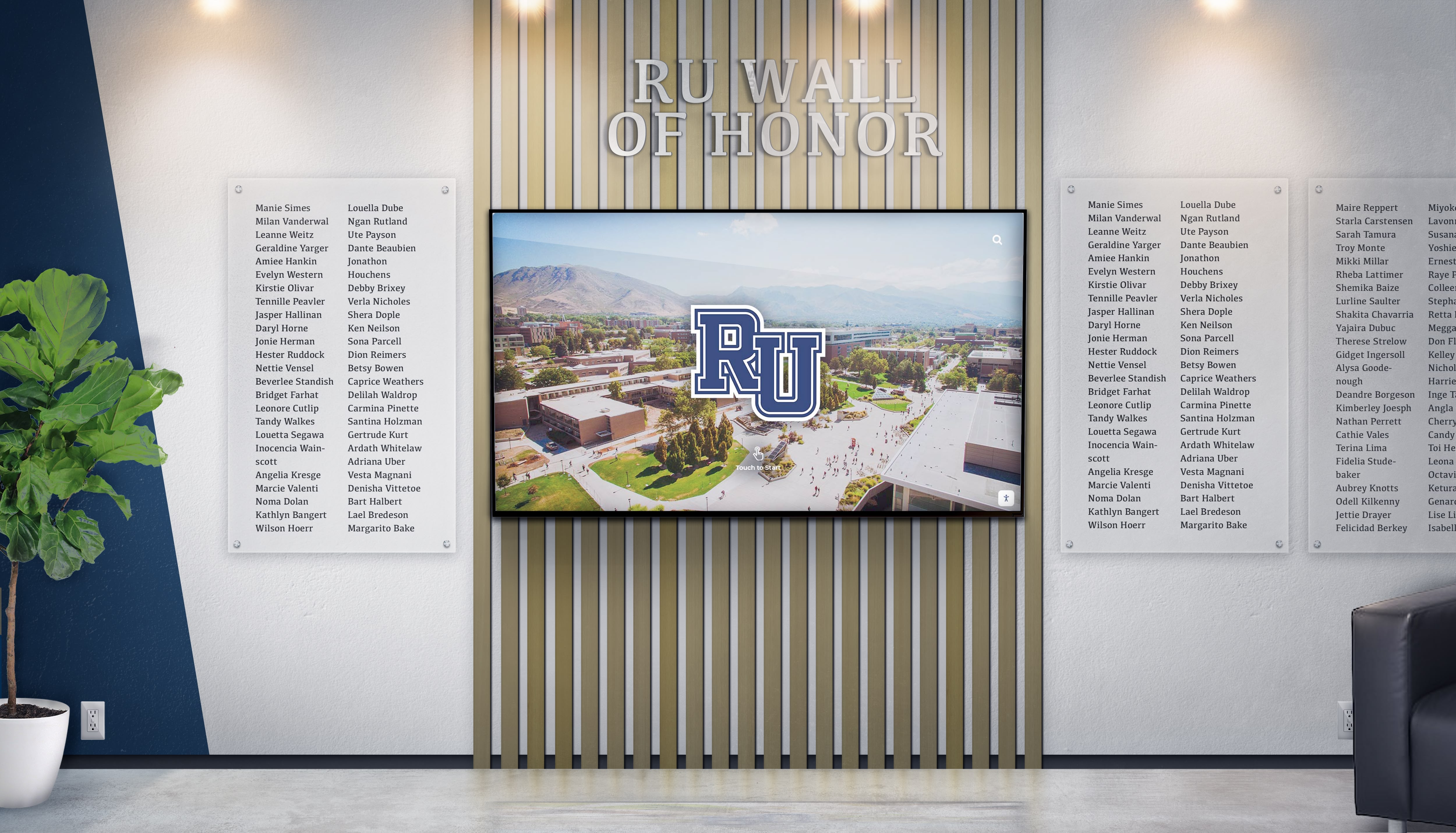
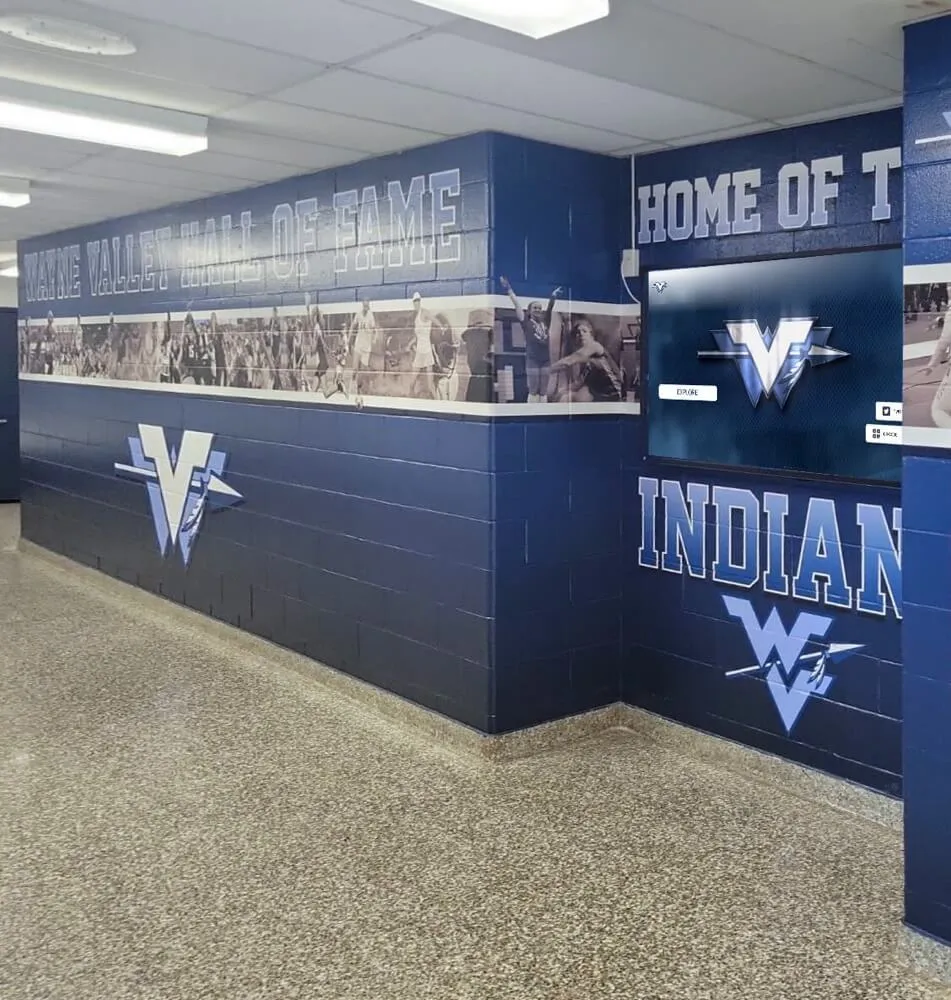
Comprehensive digital systems celebrate birthdays alongside other achievements and milestones
Birthday Recognition During Remote and Hybrid Work
Distributed work environments create unique challenges for birthday recognition requiring intentional strategies ensuring remote team members receive equitable celebration.
Virtual Celebration Strategies
Effective remote birthday recognition includes scheduled video calls dedicated to birthday celebration, virtual background themes or digital decorations, online games or activities during birthday meetings, digital gift card deliveries or online shopping credits, surprise delivery of treats or gifts to home addresses, and e-cards or digital cards signed by all team members.
The key is creating dedicated time and space for celebration rather than perfunctory mentions during routine meetings, ensuring remote birthdays feel as special as in-person celebrations would be.
Hybrid Recognition Approaches
Organizations with mixed remote and in-person teams need strategies ensuring equity including parallel celebrations (in-person for office workers, virtual for remote workers), recorded celebration videos shared with remote attendees, rotating in-person celebration timing enabling remote workers to attend virtually, mailed physical cards and gifts maintaining tactile connection, and digital recognition displays accessible to everyone regardless of location.
Thoughtful hybrid approaches prevent situations where in-person team members receive elaborate celebrations while remote workers get perfunctory email acknowledgments, which damages morale and creates resentment.
Technology Enabling Distributed Recognition
Platforms facilitating remote birthday recognition include video conferencing platforms (Zoom, Teams, Google Meet), collaboration tools with celebration features (Slack, Microsoft Teams), e-card and digital greeting services, online gift delivery platforms, and virtual event platforms for larger celebrations.
The technology matters less than the intentionality—ensuring remote birthdays receive attention and celebration comparable to in-person recognition demonstrates that all team members matter equally regardless of physical location.
Explore community engagement strategies that maintain connections across distributed communities effectively.
Measuring Birthday Recognition Program Success
Demonstrating program effectiveness requires systematic assessment revealing impact on culture, morale, and organizational goals.
Quantitative Program Metrics
Organizations should track measurable indicators including birthday recognition completion rates (percentage of birthdays acknowledged), participation rates in group celebrations, budget per person for birthday recognition, digital display interaction analytics, email open rates for birthday communications, and social media engagement with birthday posts.
These numbers provide concrete evidence of program reach and consistent implementation.
Qualitative Impact Assessment
Gather stakeholder perspectives through staff or student surveys about recognition program effectiveness, exit interviews mentioning birthday recognition and appreciation culture, new hire feedback about welcome and inclusion, peer observations about morale and team cohesion, and cultural assessments of belonging and appreciation.
Qualitative feedback reveals whether recognition achieves intended cultural impacts and genuinely strengthens community bonds and individual satisfaction.
Correlation with Retention and Engagement
While isolating birthday recognition’s specific impact proves challenging, organizations can monitor trends in overall turnover rates following program implementation, employee or student engagement survey results, participation in voluntary organizational activities, application rates for open positions (employer attractiveness), and alumni engagement levels.
Sustained recognition programs contribute to positive trends across these metrics as they form one element of comprehensive appreciation cultures that attract and retain talented community members.
Cultural Considerations in Birthday Recognition
Global and culturally diverse organizations require sensitivity to varied birthday traditions, beliefs, and practices affecting appropriate recognition approaches.
Religious and Cultural Birthday Traditions
Different cultures and religions relate to birthdays quite differently. Some considerations include recognition that certain faiths (like Jehovah’s Witnesses) don’t celebrate birthdays, awareness that some cultures emphasize milestone birthdays while others treat all equally, understanding that gift-giving customs vary dramatically across cultures, acknowledgment that public versus private preferences correlate with cultural norms, and sensitivity to whether age disclosure feels appropriate or invasive.
Inclusive programs accommodate these differences through opt-in approaches respecting varied beliefs, flexibility in recognition styles and visibility, education about diverse birthday traditions, and explicit messaging that participation is welcomed but never required.
Inclusive Language and Imagery
Birthday recognition materials should reflect community diversity through varied representation in photos and graphics, inclusive language avoiding assumptions about celebrations, multiple cultural birthday tradition references when appropriate, and sensitivity to circumstances where birthdays may be difficult (recent losses, family challenges).
This inclusive approach ensures birthday recognition strengthens rather than inadvertently excluding or alienating community members from diverse backgrounds.
International and Multi-Location Programs
Organizations operating across countries or regions face additional complexity including date format differences (MM/DD versus DD/MM), time zone challenges for distributed celebrations, varied holiday calendars affecting birthday celebration timing, diverse legal requirements regarding personal data, and significantly different cultural norms about workplace celebrations.
Successful international programs establish core recognition principles while allowing local adaptation, provide clear data privacy compliance across jurisdictions, leverage technology bridging time zones and distances, and educate leaders about cultural considerations affecting their specific communities.
Conclusion: Building Cultures That Celebrate People
Birthday recognition programs represent strategic investments in organizational culture, morale, and community cohesion when designed thoughtfully and implemented consistently. These personal acknowledgments honor individuals while communicating institutional values, strengthening retention and recruitment, demonstrating genuine appreciation, building traditions connecting generations, and creating memorable moments that deepen emotional bonds.
The strategies explored in this guide provide comprehensive frameworks for creating birthday recognition programs that genuinely celebrate individuals while implementing practical approaches—from traditional celebrations to modern digital displays—that extend recognition impact throughout entire organizational lifecycles.
Transform Your Birthday Recognition Program
Discover how modern digital recognition solutions can help you celebrate birthdays and personal milestones through engaging displays that strengthen community culture while building lasting appreciation and organizational pride.
Explore Recognition SolutionsFrom establishing inclusive policies to implementing automated systems to leveraging interactive digital displays that celebrate birthdays year-round, comprehensive birthday recognition programs create multiple positive impacts across diverse organizational contexts. Modern digital platforms make sophisticated recognition achievable for organizations of all sizes and resource levels, eliminating barriers that previously prevented appropriate celebration of personal milestones.
Start where you are with recognition practices you can implement immediately, then systematically expand to create comprehensive programs your community members deserve. Every person deserves birthday recognition that demonstrates they are valued as individuals, not just for their contributions but for who they are.
Ready to begin? Explore how Rocket Alumni Solutions can help you create engaging birthday recognition displays that celebrate individuals while supporting the culture and retention goals essential to organizational success. Or learn more about comprehensive community recognition programs that honor people throughout their entire organizational lifecycles.