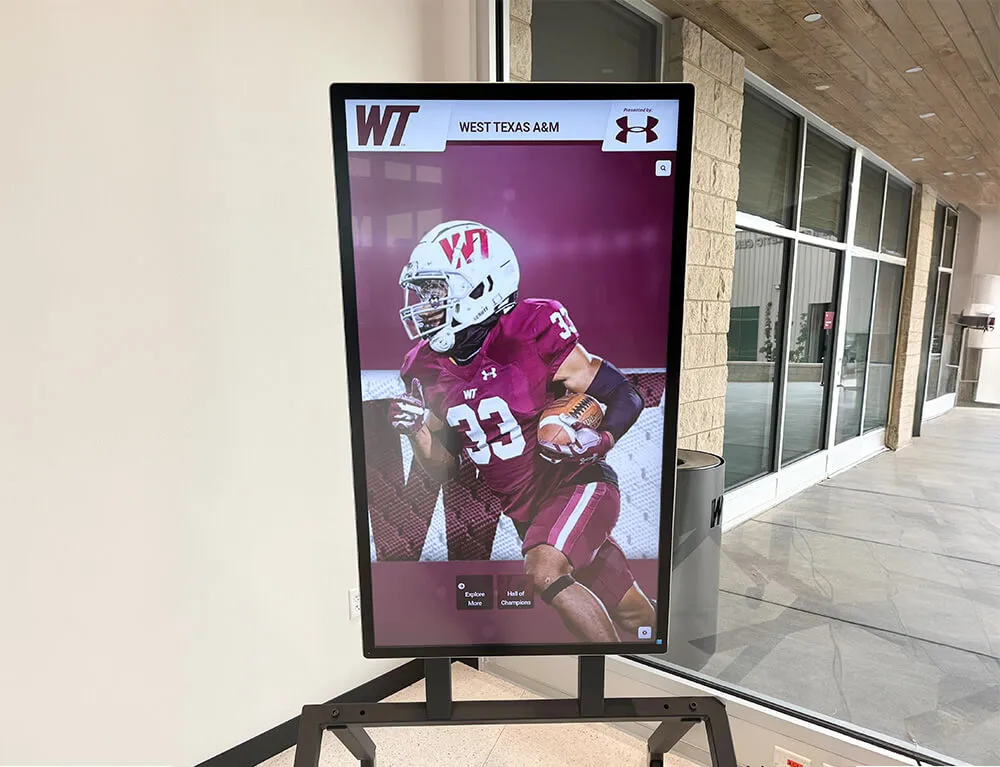
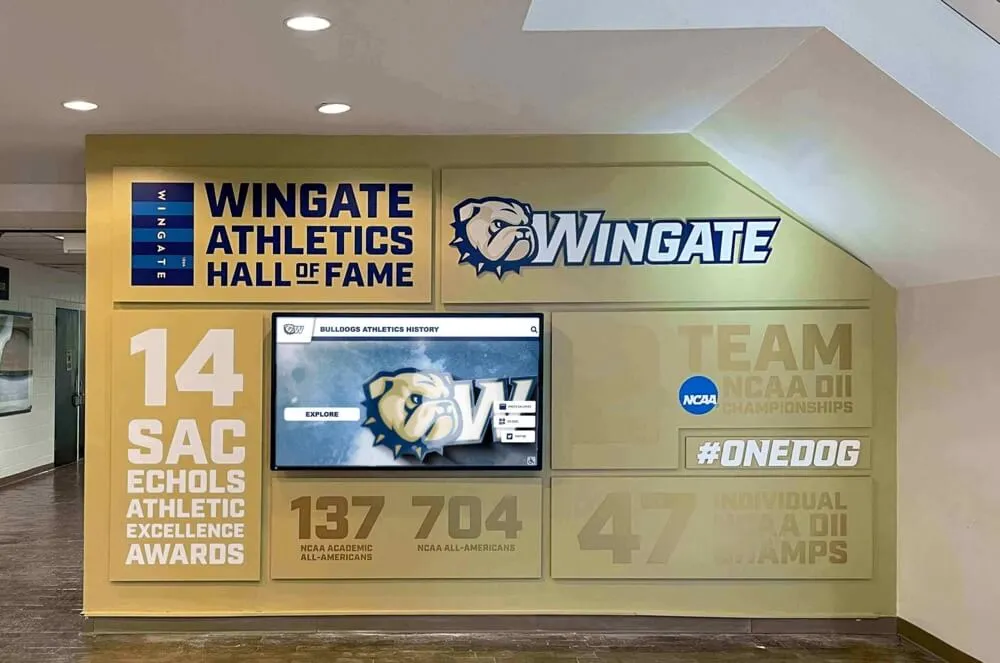
Athletic achievement awards represent years of dedication, sacrifice, and excellence—yet most programs struggle with how to honor these accomplishments appropriately when physical trophy cases overflow, individual awards disappear into storage, and deserving athletes never see their achievements displayed prominently. Traditional recognition approaches impose strict capacity limits that force impossible decisions about which accomplishments deserve visibility while others remain hidden.
The mathematics create persistent challenges. Active athletic programs generate 40-80 trophies and awards annually across all sports. Within a decade, this accumulates to hundreds or thousands of items—far exceeding any reasonable physical display capacity that facilities can dedicate to recognition. Research indicates that 60-70% of earned athletic awards end up in storage rather than on display due to these space constraints.
This comprehensive guide explores the best ways to showcase athletic achievement awards digitally in 2025, examining proven strategies that eliminate capacity constraints while creating engaging recognition experiences impossible with traditional trophy cases. From interactive touchscreen systems to web-based platforms and hybrid approaches combining physical and digital elements, these methods enable comprehensive celebration of every deserving athlete across all sports, eras, and achievement categories.
Modern digital recognition technology doesn’t discard physical trophies or abandon important traditions—it enhances them by creating unlimited space for comprehensive documentation, interactive multimedia storytelling, and engaging experiences that strengthen athletic culture while honoring every achievement regardless of program, category, or era.

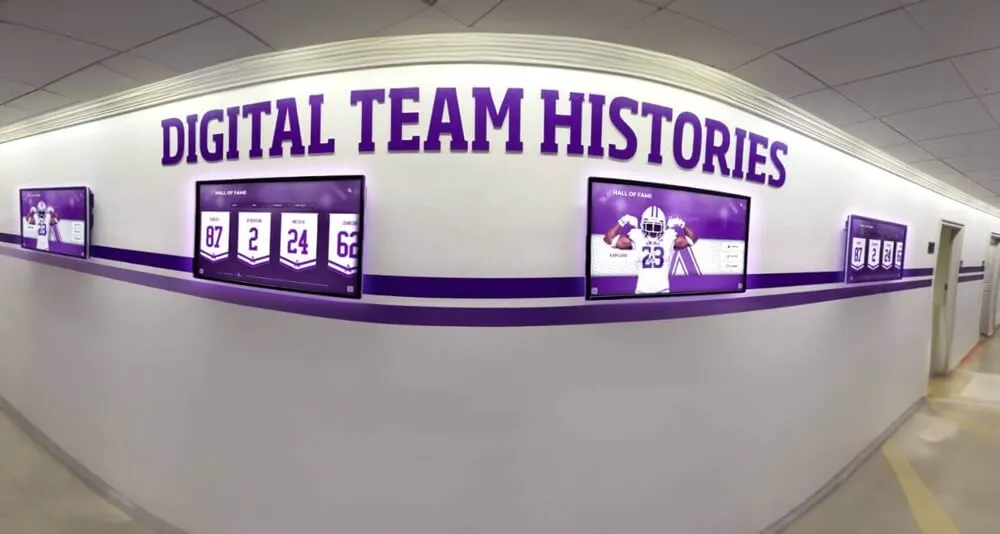
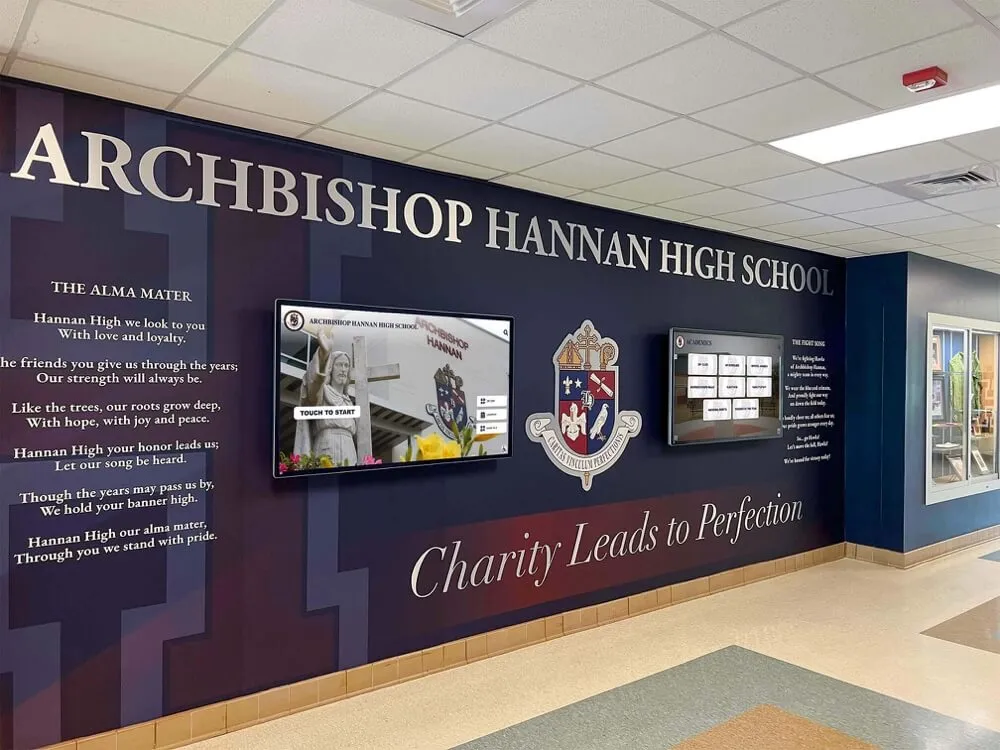
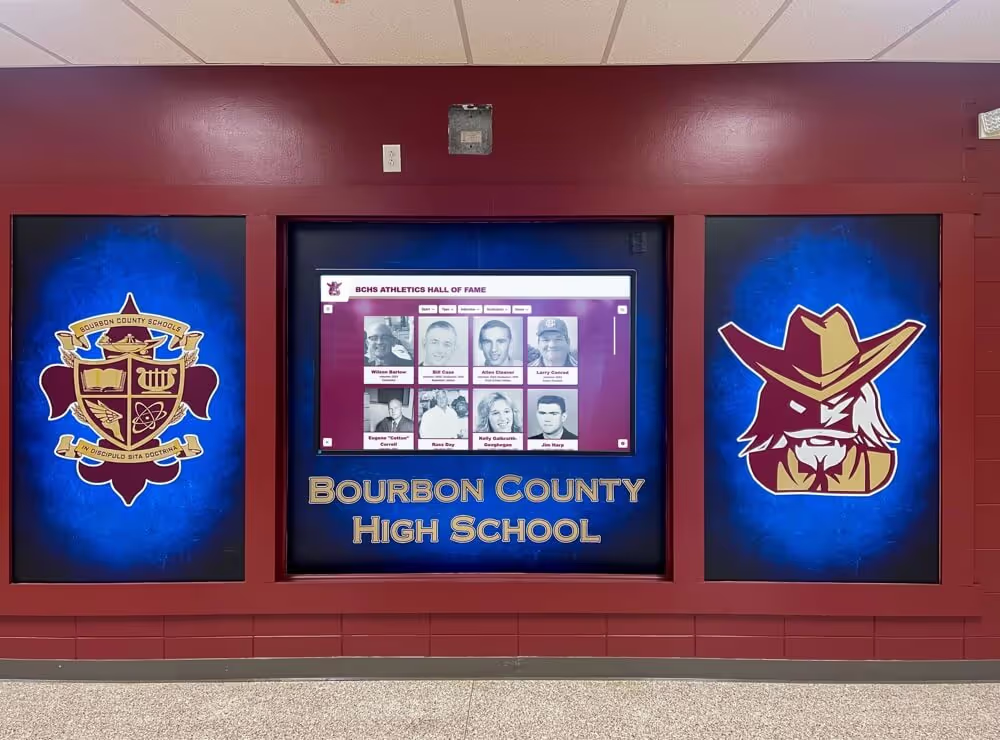
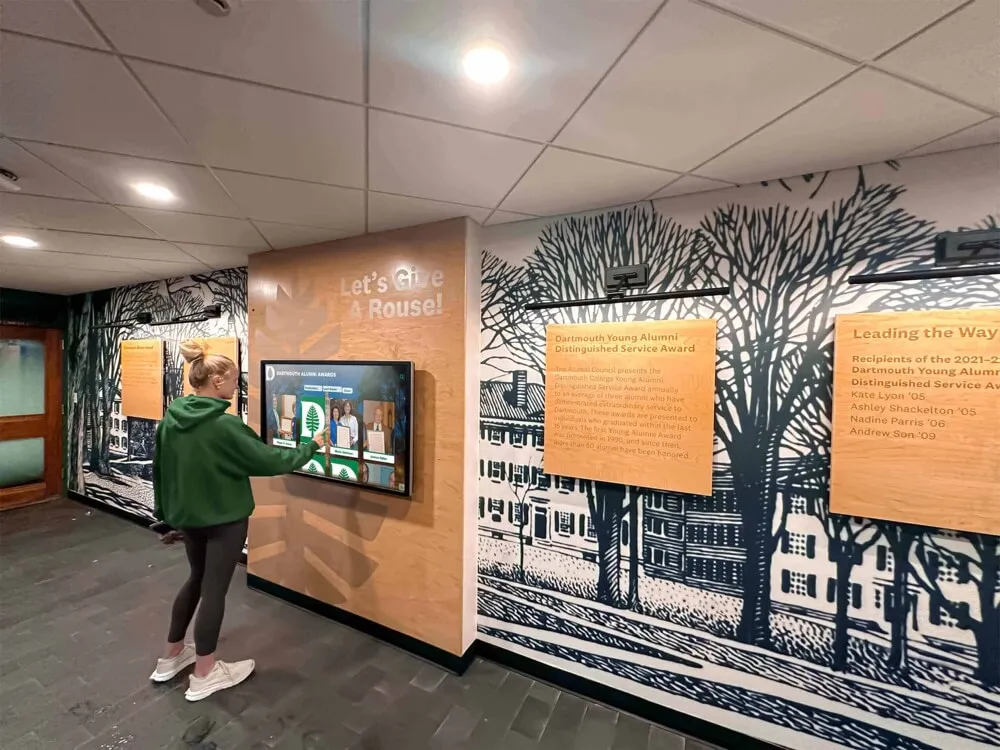
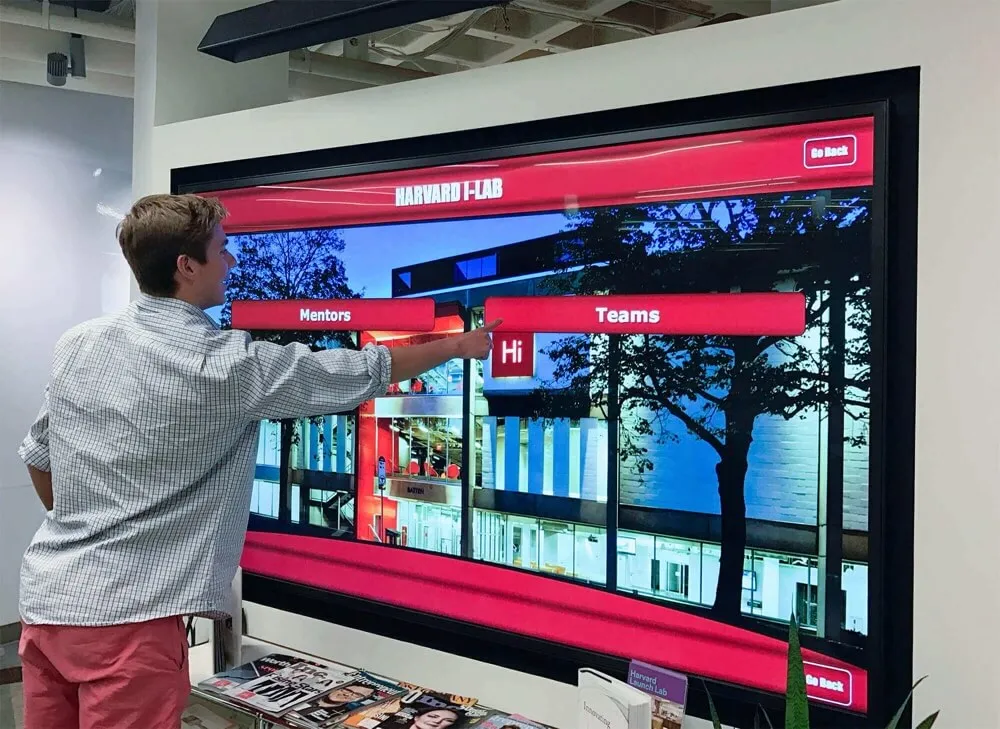
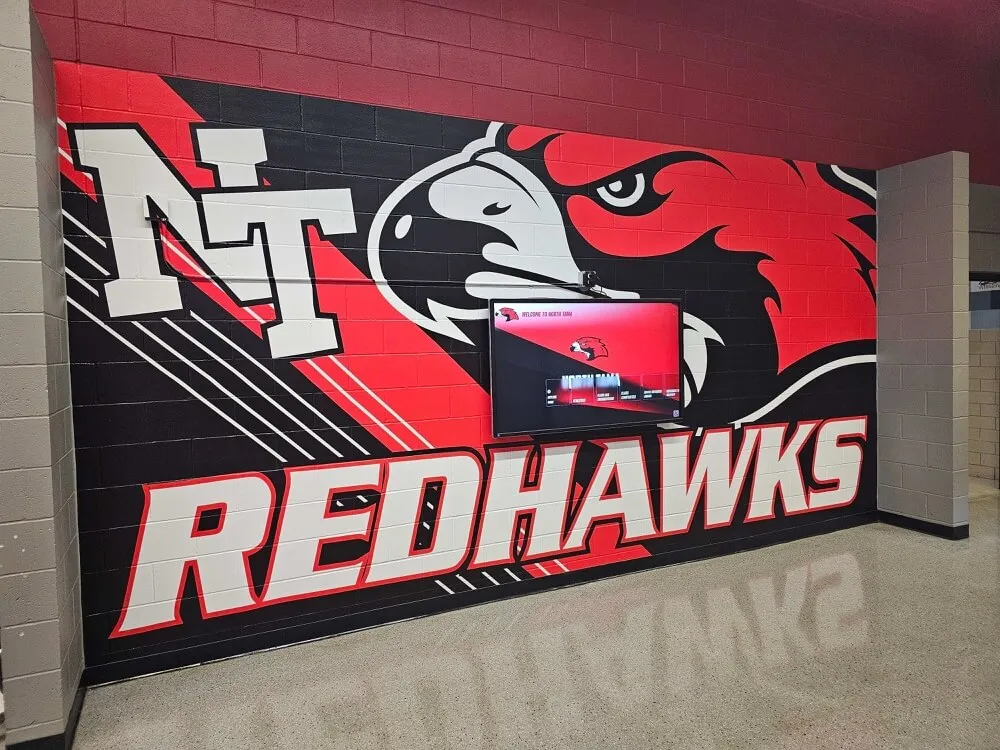
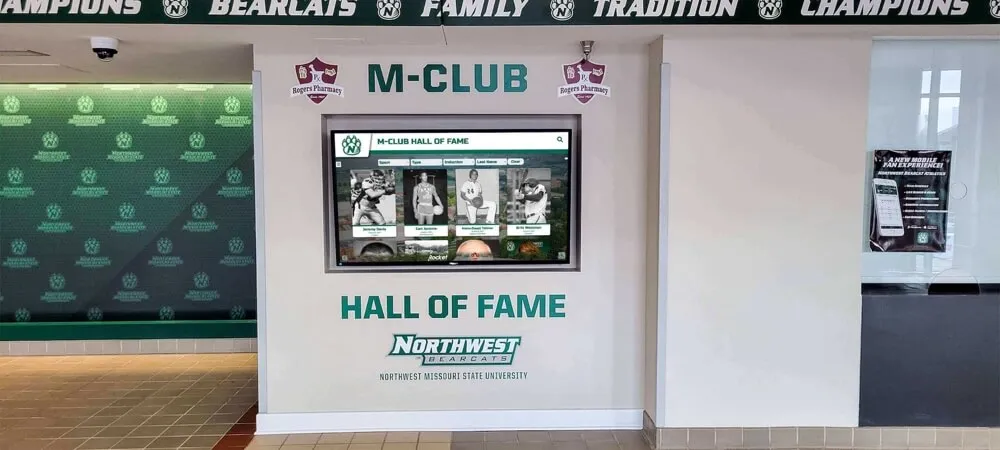
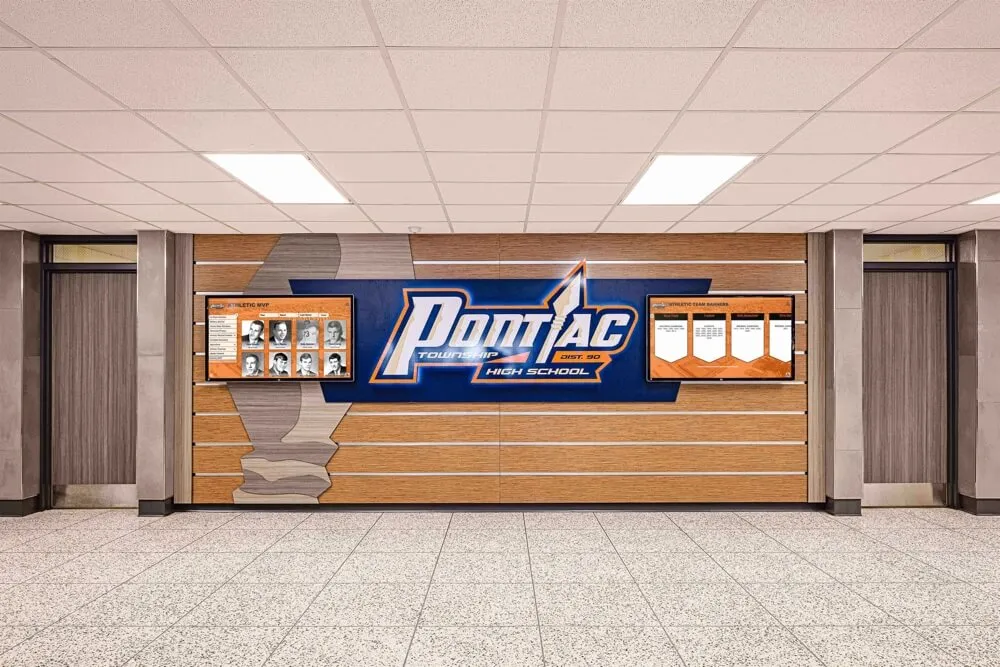
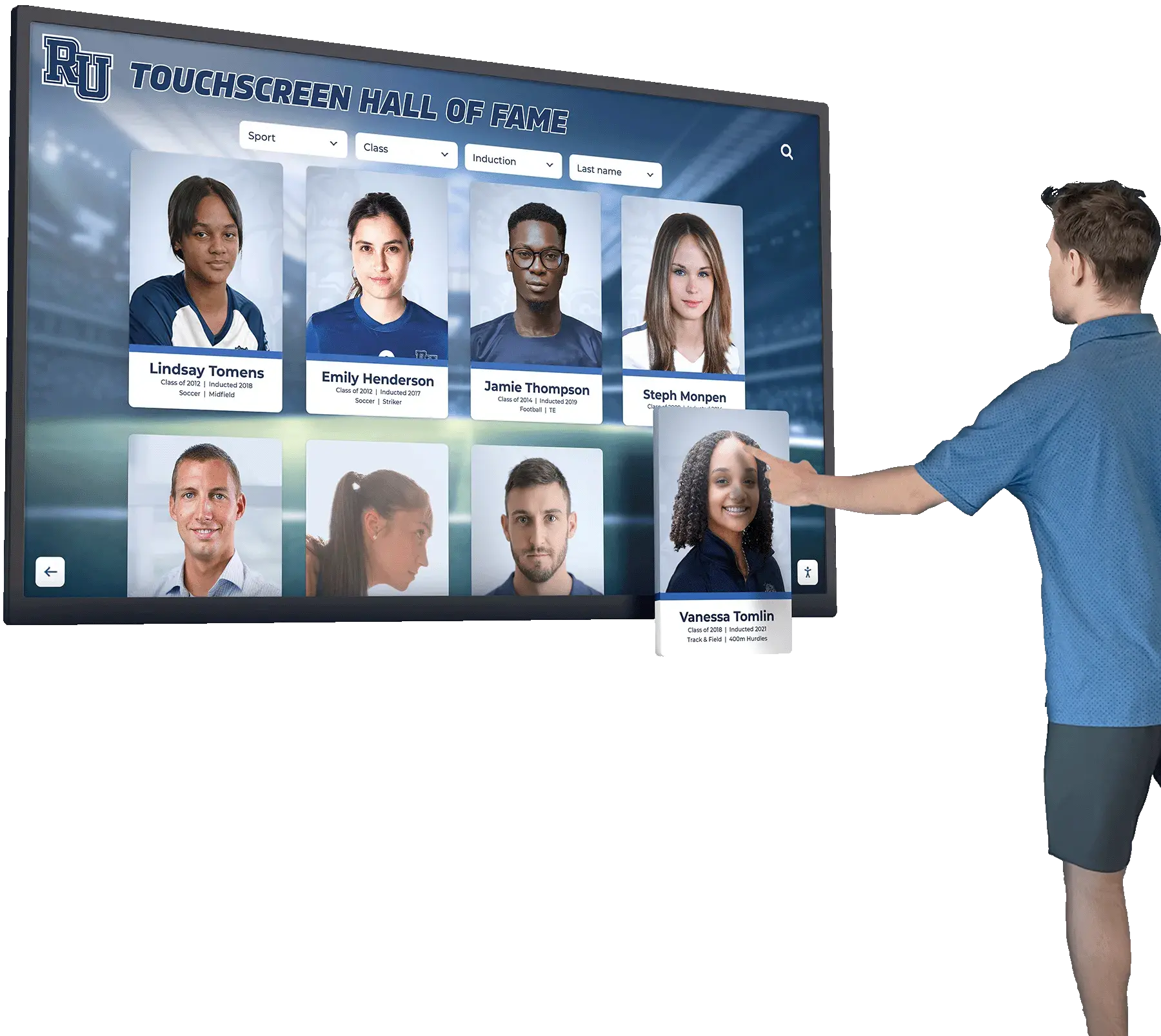
Interactive touchscreen systems transform athletic recognition by enabling exploration of unlimited awards through intuitive interfaces
Understanding the Athletic Award Recognition Challenge
Before exploring digital solutions, understanding why traditional approaches fail helps programs evaluate which strategies will deliver greatest impact for their specific recognition needs and community engagement goals.
The Physical Capacity Crisis
Athletic programs face fundamental mathematics problems when attempting comprehensive award recognition through traditional trophy cases and wall plaques.
Award Generation Rates
Successful athletic programs consistently generate recognition items faster than physical spaces can accommodate:
- Programs with 15-20 sports typically earn 3-5 trophies per sport annually including varsity, junior varsity, and individual championships
- Conference titles, state championships, tournament placements, and rivalry victories each create physical awards
- Individual athlete recognition including all-conference, all-state, team MVPs, and statistical achievements add dozens more items
- Academic all-American plaques, sportsmanship awards, and special recognitions compound accumulation
- Multi-sport athletes earning recognition across different programs multiply documentation needs
This consistent generation means that even modestly successful programs accumulate hundreds of trophies within a decade—far exceeding any reasonable physical display capacity schools can dedicate to athletic recognition without converting entire hallways to trophy storage.
The 60-70% Storage Problem
Athletic directors consistently report that 60-70% of earned awards end up in storage closets rather than prominent display due to capacity constraints. This creates troubling dynamics where athletes compete and achieve excellence but never see accomplishments displayed, historical achievements that built program traditions become invisible to current students, and visitors see only recent recognition without understanding complete program legacy.
Explore comprehensive solutions in state championship trophy case displays that address these capacity challenges systematically.
Information Depth Limitations
Beyond capacity constraints, traditional physical awards suffer from fundamental storytelling limitations that undermine recognition effectiveness.
The Minimal Context Problem
Physical trophies and plaques typically contain minimal information—perhaps an engraved nameplate with year and achievement. Trophy cases display awards with limited context about what they represent, who earned them, or the defining moments that led to championship victories. This information poverty transforms what should be inspiring celebration into sterile artifact display where visitors see awards without understanding the dedication, challenges overcome, or significance of achievements being honored.
Multimedia Integration Impossibility
Traditional recognition cannot incorporate video highlights, audio interviews, photo galleries, complete statistics, and dynamic content that bring athletic achievements to life. Physical displays remain forever static, unable to evolve as new information becomes available or as storytelling capabilities advance through improved technology.
Learn about comprehensive digital storytelling for athletic programs that overcome these limitations through rich multimedia experiences.
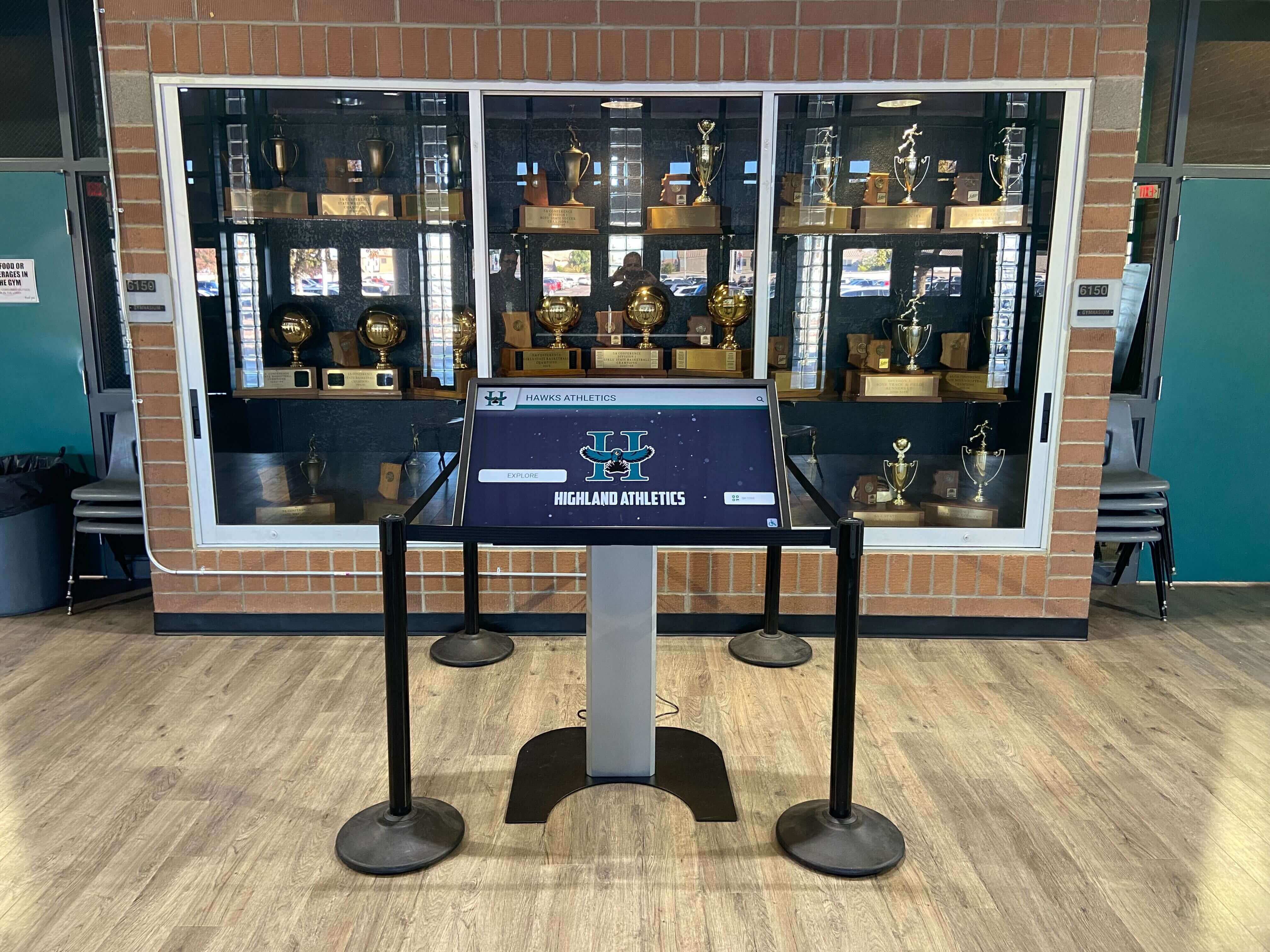
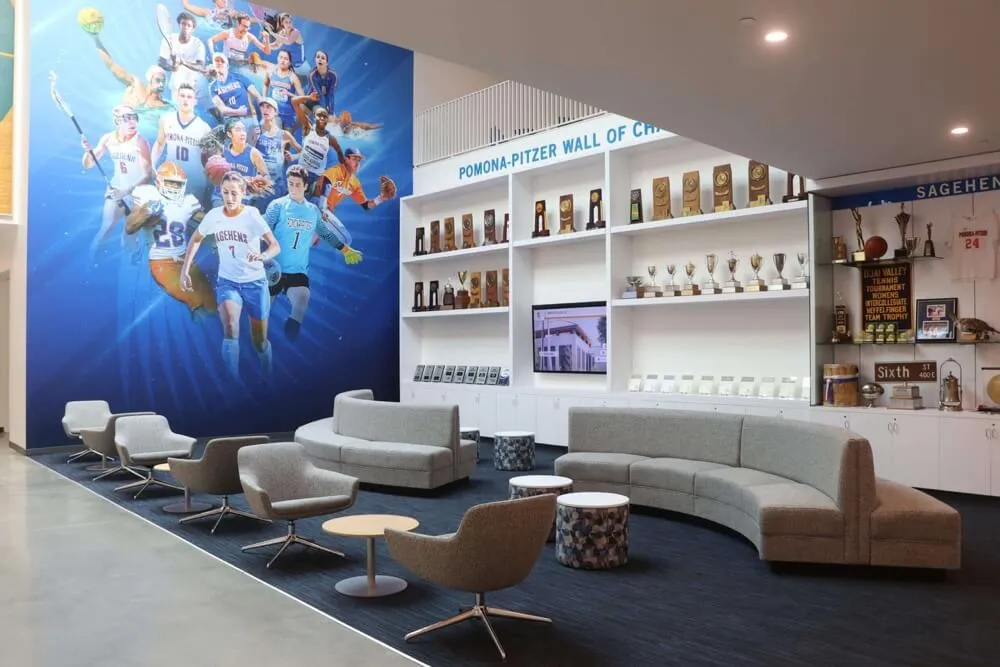
Hybrid approaches combine traditional trophy cases with digital displays, preserving physical awards while adding unlimited digital capacity
Best Digital Methods for Showcasing Athletic Awards
Multiple proven approaches enable comprehensive athletic award recognition, each offering distinct advantages for different program needs, budget constraints, and facility environments.
Interactive Touchscreen Trophy Walls
Large-format interactive touchscreen displays represent the most comprehensive solution for athletic award recognition, combining unlimited capacity with engaging experiences that dramatically increase community interaction.
Core System Components
Complete interactive touchscreen trophy systems integrate multiple elements:
- Commercial-grade displays: Professional touchscreens engineered for 16-24 hour daily operation with 50,000-70,000 hour lifespans, unlike consumer televisions
- Multi-touch technology: Tablet-like responsiveness enabling intuitive swiping, pinching, zooming, and tapping
- Cloud-based management: Software platforms enabling easy content updates from any internet-connected device
- Recognition software: Purpose-built applications organizing and presenting award information effectively
- Mounting hardware: Wall mounts, freestanding kiosks, or architectural integration matching facility aesthetics
- Network connectivity: Wi-Fi or ethernet supporting remote content delivery and instant updates
- Web accessibility: Responsive websites extending trophy exploration beyond physical displays
Discover comprehensive capabilities in digital trophy touch wall systems designed specifically for athletic recognition.
Key Advantages
Interactive touchscreens deliver transformative benefits:
- Unlimited capacity: Showcase thousands of awards with comprehensive documentation without physical space constraints
- Rich multimedia: Integrate high-resolution photos, video highlights, complete statistics, audio recordings, and searchable databases
- Increased engagement: Visitors spend 4-7 minutes exploring interactive displays versus 30-60 seconds glancing at traditional cases
- Remote updates: Add new awards immediately upon achievement without physical display access
- Search capabilities: Enable instant discovery of specific athletes, awards, years, or achievements
- Multi-channel access: Extend recognition through web platforms and mobile interfaces
- Equitable recognition: Display all sports, eras, and achievement types without space-driven exclusion
Organizations implementing interactive touchscreen systems report displaying achievements for 300-500% more athletes than previous physical displays accommodated, demonstrating the transformative capacity difference these platforms provide.
Implementation Considerations
Successful touchscreen implementations require:
- Display size selection (43-75 inches) based on viewing environment and traffic patterns
- Strategic placement in high-traffic locations where athletes and visitors naturally gather
- Professional installation ensuring proper mounting, network connectivity, and accessibility
- Content development documenting existing award collections with photos and context
- Ongoing management processes for adding new awards promptly after achievements
Solutions like Rocket Alumni Solutions provide specialized platforms designed specifically for athletic recognition, offering pre-built templates, athletic privacy compliance, and specialized support understanding unique program needs.

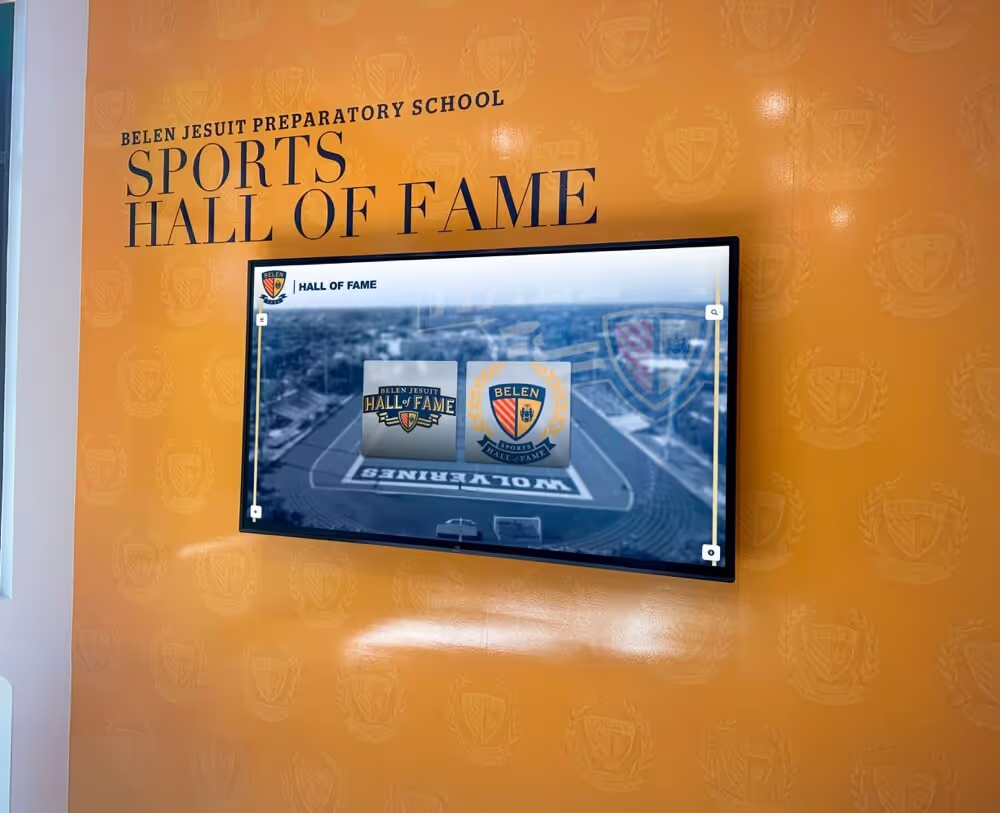
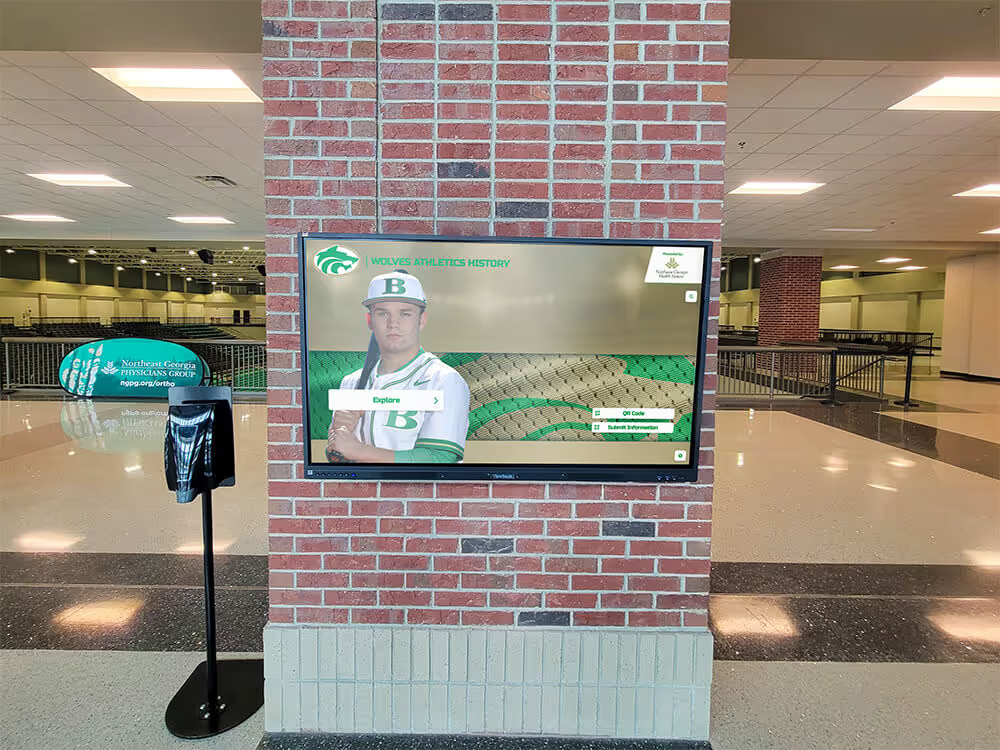
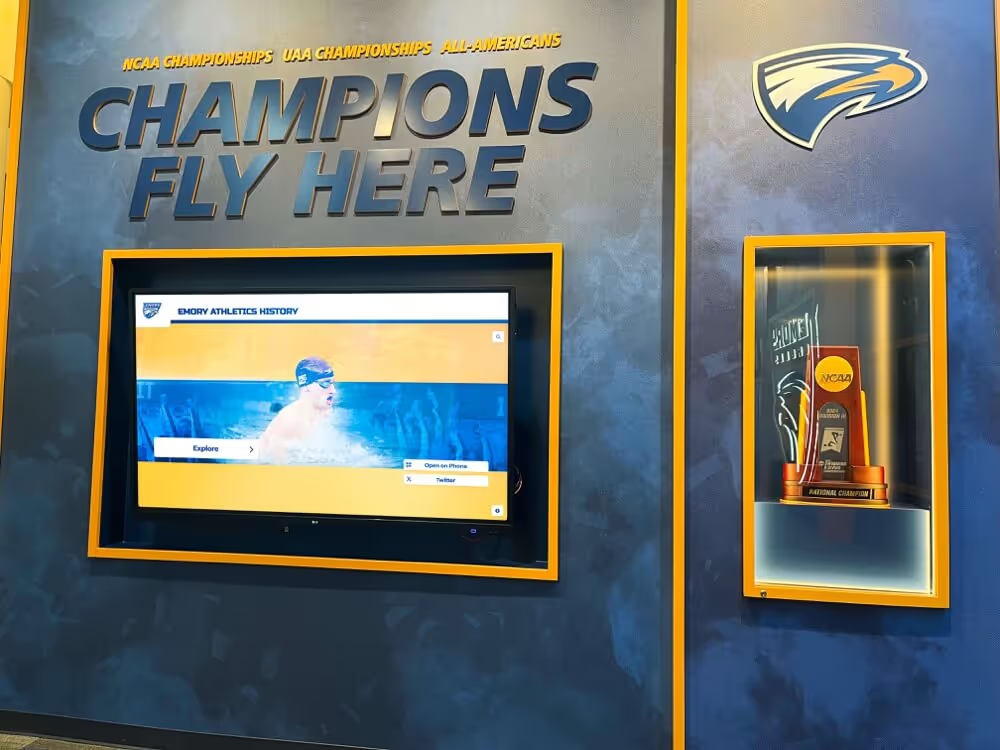
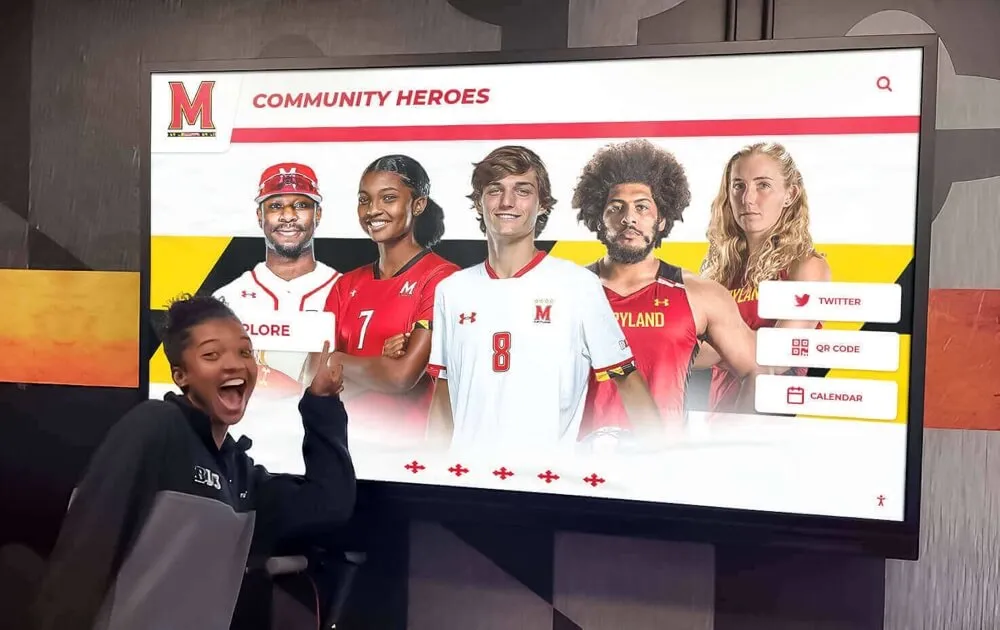
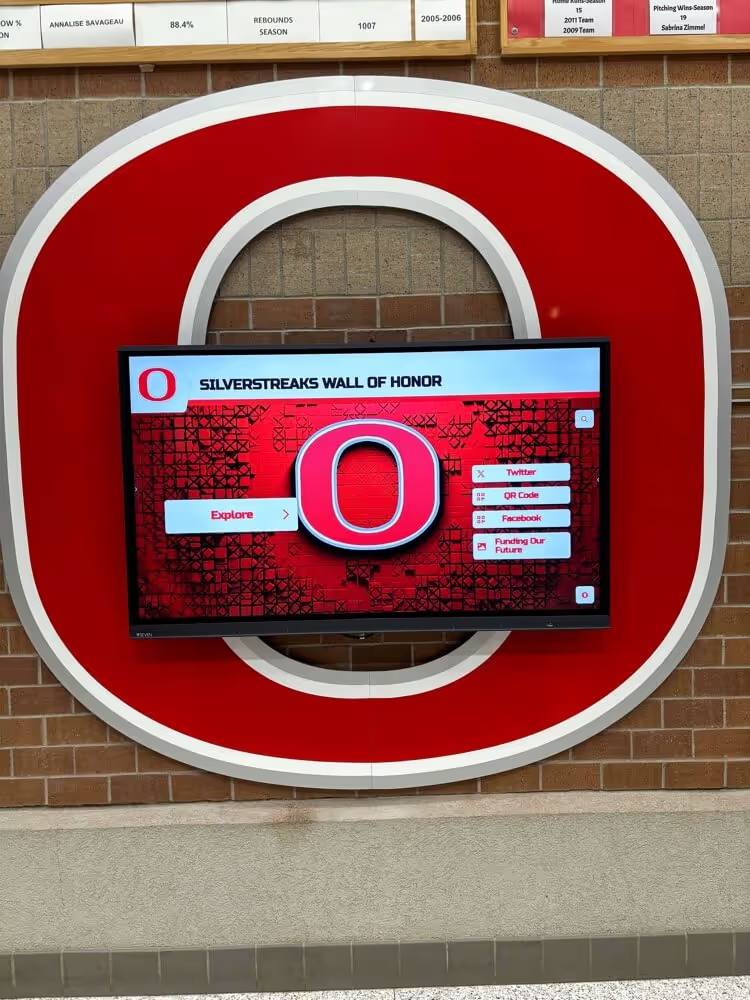
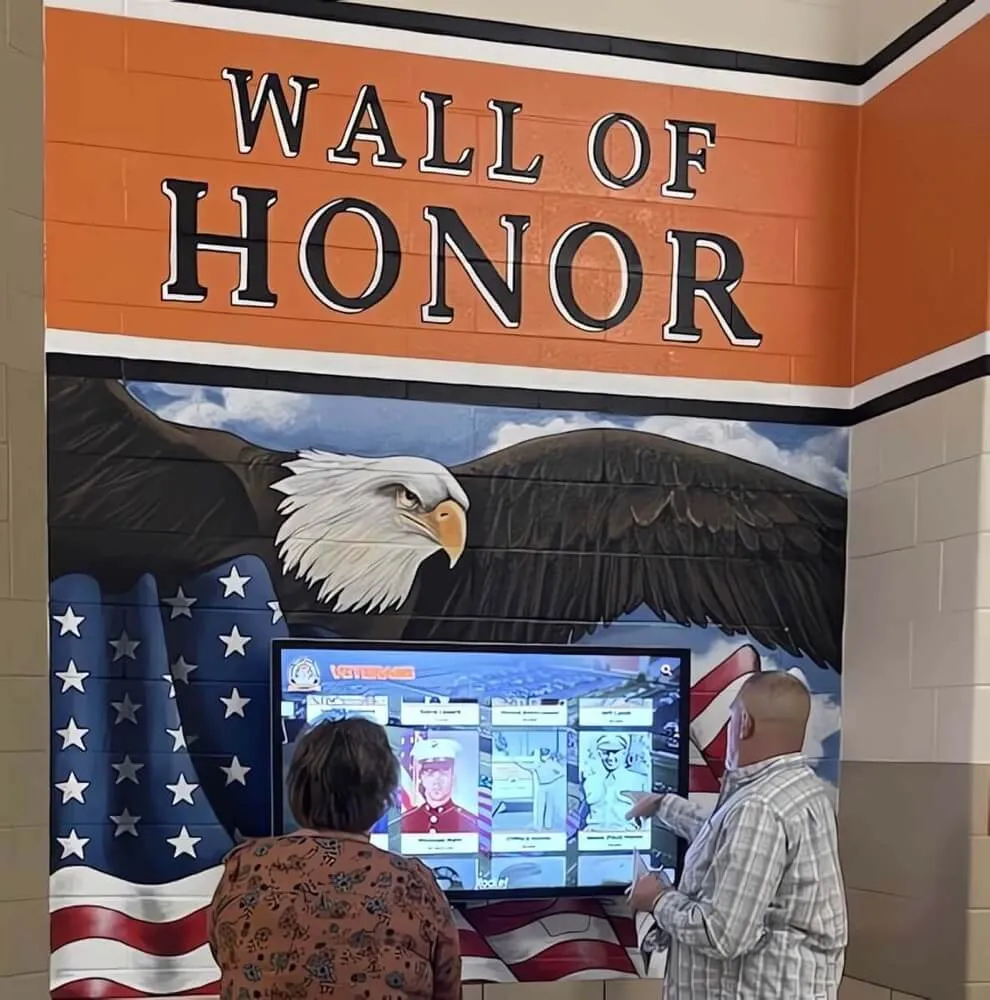
Intuitive touch interfaces enable discovering individual athletes, complete statistics, and award details instantly
Web-Based Athletic Award Platforms
Online recognition platforms extend athletic award visibility beyond physical facility limitations, enabling access from anywhere while supporting comprehensive documentation and social sharing capabilities.
Platform Capabilities
Comprehensive web-based systems offer:
Core Features
- Unlimited athlete and award profiles accessible from any device
- Complete statistics and achievement documentation across all sports
- Photo galleries showing athletes throughout their development
- Video integration for championship highlights and defining moments
- Search and filtering enabling instant discovery by name, sport, year, or award type
- Social sharing tools amplifying recognition reach through athlete networks
- Mobile optimization ensuring excellent experiences on smartphones and tablets
- Privacy controls appropriate for student athlete information
Strategic Advantages
Web platforms deliver unique benefits:
- Geographic reach: Alumni and families access recognition from anywhere, not just facility visitors
- Perpetual accessibility: Awards remain visible 24/7 regardless of facility hours or access restrictions
- Search engine visibility: Athletic achievements become discoverable through Google and other search engines
- Recruitment support: Prospective athletes and families explore program excellence during decision processes
- Cost effectiveness: Lower infrastructure costs compared to multiple physical displays
- Easy updates: Remote content management without facility access requirements
Learn about comprehensive digital hall of fame systems combining physical and web-based recognition effectively.
Integration Opportunities
Web platforms integrate with broader athletic program systems:
- Athletic management software automating achievement documentation
- Social media platforms amplifying award recognition organically
- Recruiting systems showcasing program excellence to prospective athletes
- Alumni engagement tools connecting recognition to development opportunities
- Analytics dashboards revealing engagement patterns and popular content
Hybrid Physical-Digital Award Systems
Combining traditional trophy cases with digital documentation creates comprehensive recognition experiences that honor physical awards while adding unlimited capacity and rich storytelling capabilities.
Integrated Approach Design
Effective hybrid systems coordinate multiple elements:
Physical Components
- Traditional trophy cases displaying select premier awards
- Championship banners and pennants celebrating major accomplishments
- Hall of fame plaques honoring individual excellence
- Retired jersey displays recognizing exceptional athletes
Digital Components
- Interactive touchscreens adjacent to physical displays
- QR codes on trophy cases linking to detailed digital documentation
- Digital displays showing rotating award highlights and athlete features
- Web platforms providing comprehensive award archives
This integrated approach preserves meaningful physical traditions while solving capacity constraints through unlimited digital space for comprehensive documentation and engagement.
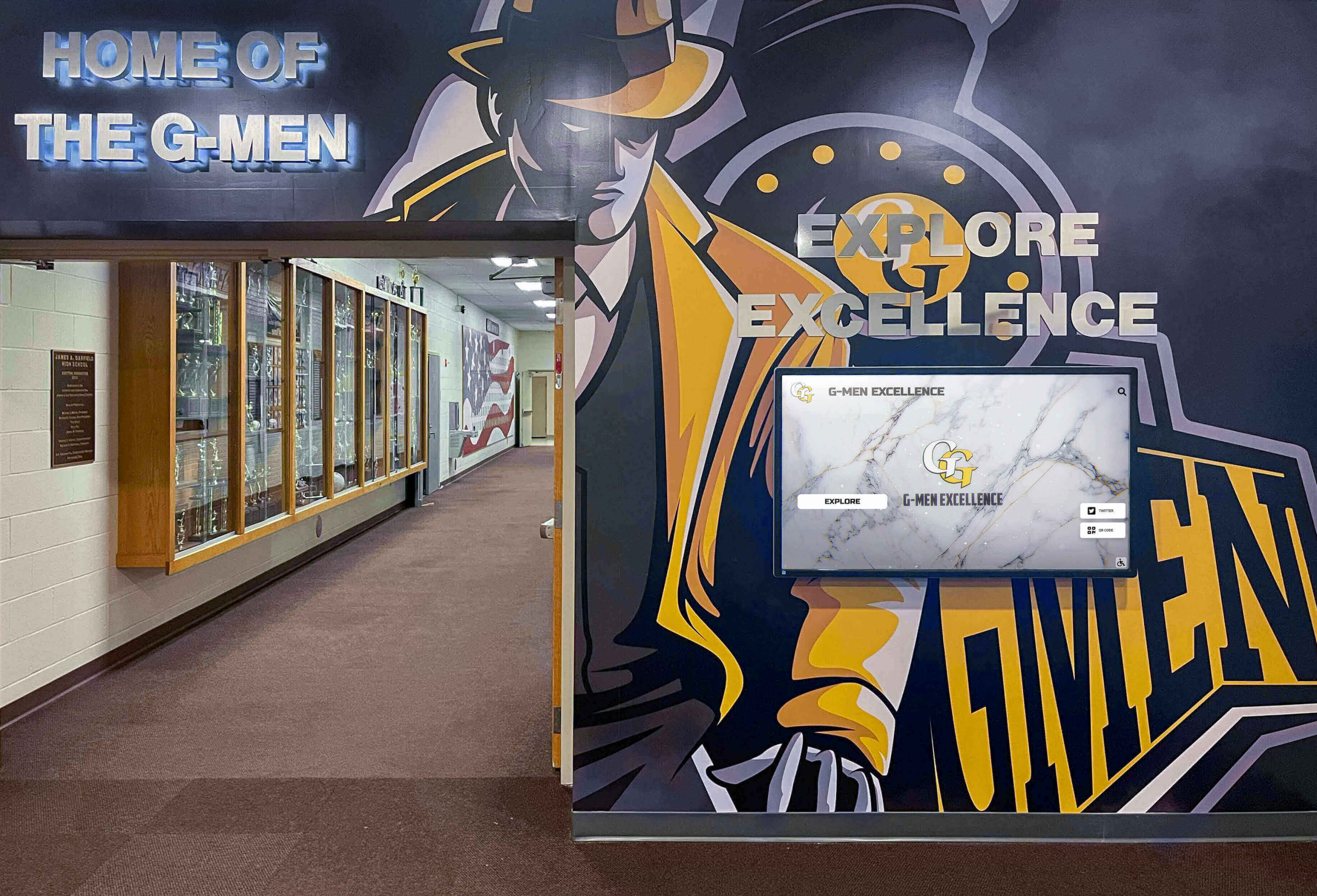
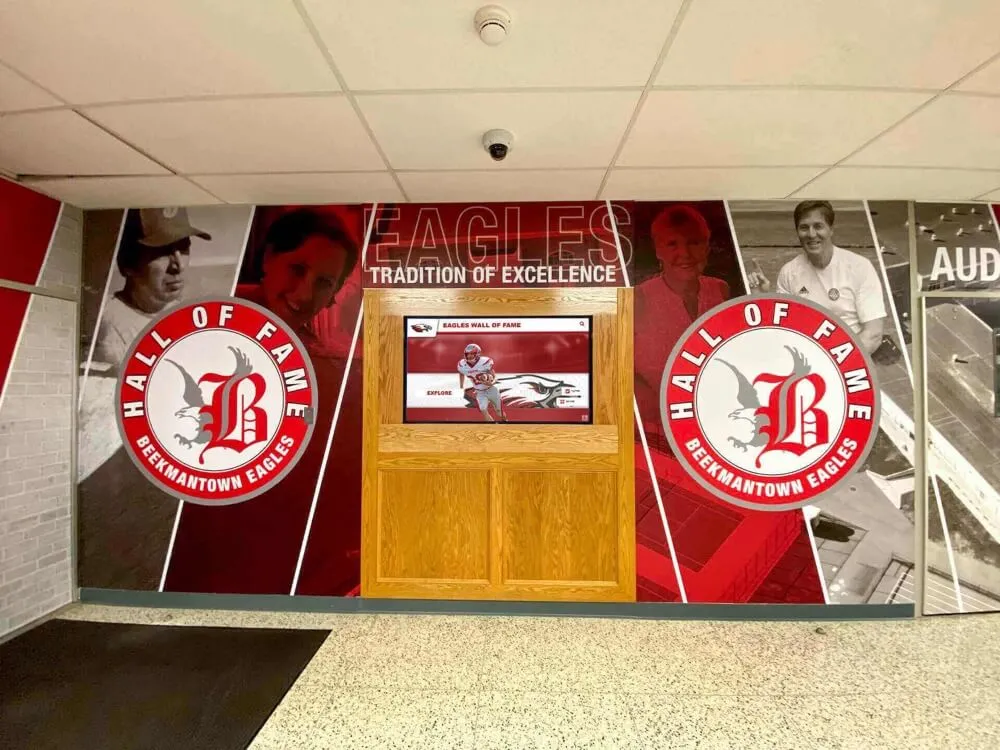
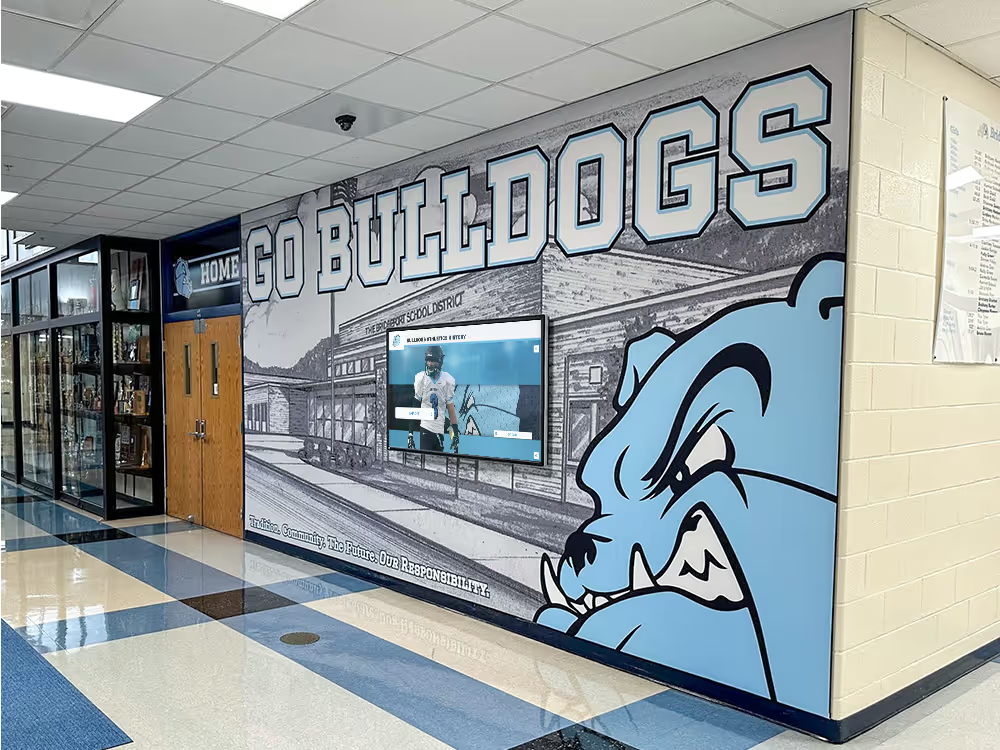
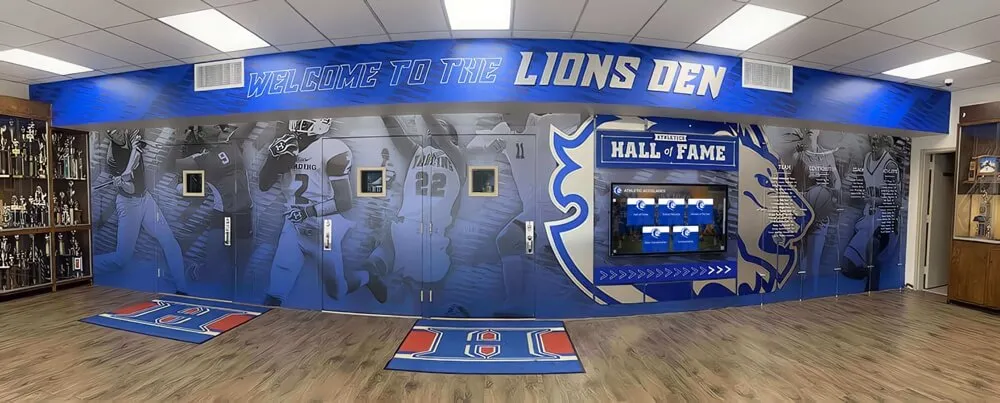
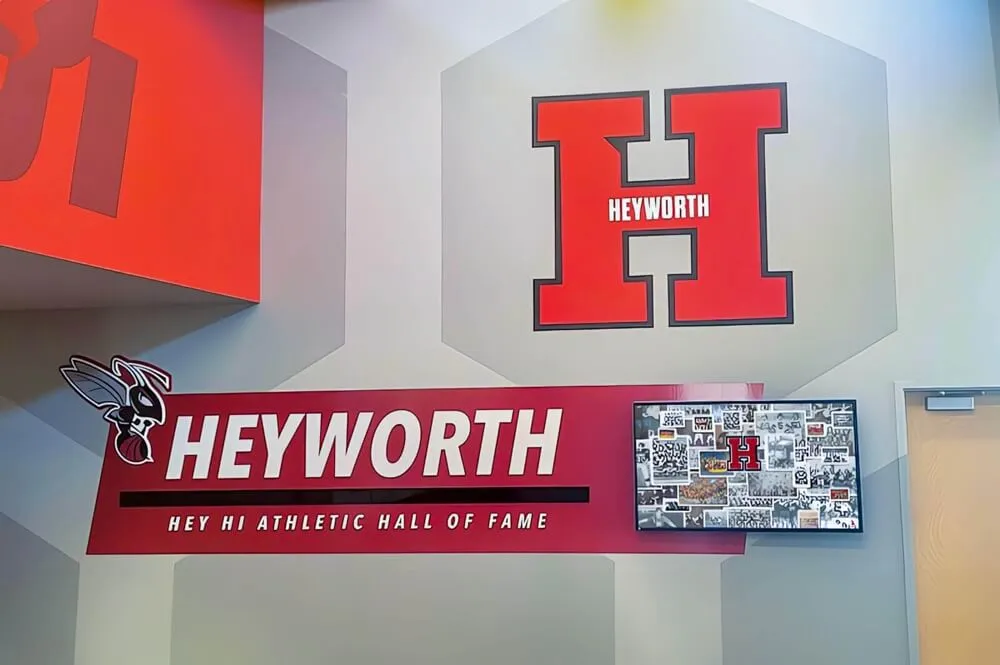
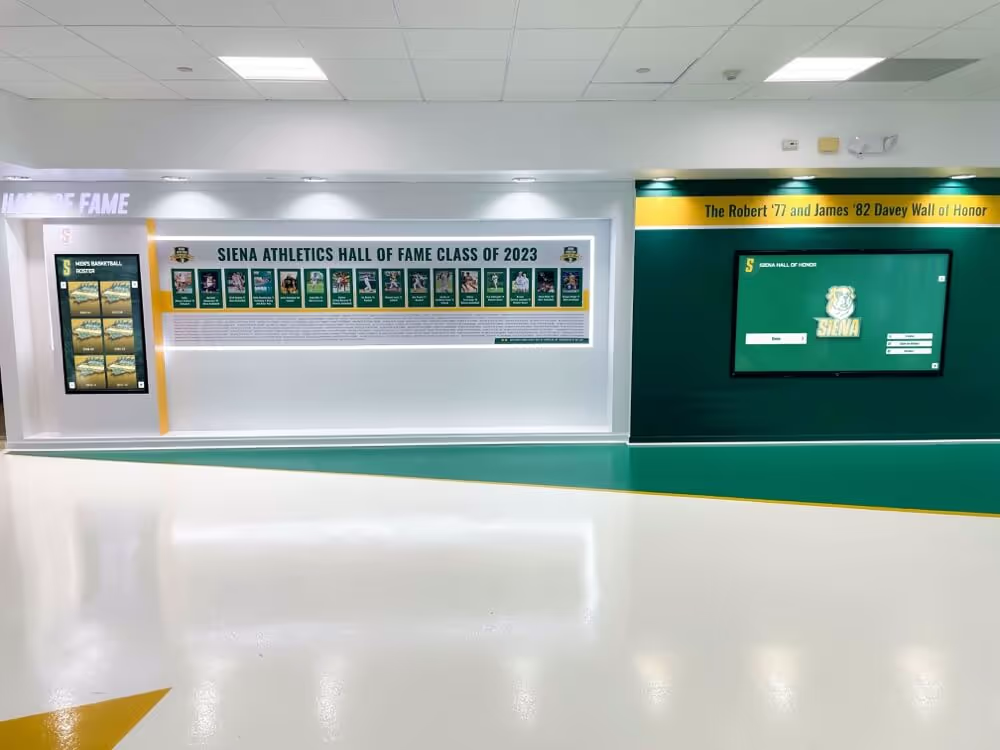
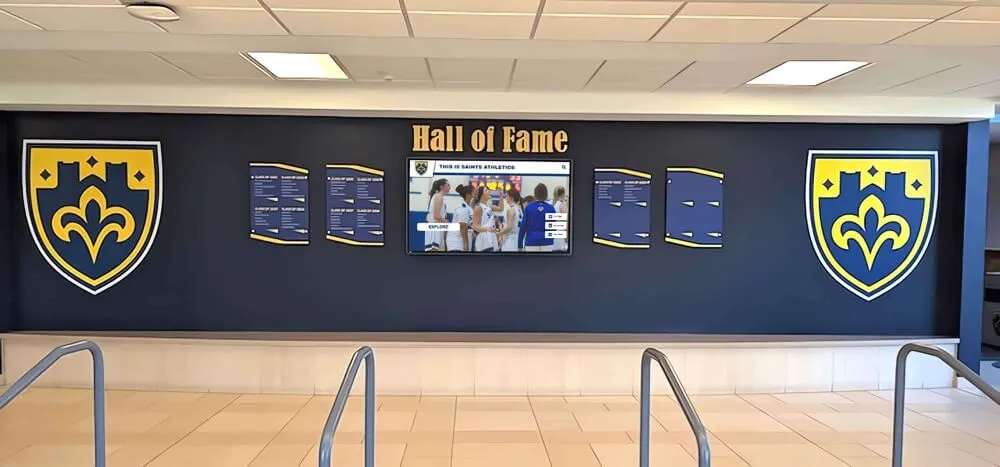
Comprehensive recognition environments integrate traditional trophy cases with digital displays and architectural elements for maximum impact
Strategic Benefits
Hybrid approaches deliver combined advantages:
- Honor tradition through continued physical trophy display while adding digital capacity
- Attract attention through physical displays then provide depth through digital exploration
- Enable comprehensive documentation while maintaining visible physical presence
- Support diverse learning preferences accommodating both physical artifact appreciation and digital interaction
- Maximize facility impact through coordinated design creating recognition destinations
- Provide flexibility adapting over time as technology capabilities expand
Discover effective approaches in athletic hall of fame creation strategies applicable to hybrid implementations.
Digital Display Boards and Video Walls
Large-format digital displays and video walls provide dynamic recognition opportunities complementing interactive touchscreens and web platforms through rotating content showcasing current achievements and historical highlights.
Display Types and Applications
Multiple digital display approaches serve specific recognition purposes:
Rotating Award Showcases
- High-traffic corridor displays featuring athlete of the week recognition
- Lobby video walls celebrating recent championships and achievements
- Gymnasium displays highlighting current season accomplishments
- Training facility screens showcasing record holders and statistical leaders
Championship Documentation
- Tournament bracket displays showing playoff progression
- Season highlight reels celebrating defining moments
- Team roster and statistics boards documenting championship seasons
- Interactive timeline displays exploring program history systematically
Recognition Announcement Systems
- Real-time achievement notifications celebrating awards as they occur
- Social media integration amplifying recognition through athlete networks
- Recruiting highlight reels showcasing program excellence
- Alumni feature rotations connecting current athletes to program traditions
These displays complement comprehensive interactive systems by providing visible recognition attracting attention while detailed touchscreen systems enable deep exploration for engaged visitors.
Content Development Best Practices
Hardware and software establish infrastructure, but compelling content determines whether digital recognition systems achieve intended engagement and cultural objectives requiring systematic development approaches.
Comprehensive Award Documentation
Essential Information Elements
Complete award profiles should include:
Athlete Information
- Full name with nickname or preferred name when applicable
- Graduation year and team/sport participation
- Complete statistics across all seasons and competitions
- Position-specific achievements and specializations
- Multi-sport participation recognizing diverse contributions
- Academic honors demonstrating well-rounded excellence
- Post-graduation outcomes showing continuing success
Award Details
- Specific award name and presenting organization
- Year earned with season and competition context
- Achievement criteria explaining award significance
- Selection process and competitive field information
- High-resolution trophy or award photography from multiple angles
- Ceremony documentation preserving celebration moments
Contextual Storytelling
- Season records and team performance during award year
- Defining moments and performances leading to recognition
- Coach testimonials providing perspective and context
- Teammate contributions acknowledging collaborative success
- Program history showing award significance within tradition
- Impact statements explaining achievement importance
This comprehensive documentation transforms simple award listings into rich recognition experiences that honor achievements appropriately while creating engaging content sustaining visitor attention.

Systematic content development preserves complete athletic legacies across all eras and achievement categories
Visual Content Quality Standards
Professional presentation requires consistent quality standards across all award documentation:
Photography Guidelines
- High resolution (minimum 1920x1080 for featured images; 4K preferred)
- Consistent lighting eliminating shadows and revealing details
- Multiple angles showing trophies, awards, and athletes comprehensively
- Action shots capturing athletic performance and defining moments
- Proper composition following rule of thirds and visual balance
- Color accuracy representing awards and athletes authentically
Video Production Standards
- HD quality (1080p minimum; 4K preferred for future-proofing)
- Professional editing with titles, scores, and context information
- Appropriate length (2-5 minutes for championship games; 30-60 seconds for highlights)
- Closed captioning for accessibility compliance
- Format optimization for web streaming across devices
- Rights clearance for music, broadcast footage, and photography
Written Content Excellence
- Factual accuracy verified through multiple sources and official records
- Engaging storytelling beyond statistics alone
- Appropriate length (200-400 words typical for athlete profiles)
- Consistent tone celebrating achievement while maintaining professionalism
- Proper spelling, grammar, and terminology accuracy
- Inclusive language reflecting institutional values
These quality standards ensure award content honors achievements appropriately while maintaining professional presentation reflecting positively on institutional commitment to recognition excellence.
Explore comprehensive approaches in student recognition award displays applicable to athletic contexts.
Ongoing Content Management
Digital recognition remains engaging only when content stays current and relevant through systematic update processes.
Regular Update Procedures
Establish workflows adding new awards promptly:
- Designate specific staff responsible for content management
- Create standard forms collecting necessary information after achievements
- Schedule content additions weekly during active seasons
- Review published content ensuring accuracy before announcements
- Communicate new recognition through institutional channels driving engagement
- Archive source materials supporting future updates or corrections
Seasonal Content Enhancement
Quarterly assessments maintain recognition quality:
- Verify recent awards received appropriate documentation
- Check historical content for errors requiring correction
- Update profiles with new accomplishments and information
- Refresh featured content highlighting different achievements
- Review analytics identifying popular content and navigation patterns
- Gather stakeholder feedback about recognition effectiveness
- Plan enhancements addressing identified opportunities
Cloud-based platforms enable remote updates from any internet-connected device—dramatically reducing administrative burden compared to physical displays requiring on-site access for every modification.
Strategic Implementation Planning
Successfully implementing digital athletic award recognition requires systematic planning addressing multiple interconnected considerations ensuring long-term success.
Needs Assessment and Goal Definition
Clarifying Recognition Objectives
Before selecting technology or vendors, programs should clearly define what they hope to accomplish:
Recognition Goals
- Which athletes and achievements currently lack adequate recognition?
- What award categories deserve greater visibility across all sports?
- How can recognition drive specific cultural or engagement objectives?
- What athletic stories need preservation before institutional memory fades?
- How might enhanced recognition support recruiting or development goals?
Engagement Objectives
- Which audiences show lowest engagement needing intervention?
- What role might visible recognition play in community connection and pride?
- How can recognition strengthen relationships with alumni and supporters?
- What engagement metrics will demonstrate implementation success?
Clear objective definition enables design decisions aligning digital recognition implementations with most important institutional priorities when budget constraints require tradeoffs.
Location and Placement Strategy
Digital display effectiveness depends heavily on strategic placement maximizing visibility and encouraging interaction from athletes, families, and community members.
High-Traffic Location Selection
Optimal placement locations include:
- Main athletic facility entrance lobbies ensuring all athletes encounter recognition daily
- Gymnasium or arena concourses where event attendees naturally gather
- Locker room corridors visible during facility tours showcasing excellence to recruits
- Weight room and training facilities where athletes spend significant time
- Athletic administrative corridors where visitors and donors gather
- Multiple distributed locations reaching diverse audiences in context-appropriate settings
Organizations report highest engagement when digital displays appear in spaces where people naturally gather and have time to explore rather than transitional corridors where they rush past without stopping.
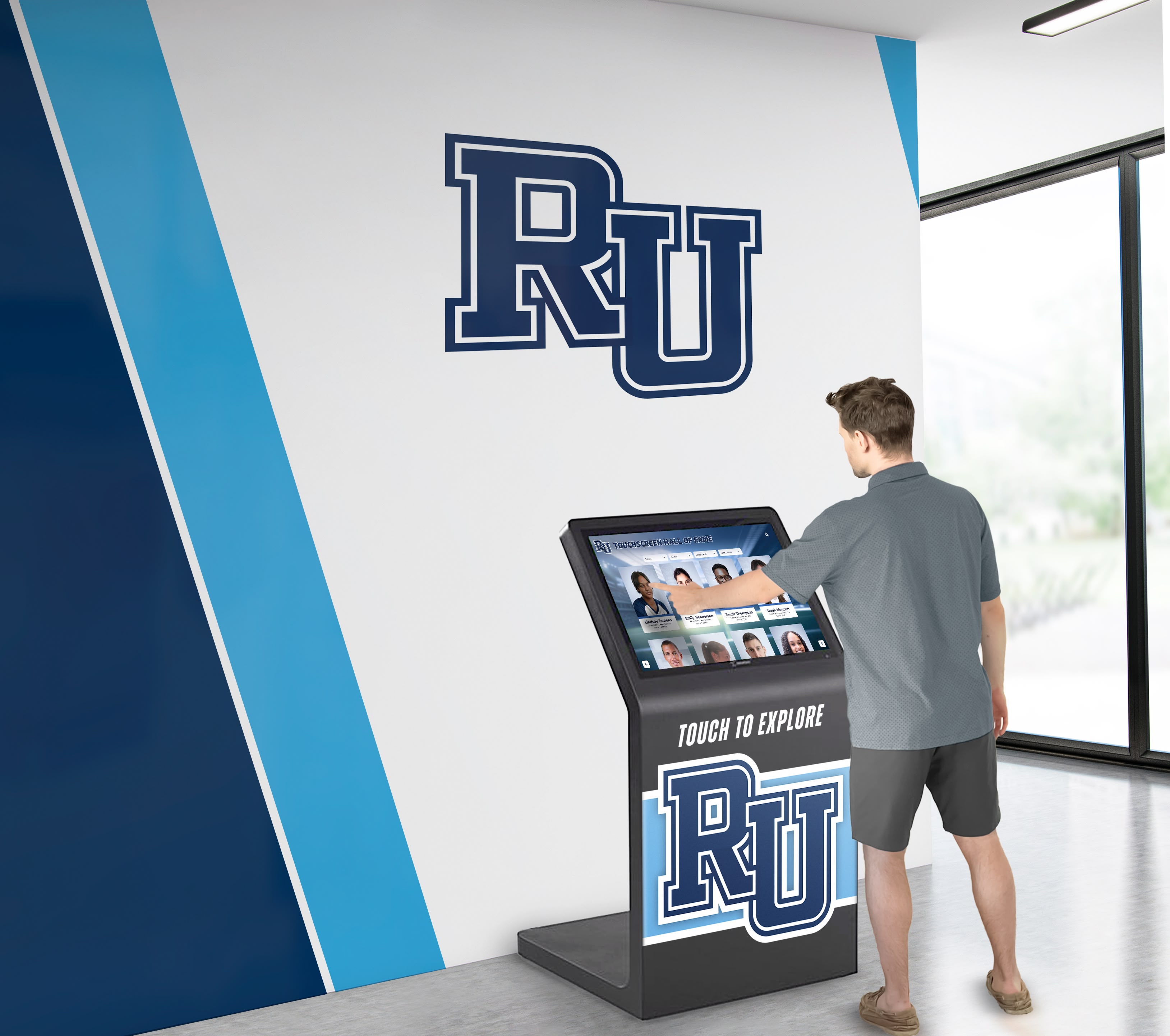
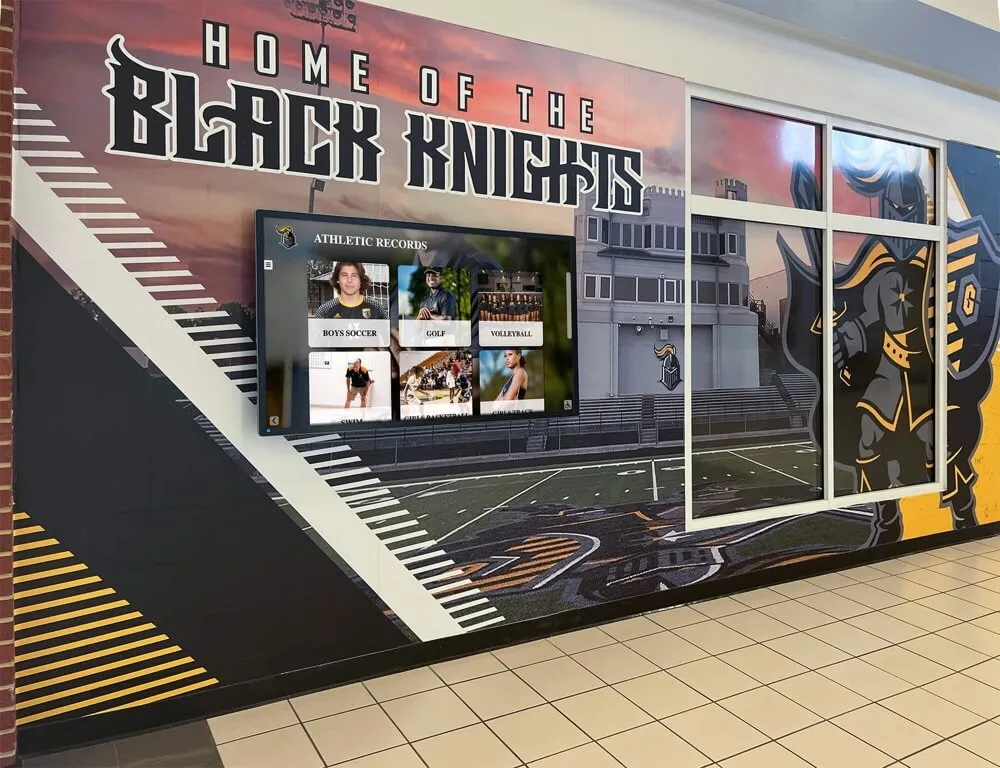
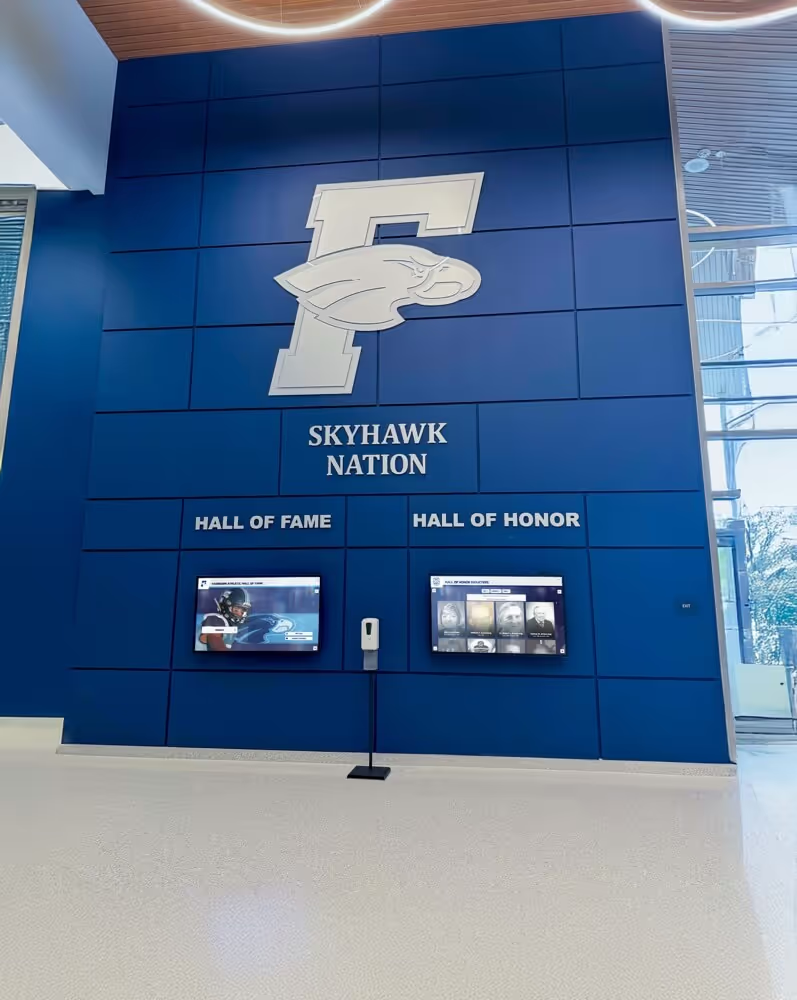
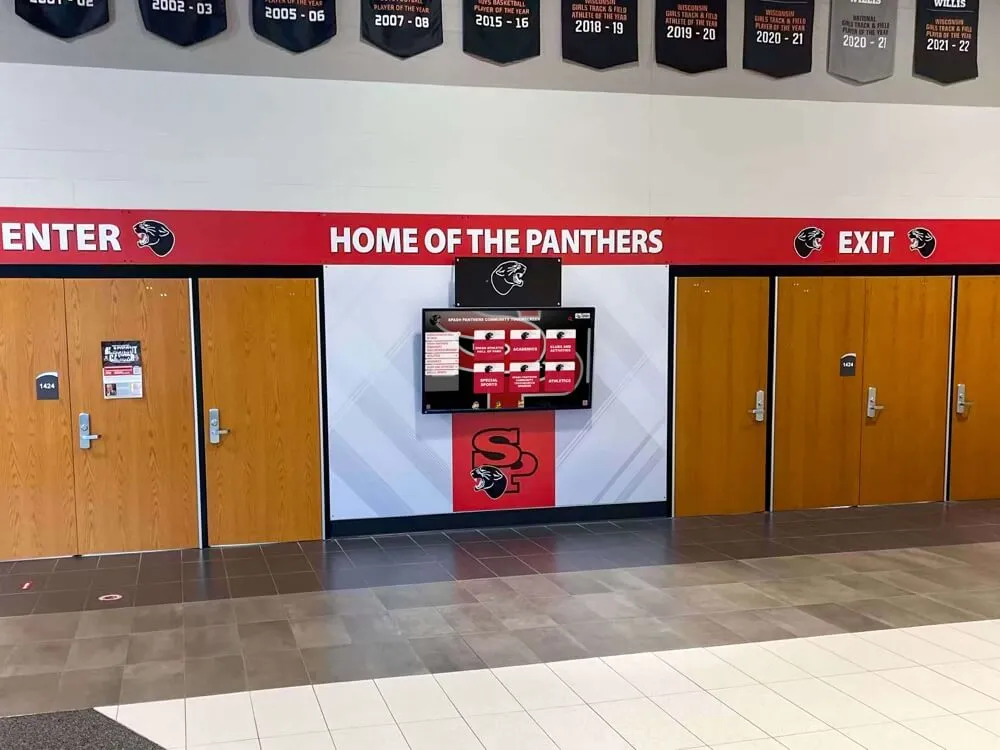
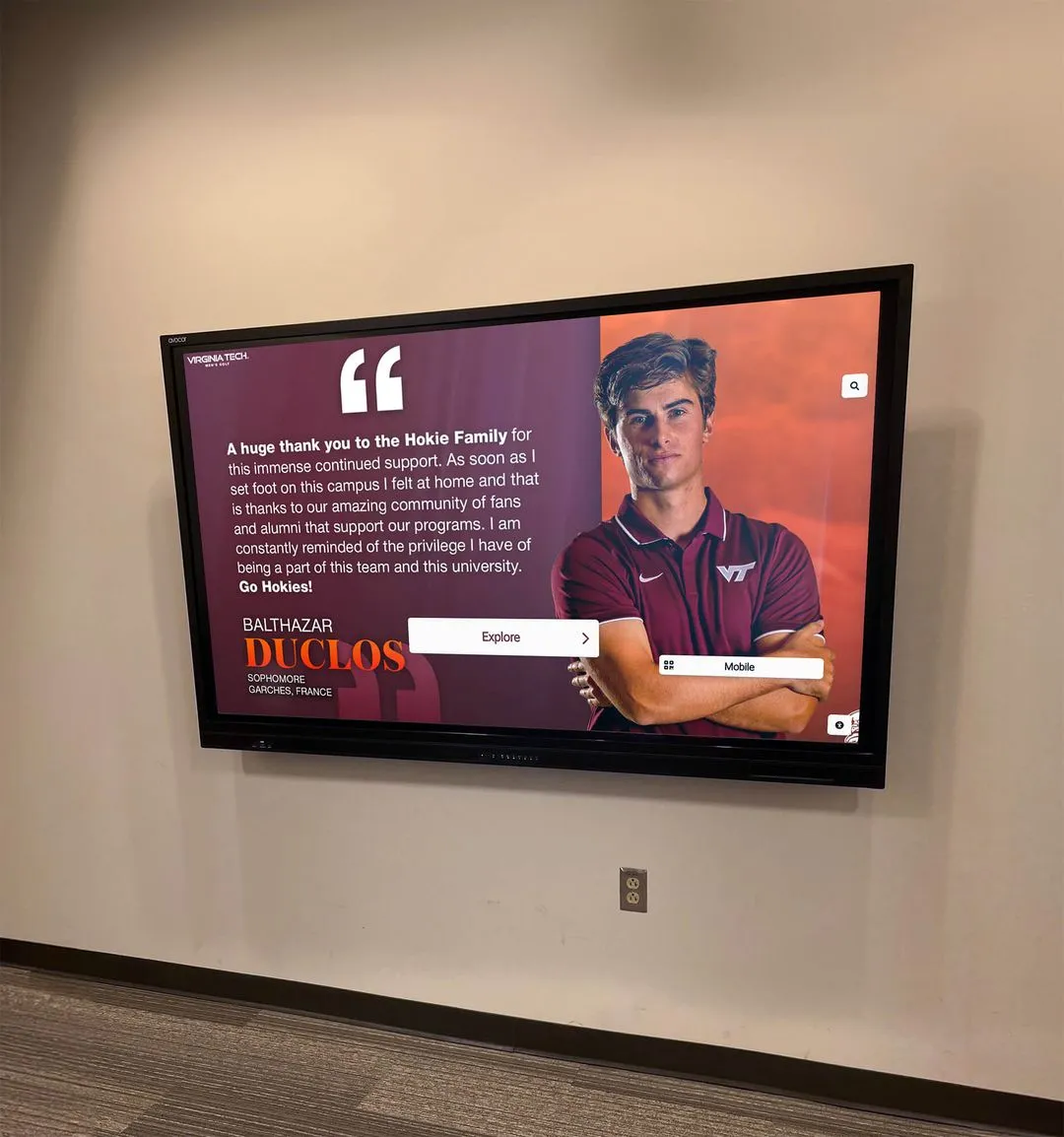
Strategic lobby placement ensures maximum recognition visibility and engagement from athletes, visitors, and community members
Creating Recognition Destinations
Most effective implementations transform display areas into recognition destinations through integrated design:
- Comfortable seating encouraging extended exploration
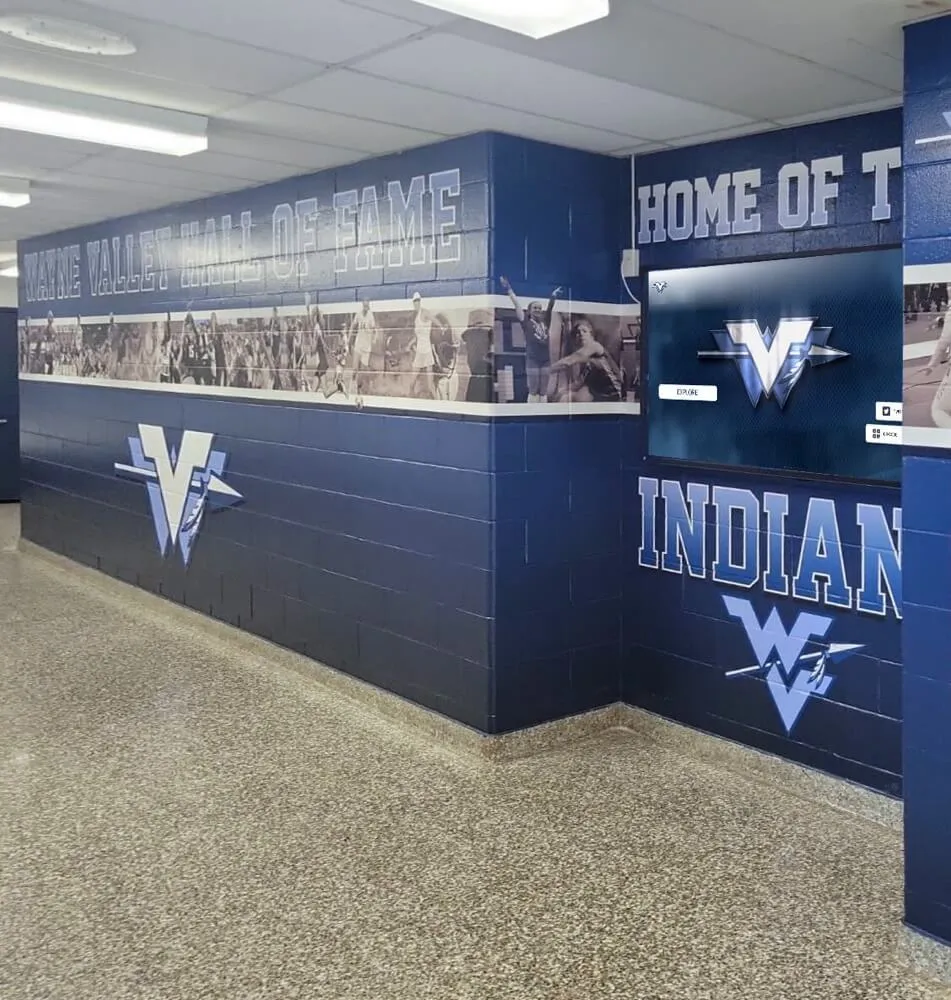
- Coordinated murals or graphics reinforcing institutional identity
- Traditional trophy cases integrated with digital displays
- Team colors and branding creating cohesive aesthetics
- Strategic lighting highlighting displays appropriately
- Clear wayfinding directing visitors to recognition spaces
These integrated approaches signal that recognition matters institutionally, encouraging engagement while creating visually impressive spaces that strengthen pride and competitive culture.
Technology Platform Selection
Organizations evaluating digital award recognition solutions face numerous options requiring careful assessment of capabilities, costs, and support models.
Essential Platform Capabilities
Purpose-built recognition platforms offer significant advantages:
- Cloud-based content management enabling remote updates without physical display access
- Intuitive interfaces requiring no technical expertise for ongoing additions
- Unlimited content storage supporting extensive multimedia archives
- Recognition-specific templates reducing setup complexity
- Robust search and filtering enabling content discovery in large databases
- Mobile-responsive design ensuring web access across all devices
- Privacy controls appropriate for student athlete information
- Social sharing integration facilitating organic promotion
- Analytics revealing engagement patterns informing content strategy
- Integration capabilities with athletic databases when comprehensive connection is desired
Solutions designed specifically for athletic recognition deliver critical advantages over generic digital signage systems including pre-built templates, athletic privacy compliance, specialized support understanding unique program needs, proven track records across comparable institutions, and favorable pricing reflecting budget realities.
Learn about specialized platforms in athletic recognition system guides designed for educational environments.
Budget and Funding Considerations
Digital athletic award recognition investments deliver significant value but require careful financial planning and creative funding strategies fitting athletic budget realities.
Total Cost of Ownership
Investment Components
Initial Implementation Costs
- Hardware (commercial displays and mounting): $4,000-$10,000 per display
- Professional installation: $800-$2,500 per display
- Recognition platform software (initial setup): $2,000-$5,000
- Initial content development (staff time or services): $3,000-$8,000
- Custom design and integration (if desired): $2,000-$5,000
Typical single-display implementation: $12,000-$28,000 Typical multi-display implementation (3-5 displays): $35,000-$80,000
Ongoing Annual Costs
- Platform subscription and hosting: $1,680-$3,600 per year
- Content management (staff time): 20-40 hours per year
- Technical support and maintenance: $500-$1,500 per year
- Content enhancements and updates: $1,000-$3,000 per year
Typical annual operating costs: $3,200-$8,100 per year
These investments deliver value across multiple objectives simultaneously—athlete recognition, community engagement, alumni connection, recruiting effectiveness, and cultural development—making per-objective costs quite reasonable when benefits are comprehensively assessed.
Creative Funding Strategies
Diverse Funding Source Approaches
Athletic programs successfully fund digital recognition through varied sources:
Booster Club and Supporter Campaigns
- Capital campaigns dedicated specifically to recognition enhancement
- Alumni athlete fundraising from former program participants
- Reunion class gifts from milestone anniversary cohorts
- Memorial recognition honoring deceased coaches or athletes
- Corporate sponsorships from local businesses benefiting from partnerships
Named Giving Opportunities
- Individual display naming recognizing major donors prominently
- Award collection sponsorships by sport or era
- Technology infrastructure naming for comprehensive system donors
- Content development sponsorships funding historical documentation
- Annual maintenance sponsorships providing ongoing operational support
Explore funding approaches in booster club donor recognition strategies applicable to digital recognition contexts.
Budget Integration Strategies
- Athletic facility renovation projects incorporating recognition infrastructure
- Technology budget allocations treating displays as educational investments
- Marketing and recruitment budget portions funding visibility tools
- Multi-year capital equipment depreciation spreading costs across budget cycles
The tangible, visible nature of digital recognition systems makes them attractive to donors seeking concrete impact from contributions—many programs report fundraising exceeding initial targets when stakeholders understand project scope comprehensively.
Measuring Recognition Success and Impact
Assessment demonstrates award recognition value while identifying improvement opportunities ensuring displays achieve intended institutional objectives.
Quantitative Engagement Metrics
Digital Platform Analytics
Modern recognition systems provide concrete engagement data:
- Display interaction frequency showing daily usage patterns
- Average session duration revealing engagement depth
- Most-viewed awards and athletes identifying audience interests
- Search patterns showing how users navigate collections
- Peak usage times informing content scheduling
- Geographic access patterns revealing remote engagement
- Social sharing frequency demonstrating organic promotion
- Web platform traffic sources understanding discovery paths
These metrics reveal whether digital recognition generates intended engagement or requires strategy adjustments improving effectiveness.
Qualitative Impact Assessment
Stakeholder Feedback Collection
Regular feedback provides insights beyond quantitative metrics:
- Athlete surveys assessing whether recognition appropriately honors achievements
- Coach input evaluating whether displays support recruiting and culture
- Alumni reactions particularly from eras now receiving improved visibility
- Family perspectives on recognition adequacy and accessibility
- Community feedback about program awareness and support
- Prospective recruit responses during facility tours
This qualitative feedback reveals whether digital recognition achieves intended cultural goals beyond engagement metrics alone.
Observable Cultural Indicators
Long-term changes provide evidence of recognition cultural impact:
- Increased athlete and community awareness of program history
- Enhanced institutional pride and positive competitive identity
- Strengthened alumni connections to current programs
- Improved external perception and reputation
- Greater organizational commitment to recognition across all sports
- Elevated expectations for achievement visibility and celebration
- More inclusive recognition culture celebrating diverse excellence
Regular observation enables continuous refinement ensuring digital recognition achieves intended goals while identifying opportunities for enhancement.
Conclusion: Transforming Athletic Award Recognition
Digital recognition technology represents far more than simply replacing trophy cases—it’s a comprehensive approach fundamentally transforming how programs honor athletic achievement, engage communities, preserve competitive history, and build lasting culture that inspires excellence across all sports and activities.
When organizations implement digital award recognition thoughtfully—with clear capacity and engagement objectives, strategic placement maximizing visibility, quality content honoring achievements appropriately, and sustained management ensuring relevance—they create systems celebrating every deserving athlete across all sports, eras, and achievement categories without the space constraints that traditional approaches impose.
The best ways to showcase athletic achievement awards digitally in 2025 combine unlimited capacity through interactive touchscreen systems, broad accessibility through web-based platforms, engaging experiences through multimedia storytelling, and comprehensive coverage through hybrid approaches integrating physical and digital elements. These strategies overcome traditional limitations while creating recognition experiences impossible with trophy cases alone.
Your athletes’ achievements deserve recognition systems matching their dedication, sacrifice, and competitive excellence. Championship trophies earned through countless practice hours should never disappear into storage closets. Individual awards celebrating all-conference honors, statistical milestones, and personal excellence deserve visibility inspiring current athletes while honoring past accomplishment appropriately.
Transform Your Athletic Award Recognition Program
Discover how modern digital recognition platforms can help you showcase unlimited athletic achievements, honor every deserving athlete across all sports and eras, and eliminate frustrating capacity constraints forcing awards into storage where no one sees them.
Explore Recognition SolutionsWith thoughtful planning, appropriate technology investments, and systematic award documentation, you can create digital recognition systems becoming treasured traditions preserving athletic legacy while inspiring next generations toward championship excellence. Start wherever current situations demand—whether enhancing existing trophy cases with digital components or implementing comprehensive touchscreen systems—then systematically expand to create displays your athletic community deserves.
Ready to solve your award capacity challenges while creating superior recognition experiences? Rocket Alumni Solutions provides comprehensive digital recognition platforms eliminating space constraints while transforming award recognition from limiting frustration to unlimited celebration opportunity—showcasing every achievement your programs have earned across all sports, decades, and athletes deserving permanent honor.