



Basketball tryouts present one of the most challenging responsibilities coaches face each season—identifying players who will contribute to team success while making difficult roster decisions affecting dozens of aspiring athletes. The pressure intensifies when you have limited practice time, unfamiliar players, and perhaps only two or three sessions to evaluate fundamental skills, athleticism, basketball IQ, competitive drive, and coachability before finalizing your roster.
The difference between effective and ineffective tryouts often comes down to drill selection. Generic shooting lines and half-court scrimmages provide limited insight into how players will perform in actual game situations, respond to coaching, handle pressure, or contribute to team chemistry. Meanwhile, strategically designed basketball tryout drills reveal multiple evaluation dimensions simultaneously—showcasing technical skills while exposing work ethic, communication abilities, and mental toughness that determine long-term player development potential.
Successful coaches approach tryouts with systematic evaluation frameworks combining skill-specific drills, competitive scenarios, conditioning assessments, and situational exercises that simulate real game demands. These comprehensive tryout structures enable confident roster decisions based on objective performance data rather than subjective impressions or reputations established in previous seasons.
This comprehensive guide explores essential basketball tryout drills every coach should incorporate when evaluating players—covering ball-handling assessments, shooting evaluations, defensive fundamentals, competitive scenarios, conditioning tests, and basketball IQ exercises. You’ll also discover systematic evaluation strategies, time management approaches for efficient tryouts, and digital recognition solutions that celebrate athletes who earn roster spots while preserving their achievements throughout their careers.

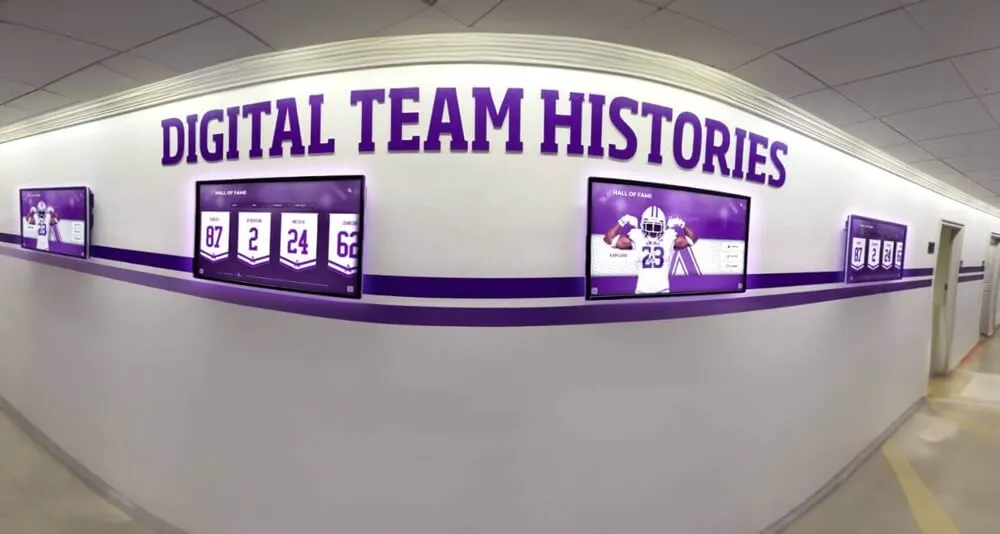
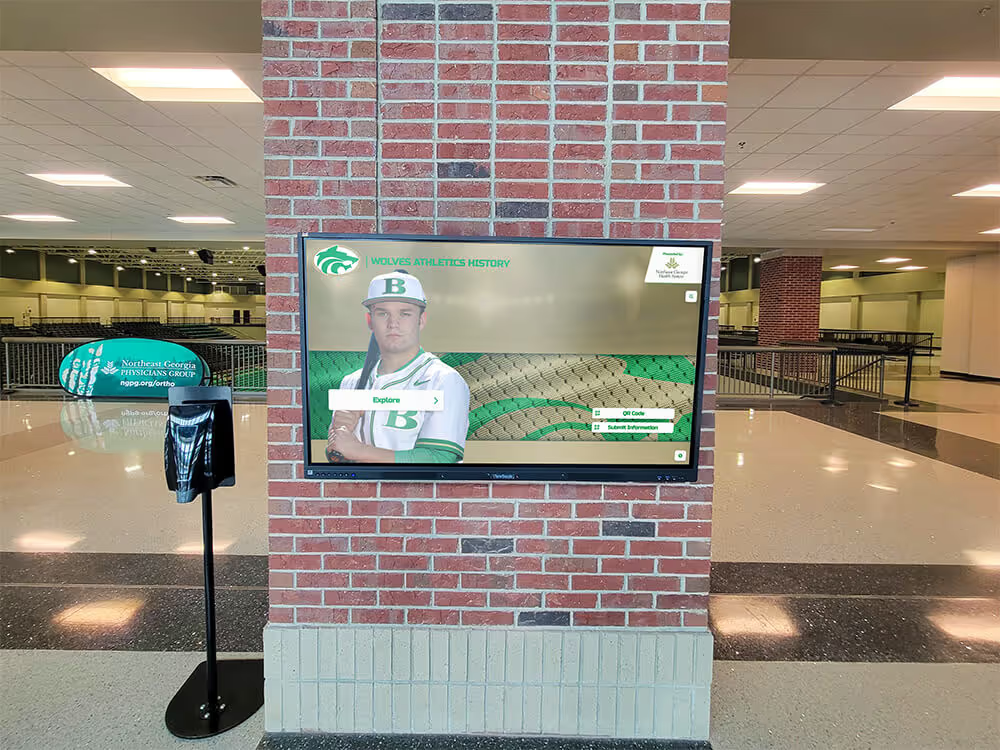
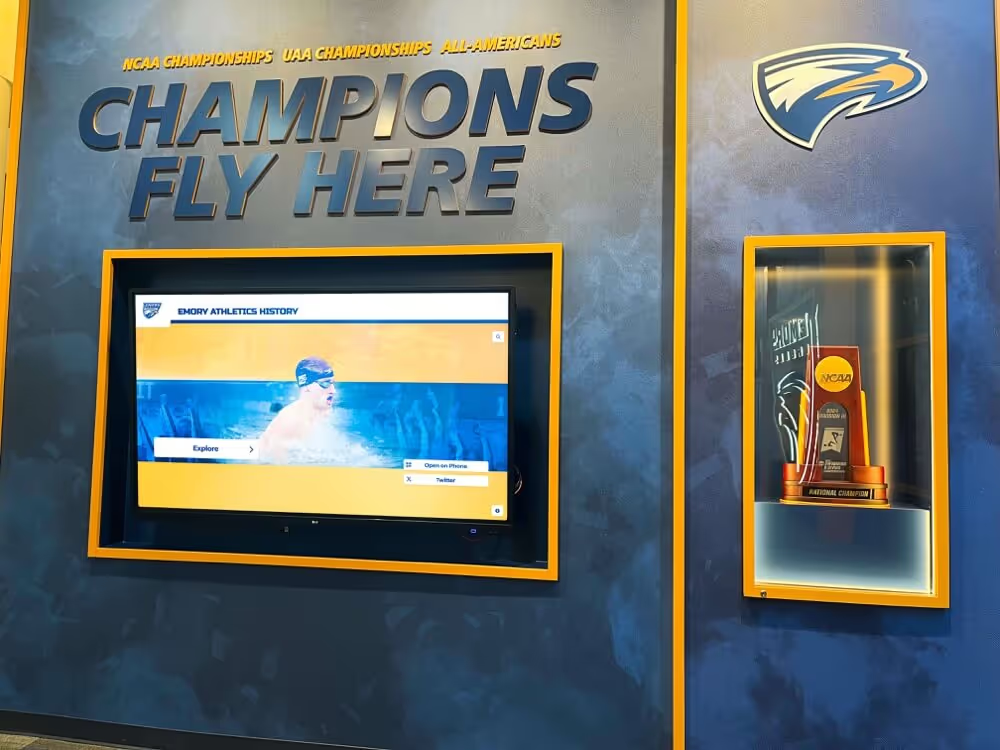
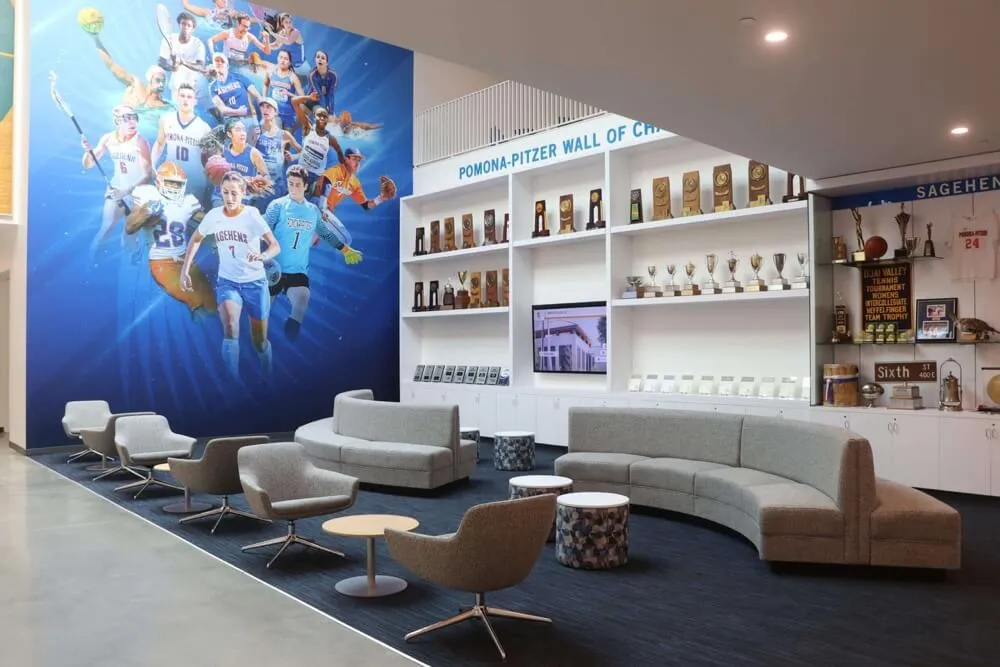
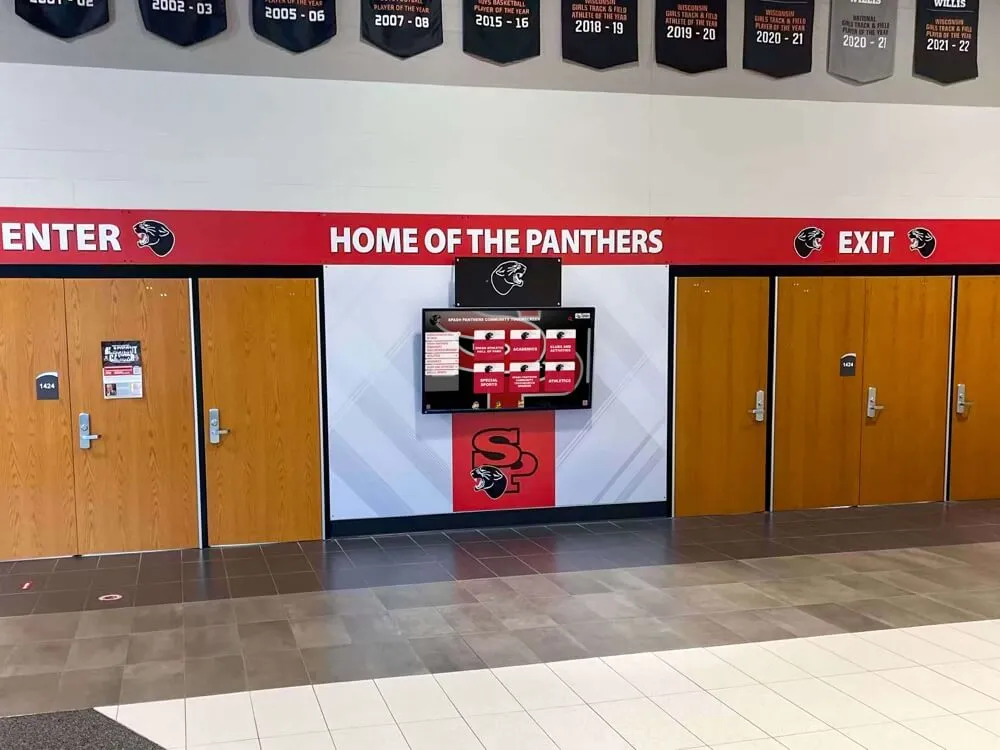
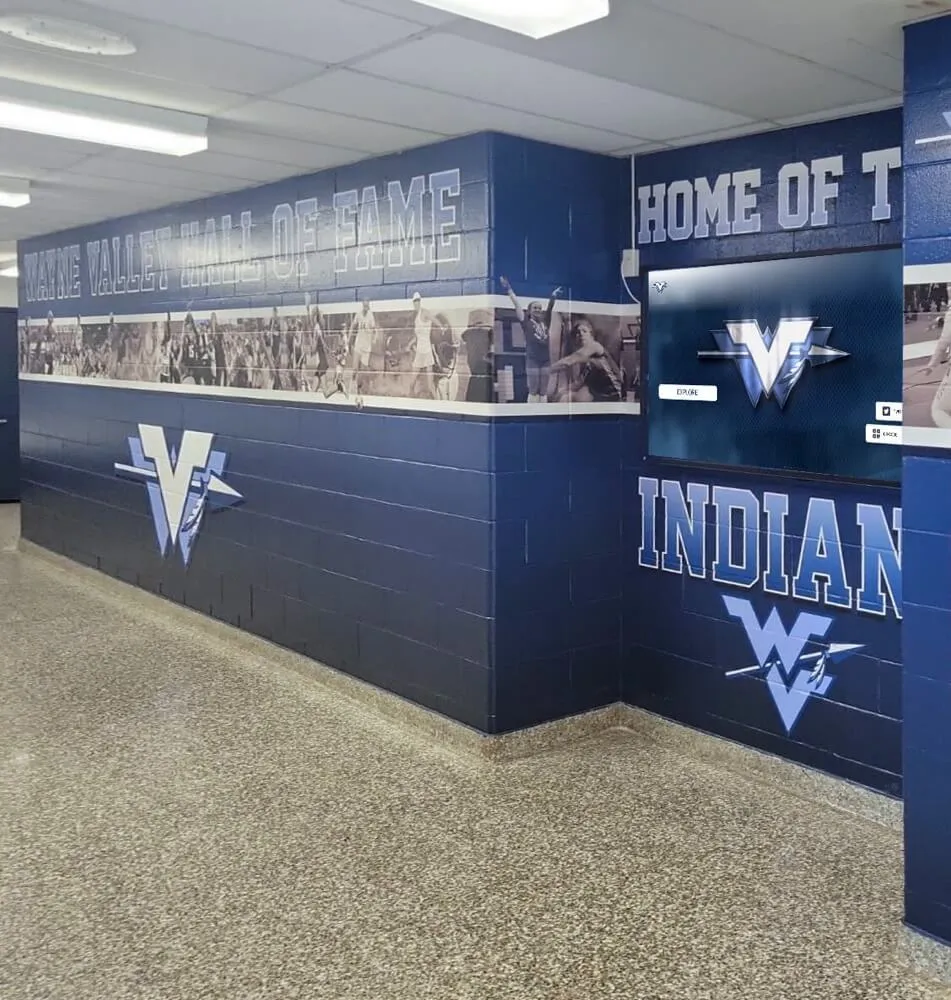
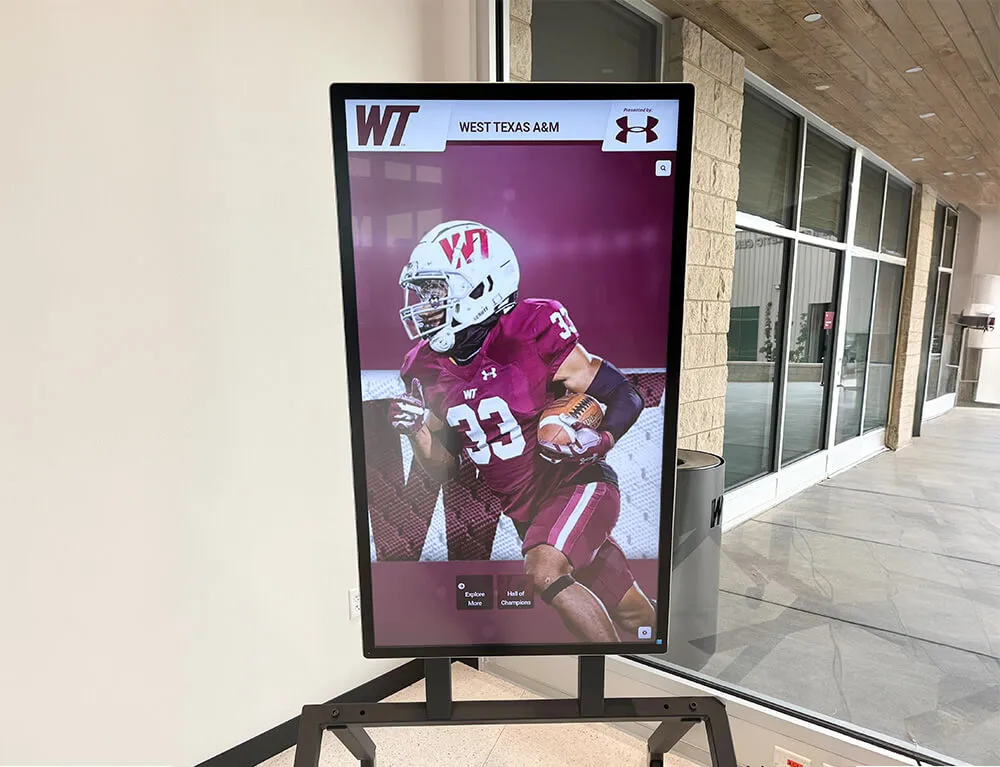
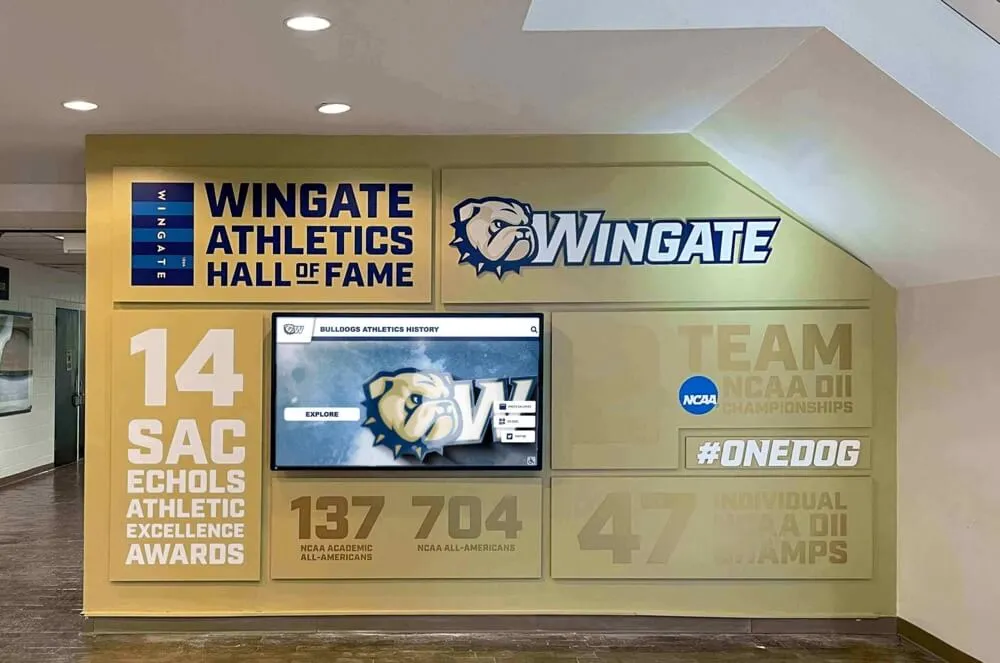
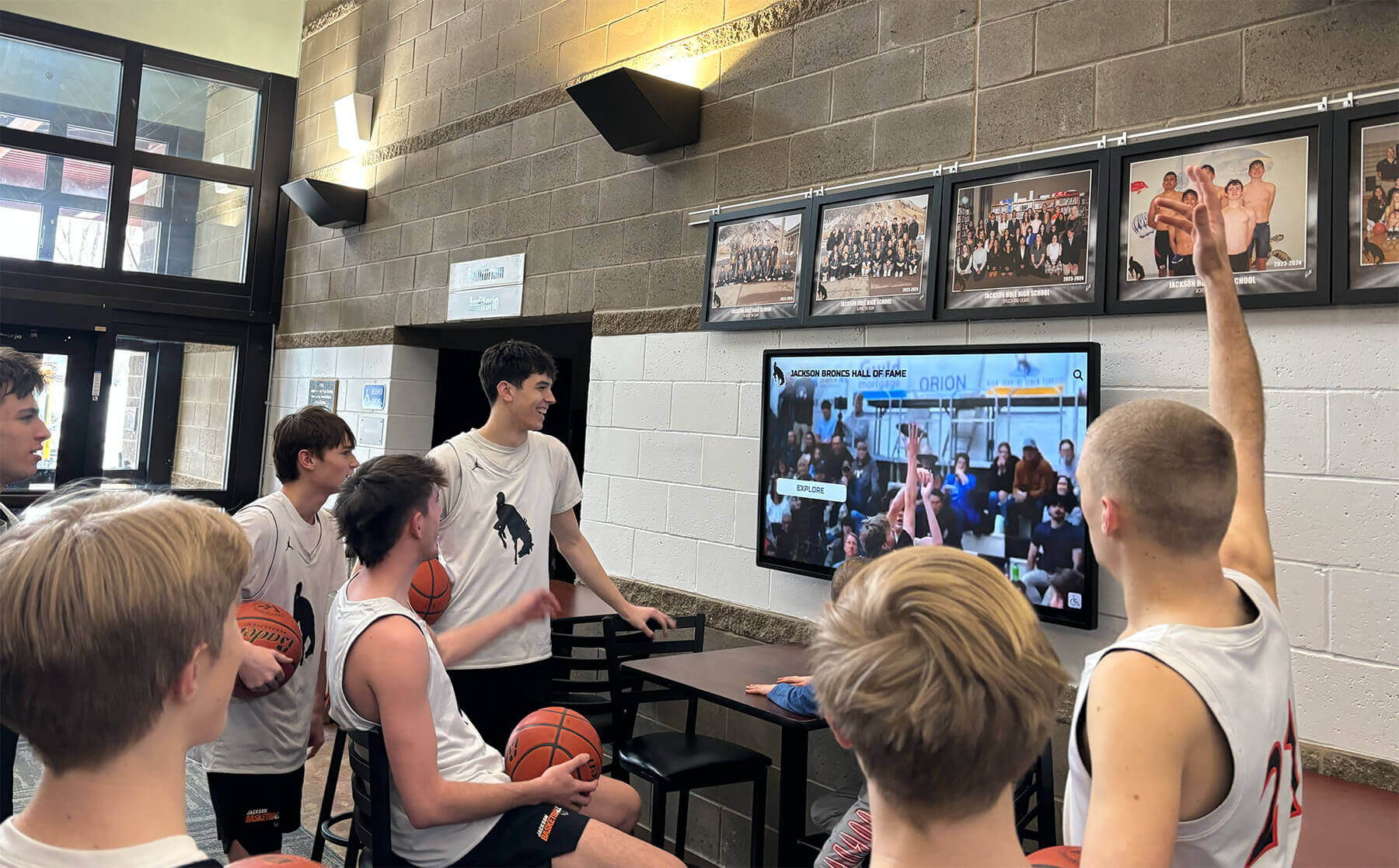
Digital displays showcase basketball program achievements while helping document player development from tryouts through complete careers
Understanding Effective Basketball Tryout Philosophy
Before exploring specific drills, understanding what makes tryouts truly effective helps coaches design evaluation systems achieving intended roster selection objectives while treating all participants fairly and professionally.
What Coaches Need to Evaluate During Tryouts
Comprehensive player assessment extends well beyond whether someone can make shots or dribble between cones during drills.
Current Skill Levels Across Basketball Fundamentals
The foundation remains assessing technical competency:
- Ball-handling security and creativity in various situations
- Shooting mechanics, range, and consistency under pressure
- Passing accuracy, vision, and decision-making
- Defensive positioning, footwork, and intensity
- Rebounding technique, timing, and aggressiveness
- Finishing ability around the basket with contact
- Free throw shooting demonstrating practice habits
These skill evaluations establish baseline capabilities determining immediate contribution potential versus players requiring significant development before earning playing time.
Athletic Capabilities and Physical Tools
Raw athleticism often predicts developmental ceiling:
- Speed in transition and change-of-direction quickness
- Vertical jump affecting rebounding and finishing
- Lateral quickness determining defensive potential
- Strength and physicality handling contact
- Endurance sustaining performance through games
- Hand-eye coordination across various skills
- Body control and balance in contested situations
While skills can be taught, certain athletic limitations constrain player roles regardless of basketball knowledge or competitive desire—making physical assessment critical during tryout evaluations.
Basketball IQ and Decision-Making
Understanding the game separates good athletes from complete basketball players:
- Reading defensive positioning and making appropriate choices
- Recognizing when to shoot, pass, or drive
- Understanding spacing and floor balance principles
- Anticipating passes and defensive rotations
- Executing plays and remembering assignments
- Adjusting to opponent strategies during competition
- Communicating effectively with teammates
Players demonstrating strong basketball IQ typically develop faster than athletically superior teammates who struggle understanding situational concepts, making mental evaluation equally important as physical assessment.
Competitive Drive and Mental Toughness
Championship teams require players who embrace competition and persevere through adversity:
- Response to mistakes and ability to maintain confidence
- Willingness to compete for loose balls and contested rebounds
- Performance consistency when tired or frustrated
- Engagement level throughout entire tryout sessions
- Response to challenging coaching feedback
- Competitiveness in drill competitions and scrimmages
- Body language reflecting attitude and resilience
These intangible qualities often determine which skilled players actually contribute during pressure situations versus those who disappear when games matter most.
Coachability and Character
Long-term program success depends on players coaches can develop effectively:
- Attention and focus during instruction periods
- Implementation speed when learning new concepts
- Response to constructive criticism and feedback
- Interaction with other players during tryouts
- Respect for coaches, officials, and opponents
- Practice habits and preparation approach
- Leadership potential or supportive teammate qualities
The most talented player who resists coaching or creates culture problems often contributes less than moderately skilled athletes who embrace instruction and strengthen team chemistry through positive attitudes.

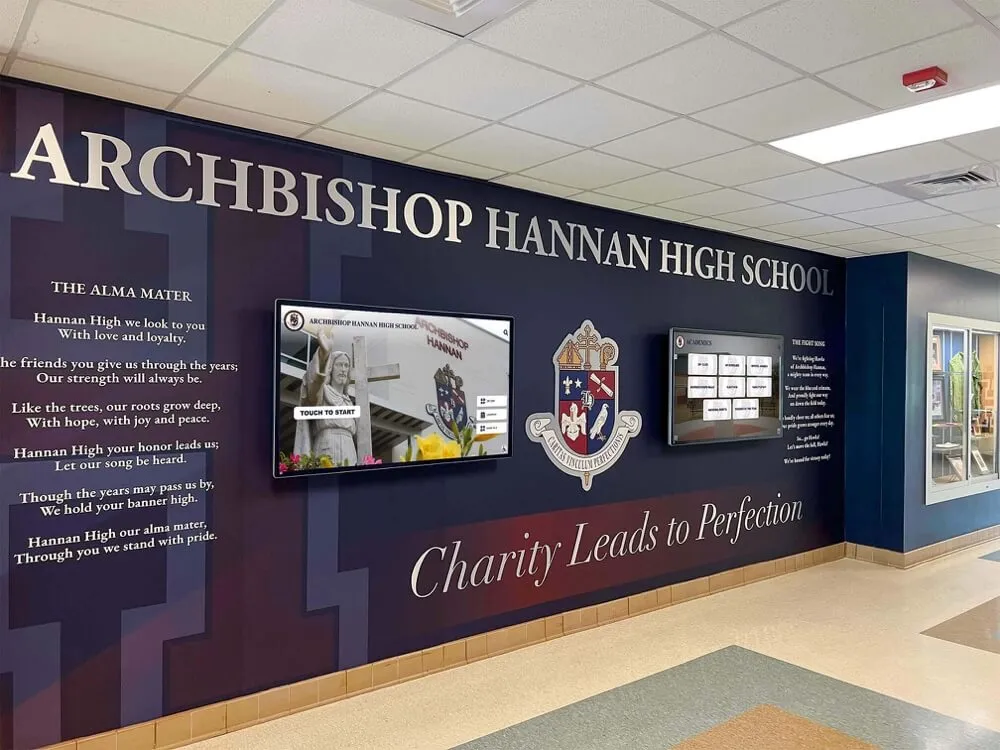
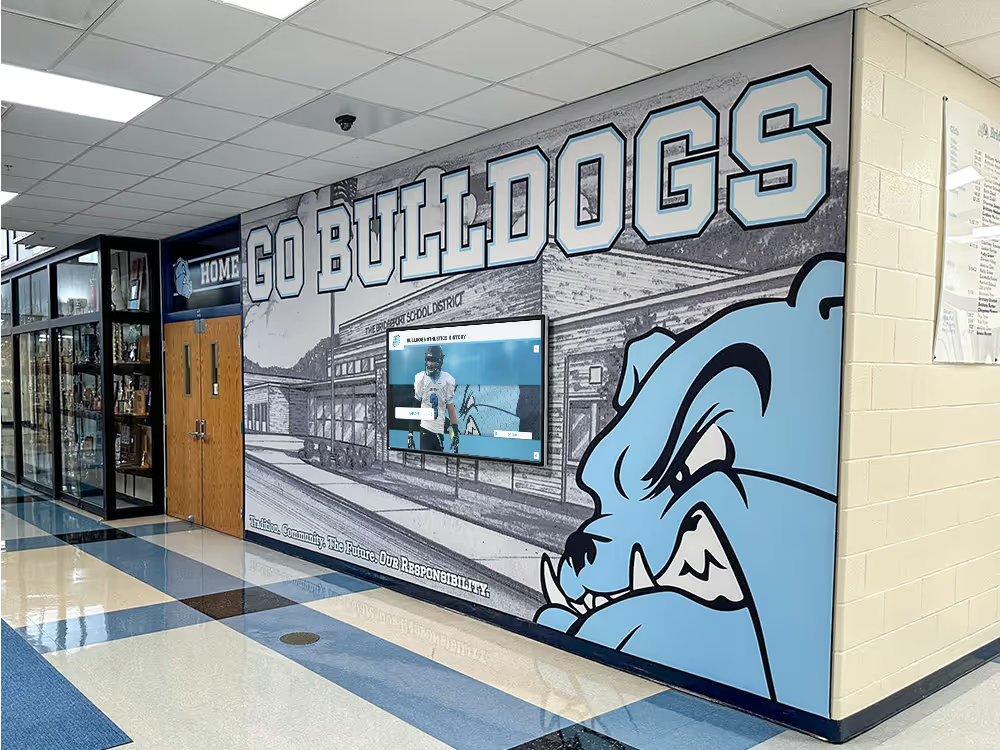
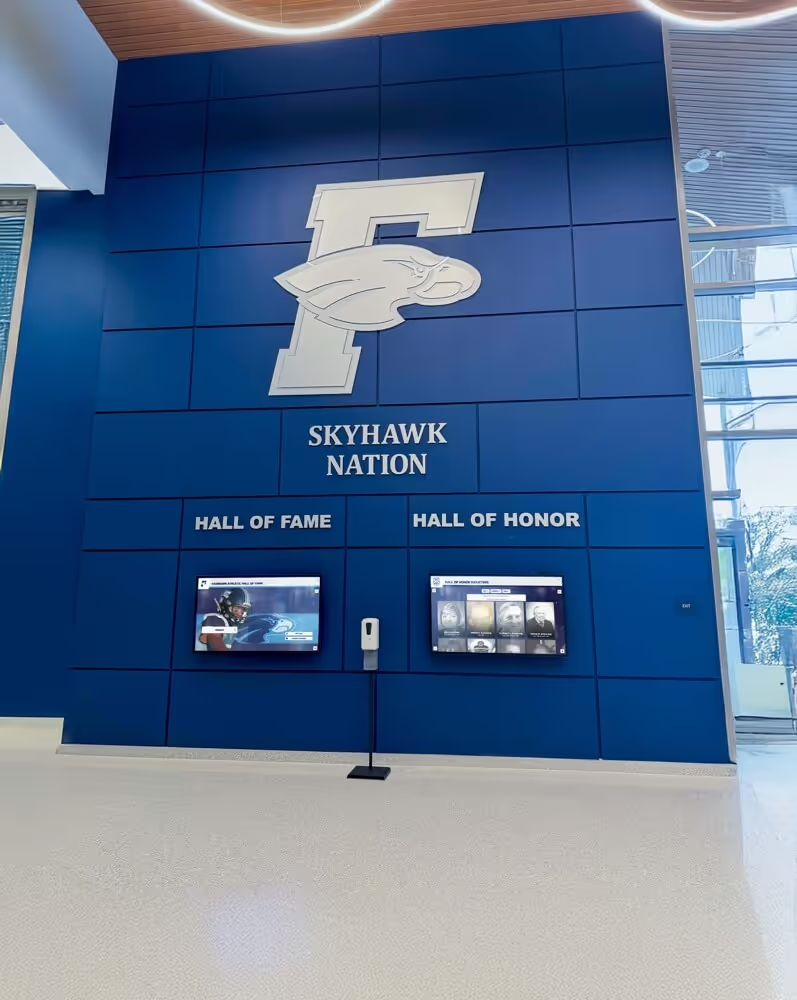
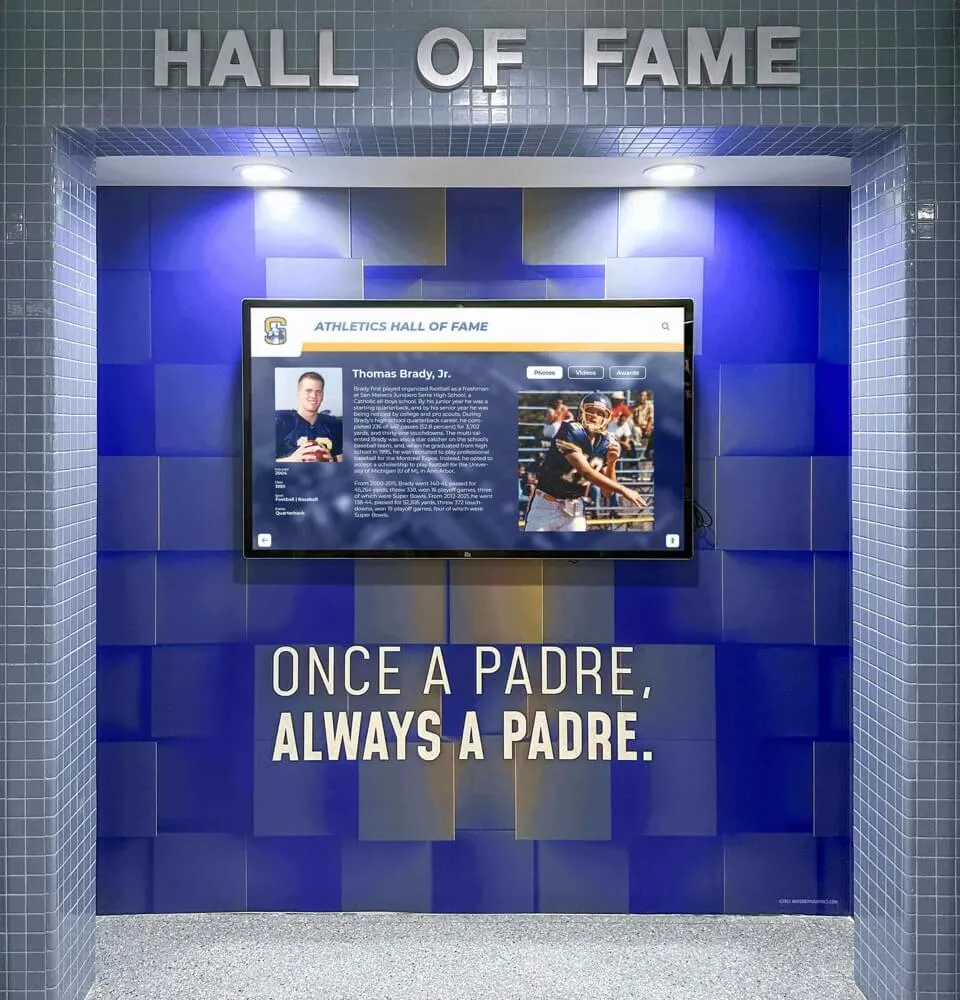
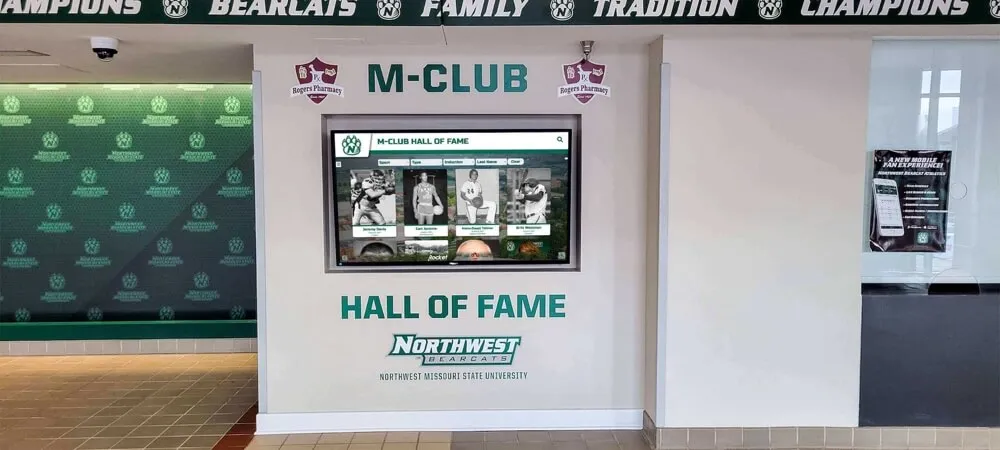
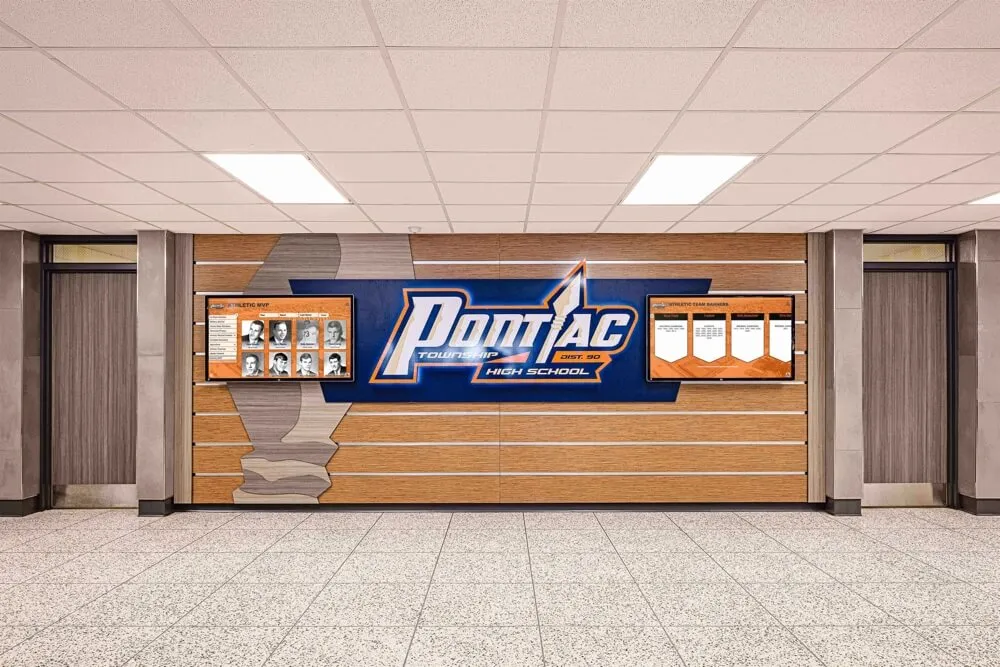
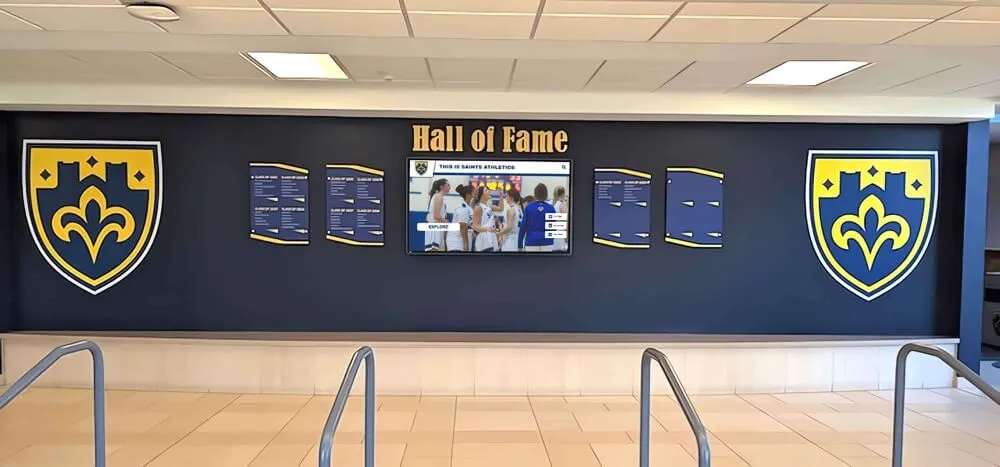
Recognition displays celebrate players who earn roster spots and contribute throughout their careers, documenting their journey from tryouts through final seasons
Designing Tryout Structures That Reveal Multiple Dimensions
Strategic drill selection enables efficient evaluation across multiple assessment categories simultaneously.
Multi-Purpose Drill Design
The best basketball tryout drills evaluate several skills concurrently:
- Transition drills assessing speed, ball-handling, finishing, and decision-making together
- Defensive closeout exercises revealing lateral quickness, discipline, and competitiveness
- Small-sided games exposing skills, IQ, athleticism, and character simultaneously
- Pressure shooting evaluating mechanics, consistency, and mental toughness
- Rebounding competitions showing athleticism, technique, and competitive drive
This efficient approach maximizes limited tryout time while providing comprehensive player profiles informing roster decisions.
Progression from Individual to Team Contexts
Effective tryout structures follow logical evaluation progressions:
- Beginning with individual skill drills establishing baseline capabilities
- Advancing to partner drills revealing communication and cooperation
- Incorporating small group situations (2v2, 3v3) demonstrating basketball IQ
- Progressing to full-team concepts testing system learning ability
- Concluding with competitive scrimmages simulating game environments
This graduated structure allows fair evaluation of players entering tryouts with varying experience levels and system familiarity.
Balancing Familiarity and Novel Challenges
Strategic drill selection includes both standard and unfamiliar exercises:
- Common drills preventing advantage for players with previous program exposure
- Novel challenges revealing adaptability and learning speed
- Fundamental exercises establishing minimum competency baselines
- Creative scenarios exposing basketball creativity and problem-solving
- Standard situations ensuring fair comparison across all participants
This balanced approach prevents inadvertently favoring returning players or travel team athletes who encountered specific drills previously.
Schools implementing comprehensive athletic programs often use digital recognition displays to celebrate achievements from tryouts through complete careers—recognizing the journey from making the team through earning all-conference honors.
Essential Ball-Handling and Dribbling Tryout Drills
Ball security and creative dribbling separate players who can handle pressure defense from those who struggle advancing the ball against aggressive opponents.
Two-Ball Dribbling Assessment
Simultaneous dribbling with both hands reveals coordination and ball-handling foundation.
Drill Setup and Execution
- Players line up on baseline, each with two basketballs
- On command, dribble both balls simultaneously down court using various techniques:
- Both hands pounding together rhythmically
- Alternating hands (one high, one low)
- Crossover patterns maintaining control of both balls
- Between-legs movements with both balls
- Behind-back maneuvers coordinating both hands
- Return using different dribbling patterns
- Time pressure can be added for advanced evaluation
What Coaches Should Evaluate
- Hand strength maintaining dribbles without excessive bouncing
- Coordination controlling two balls simultaneously
- Head position (eyes up vs. watching balls constantly)
- Comfort level with non-dominant hand
- Smoothness and rhythm versus choppy, uncertain movements
- Ability to change direction while maintaining both dribbles
- Response to increasing difficulty challenges
Evaluation Categories: Ball-handling skill, coordination, ambidexterity, confidence
This drill quickly separates experienced ball-handlers from players lacking fundamental dribbling comfort—providing clear differentiation across large tryout groups efficiently.
Full-Court Speed Dribble with Finishing
Combining ball-handling, speed, and finishing reveals transition offensive capabilities.
Drill Setup and Execution
- Players form lines at baseline corners
- First player in each line dribbles full court at maximum speed
- Must make layup or assigned finish (right hand, left hand, floater, Euro step)
- Return immediately with opposite hand finish
- Coaches time players or compete head-to-head racing
- Variations include defensive pressure or specific move requirements
What Coaches Should Evaluate
- Ball control maintaining dribble at maximum speed
- Transition speed and acceleration capability
- Finishing ability with both hands around basket
- Adjustment when layups miss (recovery and second effort)
- Endurance maintaining speed through multiple repetitions
- Form maintenance when fatigued or rushed
- Creativity incorporating moves while maintaining pace
Evaluation Categories: Speed, ball security, finishing, ambidexterity, endurance, competitiveness
This simple drill reveals whether players can actually use their dribbling skills at game speed under pressure—a critical distinction from controlled practice environments.
Cone Dribbling Obstacle Course
Agility and ball-handling combine in courses testing change-of-direction control.
Drill Setup and Execution
- Set up cone patterns requiring various moves:
- Zigzag patterns for crossovers
- Tight spacing for between-legs moves
- Wide spacing for behind-back dribbles
- Figure-8 patterns around obstacles
- Players navigate course using required moves
- Time completion while requiring specific techniques
- Add defensive pressure for advanced evaluation
- Incorporate finishing requirement after final cone
What Coaches Should Evaluate
- Move execution quality versus rushed, sloppy attempts
- Speed maintaining control through course
- Decision-making selecting appropriate moves
- Body control and balance during direction changes
- Creativity when not given specific move requirements
- Efficiency (shortest path vs. excessive movements)
Evaluation Categories: Ball-handling, agility, body control, technical skill

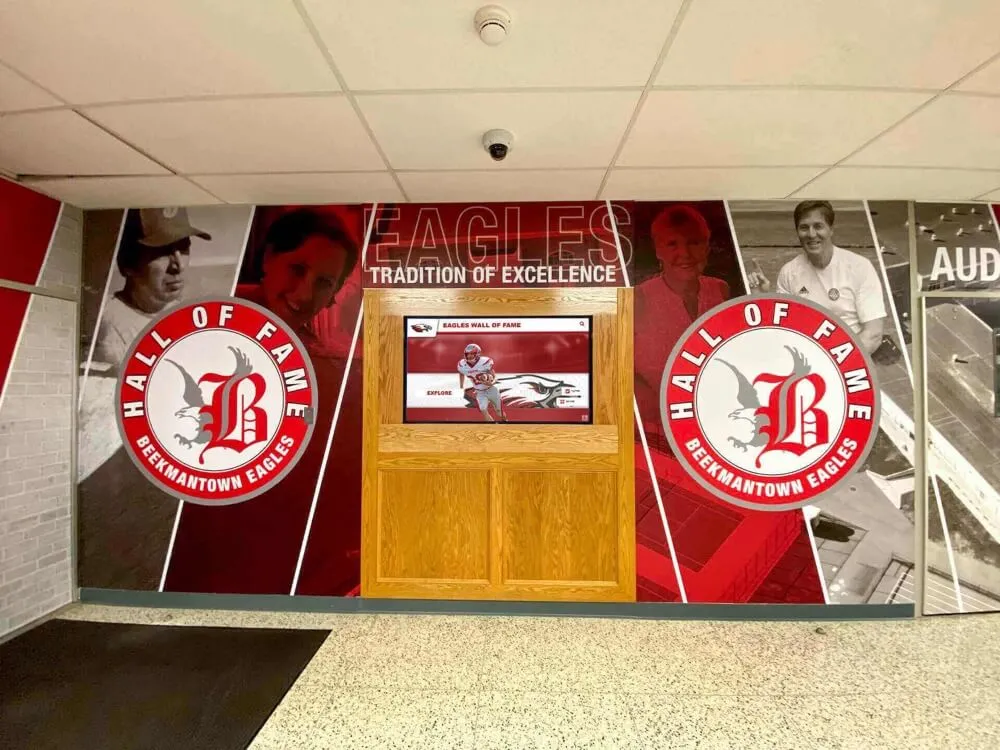
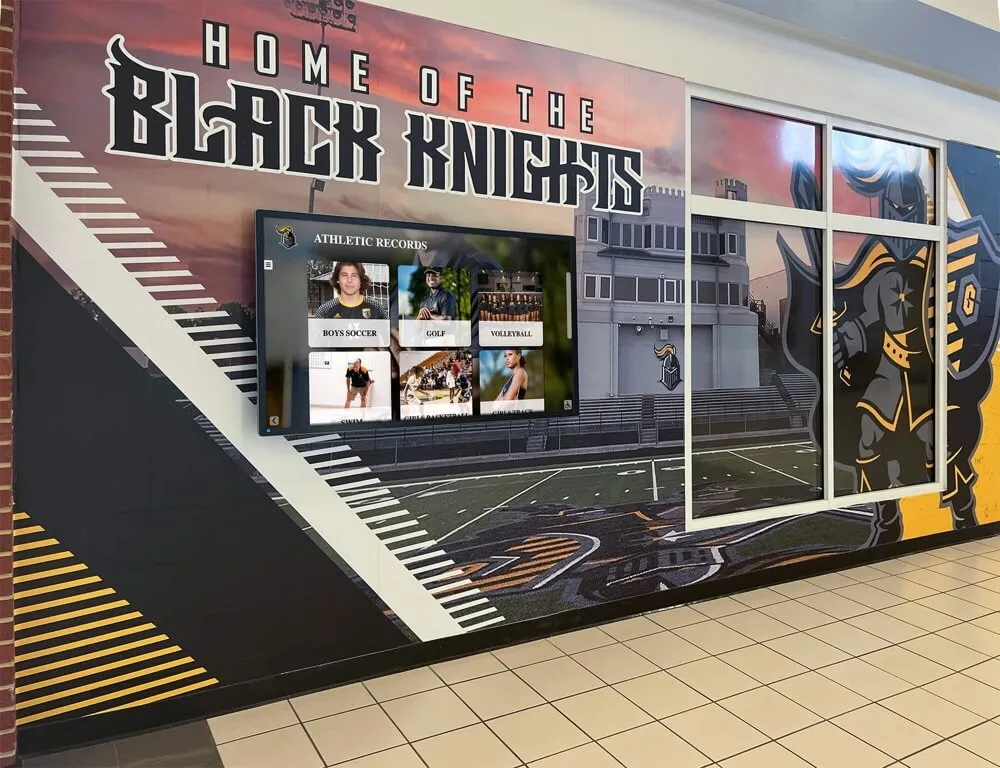
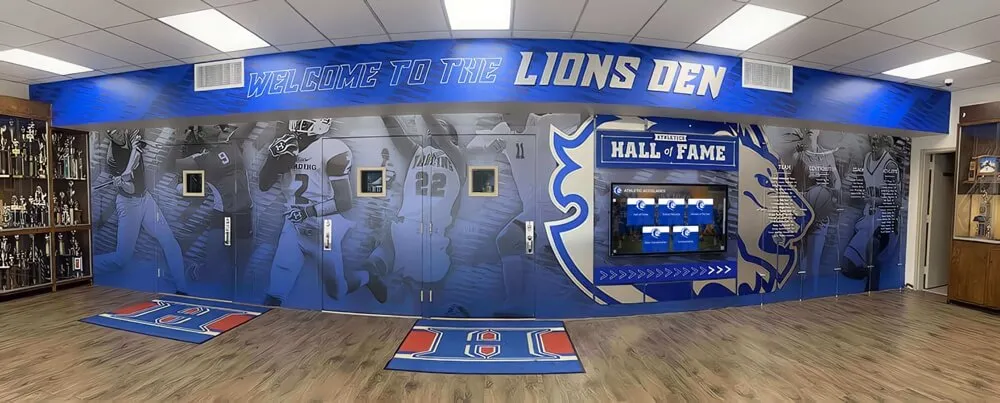
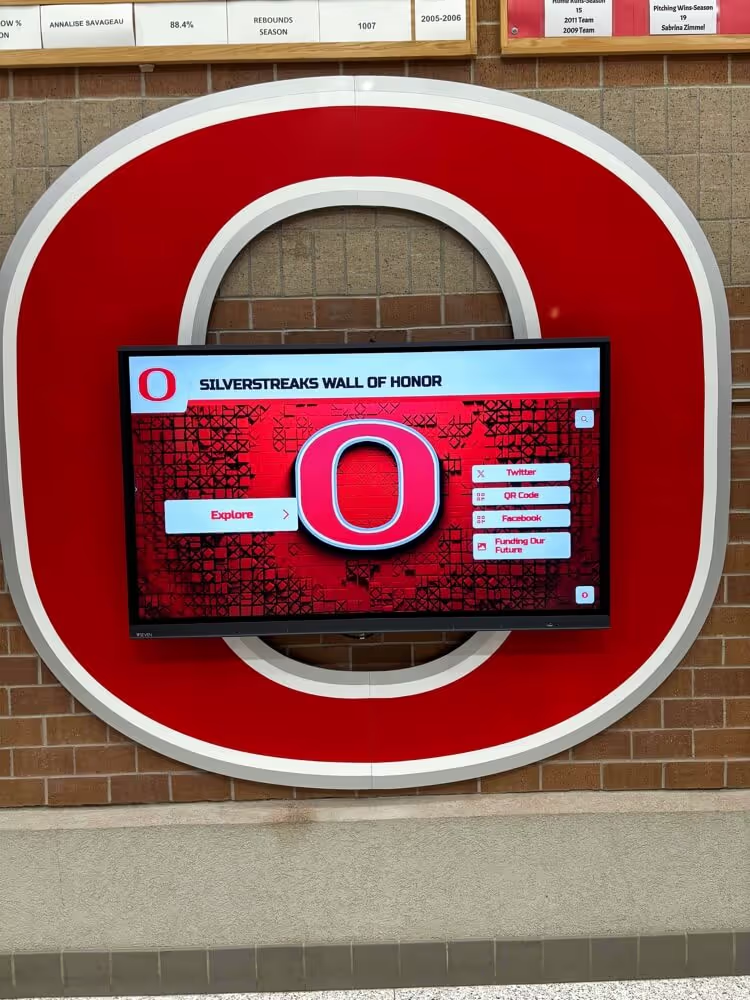
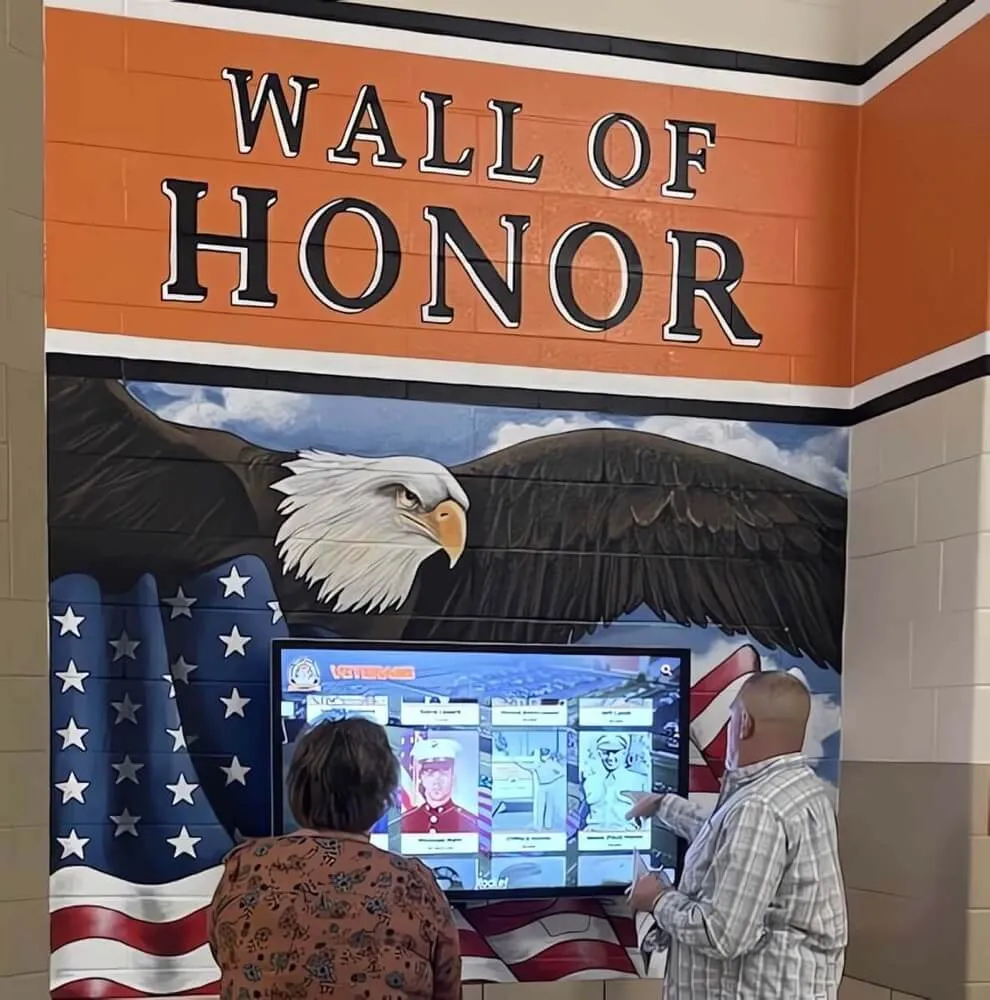
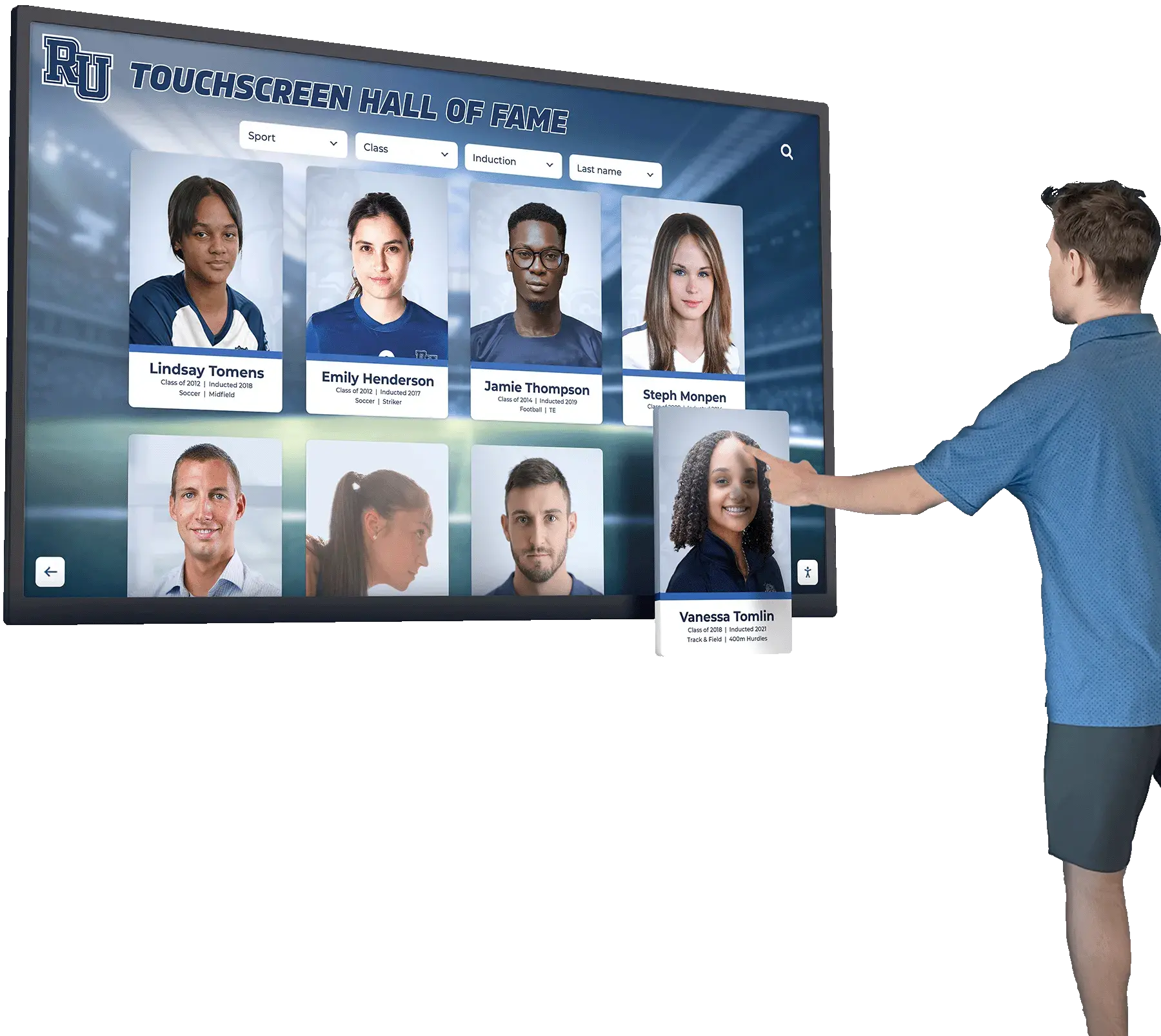
Digital recognition kiosks celebrate basketball achievements including roster selection and skill development milestones throughout players' careers
Pressure Ball-Handling vs. Defense
Adding defensive pressure reveals whether ball-handling skills translate to competitive situations.
Drill Setup and Execution
- Pair players with one offensive ball-handler and one defender
- Ball-handler must advance from baseline to half-court against pressure
- Defender applies maximum legal pressure attempting steals
- Switch roles and repeat multiple times
- Coaches observe both offensive control and defensive intensity
- Can include scoring requirement after reaching half-court
What Coaches Should Evaluate
On Offense:
- Ball protection using body positioning effectively
- Composure maintaining control despite pressure
- Counter moves when initial moves defended
- Court vision finding escape routes
- Decision-making (when to attack vs. reset)
On Defense:
- Pressure intensity and competitiveness
- Legal positioning versus reaching fouls
- Anticipation reading offensive intentions
- Recovery after getting beaten
- Communication and vocal engagement
Evaluation Categories: Ball security, composure, competitiveness, defensive intensity, basketball IQ
This drill accomplishes dual purposes—evaluating ball-handling under realistic pressure while simultaneously assessing defensive capabilities and competitive drive.
Critical Shooting Evaluation Drills
Shooting ability determines offensive spacing and scoring options, making thorough shooting assessment essential during basketball tryouts.
Form Shooting Progression Assessment
Systematic form evaluation reveals mechanical soundness predicting long-term shooting development.
Drill Setup and Execution
- Begin with players shooting close to basket (3-5 feet)
- Focus on perfect form: follow-through, elbow alignment, wrist snap, balance
- Gradually increase distance only after demonstrating consistent form
- Progress through: close range → free throw line → mid-range → three-point line
- Coaches observe mechanics at each distance before permitting advancement
What Coaches Should Evaluate
- Shooting hand positioning and guide hand placement
- Elbow alignment staying under basketball
- Follow-through with proper wrist snap and extension
- Lower body balance and consistent base
- Release point consistency across repetitions
- Arc trajectory appropriate for distance
- Form maintenance as distance increases vs. compensating with poor mechanics
- Adjustment ability when coaches provide feedback
Evaluation Categories: Shooting mechanics, coachability, technical skill foundation, attention to detail
Players with poor mechanics who make shots from distance often represent lower developmental potential than those with perfect form missing currently—as mechanics can be refined more easily than athleticism or IQ deficiencies.
Timed Spot Shooting Assessment
Measuring makes and misses from various locations establishes baseline shooting capability.
Drill Setup and Execution
- Establish 5-7 shooting spots around perimeter
- Players shoot designated number from each spot (typically 5-10 per spot)
- Coaches or partners rebound and track makes/misses
- Time limit adds pressure simulating game situations
- Include catch-and-shoot and off-dribble variations
- Record shooting percentages from each location
What Coaches Should Evaluate
- Raw shooting percentage from each distance
- Consistency across spots versus hot/cold streaks
- Range limitations (where percentages drop significantly)
- Preparation routine and shot rhythm consistency
- Response to misses (confidence vs. frustration)
- Form maintenance throughout entire drill
- Performance under time pressure
Evaluation Categories: Shooting accuracy, range, consistency, mental toughness, routine development
Objective shooting data provides concrete comparison points across all tryout participants while revealing range limitations affecting potential positions and offensive roles.

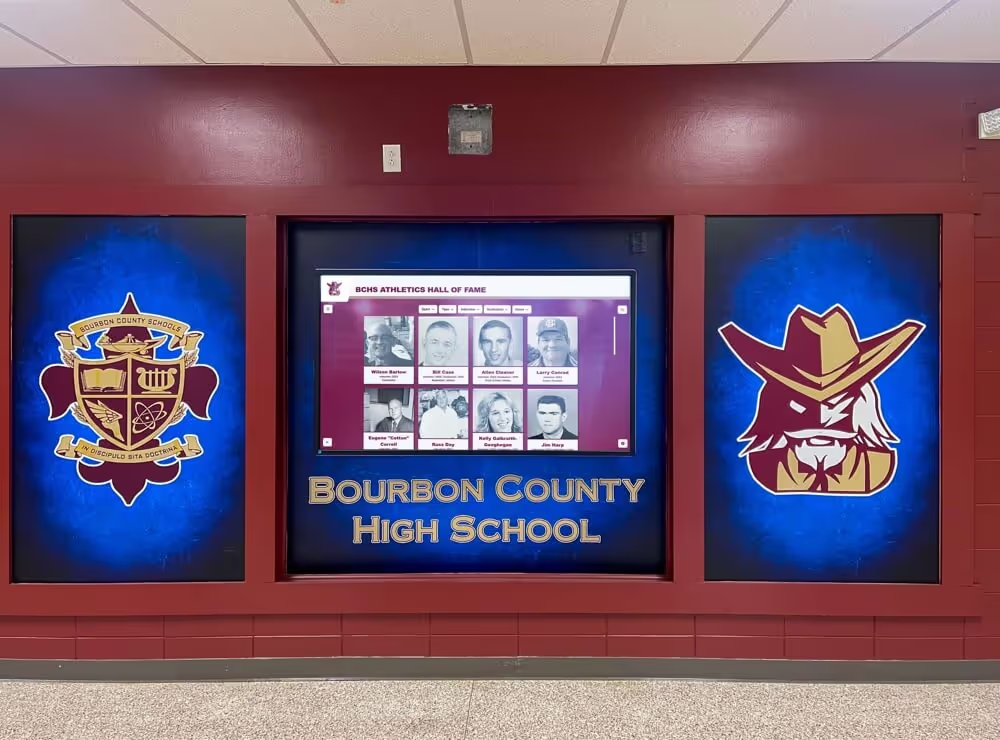
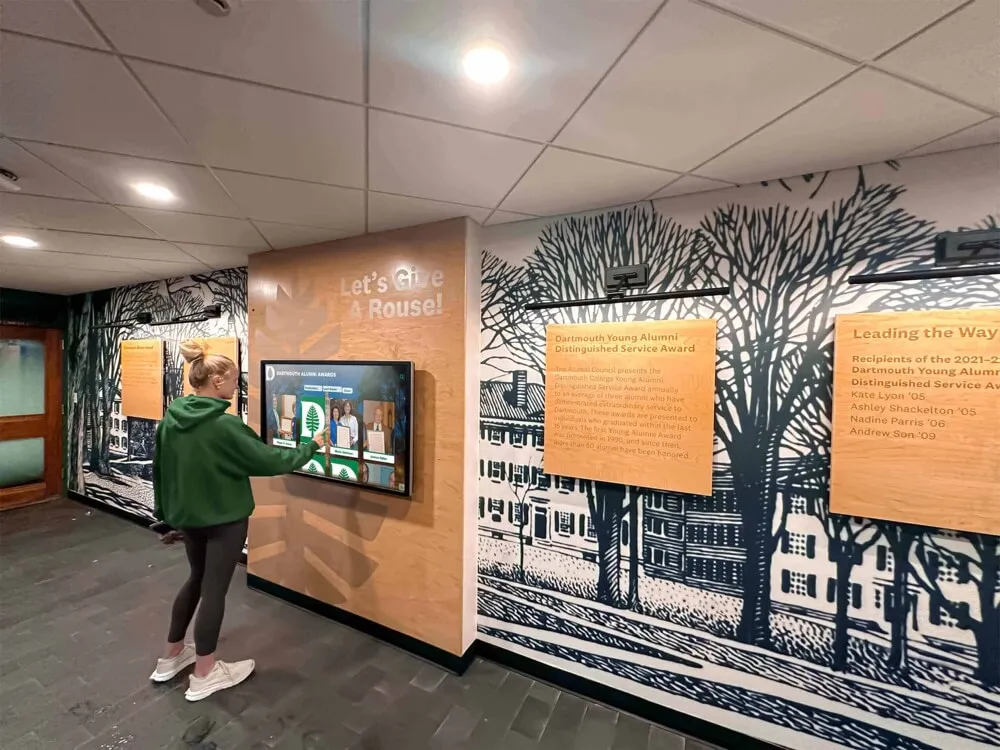
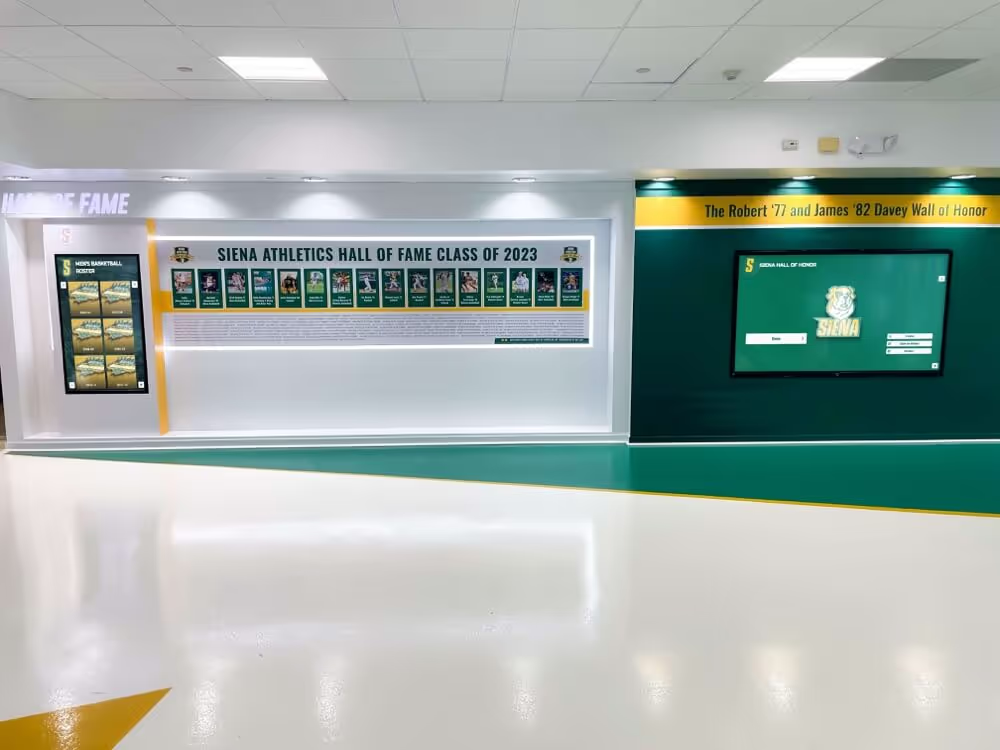
Recognition walls preserve shooting statistics and achievement milestones for players throughout their basketball careers
Competitive Shooting Games
Adding competition reveals performance under pressure and competitive nature.
Around the World with Competition
- Multiple players compete simultaneously in shooting progression
- Must make shot before advancing to next spot
- Missing requires starting over or backward progression
- First to complete entire circuit wins
- Variation: players can “bump” competitors making them restart
Knockout/Lightning Shooting
- Players form shooting line at free throw or three-point line
- Must make basket before player behind them makes theirs
- Missing creates pressure as next shooter tries eliminating them
- Continues until only one player remains
Partner Shooting Race
- Pairs compete to reach target make number first
- One shoots while partner rebounds and passes back
- Switch roles after each make
- Running total encourages teamwork and communication
What These Competitive Drills Reveal
- Shooting performance under pressure and observation
- Competitive drive and desire to win
- Response to adversity when falling behind
- Support for partners versus selfish focus
- Celebration versus frustration management
- Consistency when fatigued from multiple attempts
Evaluation Categories: Shooting under pressure, competitiveness, character, mental toughness, teamwork
These competitive formats expose how players perform when stakes increase—critical information since game shooting occurs exclusively under pressure rather than comfortable practice environments.
Free Throw Shooting Assessment
Free throw ability reveals practice habits, routine development, and pressure performance.
Drill Setup and Execution
- Each player shoots specific number of free throws (10-20 typical)
- Ideally perform when fatigued from previous conditioning
- Observe complete routine from receiving ball through follow-through
- Record makes/misses and calculate percentages
- Compare early attempts versus later attempts (fatigue impact)
- Can add pressure through competition or consequence scenarios
What Coaches Should Evaluate
- Consistent routine existence versus random preparation
- Mechanical soundness of free throw form
- Percentage indicating practice habits (free throws require repetition)
- Performance change when fatigued
- Mental approach and focus during attempts
- Response to consecutive misses or makes
- Time management (deliberate vs. rushed)
Evaluation Categories: Practice habits, routine development, mental approach, shooting mechanics, clutch performance potential
Free throw shooting provides exceptional insight into players’ practice dedication since improvement requires individual work rather than team practice time—revealing self-motivated improvement orientation coaches value highly.
Defensive Fundamentals and Effort Drills
Defense determines championship success more reliably than offensive talent, making defensive evaluation critical during basketball tryouts.
Defensive Stance and Movement Assessment
Proper positioning and footwork form defensive foundations.
Zigzag Closeout Drill
Setup and Execution
- Offensive player dribbles in zigzag pattern down court
- Defensive player maintains proper position containing dribbler
- Coach evaluates stance, footwork, and positioning throughout
- Switch offense/defense roles and repeat
- Can add live situations after reaching designated spots
Evaluation Focus
- Defensive stance: low center of gravity, active hands, wide base
- Footwork: lateral slides versus crossing feet inappropriately
- Positioning: staying between ball and basket, proper angles
- Balance: maintaining position without falling or lunging
- Recovery: regaining position after getting beaten
- Effort level: maximum intensity throughout entire drill
- Communication: vocal engagement directing teammates
Shell Drill Defensive Positioning
Setup and Execution
- Four offensive players positioned around perimeter
- Four defenders practicing help-side positioning and rotations
- Offense passes ball around perimeter (no dribbling initially)
- Defense adjusts positioning with each pass
- Coach evaluates positioning, help-side awareness, and communication
- Progress to live situations after demonstrating understanding
Evaluation Focus
- Understanding of help-side versus deny positioning
- Adjustment speed as ball moves
- Communication calling out screens, rotations, ball location
- Basketball IQ recognizing proper positioning instinctively
- Coachability implementing feedback immediately
- Anticipation reading passes before they occur
Evaluation Categories: Defensive fundamentals, basketball IQ, communication, coachability, technique
These drills quickly reveal whether players understand defensive principles versus simply reacting chaotically—separating coached players from pure athletes lacking fundamental knowledge.
One-on-One Full Court Defensive Pressure
Maximum effort defense reveals competitive drive and conditioning simultaneously.
Drill Setup and Execution
- Offensive player attempts advancing ball full court against pressure
- Defensive player applies maximum legal pressure entire length
- Offense scores or defense gets stop, then switch roles immediately
- Multiple repetitions revealing sustained effort and conditioning
- Coaches observe both offensive and defensive performance
What Coaches Should Evaluate
On Defense:
- Pressure intensity from baseline to opposite basket
- Effort sustainability through multiple repetitions
- Legal positioning versus reaching and fouling
- Competitiveness fighting for every inch
- Recovery speed after getting beaten
- Conditioning maintaining effort when fatigued
On Offense:
- Ball security against maximum pressure
- Decision-making attacking versus protecting possession
- Finishing ability in transition
- Composure despite defensive harassment
- Counter moves when initial moves defended
Evaluation Categories: Defensive intensity, conditioning, competitiveness, mental toughness, ball-handling, finishing
This demanding drill separates players willing to compete defensively from those who give verbal effort but disappear when asked to defend full-court repeatedly.
Closeout and Contest Drill
Proper closeout technique prevents easy shots while avoiding fouls.
Drill Setup and Execution
- Coach or partner stands at three-point line with ball
- Defender starts near basket in help position
- On command, defender closes out with proper technique:
- Sprint until 6-8 feet away
- Breakdown steps under control
- High hands contesting shot
- Maintaining balance to react to drive
- Shooter either shoots or drives based on defender approach
- Repeat from multiple positions
What Coaches Should Evaluate
- Closeout speed and urgency
- Control demonstrated through breakdown steps
- Hand positioning contesting without fouling
- Balance enabling reaction to drives
- Adjustment based on shooter tendencies
- Multiple effort giving second contest if shot faked
Evaluation Categories: Defensive technique, discipline, athleticism, basketball IQ
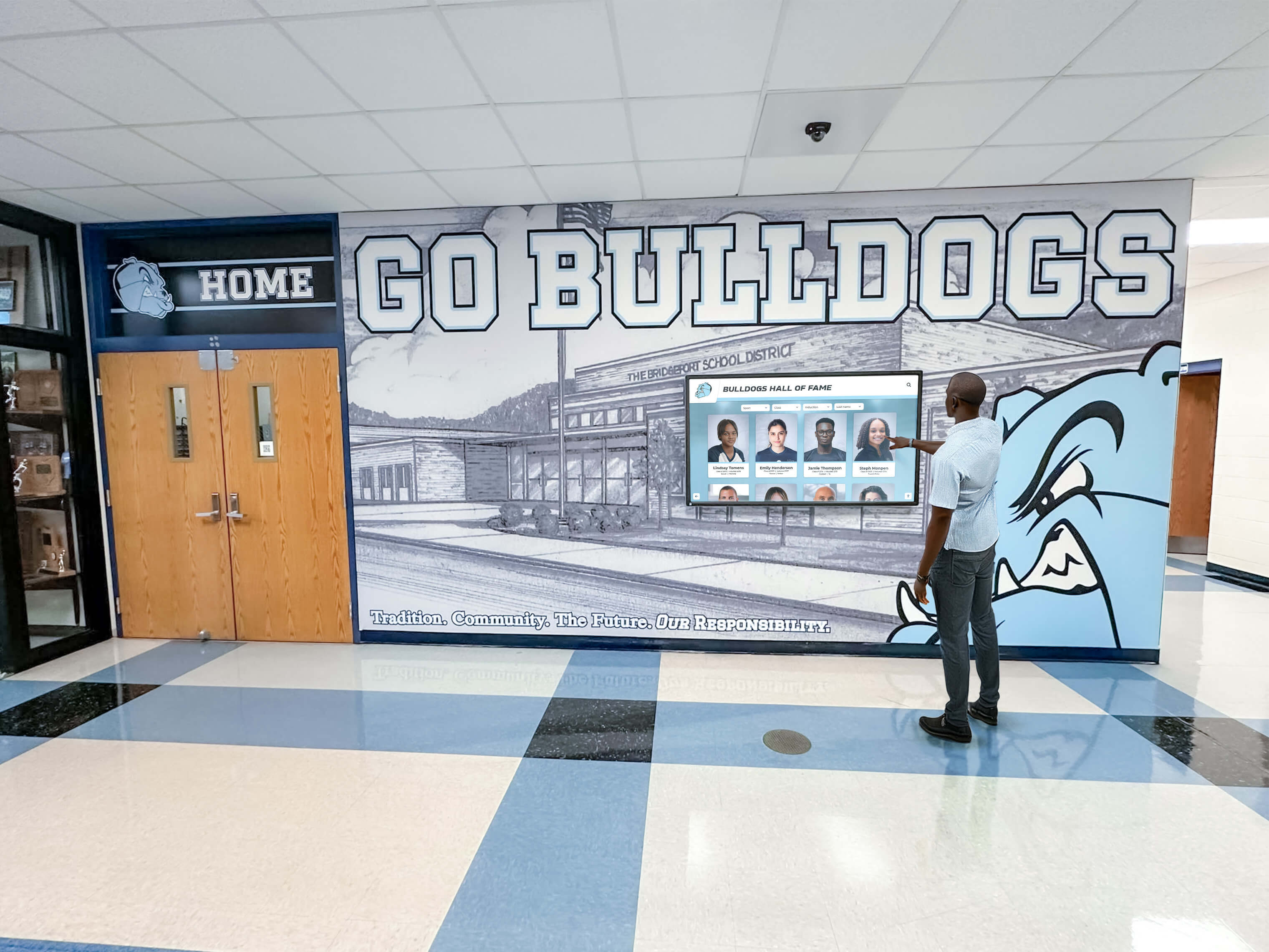
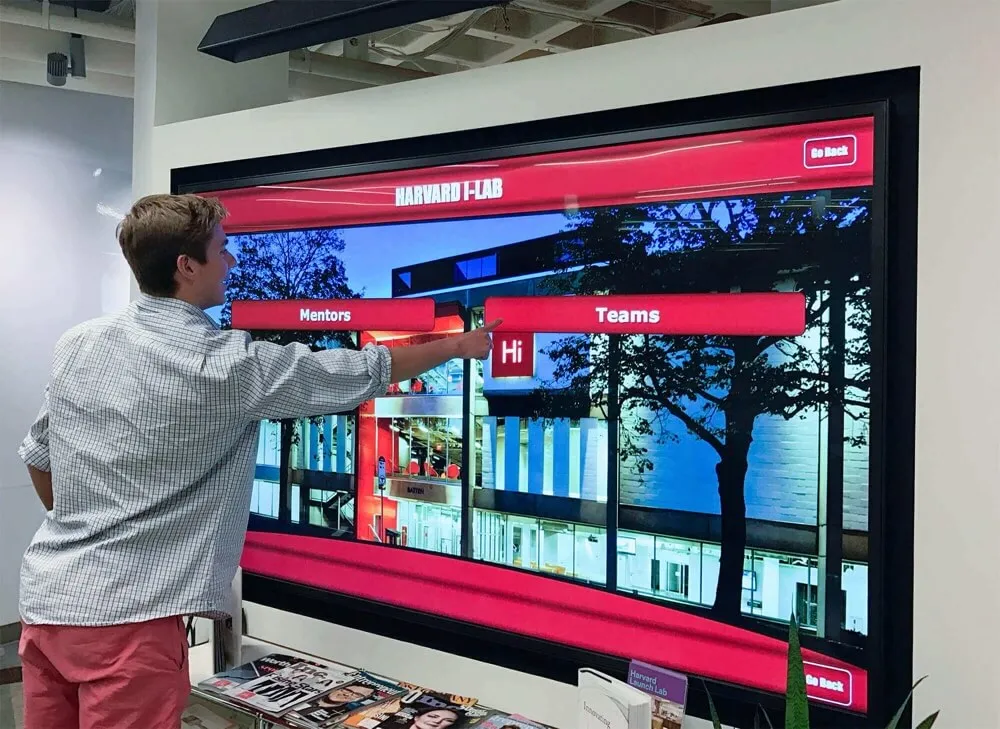
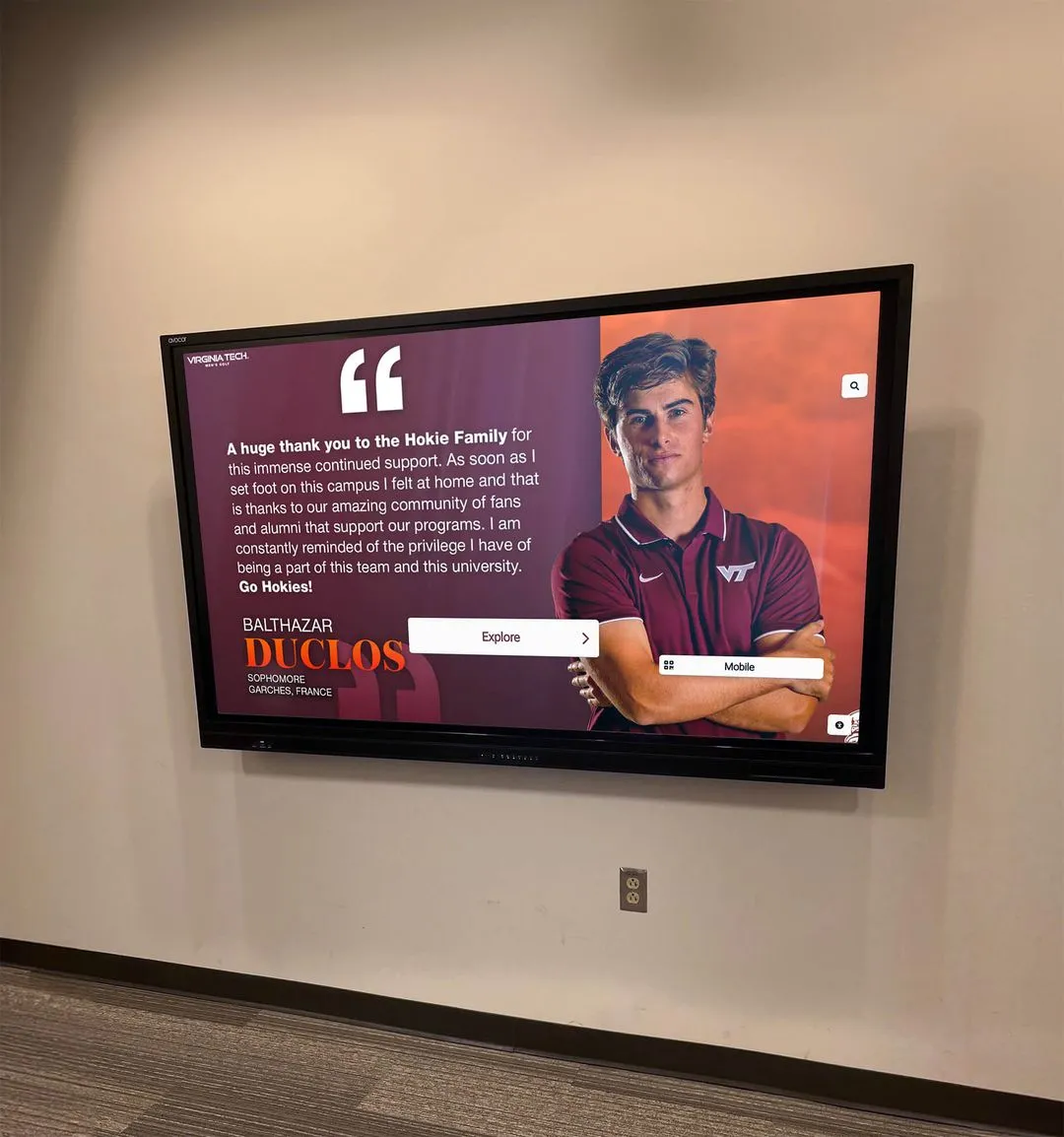
Interactive displays allow players to explore defensive statistics and achievement recognition throughout program history
Programs implementing comprehensive recognition systems celebrate defensive excellence alongside offensive achievements—valuing complete players who contribute on both ends of the court.
Charge-Taking and Toughness Assessment
Willingness to sacrifice body reveals competitive drive and team-first mentality.
Drill Setup and Execution
- Offensive player attacks basket from various angles
- Defensive player attempts establishing legal position taking charges
- Coaches monitor positioning legality (set before contact)
- Players alternate offense and defense
- Emphasize technique rather than dangerous collisions
- Observe willingness versus hesitation
What Coaches Should Evaluate
- Willingness to put body at risk for team benefit
- Positioning technique establishing legality
- Anticipation reading offensive intentions
- Decisiveness committing to charge versus late reaction
- Toughness getting up immediately after contact
- Attitude toward physical play and sacrifice
Evaluation Categories: Toughness, team-first mentality, defensive IQ, competitive drive, technique
This drill reveals character as much as skill—identifying players who embrace physical defensive responsibilities rather than avoiding contact protecting personal statistics or comfort.
Rebounding and Physicality Drills
Rebounding determines possession and second-chance opportunities, making assessment critical for identifying complete players.
Box-Out and Rebound Competition
Proper box-out technique and effort determine rebounding success more than height.
Drill Setup and Execution
- Pairs compete for rebounds shot by coach from various locations
- Defensive player must establish box-out position
- Offensive player attempts securing rebound despite positioning disadvantage
- Award points for successful box-outs versus offensive rebounds
- Rotate partners ensuring multiple matchups
- Observe technique, effort, and physicality
What Coaches Should Evaluate
- Box-out technique: wide base, contact maintenance, positioning
- Physical engagement willing to make body contact
- Pursuit effort tracking ball flight and reacting
- Timing jumping at optimal moment
- Hand strength securing ball despite contact
- Competitiveness fighting through box-outs when offensive
- Sustained effort through multiple repetitions
Evaluation Categories: Rebounding technique, physicality, effort, competitiveness, strength, timing
This fundamental drill reveals whether players understand rebounding as technique and effort rather than simply height advantage—identifying undersized players who can contribute through superior positioning and motor.
Three-Player Rebounding Chaos
Multiple competitors pursuing rebounds simulates game environment chaos.
Drill Setup and Execution
- Three players compete for each rebound
- Coach shoots from various locations creating unpredictable caroms
- First player securing rebound and finishing scores point
- Continue until player reaches target score
- Observe positioning, effort, finishing under contact, toughness
What Coaches Should Evaluate
- Anticipation reading shot trajectory and positioning accordingly
- Competitiveness fighting multiple opponents
- Finishing ability despite contact from multiple players
- Physicality establishing rebounding space
- Balance maintaining control in traffic
- Effort pursuing every rebound regardless of position
- Toughness continuing after getting hit or knocked down
Evaluation Categories: Rebounding, toughness, finishing, competitiveness, anticipation, balance
Rebounding drills provide excellent character evaluation—revealing which players compete maximally for less glamorous plays determining possession battles that decide close games.
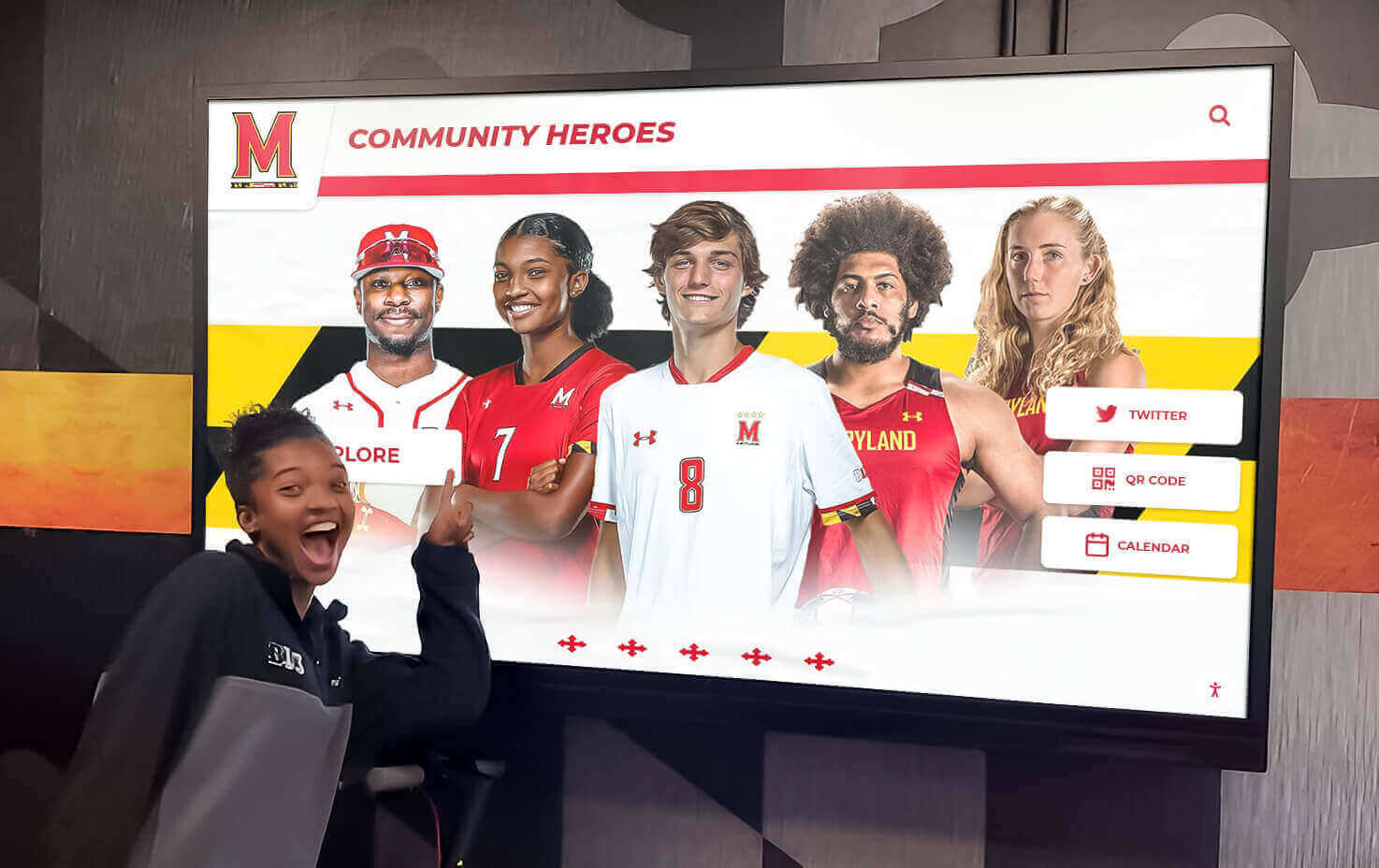
Recognition displays celebrate diverse contributions including rebounding excellence and defensive specialists alongside scoring achievements
Conditioning and Athletic Assessment Drills
Conditioning determines whether skills translate to fourth-quarter performance when games are decided.
Suicide/17s Conditioning Test
Standard conditioning test measuring speed and endurance simultaneously.
Drill Setup and Execution
- Players start at baseline and sprint to designated lines:
- Baseline to near free throw and back
- Baseline to half court and back
- Baseline to far free throw and back
- Baseline to opposite baseline and back
- Touch each line before returning
- Time each attempt establishing objective benchmarks
- Multiple repetitions reveal conditioning depth
- Observe form maintenance when fatigued
What Coaches Should Evaluate
- Initial speed indicating pure athletic capability
- Endurance maintaining speed through final repetitions
- Recovery time between attempts
- Mental toughness continuing despite fatigue
- Technique maintenance (touching lines vs. cutting corners)
- Competitive response to timed challenges
- Attitude toward conditioning (embracing vs. complaining)
Evaluation Categories: Speed, endurance, mental toughness, competitiveness, character
Defensive Slide Conditioning
Combining defensive movement with conditioning reveals game-specific endurance.
Drill Setup and Execution
- Players perform defensive slides across key or full court
- Touch each line with proper form maintaining defensive stance
- Continue for specific duration (30-60 seconds)
- Multiple sets with limited recovery time
- Coaches monitor form maintenance versus deterioration
What Coaches Should Evaluate
- Conditioning specific to defensive movement patterns
- Form maintenance when fatigued versus upright posture
- Effort level throughout entire duration
- Recovery speed between sets
- Mental approach to demanding physical challenge
Evaluation Categories: Defensive conditioning, mental toughness, technique, effort
Full-Court Lay-Up Lines with Conditioning
Traditional drill modified to assess conditioning alongside skill.
Drill Setup and Execution
- Continuous full-court lay-up lines at maximum speed
- Players sprint to opposite end, make layup, sprint back
- No breaks between repetitions for extended duration
- Coaches monitor finishing accuracy as players fatigue
- Observe effort maintaining speed despite exhaustion
What Coaches Should Evaluate
- Skill maintenance when fatigued (layup percentages)
- Speed sustainability through multiple repetitions
- Effort level despite obvious fatigue
- Attitude and competitiveness
- Recovery ability
Evaluation Categories: Conditioning, skill under fatigue, mental toughness, finishing
Schools can use digital recognition displays to celebrate conditioning achievements and effort awards alongside traditional statistical recognition—honoring complete dedication rather than just talent.
Basketball IQ and Decision-Making Drills
Understanding the game separates players who can execute within systems from those who struggle with structured basketball.
Two-on-One and Three-on-Two Fast Break Drills
Numerical advantage situations reveal decision-making and basketball instincts.
Drill Setup and Execution
Two-on-One
- Two offensive players attack one defender in transition
- Offense should score every time with proper decision-making
- Defender attempts forcing difficult shot or turnover
- Rotate positions ensuring all players experience both roles
Three-on-Two
- Three offensive players attack two defenders
- Requires reading defensive positioning and making correct decisions
- Defenders communicate and position strategically
- Progress to three-on-two-on-one adding trailing defender
What Coaches Should Evaluate
On Offense:
- Decision-making recognizing when to shoot versus pass
- Passing accuracy and timing
- Spacing maintaining proper floor balance
- Speed pushing pace appropriately
- Finishing ability on assigned opportunities
- Unselfishness creating best shot versus personal statistics
On Defense:
- Positioning forcing difficult shots
- Communication coordinating defensive responsibilities
- Decision-making on when to commit to ball
- Effort recovering and competing despite disadvantage
- Basketball IQ understanding strategic positioning
Evaluation Categories: Basketball IQ, decision-making, unselfishness, communication, finishing, defensive understanding
These drills reveal whether players understand basketball concepts or simply react athletically—predicting how quickly they’ll grasp offensive and defensive systems after making rosters.
Read and React Drill
Responding appropriately to defensive positioning demonstrates basketball understanding.
Drill Setup and Execution
- Offensive player receives pass on wing or top of key
- Defender positions in various ways: tight closeout, soft closeout, off-ball
- Offensive player must read defense and react appropriately:
- Tight closeout: drive past defender
- Soft closeout: shoot open shot
- Off-ball: pass to open teammate
- No predetermined decision—must read and react correctly
- Rotate through various scenarios and positions
What Coaches Should Evaluate
- Recognition speed identifying defensive positioning
- Decision-making selecting appropriate option
- Execution quality once decision made
- Confidence making decisions versus hesitation
- Adjustment when initial read proves incorrect
- Variety in offensive repertoire (multiple counter moves)
Evaluation Categories: Basketball IQ, decision-making, offensive skill variety, confidence, adaptability
This drill separates instinctive basketball players from those who require coaches making every decision—indicating who will thrive within motion offenses versus struggling without predetermined plays.
Pick-and-Roll Read Drill
Understanding pick-and-roll situations demonstrates advanced basketball comprehension.
Drill Setup and Execution
- Ball-handler and screener execute pick-and-roll
- Defense varies coverage: hedge, switch, drop, trap
- Offense must recognize coverage and respond correctly:
- Hedge: turn corner attacking basket
- Switch: exploit mismatches created
- Drop: take mid-range or pass to roller
- Trap: pass to open teammate
- Both guard and post players learn appropriate reads
What Coaches Should Evaluate
On Ball-Handler:
- Recognition of defensive coverage
- Decision-making based on read
- Passing accuracy finding rollers
- Finishing in paint against help defense
- Use of screener versus rejecting screens
On Screener:
- Screen-setting technique and angle
- Reading defender and rolling appropriately
- Finishing ability around basket
- Repositioning if defender switches
Evaluation Categories: Basketball IQ, system learning ability, decision-making, two-player coordination
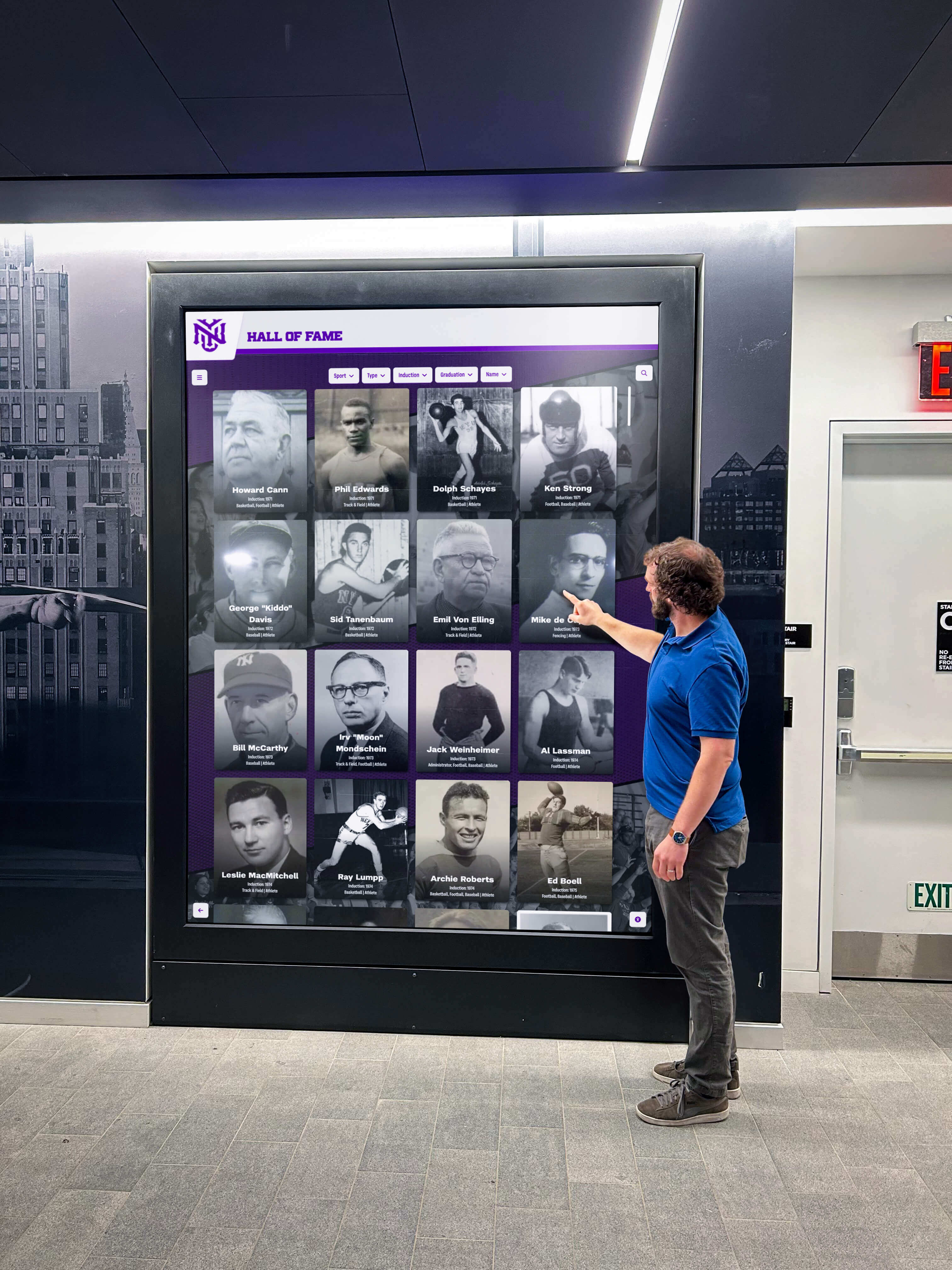
Interactive recognition displays document basketball IQ development and strategic understanding alongside traditional achievement metrics
Advanced basketball understanding often correlates with academic achievement recognition—as successful students frequently demonstrate the analytical thinking and learning ability translating to basketball success.
Competitive Scrimmage and Game Situation Drills
Controlled scrimmages reveal how skills, athleticism, and basketball IQ integrate during competitive situations.
Small-Sided Games (3v3, 4v4)
Reduced player numbers increase touches and decision-making opportunities.
Drill Setup and Execution
- Divide players into balanced teams of 3-4 players
- Play on half-court or condensed full-court areas
- Use normal basketball rules or modified scoring
- Short games (5-7 minutes) enabling multiple iterations
- Rotate teams ensuring various player combinations
- Coaches observe comprehensively during competition
What Coaches Should Evaluate
- Skill application in competitive environments
- Basketball IQ making reads against live defense
- Unselfishness versus selfish play
- Communication and leadership
- Effort on both ends of floor
- Competitiveness and desire to win
- Coachability accepting feedback between games
- Attitude and body language when winning versus losing
- Chemistry with different teammates
Evaluation Categories: All categories combined in game-realistic scenarios
Small-sided games provide exceptional comprehensive evaluation while maintaining higher activity levels than full 5v5 formats where individual players touch the ball infrequently.
Specific Situation Scrimmages
Controlled scenarios reveal performance during critical game moments.
Late-Game Situations
- Start game with specific score (up or down by specific margin)
- Limited time remaining (final 2 minutes)
- Evaluate decision-making under pressure
- Observe free throw shooting when games on line
- Assess leadership in crucial moments
Comeback Scenarios
- Team starts significantly behind
- Must compete to overcome deficit
- Reveals mental toughness and fight
- Identifies leaders who refuse surrendering
Defensive Intensity Challenges
- Defense must achieve specific stops consecutively
- Forces defensive focus and communication
- Reveals which players accept defensive responsibilities
What These Scenarios Reveal
- Clutch performance capability
- Mental toughness under pressure
- Leadership during adversity
- Response to coaching during timeouts
- Free throw performance when critical
- Decision-making quality under pressure
- Competitive drive fighting despite adversity
Evaluation Categories: Mental toughness, leadership, clutch performance, basketball IQ, competitiveness
These controlled competitive scenarios reveal information impossible to gather from non-competitive drills—showing how players perform when outcomes matter and pressure intensifies.
Live 5v5 Scrimmages
Full-team scrimmages simulate actual game environments most accurately.
Drill Setup and Execution
- Divide into balanced teams
- Play regulation or running clock games
- Implement actual offensive and defensive systems
- Coaches observe from sideline as in real games
- Provide coaching feedback during timeouts
- Rotate players ensuring various lineup combinations tested
What Coaches Should Evaluate
- System learning speed grasping offensive and defensive concepts
- Role acceptance playing assigned positions appropriately
- Communication frequency and quality
- Effort sustainability through full game duration
- Performance variance between first and fourth quarters
- Interaction with coaches during timeouts
- Attitude sitting on bench versus playing
- Support for teammates on sideline
- Response to officiating calls
- Leadership emergence in game contexts
Evaluation Categories: Complete player assessment in realistic game simulation
Full scrimmages provide final comprehensive evaluation confirming or contradicting earlier drill-based impressions—revealing which players excel in structured competition versus controlled drill environments.
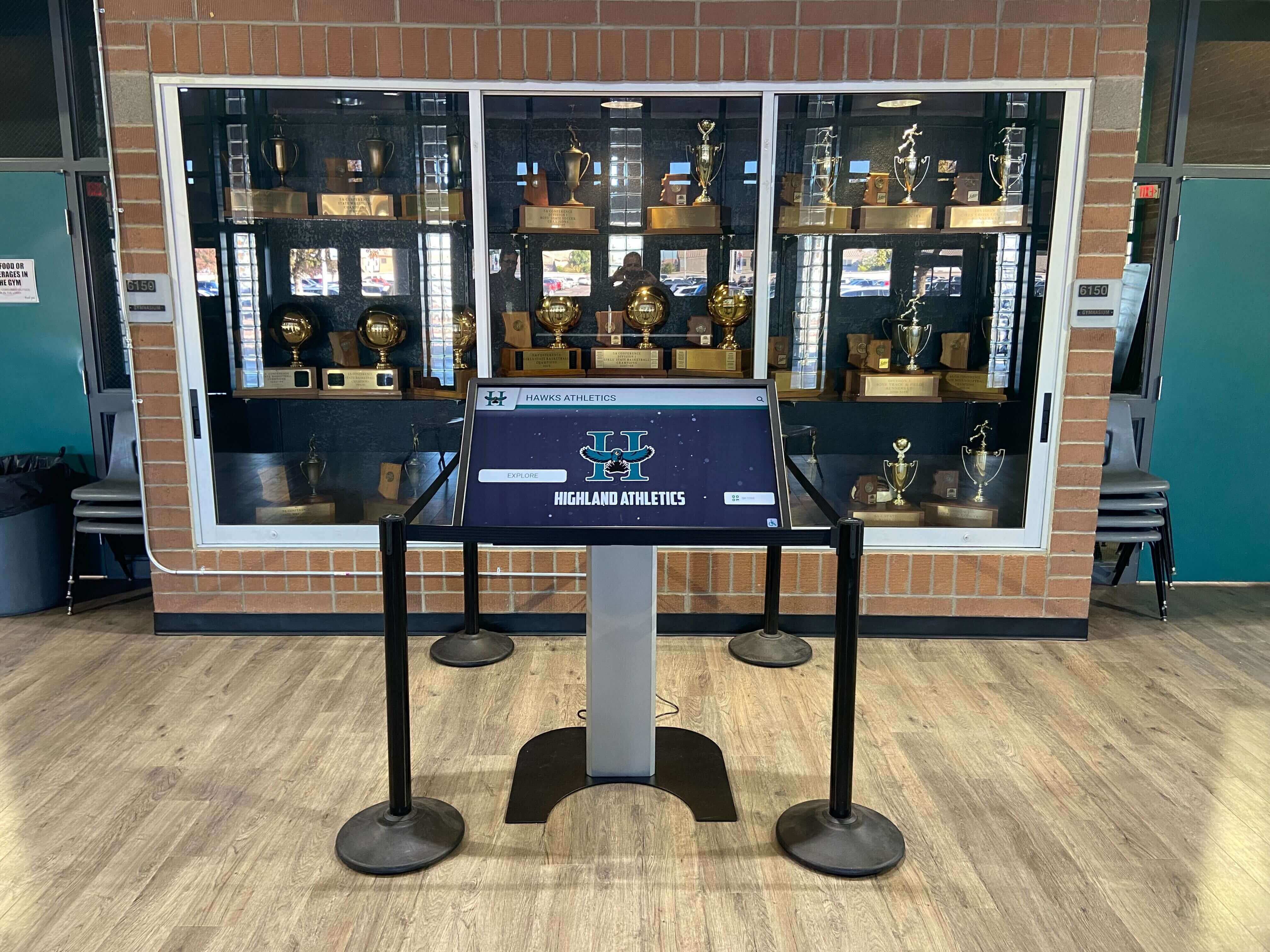
Recognition displays preserve scrimmage performances and practice achievements alongside game statistics for comprehensive career documentation
Creating Systematic Tryout Evaluation Systems
Effective player assessment requires structured frameworks preventing personal biases from overriding objective performance data.
Developing Evaluation Rubrics and Scoring Systems
Quantifying subjective observations enables fair comparison across all participants.
Numerical Rating Scales
Establish consistent rating systems for each evaluation category:
- 1-5 scale: 1 = well below average, 3 = average, 5 = exceptional
- 1-10 scale providing greater differentiation granularity
- Percentage-based systems (skill level relative to ideal)
- Position-specific scales adjusting expectations appropriately
- Weighted categories emphasizing most important skills for program
Category-Based Assessment
Rate players across comprehensive evaluation dimensions:
Offensive Skills (Weighting: 25%)
- Ball-handling and dribbling ability
- Shooting range and accuracy
- Finishing ability around basket
- Passing vision and accuracy
- Offensive basketball IQ
Defensive Skills (Weighting: 25%)
- Defensive stance and positioning
- Lateral quickness and speed
- Defensive intensity and effort
- Help-side awareness and rotation
- Defensive communication
Physical Attributes (Weighting: 20%)
- Speed in transition
- Vertical jump and rebounding
- Strength and physicality
- Lateral quickness
- Conditioning and endurance
Basketball IQ (Weighting: 15%)
- Decision-making quality
- System learning speed
- Understanding of concepts
- Anticipation and reaction
- Court awareness and spacing
Intangibles (Weighting: 15%)
- Competitive drive
- Coachability
- Leadership potential
- Team chemistry fit
- Work ethic and attitude
This structured approach transforms subjective impressions into comparable data enabling confident roster decisions.
Involving Multiple Evaluators
Diverse perspectives reduce individual bias and improve evaluation accuracy.
Assistant Coach Input
- Each coach rates players independently
- Compare ratings identifying consensus versus disagreement
- Discuss divergent evaluations understanding different perspectives
- Combine ratings creating composite scores
Statistical Documentation
- Assistants track objective statistics during drills and scrimmages:
- Shooting percentages from various locations
- Steals, blocks, rebounds in competitive settings
- Turnovers committed under pressure
- Conditioning test times
- Makes/misses in pressure situations
- Data supplements subjective evaluations with objective performance metrics
Player Input (Where Appropriate)
- Senior players or captains provide feedback on younger players
- Particularly valuable for evaluating chemistry, coachability, attitude
- Peer assessment often reveals information invisible to coaches
- Should supplement rather than replace coach evaluation
Multiple perspectives prevent individual blind spots or biases determining roster selections—ensuring fair comprehensive evaluation.
Schools implementing comprehensive recognition programs celebrate diverse achievement types across their communities—modeling the balanced evaluation approach effective during basketball tryouts.
Documentation and Post-Tryout Review
Systematic record-keeping enables confident decisions while providing development feedback for all participants.
Creating Player Profiles
Document comprehensive information for each tryout participant:
- Complete contact information
- Previous basketball experience summary
- Physical measurements (height, weight, wingspan)
- Drill performance ratings across all categories
- Scrimmage statistics and observations
- Strengths and development areas identified
- Overall rating or ranking
- Roster decision (make team, practice squad, cut)
Post-Tryout Feedback
Professional programs provide constructive information to all participants:
- Players making roster: position expectations, role clarity, skill development priorities
- Players not making roster: specific improvement areas, alternative program suggestions, encouragement
- Borderline cases: practice squad opportunities, re-tryout timelines, development recommendations
Development Planning for Roster
Use tryout evaluations establishing baseline for season development:
- Individual player development plans based on identified weaknesses
- Position assignments matching strengths appropriately
- Practice emphasis areas suggested by tryout patterns
- Season goals connecting to tryout performance baselines
This systematic documentation transforms tryouts from subjective impressions into structured evaluation processes producing actionable development information beyond simple roster decisions.
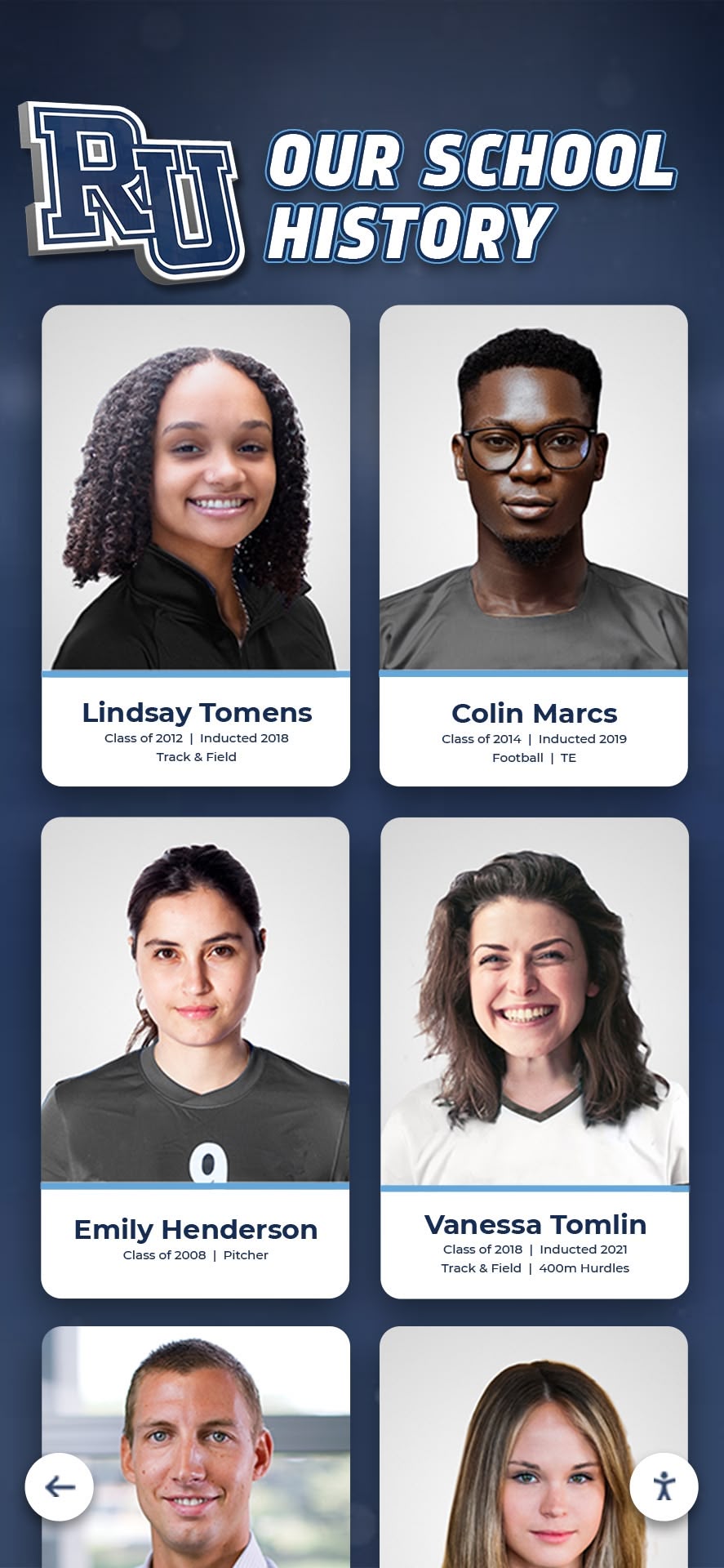
Digital archives preserve tryout information and development progression documenting complete player journeys from initial evaluation through career completion
Managing Tryout Logistics and Time Effectively
Limited evaluation time requires strategic organization maximizing information gathering while maintaining energy and engagement.
Optimal Tryout Session Structure
Strategic scheduling balances comprehensive evaluation with practical time constraints.
Single-Session vs. Multi-Day Formats
Single-Day Tryouts (2-3 hours)
Advantages:
- Single commitment easier for family schedules
- Immediate roster decisions possible
- Reduced facility usage costs
Disadvantages:
- Limited time for comprehensive evaluation
- Player nervousness potentially suppressing performance
- Difficult assessing consistency across multiple sessions
- Fatigue affecting late-session performance
- Challenging evaluating large numbers thoroughly
Multi-Day Tryouts (2-3 sessions across multiple days)
Advantages:
- Greater total evaluation time enabling deeper assessment
- Multiple observations revealing consistency
- Players overcome initial nervousness showing true ability
- Coaches refine evaluations between sessions
- Borderline cases receive extended opportunities
Disadvantages:
- Multiple session attendance requirements
- Extended decision timeline creating anxiety
- Greater facility and coach time commitment
- Weather or conflict complications with outdoor sports
Most programs balance efficiency with thoroughness through two 2-hour sessions on consecutive days—providing adequate evaluation while respecting participant time commitments.
Sample Two-Session Tryout Schedule
Session One: Fundamental Skills Assessment
Warm-Up and Introduction (15 minutes)
- Dynamic stretching preventing injuries
- Tryout format explanation and expectations
- Group organization and numbering system
- Staff and evaluator introductions
Ball-Handling Assessment (20 minutes)
- Two-ball dribbling evaluation
- Cone course obstacle navigation
- Full-court speed dribble with finishing
- Pressure dribbling against defenders
Shooting Evaluation (25 minutes)
- Form shooting progression assessment
- Timed spot shooting from multiple locations
- Free throw shooting evaluation
- Competitive shooting game (around world or knockout)
Defensive Fundamentals (20 minutes)
- Defensive stance and movement assessment
- Closeout and contest drill
- One-on-one full-court pressure defense
- Shell drill positioning and communication
Break and Water (10 minutes)
Conditioning Assessment (15 minutes)
- Suicide/17s timed runs
- Defensive slide conditioning
- Full-court layup lines with conditioning emphasis
Small-Sided Scrimmages (25 minutes)
- 3v3 or 4v4 competitive games
- Multiple brief games ensuring various combinations
- Coach observation from sideline
Cool-Down and Dismissal (10 minutes)
- Static stretching
- Information about Session Two
- Questions and clarification
Total Session Time: 140 minutes (2 hours 20 minutes)
Session Two: Advanced Assessment and Competition
Warm-Up and Skill Review (15 minutes)
- Dynamic preparation
- Quick fundamental skill review
- Addressing questions from Session One
Basketball IQ Drills (25 minutes)
- Two-on-one and three-on-two situations
- Read and react offensive decision-making
- Pick-and-roll read drill
- Competitive advantage/disadvantage scenarios
Rebounding and Physicality (20 minutes)
- Box-out and rebound competition
- Three-player rebounding chaos
- Tip drill conditioning and persistence
System Installation (20 minutes)
- Teach basic offensive and defensive concepts
- Evaluate learning speed and comprehension
- Practice implementing simple plays
Break and Water (10 minutes)
Live 5v5 Scrimmages (40 minutes)
- Multiple games with various lineups
- Implementing taught systems
- Competitive game-situation evaluation
- Late-game scenario practice
Final Assessment and Wrap-Up (10 minutes)
- Conditioning or skill test as needed
- Roster decision timeline communication
- Thank participants for attendance and effort
Total Session Time: 140 minutes (2 hours 20 minutes)
This structured approach systematically evaluates all critical dimensions while maintaining appropriate pacing preventing excessive fatigue affecting performance quality.
Managing Large Tryout Groups
High participation numbers require strategic organization preventing chaos and ensuring fair evaluation for all.
Station-Based Rotation Systems
When managing 30+ players:
- Divide into smaller groups (8-10 players per station)
- Create multiple stations running simultaneously:
- Station 1: Ball-handling assessment
- Station 2: Shooting evaluation
- Station 3: Defensive fundamentals
- Station 4: Conditioning test
- Groups rotate through all stations ensuring complete assessment
- Assign evaluators to each station providing focused observation
- Standardize station duration enabling smooth transitions
Skill-Based Groupings
After initial assessment, consider grouping by demonstrated ability:
- Advanced group receives more complex evaluation
- Developmental group focuses on fundamental assessment
- Prevents advanced players waiting during basic instruction
- Allows appropriate challenge levels for fair evaluation
- Enables position-specific assessment within groups
Numbering and Organization Systems
- Assign numbers to all participants (visible on shirts/pinnies)
- Create organized check-in procedures
- Maintain detailed participant lists with space for notes
- Use numbered groups for drill organization and scrimmage teams
- Ensures all players receive equal evaluation attention
Large tryout management requires additional planning but systematic organization ensures fair comprehensive assessment regardless of participation numbers.
Programs celebrating academic and athletic achievement together recognize that organized, professional approaches to evaluation extend across all institutional contexts.
Communicating Results and Building Culture Post-Tryouts
How coaches handle roster announcements and follow-up communication significantly impacts program culture and relationships.
Professional Roster Communication
Thoughtful result delivery demonstrates respect while maintaining program standards.
Timing Considerations
- Announce decisions within 24-48 hours after final session
- Avoid extending anxiety through delayed decisions
- Allow adequate deliberation without appearing indecisive
- Provide specific timeline during tryout so expectations are clear
Communication Methods
Individual Conversations (Ideal but Time-Intensive)
- Personal phone calls to each participant
- Face-to-face meetings for returning players
- Specific feedback accompanying roster decisions
- Opportunity for questions and development guidance
Group Announcements with Individual Follow-Up
- Posted roster list or email distribution
- Immediate availability for individual discussions
- Follow-up conversations with players not making roster
- Detailed feedback for borderline cases
Written Communication
- Professional letters or emails to all participants
- Specific constructive feedback included
- Alternative program suggestions for players cut
- Appreciation for participation and effort
What to Communicate
For Players Making Roster:
- Congratulations and excitement having them on team
- Expected role and position assignments
- Practice schedule and commitment expectations
- Skill development priorities based on tryout observations
- Team meeting and equipment distribution information
For Players Not Making Roster:
- Appreciation for participation and respect for effort
- Specific improvement areas identified during evaluation
- Alternative program suggestions (JV, club, development leagues)
- Encouragement about basketball future if effort continues
- Timeline for future tryout opportunities if applicable
Professional communication demonstrates program class while maintaining relationships valuable for future recruitment and community reputation.
Celebrating New Roster Members
Recognition of tryout success builds program culture and engagement immediately.
Welcome Introductions
- Team meeting introducing all roster members
- Returning players welcoming new teammates
- Sharing excitement about season potential
- Establishing cultural expectations and program values
Family Inclusion
- Parent meeting explaining season commitments and expectations
- Booster club introduction and involvement opportunities
- Scheduling information enabling family planning
- Creating relationships with support systems
Public Recognition
- Social media announcements introducing roster
- School communication celebrating team selection
- Athletic department recognition across all programs
- Community engagement building local support
Schools utilizing digital recognition platforms can immediately begin documenting new team members—creating anticipation for achievements they’ll accumulate throughout their careers.
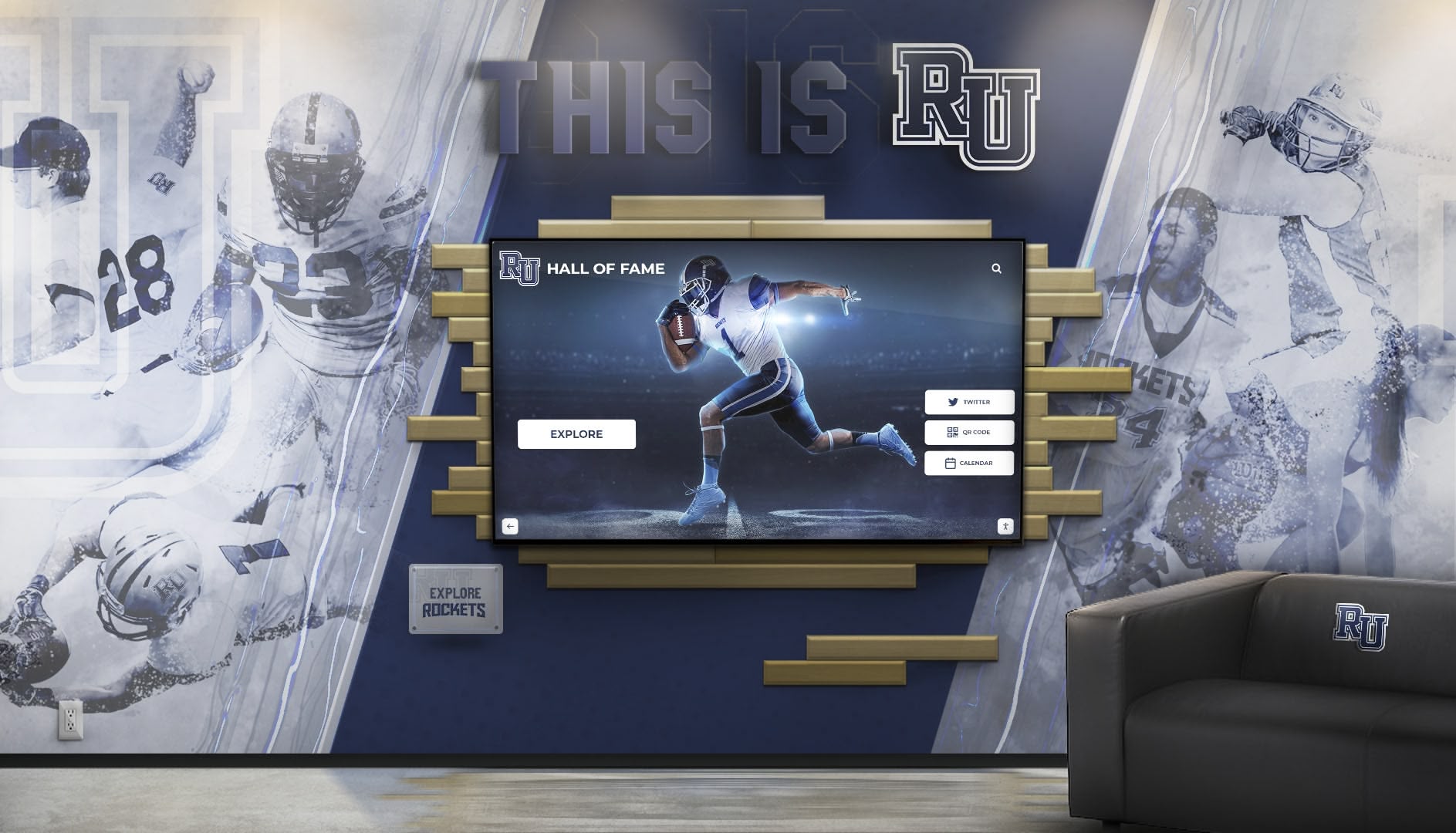
Recognition displays welcome new team members while connecting them to program traditions and achievement history
Building Culture from Day One
Tryout conclusion marks season beginning—establishing culture immediately sets performance foundations.
First Practice Structure
- Reinforce program values and cultural expectations
- Review tryout strengths and development priorities
- Introduce complete practice structure and intensity expectations
- Establish leadership through returning player mentorship
- Create accountability systems and communication protocols
Individual Development Planning
- One-on-one meetings establishing personal goals
- Skill development priorities based on tryout assessment
- Role clarification preventing confusion about expectations
- Progress checkpoints ensuring continuous improvement
Team Building Activities
- Bonding experiences creating chemistry beyond basketball
- Leadership development establishing team culture
- Communication exercises strengthening relationships
- Service projects connecting team to broader community
Effective coaches recognize that tryouts don’t just select rosters—they initiate seasons where culture, relationships, and development determine whether talent translates to championship success.
Leveraging Digital Recognition for Basketball Program Excellence
While tryouts identify current talent, comprehensive programs think long-term—preserving player achievements from tryout success through career completion while inspiring future generations to pursue roster spots.
Documenting Complete Player Journeys
Modern recognition technology transforms single-event tryouts into beginning of documented basketball careers.
From Tryout to Career Archive
Solutions like Rocket Alumni Solutions enable programs preserving complete player stories:
- Tryout selection announcements with initial roster photos
- Season statistics and achievement progression throughout careers
- Individual awards and recognition earned across seasons
- Championship team memberships and playoff achievements
- Senior recognition and post-high school plans
- Career retrospectives honoring complete contributions
This comprehensive documentation demonstrates to current and prospective players that program values complete journeys—not just isolated performances or championship seasons.
Benefits for Program Culture
Digital recognition platforms strengthen programs multiple ways:
- Recruits explore program history seeing development pathways
- Current players connect to traditions and achievement standards
- Alumni maintain engagement through accessible career preservation
- Community celebrates athletics supporting broader institutional identity
- Coaches reference historical achievements motivating current teams
- Parents observe professional recognition approach valuing all contributions
Schools implementing digital athletic recognition report increased tryout participation, enhanced retention through career completion, and stronger alumni engagement compared to programs relying on traditional trophy cases providing limited historical access.
Celebrating Diverse Achievement Categories
Comprehensive recognition extends beyond traditional statistics—honoring complete contributions similar to effective tryout evaluation frameworks.
Recognition Categories Reflecting Tryout Values
- Defensive excellence and effort awards
- Most improved players demonstrating development
- Leadership and character recognition
- Practice player awards honoring daily preparation
- Conditioning and commitment acknowledgment
- Basketball IQ and system mastery celebration
- Team chemistry and supportive teammate honors
This diverse recognition communicates that programs value complete players—reinforcing messages established during tryout evaluation processes emphasizing skills, character, effort, and basketball understanding together.
Interactive Engagement
Modern platforms create ongoing engagement beyond static displays:
- Touchscreen kiosks in athletic facilities enabling daily exploration
- Web-accessible platforms allowing anywhere, anytime recognition access
- Social sharing capabilities letting players promote achievements broadly
- Mobile-responsive interfaces reaching audiences on any device
- Search functionality connecting users to specific players or seasons
- Updated content maintaining current relevance alongside historical preservation
Programs using comprehensive recognition systems demonstrate institutional commitment to celebrating achievement systematically across all contexts.
Integration Throughout Season Cycle
Strategic recognition integration strengthens programs beyond isolated tryout events.
Pre-Tryout Promotion
- Showcase previous roster members inspiring tryout participation
- Highlight diverse achievement categories motivating various player types
- Demonstrate professional program approach attracting quality participants
- Build community excitement before tryout season begins
During Tryouts
- Display current year’s evaluation categories showing comprehensive assessment
- Show historical achievement examples illustrating standards
- Create anticipation for recognition new roster members will pursue
Throughout Season
- Update statistics and achievements as they accumulate
- Celebrate milestones immediately when reached
- Connect current performances to historical program standards
- Maintain community engagement between high-profile games
Post-Season Recognition
- Comprehensive achievement preservation from complete seasons
- Awards ceremony integration combining physical and digital recognition
- Career retrospectives for graduating seniors
- Foundation for recruiting next year’s tryout participants
This integrated approach ensures tryouts represent beginnings of documented journeys rather than isolated selection events quickly forgotten.
Celebrate Basketball Excellence from Tryouts Through Championships
Discover how digital recognition solutions like Rocket Alumni Solutions preserve player achievements from initial roster selection through complete careers—creating permanent, engaging platforms that honor every contribution while inspiring future generations to pursue basketball excellence at your program.
Explore Basketball Recognition SolutionsConclusion: Building Championship Programs Through Effective Tryouts
Basketball tryout drills represent far more than simple player evaluation exercises—they establish foundations for entire seasons by identifying talent, revealing character, assessing development potential, and communicating program values to everyone participating. Coaches who approach tryouts systematically through strategic drill selection, comprehensive evaluation frameworks, professional communication, and thoughtful culture-building create selection processes producing rosters capable of championship success while treating all participants with dignity and respect.
The most effective basketball tryout processes balance multiple evaluation dimensions—assessing current skills while projecting future development potential, measuring athletic capabilities while valuing basketball intelligence, celebrating individual excellence while emphasizing team-first character, and making competitive roster decisions while maintaining relationships valuable for long-term program success. Strategic coaches recognize that every player cut professionally today represents potential future support for programs through siblings, community connections, or personal basketball journeys continuing elsewhere before returning as engaged alumni.
The basketball tryout drills explored throughout this guide—from ball-handling assessments and shooting evaluations through defensive fundamentals, conditioning tests, and competitive scrimmages—provide comprehensive frameworks for identifying complete players who will contribute across all game dimensions. When combined with systematic evaluation rubrics, professional communication approaches, and strategic culture-building from day one, these drills enable coaches making confident roster decisions establishing foundations for successful seasons.
Your basketball program deserves selection processes reflecting your commitment to excellence, professionalism, and comprehensive player development. Whether you’re conducting your first tryouts as a new coach or refining established processes after years of experience, the strategies and drills detailed in this guide will help you identify talent effectively while building program culture that attracts quality participants, develops complete players, and sustains championship success across generations.
Remember that exceptional programs think beyond current season rosters—they preserve achievements from tryout success through career completion, connect current players to proud traditions, and inspire future generations to pursue basketball excellence. With thoughtful planning, strategic drill selection, comprehensive evaluation, and professional communication throughout tryout processes, you can build basketball programs that consistently identify and develop talent while creating cultures of excellence that define successful organizations for years to come.
Ready to take your basketball program recognition to the next level? Explore how solutions like Rocket Alumni Solutions can help you preserve player achievements from initial roster selection through complete careers—creating interactive digital platforms that celebrate basketball excellence year-round, strengthen program culture, and inspire the next generation of athletes to pursue their own roster spots and championship contributions.