



Basketball awards categories represent far more than simple recognition at season-ending banquets—they communicate what your program values, motivate players throughout the season, honor diverse contributions that extend beyond scoring, and create lasting memories that strengthen team culture for years to come. Whether coaching youth leagues, high school varsity, or competitive travel teams, thoughtful award categories ensure every player receives meaningful recognition for their unique contributions to team success.
The challenge facing coaches lies in creating basketball awards categories that honor the star player who averaged 20 points per game while equally celebrating the reserve who never missed practice, the defensive specialist who shut down opponents’ top scorers, and the team leader whose vocal encouragement kept morale high during difficult stretches. Traditional single-award approaches—naming only an MVP—leave most players feeling undervalued, potentially damaging motivation and culture that took an entire season to build.
This comprehensive guide explores creative basketball awards categories spanning performance metrics, character development, leadership qualities, statistical achievements, and team contributions—providing coaches with proven frameworks for recognizing every player’s impact while maintaining the prestige that makes awards meaningful rather than participation trophies lacking genuine significance.
Effective basketball award programs balance celebrating elite performance with honoring the supporting roles, practice dedication, and character qualities that enable team success. The best programs create multiple recognition opportunities ensuring every player experiences genuine acknowledgment while maintaining standards that preserve award value and motivational power.

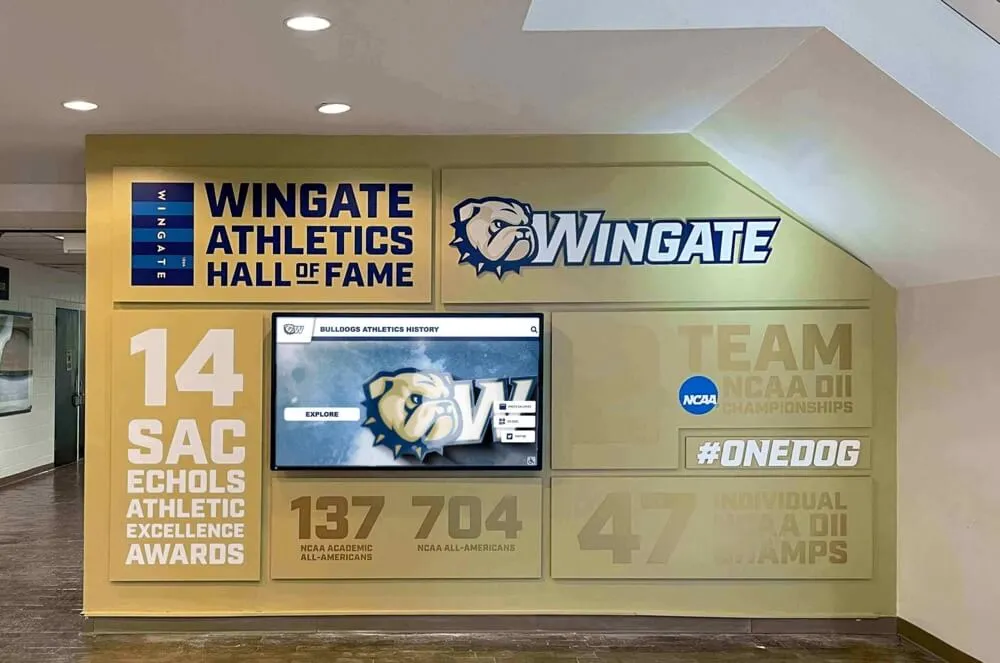
End-of-season recognition ceremonies celebrate diverse achievements across all basketball award categories, honoring every player's contributions
Understanding Basketball Awards Philosophy and Purpose
Before exploring specific award categories, understanding the strategic purpose behind basketball recognition helps coaches design systems achieving intended cultural and motivational objectives.
Why Comprehensive Awards Categories Matter
Basketball teams function through complex interdependencies where visible achievements depend entirely on less glamorous but equally critical contributions occurring throughout rosters and support systems.
Acknowledging Diverse Contributions
Championship teams require far more than just talented scorers:
- Defensive specialists who accept challenging assignments limiting opponents
- Rebounders who create second-chance opportunities and end opponent possessions
- Passers who sacrifice personal statistics facilitating teammates’ success
- Practice players who prepare starters through competitive daily work
- Leaders who maintain focus, energy, and accountability across seasons
- Role players who accept limited minutes while remaining engaged and supportive
- Bench contributors who provide energy and expertise when opportunities arise
When programs recognize only scoring or starting players, they implicitly communicate that other contributions lack value—undermining the collaborative culture that enables sustained success while potentially losing players who feel unappreciated despite genuine contributions.
Explore comprehensive recognition approaches in youth sports awards ideas that honor diverse achievement levels.
Creating Motivational Systems
Strategic award categories serve as season-long motivational tools:
- Players understand recognition opportunities beyond just scoring statistics
- Defensive effort receives validation motivating continued intensity
- Practice dedication becomes visible rather than invisible contribution
- Character development gains equivalent status to physical skills
- Every player identifies achievable recognition goals matching their strengths
- Team culture strengthens when contributions receive appropriate acknowledgment
Research on athletic motivation consistently demonstrates that recognition systems emphasizing diverse excellence create stronger engagement and retention compared to narrow performance-focused approaches celebrating only elite competitive outcomes.
Building Program Culture
Award categories communicate program values explicitly:
- Programs honoring hustle and effort signal that work ethic matters
- Leadership awards establish expectation that veterans guide younger players
- Academic recognition integrates classroom performance with athletic achievement
- Sportsmanship categories define acceptable competitive behavior standards
- Most improved awards create culture valuing growth over fixed ability
- Team-first awards reinforce collaborative rather than individual focus
The award categories you emphasize reveal what your program genuinely values versus what coaches claim to prioritize—creating powerful cultural messaging that shapes player behavior throughout seasons.
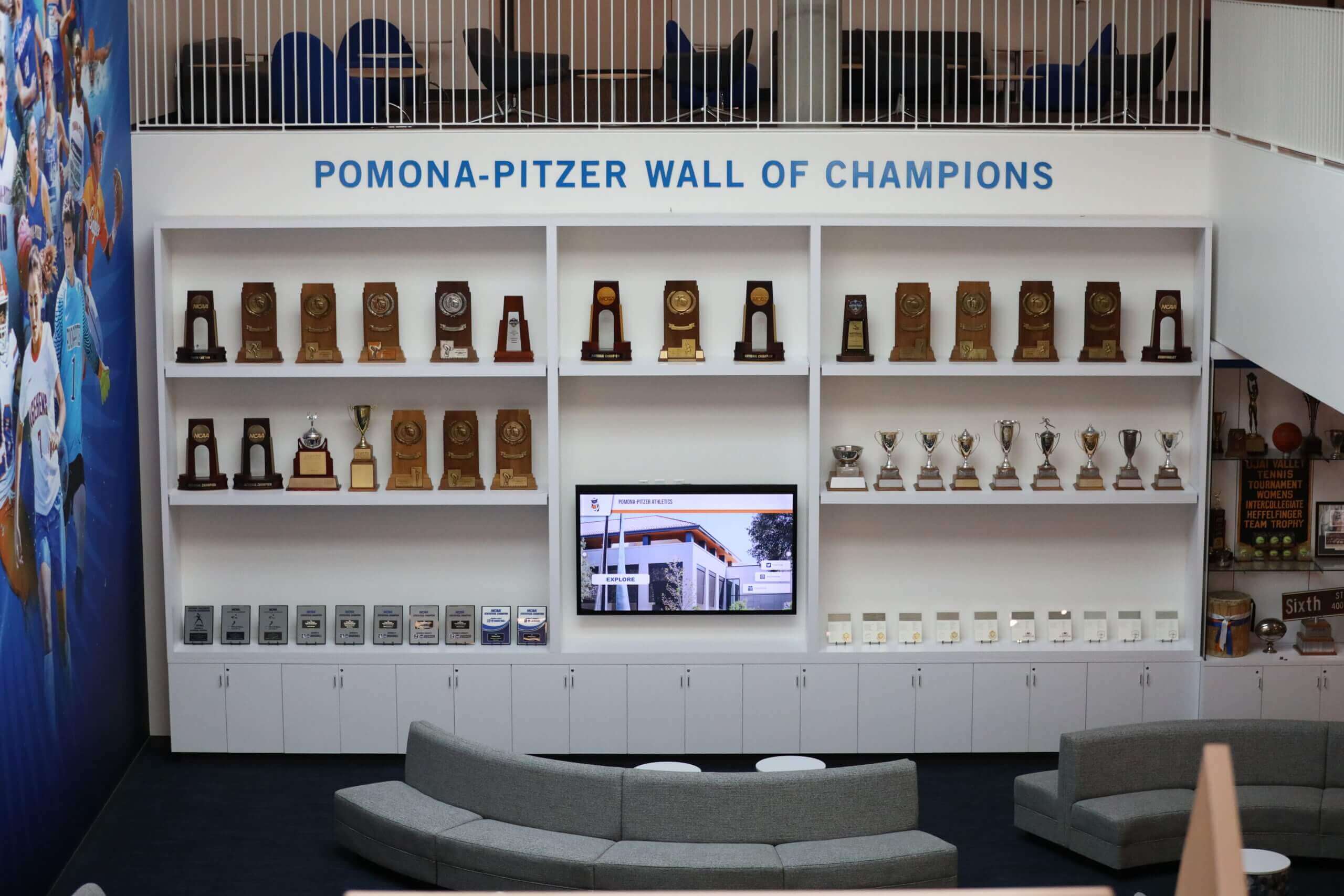
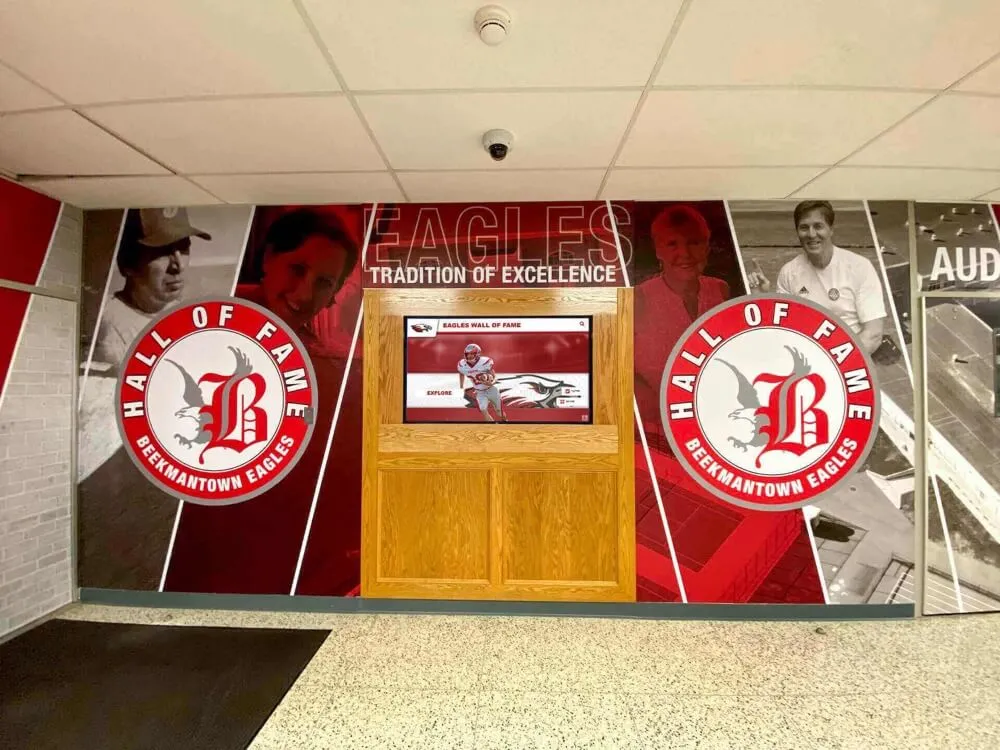
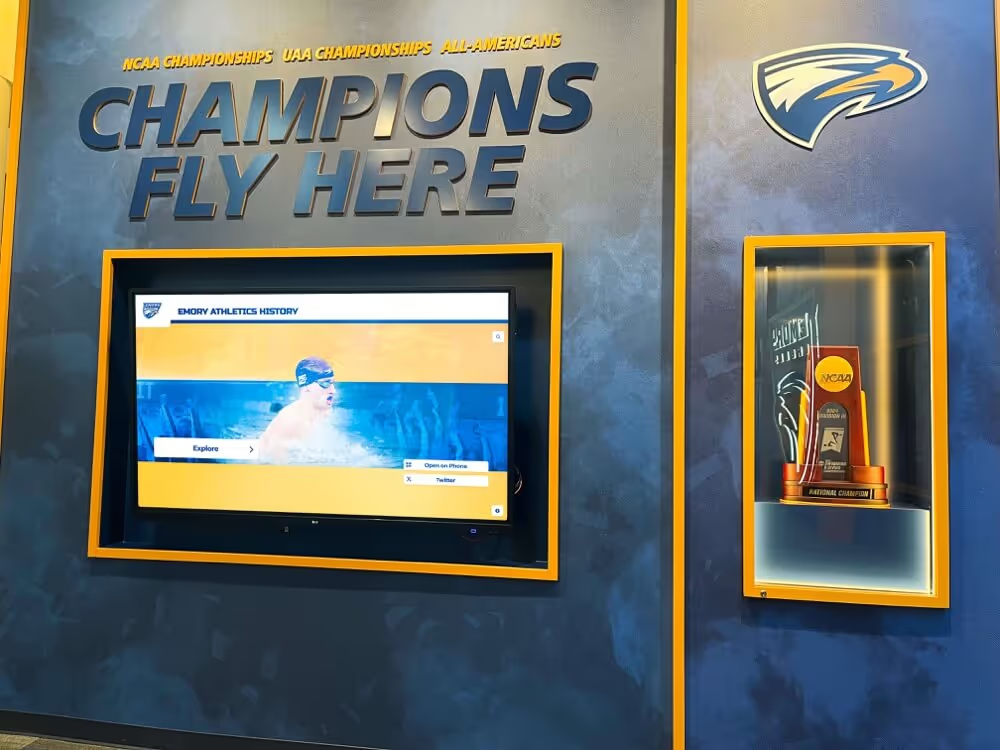
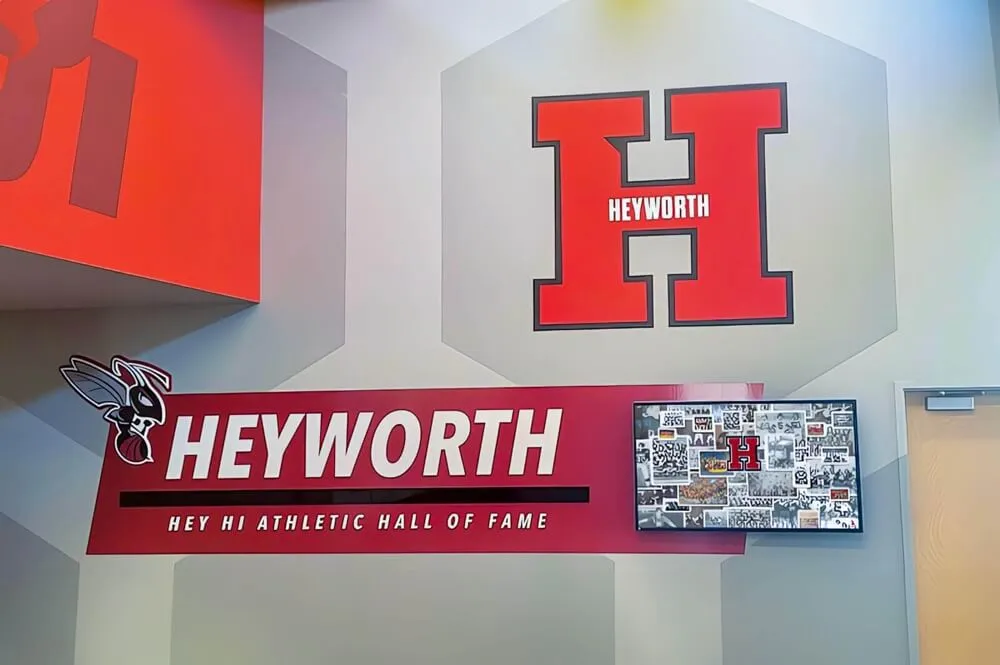
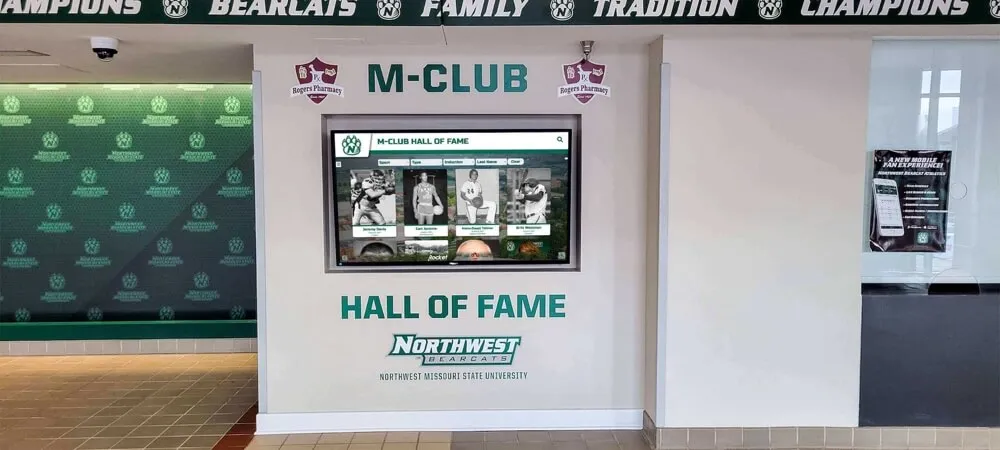
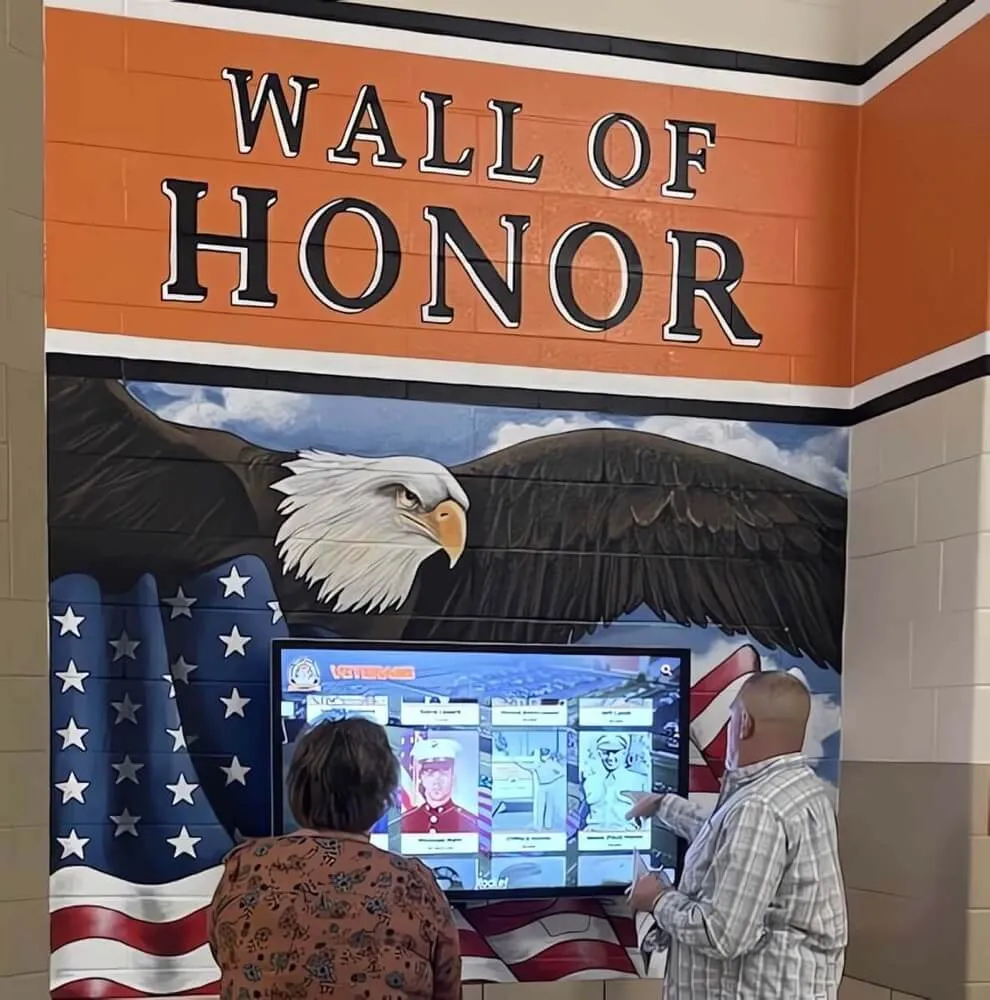
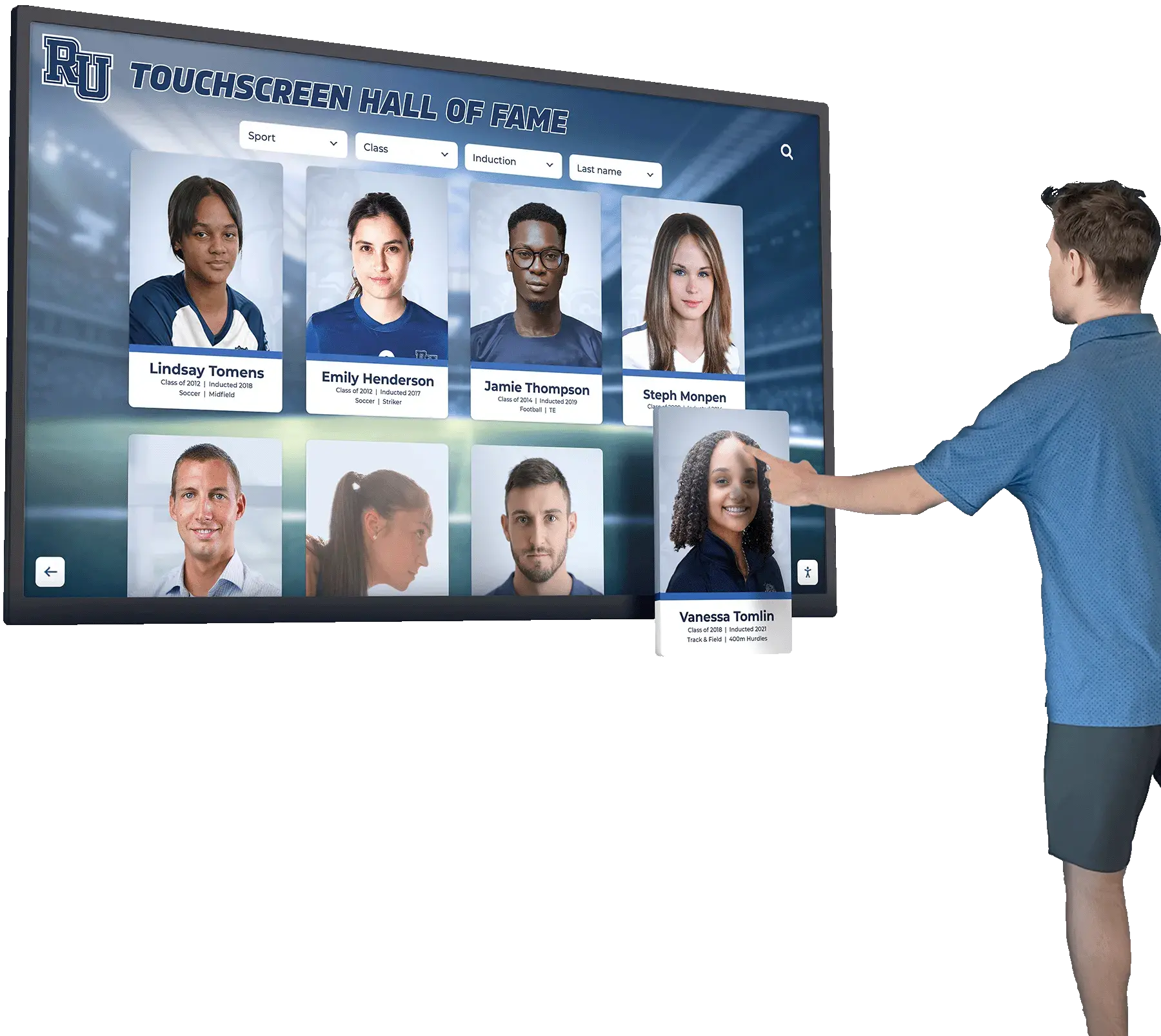
Recognition displays preserve basketball awards across categories, creating visible program culture celebrating diverse excellence
Age-Appropriate Award Category Selection
Different age groups require different award emphases reflecting developmental stages and competitive contexts.
Youth Basketball (Ages 8-12)
Elementary and middle school programs should emphasize:
- Participation recognition ensuring every player feels valued
- Improvement awards celebrating growth over fixed ability
- Character and sportsmanship categories building positive values
- Fun, creative award names appealing to young athletes
- Multiple winners across categories enabling broad recognition
- Equal visibility for all awards preventing status hierarchies
- Team-oriented categories over individual statistical achievements
At these ages, award programs should focus primarily on building confidence, maintaining engagement, and establishing positive associations with organized basketball rather than creating competitive hierarchies that might discourage continued participation.
High School Basketball (Ages 13-18)
Secondary school programs transition toward:
- Performance-based awards reflecting competitive realities
- Statistical achievement recognition for measurable excellence
- Position-specific categories honoring specialized skills
- Leadership awards acknowledging cultural contributions
- Continued character emphasis maintaining developmental focus
- Academic integration celebrating well-rounded excellence
- Team contribution awards valuing supporting roles
High school programs balance competitive achievement celebration with developmental priorities, preparing athletes for higher-level competition while maintaining inclusive recognition preventing less elite players from feeling excluded or undervalued.
Learn about systematic high school end-of-year awards covering broader athletic recognition strategies.
Competitive Travel and AAU Programs
Elite competitive programs typically emphasize:
- Performance excellence reflecting advanced competitive contexts
- Statistical leadership recognition showcasing individual achievement
- Tournament MVP and championship performance awards
- College recruitment showcase opportunities
- Specialized technical skill categories by position
- Advanced metrics recognition for sophisticated analysis
- Continued leadership and character awards maintaining balance
Even within elite competitive contexts, comprehensive award categories honor the supporting roles, practice dedication, and character qualities enabling team success rather than celebrating only individual statistical leaders.
Number of Award Categories to Include
Programs must balance comprehensive recognition with maintaining award significance through appropriate selectivity.
Balancing Breadth and Prestige
Too few award categories leave most players feeling unrecognized, while excessive awards diminish meaning and prestige. Most successful programs include:
- 8-15 total award categories for teams of 10-15 players
- 3-5 major awards with special significance (MVP, leadership, etc.)
- 5-10 supporting categories honoring diverse contributions
- Potential for multiple recipients in broad categories
- Guaranteeing minimum recognition for every roster member
- Maintaining distinction between major and supporting recognition

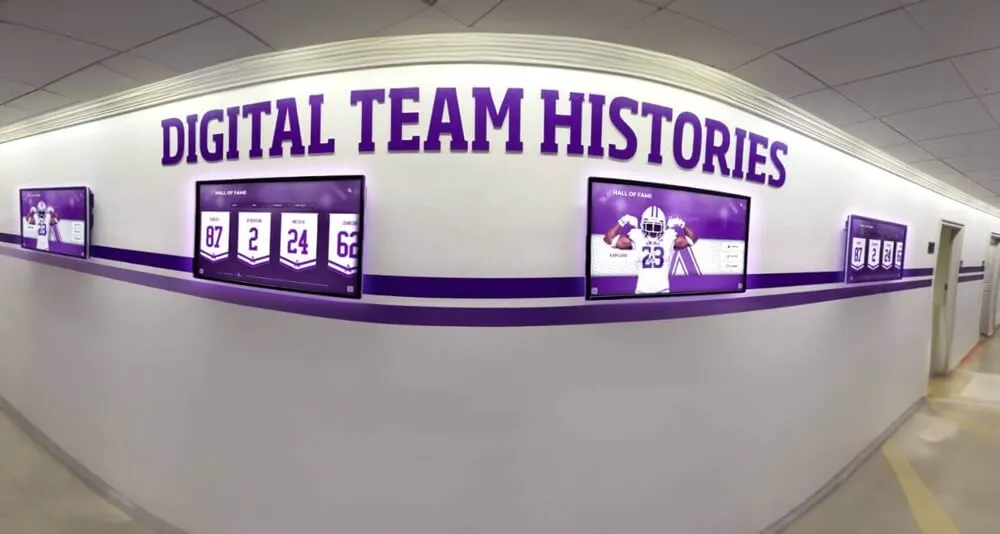
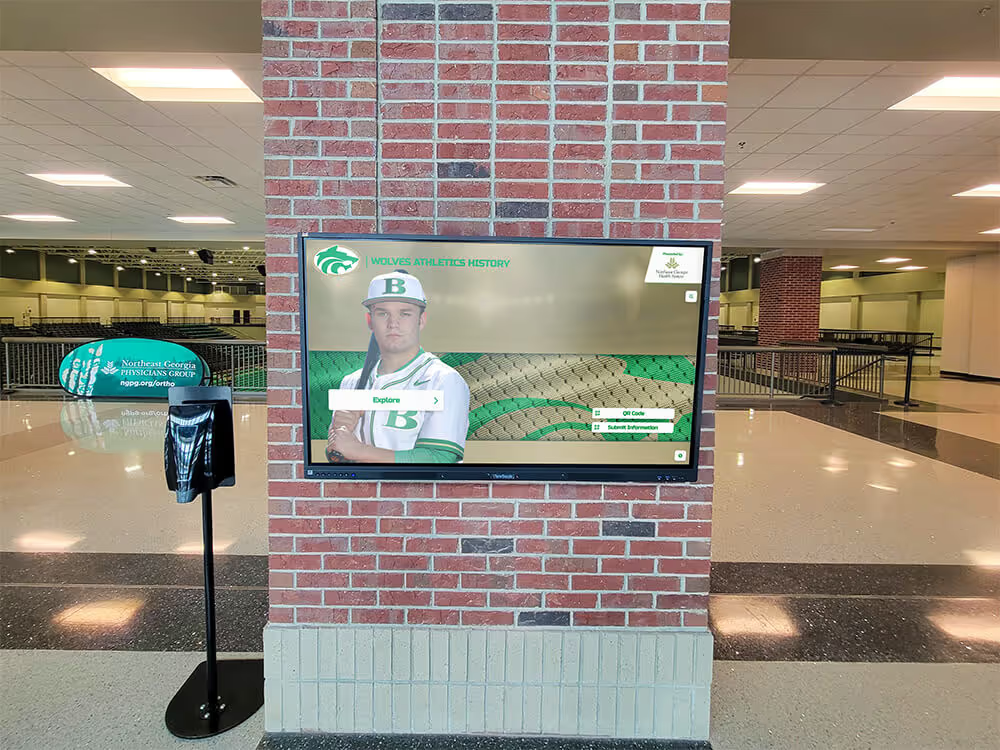
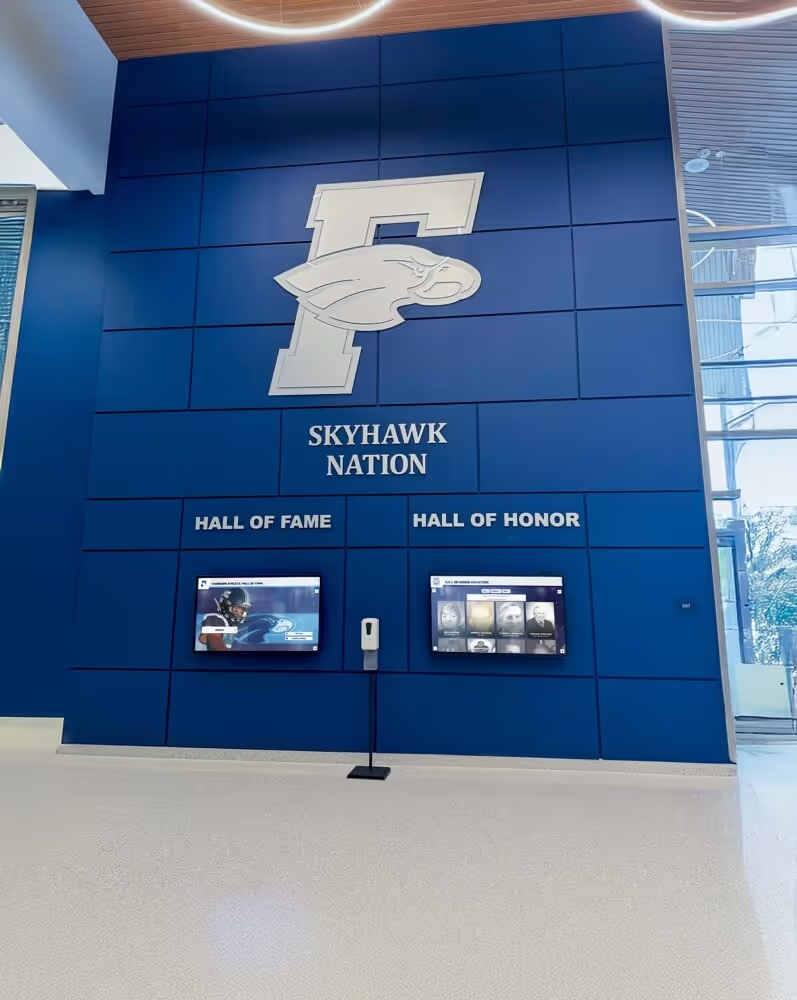
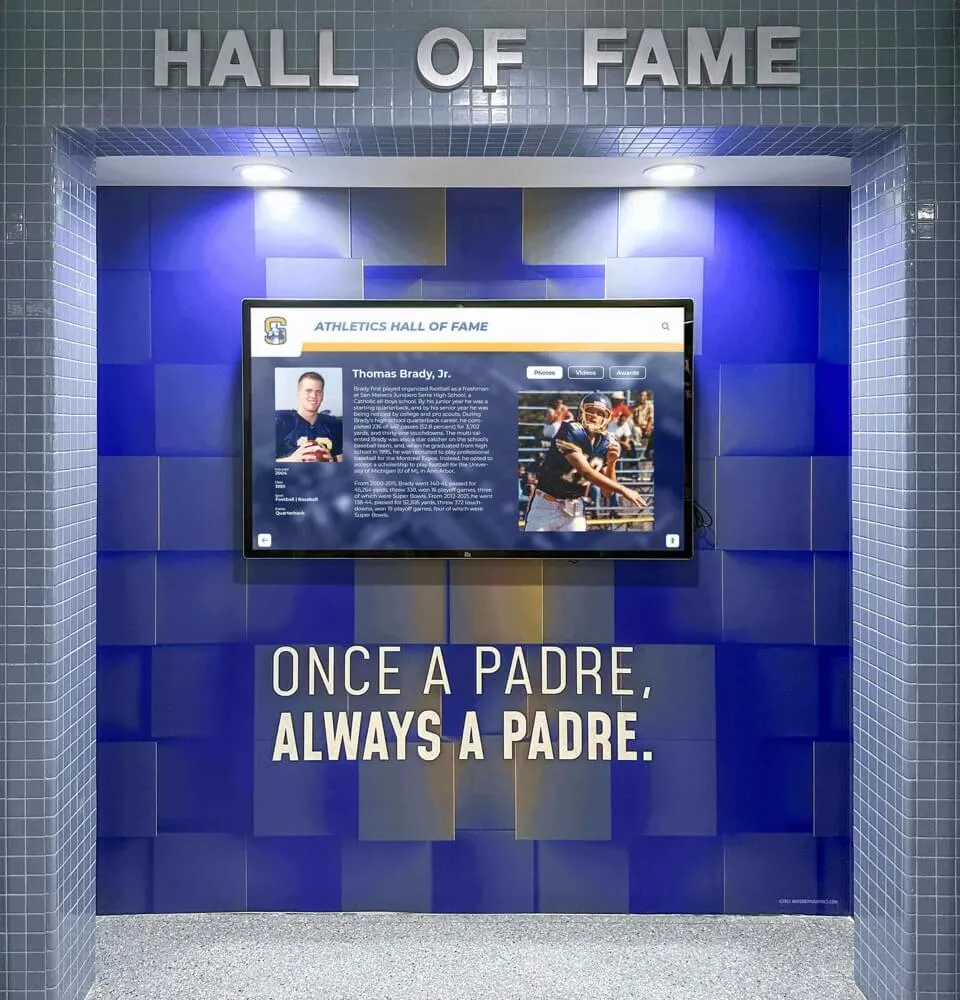
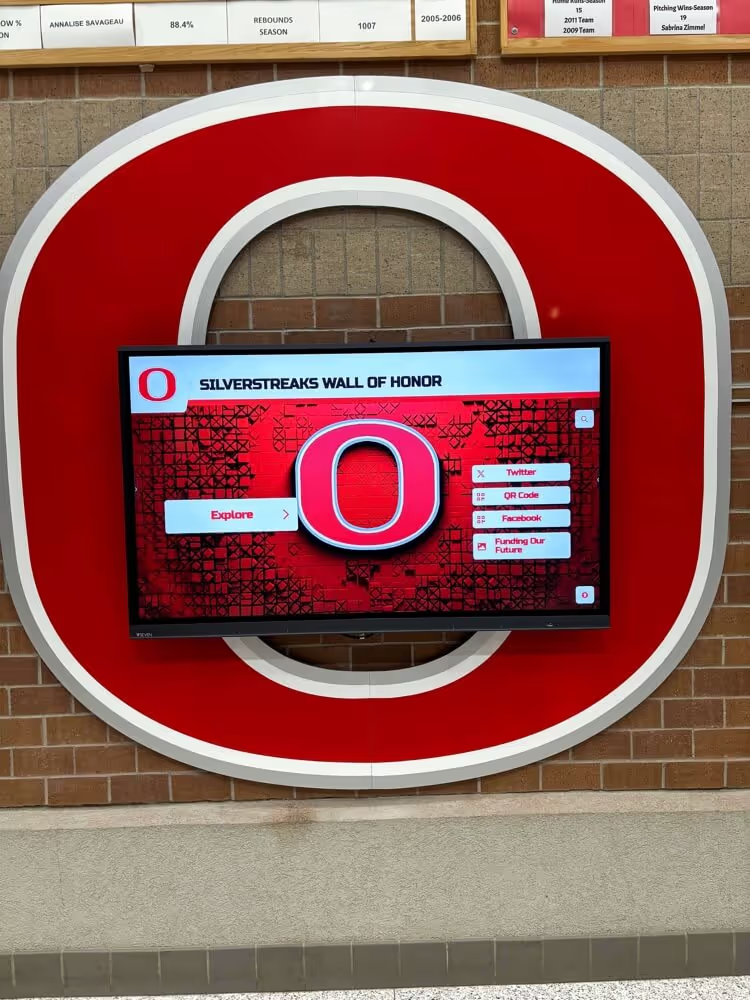
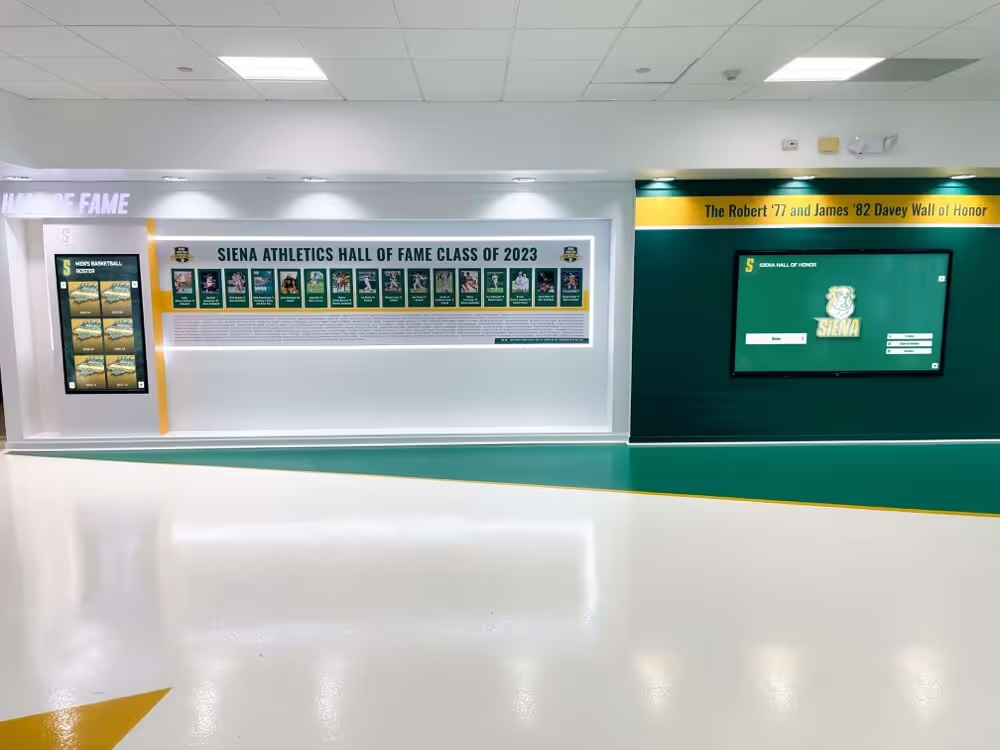
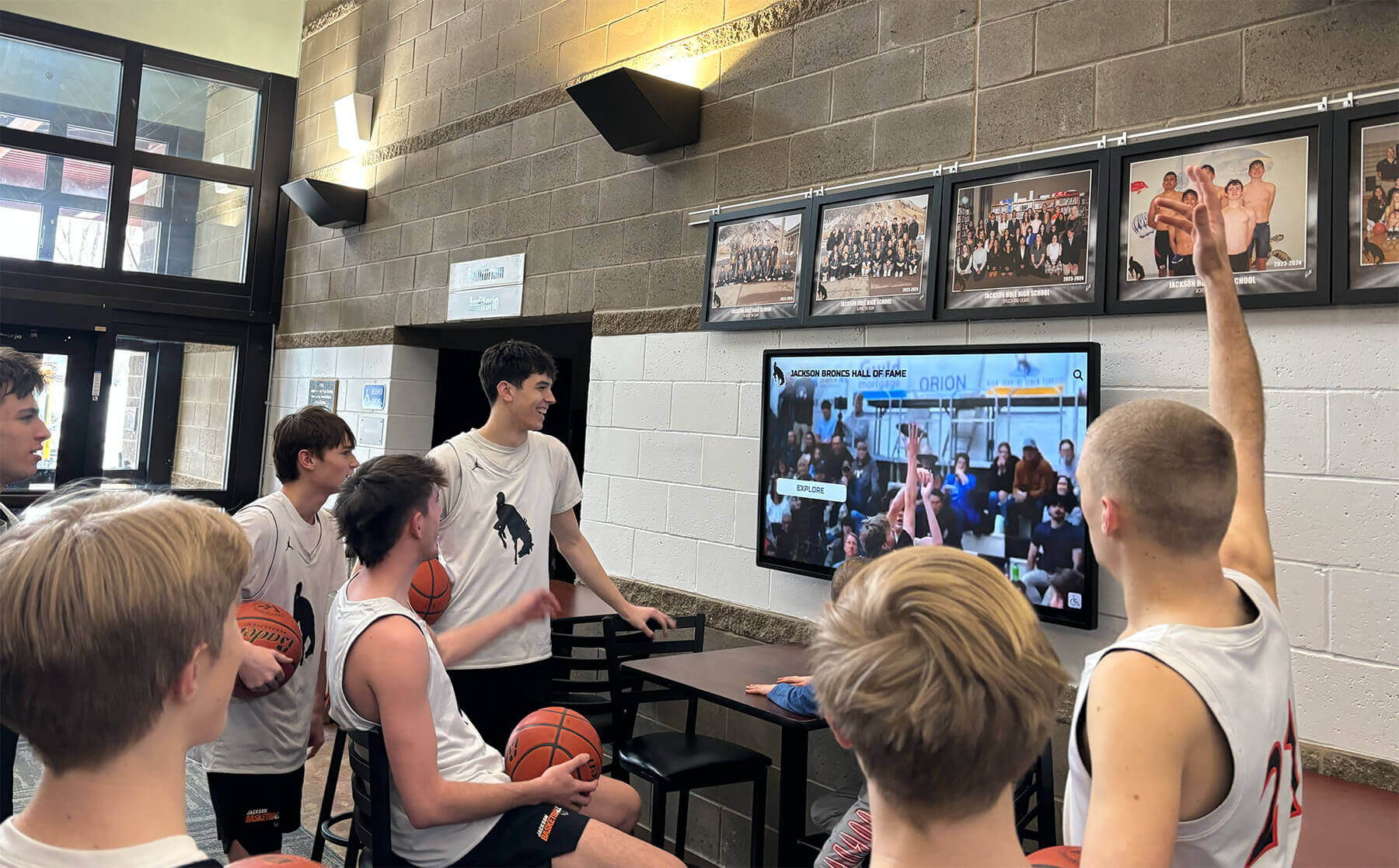
Digital displays accommodate unlimited award categories across seasons, preserving recognition permanently beyond single ceremonies
The goal involves ensuring genuine recognition reaches every player while maintaining standards that preserve award value—avoiding participation trophy approaches where everyone receives identical recognition regardless of contribution or achievement level.
Essential Basketball Awards Categories
These fundamental award categories form the core of most basketball recognition programs across competitive levels and age groups.
Performance and Achievement Awards
Categories recognizing statistical excellence and competitive performance:
Most Valuable Player (MVP)
The traditional centerpiece recognition honoring overall excellence:
- Selection criteria: Combination of statistics, leadership, and total impact
- Typical recipients: Team’s best player or most critical contributor
- Presentation approach: Special trophy or plaque as season’s highest honor
- Alternative names: Player of the Year, Team MVP, Outstanding Player Award
- Consideration factors: Points, assists, rebounds, defensive impact, leadership, clutch performance
MVP awards work best when selection criteria extend beyond just scoring statistics to acknowledge the complete impact on team success including intangibles like leadership, defense, and elevating teammates’ performance.
Most Improved Player
Celebrates growth and development over the season:
- Selection criteria: Greatest measurable improvement from season start to end
- Typical recipients: Players who dramatically enhanced skills or contributions
- Motivational value: Rewards work ethic and coachability over fixed talent
- Age appropriateness: Particularly meaningful for youth and developing players
- Measurement approaches: Statistical improvement, skill assessment changes, playing time increases, coach evaluation
This award proves especially meaningful because it honors effort and development rather than just natural talent—creating recognition opportunities for players who may never become stars but demonstrate exceptional commitment to improvement.
Learn about improvement recognition in most improved player award strategies with detailed implementation guidance.
Offensive Player of the Year
Recognizes scoring and offensive production excellence:
- Selection criteria: Points per game, shooting efficiency, creating offense for others
- Statistical metrics: Total points, field goal percentage, three-point accuracy, assists
- Position considerations: Guards vs. forwards have different offensive roles
- Team context: Offensive system influences individual statistics significantly
- Alternative names: Top Scorer, Offensive Excellence Award, Scoring Champion
Offensive awards should balance pure scoring with efficiency and overall offensive contribution—preventing volume scoring on poor percentages from overshadowing more efficient but lower-volume contributors.
Defensive Player of the Year
Honors defensive excellence and commitment:
- Selection criteria: Defensive assignments, opponent performance limitation, effort
- Statistical metrics: Steals, blocks, defensive rebounds, opponent field goal percentage
- Intangible factors: Communication, positioning, help defense, taking charges
- Coaching input: Defensive impact often invisible to casual observers
- Alternative names: Defensive Excellence Award, Lockdown Defender, Defensive Specialist
Defensive awards communicate that programs value complete basketball rather than just offensive production—reinforcing cultural priorities about defense determining championship success regardless of offensive talent.
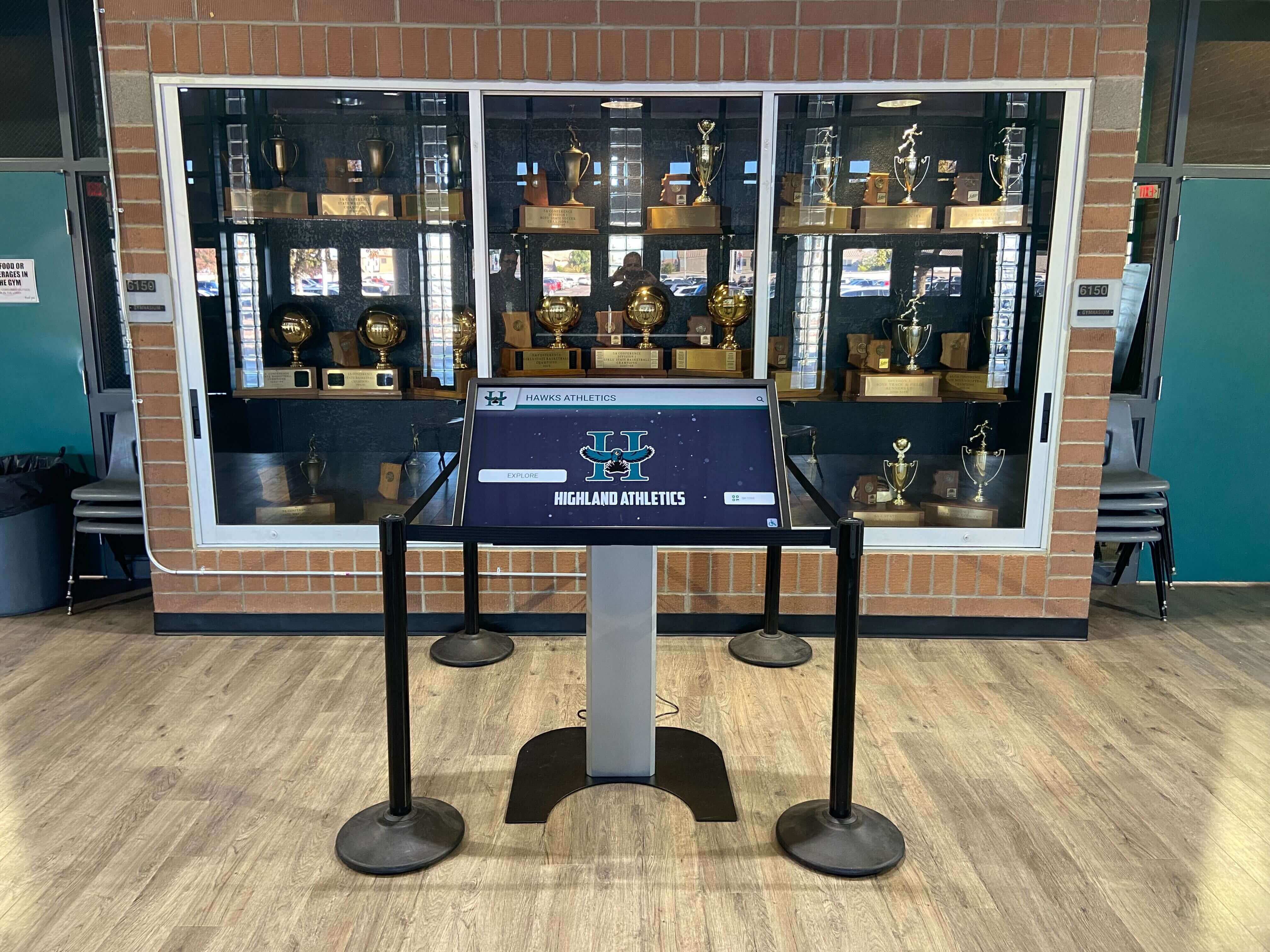
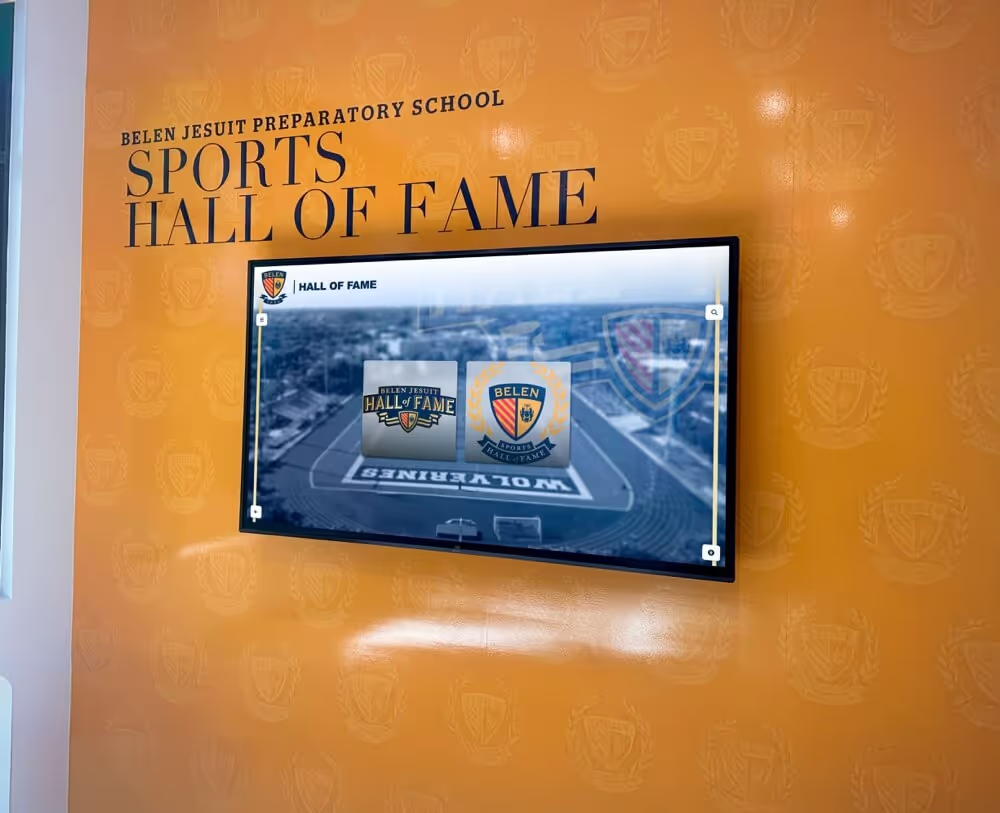
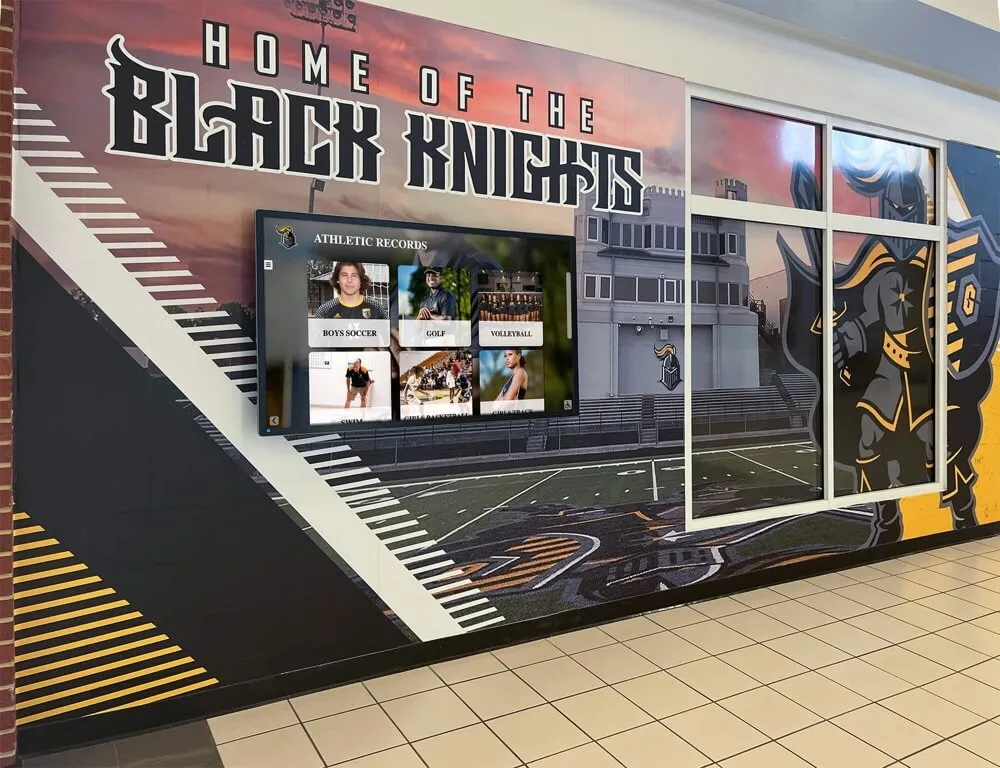
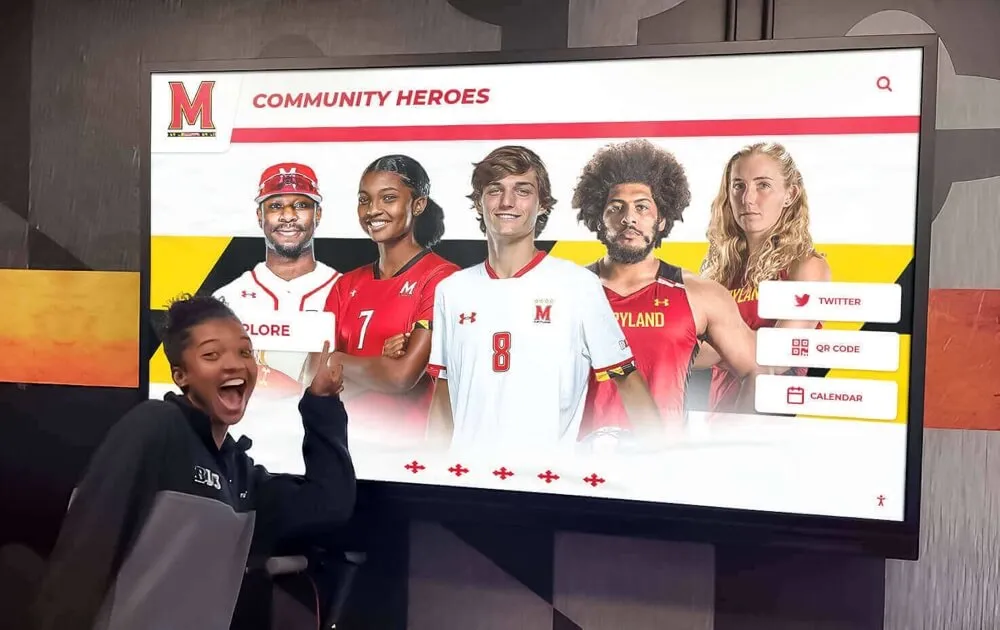
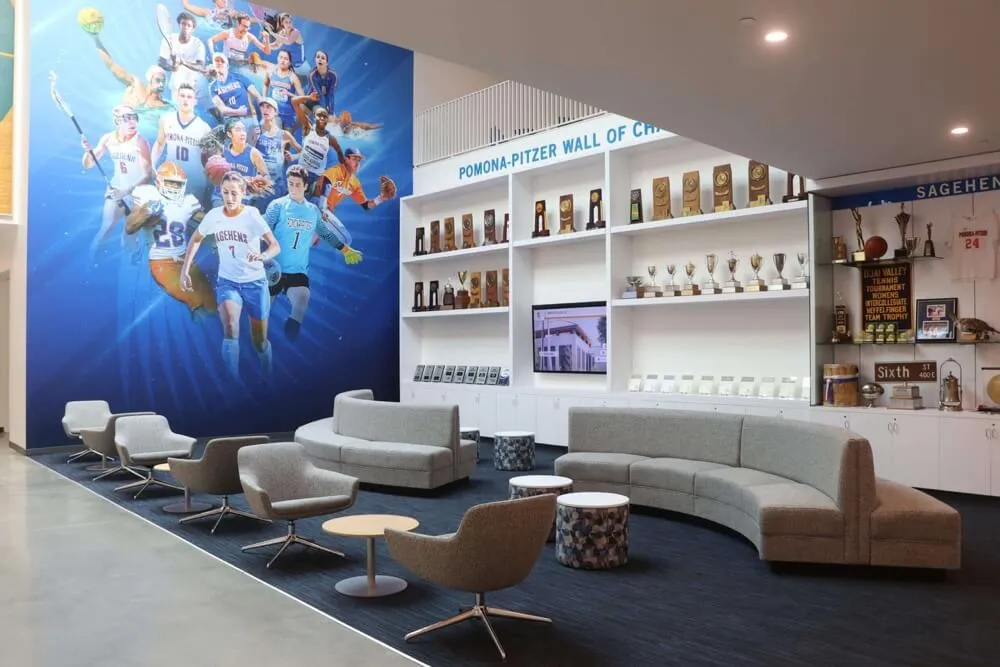
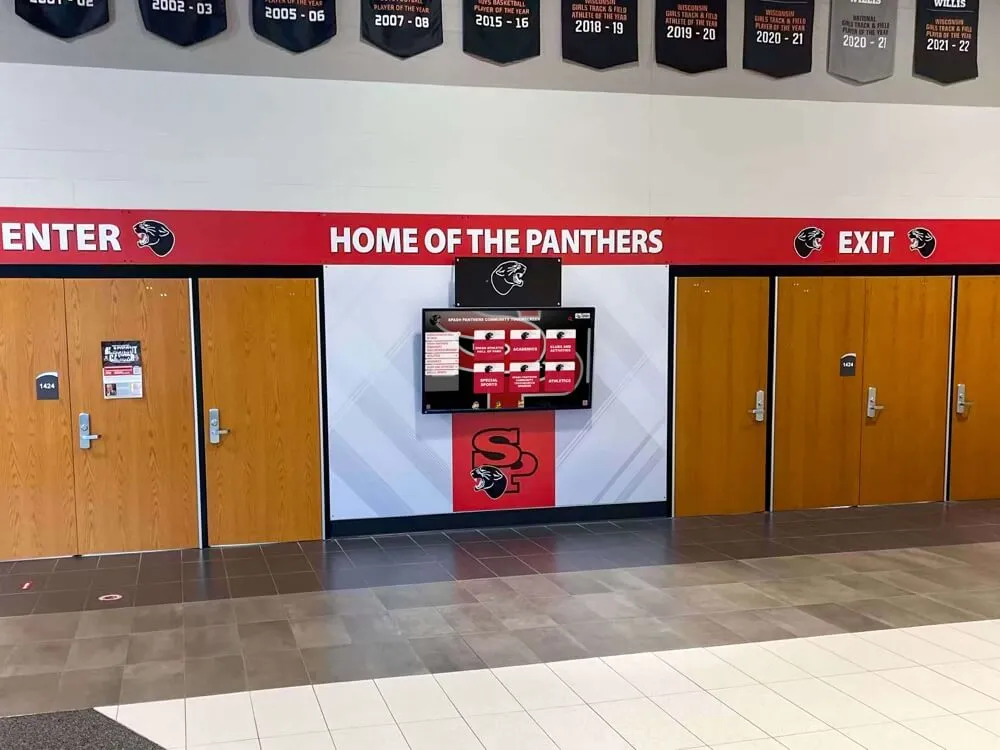
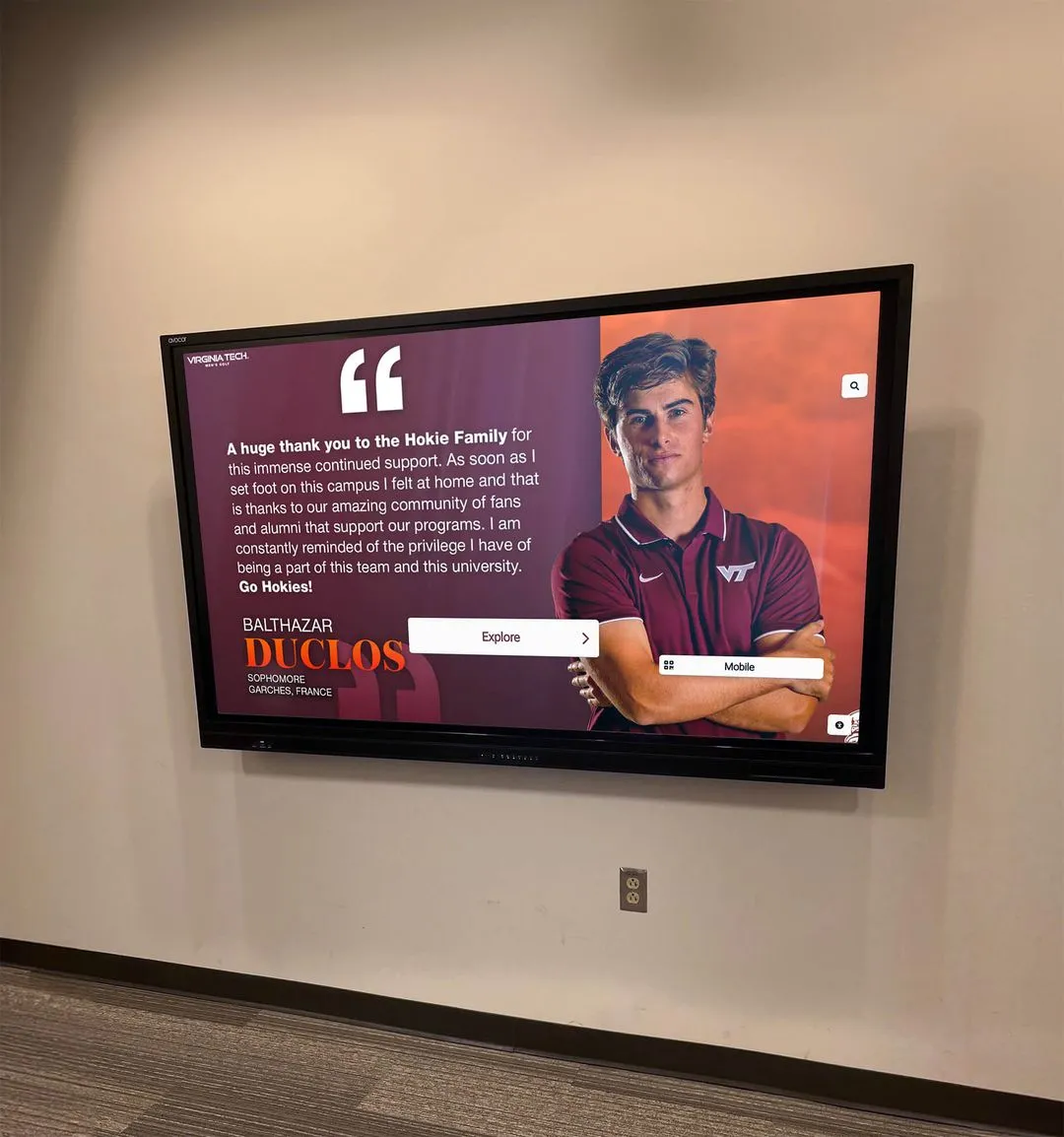
Modern recognition systems showcase basketball awards across all categories with detailed achievement documentation
Sixth Player Award
Celebrates bench contributors providing critical impact:
- Selection criteria: Production and impact despite coming off bench
- Role definition: Best reserve providing energy, scoring, or specialized skills
- Cultural message: Values contributions regardless of starting status
- Motivational impact: Maintains engagement among non-starters
- Professional connection: Mirrors NBA Sixth Man Award adding prestige
This award proves particularly important for maintaining engagement among talented players who accept reserve roles supporting team success rather than demanding starting positions or transferring to programs promising more playing time.
Statistical Achievement Awards
Categories honoring measurable excellence in specific performance dimensions:
Leading Scorer
Straightforward recognition for most points scored:
- Clear criteria: Total points or points per game average
- Presentation: Certificate with exact statistics documented
- Program records: Connection to historical scoring achievements
- Multiple recipients: Co-leaders if statistical ties occur
- Alternative approaches: Separate recognition for total points vs. scoring average
Rebounding Leader
Honors dominance on the glass:
- Categories: Total rebounds, offensive rebounds, defensive rebounds
- Position context: Centers vs. guards have different rebounding expectations
- Impact emphasis: Second-chance opportunities created and opponent possessions ended
- Statistical documentation: Average per game and total season rebounds
- Alternative names: Glass Cleaner Award, Boards Award, Rebound Champion
Assists Leader
Recognizes playmaking and unselfishness:
- Statistical criteria: Total assists or assists per game
- Cultural value: Highlights passing and creating for teammates over personal scoring
- Position considerations: Point guards typically lead but recognize other distributors
- Impact measurement: Points created for teammates through assists
- Alternative names: Playmaker Award, Passing Excellence, Court Vision Award
Three-Point Shooting Champion
Celebrates perimeter shooting excellence:
- Dual metrics: Total three-pointers made and three-point percentage
- Minimum attempt thresholds: Prevents small sample sizes from dominating
- Strategic value: Recognizes increasingly critical modern basketball skill
- Multiple categories: Volume shooter vs. accuracy shooter recognition
- Alternative names: Long Range Award, Perimeter Shooter, Downtown Excellence
Free Throw Shooting Champion
Honors consistency from the charity stripe:
- Primary metric: Free throw percentage (with minimum attempt threshold)
- Clutch element: Late-game free throw shooting under pressure
- Practice reflection: Skill requiring dedicated individual work
- Technical excellence: Perfect form and routine consistency
- Alternative names: Clutch Free Throw Award, Charity Stripe Champion
Best Field Goal Percentage
Recognizes overall shooting efficiency:
- Calculation: Field goals made divided by field goal attempts
- Minimum thresholds: Requires substantial attempts preventing statistical outliers
- Position considerations: Centers shooting close to basket vs. guards shooting from distance
- Shot selection reflection: Rewards smart shot choices not just pure shooting
- Alternative names: Efficiency Award, Shooting Percentage Champion
Discover comprehensive statistical recognition in basketball hall of fame recognition strategies preserving achievements permanently.

Statistical achievements deserve permanent documentation through recognition displays celebrating measurable excellence
Character and Leadership Awards
Categories emphasizing personal development and team culture contributions:
Leadership Award
Honors vocal and example-based team leadership:
- Selection criteria: Vocal communication, practice intensity, teammate accountability
- Multiple dimensions: Practice leadership, game leadership, off-court leadership
- Peer input: Often selected partially or completely through player voting
- Grade/experience: Typically awarded to upperclassmen or multi-year players
- Alternative names: Captain’s Award, Team Leader Recognition, Cultural Impact Award
Leadership awards should recognize authentic influence rather than just positional authority—honoring players who genuinely elevate team culture regardless of whether they wear captain’s designation.
Coaches’ Award
Special recognition for intangibles coaches value most:
- Selection philosophy: Honors contributions coaches notice but statistics don’t capture
- Typical recipients: Players exemplifying ideal attitude, coachability, and commitment
- Cultural communication: Explicitly states what program values beyond performance
- Discretionary selection: Coaches choose freely based on observed contributions
- Alternative names: Hustle Award, Heart and Determination, Coaches’ Choice
This award provides flexibility recognizing players who may not lead any statistical category but demonstrate the attitude and commitment coaches most appreciate—often honoring practice players or reserves whose contributions enable starter development and team preparation.
Best Teammate Award
Celebrates supportive and collaborative contributions:
- Selection criteria: Encouragement, celebration of others, mentoring, no drama
- Peer voting: Often selected through anonymous player ballots
- Cultural impact: Reinforces team-first values over individual focus
- Statistical independence: Completely separate from performance metrics
- Alternative names: Ultimate Teammate, Team Spirit Award, Unsung Hero
Teammate awards communicate that programs value chemistry and relationships as much as individual talent—creating recognition for players who may not excel statistically but create environments enabling others to perform at their best.
Sportsmanship Award
Honors integrity and respect for the game:
- Selection criteria: Respect for opponents, officials, and basketball traditions
- Behavioral standards: Technical foul-free seasons, helping opponents up, positive reputation
- Community reflection: Represents program positively to external audiences
- Character emphasis: Integrates athletic competition with personal development
- Alternative names: Spirit of the Game Award, Integrity Award, Fair Play Recognition
Sportsmanship recognition establishes explicit standards for competitive behavior—communicating that winning matters but not at the expense of respect, integrity, and appropriate competitive conduct.
Academic Excellence Award
Integrates classroom performance with athletic achievement:
- Selection criteria: Highest GPA, academic honors, student-athlete balance
- Cultural integration: Values complete student experience beyond just athletics
- Future orientation: Emphasizes life beyond basketball requiring academic foundation
- Multiple categories: Highest GPA, most improved academically, honor roll achievement
- Alternative names: Scholar-Athlete Award, Academic All-Conference, Student-Athlete Excellence
Academic awards communicate that programs value education and complete personal development—preventing basketball-only focus while celebrating players maintaining excellence in both arenas despite significant time demands.
Learn about academic recognition integration in academic honor roll programs combining athletic and scholarly achievement.
Perseverance Award
Celebrates overcoming adversity and maintaining commitment:
- Selection criteria: Returning from injury, overcoming challenges, sustained dedication
- Inspirational value: Recognizes mental toughness and resilience
- Individual circumstances: Tailored to specific challenges players faced
- Cultural modeling: Demonstrates that struggle and comeback deserve recognition
- Alternative names: Comeback Award, Resilience Recognition, Overcoming Adversity Award
This award proves particularly meaningful because it acknowledges that athletic journeys include setbacks and challenges—honoring players who demonstrate character through difficulty rather than just success through favorable circumstances.
Specialized Role Recognition
Categories honoring position-specific and role-based excellence:
Defensive Specialist
Beyond defensive player of the year, recognizes specific defensive roles:
- Selection criteria: Guarding opponents’ best players, defensive assignments
- Sacrifice element: Often reduces personal statistics accepting tough matchups
- Coaching trust: Receives most challenging defensive responsibilities
- Team context: Enables other players to excel offensively
- Alternative names: Lockdown Defender, Stopper Award, Defensive Ace
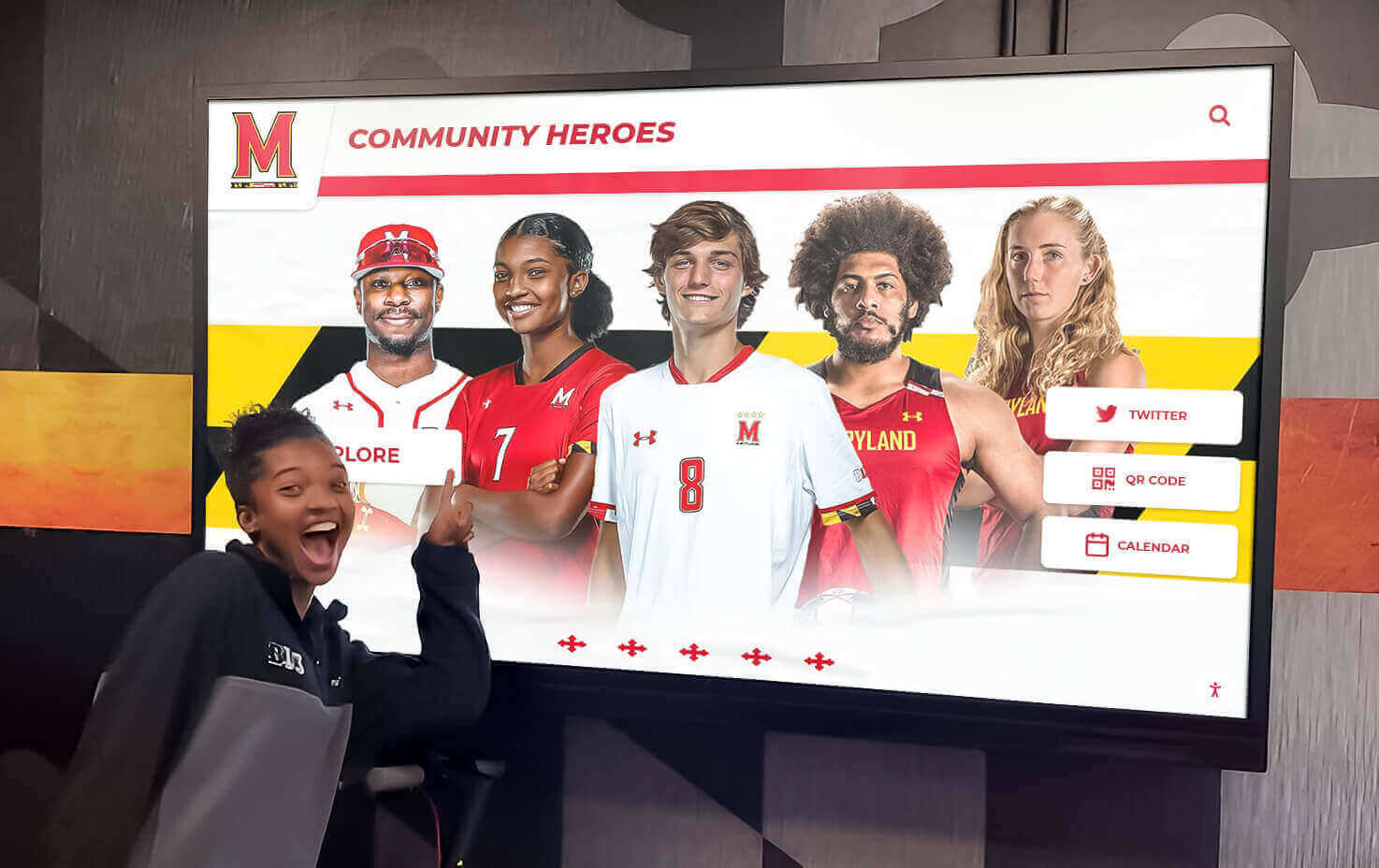
Specialized awards honor diverse contributions ensuring recognition reaches players in every role and position
Best Rebounder
Separate from statistical leader, emphasizes effort and positioning:
- Technical elements: Boxing out, positioning, pursuing every rebound
- Effort recognition: Willingness to battle physically for possession
- Statistical support: Total rebounds as validation but emphasizes approach
- Team impact: Creates extra possessions determining competitive outcomes
- Alternative names: Boards Beast, Glass Warrior, Rebound Specialist
Floor General Award
Recognizes basketball IQ and game management:
- Selection criteria: Court awareness, play calling, tempo control, decision-making
- Position emphasis: Typically point guards but honors any position demonstrating quality
- Intangible impact: Difficult to measure but visible to coaches and informed observers
- Leadership connection: Often correlates with leadership but focuses on basketball IQ
- Alternative names: Court Vision Award, Basketball IQ Recognition, Game Manager
Hustle Award
Celebrates maximum effort regardless of outcome:
- Selection criteria: Loose ball dives, charges taken, sprint back on defense, practice intensity
- Statistical independence: Completely separate from production metrics
- Cultural message: Effort always receives recognition regardless of talent level
- Broad eligibility: Available to every player regardless of position or role
- Alternative names: Grit Award, All-Out Effort, 110% Award, Maximum Intensity
Hustle awards provide recognition opportunities for players who may never lead statistical categories but demonstrate the competitive intensity and effort that coaches value and teams require for sustained success.
Creative and Fun Basketball Awards Categories
Beyond traditional awards, creative categories add entertainment value while honoring unique contributions and personalities.
Team Culture and Spirit Awards
Recognition celebrating energy, enthusiasm, and team chemistry:
Best Bench Energy
Honors reserves who maintain engagement and support:
- Selection criteria: Cheering, celebrating teammates, staying invested during games
- Role definition: Reserves who elevate team energy despite limited playing time
- Cultural value: Recognizes that engaged bench creates competitive advantage
- Broad impact: Maintains morale preventing disengagement among non-starters
- Alternative names: Bench MVP, Sixth Man Energy, Ultimate Hype Player
Team Mascot Award
Celebrates personality and entertainment value:
- Selection criteria: Humor, positive energy, keeping teammates loose
- Balance requirement: Fun personality while maintaining focus and seriousness when needed
- Chemistry contribution: Creates bonds and relationships strengthening team unity
- Peer appreciation: Often recognized through teammate voting
- Alternative names: Team Character Award, Personality Plus, Entertainment Value
Best Celebrations
Recognizes creativity in celebrating teammates’ achievements:
- Selection criteria: Creative handshakes, celebrations, showing excitement for others
- Cultural communication: Values celebrating teammates’ success
- Fun element: Adds entertainment while reinforcing positive values
- Video evidence: Often supported through video montages at banquets
- Alternative names: Celebration Champion, Best Handshakes, Hype Specialist
These lighter categories balance serious performance recognition with acknowledgment that team sports include personality, relationships, and entertainment elements contributing to positive experiences and sustained engagement.
Explore creative recognition approaches in basketball banquet ideas demonstrating comprehensive celebration strategies.
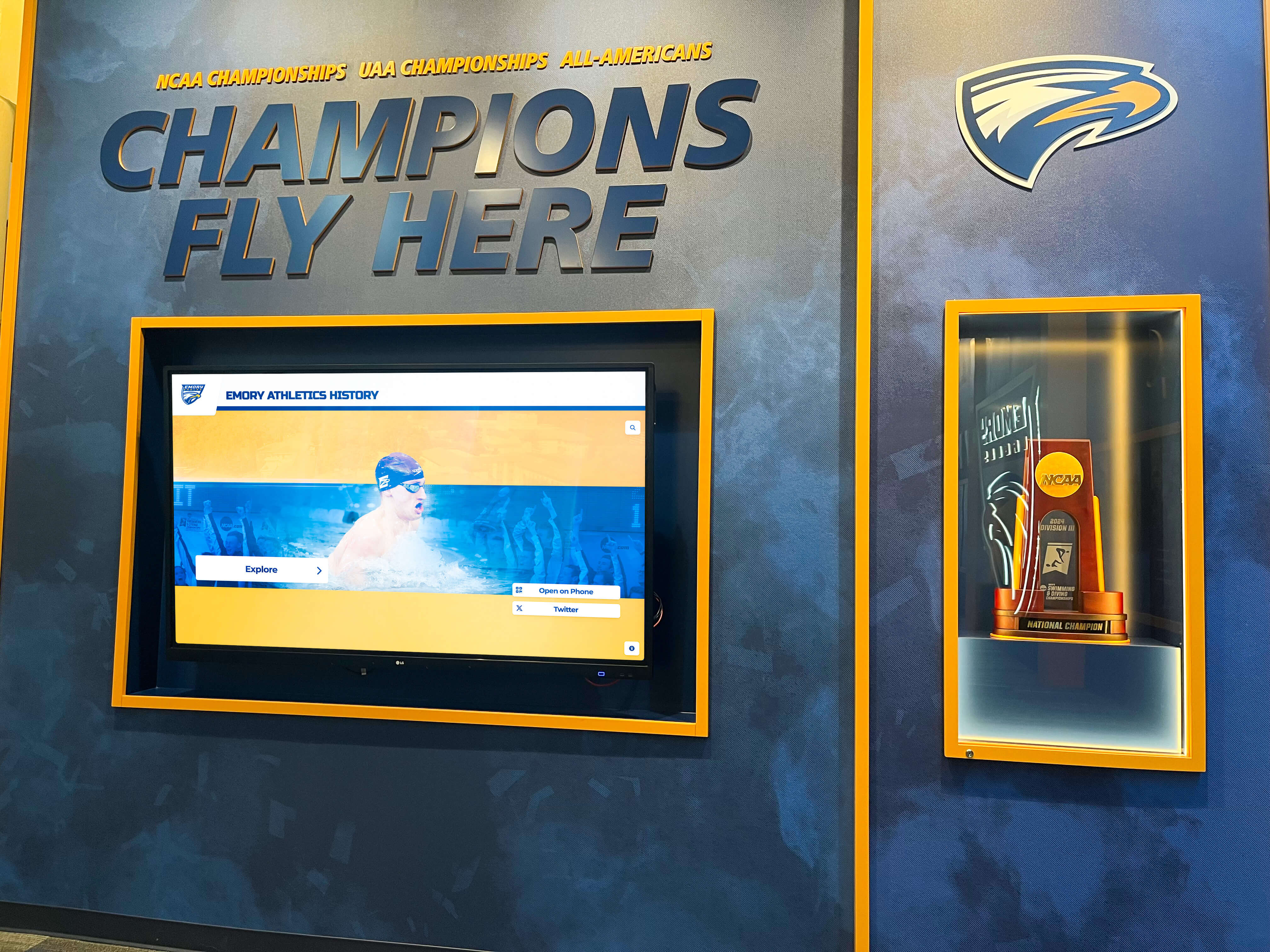
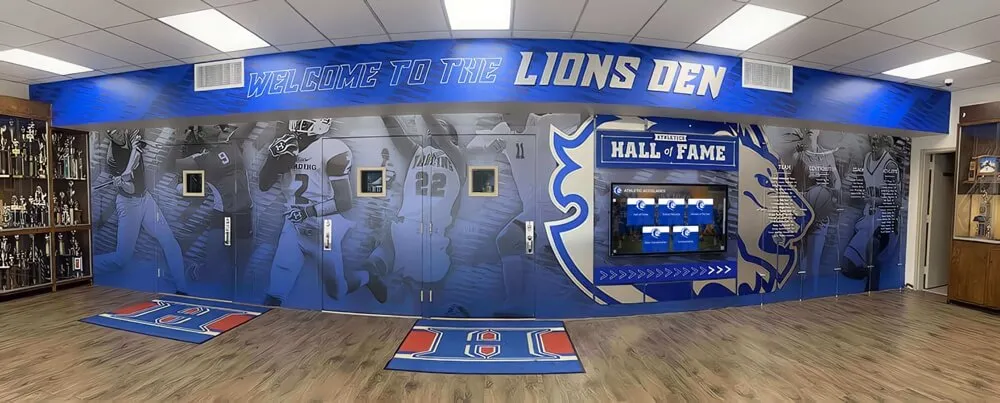
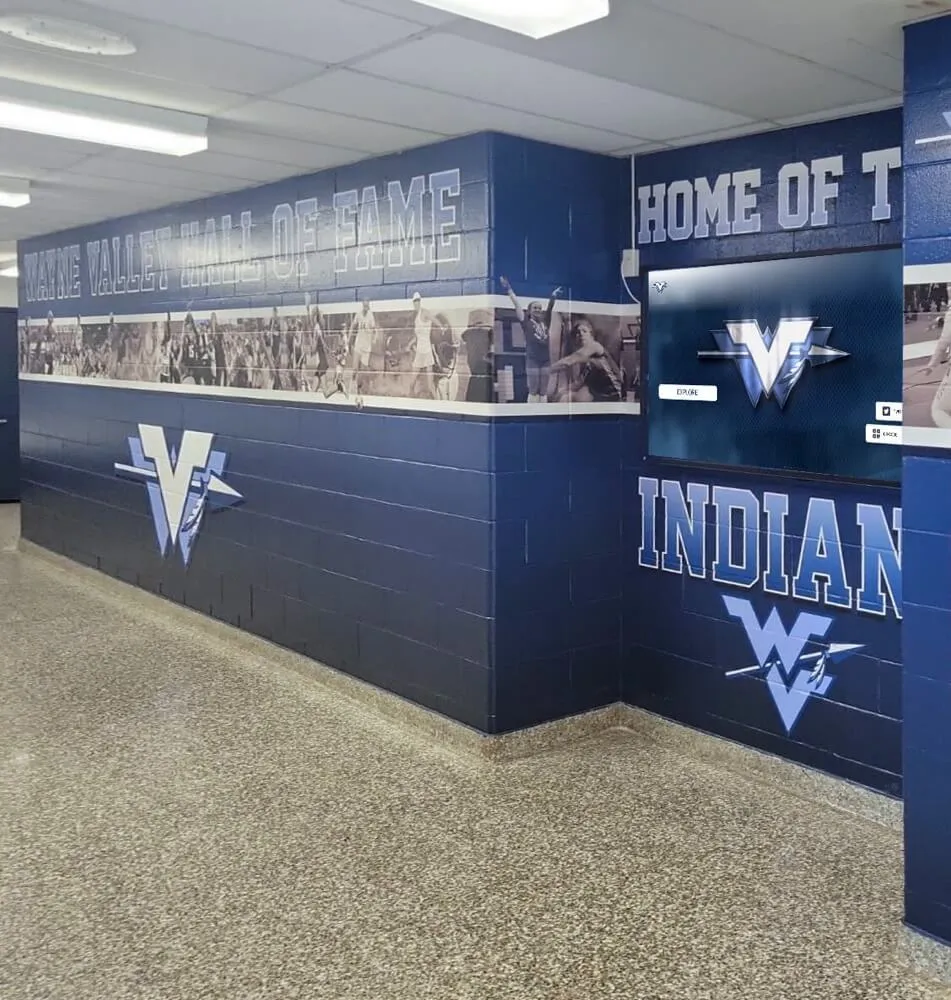
Recognition spaces accommodate both serious achievement awards and fun categorical recognition celebrating team personality
Memorable Moment and Highlight Awards
Categories celebrating specific performances and defining moments:
Best Game Performance
Recognizes single-game excellence:
- Selection criteria: Highest-scoring game, complete stat line, clutch performance
- Context consideration: Level of competition and game importance
- Multiple recipients: Different players throughout season for various games
- Documentation: Specific game stats and video highlights preserved
- Alternative names: Game of the Season, Signature Performance, Defining Moment
Clutch Player Award
Honors performing under pressure:
- Selection criteria: Late-game scoring, big shots, free throws under pressure
- Mental toughness: Composure and confidence in critical moments
- Winning plays: Shots, stops, or plays directly determining outcomes
- Coach trust: Receiving ball in crucial situations
- Alternative names: Closer Award, Pressure Player, Big Shot Recognition
Best Play of the Season
Celebrates single spectacular moment:
- Selection criteria: Dunks, blocks, assists, game-winners, defensive plays
- Fan voting: Often determined through social media or team votes
- Entertainment value: Creates excitement and engagement
- Video preservation: Highlight plays featured prominently in season videos
- Alternative names: Highlight of the Year, Top Play Recognition
Most Wins Contributed
Statistical analysis of correlation between playing time and winning:
- Selection criteria: Team record when player is on floor vs. on bench
- Advanced metrics: Plus/minus statistics showing impact beyond traditional stats
- Statistical sophistication: Demonstrates program’s analytical approach
- Unexpected recipients: Sometimes reveals under-appreciated contributors
- Alternative names: Winning Impact Award, Plus/Minus Champion, Impact Player
Position-Specific Excellence Awards
Categories honoring specialized skills within position requirements:
Best Point Guard
Position-specific recognition for primary ball handlers:
- Selection criteria: Assists, turnovers, decision-making, tempo control
- Leadership element: Point guards typically function as floor generals
- Comprehensive evaluation: Beyond just statistics to game management
- Alternative applicability: Programs without defined positions adapt accordingly
Best Big Player
Recognizes excellence among forwards and centers:
- Selection criteria: Rebounds, interior scoring, shot blocking, post defense
- Physical play: Willingness to battle inside and establish presence
- Position scarcity: Often fewer tall players making recognition more exclusive
- Alternative names: Paint Presence Award, Big Man Excellence, Interior Dominance
Best Perimeter Defender
Honors guards and wings excelling defensively:
- Selection criteria: On-ball defense, limiting opponent guards, defensive stats
- Position challenges: Defending quicker, more skilled perimeter players
- Team impact: Limiting opponent backcourt production
- Alternative names: Backcourt Defender, Perimeter Stopper, Guard Specialist
Best All-Around Player
Recognizes versatility across multiple skills and positions:
- Selection criteria: Balanced statistics, multiple position capability, complete game
- Renaissance player: Excels at various aspects rather than single specialty
- Team value: Provides coaching flexibility and matchup advantages
- Alternative names: Complete Player Award, Five-Tool Player, Swiss Army Knife
Position-specific awards work particularly well for larger rosters where multiple players within positions compete for recognition—creating additional award opportunities while honoring specialized excellence.
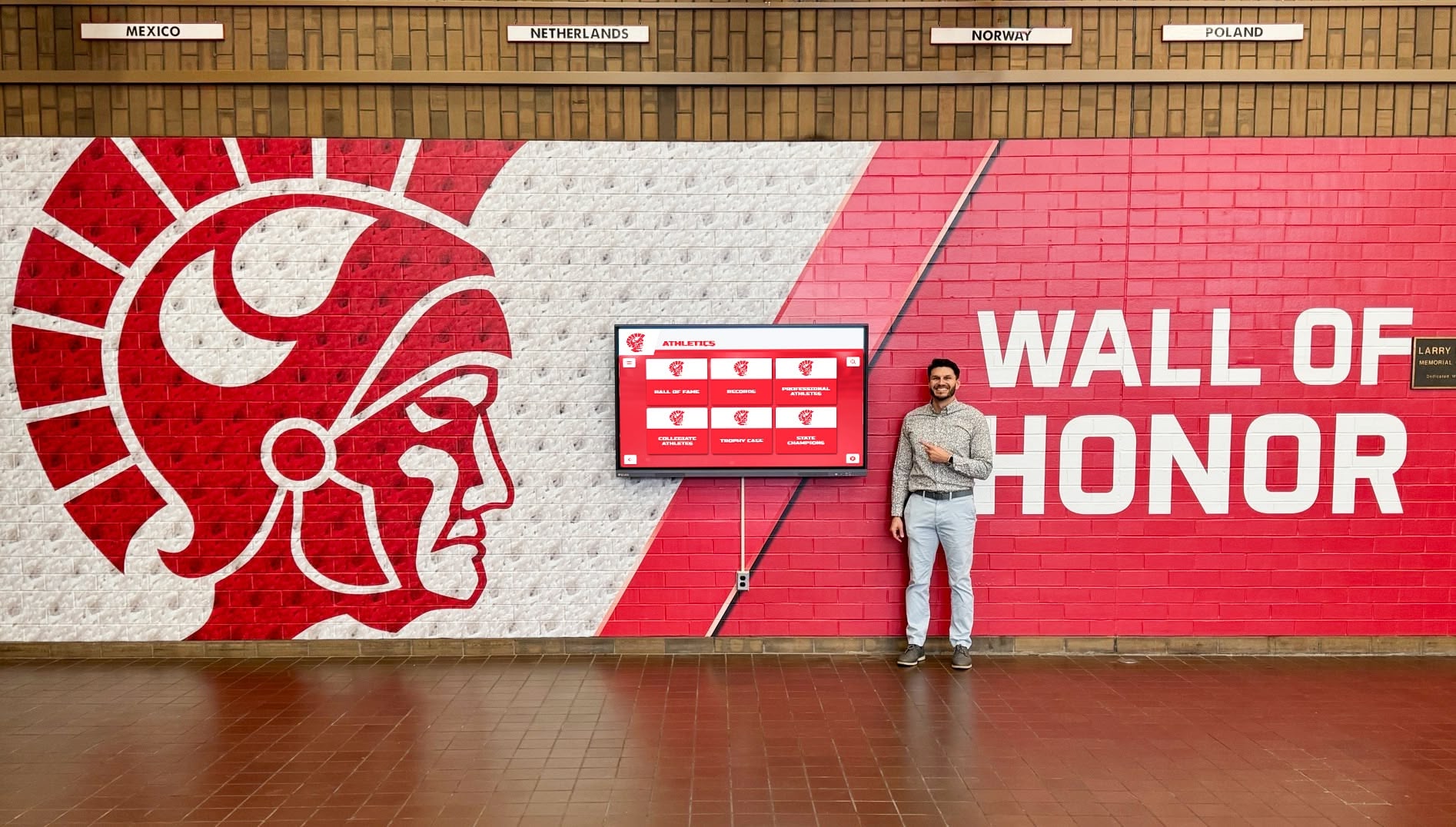
Position-specific and role-based awards ensure recognition reaches players across all roster positions and responsibilities
Implementing Comprehensive Basketball Awards Programs
Creating effective award systems requires systematic planning addressing selection criteria, ceremony design, and ongoing recognition beyond single events.
Establishing Clear Selection Criteria
Transparent, objective criteria maintain credibility and fairness:
Statistical Award Guidelines
For performance-based categories:
- Define exact metrics determining winners (points per game vs. total points)
- Establish minimum thresholds preventing small samples from skewing results
- Document calculation methods transparently
- Address tie-breaking procedures when multiple players qualify equally
- Consider different criteria for different competitive levels
Subjective Award Standards
For character and leadership categories:
- Establish evaluation frameworks considering multiple dimensions
- Include input from multiple sources (coaches, players, support staff)
- Document specific behaviors and contributions justifying selections
- Create rubrics or scoring systems adding objectivity to subjective evaluation
- Maintain consistency across seasons through documented standards
Voting Procedures
When incorporating player input:
- Anonymous balloting ensuring honest feedback without social pressure
- Clear instructions about evaluation criteria
- Restrictions preventing self-voting in peer-selected categories
- Appropriate weighting between coach and player input
- Final approval remaining with coaching staff ensuring program alignment
Learn about comprehensive awards program design in football banquet planning with applicable recognition strategies.
Awards Ceremony Best Practices
Presentation quality significantly impacts award meaning and emotional resonance:
Ceremony Timing and Integration
Strategic scheduling maximizes impact:
- End-of-season banquets providing formal comprehensive recognition
- Senior night integration for graduating players
- Periodic recognition throughout season for specific achievements
- Championship celebration integration for successful seasons
- Parent/family inclusion creating shared celebration experiences
Presentation Approaches
Enhance recognition through storytelling and context:
- Detailed explanations of why players earned recognition
- Specific examples, statistics, and moments illustrating achievement
- Video highlights supporting award presentations
- Coach testimonials adding personal perspective
- Teammate input for peer-selected awards
- Surprise elements creating emotional impact
Award Physical Formats
Tangible recognition players treasure:
- Trophies and plaques for major awards providing lasting mementos
- Certificates with detailed achievement documentation
- Custom medals or ribbons for youth programs
- Team photos and program booklets documenting complete season
- Digital recognition complementing physical awards with multimedia
Ensuring Every Player Receives Recognition
Comprehensive approaches preventing anyone feeling overlooked:
- Minimum one award or certificate for every roster member
- Varying prestige levels preventing participation trophy feeling
- Creative categories enabling diverse recognition opportunities
- Verbal acknowledgment during ceremonies even without specific awards
- Team awards and roles ensuring complete roster inclusion
The goal involves genuine recognition reaching every player while maintaining distinction between major achievement awards and supporting recognition categories—avoiding both extreme where most feel unrecognized or opposite extreme where all awards feel equally meaningless.
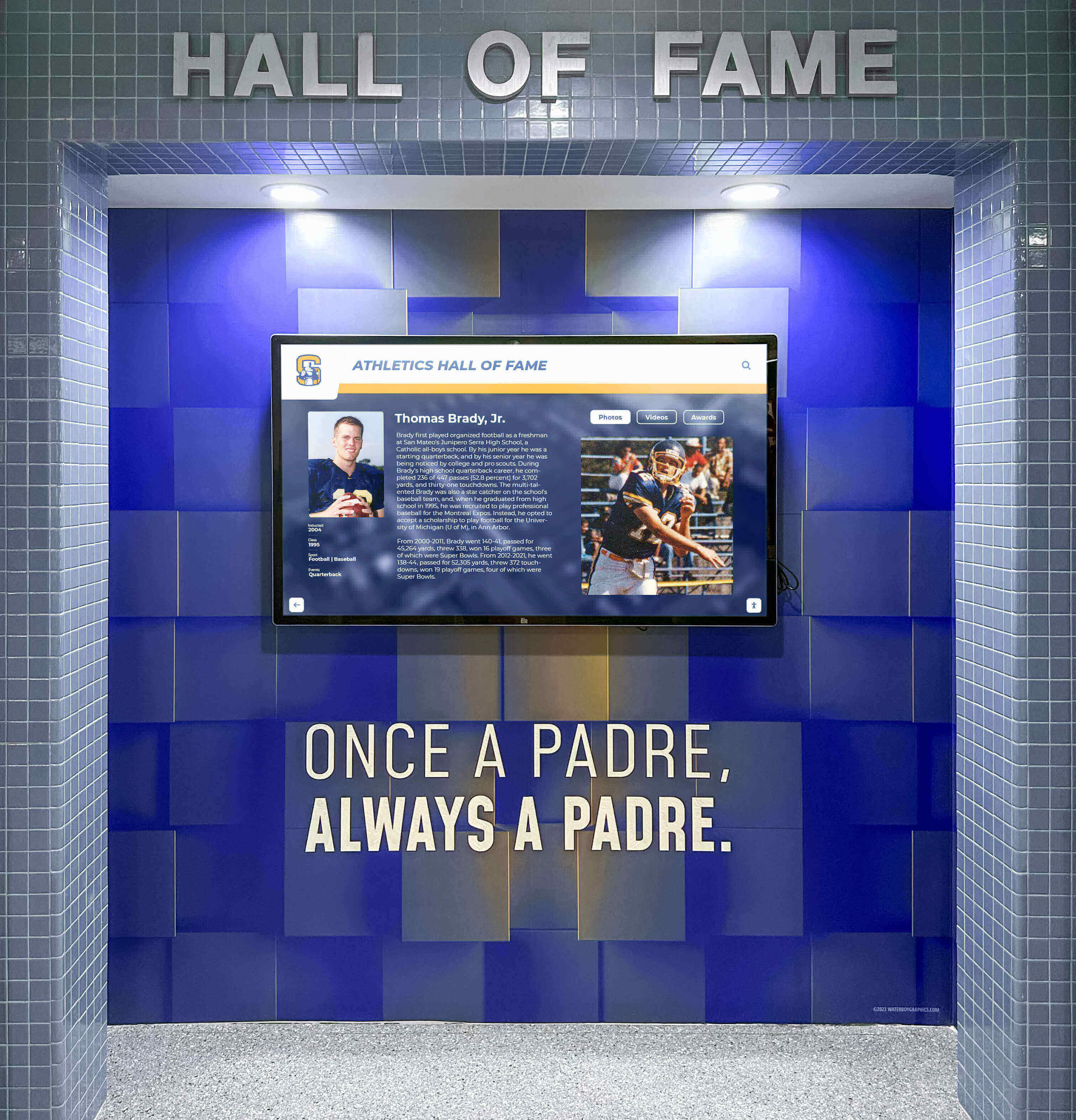
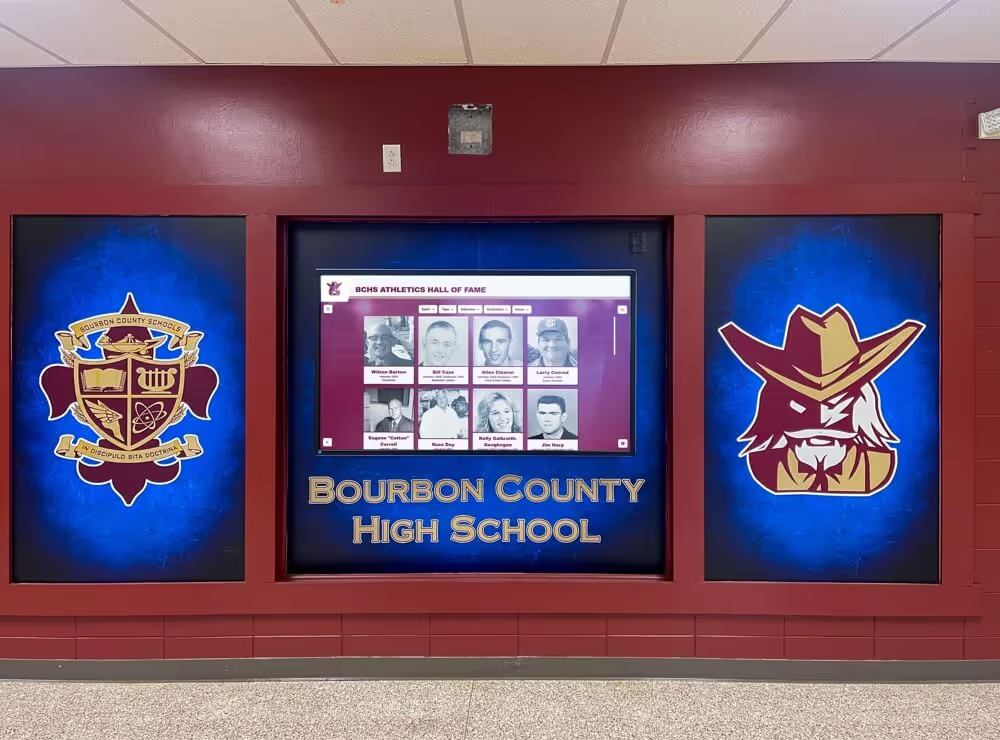
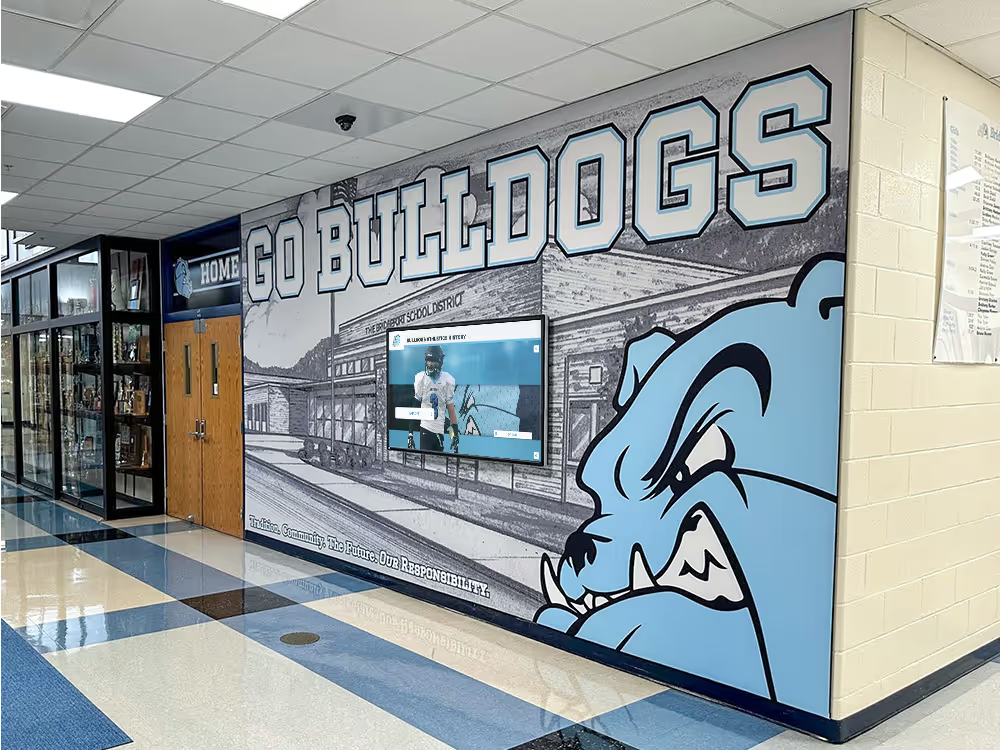
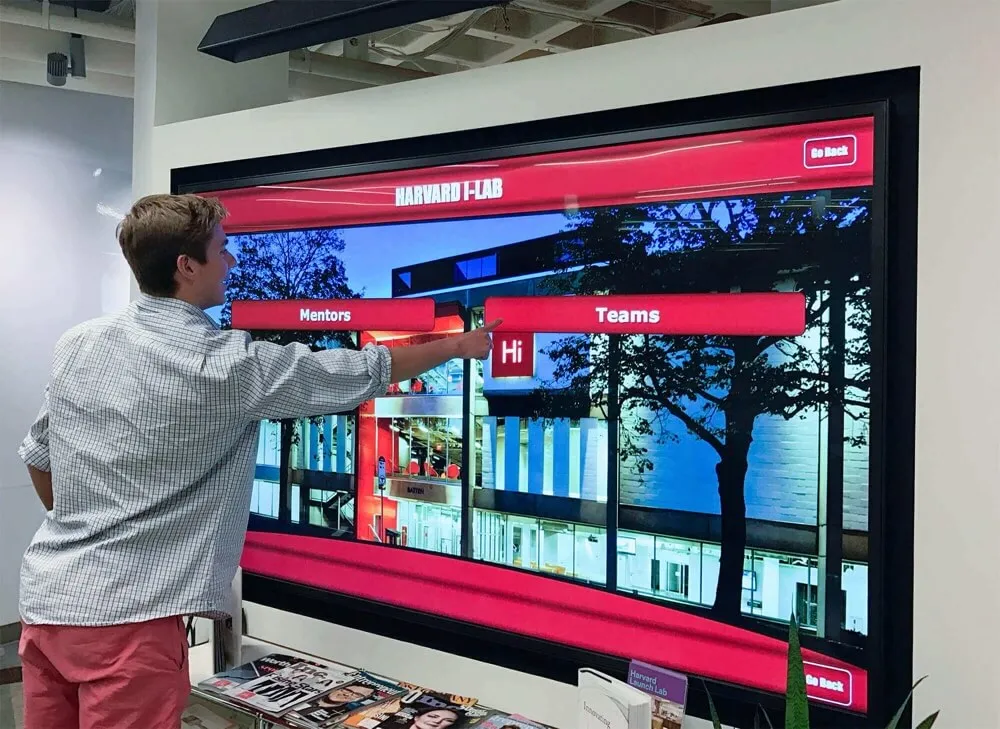
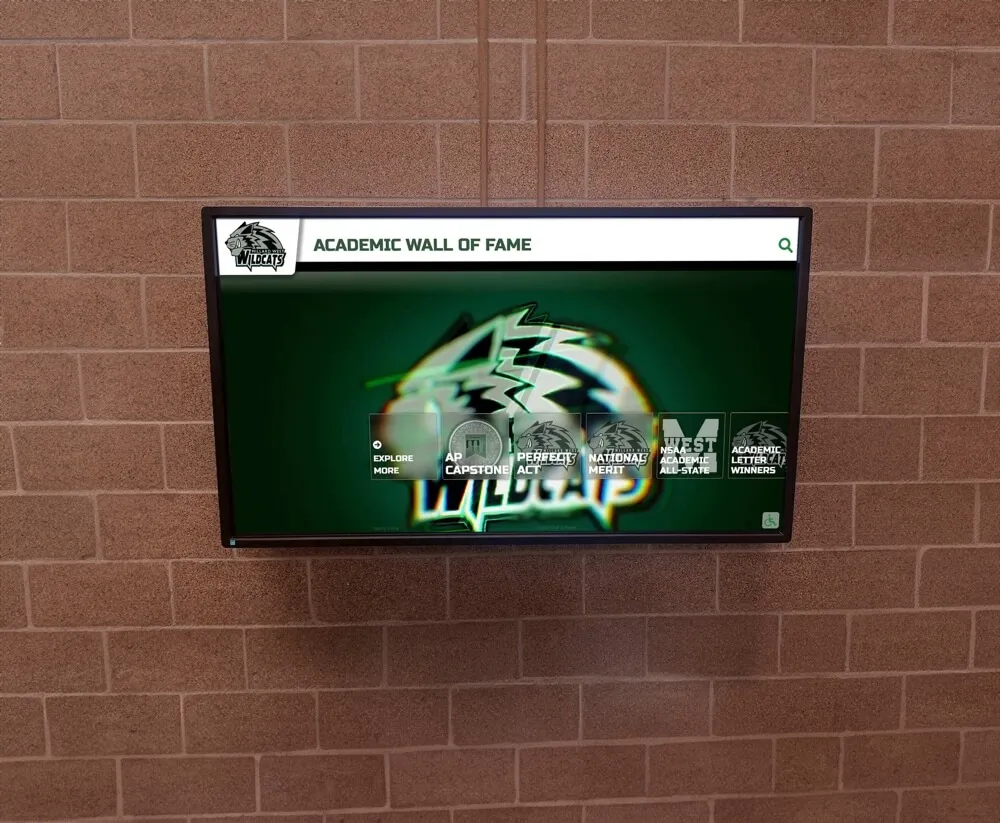
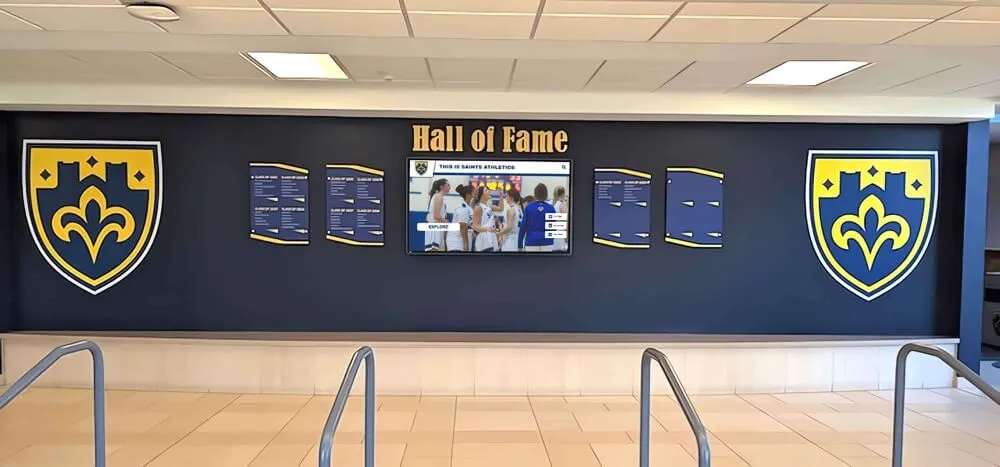
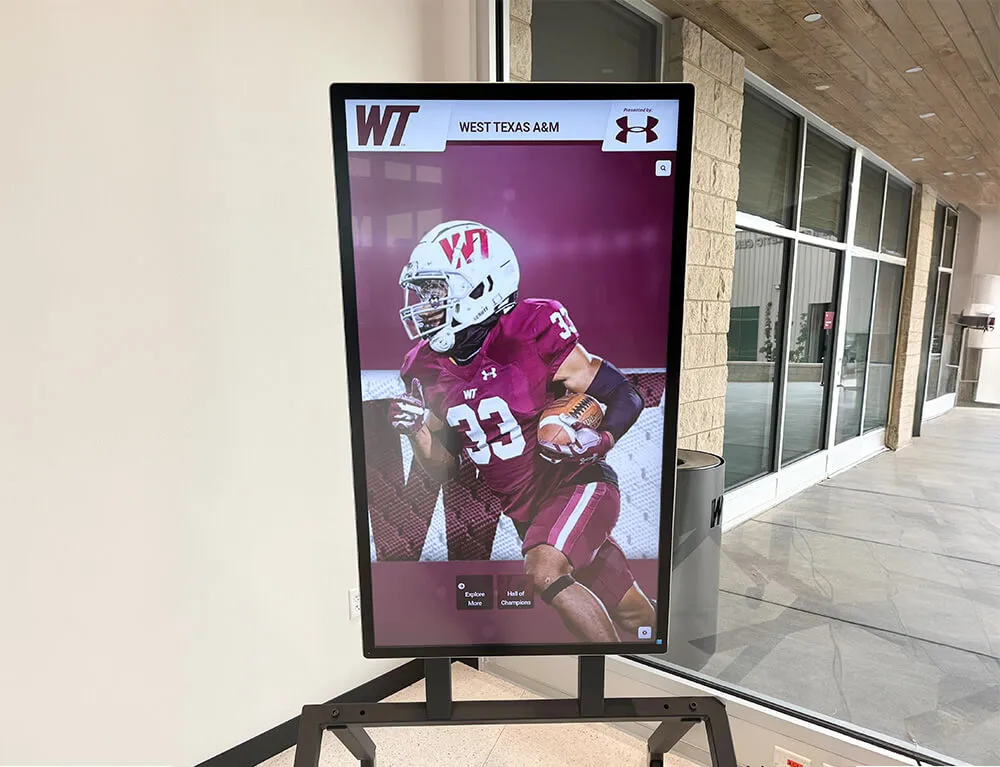
Digital recognition displays preserve award recipients permanently, extending ceremony impact beyond single-night celebrations
Leveraging Digital Recognition Displays
Modern technology extends award impact well beyond single banquet events:
Permanent Achievement Documentation
Solutions like Rocket Alumni Solutions provide lasting recognition:
- Complete award recipient databases spanning multiple seasons
- Individual player profiles documenting all recognition received
- Statistical achievements and career accomplishments preserved permanently
- Photos and videos from award ceremonies and season highlights
- Searchable interfaces enabling anyone to explore recognition history
- Web accessibility allowing families worldwide to view achievements
- Social sharing capabilities enabling players to promote recognition broadly
Ongoing Engagement
Digital platforms transform static awards into dynamic recognition:
- Touchscreen kiosks in athletic facilities where players explore daily
- Regular social media posts highlighting award recipients
- Season-long recognition building anticipation for awards ceremonies
- Historical context connecting current awards to program tradition
- Alumni engagement through accessible achievement archives
- Recruiting showcase demonstrating program recognition culture
Schools implementing digital athletic recognition displays report significantly increased award program impact compared to traditional trophy case approaches where recognition becomes invisible after ceremony night.
Integration with Banquet Planning
Digital recognition enhances traditional ceremonies:
- Display award winner profiles during social time at banquets
- Use digital platforms for presenting statistical documentation
- Create video presentations from digital content libraries
- Enable live social media sharing during award presentations
- Add ceremony photos to digital profiles immediately afterward
- Provide digital certificates complementing physical awards
This integrated approach ensures award program investments deliver lasting value rather than fleeting experiences forgotten soon after ceremonies conclude.
Budget-Friendly Basketball Awards Strategies
Comprehensive recognition doesn’t require unlimited budgets—creative approaches enable meaningful programs at every investment level.
Low-Cost Award Options
Effective recognition on tight budgets:
Certificate-Based Programs
Professional recognition without major expense:
- Custom designed templates with team branding and logos
- Printed on quality paper or cardstock for professional appearance
- Detailed achievement descriptions documenting specific accomplishments
- Frame-ready sizes enabling families to display prominently
- Digital certificates reducing printing costs while enabling sharing
- Total cost: $1-5 per certificate depending on printing approach
Creative Trophy Alternatives
Meaningful physical recognition without expensive purchases:
- Painted basketballs with player names and achievements
- Custom medals created through online trophy companies
- Ribbons and badges recognizing specific achievements
- Team-themed items (water bottles, bags, apparel) with recognition printing
- Rotating trophies passing between winners across seasons
- Total cost: $5-20 per award depending on creativity
Volunteer Labor and Resources
Reducing costs through contributed services:
- Parent volunteers creating certificates and materials
- Borrowed decorations and equipment from previous events
- Digital programs eliminating printing costs
- Parent photographers and videographers replacing professional services
- Potluck elements for food reducing catering expenses
- School facilities eliminating venue rental costs
Many successful programs create impressive award experiences spending $5-15 per player through creative planning and volunteer contributions rather than commercial services.
Fundraising for Recognition Programs
Generating resources for enhanced award experiences:
Booster Club Support
Athletic support organizations often fund recognition:
- Designated award program budget line items
- Fundraising campaigns specifically for season-ending celebrations
- Volunteer coordination reducing labor costs
- Equipment and decoration ownership enabling reuse
- Community connections facilitating sponsorships
Explore booster club approaches in booster club fundraiser strategies applicable to recognition contexts.
Sponsor Integration
Local business support for award programs:
- Monetary sponsorships covering specific award categories
- In-kind donations of awards, trophies, or certificates
- Logo placement recognition in programs and at ceremonies
- Community business goodwill through youth program support
- Ongoing relationships creating sustainable funding sources
Participant Fee Structures
Modest contributions helping fund celebrations:
- Per-family fees ($20-40) covering partial program costs
- Tiered pricing with player subsidies and guest regular rates
- Optional upgraded packages for special recognition or seating
- Financial assistance preventing cost barriers to participation
The most sustainable programs combine multiple funding sources creating appropriate recognition without creating financial barriers preventing full team participation in celebration experiences.
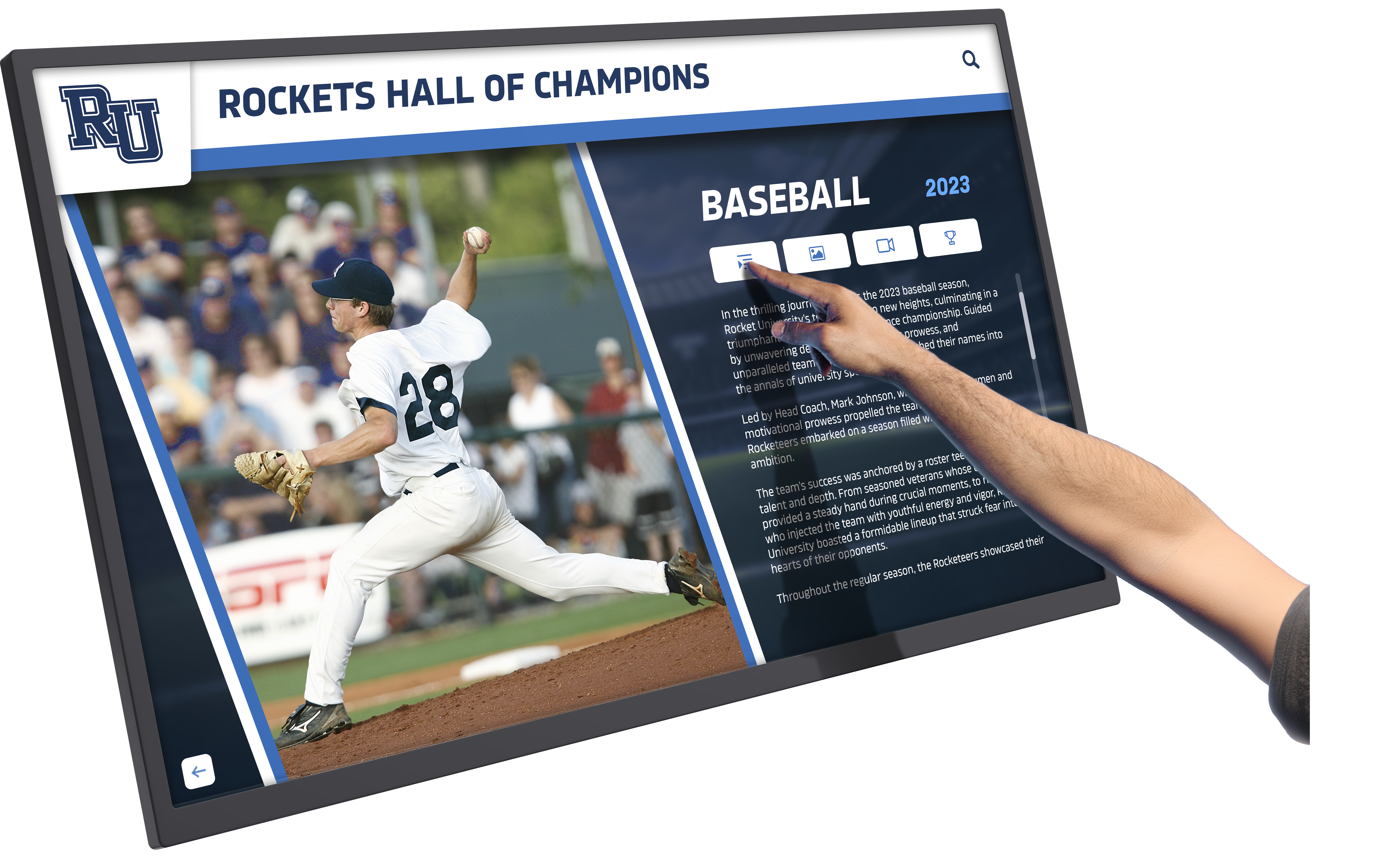
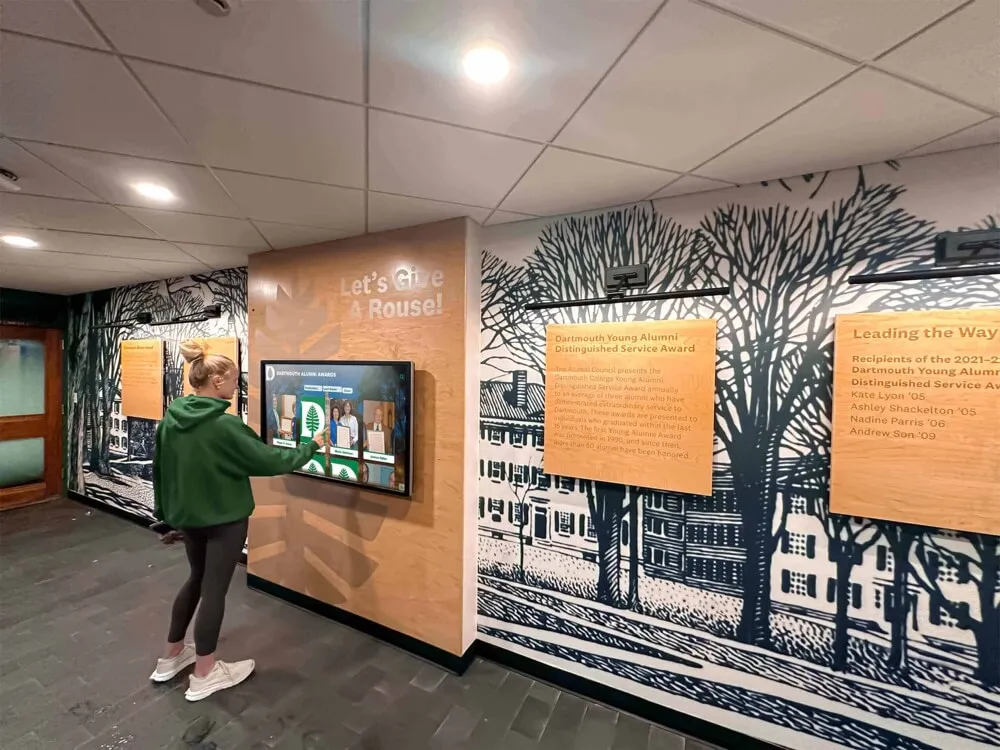
Professional recognition displays provide lasting value beyond single-event investments, preserving awards for ongoing engagement
Measuring Basketball Awards Program Impact
Systematic assessment demonstrates recognition value while identifying improvement opportunities:
Program Success Indicators
Participation and Engagement Metrics
Observable changes suggesting award impact:
- Player retention rates across seasons
- Practice attendance and engagement levels
- Family participation in banquets and ceremonies
- Social media engagement with award announcements
- Alumni attendance at current team celebrations
- Community perception of program culture
Cultural Assessment
Qualitative indicators of recognition effectiveness:
- Player awareness of award categories throughout seasons
- Motivation levels and goal-setting behavior
- Team cohesion and supportive relationships
- Reduced conflict over recognition and perceived fairness
- Positive program reputation attracting quality players
- Coach satisfaction with culture and team dynamics
Stakeholder Feedback
Regular input revealing program strengths and opportunities:
- Player surveys about award program meaning and fairness
- Parent appreciation for comprehensive recognition approaches
- Coach observations about motivational impact
- Administrator evaluation of program value and sustainability
- Alumni reflections on recognition memories and lasting impact
Regular assessment enables continuous refinement ensuring basketball awards categories achieve intended motivational and cultural objectives while adapting to evolving team needs and program priorities.
Conclusion: Building Culture Through Comprehensive Recognition
Basketball awards categories represent far more than end-of-season formalities—they communicate what programs genuinely value, motivate players throughout seasons, honor the diverse contributions that enable team success, and create lasting memories strengthening culture across generations. When coaches implement thoughtful award systems celebrating excellence across performance, character, leadership, and team contribution dimensions, they create environments where every player experiences genuine acknowledgment while maintaining standards that preserve recognition meaning and motivational power.
The most effective basketball award programs balance celebrating elite performance with honoring supporting roles, practice dedication, and character qualities that enable collective success. By establishing clear selection criteria, creating diverse recognition categories, presenting awards thoughtfully, and leveraging modern digital recognition technology, programs create comprehensive systems ensuring no contribution goes unnoticed while maintaining distinction between major achievement and supporting recognition.
Preserve Basketball Awards Beyond Single Ceremonies
Discover how digital recognition solutions like Rocket Alumni Solutions extend award program impact permanently—showcasing every category recipient through interactive displays that honor achievements year-round while strengthening program culture and alumni engagement.
Explore Basketball Recognition SolutionsWhether coaching youth recreational leagues, competitive travel programs, or high school varsity teams, the award category frameworks and implementation strategies explored in this guide provide actionable approaches for creating recognition programs that genuinely honor every player’s unique contributions. Start with whatever categories best match your current program needs and competitive level, then systematically expand to create comprehensive systems celebrating the complete spectrum of excellence your basketball program values.
Your team deserves recognition honoring the dedication, improvement, leadership, and character development occurring throughout seasons—not just the scoring statistics and competitive outcomes visible in box scores. With thoughtful planning and commitment to comprehensive recognition, you can create basketball award programs that become treasured traditions celebrating complete player development while motivating sustained excellence and building culture that defines successful programs for years to come.
Ready to transform your basketball awards program? Explore how Rocket Alumni Solutions can help you create permanent digital recognition showcasing awards across all categories, preserving achievements that inspire current players while connecting alumni to proud program traditions.