



Youth baseball programs face a unique recognition challenge—honoring achievements across vastly different skill levels while maintaining motivation for every player, from beginners still learning fundamentals to advanced athletes competing at elite travel ball levels. With over 2.4 million youth participating in organized baseball annually across Little League, travel teams, and recreational leagues, recognition programs significantly impact player retention, skill development, and long-term love of the game.
Research in youth sports psychology consistently demonstrates that appropriate recognition directly influences continued participation and athletic development. Studies show that youth athletes receiving meaningful recognition are 40% more likely to continue playing through middle school years, when dropout rates typically spike. Conversely, programs lacking thoughtful recognition systems experience higher attrition rates, particularly among developing players who may not lead in traditional statistical categories.
This comprehensive guide provides creative baseball awards for youth that honor diverse contributions beyond batting averages and ERA—celebrating hustle, improvement, leadership, and the character development that makes youth baseball valuable beyond the diamond. From budget-friendly certificate ideas to innovative digital recognition systems, these strategies help coaches and league administrators create award programs that motivate every player while building positive team culture.
Youth baseball recognition differs fundamentally from high school or college athletics—younger players need age-appropriate awards emphasizing effort, improvement, and enjoyment alongside competitive achievement. Thoughtful recognition programs create positive experiences keeping young athletes engaged during critical developmental years when participation rates typically decline without strong motivational support.

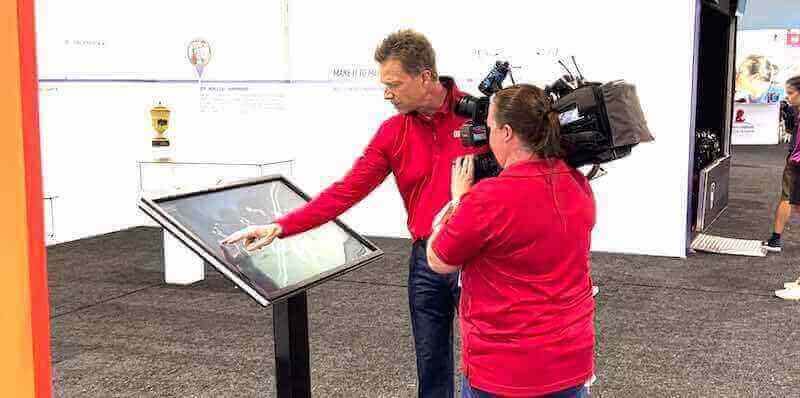
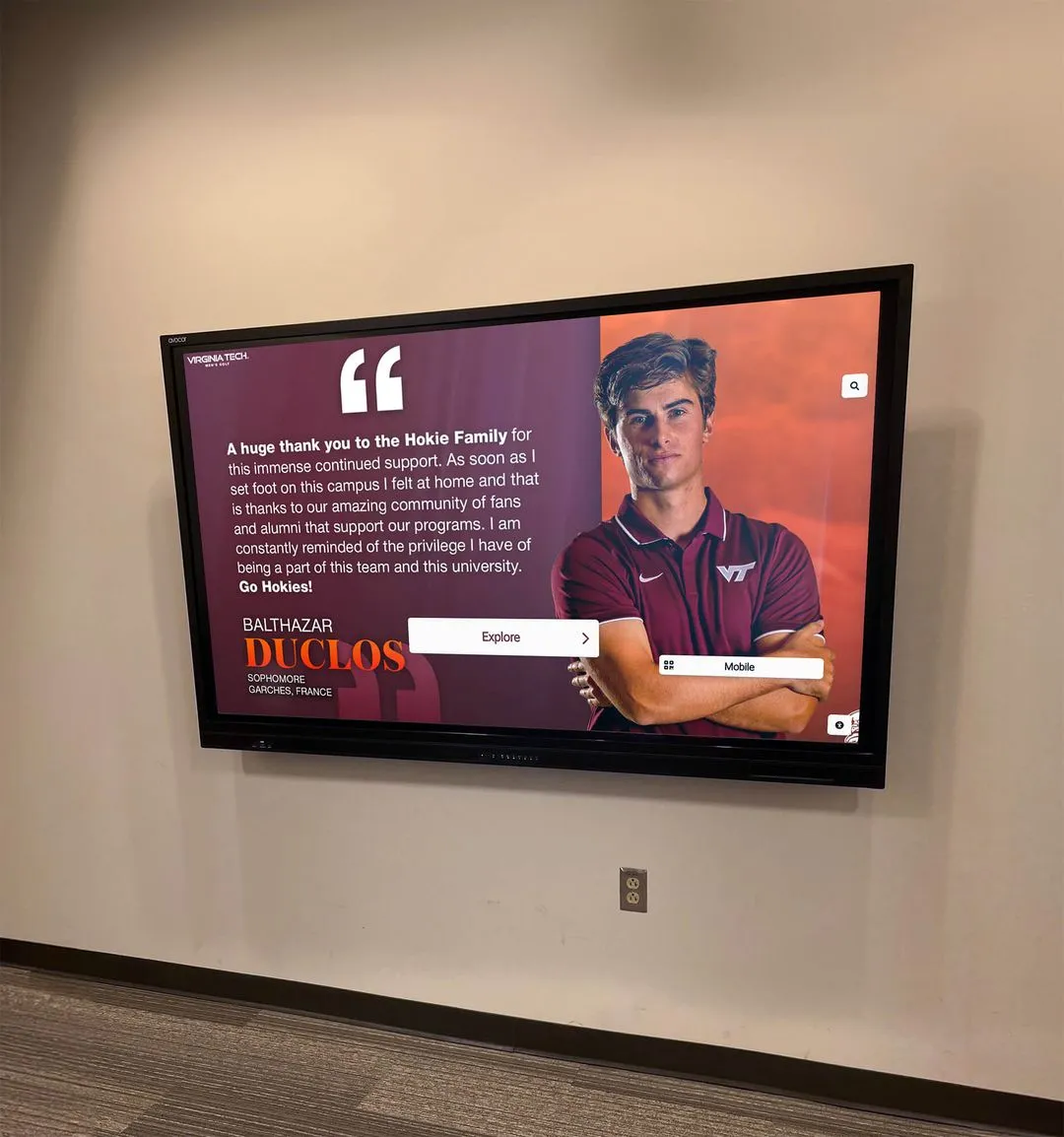
Youth baseball recognition celebrates not just outcomes, but the dedication and effort that define player development
Understanding Youth Baseball Recognition Principles
Before exploring specific award categories, understanding developmental considerations ensures recognition approaches match young athletes’ cognitive and emotional maturity levels effectively.
Age-Appropriate Recognition by Level
Different age groups and competitive levels require fundamentally different recognition strategies reflecting developmental stages and program objectives.
T-Ball and Coach Pitch (Ages 4-7)
Beginning baseball players respond best to:
- Universal participation recognition ensuring everyone feels valued equally
- Fun, creative award names appealing to young imaginations (“Home Run Hero,” “Base-Running Rocket”)
- Emphasis on effort and enjoyment over competitive results
- Frequent recognition creating consistent positive reinforcement
- Team-oriented awards building social connections and belonging
- Visual certificates and ribbons providing tangible accomplishment evidence
- Simple ceremonies making everyone feel special together
At this foundational level, recognition programs should focus entirely on positive experiences, fundamental skill development, and building baseball identity without competitive pressure that could discourage continued participation.
Little League Minor/Major (Ages 8-12)
Elementary through middle school requires balanced approaches:
- Mix of participation and achievement-based recognition
- Emphasis on improvement and effort alongside emerging skills
- Leadership and teamwork awards building social-emotional development
- Creative categories enabling every player to excel somewhere
- Clear criteria making awards feel earned rather than automatic
- Position-specific recognition acknowledging specialized contributions
- Beginning competitive skill recognition for appropriate achievement levels
This transitional period benefits from recognition systems acknowledging skill differences while maintaining inclusive approaches ensuring all participants receive meaningful celebration regardless of ability level or playing time.
Learn about comprehensive recognition principles in youth sports awards guides applicable to baseball contexts.
Travel Ball and Competitive Leagues (Ages 10-14+)
Advanced competitive players respond to:
- Performance-based recognition reflecting competitive realities
- Statistical achievement awards celebrating measurable accomplishments
- Position-specific excellence categories
- Tournament and championship recognition
- All-star team selections and external honors
- Leadership roles and responsibility acknowledgment
- Improvement categories maintaining motivation for developing players
Recognition at competitive levels should balance performance celebration with continued emphasis on character development, preventing less naturally gifted players from feeling excluded despite maximum effort and commitment.
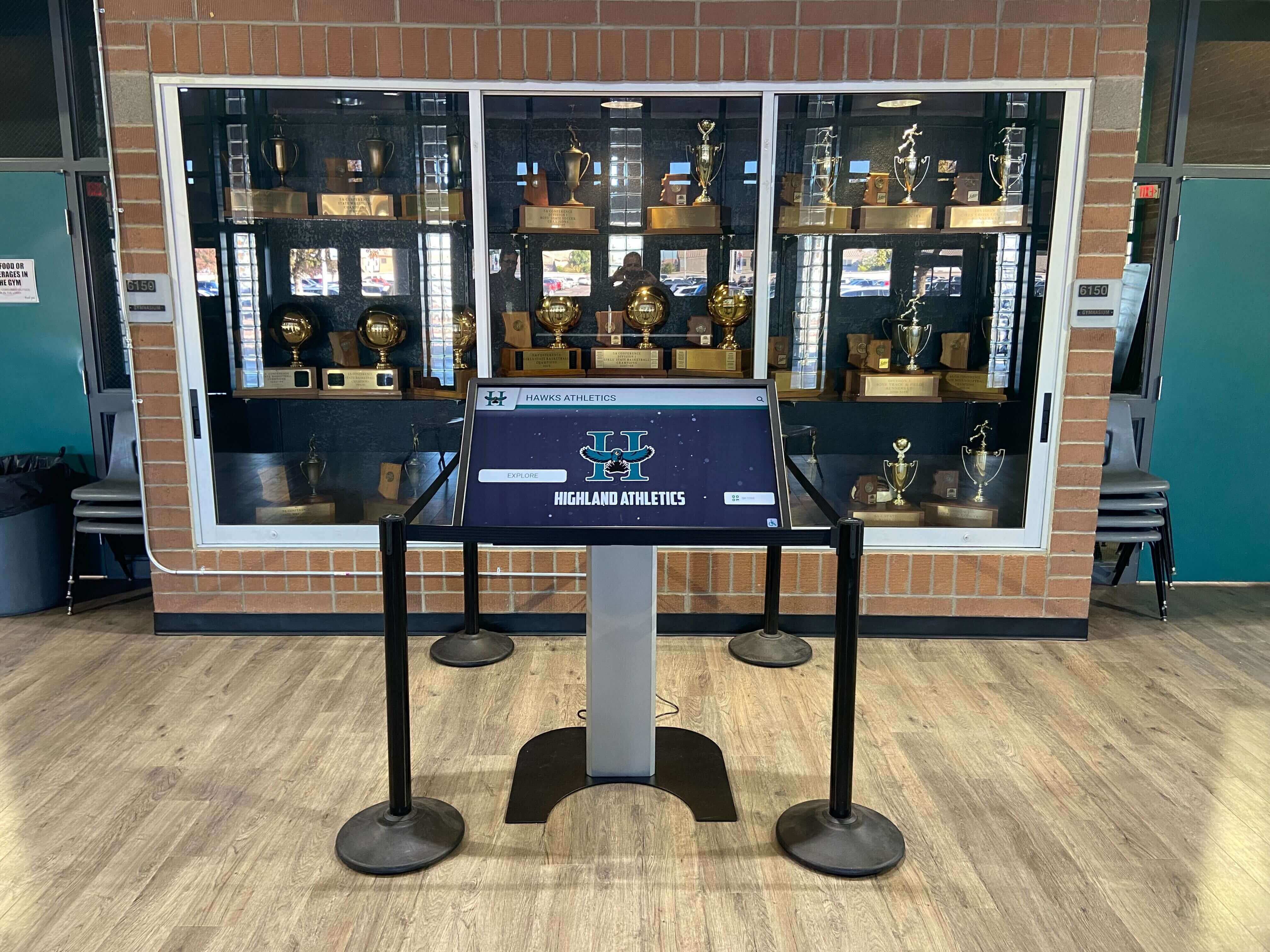
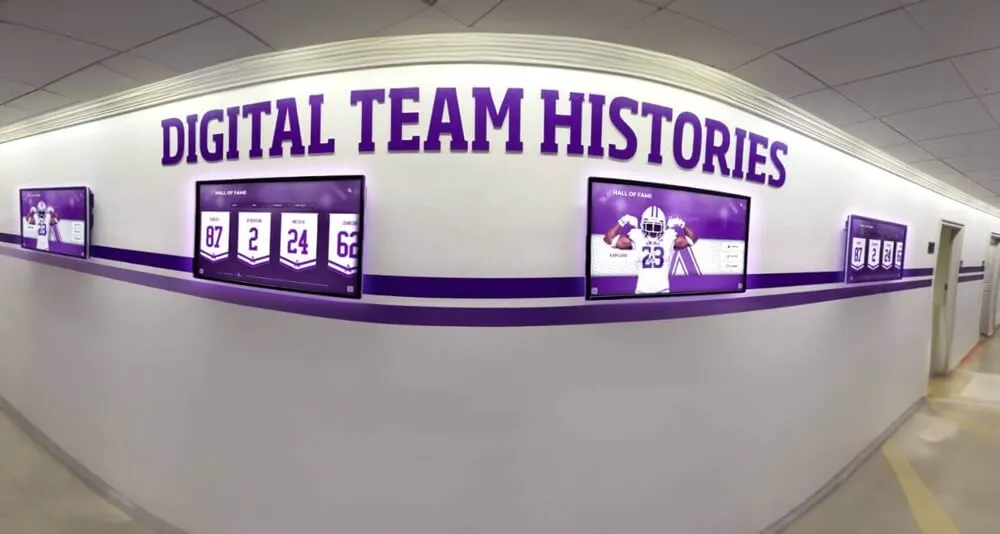
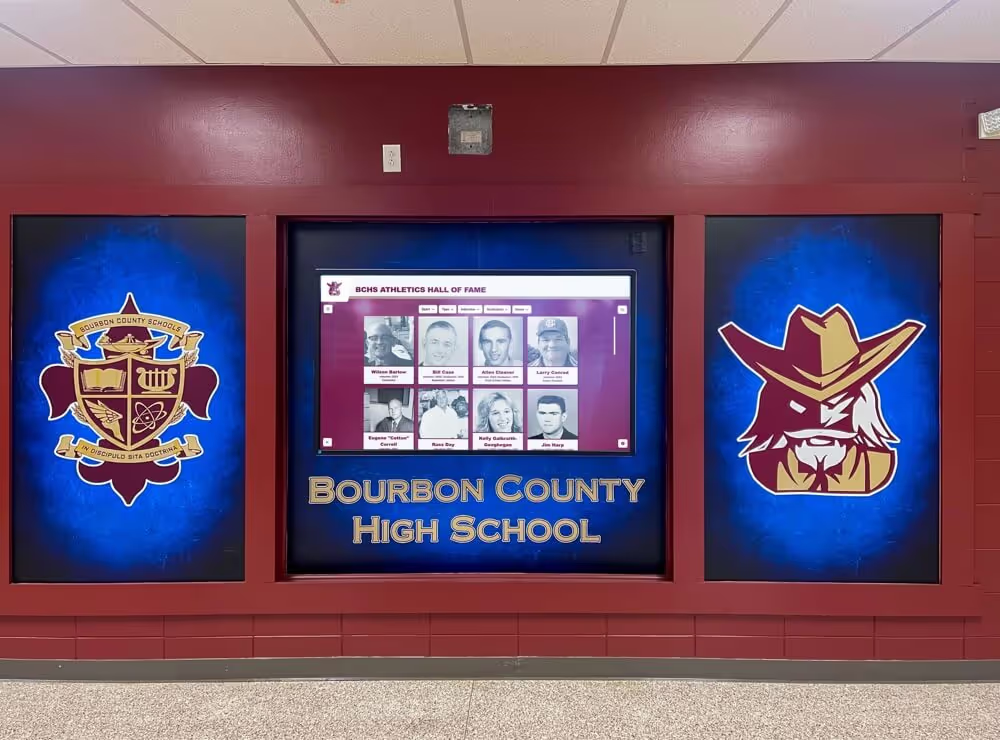
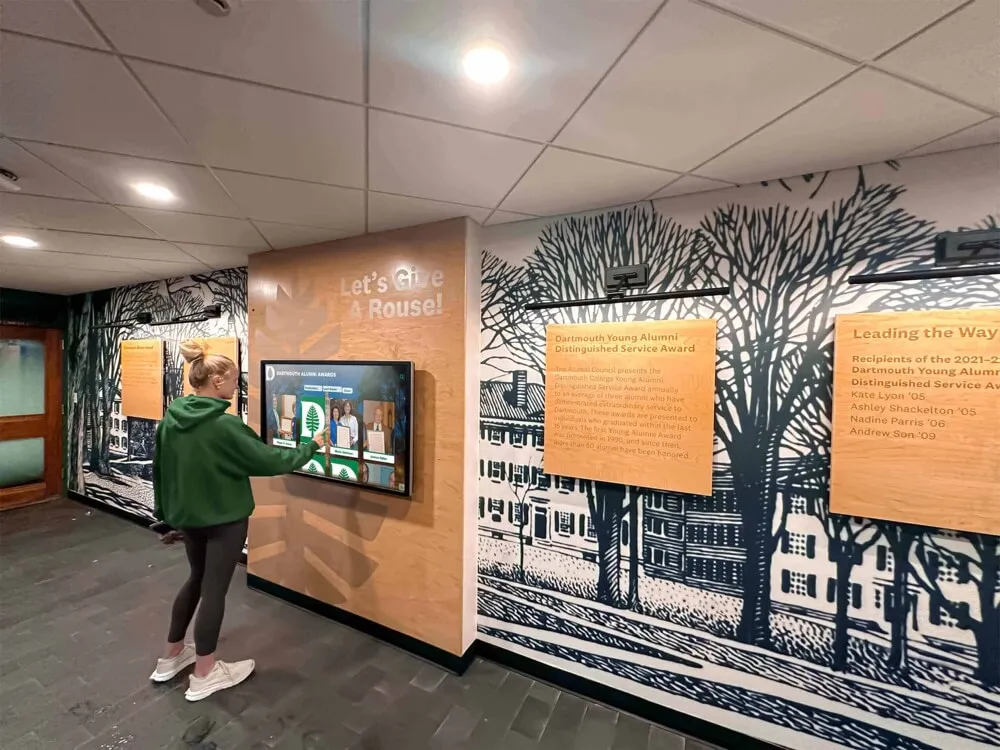
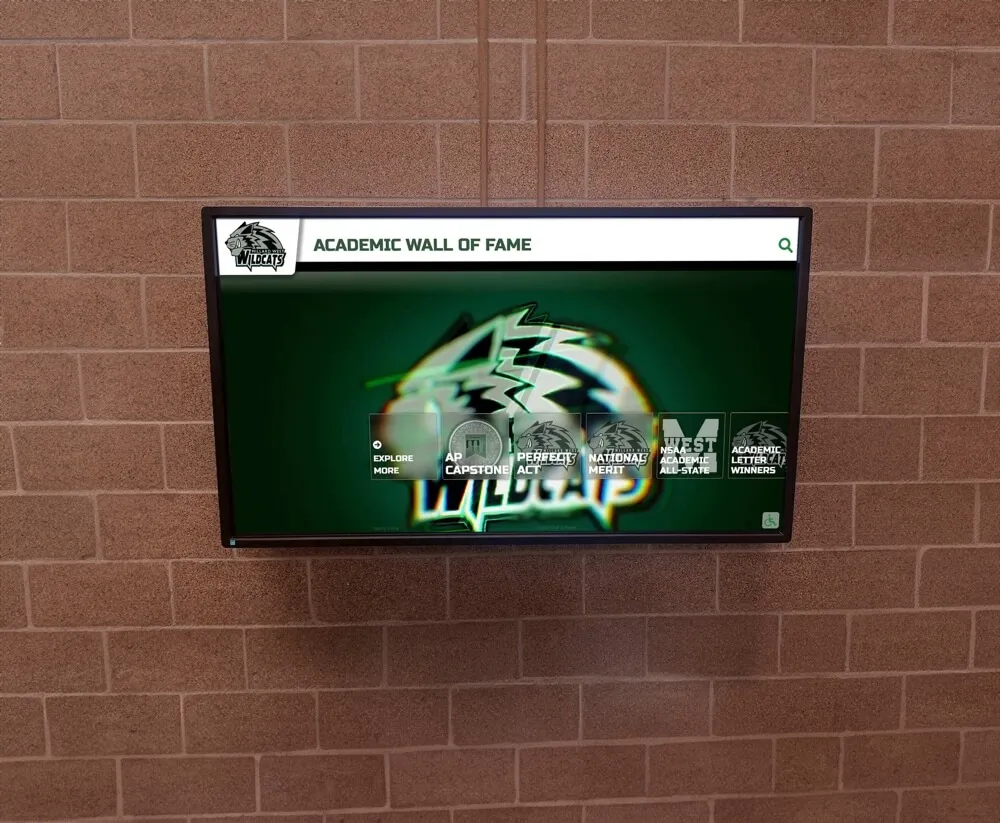
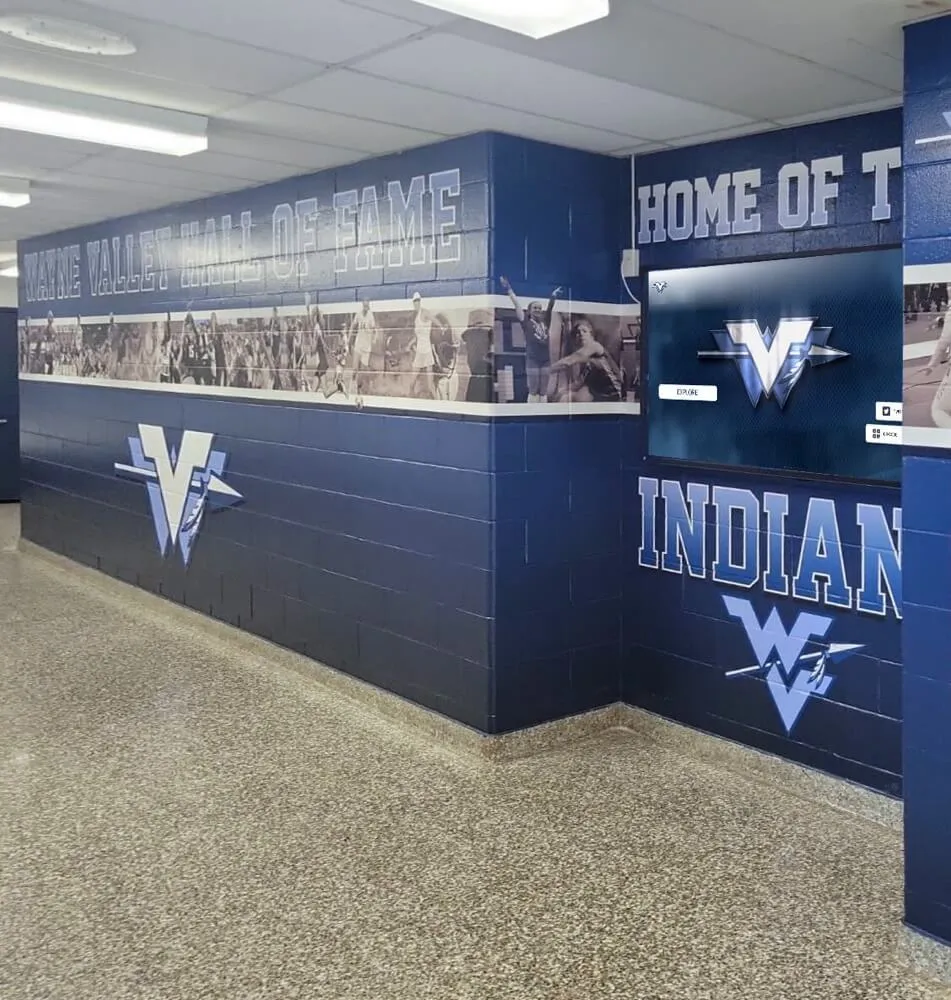
Modern recognition systems accommodate unlimited awards across all player levels and age groups
The Participation Trophy Debate in Youth Baseball
Youth baseball recognition discussions inevitably address participation awards—trophies or certificates given to all players regardless of performance level or competitive success.
Supporting Universal Recognition (Recreational Leagues)
For younger ages and recreational programs, participation recognition provides developmental benefits:
- Acknowledges commitment and effort regardless of natural ability
- Maintains motivation for players still developing fundamental skills
- Celebrates participation itself as meaningful achievement
- Prevents early baseball dropout due to feeling undervalued
- Recognizes diverse contributions beyond batting and pitching statistics
- Appropriate for recreational programs prioritizing skill development over competition
Youth sports psychology research supports participation recognition for younger ages (4-10) where participation represents significant achievement and skill development occurs at widely varying rates.
Performance-Based Recognition (Competitive Programs)
For older athletes and competitive travel programs, differentiated recognition proves more appropriate:
- Distinguishes between effort and achievement
- Prepares athletes for competitive environments requiring performance
- Maintains value of achievement-based recognition
- Motivates excellence if awards reflect genuine accomplishment
- Creates realistic expectations about future recognition systems
Balanced Approach Recommendations
Most youth baseball experts recommend context-appropriate strategies:
- Ages 4-8: Emphasize universal participation recognition
- Ages 9-12: Hybrid approach with participation baseline plus achievement recognition
- Ages 13+: Performance emphasis with effort categories maintaining inclusivity
- Recreational leagues: Broader participation focus across all ages
- Travel/competitive programs: Earlier shift toward achievement-based recognition
- Tournament-based teams: Performance recognition appropriate from younger ages
Understanding these developmental considerations enables coaches to implement recognition programs matching athlete needs, program objectives, and competitive contexts effectively.
Essential Youth Baseball Award Categories
Comprehensive recognition programs include diverse award categories honoring different types of excellence and contribution across all positions and skill levels.
Performance and Statistical Awards
Recognition celebrating on-field achievement and competitive excellence:
Offensive Awards
- Batting Champion: Highest batting average (minimum plate appearances)
- Home Run Leader: Most home runs in season
- RBI Leader: Most runs batted in
- Base-Stealing Champion: Most stolen bases
- Most Hits: Total hits leader
- Extra-Base Hit Leader: Doubles, triples, and home runs combined
- On-Base Percentage Leader: Getting on base most frequently
- Offensive Player of the Year: Overall offensive excellence
Statistical awards work best for ages 10+ where tracking becomes feasible and competitive differentiation developmentally appropriate.
Pitching and Defense Awards
- Top Pitcher: Lowest ERA or most wins
- Strikeout Leader: Most strikeouts in season
- Gold Glove Award: Best defensive player overall
- Best Outfielder: Defensive excellence in outfield
- Best Infielder: Defensive excellence in infield
- Best Catcher: Game management and defensive skills
- Clutch Pitcher: Best performance in critical situations
- Defensive Player of the Year: Overall defensive excellence
Position-specific recognition ensures players who don’t lead offensively receive acknowledgment for defensive contributions critical to team success.
Explore additional athletic recognition approaches in basketball awards ideas with concepts transferable to baseball contexts.
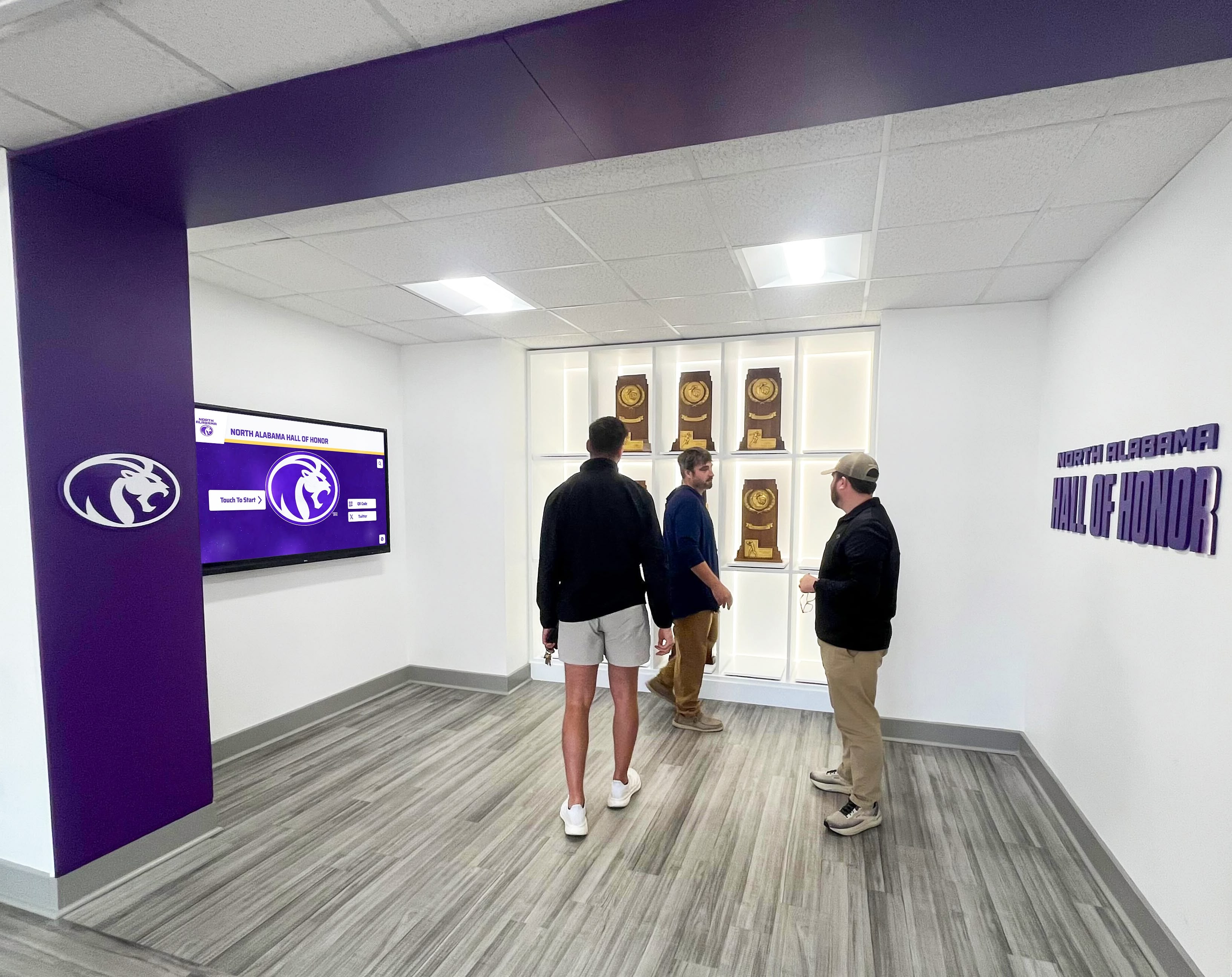
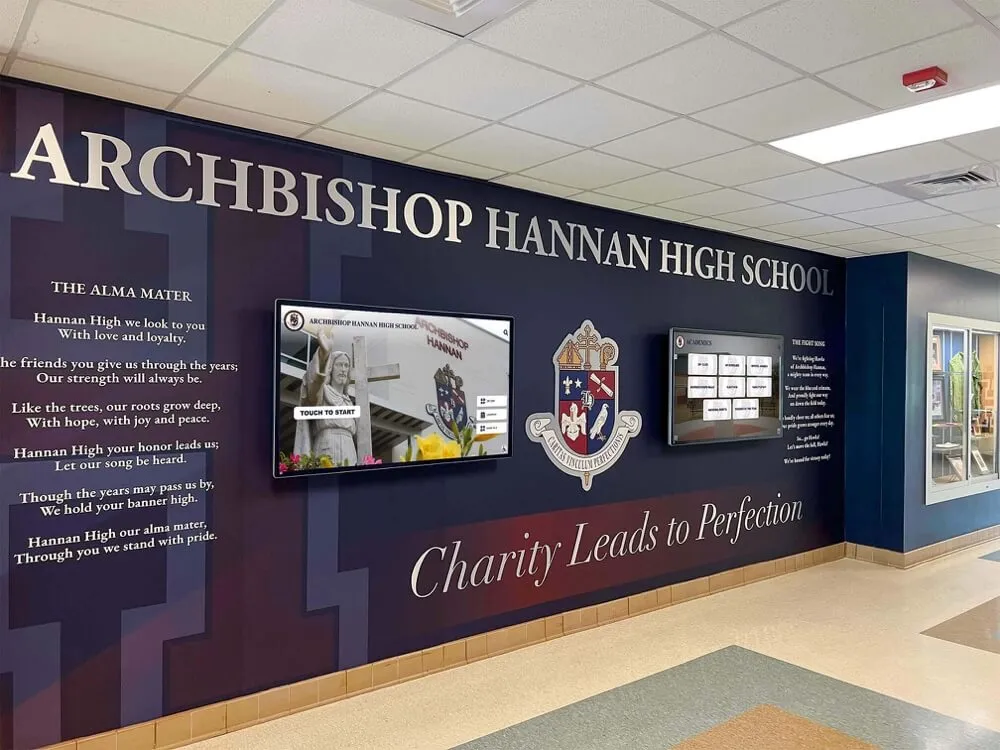
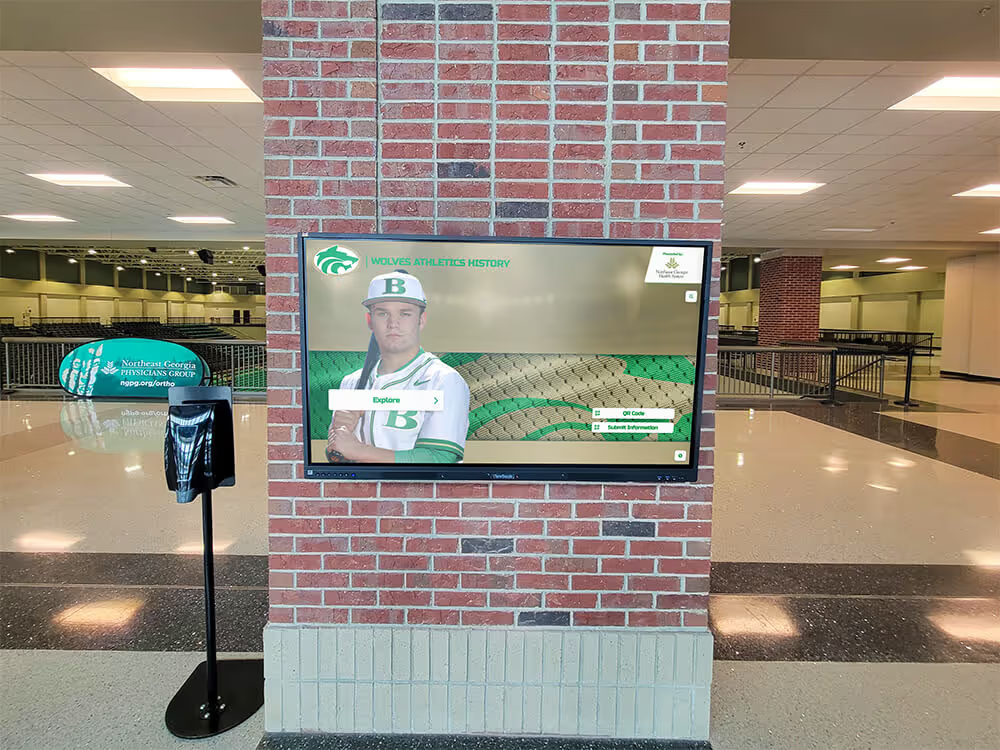
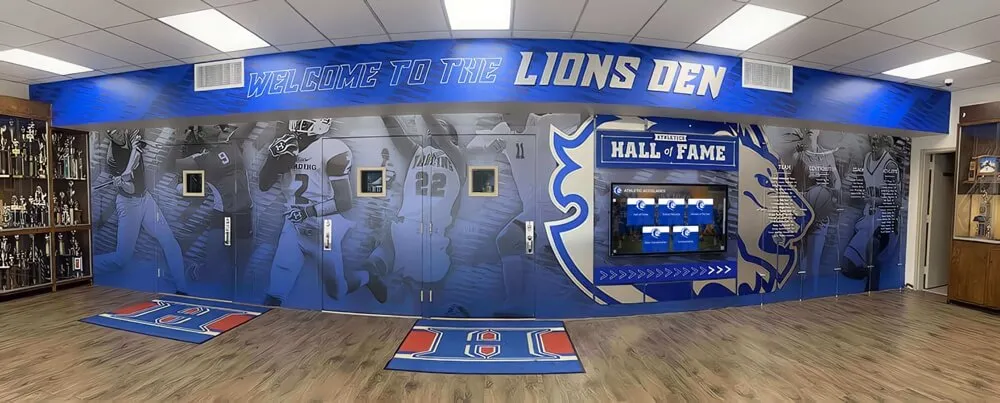
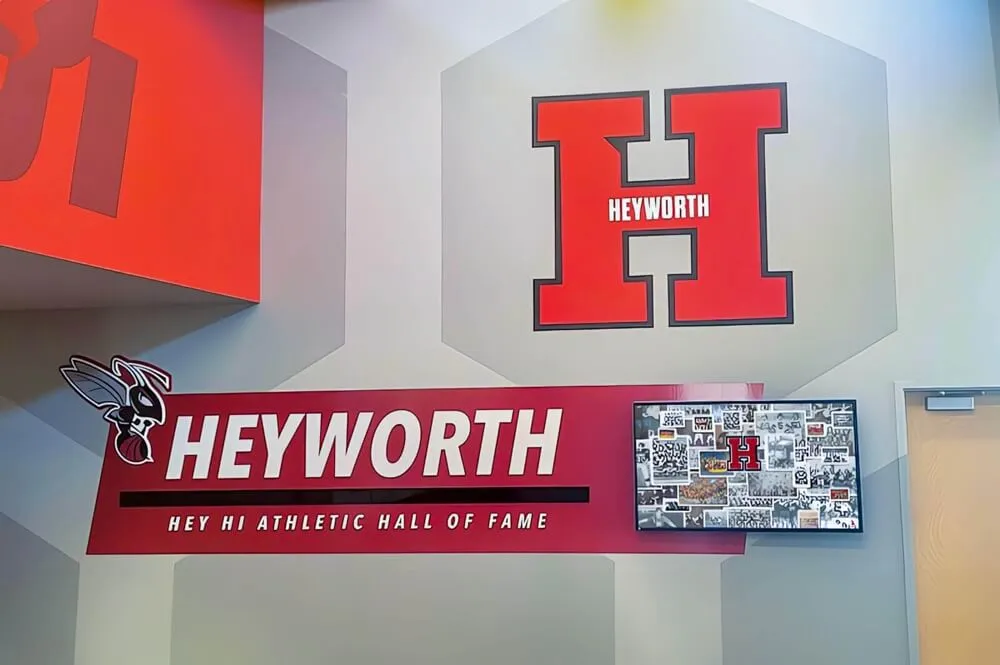
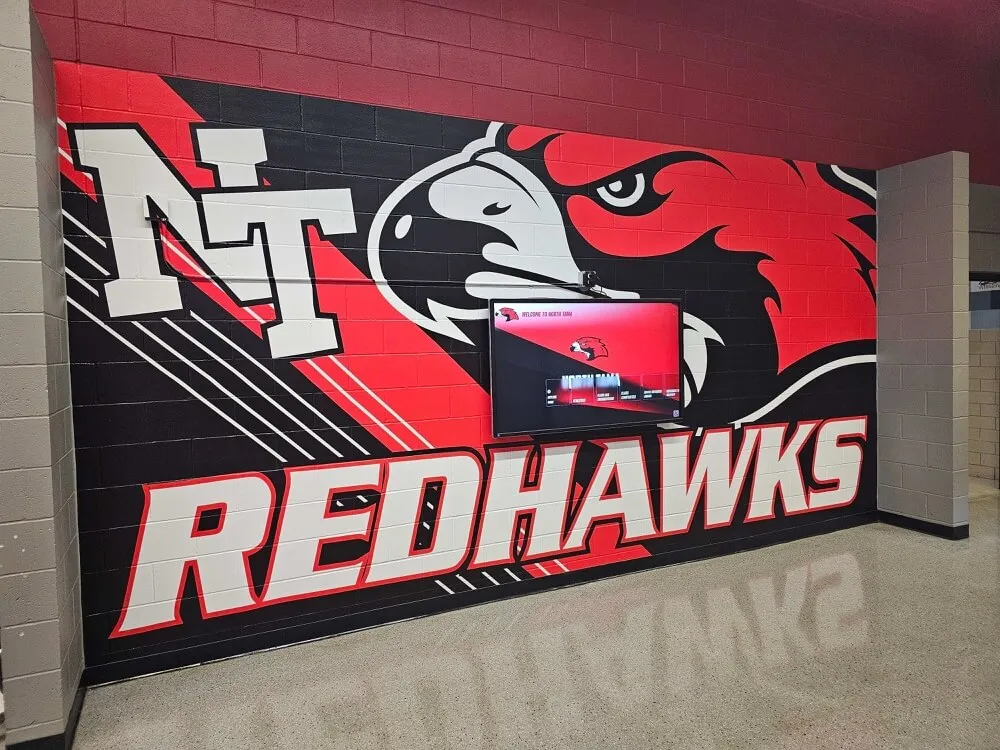
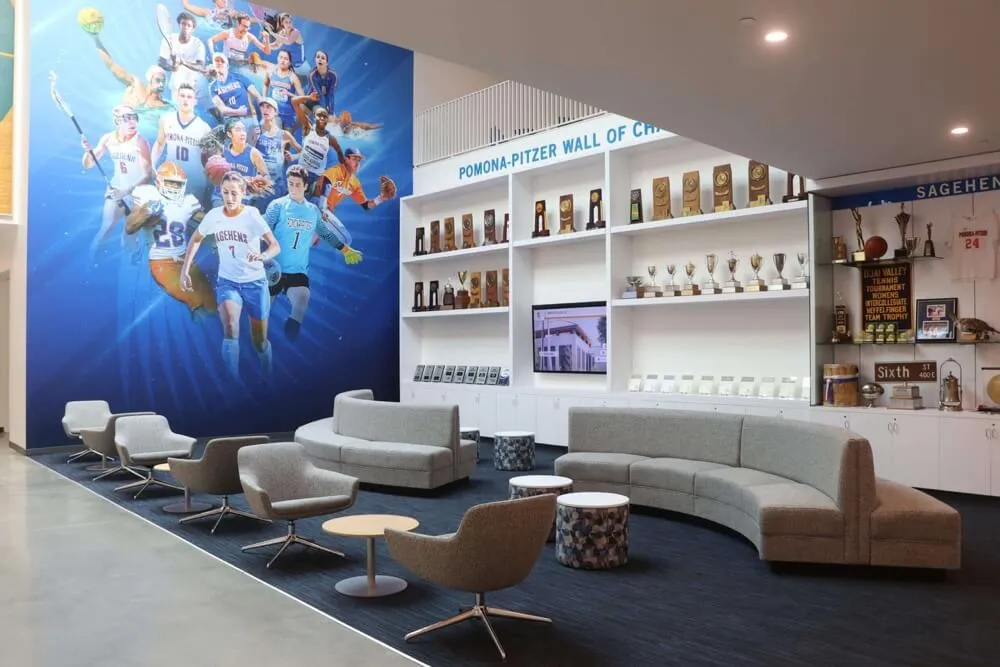
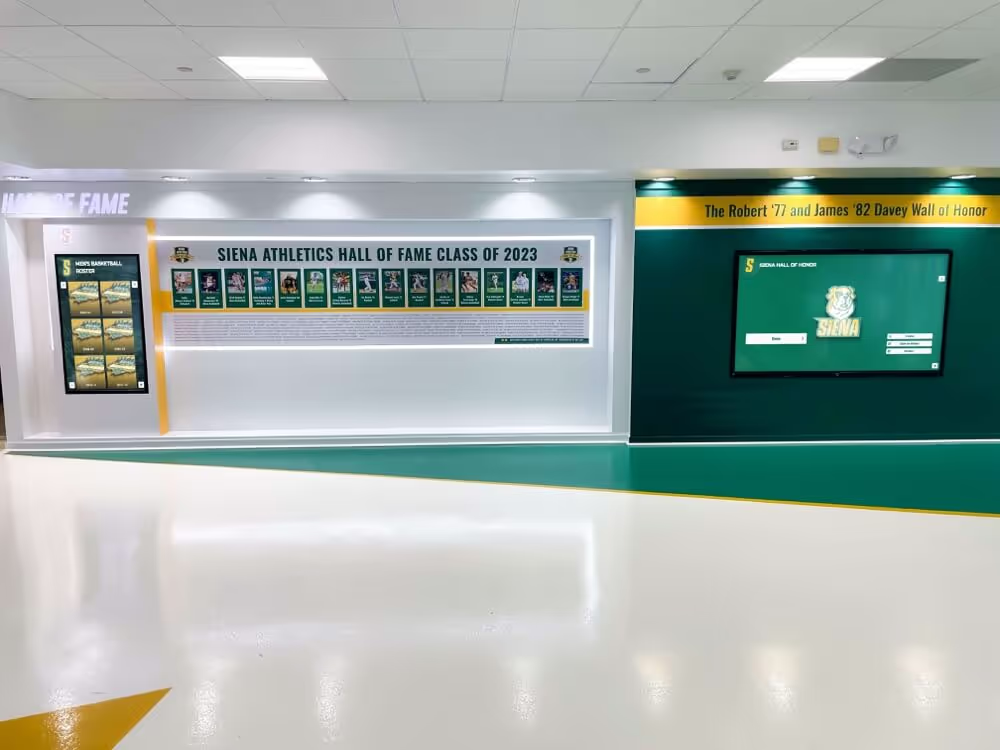
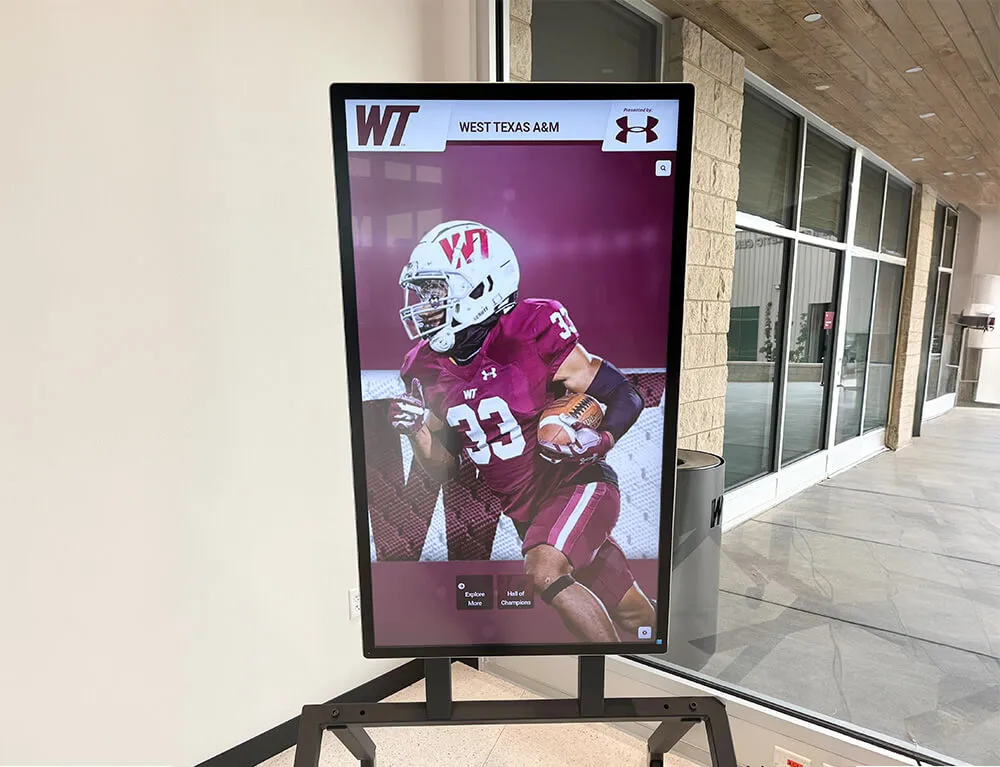
Dedicated recognition spaces create memorable settings for celebrating youth baseball achievements
Character and Leadership Awards
Honoring personal development and team contributions extending beyond statistics:
Team Leadership Recognition
- Captain’s Award: Selected team leader demonstrating consistent leadership
- Most Coachable: Receptive to feedback and committed to improvement
- Best Teammate: Supportive, encouraging, and collaborative (peer vote)
- Team Spirit Award: Enthusiasm, energy, and positive dugout presence
- Leadership Excellence: Positive influence mentoring younger teammates
- Vocal Leader: Communication and encouragement on and off field
Character awards often prove more meaningful than statistical recognition, particularly for developing players who contribute critically without leading traditional performance categories.
Effort and Dedication Awards
- Hustle Award: Maximum effort in every play regardless of outcome
- Most Dedicated Player: Consistent practice attendance and commitment
- Heart and Grit: Competitive intensity and never-quit attitude
- Practice Player of the Year: Outstanding practice performance and preparation
- Mr./Ms. Reliable: Consistency and dependability in all situations
- Perseverance Award: Overcoming adversity, injury, or significant challenges
- Mental Toughness: Composure, resilience, and competitive mindset
These effort-based awards ensure players giving maximum commitment receive recognition regardless of natural ability level or playing time distribution.
Special Character Recognition
- Sportsmanship Award: Respect for opponents, umpires, and game integrity
- Positive Attitude Award: Optimism and encouragement regardless of circumstances
- Coaches’ Award: Exemplifying values and attitudes coaches most appreciate
- Unsung Hero: Critical contributions that don’t appear in box scores
- Community Service Award: Volunteer work and community contribution
- Academic Excellence: Classroom achievement alongside athletic participation
Learn more about character-focused recognition in wrestling awards guides with principles applicable to all youth sports.
Improvement and Development Awards
Celebrating growth trajectories and developmental progress throughout seasons:
- Most Improved Player: Greatest skill development from season start to finish
- Breakout Player: Dramatically exceeding previous performance levels
- Best Technical Improver: Specific skill refinement (swing mechanics, fielding form)
- Fitness Improvement: Measurable athletic conditioning enhancement
- Confidence Builder: Overcoming fear (hit by pitch, difficult plays) successfully
- From Bench to Starter: Earning increased playing time through improvement
- Position Transition Excellence: Successfully learning entirely new position
- Batting Improvement Leader: Greatest batting average increase from previous season
- Pitching Development Award: Most improved pitching mechanics and results
Improvement awards prove especially important in youth baseball where players develop at dramatically different rates—celebrating progress rather than absolute skill level maintains motivation for late bloomers.
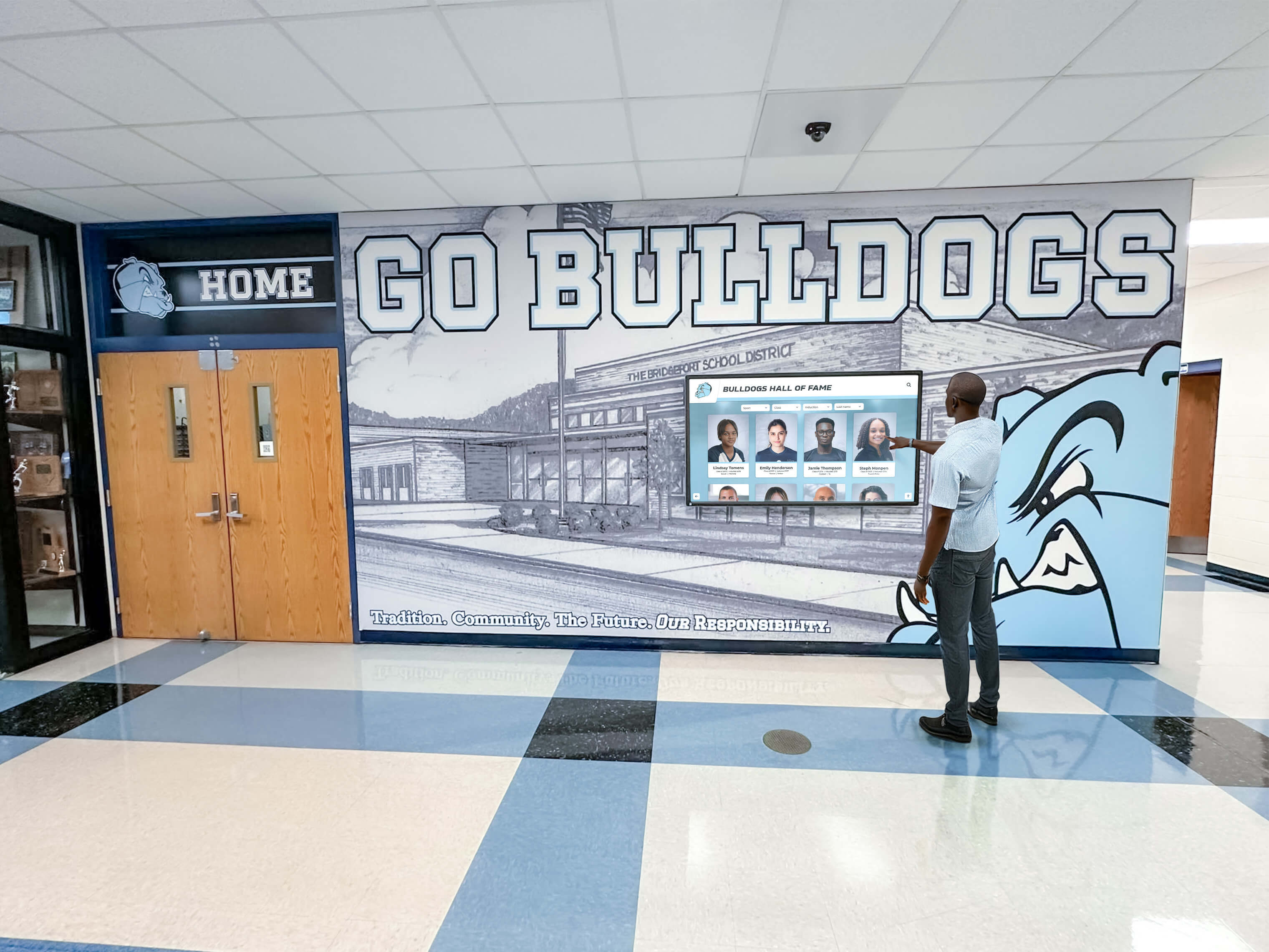
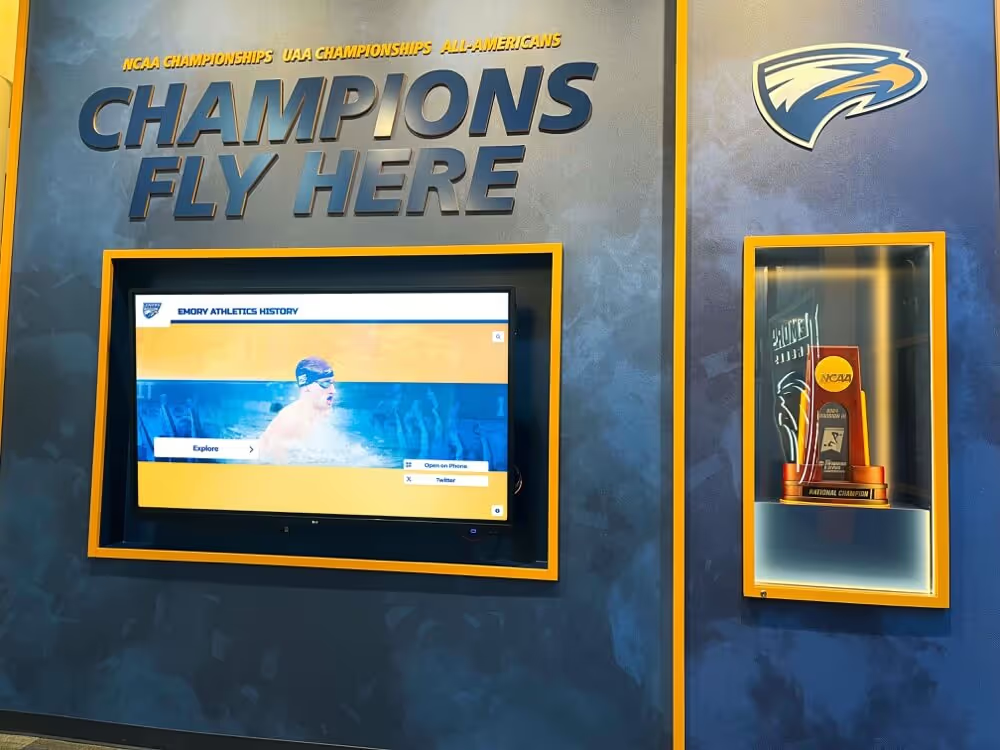
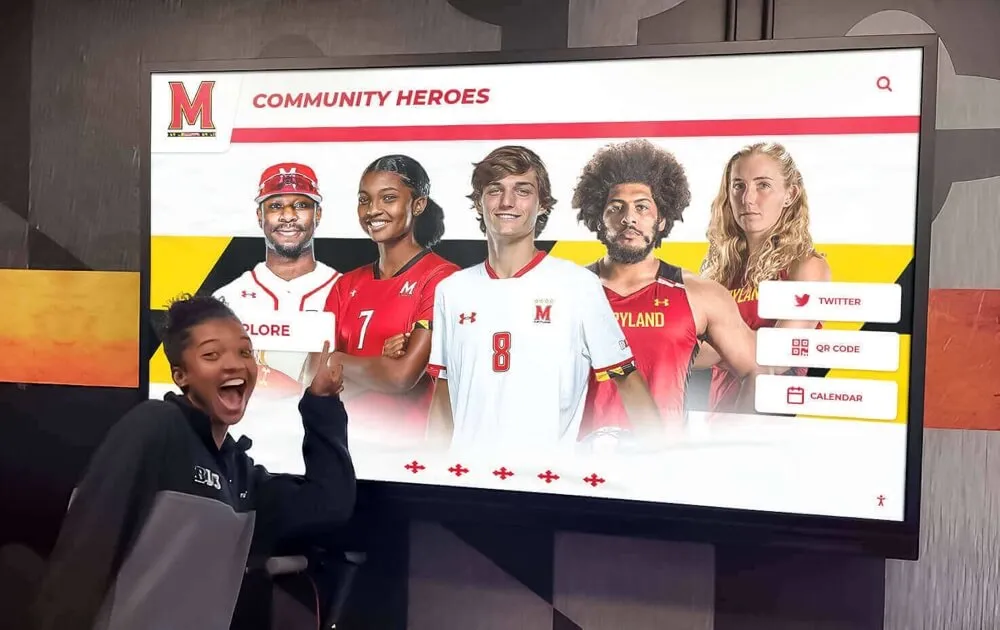
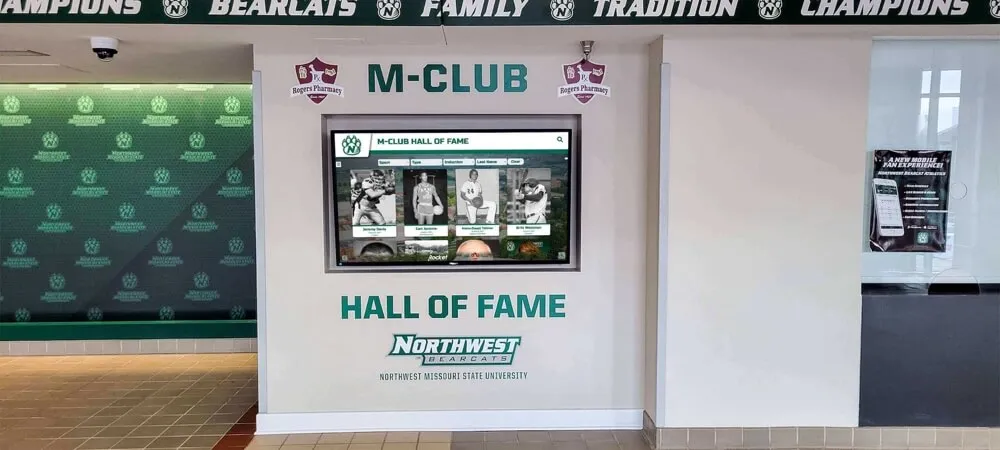
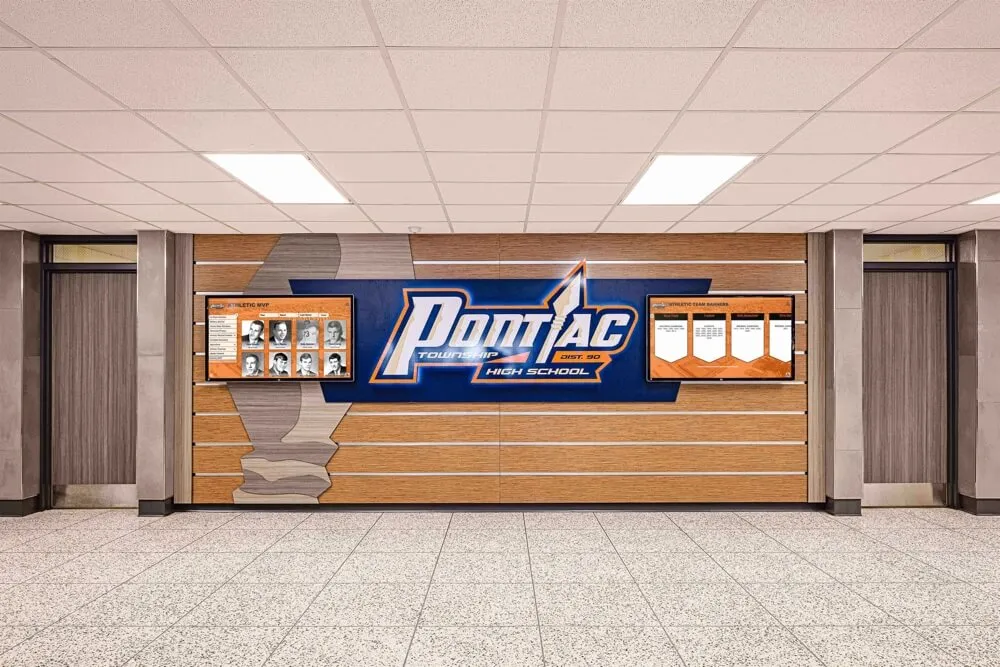
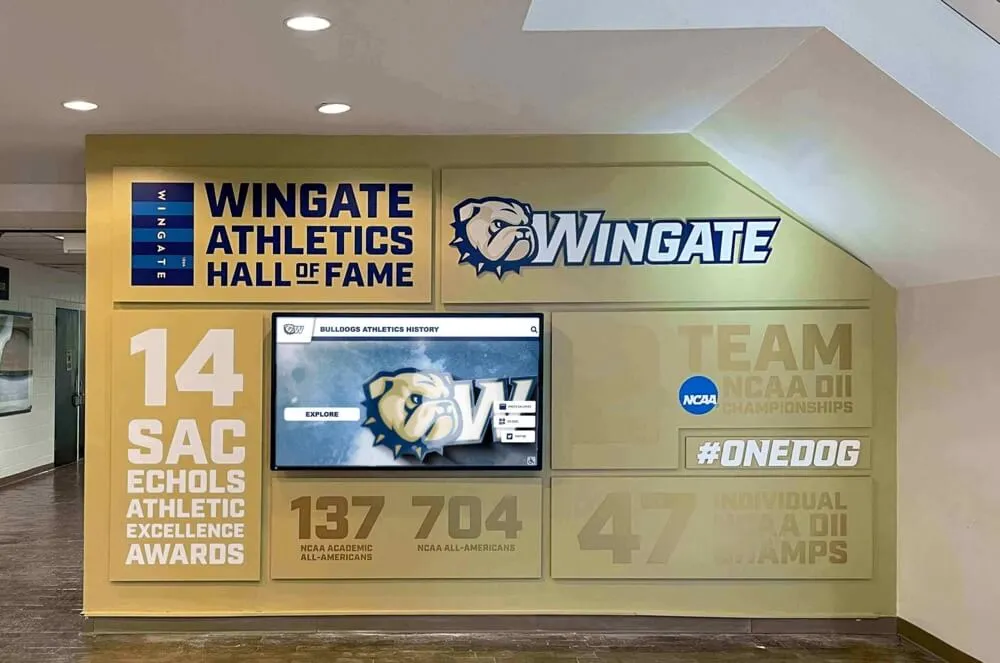
Digital recognition platforms enable documenting unlimited player achievements across multiple seasons
Fun and Personality-Based Awards
Creative recognition adding enjoyment and personality to award ceremonies while building team culture:
- Best Walk-Up Song: Most creative or entertaining entrance music selection
- Best Dugout Dancer: Energy and entertainment between innings
- Funniest Player: Humor and team morale contributions
- Best Bat Flip: Most creative home run celebration (age-appropriate)
- Sunflower Seed Champion: Fun personality-based recognition
- Best Pre-Game Ritual: Unique or entertaining preparation routines
- Team DJ: Controlling music and team energy
- Most Likely to Go Pro: Playful future prediction award
- Best Team Nickname: Player with best or most-used nickname
- Hardest Worker in Warmups: Dedication to preparation routines
- Quietest Player: Actions speaking louder than words
- Social Media Star: Best team content creation or documentation
These lighter awards work particularly well during end-of-season celebrations, maintaining energy while ensuring every player receives some form of recognition creating positive memories.
Position-Specific Excellence Awards
Baseball’s specialized positions deserve specific recognition categories:
Pitcher Recognition
- Ace Award: Top starting pitcher
- Bullpen MVP: Best relief pitcher
- Strikeout King/Queen: Strikeout leader with flair
- Control Master: Fewest walks per inning
- Complete Game Award: Finishing what you start
Catcher Recognition
- General Award: Game management and leadership behind plate
- Best Arm: Controlling running game with throwing
- Backstop Award: Blocking and receiving excellence
- Pitch Framing Excellence: Getting borderline strikes
- Battery Award: Best pitcher-catcher combination
Infield Recognition
- Best Glove First Base: Sure hands and scoops
- Best Glove Second Base: Range and double-play pivots
- Best Glove Shortstop: Premium defensive position
- Best Glove Third Base: Reaction time and strong arm
- Best Infield Duo: Outstanding double-play combination
Outfield Recognition
- Best Glove Center Field: Range and reads
- Best Glove Corner Outfield: Arms and routes
- Best Outfield Assist: Throwing out baserunners
- Fence Crasher Award: Fearless wall plays
Position-specific awards demonstrate program sophistication while ensuring every position receives specialized recognition appropriate to their role.
Budget-Friendly Implementation Strategies
Recognition programs require thoughtful budget planning—these frameworks enable effective implementation at any spending level.
Budget Tier 1: $0-75 Per Team (Minimal Cost Recognition)
Zero or minimal-cost approaches delivering meaningful recognition:
Materials and Approaches
- Printed certificates: Free templates from Canva or Microsoft Office customized with team colors
- Handwritten coach notes: Personal messages acknowledging specific contributions
- Team newsletter features: Email recognition distributed to families
- Social media spotlights: Instagram/Facebook posts celebrating individual players
- Verbal recognition: Public acknowledgment during practices or games
- Team meeting awards: Regular recognition during gatherings
- Photo collections: Digital albums shared with families via Google Photos
- Painted rocks or baseballs: DIY awards personalized by coaches or teammates
Implementation Tips
- Design certificate templates once and reuse across seasons with player names changed
- Assign parent volunteer to manage printing and distribution
- Schedule weekly recognition moments throughout season maintaining engagement
- Use smartphone cameras for professional-looking action photos
- Create consistent recognition cadence (Player of the Game after each contest)
Effectiveness Considerations
Research demonstrates that frequency and specificity matter more than physical award cost—athletes receiving weekly verbal recognition and quarterly certificates often show higher satisfaction than those receiving expensive end-of-season trophies exclusively.
Budget Tier 2: $75-250 Per Team (Basic Physical Awards)
Moderate investment enabling tangible recognition accessible to most programs:
Recommended Purchases
- Participation medals or ribbons ($2-3 each, all players): $40-60
- Award certificates with frames ($4-6 each for special awards): $40-75
- Small trophies for major awards (4-6 awards at $10-15 each): $40-90
- Team photo prints ($3-4 per player): $40-65
- End-of-season pizza party or team meal: $75-100
Total Investment: $235-390 typical range
Vendor Options
- Crown Awards: Bulk trophy and medal supplier with customization
- Anderson’s: Youth sports awards specialist
- Trophy Depot: Quick turnaround on engraved awards
- Amazon: Individual component purchasing with fast shipping
- Local trophy shops: Custom engraving and personal service
Implementation Strategy
- Universal medals/ribbons for participation baseline
- Tiered recognition (certificates for most, small trophies for 4-6 major awards)
- Team photo as keepsake for all participants
- Recognition ceremony at team party or final practice
- Coach presentations with specific stories for each award
This budget range enables professional-looking recognition accessible to most recreational youth baseball programs without significant fundraising requirements.
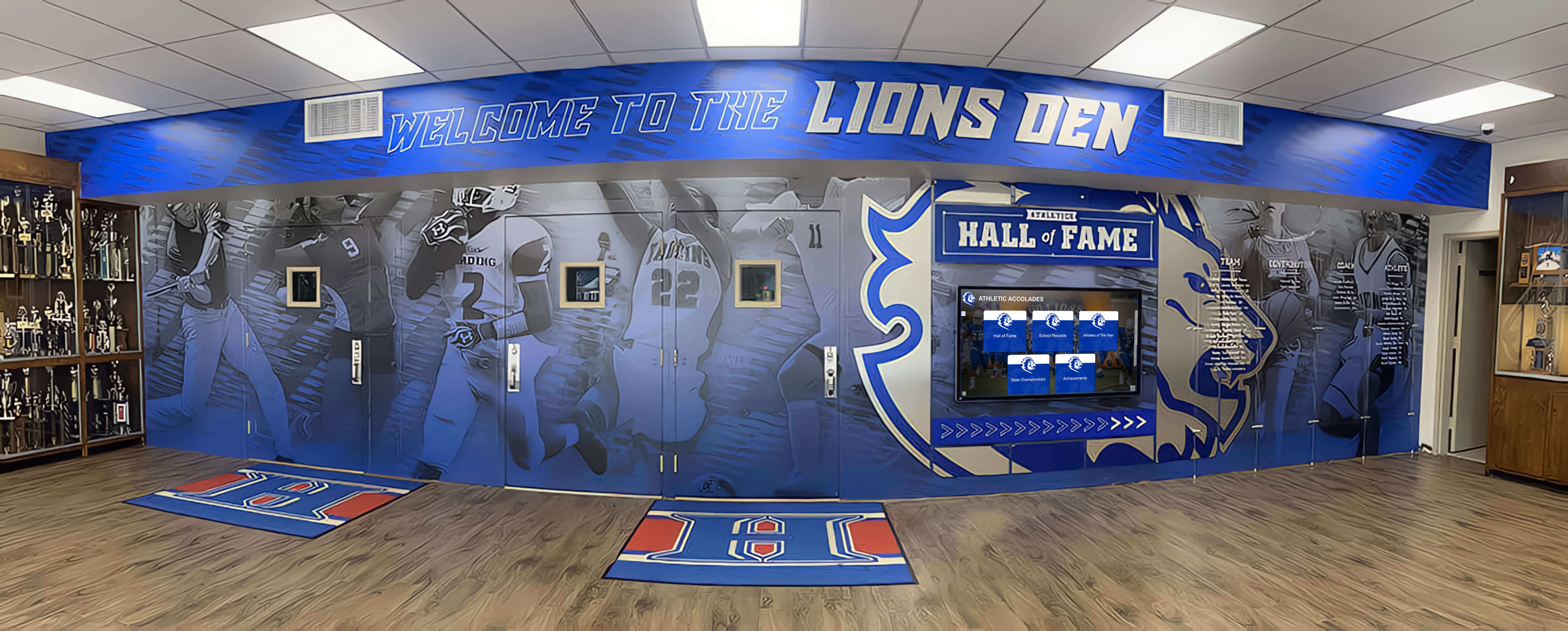
Hybrid approaches combine traditional physical awards with digital documentation extending recognition reach
Budget Tier 3: $250-600 Per Team (Enhanced Custom Awards)
Enhanced investment enabling personalized professional recognition:
Recommended Allocations
- Custom trophies with engraved plates ($20-30 each, 10-15 awards): $200-450
- High-quality framed certificates ($12-18 each for all players): $200-300
- Championship medals for all participants: $50-75
- Professional team photo packages: $75-125
- Award ceremony venue or catering: $150-250
Total Investment: $675-1,200 typical range
Enhanced Features
- Personalized engraving on all major awards with player names and achievement specifics
- Formal awards banquet or ceremony venue
- Professional photography during ceremony preserving memories
- Custom medal ribbons matching team colors and logo
- Multi-year perpetual trophies for major awards (engraved yearly with new recipients)
Funding Approaches
- League or organization budget allocations
- Team sponsorships from local businesses ($100-300 per sponsor)
- Parent contributions ($25-40 per family)
- Fundraising events throughout season (car washes, concession stands)
- Coaching staff contributions supplementing budget
This investment level enables recognition quality matching higher-level competitive travel programs while remaining accessible through modest fundraising efforts coordinated throughout seasons.
Budget Tier 4: $600+ Per Team (Digital Display Integration)
Premium investment combining physical awards with permanent digital documentation:
System Components
- Traditional physical awards program: $400-600
- Digital recognition platform contribution: $200-400 annually (shared across league)
- Professional photography and action shots: $200-400
- Season highlight video production: $150-300 (or volunteer)
- Web-based player profiles with statistics: Included in digital platform
- Social media content creation: Parent volunteer coordination
Total First-Year Investment: $950-1,700 Annual Ongoing Costs: $400-700
Enhanced Capabilities
- Permanent online player profiles accessible to families year-round
- Season highlight videos preserved indefinitely
- Statistical documentation across multiple seasons building player portfolios
- Social sharing enabling extended family engagement regardless of geography
- Historical record building program legacy attracting quality players
- Future recruiting materials for competitive players advancing to higher levels
- Community engagement through publicly accessible achievement celebration
Solutions like Rocket Alumni Solutions provide youth baseball organizations with professional recognition platforms previously accessible only to high schools and colleges—enabling comprehensive documentation at youth-appropriate price points while creating systems growing with athletes across multiple seasons and age groups.
Discover comprehensive digital recognition approaches in end-of-year awards programs applicable to youth baseball contexts.
Creative Presentation and Ceremony Ideas
How you present awards significantly impacts their meaning and emotional resonance—transforming simple recognition into memorable celebrations.
Award Ceremony Formats by Age Group
Different age groups benefit from different ceremony approaches matching attention spans and social development:
Young Players (Ages 4-8)
- Keep ceremonies brief (20-30 minutes maximum)
- Call every player individually for participation recognition
- Use simple, fun language explaining awards
- Encourage families to take photos creating memory moments
- Combine with post-game snacks or simple celebration
- Emphasize fun over formality maintaining positive atmosphere
- Consider individual mini-ceremonies after final games
Middle Elementary (Ages 9-12)
- Moderate ceremony length (30-45 minutes)
- Mix universal recognition with special awards
- Include brief coach comments for each award explaining selection
- Allow peer-voted awards building team investment
- Incorporate team highlights or memorable moment sharing
- Pizza party or casual team meal creating social atmosphere
- Parent attendance encouraged but not required
Competitive Travel Teams (Ages 12-14+)
- More formal ceremonies (45-75 minutes)
- Detailed award descriptions with specific achievement examples
- Statistics and performance data supporting selections
- Coach speeches reflecting on season journey
- Player speeches from team captains or seniors
- Formal banquet venue or restaurant setting
- Family attendance expected and celebrated
- Potentially include guest speakers (high school coaches, program alumni)
Storytelling Presentation Techniques
Rather than simply announcing award names, share specific stories creating emotional connections:
Effective Storytelling Elements
- Describe defining moments or plays exemplifying why player earned recognition
- Share specific examples of improvement, leadership, or character honored
- Include relevant statistics or facts illustrating achievement magnitude
- Reference coach observations or teammate testimonials
- Connect awards to team values and program culture priorities
- Acknowledge challenges overcome or adversity faced
- Project future potential and continued development opportunities
Example Storytelling Presentation
Instead of: “The Hustle Award goes to Jake Martinez.”
Try: “This season, one player consistently dove for every ground ball, sprinted out every routine grounder, and never took a single play off regardless of score or situation. In our tournament semi-final, down by two runs in the sixth inning, he stretched a single into a double through pure hustle, sparking the rally that sent us to the championship game. The Hustle Award celebrates the player who exemplifies maximum effort in every moment—Jake Martinez.”
These narrative presentations transform simple recognition into memorable celebrations of individual journey and contribution that players and families remember for years.
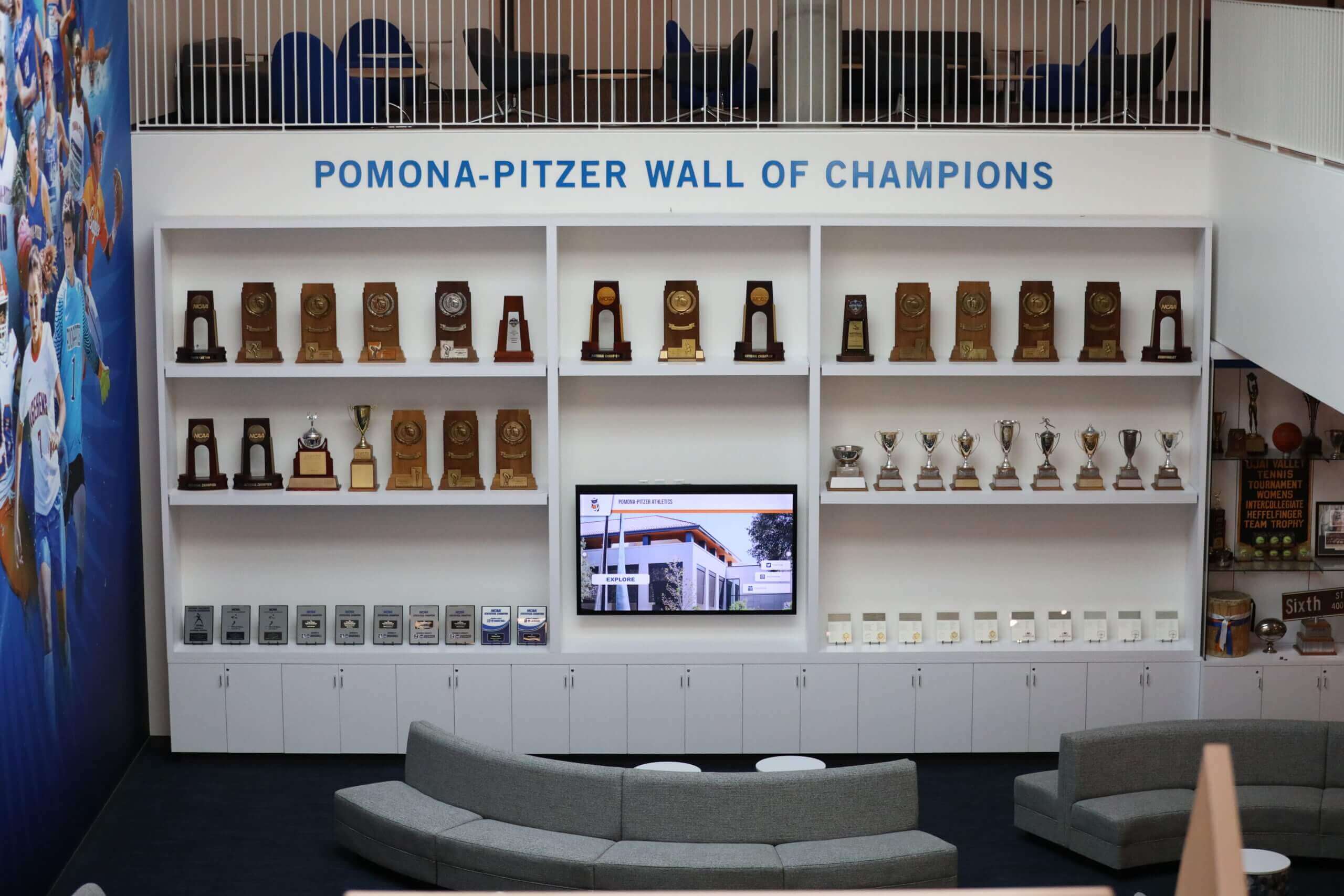
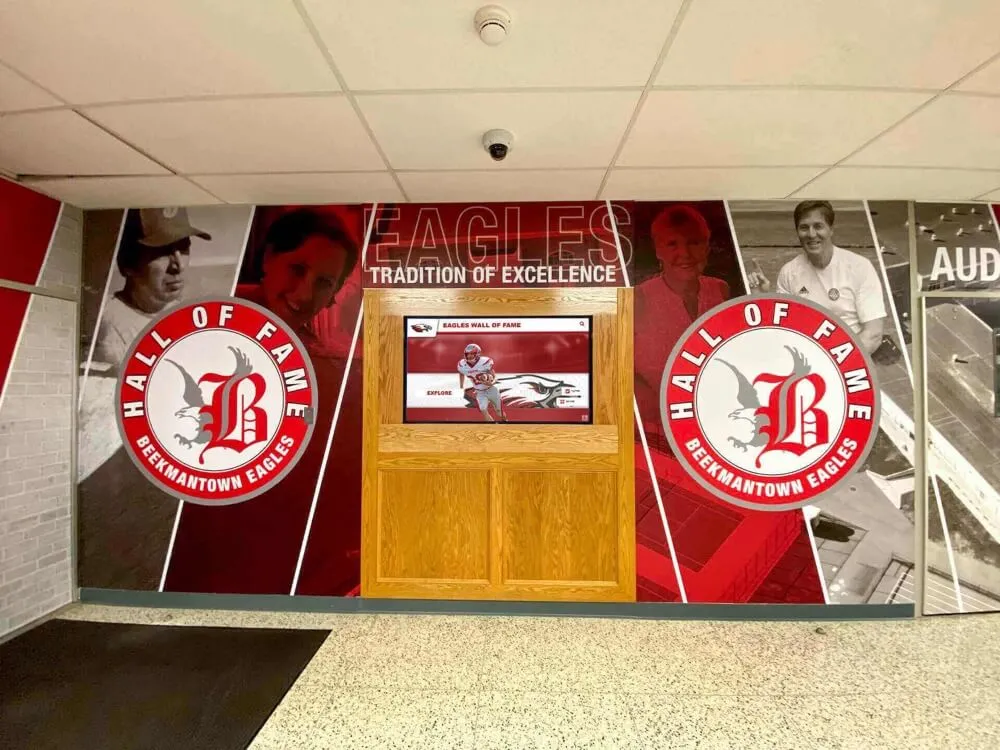
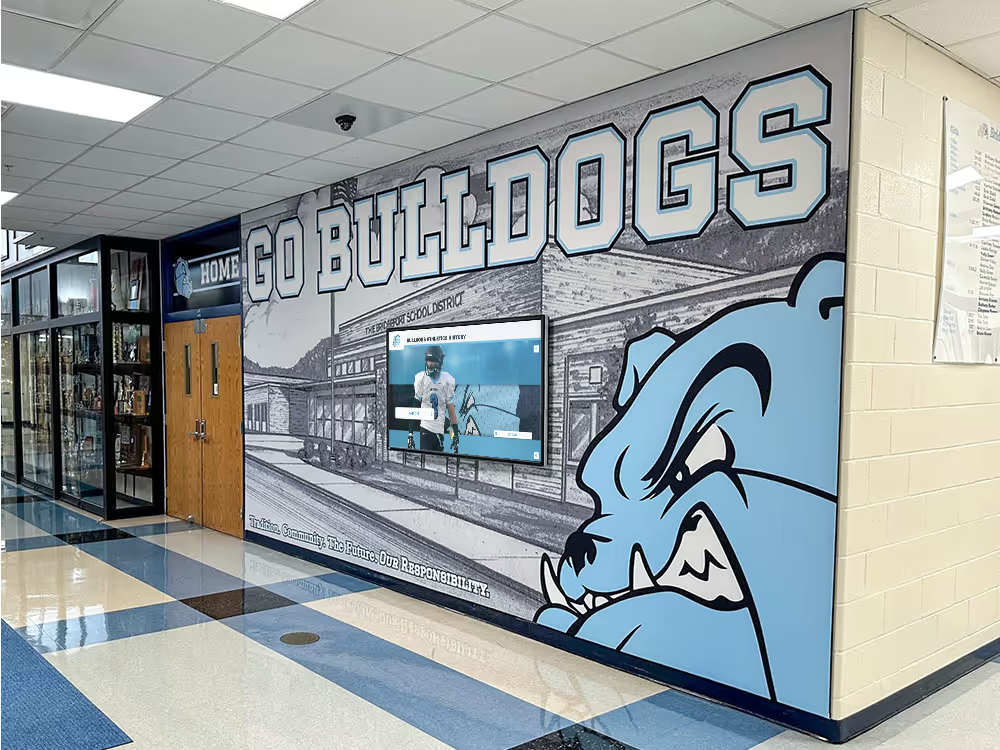
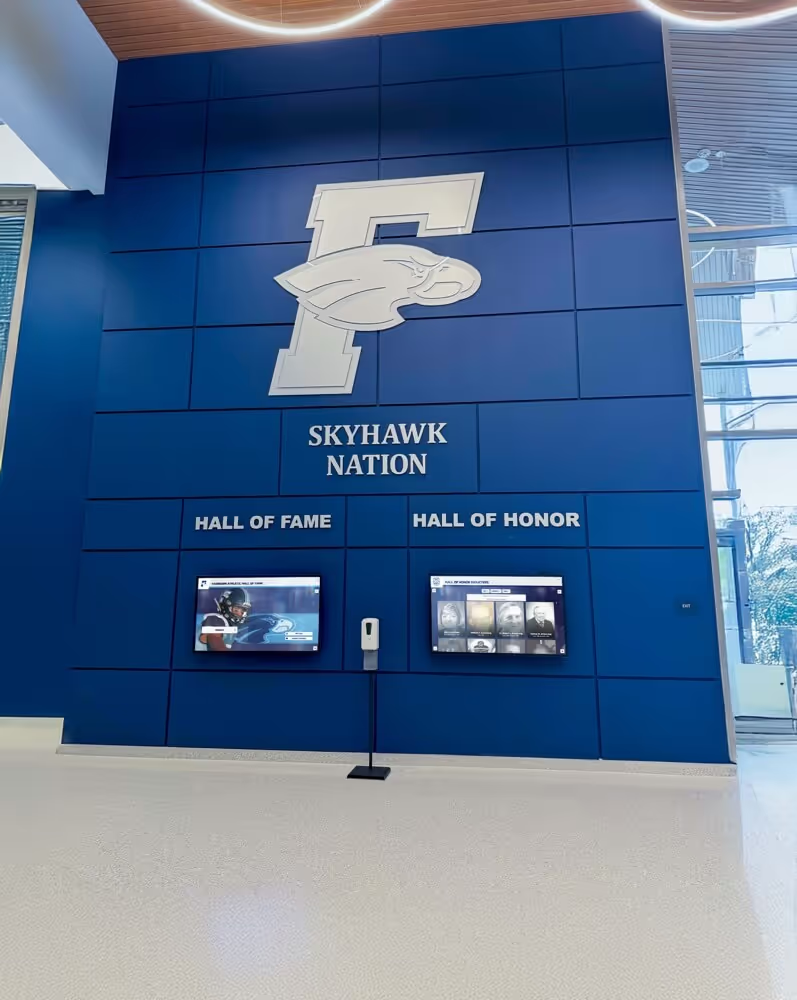
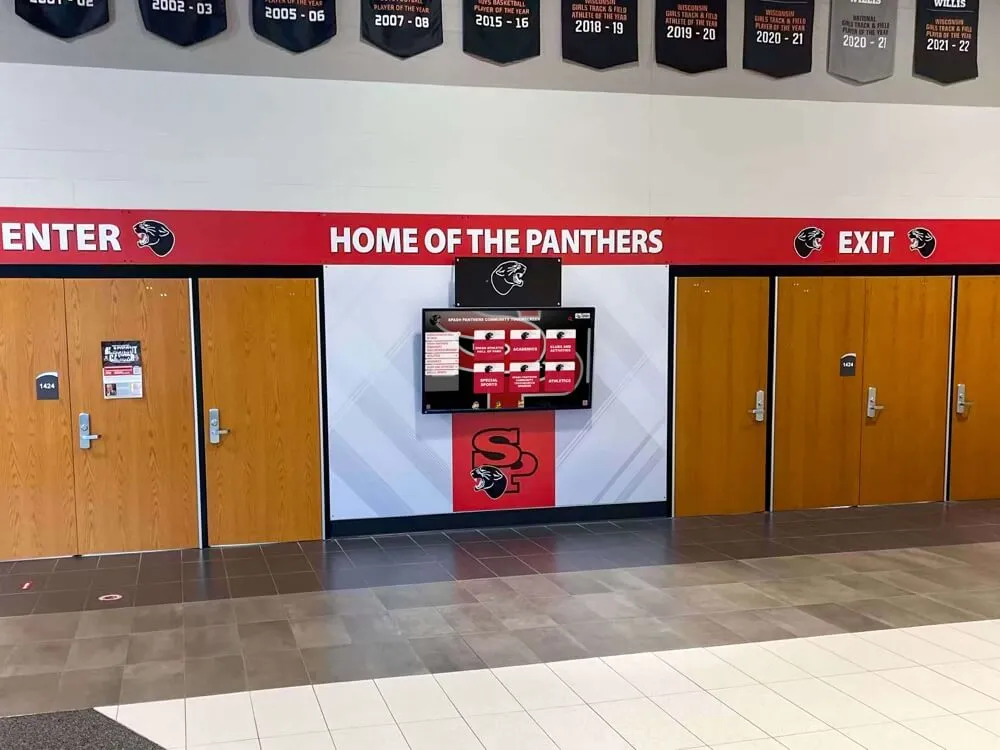
Dedicated recognition spaces provide natural settings for memorable award ceremonies
Multimedia Enhancement Ideas
Strategic multimedia additions elevate ceremonies beyond simple award distribution:
Season Highlight Videos
Professional or volunteer-created compilations celebrating team journey:
- Opening montage establishing season context and goals
- Game highlights showcasing victories and memorable moments
- Individual player spotlight segments (3-5 seconds each player featured)
- Blooper reel adding humor and entertainment
- Coach reflections on season highs and growth moments
- Championship or tournament journey documentation
- Closing message looking toward next season
Keep videos 6-10 minutes maximum maintaining attention without dragging. Ensure every player appears in footage regardless of playing time or skill level.
Photo Slideshows
Still photography provides different emotional resonance than video:
- First practice through final game chronology
- Action shots from games capturing athleticism
- Dugout candids and team bonding moments
- Family support and fan engagement
- Pre-game warm-ups and preparation rituals
- Celebration moments after victories
- Team traditions unique to your program
Display slideshows during informal time (meal service, arrival period) rather than competing with formal program elements.
Digital Displays During Ceremonies
Integrate technology enhancing traditional presentations:
- Display player statistics during award announcements
- Show action photos of award recipients during presentations
- Present digital profiles being added to permanent recognition platforms
- Share social media reactions in real-time during ceremony
- Project season schedule with results creating visual journey narrative
Learn about recognition ceremony enhancement in football banquet ideas with strategies applicable to baseball contexts.
Building Multi-Season Recognition Programs
Single-season awards represent starting points—sustained recognition culture requires systematic development across multiple years as players advance through programs.
Progressive Recognition Systems
Athletes participating across multiple seasons benefit from recognition tracking growth over time:
Age Group Progression Recognition
- First Season: Participation certificates emphasizing welcome and inclusion
- Second Season: Improvement awards acknowledging skill development from previous year
- Third Season: Leadership opportunities and mentorship recognition
- Fourth+ Season: Legacy awards honoring sustained commitment and program contribution
- Graduating Players: Special recognition honoring entire youth baseball journey
Statistical Achievement Milestones
Track cumulative statistics across seasons recognizing career achievements:
- 50 Hits Club: Career hit milestones
- 100 Strikeout Club: Pitching career accomplishments
- Career Home Run Leaders: Power hitting across multiple seasons
- Games Played Milestones: Longevity and commitment (50, 100, 150 games)
- All-Time Program Records: Highest career batting average, most wins as pitcher, etc.
Leadership Development Tracking
Recognize growth in non-statistical contributions:
- Progression from team member to assistant captain to captain
- Mentorship recognition for helping younger players
- Coaching assistant roles for experienced players
- Peer leadership selection across multiple seasons
- Community representation and ambassador roles
Digital platforms like Rocket Alumni Solutions enable youth baseball organizations to maintain comprehensive player records across multiple seasons—creating documentation previously impossible with physical recognition alone while building program legacy attracting families seeking quality developmental experiences.

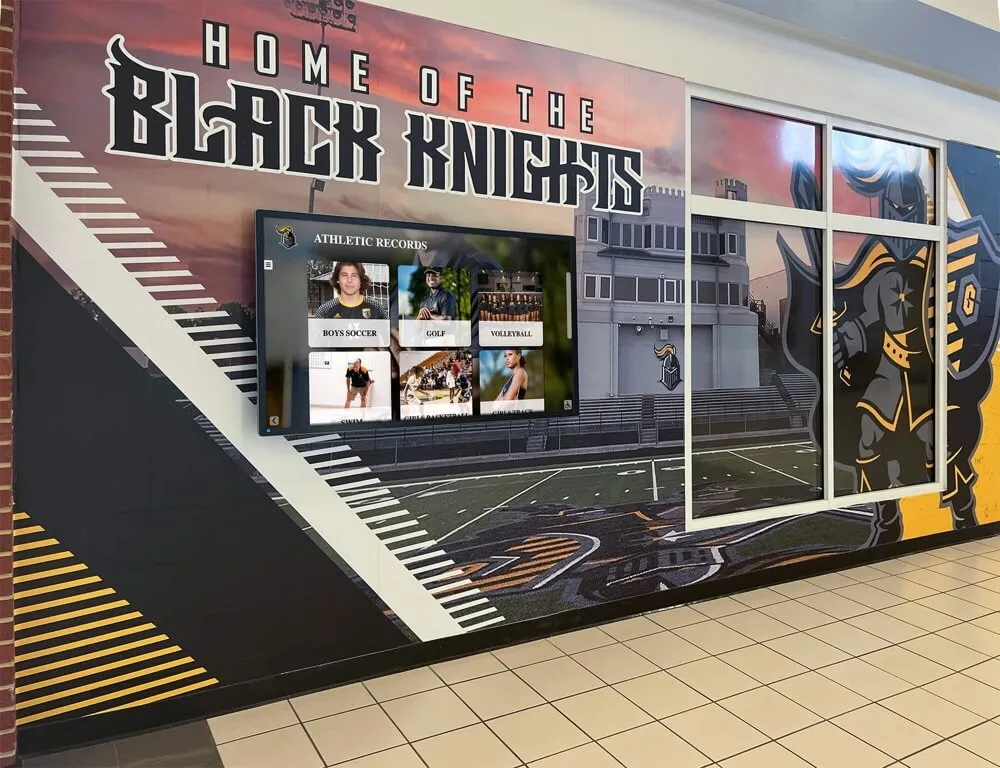
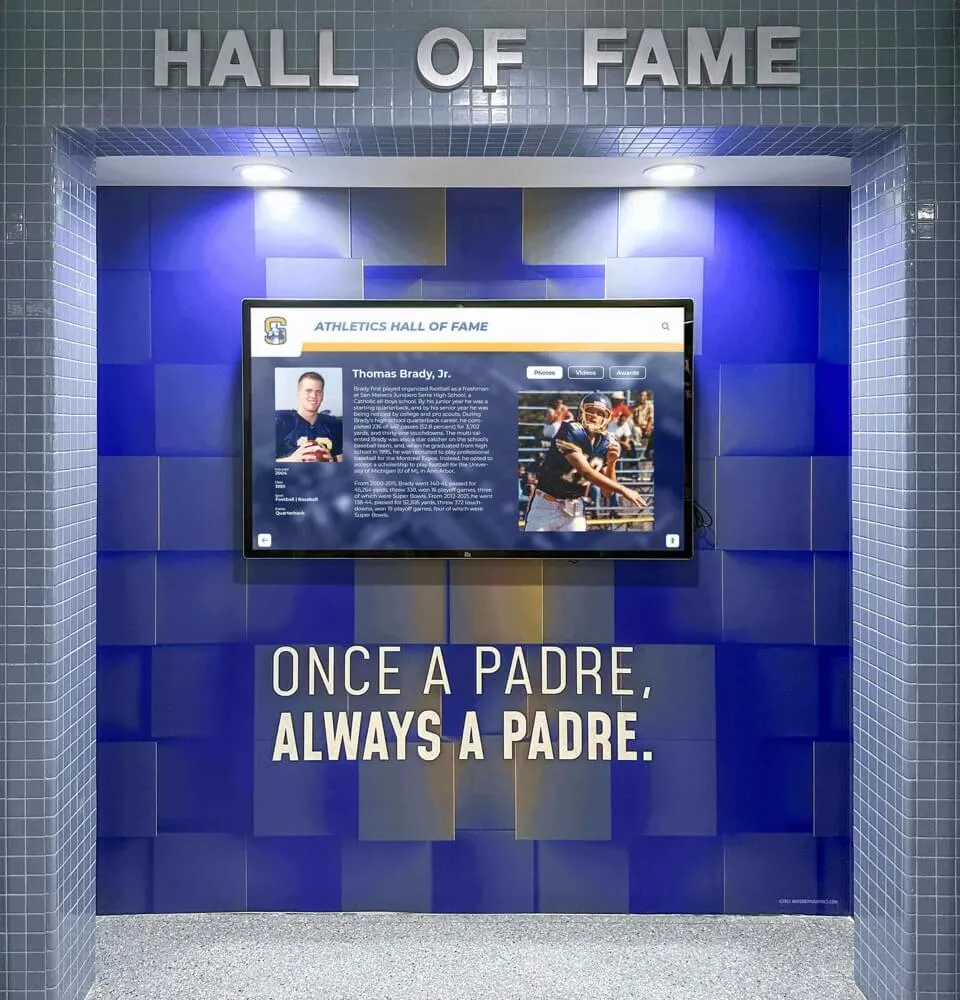
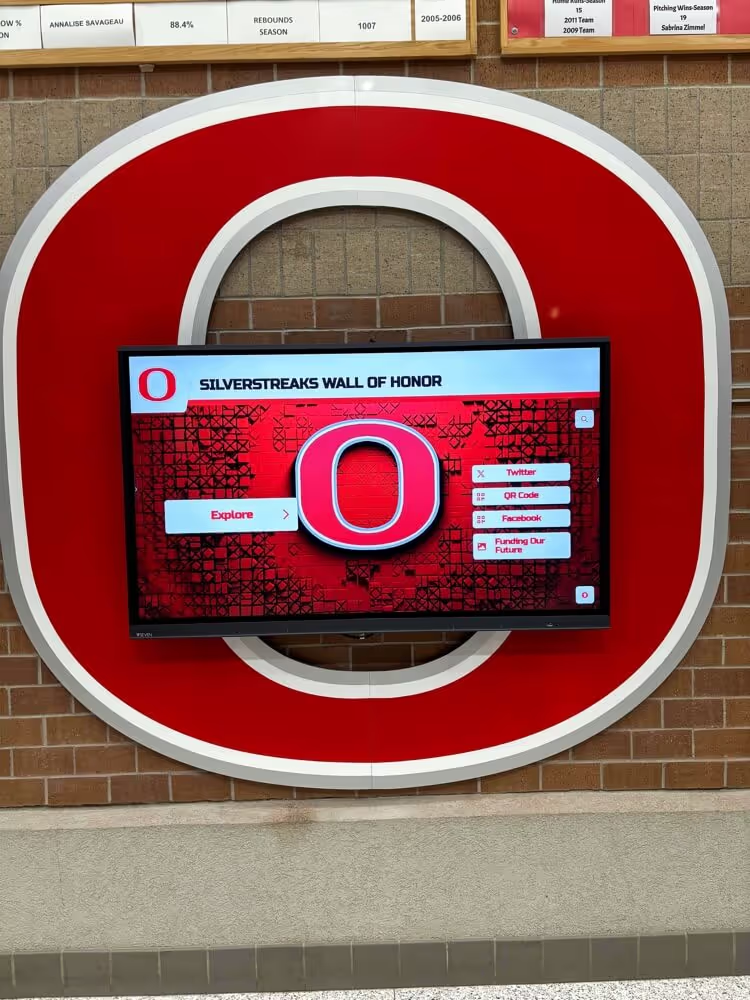
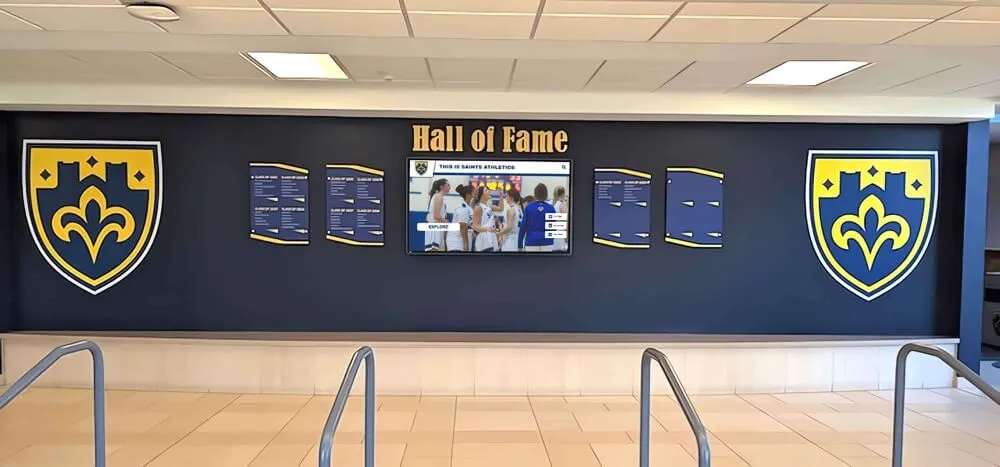
Digital recognition walls preserve achievements across multiple seasons building lasting program legacy
Program History and Legacy Building
Championship teams and exceptional athletes deserve permanent recognition extending beyond single seasons:
Historical Documentation Elements
- Program record boards documenting all-time statistical leaders
- Championship team photos and rosters preserved permanently
- League championship and tournament victory documentation
- Coaching tenure and accomplishment records
- Facility naming or dedication opportunities for major contributors
- Annual team traditions and recognition ceremony documentation
Creating Aspirational Culture
Permanent recognition serves motivational purposes for future players:
- Young players see achievement possibilities creating performance targets
- Historical context demonstrates what dedication and improvement can accomplish
- Legacy awareness helps current players understand they’re part of something larger
- Alumni connections strengthen as former players see their achievements preserved
- Community pride builds around documented program success history
Schools and youth organizations implementing comprehensive recognition systems report enhanced program reputation, improved player recruitment, and stronger sustained success—demonstrating tangible value these investments provide beyond immediate recognition moments.
Explore legacy preservation approaches in digital hall of fame systems applicable to youth baseball programs.
Common Youth Baseball Recognition Mistakes to Avoid
Learning from others’ experiences helps organizations sidestep common pitfalls undermining otherwise well-intentioned recognition programs.
Mistake 1: Waiting Until Final Game
Problem: Delaying all recognition until season’s end reduces motivational impact throughout season.
Solution: Implement weekly or monthly recognition maintaining engagement and motivation across entire season. Player-of-the-Game awards after each contest, monthly newsletters highlighting standout performances, and mid-season informal recognition keep all players motivated and engaged.
Mistake 2: Only Recognizing Statistical Leaders
Problem: Focusing exclusively on batting averages and ERA leaves developing players feeling undervalued despite maximum effort.
Solution: Balance performance awards with effort, improvement, and character categories ensuring every player receives meaningful recognition. Statistical categories should represent only 30-40% of total awards for youth programs.
Mistake 3: Generic, Impersonal Awards
Problem: Generic certificates or trophies without specific reasons lack emotional impact and memorable meaning.
Solution: Always include specific descriptions explaining why each player earned recognition. Reference particular plays, improvement examples, or character demonstrations making awards personally meaningful rather than perfunctory distribution.
Mistake 4: Inconsistent Criteria
Problem: Award criteria changing yearly or lacking transparency creates perceived unfairness undermining motivation.
Solution: Document and publish criteria at season start, apply consistently, and modify only after season completion for following year. Players and families should understand how awards are earned from season beginning.
Mistake 5: Excluding Parents and Families
Problem: Recognition occurring without family attendance reduces impact and fails to celebrate support system enabling participation.
Solution: Schedule ceremonies at times maximizing family attendance, communicate dates well in advance, create photo opportunities families can capture, and explicitly thank families for their support enabling player participation.
Mistake 6: Last-Minute Planning
Problem: Rushed award selection lacks thoughtfulness and may overlook deserving players or result in inadequate presentation quality.
Solution: Begin tracking potential award recipients throughout season, schedule selection meetings two weeks before ceremony, order materials with adequate lead time, and plan ceremony details thoroughly avoiding last-minute stress compromising quality.
Thoughtful program design avoiding these common pitfalls dramatically improves recognition effectiveness while requiring minimal additional effort beyond initial planning and consistent execution.
Leveraging Digital Recognition for Lasting Impact
While traditional awards create wonderful immediate experiences, digital recognition solutions extend impact permanently—preserving achievements, inspiring future players, and strengthening program culture year-round.
Beyond Single-Season Recognition
Traditional youth baseball awards suffer from temporary impact limitations:
- Physical trophies gather dust in closets after initial excitement fades
- Achievements preserved only through fading photos and memories
- Families who can’t attend ceremonies miss entire celebration
- Award recipients can’t easily share recognition with extended networks
- Younger siblings and future players never experience previous team achievements
- Program history disappears when players graduate or age out
Digital recognition platforms solve these limitations by creating permanent, accessible, engaging celebrations of achievement extending far beyond single award ceremony evenings.
Permanent Player Documentation
Solutions like Rocket Alumni Solutions provide unlimited digital space honoring every recognized player:
- Complete profiles for award recipients with achievement details and statistics
- Season accomplishments documented permanently with photos and descriptions
- Multiple-season career documentation as players advance through age groups
- Search functionality enabling anyone to discover specific players or teams
- Historical context connecting current achievements to program legacy
- Mobile-accessible platforms viewable from any device anywhere
This comprehensive documentation ensures recognition provided at ceremonies remains accessible and meaningful for years—not fleeting moments quickly forgotten as seasons end and new teams begin.
Interactive Community Engagement
Digital platforms transform passive recognition into ongoing engagement:
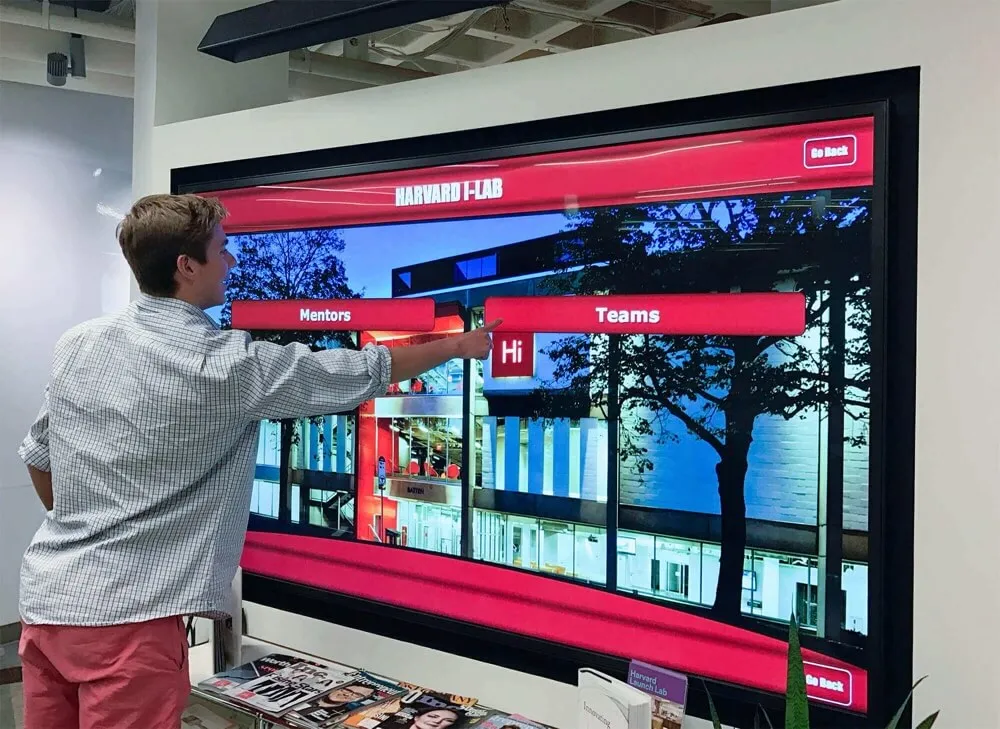
- Touchscreen kiosks in facilities where players explore program history before practices
- Web-accessible platforms enabling families to celebrate achievements remotely
- Social sharing capabilities allowing honorees to promote recognition broadly
- Updated content adding context and information to historical achievements
- Analytics revealing which players and achievements generate greatest community interest
- Alumni connections as former players return to view their preserved achievements
Youth organizations implementing digital recognition systems report dramatically increased engagement with program history and achievements compared to traditional trophy case approaches.

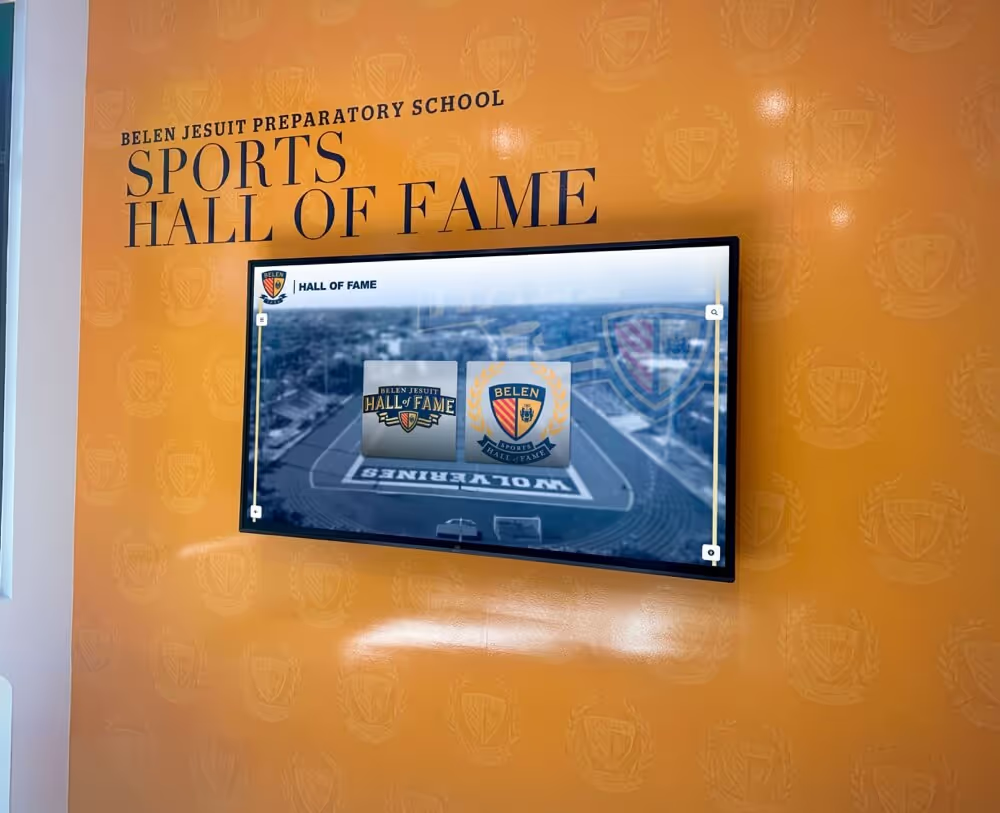
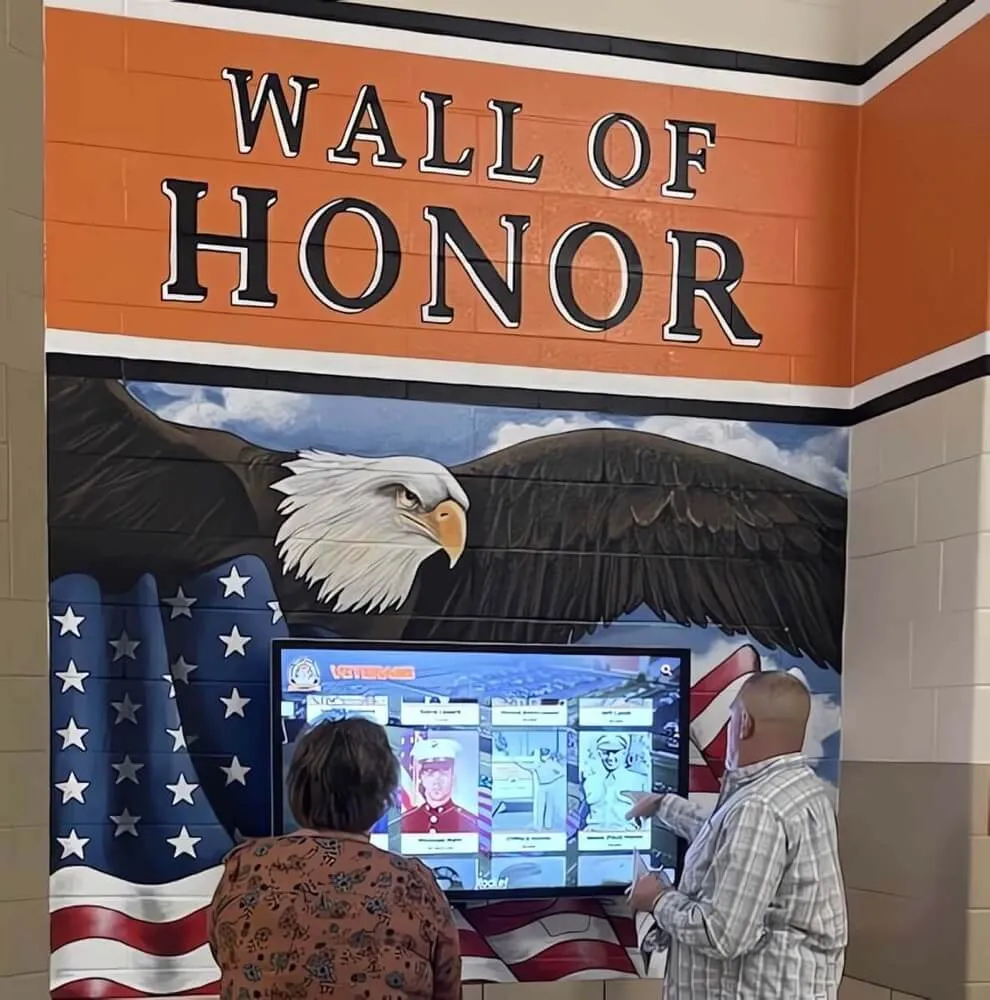
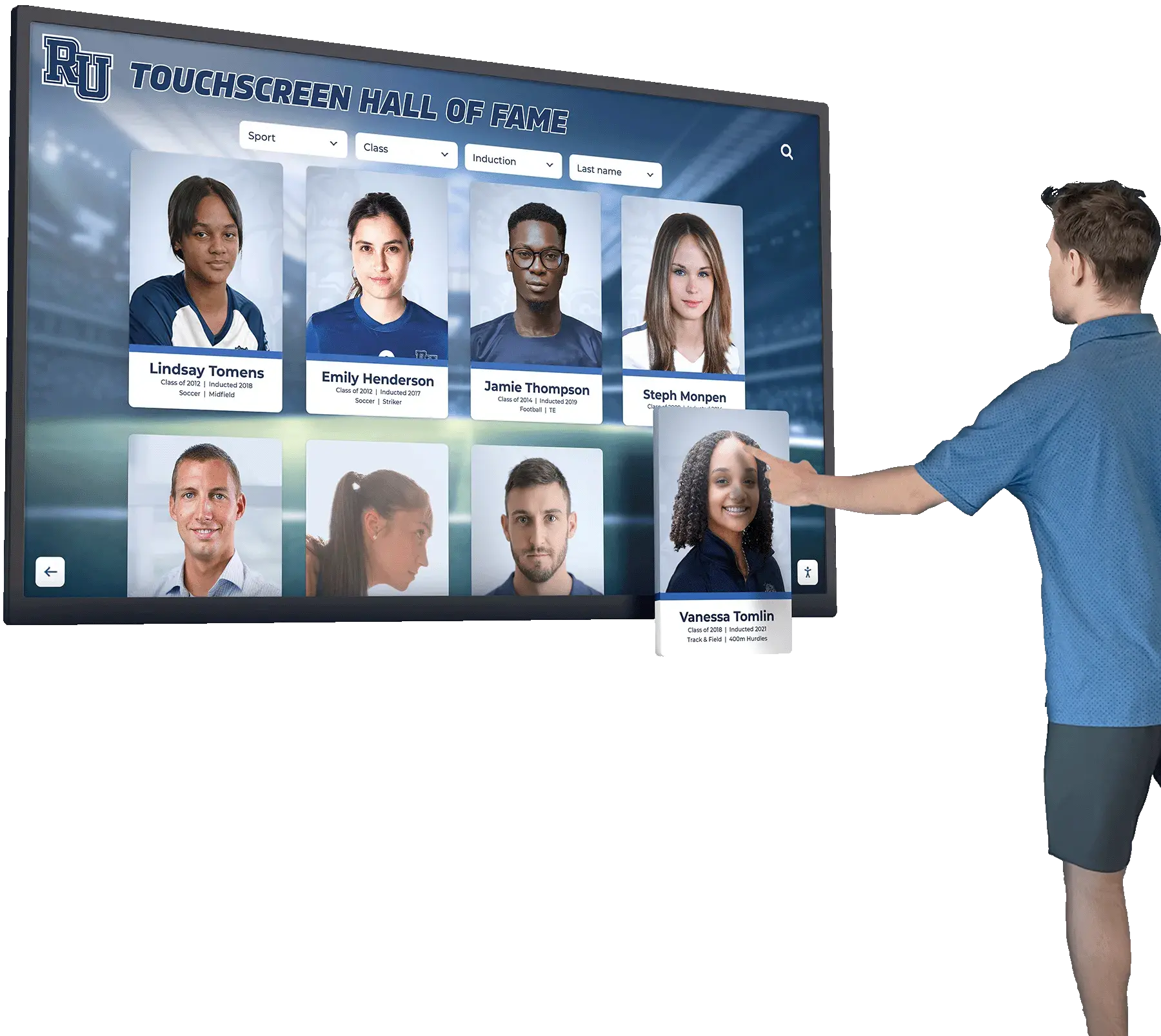
Interactive kiosks transform youth baseball recognition into permanent engagement opportunities accessible year-round
Integration with Traditional Awards Programs
Smart organizations integrate digital recognition directly into existing award traditions:
During Award Ceremonies
- Display digital recognition platforms on screens during pre-ceremony social time
- Use digital profiles during presentations adding multimedia context and photos
- Premiere new player profiles being added to permanent digital recognition
- Allow award recipients to explore their own profiles projected for audience
- Share social media posts being created in real-time during celebration
Post-Ceremony Follow-Through
- Add ceremony photos and videos to player digital profiles
- Publish complete award recipient lists with achievement details and statistics
- Share ceremony highlights through digital platform to broader community
- Enable families who couldn’t attend to experience celebration through accessible content
- Promote new recognition additions driving traffic and ongoing engagement
Ongoing Program Development
- Reference digital recognition during player recruitment demonstrating program quality
- Use historical achievements inspiring current teams during challenging moments
- Connect current players to program legacy and performance standards
- Enable community members to explore program history anytime building pride
- Build aspirational culture through accessible achievement celebration
This integrated approach ensures award investments deliver lasting value rather than fleeting experiences forgotten soon after ceremonies conclude.
Discover permanent recognition solutions in digital trophy display guides demonstrating comprehensive platform capabilities for youth programs.
Conclusion: Building Recognition Culture That Lasts
Exceptional youth baseball recognition programs don’t happen by accident—they result from thoughtful planning, genuine commitment to comprehensive acknowledgment, and understanding that awards serve purposes far beyond distributing trophies at season’s end. The most successful programs honor every contribution while creating experiences that strengthen culture, inspire excellence, and build lasting love of baseball extending well beyond youth playing years.
From beginning T-ball players still learning to catch to advanced travel ball athletes competing at elite levels, age-appropriate recognition honors dedication and improvement while building confidence and athletic identity. Budget-conscious strategies enable effective implementation at any spending level—from zero-cost verbal recognition to comprehensive digital documentation systems previously accessible only to professional organizations.
Preserve Your Youth Baseball Achievements Permanently
Discover how digital recognition platforms enable documenting unlimited player awards, statistics, and memories across multiple seasons—creating permanent records that grow with your athletes while building program legacy that attracts quality players and families.
Explore Youth Baseball Recognition SolutionsSuccessful recognition programs share common characteristics: clear age-appropriate criteria, balanced attention to performance and character, fair selection processes engaging multiple perspectives, thoughtful presentation creating memorable ceremonies, and systematic documentation preserving achievements permanently. Coaches and league administrators implementing these principles report measurably improved player satisfaction, higher retention rates through critical developmental years, and stronger program reputations attracting quality participants.
The creative baseball awards for youth explored throughout this comprehensive guide—from statistical achievements to character recognition, from improvement celebrations to fun personality awards—provide frameworks for creating programs that genuinely honor every player’s contributions regardless of skill level or playing time. Whether implementing simple certificate programs or comprehensive digital recognition systems, the key is consistent execution ensuring every young athlete feels valued for their dedication, improvement, and character development alongside competitive achievement.
Start wherever your current situation demands—whether adding weekly Player-of-the-Game recognition to existing programs or implementing comprehensive multi-season documentation systems—then systematically expand recognition coverage ensuring every player receives meaningful celebration appropriate to their contributions and developmental level. Your young athletes’ dedication, improvement, and love of baseball deserve recognition programs honoring their commitment while building confidence and athletic identity carrying forward throughout their lives.
Ready to transform your youth baseball recognition program? Solutions like Rocket Alumni Solutions provide youth sports organizations with professional recognition platforms enabling comprehensive documentation across multiple seasons while creating systems celebrating every athlete’s contributions permanently. From recreational Little League programs to competitive travel teams, thoughtful recognition transforms youth baseball from simple activity participation into formative developmental experiences building confidence, character, and lifelong appreciation for America’s pastime.