



Planning an exceptional awards ceremony transforms routine recognition into powerful moments students remember for years. Well-executed recognition events celebrate achievement authentically, inspire continued excellence, and strengthen school community bonds—yet many administrators struggle to create ceremonies that feel meaningful rather than obligatory.
Schools invest significant time recognizing student accomplishment through academic honors, athletic achievements, leadership awards, and character recognition. Research consistently demonstrates that thoughtful public recognition significantly impacts student motivation, self-efficacy, and continued engagement. Students receiving meaningful recognition show 23% higher goal-setting behavior and 18% greater academic persistence compared to peers receiving perfunctory acknowledgment.
However, creating truly memorable recognition events requires more than simply distributing awards alphabetically in a crowded gymnasium. The most impactful ceremonies combine thoughtful planning, engaging presentation formats, authentic personalization, and modern technology creating experiences students and families value enough to attend enthusiastically year after year.
This comprehensive guide provides school administrators and recognition coordinators with practical ceremony ideas spanning venue selection, program structure, presentation approaches, technology integration, and follow-up strategies that transform standard award distributions into celebration events your community anticipates eagerly.

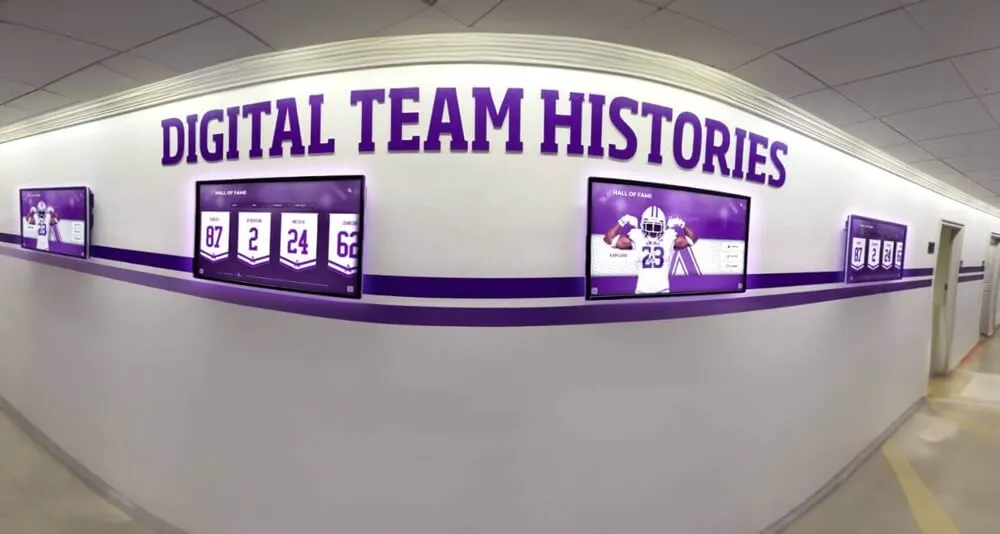
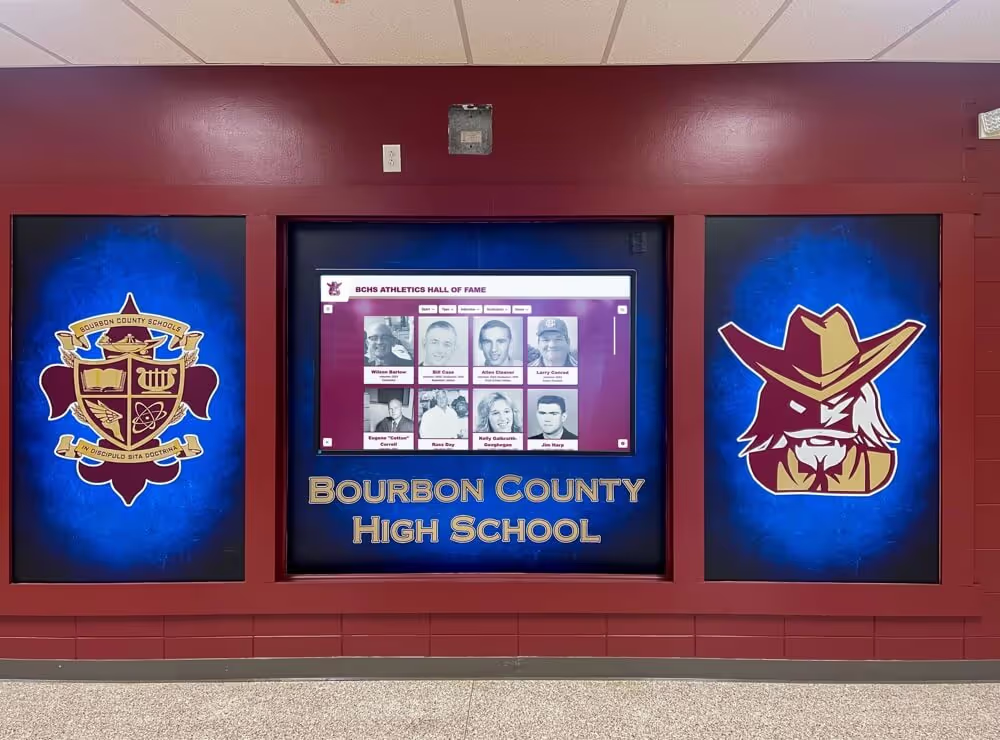
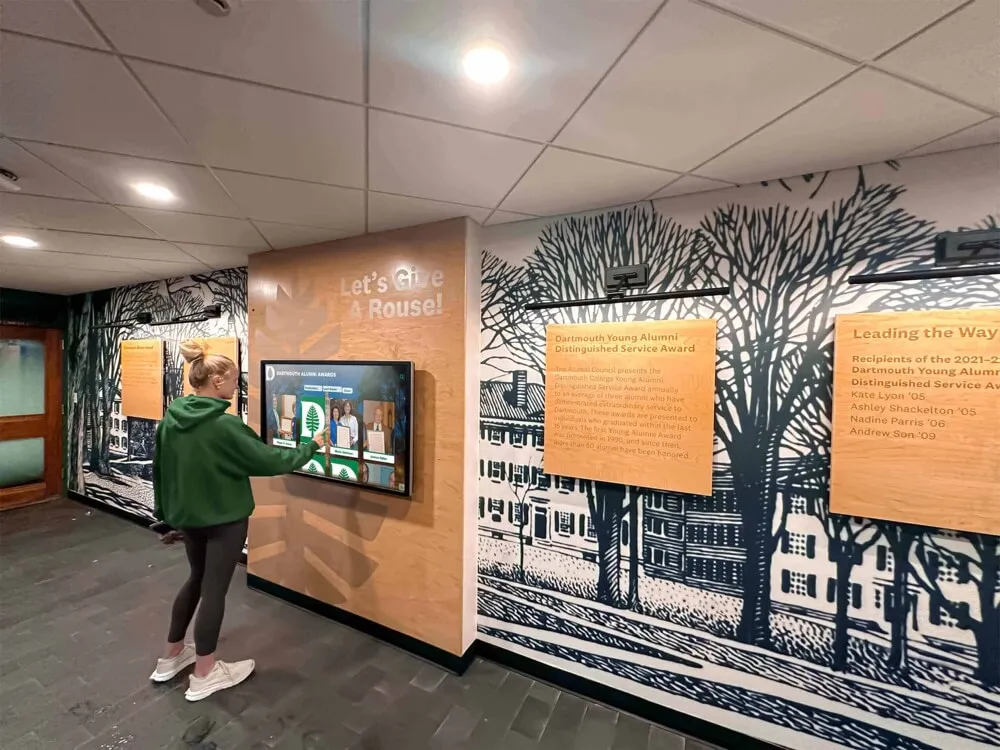
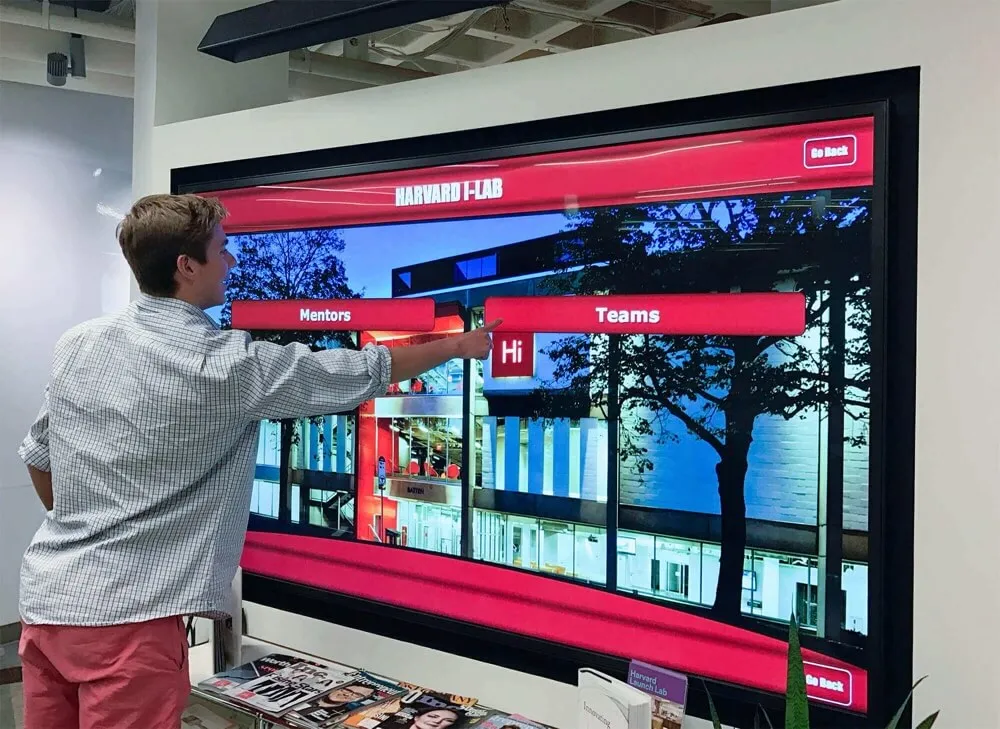
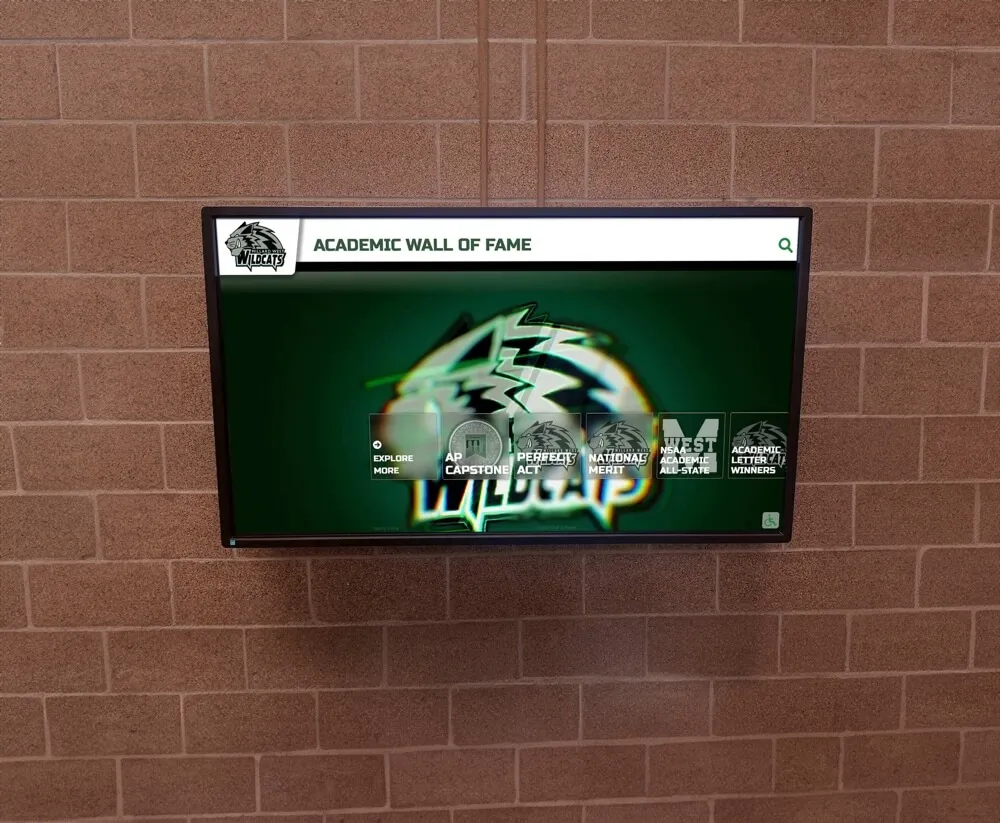
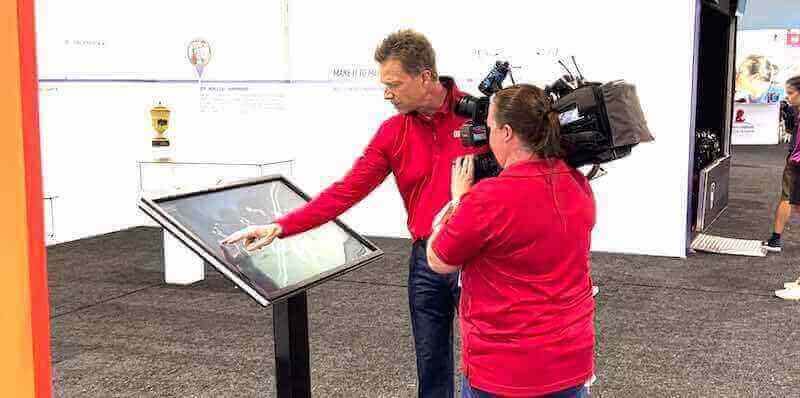
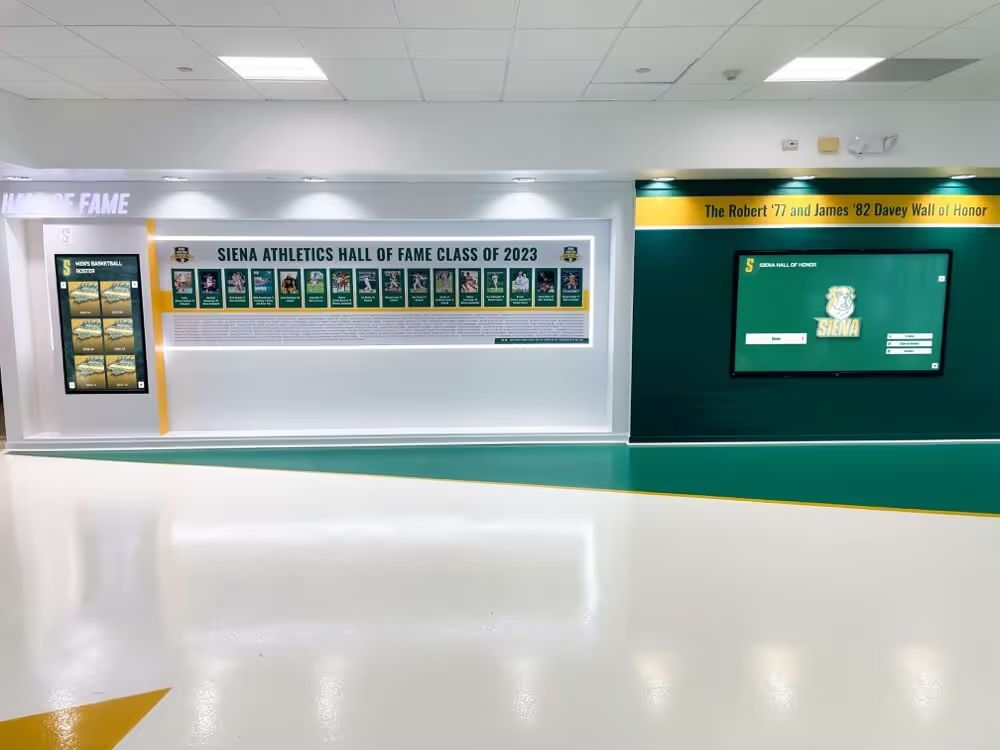
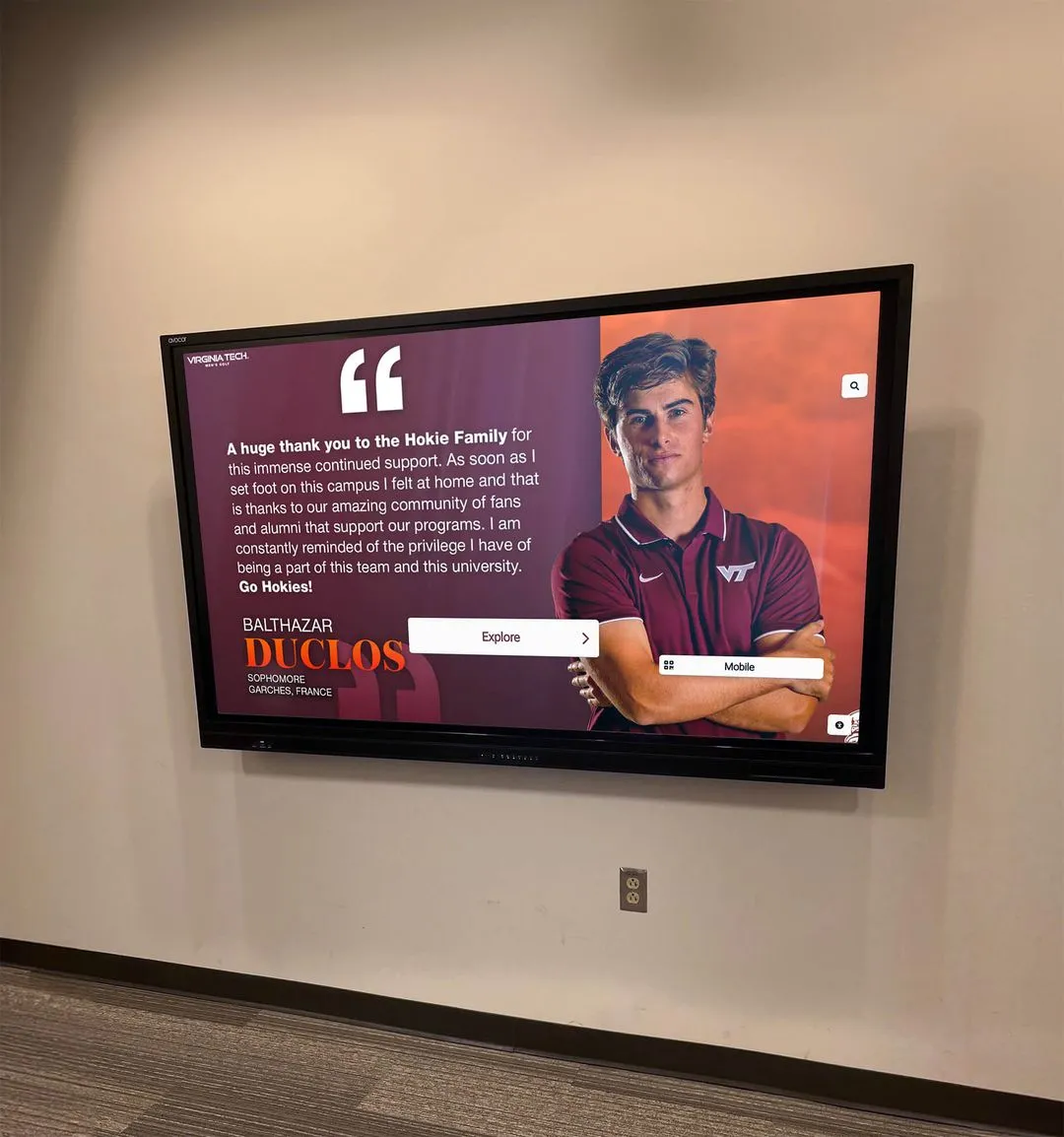
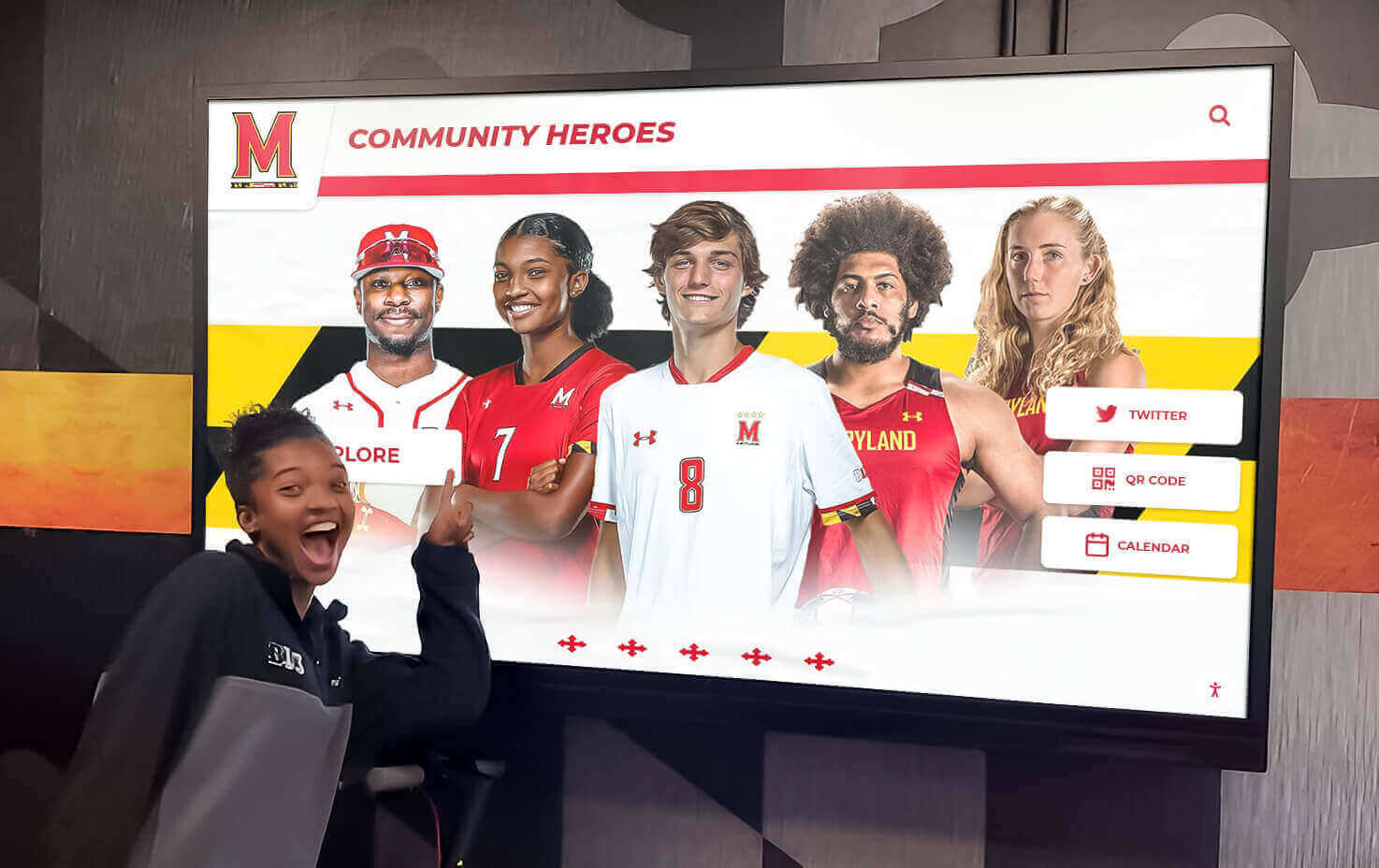
Digital recognition systems enable showcasing award recipients prominently before, during, and after ceremony events
Understanding What Makes Recognition Ceremonies Memorable
Before diving into specific planning tactics, understanding the psychological and social elements that create meaningful recognition experiences helps administrators design ceremonies achieving genuine impact.
The Psychology of Effective Recognition
Personalization Creates Meaning
Generic recognition feels obligatory rather than earned. Research in educational psychology demonstrates that specific, personalized acknowledgment produces substantially greater motivational impact than standardized praise. Students can differentiate between authentic recognition reflecting their unique contributions and formulaic acknowledgment distributed indiscriminately.
Effective ceremony recognition includes:
- Specific examples of achievements rather than general descriptions
- Personal anecdotes illustrating character or dedication beyond statistics
- Acknowledgment of individual challenges overcome or growth demonstrated
- Connection between current recognition and future potential
- Recognition style matching student personality when possible
Public vs. Private Recognition Preferences
While many students value public recognition, others experience genuine discomfort with attention. Sensitive administrators accommodate different comfort levels by:
- Providing advance notice allowing students to prepare mentally for public moments
- Offering options for representative family members accepting on behalf of student
- Creating both major spotlights and subtle acknowledgments within programs
- Ensuring classroom and digital recognition provides alternatives to stage appearances
- Respecting student requests for privacy when exceptional circumstances warrant
Peer Validation Amplifies Impact
Recognition gains meaning when delivered before audiences students value. Research demonstrates that peer-witnessed acknowledgment creates more lasting motivational impact than recognition from authority figures alone. Effective ceremonies maximize peer presence through:
- Scheduling during times ensuring strong student attendance
- Creating engagement opportunities for non-recognized students
- Incorporating peer-selected awards determined through voting
- Facilitating social sharing extending recognition visibility beyond event attendees
- Building traditions making ceremony attendance a valued social occasion
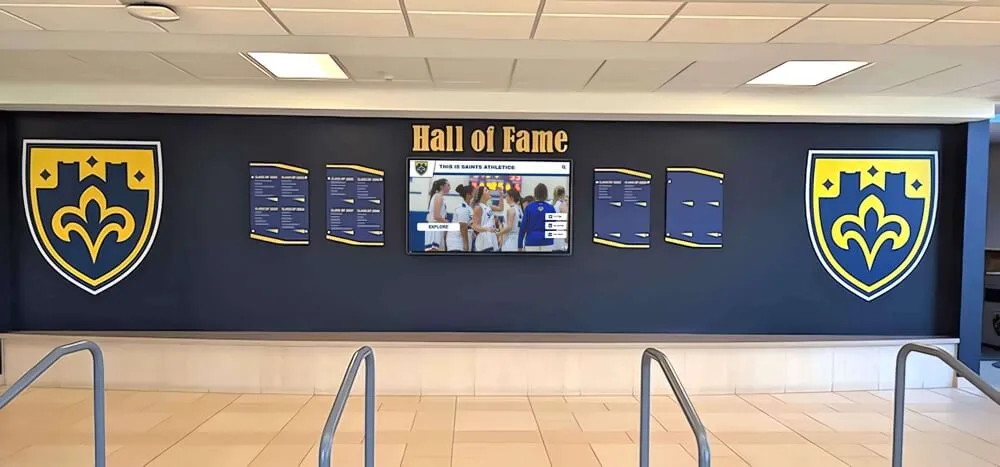
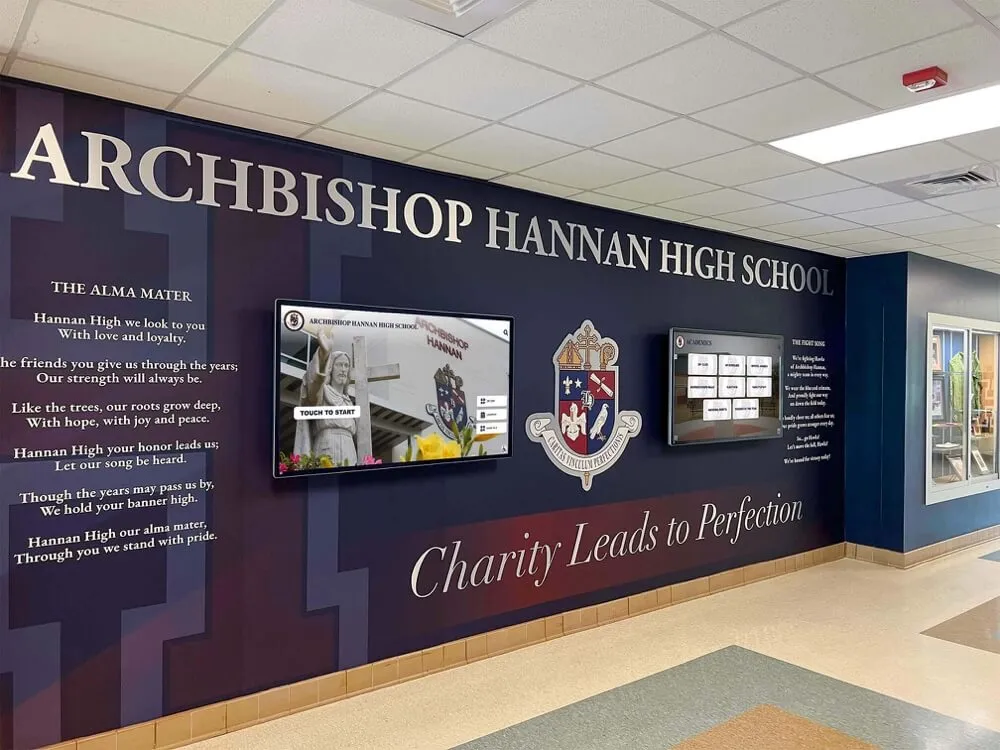
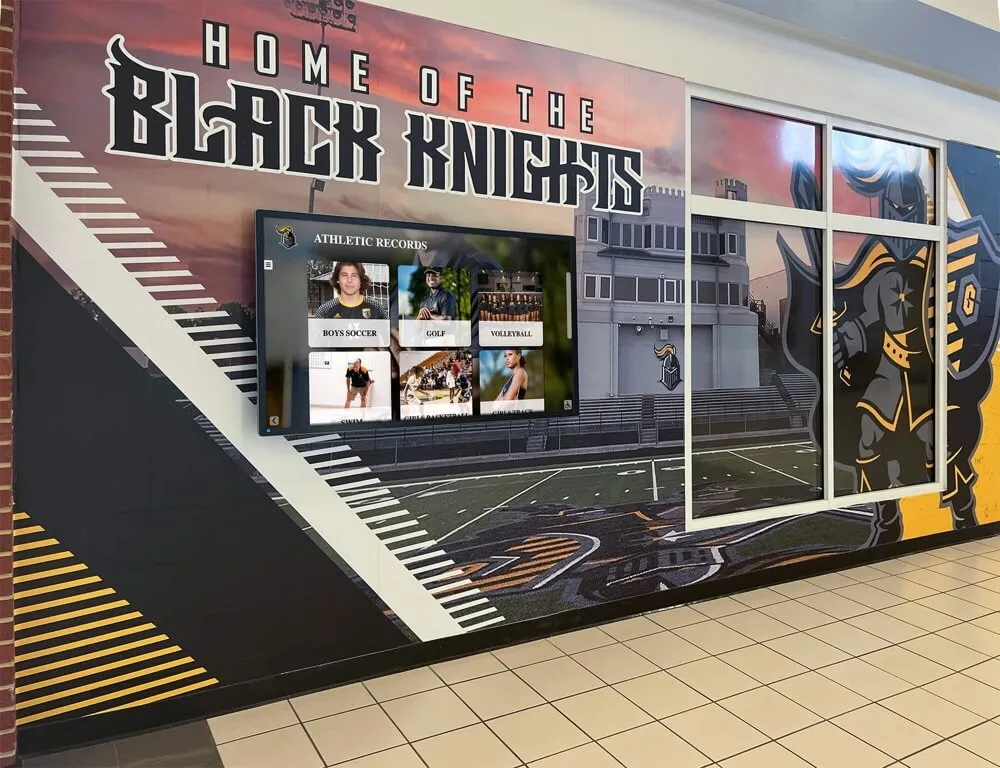
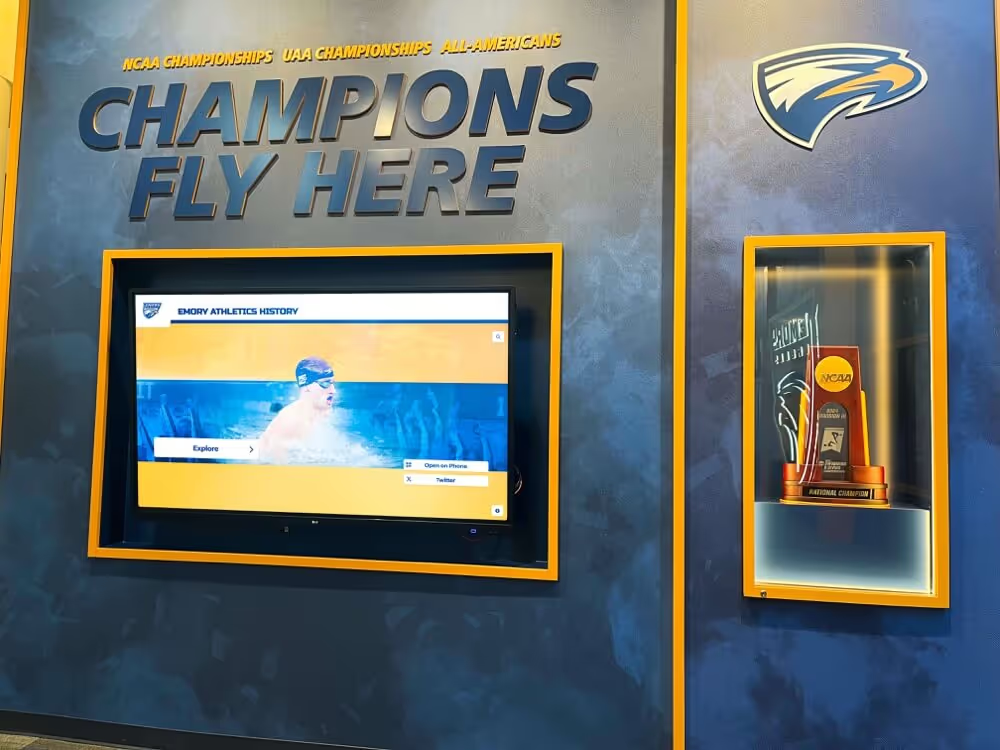
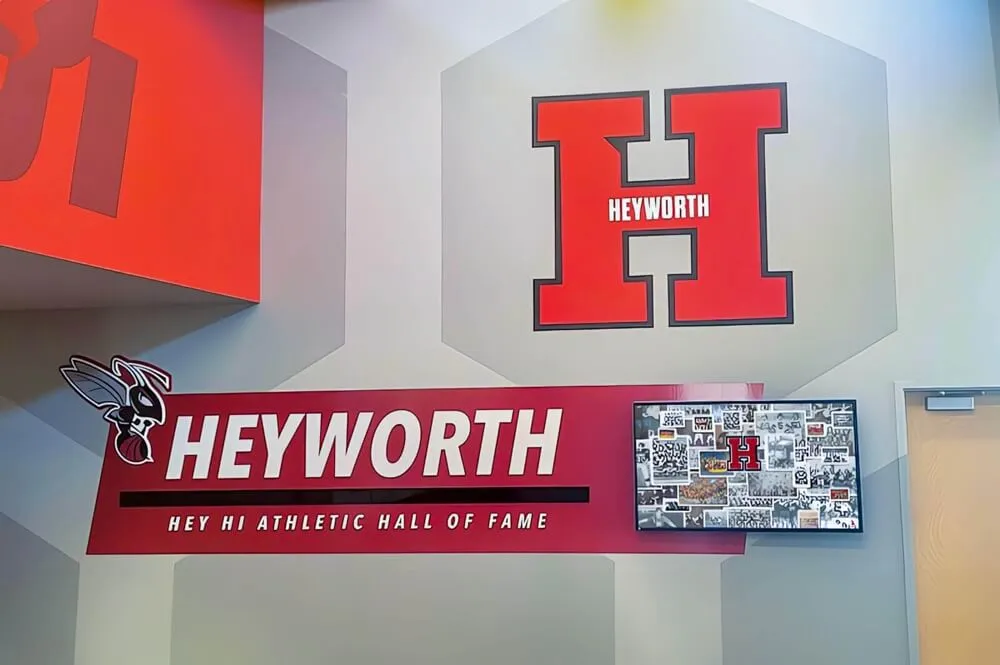
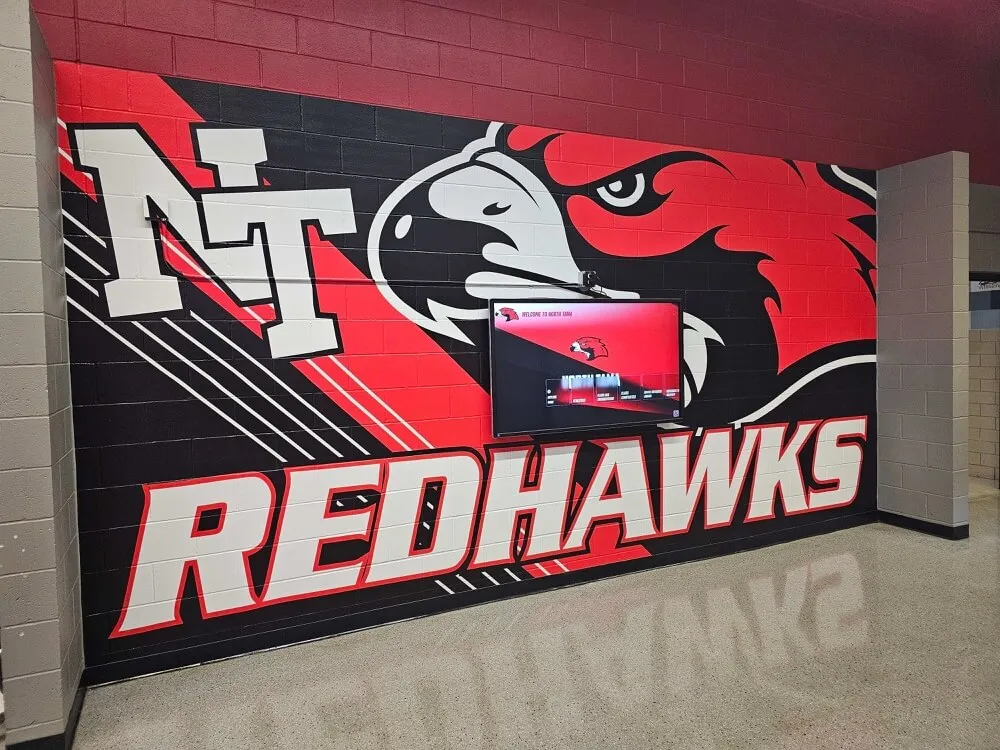
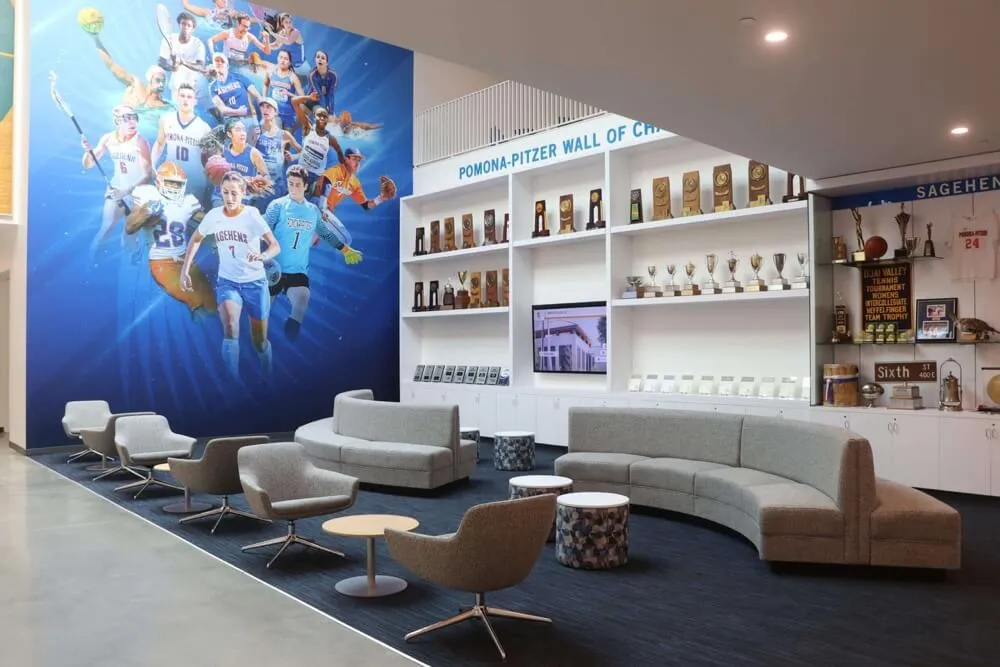
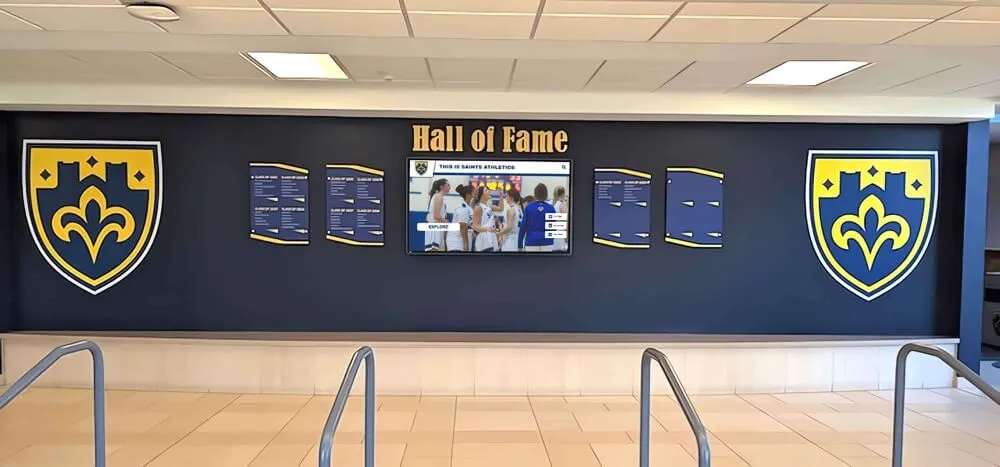
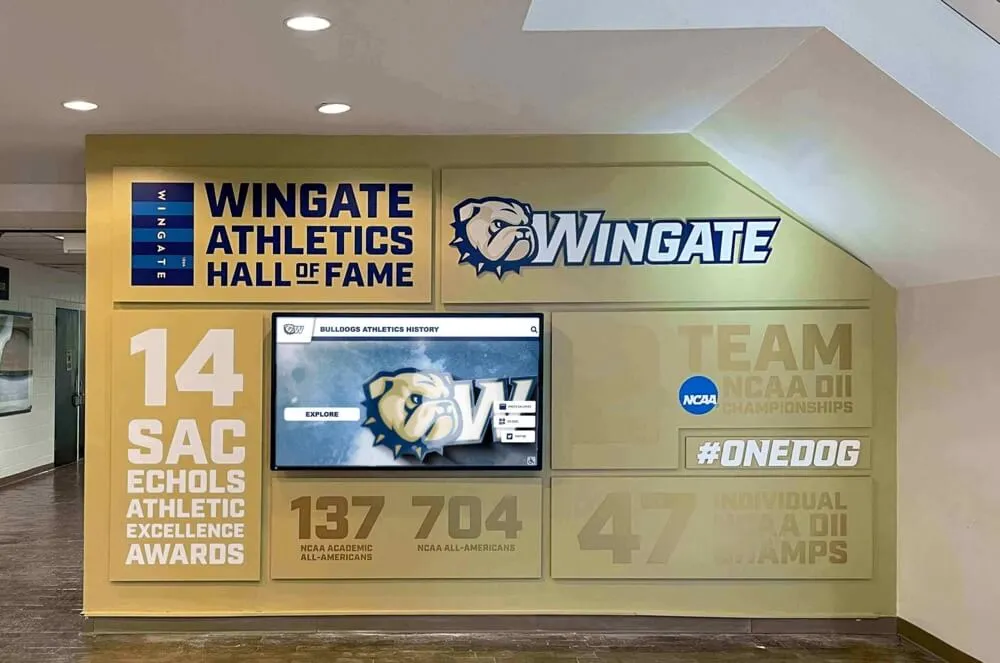
Professional recognition displays create impressive ceremony backdrops while providing permanent achievement documentation
Common Ceremony Mistakes to Avoid
Understanding pitfalls helps administrators prevent the most frequent recognition event failures.
Mistake 1: Excessive Length Without Engagement
The primary complaint about school recognition ceremonies is excessive duration with insufficient engagement. Events stretching beyond 90 minutes without breaks or varied formats exhaust audiences, diminishing recognition meaning for students presented late in programs.
Solution: Limit individual ceremonies to 75-90 minutes maximum, create varied presentation formats alternating speaking with multimedia, incorporate musical or performance elements providing variety, and consider multiple focused events rather than single marathon programs.
Mistake 2: Last-Minute Planning and Execution
Recognition ceremonies require substantial coordination. Rushed planning results in technical failures, missing honorees, incorrect name pronunciations, disorganized distribution, and generally amateur presentation quality diminishing recognition significance.
Solution: Begin planning 8-12 weeks before ceremony dates, create detailed timelines with clear responsibility assignments, rehearse technical elements and presentation flow, prepare contingency plans for common failures, and conduct run-throughs ensuring smooth execution.
Mistake 3: Inadequate Personalization
Reading names from lists without context or individual acknowledgment makes recognition feel perfunctory. Students receiving generic “certificate of achievement” recognition quickly forget these moments.
Solution: Provide brief specific context for each recognition explaining why particular students earned awards, prepare remarks highlighting individual student accomplishments or growth, include photos or video clips personalizing presentations, and ensure every recognized student receives at least 15-30 seconds of individual attention.
Mistake 4: Poor Technical Execution
Malfunctioning microphones, inaudible audio, unreadable projected text, broken video files, incorrect slide sequences, or missing digital content creates unprofessional impressions undermining recognition importance.
Solution: Test all equipment thoroughly before ceremonies, have backup audio systems ready, prepare printed fallback materials if technology fails, assign dedicated technical coordinator managing presentations, and conduct full technical rehearsals under actual ceremony conditions.
Mistake 5: Excluding Families
Recognition gains significant meaning when families witness student achievements. Ceremonies scheduled during school days, lacking adequate seating, or communicating poorly prevent family participation.
Solution: Schedule ceremonies during times enabling family attendance, provide comfortable adequate seating for guests, send multiple advance notices with specific timing details, live stream ceremonies for families unable to attend, and create photo opportunities families value.
Learn about comprehensive recognition approaches in end-of-year awards for students with implementation strategies.
Selecting Appropriate Venues and Environments
Ceremony location significantly impacts recognition experience and attendee engagement.
Venue Options and Considerations
Traditional Auditoriums and Theaters
School auditoriums provide standard ceremony environments with advantages and limitations:
Advantages:
- Professional theater-style seating with clear sightlines
- Established audio and lighting systems designed for presentations
- Stage areas providing elevated recognition visibility
- Controlled environment with minimal external disruption
- Familiar comfortable setting for most school communities
Limitations:
- Often cramped, uncomfortable, or outdated facilities
- Limited space for pre- or post-ceremony gathering
- Formal atmosphere potentially feeling too rigid for some recognition styles
- Acoustics designed for performances rather than speaking
- Potential scheduling conflicts with other programming
Best For: Traditional academic honors ceremonies, large-scale graduation-adjacent events, formal scholarship presentations, and situations requiring maximum seating capacity.
Gymnasiums and Athletic Facilities
Multi-purpose athletic spaces offer flexibility with specific challenges:
Advantages:
- Substantial capacity accommodating large audiences
- Open floor plans enabling creative seating and staging arrangements
- Integration with athletic achievement displays and recognition
- Informal atmosphere appropriate for sports and activity awards
- Often available when auditoriums are scheduled
Limitations:
- Poor acoustics requiring substantial audio reinforcement
- Uncomfortable seating (folding chairs or bleachers) for extended programs
- Temperature control challenges during certain seasons
- Competing visual distractions from athletic equipment and decorations
- Lack of theatrical atmosphere reducing ceremony gravitas
Best For: Athletic recognition events, all-school community gatherings, informal celebration-focused ceremonies, and situations requiring maximum flexibility for seating arrangements.
Outdoor Venues
Courtyards, commons areas, or campus grounds create unique ceremony environments:
Advantages:
- Beautiful natural settings creating memorable visual backdrops
- Informal comfortable atmosphere reducing ceremony stuffiness
- Opportunity for simultaneous social gathering and recognition
- Greater capacity than indoor alternatives in some situations
- Unique memorable settings distinguishing events from standard assemblies
Limitations:
- Weather dependency requiring detailed backup plans
- Audio challenges without enclosed spaces
- Lighting limitations for evening events
- Potential external disruptions from noise, insects, or weather
- Setup and breakdown complexity
Best For: Smaller intimate ceremonies, spring/end-of-year celebrations, combined awards-and-picnic events, and schools with exceptional outdoor facilities.
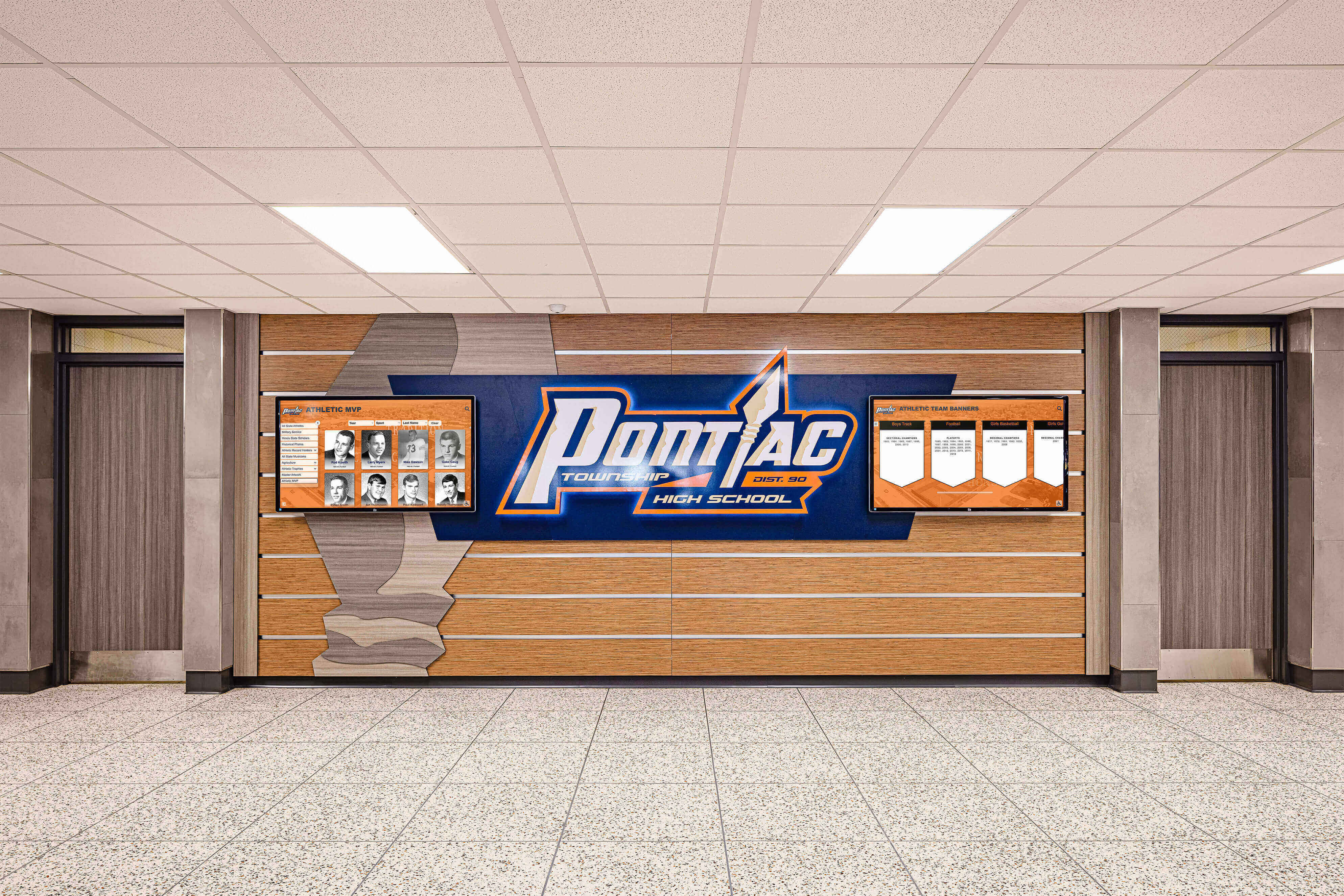
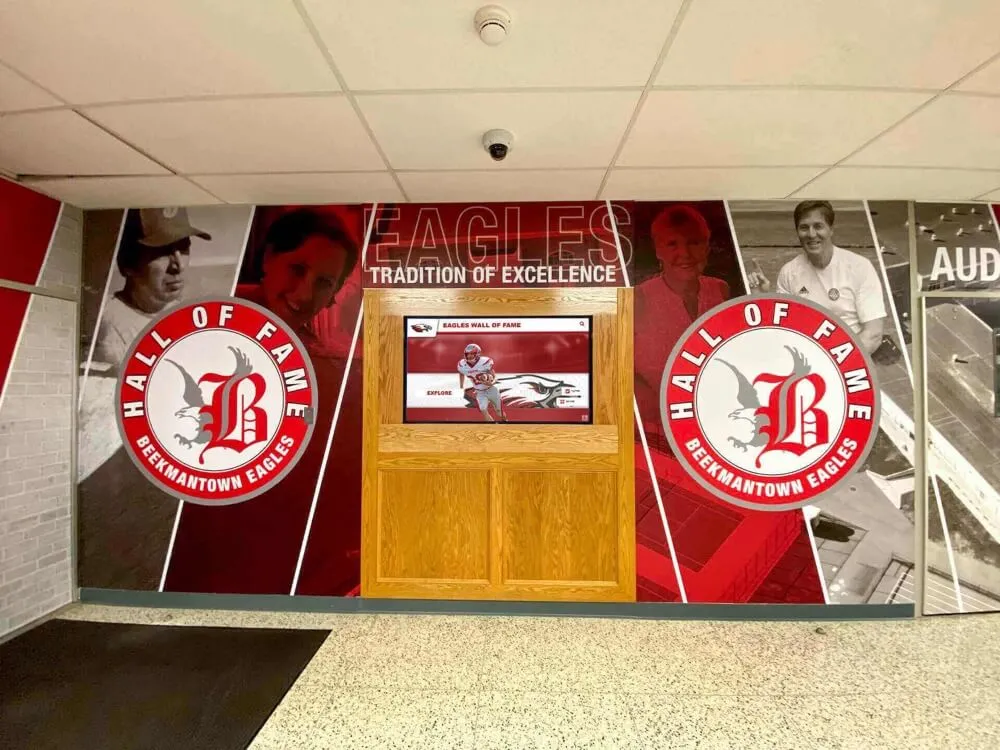
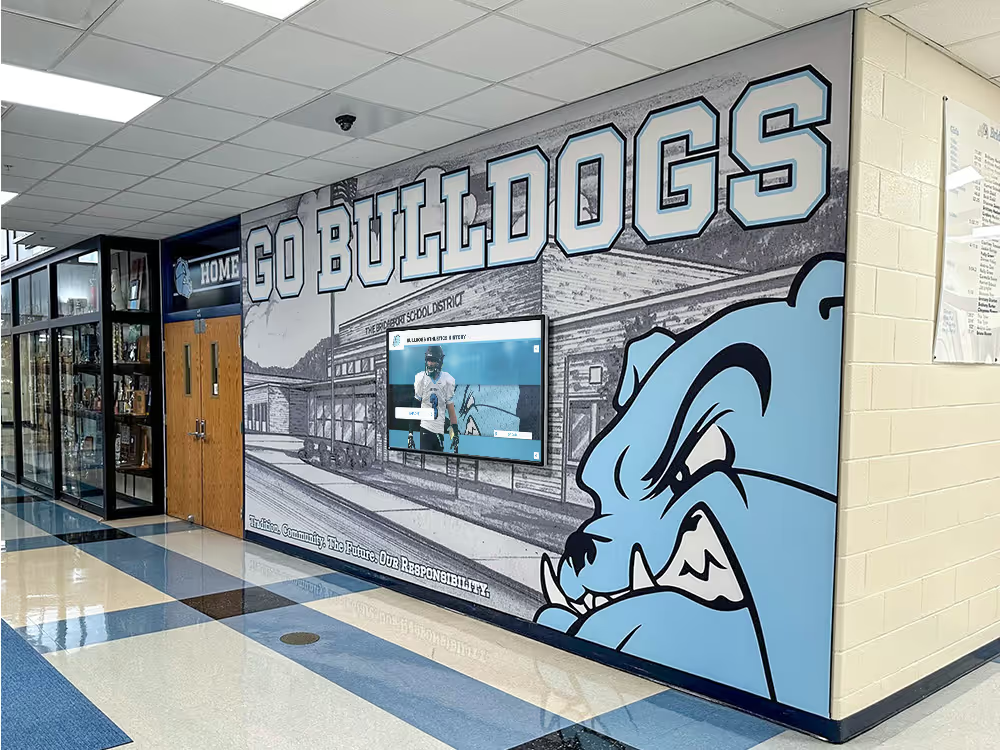
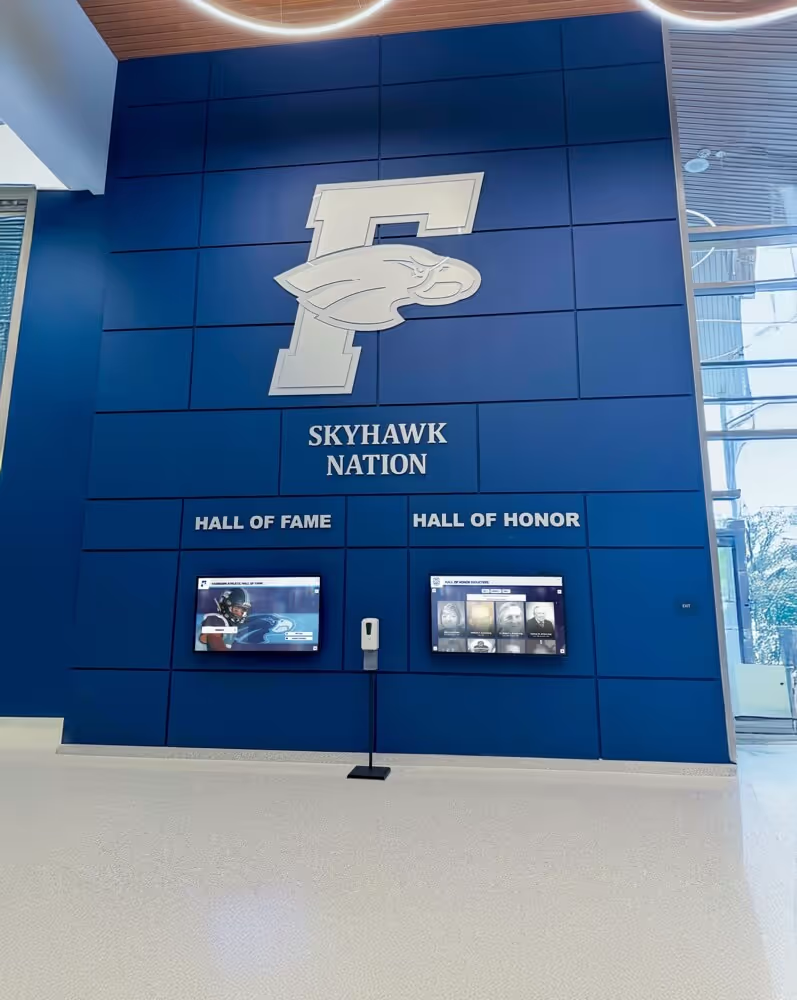
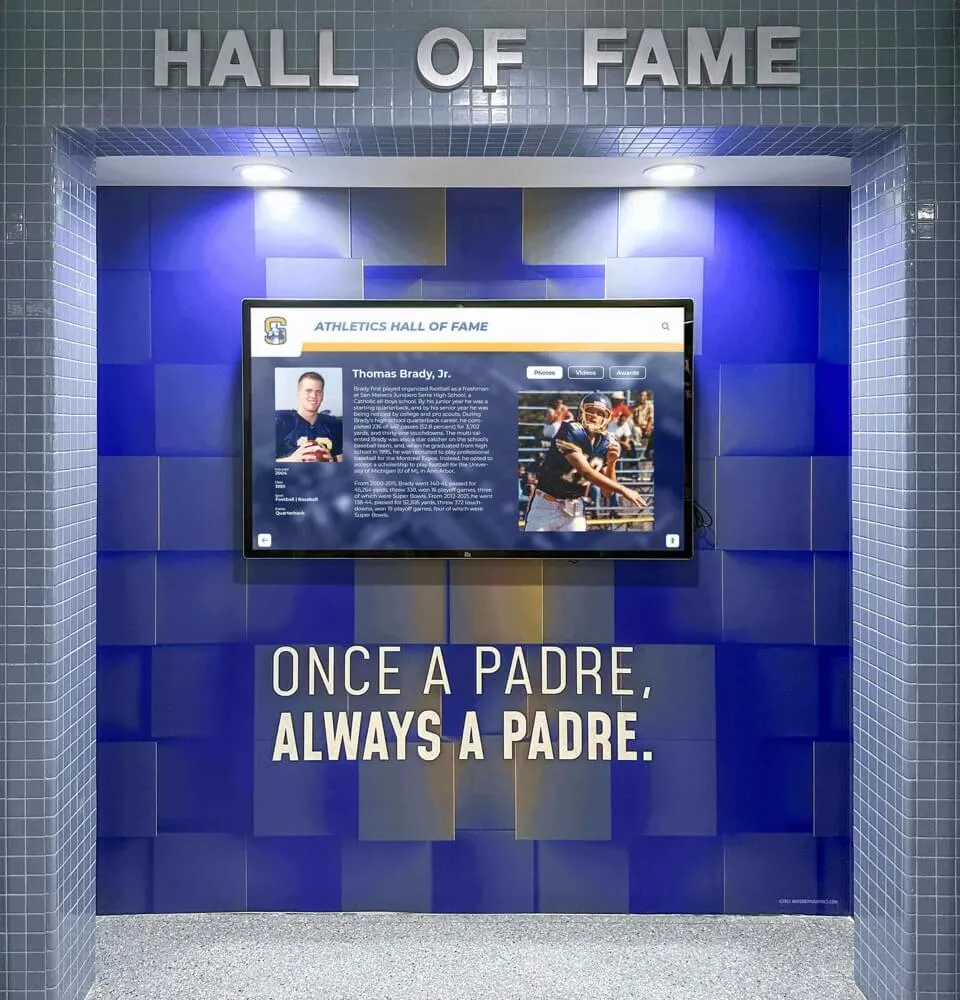
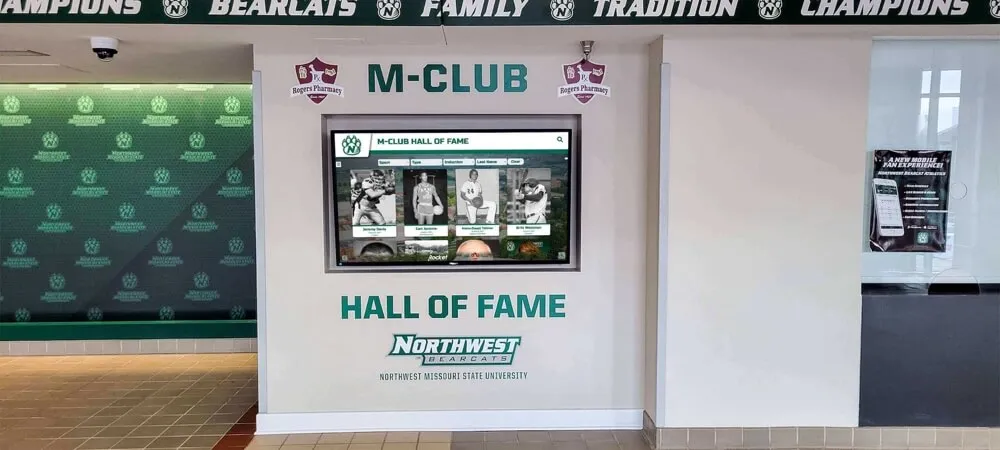
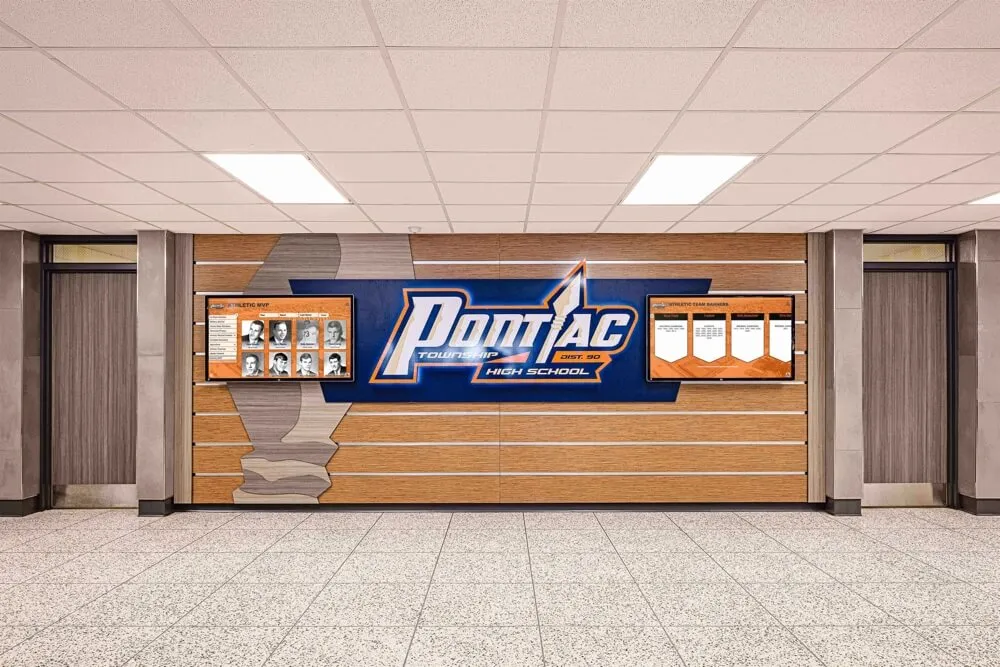
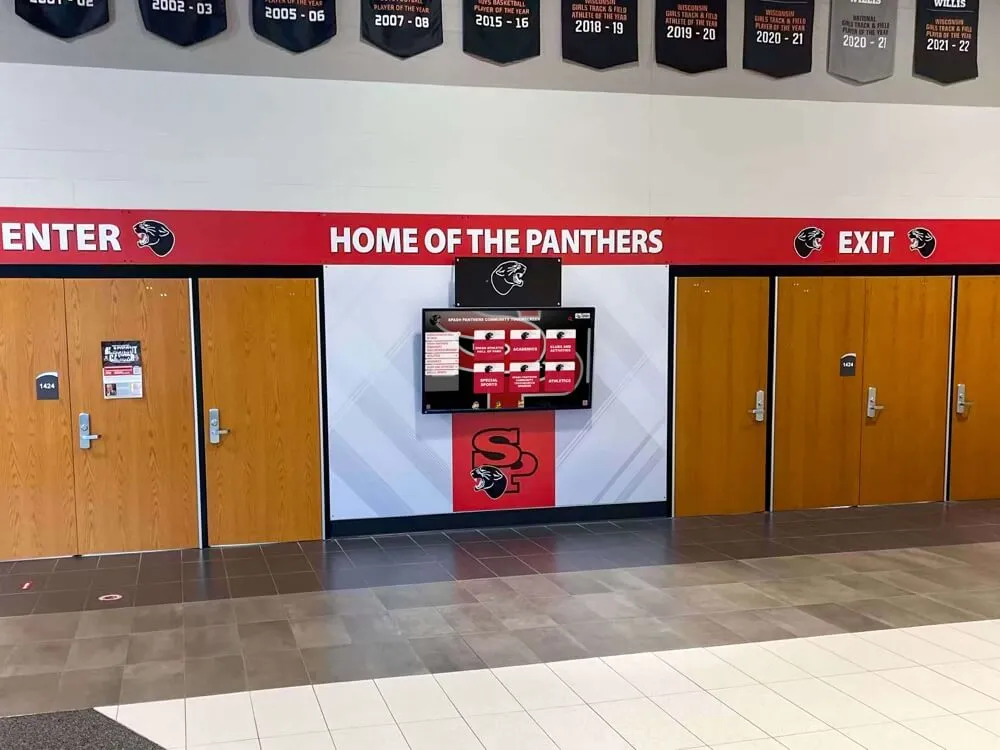
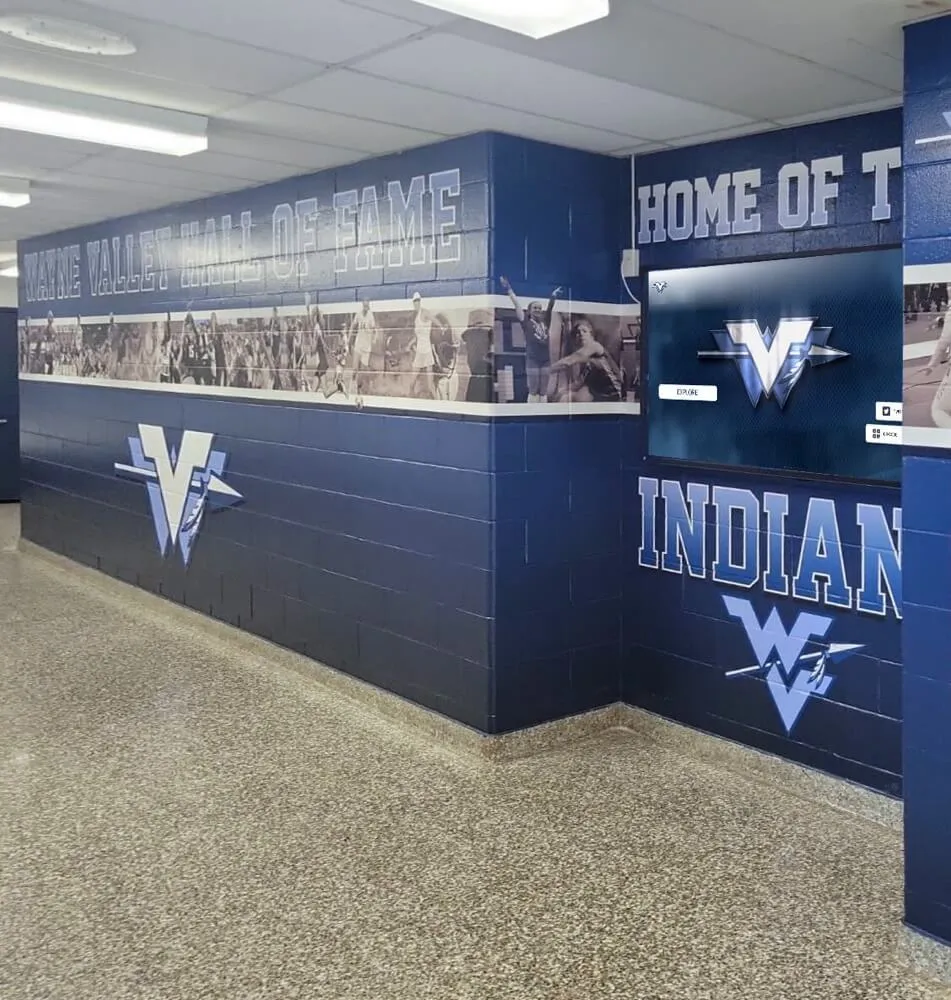
School common areas integrate recognition displays creating ceremony-ready environments celebrating achievement continuously
Cafetorias and Multi-Purpose Rooms
School dining or gathering spaces provide intimate alternatives:
Advantages:
- Smaller capacity creating more intimate personal atmosphere
- Often better acoustics than large gymnasiums
- Immediate access to reception areas and catering facilities
- Flexible furniture arrangements enabling creative staging
- Central location familiar to entire school community
Limitations:
- Limited seating capacity restricting guest numbers
- Requires substantial decorating transforming dining environment
- Potential food service or lunch schedule conflicts
- Less impressive atmosphere than purpose-built presentation venues
Best For: Department-specific recognition ceremonies, smaller grade-level awards programs, combined awards-dinner events, and schools lacking auditoriums.
Enhancing Ceremony Environments
Regardless of venue selected, thoughtful enhancement creates appropriate recognition atmosphere:
Strategic Decoration
- School colors, banners, and branded materials establishing identity
- Award-specific decorations (academic regalia, athletic equipment, artistic displays)
- Professional backdrops for photography and stage presentations
- Lighting design highlighting recognition areas and creating ambiance
- Floral or seasonal decorations adding elegance without excessive cost
Audio-Visual Setup
- Professional sound systems ensuring clear audio throughout venues
- Large screens visible from all seating areas for presentations
- Appropriate lighting eliminating shadows while maintaining atmosphere
- Backup equipment ready for immediate deployment if failures occur
- Dedicated technical operators managing systems throughout ceremonies
Seating Arrangements
- Reserved sections for recognized students ensuring convenient stage access
- Adequate comfortable seating for families and guests
- Clear pathways enabling efficient student movement during recognition
- Accessible seating accommodating guests with mobility challenges
- Strategic positioning maximizing sightlines to presentation areas
Discover venue enhancement approaches in interactive display technology for school lobbies creating impressive environments.
Designing Engaging Program Flow and Timing
Thoughtful program structure maintains audience engagement while honoring students appropriately.
Optimal Ceremony Length and Pacing
Length Guidelines by Ceremony Type
Elementary Recognition Events (45-60 minutes)
- Younger audiences require shorter programs with frequent variety
- Maximum 2-3 recognition categories
- Substantial musical, performance, or multimedia elements
- Interactive components involving non-recognized students
- Early evening or after-school timing accommodating family schedules
Middle School Ceremonies (60-75 minutes)
- Developing attention spans allow moderate length
- 4-5 recognition categories with clear distinctions
- Balance between formality and engaging presentation
- Peer recognition or voting components
- Strategic breaks or transitions maintaining engagement
High School Awards Programs (75-90 minutes)
- More mature audiences tolerate longer formal programs
- 6-8 major recognition categories
- Greater depth in individual student acknowledgment
- Scholarship presentations and post-graduation planning integration
- Professional ceremony execution matching senior maturity
All-School Community Events (90-120 minutes)
- Multi-grade or whole-school ceremonies
- Multiple distinct sections enabling partial attendance
- Extended social components surrounding formal recognition
- Entertainment elements supplementing recognition
- Reception or gathering time included in overall programming
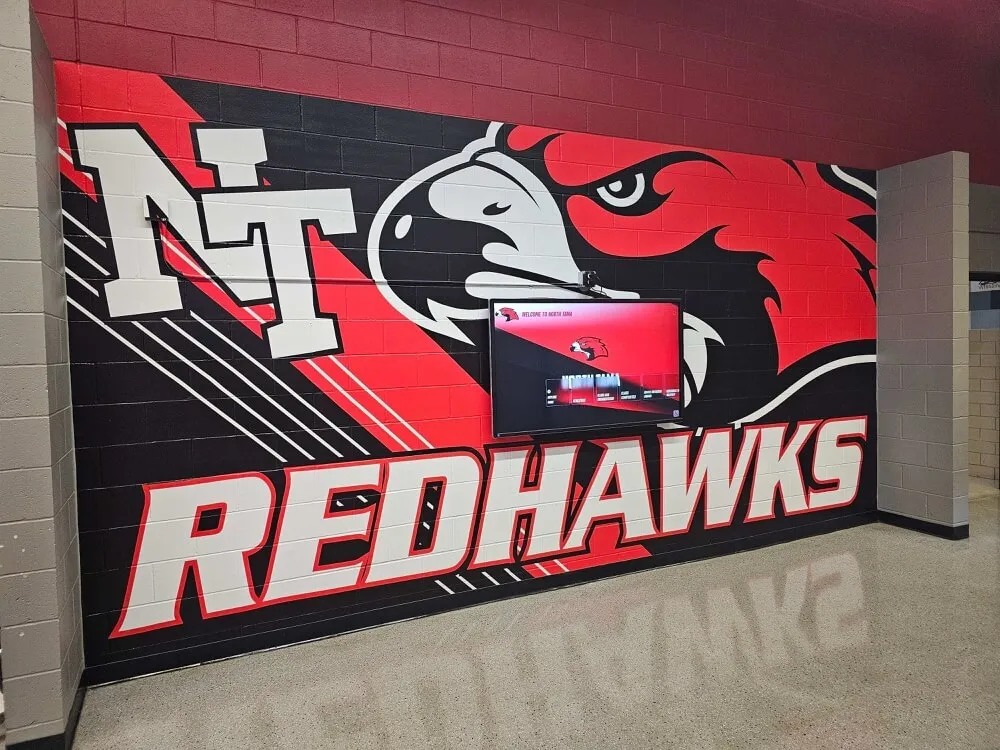
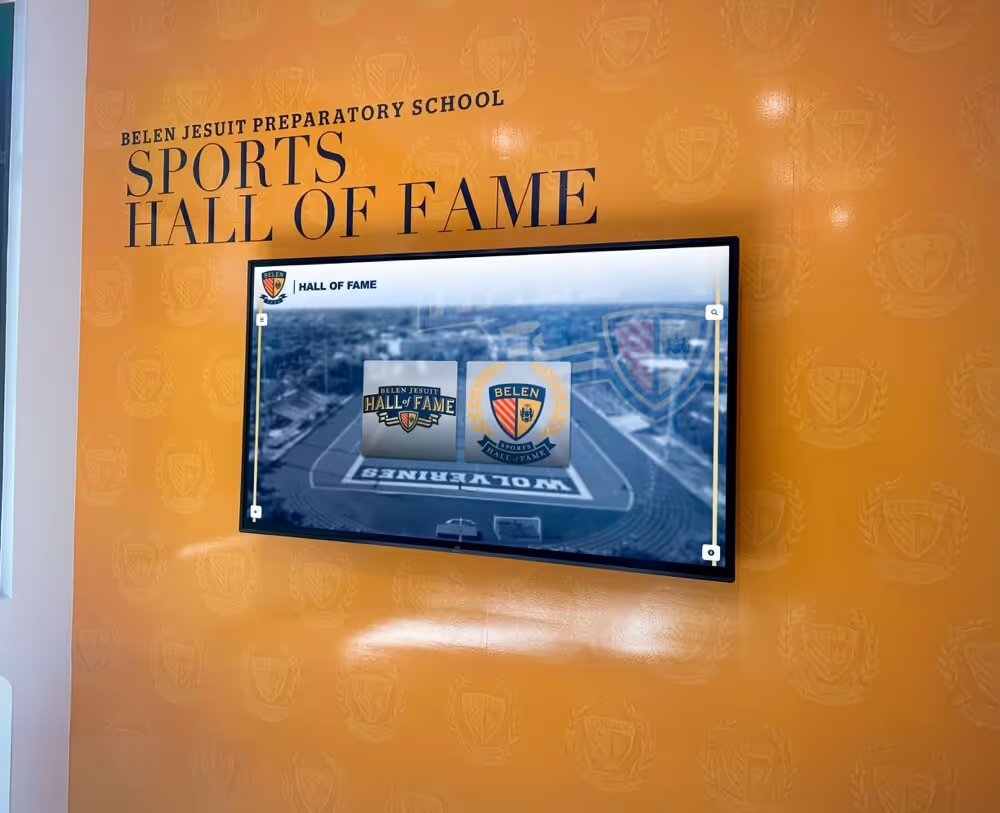
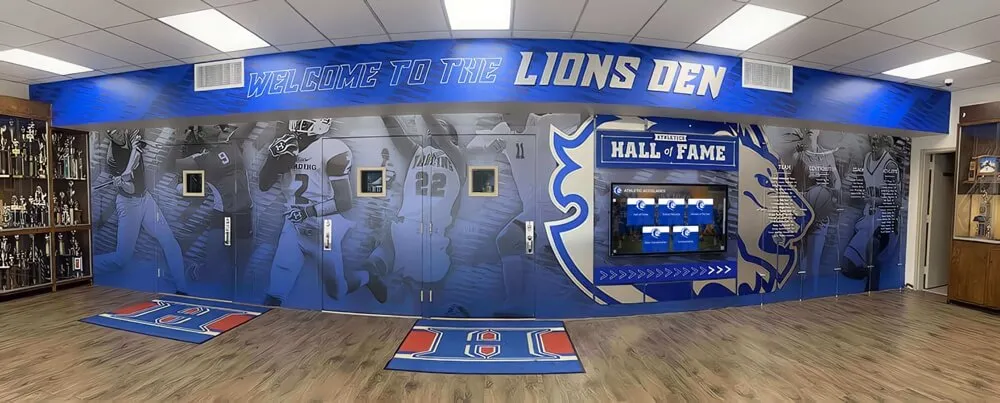
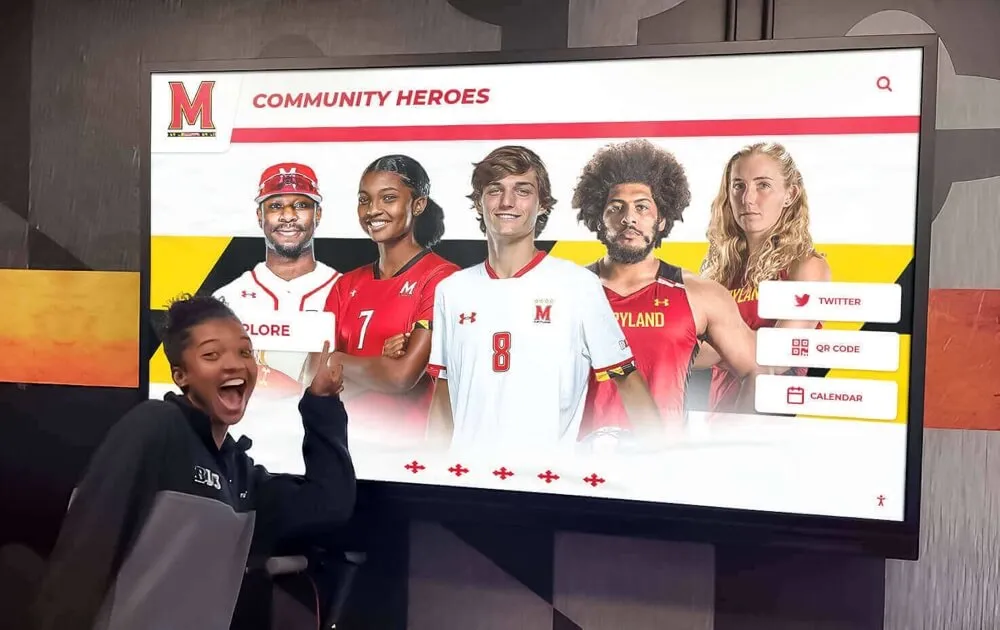
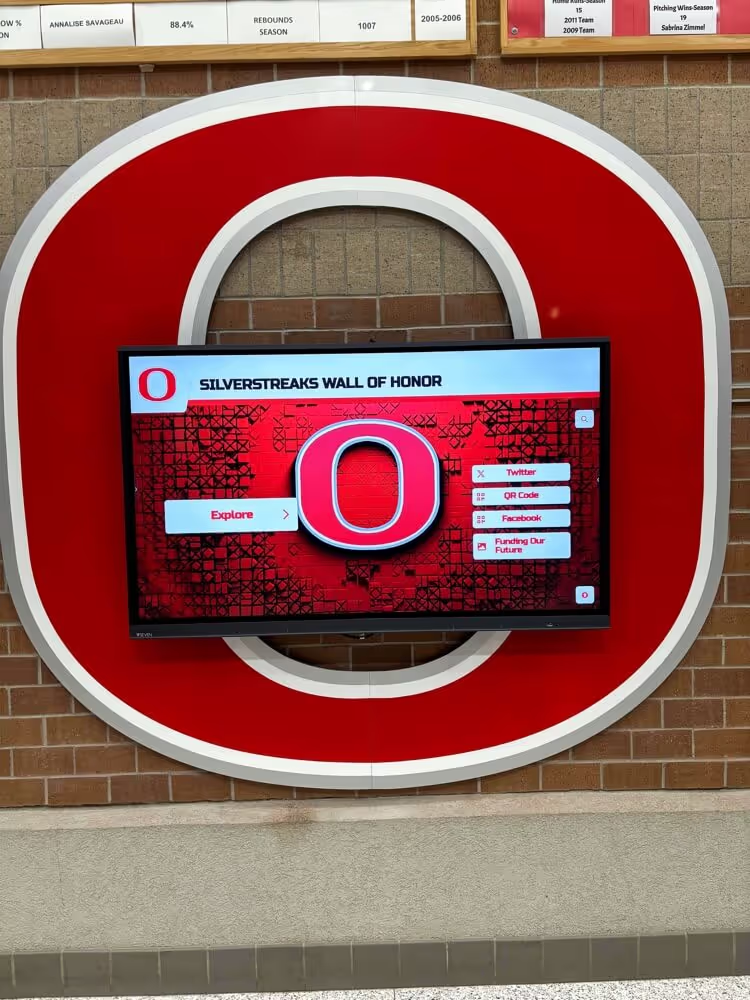
Integrated digital displays in recognition areas enable pre-ceremony content showcasing upcoming honorees
Creating Varied Program Segments
Alternating format types maintains engagement throughout programs:
1. Opening Welcome and Context (5-10 minutes)
- Brief welcome from administrator or student leader
- Ceremony purpose and recognition importance explanation
- Overview of program format and award categories
- Appreciation for family and community attendance
- Video montage or multimedia introduction setting tone
2. Major Recognition Segments (10-15 minutes each)
- Individual award category with 3-12 recipients
- Brief category explanation and criteria overview
- Individual student recognition with specific accomplishments
- Certificate, trophy, or recognition item presentation
- Photo opportunity at display, backdrop, or with presenter
- Strategic applause breaks preventing continuous clapping
3. Transition Elements (2-3 minutes each)
- Musical performances from school groups
- Brief video showcasing school programs or student work
- Student speaker reflections on achievement or growth
- Award category introduction videos
- Moment of silence or special recognition
- Humorous appropriate interludes maintaining positive energy
4. Featured Presentations (10-20 minutes total)
- Guest speaker addressing achievement theme
- Scholarship award announcements with recipient recognition
- Special recognition for exceptional achievement (valedictorian, major honors)
- Community partner or sponsor acknowledgment
- Student performance showcasing talent or program
- Video retrospective of school year highlights
5. Closing and Reception (5-10 minutes)
- Summary remarks from administrator
- Appreciation for all students, families, and staff
- Invitation to reception or continued celebration
- Final musical selection or video montage
- Organized dismissal directing audience to next activities
Managing Efficient Student Recognition
When recognizing numerous students within categories, efficiency prevents excessive length:
Group Call and Individual Acknowledgment
- Call 4-6 students at once to stage area
- Provide brief individual recognition for each student sequentially
- Present certificates or awards efficiently in assembly-line fashion
- Allow brief photo opportunity before students return to seats
- Continue pattern until category complete
Photo and Name Display Systems
- Project student photos on screen during recognition
- Display name, grade, and specific achievement on slides
- Reduces need for extensive verbal description
- Creates visual engagement for audience
- Enables professional documentation of all recipients
Staggered Recognition Approaches
- Alternate between individual detailed recognition and group acknowledgment
- Provide in-depth personalized recognition for top 2-3 honorees per category
- Recognize remaining recipients with names and accomplishments but less ceremony time
- Balances thoroughness with program length management
Learn about student recognition best practices in high school end-of-year awards complete guide with implementation frameworks.
Incorporating Technology and Multimedia
Modern presentations integrate digital content creating engagement traditional approaches cannot match.
Digital Recognition Displays
Pre-Ceremony Content Solutions like Rocket Alumni Solutions enable showcasing upcoming honorees before ceremonies:
- Rotating photo slideshows introducing ceremony recipients
- Statistical achievements or accomplishment highlights
- Historical context showing previous award recipients
- School pride content celebrating institutional excellence
- Sponsor or partner acknowledgment when appropriate
During-Ceremony Integration Interactive displays enhance live recognition:
- Real-time display updates highlighting current recipients
- Detailed profiles accessible for exploration during program breaks
- Historical achievement comparisons contextualizing current honors
- Live social media feed displaying ceremony photos and reactions
- Statistics, records, or accomplishments supplementing verbal recognition
Post-Ceremony Access Digital platforms extend recognition beyond single events:
- Permanent online profiles documenting all recipients
- Photo galleries from ceremony events accessible to families
- Video recordings of recognition moments
- Share functionality enabling social distribution
- Historical archives building institutional recognition legacy

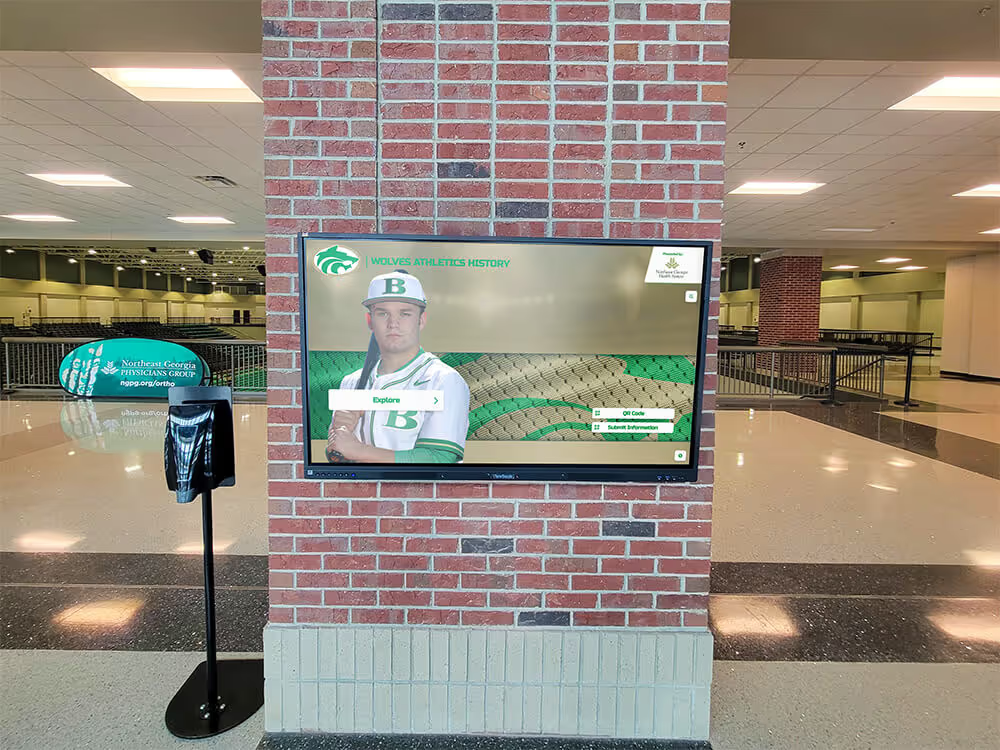
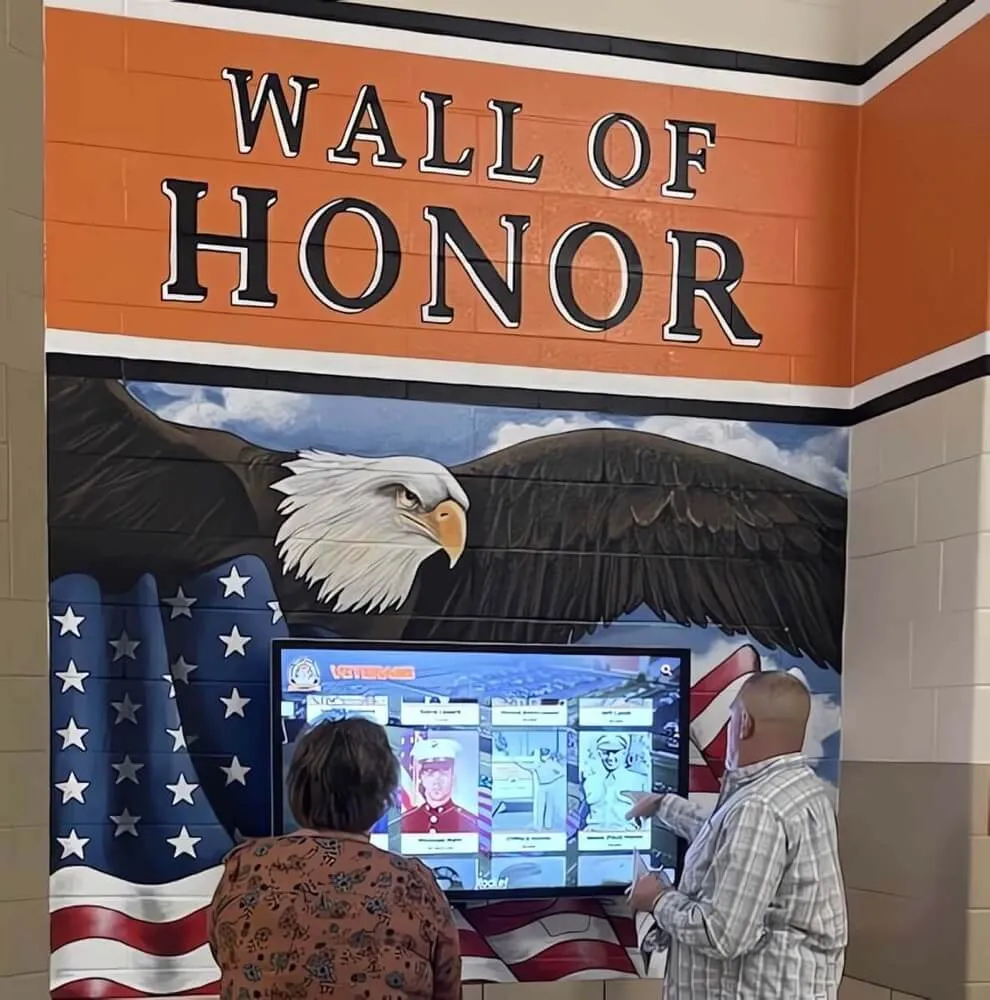
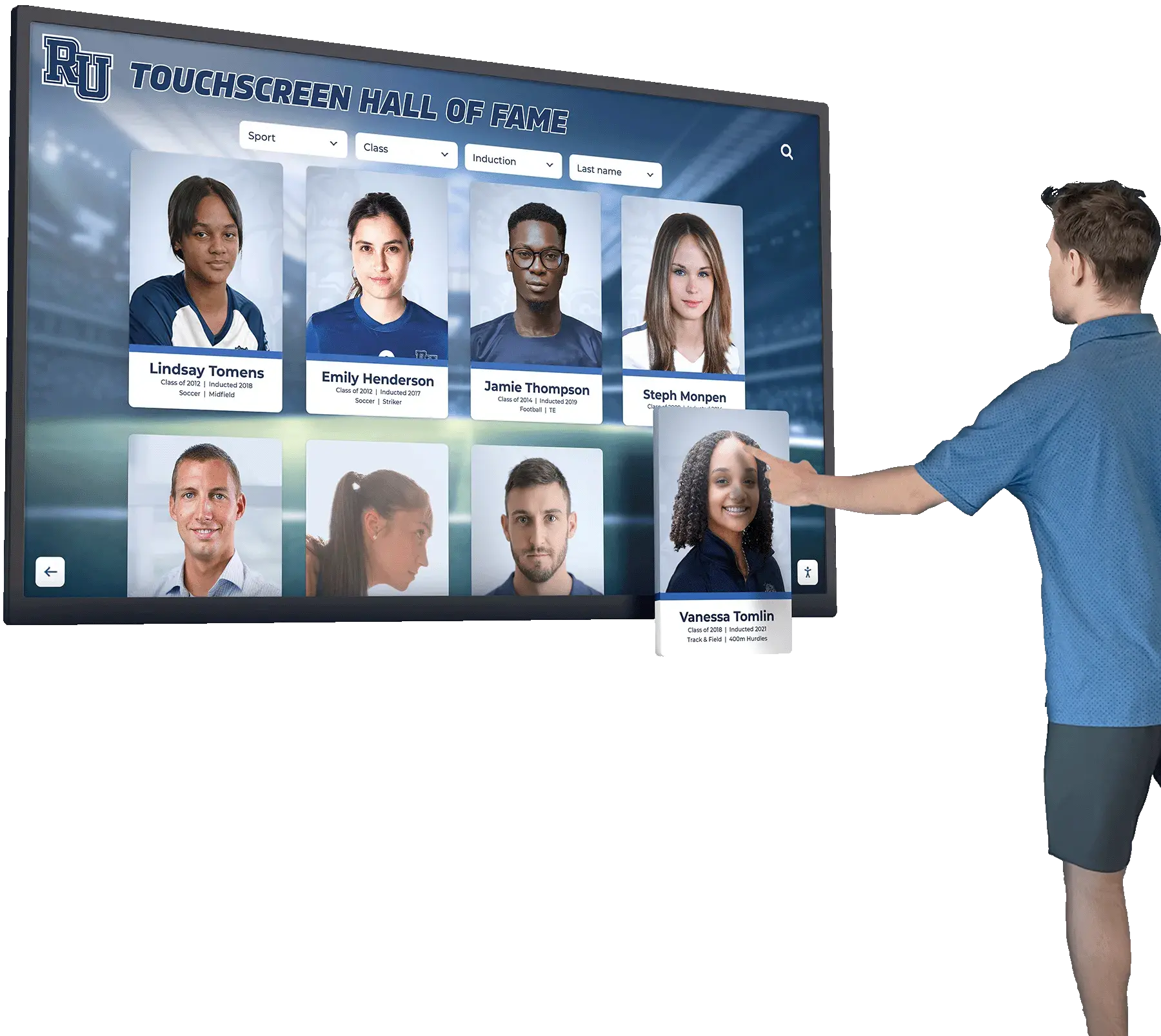
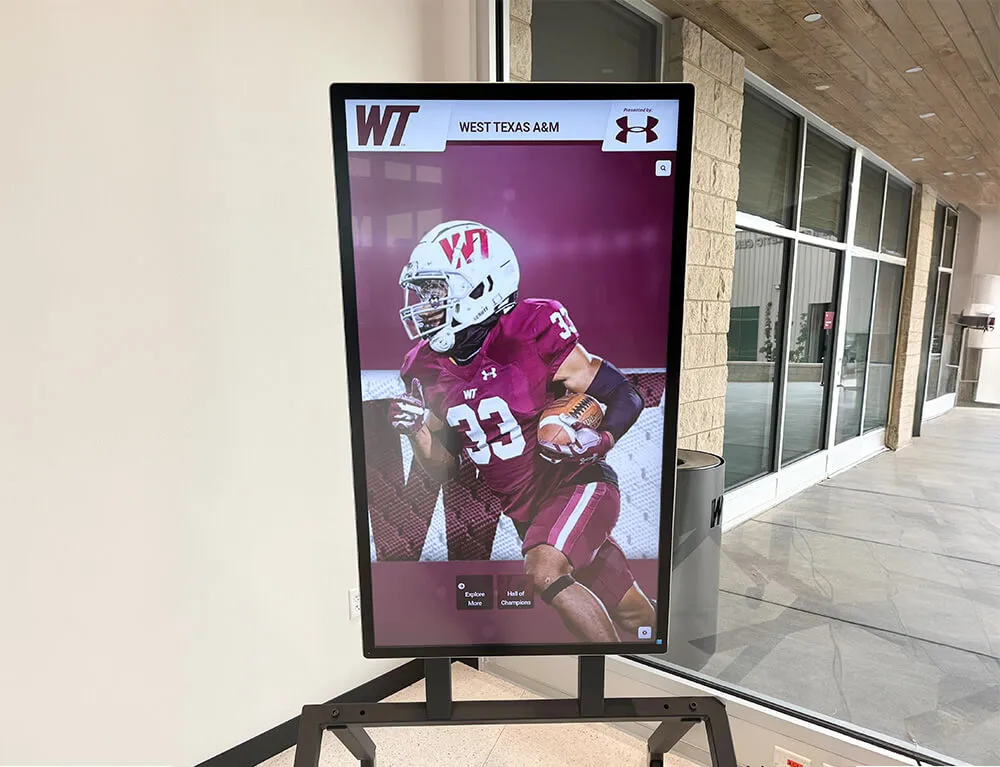
Interactive kiosks at ceremony venues enable attendees exploring detailed recipient profiles and achievement histories
Video and Multimedia Presentations
Student Profile Videos Brief video tributes personalize recognition powerfully:
- 30-90 second videos for major award recipients
- Photos from students’ school careers
- Brief interview clips with students, teachers, or coaches
- Footage of performances, competitions, or achievements
- Music creating emotional resonance
- Production by student media programs when possible
Achievement Montages Category-specific videos showcase collective excellence:
- Highlight reels of athletic season moments
- Time-lapse or photo compilations of academic competitions
- Performance excerpts from arts programs
- Community service project documentation
- Leadership activities or student government initiatives
- Year-in-review retrospectives celebrating all students
Presentation Best Practices Technical quality significantly impacts audience experience:
- Professional editing with smooth transitions and appropriate pacing
- Audio levels balanced ensuring music doesn’t overwhelm narration
- Text overlays clearly readable from all seating areas
- Video length appropriate for ceremony pacing (avoid excessive duration)
- Backup files ready in multiple formats if technical issues occur
- Preview on actual ceremony equipment ensuring proper display
Interactive Elements When appropriate, engage audiences actively:
- Live voting for peer-selected awards using mobile devices
- QR codes linking to digital content for deeper exploration
- Social media integration displaying live posts about ceremony
- Audience response systems for trivia or interactive segments
- Student-created content showcased during transitions
Explore multimedia recognition in digital signage content ideas with creative approaches.
Selecting Meaningful Recognition Categories
Award categories should reflect diverse achievement types enabling broad student recognition.
Academic Achievement Awards
Traditional Academic Honors
- Highest GPA by grade level or graduating class
- Perfect attendance recognition
- Honor roll achievement (various levels)
- Academic letter awards
- Subject-specific excellence (mathematics, language arts, science, social studies)
- Advanced Placement or dual enrollment achievement
- Standardized test recognition (ACT, SAT, state assessments)
Effort and Improvement Recognition
- Most improved GPA semester-to-semester
- Academic comeback awards recognizing recovery from challenges
- Persistence in challenging coursework
- Mastery of difficult concepts after extended effort
- Successful completion of credit recovery programs
Learn about comprehensive academic recognition in academic recognition programs guide spanning multiple categories.
Athletic and Activity Recognition
Competitive Achievement
- All-conference, all-state, or all-regional selections
- Championship team members
- Statistical leaders by sport
- Most valuable player awards by team
- Records broken or career milestones
- Post-season honors and selections
Character and Leadership
- Sportsmanship awards
- Team captain recognition
- Most dedicated athlete
- Mental toughness awards
- Coaches’ awards for intangible contributions
- Multi-sport participation excellence
Discover athletic recognition approaches in sport end-of-year awards guide with creative categories.
Arts and Creative Recognition
Performance Excellence
- Outstanding performances in theater, band, orchestra, or choir
- Competition success at district, state, or national levels
- Solo or ensemble recognition
- Technical theater or behind-scenes contributions
- Student choreography, direction, or composition
Visual Arts Achievement
- Portfolio excellence across media
- Competition or exhibition recognition
- Public art installations or school beautification
- Digital media and design excellence
- Photography or videography achievement
Leadership and Service Recognition
Student Leadership
- Student government service and impact
- Club leadership and organizational success
- Peer mentoring or tutoring contributions
- Class officer recognition
- Leadership development program completion
Community Service
- Volunteer hour milestones
- Service project creation and leadership
- Sustained commitment to specific organizations
- Community impact and meaningful contribution
- Service learning integration with academic work

Comprehensive recognition displays celebrate diverse achievement types from academics to athletics to community service
Character and Citizenship Awards
Behavioral Excellence
- Respect and responsibility
- Kindness and inclusion initiatives
- Conflict resolution and peacemaking
- Positive attitude and school spirit
- Role model recognition from staff or peers
Special Recognition
- Overcoming significant challenges
- Inspiring stories of perseverance
- Acts of exceptional courage or character
- Student making greatest positive change
- Unsung hero awards for students rarely in spotlight
Creating Memorable Presentation Moments
How recognition is delivered significantly impacts meaning and memorability.
Personalizing Individual Recognition
Specific Achievement Description Generic recognition feels obligatory. Powerful acknowledgment includes:
- Exact statistics, grades, or measurable achievements
- Specific examples of dedication or improvement
- Anecdotes from teachers, coaches, or peers illustrating character
- Connection between student strengths and recognition received
- Acknowledgment of challenges overcome or growth demonstrated
- Future potential and opportunities earned through achievement
Appropriate Presenter Selection Who delivers recognition adds meaning:
- Teachers or coaches with direct relationships to students
- Administrators for school-wide or highest honors
- Community partners for service or scholarship awards
- Previous year recipients creating recognition tradition
- Peers for peer-selected recognition categories
- Family members surprising students in special circumstances
Recognition Item Presentation Physical awards create tangible memories:
- Certificates in quality frames or folders
- Medals, pins, or recognition jewelry
- Trophies or plaques for major achievements
- Academic letters, cords, or regalia
- Books or meaningful gifts tied to achievement
- Scholarship checks or symbolic representations
Photo and Video Opportunities
Ceremony Photography Professional documentation preserves recognition:
- Designated photographer capturing all recognition moments
- Stage area with appropriate backdrop and lighting
- Individual recipient photos with presenters or awards
- Group photos of all category recipients together
- Candid audience and family reaction shots
- Post-ceremony gathering and celebration documentation
Social Media Integration Extend recognition reach through digital sharing:
- Live posting during ceremonies with recipient photos and names
- Family photo sharing encouraged during reception
- Official school accounts providing comprehensive coverage
- Custom hashtags aggregating ceremony content
- Permission protocols respecting student privacy preferences
- Post-ceremony galleries accessible for download and sharing
Video Recording Permanent records enable absent family viewing:
- Complete ceremony recording from professional angles
- Individual recipient clips isolatable for personal sharing
- Live streaming for families unable to attend in person
- Archived recording accessible through school platforms
- Edit highlights version for promotional purposes
- Individual student files provided to families
Learn about recognition documentation in day-in-the-life photo galleries and timelines with storytelling approaches.
Planning Pre- and Post-Ceremony Elements
Ceremony events extend beyond formal programs through thoughtful surrounding activities.
Pre-Ceremony Reception and Engagement
Early Arrival Activities Create welcoming environments before formal programs:
- Reception area with refreshments encouraging early arrival
- Photo booth or backdrop for pre-ceremony family photos
- Digital displays showcasing student achievements or highlighting honorees
- Registration or check-in creating organization and welcome
- Music or performance creating atmosphere
- Information tables about programs, scholarships, or opportunities
Student Preparation Help honorees feel confident and prepared:
- Clear instructions about where to sit and when to approach stage
- Name pronunciation verification preventing embarrassing mistakes
- Rehearsal or walkthrough for major award recipients
- Designated student coordinators assisting with questions
- Comfortable staging area where students gather before recognition
- Appropriate dress code communication ensuring professional appearance
Post-Ceremony Celebrations
Reception Components Continued gathering reinforces community:
- Light refreshments appropriate for time of day
- Desserts or celebration-appropriate treats
- Beverages for students and families
- Comfortable seating encouraging mingling
- Background music maintaining positive atmosphere
- Extended photo opportunities at displays or with props
Recognition Display Interaction Enable deeper engagement with achievements:
- Digital recognition displays accessible for family exploration
- Student profile browsing showing detailed accomplishments
- Comparison tools contextualizing achievements
- Social sharing features enabling immediate posting
- Staff available explaining features and answering questions
- QR codes connecting to mobile-accessible platforms
Family Engagement Create meaningful experiences for guests:
- Designated areas for family photos with students and awards
- Opportunity to meet teachers, coaches, or administrators
- Information about summer programs or upcoming opportunities
- Surveys gathering feedback for future ceremony improvement
- Positive informal interactions building school relationships

Impressive lobby installations create natural post-ceremony gathering spaces for celebration and exploration
Addressing Logistical and Administrative Details
Successful ceremonies require careful attention to operational elements.
Invitation and Communication Strategy
Advance Notification Timeline
- 4-6 weeks before: Save-the-date communication to families
- 3 weeks before: Formal invitations with ceremony details
- 1 week before: Reminder communication with logistics
- 2 days before: Final confirmation with any updates
- Day of: Social media reminders for community members
Communication Content Essential information includes:
- Date, time, and specific location with directions
- Expected duration and program overview
- Parking information and facility access
- Photography/recording policies and permissions
- Appropriate attire expectations if relevant
- Post-ceremony reception or gathering information
- Contact for questions or concerns
- Accessibility accommodations available
Managing Selection and Notification
Transparent Selection Processes Build credibility through clear criteria:
- Published requirements for each recognition category
- Objective measurable standards when possible
- Committee or staff selection processes with clear authority
- Consideration timelines preventing last-minute surprises
- Appeals or question processes if appropriate
Sensitive Notification Personal advance notice demonstrates respect:
- Individual communication to recipients before public announcement
- Sufficient advance notice enabling family planning
- Clear explanation of ceremony expectations and timing
- Opportunity to decline recognition if uncomfortable
- Special accommodation discussions for unique circumstances
Ceremony Day Logistics
Setup and Preparation
- Arrive 2-3 hours early for complete setup
- Assign clear responsibilities to all staff and volunteers
- Test all audio-visual equipment thoroughly
- Arrange seating with reserved sections clearly marked
- Prepare registration or check-in area
- Stage awards, certificates, and recognition items in order
- Conduct brief run-through with all presenters
- Have backup plans ready for common failures
During-Ceremony Management
- Designate ceremony coordinator managing flow
- Student ushers or assistants guiding audience and recipients
- Technical operator managing all audio-visual elements
- Backstage coordinator organizing students approaching stage
- Photographer capturing all recognition moments
- Time monitor ensuring program stays on schedule
- Troubleshooters addressing issues immediately
Post-Ceremony Breakdown
- Efficient tear-down returning venues to normal state
- Award distribution for absent recipients
- Materials collection and organization for records
- Feedback gathering while experiences fresh
- Team debrief identifying improvements for future events
- Thank you communications to all participants and volunteers
Measuring Success and Gathering Feedback
Assessment ensures continuous improvement and demonstrates recognition value.
Quantitative Success Indicators
Attendance Metrics
- Total audience attendance compared to invited recipients
- Family member average per honored student
- Student body attendance percentage (for school-day events)
- Community member participation
- Attendance trends year-over-year
Engagement Measures
- Social media reach and engagement with ceremony content
- Photo downloads or video views of recorded ceremony
- Digital display interaction during and after ceremony
- Website traffic to recognition pages or profiles
- Email open rates for ceremony communications
Operational Efficiency
- Program length compared to planned duration
- Technical issues encountered and resolved
- Budget utilization and cost per recognized student
- Staff time required for planning and execution
- Volunteer participation and satisfaction
Qualitative Feedback Collection
Family Satisfaction Surveys Brief post-ceremony feedback gathering:
- Overall ceremony quality rating
- Specific element effectiveness (program flow, presentations, venue)
- Length appropriateness
- Personal recognition meaningfulness
- Improvement suggestions
- Likelihood to recommend attending to other families
Student Perspective Recognized students provide valuable insight:
- Recognition meaning and personal impact
- Comfort level with presentation format
- Preference for individual vs. group acknowledgment
- Ceremony atmosphere and experience quality
- Suggestions for improving student experience
Staff and Volunteer Feedback Operational perspective from participants:
- Planning timeline adequacy
- Communication clarity and effectiveness
- Logistical challenge identification
- Resource sufficiency
- Role clarity and support
- Improvement recommendations for future ceremonies
Community Response Broader stakeholder perspectives:
- Local media coverage and tone
- Community social media responses
- Board of education or administration feedback
- Alumni or community partner reactions
- General awareness and perception changes
Use feedback systematically improving subsequent ceremonies while documenting success demonstrating recognition program value.
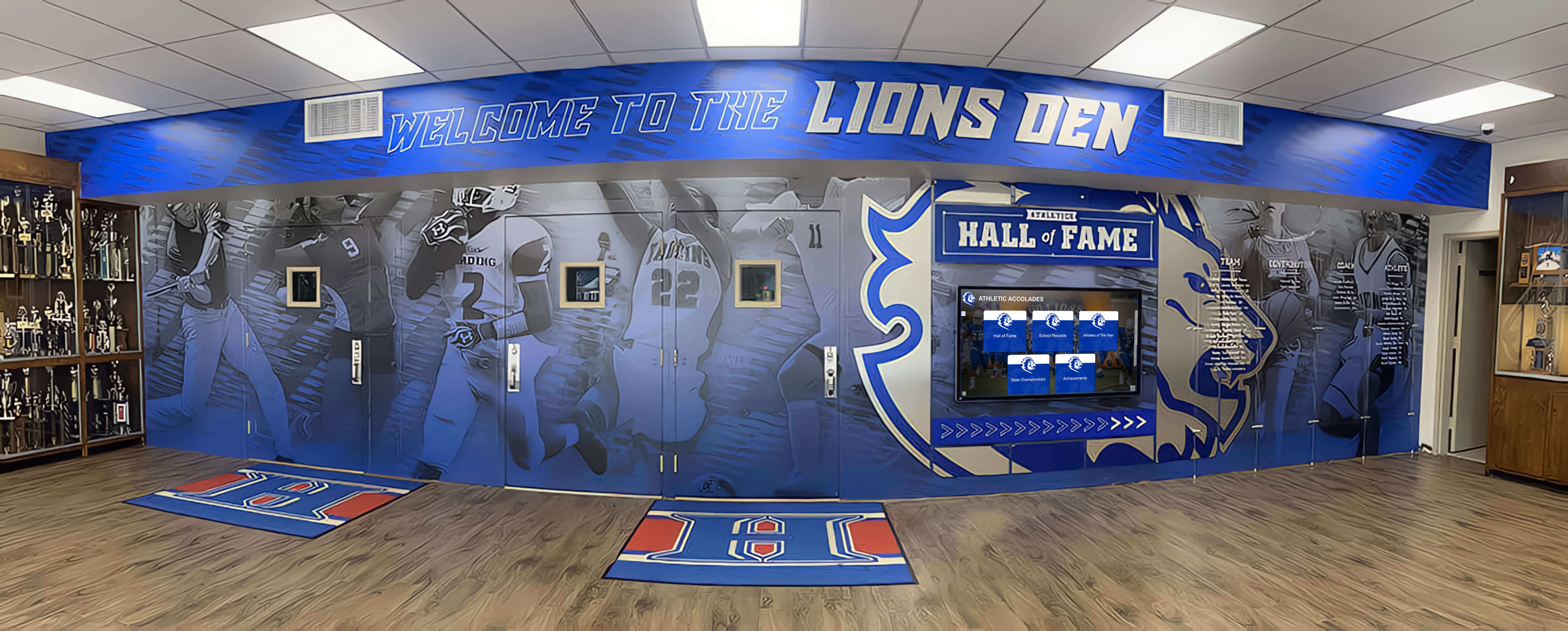
Professional recognition environments demonstrate institutional commitment to celebrating achievement appropriately
Budget Considerations and Cost Management
Creating impressive ceremonies doesn’t require excessive spending with strategic allocation.
Budget Component Categories
Venue and Facility Costs ($0-1,500)
- Rental fees if using off-campus locations
- Setup and breakdown labor if not included
- Facilities staff overtime for extended access
- Parking or security requirements
- Special cleaning or preparation
Technology and Audio-Visual ($500-3,000)
- Sound system rental if facility equipment inadequate
- Lighting rental or enhancement
- Projector and screen rental if needed
- Live streaming or recording services
- Photo booth or backdrop materials
- Digital display integration
Recognition Materials ($300-2,000)
- Certificates, plaques, or trophies
- Frames or presentation folders
- Programs and printed materials
- Name cards or table tents
- Decorations and branded materials
- Photography and videography
Hospitality and Reception ($200-1,500)
- Refreshments appropriate for audience size
- Service ware if not using reusable items
- Setup and cleanup labor
- Decorations for reception area
- Background music or entertainment
Staff and Volunteer Support ($0-1,000)
- Stipends for ceremony coordinators
- Presenter gifts or appreciation
- Volunteer recognition and appreciation
- Student worker or assistant compensation
Total Typical Ceremony Budget: $1,000-$9,000
Most successful school recognition ceremonies operate in the $2,500-$5,000 range, balancing professional quality with reasonable cost.
Cost-Saving Strategies
Leverage Existing Resources
- Use school venues and equipment eliminating rental fees
- Engage student media programs for video and photography
- Utilize student performers for musical elements
- Tap parent volunteers for setup, hospitality, and coordination
- Repurpose existing decorations and branded materials
- Coordinate with other departments sharing costs
Strategic Spending Priorities Allocate limited budgets to highest-impact elements:
- Professional recognition items students keep permanently
- Quality audio-visual ensuring all attendees hear and see clearly
- Photography documentation preserving memories
- Reception hospitality enabling post-ceremony celebration
- Programs and materials providing professional impression
- Decorations and atmosphere after other priorities funded
Revenue Generation Options
- Sponsor recognition in programs or at event
- Suggested donation for reception attendance
- Photography package sales to families
- Digital recognition display sponsorship
- Booster club or foundation funding
- Grant applications for recognition programs
Multi-Year Investment Approach Strategic purchases benefit multiple ceremonies:
- Professional backdrop or photo area
- Reusable decorations in school colors
- Quality sound equipment owned by school
- Digital recognition displays serving year-round
- Template materials reused annually
- Equipment and supplies building over time
Explore recognition investment value in trophy display case ideas with permanent vs. recurring costs.
Conclusion: Creating Recognition Events That Matter
Exceptional awards ceremonies honor student achievement authentically while strengthening school community bonds and inspiring continued excellence. Through thoughtful planning addressing venue selection, program structure, presentation quality, technology integration, and operational execution, administrators create recognition events students and families value enough to attend enthusiastically year after year.
The ideas explored in this guide provide practical frameworks for designing ceremonies appropriate to your specific school community, achievement culture, and available resources. From intimate department-specific recognition gatherings to large-scale all-school celebration events, the fundamental principles remain consistent: personalize acknowledgment authentically, maintain audience engagement through varied formats, leverage technology creating modern professional presentations, and demonstrate institutional commitment to honoring achievement appropriately.
Transform Your School Recognition Events
Discover how digital recognition platforms like Rocket Alumni Solutions enhance awards ceremonies with interactive displays, multimedia presentations, and permanent achievement documentation that extend recognition far beyond single events.
Explore Recognition SolutionsModern recognition extends beyond traditional ceremony formats through digital platforms preserving achievements permanently while enabling family sharing, social distribution, and continuous engagement. Solutions like Rocket Alumni Solutions provide schools with professional recognition systems showcasing unlimited honorees across all achievement categories without physical space constraints while creating permanent archives documenting institutional excellence for decades.
Start improving your recognition ceremonies by identifying your highest-priority enhancement opportunity—whether strengthening program flow and engagement, integrating modern technology and multimedia, improving personalization and meaning, or creating more impressive recognition environments. Each improvement compounds over subsequent ceremonies as you systematically build recognition traditions your community anticipates eagerly.
Your students’ achievements deserve recognition programs honoring their dedication appropriately while creating memories lasting far beyond school years. Thoughtful ceremony planning transforms routine award distribution into powerful celebration events strengthening the relationships and connections making school communities thrive.
Ready to enhance your school recognition program? Explore how Rocket Alumni Solutions enables creating comprehensive permanent recognition systems that integrate seamlessly with ceremony events while providing year-round student achievement celebration reaching entire school communities.