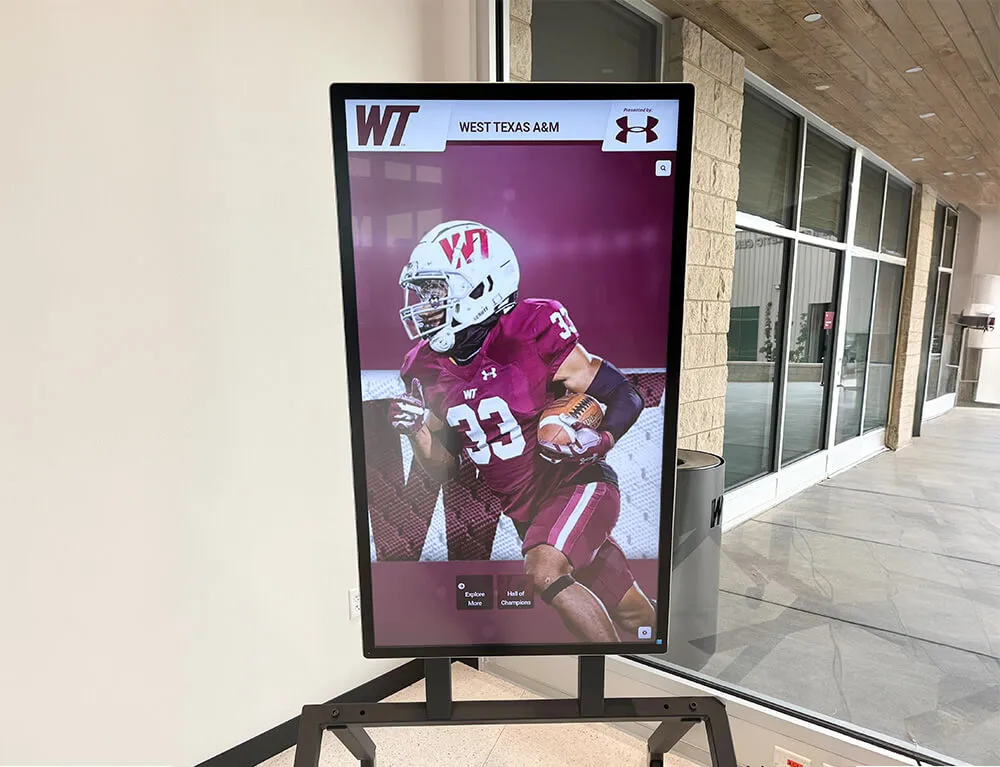
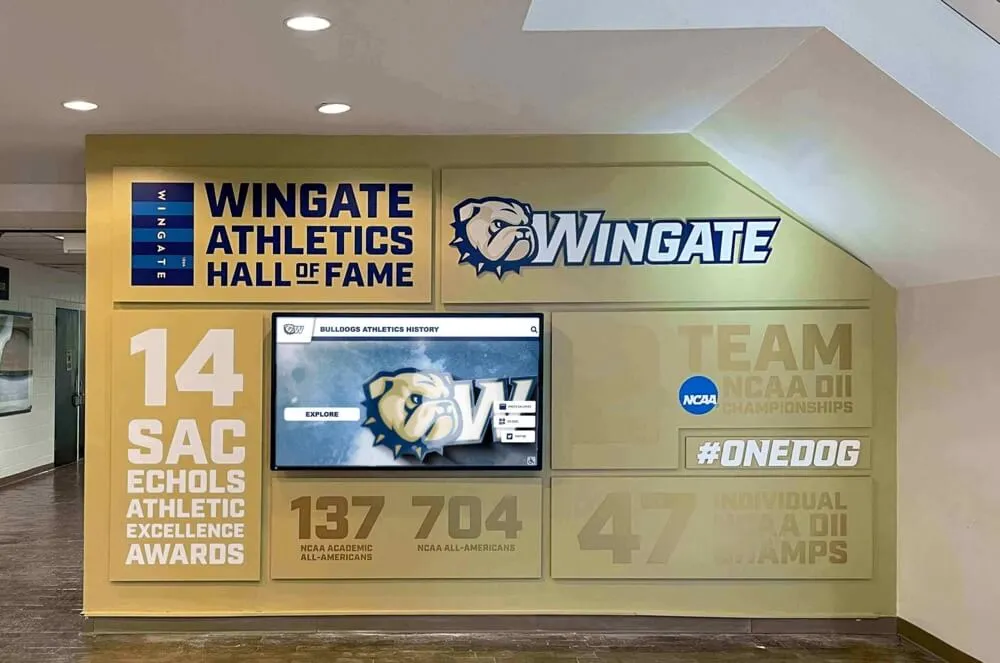
Athletic directors and coaches face a persistent challenge: how to appropriately celebrate the remarkable achievements athletes work years to accomplish while working within limited budgets, physical space constraints, and maintenance realities. Traditional vinyl record boards quickly become outdated, wall space runs out as programs accumulate achievements, and countless deserving records never receive the recognition they merit simply because there’s nowhere left to display them.
The athletic record board serves as more than simple documentation—it creates a visible culture of excellence that inspires current athletes, honors program history, and communicates to visitors that athletic achievement matters deeply within your school community. Yet most schools struggle to create recognition systems that comprehensively celebrate achievements across all sports while remaining visually appealing, practically maintainable, and financially sustainable over decades.
This comprehensive guide explores creative athletic record board ideas ranging from traditional approaches to innovative digital solutions—providing practical frameworks for designing recognition systems that celebrate every deserving achievement, accommodate program growth over time, maintain visual appeal and accuracy, and inspire athletes through meaningful connection to program legacy and excellence.
Athletic record boards represent one of the most visible expressions of your program’s values—the achievements you choose to display and how you present them communicate what truly matters in your athletic culture. Thoughtful design creates lasting recognition systems that grow with your programs rather than becoming obsolete within years.

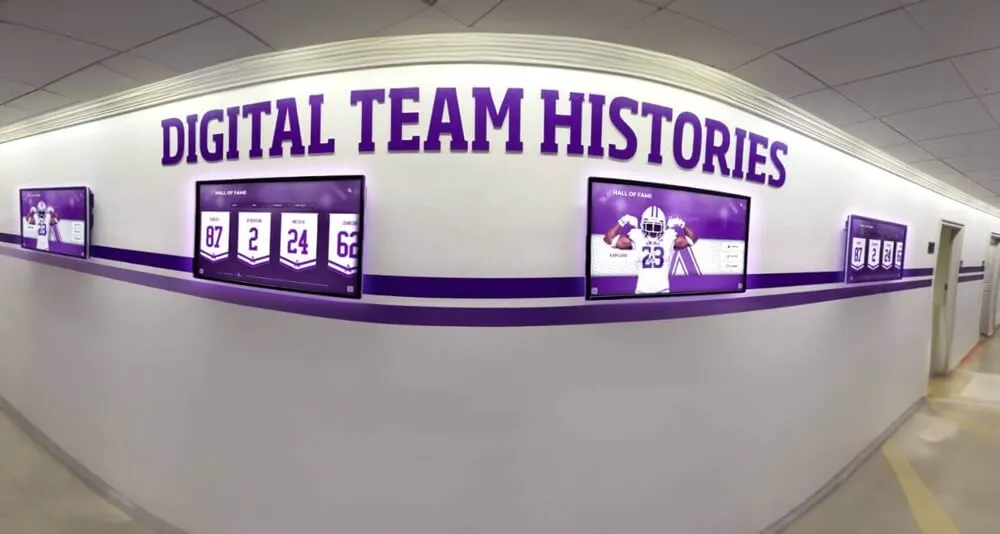
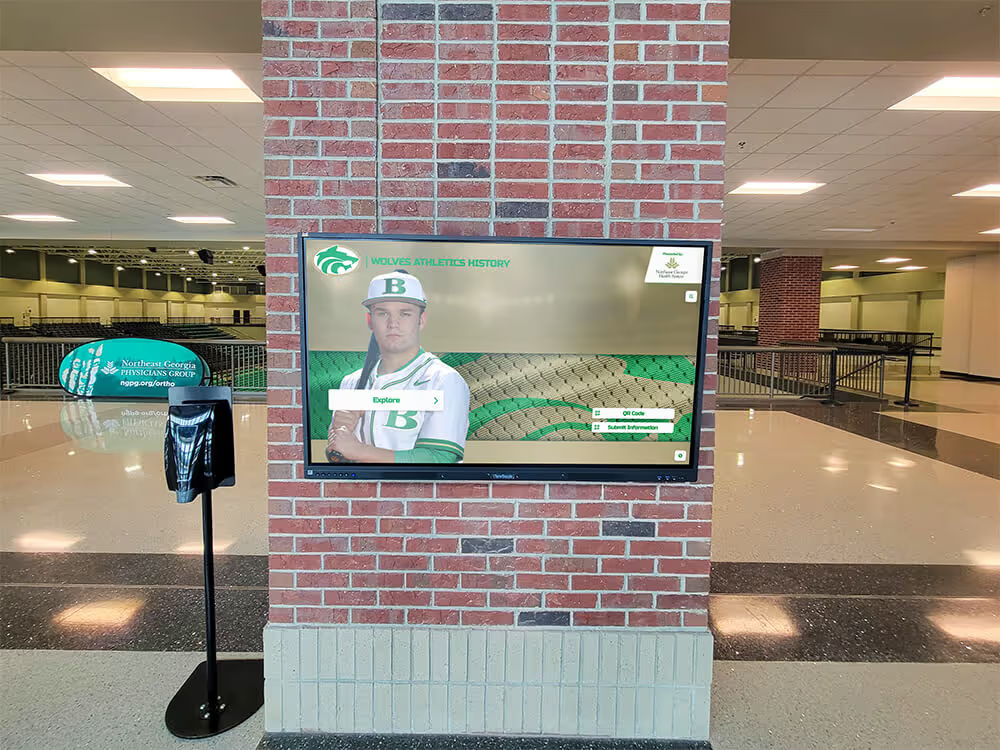
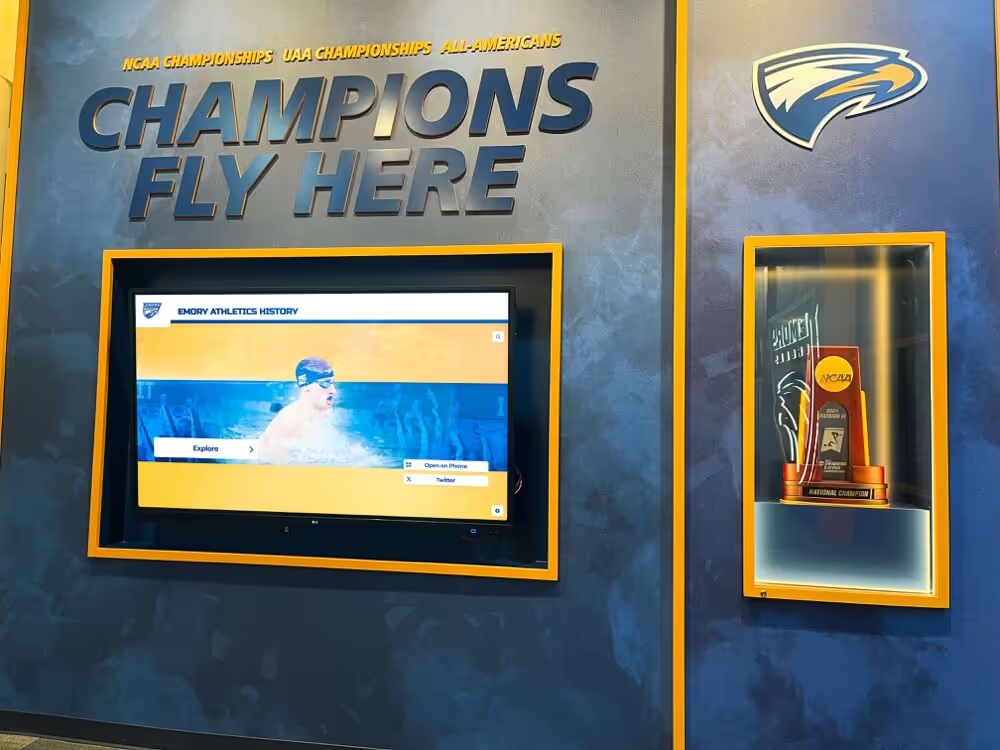
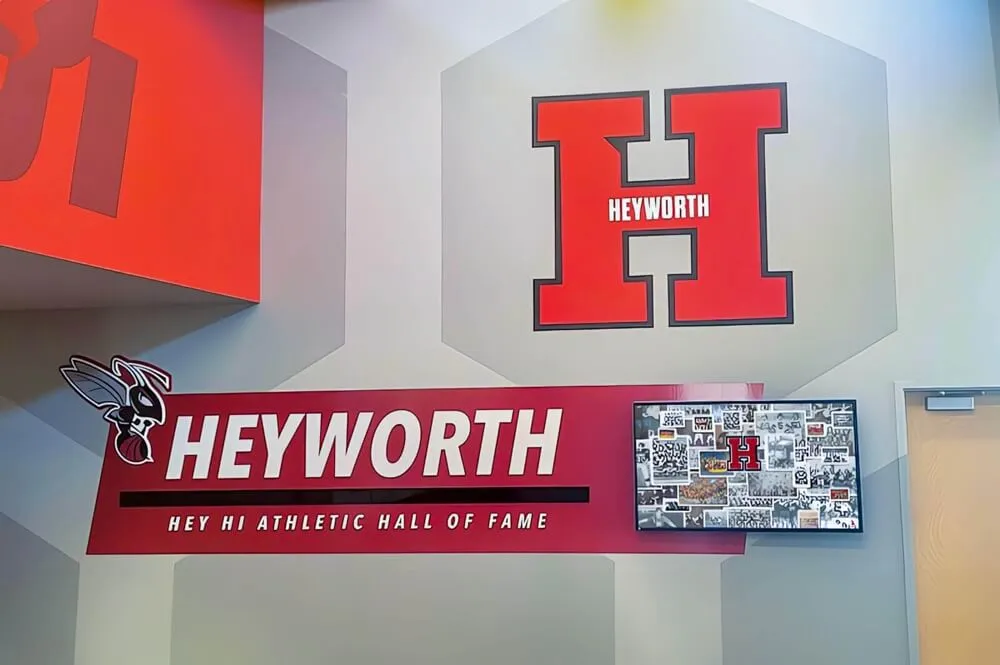
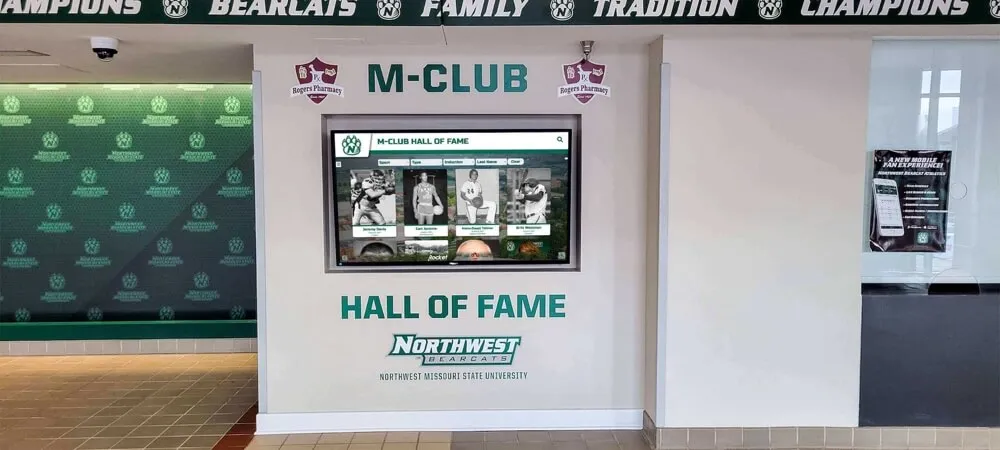
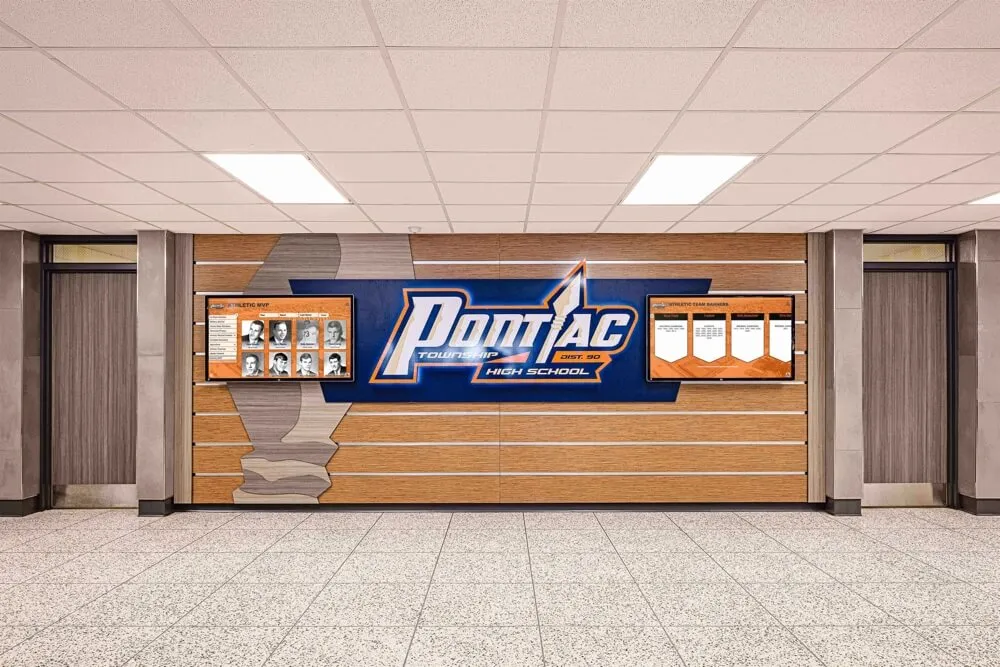
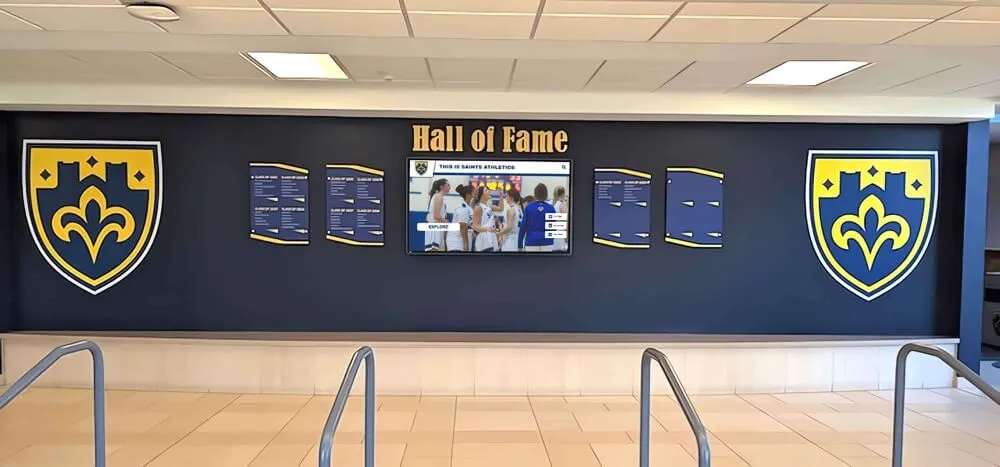
Comprehensive athletic record boards integrate with facility aesthetics while celebrating achievements across all sports programs
Traditional Athletic Record Board Approaches
Before exploring digital innovations, understanding traditional record board designs helps athletic directors evaluate proven approaches and their inherent limitations.
Engraved Plaque Systems
Permanent engraved plaques create timeless recognition with exceptional longevity and professional appearance.
Design Considerations
Individual metal or acrylic plaques mounted on featured walls provide flexible layouts accommodating additions over time, professional engraving ensuring readability and permanence, and customizable sizes highlighting different achievement levels appropriately. Schools typically dedicate specific walls to different sports or achievement categories—varsity records, team championships, individual honors—creating organized visual hierarchies.
Engraved systems excel at permanence and traditional aesthetics but face significant capacity constraints as physical wall space fills completely, update costs of $50-150 per new plaque limiting recognition of new achievements, inability to display contextual information beyond names and basic statistics, and inflexibility preventing content updates when records are broken or information needs correction.
Cost and Maintenance
Initial installations typically run $2,000-$8,000 depending on plaque quantity and materials, with ongoing costs of $50-150 per additional plaque limiting how frequently programs can recognize new achievements. Professional installation ensures proper alignment and secure mounting appropriate for permanent recognition.
Vinyl Letter Record Boards
Traditional changeable letter boards mounted in high-visibility locations offer familiar recognition at accessible price points.
Implementation Approaches
Large wall-mounted boards with grooved backgrounds and adhesive vinyl letters enable athletic departments to create comprehensive displays listing records by sport, season achievements, and individual accomplishments. These systems dominated athletic facility recognition for decades due to relatively low initial costs, in-house update capability using replacement letter kits, and large display capacity compared to individual plaques.
However, practical challenges limit effectiveness: vinyl letters fade, peel, and become illegible within 3-5 years requiring complete replacement, finding correct letter combinations from aging letter sets consumes significant staff time, maintaining consistent letter styles as replacements come from different production batches creates unprofessional appearance, and dust accumulation in letter grooves degrades readability without regular maintenance.
Budget Considerations
Professional vinyl board installations cost $1,500-$5,000 depending on size and complexity, with letter replacement kits adding $100-300 every 2-3 years. While apparently economical initially, the professional appearance deteriorates rapidly without consistent maintenance investment.

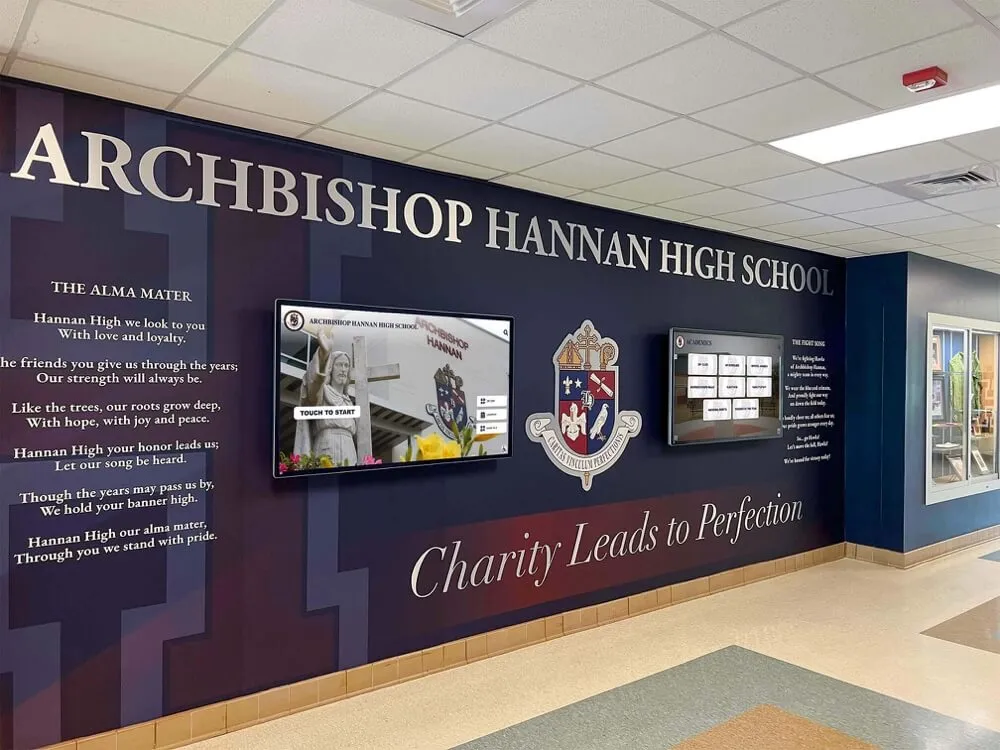
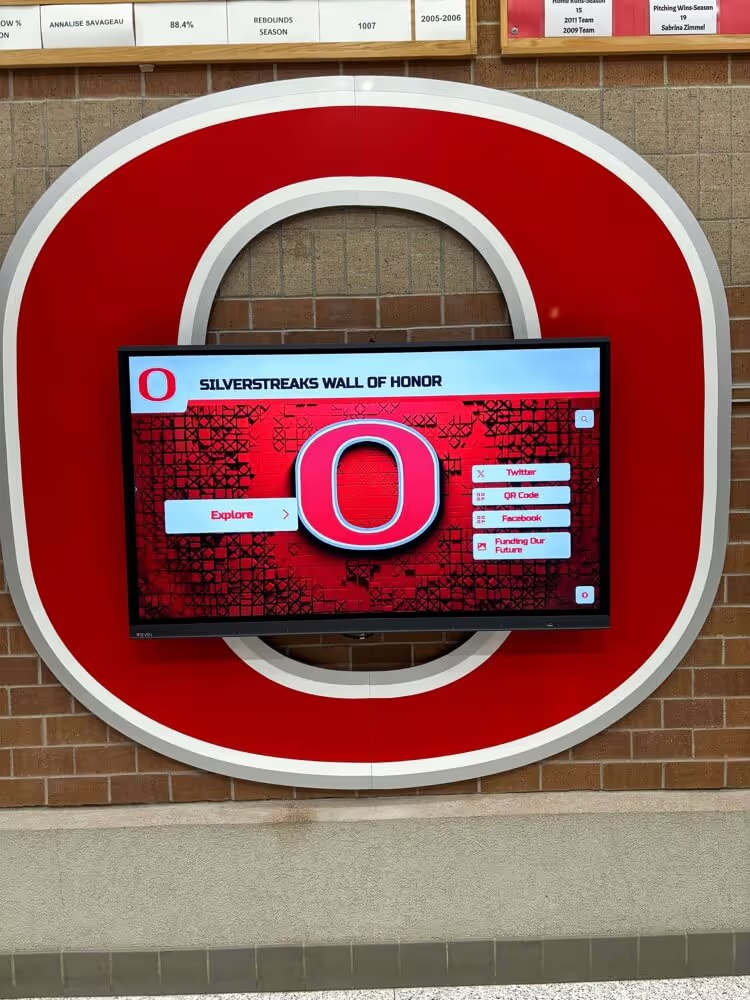
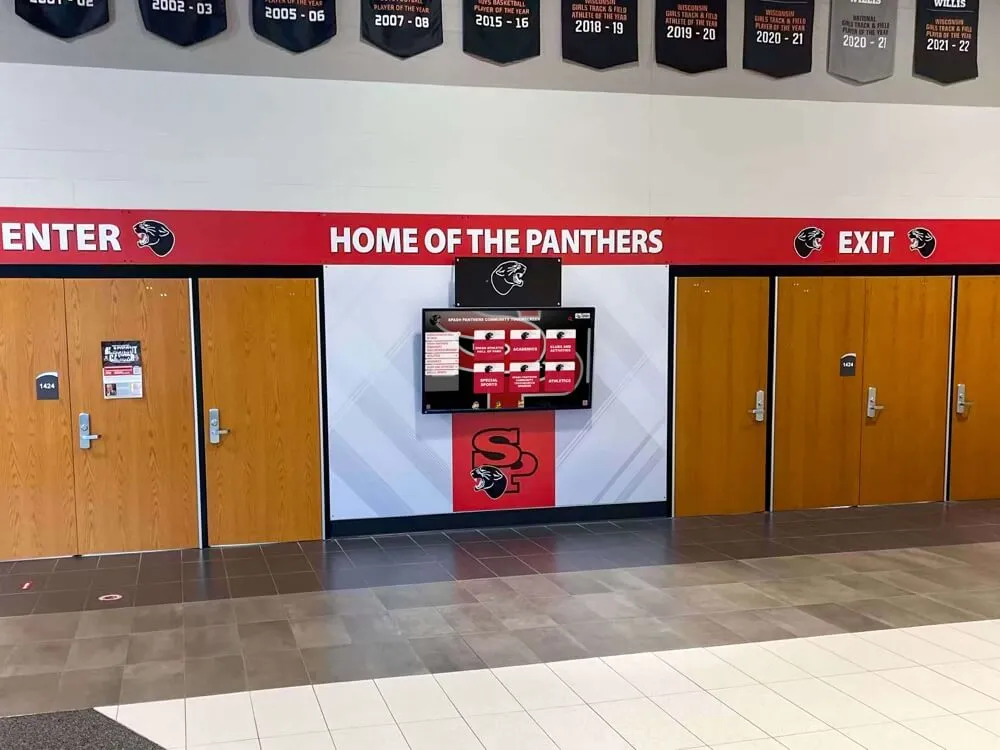
Modern display solutions create professional recognition systems without the maintenance burden of traditional vinyl letters
Championship Banner Programs
Fabric banners suspended from gymnasium ceilings celebrate team achievements with immediate visual impact.
Design Elements
Custom-printed fabric banners highlighting conference championships, state tournament appearances, and regional titles create impressive visual displays in competition spaces where achievements occurred. Effective banner programs use consistent sizing and design templates maintaining visual cohesion, chronological or achievement-level organization creating clear hierarchies, professional printing ensuring longevity and color fastness, and reinforced grommets with proper hanging systems preventing damage.
Banners work exceptionally well for team accomplishments and championship recognition but prove less effective for individual records requiring detailed information, statistical documentation needing regular updates, or comprehensive program history spanning multiple decades. Most successful programs combine banner recognition for major team achievements with complementary systems documenting individual records and complete program statistics.
Implementation Costs
Custom championship banners typically cost $150-400 each depending on size and printing quality, with professional installation adding $50-100 per banner for proper ceiling mounting. Programs celebrating 2-5 championships annually should budget $500-1,500 for ongoing banner recognition.
Understanding donor walls provides insights into recognition system design principles applicable to athletic contexts.
Creative Athletic Record Board Display Ideas
Beyond standard approaches, innovative design concepts help schools create distinctive recognition systems reflecting unique program identities.
Sport-Specific Recognition Zones
Dedicating facility areas to individual sports creates immersive recognition environments celebrating complete program histories.
Zoning Strategies
Athletic facilities with adequate space can create sport-specific hallways or wall sections featuring comprehensive program documentation: complete records organized by event or position, championship history and tournament achievements, coaching history and program leadership evolution, notable alumni and their collegiate or professional destinations, program milestones and facility development history, and team photos documenting program legacy across decades.
This approach works particularly well in larger athletic complexes with multiple hallways, allowing natural traffic flow past different sport zones while athletes move between training areas. Sport-specific zones create deeper engagement than generic record boards because athletes naturally gravitate to areas celebrating their specific programs.
Space Planning
Effective zoning requires thoughtful facility analysis identifying high-traffic corridors connecting locker rooms, training facilities, and competition spaces, adequate wall space for comprehensive documentation without overcrowding, lighting conditions supporting readability throughout daily schedules, and protection from environmental factors that could damage displays over time.
Timeline-Based Achievement Displays
Chronological organization emphasizes program evolution and historical development.
Timeline Formats
Rather than organizing by sport or record type, timeline approaches arrange achievements chronologically along extended wall sections, creating visual narratives of program growth and success patterns. Effective timelines include decade markers organizing eras clearly, significant non-record milestones providing historical context, facility development and program expansion documentation, and coaching changes marking different program periods.
Timeline displays work exceptionally well in new facilities where complete program history can be documented from founding through present day, or in schools with particularly rich athletic traditions where chronological storytelling emphasizes sustained excellence across generations.
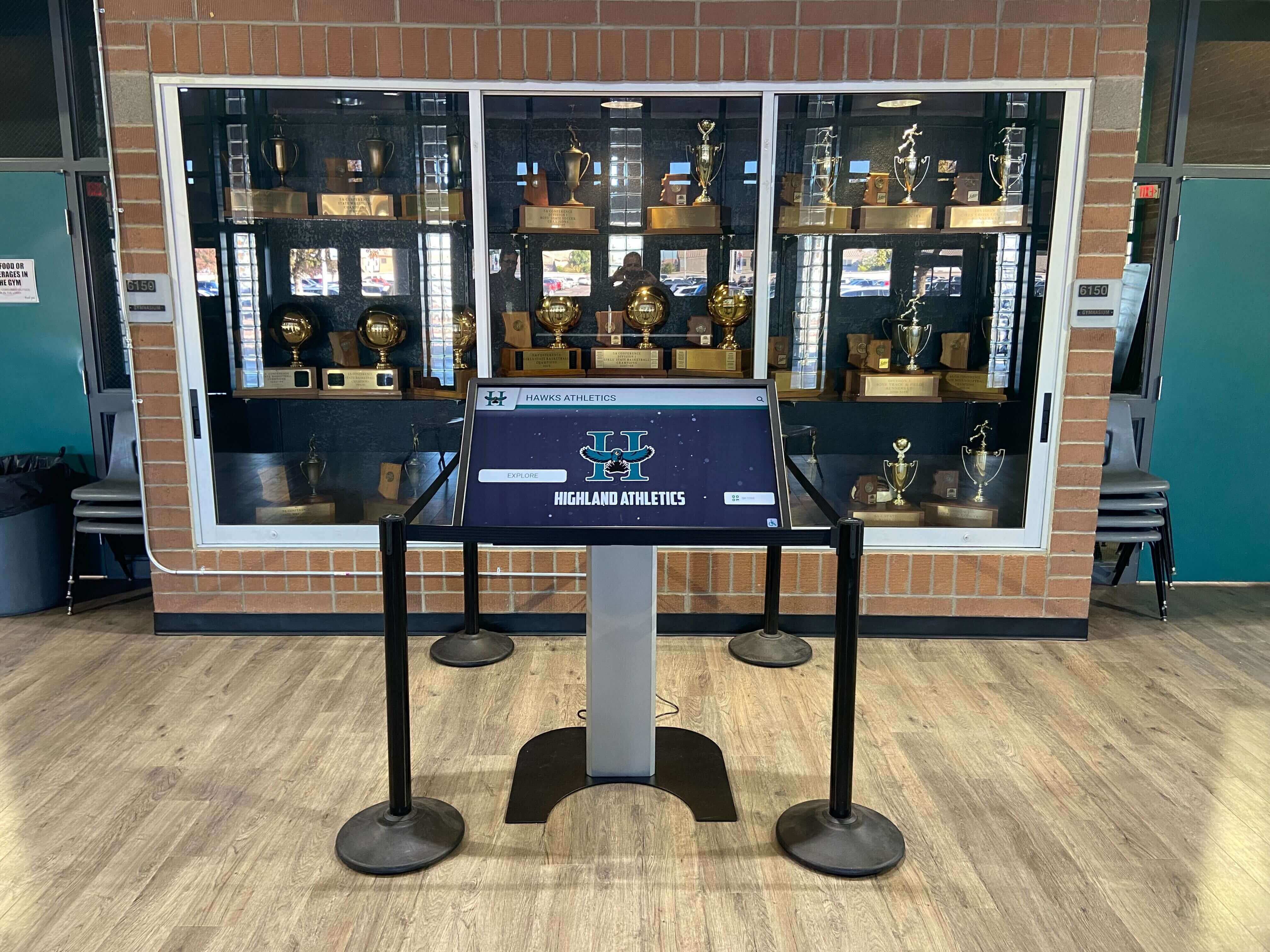
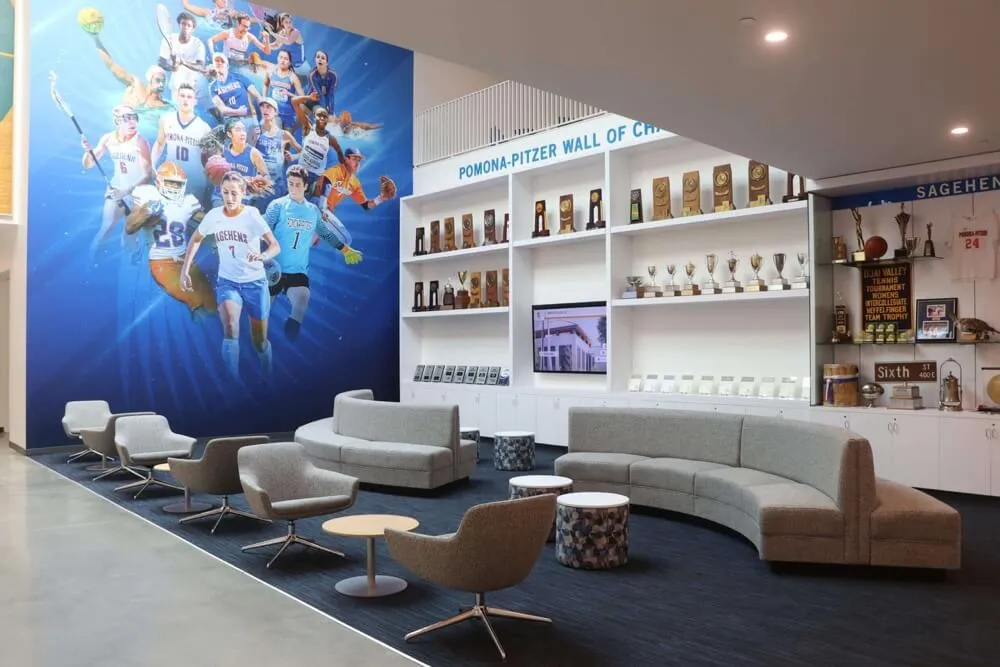
Combining traditional trophy displays with interactive digital record boards creates comprehensive recognition addressing different achievement types
Position-Specific Record Categories
Organizing records by playing position creates more meaningful comparisons and recognition opportunities.
Categorization Approaches
Rather than listing team-wide records only, position-specific categories enable more athletes to receive recognition: football separated by offensive and defensive positions with quarterback records, running back achievements, receiver statistics, defensive positions, basketball organized by guards, forwards, and centers, baseball and softball differentiated by pitchers, infielders, and outfielders, and track and field naturally divided by event types.
This granular approach dramatically increases recognition opportunities because athletes only compete for records within their specific positions rather than against entire team histories. Position-based organization also provides more relevant inspiration—a defensive lineman sees defensive achievement pathways more applicable to their athletic development than generic team records.
Multi-Sport Athlete Recognition
Dedicated displays celebrating athletes who excelled across multiple sports honor versatility and dedication.
Display Concepts
Multi-sport achievement often goes underrecognized in sport-specific systems, yet multi-sport participation correlates strongly with long-term athletic development and leadership qualities. Dedicated recognition sections can feature athletes lettering in three or more sports, same-season multi-sport participants demonstrating exceptional commitment, family multi-sport legacies spanning multiple generations, and all-conference or all-state recognition across different sports.
Creating distinct recognition for multi-sport achievement communicates that athletic versatility and year-round commitment receive appropriate honor alongside specialized excellence, potentially influencing athlete development patterns favoring multi-sport participation during crucial developmental years.
Explore how schools create comprehensive recognition in athletic banquet planning contexts.
Digital Athletic Record Board Solutions
Interactive digital displays solve fundamental limitations of traditional approaches while creating engaging recognition experiences impossible with static systems.
Interactive Touchscreen Record Boards
Modern touchscreen technology provides unlimited capacity for comprehensive achievement documentation.
Core Advantages
Digital record boards like those offered by Rocket Alumni Solutions eliminate space constraints entirely by allowing unlimited records across all sports and historical periods, enable instant updates from any internet-connected device when records fall or new achievements occur, showcase multimedia content including athlete photos, statistics, and biographical information, provide search and filtering allowing easy discovery of specific records or athletes, and automatically organize content ensuring professional presentation without manual layout work.
Unlike traditional boards requiring months to update and offering extremely limited space, digital systems make comprehensive documentation practically achievable. Schools transitioning to digital platforms typically document 5-10 times more achievements than physical space previously allowed, ensuring equitable recognition across all sports programs rather than arbitrary limitations favoring certain programs.
Implementation Features
Effective digital record board systems include robust content management allowing designated staff to update information easily without technical expertise, athlete profile pages combining statistics with personal narratives and college destinations, historical documentation preserving complete program legacy across decades, championship galleries featuring team photos and tournament results, coaching history sections honoring program leadership contributions, and mobile responsiveness enabling athletes to access and share their recognition digitally.

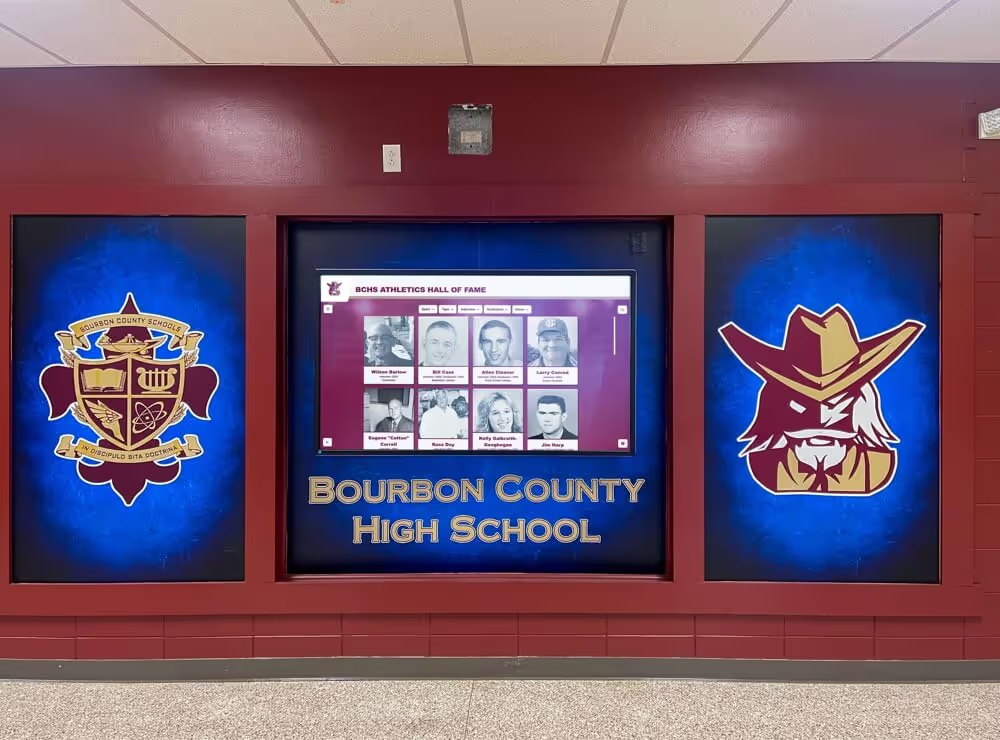
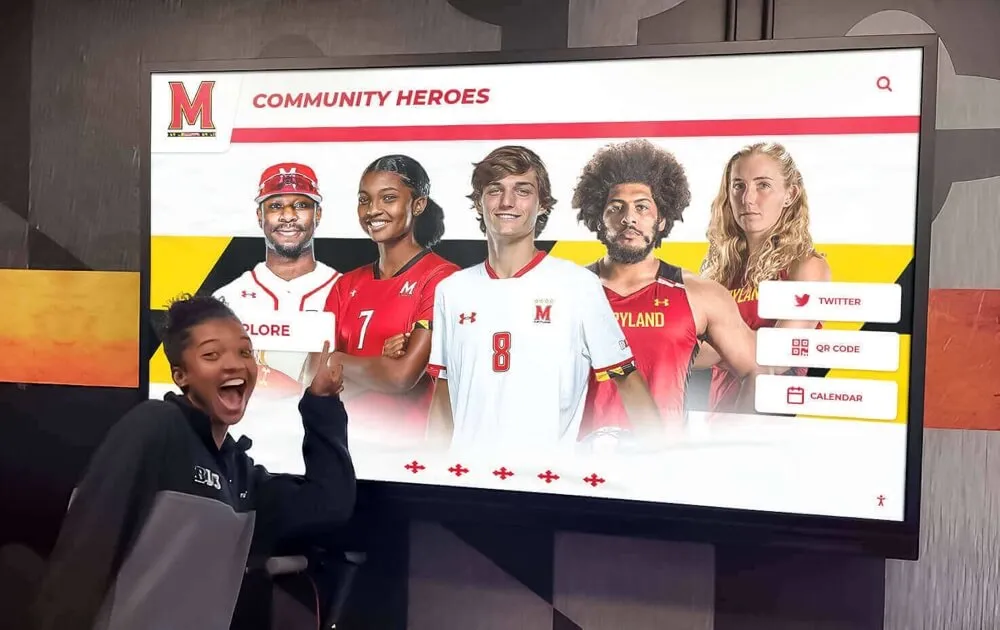
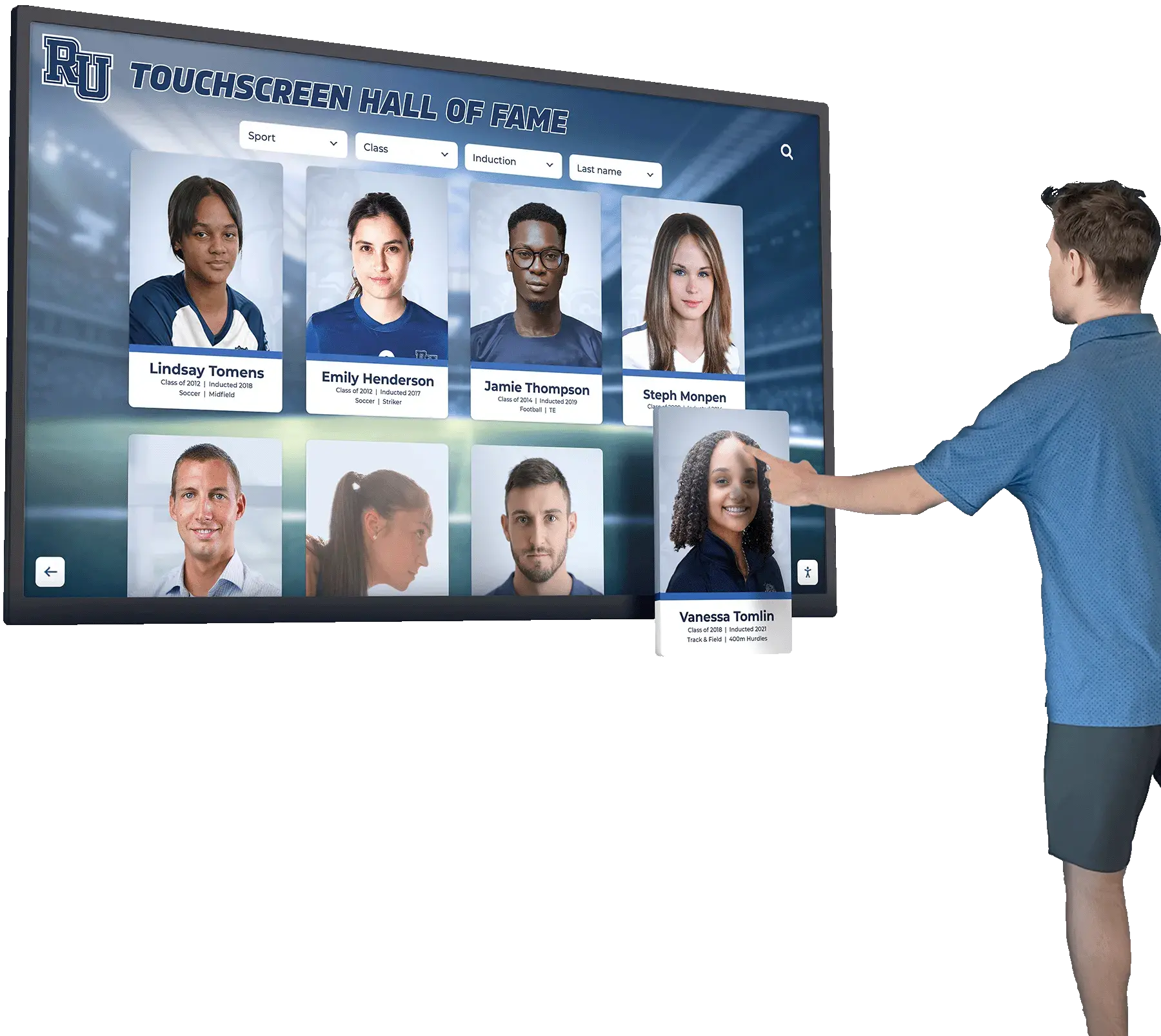
Digital platforms showcase detailed athlete profiles combining statistics, achievements, photos, and personal narratives inspiring current athletes
Cloud-Based Content Management
Separating content storage from physical displays creates flexible, maintainable recognition systems.
Management Benefits
Cloud-based platforms allow athletic directors, coaches, and designated staff to update recognition content from any location and device—adding new records immediately after competitions, enhancing athlete profiles continuously as new photos or achievements become available, correcting historical information when discovered without professional services, and organizing content into meaningful categories without physical constraints.
This distributed management approach proves particularly valuable in athletic departments where head coaches maintain the most accurate records for their specific programs but lack time to coordinate with professional vendors for traditional board updates. Digital systems with role-based access control enable coaches to update their sport sections directly while athletic directors maintain oversight and approval workflows.
Long-Term Sustainability
Cloud-based systems provide superior long-term value because content remains accessible independent of specific hardware, enabling display upgrades without losing documented history, facility renovations don’t risk destroying irreplaceable recognition content, and systematic backups protect against accidental deletion or data loss.
Integration with Existing Recognition
Digital solutions complement rather than replace meaningful traditional recognition elements.
Hybrid Approaches
The most effective athletic recognition systems combine traditional elements with digital enhancements: championship banners remaining suspended in gymnasiums while digital displays document complete championship histories with game statistics and roster information, trophy cases showcasing physical awards while nearby touchscreens provide detailed context about championships and athlete careers, engraved plaques honoring all-time records maintaining permanent recognition while digital boards track annual records and single-season achievements, and facility naming recognition preserving donor and legacy honors while digital content explains historical significance.
This complementary approach respects athletic tradition while solving practical documentation challenges that traditional methods cannot address comprehensively.
Learn about broader recognition strategies in digital record board campus engagement ideas.
Design Principles for Effective Record Boards
Regardless of format, successful athletic record boards share fundamental design characteristics creating meaningful recognition.
Comprehensive Sport Coverage
Equitable recognition across all athletic programs builds inclusive culture and program-wide support.
Inclusion Strategies
Effective record boards document achievements from every sport program equally rather than dedicating disproportionate space to high-profile programs while minor sports receive minimal recognition. This requires deliberately tracking records across all programs systematically, creating comparable recognition frameworks regardless of sport popularity, celebrating both competitive excellence and participation milestones appropriately, and regularly reviewing coverage to identify and address recognition gaps.
Comprehensive coverage communicates that all athletic achievement receives appropriate honor regardless of spectator interest or competitive success, building program-wide culture where every athlete’s dedication matters equally.
Clear Organization and Navigation
Logical structure enables athletes and visitors to find relevant information quickly.
Organizational Frameworks
Record boards should follow intuitive organizational patterns: alphabetical sport listings with clear section headings, chronological or achievement-level hierarchies within sports, consistent terminology and category definitions across all programs, visual differentiation between individual and team achievements, and clear indication of when records were set and by whom.
Poor organization undermines recognition value—if athletes cannot easily find their achievements or understand how recognition is categorized, the motivational impact diminishes significantly regardless of comprehensiveness.
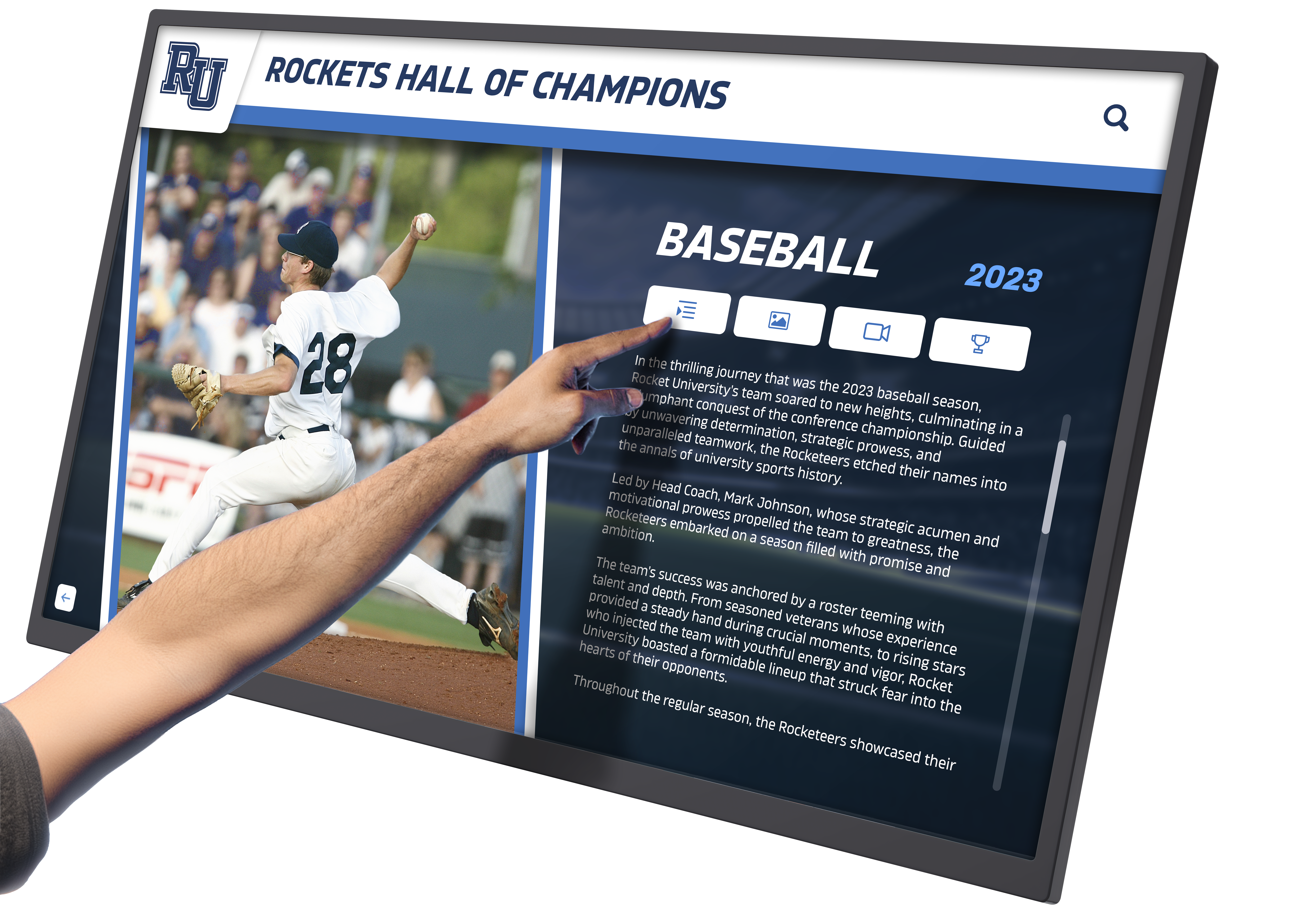
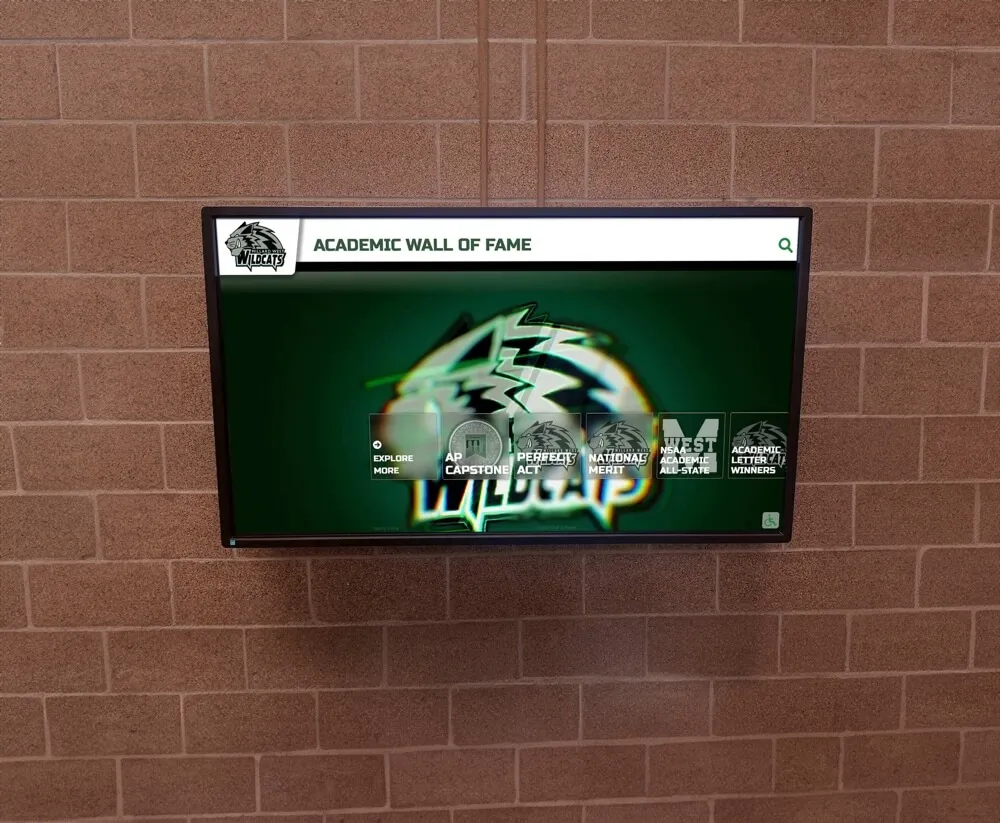
Clear navigation and athlete-focused design make interactive record boards engaging tools for inspiration and program culture building
Visual Appeal and Professional Presentation
Aesthetically pleasing design demonstrates that athletic achievement deserves quality recognition.
Design Standards
Athletic record boards should maintain high visual standards: consistent typography and color schemes supporting readability, professional photography representing athletes appropriately, adequate spacing preventing cluttered or overwhelming presentations, integration with facility aesthetics and school branding, and regular maintenance ensuring displays remain current and accurate.
Faded vinyl letters, crooked plaques, or outdated information communicate that athletic achievement doesn’t warrant proper attention—undermining the recognition’s intended motivational purpose.
Accessibility and Inclusivity
Recognition systems should accommodate diverse audiences and abilities.
Universal Design
Effective record boards consider accessibility needs: appropriate mounting heights and viewing angles for various physical abilities, adequate lighting and contrast ratios supporting visual accessibility, text size and font choices ensuring readability from typical viewing distances, multilingual content in diverse communities, and digital alternatives when physical displays present accessibility barriers.
Athletic achievement recognition should welcome all community members to engage with and celebrate program excellence regardless of individual accessibility needs.
Regular Updates and Maintenance
Current information maintains relevance and demonstrates ongoing commitment to recognition.
Update Protocols
Successful athletic directors establish systematic update workflows: designating specific staff responsible for content updates by sport or category, implementing post-season review processes ensuring all new achievements are documented, scheduling periodic audits verifying accuracy and completeness, budgeting appropriately for ongoing maintenance regardless of display format, and communicating update timelines to coaches ensuring awareness of recognition processes.
Record boards displaying information from 3-5 years ago while recent achievements go unrecognized fail their fundamental purpose of timely celebration that reinforces the achievement-recognition connection athletes need for motivation.
Understanding dedication plaque ideas provides broader perspectives on meaningful recognition design.
Content and Information to Display
Beyond record statistics, comprehensive athletic boards document complete program stories.
Essential Record Categories
Thorough documentation requires systematic tracking across multiple achievement types.
Core Statistical Records
Athletic record boards should comprehensively document individual performance records by event, position, or statistic type, single-season achievement records highlighting exceptional annual performances, career records recognizing sustained excellence across multiple seasons, team season records documenting collective achievements, game or match records celebrating exceptional individual performances, and relay or team event records in applicable sports.
Organizing records by these categories ensures appropriate recognition for different achievement types rather than arbitrary limitations favoring certain accomplishment forms over equally deserving alternatives.
Athlete Biographical Information
Statistics alone fail to inspire—personal context creates meaningful connections.
Profile Elements
Comprehensive athlete recognition includes graduation year providing historical context, college or professional destination showing athletic pathway outcomes, major achievements beyond the specific record providing complete picture, personal quotes or coach testimonials when available adding human dimension, hometown or previous school information when relevant, and career statistics beyond the single record showcasing sustained excellence.
This contextual information transforms record listings from anonymous data points into stories about real athletes whose journeys can inspire current program members working toward similar achievements.
Championship and Team Achievement Documentation
Individual records represent only one dimension of athletic program excellence.
Team Recognition
Comprehensive record boards document conference championships by year with records and notable performances, state tournament appearances and results, invitational tournament victories, win-loss records and winning streak achievements, team statistical achievements like shutouts or scoring records, and perfect seasons or other exceptional team accomplishments.
Balancing individual and team recognition communicates that both personal excellence and collective achievement receive appropriate honor within program culture.
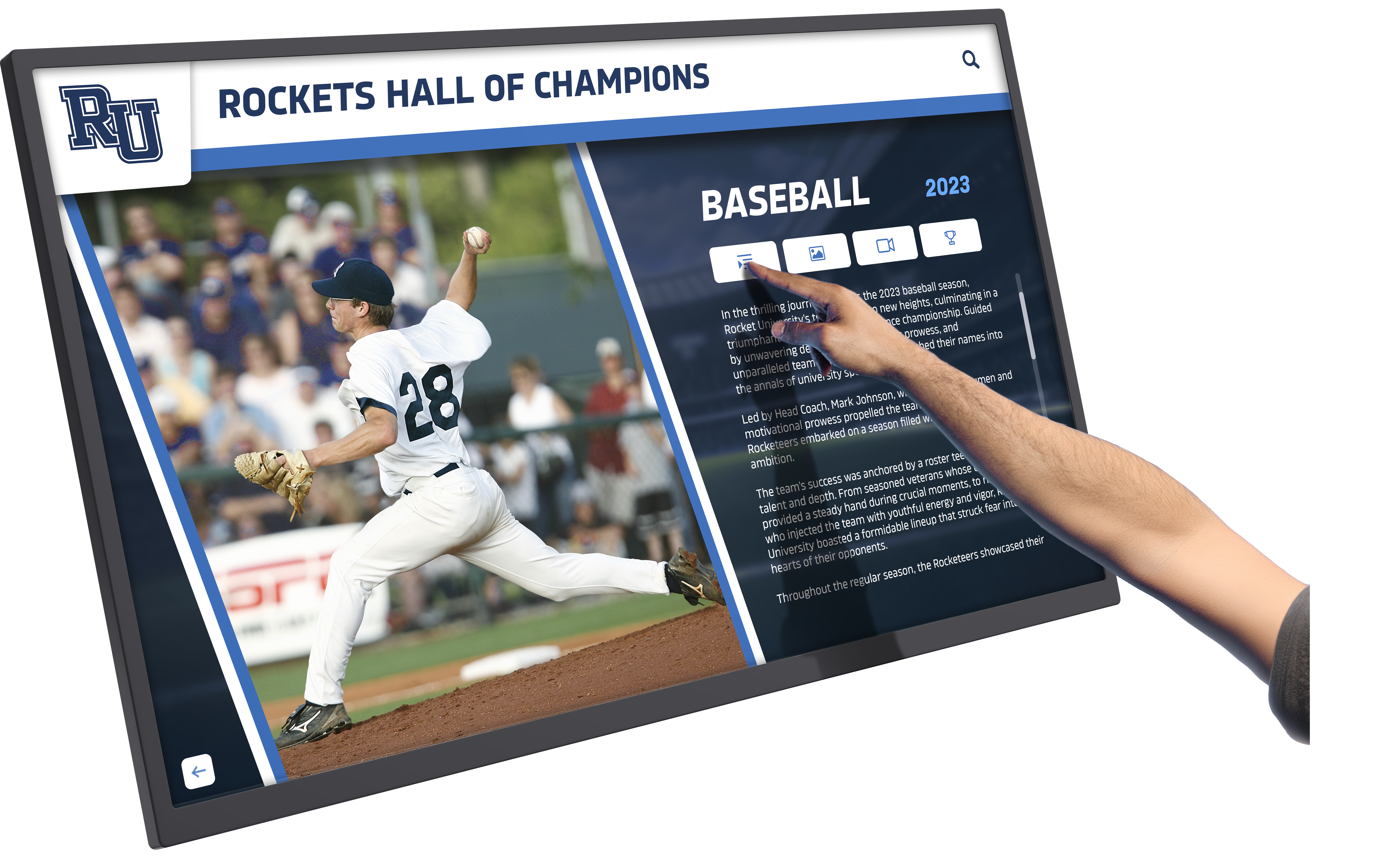
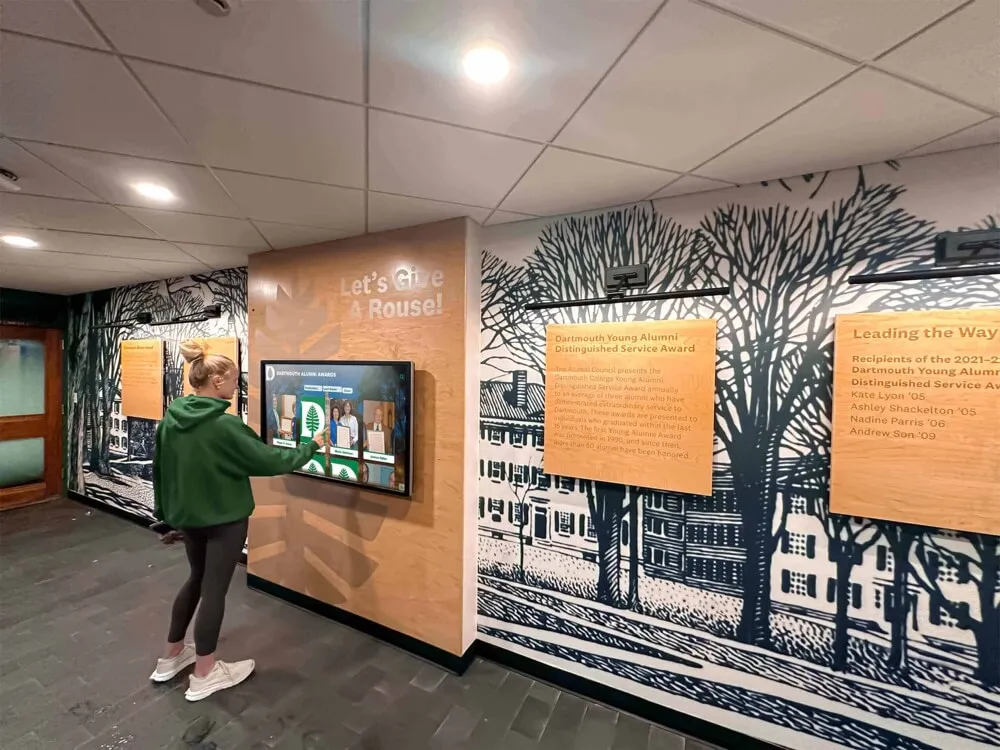
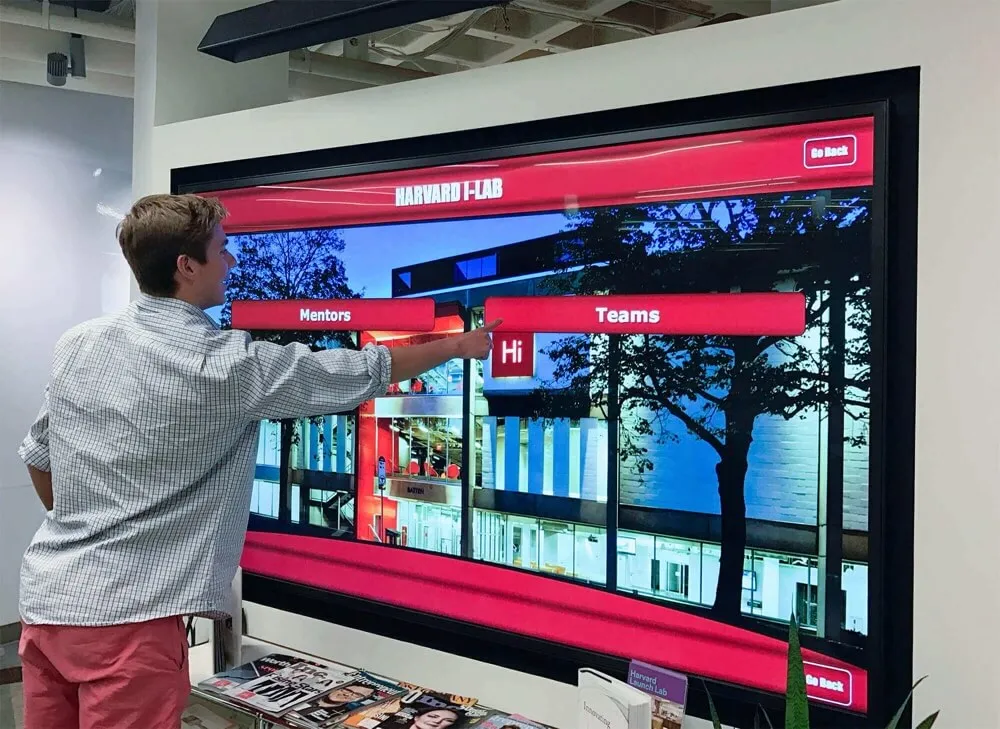
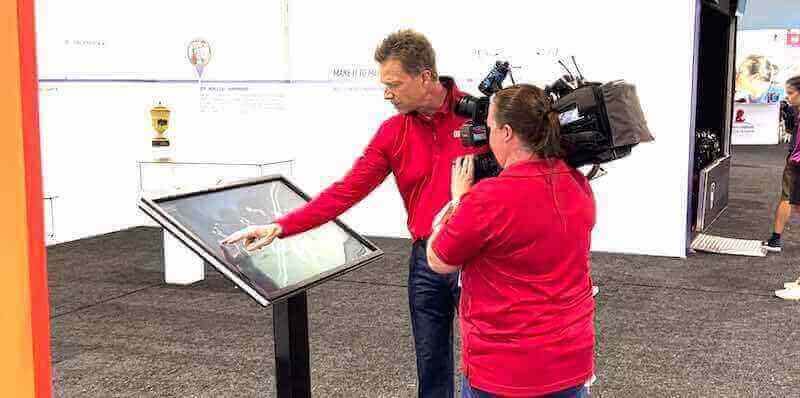
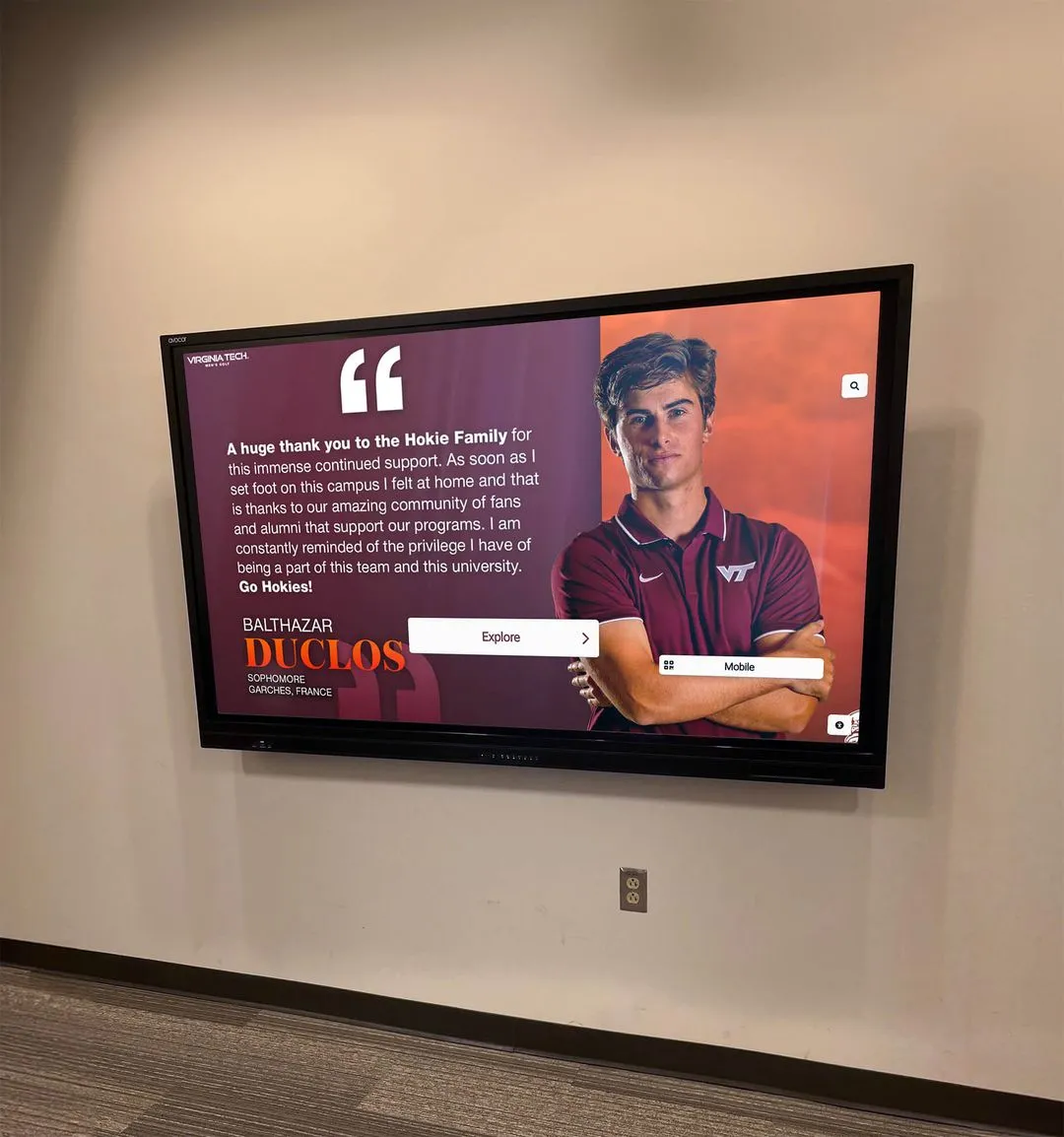
Interactive engagement allows deeper exploration of athlete achievements and program history than static displays permit
Historical Context and Program Milestones
Beyond competitive achievements, program development history provides important context.
Historical Documentation
Well-rounded recognition systems preserve facility construction and renovation history explaining physical program evolution, coaching tenures and leadership transitions marking different program eras, significant rule changes or competitive realignment affecting record contexts, program expansion or sport additions documenting growth, and notable community support or fundraising milestones enabling program development.
This historical documentation creates richer understanding of program legacy beyond simple achievement listings, helping current athletes appreciate the foundation previous generations built.
Implementation and Budget Considerations
Practical planning ensures recognition investments deliver lasting value.
Budget Planning for Different Solutions
Understanding realistic cost expectations helps athletic directors make appropriate decisions.
Traditional Display Costs
Vinyl letter boards typically require $1,500-$5,000 for initial installation with $100-300 annual letter replacement costs and $500-1,000 every 5-7 years for complete board replacement as vinyl deteriorates. Engraved plaque systems run $2,000-$8,000 for initial installations with $50-150 per additional plaque as new achievements require recognition. Championship banner programs cost $150-400 per banner with $50-100 installation fees.
These traditional approaches may appear economical initially but often prove more expensive over 10-15 year periods when accounting for maintenance, updates, and replacement cycles.
Digital Platform Investment
Professional touchscreen installations including commercial-grade displays and content management platforms typically range from $8,000-$15,000 for comprehensive athletic record board systems. This higher initial investment provides unlimited content capacity, instant updates without ongoing costs, superior longevity compared to vinyl or print-based systems, and significantly enhanced engagement through multimedia content.
When evaluated across 10-15 year lifecycles accounting for update frequency and maintenance requirements, digital platforms often deliver superior return on investment while providing dramatically better recognition capabilities.
Funding Sources and Strategies
Creative funding approaches make comprehensive recognition achievable regardless of budget constraints.
Revenue Opportunities
Athletic departments can fund record board investments through booster club support and targeted fundraising campaigns, naming rights or sponsorship opportunities for specific sport sections, alumni donation programs targeting former athletes, memorial recognition programs honoring deceased athletes or coaches, facility renovation budget allocations during construction projects, and district capital improvement funds designated for athletics.
Presenting record board investments as comprehensive legacy preservation rather than simple displays often unlocks funding sources that wouldn’t support less meaningful expenditures.
Phased Implementation Approaches
Schools with limited budgets can implement comprehensive recognition systems gradually.
Strategic Phasing
Rather than attempting complete documentation immediately, athletic directors can implement record boards sport by sport over multiple years, prioritize high-traffic locations for initial installations expanding gradually, start with recent achievements working backward into historical documentation, or begin with team achievements adding individual records systematically.
Phased approaches enable budget-conscious programs to demonstrate value and build momentum supporting continued investment rather than requiring unsustainable initial expenditures.
Explore systematic approaches in state championship journey documentation.
Athletic Record Board Location and Placement
Strategic positioning maximizes recognition impact and athletic culture development.
High-Traffic Facility Locations
Placement in areas where athletes naturally gather creates consistent cultural reinforcement.
Optimal Locations
Athletic lobbies connecting competition spaces to training facilities ensure daily athlete exposure, main corridors between locker rooms and practice areas create regular engagement opportunities, weight room or training facility walls position recognition where athletes work toward achievements, gymnasium entrances frame competitive spaces with achievement context, and athletic director office areas provide convenient locations for recruits and visitors.
Location dramatically affects recognition impact—displays in rarely visited areas fail to create the consistent cultural reinforcement that high-traffic positioning provides naturally.
Integration with Facility Aesthetics
Record boards should enhance rather than clash with existing facility design.
Aesthetic Coordination
Effective integration requires coordinating with school colors and branding guidelines, complementing existing murals or facility artwork, matching architectural styles and materials, considering lighting conditions affecting readability and visual appeal, and planning around existing recognition elements like trophy cases or banner displays.
Well-integrated recognition feels intentional and permanent rather than appearing as afterthought additions that could be removed without affecting facility aesthetics.

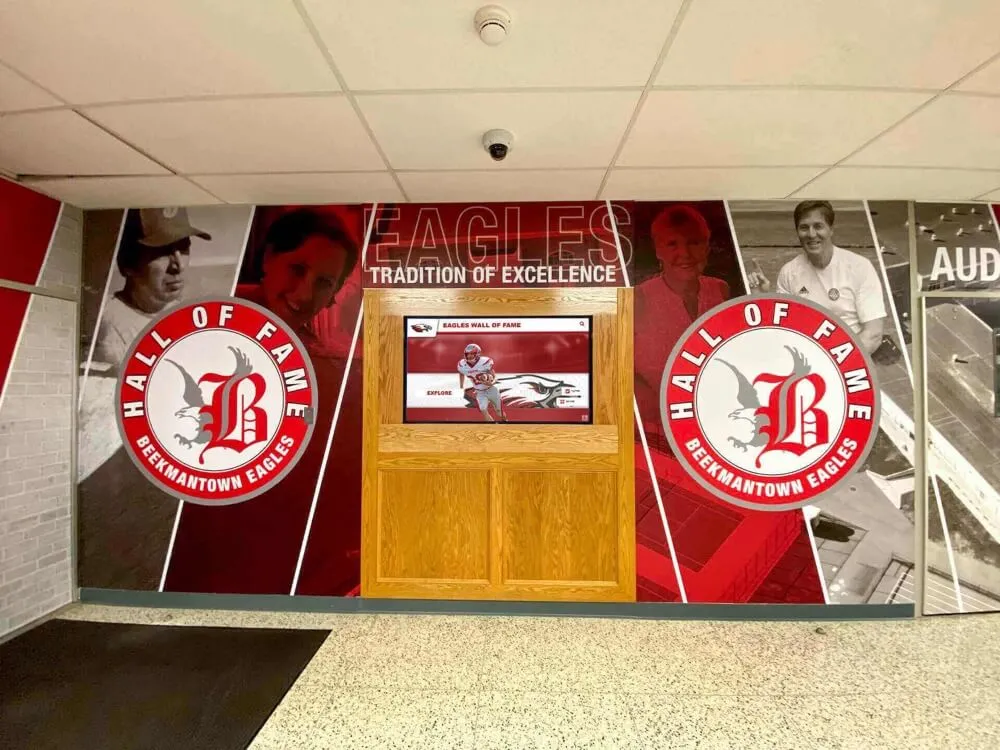
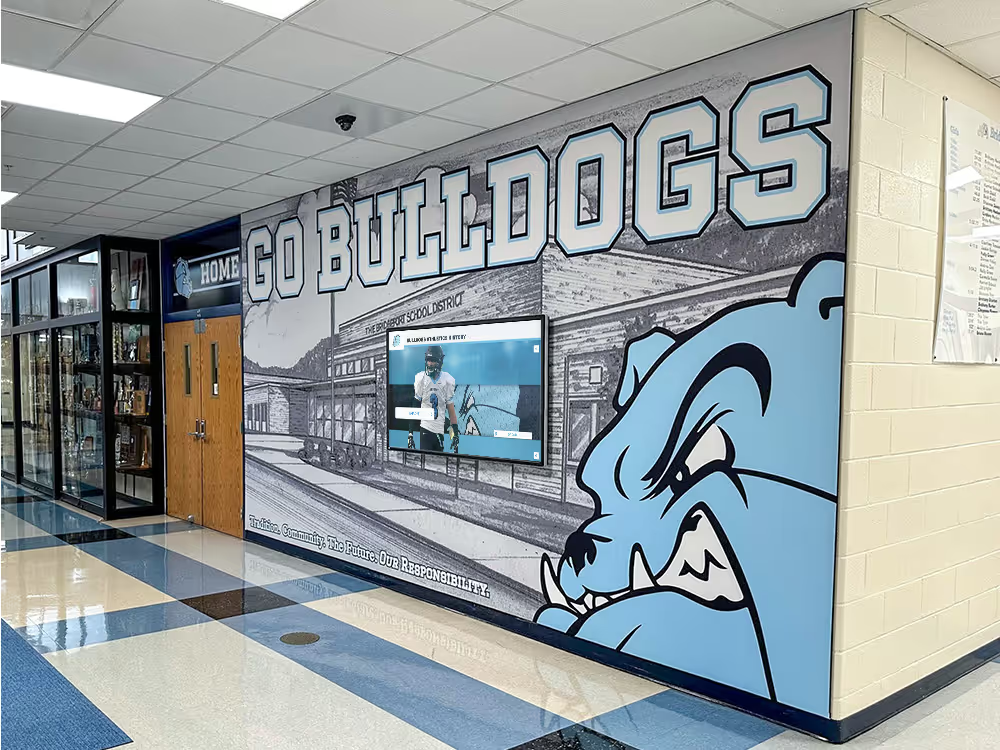
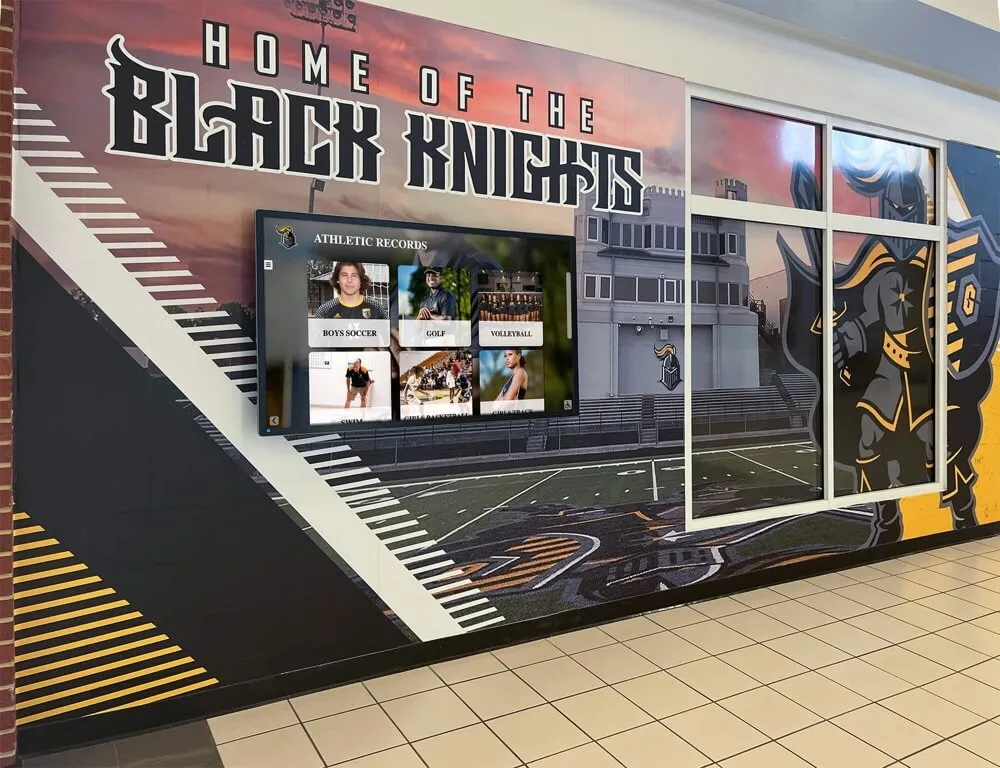
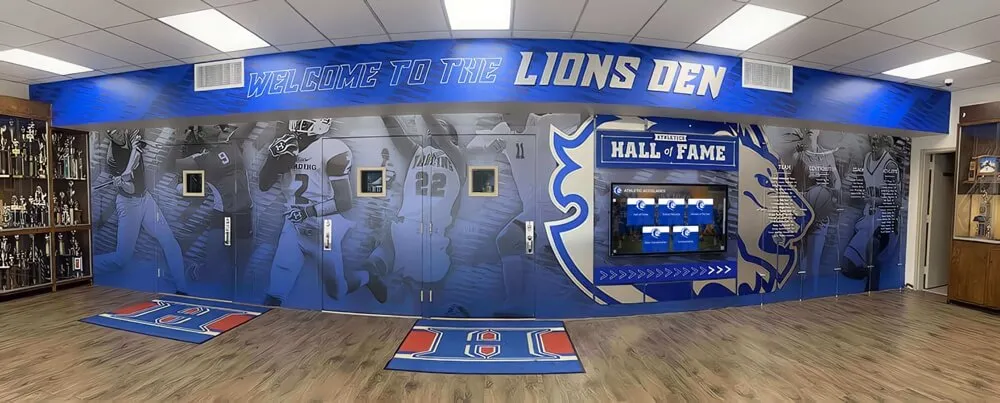
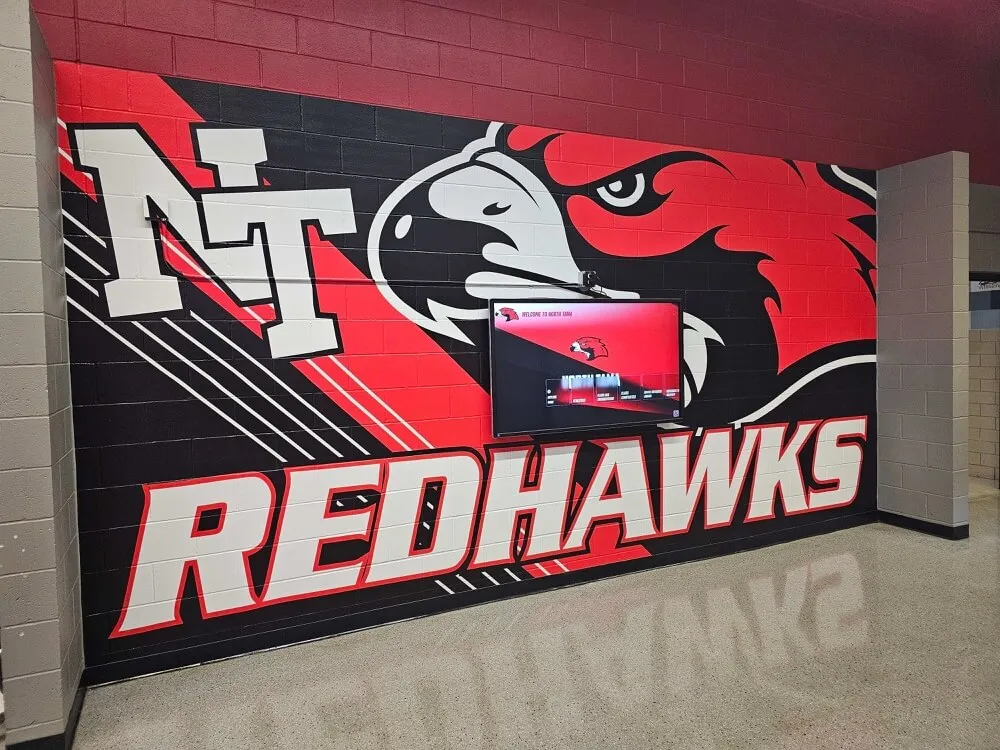
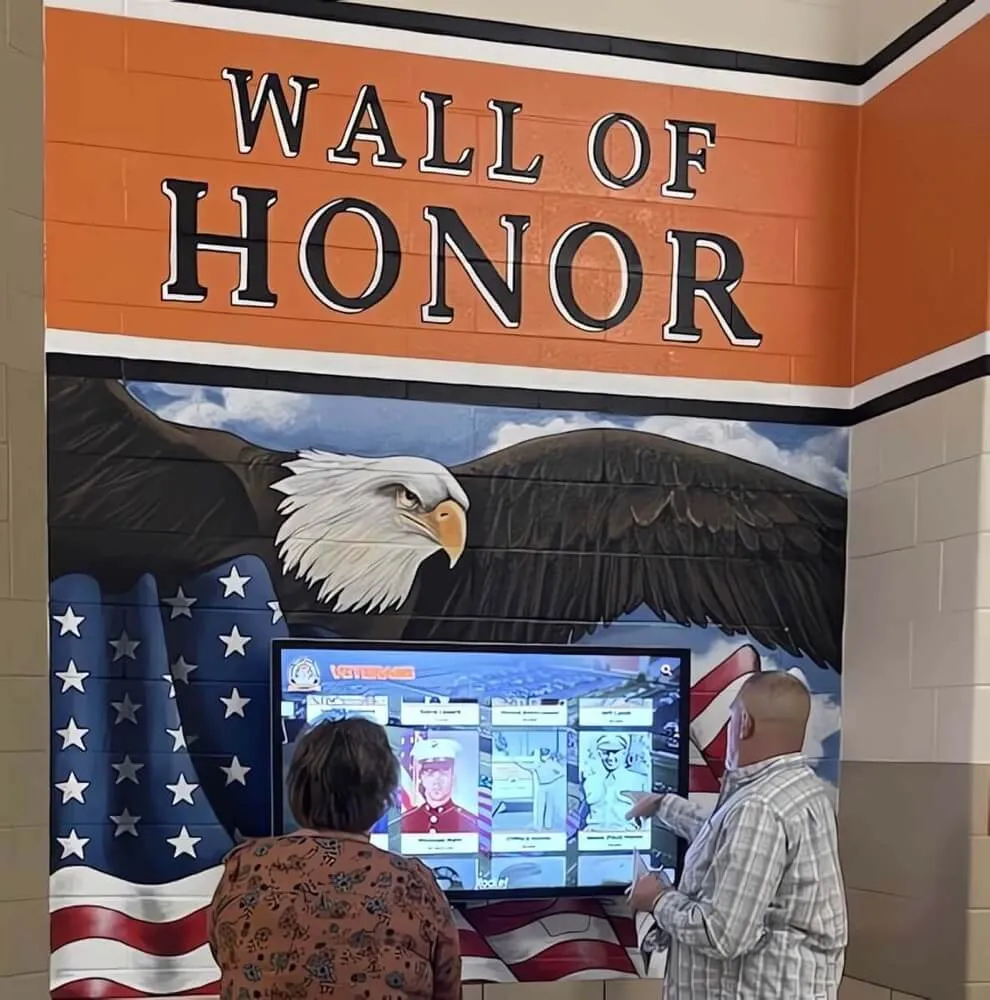
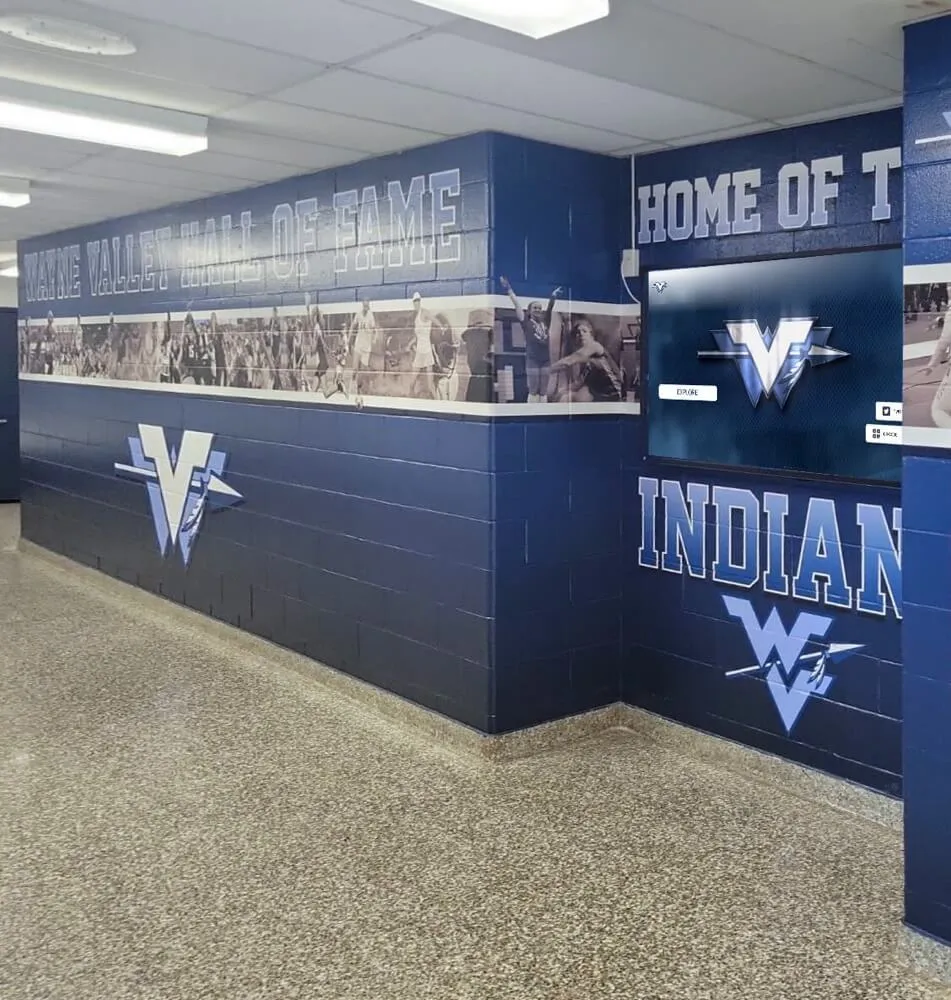
Thoughtful integration with facility murals and aesthetics creates cohesive recognition environments celebrating athletic identity comprehensively
Weather and Environmental Protection
Physical displays require appropriate protection ensuring longevity.
Environmental Considerations
Outdoor or semi-outdoor locations need weatherproofing protecting against moisture and temperature extremes, high-humidity areas like pool facilities require materials resistant to moisture damage, direct sunlight exposure degrades most materials requiring UV protection or alternative positioning, and areas near exterior doors experience temperature fluctuations affecting certain display types.
Environmental factors significantly affect display longevity and maintenance requirements—careful site evaluation prevents premature deterioration requiring expensive replacement.
Maintaining and Updating Athletic Record Boards
Systematic maintenance ensures recognition remains current and impactful.
Update Workflows and Responsibilities
Clear processes prevent achievements from going unrecognized.
Process Development
Successful athletic departments establish post-season review meetings where coaches submit updated records and achievements, designate specific staff responsible for implementing updates by deadlines, create standardized forms ensuring consistent information collection, implement approval workflows preventing errors before public display, and schedule regular audits verifying accuracy and completeness.
Without systematic workflows, busy athletic directors find updates constantly deferred while more urgent priorities intervene—resulting in outdated displays undermining recognition’s motivational purpose.
Record Verification and Documentation
Accuracy builds credibility and prevents embarrassing corrections.
Verification Standards
Before adding records to permanent displays, athletic departments should require documentation from coaches confirming accuracy, cross-reference against previous records ensuring new achievements actually exceed prior marks, verify against official competition results when available, and maintain source documentation enabling future verification if questions arise.
Displaying incorrect records damages program credibility and potentially undermines legitimate record holders receiving appropriate recognition.
Seasonal and Annual Maintenance
Regular upkeep maintains professional appearance and functionality.
Maintenance Schedules
Traditional vinyl boards require quarterly cleaning removing dust from letter grooves, annual letter replacement addressing fading or damage, and periodic complete replacement every 5-7 years as overall appearance deteriorates. Digital systems need weekly content reviews ensuring accuracy, monthly cleaning maintaining touchscreen responsiveness and visual clarity, and annual software updates maintaining security and functionality.
Deferred maintenance creates unprofessional appearances communicating that athletic achievement doesn’t warrant proper attention.
Understanding school history software demonstrates systematic approaches to comprehensive documentation.
Engaging Athletes and Building Culture
Record boards serve broader purposes beyond simple documentation.
Inspiring Current Athletes
Effective recognition motivates performance and dedication.
Motivational Impact
Visible achievement documentation creates clear performance targets inspiring athletes to pursue specific accomplishments, demonstrates that excellence receives lasting recognition motivating sustained effort, provides role models showing achievable pathways to success, and builds competitive drive as athletes pursue visible records and honors.
Research on athlete motivation consistently demonstrates that concrete, visible goals significantly impact training dedication and competitive performance compared to abstract encouragement without specific achievement targets.
Preserving and Celebrating Program Legacy
Historical documentation builds identity and tradition.
Legacy Benefits
Comprehensive record boards preserve institutional memory preventing program history loss, create continuity connecting current athletes to previous generations, build program identity and tradition strengthening culture, and enable alumni engagement as former athletes reconnect with documented achievements.
Programs with strong historical documentation often demonstrate superior culture and athlete dedication compared to programs lacking visible legacy preservation.
Supporting Recruitment and Program Promotion
Recognition displays influence prospective athletes and community perception.
Recruitment Value
Comprehensive achievement documentation demonstrates program excellence to prospective athletes and families, showcases competitive opportunities and achievement standards, highlights college placement and career pathway outcomes, and communicates organizational commitment to athlete recognition.
Recruits visiting facilities form impressions based on visible evidence of program culture—comprehensive, well-maintained recognition systems signal serious programs valuing athlete achievement appropriately.
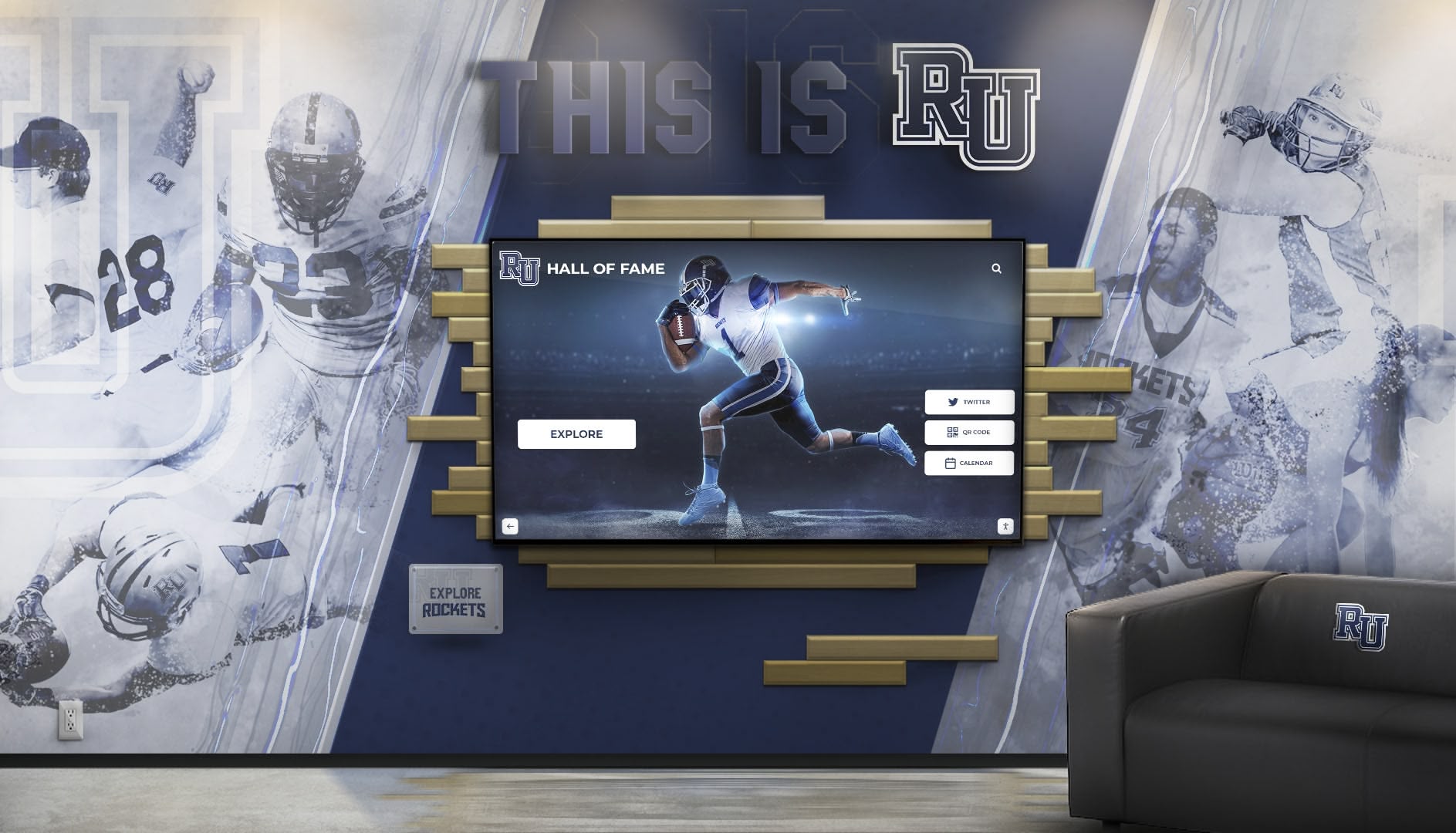
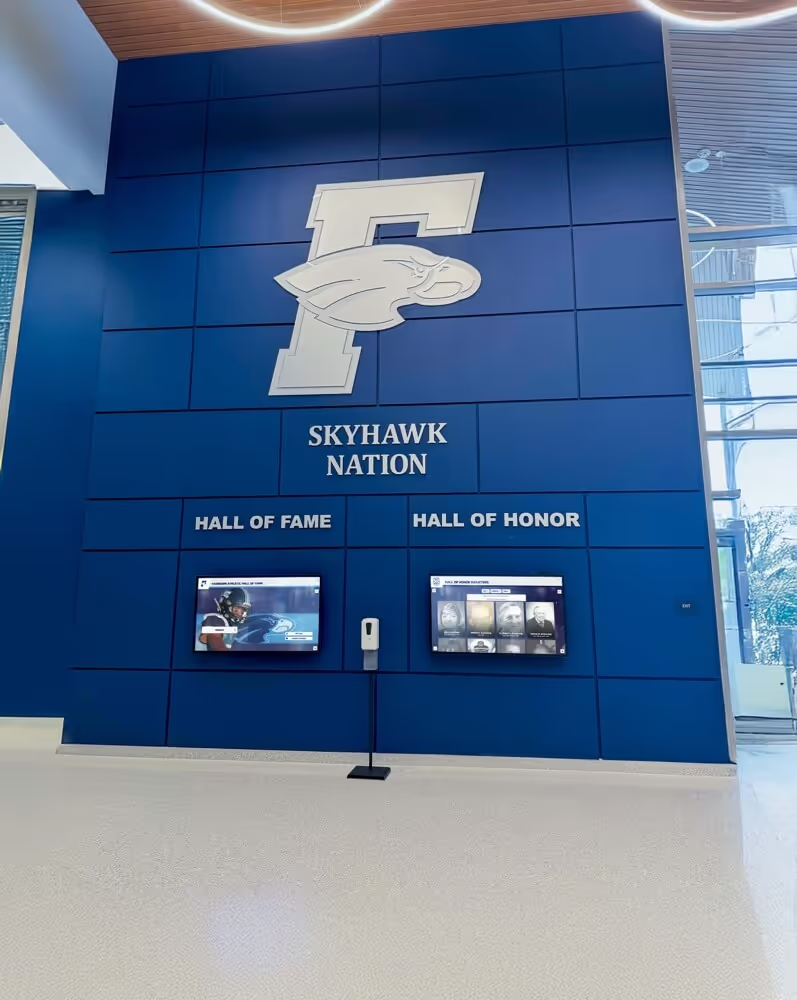
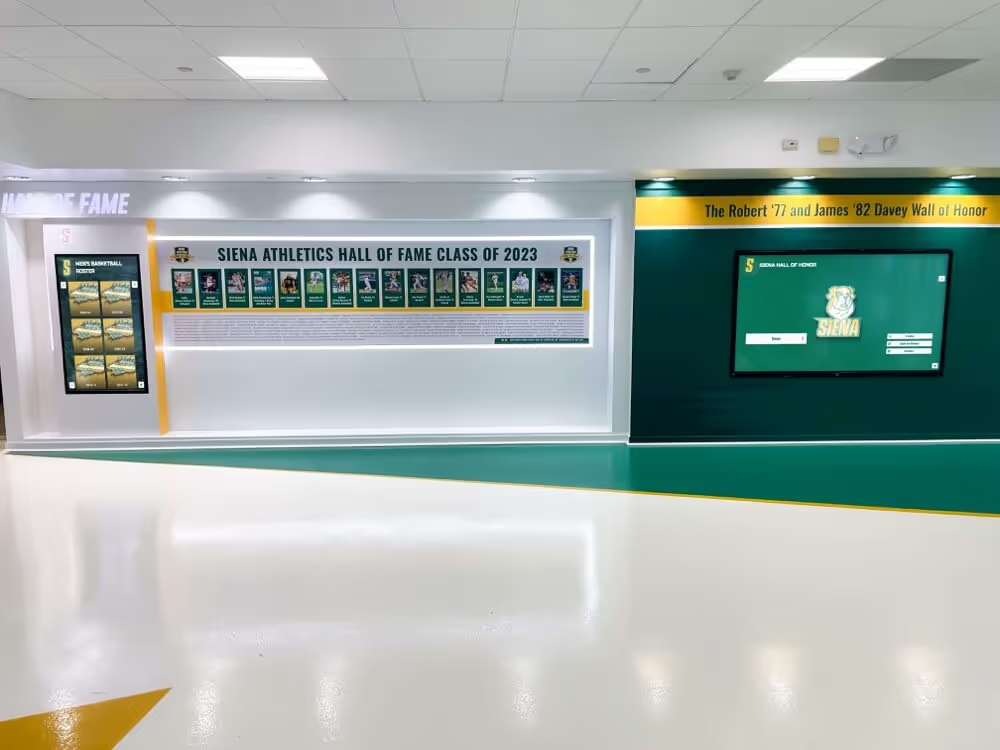
Facility lobby recognition creates immediate impressions for recruits, visitors, and community members about program values and excellence
Special Recognition Categories
Beyond traditional records, creative categories celebrate diverse achievements.
Academic Excellence Recognition
Honoring scholar-athletes emphasizes balanced excellence.
Academic Categories
Athletic record boards can incorporate academic all-conference and all-state recognition, team GPA achievements and academic championship documentation, individual academic honor roll athletes, National Honor Society athletes, and college scholarship recipients and destinations.
Integrating academic recognition with athletic achievement reinforces that intellectual and athletic excellence both receive appropriate honor within program culture.
Character and Leadership Awards
Recognizing attributes beyond competitive performance builds well-rounded programs.
Character Recognition
Boards can celebrate team captains and leadership positions, sportsmanship award recipients, community service accomplishments, teammates’ choice or respect awards, and coaches’ awards recognizing dedication and improvement.
This broader recognition framework honors athletes whose contributions extend beyond statistics—building culture that values character development alongside competitive achievement.
Milestone Achievements
Celebrating participation and dedication benchmarks honors commitment.
Milestone Categories
Record boards can document four-year varsity letter winners, athletes reaching participation milestones like 1000 career points or 100 varsity appearances, consecutive season participation streaks, and perfect attendance or practice dedication recognition.
Milestone achievements create attainable goals for athletes who may never set competitive records but demonstrate exceptional dedication deserving appropriate recognition.
Learn about comprehensive community engagement in motivating community members applicable to athletic recognition contexts.
Technology Integration and Digital Features
Modern platforms enable recognition capabilities impossible with traditional approaches.
Mobile Accessibility and Sharing
Digital platforms extend recognition beyond physical displays.
Mobile Features
Cloud-based recognition systems enable athletes to access their profiles from personal devices, share achievements on social media platforms, send recognition links to family and supporters, and maintain permanent digital records of athletic careers.
This extended accessibility makes recognition more meaningful to digital-native athletes who expect to interact with content across multiple platforms rather than exclusively through physical displays.
Data Analytics and Historical Trends
Digital systems enable insights impossible with static displays.
Analytical Capabilities
Platforms can track record progression over time showing program improvement trends, compare achievements across different eras accounting for rule changes, analyze participation and achievement patterns by sport or season, and identify recognition gaps ensuring equitable coverage.
These analytical capabilities help athletic directors make data-informed decisions about recognition priorities and program development investments.
Integration with Recruiting and Promotion
Digital content serves multiple purposes beyond facility displays.
Multi-Channel Use
Recognition content can integrate with athletic department websites showcasing program excellence, support social media promotion celebrating current achievements, provide recruiting materials highlighting program culture and outcomes, and enable alumni engagement through accessible historical documentation.
Creating recognition content once in digital formats enables repurposing across numerous channels—maximizing return on documentation investment.
Common Athletic Record Board Mistakes to Avoid
Learning from typical pitfalls helps athletic directors implement more effective systems.
Inadequate Planning for Growth
Static systems quickly become obsolete as programs accumulate achievements.
Growth Accommodation
Effective recognition planning anticipates multi-decade program growth, leaves expansion space for future achievements, chooses formats enabling additions without complete redesigns, and budgets for ongoing updates and content additions.
Systems designed solely for current needs inevitably require expensive replacement within years as achievement accumulation exceeds capacity.
Inconsistent Update Processes
Irregular maintenance undermines recognition credibility and impact.
Update Discipline
Athletic departments must establish accountability for timely updates, create systematic workflows preventing achievements from being overlooked, budget appropriately for ongoing maintenance costs, and regularly audit accuracy and completeness.
Recognition that clearly hasn’t been updated for years communicates that athletic achievement doesn’t warrant proper attention—undermining motivational purpose.
Excluding Less-Visible Sports
Disproportionate recognition for high-profile programs damages athletic culture.
Equitable Coverage
Comprehensive systems deliberately ensure all sports receive comparable recognition regardless of popularity, create recognition frameworks appropriate for different sport characteristics, celebrate achievements relative to competitive contexts, and regularly review coverage identifying gaps.
Athletes in less-visible programs notice when football receives elaborate recognition while their achievements go largely ignored—creating cultural divisions undermining program-wide support and cohesion.
Poor Aesthetic Integration
Recognition displays should enhance facility appearance rather than appearing as afterthoughts.
Design Quality
Effective implementation coordinates with facility aesthetics and architectural styles, maintains professional visual standards, integrates with existing recognition elements, and regularly maintains appearance preventing deterioration.
Cheap-looking or poorly maintained displays communicate that athletic achievement doesn’t deserve quality recognition—undermining intended motivational impact.
Building Your Athletic Record Board System
Thoughtful implementation creates recognition that serves programs effectively for decades.
Needs Assessment and Planning
Understanding specific program requirements guides appropriate solution selection.
Assessment Process
Athletic directors should inventory current achievements requiring documentation across all programs, evaluate existing recognition systems identifying strengths and limitations, gather input from coaches regarding sport-specific documentation needs, research similar schools’ approaches learning from proven implementations, and establish realistic budget parameters guiding solution selection.
Thorough planning prevents expensive mistakes and ensures chosen solutions actually address program-specific needs rather than generic approaches potentially mismatched to unique requirements.
Solution Selection Criteria
Multiple factors beyond initial cost determine long-term success.
Evaluation Framework
Key selection considerations include capacity accommodating current achievements with room for decades of growth, update ease and cost affecting long-term sustainability, maintenance requirements and associated costs, aesthetic fit with facility design and school branding, engagement potential inspiring athletes and visitors, and total cost of ownership across expected 10-15 year lifecycle.
Solutions appearing economical initially often prove more expensive long-term when accounting for update costs, maintenance requirements, and replacement cycles.
Implementation and Launch
Professional execution ensures recognition systems meet quality expectations.
Launch Planning
Successful implementations include professional installation ensuring proper mounting and functionality, comprehensive content preparation documenting initial achievements, formal unveiling ceremonies celebrating recognition investment, communication plans ensuring awareness among athletes and community, and training for staff responsible for ongoing updates.
Thoughtful launches create momentum and community awareness maximizing recognition’s cultural impact beyond simple documentation.
Athletic record boards represent far more than simple achievement documentation—they create visible culture communicating what your program values, inspire current athletes through tangible excellence examples, preserve program legacy connecting generations, and demonstrate organizational commitment to celebrating every athlete’s dedication appropriately. Whether implementing traditional approaches or embracing digital innovation, thoughtful recognition systems honor athletic achievement while building lasting program culture.
Modern digital platforms like those offered by Rocket Alumni Solutions eliminate traditional constraints of space, updates, and maintenance while creating engaging interactive experiences impossible with static displays—enabling comprehensive documentation celebrating every deserving achievement across all athletic programs equitably. As schools evaluate recognition investments, choosing solutions that grow with programs while remaining visually appealing and practically maintainable ensures recognition continues serving athletes effectively for decades.
Ready to transform your athletic recognition with digital solutions that celebrate every achievement comprehensively? Explore Rocket Alumni Solutions’ interactive touchscreen platforms designed specifically for schools seeking unlimited recognition capacity, instant updates, and engaging multimedia storytelling that inspires athletic excellence across all programs.