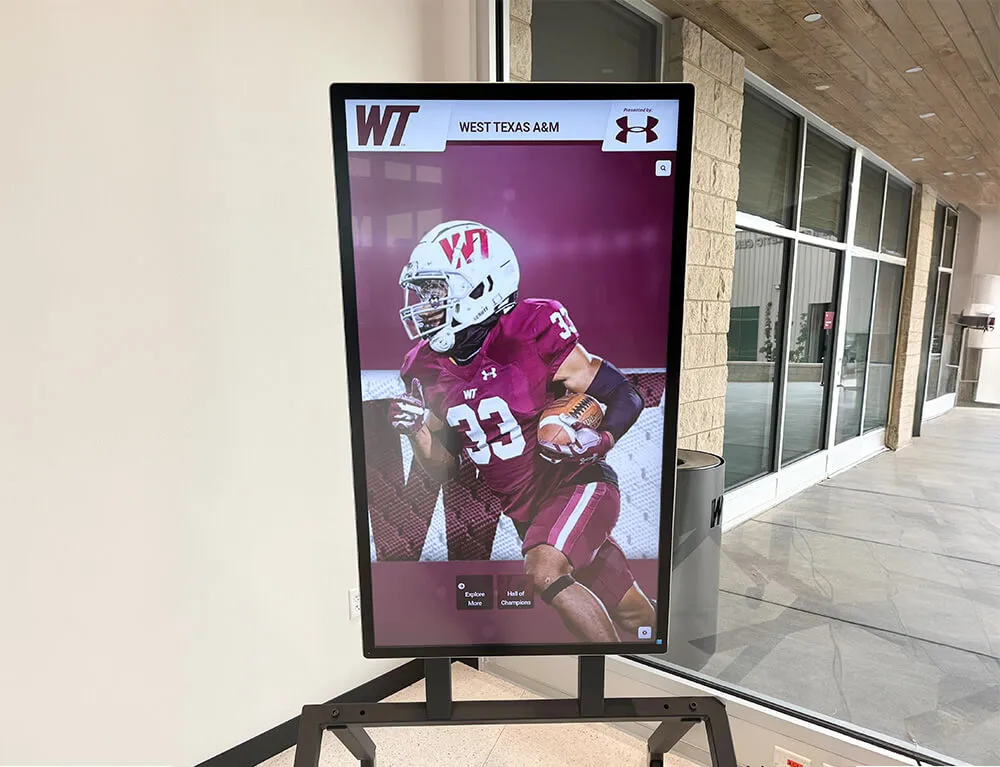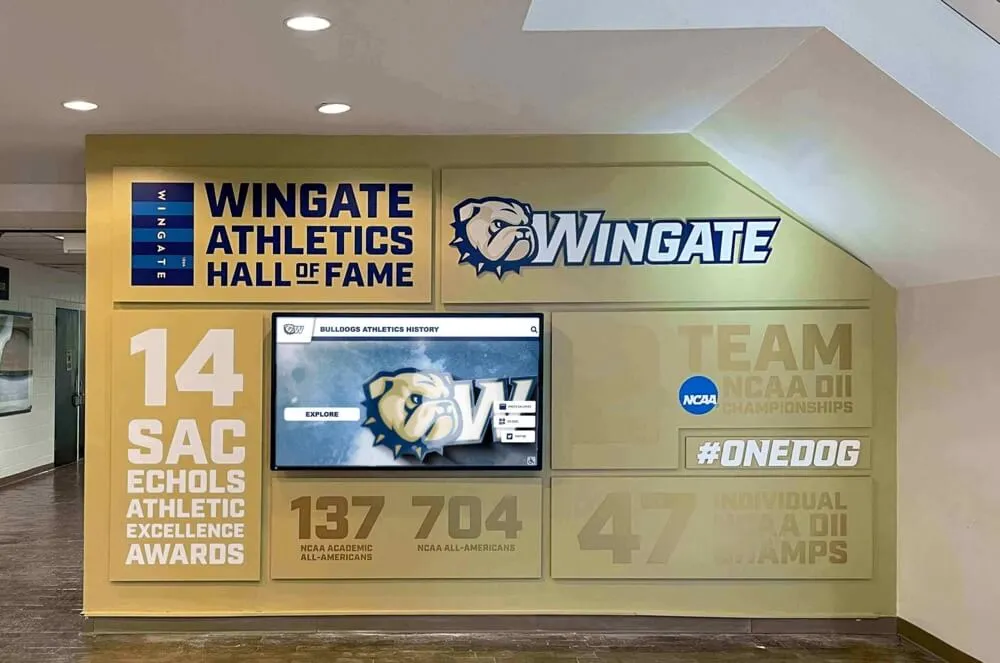




Athletic halls of fame represent one of the most meaningful ways schools celebrate athletic excellence, preserve institutional legacy, and inspire current student-athletes. For administrators tasked with establishing or managing these recognition programs, the scope of decisions can feel overwhelming—from defining selection criteria and forming committees to choosing display technologies and planning induction ceremonies.
Most schools approach hall of fame creation with good intentions but limited guidance, often resulting in programs that struggle with unclear criteria, committee conflicts, space constraints, or sustainability challenges. Some programs launch with enthusiasm only to stall after a few years when the easy choices are exhausted. Others create unintentionally exclusionary systems that generate community controversy rather than celebration.
This guide provides school administrators with practical frameworks for creating athletic halls of fame that honor deserving athletes appropriately, maintain community trust through transparent processes, and remain sustainable and meaningful for decades to come.
Whether you’re establishing a hall of fame from scratch or revitalizing an existing program facing challenges, the strategies in this guide address the full spectrum of administrative considerations—from governance and selection processes to physical displays, ceremonies, and long-term management.

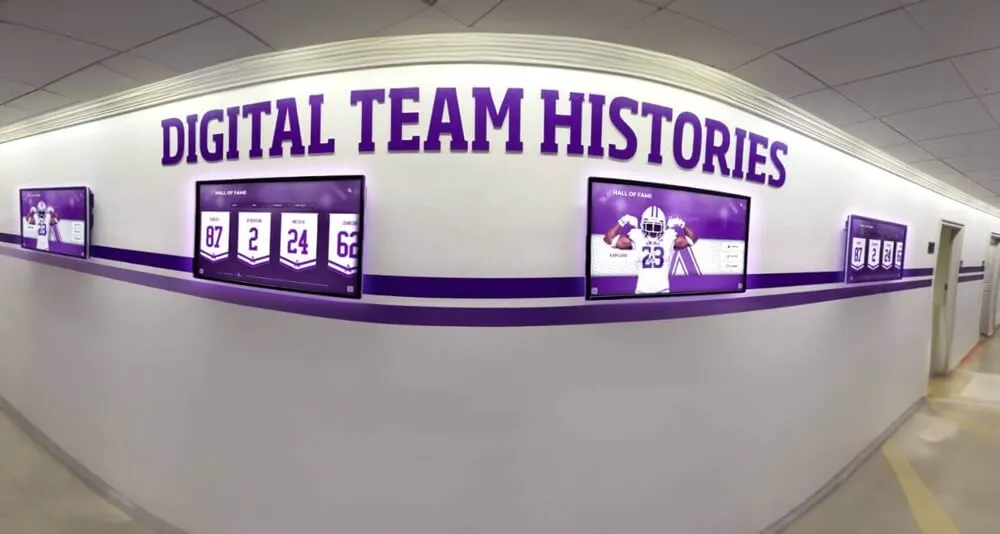
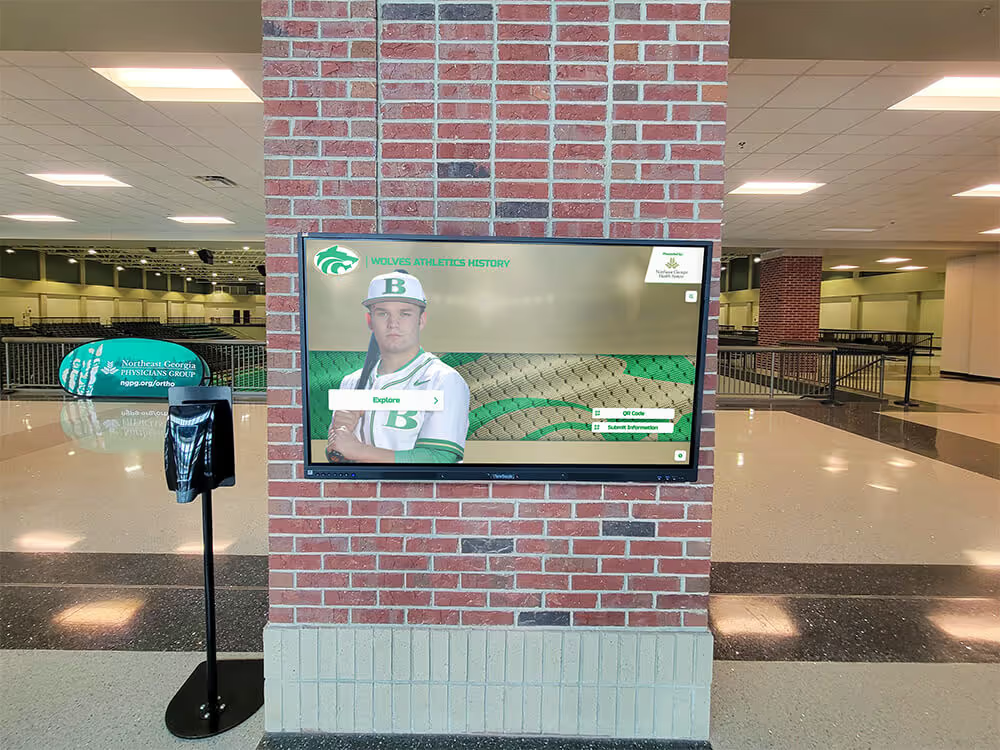
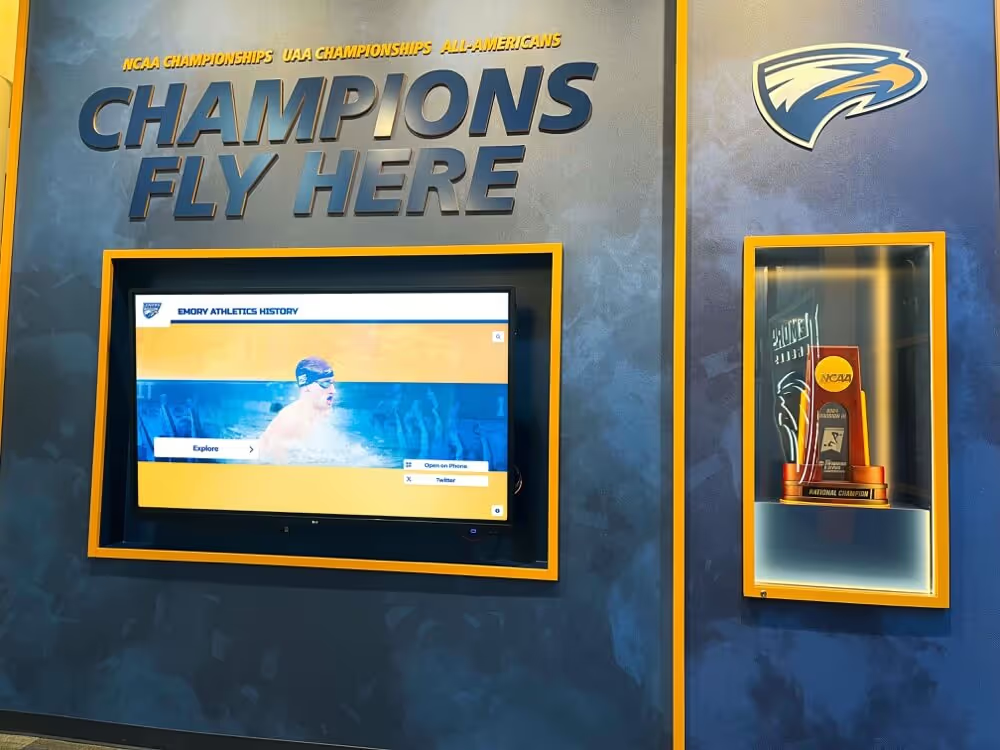
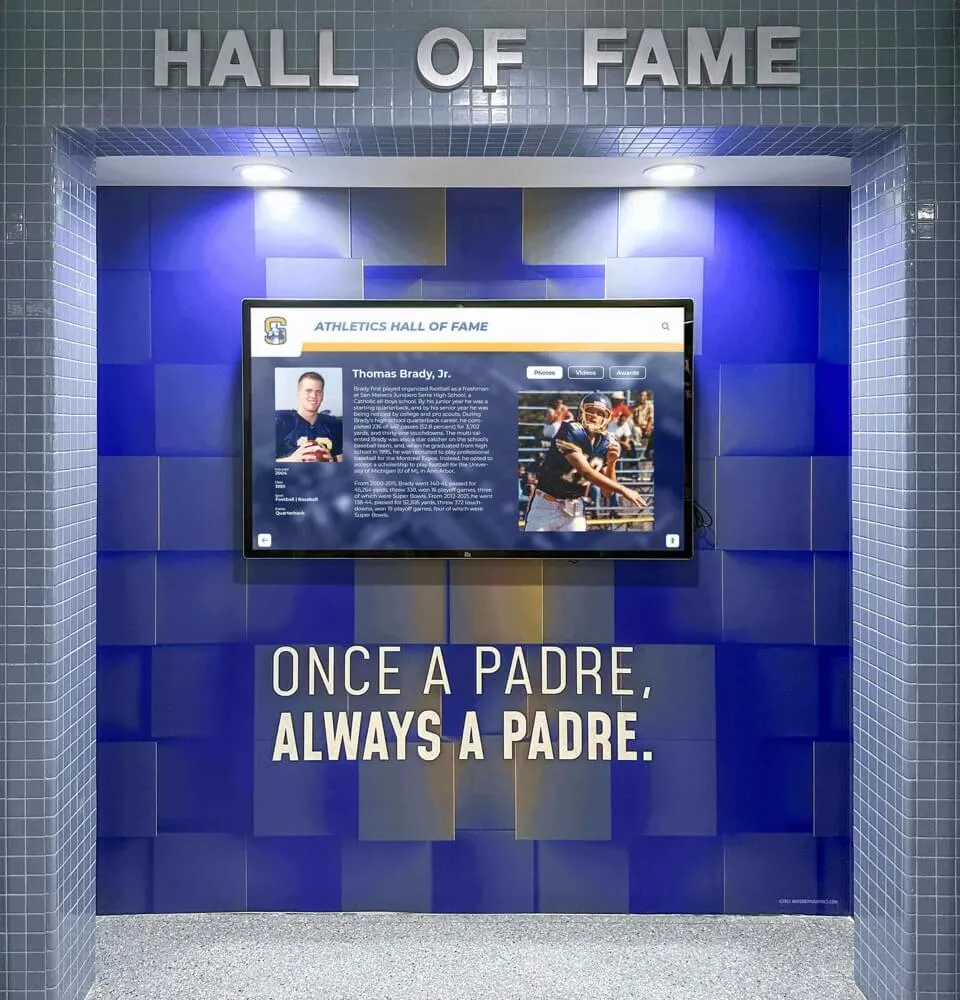
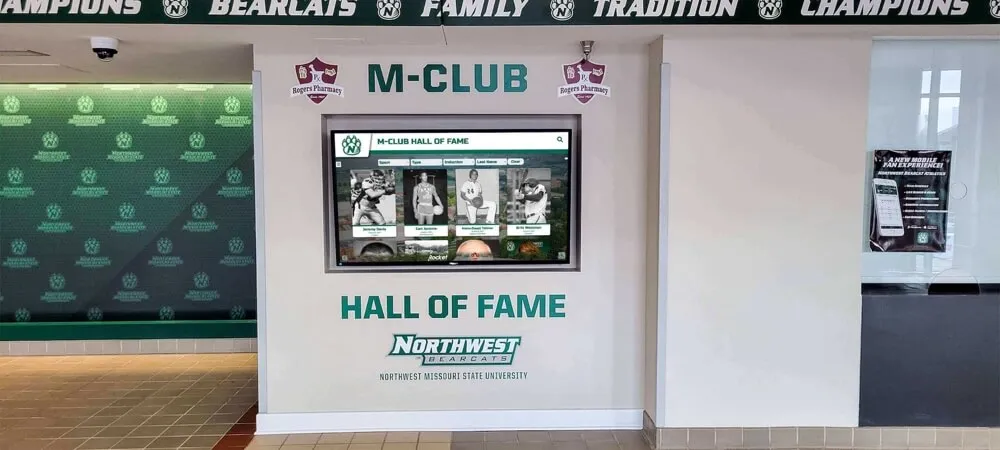
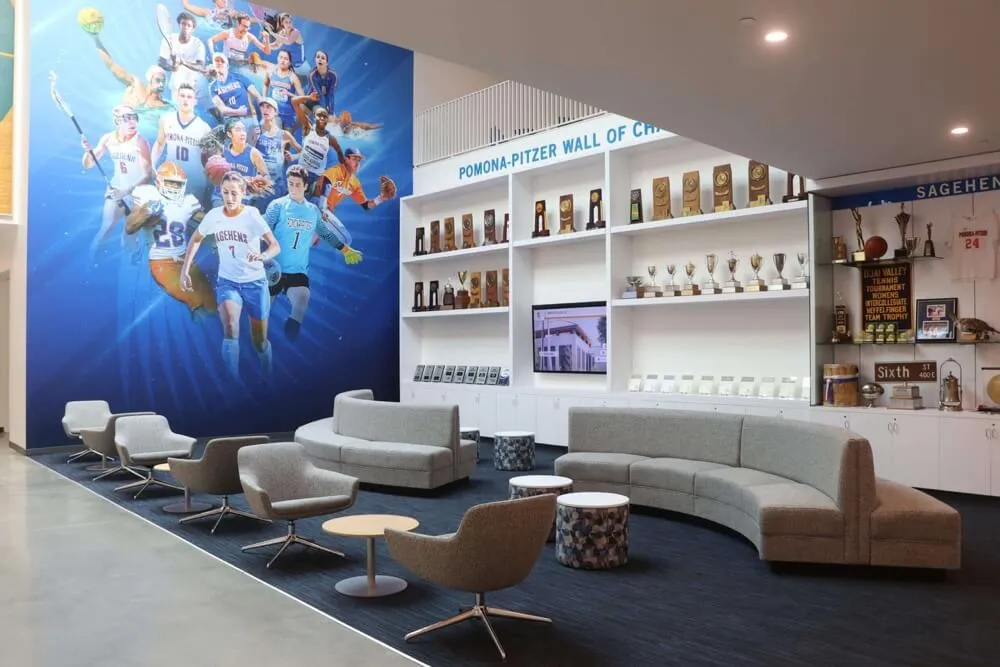
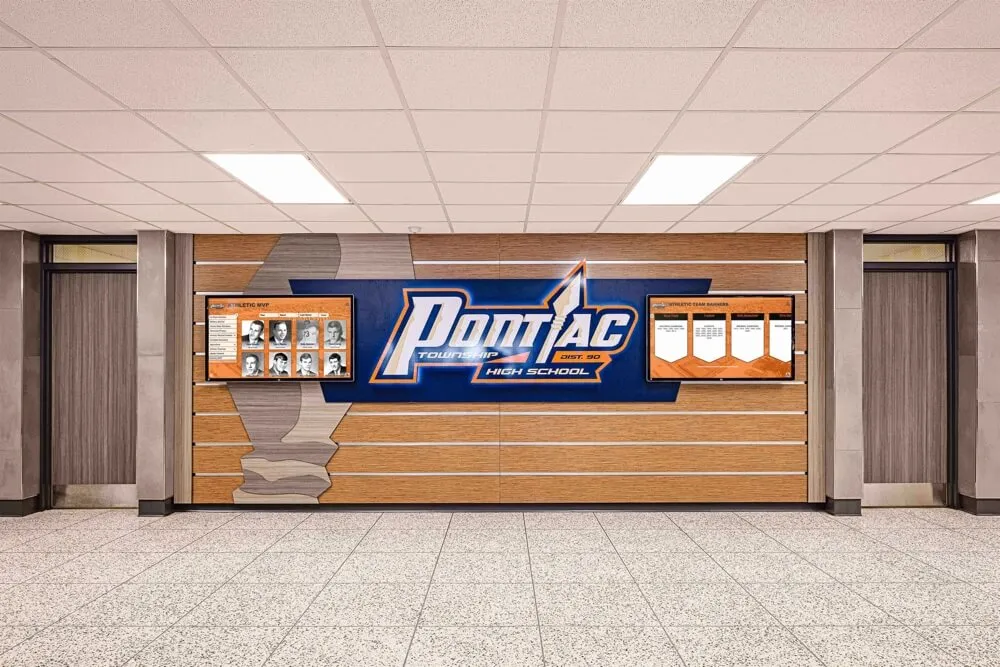
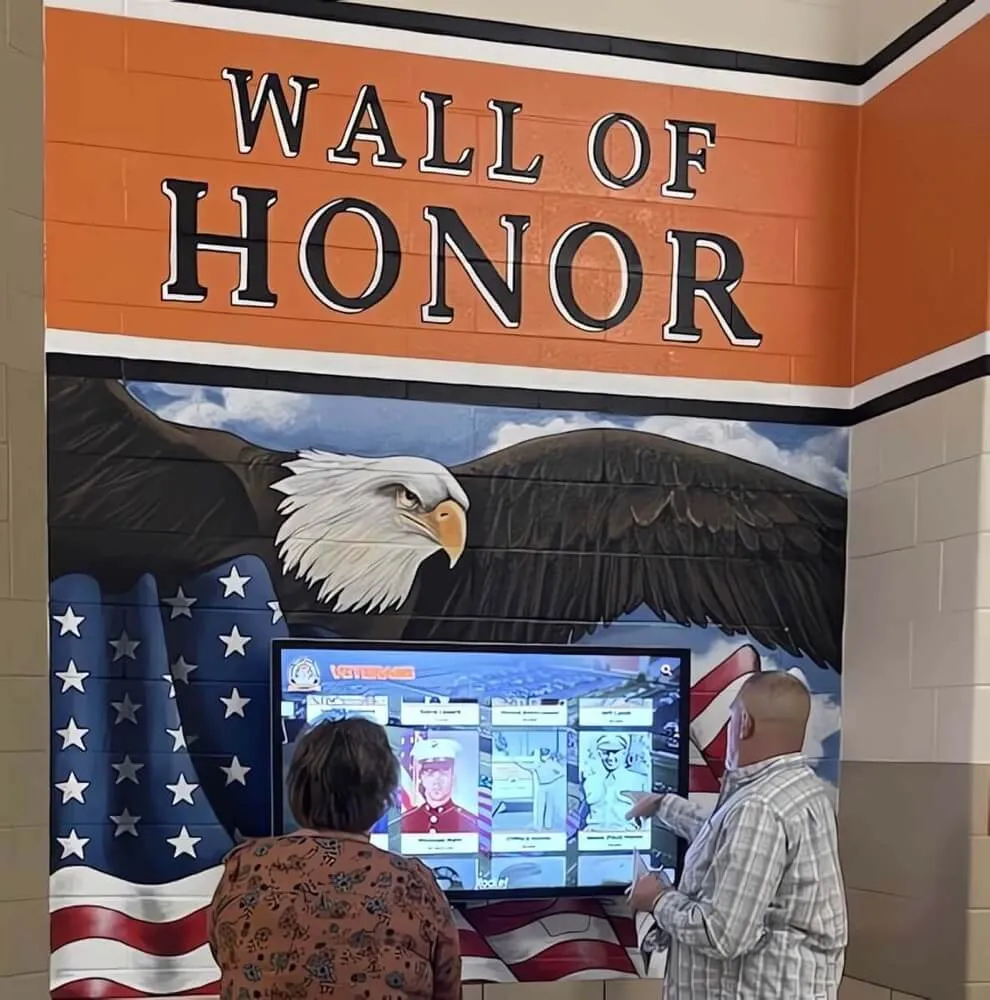
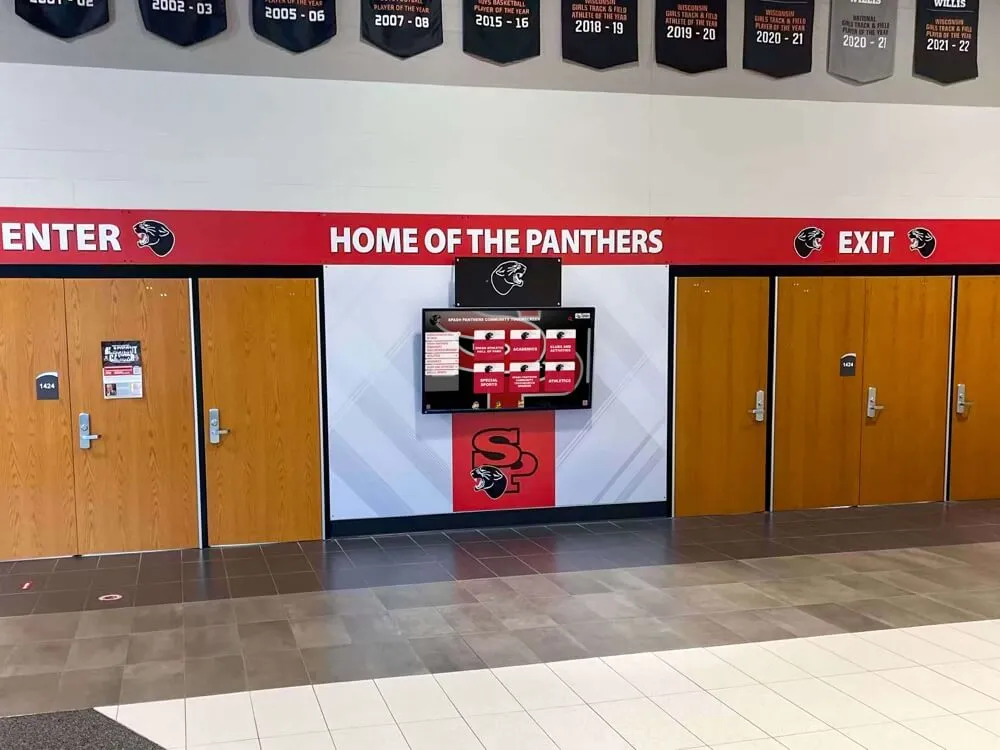
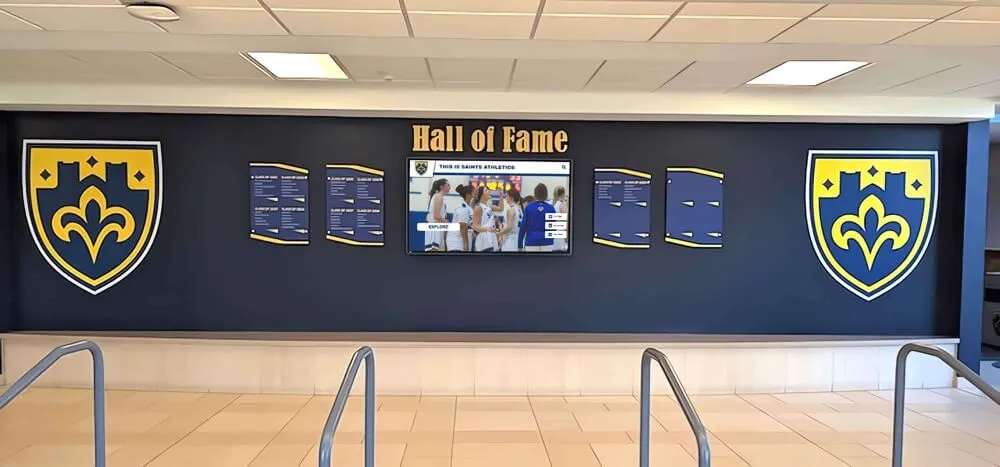
Modern athletic halls of fame combine traditional recognition values with contemporary display technology accessible to entire school communities
Defining Your Athletic Hall of Fame Mission and Scope
Before making operational decisions about committees or criteria, administrators must establish clear mission and scope defining what your hall of fame exists to accomplish.
Articulating Recognition Purpose
Different institutions create halls of fame for different reasons, and clarity about your primary purpose shapes all subsequent decisions:
Legacy Preservation Schools focused on historical preservation prioritize:
- Documenting complete athletic program history across all eras
- Honoring pioneers who built program foundations
- Preserving stories and achievements that might otherwise be forgotten
- Creating permanent institutional memory transcending current community members
- Connecting current students to athletic tradition and heritage
Excellence Recognition Programs emphasizing achievement celebration focus on:
- Identifying and honoring the highest levels of athletic accomplishment
- Setting clear standards of excellence for current athletes
- Creating aspirational recognition motivating future achievement
- Maintaining selectivity preserving recognition significance
- Celebrating state championships, records, and extraordinary performance
Community Connection Institutions prioritizing community engagement emphasize:
- Bringing alumni back to campus for celebration and connection
- Creating shared moments strengthening institutional bonds
- Engaging families in recognition of athletic contributions
- Building positive relationships with broader community
- Generating enthusiasm and support for current athletic programs
Most successful halls of fame serve multiple purposes, but understanding your primary emphasis prevents mission creep and provides decision-making clarity when facing difficult choices.
Determining Eligibility Categories
Athletic halls of fame can recognize various categories, and administrators must decide which to include:
Individual Athletes Most programs recognize exceptional student-athletes based on:
- Athletic achievement during high school or college career
- Records, championships, and statistical accomplishments
- Post-graduation athletic success (college, professional, Olympic levels)
- Career length and consistency of excellence
- Impact on program culture and success
Teams Championship or historically significant teams provide collective recognition:
- State, regional, or national championship teams
- Undefeated or record-setting season teams
- Teams achieving unprecedented program milestones
- Complete roster recognition vs. selected representatives
- Minimum time threshold (typically 25+ years since championship)
Coaches and Contributors Beyond athletes, programs may honor:
- Head coaches with career achievement meeting defined criteria
- Assistant coaches with extraordinary tenures or impact
- Athletic directors shaping program development
- Trainers, team physicians, and support staff
- Booster club leaders and program benefactors
- Officials and community volunteers
Learn about comprehensive athletic recognition in college athletics hall of fame approaches across different institutions.
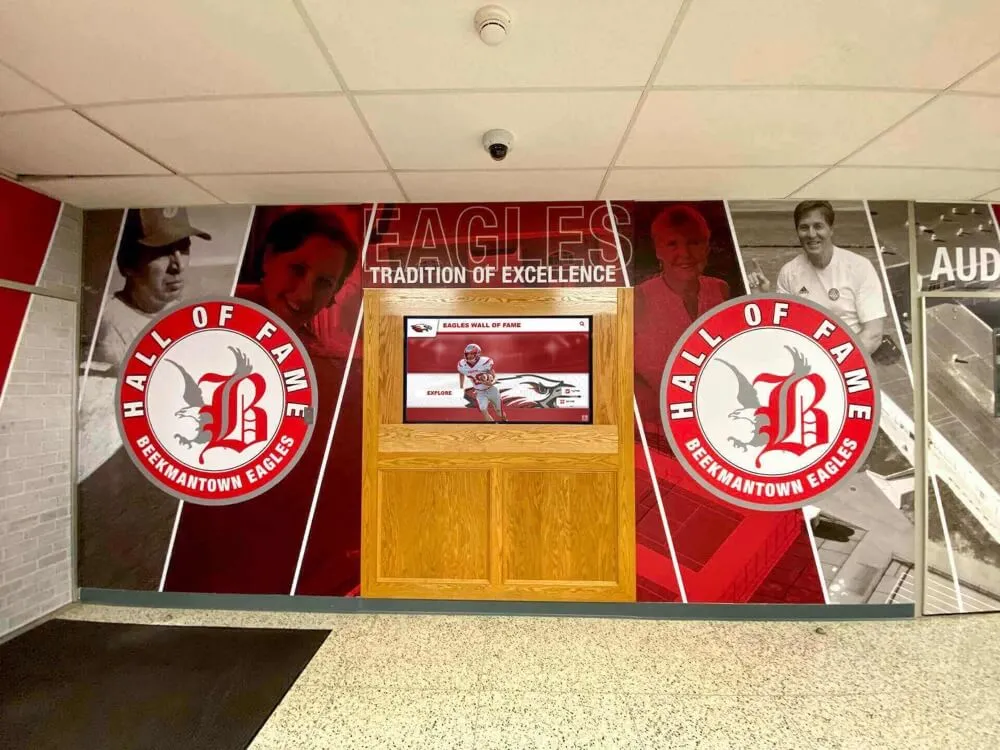
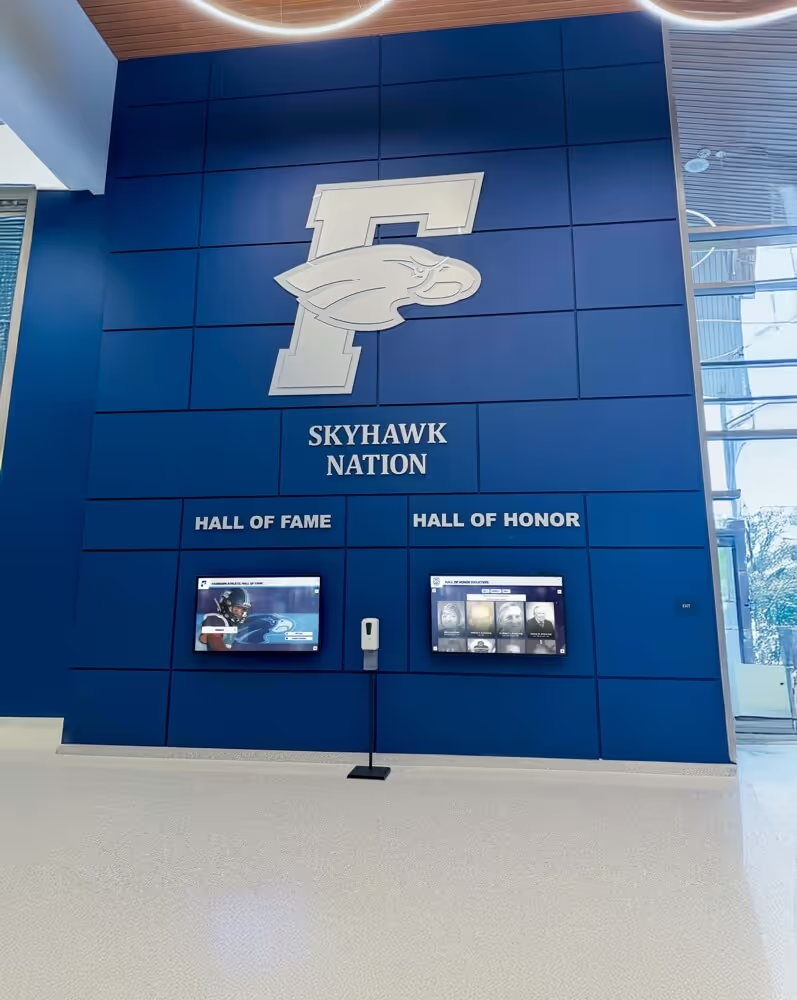
Comprehensive recognition spaces celebrate athletes, teams, and contributors across program history
Determining Category Mix When deciding which categories to include, consider:
- Available nominee pool size and annual induction capacity
- Risk of diluting recognition significance through excessive categories
- Equity concerns about recognizing coaching and support staff
- Community expectations and historical precedent
- Administrative capacity for managing multiple selection processes
Many programs begin with individual athletes only, adding team and contributor categories after establishing stable processes and building nominee pipelines.
Setting Time and Career Thresholds
Waiting periods between athletic career completion and hall of fame eligibility serve important purposes:
Standard Waiting Period Options
- 5 years: Allows immediate post-graduation achievements (college athletics) to inform selection while maintaining reasonable recency
- 10 years: Provides longer perspective on career trajectory and life accomplishments beyond athletics
- 15-25 years: Emphasizes historical preservation and career perspective over recent memory
- Graduated scale: Different requirements for different eras (shorter for historical honorees)
Shorter waiting periods keep recognition more relevant to current communities but risk premature selection before full accomplishments become clear. Longer periods allow better judgment but may reduce community connection to honorees.
Career Completion Requirements Define clearly when athletic careers end for eligibility purposes:
- Graduation from your institution (regardless of continued competition elsewhere)
- Completion of all collegiate athletic eligibility
- Retirement from professional athletics
- Different standards for different career paths
These foundational decisions create the framework within which all operational aspects of your hall of fame function.
Establishing Governance and Selection Processes
The selection committee and process determine whether your hall of fame maintains community trust and recognition credibility over time.
Forming an Effective Selection Committee
Committee composition significantly impacts both decision quality and community confidence in the selection process.
Committee Size Considerations
- Small committees (5-7 members): Easier scheduling, more intimate deliberation, but limited perspective diversity
- Medium committees (9-12 members): Balance between manageability and diverse viewpoints
- Large committees (15+ members): Broad representation but challenging logistics and potential for deadlock
Most successful programs use 7-11 members as optimal for meaningful deliberation while representing key constituencies.
Constituency Representation Balanced committees typically include:
- Current athletic director (often serving as chair or ex-officio member)
- Selected head coaches representing different sport seasons and eras
- School administrator providing institutional perspective
- Alumni representing different graduation decades
- Booster club or athletic support organization representatives
- Previous hall of fame inductees providing recognition continuity
- Community members with institutional knowledge
- Student-athlete representatives (in some programs)
Term Structure and Rotation Staggered terms prevent complete turnover while ensuring fresh perspectives:
- 3-5 year terms with limits preventing indefinite service
- Rotating positions ensuring annual committee evolution
- Overlap maintaining institutional knowledge
- Clear succession planning for committee leadership
- Process for replacing members who resign mid-term
Preventing Conflicts of Interest Establish clear policies about:
- Committee member recusal when relatives or close associates are nominees
- Disclosure requirements for potential conflicts
- Voting procedures when recusals occur
- Prohibitions on committee members nominating themselves
- Cooling-off periods for recently retired coaches serving on committees
Explore governance structures in high school alumni hall of fame displays with administrative frameworks.
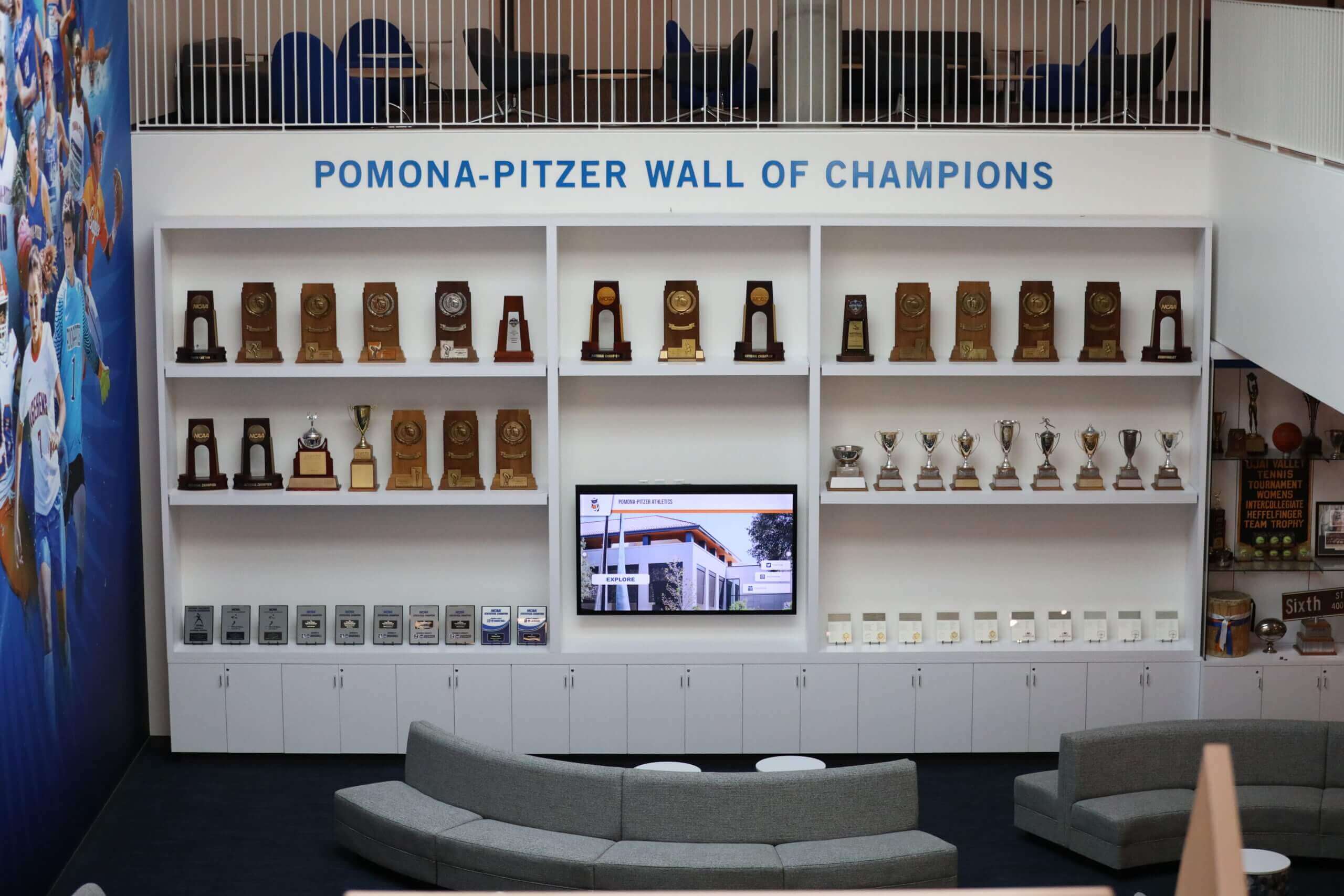
Dedicated recognition spaces provide appropriate environments for committee deliberations and community celebration
Developing Selection Criteria
Clear, public criteria ensure transparency while guiding both nominators and committee deliberations.
Quantitative Achievement Standards Measurable criteria provide objective baselines:
- Individual statistical requirements (career points, wins, records)
- Team success thresholds (conference championships, state tournament advancement)
- All-conference, all-state, or all-American recognitions
- Individual or team record-holding
- Post-graduation athletic achievement levels
Qualitative Assessment Factors Beyond statistics, committees should evaluate:
- Impact on program culture and success beyond individual statistics
- Leadership and sportsmanship demonstrated
- Overcoming adversity or significant challenges
- Multi-sport participation and overall athletic excellence
- Character and representation of institutional values
- Contribution to team success beyond individual recognition
- Significance of achievements in historical context
Era-Adjusted Standards Fair evaluation requires acknowledging:
- Schedule length differences across eras
- Competition level variations over time
- Rule changes affecting statistical comparisons
- Resource and opportunity differences (facilities, coaching, specialization)
- Documentation availability for historical nominees
Comparative Framework Useful evaluation questions include:
- How does this nominee compare to previous inductees?
- Would this candidate merit induction in a strong candidate year?
- Does this athlete represent excellence worthy of permanent recognition?
- What would be community reaction if this nominee is passed over?
- Does this nomination help correct historical underrepresentation?
Written criteria should be specific enough to guide decisions while allowing committee discretion for exceptional circumstances warranting evaluation beyond standard formulas.
Nomination and Deliberation Processes
Systematic processes ensure all deserving candidates receive fair consideration.
Nomination Procedures Effective systems typically include:
- Open nomination period with publicized deadlines
- Standard nomination forms capturing required information
- Supporting documentation requirements (statistics, news articles, letters)
- Who can nominate (open to community, restricted to committee, or hybrid)
- Rolling vs. annual nomination consideration
- Nomination validity duration (one year, ongoing, or specified period)
Committee Deliberation Approach Well-run committees follow structured processes:
- Pre-meeting preparation: Distribute nomination materials for advance review
- Credential presentation: Review each nominee’s qualifications systematically
- Discussion period: Allow committee members to share perspectives and concerns
- Clarification: Address questions and seek additional information if needed
- Preliminary voting: Identify candidates with strong consensus
- Detailed deliberation: Focus discussion on candidates near decision threshold
- Final voting: Use secret ballots ensuring honest evaluation
- Documentation: Record decisions and rationale for future reference
Voting Mechanisms Different approaches include:
- Simple majority approval
- Supermajority requirements (60-75%) ensuring strong consensus
- Tiered voting (first ballot vs. runoff rounds)
- Ranked-choice voting for limited induction slots
- Point-based systems weighing different criteria
Higher voting thresholds generally produce greater selection consensus and reduce controversy.
Managing Difficult Scenarios Committees should establish policies for:
- Nominees with post-graduation legal or ethical issues
- Candidates with mixed community reception
- Athletic excellence paired with academic or behavioral concerns during enrollment
- Multiple strong candidates competing for limited induction slots
- Historical figures with incomplete documentation
- Nominees who decline induction if selected
Learn about selection process approaches in hall of fame online platforms with nomination management systems.
Designing Physical Recognition Displays
How you display hall of fame recognition significantly impacts visibility, engagement, and long-term program sustainability.
Traditional vs. Digital Display Considerations
Physical recognition displays create lasting impact, but different approaches present distinct advantages and limitations.
Traditional Physical Displays
Plaque Wall Systems Traditional approaches include:
- Individual plaques mounted on dedicated walls
- Consistent sizing and formatting across all inductees
- Permanent installation honoring inductees perpetually
- Tangible, substantial physical presence
- Traditional aesthetic many communities expect
Limitations:
- Fixed capacity requiring eventual expansion or removal decisions
- High per-inductee costs ($150-500 per plaque)
- Static information limited to names, years, and basic accomplishments
- Difficult updates if errors discovered or information enhanced
- Multiple location displays require duplicate plaques
- Accessibility challenges for complete content reading
Trophy Case Integration Combining hall of fame recognition with existing trophy displays:
- Efficient use of existing display infrastructure
- Contextual placement among athletic achievements
- Leveraging high-traffic locations
- Lower incremental installation costs
Limitations:
- Competes for attention with championships and current achievements
- Often limited visibility and engagement
- Space constraints in already-crowded cases
- Difficult to create appropriate gravitas and distinction
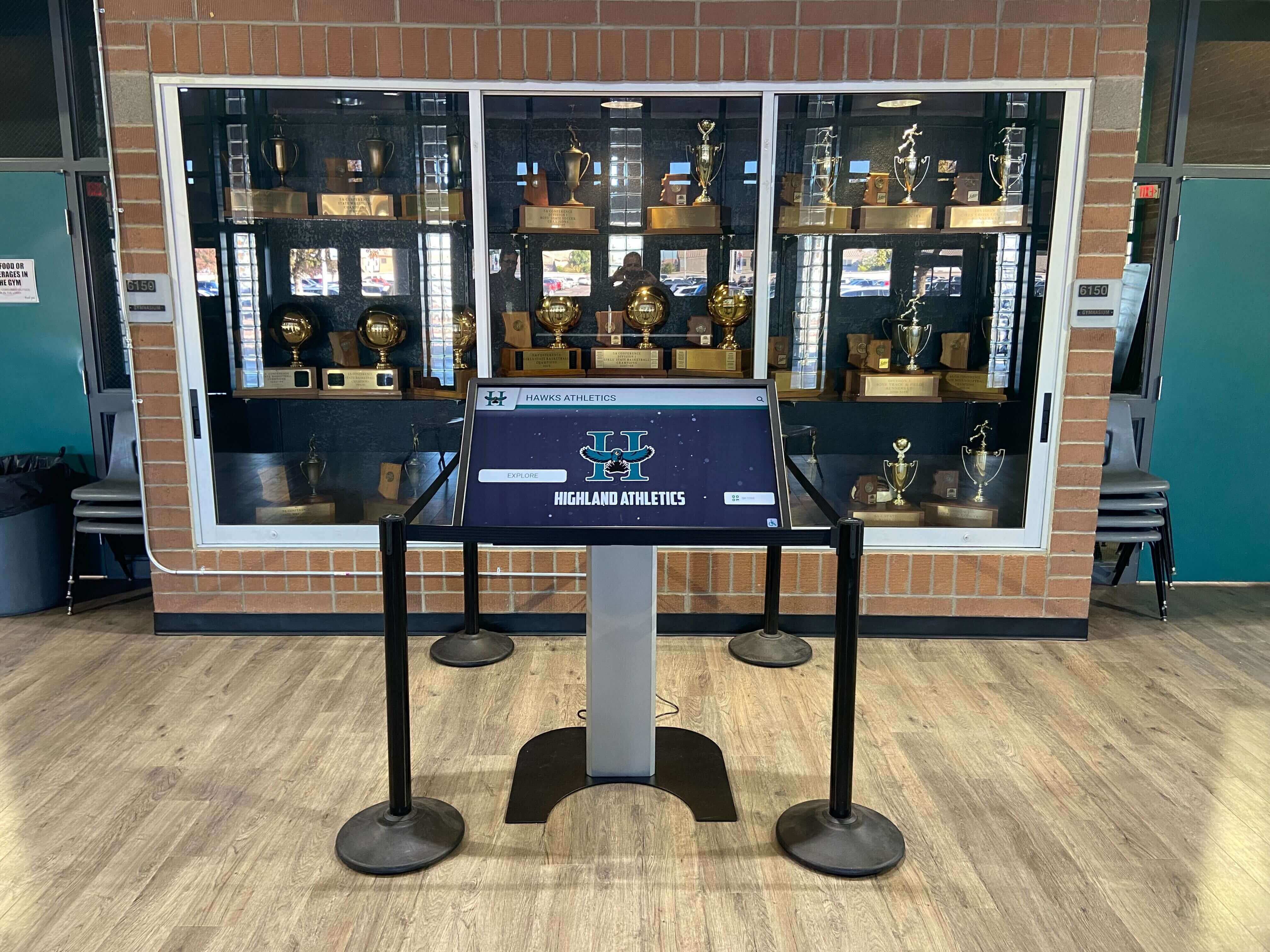
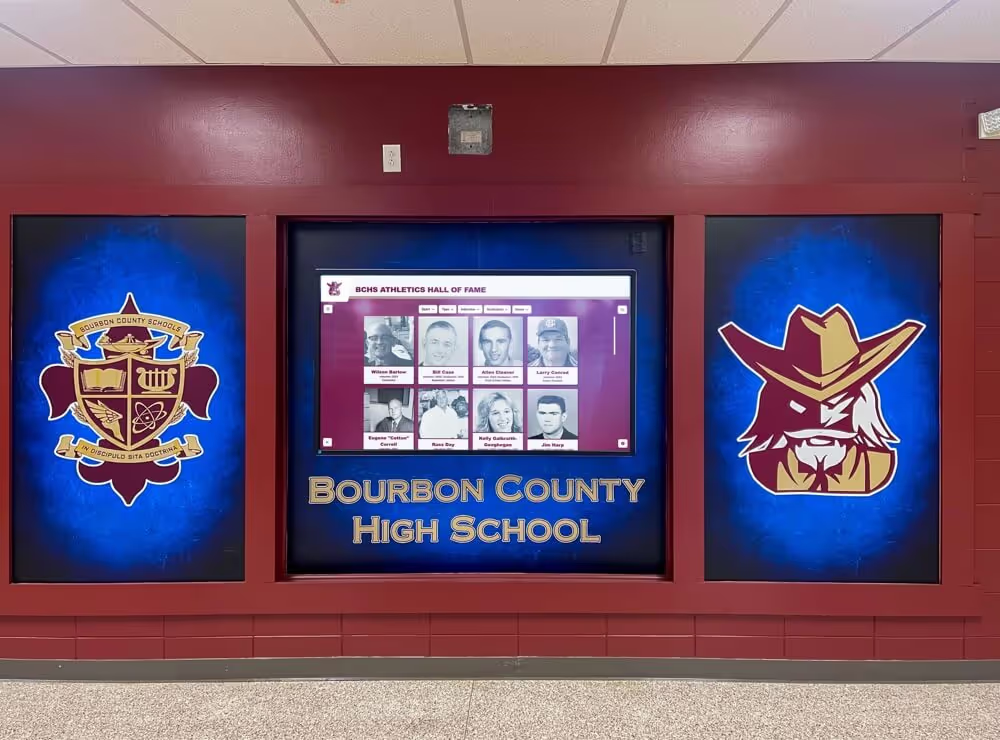
Modern approaches integrate digital recognition systems with traditional trophy displays for comprehensive athletic celebration
Digital Recognition Systems
Solutions like Rocket Alumni Solutions offer significant advantages for athletic hall of fame displays:
Unlimited Recognition Capacity Digital platforms eliminate the fundamental space constraint limiting traditional approaches:
- Single display can showcase hundreds of inductees without physical expansion
- No removal decisions required as program grows
- Equal recognition space for all inductees regardless of induction year
- Comprehensive team rosters included without space compromises
- Historical preservation without storage or space limitations
Rich Multimedia Content Digital systems enable recognition depth impossible with plaques:
- Complete statistical career summaries
- Photo galleries spanning athletic careers
- Video highlights of championships and memorable performances
- Team rosters and season records
- Newspaper articles and historical documentation
- Post-graduation athletic achievement updates
- Career and life accomplishment information
Remote Content Management Cloud-based systems dramatically reduce administrative burden:
- Updates from any internet-connected device
- No facility access required for content modifications
- Error corrections implemented immediately when discovered
- Enhanced content added as materials discovered or digitized
- Seasonal featured inductee rotation without physical changes
- Multiple staff members can manage content with appropriate permissions
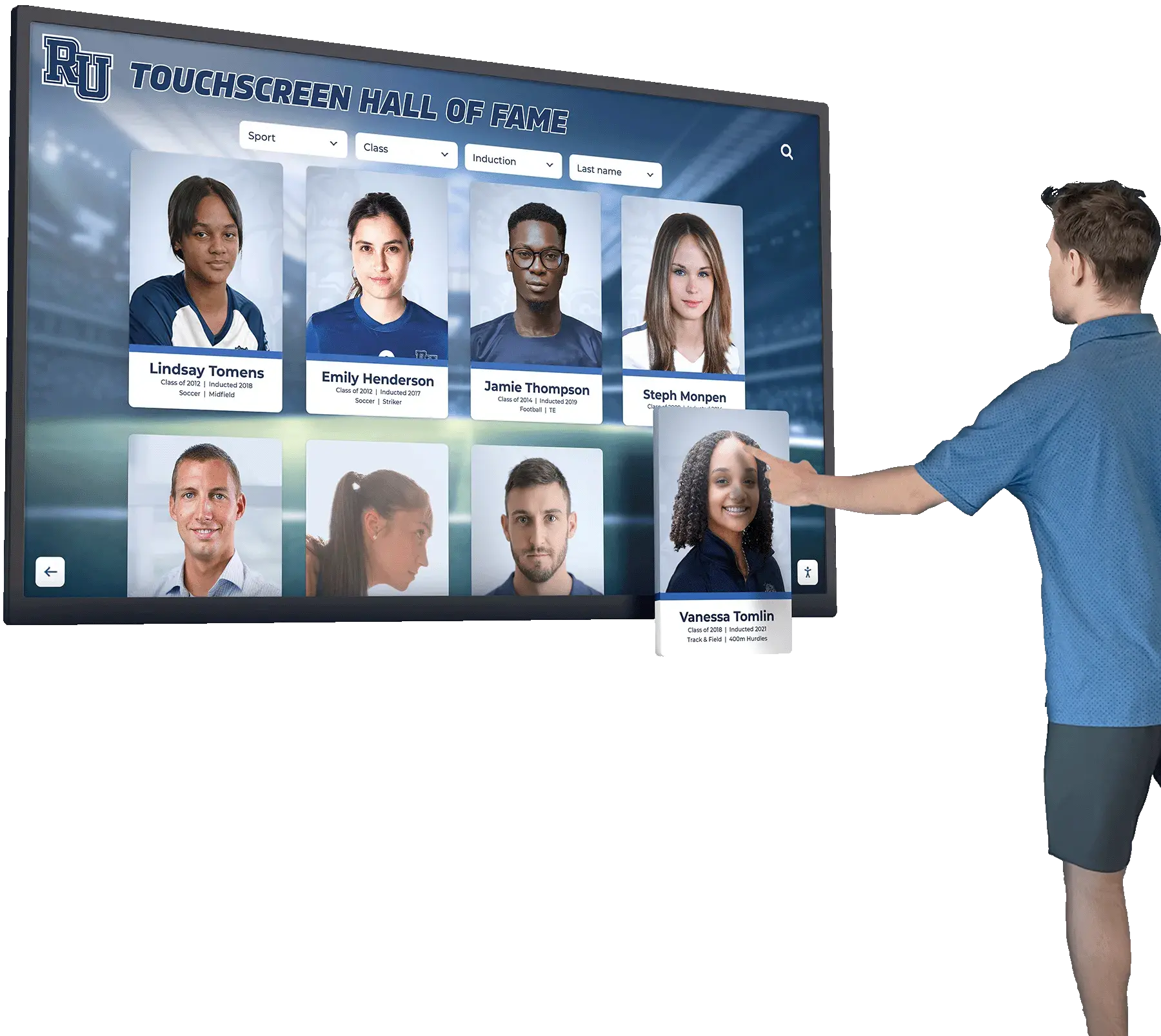
Interactive Engagement Touchscreen interfaces create exploration impossible with static displays:
- Search functionality finding specific inductees instantly
- Filtering by sport, era, achievement type, or other criteria
- Side-by-side record comparisons
- Related inductee connections (teammates, contemporaries)
- Statistics and records contextualized with program history
- QR codes connecting physical displays to mobile-accessible content
Extended Accessibility Digital recognition reaches beyond physical campus:
- Web-based platforms accessible to alumni worldwide
- Social sharing enabling organic promotion
- Mobile-responsive design ensuring accessibility across devices
- Email notifications announcing new inductees
- Integration with athletic department websites and communications
Learn more about digital approaches in digital hall of fame ultimate buying guide for comprehensive platform evaluation.
Cost Considerations
While digital systems require higher initial investment ($5,000-15,000 for display hardware and installation, plus annual platform subscriptions typically $1,500-5,000), they eliminate recurring per-inductee plaque costs and dramatically reduce maintenance time.
Total cost of ownership typically favors digital approaches within 3-5 years, particularly when accounting for:
- No per-inductee materials costs
- Reduced staff time for updates and maintenance
- No physical expansion costs as programs grow
- Ability to showcase unlimited historical content without space constraints
- Enhanced community engagement and recognition visibility
Strategic Display Location Selection
Placement significantly impacts recognition visibility and community engagement.
High-Priority Locations
- Main gymnasium entrance: Ensures all athletic event attendees encounter hall of fame
- Athletic facility lobby: Creates dedicated recognition destination
- School main entrance: Provides visibility to entire school community and visitors
- Cafeteria or commons areas: Leverages extended daily dwell time
- Weight room or training areas: Inspires current athletes during daily training
Creating Recognition Destinations Most effective installations transform areas into athletic recognition spaces:
- Coordinated murals and graphics establishing athletic identity
- Comfortable seating encouraging extended exploration
- Integration with trophy cases and championship banners
- Appropriate lighting highlighting recognition areas
- School colors and branding creating cohesive environments
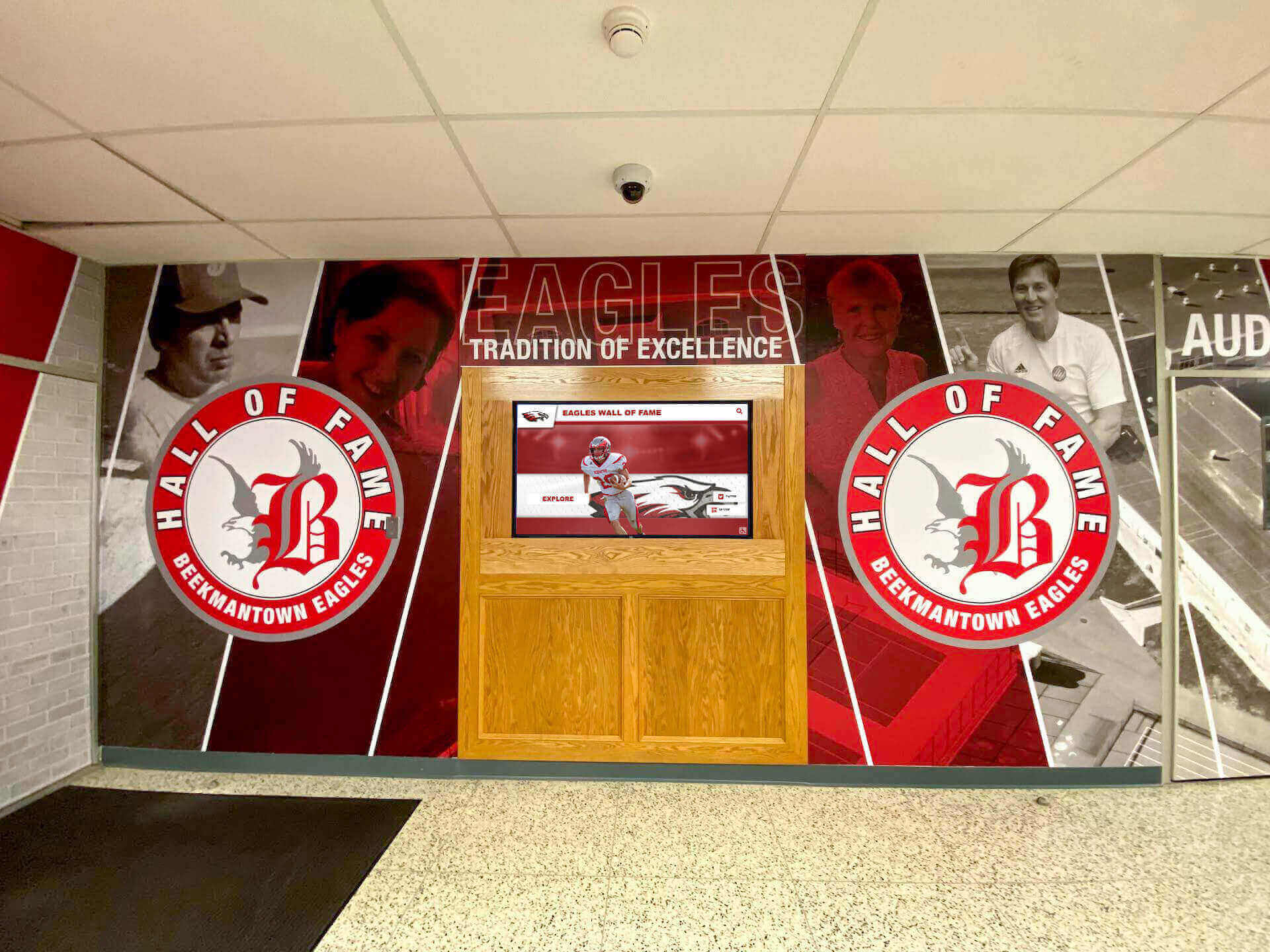
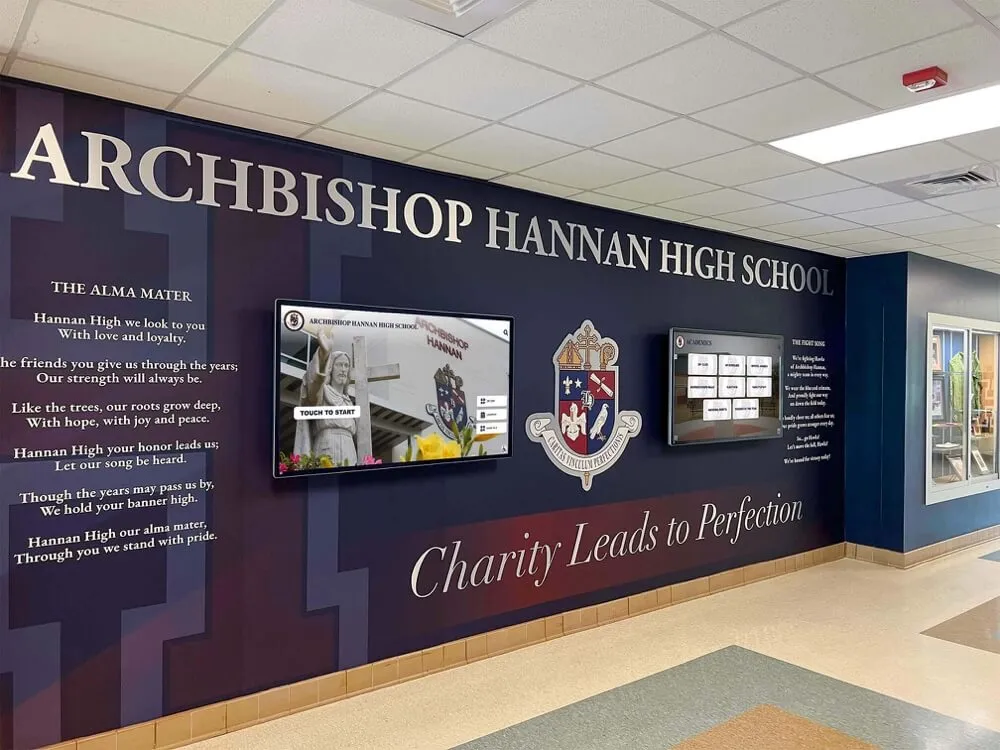
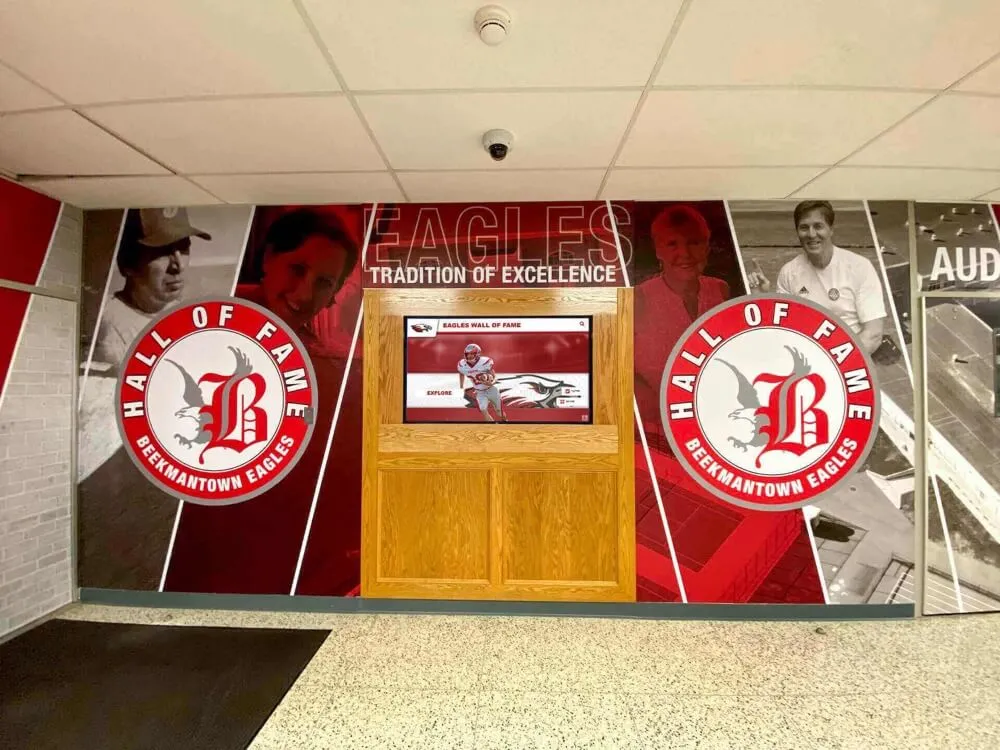
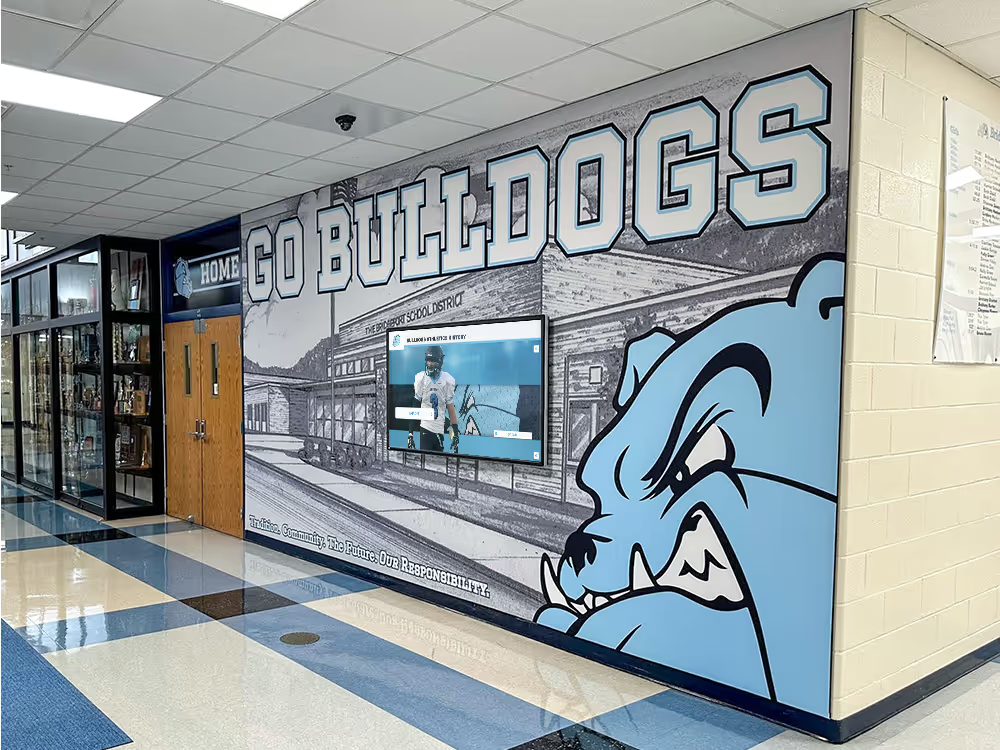
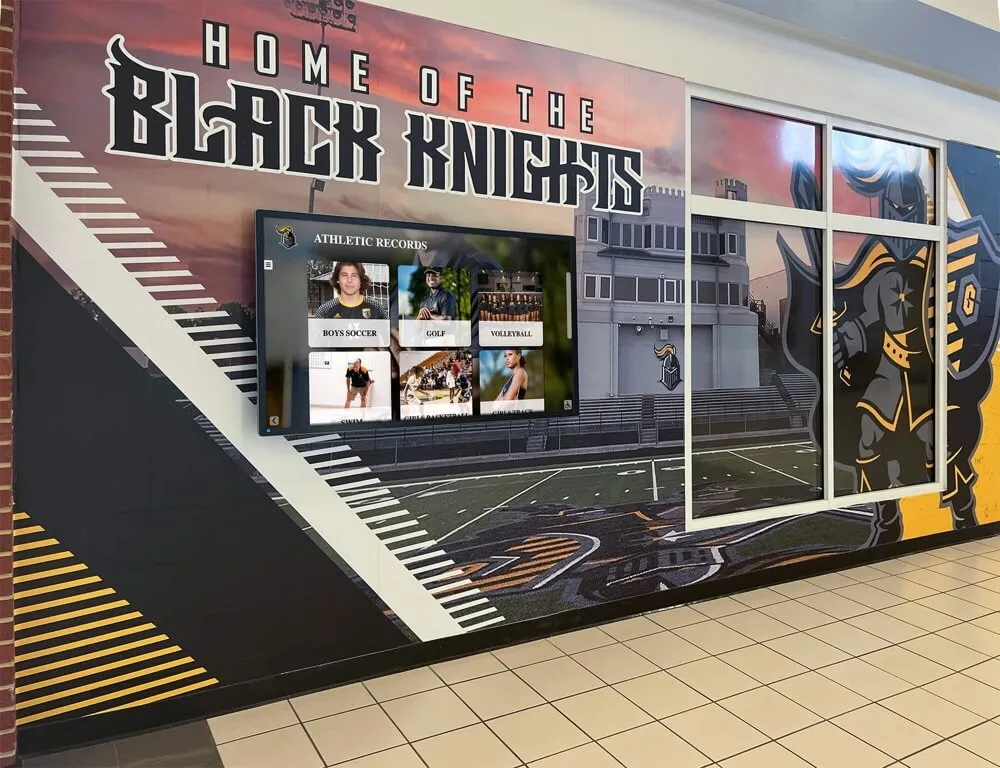
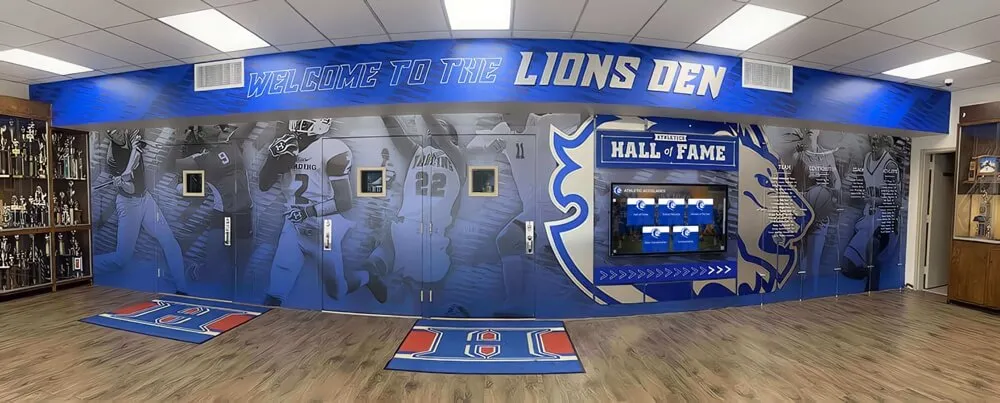
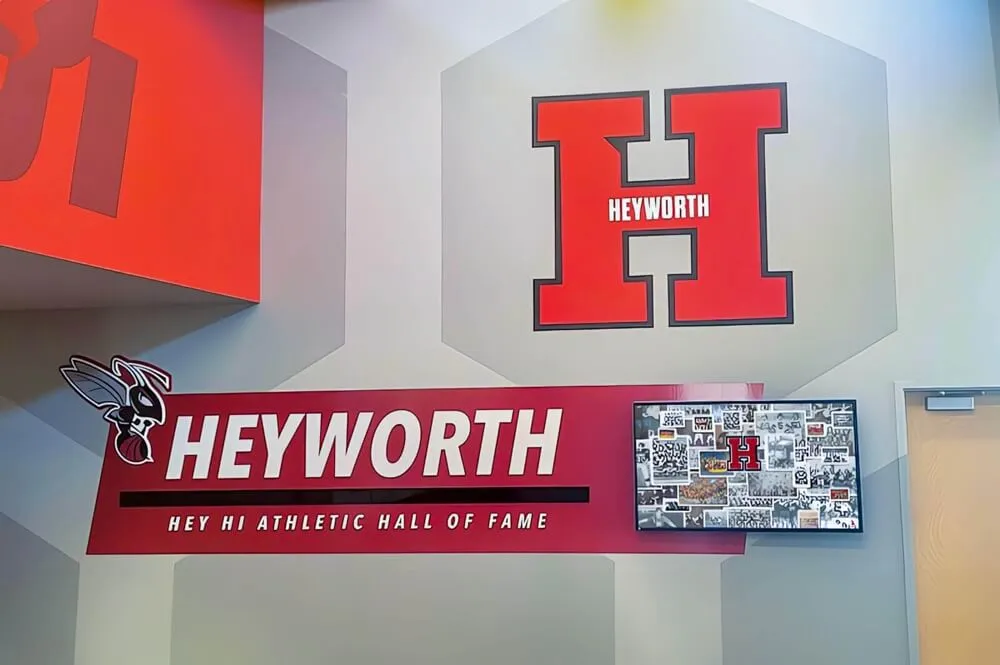
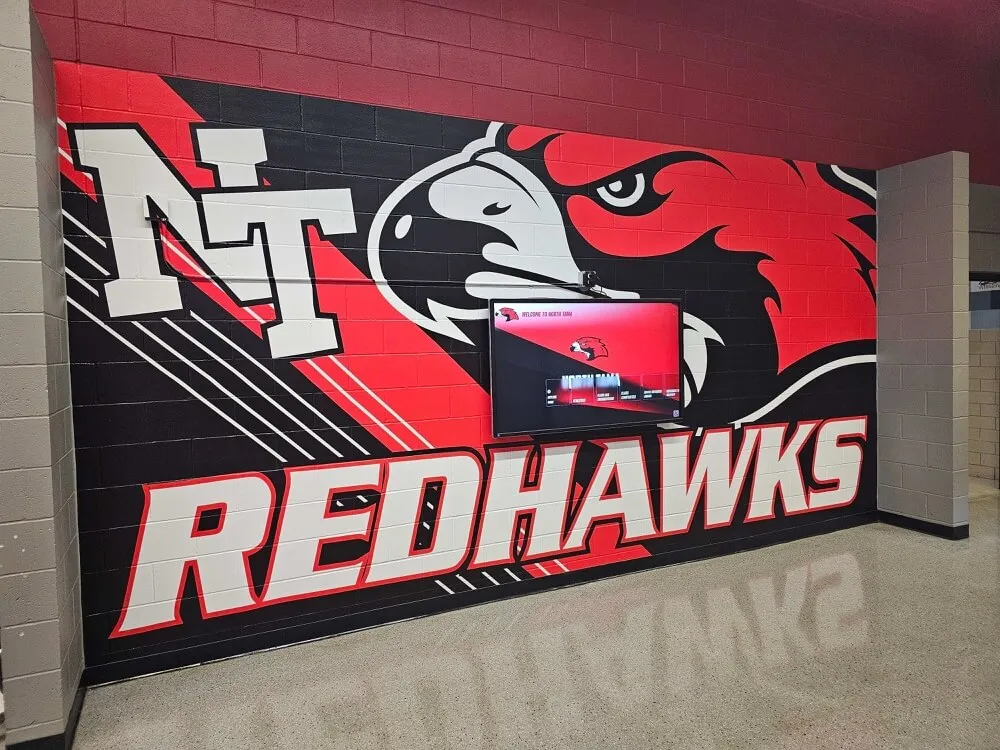
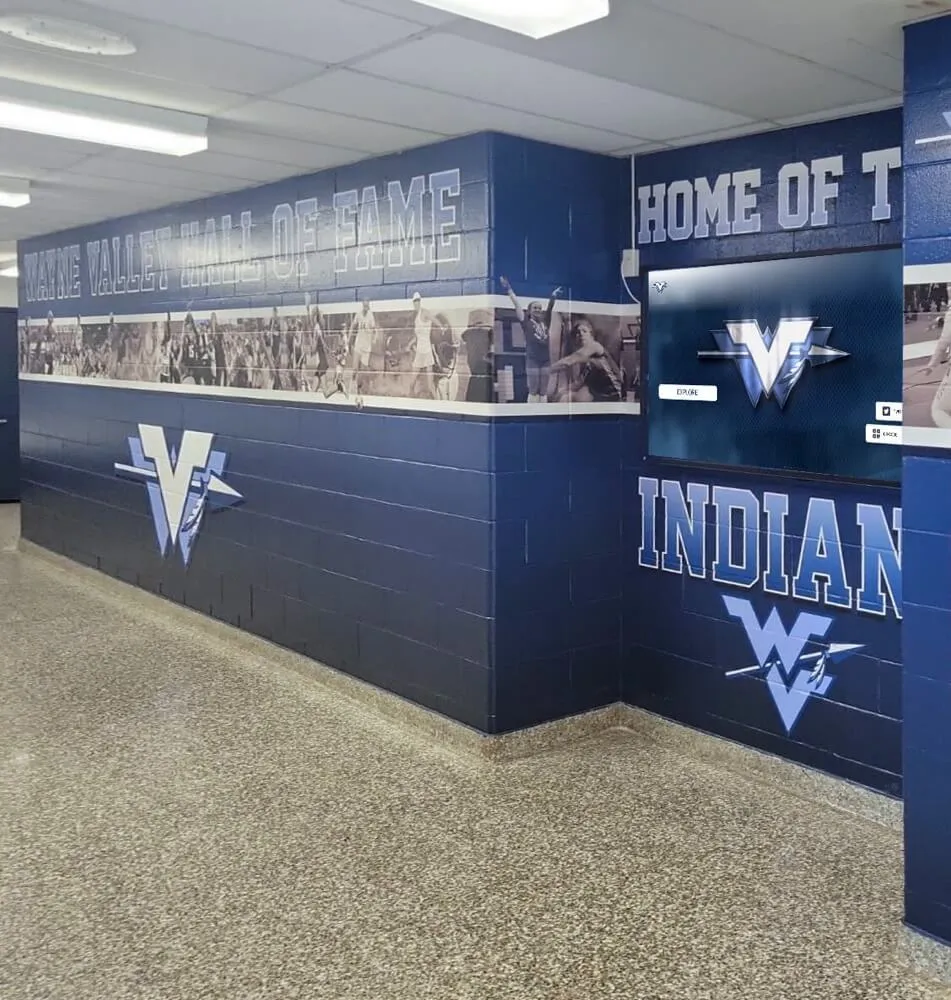
Dedicated recognition environments combine displays with branded murals and graphics creating impressive celebration spaces
Multiple Location Strategies Larger institutions may install displays in several locations:
- Primary comprehensive display at main athletic facility
- Condensed displays at secondary locations
- Sport-specific displays at relevant facilities (wrestling room, pool, baseball complex)
- Digital systems enabling different content at each location from central management
- Web-based access extending recognition to unlimited “virtual locations”
Explore placement strategies in high school wall of fame guide with facility integration approaches.
Planning Memorable Induction Ceremonies
Induction ceremonies represent the public culmination of hall of fame recognition, creating meaningful experiences for inductees while engaging broader communities.
Ceremony Timing and Format
Scheduling Considerations Optimal timing balances multiple factors:
- Athletic event integration: Halftime of football or basketball games provides built-in audiences but limited ceremony time
- Standalone evening events: Dedicated ceremonies allow appropriate time and focus without competition constraints
- Homecoming weekend: Maximizes alumni attendance and community engagement
- Athletic banquet integration: Combines with existing events reducing planning burden
- Annual vs. biennial cycles: Balance between maintaining tradition and building sufficient candidate pools
Many programs find Friday evening ceremonies before homecoming football games optimal, providing:
- Strong built-in attendance from game attendees
- Alumni draw returning for homecoming activities
- Appropriate time allocation for meaningful ceremony
- Festive atmosphere celebrating athletic achievement
- Natural social gathering opportunity after formal program
Ceremony Length and Structure Effective ceremonies typically run 60-90 minutes with clear structure:
- Welcome and recognition purpose (5 minutes)
- Committee introduction and selection process overview (5 minutes)
- Individual inductee presentations (5-8 minutes each)
- Collective induction and commemorative gifts (10 minutes)
- Remarks from inductee representative (5-10 minutes)
- Closing and reception invitation (5 minutes)
For classes of 4-6 inductees, this structure creates appropriate pacing without excessive length exhausting attendees.
Inductee Recognition Components
Presentation Elements Each inductee typically receives:
Introduction and Accomplishment Summary
- Biographical background and athletic career overview
- Statistical highlights and records held
- Championships, awards, and recognitions earned
- Post-graduation athletic and career accomplishments
- Personal anecdotes illustrating character and impact
Video or Multimedia Tribute When resources permit, brief (2-3 minute) video presentations provide powerful recognition:
- Historical photos and action shots
- Newspaper clippings and documentation
- Interview segments with inductees, teammates, or coaches
- Game or competition footage when available
- Music and production creating emotional resonance
Physical Recognition Items Commemorative items typically include:
- Plaques or framed certificates documenting induction
- Ceremony programs listing all inductees
- Pins, medals, or rings identifying hall of fame members
- Apparel (polo shirts, jackets) with hall of fame identification
- Photo opportunities with display or ceremonial backdrop
Display Addition The permanent recognition itself:
- Traditional: plaque unveiling and wall mounting
- Digital: profile activation in digital hall of fame with featured presentation
- Combination: small commemorative plaque plus comprehensive digital profile
Budget for $200-500 per inductee for ceremony recognition items, video production, and commemorative gifts.
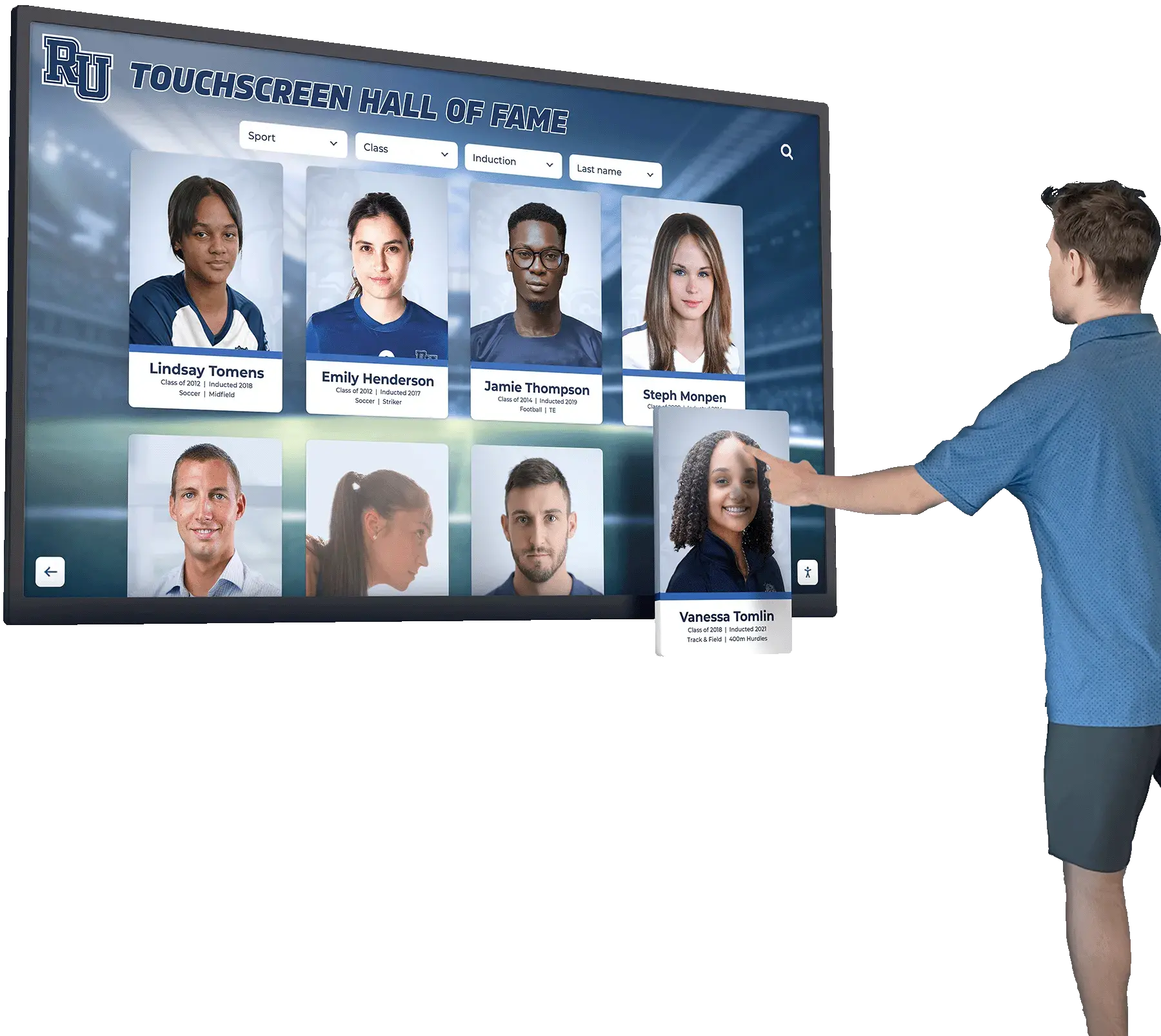
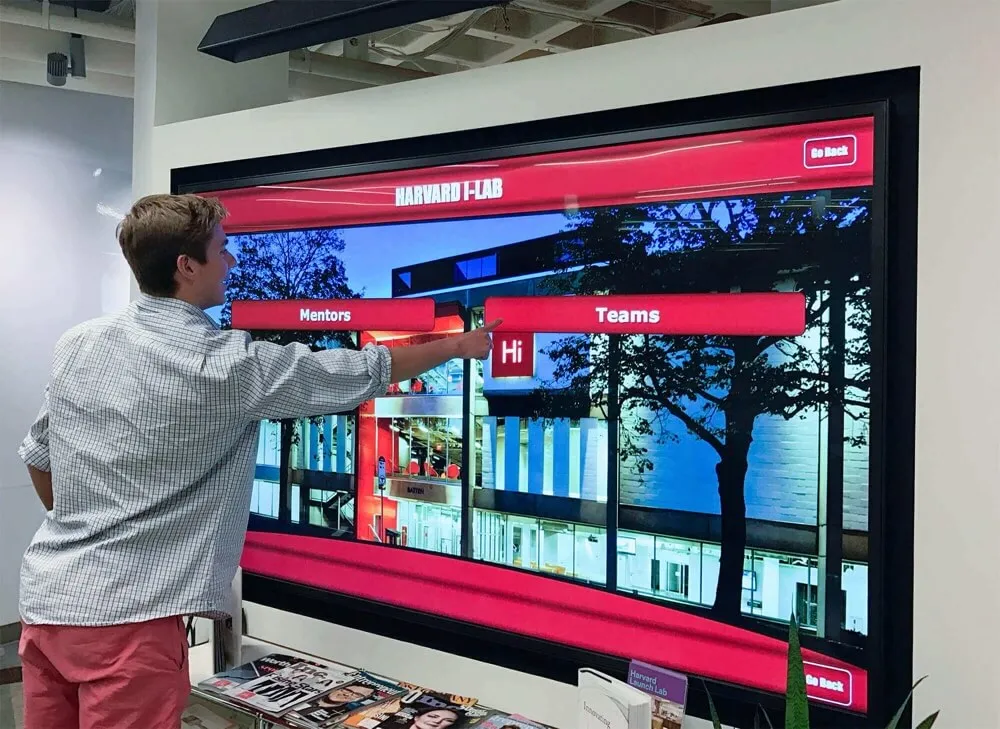
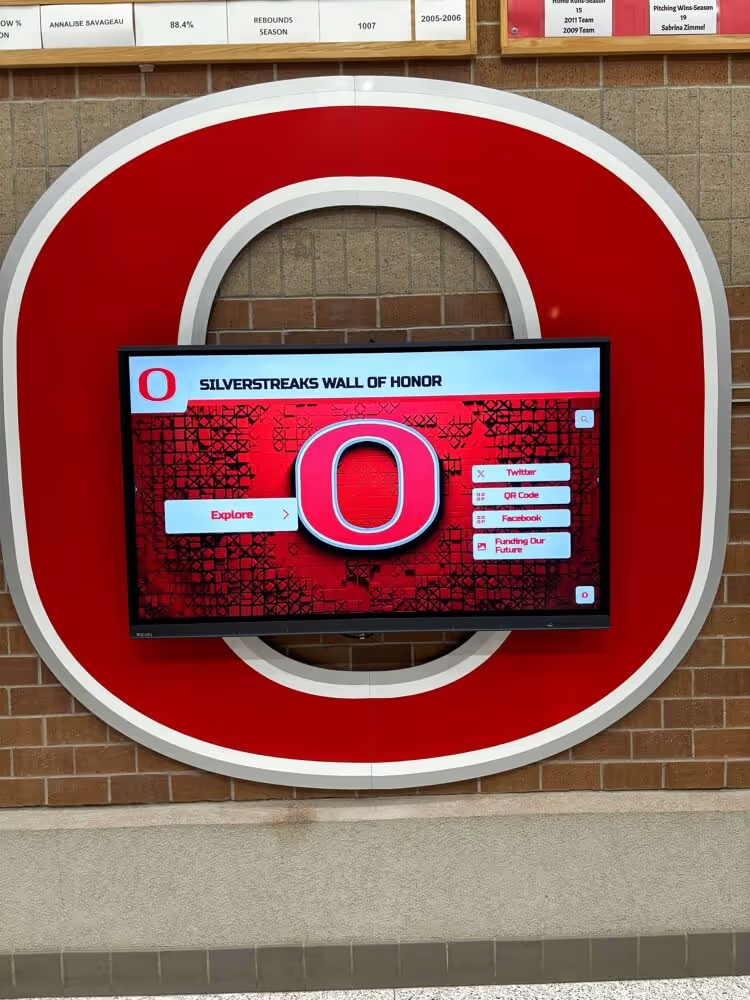
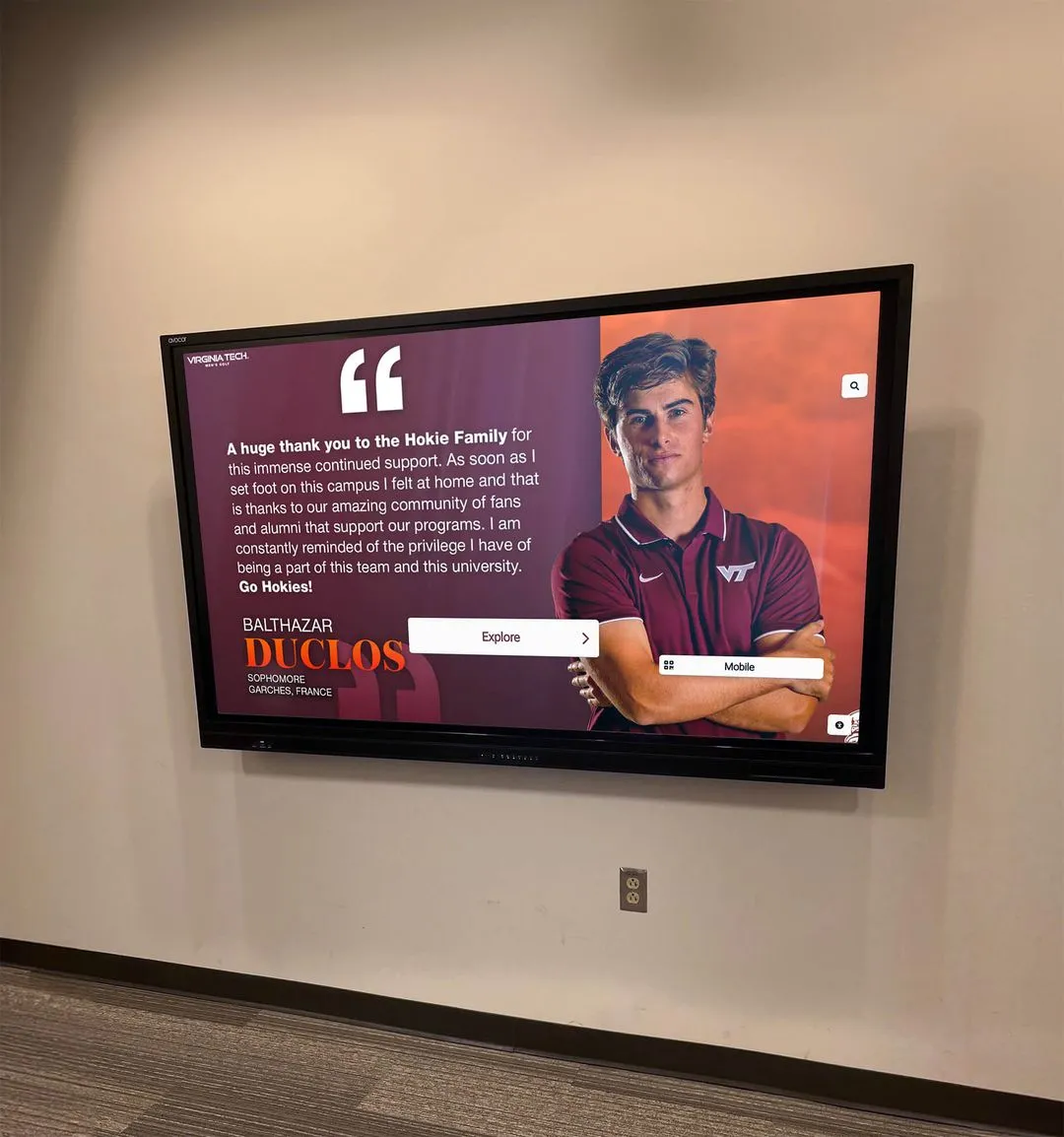
Interactive displays enable ceremony attendees to explore inductee profiles in depth, creating extended engagement beyond formal program
Program Logistics and Execution
Pre-Ceremony Coordination Successful events require thorough preparation:
- Confirm inductee attendance and guest requirements months in advance
- Assign presenters (former coaches, teammates, administrators) with specific time limits
- Prepare written remarks for presenters lacking public speaking experience
- Create detailed run-of-show document specifying precise sequence and timing
- Rehearse technical elements (videos, lighting, audio) preventing ceremony disruptions
- Arrange reserved seating for inductees and immediate families
- Prepare name pronunciation guides for all speakers
- Have backup plans for technology failures
Day-of-Event Execution Attention to detail creates professional experiences:
- Arrive early for setup and technical checks
- Designate “host” for each inductee managing their needs
- Create staging area where inductees gather before presentations
- Position photographer capturing ceremony moments
- Have printed programs ready for distribution
- Coordinate reception setup if post-ceremony gathering planned
- Brief all participants on procedures and timing
Post-Ceremony Elements Extend recognition beyond formal program:
- Reception providing informal celebration and conversation
- Photo opportunities at display or with commemorative backdrop
- Media interviews when local coverage arranged
- Social media posts celebrating inductees
- Thank you communications to all participants
Learn ceremony planning approaches in hall of fame ceremonies and events with best practices.
Creating Sustainable Long-Term Management
Hall of fame programs fail when administrative systems cannot sustain selection processes, display maintenance, and ceremony execution over time.
Establishing Administrative Responsibility
Primary Coordinator Role Designate one person (often athletic director) with clear responsibility for:
- Managing annual nomination and selection timeline
- Convening and supporting selection committee
- Coordinating all ceremony planning and execution
- Maintaining display content and physical condition
- Serving as community point of contact for hall of fame questions
- Documenting processes and maintaining institutional records
- Budget management and resource allocation
Supporting Infrastructure Sustainable programs distribute responsibilities:
- Administrative assistant managing logistics and communications
- Booster club leadership supporting ceremony and reception
- Technology coordinator maintaining digital display systems
- Communications director managing publicity and media
- Facilities staff handling physical setup and maintenance
- Historical researcher gathering inductee information and documentation
Documentation and Transition Planning Prevent knowledge loss when personnel change:
- Written procedures documenting all processes and timelines
- Contact lists for committee, vendors, and key supporters
- Budget histories and resource requirements
- Access credentials for digital systems and platforms
- Historical records of all selections and ceremony programs
- “Lessons learned” documentation from each ceremony cycle
Budget Planning and Funding
Annual Operating Costs Typical hall of fame program budgets include:
Ceremony Expenses ($2,000-5,000 annually)
- Venue rental if required
- Audio/visual equipment and technical support
- Video production for inductee tributes
- Programs, invitations, and printed materials
- Commemorative gifts and recognition items
- Reception food and beverages
- Photography and documentation
Display Costs (varies by approach)
- Traditional: $150-500 per inductee for plaques
- Digital: $1,500-5,000 annual platform subscription
- Display maintenance and repairs
- Content development and updates
Administrative Support ($1,000-3,000 annually)
- Committee meeting expenses
- Communications and publicity
- Historical research and documentation
- Postage and communications
- Technology and equipment needs
Total annual costs typically range $4,000-12,000 depending on program scale and approach.
Funding Sources Successful programs diversify revenue:
- General athletic budget allocation
- Booster club funding and fundraising events
- Hall of fame membership program (annual dues from inductees)
- Ceremony ticket sales or suggested donations
- Corporate or individual sponsorships
- Endowment or permanent fund (for established programs)
- Special capital campaigns for major display installations
Learn about funding approaches in donor recognition displays for booster clubs with fundraising strategies.
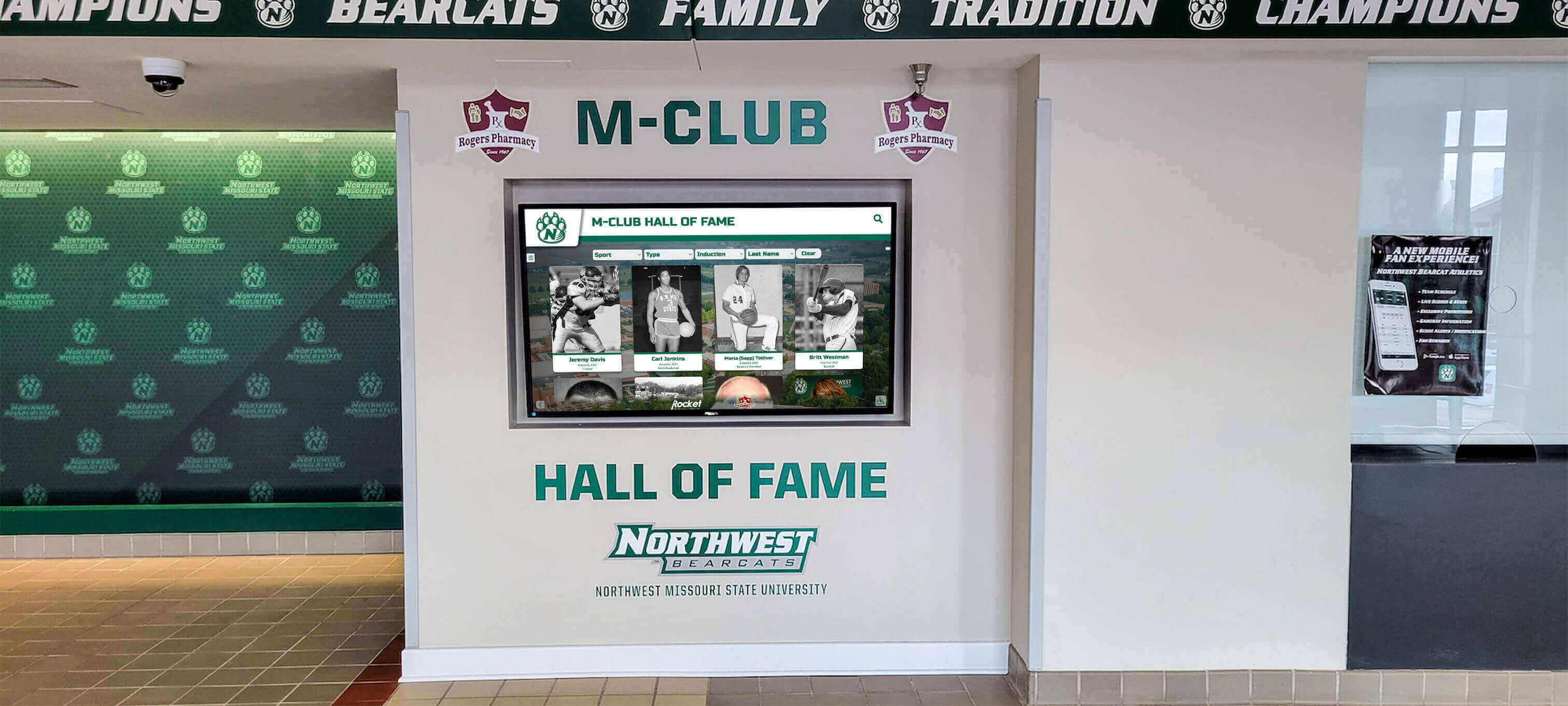
Well-maintained recognition systems demonstrate institutional commitment to honoring athletic excellence permanently
Content Development and Maintenance
Initial Historical Research Launching programs require significant research gathering:
- Historical athletic records and documentation
- Photos from yearbooks, newspapers, and family collections
- Statistical information from scorebooks and archives
- Championship and award documentation
- Biographical information about historical nominees
- Newspaper articles and contemporary accounts
Budget 60-120 hours for comprehensive historical research supporting initial inductee classes.
Ongoing Content Management Systematic approaches keep recognition current:
- Annual nomination packet collection and organization
- Pre-committee credential summaries for all nominees
- Post-induction detailed profile creation for display
- Photo collection and digitization
- Error correction when issues identified
- Enhanced content addition as materials discovered
Digital Display Updates Cloud-based systems require:
- Immediate profile additions for new inductees
- Quarterly featured inductee rotation
- Systematic historical archive expansion
- Analytics review identifying popular content and navigation patterns
- User feedback integration improving experiences
- Technology updates maintaining system performance
Programs using platforms like Rocket Alumni Solutions report spending 3-5 hours monthly on content updates after initial launch, compared to substantially more time maintaining traditional physical displays.
Addressing Common Challenges and Controversies
Even well-designed programs encounter difficulties requiring thoughtful administrative response.
Selection Controversies
Managing Disagreements When community members question selections or omissions:
- Refer to established public criteria and process
- Explain without revealing confidential committee deliberations
- Acknowledge reasonable perspectives while supporting committee authority
- Redirect concerns through formal nomination process
- Trust committee process rather than administrative override
- Review criteria if patterns of controversy emerge
Handling Declined Inductions Occasionally selected inductees decline honor:
- Respect decision without pressure or public disclosure
- Understand inductees do not “owe” acceptance
- Determine whether to keep selection confidential or announce publicly
- Decide whether declined inductees remain eligible for future consideration
- Have committee select alternates if declining before public announcement
Posthumous Induction Considerations Honoring deceased athletes requires sensitivity:
- Establish clear policies about posthumous eligibility and timing
- Contact families before announcing selections
- Provide appropriate ceremony roles for family representatives
- Consider whether separate “memorial” category distinguishes posthumous honorees
- Balance memorial recognition with celebrating living inductees
Space and Growth Management
Traditional Display Capacity Limits Physical plaques eventually fill available wall space:
- Plan expansion space during initial installation when possible
- Consider phased installation across multiple walls or locations
- Reduce induction class sizes extending space availability
- Digital conversion providing unlimited capacity without physical constraints
Digital Migration from Traditional Programs Transitioning existing plaque-based programs to digital systems:
- Retain physical plaques as traditional recognition maintains meaning
- Add digital displays providing enhanced content and expanded capacity
- Systematically digitize existing inductees creating comprehensive archives
- Position as enhancement and expansion, not replacement
- Use digital capacity for teams, contributors, and deeper historical recognition
Learn about display transitions in replacing expensive gym banners with digital displays for space solutions.
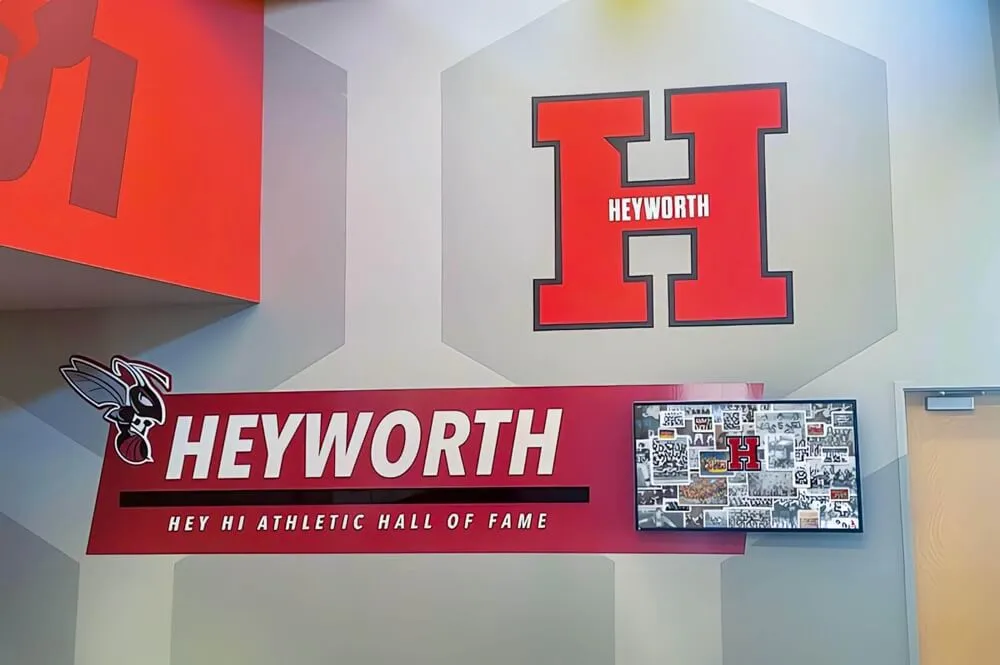
Coordinated branding and signage create clear hall of fame identity within athletic facilities
Maintaining Relevance and Engagement
Preventing Program Stagnation Keep hall of fame visible and meaningful:
- Feature rotating inductee profiles at athletic events
- Connect current achievements to hall of fame legacies
- Include hall of fame segments in athletic communications
- Invite inductees to participate in program activities
- Create “young alumni” engagement encouraging future nomination participation
- Systematically expand historical recognition reaching further back in time
Community Communication Regular outreach maintains awareness and support:
- Annual nomination period publicity and deadline reminders
- Selection announcement creating anticipation for ceremony
- Ceremony promotion and invitation
- Post-ceremony coverage and celebration
- Ongoing recognition of hall of fame through digital and social channels
- Community education about selection criteria and process
Equity and Inclusion Considerations
Gender Equity Title IX considerations extend to recognition:
- Monitor selection distribution across men’s and women’s sports
- Ensure criteria do not systematically disadvantage women’s athletics
- Consider historical context when women’s programs received fewer resources
- Set equity expectations for committee nominations and selections
- Track and address any patterns of gender imbalance
Sport and Positional Balance Prevent recognition concentration in high-profile sports:
- Intentionally seek nominees from all sports programs
- Establish criteria recognizing excellence beyond statistics (benefiting positions with fewer quantifiable measures)
- Educate committee about achievement in less-visible sports
- Monitor selection patterns and address concentration proactively
- Consider whether criteria inadvertently favor certain sports
Socioeconomic and Racial Equity Ensure recognition processes serve all community members fairly:
- Examine whether alumni networks affect nomination patterns
- Consider barriers preventing diverse nominee pools
- Review criteria for unintended bias favoring particular backgrounds
- Track selection patterns by demographic characteristics
- Engage diverse perspectives in committee composition and deliberation
Explore equity considerations in athletic recognition programs with inclusive practices.
Special Considerations for Different School Types
Hall of fame approaches should align with institutional context and community characteristics.
Small Schools and Programs
Adapting to Limited Nominee Pools Schools with smaller enrollments face unique challenges:
- Longer waiting periods may be necessary building adequate candidate pools
- Biennial or less frequent induction cycles preventing exhaustion of deserving candidates
- Lower statistical thresholds acknowledging smaller competition pools
- Combined athlete-team-contributor recognition classes
- Greater emphasis on multi-sport athletes and program builders
- Historical recognition reaching further back to establish program foundation
Leveraging Community Connections Smaller schools often have advantages:
- Stronger alumni networks facilitating research and outreach
- Greater community awareness of athletic tradition
- More intimate ceremonies creating meaningful personal connections
- Lower costs for venues and gatherings
- Easier coordination with smaller committees and stakeholder groups
Large Schools and Programs
Managing Abundance Large institutions face different challenges:
- Extensive nominee pools requiring robust evaluation processes
- Need for multiple induction classes annually
- Sport-specific committees or criteria managing different program scales
- Larger venues and more formal ceremonies
- Greater publicity and media attention
- More complex stakeholder management
Maintaining Selectivity With large candidate pools:
- Higher statistical thresholds maintaining recognition significance
- Stricter criteria preventing recognition dilution
- Waiting lists or multi-year consideration processes
- Clear communication about highly competitive selection
Private and Independent Schools
Addressing Unique Contexts Private institutions have distinct considerations:
- Potentially shorter institutional histories requiring different approaches
- More limited alumni pools affecting nomination pipelines
- Greater flexibility in program design without public governance constraints
- Different community expectations and traditions
- Variable athletic program emphasis across institutional missions
Mission Alignment Recognition should reflect institutional values:
- Character and leadership criteria reflecting school mission
- Community service and citizenship emphasis where appropriate
- Academic achievement integration reflecting college-preparatory focus
- Alumni network engagement supporting development priorities

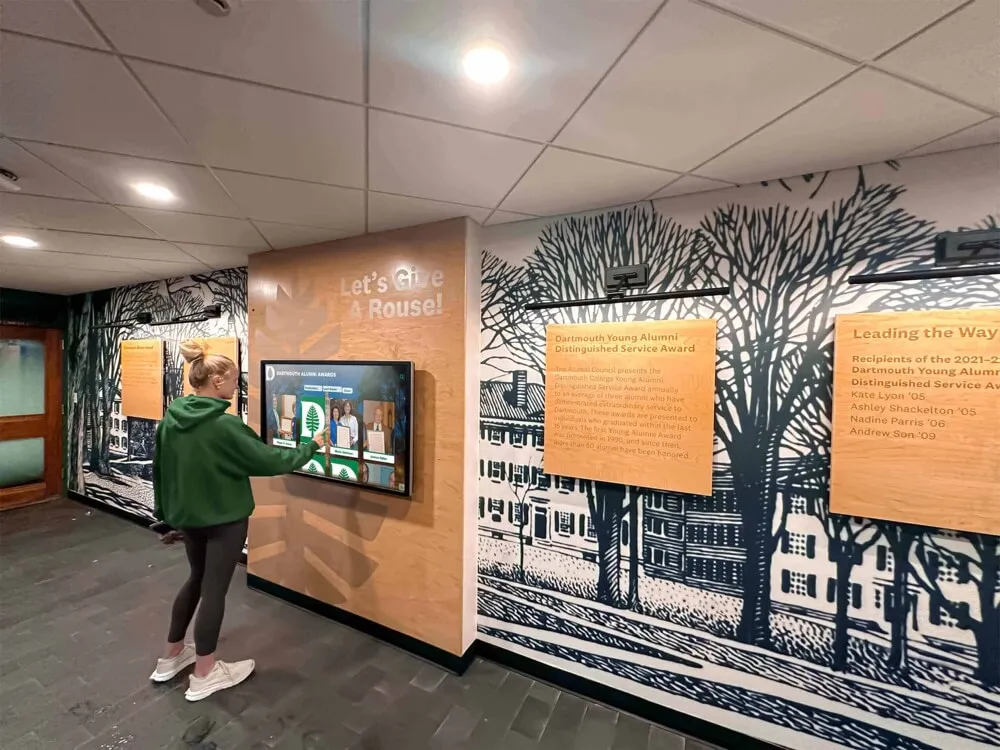
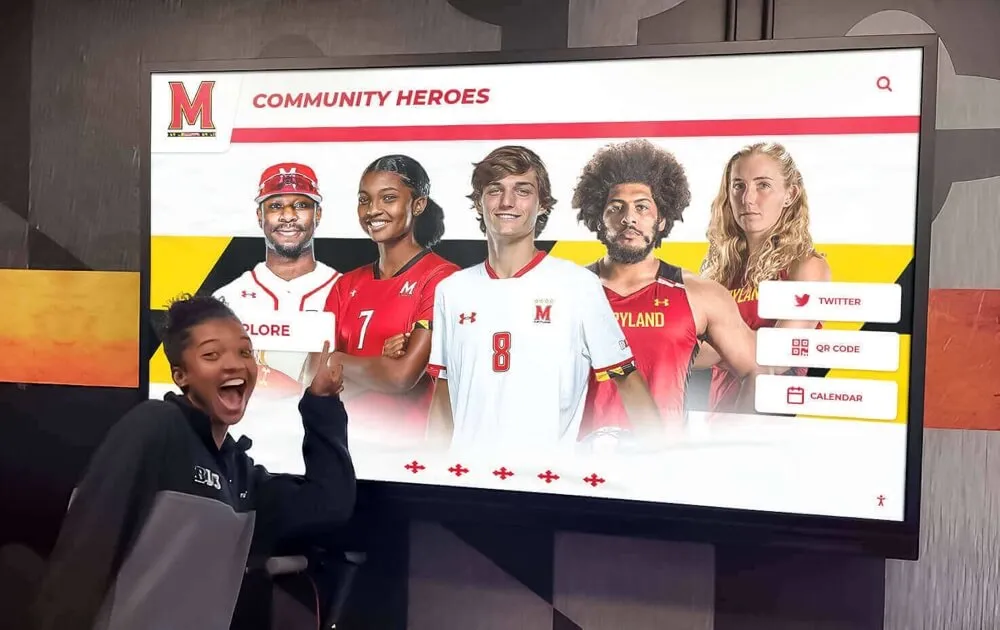
College and university programs often feature more extensive displays reflecting longer institutional histories and larger programs
Technology and Platform Selection
For administrators choosing digital recognition systems, understanding evaluation criteria prevents costly mistakes.
Evaluating Digital Hall of Fame Platforms
Essential Platform Capabilities
- Purpose-built recognition software designed specifically for hall of fame applications rather than generic digital signage adapted for recognition
- Unlimited content storage supporting comprehensive multimedia archives without arbitrary limits
- Intuitive content management requiring no technical expertise or training
- Flexible layout options matching different display sizes and orientations
- Robust search and filtering enabling discovery in large databases
- Mobile-responsive web access extending recognition beyond physical displays
- Analytics and usage tracking revealing engagement patterns and popular content
- Reliable vendor support with experience in educational institutional context
Avoiding Platform Pitfalls Common mistakes include:
- Generic digital signage systems lacking interactive features and deep content organization
- Custom development projects requiring ongoing technical resources
- Consumer-grade technology inappropriate for institutional longevity
- Platforms locked to specific hardware preventing future flexibility
- Systems without perpetual content archives requiring periodic recreation
- Solutions lacking mobile web access limiting recognition reach
Implementation Support Successful installations require:
- Content development assistance helping with initial historical research
- Professional installation and mounting
- Staff training ensuring confident platform management
- Ongoing technical support addressing issues promptly
- Regular platform updates maintaining security and adding features
Learn about platform evaluation in why schools regret rushing digital hall of fame software with common mistakes.
Hardware Specifications
Display Requirements Commercial-grade touchscreen displays for institutional use:
- Size: 55-75 inches for high-traffic lobby installations
- Touch technology: Capacitive or infrared multi-touch
- Brightness: 400-500 nits for typical indoor environments
- Resolution: 4K (3840x2160) for clarity and future-proofing
- Commercial rating: 16-24 hour daily operation capability
- Warranty: Minimum 3-year coverage
- Connectivity: Built-in Wi-Fi or ethernet supporting cloud content
Installation Considerations
- Wall-mounting or freestanding kiosk configuration
- ADA-compliant height and reach ranges
- Professional cable management and power
- Network infrastructure supporting reliable connectivity
- Physical security appropriate for public environment
- Anti-glare positioning and screen protection
Budget $4,000-10,000 per display unit for commercial hardware and professional installation.
Measuring Success and Impact
Regular assessment demonstrates value while identifying improvement opportunities.
Quantitative Metrics
Program Participation
- Total inductees recognized across program history
- Annual induction class sizes and consistency
- Nomination volumes and nominee-to-inductee ratios
- Committee participation and continuity
- Ceremony attendance trends
Engagement Indicators
- Digital display interaction frequency and session duration
- Web-based platform traffic and unique visitors
- Social media engagement with hall of fame content
- Search queries revealing how users explore recognition
- Geographic distribution of online access
Operational Efficiency
- Time required for nomination processing and selection
- Content management hours monthly after initial launch
- Budget utilization and cost per inductee
- Administrative burden compared to previous approaches
Qualitative Assessment
Stakeholder Feedback
- Alumni satisfaction with recognition and ceremony experience
- Family responses to honoring of loved ones
- Current student-athlete awareness and motivation impact
- Community perception of program credibility and fairness
- Staff assessment of administrative sustainability
Cultural Impact
- Enhanced institutional pride and athletic tradition awareness
- Strengthened alumni connection and engagement
- Improved community support for athletic programs
- Positive recruitment tool for prospective student-athletes
- Sustained program visibility and relevance
Regular assessment demonstrates recognition value to administrators, boards, and supporters while enabling continuous improvement.
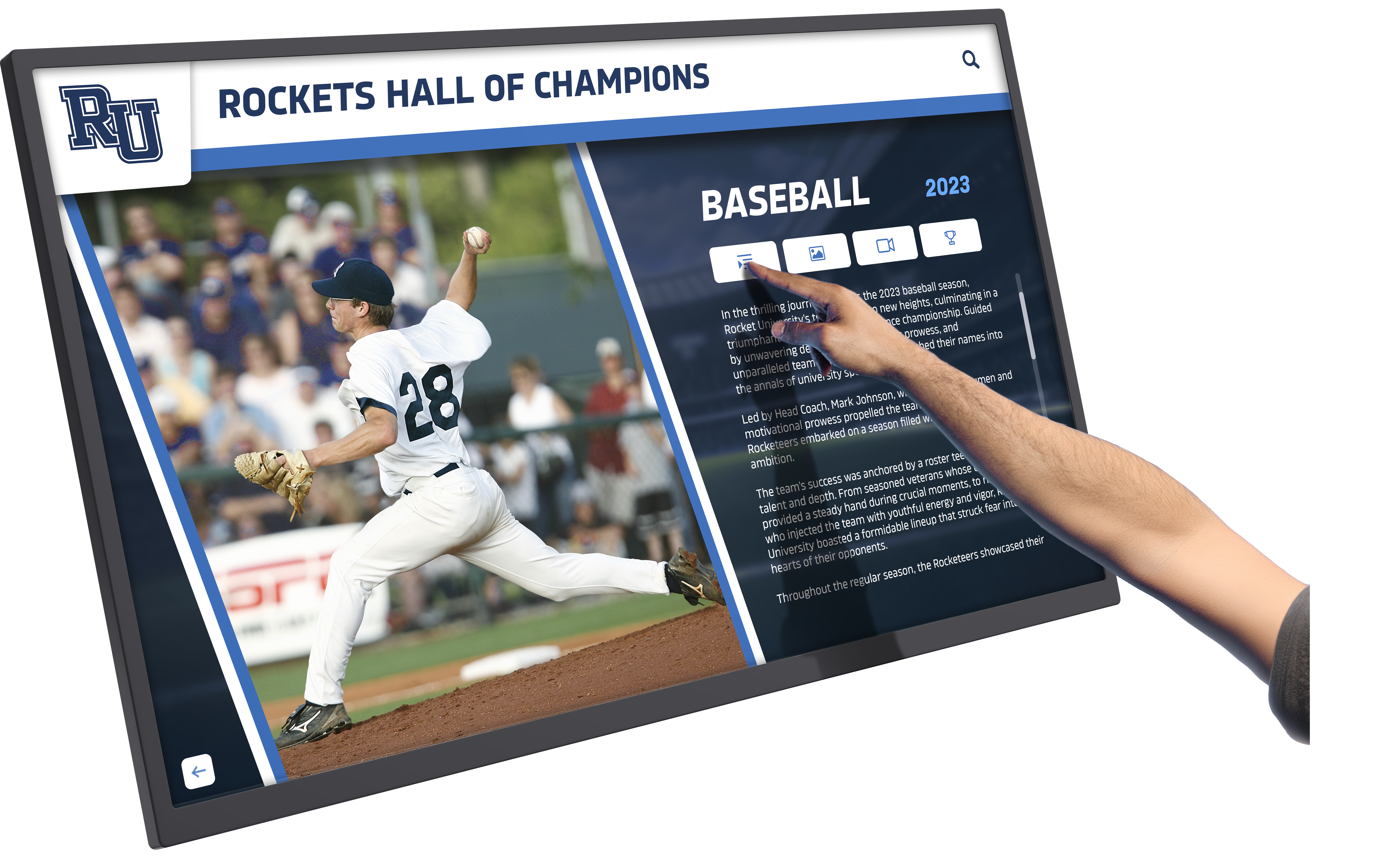
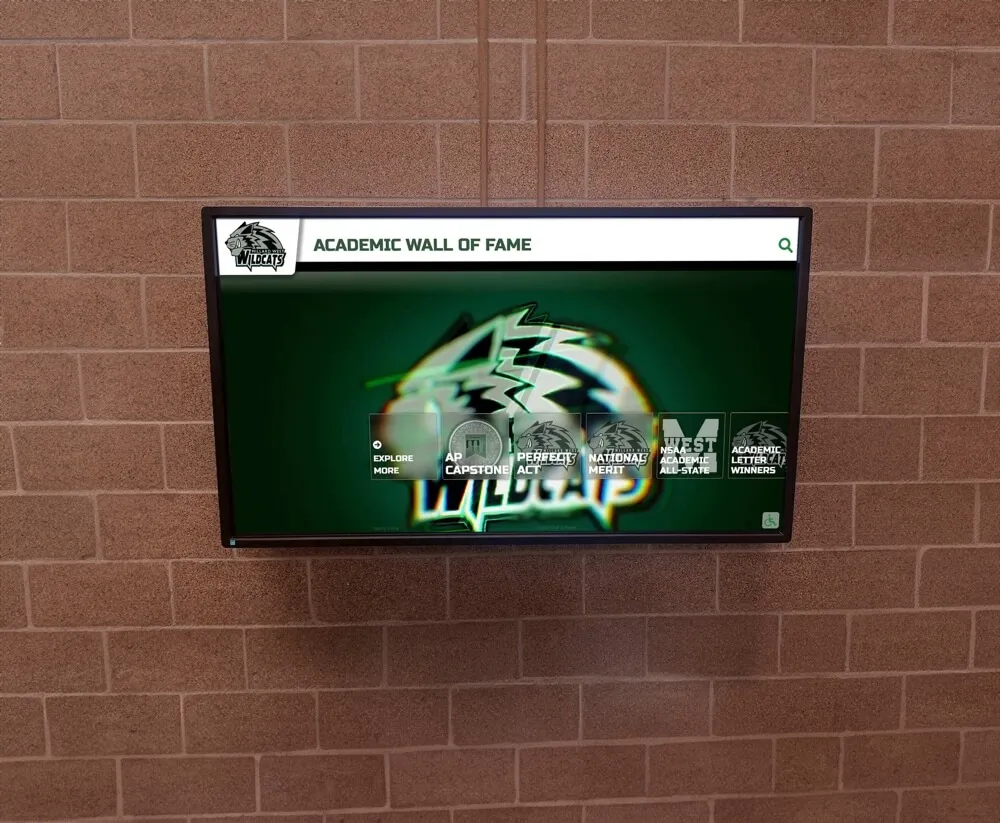
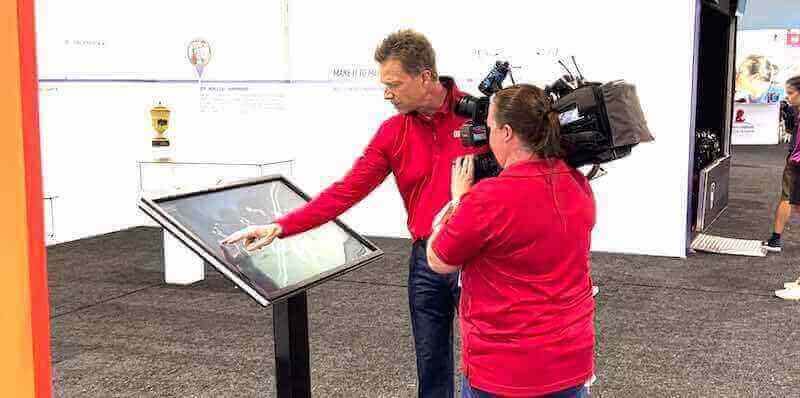
Interactive engagement metrics reveal how communities explore and connect with athletic recognition content
Conclusion: Building Athletic Recognition That Endures
Athletic halls of fame represent significant administrative undertakings requiring thoughtful planning, sustainable processes, and appropriate technology. When administrators establish clear missions, transparent selection criteria, credible governance, and accessible recognition displays, they create programs honoring deserving athletes while strengthening institutional culture and community connection.
The frameworks explored in this guide address the full spectrum of administrative considerations—from defining eligibility and forming committees to choosing displays, planning ceremonies, and ensuring long-term sustainability. Whether establishing new programs or revitalizing existing recognition systems, these strategies provide actionable guidance for creating halls of fame worthy of your institution’s athletic legacy.
Ready to Transform Your Athletic Recognition?
Discover how solutions like Rocket Alumni Solutions help schools create comprehensive, sustainable athletic halls of fame with interactive displays, cloud-based management, and unlimited recognition capacity.
Explore Digital Recognition SolutionsModern digital recognition platforms eliminate the persistent challenges constraining traditional hall of fame programs—physical space limitations forcing difficult removal decisions, high per-inductee costs, limited content depth, and substantial maintenance burdens. Cloud-based systems enable unlimited recognition capacity, rich multimedia content, remote management, and extended accessibility reaching alumni worldwide.
Start where your current situation demands—whether launching new programs with comprehensive planning or addressing challenges in existing recognition systems. Every student-athlete who dedicated time, effort, and talent to your athletic program deserves appropriate recognition honoring their contributions while inspiring future generations to pursue excellence.
Your athletic legacy deserves recognition systems celebrating achievement appropriately while maintaining community trust and administrative sustainability. With clear governance, transparent processes, and appropriate technology, you can create athletic halls of fame becoming cherished traditions preserving institutional excellence for decades to come.
Ready to explore comprehensive athletic recognition? Learn about digital athletic displays or discover best platforms for building virtual halls of fame serving your school community effectively.