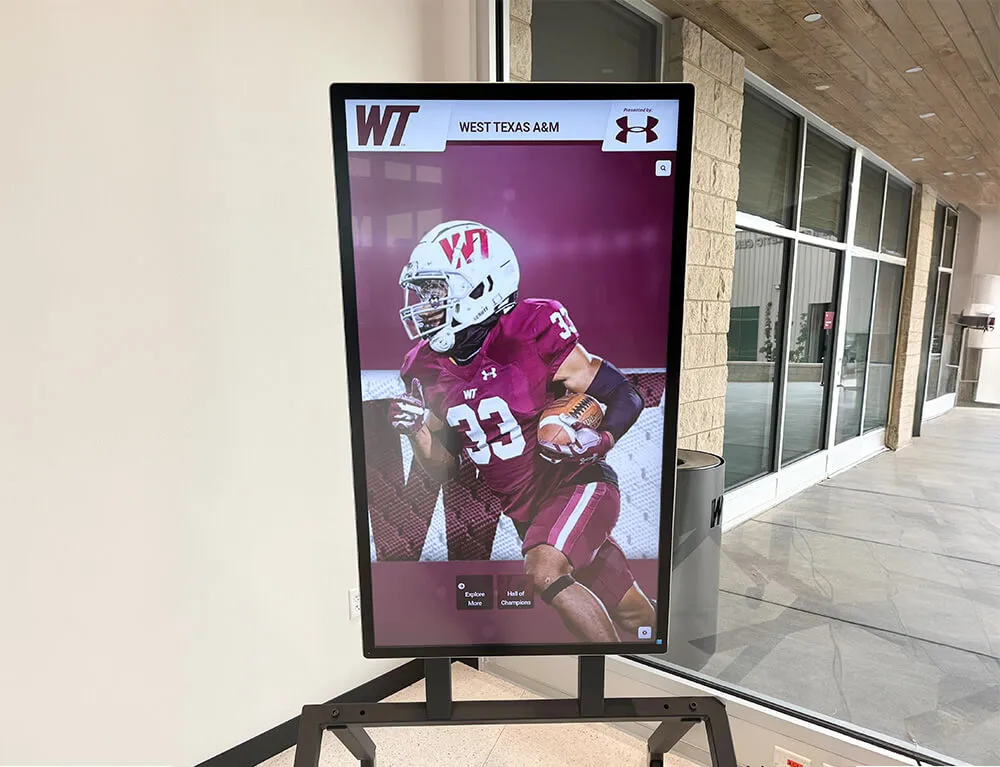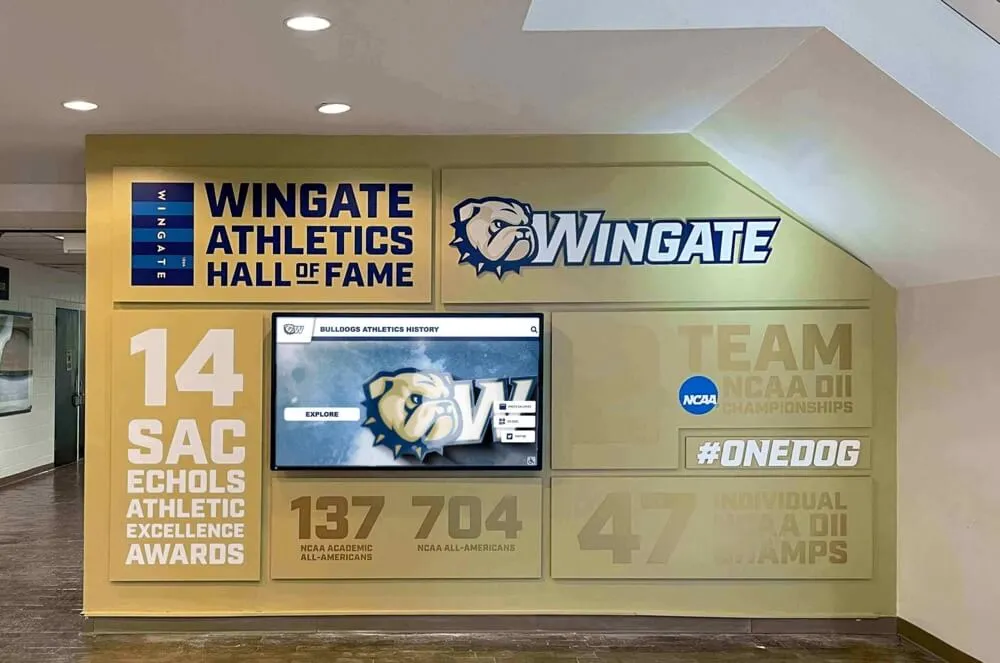




Athletic facility branding shapes how students, parents, opponents, and recruits experience your school the moment they walk through the door. A well-branded gym communicates history, pride, and competitive identity in seconds. A lobby with rotating championship displays tells visiting families that this program takes achievement seriously. A hallway lined with record boards and honor walls keeps current athletes motivated every single school day. When these spaces work together, they create an environment where winning culture is visible—not just felt.
Yet many schools underinvest in facility branding because the decisions feel overwhelming: What goes in the gym versus the lobby? How do you balance tradition with modern digital displays? When should physical banners give way to interactive screens? How do you carve out space for sponsor recognition without compromising the environment you’ve built?
This guide gives athletic directors, administrators, and facilities teams a practical framework for what to display in each zone of the school—gyms, lobbies, hallways—and how to use a mix of physical and digital elements to build lasting program identity.
Every square foot of wall space in an athletic facility is an opportunity to reinforce program values, celebrate achievement, and deepen community connection. Done right, athletic facility branding makes your school feel like a place where excellence lives year-round—not just during game week.

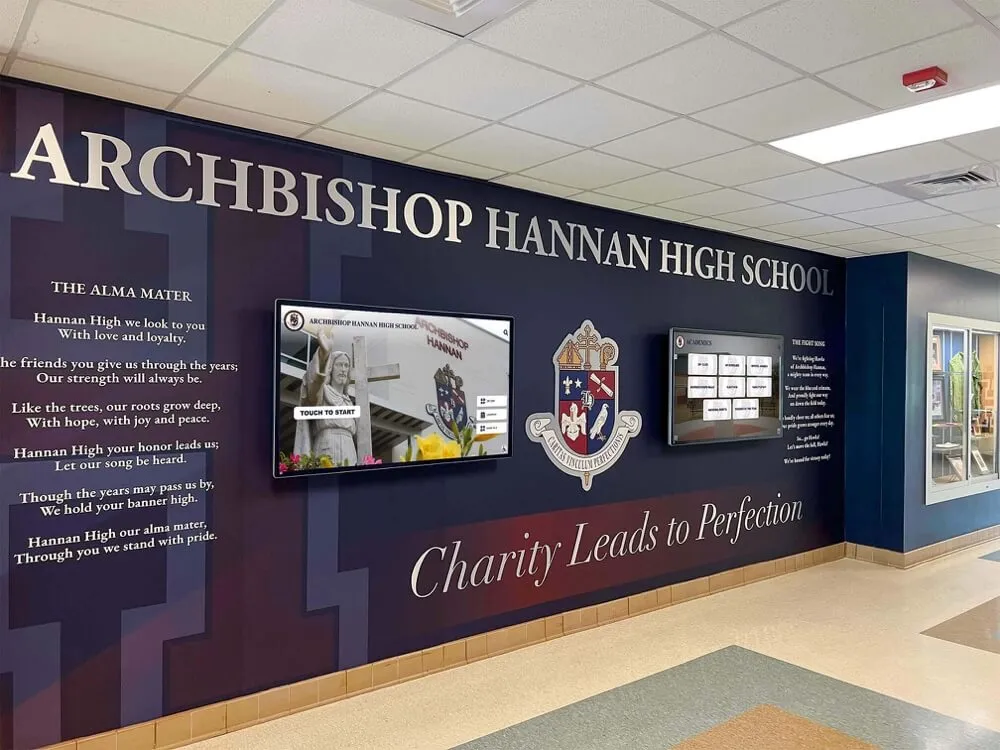
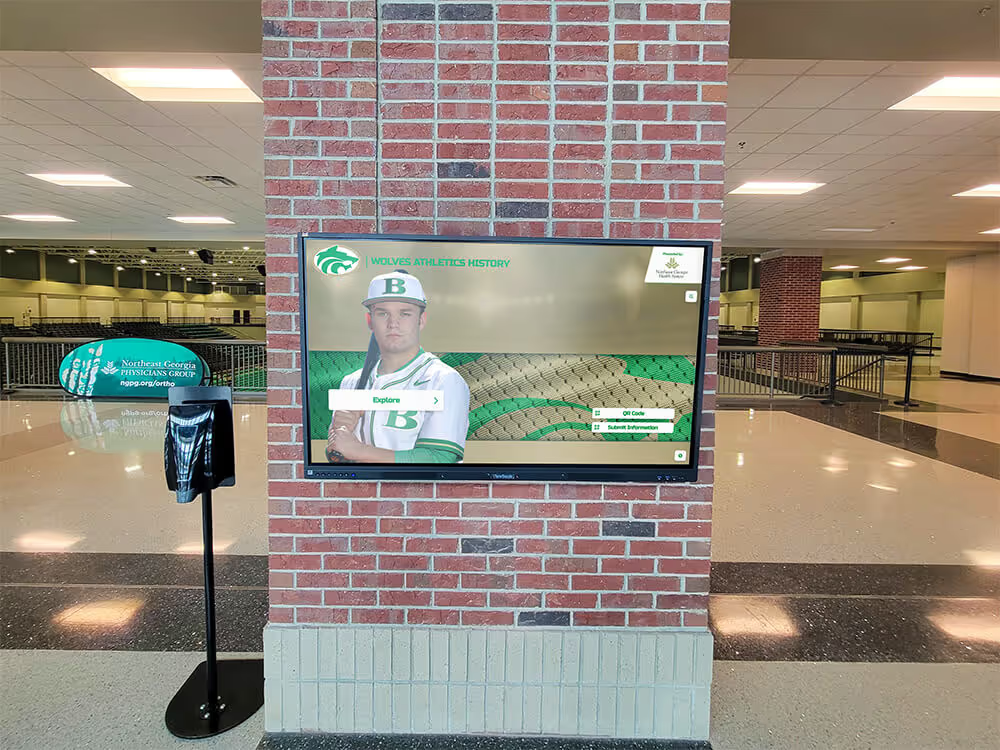
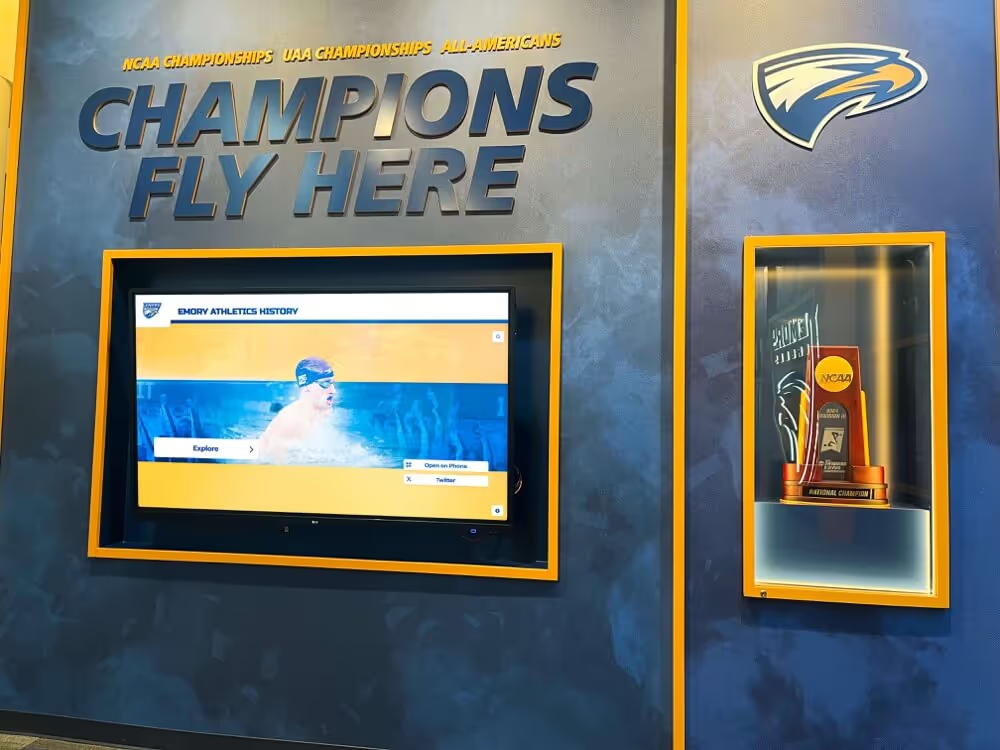
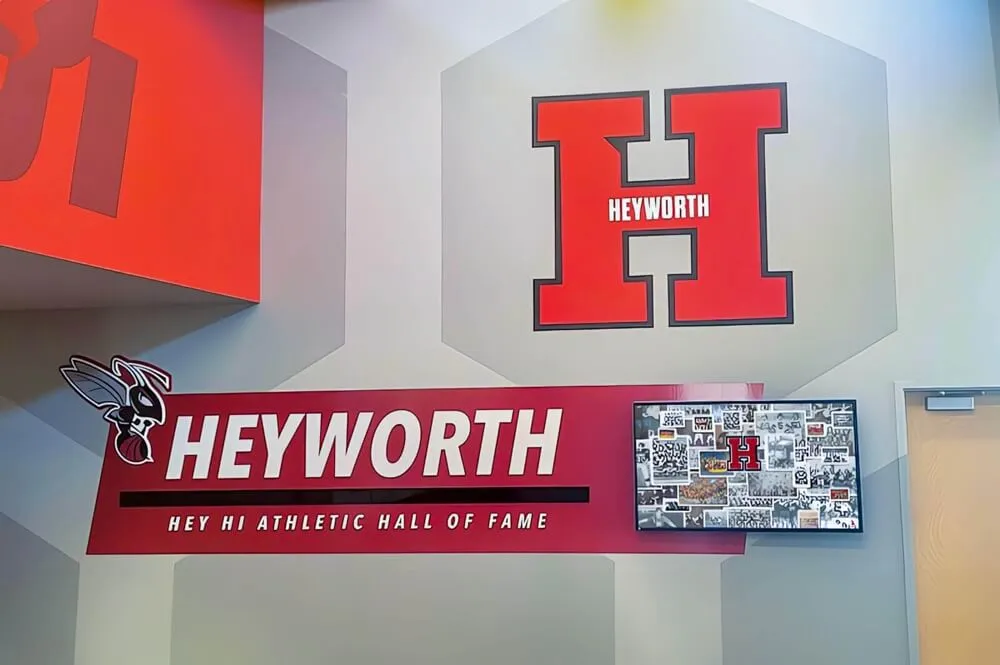
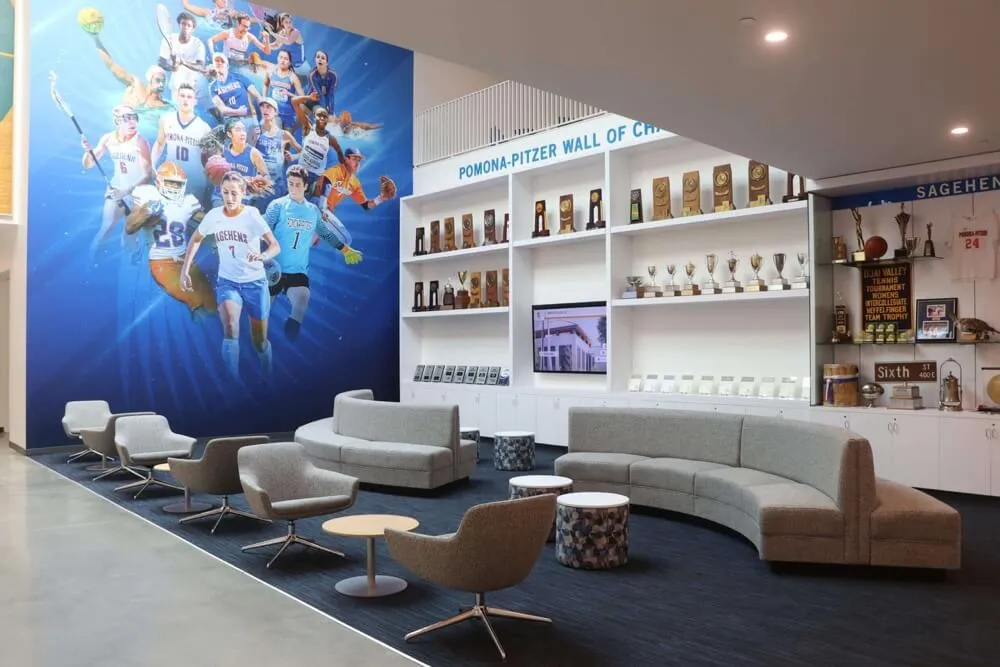
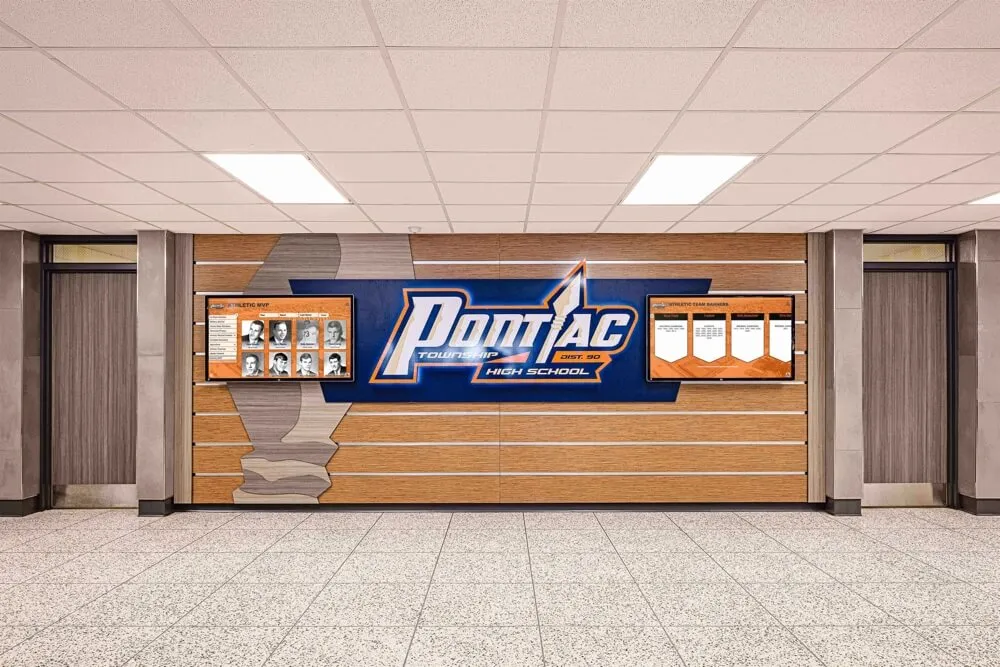
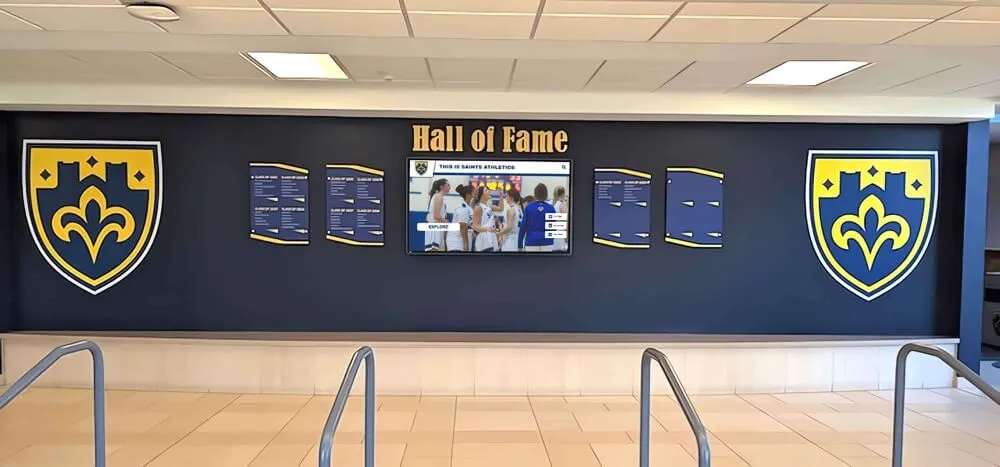
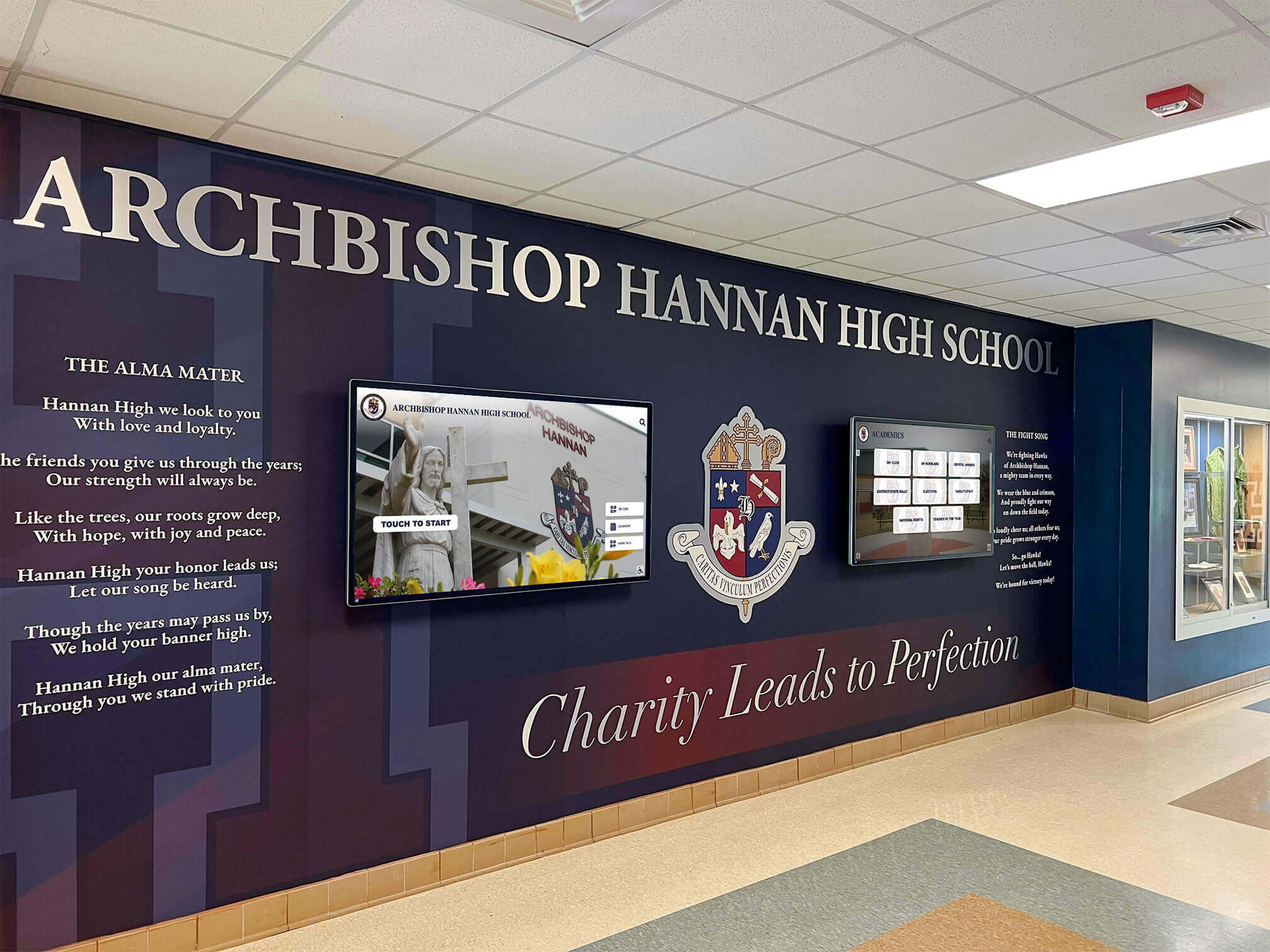
Combining a school crest mural with integrated digital screens creates a lobby that communicates both tradition and innovation to every visitor
Why Athletic Facility Branding Matters for Schools
Before diving into specific zones, it helps to understand why this investment pays off beyond aesthetics.
Recruiting and Enrollment
Prospective student-athletes and their families tour facilities before making decisions. A gym that displays historical achievements, current record holders, and professional-quality signage signals investment in the program. Schools with strong facility branding consistently report that it becomes a talking point during recruiting conversations.
Athlete Motivation
Research consistently shows that environmental cues affect performance mindset. When athletes walk past a record board showing their name—or a name they want to surpass—it creates daily motivational touchpoints that no pep talk can replace.
Community Identity and Donor Engagement
Alumni donors and community boosters are more likely to contribute when they can see their impact displayed with dignity. A permanent digital wall of honor in the lobby or hallway makes recognition feel meaningful rather than transactional.
Opponent and Official Impressions
Visiting teams and officials notice facility presentation. A well-branded home gym creates psychological home-court advantage before the opening whistle.
What to Display in School Gyms
The gym is the highest-visibility space in most athletic facilities. Every element on the wall should reinforce competitive identity and program history.
Championship Banners
Championship banners are the anchor of gym branding. Standard practice:
- Hang them high: Banners belong near the ceiling, where they can be seen from the entire court.
- Use consistent dimensions and typography: Mixed sizes and fonts signal neglect. Establish a template and use it across all years.
- Include the year and sport: A banner reading “STATE CHAMPIONS 2019” is clear; a generic “CHAMPIONS” banner loses context within a decade.
- Retire banners thoughtfully: Faded or torn banners harm the environment they’re meant to celebrate. Digital alternatives can preserve these milestones without deterioration.
Modern schools are supplementing or replacing physical banners with championship banner digital recognition solutions that allow unlimited historical display without ceiling space constraints.
Record Boards
Record boards belong in the gym where they’re most relevant—basketball scoring records near the court, swimming records near the pool. Key display elements:
| Record Category | What to Include |
|---|---|
| Individual records | Athlete name, class year, record value, date set |
| Team records | Season, coach, win-loss or scoring metrics |
| Program milestones | First state title, first undefeated season |
| Active record holders | Current leaders mid-season (best served by digital) |
Physical record boards require manual updates, which creates gaps. Digital displays allow real-time updates via a content management system, so records are accurate even during the season.
Mascot and Team Identity Graphics
Large-format mascot graphics on gym walls reinforce team identity for home athletes and communicate to visitors before a game starts. Effective mascot branding:
- Uses school colors consistently (walls, court, signage)
- Incorporates the official logo rather than informal variations
- Scales appropriately to wall dimensions—oversized graphics on small walls look amateur
If you’re developing or refreshing your mascot, reviewing school mascot design ideas from a design standpoint can help ensure the visual mark translates well across large-format printing.
Retired Numbers and Honor Displays
Retired jersey numbers deserve dedicated display space in the gym. Options include:
- Physical framed jerseys: Authentic but space-intensive and vulnerable to fading
- Dimensional number displays: Oversized numerals mounted to the wall with name plates
- Digital integration: Touchscreen kiosks allow visitors to explore the story behind every retired number—stats, highlights, career achievements—without requiring additional wall space

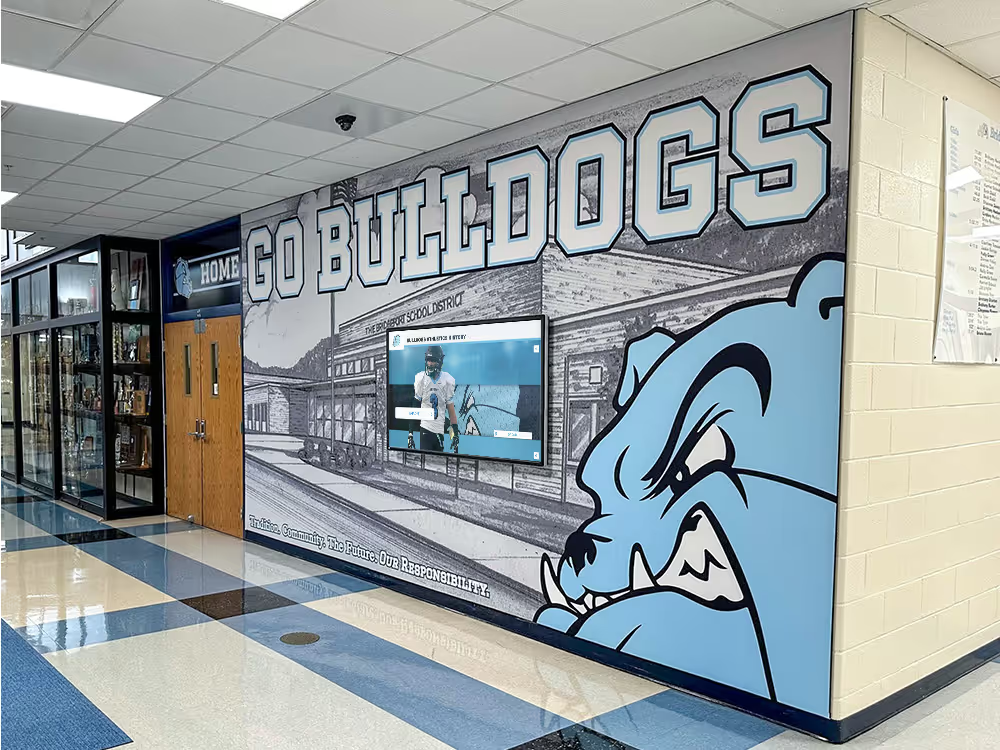
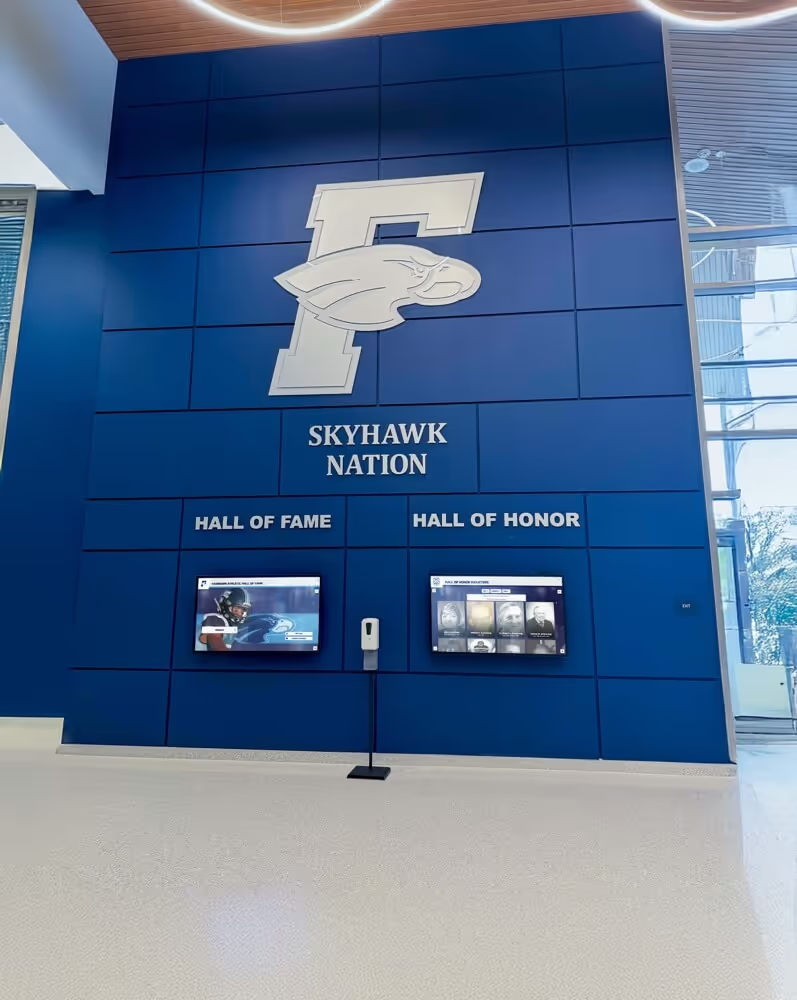
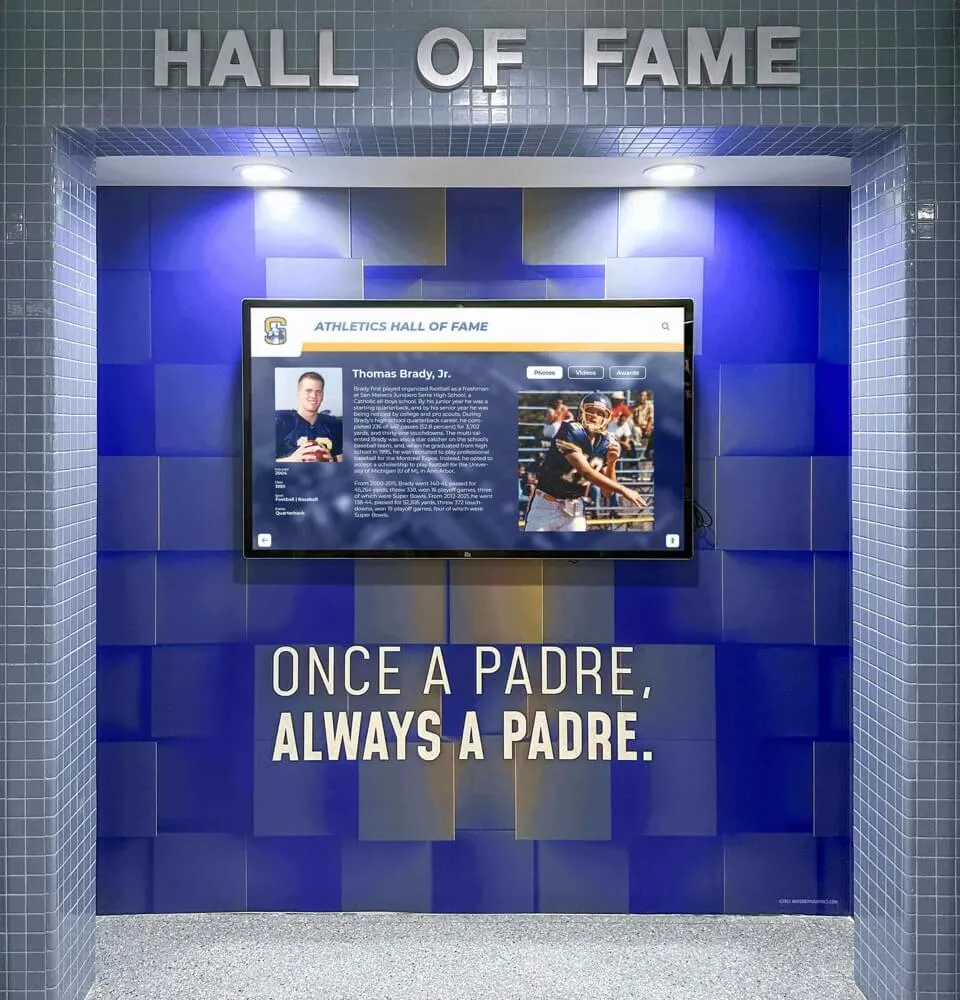
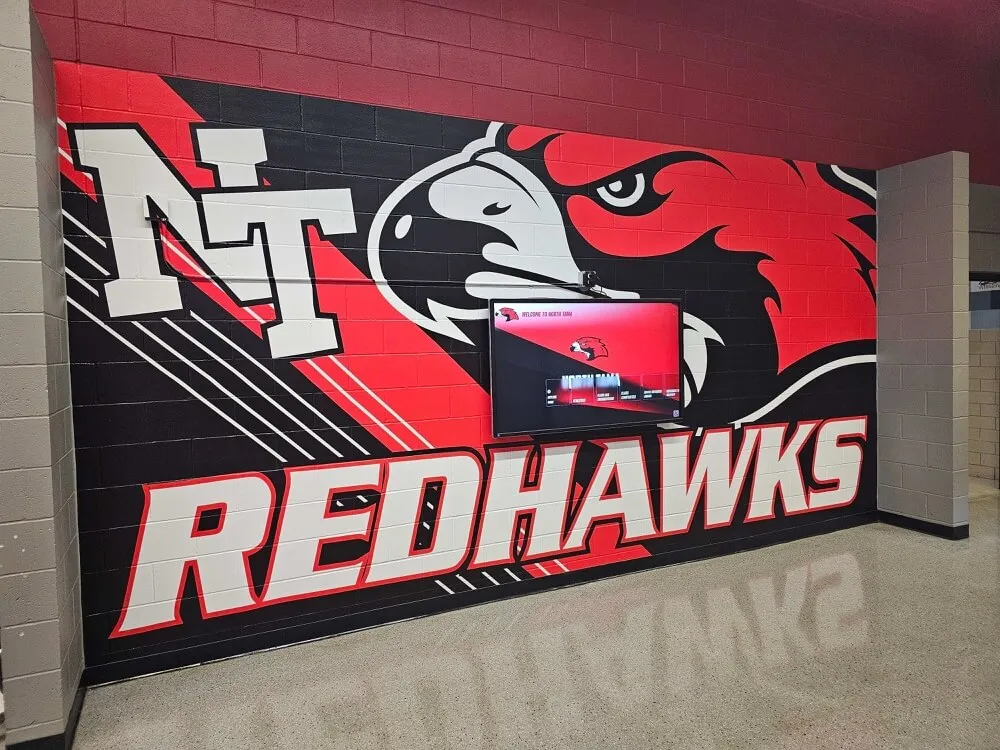
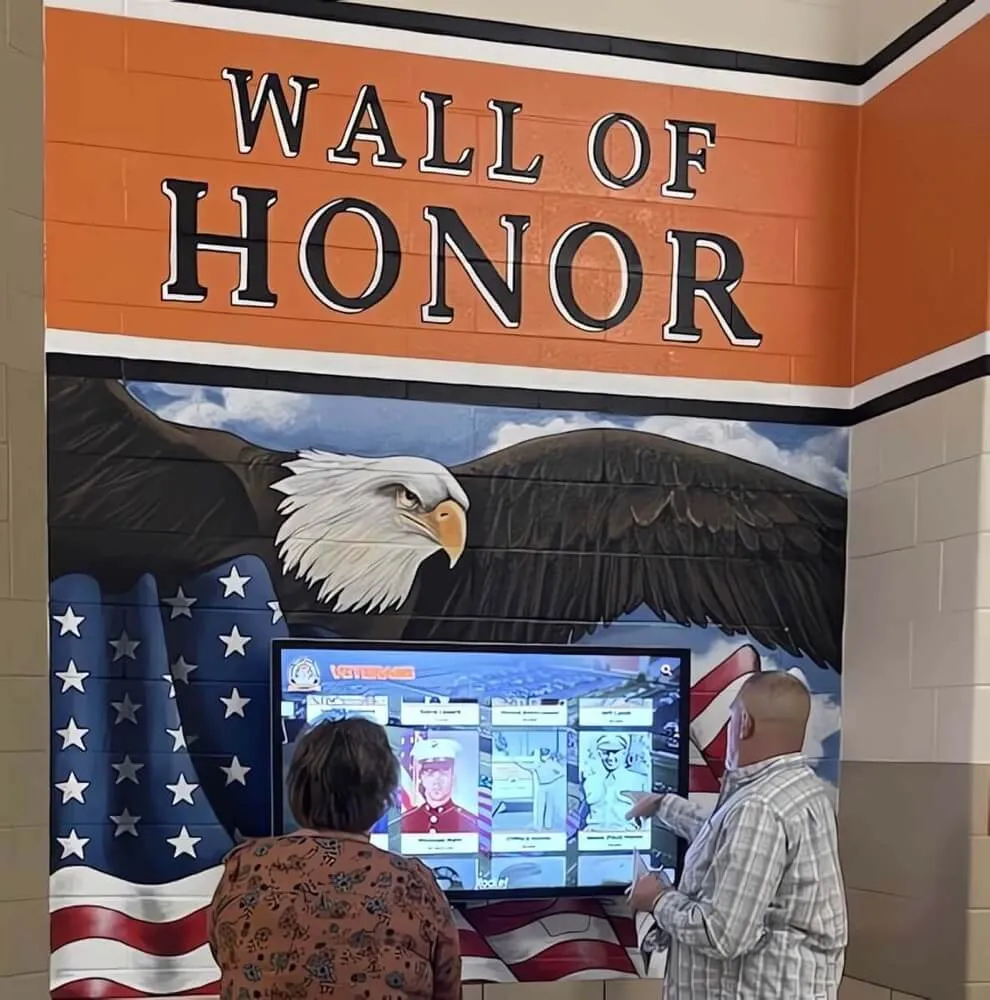
Mascot murals paired with digital athletic record displays create hallway environments that reinforce competitive identity daily
What to Display in School Lobbies and Entrances
The lobby or main entrance is the first space every visitor encounters. It should communicate your school’s identity immediately and invite exploration.
Hall of Fame Displays
A hall of fame display in the lobby serves multiple audiences simultaneously:
- Alumni: Recognition of people they knew or competed alongside
- Recruits and parents: Evidence of program history and achievement levels
- Current students: Aspiration—the names on that wall belonged to someone who sat in the same classrooms
- Community members: Connection to a place they care about
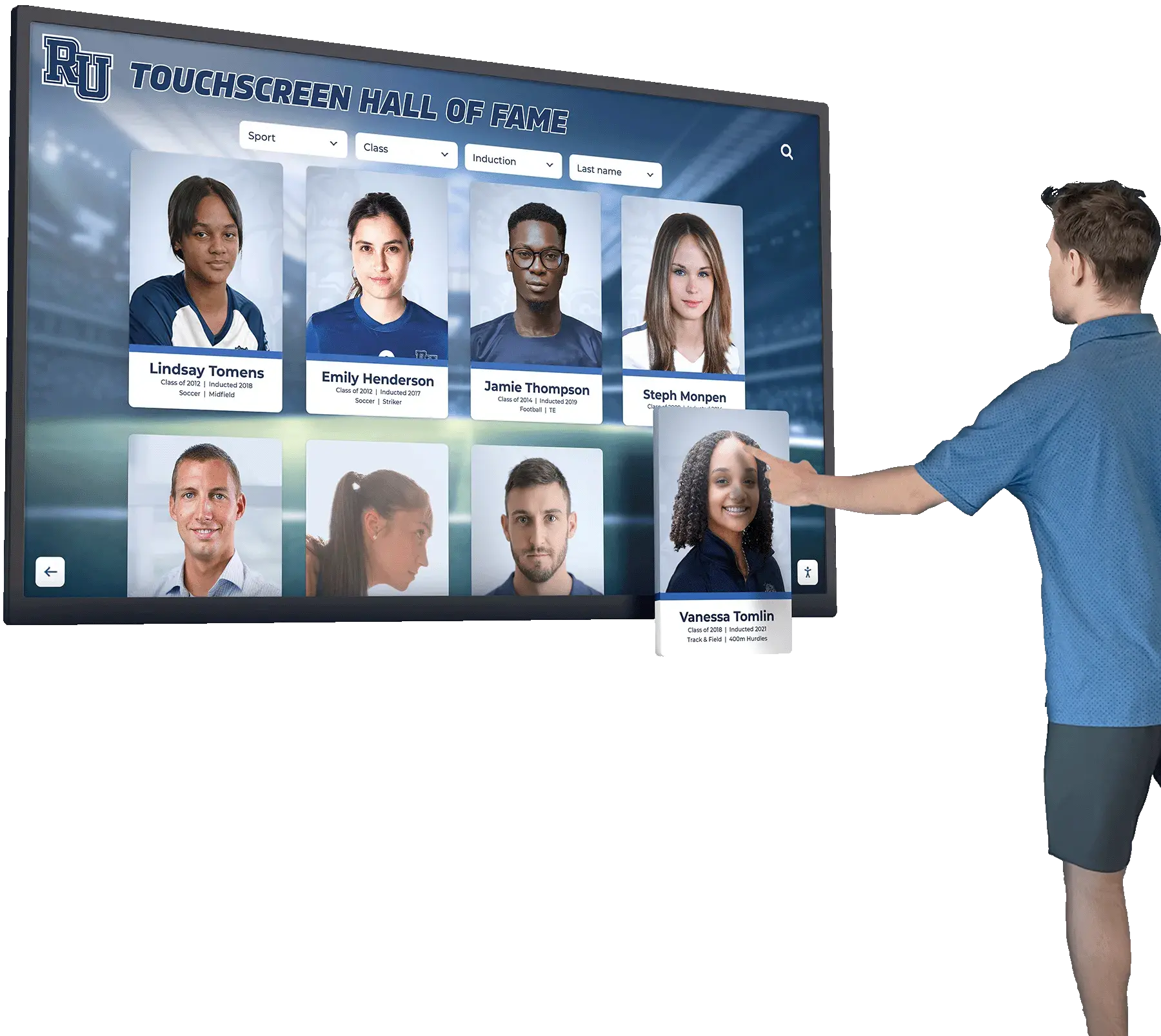
Physical plaques work, but they run out of space quickly and become expensive to maintain. Interactive digital hall of fame systems allow schools to recognize unlimited honorees while keeping the physical footprint manageable.
Trophy Cases
Trophy cases belong in high-traffic areas, not storage rooms. A trophy case visible from the main entrance communicates competitive achievement at a glance. Best practices:
- Organize chronologically or by sport: Random placement makes cases look cluttered
- Include labels: A trophy without context is just hardware. Label each with year, sport, and level of competition
- Illuminate properly: Poor lighting makes trophies look like clutter; proper lighting makes them look like accomplishments
- Rotate displays: If you have more trophies than case space, create a rotation calendar so all sports receive visibility
Digital Welcome Displays
Lobby screens running scheduled content serve multiple functions:
- Welcome messages for visiting teams and officials
- Upcoming event schedules
- Live score updates during competitions
- Rotating highlights and athlete recognition
- Sponsor acknowledgment carousels
These displays can be managed remotely, meaning your communications staff can push updated content from anywhere without physically accessing the facility. Touchscreen wayfinding and building directory systems can serve double duty—helping visitors navigate while displaying recognition content between interactions.
Donor Recognition Walls
If your program accepts booster or capital campaign contributions, the lobby is the correct location for donor recognition. Donors who contribute to facility improvements deserve visibility in the space their contributions built. Options range from engraved wall panels to digital donor walls that can be updated as new contributions arrive—without replacing hardware.

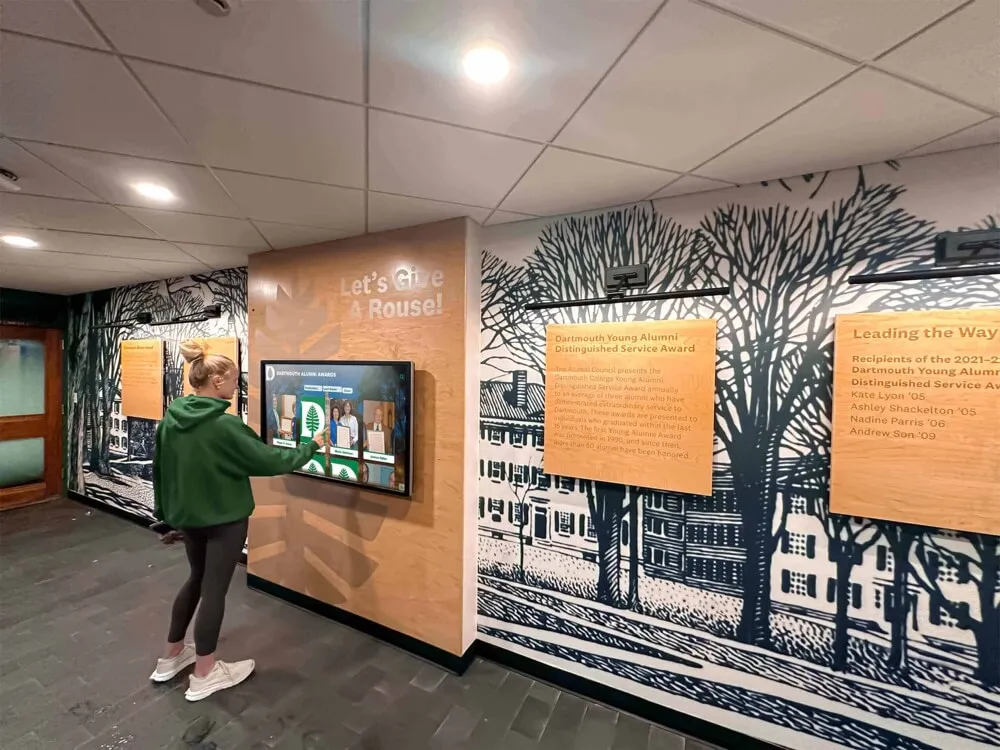
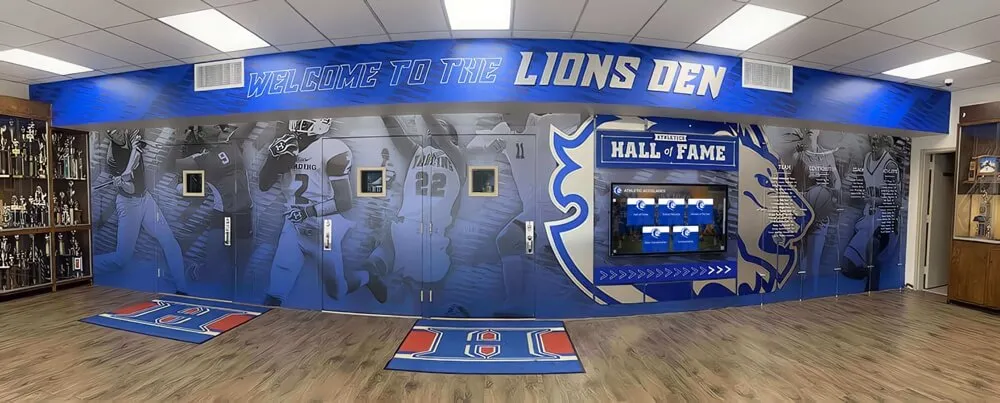
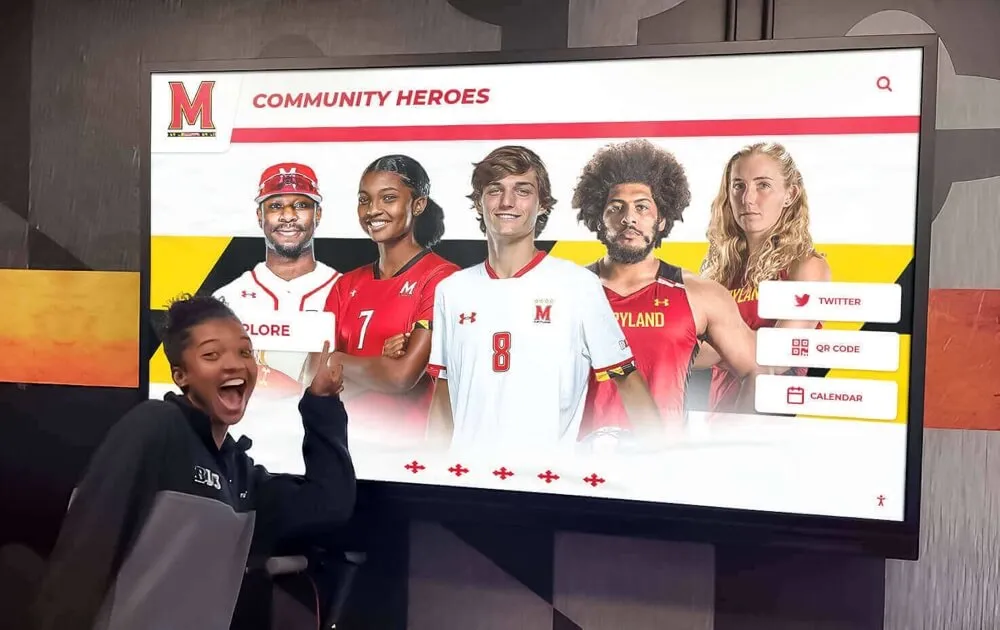
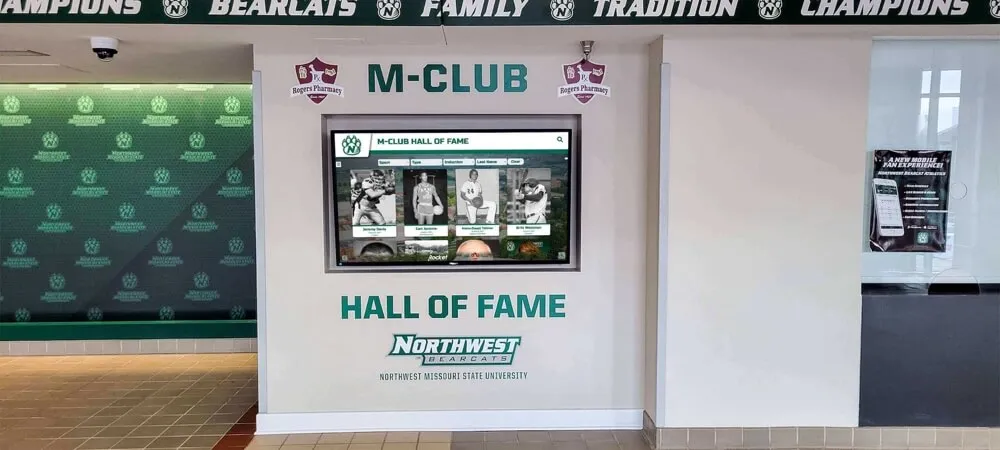
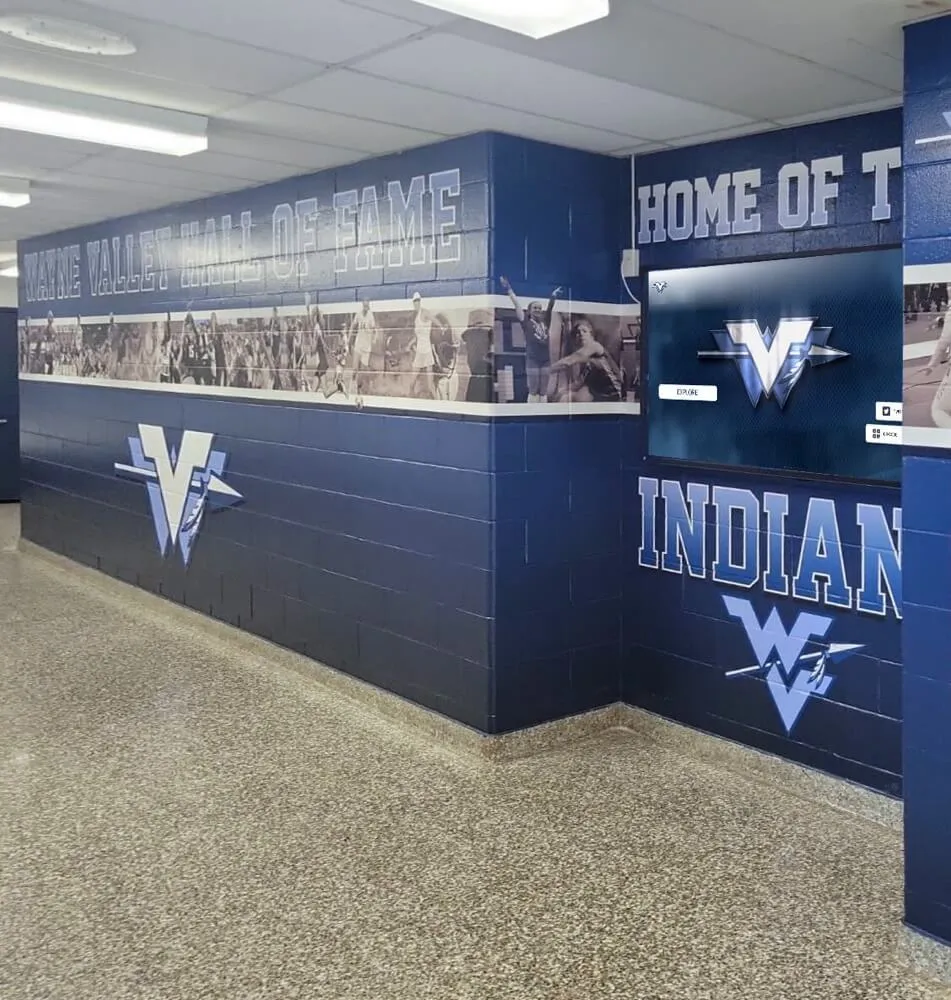
Pairing permanent murals with digital screens in high-traffic hallways creates recognition environments that update with the program while preserving visual identity
What to Display in School Hallways
Hallways represent an often-underutilized branding zone. Students and staff walk these corridors daily, making them ideal for motivational and historical content that compounds over time.
Athletic Honor Boards and Wall of Fame Displays
Honor boards recognizing all-conference athletes, academic all-stars, and team captains work well in hallways adjacent to athletic spaces. Because hallways allow linear storytelling, schools can create chronological displays spanning decades—visitors walk the hallway and walk through program history simultaneously.
Key considerations for hallway honor boards:
- Consistency: Use matching frames, fonts, and layouts across years
- Accessibility: Place displays at eye level; avoid mounting so high they require craning to read
- Lighting: Hallway lighting varies widely; supplemental track lighting on recognition displays significantly improves visibility
Learn more about gallery and recognition displays in schools for ideas that translate well to athletic hallway contexts.
Team History Displays
Hallways are excellent locations for team history content—especially for sports with rich local traditions. A sport-by-sport hallway installation might include:
- Program founding year and first state appearance
- Coaching timeline with win totals
- Decade-by-decade championship summary
- Notable alumni and their post-graduation achievements
Record Boards in Hallways
When gym space is limited, hallway record boards adjacent to the main athletic entrance keep achievements visible to students during every school day. Digital display tools for school communications make it easier to update these records throughout the season without physical reprinting.
Motivational Signage
Beyond achievements, hallway branding can include program-specific motivational content:
- Core values statements
- Program mission or coaching philosophy
- Quote panels from alumni athletes or coaches
- Game-day preparation messaging in locker room corridors
Avoid generic stock imagery and motivational clichés. Hallway signage using your own athletes and coaches creates specificity that generic posters cannot match.

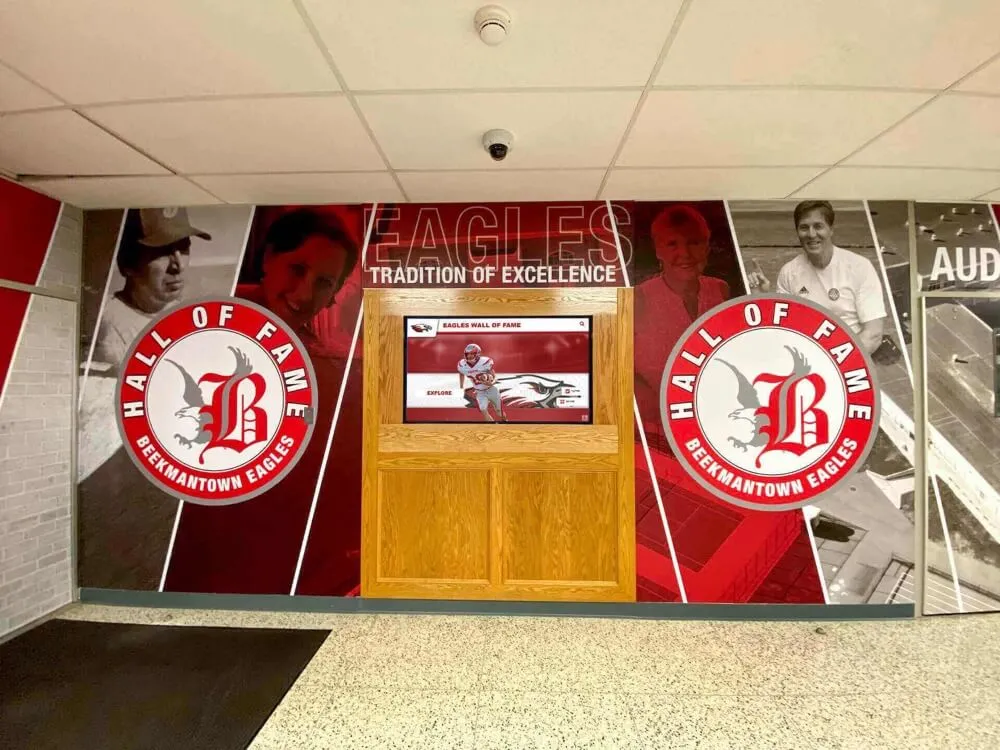
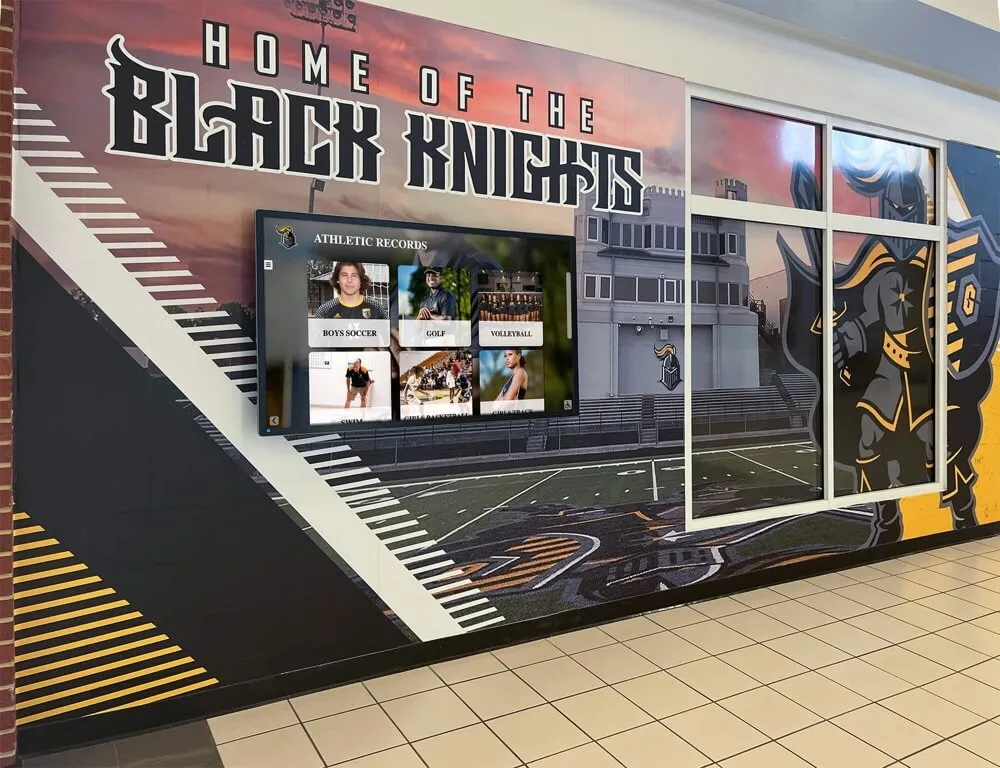
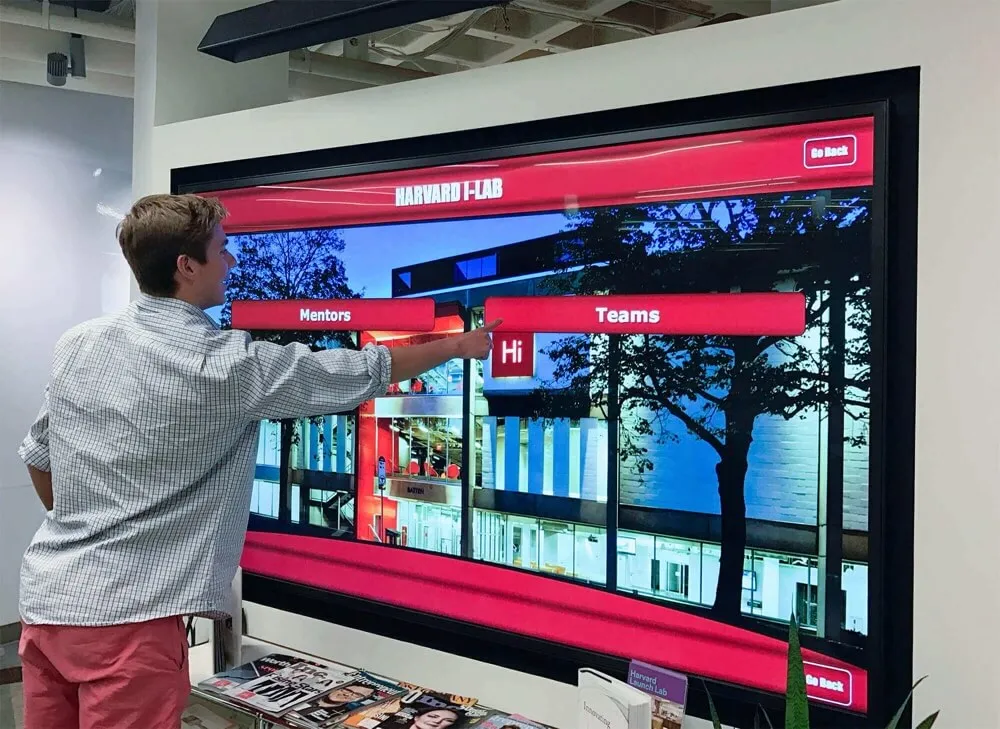
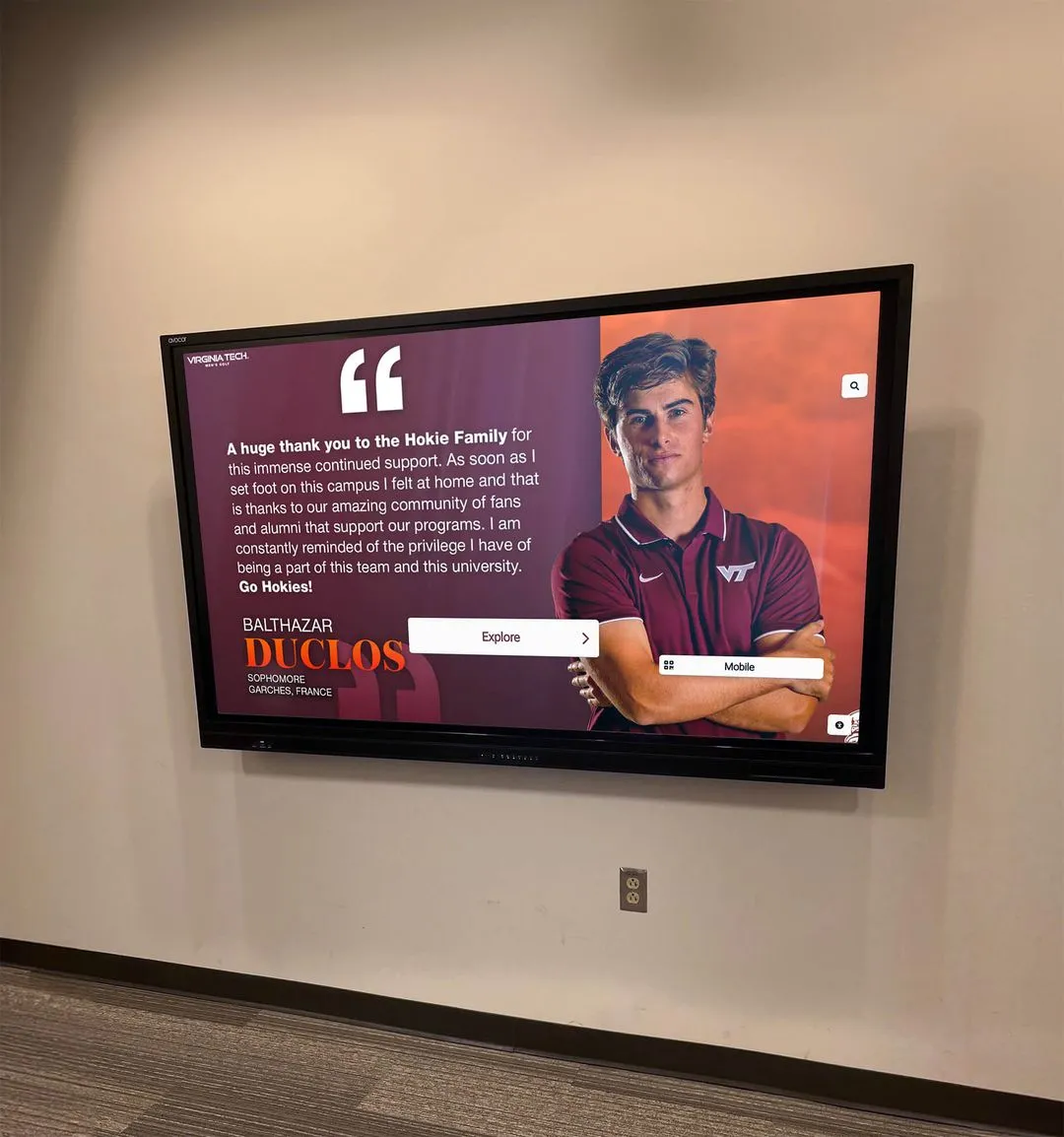
Integrating live display screens into mascot murals creates flexible branding zones that show both permanent identity and rotating recognition content
Physical vs. Digital: Choosing the Right Medium for Each Zone
Not every display needs to be digital, and not every display should remain physical. Here is a practical framework for deciding which medium serves each content type best.
| Display Type | Physical | Digital | Hybrid Recommended |
|---|---|---|---|
| Championship banners | Works well (durable, visible) | Good for overflow/history | Yes—physical for recent, digital for archives |
| Record boards | Requires manual updates | Real-time, remote updates | Yes—digital preferred |
| Hall of fame | Space-limited over time | Unlimited capacity | Yes—digital with physical focal point |
| Trophy cases | High tactile impact | N/A | Physical with digital labels |
| Donor walls | Elegant for major donors | Scalable, easily updated | Depends on gift size |
| Team histories | Works for static eras | Interactive, searchable | Digital preferred |
| Welcome/events | Quickly outdated | Remote updates, always current | Digital only |
Schools investing in athletic facility branding typically start with high-impact physical elements (mascot murals, championship banners, trophy cases) and layer in digital solutions for content that changes frequently or accumulates over time.
See What Athletic Facility Branding Looks Like in Action
Rocket Alumni Solutions helps schools design and deploy recognition environments for gyms, lobbies, and hallways—from interactive hall of fame touchscreens to digital record boards updated remotely in real time.
Book a Live DemoSponsor Recognition: Integrating Partners Without Diluting Your Brand
Booster clubs and corporate sponsors represent a funding reality for many athletic programs. The challenge is displaying sponsor recognition in a way that supports the brand environment rather than cluttering it.
Best Practices for Sponsor Visibility
Designate specific sponsor zones: Scoreboards, digital lobby screens, and printed programs are natural sponsor locations. Mixing sponsor logos into your hall of fame display or championship banner wall dilutes both the recognition and the sponsorship.
Use digital carousels for rotating sponsors: A digital screen in the lobby or hallway can rotate sponsor acknowledgment between recognition content, providing visibility without permanent physical clutter.
Match sponsor display quality to the rest of your environment: If your hallway branding is high-quality printed graphics and dimensional displays, sponsor signage should match that production quality. Amateur-quality sponsor banners next to professional murals signal that sponsorship is an afterthought.
Establish naming rights tiers for facilities: Court names, locker room names, and weight room names provide durable, high-visibility recognition for major contributors that integrates naturally into the environment.
Sponsor Acknowledgment on Digital Platforms
Digital recognition systems can include sponsor acknowledgment natively—logos displayed during screensaver modes, sponsor names integrated into record board displays, or dedicated sponsor panels within interactive kiosks. This approach keeps sponsor visibility intact while keeping physical wall space focused on athletic recognition.
Planning Your Athletic Facility Branding Zones: A Step-by-Step Approach
Step 1: Audit Existing Displays
Walk every space with a camera and notebook. Photograph what exists, note condition, and identify gaps. Most schools discover a mix of high-quality and neglected displays that reflect unplanned accumulation rather than intentional design.
Step 2: Define Content Categories by Zone
Map out which content belongs where:
- Gym: Championship banners, retired numbers, current record boards, mascot graphics
- Lobby: Hall of fame, trophy cases, donor recognition, welcome/events digital display
- Hallways: Team histories, honor boards, motivational signage, overflow record boards
Step 3: Inventory Your Content
Before choosing display formats, know what you need to display:
- How many championships exist (by sport and level)?
- How many hall of fame honorees are there or planned?
- How many record categories exist across all sports?
- How many donor recognition tiers need visibility?
Content volume determines whether physical or digital solutions are more appropriate.
Step 4: Set a Phased Budget
Most schools cannot brand every space simultaneously. A phased approach:
- Phase 1 (Year 1): High-visibility anchor elements—lobby hall of fame or digital welcome display, gym mascot mural or championship banner refresh
- Phase 2 (Year 2): Hallway honor boards, digital record boards
- Phase 3 (Year 3): Sponsor integration, wayfinding, secondary sport recognition
Step 5: Establish a Content Maintenance Plan
Facility branding fails when it becomes outdated. Before installing any display, designate who owns content updates, establish a regular review calendar, and confirm your technology choices allow updates without specialized technical staff.
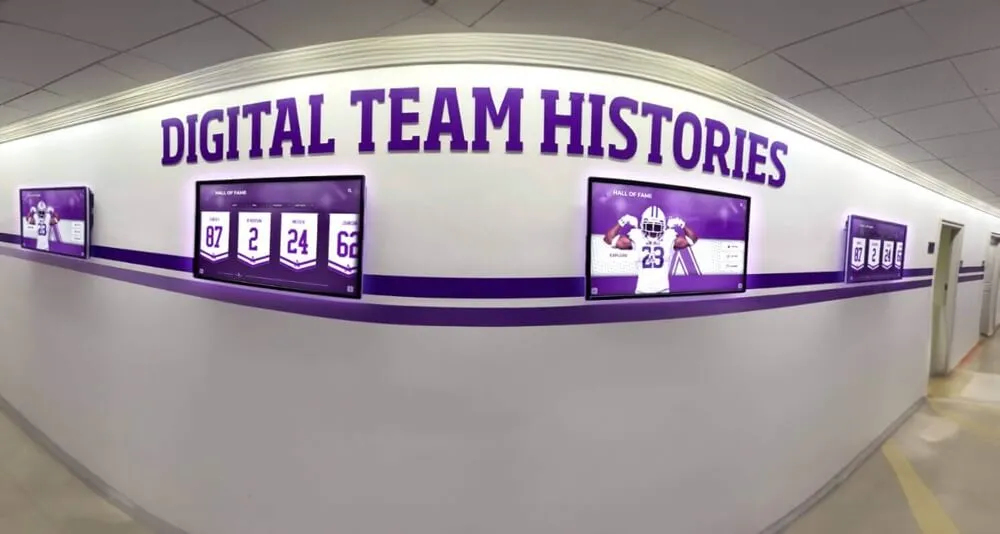
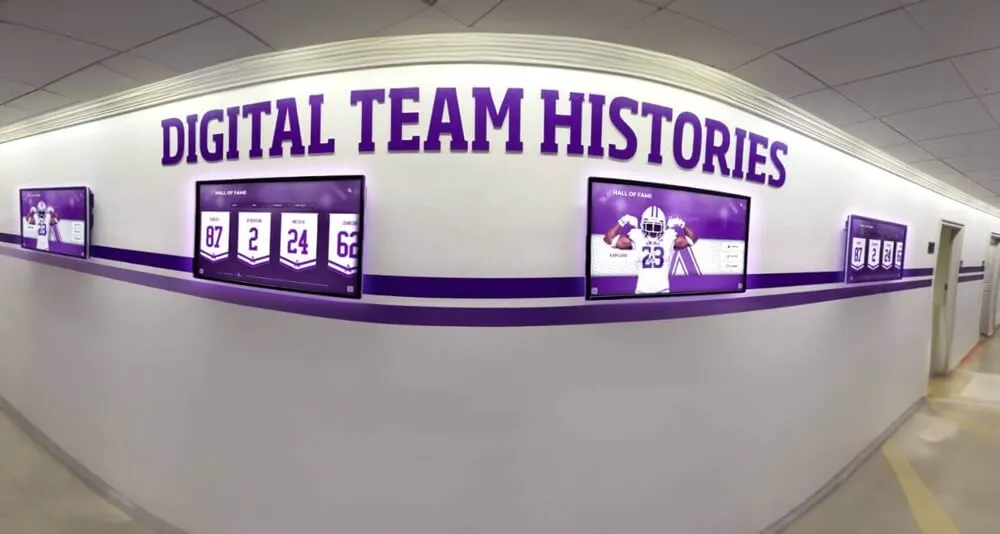
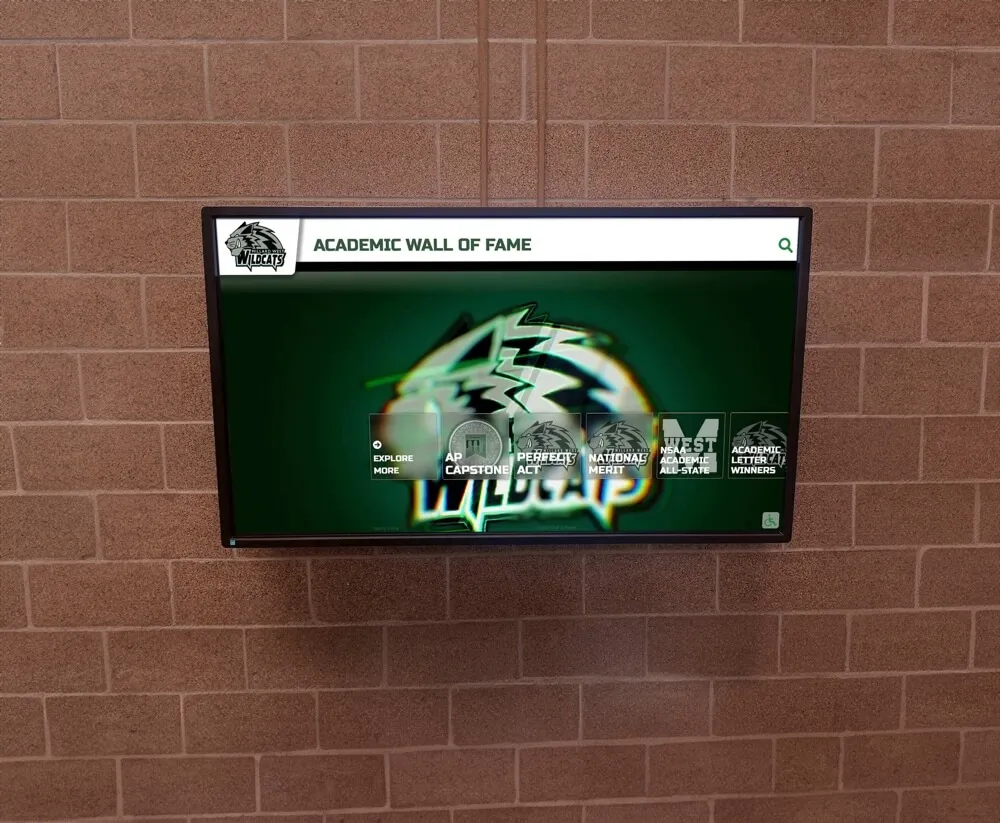
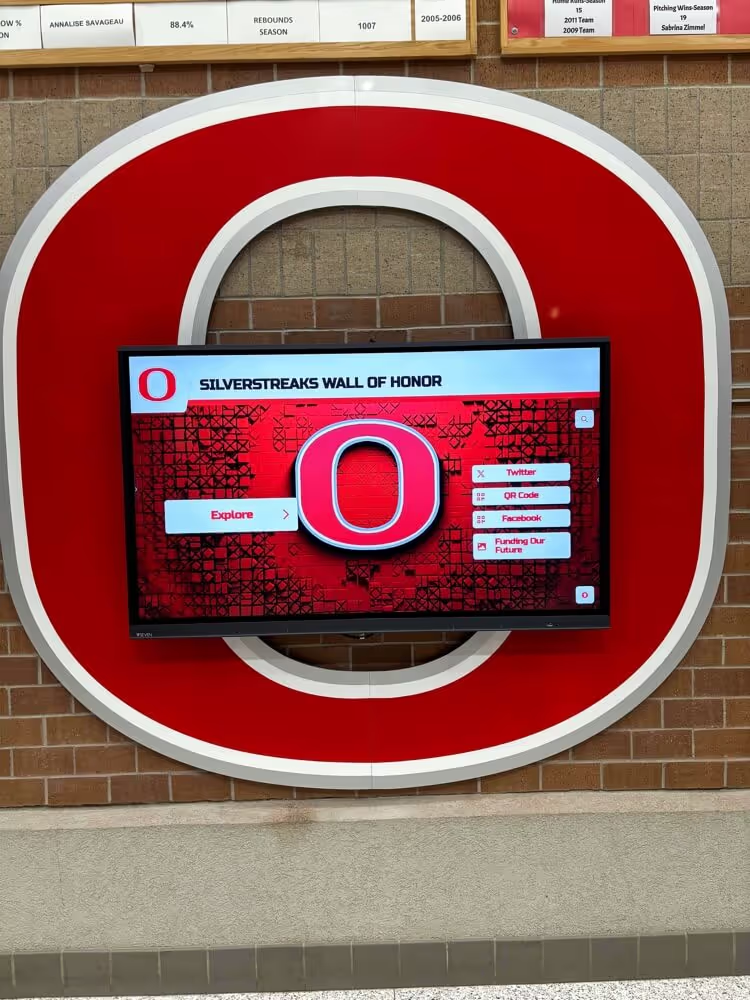
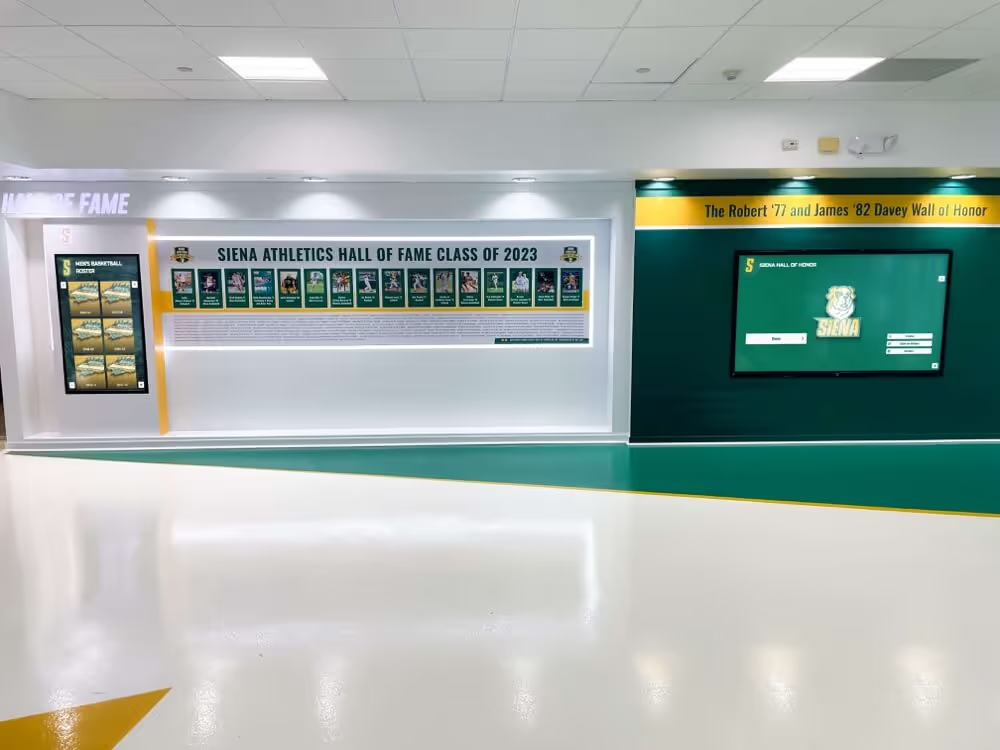
Consistent color theming across digital hallway displays reinforces school identity and makes athletic history content easy to navigate
Senior Night and End-of-Season Recognition Displays
Athletic facility branding extends beyond permanent installations. Seasonal recognition moments—senior nights, banquets, end-of-year awards—benefit from dedicated display strategies.
Senior night displays in the gym or lobby create memorable experiences for athletes and families. Temporary installations (banners, photo displays, highlighted name boards) that align with your permanent branding aesthetic show investment in the moment without looking improvised.
Schools that build recognition into their digital display infrastructure can activate senior night content across lobby and hallway screens simultaneously, creating a facility-wide experience rather than a single-room event. For sport-specific ideas, senior night recognition approaches can help teams think through what display elements make the experience meaningful.
Frequently Asked Questions About Athletic Facility Branding
How often should record boards be updated? Individual sport record boards should be reviewed at the conclusion of each season, at minimum. Digital record boards allow mid-season updates so current leaders appear in real time—a feature that dramatically increases student engagement with the display.
Should we use the same vendor for all zones? Not necessarily—but consistency in color, typography, and material quality across zones matters more than vendor consolidation. If using multiple vendors, establish brand standards before work begins.
How do we handle sports that have fewer achievements to display? Focus on effort and participation recognition for developing programs, and emphasize team history even if that history is short. A display showing a program’s founding and growth arc is meaningful even without state championships.
What’s the typical cost range for athletic facility branding projects? Scope varies enormously. A single digital lobby display might run $3,000–$8,000 installed. A comprehensive gym refresh with murals, banner systems, and digital record boards for a high school typically runs $15,000–$60,000 depending on materials and scope. Multi-zone projects including lobbies, hallways, and athletic spaces often range from $40,000–$150,000.
How do digital displays affect maintenance costs over time? Digital systems shift costs from physical reprinting and installation to software licensing and occasional hardware maintenance. For programs that update records or recognition frequently, the ongoing cost of digital is typically lower than repeated physical reprinting. For static content that rarely changes, physical is often more cost-effective long-term.
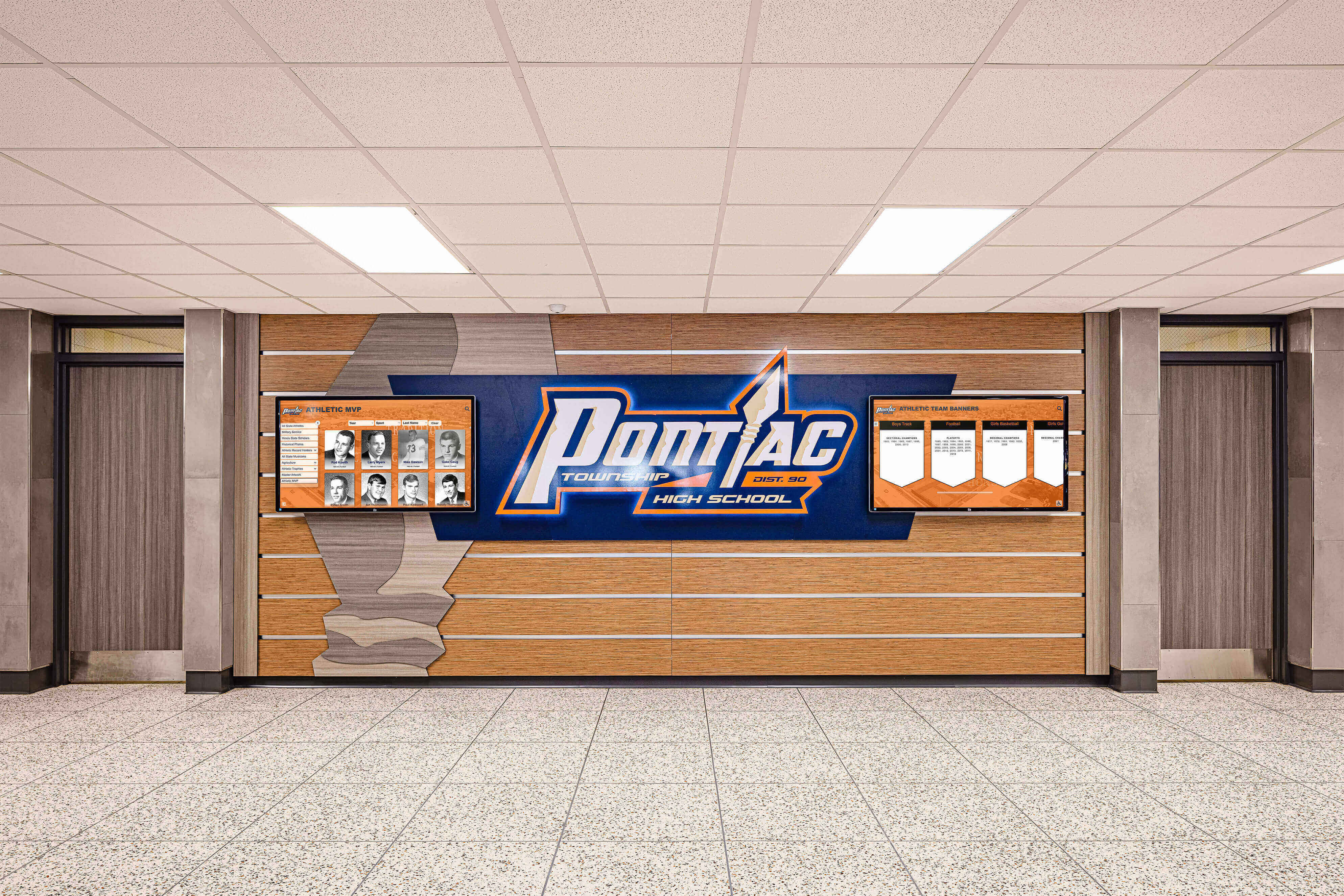
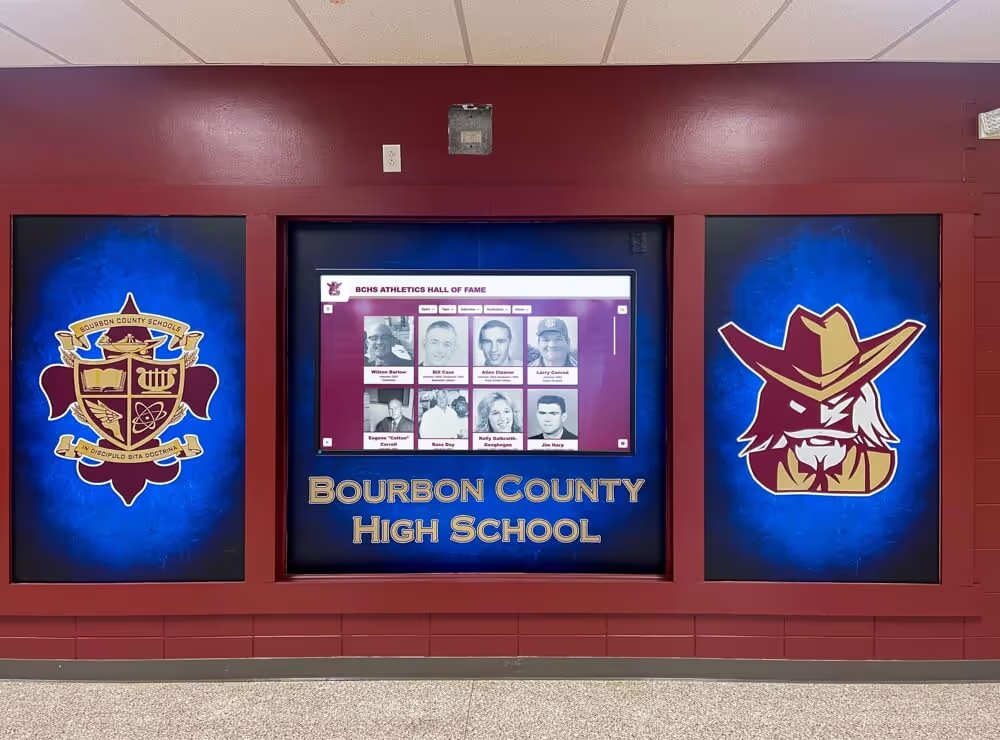
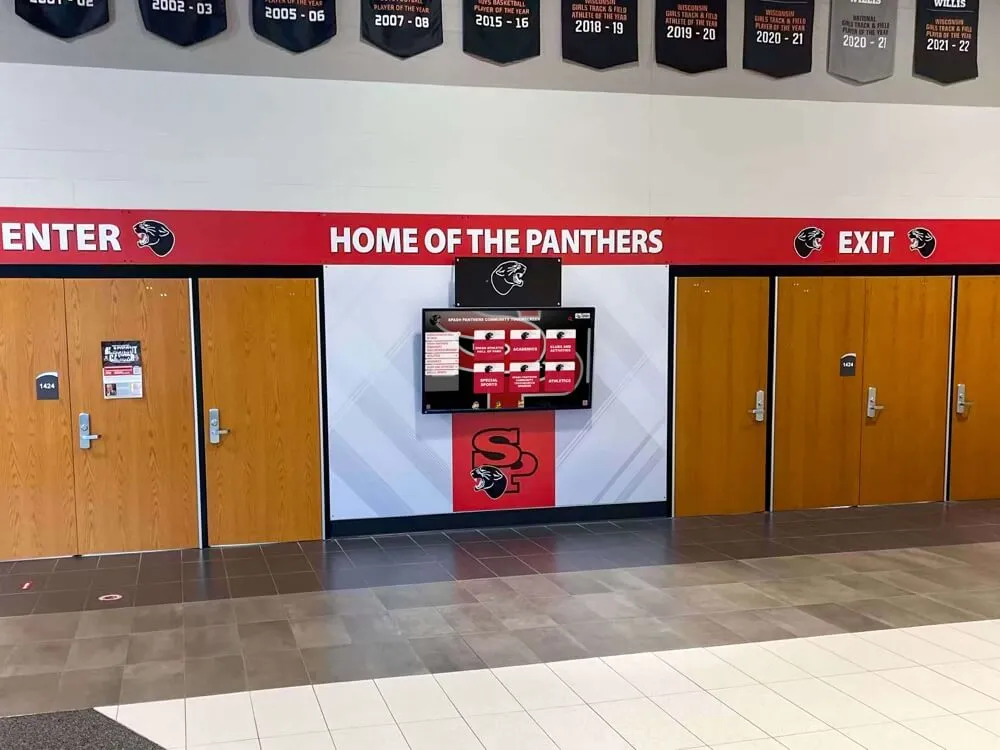
Organized honor boards with consistent logo usage and clear labeling create hallway recognition environments that communicate program quality to every visitor
Building a Recognition Environment That Lasts
The goal of athletic facility branding is not decoration—it’s environment. Schools that invest thoughtfully in what they display in their gyms, lobbies, and hallways build spaces where athletes want to compete, alumni want to return, donors want to contribute, and communities want to gather.
The most effective programs treat facility branding as infrastructure, not an event. They establish systems—for adding honorees, updating records, acknowledging sponsors, and archiving history—that scale with the program rather than requiring periodic overhauls.
Whether you’re starting from scratch or refreshing existing displays, the framework is the same: audit what you have, define what belongs where, choose media that matches update frequency, and build in the maintenance systems that keep every display accurate and dignified over time.
Ready to Transform Your Athletic Facility Branding?
Rocket Alumni Solutions partners with schools to design recognition environments for gyms, lobbies, and hallways—interactive hall of fame kiosks, digital record boards, sponsor-aware display systems, and more. See how your facility could look.
Book a Free Demo