



Landing an athletic director position represents the culmination of years of coaching experience, administrative development, and leadership growth. The interview process for these roles evaluates not just your qualifications but your vision, values, and ability to navigate complex institutional challenges while advancing athletic excellence.
Athletic director interviews differ significantly from traditional coaching or teaching interviews. Selection committees probe deeply into fiscal management, Title IX compliance, crisis response, community relations, facility planning, and strategic leadership—domains requiring sophisticated understanding beyond X’s and O’s. Strong candidates demonstrate comprehensive athletic administration knowledge while articulating clear leadership philosophies aligned with institutional missions.
This guide prepares aspiring athletic directors for the rigorous interview process by exploring the questions you’ll encounter, effective response frameworks, preparation strategies, and critical competencies committees evaluate when selecting the leader who will shape their athletic program’s future.
Whether you’re transitioning from coaching to administration, moving from assistant to head AD positions, or seeking opportunities at larger institutions, understanding what interview committees truly seek enables you to present yourself as the comprehensive leader schools need in today’s complex athletic landscape.

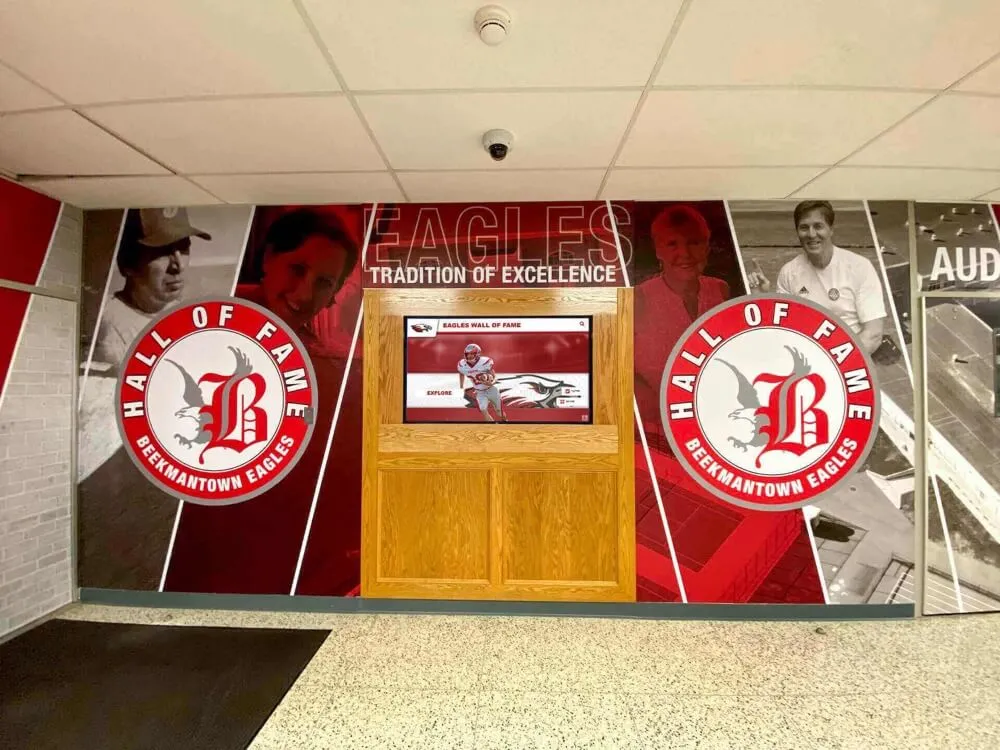
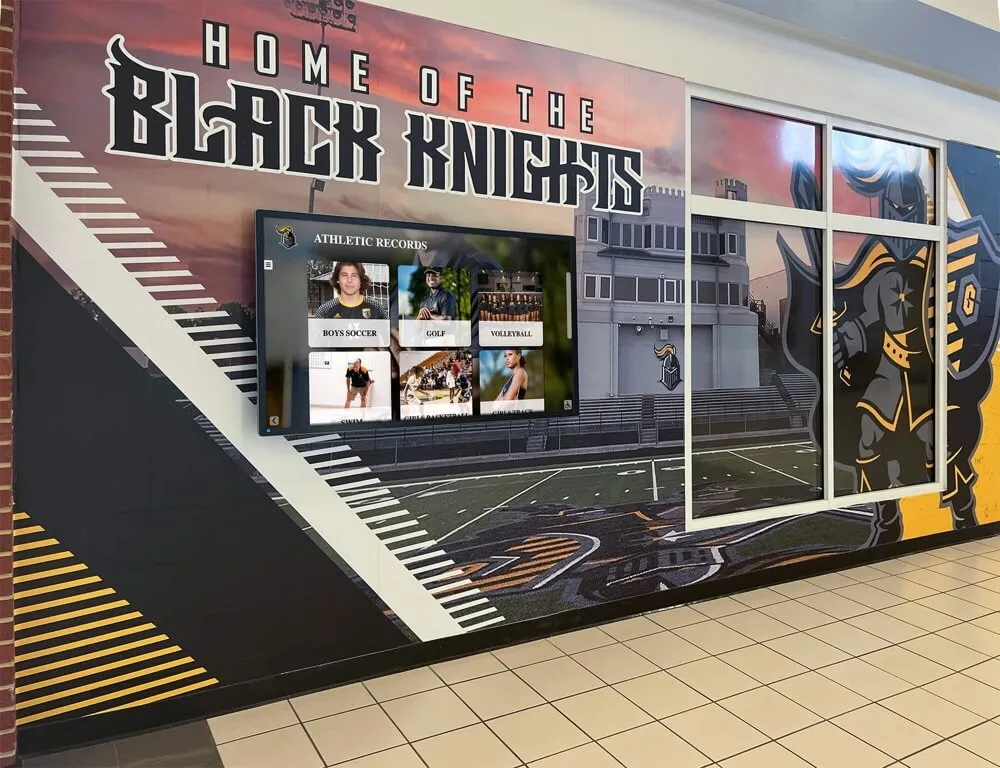
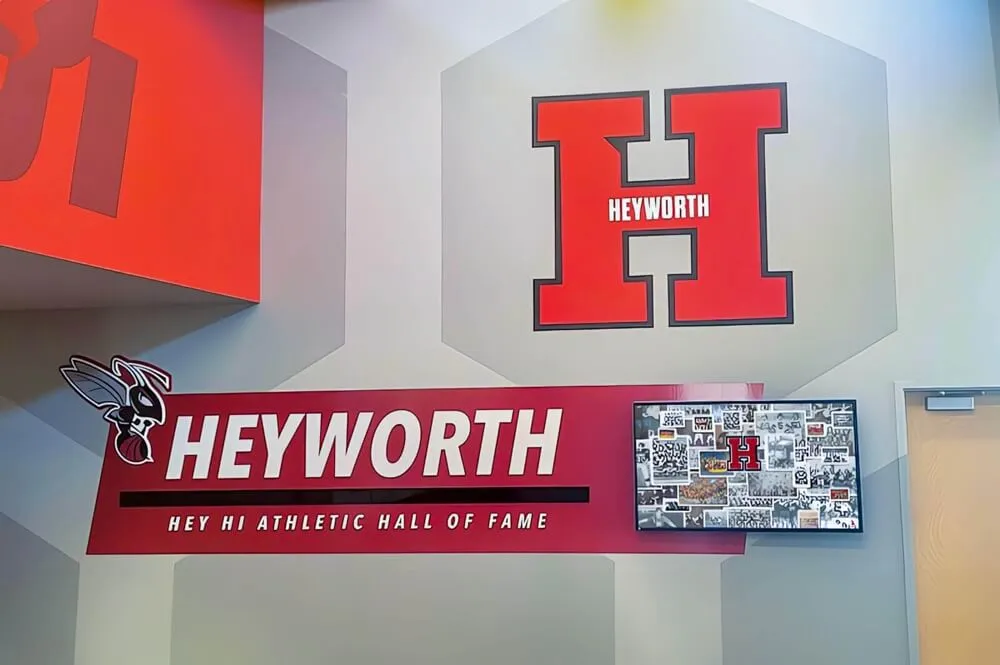
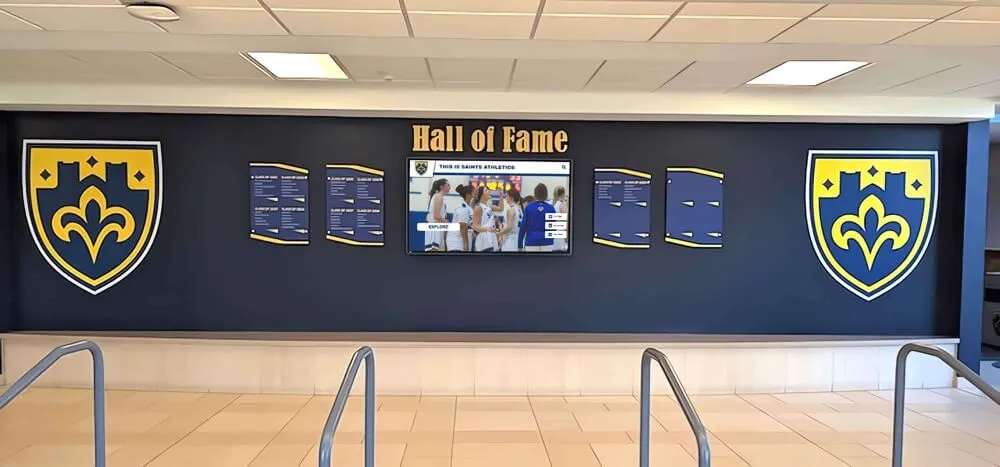
Athletic directors shape program cultures recognizing achievement while building sustainable excellence frameworks
Understanding the Athletic Director Role and Selection Process
Before diving into specific questions, understanding what schools seek in athletic directors helps you frame responses demonstrating requisite competencies.
Core Responsibilities Driving Interview Questions
Program Management and Operations Athletic directors oversee comprehensive athletic departments including:
- Scheduling competitions across multiple sports and competition levels
- Transportation, equipment, and facility management
- Coaching staff hiring, evaluation, and professional development
- Game day operations and event management
- Athletic communication and community engagement
- Compliance with state, conference, and national regulations
- Emergency response and risk management protocols
Fiscal Leadership Budget oversight represents critical AD responsibilities:
- Developing annual athletic budgets aligned with available resources
- Allocating funds equitably across programs while meeting Title IX requirements
- Revenue generation through ticket sales, sponsorships, and fundraising
- Expense management maintaining fiscal sustainability
- Capital planning for facilities and equipment replacement
- Grant applications and alternative funding source development
- Financial reporting and accountability to administration
Personnel Management Effective athletic directors build and lead coaching teams:
- Recruiting, interviewing, and selecting qualified coaches
- Conducting meaningful performance evaluations
- Addressing conflicts and performance concerns
- Professional development planning supporting coach growth
- Building cohesive department culture despite competitive pressures
- Managing difficult personnel decisions when necessary
- Creating structures promoting collaboration versus isolation
Strategic Planning Forward-thinking ADs develop long-term visions:
- Assessing current program strengths, weaknesses, and opportunities
- Setting measurable goals aligned with institutional priorities
- Creating implementation plans with clear timelines and responsibilities
- Engaging stakeholders in planning processes building ownership
- Monitoring progress and adjusting strategies based on results
- Communicating vision effectively to diverse constituencies
- Building programs sustainably rather than pursuing short-term wins
Understanding these responsibilities clarifies why interview questions probe each domain thoroughly.

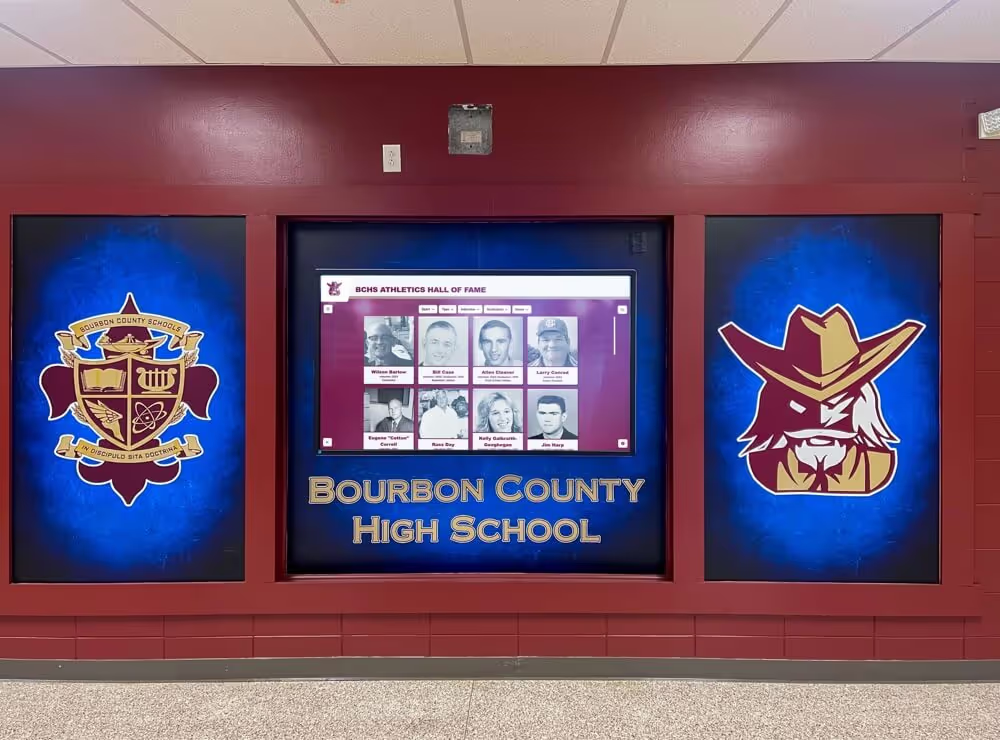
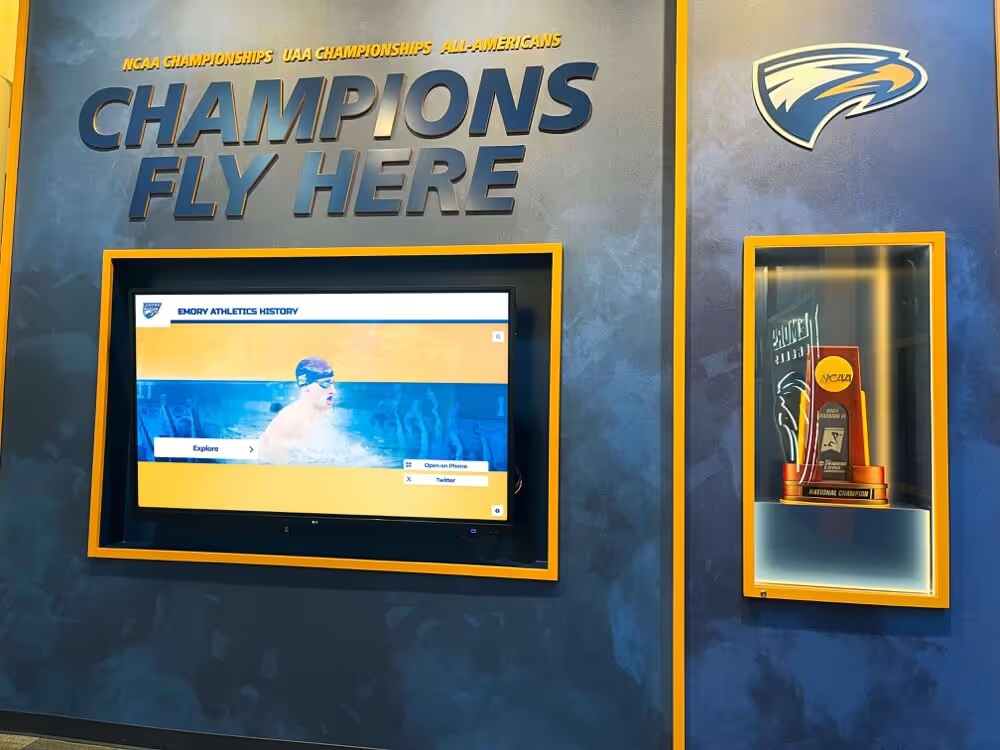
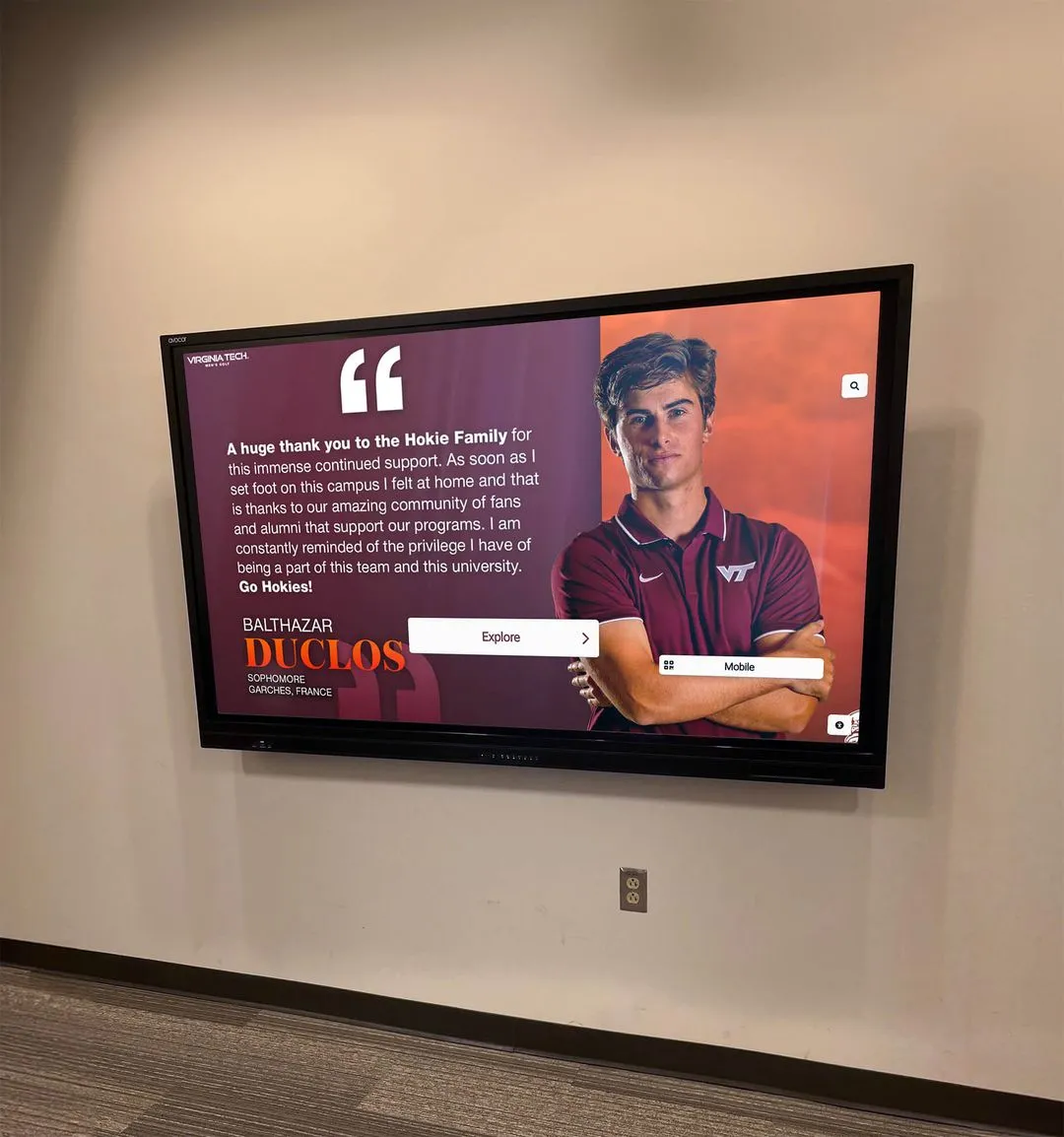
Modern athletic directors balance tradition and innovation creating facilities celebrating history while supporting current program needs
Who Evaluates You: Understanding Interview Committees
Athletic director selection typically involves multiple interview rounds with different stakeholders:
Superintendent or Principal Building leadership evaluates:
- Alignment with institutional values and educational mission
- Ability to represent athletics appropriately within broader school priorities
- Communication skills and professional presence
- Problem-solving approach and crisis management capability
- Fiscal responsibility and budget management competence
Human Resources Representatives HR staff assess:
- Understanding of employment law, contracts, and hiring processes
- Title IX knowledge and commitment to equitable programs
- Conflict resolution skills and personnel management approaches
- Documentation practices and professional accountability
- References and credential verification
Existing Coaches and Staff Internal stakeholders evaluate:
- Leadership style and department culture vision
- Respect for coaching expertise and autonomy
- Support for program development and coach success
- Communication accessibility and collaboration approaches
- Understanding of specific sports and operational realities
School Board or Trustees Governance bodies consider:
- Community relations and public communication skills
- Long-term strategic thinking and program sustainability
- Fiscal stewardship protecting institutional resources
- Ability to navigate political dynamics and diverse perspectives
- Experience and qualifications compared to other candidates
Parents and Community Representatives External stakeholders assess:
- Accessibility and responsiveness to concerns
- Values alignment regarding competition, sportsmanship, and student welfare
- Ability to build support and maintain positive community relationships
- Transparency and willingness to engage different viewpoints
Each constituency weighs different competencies, requiring candidates to demonstrate comprehensive leadership rather than narrow expertise.
Leadership Philosophy and Vision Questions
Committees begin by understanding your core values and how you conceptualize the athletic director role.
“What is your philosophy of athletic leadership?”
This foundational question reveals your values, priorities, and how you view athletics within education.
Effective Response Framework:
- Connect athletics to educational mission: Begin by positioning athletics as integral to comprehensive education rather than separate or oppositional to academics
- Articulate core values: Identify 3-4 principles guiding your leadership (integrity, equity, student-centeredness, excellence, etc.)
- Demonstrate balance: Show understanding that athletics must serve multiple purposes—competition, character development, community building, and institutional representation
- Provide concrete examples: Illustrate philosophy through specific leadership decisions reflecting stated values
- Acknowledge complexity: Recognize that philosophy must adapt to different contexts while maintaining core principles
Sample Response Components:
“I believe athletic programs exist fundamentally to serve student-athletes’ development—athletically, academically, socially, and personally. Excellence matters, but how we pursue excellence teaches lessons more lasting than any championship. My leadership prioritizes creating environments where coaches can develop athletes holistically, where equity ensures all students receive quality experiences regardless of sport or gender, where fiscal responsibility sustains programs for future generations, and where community engagement builds support strengthening entire schools.”
What Committees Evaluate:
- Whether philosophy aligns with institutional values
- Depth of thinking beyond superficial platitudes
- Balance between competition and education
- Student-centeredness versus ego or win-at-all-costs thinking
- Ability to articulate clear principles guiding decisions
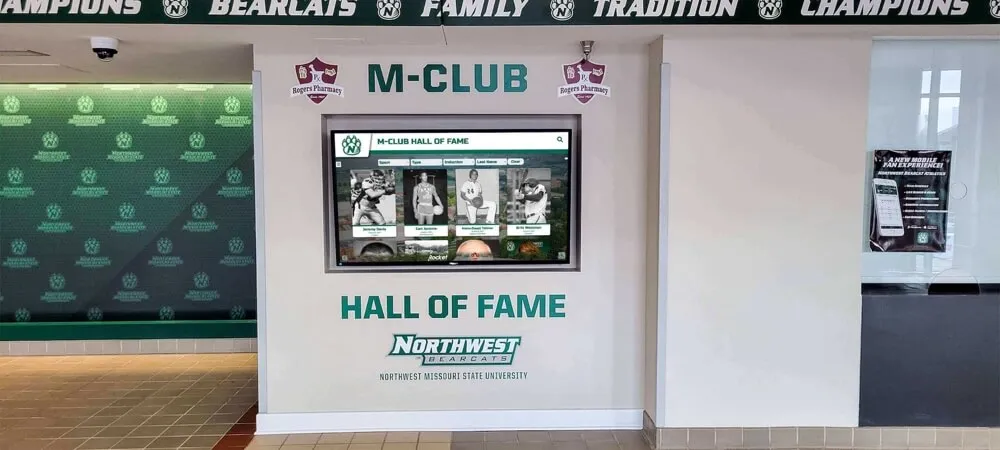
Explore comprehensive athletic program leadership in athletic hall of fame complete guide for administrative frameworks.
“Where do you see our athletic program in five years?”
This question assesses strategic thinking, research about the specific institution, and ability to develop actionable visions.
Effective Response Framework:
- Demonstrate knowledge of current state: Show you’ve researched facilities, competitive success, resources, and recent challenges
- Identify realistic opportunities: Propose achievable improvements addressing identified needs
- Balance aspiration and pragmatism: Set ambitious goals grounded in resource realities
- Include multiple program dimensions: Address competitive success, facilities, culture, participation, and community engagement
- Explain implementation approach: Outline how you’d move from current state to desired future
Sample Response Components:
“Based on my research, your program has strong community support but faces facility challenges, particularly in soccer and track. In five years, I envision renovated competition venues positioning us competitively for conference championships while increasing student participation by 15% through improved facilities and expanded opportunities. I’d work with your boosters and administration developing phased facility plans beginning with priority needs identified through stakeholder input. Simultaneously, we’d strengthen coach development, enhance athlete recognition systems, and build traditions creating program identity. The foundation exists—we’d systematically address limitations preventing you from achieving the excellence your community deserves.”
What Committees Evaluate:
- Research depth and institutional understanding
- Realistic versus grandiose or vague aspirations
- Systematic thinking about change processes
- Respect for existing strengths versus criticism
- Ability to prioritize among competing needs
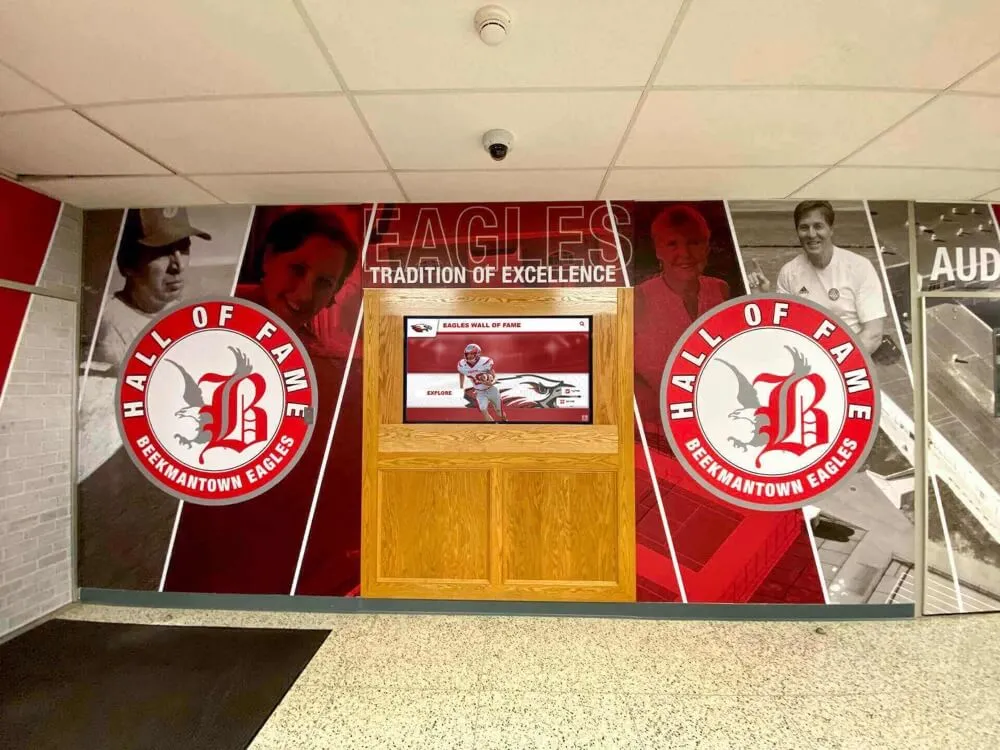
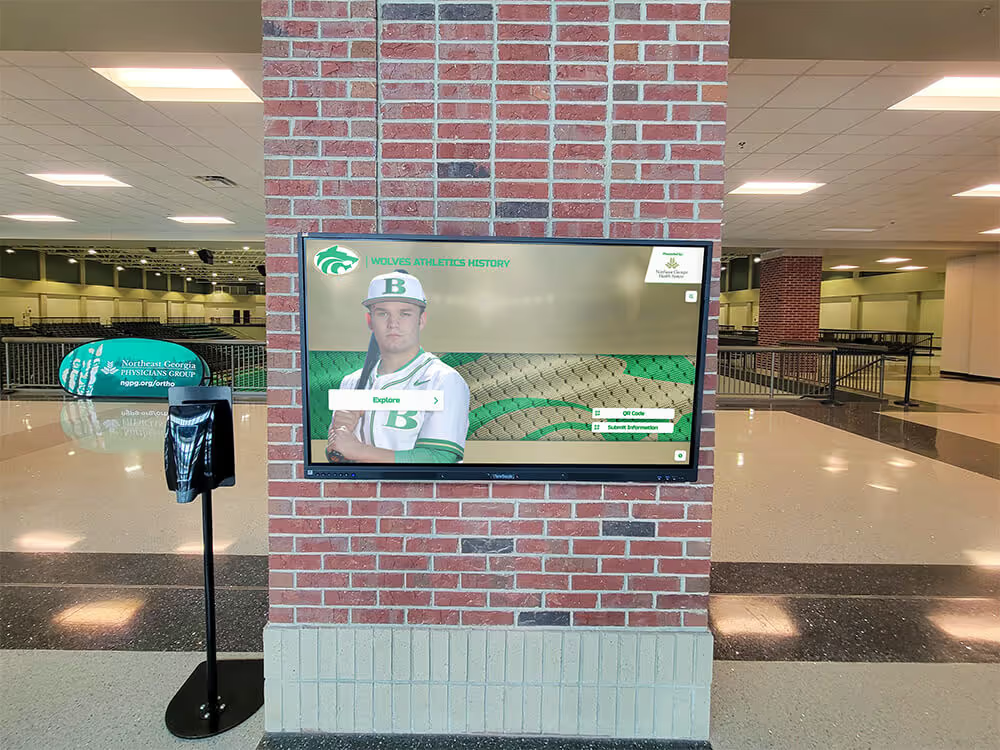
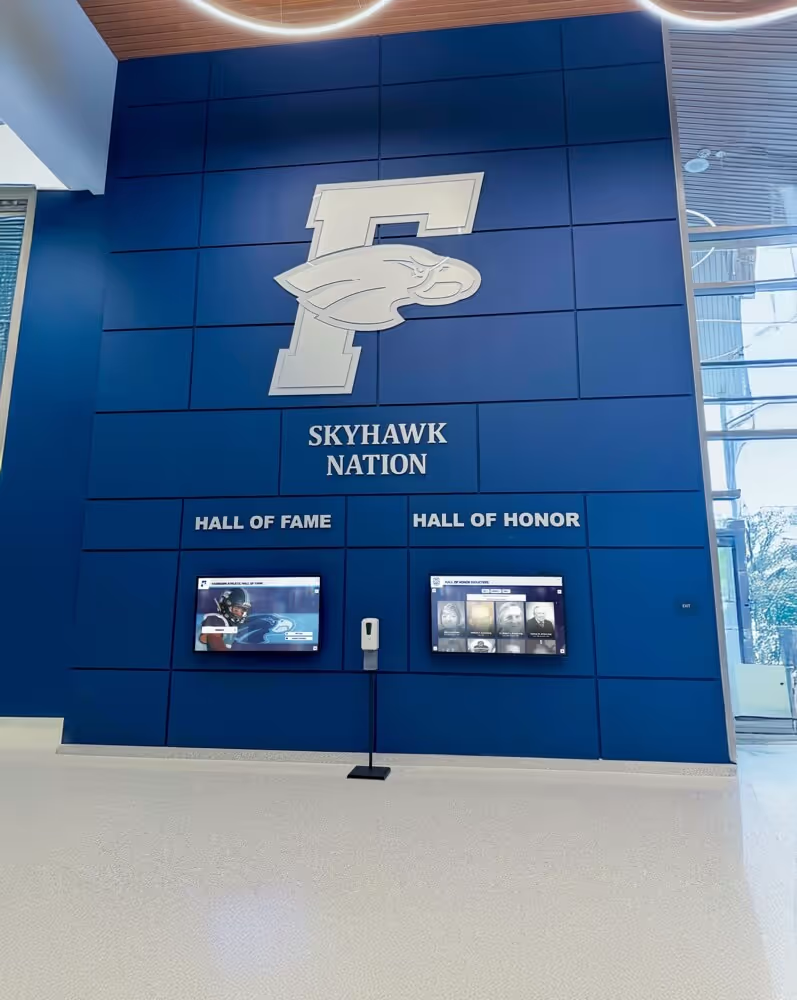
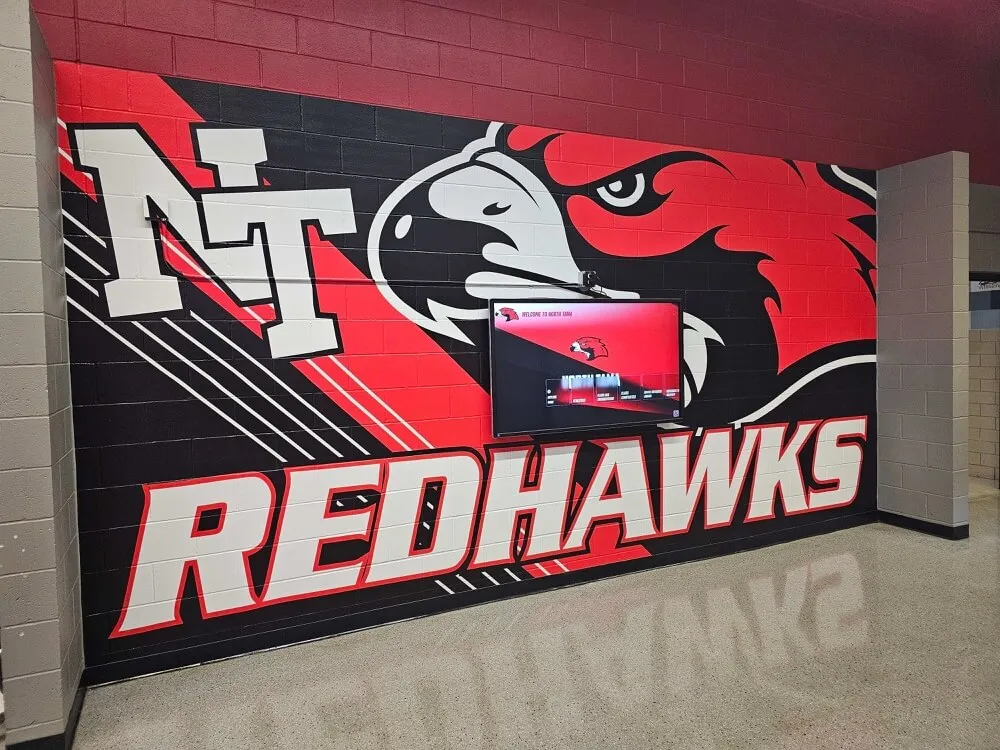
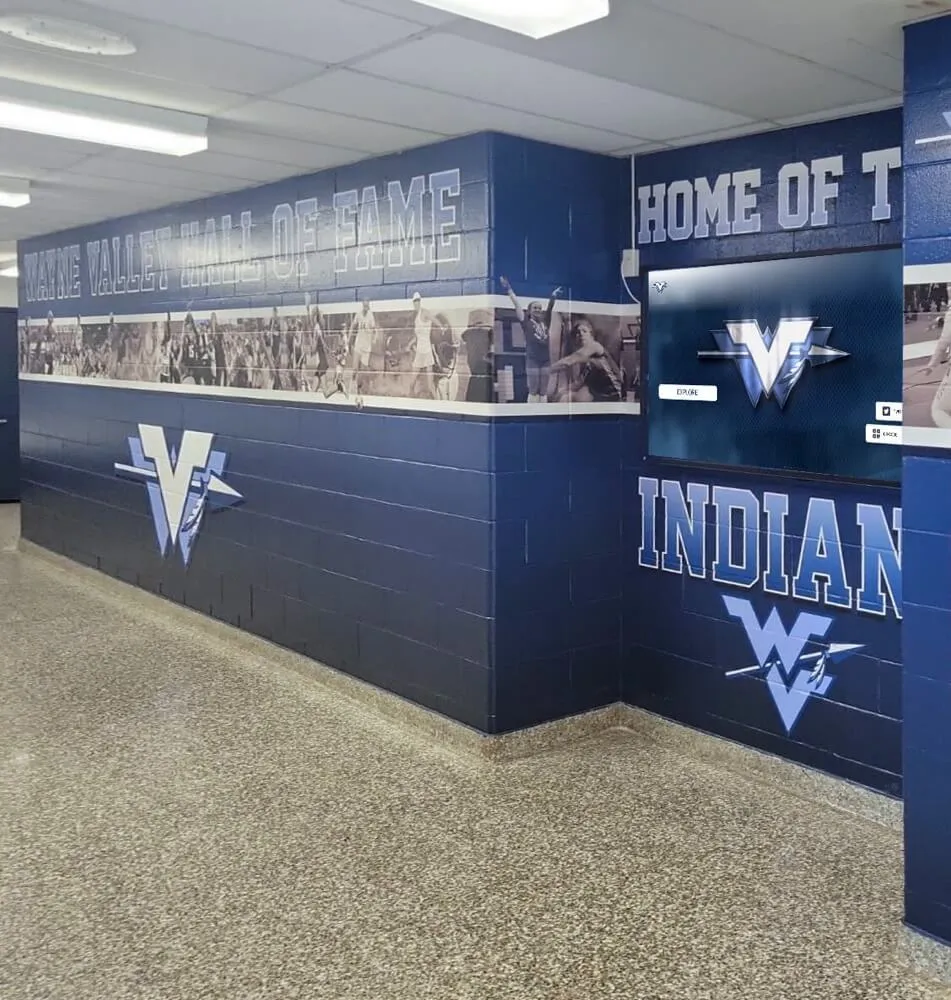
Strategic athletic directors build recognition systems honoring tradition while supporting program advancement and community engagement
“How do you balance competitive excellence with educational priorities?”
This probes your understanding of athletics’ proper role within schools and your ability to manage inherent tensions.
Effective Response Framework:
- Reject false dichotomy: Explain that excellence and education aren’t opposing values
- Define success comprehensively: Describe how you measure program success beyond won-loss records
- Address practical tensions: Acknowledge real scheduling, resource, and priority conflicts requiring navigation
- Provide decision frameworks: Explain principles guiding choices when conflicts arise
- Use specific examples: Illustrate with actual situations where you’ve balanced competing priorities
Sample Response Components:
“I reject the premise that academic and athletic excellence conflict. Students learn discipline, teamwork, resilience, and time management through athletics—skills enhancing academic success. The tension emerges in scheduling, resource allocation, and culture where we must ensure athletics serves educational missions rather than dominating them. When conflicts arise, I ask: ‘What decision best serves student development long-term?’ That might mean limiting practice time to protect study schedules, scheduling competitions avoiding excessive academic disruption, or saying no to expensive opportunities benefiting few students at the expense of broader program needs. Excellence means developing complete student-athletes who compete successfully while preparing for life beyond sports.”
What Committees Evaluate:
- Genuine commitment to educational mission versus lip service
- Nuanced understanding versus simplistic thinking
- Ability to make difficult decisions when values conflict
- Experience navigating academic-athletic tensions
- Alignment with institutional culture and priorities
Budget and Resource Management Questions
Fiscal competence represents non-negotiable requirements for athletic directors. Expect detailed questioning about financial leadership.
“Describe your experience developing and managing athletic budgets.”
Even if your budget experience is limited, demonstrate understanding of fiscal principles and willingness to develop expertise.
Effective Response Framework:
- Detail actual experience: Describe budgets you’ve developed or managed, including size and scope
- Explain process knowledge: Walk through budget development steps demonstrating systematic approach
- Address zero-based versus historical budgeting: Show understanding of different methodologies
- Discuss monitoring and adjustment: Explain how you track spending and respond to variances
- If experience is limited: Acknowledge gaps while describing learning plan and transferable skills
Sample Response Components:
“As head baseball coach, I managed a $45,000 annual budget covering equipment, travel, officials, and facility maintenance. I developed proposals justifying resource requests, tracked expenditures monthly ensuring we stayed within allocations, and identified savings opportunities redirecting funds to higher priorities. I’ve attended budget workshops understanding zero-based approaches and participated in our athletic council helping allocate departmental resources across sports. In an AD role, I’d initially rely heavily on business office support while rapidly developing expertise through NIAAA coursework and mentorship from experienced administrators. My coaching experience taught me to maximize limited resources creatively—a mindset essential for fiscal stewardship.”
What Committees Evaluate:
- Actual budget experience and sophistication level
- Understanding of fiscal constraints versus entitlement thinking
- Willingness to learn if experience gaps exist
- Creative resourcefulness versus reflexive requests for more money
- Accountability orientation and professional humility
“How would you handle a 10% budget cut?”
This question assesses prioritization, political sensitivity, and ability to make difficult decisions equitably.
Effective Response Framework:
- Gather information first: Explain you’d understand cut rationale and explore alternatives before implementing
- Engage stakeholders: Describe inclusive process seeking input before finalizing decisions
- Apply equity principles: Demonstrate commitment to fair distribution rather than protecting favorites
- Protect core program elements: Explain criteria distinguishing essential from discretionary spending
- Explore revenue alternatives: Show entrepreneurial thinking about offsetting cuts
- Communicate transparently: Emphasize clear, honest communication about decisions and rationale
Sample Response Components:
“First, I’d thoroughly understand why cuts are necessary and whether alternatives exist—often administrators impose cuts without understanding athletic revenue generation potential. Assuming cuts are unavoidable, I’d engage coaches in identifying options ranging from schedule reductions to equipment replacement delays to transportation efficiencies. I’d apply equity principles ensuring cuts don’t disproportionately impact particular sports or genders. Simultaneously, I’d explore revenue opportunities through sponsorships, improved ticket sales, or fundraising potentially offsetting reductions. Throughout the process, transparent communication explaining decisions and inviting feedback maintains trust even during difficult circumstances. Ultimately, I’d make decisions prioritizing student experience and program sustainability over short-term convenience.”
What Committees Evaluate:
- Leadership approach under fiscal pressure
- Commitment to equity versus political favoritism
- Creativity in problem-solving
- Communication skills during difficult situations
- Ability to make tough decisions when necessary
Discover athletic program sustainability in booster club fundraising ideas supporting comprehensive programs.
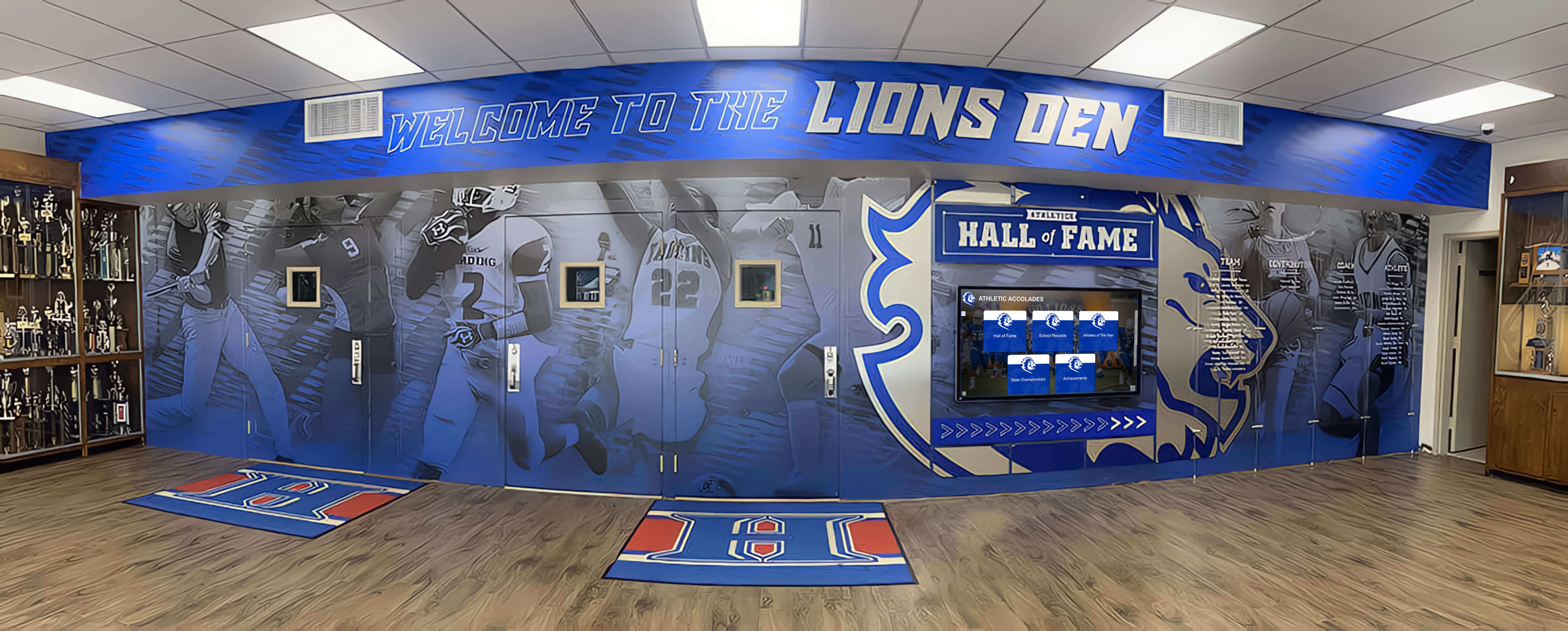
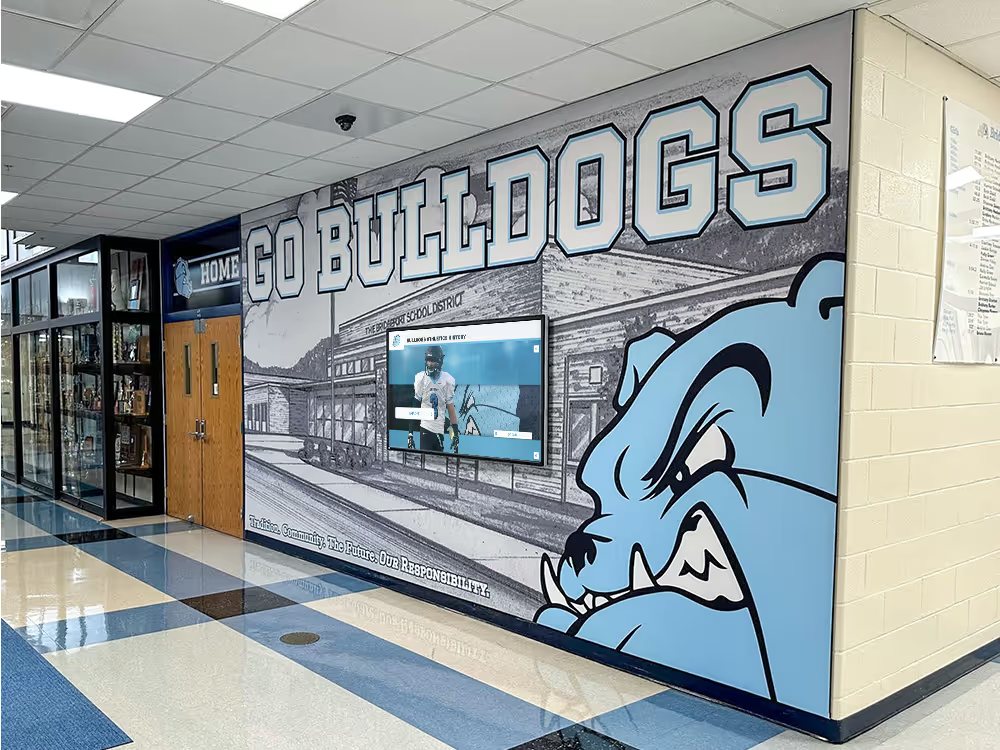
Effective resource management balances investment across programs ensuring equitable facilities, equipment, and recognition systems
Equity, Title IX, and Compliance Questions
Understanding and commitment to gender equity represents foundational competencies for contemporary athletic directors.
“Explain your understanding of Title IX and how you ensure compliance.”
Title IX knowledge isn’t optional. Committees expect detailed understanding and proactive compliance commitment.
Effective Response Framework:
- Demonstrate substantive knowledge: Explain Title IX three-part test and compliance pathways
- Describe monitoring systems: Detail how you’d track participation, resources, and opportunities
- Address proactive compliance: Show commitment to equity as value, not just legal requirement
- Discuss stakeholder education: Explain how you’d build shared understanding among coaches and community
- Acknowledge complexity: Recognize legitimate tensions between equity and tradition, showing nuanced thinking
Sample Response Components:
“Title IX requires equal athletic opportunities for both genders, evaluated through participation proportionality, demonstrated expansion history, or fully accommodating interests. Compliance involves monitoring participation numbers compared to enrollment, ensuring substantially equal benefits across thirteen areas including equipment, facilities, scheduling, and coaching, and documenting decision-making processes. I’d implement systematic annual reviews comparing male and female opportunities across all dimensions, engage coaches in equity discussions preventing resistance, and position compliance not as constraint but as ensuring all students receive quality experiences. When conflicts arise between tradition and equity—for example, expensive football programs limiting women’s opportunities—I’d seek creative solutions maximizing opportunities for everyone while meeting legal obligations.”
What Committees Evaluate:
- Actual knowledge depth versus superficial awareness
- Genuine commitment to equity versus obligation
- Ability to navigate political tensions around gender issues
- Systematic approach to compliance versus reactive crisis management
- Understanding that Title IX extends beyond adding sports
“How would you respond to a parent claiming gender discrimination?”
This scenario-based question assesses problem-solving, communication, and compliance knowledge under pressure.
Effective Response Framework:
- Listen without defensiveness: Emphasize gathering information before responding
- Take concerns seriously: Demonstrate respect for complainant even if claim lacks merit
- Investigate thoroughly: Explain systematic fact-finding process
- Apply legal and ethical standards: Reference Title IX requirements and institutional values
- Communicate findings clearly: Describe how you’d explain conclusions and next steps
- Implement improvements if warranted: Show willingness to correct problems rather than defending status quo
Sample Response Components:
“I’d begin by listening carefully to understand specific concerns without becoming defensive. I’d explain our compliance monitoring systems while acknowledging legitimate concerns deserve investigation. I’d gather relevant data comparing opportunities, resources, and treatment across programs, consulting Title IX expertise if needed. If investigation reveals inequities, I’d develop correction plans with timelines and communicate actions taken. If concerns reflect misunderstanding rather than actual discrimination, I’d explain findings respectfully while using the situation to improve communication about how we ensure equity. Regardless of conclusions, I’d maintain open dialogue rather than dismissing concerns, as perception problems often indicate real communication gaps requiring attention.”
What Committees Evaluate:
- Composure under accusatory questioning
- Balance between defensiveness and acknowledgment
- Systematic versus emotional problem-solving
- Commitment to due process protecting all parties
- Communication skills with difficult stakeholders
Personnel Management and Coaching Staff Questions
Athletic directors lead coaches—often former colleagues. Committees assess your ability to navigate these complex relationships.
“Describe your approach to evaluating coaching staff.”
This reveals whether you understand performance management beyond win-loss records and can provide meaningful feedback.
Effective Response Framework:
- Define comprehensive success criteria: Explain what you evaluate beyond won-loss records
- Describe evaluation process: Detail observation, data collection, and feedback methods
- Address both summative and formative evaluation: Distinguish between assessment and development
- Explain documentation practices: Show understanding of legal protections and accountability
- Discuss growth orientation: Demonstrate commitment to coach development, not just judgment
Sample Response Components:
“Effective coaching involves multiple dimensions: competitive success appropriate to resources and context, student-athlete development and retention, program culture and sportsmanship, communication with families and administration, budget management, and professional conduct. I’d establish clear expectations collaboratively at season beginnings, conduct regular informal check-ins providing feedback and support, observe practices and competitions assessing teaching and leadership, gather student-athlete feedback through surveys, and complete comprehensive written evaluations examining all dimensions. My goal isn’t gotcha management but helping coaches succeed through clear expectations, regular feedback, and appropriate support. Simultaneously, I’d document concerns systematically, creating accountability when improvement doesn’t occur.”
What Committees Evaluate:
- Comprehensive versus narrow evaluation criteria
- Systematic versus haphazard approach
- Development versus punitive orientation
- Ability to provide difficult feedback when needed
- Balance between support and accountability
Explore coaching recognition in coaching philosophy examples that guide leadership development.
“How would you handle a conflict between two coaches?”
Interpersonal conflict management represents frequent AD challenges requiring diplomatic skill.
Effective Response Framework:
- Assess situation severity: Distinguish between personality friction and substantive problems
- Gather information from both parties: Demonstrate fairness through hearing all perspectives
- Facilitate direct resolution: Prefer mediation over solving problems for adults
- Address systemic issues: Recognize conflicts often reflect unclear expectations or resource problems
- Take decisive action if necessary: Show willingness to make difficult decisions protecting program interests
Sample Response Components:
“I’d begin by understanding conflict nature and severity—is this personality clash or substantive issue affecting programs or students? I’d meet individually with each coach hearing their perspectives without judgment, then determine appropriate response. For interpersonal friction, I’d facilitate joint meeting helping coaches resolve differences professionally, as adults must work together despite personality differences. If conflict involves resource disputes, scheduling problems, or unclear expectations, I’d address systemic issues rather than treating this as purely personal problem. If behavior is unprofessional or affecting students negatively, I’d set clear expectations with accountability measures. Throughout, my role is ensuring all coaches can focus on serving student-athletes rather than being distracted by departmental drama.”
What Committees Evaluate:
- Conflict resolution philosophy and skills
- Balance between involvement and letting adults solve problems
- Ability to identify root causes versus surface symptoms
- Decisiveness when mediation insufficient
- Judgment about when conflicts warrant intervention
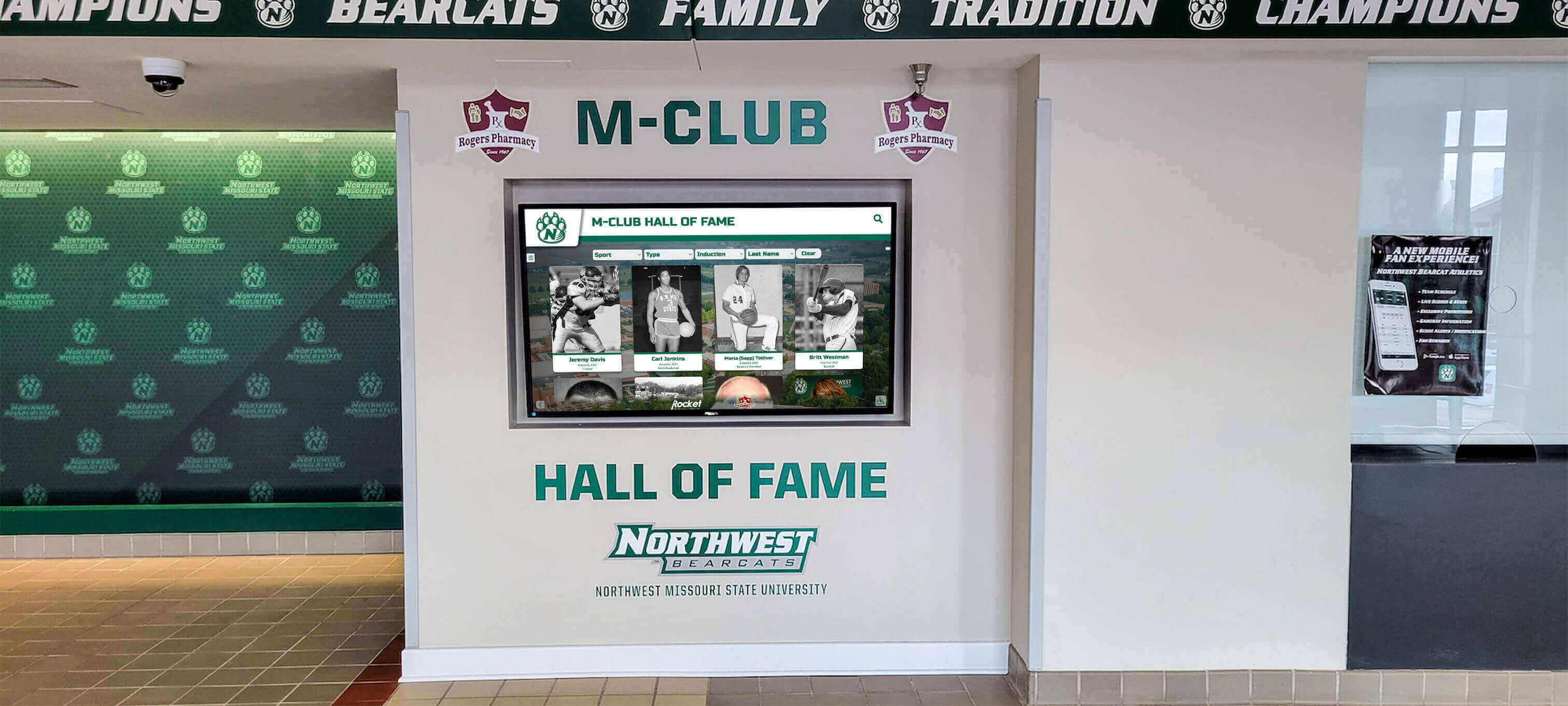
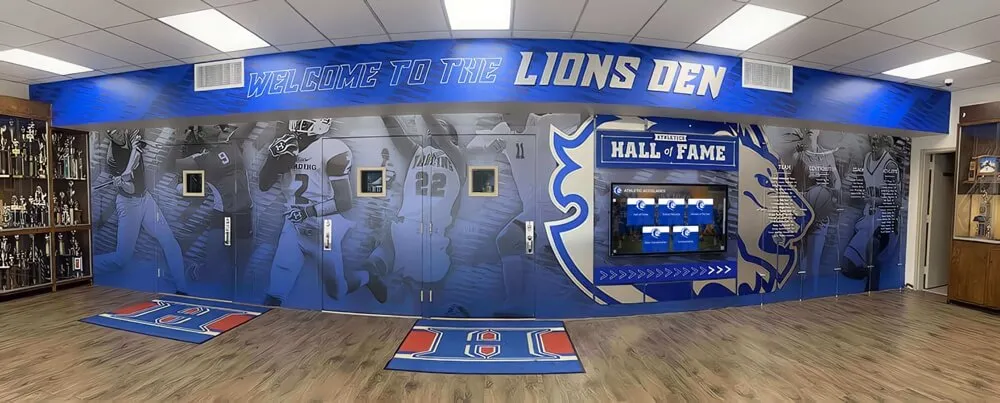
Strong athletic directors build unified department cultures celebrating collective success while supporting individual program excellence
Communication and Community Relations Questions
Athletic directors serve as public faces of programs, requiring sophisticated communication skills with diverse stakeholders.
“How do you communicate with parents regarding playing time or team decisions?”
This addresses one of the most frequent and politically sensitive AD challenges.
Effective Response Framework:
- Establish clear policies: Explain upfront expectations about parent communication
- Support coaching authority: Demonstrate respect for coaches’ decision-making prerogatives
- Provide appropriate access: Balance accessibility with protecting coaching autonomy
- Listen while maintaining boundaries: Show empathy without undermining coaches
- Redirect to coaches: Explain when issues should be addressed with coaches first
Sample Response Components:
“I’d establish clear expectations that playing time decisions rest with coaches who observe practices and understand team dynamics beyond what parents see at games. I’d communicate these expectations proactively at preseason meetings preventing misunderstandings. When parents approach me, I’d listen respectfully to concerns, as sometimes they reveal legitimate issues about communication, safety, or treatment requiring attention. However, I’d typically redirect playing time complaints to coaches first, providing cooling-off periods before meetings to prevent emotional confrontations. If parents remain dissatisfied after speaking with coaches, I’d meet jointly with all parties, but my role is ensuring fair process, not overruling coaching decisions based on parental pressure. I’d address patterns suggesting problematic coaching behavior, but individual playing time decisions remain coaching prerogatives.”
What Committees Evaluate:
- Support for coaching authority versus undermining coaches
- Ability to listen empathetically while maintaining boundaries
- Communication systems preventing problems through clarity
- Judgment distinguishing legitimate concerns from unreasonable demands
- Political courage resisting pressure when appropriate
“How would you handle negative social media about your program?”
Modern athletic directors navigate digital communication requiring new skills beyond traditional media relations.
Effective Response Framework:
- Distinguish between types of criticism: Separate legitimate concerns, misunderstandings, and malicious attacks
- Assess response appropriateness: Explain when to engage versus ignore
- Control official channels: Demonstrate understanding of maintaining professional communication
- Address legitimate issues: Show responsiveness to valid concerns regardless of medium
- Protect students and staff: Balance transparency with protecting individuals from attacks
Sample Response Components:
“Social media criticism falls into categories requiring different responses. Anonymous venting or personal attacks generally don’t warrant official response, as engagement often amplifies negativity. Misinformation affecting program reputation requires correction through official channels providing accurate information without defensive tone. Legitimate concerns about safety, equity, or conduct deserve investigation regardless of whether they’re raised through social media, in-person, or formal channels. I’d maintain active official social media presence celebrating student achievements and communicating program information, making it harder for negative narratives to dominate. Simultaneously, I’d educate coaches and students about professional social media use, as their posts reflect on programs. When situations escalate beyond typical criticism, I’d work with administrators and legal counsel determining appropriate responses protecting institutional interests.”
What Committees Evaluate:
- Digital communication sophistication
- Judgment about when to engage versus ignore
- Thick skin and composure under criticism
- Proactive communication strategies preventing negative narratives
- Balance between transparency and protecting individuals
Explore comprehensive athletic recognition in staff appreciation ideas for building department morale.
Facilities, Safety, and Operations Questions
Day-to-day operational competence represents essential AD responsibilities often overlooked in favor of higher-profile leadership questions.
“What is your approach to facility maintenance and improvement planning?”
This assesses practical management skills and long-term strategic thinking about physical infrastructure.
Effective Response Framework:
- Demonstrate systematic assessment: Explain how you’d evaluate facility conditions and needs
- Prioritize safety and equity: Show values guiding capital planning decisions
- Develop realistic timelines: Display understanding that facilities require multi-year planning
- Engage stakeholders: Describe inclusive processes building support for improvements
- Explore funding sources: Show entrepreneurial thinking beyond general fund allocations
Sample Response Components:
“I’d begin with comprehensive facility audits identifying safety issues, ADA compliance needs, and competitive adequacy compared to conference peers. Safety concerns receive immediate attention, while competitive improvements require strategic planning within resource realities. I’d develop multi-year capital plans prioritizing needs, estimating costs, and identifying funding through budget allocations, grants, bonds, or public-private partnerships. For example, renovating deteriorated track facilities might involve district capital funds supplemented by booster fundraising and potentially naming rights or sponsorships. Throughout planning, I’d engage coaches in articulating needs, administrators in aligning with institutional priorities, and community in building support for investments. Facilities require sustained attention—small annual improvements prevent major problems from accumulating.”
What Committees Evaluate:
- Practical facilities knowledge versus abstract leadership discussion
- Realistic understanding of capital planning timelines and processes
- Creativity about funding sources beyond district budgets
- Balance between wishlist thinking and pragmatic prioritization
- Systematic approach versus reactive crisis management
“Describe your emergency response preparation and crisis management experience.”
Schools must ensure athletic directors can handle emergencies protecting student safety while managing institutional liability.
Effective Response Framework:
- Outline preparation systems: Explain preventive planning reducing emergency likelihood
- Describe response protocols: Detail systematic approaches when emergencies occur
- Address communication: Show understanding of coordinating with administration, emergency services, and families
- Provide specific examples: Illustrate with actual emergencies you’ve managed
- Discuss learning and improvement: Demonstrate how experiences inform better preparation
Sample Response Components:
“Emergency preparation begins with prevention—ensuring coaches hold current CPR/First Aid certification, maintaining updated emergency action plans for all venues, conducting pre-season safety inspections, and verifying adequate emergency equipment availability. When emergencies occur, established protocols guide response: immediate care provision, emergency service contact, administrative notification, family communication, and documentation. I’ve managed several emergencies including a serious game injury requiring ambulance transport, severe weather evacuation during competition, and student-athlete arrest requiring coordination with police and families. Each situation reinforced the importance of preparation—having plans reduces panic enabling effective response. After incidents, I conduct debriefs identifying improvements in protocols, communication, or training preventing future problems.”
What Committees Evaluate:
- Actual emergency experience versus theoretical knowledge
- Composure and systematic thinking under pressure
- Understanding of legal and safety obligations
- Proactive preparation preventing problems
- Learning orientation and continuous improvement mindset
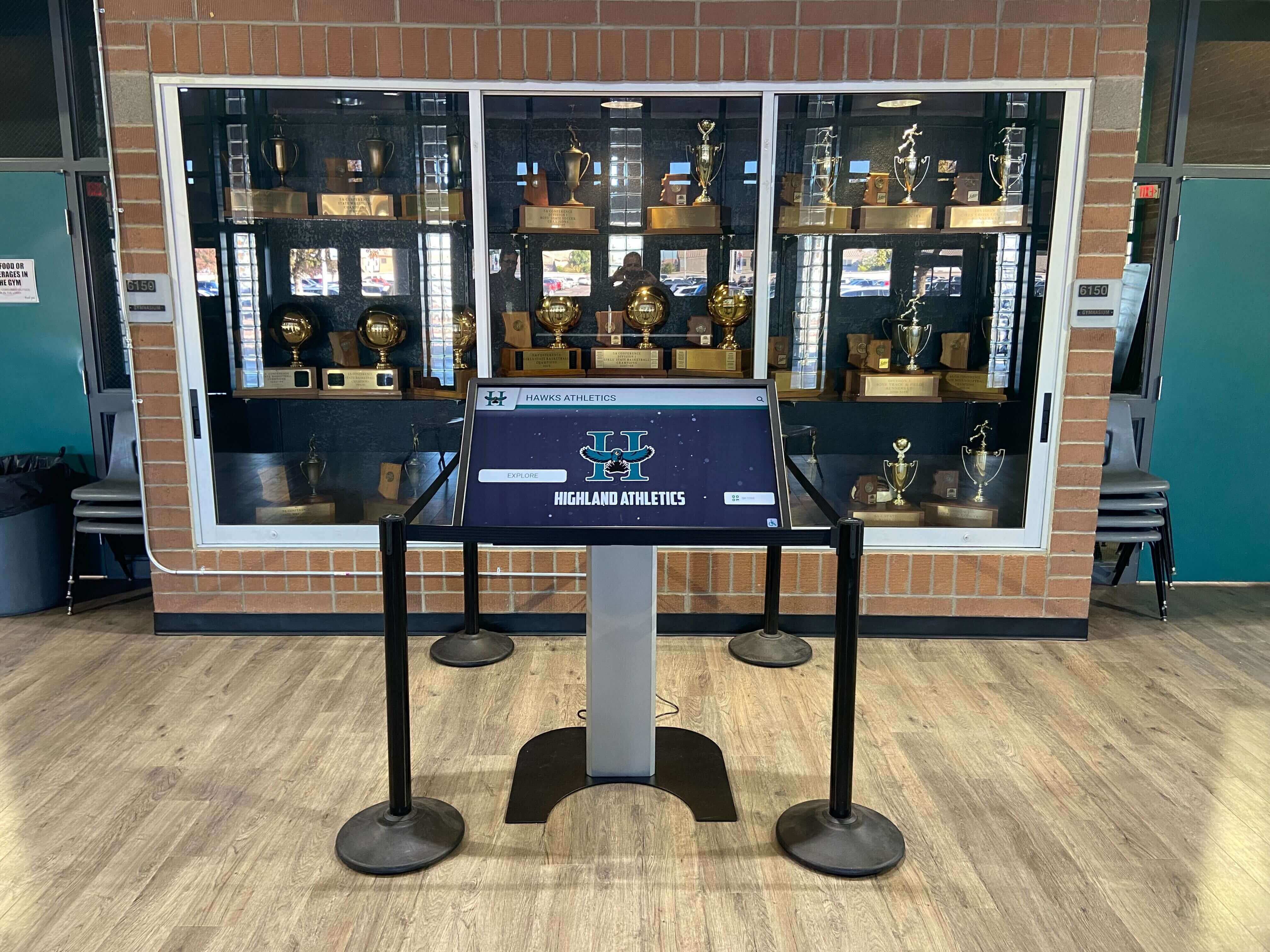
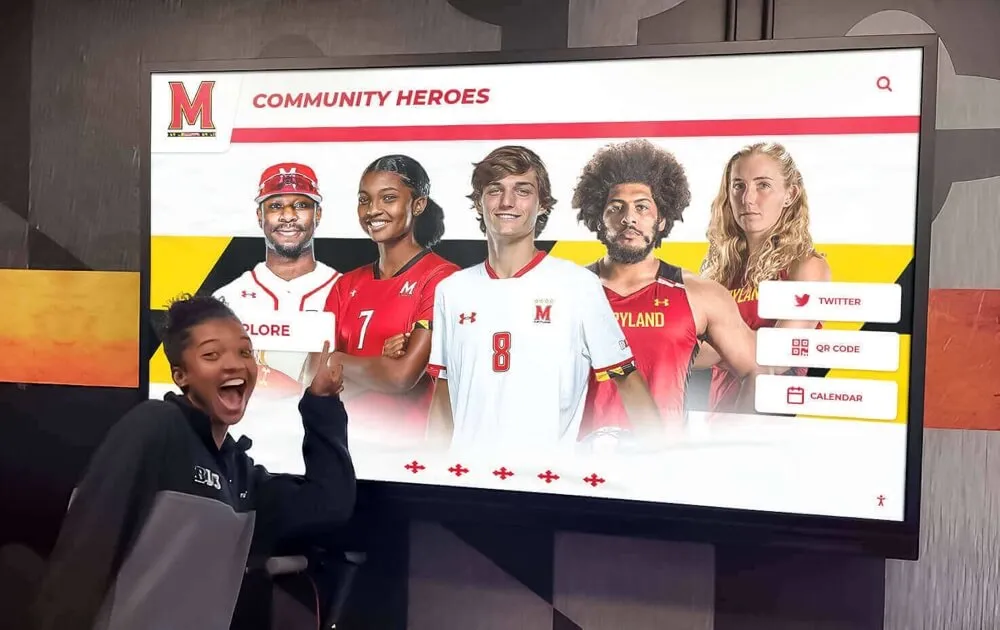
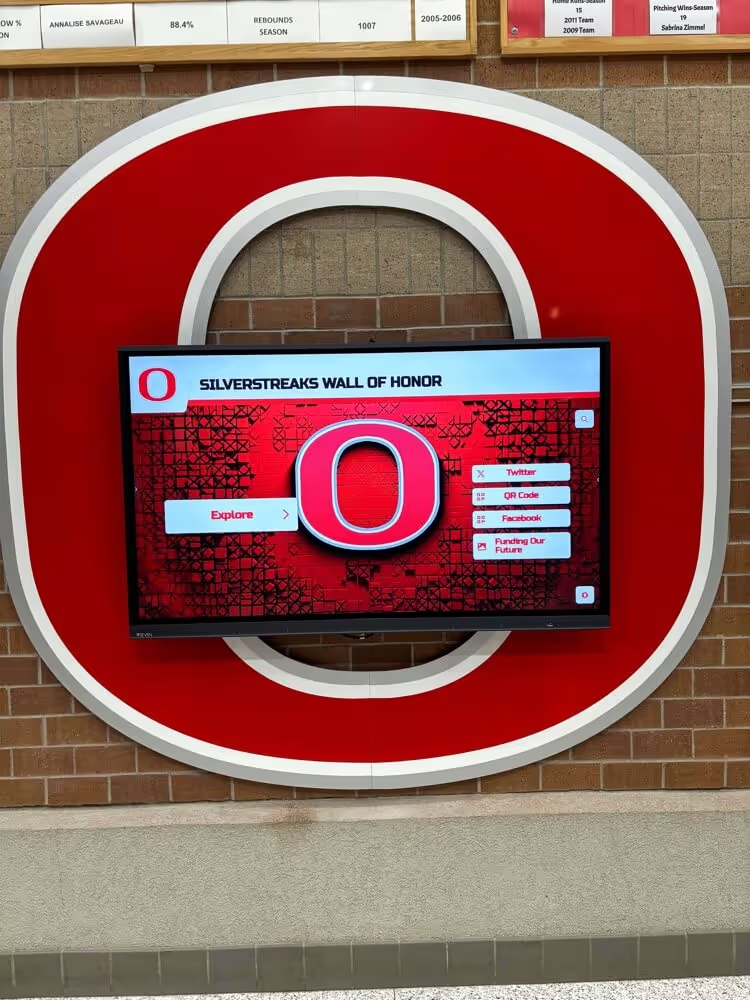
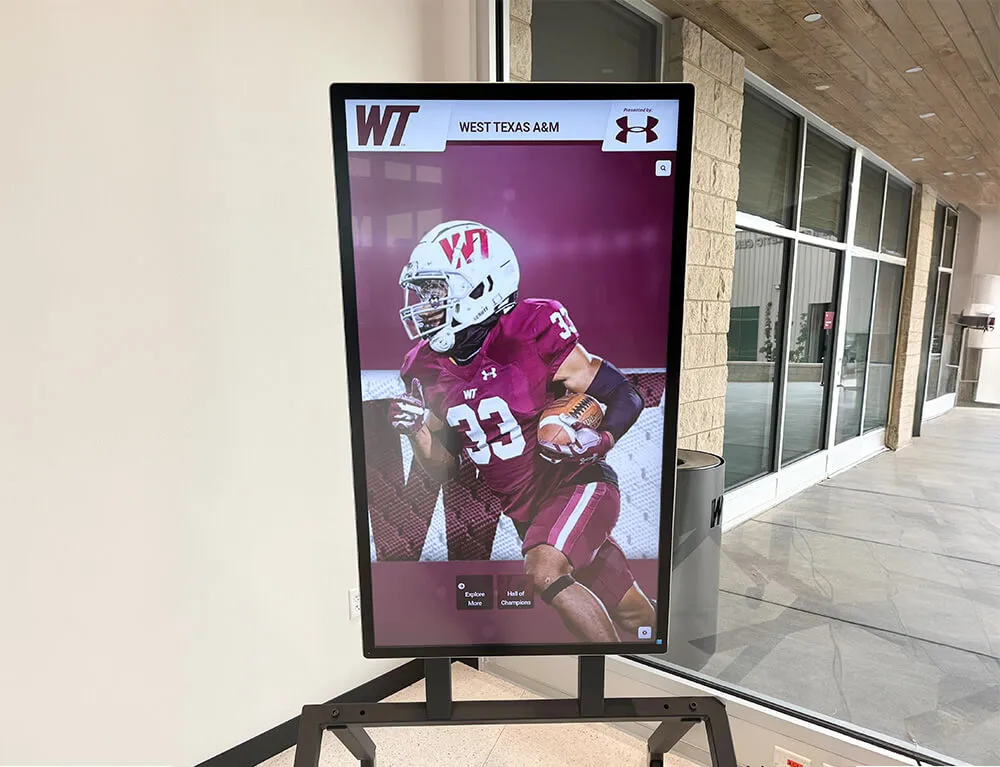
Modern facilities integrate recognition systems celebrating achievement while providing essential program information and athlete showcasing
Scenario-Based and Problem-Solving Questions
Committees often present hypothetical situations assessing judgment, values, and problem-solving approaches under realistic pressures.
“A star athlete is academically ineligible. The coach and parents pressure you to find a way to play them. How do you respond?”
This classic scenario tests integrity, political courage, and ability to withstand pressure while maintaining standards.
Effective Response Framework:
- State clear principle: Establish that eligibility standards are non-negotiable
- Explain rationale: Articulate why academic standards serve students’ interests
- Demonstrate empathy: Show compassion for student’s situation without compromising standards
- Offer support: Explain resources helping student regain eligibility
- Address pressure professionally: Maintain composure under coach and parent pressure
Sample Response Components:
“Eligibility standards exist to ensure athletics supports rather than undermines educational priorities. While I understand everyone’s disappointment, academic requirements aren’t negotiable—compromising standards would harm this student long-term by teaching that rules bend for athletic convenience, and it would be unfair to students who maintain eligibility through discipline and time management. Rather than seeking workarounds, we should support this student academically helping them regain eligibility while learning consequences of not meeting commitments. I’d connect the student with tutoring, academic support, and monitoring helping them succeed. I’d also communicate clearly with coach and parents that while we’ll support the student’s return, playing while ineligible won’t happen. This stance may create temporary conflict, but maintaining standards protects program integrity and serves all students’ long-term interests.”
What Committees Evaluate:
- Actual integrity versus situational ethics
- Ability to withstand pressure from powerful stakeholders
- Clarity of values and communication
- Balance between firmness and compassion
- Understanding of athletics’ educational purpose
“You discover a coach violated state association rules. What do you do?”
This assesses accountability, compliance knowledge, and willingness to address violations even when politically difficult.
Effective Response Framework:
- Acknowledge seriousness: Show understanding of compliance importance
- Investigate thoroughly: Gather complete information before acting
- Consult appropriate resources: Demonstrate knowledge of reporting requirements
- Take appropriate corrective action: Show willingness to impose consequences
- Implement preventive measures: Learn from violations improving future compliance
Sample Response Components:
“Rules violations threaten entire programs, not just individuals, so I’d take this seriously regardless of the coach’s status or popularity. I’d first investigate thoroughly confirming violation facts and understanding circumstances—was this intentional rule-breaking, ignorance, or good-faith interpretation difference? I’d consult with administrators and potentially legal counsel, as some violations require state association reporting and could affect program eligibility. Depending on violation severity, responses range from education and correction to formal discipline or termination. I’d also examine whether system failures contributed—are rules clearly communicated? Do coaches receive adequate training? Do I provide sufficient oversight? Violations reflect leadership gaps requiring systemic response beyond individual punishment. Throughout, I’d balance accountability with fairness, ensuring consequences are appropriate and consistently applied.”
What Committees Evaluate:
- Accountability orientation versus protecting colleagues
- Knowledge of compliance systems and reporting requirements
- Systematic investigation versus rushed judgment
- Willingness to impose difficult consequences
- Learning orientation improving systems preventing future violations
Learn about comprehensive athletic recognition in trophy display case ideas celebrating achievement appropriately.
Questions About Specific Programs and Sports
Interviewers assess your knowledge of specific sports within their programs, particularly those you haven’t personally coached.
“What challenges do you anticipate with sports you haven’t coached?”
This addresses potential concerns about your ability to support all programs equitably despite personal coaching background.
Effective Response Framework:
- Acknowledge different requirements: Show awareness that sports you haven’t coached require learning
- Demonstrate learning orientation: Explain how you’d rapidly develop understanding
- Emphasize universal leadership principles: Show that core competencies transcend specific sports
- Commit to equity: Reassure committee you won’t favor familiar sports
- Leverage coach expertise: Explain how you’d rely on coaches while maintaining leadership responsibility
Sample Response Components:
“While my coaching background is in basketball and baseball, athletic director responsibilities extend across all sports—many of which I haven’t coached. I’d approach unfamiliar sports through several strategies: attending practices and competitions observing coaching and team dynamics, researching sport-specific regulations and competitive standards, consulting with coaches as subject matter experts about program needs, connecting with experienced athletic directors managing those sports effectively, and treating lack of familiarity as opportunity to see programs with fresh perspective unbiased by personal experience. Universal leadership principles—clear expectations, regular communication, equitable resource allocation, student-centeredness, and accountability—transcend specific sports. My job isn’t coaching every sport but ensuring coaches have support, resources, and environment needed for success.”
What Committees Evaluate:
- Self-awareness about knowledge limitations
- Humility and learning orientation
- Commitment to equity across all sports
- Leadership philosophy transcending specific sports expertise
- Respect for coaching expertise in sports you haven’t coached
“How would you support non-traditional or smaller sports programs?”
This assesses equity commitment and understanding that not all programs receive equal resources or attention.
Effective Response Framework:
- Acknowledge resource disparities: Show awareness of competitive imbalance across sports
- Commit to equitable treatment: Explain how you’d ensure smaller programs receive appropriate support
- Define equity versus equality: Demonstrate understanding that equal treatment doesn’t always mean identical resources
- Provide concrete examples: Illustrate specific support strategies for smaller programs
- Build program capacity: Show long-term thinking about developing all sports
Sample Response Components:
“Smaller sports often struggle with limited visibility, fewer resources, and feeling secondary to high-profile programs. While revenue sports like football and basketball may require different resource levels reflecting participation and community interest, all programs deserve professional coaching, adequate equipment, appropriate scheduling, and recognition for achievements. I’d ensure smaller programs receive equitable budget allocations based on participation and needs, showcase their achievements through announcements and social media equally with major sports, provide quality facilities and equipment even if programs don’t generate revenue, include coaches in department decisions preventing marginalization, and advocate for smaller programs with administration and community. Equity means all student-athletes receive quality experiences regardless of sport, not that every program receives identical resources regardless of needs.”
What Committees Evaluate:
- Genuine equity commitment beyond lip service
- Understanding of equity versus equality
- Awareness of challenges facing smaller programs
- Specific strategies versus vague promises
- Resistance to favoritism toward personal coaching background

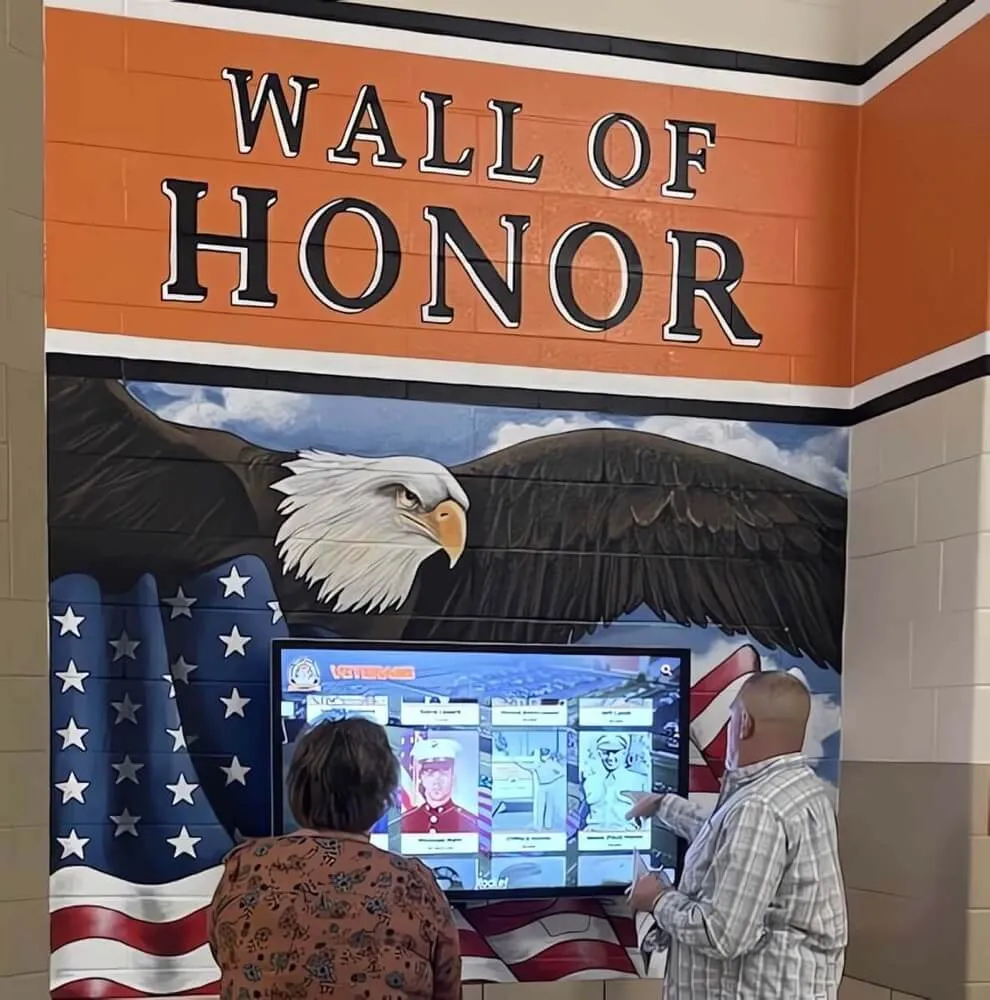
Equitable recognition systems celebrate achievements across all sports creating inclusive program cultures where every athlete matters
Professional Development and Continuous Improvement Questions
Strong candidates demonstrate commitment to ongoing learning and program advancement rather than maintaining status quo.
“What professional development have you pursued preparing for athletic director roles?”
This reveals whether you’re intentionally preparing for leadership or opportunistically applying without serious commitment.
Effective Response Framework:
- Detail formal education: Describe relevant coursework, degrees, or certifications
- Describe experiential learning: Explain administrative experiences you’ve sought
- Reference professional associations: Show engagement with athletic director community
- Identify mentorship relationships: Demonstrate learning from experienced leaders
- Articulate ongoing learning plans: Show commitment to continued development
Sample Response Components:
“I’ve intentionally prepared for athletic administration through multiple pathways. I completed my master’s degree in educational leadership with emphasis on athletic administration. I’ve earned NIAAA certification in athletic administration fundamentals and am progressing toward the Certified Athletic Administrator credential. I’ve served on our athletic council gaining budget and policy experience, taken lead responsibility for tournament hosting developing operational skills, and mentored by our current athletic director who’s provided administrative experience opportunities. I attend state athletic director conferences annually networking with peers and learning best practices. If selected, I’d continue development through advanced NIAAA coursework, professional reading, conference attendance, and potentially doctoral studies in sport administration. This isn’t a position I’m casually pursuing—I’ve systematically prepared for athletic leadership responsibilities.”
What Committees Evaluate:
- Seriousness of leadership pursuit versus casual interest
- Intentional preparation versus assumption that coaching qualifies you
- Commitment to ongoing learning
- Professional network and mentorship relationships
- Investment in your own development
“How do you stay current with changes in rules, regulations, and best practices?”
Athletic administration involves constantly evolving compliance requirements, safety protocols, and professional standards requiring continuous learning.
Effective Response Framework:
- Describe systematic monitoring: Explain how you’d track relevant changes
- Reference specific resources: Demonstrate knowledge of professional information sources
- Explain communication systems: Show how you’d ensure coaches stay informed
- Discuss professional network: Describe peer learning and information sharing
- Commit to proactive learning: Show orientation toward staying ahead of changes
Sample Response Components:
“Effective athletic directors must continuously monitor evolving requirements across multiple domains—state association rules, Title IX guidance, safety protocols, emerging legal issues, and professional best practices. I’d systematically review state association bulletins and attend required rules meetings, subscribe to NFHS and NIAAA communications, participate in state athletic director association meetings where peers share information about challenges and solutions, maintain relationships with experienced ADs I can consult when questions arise, and attend annual professional conferences providing comprehensive updates. Equally important, I’d establish systems ensuring coaches receive timely rule updates and compliance training, as my responsibility includes their awareness, not just my own. I’d rather learn about changes proactively than discover violations after they occur.”
What Committees Evaluate:
- Systematic versus haphazard approach to staying informed
- Knowledge of relevant information sources
- Commitment to sharing information with coaching staff
- Professional network providing support and expertise
- Proactive versus reactive orientation
Explore athletic program advancement in athletic hall of fame displays building program traditions.
Questions to Ask Interviewers
Strong candidates ask thoughtful questions demonstrating research, strategic thinking, and genuine interest in the specific opportunity.
Strategic Questions Demonstrating Leadership Thinking
About Vision and Priorities:
- “What does success look like for your athletic program three years from now?”
- “What are the most pressing challenges the next athletic director will face?”
- “How does the administration view athletics’ role within your school’s overall mission?”
- “What led to this position opening, and what do you hope the next AD will do differently?”
About Resources and Support:
- “Describe the athletic budget development process and my involvement in that.”
- “What facility improvements are planned, and how are capital priorities determined?”
- “What administrative support exists for the athletic director role?”
- “How does the school support professional development for athletic staff?”
About Culture and Relationships:
- “Describe the relationship between the athletic department and other school areas.”
- “How would current coaches describe the department culture?”
- “What’s the community’s relationship with the athletic program?”
- “How does the school board or administration typically engage with athletic issues?”
About Expectations and Evaluation:
- “What criteria will you use evaluating the athletic director’s performance?”
- “What are your expectations for my first 90 days?”
- “Describe the most successful athletic director you’ve worked with—what made them effective?”
- “What would surprise me about this position after the first year?”
Questions Revealing Important Context
About Specific Challenges:
- “Are there particular programs, coaches, or situations I should understand?”
- “What compliance, equity, or legal issues has the department faced recently?”
- “What facilities or safety concerns require immediate attention?”
- “Are there pending personnel decisions or situations I’d inherit?”
About Resources and Constraints:
- “How stable is the athletic budget, and are cuts or increases anticipated?”
- “What fundraising or revenue generation expectations exist?”
- “Do collective bargaining agreements or district policies significantly affect athletic administration?”
- “What technology or administrative systems support athletic operations?”
What Committees Evaluate:
- Quality and thoughtfulness of questions
- Research depth about the institution
- Strategic versus superficial thinking
- Interest in position-specific factors versus generic questions
- Listening and follow-up question capability

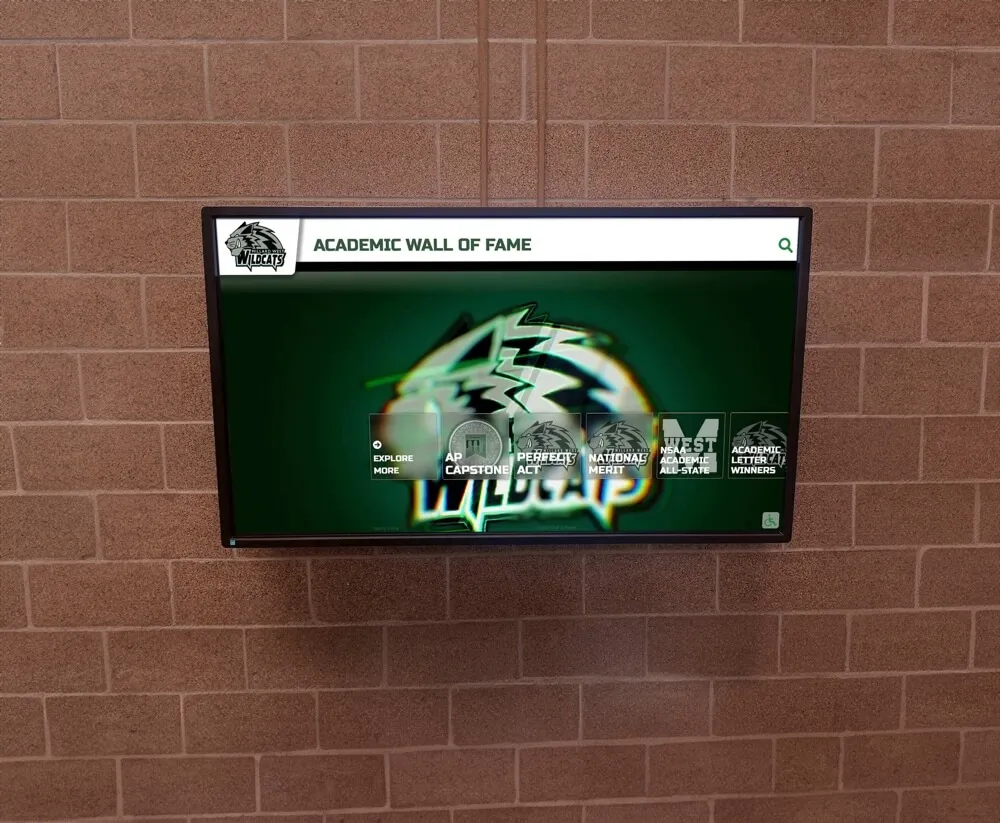
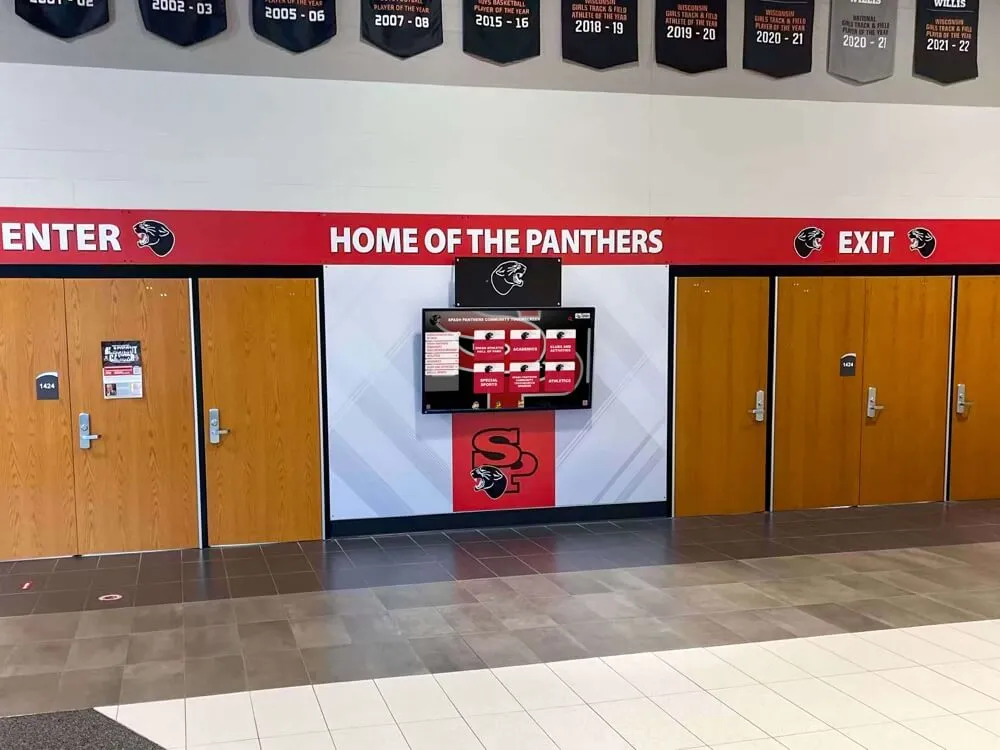
Modern athletic directors leverage technology creating engaging recognition systems while maintaining focus on comprehensive program development
Final Interview Preparation Strategies
Beyond preparing for specific questions, successful candidates undertake comprehensive preparation demonstrating serious commitment.
Research the Institution Thoroughly
Essential Research Areas:
- School demographics, enrollment trends, and community characteristics
- Athletic program history, recent successes, and challenges
- Facility conditions and recent improvements
- Current coaching staff, tenure, and turnover
- Recent media coverage of athletics revealing issues or achievements
- School district financial condition and budget trends
- Board policies affecting athletics
- Salary schedules and compensation structure
- Conference affiliations and competitive context
Research Sources:
- School and athletic department websites
- Local newspaper archives
- State association records and statistics
- MaxPreps or similar athletic databases
- Social media accounts revealing culture and communication
- Conversations with current or former staff if appropriate networks exist
- Public budget documents and board minutes
Using Research Effectively: Reference specific details demonstrating preparation: “I noticed your girls’ basketball team won its first conference championship in fifteen years last season…” or “I saw that you completed baseball field renovations in 2023…” This shows serious interest versus generic applications.
Prepare Your Own Materials and Presentation
Professional Portfolio Components:
- Resume emphasizing leadership experiences and administrative responsibilities
- Philosophy of athletic leadership statement (1-2 pages)
- Letters of recommendation from supervisors, colleagues, and community members
- Professional certifications and credentials
- Examples of work products: budgets you’ve developed, schedules you’ve created, communications you’ve written, programs you’ve managed
- References with contact information and relationships clearly identified
Potential Presentation Topics: Some committees request presentations on topics such as:
- Your vision for the athletic program
- Approach to a specific challenge the school faces
- 100-day plan for transition into the role
- Case study demonstrating your problem-solving approach
- Budget development or resource allocation philosophy
Prepare presentation components even if not requested—being ready demonstrates professionalism.
Practice Interview Responses
Effective Practice Methods:
- Write detailed responses to likely questions, then practice delivering naturally without reading
- Record yourself answering questions, watching for verbal tics, unclear communication, or poor body language
- Practice with trusted colleagues or mentors who provide honest feedback
- Prepare brief stories or examples illustrating key competencies (STAR method: Situation, Task, Action, Result)
- Time responses ensuring appropriate length—too brief lacks substance, too long loses attention
- Practice transitions connecting questions to your strengths and experiences
Plan Logistics and Professional Presentation
Interview Day Preparation:
- Visit location in advance if possible, confirming travel time and parking
- Prepare professional conservative attire appropriate for educational setting
- Bring multiple resume copies, portfolio materials, notepad, and pens
- Arrive 15-20 minutes early, allowing buffer for unexpected delays
- Bring mints or gum (discreetly used before interview), water bottle, professional briefcase or portfolio
- Prepare questions for interviewers on small notecard as reminder
- Have mobile phone silenced and out of sight
Non-Verbal Communication:
- Maintain strong eye contact with all committee members, not just who asked question
- Use engaged body language—sitting upright, leaning slightly forward
- Avoid distracting behaviors—fidgeting, clicking pens, checking watch
- Smile appropriately and show enthusiasm for the opportunity
- Practice firm handshakes and professional greetings
- Take brief notes during responses to your questions showing engagement
Discover modern athletic recognition in state championship displays celebrating program excellence.
Conclusion: Positioning Yourself for Athletic Director Success
Athletic director interviews represent rigorous evaluations of comprehensive leadership capabilities—far beyond coaching expertise. Selection committees probe your fiscal competence, equity commitment, personnel management skills, strategic thinking, communication abilities, and values alignment with institutional missions. Success requires demonstrating not just what you’ve accomplished as a coach but how you’ll lead entire departments serving all student-athletes, support diverse coaching staffs, navigate political complexities, and advance programs sustainably.
The questions explored in this guide provide frameworks for articulating your leadership philosophy, illustrating problem-solving approaches, and demonstrating readiness for athletic administration’s unique challenges. Whether you’re pursuing your first athletic director role or advancing to larger programs, preparation determines whether you present yourself as merely an experienced coach seeking promotion or as a comprehensive leader ready for complex responsibilities.
Ready to Build Championship-Level Athletic Programs?
Discover how solutions like Rocket Alumni Solutions help athletic directors create comprehensive recognition systems showcasing program excellence, engaging communities, and building traditions that inspire current and future student-athletes.
Explore Athletic Recognition SolutionsBeyond interview preparation, prospective athletic directors should invest continuously in professional development—completing NIAAA certifications, pursuing advanced degrees in sport administration or educational leadership, attending conferences, building mentorship relationships with experienced ADs, and seeking administrative responsibilities within current positions that develop requisite competencies. The pathway to athletic leadership requires years of intentional preparation, not just accumulation of coaching experience.
Remember that interviews represent opportunities to assess fit from both perspectives. As you answer committees’ questions, evaluate whether the position aligns with your values, whether the administration will support your leadership, and whether you can realistically address the challenges the program faces. The right athletic director position represents not just any leadership opportunity but the right match between your capabilities and an institution’s needs.
Your preparation, professionalism, and genuine passion for comprehensive athletic leadership distinguish you from candidates treating athletic director positions as natural coaching career progression rather than distinct professional specializations requiring unique competencies. Approach the interview process as an opportunity to demonstrate the comprehensive leadership today’s athletic programs demand—and to find the position where your contributions will most significantly impact students, coaches, and communities.