



Art class gallery displays serve as vital showcases for student creativity, transforming hallways and classrooms into inspiring spaces that celebrate artistic achievement and motivate continued creative exploration. Traditional art displays face persistent challenges—limited wall space forcing difficult selection choices, fading and damage from sunlight and handling, temporary visibility lasting only weeks before rotation demands, and minimal context leaving viewers disconnected from artistic processes and creative journeys behind finished pieces.
Walk through any school building and the pattern becomes evident: crowded bulletin boards displaying a handful of select artworks, dusty trophy cases repurposed for occasional art shows, hallway walls packed with pieces fighting for attention, and storage rooms filled with exceptional student work that never receives public recognition simply because physical display space ran out months ago. Meanwhile, talented young artists invest hours developing technique, exploring creative vision, and producing work worthy of celebration—yet most pieces disappear into portfolios or get sent home immediately after grading, missing opportunities to inspire peers and strengthen institutional culture around artistic excellence.
This comprehensive guide explores modern approaches to art class gallery displays that solve persistent exhibition challenges while creating engaging experiences celebrating every deserving student artist across all grade levels, mediums, and creative styles.
Effective art gallery displays extend beyond simply mounting finished pieces on available wall space—they create systematic recognition honoring creative processes, preserve artistic legacy across generations, and demonstrate institutional commitment to comprehensive education valuing visual arts as highly as academics and athletics. Schools implementing thoughtful gallery approaches build environments where art programs thrive and creative achievement becomes aspirational throughout entire communities.

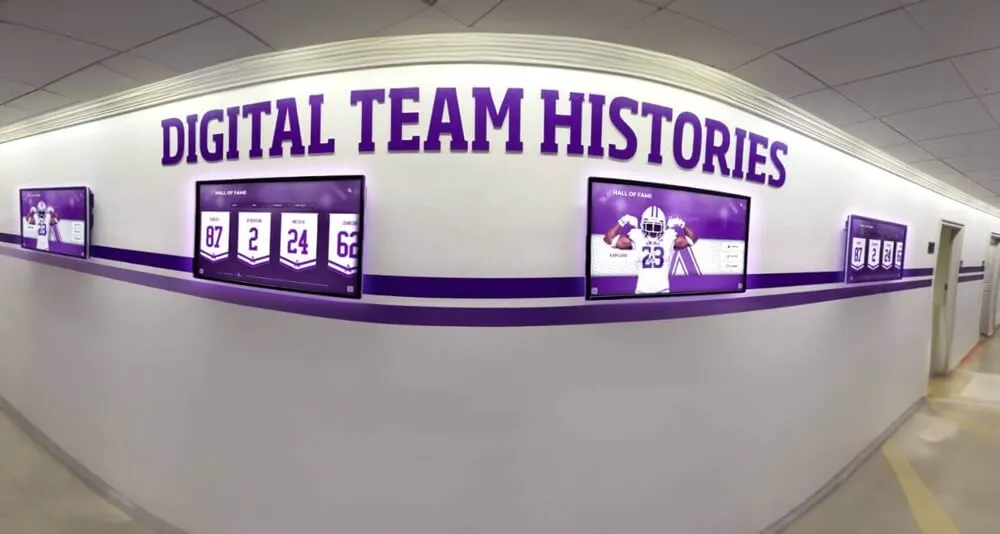
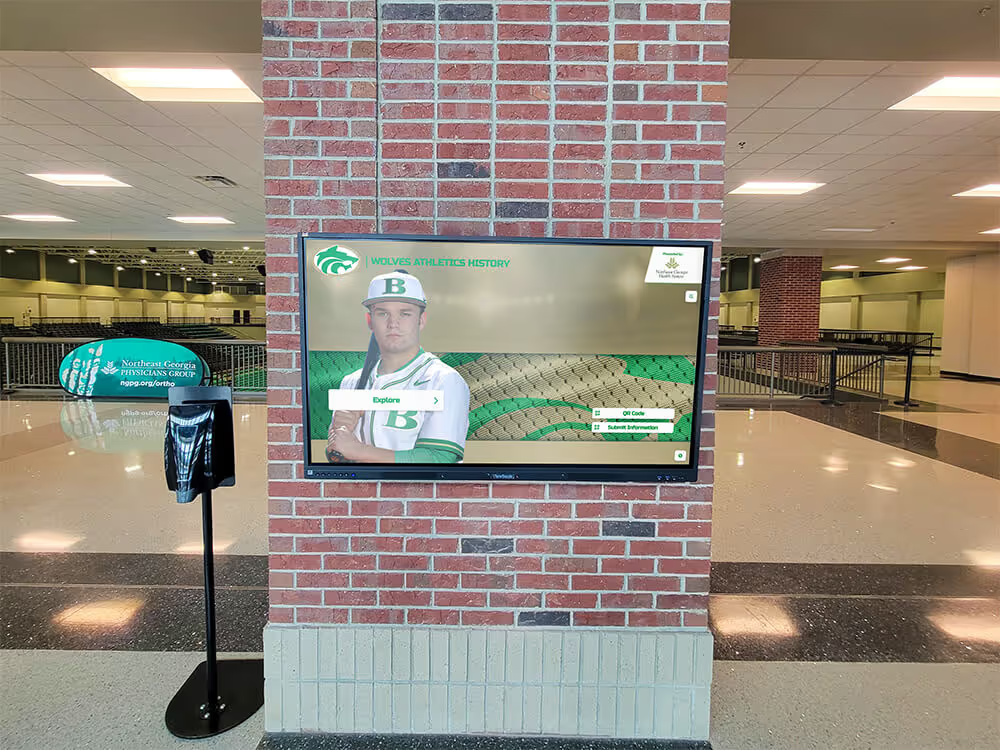
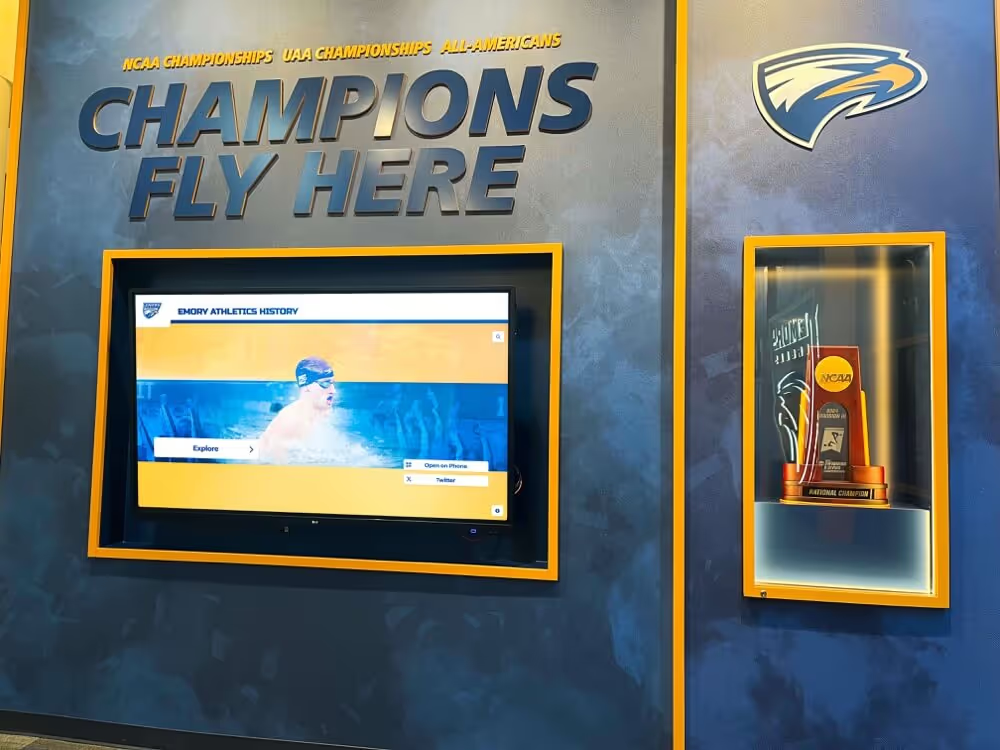
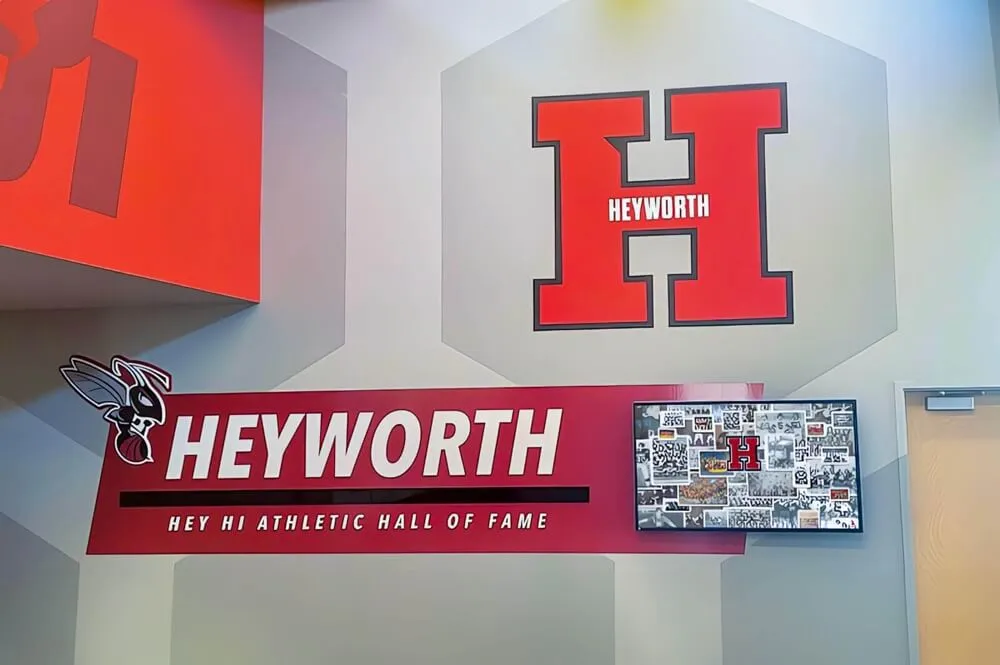
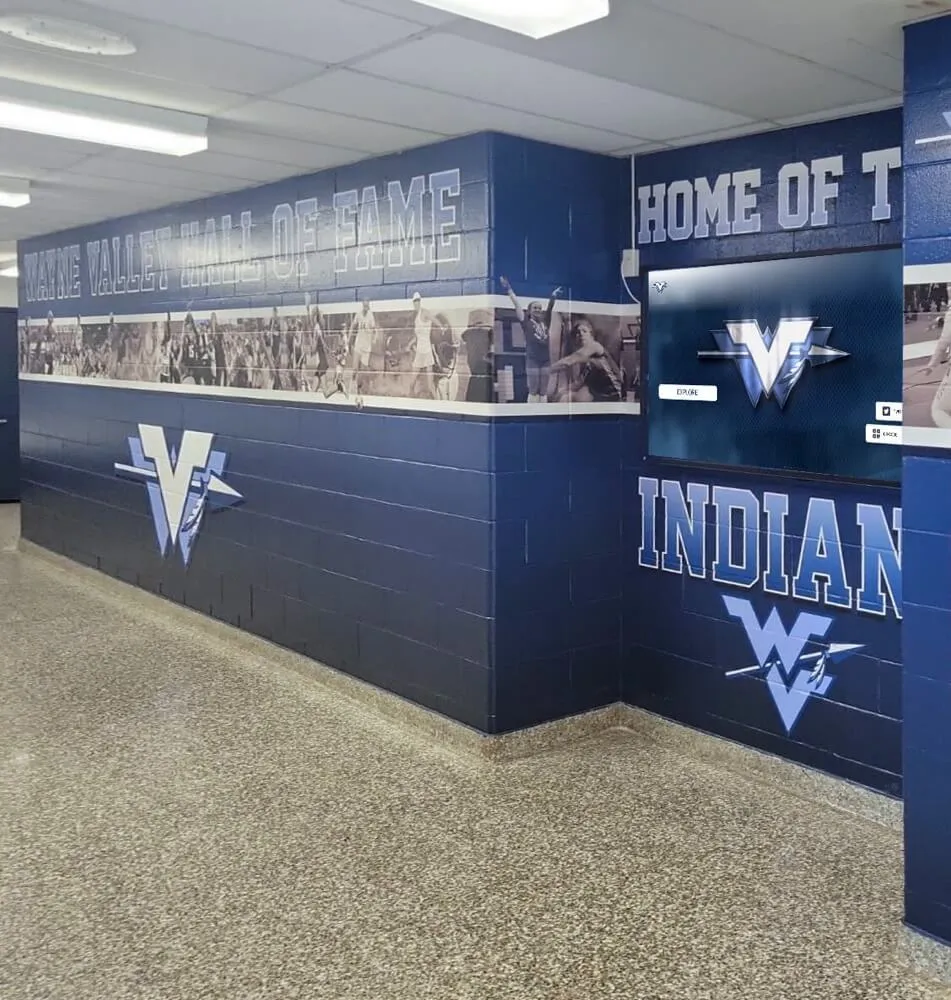
Interactive gallery displays transform passive viewing into engaging exploration experiences that celebrate student creativity
Understanding Art Class Gallery Display Challenges
Before exploring solutions, understanding the fundamental challenges facing traditional art displays helps schools evaluate whether current approaches adequately celebrate student creativity and support program goals.
The Physical Space Constraint Problem
Physical display space represents the most persistent limitation facing art programs committed to recognizing student creativity comprehensively.
Unforgiving Display Capacity Mathematics
The numbers tell a challenging story. A typical school hallway accommodates 20-30 framed artworks when properly spaced for visual impact. An art classroom display wall holds perhaps 40-50 pieces maximum before becoming visually overwhelming. Meanwhile, successful art programs produce hundreds or thousands of worthy student artworks annually across painting, drawing, sculpture, digital art, photography, ceramics, and mixed media.
This capacity mismatch creates impossible selection decisions: display only “best” work while most students never receive recognition, rotate displays so frequently that artwork barely gets noticed before removal, or limit creative output to match available display capacity.
According to educational environment research, displaying student work increases academic motivation and sense of belonging—yet space constraints mean most student artwork never receives public exhibition despite its developmental value.
Artwork Selection Creates Equity Concerns
Limited space forces curation choices that can undermine inclusive program cultures:
Which students deserve display opportunities? Should selection favor technical excellence, creative innovation, improvement trajectories, or equitable rotation ensuring everyone receives recognition? Do certain grades, mediums, or styles receive preference based on availability and aesthetic preferences? What happens to exceptional work created when display space is already occupied by earlier pieces?
These selection pressures create environments where gallery display becomes competitive achievement rather than universal celebration—potentially discouraging students who need artistic recognition most.
Artwork Protection and Preservation Challenges
Traditional displays expose student work to multiple deterioration risks that compromise recognition quality over time.
Physical Artwork Vulnerability
Gallery displays subject creative work to environmental hazards including sunlight fading pigments and affecting paper quality, humidity and temperature fluctuations causing warping and degradation, physical contact from viewers damaging delicate surfaces, dust accumulation requiring cleaning that may harm pieces, and vandalism or theft risks in accessible public spaces.
Schools investing effort in professional matting and framing still watch artwork deteriorate, undermining the celebration quality students deserve for their creative achievements.
Artwork Lifecycle and Documentation Gaps
Most student artwork follows predictable paths after brief display periods—pieces get sent home where they may be treasured, discarded, or stored in basements; exceptional work disappears into personal collections losing visibility; program history evaporates as students graduate and teachers transition; and institutional artistic legacy becomes fragmented or lost entirely.
This lack of systematic preservation means extraordinary creative achievements disappear from institutional memory, losing opportunities to inspire future students and document program evolution across decades.
Digital documentation preserves artwork permanently through high-resolution photography, protecting recognition indefinitely while physical pieces remain safely stored or return home to families.
Learn about preservation approaches in digital archives for schools demonstrating comprehensive documentation strategies.
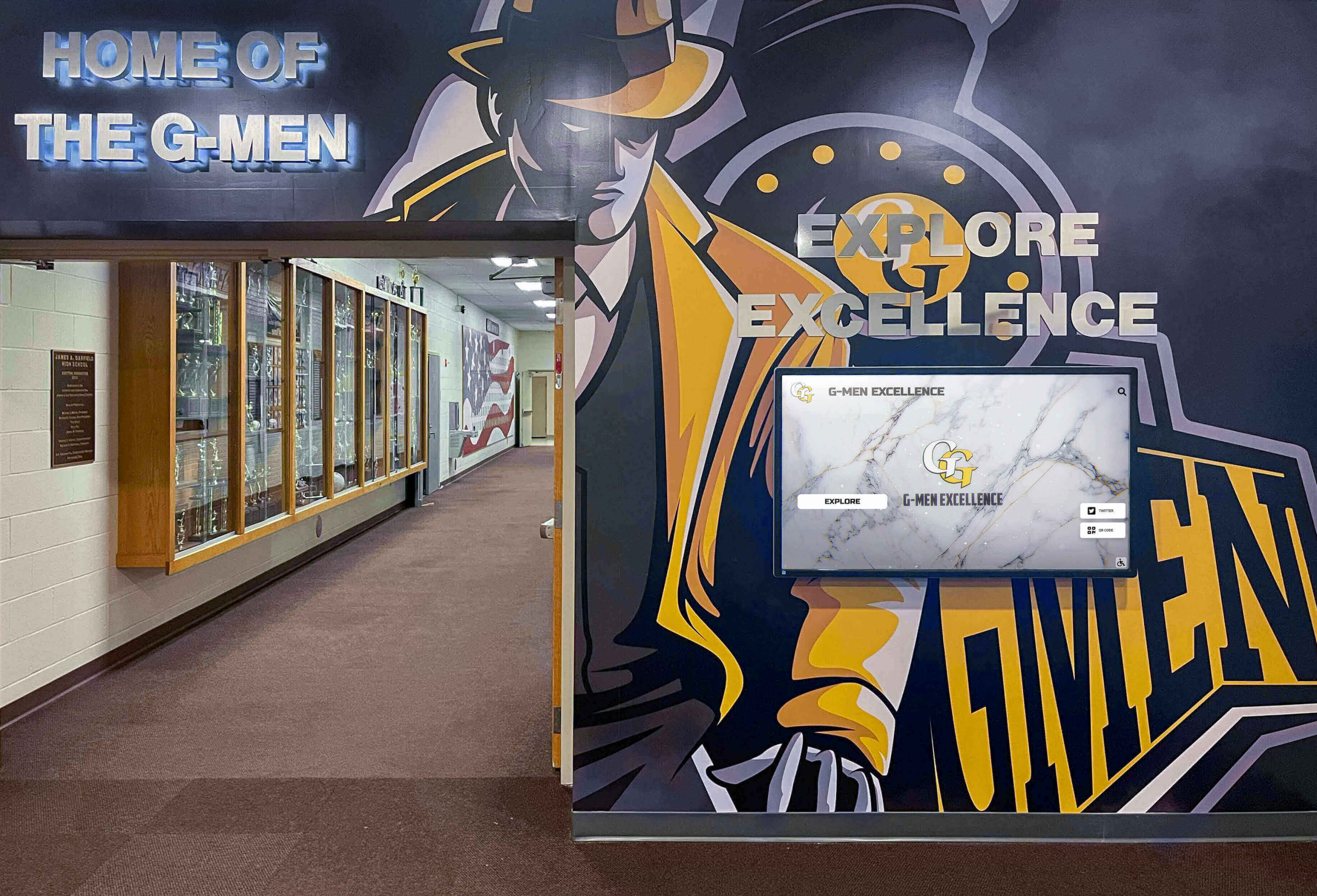
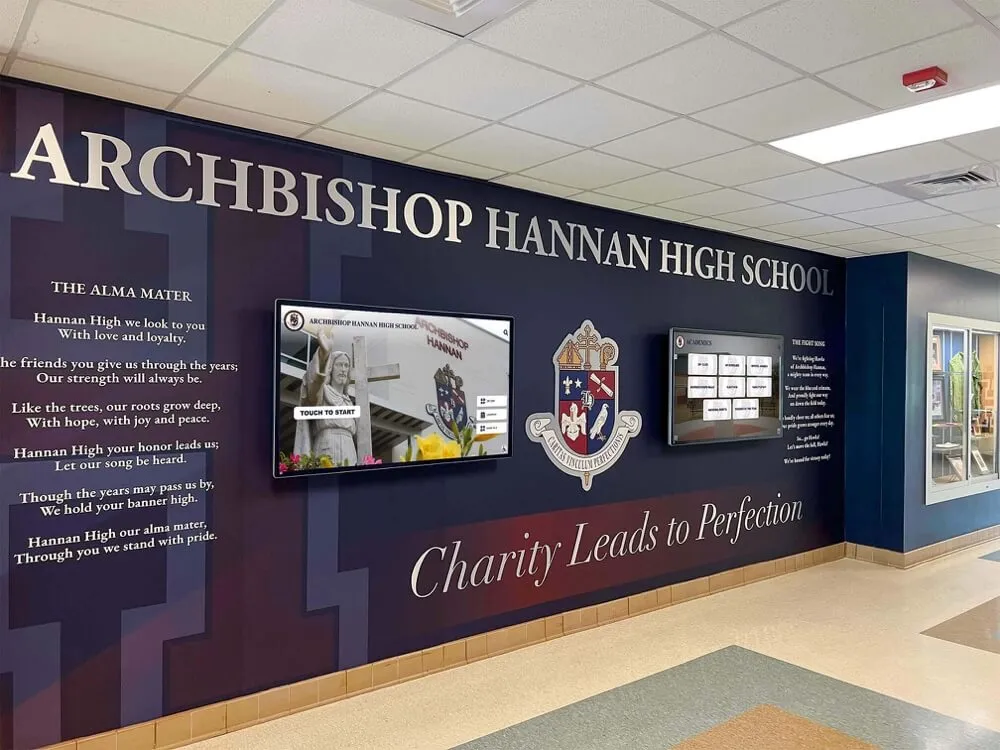
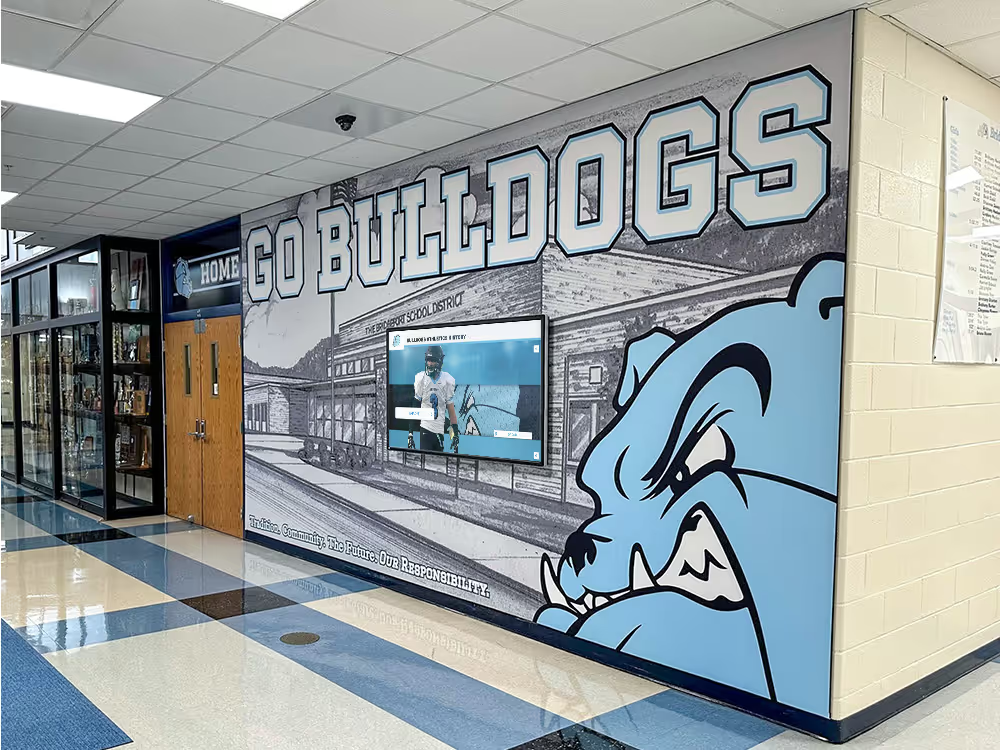
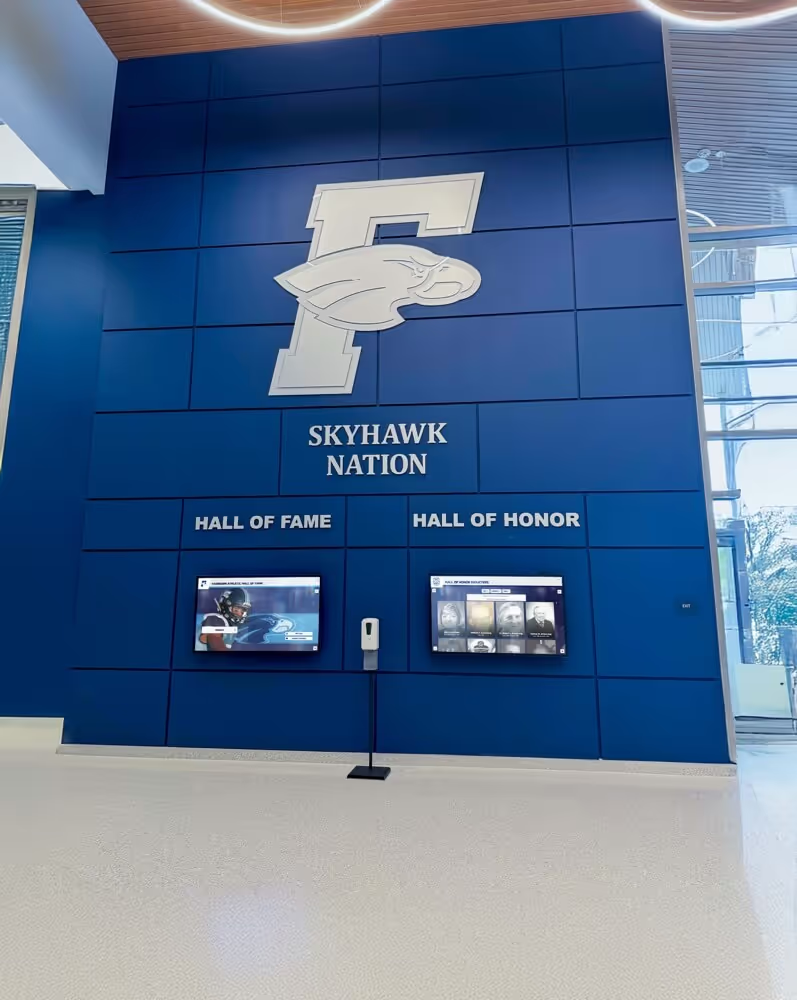
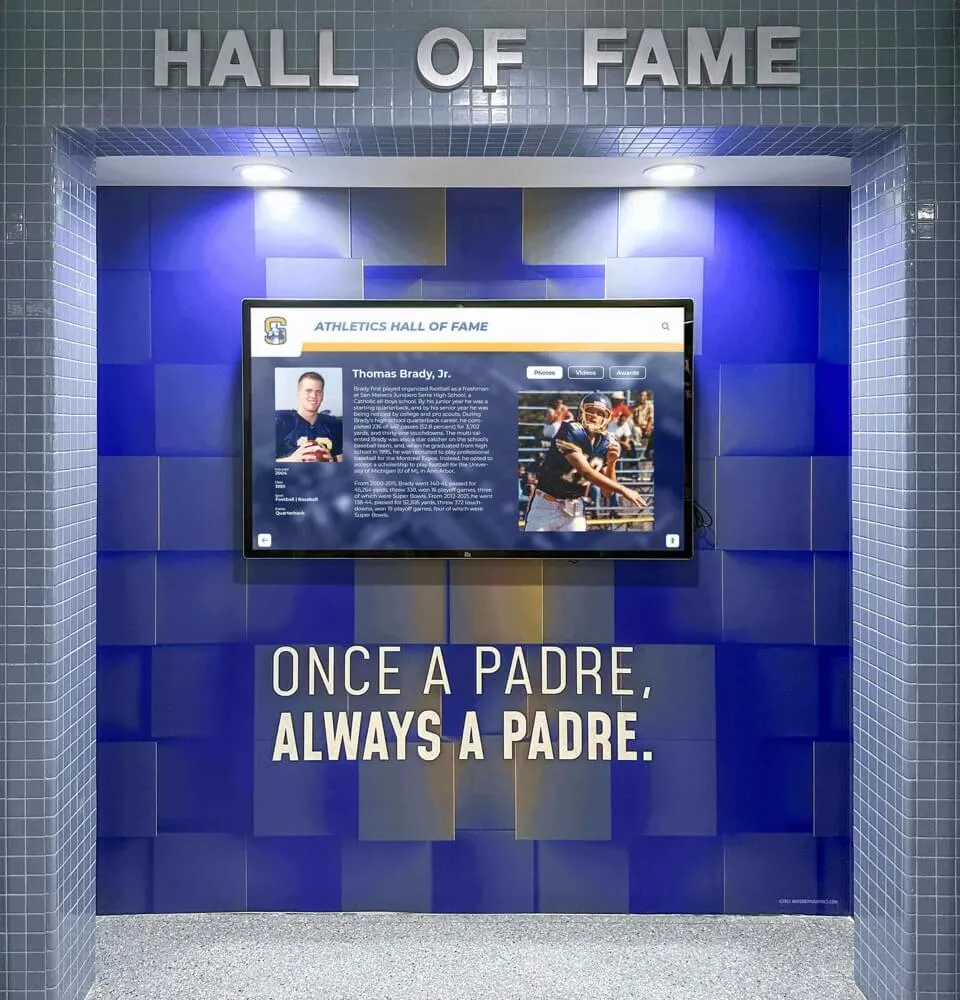
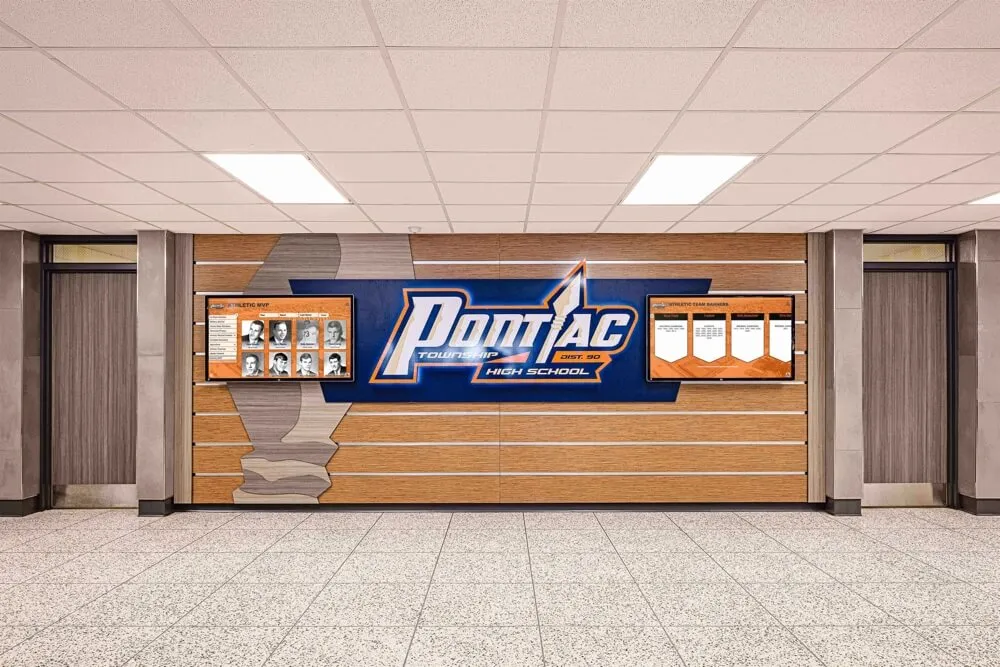
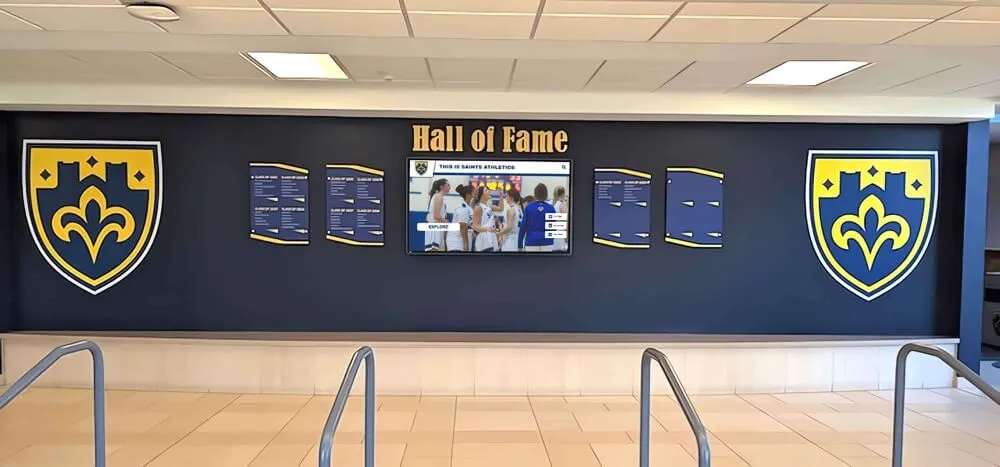
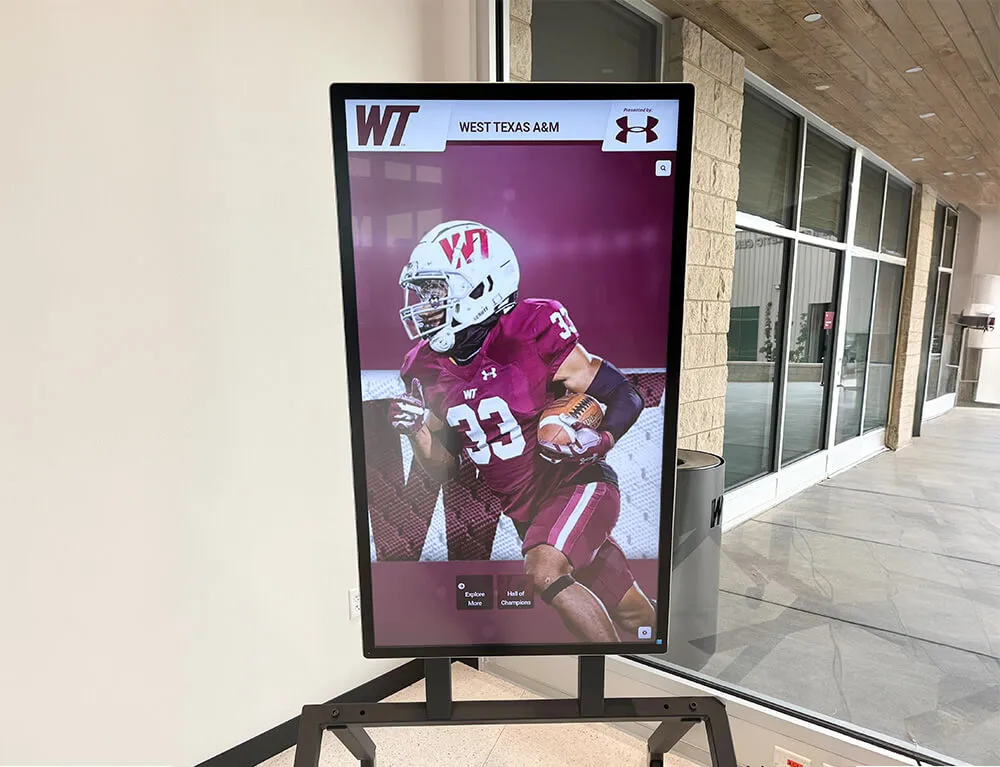
Modern schools integrate traditional elements with digital capabilities creating comprehensive recognition environments
Limited Context and Storytelling Constraints
Traditional gallery displays provide minimal information about artwork and artists, missing opportunities for meaningful engagement and connection.
Minimal Artwork Context
Physical displays typically show artwork accompanied by basic labels—perhaps artist name, title, grade level, and medium. This minimal information fails to communicate creative inspiration and conceptual thinking, techniques and processes used during creation, challenges overcome and artistic problem-solving, skill development trajectories across projects, and personal meaning making work significant to creators.
Without context, viewers appreciate visual aesthetics but miss deeper understanding that creates emotional connection with artistic achievement and recognition of creative journeys.
Impossible Multimedia Integration
Traditional displays cannot incorporate time-lapse videos documenting creative processes, audio recordings where students explain artistic vision, step-by-step photography showing technique development, portfolio collections displaying growth over time, or interactive elements enabling deeper exploration of artistic concepts and connections.
This limitation means recognition remains surface-level rather than honoring the dedication, experimentation, and skill development that artistic excellence requires.
Modern digital gallery platforms enable rich multimedia presentations celebrating not just finished artwork but complete creative journeys—making recognition more meaningful for student artists and more engaging for audiences.
Core Benefits of Modern Digital Art Gallery Solutions
Digital gallery technology solves fundamental exhibition limitations while creating engagement possibilities impossible with traditional wall displays.
Unlimited Exhibition Space Celebrating All Artists
The most immediate benefit digital galleries provide is complete elimination of space constraints that plague physical displays.
Infinite Digital Display Capacity
Digital platforms enable schools to showcase unlimited artwork across all students, grades, mediums, and time periods. A single interactive touchscreen display can present comprehensive exhibitions featuring thousands of high-resolution artworks with detailed information, artist profiles, and creative process documentation—exhibition capacity requiring multiple dedicated gallery spaces to approach with traditional displays.
This unlimited capacity fundamentally transforms art program philosophy from exclusive “limited space forces selection” models that inherently create recognition winners and losers to inclusive “celebrate all deserving work” approaches honoring every student artist appropriately.
Comprehensive Program Recognition
Unlimited capacity enables equitable celebration across creative domains:
- Painting and drawing receive equal visibility as sculpture and ceramics
- Digital art and photography gain prominence alongside traditional media
- Elementary work appears with equal importance as advanced high school portfolios
- Experimental projects get celebrated with polished exhibition pieces
- Collaborative artworks receive visibility alongside individual achievements
- Historical student work remains accessible while current exhibitions update continuously
Schools implementing digital galleries report displaying work from 300-500% more students than previous physical displays accommodated—demonstrating the transformative capacity difference these platforms deliver.
Explore systematic recognition approaches in elementary school recognition programs demonstrating inclusive celebration strategies applicable across grade levels.
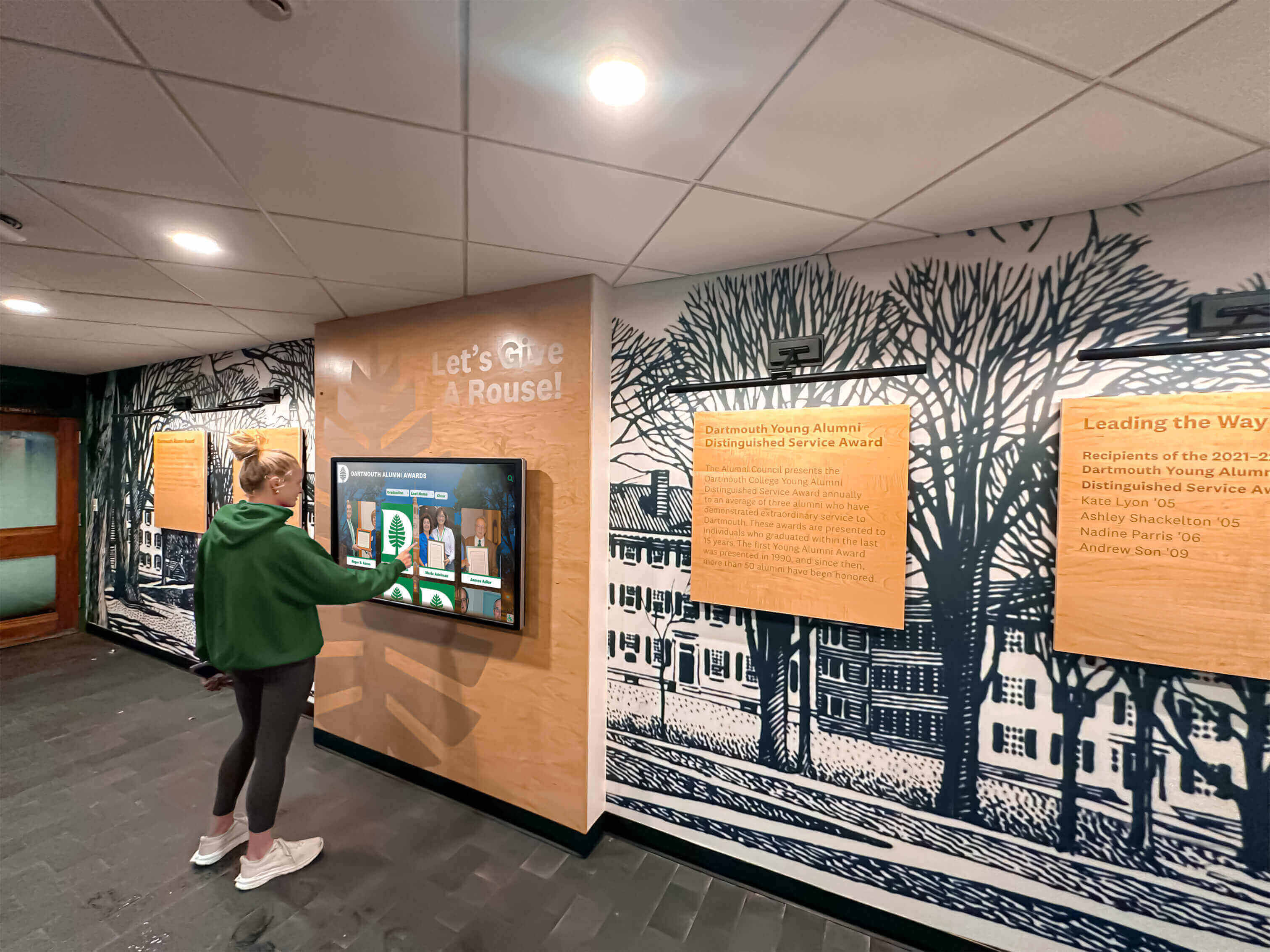
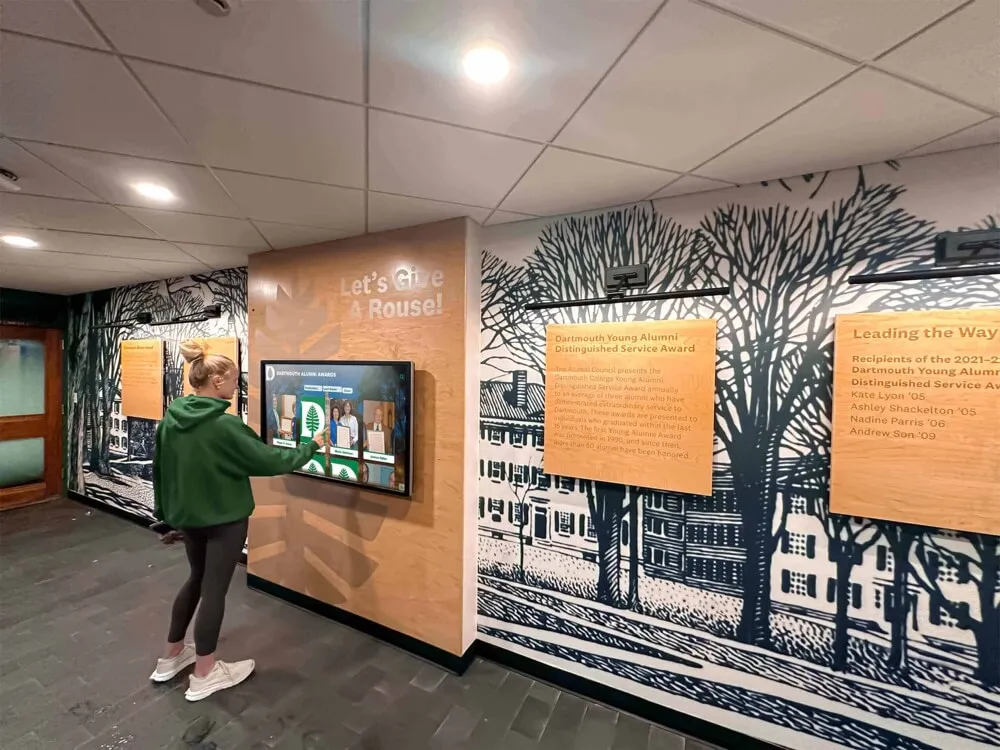
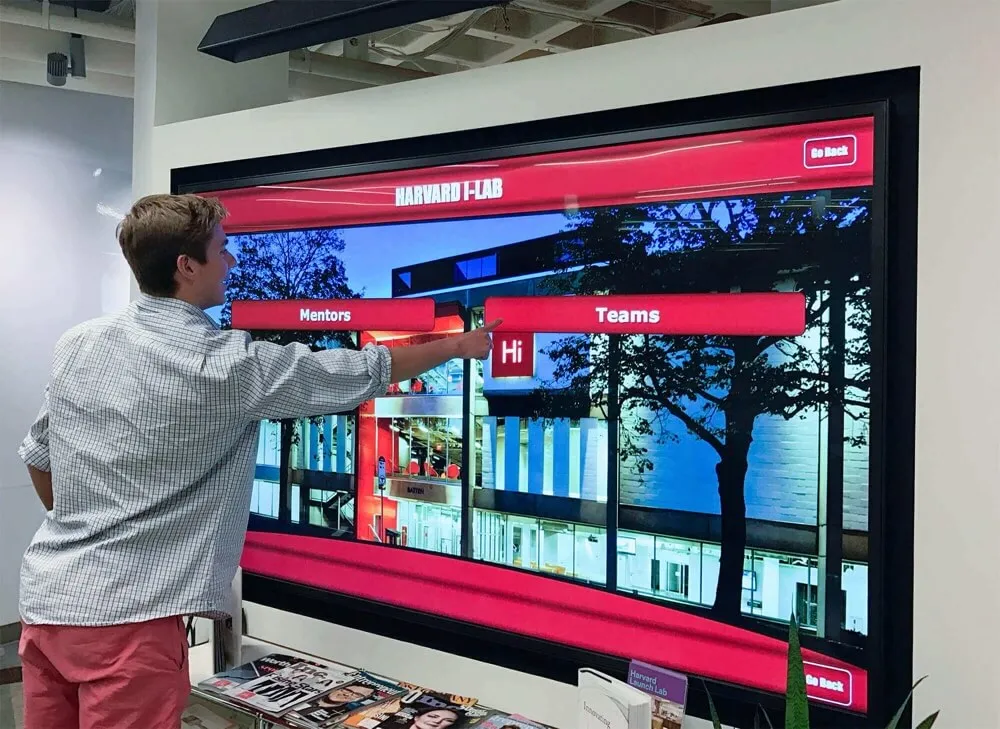
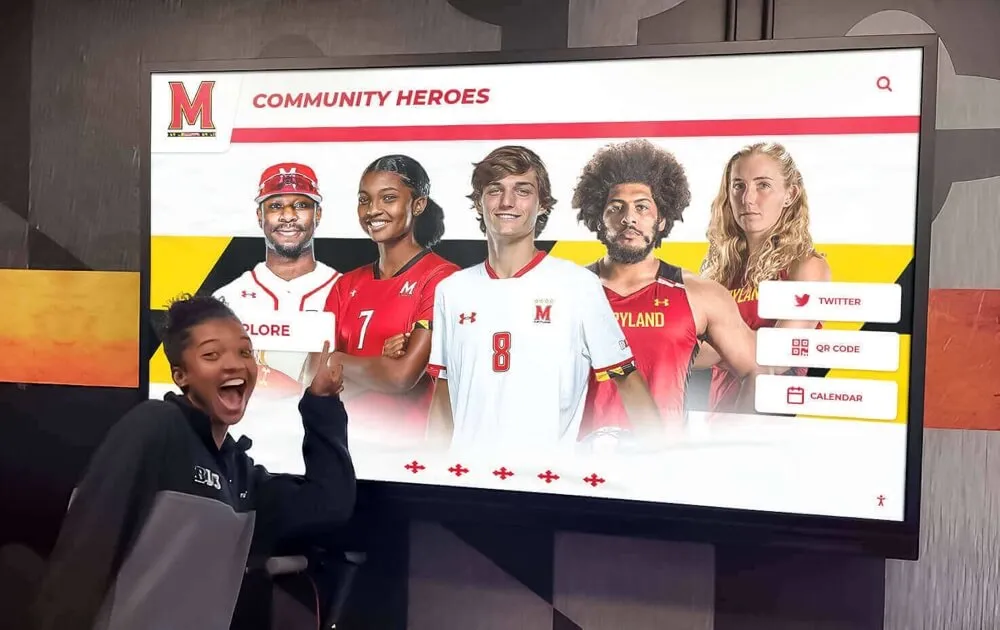
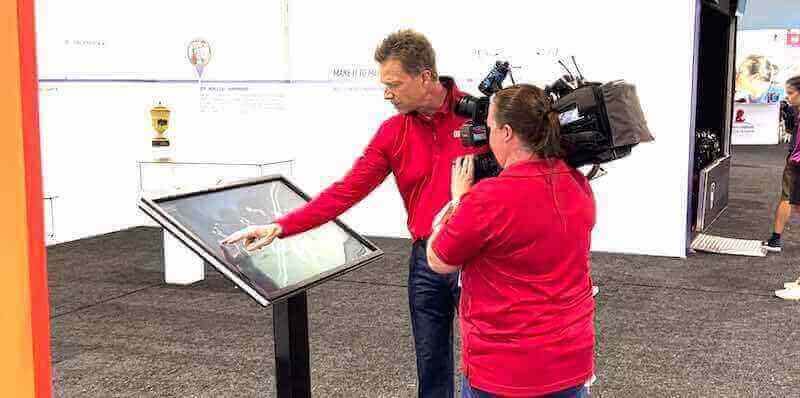
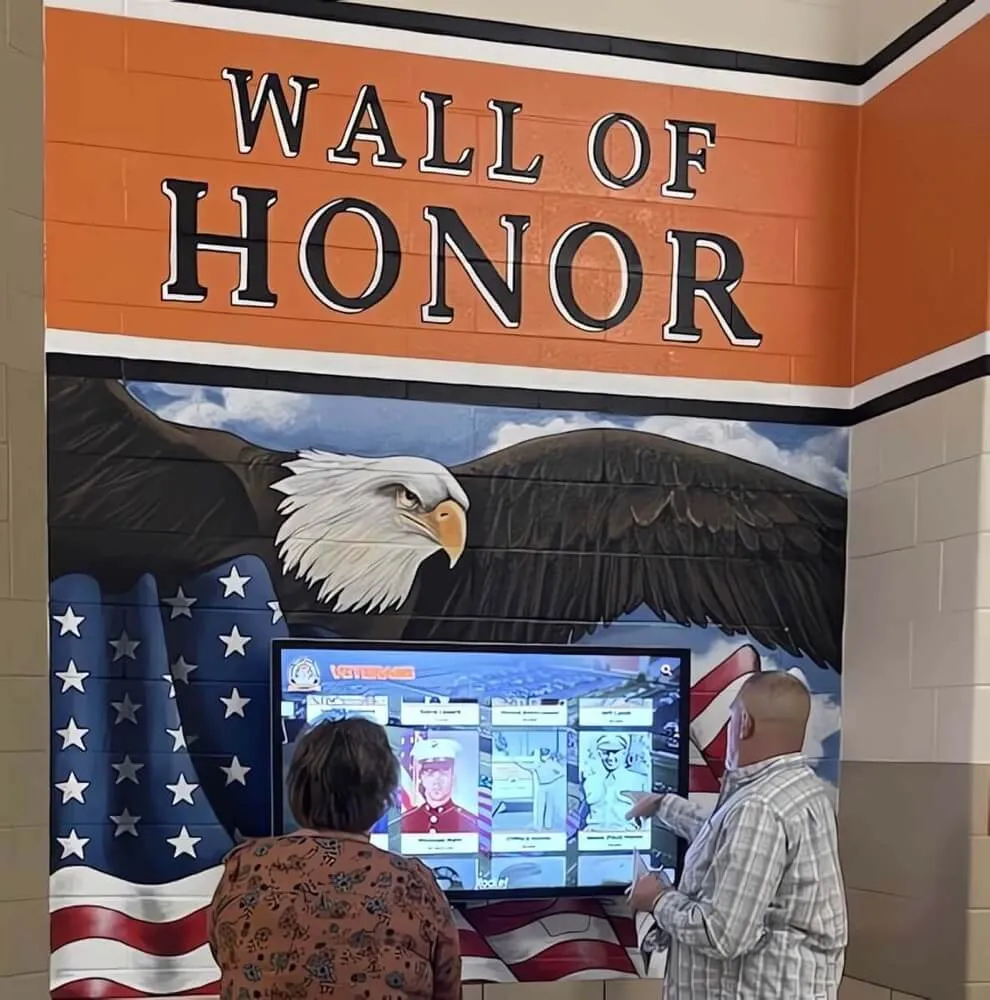
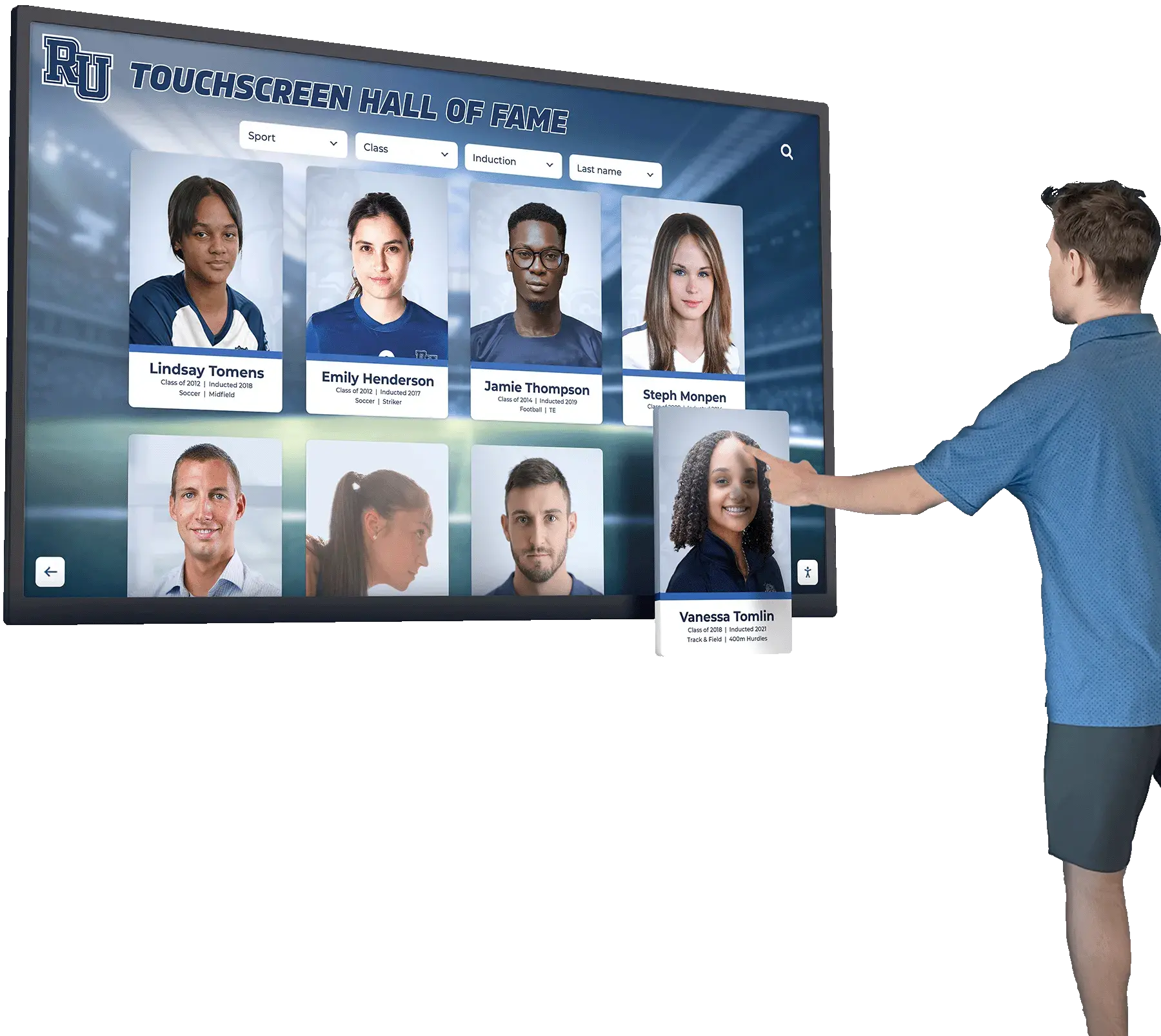
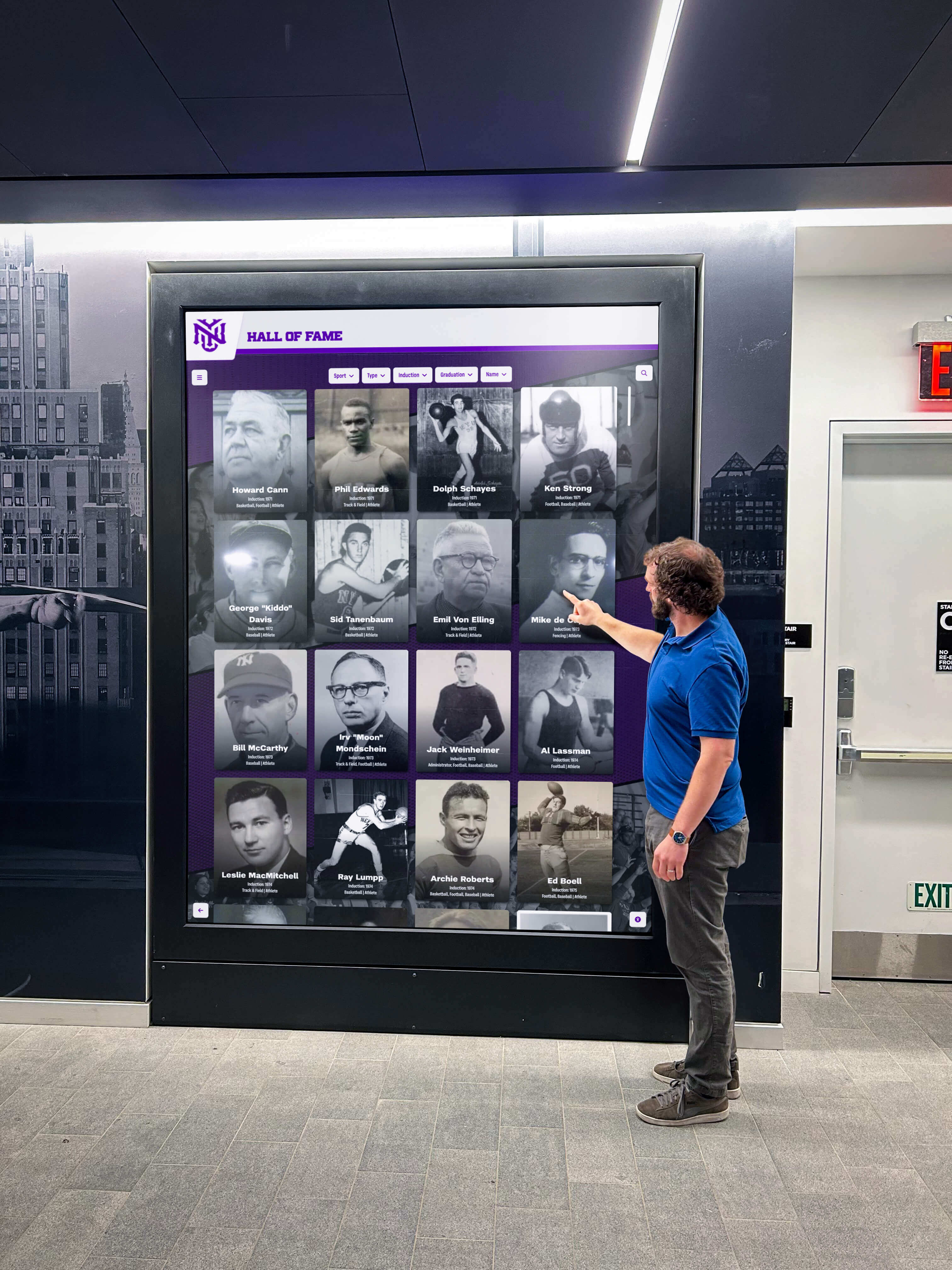
Intuitive touchscreen interfaces invite students to explore artwork from peers across all programs and years
Rich Multimedia Artistic Storytelling
Beyond solving capacity constraints, digital galleries enable exhibition experiences qualitatively superior to traditional displays.
Comprehensive Artwork Presentations
Modern gallery systems integrate multiple content types creating complete artistic celebrations:
- High-resolution photography capturing artwork detail impossible to appreciate in hallway lighting conditions
- Time-lapse videos documenting creative processes from initial sketches through completion
- Audio recordings where student artists explain inspiration, techniques, and personal meaning
- Written artist statements providing conceptual context and creative reflection
- Technique demonstrations showing specific skills or methods employed during creation
- Portfolio collections displaying artistic growth across multiple projects or academic years
- Searchable databases enabling instant discovery of specific artists, themes, mediums, or time periods
- Social sharing capabilities allowing student artists to celebrate recognition across digital networks
These multimedia capabilities transform simple artwork display into rich, engaging stories that honor creative achievement appropriately while sustaining visitor attention far longer than glancing at wall-mounted pieces permits.
Dynamic Content Evolution
Digital galleries remain perpetually current through instant remote updates:
Add new artwork immediately upon project completion without physical installation requirements; enhance existing presentations as students create supplementary pieces or artist statements; correct information or update profiles effortlessly from any internet-connected device; refresh featured exhibitions highlighting different themes, mediums, or grade levels seasonally; and incorporate new presentation formats as digital capabilities advance.
This evolution ensures art recognition quality improves continuously rather than degrading as traditional displays age, fade, and deteriorate from environmental exposure.
Dramatically Increased Community Engagement
Perhaps the most significant benefit digital art galleries deliver is substantial increases in visitor engagement compared to traditional displays.
Extended Exploration Duration
Interactive touchscreen displays encourage prolonged engagement as visitors search for specific student artists they know personally, browse artwork filtered by medium or creative style, watch process videos showing artistic development, discover connections between related pieces across years, and explore themes or subjects matching their interests.
This extended engagement ensures art recognition achieves intended impacts—inspiration, appreciation, cultural development—rather than being overlooked during hurried hallway transitions between classes.
Active Participation Versus Passive Viewing
Traditional art displays create passive experiences where people walk past artwork occasionally glancing but rarely stopping for extended viewing. Digital galleries transform passive viewers into active participants who explore content matching their specific interests and discover artistic work they might otherwise miss in crowded physical displays.
Multi-Channel Accessibility
Digital recognition serves broader audiences through multiple access points including physical touchscreen displays in high-traffic school locations, web-accessible platforms enabling exploration from home or mobile devices, mobile-optimized interfaces for smartphones and tablets, social sharing capabilities amplifying recognition reach beyond campus walls, and search engine visibility connecting external audiences to student artwork.
This multi-channel accessibility ensures art recognition reaches exponentially more people than limited audiences physically encountering traditional hallway displays during school visits.
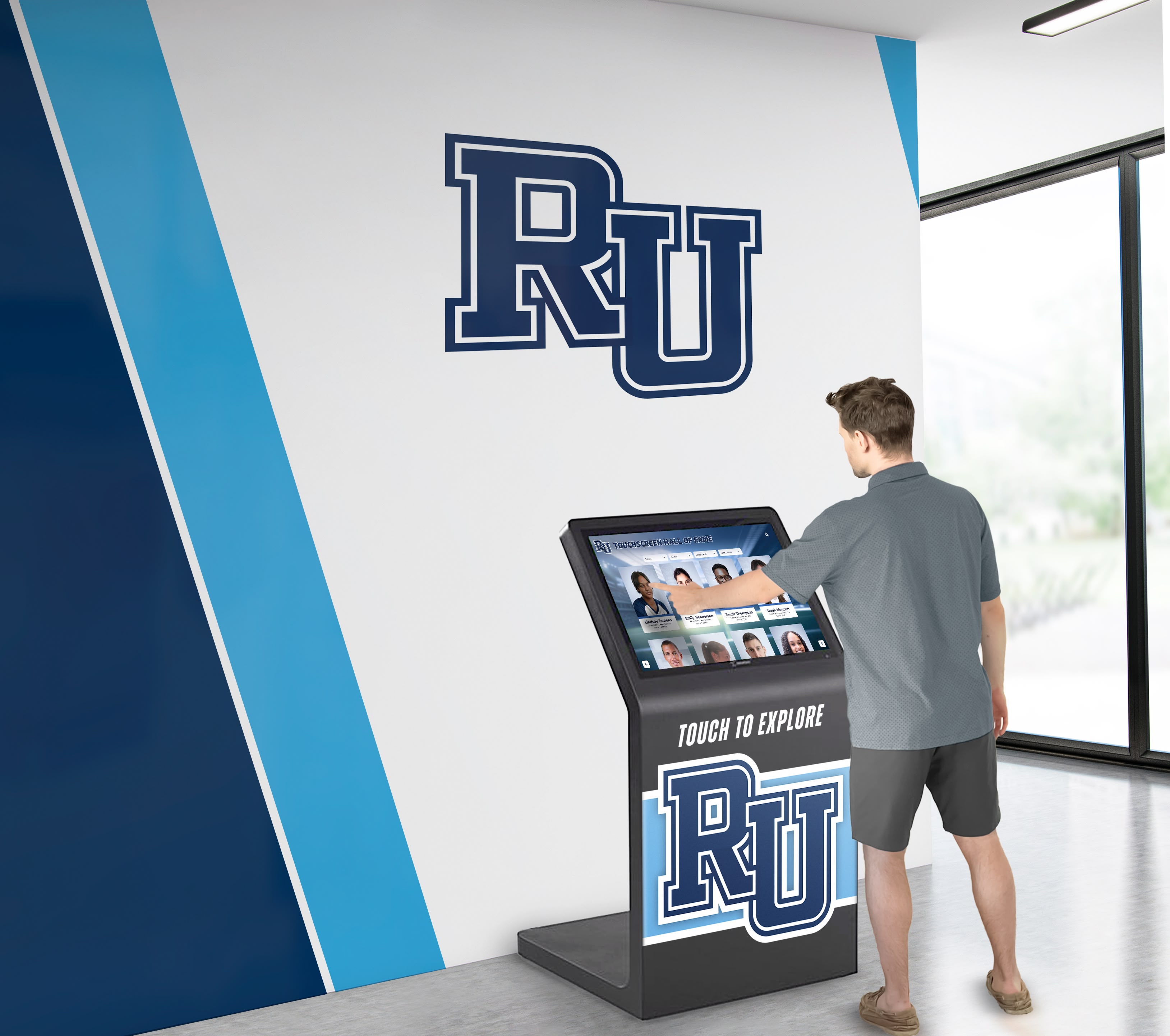
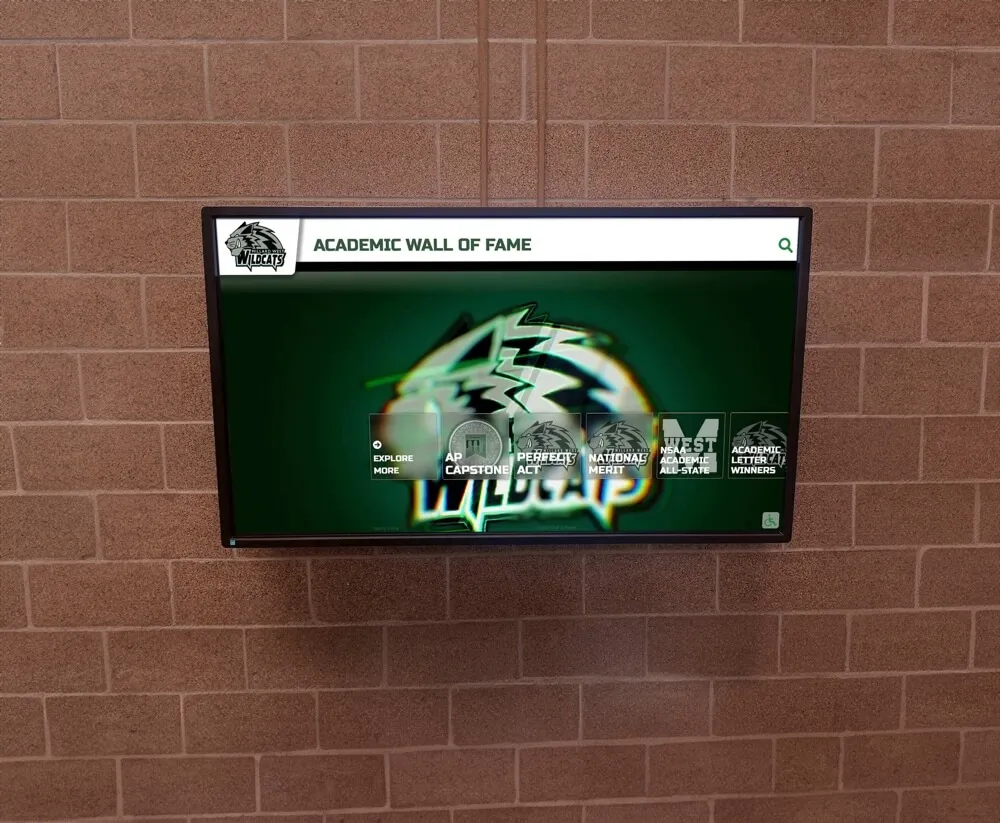
Professional installations in prominent locations maximize exhibition visibility and community engagement
Planning Effective Art Class Gallery Displays
Successfully implementing gallery systems—whether traditional, digital, or hybrid—requires systematic planning addressing interconnected considerations.
Defining Gallery Objectives and Scope
Clear goal definition enables design decisions aligning implementations with most important program priorities.
Recognition Objectives Clarification
Before selecting approaches or technologies, art programs should define what they hope to accomplish through gallery displays:
- Which student populations currently lack adequate exhibition opportunities?
- What creative mediums or approaches deserve greater program visibility?
- How can enhanced displays support broader art education objectives and outcomes?
- What artistic stories need preservation before institutional memory fades with graduations and transitions?
- How might improved recognition strengthen art program recruitment, retention, and community reputation?
Scope and Audience Definition
Gallery planning should clarify fundamental parameters including which programs and grade levels will receive exhibition space, how far back historical artwork will be archived and displayed, what information and context will accompany each exhibited piece, how students will be involved in curation and content contribution, and how galleries connect to broader school recognition and communication systems.
Clear scope prevents mission creep while ensuring achievable initial implementation with defined expansion paths as programs grow and evolve.
Location and Placement Strategy
Gallery effectiveness depends heavily on strategic positioning maximizing visibility and encouraging sustained interaction.
High-Traffic Location Selection
Optimal gallery placement includes main building entrance lobbies ensuring all community members encounter displays daily, art classroom corridors creating dedicated creative spaces celebrating program work, cafeterias and student commons where communities gather during meals and breaks, library or media center areas offering extended dwell time for deeper exploration, and administrative corridors where prospective families visit during enrollment tours.
Schools report highest gallery engagement when displays appear in spaces where people naturally congregate with time available for exploration rather than locations they rush past during class transitions.
Creating Art Gallery Destinations
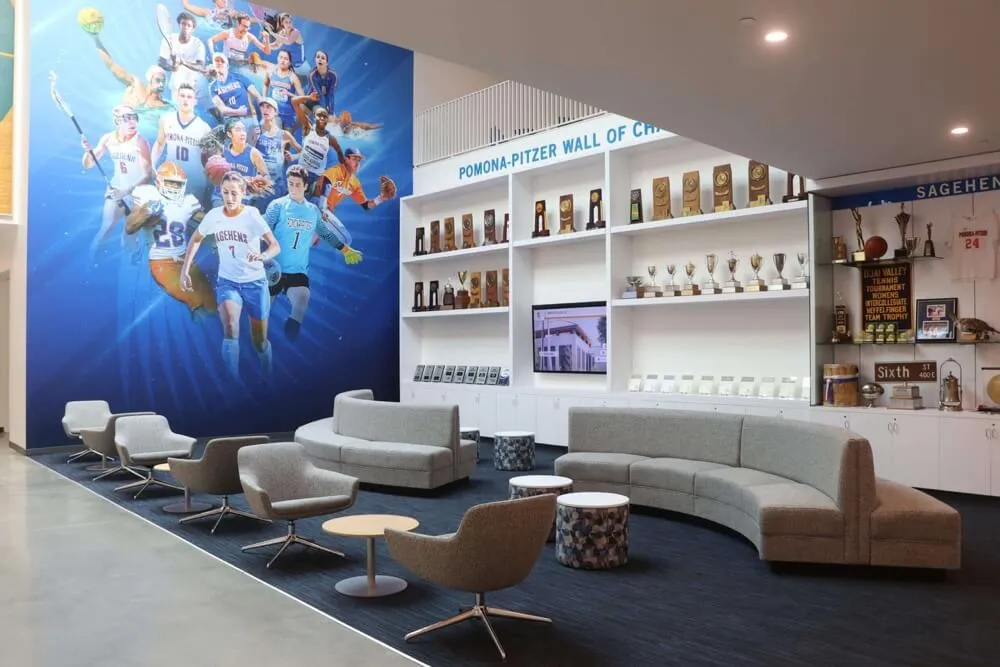
Most effective implementations transform gallery areas into artistic destinations through integrated environmental design including comfortable seating encouraging extended viewing and discussion, coordinated murals or graphics reinforcing creative themes and aesthetics, appropriate lighting highlighting displays and creating visual focus, school colors and art program branding generating cohesive institutional identity, and clear wayfinding signage directing community members to gallery locations.
These integrated approaches signal institutional commitment to arts while creating visually impressive spaces that strengthen creative culture and community pride.
Explore environmental design approaches in exciting hallway displays demonstrating recognition integration strategies applicable to art gallery contexts.
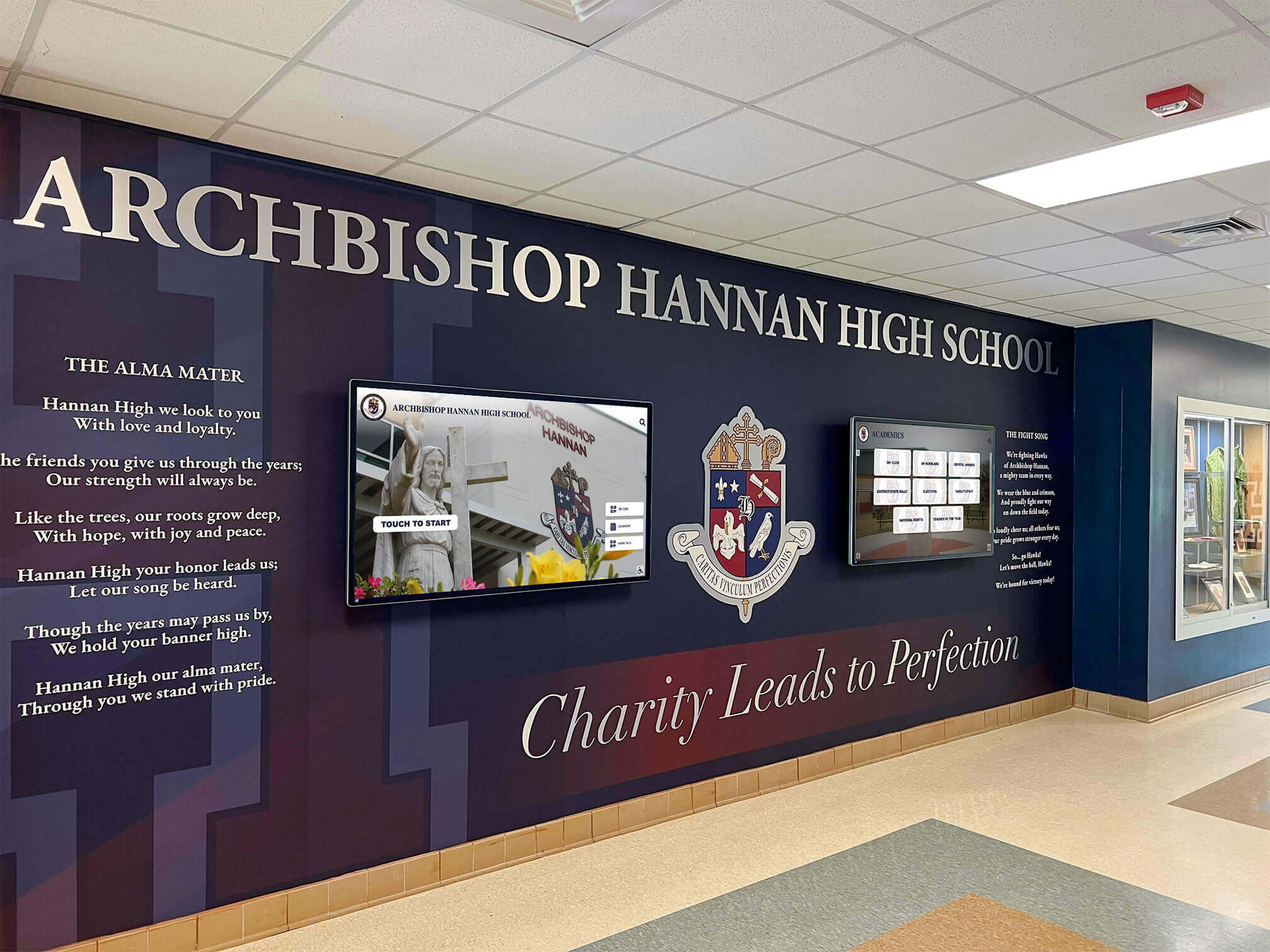
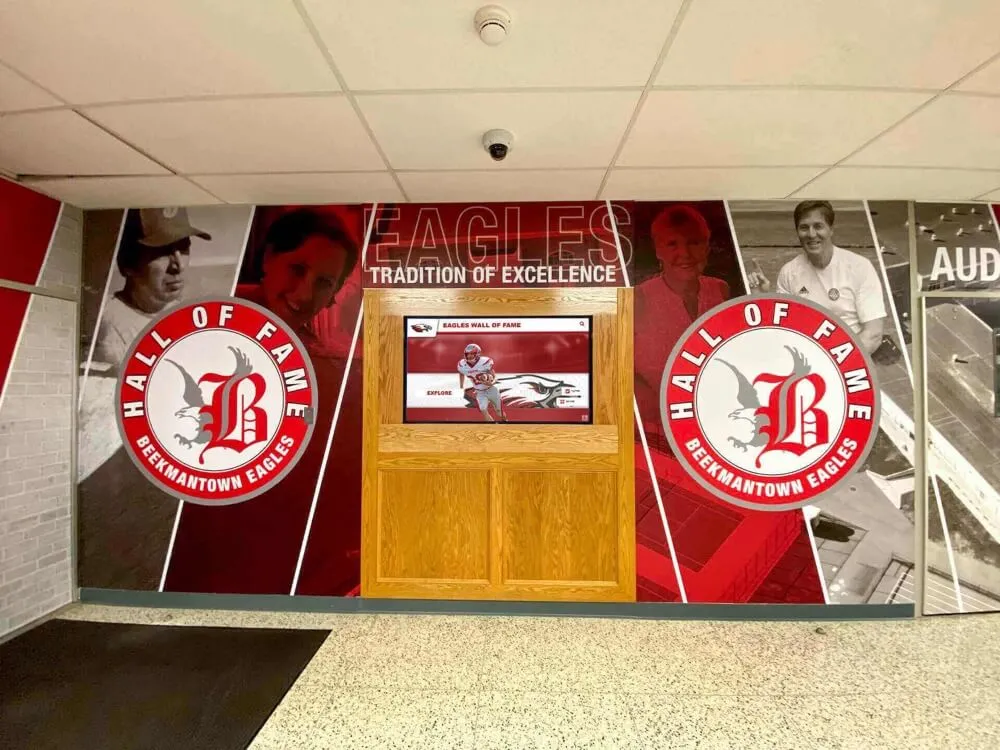
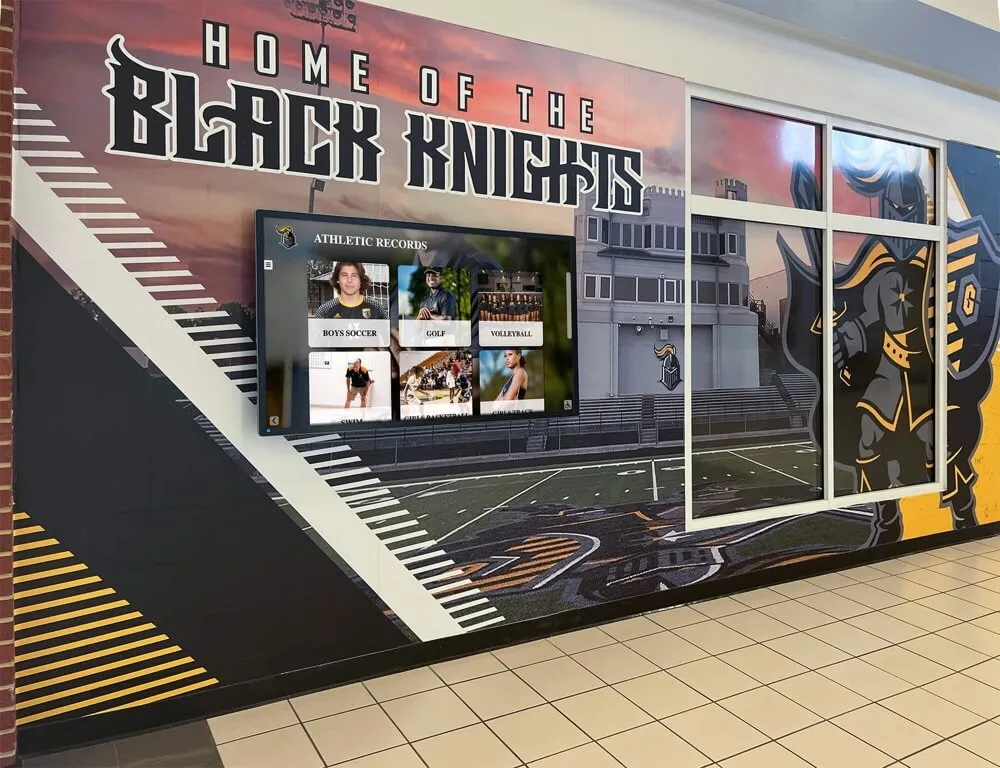
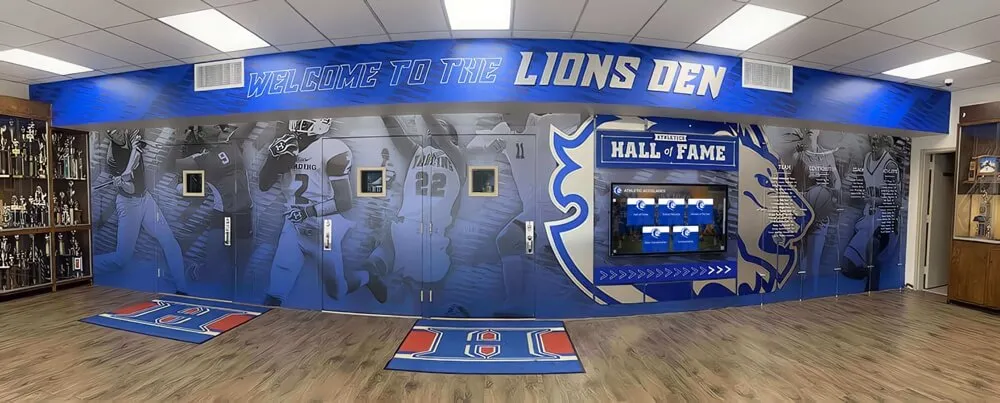
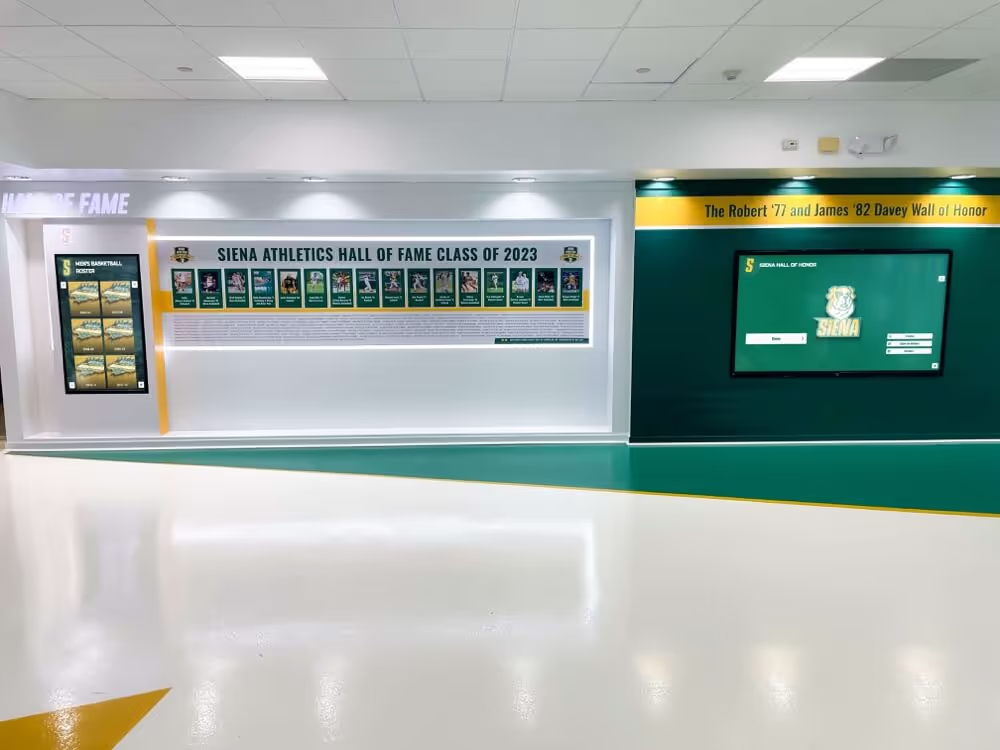
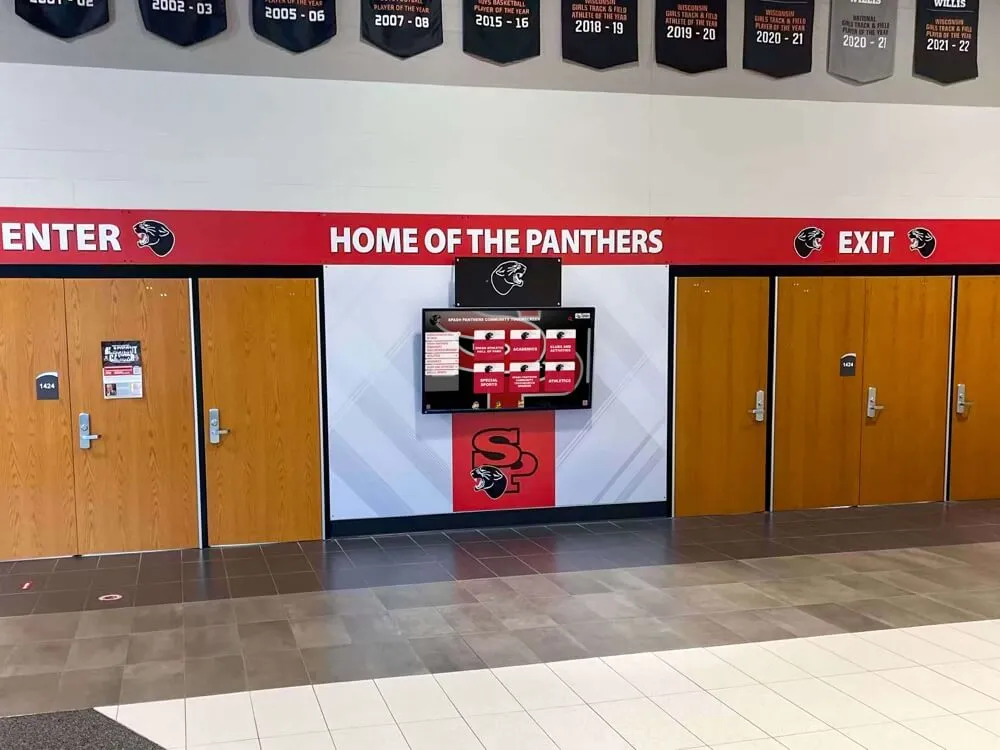
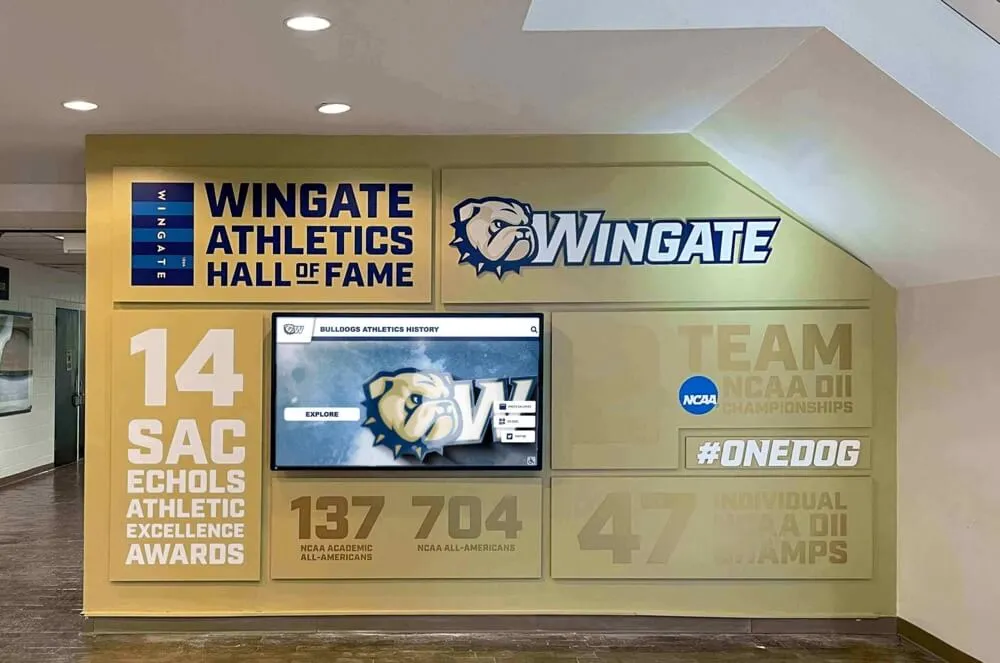
Coordinated environments combining traditional elements with digital displays create compelling artistic destinations
Selecting Gallery Technology and Platforms
Art programs face multiple options for gallery systems with varying capabilities, costs, and management requirements.
Digital Gallery Platform Evaluation
Purpose-built art gallery platforms offer significant advantages over generic digital signage or website solutions:
- Cloud-based content management enabling remote updates without physical display access
- Intuitive upload interfaces requiring no technical expertise for artwork documentation
- Unlimited storage supporting extensive archives across years and programs
- High-resolution image support displaying artwork with museum-quality detail and color accuracy
- Artist profile templates reducing setup complexity and ensuring consistency
- Advanced search and filtering by artist, medium, theme, grade level, or time period
- Mobile-responsive web design ensuring accessibility across all devices
- Appropriate privacy controls protecting student information per educational regulations
- Social sharing integration facilitating organic promotion through student and family networks
- Analytics dashboards revealing engagement patterns informing exhibition strategy refinement
Specialized Educational Recognition Solutions
Solutions like Rocket Alumni Solutions designed specifically for school recognition deliver critical advantages including pre-built templates for art exhibitions reducing implementation time and technical barriers, educational privacy compliance built into platform architecture from design, specialized support understanding unique school needs and budget constraints, proven track records across hundreds of successful installations, white-glove implementation services ensuring smooth launches, ongoing training preventing platform abandonment, and favorable pricing reflecting educational budget realities.
These specialized capabilities justify investment in dedicated recognition platforms over attempting to adapt generic content management systems for complex exhibition purposes requiring sustained management and evolution.
Hardware Considerations for Digital Displays
Display hardware significantly impacts viewer experience, image quality, and long-term program satisfaction.
Touchscreen Hardware Requirements
Critical hardware specifications for art gallery applications include:
- Display size: 43-55 inches for classroom and corridor installations; 65-75 inches for lobbies and large gathering spaces
- Resolution: Minimum 4K (3840×2160) essential for artwork detail, color accuracy, and professional presentation quality
- Color reproduction: Professional displays with wide color gamut ensuring faithful artwork representation matching original pieces
- Touch technology: Capacitive or infrared multi-touch providing responsive, intuitive interaction supporting gesture navigation
- Brightness: 400-500 nits for typical indoor environments; higher luminance for areas with significant natural light
- Commercial rating: Displays designed for continuous operation unlike consumer televisions prone to burn-in and failure
- Mounting options: Flexible wall-mounting or freestanding kiosk configurations matching spatial requirements
- Connectivity: Built-in Wi-Fi or ethernet supporting reliable cloud content delivery and updates
Schools should budget $4,000-$10,000 per display unit for commercial-grade hardware appropriate for institutional art gallery applications depending on size and specifications.
Professional Installation Services
Proper installation ensures optimal performance and longevity including secure mounting meeting safety standards for public environments with student access, professional cable management maintaining clean aesthetic appearance, appropriate viewing heights accommodating standing and seated interaction, electrical work meeting local building code requirements, network configuration ensuring reliable connectivity and content delivery, and environmental protection addressing high-activity locations with potential damage risks.
Professional installation typically costs $800-$2,500 per display depending on mounting complexity and facility requirements—worthwhile investment preventing future problems from inadequate installations compromising user experience.

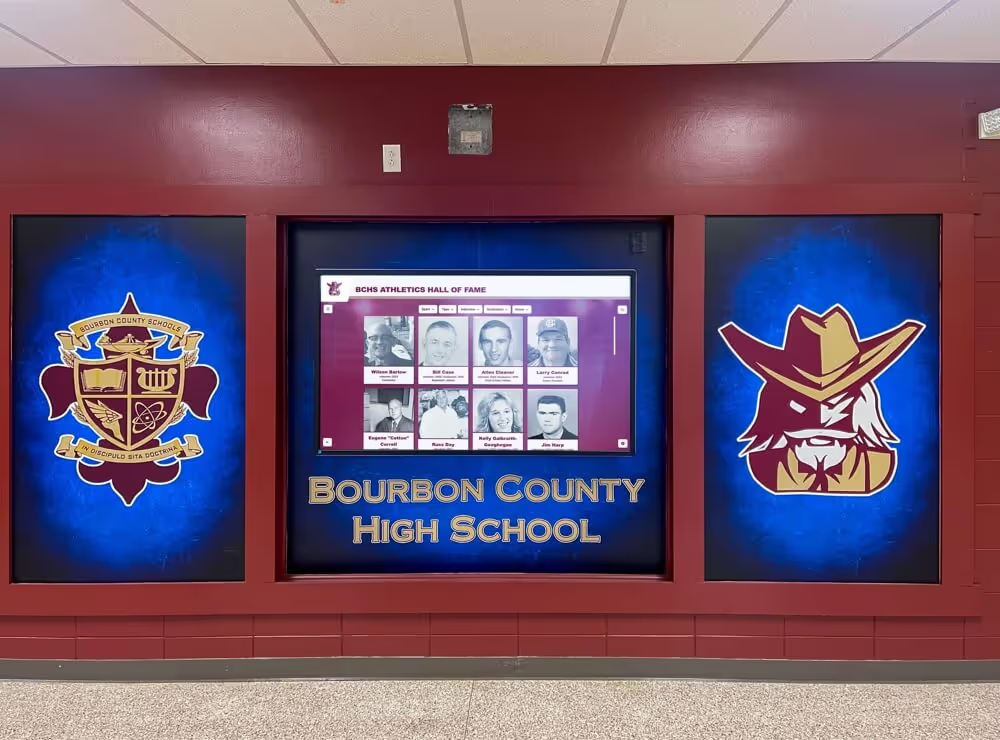
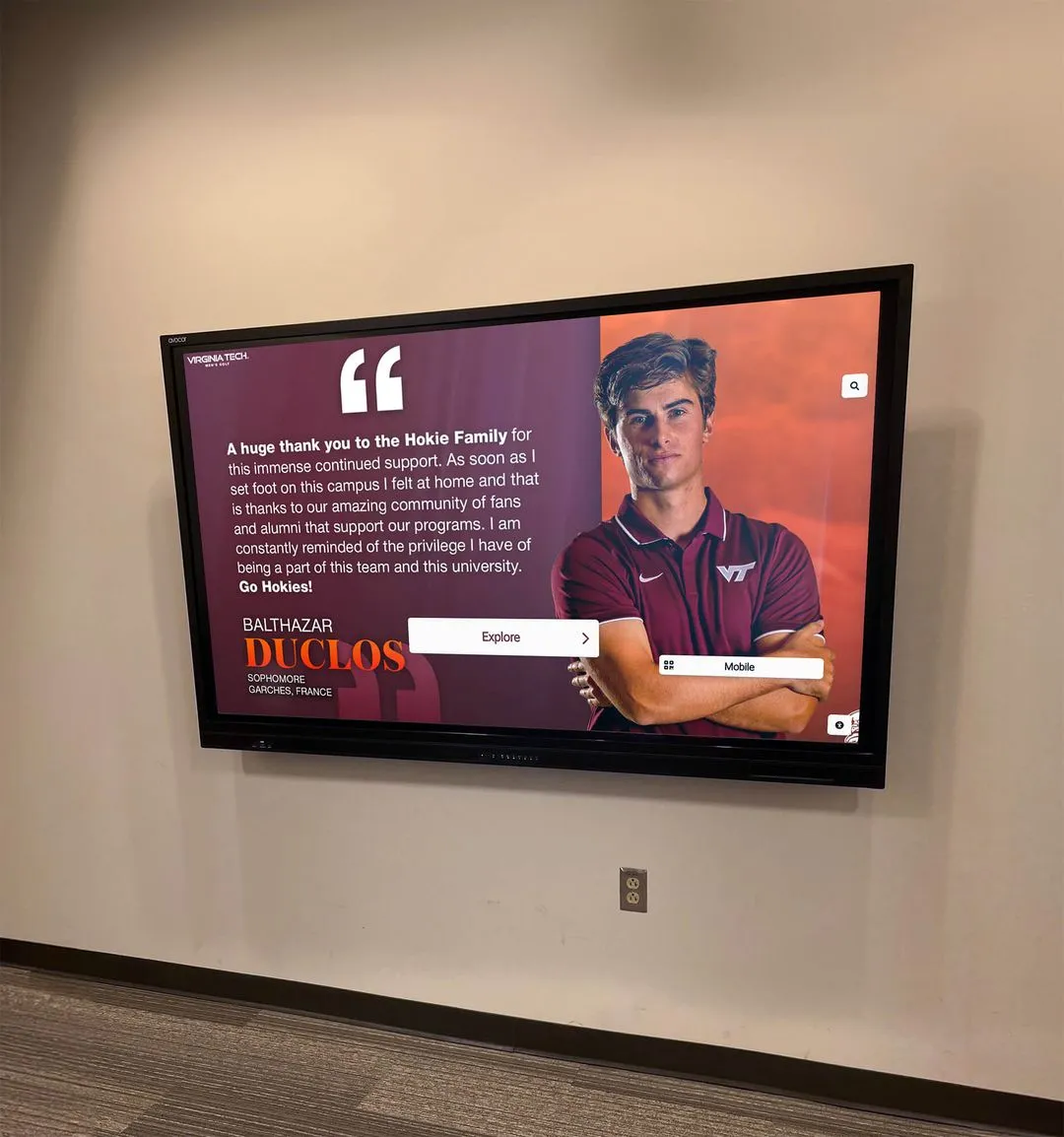
Commercial-grade installations deliver reliable performance and sophisticated presentation worthy of student artistic achievement
Creating Compelling Art Gallery Content
Technology establishes infrastructure, but engaging content determines whether galleries achieve intended recognition and cultural objectives.
Artwork Documentation Standards
Consistent documentation processes ensure professional presentation quality across all exhibited work.
Photography Guidelines for Artwork Capture
Successful galleries establish clear documentation standards including:
- High-resolution photography (minimum 3000×3000 pixels for detailed artwork; higher for large pieces)
- Professional lighting eliminating glare, shadows, and color distortion
- Neutral backgrounds focusing attention exclusively on artwork rather than distracting environments
- Accurate color reproduction reflecting true hues and tones matching original pieces
- Consistent framing and composition creating visual cohesion across exhibitions
- Multiple angles for three-dimensional sculpture, ceramics, and installation work
- Detail shots highlighting texture, technique, and specific areas of interest
Essential Information Collection
Comprehensive artwork documentation includes student artist name, grade level, and year of creation; artwork title reflecting creative concept or subject; dimensions and physical medium employed; project context including curriculum connections and learning objectives; artist statements explaining inspiration, process, and personal meaning; technical information about techniques and approaches used; and recognition received including awards, competitions, or special exhibitions.
These information standards ensure digital galleries honor artwork with presentation quality matching creative achievement and providing context that deepens viewer understanding and connection.
Student Involvement and Authentic Voice
Empowering students in gallery curation and management builds program investment while developing real-world skills extending beyond studio practice.
Student Curators and Gallery Management
Advanced art students can assume significant gallery responsibilities including serving as exhibition curators selecting themes and featured artwork, designing gallery layouts and presentation sequences, writing exhibition descriptions and contextual information, conducting artist interviews and documenting creative processes, managing photography and digital documentation workflows, and presenting galleries during school tours, open houses, and community events.
This student leadership develops authentic portfolio experiences while reducing teacher administrative burden and building stronger program ownership among participants.
Cross-Curricular Integration Opportunities
Digital art galleries create collaboration opportunities across academic disciplines:
English classes write artist profiles, exhibition essays, and critical reviews; history classes research art movements, cultural contexts, and stylistic influences; technology classes manage platforms, troubleshoot systems, and optimize user experiences; marketing and communications classes promote exhibitions through social media and school channels; and leadership classes organize gallery opening events, artist receptions, and community programs.
This integration positions art galleries as school-wide initiatives rather than isolated art department projects—strengthening institutional commitment while building interdisciplinary appreciation for creative work and visual literacy.
Explore student leadership approaches in peer leadership spotlights demonstrating engagement strategies applicable to gallery management contexts.
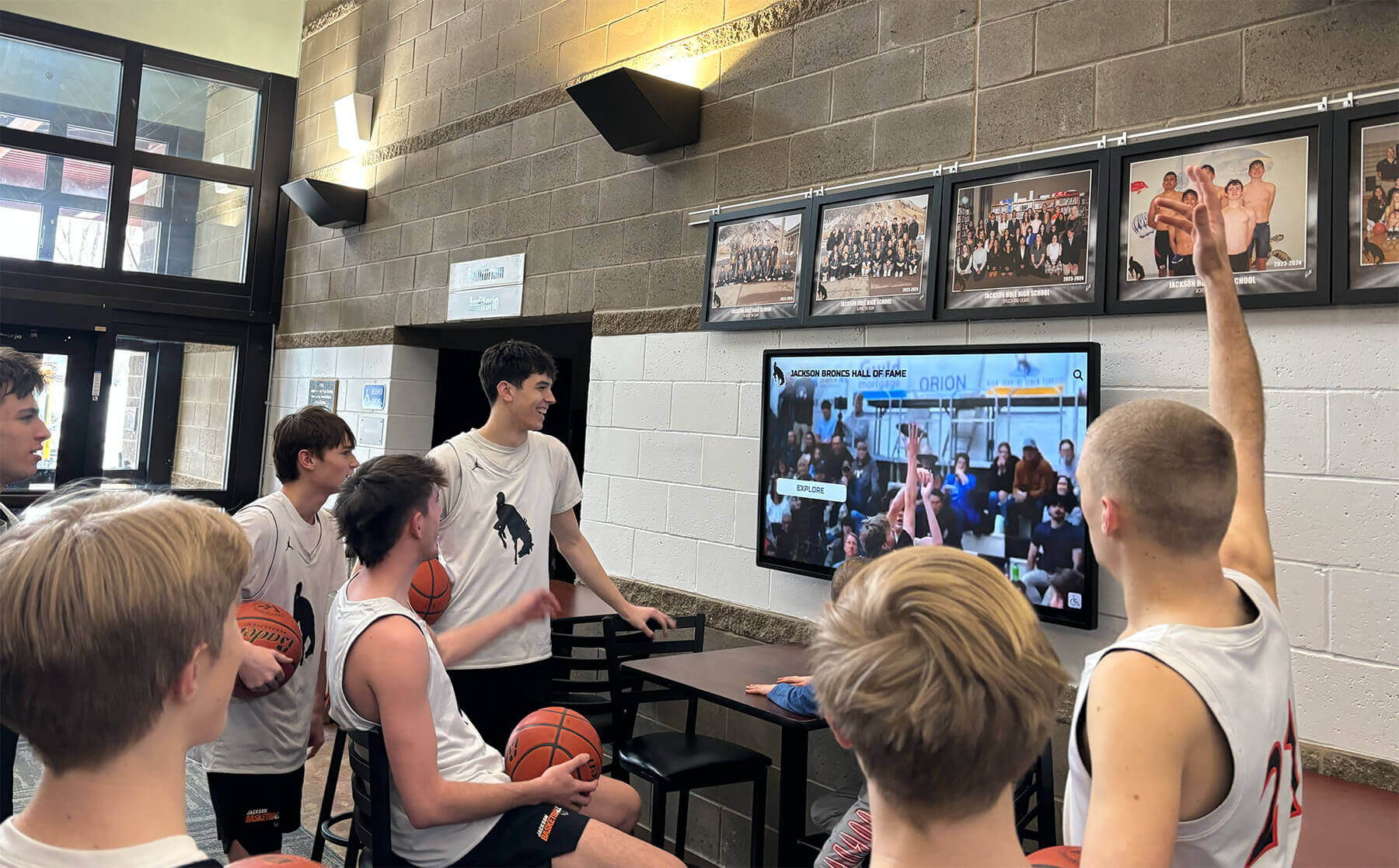
Digital galleries create natural gathering points where students discover and celebrate peer creativity together
Sustainable Content Management Workflows
Effective galleries require manageable processes preventing content management from becoming overwhelming administrative burdens.
Systematic Documentation Processes
Establish clear workflows including designated photography sessions during or after project completion, student submission forms collecting necessary information and permissions, instructor review and approval before publication ensuring appropriate content, scheduled publishing dates aligned with grading periods and academic calendar, and organized digital asset management preventing lost files and workflow confusion.
Cloud-based platforms enable remote content updates from any internet-connected device—dramatically reducing administrative effort compared to physical displays requiring on-site access for every modification or rotation.
Dynamic Exhibition Programming
Systematic content calendars keep galleries engaging and relevant:
Monthly Thematic Rotations
- September: Summer program showcases and new year welcomes
- October: Fall themes, cultural heritage celebrations, and community connections
- November: Gratitude expressions and service learning artwork
- December: Winter celebrations and cultural traditions across diverse communities
- January: Fresh start themes and goal-setting visual expressions
- February: Identity exploration and cultural heritage months
- March: Spring themes and environmental awareness artwork
- April: Social justice themes and community impact projects
- May: Senior exhibitions and year-end program celebrations
- June: Summer preview and next year planning
Special Exhibition Programming highlighting competition successes and juried selections, visiting artist collaborations and residency documentation, community partnership exhibitions connecting schools with local organizations, alumni artist features celebrating post-graduation creative careers, and historical retrospectives marking program anniversaries and milestones.
This systematic programming maintains gallery freshness while reducing last-minute scrambling through advance planning and scheduled content rhythms aligned with academic calendars.
Best Practices for Effective Art Gallery Displays
Regardless of specific technologies or approaches chosen, certain principles distinguish exceptional galleries from mediocre implementations.
Inclusive Recognition Celebrating Diverse Expression
Exceptional galleries ensure all students see themselves represented and celebrated appropriately.
Comprehensive Coverage Standards
Equitable galleries feature artwork from all grade levels with appropriate developmental context, showcase diverse mediums from traditional to digital to sculptural forms, celebrate experimental and process-focused work alongside polished exhibition pieces, recognize collaborative projects with individual creative achievements, highlight varied cultural perspectives and artistic traditions, and balance technical excellence with creative innovation and personal expression authenticity.
Regular exhibition audits tracking representation metrics help prevent unintended bias where certain students, grades, mediums, or creative styles receive disproportionate visibility at expense of equally deserving work.
Growth and Effort Recognition
Beyond showcasing technical masterpieces, honor complete creative journeys including “before and after” progressions documenting skill development across projects and years, improvement and perseverance stories celebrating dedication over innate talent, learning-from-mistakes documentation showing creative problem-solving, and exceptional effort recognition regardless of technical proficiency level achieved.
This inclusive approach builds creative confidence while demonstrating that artistic excellence involves continuous learning and dedicated practice rather than natural talent alone—encouraging broader participation across student populations.
Learn about comprehensive recognition approaches in showcasing student achievement demonstrating systematic celebration strategies.

Comprehensive galleries celebrate diverse creative expressions across all students, mediums, and skill levels
Accessibility and Universal Design
Galleries should serve entire communities through thoughtful accessibility accommodations.
Physical Accessibility Standards
Inclusive installations provide display mounting heights accessible to wheelchair users and varied physical heights, touch interaction zones within comfortable reach ranges for diverse abilities, high-contrast interfaces supporting visual impairments and color blindness, adjustable text sizes accommodating vision differences and reading needs, and alternative web access for community members unable to interact with physical installations.
These accommodations expand audience reach while demonstrating institutional commitment to universal inclusion and equitable access.
Content Accessibility Features
Accessible exhibitions incorporate audio descriptions for visual artwork enabling access for visually impaired community members, closed captions for video content supporting hearing impairments and diverse learning styles, multilingual support when appropriate for community demographics and international populations, and intuitive navigation requiring minimal instruction for successful independent use across age ranges and technical comfort levels.
Universal design benefits all users while ensuring galleries genuinely serve entire communities rather than limited populations with specific abilities and backgrounds.
Engagement Features Encouraging Active Exploration
Design elements promoting sustained interaction beyond passive viewing create memorable experiences.
Interactive Discovery Elements
Effective galleries incorporate searchable artist directories enabling friends and family to find specific students quickly, advanced filtering by grade level, medium, theme, time period, or curriculum connection, social engagement features like “favorites” enabling personal curation, commenting capabilities allowing community feedback and artistic praise, sharing functions encouraging organic promotion beyond campus boundaries, featured spotlights creating anticipation and return visits, and discovery prompts guiding exploration and highlighting overlooked exceptional work.
These interactive features transform galleries from static displays into dynamic platforms inviting repeated engagement and continuous discovery across changing exhibitions and growing archives.
Community Contribution Opportunities
Enable ongoing participation beyond initial gallery launches through community memory sharing where viewers submit reflections about featured artwork, nomination systems allowing students to suggest peer work for special recognition, collaborative digital projects where visitors contribute creative elements, feedback mechanisms informing future exhibition programming and content strategy, and alumni engagement inviting former students to update profiles and share current creative pursuits.
This participatory approach transforms galleries into living community resources continuously enriched through collective contribution and shared creative celebration.

Intuitive navigation and search features enable visitors to discover artwork matching their specific interests
Measuring Gallery Impact and Effectiveness
Assessment demonstrates gallery value while identifying improvement opportunities ensuring displays achieve intended objectives.
Quantitative Engagement Metrics
Digital platforms provide concrete data revealing actual usage patterns and engagement levels.
Platform Analytics
Modern gallery systems track display interaction frequency showing daily usage patterns and trends, average session duration revealing engagement depth and sustained attention, most-viewed artwork identifying audience interests and popular pieces, search patterns showing how visitors navigate and discover content, peak usage times informing optimal exhibition scheduling and updates, web platform traffic revealing remote access patterns and geographic reach, and social sharing frequency demonstrating organic promotion and community pride.
These metrics reveal whether galleries generate intended engagement or require strategic adjustments improving effectiveness and community utilization.
Qualitative Impact Assessment
Feedback beyond quantitative metrics provides insights about cultural effects and community perception.
Stakeholder Feedback Collection
Regular qualitative assessment includes student surveys measuring recognition satisfaction and creative motivation impact, family responses evaluating exhibition quality, accessibility, and emotional connection, staff observations documenting community interaction patterns and behavioral changes, visitor reactions during tours, open houses, and recruitment events, and leadership reflections on cultural development and institutional reputation effects.
This qualitative feedback reveals whether galleries achieve intended cultural impacts strengthening creative communities beyond engagement metrics alone.
Observable Cultural Indicators
Long-term changes provide evidence of gallery impact including increased student pride in creative work and willingness to take artistic risks, enhanced community awareness of art program excellence and institutional commitment, strengthened family engagement with student learning and school connections, improved external perception and institutional reputation for comprehensive education, greater enrollment in elective art courses and program participation, elevated expectations for creative work visibility and celebration standards, and more inclusive recognition culture celebrating diverse artistic expression across populations.
Regular observation and documentation enable continuous refinement ensuring galleries achieve goals while identifying enhancement opportunities as programs evolve and community needs shift.
Explore assessment frameworks in community showcase projects demonstrating comprehensive evaluation strategies applicable to gallery contexts.
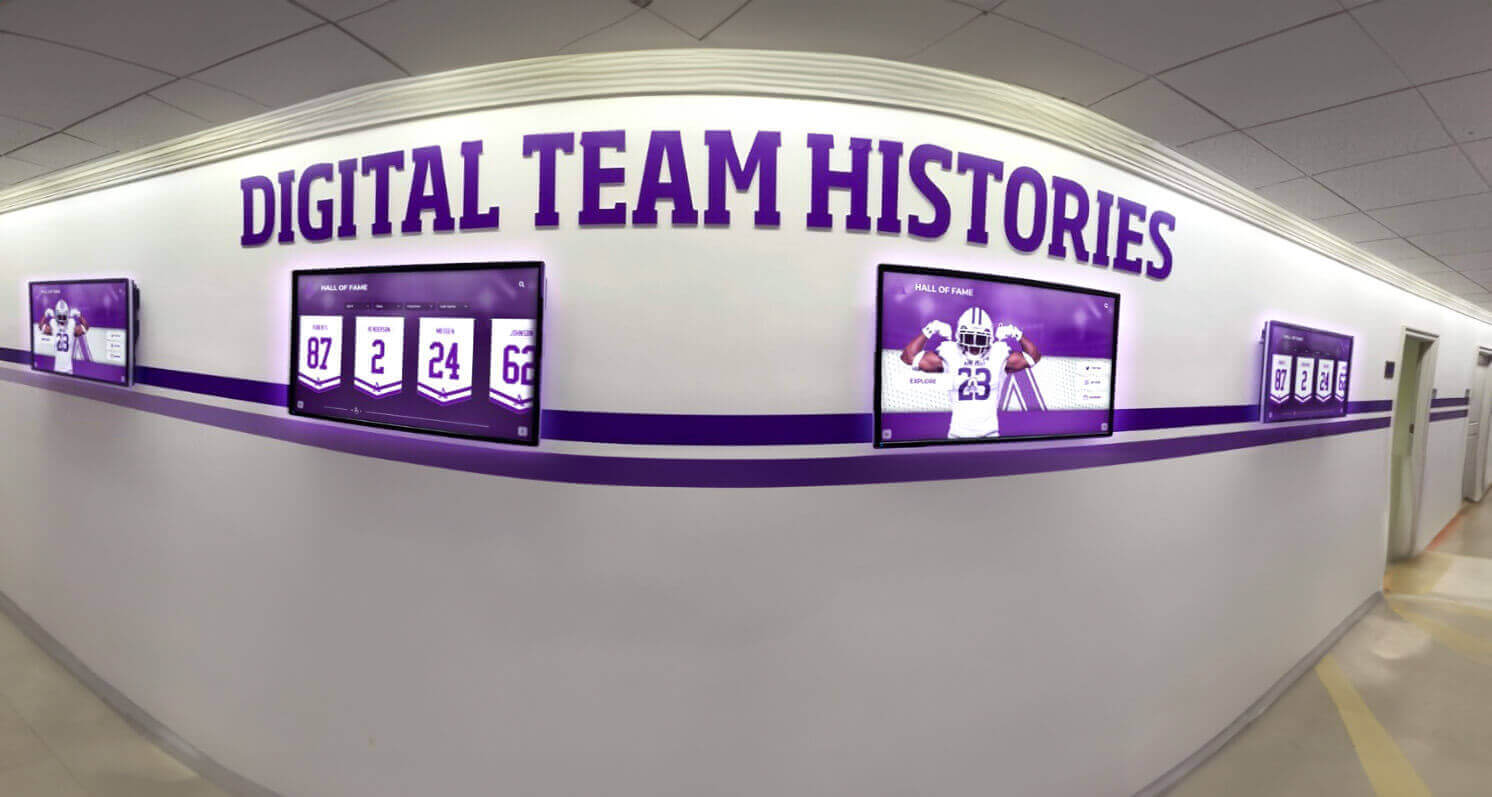
Coordinated display networks throughout facilities create comprehensive artistic environments celebrating diverse creative achievement
Budget and Funding Strategies
Gallery investments deliver significant cultural and educational value but require careful financial planning and creative funding approaches.
Understanding Total Investment Requirements
Comprehensive cost planning addresses initial implementation and ongoing operational expenses.
Initial Implementation Costs
Typical gallery investment components include:
- Hardware (commercial touchscreen displays and mounting): $4,000-$10,000 per display
- Professional installation: $800-$2,500 per display location
- Gallery platform software (initial setup and configuration): $2,000-$5,000
- Initial content development (documentation, digitization, profile creation): $2,000-$6,000
- Environmental design and integration: $1,500-$4,000
Single-display implementations typically range $10,500-$25,500 depending on specifications Multi-display implementations (3-5 locations) typically range $32,000-$75,000
Ongoing Annual Operational Costs
Sustainable gallery programs require:
- Platform subscription and cloud hosting: $1,500-$3,500 annually
- Content management (staff time allocation): 30-50 hours per year
- Technical support and maintenance: $400-$1,200 annually
- Content enhancements and updates: $800-$2,500 annually
Typical annual operating costs range $2,700-$7,200
These investments deliver value across multiple institutional objectives simultaneously—student recognition, community engagement, family connection, program visibility, cultural development, and recruitment support—making per-objective costs quite reasonable when considered comprehensively.
Creative Funding Approaches
Schools successfully fund gallery systems through diverse revenue sources beyond operating budgets.
Grant Opportunities
Explore funding through arts education foundation grants supporting creative program development, technology in education funding programs investing in instructional innovation, local community foundation grants supporting school improvement initiatives, corporate sponsorships from businesses valuing arts education, and parent organization fundraising campaigns dedicated to program enhancement.
Capital Campaign Integration
Incorporate galleries into broader fundraising efforts as named giving opportunities honoring donors, memorial recognition celebrating beloved community members, class gift initiatives from graduating classes leaving lasting legacies, alumni association investments supporting program excellence, and booster organization contributions dedicated to comprehensive student recognition.
Operational Budget Allocation
Advocate for funding through technology infrastructure budget allocations supporting institutional capabilities, art program enhancement funding investing in quality improvement, facilities budget integration with renovation and modernization projects, and communications budget supporting community engagement infrastructure and institutional storytelling.
The tangible, visible nature of gallery displays makes them attractive to donors seeking concrete impact from contributions—many schools report fundraising exceeding initial targets when stakeholders understand project scope and multifaceted benefits.
Explore funding strategies in donor recognition strategies demonstrating resource development approaches applicable to gallery contexts.
Working with Professional Gallery Solutions
Many schools partner with specialized providers offering comprehensive implementation support for art gallery systems.
Evaluating Gallery Platform Providers
Effective providers demonstrate specialized experience with educational arts contexts, proven portfolio showing successful art exhibition implementations, user experience expertise appropriate for school community audiences, content management platforms enabling sustainable long-term maintenance, ongoing training and responsive technical support, accessibility compliance built into platform architecture, and documented track records with similar institutions facing comparable challenges.
General digital signage providers often lack specialized exhibition experience—arts recognition-specific platforms understand unique requirements that gallery applications present beyond simple content rotation or announcements.
Purpose-Built Recognition Platforms
Specialized solutions like Rocket Alumni Solutions provide comprehensive platforms designed specifically for educational recognition including arts programs—offering pre-built gallery templates reducing technical barriers, intuitive content management accessible to art educators, proven implementation methodologies minimizing disruption, ongoing support enabling successful long-term operation, and favorable educational pricing respecting budget constraints.
These purpose-built platforms incorporate years of user experience research and implementation learning across hundreds of schools—delivering optimized galleries that would require significant independent investment to develop equivalently.
Platform Selection Criteria
When evaluating gallery platforms, prioritize image quality and resolution support ensuring artwork detail preservation and color accuracy, design flexibility supporting institutional branding and aesthetic preferences, unlimited artwork capacity accommodating comprehensive exhibitions across years, multimedia support for process videos and audio artist statements, intuitive content management enabling art teacher updates without technical dependencies, mobile web accessibility extending exhibitions beyond physical displays, analytics and reporting informing optimization and demonstrating impact, comprehensive training and support ensuring sustained adoption, and proven educational track records with documented successful implementations.
Thorough evaluation prevents platform limitations from constraining artistic recognition objectives and program growth trajectories.
Transform Your Art Class Gallery Display
Discover how modern digital gallery solutions can help you showcase unlimited student artwork, celebrate every young artist, and build thriving creative programs with interactive displays that inspire excellence.
Book a demo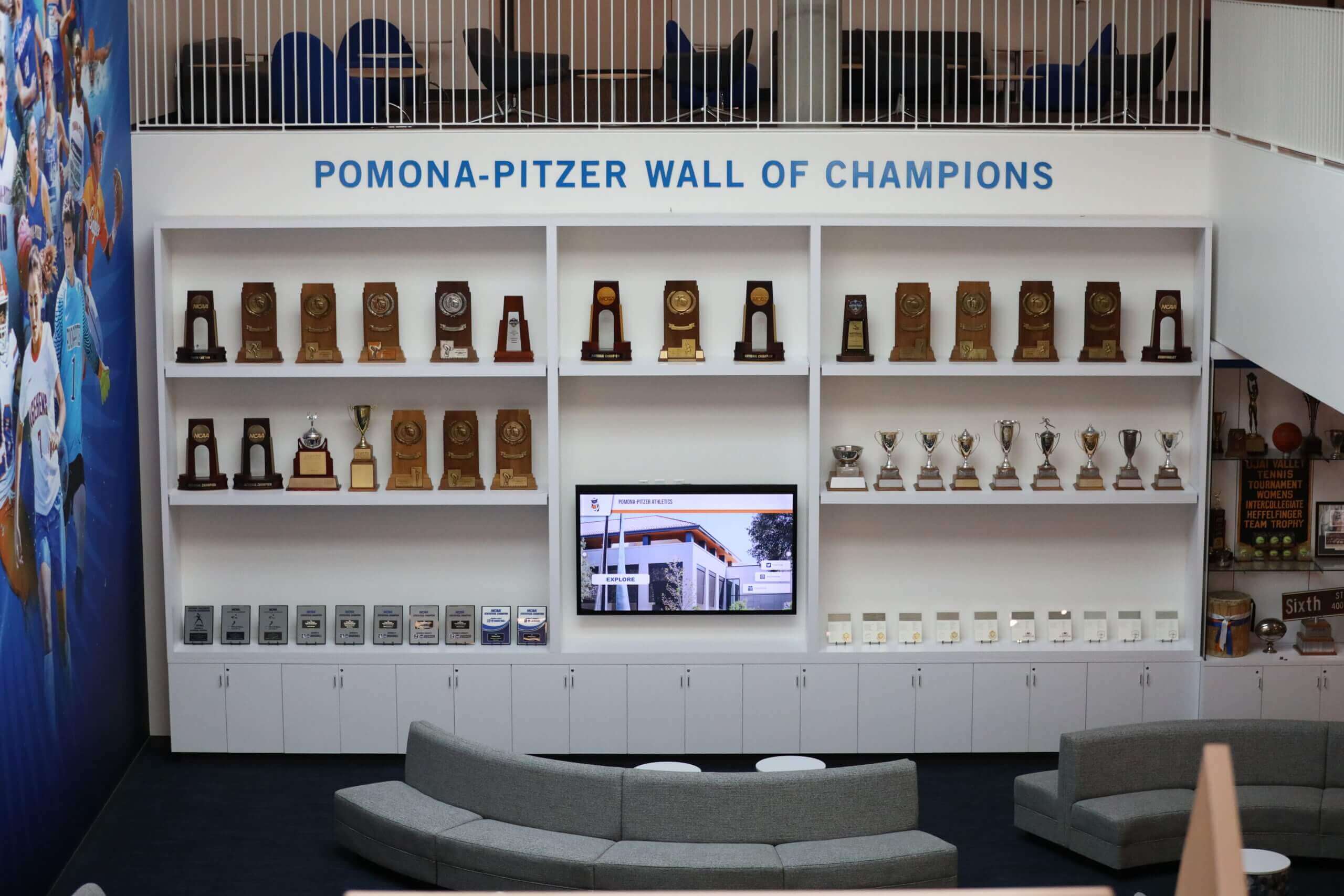
Dedicated recognition spaces create inspiring destinations celebrating excellence across all creative and academic domains
Conclusion: Building Inspiring Art Gallery Environments
Art class gallery displays represent strategic investments in creative program culture, student motivation, and institutional values demonstration. When schools implement thoughtful gallery approaches—whether traditional, digital, or hybrid systems—that celebrate student creativity comprehensively, honor artistic processes alongside finished products, and preserve creative legacy across generations, they build environments where art programs thrive and creative achievement becomes as celebrated and aspirational as traditional academics and competitive athletics.
The strategies explored throughout this guide provide frameworks for creating gallery displays that honor artistic achievement while remaining sustainable, engaging, and aligned with educational goals and resource realities. From unlimited-capacity digital platforms solving persistent space constraints to systematic content workflows ensuring comprehensive recognition, these approaches overcome traditional limitations while creating exhibition experiences impossible with physical displays alone.
Modern gallery solutions transform what might appear to be simple technological upgrades into comprehensive platforms celebrating every deserving student artist across diverse mediums and creative styles. These systematic approaches demonstrate institutional commitment to seeing and valuing creative excellence appropriately, encouraging broader participation while honoring the diverse talents contributing to vibrant artistic communities that enrich entire schools.
Start wherever current situations and resources permit—whether enhancing existing display spaces with better lighting and documentation or exploring comprehensive digital gallery systems—then systematically expand to create exhibitions your creative students deserve. Every young artist who sees their work celebrated prominently develops stronger creative identity and greater motivation to pursue continued artistic excellence and creative risk-taking.
Your student artists deserve recognition systems celebrating the creativity, technical skill, dedication, and personal expression that define your art program’s character and educational values. With thoughtful planning, appropriate technology investments or creative use of available resources, and sustained implementation commitment, you can create art class gallery displays becoming treasured traditions preserving creative legacy while inspiring next generations of young artists.
Ready to explore modern gallery solutions? Discover how digital recognition platforms can help you showcase unlimited student artwork, engage your entire school community, and preserve artistic history while supporting the cultural and educational goals essential to thriving art programs.