



Annual 5K fundraiser events represent powerful community traditions for schools across the country—bringing together students, families, staff, alumni, and local supporters for active celebration while raising critical funds for educational programs, athletics, scholarships, and facility improvements. These recurring races create opportunities extending far beyond single-day participation, building lasting connections through systematic recognition celebrating participants, sponsors, volunteers, and race history spanning multiple years.
Yet many schools implementing successful annual 5K events struggle to preserve and showcase the rich history these traditions generate. Paper records documenting past winners scatter across filing cabinets, sponsor recognition remains limited to race-day banners stored in closets afterward, volunteer contributions go largely unacknowledged beyond thank-you emails, and compelling photo galleries capturing event spirit never reach broader audiences who might be inspired to participate next year.
This comprehensive guide explores how schools hosting annual 5K fundraiser events can implement recognition systems that showcase year-over-year leaderboards preserving competitive history, honor sponsors through website integration and lasting visibility extending beyond single race days, celebrate volunteer contributions essential to event success, display compelling photo galleries documenting community participation, and create comprehensive event histories strengthening tradition while inspiring continued support for future races.
Annual 5K fundraiser events succeed through community participation and sustained support across multiple years. When schools implement thoughtful recognition systems celebrating all contributors appropriately while preserving race history and competitive achievements, they transform one-time participants into committed supporters who return annually, invite friends and family, increase contribution levels, and build traditions strengthening school culture for generations.

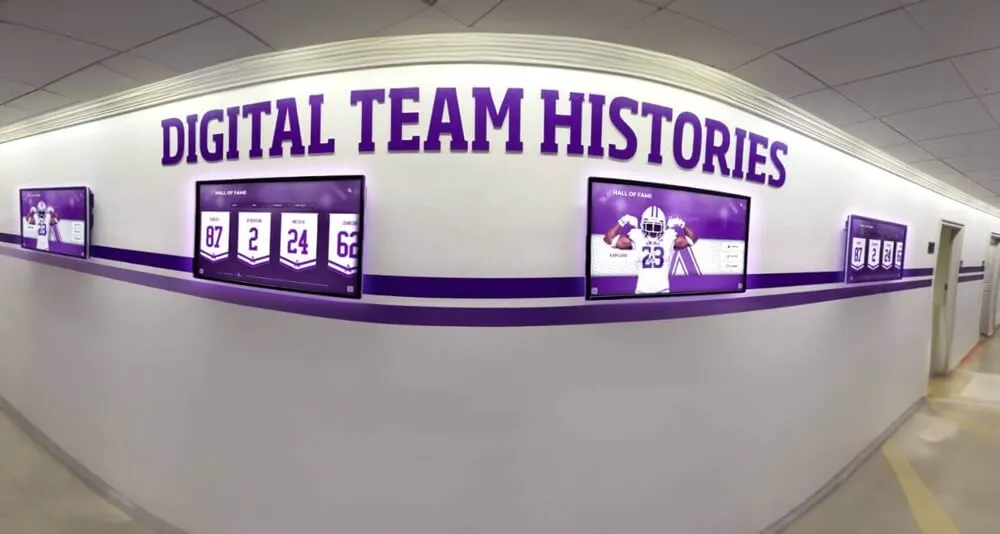
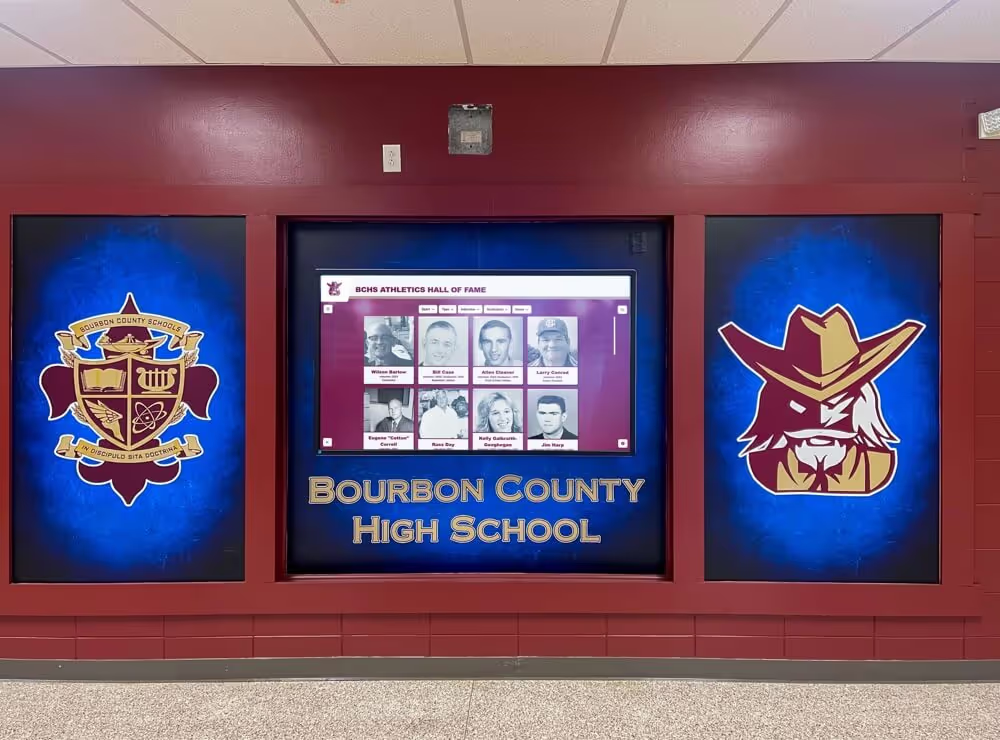
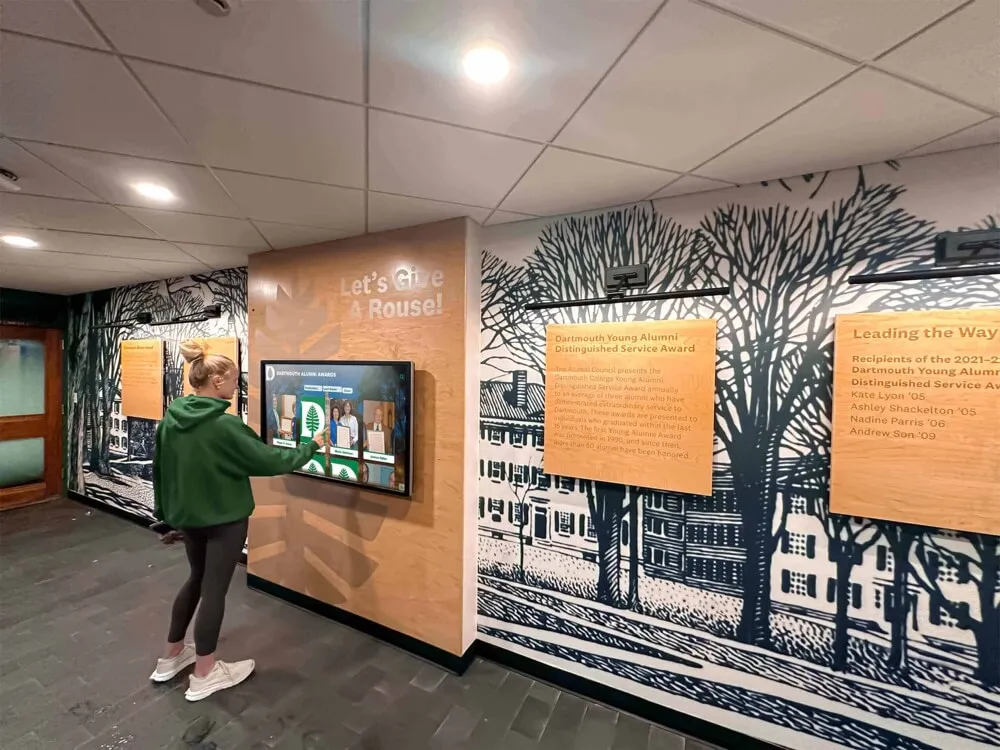
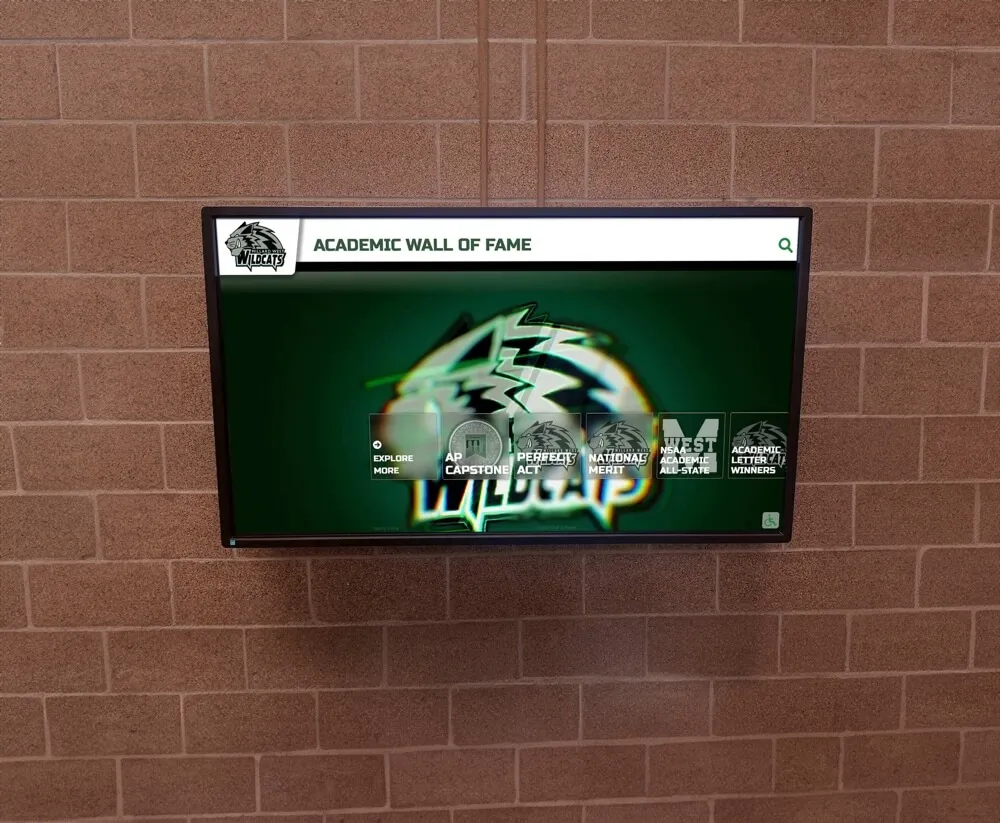
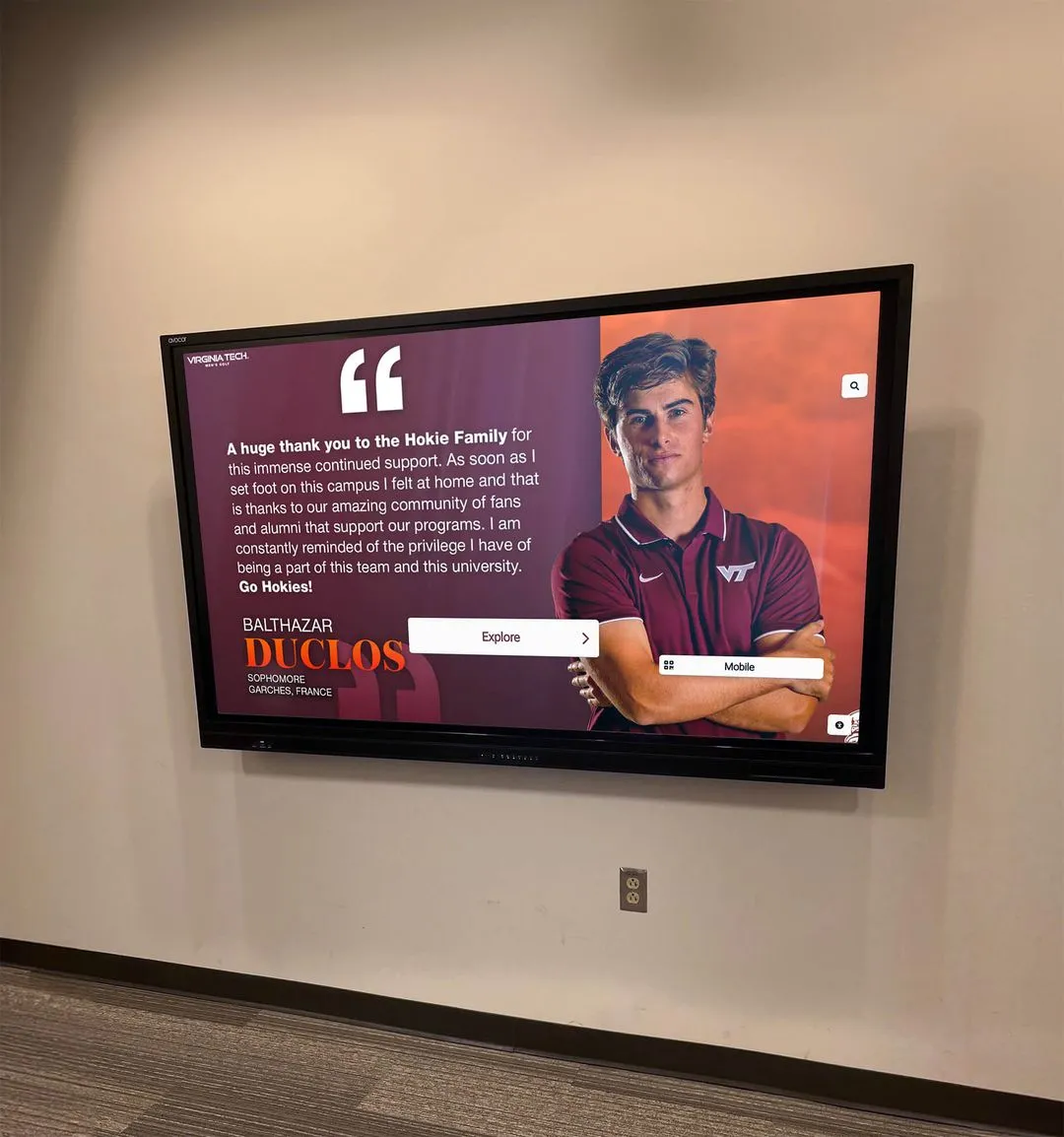
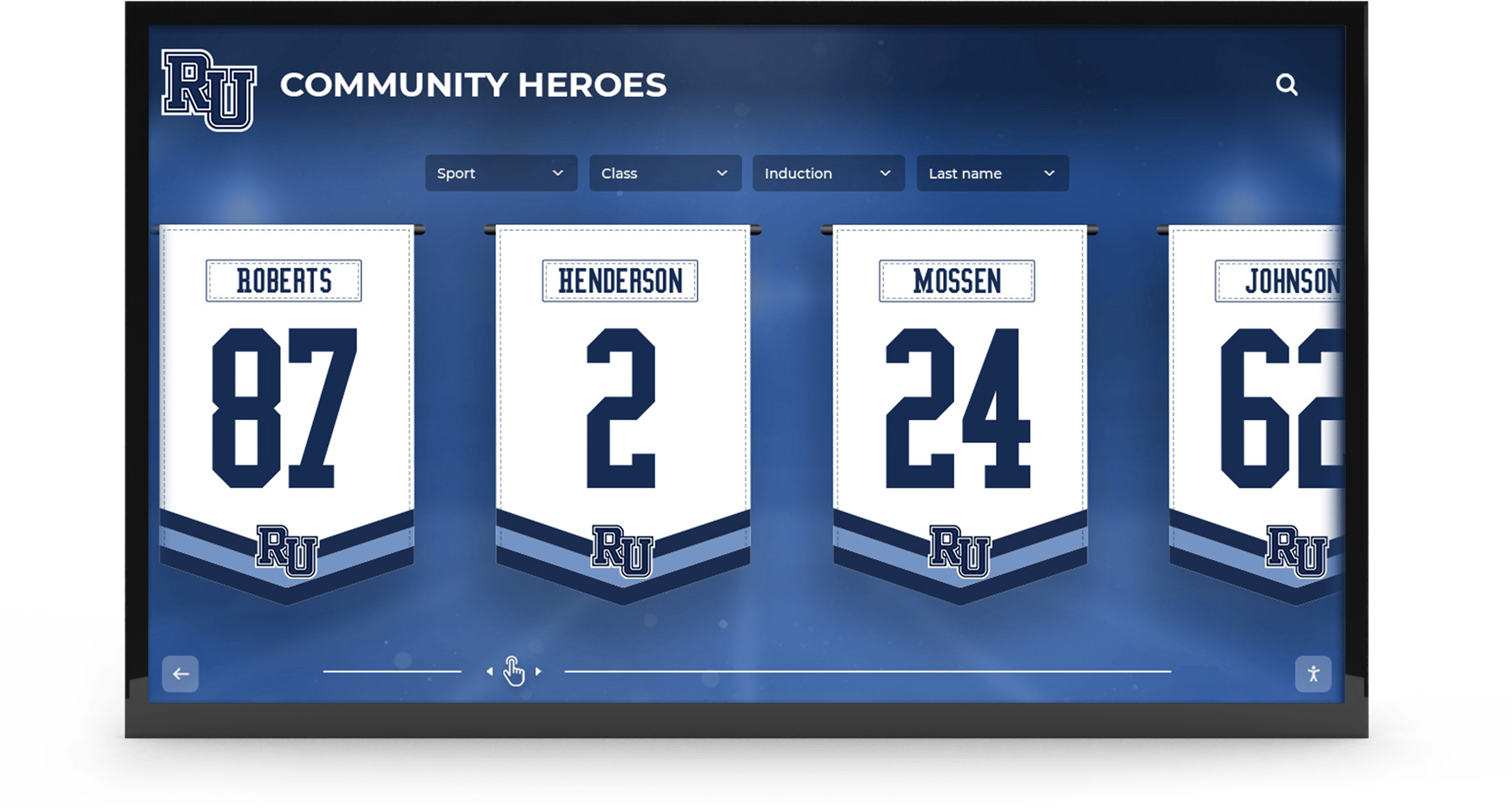
Comprehensive recognition systems celebrate community participation across multiple events and years, building traditions that inspire continued engagement
Understanding the Value of Annual 5K Fundraiser Event Recognition
Before exploring specific recognition strategies, understanding how systematic celebration of participants, sponsors, volunteers, and race history strengthens fundraising outcomes and community engagement provides essential context for implementing approaches delivering maximum benefit for schools and supporters alike.
Why Recognition Matters for Recurring Fundraising Events
Annual fundraiser events create unique opportunities distinguishing them from one-time campaigns—each race builds on previous years’ momentum, participants develop competitive traditions, sponsors establish lasting partnerships, and accumulated history demonstrates sustained community commitment that validates new supporters’ decisions to participate.
Building Competitive Tradition Through Historical Leaderboards
Race participants often return specifically to compare their current performance against previous years’ results or challenge records established by past competitors. When schools preserve and display historical leaderboards showing winners and top finishers across multiple years, they create competitive motivation impossible with single-year recognition alone.
Current students discovering that their parent holds the 2015 course record become motivated to train seriously attempting to establish their own family legacy. Alumni returning to run alongside current students compare their past performances against today’s top finishers, creating intergenerational connection and friendly competition. Community members seeing consistent improvement in their times across consecutive years feel tangible progress motivating continued participation.
This historical context transforms races from isolated annual events into ongoing competitive traditions where each year’s results contribute to cumulative institutional narrative that strengthens engagement far beyond single participation occasions.
Strengthening Sponsor Relationships Through Year-Round Visibility
Corporate sponsors and local businesses supporting 5K fundraisers typically receive recognition primarily on race day through finish line banners, t-shirt logos, and program acknowledgment. While valuable, this time-limited visibility restricts sponsor value to participants physically present during specific hours on single dates.
When schools integrate sponsor recognition into permanent displays accessible year-round—both through physical installations in school facilities and web-based platforms promoting events continuously—they amplify sponsor value substantially. Local businesses appearing on school website event pages receive ongoing marketing exposure. Sponsors featured in digital displays in school lobbies maintain visibility throughout entire school years rather than only during race days.
This extended recognition enables schools to justify larger sponsorship asks while providing tangible value that strengthens business partnerships beyond transactional relationships, creating committed supporters who return annually and potentially increase contribution levels based on demonstrated recognition value delivered.
Many schools implementing comprehensive recognition systems report 25-40% increases in returning sponsor participation and 15-30% growth in average sponsorship amounts compared to events providing only race-day acknowledgment.
Explore sponsor recognition strategies in nonprofit donor recognition programs addressing lasting visibility approaches.

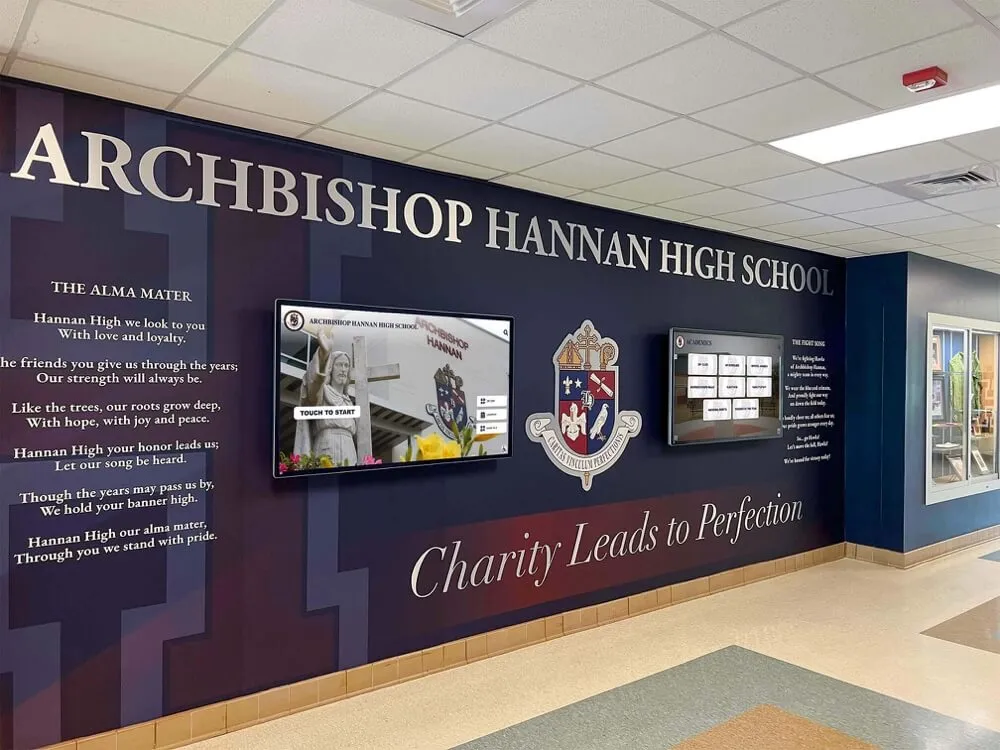
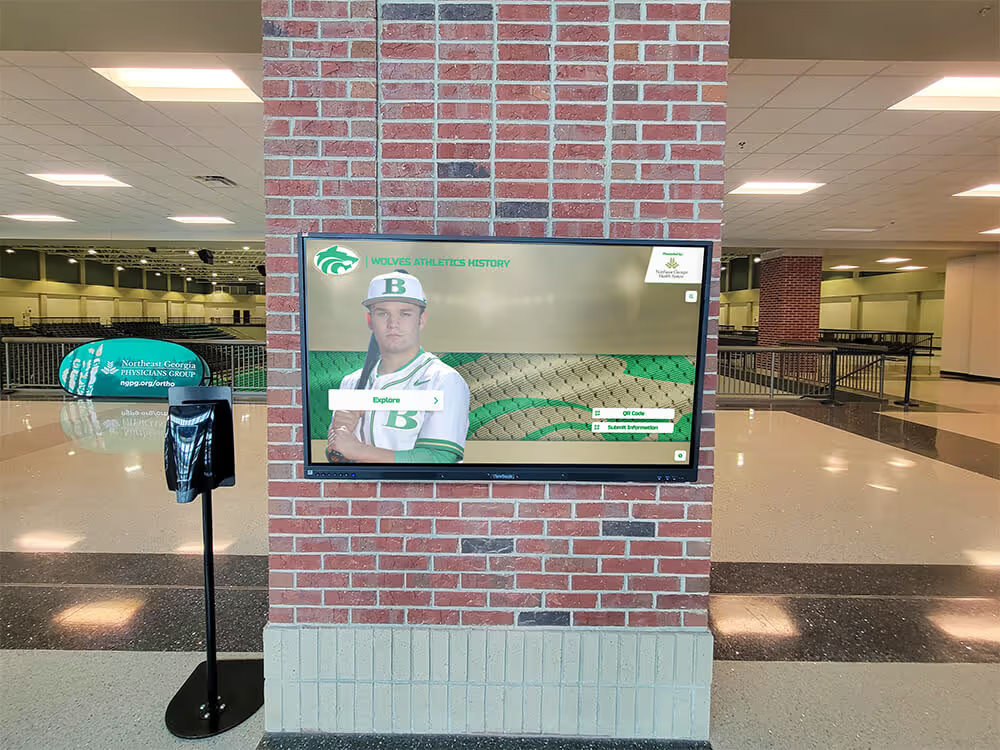
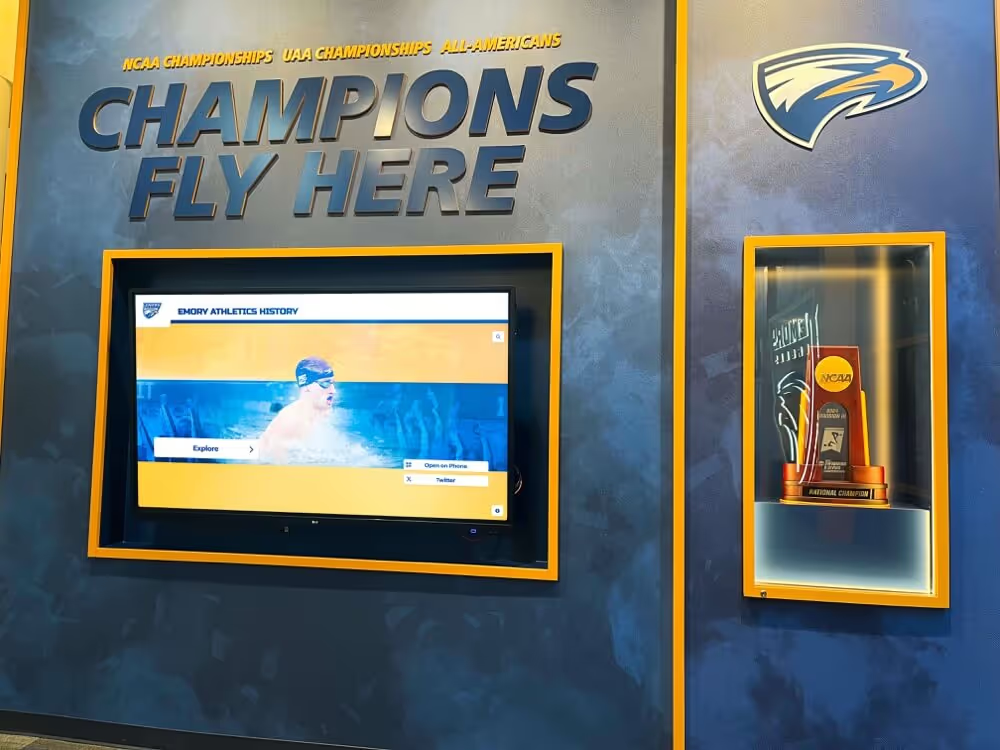
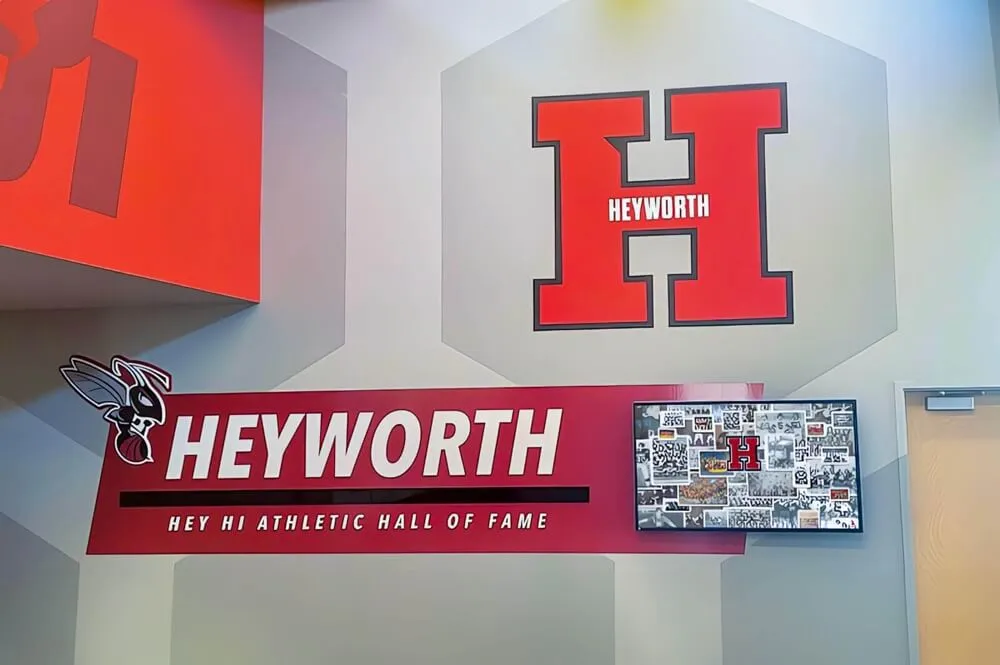
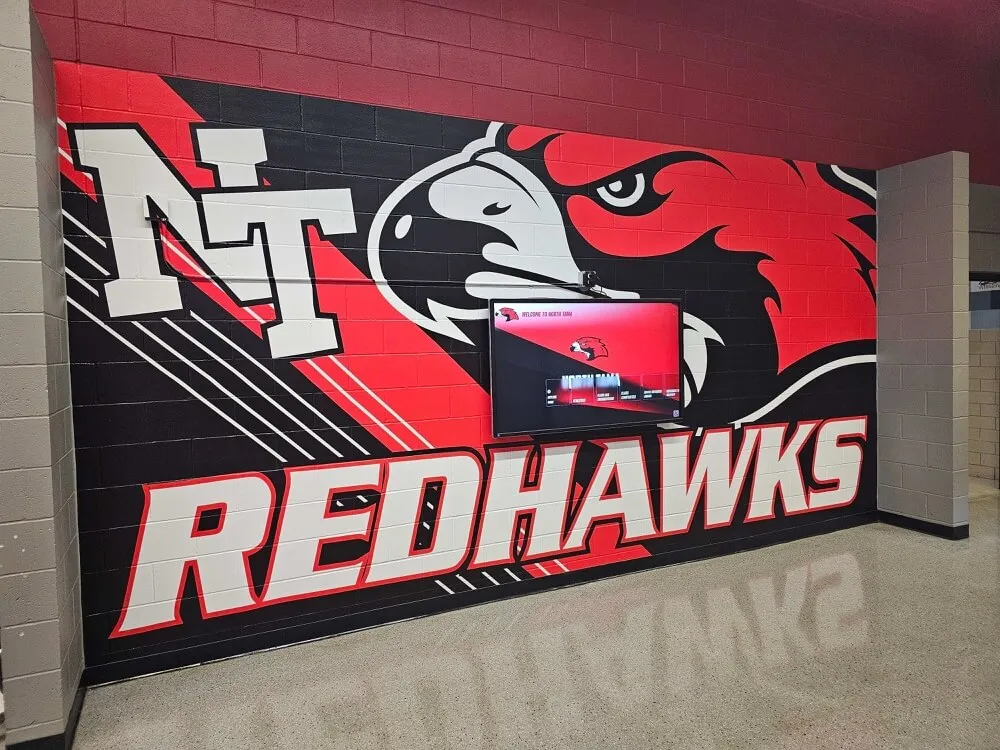
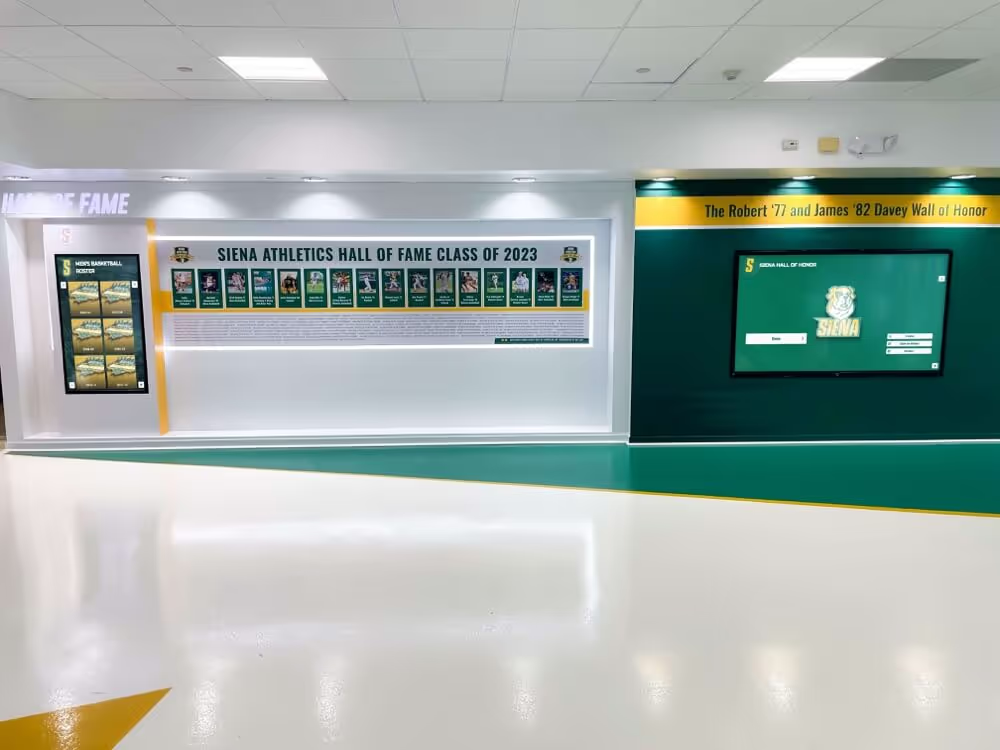
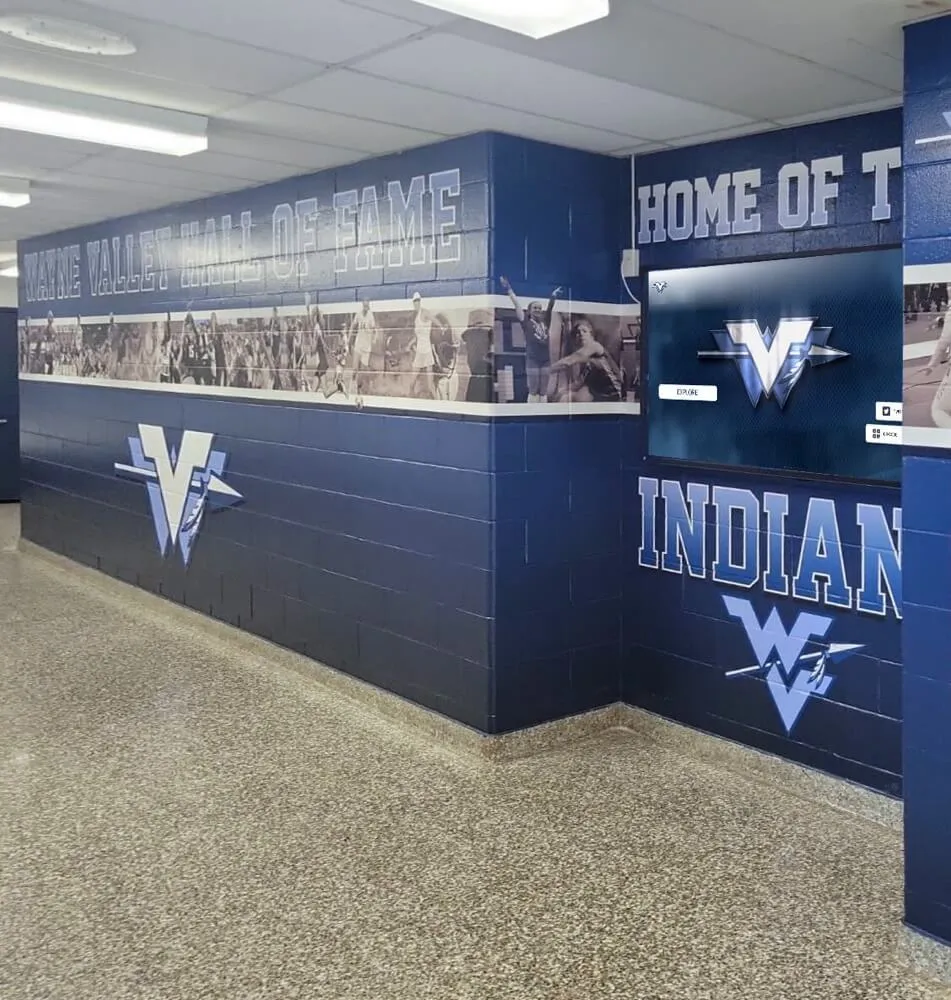
Integrated recognition spaces within school facilities provide year-round visibility for event sponsors and participants extending value beyond race days
Creating Emotional Connections Through Photo Galleries and Storytelling
Race results and sponsor lists document participation factually but miss the emotional resonance that photographs and personal stories create. Comprehensive photo galleries capturing race-day energy—from early morning setup through starting line excitement, course action shots, finish line celebrations, volunteer moments, and post-race community gatherings—preserve memories that inspire continued engagement.
Engaging Prospective Participants Through Visual Documentation
Families considering participation for the first time often seek evidence that events will be enjoyable, well-organized, and appropriate for their fitness levels. Extensive photo galleries showing diverse participants of all ages and abilities, smiling volunteers creating welcoming atmospheres, organized registration areas, clearly marked courses, and celebratory finish line experiences provide social proof that reduces hesitation and increases registration conversions.
Schools implementing comprehensive photo documentation report 30-50% increases in first-time participant registration compared to events promoting exclusively through text descriptions and basic information. Visual evidence demonstrating actual race experiences proves more persuasive than promotional language alone.
Strengthening Alumni Engagement Through Historical Archives
Multi-year photo archives become valuable alumni engagement tools. Graduates returning to school websites discover photos from races during their student years, recognize friends and teachers participating alongside them, and reconnect with institutional memories that strengthen ongoing relationships extending beyond athletics.
Some schools create searchable photo databases enabling alumni to locate specific race years quickly, tag themselves and friends in photos, share images through social media platforms, and contribute their own photos expanding archives collaboratively. These interactive approaches transform passive photo viewing into active community engagement strengthening alumni connections that support future fundraising across multiple initiatives beyond only 5K events.
Essential Components of Comprehensive 5K Fundraiser Recognition Systems
Effective recognition for annual 5K events requires coordinated approaches addressing multiple stakeholder groups—participants, sponsors, volunteers, and broader school communities—through integrated systems providing appropriate celebration for diverse contribution types.
Year-Over-Year Leaderboards Preserving Competitive History
Historical race results create competitive context that motivates participation and training commitment impossible with single-year recognition alone.
Comprehensive Results Documentation
Complete leaderboard systems preserve multiple data categories across all race years:
Overall Winners: Top male and female finishers each year with times and photos when available
Age Group Results: Division winners across age brackets (youth, high school, adult age groups, masters) enabling appropriate competitive comparison within demographic cohorts
Student Categories: Separate recognition for elementary, middle school, and high school participants encouraging student engagement
School Record Progression: Documentation showing how course records evolved across years including previous record holders
Personal Records: Individual participant best times across multiple race years when registration systems track returning runners
Team Competition: If races include team categories—faculty teams, grade-level teams, family teams—preserve historical team results and standings
Participation Milestones: Recognition for individuals completing five, ten, fifteen consecutive race years
This comprehensive data preservation creates rich competitive history supporting multiple engagement strategies while honoring both speed achievements and consistent participation commitments equally.
Making Historical Data Accessible and Engaging
Simply preserving data doesn’t ensure community engagement—presentation formats significantly impact whether historical information strengthens tradition or sits unused in archives:
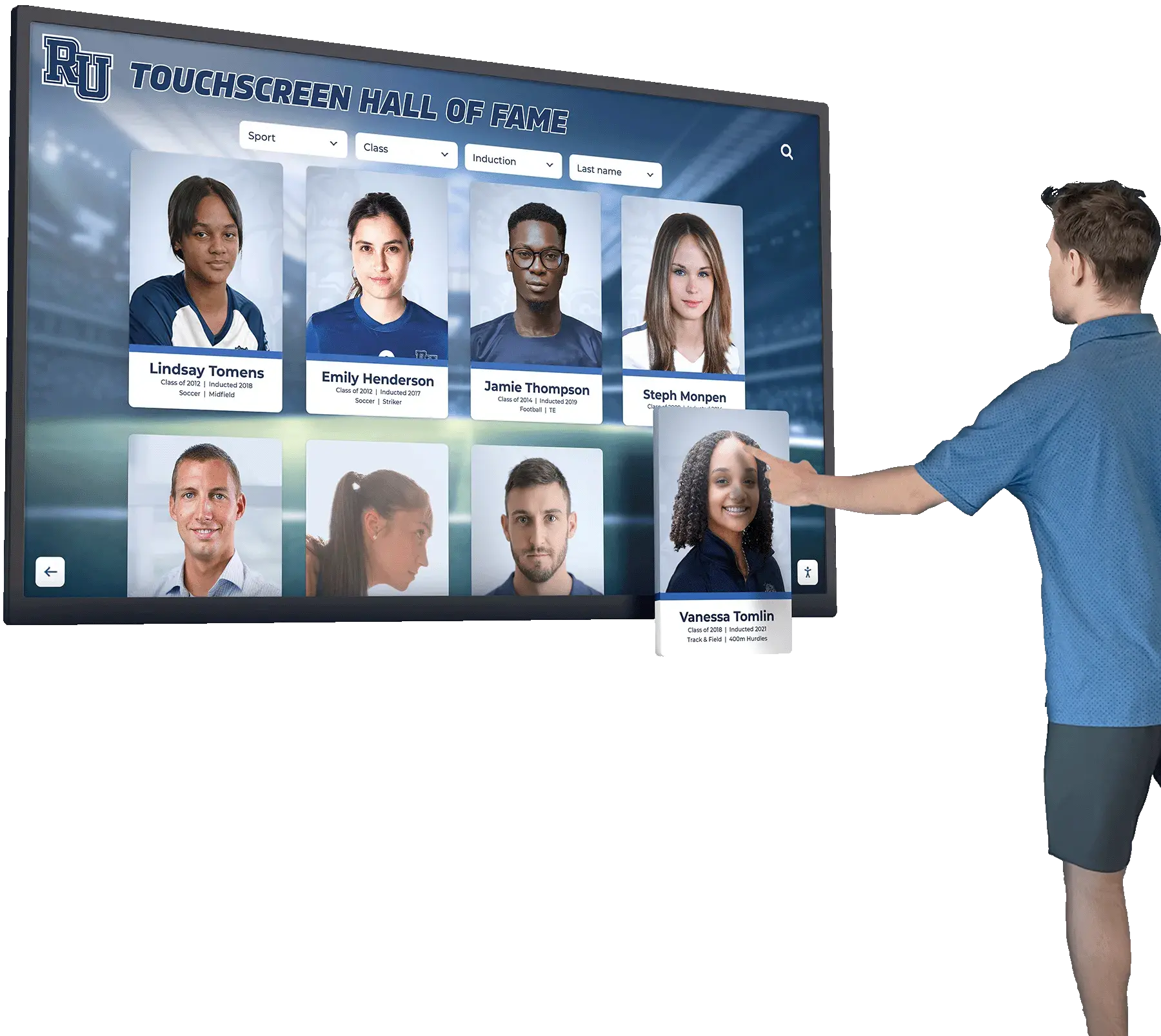
Interactive digital platforms enable visitors to search historical results by year, compare performances across multiple races, identify age group winners for specific divisions, filter by participant categories, and discover record progression across institutional history. Solutions like Rocket Alumni Solutions provide intuitive interfaces enabling anyone to explore race history without requiring technical knowledge or database expertise.
Web-accessible leaderboards extend historical race data beyond school facilities, enabling alumni living anywhere to review past results, locate their previous performances, compare against current competitors, and maintain connections to traditions despite geographic distance. Mobile-responsive designs ensure accessibility across all devices.
Integration with school websites and social media platforms enables automatic sharing when new results post, creating organic promotion as participants share their achievements through personal networks, effectively marketing future races while celebrating current accomplishments.
Learn about athletic performance tracking in basketball high school records tracking demonstrating comprehensive data management approaches.
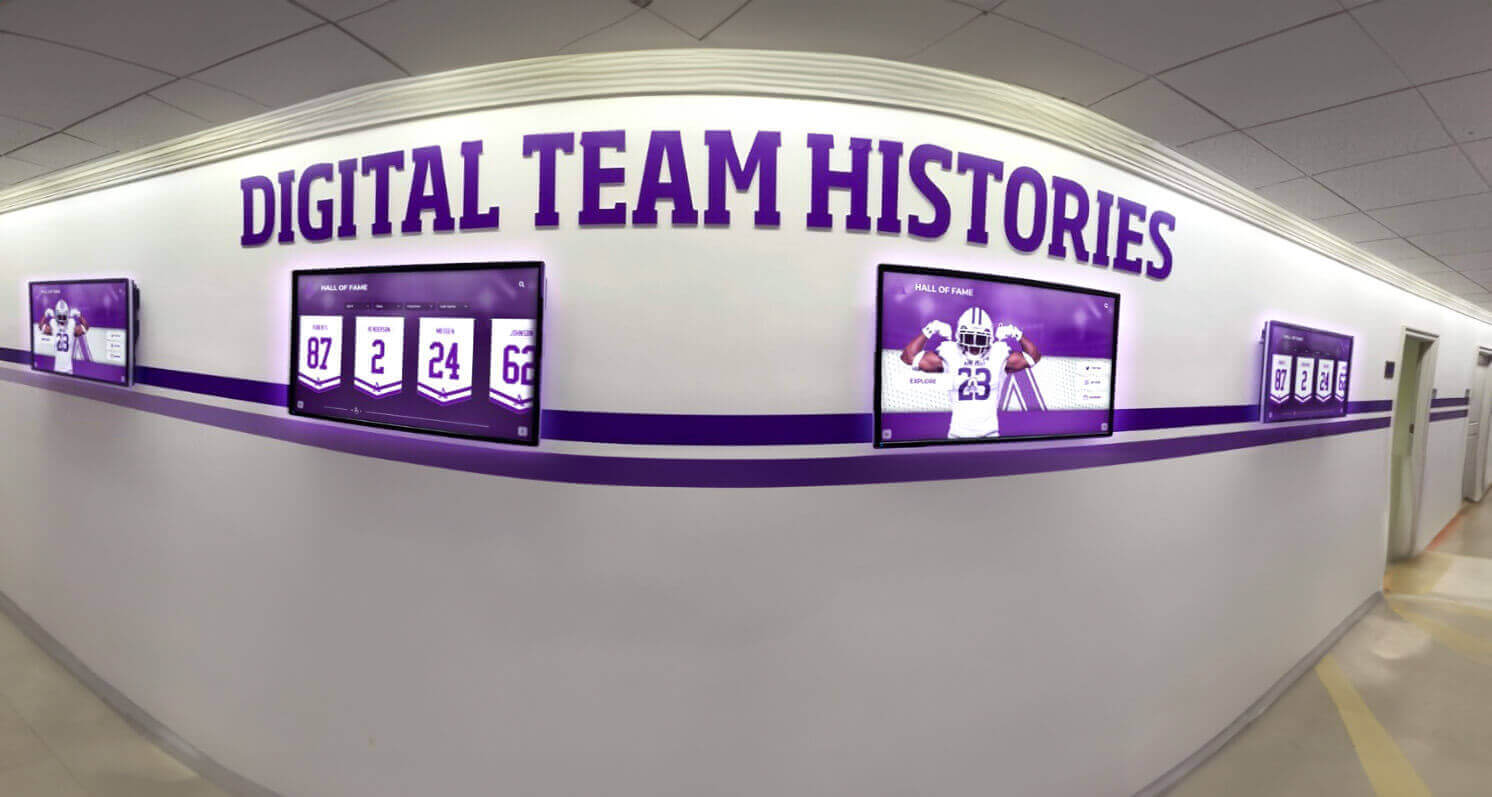
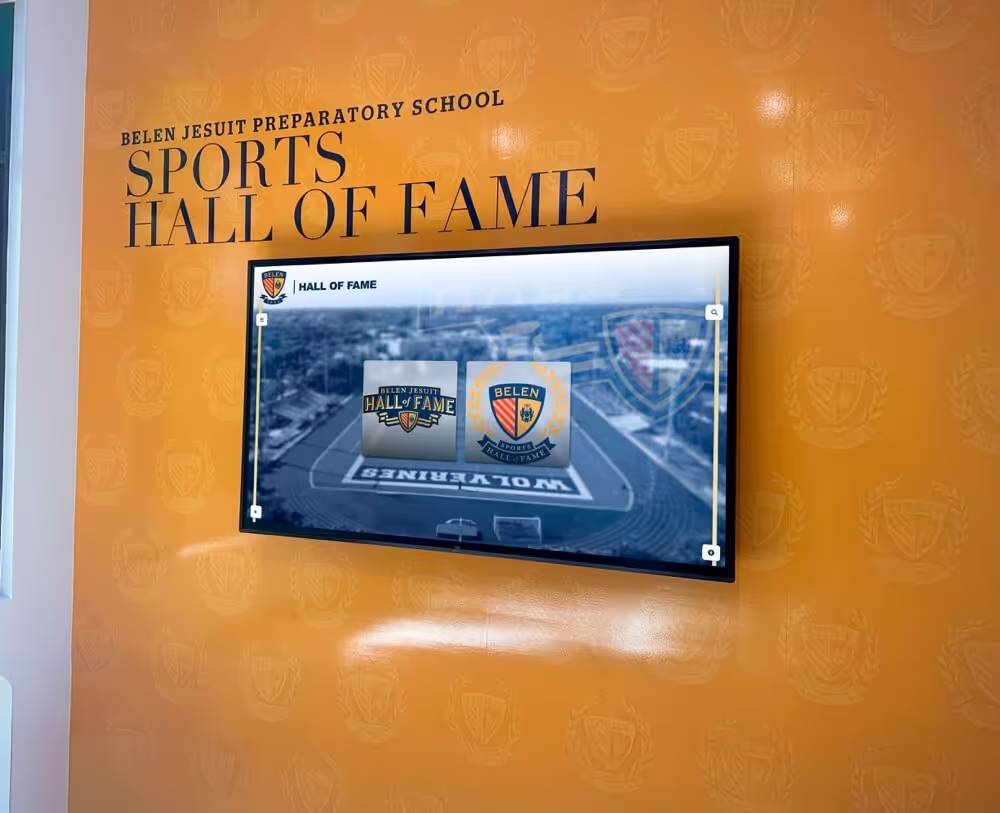
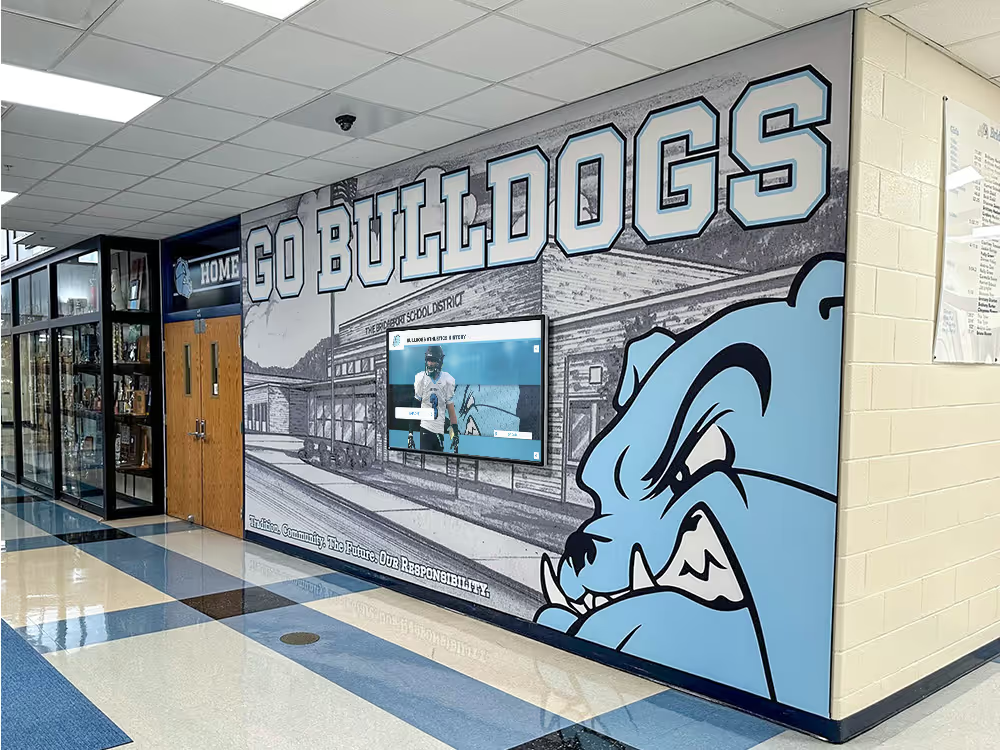
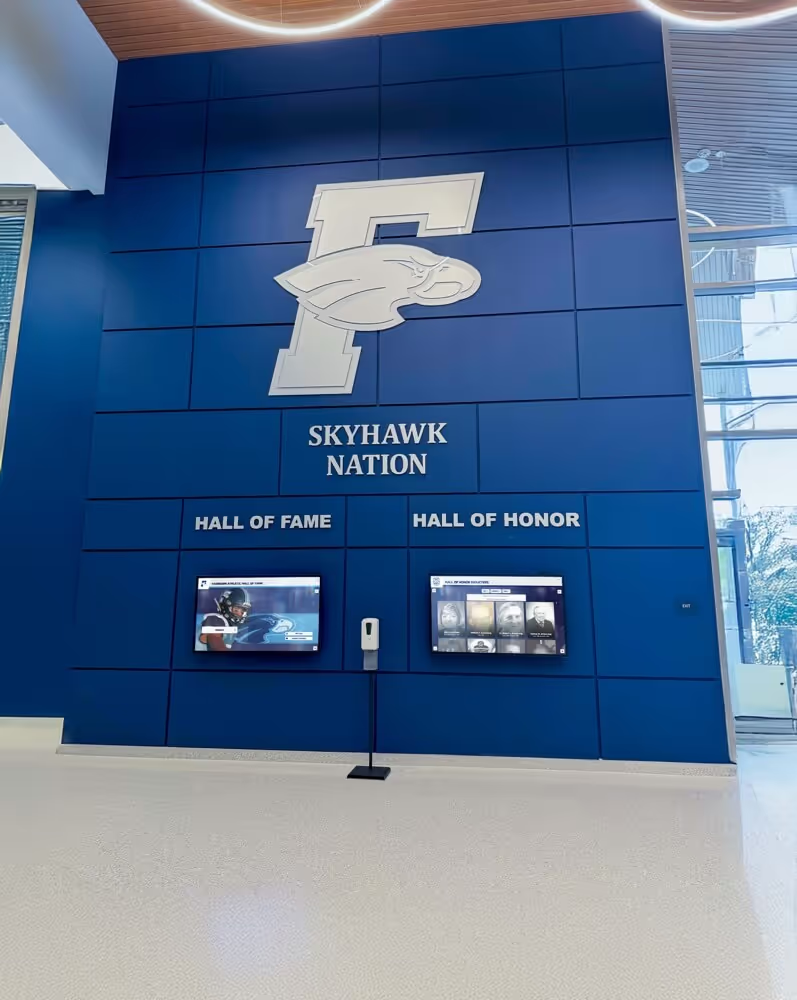
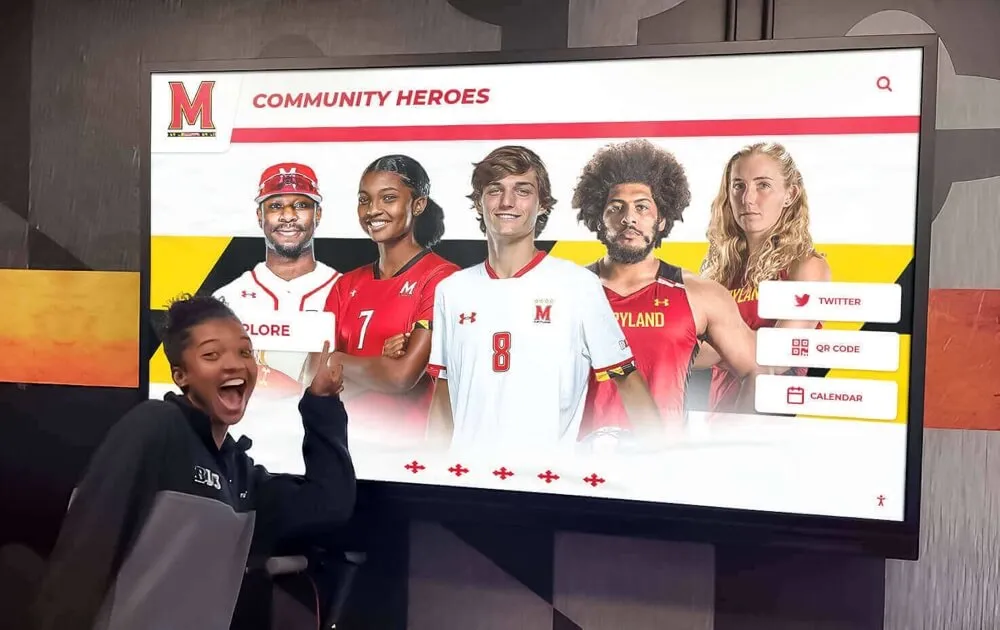
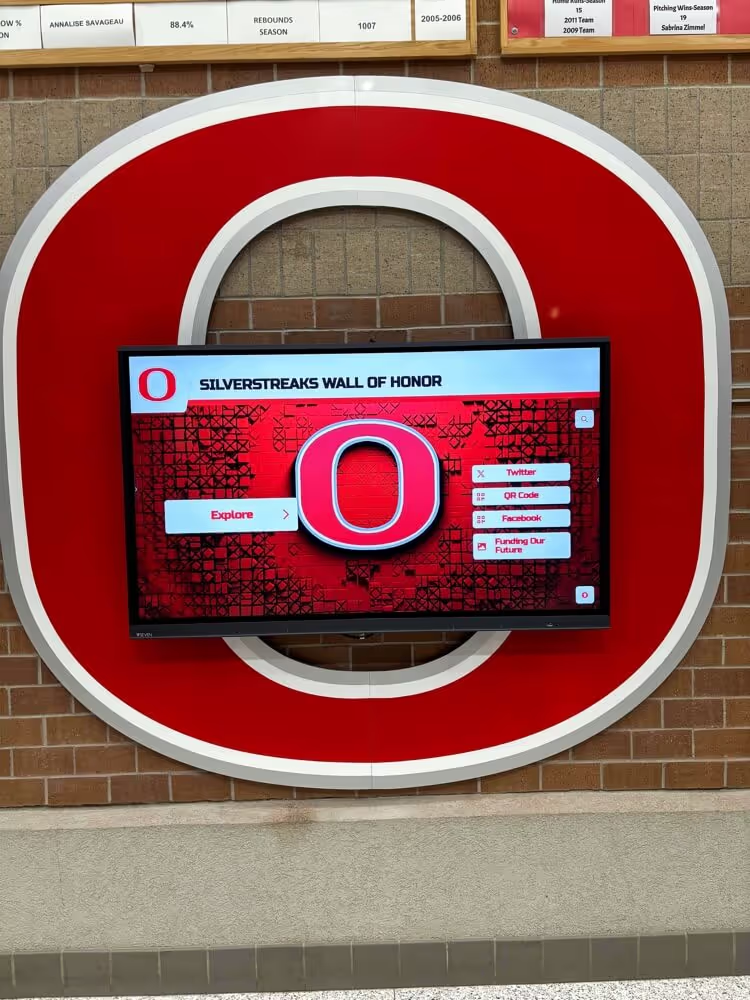
Digital displays enable dynamic presentation of race results and historical data that can be updated immediately after each annual event
Sponsor Recognition Integration Across Multiple Platforms
Corporate sponsors and local business partners deserve recognition extending beyond race-day visibility alone, creating lasting value that justifies continued annual support and potentially increased contribution levels.
Multi-Channel Sponsor Visibility
Comprehensive sponsor recognition integrates acknowledgment across multiple platforms maximizing exposure and demonstrating tangible value:
School Website Event Pages: Dedicated annual race pages featuring prominent sponsor logos with links to business websites, creating valuable backlinks and online visibility sponsors appreciate
Physical Digital Displays: Interactive screens in school lobbies, athletic facilities, and common areas showcasing race sponsors year-round rather than only during events, maintaining awareness throughout full school years
Social Media Recognition: Regular posts highlighting individual sponsors with information about their businesses and contributions, distributed across school social platforms reaching broad community audiences
Email Communications: Sponsor acknowledgment in race promotion emails, registration confirmations, and post-event thank-you messages reaching all participants and their families
Race Day Materials: Traditional recognition through finish line banners, t-shirts, programs, and signage remains valuable but becomes one component within broader integrated visibility rather than exclusive acknowledgment
Post-Race Content: Results announcements, photo galleries, and recap videos published after races include sponsor acknowledgment ensuring recognition extends beyond only those physically present during events
This comprehensive approach transforms sponsor relationships from transactional single-event contributions into ongoing partnerships where businesses receive consistent marketing value justifying sustained annual support at increasing contribution levels.
Differentiated Recognition Tiers
Creating structured sponsorship levels with clearly defined benefits enables schools to accommodate diverse business contribution capacities while encouraging sponsors to increase support accessing enhanced recognition:
Title Sponsor ($5,000+): Event naming rights, logo prominence across all materials, dedicated social media features, speaking opportunity at race, large logo placement on website and digital displays
Platinum Sponsors ($2,500-$4,999): Major logo visibility across most platforms, featured business profiles, prominent t-shirt placement, dedicated email recognition
Gold Sponsors ($1,000-$2,499): Logo inclusion across multiple platforms, website listing with link, social media mentions, program acknowledgment
Silver Sponsors ($500-$999): Website listing, program inclusion, collective social recognition, appreciation signage
Bronze Sponsors ($250-$499): Website listing, program recognition, community appreciation
These tiered structures provide clear value propositions enabling sponsors to select appropriate investment levels while creating natural progression paths encouraging increased support as businesses experience recognition value delivered.
Explore sponsor recognition approaches in digital donor walls demonstrating lasting visibility systems.
Volunteer Recognition Celebrating Essential Contributions
Annual 5K events depend entirely on volunteer labor—from organizing committees managing year-long planning through race-day staff coordinating registration, course marshals ensuring safety, timing coordinators managing results, water station volunteers supporting runners, finish line personnel distributing medals and refreshments, cleanup crews restoring facilities, and post-event teams processing results.
Comprehensive Volunteer Acknowledgment
Effective volunteer recognition honors diverse contribution types appropriately:
Leadership Recognition: Acknowledge organizing committee members coordinating overall event planning, often investing hundreds of hours across entire years rather than only race days
Role-Specific Appreciation: Recognize volunteers by function—timing coordinators, course marshals, registration staff, water station teams, finish line personnel—ensuring all essential roles receive appropriate visibility
Milestone Celebrations: Honor volunteers returning for multiple consecutive years, highlighting those who have supported five, ten, fifteen annual races demonstrating sustained commitment
Student Volunteer Spotlights: Recognize student volunteers separately, celebrating youth community service while potentially inspiring peer participation
Photo Features: Include volunteer action shots in race galleries and digital displays, not only participant running photos, ensuring support teams receive visibility alongside competitive achievements
Personal Testimonials: Share brief volunteer perspectives about why they support events, what they find rewarding, and how participation connects them to school communities, creating compelling narratives that inspire additional volunteer recruitment
This comprehensive volunteer recognition serves dual purposes—honoring current supporters appropriately while demonstrating to prospective volunteers that schools value their potential contributions, addressing recruitment challenges many annual events face securing sufficient staffing.
Integration with Broader School Recognition
5K volunteer recognition can integrate within comprehensive school recognition systems celebrating community service across multiple contexts:
Schools implementing digital recognition platforms can create searchable volunteer databases where community members’ contributions across various events and programs accumulate—someone volunteering for the annual 5K, serving on the booster club board, and chaperoning field trips receives unified recognition celebrating total service rather than isolated acknowledgment fragmenting contributions across separate systems.
This integrated approach demonstrates institutional commitment to comprehensive community appreciation while creating natural motivation for sustained engagement as volunteers see their cumulative service recognized appropriately.
Learn about volunteer acknowledgment in volunteer service recognition displays addressing community service celebration.
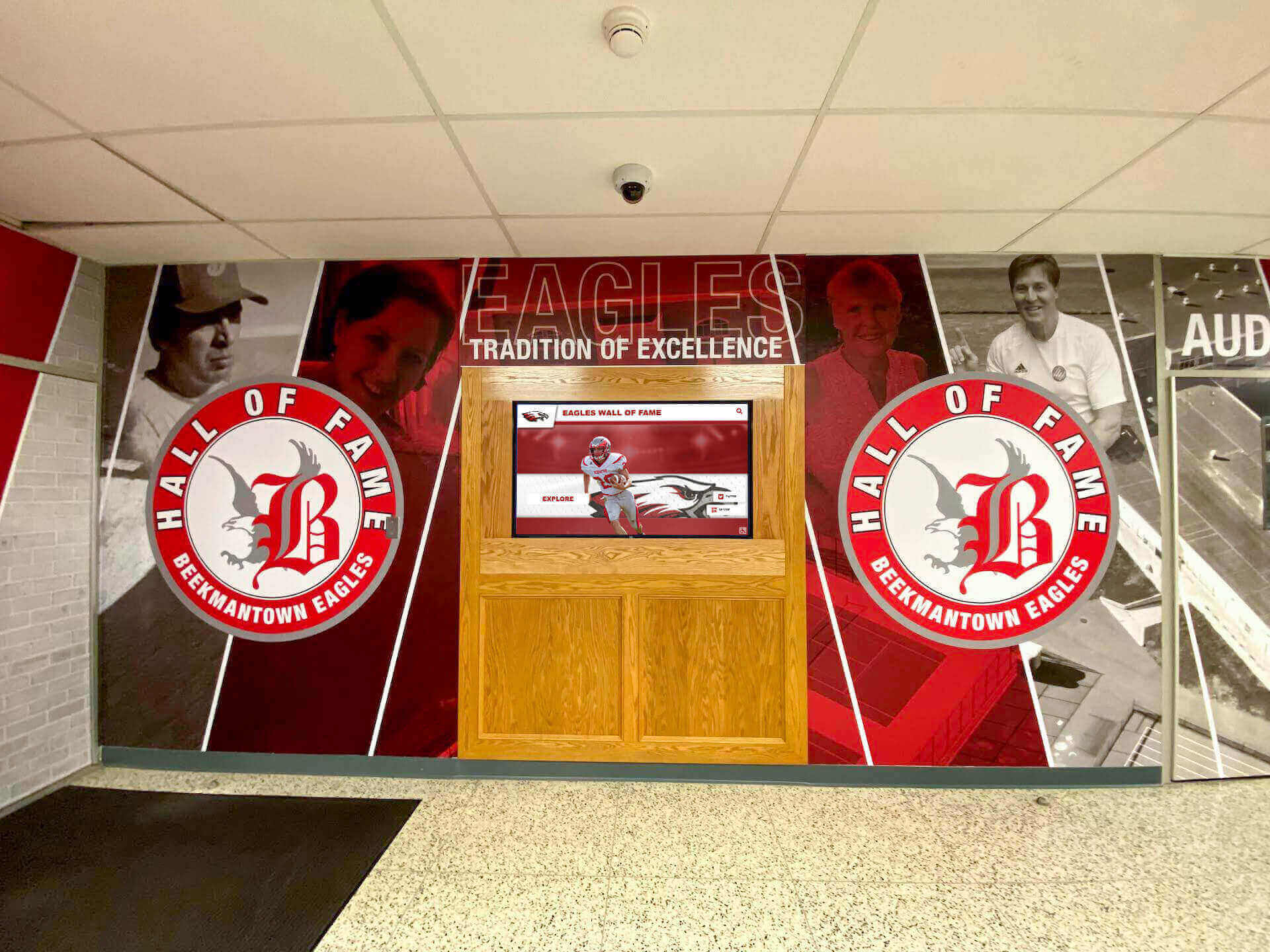
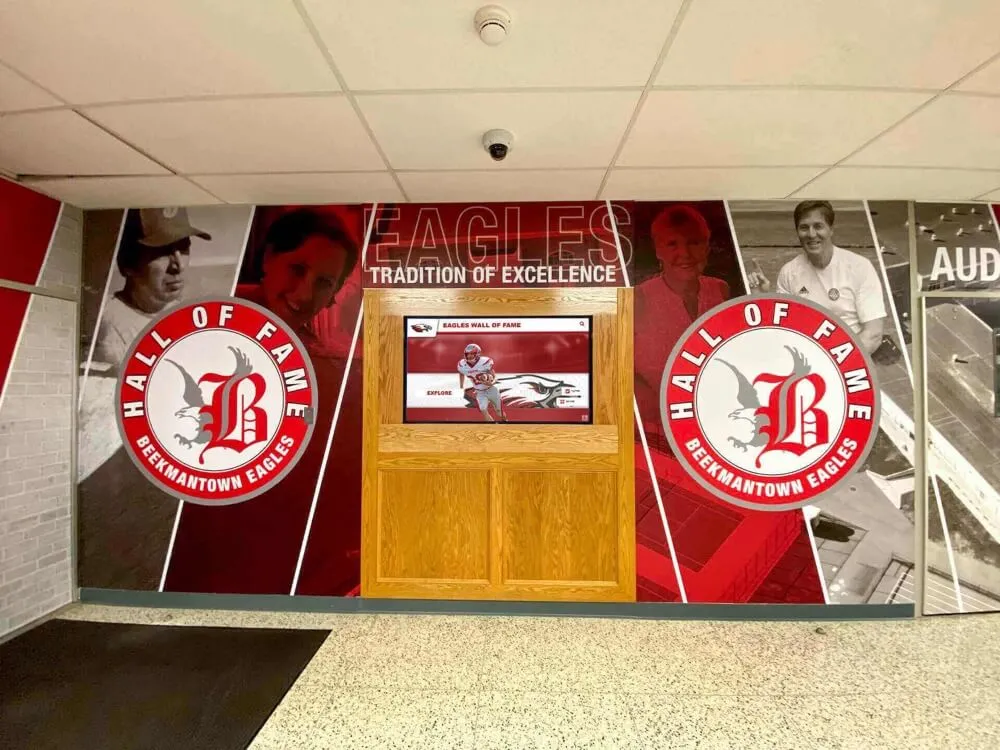
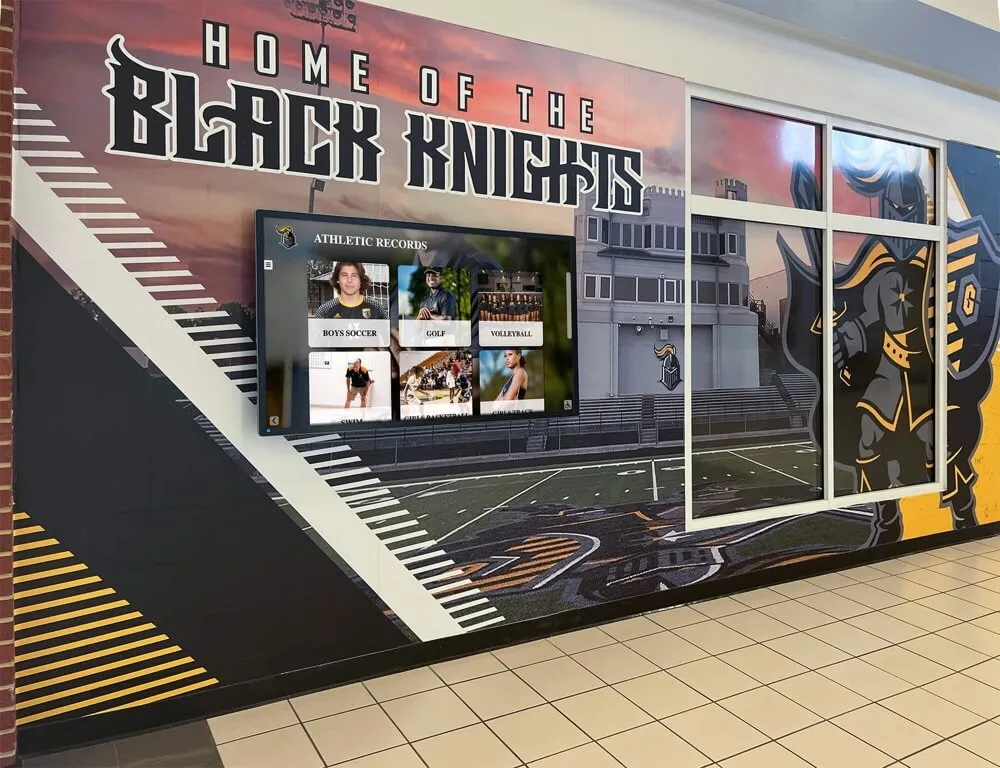
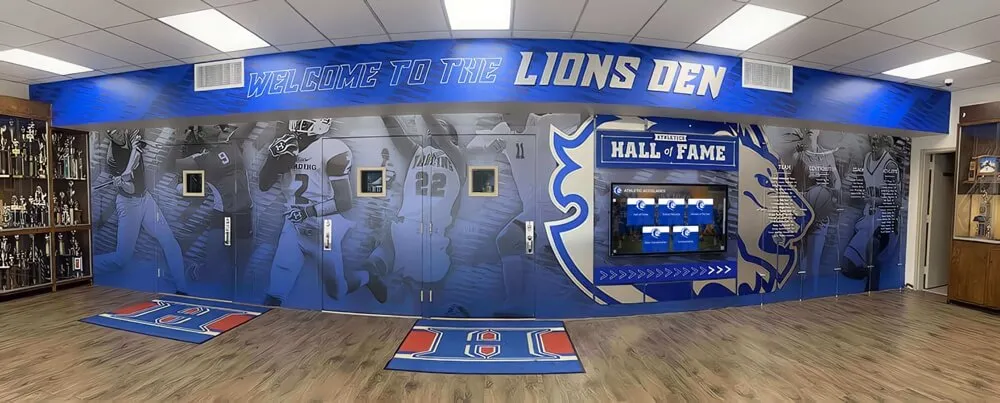
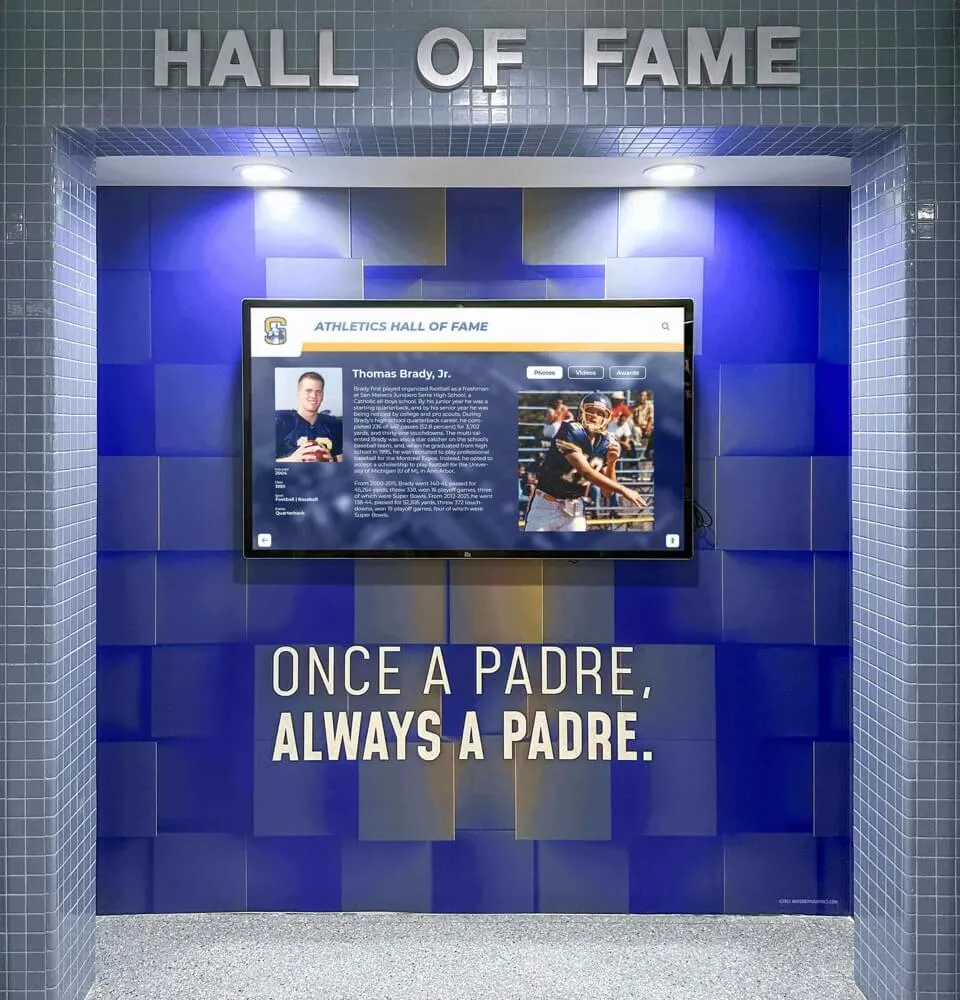
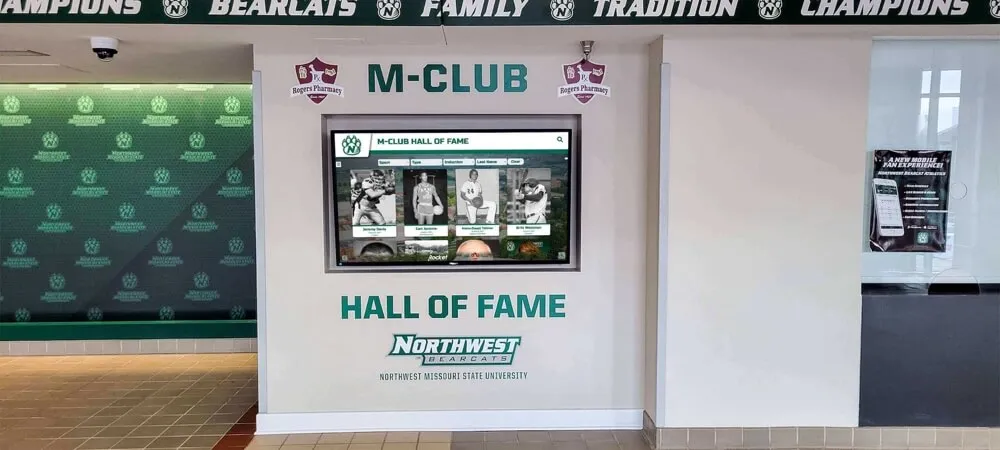
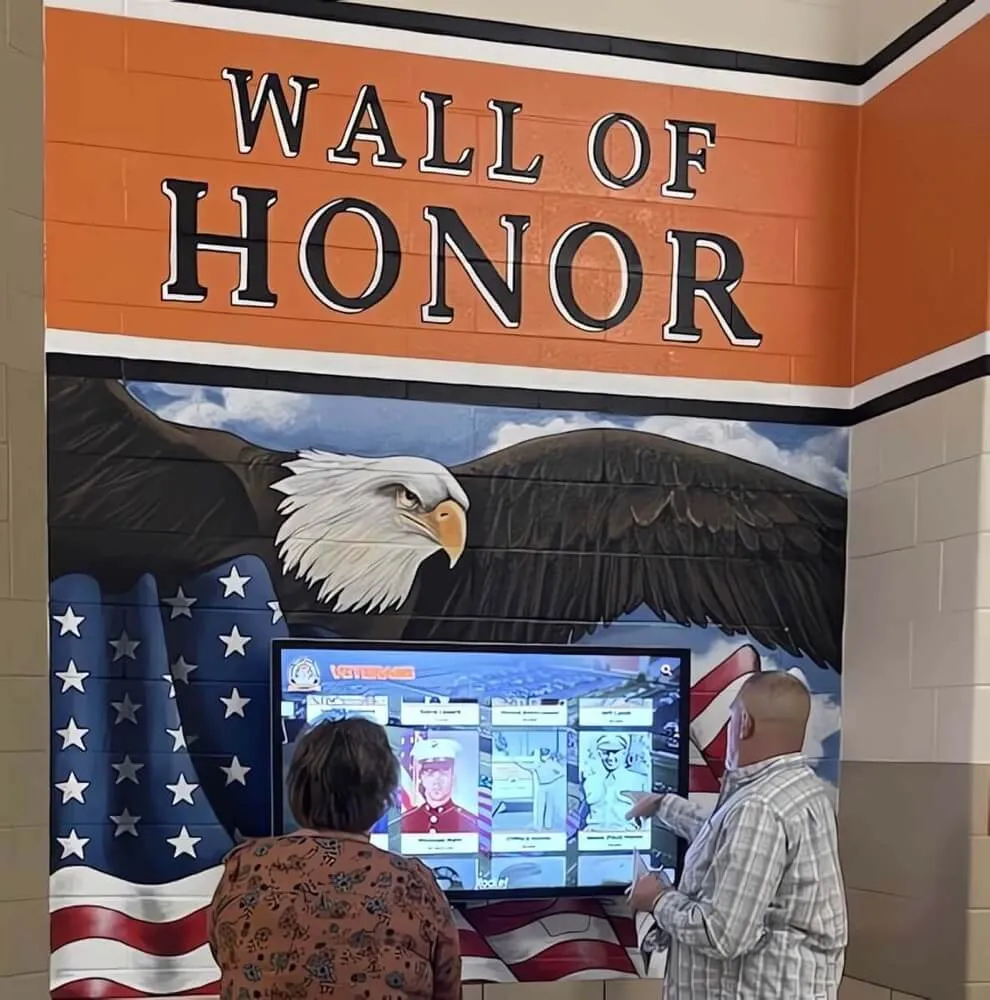
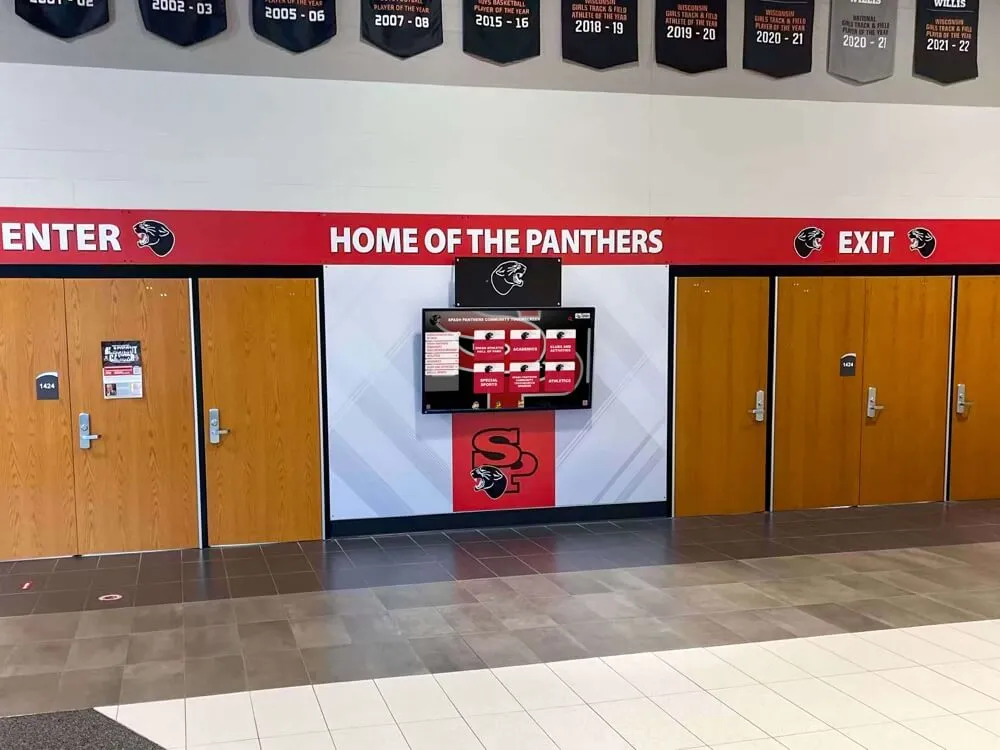
Professional recognition installations create welcoming spaces celebrating all forms of community contribution including event volunteers and participants
Dynamic Photo Galleries Documenting Event History
Comprehensive photo documentation preserves race memories while creating compelling promotional content inspiring future participation.
Strategic Photography Coverage
Complete event documentation captures multiple dimensions:
Pre-Race Moments: Early morning setup, volunteer preparation, registration area activity, participants warming up, nervous energy before starting
Starting Line Energy: Large group shots capturing full participant field, close-ups showing individual excitement and anticipation, family groups together before separation
Course Action: Runners throughout race showing diverse paces and abilities, participants encouraging each other, volunteers supporting runners, course scenery and conditions
Finish Line Celebrations: Individual finish moments capturing achievement emotions, families reuniting, medal presentations, victory celebrations, exhausted accomplishment
Post-Race Community: Refreshment areas with social interaction, award ceremonies recognizing winners, participants sharing experiences, families celebrating together, cleanup crews restoring facilities
Behind-the-Scenes: Volunteer teams coordinating operations, timing systems documenting results, support crews managing logistics, leadership directing activities
This comprehensive coverage ensures photo galleries represent full event experiences rather than exclusively focusing on competitive racing, making documentation inclusive of all participant experiences and volunteer contributions.
Making Photos Accessible and Sharable
Digital platforms enable photo gallery features impossible with traditional printed albums:
Searchable Archives: Organize photos by year, participant bib number, location on course, or time captured, enabling quick discovery of specific individuals or moments
Social Sharing Integration: Embed sharing buttons allowing direct posting to Facebook, Instagram, and other platforms, creating organic event promotion as participants share their own photos
Download Capabilities: Enable participants to download high-resolution versions for personal use, increasing satisfaction while maintaining school copyright on original files
Tagging and Comments: Allow community members to tag friends and add descriptions, creating collaborative documentation expanding institutional knowledge about race history
Integration with Results: Link participant photos to their race results pages, creating comprehensive personal records combining visual memories with performance data
Multi-Year Galleries: Organize complete photo archives across all race years, enabling alumni to locate specific past events quickly and compare how races have evolved
These interactive features transform static photo viewing into active engagement strengthening community connection while providing valuable marketing content as participants organically promote events through personal networks.
Implementing Digital Recognition Platforms for Annual 5K Events
While recognition goals remain consistent, implementation approaches vary based on school resources, technical capabilities, and event scale. Strategic platform selection ensures solutions deliver intended benefits without creating unsustainable administrative burden.
Choosing Appropriate Technology Solutions
Multiple technology options support 5K event recognition with varying capabilities, costs, and management requirements.
Comprehensive Recognition Platforms
Purpose-built solutions like Rocket Alumni Solutions provide integrated systems specifically designed for schools combining race results, sponsor acknowledgment, volunteer recognition, photo galleries, and historical archives within unified platforms offering:
Cloud-Based Content Management: Update all recognition content remotely from any internet-connected device without requiring physical access to displays or technical expertise
Unlimited Storage Capacity: Accommodate thousands of photos, unlimited race results across all years, extensive sponsor listings, and comprehensive volunteer rosters without storage constraints
Interactive Touchscreen Displays: Enable visitors in school facilities to explore race history actively, search results, view photo galleries, and discover sponsor information through intuitive interfaces
Mobile-Responsive Web Access: Extend recognition beyond physical school locations through online platforms accessible to alumni, distant families, and prospective participants anywhere
Integrated Social Sharing: Enable automatic distribution across social platforms amplifying recognition reach while creating organic event promotion
Analytics and Engagement Tracking: Reveal how community members interact with recognition content, informing content strategy and demonstrating sponsor visibility value
These comprehensive platforms eliminate needs for multiple separate systems, reducing administrative complexity while ensuring consistent presentation and user experience across all recognition components.
Budget-Appropriate Alternatives
Schools with limited recognition budgets can implement effective acknowledgment through more modest approaches:
Enhanced Website Sections: Dedicate substantial website areas to race history including downloadable result PDFs, sponsor listing pages with business links, volunteer recognition sections, and embedded photo galleries using free services like Google Photos or Flickr
Social Media Recognition: Establish dedicated event social media accounts systematically posting historical results, sponsor spotlights, volunteer profiles, and photo documentation creating accessible archives through free platforms
Physical Display Boards: Create traditional poster boards in school facilities featuring printed race results, sponsor logos, volunteer photos, and event images updated annually, providing permanent recognition at minimal cost
Hybrid Digital Signage: Utilize existing school lobby displays or television screens showing rotating event recognition slides alongside other school content, leveraging infrastructure already in place
These alternatives provide meaningful recognition within constrained budgets, with clear upgrade paths toward more sophisticated platforms as events grow and fundraising success justifies enhanced recognition investment.
Explore platform comparisons in best school history software evaluating different solution approaches.
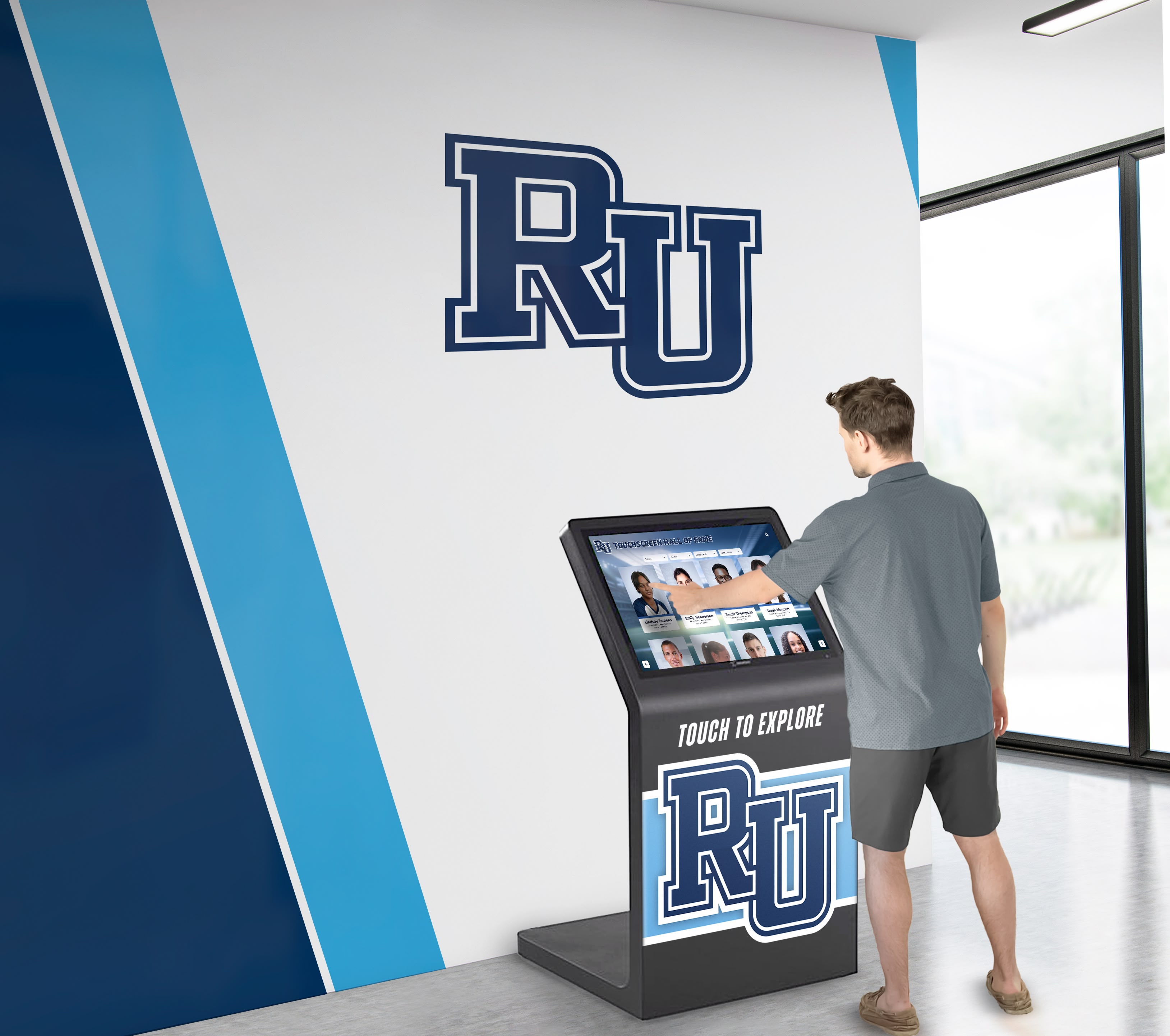
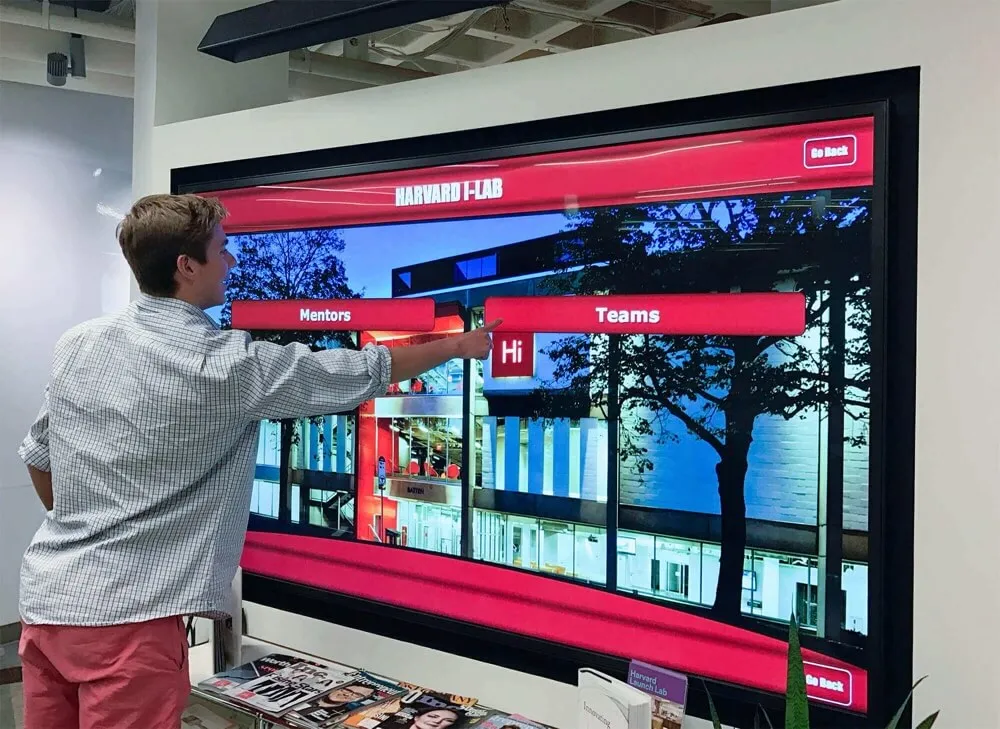
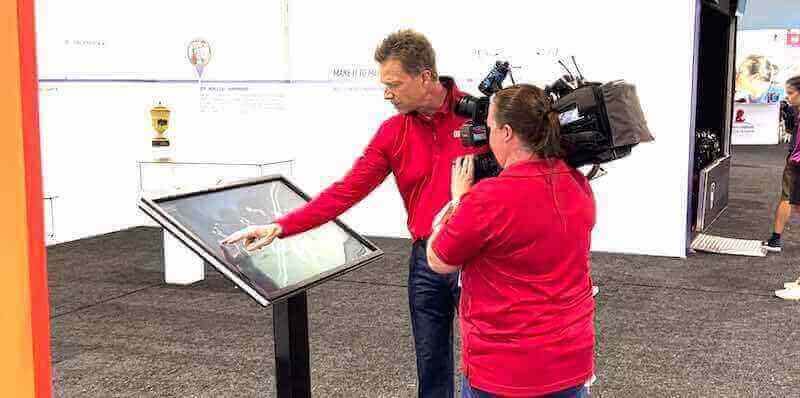
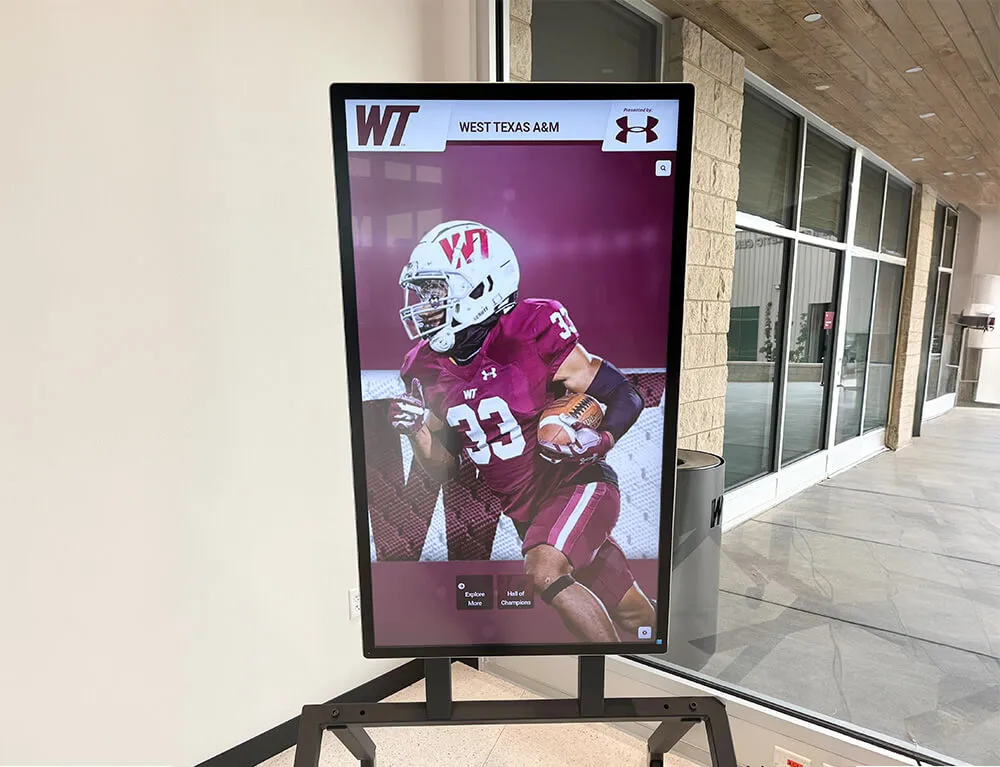
Freestanding interactive kiosks create dedicated recognition destinations enabling comprehensive event history exploration without requiring permanent wall installations
Strategic Installation Locations for Maximum Impact
Display placement significantly affects recognition visibility and community engagement outcomes.
High-Traffic School Locations
Position recognition displays where maximum audiences naturally gather:
Main Entrance Lobbies: Ensure all visitors—prospective families, community members, event attendees—encounter race recognition demonstrating school culture valuing community engagement and fitness
Athletic Facility Entrances: Connect 5K recognition with broader athletic traditions, inspiring athletes while demonstrating school commitment to varied fitness activities beyond competitive sports alone
Cafeteria and Common Areas: Reach student populations daily with extended dwell time enabling deeper exploration than brief hallway encounters
Administrative Corridors: Provide visibility during parent conferences, registration events, and community meetings when families spend extended time in these areas
Gymnasium Lobbies: Associate race traditions with indoor athletic facilities where communities gather for basketball games, wrestling matches, and other events throughout years
Multiple Distributed Displays: Consider several smaller installations rather than single large centerpiece, reaching diverse audiences in different school areas while creating comprehensive recognition environment
Creating Event-Specific Recognition Spaces
Some schools designate dedicated areas specifically celebrating annual fundraiser traditions:
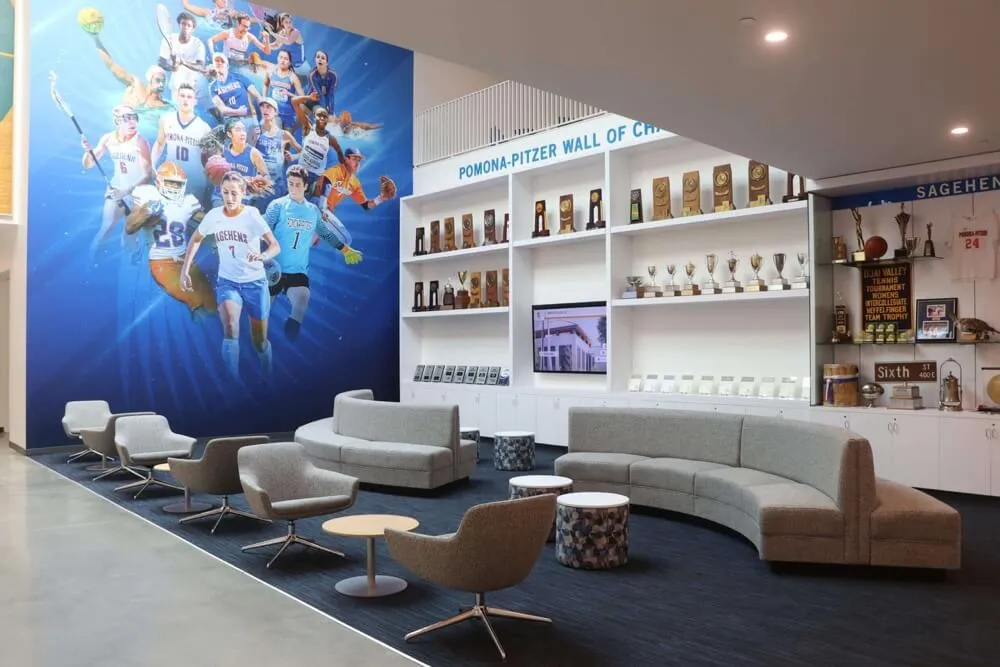
Comprehensive recognition walls combining digital displays showing historical results and photo galleries alongside traditional trophy cases preserving race medals, commemorative plaques from milestone years, framed photographs from early races, and sponsor recognition create immersive spaces honoring complete event history. Comfortable seating areas enable extended exploration encouraging deeper engagement than brief standing interactions.
These dedicated spaces signal institutional commitment to events and fundraising traditions, strengthening community perception that schools value supporter contributions appropriately rather than treating events as purely transactional fundraising mechanisms.
Systematic Content Management for Sustainable Recognition
Recognition value depends on current, accurate content. Systematic update procedures ensure displays remain relevant without creating unsustainable administrative burden.
Post-Race Update Workflows
Establish procedures ensuring immediate recognition following each annual race:
Same-Day Results Posting: Upload complete race results to digital platforms and websites within hours of event completion, demonstrating organizational excellence while capitalizing on participant excitement
Photo Upload Schedules: Establish timelines for photo selection, editing, and publication—ideally within one week of races when memories remain fresh and social media interest peaks
Sponsor Acknowledgment: Immediately following races, publish thank-you posts and sponsor recognition content across all platforms while updating permanent displays within two weeks
Volunteer Appreciation: Recognize volunteer contributions through social media shout-outs within days of events, with comprehensive volunteer profiles added to permanent recognition within one month
These prompt updates maintain event momentum while demonstrating respect for contributors through timely acknowledgment rather than months-delayed recognition suggesting afterthought status.
Annual Archive Expansion
Beyond immediate post-race updates, schedule systematic annual enhancements:
Historical Data Entry: Allocate time each year for adding historical race results from past events not yet documented in current systems, systematically expanding archives backward through institutional history
Photo Archive Organization: Ensure photos from each year receive proper categorization, tagging, and organization enabling long-term discoverability as archives accumulate
Narrative Documentation: Collect and preserve stories about race history—memorable moments, weather challenges overcome, record-breaking performances, milestone anniversaries—creating rich narrative context around statistical data
Recognition Audits: Review all sponsor, volunteer, and participant recognition annually ensuring accuracy, updating business information as sponsors change, and correcting any errors community members report
These systematic procedures ensure recognition quality while preventing overwhelm by distributing work across manageable regular cycles rather than expecting continuous intensive management.
Learn about recognition management in donor recognition displays for booster clubs addressing volunteer-appropriate workflows.

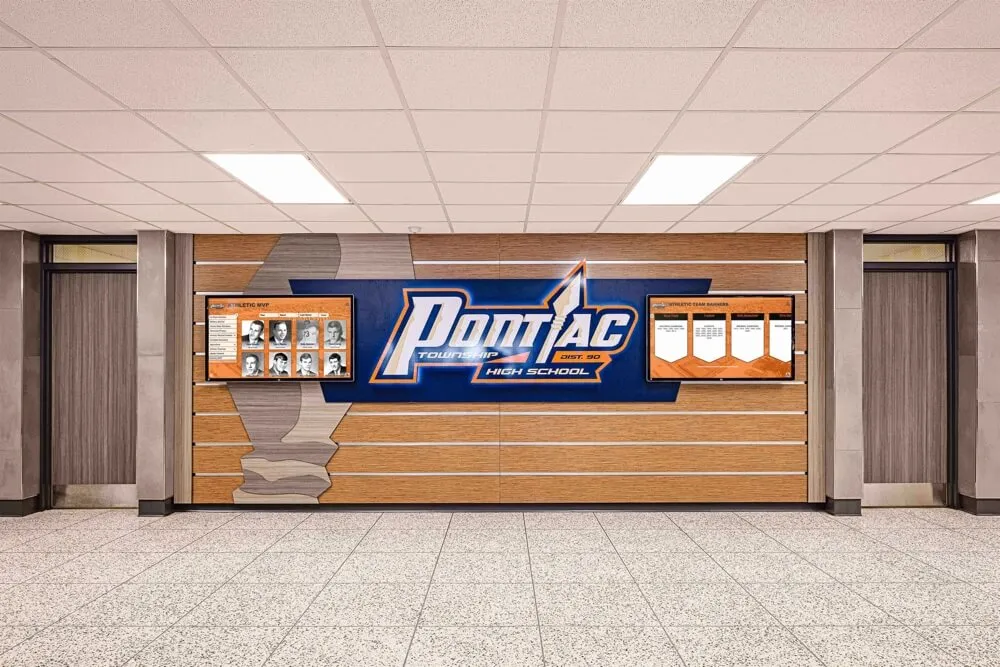
Coordinated recognition installations integrate seamlessly within existing school aesthetics creating professional appearances that reflect institutional pride
Creating Engaging Content for Different Stakeholder Groups
Effective recognition addresses diverse community interests through varied content types appealing to participants, sponsors, volunteers, and broader audiences.
Participant-Focused Recognition Content
Race participants primarily seek acknowledgment of their competitive achievements and personal fitness accomplishments.
Individual Result Profiles
Comprehensive participant recognition includes:
Race Results: Official finishing times, overall placement, age group placement, and gender category results for each race year
Personal Record Tracking: For returning participants, highlight improvement across multiple race years showing progression and personal bests
Participation History: Document consecutive race years completed, total races run, and milestone achievements like five-year or ten-year participation anniversaries
Photo Integration: Link race action shots and finish line photos to individual result profiles creating visual memories alongside statistical documentation
Social Sharing: Enable direct sharing of personal results and photos through social media platforms creating organic promotion while celebrating individual achievements
Comparative Context: Show how individual performances compare to age group averages, historical records, and previous year’s results providing multiple achievement perspectives
This comprehensive individual recognition honors both competitive excellence and consistent participation, ensuring recognition appeals to serious runners chasing records and recreational participants celebrating personal fitness commitments equally.
Team and Group Recognition
Many 5K events include team categories creating additional engagement opportunities:
Faculty Teams: Recognize staff groups running together, celebrating school employees modeling fitness and community participation for students
Grade-Level Competition: If elementary or middle schools organize grade-level teams, acknowledge winning classes creating friendly competition that increases student engagement
Family Teams: Recognize families running together, potentially creating categories for largest family groups, fastest combined family times, or most family generations participating
Corporate Teams: Acknowledge business sponsors fielding employee teams, combining sponsor recognition with participation celebration
These team categories create engagement paths for participants who might be intimidated by individual competitive focus, expanding event appeal to broader community segments while creating recognition opportunities beyond only individual achievement.
Sponsor-Oriented Recognition Content
Business sponsors evaluate support based on marketing value and community visibility received relative to contribution amounts.
Quantifiable Exposure Metrics
Help sponsors understand recognition value through concrete data:
Website Traffic: Share analytics showing event page visits, sponsor section views, and average time visitors spend exploring sponsor information
Social Media Reach: Document total impressions, engagement rates, and audience demographics reached through sponsor recognition posts across school platforms
Physical Display Visibility: Calculate estimated annual impressions based on school population, visitor counts, and display locations—for example, lobby displays in 500-student schools with 2,000 annual visitors generate approximately 100,000 annual impressions
Email Distribution: Share subscriber counts and open rates for emails including sponsor recognition, demonstrating direct reach to engaged community members
Link Performance: If website sponsor listings include business links, share click-through data showing direct traffic driven to sponsor websites
These quantifiable metrics help sponsors justify continued support through concrete evidence of marketing value received, particularly important for businesses requiring documentation demonstrating community investment returns.
Storytelling Sponsor Features
Beyond statistical visibility, deeper sponsor content creates stronger relationships:
Business Profiles: Share information about sponsor companies—their history, services, owner backgrounds, and connections to school communities—creating authentic recognition extending beyond transactional logo placement
Why They Support: Interview sponsors about motivations for supporting school fundraisers, creating compelling narratives that position businesses as genuine community partners rather than purely commercial entities
Sponsor Video Features: Create brief video interviews or business spotlights shared through digital displays and social media, providing premium recognition value that differentiates major sponsors
Employee Participation: Highlight sponsor employees participating in races or volunteering, connecting business support with individual community members creating authentic relationships
This storytelling approach builds emotional connections between sponsors and school communities while providing recognition value extending beyond simple visibility metrics.
Explore sponsor content strategies in showcasing community partnerships with narrative recognition approaches.
Volunteer-Oriented Recognition Content
Volunteer recognition should celebrate contributions while inspiring future recruitment.
Individual Volunteer Spotlights
Feature individual volunteers through varied formats:
Profile Features: Share volunteer backgrounds—how they became involved, what motivates their service, favorite race memories, and what they find rewarding about participation
Action Photography: Include compelling photos showing volunteers in action during races—distributing water, cheering runners, coordinating timing, managing registration—demonstrating the variety of essential roles
Thank-You Videos: Create brief video messages from race directors, school administrators, or grateful participants thanking volunteers by name for specific contributions
Milestone Recognition: Celebrate volunteers reaching five-year, ten-year, or longer service anniversaries, honoring sustained commitment over time
Family Volunteer Stories: Feature families volunteering together across multiple generations, creating compelling narratives about community service traditions
These personal profiles honor current volunteers while demonstrating to prospective volunteers that schools value their potential contributions, addressing recruitment challenges many events face.
Collective Volunteer Celebration
Beyond individual recognition, acknowledge volunteer communities comprehensively:
Team Photos: Large group photos of complete volunteer teams captured during races preserve memories and demonstrate the substantial community support required for event success
By-the-Numbers Recognition: Share statistics like total volunteer hours contributed, number of volunteers involved, roles filled, and years of combined experience across all volunteers
Volunteer Impact Stories: Document how volunteer contributions directly enable participant experiences—how water station volunteers support runner hydration, how course marshals ensure safety, how registration teams create welcoming first impressions
Recognition Events: Host volunteer appreciation gatherings annually, either post-race celebrations or separate dedicated events honoring service, creating community among volunteers while strengthening retention
This comprehensive volunteer recognition serves dual purposes—honoring current supporters appropriately while demonstrating institutional commitment to community appreciation that inspires continued service and new volunteer recruitment.
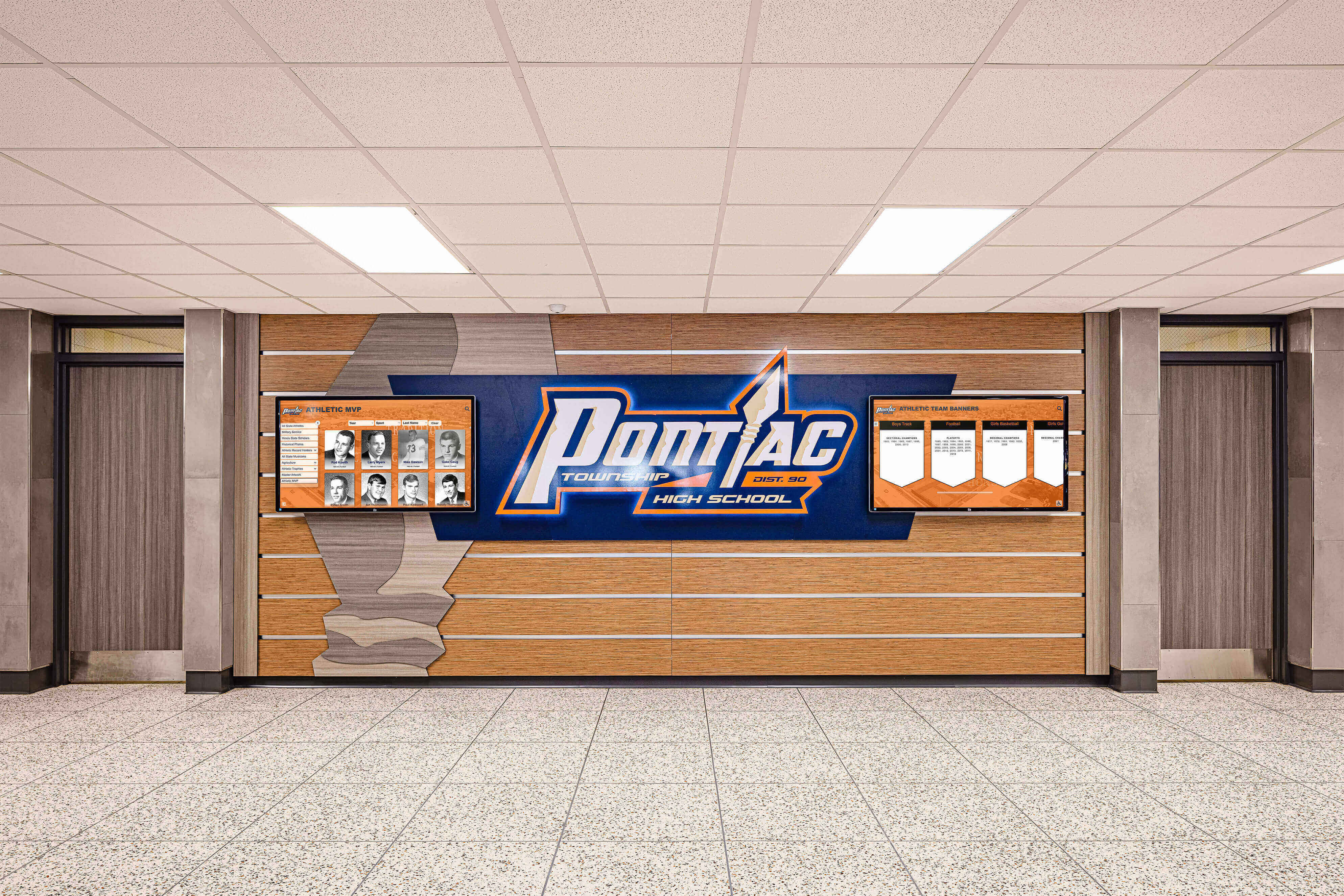
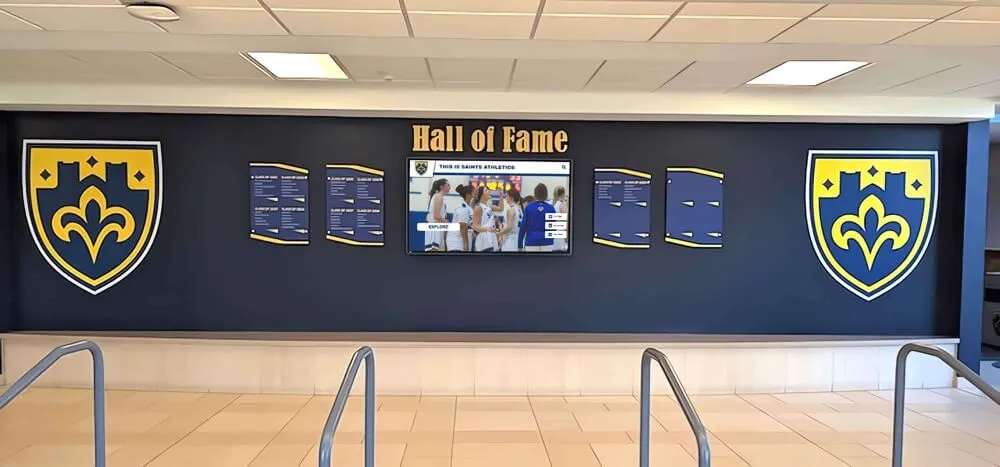
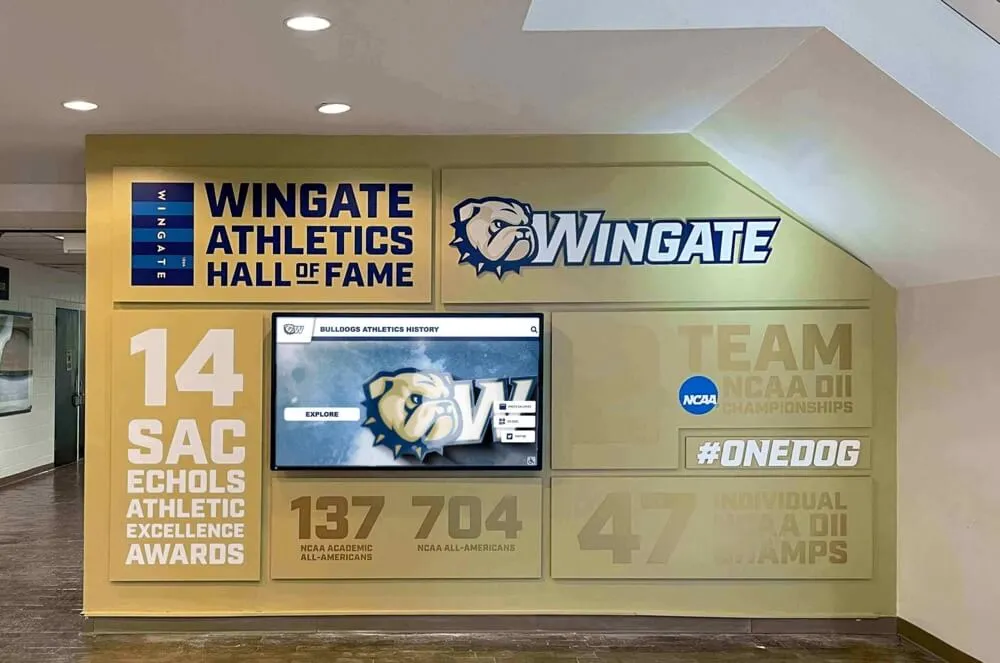
Coordinated recognition installations create comprehensive environments celebrating all aspects of school athletic traditions including community fundraising events
Measuring Recognition Impact and Fundraising Outcomes
Assessment reveals whether recognition investments deliver intended benefits while identifying improvement opportunities.
Quantitative Success Metrics
Concrete measurements demonstrate recognition value:
Returning Participant Rates: Track what percentage of previous year’s runners register again currently, comparing retention rates before and after recognition implementation
Sponsor Retention and Growth: Monitor returning sponsor percentages and average contribution increases across consecutive years
Volunteer Recruitment: Measure volunteer recruitment ease and returning volunteer rates, comparing staffing challenges before and after recognition enhancements
Registration Trends: Analyze overall race registration growth across multiple years, particularly first-time participant increases potentially influenced by enhanced photo galleries and historical documentation
Website Traffic: Review event page visit increases and time spent exploring race history, photo galleries, and sponsor information
Social Engagement: Track social media metrics including follower growth, post engagement rates, and organic sharing of race content
Fundraising Totals: Compare net fundraising amounts across consecutive years controlling for registration fees, sponsorship income, and total event costs
While multiple factors influence these metrics, positive trends correlating with recognition improvements suggest programs contribute meaningfully to fundraising success.
Qualitative Feedback and Cultural Impact
Regular feedback provides insights beyond quantitative data:
Participant Surveys: After races, survey runners about recognition awareness, whether historical leaderboards motivated training, if photo galleries influenced registration decisions, and how recognition impacts likelihood of returning next year
Sponsor Feedback: Interview business sponsors about perceived recognition value, whether visibility received justifies contribution amounts, and how recognition influences decisions about continued support
Volunteer Input: Gather volunteer perspectives about whether recognition makes them feel appreciated, influences decisions to return next year, and inspires them to recruit friends to volunteer
Community Perception: Assess broader school community awareness of annual race traditions, whether recognition strengthens institutional pride, and if event celebration influences overall school culture
Cultural Indicators: Observe long-term changes like increased community excitement surrounding race dates, enhanced reputation as school excelling at community engagement, and improved prospective family responses during tours when viewing race recognition
This comprehensive feedback informs recognition evolution ensuring approaches remain aligned with stakeholder needs while demonstrating tangible value justifying continued recognition investment.
Advanced Recognition Features and Integration Opportunities
Enhanced capabilities extend recognition value beyond basic historical documentation.
Interactive Race Tracking and Live Leaderboards
Real-time race-day features create immediate engagement:
Live Race Tracking: Enable family members to track specific runners’ progress through GPS tracking apps, maintaining engagement throughout events particularly for slower participants finishing later
Real-Time Leaderboards: Display current standings and top finishers on screens during races, creating spectator engagement and competitive excitement as results unfold
Digital Bib Integration: QR codes on race bibs enable automatic photo linking where professional photographers scan bibs associating images with specific participants for easy post-race discovery
Instant Results: Provide immediate finishing time text messages or app notifications enabling participants to share achievements through social media before even leaving events
These technology enhancements create modern race experiences appealing to participants expecting digital integration across community events.
Connection to Broader School Recognition Systems
Integrate 5K recognition within comprehensive institutional acknowledgment:
Athletic Recognition Integration: Connect race participation and achievements with broader school athletic recognition celebrating fitness and community engagement alongside competitive sports
Community Service Documentation: Include race volunteering within comprehensive service hour tracking for students requiring community service documentation
Alumni Engagement Platforms: Feature 5K history and participation opportunities within alumni engagement systems, creating ongoing connection points for graduates who return annually to run
Donor Recognition: For participants contributing beyond registration fees, integrate additional donations within comprehensive school donor acknowledgment systems
These connections position 5K events within broader institutional narratives rather than isolated initiatives, strengthening overall school culture while maximizing recognition infrastructure value across multiple purposes.
Explore integrated recognition in digital hall of fame complete guides addressing comprehensive systems.
Multi-Event Recognition for Schools Hosting Multiple Fundraisers
Schools conducting various fundraising events throughout years can create unified recognition:
Combined Event Recognition: If schools host annual 5K races, golf tournaments, galas, auctions, and other fundraisers, consider comprehensive platforms celebrating all events within integrated systems
Cumulative Supporter Acknowledgment: Recognize community members, businesses, and families supporting multiple events across years, celebrating total contribution rather than fragmenting recognition across separate initiatives
Shared Sponsor Packages: Offer annual sponsorship levels covering multiple events, providing year-round visibility and recognition value that justifies larger business commitments
Unified Volunteer Recognition: Honor community members contributing time across various school events, demonstrating comprehensive appreciation for sustained service
This integrated approach creates administrative efficiency while providing holistic supporter recognition that strengthens relationships beyond transactional single-event participation.
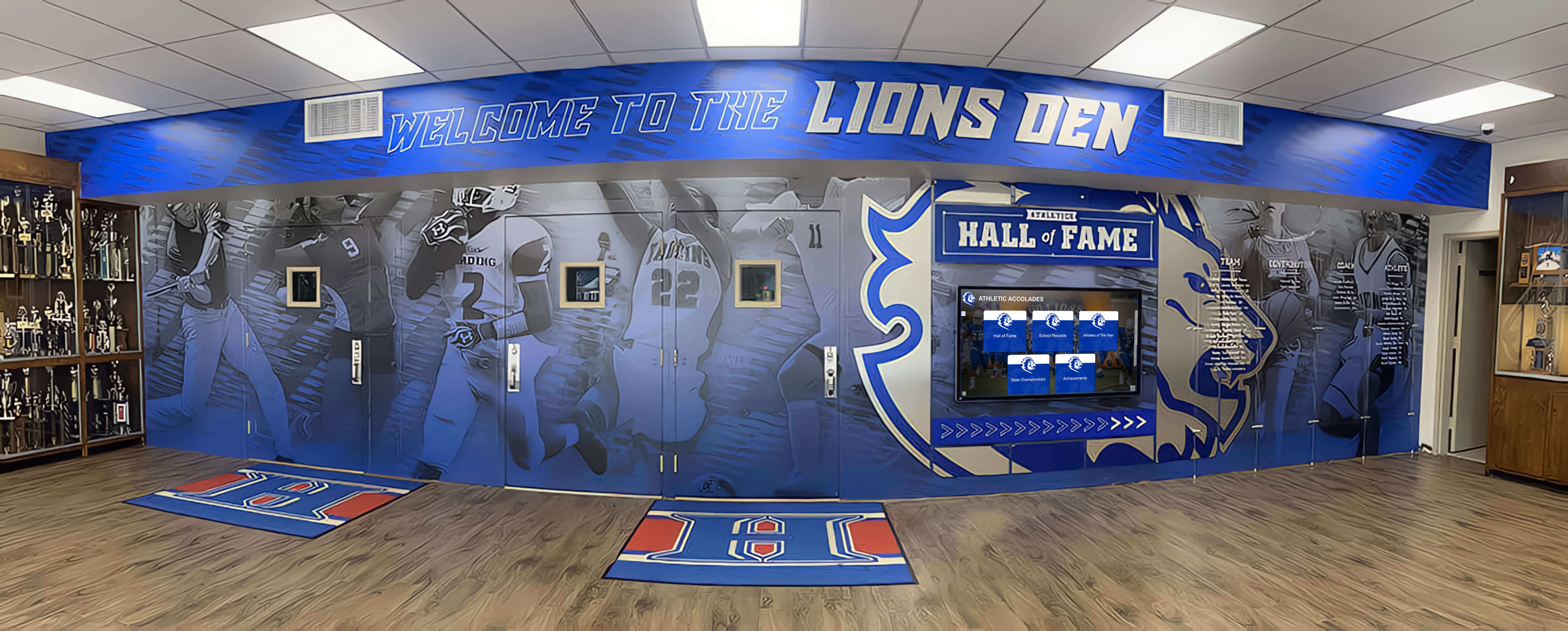
Comprehensive recognition environments celebrate diverse school achievements including competitive athletics, academic excellence, and community fundraising traditions
Practical Implementation Timeline for 5K Recognition Systems
Systematic planning ensures successful recognition launches without overwhelming volunteer committees.
Year One: Foundation Building
Initial Implementation Priorities (3-6 months before next race)
Platform Selection: Research and select appropriate recognition technology matching school budget, technical capabilities, and event scale
Historical Data Compilation: Gather race results from previous years, collecting whatever documentation exists even if incomplete
Photo Archive Creation: Locate and organize historical race photos from past events, soliciting community contributions to expand collections
Sponsor Documentation: Create comprehensive lists of sponsors across previous years with contribution levels and business information
Volunteer Records: Document volunteer roles and participants from previous races to enable milestone recognition
Content Development: Create initial website content, digital display presentations, or physical recognition materials depending on chosen approach
Installation Coordination: If implementing physical displays, coordinate with facilities managers for installation, electrical work, and network connectivity
Launch Promotion: Announce recognition system through email, social media, and school communications creating awareness and generating excitement
This foundational work establishes recognition infrastructure enabling easy updates and expansion in subsequent years.
Years Two and Three: Expansion and Enhancement
Growth Priorities
Content Enhancement: Systematically expand historical archives backward through institutional history as time permits
Feature Addition: Implement additional recognition components like volunteer spotlights, enhanced sponsor features, or interactive elements not included in initial launch
Community Contribution: Enable community members to submit photos, share memories, and contribute historical information expanding collaborative documentation
Analytics Review: Assess engagement metrics and community feedback identifying improvement opportunities and successful elements to expand
Sponsor Package Evolution: Based on first-year experience, refine sponsorship offerings and recognition benefits optimizing value propositions
Volunteer Program Development: Enhance volunteer recognition potentially including appreciation events, service milestone celebrations, and recruitment initiatives
This expansion phase builds on initial implementation success while incorporating lessons learned and community feedback.
Long-Term Sustainability: Years Four and Beyond
Ongoing Management
Systematic Update Cycles: Establish efficient procedures for prompt post-race updates maintaining current recognition
Regular Content Refresh: Rotate featured content highlighting different years, participants, sponsors, and volunteers ensuring all receive periodic visibility
Technology Evolution: Monitor emerging capabilities and platform improvements potentially enhancing user experience or administrative efficiency
Recognition Assessment: Regularly evaluate whether recognition effectively supports fundraising goals and community engagement objectives
Budget Planning: Ensure ongoing operational costs and periodic equipment replacement remain funded within school budgets
Systematic long-term management ensures recognition delivers sustained value rather than deteriorating into outdated systems that reflect poorly on institutional commitment.
Common Questions About 5K Fundraiser Recognition
Schools implementing recognition systems frequently encounter specific considerations requiring thoughtful responses.
“How Do We Balance Competitive Recognition with Inclusive Participation Celebration?”
Comprehensive Recognition Philosophy
Effective 5K recognition honors both competitive achievement and participation commitment:
Feature multiple recognition categories—age group winners celebrating competitive excellence, participation milestone recognition honoring consistent attendance regardless of speed, family and team categories creating non-speed-based achievement paths, volunteer spotlights celebrating support roles, and fundraising recognition if races include individual donation components beyond registration fees.
This multi-dimensional approach ensures recognition appeals to serious runners chasing course records and recreational participants celebrating personal fitness goals equally, strengthening inclusive culture where all community members feel valued regardless of competitive ability.
“What About Privacy Concerns with Race Results and Photos?”
Privacy Respect and Compliance
Balance public recognition with privacy considerations:
Opt-Out Options: Provide clear mechanisms enabling participants to exclude themselves from public results if preferred for privacy reasons
Minor Protections: Be particularly cautious with student photos and names, ensuring appropriate permissions and potentially limiting youth participant recognition to first names or initials
Selective Photo Publication: Review all photos before publication removing any unflattering images or potentially sensitive content
FERPA Compliance: For school-organized events, ensure recognition approaches comply with educational privacy regulations
Permission Documentation: Collect photo and information release permissions through registration processes, documenting consent for public acknowledgment
These privacy protections demonstrate respect for community members while maintaining meaningful recognition for those comfortable with public celebration.
“How Can Small Schools with Limited Budgets Implement Effective Recognition?”
Budget-Appropriate Approaches
Meaningful recognition exists at all budget levels:
Free Website Platforms: Create comprehensive event sections on existing school websites using built-in features without additional technology investment
Social Media Archives: Establish dedicated event social media accounts systematically posting results, photos, and recognition content creating free accessible archives
Volunteer Photography: Recruit volunteer photographers rather than hiring professionals, accepting some quality tradeoffs in exchange for budget savings
Printed Recognition Boards: Create traditional poster boards featuring race winners, sponsors, and volunteers updated annually at minimal printing costs
Shared Digital Displays: Coordinate with existing school lobby displays showing rotating event recognition slides alongside other school content
Graduated Implementation: Start with basic approaches, systematically enhancing recognition as events grow and fundraising success justifies increased investment
Remember that authentic gratitude and consistent acknowledgment matter more than expensive technology—meaningful recognition strengthens community relationships regardless of production sophistication.
Explore budget considerations in school gala fundraiser recognition addressing varied investment approaches.
Conclusion: Building Lasting Traditions Through Comprehensive Recognition
Annual 5K fundraiser events succeed through sustained community participation across multiple years. When schools implement thoughtful recognition systems celebrating participants appropriately through historical leaderboards preserving competitive achievement, honoring sponsors with lasting visibility extending beyond race days, acknowledging volunteers whose contributions enable event success, displaying compelling photo galleries documenting community participation, and preserving rich event histories that strengthen traditions—they transform one-time participants into committed supporters who return annually, invite friends and family to join them, increase contribution levels, and build fundraising traditions strengthening school culture for generations.
The most successful 5K recognition programs share common characteristics: they honor all contributors promptly and appropriately regardless of competitive placement or contribution size, demonstrate specific community impact showing exactly what fundraising accomplishes for schools and students, maintain current accurate information through systematic update procedures, provide diverse recognition content appealing to varied stakeholder interests, leverage technology appropriately for school capacity and budget realities, and commit to sustained management ensuring recognition quality rather than allowing systems to deteriorate.
Transform Your Annual 5K Fundraiser Recognition
Discover how digital recognition solutions designed specifically for school fundraising events can help your organization showcase year-over-year race history, honor sponsors with lasting visibility, celebrate volunteer contributions, display compelling photo galleries, and create traditions that strengthen community engagement and fundraising success. Rocket Alumni Solutions provides platforms that volunteer committees can manage effectively without technical expertise.
Explore 5K Fundraiser Recognition SolutionsWhether your school is implementing first formal recognition for an established annual race or enhancing existing acknowledgment systems, remember that authentic appreciation and comprehensive celebration matter more than expensive technology or elaborate installations. Start with clear understanding of your community’s diverse stakeholder groups—competitive runners, recreational participants, generous sponsors, dedicated volunteers, and supportive families—implement recognition approaches demonstrating how their contributions directly support student opportunities, create inclusive systems honoring all participation types appropriately, choose solutions matching your actual operational capacity rather than aspirational institutional models, and commit to ongoing content management ensuring recognition remains current and relevant.
Your race participants have chosen to support your school among countless worthy community causes competing for limited time and financial resources. Your sponsors have selected your event for partnership among numerous marketing opportunities. Your volunteers have dedicated countless hours enabling event success. They all deserve recognition honoring their contributions appropriately while inspiring continued partnership creating sustainable fundraising that transforms educational opportunities for students.
Ready to begin your 5K recognition journey? Explore how Rocket Alumni Solutions can help your school create comprehensive recognition systems celebrating annual fundraiser traditions, preserving race history, and building lasting community relationships that strengthen fundraising success for years to come.