



Alumni engagement represents one of educational institutions’ most valuable yet underutilized assets. Schools, colleges, and universities with thriving alumni programs report donation rates 5-8 times higher than institutions with minimal graduate engagement, while also benefiting from stronger student recruitment, enhanced institutional reputation, expanded networking opportunities for current students, and more robust volunteer support across advancement initiatives.
The challenge lies not in alumni willingness to engage—most graduates express positive feelings toward their alma mater and openness to involvement—but rather in institutional capacity to create compelling events and activities worthy of busy professionals’ limited time and attention. Generic happy hours and annual fundraising galas no longer suffice in competitive landscapes where alumni receive constant invitations from multiple organizations vying for their participation.
This comprehensive guide provides 100 high-impact, actionable alumni event ideas specifically designed for diverse institutional contexts—from public and private high schools to charter schools, community colleges, four-year universities, and graduate programs. These proven activities strengthen connections, build lasting engagement, and create memorable experiences that transform occasional attendees into lifelong institutional advocates and supporters.
Effective alumni programming requires strategic thinking beyond traditional reunion formats. The most successful institutions implement diverse event portfolios accommodating different alumni preferences, geographic constraints, career stages, and engagement motivations—creating multiple pathways for connection regardless of individual circumstances or priorities.

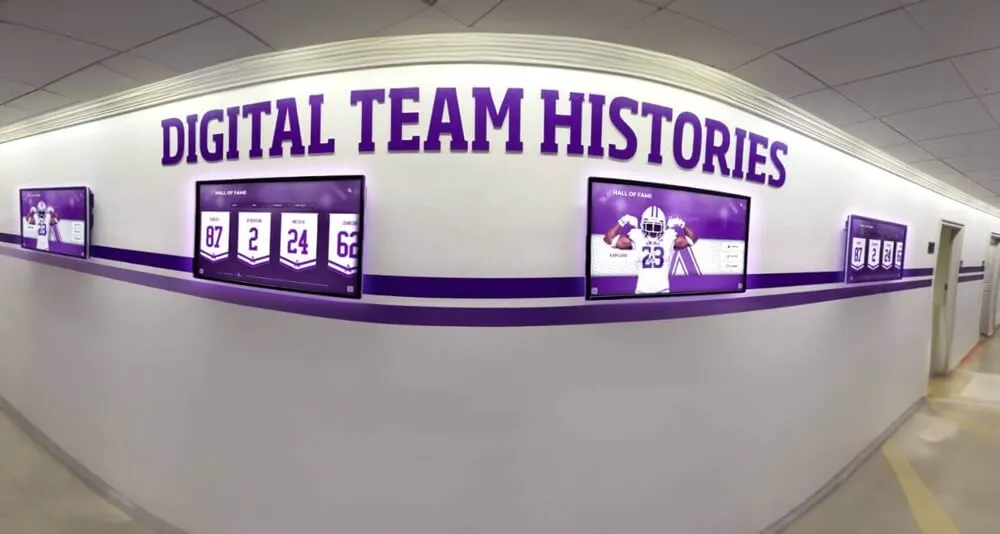
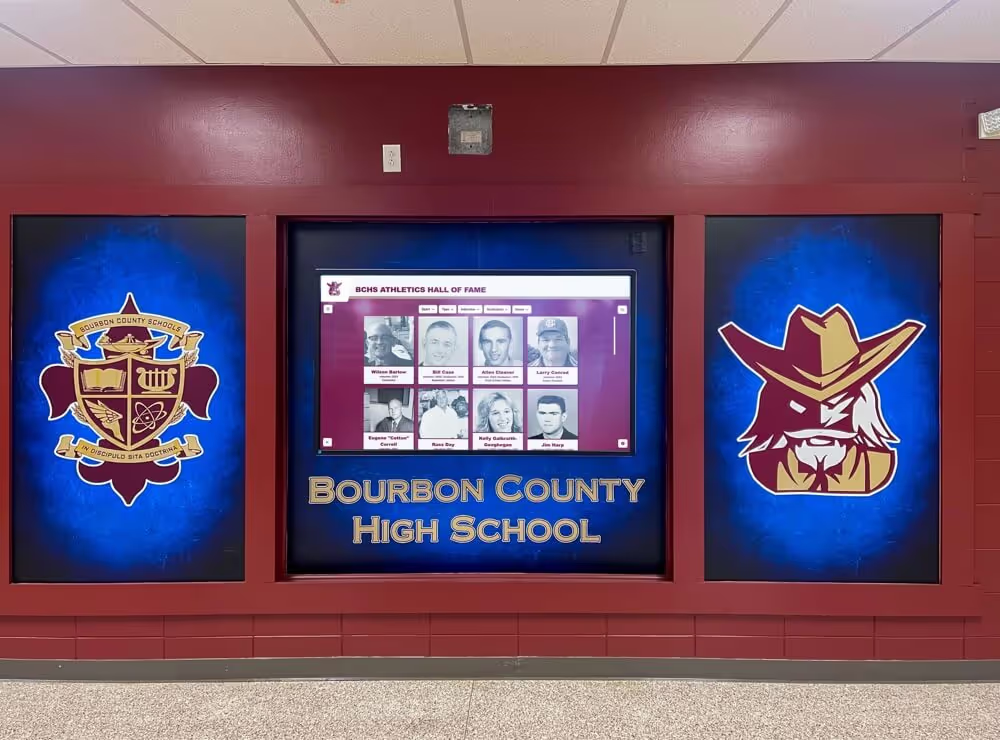
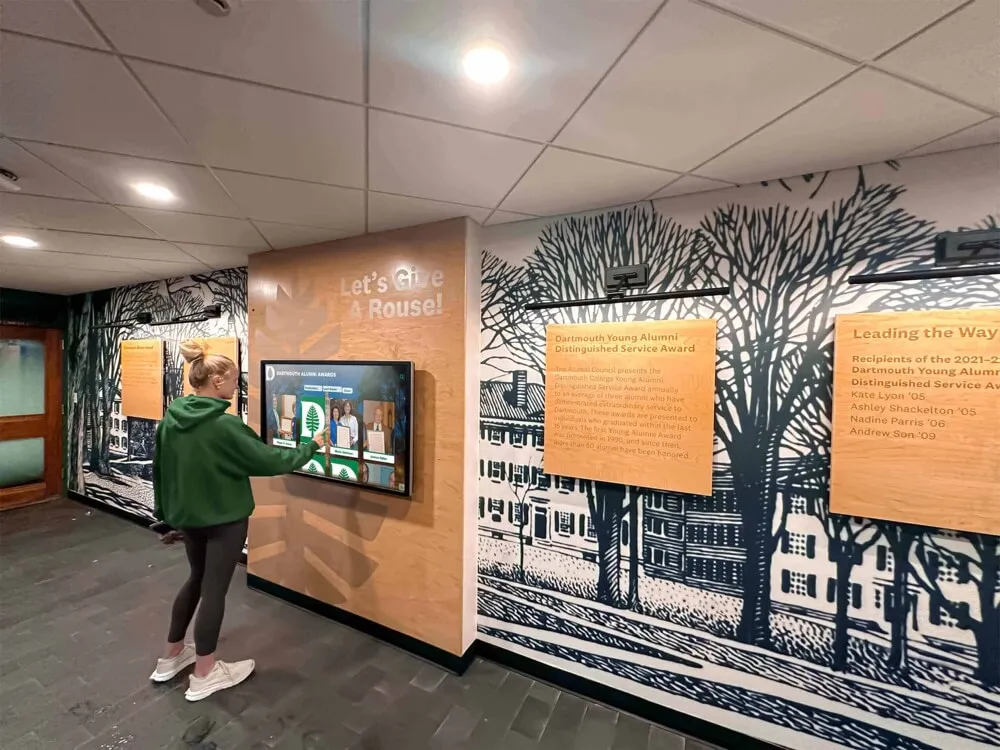
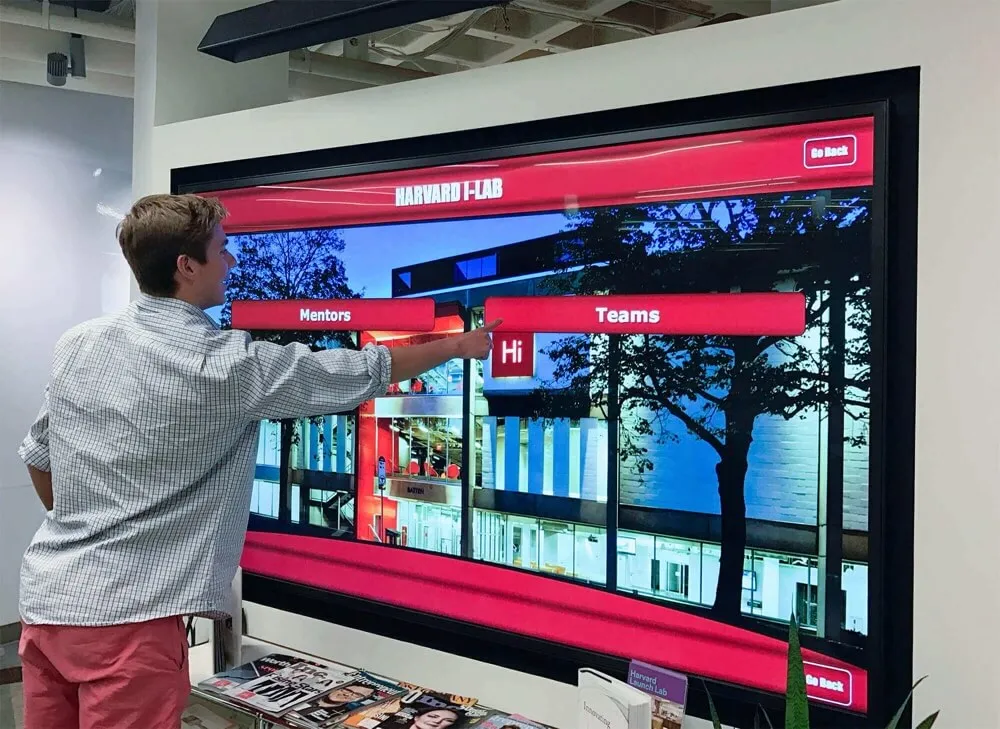
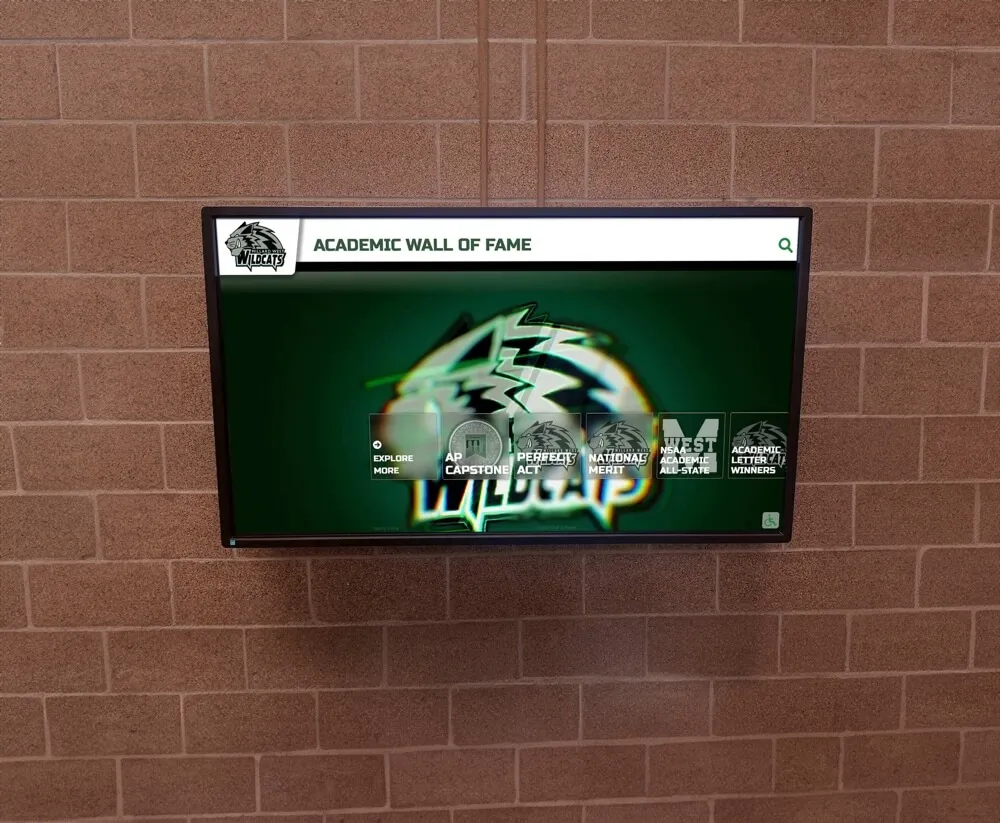
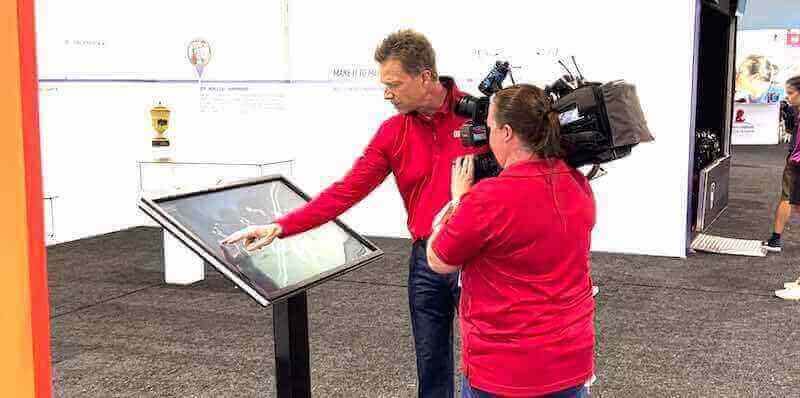
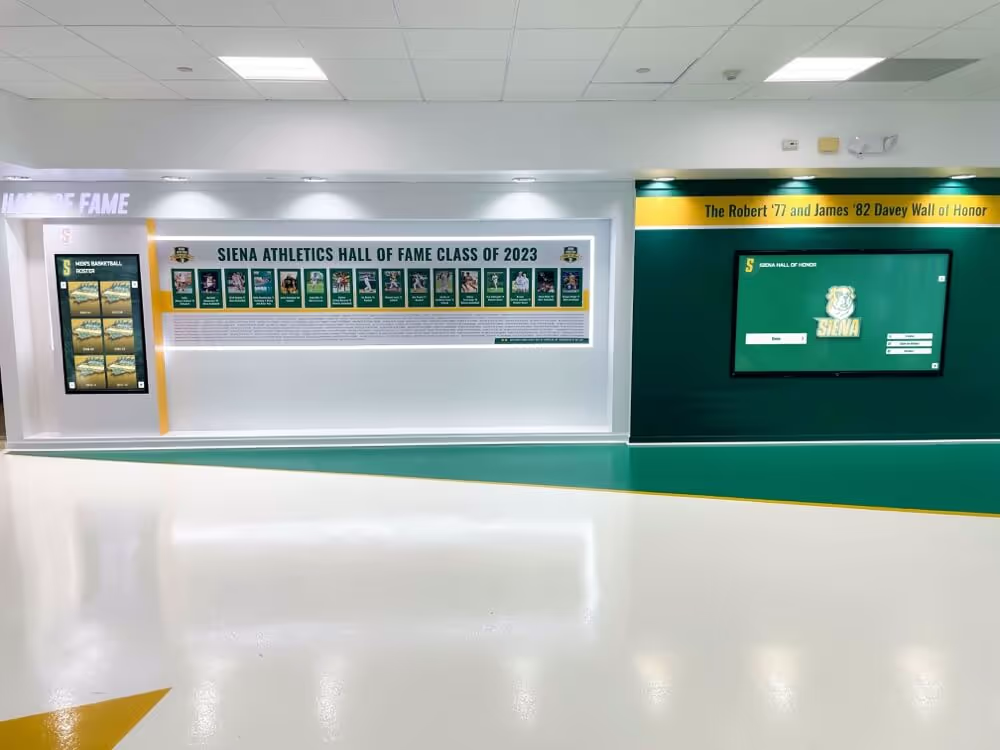
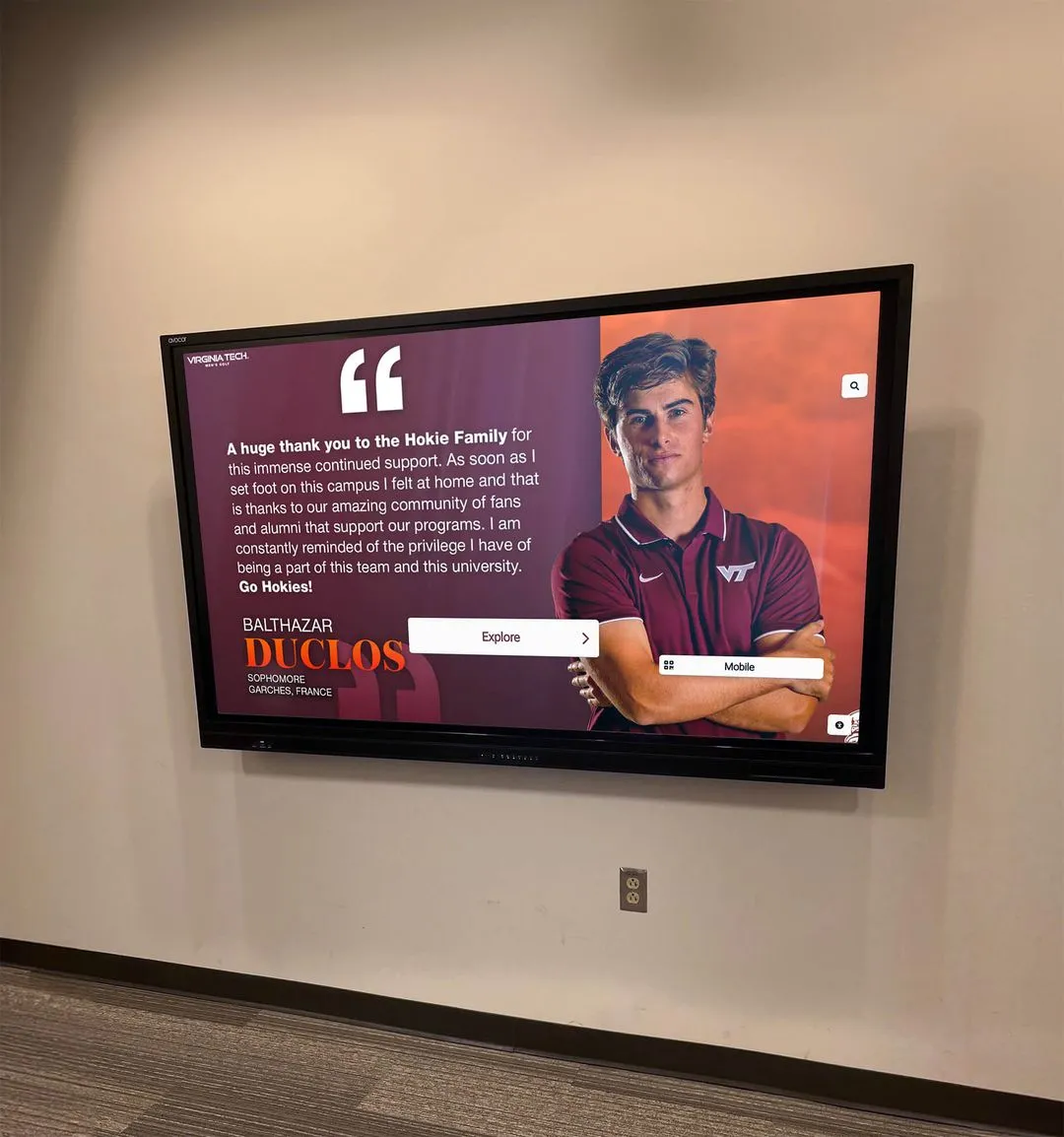
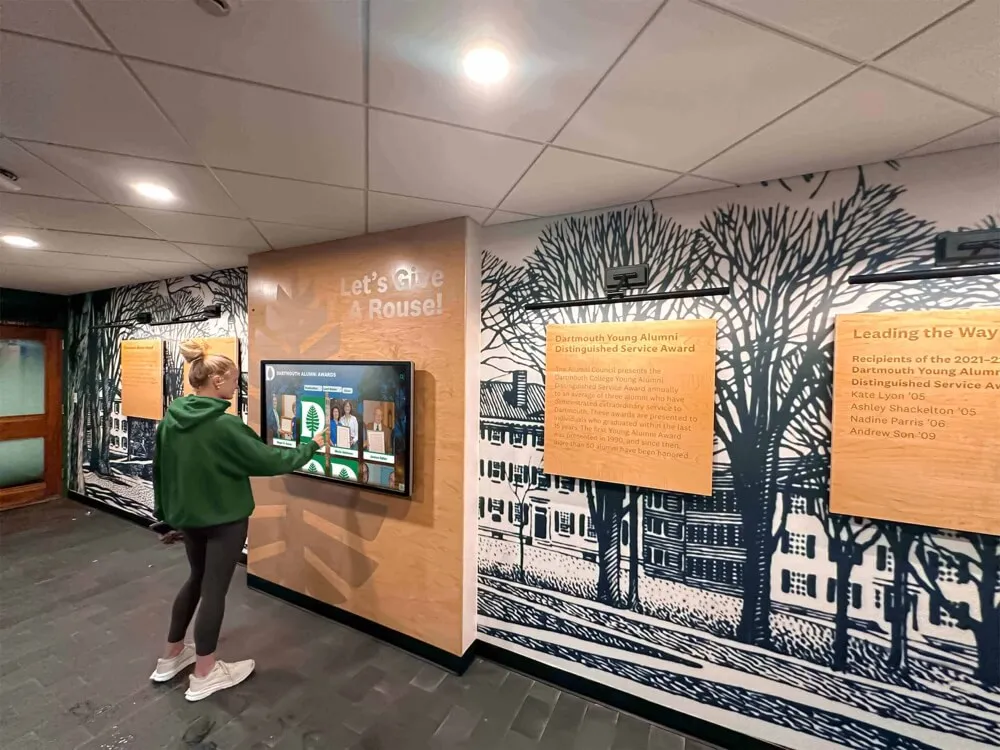
Modern alumni events combine physical experiences with interactive technology creating accessible engagement opportunities for graduates regardless of location
Understanding Alumni Event Success Factors
Before exploring specific event ideas, understanding what makes alumni activities successful helps institutions select and execute programming that delivers measurable impact.
What Makes Alumni Events Work
Research on alumni behavior reveals several consistent success factors across effective programming:
Clear Value Proposition
Alumni attend events offering tangible benefits justifying their time investment. Successful programming provides professional networking advancing careers, meaningful social connections with peers who share common experiences, educational content delivering relevant knowledge or skills, entertaining experiences creating enjoyable memories, opportunities to give back through mentorship or service, and exclusive access to institutional resources or experiences unavailable to general public.
Events lacking clear value beyond generic socializing or obvious fundraising solicitation struggle with attendance and fail to generate sustained engagement beyond initial curiosity.
Accessibility and Convenience
Practical logistics dramatically impact participation rates. Effective events consider geographic distribution scheduling regional programming where alumni actually live, flexible timing offering options for different work schedules and family obligations, hybrid formats enabling remote participation alongside in-person attendance, varied commitment levels from quick 60-minute programs to day-long experiences, family-friendly options welcoming spouses and children, and minimal cost barriers ensuring financial constraints don’t exclude participation.
Institutions creating frictionless participation see significantly higher attendance than those requiring extensive travel, expense, or time commitments.
Authentic Connection to Institutional Identity
Alumni engage most strongly with programming that feels distinctly connected to their alma mater rather than generic networking events or social gatherings they could attend anywhere. Successful activities incorporate institutional traditions creating emotional resonance, campus locations enabling physical reconnection with formative spaces, faculty or staff participation providing continuity with educational experiences, current student involvement building cross-generational community, and recognition of shared identity celebrating what makes graduates part of special community.
This authentic institutional connection distinguishes alumni events from countless other professional and social opportunities competing for attention.
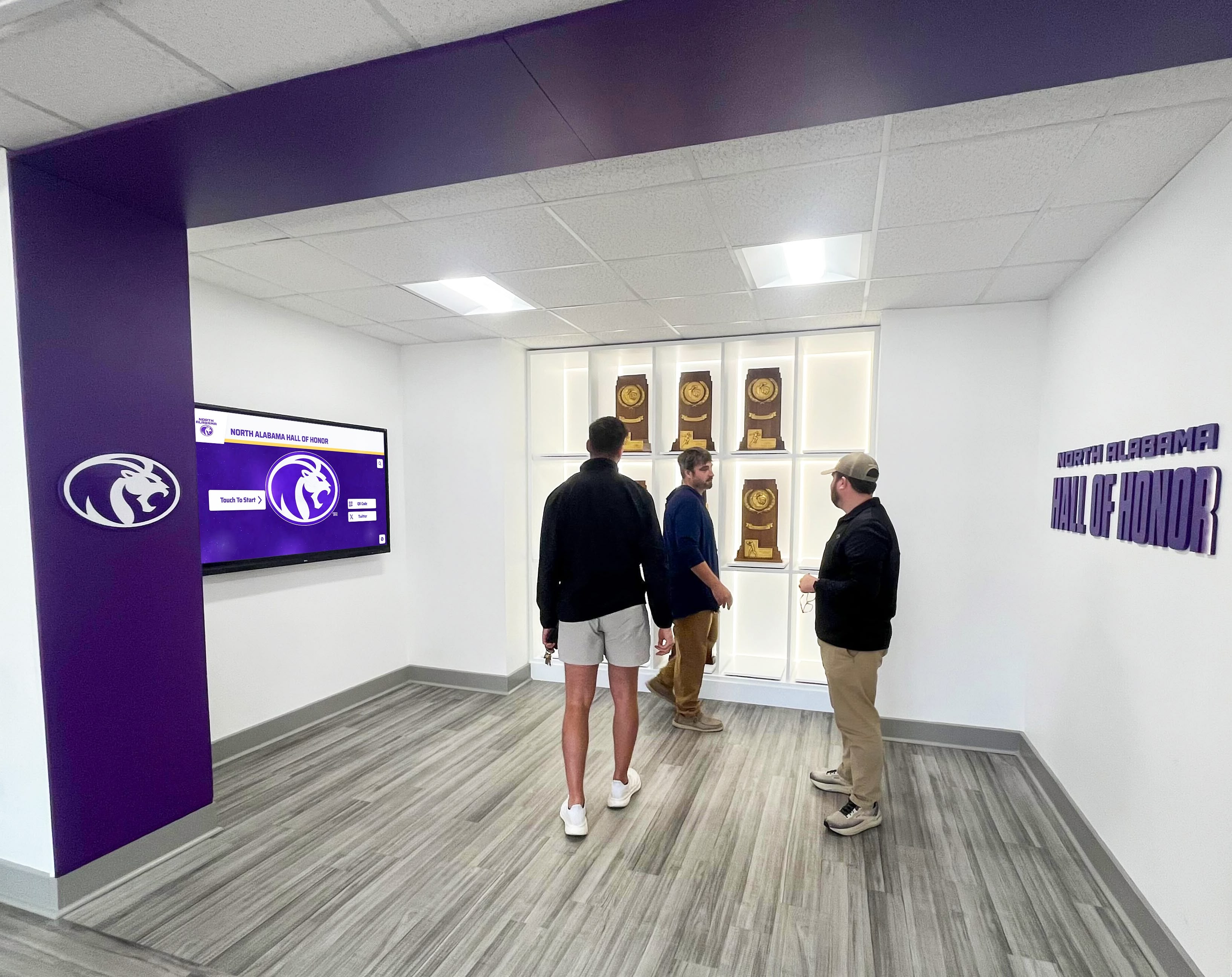
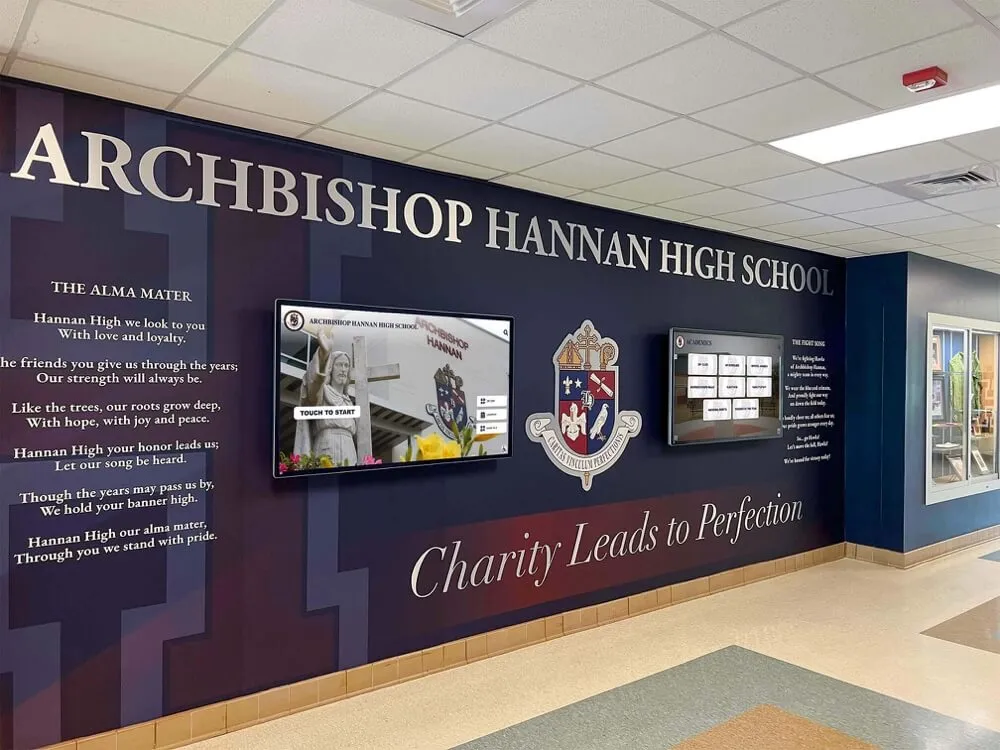
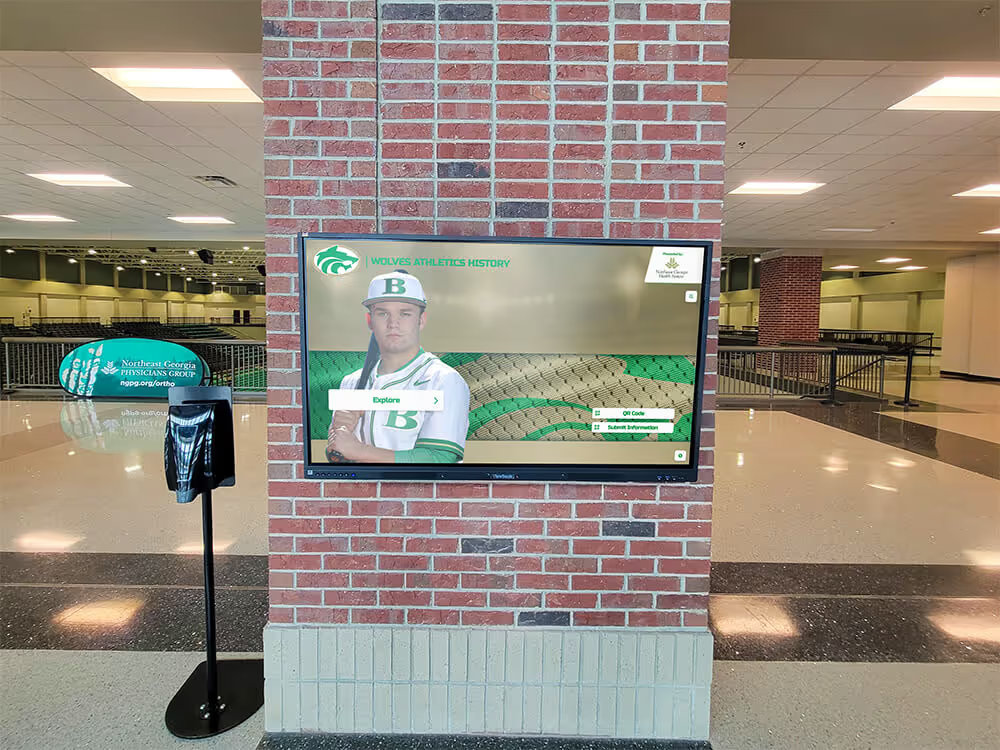
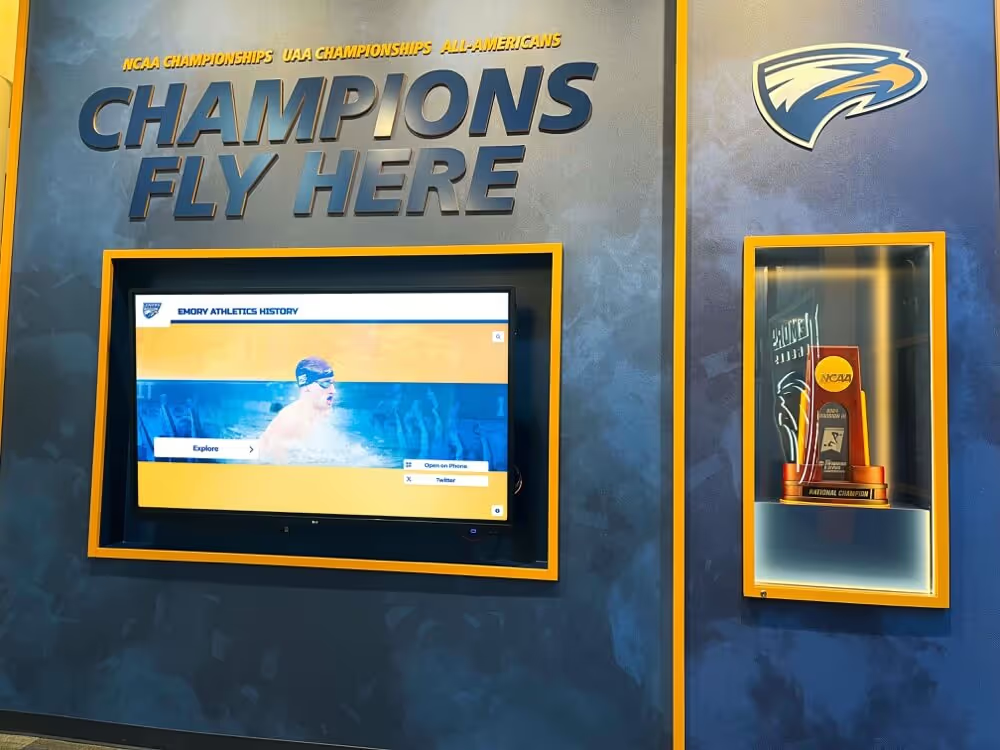
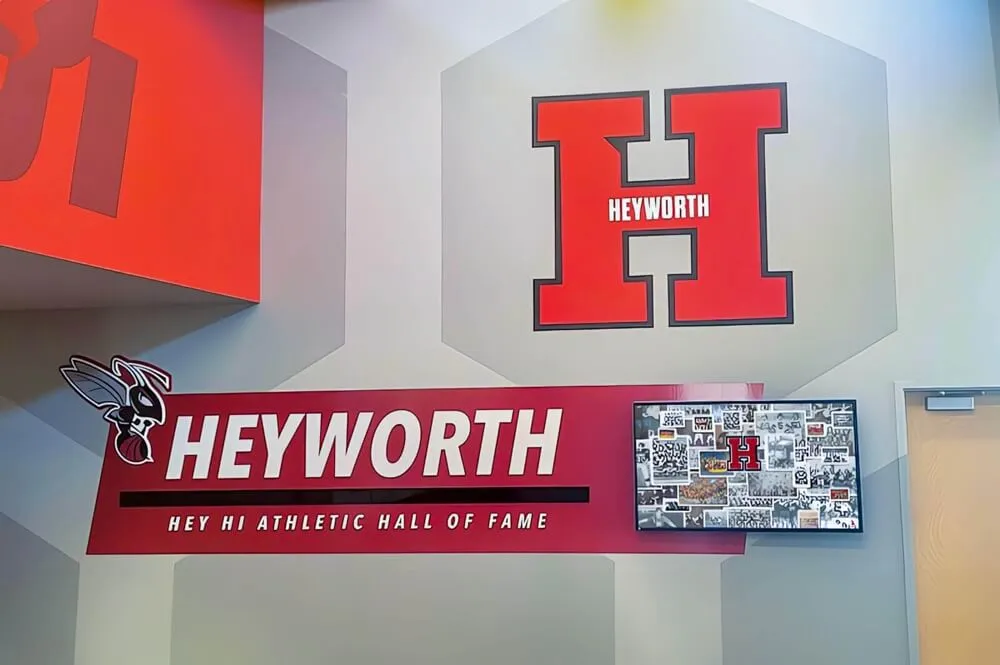
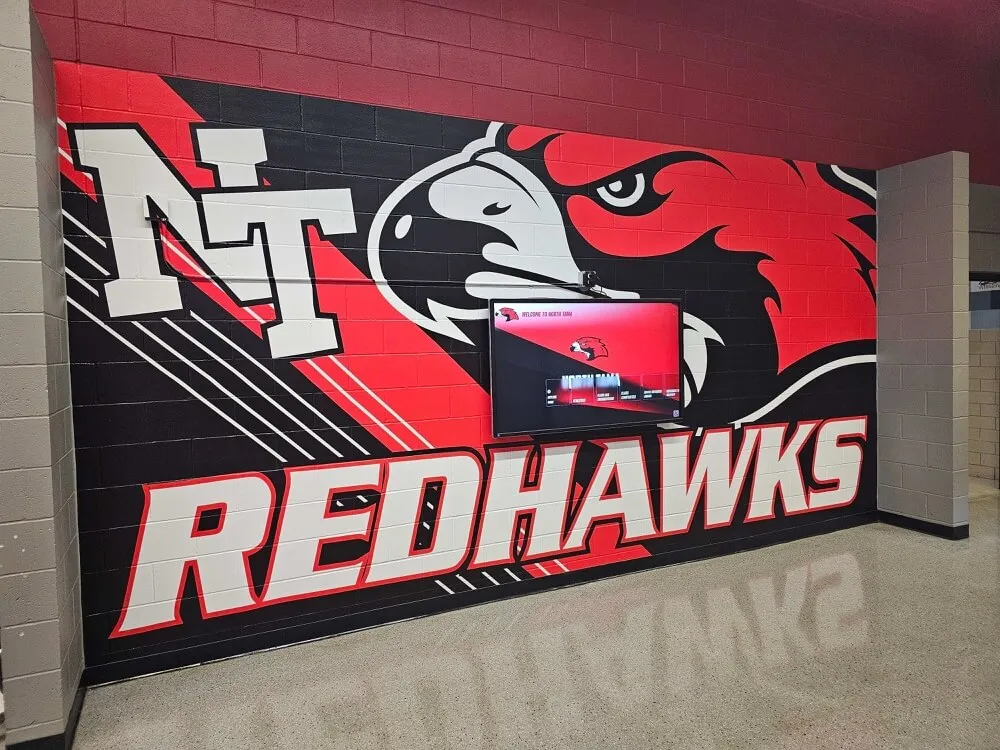
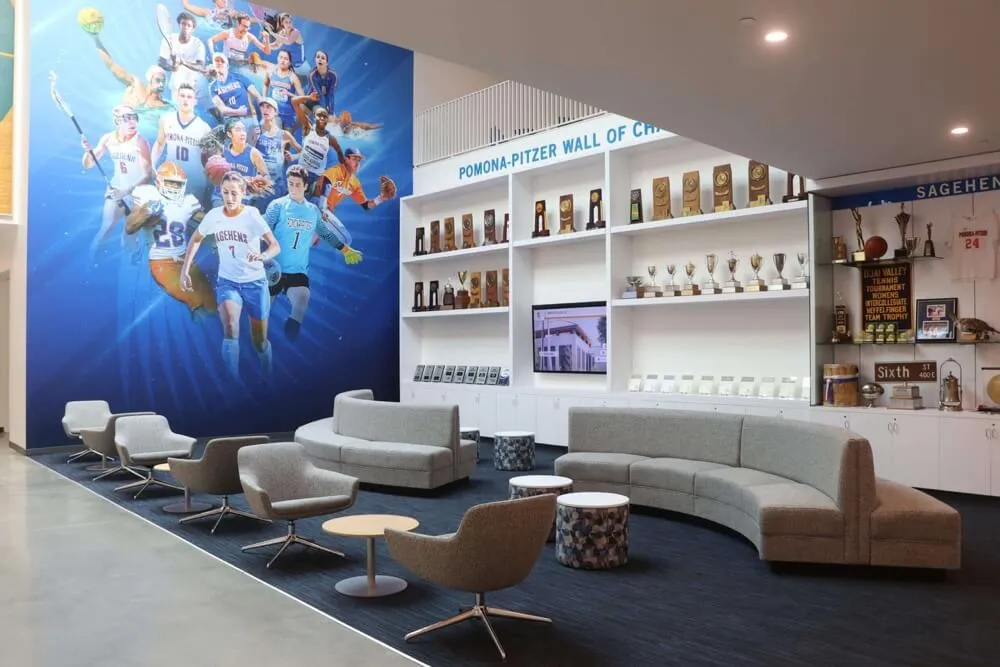
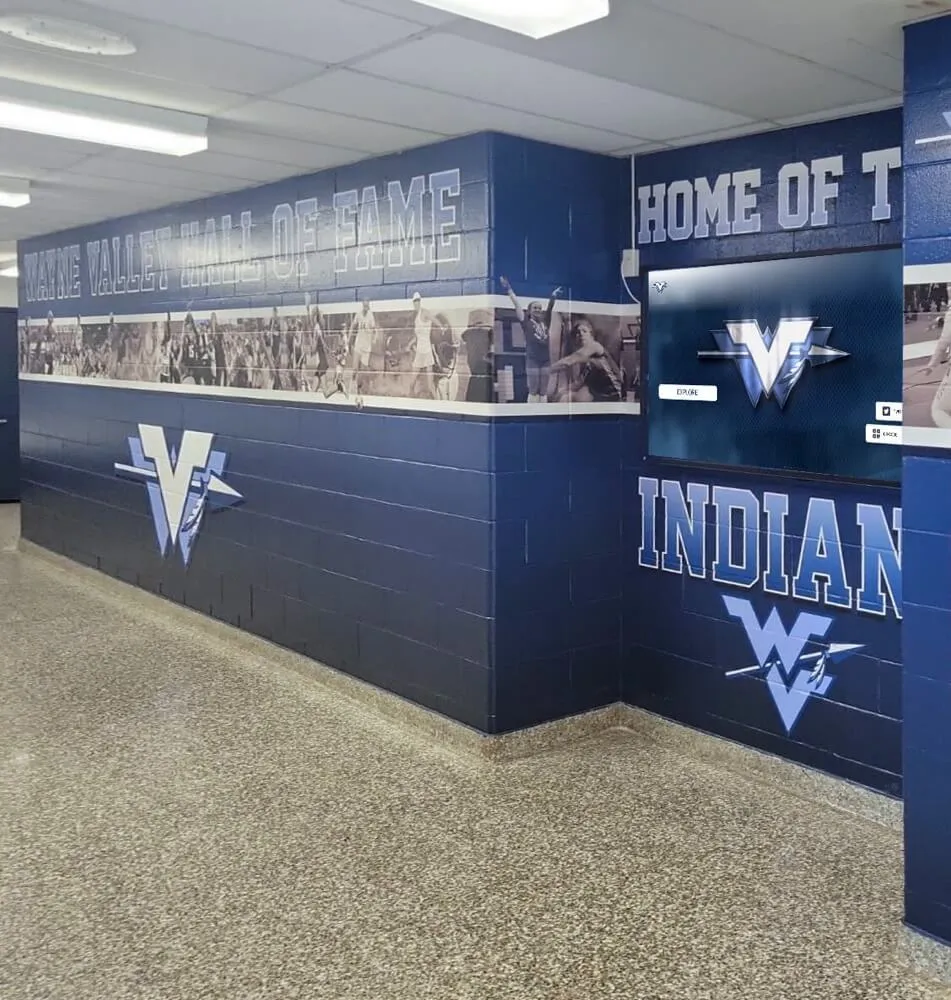
Dedicated alumni spaces create natural gathering opportunities around shared traditions and institutional pride
100 Alumni Event Ideas by Category
These 100 ideas span traditional formats, innovative approaches, and creative variations suitable for institutions of all sizes and budget levels.
Campus-Based Events (Ideas 1-20)
Campus events leverage physical institutional presence creating powerful emotional connections through familiar spaces and traditions.
1. Traditional Class Reunions Multi-day weekend gatherings for milestone graduation years (5th, 10th, 25th, 50th) including campus tours, formal dinners, and social activities. Schedule coordinated events enabling multiple classes to overlap while maintaining dedicated programming for each cohort.
2. Homecoming Weekend Alumni Activities Coordinate alumni programming around homecoming celebrations including pre-game tailgates, half-time recognition ceremonies, and post-game receptions. Create alumni-specific hospitality areas and coordinate with athletic events for maximum attendance.
3. Campus Building Tours and Dedication Ceremonies Showcase new facilities, renovations, or dedicated spaces honoring major donors. Invite alumni who contributed to capital campaigns or have strong connections to programs housed in new buildings. Include interactive demonstrations and student presentations.
4. Alumni Welcome Back Days Open-door events inviting all alumni back to campus without formal structure. Provide self-guided tour materials, open classrooms and facilities for exploration, and casual gathering spaces where alumni can reconnect organically.
5. Athletic Hall of Fame Induction Ceremonies Annual or biennial events honoring distinguished former athletes with formal induction dinners, campus recognition installations, and half-time ceremonies during athletic competitions. Document proceedings with professional photography and video.
6. Behind-the-Scenes Campus Access Events Exclusive tours of normally restricted areas—research laboratories, observatory facilities, performing arts technical spaces, athletic training facilities, or library special collections. Provide expert guides explaining operations and recent developments.
7. Faculty Lecture Series for Alumni Quarterly academic programs featuring faculty presenting research, industry trends, or intellectual topics to alumni audiences. Create accessible presentations balancing scholarly rigor with general audience engagement. Enable Q&A dialogue between faculty and professionally accomplished graduates.
8. Alumni Career Panels and Professional Development Workshops Campus programs connecting recent graduates and current students with established alumni professionals. Organize by industry or function (marketing, finance, healthcare, nonprofit) enabling targeted networking and specific career guidance.
9. Family Weekend Alumni Programming Coordinate alumni events with family weekends when current students’ families visit campus. Create opportunities for alumni parents of current students to connect while enabling prospective families to envision future alumni community involvement.
10. Alumni Volunteer Days Organize service projects improving campus facilities or supporting community partners. Projects might include landscape beautification, facility painting, student mentorship programs, or off-campus community service in partnership with local organizations.
11. Library Archive Exploration Events Special access to institutional archives, historical collections, and yearbook collections. Enable alumni to explore materials from their enrollment era and discover institutional history. Consider digitization demonstrations showing preservation work.
12. Athletic Scrimmages and Alumni Games Organize friendly competitions between current teams and alumni players in basketball, soccer, volleyball, or other sports. Create festive atmosphere with announcements, refreshments, and recognition of participating alumni.
13. Performing Arts Showcases Featuring Alumni Artists Invite alumni working in music, theatre, dance, or visual arts to perform or exhibit on campus. Create professional showcases supporting alumni careers while inspiring current students with tangible career pathway examples.
14. Young Alumni Networking Nights Campus programs specifically targeting graduates from past 5-10 years with career networking, casual socializing, and informal mentorship connections. Create contemporary atmosphere reflecting young professional culture and preferences.
15. Grandparents and Legacies Events Programs celebrating multi-generational institutional relationships. Honor alumni whose children or grandchildren attend or have graduated. Share family stories and create special recognition for legacy families.
Explore comprehensive approaches in alumni event ideas guide with systematic engagement strategies.
16. Campus Scavenger Hunts Organized tours framed as competitions encouraging exploration of campus changes. Create challenges finding new buildings, updated facilities, or commemorative installations. Award prizes and share results at concluding reception.
17. President’s or Dean’s Breakfast Roundtables Small intimate gatherings enabling direct conversation between alumni and institutional leadership. Discuss strategic priorities, share alumni perspectives, and build relationships supporting advancement initiatives.
18. Science and Research Open Houses Showcase faculty research, student projects, and institutional innovation through demonstrations and presentations. Create accessible explanations of complex work and emphasize real-world impact and applications.
19. Agricultural or Environmental Field Days For institutions with agricultural programs, environmental centers, or outdoor education facilities, organize field experiences showcasing hands-on work, research plots, or environmental conservation efforts.
20. Historical Walking Tours with Alumni Docents Train alumni to lead specialized tours sharing institutional history, architecture, and significant locations. Particularly effective for long-tenured local alumni with deep institutional knowledge and engaging storytelling abilities.
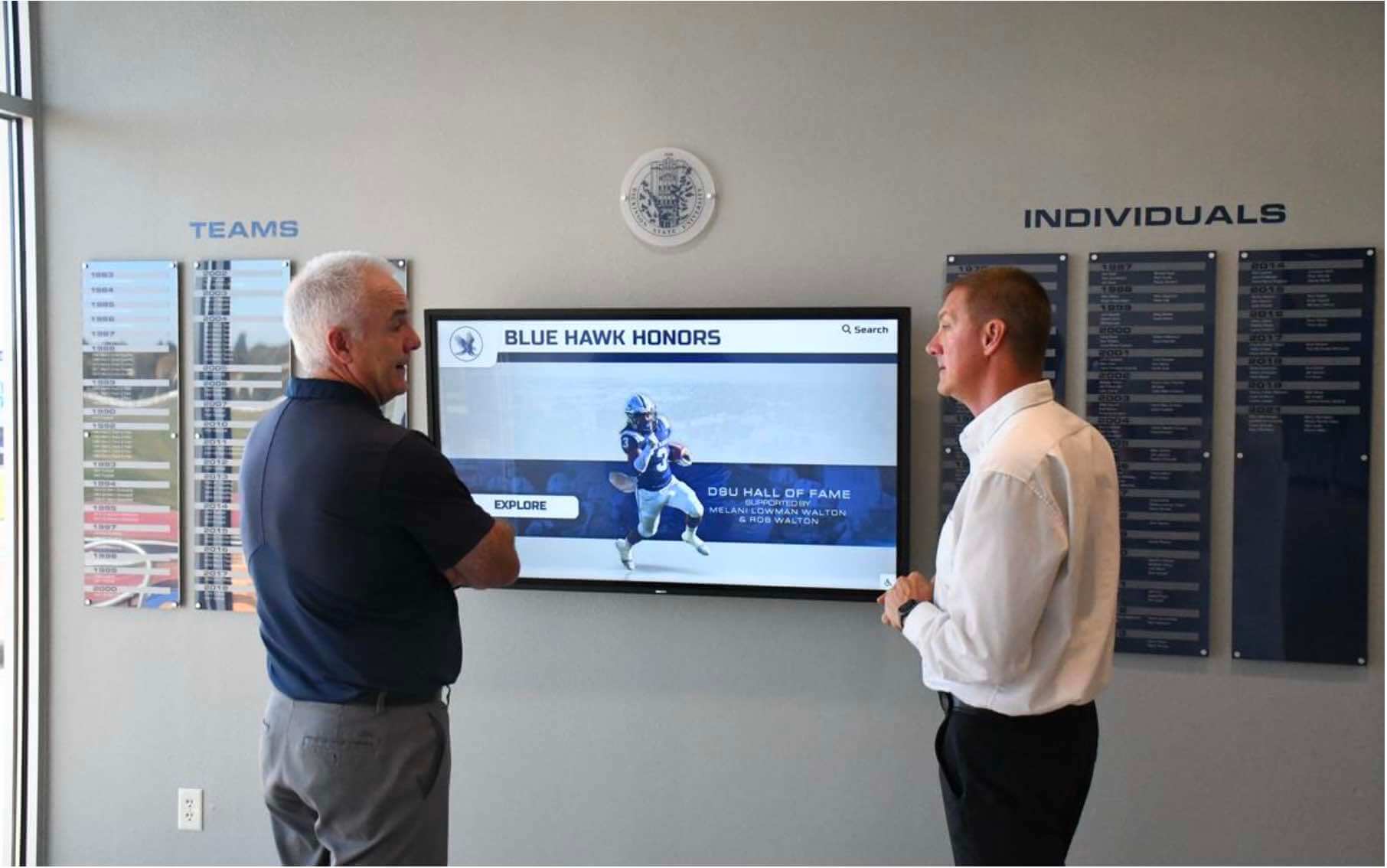
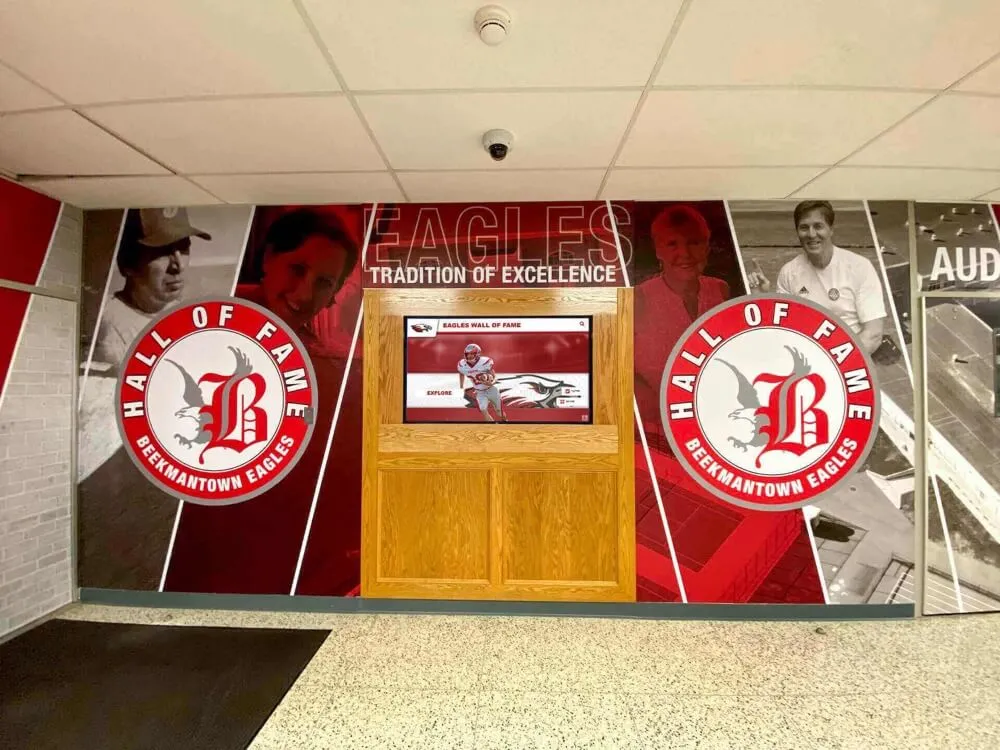
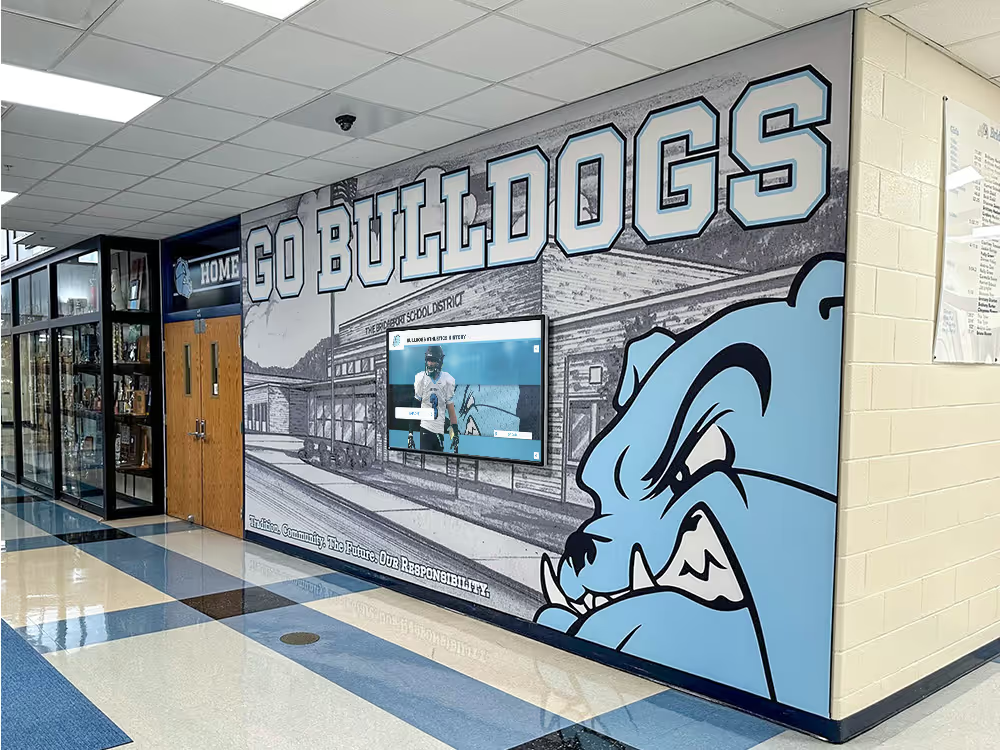
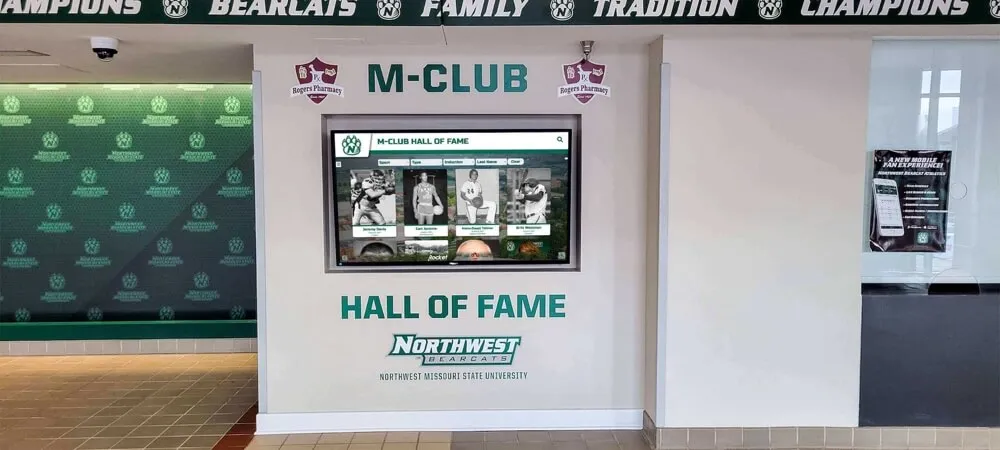
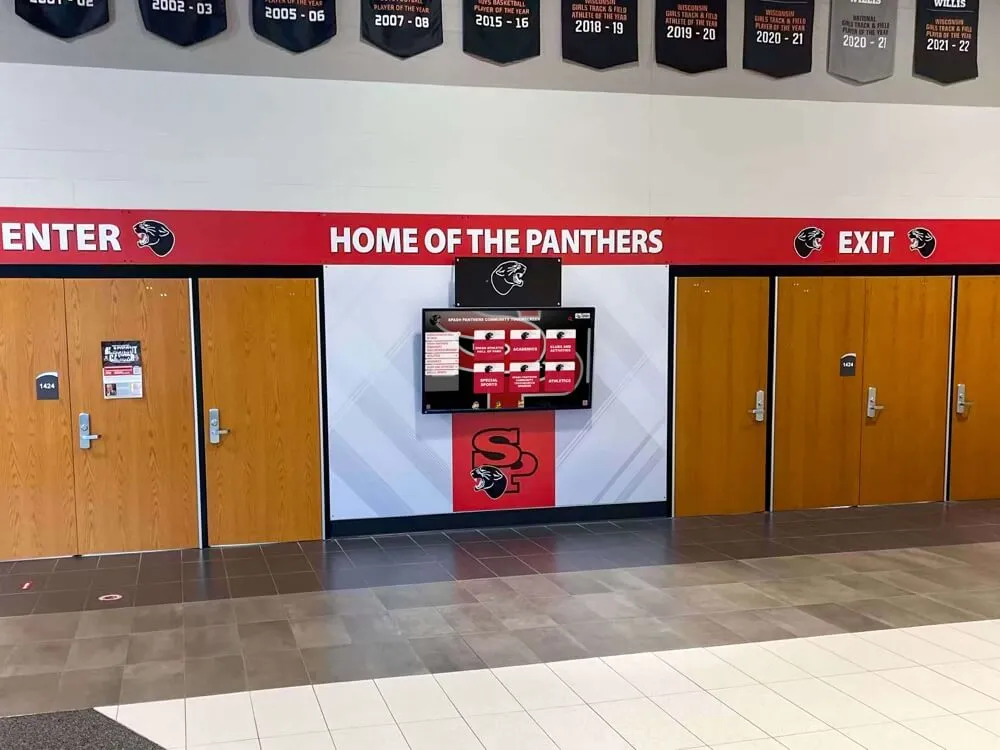
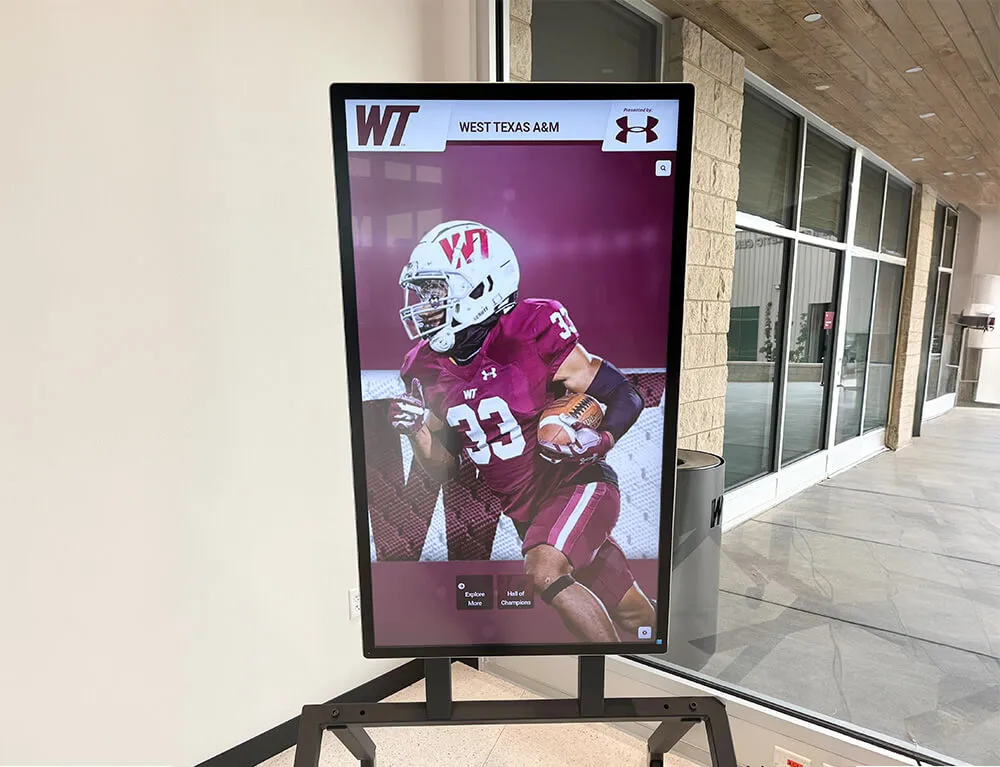
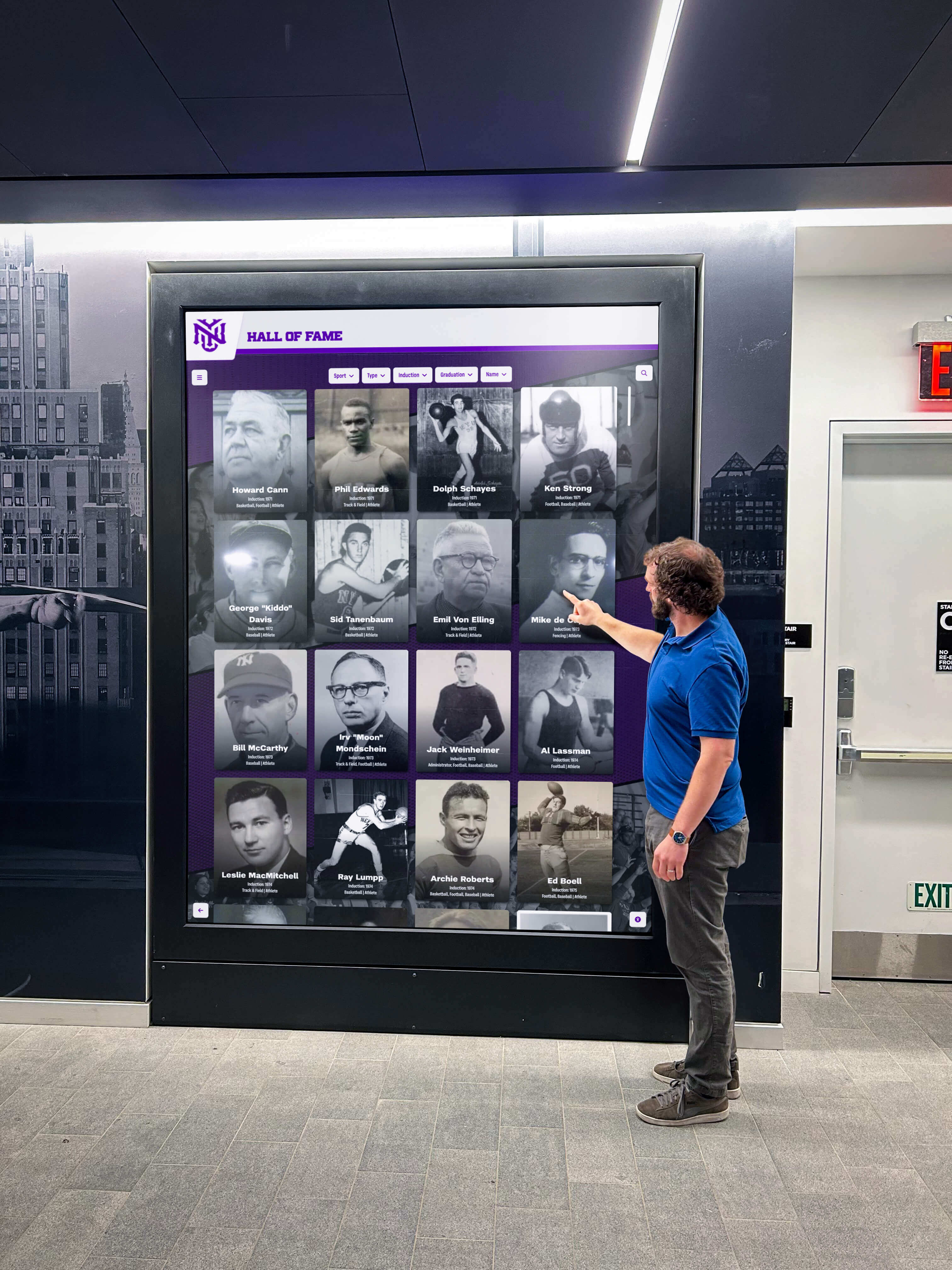
Interactive campus displays create natural conversation starters during alumni gatherings and reunion events
Regional and Off-Campus Events (Ideas 21-40)
Regional programming brings institutional presence to alumni where they live, dramatically expanding participation opportunities.
21. City-Based Alumni Chapter Socials Regular gatherings in major metropolitan areas with alumni concentrations. Host at restaurants, breweries, or cultural venues enabling convenient participation without campus travel. Vary locations across city regions to accommodate different neighborhoods.
22. Industry-Specific Networking Receptions Professional gatherings organized by career field rather than geography. Host at companies, co-working spaces, or professional association venues. Invite alumni working in finance, technology, healthcare, education, or other concentrated industries.
23. Alumni Watch Parties for Athletic Events Coordinate viewing gatherings at sports bars or alumni homes for major athletic competitions, championship games, or rivalry matchups. Create festive atmosphere with school colors, merchandise, and organized cheering.
24. Regional Volunteer Service Projects Organize local community service opportunities enabling alumni to give back while connecting with each other. Partner with Habitat for Humanity, food banks, environmental organizations, or educational nonprofits.
25. Professional Development Lunch-and-Learns Midday programs at convenient locations offering continuing education on relevant professional topics. Keep sessions 60-90 minutes respecting work schedule constraints while delivering valuable content.
26. Alumni Book Club Meetings Regular gatherings discussing books written by alumni authors, faculty members, or relevant to institutional mission. Meet at bookstores, coffee shops, or rotating alumni homes creating intimate intellectual community.
27. Regional Family Festivals Large-scale outdoor events welcoming alumni families with children. Include activities like carnival games, face painting, bounce houses, and food trucks creating multigenerational appeal and family-friendly engagement.
28. Wine Tasting and Brewery Tour Events Social gatherings at wineries, breweries, or distilleries particularly those owned by alumni. Combine tastings with networking in sophisticated social atmosphere. Consider educational components about production processes.
29. Theater and Cultural Outing Groups Coordinate group attendance at local performing arts, museums, or cultural events. Arrange group tickets, pre-event dinners, and post-show discussions. Rotate venue types ensuring diverse cultural experience offerings.
30. Regional Golf Tournaments and Sports Outings Organize golf scrambles, bowling leagues, tennis tournaments, or other recreational sports enabling friendly competition and extended networking. Create team formats mixing alumni from different graduation years and backgrounds.
31. Alumni Professional Speed Networking Structured networking events using rotating conversation formats enabling numerous brief connections. Particularly effective for career changers, job seekers, or entrepreneurs seeking diverse professional relationships.
32. Regional Recognition Ceremonies Hold formal award presentations in major metro areas honoring distinguished local alumni. Create locally convenient opportunities for honorees’ networks to attend without requiring campus travel.
33. Satellite Homecoming Celebrations For alumni unable to travel to campus for homecoming, organize simultaneous regional watch parties with coordinated schedules, live-streaming of campus events, and local celebration activities.
34. Company Tours and Workplace Visits Arrange behind-the-scenes access to workplaces of prominent alumni or major employers. Include presentations about company culture, career opportunities, and industry trends. Particularly valuable for career networking and student recruitment.
35. Regional Alumni Awards Banquets Formal dinners in major metropolitan areas recognizing distinguished alumni achievements. Create elegant recognition ceremonies without requiring campus travel. Invite honorees’ professional colleagues and family members.
Discover comprehensive strategies in virtual alumni event ideas for geographically dispersed graduates.
36. Food and Dining Club Events Organize progressive dinners, restaurant crawls, or cooking classes. Partner with alumni chefs or restaurant owners. Create culinary experiences differentiating programming from typical networking receptions.
37. Regional Leadership Symposiums Day-long professional development programs in major cities featuring keynote speakers, breakout sessions, and networking. Charge modest registration fees covering venue and catering while providing substantial educational value.
38. Alumni Hiking and Outdoor Adventure Groups Organize outdoor excursions like hiking, kayaking, or cycling for health-conscious alumni. Create regular outings building fitness-oriented community while exploring natural areas.
39. International Alumni Gatherings For institutions with global alumni populations, organize international chapter events in major world cities. Coordinate with embassy or consulate contacts when possible and respect local customs and timing.
40. Alumni Shopping and Social Events Partner with retail venues, shopping districts, or alumni-owned businesses for special shopping events with exclusive discounts, trunk shows, or VIP access. Combine retail experience with social networking.
Virtual and Hybrid Events (Ideas 41-55)
Digital programming expands reach dramatically while accommodating busy schedules and global alumni distributions.
41. Virtual Happy Hours and Coffee Talks Short 60-minute video calls enabling nationwide or global participation. Keep casual and conversational with structured ice-breakers preventing awkward silence. Rotate timing across time zones.
42. Online Professional Development Webinars Educational programming delivered digitally eliminating travel barriers. Record sessions enabling on-demand viewing for those unable to attend live. Topics might include leadership development, industry trends, or skill-building workshops.
43. Virtual Campus Tours with Live Guides Real-time digital tours of campus facilities, new buildings, or special areas led by advancement staff or student ambassadors via video streaming. Enable remote alumni to “visit” campus without travel.
44. Online Fitness and Wellness Classes Virtual yoga, meditation, fitness classes, or wellness workshops led by alumni instructors or campus recreation staff. Create health-focused programming accessible from home gyms or offices.
45. Digital Game Nights and Trivia Competitions Use online platforms hosting trivia contests about institutional history, pop culture, or general knowledge. Create team competitions mixing alumni from different years and backgrounds. Award prizes to winners.
46. Virtual Book Talks with Alumni Authors Author presentations and Q&A sessions with alumni who have published books. Use video platforms enabling face-to-face interaction with writers discussing their work and creative processes.
47. Online Cooking and Mixology Classes Interactive culinary demonstrations teaching recipes or cocktail preparation. Send ingredient lists in advance enabling participants to cook along. Feature alumni chefs or institutional dining traditions.
48. Hybrid Reunion Experiences Major reunion events with in-person campus programming live-streamed to remote alumni. Enable geographically distant graduates to participate virtually in formal programs, speeches, and recognition ceremonies.
49. Virtual Networking Lounges Open-ended video meeting rooms where alumni can drop in for informal conversation during designated hours. Create different “rooms” for various topics or interest areas enabling self-selected groupings.
50. Digital Alumni Talent Shows Virtual performances showcasing alumni musicians, comedians, magicians, or other entertainers. Create variety show format with MC hosting and transitioning between acts.
51. Online Panel Discussions and Town Halls Topical discussions about current events, industry trends, or institutional strategic priorities. Feature alumni experts as panelists with audience Q&A opportunities.
52. Virtual Museum and Gallery Tours For alumni working in museums or galleries, arrange private digital tours of exhibitions with expert commentary. Provide behind-the-scenes access to collections and conservation work.
53. Global Alumni Simultaneous Celebrations Coordinate timing across time zones for major announcements or celebrations. Create shared experience despite geographic dispersion through coordinated live-streaming and social media engagement.
54. Digital Mentorship Speed Matching Virtual events pairing current students with alumni mentors through brief introduction meetings. Use breakout rooms enabling multiple quick conversations before participants request ongoing relationships.
55. Online Class Reunion Video Compilations For milestone reunion years, create video montages combining submitted footage from classmates with narration and music. Share digitally enabling all class members to experience reunion regardless of attendance.
Learn about technology implementation in interactive touchscreen displays guide supporting virtual and hybrid events.
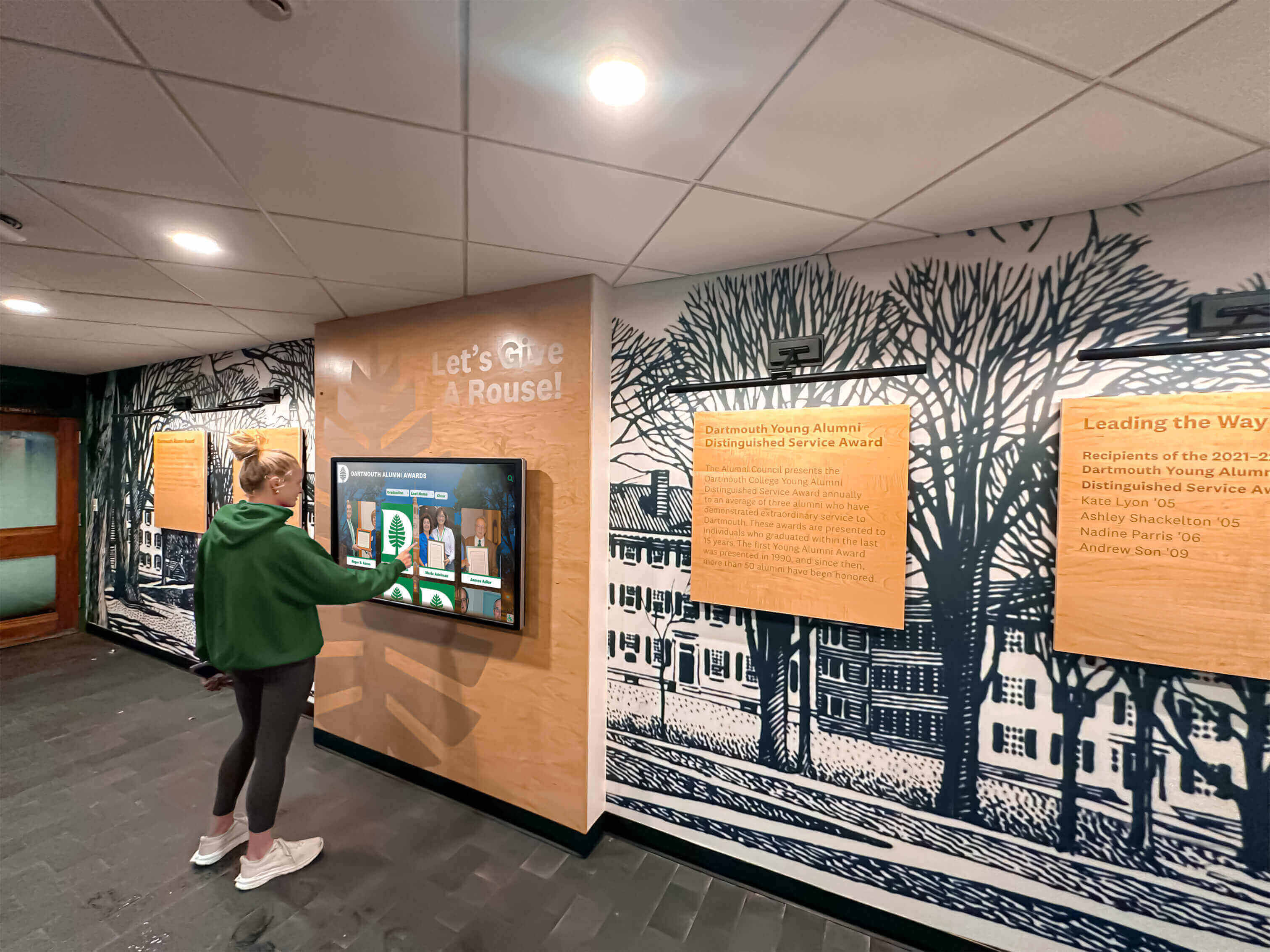
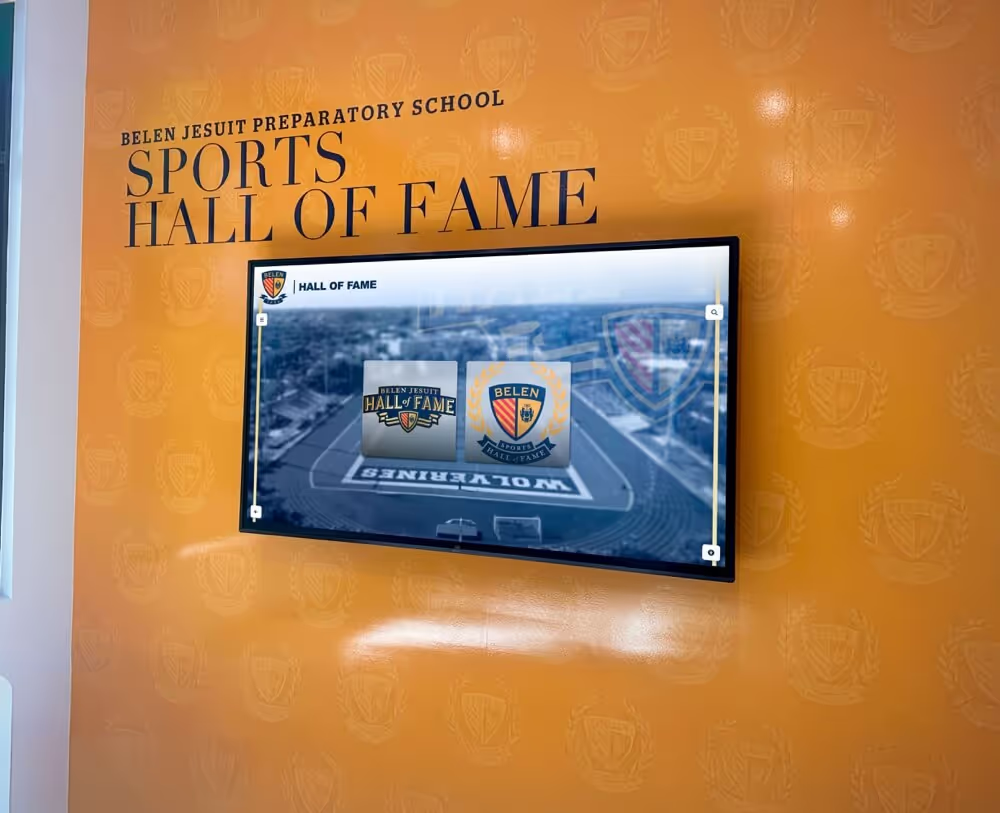
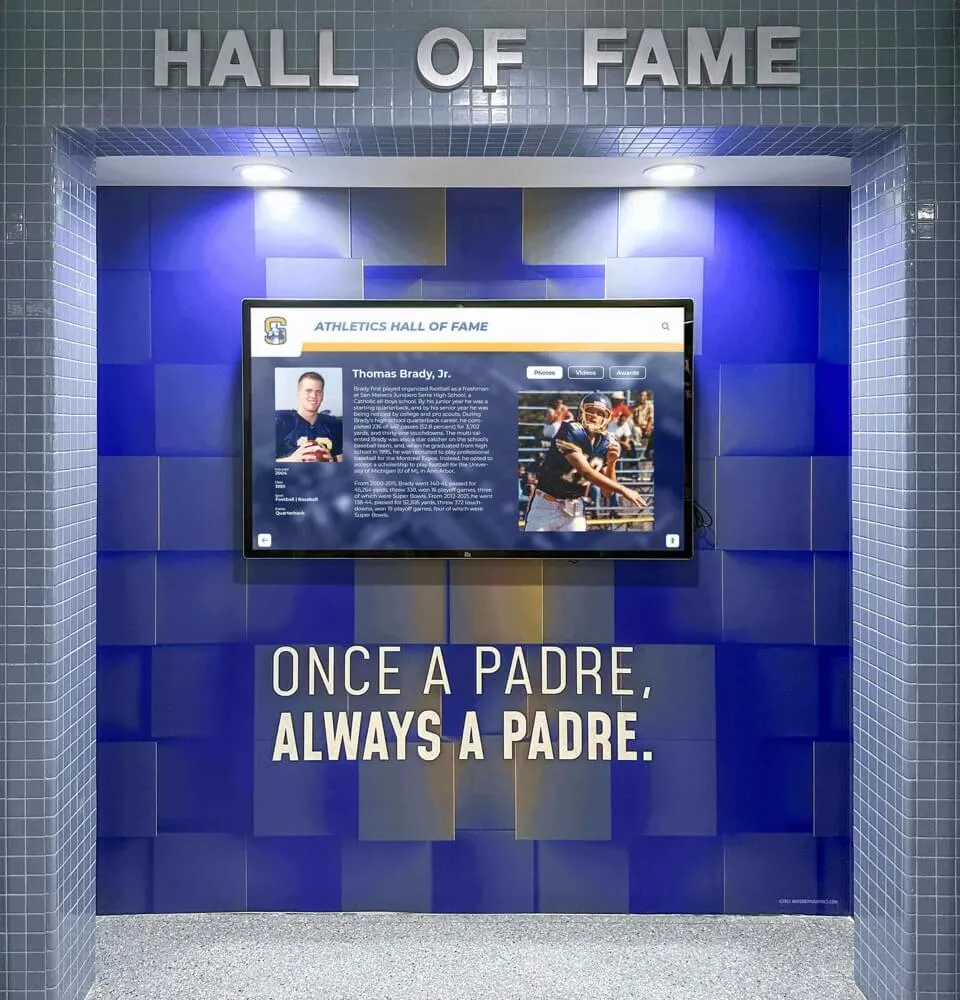
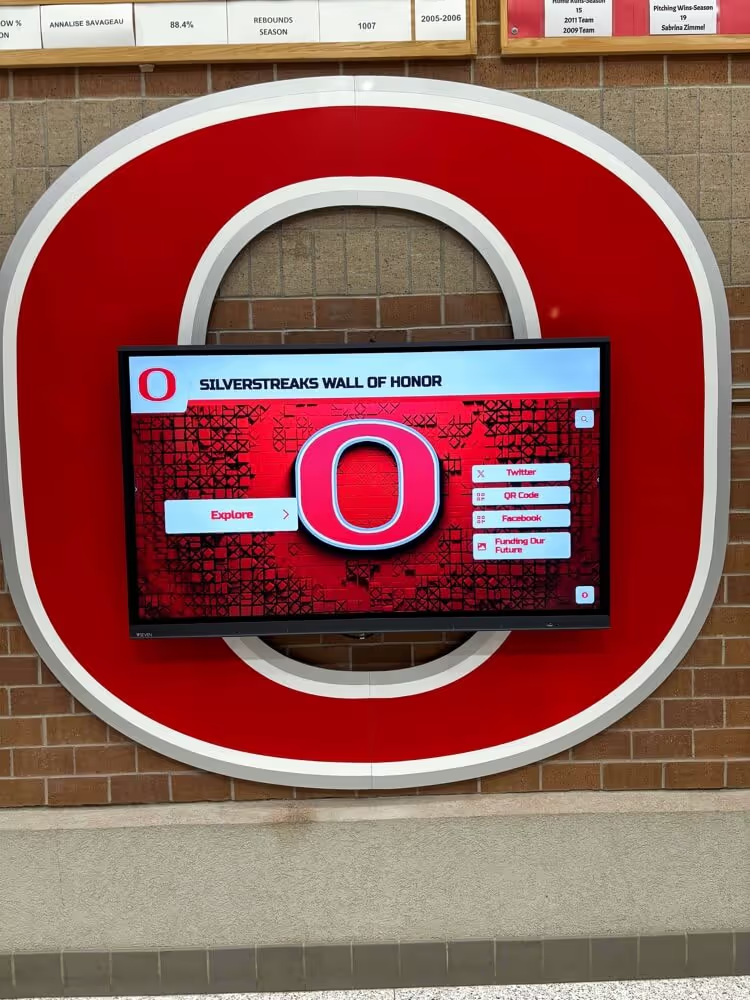
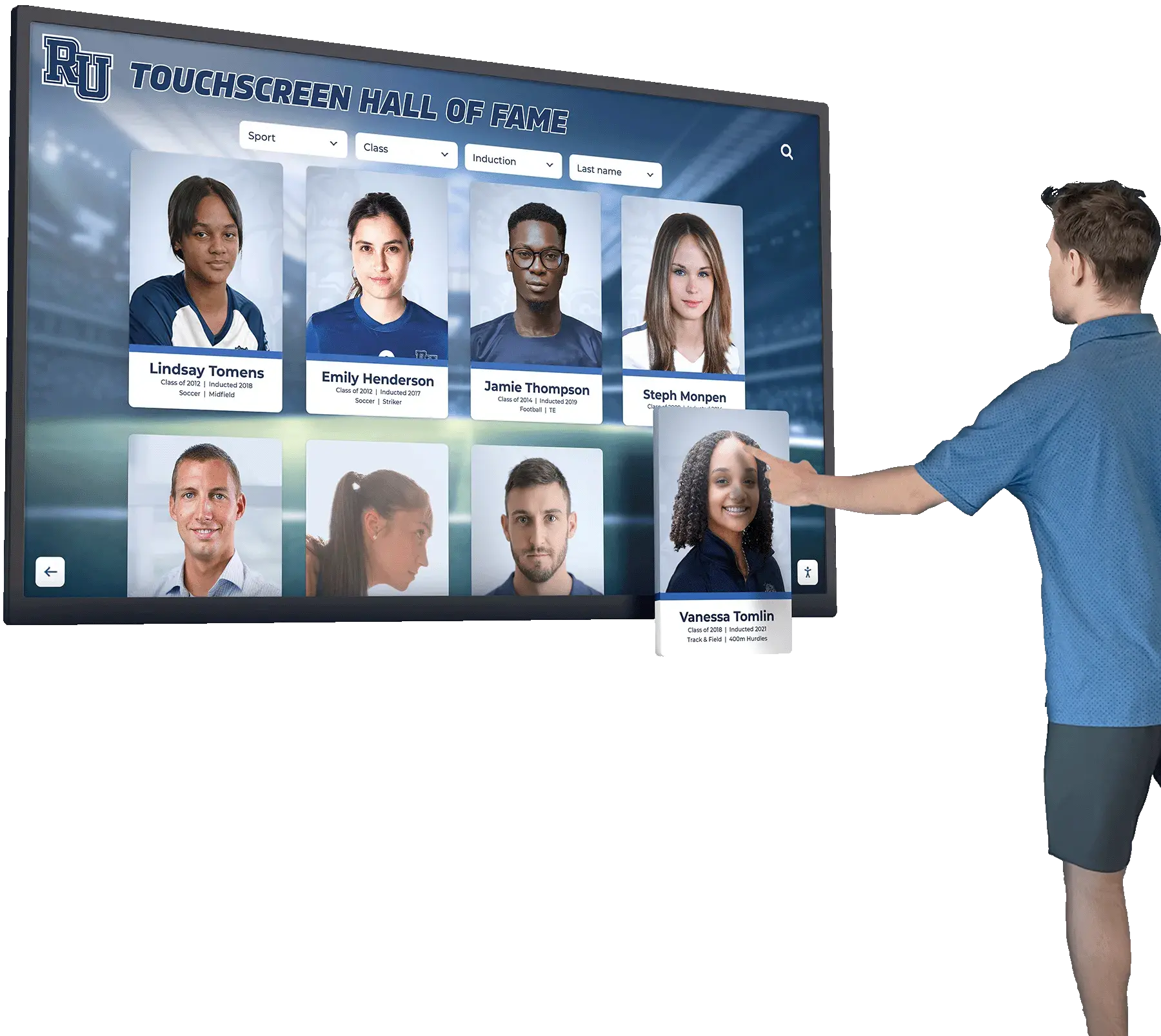
Technology platforms enable both in-person and remote alumni to explore recognition content and stay connected
Career and Professional Development Events (Ideas 56-70)
Career-focused programming delivers tangible value attracting professionally motivated alumni while supporting current students.
56. Mock Interview Marathons Organize volunteer days where alumni conduct practice interviews with current students. Provide realistic interview experience while enabling alumni to contribute expertise meaningfully.
57. Resume and LinkedIn Profile Review Sessions Offer alumni expertise reviewing resumes, LinkedIn profiles, and professional materials for students and recent graduates. Provide actionable feedback improving career search effectiveness.
58. Industry Insider Panel Series Quarterly panels featuring alumni working in specific industries discussing career pathways, daily responsibilities, and industry outlook. Enable students to learn about fields they’re considering.
59. Salary Negotiation and Career Advancement Workshops Professional development programming teaching negotiation skills, career progression strategies, and workplace navigation. Address topics relevant across career stages from entry-level to executive.
60. Entrepreneurship and Startup Showcases Events highlighting alumni entrepreneurs, startup founders, and business owners. Include pitch competitions, funding discussions, and networking with investors and advisors.
61. Alumni Career Fairs and Recruiting Events Formal recruiting events where alumni employers meet current students and recent graduates. Provide resume distribution, on-site interviews, and direct pathway to employment opportunities.
62. Personal Branding and Social Media Workshops Contemporary career development addressing digital presence, personal branding, and professional social media strategy. Particularly relevant for young alumni navigating career establishment.
63. Executive Coaching and Leadership Development Programs Advanced professional development for mid-career and senior alumni. Charge registration fees supporting comprehensive multi-session programs with credential components.
64. Career Change Support Groups Peer support programming for alumni navigating career transitions. Create safe spaces sharing challenges, resources, and encouragement during uncertain professional periods.
65. Professional Certification Study Groups Organize group study programs for alumni pursuing professional certifications (CPA, PMP, various licenses). Share study materials, accountability, and encouragement throughout preparation periods.
66. Board Service and Nonprofit Leadership Training Professional development preparing alumni for board service, nonprofit governance, and volunteer leadership roles. Address fiduciary responsibilities, strategic oversight, and effective governance.
67. Public Speaking and Presentation Skills Workshops Hands-on workshops improving communication skills critical across professions. Provide practice opportunities with video recording and constructive peer feedback.
68. Financial Planning and Wealth Management Seminars Educational programming addressing personal finance topics like retirement planning, investment strategies, tax optimization, and estate planning. Partner with alumni financial advisors for expert presentations.
69. Alumni Mentor Training Sessions Prepare alumni to serve as effective mentors through structured training covering active listening, boundary setting, goal setting, and developmental relationships. Improve mentor program quality and outcomes.
70. Industry Conference Watch Parties and Discussions For major industry conferences or keynote presentations, organize viewing parties with discussion groups. Enable alumni to engage with professional development content in community context.
Explore comprehensive approaches in alumni engagement strategies guide with career-focused programming frameworks.
Family and Social Events (Ideas 71-85)
Family-friendly and social programming creates inclusive engagement opportunities welcoming spouses, partners, and children.
71. Alumni Family Picnics and BBQs Outdoor gatherings with games, activities, and food appealing to all ages. Include bounce houses, face painting, lawn games, and casual socializing enabling families to connect.
72. Holiday Parties and Seasonal Celebrations Festive gatherings around holidays (Halloween, Thanksgiving, winter holidays) creating traditions alumni families anticipate annually. Include seasonal activities appropriate for children and adults.
73. Alumni Legacy Photo Sessions Professional photography events for alumni families particularly those with current students or multiple generations of graduates. Create keepsake images in campus locations for family archives.
74. Summer Camps and Youth Programs Camps for alumni children taught by faculty, students, or specialized instructors. Offer academic enrichment, sports camps, or arts programming creating positive early experiences with institution.
75. Alumni Kid’s College Days Programs exposing alumni children to campus life through age-appropriate activities, facility tours, and interactions with current students. Build future enrollment pipeline while engaging parent alumni.
76. Parent and Child Learning Activities Workshops teaching skills or knowledge to parent-child pairs. Topics might include coding, cooking, art, music, or science experiments enabling shared learning experiences.
77. Alumni Family Movie Nights Outdoor or indoor movie screenings with family-friendly films. Provide popcorn, comfortable seating, and casual atmosphere. Consider films with institutional connections or themes.
78. Family Athletic Events and Fun Runs Organize 5K runs, family relay races, or multi-sport competitions welcoming all skill levels and ages. Create non-competitive participation options alongside timed racing categories.
79. Multi-Generational Game Nights Bring together alumni families for board games, card tournaments, or interactive group games. Create inclusive activities spanning age ranges enabling genuine interaction.
80. Alumni Family Service Projects Volunteer opportunities designed for family participation. Projects might include park cleanup, food bank sorting, or community organization support enabling values-aligned family activities.
81. Holiday Craft Workshops for Families Seasonal craft-making sessions creating decorations, gifts, or keepsakes. Provide materials and instruction enabling families to complete projects taking home finished products.
82. Alumni Family Concert and Theater Outings Coordinate group attendance at family-friendly performances. Arrange discounted tickets and optional pre-show dinners creating complete evening experiences.
83. Storytelling and Reading Events Feature alumni children’s book authors reading their works. Include creative activities related to stories and opportunities for author meet-and-greets and book signings.
84. Family Adventure Days Organize trips to amusement parks, museums, zoos, or other family destinations. Arrange group tickets and transportation creating affordable outings while building community.
85. Daddy-Daughter and Mother-Son Events Special programs for specific parent-child combinations. Might include formal dances, sports outings, or special interest activities creating unique bonding experiences.
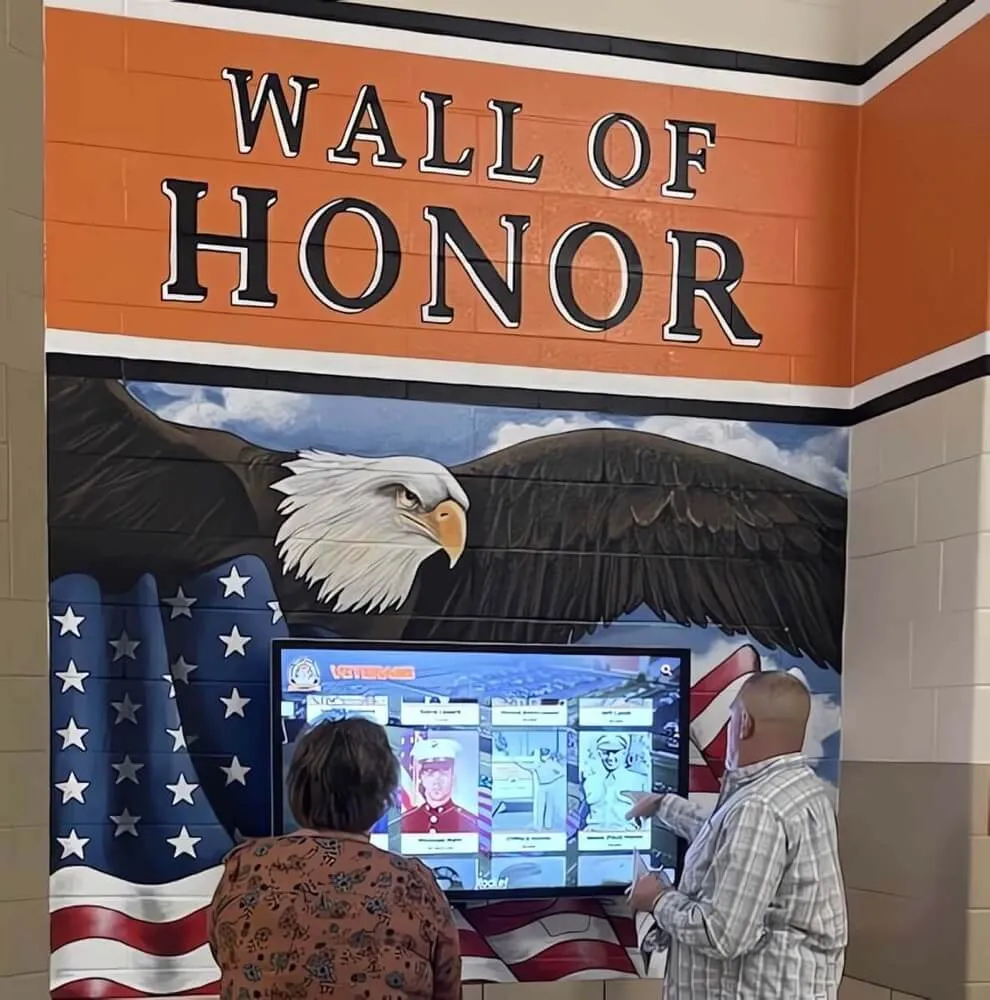
Welcoming campus environments encourage alumni to bring families and introduce next generation to institutional community
Affinity and Special Interest Events (Ideas 86-95)
Interest-based programming creates natural community bonds beyond simple shared graduation years.
86. LGBTQ+ Alumni Social Gatherings Programs specifically for LGBTQ+ alumni creating safe inclusive spaces. Build community among graduates who share identity and experiences potentially not celebrated during enrollment eras.
87. Alumni of Color Networking and Mentorship Programs Events serving Black, Latinx, Asian, Indigenous, and other alumni of color. Address unique professional experiences, celebrate cultural heritage, and build supportive networks.
88. First-Generation Alumni Celebrations Honor and connect alumni who were first in families to attend college. Share experiences, discuss unique challenges, and celebrate significant achievements often navigated without family guidance.
89. International and Global Alumni Networks Programming connecting alumni from specific countries or regions. Celebrate cultural heritage while building international institutional networks and supporting global alumni engagement.
90. Alumni Outdoors and Adventure Clubs Regular outings for outdoor enthusiasts interested in hiking, camping, climbing, or wilderness experiences. Create ongoing community through shared adventure and environmental appreciation.
91. Fine Arts and Creative Alumni Gatherings Events for alumni working in or passionate about visual arts, music, theater, dance, or creative writing. Include gallery visits, studio tours, performances, or creative workshops.
92. Business Owners and Entrepreneurs Network Programs specifically for alumni who own businesses or pursue entrepreneurial ventures. Facilitate peer advice, resource sharing, potential partnerships, and mutual support.
93. Alumni Military and Veterans Programs Events honoring alumni who served in military or currently serve in armed forces. Create community among veterans sharing unique experiences and challenges.
94. Greek Life and Fraternity/Sorority Alumni Events Programming for alumni of Greek organizations. Coordinate with national fraternity and sorority structures while building institutional connections across Greek system.
95. Faith-Based Alumni Fellowship Groups Gatherings for religiously observant alumni seeking community around shared faith traditions. Respect denominational diversity while creating spaces for spiritual connection.
Discover comprehensive strategies in high school reunion ideas guide with affinity programming frameworks.
Creative and Unconventional Events (Ideas 96-100)
Push beyond traditional formats with innovative programming creating memorable experiences distinguishing your institution.
96. Alumni Amazing Race Campus Competitions Create elaborate scavenger hunts modeled on reality competition shows. Include physical challenges, mental puzzles, and campus exploration requiring teamwork and problem-solving. Document with video and award substantial prizes.
97. Late-Night Campus Lock-Ins Overnight events transforming campus into adult playground. Include games, activities, food, and nostalgia-inducing experiences recapturing student life freedom with adult resources and planning.
98. Alumni Olympics Multi-Sport Tournaments Day-long athletic competitions with multiple sport options (volleyball, basketball, tug-of-war, relay races). Create team formats encouraging mixed ability levels and maximizing participation.
99. Interactive Murder Mystery Dinners Theatrical dining experiences with alumni as actors and audience. Set mysteries on campus or at institutional-themed venues. Professional entertainment company management ensures quality execution.
100. Alumni Time Capsule Ceremonies Create time capsules documenting current institutional state and alumni messages to future generations. Plan opening ceremonies decades later creating long-term event anticipation and engagement across generations.
Learn about recognition strategies in donor recognition examples guide applicable to alumni programming.

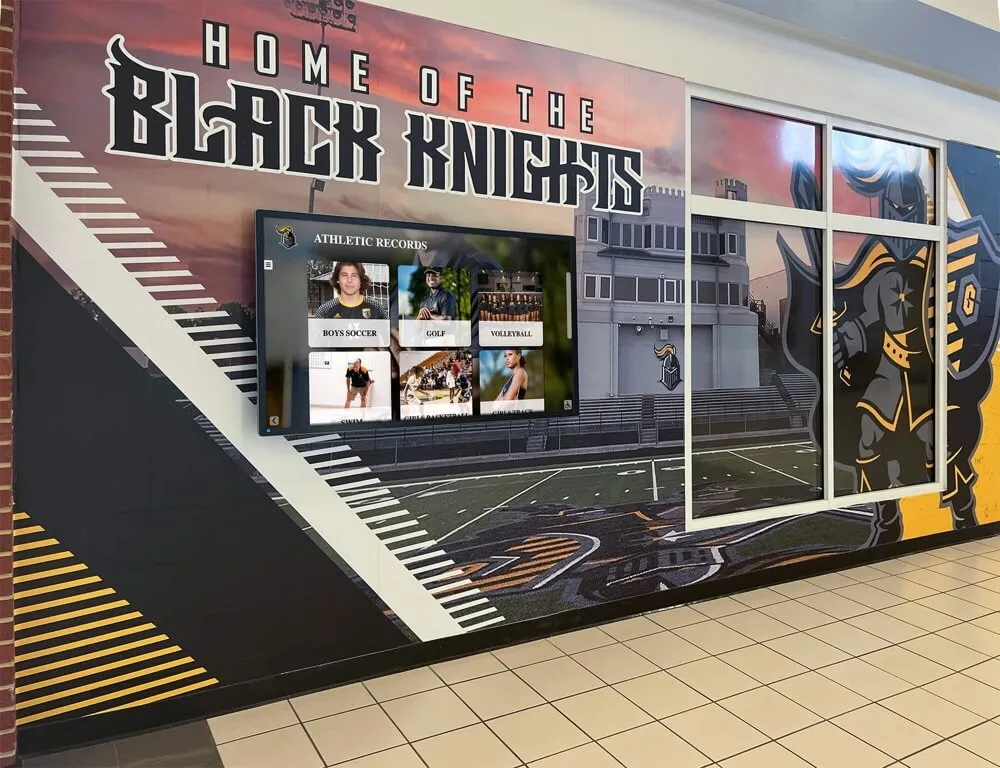
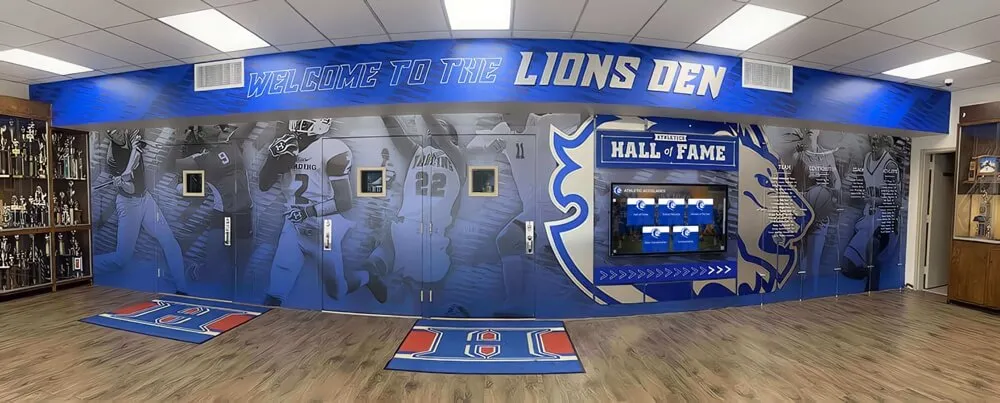
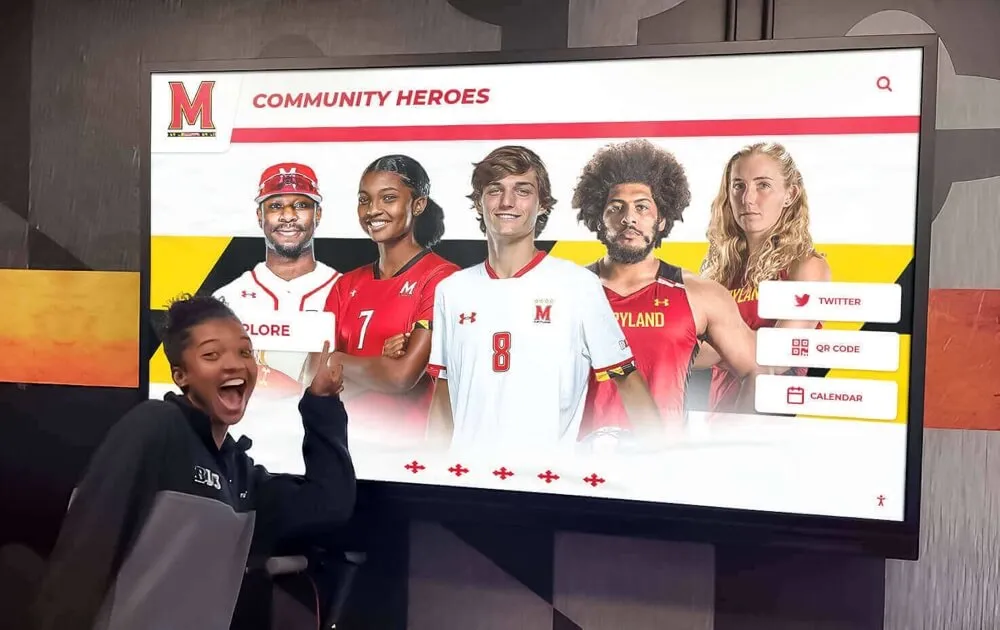
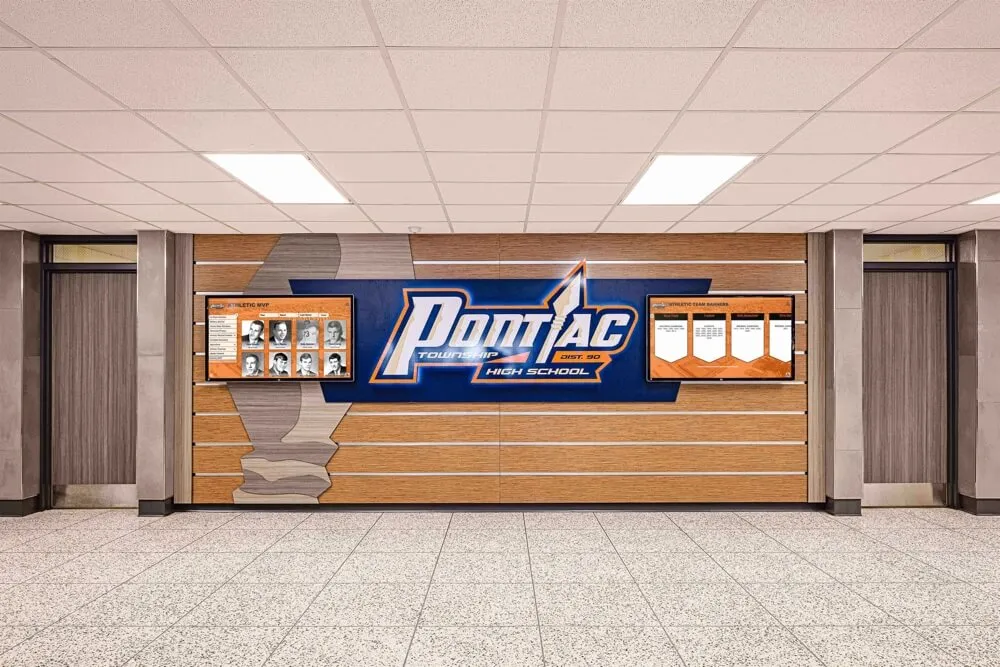
Creative recognition displays throughout campus create conversation starters and photo opportunities during alumni events
Implementing Successful Alumni Event Programs
Planning individual events represents only part of effective alumni engagement—sustainable programs require systematic approaches ensuring consistent quality and measurable outcomes.
Event Planning Essentials
Strategic Calendar Development
Create annual event calendars balancing different event types, timing, and locations. Consider alumni demographics ensuring programming serves diverse populations rather than repeatedly targeting same individuals. Plan 6-12 months ahead enabling early promotion and minimizing last-minute logistics challenges.
Coordinate with institutional calendars avoiding conflicts with major campus events, admissions activities, or advancement campaigns requiring staff attention. Balance campus-based and regional programming ensuring opportunities for both local and distant alumni.
Budget Development and Resource Allocation
Alumni events require realistic budgeting covering venues, catering, entertainment, promotional materials, technology, and staff time. Consider tiered event types from low-cost social gatherings to major investment signature programs creating portfolio balance.
Explore sponsorship opportunities where appropriate. Alumni-owned businesses might underwrite costs or provide in-kind contributions. Consider modest ticket prices for premium programming creating revenue supporting broader free programming portfolio.
Registration and Communication Systems
Implement professional event management platforms tracking registrations, payments, communications, and attendance. Automated systems reduce staff workload while providing better attendee experiences through timely confirmations and reminder communications.
Use segmented marketing ensuring relevant event promotion reaches appropriate alumni populations. Avoid generic blast communications that train alumni to ignore messages because most content proves irrelevant to their interests or circumstances.
Assessment and Continuous Improvement
Evaluate events systematically through attendance tracking, satisfaction surveys, engagement metrics, and advancement outcomes. Identify which programming generates strong participation and enthusiasm versus struggling with low interest despite promotional efforts.
Use data informing future programming decisions. Discontinue underperforming events while expanding successful formats. Test new ideas in pilot formats before committing substantial resources to unproven concepts.
Leveraging Technology for Enhanced Engagement
Modern technology dramatically expands alumni engagement capabilities while creating more convenient participation opportunities.
Interactive Recognition Displays
Digital platforms like Rocket Alumni Solutions transform traditional static recognition into dynamic interactive experiences. Touchscreen systems enable unlimited alumni profiles with comprehensive biographical information, photos, videos, and searchable databases helping attendees find classmates and friends.
These systems create natural gathering points during campus events where alumni explore achievements, share memories, and photograph recognition screens posting content to social media. Cloud-based platforms enable remote content management ensuring current information without physical display access.
Interactive displays integrate seamlessly into alumni event programming—graduation milestone classes explore their cohort’s collective achievements, athletic reunions feature sport-specific recognition, and distinguished alumni award ceremonies showcase honorees through multimedia presentations impossible with traditional plaques.
Solutions like Rocket Alumni Solutions provide specialized platforms designed specifically for educational institutions, delivering advantages over attempting to adapt generic digital signage systems lacking sophisticated alumni management features, comprehensive biographical profiles, intuitive navigation specifically designed for recognition exploration, and proven user interfaces refined through extensive institutional implementations.
Virtual Event Platforms and Hybrid Capabilities
Video conferencing tools enable programming reaching alumni regardless of location. Sophisticated platforms provide breakout rooms for small group conversations, polling and Q&A features engaging participants interactively, recording capabilities creating on-demand content archives, and screen sharing enabling presentations and multimedia content.
Hybrid events combining in-person and virtual attendance dramatically expand participation. Alumni unable to travel to campus or regional events participate remotely while those attending physically enjoy full experience. Technology creates inclusive programming respecting diverse circumstances and constraints.
Mobile Apps and Communication Tools
Alumni-specific mobile applications provide centralized platforms for event promotion, registration, networking, and engagement. Features include event calendars with one-click registration, push notifications about upcoming opportunities, alumni directories enabling connection, social feeds sharing photos and updates, and mobile access to recognition content explored beyond physical displays.
These platforms maintain engagement between events transforming occasional interactions into sustained relationships supported by regular digital touchpoints and communication.
Explore technology applications in digital alumni engagement guide with comprehensive implementation strategies.
Tailoring Events to Different Institution Types
While many event ideas translate across contexts, different institutional types benefit from customization reflecting unique characteristics and populations.
High Schools (Public, Private, and Charter)
High school alumni programs face unique challenges including younger alumni with limited professional resources, geographic dispersion as graduates leave hometowns for college and careers, competing loyalties with college alma maters often receiving primary engagement, and smaller individual class sizes limiting milestone reunion attendance.
Successful high school programming emphasizes accessible low-cost events minimizing financial barriers, frequent casual gatherings building sustained connection, homecoming integration leveraging existing campus gatherings, young alumni focus recognizing that engaged young graduates often remain engaged throughout lifetimes, and multigenerational programming welcoming families and building community across decades.
Private and charter schools often possess advantage of more defined identities and stronger institutional cultures creating passionate alumni attachment. Leverage distinctive missions, traditions, and educational philosophies differentiating institutions from public school alternatives.
Community and Junior Colleges
Two-year institutions face distinct challenges including commuter student populations with weaker campus connection compared to residential college experiences, transfer patterns where many students view institution as stepping stone to bachelor’s degrees, diverse age ranges including traditional students and adult learners pursuing career changes, and limited resources for advancement programming competing with enrollment and academic priorities.
Effective programming includes convenient locations near where alumni live and work, professional development emphasis delivering career value, celebration of transfer success and ultimate educational outcomes, recognition that community college represents crucial opportunity for many first-generation and economically disadvantaged students, and partnerships with four-year transfer destinations creating joint programming.
Four-Year Colleges and Universities
Comprehensive institutions possess richest alumni engagement opportunities due to larger populations, greater resources, stronger campus connections from residential experiences, and more established advancement infrastructure and traditions.
Programming portfolios should include diverse event types serving different populations (young alumni, geographic regions, professional fields, affinity groups), balance between campus-based and regional programming, significant signature events creating memorable anchor programming, continuous smaller-scale engagement maintaining regular touchpoints between major events, and professional advancement staff with specialized expertise coordinating complex programming calendars.
Graduate and Professional Schools
Advanced degree programs create distinct alumni communities often more connected to specific schools or departments than overall institutions. MBA programs, law schools, medical schools, and other graduate/professional programs typically maintain separate alumni organizations with specialized programming.
Successful approaches include sophisticated professional networking reflecting advanced career stages, specialized industry programming relevant to specific fields, exclusive access to institutional expertise and continuing education, recognition that graduate alumni often feel stronger connection to professional programs than undergraduate institutions, and premium programming justified by higher giving capacity among professionally accomplished populations.
Learn about comprehensive approaches in alumni relations program guide with institution-specific strategies.
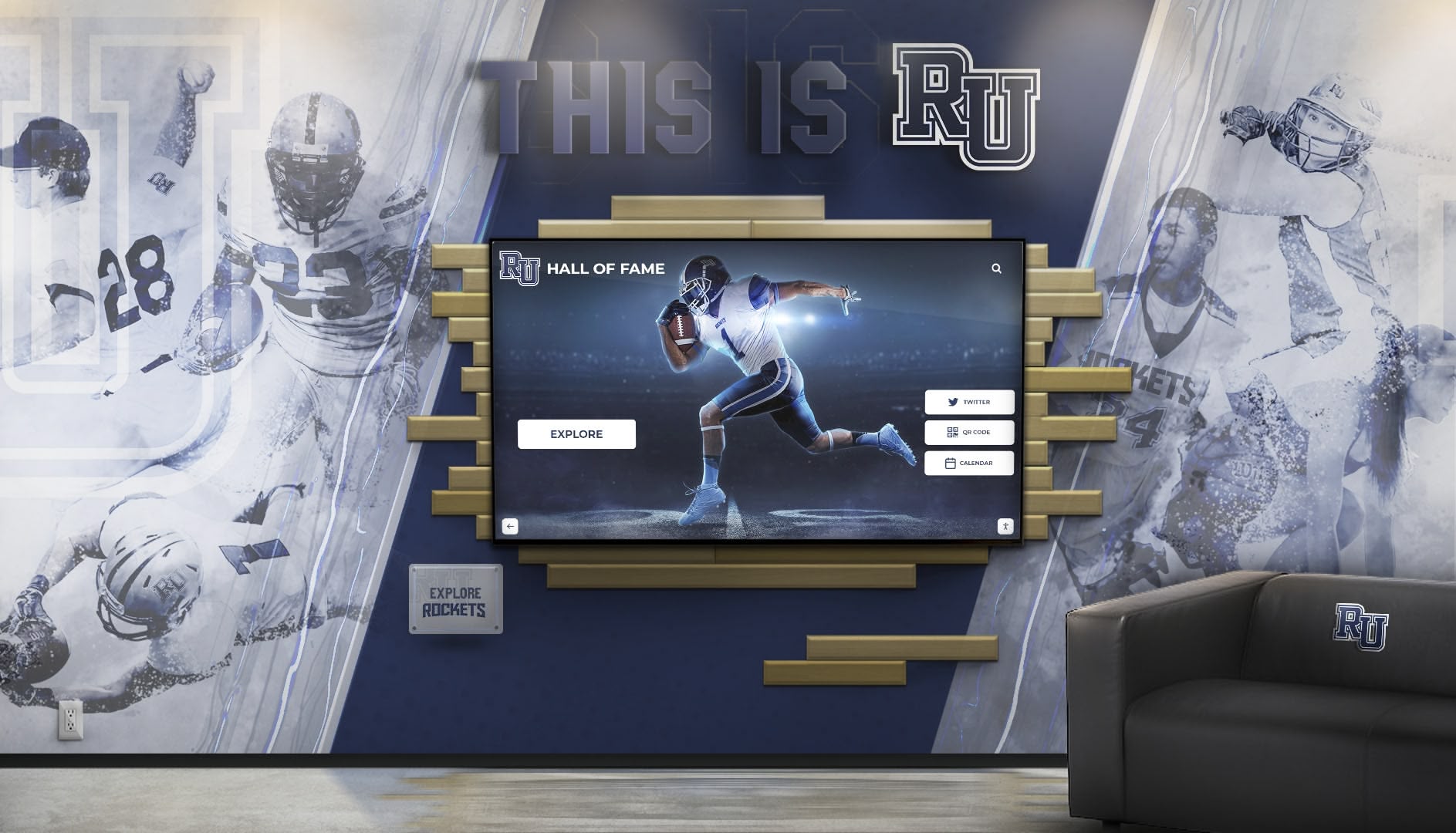
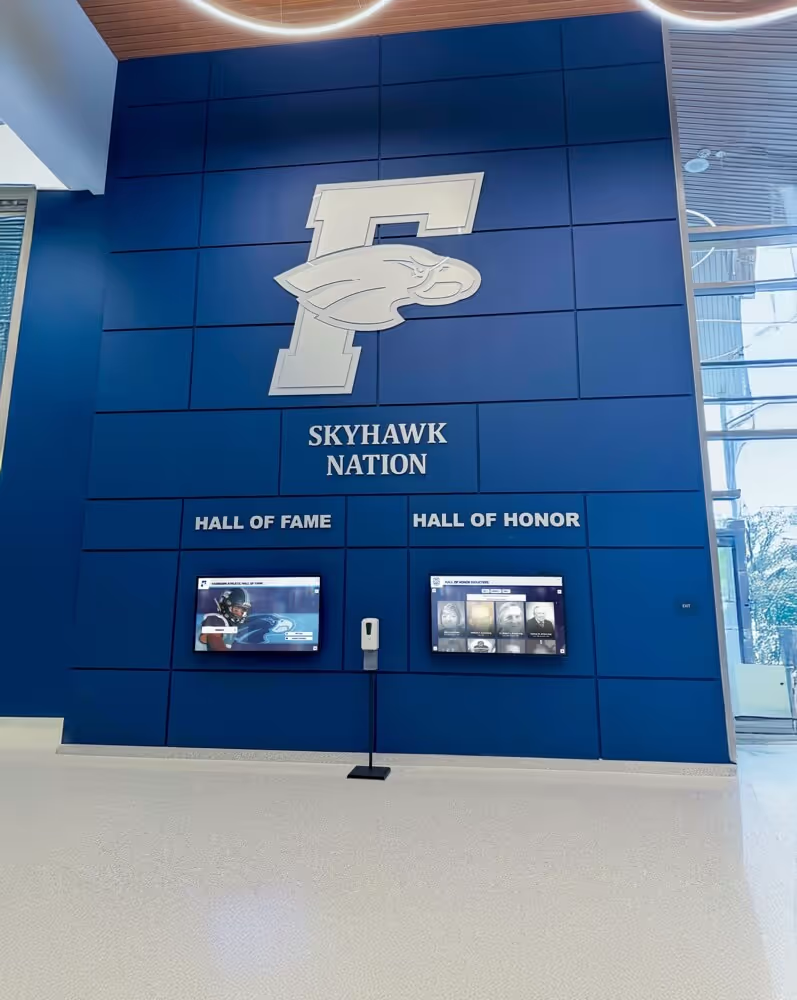
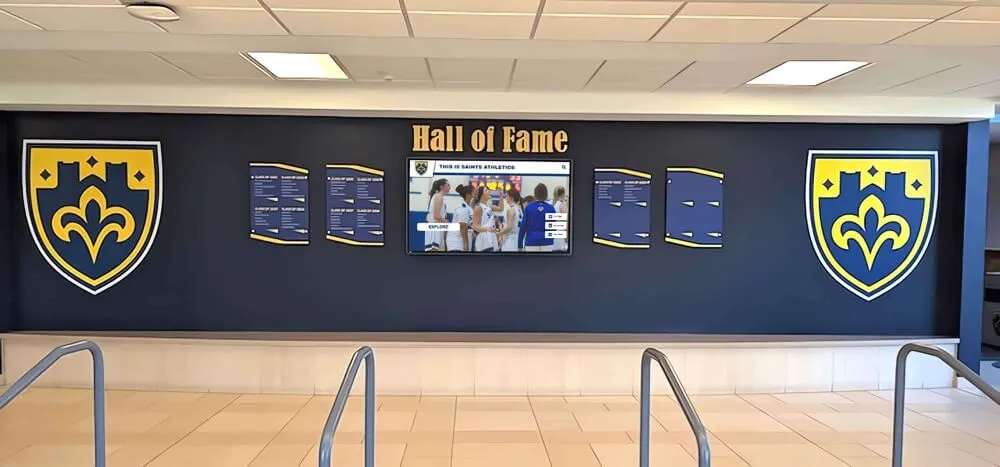
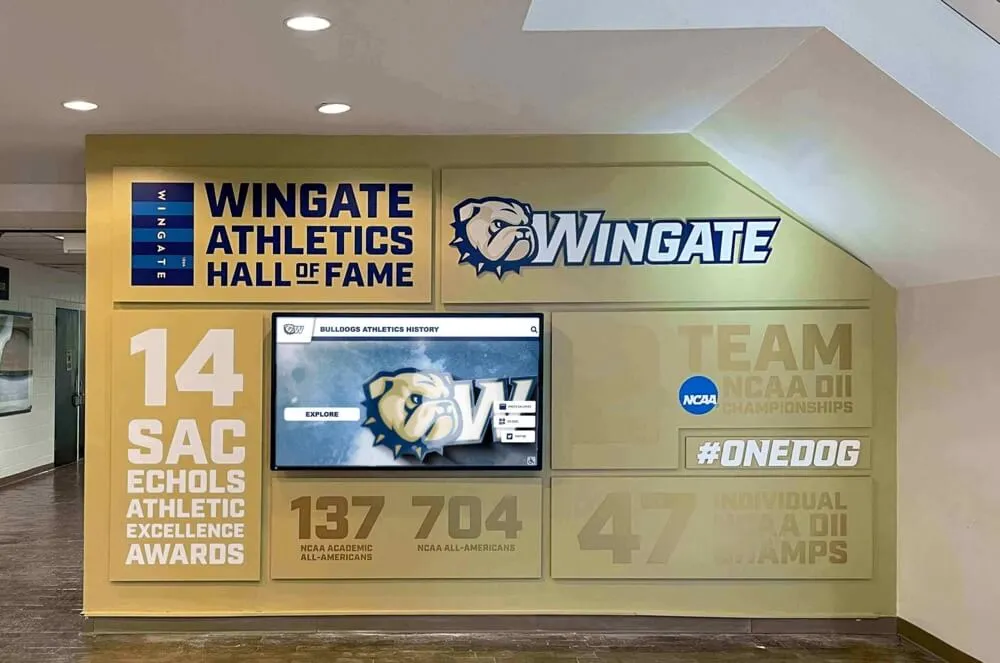
Strategic recognition installations transform institutional lobbies into destinations celebrating achievement and building pride
Measuring Alumni Event Success and ROI
Assessment demonstrates programming value while identifying improvement opportunities ensuring initiatives achieve intended objectives.
Quantitative Success Metrics
Track measurable indicators revealing participation patterns and trends including total attendance across all events, attendance per event by type and format, participation rates as percentage of eligible alumni populations, year-over-year growth or decline in attendance, geographic distribution of participating alumni, demographic breakdowns by graduation year and other characteristics, and cost per attendee calculating efficiency of resource deployment.
These metrics provide objective evidence of engagement levels while enabling comparisons revealing which programming generates strong participation versus struggling despite promotional efforts.
Qualitative Feedback and Satisfaction
Alumni perspectives provide insights beyond attendance numbers including post-event satisfaction surveys measuring experience quality, open-ended feedback identifying specific strengths and improvement opportunities, testimonials documenting transformative engagement experiences, focus groups exploring detailed programming preferences, and net promoter scores measuring willingness to recommend events to other alumni.
Understanding why alumni value certain programming helps institutions replicate success while addressing weaknesses preventing fuller engagement realization.
Advancement Outcomes and Institutional Impact
Ultimately, alumni engagement supports broader institutional objectives including increased donation rates and contribution amounts, expanded volunteer service in mentorship and governance, improved student recruitment through advocacy and interviewing, enhanced institutional reputation through professional accomplishments and community presence, stronger career outcomes through networking and employment connections, and sustained lifelong relationships supporting institutional excellence across all dimensions.
Track how event participation correlates with these outcomes demonstrating return on investment justifying continued programming resources and expansion.
Conclusion: Building Alumni Engagement That Lasts
Effective alumni event programming represents strategic investment in lifelong institutional relationships delivering enormous value across advancement, enrollment, reputation, and community dimensions. The 100 ideas explored throughout this comprehensive guide provide practical frameworks for building authentic connections at scale—from traditional reunion formats and innovative professional development to creative virtual programming and family-friendly social activities creating multiple engagement pathways matching diverse alumni preferences and circumstances.
The most successful institutions recognize that sustainable engagement requires authentic relationship-building rather than transactional interactions focused exclusively on fundraising solicitations. Alumni want genuine value from institutional connections—meaningful recognition celebrating achievements, career-relevant networking and professional development, opportunities to give back through mentorship and service, engaging communications providing interesting content, and inclusive programming accommodating diverse preferences and circumstances.
Transform Your Alumni Events with Interactive Recognition Technology
Discover how interactive touchscreen displays and comprehensive digital platforms enhance alumni events while celebrating graduate achievements. Rocket Alumni Solutions provides specialized systems designed specifically for educational institutions seeking to strengthen engagement through modern recognition technology that creates memorable experiences at reunions, homecoming events, and campus gatherings.
Explore Recognition SolutionsModern technology platforms enable engagement at scales impossible through traditional approaches. Interactive recognition displays create compelling event focal points celebrating unlimited alumni achievements while facilitating exploration and conversation. Mobile-accessible platforms extend engagement beyond physical events enabling participation regardless of geographic location. Comprehensive data systems personalize communications demonstrating institutional knowledge of individual graduates rather than generic mass messaging.
Start by assessing current alumni event programming—which activities generate strong attendance and enthusiasm versus struggling despite promotional efforts? What alumni populations remain underserved by existing programming? Where do opportunities exist for innovation differentiating your institution from countless competing organizations seeking alumni attention and involvement? What resources realistically support programming ambitions while maintaining quality and consistency?
Then implement systematically, beginning with foundational programming establishing reliable engagement rhythms before expanding to sophisticated initiatives requiring substantial resources. Test new ideas through pilot events evaluating response before committing ongoing resources. Measure consistently, tracking quantitative metrics and qualitative feedback revealing what works and what needs adjustment. Refine continuously based on evidence rather than assumptions about what alumni want or need.
Your alumni represent your institution’s most powerful advocates, valuable mentors for current students, and critical supporters enabling institutional excellence across every dimension. They deserve event programming honoring their achievements, respecting their time, and providing genuine value beyond constant solicitation. When you invest in strategic programming through the comprehensive ideas explored in this guide, you create sustained connections that strengthen institutional communities for generations while transforming occasional interactions into lifelong partnerships supporting shared success.
Ready to elevate your alumni event programming? Explore how Book a demo with Rocket Alumni Solutions can help you create exceptional recognition experiences enhancing events while building lasting engagement supporting advancement goals essential to sustained institutional success.