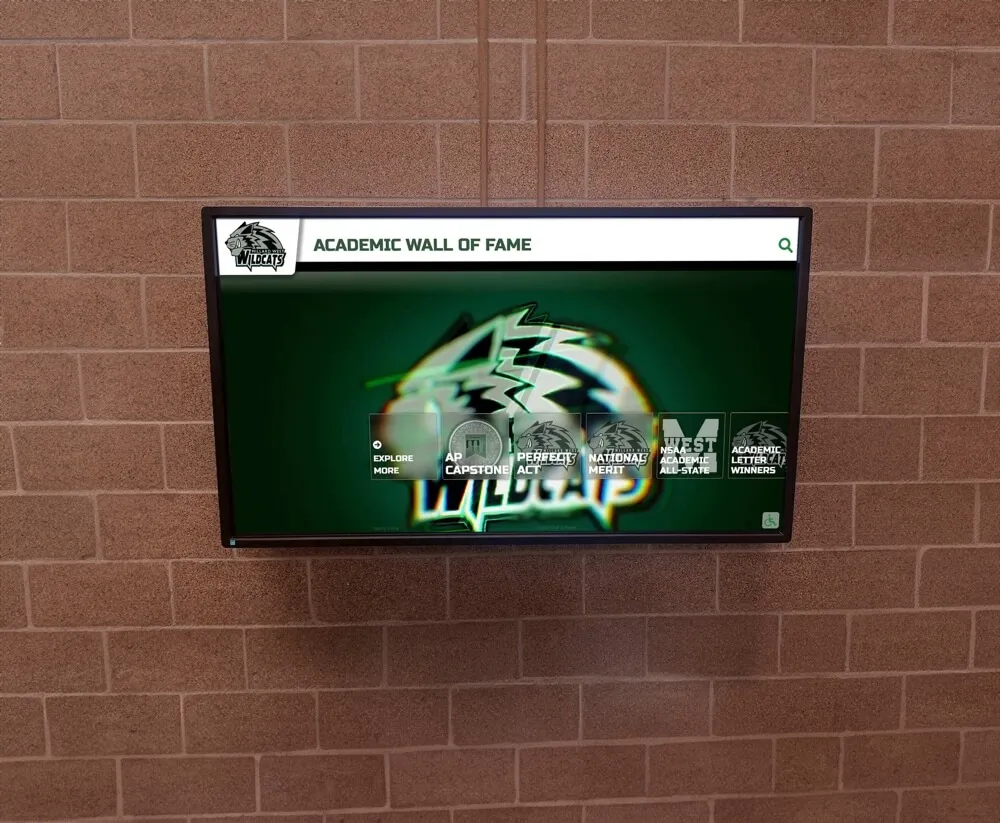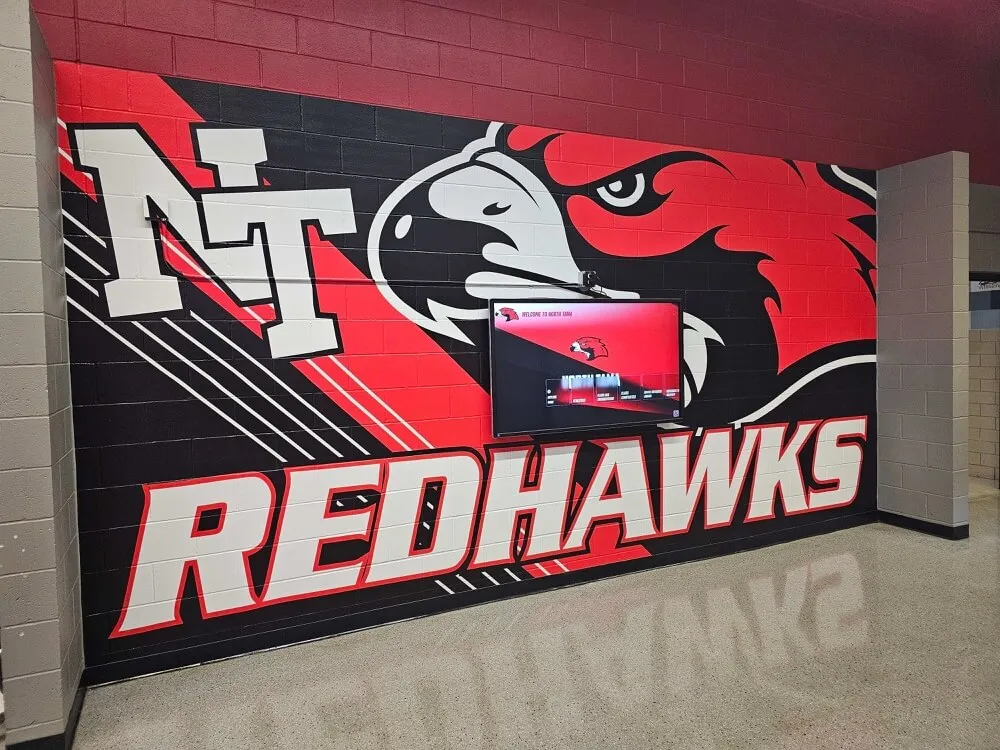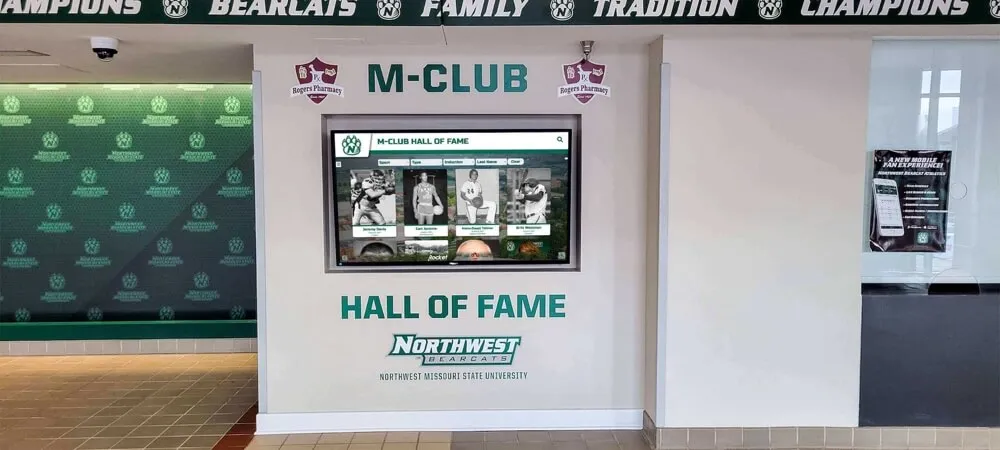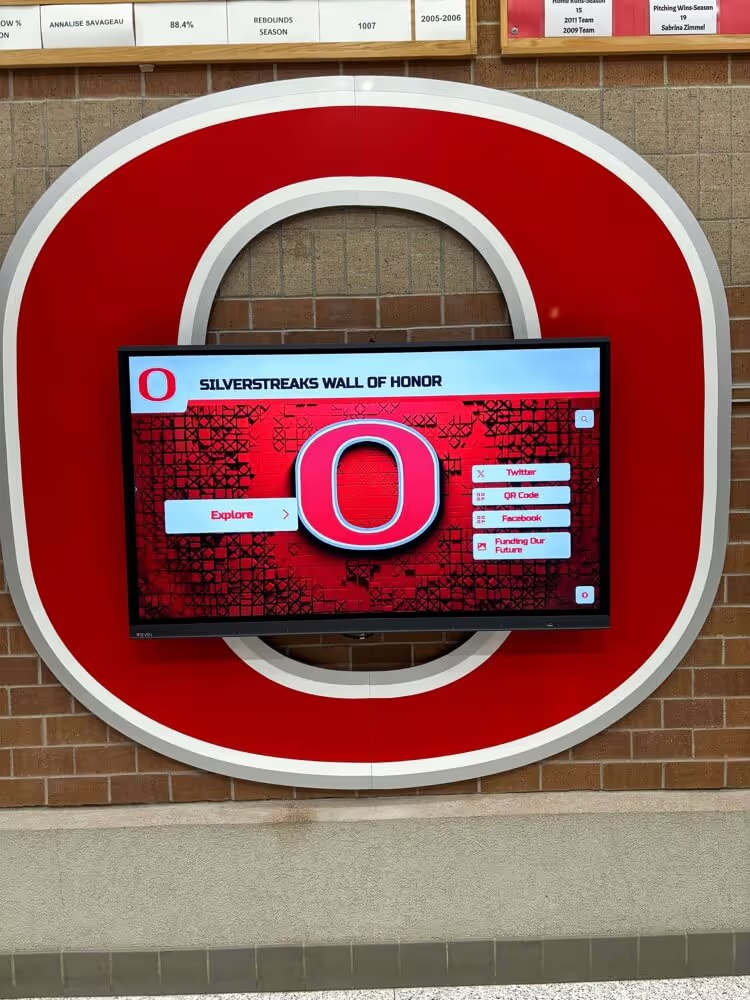




Intent: demonstrate | A comprehensive exploration of how schools capture, preserve, and share valuable alumni advice through interactive video recognition systems that connect graduate wisdom with student aspirations.
Alumni advice represents one of the most powerful yet underutilized resources schools possess—the collective wisdom of thousands of graduates who’ve successfully navigated career challenges, life transitions, and professional growth that current students will soon face. Yet most schools struggle to systematically capture this wisdom, preserve it accessibly, and connect students with relevant guidance at moments when they need it most.
Walk through most high schools and universities and you’ll encounter missed opportunities: distinguished graduates whose hard-won career insights remain trapped in their memories rather than shared with students, current students making critical decisions without access to advice from alumni who faced identical choices, alumni willing to mentor but disconnected from students who would benefit from their guidance, career pathways that remain invisible because no one documents how alumni successfully navigated them, and institutional knowledge that disappears each generation rather than building into comprehensive wisdom libraries.
This guide explores how forward-thinking schools are solving these challenges through interactive video recognition systems that capture alumni advice systematically, organize wisdom by career paths and life stages, and connect students with relevant guidance through engaging multimedia experiences—transforming occasional mentorship moments into permanent institutional resources that serve students for decades.
Modern schools are discovering that the most valuable career guidance students receive often comes not from guidance counselors or classroom teachers—as important as those resources are—but from alumni who recently walked the exact path students are beginning to navigate. Interactive video displays enable schools to capture this peer wisdom, preserve it permanently, and make it accessible to students whenever they need guidance.

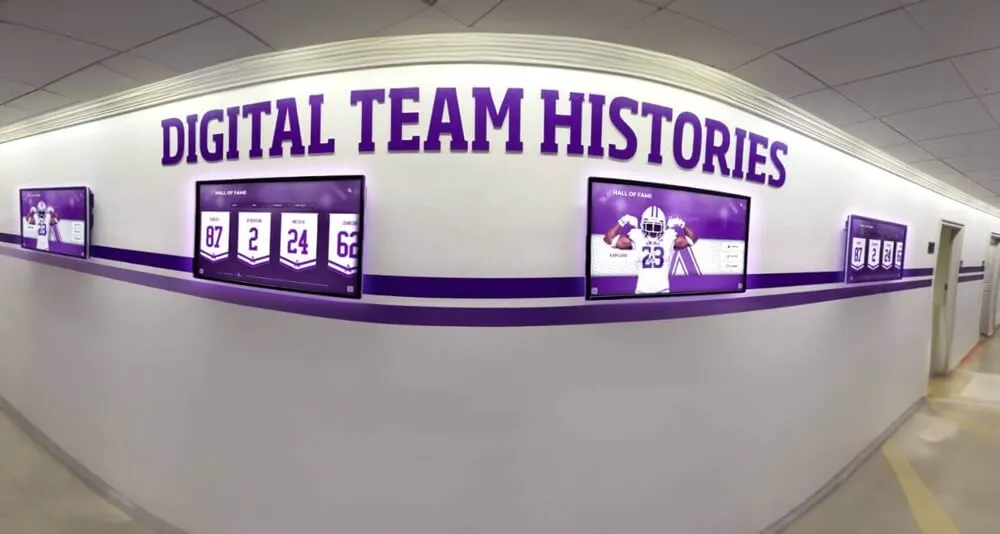
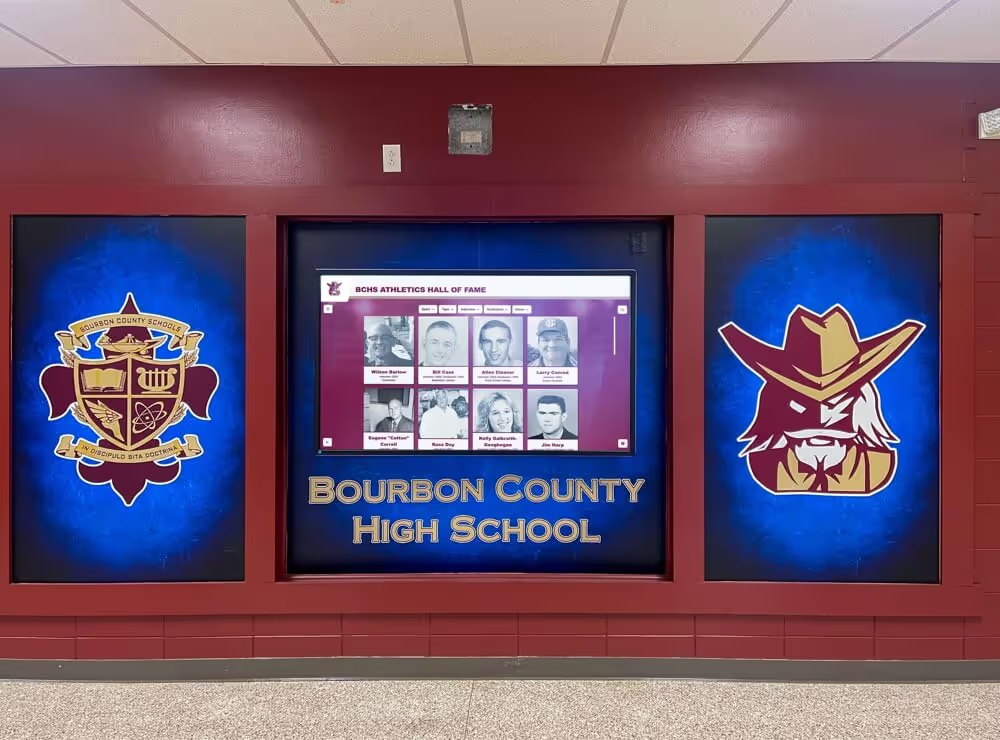
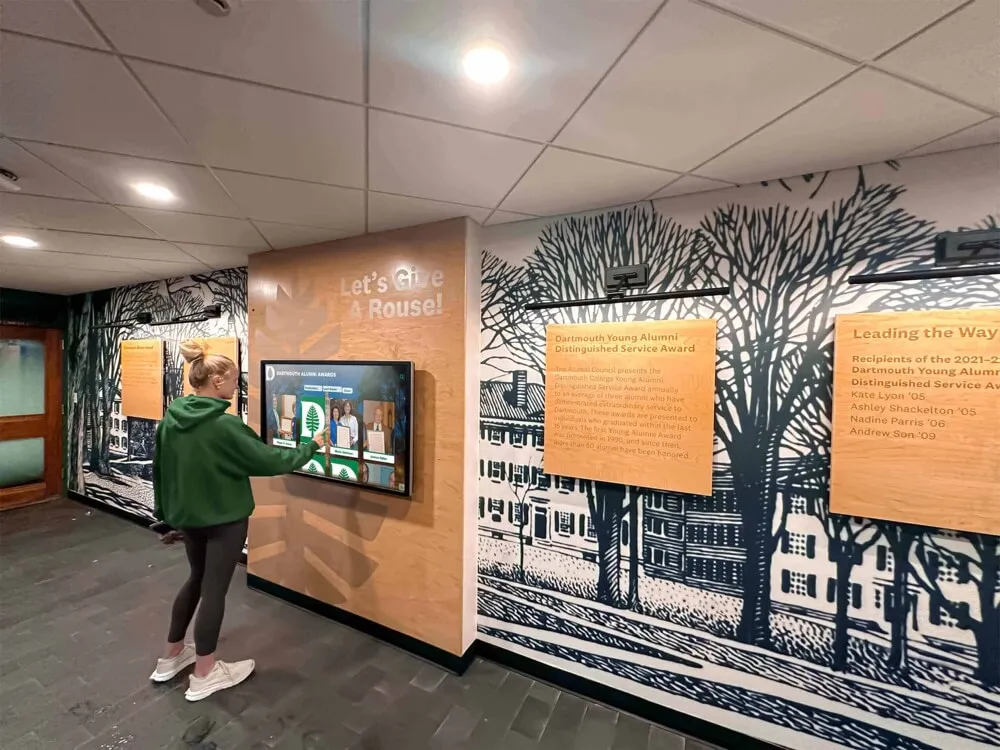
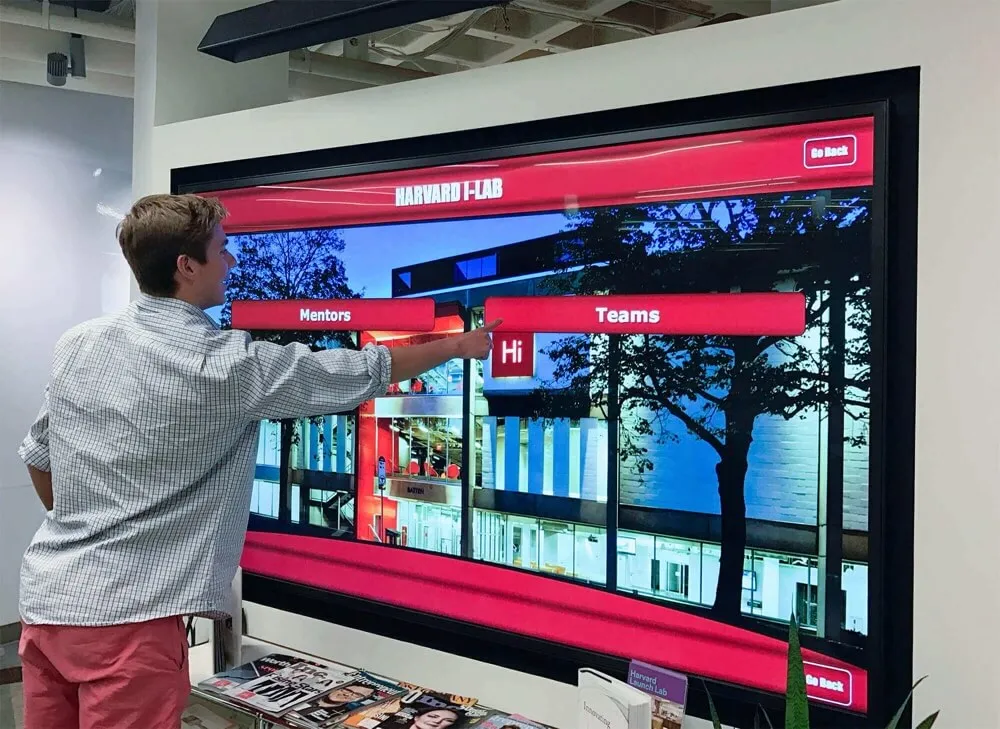
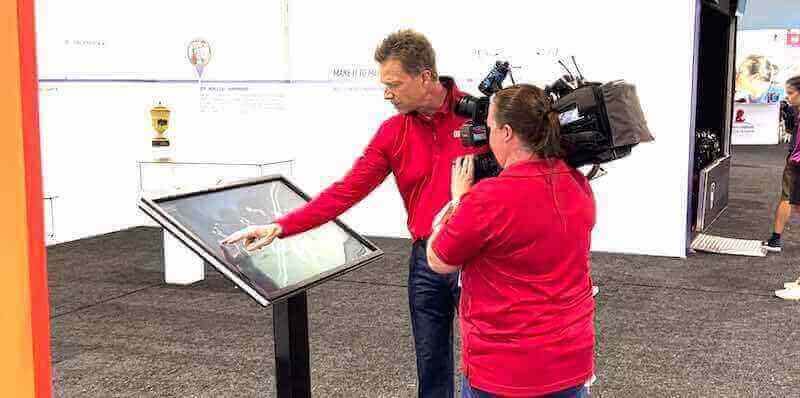
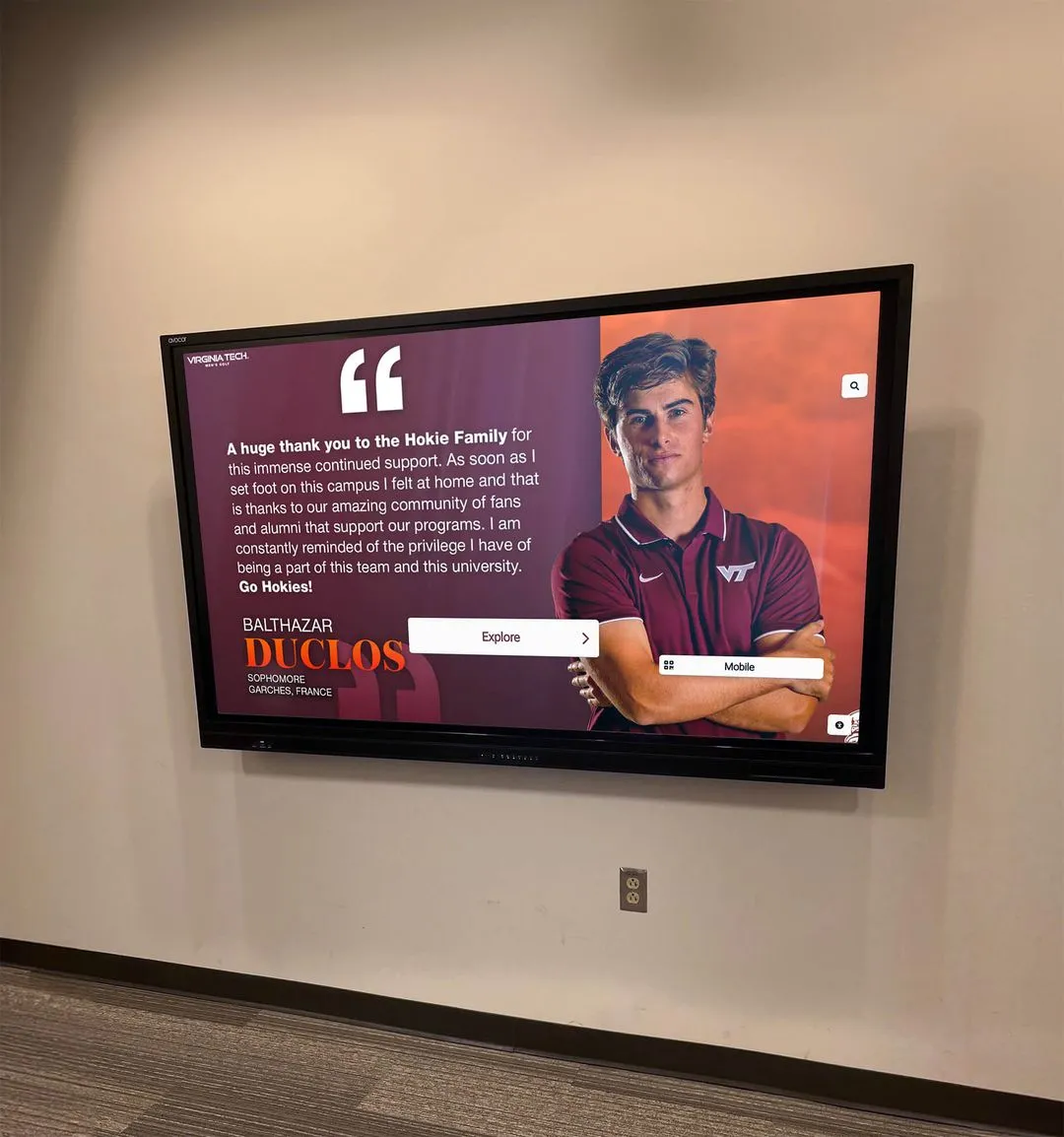
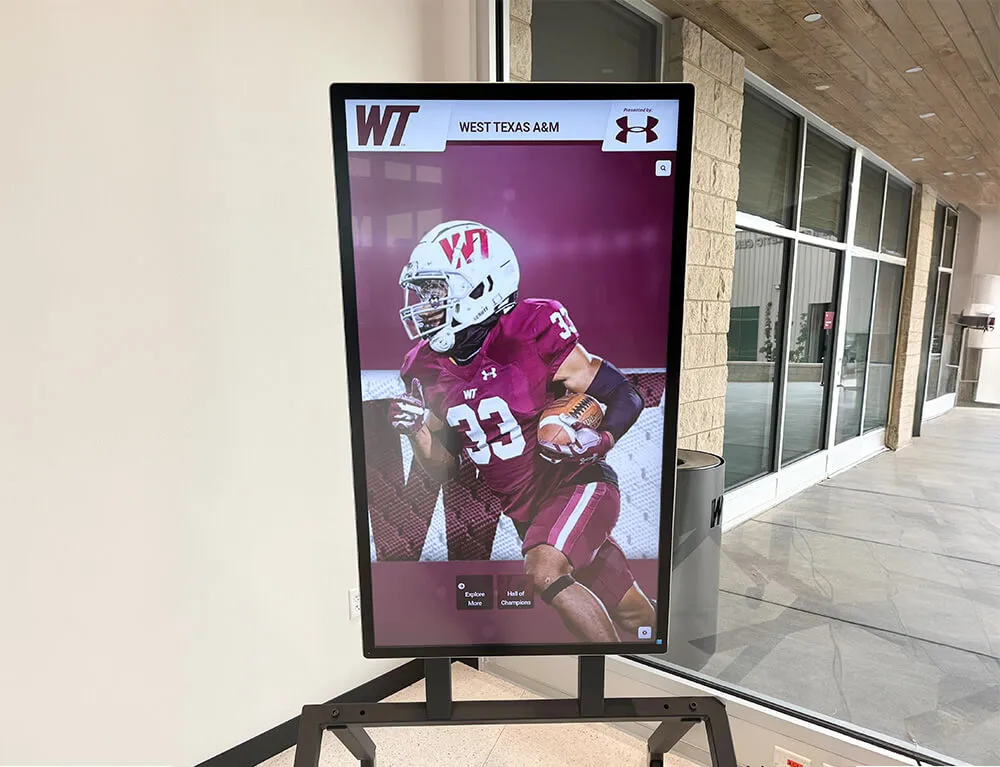
Interactive touchscreen displays transform alumni advice from occasional mentorship conversations into permanent video libraries accessible to all students
The Power of Alumni Advice: Why Graduate Wisdom Matters
Before exploring implementation strategies, understanding why alumni advice delivers such powerful impact on student decision-making and career development provides essential context for schools evaluating systematic wisdom-capture initiatives.
The Credibility Gap in Traditional Career Guidance
Students face a fundamental credibility challenge when receiving career advice from adults who haven’t recently experienced the realities students will encounter after graduation.
Why Students Discount Traditional Advice
Guidance counselors, while knowledgeable, often lack current industry experience in the specific fields students want to pursue. Teachers provide excellent academic mentorship but may not understand contemporary hiring practices, salary negotiations, or workplace culture students will navigate. Parents offer invaluable support yet their career experiences often occurred in dramatically different economic and technological environments than students face today.
This credibility gap doesn’t diminish the value these advisors provide—it simply creates space where alumni voices become uniquely powerful. Alumni advice carries authenticity because graduates recently lived the exact transition students are preparing for, faced the same doubts and uncertainties, and succeeded using strategies that remain current and relevant.
Research from education psychology demonstrates that students are significantly more likely to follow advice from “near-peer mentors”—individuals slightly ahead of them on similar paths—than from authority figures they perceive as disconnected from their lived reality.
The Alumni Advantage
Distinguished graduates offer credibility that transcends traditional mentorship:
- Recent enough experience to understand current job markets, technology, and workplace expectations
- Shared institutional identity creating immediate trust and connection
- Diverse career pathways showing multiple routes to success
- Honest reflections about mistakes and challenges, not just accomplishments
- Willingness to make time for students from their alma mater
- Personal understanding of specific school culture, professors, and resources students currently experience
This combination creates mentorship relationships where students genuinely listen, internalize advice, and apply guidance to their own decision-making—dramatically different from the polite nodding that often accompanies well-meaning but less credible advice.
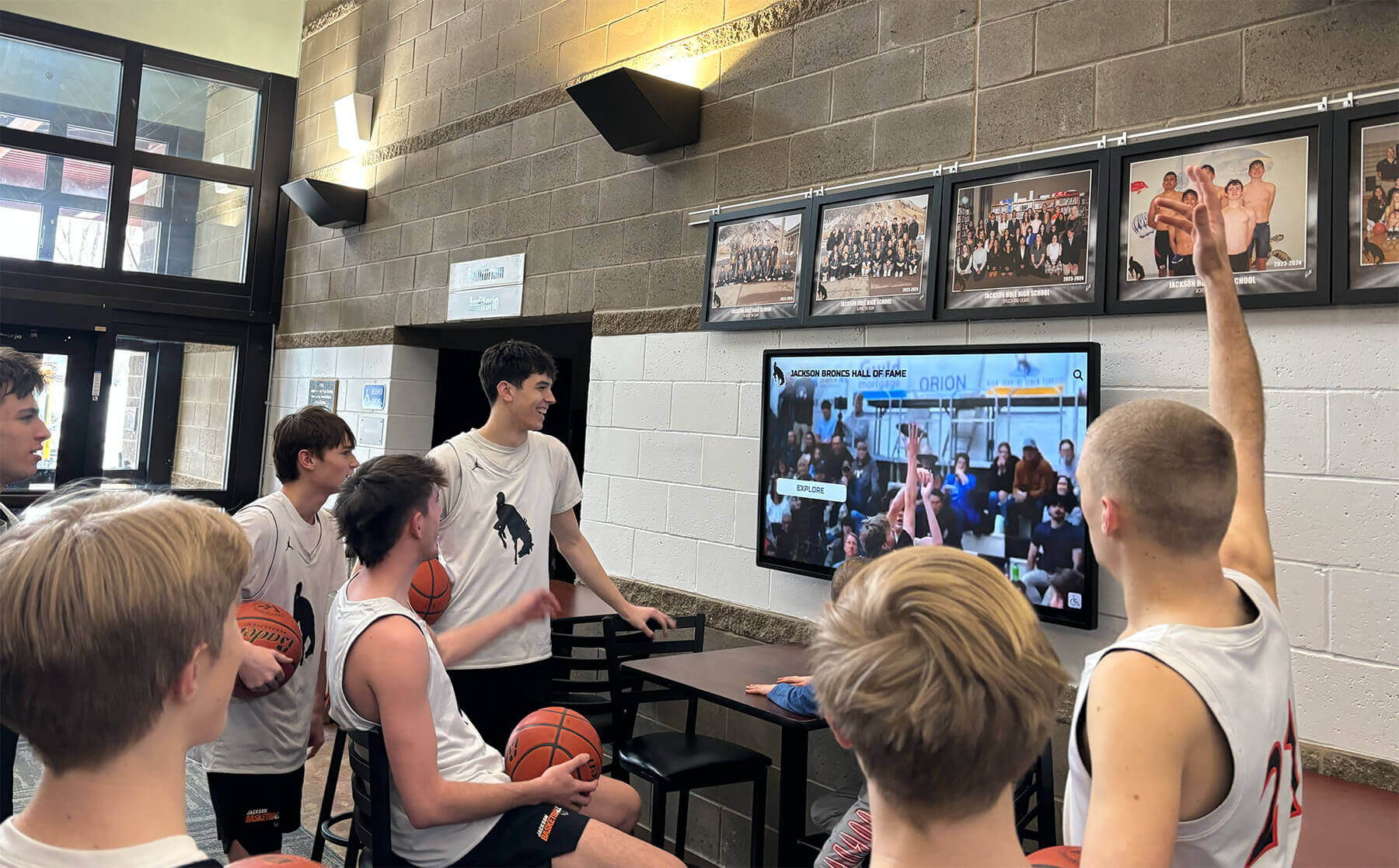
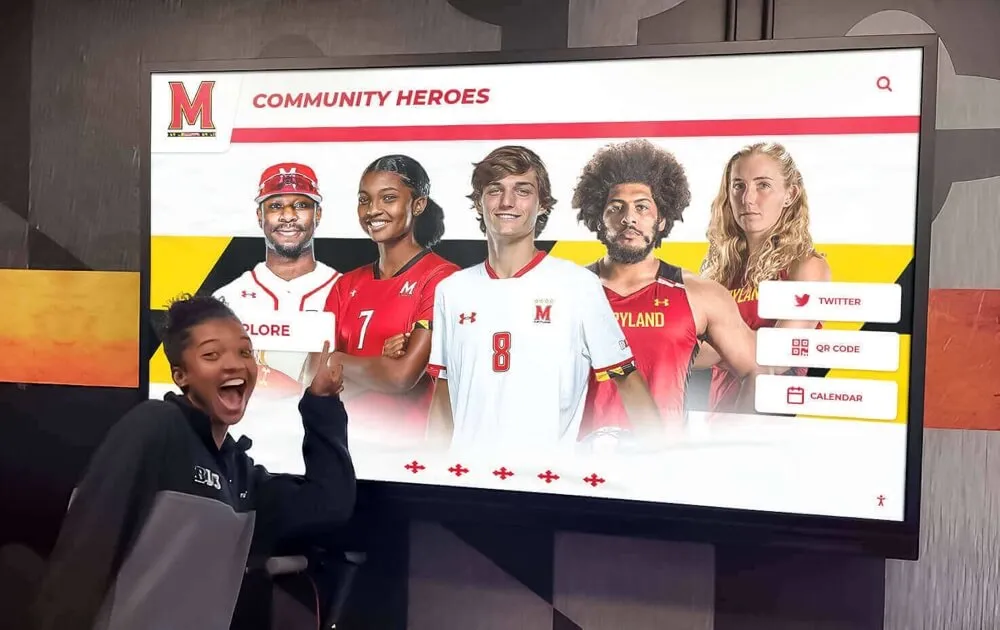
Students naturally gather around video content that feels relevant and authentic, making video advice from relatable alumni especially effective
What Students Really Want to Know: The Questions Alumni Answer Best
When students access alumni advice through interactive systems, clear patterns emerge in what guidance they seek most frequently—insights schools can use when developing content strategies.
Career Path Navigation
Students desperately want answers to questions that only alumni who’ve lived specific career journeys can adequately address:
- How did you decide on your major, and would you choose differently knowing what you know now?
- What entry-level positions or internships proved most valuable for your field?
- Which courses or experiences from school do you actually use in your career?
- How did you land your first job, and what would you do differently in that process?
- What skills do you wish you’d developed more during school?
- How did your career path evolve from initial plans to where you ended up?
These practical navigation questions receive vague or outdated answers from traditional sources but benefit enormously from specific, personal alumni experiences shared through video narratives.
Life Stage Transitions
Beyond career specifics, students seek guidance about life transitions that alumni understand from recent experience:
- How did you handle the emotional transition from student to professional life?
- What surprised you most about post-graduation reality that you wish someone had told you?
- How did you manage finances, housing, and practical realities after graduation?
- How did you maintain friendships and build new relationships in a new city or career?
- How did you know when it was time to change jobs or career directions?
- How do you maintain work-life balance and avoid burnout?
These vulnerable, personal questions receive powerful answers when alumni share honest video reflections about their experiences—creating mentorship depth impossible through brief career fair conversations.
Explore comprehensive mentorship approaches in alumni networking strategies guide demonstrating how schools facilitate meaningful graduate-student connections.
The Traditional Alumni Advice Problem: Why Wisdom Gets Lost
Understanding the systematic challenges that prevent alumni advice from reaching students helps schools design video capture systems that overcome these persistent barriers.
Occasional Mentorship That Doesn’t Scale
Most schools rely on informal mentorship opportunities that serve tiny fractions of student populations while missing the vast majority.
Limited-Reach Approaches
Traditional alumni advice delivery includes:
- Career day panels: 3-5 alumni speaking to entire grades, providing general advice that feels impersonal and forgettable
- Mentorship matching programs: Connecting motivated students with willing alumni but requiring ongoing relationship management that limits participation
- Alumni office hours: Occasional campus visits from distinguished graduates reaching 20-30 students maximum
- Class speaker visits: Individual alumni sharing with specific classes but not accessible to broader student populations
- Reunion networking: Alumni connecting with current students during homecoming events but limited to those who attend
These valuable programs serve perhaps 10-20% of student populations annually—meaning 80-90% of students graduate without ever receiving substantial guidance from alumni who could dramatically influence their trajectory.
The Scalability Challenge
Even schools with robust alumni engagement programs face fundamental scalability limitations:
Alumni time constraints limit how many students each graduate can reasonably mentor, geographic distance prevents most alumni from regular campus engagement, scheduling coordination between student needs and alumni availability proves difficult, and relationship maintenance requires ongoing effort from overstretched advancement staff.
These constraints mean that even when schools identify willing alumni mentors with valuable wisdom, connecting that expertise with all students who would benefit remains nearly impossible using traditional approaches.

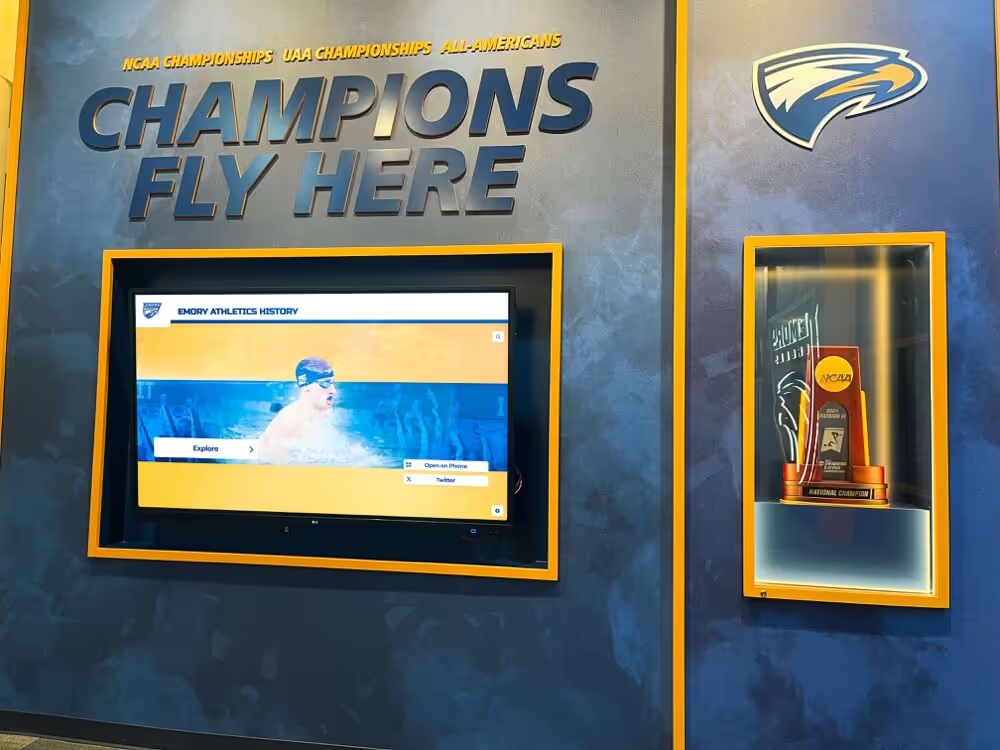
Dedicated interactive kiosks create permanent alumni advice destinations that serve unlimited students without requiring graduate time commitments
Wisdom That Disappears Instead of Accumulating
Perhaps the most tragic aspect of traditional alumni mentorship is that valuable advice shared during occasional campus visits disappears immediately rather than building into permanent institutional resources.
The Knowledge Loss Cycle
Every year, distinguished alumni visit campuses, share profound career insights with small groups of students, answer questions that reveal hard-won wisdom—then leave, with no record of what they shared. Next year’s students face identical questions, seek the same guidance, but must hope they happen to connect with appropriate alumni rather than accessing wisdom already shared dozens of times.
This cycle represents massive institutional waste. Schools invest enormous effort recruiting alumni for campus visits, coordinating schedules, arranging venues, and promoting events—only to lose the resulting wisdom moments after it’s shared. It’s as if universities threw away lecture recordings after each class, requiring professors to reteach identical content to each new cohort rather than building permanent educational resources.
Missing Institutional Memory
Schools that rely on informal mentorship also miss opportunities to develop comprehensive guidance covering diverse career paths and experiences:
Technology careers remain mysterious at schools where few alumni work in tech, creative industries go unrepresented when artistic graduates don’t maintain campus connections, non-traditional pathways receive no visibility because entrepreneurial alumni aren’t captured systematically, and geographic diversity suffers when only local alumni can visit campus regularly.
The result is incomplete, biased advice availability that fails to serve all student interests and aspirations equally—gaps that systematic video capture eliminates.
Learn about comprehensive alumni engagement in alumni where are they now spotlight programs demonstrating systematic graduate recognition approaches.
Video-Based Alumni Advice Systems: The Modern Solution
Interactive video recognition platforms transform alumni advice from occasional, limited-reach mentorship into permanent, infinitely-scalable institutional resources accessible to all students whenever they need guidance.
How Video Capture Changes Everything
Video technology solves the fundamental scalability and permanence challenges that limit traditional alumni mentorship.
The Video Advantage
Video-based advice delivery provides unique benefits impossible through in-person or text-based alternatives:
Unlimited Scalability: A single 15-minute alumni advice video can serve thousands of students over decades—one recording effort creates infinite mentorship moments without requiring graduate time beyond initial capture.
Authentic Connection: Video preserves nonverbal communication, emotional authenticity, and personal connection that text summaries lose. Students see alumni as real people, not abstract success stories.
Permanent Availability: Once captured, advice remains accessible 24/7 whenever students need guidance—during late-night college application sessions, career crisis moments, or decision-making crossroads regardless of alumni availability.
Searchable Organization: Digital platforms enable students to find exactly the advice they need by searching career fields, graduation years, specific companies, or life stage challenges.
Comprehensive Coverage: Schools can systematically build advice libraries covering every major, career path, and experience students might pursue rather than relying on whoever happens to be available for career day.
Asynchronous Engagement: Students can pause, rewatch, and deeply process advice at their own pace rather than trying to absorb wisdom during brief rushed conversations.
These advantages explain why schools implementing video advice systems report 300-500% increases in students accessing alumni wisdom compared to traditional mentorship program participation rates.
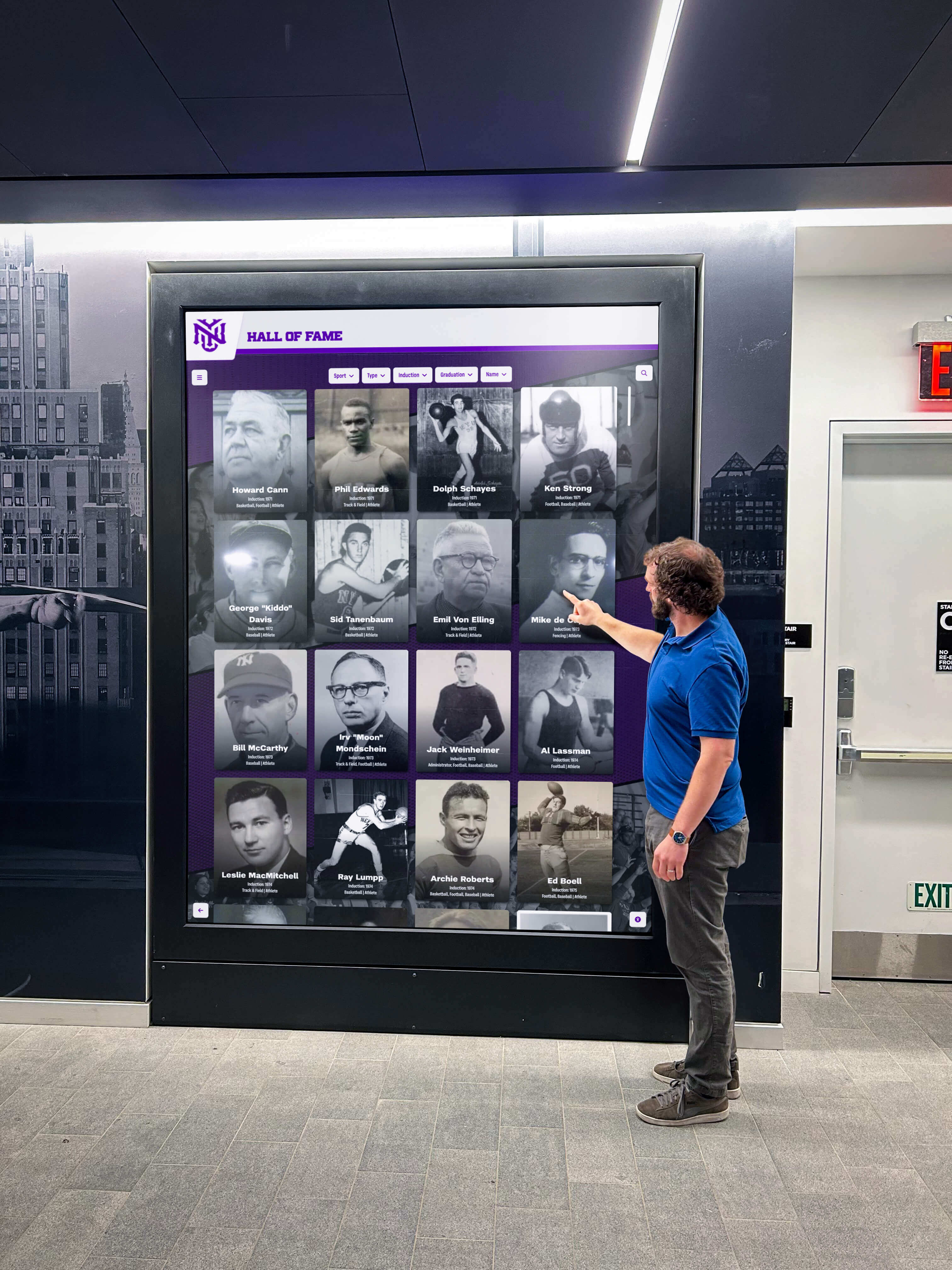
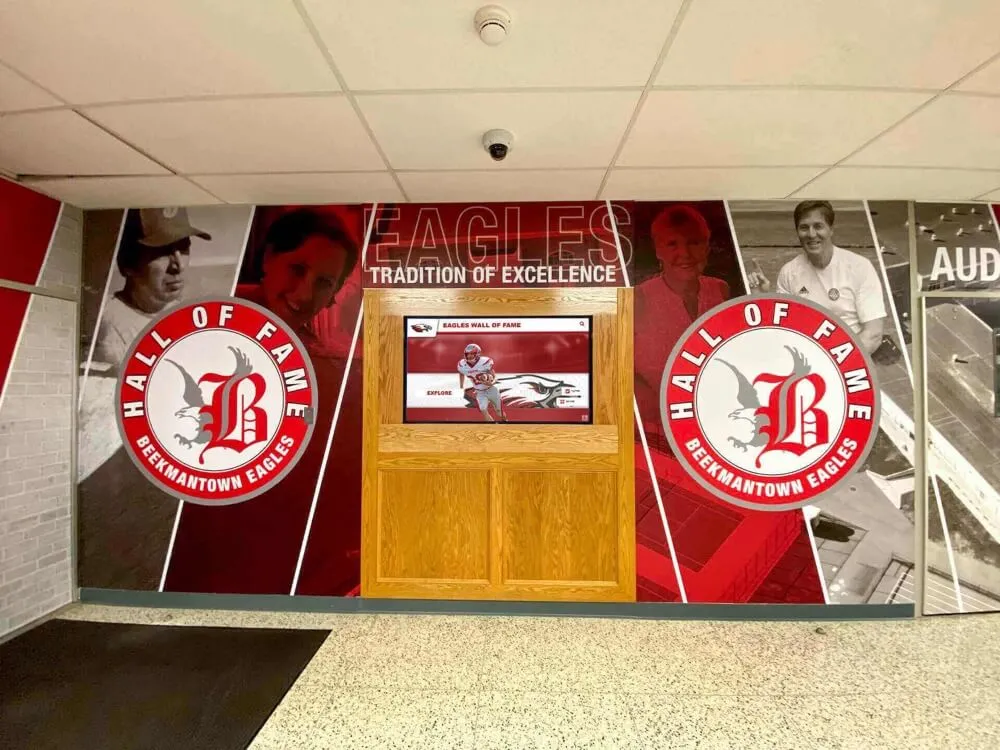
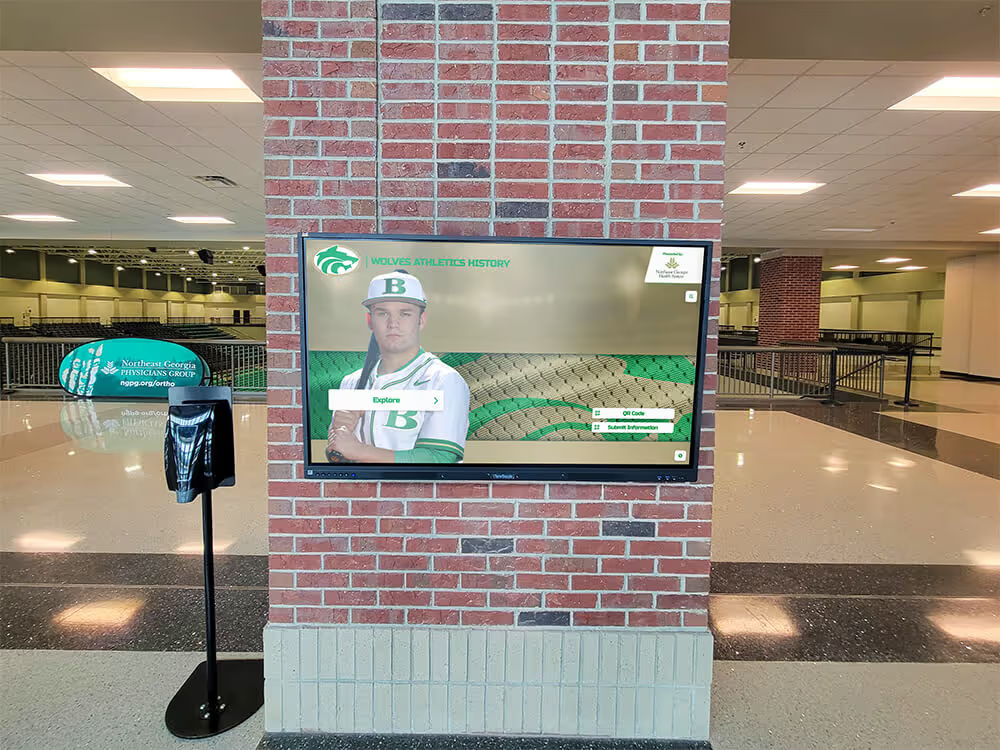
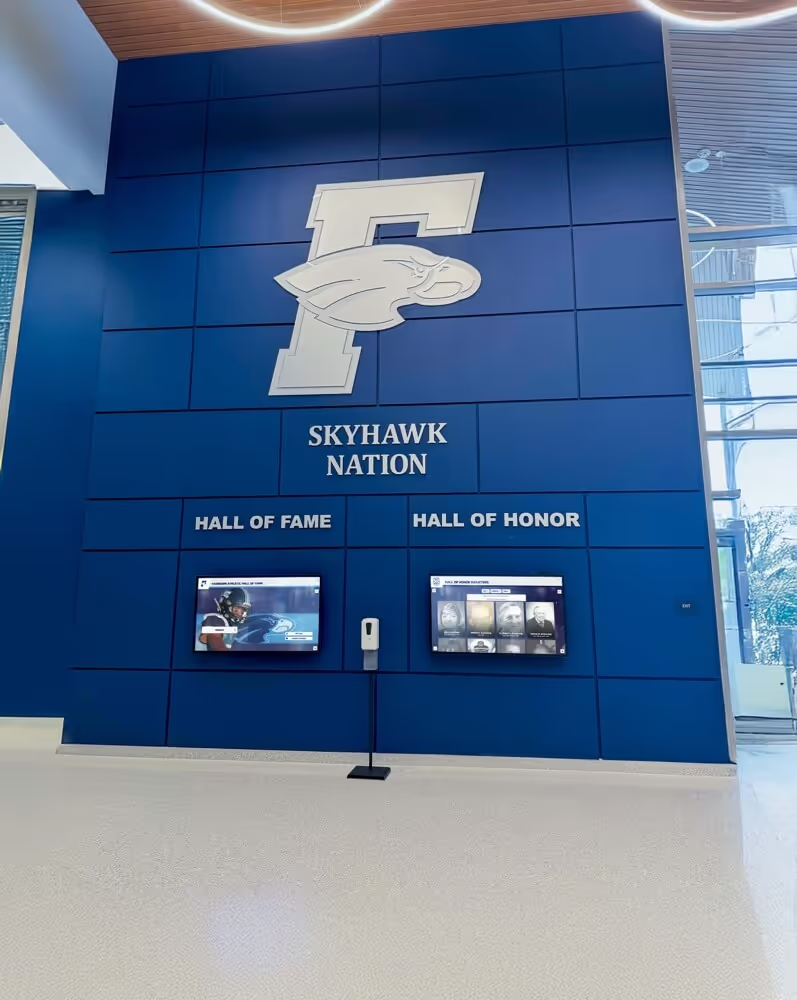
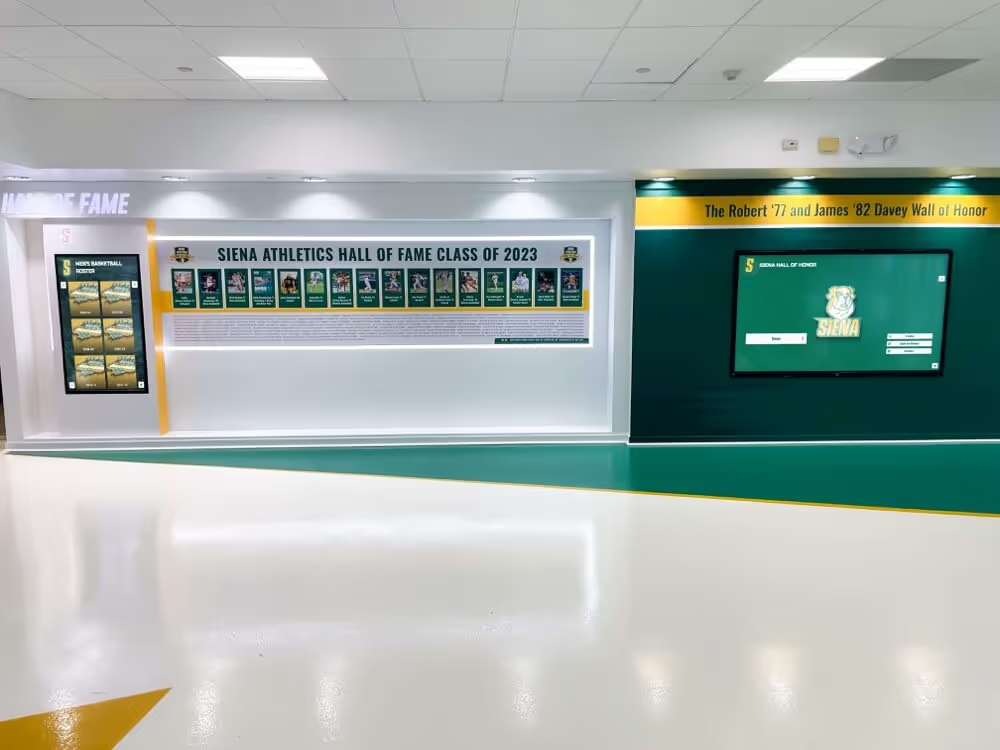
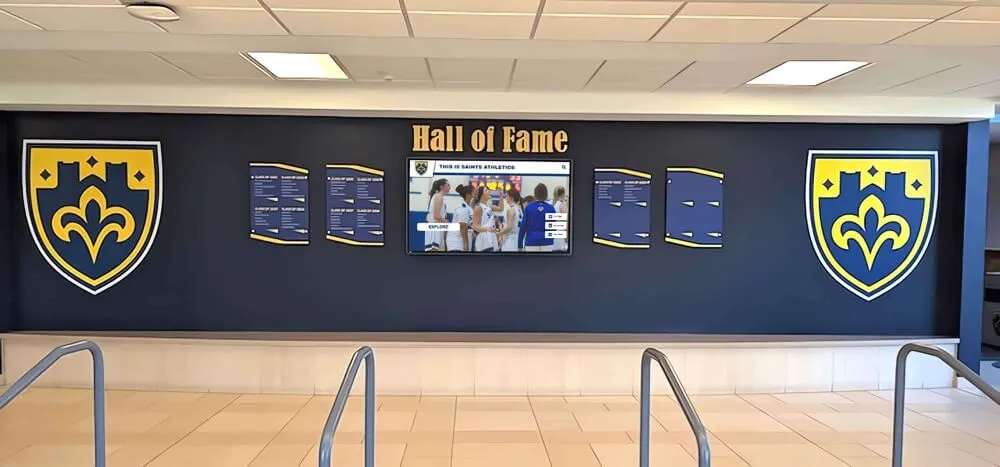
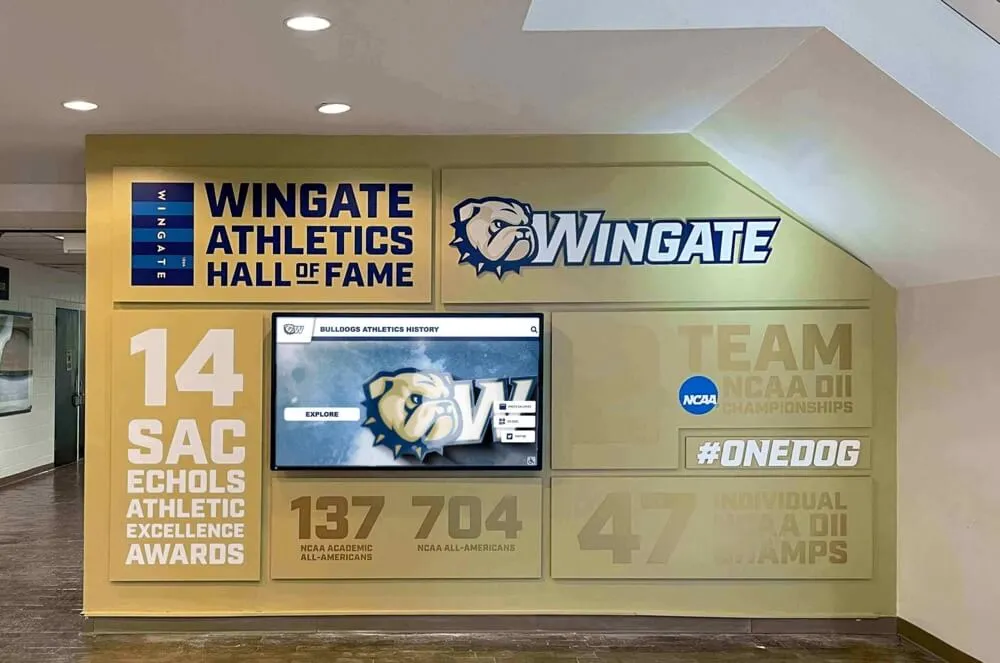
High-visibility lobby placements ensure alumni advice reaches students daily as they naturally pass through common areas
Essential Components of Effective Alumni Advice Video Systems
Successful implementations incorporate multiple coordinated elements working together to capture, organize, and deliver alumni wisdom effectively.
Video Content Structure
Well-designed alumni advice videos follow proven formats that maximize student engagement and actionable guidance:
Introduction and Connection (60-90 seconds):
- Alumni name, graduation year, and current role
- Nostalgic campus memories creating shared identity
- What they studied and initial career aspirations
- Personal hook making them relatable to current students
Career Journey Overview (2-3 minutes):
- How their path evolved from graduation to present
- Unexpected turns, changes, and pivot points
- Key decisions that shaped their trajectory
- Honest acknowledgment of challenges and setbacks
Specific Advice Segments (8-12 minutes total):
- Course and academic preparation recommendations
- Internship and early career strategies
- Networking and relationship building approaches
- Skills they wish they’d developed sooner
- Common mistakes students can avoid
- Resources they found most valuable
Life Stage Wisdom (2-3 minutes):
- Managing post-graduation transitions
- Work-life balance strategies
- Financial realities and planning
- Maintaining relationships during career building
- Finding meaning and purpose beyond professional success
Closing and Connection (60-90 seconds):
- Most important lesson they learned
- Encouragement for current students
- Mentorship availability and contact preferences
- Invitation to reach out with questions
This structure ensures videos provide comprehensive value while remaining engaging through personal storytelling rather than lecture-style advice delivery.
Discover content development strategies in alumni of the month recognition programs with systematic profile creation approaches.
Platform Features Enabling Discovery
Technical capabilities determine whether advice libraries serve students effectively:
Intuitive Search and Filtering:
- Search by career field, industry, or company
- Filter by graduation decade showing different generational perspectives
- Academic major connections linking coursework to careers
- Geographic location sorting for regional career exploration
- Life stage filtering (recent grads, mid-career, senior leaders)
Related Content Suggestions:
- “Students who watched this also found helpful…”
- Connecting alumni in related fields or career progression
- Highlighting diverse pathways to similar outcomes
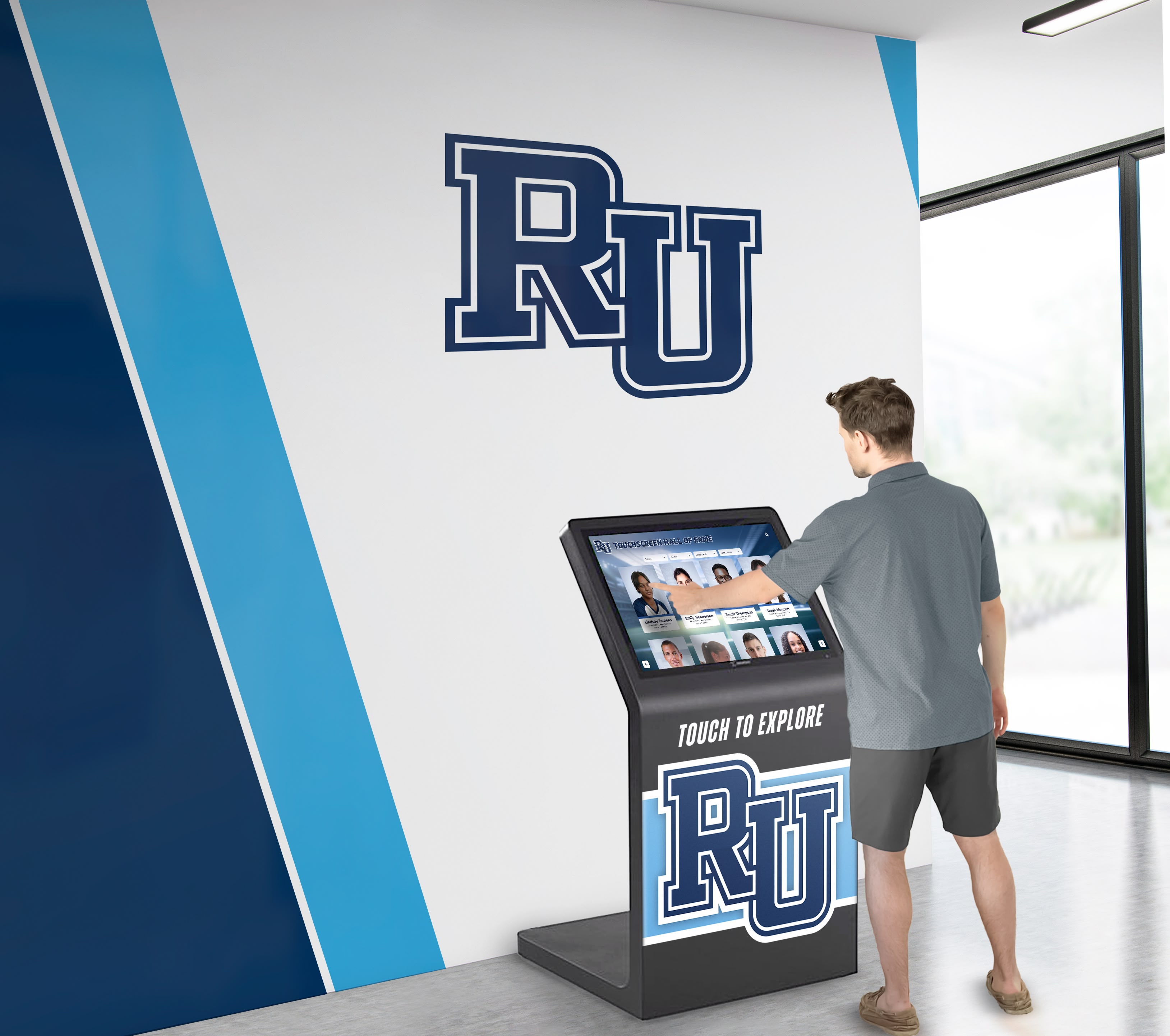
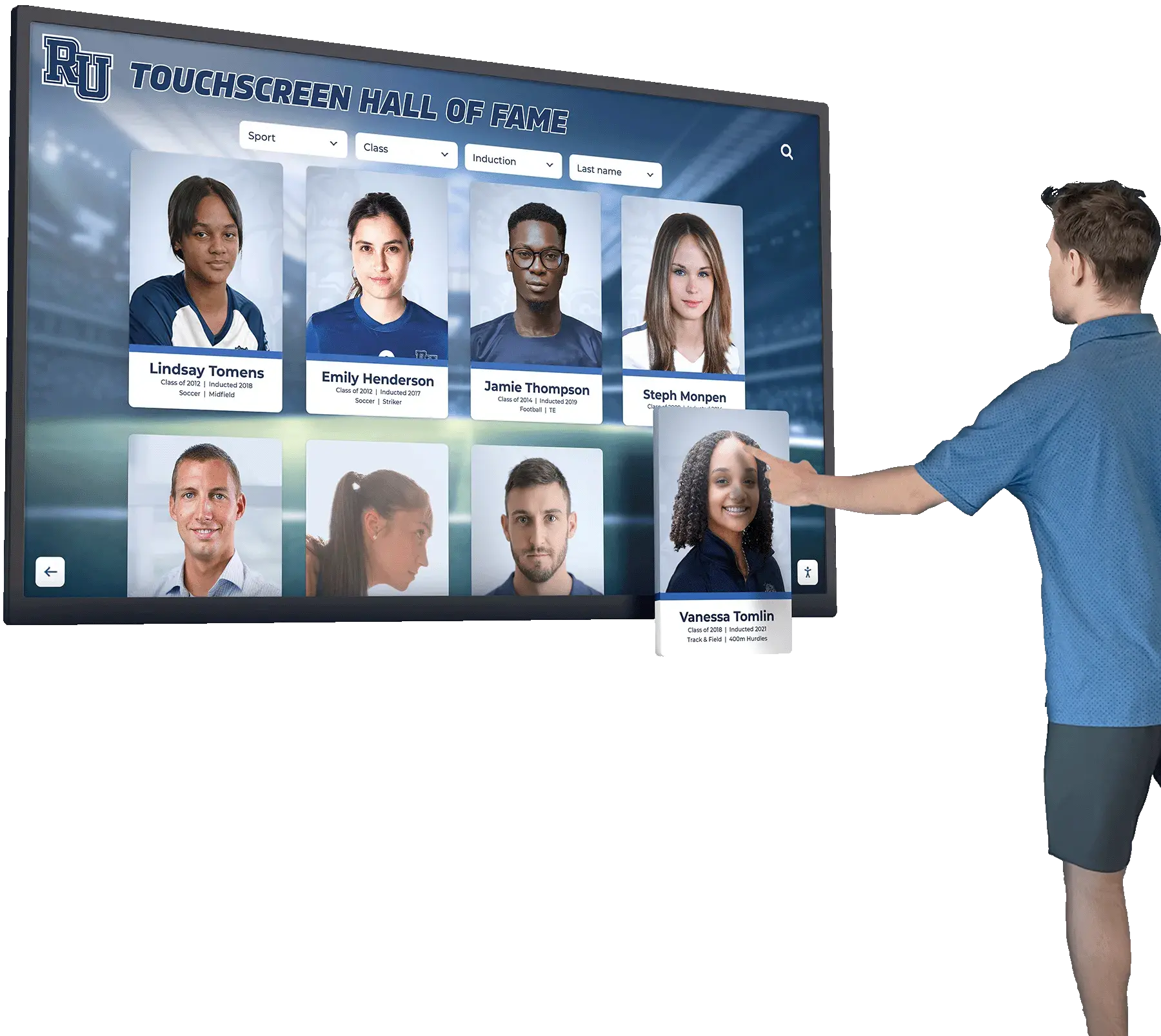
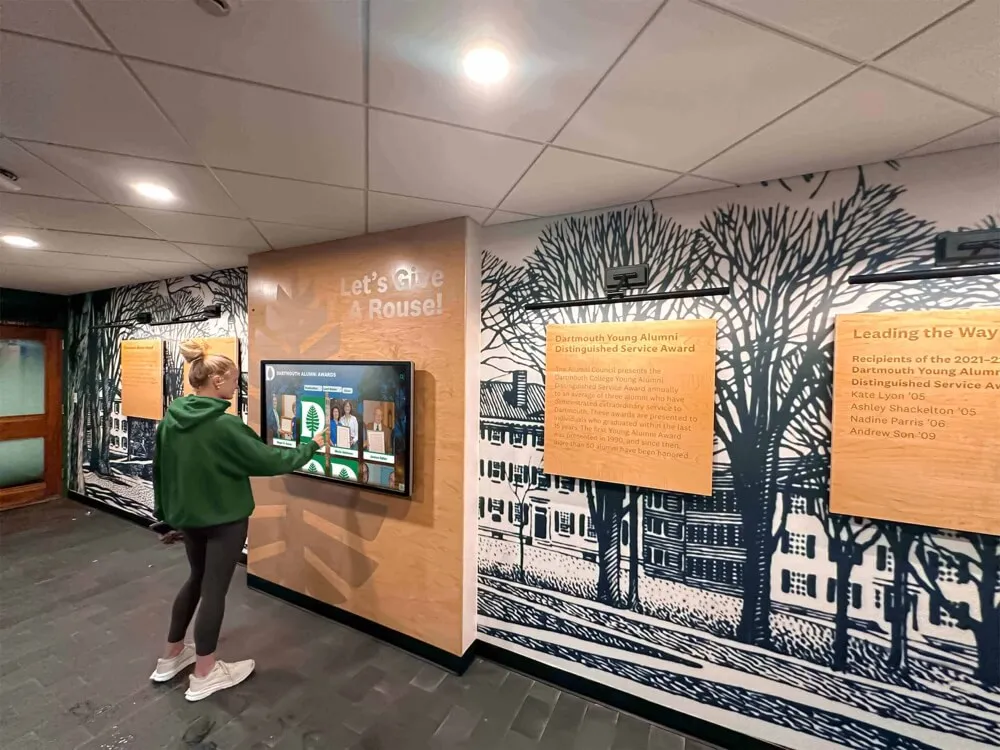
Intuitive touchscreen interfaces enable students to quickly find alumni advice relevant to their specific interests and career aspirations
Engagement Analytics:
- Track which advice videos students watch most frequently
- Identify career fields receiving high student interest
- Measure average viewing duration and completion rates
- Inform future content development based on demand patterns
Mentorship Connection Pathways:
- Direct links from video profiles to alumni contact information
- Integration with formal mentorship matching programs
- “Request introduction” features connecting interested students with featured alumni
- Social media connections enabling ongoing relationship development
These features transform video libraries from passive content repositories into active engagement platforms connecting students with alumni mentors based on authentic interest and career alignment.
Implementing Video Alumni Advice Systems: Step-by-Step Approach
Successful implementations require systematic planning addressing content capture, technical infrastructure, student promotion, and ongoing program evolution.
Phase 1: Strategic Planning and Alumni Recruitment
Defining Program Objectives
Before beginning video production, schools should clarify what they hope to achieve:
- How many students should access alumni advice annually?
- What career fields and industries must coverage include?
- How will video advice integrate with existing career services and mentorship programs?
- What metrics will demonstrate program success?
- How will the school sustain content development long-term?
Clear objective definition prevents expensive mid-project changes when stakeholders discover initial plans don’t match actual needs.
Identifying Featured Alumni
Systematic selection ensures diverse, representative guidance serving all student populations:
Selection Criteria:
- Career diversity spanning all major fields and industries students pursue
- Geographic representation including alumni worldwide
- Graduation year range showing recent grads through established leaders
- Demographic diversity demonstrating inclusive success across all backgrounds
- Communication skills—not all distinguished alumni make effective video mentors
- Willingness to be vulnerable and honest, not just highlight successes
- Mentorship interest and ongoing student connection availability
Schools report optimal advice libraries include 50-100 alumni videos covering major career categories, with ongoing additions building comprehensive coverage over 2-3 years.
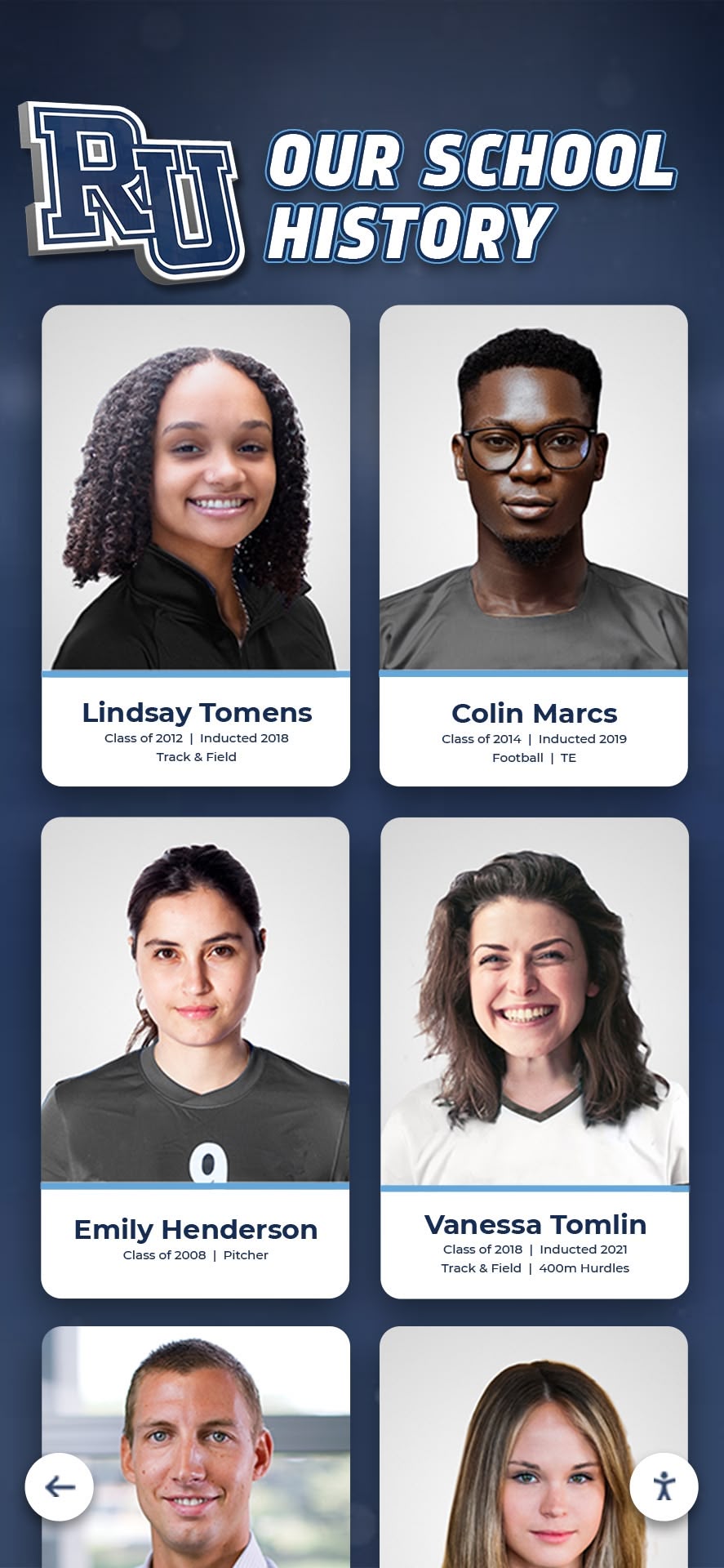
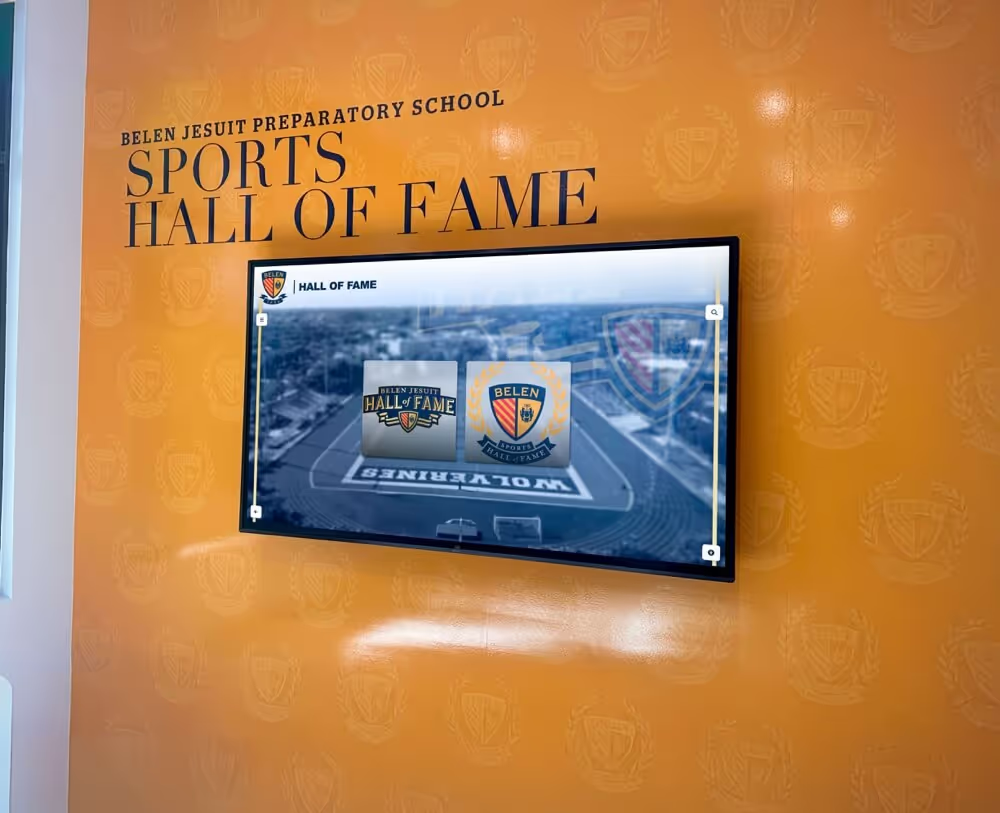
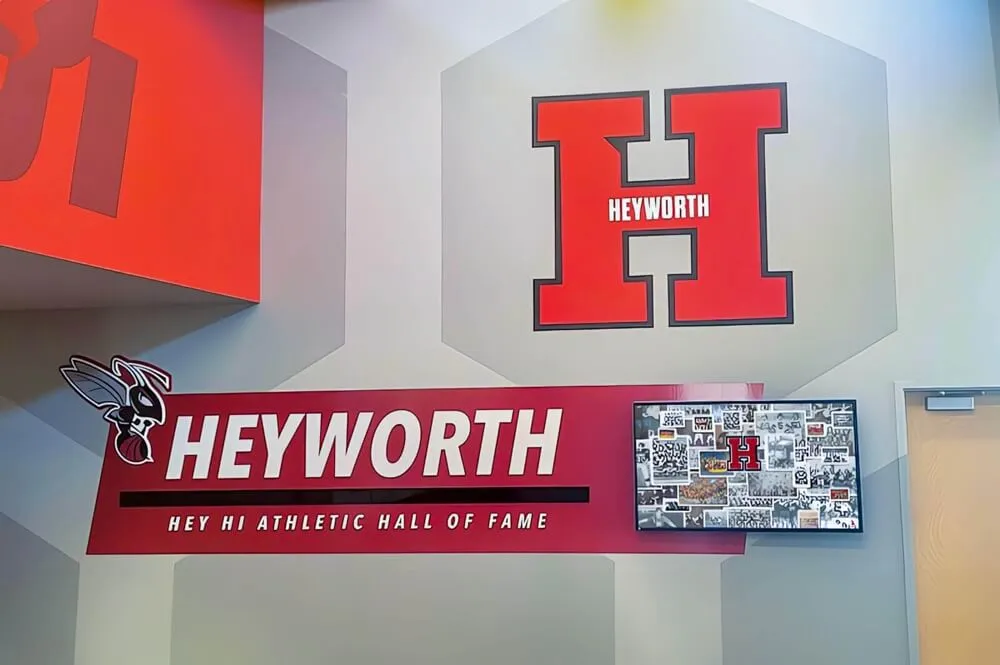
Systematic alumni documentation preserves complete career trajectories and personal wisdom beyond simple achievement lists
Recruitment and Outreach
Multiple channels ensure comprehensive alumni participation:
- Direct recruitment from advancement offices identifying distinguished graduates
- Peer nominations where alumni suggest classmates with valuable perspectives
- Reunion attendee recruitment capitalizing on campus visit momentum
- Class correspondent networks spreading participation awareness
- Social media campaigns highlighting featured alumni and inviting participation
- Young alumni councils identifying recent graduates with relevant advice
Effective recruitment emphasizes that video contributions serve students permanently while honoring alumni through visible recognition—typically sufficient motivation for participation without compensation requirements.
Phase 2: Video Production and Content Capture
Production Approach Options
Schools implement video capture using approaches matching available resources:
Professional Studio Production:
- Advantages: Highest quality, consistent lighting and sound, controlled environment
- Requirements: Video equipment, studio space, technical expertise
- Best for: Schools with media production facilities or communications departments
- Cost: $500-2,000 per video including equipment, editing, and staff time
Mobile Field Production:
- Advantages: Capture alumni wherever they’re located, including workplaces
- Requirements: Portable camera, microphone, lighting kit, video editor
- Best for: Schools wanting to feature alumni nationwide who can’t visit campus
- Cost: $800-3,000 per video including travel, equipment, and editing
Virtual Recording:
- Advantages: No travel required, alumni record from home/office
- Requirements: Clear recording instructions, editing software, quality control
- Best for: Budget-conscious schools or initial pilot programs
- Cost: $200-500 per video for editing and quality enhancement
Hybrid Approach: Most schools combine methods—professional studio for local alumni and reunion attendees, virtual recording for distant graduates, occasional field production for particularly notable alumni or unique workplace settings.
Learn about comprehensive video strategies in digital storytelling athletic programs guide with production approaches applicable to alumni advice content.
Interview Question Framework
Structured questions ensure comprehensive advice while maintaining conversational authenticity:
Opening Questions:
- “Tell us about your time at [School]—what do you remember most fondly?”
- “What did you study, and what were your career aspirations when you graduated?”
- “How did your actual career path compare to what you expected?”
Career Development Questions:
- “Walk us through your career progression from graduation to where you are today.”
- “What were the pivotal decisions or turning points that shaped your trajectory?”
- “What skills or experiences from school have proven most valuable in your career?”
- “What do you wish you’d known or done differently during your time at [School]?”
Advice Questions:
- “What’s your best advice for current students interested in [your field]?”
- “What internships or entry-level experiences would you recommend students pursue?”
- “How should students be preparing now for the job market they’ll enter?”
- “What networking or relationship-building strategies proved most valuable for you?”
Personal Reflection Questions:
- “What surprised you most about post-graduation life?”
- “How did you handle the transition from student to professional?”
- “What’s the most important lesson you’ve learned in your career?”
- “If you could go back and give your graduating self one piece of advice, what would it be?”
Mentorship Questions:
- “Are you open to connecting with current students who want to learn more about your field?”
- “What’s the best way for students to reach out if they have questions?”
- “What do you enjoy most about staying connected with [School]?”
These questions create 15-20 minute raw interviews that edit into 10-12 minute final videos balancing comprehensive guidance with engaging pacing.
Phase 3: Technical Platform Implementation
Hardware and Display Solutions
Physical installations require appropriate technology matching school environments:
Display Options:
- Touchscreen kiosks: Freestanding units in lobbies and common areas (55-65 inch displays)
- Wall-mounted displays: Integrated into existing recognition areas or student centers
- Multiple distribution points: Career services offices, libraries, residence halls, academic buildings
- Mobile-responsive web platforms: Enabling access from personal devices anywhere
Commercial-grade interactive displays designed for educational environments typically cost $3,000-8,000 per unit including touchscreen capability, mounting solutions, and network connectivity.
Software Platform Requirements
Purpose-built alumni recognition platforms like Rocket Alumni Solutions provide essential features:
- Cloud-based content management: Update advice libraries remotely without physical display access
- Intuitive organization: Category-based browsing and powerful search functionality
- Video hosting and streaming: Reliable playback without buffering or technical issues
- Analytics dashboards: Track viewing patterns, popular content, and engagement metrics
- Mobile accessibility: Extend access beyond physical displays to smartphones and laptops
- Integration capabilities: Connect with existing alumni databases, career services platforms, and mentorship matching systems
Platform costs typically range from $2,000-6,000 annually depending on school size, number of displays, and feature requirements.
Explore technical implementation in interactive touchscreen software guide with platform comparison and selection frameworks.
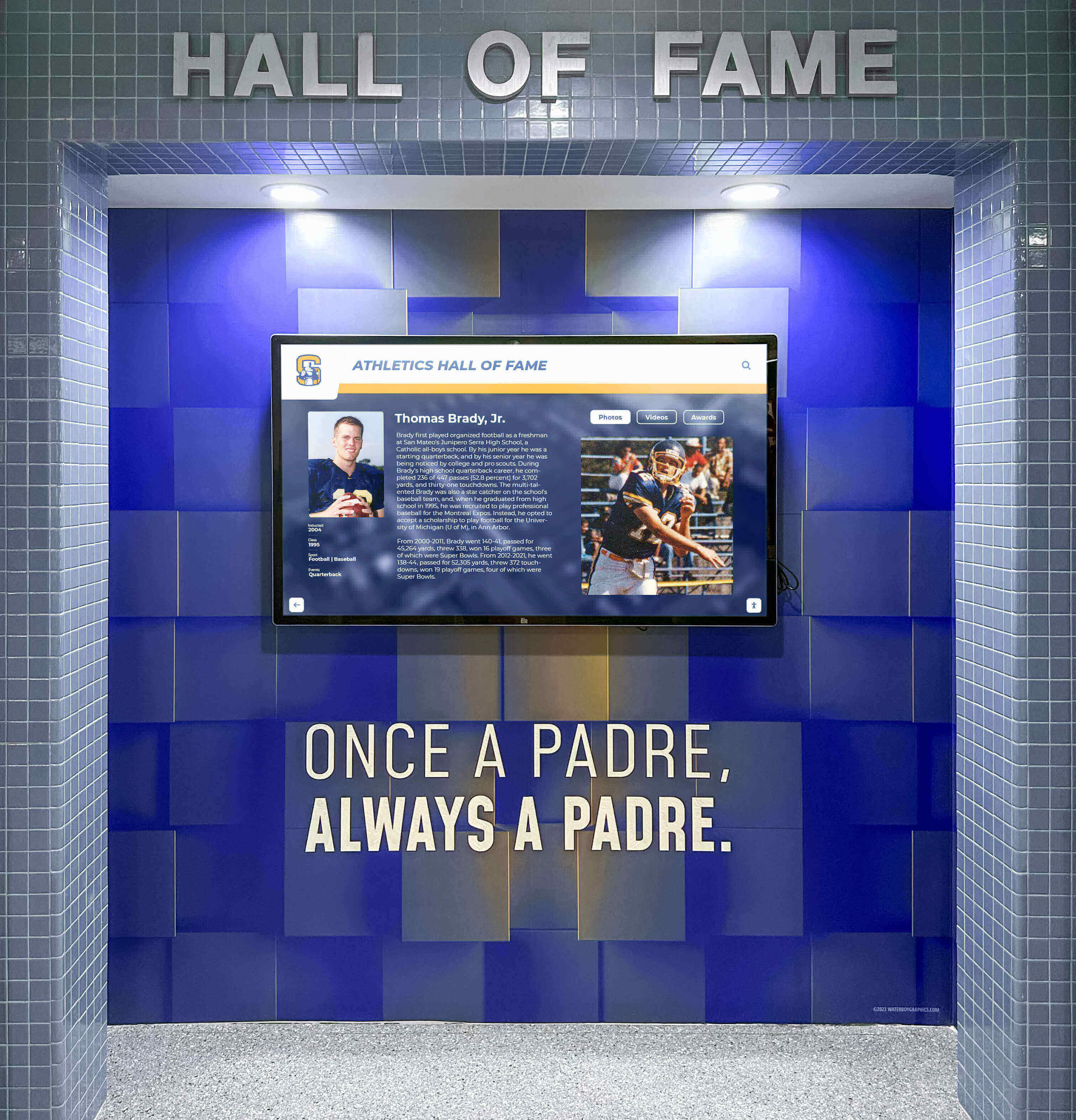
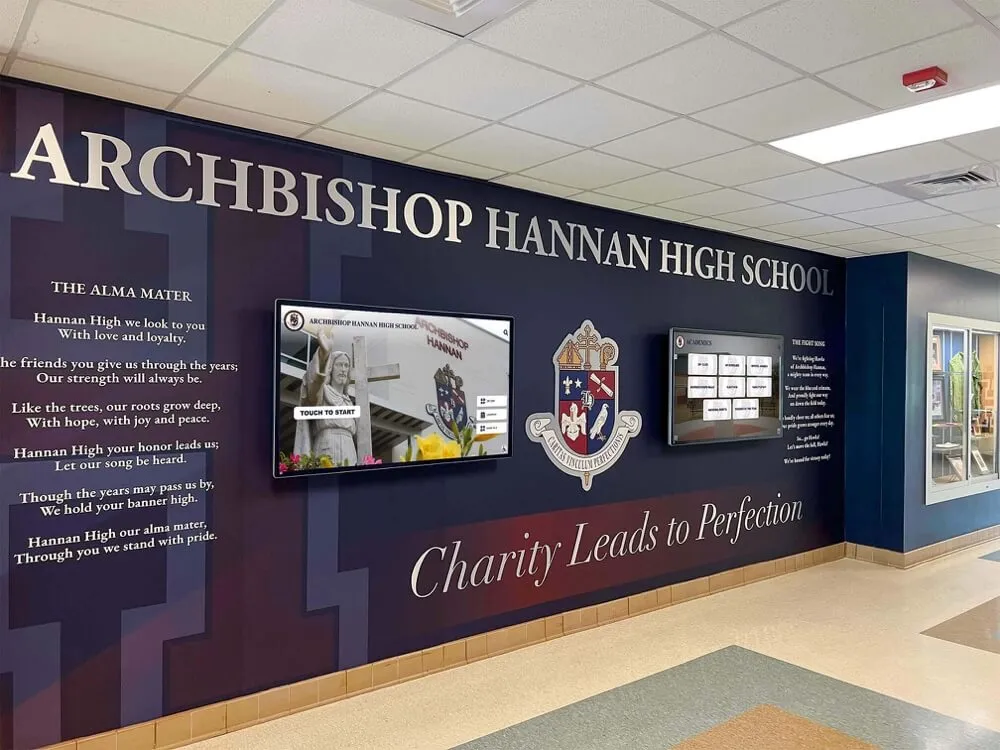
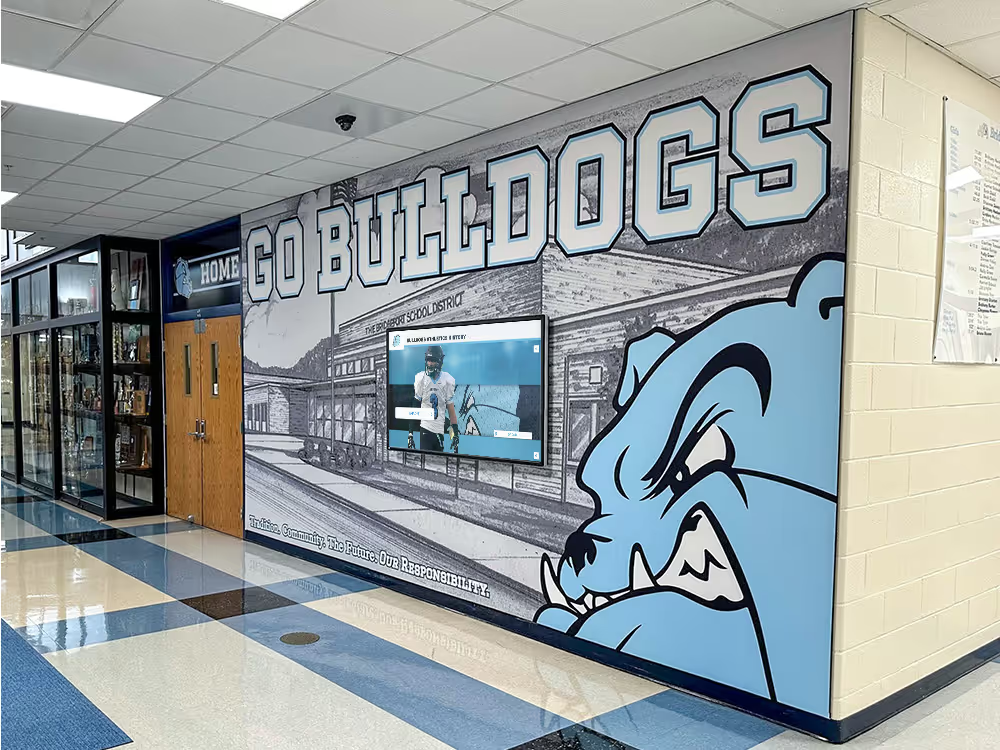
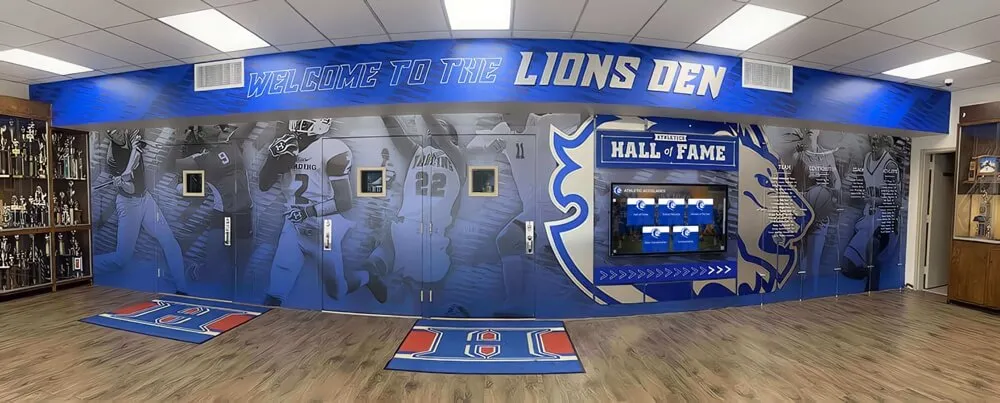
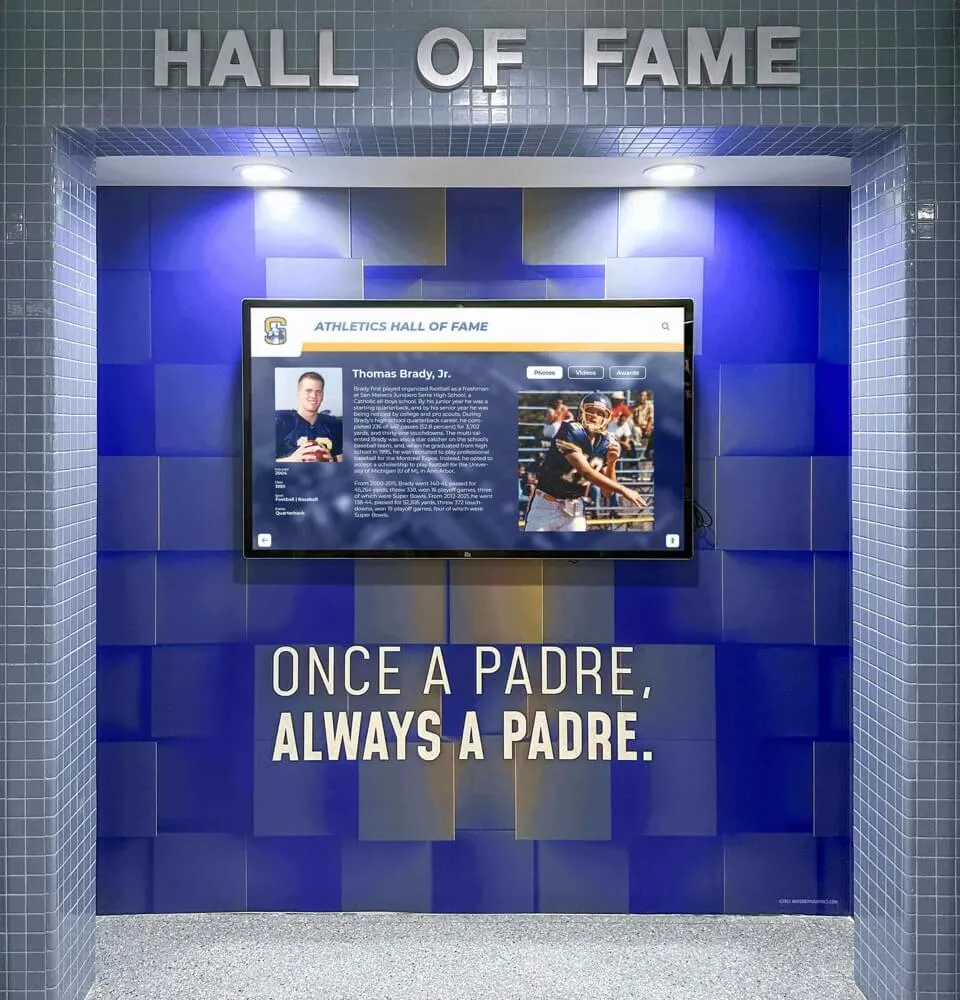
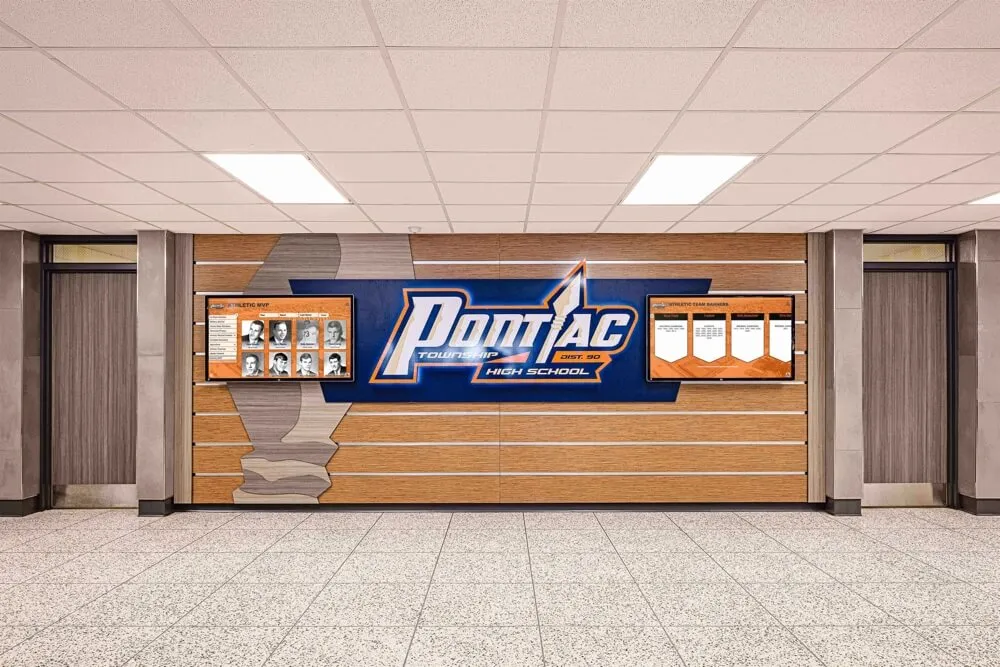
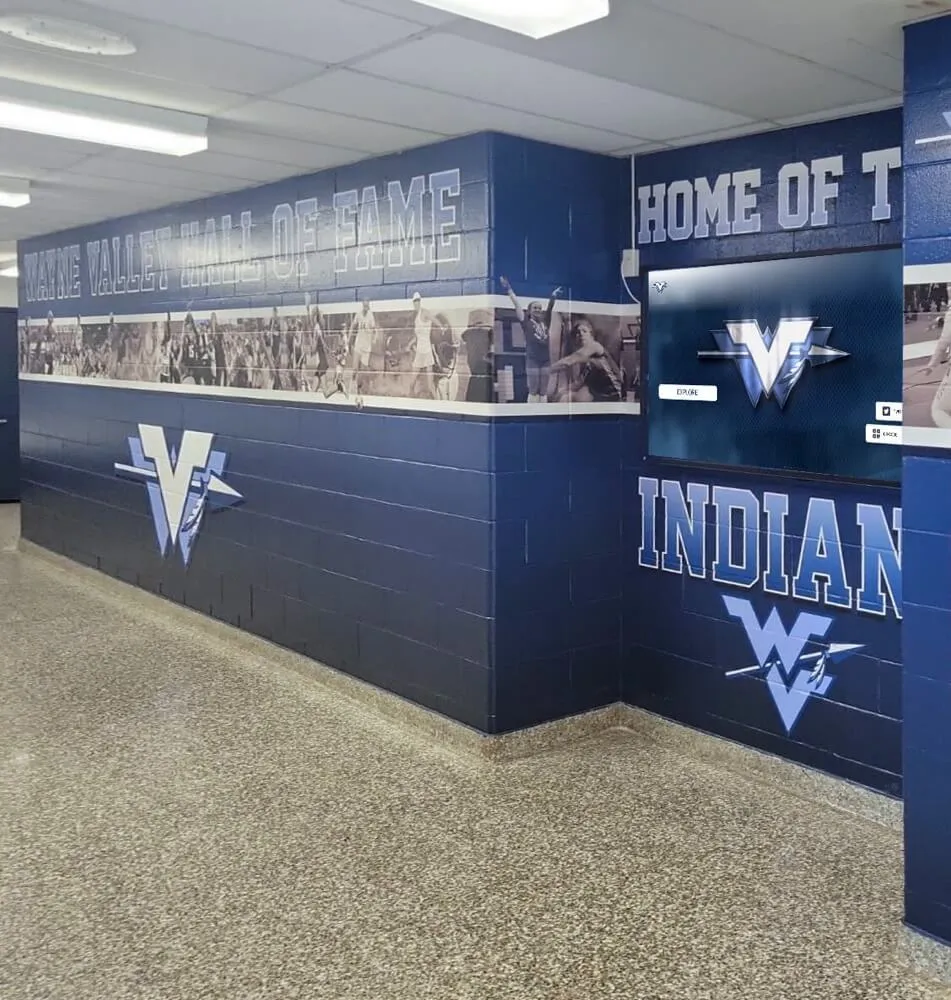
Professional installations integrate seamlessly with existing campus architecture while providing engaging recognition experiences
Phase 4: Student Promotion and Program Launch
Creating Awareness Among Students
Even excellent advice libraries serve no one if students don’t know they exist:
Launch Strategies:
- New student orientation: Introduce freshmen to alumni advice resources as part of onboarding
- Classroom integration: Faculty reference relevant alumni videos during career-focused course discussions
- Career services partnership: Counselors direct students to specific advice videos during appointments
- Social media campaigns: Share compelling video excerpts highlighting relatable advice
- Email marketing: Send targeted alumni video recommendations based on declared majors or interests
- Physical signage: Clear wayfinding directing students to touchscreen display locations
- Student organization partnerships: Enlist campus groups to promote to their memberships
Embedding in Critical Moments: Position alumni advice at decision-making crossroads:
- Course selection periods: “Hear from alumni in different majors about their experiences”
- Internship application seasons: “Learn how successful alumni landed their first opportunities”
- Career transition periods: “Advice from recent graduates about life after [School]”
- Graduate school consideration: “Alumni perspectives on advanced degree value”
This strategic timing ensures advice reaches students when they’re most receptive and likely to apply guidance to immediate decisions.
Measuring Initial Engagement
Track early metrics demonstrating value while identifying improvement opportunities:
- Unique student users accessing advice content
- Most-viewed alumni videos revealing high-interest career fields
- Average viewing duration indicating content engagement quality
- Geographic access patterns showing mobile versus in-person usage
- Search terms students use revealing information needs
- Follow-up mentorship requests generated from video connections
These metrics inform content development priorities while demonstrating program value to institutional leadership and alumni donors who might support expansion.
Advanced Features: Enhancing Alumni Advice Impact
Mature programs incorporate sophisticated capabilities that multiply student value and alumni engagement beyond basic video libraries.
Interactive Q&A and Live Connection Features
Asynchronous Question Submission
Enable students to ask follow-up questions related to specific advice videos:
- Comment functionality where students post questions below relevant alumni profiles
- Alumni receive notifications enabling responses at their convenience
- Public Q&A threads benefiting all students, not just individuals who asked
- Moderation ensuring appropriate professional tone and content
This hybrid approach combines video’s scalability with personalized guidance’s depth—students receive customized advice without requiring real-time alumni availability.
Live Virtual Office Hours
Featured alumni occasionally host scheduled video conference sessions advertised through the platform:
- Advance registration enabling preparation and question curation
- Recorded sessions added to advice library for students who couldn’t attend
- Thematic focus (e.g., “Breaking into consulting careers” or “Life as an entrepreneur”)
- Integration with career services programming expanding existing offerings
Schools report that alumni who contribute advice videos become significantly more willing to participate in live programming—initial video creates relationship foundation encouraging deeper ongoing engagement.
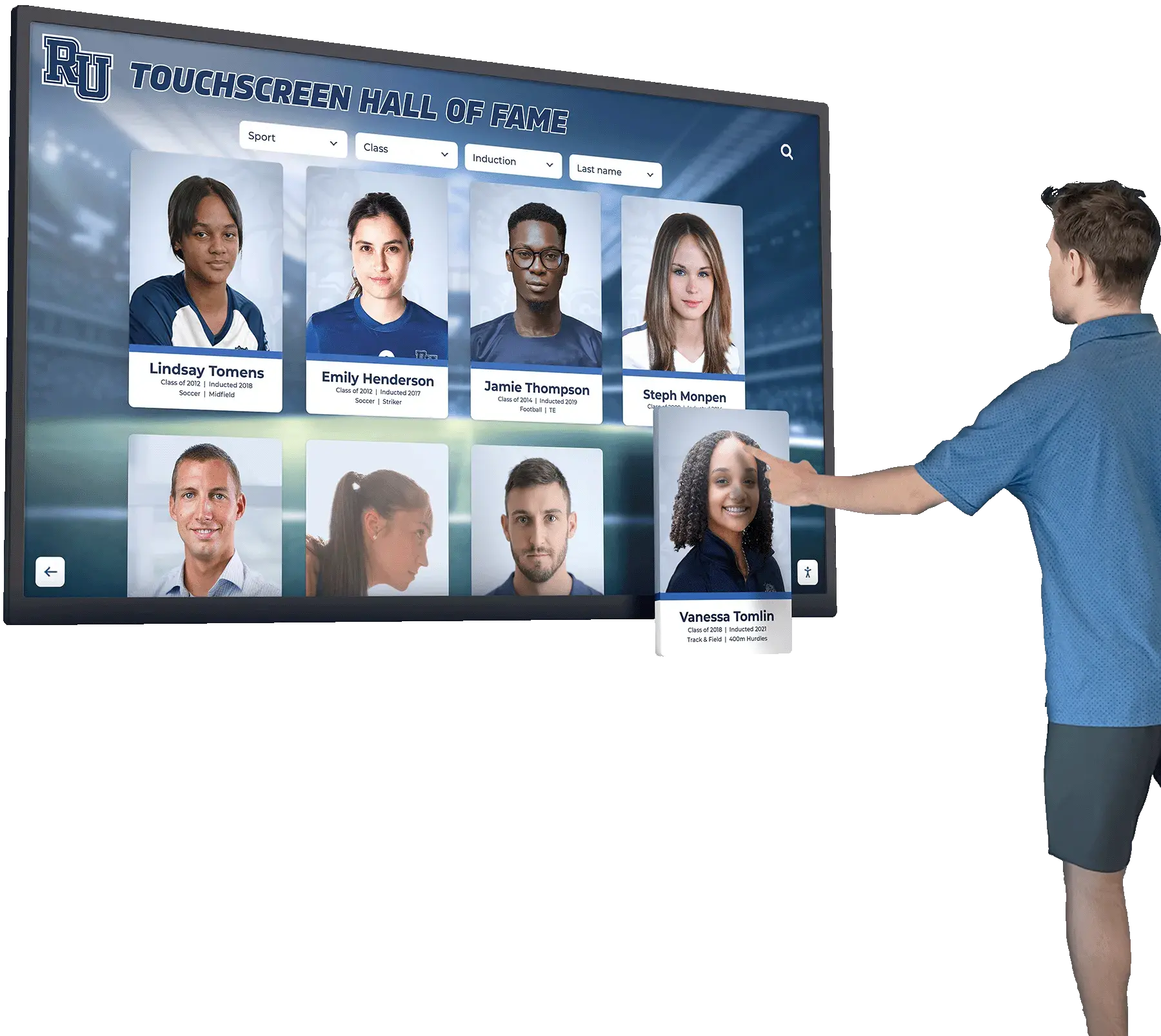
Intuitive interfaces encourage extended exploration with users typically spending 5-10 minutes discovering relevant alumni advice
Career Pathway Visualization
Structured Journey Mapping
Organize alumni advice into visual career progression frameworks:
- Entry-level positions alumni held immediately post-graduation
- 2-5 year career milestones showing typical progression patterns
- Mid-career pivots and transitions demonstrating path flexibility
- Senior leadership trajectories for long-term planning
This organization helps students understand realistic career timelines and intermediate steps between graduation and ultimate aspirations—addressing common frustration where students see accomplished alumni but can’t envision the incremental path connecting present to future.
“Alumni in Your Field” Collections
Curated playlists connecting related advice videos:
- “Five alumni share consulting career advice”
- “Paths to medical school: Pre-med alumni perspectives”
- “Engineering careers: Alumni in software, hardware, and research”
- “Non-traditional pathways: Alumni who changed careers”
Collections enable students to hear multiple perspectives on fields they’re considering, revealing both common themes and diverse approaches—richer guidance than any single alumni video could provide.
Explore comprehensive career guidance in alumni mentorship programs guide demonstrating systematic career development support.
Student-Generated Content Integration
Peer Advice Components
Incorporate current student perspectives alongside alumni wisdom:
- Senior reflection videos where graduating students share advice for younger classmates
- “My journey” segments documenting student career development processes in real-time
- Internship experience reports from students just completing summer programs
- Study abroad reflections, research project documentation, and campus involvement insights
This multi-generational advice creates comprehensive guidance libraries where students find relevant perspectives regardless of current life stage—near-peer advice from students one year ahead alongside established career wisdom from accomplished alumni decades beyond graduation.
Student Interview Programs
Empower student journalists and media programs to capture alumni advice:
- Communications classes conduct alumni interviews as course projects
- Student newspaper features generating content for advice platform
- Campus video production groups creating alumni documentary series
- Career-focused student organizations interviewing alumni in their fields of interest
This approach develops student skills while distributing content creation workload beyond already-stretched advancement staff—creating sustainable long-term content development model.
Measuring Success: Evaluating Alumni Advice Program Impact
Systematic assessment demonstrates program value while identifying enhancement opportunities ensuring initiatives achieve intended student and institutional outcomes.
Quantitative Engagement Metrics
Platform Analytics
Digital systems provide comprehensive usage data:
- Total unique users: Number of individual students accessing advice content
- Viewing frequency: Average videos watched per student session
- Completion rates: Percentage of videos watched fully versus abandoned partway
- Popular content: Most-viewed alumni and career field interests
- Search patterns: Terms students use revealing unmet information needs
- Mobile versus in-person: Access patterns showing physical display engagement versus web/app usage
- Time-based patterns: Usage spikes around registration periods, career fairs, or graduation seasons
- Demographic breakdowns: Ensuring all student populations benefit equitably
Schools with mature programs typically see 40-60% of student body accessing alumni advice annually—dramatically higher than 10-20% participation in traditional mentorship programs.
Mentorship Connection Rates
Track whether video advice leads to deeper alumni-student relationships:
- Direct contact requests generated from video profiles
- Mentorship program applications attributable to advice content
- Informational interview requests students make after watching alumni videos
- Alumni reporting student outreach initiated by video exposure
Successful programs demonstrate that video doesn’t replace personal mentorship—it creates informed, motivated connections where students reach out with specific questions and genuine interest rather than generic networking requests alumni often ignore.
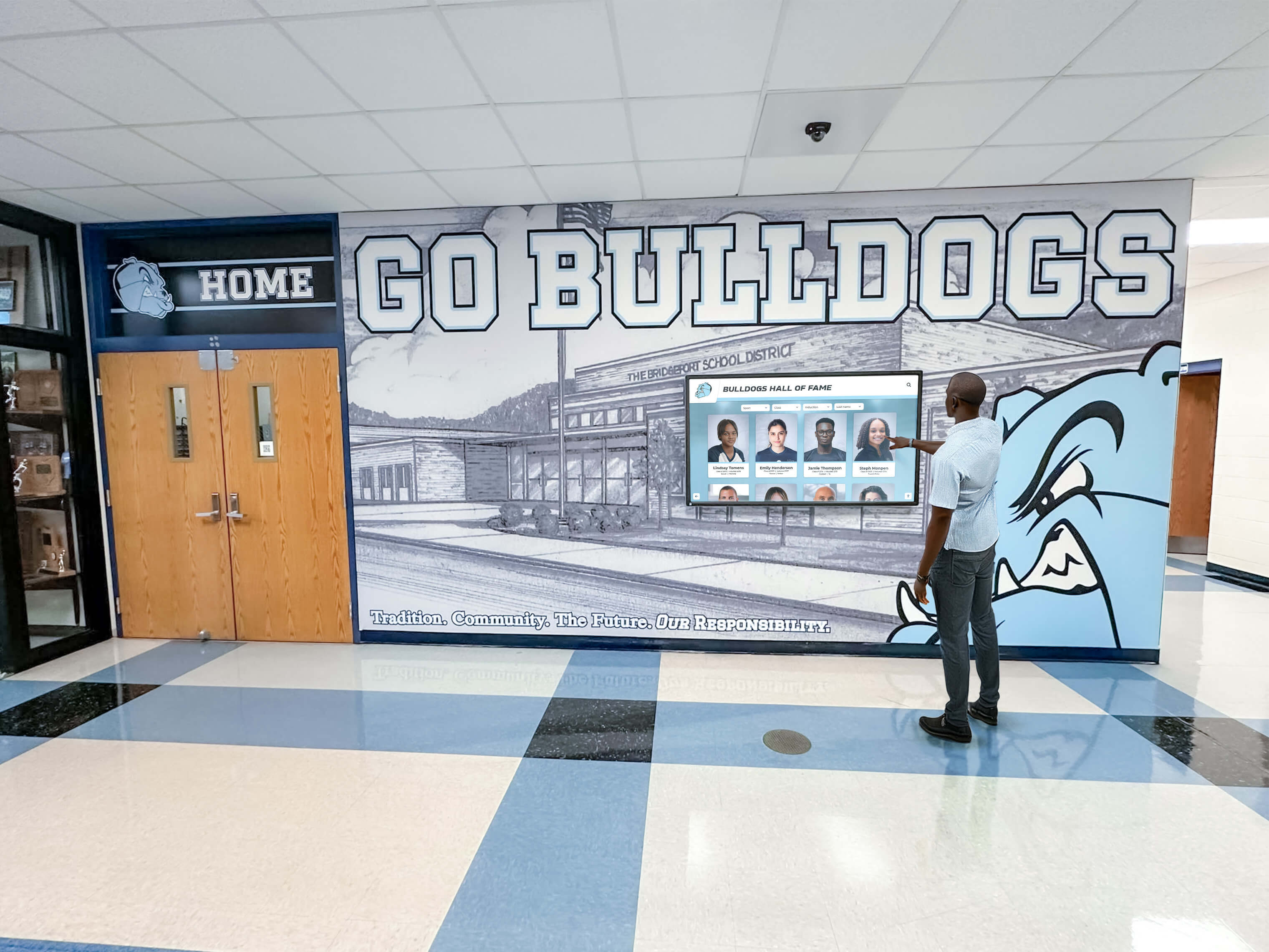
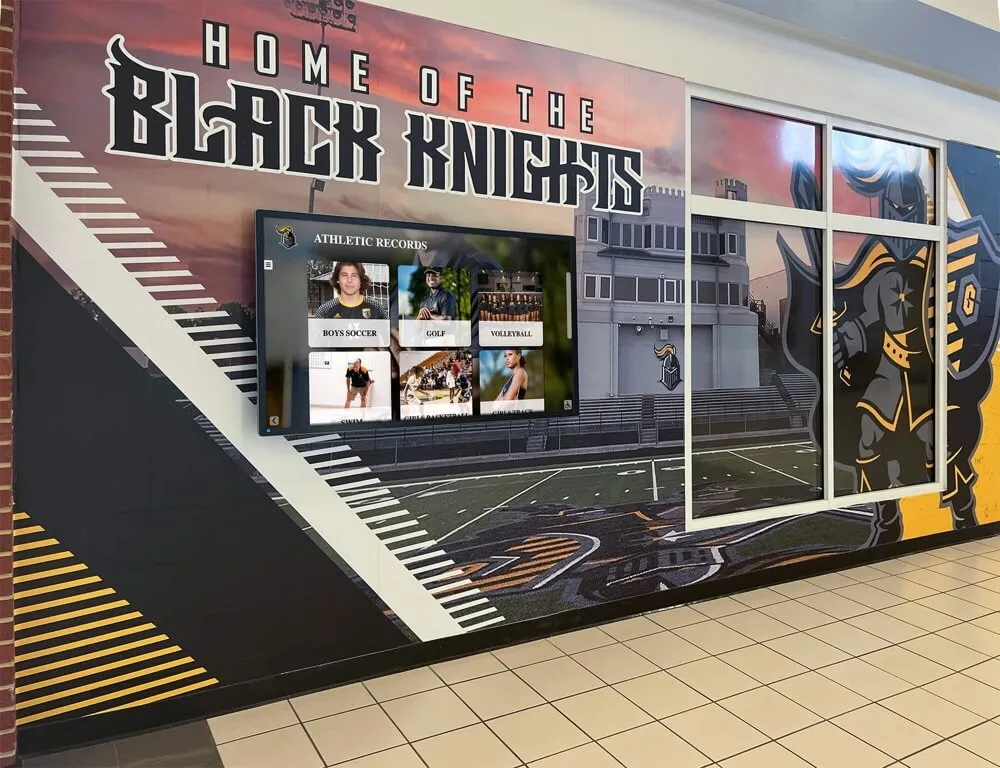
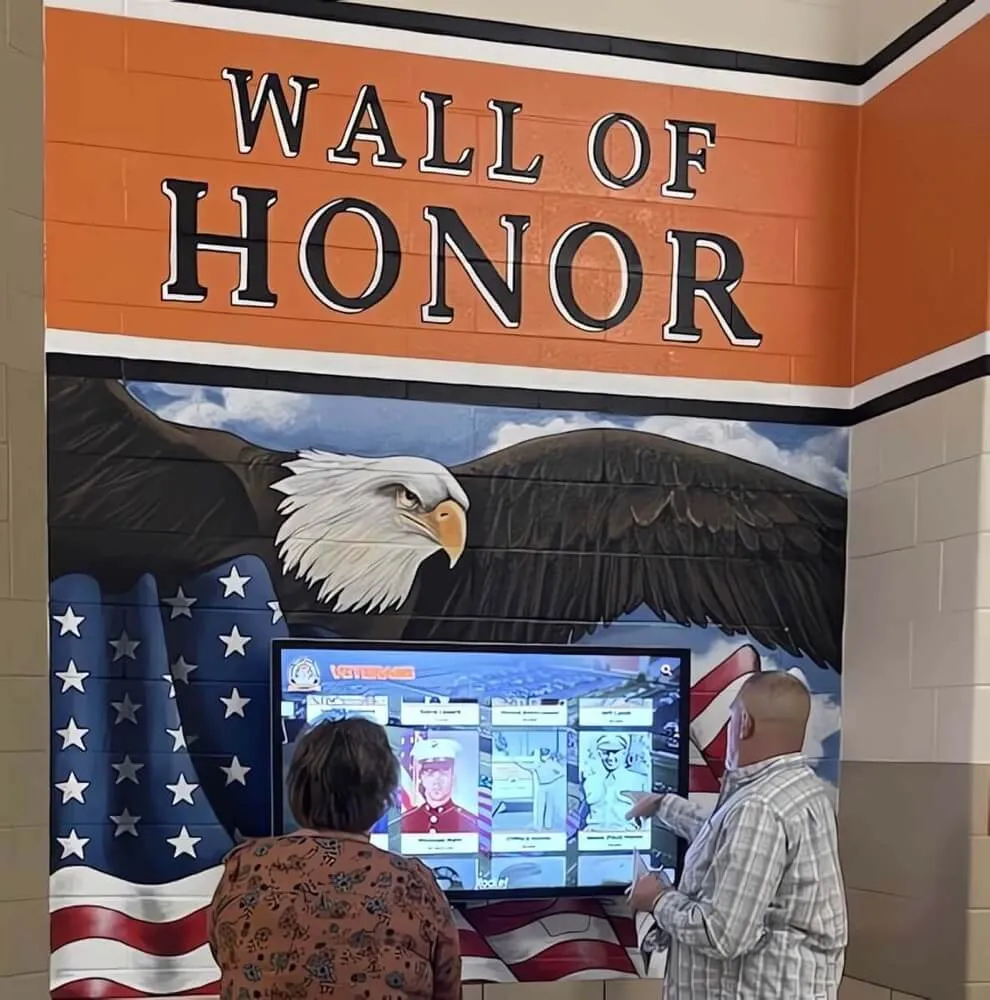
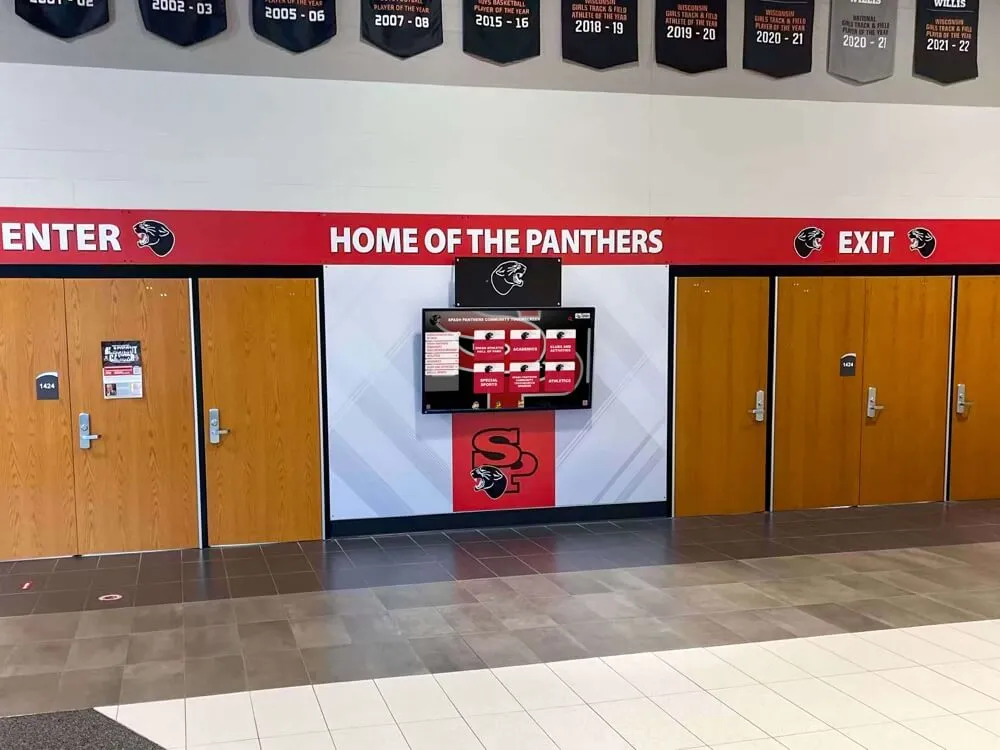
Engaging content and intuitive interfaces transform hallway displays into destinations students actively seek out for guidance
Qualitative Impact Assessment
Student Feedback and Testimonials
Systematic feedback collection reveals program effects beyond metrics:
- Annual surveys: Measuring awareness, usage frequency, and perceived value
- Focus groups: Understanding how advice influenced specific decisions
- Career services input: Counselor observations about student preparedness and clarity
- Success stories: Documenting cases where alumni advice directly influenced student outcomes
- User experience feedback: Interface usability and content organization effectiveness
Questions revealing impact:
- “Have you accessed alumni advice videos? If not, why not?”
- “How did alumni advice influence your major selection, internship search, or career planning?”
- “What additional career fields or alumni perspectives would you find valuable?”
- “How does video advice compare to other career guidance sources you’ve used?”
- “Did you reach out to any alumni after watching their videos? What happened?”
Alumni Satisfaction and Continued Engagement
Assess whether video programs strengthen overall alumni relationships:
- Featured alumni satisfaction with recognition experience and platform professionalism
- Continued engagement after initial video contribution
- Willingness to participate in follow-up programming or mentorship
- Peer response within alumni networks
- Pride in being featured and sharing video profiles with personal networks
Schools report that alumni video contributors become significantly more engaged across all institutional touchpoints—giving increases, event attendance rises, and peer recruitment improves—demonstrating that recognition through advice platforms benefits alumni relations broadly, not only student outcomes.
Budget Considerations and Funding Strategies
Alumni advice video programs require investment but deliver value across multiple institutional priorities simultaneously—student success, alumni engagement, career services enhancement, and institutional marketing.
Total Investment Breakdown
Initial Development Costs
Video Production Equipment and Setup (if not using existing resources):
- Professional camera and lenses: $2,000-5,000
- Audio recording equipment: $500-1,500
- Lighting kit: $500-1,500
- Editing software and workstation: $2,000-4,000
- Portable production kit for field recording: $1,000-2,500
Platform and Display Technology:
- Interactive display hardware (per unit): $3,000-8,000
- Professional installation and mounting: $800-2,500 per display
- Recognition platform initial setup: $2,000-6,000
- Website integration: $1,000-3,000
- Mobile app development (if desired): $5,000-15,000
Initial Content Development:
- 20-30 initial alumni video production: $10,000-40,000 (depending on production approach)
- Staff training on video production and editing: $1,000-2,500
- Alumni recruitment and coordination: 40-60 staff hours
Ongoing Annual Operating Costs
Technology and Platform:
- Recognition platform annual subscription: $2,000-6,000
- Display maintenance and technical support: $500-1,500
- Software updates and enhancements: $500-1,500
- Video hosting and bandwidth: Typically included in platform costs
Content Production:
- 10-15 new alumni videos annually: $5,000-15,000
- Video editing and platform updates: 60-100 staff hours annually
- Alumni coordination and recruitment: 40-60 hours annually
Total annual operating costs: $8,000-25,000 depending on content volume and staffing approach.
These investments serve multiple institutional goals simultaneously—making per-objective costs reasonable when comprehensive benefits are assessed.
Funding Approaches and Resources
Integrated Operational Budgets
Multiple departments benefit from alumni advice programs, suggesting shared funding:
- Career services: Enhanced counseling resources and student guidance
- Alumni relations: Graduate engagement and mentorship facilitation
- Advancement: Donor cultivation through meaningful recognition
- Student affairs: Retention support through career clarity and connection
- Admissions: Prospective family marketing demonstrating career outcomes
External Funding Sources
Dedicated fundraising can support implementation and expansion:
- Alumni association grants: Supporting programs that directly benefit students and engage graduates
- Corporate workforce partnerships: Companies benefiting from program graduates sponsor career-specific content
- Foundation grants: Educational technology and student success program funding
- Capital campaign components: Included in comprehensive facility or technology initiatives
- Named recognition opportunities: Major gifts supporting specific advice video series or display installations
In-Kind Resource Contributions
Creative approaches reduce direct costs:
- Student work-study: Supporting production assistance and content coordination
- Academic course integration: Communications and journalism programs conducting alumni interviews
- Volunteer alumni production: Graduates with video expertise donating professional services
- Technology donations: Corporate partners providing discounted or donated equipment
- Space allocation: Repurposing existing areas rather than requiring new construction
The tangible, visible nature of video advice systems—particularly when incorporating interactive displays—makes them attractive to funders seeking concrete impact from contributions.
Conclusion: Making Alumni Wisdom Accessible to Every Student
Alumni advice represents one of the most valuable yet underutilized resources schools possess—the collective wisdom of thousands of graduates who successfully navigated the exact transitions current students are beginning to face. For too long, this wisdom has remained trapped in individual memories, shared occasionally with small groups through limited mentorship programs, then lost rather than preserved for future student generations.
Interactive video recognition systems fundamentally transform this equation. By systematically capturing alumni advice, organizing wisdom by career paths and life stages, and making guidance accessible to all students whenever they need it, schools create permanent institutional resources that serve students for decades while requiring minimal ongoing alumni time commitments beyond initial video contributions.
Transform Alumni Wisdom Into Lasting Student Resources
Discover how interactive video recognition systems can help your school capture valuable alumni advice, create comprehensive career guidance libraries, and connect students with graduate mentorship through engaging touchscreen displays designed specifically for educational environments.
Explore Alumni Recognition SolutionsThe comprehensive strategies explored in this guide provide frameworks for implementing video advice programs that honor alumni contributions while serving student needs sustainably. From systematic video production approaches matching available resources to technical platform features enabling intuitive student discovery, these proven methods create programs delivering value far exceeding traditional occasional mentorship.
Solutions like Rocket Alumni Solutions provide complete platforms specifically designed for educational institutions seeking to celebrate alumni while building lasting student connections. Cloud-based content management dramatically simplifies video library updates and maintenance, interactive touchscreen displays create engaging exploration experiences in high-traffic campus locations, comprehensive analytics reveal which advice resonates most with students, and mobile-responsive platforms extend access beyond physical displays to smartphones and laptops students use everywhere.
Start with clear understanding of what guidance students need most and which alumni possess wisdom addressing those needs. Invest in video production approaches matching your available resources—whether professional studio, mobile field production, or virtual recording hybrid models. Select technical platforms that reduce rather than increase administrative burden while maximizing student accessibility and engagement. Then systematically refine and expand based on measured student usage patterns and feedback.
Every alumnus who achieved professional success did so building on educational foundations your institution provided. Their career journeys, hard-won lessons, and honest reflections about challenges and triumphs represent invaluable resources that current students desperately need but rarely access. With thoughtful planning, appropriate technology, and sustained commitment, you can ensure that alumni wisdom serves every student, not just the fortunate few who happen to connect with mentors—creating comprehensive guidance libraries that strengthen your institution’s impact for generations.
Ready to begin capturing and sharing alumni wisdom systematically? Explore how comprehensive alumni recognition platforms can help you create video advice systems that inspire students, honor alumni, and build the mentorship connections that transform educational experiences into lifelong career success.