



Agility ladder drills represent one of the most versatile and effective training tools coaches use to develop explosive footwork, rapid directional changes, and neuromuscular coordination across every sport. From football running backs accelerating through defensive gaps to basketball guards breaking down defenders with quick crossovers, the ability to move your feet rapidly while maintaining balance and body control separates elite athletes from those with unrealized potential.
The agility ladder—a simple piece of equipment consisting of parallel plastic rungs connected by nylon straps—creates a structured environment for developing foot speed, coordination patterns, and the muscle memory enabling athletes to react instinctively during competition. While the ladder itself costs less than quality training shoes, the athletic improvements it facilitates translate directly into competitive advantages: faster first steps, quicker recovery after mistakes, superior balance during contact, and the confidence to attack at full speed.
Despite widespread availability in high school athletic programs, many coaches underutilize agility ladder training or implement generic drill progressions without understanding how specific footwork patterns transfer to sport-specific performance. Meanwhile, programs that incorporate systematic ladder work into regular training routines develop athletes who move more efficiently, change direction more explosively, and maintain technique integrity when fatigued—the physical qualities enabling championship performances.
This comprehensive guide presents 20+ progressive agility ladder drills organized by skill level and training objective, complete with execution details, coaching points, common mistakes, sport-specific applications, and programming strategies ensuring coaches maximize this fundamental training tool while building athletic programs worthy of permanent recognition.

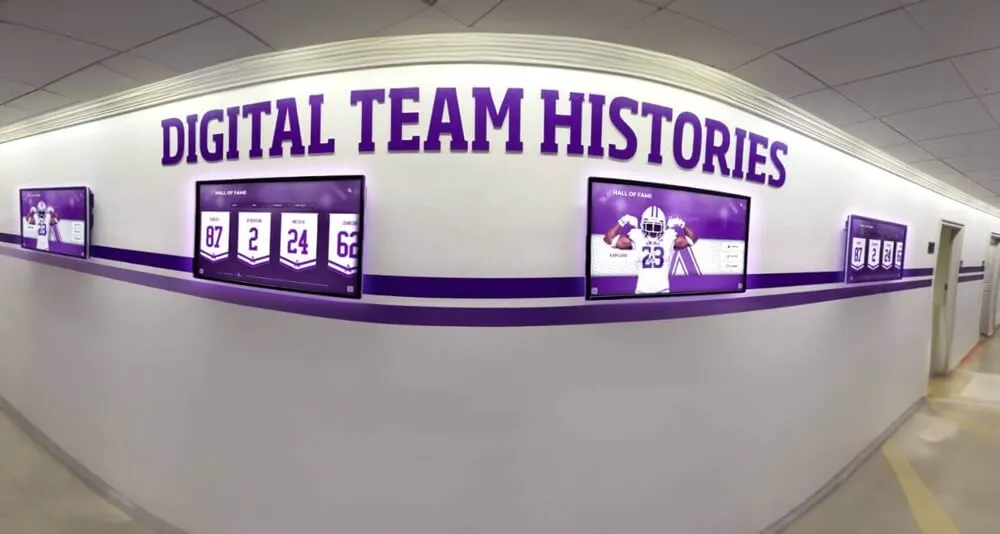
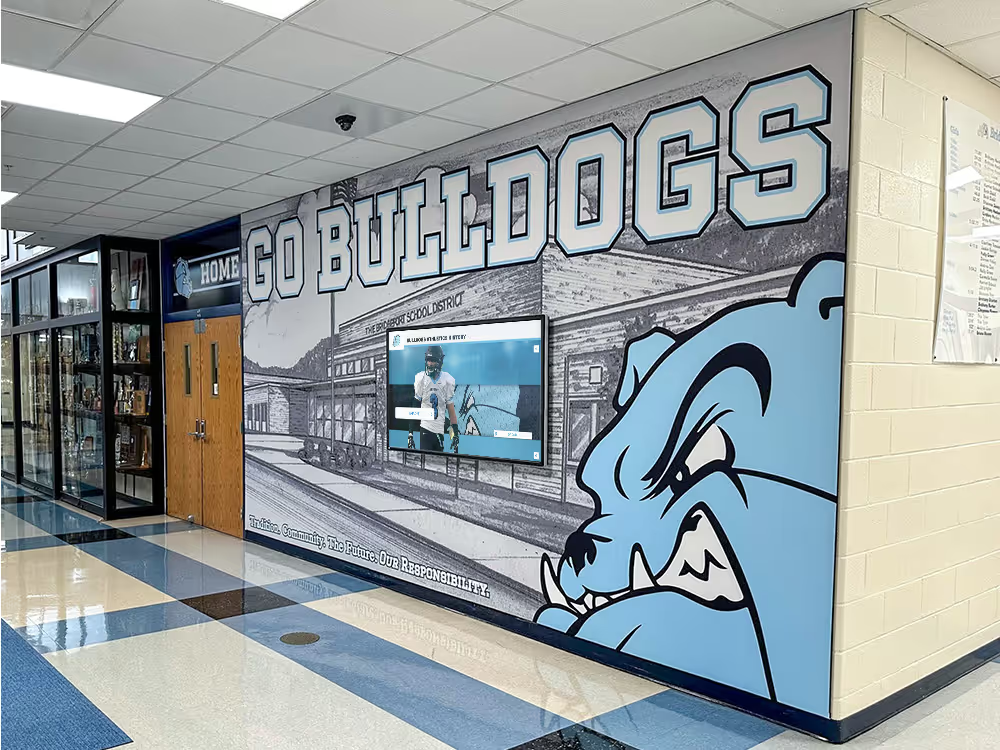
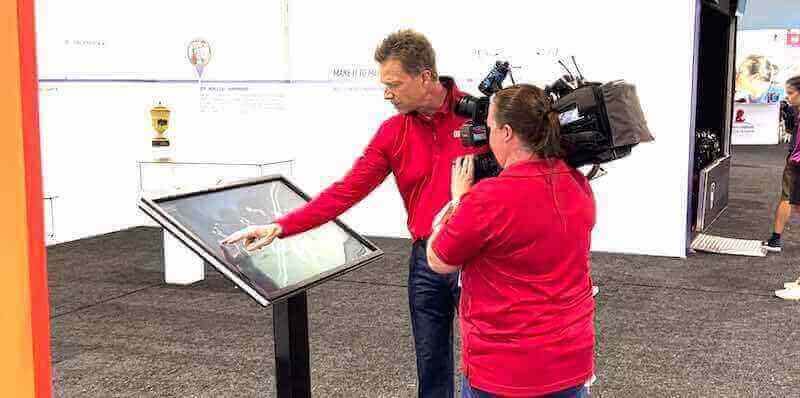
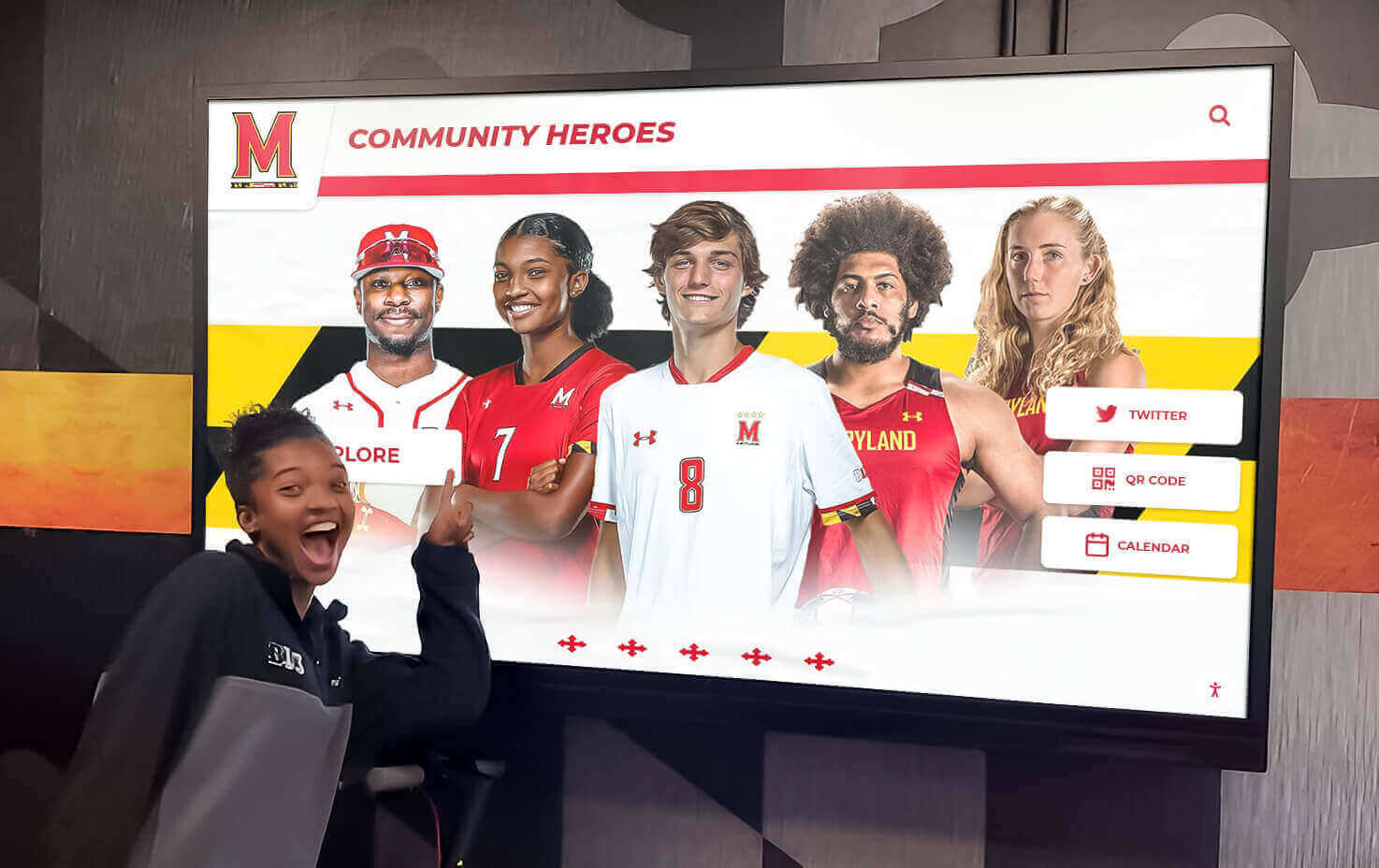
Speed and agility development creates athletes worthy of recognition alongside scoring achievements in comprehensive programs
Understanding Agility Training and Ladder Drill Fundamentals
Before implementing specific drills, understanding the physiological and neurological adaptations agility training creates ensures coaches design effective progressions producing measurable performance improvements.
The Science Behind Agility and Foot Speed Development
Agility represents the physical ability to rapidly change body position and direction while maintaining control, balance, and power output. This multifaceted skill involves several interconnected systems:
Neuromuscular Coordination and Motor Learning
Agility ladder drills develop neural pathways supporting rapid, unconscious movement patterns:
- Central nervous system efficiency sending signals to muscles faster
- Proprioceptive awareness improving body position sense
- Motor unit recruitment patterns activating muscle fibers more quickly
- Bilateral coordination synchronizing left and right movements
- Muscle memory enabling automatic execution during competition
Research demonstrates that deliberate footwork practice creates measurable improvements in reaction time, movement accuracy, and the ability to execute complex movement patterns without conscious thought—the difference between athletes who think about their feet and those whose feet respond automatically to competitive demands.
Physical Components of Agility Performance
While agility depends heavily on neural efficiency, several physical qualities determine maximum potential:
- Lower body power generating explosive force for direction changes
- Core stability maintaining balance during rapid movements
- Ankle strength and mobility enabling quick ground contacts
- Hip flexibility allowing full range of motion in multiple planes
- Cardiovascular fitness sustaining performance through competitions
The most effective agility programs address both neural and physical components simultaneously, using ladder drills for coordination development while incorporating complementary strength, power, and mobility training.
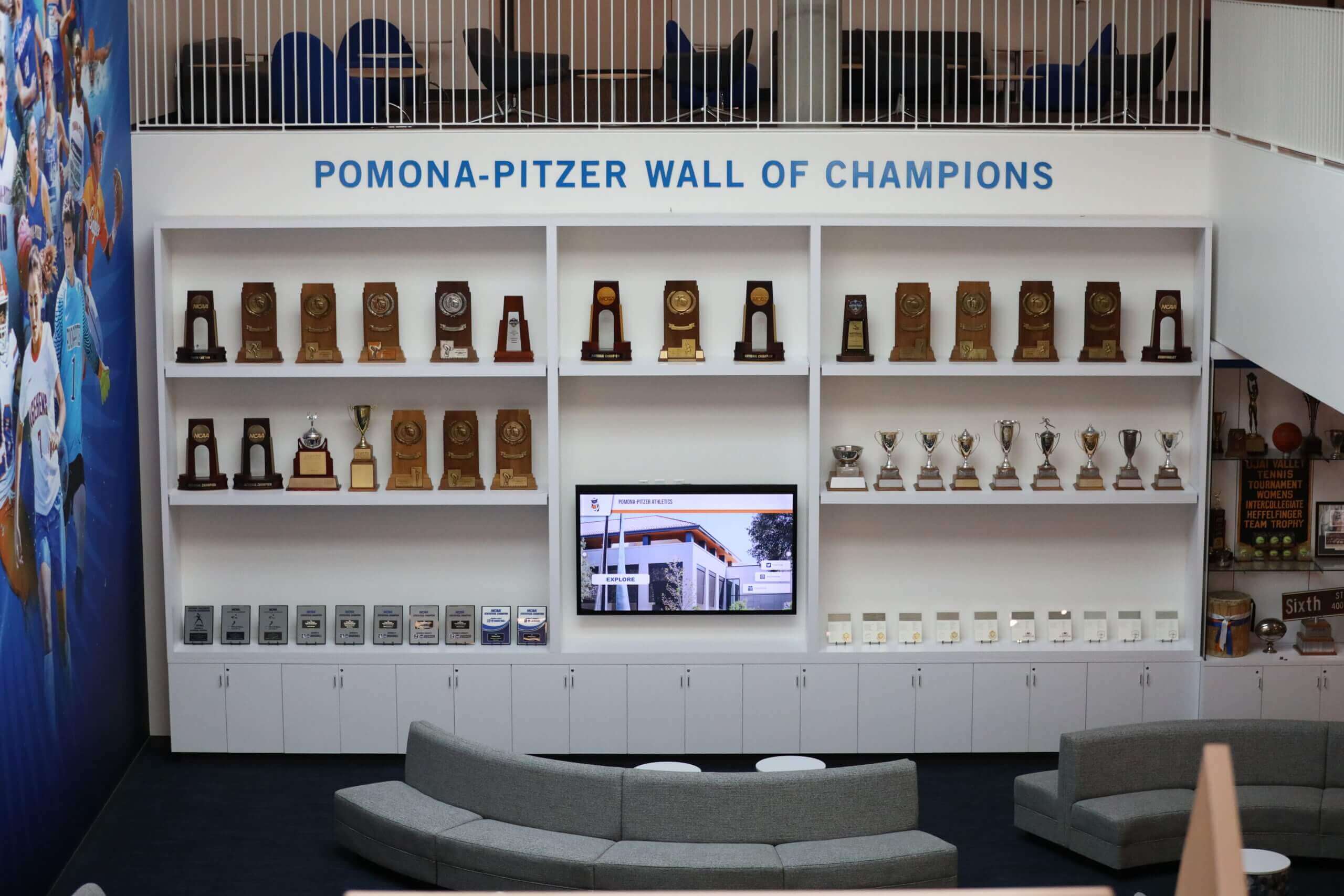
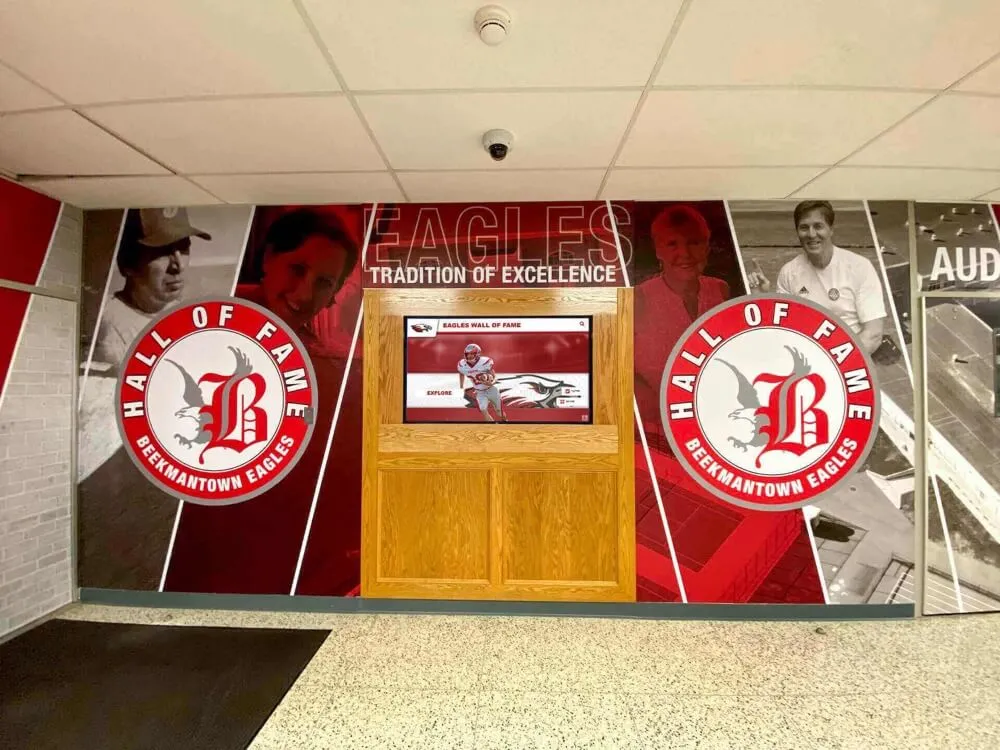
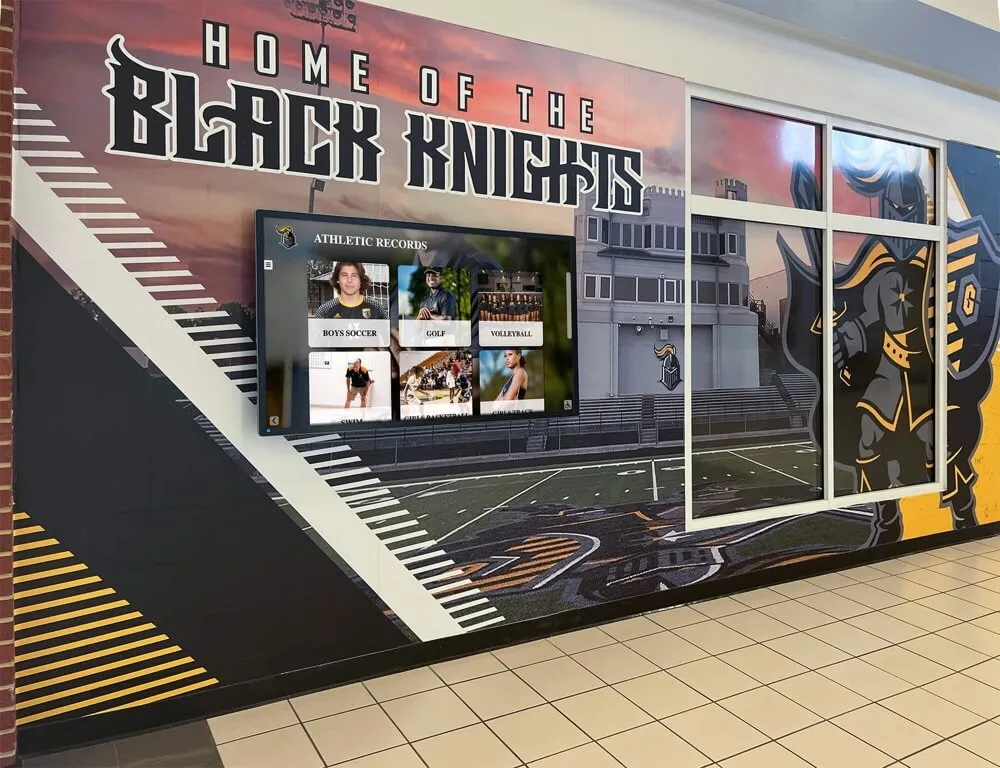
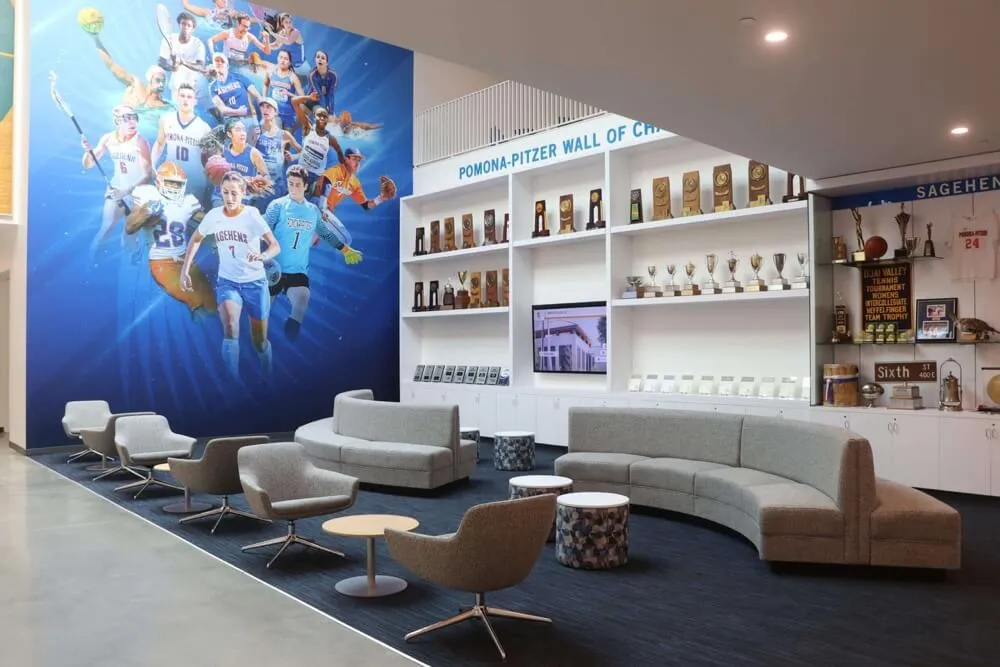
Elite training facilities integrate recognition displays celebrating the speed and agility achievements enabling championship performance
Benefits of Agility Ladder Training Across All Sports
Systematic ladder work produces transferable improvements benefiting athletes regardless of sport specialization:
Universal Athletic Benefits
Core advantages applicable across all sports:
- Enhanced foot speed and quickness in all directions
- Improved coordination and body awareness
- Better balance and stability during rapid movements
- Increased ankle and foot strength reducing injury risk
- Superior concentration and focus during training
- Higher work capacity enabling sustained performance
These foundational benefits create athletic platforms supporting sport-specific skill development, allowing specialized training to produce better results when built on superior movement quality.
Sport-Specific Transfer Applications
While agility ladder drills develop general athletic qualities, specific patterns transfer directly to competitive situations:
Football: Defensive backs backpedaling and transitioning to coverage, running backs hitting gaps with precision footwork, offensive linemen resetting feet quickly during pass protection, receivers separating from coverage with sudden direction changes. Programs recognizing defensive excellence often feature standout performers who excel in agility-based situations.
Basketball: Guards executing crossovers and hesitation moves, defensive players sliding laterally without crossing feet, big men establishing post position with quick feet, transition players accelerating and decelerating efficiently. Elite programs celebrate basketball excellence built on superior footwork fundamentals.
Soccer: Midfielders receiving under pressure with proper body positioning, defenders recovering after being beaten, forwards creating separation in tight spaces, goalkeepers positioning quickly during attacks.
Volleyball: Quick transitions between defensive and offensive positions, proper approach footwork for attacks, defensive shuffles covering court areas, setters establishing position for delivery.
Track and Field: Sprinters developing explosive starts, hurdlers maintaining rhythm between barriers, jumpers approaching with precision footwork, multi-event athletes building general athleticism.
Wrestling and Combat Sports: Rapid level changes, stance switching, positioning during tie-ups, footwork for maintaining advantageous positions.
The versatility of ladder training makes it valuable across entire athletic programs, enabling efficient group training sessions serving multiple sports simultaneously.
Proper Ladder Drill Technique and Safety Considerations
Fundamental Technique Principles
Correct execution maximizes training benefits while minimizing injury risk:
- Stay on balls of feet maintaining ready athletic position
- Keep center of gravity low with slight forward lean
- Land softly with controlled ground contacts
- Pump arms naturally coordinating with foot movements
- Maintain consistent rhythm throughout each drill
- Look forward focusing on destination rather than feet
- Complete each repetition deliberately—don’t sacrifice technique for speed
Athletes who establish proper technique during initial learning transfer patterns more effectively to competitive situations than those who rush through sloppy repetitions.
Safety and Injury Prevention
While agility ladders present minimal injury risk compared to other training modalities, proper precautions ensure safe implementation:
- Adequate warm-up including dynamic stretching and movement preparation
- Appropriate footwear with ankle support and traction
- Flat, non-slip training surfaces free from obstacles
- Progressive intensity increases preventing overuse injuries
- Sufficient rest between high-intensity sets
- Modified approaches for athletes returning from lower body injuries
- Proper supervision ensuring technique maintenance
Coaches should monitor fatigue levels carefully, as deteriorating technique during exhaustion creates poor movement habits difficult to correct later.
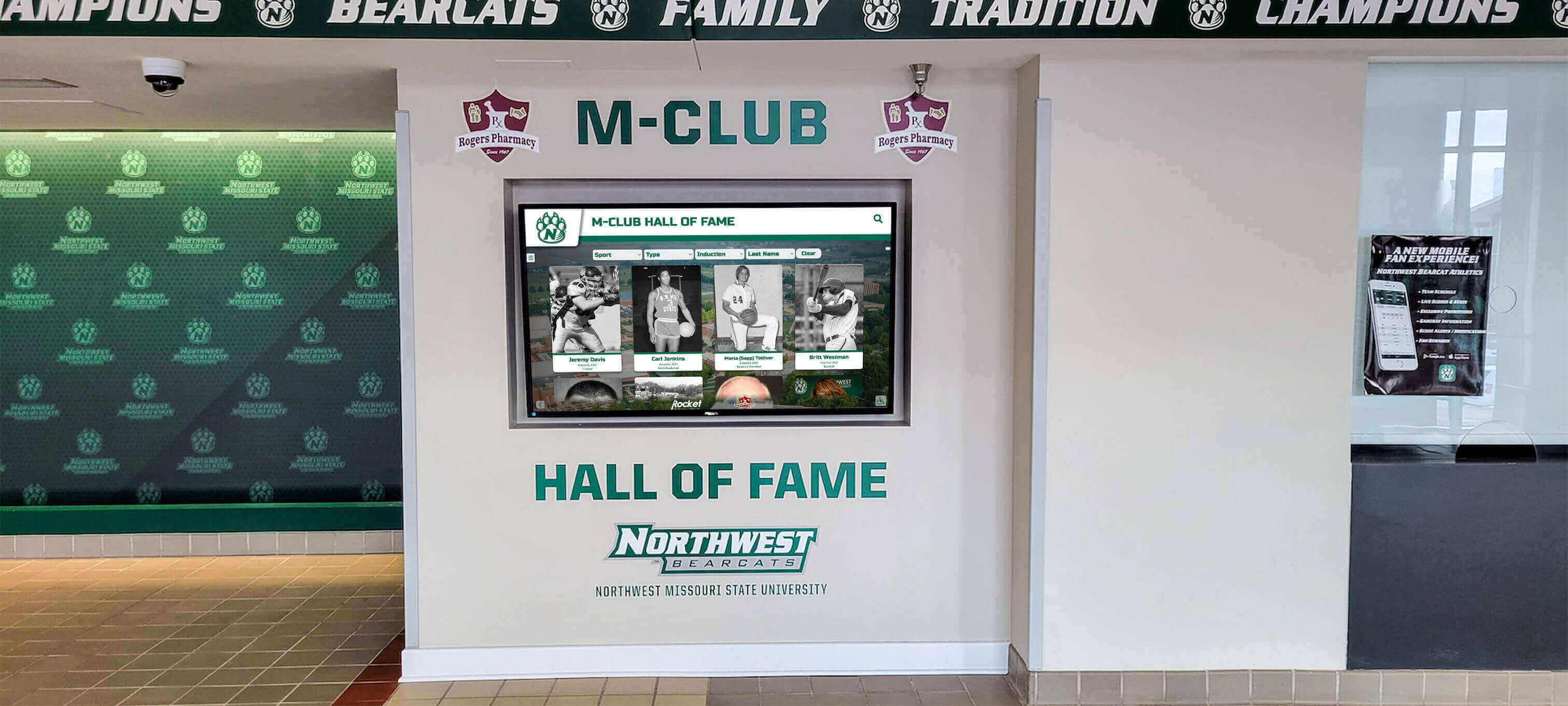
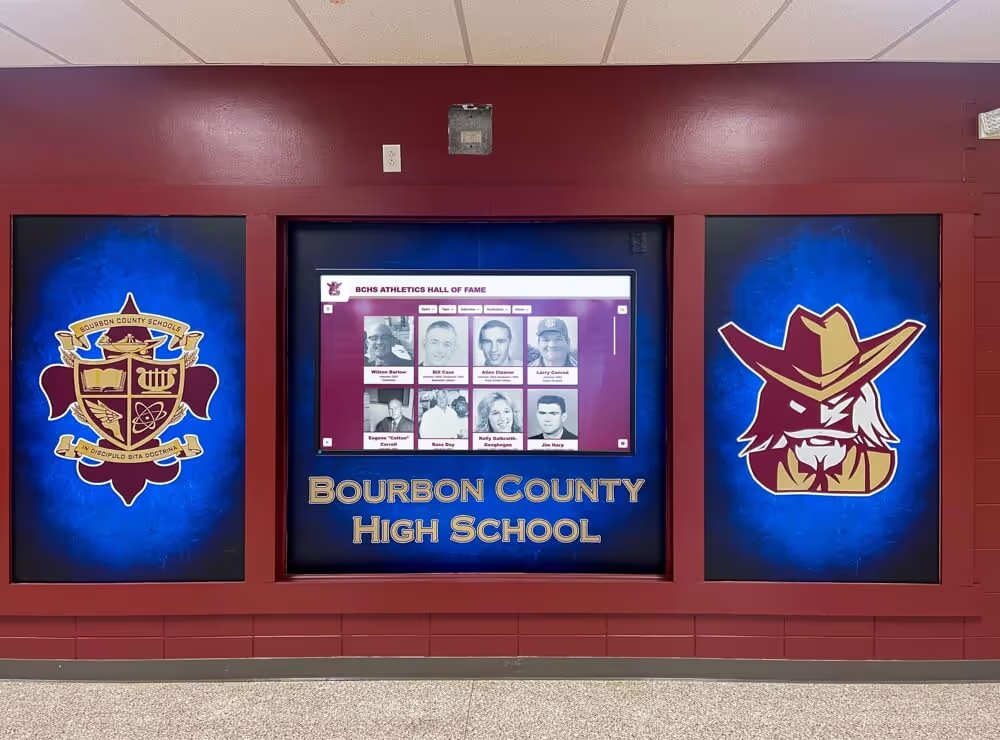
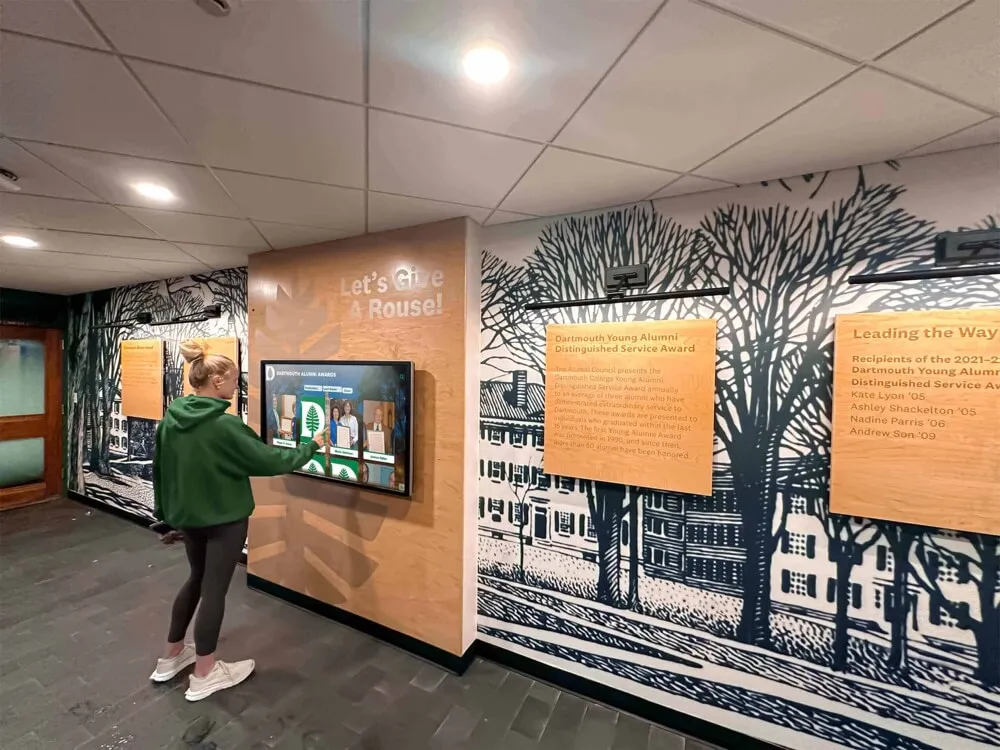
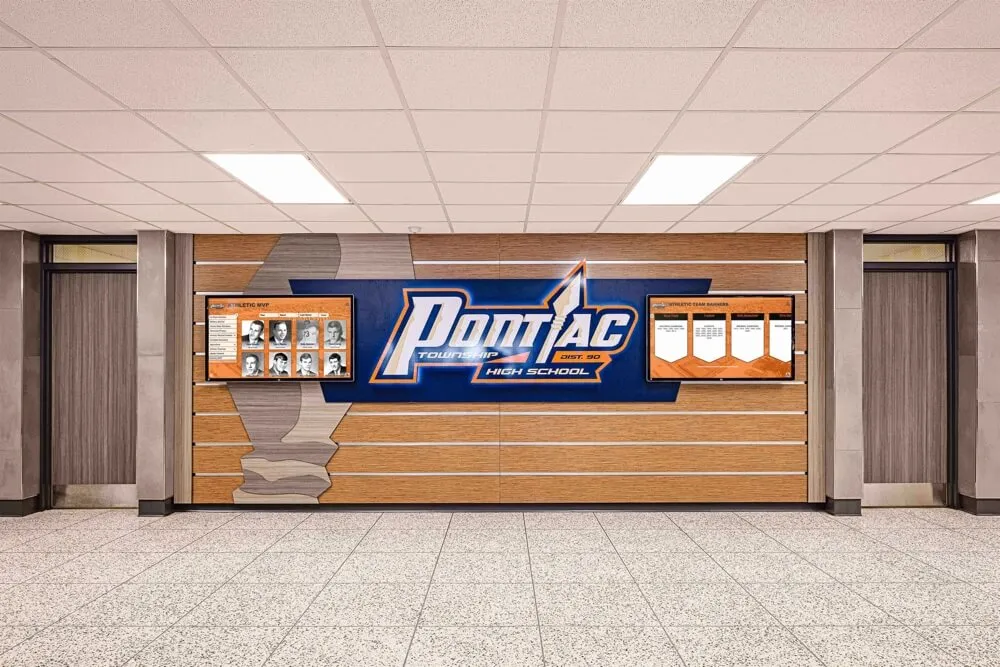
Recognition programs honor the dedication behind speed development alongside game-day achievements
Foundation Level: Basic Agility Ladder Drills
These introductory drills establish fundamental footwork patterns and coordination essential for all advanced progressions. Master these basics before advancing to intermediate and advanced variations.
1. One Foot In Each Square (Linear Run)
Purpose: Develop basic ladder navigation, rhythm, and foot placement accuracy.
Setup and Execution:
- Begin standing at ladder start in athletic stance
- Run through ladder placing one foot in each square
- Maintain consistent tempo and ground contact time
- Focus on quick, light foot contacts
- Complete ladder, walk back, repeat
Coaching Points:
- Quick knee drive bringing feet up and down rapidly
- Ball of foot contacts—avoid heel strikes
- Compact arm swing coordinating with leg drive
- Forward body lean maintaining momentum
- Look at ladder end point rather than watching feet
Common Mistakes: Shuffling feet rather than lifting, inconsistent rhythm, breaking at hips losing forward lean, looking down at feet constantly.
Sport Applications: Foundation for all sports requiring forward acceleration patterns—sprint starts, transition movements, approach runs.
2. Two Feet In Each Square
Purpose: Build bilateral coordination and balance while increasing ground contact frequency.
Setup and Execution:
- Stand at ladder start
- Step into first square with both feet
- Immediately advance both feet to next square
- Continue pattern through entire ladder
- Maintain quick turnover without pausing between squares
Coaching Points:
- Feet should land nearly simultaneously in each square
- Slight hip width stance maintaining balance
- Short ground contact time—think “hot coals”
- Athletic posture with weight on balls of feet
- Breathing rhythm preventing tension
Common Mistakes: Wide stance reducing quickness, pausing between squares, flat-footed landings, excessive vertical displacement wasting energy.
Sport Applications: Preparing for quick directional changes, developing explosive starting movements, building work capacity for repeated efforts.
3. Lateral Shuffle
Purpose: Introduce lateral movement patterns essential for defensive positioning and court coverage.
Setup and Execution:
- Stand perpendicular to ladder at starting end
- Lead with right foot stepping into first square
- Bring left foot to meet right foot in same square
- Continue pattern advancing laterally down ladder
- Return using opposite lead foot
Coaching Points:
- Athletic stance with knees bent and chest up
- Push off with trailing foot rather than pulling with lead foot
- Feet should not cross—maintain proper shuffle mechanics
- Hands in ready position (varies by sport)
- Weight distributed evenly on both feet
Common Mistakes: Crossing feet during shuffle, standing too upright, bringing feet together outside squares, bouncing excessively, slow transitions between squares.
Sport Applications: Basketball and volleyball defensive slides, football coverage techniques, soccer defensive positioning, tennis court movement.

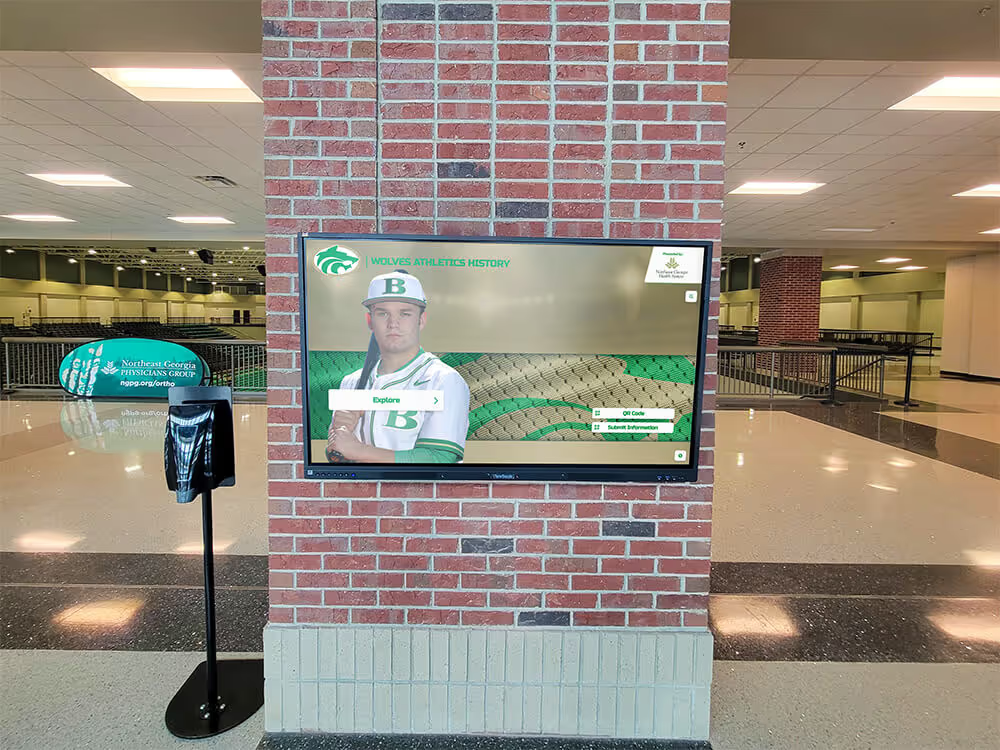
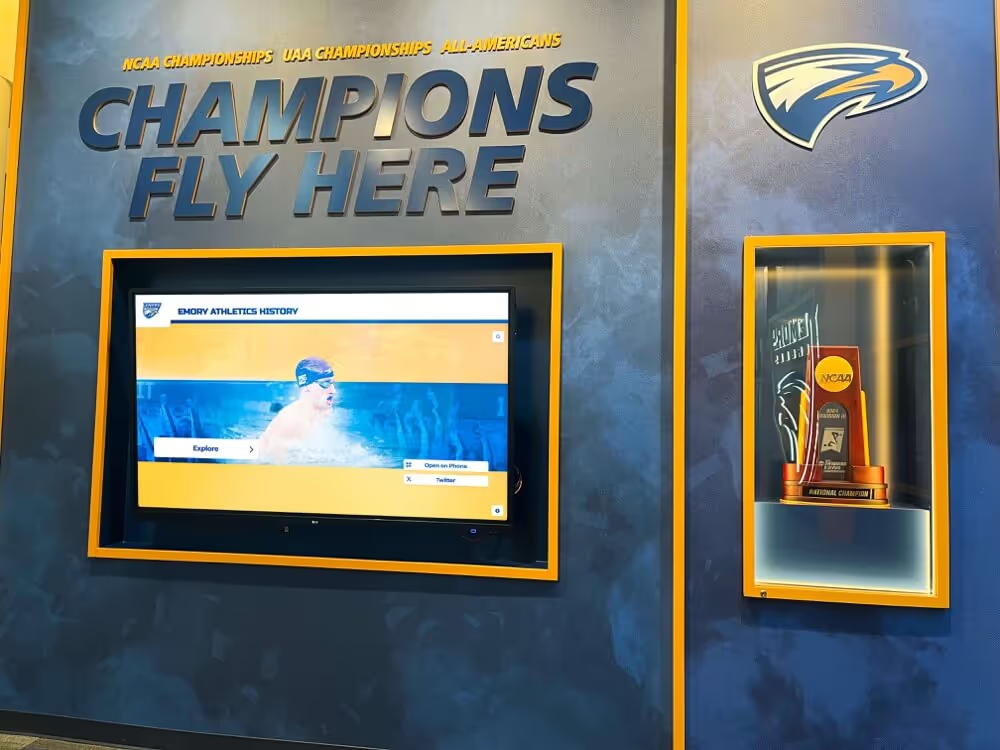
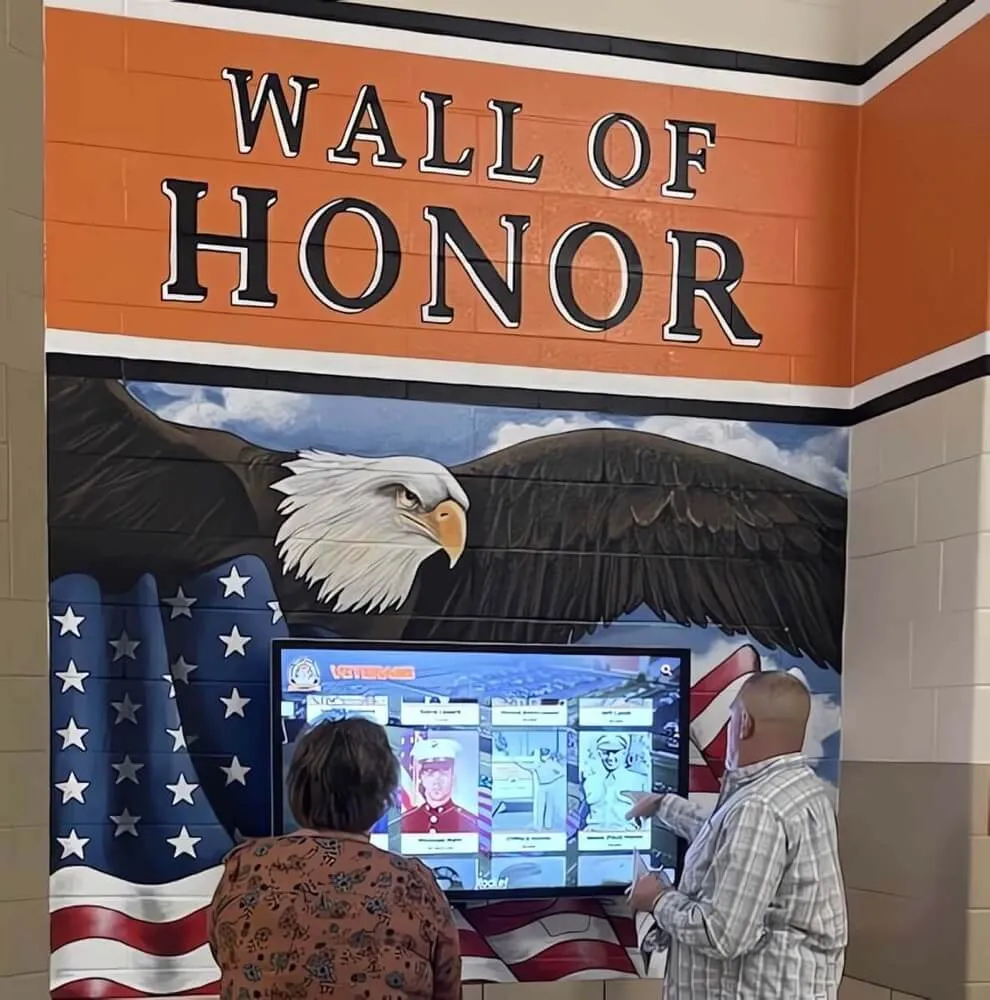
Speed training facilities showcase athlete achievements recognizing the work behind competitive success
4. In-In-Out-Out Pattern
Purpose: Develop lateral coordination and introduce directional changes within structured environment.
Setup and Execution:
- Begin standing beside ladder (offset to left side)
- Step into first square with left foot, then right foot (in-in)
- Step outside ladder on right side with left foot, then right foot (out-out)
- Continue pattern progressing forward down ladder
- Complete repetition, then perform from opposite side
Coaching Points:
- Maintain continuous movement without pausing
- Hip width spacing when both feet inside squares
- Shoulder width spacing when both feet outside ladder
- Consistent rhythm throughout entire pattern
- Upper body control preventing excessive rotation
Common Mistakes: Stopping between in and out transitions, losing rhythm consistency, standing too tall, looking down throughout drill.
Sport Applications: Footwork for cutting movements, developing coordination for complex movement patterns, building foundation for sport-specific agility drills.
5. Lateral In-In-Out-Out
Purpose: Combine lateral movement with in-out patterns developing multi-directional coordination.
Setup and Execution:
- Stand perpendicular to ladder at starting end
- Lead with right foot into first square, left foot follows (in-in)
- Step outside ladder on same side with right foot, left foot follows (out-out)
- Continue pattern advancing laterally
- Return from opposite side using opposite lead foot
Coaching Points:
- Athletic stance maintained throughout
- Quick transitions between in and out phases
- Avoid excessive upper body rotation
- Controlled breathing supporting sustained effort
- Progressive speed increases maintaining form
Common Mistakes: Losing lateral alignment, pausing between squares, crossing feet during outside portion, bouncing rather than quick ground contacts.
Sport Applications: Basketball defensive positioning with recovery steps, volleyball defensive shuffles, football coverage techniques, soccer defensive adjustments.
Intermediate Level: Progressive Speed Ladder Drills
Once athletes demonstrate proficiency with foundational patterns, these intermediate drills introduce increased complexity, faster tempos, and movement variations challenging coordination and foot speed development.
6. Icky Shuffle
Purpose: Develop rapid lateral foot placement while maintaining forward progression—a signature ladder drill building true agility.
Setup and Execution:
- Stand to left side of ladder at starting end
- Step into first square with right foot
- Bring left foot into same square alongside right
- Step outside ladder on right side with right foot
- Advance left foot into next square
- Repeat pattern continuing down ladder
Coaching Points:
- “In-in-out” rhythm: right-left-right, left-right-left
- Minimal time with both feet in same square
- Quick transitions between squares
- Athletic stance with bent knees and forward lean
- Arm coordination matching foot patterns
Common Mistakes: Wrong foot sequence, pausing with both feet together, standing too upright, crossing feet during outside step, going too fast sacrificing accuracy.
Sport Applications: Cutting movements in multiple sports, defensive positioning with recovery, developing foot speed for complex patterns, building coordination for sport-specific agility.
This drill transfers effectively to virtually all sports requiring rapid direction changes, making it a staple in comprehensive training programs that develop multi-sport athletes across entire athletic seasons.
7. Five-Count Icky
Purpose: Advanced variation increasing foot contacts and coordination demands within each square.
Setup and Execution:
- Similar to standard Icky Shuffle but with additional steps
- Step into first square with right foot
- Left foot joins in same square
- Right foot steps outside ladder
- Left foot returns to same square
- Right foot joins left in square before advancing
- Continue pattern with alternating lead foot
Coaching Points:
- Count rhythm: “in-in-out-in-in” per square section
- Maintain tempo consistency throughout
- Increased coordination demands requiring focus
- Breathing control supporting extended effort
- Quality over speed during initial learning
Common Mistakes: Losing count sequence, rushing through creating errors, insufficient recovery allowing fatigue to degrade form, advancing to this variation before mastering standard Icky Shuffle.
Sport Applications: Advanced footwork for competitive athletes, developing rapid foot turnover, preparing for complex sport-specific movement patterns.
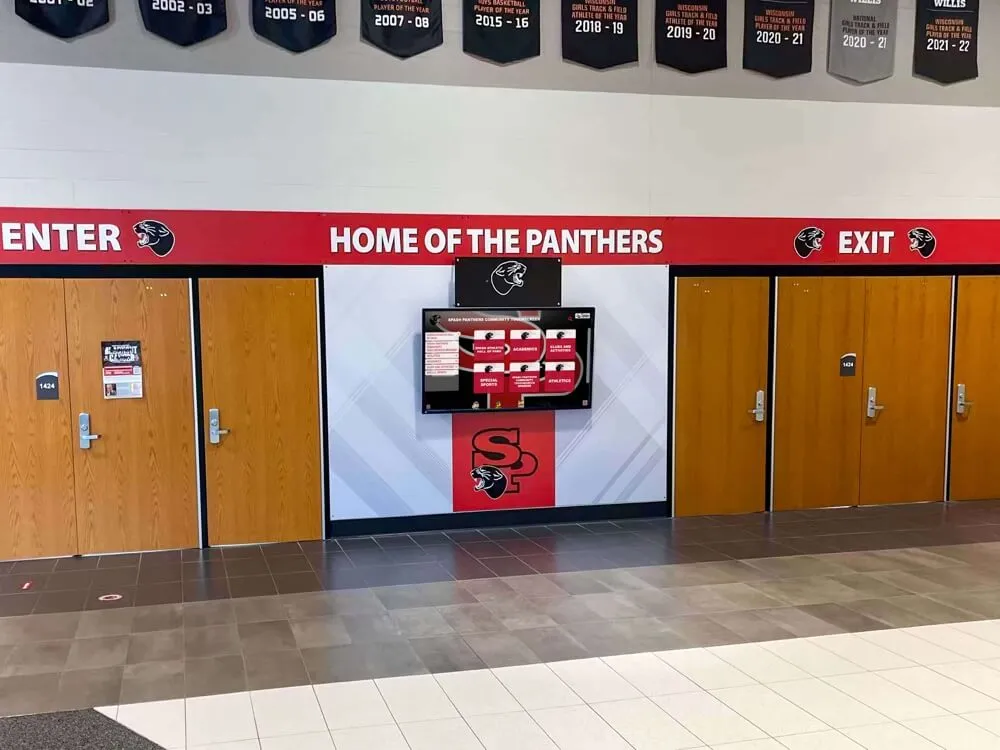
Championship athletic programs integrate training excellence with recognition systems celebrating athlete development
8. Lateral Crossover Steps
Purpose: Build hip mobility and coordination for defensive shuffles and transitional movements requiring foot crossing.
Setup and Execution:
- Stand perpendicular to ladder at starting end
- Step laterally into first square with right foot (lead foot)
- Cross left foot over right into next square
- Open right foot to third square
- Continue crossover pattern down ladder
- Return using opposite lead foot
Coaching Points:
- Hip rotation allowing comfortable crossover
- Avoid excessive upper body rotation
- Quick transitions between open and cross steps
- Stay low maintaining athletic position
- Head remains level throughout movement
Common Mistakes: Standing upright during crossovers, rotating entire body rather than just hips, tangling feet during crosses, inconsistent rhythm, looking down constantly.
Sport Applications: Basketball defense transitioning from help to primary coverage, football defensive backs flipping hips in coverage, volleyball players adjusting positioning, tennis crossover recovery steps.
9. In-Out-In Pattern (Single Square Focus)
Purpose: Rapid directional changes within single square developing acceleration and deceleration control.
Setup and Execution:
- Stand beside ladder at starting end
- Step into first square with both feet quickly
- Step back out to starting side immediately
- Step into second square repeating pattern
- Continue down entire ladder
- Return from opposite side
Coaching Points:
- Explosive power entering each square
- Controlled deceleration exiting squares
- Quick transition between in and out movements
- Center of gravity remains constant height
- Arms assist generating power and balance
Common Mistakes: Bouncing excessively between squares, pausing between transitions, standing too tall, slow turnover time, poor balance control.
Sport Applications: Pressing and retreating defensive movements, checking movements in team sports, developing power for stop-start actions, building change-of-direction strength.
10. Single-Leg Hops (Each Leg)
Purpose: Build single-leg strength, balance, and power while developing bilateral capabilities independently.
Setup and Execution:
- Balance on right leg at ladder start
- Hop forward placing right foot in first square
- Continue hopping through each square on right leg only
- Complete ladder, rest, repeat with left leg
- Progress to continuous back-to-back sets
Coaching Points:
- Maintain balance on landing before next hop
- Controlled landings absorbing force properly
- Opposite knee drives forward assisting hop power
- Arms coordinate providing balance and momentum
- Land on ball of foot with slight knee flexion
Common Mistakes: Excessive side-to-side movement, poor landing control, insufficient hip stability, rushing causing balance errors, asymmetrical performance between legs.
Sport Applications: Single-leg power for cutting movements, developing balance for contact situations, strengthening stabilizer muscles preventing injuries, building functional strength patterns.
11. Two Forward, One Back
Purpose: Introduce multi-directional sequences within single drill developing deceleration and re-acceleration capabilities.
Setup and Execution:
- Step forward into first square with right foot
- Left foot advances to second square
- Right foot steps back into first square
- Left foot advances to second square again
- Right foot advances to third square
- Continue two-forward-one-back pattern through ladder
Coaching Points:
- Quick transitions between forward and backward movements
- Maintain forward lean even during backward step
- Powerful drive forward after each backstep
- Count rhythm helping maintain pattern
- Progressive speed as pattern becomes familiar
Common Mistakes: Losing sequence pattern, standing upright reducing power, slow transitions wasting momentum, excessive backward lean during backsteps, looking down throughout drill.
Sport Applications: Pressing defensive movements followed by recovery, offensive players accelerating after hesitation moves, developing rhythm for complex footwork patterns, building deceleration strength.
Advanced Level: Complex Agility and Speed Ladder Drills
These advanced drills challenge elite athletes with complex patterns, increased speed demands, and coordination requirements preparing them for the chaotic, reactive nature of competitive athletics. Athletes should demonstrate mastery of intermediate progressions before attempting these variations.
12. Ali Shuffle (In-In-Out-Out With Speed)
Purpose: Maximum-speed lateral movement pattern named after Muhammad Ali’s famous footwork, developing elite foot speed.
Setup and Execution:
- Stand beside ladder (left side of starting end)
- Rapidly place both feet in first square (in-in)
- Rapidly place both feet outside right side of ladder (out-out)
- Immediately return both feet to next square (in-in)
- Continue at maximum speed maintaining pattern
- Emphasize speed over distance per repetition
Coaching Points:
- Focus on maximum foot turnover rate
- Minimal ground contact time
- Tight spacing between feet
- Athletic stance despite high speed
- Controlled chaos—speed with precision
Common Mistakes: Going so fast that technique breaks down, excessive vertical displacement, losing rhythm consistency, insufficient rest between sets causing fatigue errors.
Sport Applications: Elite-level footwork for competitive athletes, developing maximum foot speed, preparing for rapid reactive movements, building work capacity at high intensities.
Programs developing these elite movement capabilities create athletes who earn recognition in comprehensive athletic award programs celebrating both competitive success and training excellence.
13. Carioca Through Ladder
Purpose: Develop hip mobility, crossover coordination, and lateral speed through classic athletic movement pattern.
Setup and Execution:
- Stand perpendicular to ladder at starting end facing along its length
- Step with right foot into first square
- Cross left foot behind right into second square
- Step with right foot into third square
- Cross left foot in front of right into fourth square
- Continue alternating behind-front crossover pattern
- Return with opposite lead direction
Coaching Points:
- Hip rotation allowing comfortable front and back crosses
- Maintain forward-facing upper body positioning
- Quick transitions between behind and front crosses
- Stay low with athletic posture throughout
- Avoid tangling feet during crossover moments
Common Mistakes: Excessive upper body rotation, standing too tall, slow hip rotation, inconsistent rhythm between front and back crosses, looking down at feet.
Sport Applications: Hip mobility for multi-directional sports, developing crossover running patterns, building lateral speed with rotation, football defensive back transitions.
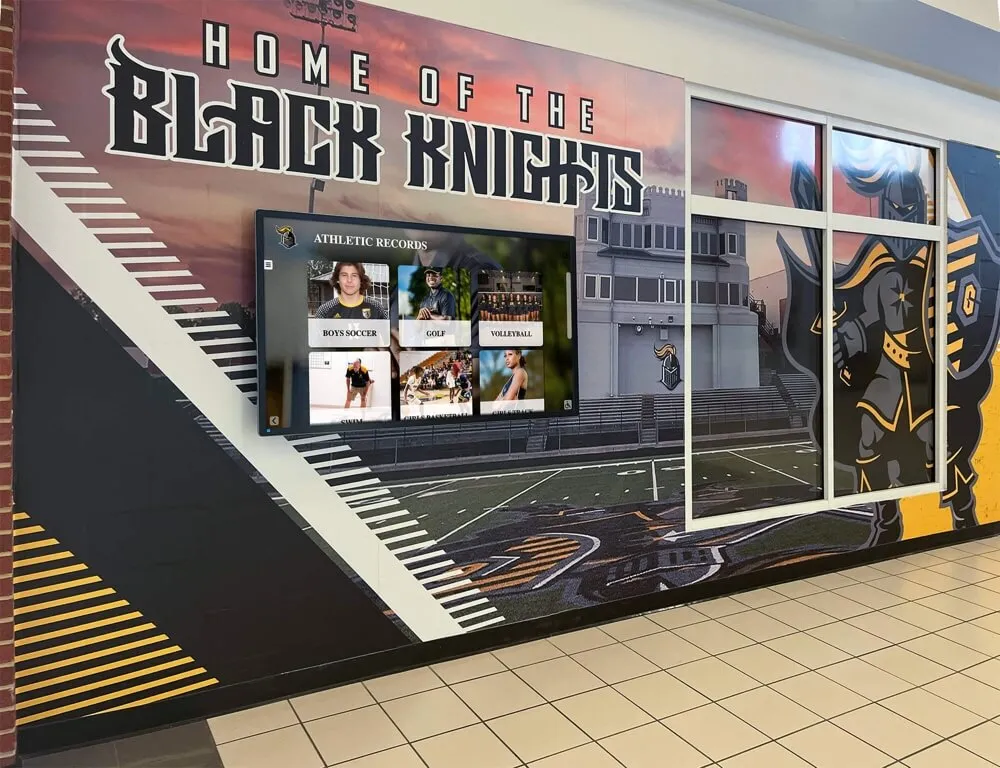
Advanced training programs deserve recognition infrastructure showcasing athlete achievements from speed development through championship performance
14. Lateral High Knees
Purpose: Combine lateral movement with explosive knee drive building power and coordination simultaneously.
Setup and Execution:
- Stand perpendicular to ladder at starting end
- Lead with right foot stepping into first square with high knee drive
- Follow with left foot bringing knee up explosively
- Continue lateral movement pattern down ladder
- Emphasize maximum knee height each step
- Return using opposite lead foot
Coaching Points:
- Drive knees toward chest height
- Maintain athletic posture despite high knee drive
- Explosive power on each step
- Coordinated arm drive matching knee lift
- Stay on balls of feet throughout
Common Mistakes: Leaning backward during knee drive, insufficient knee height, slow tempo reducing training effect, crossing feet during lateral movement, poor balance control.
Sport Applications: Explosive power development, hip flexor strength for sprinting, developing explosive lateral movements, building work capacity for high-intensity efforts.
15. Single-Leg Lateral Hops
Purpose: Advanced single-leg training adding lateral direction challenging stability and coordination.
Setup and Execution:
- Balance on right leg perpendicular to ladder
- Hop laterally landing right foot in first square
- Continue lateral hopping on right leg through ladder
- Complete ladder, rest, repeat with left leg
- Progress to continuous repetitions
Coaching Points:
- Maintain balance on each landing before next hop
- Control lateral movement staying aligned with ladder
- Power generation from hip and ankle
- Opposite arm assists with balance
- Soft landings with proper force absorption
Common Mistakes: Poor landing alignment, excessive forward or backward drift, insufficient rest causing form breakdown, asymmetrical performance between legs.
Sport Applications: Single-leg power for cutting movements, developing lateral explosion strength, strengthening injury prevention systems, sport-specific power transfer.
16. Ickey Shuffle With 180-Degree Turns
Purpose: Combine standard Icky Shuffle with rotational transitions developing multi-directional agility.
Setup and Execution:
- Perform standard Icky Shuffle for 3-4 squares
- Execute 180-degree spin continuing pattern backward
- Perform backward Icky Shuffle for 3-4 squares
- Execute another 180-degree spin returning to forward
- Continue alternating directions through ladder
Coaching Points:
- Quick spin transitions without pause
- Maintain pattern integrity through rotations
- Athletic stance maintained throughout
- Control center of gravity during spins
- Progressive speed as pattern becomes familiar
Common Mistakes: Pausing during transitions, losing foot pattern after spins, excessive upper body rotation, getting dizzy from rapid rotations, going too fast initially.
Sport Applications: Multi-directional agility for reactive sports, developing transitional coordination, preparing for unpredictable competitive situations.
17. Box Drill Pattern
Purpose: Multi-directional pattern incorporating forward, lateral, and backward movements in single integrated sequence.
Setup and Execution:
- Run forward through first two squares (one foot each)
- Shuffle laterally through next two squares
- Backpedal through next two squares
- Shuffle opposite direction through final two squares
- Complete sequence, rest, repeat
- Progress to continuous repetitions
Coaching Points:
- Smooth transitions between movement directions
- Maintain athletic stance throughout all phases
- Control momentum during direction changes
- No pause between movement types
- Quality execution more important than speed initially
Common Mistakes: Awkward transitions between directions, standing upright reducing power, losing balance during changes, poor backpedal technique, rushing causing errors.
Sport Applications: Football defensive back coverage techniques, basketball defensive positioning, developing complete directional movement capabilities, building transition efficiency.
18. Double-Foot Lateral Jumps
Purpose: Develop explosive lateral power and landing control through jumping movements.
Setup and Execution:
- Stand beside ladder at starting end
- Jump laterally landing both feet in first square
- Immediately jump back outside ladder
- Jump forward into next square
- Continue lateral jumps progressing down ladder
- Emphasize explosive power and controlled landings
Coaching Points:
- Powerful push-off from both feet simultaneously
- Soft controlled landings absorbing force properly
- Quick ground contact time between jumps
- Athletic landing position ready for next jump
- Arms assist generating jump power
Common Mistakes: Pausing between jumps, poor landing control, excessive vertical rather than lateral emphasis, insufficient power generation, landing with straight legs.
Sport Applications: Lateral explosion for cutting movements, developing landing mechanics preventing injuries, building power for change-of-direction situations, volleyball and basketball lateral movements.
19. Forward-Backward Icky Shuffle
Purpose: Combine Icky Shuffle pattern with forward-backward transitions challenging coordination and spatial awareness.
Setup and Execution:
- Perform standard Icky Shuffle for 2-3 squares
- Transition to backward Icky Shuffle maintaining pattern
- Continue alternating forward and backward every 2-3 squares
- Complete ladder maintaining pattern integrity throughout
Coaching Points:
- Maintain foot pattern consistency despite direction changes
- Control center of gravity during transitions
- Look over shoulder during backward phases
- Quick transitions between forward and backward
- Focus and concentration maintaining complex pattern
Common Mistakes: Losing foot pattern during transitions, pausing between direction changes, poor backward technique, insufficient spatial awareness, going too fast causing errors.
Sport Applications: Multi-directional reactive agility, developing backward movement confidence, preparing for unpredictable competitive scenarios, building advanced coordination.
20. Single-Leg Speed Hops (Maximum Tempo)
Purpose: Develop maximum-speed single-leg coordination and power endurance.
Setup and Execution:
- Balance on right leg at ladder start
- Hop through each square at maximum sustainable speed
- Maintain tempo throughout entire ladder
- Rest adequately, repeat with left leg
- Progress to multiple consecutive sets
Coaching Points:
- Maximum effort maintaining quality landings
- Rhythmic tempo throughout set
- Power from ankle and hip working together
- Landing control despite fatigue
- Mental toughness completing full ladder at tempo
Common Mistakes: Starting too fast causing early fatigue, poor landing quality as set progresses, asymmetrical performance between legs, insufficient rest between sets.
Sport Applications: Single-leg power endurance, developing mental toughness through physical challenge, building elite-level reactive capabilities, advanced athletic development.
21. Combination Patterns (Coach-Designed Sequences)
Purpose: Sport-specific pattern design combining multiple movement types in single complex drill.
Setup and Execution:
- Coaches design sequences matching sport demands
- Example: Two feet forward, lateral shuffle right, single-leg hop, Icky Shuffle, backpedal
- Athletes memorize and execute custom patterns
- Progress to reactive execution where coach calls patterns during drill
Coaching Points:
- Clear communication of pattern expectations
- Gradual complexity increases
- Sport-specific relevance in pattern design
- Creative variations maintaining engagement
- Video analysis helping athletes visualize patterns
Sport Applications: Completely customizable to any sport’s specific movement demands, developing reactive pattern execution, building sport-specific transfer, preparing for competitive movement complexity.
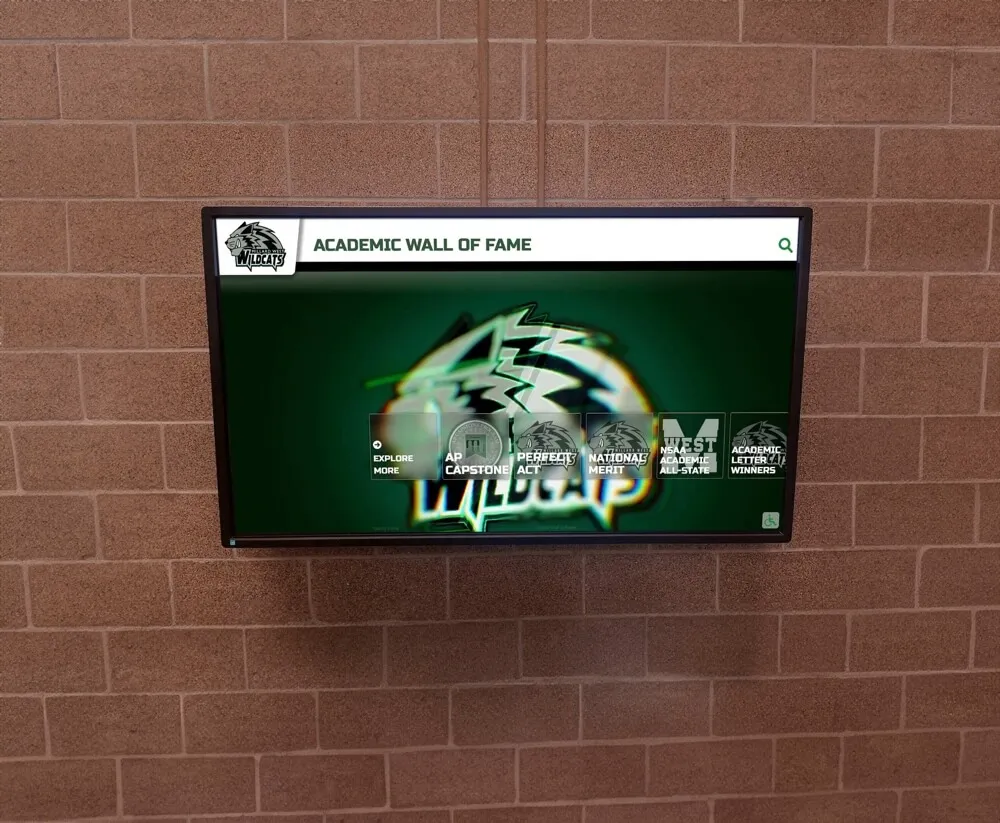
Comprehensive recognition systems honor both athletic and academic excellence built on dedicated training foundations
Programming and Implementation Strategies
Effective agility ladder training requires systematic programming integrating ladder work appropriately within comprehensive athletic development plans.
Training Frequency and Volume Guidelines
Weekly Integration Patterns
Optimal training frequency depends on athlete level and season phase:
- In-Season: 1-2 sessions weekly focusing on maintenance and activation
- Off-Season: 2-4 sessions weekly emphasizing development and progression
- Pre-Season: 2-3 sessions weekly balancing development with sport-specific work
Each session typically includes 10-20 minutes of focused ladder work, with duration depending on drill complexity and training objectives.
Set and Repetition Structure
Volume guidelines for different training objectives:
- Technique Development: 3-4 sets × full ladder length with 1-2 minutes rest
- Speed Development: 4-6 sets × half ladder length at maximum speed with 2-3 minutes rest
- Work Capacity: 5-8 sets × full ladder length with 30-60 seconds rest
- Warm-Up Application: 2-3 sets × full ladder length at moderate intensity
Adjust volume based on athlete conditioning level, drill complexity, and integration with other training components.
Progression Principles for Long-Term Development
Systematic Advancement Framework
Progressive overload for agility training follows logical sequence:
- Master Technique: Establish correct movement patterns at moderate speed
- Increase Speed: Gradually increase tempo maintaining technique quality
- Add Complexity: Introduce more challenging patterns and combinations
- Reduce Rest: Decrease recovery time building work capacity
- Add Reactivity: Incorporate coach-called patterns requiring quick response
- Sport Integration: Combine ladder patterns with sport-specific skills
Athletes should demonstrate consistent quality at each level before advancing to next progression stage.
Individualized Progression Rates
Different athletes progress at varying rates depending on:
- Previous coordination and agility training experience
- Natural athletic ability and motor learning capacity
- Age and physical maturity level
- Sport-specific demands and position requirements
- Individual motivation and practice quality
Coaches should assess athletes individually rather than advancing entire groups uniformly, ensuring each athlete works at appropriate challenge level.
Integration With Sport-Specific Training
Warm-Up Applications
Ladder drills serve excellently as dynamic warm-up components:
- Activates nervous system preparing for explosive movements
- Elevates heart rate gradually
- Focuses attention and concentration
- Reviews fundamental movement patterns
- Requires minimal space and setup time
Include 2-3 basic ladder drills (5-8 minutes total) as part of comprehensive warm-up routines before practices or competitions.
Conditioning Circuit Integration
Combine ladder drills with complementary exercises creating comprehensive circuits:
- Ladder drill → resistance exercise → core work → repeat
- Example: Icky Shuffle → medicine ball throws → plank variations
- Develops multiple fitness components simultaneously
- Maintains engagement through variety
- Efficient use of training time
Circuit formats work particularly well for off-season training programs and large team settings.
Many successful programs celebrate both training dedication and competitive achievement through comprehensive recognition systems documenting athlete development from foundational work through championship performance.
Common Mistakes and How to Correct Them
Understanding frequent errors enables coaches to provide effective feedback accelerating athlete development.
Technical Execution Errors
Watching Feet Constantly
Problem: Athletes looking down at ladder throughout drills rather than maintaining head-up position.
Correction:
- Place visual target at ladder end requiring forward focus
- Use verbal cues reminding athletes to look up
- Video analysis showing performance differences
- Progressive head position challenges
- Emphasize that elite athletes sense rather than watch foot placement
Poor Landing Mechanics
Problem: Flat-footed or heel-first landings reducing quickness and increasing injury risk.
Correction:
- Emphasize “ball of foot” landing cues
- Reduce tempo allowing focus on landing quality
- Incorporate supplementary calf and ankle strengthening
- Use “quiet feet” cue encouraging soft landings
- Demonstrate proper landing technique repeatedly
Excessive Vertical Displacement
Problem: Bouncing too high between steps wasting energy and reducing speed.
Correction:
- “Stay low” and “quick ground contacts” coaching cues
- Video comparison showing efficient versus inefficient patterns
- Emphasis on horizontal speed rather than vertical height
- Incorporate low squat holds building position awareness
- Positive reinforcement when athletes maintain proper height
Programming and Implementation Mistakes
Insufficient Warm-Up Before Ladder Work
Problem: Beginning high-intensity ladder drills without adequate preparation.
Correction:
- Implement structured warm-up protocols
- Progress from walking patterns through moderate-speed drills
- Include dynamic flexibility exercises
- Gradually increase intensity throughout session
- Educate athletes on injury prevention importance
Advancing Too Quickly Through Progressions
Problem: Moving to complex drills before mastering foundational patterns.
Correction:
- Establish clear mastery criteria for each progression level
- Individual assessment rather than group advancement
- Accept that slower initial progress creates faster long-term development
- Celebrate technique mastery not just speed achievements
- Patience reinforcement with athletes and coaching staff
Training to Failure on Technique Drills
Problem: Continuing sets past point where form degrades significantly.
Correction:
- Quality over quantity emphasis
- Adequate rest between sets
- Terminate sets when technique deteriorates
- Appropriate volume for fitness level
- Education on purpose of perfect practice
Creating Recognition Systems for Training Excellence
While competitive achievements naturally receive attention, comprehensive athletic programs also recognize the training dedication enabling game-day success.
Documenting Speed and Agility Development
Progressive programs track and celebrate improvement across multiple dimensions:
- Personal record times for standardized drills
- Technique mastery milestones at each progression level
- Consistency achievements completing quality repetitions
- Leadership recognition for athletes demonstrating exemplary work ethic
- Improvement awards celebrating progress regardless of absolute performance
Digital recognition platforms enable programs to showcase these achievements alongside traditional competitive honors, creating comprehensive athlete profiles documenting complete development journeys.
Building Program Culture Around Training Excellence
Recognition systems influence program culture when they celebrate values coaches want to reinforce:
- Athletes taking training seriously receive recognition equal to game performers
- Improvement metrics receive attention alongside absolute performance
- Work ethic and consistency valued alongside natural talent
- Multi-year development progressions documented showing long-term growth
- Off-season dedication recognized creating year-round engagement
Schools implementing these comprehensive approaches often utilize permanent digital displays that celebrate training milestones alongside competitive achievements, creating recognition systems supporting complete athlete development.
Sample Agility Ladder Training Programs
These example programs demonstrate systematic integration for different contexts and athlete populations.
High School Football Off-Season Program (3x Weekly)
Monday - Speed Emphasis
- Dynamic warm-up (8 minutes)
- One Foot Each Square: 3 × full ladder (technique focus)
- Icky Shuffle: 4 × half ladder (maximum speed)
- Single-Leg Speed Hops: 3 × full ladder each leg
- Cool-down and stretch (5 minutes)
Wednesday - Coordination Development
- Dynamic warm-up (8 minutes)
- Lateral Shuffle: 3 × full ladder (both directions)
- In-In-Out-Out: 4 × full ladder
- Carioca Through Ladder: 3 × full ladder (both directions)
- Box Drill Pattern: 4 × full ladder
- Cool-down and stretch (5 minutes)
Friday - Work Capacity
- Dynamic warm-up (8 minutes)
- Circuit format: 6 rounds
- Two Forward One Back: full ladder
- Medicine ball throws: 10 reps
- Plank hold: 30 seconds
- Rest: 90 seconds between rounds
- Cool-down and stretch (5 minutes)
Multi-Sport Training Session (Team Setting)
Purpose: Develop general athletic qualities applicable across sports simultaneously.
Session Structure (25 minutes)
- Dynamic warm-up incorporating basic ladder patterns (8 minutes)
- One foot each square
- Two feet each square
- Lateral shuffle
- Skill Development Block (12 minutes)
- Station 1: Icky Shuffle progression
- Station 2: Lateral movement patterns
- Station 3: Single-leg strength drills
- Rotate every 4 minutes
- Competition Block (5 minutes)
- Partner races with assigned patterns
- Team relay competitions
- Individual time trials
This format serves multiple sports efficiently while maintaining engagement through variety and competition elements.
Pre-Competition Activation Routine
Purpose: Neural activation and movement preparation before games.
Routine Structure (10 minutes)
- Light cardiovascular warm-up (3 minutes)
- Moderate-speed ladder sequence (5 minutes)
- One foot each square: 2 reps
- In-In-Out-Out: 2 reps
- Icky Shuffle: 2 reps
- Sport-specific pattern: 2 reps
- Dynamic stretching (2 minutes)
Intensity remains moderate—activation not exhaustion is the goal.
Conclusion: Building Complete Athletes Through Systematic Training
Agility ladder drills represent far more than simple footwork exercises—they provide systematic frameworks developing the neuromuscular coordination, explosive quickness, and movement confidence enabling championship-level athletic performance across all sports. Programs that implement progressive ladder training produce athletes who move more efficiently, change direction more explosively, and execute sport-specific skills with superior technique under competitive pressure.
The investment required remains minimal—a quality ladder costs less than a single athlete’s uniform—while the performance improvements transfer directly into competitive advantages in virtually every sport. More importantly, systematic speed and agility development creates training cultures where athletes understand that success emerges from dedicated work rather than genetic gifts alone, building program values extending far beyond physical improvements.
As coaches implement these 20+ agility ladder drills, remember that perfect practice creates permanent patterns. Focus on technique quality before pursuing speed, advance through progressions systematically, and integrate ladder work consistently throughout training seasons. The athletes who commit to this process develop movement capabilities separating them from competitors who rely on natural talent without building systematic skill foundations.
Schools serious about athletic excellence create comprehensive programs celebrating both competitive achievements and the training dedication enabling those results. Modern digital recognition platforms enable athletic departments to document complete athlete journeys—from mastering foundational footwork patterns through earning championship honors—creating permanent tributes to dedication that inspire future generations while honoring the work behind every achievement. Whether celebrating speed development milestones, competitive success, or the complete athlete experience, comprehensive recognition systems demonstrate that your program values the complete journey, not just the final destination.