



Academic and historical records represent the institutional memory of educational institutions—documenting founding stories, preserving academic achievement records, capturing championship moments, honoring distinguished faculty and alumni, and creating comprehensive archives that connect past excellence with present pride while inspiring future generations. Yet many schools struggle with fragmented records scattered across filing cabinets, deteriorating documents in basement storage, inaccessible yearbooks, and disorganized historical materials that should form coherent institutional narratives.
Traditional archiving approaches—physical filing systems, static displays, printed documents, and isolated digital files—fail to solve fundamental challenges of preservation, organization, accessibility, and engagement that educational heritage deserves. Physical records deteriorate over time, limited display space prevents comprehensive recognition, and organizational barriers make historical materials effectively invisible despite their significance.
This comprehensive guide explores proven strategies for creating systematic academic and history archives that preserve institutional memory, honor achievement across generations, and make school heritage accessible through modern digital platforms that solve traditional archiving limitations while creating engaging exploration experiences.
Modern schools recognize that comprehensive archiving extends beyond simple document storage—effective systems create searchable databases connecting historical records with contemporary achievement, interactive displays making heritage exploration engaging, and preservation strategies ensuring institutional memory survives for future generations. Schools implementing systematic digital archiving transform scattered historical fragments into cohesive narratives celebrating institutional legacy.

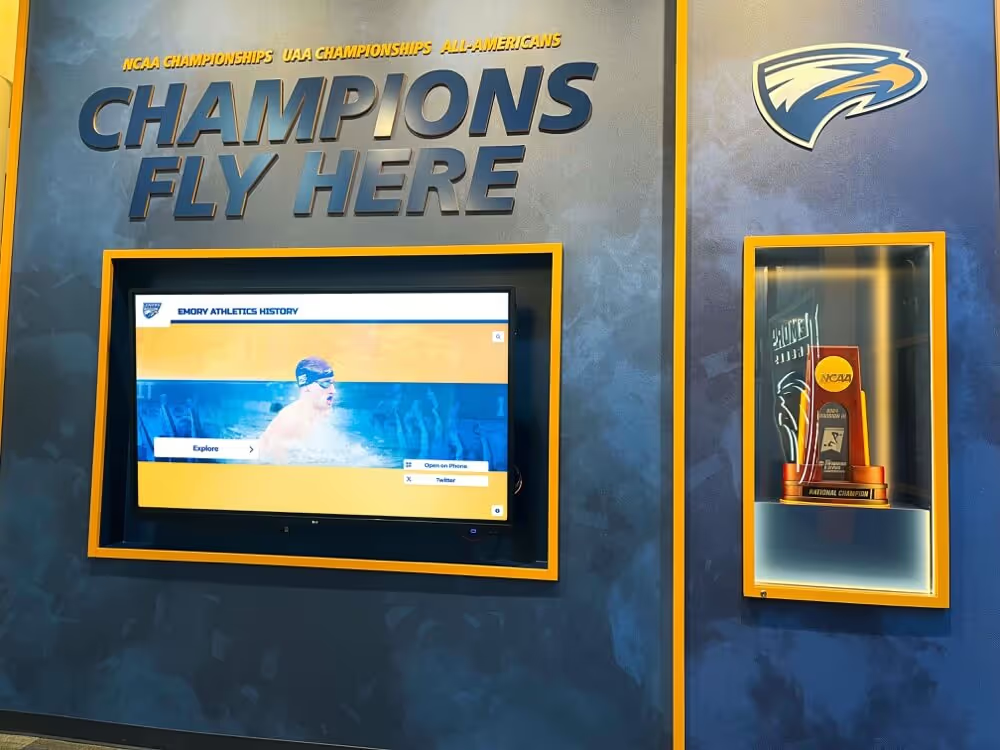
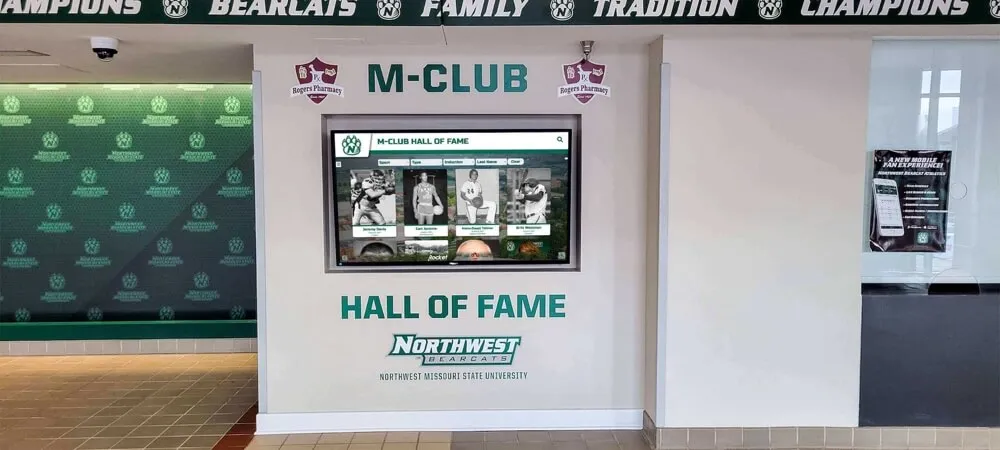
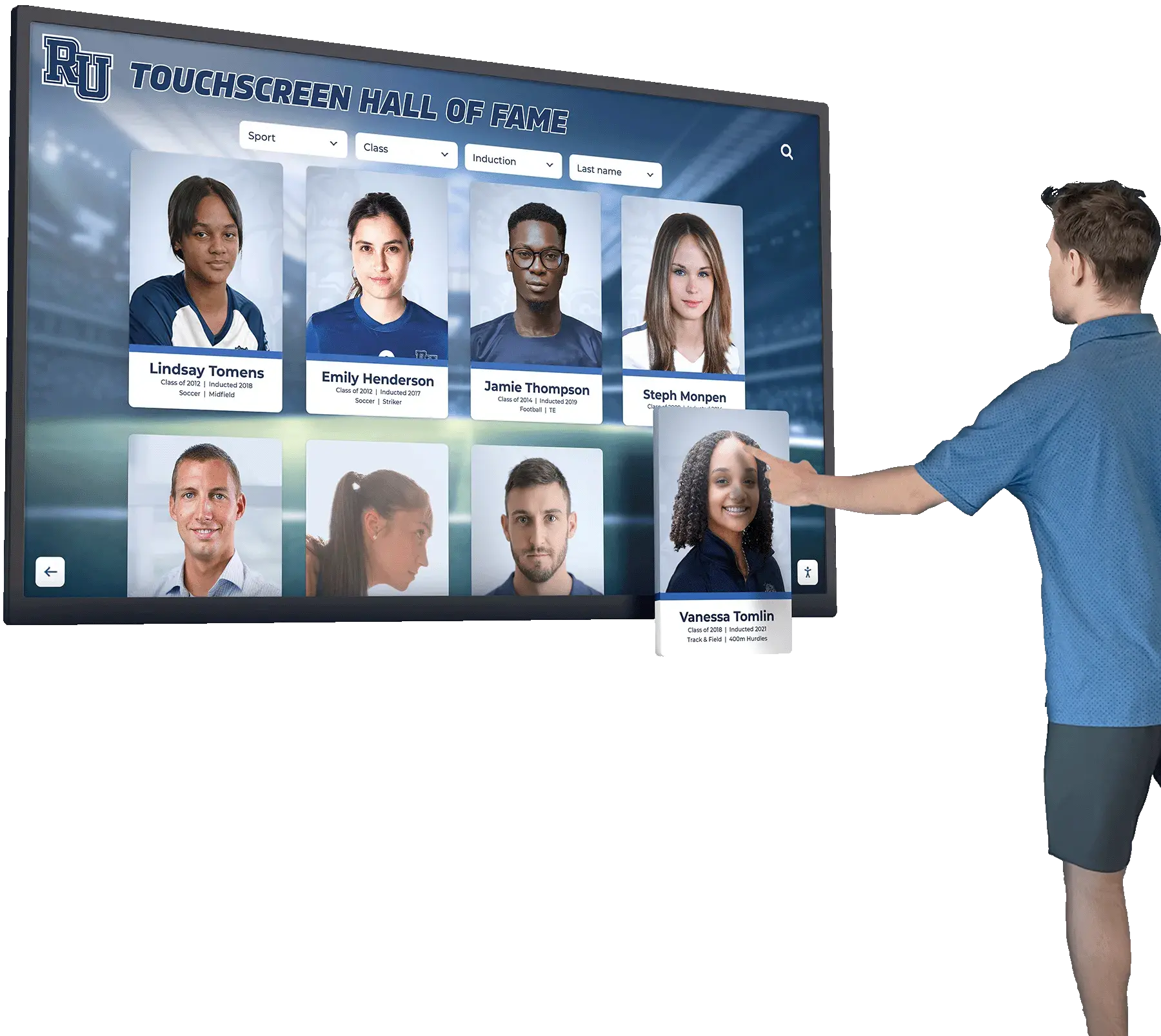
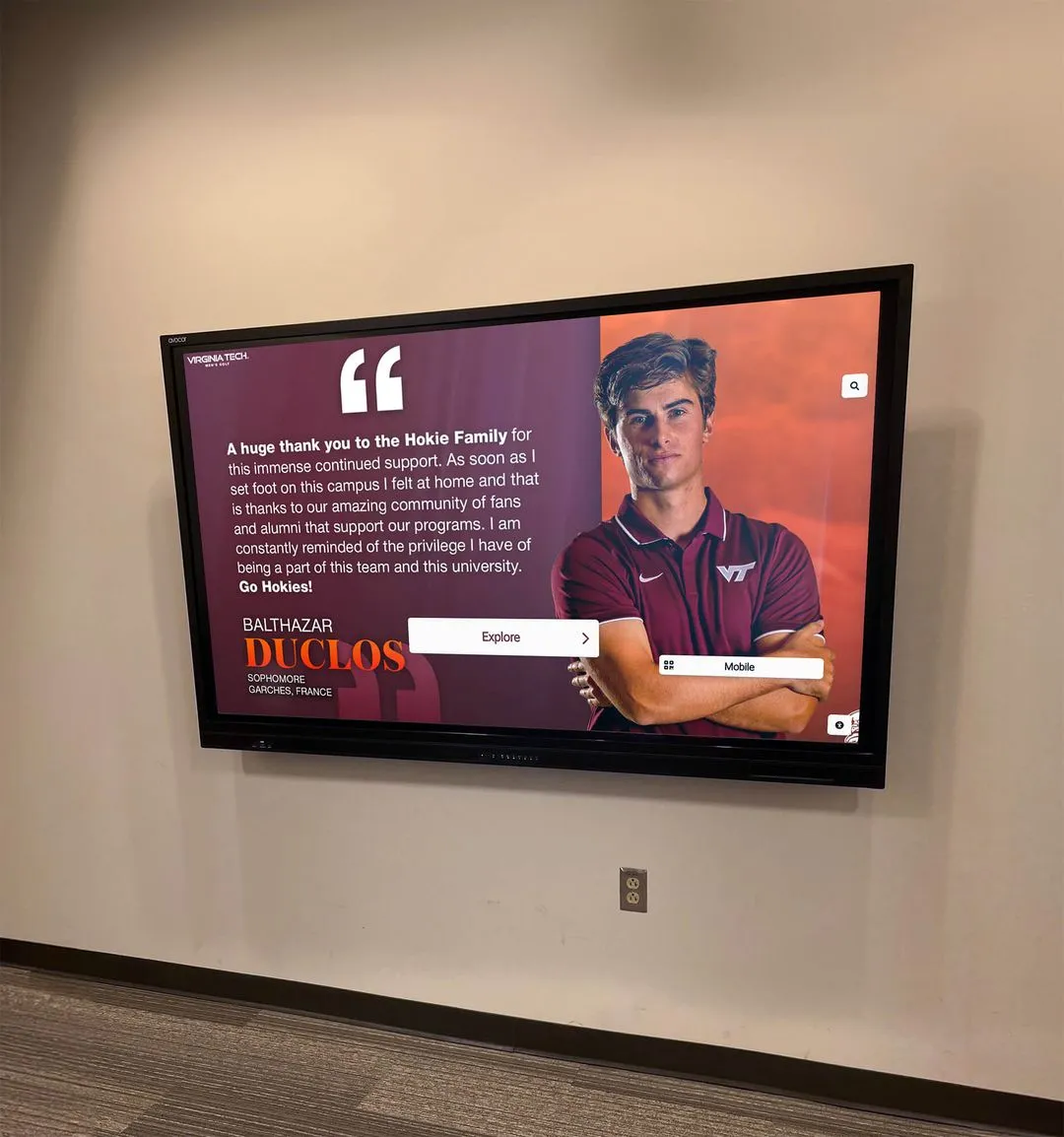
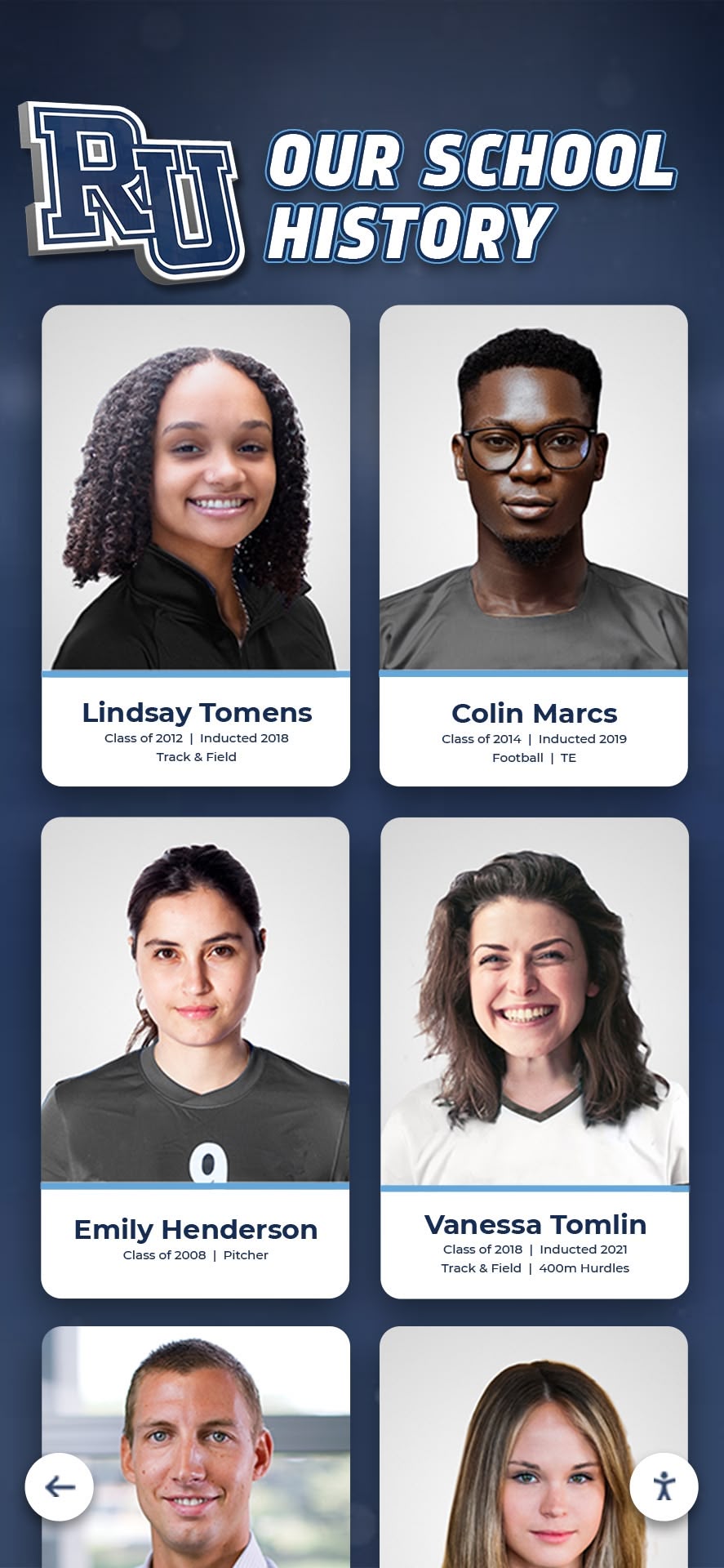
Digital archiving transforms historical records into accessible, searchable collections that preserve institutional memory while creating engaging exploration experiences
The Critical Importance of Academic and Historical Archiving
Understanding why systematic archiving matters helps schools prioritize preservation initiatives and make strategic investments protecting irreplaceable institutional memory.
Institutional Memory and Cultural Continuity
Educational institutions build identity through accumulated history—the founding stories establishing institutional mission, traditions developed across generations, achievements demonstrating sustained excellence, and relationships connecting alumni across decades create cohesive narratives distinguishing schools from competitors.
Preserving Institutional Identity
Without systematic archiving, institutional memory deteriorates as:
- Founding documents and early records fade or disappear
- Historical photographs lose identification as knowledgeable community members pass
- Achievement records from past eras become inaccessible
- Traditions lose documented origins and meaning
- Alumni connections weaken without visible historical continuity
- Institutional uniqueness becomes difficult to articulate
According to the Society of American Archivists, educational institutions without systematic archiving programs risk losing 40-60% of their historical documentation within 50 years—representing catastrophic losses of irreplaceable institutional memory that once lost cannot be reconstructed.
Connecting Generations
Comprehensive archives create bridges between past, present, and future:
- Current students discover their place within continuing institutional narratives
- Alumni reconnect with school heritage and contemporaries
- Prospective families evaluate institutional stability and sustained excellence
- Faculty understand pedagogical evolution and curricular history
- Administrators access precedents informing current decision-making
- Community members appreciate educational heritage and local history
Schools implementing visible, accessible archiving systems report that historical continuity strengthens institutional loyalty across all constituencies while differentiating institutions in competitive educational markets.
Legal Compliance and Administrative Requirements
Beyond cultural value, systematic records management fulfills essential legal and operational requirements.
Regulatory Documentation Requirements
Educational institutions must maintain specific records for defined periods:
- Student academic transcripts and graduation records
- Personnel files and employment documentation
- Financial records and audit documentation
- Accreditation materials and compliance records
- Safety and facilities documentation
- Legal documents and institutional policies
Systematic digital archiving ensures compliance while making required records accessible when needed rather than requiring extensive physical searches through filing cabinets or off-site storage facilities.
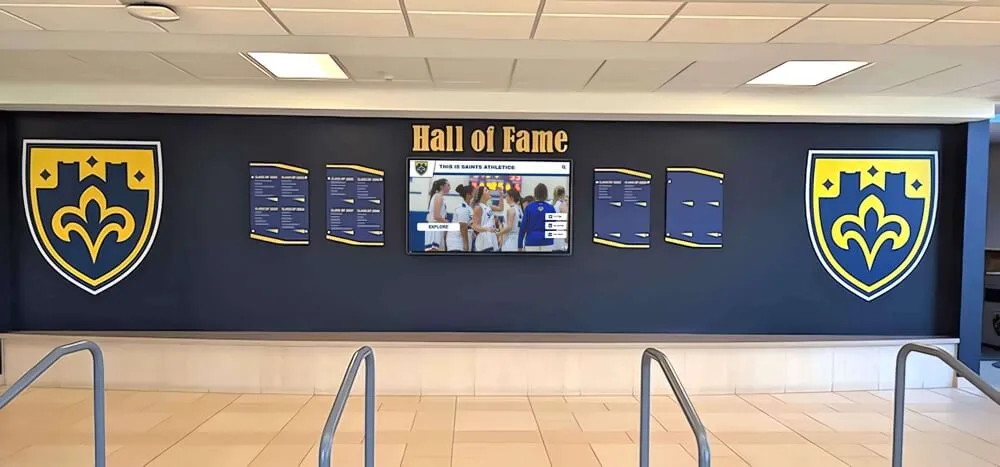
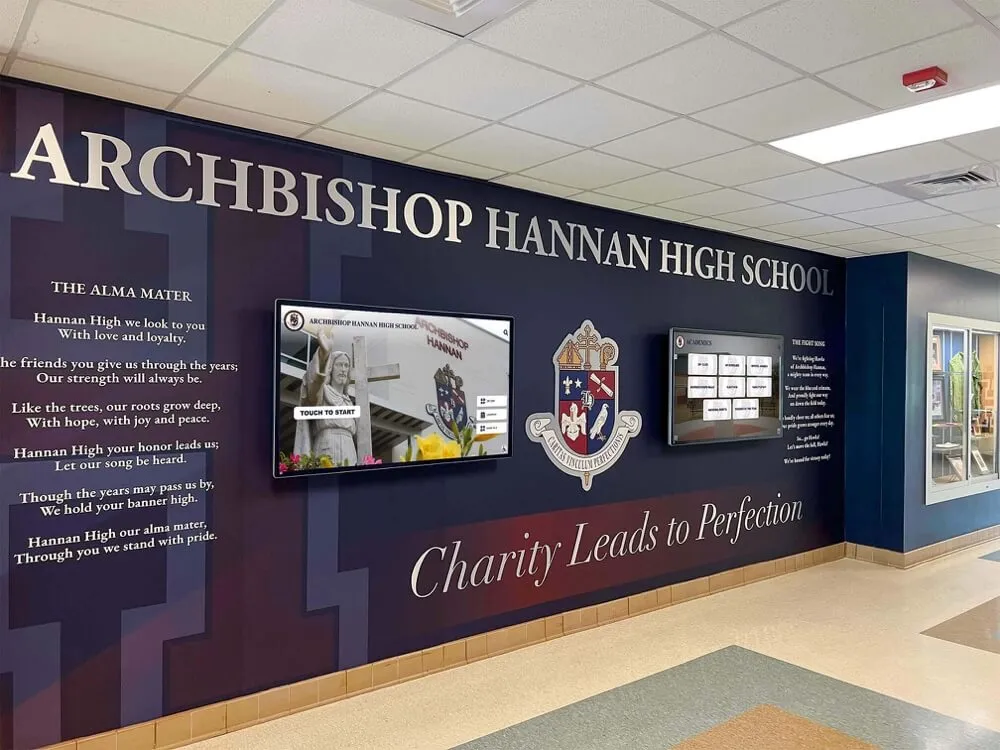
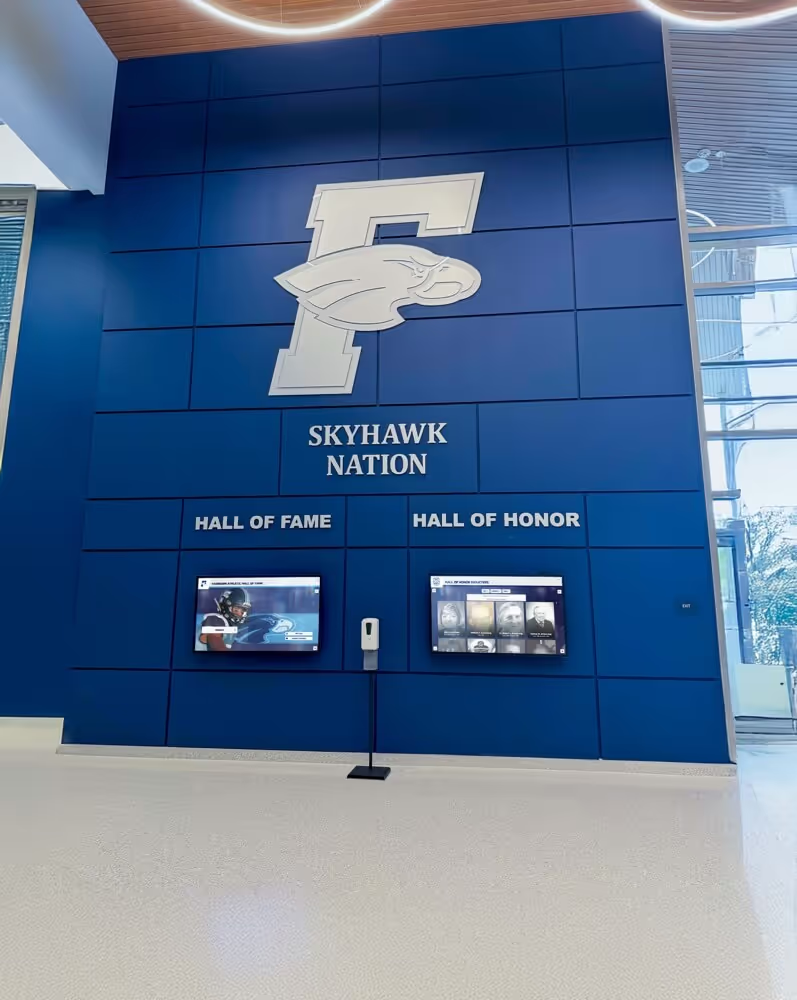
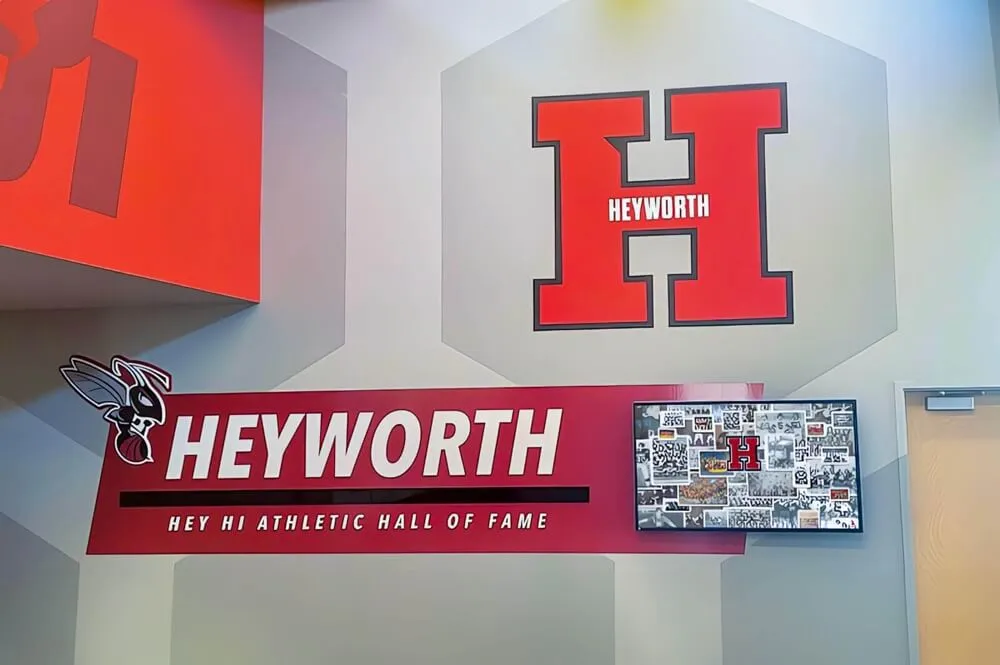
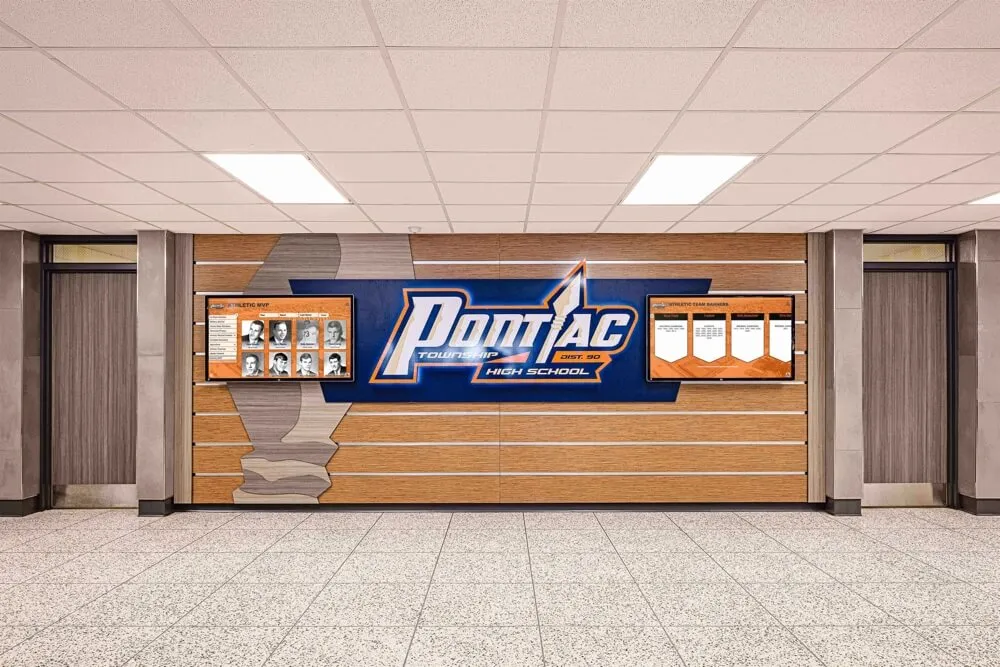
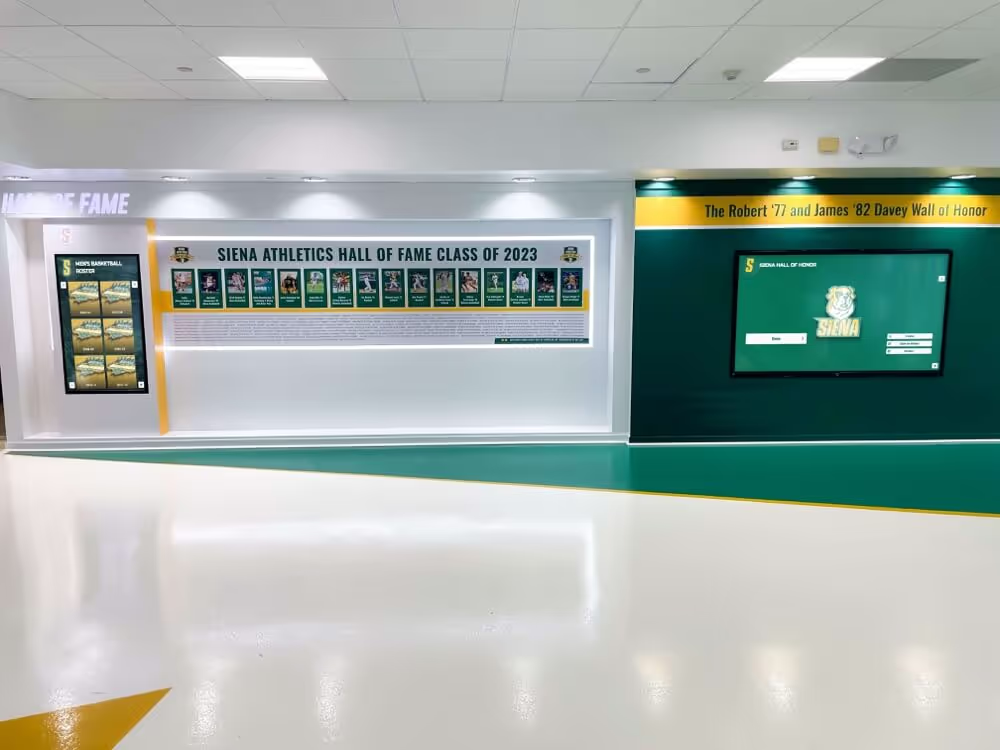
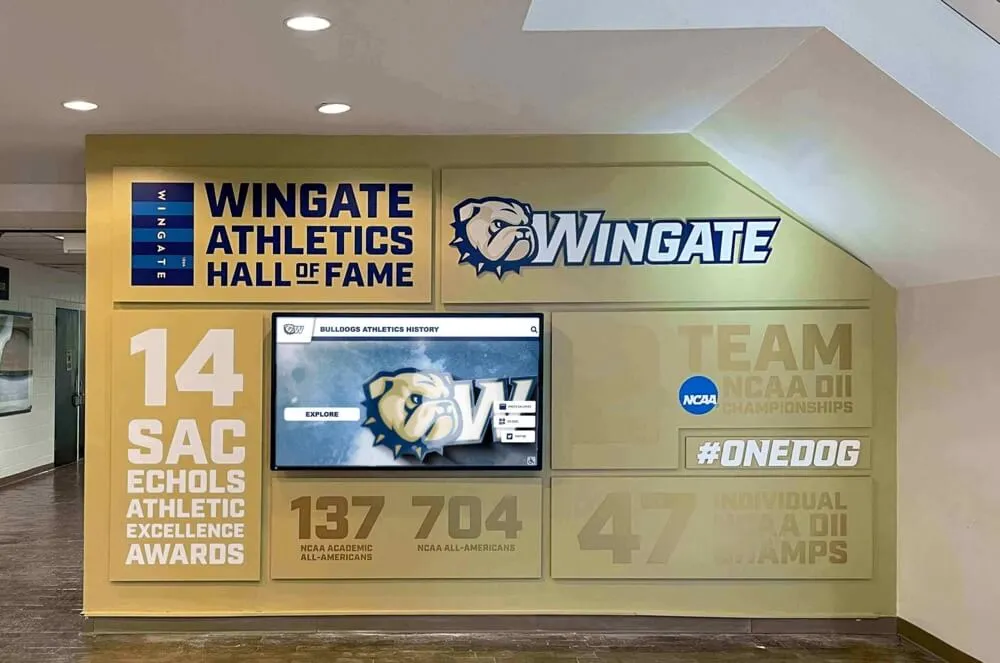
Integrated displays combine traditional recognition with digital archiving creating comprehensive heritage celebration spaces
Institutional Research and Planning
Historical records support strategic decision-making:
- Enrollment trends informing recruitment strategies
- Curriculum evolution guiding program development
- Facilities planning based on historical capacity patterns
- Alumni engagement informed by participation history
- Fundraising campaigns leveraging historical giving patterns
- Accreditation documentation demonstrating institutional effectiveness
Accessible archives transform historical records from static storage into active institutional resources supporting multiple administrative functions simultaneously.
The Cost of Inadequate Archiving
Schools without systematic archiving face significant consequences extending beyond simple record disorganization.
Lost Institutional Knowledge
Common archiving failures include inability to locate historical records when needed, missing documentation of important institutional decisions, lost connection with distinguished alumni from past eras, undocumented traditions becoming meaningless rituals, and disappeared achievement records preventing comprehensive historical recognition.
Physical Deterioration and Catastrophic Loss
Physical records face constant threats:
- Paper documents yellow, become brittle, and deteriorate
- Photographs fade and adhesives fail
- Environmental conditions cause mold, water damage, or pest destruction
- Disasters—fires, floods, natural events—destroy irreplaceable materials
- Theft or inadvertent disposal causes permanent loss
Every year schools discover that irreplaceable historical materials have deteriorated beyond recovery or disappeared completely—losses that systematic digitization and proper physical preservation would have prevented.
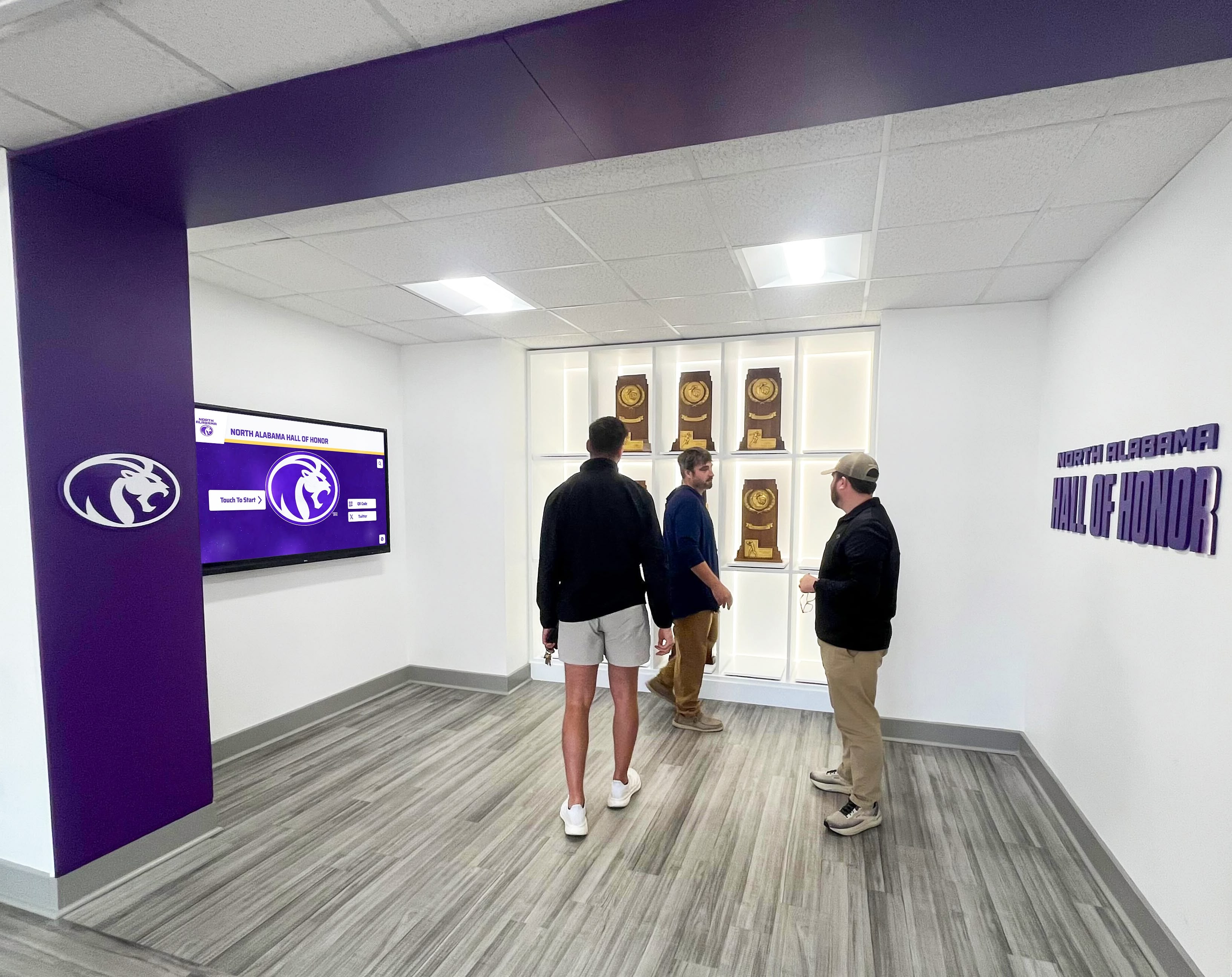
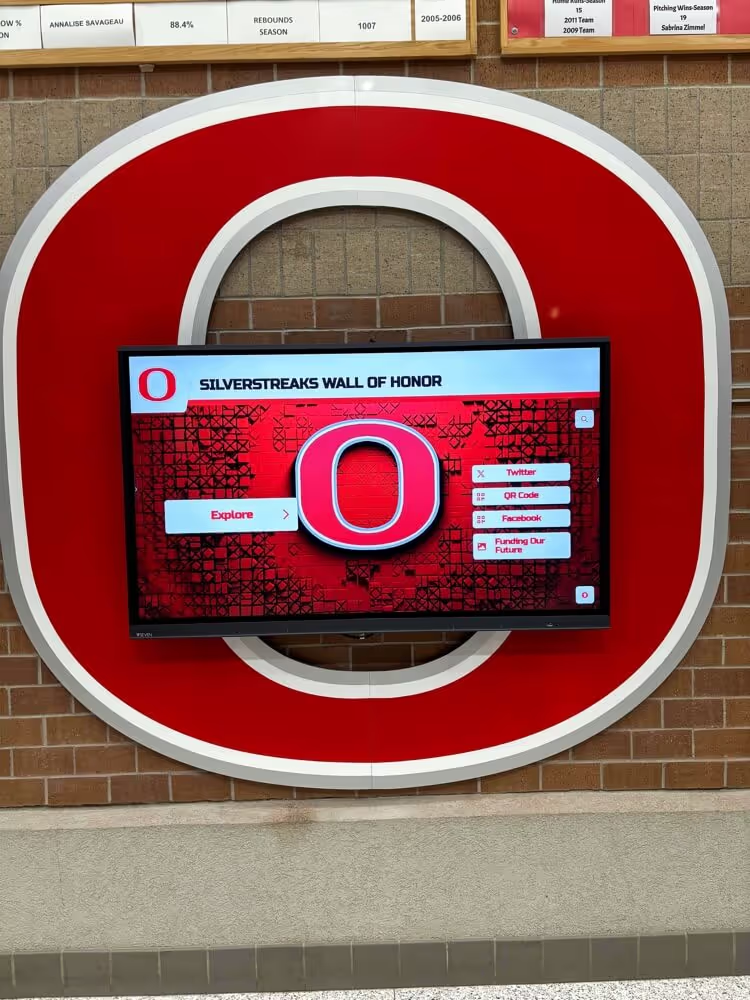
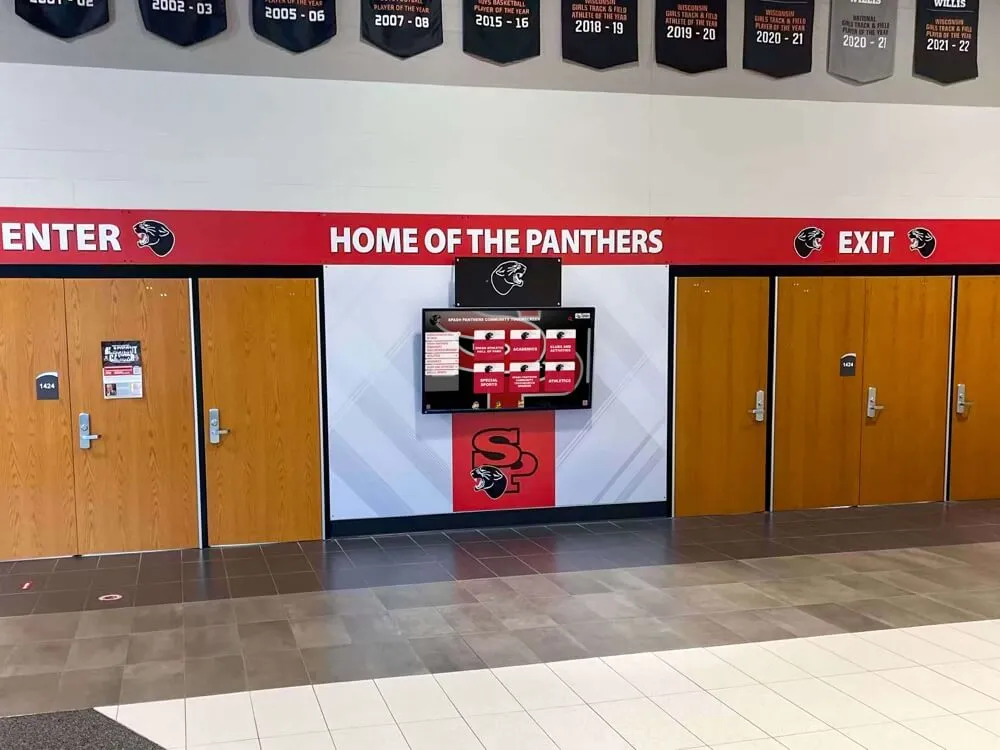
Accessible heritage displays create community gathering spaces celebrating institutional history and achievement
Competitive Disadvantage
In competitive educational markets, schools demonstrating sustained excellence across generations through comprehensive visible archives differentiate themselves effectively. Institutions without documented heritage appear newer or less stable—regardless of actual history—losing competitive positioning against schools effectively showcasing institutional legacy.
For comprehensive approaches to documenting institutional timelines, explore historical timeline touchscreen displays that present evolution systematically.
Categories of Academic and Historical Materials Requiring Archiving
Comprehensive archiving programs address multiple document and artifact categories, each requiring appropriate preservation strategies and organizational approaches.
Student Academic Records and Achievement Documentation
Academic records form the core of educational archives, documenting individual achievement while creating comprehensive institutional performance records.
Transcript and Graduation Records
Essential academic documentation includes:
- Course enrollment and completion records
- Grades and academic performance documentation
- Standardized test scores and assessments
- Graduation dates and diploma information
- Academic honors and distinctions
- Transcript requests and communications
While permanent student records require secure restricted access protecting privacy, aggregate academic achievement data and honor roll recognition can be archived publicly celebrating academic excellence across generations. Schools implementing systematic academic recognition programs benefit from comprehensive achievement documentation.
Scholarship and Award Documentation
Preserving scholarship and award history:
- Scholarship recipients across all available years
- Award criteria and selection processes
- Donor information and scholarship establishment
- Financial aid trends and patterns
- Distinguished scholar recognition
- Academic competition achievements
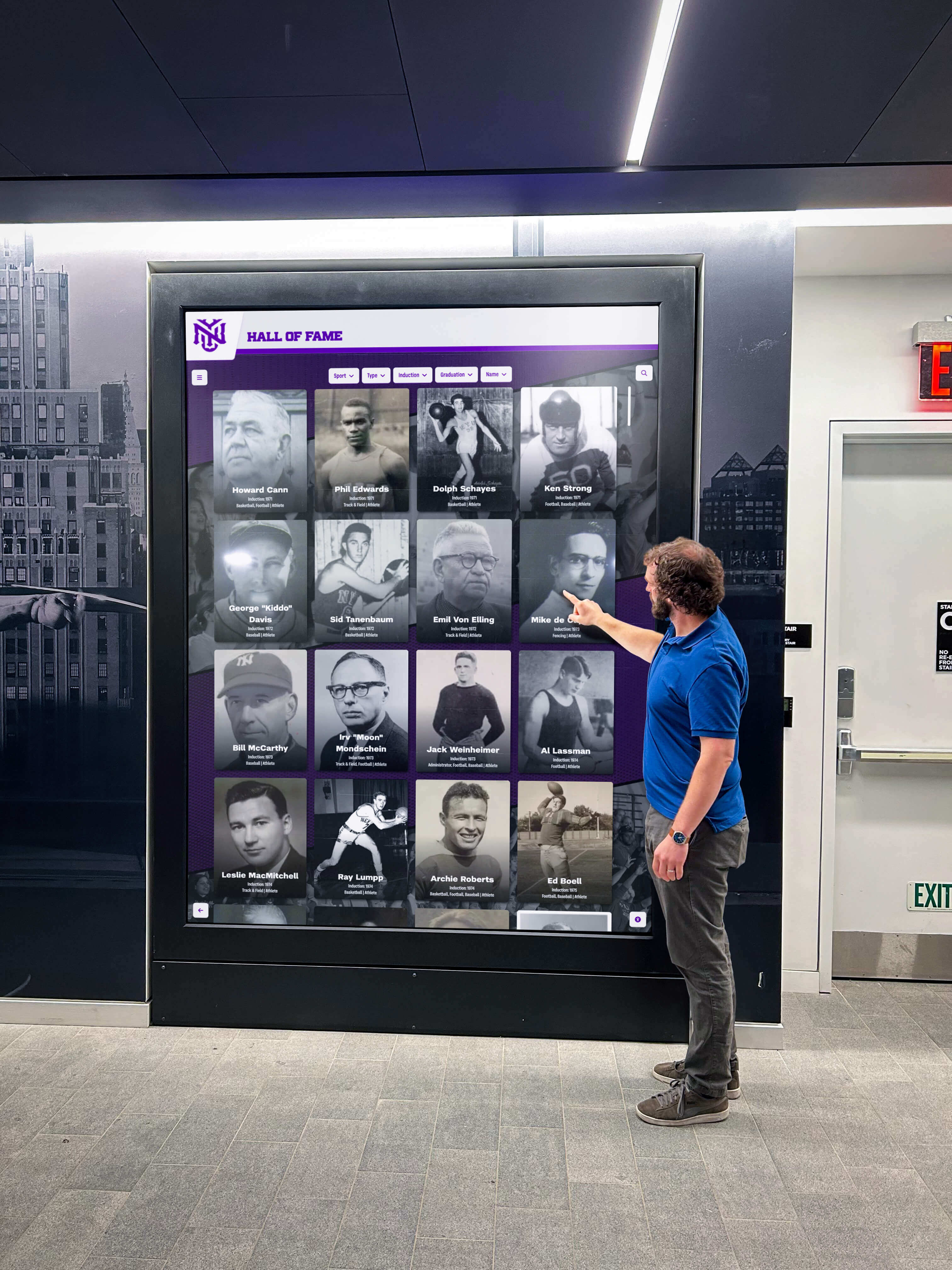
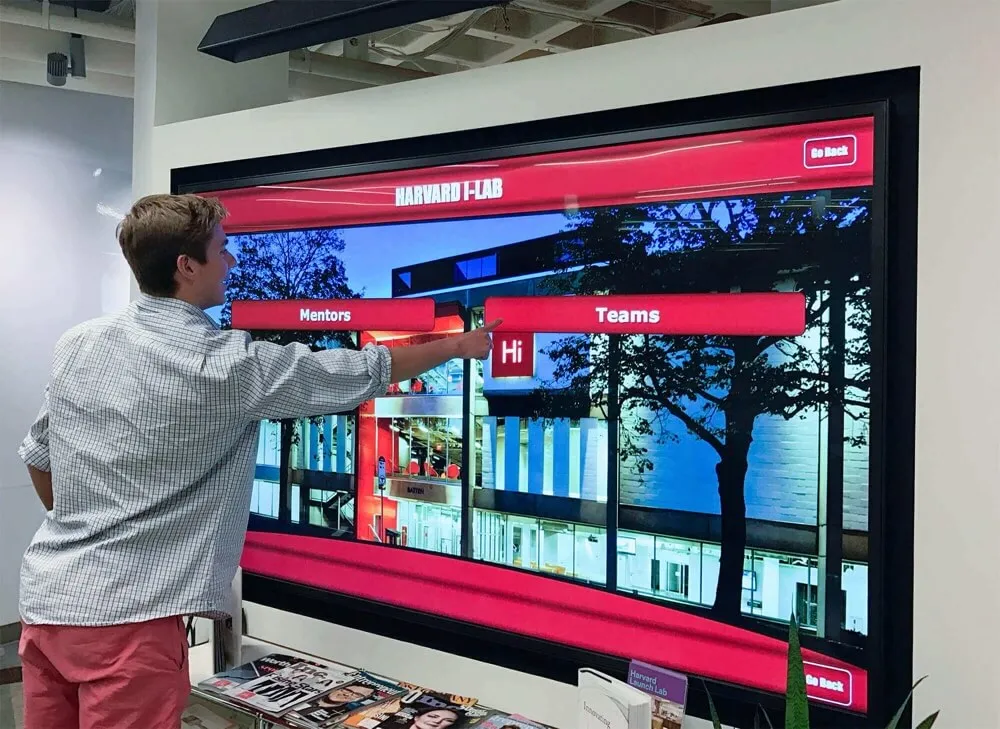
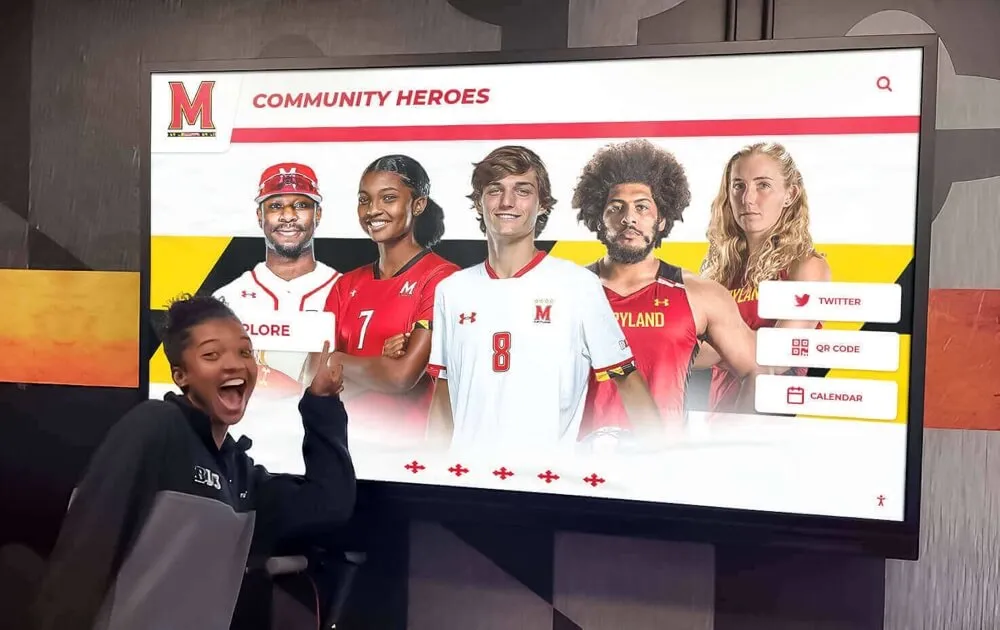
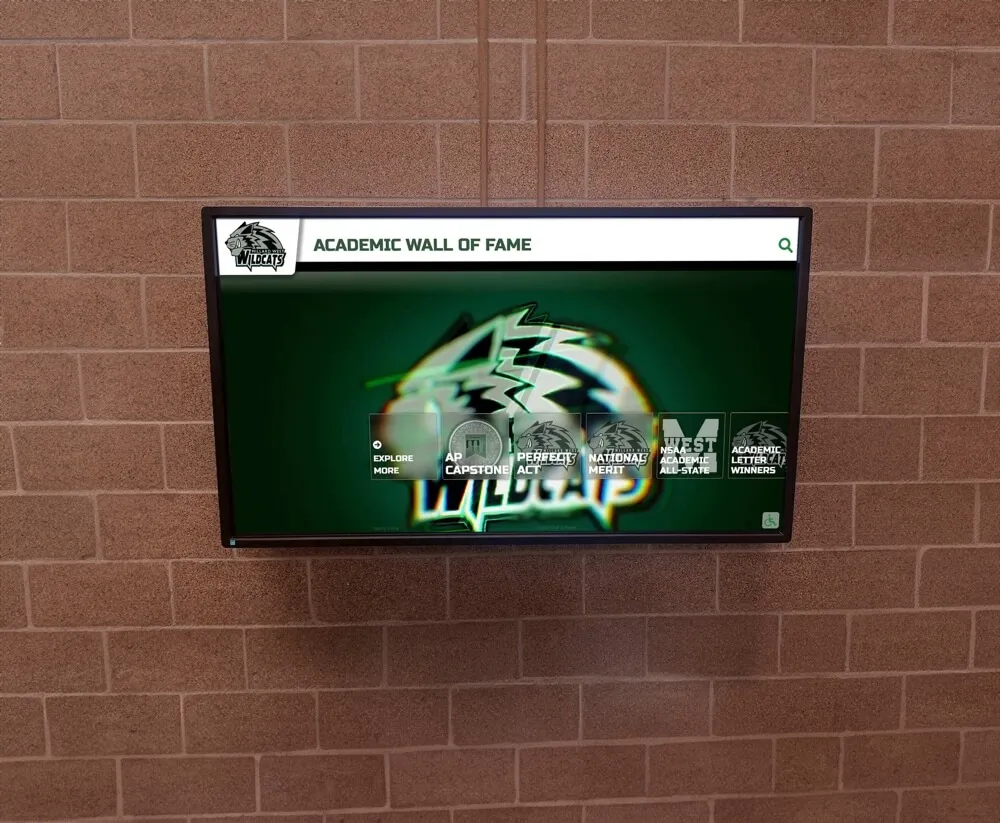
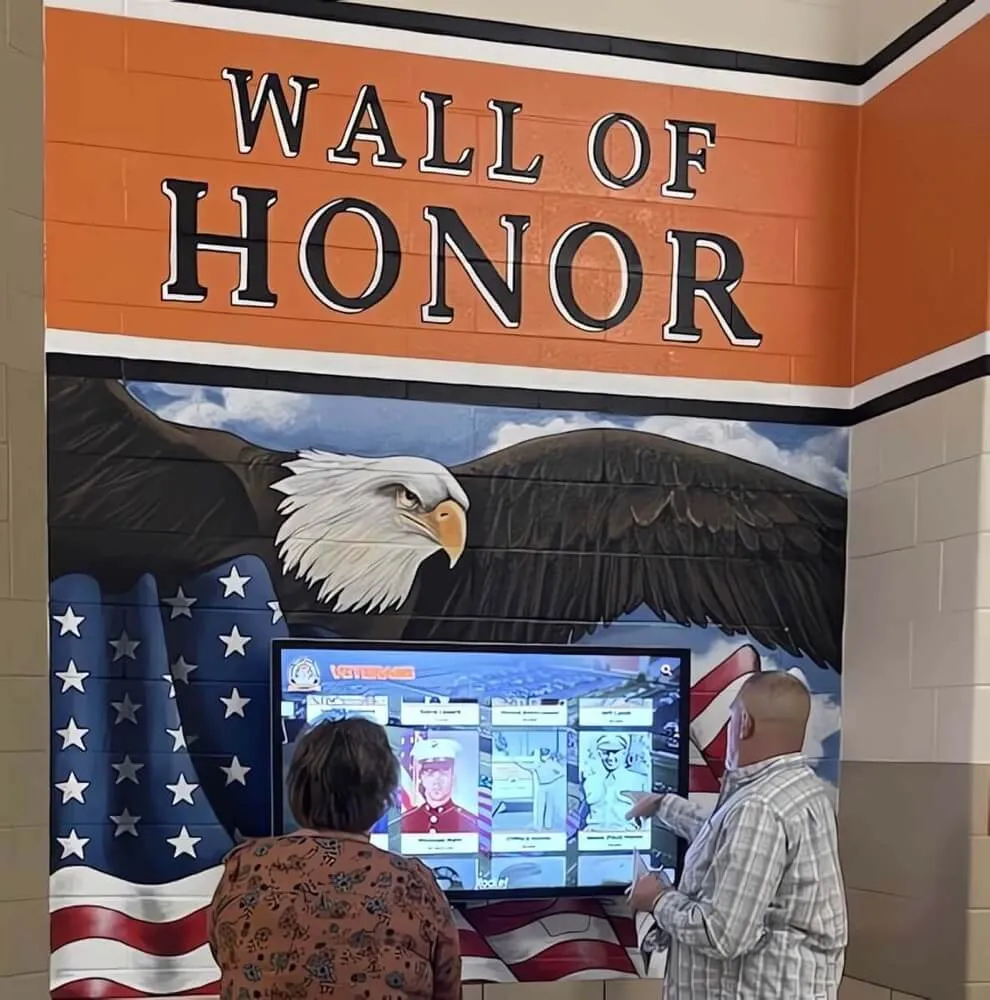
Interactive displays enable intuitive exploration of comprehensive achievement archives spanning multiple categories and generations
Honor Roll and Academic Excellence Archives
Systematic documentation of academic distinction:
- Honor roll recipients by semester and year
- National Honor Society members
- Valedictorian and salutatorian history
- Perfect attendance records
- Subject-specific excellence awards
- Academic improvement recognition
Digital platforms enable schools to showcase unlimited academic achievers—solving space constraints that previously forced difficult decisions about whose accomplishments received visibility. Solutions like Rocket Alumni Solutions provide specialized academic archiving integrated with recognition displays celebrating both historical and contemporary excellence.
Athletic Records and Championship History
Athletic achievement represents highly visible institutional heritage requiring comprehensive documentation and engaging presentation.
Team Records and Championships
Complete athletic archives include:
- Team records by sport and season
- Conference and state championship documentation
- Individual athlete statistics and milestones
- Coaching histories and career records
- All-conference and all-state selections
- Tournament appearances and playoff achievements
Schools implementing digital athletic archives report significantly increased community engagement as alumni rediscover their teams and achievements from decades past while current students gain appreciation for sustained athletic excellence.
Athlete Recognition and Hall of Fame
Systematic athlete documentation:
- Hall of fame inductees with complete biographical information
- Career statistics and achievement summaries
- Post-graduation athletic and professional accomplishments
- Historical photographs and memorabilia documentation
- Team membership and participation records
- Legacy relationships connecting family members across generations
For comprehensive athlete recognition approaches, explore digital record boards designed specifically for athletic achievement documentation.
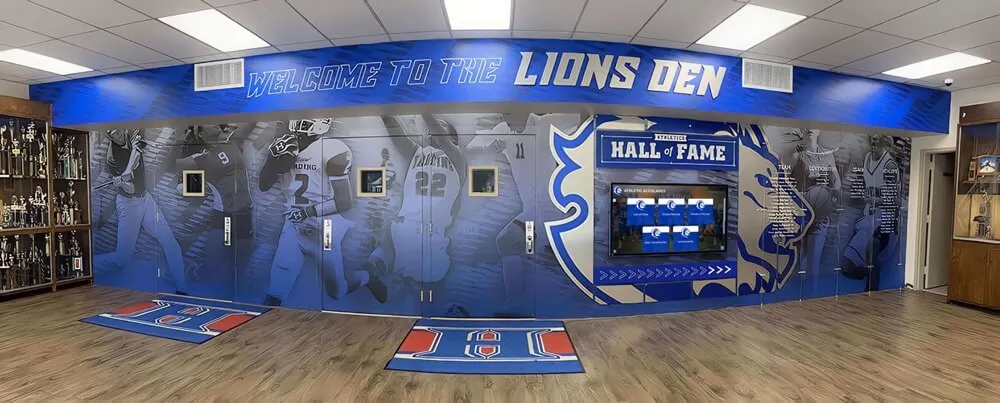
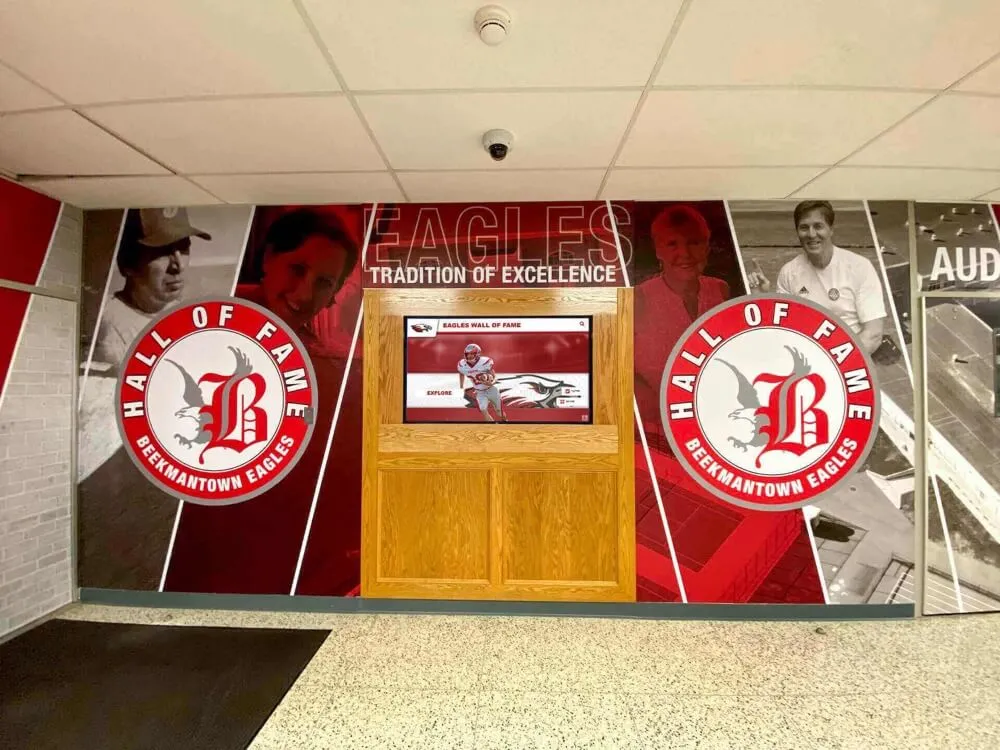
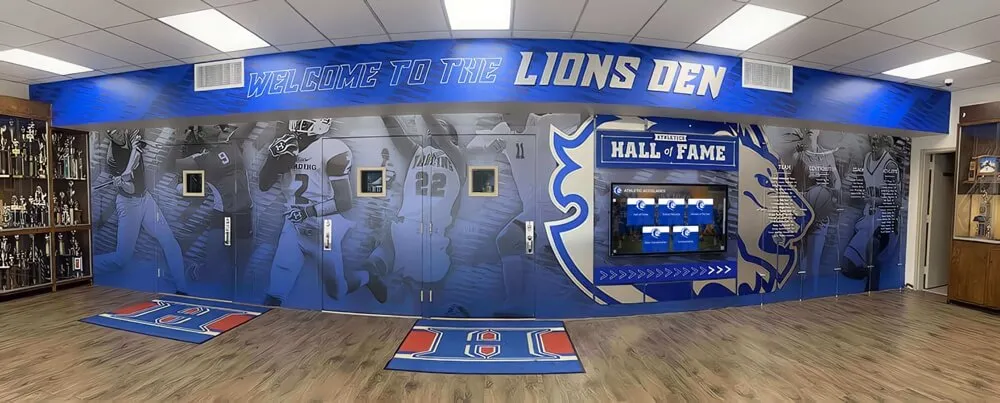
Athletic heritage spaces integrate multiple recognition modalities celebrating championship history comprehensively
Memorabilia and Artifact Documentation
Physical athletic memorabilia requires systematic cataloging:
- Championship trophies and award documentation
- Retired jersey history and honorees
- Team photographs by sport and year
- Equipment and uniform evolution
- Facility development documentation
- Game programs and promotional materials
While physical artifacts remain in trophy cases or storage, digital cataloging creates accessible records documenting complete collections while providing historical context and preventing loss of artifact identification as institutional memory fades.
Historical Photographs and Visual Archives
Photographic collections represent particularly valuable and vulnerable historical materials requiring specialized preservation attention.
Comprehensive Photo Collection Management
Systematic photograph archiving addresses:
- Class photographs and individual portraits across all years
- Faculty and staff photographs with identification
- Facility construction and campus evolution documentation
- Event photography from ceremonies, performances, and celebrations
- Candid campus life capturing daily institutional culture
- Historical team photographs and group activities
Digital preservation protects photographs against inevitable physical deterioration while creating searchable databases enabling instant discovery—alumni can find their graduation year, specific individuals can be located across decades of photographs, and campus evolution can be documented visually through architectural changes.
For detailed photograph digitization approaches, explore how to digitize old yearbooks demonstrating systematic preservation workflows.
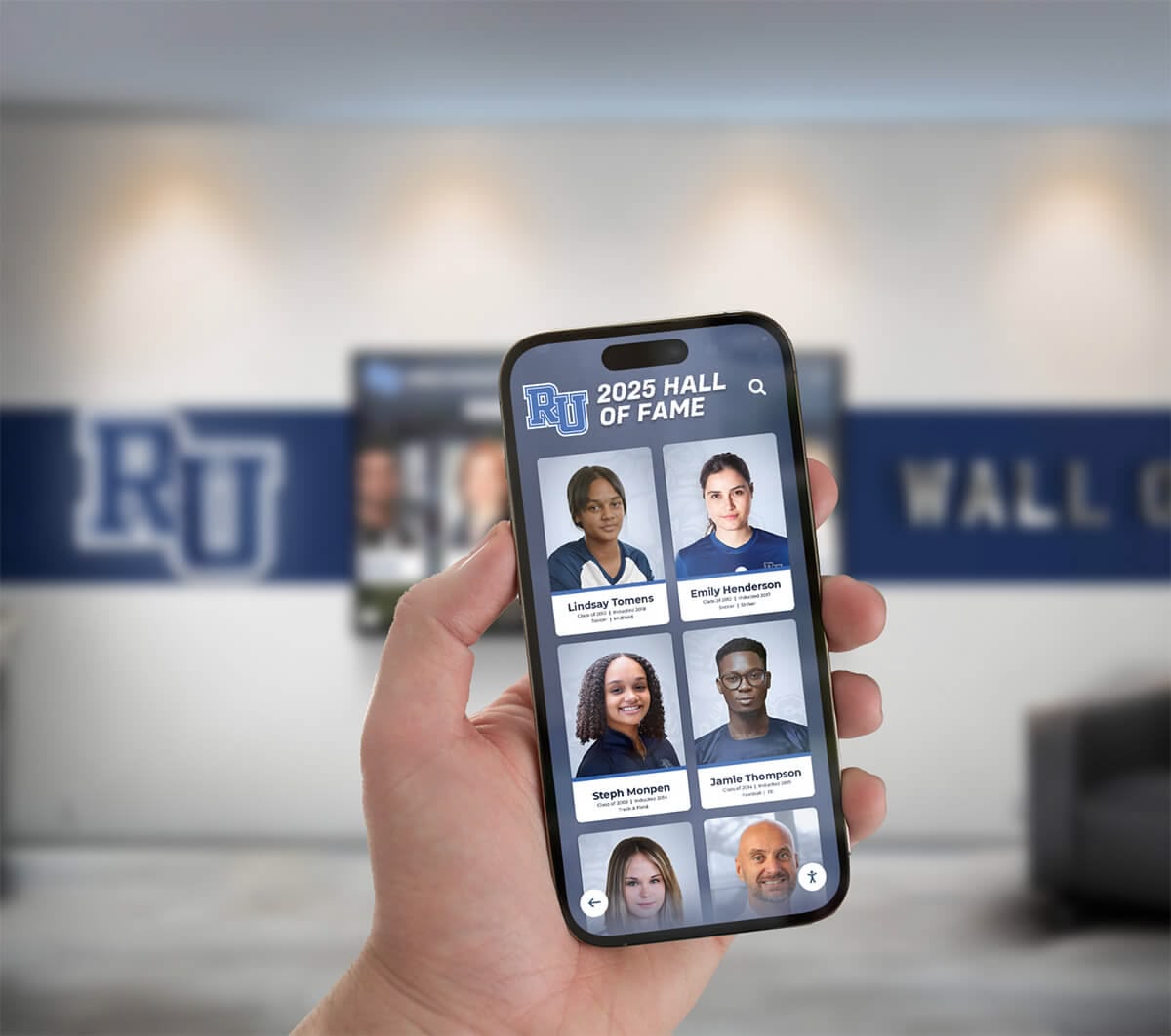
Mobile-responsive archiving platforms extend heritage access beyond campus to global audiences including distant alumni and researchers
Yearbook Collections
Yearbooks represent comprehensive annual institutional documentation requiring special preservation:
- Complete yearbook digitization across available years
- Searchable text enabling name-based discovery
- Individual page access without requiring complete yearbook downloads
- Integration with comprehensive digital recognition platforms
- Gap identification revealing missing years requiring acquisition
- Conservation assessment for physically deteriorating volumes
Schools report that digitized yearbook collections generate extraordinary engagement as alumni worldwide rediscover school memories they hadn’t revisited in decades—demonstrating preservation investments deliver sustained community value.
Art and Creative Work Archives
Student and faculty creative production:
- Student artwork and creative projects
- Theatre production documentation and playbills
- Musical performance recordings and programs
- Literary magazine and publication archives
- Science fair and research project documentation
- Senior capstone and thesis projects
These creative archives celebrate institutional culture beyond traditional academics and athletics, documenting comprehensive educational experiences that distinguish schools and honor diverse student accomplishments.
Institutional Documents and Administrative Records
Foundational institutional documentation preserves organizational history and decision-making evolution.
Founding Documents and Historical Records
Essential institutional materials include:
- Charter documents and founding materials
- Board meeting minutes and governance records
- Strategic plans and institutional assessments
- Accreditation reports and self-studies
- Historical correspondence and communications
- Institutional publications and reports
These administrative archives support institutional research, provide precedents for current decision-making, and document governance evolution demonstrating institutional stability and sustained mission commitment.
Curriculum and Program Evolution
Educational program documentation:
- Course catalogs across institutional history
- Curriculum changes and program development
- Educational philosophy statements and mission evolution
- Faculty handbook and policy development
- Pedagogical initiatives and educational innovations
- Academic program reviews and assessments
This curricular documentation enables historical research studying educational evolution while demonstrating sustained commitment to academic excellence and program innovation.
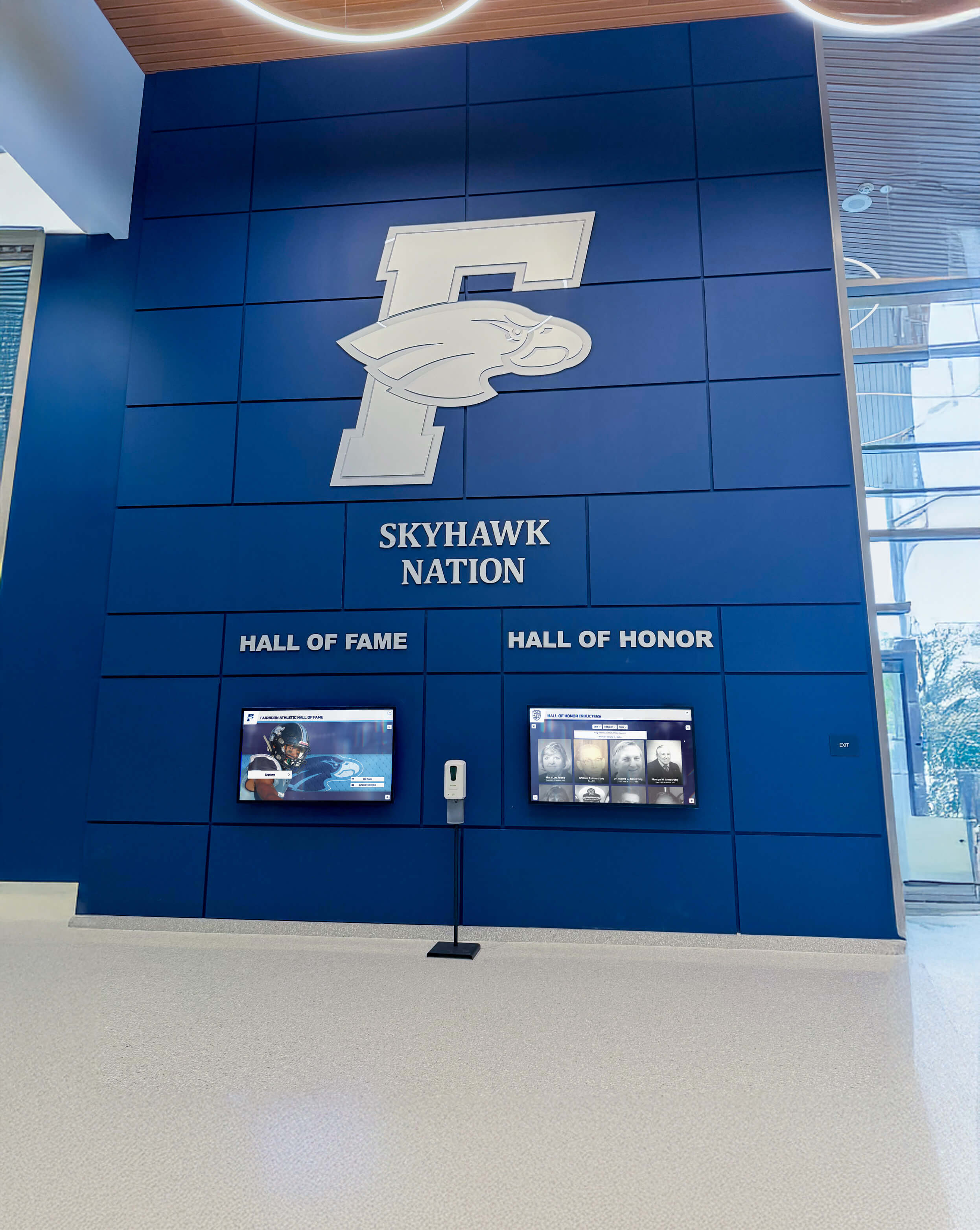
Prominent heritage displays in high-traffic areas ensure community members regularly encounter institutional history and achievement
Facilities and Campus Development
Physical plant documentation:
- Construction documents and architectural plans
- Facility expansion and renovation records
- Campus master planning documents
- Naming dedications and donor recognition
- Historical campus maps and aerial photographs
- Equipment and technology evolution documentation
These facilities records support current maintenance and planning while documenting physical campus evolution demonstrating institutional growth and sustained investment in educational infrastructure.
Digital Archiving Technologies and Platform Selection
Effective archiving requires appropriate technology infrastructure supporting preservation, organization, accessibility, and engaging presentation of historical materials.
Document Scanning and Digitization Standards
Creating high-quality digital archives begins with appropriate digitization ensuring scanned materials meet both immediate access needs and long-term preservation standards.
Resolution and Format Standards
Professional archiving follows established guidelines:
- Text documents: 300 DPI minimum for clear text readability
- Photographs: 600 DPI for archival preservation; 400 DPI for access copies
- Oversized materials: Resolution ensuring sufficient detail after scaling
- Film materials: Professional negative or slide scanning when originals available
- File formats: TIFF for archival masters; PDF or JPEG for access copies
Higher resolution captures create archival-quality master files supporting any future use while generating optimized versions for web display and general access.
Metadata and Cataloging Requirements
Digital files without proper organization become “digital shoeboxes”—searchable in theory but practically inaccessible. Comprehensive metadata includes:
- Document date and date range
- Creator or author information
- Subject description and keywords
- Physical location of original materials
- Copyright and permissions status
- Digitization date and technical specifications
- Relationships to other archived materials
- Access restrictions if applicable
This systematic documentation transforms scattered digital files into searchable, discoverable archives supporting research, education, and community exploration.
Content Management and Organization Systems
Database Platforms for Large Collections
Comprehensive archives require robust database systems:
- Relational databases linking related materials across categories
- Searchable fields enabling discovery by multiple criteria
- Hierarchical organization reflecting institutional structure
- Controlled vocabularies ensuring consistent terminology
- User permission levels protecting sensitive materials
- Batch processing capabilities for large collections
- Import/export functionality supporting migration and backup
- Analytics tracking usage patterns revealing community interests

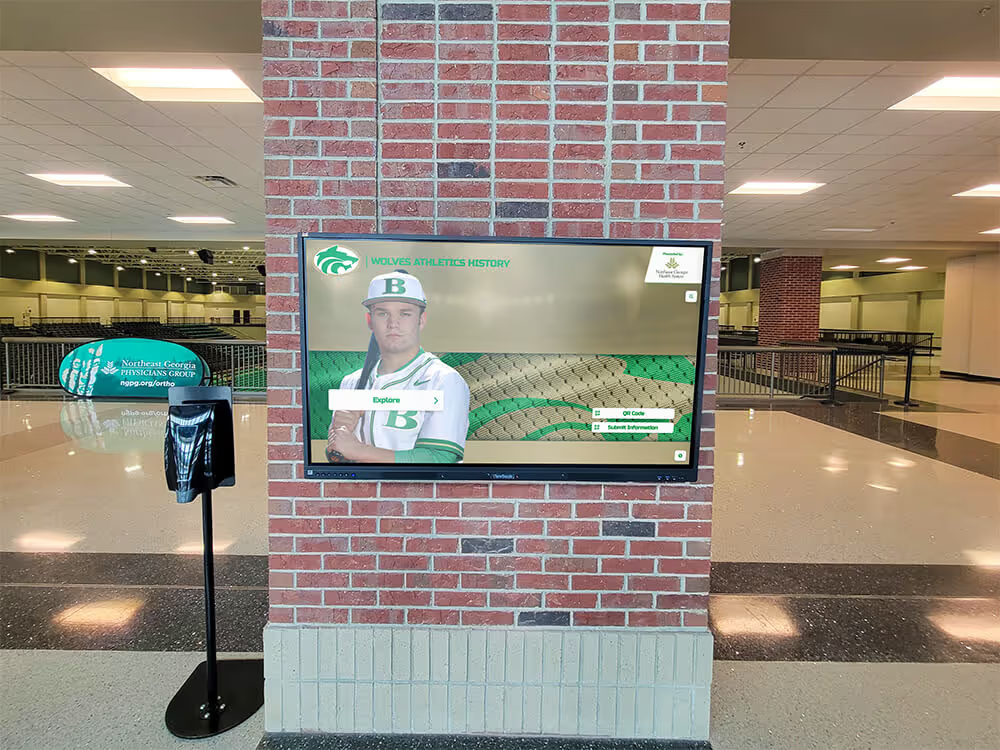
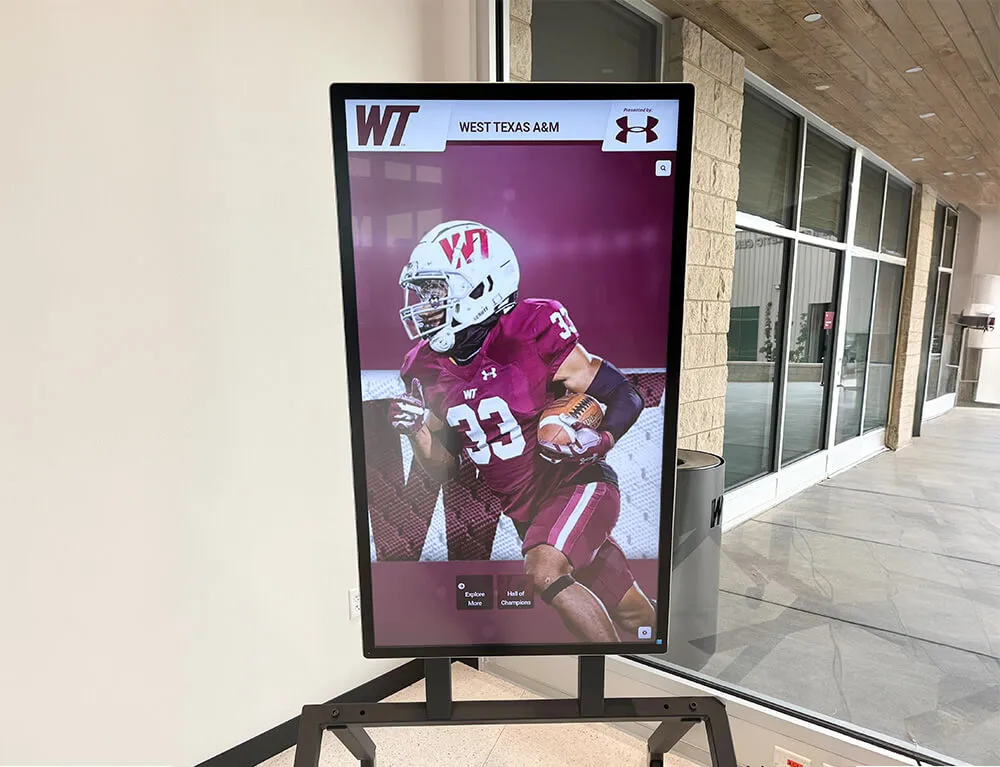
Freestanding kiosks create heritage exploration stations in high-traffic areas without requiring wall mounting or construction
Cloud-Based Archive Solutions
Modern cloud platforms offer significant advantages:
- Remote accessibility enabling staff to manage archives from anywhere
- Automatic backup and disaster recovery protection
- Scalability growing seamlessly with collection expansion
- Professional infrastructure eliminating local server maintenance
- Collaborative access for distributed teams
- Mobile responsiveness supporting smartphone and tablet access
- Integration capabilities connecting archives with websites and displays
Cloud-based archiving eliminates technical infrastructure burdens while providing enterprise-level security and reliability appropriate for irreplaceable institutional materials.
Interactive Display and Presentation Platforms
Creating engaging presentation transforms archives from storage repositories into community resources actively exploring institutional heritage.
Touchscreen Heritage Displays
Physical interactive displays bring archives to life:
- Large-format touchscreens (43-75 inches) in high-traffic areas
- Intuitive interfaces enabling effortless exploration
- Search functionality finding individuals, teams, or time periods instantly
- Timeline browsing showing institutional evolution chronologically
- High-resolution image viewing revealing photograph details
- Categorized access organizing content by type, decade, or theme
- Automatic rotation featuring curated content when not actively used
- Durable commercial hardware supporting continuous public operation
Solutions like Rocket Alumni Solutions specialize in heritage recognition displays combining unlimited archival capacity with engaging touchscreen interfaces optimized specifically for educational contexts—eliminating need to adapt generic digital signage systems for complex archiving requirements.
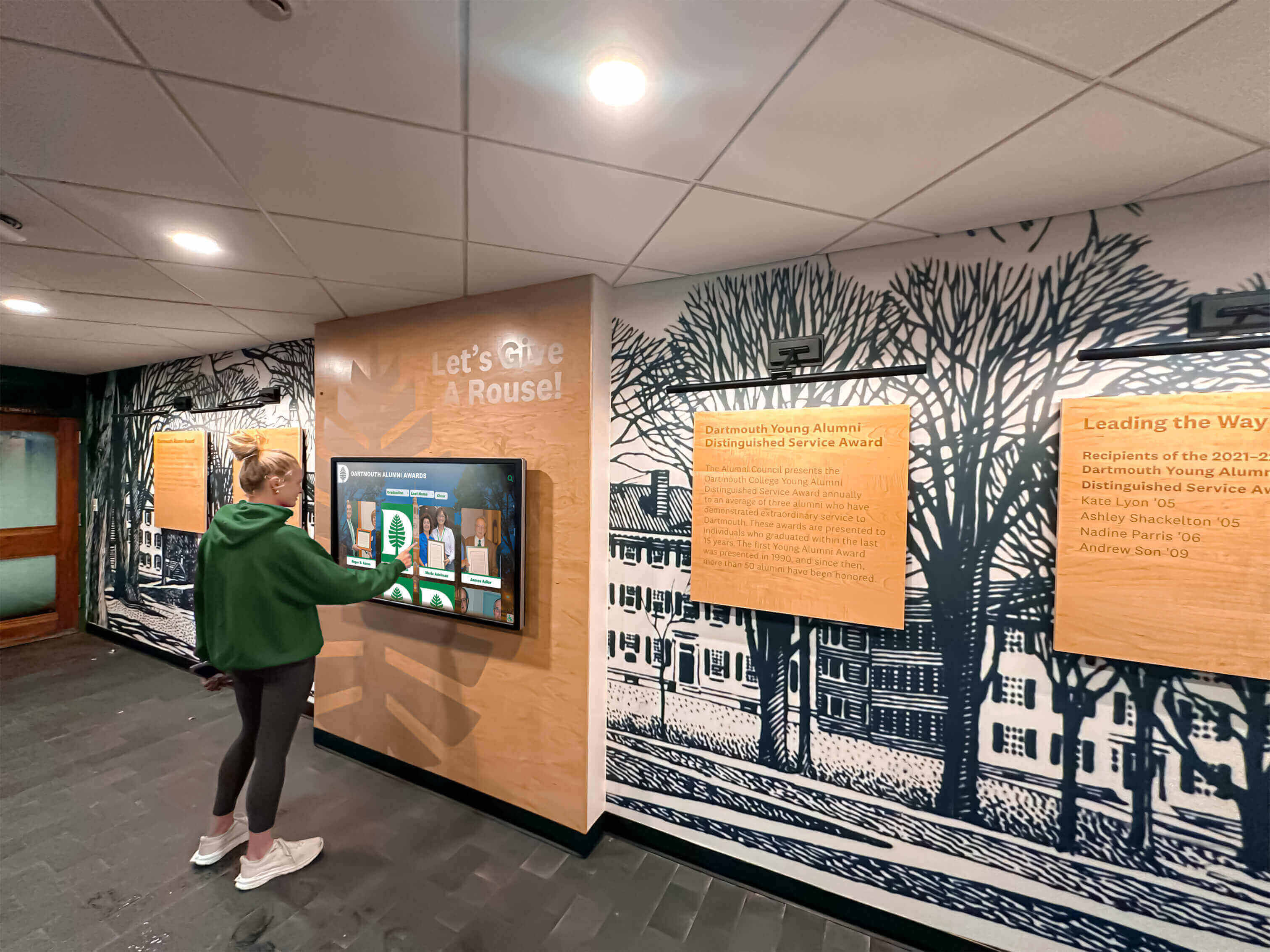
Strategic display placement in student gathering areas ensures current generations regularly encounter and appreciate institutional history
Web-Based Archive Portals
Online access dramatically expands archive reach:
- Responsive web interfaces working across all devices
- Searchable databases enabling complex queries
- Virtual exhibits curating thematic collections
- Social sharing capabilities amplifying organic promotion
- Downloadable resources supporting research and education
- Submission portals enabling community contributions
- Analytics revealing most popular content and usage patterns
- Authentication systems protecting sensitive materials when needed
Web accessibility extends archives to global audiences including distant alumni, researchers, and community members unable to physically visit campus—multiplying engagement compared to campus-only displays.
Mobile Applications
Dedicated mobile apps can enhance accessibility:
- Offline functionality when internet connectivity limited
- Push notifications announcing new archival additions
- Augmented reality features connecting physical locations with historical content
- Location-aware content highlighting relevant archives based on campus position
- Personal collections enabling users to bookmark favorite materials
- Gamification encouraging exploration through achievement unlocks
- Direct sharing to social media platforms
Mobile strategies particularly engage younger constituencies expecting smartphone-native experiences rather than desktop-dependent platforms.
Implementing Comprehensive Archiving Programs
Successful archiving requires systematic planning, appropriate resource allocation, and sustainable operational frameworks ensuring programs deliver value indefinitely.
Assessment and Planning Phase
Collection Inventory and Evaluation
Begin by comprehensively assessing existing materials:
- Locate all archival collections scattered across offices, storage areas, and individual custody
- Evaluate condition noting deterioration requiring urgent preservation
- Assess organization determining current accessibility and documentation status
- Identify gaps revealing missing documentation or time periods
- Prioritize materials based on historical significance, deterioration risk, and community interest
- Document findings creating comprehensive inventory guiding digitization priorities
This assessment reveals project scope while enabling strategic prioritization ensuring most important materials receive attention first when resources cannot support immediate comprehensive archiving.
Goal Setting and Success Metrics
Establish clear objectives defining archiving program success:
- Preservation goals specifying materials receiving digital backup
- Accessibility targets defining how communities will access archives
- Engagement metrics measuring community exploration and usage
- Timeline establishing realistic completion milestones
- Budget parameters determining resource allocation
- Sustainability plans ensuring ongoing operations after initial implementation
- Evaluation frameworks assessing program effectiveness
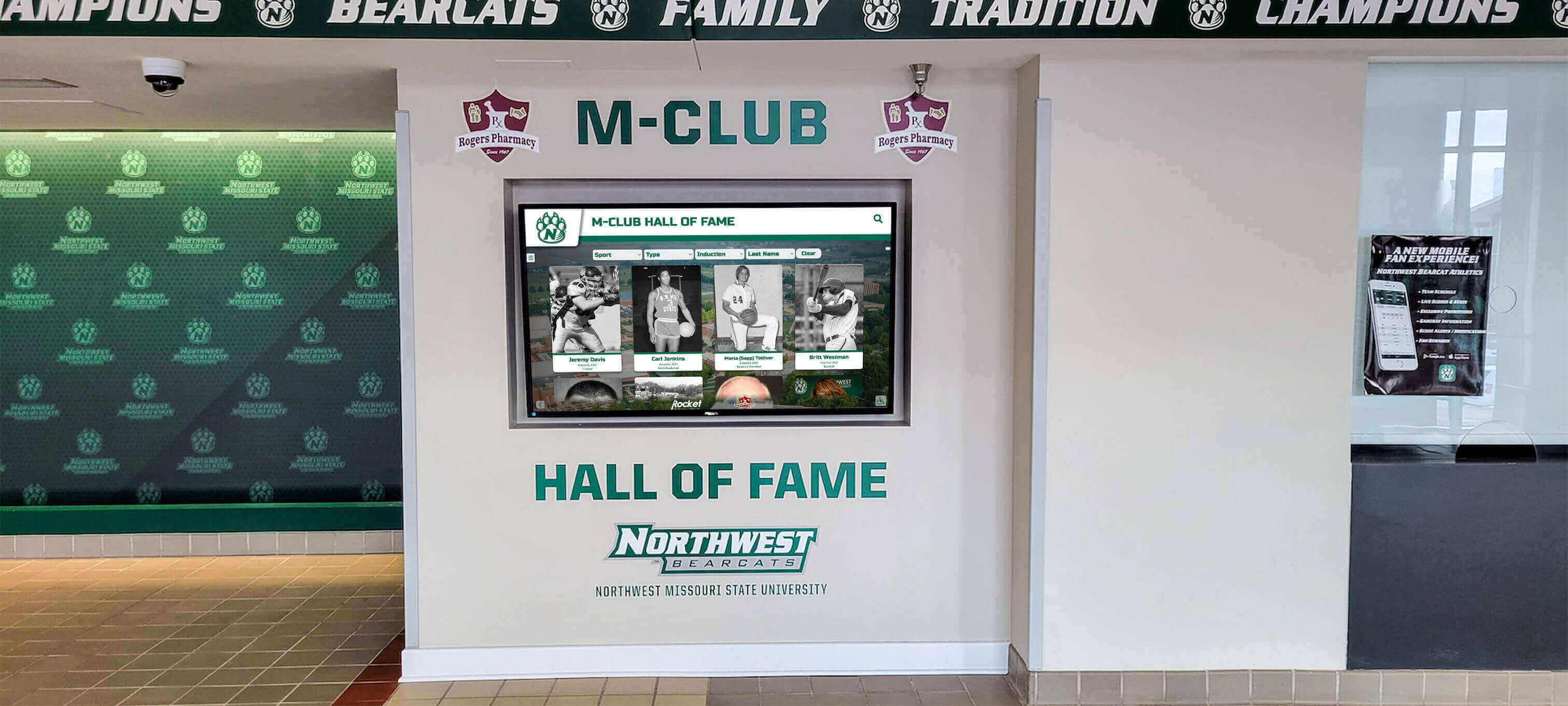
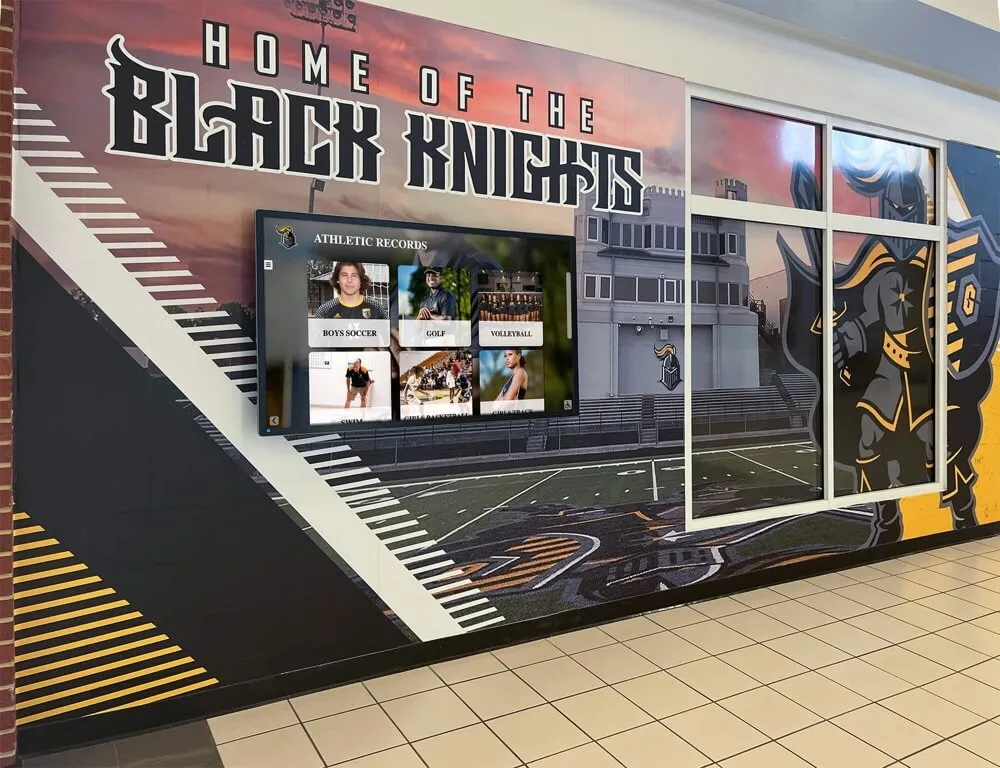
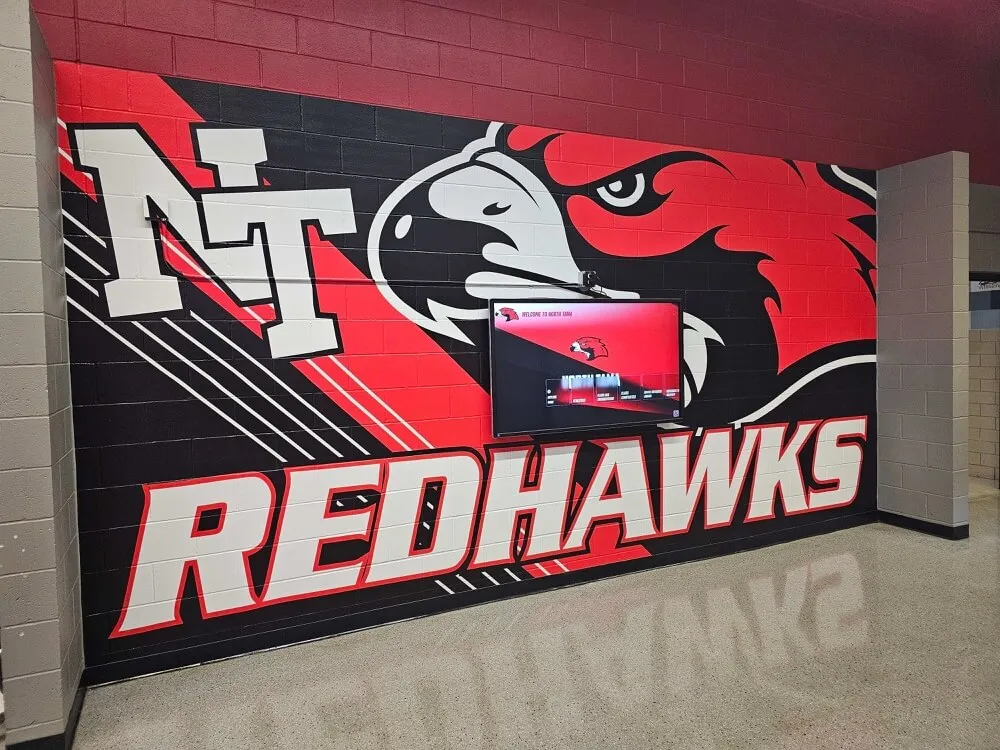
Athletic facilities provide ideal locations for heritage displays celebrating championship history and connecting past excellence with current programs
Resource Allocation and Budgeting
Realistic financial planning addresses:
- Digitization equipment or service costs
- Software platforms and subscriptions
- Display hardware for physical locations
- Staff time or contracted services
- Ongoing maintenance and operations
- Storage infrastructure for digital files
- Training and professional development
- Contingency reserves for unexpected needs
Many schools implement phased approaches beginning with highest-priority materials while expanding systematically—avoiding overwhelming initial investments while delivering immediate value demonstrating concept feasibility.
Digitization Workflow Development
Standard Operating Procedures
Consistent processes ensure quality:
- Material preparation including condition assessment and cleaning
- Scanning procedures following established resolution and format standards
- Quality review verifying acceptable capture before proceeding
- Metadata creation documenting required information systematically
- File organization following consistent naming conventions and structures
- Backup execution protecting completed work immediately
- Original material return to appropriate secure storage
Documented workflows enable multiple staff or volunteers to contribute consistently while ensuring professional results regardless of individual operator variation.
Volunteer Coordination
Alumni and community members often enthusiastically support archiving projects:
- Recruit volunteers with historical knowledge or technical skills
- Provide comprehensive training on procedures and quality standards
- Assign appropriate responsibilities matching capabilities
- Supervise work ensuring consistent quality
- Recognize contributions publicly celebrating volunteer support
- Maintain regular communication sustaining engagement
Volunteer programs accelerate digitization while building community ownership of heritage preservation efforts—creating engaged constituencies advocating for continued archiving support.
For systematic approaches to institutional timeline development that can incorporate archived materials, explore developing college history timelines.
Copyright, Privacy, and Legal Considerations
Copyright Status Assessment
Historical materials involve complex copyright landscapes:
- Institution-created materials generally owned by school
- Personal photographs and documents may retain creator rights
- Published materials protected by copyright durations
- Fair use exceptions supporting educational archiving
- Permission acquisition for materials with unclear ownership
- Restriction of access when copyright prevents public distribution
Consult legal counsel establishing institutional policies balancing preservation interests with copyright compliance—most educational archiving falls within legal exceptions when implemented appropriately.
Student Privacy Protection
Educational records require FERPA compliance:
- Restrict access to academic records and personal information
- Obtain consent for public display of identifiable student materials when required
- Provide opt-out mechanisms for individuals preferring privacy
- Remove sensitive information before public archiving
- Implement authentication for materials requiring controlled access
- Document privacy decisions and policy compliance
Balancing preservation with privacy demonstrates institutional respect for individual preferences while maintaining appropriate legal compliance.

Responsive design ensures archived content displays appropriately across all device types maximizing accessibility and engagement
Institutional Policies and Access Controls
Establish clear governance:
- Define what materials receive archiving priority
- Specify access levels for different material categories
- Establish review processes for contributed materials
- Create takedown procedures for disputed content
- Document decision-making authority and processes
- Regularly review policies ensuring continued appropriateness
Clear policies prevent disputes while enabling consistent decision-making as archiving programs expand and circumstances evolve.
Creating Engaging Heritage Displays and Presentations
Systematic archiving creates preservation, but thoughtful presentation ensures communities actively explore and value institutional heritage.
Physical Heritage Spaces
Strategic Display Location Planning
Placement determines visibility and engagement:
- Main entrance lobbies ensuring all visitors encounter heritage immediately
- Alumni gathering areas facilitating reunion exploration and reminiscence
- Athletic facility concourses connecting historical achievement with current programs
- Library reading areas supporting student research and discovery
- Administrative reception areas entertaining visitors while communicating institutional stability
- Cafeteria and commons providing casual browsing during downtime
Multiple distributed displays reach broader audiences than single centralized locations, particularly in large campuses where populations concentrate in different buildings.
Integrated Heritage Environments
Comprehensive heritage spaces combine multiple elements:
- Interactive digital displays providing unlimited archival access
- Traditional trophy cases showcasing physical artifacts
- Historical murals and photographic installations
- Timeline graphics documenting institutional evolution
- Donor recognition acknowledging heritage preservation support
- Comfortable seating encouraging extended exploration
- Wayfinding directing visitors to heritage resources
These integrated approaches create destination heritage spaces celebrating institutional identity comprehensively while honoring diverse achievement categories and time periods.
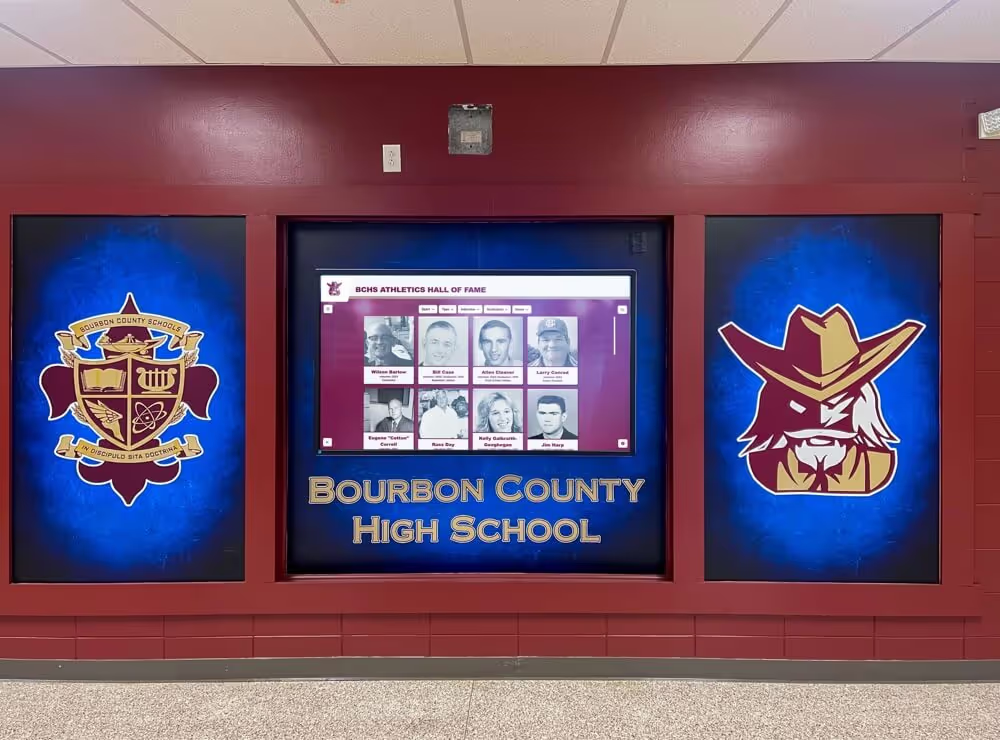
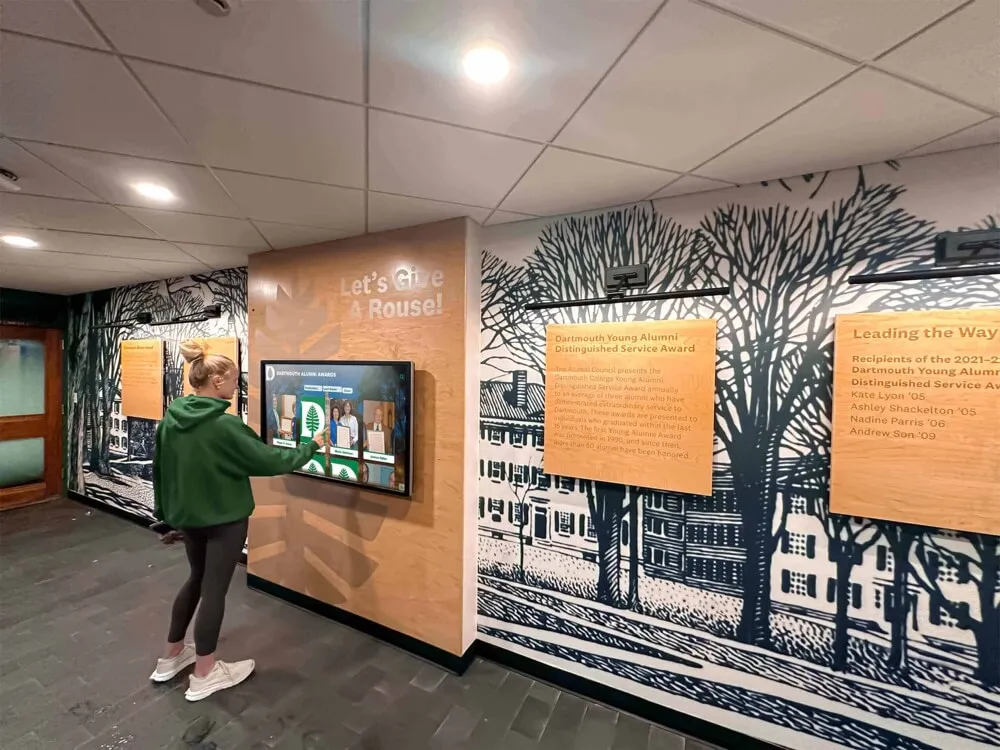
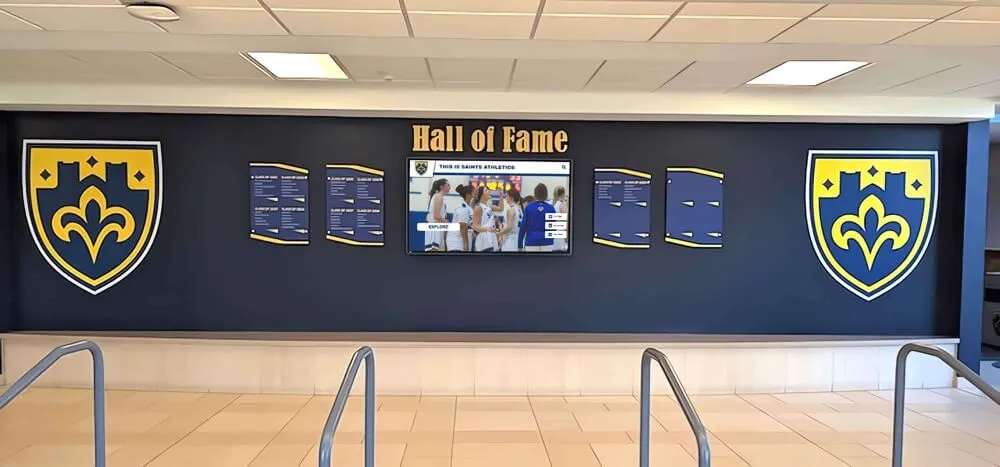
Integrated designs blend traditional recognition elements with digital archiving creating aesthetically cohesive heritage celebrations
Virtual Heritage Experiences
Online Archive Portals
Web-based access extends heritage globally:
- Searchable databases enabling complex queries across all archived materials
- Timeline interfaces showing institutional evolution chronologically
- Virtual exhibitions curating thematic content collections
- Download capabilities supporting research and educational use
- Social sharing amplifying organic promotion
- Crowdsourced contributions inviting community-submitted content
- Mobile optimization supporting smartphone access
- Analytics revealing popular content and usage patterns
Online archives make institutional heritage accessible 24/7 worldwide—dramatically expanding engagement compared to campus-only displays while supporting distant alumni maintaining institutional connections.
Augmented Reality Integration
Emerging technologies create innovative heritage experiences:
- Campus walking tours connecting physical locations with historical content
- Building-specific archives activated when approaching facilities
- Historical photograph overlays showing location evolution
- Virtual reconstructions of demolished or renovated structures
- Interactive timelines revealing change chronologically
- Gamified exploration encouraging comprehensive discovery
- Social features enabling shared experiences and discussions
Augmented reality particularly engages younger constituencies expecting cutting-edge digital experiences while creating innovative approaches to heritage presentation.
Event-Based Heritage Celebration
Reunion and Anniversary Integration
Archives enhance traditional celebrations:
- Curated displays showcasing specific graduating classes or decades
- Searchable databases enabling alumni to find themselves and classmates
- Projected displays at events showing historical photographs and content
- Take-home digital access extending engagement beyond events
- Interactive stations where attendees contribute memories and identifications
- Professional photography documenting events for future archives
This integration ensures archiving investments directly support existing traditions rather than creating separate unconnected initiatives. Similar to comprehensive homecoming festivities, heritage displays strengthen celebration impact.
Educational Curriculum Integration
Archives support academic programming:
- History classes using institutional archives studying change over time
- Research projects analyzing archival data revealing patterns
- Genealogy units connecting students with family institutional history
- Comparative studies examining evolution across different schools
- Primary source analysis developing historical thinking skills
- Digital literacy projects learning archiving technologies
Curricular integration ensures archives deliver educational value beyond nostalgia while teaching students historical research methodologies using accessible institutional materials.
Sustaining Archiving Programs Long-Term
Initial implementation represents significant investment—sustainability requires planning for ongoing operations ensuring programs remain current and relevant indefinitely.
Continuous Collection Growth
Ongoing Material Acquisition
Establish systematic processes for continuous expansion:
- Annual review sessions identifying newly available materials
- Community submission portals accepting contributions
- Partnership with yearbook production ensuring annual digital copies
- Athletic department integration documenting current seasons systematically
- Academic office coordination archiving contemporary achievement
- Event photography protocols ensuring historical documentation
Clear procedures prevent documentation gaps ensuring comprehensive historical coverage rather than archives freezing at initial implementation completion.
Crowdsourced Enhancement
Community participation enriches archives continuously:
- Photograph identification campaigns helping name unknown individuals
- Memory collection initiatives gathering stories and context
- Gap filling requesting specific materials from alumni collections
- Error correction enabling community members to improve accuracy
- Relationship documentation connecting family members across generations
- Oral history projects capturing first-person institutional narratives
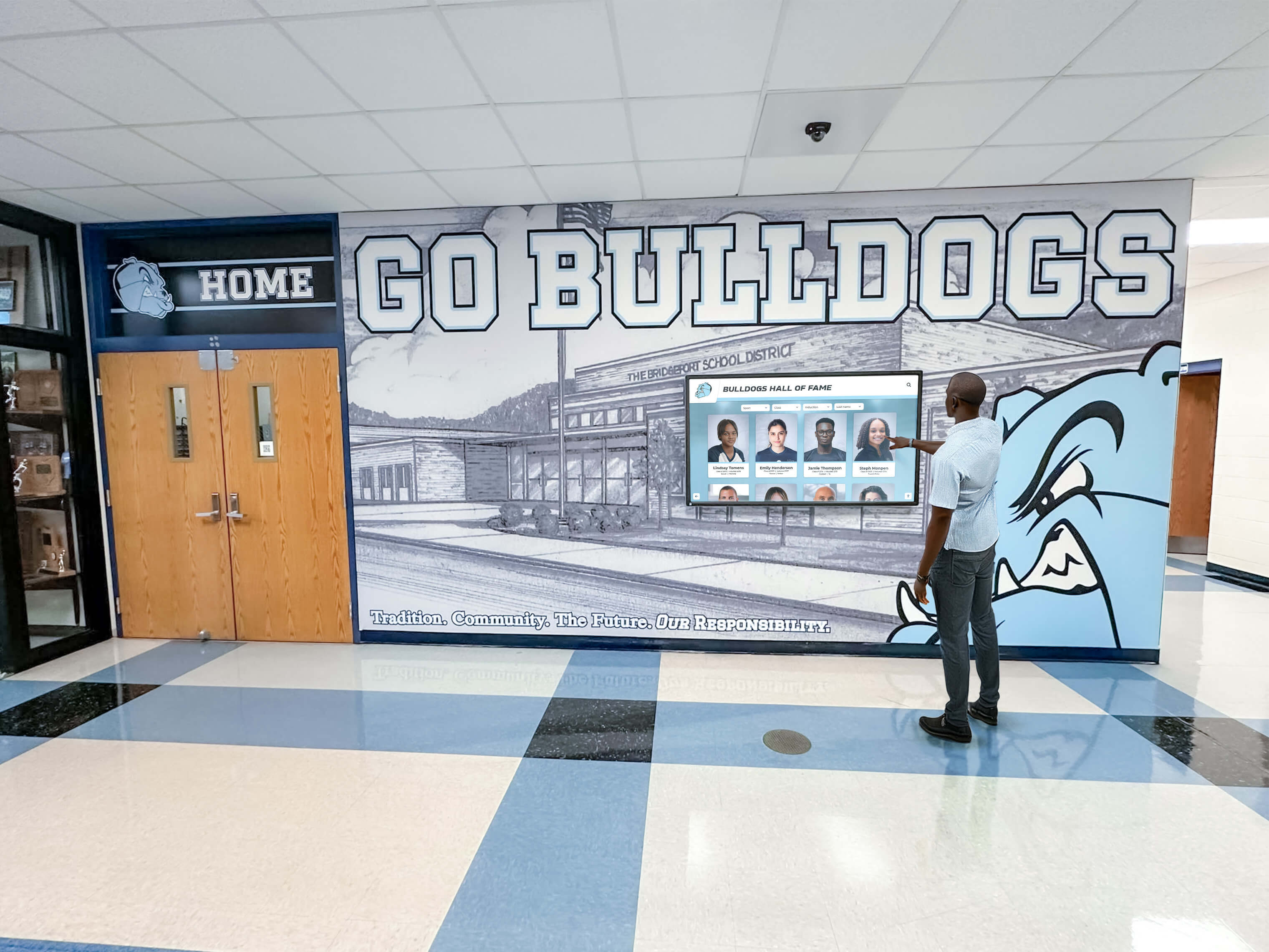
User-friendly interfaces encourage community exploration and engagement with comprehensive heritage archives
These collaborative approaches continuously improve archives while strengthening community ownership of heritage preservation efforts.
Organizational Sustainability
Designated Stewardship
Assign clear responsibility for archiving programs:
- Staff or volunteer committee oversight
- Regular content review and updates
- Technical system maintenance coordination
- Community engagement and promotion
- Budget monitoring and resource allocation
- Policy compliance and access management
- Performance evaluation and reporting
Clear ownership prevents archives from becoming “completed projects” receiving no attention after launch, ensuring they evolve into living heritage resources continuously enhanced and promoted.
Documentation and Knowledge Transfer
Maintain comprehensive records ensuring continuity:
- Digitization procedures and quality standards
- Organizational systems and naming conventions
- Platform administrative access and vendor contacts
- Copyright research and permission documentation
- Community engagement strategies and contacts
- Institutional knowledge about materials and sources
- Succession planning for leadership transitions
Proper documentation enables seamless continuation despite inevitable staff changes, protecting long-term investments in archiving infrastructure.
Budget Sustainability
Ongoing funding ensures program continuity:
- Annual operating budgets for software subscriptions and services
- Hardware replacement reserves for display systems
- Digitization funding for continuous collection expansion
- Professional development supporting skill maintenance
- Marketing and promotion communicating program value
- Evaluation activities demonstrating community impact
Sustainable funding through institutional budget commitments or dedicated endowments ensures archiving programs survive leadership changes and competing priorities.
Measuring Archiving Program Success and Impact
Regular assessment demonstrates value while identifying improvement opportunities ensuring programs remain effective and relevant.
Quantitative Usage Metrics
Digital Engagement Analytics
Platform analytics reveal detailed usage patterns:
- Unique visitors and session frequency indicating reach
- Average exploration time showing engagement depth
- Most-viewed content revealing community interests
- Search patterns showing discovery approaches
- Return visitor rates demonstrating sustained interest
- Social sharing frequency measuring organic promotion
- Geographic distribution showing global audience reach
- Device types informing optimization priorities
These metrics demonstrate archives resonate with communities while justifying continued investment and revealing opportunities for enhancement.
Physical Display Interaction
Touchscreen systems track engagement:
- Total interactions per day/week/month showing usage volume
- Average session duration indicating engagement quality
- Popular content categories revealing interests
- Peak usage times informing content strategy
- Return interaction patterns showing repeat visitors
- Navigation paths revealing discovery approaches
This data quantifies community engagement with heritage displays while guiding content development maximizing effectiveness.
Qualitative Impact Assessment
Stakeholder Feedback
Beyond numbers, meaningful impact appears through:
- Alumni testimonials describing heritage connection experiences
- Student reflections on how historical awareness influences current experience
- Faculty observations about educational value
- Prospective family interest during admissions tours
- Media coverage and community recognition
- Research requests from historians and genealogists
- Donor enthusiasm for heritage preservation
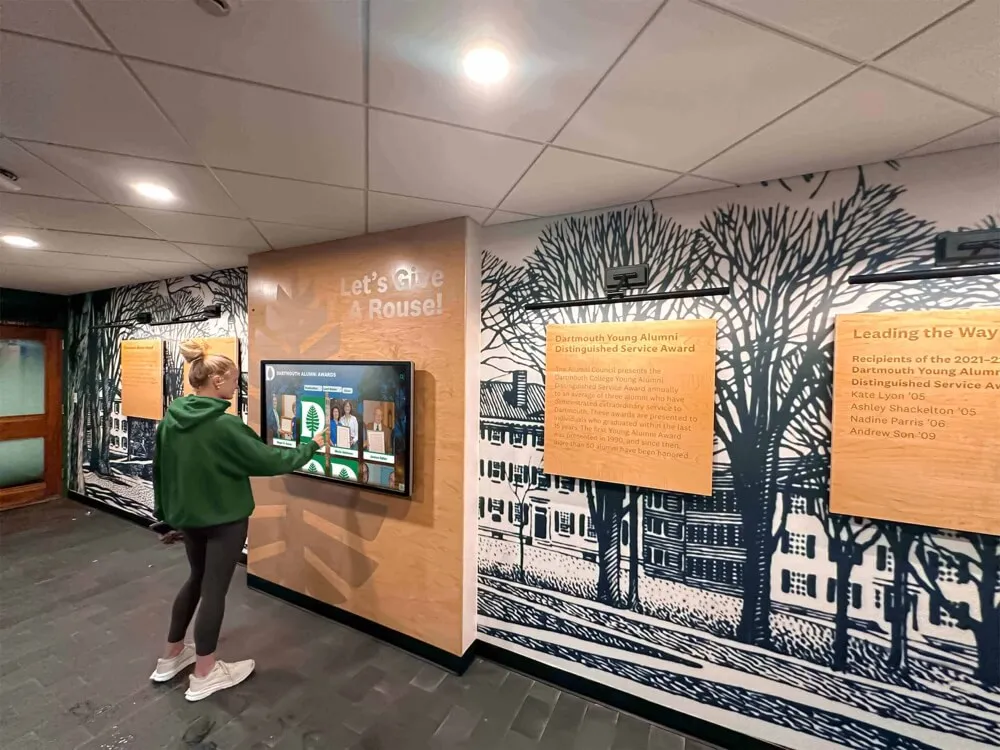
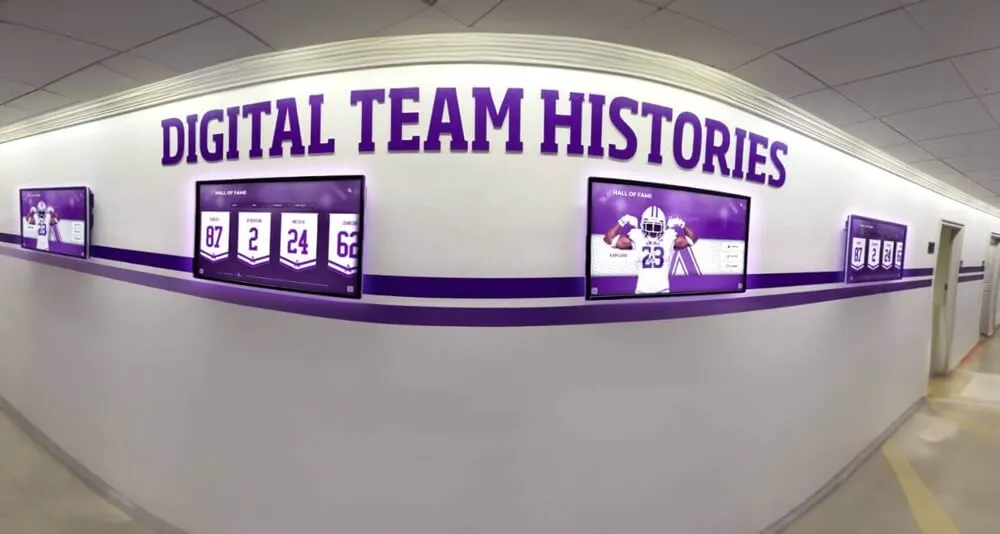
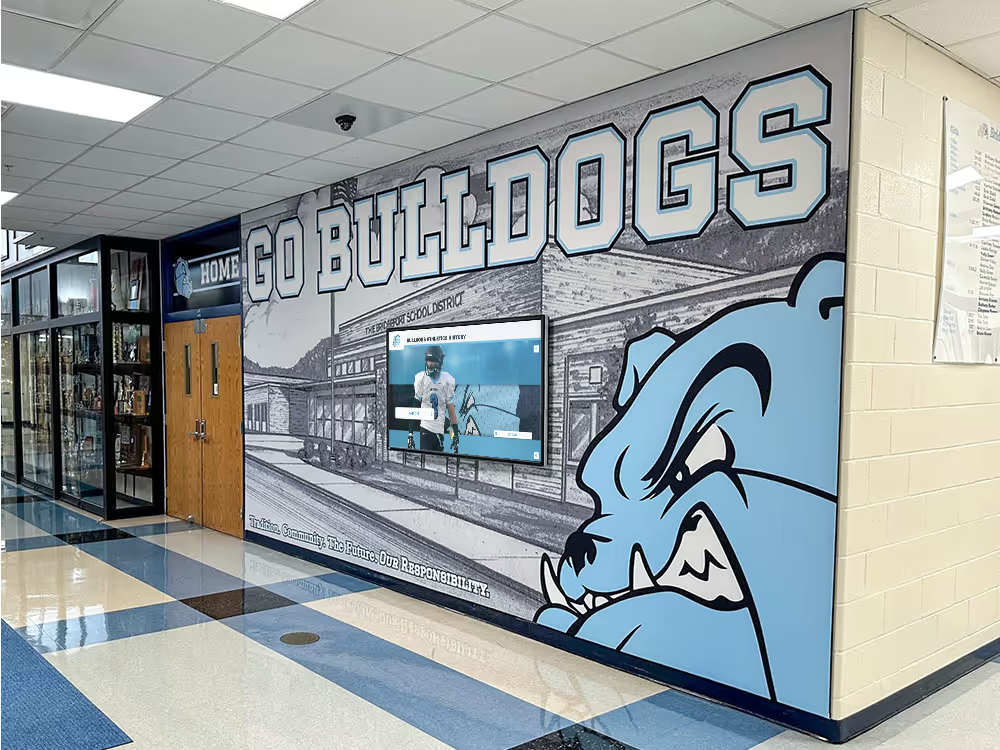
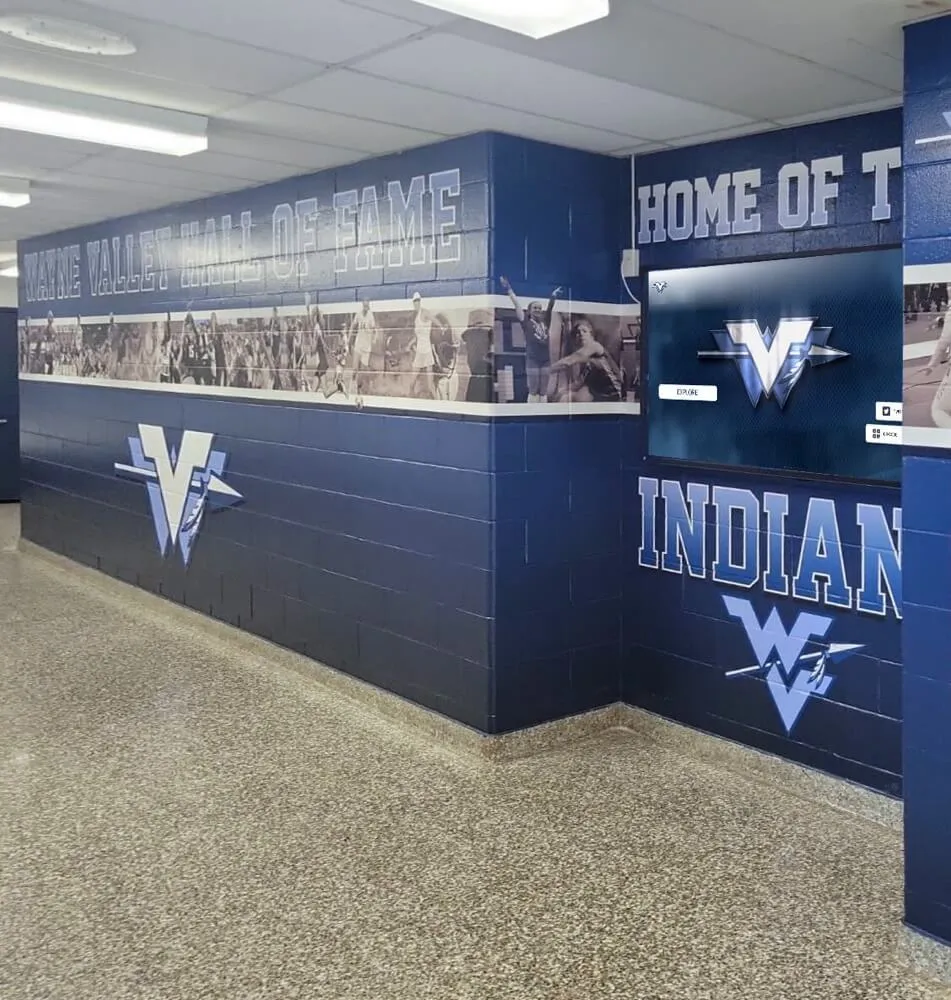
Heritage hallways create immersive environments celebrating institutional legacy through multiple complementary presentation elements
Institutional Outcomes
Effective archives advance broader goals:
- Enhanced recruitment messaging showcasing sustained excellence
- Increased alumni engagement and giving attributed to heritage connection
- Strengthened community relationships through local history preservation
- Educational enrichment through curriculum-integrated materials
- Competitive differentiation demonstrating stability and heritage depth
- Institutional pride across all constituencies
Schools implementing comprehensive archiving consistently report community response exceeding initial expectations, with heritage preservation creating powerful emotional connections strengthening institutional loyalty.
Continuous Improvement Processes
Regular Program Review
Systematic evaluation guides enhancement:
- Annual assessment of collection growth and completeness
- Usage analytics review identifying successful and underutilized content
- Technology evaluation ensuring platforms remain current
- Budget review ensuring sustainable resource allocation
- Stakeholder surveys gathering improvement suggestions
- Competitive analysis examining peer institutional approaches
- Strategic planning aligning archives with institutional priorities
This ongoing evaluation prevents stagnation while ensuring archiving programs evolve meeting changing community needs and leveraging emerging technologies.
Advanced Archiving Considerations
Sophisticated programs may incorporate enhanced techniques delivering additional value beyond basic preservation and presentation.
Oral History and Multimedia Integration
Video Interview Archives
Capture first-person institutional narratives:
- Alumni interviews documenting experiences and memories
- Faculty reflections on career and institutional evolution
- Distinguished graduate career documentation
- Historical event participants providing first-hand accounts
- Tradition origins explained by those who experienced them
- Leadership interviews preserving decision-making context
Video archives add human dimension transforming documents and photographs into living histories connecting communities with institutional heritage emotionally.
Audio Archives
Preserve institutional sounds:
- Musical performances documenting artistic excellence
- Athletic event broadcasts capturing championship moments
- Commencement addresses and ceremonial speeches
- Oral tradition documentation preserving intangible heritage
- Campus ambient recordings documenting acoustic environments
- Historical radio broadcasts and announcements
Audio materials complement visual archives creating multi-sensory heritage experiences more engaging than single-medium collections.
Advanced Search and Discovery Technologies
Artificial Intelligence and Machine Learning
Emerging technologies enhance archives:
- Facial recognition identifying individuals across photograph collections
- Optical character recognition making handwritten documents searchable
- Automatic image tagging categorizing photographs by content
- Pattern recognition revealing historical trends and connections
- Natural language processing enabling conversational search
- Recommendation systems suggesting related content based on interests
These technologies dramatically improve archive accessibility while reducing manual organization labor—particularly valuable for massive collections spanning decades or centuries.
Linked Data and Semantic Relationships
Sophisticated organization creates powerful discovery:
- Relationship mapping connecting individuals, teams, and events
- Timeline integration showing concurrent historical developments
- Geographic mapping connecting archives to physical locations
- Network visualization revealing community connections
- Cross-referencing with external databases and resources
- Persistent identifiers ensuring long-term citation and linking
Advanced organization transforms isolated archival items into interconnected historical narratives revealing relationships and patterns invisible in traditional linear presentations.
Preservation Standards and Best Practices
Digital Preservation Frameworks
Long-term sustainability requires comprehensive approaches:
- File format migration strategies preventing obsolescence
- Multiple geographically distributed backups preventing catastrophic loss
- Checksum verification ensuring file integrity over time
- Metadata preservation maintaining documentation across migrations
- Emulation strategies enabling access to obsolete formats
- Regular file integrity audits detecting corruption early
- Documented preservation policies guiding decision-making
Following established preservation standards like those from the National Digital Stewardship Alliance ensures archives remain accessible indefinitely rather than becoming unreadable as technologies evolve.
Physical Collection Care
Digital archiving complements rather than replaces physical preservation:
- Climate-controlled storage preventing deterioration
- Archival-quality enclosures protecting materials
- Handling protocols minimizing damage
- Conservation treatment for deteriorated materials
- Regular condition monitoring identifying problems early
- Disaster preparedness protecting against catastrophic loss
Comprehensive programs maintain both physical originals and digital copies creating redundant protection ensuring historical materials survive regardless of which format faces challenges.
Conclusion: Preserving Institutional Memory for Future Generations
Every educational institution possesses unique heritage—founding stories establishing mission, traditions developed across generations, achievements demonstrating sustained excellence, and relationships connecting communities through decades. This institutional memory deserves preservation, organization, and accessibility ensuring current communities appreciate heritage while future generations access complete historical documentation.
Traditional archiving approaches—physical filing systems, static displays, isolated digital files—fail to solve fundamental challenges of preservation security, comprehensive organization, and broad accessibility. Physical records deteriorate inevitably, limited display space prevents comprehensive recognition, and organizational barriers make materials effectively invisible despite their significance.
Modern digital archiving platforms solve these constraints while adding capabilities physical approaches cannot match including permanent preservation protecting against loss or deterioration, unlimited capacity displaying comprehensive collections, sophisticated search enabling instant discovery, web accessibility extending heritage globally, and engaging interactive experiences transforming passive viewing into active exploration.
Transform Your Academic and Historical Archiving
Discover how Rocket Alumni Solutions helps schools preserve institutional memory through comprehensive digital archiving platforms integrating academic records, historical photographs, and athletic achievements into engaging interactive displays that make heritage accessible to current students, alumni, and future generations.
Explore Archiving SolutionsSolutions like Rocket Alumni Solutions provide specialized platforms designed specifically for educational archiving—combining unlimited storage capacity, intuitive organization, sophisticated search functionality, and engaging presentation through interactive touchscreen displays and web-based portals. These comprehensive systems solve traditional archiving limitations while creating accessible heritage resources supporting multiple institutional objectives simultaneously.
Start wherever current circumstances allow—whether preserving most fragile historical materials requiring urgent digitization, implementing focused projects for specific categories like athletics or academics, or deploying comprehensive programs documenting complete institutional heritage. Each improvement protects irreplaceable memories more effectively while demonstrating commitment to honoring institutional legacy appropriately.
Your school’s history—documented through academic achievement, captured in historical photographs, preserved in founding documents, and celebrated through championship moments—deserves preservation and accessibility equal to its significance. With systematic planning, appropriate technology platforms, and sustained commitment, you can create archives that protect institutional memory while making heritage accessible inspiring current communities and surviving for future generations.
Ready to begin? Explore comprehensive approaches to displaying school history or learn how best school history software can help you preserve institutional memory through integrated digital archiving and recognition platforms celebrating both legacy and contemporary achievement.