



Youth sports coaches and parents face constant challenges recognizing young athletes appropriately—balancing skill development with confidence building, motivating improvement without discouraging effort, and celebrating achievements across wildly different ability levels within single teams. With over 30 million youth participating in organized sports across America, recognition programs significantly impact retention, motivation, and long-term athletic development.
Research consistently demonstrates that appropriate recognition directly influences youth sports participation rates and dropout prevention. Studies show that 70% of children quit organized sports by age 13, with lack of recognition and feeling undervalued cited as major contributing factors. Conversely, programs implementing comprehensive, age-appropriate recognition systems report 15-25% higher retention rates and measurably improved athlete satisfaction among participants and families.
This comprehensive guide provides 100 practical youth sports award ideas organized by age group, budget level, and recognition category—enabling coaches and parents to implement effective recognition programs celebrating every athlete’s contributions regardless of skill level or competitive success. From creative participation certificates for elementary-age beginners to specialized skill awards for competitive teen athletes, these proven ideas honor dedication and improvement while building lasting confidence and athletic identity.
Youth sports recognition differs fundamentally from high school or college athletics—younger athletes need age-appropriate celebration emphasizing effort, improvement, and character development alongside competitive achievement. Thoughtful award programs create positive experiences keeping young athletes engaged during critical developmental years when participation rates typically decline precipitously.

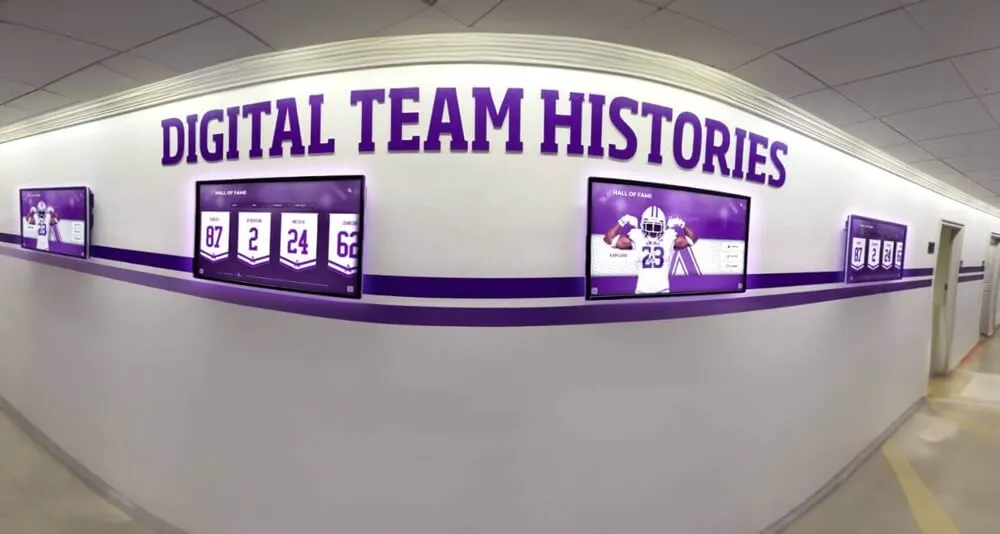
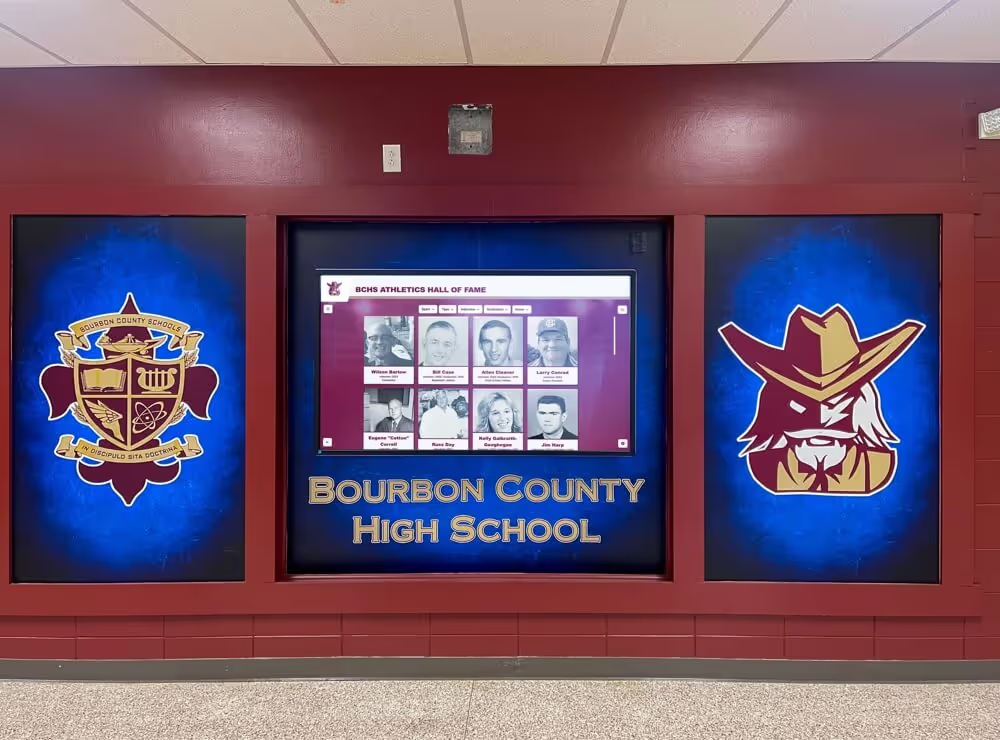
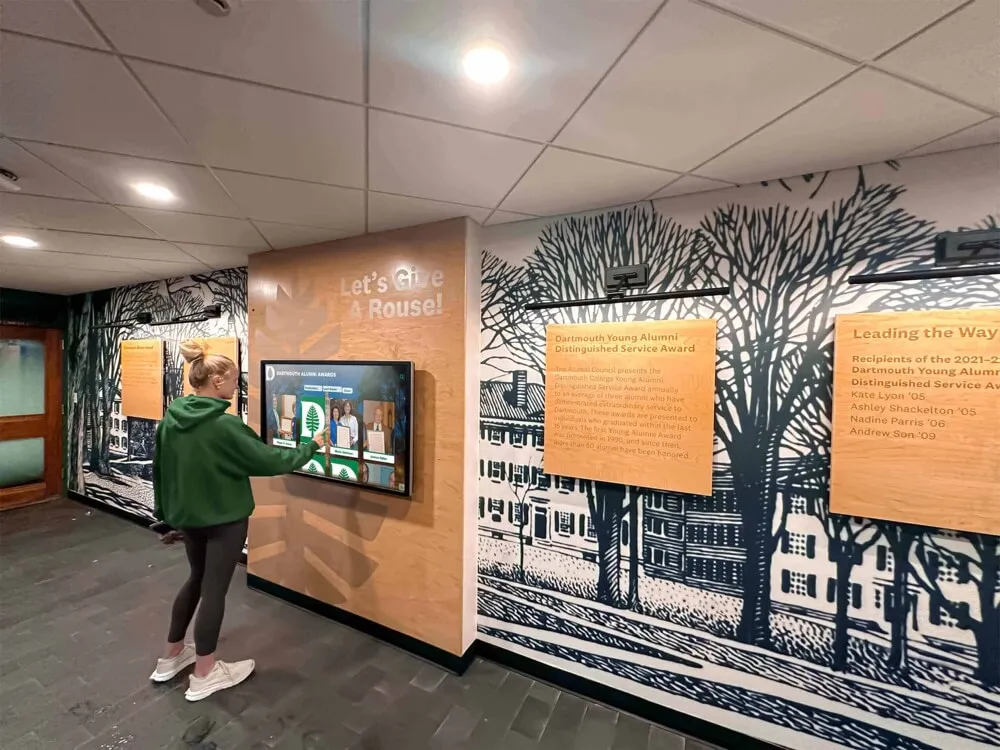
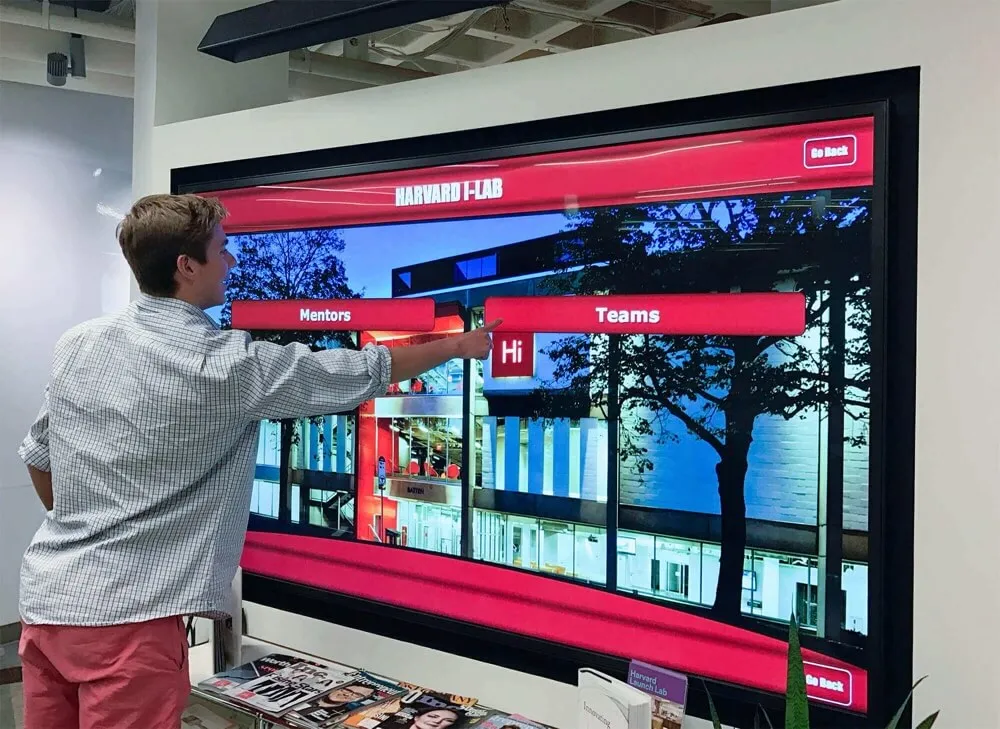
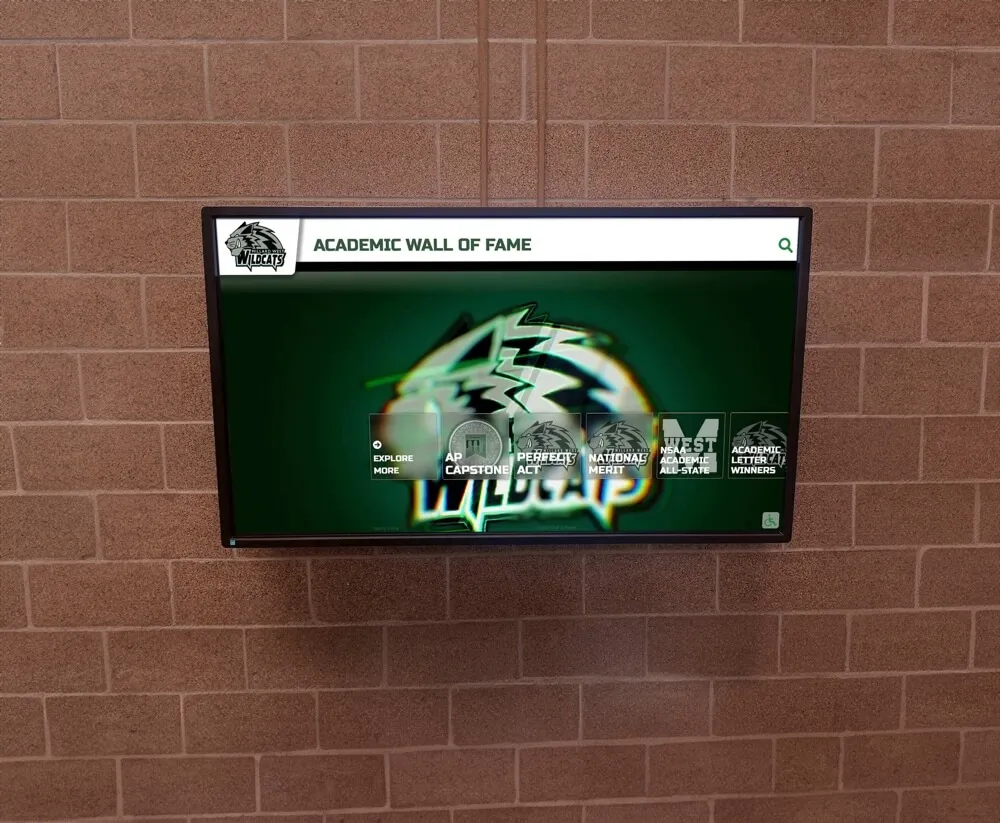
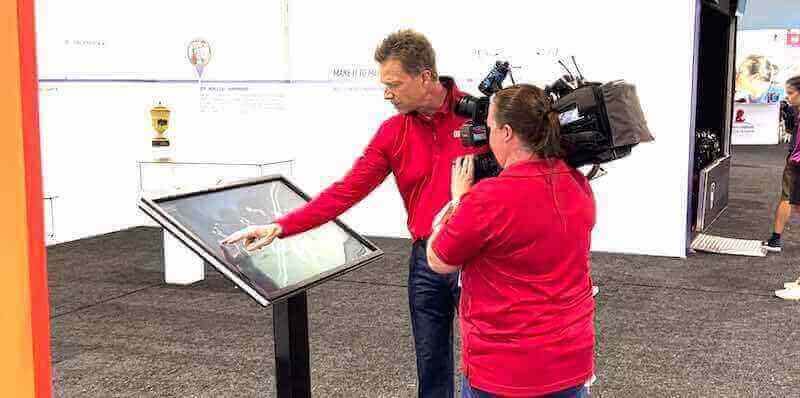
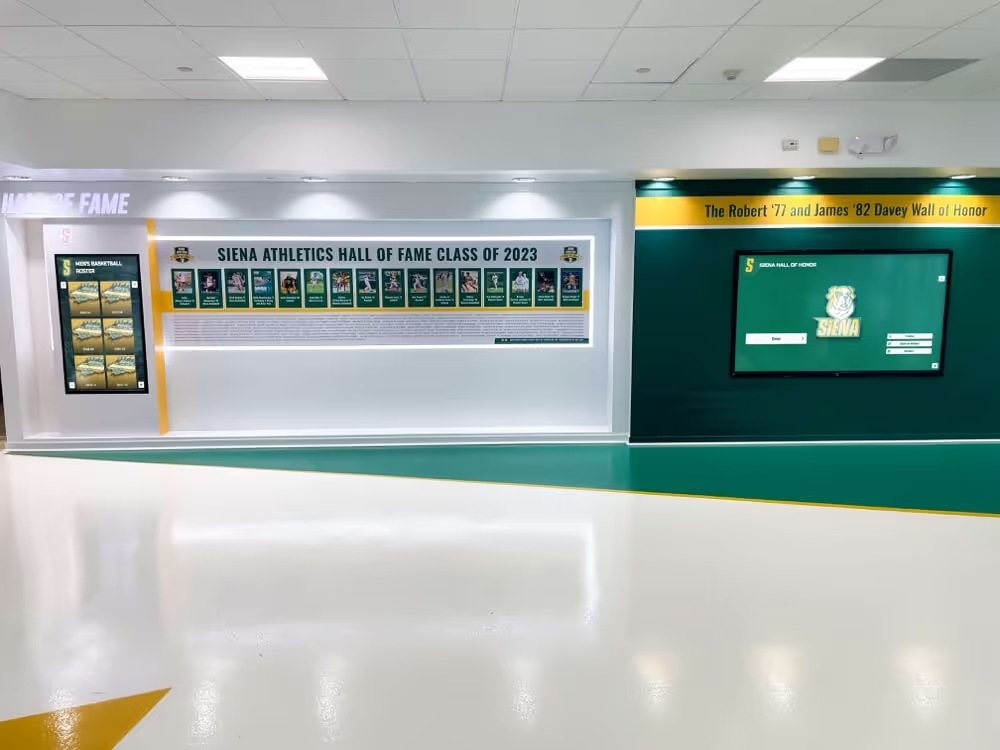
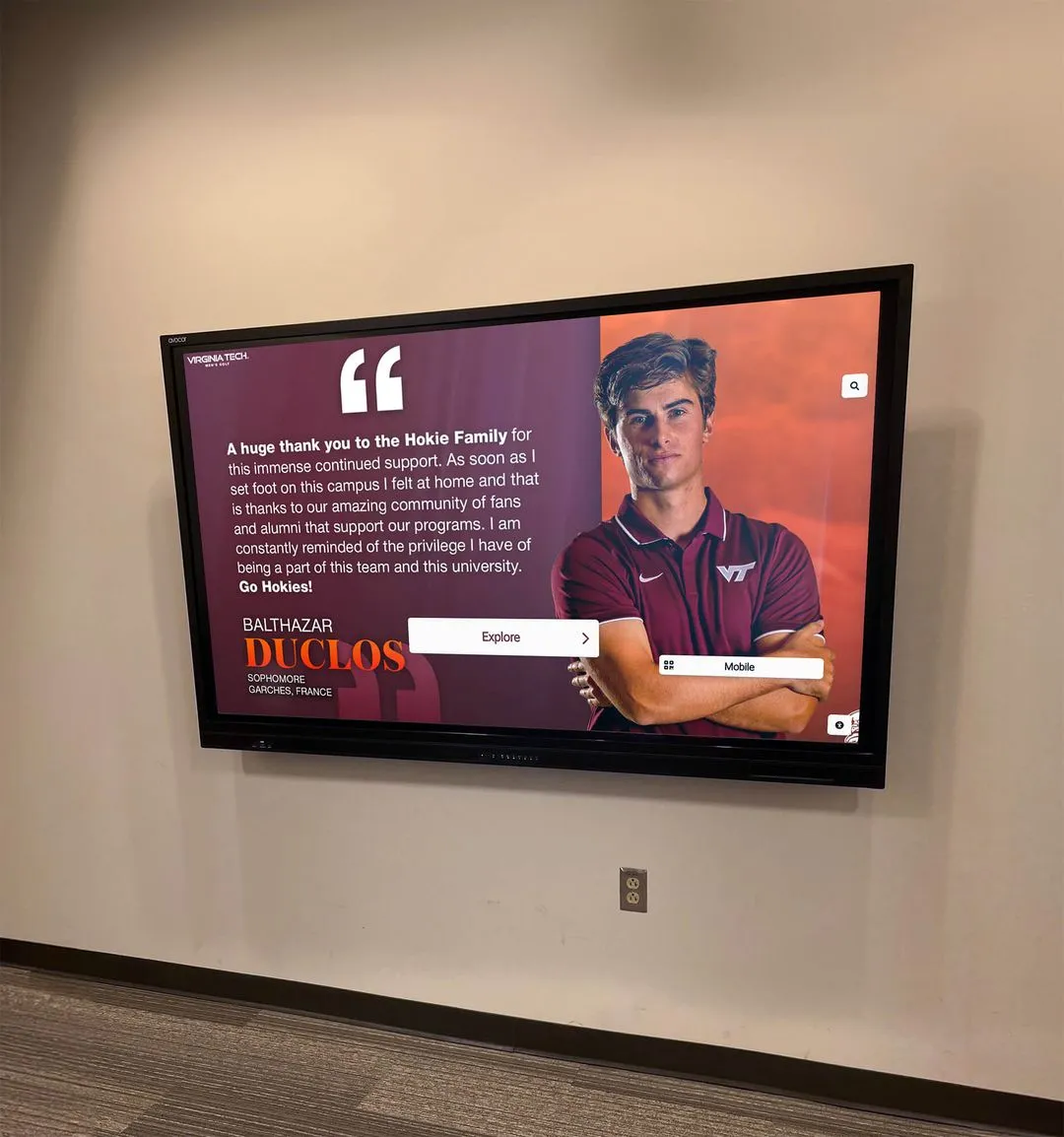
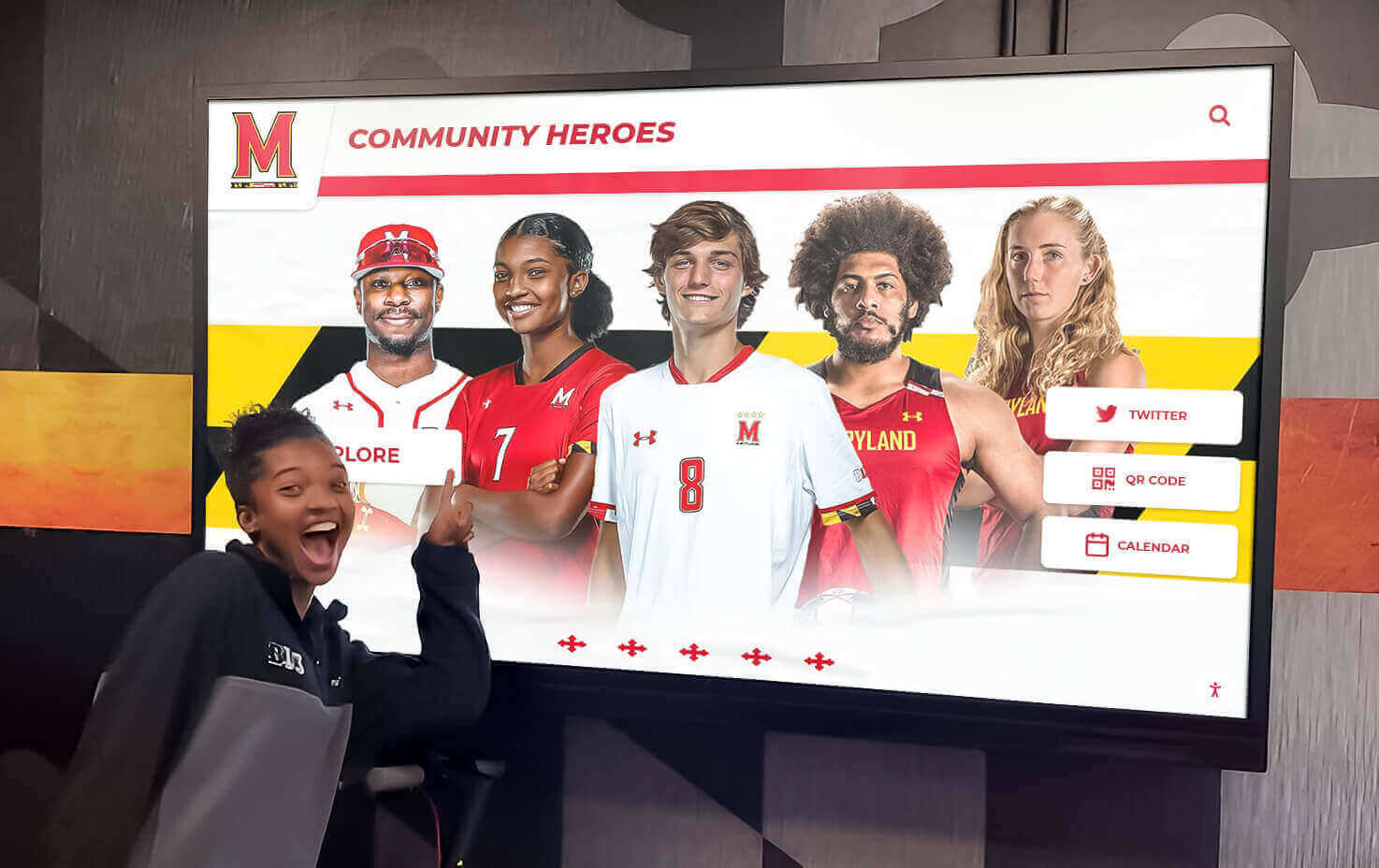
Recognition systems celebrating youth athletes build confidence and motivation throughout critical developmental years
Understanding Age-Appropriate Youth Sports Recognition
Before exploring specific award ideas, understanding developmental considerations helps coaches and parents select recognition approaches matching young athletes’ cognitive and emotional maturity levels effectively.
Recognition Principles by Age Group
Different age groups require fundamentally different recognition strategies reflecting their developmental stages and motivational drivers.
Ages 4-8: Participation and Fun Focus
Elementary-age athletes respond best to:
- Universal participation recognition ensuring everyone feels valued equally
- Fun, creative award names appealing to young imaginations
- Frequent recognition creating consistent positive reinforcement
- Visual certificates and ribbons providing tangible accomplishment evidence
- Character and effort emphasis over competitive outcomes
- Team-oriented recognition building social connections and belonging
- Simple ceremonies making everyone feel celebrated together
At this age, recognition programs should focus entirely on positive experiences, skill development enjoyment, and building athletic identity without competitive pressure or ability-based distinctions that could discourage continued participation.
Ages 9-12: Balancing Skill and Character
Middle elementary through early middle school requires:
- Mix of participation and achievement-based recognition
- Increased emphasis on improvement and effort alongside skills
- Leadership and teamwork awards building social-emotional development
- Creative categories enabling every athlete to excel somewhere
- Clear criteria making awards feel earned rather than automatic
- Peer recognition opportunities building team culture
- Beginning competitive skill recognition for appropriate achievement levels
This transitional age benefits from recognition systems acknowledging emerging skill differences while maintaining inclusive approaches ensuring all participants receive meaningful celebration regardless of ability level.
Learn about systematic recognition approaches in academic recognition programs applicable to athletic contexts.
Ages 13-15: Competitive Development Recognition
Middle school through early high school athletes respond to:
- Performance-based recognition reflecting competitive realities
- Specialized skill categories acknowledging position-specific excellence
- Statistical achievement awards celebrating measurable accomplishments
- Leadership roles and responsibility recognition
- Improvement categories maintaining motivation for developing athletes
- Team contribution awards valuing support roles alongside star performers
- Future potential recognition connecting current work to long-term goals
Recognition at this age should balance competitive achievement celebration with continued emphasis on effort, improvement, and character development preventing less naturally gifted athletes from feeling excluded or discouraged.
Ages 16-18: Preparation for Advanced Competition
High school-age competitive athletes benefit from:
- Sophisticated statistical and performance-based recognition
- College recruitment showcase opportunities
- Specialized technical skill awards by position and role
- Championship and tournament achievement celebration
- All-conference and all-state level recognition
- Academic achievement integration emphasizing well-rounded excellence
- Post-season awards banquets with comprehensive documentation
At this level, recognition increasingly mirrors adult competitive structures while maintaining developmental focus appropriate for adolescent athletes still building confidence and identity.
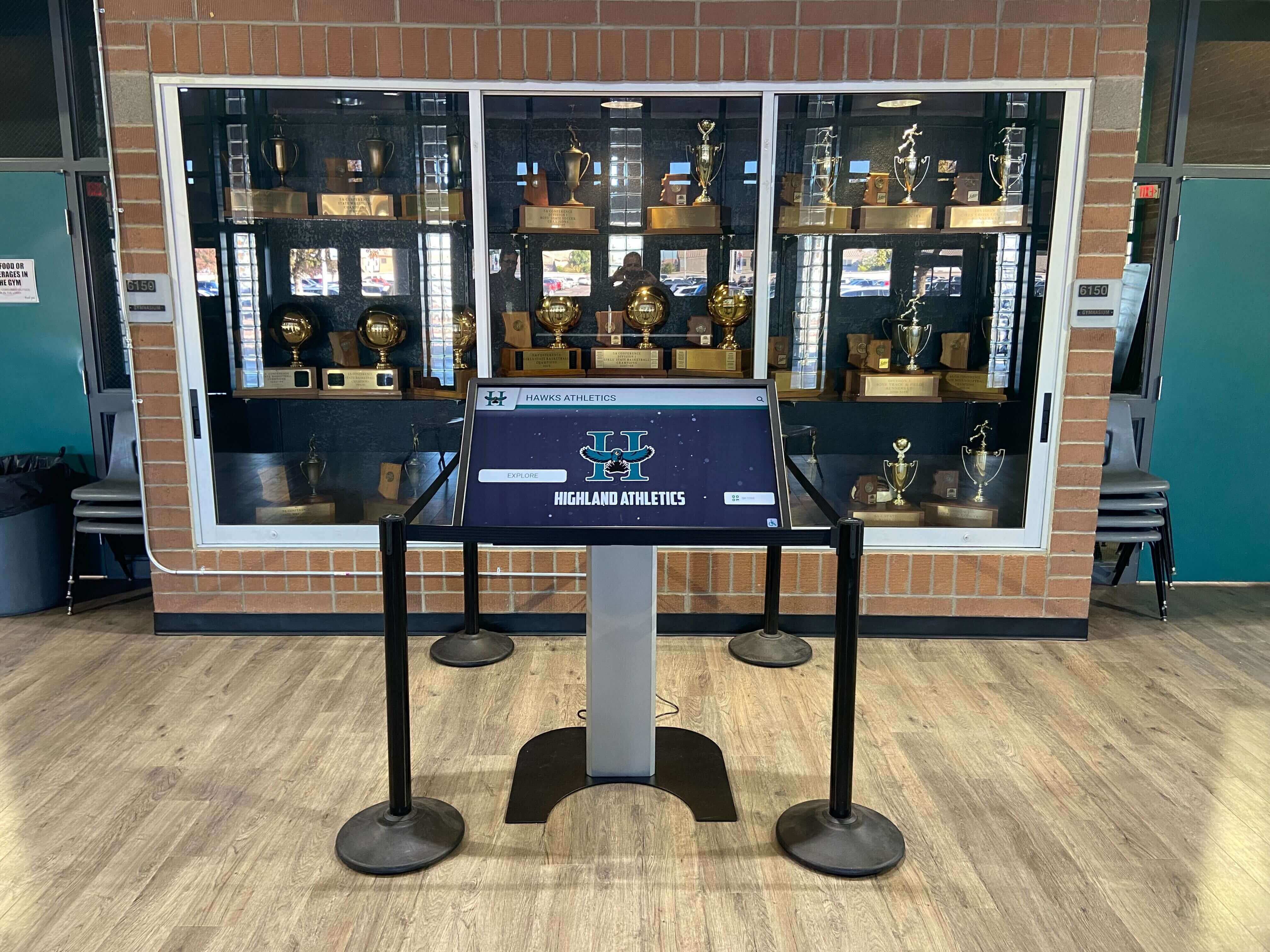
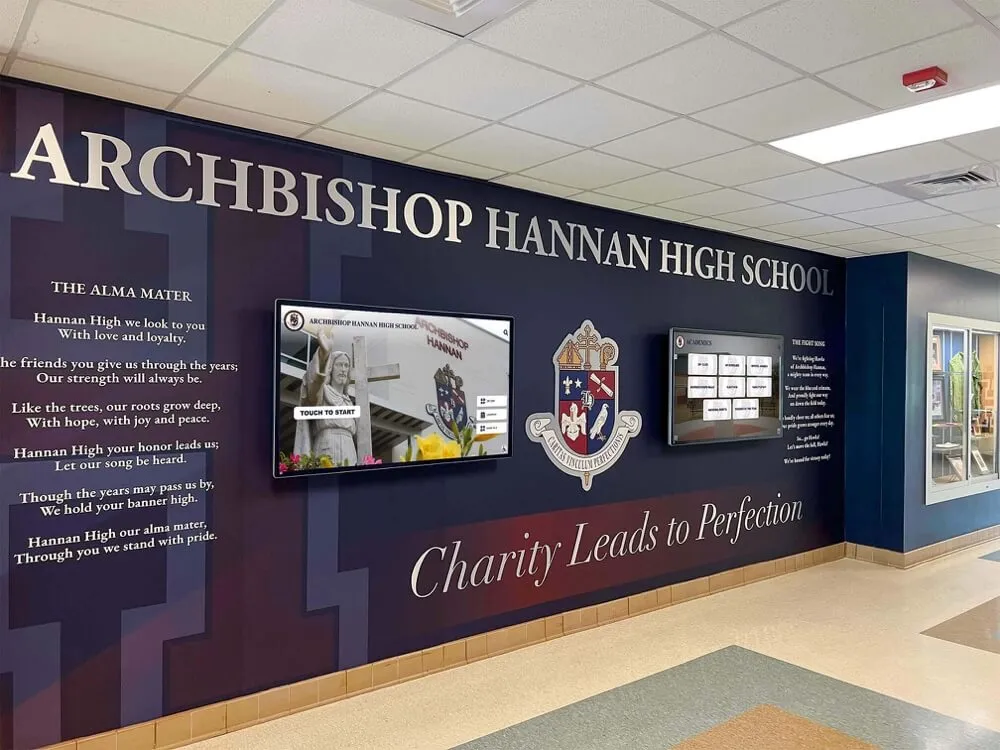
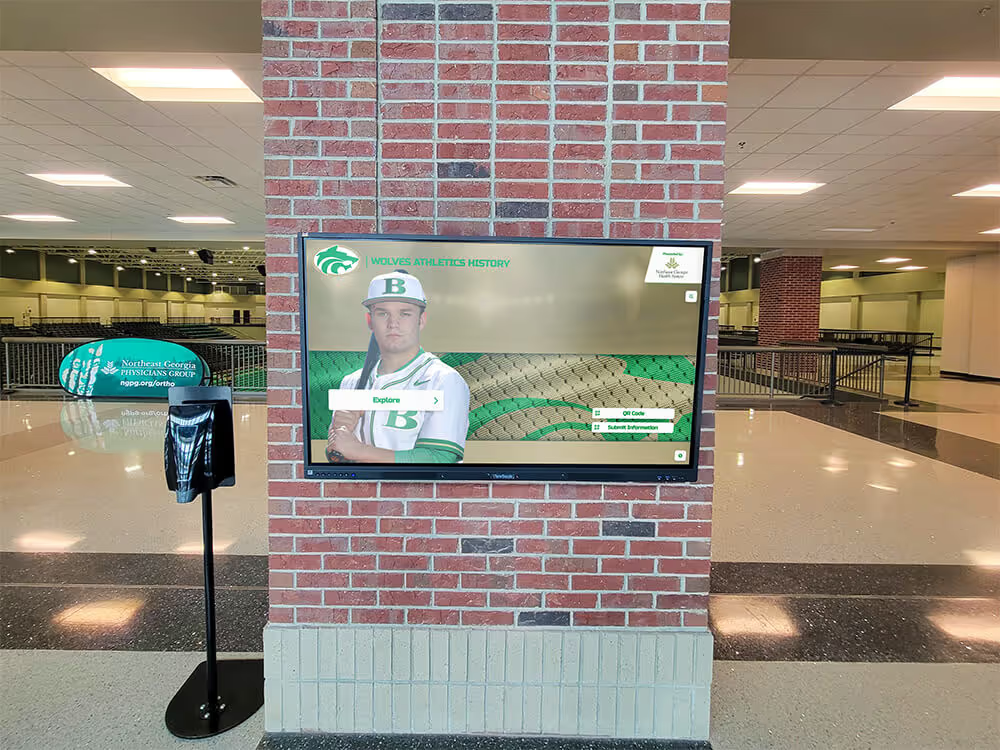
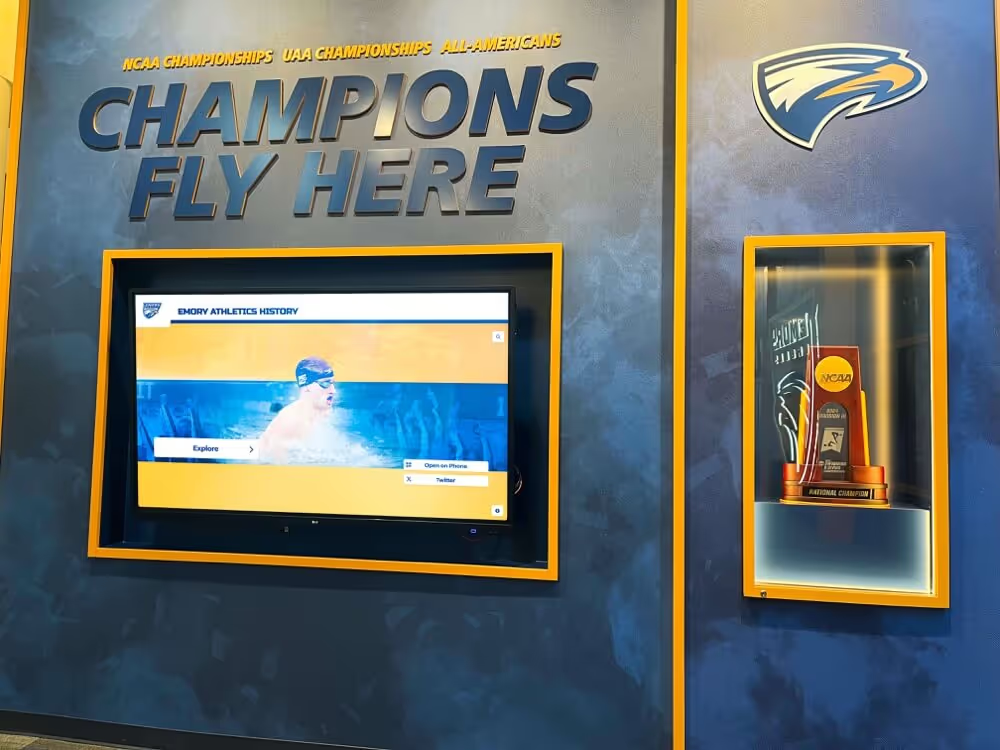
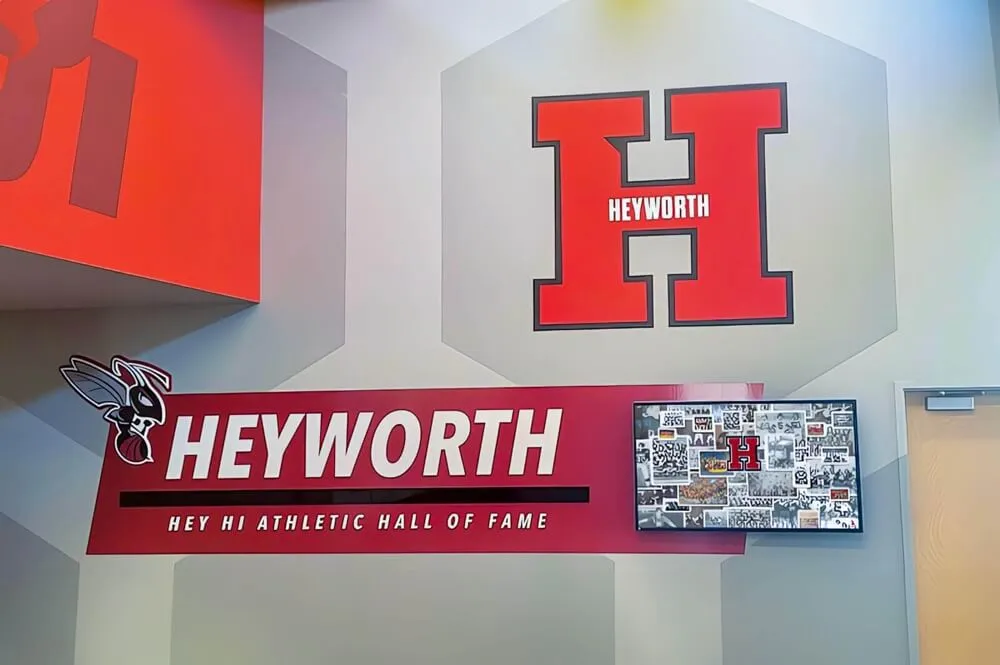
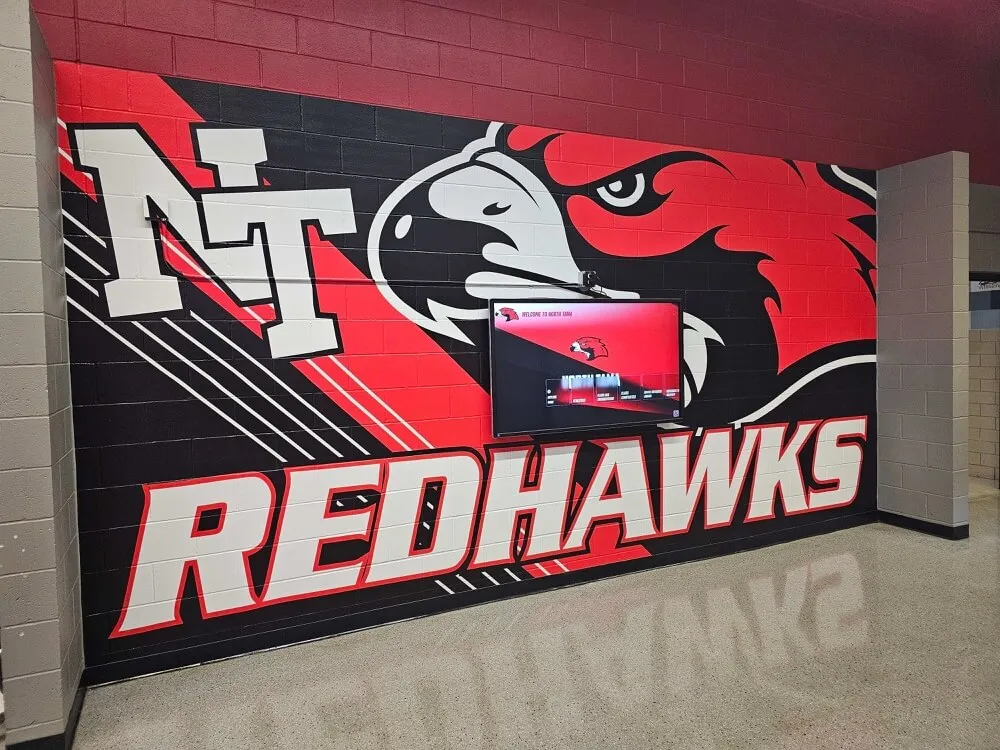
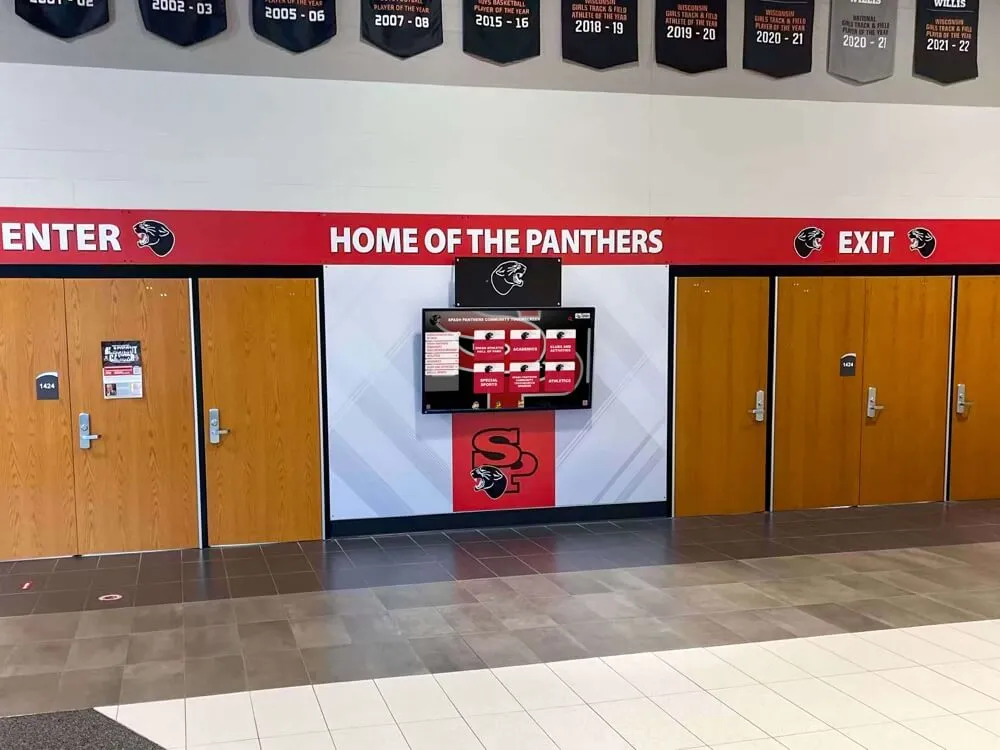
Modern recognition systems accommodate awards for athletes across all age groups and skill levels
The Participation Awards Debate
Youth sports recognition discussions inevitably address participation awards—certificates or trophies given to all participants regardless of achievement level or competitive success.
Supporting Participation Recognition
Advocates emphasize developmental benefits:
- Acknowledges effort and commitment regardless of natural ability
- Maintains motivation for less naturally gifted athletes
- Celebrates participation itself as meaningful achievement
- Prevents early sports dropout due to feeling undervalued
- Recognizes diverse contributions beyond competitive performance
- Appropriate for recreational and developmental programs
Research from youth sports psychology supports participation recognition for younger ages (4-10) where participation itself represents significant achievement and skill development occurs at widely varying rates making competitive comparisons developmentally inappropriate.
Concerns About Universal Recognition
Critics raise legitimate considerations:
- May diminish value of achievement-based recognition
- Potentially reduces motivation for excellence if all receive identical rewards
- Fails to prepare athletes for competitive environments requiring performance
- Could communicate that effort and achievement are interchangeable
- May create unrealistic expectations about future recognition
These concerns hold greater validity for older, competitive-level athletes (13+) where performance differentiation becomes developmentally appropriate and necessary for advancement.
Balanced Approach Recommendations
Most youth sports psychologists recommend context-appropriate strategies:
- Ages 4-8: Emphasize participation recognition universally
- Ages 9-12: Hybrid approach combining participation baseline with achievement recognition
- Ages 13+: Performance-based emphasis with effort and improvement categories maintaining inclusivity
- Recreational programs: Broader participation focus across all ages
- Competitive travel programs: Earlier shift toward achievement-based recognition
- Tournament-based sports: Performance recognition appropriate from younger ages
Understanding these developmental considerations enables coaches to implement recognition programs matching athlete needs, program objectives, and competitive contexts effectively.
100 Youth Sports Award Ideas by Category
These award ideas span all age groups, sports types, and organizational structures—enabling coaches to select recognition matching their specific program needs, athlete populations, and budget constraints.
Performance and Skill Awards (20 Ideas)
Recognition celebrating technical excellence and competitive achievement:
- Most Valuable Player (MVP): Traditional recognition for overall outstanding performance and contribution
- Most Improved Player: Celebrates growth from season start to finish regardless of ending skill level
- Offensive Player of the Year: Recognizes scoring, attacking, or offensive production excellence
- Defensive Player of the Year: Honors defensive skill, positioning, and competitive tenacity
- Best Technical Skills: Awards athlete demonstrating cleanest form and technique execution
- Fastest Player: Celebrates pure speed and quickness across positions
- Best Ball Handler: Sport-specific skill recognition for dribbling, stick handling, or ball control
- Most Accurate Shooter/Thrower: Recognizes precision in scoring or position-specific throwing
- Best Goalkeeper/Goalie: Position-specific recognition for netminders across multiple sports
- Strongest Player: Awards physical development and strength-building dedication
- Most Athletic: Recognizes overall athleticism across multiple physical domains
- Rookie of the Year: Celebrates outstanding first-year athlete performance
- Clutch Player Award: Recognizes performance under pressure in critical moments
- All-Around Athlete: Honors versatility and excellence across multiple positions or skills
- Best Footwork: Awards agility, movement quality, and positioning excellence
- Top Scorer: Statistical recognition for most goals, points, or runs produced
- Best Playmaker: Celebrates assists, passing vision, and creating opportunities for teammates
- Defensive Specialist: Recognizes athletes excelling in challenging defensive assignments
- Breakout Player: Awards athlete exceeding expectations dramatically during season
- Game MVP (multiple recipients): Weekly or game-by-game recognition enabling broad participation

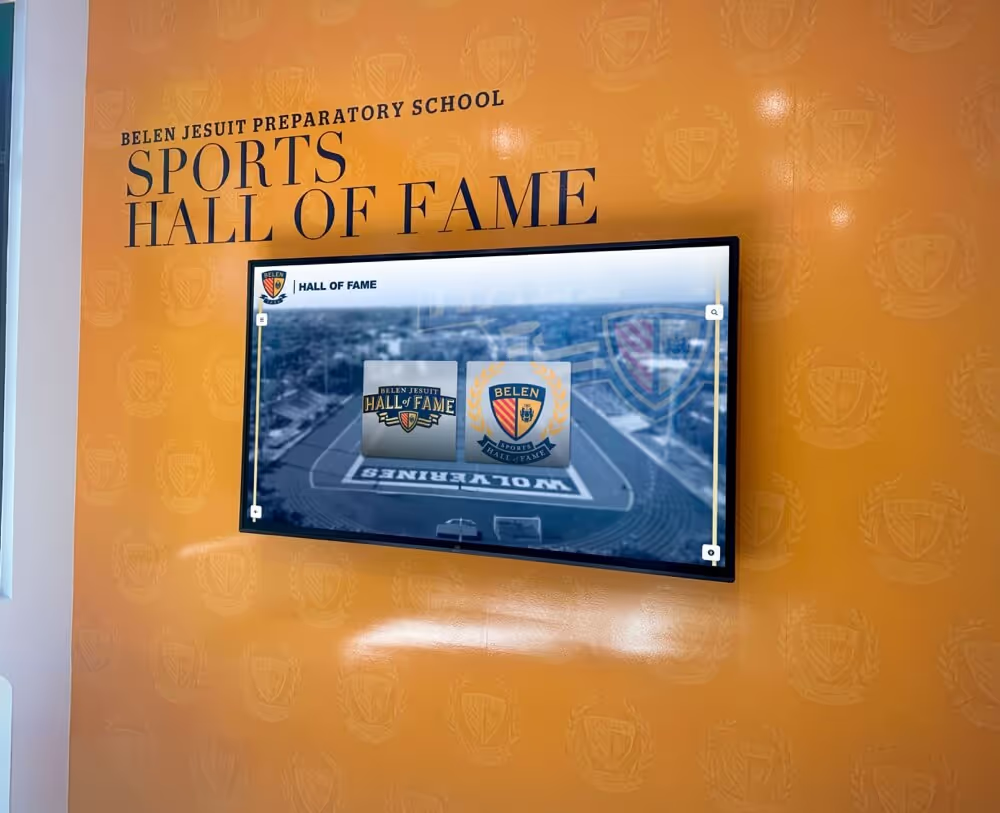
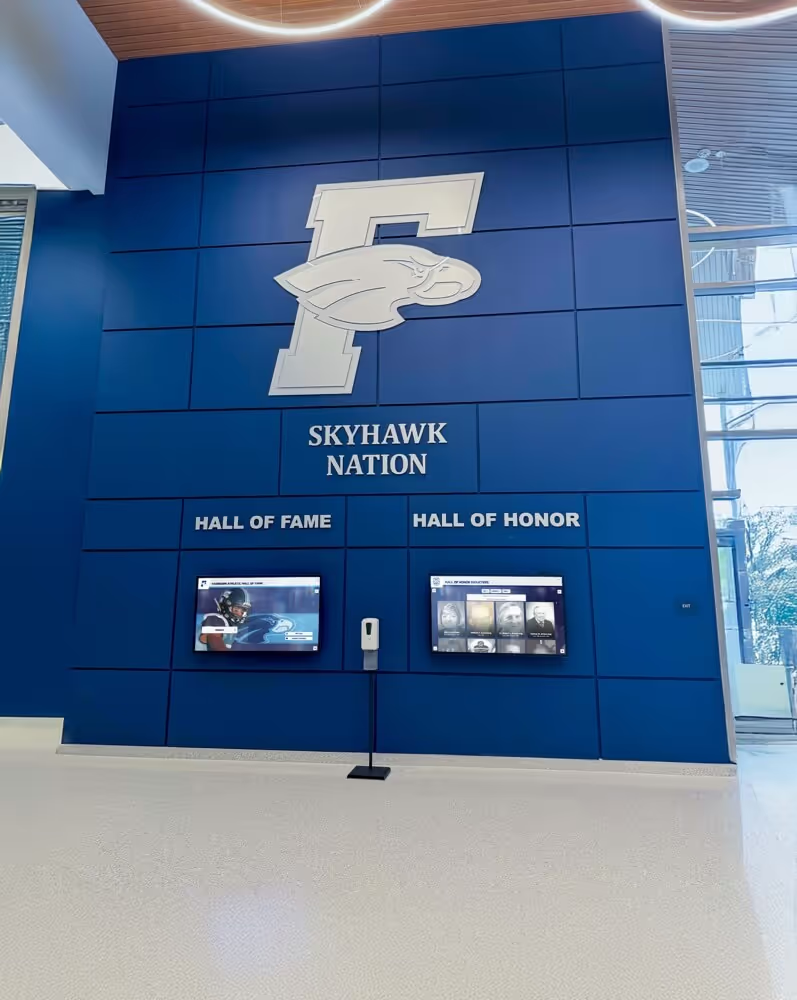
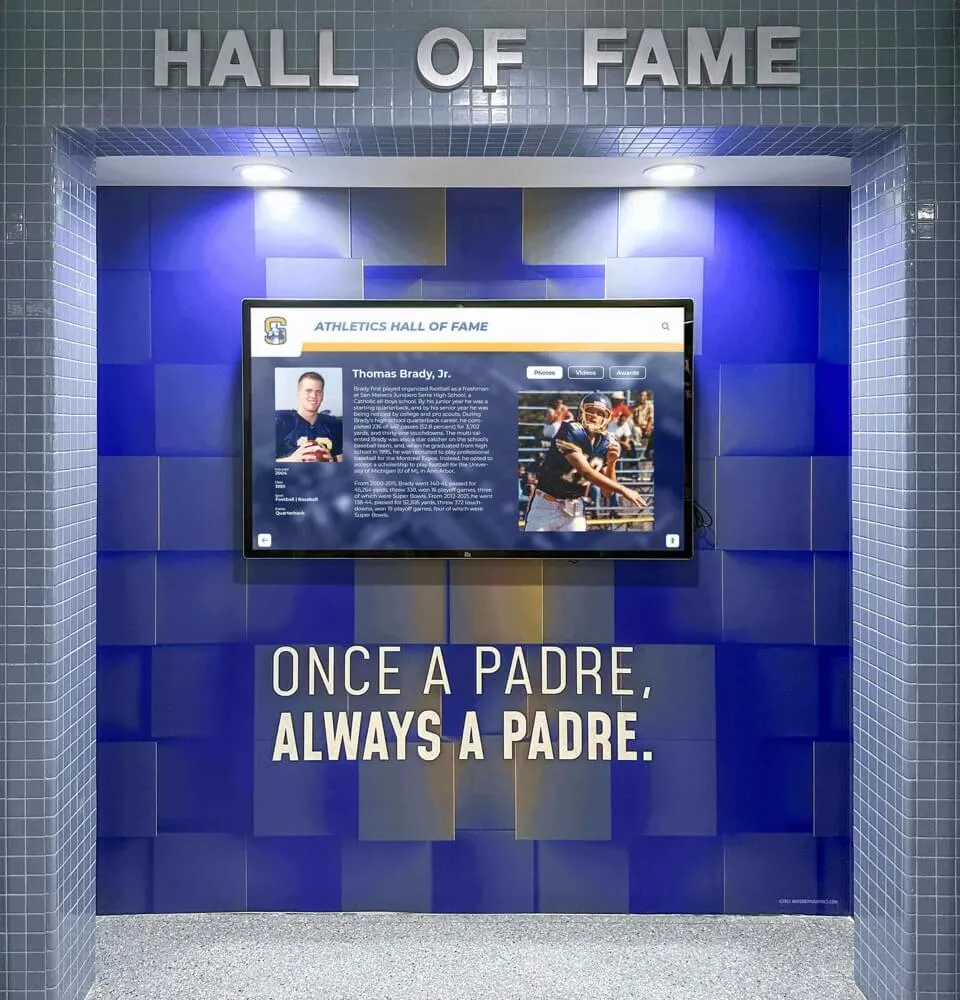
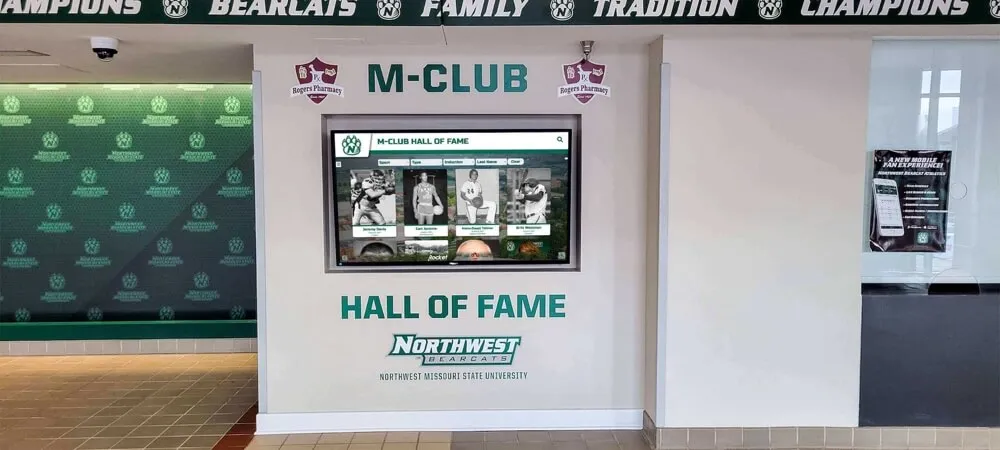
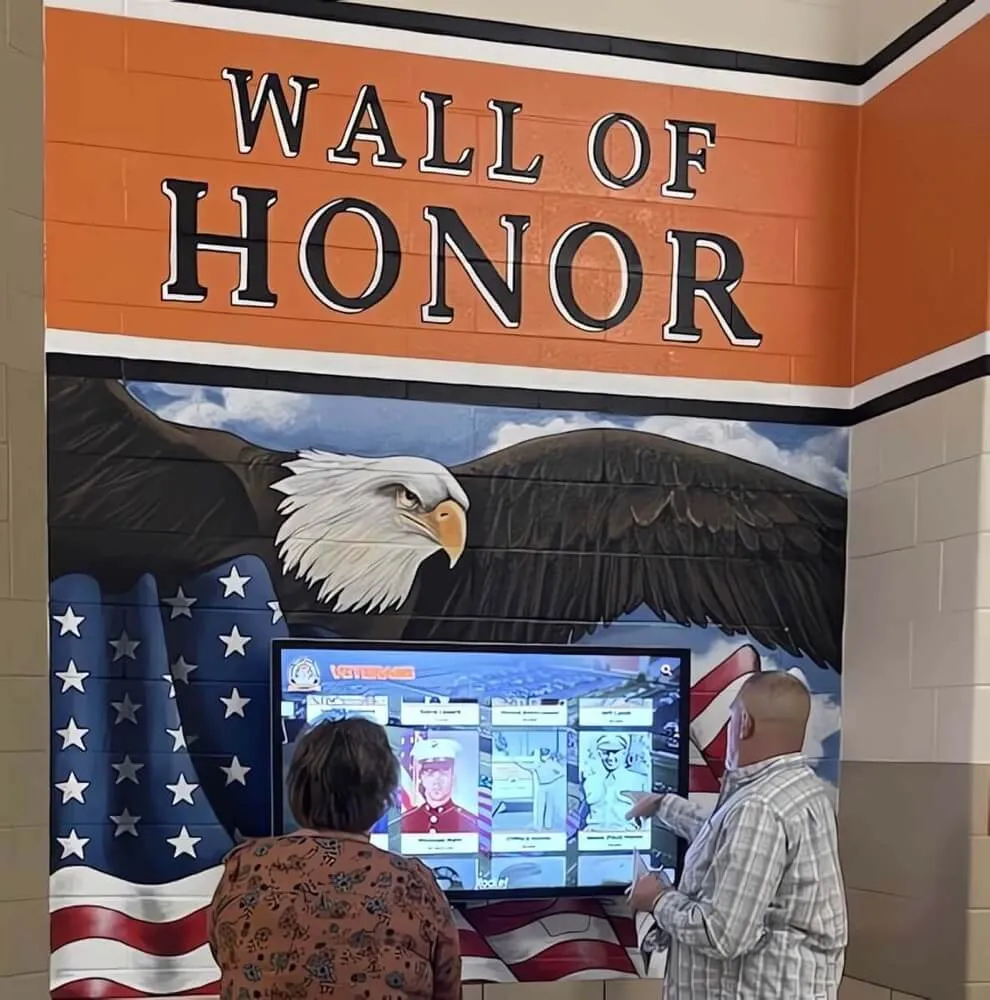
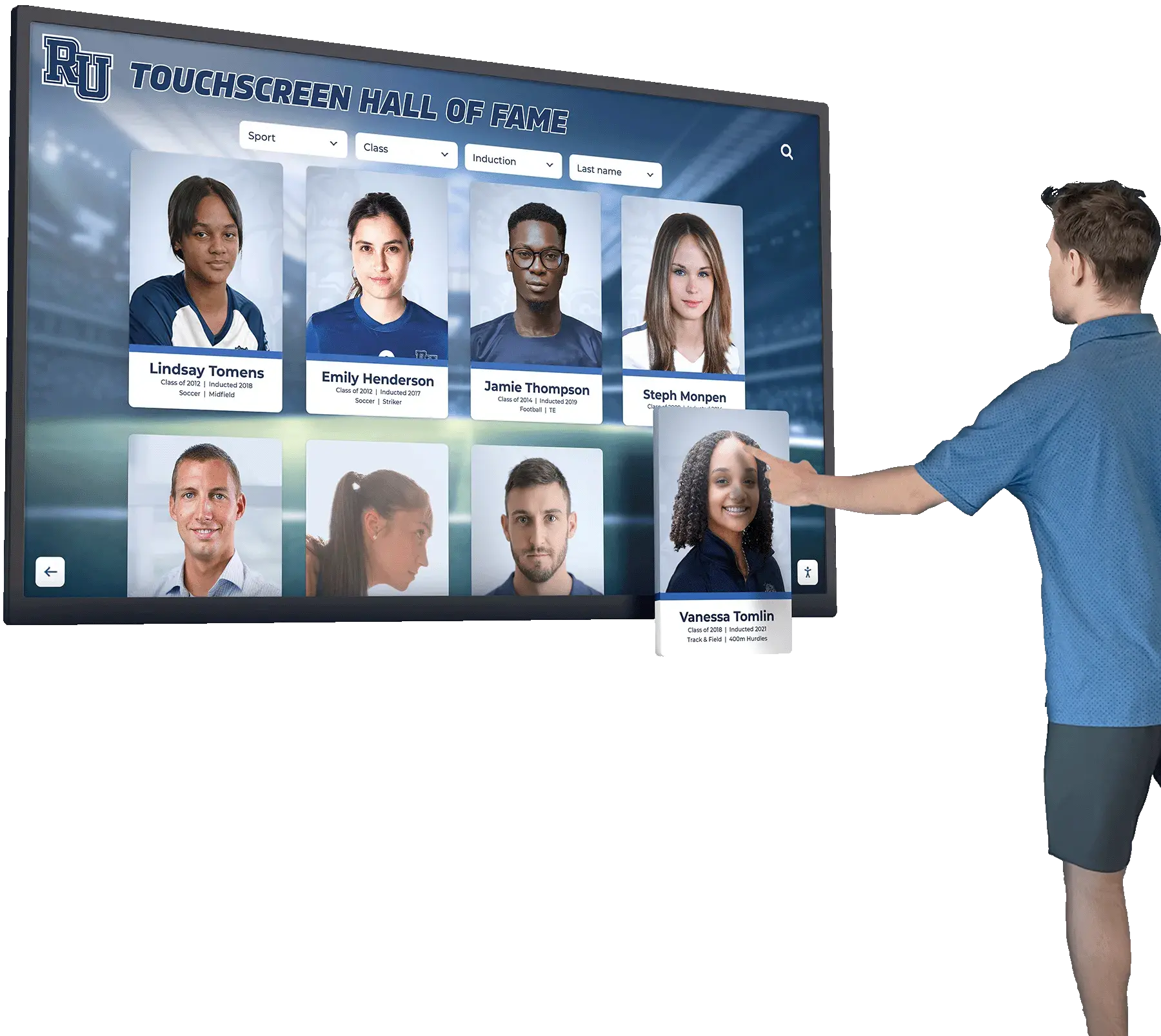
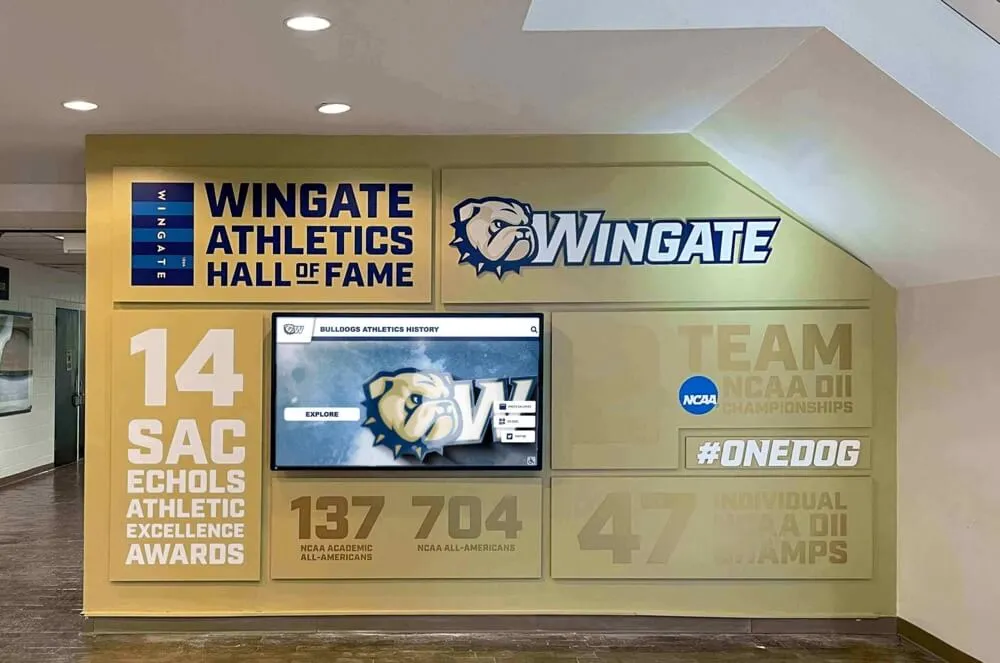
Digital recognition systems display unlimited award recipients across all categories and seasons
Character and Leadership Awards (20 Ideas)
Recognition emphasizing personal development and team contributions:
- Most Dedicated Player: Awards consistent effort, practice attendance, and commitment
- Best Teammate: Recognizes supportive, encouraging, and collaborative contributions
- Team Captain Award: Honors leadership selection by coaches or peer vote
- Sportsmanship Award: Celebrates respect for opponents, officials, and game integrity
- Leadership Excellence: Recognizes positive influence and mentoring younger teammates
- Coaches’ Award: Special recognition for intangible contributions coaches value most
- Heart and Hustle: Awards maximum effort and competitive intensity regardless of outcome
- Most Coachable: Recognizes athletes receptive to feedback and committed to improvement
- Positive Attitude Award: Celebrates optimism, encouragement, and team morale building
- Perseverance Award: Honors overcoming adversity, injury, or significant challenges
- Team Spirit Award: Recognizes enthusiasm, energy, and positive presence
- Best Practice Player: Awards consistent practice excellence and preparation dedication
- Mental Toughness: Celebrates composure, resilience, and competitive mindset
- Most Supportive Teammate: Recognizes encouragement and celebration of others’ success
- Community Service Award: Honors volunteer work and community contribution
- Academic Excellence: Integrates classroom achievement with athletic participation
- Most Reliable: Awards consistency, dependability, and meeting all commitments
- Sportsmanship Through Adversity: Recognizes grace under pressure or disappointment
- Unsung Hero: Celebrates critical contributions that don’t show up in statistics
- Role Model Award: Honors exemplary behavior both on field and in community
Improvement and Development Awards (15 Ideas)
Recognition celebrating growth trajectories and developmental progress:
- Most Improved Overall: Traditional recognition for greatest skill development across season
- Biggest Leaper: Awards athlete making most dramatic skill-level advancement
- Breakout Performer: Recognizes athlete significantly exceeding previous performance levels
- Best Technical Improver: Celebrates specific skill refinement and form development
- Fitness Improvement Award: Honors measurable athletic conditioning enhancement
- Confidence Builder: Recognizes athlete overcoming fear or hesitation successfully
- Skills Development MVP: Awards dedication to fundamental skill building
- From Bench to Starter: Celebrates earning increased playing time through improvement
- Overcoming Obstacles: Recognizes improvement despite challenges or setbacks
- Practice-to-Game Translation: Awards successfully implementing practice skills in competition
- Position Transition Excellence: Honors athlete learning entirely new position successfully
- Tactical Understanding Growth: Celebrates improved game intelligence and decision-making
- Leadership Emergence: Recognizes athlete developing into vocal leader during season
- Consistency Builder: Awards athlete achieving reliable performance after inconsistent start
- Comeback Player: Celebrates return from injury or absence with renewed performance
Explore comprehensive recognition display options in athletic achievement award displays documenting improvement across seasons.
Team Contribution Awards (15 Ideas)
Recognition celebrating role players and team-first contributions:
- Team Player Award: Honors athletes prioritizing team success over individual statistics
- Sixth Player Award: Recognizes top performer among substitutes or role players
- Utility Player Award: Celebrates versatility and willingness to play multiple positions
- Best Team Defender: Recognizes defensive commitment and help-side contributions
- Energy Player: Awards athlete bringing intensity and momentum-shifting presence
- Glue Guy/Gal: Celebrates athlete holding team together through personality and contribution
- Best Communicator: Recognizes vocal leadership and on-field communication excellence
- Team Statistician Award: Fun recognition for athlete tracking team stats or game management
- Best Bench Supporter: Awards enthusiastic support even when not playing
- Pre-Game Motivator: Celebrates athlete inspiring teammates before competitions
- Post-Game Encourager: Recognizes processing outcomes positively with teammates
- Practice Squad MVP: Awards outstanding practice performance among non-starters
- Team Sacrificer: Honors athlete accepting role change for team benefit
- Rally Starter: Celebrates athlete initiating comebacks or momentum shifts
- Team Unity Builder: Recognizes efforts creating cohesion across diverse player groups

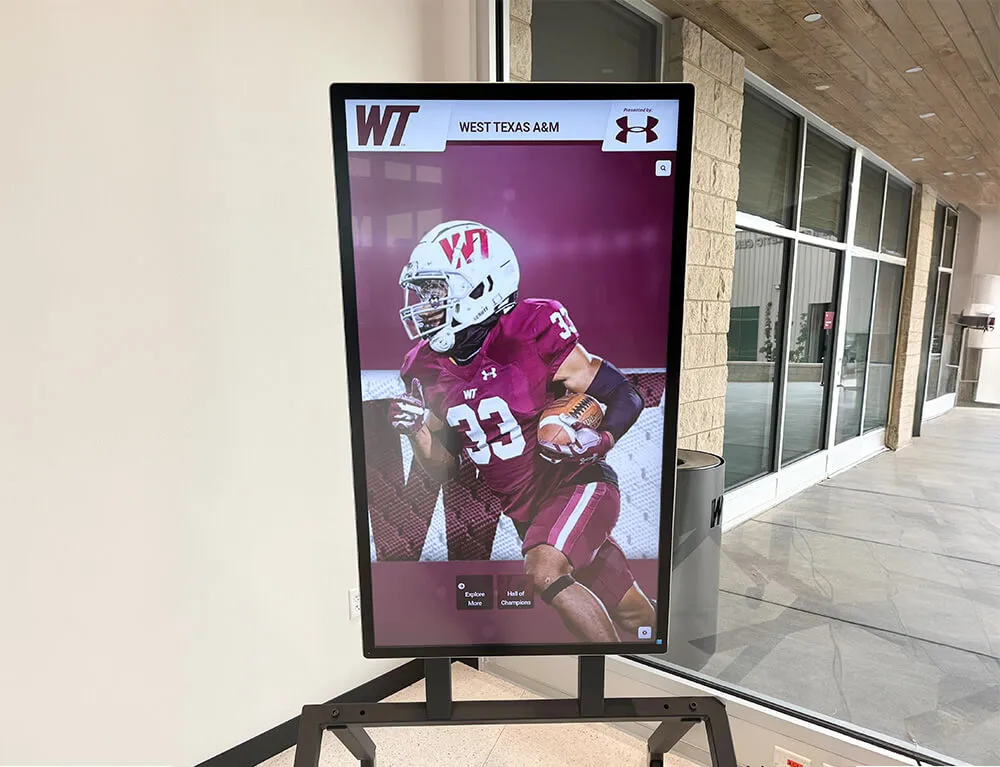
Action photography preserves memorable moments celebrated through season-ending recognition programs
Fun and Creative Awards (15 Ideas)
Recognition adding enjoyment and personality to award ceremonies:
- Best Pre-Game Ritual: Celebrates unique or entertaining preparation routines
- Funniest Player: Recognizes humor and team morale contributions
- Most Creative Celebration: Awards best goal/touchdown/score celebration creativity
- Best Sports Hair: Fun appearance-based recognition building camaraderie
- Team DJ Award: Celebrates player controlling music and team energy
- Best Team Nickname: Recognizes player with best or most-used nickname
- Most Likely to Go Pro: Playful future prediction award
- Hardest Worker in Warmups: Awards dedication to preparation routines
- Best Trash Talker: Appropriate competitive banter recognition (age-appropriate)
- Quietest Player: Recognizes actions speaking louder than words
- Team Fashionista: Awards best style arriving to games or events
- Social Media Star: Celebrates best team content creation or documentation
- Coach’s Biggest Challenge: Playful recognition of spirited or energetic personality
- Most Likely to Forget Equipment: Self-explanatory humorous recognition
- Team Photographer: Awards athlete documenting season through photos
Specialized Position Awards (10 Ideas)
Sport and position-specific recognition opportunities:
- Best Pitcher/Quarterback Leadership (Baseball/Football): Position-specific leadership recognition
- Top Catcher (Baseball): Awards receiving skills, game management, and defensive excellence
- Best Midfielder (Soccer): Recognizes two-way play and field vision
- Top Goalie (Soccer/Hockey): Position-specific excellence celebration
- Best Setter (Volleyball): Awards facilitation and team play excellence
- Strongest Blocker (Volleyball): Recognizes defensive net play
- Fastest Runner (Track): Sprint or distance speed recognition
- Best Technique (Swimming): Form and efficiency celebration
- Most Takedowns (Wrestling): Match-specific achievement recognition
- Best Free Throw Shooter (Basketball): Specific skill statistical award
Parent and Coaching Recognition (5 Ideas)
Awards acknowledging supporter contributions:
- Team Parent of the Year: Recognizes outstanding organizational and support contributions
- Assistant Coach Award: Honors volunteer coaching excellence
- Team Sponsor Recognition: Celebrates financial or equipment support
- Best Team Snack Provider: Fun recognition for nutrition support
- Most Supportive Family: Awards family demonstrating outstanding encouragement and attendance
Discover how digital platforms enable unlimited award documentation in digital hall of fame systems preserving youth sports memories permanently.
Budget-Based Implementation Strategies
Recognition programs require thoughtful budget planning—these frameworks enable effective implementation at any spending level.
Budget Option 1: $0-50 Per Team (DIY Recognition)
Minimal-cost approaches delivering meaningful recognition:
Materials and Approaches
- Printed certificates: Free templates from Canva or Microsoft Office
- Handwritten notes: Personal messages from coaches
- Team newsletter features: Email recognition distributed to families
- Social media highlights: Instagram/Facebook posts celebrating athletes
- Verbal recognition: Public acknowledgment during practice or games
- Team meeting spotlights: Regular recognition during gatherings
- Photo collections: Digital albums shared with families
Implementation Tips
- Design certificate templates once and reuse across seasons
- Assign parent volunteer to manage printing and distribution
- Schedule regular recognition moments throughout season
- Use smartphone cameras for professional-looking photos
- Create consistent recognition cadence (weekly spotlights)
Effectiveness Considerations
Zero-budget recognition proves highly effective when implemented consistently and thoughtfully. Research demonstrates that frequency and specificity matter more than physical award cost—athletes receiving weekly verbal recognition and quarterly certificates often show higher satisfaction than those receiving expensive end-of-season trophies exclusively.
Budget Option 2: $50-200 Per Team (Basic Trophies and Ribbons)
Moderate investment enabling tangible physical recognition:
Recommended Purchases
- Participation ribbons ($1-2 each for all athletes): $15-30
- Award certificates with frames ($3-5 each): $50-75
- Small trophies for major awards (3-5 awards at $8-15 each): $40-75
- Team photo prints ($2-3 per athlete): $30-50
- End-of-season team party supplies: $25-50
Total Investment: $160-280 typical range
Vendor Options
- Crown Awards: Bulk trophy and ribbon supplier
- Anderson’s: Youth sports awards specialist
- Amazon: Individual award component purchasing
- Local trophy shops: Custom engraving and quick turnaround
Implementation Strategy
- Universal ribbons for participation baseline
- Tiered recognition (certificates for most, small trophies for 3-5 special awards)
- Team photo as keepsake for all participants
- Recognition ceremony at team party or final practice
This budget range enables professional-looking recognition accessible to most recreational youth sports programs without significant fundraising requirements.
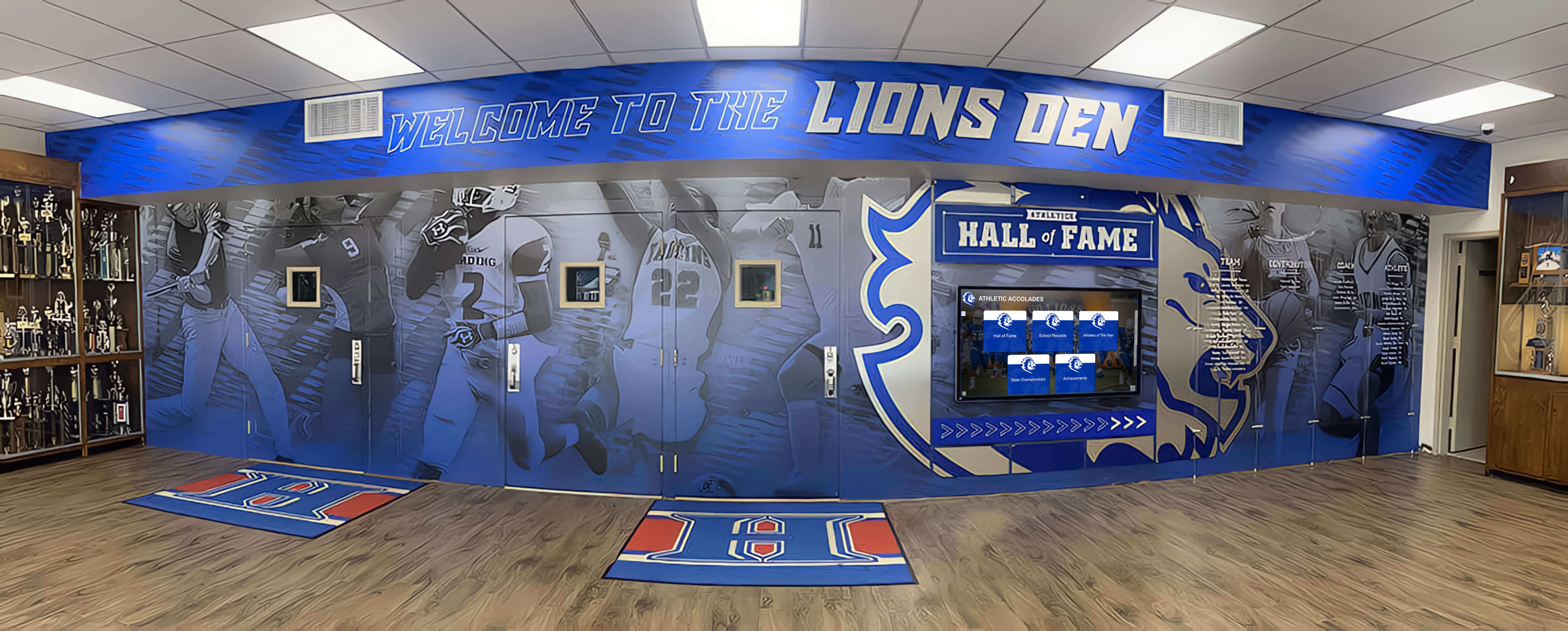
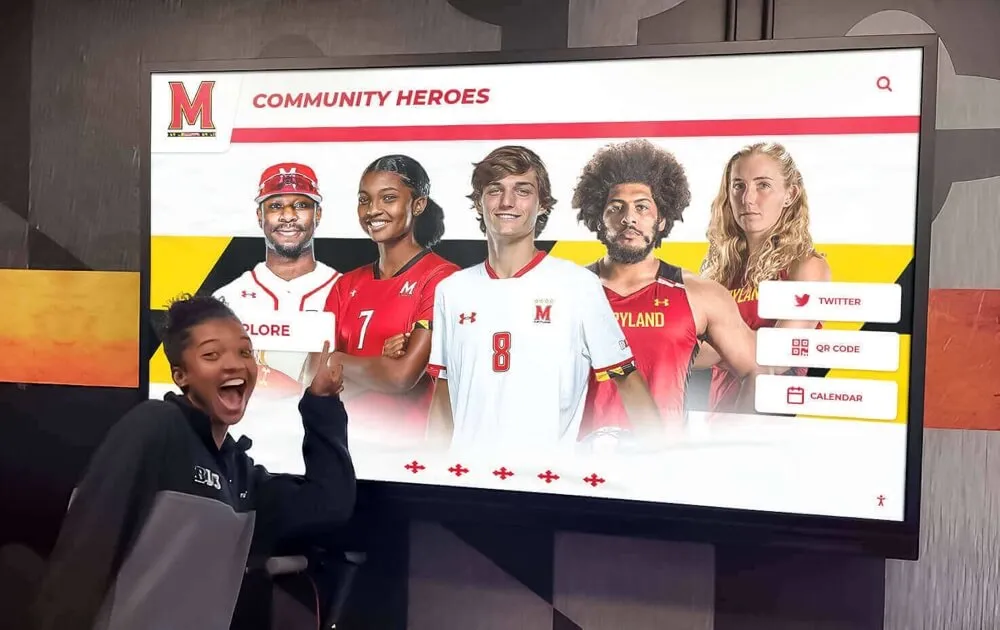
Hybrid recognition approaches combine traditional physical awards with digital documentation extending reach
Budget Option 3: $200-500 Per Team (Custom Awards)
Enhanced investment enabling personalized professional recognition:
Recommended Allocations
- Custom team trophies with engraved plates ($20-35 each): $200-350
- High-quality framed certificates ($10-15 each): $100-150
- Championship medals or ribbons (all participants): $50-75
- Professional team photo packages: $50-100
- Award ceremony catering or venue: $100-150
Total Investment: $500-825 typical range
Enhanced Features
- Personalized engraving on all awards
- Formal awards banquet or ceremony venue
- Professional photography during ceremony
- Custom ribbon designs matching team colors
- Multi-year perpetual trophies for major awards
Funding Approaches
- Team sponsorships ($100-200 from local businesses)
- Parent contributions ($20-30 per family)
- Fundraising events (car washes, bake sales)
- League or organization support allocation
- Coaching staff contributions
This investment level enables recognition quality matching higher-level competitive programs while remaining accessible through modest fundraising efforts.
Budget Option 4: $500+ Per Team (Digital Display Integration)
Premium investment combining physical awards with permanent digital documentation:
System Components
- Traditional physical awards program: $300-500
- Digital recognition platform subscription: $200-400 annually
- Professional photography and videography: $200-300
- Web-based athlete profiles with statistics: Included in platform
- Social media content creation and distribution: Staff/parent volunteer
Total First-Year Investment: $700-1,200 Annual Ongoing Costs: $300-500
Enhanced Capabilities
- Permanent online athlete profiles accessible to families
- Season highlight videos preserved indefinitely
- Statistical documentation across multiple seasons
- Social sharing enabling extended family engagement
- Historical record building program legacy
- Future recruiting portfolio for competitive athletes
Solutions like Rocket Alumni Solutions provide youth sports organizations with professional recognition platforms previously accessible only to high schools and colleges—enabling comprehensive documentation at youth-appropriate price points while creating systems growing with athletes across multiple seasons.
Learn about comprehensive digital solutions in digital recognition wall creation applicable to youth sports contexts.
Implementing Effective Recognition Programs
Award selection represents only the beginning—successful recognition requires systematic implementation addressing selection processes, presentation approaches, and ongoing management.
Award Selection Processes
Fair, transparent selection builds credibility and maintains motivation:
Coaching Staff Selection
Most common approach for youth sports:
- Head coach identifies recipients for most categories
- Assistant coaches provide input on specific observations
- Discussions ensure all athletes receive consideration
- Documentation of reasoning helps future consistency
Pros: Efficient, based on comprehensive observation, maintains coaching authority Cons: Potential bias, limited athlete voice, single perspective
Peer Voting Systems
Democratic approach empowering athletes:
- Players vote on specific categories (Best Teammate, Most Dedicated)
- Secret ballots ensure honest assessment
- Coach tabulates and moderates results
- Character categories work better than performance awards
Pros: Athlete voice, reveals team perceptions, democratic fairness Cons: Potential popularity contests, doesn’t recognize less visible contributions
Combined Approaches
Balanced system leveraging multiple perspectives:
- Performance awards selected by coaching staff
- Character awards determined by peer voting
- Special recognition categories selected by parent observation
- Transparent criteria published at season start
This hybrid model provides fairness while maintaining appropriate coaching authority over competitive recognition decisions.
Recognition Ceremony Planning
Thoughtful presentation transforms awards into memorable experiences:
Timing Considerations
- End-of-season team party or final practice
- Separate awards banquet for competitive programs
- Weekly recognition during regular team meetings
- Post-tournament celebration for tournament-based sports
Ceremony Elements
- Welcome and season recap from head coach
- Participation recognition ensuring all athletes acknowledged
- Special award presentations with specific achievement descriptions
- Coach reflections on individual athlete growth
- Team memory sharing and celebration
- Closing remarks emphasizing future opportunities
Presentation Best Practices
- Call each athlete individually for personal moment
- Describe specific examples justifying awards
- Allow photo opportunities with coaches and teammates
- Provide context explaining award significance
- Maintain positive, celebratory tone throughout
- Keep reasonable length (45-90 minutes typical)
Family Engagement
- Invite families to attend ceremonies
- Provide advance notice enabling attendance planning
- Create photo opportunities families can capture
- Share digital documentation afterward via email
- Encourage family participation in celebration
Well-planned ceremonies create lasting memories extending far beyond physical awards themselves—many adults recall youth sports recognition moments decades later as formative experiences building confidence and athletic identity.
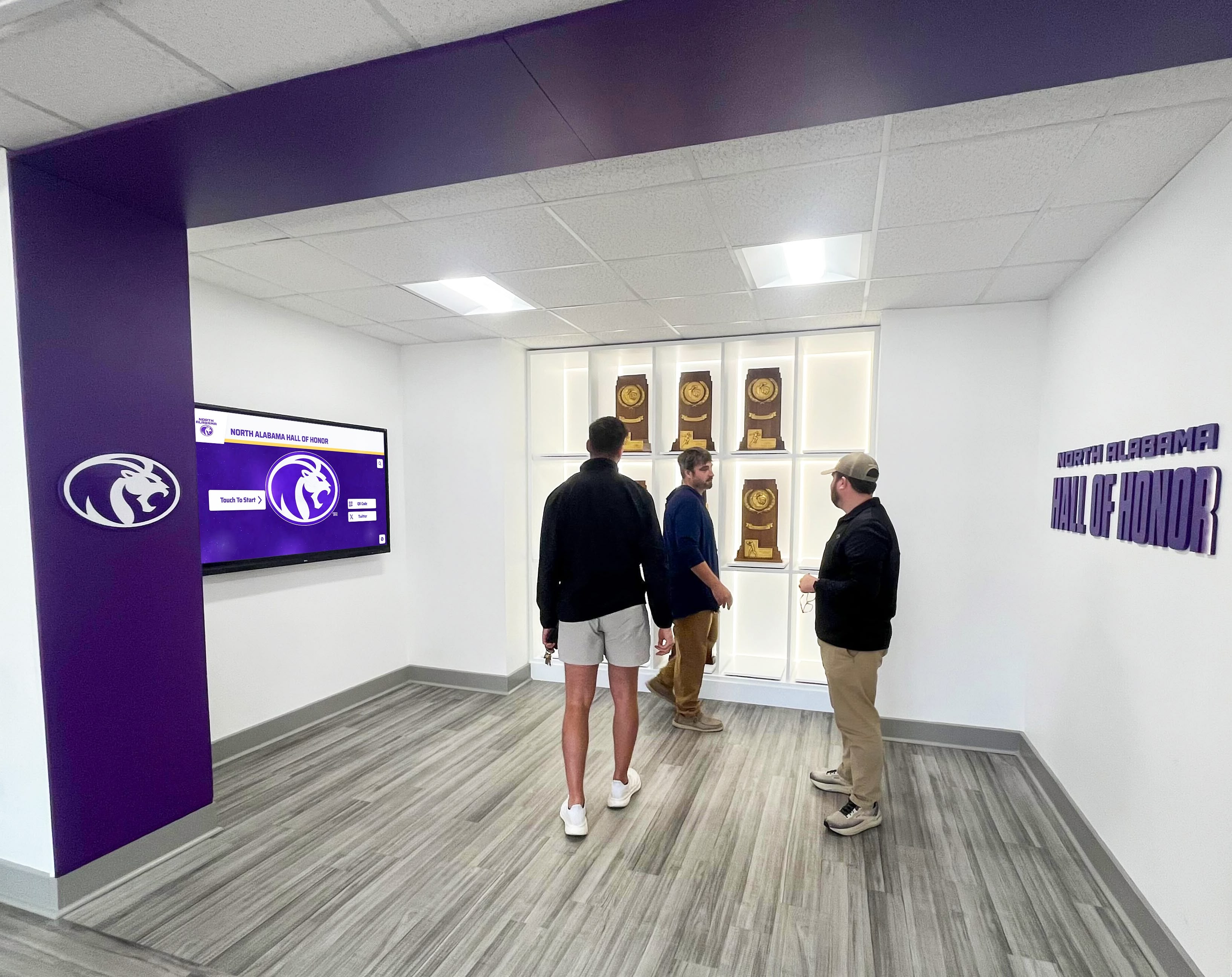
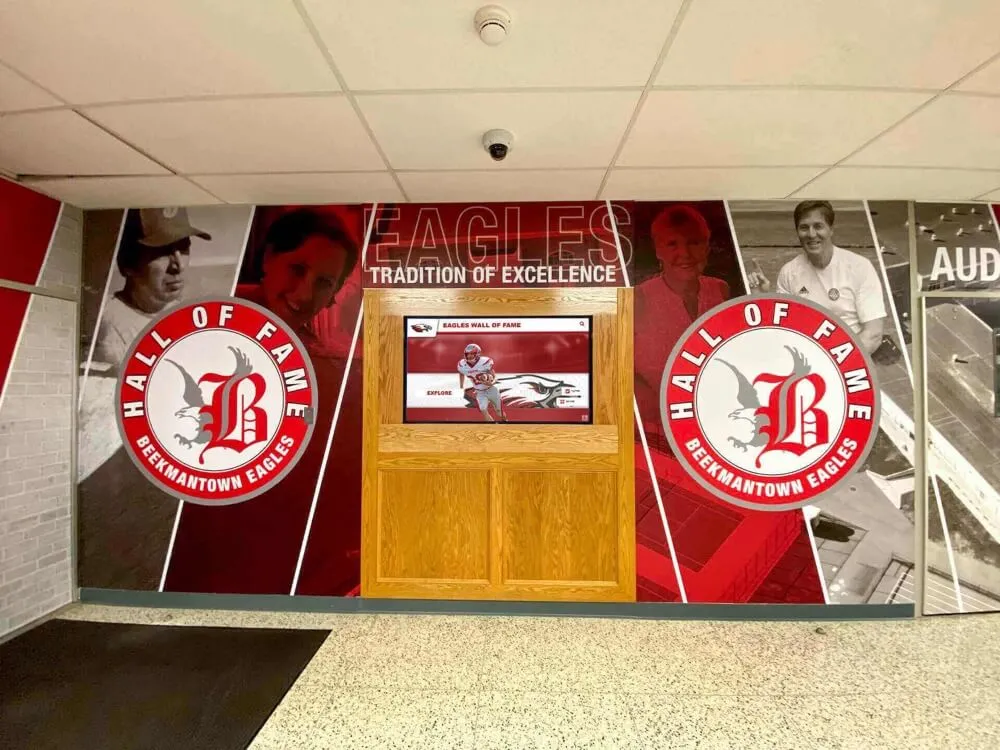
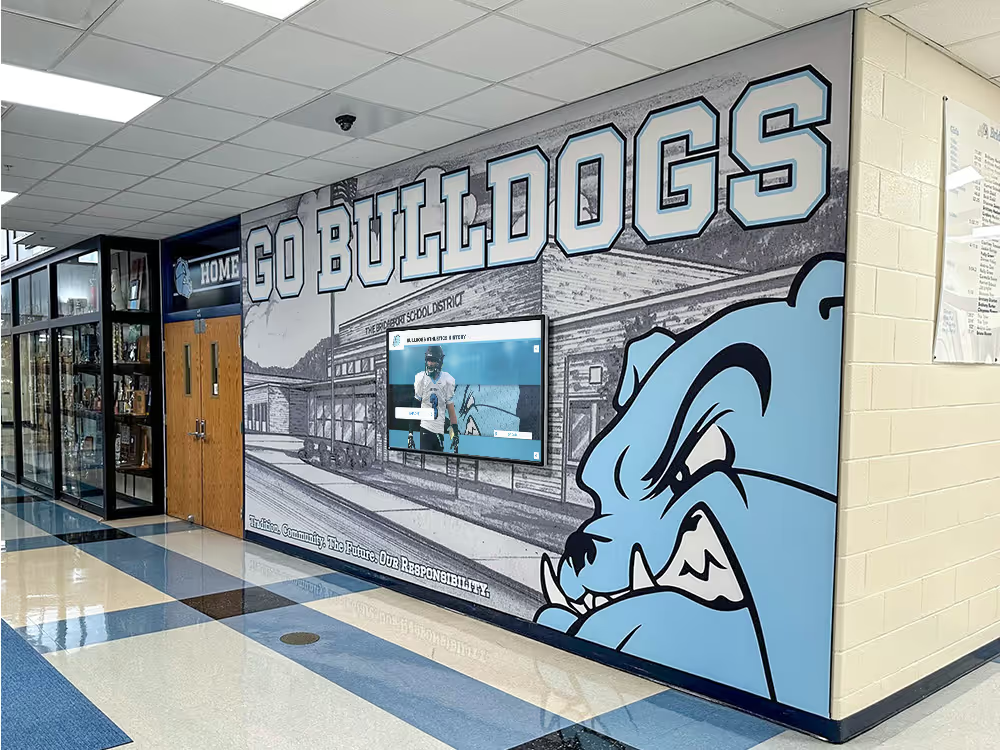
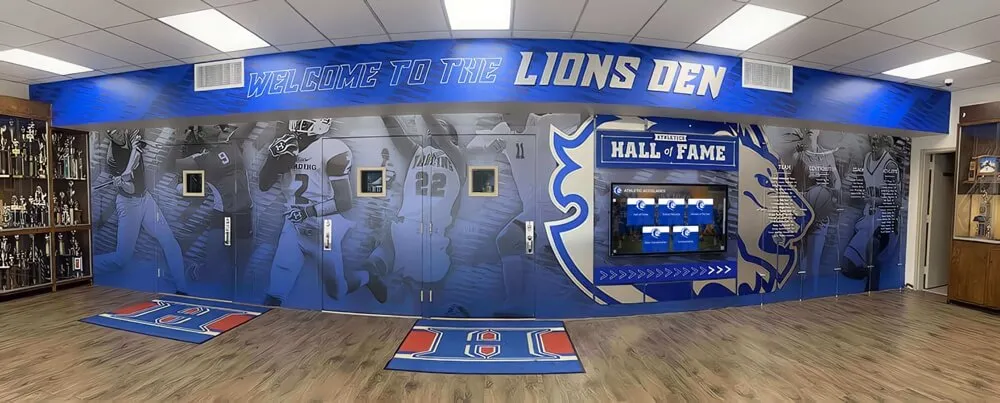
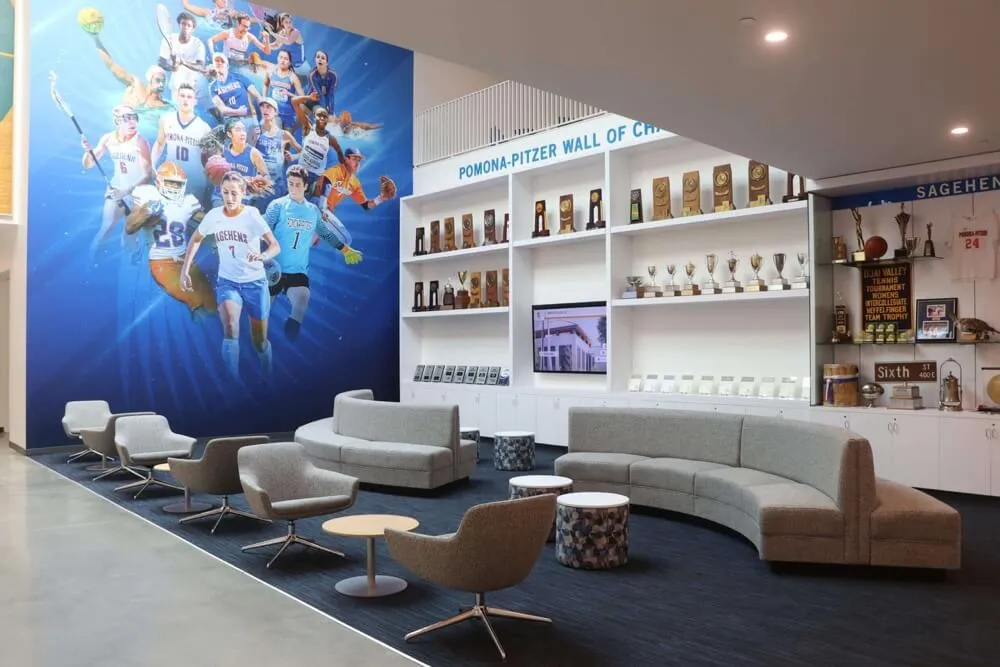
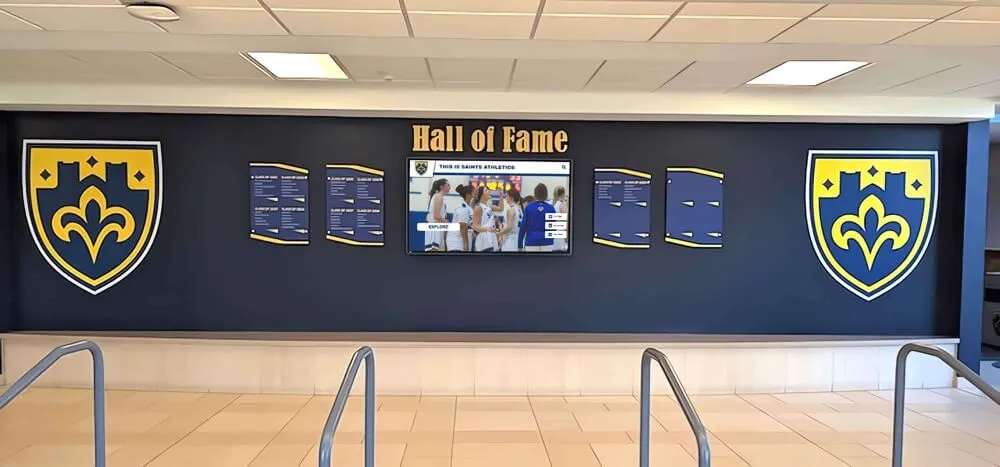
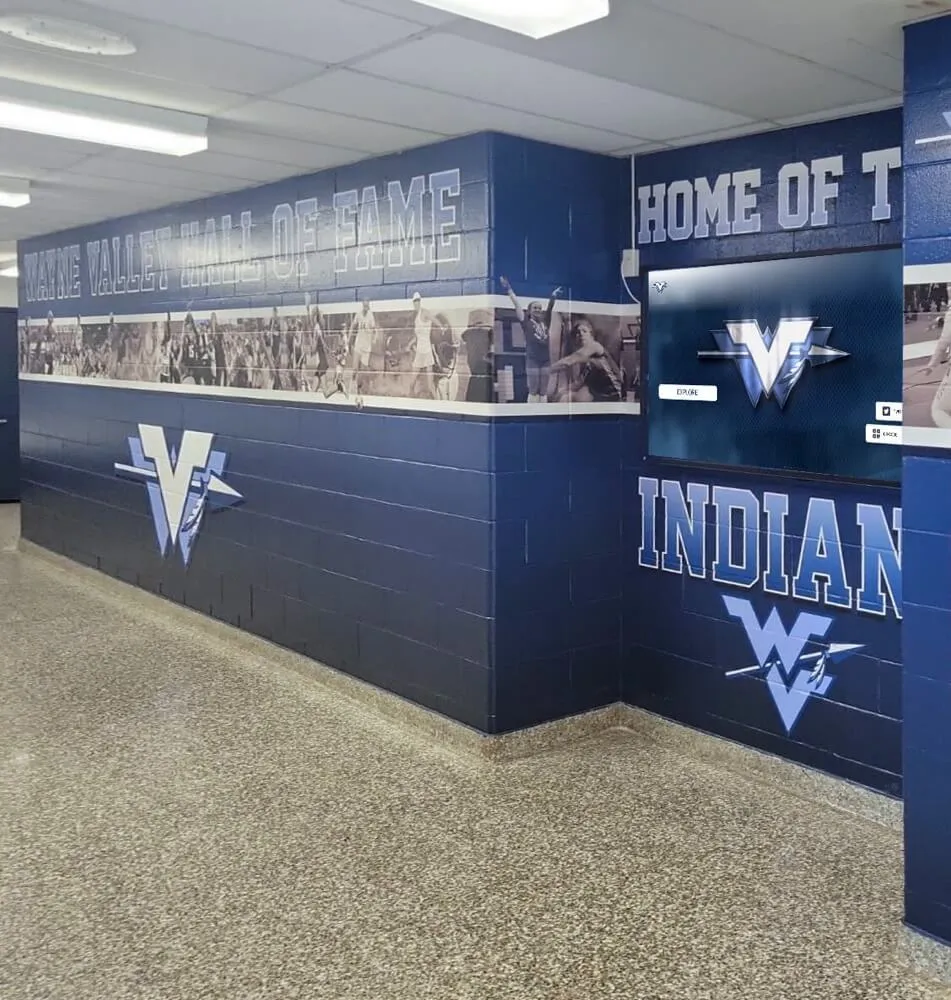
Dedicated recognition spaces create memorable ceremony settings celebrating athlete achievements
Documentation and Record Keeping
Systematic documentation preserves recognition history:
Recommended Records
- Complete recipient lists by year and award category
- Award criteria and selection rationale documentation
- Ceremony photos capturing athlete recognition moments
- Season statistics supporting performance awards
- Individual athlete files tracking multi-season recognition
- Budget documentation for future planning
- Feedback collection from athletes and families
Digital Tools
- Google Sheets for recipient tracking across seasons
- Photo storage via Google Photos or similar platforms
- Email distribution lists for family communication
- Social media pages preserving team history
- Website or blog documenting season highlights
- Cloud storage ensuring long-term record preservation
This documentation enables consistency across coaching changes, builds program legacy, and provides athletes with portfolios documenting their youth sports experiences comprehensively.
Psychological Impact and Motivation Research
Understanding recognition psychology helps coaches design programs maximizing developmental benefits:
Motivation Theory Applications
Intrinsic vs. Extrinsic Motivation Balance
Youth sports psychology research emphasizes that recognition programs should:
- Emphasize improvement and effort (intrinsic) alongside achievement (extrinsic)
- Avoid creating dependency on external validation alone
- Connect awards to specific behaviors athletes control
- Celebrate process and preparation rather than outcomes exclusively
- Build internal standards athletes carry beyond youth sports
Self-Determination Theory Implications
Recognition programs supporting autonomy, competence, and relatedness:
- Autonomy: Allow athlete input in goal-setting and award criteria
- Competence: Provide achievable challenge levels for all ability ranges
- Relatedness: Emphasize team awards building connection and belonging
Programs aligned with these psychological needs demonstrate superior retention and long-term participation rates compared to recognition focusing purely on competitive outcomes or individual achievement.
Age-Appropriate Recognition Frequency
Research indicates optimal recognition frequency varies by age:
Ages 4-8: Weekly recognition maintaining engagement and positive association Ages 9-12: Bi-weekly to monthly recognition balancing frequency with special meaning Ages 13-15: Monthly to seasonal recognition reflecting maturity and competitive focus Ages 16-18: Seasonal and achievement-milestone recognition appropriate for near-adult athletes
More frequent recognition benefits younger athletes whose shorter attention spans and immediate feedback needs differ dramatically from adolescent developmental patterns.
Explore recognition program impact in student achievement recognition applicable to athletic contexts.
Sport-Specific Award Adaptations
While many awards apply universally, certain sports benefit from specialized recognition:
Baseball/Softball Specific Awards
- Golden Glove Award (best fielder)
- Most Clutch Hitter
- Best Base Runner
- Strongest Arm
- Best Pitcher Control
- Team Captain Catcher
- Most Improved Swing
- Best Situational Hitter
Soccer Specific Awards
- Midfielder of the Year
- Best Defender
- Top Goalkeeper
- Most Assists
- Best Corner Kick
- Strongest Header
- Most Tackles Won
- Possession Player Award
Basketball Specific Awards
- Best Ball Handler
- Sharpshooter Award (three-point percentage)
- Best Rebounder
- Defensive Anchor
- Assist Leader
- Fastest Break Player
- Best Free Throw Shooter
- Paint Dominator Award
Swimming/Track Specific Awards
- Best Relay Swimmer
- Most Improved Times
- Best Technique
- Strongest Finisher
- Best Starts
- Multi-Event Excellence (competing across multiple events)
- Team Record Breaker
- Hardest Worker in Practice
Football Specific Awards
- Offensive Lineman of the Year
- Defensive Player of the Year
- Special Teams MVP
- Hardest Hitter
- Best Hands
- Most Sacks/Tackles
- Best Blocking
- Team Captain Leadership
Sport-specific recognition demonstrates thoughtfulness and expertise while acknowledging specialized skills that generalized awards might overlook.
Common Recognition Program Mistakes
Avoiding these frequent errors improves program effectiveness:
Mistake 1: Inconsistent Criteria
Problem: Award criteria changing yearly or lacking transparency creates perceived unfairness and undermines motivation.
Solution: Document and publish criteria at season start, apply consistently, and modify only after season completion for following year.
Mistake 2: Over-Recognition Dilution
Problem: Giving excessive awards to single athletes or creating too many categories diminishes each award’s special meaning.
Solution: Limit major awards to 5-7 categories with clear distinctions, ensuring recognition distribution across roster.
Mistake 3: Excluding Lower-Skill Athletes
Problem: Performance-only recognition leaves developing athletes feeling undervalued despite maximum effort.
Solution: Balance competitive awards with effort, improvement, and character categories enabling all athletes to earn recognition.
Mistake 4: Last-Minute Planning
Problem: Rushed award selection lacks thoughtfulness and may overlook deserving athletes or lack adequate presentation quality.
Solution: Begin tracking candidates throughout season, schedule selection meetings two weeks before ceremony, order materials early.
Mistake 5: Inadequate Presentation
Problem: Casual award distribution without ceremony or context reduces recognition impact and memorable meaning.
Solution: Create dedicated ceremony time, describe specific reasons justifying each award, allow photo opportunities, engage families.
Thoughtful program design avoiding these common pitfalls dramatically improves recognition effectiveness while requiring minimal additional effort beyond initial planning.
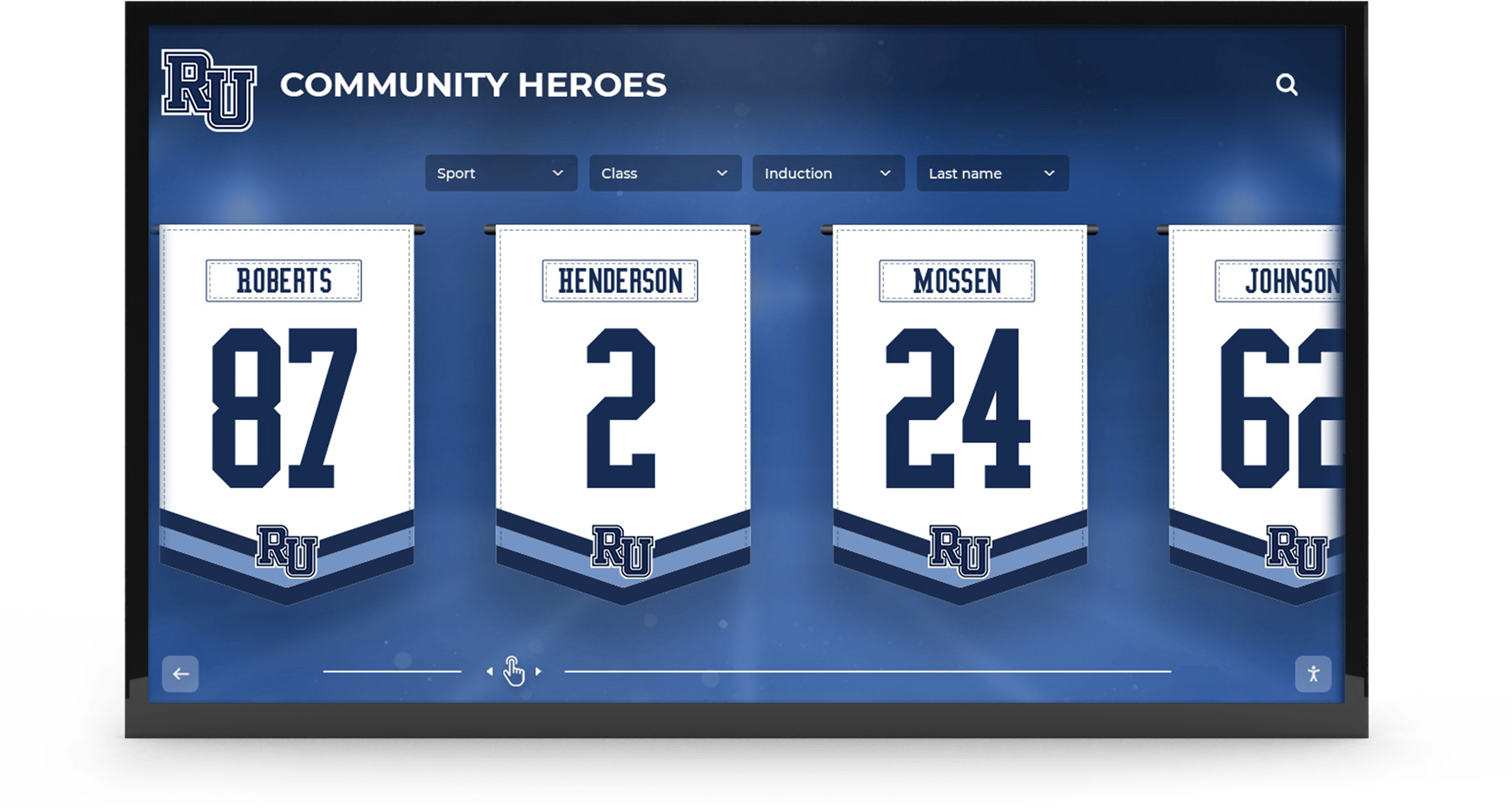
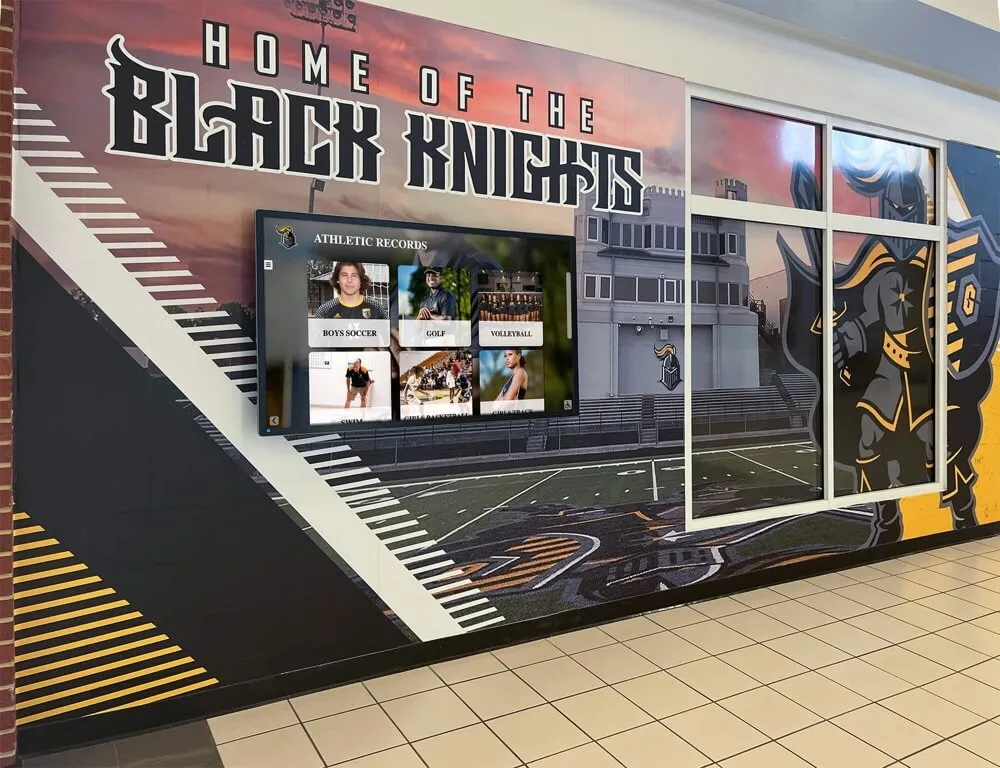
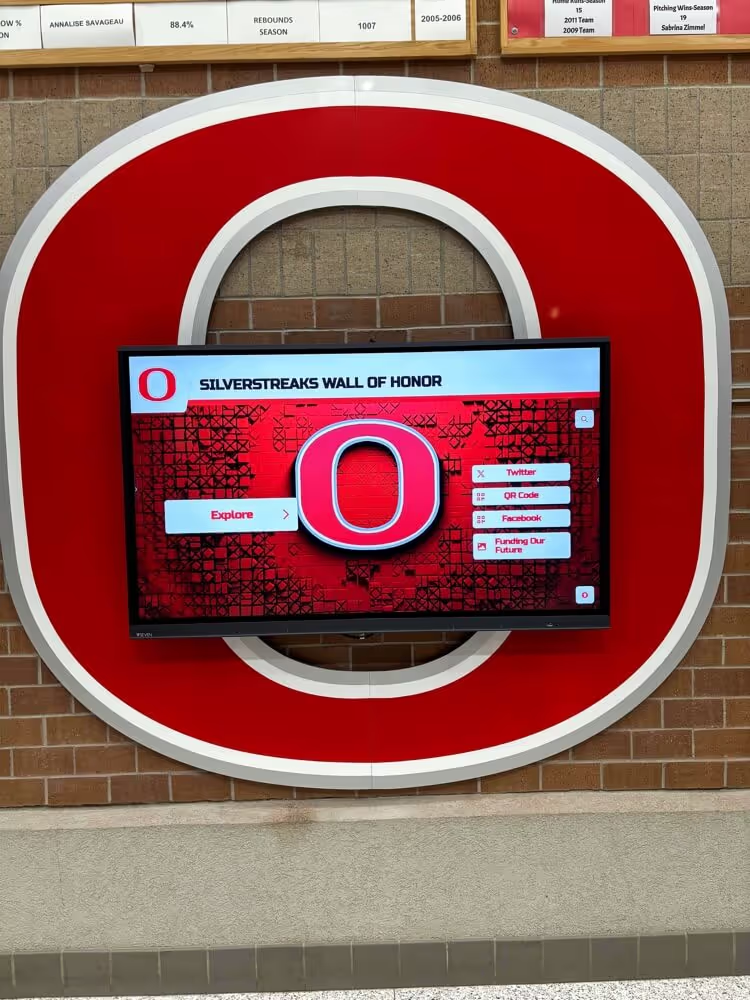
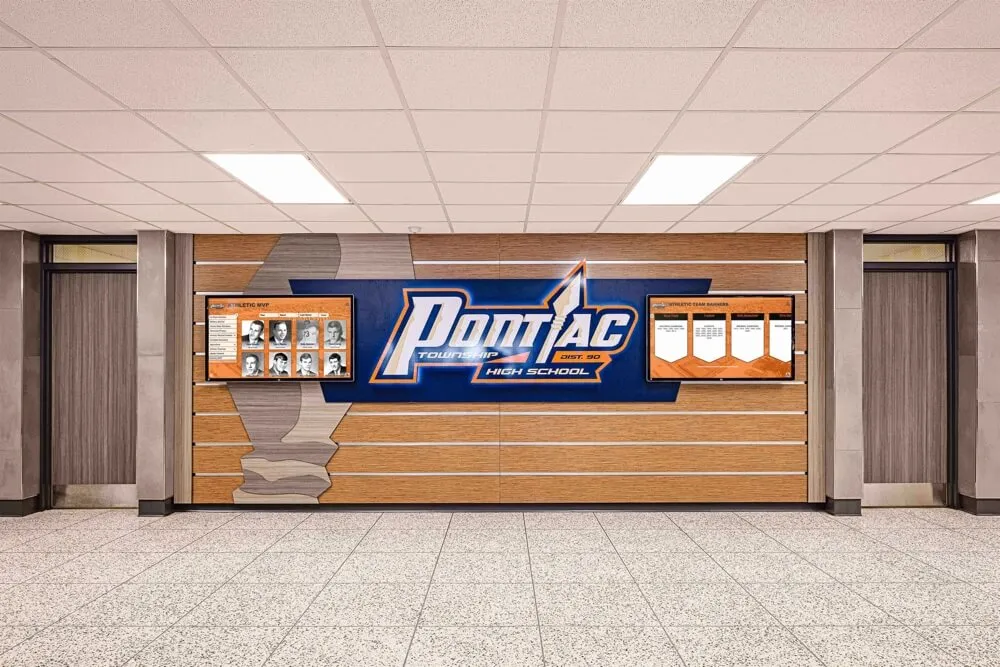
Digital banner displays enable recognizing unlimited athletes across teams and seasons without physical space constraints
Building Long-Term Recognition Culture
Single-season awards represent starting points—sustained recognition culture requires systematic development:
Multi-Season Recognition Systems
Athletes participating multiple years benefit from:
Progressive Recognition Tracks
- First-year participation certificates
- Second-year improvement awards
- Third-year leadership opportunities
- Fourth-year legacy recognition
- Multi-year statistical achievement tracking
Cumulative Achievement Documentation
- Individual athlete portfolios across seasons
- Historical statistics and award accumulation
- Leadership role progression tracking
- Skill development trajectory documentation
- College recruitment materials building
Digital platforms like Rocket Alumni Solutions enable youth sports organizations to maintain athlete records across multiple seasons—creating comprehensive documentation previously impossible with physical recognition alone while building program legacy attracting families seeking quality competitive experiences.
Program Legacy and History
Championship teams and exceptional athletes deserve permanent recognition:
- Program record boards documenting historical achievements
- Championship team photos and rosters preserved permanently
- Statistical leaders across program history
- Coaching tenure and accomplishment documentation
- Facility naming opportunities for major contributors
- Annual team traditions and recognition ceremonies
Building this historical legacy strengthens program reputation, attracts quality athletes, and creates aspirational culture motivating current participants to pursue excellence adding their names to permanent recognition.
Learn about comprehensive legacy preservation in institutional history display approaches applicable to youth sports programs.
Conclusion: Transforming Youth Sports Through Recognition
Thoughtful recognition programs fundamentally transform youth sports experiences—increasing retention during critical developmental years, building confidence extending far beyond athletics, and creating positive memories lasting lifetimes. The 100 award ideas presented in this comprehensive guide enable coaches and parents to implement recognition systems celebrating every athlete’s contributions regardless of skill level or competitive success.
From participation certificates for beginning elementary athletes to sophisticated statistical achievement recognition for competitive high school-age players, age-appropriate recognition honors dedication and improvement while building athletic identity and confidence. Budget-conscious strategies enable effective implementation at any spending level—from zero-cost verbal recognition to comprehensive digital documentation systems previously accessible only to elite programs.
Preserve Your Youth Sports Achievements
Discover how digital recognition platforms enable documenting unlimited athlete awards, statistics, and memories across multiple seasons—creating permanent records that grow with your athletes while building program legacy.
Explore Youth Recognition SolutionsSuccessful recognition programs share common characteristics: clear age-appropriate criteria, balanced attention to performance and character, fair selection processes engaging multiple perspectives, thoughtful presentation creating memorable ceremonies, and systematic documentation preserving achievements permanently. Coaches implementing these principles report measurably improved athlete satisfaction, higher retention rates, and stronger program reputations attracting quality participants.
Start wherever current situations demand—whether adding simple weekly verbal recognition to existing programs or implementing comprehensive digital documentation systems—then systematically expand recognition coverage ensuring every athlete receives meaningful celebration appropriate to their contributions and developmental level. Your young athletes’ dedication, improvement, and character development deserve recognition programs honoring their commitment while building confidence and athletic identity carrying forward throughout their lives.
Ready to transform your youth sports recognition program? Solutions like Rocket Alumni Solutions provide youth sports organizations with professional recognition platforms enabling comprehensive documentation across multiple seasons while creating systems celebrating every athlete’s contributions permanently. From recreational elementary programs to competitive travel teams, thoughtful recognition transforms youth sports from simple activity participation into formative developmental experiences building confidence, character, and lifelong athletic appreciation.